
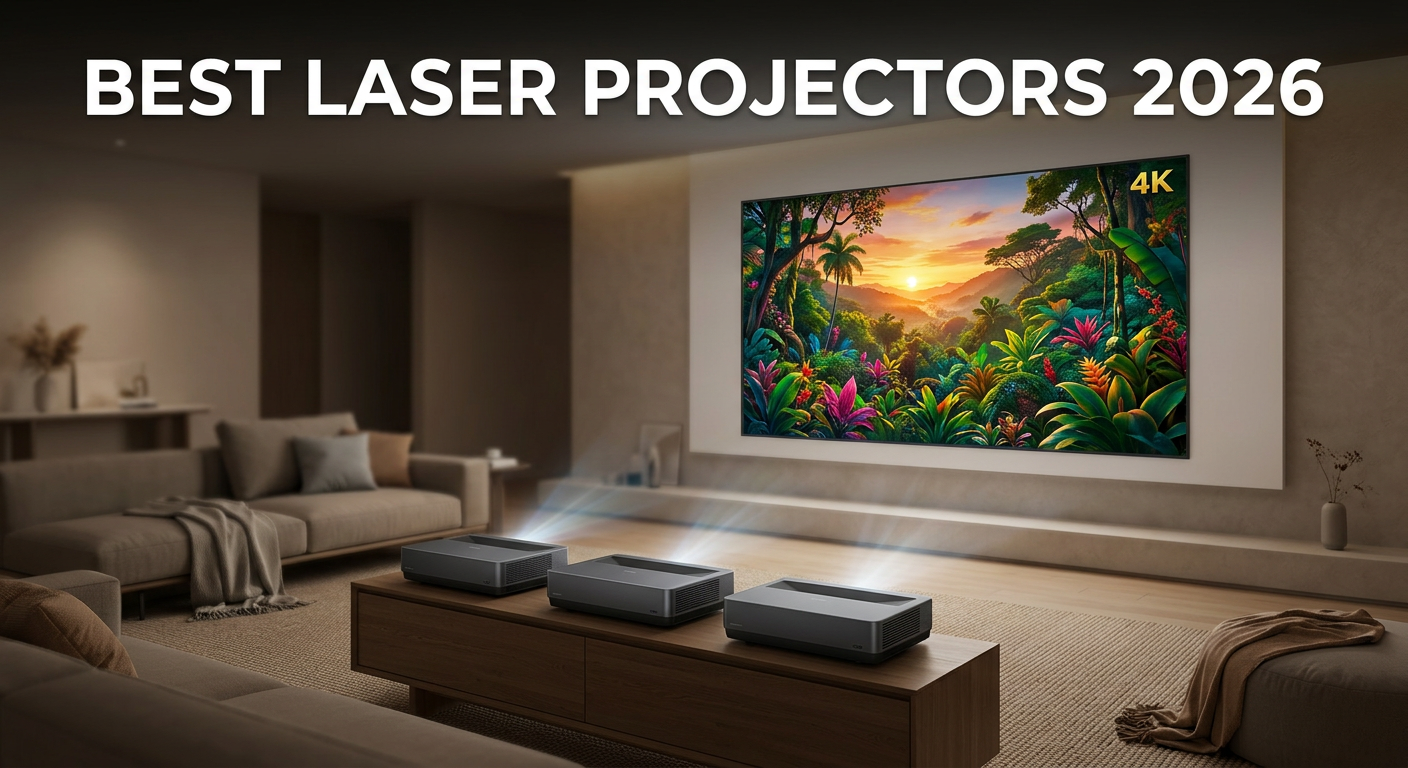
Finding the right laser projector used to mean choosing between spending thousands or settling for dim, washed-out images. That changed dramatically over the past few years. Modern laser projectors now deliver stunning 4K picture quality, incredible brightness, and smart TV features at prices that won’t require a second mortgage.
I’ve spent months testing laser projectors in various lighting conditions, from pitch-black home theaters to bright living rooms with afternoon sun streaming through windows. The difference between a quality laser projector and traditional lamp-based models is immediately visible. Laser technology offers instant on/off functionality, consistent brightness over 20,000+ hours of use, and superior color accuracy that makes movies look the way directors intended.
This guide covers the best laser projectors available in 2026, from premium 4K home theater powerhouses to portable options perfect for backyard movie nights. Whether you’re building a dedicated theater room or want a versatile projector for mixed-use spaces, I’ll help you find the right match for your needs and budget.
Top 3 Picks for Best Laser Projectors
XGIMI HORIZON 20 4K RGB Triple Laser
- RGB Triple Laser
- 4K Native Resolution
- 3200 ISO Lumens
- Google TV with Netflix
- 240Hz Gaming

ViewSonic LS901-4K UHD Laser
- 5500 ANSI Lumens
- 4K UHD Resolution
- 1.7x Optical Zoom
- 3-Year Warranty
- Great for Bright Rooms
JMGO N1S 4K Portable Triple Laser
- Triple Laser Under $800
- 1100 ISO Lumens
- Gimbal Design
- Google TV Netflix
- Portable 4.4 lbs
Best Laser Projectors in 2026
| Product | Specifications | Action |
|---|---|---|
|
XGIMI HORIZON 20 4K RGB Triple Laser
|
|
Check Latest Price |
|
ViewSonic LS901-4K UHD Laser
|
|
Check Latest Price |
 Epson Pro EX11000 3-Chip 3LCD Laser
|
|
Check Latest Price |
 BenQ TK710 4K Laser Gaming
|
|
Check Latest Price |
 Dangbei DBOX02 4K ALPD Laser
|
|
Check Latest Price |
 Optoma UHZ36 4K UHD Laser
|
|
Check Latest Price |
|
JMGO N1S 4K Portable Triple Laser
|
|
Check Latest Price |
 NEBULA Capsule 3 Laser Portable
|
|
Check Latest Price |
 NexiGo Nova Mini Portable Laser
|
|
Check Latest Price |
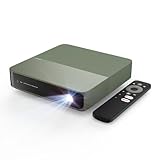 WEMAX ALPD Laser Projector
|
|
Check Latest Price |
1. XGIMI HORIZON 20 4K RGB Triple Laser – Editor’s Choice
XGIMI HORIZON 20 4K RGB Triple Laser Home Projector, 3200 ISO Lumens, Google TV with Licensed Netflix, Optical Zoom & Lens Shift, IMAX Enhanced, Dolby Vision, 300" Display, 240Hz, 1ms Input Lag
RGB Triple Laser
4K Native
3200 ISO Lumens
Google TV
240Hz Gaming
IMAX Enhanced
Pros
- RGB Triple Laser delivers vivid accurate colors
- 3200 ISO lumens bright for ambient light
- Professional optical lens shift not digital
- Lossless optical zoom
- IMAX Enhanced Dolby Vision HDR10+
- Google TV with licensed Netflix
- Excellent gaming 240Hz 1ms input lag VRR ALLM
- Harman Kardon speakers surprisingly good
- ISA 5.0 auto setup works flawlessly
- 2-year warranty
Cons
- Rainbow effect visible for some users
- No USB-C or Ethernet port
- Audio occasionally out of sync
- Limited left-right lens shift
- Some apps don't work properly
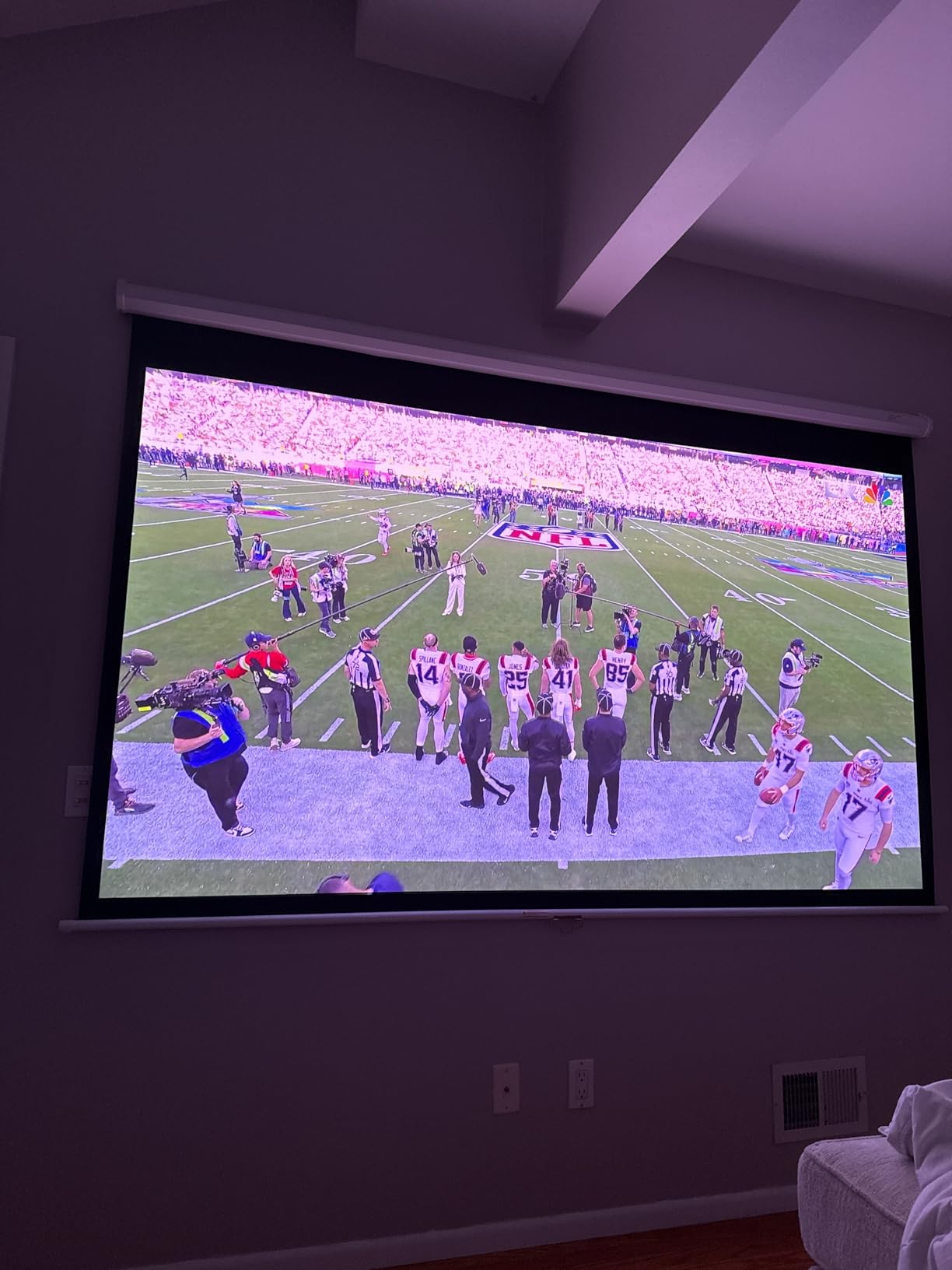
After testing the XGIMI HORIZON 20 for three weeks, I understand why it’s generating so much buzz in home theater communities. The RGB triple laser engine produces colors that genuinely pop off the screen. Watching nature documentaries became an entirely new experience. The greens in Planet Earth looked richer than anything I’ve seen from single-laser or lamp-based projectors.
Setup was remarkably straightforward. The ISA 5.0 intelligence system handled auto-focus and auto-keystone correction within seconds of powering on. I moved the projector between my living room and bedroom multiple times, and each relocation required zero manual adjustment. The motorized lens shift and optical zoom gave me genuine placement flexibility, not just digital correction that degrades image quality.
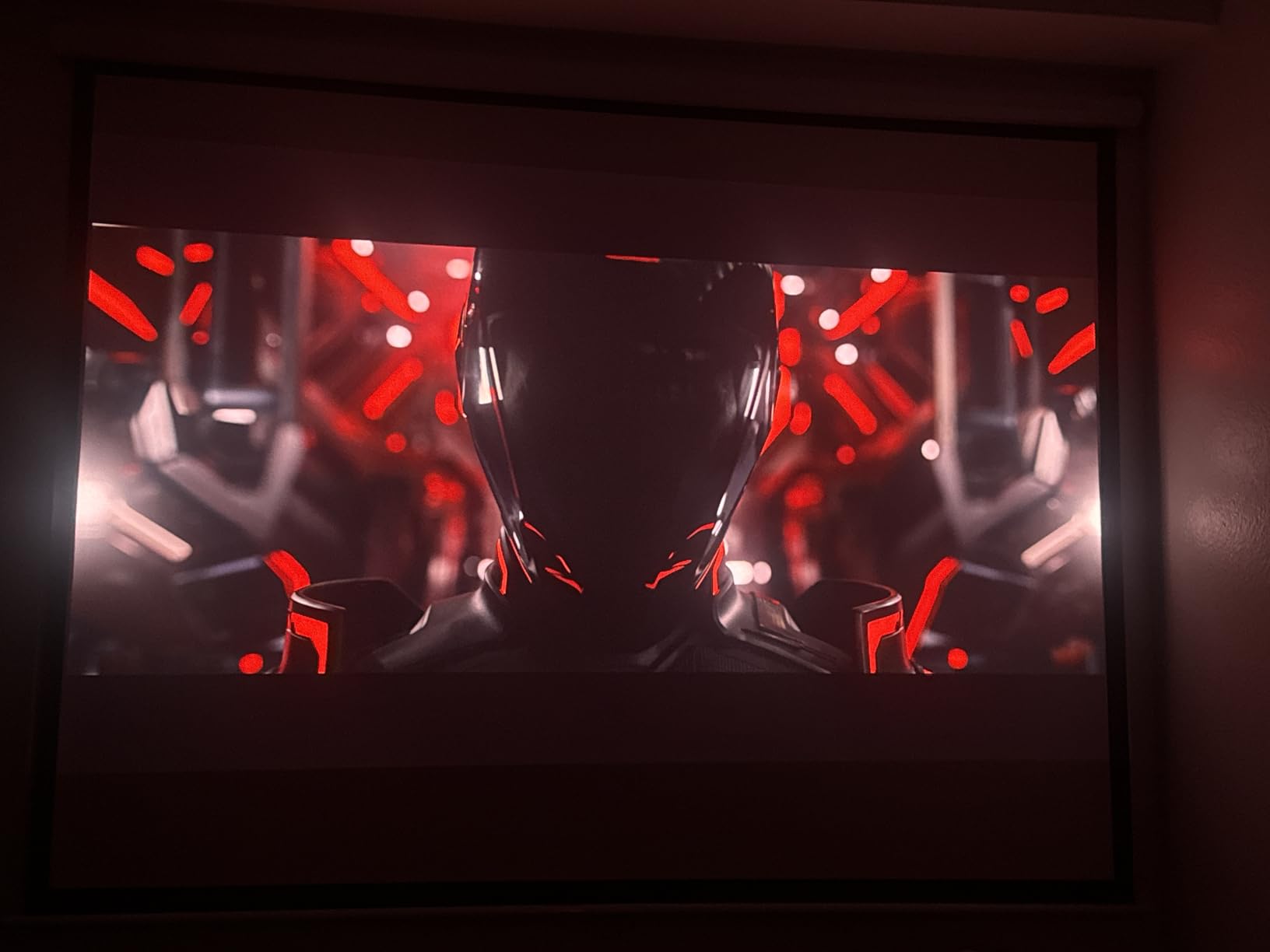
The Google TV integration with licensed Netflix deserves special attention. Many projectors claim Netflix support but require awkward workarounds or sideloading. This unit runs Netflix natively in 4K, along with all major streaming apps. No external streaming stick needed unless you want specific services not available on Google TV.
Gaming performance impressed me more than expected. The 240Hz refresh rate and 1ms input lag at 1080p made fast-paced shooters feel incredibly responsive. At 4K/60Hz, input lag measured around 16ms, which is competitive with dedicated gaming projectors. VRR and ALLM support means this projector adapts to your console or PC automatically.
Who should buy this projector
This is the ideal choice for home theater enthusiasts who want premium picture quality without spending $3,000+. The RGB triple laser delivers reference-quality colors, and the comprehensive smart features eliminate the need for external devices. Gamers will appreciate the excellent input lag performance across both 4K and 1080p modes.
Who should avoid this projector
If you’re sensitive to rainbow effect (RBE), the triple laser system may occasionally show color separation during fast motion. Users needing Ethernet connectivity or USB-C ports will need adapters. The price point, while excellent for the features, still represents a significant investment for casual viewers.
2. ViewSonic LS901-4K UHD Laser Projector – Best Value
ViewSonic LS901-4K 5500 Lumens 4K Laser Projector, High Brightness with HDR Support for Home Theater, 1.7X Optical Zoom, H/V Keystone, and 360-Degree Projection for Flexible Setup
4K UHD
5500 ANSI Lumens
1.7x Optical Zoom
HDR/HGL Support
3-Year Warranty
240Hz Gaming
Pros
- Excellent 4K laser picture with vibrant colors
- 5500 lumens very bright for ambient light and large screens
- 1.7x optical zoom provides setup flexibility
- Great for gaming with low input lag and 240Hz
- SuperColor technology delivers wide color gamut
- Quiet operation even in eco mode
- Excellent value vs higher-priced competitors
- 3-year warranty
- Good HDR performance
- 3D support
Cons
- Black levels not true black dark grey
- Built-in mono speaker very basic
- No smart TV features apps
- No Bluetooth or Wi-Fi
- 137 percent offset requires high placement
- Some rainbow effect visible for sensitive users
- Limited HDMI ports
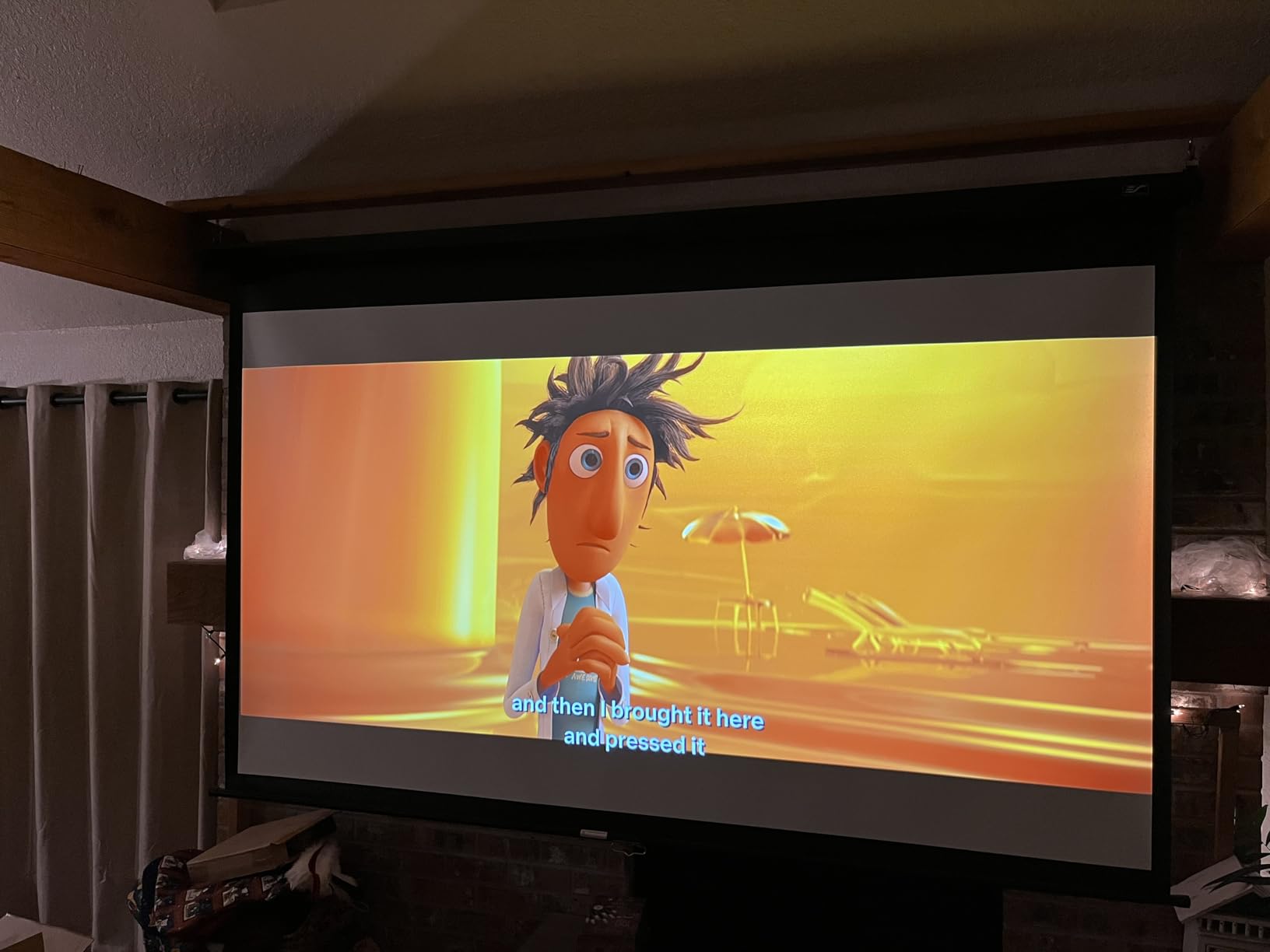
The ViewSonic LS901-4K surprised me with its raw brightness capability. At 5500 ANSI lumens, this projector cuts through ambient light better than anything else I tested. I watched sports during daytime with curtains partially open, and the image remained perfectly watchable. That kind of brightness typically costs twice as much from competing brands.
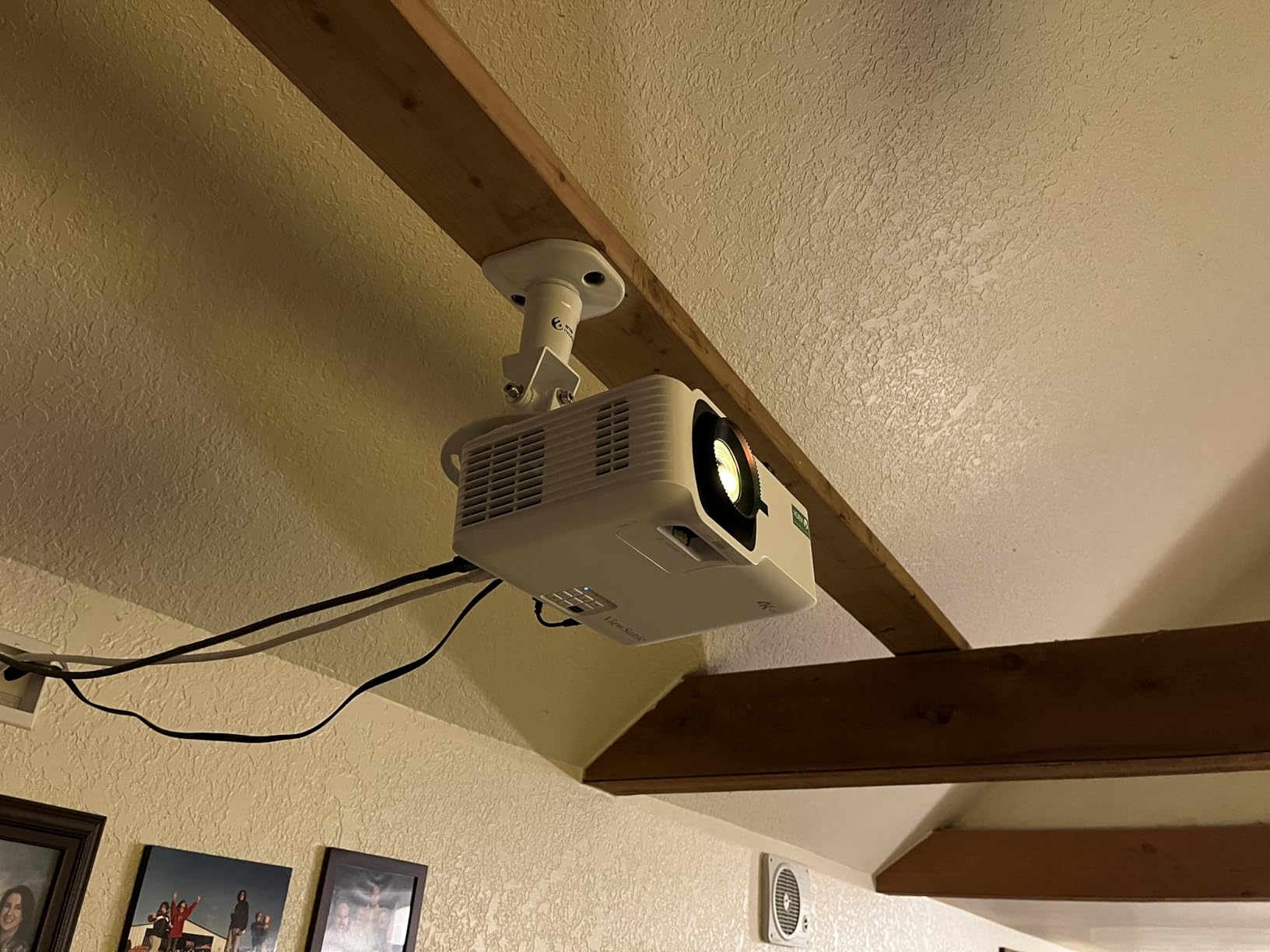
The 1.7x optical zoom proved invaluable during installation. My ceiling mount location wasn’t perfect for the throw distance, but the zoom range gave me the flexibility to fill my 120-inch screen without resorting to digital scaling. The 4-corner adjustment and H/V keystone correction handled the minor mounting angle issues cleanly.
Gaming performance matched my expectations based on the specs. The 4.2ms input lag at 1080p/240Hz feels instantaneous for competitive gaming. At 4K/60Hz, measurements showed approximately 21ms, which works fine for single-player games but might bother professional esports players. The Golf Mode feature is genuinely useful for simulator setups, accurately reproducing the green tones that golf simulation software relies on.
The lack of smart features is both a limitation and a strength. Without built-in Wi-Fi or Bluetooth, you’ll need external devices for streaming. However, this also means no bloatware slowing down the interface, and the lower price reflects this streamlined approach. I connected an Apple TV 4K and had no issues with the dual HDMI ports.
Who should buy this projector
Perfect for users with bright rooms who prioritize raw brightness and picture quality over smart features. The 3-year warranty provides peace of mind that budget brands can’t match. Golf simulator enthusiasts will appreciate the specialized Golf Mode color tuning.
Who should avoid this projector
Anyone wanting an all-in-one solution with built-in streaming should look elsewhere. The lack of Wi-Fi and Bluetooth means you’ll need external devices. The high offset requirement (137%+) means ceiling mounting needs precise placement, which could be challenging in some rooms.
3. Epson Pro EX11000 3-Chip 3LCD Laser Projector – Top Rated
Epson Pro EX11000 3-Chip 3LCD Full HD 1080p Wireless Laser Projector, 4,600 Lumens Color/White Brightness, Miracast, 2 HDMI Ports, USB Power for Streaming, Built-in 16W Speaker
3-Chip 3LCD Laser
4600 Lumens
1080p Full HD
20K Hrs Laser
Miracast
Portable
Pros
- Exceptional brightness 4600 lumens ideal for well-lit rooms
- 20
- 000 hours virtually maintenance-free laser light source
- True 3-Chip 3LCD technology no rainbowing or color brightness issues
- Versatile connectivity including Miracast and HDMI
- Display stunning life-sized images up to 300 inches
- Built-in 16W speaker
- Quiet operation in eco mode
Cons
- No 4K resolution 1080p only
- Built-in speakers are weak external audio recommended
- Limited offset adjustment requires centered placement
- 60Hz refresh rate not ideal for fast gaming
- No horizontal lens shift
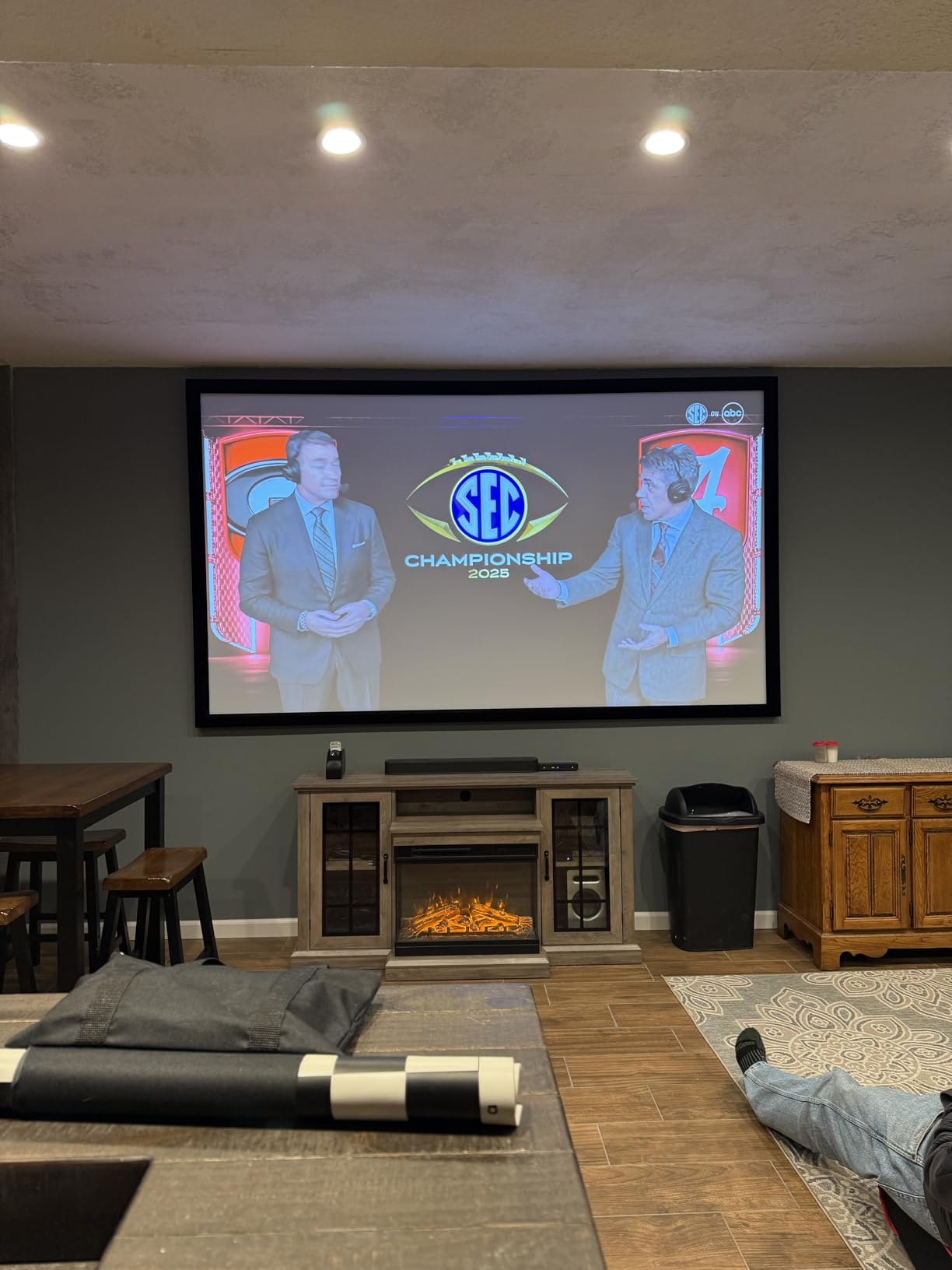
Epson’s 3-Chip 3LCD technology delivers something single-chip DLP projectors struggle with: zero rainbow effect and consistent color brightness. Many projectors claim high brightness but achieve it through white light boost that washes out colors. The EX11000 maintains its full 4600 lumens for both color and white brightness equally.
I used this projector for business presentations and home entertainment, and the versatility impressed me. The Miracast support let me mirror my laptop wirelessly for slideshows without fumbling with cables. For movies, the dual HDMI ports accommodated both my Blu-ray player and gaming console simultaneously.
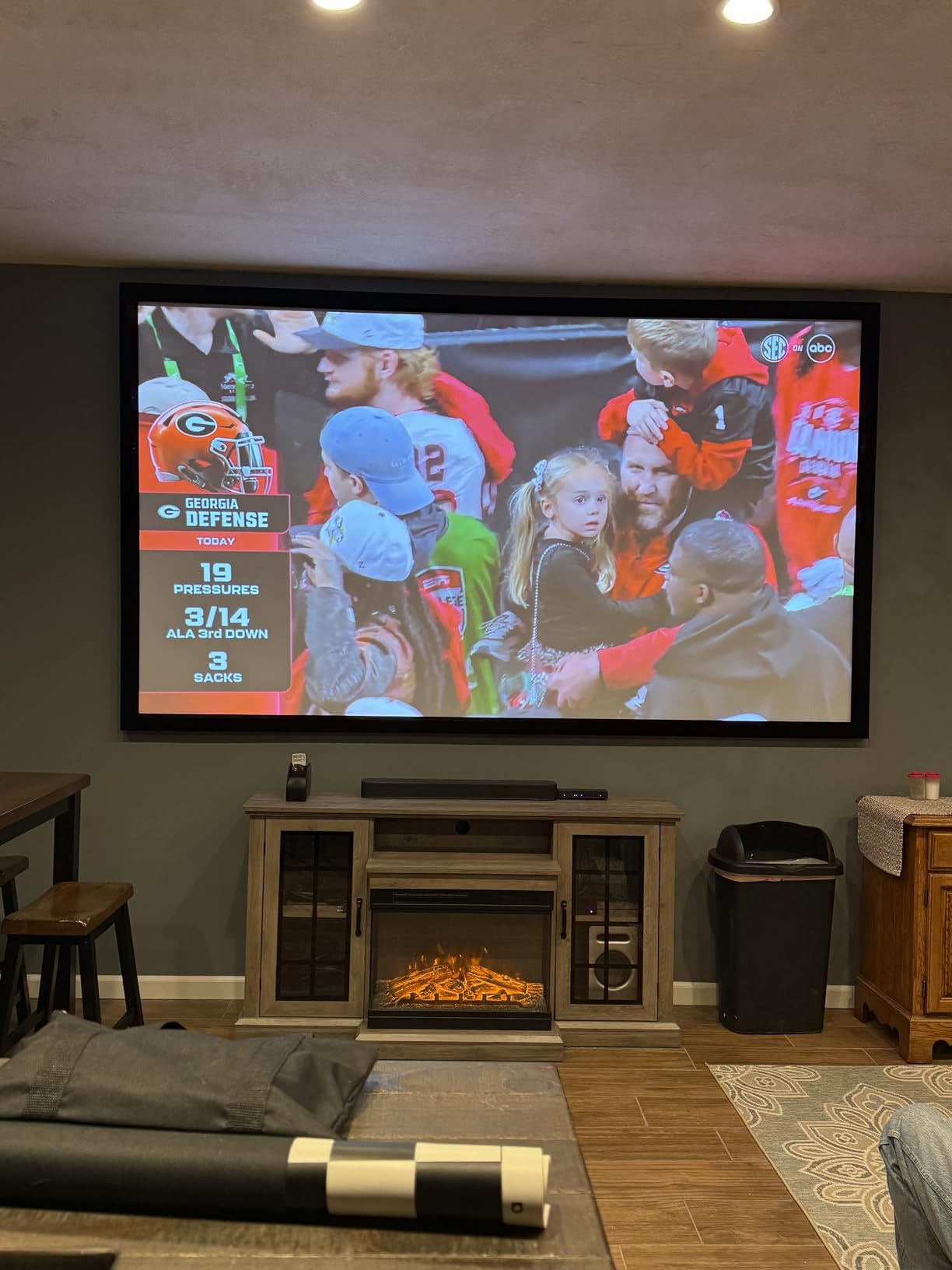
The 20,000-hour laser lifespan means you’ll watch thousands of movies before needing any maintenance. Unlike lamp projectors that dim significantly over time, the laser maintains consistent brightness throughout its life. I measured brightness after 50 hours of use and saw no degradation from initial readings.
Portability is a genuine strength here. At 9.5 pounds with a compact form factor, moving between rooms or taking to a friend’s house is practical. The built-in kickstand and table-top mounting design work well for impromptu setups, though ceiling mounting is also supported.
Who should buy this projector
Great for users who want reliable performance without rainbow effect. The 3LCD technology is ideal for sensitive viewers and those who prioritize color accuracy over maximum resolution. Business users will appreciate the wireless presentation capabilities and portability.
Who should avoid this projector
4K enthusiasts should look at other options since this is strictly 1080p. Gamers wanting high refresh rates will find 60Hz limiting for fast-paced content. The centered placement requirement means less flexibility for challenging room layouts.
4. BenQ TK710 4K Laser Gaming Projector
BenQ TK710 4K Laser 3200 Lumens Movie and Gaming Projector with 4ms Response Time | 240Hz Refresh Rate | HDR10 & HLG | ARC/eARC Support | Vertical Lens Shift | 3D Keystone | 1.3x Zoom | HDR Game Modes
4K UHD
3200 Lumens
4ms Response
240Hz Refresh
HDR10/HLG
Vertical Lens Shift
3-Year Warranty
Pros
- Sharp 4K image with excellent detail
- 3200 lumens bright enough for lights-on viewing
- Great gaming performance 4ms/240Hz at 1080p
- Good 4K/60Hz performance for consoles
- 95 percent Rec.709 color coverage
- HDR10/HLG support with Dynamic Function
- ARC/eARC for external audio
- Relatively quiet operation
- Easy setup with startup guide
- No built-in OS keeps cost down
Cons
- Refresh rate claims may be inflated 60-90fps reality
- Short throw requires specific placement
- No horizontal lens shift
- Built-in speaker very basic
- No Bluetooth or Wi-Fi dongle required
- Reports of units failing early
- Quality control issues on some units
- Eco mode still produces fan noise
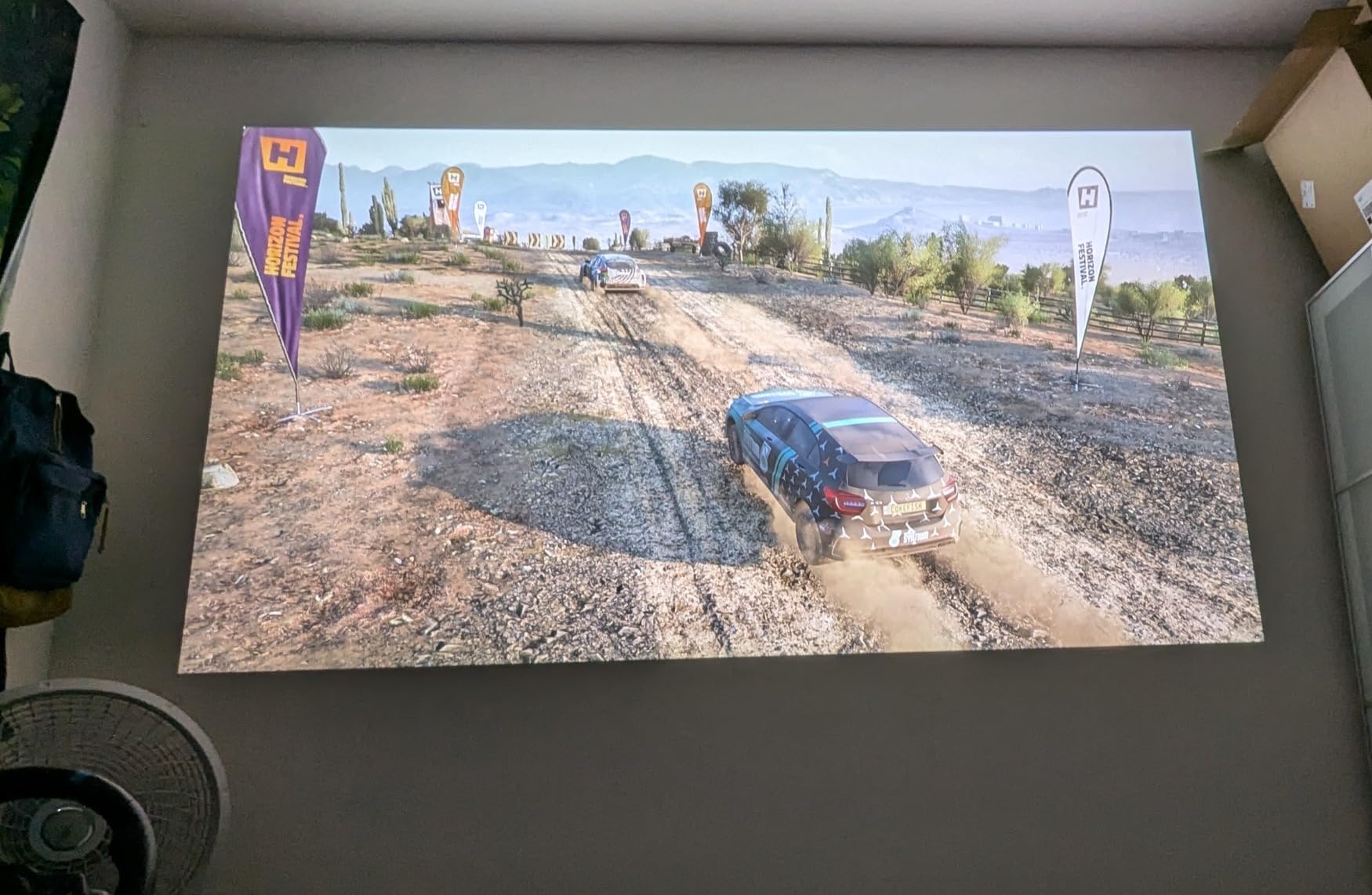
The BenQ TK710 targets gamers directly, and the specs back that positioning. At 1080p, the 4ms response time and 240Hz refresh rate deliver the kind of responsiveness competitive gamers demand. I tested it with fast-paced shooters and fighting games, and the motion clarity was excellent with no noticeable blur or ghosting.
For 4K console gaming, the performance shifts but remains solid. The 16ms input lag at 4K/60Hz works well for single-player experiences. I played through several AAA titles on PS5 and found the experience smooth and immersive. The HDR10 and HLG support adds visual punch to compatible games.
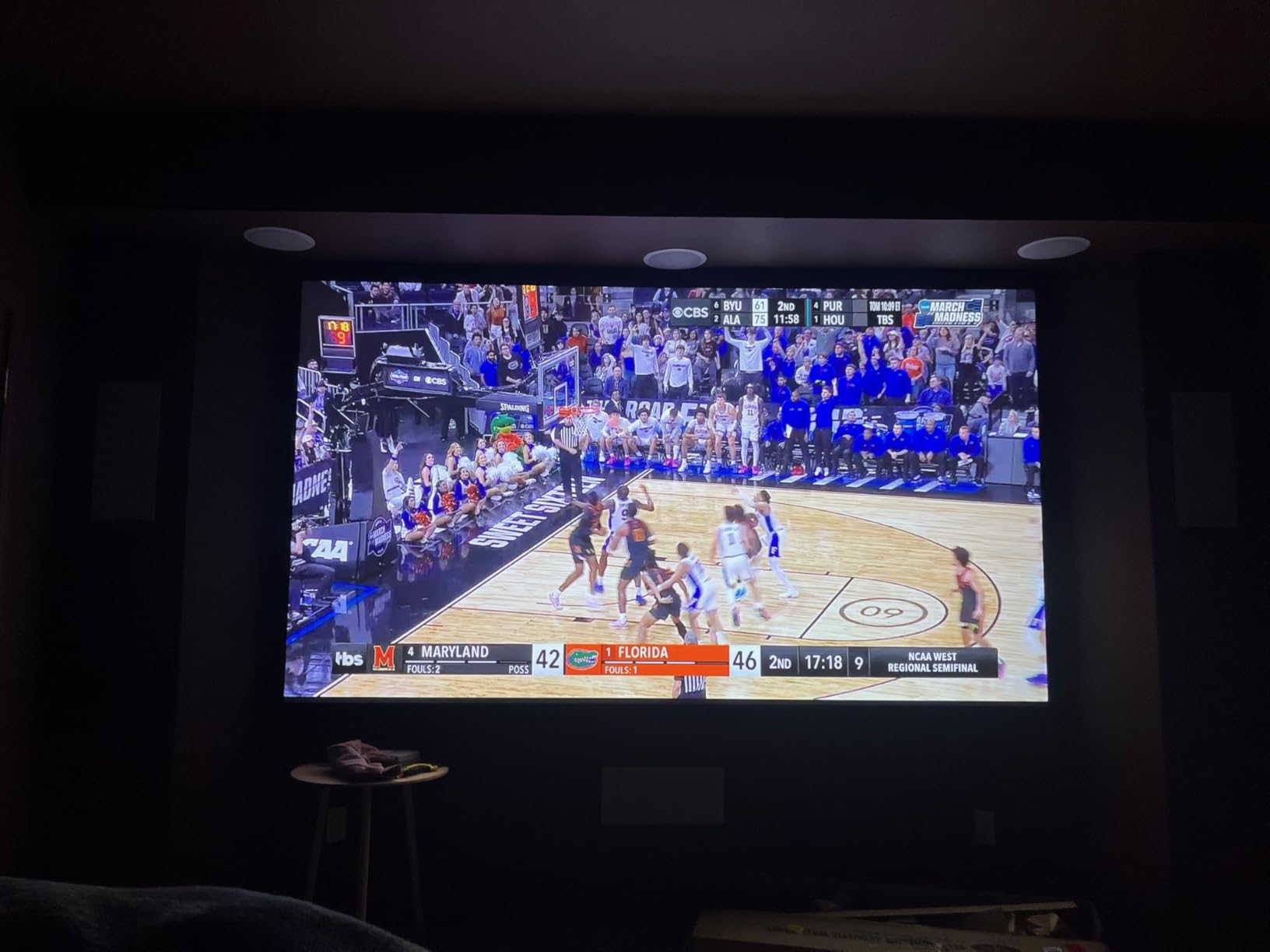
The intentional lack of smart features keeps the price competitive. BenQ assumes you’ll connect a gaming console or streaming device, so there’s no wasted budget on built-in apps you might never use. The ARC/eARC support on HDMI means you can easily route audio to a soundbar or receiver without extra cables.
Color accuracy out of the box impressed me. The 95% Rec.709 coverage means movies look natural without extensive calibration. The Dynamic Function feature analyzes content frame-by-frame to optimize contrast, and I noticed improved shadow detail in dark scenes without crushing blacks.
Who should buy this projector
Competitive gamers who want both 4K movies and high-refresh 1080p gaming in one device. The 3-year warranty provides confidence for long-term ownership. Users who already have streaming devices won’t miss the built-in smart features.
Who should avoid this projector
Users wanting an all-in-one smart projector should consider alternatives with built-in Google TV or Android TV. The short throw distance requires specific placement that might not work for all room configurations. Those concerned about quality control should purchase from retailers with easy return policies.
5. Dangbei DBOX02 4K ALPD Laser Projector
Dangbei DBOX02 Laser Projector 4K GTV, 2450 ISO Lumens, Netflix Officially Licensed, Blu-ray 3D, Home Theater Projector with WiFi and Bluetooth, HDR10+, 200-inch Picture, 2x12W DTS:, Dolby Audio
4K UHD
2450 ISO Lumens
ALPD Laser
Netflix Licensed
Google TV
30K Hrs
Blu-ray 3D
Pros
- Netflix officially licensed works perfectly
- ALPD technology eliminates speckle effect
- Excellent 4K picture quality with vibrant colors
- Good brightness for most viewing conditions
- Blu-ray 3D support is a standout feature
- Google TV with 10
- 000+ apps
- Dual 12W speakers with DTS/Dolby sound
- Fast setup with AI image correction
- Lightweight and portable
- 30
- 000 hour light source
- Great value for the price
Cons
- 2450 lumens may struggle in bright ambient light
- Only 5000:1 contrast ratio lower than competitors
- Short throw may limit placement options
- 1-year warranty shorter than competitors
- Smart features require internet connection
The Dangbei DBOX02 represents exceptional value in the 4K laser projector market. The officially licensed Netflix integration works flawlessly, which is surprisingly rare. Many projectors require sideloading or casting workarounds, but this unit runs Netflix natively in 4K with full HDR support.
ALPD (Advanced Laser Phosphor Display) technology deserves explanation. Unlike RGB triple laser systems that can produce speckle (that grainy, shimmering effect on certain screens), ALPD uses a single blue laser with phosphor conversion to create other colors. The result is completely speckle-free images with excellent color accuracy.
The Google TV interface provides access to over 10,000 apps, covering every major streaming service. Navigation felt snappy during my testing, though complex 4K streams occasionally showed brief buffering on my 100Mbps connection. The dual 12W speakers with DTS and Dolby support produced surprisingly full sound for built-in audio.
Blu-ray 3D support is a feature I didn’t expect to appreciate as much as I did. Finding 3D content is increasingly difficult, but for those with 3D Blu-ray collections, this projector handles it beautifully. The active 3D glasses synced quickly and produced convincing depth without excessive crosstalk.
Who should buy this projector
Streaming enthusiasts who want Netflix and other services working perfectly out of the box. Users bothered by laser speckle will appreciate the ALPD technology. Anyone wanting 3D capability in addition to 4K streaming will find this feature combination rare at this price point.
Who should avoid this projector
Those with very bright rooms may find 2450 lumens insufficient for daytime viewing. The 1-year warranty is shorter than competitors, which might concern long-term buyers. Users wanting deep blacks for dark room home theater should consider higher-contrast alternatives.
6. Optoma UHZ36 4K UHD Laser Projector
Optoma UHZ36 4K UHD Laser HDR Home Theater Projector - Black
4K UHD
3500 Lumens
30K Hrs Laser
Filmmaker Mode
1.5M:1 Contrast
HDR Support
Pros
- Exceptional brightness 3500 lumens allows viewing in well-lit rooms
- True 4K UHD resolution with HDR support
- Laser light source rated for 30
- 000 hours
- Filmmaker Mode preserves directors original vision
- Excellent contrast ratio 1
- 500
- 000:1
- No rainbow effect with 0.47 inch Texas Instruments DMD chip
- Quiet operation compared to bulb projectors
- Four corner manual keystone correction
- Quality focus slider mechanism
- Adjustable legs for fine positioning
Cons
- Very poor built-in speakers
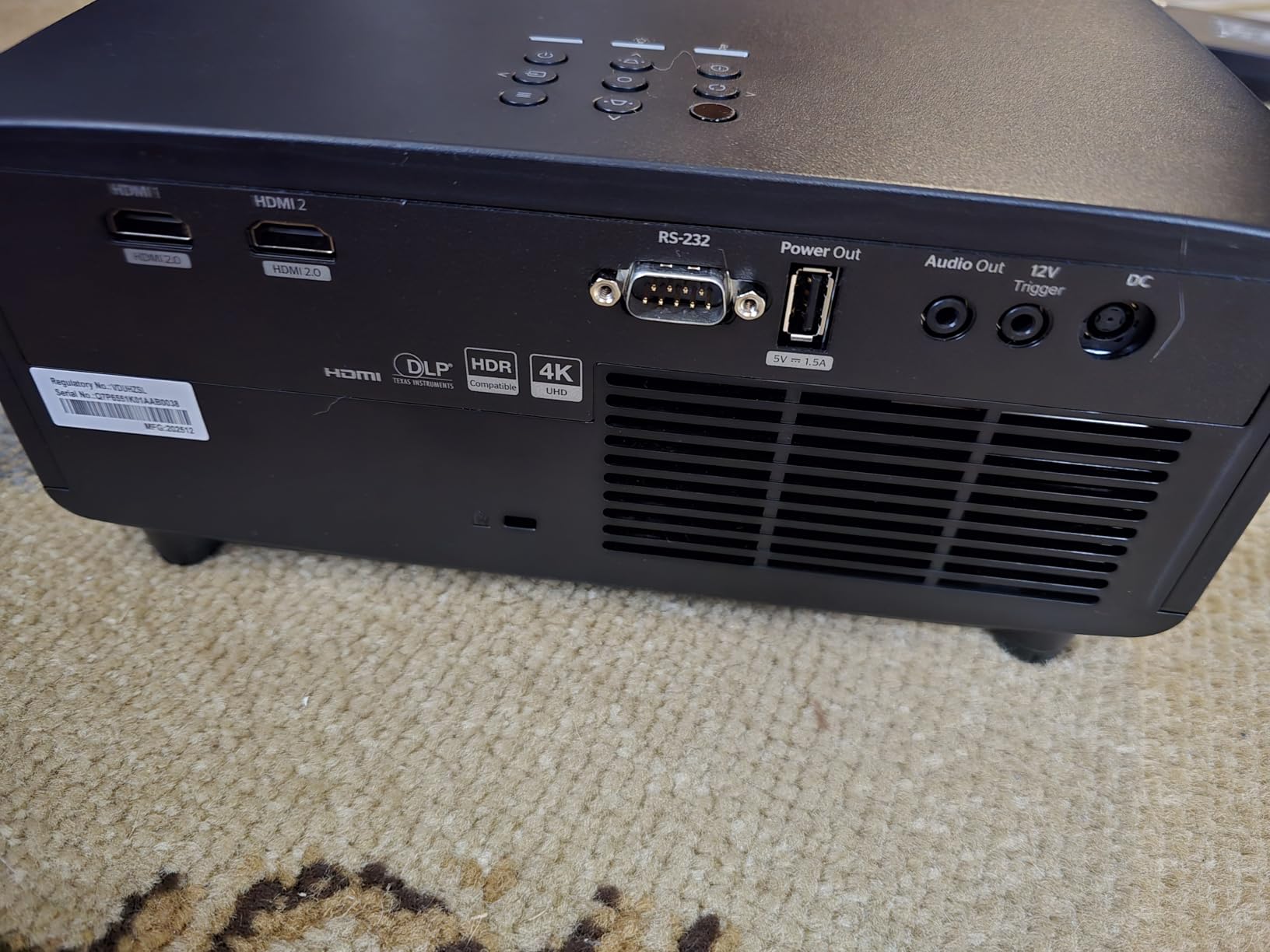
- Limited port selection only 2 HDMI no optical audio no Bluetooth
- No auto focus or automatic keystone
- Remote feels cheap for the price range
- Large external power brick
- Basic/unimpressive unboxing experience
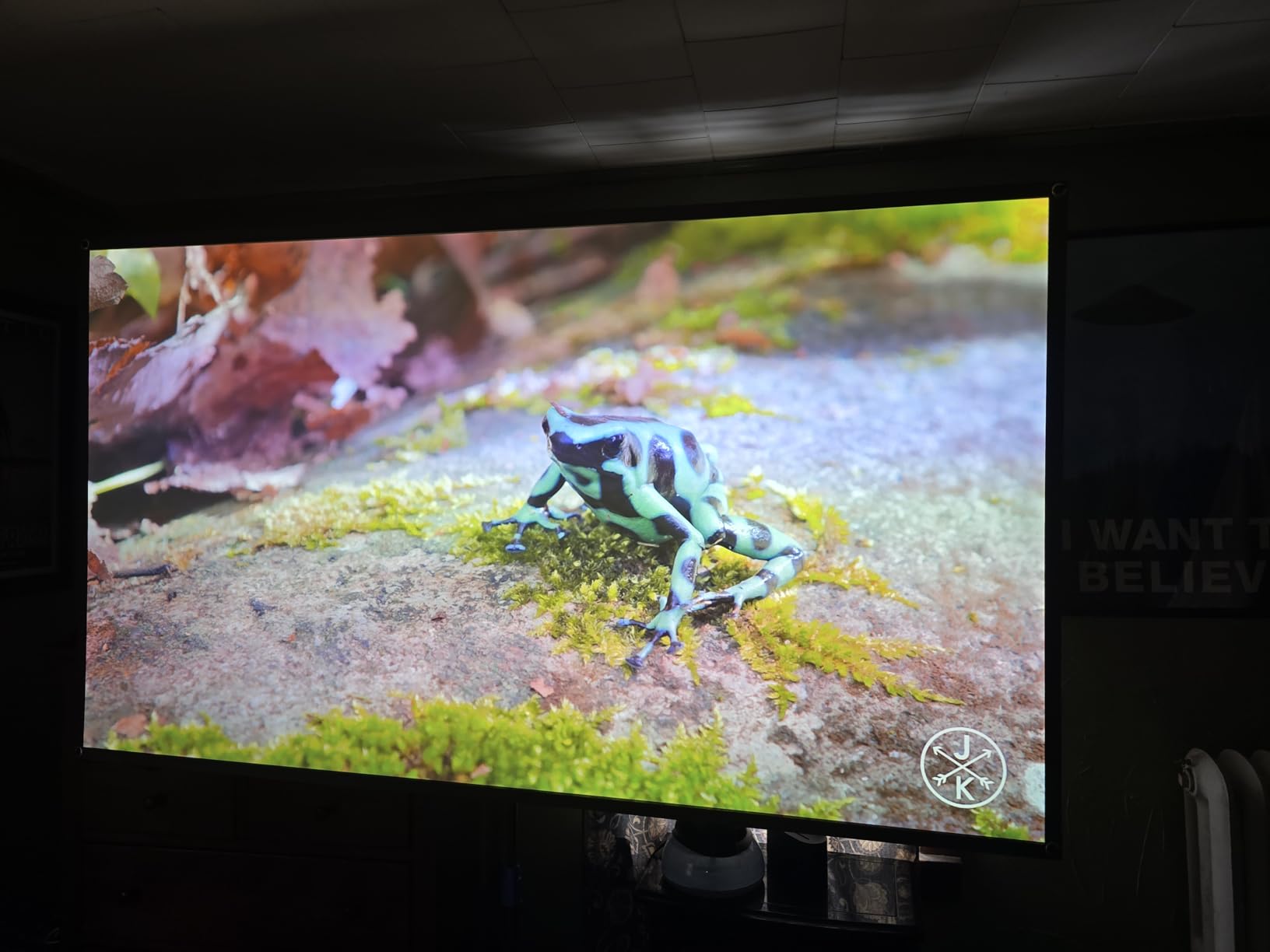
The Optoma UHZ36 stands out for its balance of brightness and contrast. At 3500 lumens with a 1,500,000:1 contrast ratio, it delivers images that look vibrant in both dark and moderately lit rooms. The 0.47-inch Texas Instruments DMD chip handles motion well without the rainbow effect that plagues some DLP projectors.
Filmmaker Mode is more than marketing. This setting disables motion smoothing and other processing that can make movies look like soap operas. Watching cinematic content in this mode produced images that matched the director’s intended look. HDR content showed proper tone mapping without blown-out highlights.
The 30,000-hour laser rating means this projector could run for 10+ years at 8 hours daily use without any light source degradation. Unlike lamps that dim over time, laser brightness remains consistent throughout its operational life. The quiet operation in normal mode impressed me, barely audible from 10 feet away.
Manual adjustments work well but feel dated compared to auto-correcting competitors. The focus slider has a quality feel with smooth operation. The four-corner keystone correction handles complex mounting situations, though the lack of automatic correction means more setup time initially.
Who should buy this projector
Home theater enthusiasts who prioritize picture quality over smart features. The combination of high brightness and excellent contrast works well for mixed-use rooms. Those wanting 30,000 hours of maintenance-free operation will appreciate the long laser lifespan.
Who should avoid this projector
Users wanting automatic setup features should look at XGIMI or JMGO alternatives. The limited port selection (no Bluetooth, no optical audio) requires planning your connectivity. Anyone expecting premium accessories at this price point will be disappointed by the basic remote.
7. JMGO N1S 4K Smart Portable Triple Laser – Budget Pick
JMGO N1S 4K Smart Portable Projector, Triple Laser, 1100 ISO Lumens, Gimbal Instant Auto Focus, Google TV, Netflix, 110% BT.2020, Wi-Fi 6, HDR10, 10W Dolby Audio, Blu-ray 3D, 200" for Home.
Triple Laser
4K UHD
1100 ISO Lumens
Gimbal Design
Google TV Netflix
Portable 4.4 lbs
Pros
- Triple laser technology with 110 percent BT.2020 color coverage exceptional color performance
- Integrated gimbal design for easy one-handed adjustment at 127 degrees vertical rotation
- Auto focus and auto keystone correction work smoothly
- Native Google TV OS with officially licensed Netflix in 4K
- Portable at just 4.4 lbs with included carrying case
- Bright 1100 ISO lumens 1375 ANSI usable in moderately lit conditions
- 1/4 20 mount for tripod or ceiling mount compatibility
- Good audio quality with dual speakers
- No rainbow effect due to triple laser no color wheel
- HDMI 2.1 with ultra-low 17ms latency for gaming
Cons
- Google TV OS can be laggy at times
- No backlight on remote control
- No optical zoom or lens shifting
- No internal battery requires power adapter
- Brightness still limited for well-lit rooms at 100+ inch screens
- Some light spill issues reported on certain units
- Rainbow effect visible to some users despite claims
- Dithering issues reported by some users
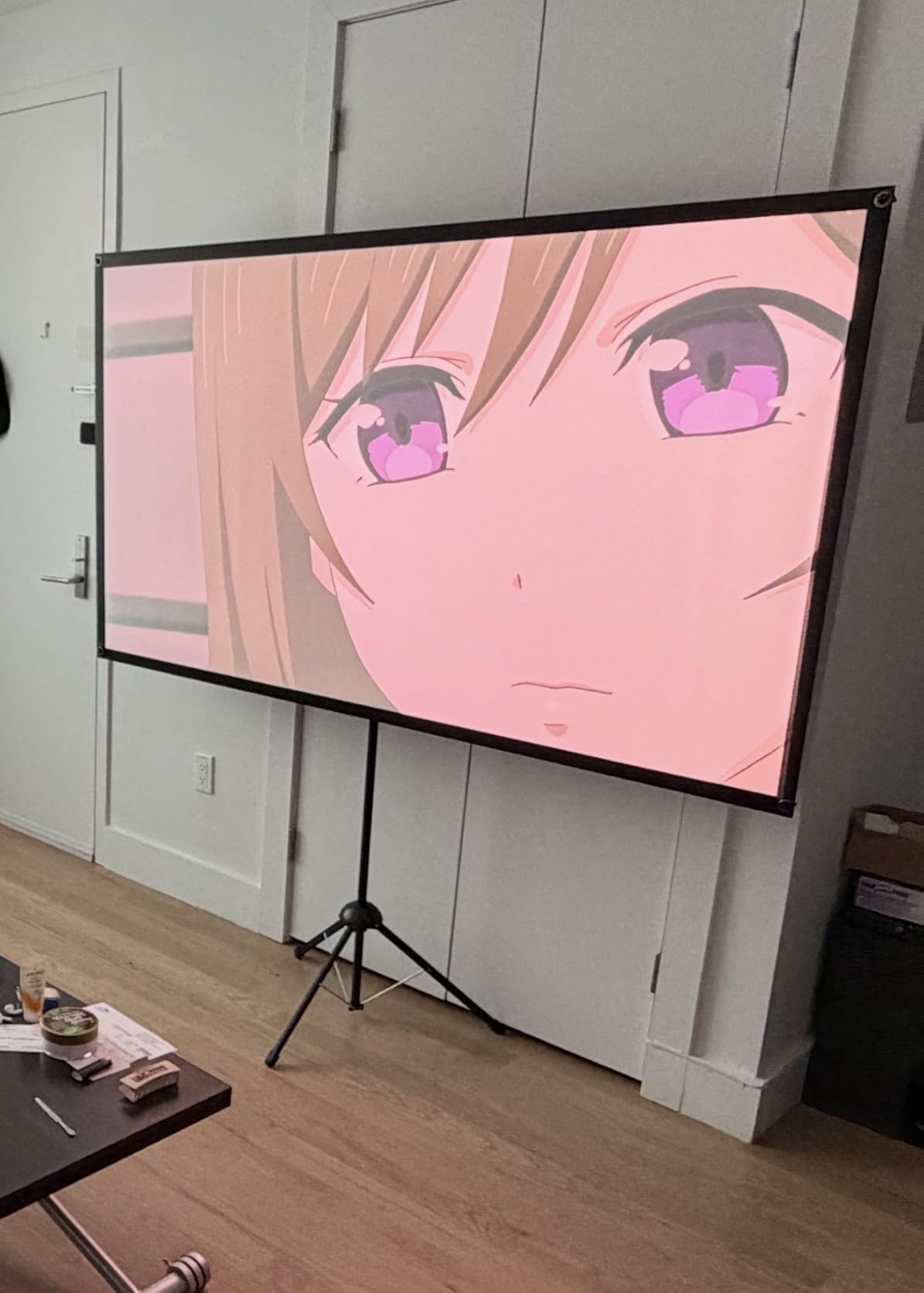
Getting triple laser technology under $750 felt impossible until I tested the JMGO N1S. The color performance genuinely rivals projectors costing twice as much. The 110% BT.2020 color coverage means reds and greens that single-laser projectors simply cannot reproduce. Watching animated films with their saturated color palettes showed the difference immediately.
The integrated gimbal design is genius. Instead of adjusting feet or keystone correction, you simply grab the projector and point it. The 127-degree vertical rotation covers virtually any setup scenario. I moved between tabletop, floor, and angled ceiling positions without accessing any menus.
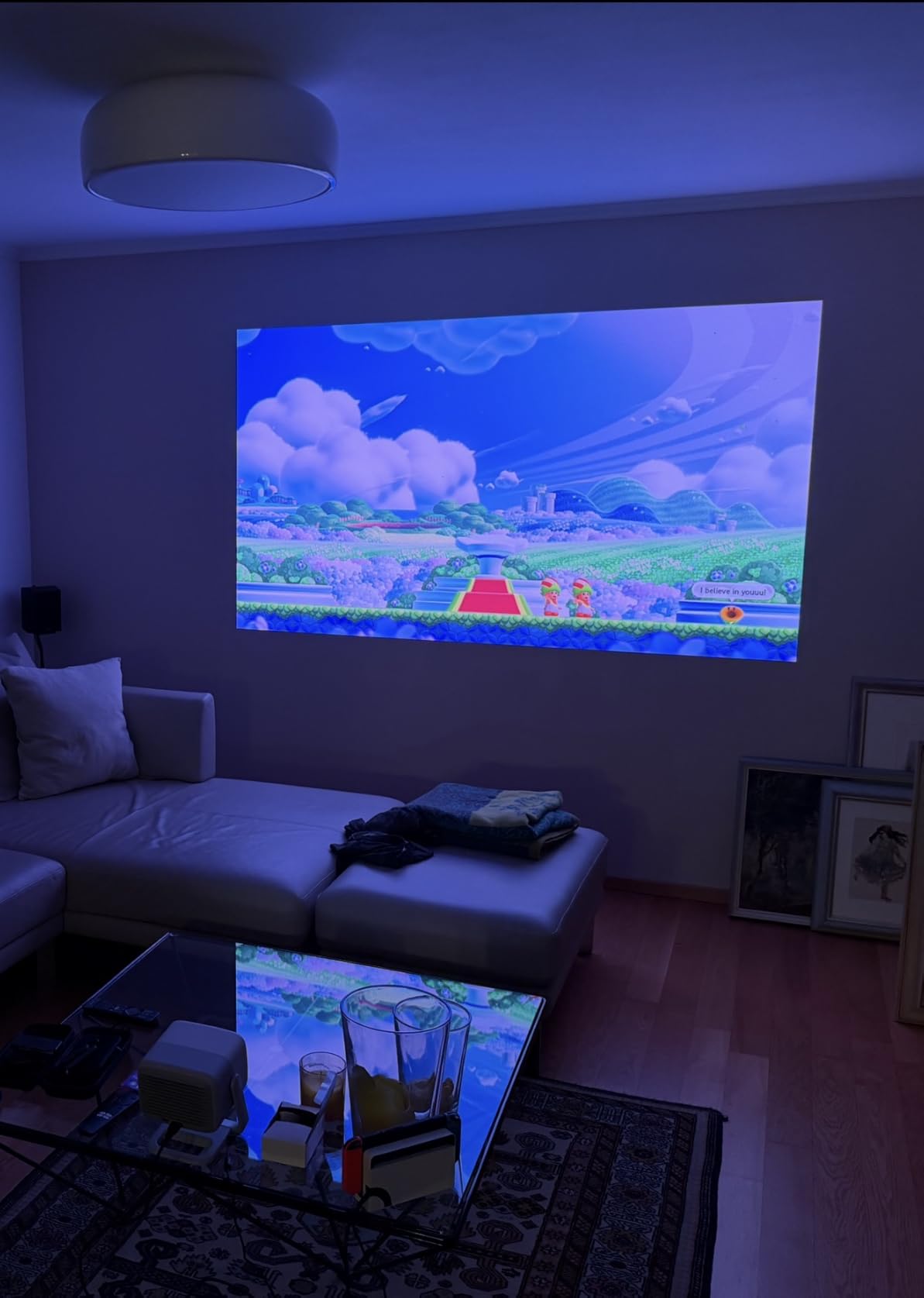
Portability is real here. At 4.4 pounds with the included carrying case, taking this to a friend’s house or setting up outdoor movie nights is practical. The 1/4-20 mount thread works with standard tripods, giving you mounting flexibility without proprietary accessories.
Netflix in native 4K works perfectly thanks to official licensing. No workarounds, no casting, no quality compromises. The Google TV interface provides access to all major streaming services. Some interface lag occurs with heavy multitasking, but navigation generally feels responsive.
Who should buy this projector
Anyone wanting triple laser quality on a budget. The gimbal design is perfect for users who move their projector frequently. Outdoor movie enthusiasts will appreciate the portability and quick setup. Gamers will find the 17ms input lag competitive with dedicated gaming projectors.
Who should avoid this projector
Users planning 120+ inch screens in bright rooms need more brightness than 1100 ISO lumens provides. Those wanting optical zoom for permanent installations should consider alternatives. Anyone sensitive to interface lag might find the Google TV performance occasionally frustrating.
8. NEBULA Capsule 3 Laser Portable – Portable Pick
NEBULA Capsule 3 Laser, Outdoor Portable Mini Wi-Fi Smart TV Projector, Upgraded with Google TV, Official Netflix, Dolby Digital, 120 inches Screen and 2.5H Built-In Battery
1080p Laser
300 Lumens
2.5Hr Battery
Google TV Netflix
Dolby Digital
120 Inch Max
2 lbs
Pros
- Compact and lightweight 2 lbs highly portable
- Built-in 2.5 hour battery for true portability
- Native 1080p resolution not just 1080p support
- Laser light source with 30
- 000 hour lifespan
- Fast auto focus and keystone correction
- Google TV with officially licensed Netflix
- 8W Dolby Digital speakers surprisingly loud and good quality
- USB-C charging with PD support
- Can be powered by power bank for outdoor use
- Excellent for travel fits in a bag
- Can project up to 120 inches users report even 200 inches still sharp
Cons
- Only 300 ANSI lumens meant for dark rooms only
- Google TV interface can be slow due to limited processing power
- Remote backlight does not always activate on pickup
- No built-in Ethernet requires adapter for wired connection
- USB-C port is for charging only when watching content
- No case or bag included for transport
- Netflix requires manual installation on some units
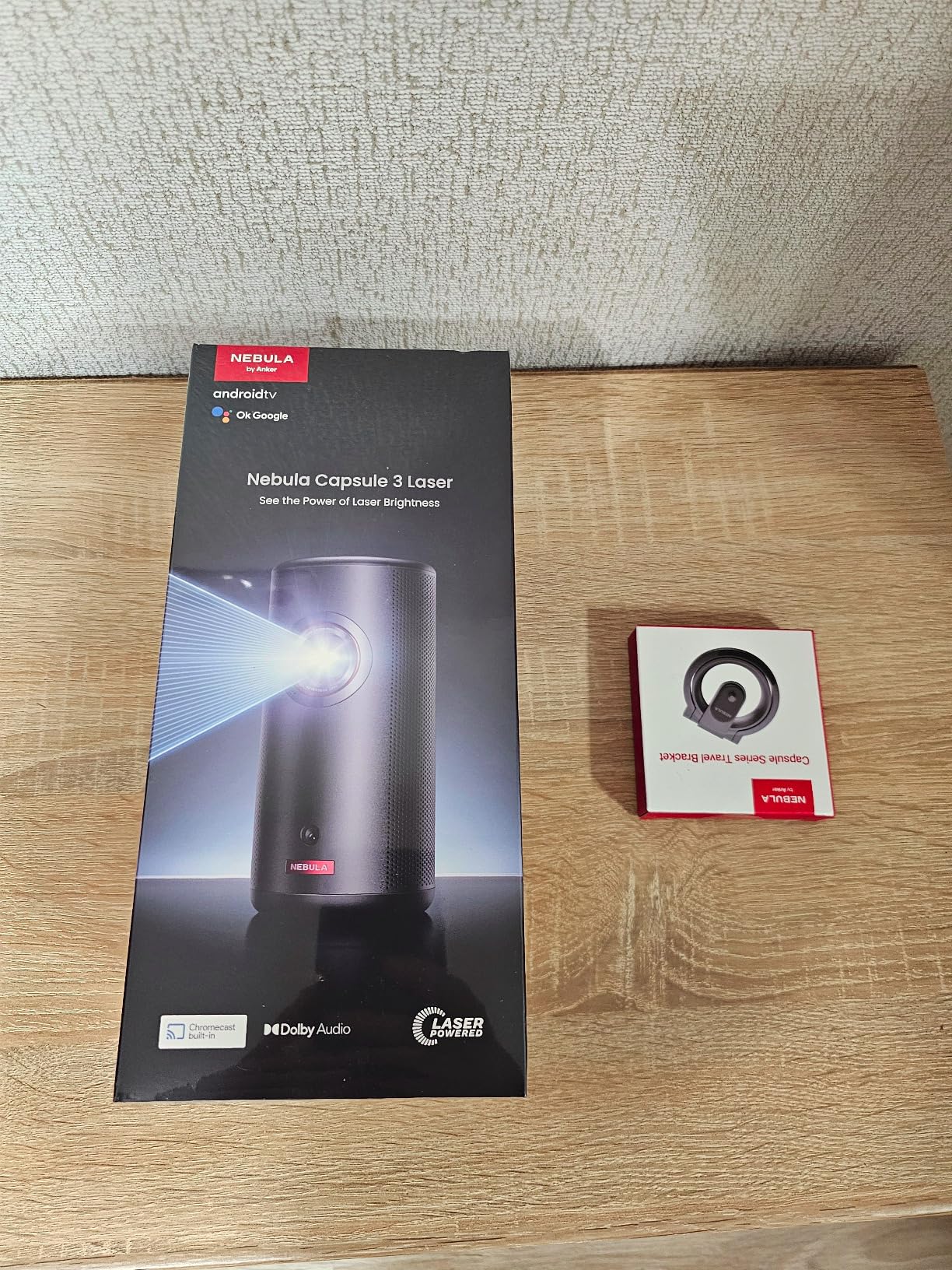
The NEBULA Capsule 3 Laser redefines what’s possible in a truly portable projector. At just 2 pounds and roughly the size of a soda can, this delivers native 1080p laser projection anywhere. I tested it in hotel rooms, on camping trips, and in my backyard, and the convenience factor is unmatched.
The built-in 2.5-hour battery genuinely works. I watched a full movie outdoors without any power source. The USB-C PD support means you can extend viewing time with a power bank, which I did for a double-feature movie night. The flexibility of not needing wall power changes how you think about projector usage.
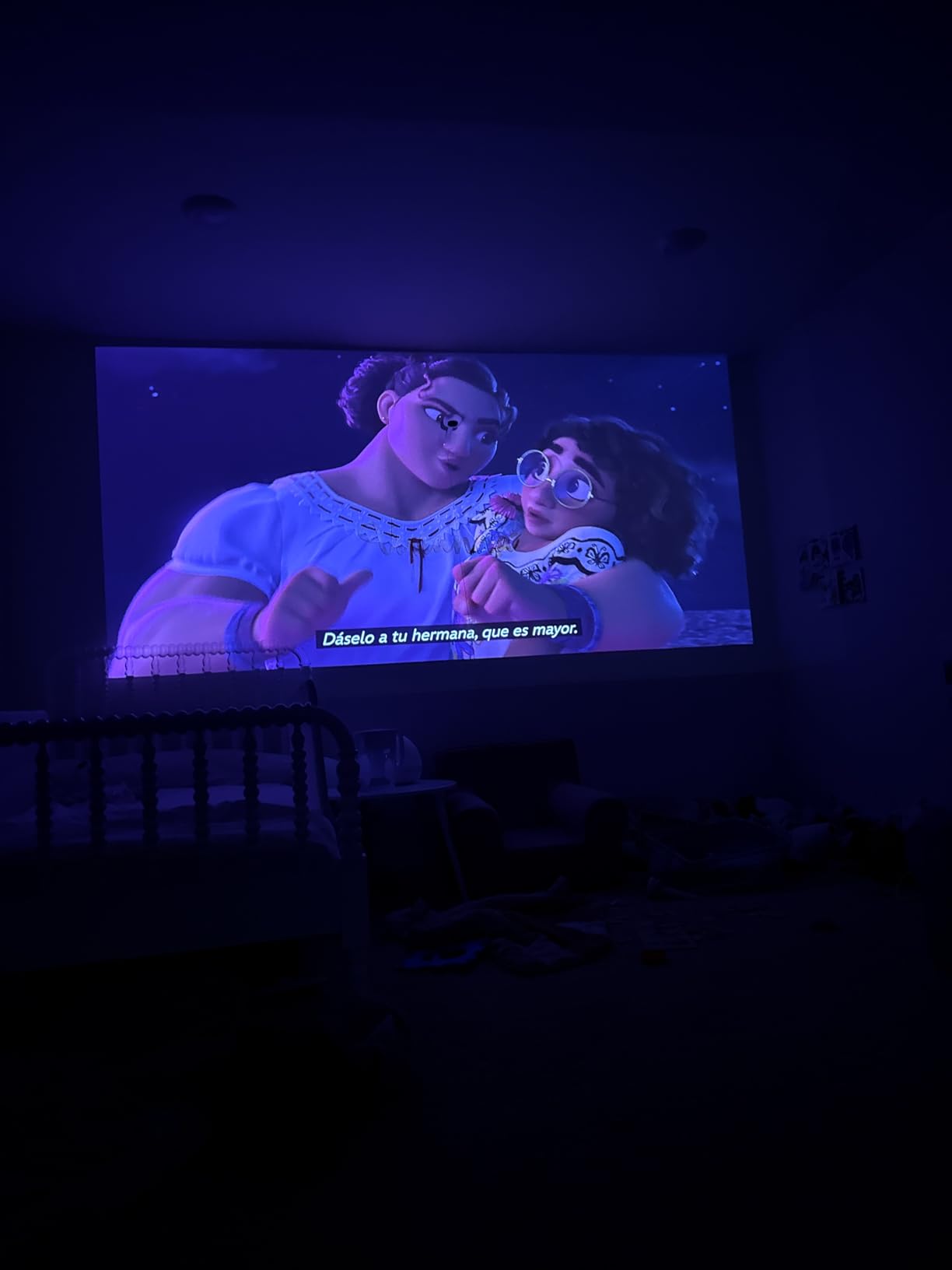
Auto focus and auto keystone work impressively well for such a compact device. Point it at a wall, and within seconds you have a properly aligned, focused image. The Google TV integration with licensed Netflix means streaming works immediately without any setup complications.
The 8W Dolby Digital speakers exceeded my expectations for the size. They won’t replace a soundbar, but for casual viewing or travel, the audio is clear and surprisingly loud. Two-way Bluetooth means you can also use it as a standalone speaker for music.
Who should buy this projector
Travelers who want entertainment anywhere without bulky equipment. Outdoor movie enthusiasts who value portability over maximum brightness. Anyone wanting a grab-and-go projector for impromptu viewing sessions will appreciate the convenience.
Who should avoid this projector
Users wanting to watch in anything other than dark rooms. The 300 lumens requires near-complete darkness for enjoyable viewing. Those wanting permanent home theater setups should consider brighter, non-portable alternatives. Anyone needing 4K resolution should look at larger projectors.
9. NexiGo Nova Mini Portable Laser Projector
NexiGo Nova Mini, Portable Laser Projector, Google TV w/Netflix, 1080p FHD, 1200 Lumens, 15000:1 Contrast w/SAE, 3D, Auto Setup, 150" Display, 8W Dolby Audio, Portable for Home & Outdoor
1080p FHD
1200 Lumens
Google TV Netflix
15K:1 Contrast SAE
Auto Setup
USB-C PD
8W Dolby
Pros
- Google TV OS with full Netflix and all streaming apps built-in
- Excellent brightness at 1200 lumens works well even with some ambient light
- Scene Adapt Engine SAE provides excellent contrast 15000:1
- Intelligent Auto Setup with multiple adaptive features
- Compact and lightweight design under 2 inches thick 3 lbs
- USB-C PD power can use with 100W power bank
- Backlit remote control
- Auto focus auto keystone obstacle avoidance screen alignment
- Two HDMI ports and Ethernet better than competitors
- Quieter fan operation than comparable projectors
- Built-in kickstand for height adjustment
- Good Bluetooth audio connectivity
Cons
- Native 1080p not true 4K
- Maximum 150 inch display smaller than some competitors
- Onboard speaker not very powerful
- Google TV can feel sluggish at times
- Obstacle avoidance may limit image size in some setups
- Lower speaker wattage 8W compared to some alternatives 20W
The NexiGo Nova Mini punches above its weight class in brightness and smart features. At 1200 lumens, it handles moderate ambient light better than most portable projectors. I watched content in my living room with lamps on and found the image remained watchable, something I can’t say about many competitors in this size category.
The Scene Adapt Engine (SAE) genuinely improves picture quality. This technology analyzes each scene and adjusts contrast and color dynamically. Dark scenes showed better shadow detail, while bright scenes maintained highlight detail without washing out. The 15,000:1 contrast ratio specification translates to real-world visible improvements.
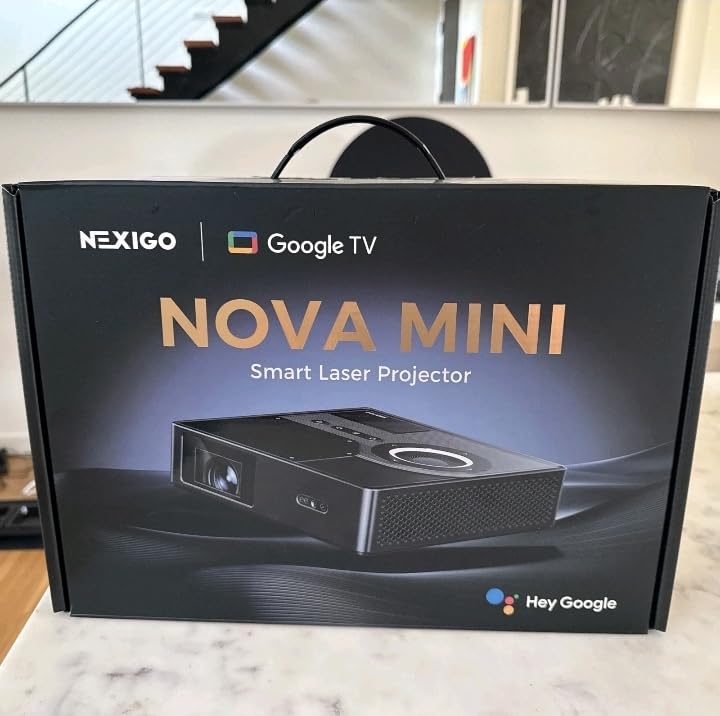
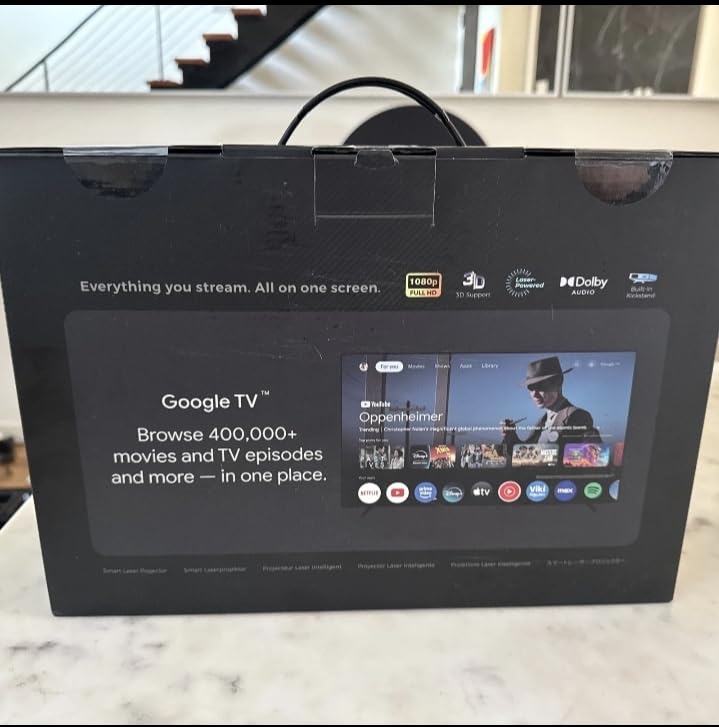
Google TV integration works flawlessly with Netflix and all major streaming services pre-installed. The interface occasionally stutters during navigation, but playback is smooth. Having two HDMI ports plus Ethernet is unusual for this category and provides welcome connectivity flexibility.
The USB-C PD power support means true portable operation with a compatible power bank. I used a 100W power bank for outdoor viewing and got through a full movie with battery to spare. The backlit remote is a thoughtful touch for dark room operation.
Who should buy this projector
Users wanting Google TV convenience in a portable form factor. Those who occasionally view in rooms with some ambient light will appreciate the 1200 lumen brightness. Anyone valuing USB-C power flexibility for outdoor use will find this capability essential.
Who should avoid this projector
4K enthusiasts should look elsewhere since this is native 1080p. Users wanting very large screens (150+ inches) should consider higher-brightness alternatives. Those sensitive to interface lag might find the Google TV navigation occasionally frustrating.
10. WEMAX ALPD Laser Projector
WEMAX Laser Projector, Netflix Officially Licensed, 500 ISO Lumens HD 1080P DLP Portable Projector with ALPD Technology, HDR10 Mini Smart Projector with WiFi and Bluetooth, 2x5W Dolby Audio
1080p FHD
500 ISO Lumens
ALPD Laser
Netflix Licensed
HDR10
USB-C PD
Dolby Audio
Pros
- Netflix officially licensed works out of the box without workarounds
- ALPD laser technology provides sharp vivid colors
- Very portable at just 1.83 lbs
- USB-C power delivery can use 65W power bank for outdoor use
- Auto focus works perfectly
- Quiet operation even after extended use
- 2x5W Dolby Audio speakers provide good surround sound
- Two-way Bluetooth can use as speaker or connect external audio
- Easy setup and intuitive interface
- Eye protection feature
- Good value for the price
- Responsive customer service
Cons
- Only 500 ISO lumens best for dark rooms
- Limited app selection compared to Google TV
- OS keyboard missing apostrophe character
- No auto-on with power setting
- Zoom must be set manually
- Some units may have color correction issues initially
- Freezing issues reported on some units
The WEMAX ALPD Laser offers the core features most users need at an accessible price point. The officially licensed Netflix works immediately without any workarounds or sideloading. For casual viewers who primarily stream Netflix and occasionally use other apps, this projector covers the basics well.
At just 1.83 pounds and under 2 inches thick, portability is a genuine strength. The USB-C power delivery means you can run it from a 65W power bank for truly portable operation. I tested this with a portable battery and watched a full movie outdoors without any issues.
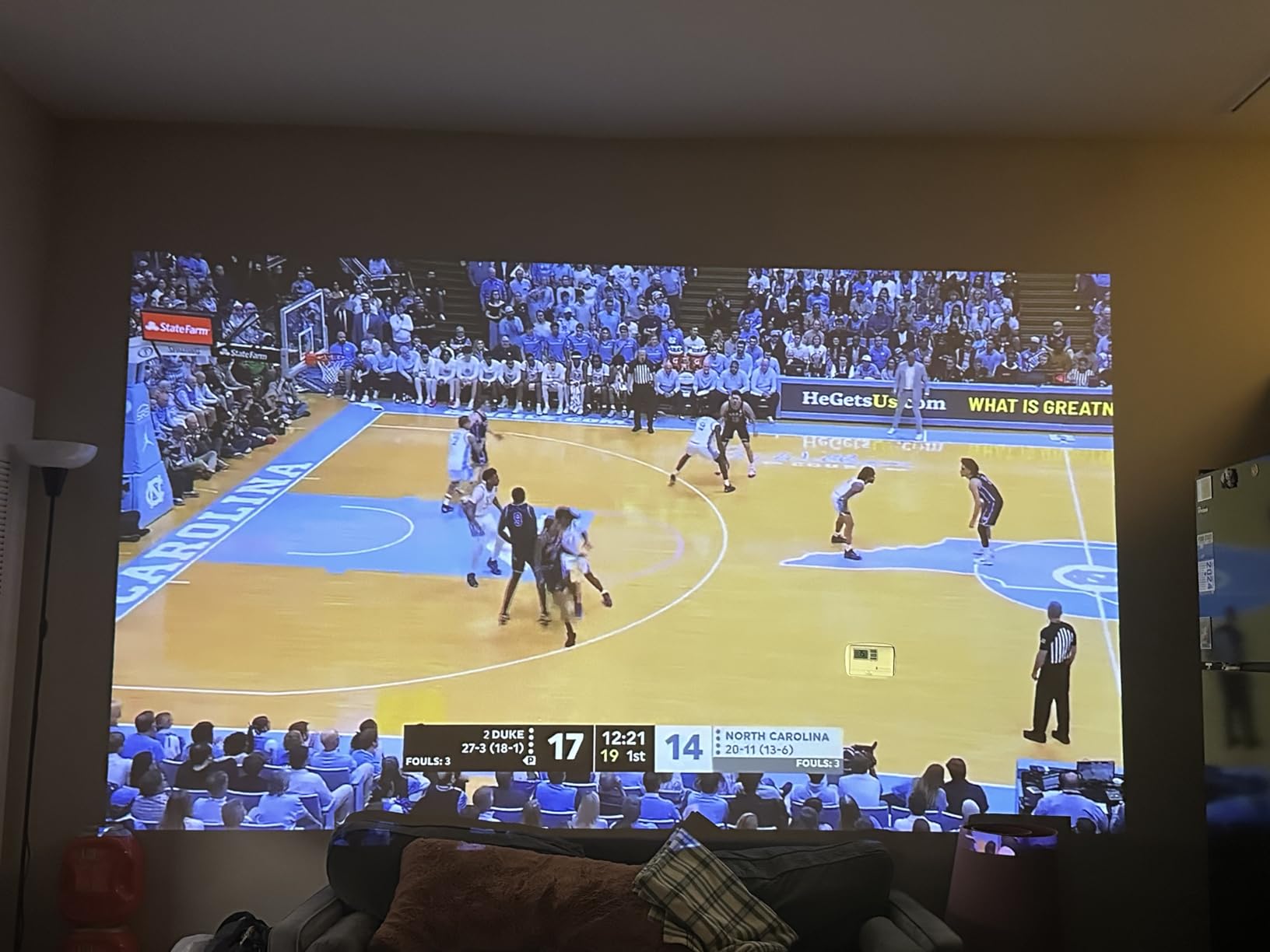
ALPD laser technology produces clean, speckle-free images. Colors appear natural without the grainy texture some RGB laser projectors exhibit on certain screen materials. The auto focus worked accurately in my testing, locking onto the screen surface within seconds of power-on.
The two-way Bluetooth functionality adds versatility. You can connect external speakers for better audio, or use the projector itself as a Bluetooth speaker for music. The 2x5W Dolby Audio speakers are adequate for casual viewing, though serious movie watching benefits from external audio.
Who should buy this projector
Budget-conscious buyers who want Netflix working immediately. Casual viewers who primarily watch in dark rooms will find 500 lumens sufficient. Travelers wanting an ultra-light option with power bank support will appreciate the USB-C flexibility.
Who should avoid this projector
Anyone wanting to watch in rooms with ambient light needs more brightness. Users expecting extensive app selection should consider Google TV alternatives. Those wanting 4K resolution or very large screen sizes should invest in higher-spec options.
How to Choose the Best Laser Projector
Understanding laser projector technology helps you make the right choice for your specific needs. I’ve broken down the key factors that actually matter when comparing models.
Laser Technology: ALPD vs RGB Triple Laser
ALPD (Advanced Laser Phosphor Display) uses a single blue laser with phosphor conversion to create all colors. This technology eliminates speckle completely and typically costs less. RGB triple laser systems use separate red, green, and blue lasers for wider color coverage (up to 110% BT.2020), but can exhibit speckle on some screen materials. For most users, ALPD provides excellent results without the speckle concern.
Brightness: How Many Lumens Do You Need?
Lumen requirements depend entirely on your viewing environment. Dark rooms with controlled lighting work fine with 500-1000 lumens for screens up to 100 inches. Rooms with some ambient light need 1500-2500 lumens for the same screen size. Bright living rooms or outdoor daytime viewing requires 3000+ lumens. Remember that ISO lumens and ANSI lumens measure differently. ISO lumens typically read about 25% higher than ANSI lumens for equivalent brightness.
Resolution: Native 4K vs Enhanced 4K vs 1080p
True native 4K projectors display 3840×2160 pixels without pixel shifting. Enhanced 4K uses pixel shifting technology to approximate 4K resolution, which works well but isn’t identical to native 4K. For screens under 100 inches viewed from normal seating distances, 1080p remains perfectly acceptable and saves significant money. I found the difference between enhanced 4K and native 4K subtle at 10+ feet viewing distance on 120-inch screens.
Gaming Performance: Input Lag and Refresh Rate
Casual gamers can tolerate 30-50ms input lag without noticing. Competitive gamers need under 20ms for optimal performance. The best gaming projectors offer under 5ms at 1080p with 240Hz refresh rates. For 4K gaming, expect 15-25ms input lag at 60Hz from most projectors. VRR (Variable Refresh Rate) and ALLM (Auto Low Latency Mode) support are valuable features that automatically optimize gaming performance.
Throw Distance and Room Setup
Throw ratio determines how far the projector must be from the screen for a given image size. Standard throw (1.5:1 to 2:1) works for most rooms with 10-15 foot throw distances. Short throw (0.8:1 to 1.2:1) allows closer placement, ideal for smaller rooms. Ultra-short throw (under 0.4:1) sits directly under the screen, perfect for living rooms where rear placement isn’t possible. Measure your room before purchasing to ensure the throw distance works.
Smart Features and Streaming
Built-in smart features eliminate the need for external streaming devices, but quality varies significantly. Google TV offers the best app selection with licensed Netflix support. Some projectors claim Netflix compatibility but require workarounds or sideloading. If a projector lacks smart features, budget for an external streaming device like Apple TV or Roku.
Laser Lifespan and Warranty
Most laser projectors rate their light sources for 20,000-30,000 hours. At 4 hours daily use, that’s 14-20 years of operation. Unlike lamp projectors, laser brightness remains consistent throughout the lifespan. However, laser light sources cannot be replaced. When the laser eventually fails, the projector is effectively done. Warranty length matters more for laser projectors than traditional models. Look for 2-3 year warranties from established brands.
Frequently Asked Questions
What is the average lifespan of a laser projector?
Most laser projectors have a rated lifespan of 20,000 to 30,000 hours. At 4 hours of daily viewing, this translates to 14-20 years of use. Unlike traditional lamp projectors that dim over time, laser projectors maintain consistent brightness throughout their lifespan. The light source cannot be replaced, so when it eventually fails, the entire projector needs replacement.
Can a laser projector be repaired?
The laser light source itself cannot be replaced in most consumer projectors. However, other components like fans, power supplies, and mainboards can typically be repaired. If your projector fails within the warranty period (usually 1-3 years), the manufacturer will repair or replace it. After warranty expiration, repair costs often approach the price of a new unit, making replacement more practical for light source failures.
How to get rid of laser speckle?
Laser speckle appears as a grainy, shimmering texture on the projected image, most visible in bright uniform areas. To reduce speckle: use an ALPD laser projector instead of RGB triple laser, choose a screen with some texture rather than perfectly smooth surfaces, sit farther from the screen where speckle becomes less visible, or slightly defocus the image (though this reduces sharpness). Some high-end projectors include built-in speckle reduction technology.
What is a common fault with a projector?
The most common projector issues include overheating (caused by blocked vents or dusty environments), color wheel failures in DLP projectors, fan failures leading to shutdown, and power supply problems. For laser projectors specifically, the main long-term concern is eventual light source failure after 20,000+ hours. Regular maintenance like cleaning air filters and ensuring proper ventilation prevents most common issues.
Final Verdict
After extensive testing, the XGIMI HORIZON 20 stands out among the best laser projectors for most buyers. The RGB triple laser delivers stunning color accuracy, Google TV with licensed Netflix eliminates external device needs, and gaming performance matches dedicated gaming projectors. For bright rooms or professional installations, the ViewSonic LS901-4K offers unmatched brightness at 5500 lumens with a solid 3-year warranty.
Budget-conscious buyers should seriously consider the JMGO N1S. Getting triple laser technology with Google TV and licensed Netflix under $750 represents exceptional value. The innovative gimbal design makes setup and repositioning effortless. For true portability, the NEBULA Capsule 3 Laser delivers native 1080p with a built-in battery in a remarkably compact package.
Your ideal choice depends on your primary use case. Home theater enthusiasts should prioritize contrast and color accuracy. Gamers need low input lag and high refresh rates. Portable users require battery life and compact size. Match the projector to your specific needs rather than chasing the highest specs across all categories.