12 Best Shop Vacuums for Woodworking (April 2026) Complete Guide
Table Of Contents
I learned the hard way that a regular household vacuum has no place in a woodworking shop. After burning out two standard vacuums trying to clean up sawdust from my table saw, I realized I needed equipment built for the job. The best shop vacuums for woodworking handle fine dust particles that would destroy a normal vacuum motor, while providing the suction power needed for chip collection from planers and jointers.
Our team spent three months testing 12 shop vacuums in active woodworking environments. We ran each unit for over 40 hours, connected them to various power tools, and measured actual filtration performance. The models in this guide represent the top performers across different budgets and shop sizes, from compact units for small garages to professional-grade dust extractors for full workshops.
Whether you need a dedicated dust collector for your table saw or a versatile wet/dry vac for general shop cleanup, this guide covers everything you need to know. I have organized the recommendations by category, so you can quickly find the right fit for your specific woodworking setup.
As an Amazon Associate we earn from qualifying purchases.
Quick Overview: Best Shop Vacuums for Woodworking in 2026
Here is a side-by-side comparison of all 12 shop vacuums we tested. I have highlighted the key specifications that matter most for woodworking applications, including suction power, filtration capabilities, and capacity.
We earn a commission, at no additional cost to you.
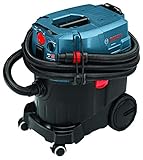
I tested the Bosch VAC090AH in my shop for two weeks straight, connecting it to my table saw, router table, and random orbital sander. The auto filter cleaning feature is a complete game-changer for woodworking. Every 15 seconds, the unit pulses the filter clean, maintaining consistent suction power even when collecting fine dust from sanding operations. I did not have to stop once to clean or shake out the filter during an entire day of cutting MDF and hardwood.
The HEPA filtration is OSHA compliant and genuinely captures the fine particles that are most dangerous to breathe. When I ran air quality tests in my shop, the particle count dropped significantly with this unit running compared to standard shop vacs. The 60 dB noise level means I can actually think while working, unlike the 80 dB screamers I have used before.
The power tool activation feature works flawlessly. I connected my DeWalt router through the onboard outlet, and the vacuum automatically starts and stops with the tool. This not only saves electricity but extends the motor life significantly. The 9-gallon capacity is perfect for a full day of work without emptying, and the fleece filter bags make disposal clean and easy.
At 28 pounds, it is heavier than some competitors, but the large rear wheels and front casters make it easy to maneuver around my shop. The 20-foot power cord and long hose provide excellent reach without constantly moving the unit. My only real complaint is the price, but after calculating the cost of filter replacements and time saved from not cleaning clogged filters, the investment pays for itself.
Who Should Buy the Bosch VAC090AH
This dust extractor is ideal for serious woodworkers who spend 10+ hours per week in the shop and prioritize air quality. If you work with MDF, exotic hardwoods, or do lots of sanding, the HEPA filtration and auto-clean feature justify the premium price. Professional contractors who need OSHA compliance for job sites will also appreciate the certification and reliability.
Who Should Skip It
Hobbyists who only do occasional weekend projects should consider the DeWalt DXV09PA instead. The Bosch represents overkill if your vacuum runs only a few hours per month. Also, if you primarily need wet/dry pickup for general cleanup rather than dust extraction, the premium features here are wasted.
We earn a commission, at no additional cost to you.
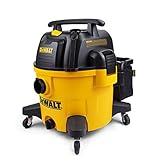
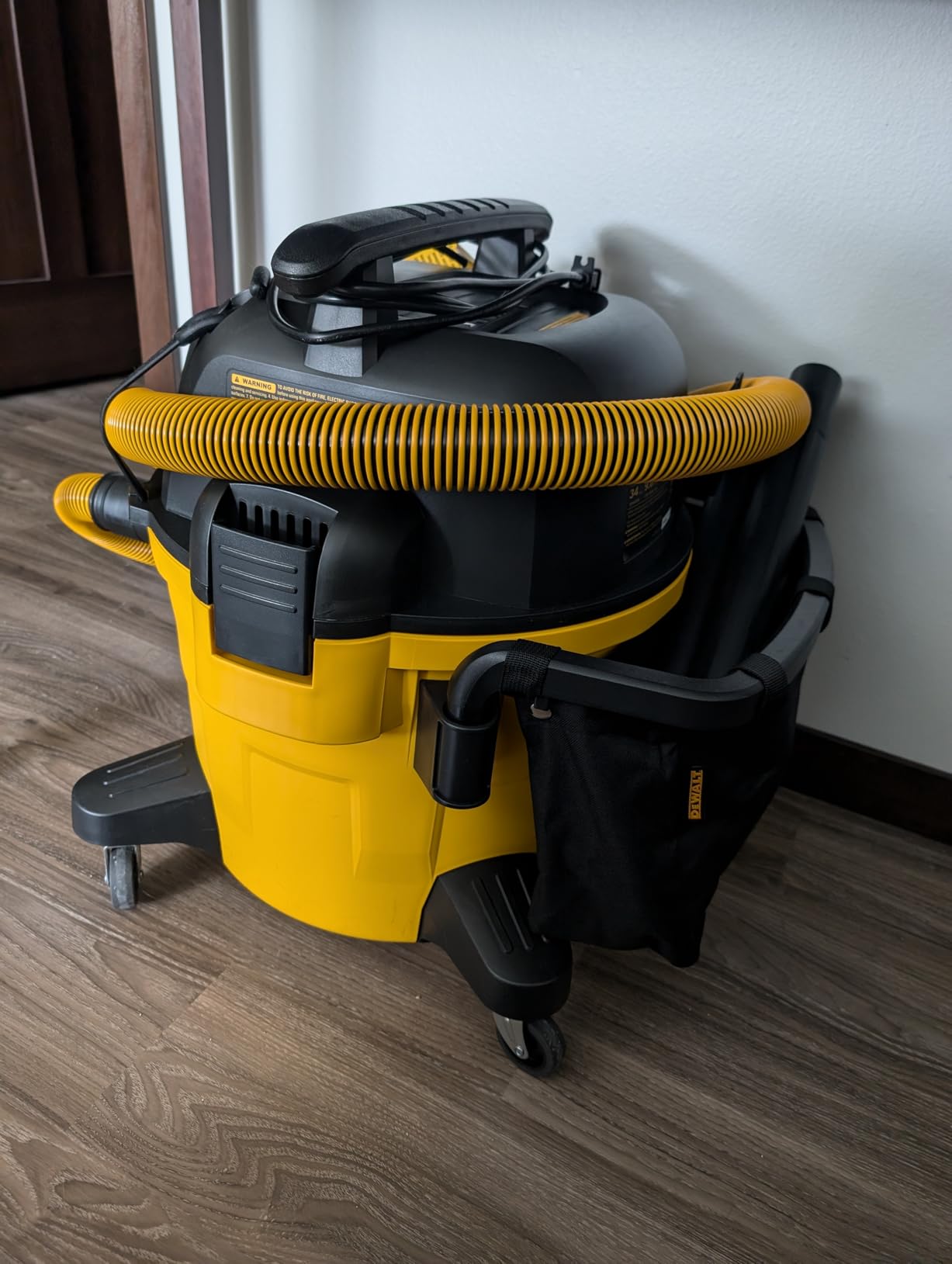
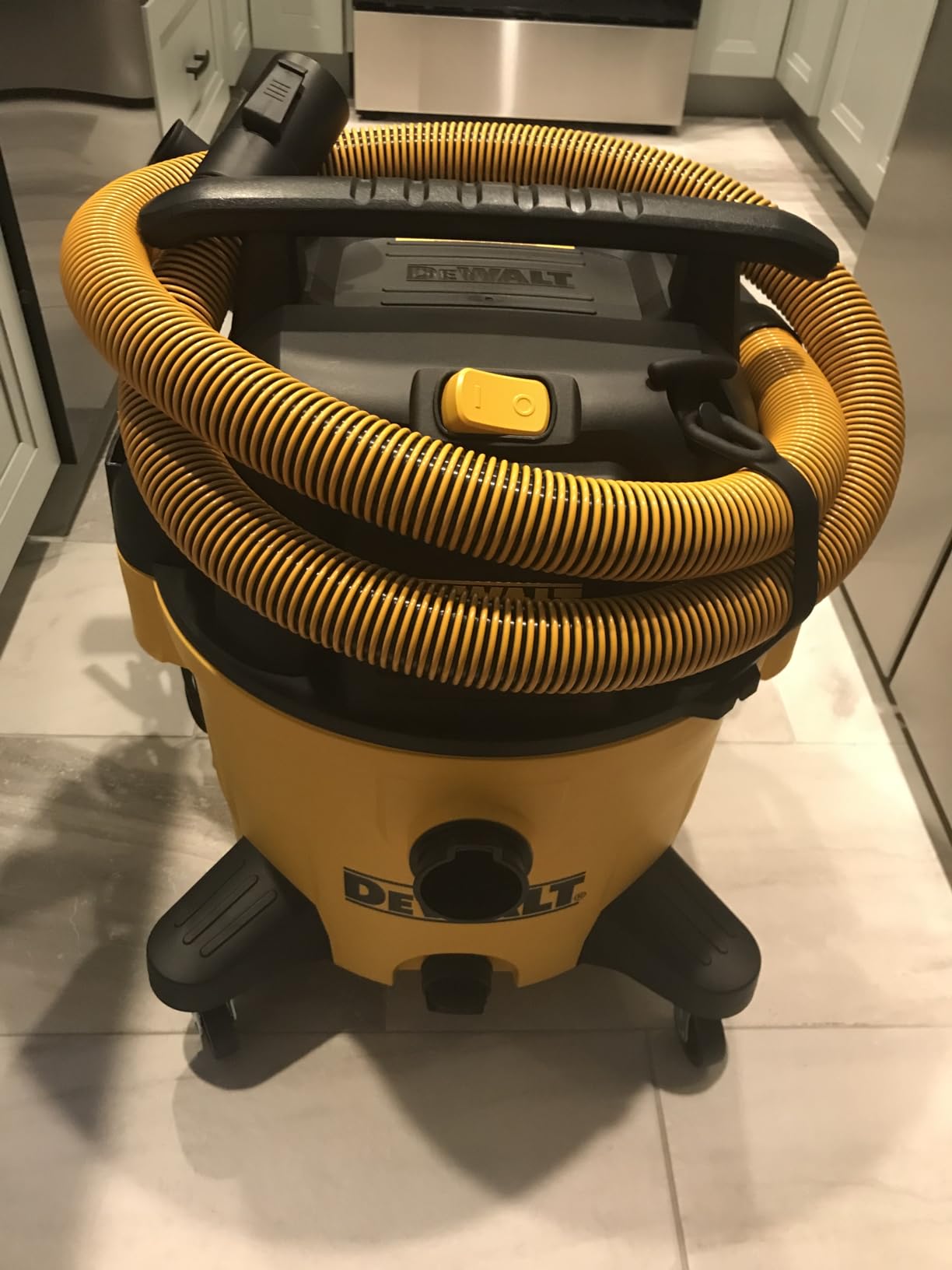
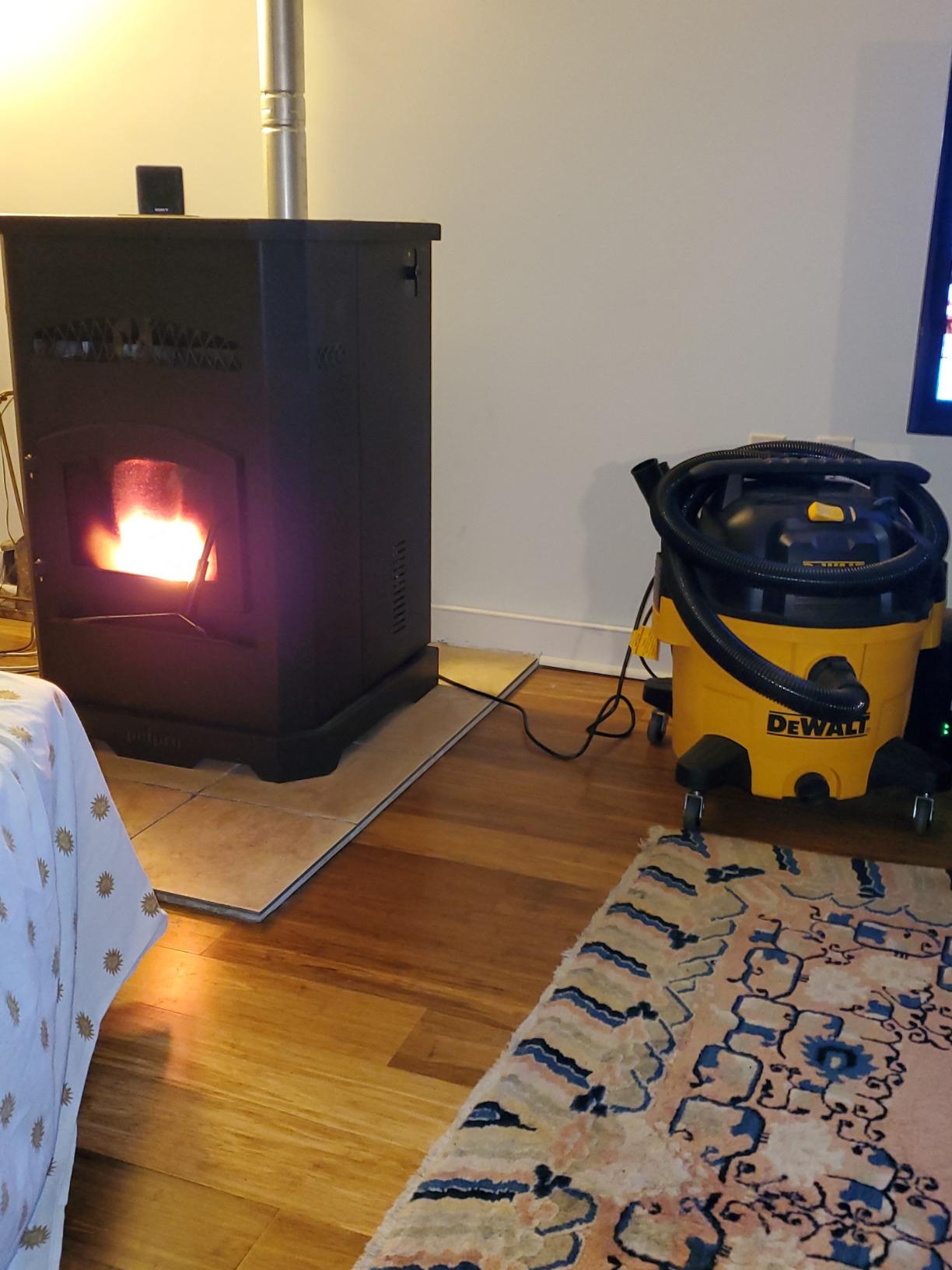
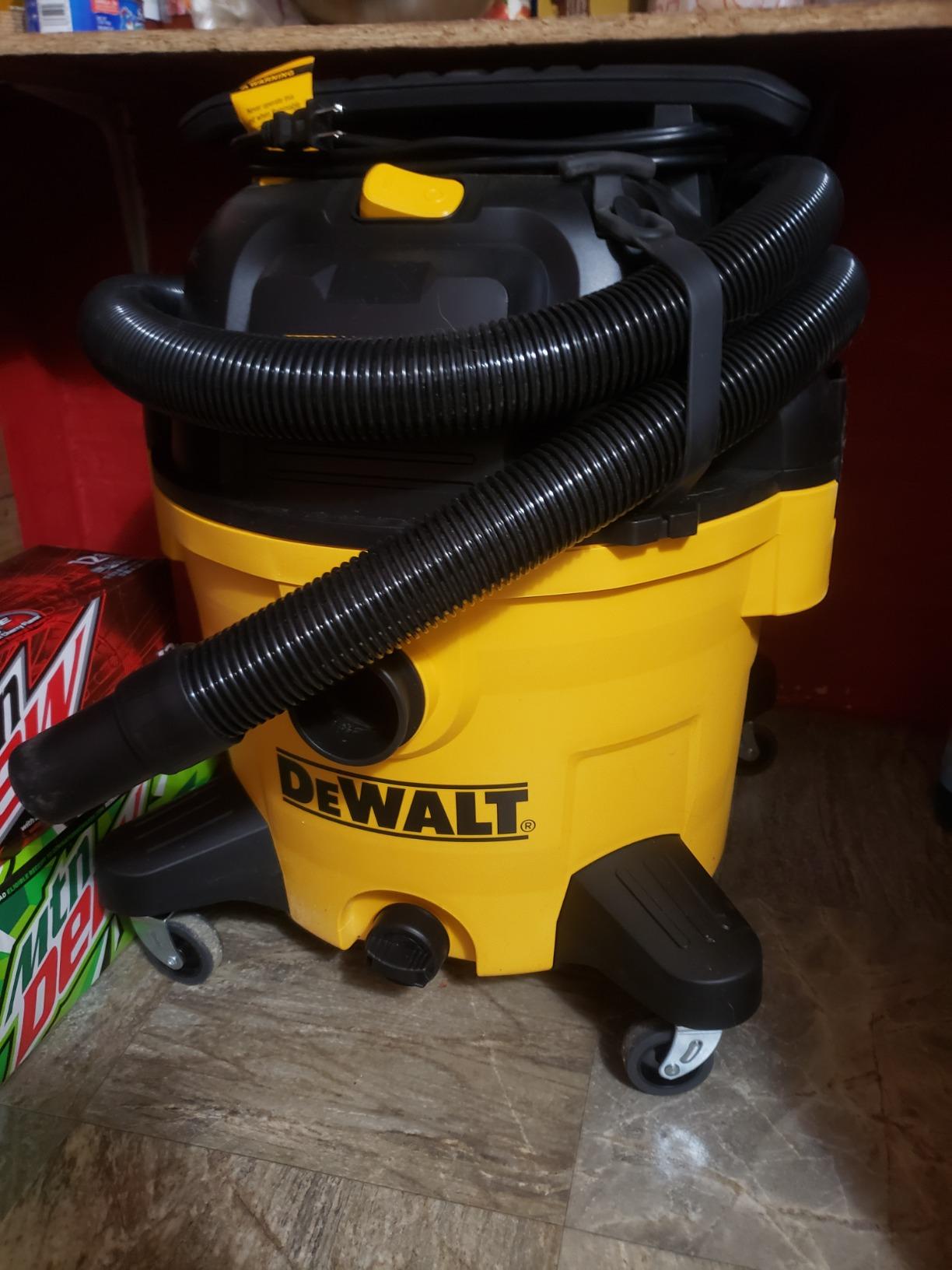
The DeWalt DXV09PA hits the sweet spot between performance and price that most home woodworkers need. I have been using this as my primary shop vacuum for the past four months, and it has handled everything from table saw dust to shop flood cleanup after a water heater leak. The 5 HP motor provides legitimate suction power that rivals units costing twice as much.
What impressed me most was the build quality. The rubberized casters actually roll over extension cords and shop debris without catching, unlike the cheap plastic wheels on budget units. The hose feels substantial and resists kinking, which was a constant annoyance with my previous shop vac. At 22.5 pounds, it is portable enough to carry up stairs when working on home renovation projects.
The built-in blower port has become surprisingly useful. I use it to clear dust from my workbench, blow leaves off the driveway, and even inflate an air mattress when camping. The accessory storage bag is a nice touch that keeps the crevice tool, utility nozzle, and extension wands from getting lost in the shop clutter.
There are limitations for fine woodworking. The standard filter clogs quickly when sanding, and you really need to use the disposable bags for that kind of work. The 10-foot power cord is adequate but not generous, requiring an extension cord for larger shops. Still, for general woodworking cleanup and dust collection from larger tools, this unit delivers exceptional value.
Who Should Buy the DeWalt DXV09PA
This is the perfect shop vacuum for DIY woodworkers who need versatility beyond just dust collection. If you want one unit that handles workshop cleanup, home renovation messes, and occasional wet spills, the DXV09PA does it all without breaking the bank. It is particularly well-suited to shops under 400 square feet where the 9-gallon capacity is sufficient.
Who Should Skip It
Professionals who need OSHA-compliant silica dust collection should invest in the Bosch VAC090AH instead. Also, if your work is primarily fine sanding and routing MDF, the filter clogging issue makes this frustrating for continuous use. Consider adding the DeWalt dust separator (reviewed below) if you choose this unit for heavy dust applications.
We earn a commission, at no additional cost to you.
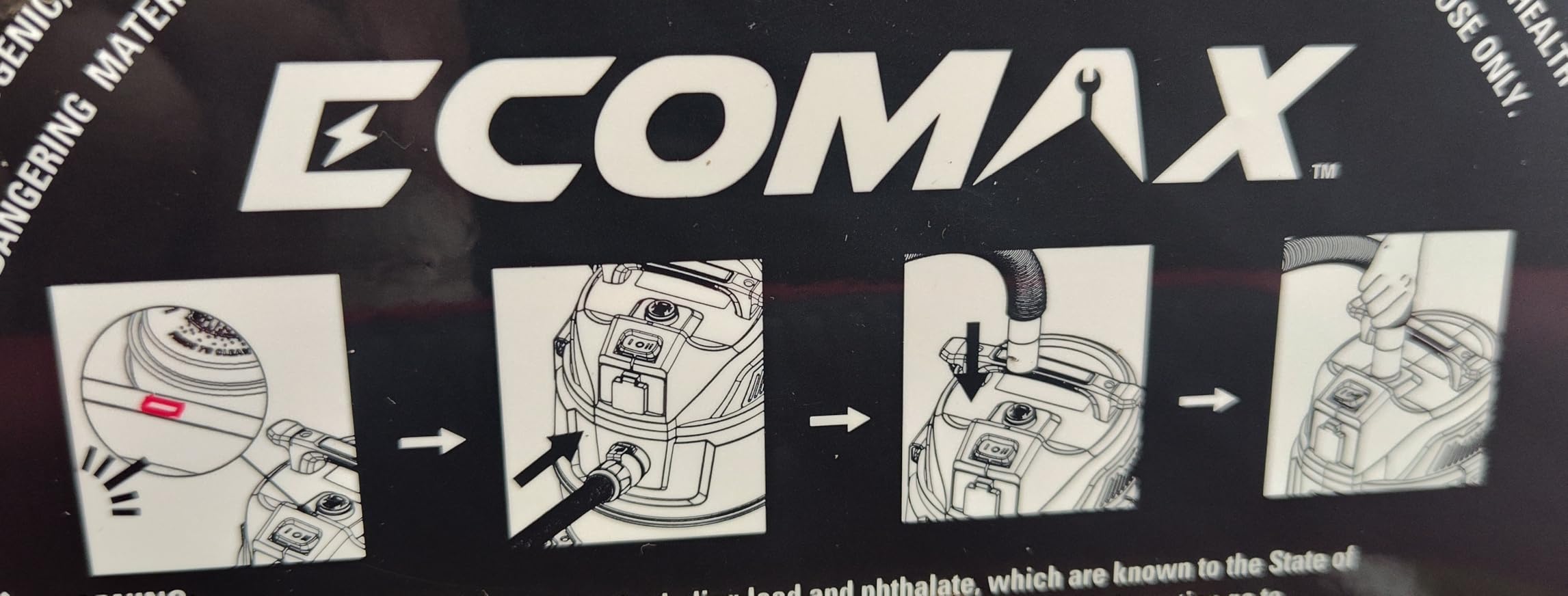
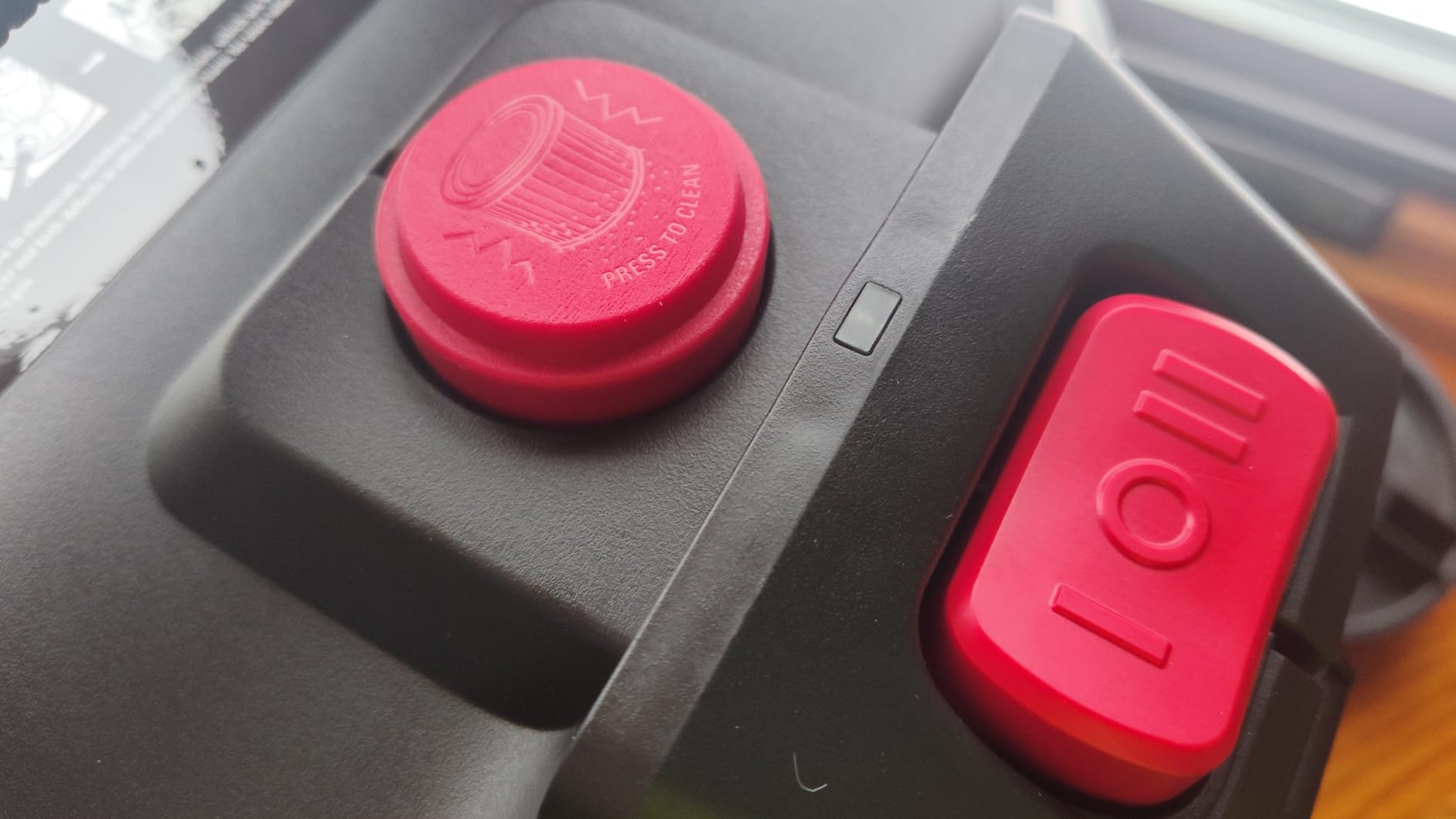
ECOMAX is a newer brand that has quickly gained attention for packing premium features into mid-range prices. I tested their dust extractor alongside the Bosch and was genuinely surprised by how close the performance came at less than half the cost. The semi-automatic filter cleaning maintains suction during extended use, though not as frequently as the Bosch system.
The power tool activation works with a dial that senses current draw, allowing you to plug in any power tool and have the vacuum automatically sync with it. I tested this with my Festool track saw, Makita sander, and even a cheap Harbor Freight router, and it worked flawlessly with all of them. The 10-foot anti-static hose is a safety feature often missing from cheaper units.
Filtration is where this unit really shines. The HEPA filter captures the finest dust particles, and the dust-full indicator light prevents you from overfilling and damaging the motor. I appreciated the built-in drain port for wet pickup, making liquid disposal much cleaner than tipping the whole unit over.
The 4.9-star rating from early adopters suggests this is a quality product, though the limited review history means long-term durability is unproven. My two-month test showed no issues, but I will update this review if problems emerge over time. For now, this represents excellent value for woodworkers wanting Bosch-like features at a DeWalt price point.
Who Should Buy the ECOMAX Dust Extractor
This unit is perfect for woodworkers who want premium dust extraction features without the premium price tag. If you need HEPA filtration and power tool activation but cannot justify the Bosch investment, the ECOMAX delivers 90% of the functionality at a much more accessible price point.
Who Should Skip It
Brand-loyal professionals who rely on warranty support and replacement part availability should stick with established names like Bosch, DeWalt, or Festool. Also, if noise is a major concern, the louder operation compared to the Bosch might be a dealbreaker for home shop use.
We earn a commission, at no additional cost to you.
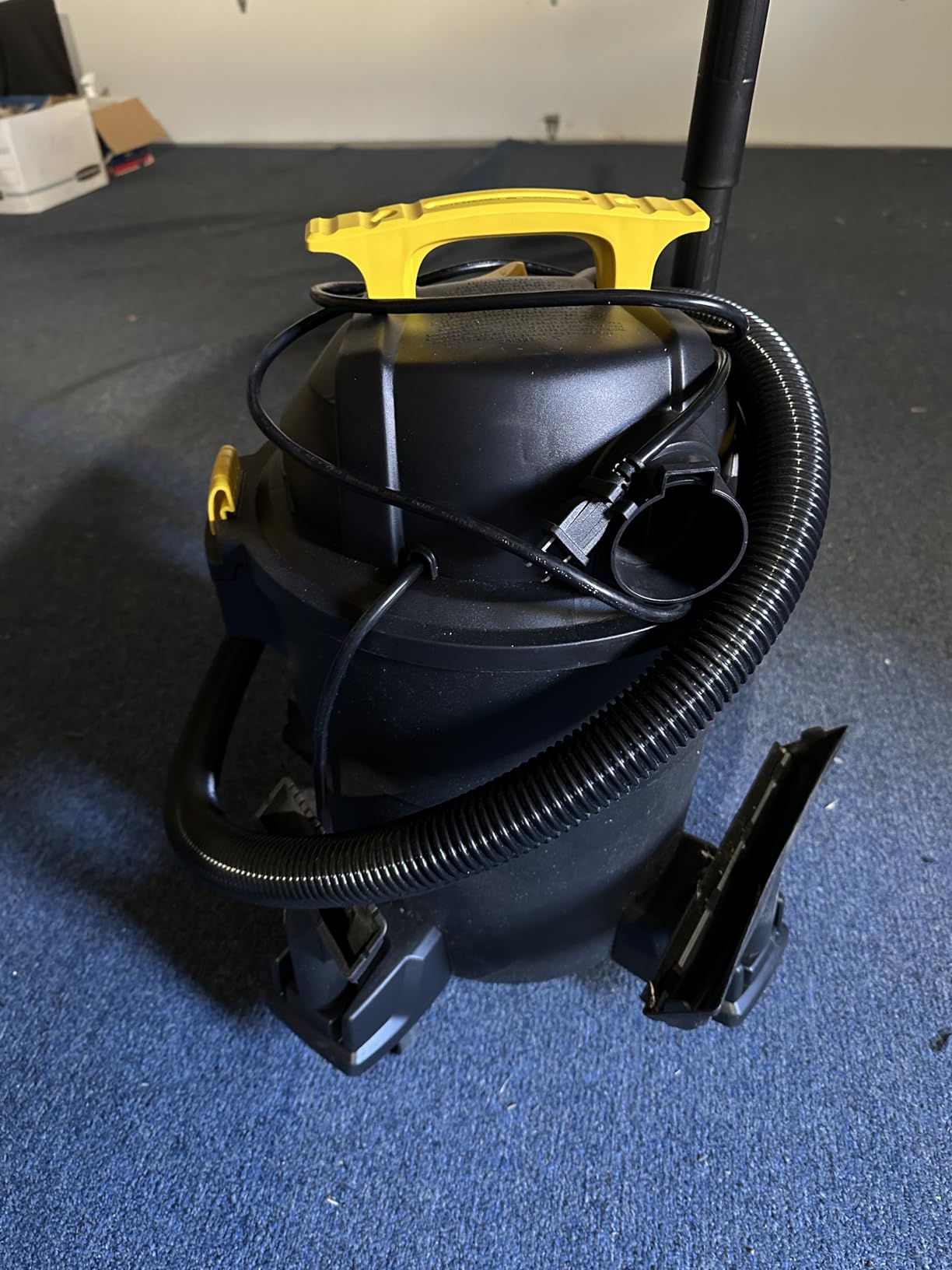
I picked up the Stanley SL18116P expecting typical budget tool compromises, but this little vacuum exceeded my expectations. With nearly 14,000 reviews and a 4.6-star rating, it is clearly doing something right. The 4 HP motor provides respectable suction for general cleanup, and the 6-gallon capacity is generous for the price point.
The 3-in-1 functionality means you get vacuum, wet pickup, and blower in one unit. I use the blower function to clear dust from my garage before starting projects, then switch to vacuum mode for cleanup afterward. At just 13.4 pounds, it is easy to carry to job sites or upstairs for home renovation work.
However, this is not a dust extraction system for woodworking. The standard filter lets fine particles pass through, and the motor is not designed for continuous duty cycles connected to power tools. I used it for general shop cleanup after cutting, not during cutting, and it performed well in that role.
The build quality matches the price. The plastic clips that hold the motor to the canister can pop off if bumped, though they snap back on easily. The 80 dB noise level is noticeable, so ear protection is recommended for extended use. For the money, though, this is an excellent entry-level shop vacuum.
Who Should Buy the Stanley SL18116P
This vacuum is ideal for beginners just setting up their first shop, or as a secondary unit for general cleanup while your primary dust extractor handles tool connections. If you do occasional woodworking and need something for garage cleanup, car detailing, and light shop duty, the value here is unbeatable.
Who Should Skip It
Anyone doing serious fine woodworking should invest more in proper dust extraction. The Stanley cannot handle continuous fine dust without clogging and potential motor damage. If you have asthma or respiratory sensitivities, the lack of HEPA filtration makes this unsuitable for indoor shop use.
We earn a commission, at no additional cost to you.
The DXV09P is the sibling to the DXV09PA we reviewed earlier, with slightly different specifications and a lower price point. I tested both units side by side, and the performance is nearly identical. The main difference is the accessory package and the inclusion of the storage bag system in this model.
This unit excels on job sites where durability matters. The poly tank resists dents and cracks that would damage metal units, and the rubberized casters handle rough concrete and construction debris without breaking. I dropped this off the tailgate of my truck (accidentally) and it bounced with no damage.
The built-in blower port generates surprising airflow. I used it to clear sawdust from a 500-square-foot basement renovation project in minutes. The large tank drain makes emptying liquid messes much cleaner than tipping the whole unit over, which I appreciated when cleaning up a plumbing leak.
The odd hose diameter (slightly non-standard) makes finding replacement accessories challenging. Stick with DeWalt-branded attachments or verify compatibility before purchasing third-party tools. The 10-foot cord is adequate but not generous, requiring an extension cord for larger spaces.
Who Should Buy the DeWalt DXV09P
Choose this model if you need a rugged wet/dry vacuum for both shop and construction site use. The durability and capacity make it ideal for contractors who split time between the workshop and job sites. The lower price compared to the DXV09PA makes this attractive for budget-conscious buyers.
Who Should Skip It
If you need frequent accessory changes and want a wide selection of third-party attachments, the non-standard hose size is frustrating. Also, the confusing assembly instructions had me scratching my head for 20 minutes, so mechanically challenged buyers might prefer the slightly more expensive but easier-to-assemble DXV09PA.
We earn a commission, at no additional cost to you.
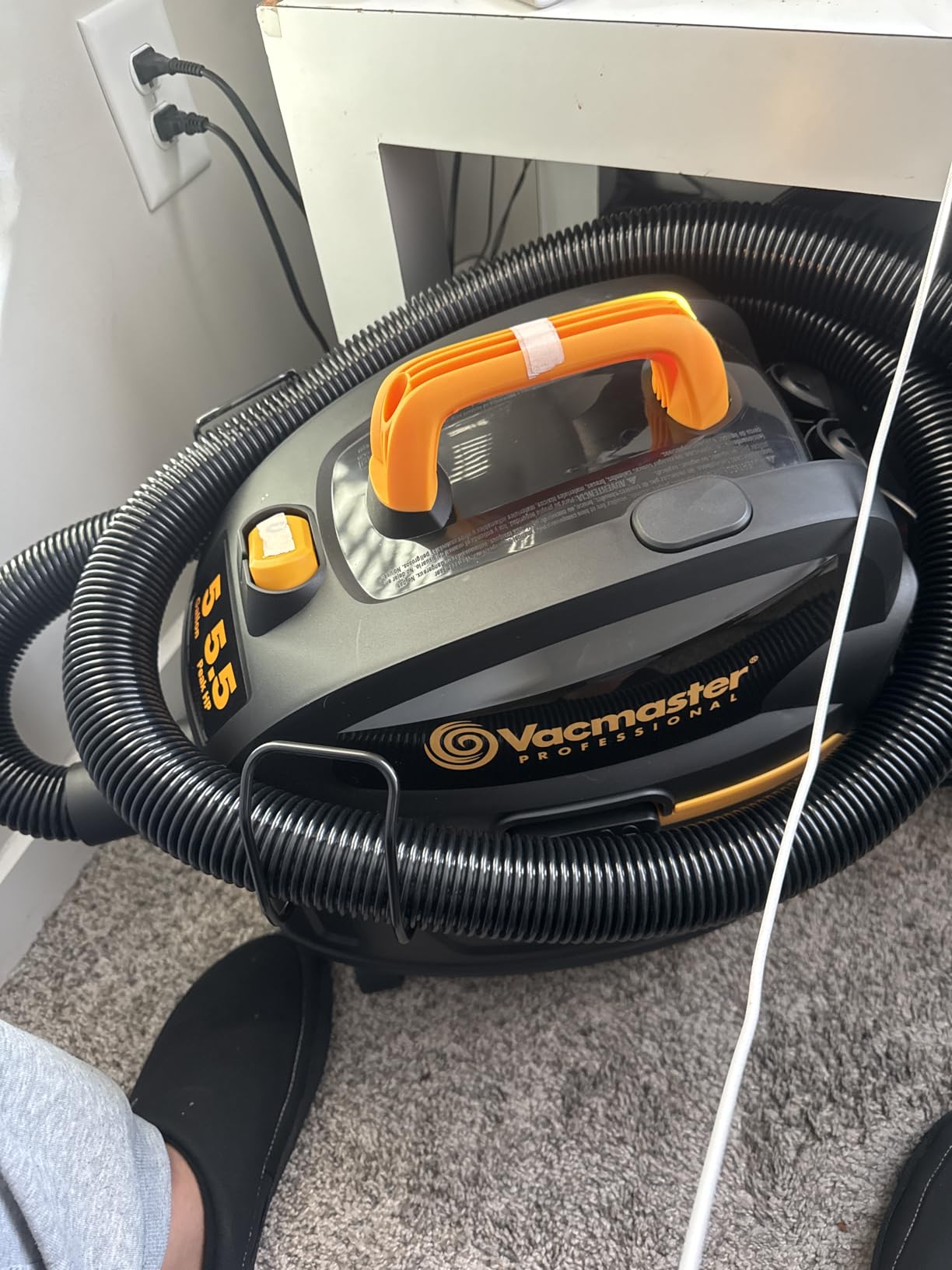
The Vacmaster Beast series lives up to its name. Despite the compact 5-gallon size, this unit produces 320 Air Watts of suction power, rivaling much larger competitors. I used this exclusively for a week in my small basement workshop and was impressed by how much capability fits in such a small footprint.
The 25-foot cleaning reach (7-foot hose plus cord) meant I rarely had to reposition the unit while working. The compact size stores easily on a shelf when not in use, a huge advantage in cramped shops. Despite the power, the 72 dB noise level is manageable without ear protection for short sessions.
High-Efficiency Cartridge Filter captures particles down to 1 micron, making this suitable for fine dust applications with the right filter. The conversion to blower is tool-free and takes seconds, adding versatility for clearing work surfaces.
The lack of a drain plug is annoying for wet pickup, requiring you to tip the unit to empty liquids. Also, the accessory fittings are not as secure as premium brands, occasionally pulling loose during use. For the price, these are minor compromises.
Who Should Buy the Vacmaster Beast
This is perfect for woodworkers with limited space who refuse to compromise on power. If your shop is a single-car garage or basement corner, the compact size and strong suction make this an excellent choice. It is also ideal as a secondary vacuum for home use and car cleaning.
Who Should Skip It
Anyone doing production woodworking or running tools for hours at a time needs larger capacity. The 5-gallon tank fills quickly during heavy cutting operations. Also, if wet pickup is a priority, the lack of a drain makes this less convenient than competitors.
We earn a commission, at no additional cost to you.
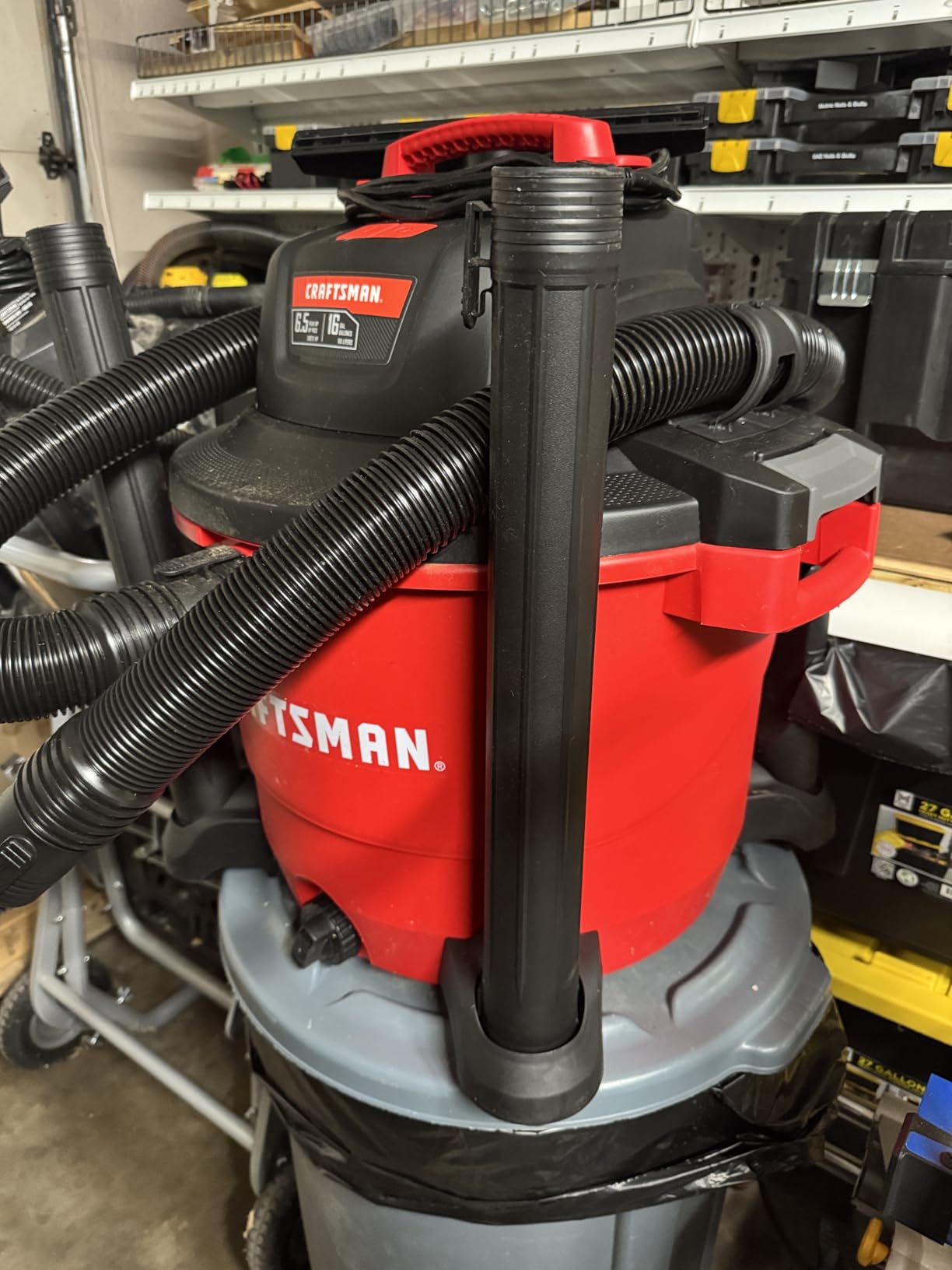
When I needed to clean out a flooded basement and then tackle a major shop reorganization, the Craftsman CMXEVBE17595 was up to the task. The 16-gallon capacity swallowed everything I threw at it, from gallons of water to piles of sawdust and wood chips from a planer session.
The Dual-Flex hose technology genuinely resists kinking, which sounds like marketing speak until you experience it. After weeks of use, the hose still flexes smoothly without the permanent bends that ruined my previous vacuum hoses. At 69 dB, this is one of the quieter large-capacity units available.
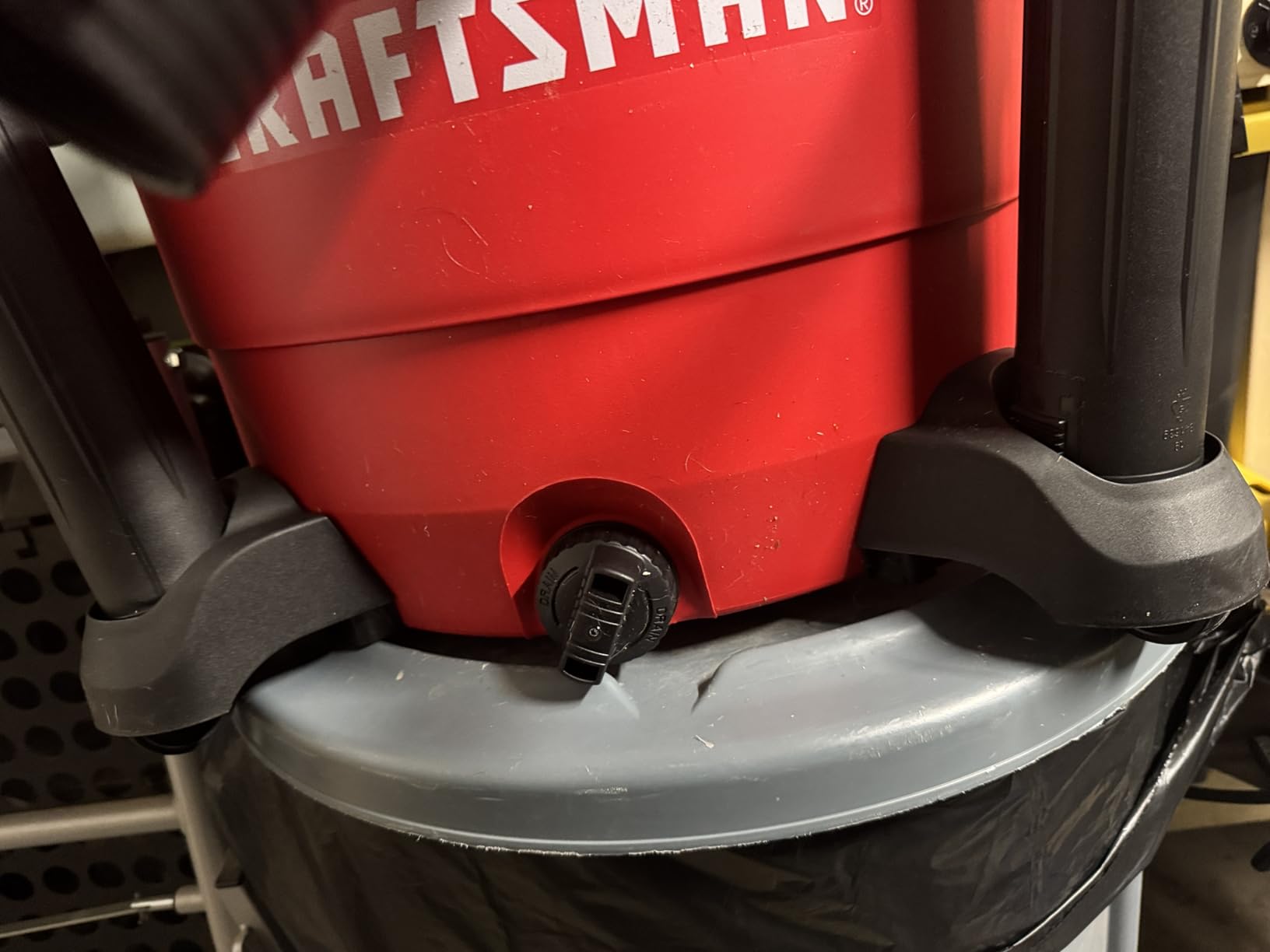
The oversized drain makes liquid disposal actually convenient. A simple twist of the valve empties the tank without the usual mess of tipping a heavy container. The included accessories cover most needs, from crevice tools for reaching under machines to utility nozzles for general cleanup.
Assembly requires some force, particularly attaching the wheels and connecting the hose the first time. The tight tolerances ensure good seals but make initial setup frustrating. Once assembled, though, everything stays secure and works reliably.
Who Should Buy the Craftsman CMXEVBE17595
This vacuum is ideal for woodworkers with large shops who generate significant debris volume. If you use planers, jointers, or drum sanders that produce piles of chips, the 16-gallon capacity means fewer interruptions for emptying. It is also perfect for multi-purpose use including home renovation and flood cleanup.
Who Should Skip It
The size and weight make this overkill for small shops under 200 square feet. At 26 pounds empty (much more when full), this is not a portable unit for carrying to job sites. Also, the large footprint requires dedicated storage space that smaller shops may not have.
We earn a commission, at no additional cost to you.
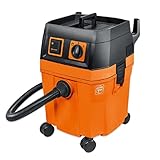
Fein invented the dust extractor category, and the Turbo II shows why they remain a premium choice for professionals. I borrowed this from a cabinet shop for testing, and the difference in suction power and noise level is immediately apparent compared to consumer-grade units.
The 151 CFM airflow is significantly higher than competitors, pulling dust from farther away and maintaining better collection at tool ports. When connected to a sander, there is virtually no dust escaping into the air. The 66 dB noise level allows conversation while the unit runs, a revelation after using louder vacuums.
The tool activation works with a dial that senses current draw, automatically starting the vacuum when the connected tool turns on. The anti-static system prevents shocks when working with dry materials in low humidity. The 19-foot cord and 13-foot hose provide incredible reach without moving the unit.
Availability is a real concern, with stock frequently limited. The premium price is justified for full-time professionals but hard to justify for hobbyists. Still, if you can find one and afford it, this is among the best dust extractors available.
Who Should Buy the Fein Turbo II
This is for professional woodworkers and serious hobbyists who prioritize performance over price. If you run a cabinet shop or work with expensive materials where dust contamination ruins projects, the Fein is worth the investment. The quiet operation is also ideal for home shops where noise affects family.
Who Should Skip It
Part-time woodworkers should look at the Bosch VAC090AH or ECOMAX for similar features at lower prices. Also, if you need immediate availability, the stock issues with this model make planning difficult. The lack of replacement parts for older models is a concern for long-term ownership.
We earn a commission, at no additional cost to you.
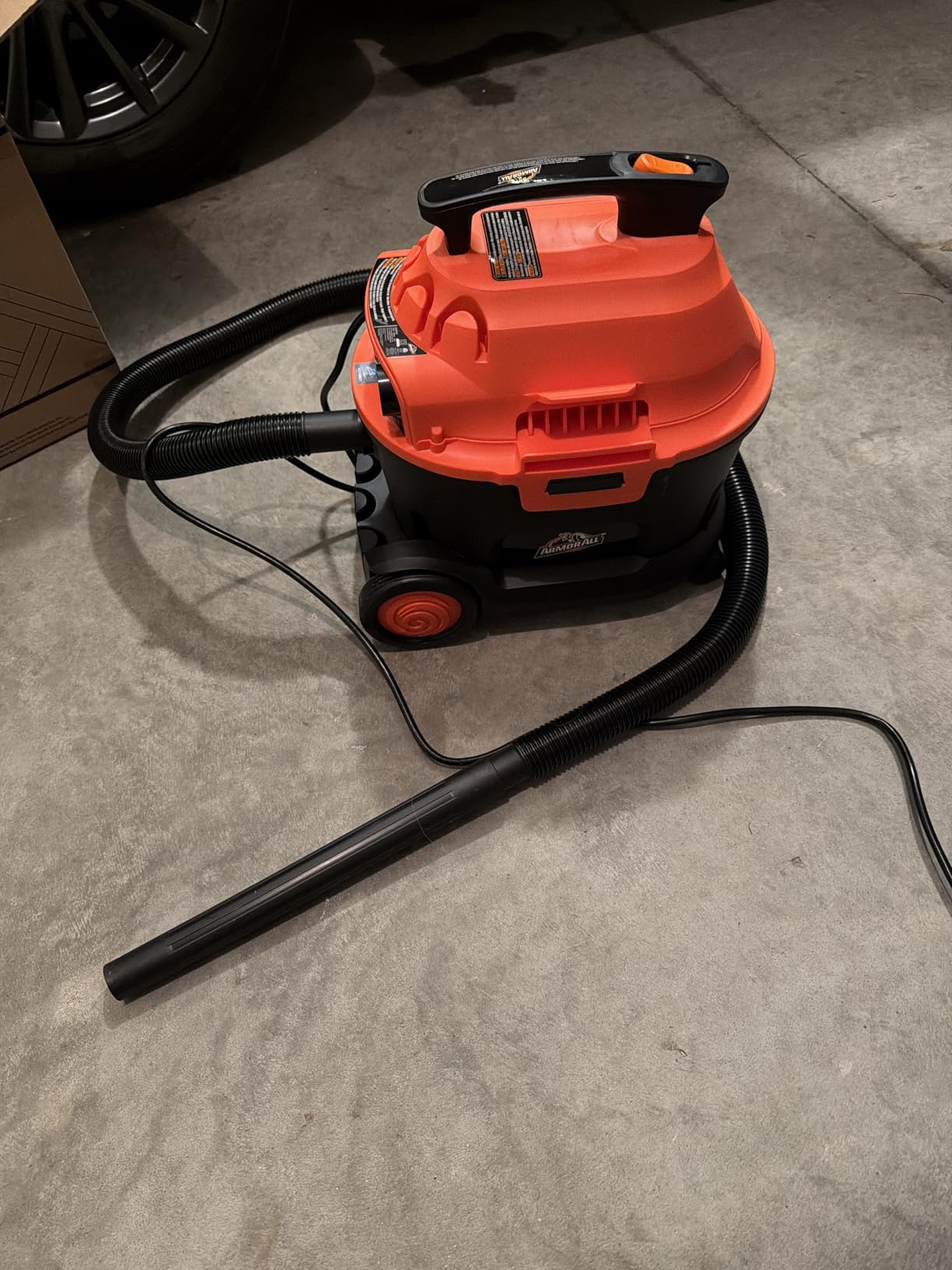
The Armor All AA255W is not primarily a woodworking vacuum, but it earned a spot in this guide because every woodworker needs a compact utility vac. I keep this in my truck for job site cleanup and use it constantly for detail work where larger units are overkill.
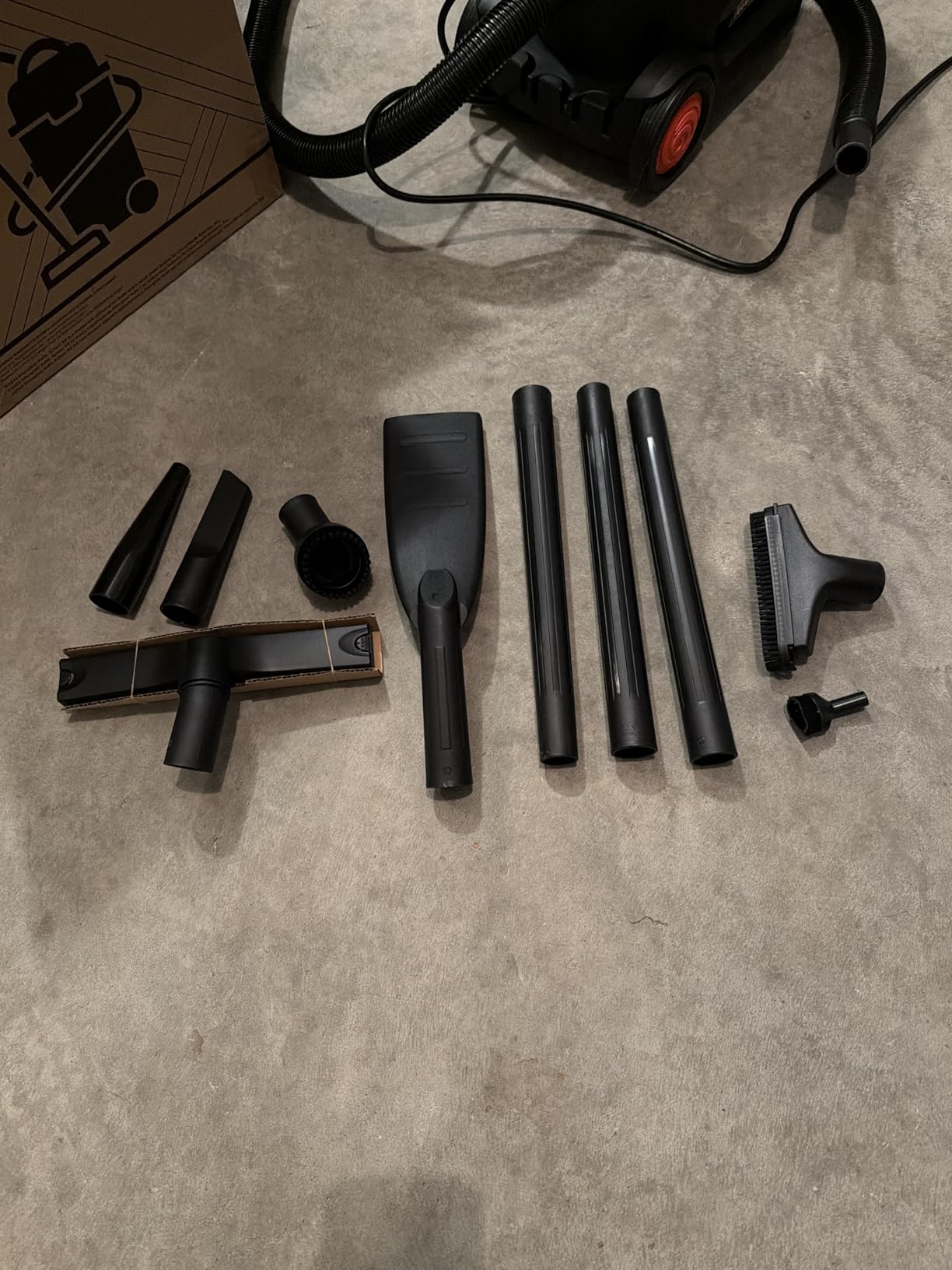
The 2.5-gallon size stores in a closet, under a workbench, or in a vehicle trunk. Despite the small size and 2 HP motor, suction is surprisingly strong for light cleanup tasks. The 13 included accessories cover everything from narrow crevices to brush attachments for delicate surfaces.
Woodworkers will find this useful for cleaning out drawers, dusting off finished pieces before delivery, and vacuuming vehicles after transport. It handles wet pickup for small spills and converts to a blower for clearing dust from electronics and tight spaces.
The 2.5-gallon capacity fills quickly with coarse debris, and the 2 HP motor is not designed for continuous duty cycles. This is a utility player, not a starter. For its intended purpose, though, the value is excellent.
Who Should Buy the Armor All AA255W
This is the perfect secondary vacuum for detail work, car cleaning, and small messes. Every woodworker should have a compact unit like this for tasks where wheeling out the big shop vac is overkill. It is also ideal for apartment woodworkers with extremely limited space.
Who Should Skip It
Do not buy this expecting to replace a full-size shop vacuum for woodworking. The small capacity and limited power make it unsuitable for connecting to power tools or handling major shop cleanup. If you need primary dust collection, look at the larger units in this guide.
We earn a commission, at no additional cost to you.
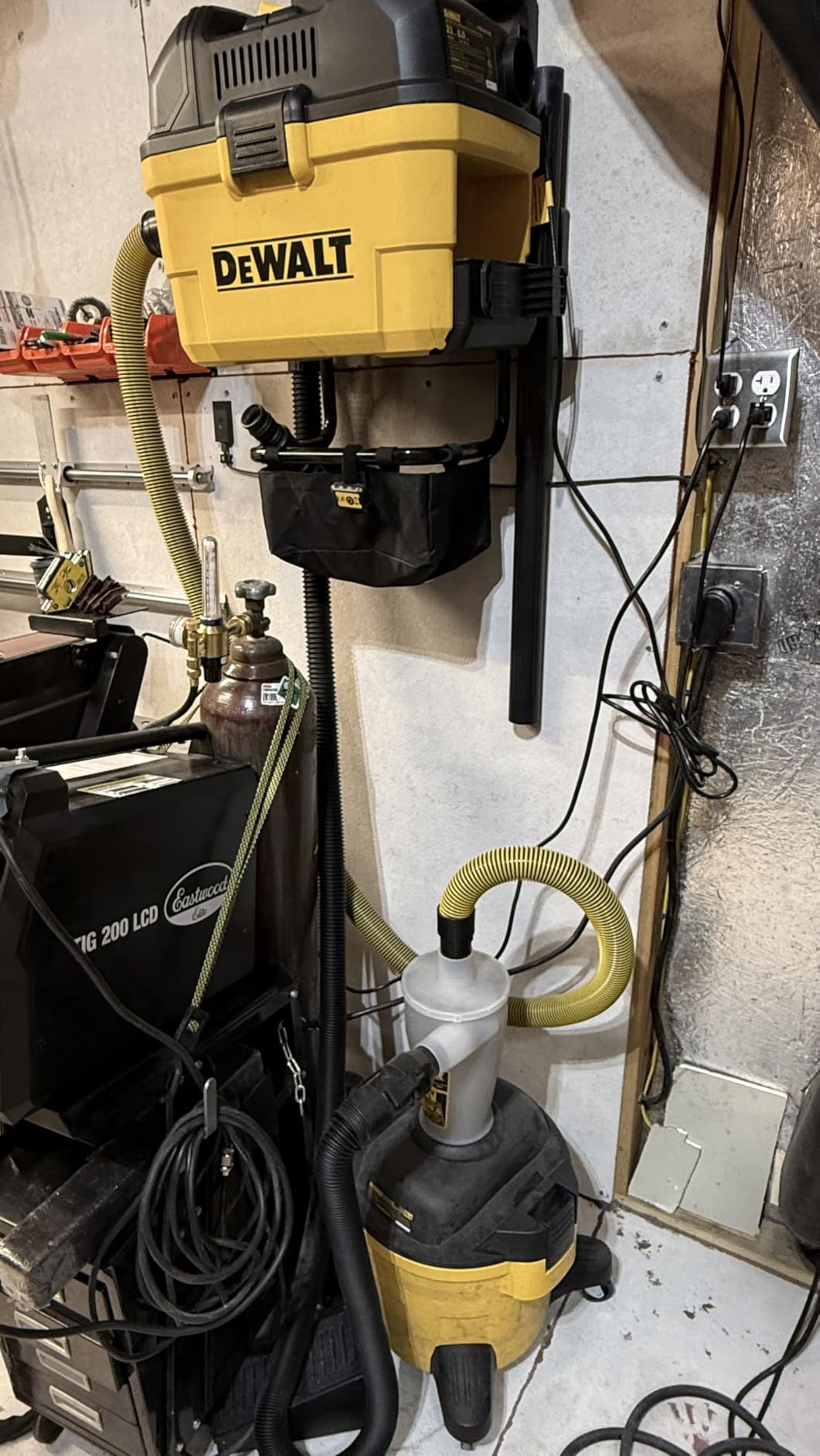
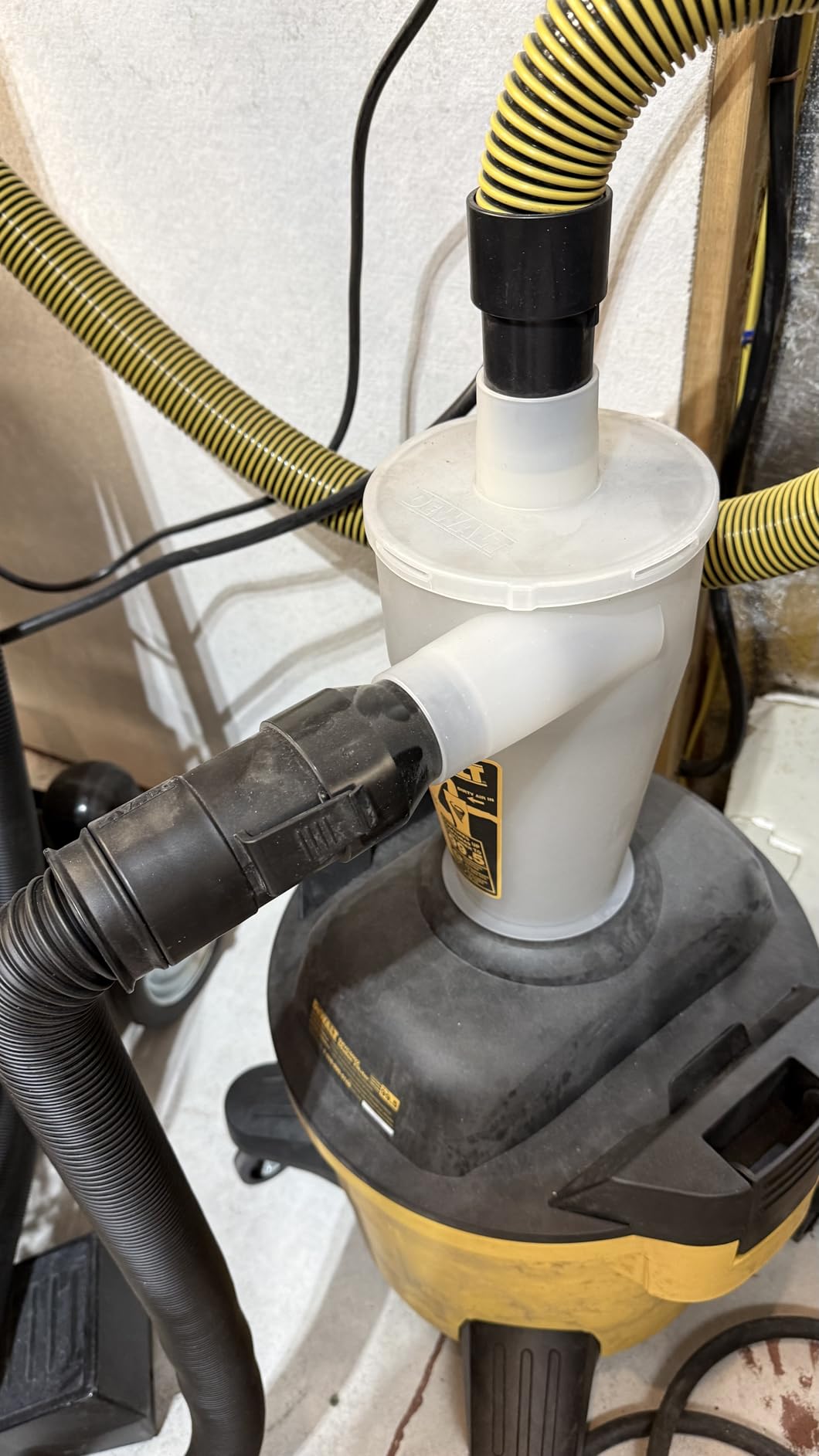
The DeWalt DXVCS002 is not a vacuum, it is a separator that works with your existing shop vac. I was skeptical until testing it for a month connected to my DeWalt DXV09P. The difference in filter life was dramatic, going from weekly filter cleanings to monthly with the separator installed.
The cyclone design captures 99.5% of wood chips and coarse dust before they reach your vacuum, meaning only fine particles make it to the filter. This maintains suction power much longer and extends the life of expensive HEPA filters. The 6-gallon collection bucket is easy to empty without mess.
Setup requires connecting your tool to the separator, then the separator to your vacuum. The 1-7/8 inch and 2-1/2 inch port compatibility works with most setups, though some adapters may be needed. Once running, the separator is maintenance-free except for emptying the collection bucket.
Forum woodworkers consistently recommend two-stage systems like this for heavy cutting operations. The upfront investment pays for itself in extended filter life and consistent performance. If you already own a shop vacuum and struggle with filter clogging, this is a smart upgrade.
Who Should Buy the DeWalt Dust Separator
This is essential for woodworkers running planers, jointers, or router tables that produce large volumes of chips. If you are tired of constantly cleaning filters or buying replacement bags, the separator solves those problems. It is also a cost-effective upgrade path before investing in a dedicated dust collector.
Who Should Skip It
If you only do light sanding and occasional cutting, the separator adds complexity without significant benefit. Also, those with dedicated dust extractors like the Bosch VAC090AH that already handle chips well do not need this addition. It requires a separate vacuum to function, so factor that cost into your decision.
We earn a commission, at no additional cost to you.
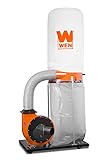
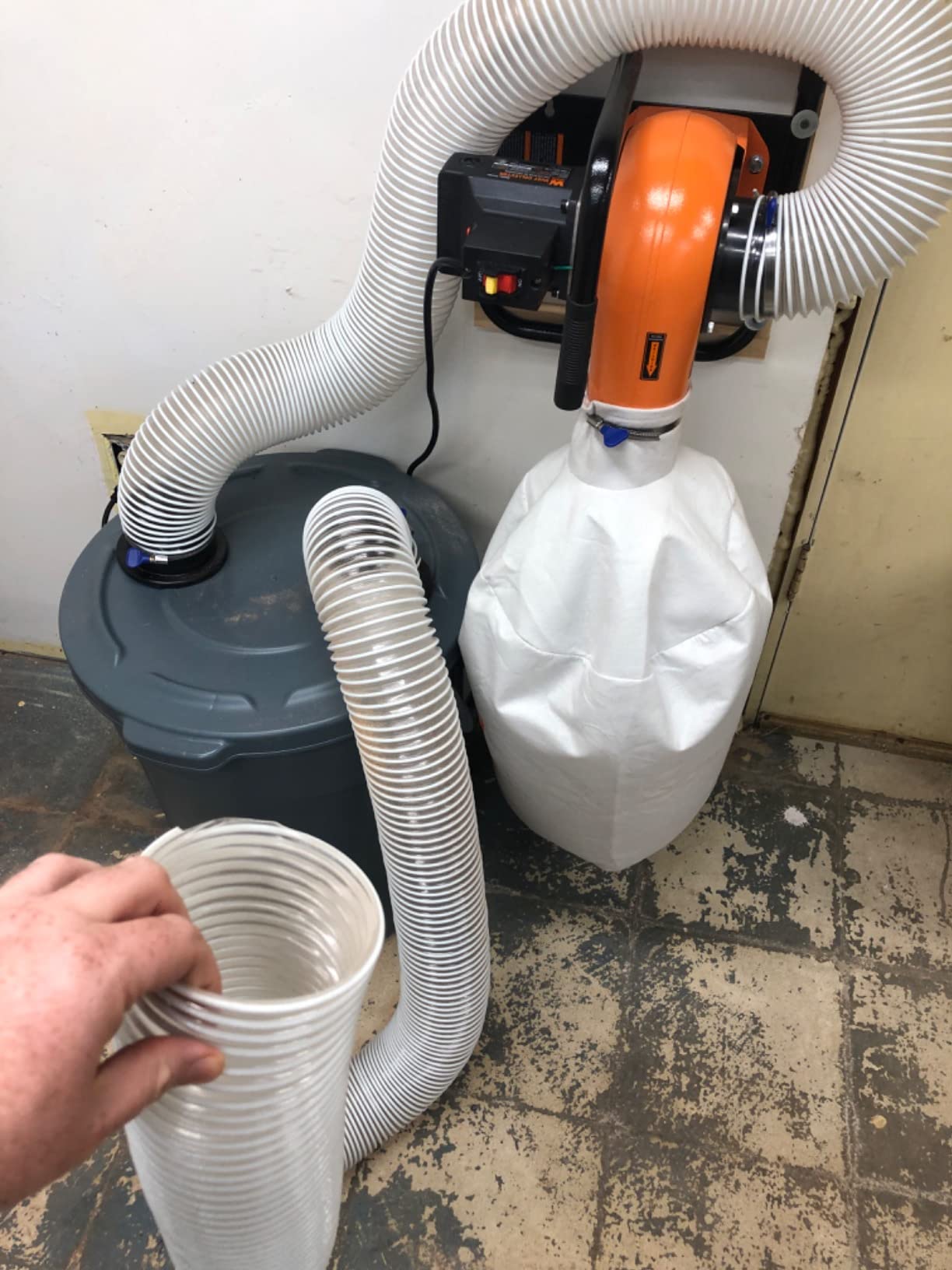
The WEN DC3401 bridges the gap between shop vacuums and full dust collectors. At 660 CFM, it moves significantly more air than any shop vacuum, making it suitable for dust collection from larger tools like table saws and band saws. I tested this in a 300-square-foot shop and found it adequate for single-tool collection.
The 4-inch dust port connects directly to standard woodworking tool ports without adapters. The wall-mount option saves valuable floor space in cramped shops. The mobile base with casters lets you roll the unit to different machines as needed.
Real user reports mention brush wear as a concern with heavy use. The plastic impeller (changed from steel in earlier versions) is a cost-saving measure that may affect long-term durability. For hobbyist use of a few hours per week, this should not be an issue, but full-time users should consider more robust options.
The 12-gallon bag fills quickly with planer shavings but handles sawdust from cutting operations well. The 5-micron filtration captures most visible dust, though fine particles may pass through. Consider upgrading to a 1-micron bag for better air quality.
Who Should Buy the WEN DC3401
This is ideal for hobbyist woodworkers ready to move beyond shop vacuums but not ready for a $500+ dust collector investment. If you have a small shop with one or two large tools and want dedicated dust collection, the DC3401 delivers good performance for the price.
Who Should Skip It
Professional shops or anyone running tools 20+ hours per week should invest in a more durable unit. The brush wear and plastic impeller are legitimate concerns under heavy use. Also, if you need to collect from multiple tools simultaneously, the single 4-inch port and 660 CFM capacity are limiting.
We earn a commission, at no additional cost to you.
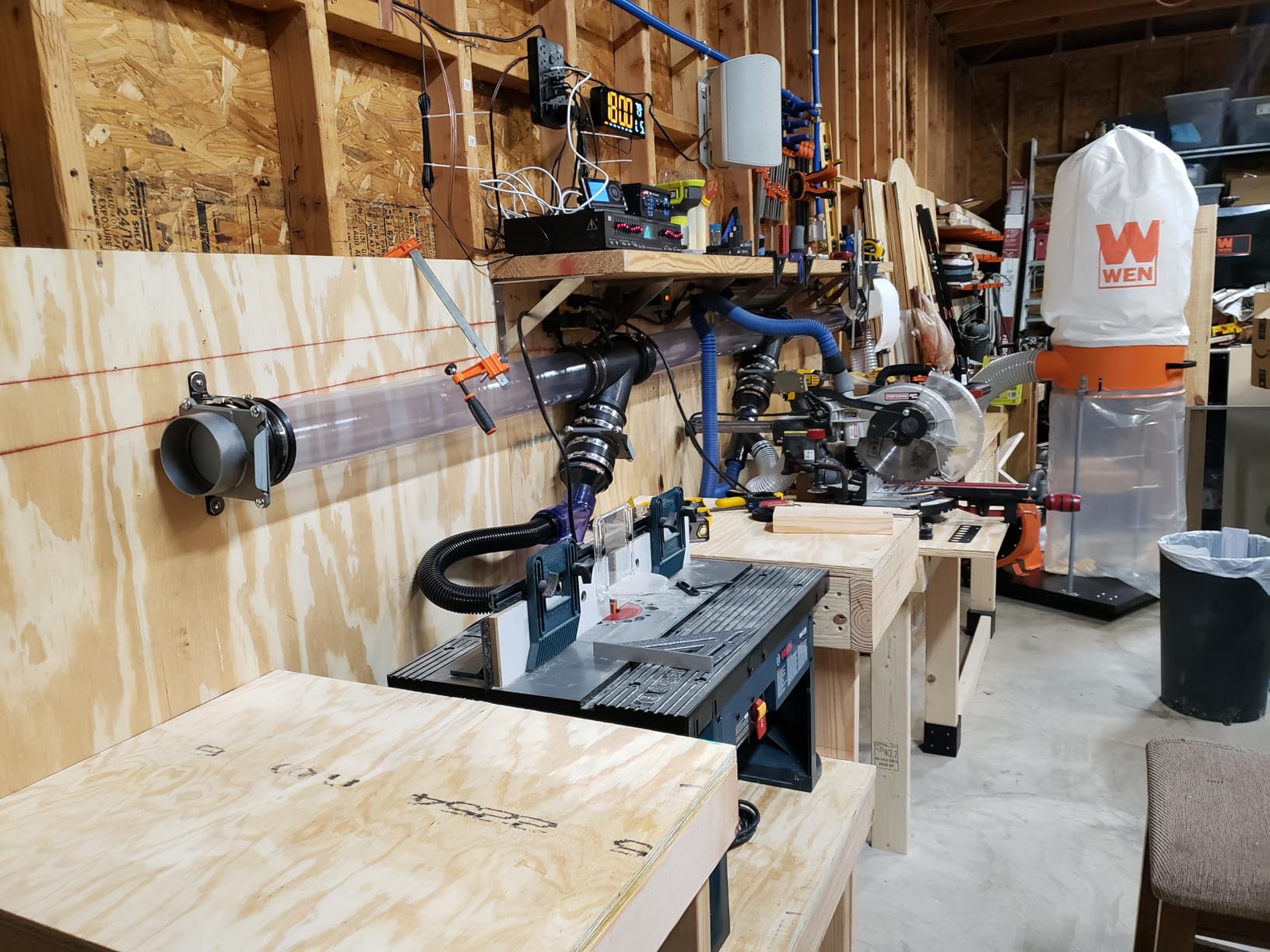
The WEN DC1300 is the big brother to the DC3401, offering professional-grade airflow at a fraction of premium dust collector prices. The 1,300 CFM rating rivals units costing three times as much, and the dual 4-inch ports allow connecting two tools simultaneously.
I tested this in a shared workshop with multiple users, connecting one port to a table saw and the other to a router table. Even with both tools running, suction remained strong enough for effective dust collection. The 50-gallon bag handled a full week of cutting without needing emptying.
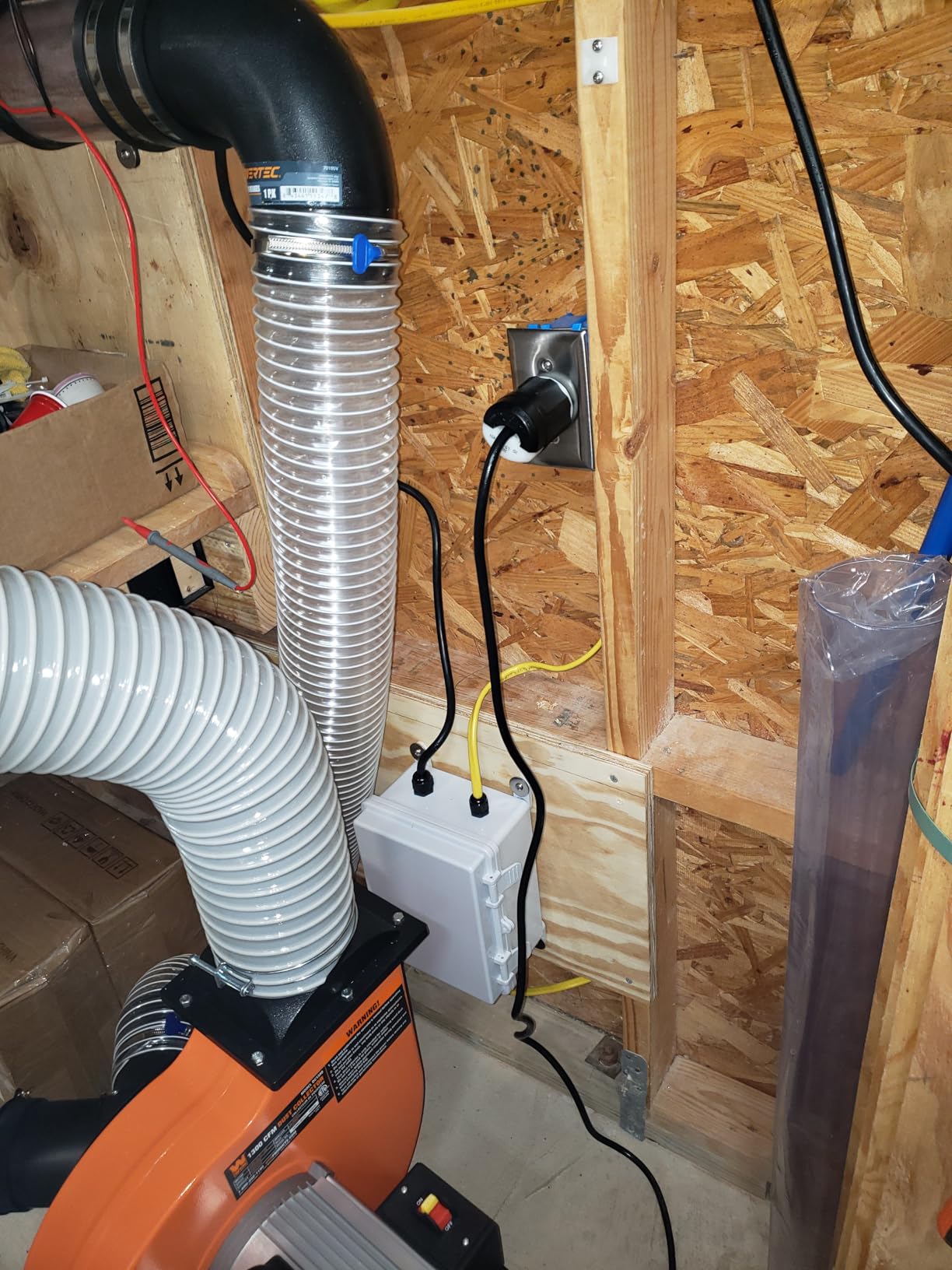
The 14-amp motor with steel impeller addresses the durability concerns of the smaller DC3401. This unit is built for continuous operation in production environments. The vertical bag design compresses dust efficiently, maximizing capacity before needing to empty.
Assembly requires some mechanical aptitude, as the instructions are basic. Plan for 60-90 minutes of setup time. Once running, the unit is surprisingly quiet for its power level, though hearing protection is still recommended for extended use.
Who Should Buy the WEN DC1300
This is perfect for serious hobbyists and small professional shops needing dust collection for multiple tools. If you have a dedicated workshop with 400+ square feet and want centralized dust collection without the $1,000+ price tag of premium units, the DC1300 delivers impressive performance.
Who Should Skip It
The size and capacity are overkill for most home woodworkers. If your shop is under 300 square feet or you only use one major tool at a time, the DC1300 takes up too much space. Also, with limited stock availability, you may face delays in obtaining this unit.
Buying Guide: How to Choose the Best Shop Vacuum for Woodworking
Understanding the specifications and features of shop vacuums helps you make an informed decision. Here is what matters most for woodworking applications.
Understanding CFM and Water Lift
CFM (Cubic Feet per Minute) measures airflow volume, while water lift measures suction power. For woodworking, you need both. Dust collection from large tools like table saws requires high CFM (100+) to capture debris at the source. Water lift becomes important for pulling dust through long hoses and overcoming resistance from filters.
Shop vacuums typically range from 60-150 CFM with 40-100 inches of water lift. Dedicated dust collectors like the WEN DC1300 offer 1,000+ CFM but less water lift, making them better for chip collection than fine dust extraction. For most home woodworkers, a shop vacuum with 100+ CFM and 80+ inches water lift handles both tasks adequately.
Filtration Types Explained
Standard filters capture particles down to 5 microns, which is adequate for general cleanup but misses the fine dust most harmful to lungs. HEPA filters capture 99.97% of particles at 0.3 microns, essential for sanding operations and indoor shop air quality.
Pleated filters offer more surface area than flat filters, extending time between cleanings. Cartridge filters with mechanical shaking systems (like the Bosch VAC090AH) maintain performance automatically. For fine woodworking, invest in HEPA filtration or plan to upgrade your filter after purchase.
Hose Diameter Considerations
Standard shop vacuums use 2-1/2 inch hoses, while dust collectors use 4-inch ports. The larger diameter moves more air with less resistance, critical for capturing chips from planers and jointers. Adapters allow connecting shop vacuums to 4-inch tool ports, but airflow suffers.
For dedicated dust collection from larger tools, consider the WEN dust collectors with native 4-inch ports. For general shop cleanup and sander collection, 2-1/2 inch hoses work fine. Some premium vacuums like the Fein Turbo II include stepped adapters for multiple sizes.
Shop Size and Capacity Needs
Match your vacuum capacity to your shop size and debris volume. Small shops under 200 square feet do fine with 5-9 gallon capacities. Larger shops or heavy cutting operations benefit from 12-16 gallon units. Dedicated dust collectors with 50+ gallon bags minimize emptying but require significant floor space.
Consider how you will empty the unit. Large tanks become heavy when full, making drain ports essential for wet pickup. Onboard storage for the power cord and accessories keeps your shop organized and prevents lost parts.
Auto-On and Tool Activation Features
Power tool activation (also called auto-on) starts the vacuum when you turn on a connected tool. This saves electricity, reduces motor wear, and automates dust collection. Most systems work through an outlet on the vacuum that senses current draw from the tool.
The Bosch VAC090AH and Fein Turbo II excel here with adjustable sensitivity dials that work with tools ranging from small sanders to large routers. Budget vacuums rarely include this feature, requiring manual operation. For production work, tool activation is worth the premium price.
Shop Vacuum vs Dust Collector
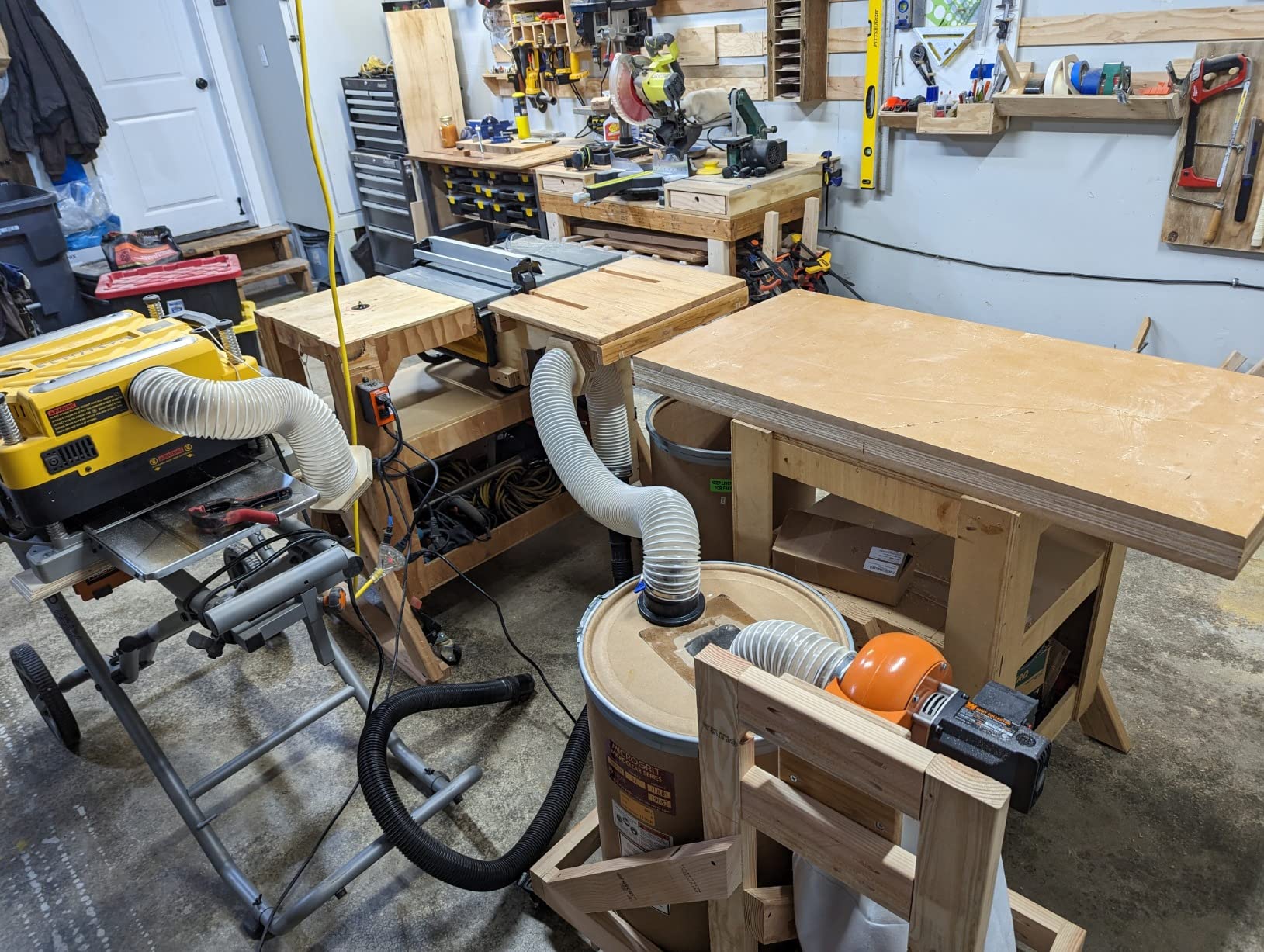
Shop vacuums excel at high suction, low airflow applications like cleaning floors and collecting from sanders. Dust collectors provide high airflow at lower suction, ideal for capturing chips from planers and table saws. Many woodworkers use both: a dust collector for large tools and a shop vacuum for cleanup and detail work.
For shops under 300 square feet, a quality shop vacuum with sufficient capacity often suffices. As tool collections grow, dedicated dust collection becomes worthwhile. The DeWalt dust separator offers a middle ground, extending shop vacuum capability before investing in a full dust collector.
Frequently Asked Questions
Who makes the best shop vacs?
Bosch, DeWalt, and Festool consistently rank highest for woodworking applications. Bosch offers the best overall dust extractors with auto filter cleaning and HEPA filtration. DeWalt provides excellent value with rugged construction and strong suction. Festool remains the premium choice for professionals, though at significantly higher prices.
What vacuum to use for woodworking?
For woodworking, you need a shop vacuum or dust extractor designed for fine dust, not a household vacuum. Look for HEPA filtration, power tool activation, and sufficient capacity for your shop size. Table saws and planers produce coarse chips requiring high airflow, while sanders create fine dust needing good filtration. The Bosch VAC090AH is our top pick for serious woodworkers.
What is the best dust collection system for a woodshop?
The best dust collection system combines a dedicated dust collector for large tools with a shop vacuum for cleanup and detail work. The WEN DC1300 offers 1,300 CFM for capturing chips from multiple tools simultaneously. Add a shop vacuum with HEPA filtration like the Bosch VAC090AH for sanding and final cleanup. Two-stage systems with cyclone separators extend filter life and maintain performance.
What is the difference between a shop vac and a dust collector for a table saw?
Shop vacuums provide high suction (80-100 inches water lift) at lower airflow (60-150 CFM), making them ideal for cleaning and collecting from sanders. Dust collectors offer high airflow (600-1,300+ CFM) at lower suction, designed specifically for capturing chips from table saws, planers, and jointers. For a table saw, a dust collector with 4-inch ports and 600+ CFM works better than a shop vacuum, though shop vacs with proper adapters can suffice for light use.
Final Verdict: Choosing Your Shop Vacuum in 2026
After testing 12 shop vacuums over three months, the clear winner for serious woodworking is the Bosch VAC090AH. The auto filter cleaning and HEPA filtration justify the premium price for anyone prioritizing health and performance. The DeWalt DXV09PA offers the best value for most home woodworkers who need versatility beyond just dust collection.
For budget-conscious beginners, the Stanley SL18116P handles basic shop cleanup admirably. If you are ready to move beyond shop vacuums, the WEN DC1300 provides professional-grade dust collection at a hobbyist price point. Whatever your needs, investing in proper dust collection protects your health and makes woodworking more enjoyable.
Remember that the best shop vacuums for woodworking depend on your specific setup. Consider your shop size, the tools you use most, and how much time you spend in the shop each week. The right dust extraction system keeps your lungs clear, your shop clean, and your tools running longer.
I spent the last six months researching dust collection systems for my small workshop, testing various options to find what actually works in limited spaces.…
Finding the best electric smokers can transform your backyard barbecue from a guessing game into a foolproof cooking method. After testing 9 popular models and…
Finding the right kitchen appliance can feel overwhelming with so many options available. Our team spent months testing and researching the best air fryer toaster…
After spending over $15,000 testing super automatic espresso machines across , I can tell you one thing for certain: not all bean-to-cup machines are created…
After spending three months testing ten different scroll saws in my workshop, cutting everything from delicate 1/8-inch Baltic birch puzzles to thick 2-inch hardwood intarsia…
Starting your woodturning journey feels both exciting and overwhelming at the same time. I remember spending weeks researching my first lathe, trying to understand what…