10 Best Composting Toilets for Tiny Houses (April 2026) Complete Guide
Living in a tiny house means making smart choices about every square inch of space. When we moved into our 200-square-foot home, the toilet decision…

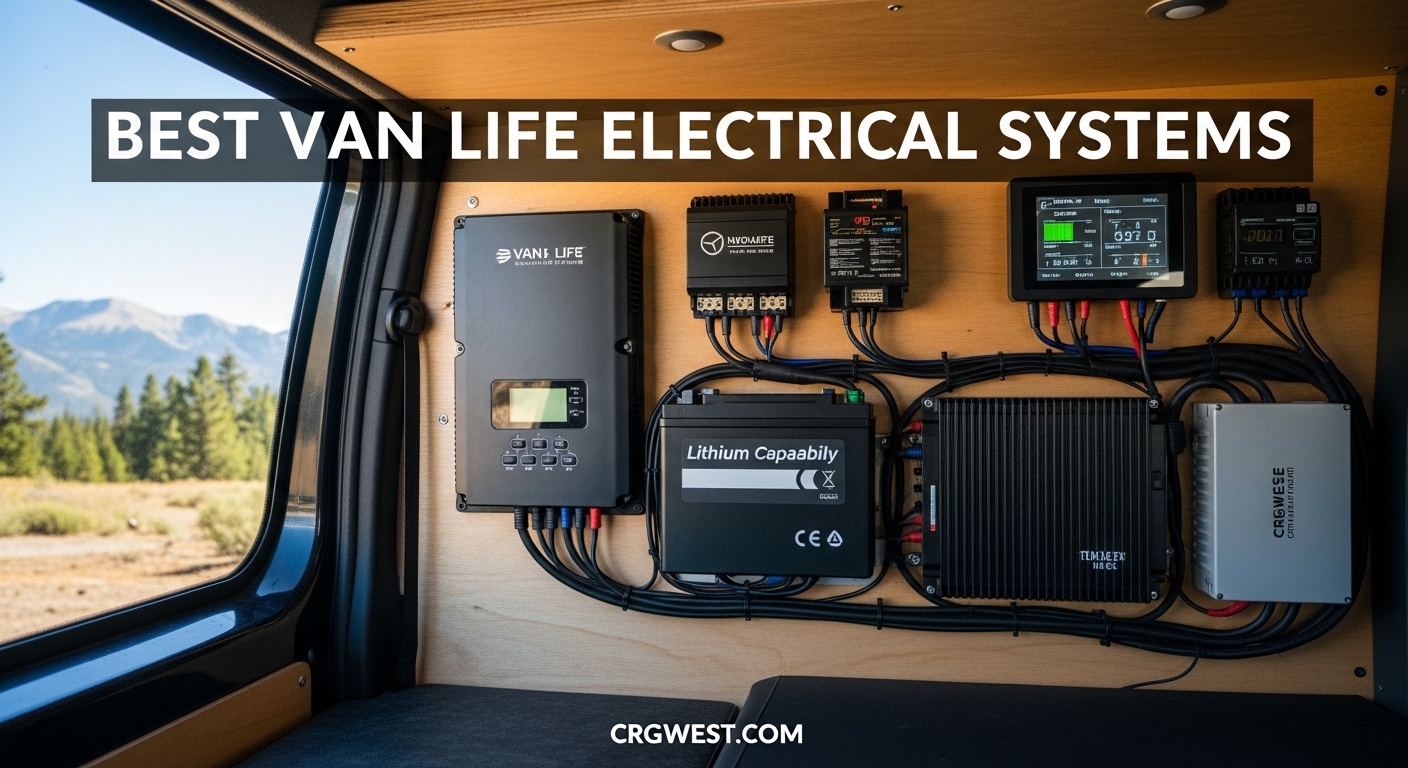
Building out a van electrical system is one of the most intimidating parts of any conversion. I spent weeks researching components, calculating power needs, and second-guessing every purchase decision. The right van life electrical system makes the difference between freedom and frustration on the road.
After testing multiple configurations and living off-grid in my Sprinter van for over two years, I have learned what actually works. The best van life electrical systems balance capacity, reliability, and ease of installation without breaking the bank. Whether you are a weekend warrior or full-time van lifer, having reliable power changes everything.
This guide covers the essential components that make up a complete camper van electrical system in 2026. I will break down each component, explain why it matters, and help you build a system that matches your specific needs and budget.


| Product | Specs | Action |
|---|---|---|
|
Victron Smart Battery Shunt
|
|
Check Latest Price |
 Victron BMV-712 Battery Monitor
|
|
Check Latest Price |
|
Victron MultiPlus-II Inverter
|
|
Check Latest Price |
|
Victron Orion XS DC-DC Charger
|
|
Check Latest Price |
 Renogy 200W Solar Kit
|
|
Check Latest Price |
 SUPER EMPOWER 100Ah LiFePO4
|
|
Check Latest Price |
 Blue Sea Systems Fuse Block
|
|
Check Latest Price |
Bluetooth monitoring
500A capacity
6.5-70V range
VE.Smart Networking
I installed the Victron Smart Battery Shunt in my van build after struggling with inaccurate voltage readings from my old monitor. The difference was immediate. This shunt tells you exactly what is happening with your battery bank at any moment. I can check my state of charge, current draw, and time remaining from my phone without ever opening a cabinet.
The shunt installs in-line on the negative terminal of your battery bank. It measures every amp going in and out with incredible precision. After three months of use, my state of charge readings have been dead accurate. I no longer worry about running my batteries too low or guessing when I need to charge.
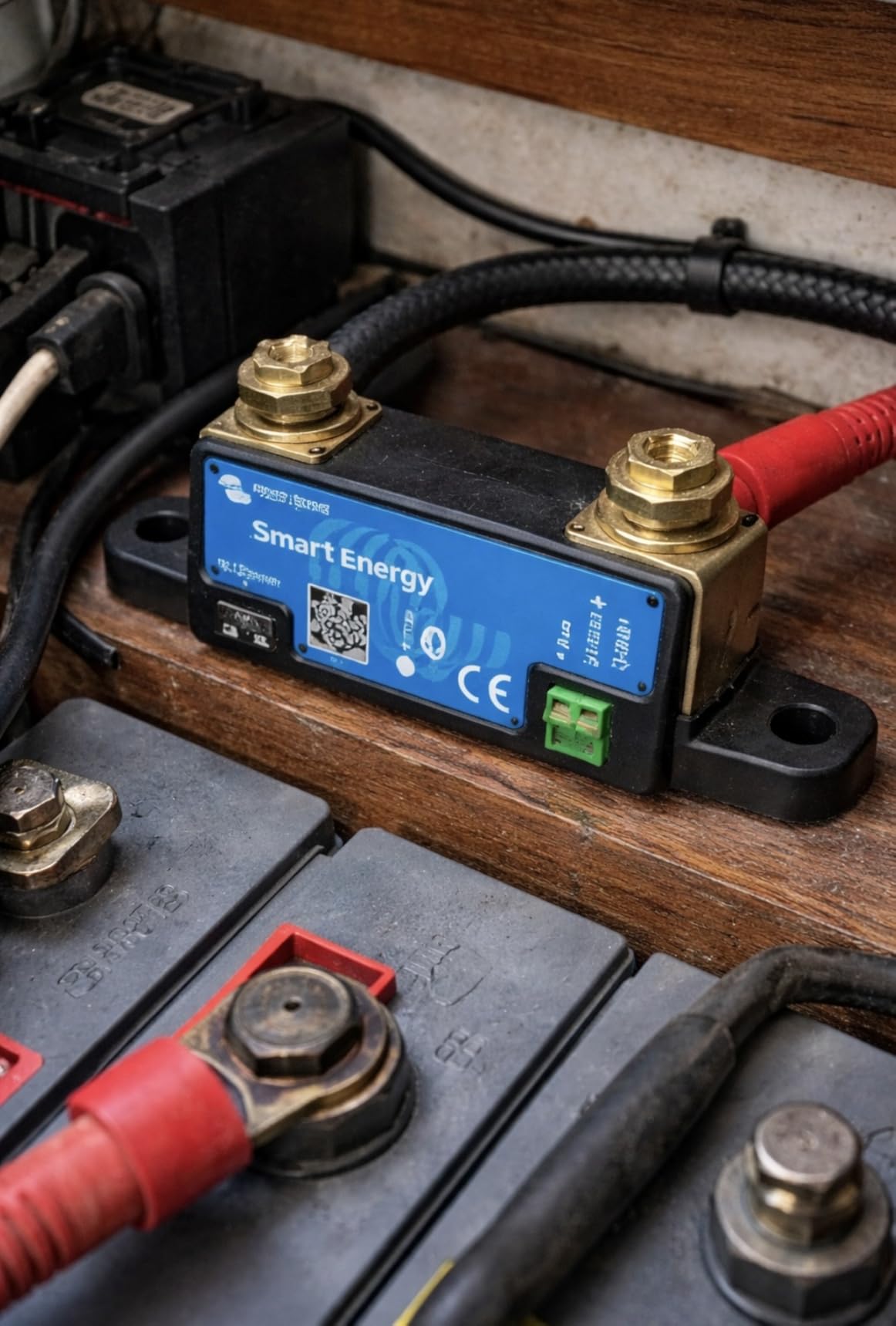
What really sets this apart is the VictronConnect app. It shows all your battery metrics in one clean interface. I can see voltage, current, amp hours consumed, and even historical data. The app sends push notifications when my battery drops below a certain percentage, which has saved me multiple times.
The VE.Smart Networking feature is where this component shines. It wirelessly connects with other Victron devices like solar controllers and battery chargers. All your components talk to each other and share data through the network. This creates an integrated system that optimizes charging based on your actual battery state rather than generic algorithms.
If you are the type who wants to know exactly what is happening with your electrical system, this shunt is essential. It eliminates guesswork and helps you make informed decisions about power usage. The Bluetooth monitoring means you can check your battery status from anywhere in or around your van.
Installation requires mounting the shunt close to your battery bank on the negative side. You will need to route all negative connections through the shunt for accurate readings. The unit itself is compact and easy to mount with the included screws. Plan your wiring layout before installation to ensure clean cable runs.
Display screen
Bluetooth monitoring
Programmable relay
VE.Direct port
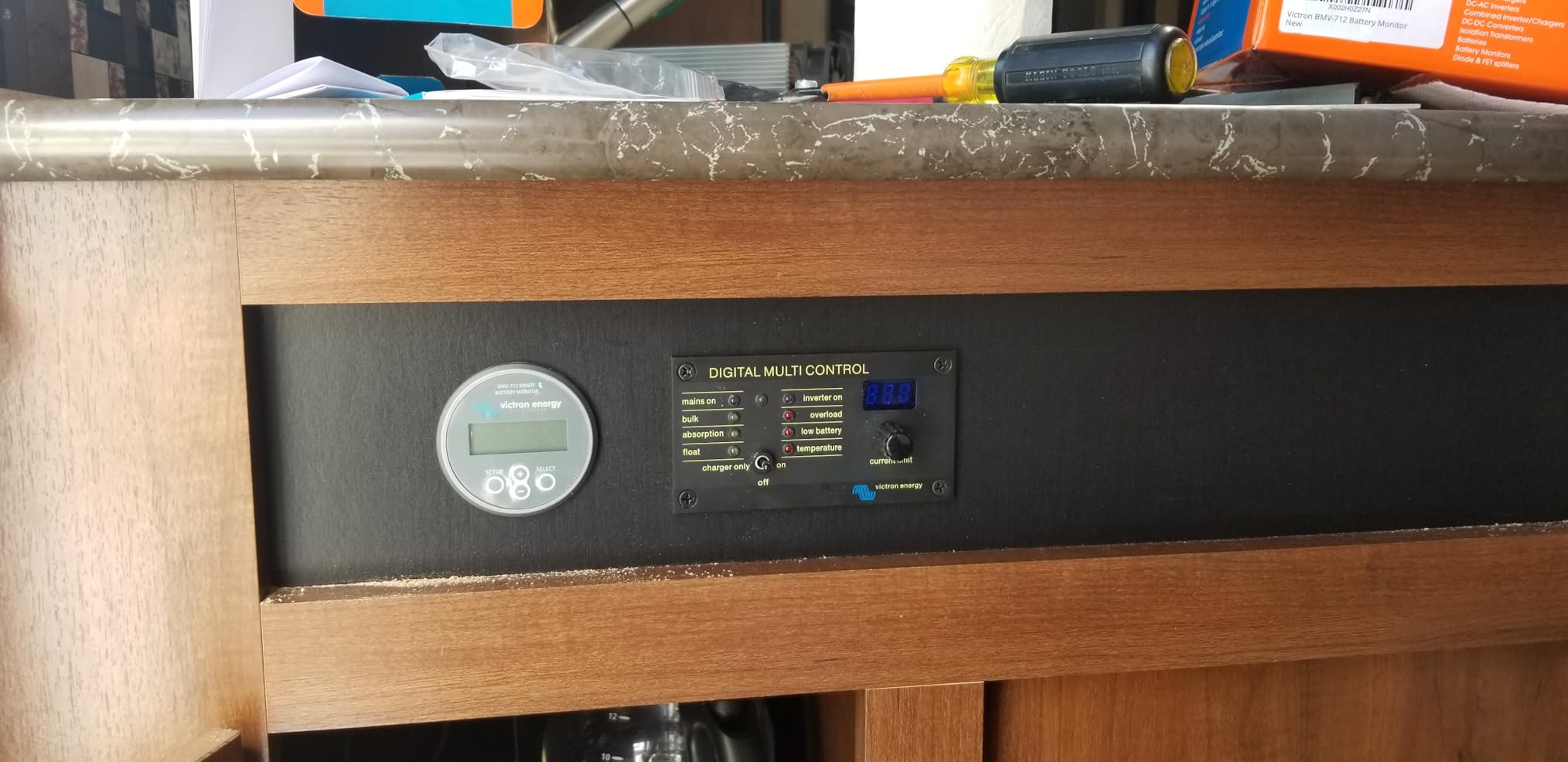
The BMV-712 takes everything great about the Smart Shunt and adds a physical display. I have this unit mounted prominently in my van kitchen. At a glance, I can see my battery percentage without pulling out my phone. The display shows state of charge, voltage, current, and time remaining all at once.
What makes this monitor special is the additional programmable input. You can connect a temperature sensor, midpoint voltage monitor, or even a second battery. This gives you deeper insight into your system health. I have the temperature sensor installed and can see exactly how my batteries perform in different weather conditions.
The built-in relay is another feature that sets this apart. I have mine programmed to turn on a warning light when my battery drops below 30%. You could also use it to trigger a low-voltage cutoff or start a generator automatically. The programming options through the VictronConnect app are extensive.
Victron quality is evident throughout. The shunt feels substantial and the display unit has a solid, weather-resistant construction. After two years of constant use, mine still looks and functions like new. This is one of those components you install and forget about because it just works.
This monitor excels when you want comprehensive system oversight. The physical display means instant access to critical information. The programmable relay opens up automation possibilities that simpler monitors cannot match. If you are building a complex system with multiple batteries or charging sources, this is your best choice.
The 7-segment display can be difficult to read in certain lighting conditions. The numbers are bright and clear, but some users find the segmented style harder to read than modern LCD displays. Consider mounting location carefully to ensure good visibility from your usual viewing positions.
3000VA/2400W output
Pure sine wave
120A charger
PowerAssist
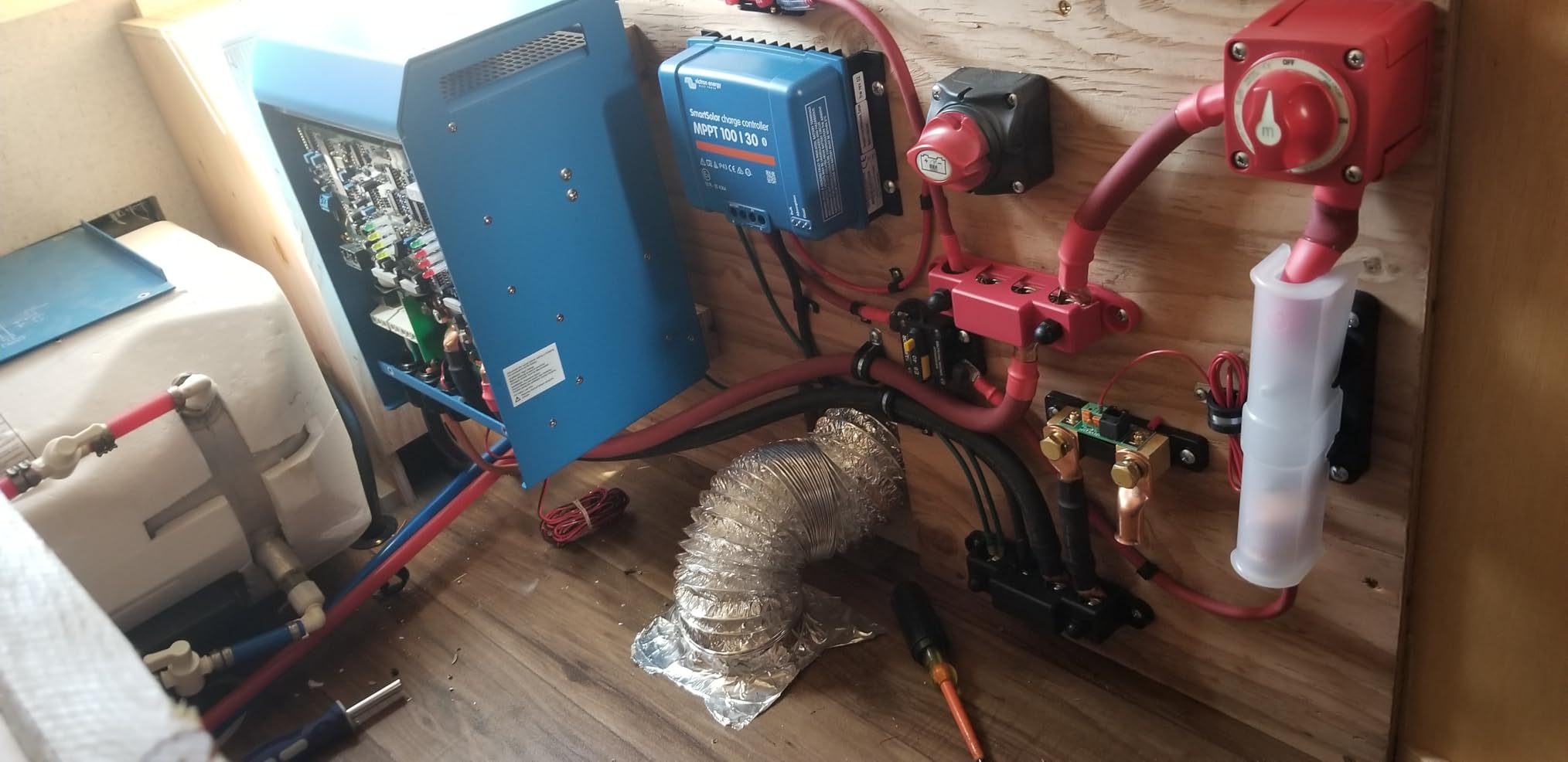
The MultiPlus-II is the single most important component in my van electrical system. It serves as an inverter, battery charger, and transfer switch all in one unit. When I plug into shore power, it charges my batteries at up to 120 amps. When I am unplugged, it silently delivers pure sine wave AC power to all my devices.
PowerAssist is the feature that makes this inverter truly exceptional. It supplements weak shore power instead of tripping breakers. I have stayed at campgrounds with only 15 amp service and still run my microwave and coffee maker simultaneously. The inverter pulls the extra power it needs from my batteries to prevent overload.
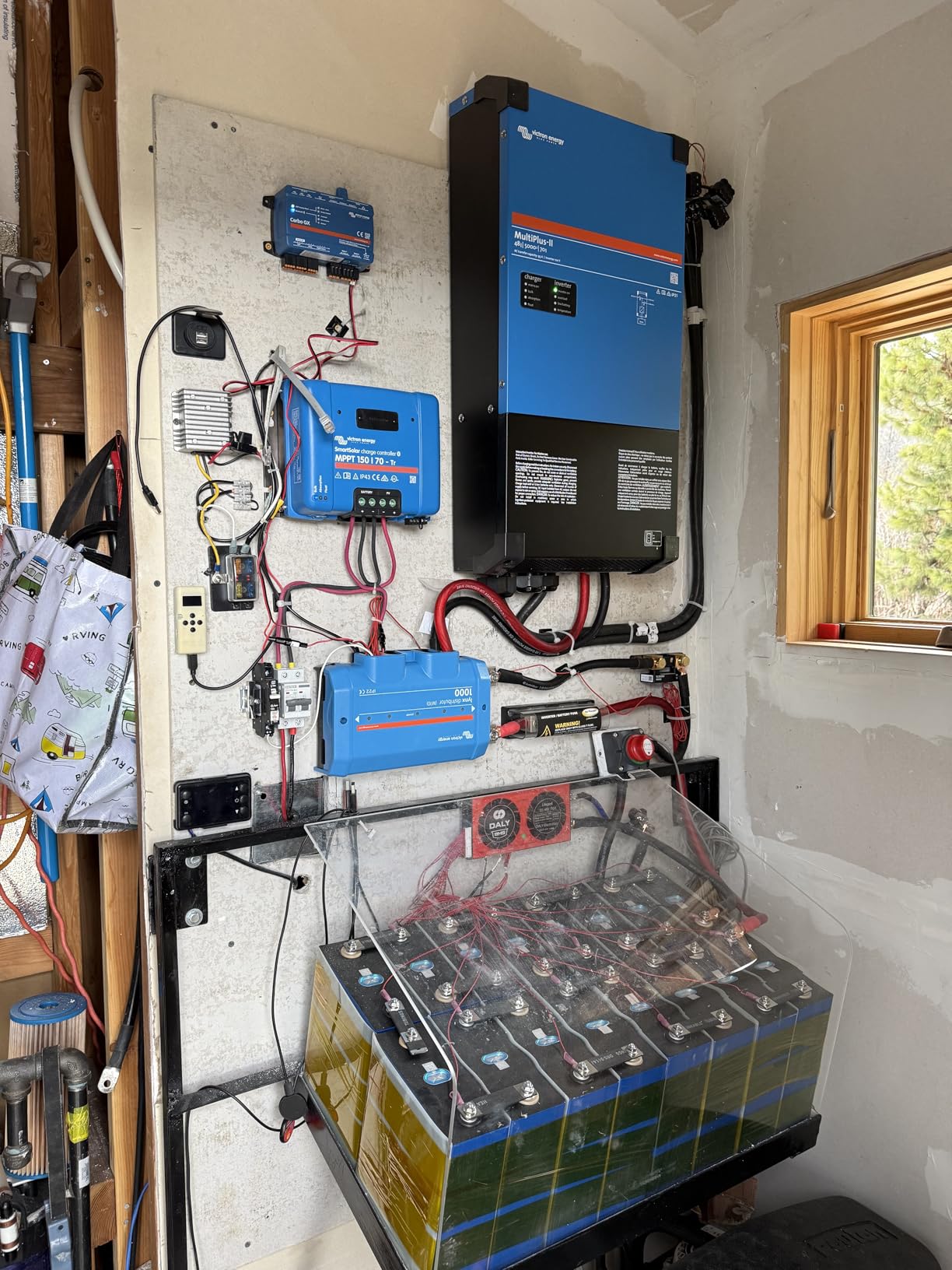
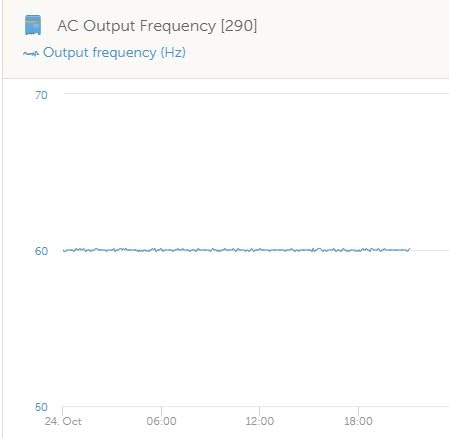
The 20 millisecond transfer time means my devices never lose power during a switch. The refrigerator keeps running, the computer stays on, and lights do not flicker. This seamless transition is something I did not appreciate until I experienced it firsthand. Power interruptions are simply not a concern.
Build quality is professional grade. This unit weighs over 35 pounds and feels like it could last forever. The cooling fan is nearly silent in normal operation. Victron reputation for reliability is well-earned, and the MultiPlus-II represents the gold standard for van life inverters.
This inverter is ideal if you plan to live in your van full-time or need reliable AC power for work. The 2400 watt continuous output handles almost any combination of devices you might run. PowerAssist makes it perfect for RV parks where power quality varies. If your van is your home, this is the inverter you want.
This unit requires significant DC cabling and proper AC wiring. The weight means you need a sturdy mounting location. Configuration requires either the MK3-USB cable or a Cerbo GX for full functionality. Unless you have significant electrical experience, professional installation is strongly recommended.
1400W output
50A charging
98.5% efficiency
IP65 rated
The Orion XS completely changed how I charge my batteries while driving. Unlike older DC-DC chargers that were bulky and inefficient, this unit delivers 1400 watts in an incredibly compact package. I can charge my house batteries from 50% to 80% during a three-hour drive without any solar input.
What impresses me most is the 98.5% efficiency rating. Almost no energy is wasted as heat during charging. The unit barely gets warm even at full output. This efficiency means more of your alternator power actually makes it into your batteries rather than being lost.
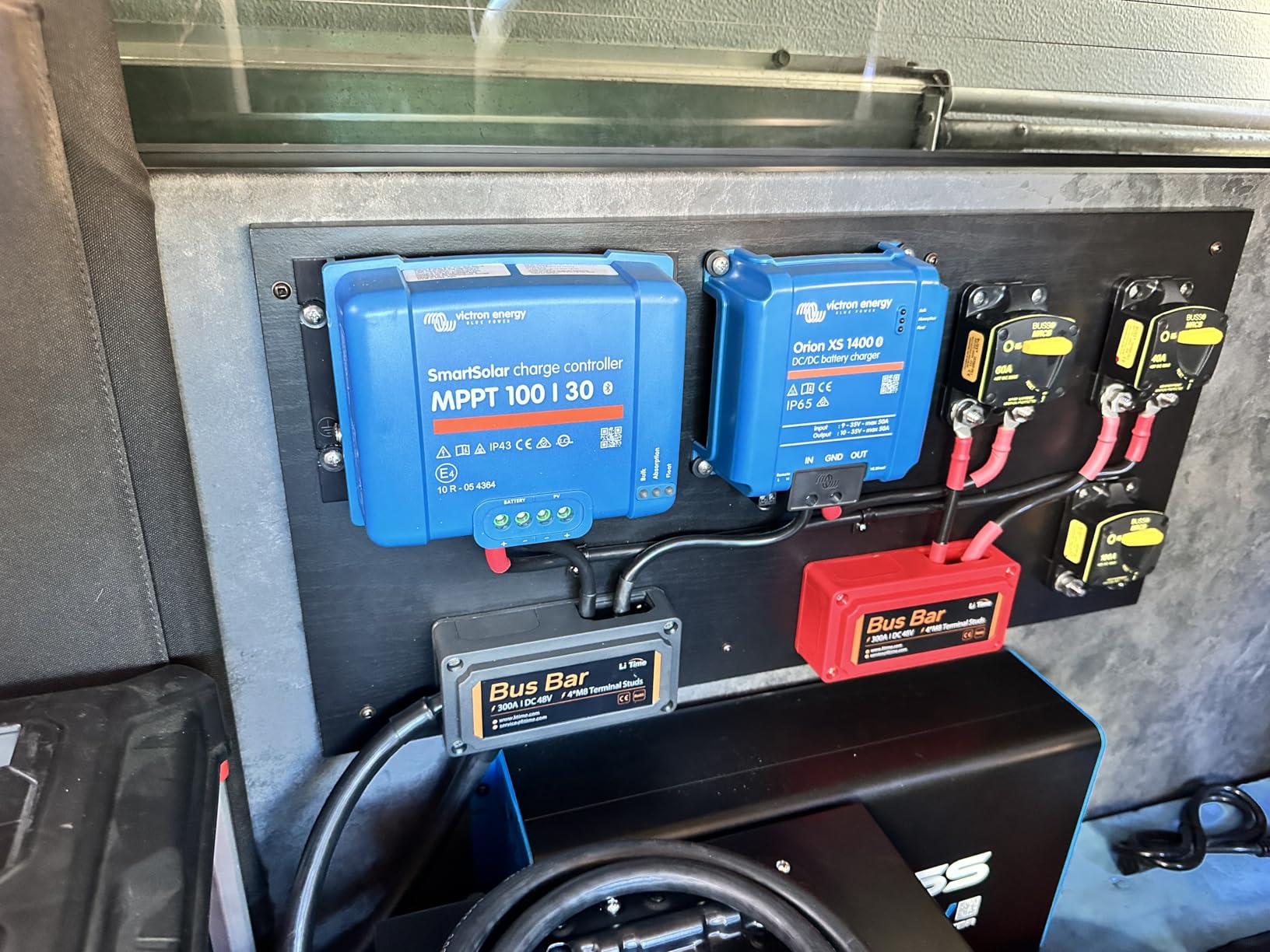
The adaptive 4-stage charging algorithm optimizes battery life. It adjusts the charging profile based on how depleted your batteries are. My lithium batteries charge faster and stay healthier thanks to this smart charging approach. The engine run detection feature prevents accidental drain of my starter battery.
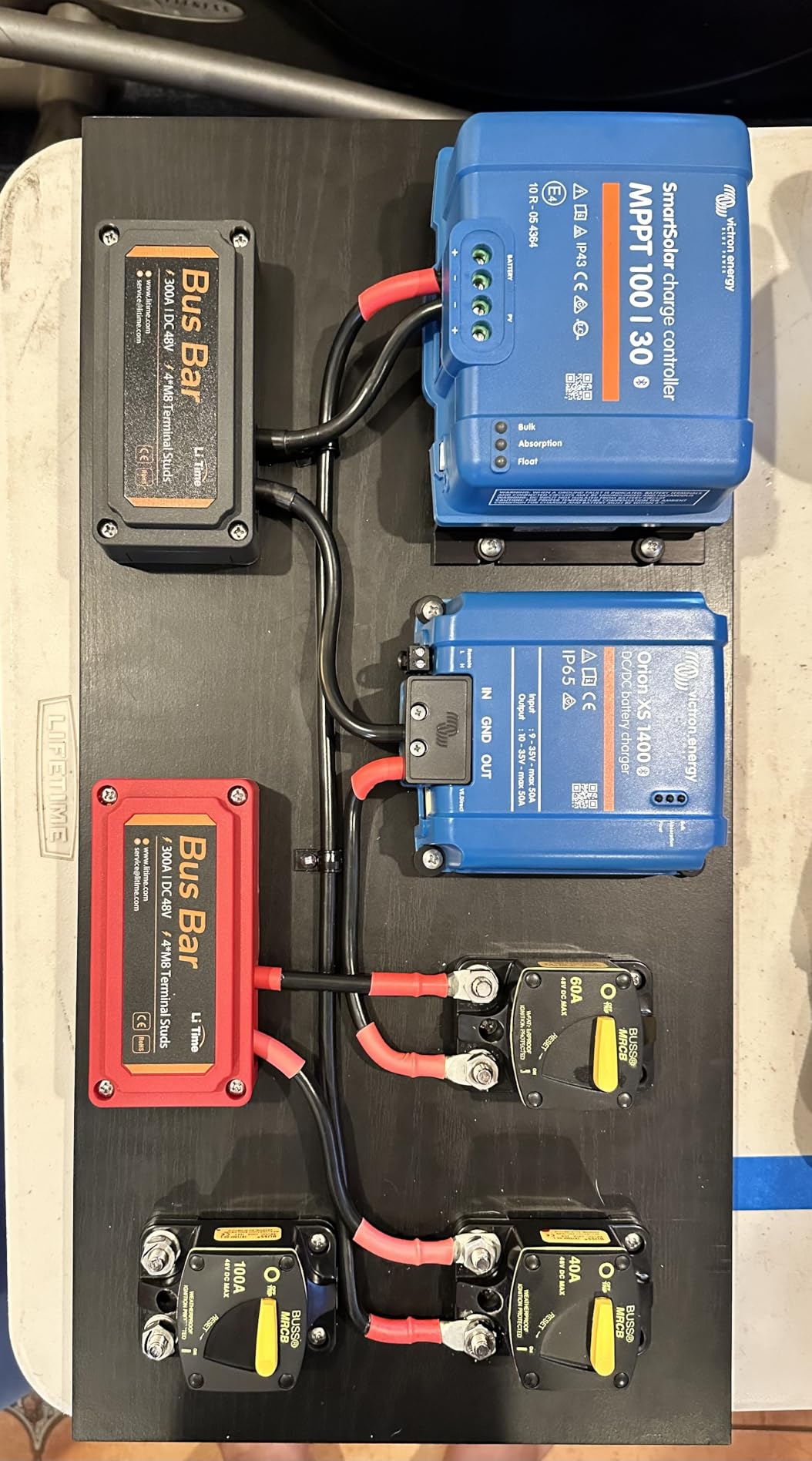
Bluetooth monitoring through the VictronConnect app provides complete visibility. I can see exactly how much power is flowing from my alternator to my house batteries. The app also allows fine-tuning of charging parameters to match your specific battery type and preferences.
This charger is particularly important if you have a newer van with a smart alternator. Modern Euro 5/6 engines require chargers that present a controlled load. The Orion XS is specifically designed to work with these systems without triggering check engine lights or damaging your alternator.
Take the time to properly configure this charger through the VictronConnect app. The default settings work well, but customizing parameters for your specific battery type yields better results. Lithium batteries require different charging profiles than lead-acid, and this charger handles both with proper setup.
200W output
22% efficiency
30A PWM controller
Complete kit
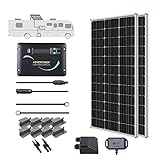
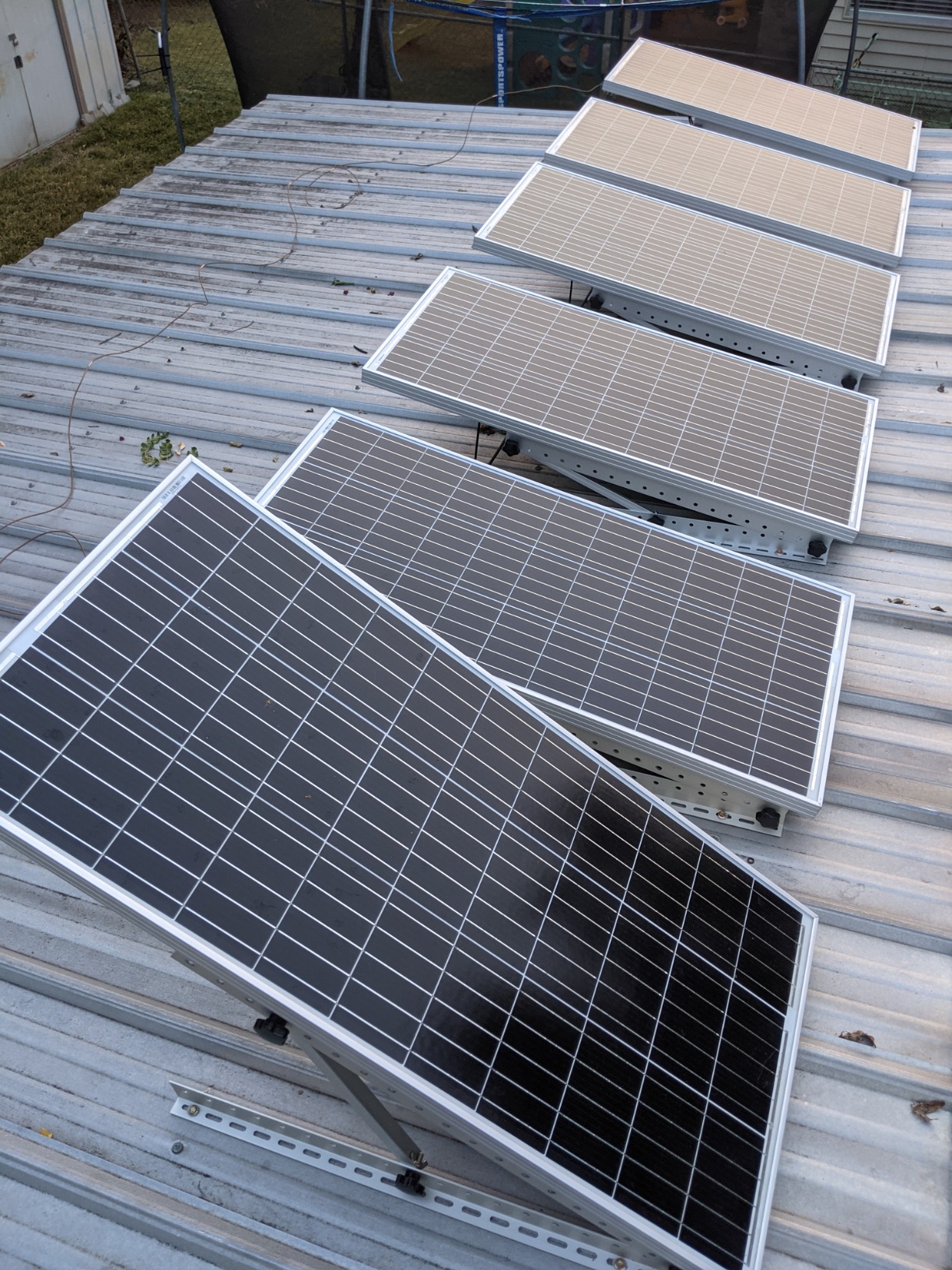
This Renogy kit was my first introduction to van solar, and it remains an excellent entry point. The kit includes two 100-watt monocrystalline panels, a 30-amp PWM charge controller, mounting brackets, and all necessary wiring. Everything you need to harvest solar power arrives in one box.
The 22% cell efficiency is impressive for panels in this price range. I have seen these panels produce rated output even in partially cloudy conditions. The corrosion-resistant aluminum frame has survived multiple cross-country trips without any issues. Renogy clearly designed these panels for the harsh reality of van life.

Installation is straightforward thanks to the pre-drilled holes and plug-and-play MC4 connectors. I mounted my panels using the included Z-brackets and had the entire system wired in an afternoon. The 30-amp PWM controller supports lithium, lead-acid, gel, and AGM batteries, making it compatible with almost any battery bank.
The included BT-1 Bluetooth module adds app-based monitoring. While the Renogy DC Home app has some reliability issues, the basic functionality works well enough to check solar production. The kit also includes Y-branch connectors for easy parallel expansion if you decide to add more panels later.
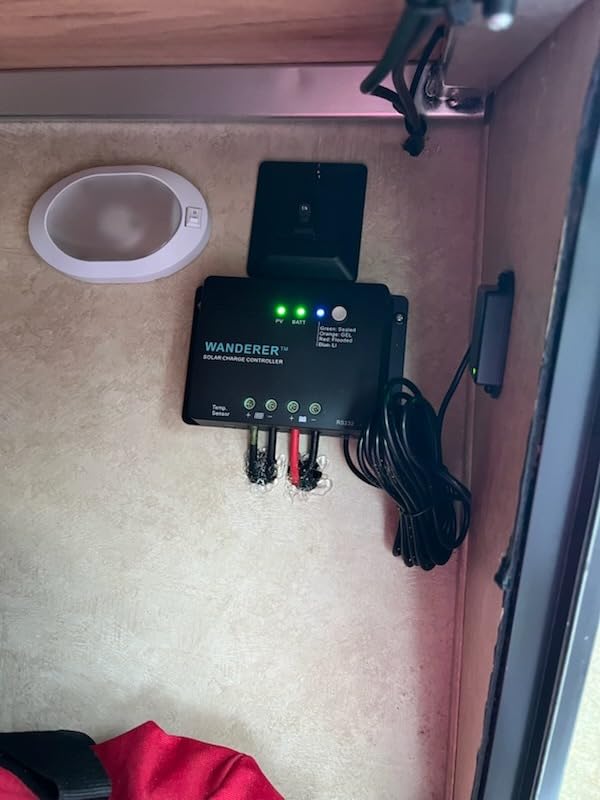
This kit is ideal if you are new to solar and want a complete, proven solution. The 200-watt output is enough to maintain most small van electrical systems during moderate usage. You can always expand later with additional panels using the same controller. For the price, this is an excellent value proposition.
The PWM charge controller works well but is less efficient than MPPT controllers. If you plan to significantly expand your solar array, consider upgrading to an MPPT controller. The panels themselves are excellent and can be used with any controller. This kit gives you a solid foundation to build upon.
1280Wh capacity
100A BMS
Low-temp protection
4S4P expandable
Lithium batteries have revolutionized van life electrical systems, and this SUPER EMPOWER LiFePO4 represents the current state of the art. At only 21.6 pounds, it weighs half what a comparable lead-acid battery would weigh. I moved two of these batteries myself without any difficulty during installation.
The 100 amp-hour capacity provides 1280 watt-hours of usable power. Because lithium batteries can be discharged to 80% without damage, you actually get almost all of that capacity. Compare this to lead-acid batteries where you can only safely use 50% of the rated capacity. The usable energy difference is substantial.
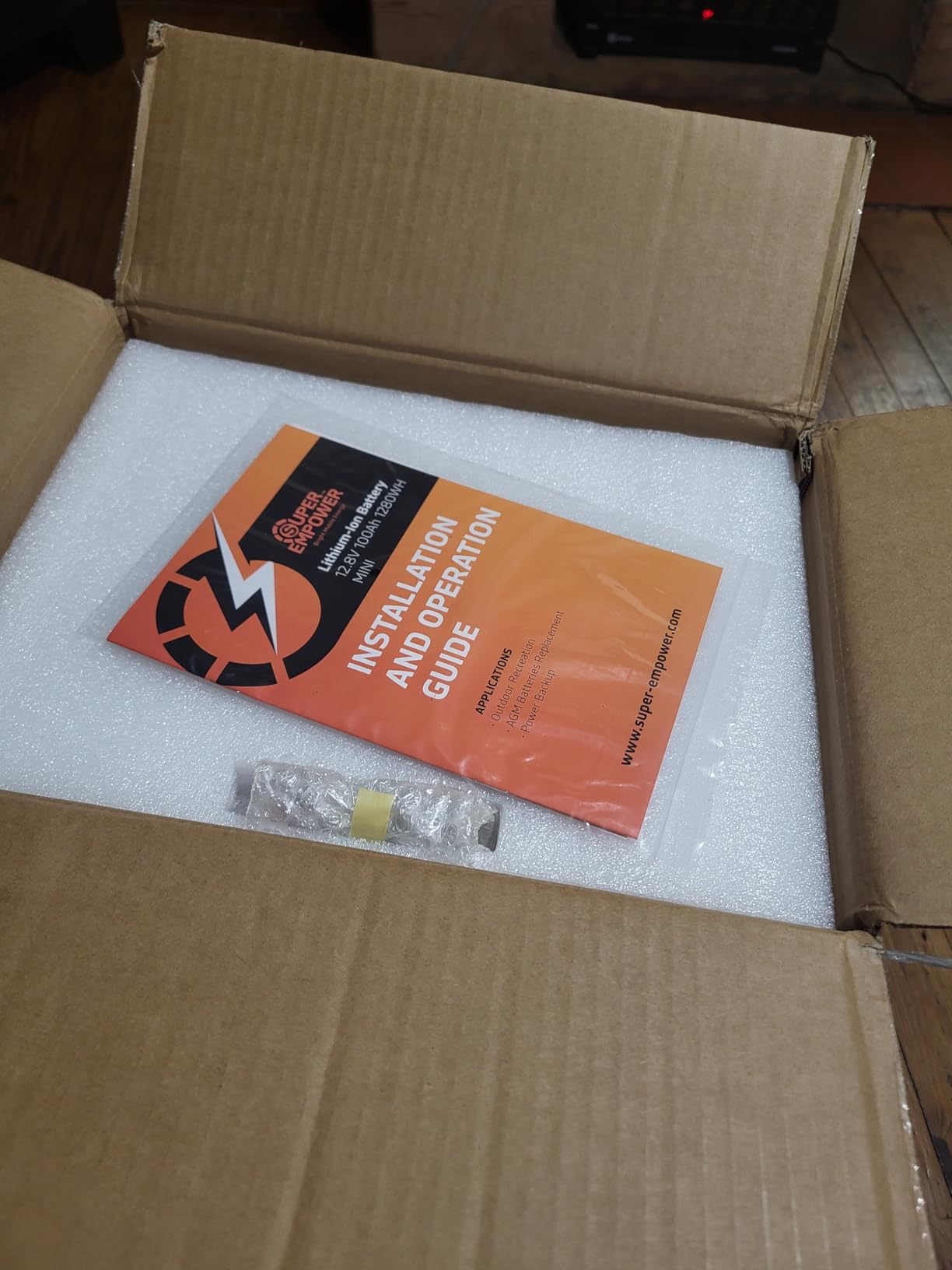
Low-temperature charging protection is a critical safety feature. The built-in BMS prevents charging below freezing, which can permanently damage lithium cells. I have peace of mind knowing my batteries are protected even when I am camping in cold weather without monitoring.
The 100A BMS handles significant discharge rates without issue. I can run my microwave, coffee maker, and other high-draw appliances without tripping the battery management system. The steady voltage output means my devices run consistently until the battery is truly depleted.
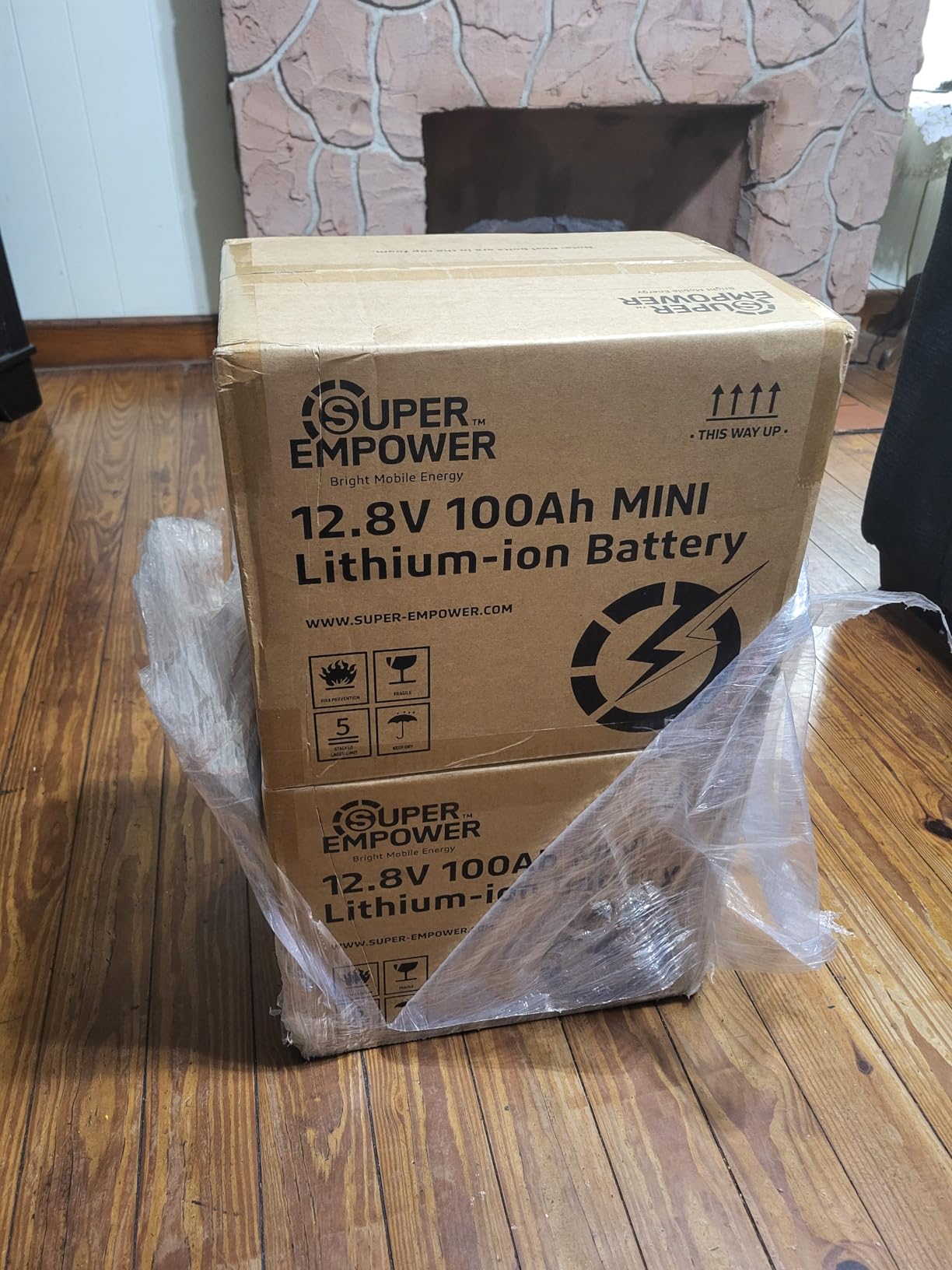
These batteries are perfect if every pound matters in your build. The light weight means easier installation and better fuel economy. You can mount them in positions that would be impossible with heavy lead-acid batteries. The compact footprint also gives you more flexibility in battery placement.
You can connect up to four of these batteries in series and four in parallel for massive capacity. The 4S4P configuration gives you flexibility to start small and expand later. Many van lifers start with two batteries and add more as their power needs grow.
12 circuits
100A rating
Marine grade
Cover included
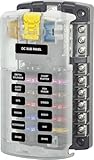
Proper power distribution is the unsung hero of any van electrical system. This Blue Sea Systems fuse block is the industry standard for good reason. I have one mounted under my sink that powers all my 12-volt devices. Each circuit is individually protected, which means a short in one device does not affect the rest of my system.
The marine-grade construction handles the vibration and temperature fluctuations of van life without issue. After 18 months and thousands of miles of rough roads, every connection remains solid. The tin-plated copper buses resist corrosion and ensure reliable power delivery to every circuit.
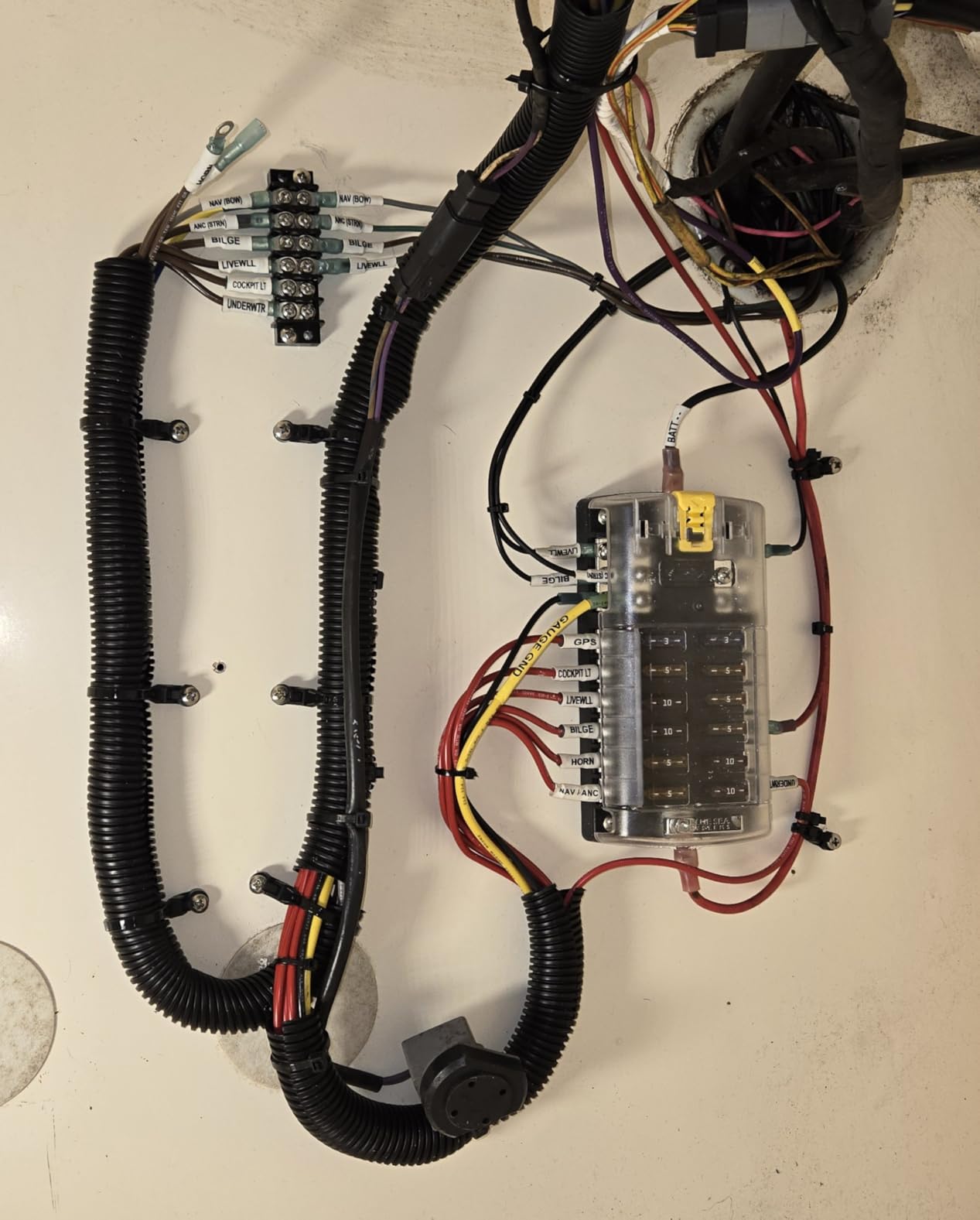
Installation is straightforward with clearly labeled positive and negative terminals. The removable cover makes wire routing simple during installation. I particularly appreciate the label recesses that let me identify each circuit clearly. No more guessing which fuse controls what.
The cover serves an important safety function by insulating all live connections. It satisfies ABYC and USCG requirements for marine applications, which speaks to its quality. The push-button latch is secure enough to stay closed while driving but easy enough to open when I need to check a fuse.
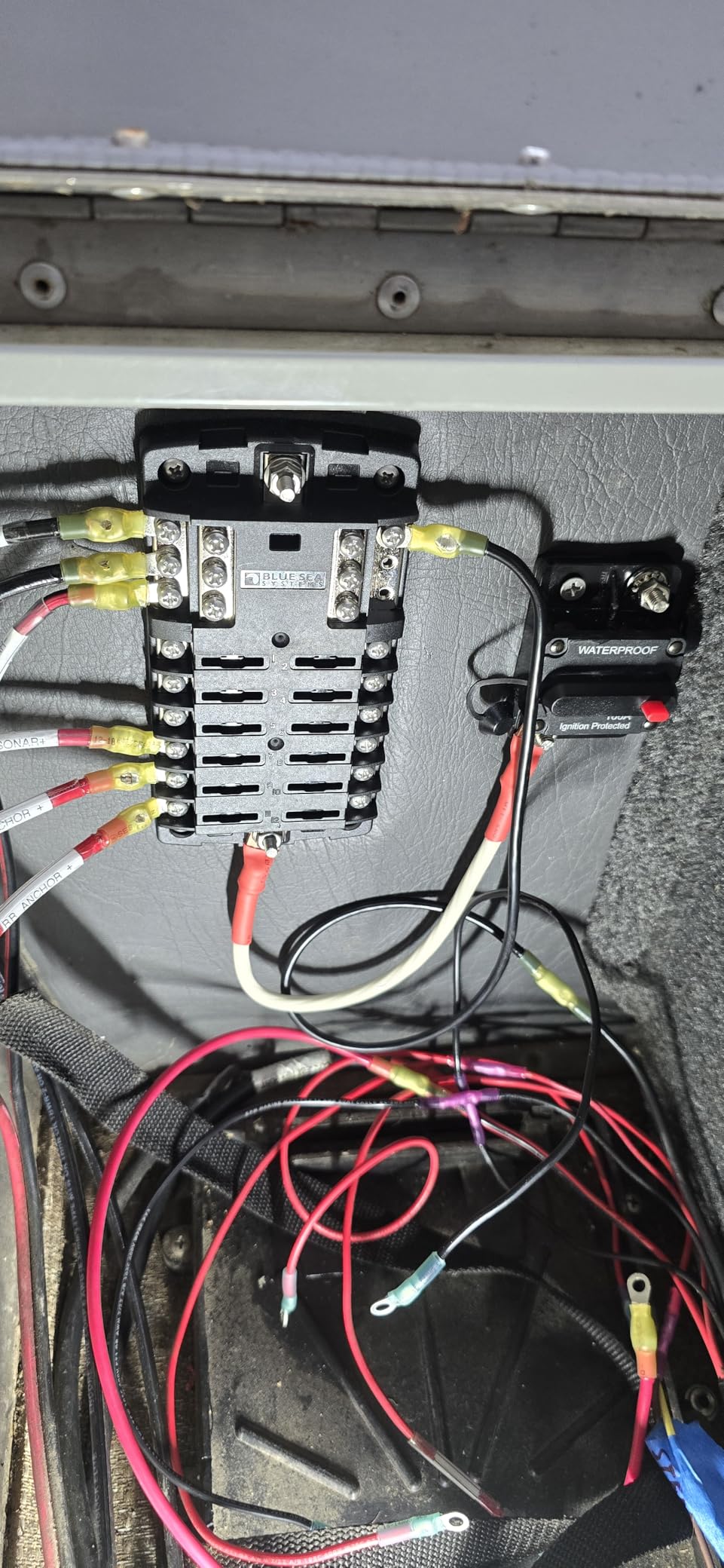
This fuse block is perfect if you want a professional, organized electrical system. Instead of wiring everything directly to your battery with in-line fuses, you have a central distribution point. This makes troubleshooting much easier and gives you a cleaner overall installation.
Invest in quality marine-grade fuses to match the quality of this block. Cheap fuses can fail prematurely or provide inadequate protection. I recommend keeping a few spare fuses of each amperage rating in the convenient storage slots built into the cover.
Building a van electrical system requires careful planning and component selection. The key is understanding your power needs before buying anything. I recommend starting with a power audit to calculate exactly what you need.
Start by listing every electrical device you plan to use. Include lights, refrigerator, fans, chargers, and any appliances. For each device, note the wattage and estimated hours of use per day. Multiply watts by hours to get watt-hours, then sum everything for your total daily consumption.
Most van lifers find they need between 500 and 2000 watt-hours per day. A simple setup with LED lights, phone charging, and a small fridge might use 500Wh daily. Adding laptops, a diesel heater, and cooking appliances can push you toward 2000Wh or more.
Your battery bank should store at least twice your daily power usage. This gives you a buffer for cloudy days and prevents deep discharging that shortens battery life. Lithium batteries can safely discharge to 80%, while lead-acid should only go to 50%.
For example, if you use 1000Wh daily, aim for at least 2000Wh of battery capacity. That would be roughly 160Ah of lithium at 12 volts or 320Ah of lead-acid. Remember that usable capacity differs between battery chemistries.
Solar panels produce their rated output in ideal conditions. Plan for 4-5 hours of peak sun per day on average. A 200-watt panel might produce 800-1000 watt-hours daily in good conditions, but less in winter or cloudy weather.
Most van lifers find 200-400 watts of solar sufficient for moderate use. Heavy users with multiple devices and appliances might need 600 watts or more. Remember that solar is supplemental, and alternator charging provides consistent power while driving.
Pure sine wave inverters are essential for sensitive electronics. Modified sine wave units can damage computers and other devices over time. Size your inverter for your peak load, not your average usage.
Most van lifers need 1000-2000 watts for basic needs. This handles laptops, phone chargers, and small appliances. If you plan to run a microwave or induction cooktop, you will need 2000-3000 watts. Remember that high-wattage devices have large startup surge requirements.
Sticking with one brand like Victron simplifies integration. Their VE.Smart Networking allows components to communicate and optimize performance. Mixing brands works but requires careful planning to ensure compatibility.
Consider your charging sources: solar, alternator, and shore power. Each requires specific equipment. A complete system typically includes a solar controller, DC-DC charger, and inverter-charger. Battery monitoring ties everything together.
400W of solar is sufficient for most van lifers with moderate power needs. This array produces 1600-2000 watt-hours daily in ideal conditions, enough to run lights, refrigerator, fans, and charge devices. Pair your solar with alternator charging for consistent power regardless of weather. Heavy users with multiple computers or appliances may benefit from 600W or more.
The Victron MultiPlus-II is widely considered the best van life inverter for its combination of inverter and charger functions. Pure sine wave output is essential for sensitive electronics. Size your inverter based on peak wattage needs, with 2000-3000 watts being typical for most builds. The MultiPlus-II PowerAssist feature prevents overload on limited shore power connections.
A combination of power sources works best for van life. Solar provides silent, renewable energy but is weather-dependent. Alternator charging via a DC-DC charger delivers consistent power while driving. Shore power or generators supplement when needed. Most successful van electrical systems integrate solar, alternator, and shore power charging with lithium battery storage for maximum flexibility.
Calculate your daily power needs in watt-hours and double that number for minimum battery capacity. Most van lifers need 200-400Ah of lithium battery capacity. Lithium batteries are recommended over lead-acid for their lighter weight, longer lifespan, and deeper discharge capability. Start with enough capacity for 2-3 days of autonomy, then expand based on actual usage patterns.
Building the best van life electrical system requires choosing quality components that work together. Victron Energy offers the most integrated ecosystem with excellent monitoring capabilities. Their Smart Shunt, BMV-712 monitor, MultiPlus-II inverter, and Orion XS charger form the foundation of a reliable system.
Pair these Victron components with quality batteries like the SUPER EMPOWER LiFePO4, a Renogy solar kit, and proper power distribution from Blue Sea Systems. This combination gives you professional-grade performance that will keep you powered wherever your travels take you in 2026.
Remember that the best van life electrical system is the one that matches your specific needs and budget. Start with the essentials, monitor your usage patterns, and expand as needed. Quality components may cost more upfront but provide reliability and peace of mind that cheap alternatives cannot match.