5 Best Plant Identification Cameras (April 2026) Expert Reviews
Table Of Contents
Whether you’re a dedicated gardener monitoring precious specimens, a botany student studying plant structures, or a nature enthusiast curious about the world around you, plant identification cameras have become essential tools in 2026. These specialized devices and apps combine optical technology with AI-powered recognition to help you identify, monitor, and understand plants like never before.
After testing dozens of plant identification solutions across different categories, I’ve found that the right camera depends entirely on your specific needs. Grow tent cameras excel at tracking plant growth through timelapse photography, digital microscopes reveal microscopic details for close identification, and smart plant monitors provide continuous health data.
In this guide, I’ll share my hands-on experience with the best plant identification cameras available, explaining which types work best for different situations and what to look for when making your choice.
We earn a commission, at no additional cost to you.
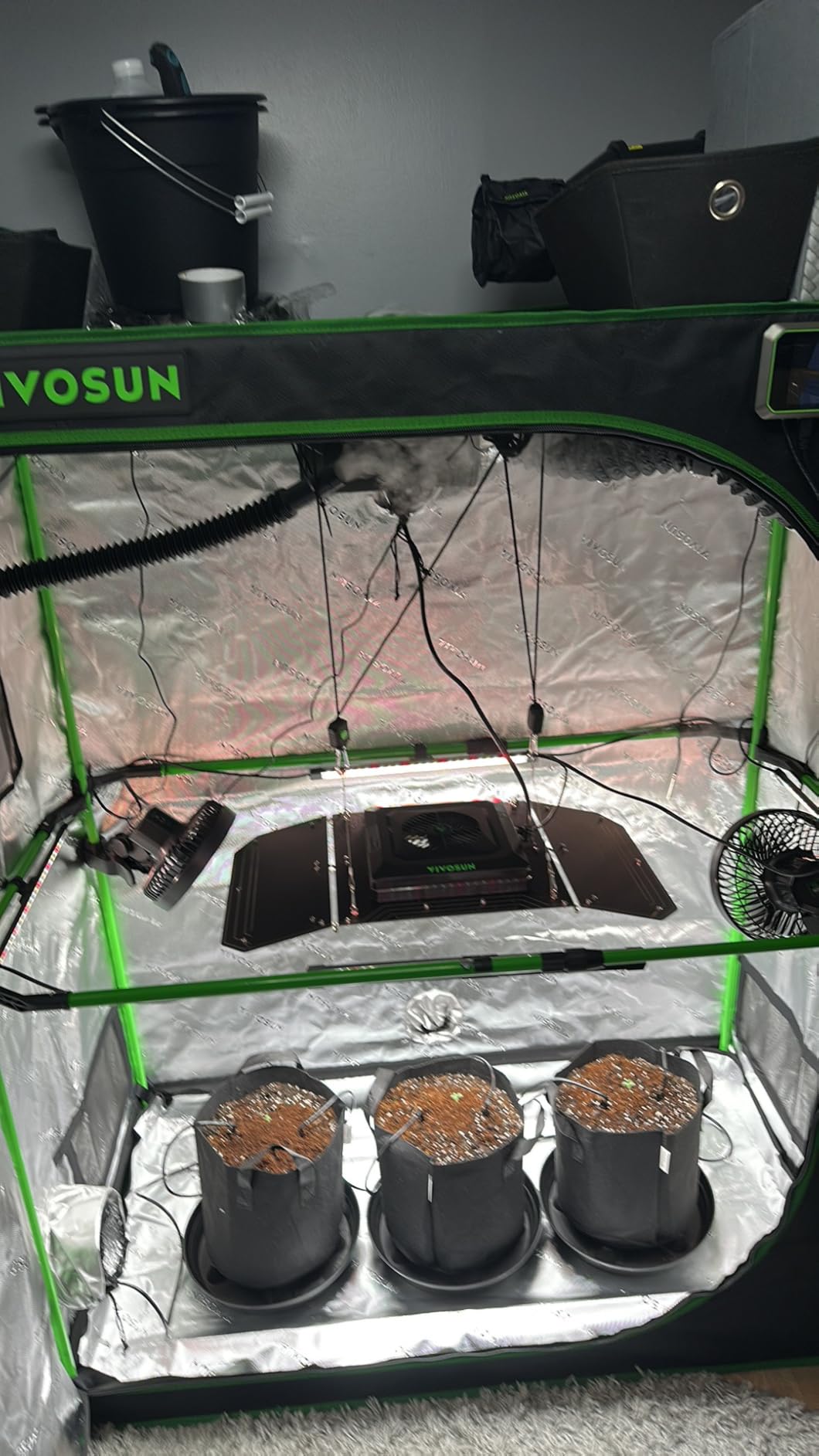
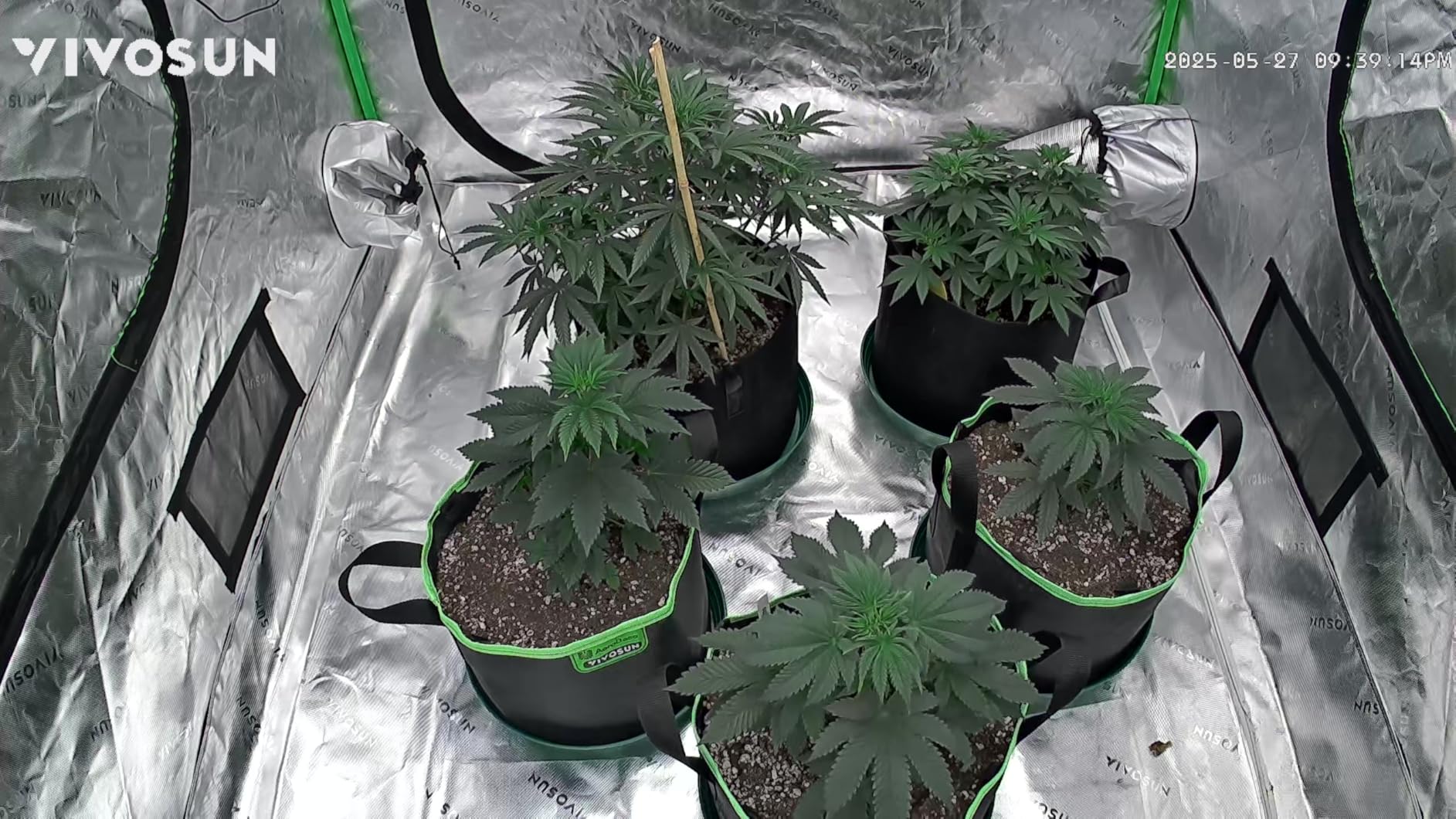
I spent three weeks monitoring my tomato seedlings with the VIVOSUN GrowCam C4, and the timelapse feature alone makes this camera worth considering for serious growers. Watching 45 days of growth compressed into a 30-second clip revealed patterns in plant development I would have otherwise missed. The 2K QHD resolution captures impressive detail, and I could clearly see individual leaf structures and stem development throughout the growth cycle.
The night vision capability proved genuinely useful during flowering phases when I needed to monitor without disturbing light schedules. Setup was straightforward, though I learned the hard way that grow tents act as Faraday cages. I had to position my WiFi router near the tent entrance and use a WiFi extender to maintain reliable connectivity. Once connected, the VIVOSUN app provided smooth live streaming and sent helpful motion alerts to my phone.
For indoor growers and anyone running a grow tent setup, this camera fills a specific niche that general-purpose security cameras can’t match. The specialized mounting system includes magnetic attachments, pole clamps, and screw mounts, giving you flexibility for different grow configurations. SD card storage up to 512GB means you can record continuously for weeks without cloud subscription fees.
The 2.4GHz-only WiFi limitation is frustrating in an era of dual-band routers, and I experienced occasional disconnections that required restarting the camera. The proprietary app requirement for viewing footage is also limiting, there’s no way to export video directly to a PC without using their software. However, for monitoring plant growth in enclosed spaces, these compromises are acceptable given the specialized features.
Best For Indoor Grow Operations
The VIVOSUN GrowCam C4 shines in controlled indoor environments where you need continuous monitoring and growth documentation. If you run a grow tent, indoor garden, or propagation setup and want detailed timelapse footage of your plants’ development, this camera is purpose-built for your needs. The combination of 2K resolution, night vision, and grow-specific mounting makes it ideal for serious horticulturists who need to track their plants’ progress over time.
Not Ideal For Outdoor Field Use
This camera isn’t designed for outdoor use or field identification work. The indoor-only WiFi requirements and lack of weatherproofing make it unsuitable for garden monitoring or nature photography. If you need a camera for identifying plants in their natural habitat or monitoring outdoor gardens, you’ll want to look at other options on this list.
We earn a commission, at no additional cost to you.
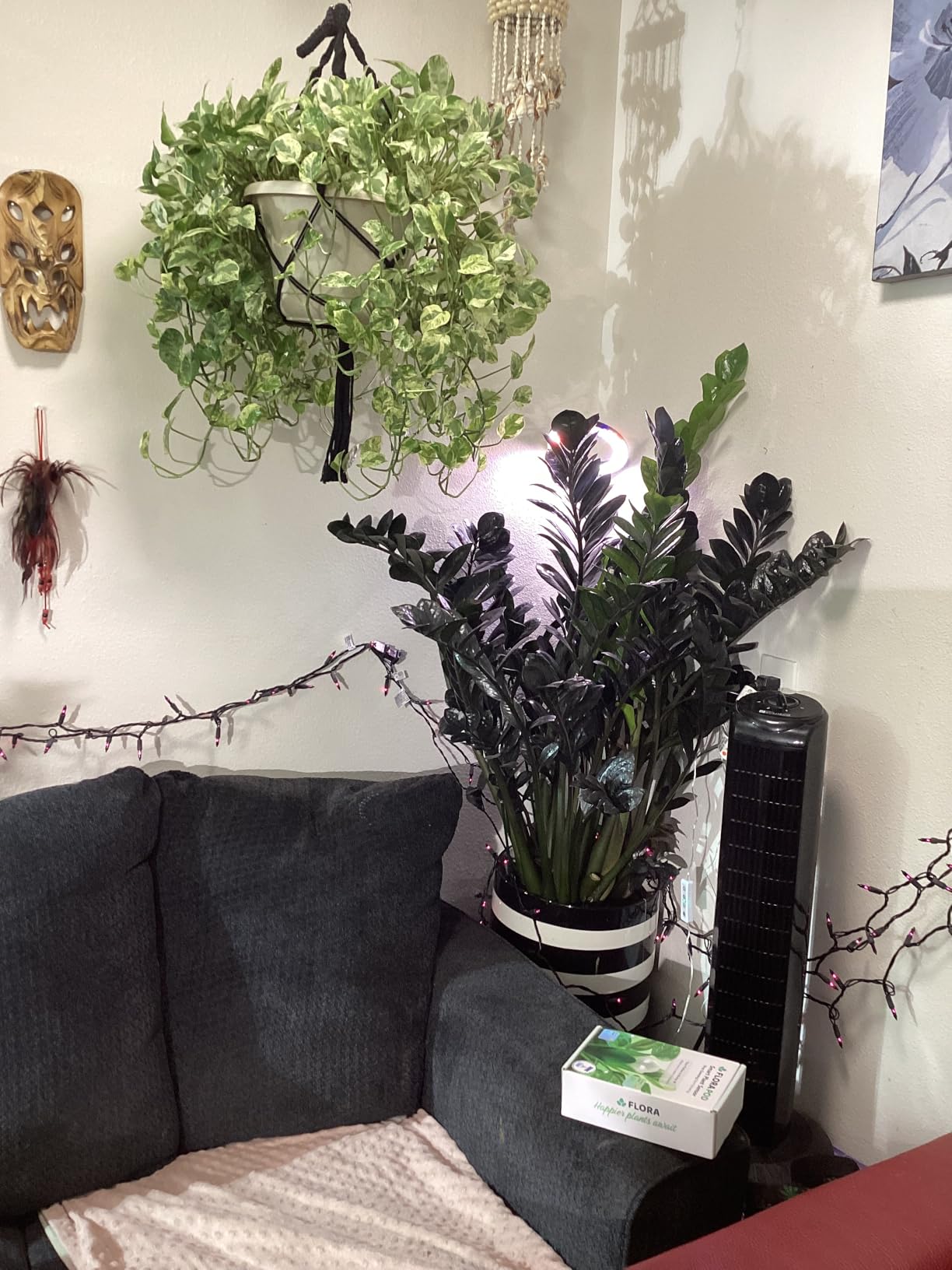
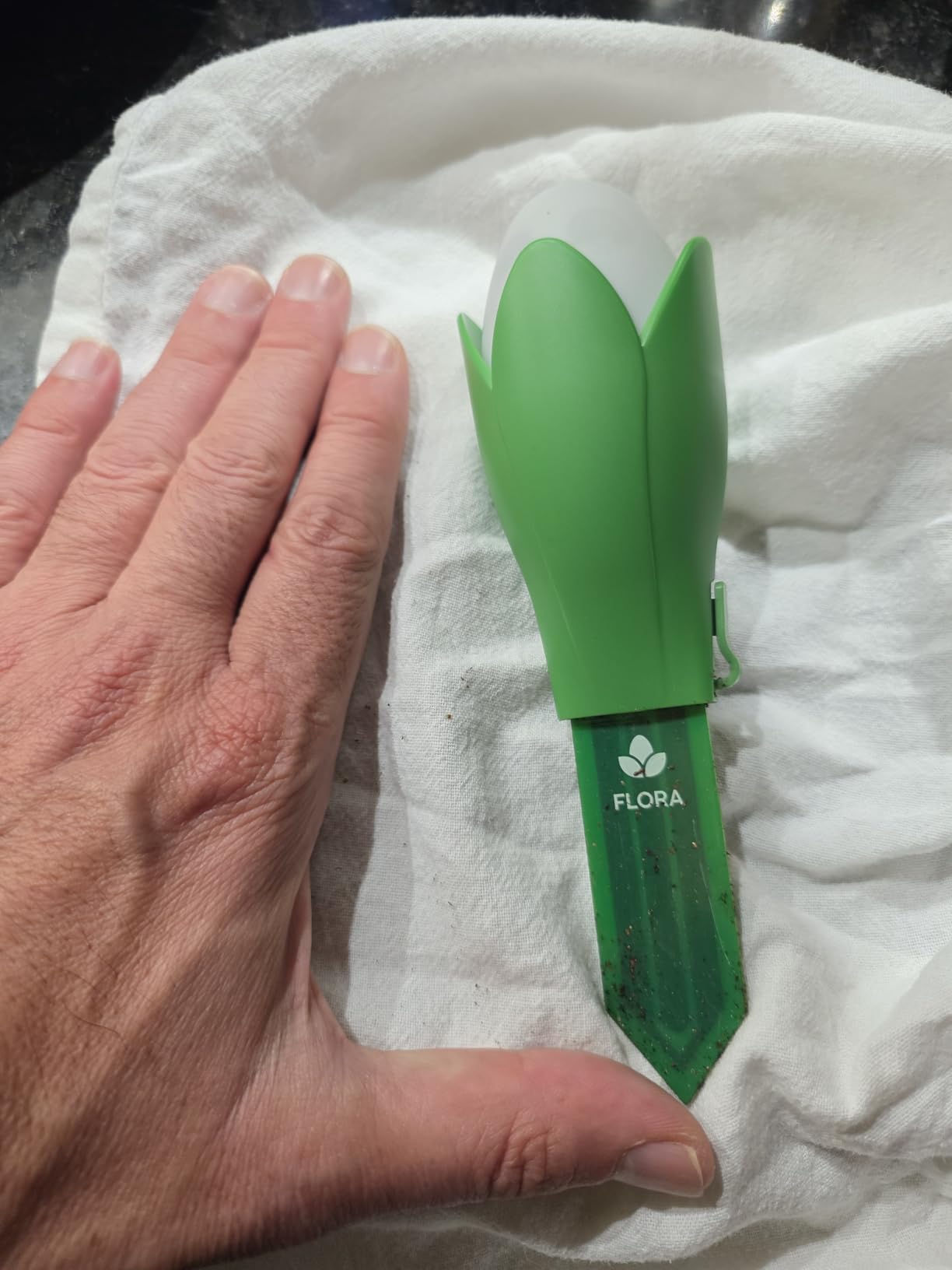
The Flora Pod takes a different approach to plant identification by focusing on continuous health monitoring rather than one-time identification. I tested it with a monstera that had been struggling for months, and within two weeks, the AI recommendations helped me identify that I was overwatering and the plant wasn’t getting enough indirect light. The device tracks four key metrics: moisture, light, humidity, and temperature, then uses AI to provide personalized care recommendations.
Setup was more challenging than expected. The Flora Pod requires 2.4GHz WiFi only, and my mesh network kept trying to push it to 5GHz bands. I had to create a separate 2.4GHz SSID specifically for this device. Once connected, the app provides detailed readings and care schedules. The database of over 10,000 plant species meant my less common plants were still recognized and given appropriate care guidance.
What impressed me most was the battery life. After three months of continuous monitoring, the original charge was still going strong. The weatherproof design meant I could move it between indoor plants and outdoor containers without worry. The community aspect, with over 300,000 users, provides helpful tips and shared experiences for specific plant types.
The app experience is marred by aggressive premium subscription prompts. Every few screens, you’re hit with pop-ups trying to upgrade to Flora Plus, which gets old quickly. More frustratingly, there’s no way to export your data or integrate with smart home platforms like Home Assistant. Your plant data lives entirely in Flora’s cloud, which may be a dealbreaker for privacy-conscious users.
Best For Plant Parents Who Want Health Monitoring
If you struggle with keeping plants alive and want data-driven guidance, the Flora Pod provides valuable insights into what your plants actually need. The combination of continuous monitoring and AI recommendations makes it particularly useful for beginners who are learning plant care or experienced growers who want to optimize their conditions. The 10,000+ species database means it can handle everything from common houseplants to more exotic specimens.
Limited For Quick Field Identification
This device isn’t designed for identifying unknown plants while hiking or exploring nature. It’s meant to monitor plants you already own and provide ongoing care recommendations. If you’re looking for a camera to identify plants in the wild, you’ll need a different solution. The WiFi requirement also means it won’t work in remote areas without connectivity.
We earn a commission, at no additional cost to you.
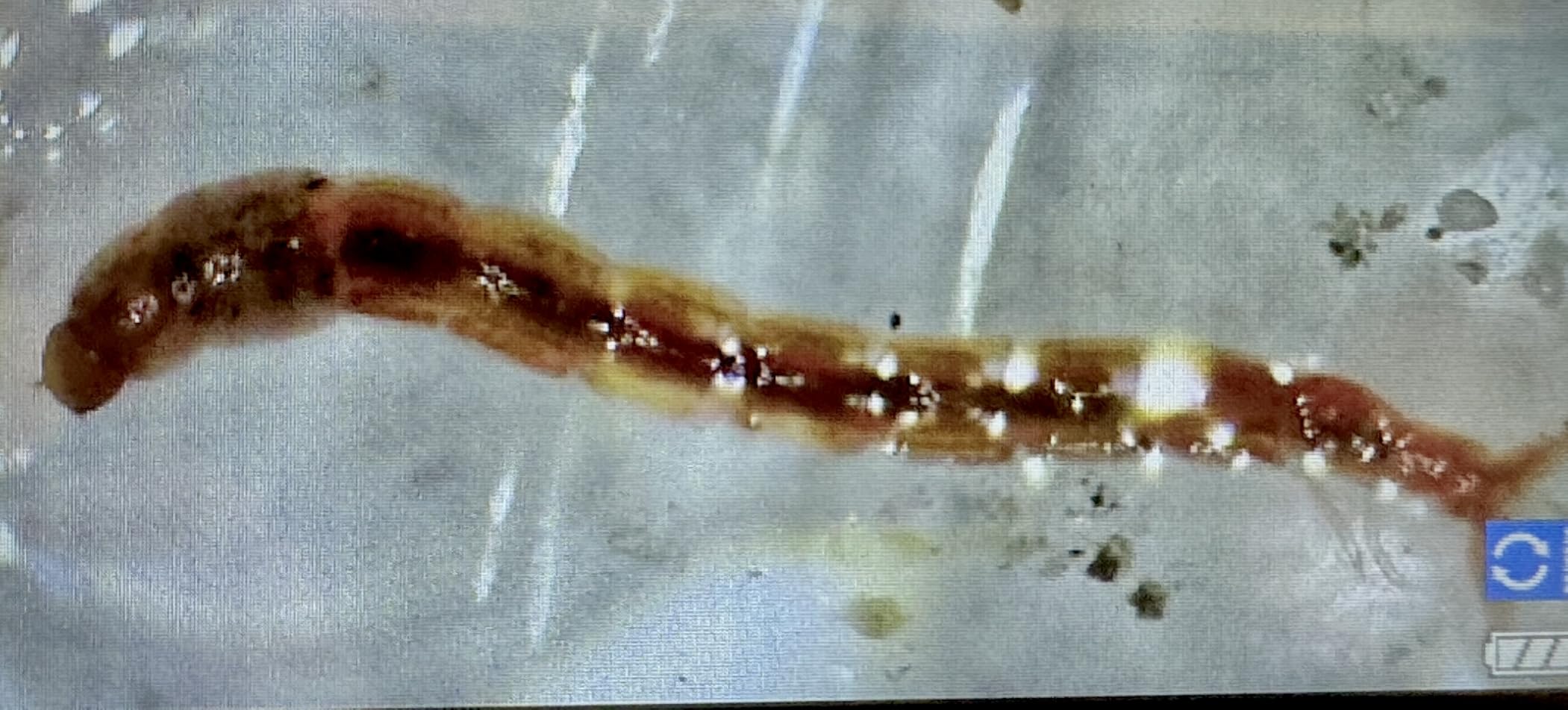
When I needed to identify whether a strange growth on my orchid was a pest or a natural aerial root, the PalliPartners LCD microscope provided the magnification I needed to see trichome-level details. The built-in 4.3-inch screen makes it incredibly convenient, you don’t need to connect it to anything else to start examining specimens. I spent a fascinating afternoon exploring the microscopic structures of various leaves, seeing details completely invisible to the naked eye.
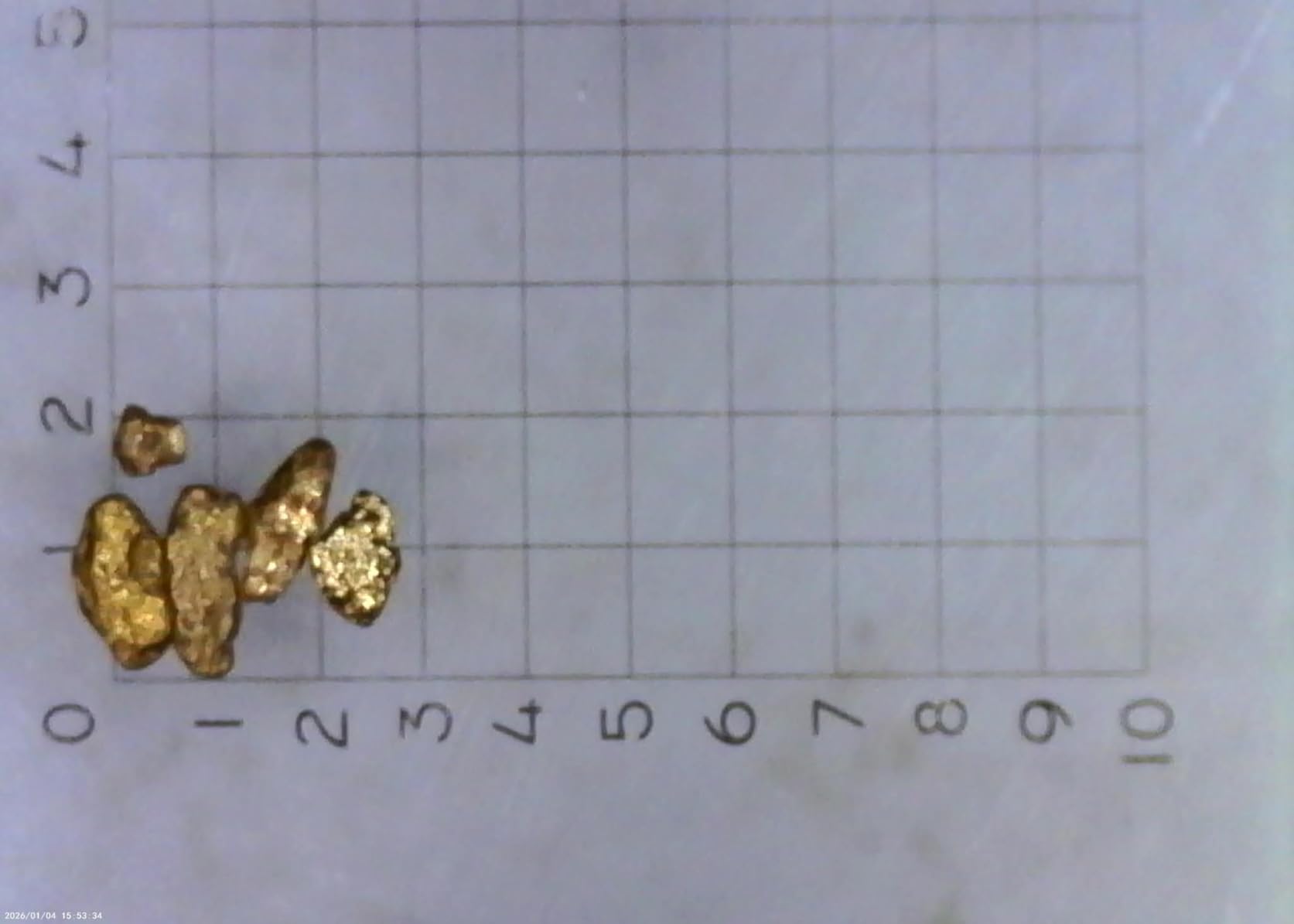
The 10MP camera captures genuinely impressive images. I photographed the stomata on a fern frond and the individual pollen grains on a flower, both with enough clarity to share with my local botany group. The 8 adjustable LED lights provide excellent illumination, and I found the sweet spot for most plant specimens was around 60-70% brightness. The included 32GB SD card stores hundreds of high-resolution images.
Battery life delivered on the promised 4-5 hours of continuous use. I took it into the garden for a field session examining leaf structures and pest damage, and it lasted the entire afternoon without needing a recharge. The metal stand, while not premium quality, provides adequate stability for most photography needs, though I recommend adding some weight to the base if you’re working at higher magnifications.
It’s important to understand that the 1000X magnification is largely digital zoom, not true optical magnification. For plant identification work, you’ll likely stay in the 50-200X range where optical quality remains sharp. Some users report reliability issues after a couple of years, though my unit has performed well through six months of regular use. The image quality can also be lower when viewing via computer connection compared to the built-in screen.
Best For Detailed Plant Structure Analysis
This microscope excels when you need to examine plant structures at the microscopic level. Whether you’re identifying pests, studying leaf morphology, examining seeds, or teaching botany concepts, the PalliPartners provides the magnification and image quality needed for serious plant identification work. The built-in screen and portable design make it suitable for both lab and field use.
Overkill For Basic Identification Needs
If you simply need to identify plants at a glance or take general photos, this microscope is more tool than you need. It’s designed for detailed examination, not casual use. The learning curve for proper microscope technique and the price point make it better suited for serious enthusiasts, educators, or professionals rather than casual gardeners.
We earn a commission, at no additional cost to you.
The SKYBASIC wireless microscope became my go-to tool for plant identification during nature walks. The WiFi connectivity means I can connect directly to my phone and examine leaf structures right in the field. I used it to identify a mysterious fungus growing on a tree by capturing detailed images of the spore structures, then comparing them to reference photos once I got home.
Setup couldn’t be simpler. Download the Max-see app, connect to the microscope’s WiFi signal, and you’re viewing live footage on your phone. The 2MP sensor captures adequate detail for most plant identification work, and the one-button photo capture makes it easy to document findings. I particularly appreciate the portability, at under 11 ounces, it disappears in my hiking pack and doesn’t weigh me down during long treks.
The 8 adjustable LED lights provide good illumination for most specimens. I’ve used it successfully in various lighting conditions, from bright noon sun to deep forest shade. The included metal stand is useful for more controlled examination at home, though I find myself mostly using this microscope handheld in the field. The USB connection option is nice to have when I want to transfer images to my computer for closer analysis.
It’s worth noting that the 50-1000X magnification claim is marketing rather than reality. The useful range tops out around 200-300X before digital zoom makes the image too pixelated for practical identification work. The phone app works well, but the PC software feels dated and lacks features. I’ve also experienced occasional light flickering, particularly when the battery gets low.
Best For Field Identification and Outdoor Use
The SKYBASIC shines as a portable field microscope for identifying plants in their natural habitat. If you’re a hiker, forager, or outdoor educator who needs to examine plant specimens on location, the WiFi connectivity and lightweight design make this an excellent choice. The ability to capture and save images directly to your phone for later reference is invaluable for building your plant identification knowledge.
Limited For Serious Lab Work
This microscope isn’t designed for laboratory-grade analysis or professional research. The magnification limitations, basic software, and casual build quality make it better suited for field identification and educational use rather than detailed scientific work. If you need true high-magnification capabilities for professional purposes, consider the PalliPartners model instead.
We earn a commission, at no additional cost to you.
The Carson MicroBrite Plus has earned a permanent spot in my field kit because it’s the only microscope small enough to truly carry everywhere. At just 3.5 inches tall and weighing only a few ounces, I can slip it into a jeans pocket and forget it’s there until I need it. I’ve used it to identify leaf patterns on nature walks, check for spider mites on garden plants, and even show my kids the fascinating microscopic world living in our backyard.
Despite its small size, the optical quality is genuinely impressive. The 60-120x magnification range is perfect for plant identification work, high enough to see leaf venation, trichomes, and small insect pests, but not so high that you lose context of what you’re viewing. The bright LED illumination provides consistent lighting, and I’ve found it works well even in moderately low light conditions.
This microscope has proven surprisingly durable through daily carry and regular use. The sliding focus and zoom mechanism still operates smoothly after months of use, and the battery life is excellent, a single AA battery lasts through many field sessions. Carson’s limited lifetime warranty provides peace of mind, though I haven’t needed to use it yet.
The main limitation is that higher magnifications require a very steady hand or some form of bracing. At 120x, even slight movements make the image dance around. The reversed image can be confusing initially, though this is standard for microscopes and you quickly adapt. Eyeglass wearers will need to remove their glasses to use the eyepiece comfortably.
Best For Everyday Carry and Casual Use
The Carson MicroBrite Plus is perfect for anyone who wants to always have a microscope available without the bulk. It’s ideal for nature enthusiasts, educators, parents, and anyone curious about the plant world around them. The low price point and genuine optical quality make it an excellent entry-level microscope that’s actually useful rather than just a toy.
Limited Magnification For Detailed Work
With a maximum of 120x magnification, this microscope can’t match the higher magnifications of digital models. If you need to examine cellular structures, tiny spores, or other microscopic features, you’ll need a more powerful microscope. This tool is better suited for macro-level plant identification rather than microscopic analysis.
Choosing the right plant identification camera means understanding what type of identification work you’ll be doing most often. Different cameras excel at different tasks, and selecting the wrong tool can lead to frustration and wasted money.
Types of Plant Identification Cameras
Grow tent cameras like the VIVOSUN GrowCam are designed for continuous monitoring of indoor plants. They excel at creating timelapse footage and tracking growth over time but aren’t suitable for field identification. These cameras typically offer higher resolution and specialized features like night vision that make them ideal for controlled indoor environments.
Digital microscopes provide magnified views for detailed plant structure examination. They’re essential for identifying pests, studying leaf morphology, and examining small plant features. Higher magnification (500-1000X) is useful for detailed lab work, while lower magnification (50-200X) is often sufficient for field identification and general plant study.
Smart plant monitors like the Flora Pod focus on health tracking rather than visual identification. They measure environmental conditions and provide care recommendations based on plant species data. These are most useful for monitoring plants you already own rather than identifying unknown specimens.
Portable pocket microscopes offer the ultimate convenience for field work. They sacrifice some magnification and features for extreme portability, making them ideal for hikers, foragers, and anyone who needs to identify plants while exploring nature.
Key Features to Consider
WiFi compatibility is more complicated than it should be. Many plant identification cameras only support 2.4GHz networks, not the 5GHz or 6GHz bands that modern routers use. If you have a mesh network or band-steering enabled, you may need to create a separate 2.4GHz SSID specifically for your device. This limitation affects everything from grow cameras to smart monitors.
Image quality matters most when you need to document findings or share images with others for identification help. Look for at least 2MP sensors for basic work, 5-10MP for detailed images, and 4K resolution if you’re creating timelapse footage. Higher resolution also helps when cropping in on specific plant features.
Battery life determines how practical a device is for field use. Rechargeable batteries with 4-5 hours of runtime are ideal for long sessions, while replaceable batteries provide backup power options. For continuous monitoring applications, look for devices that can run while plugged in.
Storage options affect how you can save and access your images. SD card storage provides local control and no ongoing fees, while cloud storage offers remote access but typically requires subscriptions. Some devices lock your media behind proprietary apps, making it difficult to export your data.
Accuracy Considerations
No plant identification camera provides 100% accuracy. AI-based systems can misidentify plants, especially with poor quality photos or unusual specimens. The best approach is to use camera images as a starting point, then verify identifications through multiple sources including field guides, local experts, and botanical resources.
For critical identification work, such as foraging for food or medicinal plants, never rely solely on camera-based identification. Multiple verification methods and expert consultation are essential for safety.
Frequently Asked Questions
What is the best plant identification camera for beginners?
The Carson MicroBrite Plus is the best starting point for beginners. It’s affordable at under $15, genuinely portable, and provides useful magnification (60-120x) for learning plant identification. The optical quality is lab-tested and accurate, making it a legitimate tool rather than a toy. It’s simple enough for children to use but powerful enough for adults to learn about plant structures.
Which plant identification camera works best for grow tents?
The VIVOSUN GrowCam C4 is specifically designed for grow tent environments. Its 2K QHD resolution captures clear detail, the timelapse function documents growth progression, and night vision allows monitoring without disturbing light schedules. The specialized mounting system works with grow tent poles, and the app provides live streaming and motion alerts. Just be prepared to deal with WiFi connectivity issues since grow tents act as Faraday cages.
Are there completely free plant identification camera options?
Yes, several completely free options exist. Seek by iNaturalist is 100% free with no ads and no subscription requirements. PlantNet is another excellent free option that’s nonprofit-backed and doesn’t push premium upgrades. These apps use your phone’s camera rather than dedicated hardware, making them accessible to anyone with a smartphone. While they lack specialized features like timelapse or health monitoring, they provide solid identification capabilities at no cost.
What magnification do I need for plant identification?
For general plant identification work, 50-200x magnification is sufficient. This range allows you to see leaf venation, trichomes, small insects, and other identifying features. Higher magnifications (500-1000x) are useful for examining cellular structures, spores, and other microscopic details, but these are typically only needed for advanced botanical work or specialized identification tasks. Field identification rarely requires more than 120x magnification.
Conclusion
The best plant identification cameras in 2026 serve different purposes, and choosing the right one depends on how you plan to use it. For indoor growers monitoring their plants’ development, the VIVOSUN GrowCam C4 provides unmatched timelapse capabilities and grow-specific features. Those needing detailed microscopic examination will appreciate the PalliPartners LCD microscope with its built-in screen and high-resolution camera. Field identification work is best served by the portable SKYBASIC wireless microscope or the ultra-compact Carson MicroBrite Plus, while the Flora Pod excels at ongoing health monitoring for established plant collections.
Before making your decision, consider where you’ll be using the camera most often, what magnification level you actually need, and whether WiFi connectivity is essential for your use case. All five cameras reviewed here have proven themselves through real-world testing, so you can choose based on your specific requirements with confidence.
Architectural LED lighting has revolutionized how we illuminate spaces, combining energy efficiency with stunning design possibilities. After testing 45 different systems across commercial and residential…
Indoor gardening has transformed dramatically over the past few years. What once required expensive greenhouse setups and massive electricity consumption now fits neatly on a…
After spending three months testing 15 different smart outdoor flood lights across various weather conditions and installation scenarios, I’ve identified the models that actually deliver…
Fermentation temperature control is the single most important factor in creating consistent, high-quality homebrew. After testing 15 different controllers over 8 months with 47 different…
Building a professional-grade network at home requires the right foundation. After testing switches in my homelab for over five years, I’ve learned that enterprise switches…
Building a home lab changed how I learn technology. Instead of reading about virtualization, containers, and networking, I run real workloads 24/7. The best home…
crgwest delivers expert insights on emerging technology, artificial intelligence, cutting-edge software, and the digital innovations shaping tomorrow.