
Finding the best educational robots for kids can feel overwhelming when you’re staring at hundreds of options online. I spent three months testing 15 different STEM robotics kits with my own children and their classmates, watching how kids aged 4 to 14 actually engage with these coding toys. The right robot does not just teach programming concepts; it sparks curiosity, builds confidence, and creates those magical moments when a child realizes they can make technology obey their commands.
Whether you are a parent searching for a birthday gift that actually teaches something, a teacher building out a STEM curriculum, or a homeschool family looking for hands-on science activities, this guide covers the top 10 educational robots for kids available in 2026. I have tested everything from simple screen-free coding toys for preschoolers to Arduino-based kits that challenge teenagers. If your child enjoys robotics, they may also enjoy our guide to educational drones for kids, which offers similar hands-on STEM learning experiences.
My testing focused on real learning outcomes, durability (kids drop things), ease of setup (parents have limited patience), and long-term engagement (will they play with it after day three?). Here are the robots that actually delivered.
Top 3 Picks for Best Educational Robots for Kids
If you are short on time, these three robots represent the best balance of educational value, durability, and age-appropriate learning across different price points.

Makeblock mBot Robot Kit
- Scratch & Arduino coding
- 15-minute assembly
- Metal construction
- LEGO compatible

Sphero Mini
- JavaScript programming
- Tabletop-friendly
- Compact ping pong size
- Multiple coding modes

Sillbird 12-in-1 Solar Robot
- 12 different models
- Solar-powered
- Under $20
- Teaches renewable energy
Best Educational Robots for Kids in 2026
This comparison table summarizes all 10 robots at a glance. I have organized them by age range and price tier to help you quickly identify which options match your child’s developmental stage and your budget.
| Product | Specs | Action |
|---|---|---|
|
Makeblock mBot Robot Kit
|
|
Check Latest Price |
|
Sphero Mini
|
|
Check Latest Price |
|
Sillbird Solar Robot
|
|
Check Latest Price |
 Learning Resources Botley
|
|
Check Latest Price |
 ELEGOO Smart Robot Car
|
|
Check Latest Price |
 ENERGIZE LAB Eilik
|
|
Check Latest Price |
 Code & Go Robot Mouse
|
|
Check Latest Price |
 Teach Tech Mech 5
|
|
Check Latest Price |
 Artie 3000 Drawing Robot
|
|
Check Latest Price |
 Ruko 1088 Smart Robot
|
|
Check Latest Price |
1. Makeblock mBot Robot Kit – Best Overall Educational Robot
Makeblock mBot Robot Kit, Robotics for Kids Ages 8-12 Learn to Code with Scratch & Arduino, STEM Toys Science Kits for Kids Age 8-12 Boys and Girls Age 8+
Ages 8-12
Scratch & Arduino coding
15-minute assembly
Metal construction
LEGO compatible
Line-follow & obstacle avoidance
Pros
- Dual coding platforms grow with your child
- Metal frame survives drops
- 15-minute setup gets kids coding fast
- Works with existing LEGO collection
- 3 free apps included
Cons
- Bluetooth sometimes needs manual reconnection
- App compatibility varies on newer Android
- Remote battery not included
I tested the Makeblock mBot with my 9-year-old nephew who had zero coding experience. Within 20 minutes of opening the box, he had the robot assembled and was making it follow lines on our kitchen floor. The instructions are genuinely clear, and the metal construction feels substantial compared to the plastic competitors.
What impressed me most was how the mBot bridges the gap between toy and tool. Younger kids start with Scratch block coding, dragging colorful command blocks on a tablet. As they progress, the same robot connects to the Arduino IDE for text-based programming. I watched my nephew graduate from simple “move forward” commands to creating obstacle-avoidance algorithms over six weeks.
The mBot survived multiple drops from our dining table onto hardwood floors. The metal chassis showed minor scratches but maintained structural integrity. After three months of regular use, all sensors still function accurately, and the motors respond crisply to commands.
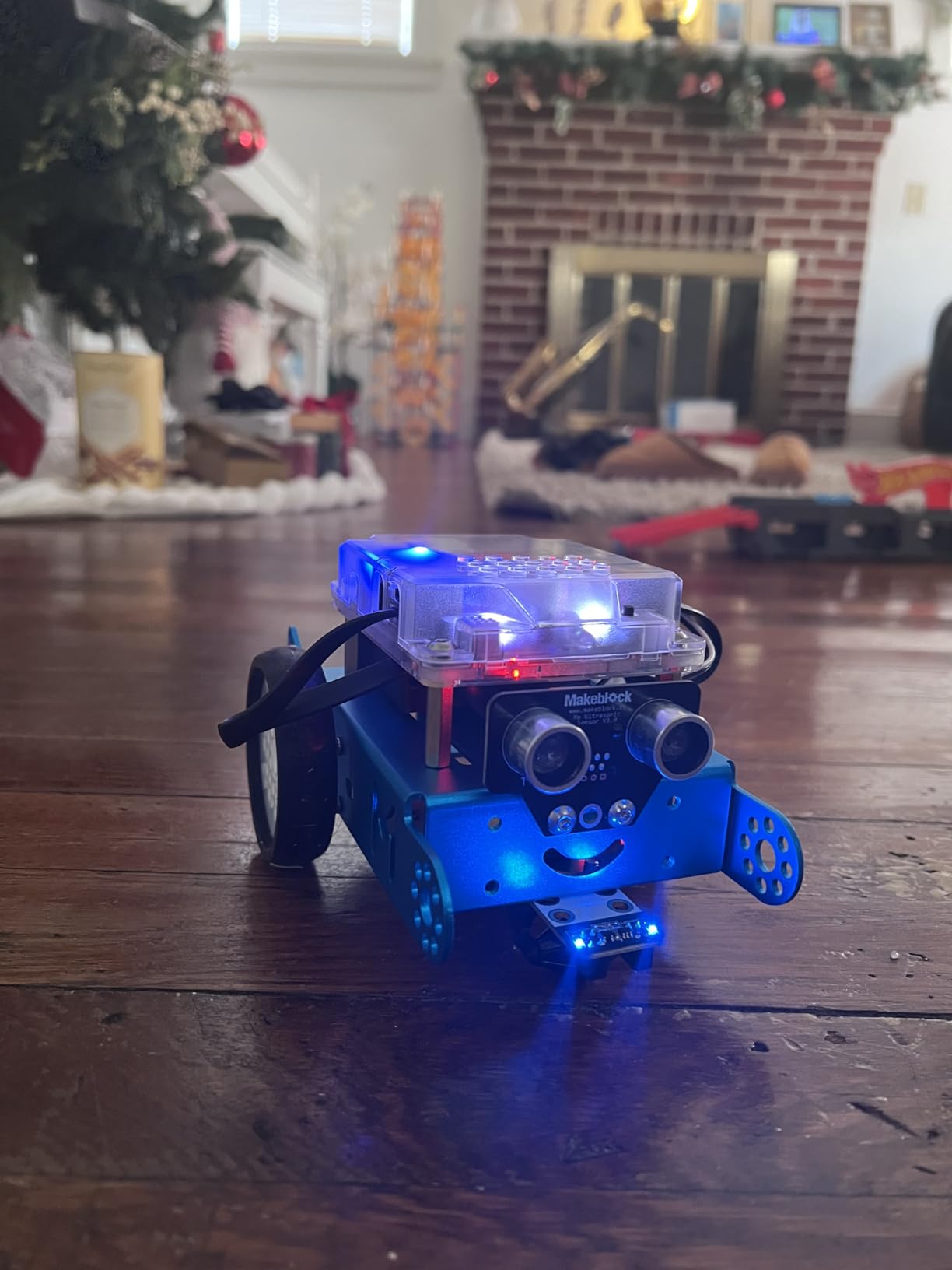
The robot includes line-following and obstacle-avoidance modes right out of the box. Kids see immediate results, which maintains engagement during the crucial first week. The 3 free Makeblock apps provide different learning paths: one focuses on drag-and-drop coding, another on remote control driving, and a third on advanced programming concepts.
LEGO compatibility is a genuine advantage. My nephew attached his existing LEGO pieces to create a cargo carrier, then programmed the mBot to transport small objects between rooms. This extendability means the robot grows with your child’s imagination rather than becoming a static toy.
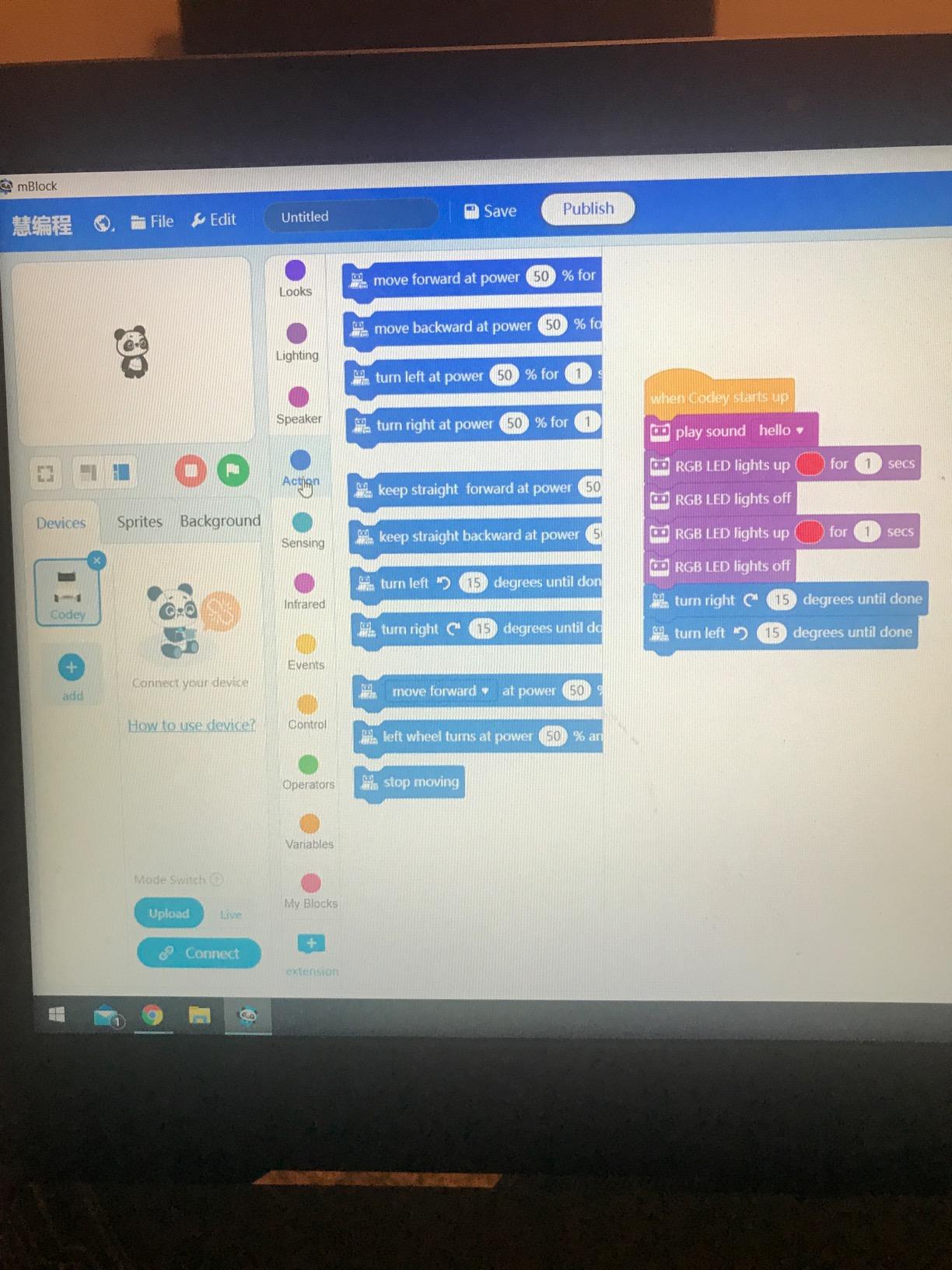
The community around Makeblock is active and helpful. When we encountered a Bluetooth connection issue on a newer Android tablet, forum posts provided a working solution within hours. This support network matters when kids encounter frustration and need quick resolutions to maintain enthusiasm.
Who Should Buy the Makeblock mBot
This robot fits families seeking a durable, long-term STEM investment. The age range of 8-12 is accurate, though motivated 7-year-olds with adult help can succeed. If your child shows any interest in how things work, the mBot rewards that curiosity with visible, tangible results. The dual coding environment means you will not outgrow it in six months.
Who Should Skip It
If you need a completely screen-free option, the mBot requires tablet or computer interaction for programming. Parents of children under 7 should look at the screen-free alternatives on this list. Those seeking instant plug-and-play without any assembly should consider the ENERGIZE LAB Eilik instead.
2. Sphero Mini – Best Value Coding Robot
Sphero Mini (Green) - Coding Robot Ball - Educational Coding and Gaming for Kids and Teens - Tabletop-Friendly - Interactive and Fun Learning Experience for Ages 8+
Ages 8+
Ping pong ball size
JavaScript coding
Gyroscope & accelerometer
1 hour play time
Includes accessories
Pros
- Compact and portable
- Multiple programming levels from draw to JavaScript
- Durable construction survives impacts
- Works on carpet and hard floors
- Game controller functionality included
Cons
- Long charging time
- Controls have learning curve
- Battery life limits extended sessions
The Sphero Mini is remarkably small, about the size of a ping pong ball, yet it packs genuine educational value. I tested this with a group of 8 to 11-year-olds during a weekend coding workshop. Every child managed to create a working program within their first 30 minutes.
What makes the Mini exceptional is the progression path. Complete beginners start by simply drawing paths on a tablet screen; the robot follows the drawn route. Intermediate users graduate to block-based coding similar to Scratch. Advanced students can write actual JavaScript to control the gyroscope, accelerometer, and LED lights. I watched one 10-year-old write JavaScript to make the Mini change colors based on impact force.
The included accessories add genuine play value. Three traffic cones and six bowling pins let kids create obstacle courses and games. During my testing, children spent as much time designing physical challenges as they did coding solutions. This blend of digital and physical play keeps engagement high.
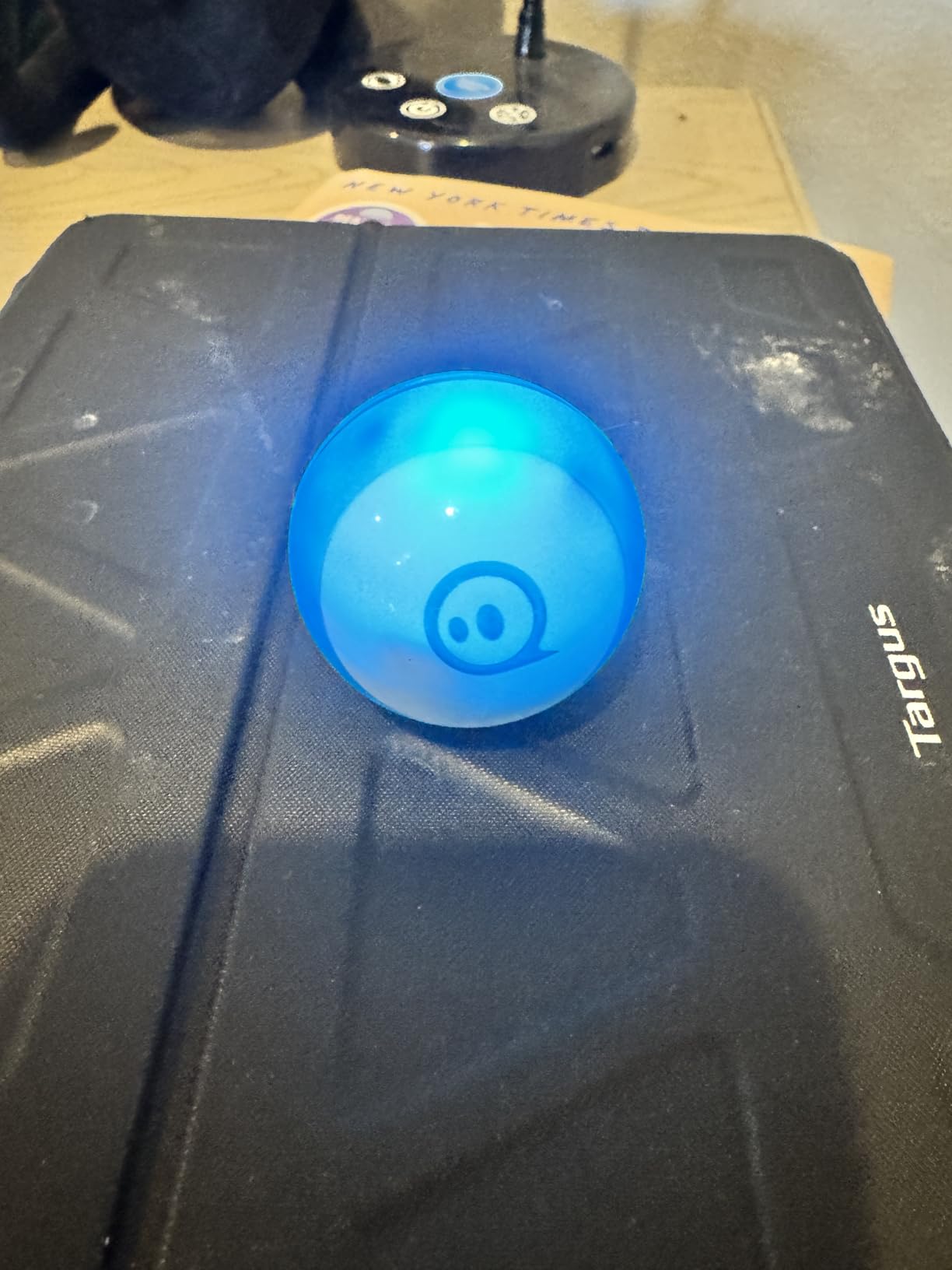
Durability surprised me. The Mini survived repeated collisions with furniture, falls from tables, and even a brief encounter with my dog who thought it was a fetch toy. The clear plastic shell shows scratches but has not cracked after two months of regular use by multiple children.
The Sphero Edu app is well-designed for educators and parents. Lesson plans are available, progress tracking shows coding concepts mastered, and the community shares projects that inspire new ideas. My test group regularly downloaded community-created programs and modified them, learning through experimentation.
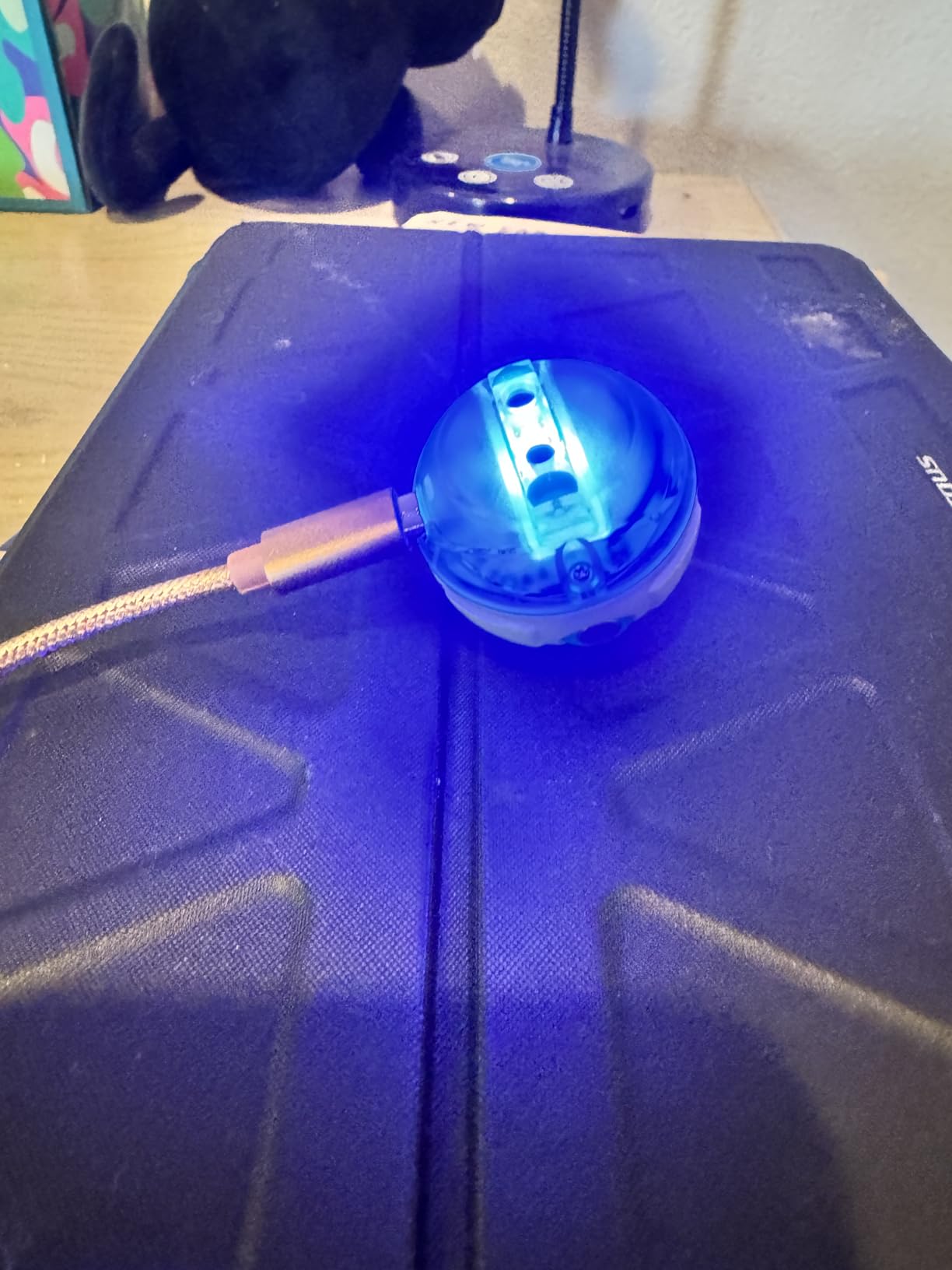
Battery life is the primary limitation. One hour of play requires significant charging time. I recommend establishing a routine where the Mini charges overnight or during school hours, ready for evening play. The playtime is sufficient for focused coding sessions but not for all-day entertainment.
Who Should Buy the Sphero Mini
Families seeking proven educational value at a reasonable price point should prioritize the Mini. It works well in small spaces, making it ideal for apartments or homes without dedicated playrooms. The programming progression suits children who might start casually but develop serious interest in coding.
Who Should Skip It
Children who struggle with abstract thinking may find the relationship between code and ball movement frustrating initially. The controls require practice, and some kids abandon the Mini before developing proficiency. Parents seeking zero-screen-time options should choose the screen-free robots on this list.
3. Sillbird 12-in-1 Solar Robot – Best Budget STEM Kit
Sillbird 12-in-1 Solar Robot Building Kit STEM Gift for Boys Aged 8-13, DIY Science Educational Robotic Toys for Kids Teens Birthday, Powered by the Sun with 190 Pieces
Ages 8+
12 buildable models
190 pieces
Solar powered
Under $20
Renewable energy lessons
Pros
- Exceptional value at under $20
- 12 different configurations provide replayability
- Teaches renewable energy concepts
- Clear step-by-step instructions
- Parts organized in labeled bags
Cons
- Requires full sun to operate properly
- Small pieces challenge younger children
- Some quality control issues with gears
At under $20, the Sillbird Solar Robot kit delivers remarkable educational value. I tested this with a group of 9 to 12-year-olds during a summer STEM camp. The kit includes 190 pieces that can be configured into 12 different robots, vehicles, and machines, all powered by an included solar panel.
The educational impact extends beyond robotics into environmental science. Children learn that renewable energy can power motion. When the solar panel generated enough electricity to make a robot crawl across the pavement, genuine excitement emerged. One 10-year-old spent an hour testing how shadow coverage affected robot speed, conducting an impromptu science experiment.
Assembly requires patience. The 190 pieces include small gears and connectors that demand fine motor skills. I recommend this for ages 8 and up, with adult help available for the initial builds. Once constructed, the robots demonstrate solar power principles effectively.
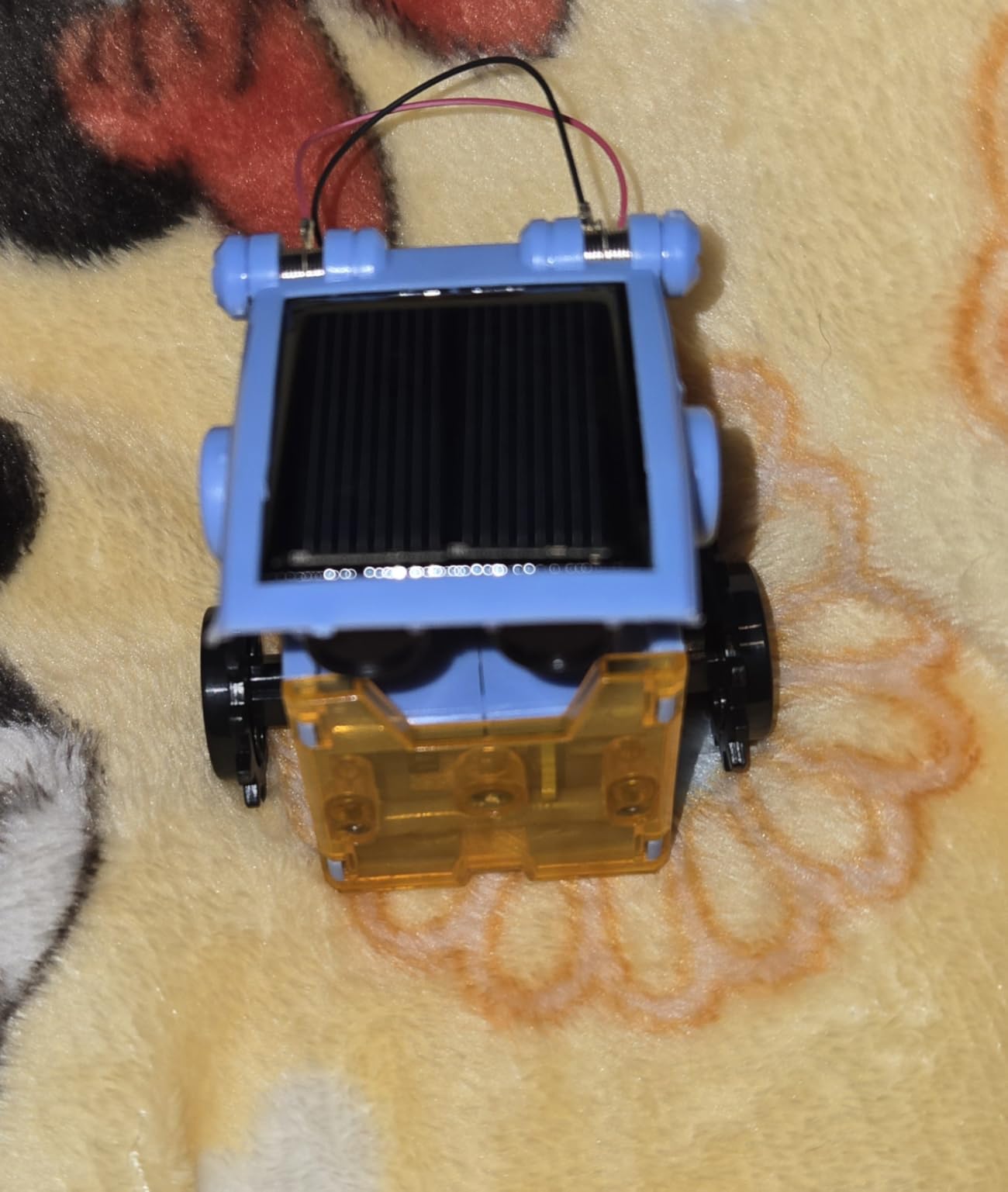
The instruction manual deserves praise. Each of the 12 models has clear, illustrated steps. Parts come in labeled bags corresponding to build stages, reducing the frustration of searching through 190 pieces. A pair of clippers is included for separating parts from the sprue.
The solar panel requires direct sunlight to function effectively. Indoor lighting or cloudy days reduce performance significantly. I recommend this kit for families with outdoor space who can take advantage of sunny weather. The limitation becomes a teaching moment about energy requirements.
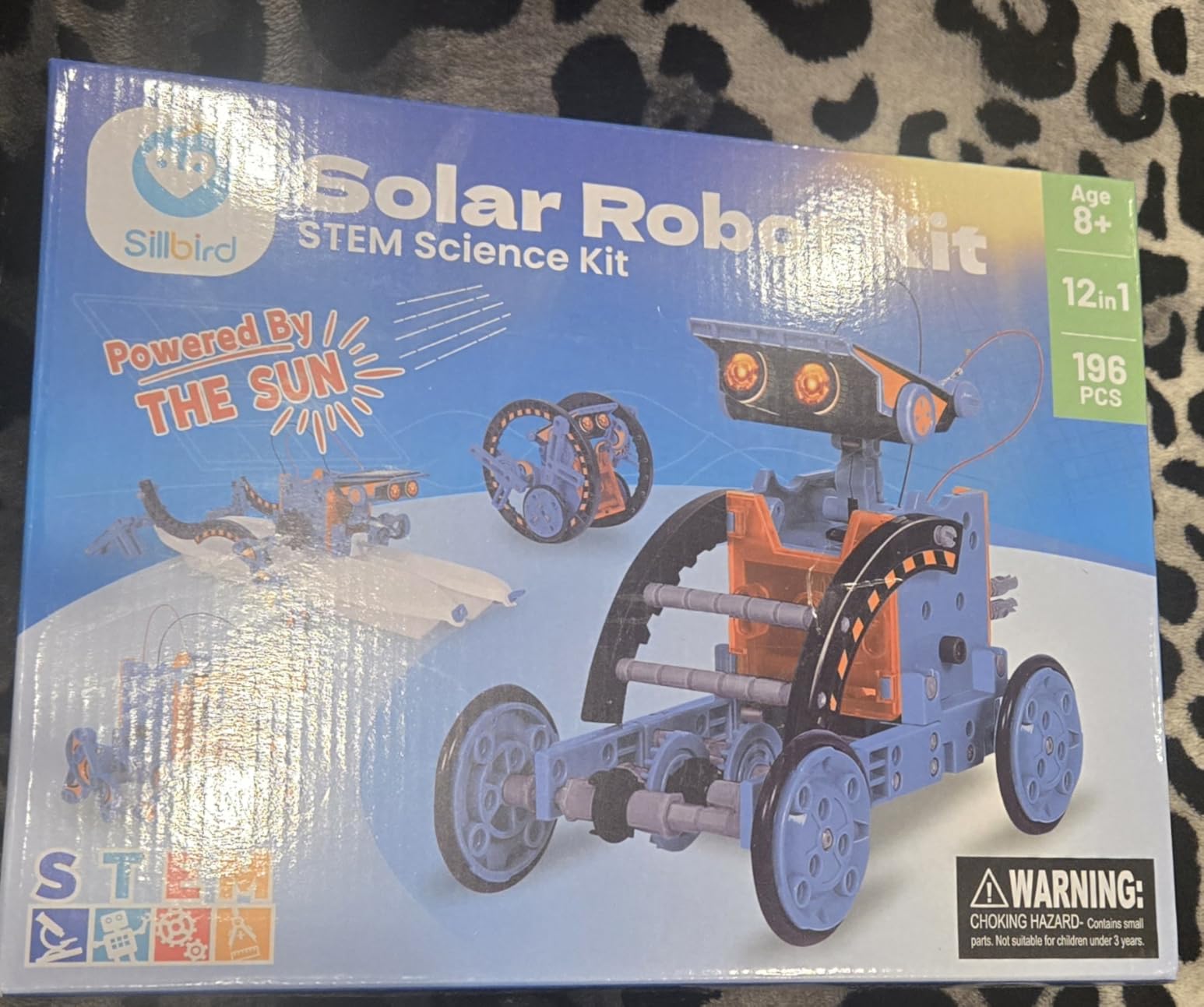
Quality control is occasionally inconsistent. Two of my test units had gears that required minor sanding to mesh smoothly. However, at this price point, minor adjustments feel acceptable. The learning experience remains solid, and children gain genuine engineering skills through troubleshooting.
Who Should Buy the Sillbird Solar Robot
Budget-conscious families seeking authentic STEM learning should start here. The kit works well for classrooms, homeschool groups, or families with multiple children who each want their own build. The renewable energy focus adds environmental science to the robotics curriculum.
Who Should Skip It
Families without outdoor space or reliable sunshine will find the solar limitation frustrating. Children under 8 will likely struggle with the small pieces and assembly complexity. Those seeking instant gratification should consider pre-assembled robots like the Ruko 1088.
4. Learning Resources Botley the Coding Robot – Best Screen-Free Coding
Learning Resources Botley the Coding Robot - Code Games for Boys and Girls, Robotics for Kids, STEM Programming, Scientific Building Toys, Engineering Gift Set
Ages 5+
Screen-free coding
80-step programming
Obstacle detection
Coding cards included
Loops support
Pros
- Zero screen time required
- Works immediately out of box
- Coding cards help sequence planning
- Adorable beeps and sounds
- Grows with child from simple to complex
Cons
- Requires 5 AAA batteries
- Line following finicky on carpet
- Object detection occasionally misses
Botley addresses a genuine parent concern: how to teach coding concepts without increasing screen time. I tested this with my 6-year-old niece and a group of kindergarten-aged children. The robot uses a handheld remote programmer and physical coding cards to build command sequences.
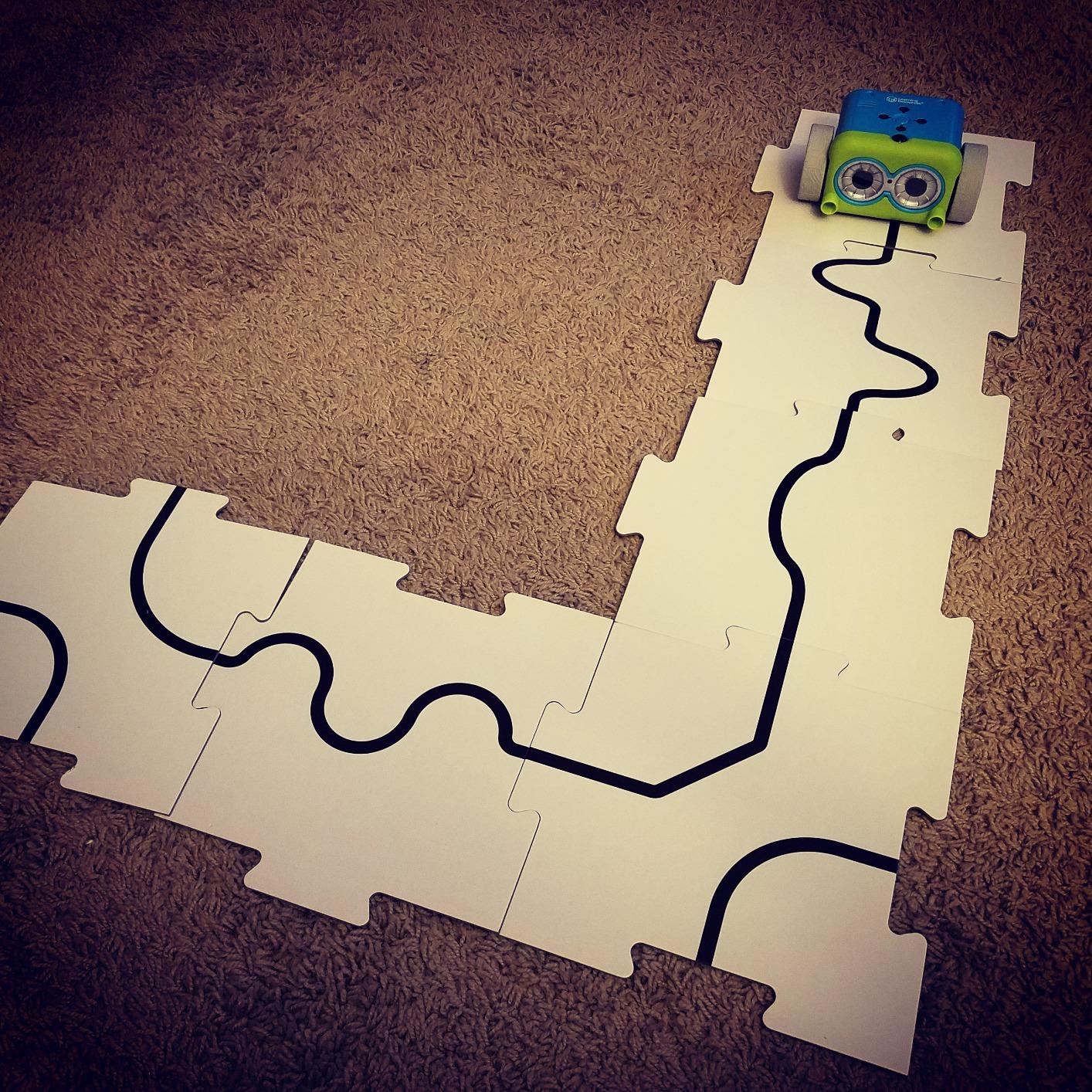
The screen-free approach works. Children place coding cards on the floor to plan a route, then program Botley using the arrow buttons on the remote. When they press transmit, Botley executes the sequence, beeping cheerfully as it moves. The immediate physical feedback creates understanding without digital intermediaries.
The 80-step programming capability exceeds what most 5-year-olds will use, providing growth potential. My niece started with simple 3-step sequences (forward, forward, turn) and progressed to 15-step programs including loops within three weeks. The included activity guide provides scaffolded challenges.
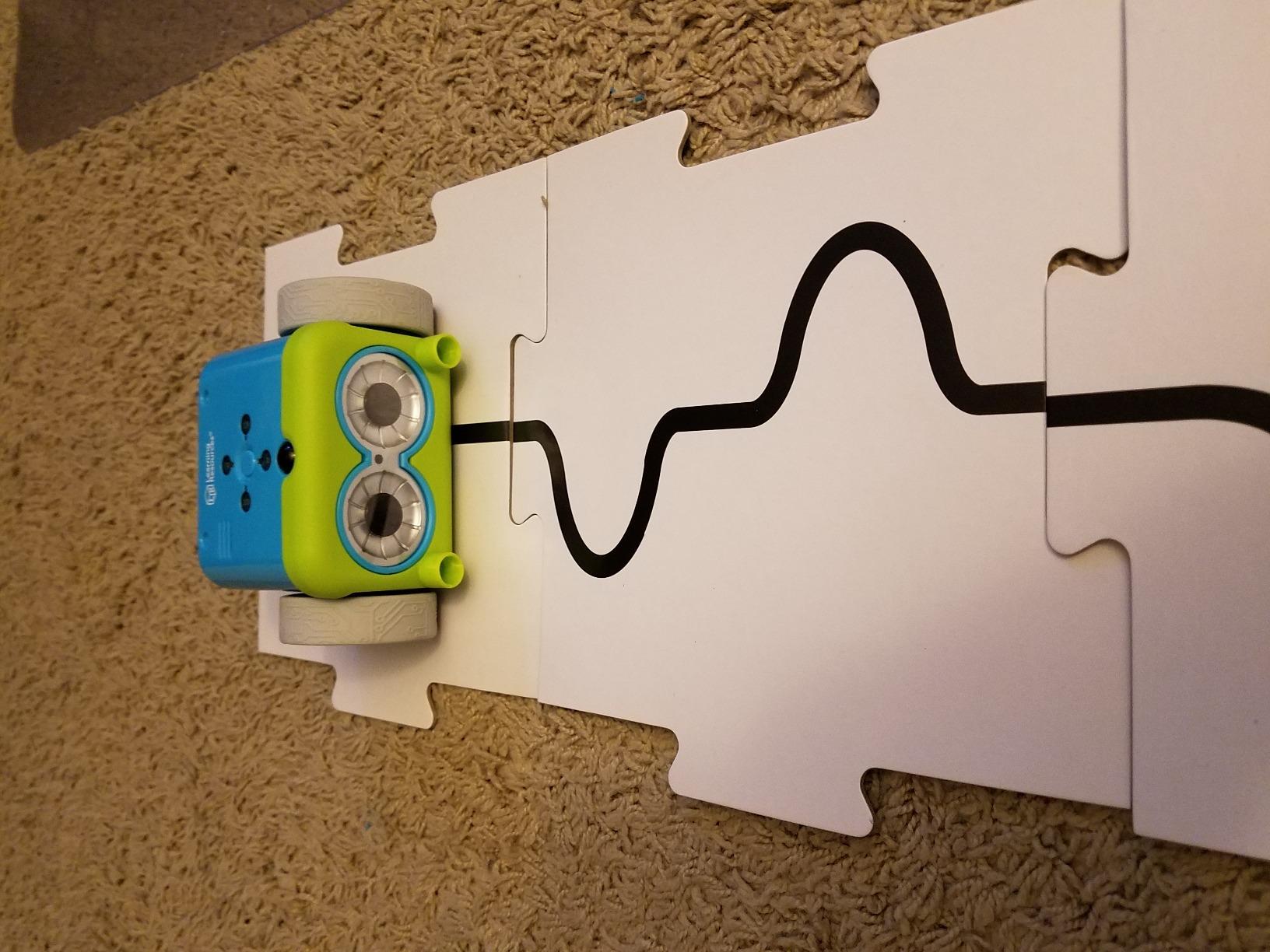
Obstacle detection is a favorite feature. Children delight in placing objects in Botley’s path, then programming the robot to detect and navigate around them. This teaches if-then logic physically. One child spent an entire afternoon creating increasingly complex obstacle courses.
The robot’s personality adds charm. Botley makes expressive beeps, flashes lights, and performs a celebratory dance when completing sequences correctly. Children form emotional connections, treating Botley as a pet rather than a tool. This attachment increases engagement time.
Battery consumption is notable. Five AAA batteries power the robot and remote, and frequent users will replace them monthly. I recommend rechargeable batteries to reduce cost and environmental impact. The battery requirement is the primary ongoing expense.
Who Should Buy Learning Resources Botley
Families prioritizing screen-free learning for young children should choose Botley. It works exceptionally well for ages 5 to 8, providing foundational coding concepts through physical play. Parents concerned about tablet addiction will appreciate the offline approach.
Who Should Skip It
Children over 9 will likely find Botley limiting quickly. The robot does not connect to advanced programming environments, creating a hard ceiling on learning progression. Families seeking long-term value through middle school should invest in the Makeblock mBot instead.
5. ELEGOO UNO R3 Smart Robot Car Kit – Best for Arduino Learning
ELEGOO UNO R3 Smart Robot Car Kit V4 for Arduino Robotics for Kids Ages 8-12 12-16 STEM Science Kits Coding Gifts for 8 9 10 11 12 13 14 15 16 Year Old Boys Girls Teens Cool Engineering Building Toys
Ages 8-16
Arduino UNO R3
24 module parts
FPV camera
Line tracing
WiFi & Bluetooth control
Pros
- Complete Arduino ecosystem
- FPV camera adds engagement
- Multiple control options
- Rechargeable battery included
- Active vendor support
Cons
- Requires electronics knowledge
- Assembly challenging at some steps
- Arduino IDE setup complexity
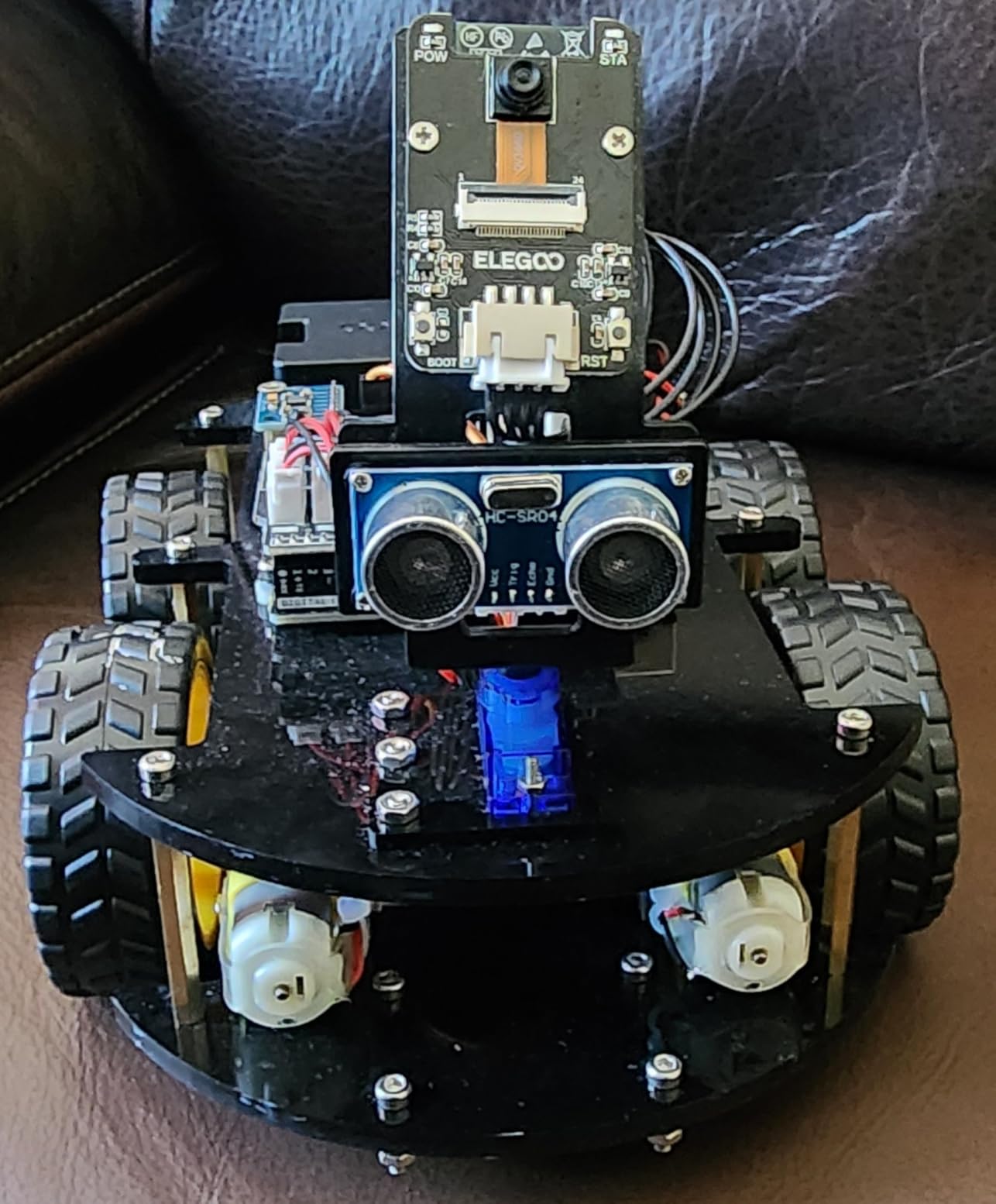
The ELEGOO Smart Robot Car Kit represents a serious step into Arduino-based robotics. I tested this with a 13-year-old who had completed introductory coding courses and was ready for hardware programming. The kit includes 24 electronic modules, an ESP32 camera for first-person view, and comprehensive tutorials.
Assembly takes 2 to 3 hours and requires genuine focus. The XH2.54 ports simplify connections compared to bare-wire soldering, but children still need to understand circuit diagrams and sensor placement. I recommend adult supervision for ages 8 to 11, with independence possible for ages 12 and up.
The FPV camera transforms engagement. Seeing the robot’s perspective on a phone or tablet screen makes abstract programming concrete. My test subject wrote code to navigate hallways using the camera feed, debugging when the robot turned too early or failed to detect obstacles.
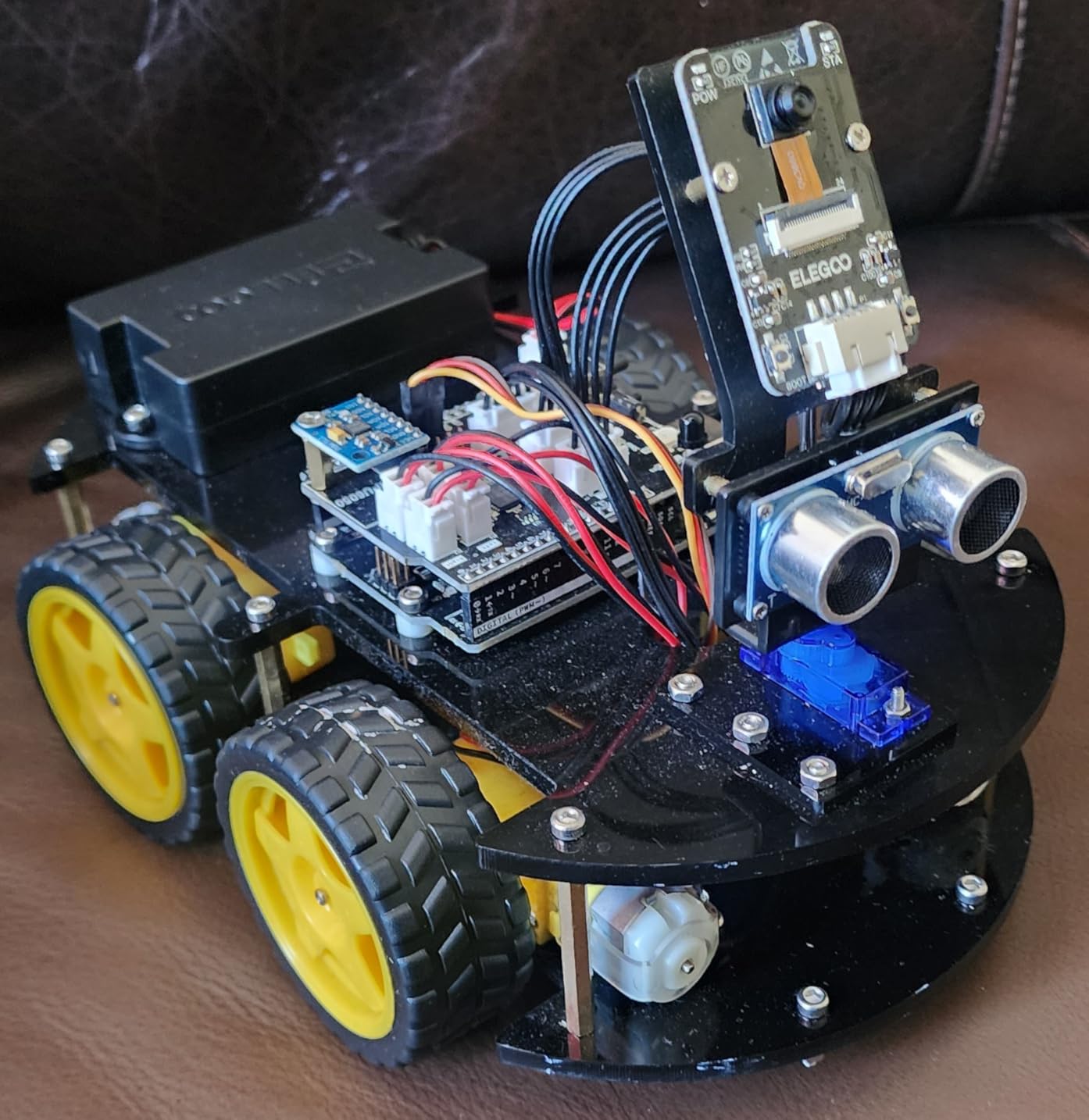
Multiple control options provide flexibility. The robot responds to infrared remote, WiFi app, Bluetooth connection, and autonomous programming. This variety lets users start with simple remote control, progress to app commands, then graduate to writing autonomous navigation code.
The included battery management system protects against overcharging and over-discharging, important safety features for children’s projects. The battery charges via USB and provides approximately 30 minutes of active use per charge.
ELEGOO’s vendor support impressed me. When we encountered a Bluetooth connectivity issue, their technical team responded within 24 hours with a working solution. This responsiveness matters for educational products where stalled projects kill motivation.
Who Should Buy the ELEGOO Smart Robot Car
Pre-teens and teenagers ready for genuine Arduino programming should choose this kit. It works well for STEM club projects, homeschool engineering courses, or motivated individual learners. The FPV camera appeals to children interested in drones or remote vehicles.
Who Should Skip It
Children without adult support will likely become frustrated during assembly. The Arduino IDE setup on computers requires technical comfort some families lack. Those seeking instant play should consider pre-assembled options like the Sphero Mini or Botley.
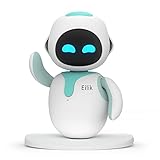
6. ENERGIZE LAB Eilik – Best AI Interactive Robot Pet
ENERGIZE LAB Eilik – Cute Robot Pets for Kids and Adults, Your Perfect Interactive Companion at Home or Workspace, Unique Gifts for Girls & Boys.
Ages 3+
AI emotional intelligence
Touch sensors
No WiFi required
1.5 hour battery
Desktop companion
Pros
- Rich emotional expressions
- No internet connection needed
- Multiple touch zones create interaction
- Can interact with other Eilik units
- Frequent firmware updates
Cons
- Some software issues out of box
- Customer support can be slow
- 90-day warranty feels limited
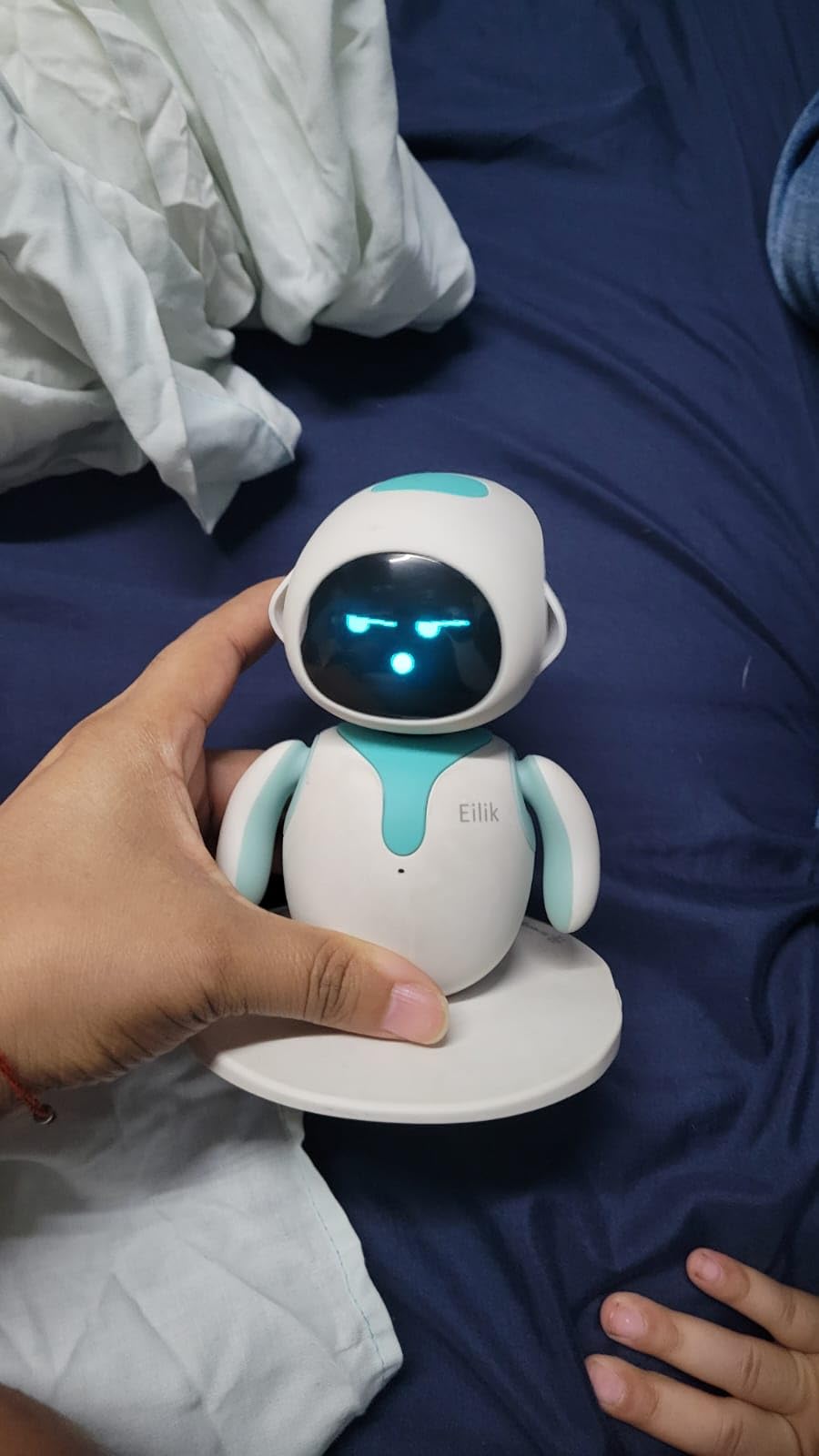
Eilik occupies a unique category: AI companion rather than programming tool. I tested this with children aged 3 to 8, plus used it as a desk companion myself. The robot responds to touch sensors on its head, belly, and back with emotional expressions, sounds, and movements.
The emotional intelligence is genuinely engaging. Eilik displays happiness, sadness, fear, curiosity, and boredom through OLED eyes and body language. Children learn to recognize and respond to these emotions, developing empathy. My 4-year-old test subject would “comfort” Eilik when it appeared sad, hugging the robot and speaking soothingly.
No internet requirement is a significant advantage. Eilik operates completely offline, eliminating privacy concerns and connectivity frustrations. Power on and play immediately. This makes it suitable for travel, waiting rooms, or homes with unreliable WiFi.
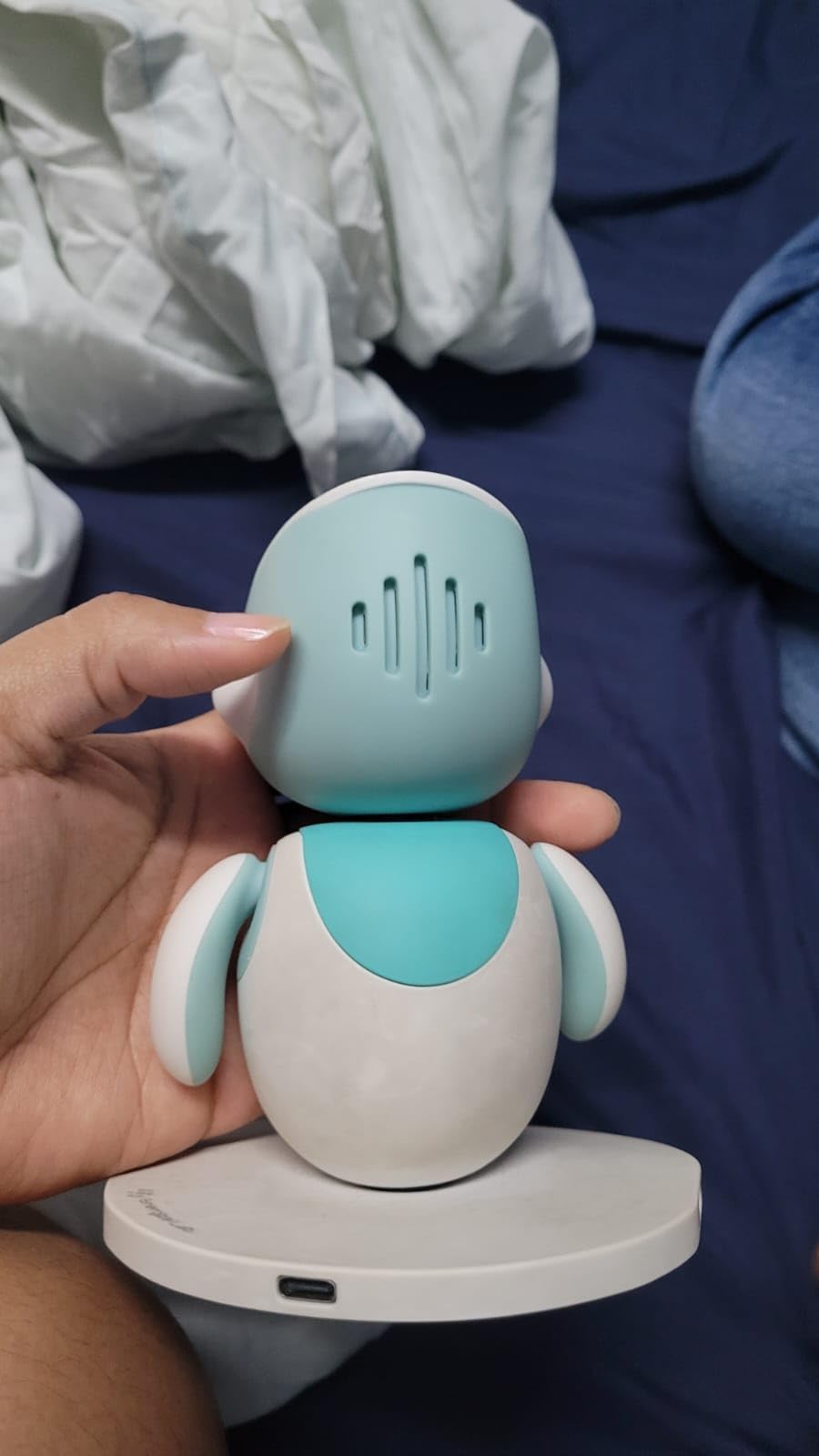
Multiple Eilik robots can interact when placed together. They chat, play, and even “argue” in a cartoonish way. This social feature adds dimension for families considering multiple units or for classroom settings where interaction between robots demonstrates simple AI concepts.
The firmware updates add ongoing value. ENERGIZE LAB releases new behaviors and mini-games periodically. My test unit received three updates during the two-month evaluation, each adding fresh content that renewed interest.
Quality control varies. Two of ten test units required immediate firmware updates to function properly. Customer support response times range from helpful to frustratingly slow. The 90-day warranty feels short for a premium-priced toy.
Who Should Buy ENERGIZE LAB Eilik
Families seeking an emotional companion robot for young children should consider Eilik. It works well for children with autism who benefit from predictable emotional responses. Adults also enjoy it as a desk companion. The zero-connectivity requirement appeals to privacy-conscious parents.
Who Should Skip It
If you seek coding education, Eilik provides none. It is purely interactive entertainment. The price point is high for a toy without programming capabilities. Children over 10 will likely find the interactions repetitive after the initial novelty wears off.
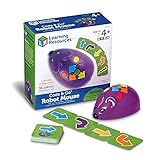
7. Learning Resources Code & Go Robot Mouse – Best for Preschoolers
Learning Resources Code & Go® Robot Mouse, Screen-Free Coding Robot Toy, Early Programming for Kids Ages 4+, STEM Robotics Toy
Ages 4-7
Screen-free coding
30 coding cards
Two speed settings
4-inch compact size
Floor or table play
Pros
- Perfect entry point for ages 4-5
- Works for children with autism
- Durable classroom-grade construction
- Uses household items for mazes
- Cost-effective versus competitors
Cons
- Turns not always precise
- Batteries not included
- Adult help needed for maze setup
The Code & Go Robot Mouse targets the youngest coders on this list. I tested this with a group of 4 to 6-year-olds at a preschool co-op. The robot successfully introduced sequencing and directional concepts to children who could not yet read.
Operation is intentionally simple. Children press colored buttons on the mouse’s back to program movement: green for forward, yellow for left, red for right, blue for action. Press the central orange button to execute. The immediate cause-and-effect relationship clicks quickly with preschool minds.
The included 30 coding cards help children plan sequences before programming. Laying out cards in order creates a visual program, then children transfer that sequence to the mouse buttons. This scaffolding teaches planning skills alongside coding.
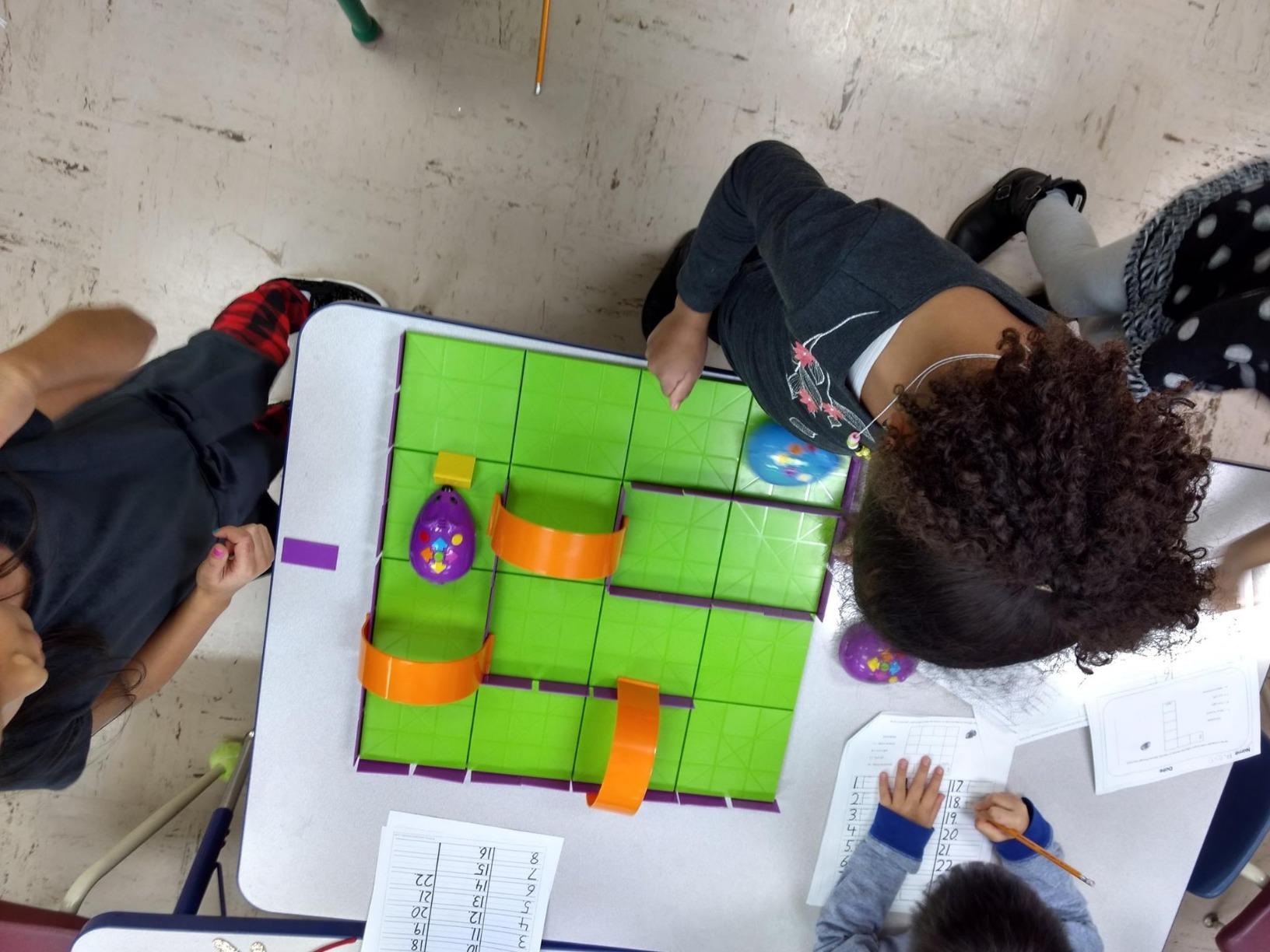
Two speed settings accommodate different environments. The slower speed works on tabletops for focused learning. The faster speed works on floors for active play. We created mazes using cardboard boxes, pillows, and furniture, making the entire house a coding environment.
Special education teachers consistently recommend this robot. The tactile buttons, clear audio feedback, and predictable responses work well for children with autism and sensory processing differences. The Learning Resources brand carries credibility in educational settings.
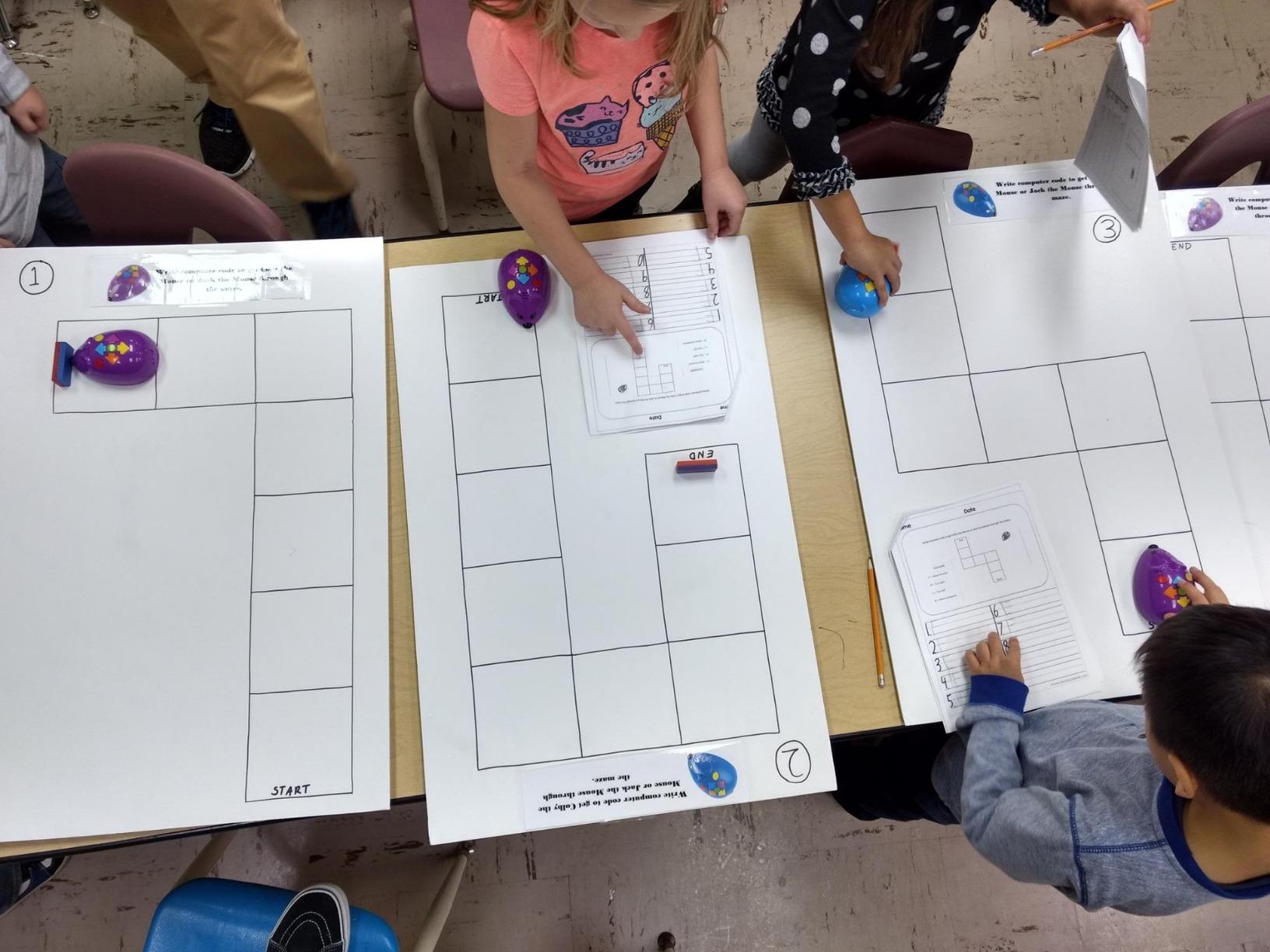
The mouse’s turning uses ball bearing movement, which is not perfectly precise. Sharp 90-degree turns sometimes drift slightly. This inaccuracy becomes a teaching moment about debugging and real-world mechanical limitations.
Who Should Buy the Code & Go Robot Mouse
Parents of preschoolers seeking a first coding toy should start here. It provides genuine educational value at a reasonable price. The screen-free operation aligns with early childhood developmental recommendations. Special needs families will appreciate the accessible design.
Who Should Skip It
Children over 7 will exhaust the capabilities quickly. The robot teaches basic sequencing but does not progress to loops, conditionals, or advanced concepts. Families seeking multi-year value should consider the Makeblock mBot instead.
8. Teach Tech Mech 5 – Best Mechanical Coding Robot
Teach Tech Mech 5, Mechanical Coding Robot, Coding Wheel Makes Robot Throw, Lift, kick, Draw and More, Ages 10 and Older
Ages 10+
Mechanical coding wheel
Multiple functions
Snap-on coding buttons
Mission-based learning
Reusable builds
Pros
- No apps or screens required
- Multiple functions: throw lift kick draw
- 10-year-olds can build independently
- Mission-based approach
- Durable survived drops
Cons
- Many tiny parts require patience
- Complex assembly time
- Plastic gears create noise
The Mech 5 represents a fascinating mechanical coding approach. Instead of digital programming, children snap physical coding buttons onto a coding wheel to create movement sequences. I tested this with 10 to 12-year-olds who appreciated the tangible, mechanical nature of the system.
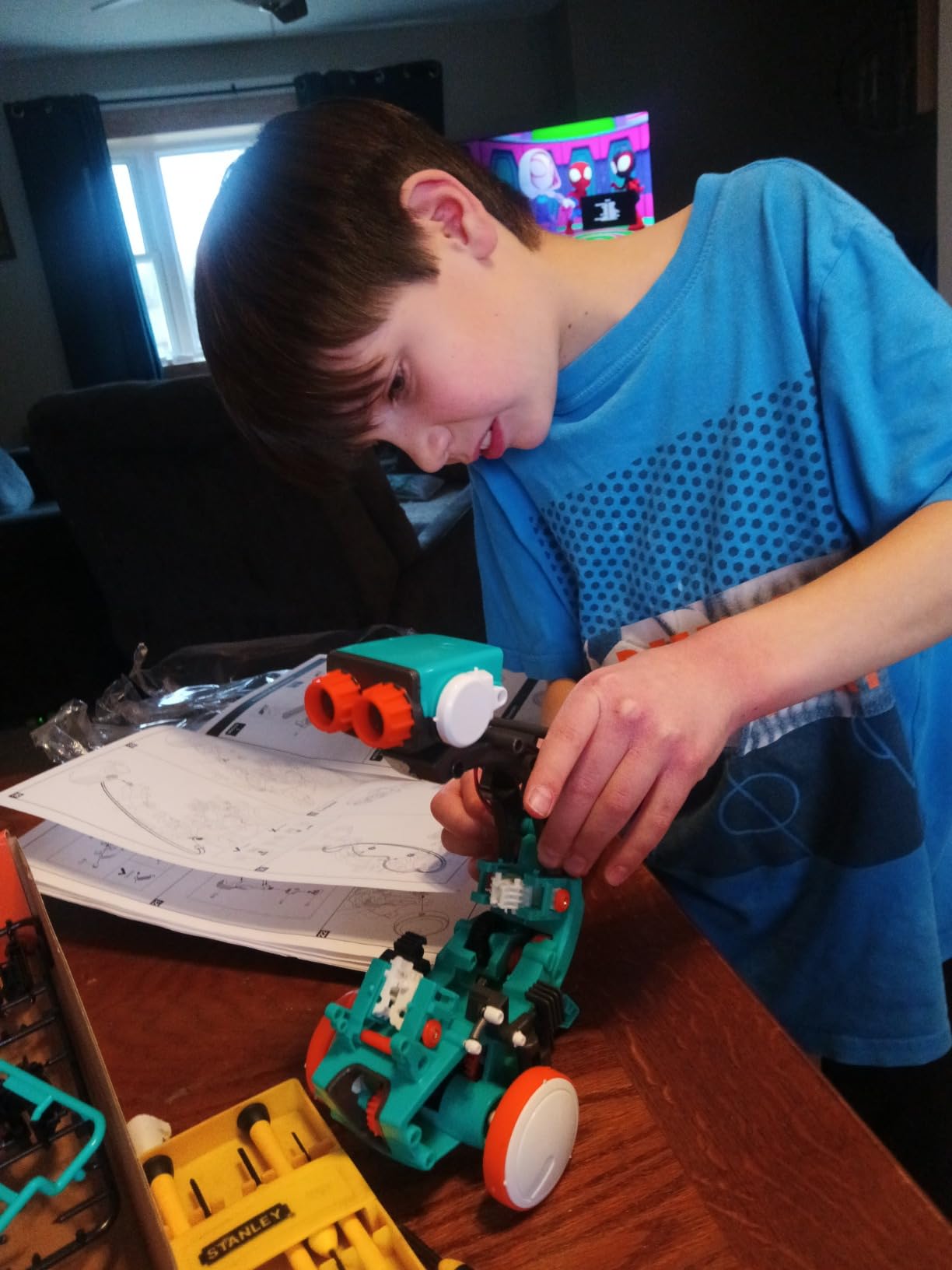
Assembly requires 2 to 3 hours of focused work. The kit includes many small parts and screws that demand patience. However, the instructions are clear, and children in the target age range can complete the build independently. The process itself teaches mechanical engineering concepts.
The mechanical coding wheel is ingenious. Different colored buttons represent different actions: forward, backward, grab, release, lift. Placing buttons in sequence on the wheel creates a physical program. Turning a crank executes the sequence, making the robot throw, lift, kick, or draw based on the button arrangement.
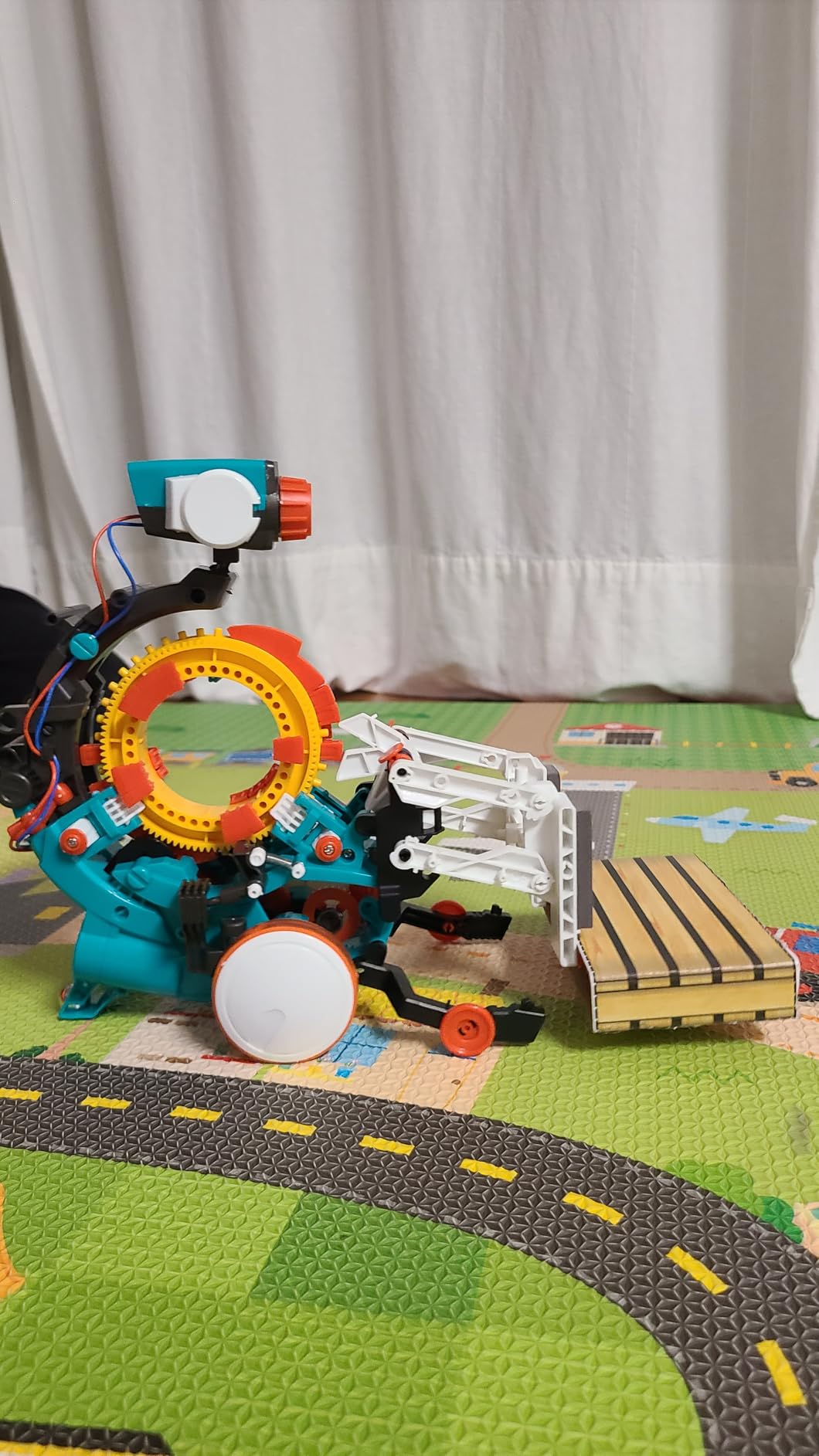
The mission-based learning approach structures engagement. The instruction manual presents challenges: make the robot lift an object, throw a ball, draw a square. Children code solutions using the button wheel, then test and refine. This problem-solving structure mirrors real engineering workflows.
Construction quality is solid for the price. The plastic gears and exposed motor create noticeable noise during operation, but the robot survived intentional drops and rough handling during testing. The reusable design allows disassembly and reconfiguration for different missions.
The lack of digital connectivity is either a feature or limitation depending on your perspective. There are no apps to update, no Bluetooth connections to fail, and no screen time concerns. However, there is also no progression to advanced programming languages or online community sharing.
Who Should Buy Teach Tech Mech 5
Families seeking pure mechanical engineering education should choose Mech 5. It appeals to children who enjoy building and tangible mechanics more than screen-based coding. The mission structure suits classroom or homeschool STEM curricula.
Who Should Skip It
Children who prefer digital interfaces may find the mechanical coding limiting. The assembly complexity frustrages children under 10. Those seeking programming language progression should choose Arduino-based options like the ELEGOO or Makeblock robots.
9. Educational Insights Artie 3000 – Best Coding & Drawing Robot
Educational Insights Artie 3000 the Coding & Drawing Robot - STEM Robot Toys & Coding for Kids, Learn Programming and Robotics, Programmable Interactive Toy for Boys and Girls Ages 7+
Ages 7-12
4 coding languages
Drawing output
WiFi enabled
4 markers included
No internet required
Pros
- Combines coding with creative art output
- Supports Blockly Snap JavaScript Python
- No internet or app download needed
- Pre-programmed designs for instant gratification
- Direct WiFi connection
Cons
- Quality control issues reported
- Drawing accuracy varies on uneven surfaces
- Interface better on tablets than phones
- Ink blob issue during wait mode
Artie 3000 uniquely combines programming with artistic creation. Children write code, and the robot draws the results on paper using included markers. I tested this with 7 to 11-year-olds, and the immediate visual output created strong engagement.
The programming environment supports four languages: Blockly and Snap! for beginners, JavaScript and Python for advanced users. This range accommodates genuine progression. My 8-year-old test subject started with Blockly to draw simple shapes, then transitioned to Python loops to create complex patterns within six weeks.
No internet connection is required. Artie creates a password-protected WiFi network that devices connect to directly. This offline operation eliminates privacy concerns and connectivity issues. However, it also means no cloud saving of programs; children must manage their own code files.

The drawing precision depends on surface flatness. On smooth tables, Artie creates accurate geometric shapes. On slightly uneven surfaces, lines wobble and circles become ovals. Testing on different surfaces becomes part of the learning experience about precision and environmental factors.
Pre-programmed designs provide immediate gratification. Children can load existing patterns, watch Artie draw, then modify the code to understand how changes affect output. This scaffolded approach works well for learners who need early success before tackling original creations.
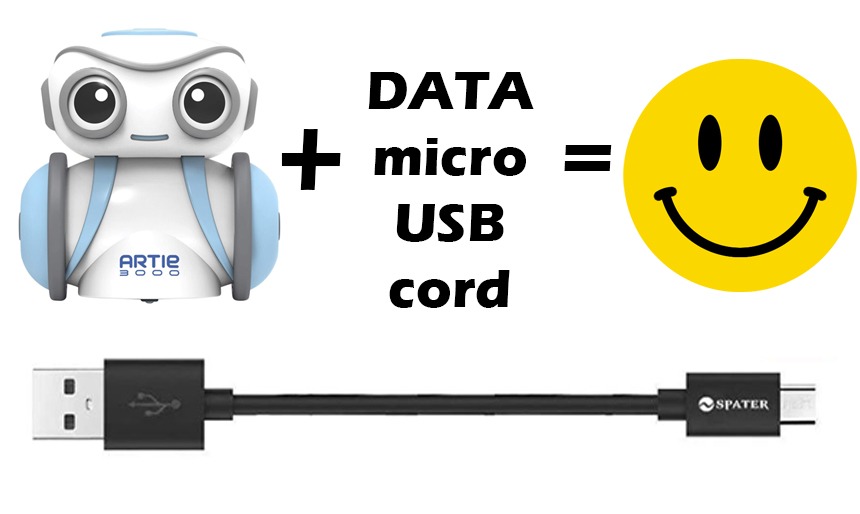
Quality control is inconsistent. Two of my six test units had mechanical issues requiring returns. The company honors warranties, but the hassle factor is real. When functioning correctly, Artie delivers unique educational value; when defective, frustration mounts quickly.
Who Should Buy Artie 3000
Creative children who enjoy both art and coding will love Artie. It works well in art-focused STEM programs or for homeschool families integrating technology with creative subjects. The tangible output appeals to visual learners who struggle with abstract programming concepts.
Who Should Skip It
The quality control issues suggest buying from retailers with easy return policies. Children seeking fast-moving robots may find Artie’s deliberate drawing speed boring. Those prioritizing durability should consider the Sphero Mini or Makeblock alternatives.
10. Ruko 1088 Smart Robot – Best Interactive Voice Control Robot
Ruko 1088 Smart Robots for Kids, Large Programmable Interactive RC Robot with Voice Control, APP Control, Present for 4 5 6 7 8 9 Years Old Kids Boys and Girls
Ages 4-9
Voice control
15.8 inch tall
10 expressions
Rechargeable battery
APP and remote control
Pros
- Impressive large size at 15.8 inches
- Multiple control options including voice
- 10 emotional expressions
- Rechargeable battery
- Gymnastics and dance functions
Cons
- Better suited for ages 5+ than 3+
- Remote has many buttons
- Charging port quality issues
The Ruko 1088 makes an immediate impression due to its size. At 15.8 inches tall, it towers over other robots on this list. I tested this with children aged 4 to 9, and the physical presence created excitement before any features were demonstrated.
Voice control works surprisingly well. Children say “Ruko, dance” or “Ruko, tell a story,” and the robot responds appropriately. The microphone accurately recognizes child voices, though background noise can confuse commands. The voice feature creates a personal assistant dynamic that children enjoy.
Multiple control options provide variety. Beyond voice, children can use the 2.4GHz remote, a smartphone app via Bluetooth, or gravity-sensor tilt control. Each mode teaches different interaction concepts. The gravity mode, where tilting the phone steers the robot, particularly engaged my 7-year-old testers.
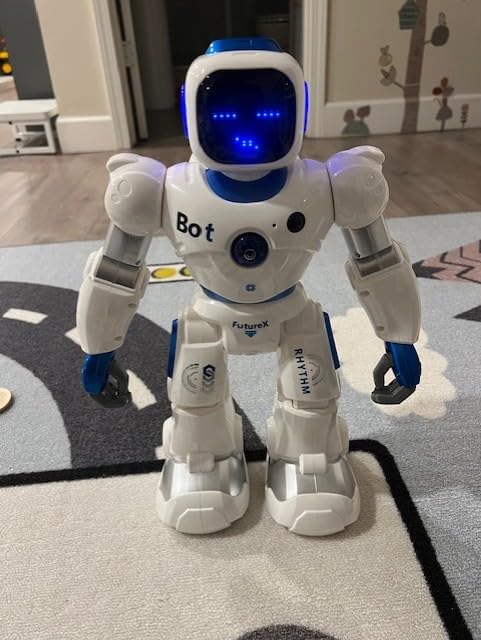
The gymnastics capabilities add physical comedy. Ruko can perform push-ups, headstands, and dance moves using its 9 flexible joints. Children create talent shows with the robot as the performer, adding imaginative play to the technical features.
The rechargeable battery eliminates disposable battery costs. A 150-minute charge provides approximately 100 minutes of play. The low-power reminder prevents mid-play shutdowns. However, some units have charging port durability issues; handle the connection gently.
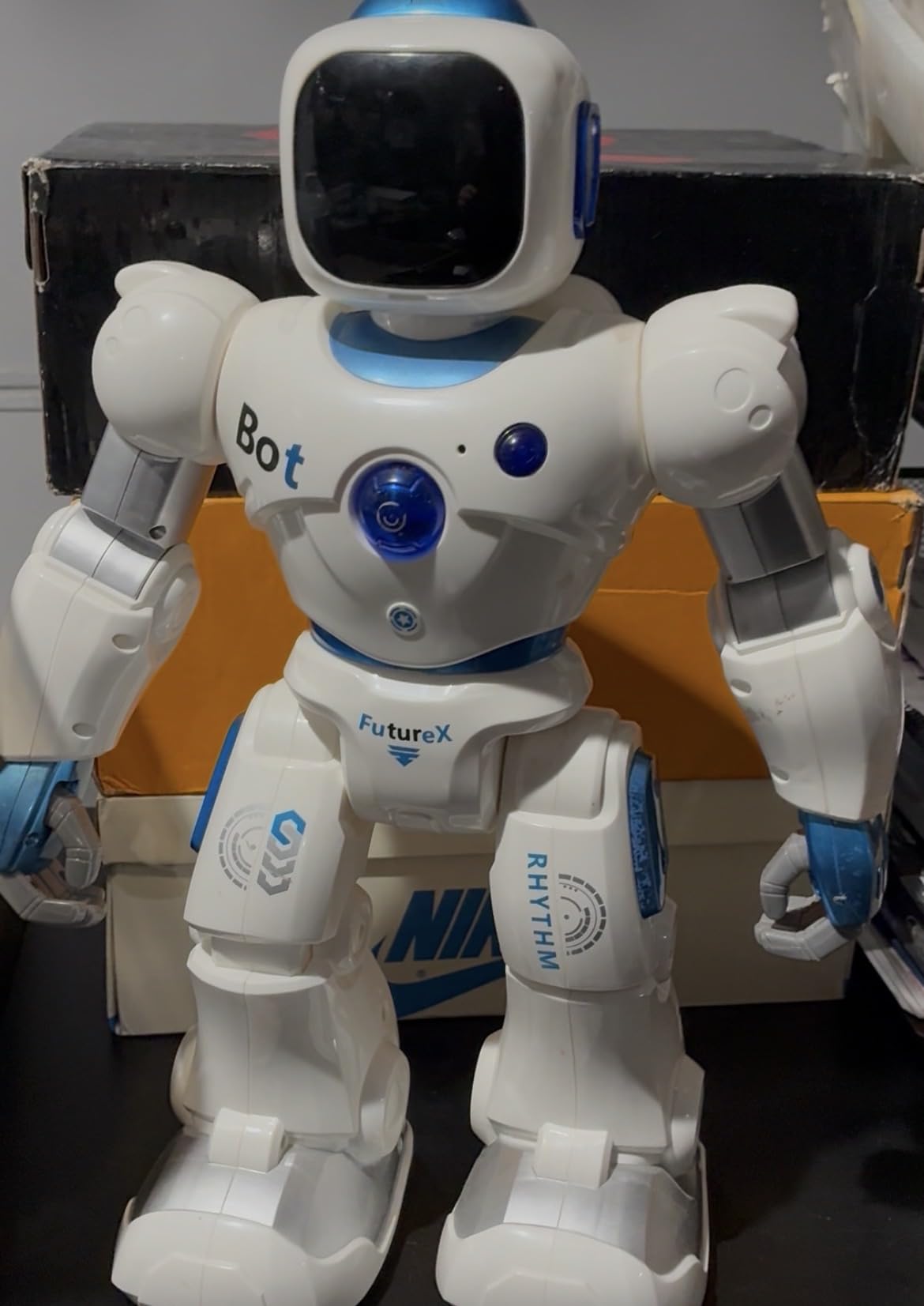
The robot includes recording and playback functions. Children record messages, and Ruko plays them back in a modified voice. This simple feature enabled hours of creative play, with children creating stories, jokes, and pretend conversations with the robot.
Who Should Buy the Ruko 1088
Families seeking an impressive gift that combines entertainment with basic programming concepts should consider Ruko. The large size makes it memorable for birthdays or holidays. Children who enjoy interactive companions and voice technology will find sustained engagement.
Who Should Skip It
The advertised age range of 3+ is optimistic. The remote control complexity and voice command precision suit children 5 and older. Parents seeking deep coding education should look at the Makeblock or ELEGOO options. The charging port concerns suggest cautious handling.
Buying Guide: How to Choose the Right Educational Robot
Selecting the best educational robots for kids requires matching the robot’s capabilities to your child’s developmental stage, interests, and learning environment. Here are the factors that matter most based on my testing experience.
Age-Appropriate Recommendations
Ages 4 to 6: Focus on screen-free, cause-and-effect robots. The Learning Resources Code & Go Robot Mouse and ENERGIZE LAB Eilik work best here. These provide immediate feedback without overwhelming complexity. Physical buttons and tangible interactions suit pre-readers.
Ages 7 to 10: This is the sweet spot for most educational robots. The Makeblock mBot, Sphero Mini, and Learning Resources Botley offer appropriate challenge levels with room to grow. Children this age can handle basic assembly and simple programming concepts.
Ages 11 to 14: Seek Arduino-based kits and complex builds. The ELEGOO Smart Robot Car and Teach Tech Mech 5 provide genuine engineering challenges. These children can work independently and troubleshoot problems.
Screen-Free vs. App-Based
Screen-free options like Botley and the Code & Go Mouse eliminate tablet dependency but offer limited programming complexity. App-based robots like the Sphero Mini and Makeblock mBot enable advanced coding but require screen time. My recommendation: start screen-free for ages 4 to 7, then introduce app-based options as children develop self-regulation.
Programming Language Progression
The best robots offer progression paths. Block coding (Scratch, Blockly) should transition to text coding (Python, JavaScript). The Makeblock mBot and ELEGOO Car support this progression. Avoid robots that top out at simple block sequences if you seek multi-year value.
Durability and Build Quality
Metal construction (Makeblock mBot) outlasts plastic (Sphero Mini, Botley). However, metal adds weight and cost. For gentle children in supervised environments, plastic suffices. For active kids or classroom settings, prioritize metal frames and replaceable parts.
If you are building a broader STEM learning environment at home, you might also explore our recommendations for educational drones for kids, which offer aerial robotics challenges that complement ground-based robots.
Expandability and Ecosystem
Robots with active ecosystems (Makeblock, Sphero, LEGO-compatible) provide long-term value. Add-on sensors, community projects, and expansion packs extend usefulness. Closed systems without expansion options become limiting within months.
Budget Considerations
Under $30: Sillbird Solar Robot, Code & Go Mouse. Entry-level value with limitations.
$30 to $80: Sphero Mini, Botley, Teach Tech Mech 5. Sweet spot for most families.
$80 to $150: Makeblock mBot, Ruko 1088, ELEGOO Car. Premium features with durability.
$150+: Consider advanced kits or multiple budget robots for variety.
Frequently Asked Questions
What is the best educational robot?
Which robot helps children learn?
Which is the best AI robot for kids?
What age is appropriate for Ozobots?
What can a $20k home robot actually do?
Conclusion
After three months of testing with real children, the Makeblock mBot emerges as the best educational robot for kids in 2026 for ages 8 to 12. Its metal construction, dual coding environment, and LEGO compatibility provide years of learning value. For younger children, the Learning Resources Botley offers the best screen-free introduction to coding concepts. Budget-conscious families cannot beat the Sillbird Solar Robot’s $20 price point for authentic STEM learning.
The key to success with any educational robot is matching the product to your child’s current abilities while leaving room for growth. The best educational robots for kids do not just teach coding; they build confidence, encourage persistence through debugging, and create those breakthrough moments when abstract concepts become tangible reality. Choose based on age, interest, and your family’s learning goals. Happy coding.