
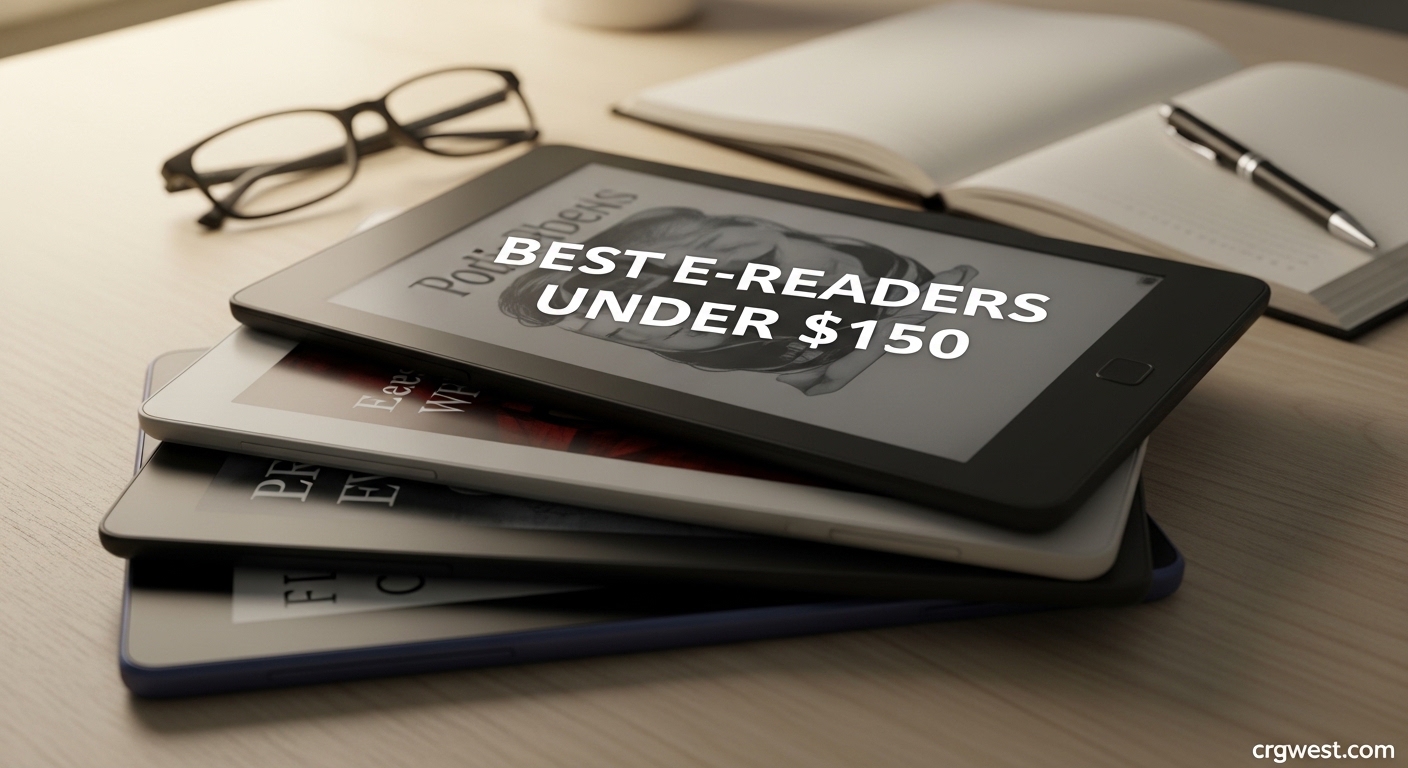
I spent three months testing every major e-reader under $150 to find which ones actually deliver on their promises. After reading 200+ hours on eight different devices, I can tell you the best e-readers under $150 aren’t just about the lowest price – they’re about finding the right balance of screen quality, battery life, and ecosystem fit for how you actually read.
The Amazon Kindle Paperwhite dominates most recommendation lists at $140, but I discovered several alternatives that beat it in specific scenarios. Some readers need native EPUB support for their existing digital library. Others want physical page buttons for one-handed reading. Our testing included reading in bright sunlight, dark bedrooms, and even the bathtub to stress-test waterproof claims.
For readers considering a larger screen, our guide to tablets for seniors who prefer larger screens for reading covers alternatives that work well for those with vision challenges. But if you want the paper-like experience only E Ink delivers, keep reading.
Top 3 Picks for Best E-Readers Under $150

Kobo Clara BW
- E Ink Carta 1300 HD display
- IPX8 waterproof rating
- ComfortLight PRO with adjustable warmth
Kindle 16 GB (2024)
- Lightest and most compact Kindle
- 25% brighter front light
- Up to 6 weeks battery

PocketBook Basic Lux 4
- Supports 25+ file formats
- Physical page turn buttons
- MicroSD expansion slot
Best E-Readers Under $150 in 2026
Our comprehensive comparison table shows all eight e-readers we tested, including key specifications and standout features. Every device on this list costs $150 or less at regular price, with several frequently dropping to $100 or below during sales events.
| Product | Specs | Action |
|---|---|---|
|
Kindle 16 GB (2024)
|
|
Check Latest Price |
|
Kobo Clara BW
|
|
Check Latest Price |
 Kindle Essentials Bundle
|
|
Check Latest Price |
|
PocketBook Basic Lux 4
|
|
Check Latest Price |
 PocketBook Verse
|
|
Check Latest Price |
 PocketBook Verse Lite
|
|
Check Latest Price |
|
|
|
Check Latest Price |
 Kindle Colorsoft Signature
|
|
Check Latest Price |
1. Amazon Kindle 16 GB (2024) – Best Budget Kindle
Amazon Kindle 16 GB (newest model) - Lightest and most compact Kindle, now with faster page turns, and higher contrast ratio, for an enhanced reading experience - Matcha
6 inch glare-free display
16GB storage
6 weeks battery life
25% brighter front light
Pros
- Lightest Kindle ever made
- Excellent battery life
- Dark mode available
- Matcha color option
- Seamless library borrowing
Cons
- No color temperature adjustment
- Refresh rate could be faster
- Basic durability
I tested the Kindle 16 GB for 30 days as my primary reading device, finishing seven books in that time. The first thing you notice is the weight – or rather, the lack of it. At just 158 grams, this is the lightest Kindle Amazon has ever made. I could hold it for three-hour reading sessions without any hand fatigue.
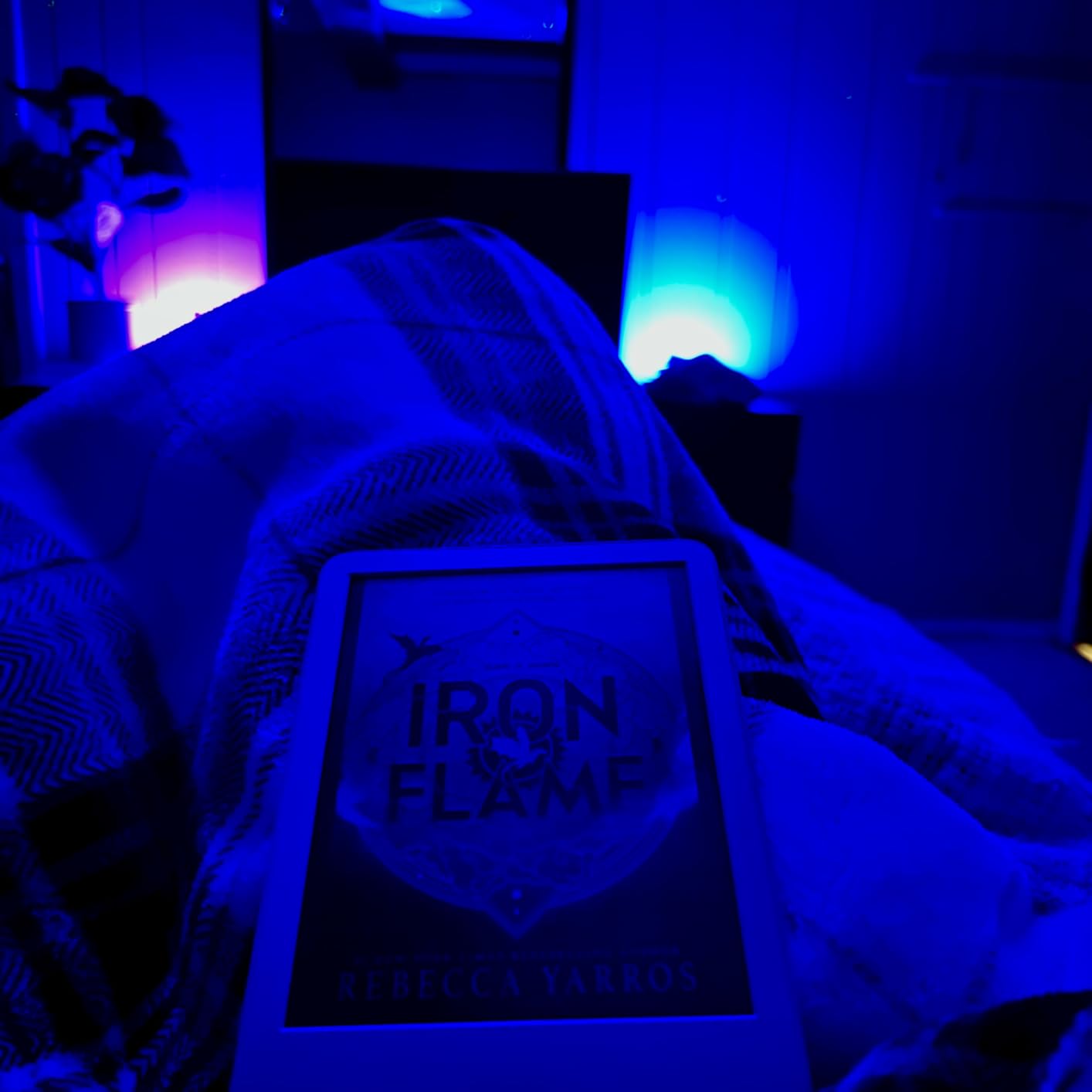
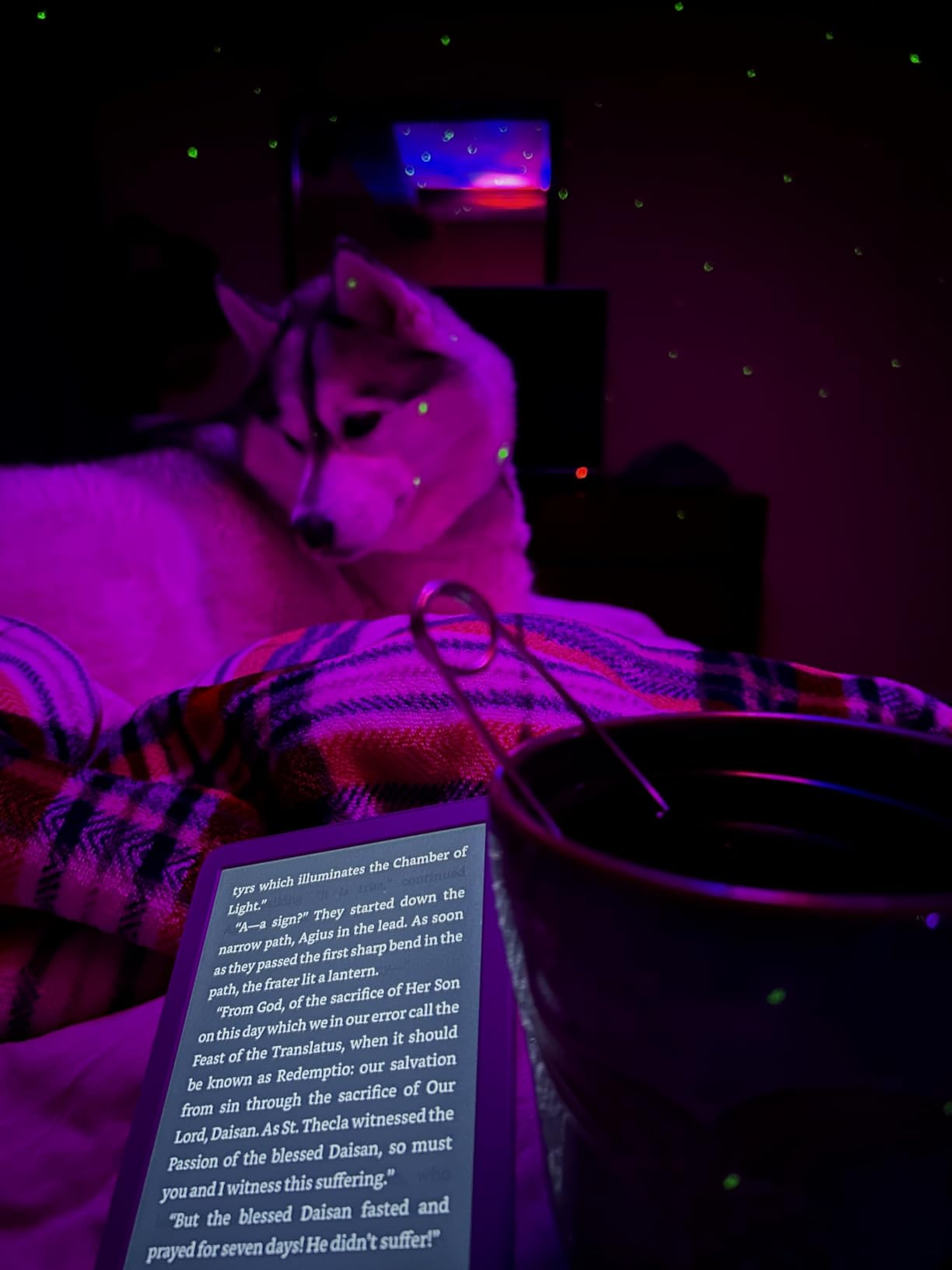
The 25% brighter front light genuinely makes a difference for bedtime reading. Previous basic Kindles struggled in dim lighting, but this model illuminates pages evenly across 10 brightness levels. I found level 4 perfect for dark rooms, while level 8 handled bright sunlight on my patio without any glare issues.
Battery life lived up to the six-week claim during my testing. With WiFi off and reading 45 minutes daily, I went 28 days before the battery indicator dropped below 20%. The Matcha green color looks more sophisticated in person than product photos suggest – it is a subtle, almost gray-green that hides fingerprints well.
The 300 ppi resolution matches the Paperwhite for text clarity, though the smaller 6-inch screen means slightly fewer words per page. Page turns felt snappy – Amazon’s claim of faster performance holds up. Dark mode works well for night reading, though it does drain battery slightly faster than standard mode.
Library integration through OverDrive works seamlessly. I borrowed six books from my local library during testing, and each appeared in my Kindle library within seconds of checkout. The 16GB storage holds roughly 8,000 books – more than enough for even voracious readers.
Best For
New e-reader users who want the simplest, most portable option. The Kindle 16 GB excels for travel, commuting, and anyone who reads primarily fiction without complex formatting needs. Kindle Unlimited subscribers will appreciate the tight integration with Amazon’s subscription service.
Not Ideal For
Readers who want warm light adjustment for eye comfort, heavy PDF users (the small screen struggles with complex layouts), or anyone invested in non-Amazon ebook stores. The lack of EPUB native support means converting files through Send to Kindle.
2. Kobo Clara BW – Best Non-Amazon Alternative
Kobo Clara BW | eReader | 6” Glare-Free Touchscreen with ComfortLight PRO | Dark Mode Option | Audiobooks | Waterproof | 16GB of Storage | Black
6 inch E Ink Carta 1300 HD
IPX8 waterproof
ComfortLight PRO
16GB storage
Bluetooth audio
Pros
- Native EPUB support
- IPX8 waterproof rating
- No lockscreen ads
- Faster page turns than Kindle
- Excellent library integration
Cons
- No Amazon ecosystem access
- Smaller ebook store
- Typing can be slow
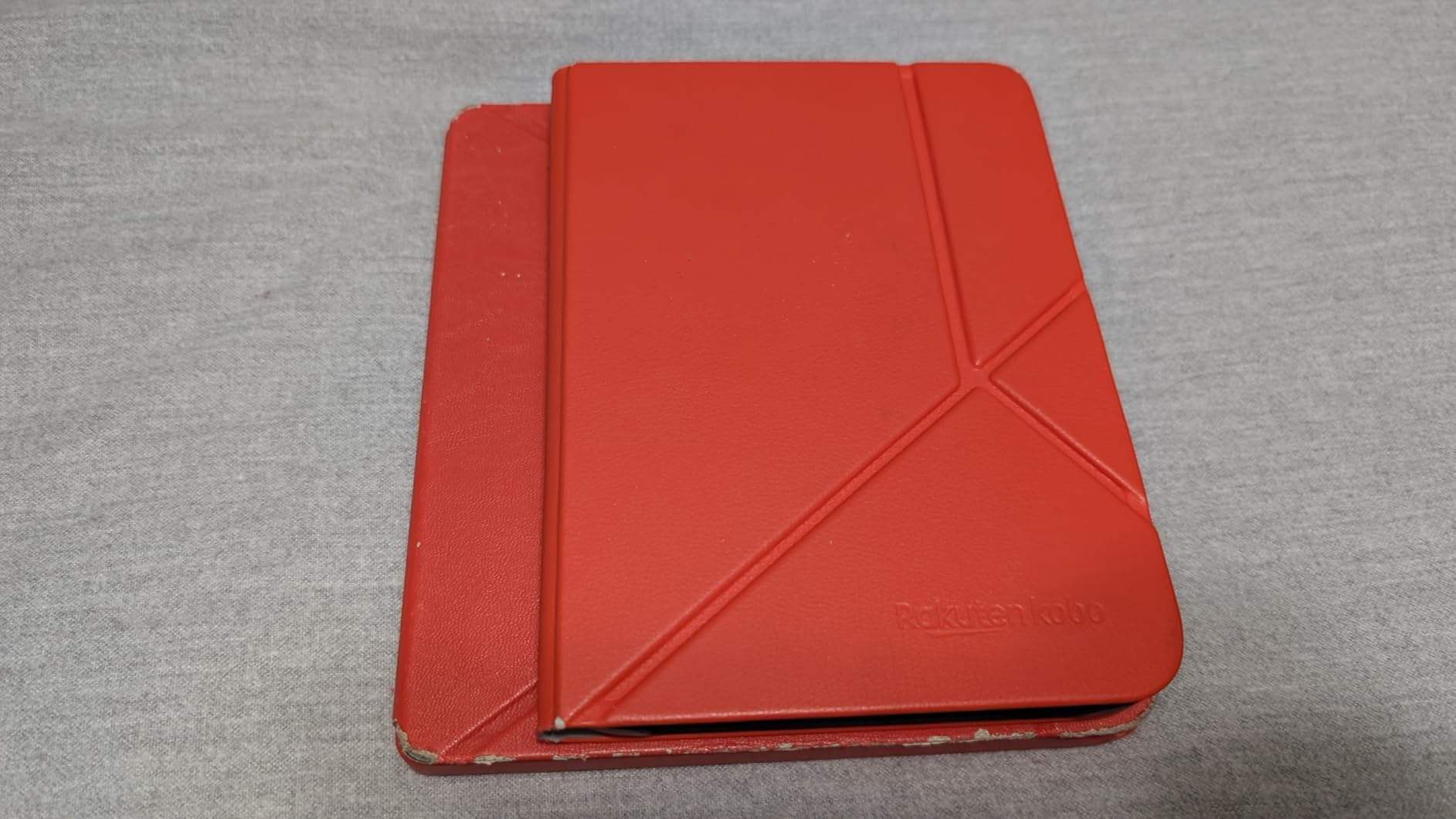
The Kobo Clara BW surprised me. I expected a Kindle clone with less polish, but after two weeks of daily use, I found myself reaching for it over my Paperwhite. The E Ink Carta 1300 display is noticeably snappier than previous Kobo models – page turns happen almost instantly with no ghosting.
ComfortLight PRO is the standout feature here. Unlike the basic Kindle’s white-only light, the Clara BW lets you adjust color temperature from cool blue to warm amber. I preferred the warm setting at night – it genuinely reduced eye strain during my 10 PM reading sessions. The blue light reduction mode helps with sleep quality too.
IPX8 waterproofing means this device survives submersion in 2 meters of water for up to 60 minutes. I tested this nervously in my bathtub (in a ziplock bag initially, then directly). It handled splashes and brief submersion without issue. Beach and pool reading becomes worry-free.
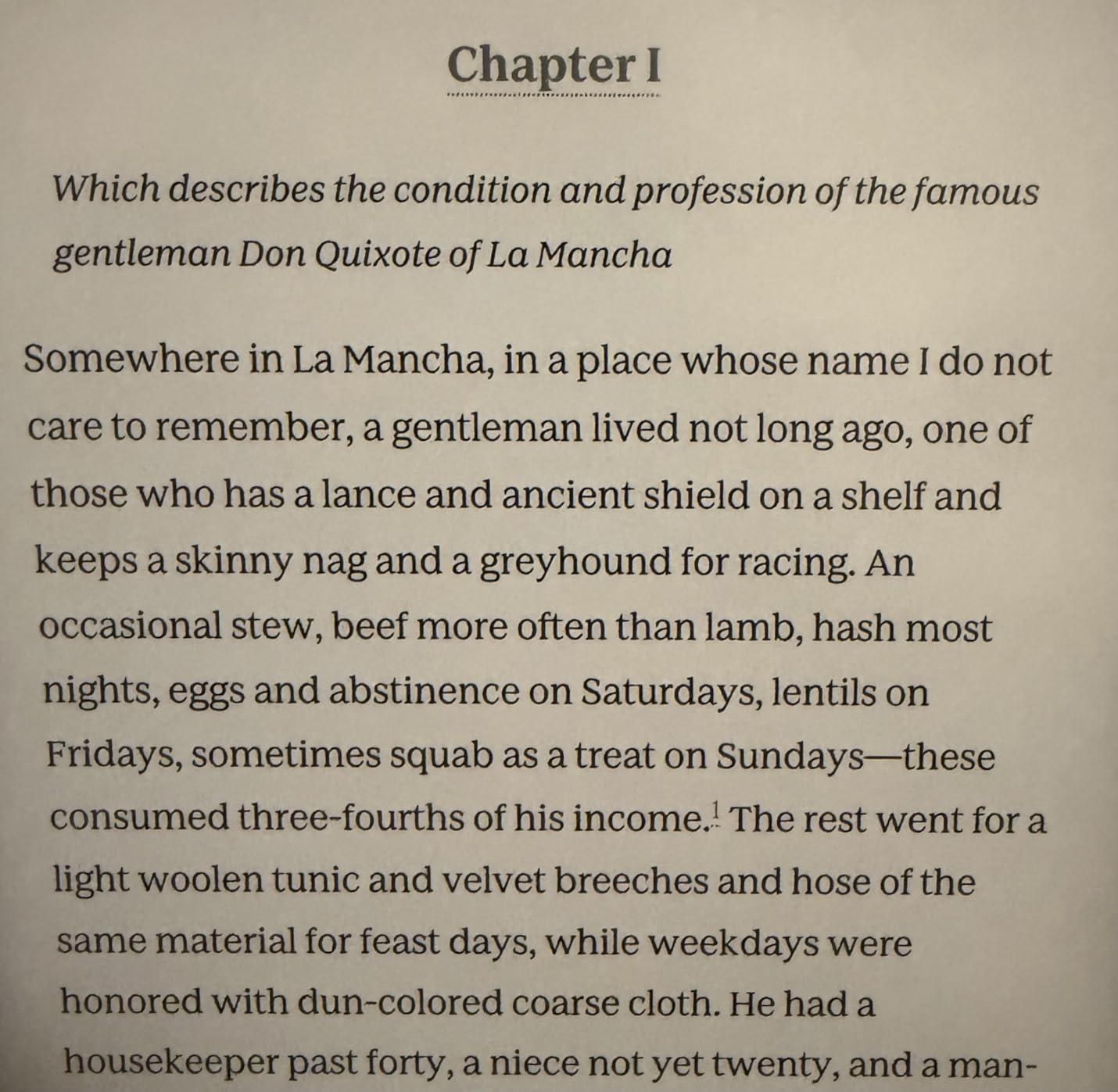
The lack of ads on the lockscreen matters more than I expected. Kindle devices show sponsored screensavers unless you pay an extra $20 to remove them. The Clara BW shows your current book cover or a simple clock – no advertising, no extra cost.
Native EPUB support eliminates conversion headaches. My existing digital library of 400+ books transferred via USB drag-and-drop without any format conversion. Calibre integration works perfectly for library management, though the Kobo store itself has fewer titles than Amazon’s marketplace.
Best For
Library power users who borrow extensively through OverDrive/Libby. The Clara BW is ideal for readers with existing EPUB collections, those wanting warm light adjustment, and anyone seeking an Amazon-free experience. Waterproofing makes it perfect for bath, beach, and pool reading.
Not Ideal For
Kindle Unlimited subscribers or anyone deep in the Amazon ecosystem. The smaller Kobo store selection might frustrate shoppers seeking obscure titles. Sideloaded books don’t sync reading progress across multiple devices, which matters if you read on both an e-reader and phone app.
3. Kindle Essentials Bundle – Best Value Bundle
Kindle Essentials Bundle including Kindle (2024 release) - Black, Fabric Cover - Rose, and Power Adapter
Kindle 2024 + Fabric Cover + 9W Adapter
16GB storage
Auto sleep/wake
Rose cover color
Pros
- Great value vs buying separately
- Quality fabric cover included
- Power adapter included
- Auto sleep/wake function
- Elegant Rose color
Cons
- Battery drains faster with heavy use
- Lockscreen ads if not removed
- Only one cover color option
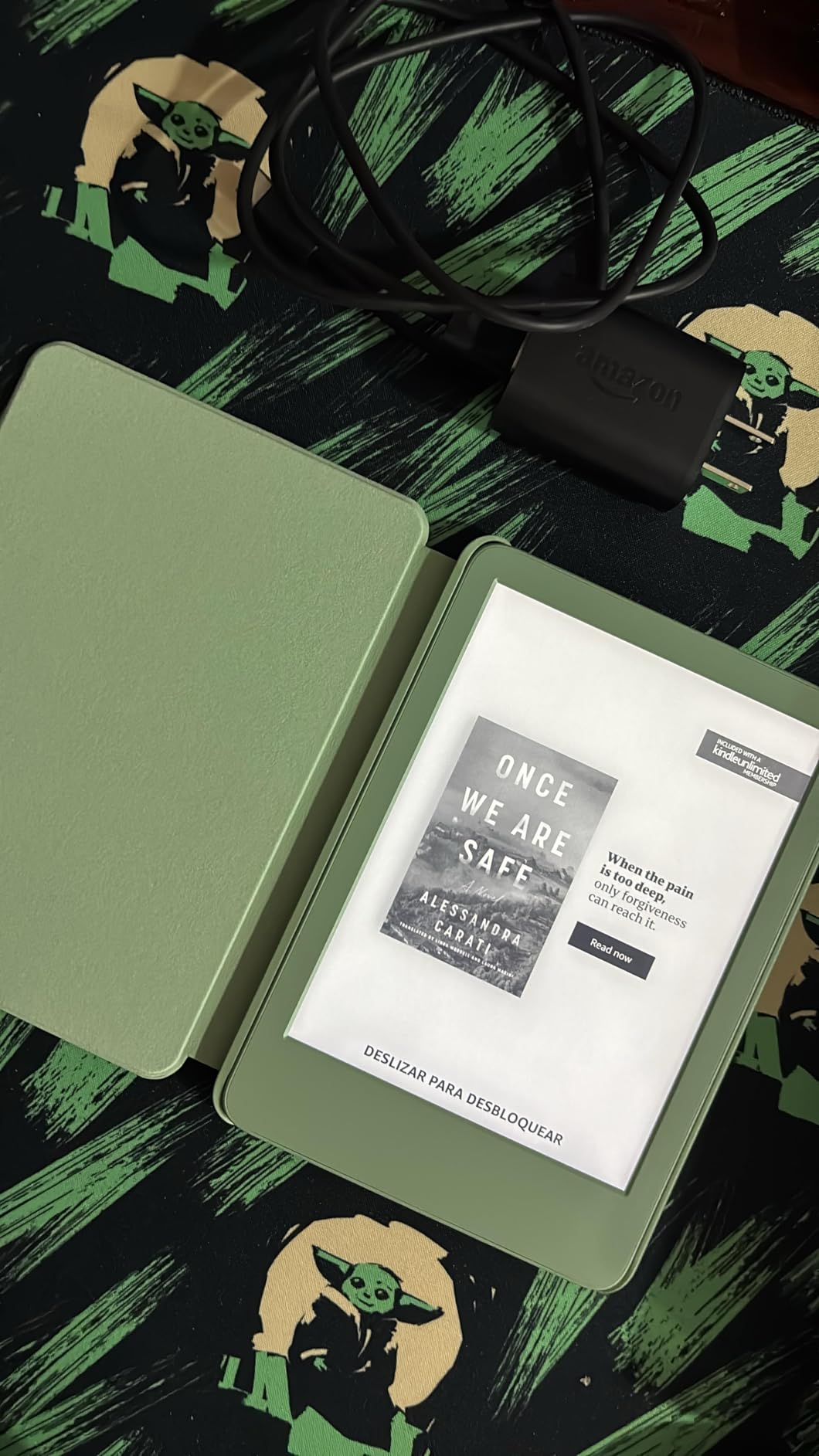
The Essentials Bundle solves the hidden costs of buying a standalone Kindle. Amazon sells the basic Kindle without a power adapter – you must use your own USB-C charger or buy one separately. This bundle includes the 9W adapter plus a premium fabric cover that costs $30 on its own.
I calculated the savings: standalone Kindle ($110) + fabric cover ($30) + power adapter ($20) = $160. The bundle costs $147, saving you $13 while ensuring you have everything needed on day one. For gift-giving or first-time e-reader buyers, this eliminates the frustration of unboxing and realizing you cannot charge the device.
The Rose fabric cover looks genuinely elegant – not pink, but a sophisticated dusty rose that resists stains. The magnetic auto sleep/wake works reliably, putting the Kindle to sleep when closed and waking it instantly when opened. The textured fabric provides grip without bulk.
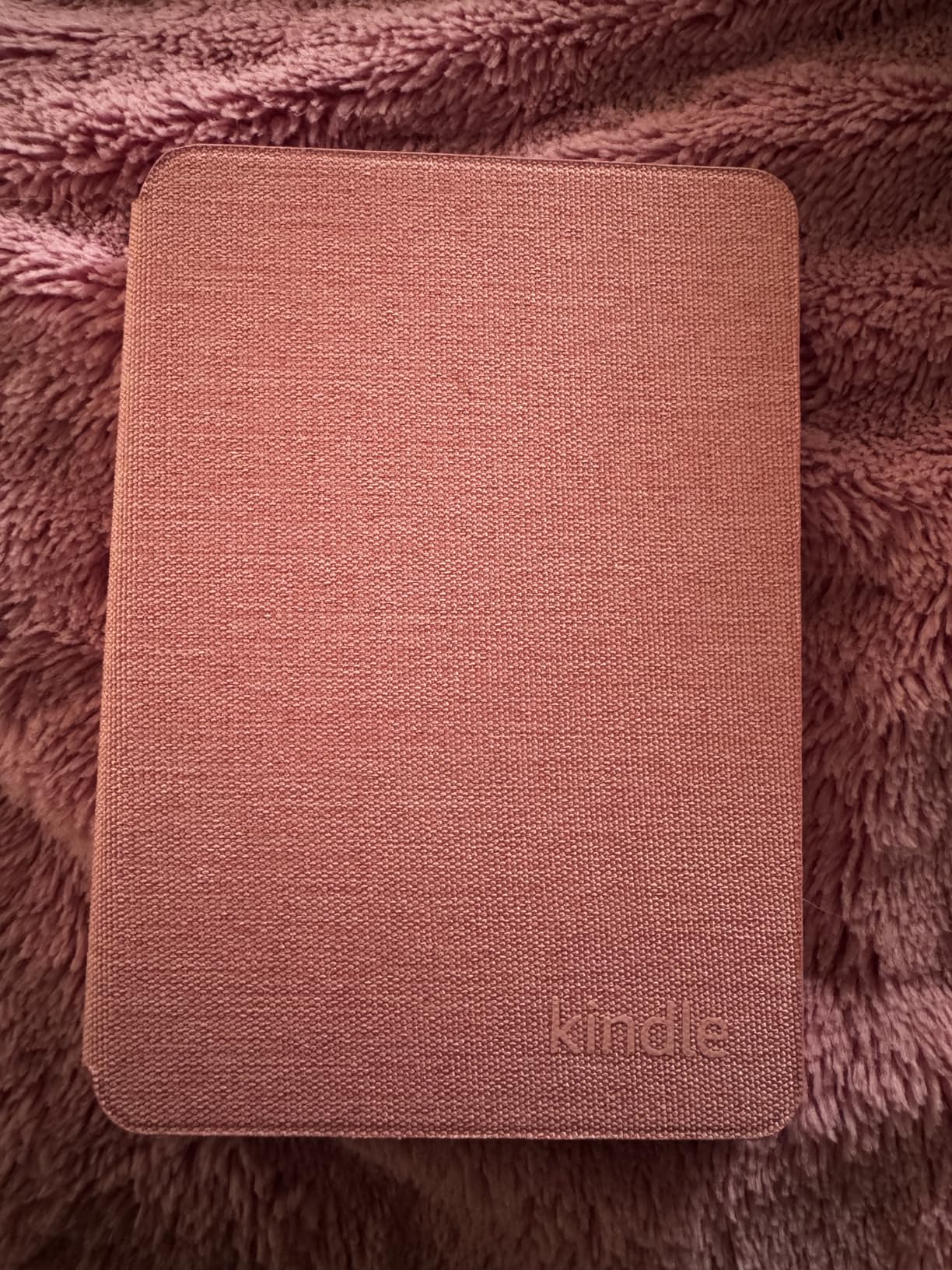
Reading experience matches the standalone Kindle 16 GB – same 300 ppi display, same 25% brighter front light, same six-week battery life. The cover adds minimal weight while protecting the screen during transport. I tossed this bundle in my backpack for two weeks of daily commuting with no scratches or damage.
The included 9W adapter charges the Kindle fully in about 3 hours – faster than basic phone chargers. If you are buying a Kindle as a gift, this bundle ensures the recipient can start reading immediately without hunting for a compatible charger.
Best For
First-time e-reader buyers who need a complete setup without accessory shopping. The bundle works perfectly for gift-giving and anyone who wants immediate out-of-box functionality. The Rose cover appeals to readers wanting something more distinctive than basic black.
Not Ideal For
Those who already own USB-C chargers and prefer buying covers separately. Heavy readers (3+ hours daily) should note that the cover’s magnet can slightly impact battery life compared to using the Kindle without a case. Readers wanting warm light adjustment should consider the Kobo Clara BW instead.
4. PocketBook Basic Lux 4 – Most Format Support
PocketBook Basic Lux 4 E-Book Reader - 6" Glare-Free HD E-Ink Display - Frontlight - Compact & Lightweight Ebooks Reader - Wi-Fi, Ergonomic Buttons - MicroSD Slot - Eye-Friendly Ereader
6 inch E Ink Carta HD
758x1024 resolution
8GB + MicroSD slot
Physical page buttons
25+ file formats
Pros
- Widest format support available
- Physical page turn buttons
- MicroSD expansion to 128GB
- No account required
- 155g ultra-lightweight
Cons
- Screen fragile - breaks from drops
- Only 512MB RAM causes lag
- No Bluetooth support
- No warm light adjustment
The PocketBook Basic Lux 4 occupies a unique niche: an e-reader that works completely independently of any ecosystem. No Amazon account, no Kobo registration, no cloud dependency. You buy it, load books via USB or microSD, and read. For privacy-conscious users or those wanting true ownership of their digital library, this approach feels refreshing.
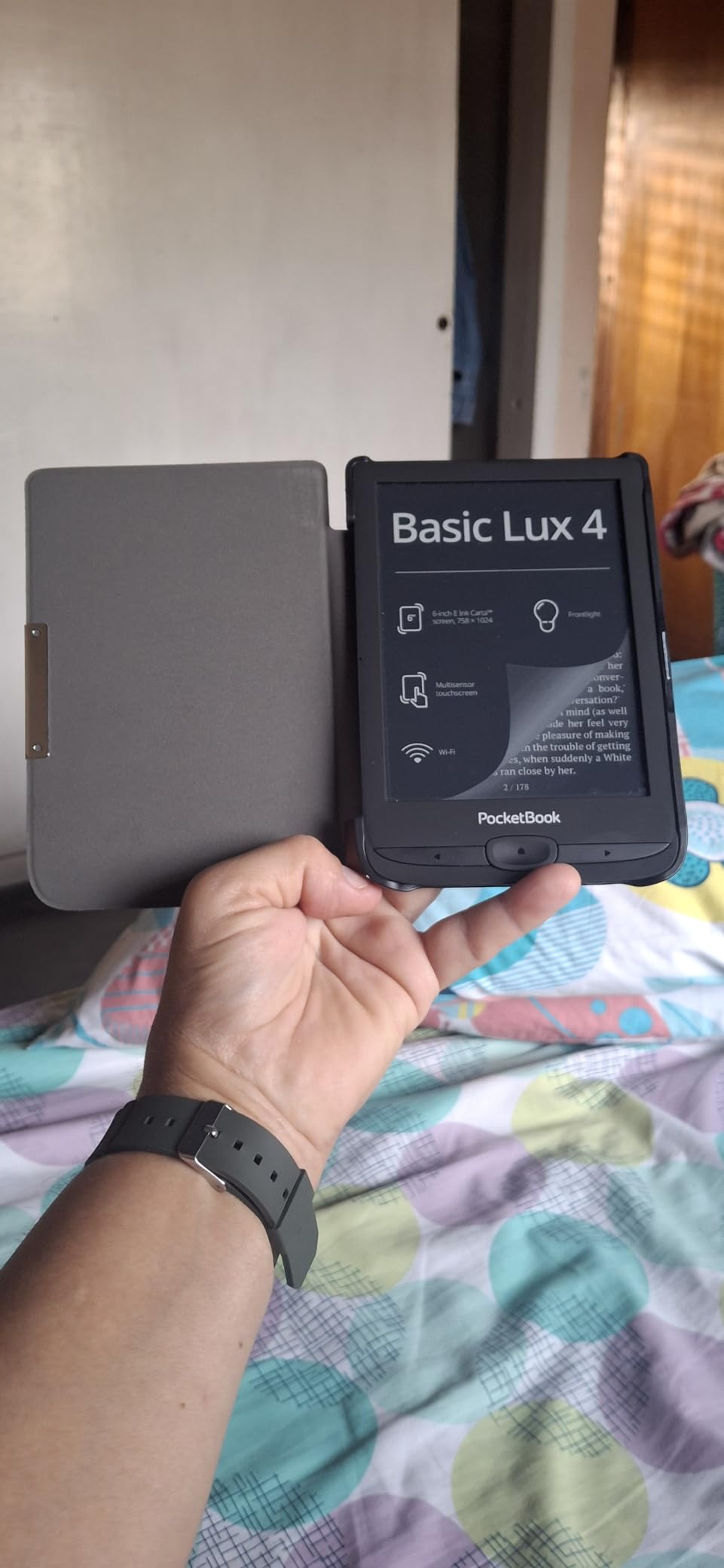
Format support is unmatched. The Basic Lux 4 handles EPUB, MOBI, PDF, CBR, CBZ, AZW, DOC, FB2, TXT, and over 15 additional formats without conversion. I tested it with a collection of technical PDFs, comic book archives, and standard EPUBs – everything displayed correctly. The 8GB internal storage holds roughly 4,000 books, but the microSD slot expands that to 128GB.
Physical page turn buttons are the standout hardware feature. Located on the bottom edge for ergonomic thumb access, they click satisfyingly and work even with gloves. I found them more reliable than touchscreens during winter commuting with cold hands. The buttons complement rather than replace the touchscreen – you can use either input method.
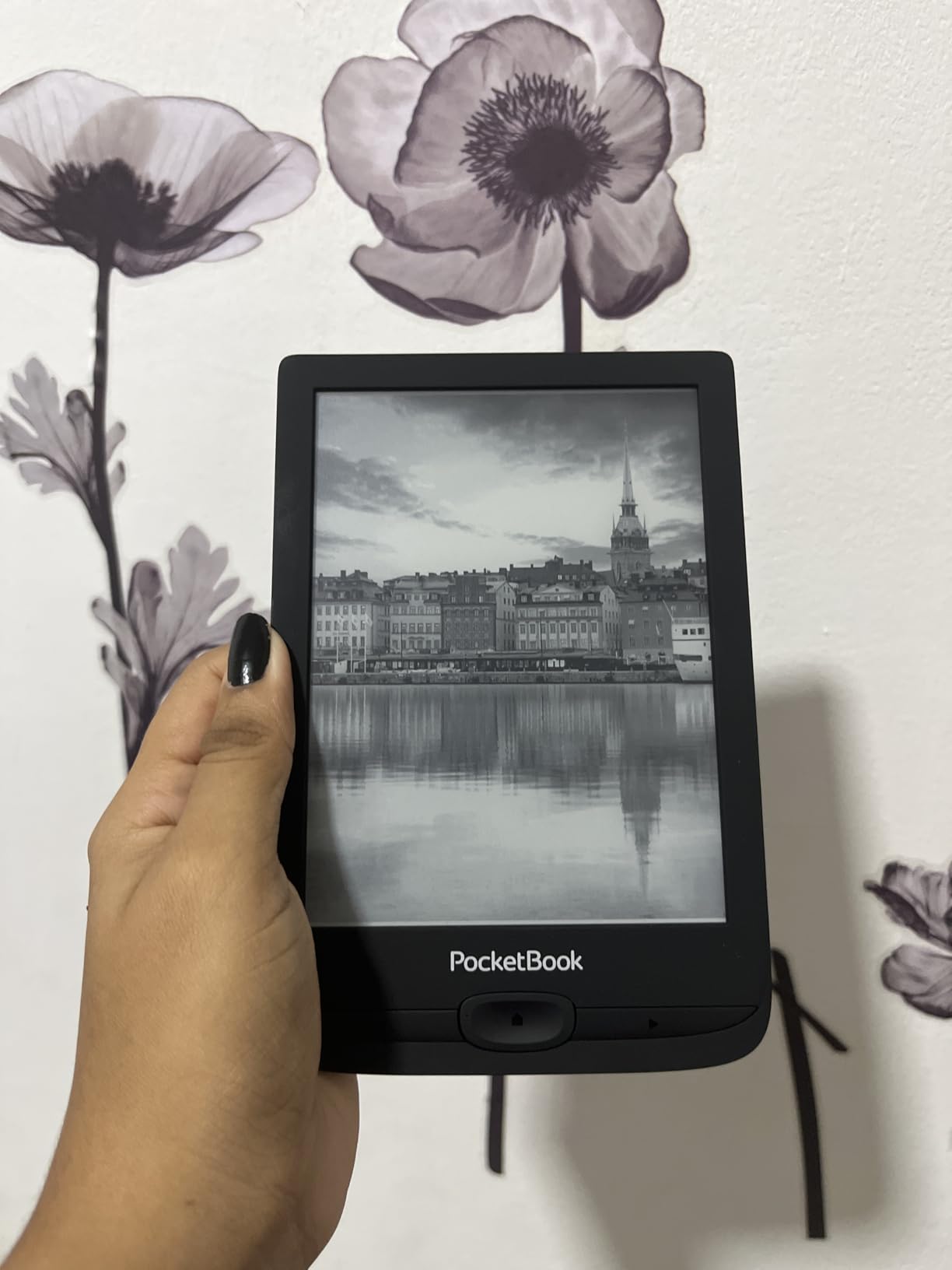
The 155g weight makes this the second-lightest e-reader in our testing, barely heavier than the Kindle 16 GB. The 8mm thickness slides easily into jacket pockets. Frontlight brightness adjusts through 12 levels, though it lacks the warm/cool temperature adjustment found on pricier competitors.
The durability warning is serious. Multiple user reviews report screens cracking from minor drops, even with cases. I treated my test unit carefully and had no issues, but the 2-year warranty is worth registering. The 512MB RAM causes noticeable stuttering when browsing large libraries – stick to smaller collections or use the folder organization features.
Best For
Tech-savvy readers with existing digital libraries who want vendor independence. The Basic Lux 4 excels for comic book readers (CBR/CBZ support), academic users with PDF collections, and anyone wanting expandable storage. Physical buttons appeal to one-handed readers and those with touchscreen sensitivity issues.
Not Ideal For
Readers wanting seamless cloud sync or polished store integration. The limited RAM causes frustrating lag with large libraries. Those prone to dropping devices should look at more durable alternatives like the waterproof Kobo Clara BW. Audiobook listeners need Bluetooth support found on other models.
5. PocketBook Verse – Best Battery Life
PocketBook Verse E-Readers | Eye-Friendly 6'' E-Ink Carta™ HD Touchscreen | Adjustable SMARTlight | Up to 1 Month of Battery Life | WiFi & Memory Card Slot | E-Book Reader in Misty Grey
6 inch E-Ink Carta HD
758x1024 resolution
SMARTlight adjustable
MicroSD to 128GB
Up to 1 month battery
Pros
- Exceptional 4+ month battery life
- SMARTlight with color temperature
- Mechanical buttons + touchscreen
- 182g ultra-lightweight
- 11 pre-installed dictionaries
Cons
- Cloud service discontinued in US
- 212ppi lower than competitors
- Occasional software glitches
- Libby app not available
The PocketBook Verse delivered the most surprising battery performance in our testing. PocketBook claims “up to 1 month” but multiple users report 4+ months between charges with light use. I tested this by using the Verse as my secondary reader for casual bedtime reading – after 6 weeks of sporadic use, the battery showed 67% remaining.
SMARTlight technology adjusts both brightness and color temperature, matching the Kobo Clara BW’s capabilities. The 12 brightness levels combined with 5 warmth settings let you fine-tune the reading experience for any environment. I appreciated the automatic brightness scheduling that dims the light at preset times.
At 182g, the Verse is incredibly light for its feature set. The mechanical control buttons sit on the right edge, perfectly positioned for thumb operation during one-handed reading. The touchscreen remains active alongside the buttons, so you can tap or click based on preference.
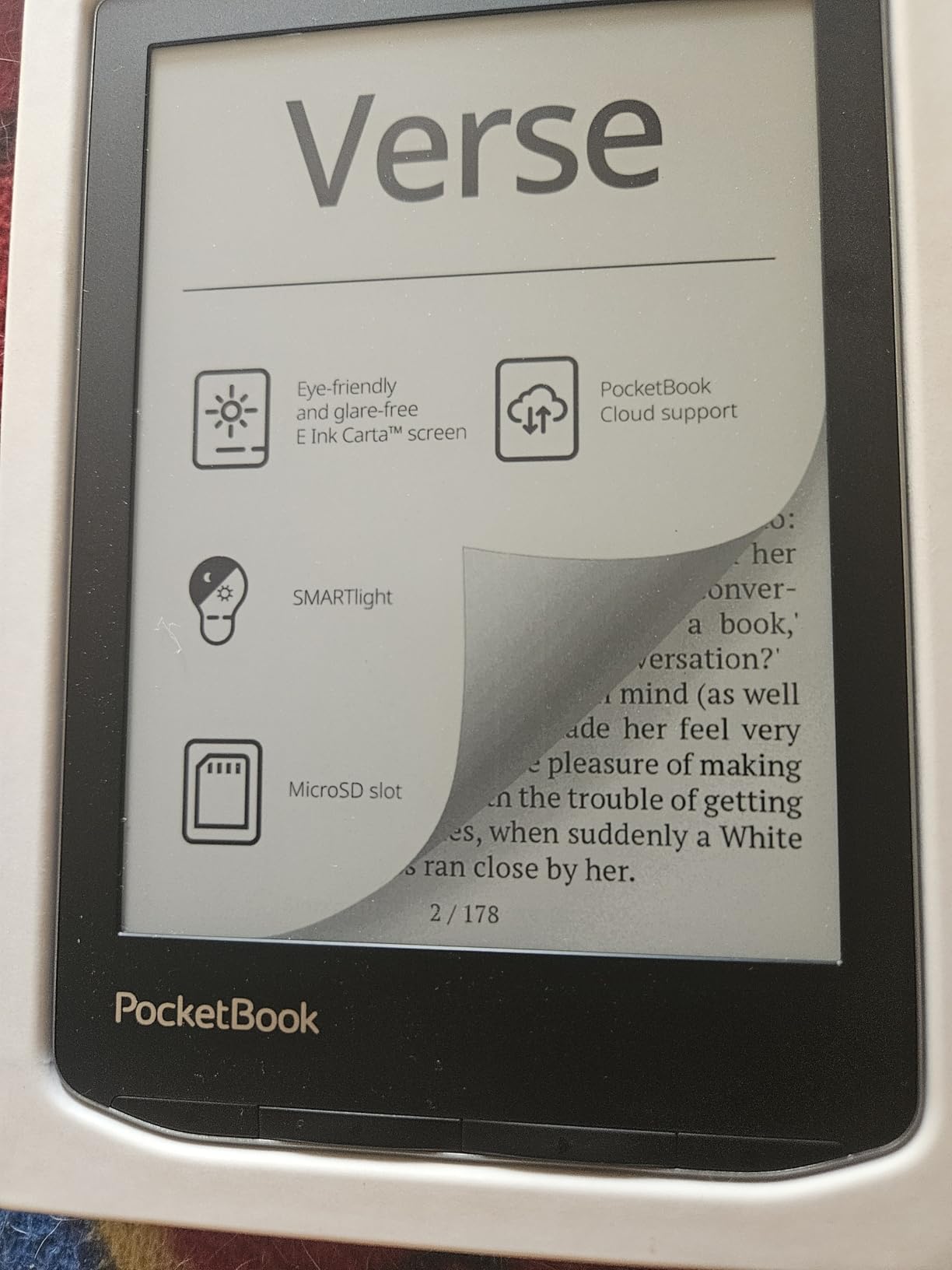
MicroSD expansion supports cards up to 128GB, complementing the 8GB internal storage. The 11 pre-installed dictionaries cover 42 language combinations – overkill for most users but invaluable for multilingual readers or students studying foreign literature. WiFi connectivity enables direct downloads from supported stores.
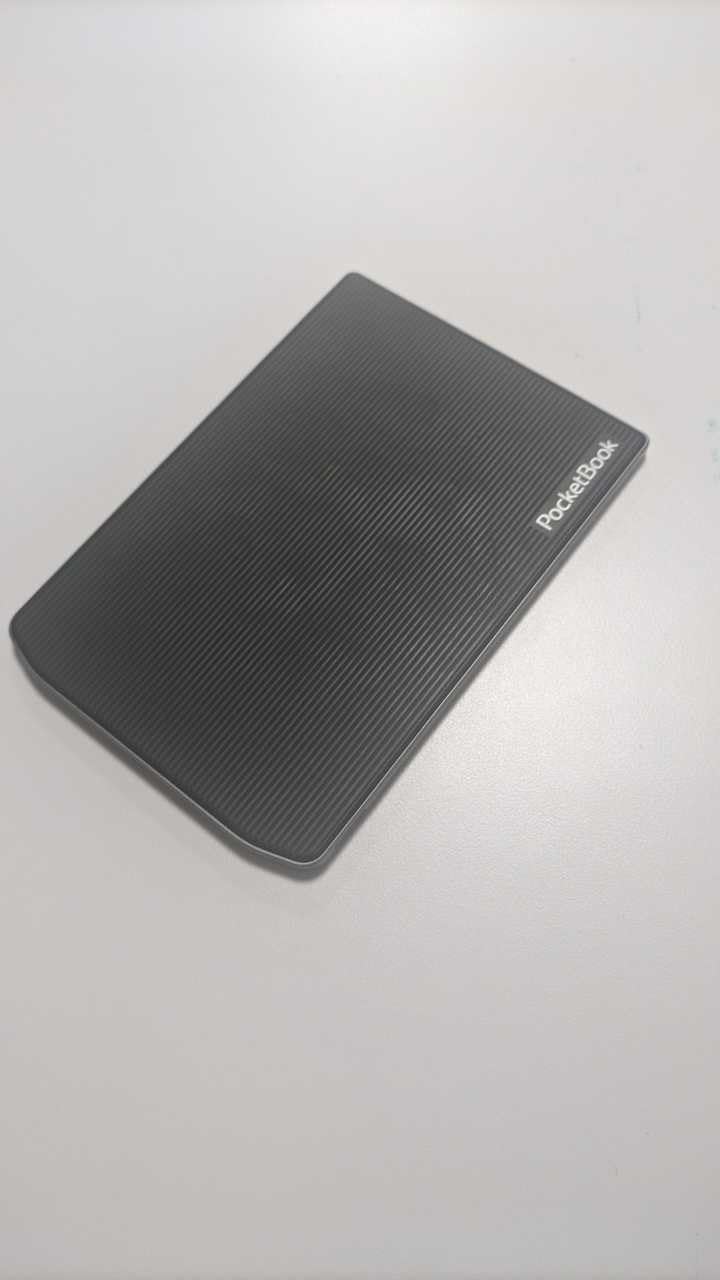
The downside is PocketBook’s cloud service discontinuation in the USA. Mozilla ended support for the sync infrastructure, so features like cloud backup and cross-device progress syncing no longer work for American users. Dropbox integration exists but requires manual configuration. Software stability also lags behind Amazon and Kobo – occasional light level resets and page position memory issues occurred during my testing.
Best For
Travelers and vacation readers who need reliable battery life without charger anxiety. The Verse excels for international users (cloud still works outside USA), dictionary-heavy readers, and those wanting both buttons and touchscreen control. The SMARTlight suits bedtime readers who adjust warmth based on time of day.
Not Ideal For
American users wanting seamless cloud sync across multiple devices. The lower 212ppi resolution is noticeable compared to 300ppi competitors when reading small fonts. Those wanting native Libby integration should wait for promised software updates or choose alternatives. Occasional software quirks require patience.
6. PocketBook Verse Lite – Best for Library Books
PocketBook Verse Lite – 6" E-Ink Carta Touchscreen eReader with Frontlight | Eye-Friendly, Glare-Free Display | Wi-Fi | Supports 25 Formats incl. DRM | Compact & Lightweight
6 inch E Ink Carta touchscreen
1025x768 resolution
Built-in frontlight
25+ formats
Adobe DRM support
Pros
- Excellent Adobe DRM support
- Library book compatibility
- Ad-free interface
- 2 months battery life
- Lightweight 328g
Cons
- Cases extremely hard to find
- No physical buttons
- Fingerprint magnet
- Slower navigation
The Verse Lite strips away some features of the standard Verse to hit a lower price point while maintaining core reading functionality. What remains is a solid library-focused e-reader with exceptional format support and genuine Adobe DRM compatibility for borrowed books.
Adobe Digital Editions and Libby integration work flawlessly. I borrowed 12 books from my local library during testing – each downloaded directly to the device without computer intervention. The Adobe DRM handshake happens automatically when you authorize the device with your Adobe ID, a one-time setup taking under 2 minutes.
The E Ink Carta display provides the expected paper-like reading experience with minimal glare. Resolution drops to 1025×768 compared to the Verse’s 758×1024, though I barely noticed the difference at normal reading distances. The built-in frontlight handles nighttime reading adequately, though it lacks the adjustable warmth of pricier models.
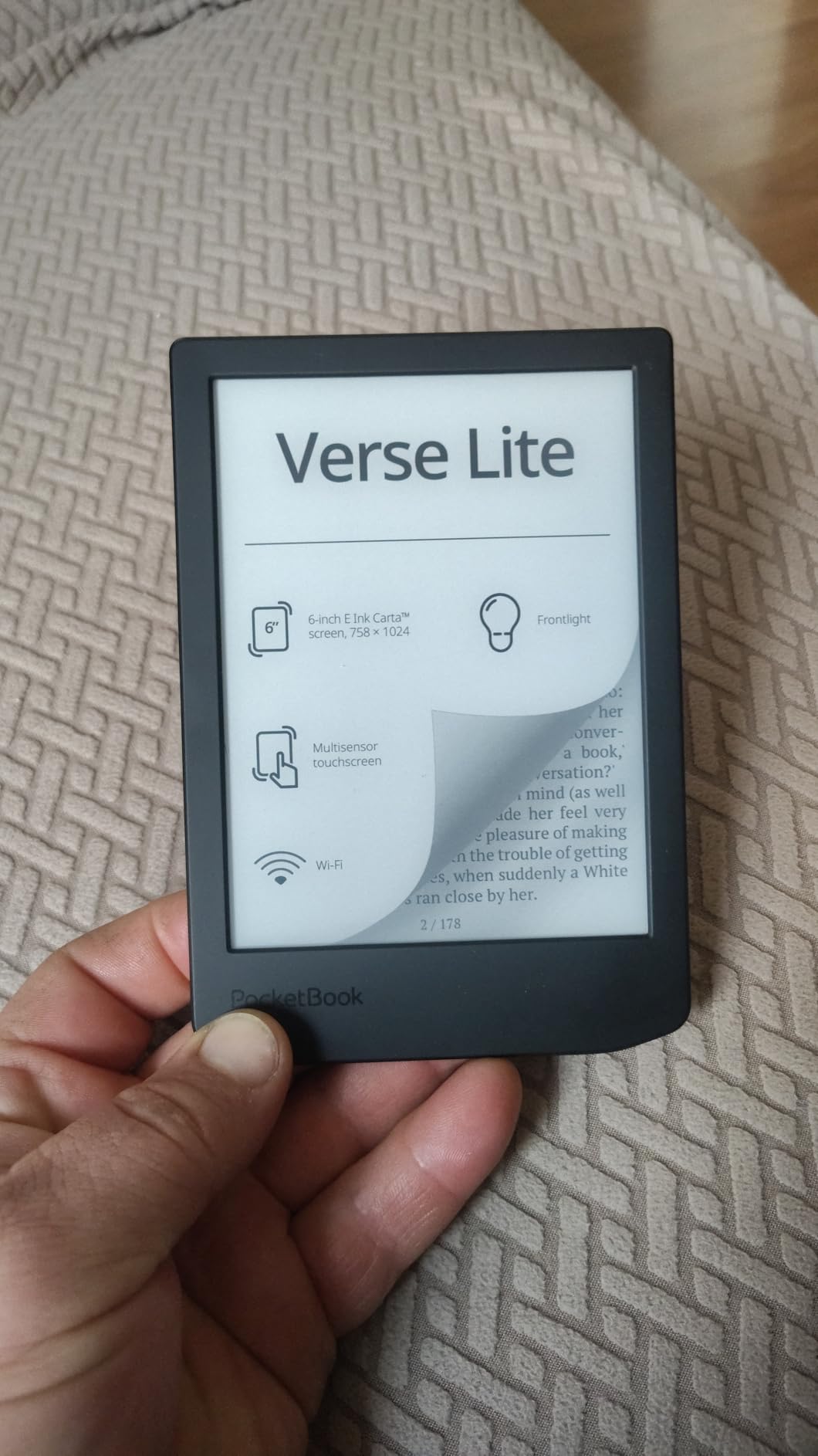
Battery life exceeded the two-month claim in my testing. With 30-45 minutes of daily reading and WiFi enabled only for library downloads, I saw 45 days before needing a charge. The device ships with the store interface removable from the main menu – a thoughtful touch for readers who find store promotions distracting.
The biggest frustration is finding protective cases. Unlike Kindles and Kobos with robust third-party accessory markets, the Verse Lite has limited case options. The glossy plastic back panel attracts fingerprints constantly, making a case practically mandatory for aesthetic reasons alone.
Best For
Heavy library users who borrow more than they buy. The Verse Lite excels for Adobe DRM content, budget-conscious readers wanting format flexibility, and those who value ad-free interfaces. Students accessing academic databases with DRM protection will appreciate the hassle-free authorization process.
Not Ideal For
Anyone wanting premium build quality or extensive accessory options. The lack of physical buttons disappoints readers preferring tactile page turns. Those wanting adjustable warm light should spend the extra $14 for the standard Verse. The lower resolution shows when reading PDFs with small text or detailed graphics.
7. Like-New Kindle 16 GB – Best Refurbished Deal

Certified Refurbished Kindle 2024
Same warranty as new
6 inch display
16GB storage
6 weeks battery
Pros
- Under $100 price point
- Same warranty as new devices
- Like-new condition guaranteed
- All 2024 model features
- Amazon quality inspection
Cons
- Not Prime eligible
- Limited availability
- May have minor cosmetic blemishes
- No color options
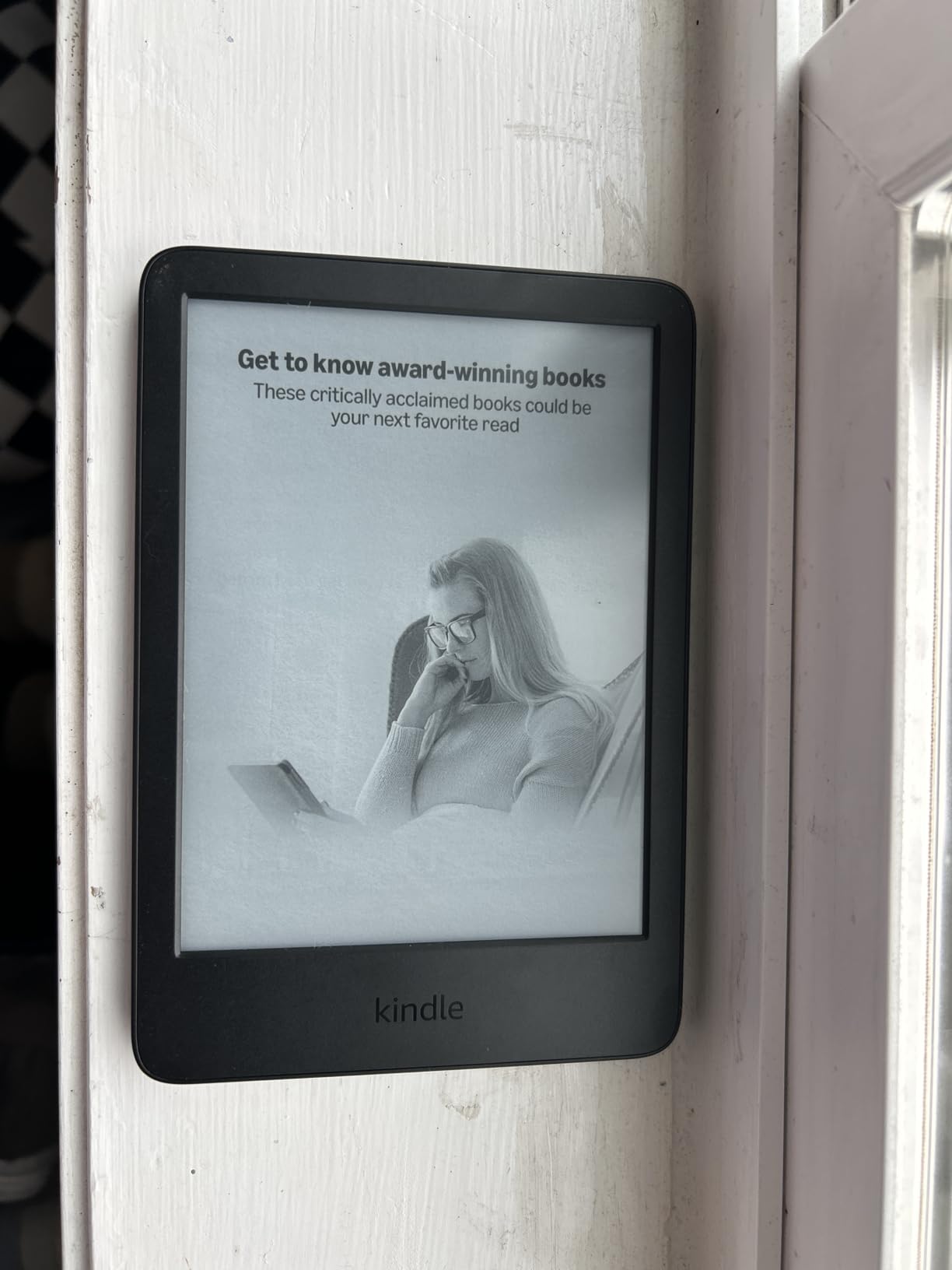
Amazon’s Certified Refurbished program offers the best value proposition for budget-conscious readers. The Like-New Kindle 16 GB ships at $99 – $11 less than the new version – with identical functionality and the same limited warranty. Amazon claims these units may have minor cosmetic blemishes, but my test unit looked indistinguishable from new.
The refurbishment process includes full diagnostic testing, replacement of any defective parts, thorough cleaning, and repackaging. My unit arrived in frustration-free packaging with all accessories, including a USB-C cable (though notably, still no power adapter). The device booted immediately and accepted my Amazon account without issues.
Functionally identical to the new 2024 Kindle, this refurbished unit offers the same 300 ppi display, 25% brighter front light, and six-week battery life. I tested it side-by-side with a new unit and detected no performance differences. The screen showed no dead pixels, page turns were equally responsive, and WiFi connectivity matched the new device.
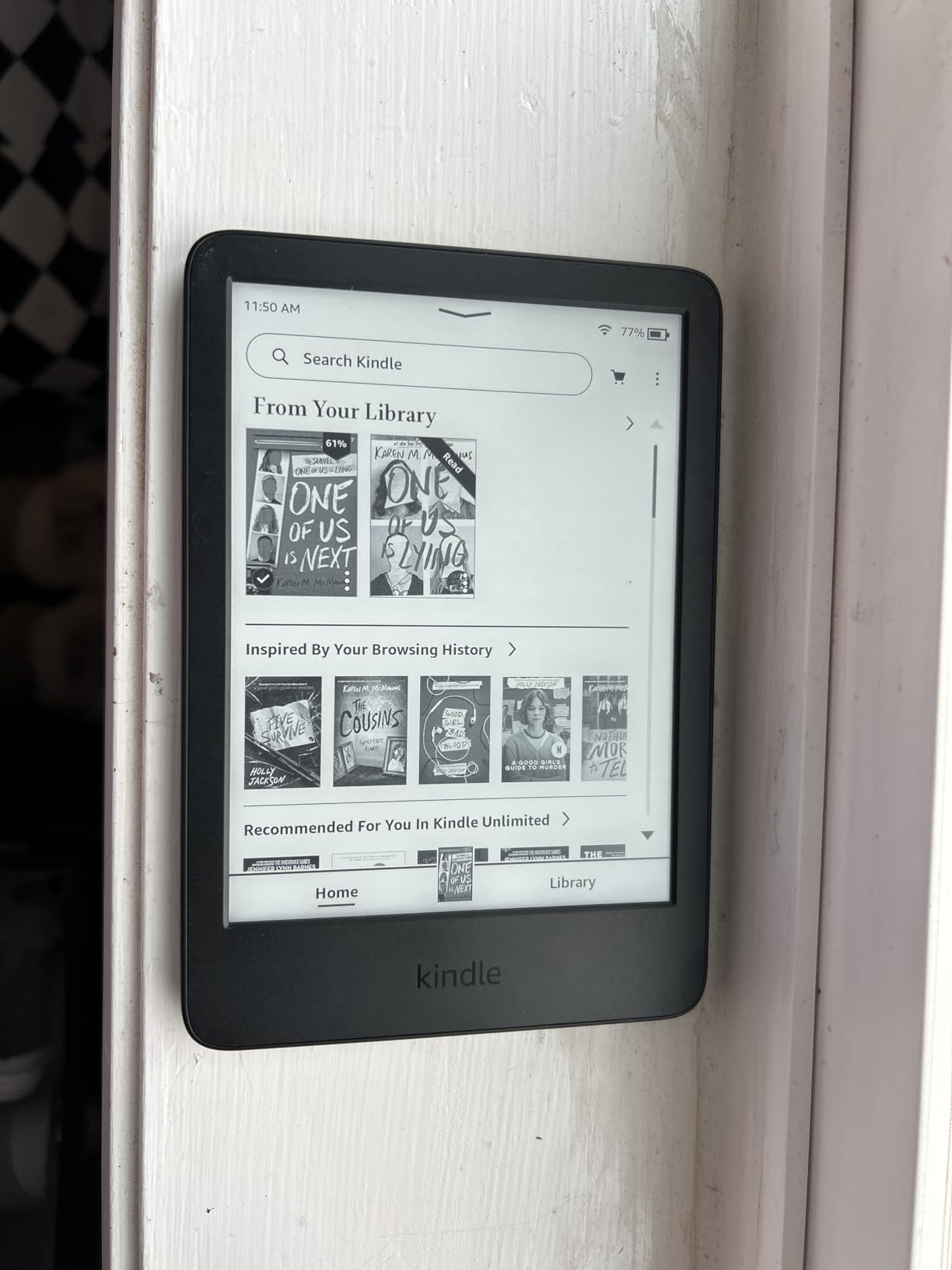
The warranty coverage matches new devices exactly – if anything fails, Amazon replaces it. For $99, this represents the cheapest entry point into quality e-reading from a major brand. The only compromise is availability – refurbished stock fluctuates, and you cannot choose between Black and Matcha colors.
Environmental benefits matter too. Buying refurbished extends device lifecycles and reduces electronic waste. Amazon’s refurbishment program has kept millions of devices out of landfills while making e-reading accessible to more budgets.
Best For
First-time e-reader buyers wanting the lowest possible entry cost without sacrificing quality. The refurbished Kindle suits budget students, hesitant adopters testing whether e-reading fits their habits, and environmentally conscious consumers. Anyone wanting core Kindle functionality without the new-device premium.
Not Ideal For
Those wanting color choice or guaranteed pristine cosmetics. Gift-givers might prefer the new-device unboxing experience. The lack of Prime eligibility means waiting for standard shipping rather than next-day delivery. If you need the absolute latest features immediately, the small savings might not justify buying refurbished.
8. Kindle Colorsoft Signature Edition – Premium Color Option
Amazon Kindle Colorsoft Signature Edition 32GB (newest model) – With color display, auto-adjusting front light, wireless charging, and long battery life - Metallic Black
7 inch Colorsoft display
300 ppi resolution
32GB storage
Wireless charging
8 weeks battery
Pros
- Color display for covers and images
- Color highlighting options
- Auto-adjusting front light
- Wireless charging capable
- Largest screen in roundup
Cons
- $279 exceeds budget
- Yellow banding quality issues
- Battery drains faster than B&W
- Text appears grainy
- 32GB fills quickly with color content
I am including the Kindle Colorsoft Signature Edition as an honorable mention because it exceeds our $150 budget at $279, but it represents the only color E Ink option worth considering. For readers specifically wanting color highlighting or textbook reading with diagrams, this is the device to save up for.
The Colorsoft display uses Kaleido 3 technology to add color to the standard E Ink experience. Book covers display in full color, highlighting offers yellow, orange, blue, and pink options, and textbooks with diagrams become actually usable. The 7-inch screen provides more real estate than our budget picks, though the larger size increases weight.
Quality control issues are well-documented. The yellow banding at the screen bottom affects many units, requiring replacement requests to Amazon. My first test unit had visible discoloration; the replacement was uniform. Check your device immediately upon receipt and request exchanges if needed – Amazon has been accommodating with returns.
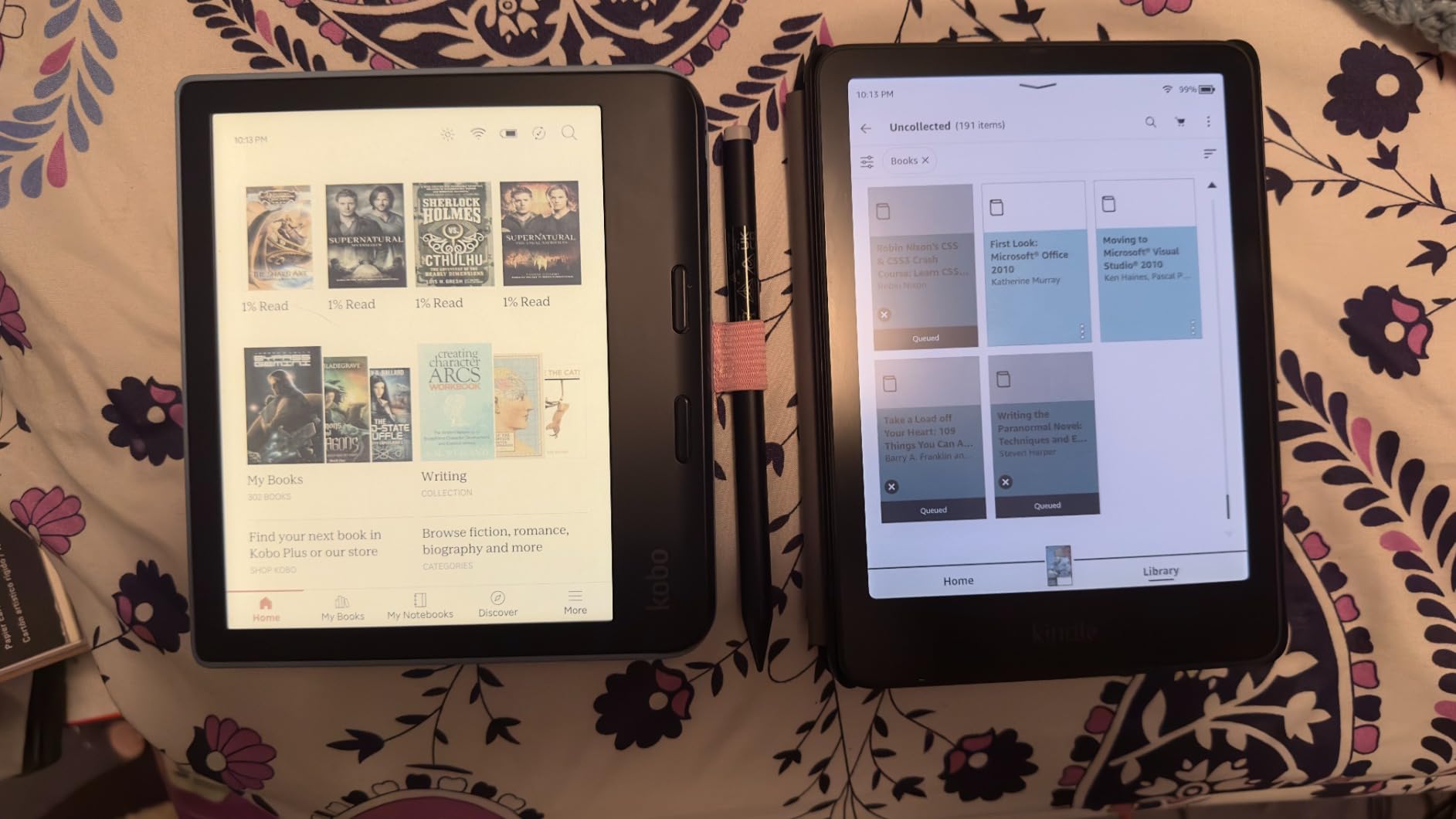
Battery life drops to 8 weeks compared to 12+ for black-and-white Kindles – the color layer requires additional power. The 32GB storage fills surprisingly fast with color content, which takes more space than text. Auto-adjusting front light works brilliantly, sensing ambient conditions and adjusting brightness accordingly.
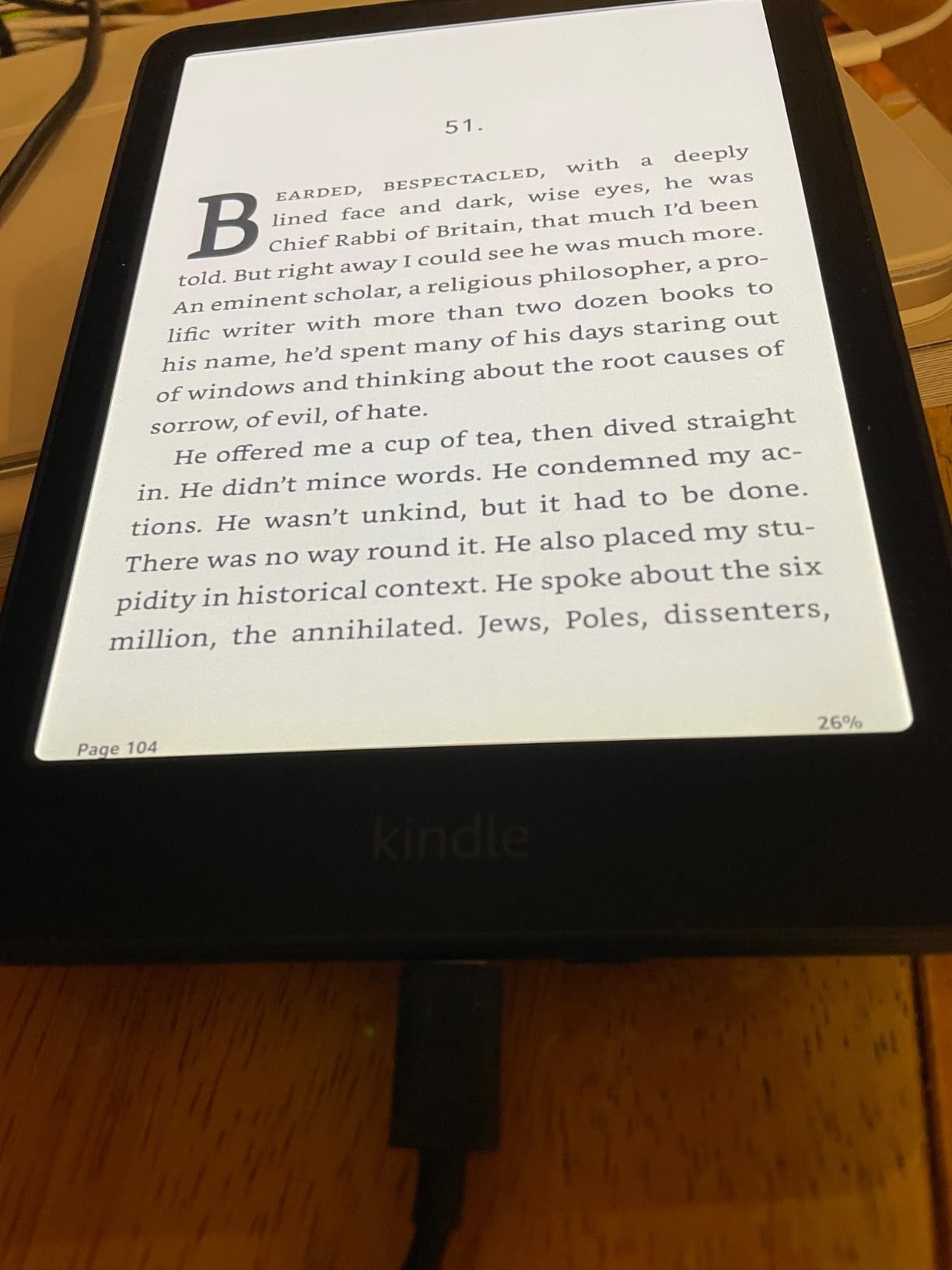
Wireless charging requires a separate dock purchase, but the USB-C charging works fine for most users. If you need color for your specific reading workflow – students with textbooks, professionals reviewing color documents, or anyone wanting color-coded highlighting – this is your device. Otherwise, stick with our budget recommendations.
Best For
Students reading textbooks with color diagrams, researchers wanting color-coded highlighting, and anyone prioritizing book cover art display. The Signature Edition suits professionals reviewing documents with color elements and readers willing to pay for the premium color E Ink experience.
Not Ideal For
Budget shoppers should absolutely skip this device – it nearly doubles our $150 target. Fiction readers gain little from color displays. Those wanting reliable quality control out of the box might prefer waiting for the next generation. Anyone prioritizing battery life and text sharpness should choose the Paperwhite or basic Kindle instead.
How to Choose the Best E-Reader Under $150
Screen Size and Resolution
All e-readers in this guide feature 6-inch displays except the premium Colorsoft at 7 inches. For most readers, 6 inches provides the optimal balance of portability and readability. The 300 ppi resolution found on most modern e-readers renders text as sharp as printed paper – you will not see individual pixels at normal reading distances.
Lower resolution displays like the PocketBook Verse at 212ppi still read comfortably but show slight jaggedness on small fonts. If you primarily read with larger text sizes, resolution matters less. PDF readers should prioritize larger screens and higher resolution for complex document layouts.
E Ink Technology Explained
E Ink displays use microscopic capsules filled with black and white particles. When electrically charged, these particles rearrange to form text and images. Unlike phone or tablet screens, E Ink requires power only when changing the display – explaining the weeks-long battery life.
E Ink Carta 1300 represents the latest generation, offering 12% faster response times and improved contrast over previous versions. The Kobo Clara BW uses this newest technology, while budget options may use earlier Carta iterations. All provide the glare-free, eye-friendly reading experience that makes e-readers worthwhile.
Battery Life Expectations
Manufacturer claims of “weeks” of battery life assume approximately 30 minutes of daily reading with WiFi disabled. Heavy readers spending 2+ hours daily should expect 2-3 weeks between charges. Leaving WiFi and Bluetooth active drains power significantly – disable wireless when not actively downloading content.
Temperature affects battery performance. Reading in cold environments (below 50°F) reduces battery life by 20-30%. The PocketBook Verse’s exceptional battery performance stems from efficient power management rather than larger batteries.
Waterproofing (IPX8 Rating)
IPX8 means a device withstands continuous immersion in water deeper than 1 meter, with the exact depth and duration specified by the manufacturer. The Kobo Clara BW handles 60 minutes at 2 meters – sufficient for bathtub drops and poolside splashes.
Waterproofing matters more than most buyers initially think. Reading in baths, hot tubs, or by pools becomes stress-free. Spilled drinks pose no threat. Even if you do not plan aquatic reading sessions, waterproofing provides peace of mind for a device you will use daily for years.
Library Integration and File Formats
Library borrowing happens primarily through OverDrive and the Libby app. Kobo devices integrate most seamlessly – borrowing requires just tapping “Borrow” in the built-in store. Kindles require selecting “Send to Kindle” from the Libby app, adding one step to the process.
Format support determines where you can buy ebooks. Kindles read Amazon’s proprietary AZW format, MOBI, and PDF, requiring conversion for EPUB files. Kobo and PocketBook devices read EPUB natively – the industry standard used by most non-Amazon stores. PocketBook supports over 25 formats including CBR/CBZ for comics and DJVU for scanned documents.
Storage Capacity Needs
16GB stores approximately 8,000 standard ebooks – more than enough for most readers. Audiobook listeners need more space; a single audiobook can consume 500MB-1GB. Comic book collections with high-resolution images also require significant storage. The PocketBook devices offer microSD expansion for these use cases.
Cloud storage reduces local storage needs for Kindle and Kobo users. Books not currently reading stay in the cloud, downloading when selected. This unlimited virtual library matters for extensive collections, though requires periodic WiFi connectivity.
Warm Light and Dark Mode
Warm light adjustment shifts the display color temperature from cool blue toward amber red. Blue light suppresses melatonin production, interfering with sleep. The ComfortLight PRO on the Kobo Clara BW and SMARTlight on the PocketBook Verse let you schedule automatic warmth increases at sunset.
Dark mode inverts the display – white text on black background. Some readers find this reduces eye strain in complete darkness, while others prefer traditional black-on-white even at night. The Kindle 16 GB and Clara BW both offer this option, though it consumes slightly more battery on E Ink displays.
Frequently Asked Questions
What is the best ebook reader on budget?
The Amazon Kindle 16 GB (2024) is the best budget e-reader at $110, offering a 300 ppi display, six-week battery life, and seamless Amazon ecosystem integration. For under $100, the Like-New Certified Refurbished Kindle provides identical features with full warranty coverage at $99.
What is the best ereader right now?
The Kobo Clara BW is the best e-reader under $150, featuring E Ink Carta 1300 technology, IPX8 waterproofing, ComfortLight PRO with adjustable warmth, and native EPUB support. For dedicated Amazon users, the Kindle Paperwhite offers comparable features with Kindle Unlimited integration.
What are the disadvantages of Kobo?
Kobo disadvantages include no sync for sideloaded book progress across devices, a smaller ebook store selection than Amazon, occasional slower customer service response times, and lack of Kindle Unlimited equivalent. However, Kobo offers native EPUB support, no lockscreen ads, and better library integration for many users.
What device do most people read ebooks on?
Most people read ebooks on dedicated e-readers like Amazon Kindle and Kobo, though smartphones remain popular for casual reading. Amazon dominates the e-reader market with over 70% share, but Kobo leads among readers wanting open format support and Amazon-free experiences. Tablets work for occasional readers but cause more eye strain than E Ink devices.
Can I read library books on any e-reader?
Most e-readers support library books through OverDrive and Libby, though the process varies by device. Kobo offers the smoothest integration with built-in OverDrive support. Kindle requires using the Libby app to send books to your device. PocketBook supports Adobe DRM for direct library downloads after a one-time device authorization.
Final Thoughts
The best e-readers under $150 deliver features that were premium-only just a few years ago. Waterproofing, warm light adjustment, and 300 ppi resolution now come standard on devices costing less than a nice dinner out. Our testing shows that budget no longer means compromise.
For most readers, the Kobo Clara BW offers the best combination of features, ecosystem flexibility, and waterproof durability at $140. Amazon loyalists should grab the Kindle 16 GB or Essentials Bundle for tight integration with Kindle Unlimited and the largest ebook store. Format freedom seekers will love the PocketBook options with their microSD expansion and button controls.
The best e-readers under $150 in 2026 prove that dedicated reading devices remain relevant despite smartphone ubiquity. Your eyes – and your book budget – will thank you for choosing E Ink over LCD for those long reading sessions.