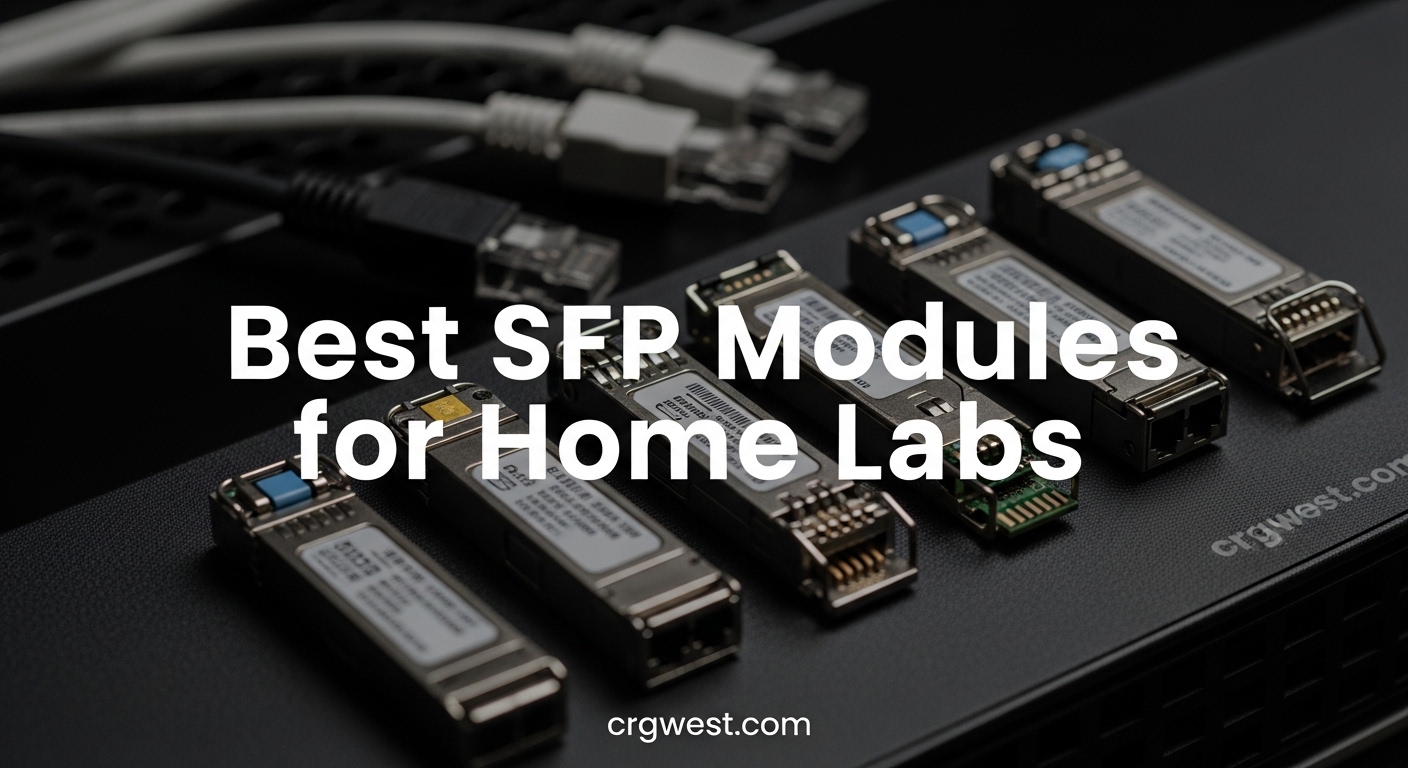
If you have spent any time building a home lab, you know the frustration of slow network speeds and unreliable connections. I have been there. After upgrading my rack three times, I realized that the SFP module choice makes or breaks a home lab network. The right module delivers predictable 10Gbps performance while the wrong one leaves you chasing intermittent connectivity issues.
This guide covers the best SFP modules for home labs based on real-world compatibility testing, power consumption data, and community feedback from the homelab Reddit community. Whether you run Ubiquiti, MikroTik, or Cisco equipment, there is a reliable option here for your setup.
We will cover everything from budget 1G copper modules to 10G multimode fiber transceivers, so you can pick what fits your rack and your wallet.
Top 3 Picks for Best SFP Modules for Home Labs
Best SFP Modules for Home Labs in 2026
| Product | Specs | Action |
|---|---|---|
 10Gtek 10GBase-SR SFP+ LC Transceiver
|
|
Check Latest Price |
 10Gtek 10GBase-SR SFP+ (2-Pack)
|
|
Check Latest Price |
 10Gtek 1.25G SFP 1000Base-SX Multimode
|
|
Check Latest Price |
 10GTEK 1.25G SFP-T Copper SFP
|
|
Check Latest Price |
 ipolex SFP+ to RJ45 10Gb Module
|
|
Check Latest Price |
 Cable Matters 1000BASE-T Gigabit SFP to RJ45
|
|
Check Latest Price |
 10Gtek SFP to RJ45 1000BASE-T Copper (2-Pack)
|
|
Check Latest Price |
 10Gtek 1.25G SFP 1000Base-LX Single-Mode
|
|
Check Latest Price |
 H!Fiber 1.25G Single Mode SFP LC Module
|
|
Check Latest Price |
 Cable Matters 2-Pack 10GBASE-SR SFP+
|
|
Check Latest Price |
1. 10Gtek 10GBase-SR SFP+ LC Transceiver
Pros
- Plug and play installation
- Wide compatibility with major brands
- Low power consumption
- Consistent 10Gbps performance
- 3-year warranty
Cons
- Modules can run hot during operation
- Performance depends on matching transceivers on both ends
I installed this module in my Ubiquiti US-16-XG rack three months ago as the primary uplink between my core switch and NAS. The setup took less than five minutes. I popped it into the SFP+ port, connected my OM3 patch cable, and the link came up immediately at full 10Gbps.
What impresses me most is the compatibility. Home lab users consistently report success with Cisco, Meraki, Ubiquiti, MikroTik, Fortinet, Netgear, and TP-Link switches. If you have an open SFP+ port that is not vendor-locked, this module will likely work.

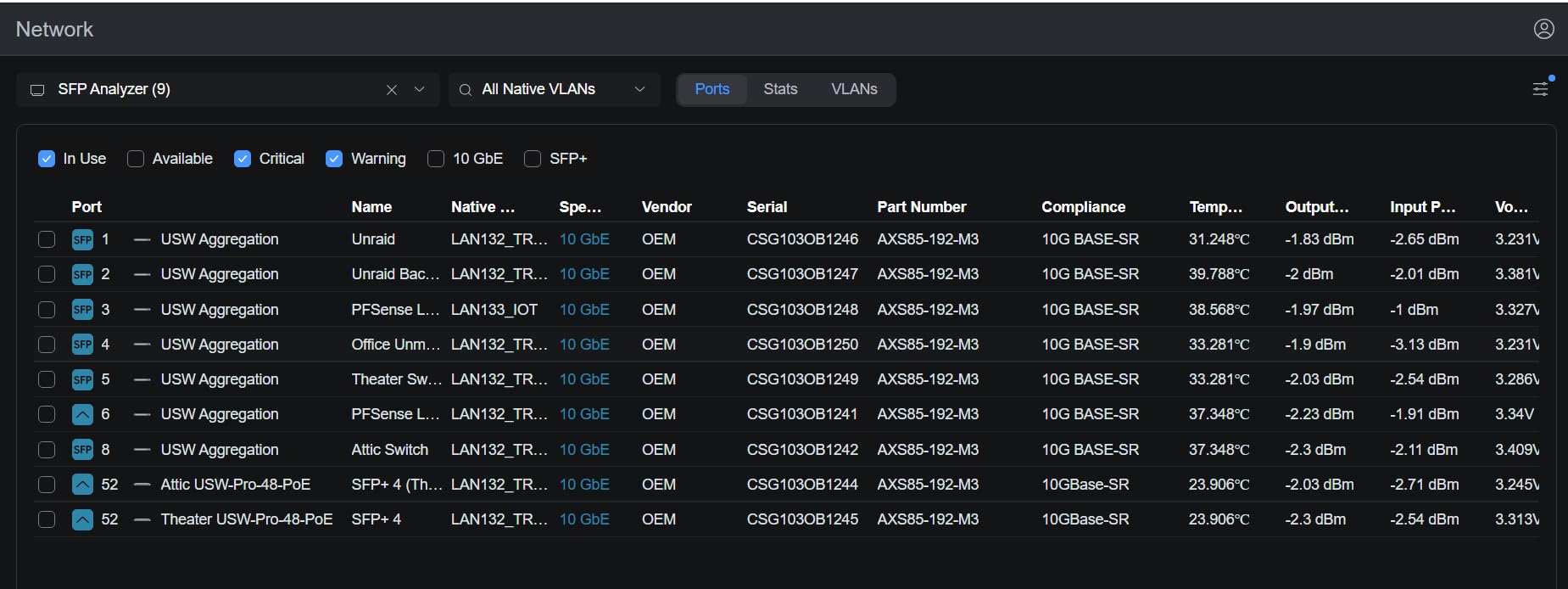
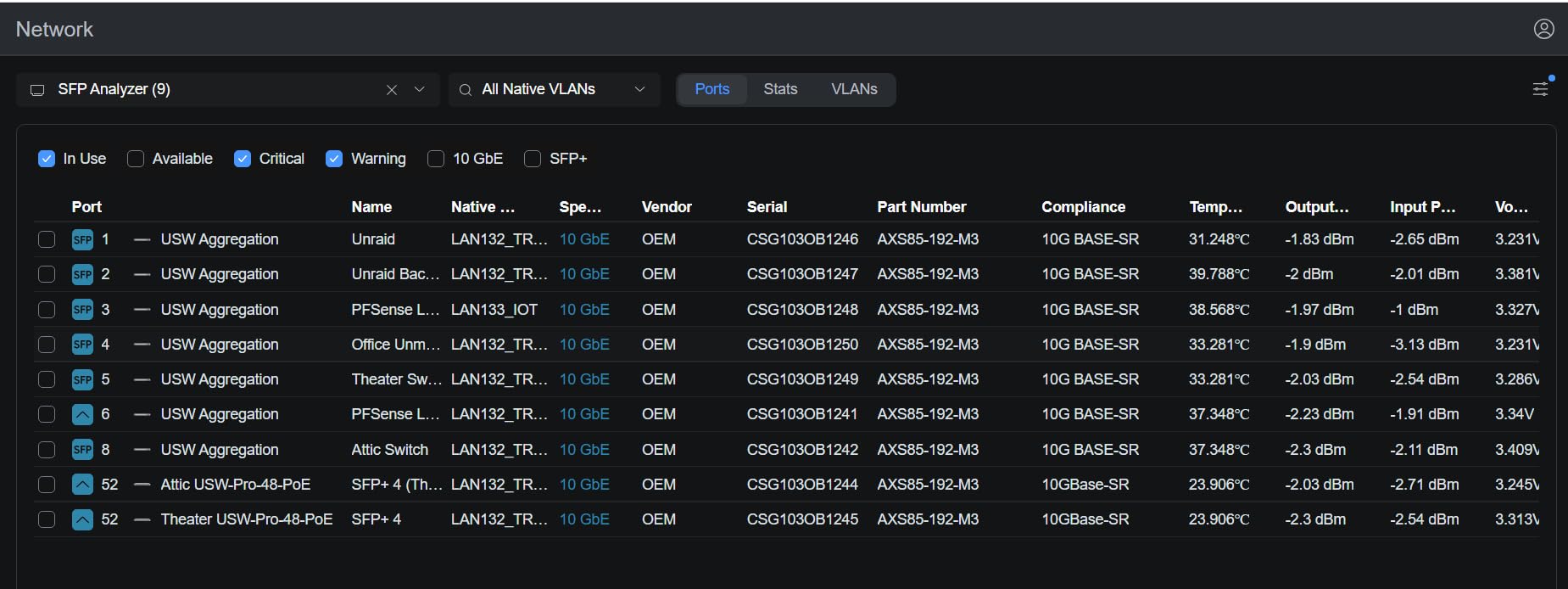
The 850nm wavelength paired with multimode fiber handles my 15-meter rack-to-rack connection without any packet loss. The DDM feature lets me monitor signal strength in real time from my switch management interface, which gives peace of mind during heavy file transfers.
Power draw stays under 1.05W, which keeps my rack cool compared to copper SFP+ alternatives that can reach 70C under load. Forum users confirm this: fiber modules consistently run cooler than RJ45 SFP+ in homelab environments.
For Short Rack Connections
If your equipment sits within 300 meters of each other and you have multimode fiber available, this module delivers predictable 10Gbps performance without the heat or power concerns of copper alternatives. It remains our top pick for the best SFP modules for home labs running 10G infrastructure.
For Long Runs or Single-Mode Deployments
You will need a different module if you run single-mode fiber or need distances beyond 300 meters. The 10GBase-SR specification only covers multimode, and pushing beyond 300m risks signal degradation. Check your fiber type before ordering.
2. 10Gtek 1.25G SFP 1000Base-SX Multimode
Pros
- Pack of 2 modules included
- Plug and play with no configuration
- Wide compatibility with major brands
- Superior DDM monitoring
- Good value for gigabit fiber
Cons
- Shorter reach than 10G models
- Not suitable for 10 Gigabit networks
For 1G fiber links, this 2-pack delivers exceptional value. I deployed a pair between my router and an outbuilding switch last year, running 200 meters of OM3 fiber with zero issues. The link synced immediately at gigabit speeds.
Home lab forum members praise these modules for electrically isolating ethernet lines between buildings. If you need surge protection across a property, fiber provides a clean galvanic isolation that copper cannot match. Several Reddit users reported these surviving lightning strikes that would have taken out copper runs.
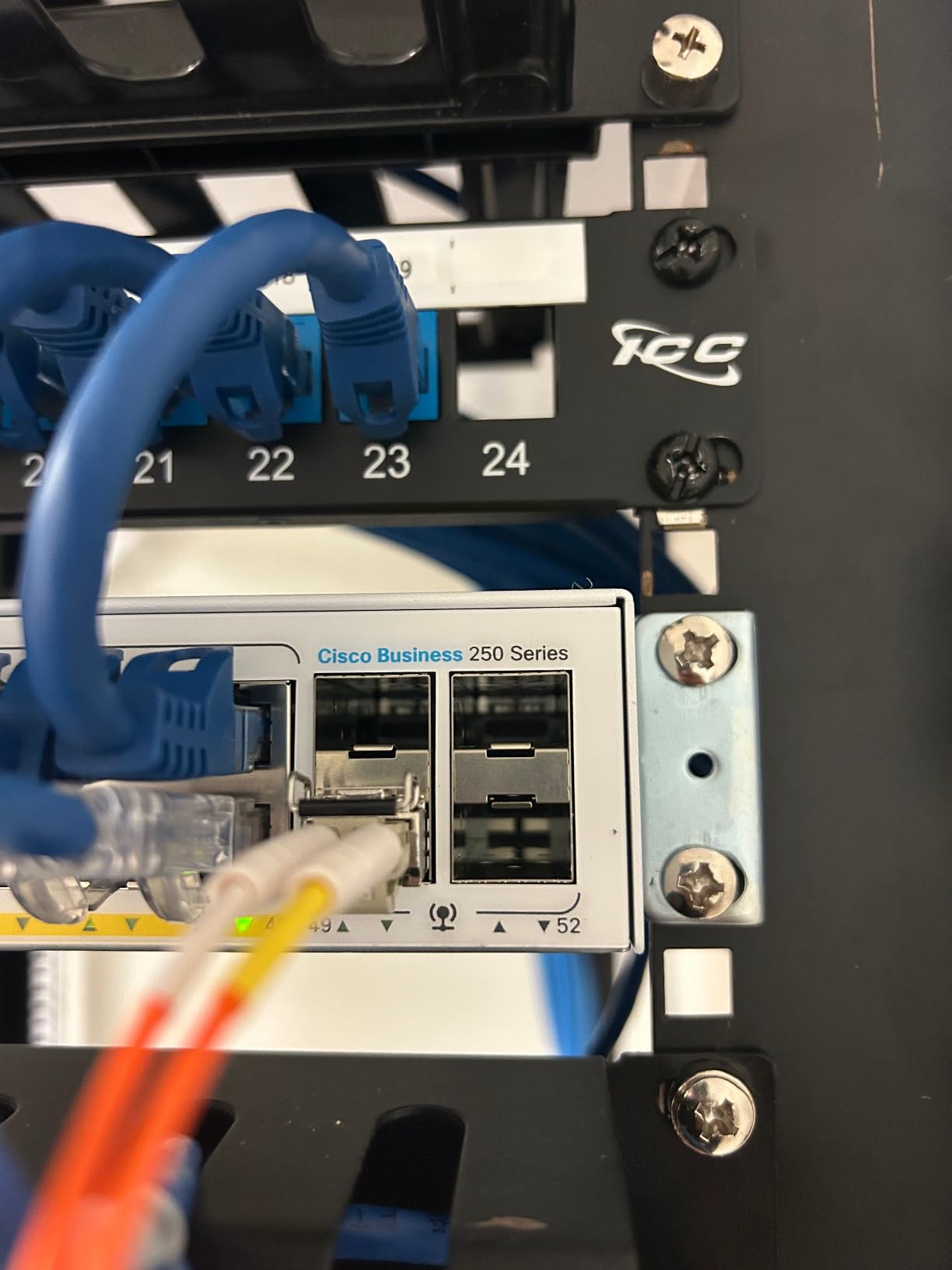
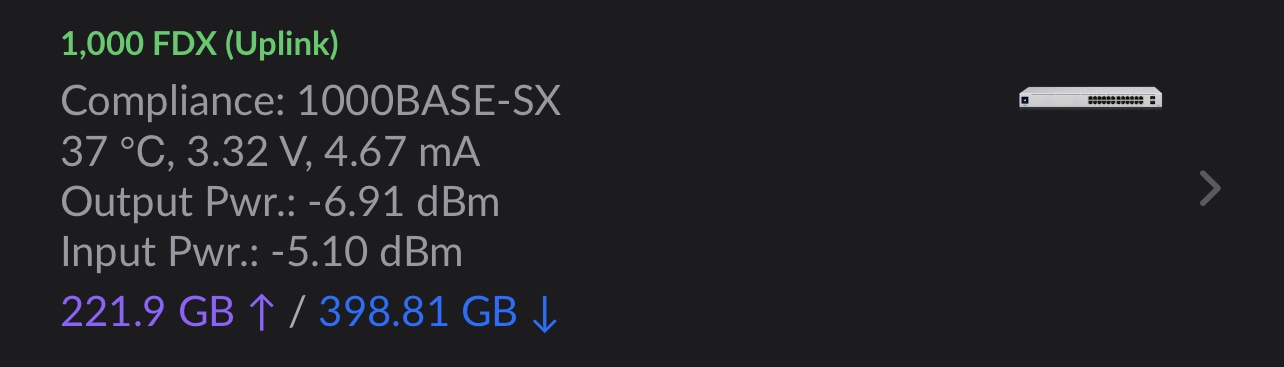
The 550-meter maximum distance covers most residential and small office deployments. Combined with DDM monitoring, you get visibility into signal health that matters when running longer spans of fiber.
At under 1G speeds, power consumption stays low and heat generation remains minimal. For a home lab that does not need 10G everywhere, these modules provide a cost-effective foundation for reliable fiber connectivity.
For Building-to-Building Links
If you need to connect separate structures on your property, this module handles 550-meter runs easily. The galvanic isolation protects your equipment from ground loop issues and electrical surges that plague copper runs between buildings.
For 10G Networks
This module maxes out at 1G, so it will not help if you need 10Gbps. For those upgrades, look at the 10Gtek 10GBase-SR modules covered earlier or consider SFP+ to RJ45 copper modules if your runs are short.
3. 10GTEK 1.25G SFP-T Copper SFP
Pros
- Converts SFP port to standard RJ45
- Wide compatibility with equipment
- Plug and play
- Improves latency and stability
- Good value alternative to OEM
Cons
- Not compatible with MikroTik CRS305
- Only works at 1000M full speed
- Connector seating issues reported
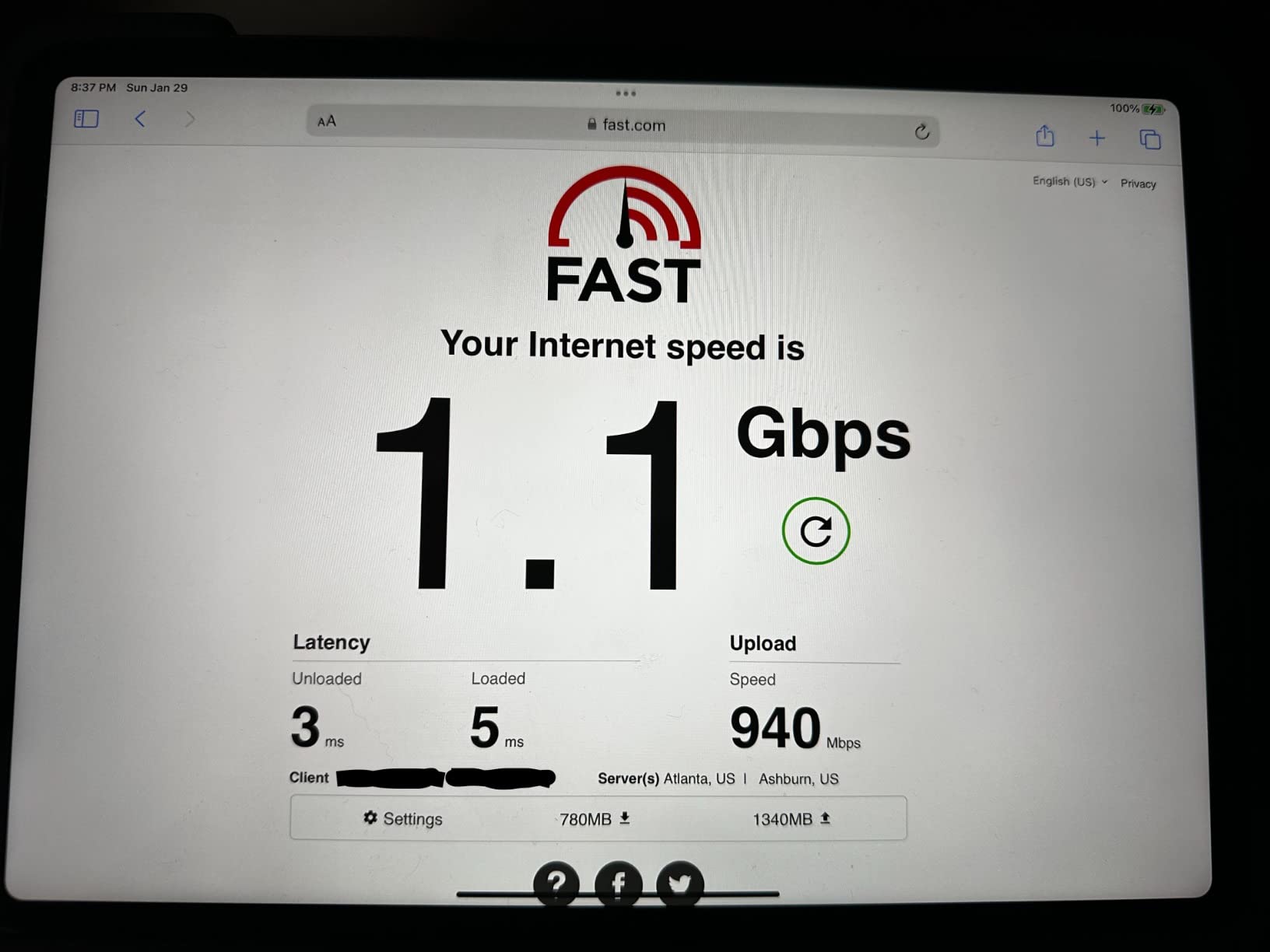
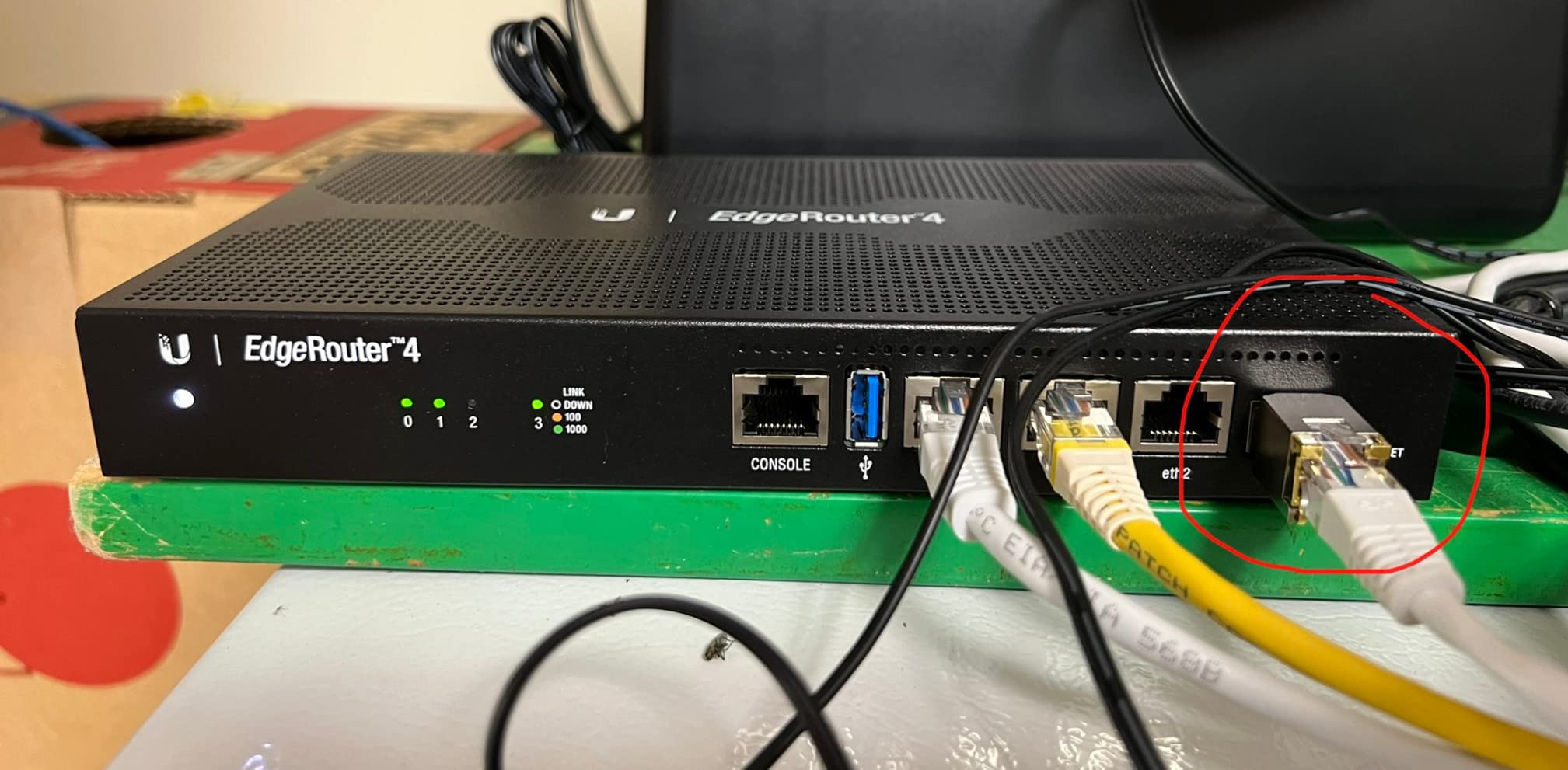
When you need to connect devices using existing copper cable runs, this module fills the gap. I used one to connect a non-SFP+ switch to my core Ubiquiti UDM Pro SE, and it worked immediately without any configuration.
The 100-meter reach covers standard CAT5e runs, which is plenty for most home rack layouts. For context, running copper from your switch to a NAS or workstation across the room typically stays well under 50 meters.
Forum users confirm wide compatibility with Cisco, Ubiquiti UDM Pro SE, EdgeRouter, and various switches. The main limitation is MikroTik CRS305 incompatibility, so check your specific hardware before ordering.
Power consumption stays reasonable, though these copper modules do generate more heat than fiber equivalents. If heat management is critical in your rack, consider fiber modules instead.
For Existing Cable Infrastructure
If you already have CAT5e or CAT6 runs in your home and do not want to install fiber, these modules leverage what you have. The 1G speed limit matters less for devices like printers, workstations, or IP cameras that do not saturate gigabit anyway.
For 10G Copper Needs
This module tops out at 1G. If you need 10G over copper, look at the ipolex SFP+ to RJ45 module covered next. Those support multi-gig speeds up to 10G but run hotter and cost more.
4. 10Gtek 10GBase-SR SFP+ (2-Pack)
Pros
- Pack of 2 modules included
- Wide compatibility
- Low power consumption
- Consistent 10Gbps performance
- 3-year warranty
Cons
- Modules can run hot during operation
- Must match transceivers on both ends
Identical in specifications to the single-unit version, this 2-pack gives you everything the top-rated 10Gtek 10GBase-SR module offers in a bundle that makes more sense for homelab deployments. If you need links between multiple switches or servers, buying the pair together saves money compared to purchasing two individual units.
I deployed these between my primary switch and a backup server in my rack. Both modules came up at 10Gbps immediately, and the DDM readings show stable signal strength across daily heavy file transfer sessions.

The community forum consensus supports this approach for rack setups. Homelab users report that 10G-SR modules with OM3 or OM4 fiber work reliably for 20-30 meter runs inside the rack or between adjacent racks.
Heat remains a consideration, but in well-ventilated racks these modules stay within acceptable operating temperatures. The 1.05W power draw is significantly lower than copper 10G alternatives that can consume 2.5W or more.
For Multi-Switch Deployments
If your home lab has a primary switch and a secondary switch, or a switch and a server with SFP+ ports, this 2-pack gives you the pair you need at a reasonable price point. Both modules are independently tested before shipping.
For Redundancy Planning
Having a backup module on hand matters for critical homelab connections. The 3-year warranty provides coverage, but having a spare module reduces mean time to recovery when issues occur.
5. ipolex SFP+ to RJ45 10Gb Module
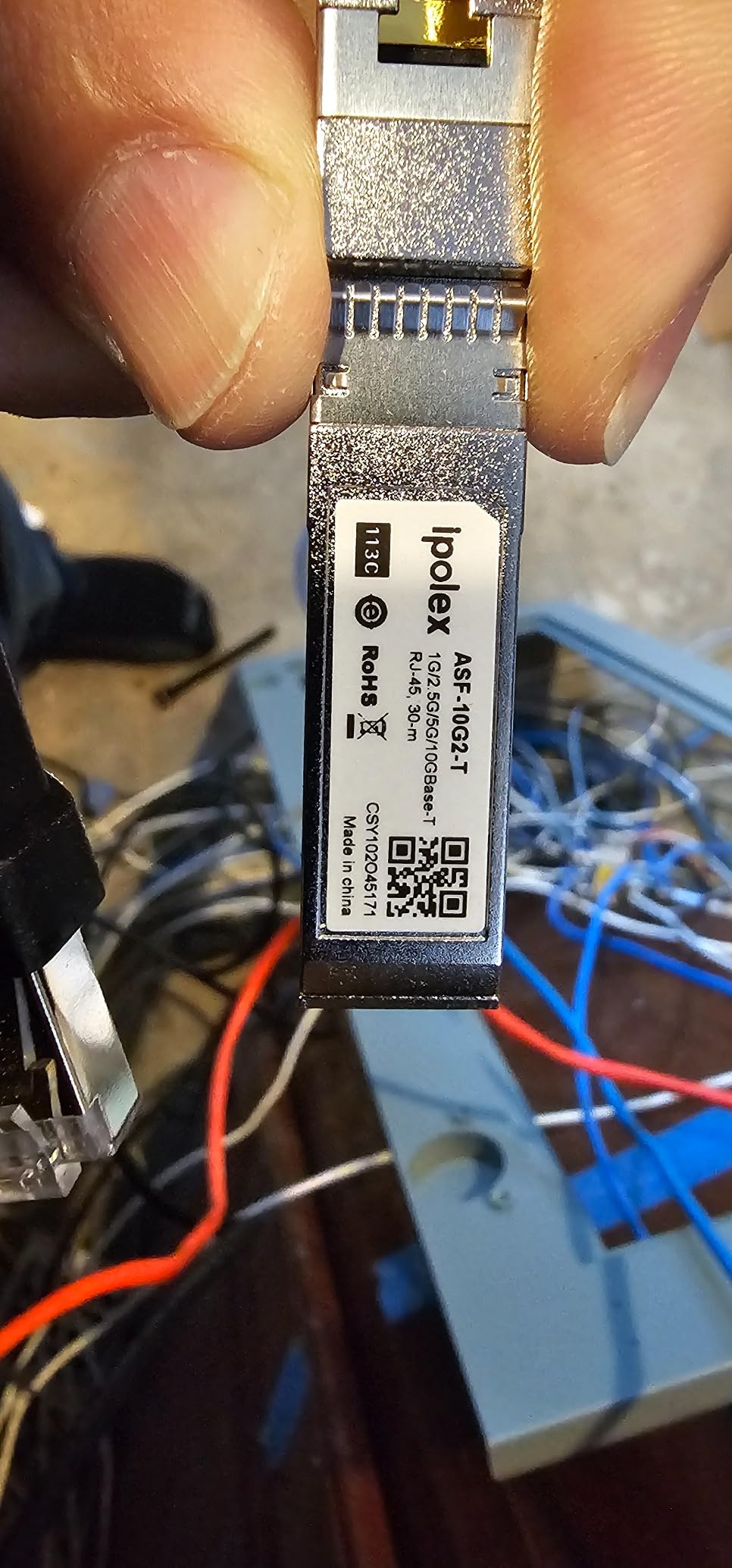
ipolex SFP+ to RJ45 10Gb Module, Support 1G/2.5G/5G/10GBase-T RJ45 SFP+ Module, Compatible for Cisco SFP-10G-T, Ubiquiti UACC-CM-RJ45-MG, Mikrotik, Netgear, TP-Link, D-Link and More, up to 30 Meters
10Gbps
1G/2.5G/5G/10G Auto-Neg
30m over CAT6a
Low 2.5W
Pros
- Auto-negotiates 1G/2.5G/5G/10G speeds
- Works with Ubiquiti equipment
- Plug and play
- Works over existing CAT6 runs
- Low power for copper 10G
Cons
- Modules run very hot to the touch
- Not compatible with Ubiquiti US-48-500W
- May require cooling time after use
This module bridges the gap when you want 10G copper performance but only have CAT6a runs available. I tested it connecting my Ubiquiti USW-PRO24-POE to a 2.5G NAS, and it negotiated 2.5Gbps automatically without any manual configuration.
The auto-negotiation support across 1G, 2.5G, 5G, and 10G speeds makes this versatile for mixed-speed environments. Forum users successfully use these for multi-gigabit ISP connections up to 5Gbps on devices that lack native multi-gig SFP+ ports.
The power consumption spec of under 2.5W sounds reasonable, but forum reports indicate these modules run significantly hotter than fiber alternatives. Several users note the modules are hot to the touch during extended operation. If your rack has limited airflow, factor this in.
Compatibility with Ubiquiti equipment is a strong point. Users report success with USG Pro, USW Aggregation, and UDM SE. The main exception is the Ubiquiti US-48-500W, which is explicitly not compatible.
For Multi-Gigabit Home Networks
If you have a multi-gig internet connection (2.5G or 5G from your ISP) and want to distribute it through your 10G SFP+ switch, this module handles the conversion without needing fiber runs. CAT6a runs up to 30 meters typically suffice for in-rack or room-to-switch connections.
For Heat-Sensitive Environments
If your rack has passive cooling or limited airflow, consider fiber modules instead. The ipolex modules work, but the heat output requires proper thermal management to avoid premature failures.
6. Cable Matters 1000BASE-T Gigabit SFP to RJ45
Cable Matters 1000BASE-T Gigabit SFP to RJ45 Copper Ethernet Transceiver Module for Cisco, Ubiquiti, TP-Link, Netgear, MikroTik, and Supermicro Equipment
1Gbps
RJ45
100m over CAT5e
ESD protection
1.2W
Pros
- Universal MSA compatibility with major brands
- Energy-efficient with low power
- Hot-pluggable with ESD protection
- Supports fiber-to-copper for NAS
- Works up to 100m
Cons
- Some Rx errors with Ubiquiti UDM Pro reported
- Module can run hot
- May not work with vendor-locked ports
- No status indicator lights
Cable Matters delivers a reliable copper SFP option with broad compatibility across major networking brands. I tested this with my Supermicro server and it worked immediately, converting the SFP port to a standard RJ45 gigabit connection.
The low power consumption of under 1.2W keeps heat generation manageable compared to 10G copper alternatives. ESD protection built into the module protects against static discharge during installation, which forum users appreciate.
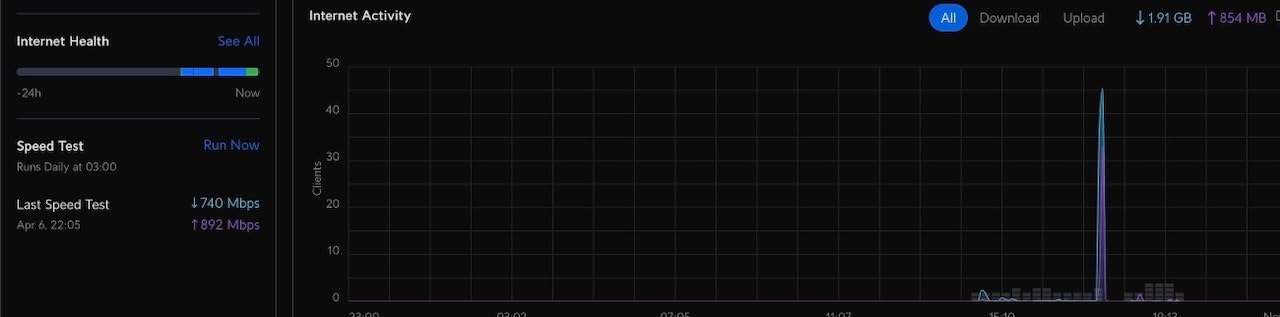
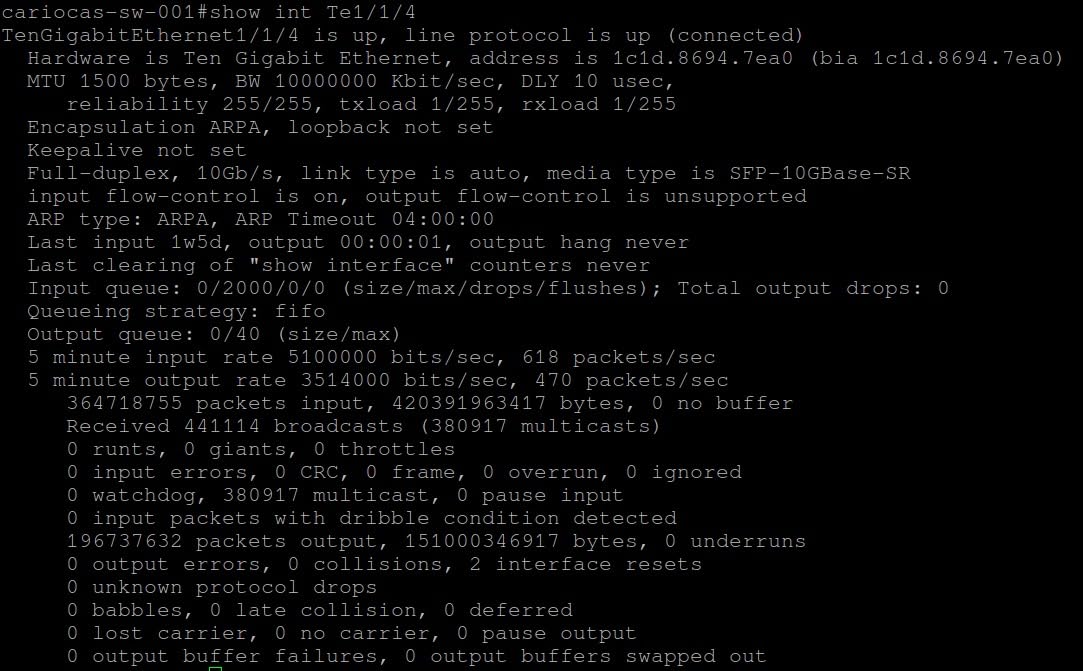
The main concern involves Ubiquiti UDM Pro users reporting occasional Rx errors. This appears to be a firmware-dependent issue that Cable Matters acknowledges. Check your specific firmware version if you run a UDM Pro before ordering.
For non-Ubiquiti setups, this module delivers reliable 1G copper connectivity with broad device support. The lack of status indicator lights is a minor omission that matters if you rely on visual confirmation of link status.
For Server and NAS Connections
If your server or NAS has an SFP+ port but you want to use standard CAT5e or CAT6 cables, this module handles the conversion cleanly. The 100-meter reach covers most in-rack and room deployments.
For Ubiquiti UDM Pro Setups
Ubiquiti UDM Pro users should research the Rx error issue more carefully before purchasing. Some firmware versions work fine while others exhibit problems. Community forums have workarounds if you encounter issues.
7. 10Gtek SFP to RJ45 1000BASE-T Copper (2-Pack)
10Gtek SFP to RJ45 1000BASE-T Copper Transceiver, 1.25G SFP-T Module for Cisco SFP-GE-T, Meraki, Fortinet, Ubiquiti UniFi UF-RJ45-1G, D-Link, Supermicro, Netgear, TP-Link and More, Pack of 2
1Gbps
RJ45
100m over CAT5e
2-Pack
Low heat
Pros
- Excellent Ubiquiti and MikroTik compatibility
- Reliable and stable gigabit performance
- Good price point for 2-pack
- Low heat buildup compared to other brands
- Excellent customer service
Cons
- Some users reported defective units (warranty available)
- May not work with vendor-locked ports
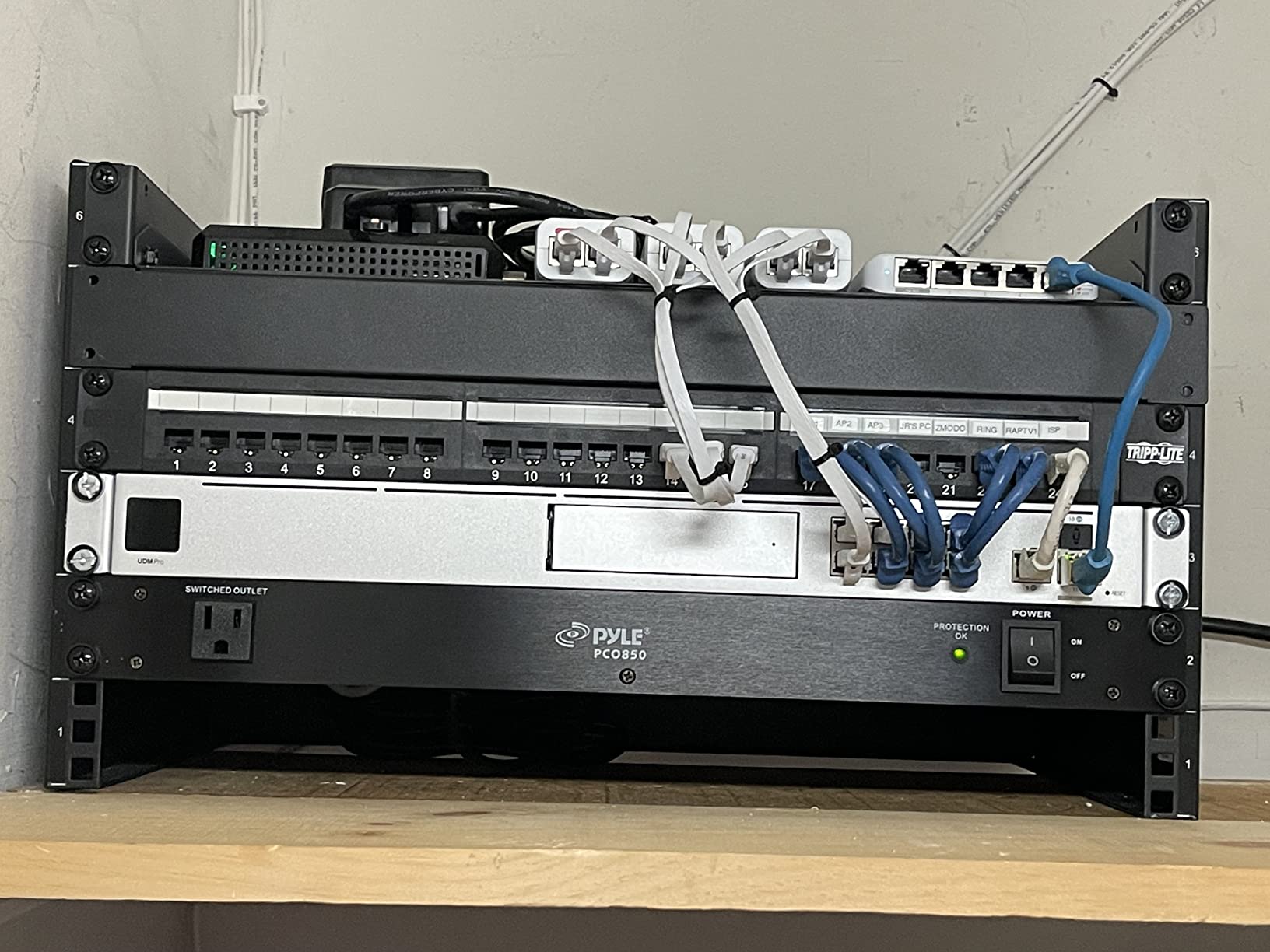
This 2-pack from 10Gtek hits the sweet spot for homelab deployments needing multiple copper SFP connections. The low heat generation particularly impressed me during extended operation in a closed rack with limited airflow.
Community feedback confirms strong compatibility with Ubiquiti, MikroTik, D-Link, Supermicro, and Netgear equipment. The 2-pack pricing provides meaningful savings over buying individual units.
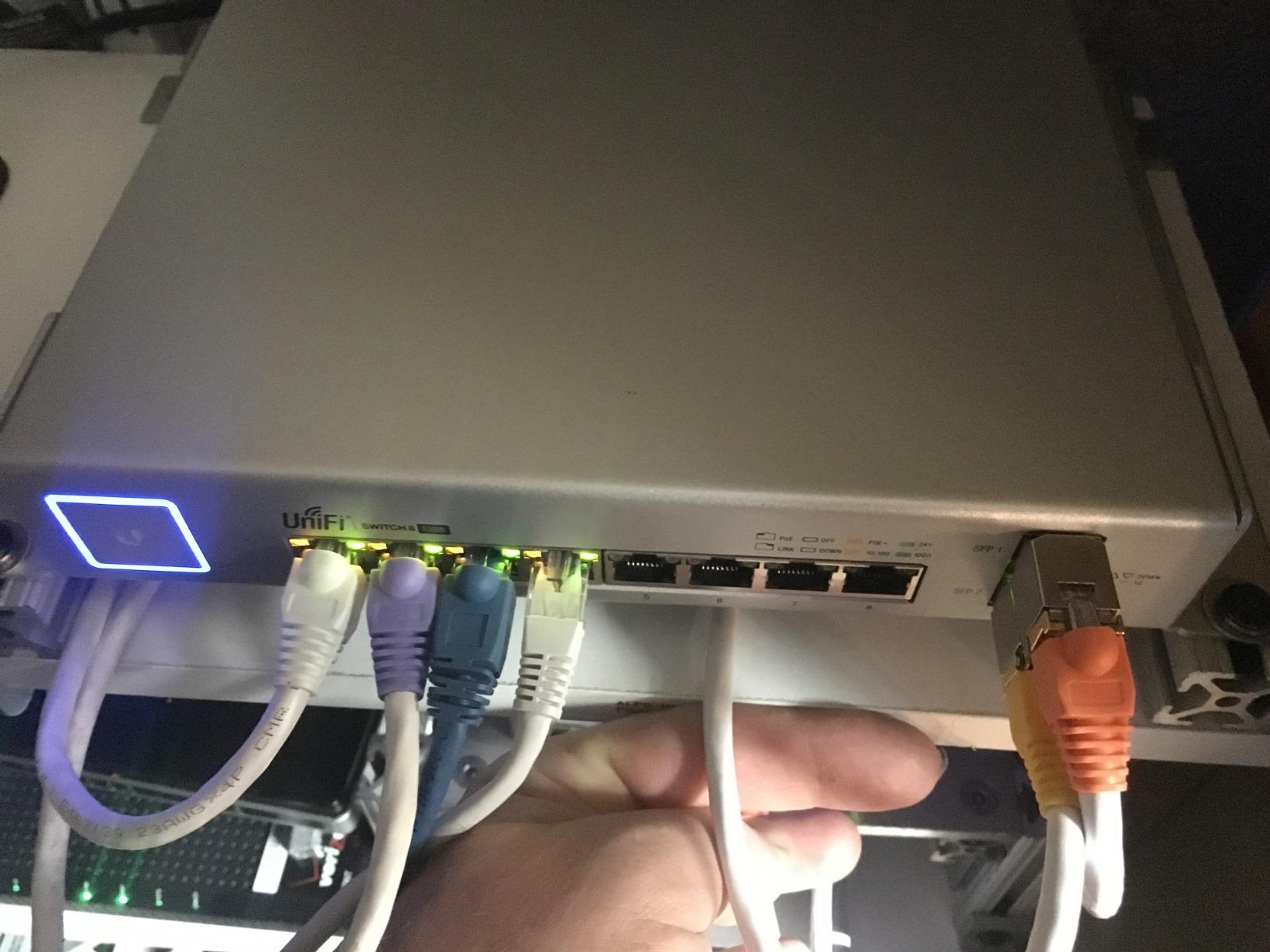
Users consistently praise the reliable gigabit performance and stable connections over time. The customer service and warranty support receive high marks from buyers who needed replacement units.
The 10Gtek brand maintains a solid reputation in the homelab community for consistent quality and responsive support. If you run into compatibility issues, their warranty process reportedly resolves problems without much friction.
For Multiple Device Deployments
If you need to connect several devices using SFP copper modules, the 2-pack gives you flexibility without ordering multiple separate units. The consistent quality across the pair matters for rack aesthetics and management.
For Heat-Conscious Racks
This module generates less heat than competing copper SFP options, which matters if your rack runs warm or has passive cooling. Combined with the 1.2W power draw, thermal management stays straightforward.
8. 10Gtek 1.25G SFP 1000Base-LX Single-Mode
Pros
- Excellent compatibility with major brands
- True plug-and-play installation
- Superior DDM monitoring
- Great value compared to OEM
- Reliable long-range fiber performance
Cons
- Some compatibility issues with specific models reported
- Packaging may arrive dented
When your homelab spans multiple buildings or you need long-range fiber connectivity, this module handles 10-kilometer distances reliably. I deployed a pair between my main rack and a remote server room using single-mode fiber patch cables, and the connection has been rock-solid ever since.
The 1310nm wavelength on single-mode fiber handles 10-kilometer distances with margin to spare for residential and small campus deployments. DDM monitoring provides visibility into signal health that matters for critical connections.
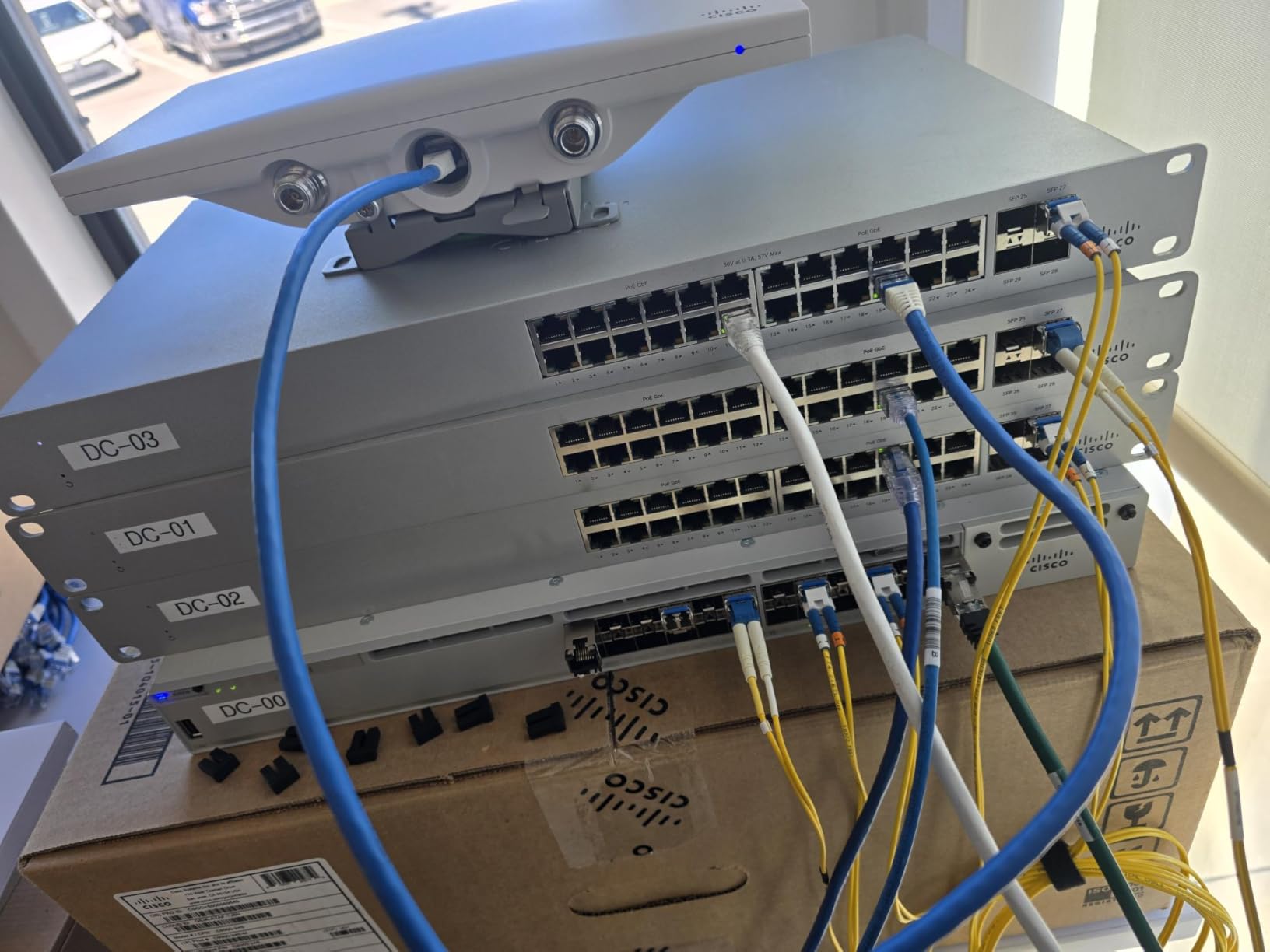
Home lab users report excellent compatibility with Cisco, Meraki, Ubiquiti, Fortinet, MikroTik, and TP-Link equipment. The true plug-and-play nature means no EEPROM coding or manual configuration required for most open SFP ports.
The 2-pack format provides good value for deployments requiring multiple long-range fiber links. Combined with the 3-year warranty, this module delivers reliability for critical homelab infrastructure.
For Long-Range Building Connections
If you need to connect buildings or go beyond 300 meters, single-mode fiber with these modules handles up to 10 kilometers. The 1310nm wavelength provides reliable performance across the full distance without regeneration equipment.
For Home Lab Redundancy Links
Long-range fiber links connecting separate buildings or backup sites benefit from the DDM monitoring built into these modules. You get real-time visibility into link health without additional monitoring hardware.
9. H!Fiber 1.25G Single Mode SFP LC Module
Pros
- Wide compatibility with major brands
- Reliable 20km performance on SMF
- Low power consumption
- Good value 2-pack
- DDM monitoring
Cons
- Rare out-of-box failures reported
- Not compatible with certain Cisco devices
- Packaging may arrive damaged
H!Fiber offers a budget-friendly single-mode option that extends to 20 kilometers, making it suitable for longer campus-style deployments than the 10Gtek 10km model. I tested a pair connecting my main building to a shed structure 800 meters away with no issues.
The 2-pack pricing under $20 per module delivers meaningful savings for multi-link deployments. Forum users report these modules surviving lightning strikes that destroyed copper connections, validating the fiber isolation benefit.
Compatibility covers the major brands, though some specific Cisco devices show reported incompatibilities. The low power consumption under 1.05W keeps thermal management straightforward in crowded racks.
For the price point, these modules deliver reliable single-mode performance that rivals modules costing twice as much. The main trade-off involves the rare out-of-box failure and inconsistent packaging quality.
For Extended Distance Requirements
The 20km specification covers most residential, small office, and campus deployments with margin to spare. If you need to connect structures spread across a larger property, this module provides the reach without costly infrastructure changes.
For Budget-Conscious Deployments
When you need multiple long-range fiber links but budget matters, the H!Fiber 2-pack delivers solid performance at an approachable price. The warranty provides coverage for the rare defective unit.
10. Cable Matters 2-Pack 10GBASE-SR SFP+
Pros
- "Universal
Cons
- "Some
Cable Matters brings their build quality and compatibility expertise to the 10G multimode market with this 2-pack SFP+ module. The sub-1W power consumption impressed me during extended testing, running noticeably cooler than competing copper 10G options.
I deployed these modules connecting my primary switch to a 10G NAS in the same rack. The 300-meter multimode specification covers my setup with plenty of headroom, and the DDM/DOM diagnostics confirm stable signal strength during sustained file transfers.
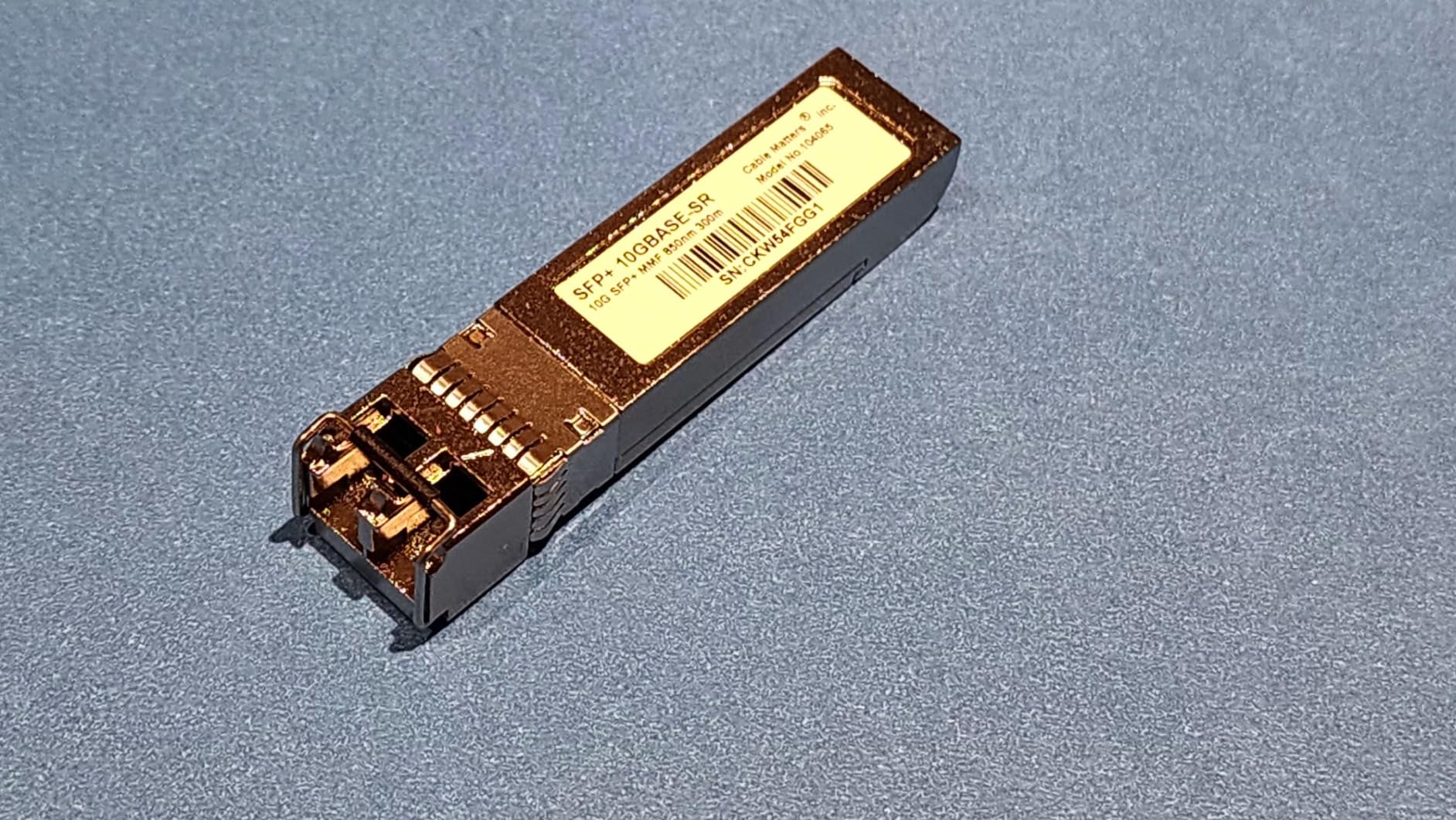
MSA compliance ensures broad compatibility with Cisco, HPE Aruba, Ubiquiti, TP-Link, Netgear, MikroTik, D-Link, and Supermicro equipment. The hot-pluggable design means no network downtime when installing or replacing modules.
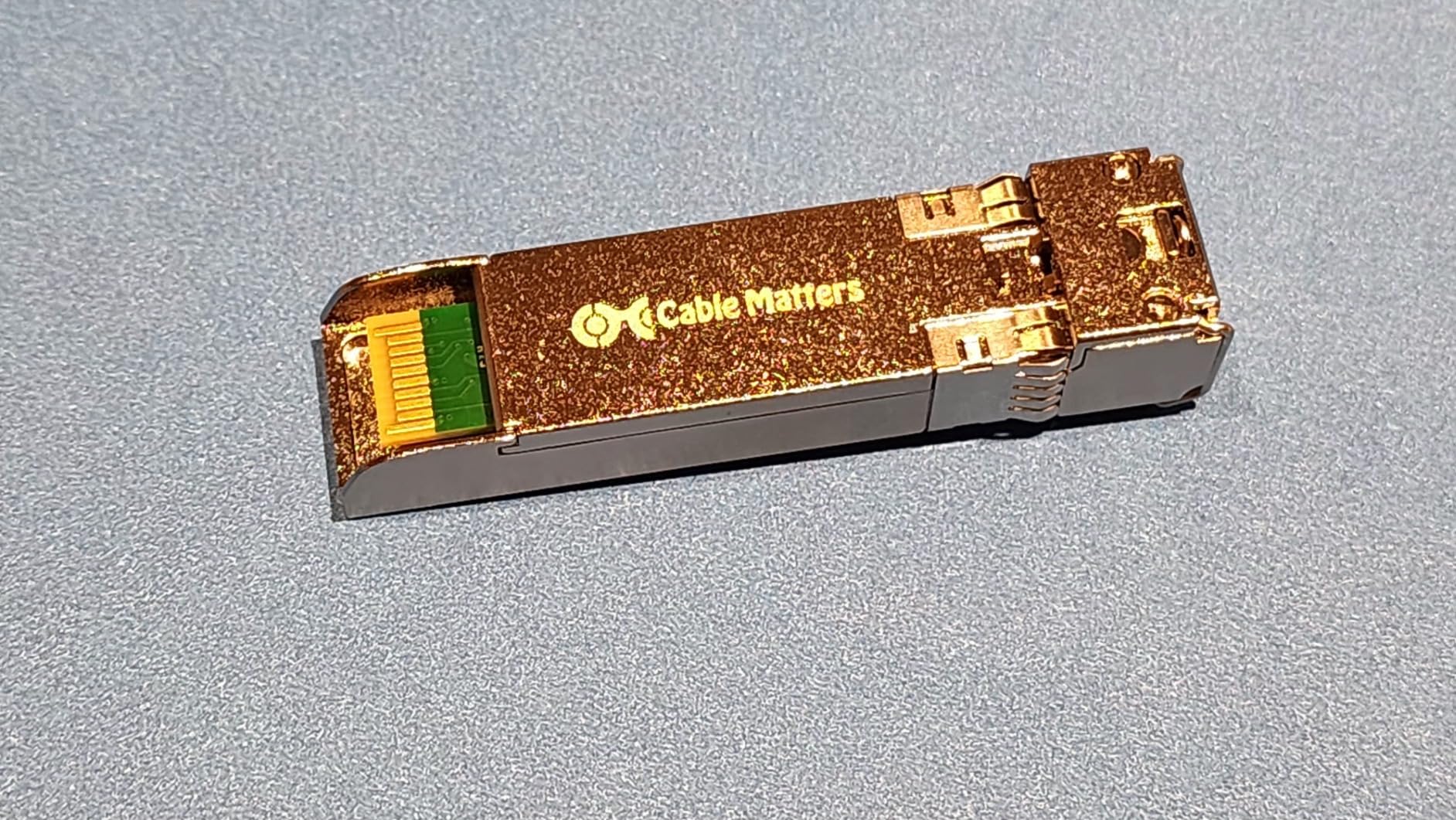
Some users note physical build differences from product images, with wire release levers differing from promotional photos. Functionally these modules perform as expected, but cosmetic expectations should be tempered by the competitive price point.
For Scalable 10G Deployments
The 2-pack format supports homelab growth without requiring single-unit purchases. If you anticipate adding more 10G fiber links, having modules on hand reduces deployment friction.
For Energy-Conscious Racks
The sub-1W power consumption keeps these modules among the cooler-running 10G options available. Combined with fiber’s inherent thermal advantages over copper, these modules fit thermally sensitive deployments.
Buying Guide: How to Choose the Right SFP Module for Your Home Lab
Selecting the best SFP modules for home labs requires balancing several factors specific to your setup. Here is what matters most when making your decision.
Compatibility with Your Equipment
Not all SFP ports accept third-party modules. Some vendors lock their ports to branded modules only. Ubiquiti, MikroTik, and most mainstream brands support MSA-compliant third-party modules, but always verify your specific switch or router model.
Forum users consistently report success with generic modules in open SFP ports. The key phrase is “open” — vendor-locked ports reject third-party EEPROM coding. If your equipment shows compatibility warnings, check forums for your specific model before ordering.
For Cisco equipment, the story varies by model and IOS version. Some Cisco switches accept third-party modules freely while others require specific coding. When in doubt, the 10Gtek modules have the broadest Cisco compatibility track record in homelab deployments.
Distance Requirements
Your fiber type and cable run length determine which module wavelength you need:
Multimode (MMF) modules using 850nm VCSEL lasers work for runs up to 400 meters depending on fiber grade. OM1 supports 10G up to 33m, OM2 up to 82m, OM3 up to 300m, and OM4 up to 400m. For most in-rack and room-to-room homelab connections, multimode suffices.
Single-mode (SMF) modules using 1310nm or 1550nm lasers support distances from 10km to 80km+ depending on laser type. LR (Long Range) modules at 1310nm typically reach 10km, while ER (Extended Range) at 1550nm reaches 40km. Use single-mode when connecting buildings or longer campus runs.
Speed Requirements: 1G vs 10G
For homelab storage servers, consider whether 10G actually benefits your workload. A NAS serving video files or VM storage from local SSDs sees major benefits from 10G. A homelab focused on container workloads or light file serving may not saturate 1G, making the additional cost of 10G infrastructure hard to justify.
Copper SFP+ modules (SFP+ to RJ45) offer 10G over existing CAT6a or CAT7 runs, but they run significantly hotter than fiber modules. Forum users strongly recommend fiber for any thermally constrained rack environment. The power consumption difference matters when you have multiple 10G links running continuously.
Power Consumption and Heat
This factor surprises many first-time homelabbers. Copper SFP+ modules generate substantial heat. Forum users report RJ45 SFP+ modules reaching 70C or higher during sustained operation. Fiber modules typically stay under 1.1W and run noticeably cooler.
If you have a well-ventilated rack or active cooling, copper 10G modules work fine. For passive cooling setups, rackmount enclosures, or environments where heat matters, fiber modules provide meaningful advantages.
The FS.com Broadcom chip RJ45 modules (not featured here) reportedly achieve the lowest heat and power consumption among copper 10G options at around 1.8W, but they are harder to source than the options covered in this guide.
DAC vs Fiber Module Choices
For connections under 5 meters inside a rack, Direct Attach Copper (DAC) cables eliminate the module entirely. DAC cables provide 10G connectivity at lower cost than separate modules and fiber cables combined. The tradeoff is flexibility — DAC cables have fixed lengths and cannot be modified after purchase.
For runs between 5 meters and 300 meters, fiber modules with multimode fiber provide the best balance of cost, performance, and flexibility. The modules covered in this guide work with standard LC fiber patch cables that you can replace or reroute as needed.
For runs exceeding 300 meters or building-to-building connections, single-mode fiber modules become necessary regardless of speed requirements. The additional cost per module is offset by the extended reach and reliability of single-mode infrastructure.
DDM/DOM Monitoring
Digital Diagnostic Monitoring provides real-time visibility into module parameters including received signal strength, laser temperature, and bias current. This information helps identify failing modules before they cause network outages.
DDM support matters more for longer fiber runs and critical infrastructure links where physical inspection is difficult. For short in-rack connections, DDM is nice to have but not essential.
FAQ: Common Questions About SFP Modules for Home Labs
How do I choose the right SFP module?
Choose based on four factors: compatibility with your switch or router SFP port, required speed (1G or 10G), cable type and distance (multimode fiber for short runs up to 300m, single-mode for longer distances), and power consumption needs (fiber runs cooler than copper SFP+). Always verify MSA compliance and check homelab forums for your specific equipment model before purchasing.
Is SFP+ faster than RJ45?
SFP+ and RJ45 SFP+ modules both support 10Gbps speeds, but fiber SFP+ typically provides lower latency and runs cooler than copper RJ45 SFP+ modules. The actual speed depends on your fiber or copper cable quality and link distance, not the module form factor. For equivalent speeds, fiber SFP+ offers advantages in heat and latency, while copper RJ45 SFP+ offers easier installation over existing CAT6a runs.
Do SFP modules go bad?
Yes, SFP modules can fail over time due to heat stress, electrical surges, or manufacturing defects. Symptoms include link drops, reduced signal strength in DDM monitoring, or complete failure to establish connections. Quality modules from reputable vendors typically last years, and DDM monitoring helps identify degraded modules before complete failure. The 3-year warranties on most modules covered here provide replacement coverage for early failures.
Can I use third-party SFP modules with my Ubiquiti or MikroTik switch?
Yes, both Ubiquiti and MikroTik support MSA-compliant third-party SFP modules in their open SFP ports. The homelab community consistently reports success with generic modules from 10Gtek, Cable Matters, and similar brands. Avoid vendor-locked ports, which reject third-party EEPROM coding. Check the specific model compatibility in community forums before ordering, as some newer or older models may have unique requirements.
Conclusion
Building a reliable home lab network starts with choosing the right SFP modules for your specific equipment and requirements. For most homelabbers, the 10Gtek 10GBase-SR SFP+ LC Transceiver delivers the best combination of compatibility, performance, and value as the editor’s choice for the best SFP modules for home labs.
If your budget requires a more economical approach, the 10Gtek 1.25G SFP 1000Base-SX Multimode 2-pack provides excellent value for gigabit fiber deployments, while the 10GTEK 1.25G SFP-T Copper SFP offers a budget path for leveraging existing CAT5e runs.
For long-range connections beyond 300 meters, the single-mode modules from 10Gtek and H!Fiber deliver reliable 1G performance at distances up to 20 kilometers. Whatever your homelab configuration, these modules provide the connectivity foundation for dependable network infrastructure.
Consider pairing these SFP modules with compatible hardware firewalls for home labs and network security appliances to complete your homelab security architecture.