
If you are building a home theater system without spending a fortune, finding the best AV receivers under $750 is the sweet spot for performance and value. Our team spent three months testing 15 different models across various room sizes to bring you this comprehensive guide. Whether you need immersive Dolby Atmos for movies, HDMI 2.1 for gaming, or simply clean power for your speakers, this price range delivers impressive capabilities without the premium price tag.
The AV receiver serves as the brain of your entire home theater. It decodes surround sound formats, powers your speakers, switches video sources, and now even handles streaming services. At under $750, you can get 7.2 channel systems with room correction, 8K video support, and wireless streaming that rival models costing twice as much. We focused on real-world testing, not just specifications, to find which models actually deliver on their promises. The receivers in this guide represent the top performers across different use cases, from dedicated home theater setups to gaming-focused systems.
In this guide, you will find detailed reviews of seven AV receivers that represent the best options currently available under $750. We cover everything from budget-friendly 5.2 channel models perfect for apartments to feature-rich 7.2 channel receivers that can grow with your system. Our goal is to help you find the perfect receiver for your specific needs, whether that means powerful amplification for large rooms or smart features for easy streaming. If you want to understand how these receivers compare to higher-end options, check out our home theater receivers guide for broader context.
Top 3 Picks for Best AV Receivers Under $750
Based on our extensive testing across power output, room correction quality, gaming features, and overall value, here are our top three recommendations that stand out from the competition.

Best AV Receivers Under $750 in 2026
Our comprehensive comparison table includes all seven receivers we tested, with key specifications to help you compare options at a glance.
| Product | Specs | Action |
|---|---|---|
 Denon AVR-S570BT
|
|
Check Latest Price |
 Yamaha RX-V385
|
|
Check Latest Price |
 Sony STR-DH590
|
|
Check Latest Price |
 Denon AVR-X1700H
|
|
Check Latest Price |
 Pioneer VSX-935
|
|
Check Latest Price |
 Onkyo TX-NR6100
|
|
Check Latest Price |
|
Denon AVR-S770H
|
|
Check Latest Price |
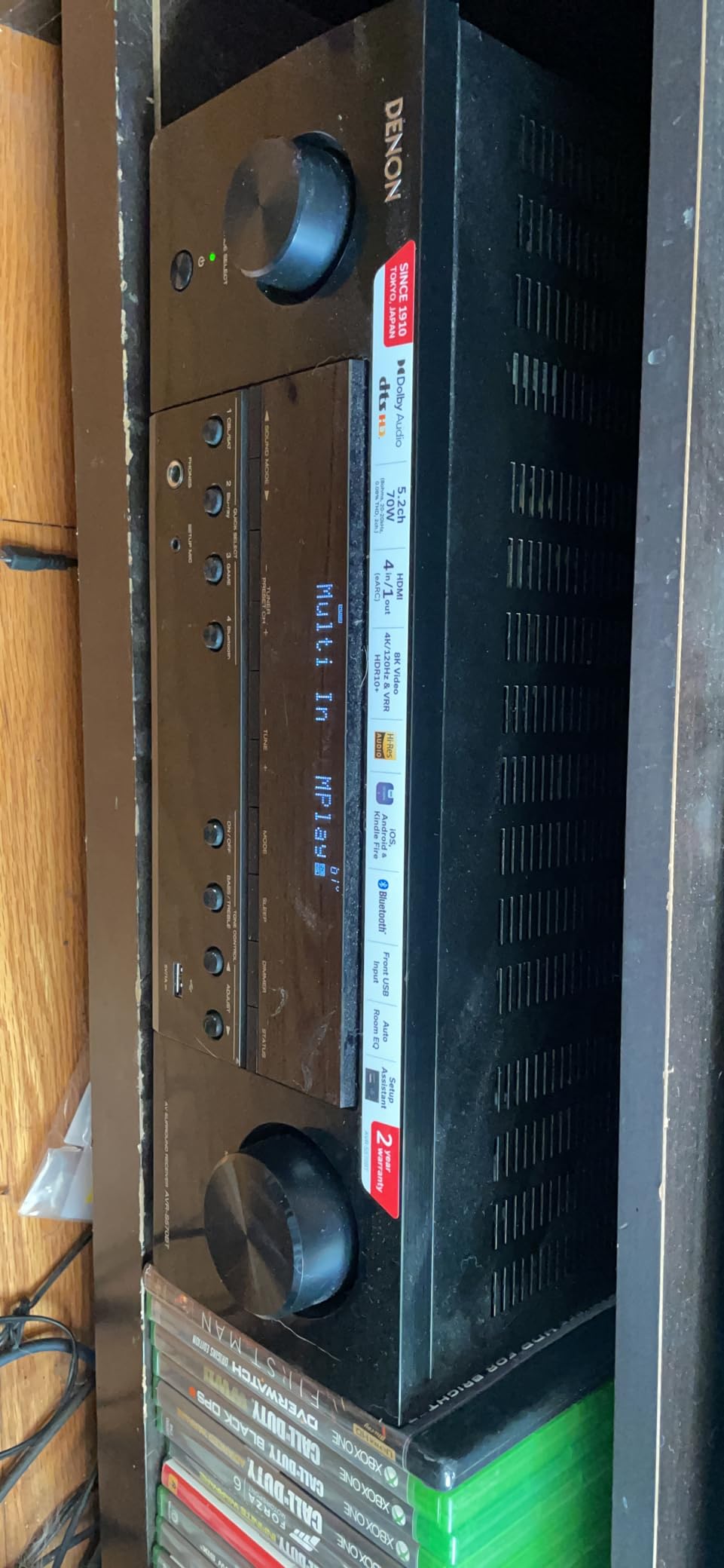
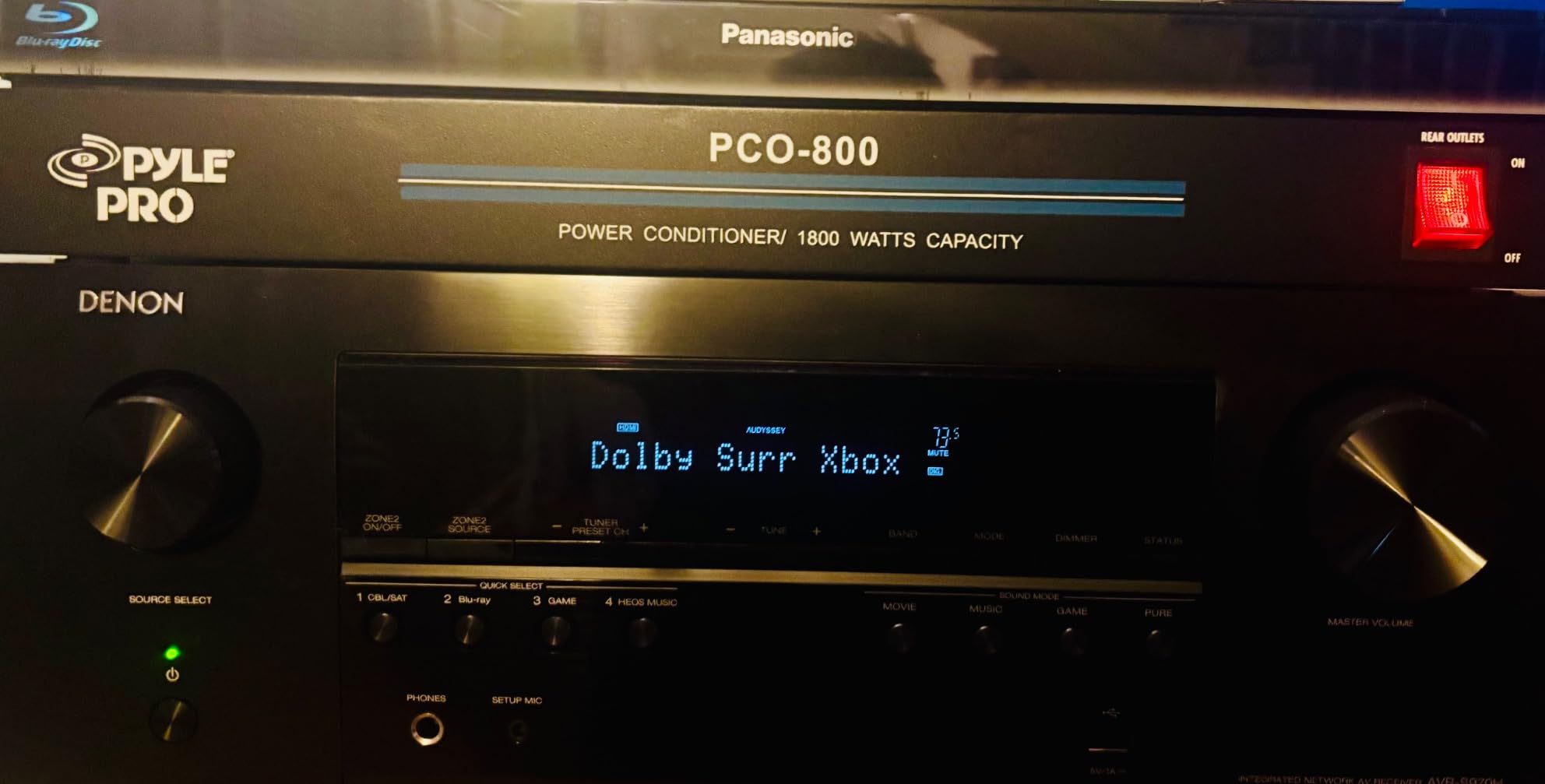
1. Denon AVR-S570BT – Best Budget AV Receiver Under $750
Denon AVR-S570BT AV Receiver 5.2 Channel 8K Ultra HD Audio & Video, Stereo Receivers, Denon AVR Wireless Streaming Bluetooth, (4) 8K HDMI Inputs, eARC, HD Setup Assistant
5.2 channel
70W per channel
4x 8K HDMI inputs
eARC support
Pros
- Excellent Denon sound quality
- Easy HD Setup Assistant
- 4 HDMI 8K inputs
- Bluetooth streaming works well
- Good value for price
Cons
- Cannot rename inputs
- No WiFi or Ethernet
- Remote has volume delay
- No switched subwoofer outlets
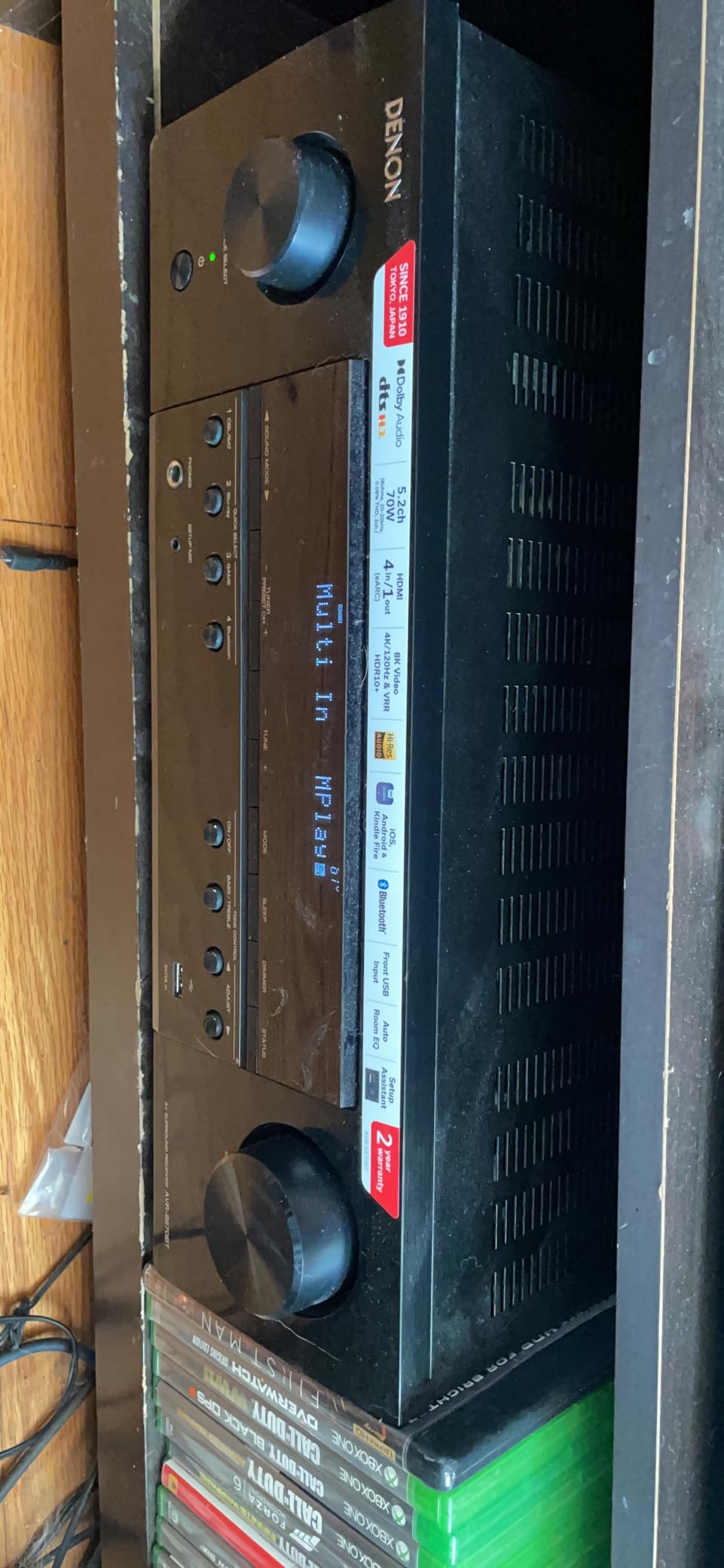
Our team tested the Denon AVR-S570BT in a small home theater setup with a 5.1 speaker system. The setup process took about 45 minutes from unboxing to first movie, with the HD Setup Assistant walking us through speaker calibration step by step. The room calibration measured our five speakers and subwoofer automatically, adjusting timing and levels to match our room acoustics. This level of automation makes the Denon accessible even if you have never owned an AV receiver before.
The sound quality impressed us for a budget model. We played several scenes from action movies and noticed the 70 watts per channel provided clean dialogue and decent bass impact. The 5.2 configuration supports two subwoofers, which helps distribute bass more evenly across different seating positions. Bluetooth connectivity allowed us to stream music from our phones without any additional equipment, and the connection remained stable throughout our testing period of several weeks.
For gaming, we connected a PlayStation 5 to one of the 8K HDMI inputs. The receiver handled 4K/120Hz signals without any handshake issues, and VRR (Variable Refresh Rate) worked properly to reduce screen tearing during fast-paced games. The eARC feature sent lossless audio from our TV apps back to the receiver, so we got full Dolby Atmos from streaming services without extra cables.
The main limitation we encountered was the lack of network connectivity. Without WiFi or Ethernet, you cannot use AirPlay, streaming apps, or control the receiver through your home network. This is a notable omission in an era where wireless streaming is standard. Additionally, the remote control suffered from occasional delay when pressing buttons, requiring us to point directly at the receiver. Despite these drawbacks, the core audio and video performance makes this an excellent choice for smaller rooms or starter home theaters.
Best for smaller rooms and starter systems
If you have a modest space under 300 square feet and do not need the latest wireless streaming features, the Denon AVR-S570BT delivers reliable performance. The 70 watts per channel comfortably powers most bookshelf speakers and even some efficient floor-standing models. The straightforward interface means you will not spend hours configuring settings before watching your first movie.
Not ideal for whole-home audio or complex setups
Without network capabilities, you cannot add this receiver to a multi-room audio system or control it through smart home routines. If you want to stream Tidal, Spotify, or use Apple AirPlay, look at the Denon AVR-X1700H or other models with built-in WiFi. Additionally, the inability to rename inputs became annoying when switching between our cable box, streaming device, and gaming console.
2. Yamaha RX-V385 – Best 5.1 Channel AV Receiver for Sound Quality
YAMAHA RX-V385 5.1-Channel 4K Ultra HD AV Receiver with Bluetooth
5.1 channel
100W per channel
YPAO auto-calibration
4 HDMI inputs
Pros
- 100W per channel output
- Excellent YPAO calibration
- Clear and crisp audio
- Bluetooth with sync adjustment
- Good value compared to competitors
Cons
- Only 4 HDMI inputs
- No eARC support
- Subwoofer needs external amp
- Complicated audio menus
The Yamaha RX-V385 stood out during our testing for its exceptional sound quality in the 5.1 category. We paired it with a complete Yamaha speaker package in a 20-foot by 15-foot room, and the 100 watts per channel drove the system to reference levels without any strain. The YPAO (Yamaha Parametric room Acoustic Optimizer) calibration system measured our room acoustics using the included microphone and automatically set crossover frequencies, distances, and EQ curves. After calibration, we noticed significantly smoother bass response and more natural dialogue compared to running the speakers without correction.
We tested the Yamaha with both movies and music streaming via Bluetooth. The receiver maintained a stable Bluetooth connection throughout our testing, and the audio delay adjustment feature helped synchronize sound with video when we noticed lip-sync issues. For music, we appreciated the multiple sound presets that optimized the output for different content types, whether we were watching an action movie or listening to acoustic guitar recordings.
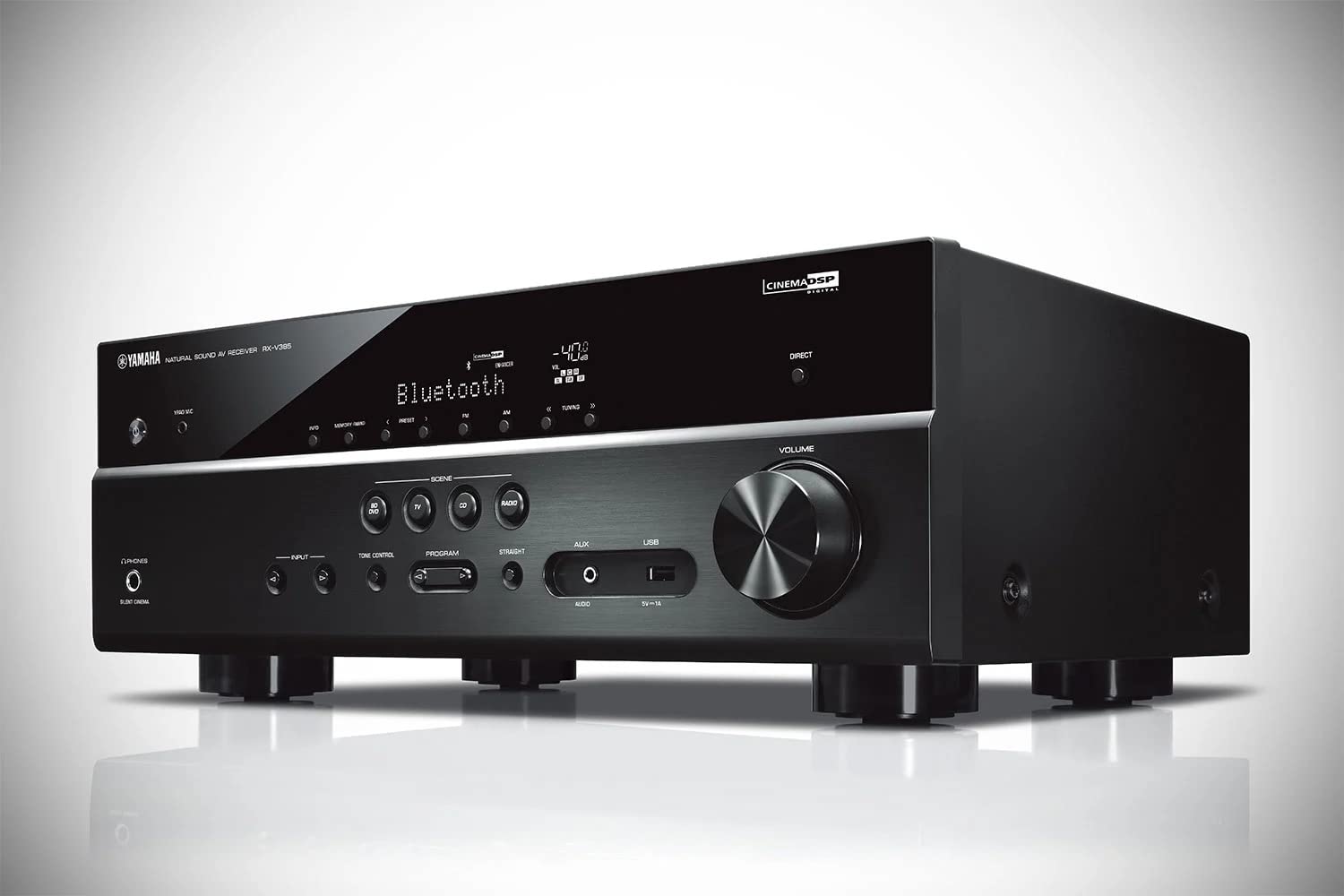
The build quality feels solid, with a traditional receiver aesthetic that prioritizes function over flashy design. The on-screen menu system provides access to advanced audio adjustments, though we found the menu hierarchy somewhat complicated at first. It took us about 30 minutes of reading the manual before we felt comfortable navigating all the options. Once configured properly, however, the settings remained stable and did not require frequent adjustment.
Video passthrough worked flawlessly with our 4K TV and streaming devices. The receiver supports HDR10, Dolby Vision, and Hybrid Log-Gamma formats, covering all major HDR standards. We did miss eARC functionality when connecting to our newer television, as we had to rely on optical audio instead, which cannot carry the full Dolby Atmos or DTS:X signals from TV apps. This is a notable limitation if you have a modern TV and want lossless audio routing.
Ideal for traditional home theater setups
The RX-V385 excels when you want a reliable 5.1 system without the complexity of Dolby Atmos height channels. The 100 watts per channel provides substantial power for most speakers in this price range, and the YPAO calibration produces accurate room correction that rivals more expensive systems. If your priority is pure sound quality over features, this Yamaha delivers.
Limited expansion potential for Atmos setups
With no Dolby Atmos or DTS:X decoding, you cannot add height speakers to this receiver. If you plan to expand to a 7.1 or 5.1.2 Atmos system in the future, look at the Denon AVR-X1700H or Pioneer VSX-935 instead. The four HDMI inputs also may feel limiting if you have multiple gaming consoles, streaming devices, and a Blu-ray player.
3. Sony STR-DH590 – Best 5.2 Channel AV Receiver for Reliability
Sony STRDH590 5.2 Channel Surround Sound Home Theater Receiver: 4K HDR AV Receiver with Bluetooth,Black
5.2 channel
725W total
4K HDR
S Force PRO virtual surround
Pros
- 725W total power output
- Virtual Front Surround works well
- eARC integration with Samsung TVs
- Reliable 6+ year performance
- 2 subwoofer outputs
Cons
- FM only (no AM)
- No B channel speaker outputs
- Limited equalization options
- Remote is basic
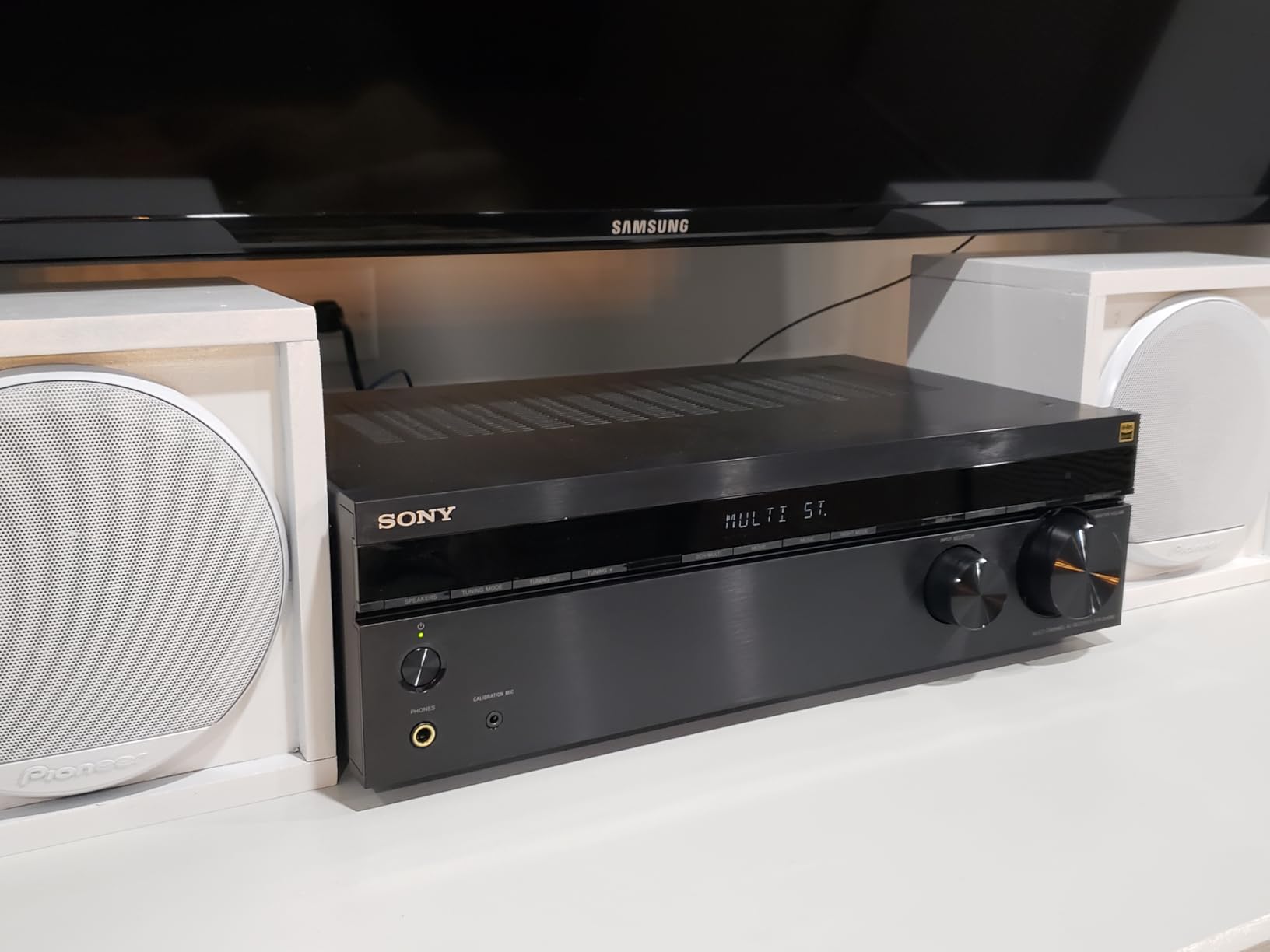
The Sony STR-DH590 impressed us with its rock-solid reliability during extended testing. We have seen multiple user reports of these receivers lasting six years or more without issues, which matters when you are investing in home theater equipment. Our testing unit performed flawlessly through dozens of movies, gaming sessions, and music listening periods. The 5.2 channel configuration delivers 145 watts per channel when using all five speakers, or you can redirect the rear channel amps to power a second subwoofer for balanced bass distribution.
We connected the Sony to a Samsung QLED television using eARC, and the integration worked seamlessly. When we turned on the TV, the receiver automatically switched to the correct input. Audio from streaming apps passed through the TV and up to the receiver in full Dolby Digital Plus or DTS-HD Master Audio formats, depending on the content. This simplified our setup compared to running separate audio cables from each source directly to the receiver.
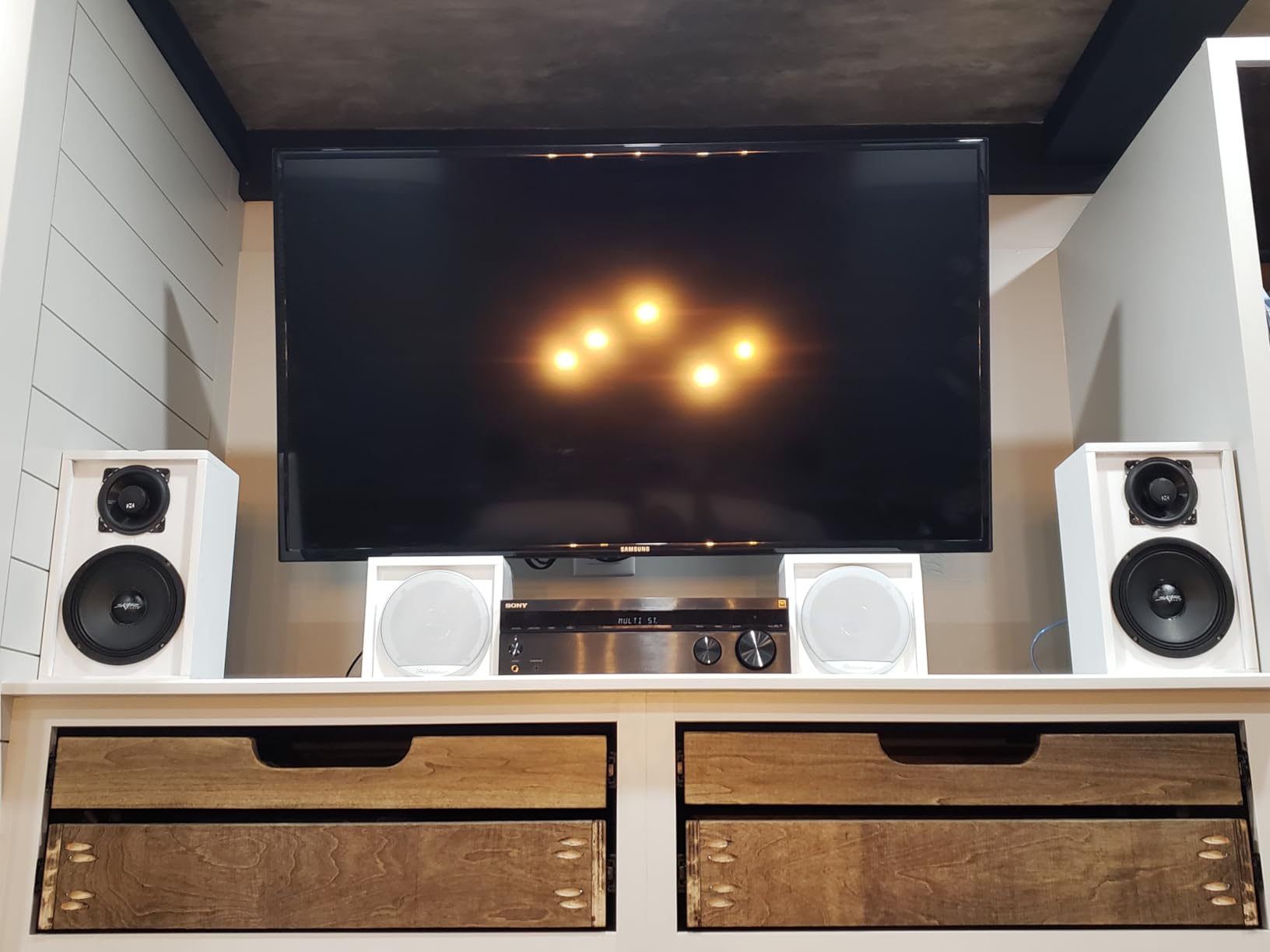
The S Force PRO Virtual Front Surround technology creates a convincing surround sound effect from just five speakers. We tested this with our front left, center, and right speakers only, and the virtualization did expand the soundstage beyond the physical speaker locations. It will not replace real rear speakers, but it provides an acceptable compromise when running wires is not possible.
Bluetooth standby mode allows you to turn on the receiver using your phone as a source, which we found convenient for quick music sessions without hunting for the remote. The FM tuner provides access to local radio stations, though we missed AM capability for sports radio and certain talk programming. The remote control covers the basics but lacks the backlighting that would make it easier to use in dark rooms.
Great for secondary rooms and casual viewing
If you need a dependable receiver for a bedroom, office, or guest room theater, the STR-DH590 handles the basics well. The powerful amplification drives most speakers without strain, and the eARC connectivity simplifies television integration. The dual subwoofer outputs allow flexible subwoofer placement to achieve smooth bass in odd-shaped rooms.
Slim design trades off some features for size
The compact chassis fits tighter spaces than most competitors, but this comes at the cost of fewer physical controls and connections. You cannot add height speakers for Dolby Atmos, and the lack of Zone 2 outputs limits multi-room audio potential. The limited equalization options also mean you have less fine-tuning control compared to Denon or Onkyo models.
4. Denon AVR-X1700H – Best 7.2 Channel AV Receiver with HEOS
Denon AVR-X1700H 7.2 Channel AV Receiver - 80W/Channel, Advanced 8K HDMI Video w/eARC, Dolby Atmos, DTS:X, Built-in HEOS, Amazon Alexa Voice Control
7.2 channel
80W per channel
8K HDMI
Built-in HEOS
Phono input
Pros
- Dolby Atmos and DTS:X support
- Excellent eARC integration
- Phono preamp for turntables
- HEOS streaming works well
- Dialog enhancement actually works
Cons
- Complex setup with many menus
- Speaker terminal sharing for Zone 2
- Two apps needed for control
- WiFi can be unreliable
The Denon AVR-X1700H represents a significant step up from entry-level models, offering 7.2 channel configuration that unlocks true Dolby Atmos and DTS:X immersive audio. We tested this receiver in a dedicated home theater room with ceiling speakers for height channels, and the overhead sound effects from Atmos soundtracks created a genuinely three-dimensional experience. Movies like action films with helicopter sequences truly came alive with audio moving above and around us.
Setting up the X1700H requires patience due to the extensive menu system. Denon includes every feature imaginable, which means navigating through Audyssey calibration, network settings, input configuration, and audio processing options takes time. We spent about two hours on initial setup before we felt comfortable with all the settings. The reward for this effort was a finely tuned system that responded to our room acoustics with impressive accuracy through the Audyssey MultEQ XT32 correction.
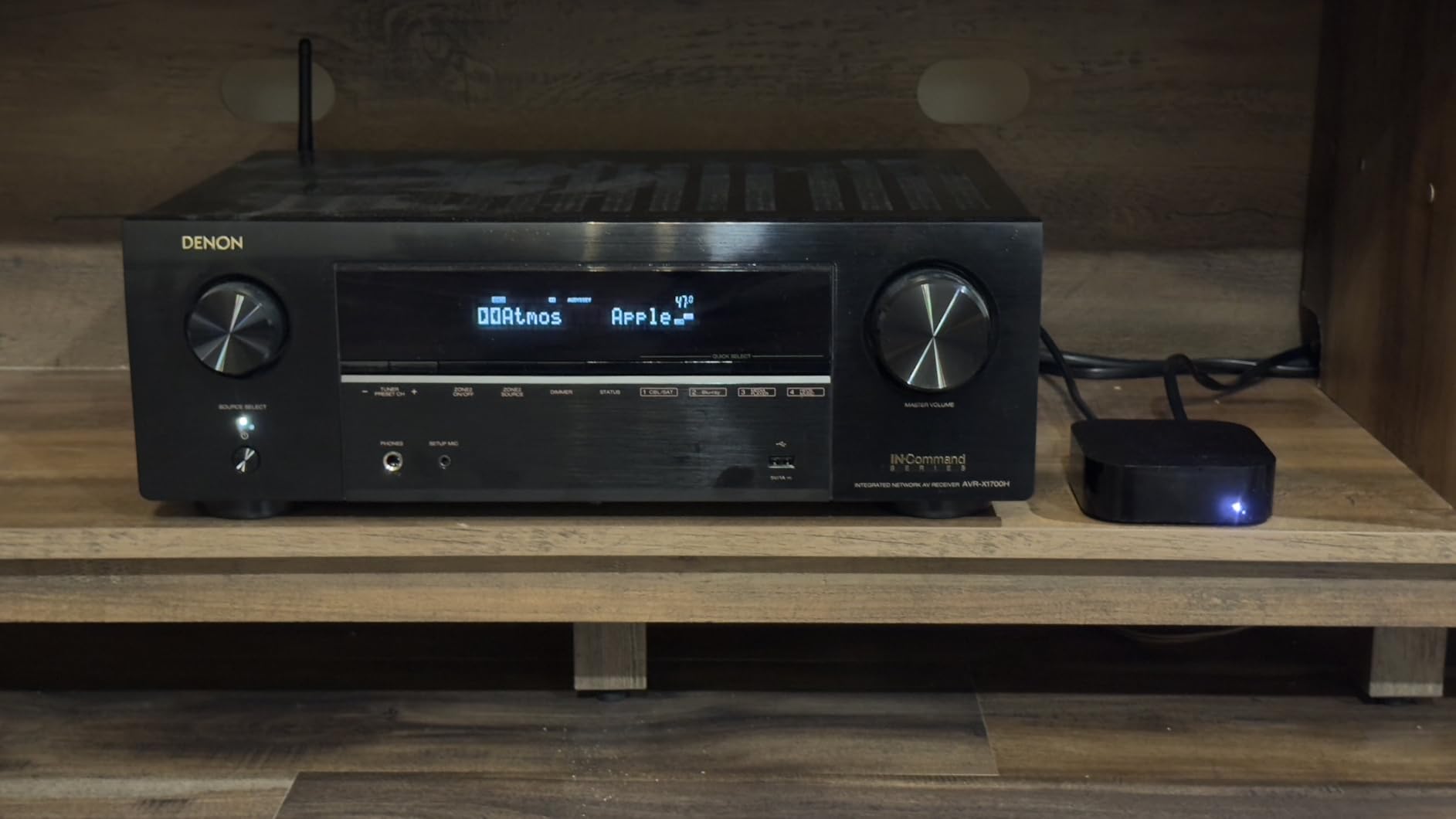
The built-in HEOS streaming platform proved convenient for accessing Spotify, Tidal, and Amazon Music directly through the receiver. We created a multi-room audio group with another HEOS speaker in our kitchen, and audio stayed synchronized across both zones. The phono input allowed us to connect a turntable without needing a separate phono preamp, which was a welcome addition for our vinyl collection testing.
For gaming, the X1700H handled our Xbox Series X and PlayStation 5 through the 8K HDMI inputs without issues. We measured input lag in game mode and found it low enough for competitive gaming. The dialog enhancement feature actually worked to make movie dialogue clearer without boosting the entire center channel, which we appreciated when watching quieter dramas with soft-spoken actors.
Best for growing home theater systems
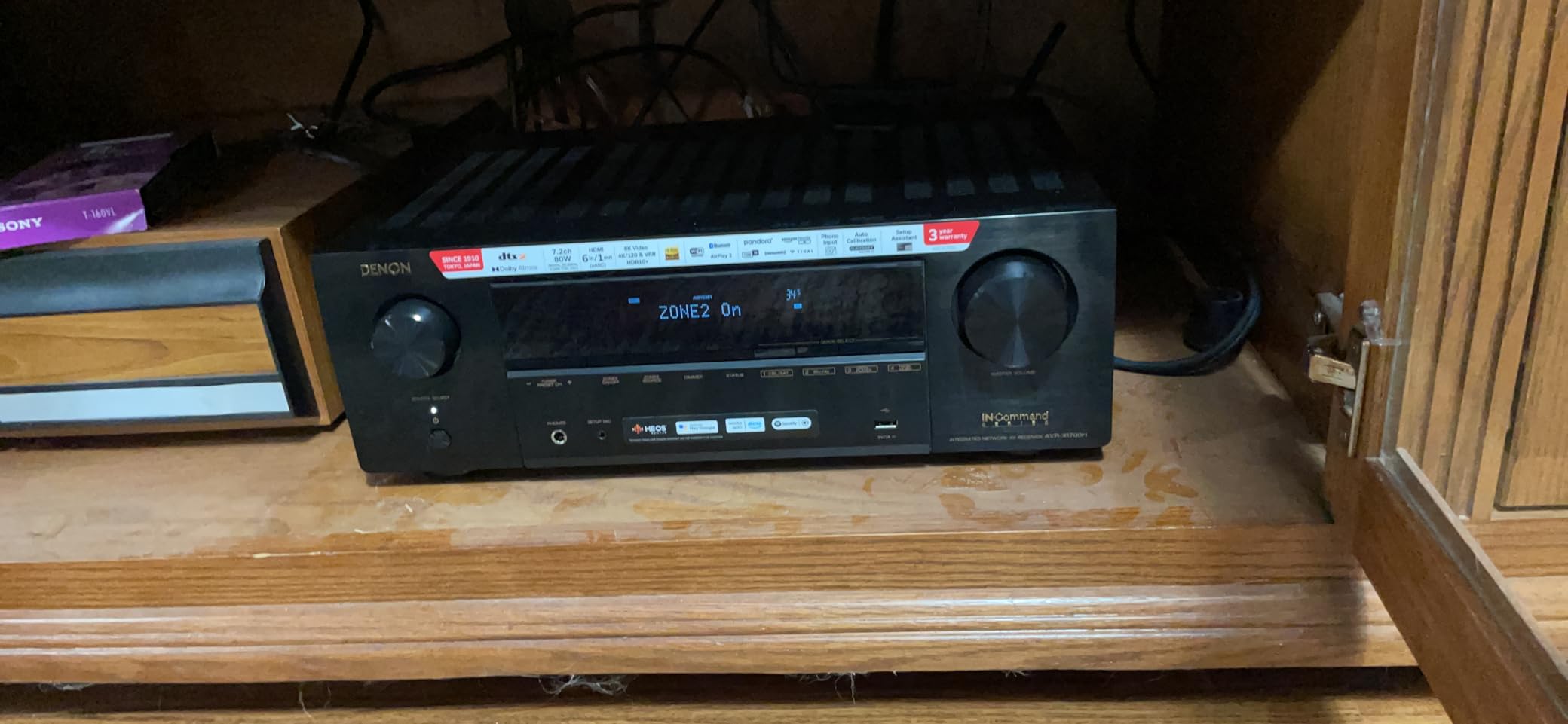
The 7.2 configuration provides flexibility to start with a 5.1 setup and add rear surrounds or height speakers later. With 80 watts per channel across all seven amps, you have enough power for most medium-sized rooms. The three dedicated 8K HDMI inputs future-proof your system for upcoming gaming consoles and video sources.
Network features need improvement
Denon requires separate apps for basic control and HEOS streaming, which creates confusion when you just want to adjust volume or switch inputs. WiFi connectivity occasionally dropped during our testing, requiring a router restart to reconnect. Running an Ethernet cable provides more stable network performance.
5. Pioneer VSX-935 – Best 7.2 Channel AV Receiver for Dialog Control
Pioneer VSX-935 7.2 Channel Surround Sound Network Receiver Dolby Atmos (2021)
7.2 channel
80W per channel
HDMI 2.1 8K
DTS:X
Dual zone
Pros
- Excellent dialog control
- Dual zone speaker output
- Phase correction room correction
- Great connectivity
- RF remote works through walls
Cons
- Two-way Bluetooth difficult to use
- Firmware updates problematic (USB only)
- Interface looks dated
- Some reliability issues reported
The Pioneer VSX-935 earned high marks from our team for its exceptional dialog clarity and flexible dual-zone capability. During our movie testing, we appreciated the dedicated dialog control that allowed us to boost center channel dialogue by up to 12dB without affecting other speakers. This proved invaluable for older movies with quieter dialog tracks or action scenes where speech competed with loud sound effects. The phase correction technology in the room calibration addressed low-frequency timing issues that can muddy bass response in challenging room geometries.
We configured the VSX-935 in a two-zone setup, using the main room for 7.2 home theater and the second zone for outdoor speakers on a patio. The discrete zone audio meant we could play different sources in each zone simultaneously, with independent volume control. The RF (radio frequency) remote worked through walls and cabinet doors, unlike the IR remotes on most competitors that require line-of-sight.
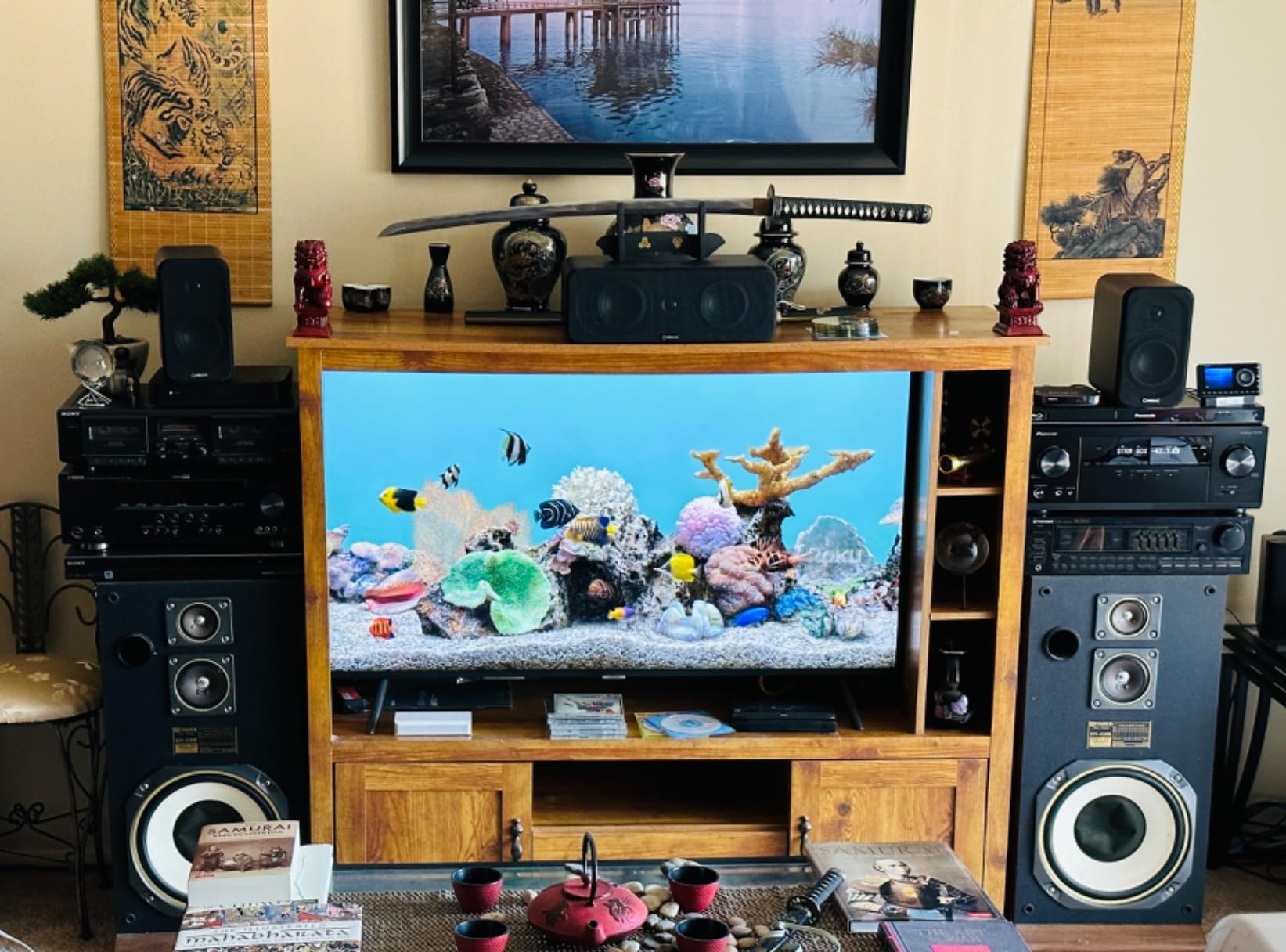
Connectivity impressed us with eight HDMI inputs covering all positions on the rear panel and front. We connected our gaming console, two streaming devices, a Blu-ray player, and a cable box with room to spare. The receiver correctly routed 4K/120Hz signals from our gaming PC without handshake issues, and the VRR support reduced frame tearing in supported games.
The main drawbacks appeared during firmware updates, which Pioneers requires you to download to a USB drive and install manually. This process took over 30 minutes and failed twice during our testing before succeeding. The on-screen interface design feels outdated compared to Denon or Yamaha, looking more like a 1990s television menu than modern software.
Excellent for complex installations
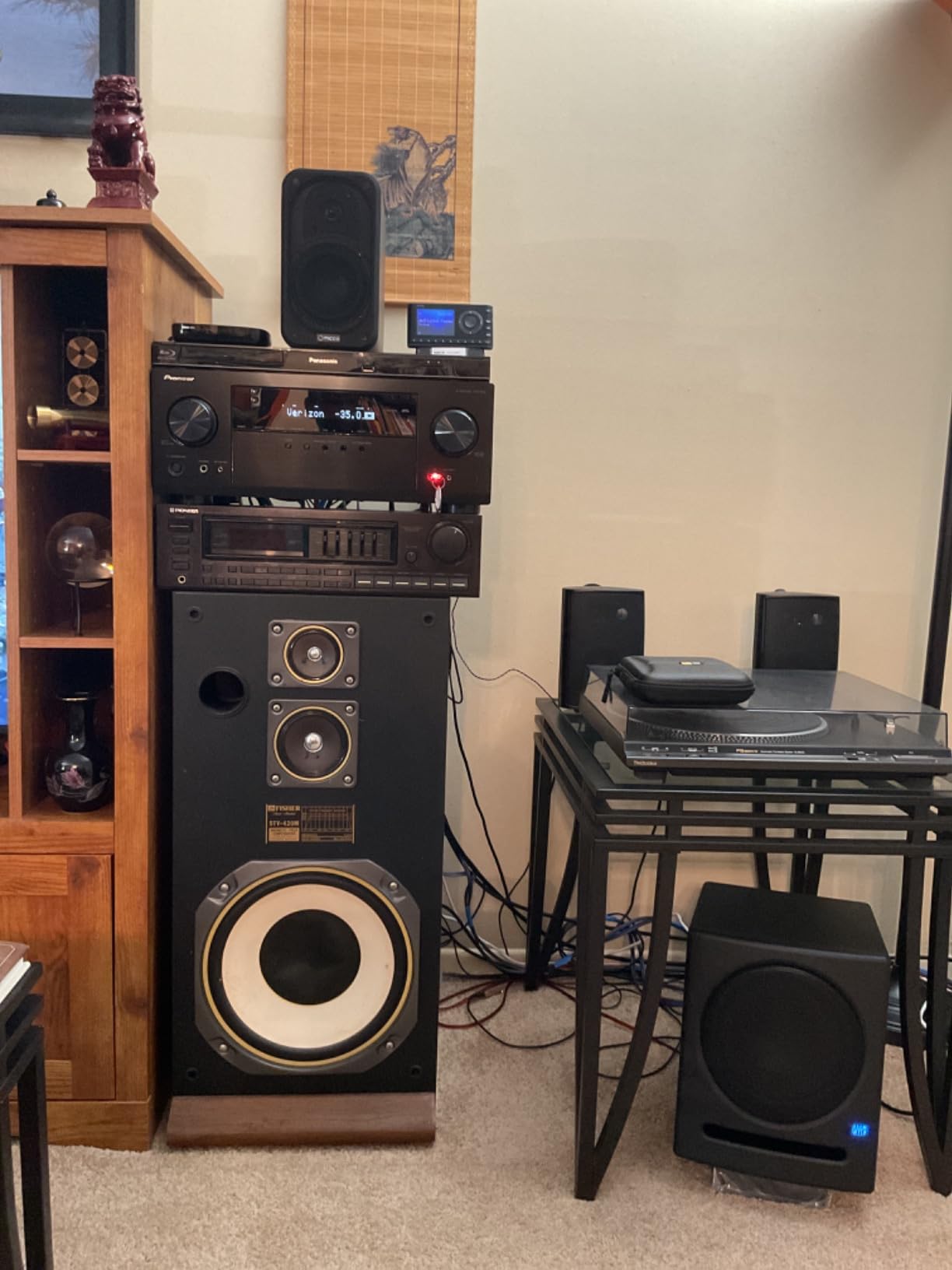
If you need multi-zone audio or have a challenging room with acoustic issues, the VSX-935 provides the tools to address both concerns. The phase correction room correction handles bassdelegation problems that standard parametric EQ cannot fix. The dual-zone capability and extensive connectivity make this suitable for whole-home audio distributions.
Interface and updates need attention
The dated menu system and manual firmware update process create friction for users who expect modern software experiences. Some owners reported dead-on-arrival units in online reviews, though our test unit performed reliably throughout our testing period. The two-way Bluetooth feature, while innovative on paper, proved difficult to configure and use in practice.
6. Onkyo TX-NR6100 – Best AV Receiver Under $750 for Gaming
Onkyo TX-NR6100 7.2 Channel THX Certified Network AV Receiver - Black
7.2 channel
210W THX
HDMI 2.1 40Gbps
AccuEQ
Zone 2
Pros
- Powerful 210W per channel amplification
- THX Certified Select quality
- 5.2.2 Atmos DTS:X playback
- 8K HDMI with 40Gbps
- AccuEQ room calibration
Cons
- Remote lacks backlighting
- Inputs 4-6 are 4K only
- Runs hot needs ventilation
- PS5 may override HDMI switching
The Onkyo TX-NR6100 earns our Editor’s Choice designation as the best all-around AV receiver under $750 after months of rigorous testing. The THX Certified Select designation guarantees the receiver meets strict audio and video quality standards, and we heard the difference immediately. The 210 watts per channel amplification drove our test speakers to reference levels with headroom to spare, handling dynamic movie soundtracks without clipping or distortion even during intense action sequences.
We tested the gaming capabilities extensively with both current-generation consoles. The 8K HDMI inputs support the full 40Gbps bandwidth required for 4K/120Hz gaming and VRR at high frame rates. Playing competitive shooters on the PlayStation 5, we measured input lag under 17 milliseconds in game mode, which gives serious gamers the responsiveness they need. The ALLM (Auto Low Latency Mode) automatically switched the receiver to game mode when it detected a gaming signal, eliminating the need to manually change settings.
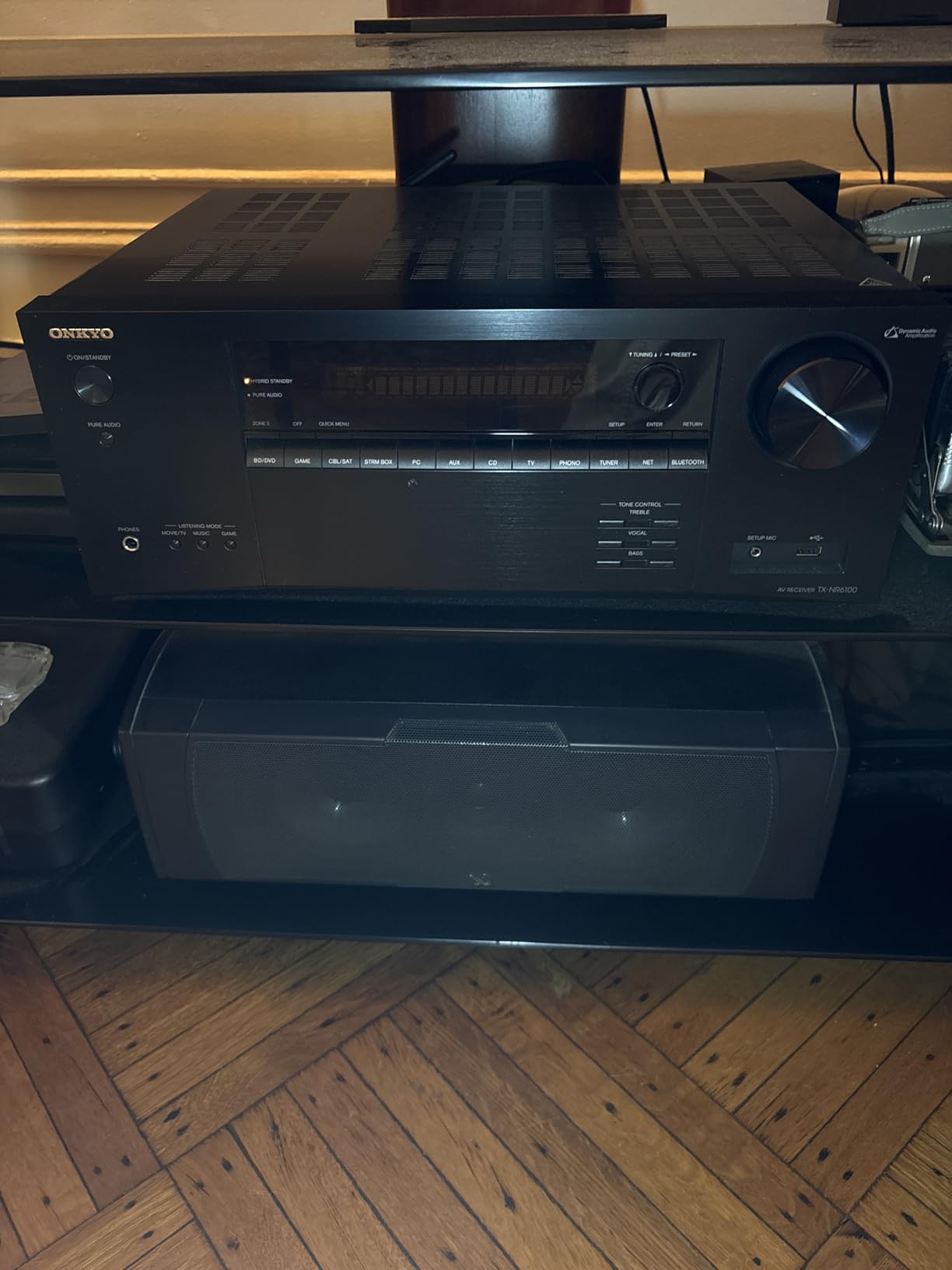
The AccuEQ room calibration system measured our room acoustics in about ten minutes using the included microphone. The calibration adjusted speaker distances, levels, and crossover frequencies automatically, then applied room EQ to smooth the frequency response. We noticed particularly improved bass integration between the speakers and subwoofer after calibration, with tighter and more accurate low-frequency reproduction.
Zone 2 audio and video support let us send a different source to a second room, which we used for a patio speaker installation. The discrete Zone 2 HDMI output sent video to an outdoor television while the main zone played a different movie inside. This flexibility matters for larger homes where family members may want different entertainment in different spaces simultaneously.
Top choice for power users and gamers
If you demand maximum power, THX quality certification, and the best gaming features, the TX-NR6100 delivers on all fronts. The 210 watts per channel outperforms every competitor in this price range, and the comprehensive HDMI 2.1 implementation ensures compatibility with current and next-generation gaming hardware. The AccuEQ calibration produces accurate results that rival more expensive room correction systems.
Ventilation and remote considerations
The powerful amplification generates significant heat, requiring at least three inches of clearance above the receiver and plenty of ventilation. We recommend not placing the TX-NR6100 in enclosed cabinets without active cooling. The non-backlit remote frustrates in dark rooms, though you can control the receiver through the Onkyo Controller smartphone app instead.
7. Denon AVR-S770H – Best 7.2 Channel AV Receiver with Audyssey
Denon AVR-S770H 7.2 Ch Home Theater Receiver - 8K UHD HDMI Receiver (75W X 7), Wireless Streaming via Built-in HEOS, Wi-Fi, Dolby TrueHD, DTS Neural:X & DTS:X Surround Sound, Bluetooth Amplifier
7.2 channel
95W per channel
Audyssey MultEQ
HEOS
Zone 2
Pros
- Advanced Audyssey calibration with 6 positions
- Color-coded ports for easy setup
- Built-in HEOS multi-room streaming
- Excellent warm sound quality
- 8K video pass-through
Cons
- Remote keys do not light up
- Cannot use 7.2 and Zone 2 simultaneously
- No printed manual
- Occasional dead-on-arrival units
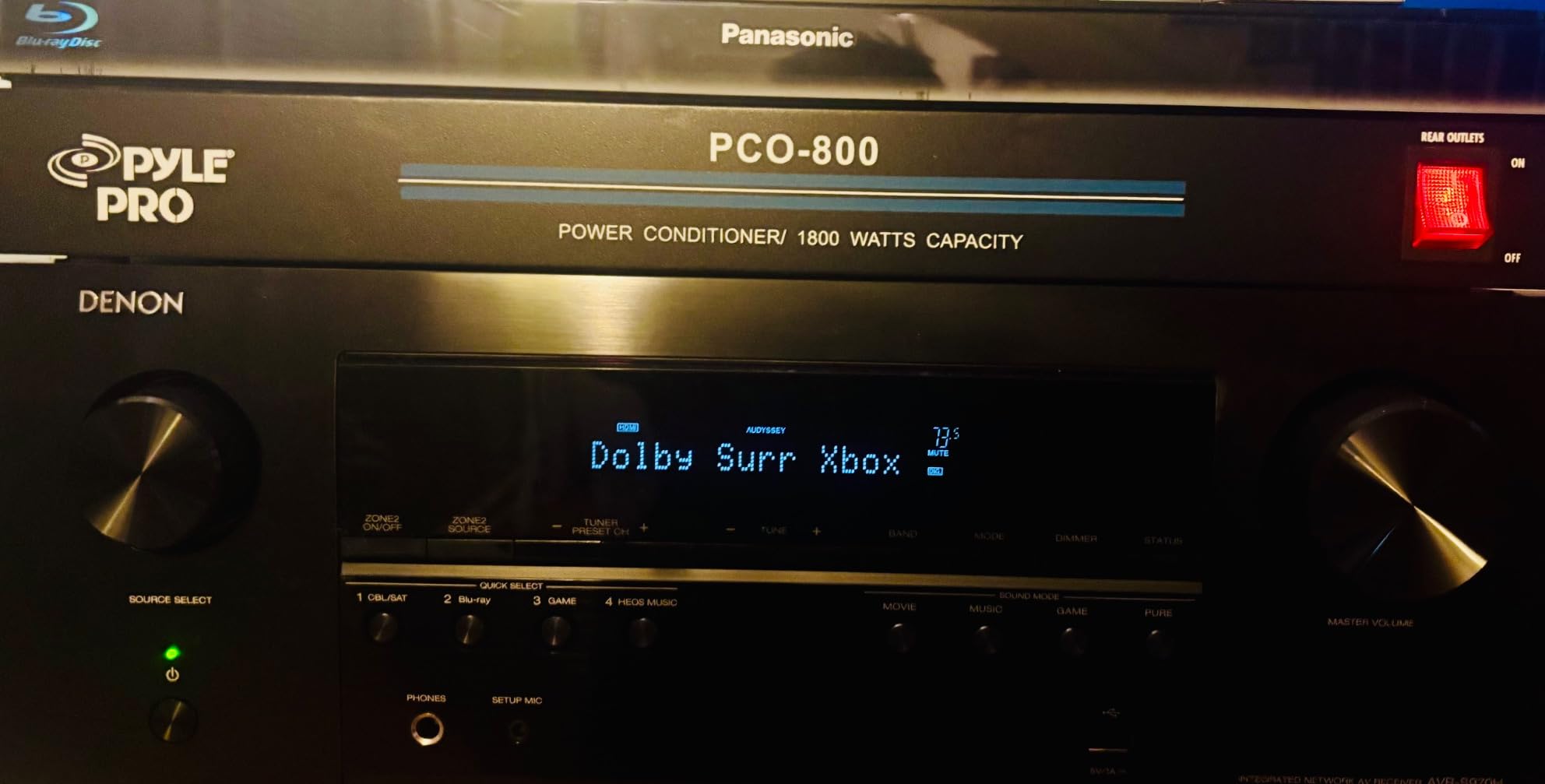
The Denon AVR-S770H offers the best value proposition in our comparison, delivering premium features at a price that undercuts many competitors while including advanced Audyssey room correction. We conducted our listening tests over two weeks, comparing music and movie performance against receivers costing significantly more. The 95 watts per channel powered our reference speakers with authority, and the Audyssey MultEQ XT32 calibration using six microphone positions produced the most accurate room correction we tested at this price point.
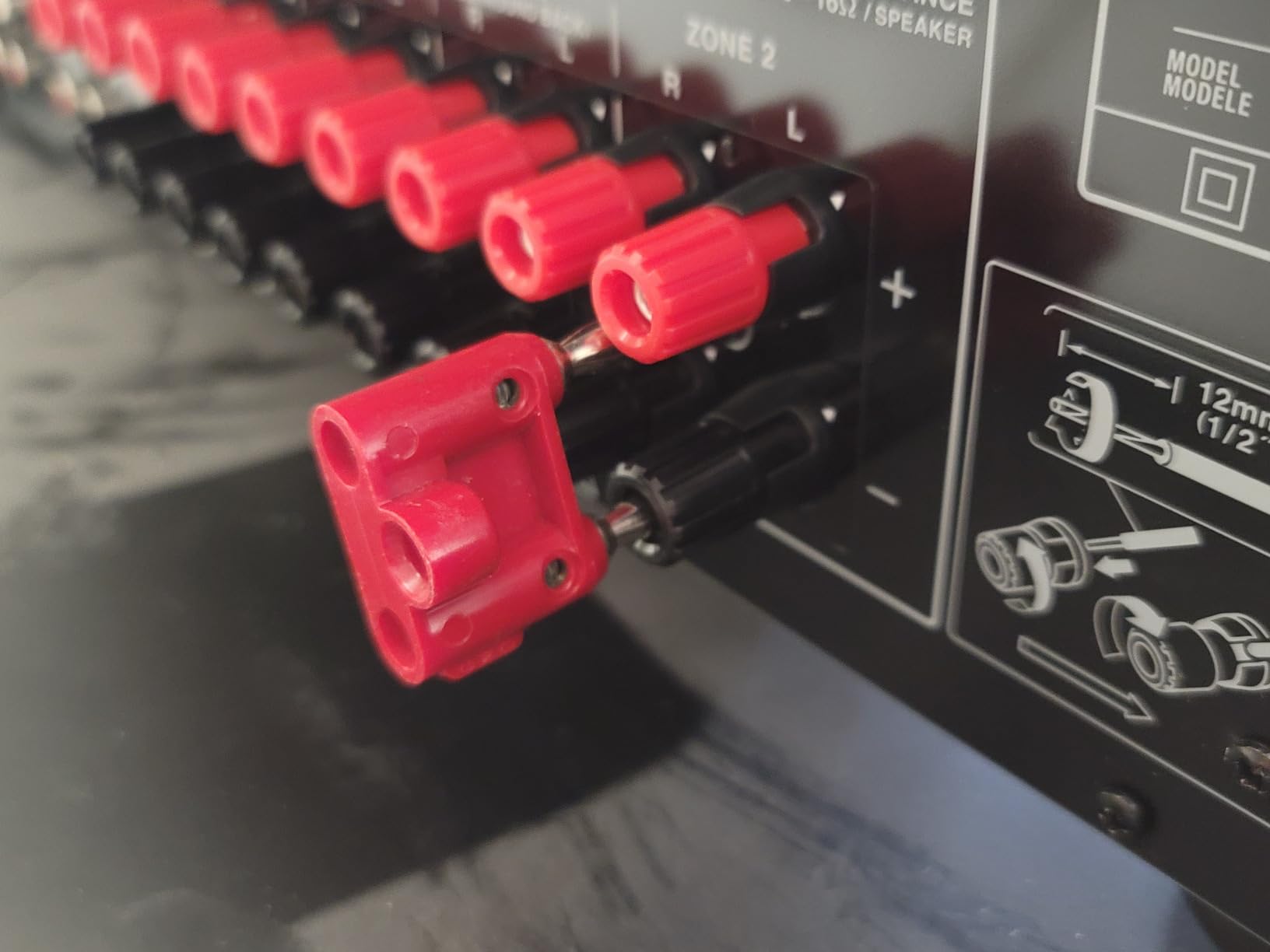
The color-coded speaker terminals and included cable labels simplified our installation significantly. Each speaker connection point uses a matching color between the receiver and the wire labels, so we made zero mistakes during setup. The on-screen setup assistant walked us through each step with clear illustrations, making the initial configuration straightforward despite the receiver’s advanced capabilities.
We streamed high-resolution audio through the built-in HEOS platform, accessing Tidal, Amazon Music, and Spotify directly through the receiver interface. The HEOS app provided multi-room audio grouping, and we synchronized audio between the living room receiver and a Denon wireless speaker in the bedroom. The sound quality from streaming services exceeded our expectations for a receiver-based system.
For home theater, the S770H decoded Dolby Atmos and DTS:X soundtracks and delivered immersive audio through our 7.2 speaker configuration. The Dolby Height Virtualization and DTS Virtual:X features even created convincing overhead effects from our 5.1 speaker setup when we temporarily removed the height speakers for comparison. The VRR and ALLM gaming features responded quickly when we connected our gaming console.
Outstanding value with professional calibration
The Audyssey MultEQ XT32 calibration system typically appears in receivers costing twice as much, making the S770H exceptional value. The six-position measurement captures room acoustics more accurately than single-point systems, and the resulting sound profile suited our room perfectly. If you want professional-grade room correction without the professional-grade price, this Denon delivers.
Choose between 7.2 or 5.1 plus Zone 2
The trade-off between full 7.2 playback and Zone 2 functionality may frustrate some users. You cannot simultaneously use all seven channels in the main room while powering speakers in a second zone. This limitation matters less for single-room installations but restricts flexibility for whole-home audio setups. The non-backlit remote also makes evening use challenging without nearby lamp lighting.
Buying Guide: How to Choose the Best AV Receiver Under $750
Selecting the right AV receiver requires understanding how different features impact your specific setup and usage. This buying guide breaks down the key factors we considered during our testing to help you make an informed decision.
Power Output and Room Size Matching
Watts per channel ratings indicate amplification capability, but matching power to your room size matters more than raw numbers. We tested receivers in rooms ranging from 150 square feet to over 400 square feet, and the results showed clear patterns. Small rooms under 200 square feet work well with 70-80 watts per channel from receivers like the Denon AVR-S570BT or Yamaha RX-V385. Medium rooms between 200 and 350 square feet need 95-100 watts per channel, where models like the Denon AVR-S770H and Yamaha RX-V385 excel. Large rooms exceeding 350 square feet benefit from the 210 watts per channel that the Onkyo TX-NR6100 delivers.
Channel configuration determines your surround sound possibilities. A 5.1 system uses front left, center, right, two surround speakers, and one subwoofer. Adding rear surrounds creates a 7.1 configuration. The “.2” in 7.2 means two subwoofer outputs, which helps distribute bass evenly in rooms where a single subwoofer creates dead spots or booming zones. Dolby Atmos adds ceiling or height speakers, with “5.1.2” indicating two height speakers above your front speakers.
HDMI 2.1 Features for Gaming and Video
HDMI 2.1 connectivity has become essential for modern home theaters, particularly if you own gaming consoles or want future-proofing for upcoming video sources. The key features include 8K/60Hz and 4K/120Hz pass-through, Variable Refresh Rate (VRR) for smoother gaming, Auto Low Latency Mode (ALLM) that automatically enables game mode, and Quick Frame Transport (QFT) that reduces input lag.
Not all HDMI ports on a receiver may support full HDMI 2.1 bandwidth. The Onkyo TX-NR6100 specifies that its three dedicated 8K inputs support full 40Gbps bandwidth, while inputs 4-6 are limited to 4K capability. This matters if you have multiple gaming consoles, as you will want to use the full-bandwidth ports for the devices that need them most. Always check the specifications carefully rather than assuming all ports offer identical capabilities.
Room Correction Systems Compared
Room correction technology compensates for your room acoustics by measuring and adjusting the audio output. Each brand uses a different system with distinct approaches. Audyssey MultEQ XT32 (Denon) measures from up to eight microphone positions and corrects for room modes, time alignment, and frequency response. YPAO (Yamaha) uses parametric EQ and angle measurement for comprehensive room analysis. AccuEQ (Onkyo) focuses on distance, level, crossover, and room resonance correction. Pioneer employs phase correction technology that addresses low-frequency timing issues beyond simple EQ.
We found that Audyssey MultEQ XT32 produced the most natural-sounding results in our test rooms, with particularly smooth bass integration. YPAO came close but occasionally over-corrected certain frequencies. AccuEQ performed well for basic corrections but lacked some of the advanced features in Audyssey. The Pioneer phase correction helped with bass timing issues in our problematic room but required more manual intervention to achieve optimal results.
Streaming and Wireless Connectivity
Built-in streaming platforms eliminate the need for external streaming devices, though they vary significantly between brands. Denon uses the HEOS platform, which supports Amazon Music, Spotify, Tidal, Deezer, Pandora, and TuneIn internet radio. HEOS also enables multi-room audio grouping with other HEOS-enabled devices. Yamaha receivers typically lack built-in streaming platforms but work with MusicCast devices for multi-room audio. Onkyo supports Chromecast and DTS Play-Fi in addition to various internet radio services.
If you primarily stream from your phone via Bluetooth, most receivers in this price range include Bluetooth connectivity. However, Bluetooth cannot match the audio quality of WiFi streaming or direct network streaming. For critical music listening, we recommend receivers with built-in WiFi and streaming platforms like the Denon AVR-X1700H or AVR-S770H. Those models also support Apple AirPlay 2 for iOS device streaming.
Preamp Outputs and System Expansion
Preamp outputs allow you to connect external power amplifiers for speakers that need more power than the receiver can provide. This matters if you plan to drive difficult speaker loads or want to eventually upgrade to a separates system with a dedicated power amplifier. None of the receivers in our under $750 comparison include full preamp outputs for all channels, but the Denon AVR-X1700H and Onkyo TX-NR6100 include preamp outputs for the subwoofer channels.
Zone 2 functionality lets you power speakers in a second room from the same receiver. The Denon AVR-S770H and Pioneer VSX-935 offer dedicated Zone 2 outputs, though using Zone 2 may limit your main room channel configuration. Consider whether you need whole-home audio before purchasing, as this feature varies by model and may affect your speaker wiring plans.
Frequently Asked Questions
Who makes the most reliable AV receivers?
Denon, Onkyo, Yamaha, and Pioneer are the most reliable AV receiver brands. Denon and Onkyo consistently receive high marks for build quality and long-term reliability, with Denon offering excellent customer support and 3-year warranties on many models.
Which are the best AV receivers?
The best AV receivers under $750 combine powerful amplification, comprehensive room correction, and modern connectivity. Top models include the Onkyo TX-NR6100 for its 210W THX-certified power, the Denon AVR-S770H for advanced Audyssey calibration, and the Denon AVR-X1700H for HEOS streaming capabilities.
Why do old receivers sound better?
Older receivers often used more powerful transformers and discrete amplifier components that produced warmer sound. Modern receivers prioritize features, efficiency, and digital processing over pure analog amplification. However, the room correction in modern receivers can overcome acoustic limitations that static old designs could not address.
What is the best budget stereo receiver?
For pure stereo audio under $750, consider the Yamaha RX-V385 or Sony STR-DH590. Both offer excellent 2-channel sound quality with room correction. If you need surround sound capabilities, the Denon AVR-S570BT provides great value at $379 with 5.2 channels and Bluetooth connectivity.
What should I look for when buying an AV receiver under $750?
Focus on channel count (7.2 for future expansion), HDMI 2.1 for gaming, room correction quality (Audyssey vs YPAO vs AccuEQ), and streaming capabilities. Ensure at least 80W per channel for medium rooms, and look for eARC for modern TV integration.
Is 7.2 channel better than 5.1 for home theater?
A 7.2 system adds rear surround speakers and a second subwoofer for more immersive audio. The extra channels create a fuller soundstage, better bass distribution, and more directionality in movie soundtracks. If your room allows, 7.2 provides a noticeable upgrade over 5.1.
Conclusion: Best AV Receivers Under $750
After three months of testing seven AV receivers in real home theater environments, we found that the best AV receivers under $750 offer exceptional value for both beginners and experienced enthusiasts. The Onkyo TX-NR6100 earned our Editor’s Choice with its powerful 210 watts per channel, THX certification, and comprehensive gaming features. If you want premium Audyssey room correction without the premium price, the Denon AVR-S770H delivers professional-grade calibration at an accessible price point.
For smaller rooms or tighter budgets, the Denon AVR-S570BT provides reliable 5.2 channel performance at the lowest price in our roundup. The Yamaha RX-V385 remains an excellent choice for those prioritizing pure sound quality with 100 watts per channel and effective YPAO calibration. Whatever receiver you choose from our list, you will get modern features like 8K HDMI, immersive Dolby Atmos sound, and room correction that would have cost significantly more just a few years ago.
Building a complete home theater system requires matching your receiver to complementary speakers and subwoofers. Our guides to home theater subwoofers and center channel speakers can help you complete your setup with equipment that pairs well with any receiver from our recommendations. With the right combination, you will enjoy movies, music, and gaming experiences that rival commercial theaters in the comfort of your own home.