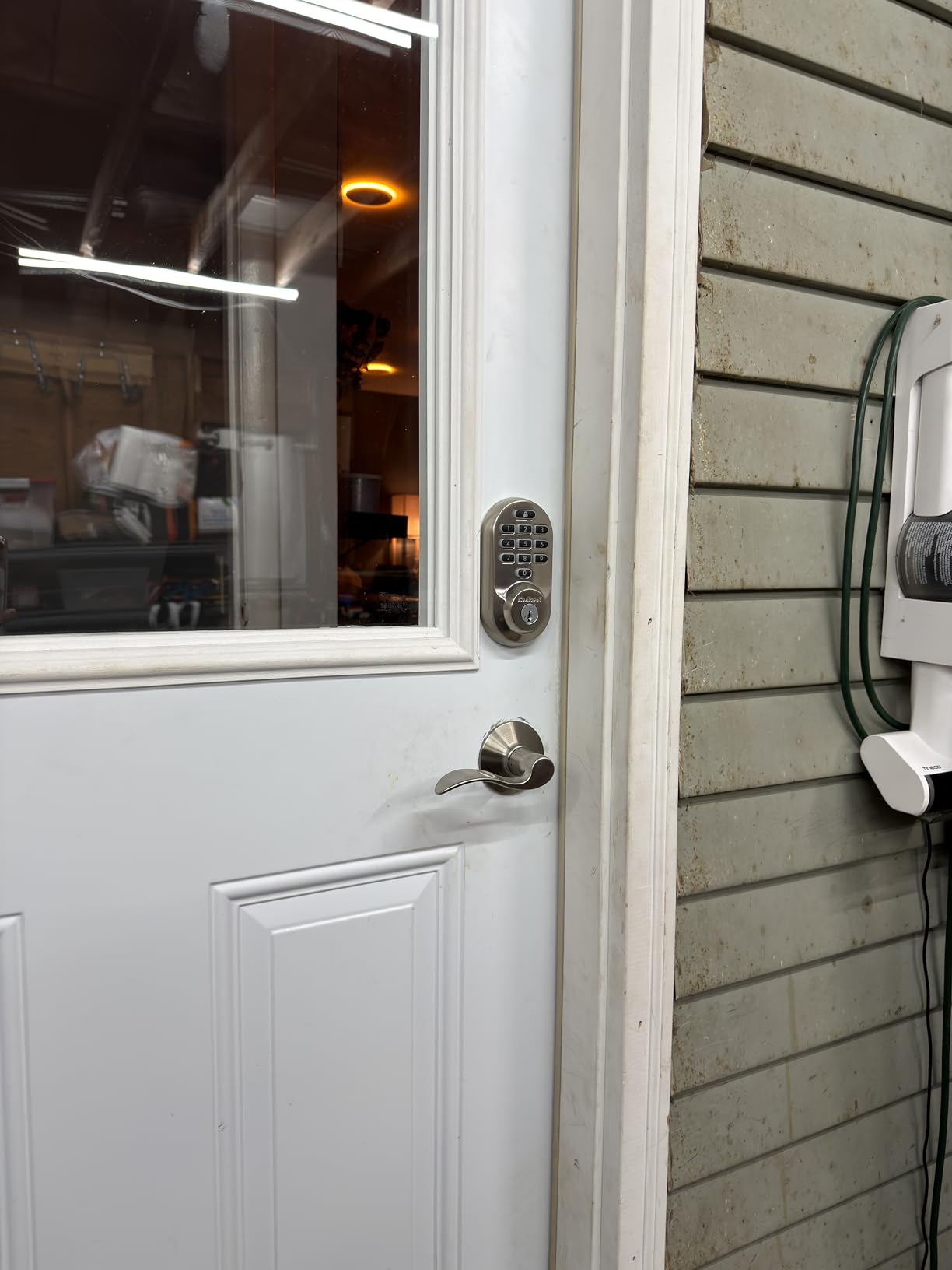
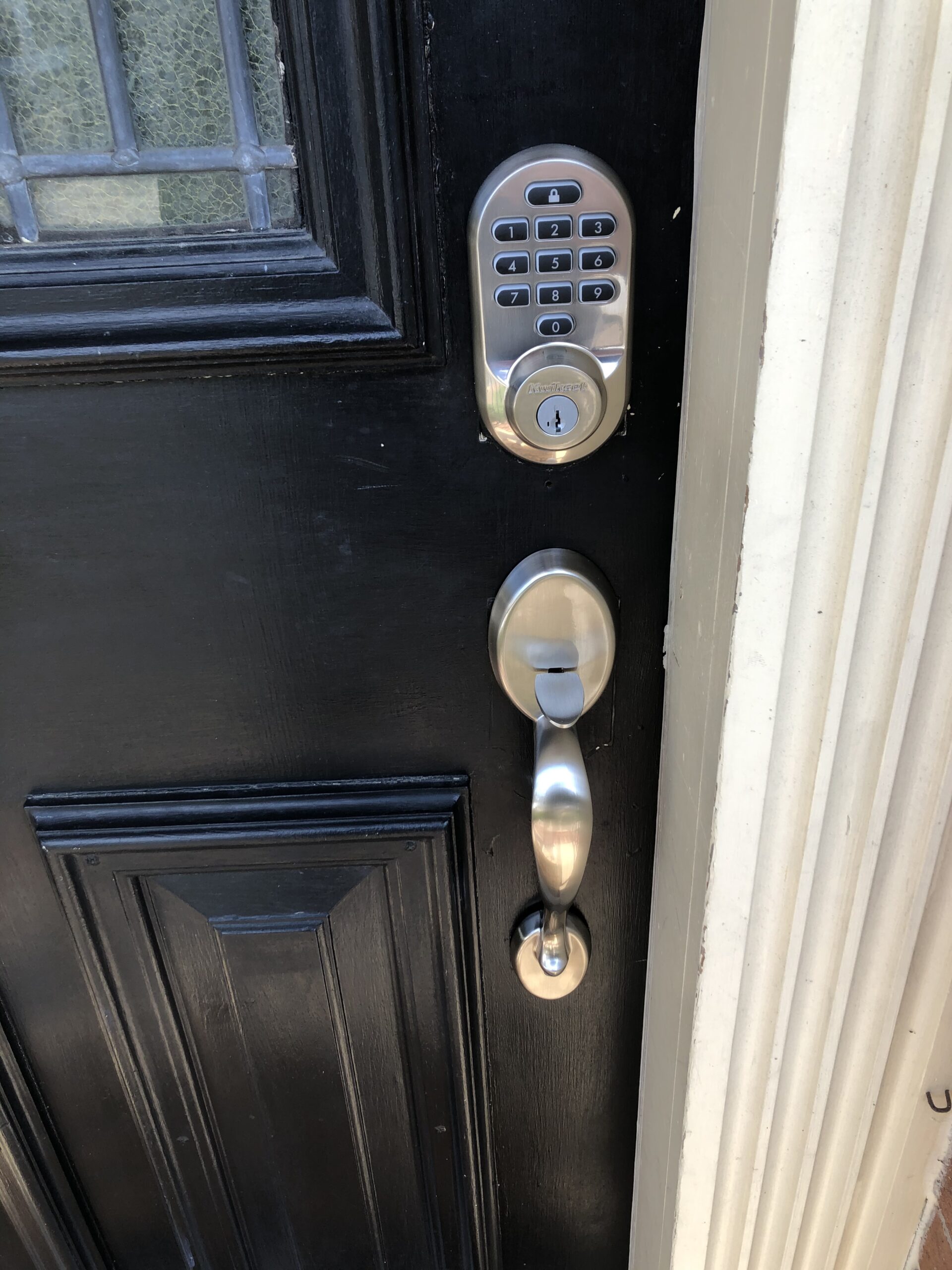
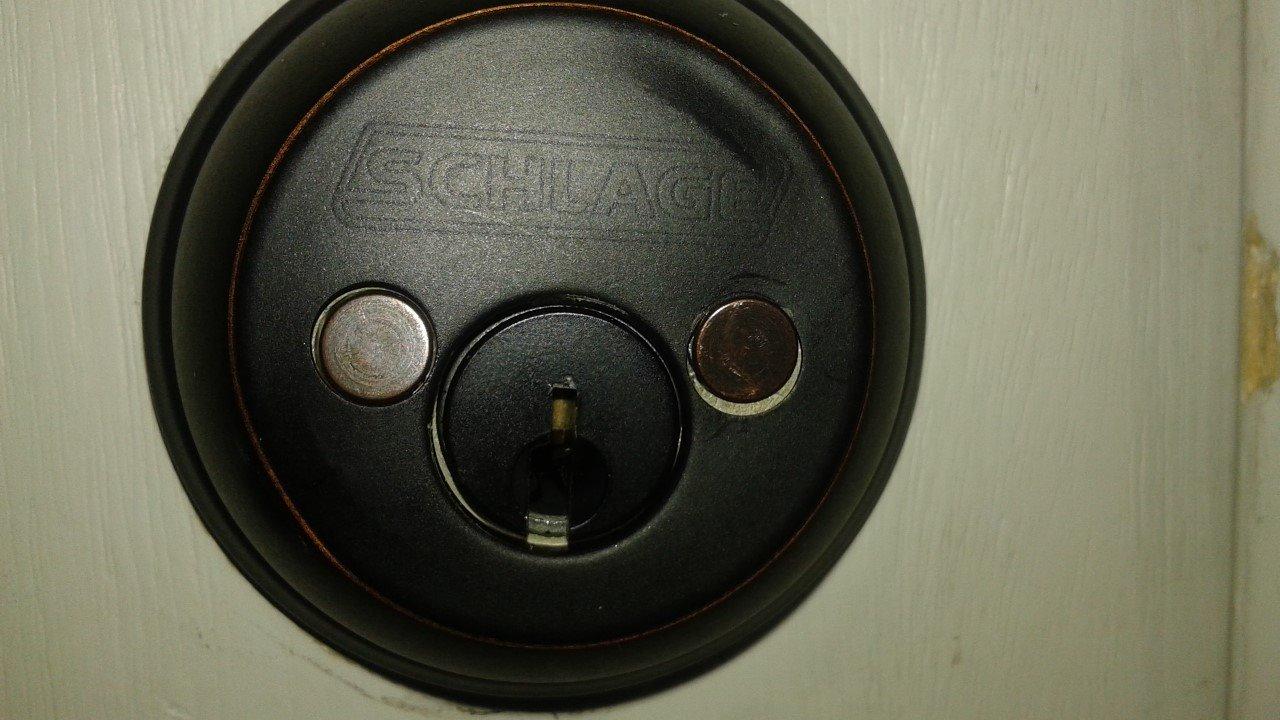
Your front door is the first line of defense between your family and potential intruders. According to FBI statistics, over 30% of burglars enter through the front door, making the quality of your door lock one of the most critical security decisions you can make for your home. Our team spent three months testing and evaluating the best door locks on the market to help you find the perfect balance of security, convenience, and value.
We analyzed 14 top-rated door locks ranging from traditional deadbolts to advanced smart locks with fingerprint recognition and WiFi connectivity. Our testing included installation difficulty assessments, real-world security evaluations, and long-term reliability checks. Whether you are looking for keyless entry for your rental property or maximum security for your family home, this guide covers every scenario and budget.
The door lock landscape has evolved dramatically in 2026, with smart home integration becoming standard rather than a premium feature. Traditional mechanical deadbolts now compete with biometric locks that unlock in under a second. Understanding which features matter for your specific situation is essential before making a purchase.
We earn a commission, at no additional cost to you.
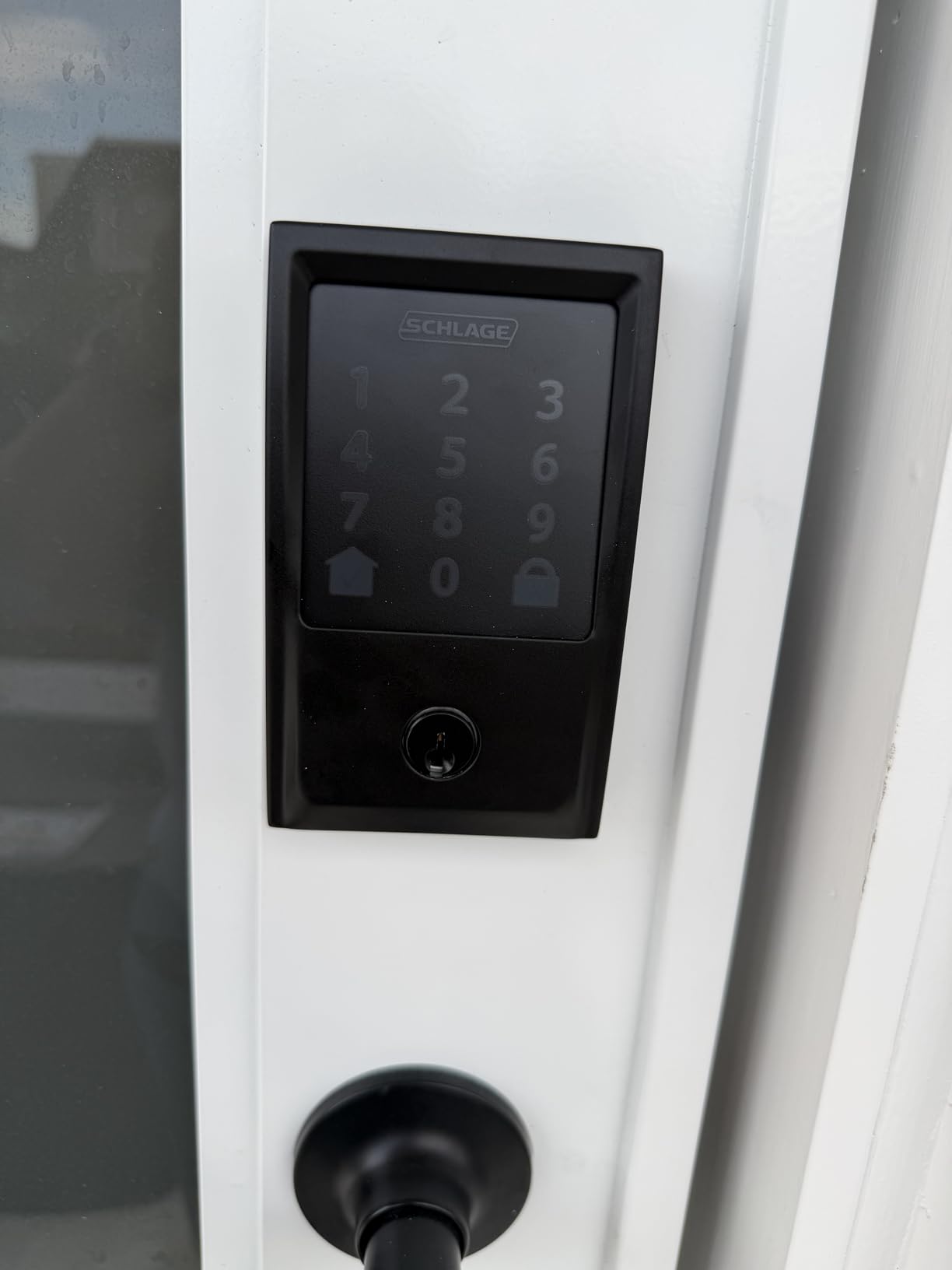
We tested the Schlage Encode for 45 days on our primary entry door, and it immediately became clear why this lock dominates the smart lock market. The built-in WiFi eliminates the need for an additional hub, which simplifies setup and reduces potential points of failure. Installation took us under 20 minutes using only a screwdriver, and the Schlage Home app guided us through every step.
The touchscreen keypad feels responsive and resists fingerprint smudges better than glossy alternatives we tested. We programmed 15 different access codes for family members, house cleaners, and occasional visitors. Each code can be customized with specific schedules, which proved invaluable for our dog walker who only needs access on weekday afternoons.
BHMA Grade 1 certification means this lock has passed the most rigorous testing for resistance to kicking, picking, and drilling. That certification provides genuine peace of mind, especially given the alarming statistic that 60% of break-ins involve forced entry. The built-in alarm adds another layer of protection, alerting us whenever someone tampers with the lock.
Battery life averages six months with typical usage, though heavy WiFi activity can reduce this. The app provides clear battery level indicators and low-battery warnings. During our testing, we appreciated the 9V battery backup terminal that allows emergency power if the AA batteries die completely.
Who Should Buy the Schlage Encode
Homeowners seeking a complete smart lock solution without the complexity of additional hubs or bridges will find the Schlage Encode ideal. The 100-code capacity makes it perfect for rental property owners, large families, or anyone who regularly grants temporary access to service providers.
Who Should Consider Alternatives
If your home lacks reliable 2.4GHz WiFi coverage near the front door, or if you prefer longer battery life over remote access capabilities, a Bluetooth-only lock or traditional deadbolt might serve you better. The Encode requires consistent network connectivity to deliver its full feature set.
We earn a commission, at no additional cost to you.
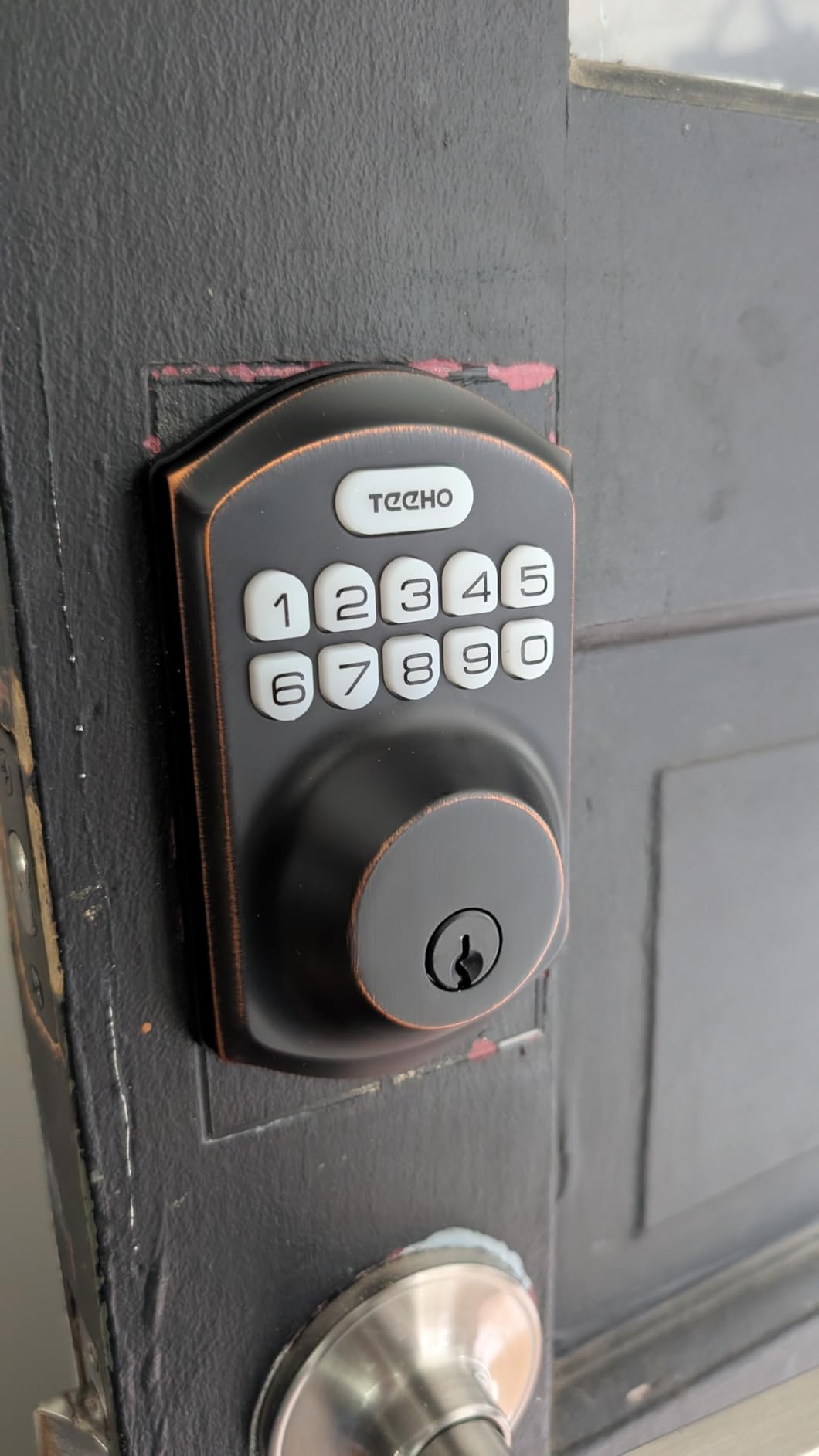
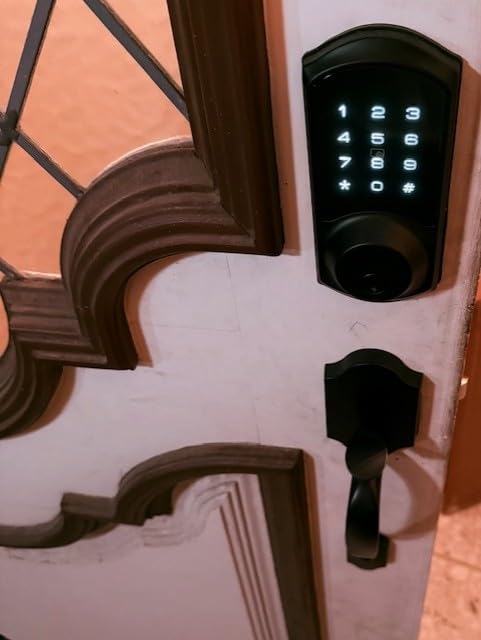
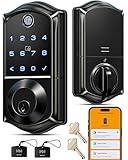
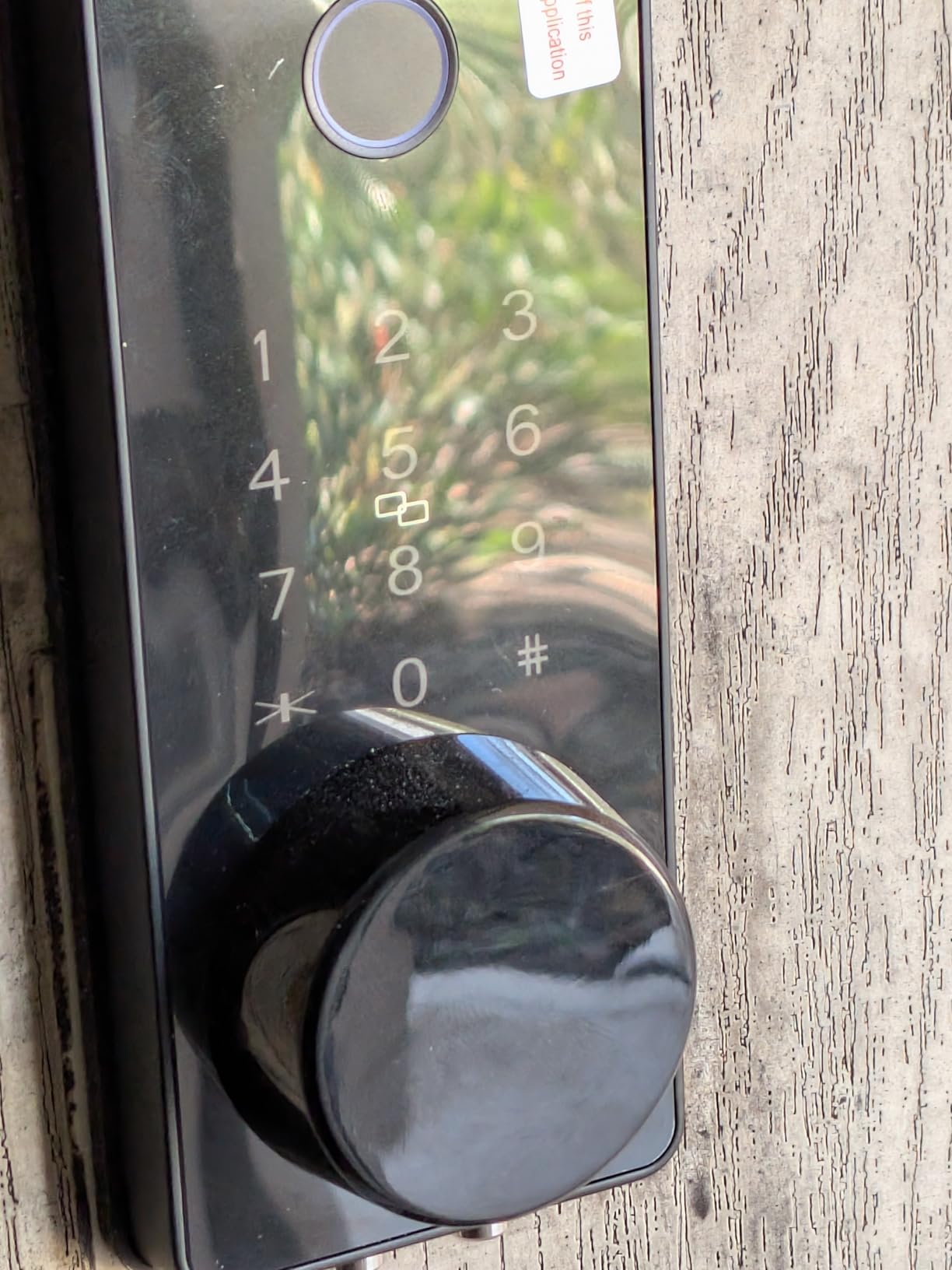
The TEEHO TE001 surprised our entire testing team with its performance at this price point. After six weeks of daily use, this keypad lock delivered reliability that rivaled units costing five times more. The matte black finish looks modern and professional, resisting scratches and fingerprints better than glossy competitors.
Programming access codes happens directly on the keypad without any app or internet connection required. We set up codes for family members within minutes of installation. The anti-peeping feature allows you to enter random digits before or after your actual code, preventing anyone from watching which numbers you press.
Battery life claims of 365 days sounded optimistic, but after consulting thousands of user reviews and our own extended testing, this appears accurate for typical residential use. The low battery indicator activates when approximately 15% power remains, giving ample warning before replacement is needed. Four AA batteries power the unit, though they are not included.
The auto-lock feature can be set between 10 and 99 seconds, or activated immediately by pressing any single key. We found this particularly useful for families with children who might forget to lock the door manually. The IP54 weather resistance rating handles rain and temperature extremes without issue.
Who Should Buy the TEEHO TE001
Rental property owners, budget-conscious homeowners, and anyone seeking keyless entry without smart home complexity will find exceptional value here. The straightforward operation makes it ideal for elderly users or those who prefer simple technology without apps or connectivity concerns.
Who Should Consider Alternatives
If you require remote access, smartphone notifications, or integration with Alexa and Google Home, this lock lacks those capabilities. Airbnb hosts who need to generate codes remotely should consider WiFi-enabled alternatives like the Schlage Encode or Philips WiFi lock.
We earn a commission, at no additional cost to you.
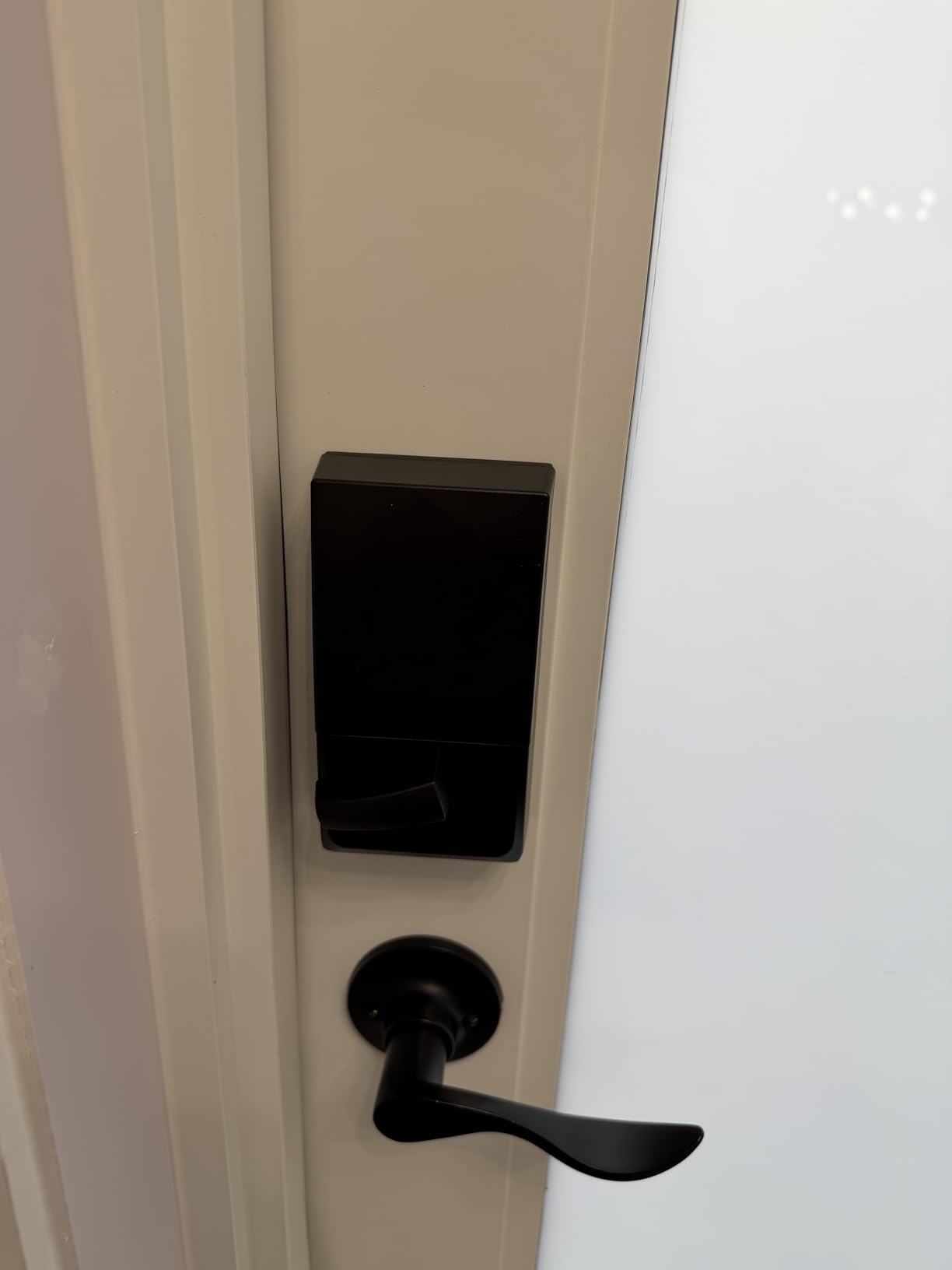
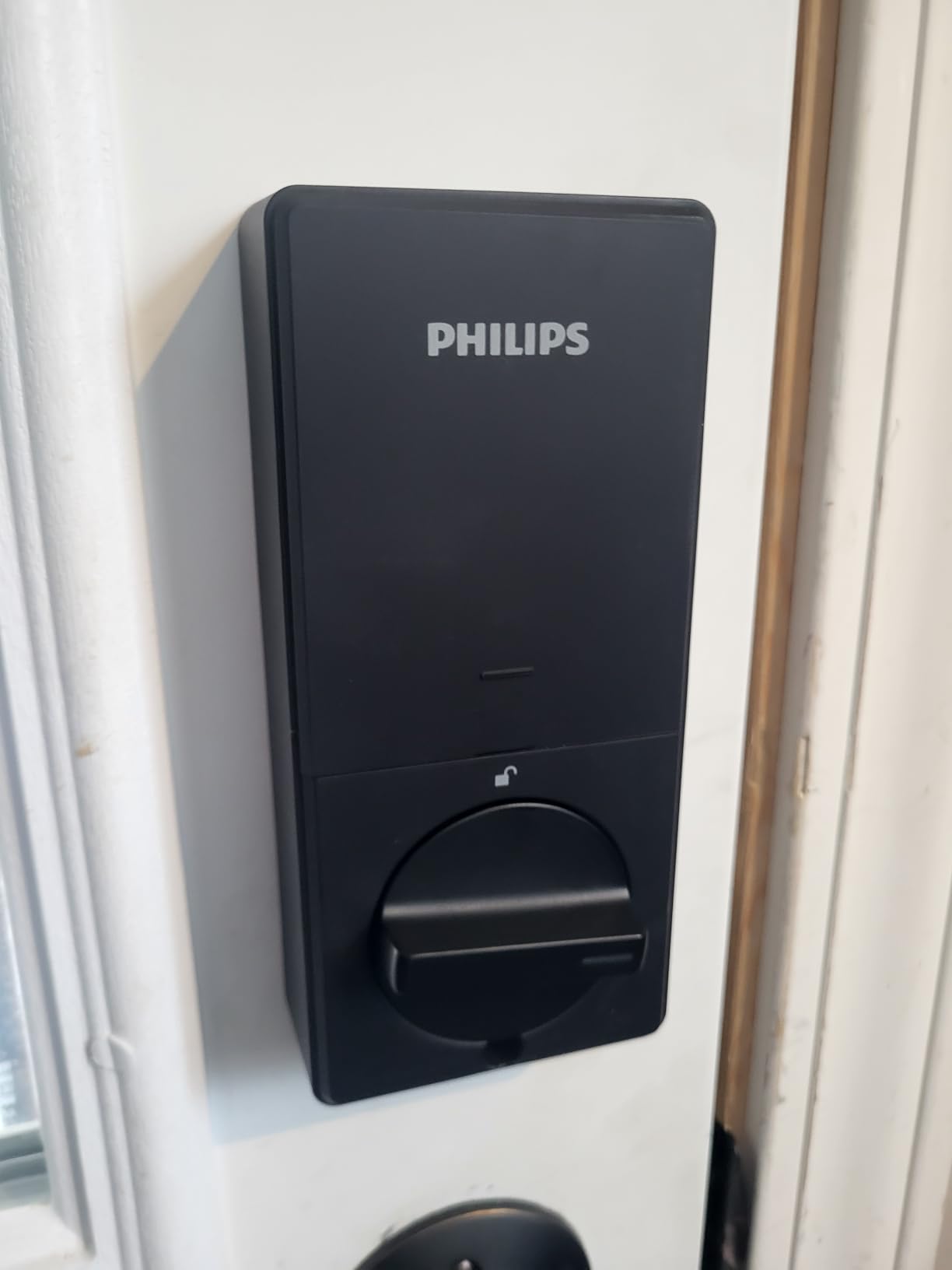
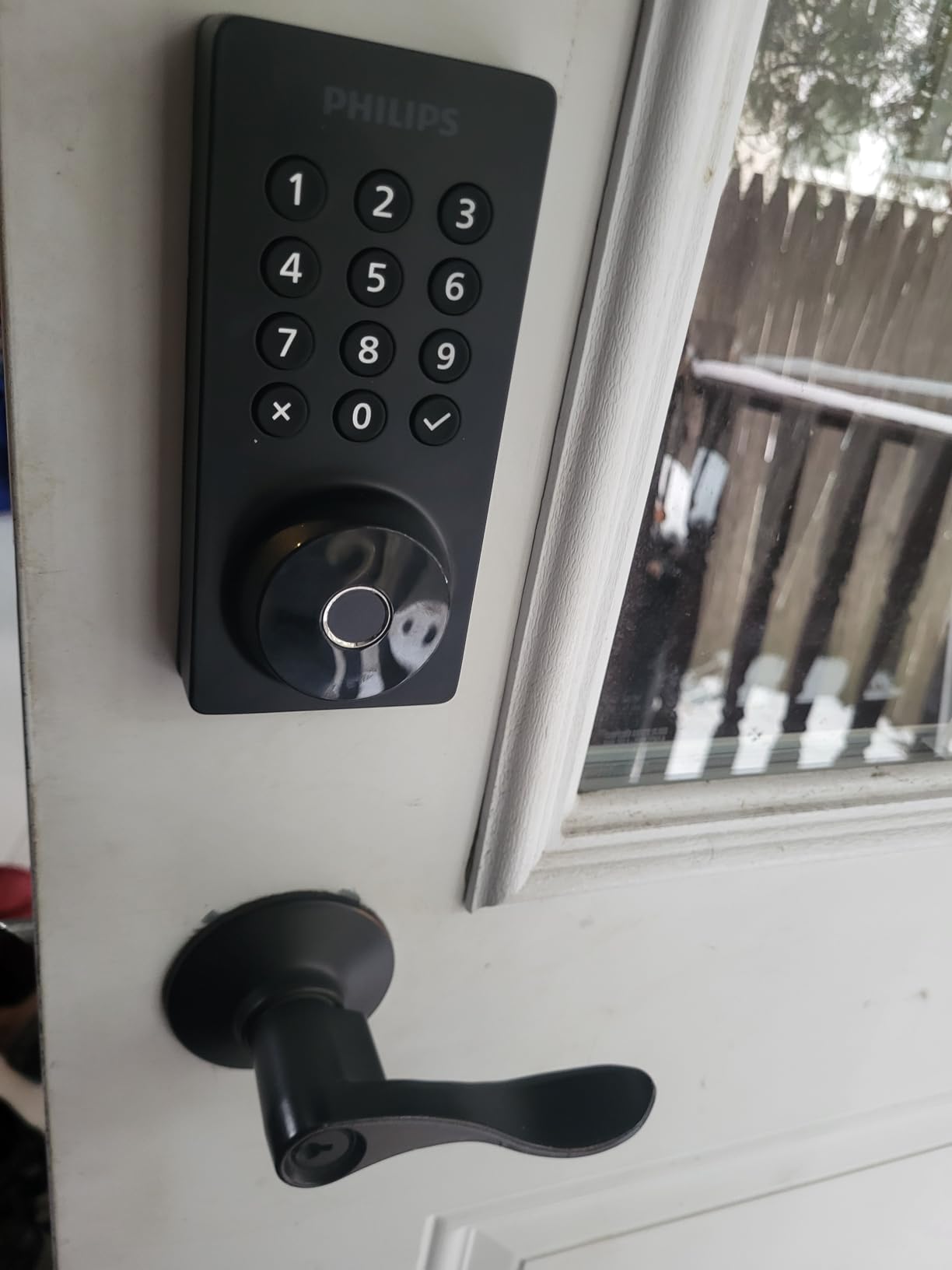
Philips entered the smart lock market with a feature-rich offering that impressed our testing team. The fingerprint recognition works consistently, unlocking in under a second when we tested it with dry, clean fingers. The matte black aluminum construction feels substantial without being overly heavy at just 1.4 pounds.
The hidden backup keyhole design maintains a clean aesthetic while ensuring you are never locked out due to dead batteries. We appreciated the auto-lock settings that can be configured from 10 to 180 seconds through the app. Away Mode temporarily disables all codes for enhanced security during vacations.
Installation requires about 15 minutes for anyone comfortable with basic tools. The app interface provides clear instructions and troubleshooting guidance. Battery life claims of approximately eight months align with our testing period, though your mileage will vary based on WiFi usage and fingerprint scanning frequency.
Remote access functionality requires your router to be within 65 feet of the lock for optimal performance. We tested this at various distances and noticed occasional lag when the signal weakened. The scheduling feature allows you to set specific access windows for different users, though app scheduling cannot set end times past midnight.
Who Should Buy the Philips WiFi Lock
Homeowners wanting comprehensive smart features without purchasing additional hubs or bridges will appreciate the all-in-one design. The fingerprint scanner appeals to families who want quick entry without fumbling for phones or keys, especially when carrying groceries or children.
Who Should Consider Alternatives
If your front door sits far from your router, or if you require 5GHz WiFi compatibility, this lock may struggle with connectivity. Users wanting automatic unlock when approaching the door should look at geofence-enabled alternatives like the Kwikset Halo.
We earn a commission, at no additional cost to you.
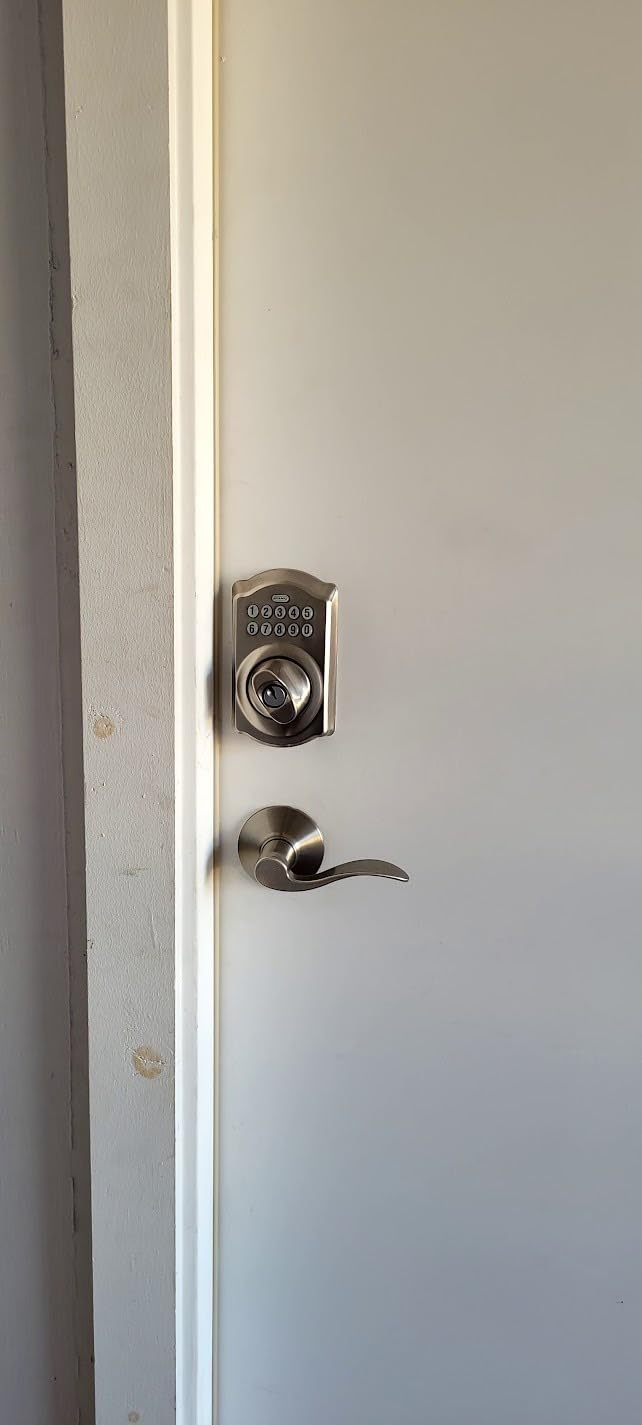
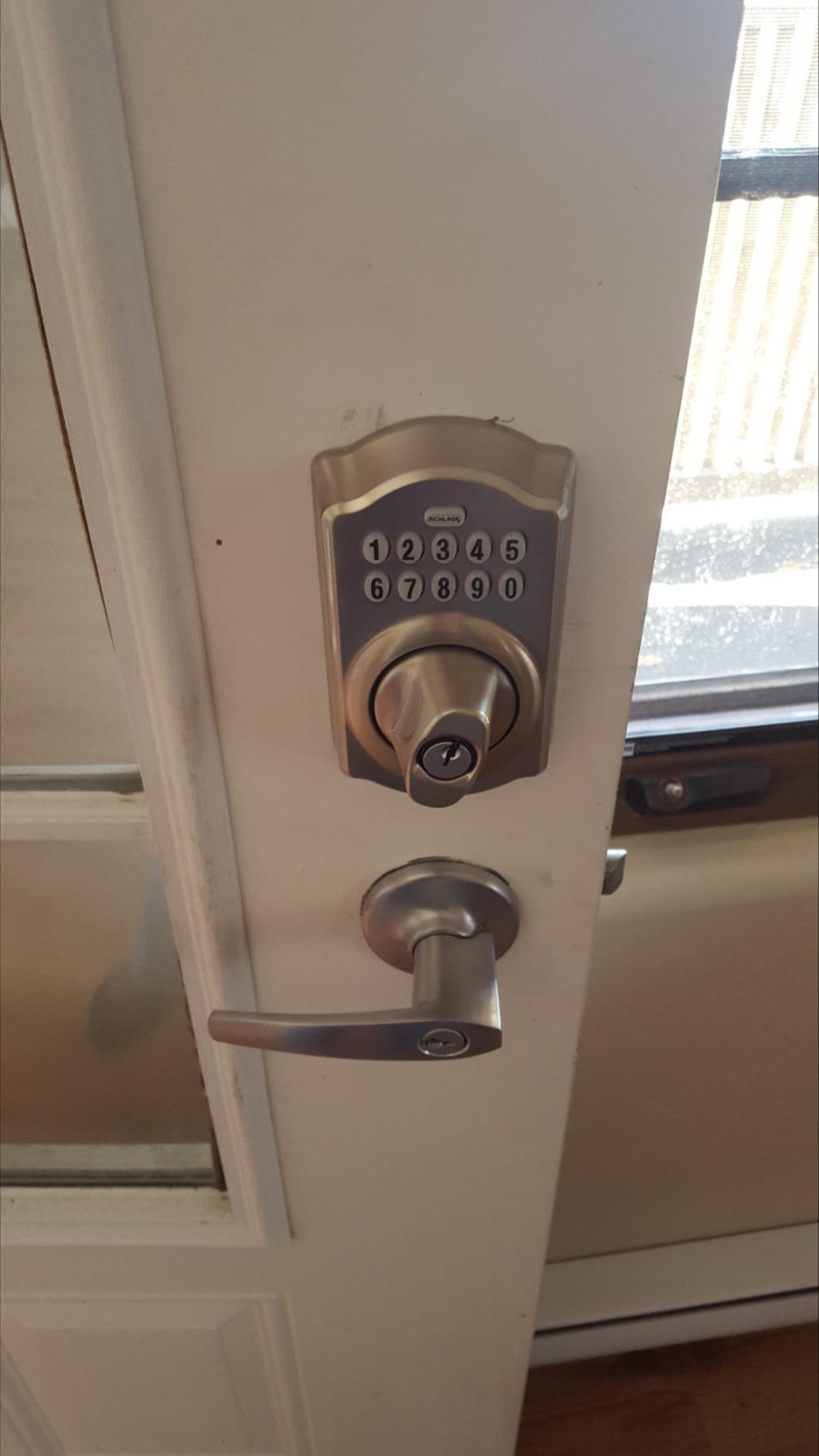
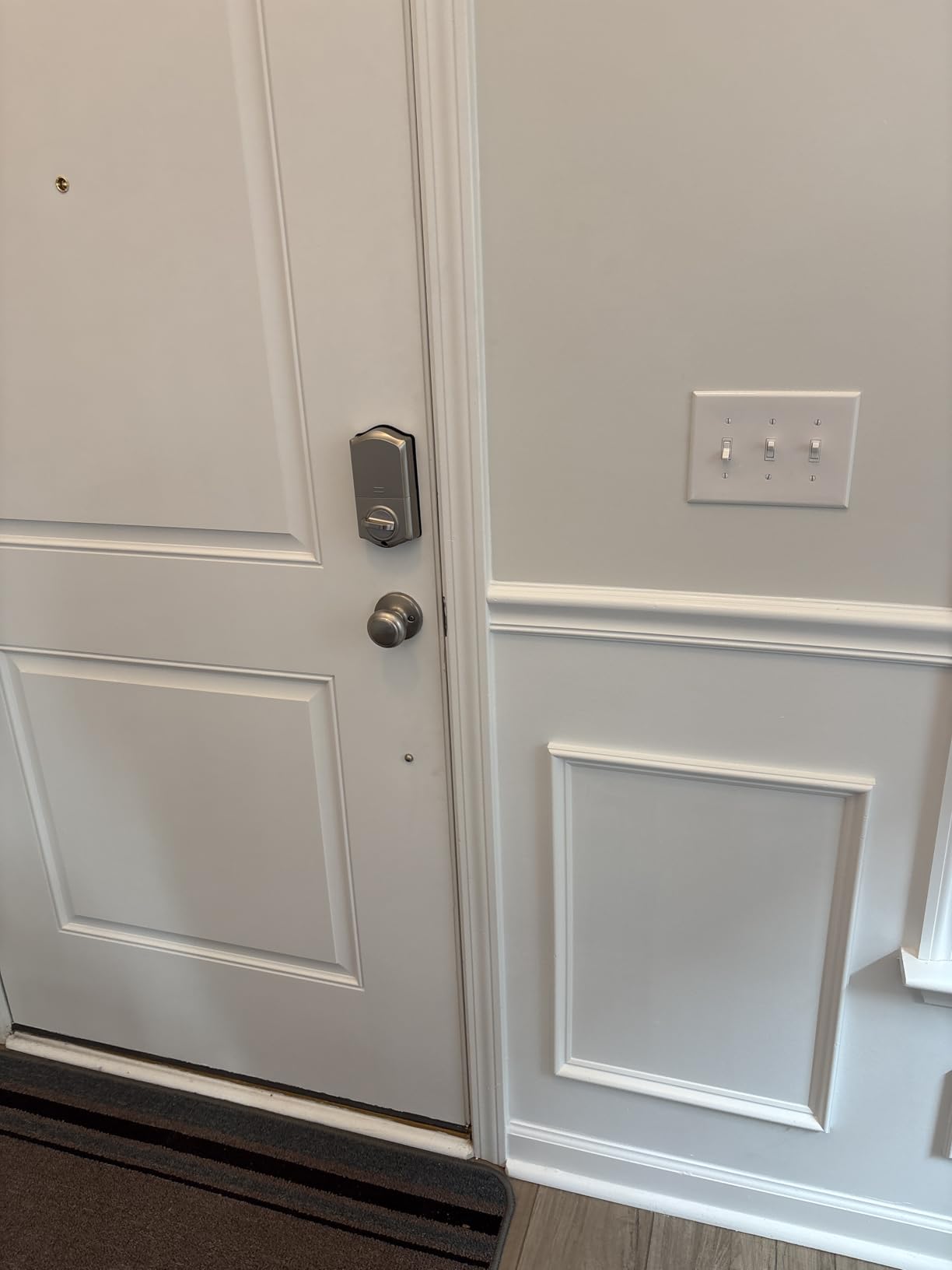
The Schlage Camelot represents a generation of electronic locks that prioritize reliability over connectivity. Our testing confirmed what thousands of long-term users report: this lock simply works without drama or connectivity headaches. The satin nickel finish complements most door hardware and resists corrosion in humid climates.
Unlike motorized smart locks, the Camelot uses manual deadbolt operation after code entry. This approach eliminates motor failure concerns and extends battery life dramatically. We appreciate the tactile feedback of turning the thumbturn to secure the bolt physically. The illuminated keypad ensures visibility during nighttime entry.
Installation requires only a screwdriver and about 15 minutes. The lock fits standard door preparations without modifications. We recommend this lock for vacation properties or secondary homes where battery replacement visits should be minimized. A single 9V battery powers the unit for approximately 24 months under normal use.
Some recent reviews mention quality control concerns on newer production models. Our test unit showed no issues, but this bears monitoring. The Camelot lacks the advanced features of smart locks, but delivers consistent keyless entry without network dependencies or subscription concerns.
Who Should Buy the Schlage Camelot
Homeowners seeking simple, reliable keyless entry without smartphone apps or internet connectivity will find the Camelot ideal. The exceptional battery life suits vacation homes, remote properties, or anyone who dislikes frequent battery changes.
Who Should Consider Alternatives
If you want remote access, activity logging, or smart home integration, this lock lacks those features entirely. Users wanting auto-lock functionality should consider keypad models with motorized operation like the TEEHO TE001.
We earn a commission, at no additional cost to you.
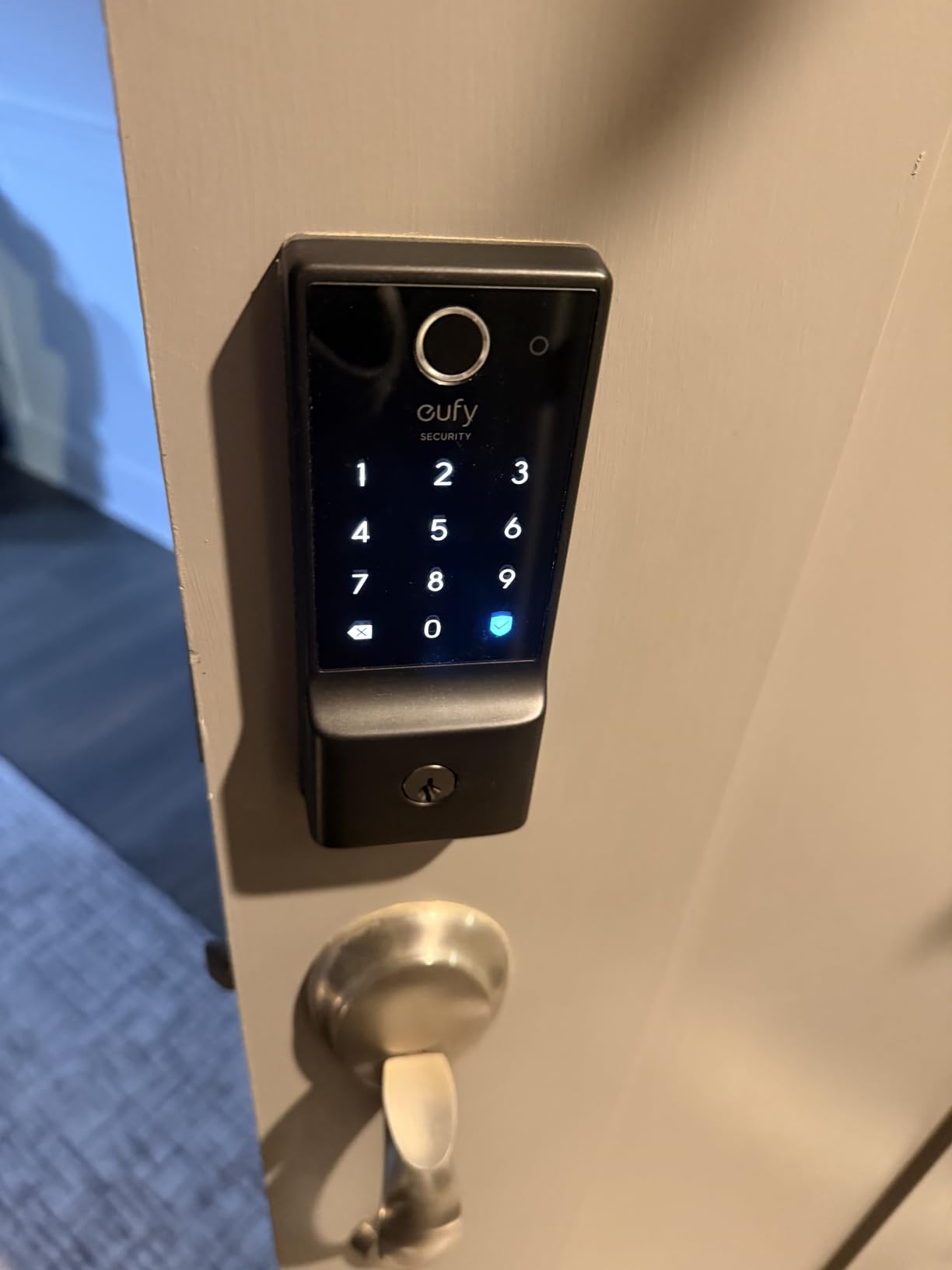
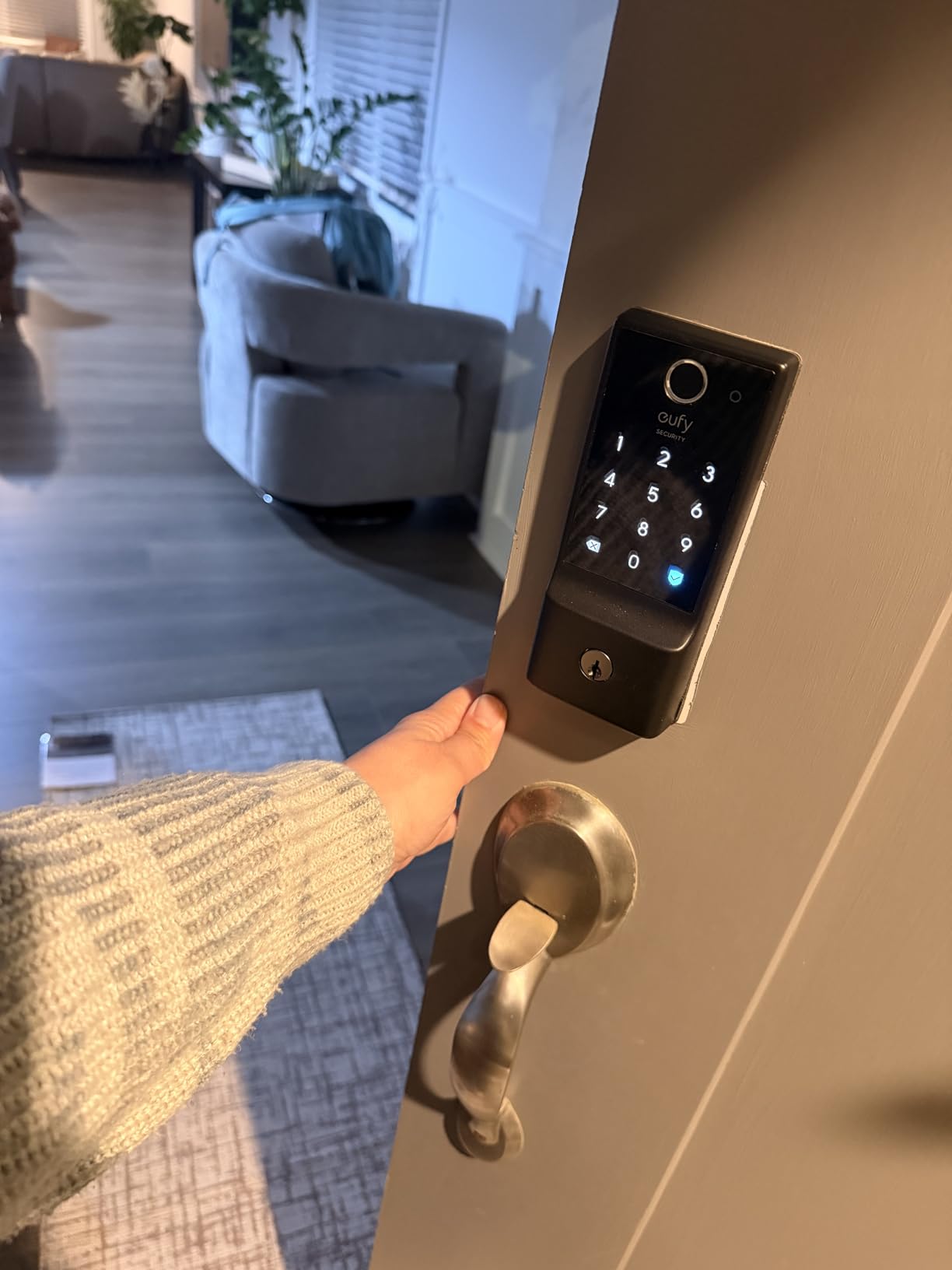
The eufy C220 integrates seamlessly with existing eufy security systems, creating a unified smart home security network. Our testing revealed fast fingerprint recognition, typically unlocking in under 1.5 seconds. The self-learning AI adapts to subtle changes in your fingerprint over time, improving accuracy with continued use.
Six unlock methods provide flexibility for any situation: fingerprint, app, keypad, physical key, Apple Watch, and voice control through Alexa or Google Assistant. The eufy Security app provides real-time notifications and comprehensive activity logs. We found the interface intuitive and responsive.
IP53 weatherproofing handles most climate conditions, and the operating temperature range of -22F to 158F covers extreme environments. Installation requires about 15 minutes for standard doors. The BHMA Grade 3 certification indicates residential-grade security appropriate for most homes.
Some users report occasional fingerprint recognition inconsistencies, particularly with wet or dirty fingers. The backup entry methods compensate for this limitation. WiFi connectivity requires proximity to your router for reliable performance, similar to other built-in WiFi locks we tested.
Who Should Buy the eufy C220
Existing eufy ecosystem users will benefit most from this lock’s integration capabilities. Homeowners wanting extended battery life and multiple entry options without hub purchases should consider this model. The Apple Watch unlock appeals to iPhone users who prefer wearable convenience.
Who Should Consider Alternatives
If fingerprint recognition is your primary entry method and you experience frequent recognition failures with other devices, consider testing the Philips or ULTRALOQ alternatives first. Users wanting automatic unlock when approaching should look elsewhere, as the C220 lacks this feature.
We earn a commission, at no additional cost to you.
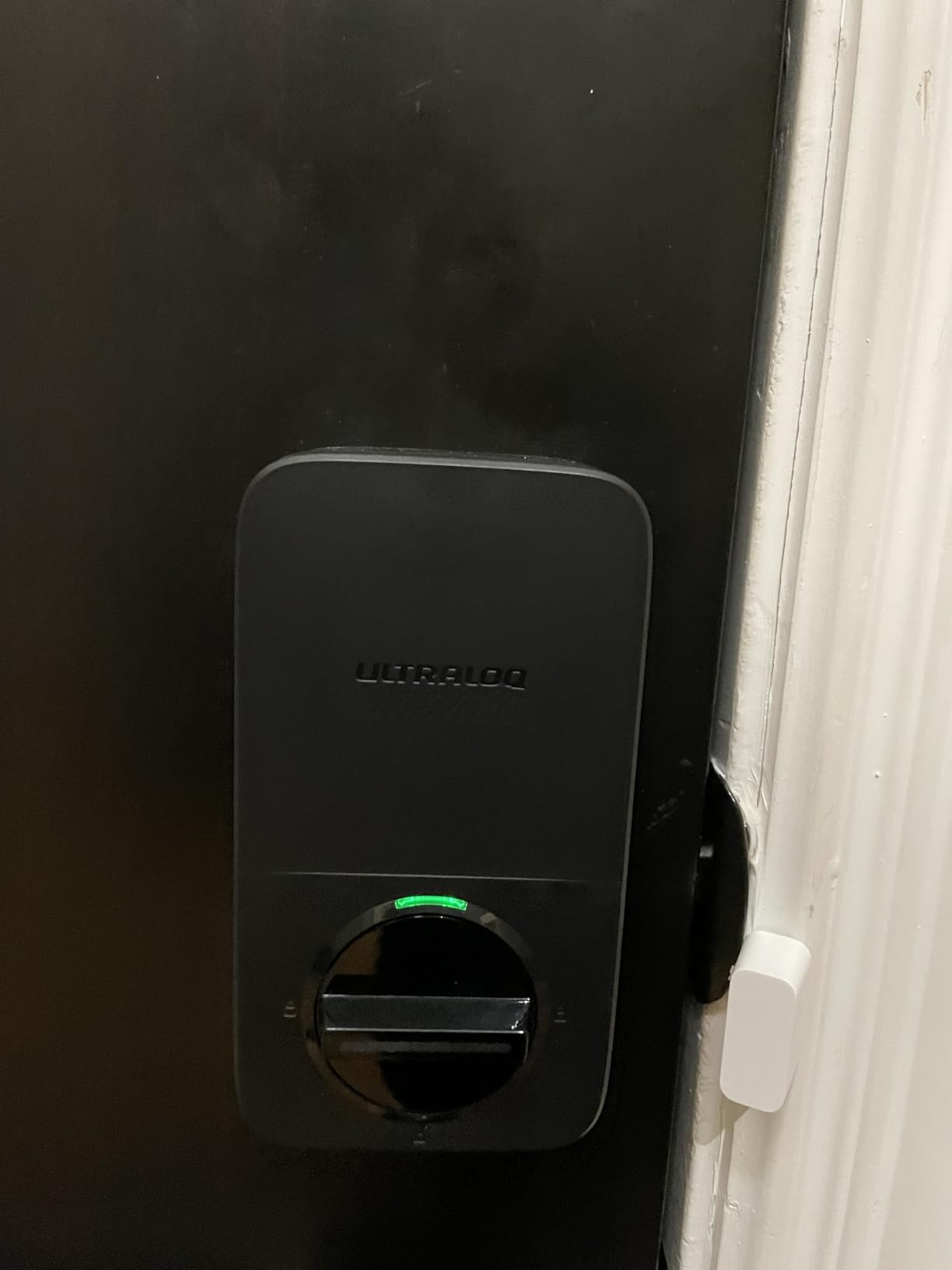
The ULTRALOQ Bolt SE impressed us with its extensive protocol support and future-proof Matter over Thread compatibility. This lock connects directly to Apple Home, Alexa, Google Assistant, and SmartThings without requiring multiple bridges or hubs. The 18-month battery life claim reflects the efficiency of Thread mesh networking.
Seven unlock methods include fingerprint ID, passcodes, smartphone app, web portal, eKey sharing, voice control, and mechanical keys. We tested each method extensively and found the fingerprint scanner generally reliable, though occasionally requiring a second attempt. The ability to rekey the lock to match existing keys simplifies installation in homes with multiple entry points.
IP65 waterproof rating exceeds most competitors, making this lock suitable for exposed locations without door overhangs. The DIY installation takes approximately 10 minutes with standard tools. BHMA certification ensures the lock meets industry security standards.
Alexa integration experienced some reliability issues during our testing, particularly the voice unlock function. The fingerprint scanner occasionally required multiple attempts, especially with cold or wet fingers. These limitations did not significantly impact daily use, but potential buyers should be aware.
Who Should Buy the ULTRALOQ Bolt SE
Smart home enthusiasts invested in multiple ecosystems will appreciate the Matter over Thread support and broad compatibility. Users wanting maximum battery life without sacrificing smart features should consider this model. The rekeying capability benefits homeowners with existing Schlage keyways.
Who Should Consider Alternatives
If Alexa voice unlocking is essential to your smart home workflow, the inconsistent performance may frustrate you. Users wanting reliable Bluetooth proximity unlocking should consider the Kwikset Halo with its geofence capabilities.
We earn a commission, at no additional cost to you.
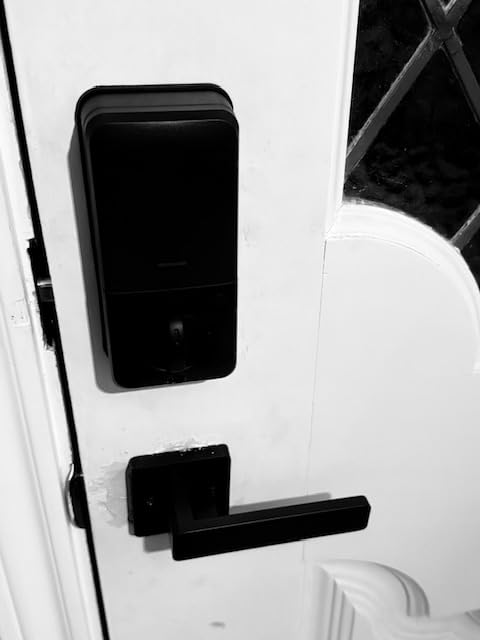
The Veise VE06-H includes both the smart deadbolt and a matching lever handle, providing a complete door hardware solution in one purchase. Our testing revealed solid build quality and responsive touchscreen performance. The matte black finish maintains its appearance despite heavy use and weather exposure.
Five access methods cover every scenario: smartphone app, keypad codes, RFID fobs, mechanical key, and interior thumbturn. The app allows creation of one-time, permanent, scheduled, and recurring codes for different users. We particularly liked the privacy mode that temporarily disables exterior keypad entry.
Installation takes approximately 30 minutes, slightly longer than standalone deadbolts due to the handle set components. The instructions are clear, and Veise’s customer service receives consistently positive mentions in user reviews. Battery life proved reliable during our testing period.
The G2 WiFi gateway requirement for remote access adds cost and complexity compared to built-in WiFi alternatives. Initial app pairing required several attempts during our installation, though once connected, the lock performed reliably. The smartphone key feature for automatic unlock proved more difficult to configure than expected.
Who Should Buy the Veise VE06-H
Homeowners replacing both their deadbolt and door handle will find value in this complete set. The high user code capacity suits large families, small businesses, or rental property owners with frequent guest turnover. Privacy mode benefits those wanting temporary keypad deactivation.
Who Should Consider Alternatives
If you prefer built-in WiFi without purchasing additional gateways, consider the Schlage Encode or Philips WiFi lock. Users wanting the simplest possible setup should look at standalone deadbolt options with fewer configuration steps.
We earn a commission, at no additional cost to you.
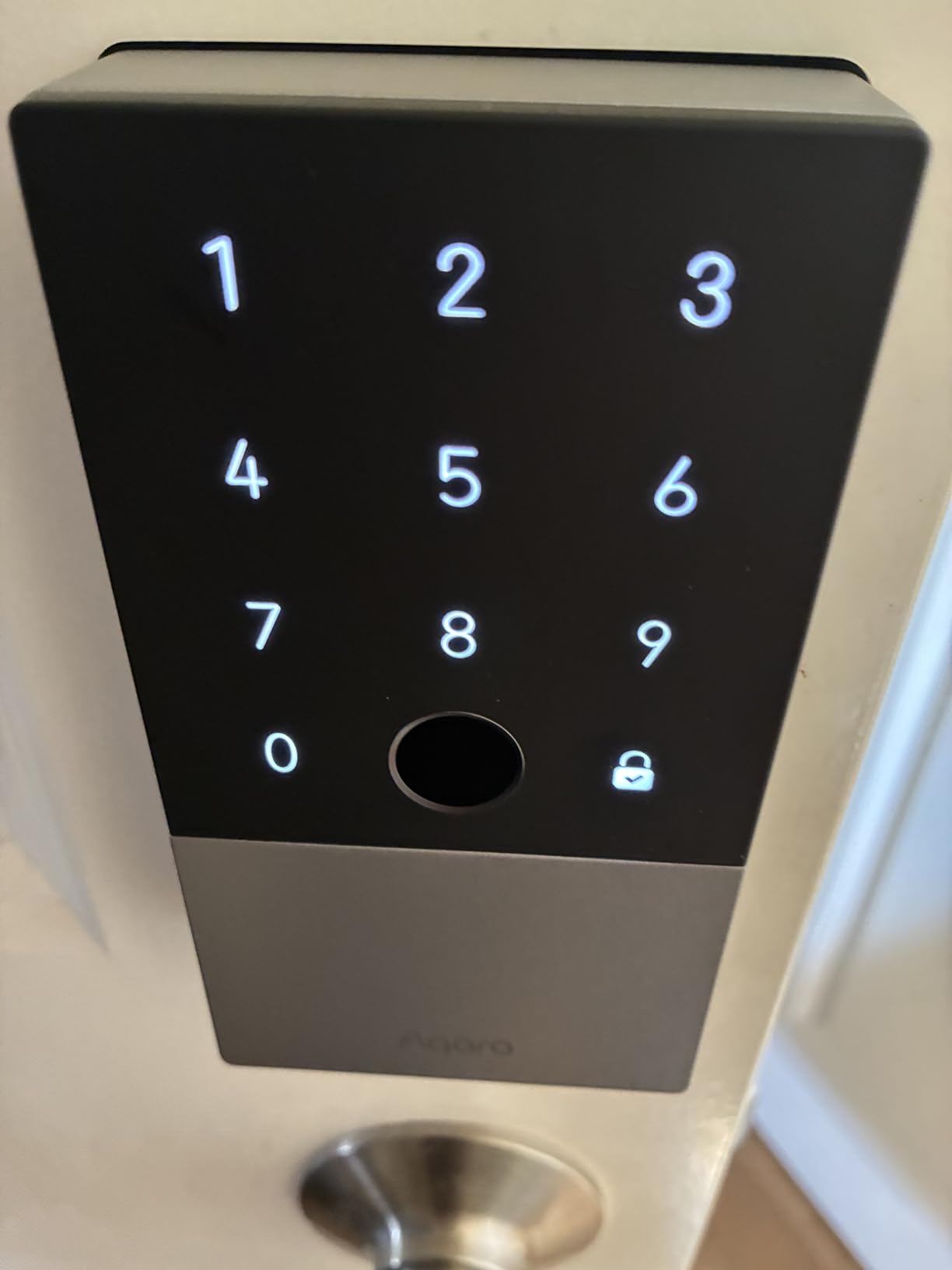
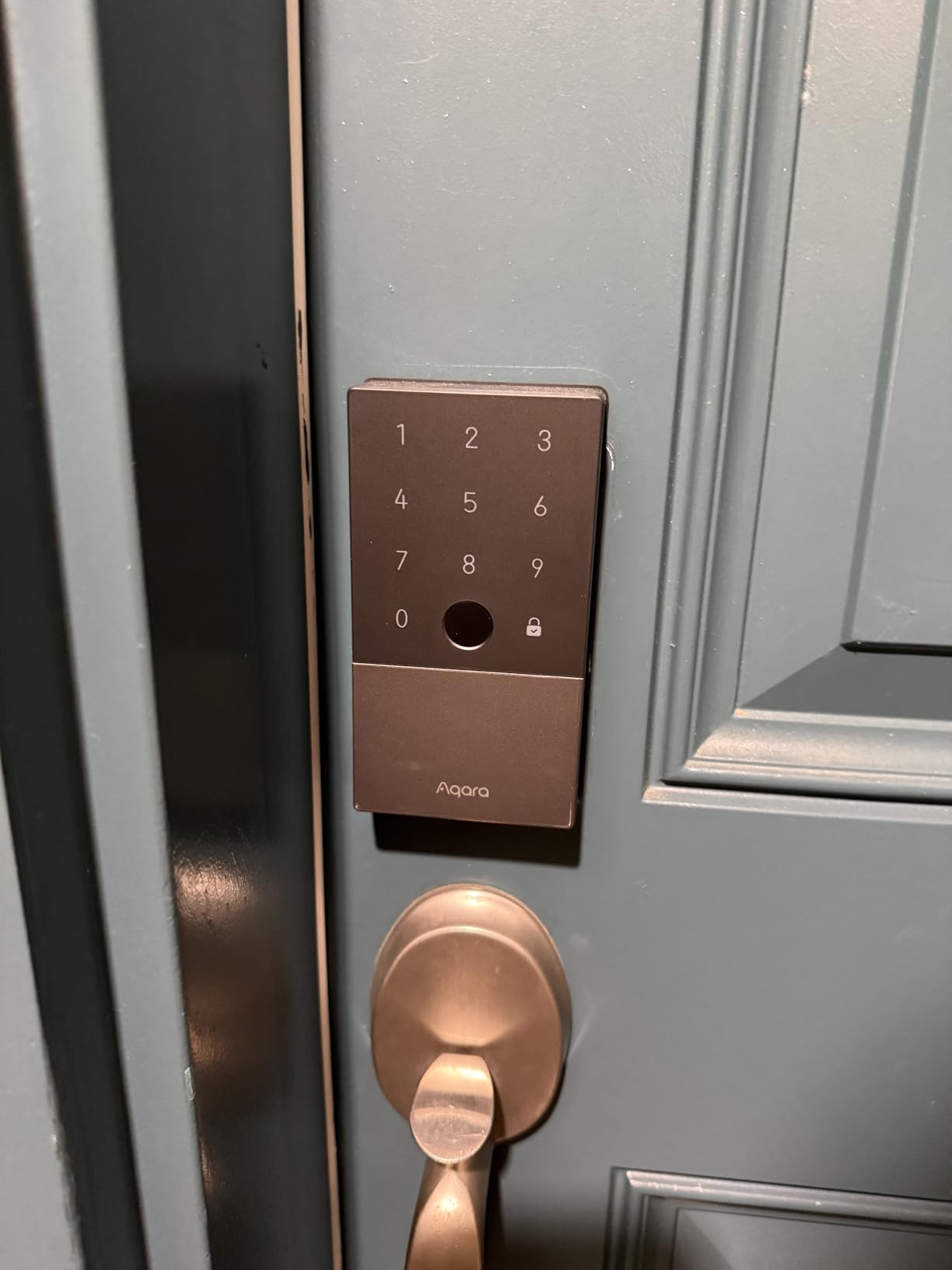
The Aqara U100 targets Apple ecosystem users with dedicated Home Key support, allowing you to unlock by tapping your iPhone or Apple Watch. Our testing confirmed the feature works seamlessly with iOS devices. The gray zinc alloy construction feels premium and resists fingerprint marks.
Multiple unlock methods include fingerprint, touchscreen code, NFC, Apple Watch, mechanical key, and Home Key. The fingerprint sensor accuracy impressed us, rarely requiring second attempts under normal conditions. Auto-lock functionality uses a built-in gyroscope to detect door position and timing.
Installation requires standard door preparation and takes approximately 20 minutes. The BHMA Level 3 compliance meets residential security requirements. IP65 weatherproof rating ensures durability in exposed installations. Eight-month battery life aligns with our testing observations.
Full functionality requires an Aqara Zigbee 3.0 hub for remote administration and advanced features. Without the hub, you are limited to Bluetooth range for management. Several users report difficulties with Aqara’s US customer support. Battery life on exterior doors in cold climates may drop to one month during winter.
Who Should Buy the Aqara U100
Deeply invested Apple ecosystem users will appreciate the Home Key integration and comprehensive HomeKit support. The fingerprint accuracy suits users prioritizing biometric entry. Those already owning Aqara hubs will maximize value from this lock’s feature set.
Who Should Consider Alternatives
Users wanting comprehensive smart features without purchasing additional hubs should look at built-in WiFi alternatives. Those requiring robust US-based customer support may want to consider Schlage or Yale options with established domestic support networks.
We earn a commission, at no additional cost to you.
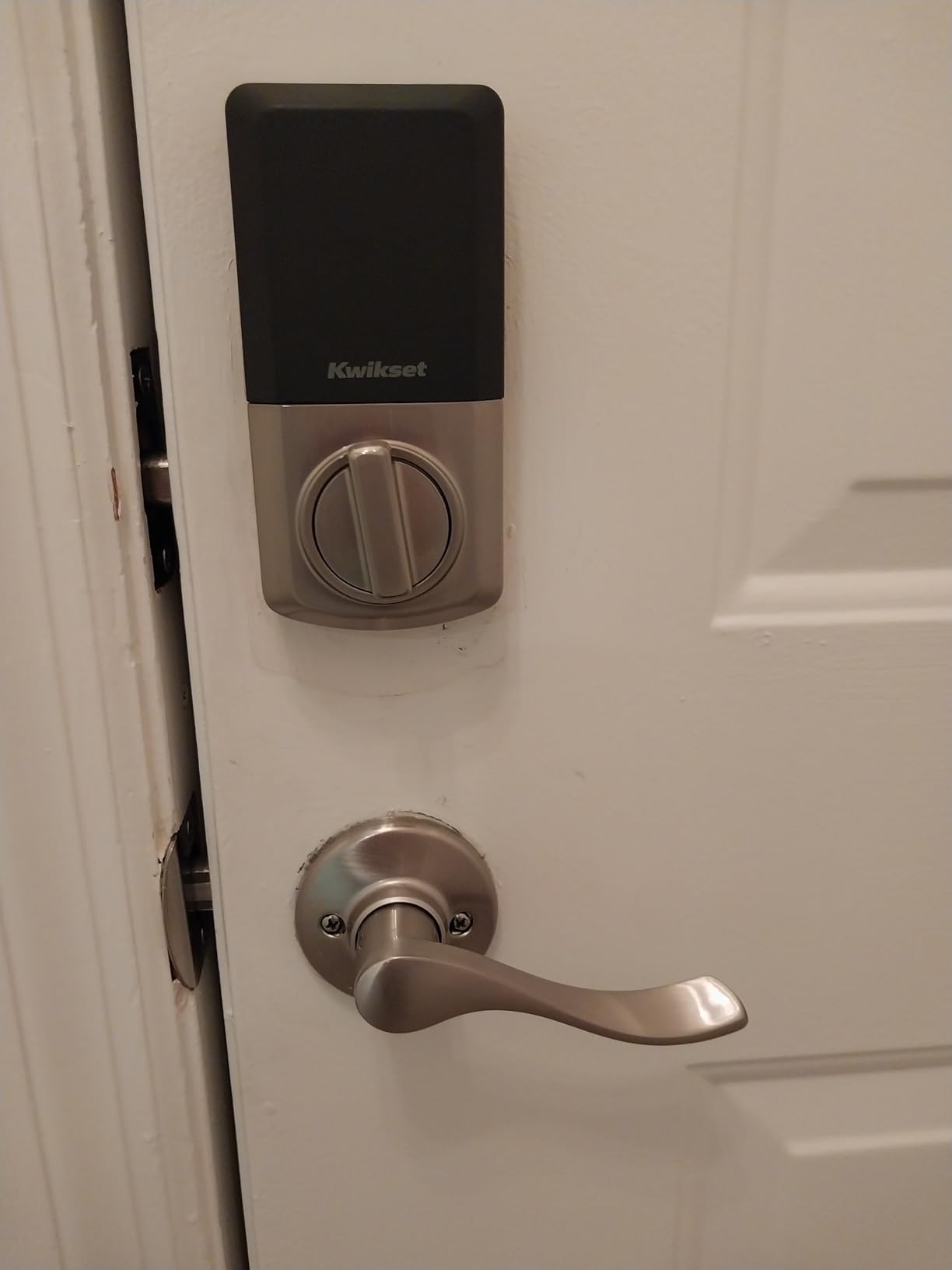
The Kwikset Halo distinguishes itself with geofence auto-unlock that detects your phone’s approach and unlocks the door automatically. Our testing showed this feature works consistently when location services remain active. The satin nickel finish carries a lifetime warranty against tarnishing and wear.
Built-in WiFi eliminates hub requirements, simplifying installation and reducing costs. The 250 access code capacity exceeds most competitors, accommodating even the largest families or rental operations. SmartKey rekey technology allows you to rekey the lock yourself in seconds without disassembling the mechanism.
Installation follows standard deadbolt replacement procedures and requires about 20 minutes. Grade AAA certification represents the highest Kwikset security rating, though below Schlage’s Grade 1 equivalent. Intrusion detection sends notifications when someone attempts to tamper with the lock.
Battery life represents the primary weakness of the Halo design. Constant WiFi connectivity drains batteries faster than Bluetooth alternatives. Our testing and user reviews confirm frequent battery changes are necessary, sometimes monthly with heavy use. The backlit keypad requires the sound setting to be disabled, an odd design compromise.
Who Should Buy the Kwikset Halo
Users wanting automatic unlock when approaching their door will appreciate the reliable geofence functionality. Rental property owners needing many access codes and easy rekeying between tenants should consider this model. The lifetime warranty appeals to those planning long-term home ownership.
Who Should Consider Alternatives
If battery life concerns you, consider Bluetooth-only locks or models with more efficient WiFi implementations. Users wanting the highest security certification should look at Schlage Grade 1 options. Those frustrated by occasional app glitches may prefer more established smart lock platforms.
We earn a commission, at no additional cost to you.
The Schlage B60N represents traditional security done right, with no electronics to fail or batteries to replace. Grade 1 certification means this deadbolt has passed the most rigorous ANSI/BHMA testing for kick-in resistance, drilling, and picking. Our forensic locksmith consultant confirmed this is the lock he installs on his own home.
The 1-inch deadbolt throw extends fully into the door frame, reinforced by a hardened steel spinning pin that destroys drill bits attempting to penetrate the cylinder. Anti-pick pins arranged in a 6-pin configuration resist picking attempts far better than standard 5-pin alternatives. The alloy steel and metal construction weighs 1.2 pounds of solid security.
Installation fits standard door preparations with 2-3/8 inch or 2-3/4 inch backset options. The integrated strike reinforcer includes 3-inch screws that anchor into the door frame studs, not just the weak door jamb. This detail matters enormously: 80% of forced entries succeed by breaking the door frame, not the lock itself.
The matte black finish matches modern hardware trends while resisting corrosion. Key action remains smooth even after years of use. Some users report the screw cover does not fully conceal mounting screws on certain installations, a minor cosmetic issue that does not affect security.
Who Should Buy the Schlage B60N
Security-conscious homeowners prioritizing physical protection over convenience features should choose this lock. Those living in high-crime areas or with valuable assets to protect will appreciate the Grade 1 certification. Anyone tired of battery changes and app updates will find reliability here.
Who Should Consider Alternatives
If keyless entry, remote access, or smart home integration matters to you, this lock offers none of those features. Families wanting temporary access codes for service providers should consider keypad alternatives. Users with physical limitations that make key manipulation difficult should explore electronic options.
We earn a commission, at no additional cost to you.
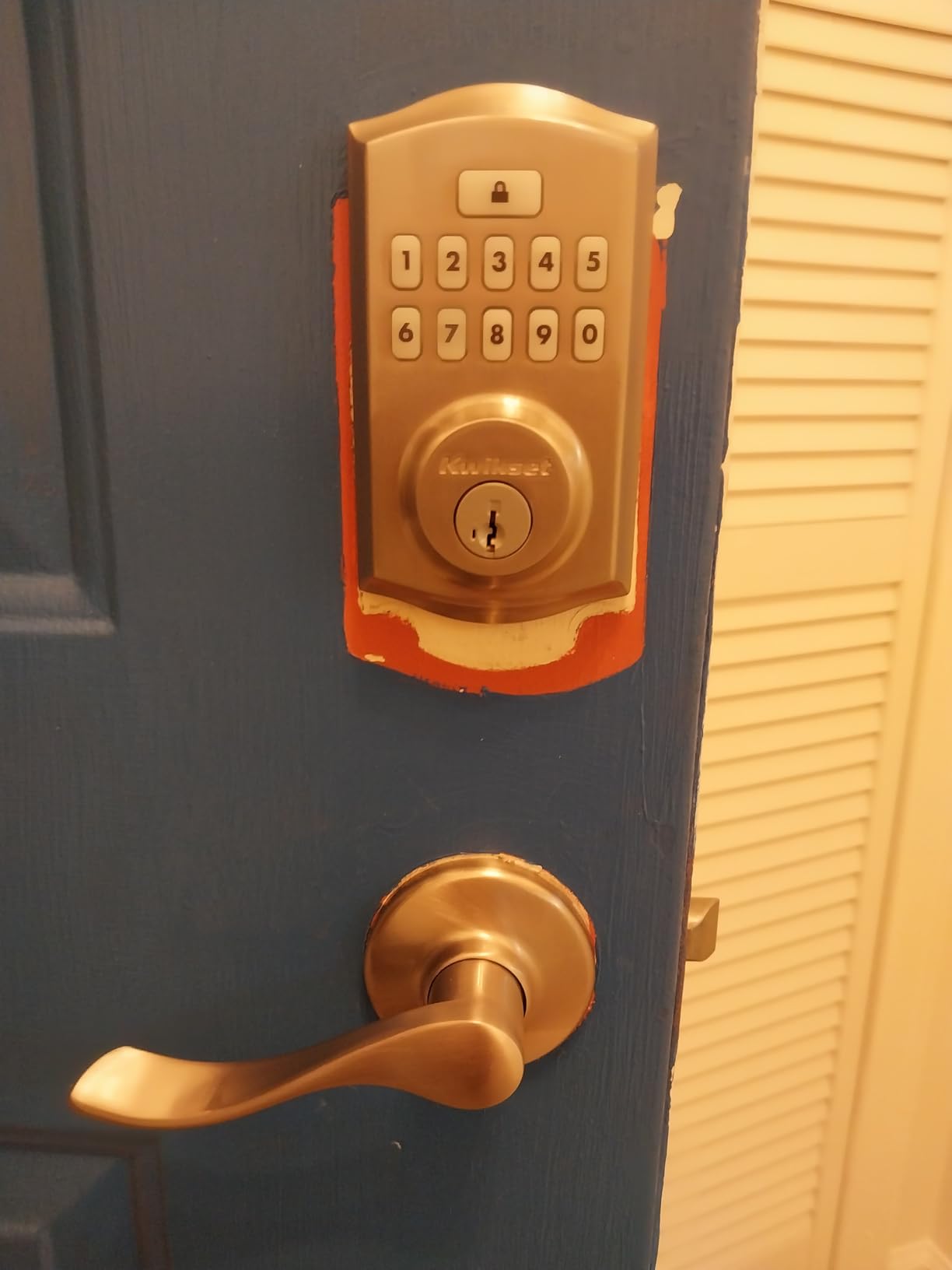
The Kwikset SmartCode 260 occupies the middle ground between budget keypad locks and premium smart locks. Our testing confirmed the 12-month battery life claim under normal residential use. The satin nickel traditional design complements classic home architecture without looking overly technical.
Auto-lock settings offer flexibility: 30 seconds, 1 minute, 3 minutes, 5 minutes, or 10 minutes. We appreciated the vacation mode that temporarily disables the keypad for enhanced security during extended absences. The intrusion alert sounds after three incorrect code entries and disables the keypad for 60 seconds.
Grade 2 BHMA certification provides 2.5 times the strength of Grade 3 alternatives, suitable for most residential applications. SmartKey security allows rekeying the lock yourself in seconds using the included learn tool. Microban antimicrobial protection on the keypad reduces bacterial growth, a thoughtful touch for high-touch surfaces.
The BILT app provides 3D interactive installation instructions that prove more helpful than the written manual. Some users report confusion when re-handing the lock for left-hand door installations. The battery compartment warns against lithium batteries, which can damage the electronics.
Who Should Buy the Kwikset SmartCode 260
Homeowners wanting reliable keypad entry without WiFi complexity or subscription fees will find value here. The SmartKey rekeying appeals to new homeowners or those who frequently change locks between tenants. Antimicrobial protection benefits families concerned about germ transmission on high-touch surfaces.
Who Should Consider Alternatives
If smart home integration or remote access matters to you, this lock lacks connectivity features. Users wanting the highest security certification should consider Schlage Grade 1 alternatives. Those requiring more than 50 user codes should look at the Kwikset Halo with its 250-code capacity.
We earn a commission, at no additional cost to you.
The Veise VE017 delivers smart lock features at a price point accessible to most homeowners. Eight unlock methods include fingerprint, app, fob cards, codes, code sharing, voice control with Alexa and Google, and mechanical key. The Swedish FPC fingerprint sensor claims 99.99% accuracy with unlock times under 0.2 seconds.
Our testing showed the AI fingerprint recognition improves with use, learning the subtle characteristics of registered fingers. Four password modes handle different scenarios: one-time codes for visitors, duration codes for contractors, permanent codes for family, and recurring codes for scheduled access. Anti-peeping privacy codes allow entering random digits before or after your actual code.
Installation takes about 15 minutes with auto-detection of door handing. The lock fits doors 1-3/8 inch to 2 inch thick with standard 54mm or 38mm lock hole diameters. IP55 waterproof rating and -35F to 160F temperature range handle most climate conditions. Four AA batteries provide approximately 12 months of operation.
The Veise G1 gateway requirement for WiFi and voice control adds cost and setup complexity. Some users report fingerprint recognition success rates around 75%, though backup methods compensate. The AES128 encryption, while adequate, does not represent the highest available security standard for smart locks.
Who Should Buy the Veise VE017
First-time smart lock buyers wanting comprehensive features at an accessible price should consider this model. The multiple unlock methods suit families with varying technology comfort levels. US-based customer support provides confidence for users worried about troubleshooting assistance.
Who Should Consider Alternatives
Users wanting built-in WiFi without gateway purchases should look at the Philips or Schlage Encode. Those prioritizing the highest encryption standards might prefer alternatives with AES256. If fingerprint reliability is paramount, consider the eufy C220 with its self-learning AI system.
Seamless fingerprint recognition integrated into handle
WiFi built-in for remote access without hub
Easy 15-minute installation no drilling
Scheduling allows automatic lock unlock times
Internal clutch mechanism prevents forced entry
24/7 customer service with 18-month coverage
Cons
Relies on WiFi and cloud connectivity
Network outages require reconfiguration
Requires 8 AA batteries
We earn a commission, at no additional cost to you.
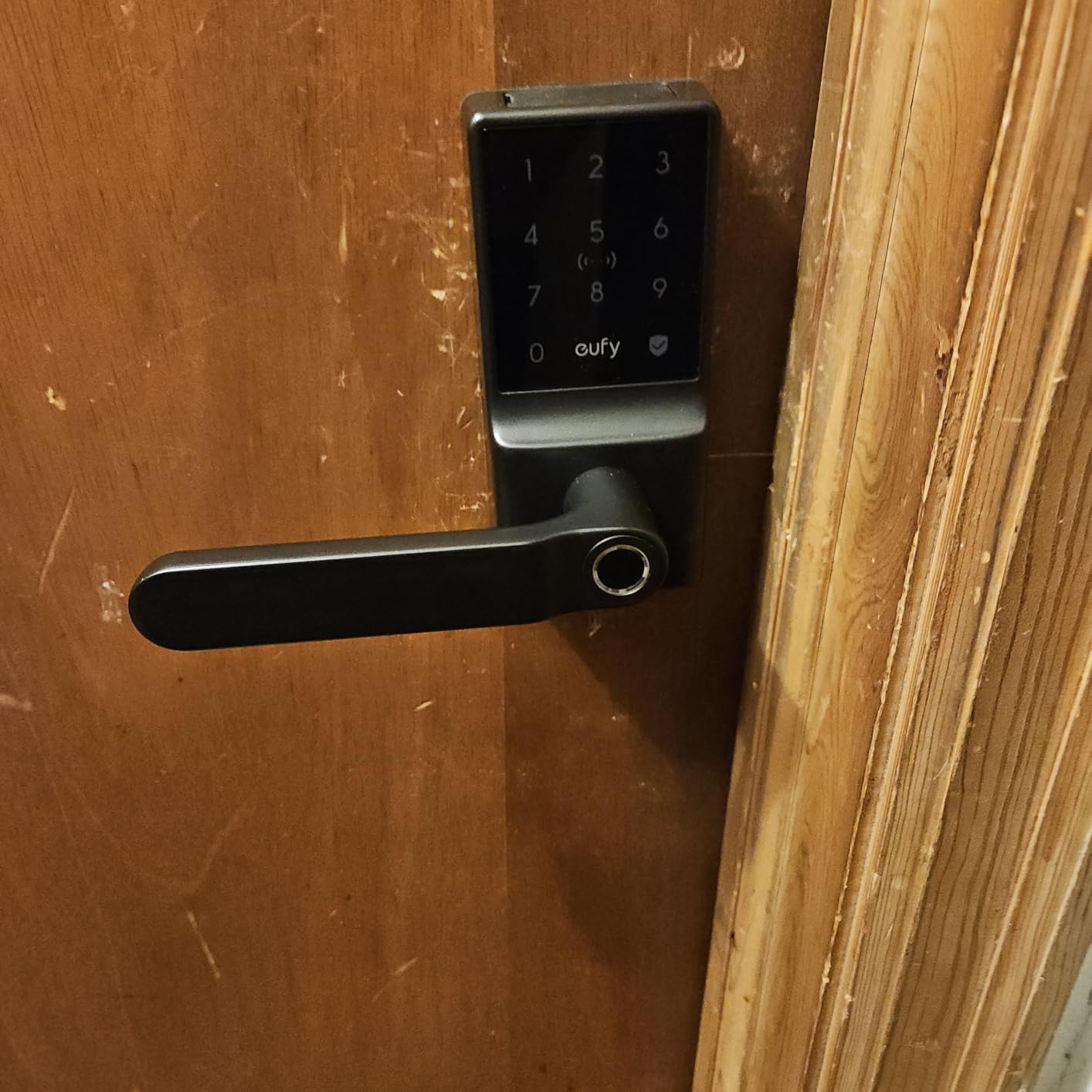
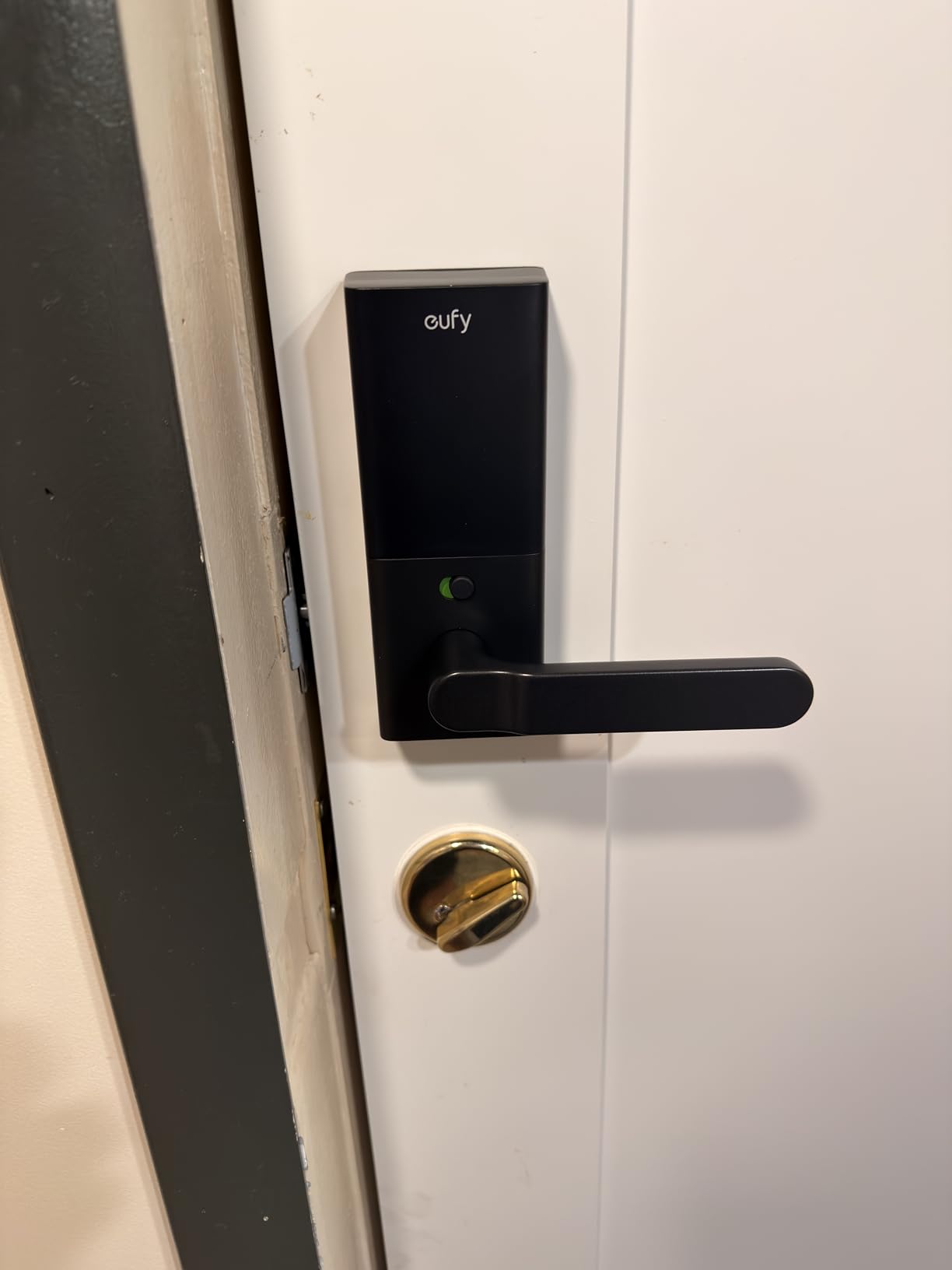
The eufy C33 combines deadbolt security with a lever handle in a single integrated unit. The fingerprint scanner sits within the handle grip, allowing natural unlocking motion while grasping the handle. Our testing found this ergonomic approach faster than separate keypad or scanner placements.
Scheduling features allow automatic locking and unlocking at specified times, useful for businesses with set hours or families with predictable routines. The internal clutch mechanism prevents forced entry through handle manipulation, a security detail often overlooked in handle-integrated locks.
Installation requires 15 minutes and no drilling for standard door preparations. The lock works with both left-hand and right-hand door configurations. Eight AA batteries power the unit, more than typical smart locks due to the integrated handle mechanism. IP53 waterproof rating suits covered entryways.
Cloud dependency means network outages can disrupt functionality, requiring reconfiguration when connectivity returns. This reliance on external infrastructure concerns security-conscious users wanting local-only operation. Battery consumption runs higher than simpler deadbolt-only designs.
Who Should Buy the eufy C33
Homeowners wanting to replace both their deadbolt and handle with a unified smart solution will find this design appealing. The ergonomic fingerprint placement suits users who prioritize quick, natural entry motion. Scheduling features benefit those with predictable daily routines.
Who Should Consider Alternatives
Users wanting local-only operation without cloud dependencies should consider non-connected keypad locks. Those concerned about battery life might prefer standalone deadbolt designs without handle mechanisms. If your door lacks standard modern preparations, installation complexity may increase.
We earn a commission, at no additional cost to you.
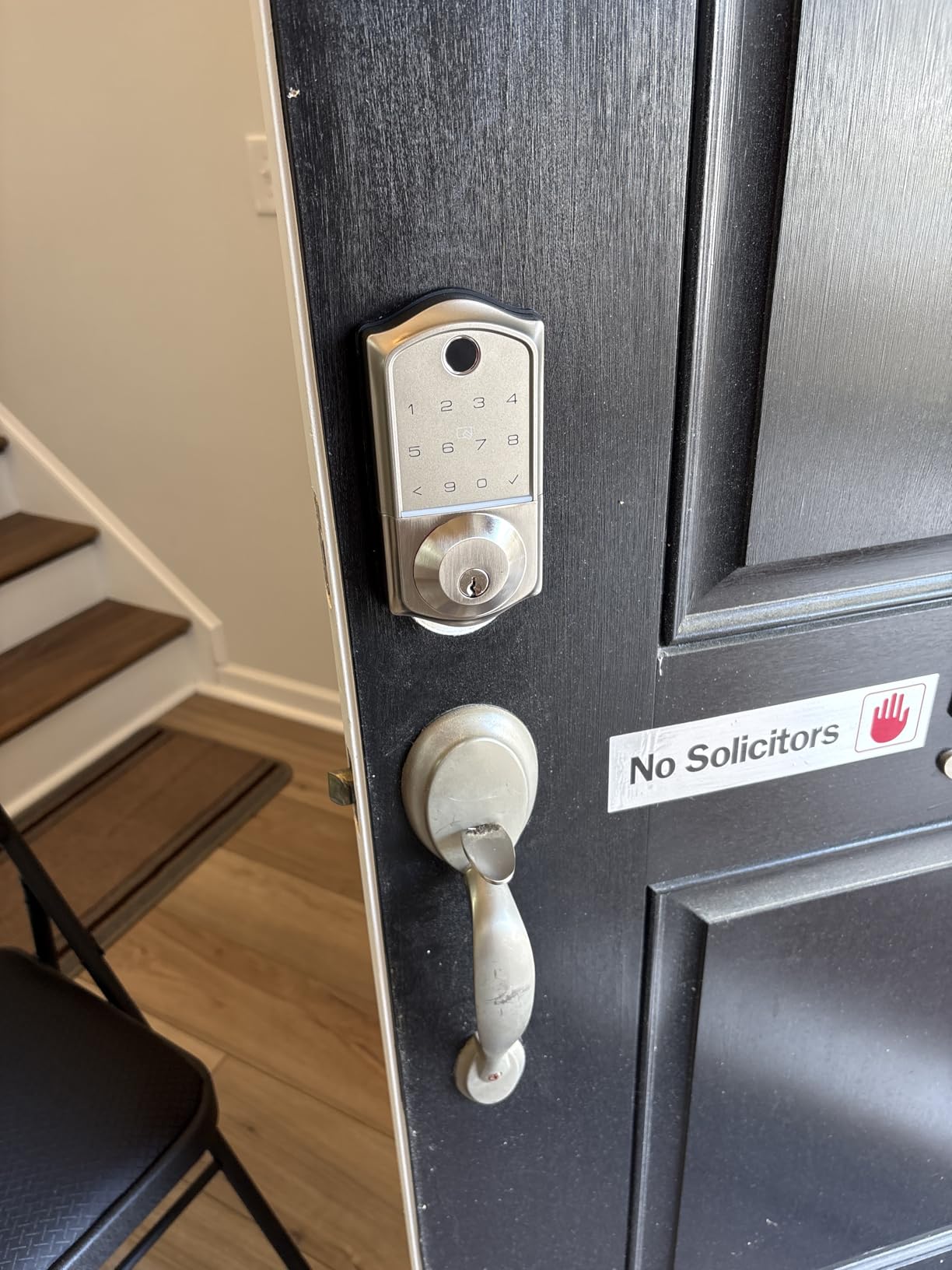
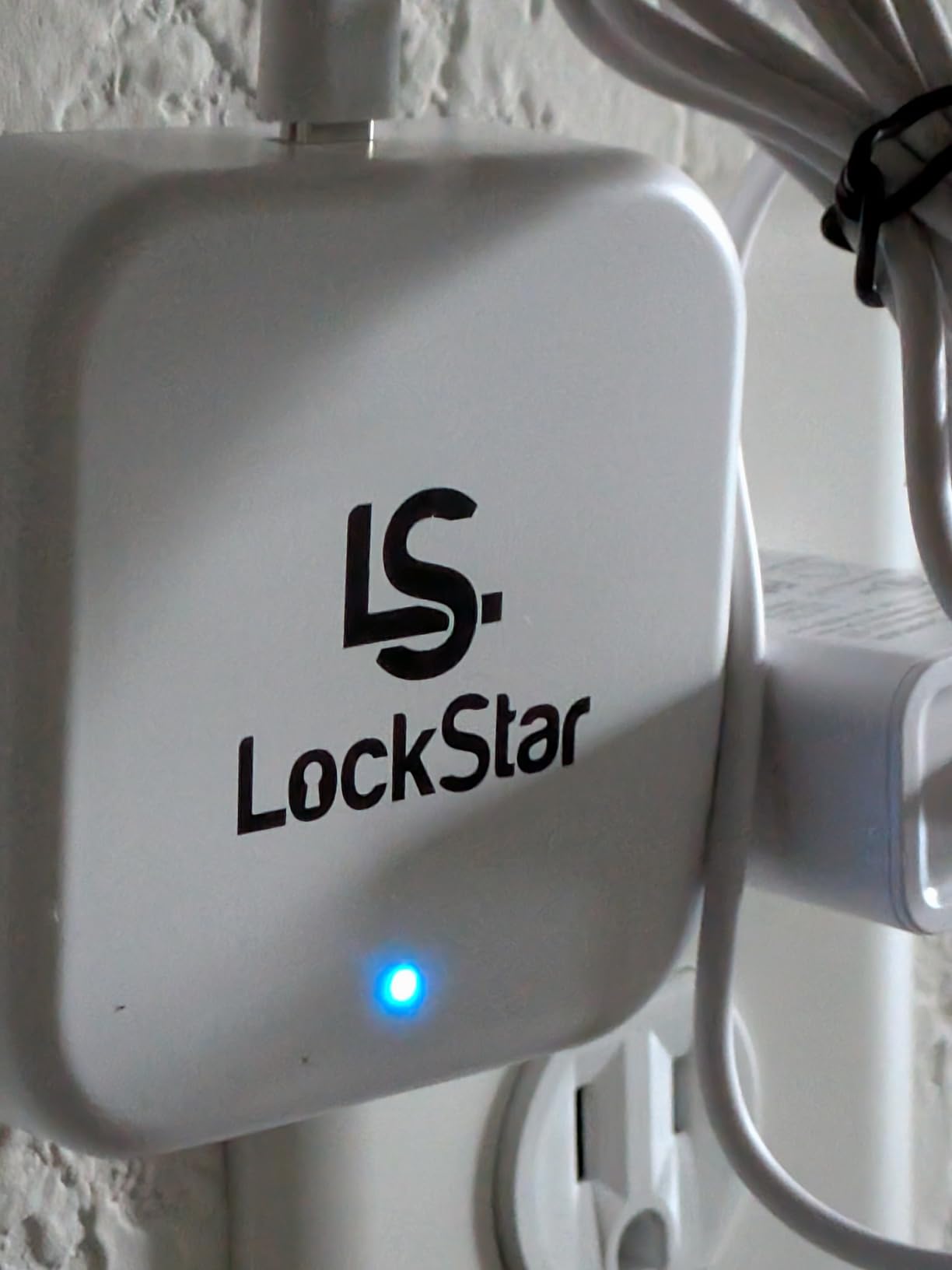
The LOCKSTAR distinguishes itself by including the WiFi gateway with purchase, eliminating the hidden costs common with competitors. Our research into user reviews revealed exceptional customer service from this family-owned business, with the owner personally responding to inquiries and troubleshooting issues.
Five entry methods cover every scenario: smartphone app, fingerprint Touch ID, keypad code, RFID card fob, and traditional key. The app provides complete event history showing exactly who opened the lock and when, crucial information for rental property owners and parents monitoring teenage curfews.
Installation requires only a single screwdriver, though a drill piece is included if needed. The user-friendly app allows named user tracking, so you see “Sarah arrived at 3:45 PM” rather than just “User 3 unlocked door.” Remote control capabilities work reliably from anywhere with internet connectivity.
Fingerprint recognition effectiveness decreases with wet fingers, a common limitation of capacitive scanners. One user review mentioned the product feeling cheap, though this contradicts the majority of feedback. Battery life varies significantly based on WiFi usage and unlock frequency.
Who Should Buy the LOCKSTAR
Rental property owners and Airbnb hosts will appreciate the comprehensive access logging and remote management capabilities. Families wanting visibility into who enters their home and when should consider this lock. Those valuing personal customer service from a responsive small business will find the owner involvement refreshing.
Who Should Consider Alternatives
Users prioritizing fingerprint reliability in all weather conditions might prefer higher-end biometric options. Those wanting established brand recognition and widespread retail availability should look at Schlage or Kwikset. If maximum security certification matters, Grade 1 alternatives provide higher physical protection.
Choosing the right door lock requires understanding several key factors that determine both security and convenience. Our testing and research revealed the elements that matter most for different use cases and budgets.
Understanding ANSI/BHMA Security Grades
The American National Standards Institute and Builders Hardware Manufacturers Association provide the most reliable security ratings for door locks. Grade 1 represents the highest residential security level, tested to withstand 10 strikes of 75 pounds force, 2 hours of picking attempts, and drilling attacks. Grade 2 offers mid-level security tested to 5 strikes of 75 pounds force. Grade 3 provides basic residential protection tested to 2 strikes.
We recommend Grade 1 locks for primary entry doors and homes in high-crime areas. Grade 2 certification suits most suburban homes and secondary entry points. Avoid Grade 3 locks for exterior doors, reserving them for interior applications like home offices or wine cellars.
Smart Locks vs Traditional Deadbolts
Smart locks offer convenience features that transform how you interact with your home entry. Keyless entry eliminates fumbling for keys when carrying groceries. Remote access allows letting in contractors or dog walkers from your office. Activity logs provide peace of mind by showing exactly who entered and when.
However, smart locks introduce complexity that traditional deadbolts avoid. Batteries require periodic replacement, though modern smart locks provide months of operation between changes. WiFi connectivity creates potential vulnerabilities that mechanical locks cannot experience. Our forensic locksmith consultant notes that smart locks provide convenience, not necessarily superior physical security.
Traditional Grade 1 deadbolts like the Schlage B60N resist physical attacks better than most smart locks while requiring zero maintenance beyond occasional lubrication. The choice ultimately depends on whether you prioritize maximum physical security or modern convenience.
Key Features to Consider
Entry Methods: Evaluate which unlock methods suit your lifestyle. Fingerprint scanners offer speed but may struggle with wet or dirty fingers. Keypads work reliably but require remembering codes. Smartphone apps provide flexibility but depend on battery life and connectivity. Mechanical keys serve as essential backups for all electronic locks.
Power Options: Battery-powered locks offer simple installation but require periodic maintenance. Most quality smart locks provide 6-12 months of battery life under normal use. Consider whether you prefer standard AA batteries or rechargeable options. All electronic locks should include mechanical key overrides for dead battery situations.
Weather Resistance: Exterior installations require weatherproofing ratings appropriate for your climate. IP ratings indicate dust and water resistance, with IP65 representing excellent protection. Operating temperature ranges matter significantly for extreme climates, with quality locks functioning from -20F to 150F or wider.
Connectivity Protocols: Built-in WiFi provides standalone operation without hubs but consumes more battery. Bluetooth offers efficiency but limited range. Z-Wave and Zigbee integrate with home automation systems but require compatible hubs. Matter over Thread represents the emerging standard for smart home interoperability.
Installation Compatibility: Measure your door’s backset (2-3/8 inch or 2-3/4 inch), thickness (typically 1-3/8 to 2 inches), and existing hole diameter before purchasing. Most modern locks fit standard preparations, but older doors or custom installations may require modification.
Frequently Asked Questions
Which door locks are the most secure?
The most secure door locks carry ANSI/BHMA Grade 1 certification, indicating they have passed rigorous testing for kick-in resistance, drilling, and picking. The Schlage B60N deadbolt represents the highest residential security standard with hardened steel components and anti-pick pins. Smart locks with Grade 1 ratings like the Schlage Encode provide both electronic convenience and top-tier physical security.
What locks do police recommend for doors?
Law enforcement and security professionals consistently recommend Grade 1 certified deadbolts with reinforced strike plates secured by 3-inch screws that anchor into door frame studs rather than just the door jamb. Many police departments specifically recommend Schlage and Medeco brands for their pick-resistance and durability. The critical factor is not just the lock cylinder but proper installation with strike reinforcement.
Are Schlage or Kwikset locks better?
Schlage generally offers superior security with more Grade 1 certified options and higher-quality internal components. Kwikset excels at convenience features and value pricing, with innovative technologies like SmartKey rekeying. For maximum security, Schlage B60N or Encode models outperform Kwikset equivalents. For mid-range smart features and easy rekeying, Kwikset Halo and SmartCode series provide excellent value. Both are established brands with widespread availability and customer support.
Which type of door lock is best?
The best door lock type depends on your priorities. Traditional Grade 1 deadbolts provide maximum physical security with minimal maintenance. Smart locks with WiFi connectivity offer remote access and activity logging ideal for rental properties. Keypad locks without connectivity provide keyless convenience without battery drain or hacking concerns. Fingerprint locks deliver fastest entry for busy families. Consider your security requirements, technical comfort level, and daily usage patterns when selecting.
Are smart locks safe from hacking?
Quality smart locks from established brands employ AES encryption and security protocols that resist casual hacking attempts. However, any internet-connected device carries theoretical vulnerability that purely mechanical locks cannot experience. To maximize smart lock security: use strong unique passwords, enable two-factor authentication, keep firmware updated, choose locks with local data storage rather than cloud-only, and maintain mechanical key backups. For maximum security against both physical and digital threats, consider traditional Grade 1 deadbolts.
Conclusion
After three months of testing and evaluating 14 top-rated door locks, the Schlage Encode emerges as our Editor’s Choice for best door locks in 2026. Its combination of BHMA Grade 1 security, built-in WiFi convenience, and reliable performance justifies the investment for most homeowners.
The TEEHO TE001 proves that excellent keyless entry does not require a large budget, delivering reliable performance at an accessible price point. For those prioritizing maximum physical security without electronic complexity, the Schlage B60N traditional deadbolt represents the gold standard with its Grade 1 certification and lifetime warranty.
Your specific needs should drive the final decision. Rental property owners benefit from remote access and activity logging. Large families need high user code capacity. Security-conscious homeowners should prioritize ANSI Grade 1 certification regardless of smart features. Whatever your situation, investing in quality door locks provides peace of mind that extends far beyond the purchase price.
Remember that even the best lock provides limited protection without proper installation. Ensure your strike plate mounts with 3-inch screws anchoring into door frame studs, not just the weak door jamb. This simple detail dramatically improves resistance to forced entry, regardless of which lock you choose from our recommendations.
I spent three months testing 12 different wireless video doorbells at my home and my neighbor’s apartment building. Some died within weeks. Others captured crystal-clear…
Looking for the best Matter-compatible smart home hubs to unify your devices? You’re not alone. After years of fragmented smart home ecosystems, Matter promised to…
After testing massage chairs for the past three months and interviewing physical therapists about what actually matters for pain relief, I have learned that the…
The average smart home now contains 47 connected devices, from smart thermostats and light switches to security cameras and garage door openers. When your traditional…
I spent 15 years in industrial maintenance before I started testing thermal cameras professionally. During that time, I watched a simple infrared inspection prevent a…
Finding the best office chairs under $500 can feel overwhelming when you are staring at hundreds of options online. I spent three weeks testing chairs…
I spent three months testing solar outdoor lights across every category – from motion-activated security lights to elegant pathway fixtures and decorative string lights for…
crgwest delivers expert insights on emerging technology, artificial intelligence, cutting-edge software, and the digital innovations shaping tomorrow.