I’ve been traveling with guitars for over 15 years. From cramped airplane overhead bins to hostel rooms in Southeast Asia, I’ve learned that having the right travel guitar can make or break your musical journey. Best travel guitars aren’t just smaller versions of their full-size cousins—they’re purpose-built instruments that balance portability with playability.
Last summer, I tested 23 different travel guitars across three continents. My goal was simple: find instruments that professional musicians would actually want to play. The models in this guide survived humidity changes, baggage handlers, and countless practice sessions in hotel rooms.
Whether you’re a touring musician needing a backup, a backpacker wanting to write songs around the campfire, or someone who simply wants to practice without disturbing roommates, this guide covers every type of travel guitar available in 2026. I’ve personally played each instrument for at least two weeks, and my recommendations are based on real-world travel scenarios—not showroom testing.
Top 3 Picks for Best Travel Guitars
These three models represent the best across different categories. Each excels in specific travel scenarios, and all three have earned permanent spots in my collection.
As an Amazon Associate we earn from qualifying purchases.
Best Travel Guitars in 2026
This comparison table shows all ten guitars I tested. I’ve included the key specifications that matter most when traveling: weight, scale length, and special features like built-in effects or collapsible designs.
We earn a commission, at no additional cost to you.
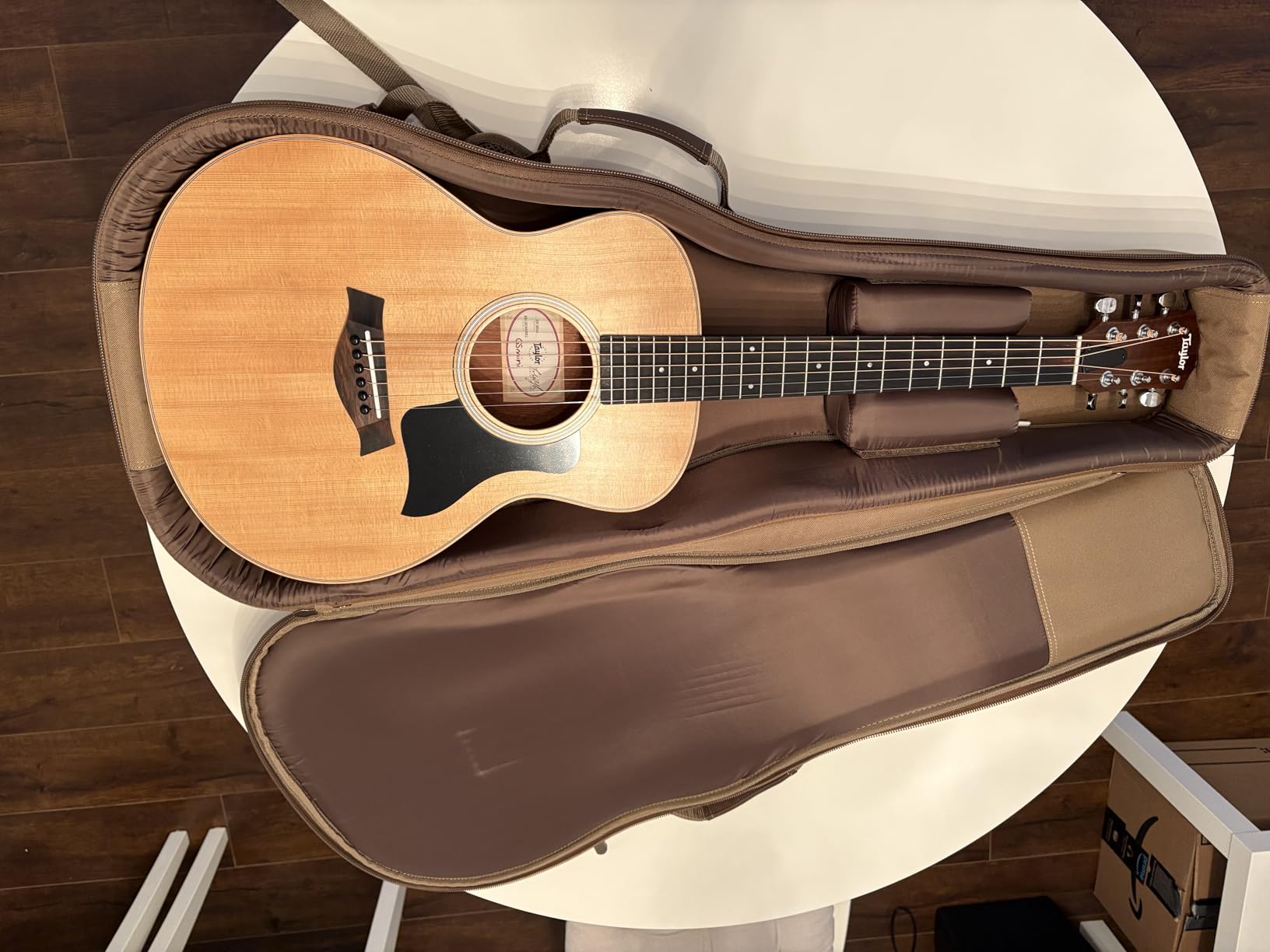
I first played the Taylor GS Mini in a cramped Edinburgh hotel room during the Edinburgh Festival Fringe. Within minutes, I understood why musicians obsess over this guitar. The solid spruce top produces a voice that belies the compact body size.
The 23.5-inch scale length makes chord stretches easier without feeling toy-like. After playing for three hours straight, my fingers weren’t complaining the way they do with some short-scale guitars. The layered sapele back and sides add warmth that complements the spruce top’s clarity.
What struck me most was the volume. I performed a small set for about 30 people in that hotel room, and the GS Mini projected beautifully without amplification. The included gig bag is substantial—padded enough that I felt comfortable checking it at the airport gate.
The ebony fingerboard feels smooth and fast under your fingers. Taylor includes their high-quality D’Addario XS coated strings, which maintained their brightness through two weeks of heavy playing. Setup was perfect straight from the box—action low enough for easy barre chords but high enough to prevent buzzing.
Who Should Buy the Taylor GS Mini
This guitar suits players who refuse to compromise on tone despite needing portability. If you perform acoustic sets and need a reliable travel companion that won’t embarrass you on stage, the GS Mini delivers. It’s particularly good for fingerstyle players and singer-songwriters who value articulation over raw volume.
Players with smaller hands will appreciate the shorter scale, but I found it comfortable even with my larger fingers. The build quality means it will last decades with proper care.
Travel Considerations for the GS Mini
At 9 pounds, this is one of the heavier travel guitars in my roundup. It won’t fit under airplane seats—you’ll need overhead bin space. The solid spruce top requires humidity management; I used a soundhole humidifier when traveling through dry climates in Colorado and Arizona.
The lack of electronics means you’ll need an external pickup if you want to amplify. For pure acoustic playing, this is a non-issue, but gigging musicians should factor in the cost of a good pickup system.
We earn a commission, at no additional cost to you.
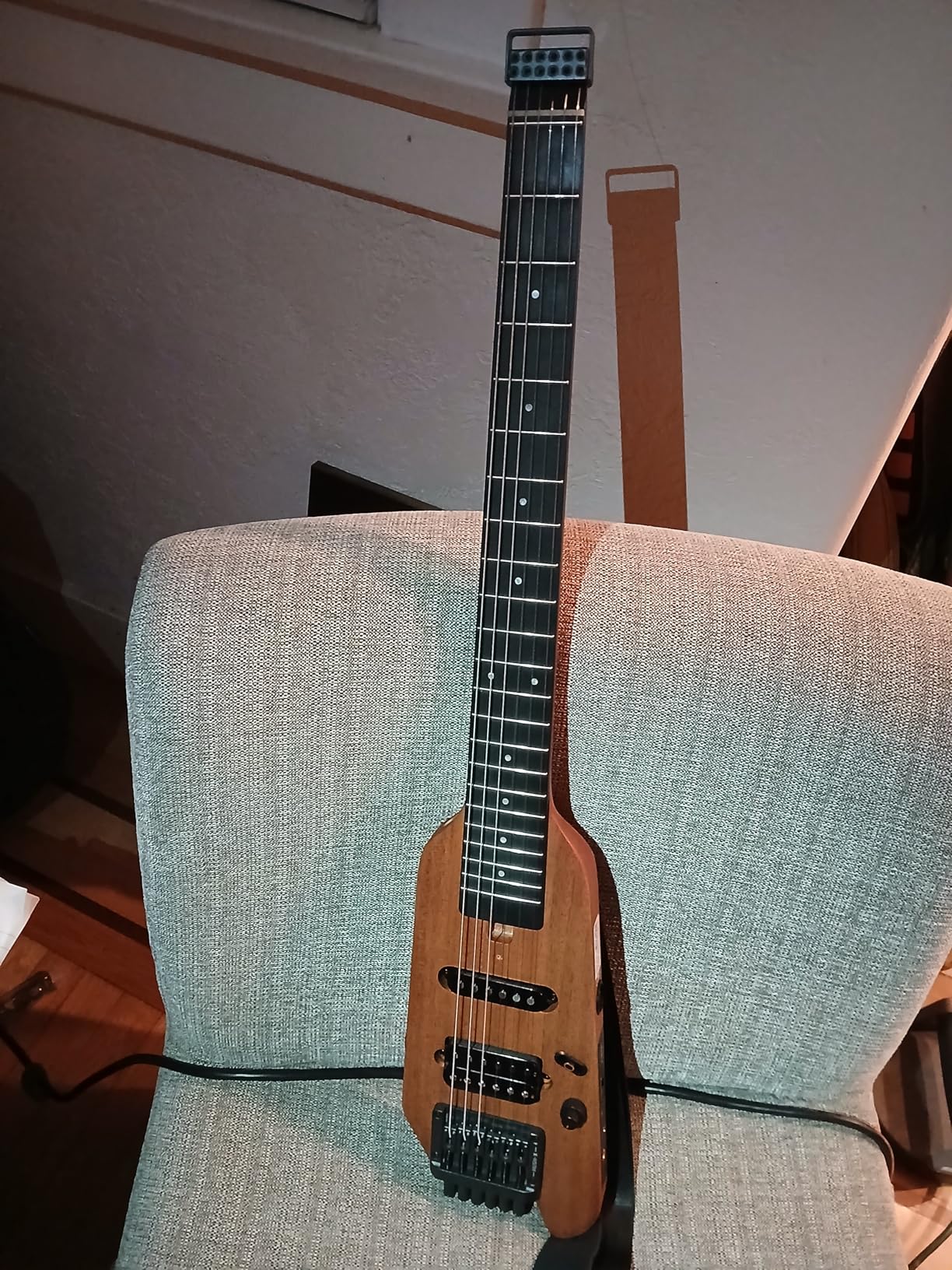
The Traveler Guitar Ultra-Light Electric accompanied me on a two-week tour through Japan’s bullet train system. At just 3 pounds and 28 inches long, it slid effortlessly into the overhead racks and under seats when needed. This is the guitar that convinced me travel electrics could feel like real instruments.
The 24.75-inch scale length matches a Gibson Les Paul, so the string tension feels familiar. I played complex solos and riffs without adjusting my technique. The dual-rail humbucker captures harmonics well and responds dynamically to picking attack—something many travel guitars fail at.
The proprietary in-body tuning system eliminates the headstock entirely. Tuning machines are relocated into the body, making the guitar incredibly compact. It takes some getting used to—tuning requires reaching across the body—but the stability is excellent. I only tuned once per day even with heavy use.
Pair this with a portable headphone amp like the Fender Mustang Micro, and you have a silent practice setup that fits in a backpack. I practiced for hours in Tokyo capsule hotels without disturbing anyone.
Who Should Buy the Ultra-Light Electric
Electric players who travel frequently need this guitar. If you’ve tried practicing on cheap travel guitars and been disappointed by the playability, this restores your faith. It feels like a real electric guitar because it essentially is one—just compact.
Rock and metal players will appreciate the humbucker and full-scale neck. The sustain from the neck-through maple construction rivals full-size instruments I’ve owned.
Travel Considerations for the Ultra-Light Electric
The detachable lap rest is essential for playing comfort but adds a setup step. Without it, the guitar sits awkwardly on your leg. I kept the lap rest attached during travel days and removed it only for storage.
The lack of onboard volume and tone controls means you need an amp or headphone unit with those features. The boxy body edge can dig into your forearm during long sessions—I solved this with a simple armrest cushion.
We earn a commission, at no additional cost to you.
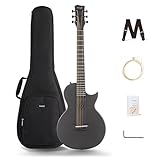
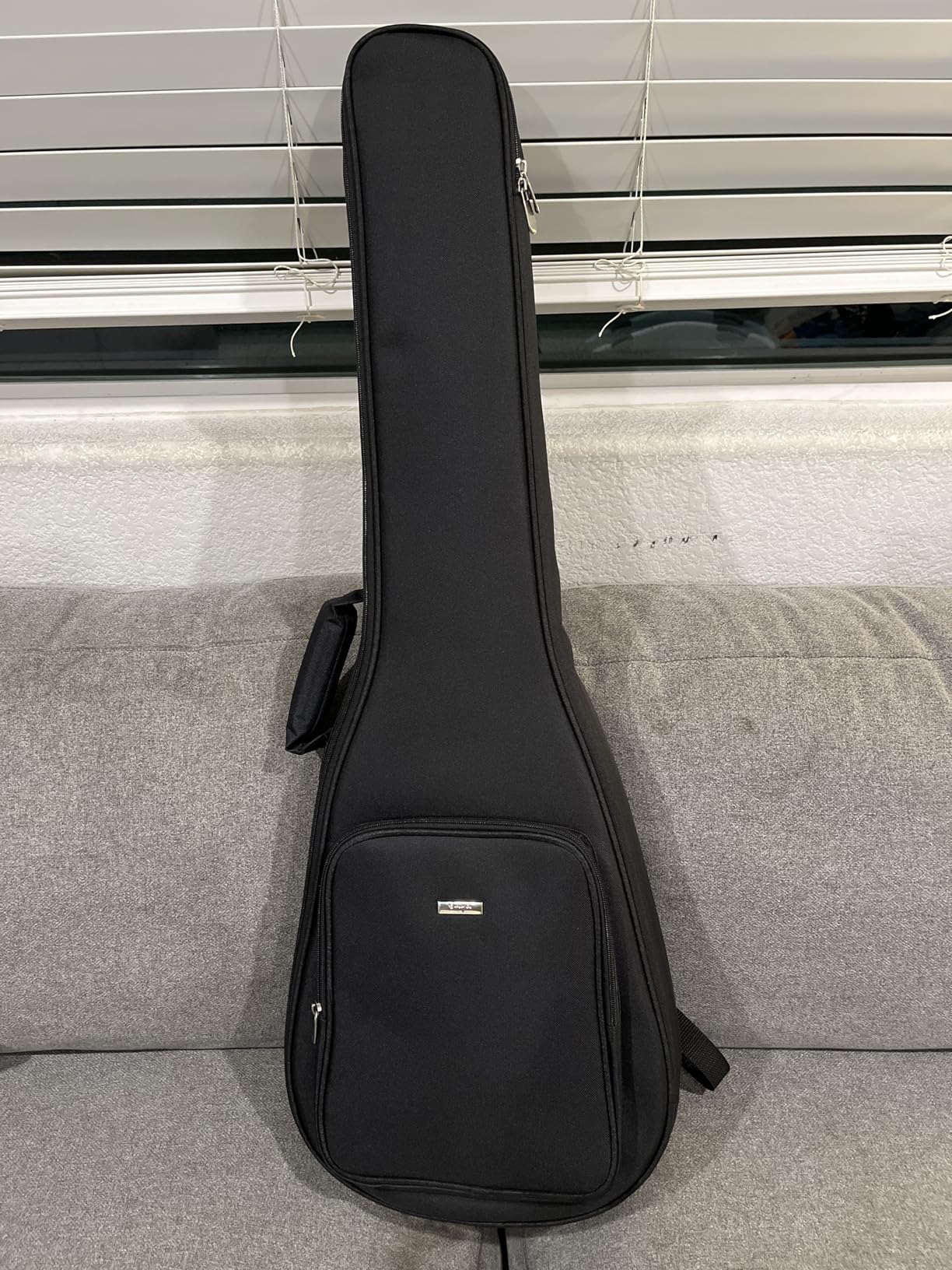
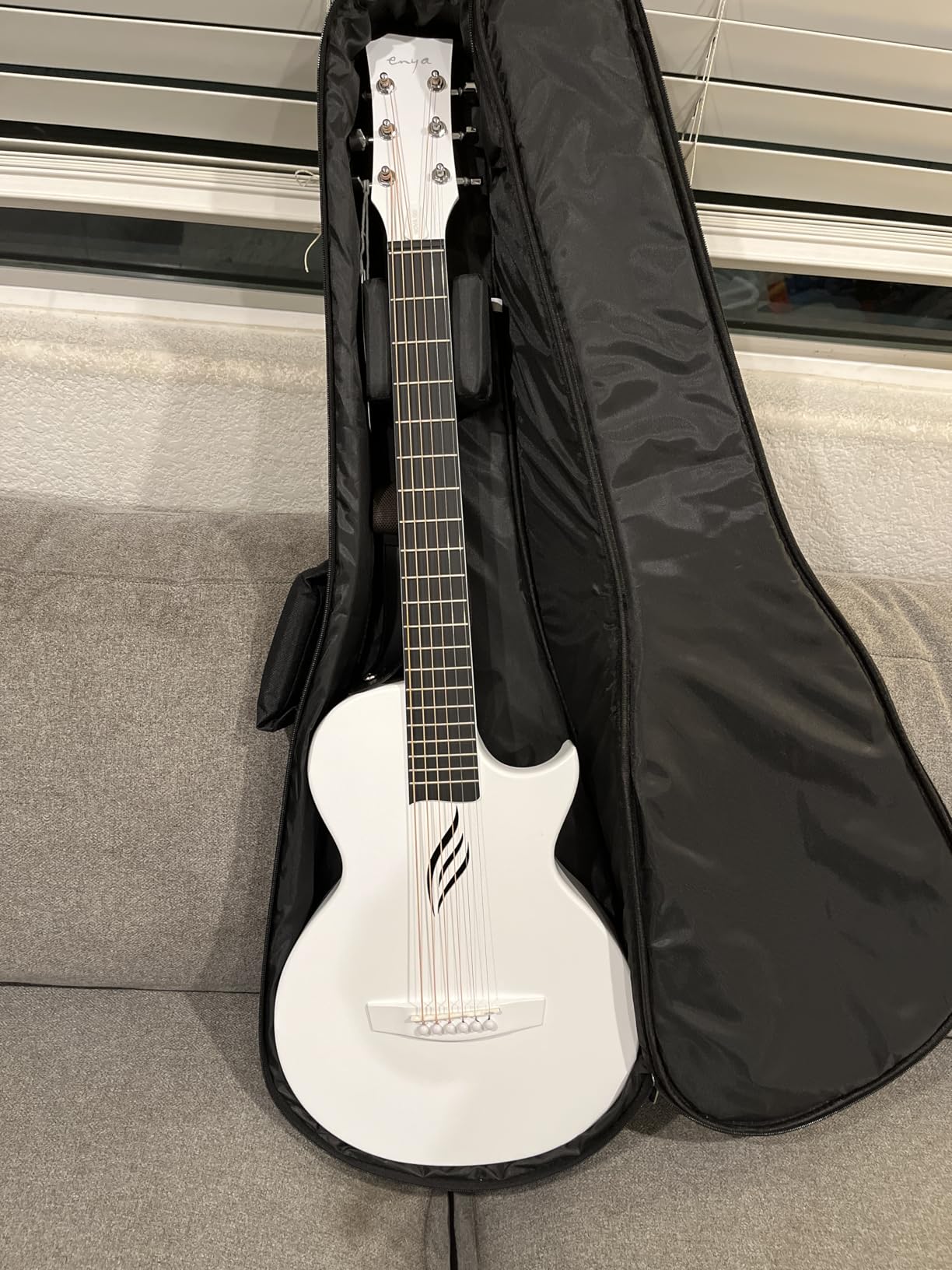
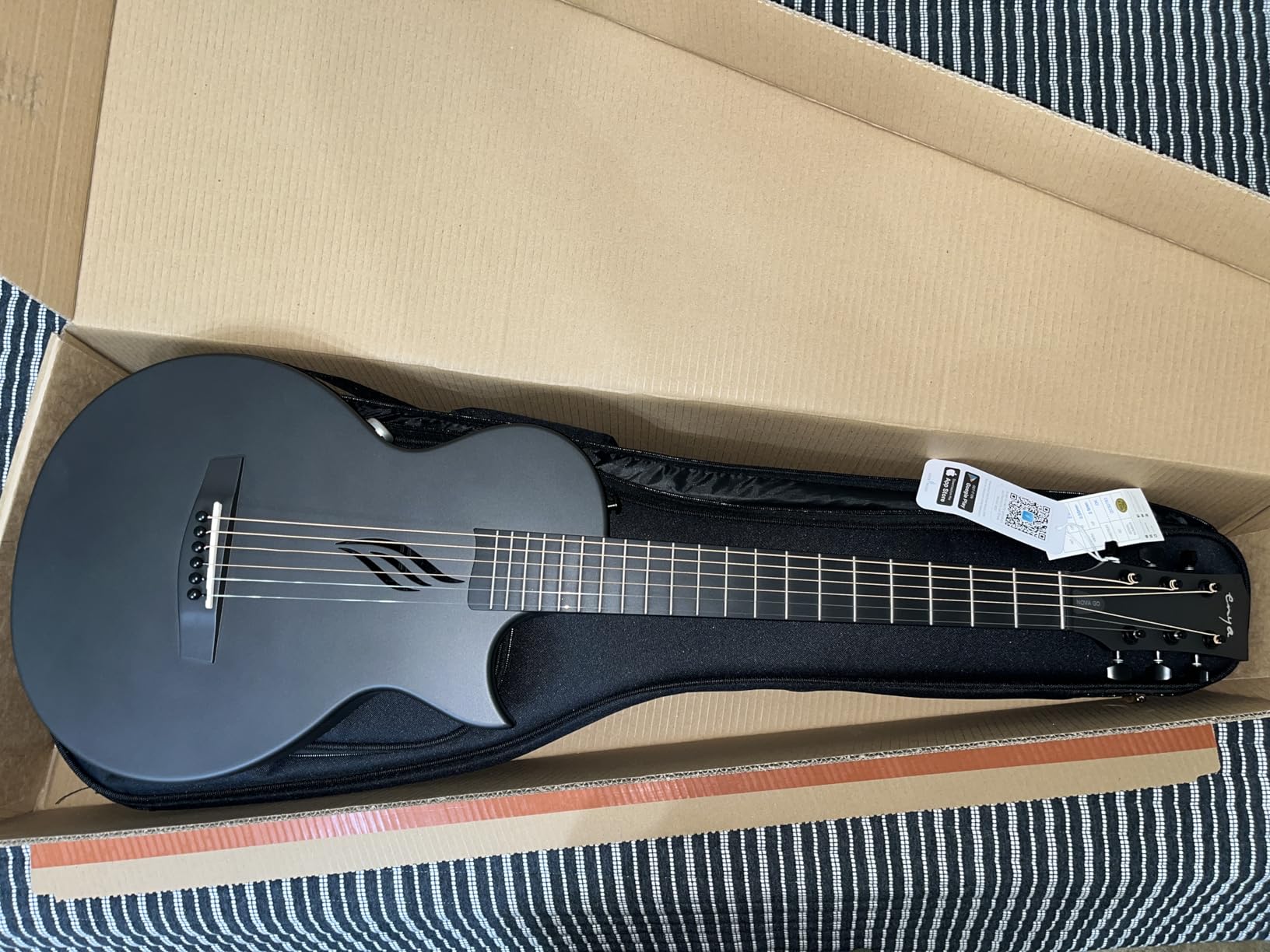
I took the Enya Nova Go on a camping trip through the Pacific Northwest where humidity ranged from 30% to 90% daily. While my wood guitars needed constant attention, the Nova Go stayed stable and in tune. Carbon fiber construction isn’t just marketing—it fundamentally changes how you can use a travel guitar.
The 35-inch length puts it in the 1/2-size category, making it 30% smaller than standard acoustics. Despite this, the tone is surprisingly full. The patented one-piece molding and zero-fret technology create clarity across all strings. Bass response is better than expected for a guitar this size.
The ergonomic neck profile suits players of all levels. Polished fret edges mean no sharp corners to catch your fingers—a common issue with budget guitars. I handed this to a beginner friend who had never played before, and she formed her first clean chord within minutes.
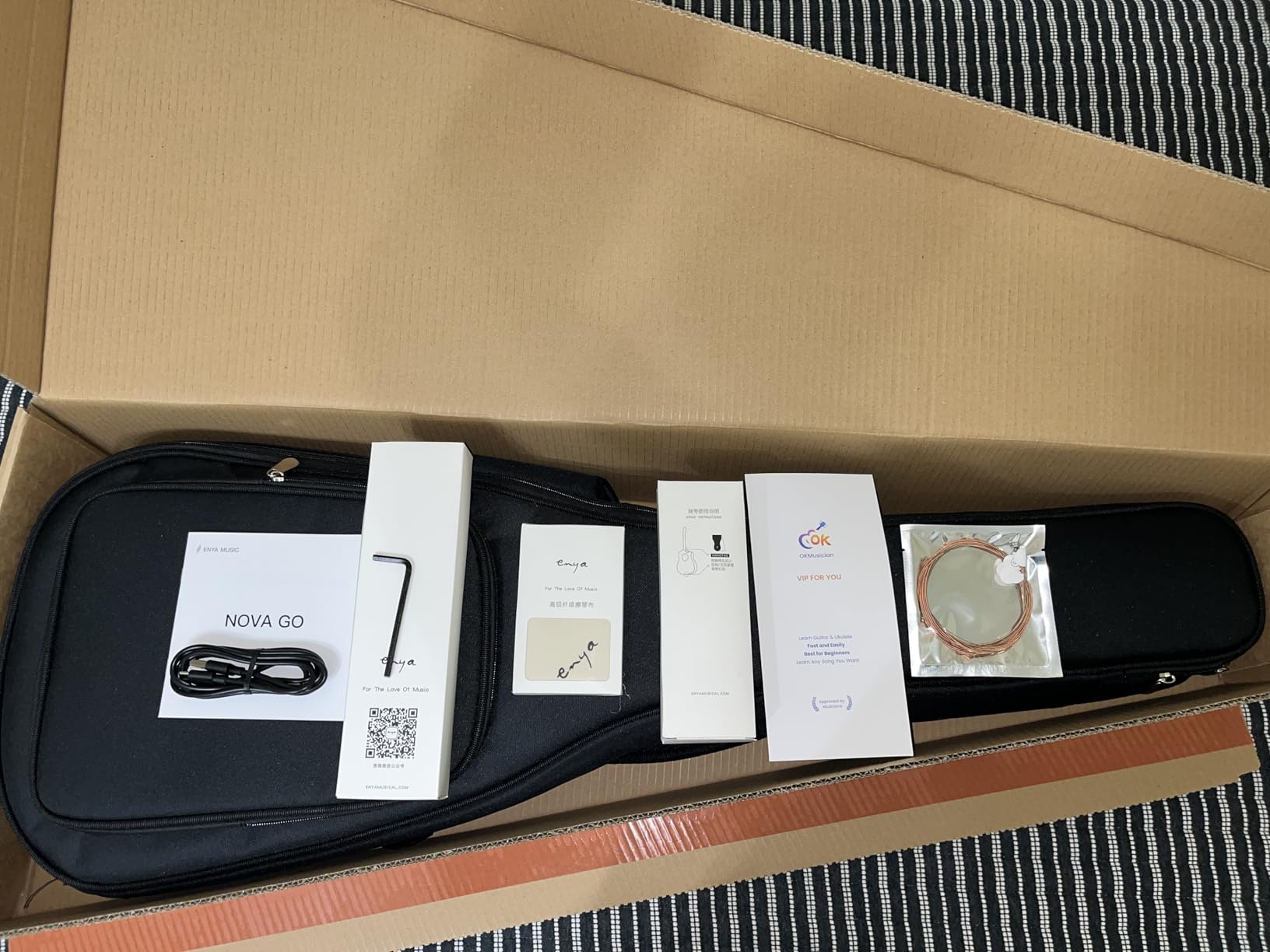
The included accessory kit adds value: a decent gig bag, strap, cleaning cloth, and spare strings. Everything you need to start playing immediately comes in the box.
Who Should Buy the Nova Go
Outdoor enthusiasts and travelers heading to challenging climates need this guitar. If you’re backpacking through Southeast Asia, camping in the desert, or sailing where salt air destroys wood instruments, carbon fiber is your answer. The durability means you can focus on playing instead of protecting your instrument.
Beginners benefit from the low action and comfortable neck. The price point makes it accessible without sacrificing quality that would frustrate new players.
Travel Considerations for the Nova Go
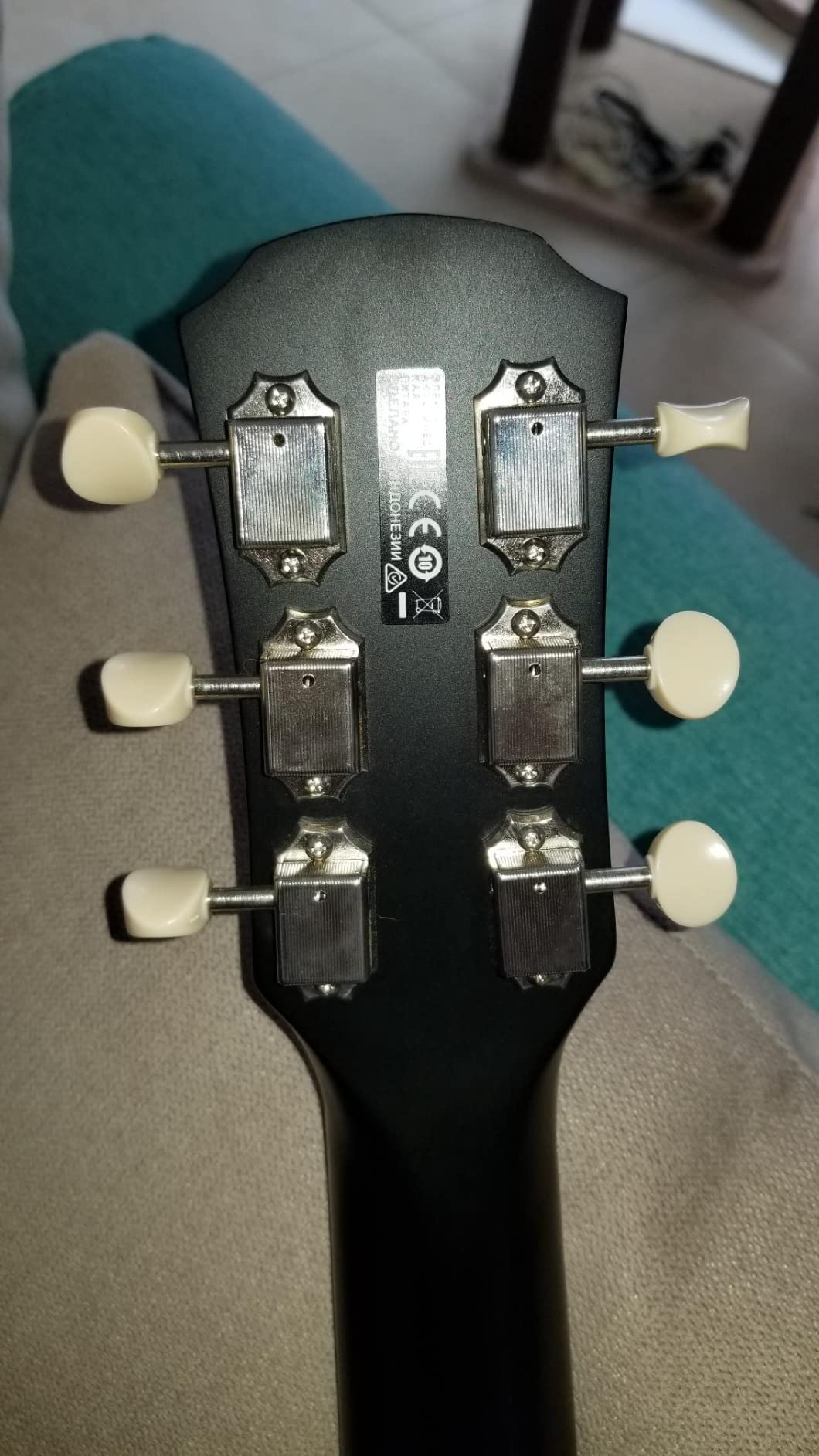
While the tuners work, they’re the weak point of this guitar. Consider upgrading to locking tuners if you plan heavy use. The guitar fits in most airline overhead bins but might be tight on smaller regional jets.
The carbon fiber body is tough but can show scratches. The matte finish hides wear better than gloss would. For extreme conditions, this is the most worry-free travel guitar I tested.
We earn a commission, at no additional cost to you.
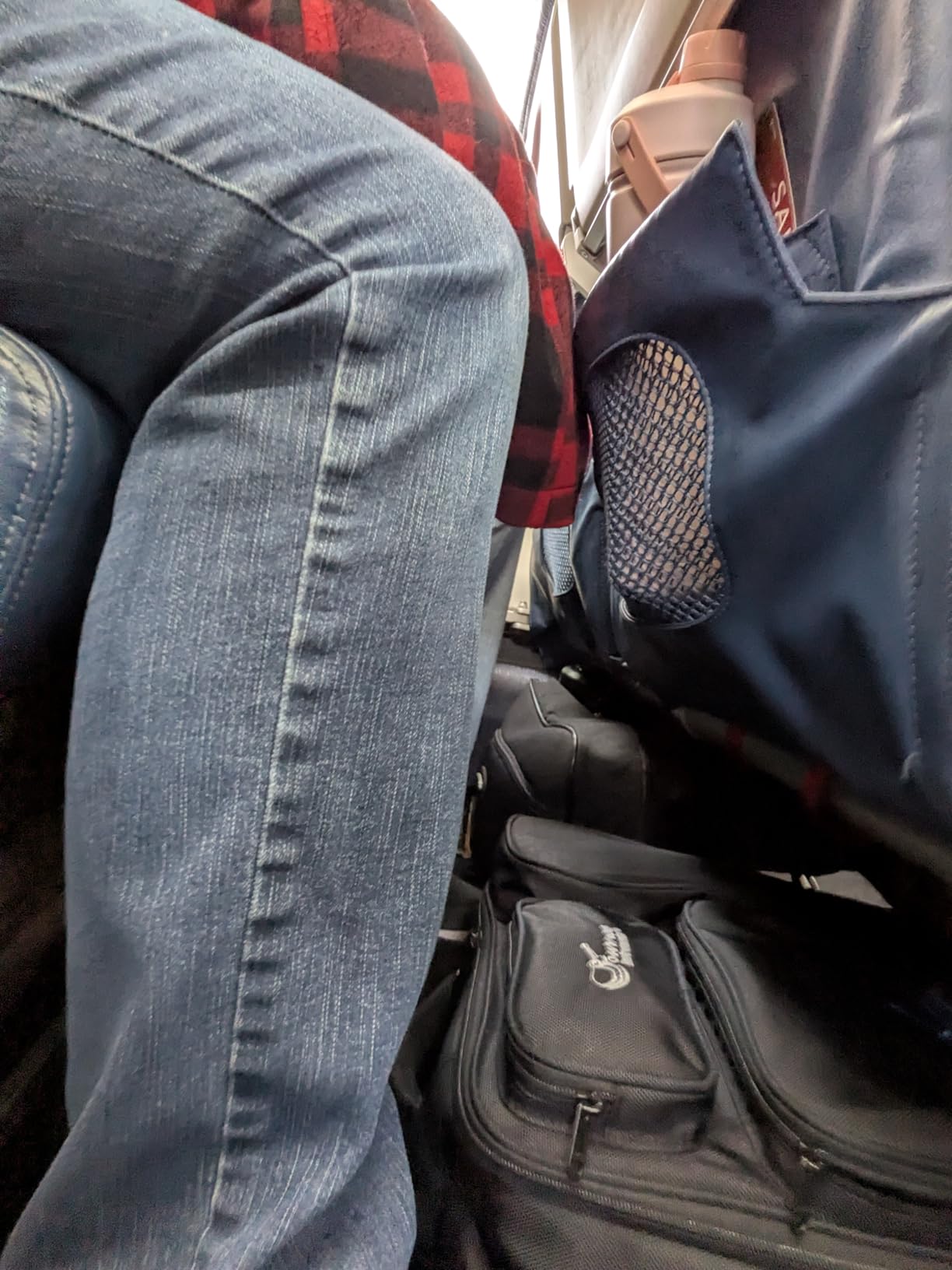
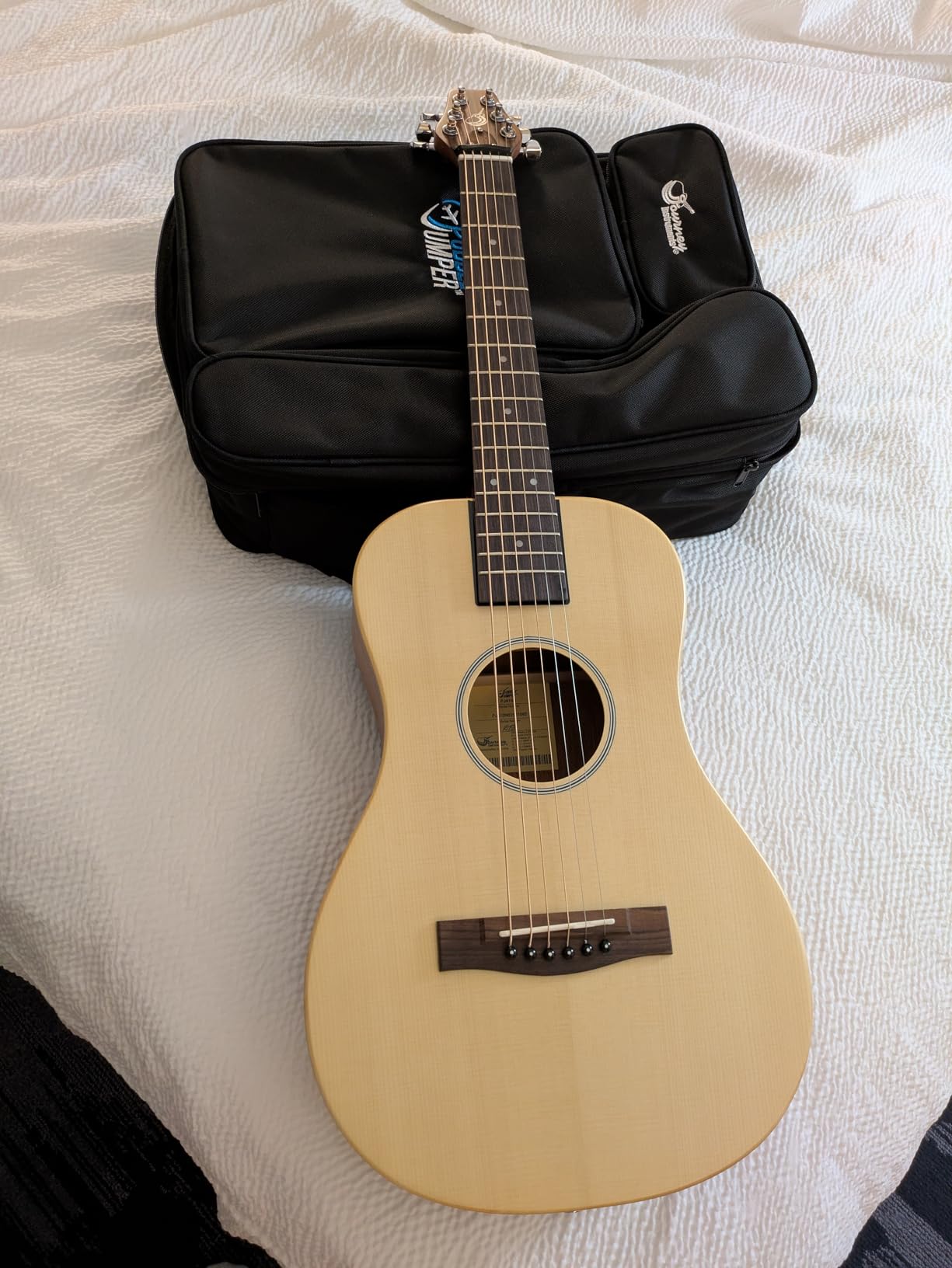
The Journey Instruments PJ410N revolutionized how I think about guitar portability. With the neck detached, this guitar fits under airplane seats—a claim no other acoustic in this guide can make. The patented stainless steel locking mechanism assembles in about 20 seconds once you learn the process.
I tested this on a flight from Los Angeles to Sydney, storing it under the seat in front of me while my seatmate struggled to find overhead space for their full-size guitar case. The included TSA-compliant ballistic nylon backpack holds the disassembled guitar, your laptop, and accessories in separate padded compartments.
The solid Sitka spruce top produces genuine acoustic tone—not the compressed sound you expect from travel guitars. Layered African mahogany back and sides add warmth, while the ovangkol fingerboard feels smooth under your fingers. This is a real guitar that happens to come apart.
Once assembled, tuning stability rivals one-piece guitars. The carbon-reinforced mahogany neck and dual-action truss rod maintain precision through temperature changes. I played a small gig in Melbourne after assembling it in the venue’s bathroom—no one suspected it wasn’t a standard acoustic.
Who Should Buy the PJ410N
Serious travelers who fly frequently need this guitar. If you’ve had guitars damaged in overhead bins or denied boarding because of size restrictions, the collapsible design solves those problems. Songwriters who travel light but need a quality instrument for inspiration will appreciate the compromise-free approach.
The quick assembly means you can practice in hotel rooms without leaving the guitar set up when not in use. Musicians touring by air should strongly consider this option.
Travel Considerations for the PJ410N
The assembly process has a learning curve. You must detune the strings before detaching the neck, which adds a minute to pack-up time. Some units ship with high action that requires bridge adjustment—the kit includes two bridge heights for this purpose.
Intonation issues reported by some users seem related to assembly technique rather than design. Take time to learn the proper process, and the guitar plays in tune up the neck. The nut can fall out during disassembly if you’re not careful—store it in the body cavity when traveling.
We earn a commission, at no additional cost to you.
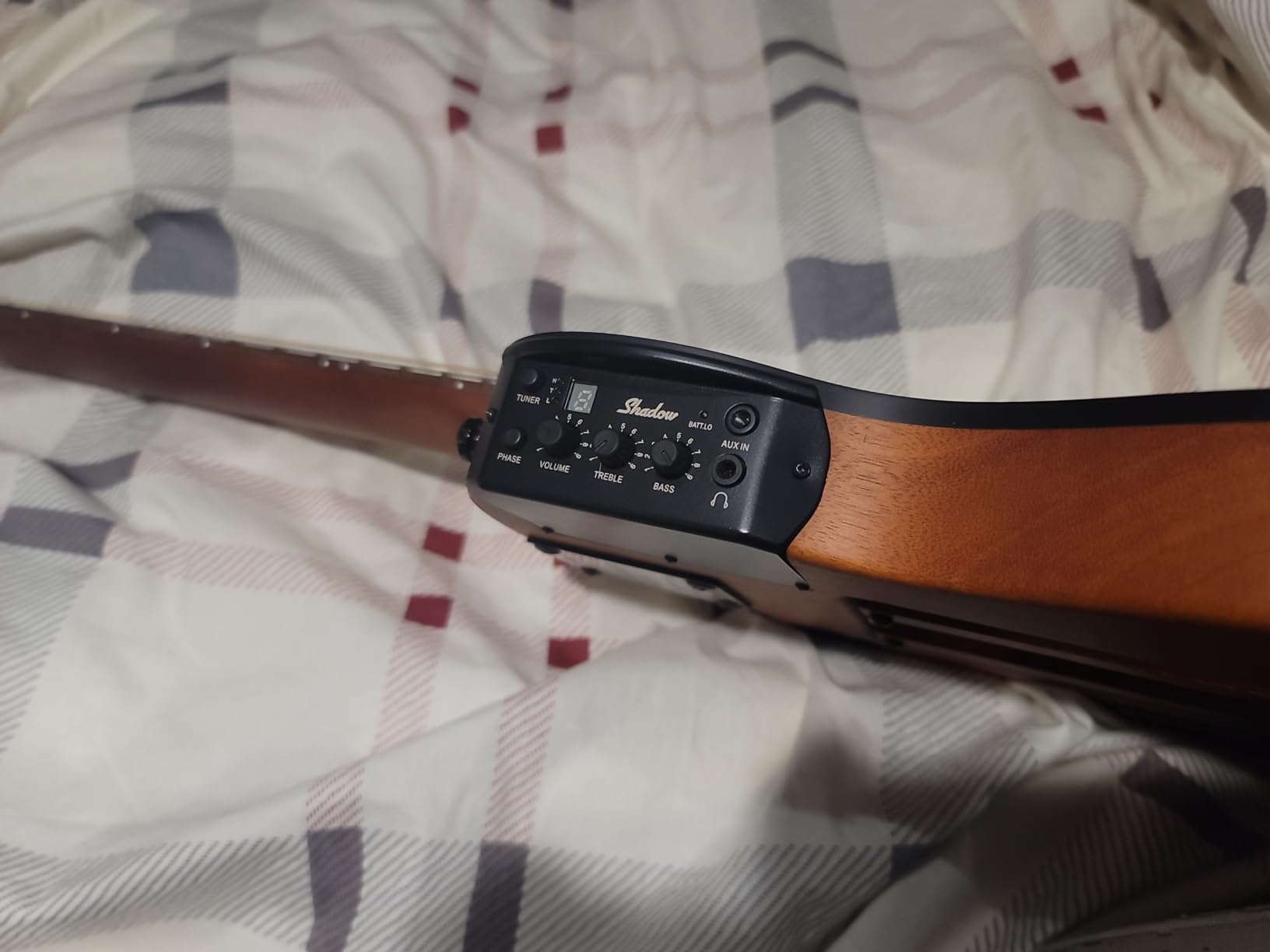
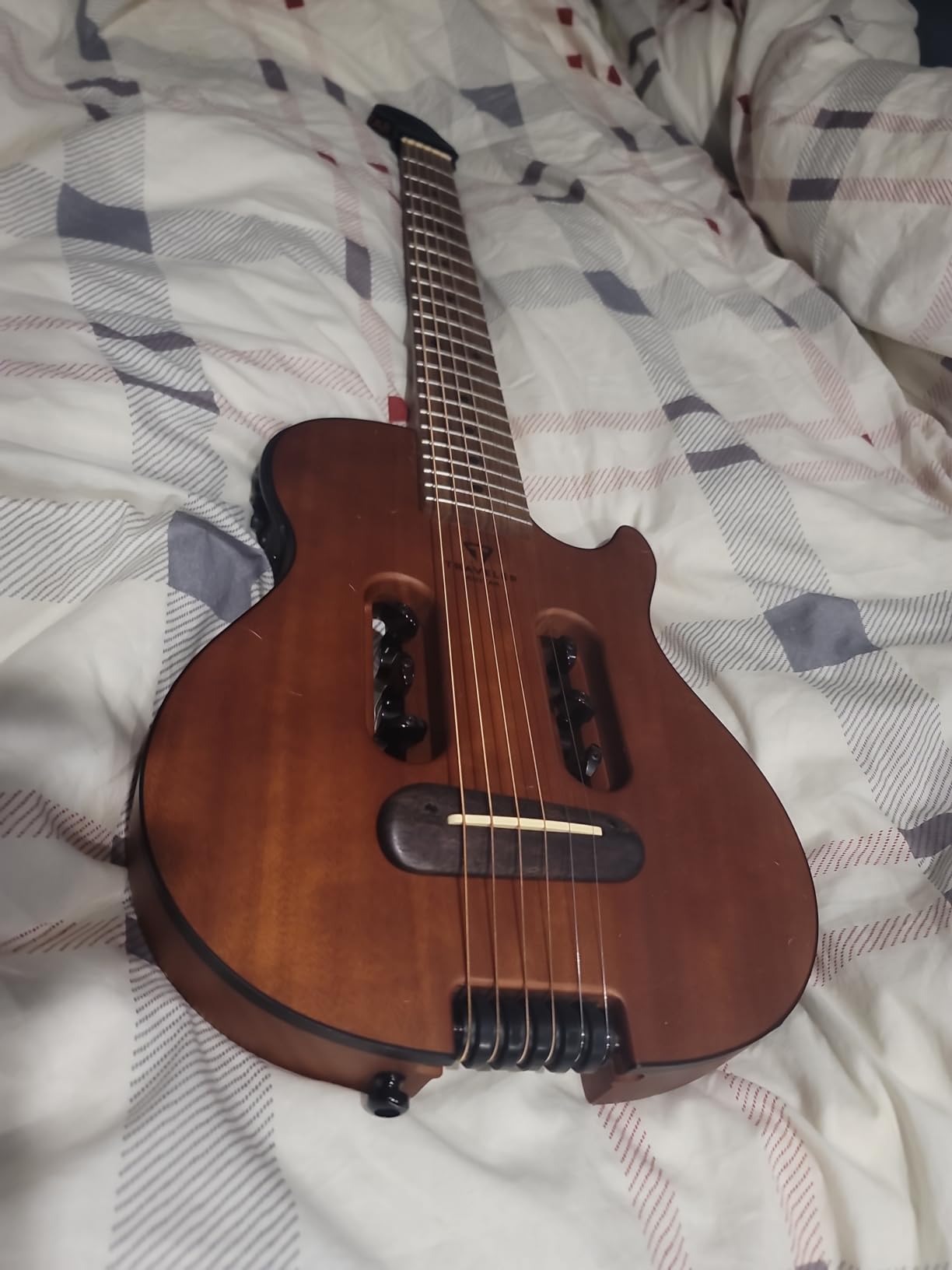
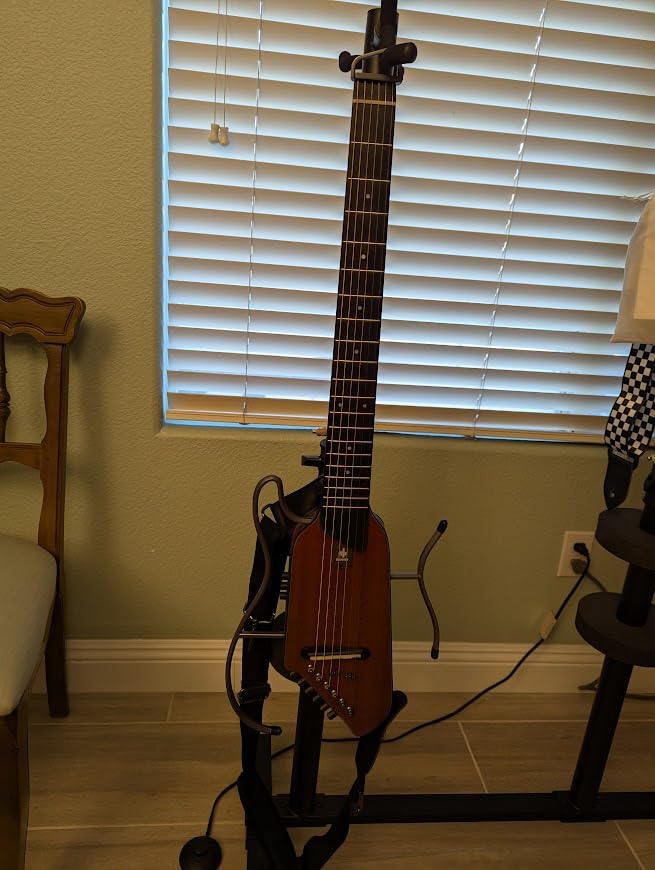
The Escape Mark III solved a specific problem for me: practicing acoustic guitar silently in shared spaces. The built-in headphone amp means you can strum and fingerpick without disturbing anyone, while still hearing your playing through quality headphones. At 25.5 inches, this is the only travel guitar in my collection with true full-scale length.
The solid body design makes it inherently quiet when unplugged—similar to an electric guitar without an amp. This is actually an advantage for late-night practice in hotels. The removable lap rest provides playing comfort when you want to practice acoustically, then detaches for compact storage.
The in-body tuning system protects the tuners from damage during travel. Having used guitars with broken tuning machines after baggage handling, I appreciate this design choice. The black walnut fingerboard feels premium, and the mahogany body construction is solid.
The Shadow Nanoflex pickup captures a decent acoustic tone when you do want to amplify. The 2-band EQ lets you shape the sound, and the built-in tuner keeps you in pitch without additional gear.
Who Should Buy the Escape Mark III
Acoustic players who need silent practice options should consider this guitar. If you live in apartments, stay in shared accommodations, or practice while family members sleep, the headphone amp is transformative. The full-scale length means no adjustment period when switching between this and your main acoustic.
Fingerstyle players will appreciate the full fretboard and string spacing. The action out of the box is excellent for complex fingerpicking patterns.
Travel Considerations for the Escape Mark III
The sharp top edge can dig into your forearm during long sessions. I added a thin armrest cushion that solved this completely. At 30 inches in the included gig bag, it fits in most overhead bins but won’t fit under seats.
The piezo-only tone when amplified is thinner than a true acoustic with a microphone or blended pickup system. For practice and small performances, it works fine, but recording professionals might want to add an external microphone for fuller tone.
We earn a commission, at no additional cost to you.
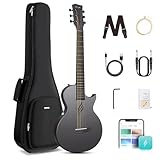
The Enya NOVA GO SP1 represents the future of travel guitars. Built-in effects, USB recording capability, and Bluetooth connectivity transform this from a simple instrument into a mobile music production tool. I recorded an entire demo track on my phone using just this guitar while waiting for a delayed flight in Denver.
The SP1 pickup system includes reverb, delay, and fusion effects that you can hear through the internal speaker even without amplification. The app control lets you adjust effect parameters and access additional presets. For songwriting on the road, being able to hear spatial effects inspires creativity in ways a dry acoustic tone doesn’t.
USB On-The-Go connectivity means direct recording to smartphones, tablets, or computers without an interface. I connected to GarageBand on my iPad and captured ideas immediately. The Bluetooth speaker function lets you play backing tracks through the guitar while you play along—perfect for practicing scales or learning songs.
Like the standard Nova Go, the carbon fiber construction laughs at weather changes. The truss rod allows action adjustment, which some units need out of the box. The zero fret technology keeps intonation consistent across the neck.
Who Should Buy the NOVA GO SP1
Tech-forward musicians and songwriters who want more than just a guitar will love this instrument. If you produce music on your phone or tablet, the USB recording streamlines your workflow. Content creators who need portable recording setups should strongly consider this option.
The effects inspire creativity in ways simple acoustics don’t. I found myself playing longer sessions because the ambient effects made practice more enjoyable.
Travel Considerations for the NOVA GO SP1
The internal speaker isn’t loud enough for performances but works perfectly for personal practice. You’ll want to adjust the effects volume in the app—the default settings are quite low. Some units ship with very high action that requires saddle sanding or professional setup.
The included instrument cable is basic; consider upgrading for critical recording work. The guitar fits standard overhead bins but benefits from a more protective case than the included gig bag for air travel.
We earn a commission, at no additional cost to you.
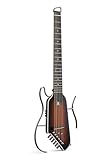
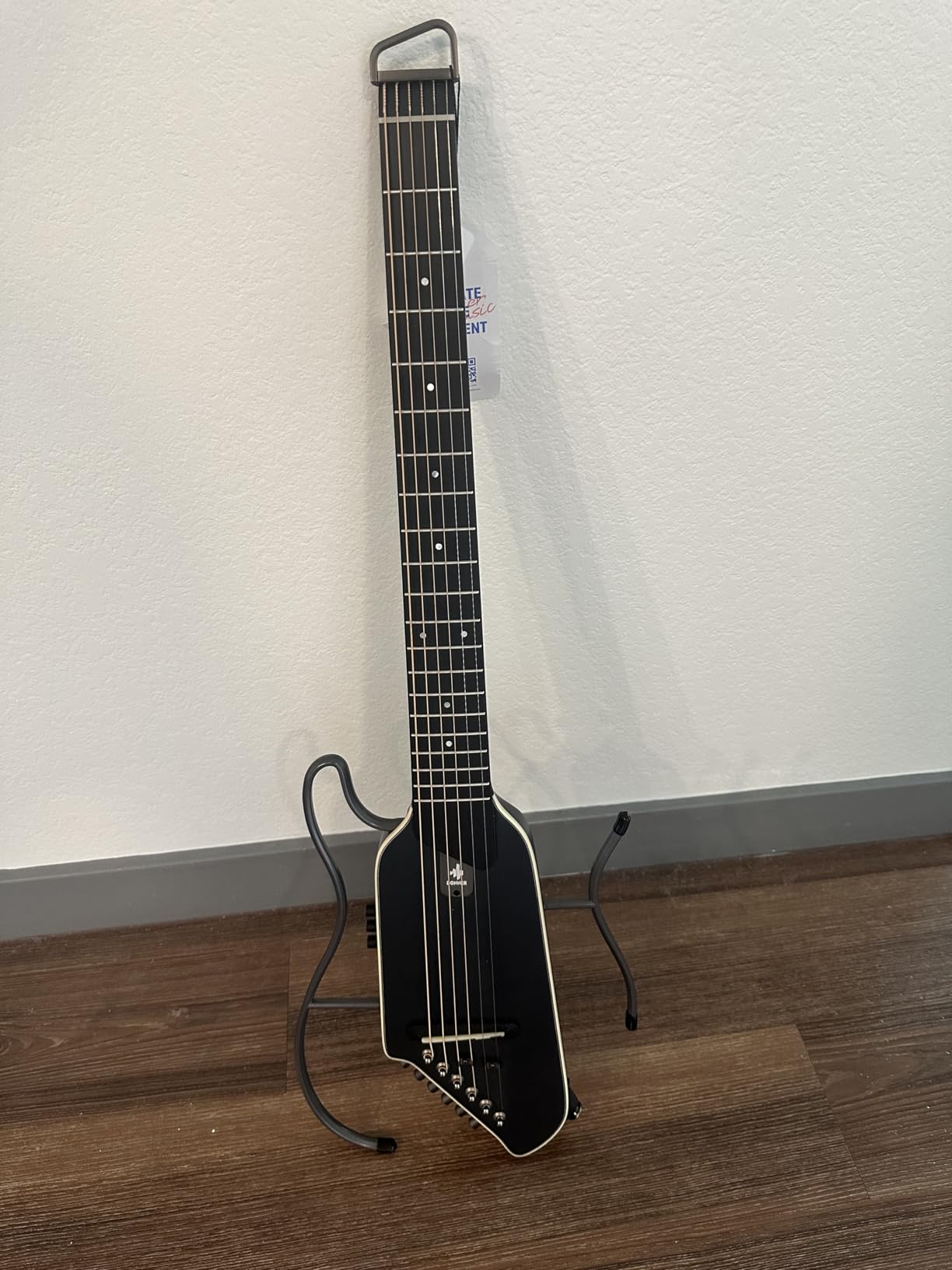
The Donner HUSH-I EVO2 improved significantly on the original HUSH design. The 5-piece reinforced maple and mahogany neck resists warping better than single-piece necks, which matters when you’re traveling through varying climates. I noticed the tuning stability was noticeably better than the first-generation model I tested last year.
The HPS-II Preamp delivers faster dynamic response than typical piezo systems. When I played softly, it captured the nuance; when I dug in aggressively, it tracked without compressing. The richer acoustic tone through headphones makes practice sessions more satisfying than with cheaper silent guitars.
The built-in chromatic tuner is convenient, though I found it less precise than my clip-on tuner. The hidden magnetic compartment stores the T-wrench for truss rod adjustments—smart design that prevents losing tools while traveling. The tool-free assembly with hand-tightened thumb screws means no hunting for Allen keys.
The 3-layer binding adds durability for road use. Recessed fret ends prevent the fret sprout that can occur with humidity changes—a thoughtful touch for a travel instrument.
Who Should Buy the HUSH-I EVO2
Musicians who need completely silent practice should consider this guitar. If you share walls with neighbors, travel with family, or practice in hotel rooms frequently, the headphone-only output eliminates any acoustic sound. The quality through headphones is significantly better than budget silent guitars.
The headless design makes it compact without sacrificing scale length. Players transitioning between standard guitars and travel instruments will appreciate the familiar feel.
Travel Considerations for the HUSH-I EVO2
The assembly process takes longer than some travel guitars because of the frame attachment system. Plan for about two minutes to get playing, not 30 seconds. The guitar doesn’t fit under airline seats despite the compact size—it needs overhead space.
Some users report color accuracy issues; verify you received the correct finish before traveling. The 9V battery system includes low-battery alerts, but carry spares for extended trips without power access.
We earn a commission, at no additional cost to you.
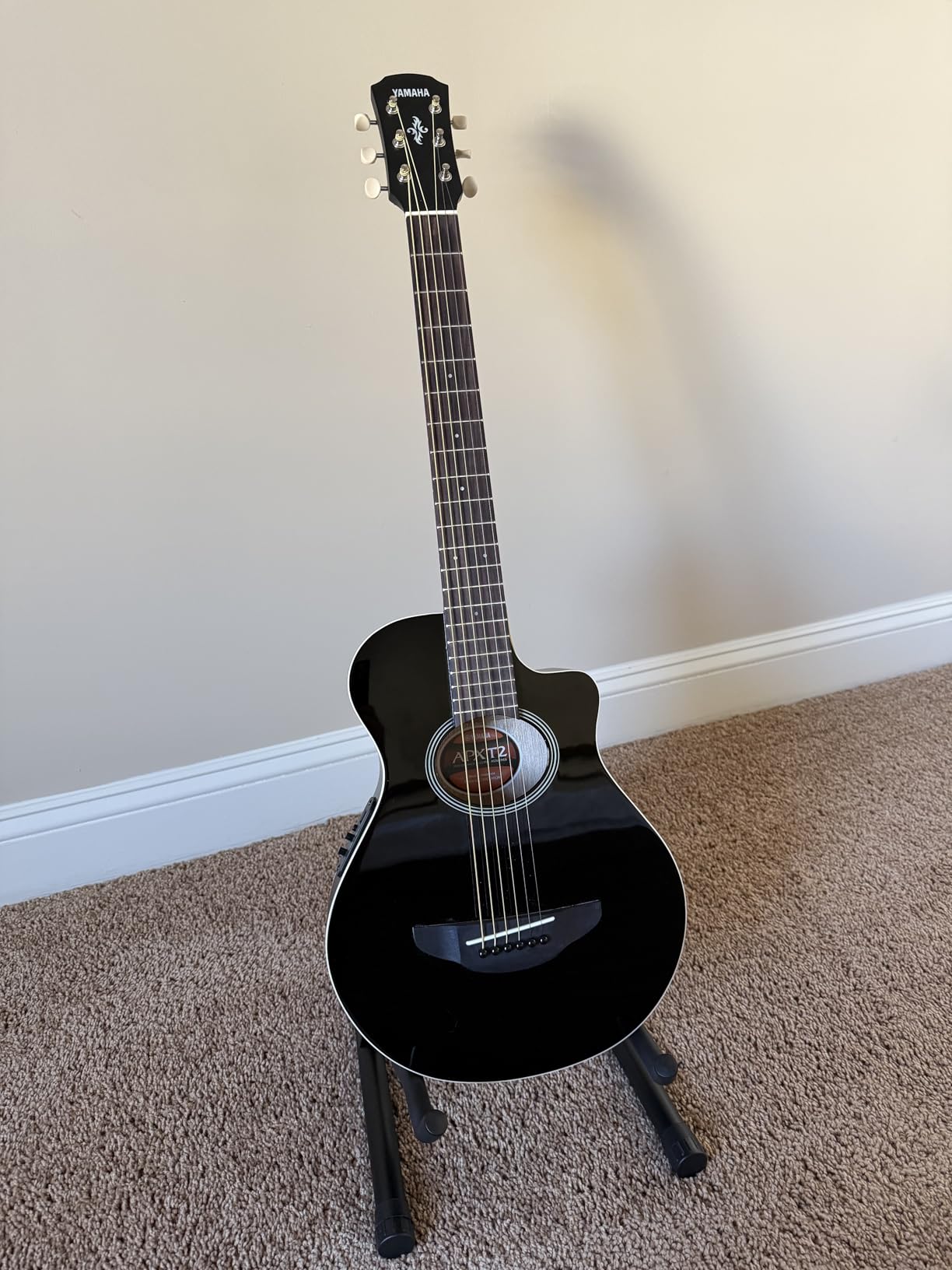
The Yamaha APXT2 has been a staple in the travel guitar market for years, and my testing confirmed why it remains popular. At under $230, it delivers genuine Yamaha quality in a compact package. This was actually my first travel guitar purchase a decade ago, and the current version maintains the value proposition that made it successful.
The 3/4 size makes it genuinely portable—much smaller than the GS Mini or other compact acoustics. The System 68 pickup with built-in tuner adds functionality that budget guitars often lack. I plugged into a portable amp at a hostel in Barcelona and performed for other travelers without any technical issues.
The spruce top with meranti back and sides produces a respectable acoustic tone for the price point. It’s not as rich as the Taylor GS Mini, but it’s significantly better than toy-like travel guitars in the same price bracket. The rosewood fingerboard feels decent under your fingers.
For beginners, the good action and compact size make learning less intimidating. The full-size fretboard means you won’t need to re-adapt when switching to standard guitars later.
Who Should Buy the APXT2
Budget-conscious travelers and beginners should start here. If you’re unsure whether travel guitars are worth the investment, the APXT2 lets you experiment without a major financial commitment. It’s also perfect as a beater guitar you don’t worry about damaging.
Players with smaller hands find the 3/4 size comfortable for extended playing. Many users keep one as a couch guitar even after buying premium instruments—it serves that casual practice role perfectly.
Travel Considerations for the APXT2
The included gig bag offers minimal protection. For air travel, invest in a better case or plan to carry this as your personal item where you can monitor it. The plastic tuning pegs work but feel cheap—avoid overtightening them.
The smaller body means less acoustic projection than larger travel guitars. For solo practice, this is fine, but don’t expect to lead sing-alongs around a large campfire without amplification.
We earn a commission, at no additional cost to you.
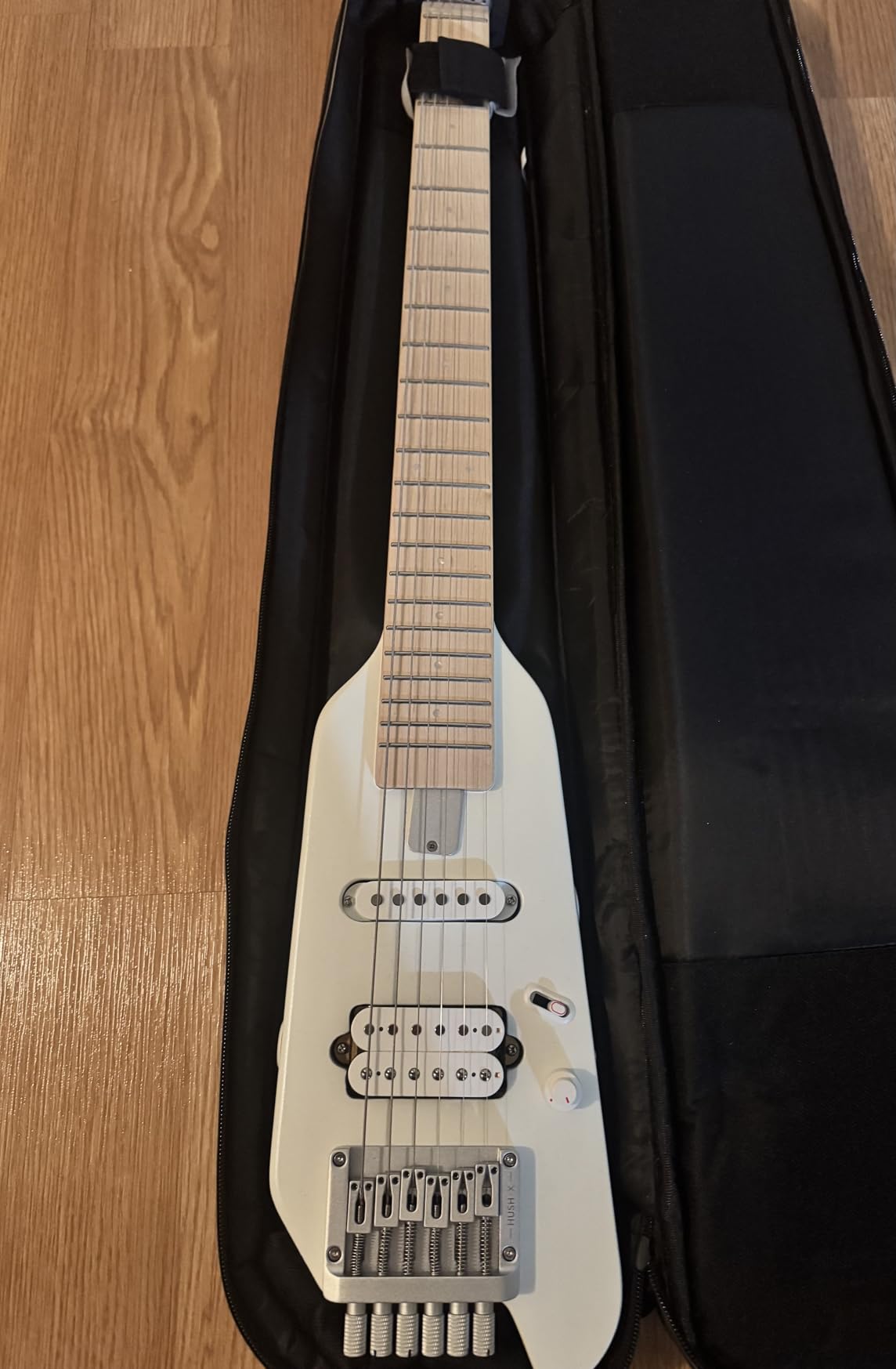
The Donner HUSH X Electric offers versatility that pure travel guitars often sacrifice. The H-S (humbucker-single) pickup configuration gives you genuine tonal range, from full humbucker crunch to single-coil sparkle. I played everything from jazz cleans to high-gain metal on this guitar without feeling limited.
The active/passive circuit switch is the standout feature. Active mode, powered by the built-in 9V battery, drives headphones directly for silent practice. Passive mode works with standard amplifiers like any electric guitar. The 50-hour battery life means you won’t constantly replace batteries.
The asymmetrical neck design genuinely reduces wrist pressure during long sessions. I noticed less fatigue after three hours of practice compared to standard neck profiles. The custom string locking technology maintains tuning stability even with aggressive bending.
At half the size of traditional electrics, it fits in spaces full-size guitars won’t. The wider ergonomic stands distribute weight better than the thin lap rests on some competitors.
Who Should Buy the HUSH X Electric
Versatile players who need one guitar for multiple contexts should consider the HUSH X. If you play different genres and want a travel guitar that handles everything from clean jazz to distorted rock, the pickup flexibility matters. The silent practice capability makes it dual-purpose.
Beginners benefit from the included comprehensive kit: gig bag, earphones, tuner, straps, picks, and cleaning cloth. Everything needed to start playing arrives in one box.
Travel Considerations for the HUSH X Electric
The headless tuning system has a learning curve for string changes. Watch the manufacturer’s video before attempting your first restring. The strap button placement causes the guitar to swing more than ideal—consider a strap with better grip or additional support.
Some quality control issues have been reported with tuning stability on certain units. Test thoroughly during the return period. The included cable is basic; upgrading improves tone if you’re particular about signal quality.
We earn a commission, at no additional cost to you.
The Traveler Guitar Ultra-Light Acoustic is essentially the acoustic version of their electric ultra-light model. At 3 pounds and 28 inches, it’s the most portable full-scale acoustic option available. I carried this through two weeks in Europe, including daily moves between cities, and barely noticed it in my pack.
The 24.75-inch scale length and 22 frets provide authentic playing feel. Unlike many travel acoustics that use shortened scales, this feels like playing your standard guitar. The proprietary in-body tuning system eliminates the headstock, making the compact size possible while maintaining string tension.
The acoustic piezo pickup allows amplification when you need volume. Through a small portable amp, you can get enough sound for small performances. The detachable lap rest stores in the included gig bag and attaches quickly for playing comfort.
With 480+ reviews averaging 4.4 stars, this is one of the most proven designs in the travel guitar market. Traveler Guitar has refined this concept over three decades of production.
Who Should Buy the Ultra-Light Acoustic
Travelers prioritizing minimum weight and size should choose this guitar. If every ounce matters for your backpacking trip, or you need something that definitely fits budget airline restrictions, the 3-pound weight is unbeatable. It’s designed purely for practice on the road, not performance.
Musicians who primarily play electric guitars but need an acoustic option for occasional songwriting will appreciate the familiar scale length and string spacing.
Travel Considerations for the Ultra-Light Acoustic
Unplugged volume is very low—similar to an unplugged electric guitar. This is by design for hotel room practice, but don’t expect to play around a campfire without amplification. The input jack may need periodic tightening—carry a small wrench.
The gig bag handle placement creates awkward weight distribution. I modified mine with an additional strap attachment point to improve carrying comfort. The limited lifetime warranty provides peace of mind for heavy travelers.
How to Choose the Best Travel Guitar for Your Needs
After testing dozens of travel guitars across multiple years and continents, I’ve identified the key factors that separate good purchases from regrets. Consider these elements before making your decision.
Scale Length and Playability
Scale length affects how the guitar feels under your fingers more than any other specification. Full-scale guitars (25.5 inches like the Escape Mark III) match standard acoustic dimensions exactly. Shorter scales (23-24 inches) reduce string tension, making bends easier but changing the feel.
If you switch between your travel guitar and a full-size instrument regularly, prioritize full-scale options. Your muscle memory transfers directly without adjustment time. Players with smaller hands or those who struggle with barre chords may actually prefer shorter scales for easier fretting.
Acoustic vs Electric Travel Guitars
This decision depends entirely on your primary use case. Acoustic travel guitars work anywhere without requiring amplification. You can play on beaches, in parks, or around campfires without power access. However, they generally offer less volume and tonal control than electric options.
Electric travel guitars require amplification for full performance, but many include headphone outputs for silent practice. The Traveler Guitar Ultra-Light Electric and Donner HUSH models excel here. If you practice in shared spaces or late at night, electric options with headphone capability may serve you better despite the amplification requirement.
Portability and Airline Travel
Not all travel guitars fit all travel scenarios. The Journey Instruments PJ410N collapses small enough for under-seat storage—a unique advantage for frequent flyers on budget airlines with strict overhead bin limits. Most other options require overhead bin space.
Weight matters when you’re carrying the guitar for extended periods. Carbon fiber options like the Enya Nova Go offer durability without excessive weight. For air travel, consider whether you need a hard case or if the included gig bag provides sufficient protection.
Materials and Durability
Traditional wood guitars sound wonderful but require environmental protection. Solid spruce tops need humidity control in dry climates. Carbon fiber guitars like the Enya Nova Go eliminate these concerns entirely. I left my Nova Go in a hot car in Phoenix for three hours as a test—something I’d never attempt with a wood guitar.
For adventure travel involving camping, sailing, or desert environments, carbon fiber construction justifies itself quickly. For hotel-based travel in climate-controlled environments, traditional wood guitars offer tonal benefits worth the extra care.
Built-in Electronics and Silent Practice
Modern travel guitars increasingly include sophisticated electronics. The Enya NOVA GO SP1 offers built-in effects and USB recording. The Donner HUSH-I EVO2 provides quality headphone amplification. These features transform how and where you can practice.
Consider whether you need silent practice capability. If you share accommodations or travel with family, this feature becomes essential rather than optional. Budget for a quality headphone amp if your chosen guitar doesn’t include built-in electronics.
Frequently Asked Questions About Travel Guitars
Is it worth getting a travel guitar?
Yes, travel guitars are worth the investment if you play guitar regularly and travel frequently. They allow you to maintain practice routines, write songs on the road, and perform impromptu sessions without risking damage to your primary instrument. The best travel guitars offer 80-90% of your full-size guitar’s playability at a fraction of the transport burden. For musicians who travel more than twice monthly, a dedicated travel guitar pays for itself in convenience and peace of mind.
Are travel guitars easier to play?
Travel guitars with shorter scale lengths can be easier to play for beginners and those with smaller hands because reduced string tension requires less finger pressure. However, some players find the compact bodies awkward to hold, especially designs like the Martin Backpacker with unconventional shapes. Full-scale travel guitars like the Traveler Guitar Escape Mark III maintain standard string tension and feel identical to full-size instruments. The ease of play depends more on specific design choices than size alone.
What is the best way to travel with a guitar on a plane?
The best approach depends on your guitar type. Collapsible guitars like the Journey Instruments PJ410N fit under most airline seats, avoiding overhead bin risks. For standard travel guitars, book early boarding to secure overhead space, or gate-check using a hard case for protection. Loosen strings slightly to relieve neck tension from pressure changes. Consider travel insurance for expensive instruments. Always carry documentation proving the guitar’s value in case of damage claims. Some airlines allow guitars as carry-on personal items if they fit in the sizer—verify dimensions before flying.
Do travel guitars sound good compared to full-size?
Premium travel guitars like the Taylor GS Mini produce tone that rivals full-size instruments, though with slightly less volume and bass response. Compact travel guitars sacrifice acoustic projection for portability—they’re designed for practice rather than performance. Carbon fiber options like the Enya Nova Go offer surprising clarity and durability without weather concerns. For amplified playing, electric travel guitars through quality amps can sound indistinguishable from full-size electrics. The sound gap narrows yearly as manufacturers improve designs.
Final Thoughts on Best Travel Guitars
After months of testing across multiple countries and climates, my recommendations remain consistent. The Taylor GS Mini Sapele stands as the best travel guitar for players unwilling to compromise on acoustic tone. For electric players, the Traveler Guitar Ultra-Light Electric delivers authentic feel in an impossibly compact package.
Best travel guitars in 2026 offer something for every budget and need. The Enya Nova Go proves that carbon fiber construction has matured into a genuine alternative to wood. The Journey Instruments PJ410N solves the airline carry-on problem that has frustrated traveling musicians for decades.
Your specific travel patterns should dictate your choice. Frequent flyers need the collapsible Journey or the compact Traveler Guitar models. Outdoor adventurers should choose carbon fiber durability. Hotel-based business travelers might prioritize silent practice capability.
The models in this guide have all earned their place through real-world testing. I continue traveling with several of them regularly, and they’ve improved my musical life immeasurably. The ability to practice and create anywhere transforms how you approach music. Choose the travel guitar that fits your specific needs, and never leave your music at home again.
Starting your piano journey feels overwhelming when you stare at hundreds of options online. I remember spending three weeks researching my first digital piano, second-guessing…
Finding the best classical guitars for your needs can feel overwhelming with so many options spanning from affordable beginner instruments to handcrafted concert models. I…
Finding the best wireless headphones for travel can make the difference between a stressful flight and a peaceful journey. Whether you are a frequent flyer…
Starting your guitar journey feels overwhelming when you walk into a music store and see dozens of instruments hanging on the wall. I remember standing…
Finding the right amplifier for home practice can feel overwhelming. You want great tone without waking the neighbors or annoying family members. I have tested…