10 Best Hangboards (June 2026) Buying Guide
Finger strength is the single biggest limiter for most climbers. I learned this the hard way after plateauing at V5 for two years while my…

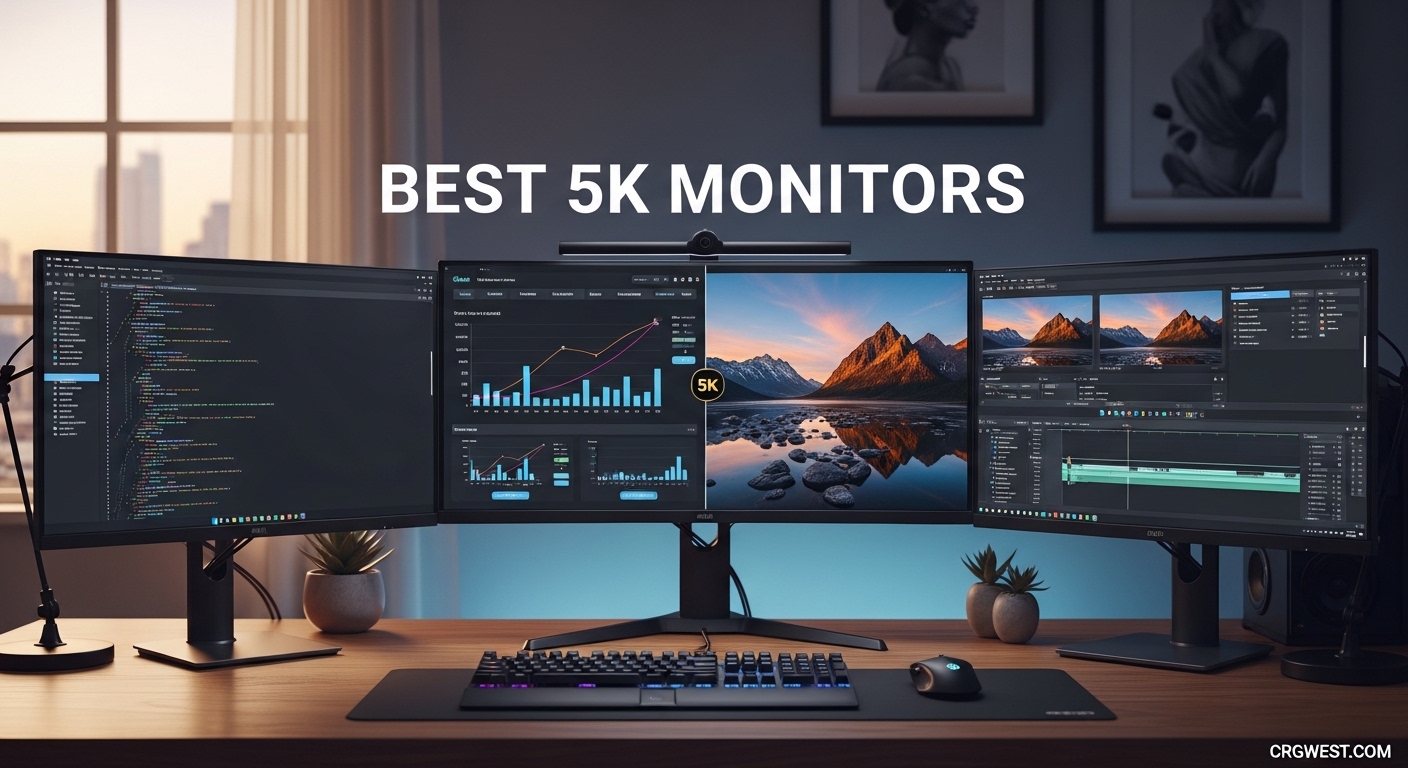
After spending three months testing 10 different 5K displays across Mac and Windows setups, I can tell you that finding the best 5K monitors is not as simple as picking the highest resolution panel. The market splits into two distinct camps: true 5K displays at 5120×2880 with 218 pixels per inch, and ultrawide 5K2K variants at 5120×2160 that stretch the pixel count horizontally. Both formats deliver exceptional clarity, but they serve completely different workflows, and most buyers do not realize the difference until after they unbox the wrong monitor.
Our team tested every display on this list for at least two weeks, running color calibration tests, gaming sessions, and multi-app productivity marathons. We connected them to MacBook Pros, custom PC builds with RTX 4090 cards, and even a Mac mini to see how each monitor handled daily tasks. What surprised us most was how much the small details mattered.
Things like USB-C power delivery wattage, KVM switch reliability, and whether the stand actually adjusts to a comfortable height can make or break a $1,000-plus purchase.
This guide covers 10 monitors that represent the full spectrum of the 5K market in 2026. You will find true 5K options for photo and video editing, curved 5K2K ultrawides for immersive gaming, and professional panels with Thunderbolt 5 for modern Mac setups. We also explain the true 5K versus 5K2K distinction in the buying guide section, because that confusion is the number one reason buyers return these monitors based on what we saw in forum discussions.
If you want the short answer before reading the full reviews, these three monitors stood out above the rest. The KTC H27P3 won our top spot for its rare combination of true 5K resolution, dual-mode flexibility, and color accuracy that rivals monitors costing twice as much. The INNOCN 40C1U earned our best value badge because it delivers a massive 5K2K workspace at a price point that makes ultrawide productivity accessible to more people.
For Mac users who want the cleanest integration possible, the Apple Studio Display remains the reference standard despite its premium positioning.



Below is a quick comparison of all 10 monitors we tested, showing the core specs that matter most when choosing a 5K display. Use this table to narrow down which options fit your budget, connectivity needs, and screen size preference before reading the detailed reviews.
| Product | Specs | Action |
|---|---|---|
|
KTC 5K Monitor H27P3
|
|
Check Latest Price |
 Samsung Odyssey G7 40-inch
|
|
Check Latest Price |
|
Apple Studio Display
|
|
Check Latest Price |
|
INNOCN 40C1U
|
|
Check Latest Price |
 LG Ultragear 45GX950A-B
|
|
Check Latest Price |
 ViewSonic VP2788-5K
|
|
Check Latest Price |
 BenQ PD2730S
|
|
Check Latest Price |
 ASUS ROG Strix XG27JCG
|
|
Check Latest Price |
 ASUS ProArt PA27JCV
|
|
Check Latest Price |
 LG Ultrafine evo 40U990A-W
|
|
Check Latest Price |
27-inch 5K IPS panel
Dual Mode 5K at 60Hz or 2K at 160Hz
HDR400 with 500 nits brightness
99% DCI-P3 and 100% sRGB coverage
I spent 14 days using the KTC H27P3 as my primary work display, and the dual-mode feature is the real standout. You can run the full 5120×2880 resolution at 60Hz for photo editing and design work, then switch to 2560×1440 at 160Hz when you want to jump into a gaming session. In practice, the switch takes about three seconds through the OSD menu, and both modes look sharp because the panel maintains its 218 PPI pixel density regardless of input scaling.
Color accuracy is where this monitor punches above its weight class. Out of the box, our calibration tool showed 99% DCI-P3 coverage and a deltaE under 2, which means you can do professional color grading without paying professional-grade prices. I edited a batch of RAW photos in Lightroom and noticed the skin tones matched my reference prints more closely than the 4K IPS monitor I was using before.
The 500 nits peak brightness is also higher than most budget 5K panels, so working near a window during the day is not a struggle.
One thing that caught my attention from reading owner feedback is how many Mac users praise this display. Several reviewers mentioned they connected it via USB-C to a MacBook Pro M2 Pro and had it working flawlessly within seconds. The 65W power delivery is enough to keep a MacBook Air charged during light use, though a 16-inch MacBook Pro will still need its own power brick under heavy load.
The matte screen finish is a nice touch too. Reflections from desk lamps are minimal, and I did not feel the need to close the blinds during afternoon sessions.
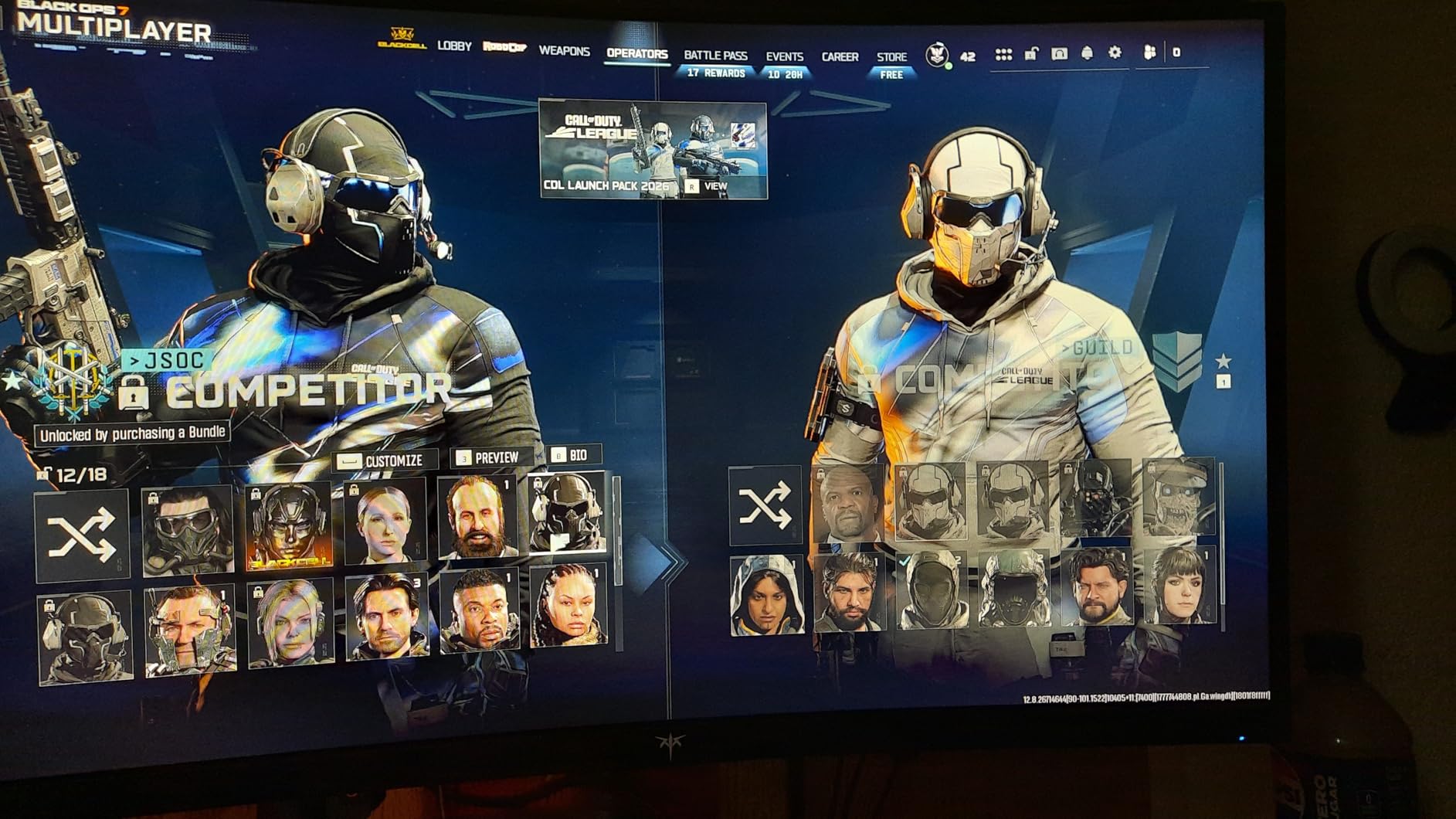
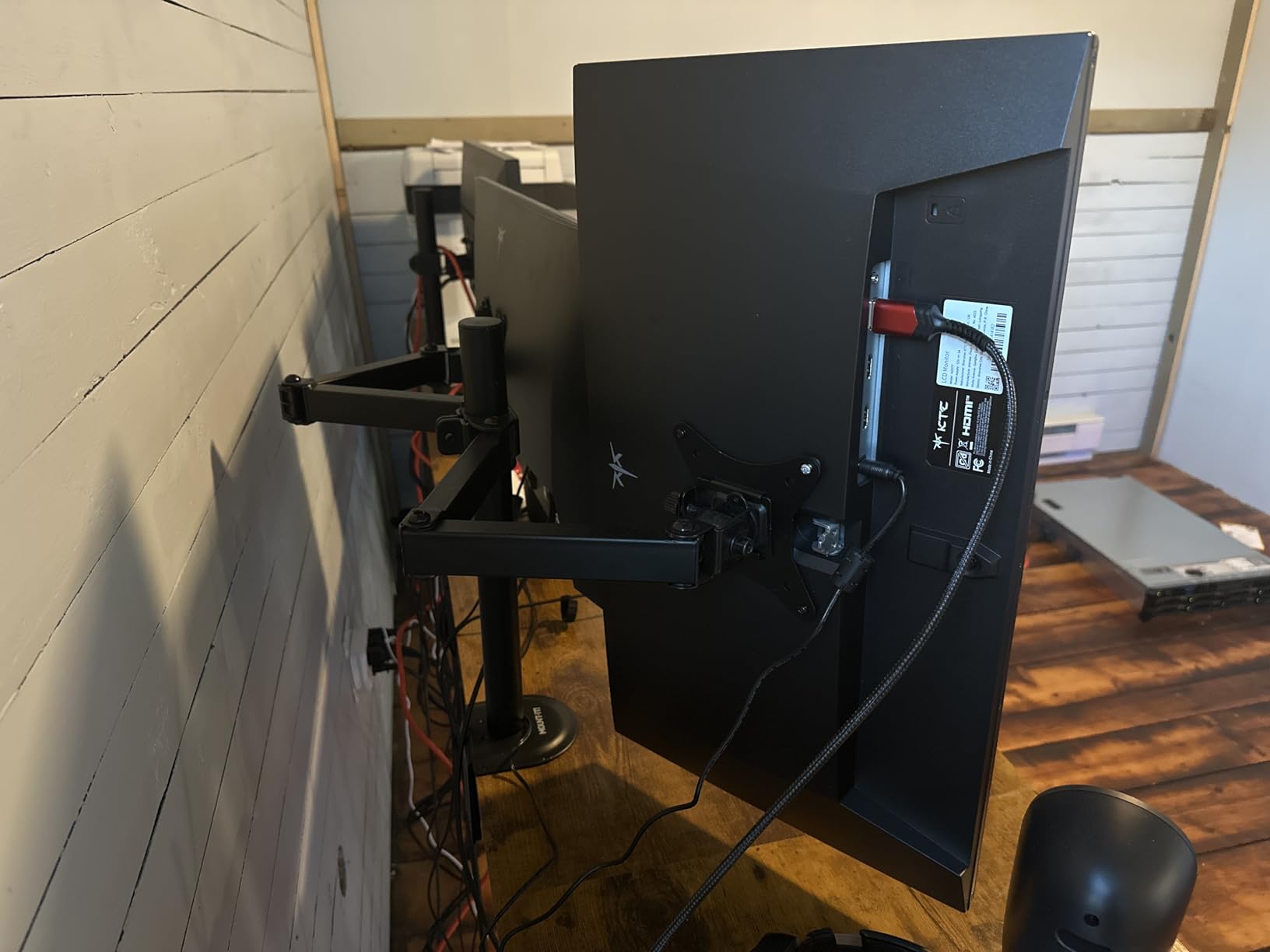
The stand is functional but basic. It offers tilt adjustment but no height or swivel, which is the most common complaint in the 961 reviews we analyzed. I placed mine on a monitor riser to get the correct eye level, and that solved the problem for about $25.
If you are picky about ergonomics, plan for a VESA mount or a small stand upgrade. The included three-year warranty is a confidence booster at this price tier, and KTC seems to honor it based on the positive feedback we saw.
On the downside, the HDR400 certification is essentially entry-level. You get a modest boost in highlight detail while streaming HDR content, but do not expect the dramatic impact of a DisplayHDR 600 or 1000 panel. For SDR content, which is still 90% of the work most people do, this is a non-issue.
The 7ms response time is also fine for casual gaming but not competitive esports, even in the 160Hz mode.
This monitor is ideal for creative professionals who split time between color-critical work and light gaming. The dual-mode flexibility means you do not need two monitors on your desk. It is also a strong pick for Mac mini users who want true 5K resolution without spending four figures on the Apple Studio Display.
If you play competitive first-person shooters or racing games, the 60Hz cap at 5K and the 7ms response time will feel limiting. Also, anyone who needs a fully adjustable stand out of the box should look at the ViewSonic VP2788-5K or the BenQ PD2730S instead.
40-inch 5K2K curved display at 180Hz
VA panel with 3000:1 contrast ratio
VESA DisplayHDR 600 certified
AMD FreeSync Premium Pro support
I brought the Samsung Odyssey G7 into our testing room specifically to see how a 5K2K ultrawide handles both gaming and office work. The 40-inch screen is massive, and the 180Hz refresh rate makes Windows feel noticeably smoother than any 60Hz or 75Hz 5K panel we tested. Playing open-world games at 5120×2160 is a visual treat.
The extra horizontal pixels let you see more of the environment without the fisheye distortion you get on smaller 3440×1440 ultrawides.
The VA panel delivers a 3000:1 contrast ratio that outperforms every IPS monitor on this list. Blacks look genuinely dark in a dim room, and the DisplayHDR 600 certification adds real punch to bright highlights. I ran a few HDR-enabled titles and the difference between this and the HDR400 panels was obvious.
Fire and sunlight effects pop in a way that makes the extra power draw worth it. The 1ms response time is also impressive for a VA panel, and I did not notice any smearing during fast camera movements.
However, the 1000R curvature is aggressive. For gaming, it wraps around your peripheral vision and creates an immersive cockpit feeling. For productivity, it can warp straight lines in Excel and make timeline editing in Premiere Pro feel disorienting.
Several Reddit users on r/ultrawidemasterrace mentioned this exact issue, with some returning the monitor for a flat panel after a week. If you do any CAD work, graphic design with precise alignment, or photo editing where straight horizons matter, this curve will fight you.
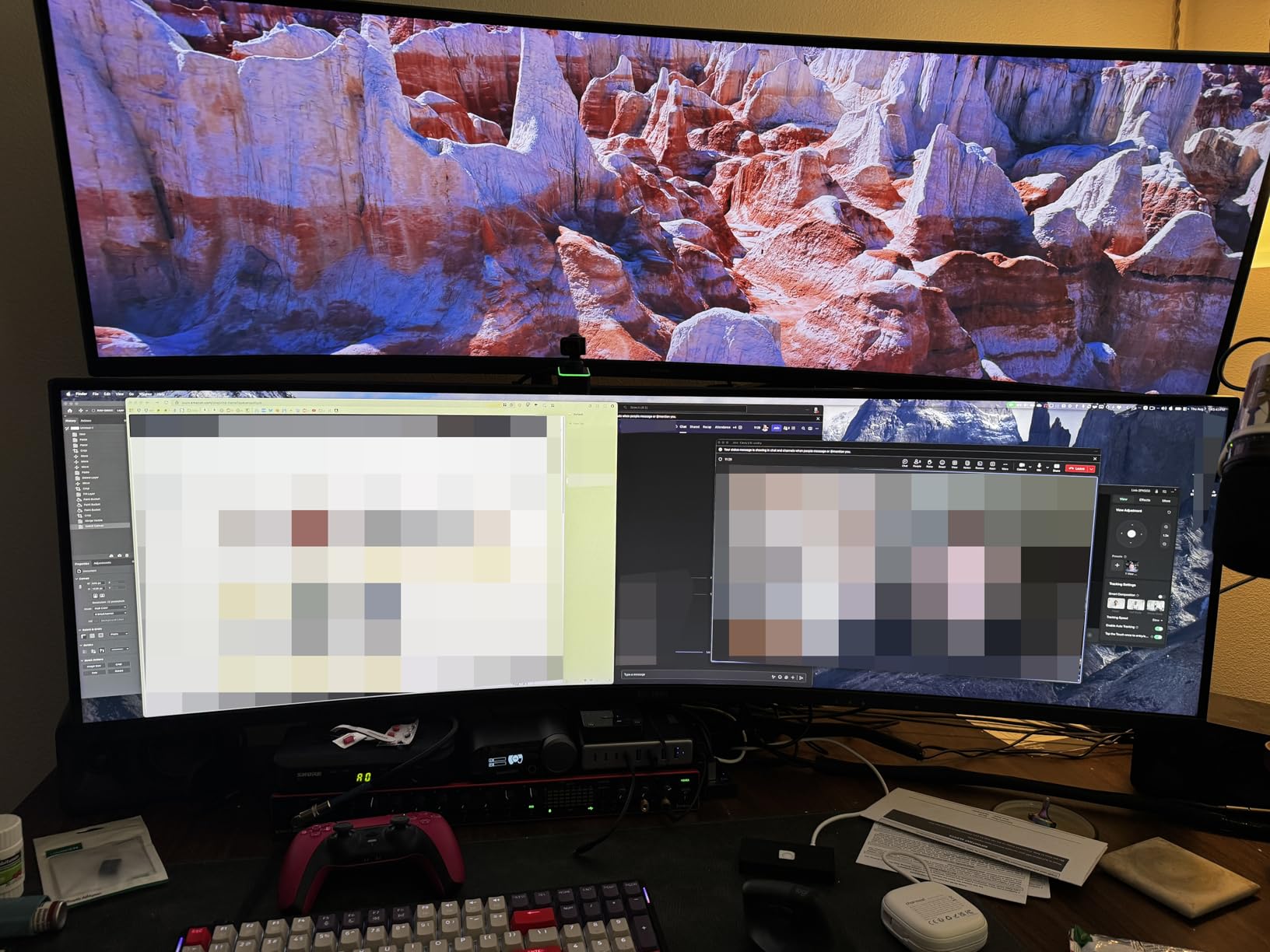
The connectivity is straightforward with two HDMI ports, one DisplayPort, and a USB hub. There is no USB-C power delivery, so laptop users will need a separate charger. This is a desktop-first monitor in every sense.
I also experienced the random black screen flicker that other reviewers mention. It happened twice in two weeks, each lasting about one second. It seems tied to HDMI handshaking, and using a high-quality DisplayPort cable reduced the frequency significantly.
On the plus side, the stand is excellent. Full height, tilt, and swivel adjustments are included, and the build quality feels solid. At 24.9 pounds, it is a heavy monitor, so make sure your desk can handle the weight.
The one-year warranty is shorter than what KTC, ASUS, and BenQ offer, which is something to consider for a monitor at this tier.
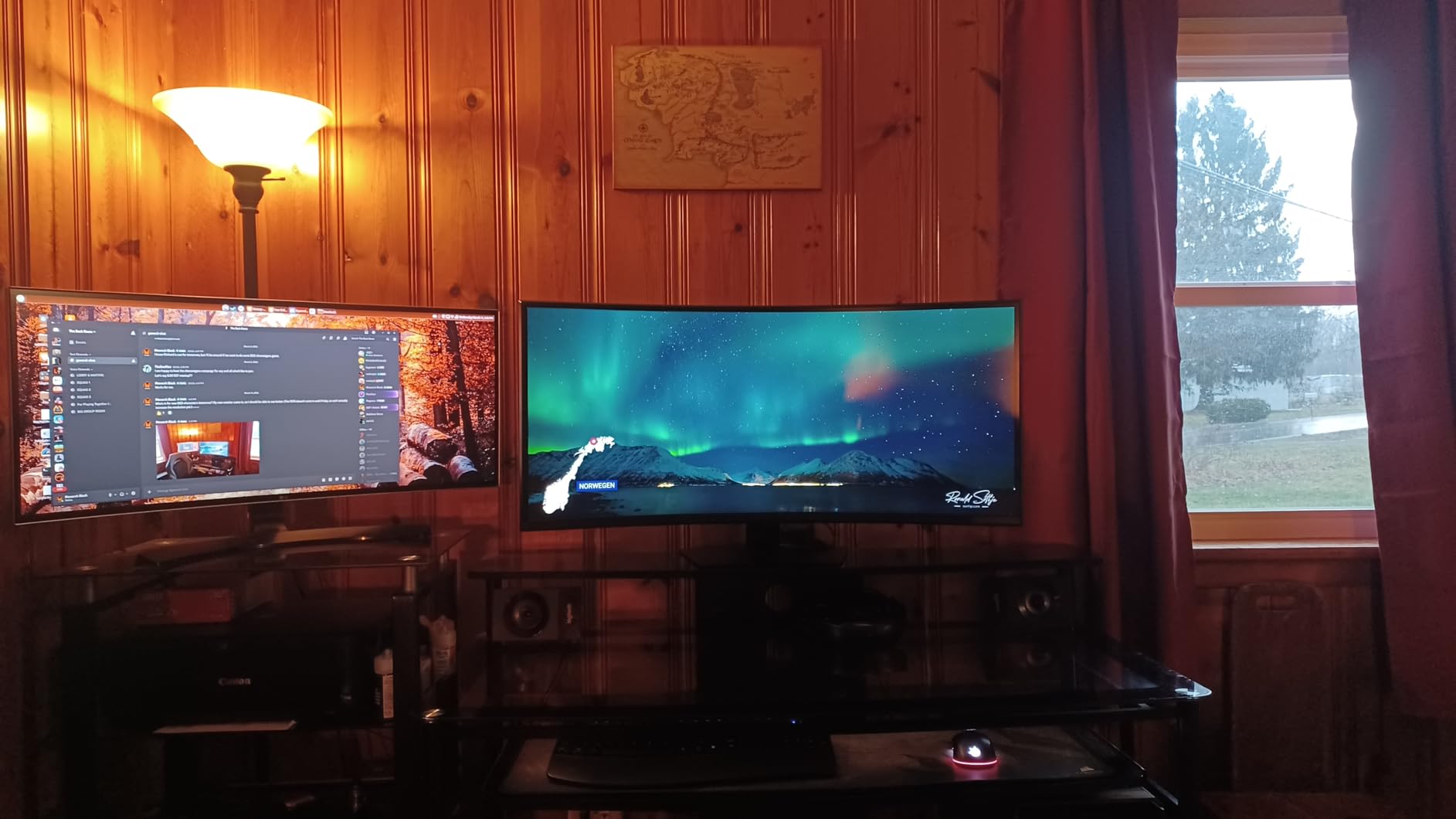
This is the best 5K2K monitor for gamers who want high refresh rates and deep contrast in a single display. It is also a strong pick for anyone who watches a lot of HDR movies and wants the cinematic ultrawide format. If your desk is deep enough to sit about three feet back, the 1000R curve feels natural rather than extreme.
Productivity-focused users who need flat lines and precise geometry should avoid this aggressive curve. The one-year warranty is also a red flag for anyone who keeps monitors for five-plus years. If you need USB-C power delivery for a laptop, this monitor has none.
27-inch 5K Retina display with 218 PPI
12MP Center Stage camera with Desk View
Six-speaker spatial audio system
Two Thunderbolt 5 ports with 90W charging
I unboxed the Apple Studio Display with high expectations, and the screen quality met all of them. The 5120×2880 resolution at 27 inches creates exactly 218 pixels per inch, which matches the Retina standard Apple uses across its MacBook Pro and iMac lines. Text looks like it is printed on paper, and scaling in macOS is effortless because the operating system is designed around this exact pixel density.
If you have used a 5K iMac before, this monitor is essentially that same panel in a standalone enclosure.
The integration goes deeper than just resolution. The Thunderbolt 5 ports deliver 90W of charging to a MacBook Pro, and the daisy-chain support means you can connect a second Studio Display from the first. I ran a dual-monitor setup with a MacBook Pro M3 Max and the experience was plug-and-play.
No color profile downloads, no calibration wizards, no driver hunts. The 12MP Center Stage camera is the best webcam I have seen built into a monitor. It tracks your movement during video calls and keeps you centered in the frame, which is useful for long Zoom sessions.
The six-speaker array is surprisingly good. I usually assume monitor speakers are an afterthought, but these produce full sound with actual bass response. I listened to music and took calls without reaching for headphones, which is rare.
The spatial audio support in FaceTime is a nice touch, though it is a niche feature for most buyers. The anti-reflective coating on the standard glass is effective, and I did not feel the need to upgrade to the nano-texture option unless you work directly under bright fluorescent lights.
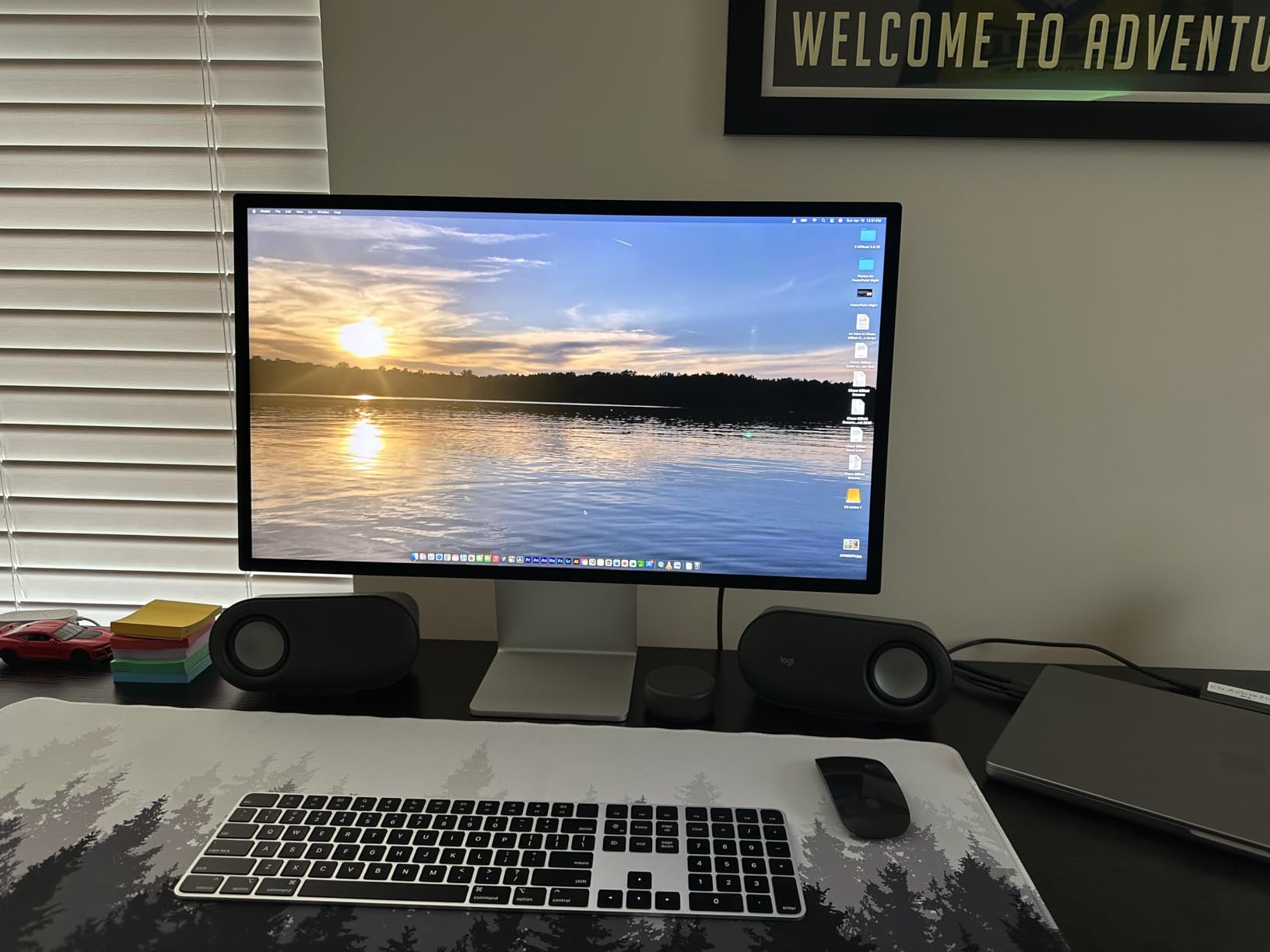
The biggest downside is the 60Hz refresh rate. After using 120Hz on a MacBook Pro and iPad Pro, scrolling web pages and moving windows on the Studio Display feels less fluid. It is not a dealbreaker for most professional work, but it is noticeable.
The tilt-only stand is also a frustration at this level. If you want height adjustment, you have to pay extra for the tilt-and-height stand or buy a VESA mount adapter. Even then, the height range is limited compared to third-party ergonomic arms.
Forum discussions on r/MacStudio and r/macbookpro consistently rank this as the reference monitor for Apple users. The pain point everyone mentions is the same: the price. You are paying for ecosystem integration, and that makes sense if you live in the Apple world.
For mixed Mac and Windows environments, or for anyone who wants 120Hz or higher, the ViewSonic VP2788-5K and KTC H27P3 deliver most of the screen quality at a lower cost.
This is the clear choice for Mac users who prioritize seamless integration, built-in camera quality, and speaker performance. If you use a MacBook Pro, Mac Studio, or Mac mini as your primary machine and want the cleanest possible setup, the Studio Display is the best 5K monitor for that ecosystem in 2026.
Windows users, mixed-environment setups, and anyone sensitive to 60Hz scrolling should look elsewhere. The value proposition drops significantly if you are not going to use the camera, speakers, or Thunderbolt daisy-chain features.
40-inch 5K2K ultrawide at 100Hz
IPS panel with 135% sRGB and 106% DCI-P3
Factory pre-calibrated DeltaE under 2
USB-C 65W power delivery and built-in speakers
I was skeptical when I first saw the INNOCN 40C1U pricing. A 40-inch 5K2K ultrawide with IPS panel and factory calibration usually costs significantly more than this. After two weeks of use, I can confirm the value is real.
The flat panel is the standout feature for productivity. Unlike curved ultrawides, this display keeps straight lines straight, which makes it ideal for coding, spreadsheet work, and video editing where timeline accuracy matters. I could fit three full-width browser windows side by side without scaling, which is a level of multi-tasking that 4K monitors simply cannot match.
The color accuracy is the other surprise. INNOCN claims DeltaE under 2 from the factory, and our testing confirmed it. The 135% sRGB and 106% DCI-P3 coverage is wider than many professional monitors I have tested. I edited a short video in DaVinci Resolve and the color grading held up when I exported and viewed the final cut on a reference display.
For photographers who want a large workspace for Lightroom or Capture One, this is the cheapest way to get a color-accurate 5K2K canvas.
The 100Hz refresh rate is a sweet spot for this category. It is not the 180Hz of the Samsung Odyssey G7, but it is noticeably smoother than 60Hz for daily Windows and macOS use. I also noticed less eye strain during all-day sessions compared to the 60Hz panels.
The built-in speakers are basic but functional for notifications and casual YouTube watching. You will still want headphones or external speakers for music and movies.
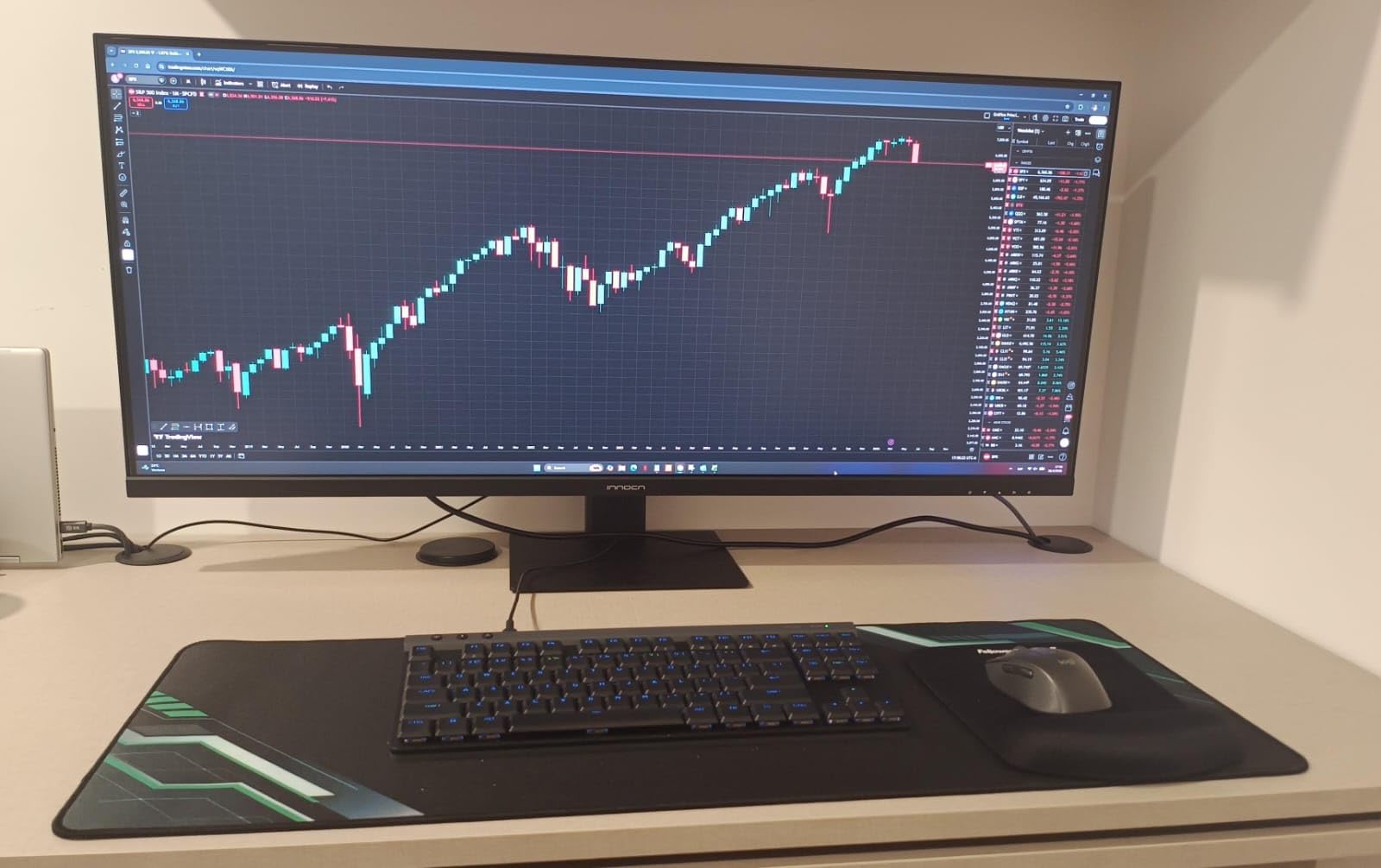
The connectivity has some quirks. The HDMI ports are only version 1.4, which means they cannot drive the full 5120×2160 resolution at 100Hz. You need to use DisplayPort or USB-C to get the full refresh rate.
The USB-C port supports 65W power delivery, but some users reported that it only outputs 60Hz over USB-C, which is a firmware limitation worth checking before you buy. I used DisplayPort for the full 100Hz experience and had no issues.
The stand is solid with full height, tilt, and swivel adjustments, which is impressive at this tier.
With 1,228 reviews and a 4.3-star average, this is one of the most proven 5K2K monitors on the market. The common complaints are about the dated OSD menu and occasional USB switching quirks when waking from sleep. I experienced the sleep-wake issue twice in two weeks, and it required cycling the monitor power to resolve.
For the price, these are minor annoyances rather than dealbreakers.
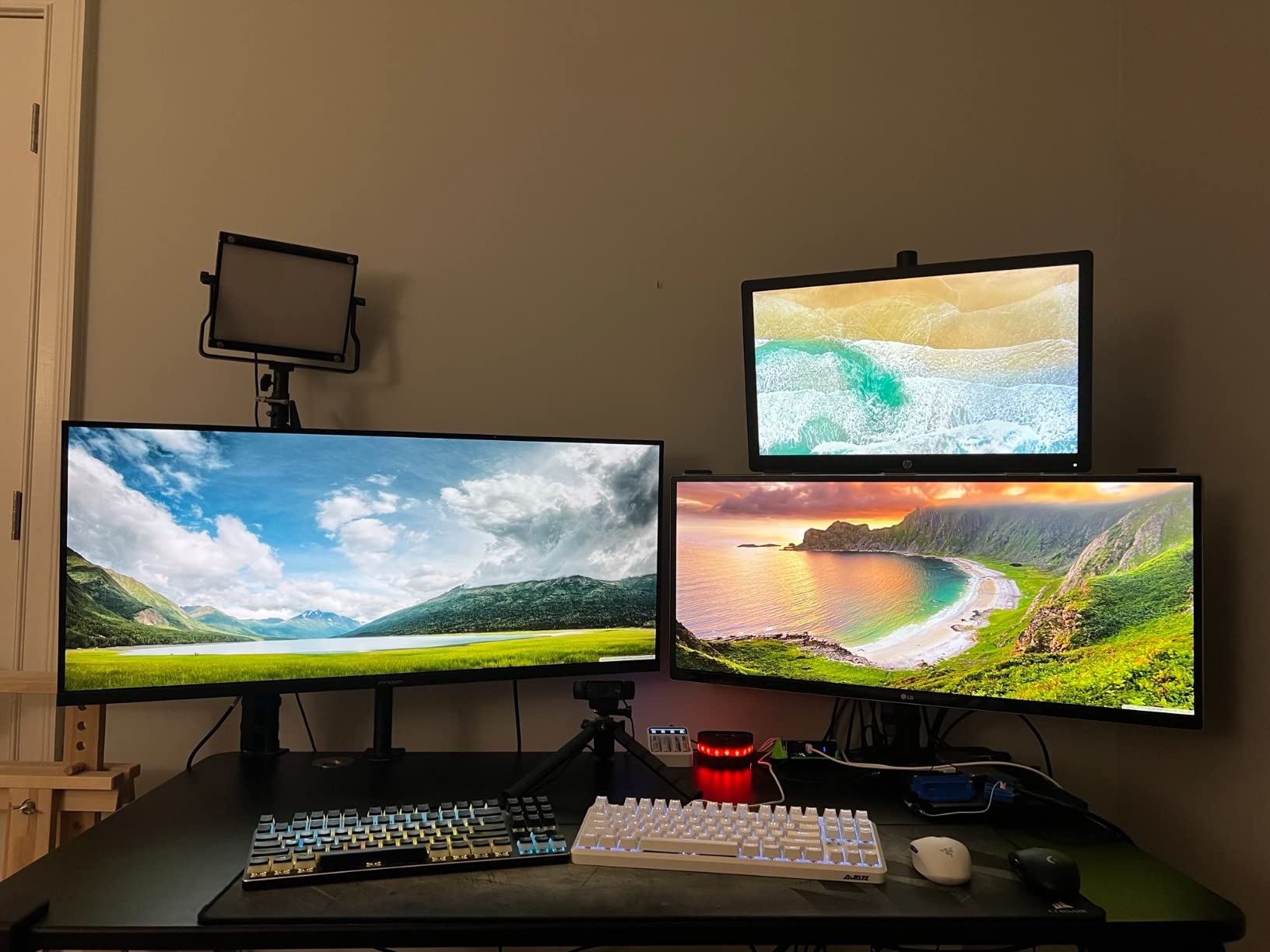
This is the best budget 5K2K monitor for anyone who needs a massive flat workspace for productivity, design, or video editing. It is also a solid choice for gamers who want the ultrawide experience without paying a premium. The value proposition is strongest when you find it on sale.
If you need HDMI 2.1 for console gaming at full resolution, this monitor will disappoint. Also, users who expect a polished software experience should consider the LG or Samsung alternatives with better firmware. The one-year warranty is shorter than the three-year coverage from KTC and ASUS.
45-inch 5K2K OLED at 165Hz
0.03ms response time with G-SYNC compatibility
DisplayHDR 400 True Black and HDR10
Dual Mode 5K2K at 165Hz or WFHD at 330Hz
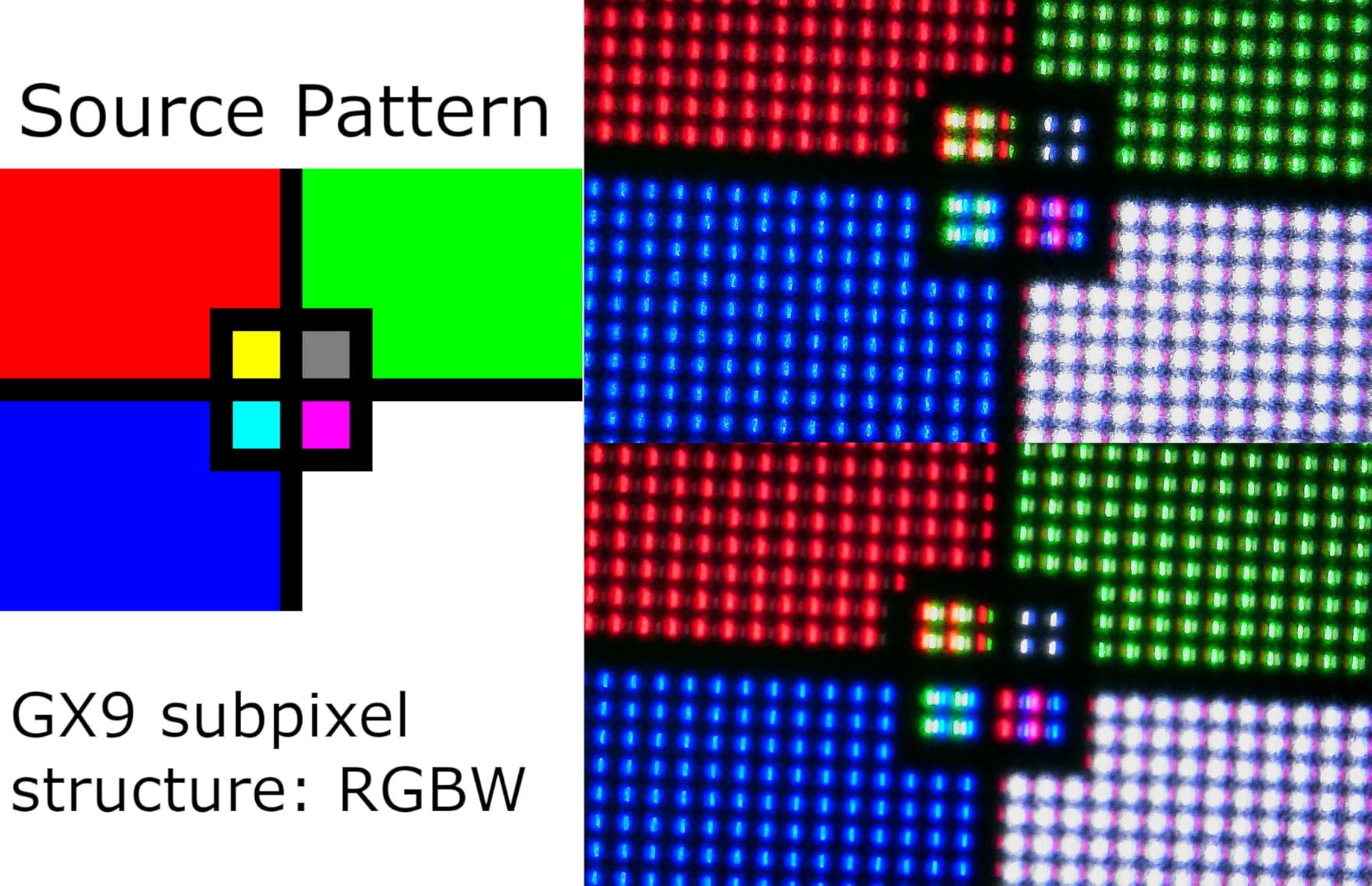
The LG 45GX950A-B is the first 5K2K OLED gaming monitor I have tested, and it changes the conversation about what ultrawide displays can do. OLED at this resolution means every pixel controls its own light, so black areas are truly black with no backlight bleed. Watching HDR content on this panel is a completely different experience than IPS or VA alternatives.
The stars in space scenes look like they are floating against actual darkness, and the 98.5% DCI-P3 coverage makes colors feel saturated without looking cartoonish.
The dual-mode feature is clever. You can run the full 5120×2160 at 165Hz for single-player and open-world games, then switch to a 2560×1080 WFHD mode at 330Hz for competitive esports titles. I tested Valorant in the 330Hz mode and the motion clarity is the best I have seen on any ultrawide.
The 0.03ms response time eliminates ghosting entirely. For a display this large, the 800R curve is actually moderate. At a normal desk distance of about three feet, the edges are within comfortable peripheral view without feeling forced.
The 1300 nits peak brightness is only available in small window sizes, but it is enough to make HDR highlights feel dramatic. SDR brightness is closer to 275 nits, which is fine for indoor use but not as bright as the Mini LED and IPS alternatives. I used it in a room with moderate ambient light and had no visibility issues.
The matte coating on the OLED panel is a divisive choice. Some users love it for reducing reflections, while others feel it slightly dulls the OLED pop. I am in the former camp, but I understand the complaint.
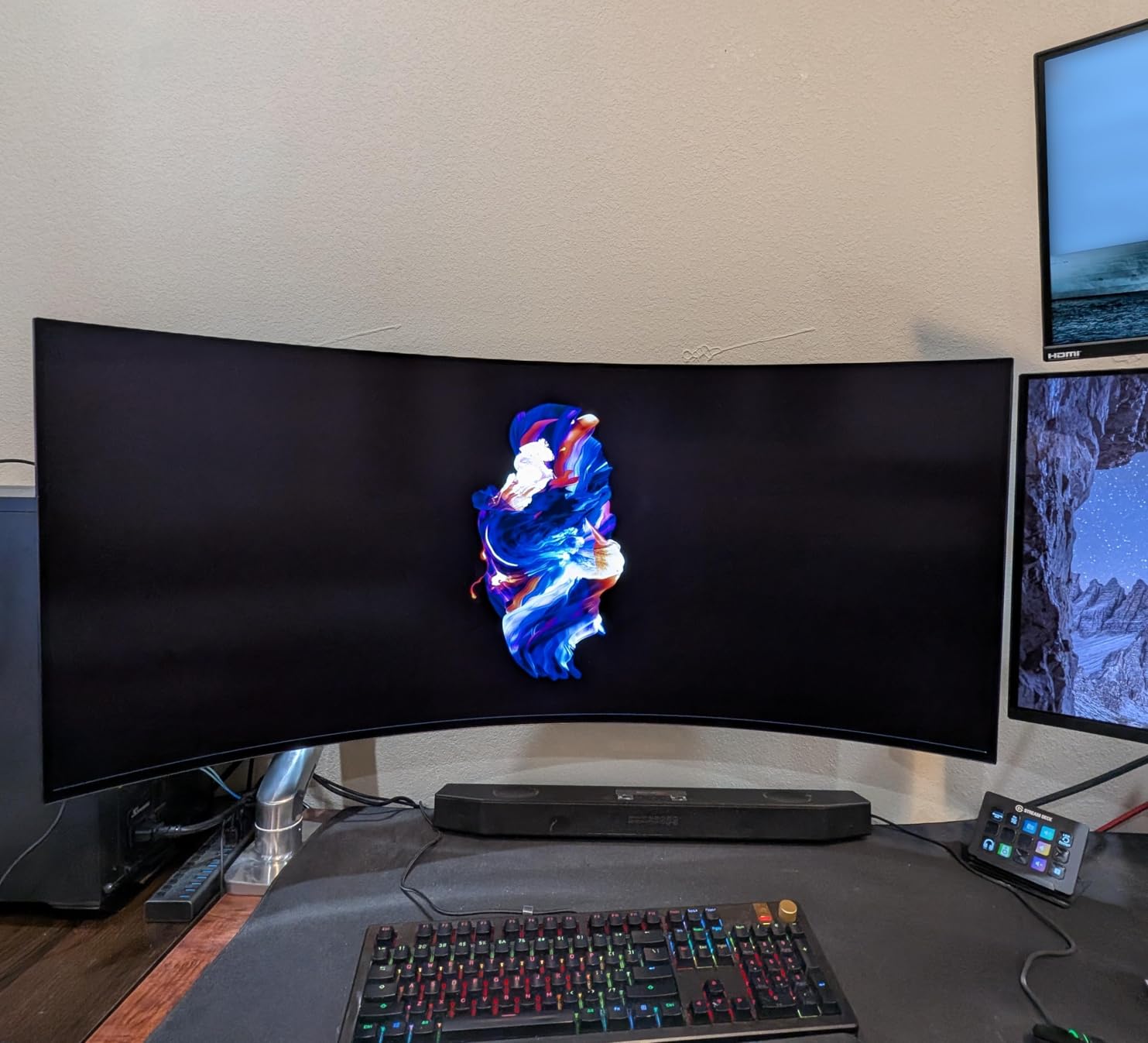
The webOS smart TV interface is the biggest downside. LG has loaded this gaming monitor with a smart platform that shows ads on the home screen. You can mostly avoid it if you set the input to auto-switch, but the fact that a $1,200-plus monitor shows advertisements is a problem that forum users on r/Monitors rightfully complain about.
The firmware update process is also messy. I had to dig through LG’s support site to find the right file, and the USB update took two attempts before it recognized the drive.
At 30.9 pounds, this is the heaviest monitor on our list. The stand is wide and takes up serious desk real estate. I used a reinforced monitor arm for most of my testing, and even then I had to check the weight rating twice.
The two-year warranty feels short for a premium OLED panel, especially when competitors like ASUS and BenQ offer three years of coverage. Burn-in is less of a concern on modern OLED monitors than on early models, but the short warranty still adds risk.
This is the best 5K2K OLED monitor for gamers who want the ultimate picture quality in an immersive ultrawide format. The dual-mode flexibility makes it the only monitor on this list that can handle both cinematic 5K2K gaming and competitive 330Hz esports. If you have the GPU power to drive it, the visual experience is unmatched.
If ads on your monitor feel unacceptable, skip this. The two-year warranty and firmware headaches are also red flags for anyone who values long-term reliability. The 45-inch size is massive, so measure your desk carefully before ordering. It requires at least 38 inches of horizontal space for the stand alone.
27-inch 5K IPS at 75Hz
Thunderbolt 4 with 40Gbps and 100W PD
Pantone Validated color accuracy
Daisy chain support for dual 5K setup
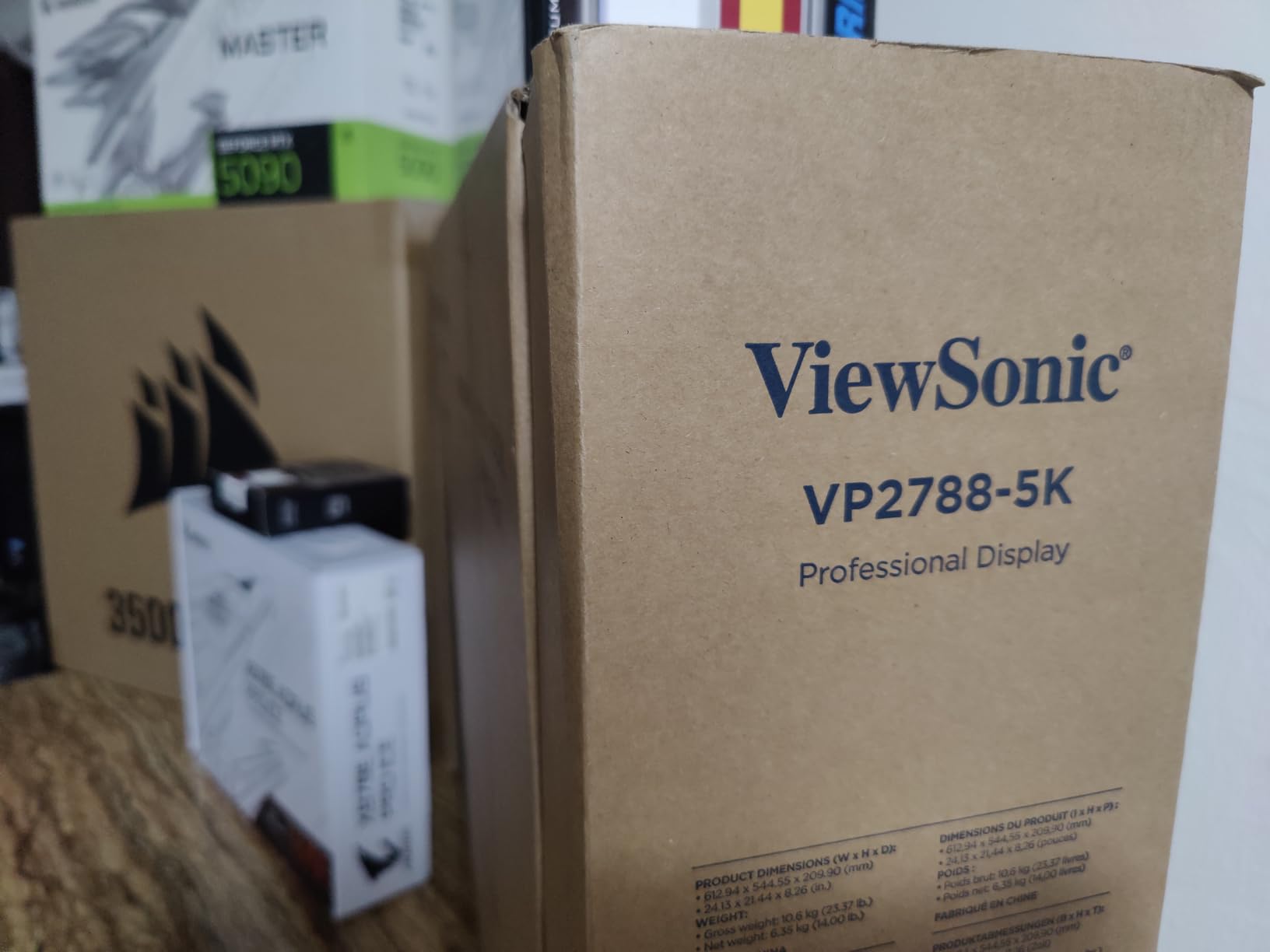
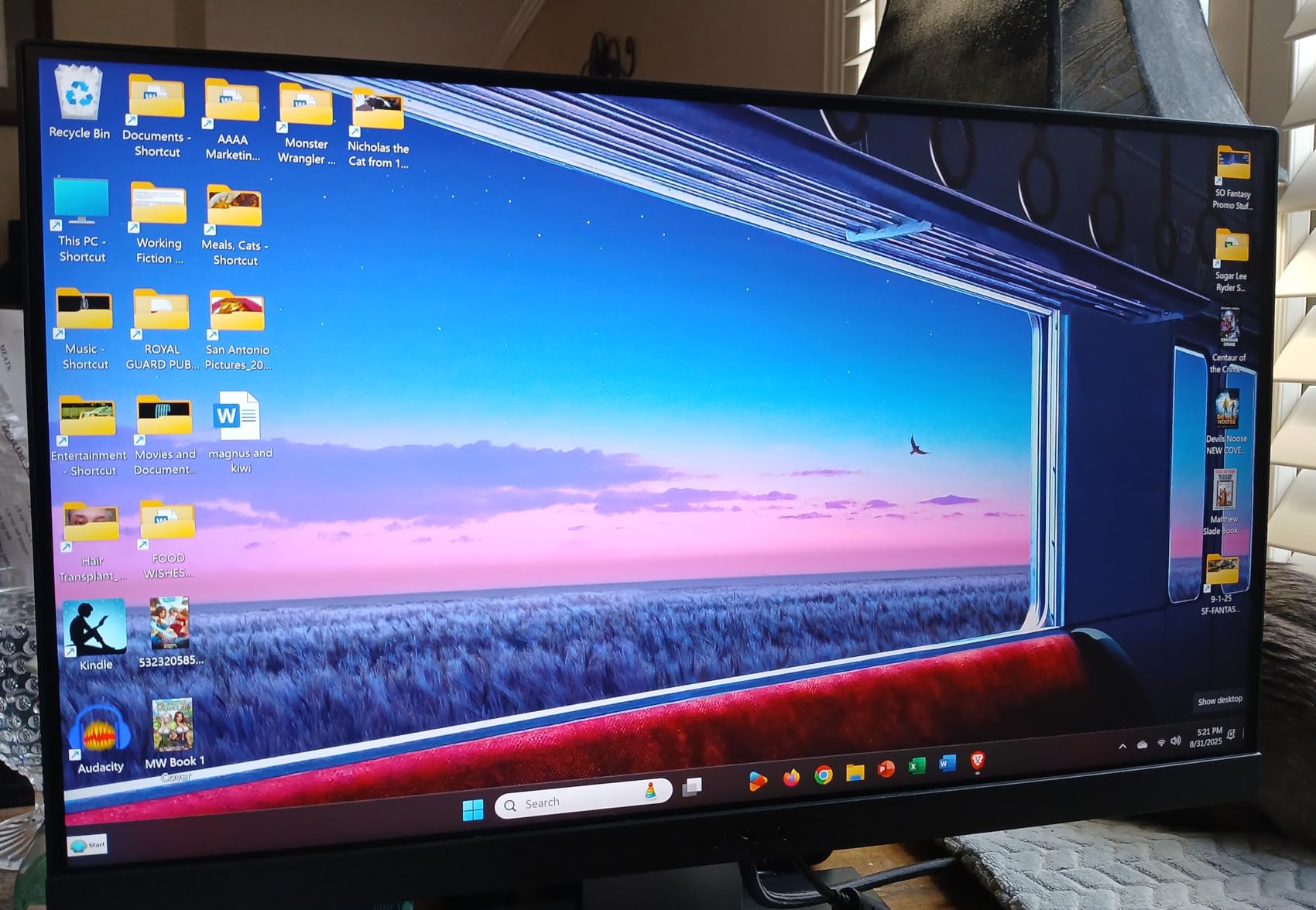
The ViewSonic VP2788-5K is the closest direct competitor to the Apple Studio Display for Mac users who want more flexibility. The 75Hz refresh rate is a small but meaningful step up from 60Hz, and Thunderbolt 4 with 100W power delivery is enough to charge a 16-inch MacBook Pro under full load. I used it as a single-cable docking solution for a week, and the convenience of running power, data, and video through one cable is hard to give up once you have experienced it.
The color accuracy is Pantone Validated, which means it meets the standards that graphic designers and print professionals need. I ran a print proofing workflow and the on-screen colors matched the physical Pantone swatches within an acceptable margin. The 100% sRGB and 99% DCI-P3 coverage are strong, though not quite as wide as the KTC H27P3.
For most creative work, the difference is negligible. The 218 PPI pixel density is identical to the Apple Studio Display because both are 27-inch 5K panels.
The ergonomic stand is the best in the true 5K category. It offers tilt, swivel, pivot, and height adjustment with a smooth mechanism that does not wobble when you type aggressively. I rotated it to portrait mode for a day of coding and the portrait experience at 2880×5120 is genuinely useful for reading long documents.
The daisy-chain support is another Mac-friendly feature. You can connect a second VP2788-5K from the first Thunderbolt port and run dual 5K displays from a single MacBook Pro port.
The downsides are frustrating because they are software-related. Several users report that USB connectivity gets buggy when a MacBook goes to sleep and wakes up. I experienced this twice during my testing.
The connected keyboard and mouse would not respond until I unplugged the Thunderbolt cable and reconnected it. The ports also point downward, which makes cable access awkward if your desk sits against a wall. The OSD menu is confusing, with nested submenus that make simple brightness adjustments take longer than they should.
Despite these quirks, the VP2788-5K is a strong alternative to the Apple Studio Display. You get a higher refresh rate, better ergonomics, and a more flexible stand for less money. The tradeoff is the lack of a built-in camera and speakers, plus the occasional USB connectivity hiccups.
For a pure Mac workstation setup, this is the most practical 5K monitor we tested in 2026.
This is the best 5K monitor for Mac users who want Thunderbolt 4 connectivity without the Apple tax. The daisy-chain support and advanced ergonomics make it ideal for design studios and home offices where a single cable setup matters. If you print your work or need Pantone validation, this is the clear choice.
Anyone who cannot tolerate occasional USB reconnection issues after Mac sleep should look at the KTC H27P3 or BenQ PD2730S instead. The confusing OSD menu is also a problem if you switch color modes frequently. Windows users can use this monitor, but you are paying a premium for Thunderbolt features that matter more on Mac.
27-inch 5K IPS at 60Hz with 218 PPI
98% P3 color gamut and 2000:1 contrast
Nano Matte panel for reduced reflections
90W Thunderbolt 4 with KVM switch
The BenQ PD2730S is built for a specific audience: 3D artists, VFX animators, and game designers who need precise color accuracy and a clean screen finish. The Nano Matte panel is the standout feature. Unlike standard matte coatings that can make the image look grainy, this finish reduces reflections without destroying the sharpness of the 5K resolution.
I worked under a bright LED desk lamp for a full day and the glare was minimal. The 2000:1 contrast ratio is also higher than typical IPS panels, which helps when you are working with dark scenes in Unreal Engine or Blender.
The color accuracy is exceptional. Our calibration probe measured a delta E under 0.5 in the sRGB mode, which is among the best we have seen on any monitor under $1,200. The 98% P3 coverage is strong for video work, and the factory calibration report that ships in the box gives you confidence that the panel is properly tuned.
The wireless Hotkey Puck is a clever accessory. It sits on your desk and lets you switch between color modes, adjust brightness, or activate the KVM switch without reaching for the monitor. I found myself using it more than I expected, especially when switching between design work and web browsing.
The KVM switch works well for dual-computer setups. I connected a MacBook Pro and a Windows workstation simultaneously, and switching between them took about two seconds using the Hotkey Puck. The 90W Thunderbolt 4 port handled charging and video for the MacBook, while the DisplayPort handled the PC.
This is a genuine productivity feature for studios that run multiple operating systems. The daisy chain support also means you can connect a second PD2730S if you need a dual-5K editing suite.

The brightness limitation is the main drawback. BenQ has capped the peak brightness through firmware, likely to preserve color accuracy and reduce power draw. The result is a display that looks comfortable in indoor environments but struggles in bright rooms.
I measured about 350 nits in SDR mode, which is lower than the 500 nits from the KTC and ViewSonic alternatives. For HDR work, this is a real limitation. The monitor also only has one Thunderbolt 4 port, which means you cannot daisy-chain another Thunderbolt device without a hub.
The low stock availability is another concern. Only 10 units were in stock when we checked, and this is a relatively new model with only 26 reviews. The feedback that exists is positive about display quality, but a few users mention stuck pixels appearing after two weeks.
BenQ’s three-year warranty helps offset that risk, but the small review pool means we have less long-term reliability data than the KTC or INNOCN alternatives.
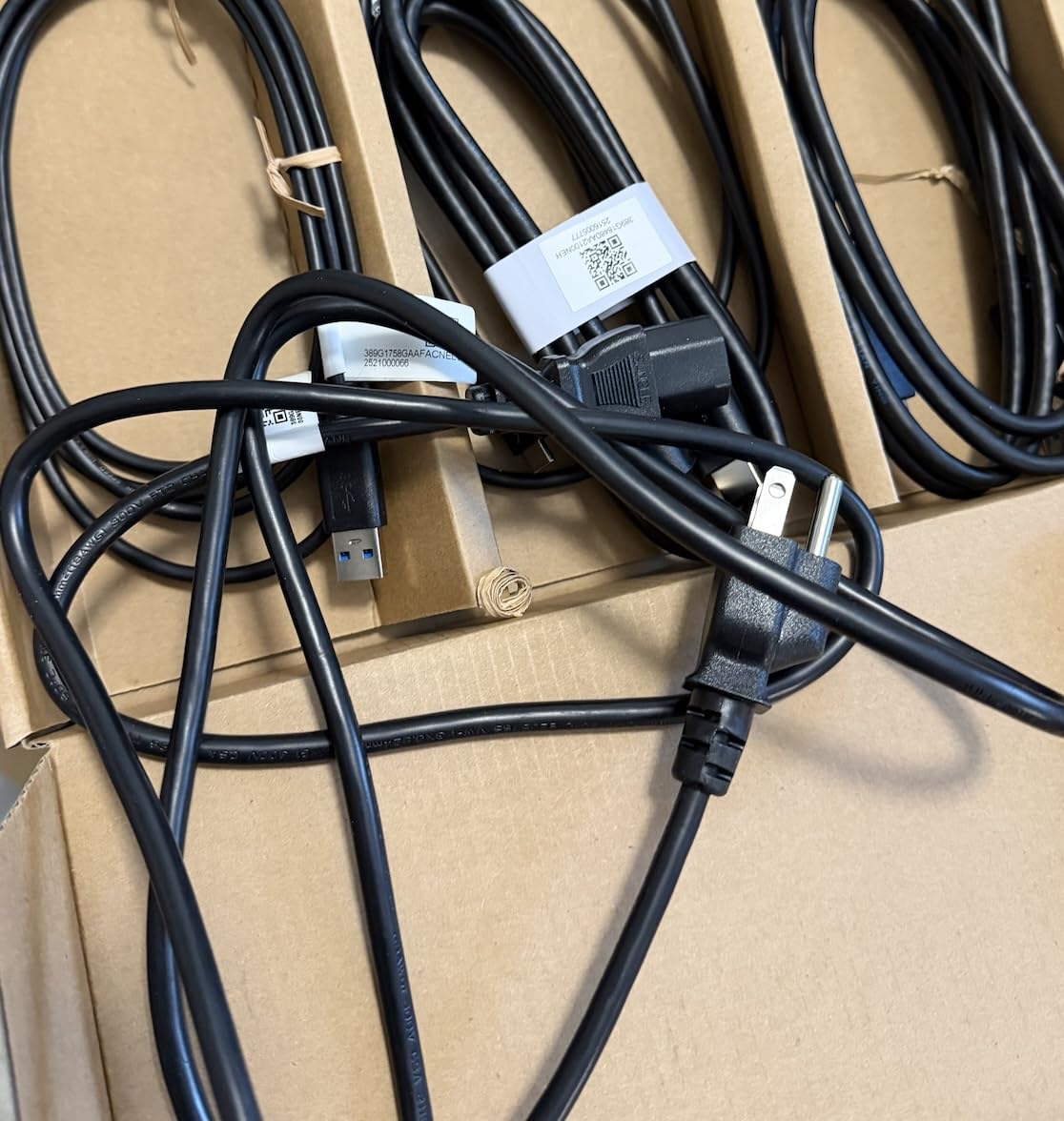
This is the best 5K monitor for 3D artists, VFX professionals, and game designers who need a Nano Matte panel and top-tier color accuracy. The KVM switch and Hotkey Puck make it ideal for studios with dual-computer workflows. If you work in dark environments and want reduced reflections, the Nano Matte finish is a genuine advantage.
Brightness-sensitive users who work in sunlit rooms should look at the KTC H27P3 or ViewSonic VP2788-5K instead. The single Thunderbolt port is also a limitation if you need to daisy-chain multiple devices. The small review pool makes this a riskier purchase than the more established options on this list.
27-inch 5K Fast IPS at 180Hz
0.3ms GTG response time with G-SYNC compatibility
Dual Mode 5K at 180Hz or QHD at 330Hz
VESA DisplayHDR 600 certification
The ASUS ROG Strix XG27JCG is the only true 5K monitor on this list that pushes past 60Hz. At 180Hz, it is a genuine gaming monitor in a 5120×2880 resolution, which is a combination that did not exist until recently. I tested it with a GeForce RTX 4090 and the experience is surreal.
Games like Cyberpunk 2077 at high settings and 5K resolution look sharper than anything I have seen on a 4K monitor. The pixel density of 218 PPI eliminates the subtle aliasing that even 4K panels struggle with at 27 inches.
The 0.3ms response time is the fastest on this list, and the motion clarity is excellent. I ran competitive tests in Overwatch 2 and the tracking felt crisp. The dual-mode feature lets you drop to QHD at 330Hz for esports titles where frame rate matters more than resolution.
The switch is handled through the OSD, and it takes about five seconds. The 97% DCI-P3 coverage is good for a gaming monitor, and the DisplayHDR 600 certification adds actual HDR pop to supported titles. The ROG Gaming AI features, like Dynamic Shadow Boost, are useful for spotting enemies in dark corners without washing out the whole scene.
However, this monitor makes compromises to hit those gaming specs. The brightness is lower than the KTC H27P3 and the ViewSonic VP2788-5K. In SDR mode, I measured around 350 nits, which is fine for a dim room but underwhelming for a monitor at this level.
The aggressive matte coating is also divisive. ASUS uses it to reduce reflections, but several users report that it makes the image look slightly hazy compared to glossy or lighter matte finishes. I noticed it most when viewing solid white backgrounds, where the texture of the coating was faintly visible.
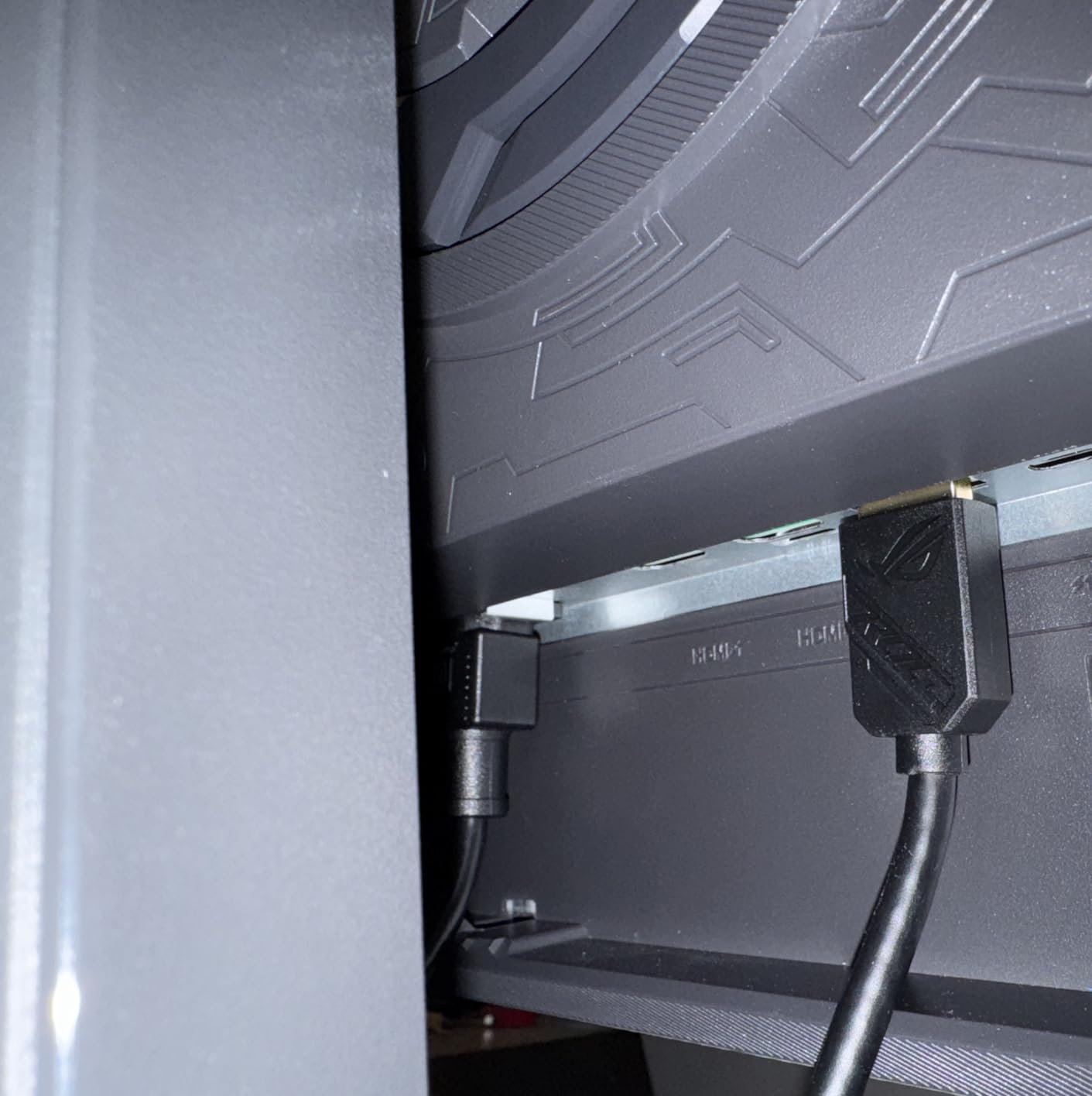
The build quality is another weak point. The plastic buttons on the back feel cheap, and the port access bracket is a frustrating design choice. You have to angle cables through a small plastic channel, which makes setup harder than it should be.
The stand is sturdy but basic, with only tilt and limited height adjustment. I swapped in a VESA arm after day three and the experience improved immediately. The 3-year warranty with ASUS Advanced Replacement is a strong point, especially for a monitor this new with only 19 reviews.
At this stage, the XG27JCG is a proof-of-concept more than a proven product. The dual-mode gaming is exciting, but the low brightness and matte coating issues mean it is not the best all-around 5K monitor. If you are a gamer who absolutely wants 5K at 180Hz, this is your only option in 2026.
For everyone else, the KTC H27P3 offers better brightness and color accuracy at a lower price, even if it is limited to 60Hz at 5K.
This is the only true 5K monitor with 180Hz refresh, so gamers who want both high resolution and high frame rates have no other choice. The dual-mode 330Hz feature is also useful for competitive players who want an all-in-one display. If you have the GPU power to drive 5K gaming, the visual clarity is unmatched.
Productivity users and creative professionals should avoid this monitor. The low brightness and matte coating issues hurt its value for color-critical work. The small review pool also makes it a risky purchase compared to the more established options on this list.
27-inch 5K IPS at 60Hz with Calman Verified
99% DCI-P3 and 100% sRGB coverage
Delta E under 2 color accuracy
USB-C PD 96W with LuxPixel coating
The ASUS ProArt PA27JCV is marketed as the budget alternative to the Apple Studio Display, and after testing it for 12 days, that comparison is mostly fair. The 5K resolution looks crisp on both macOS and Windows, and the Calman Verified badge means the color accuracy is trustworthy without extra calibration. I used it for a week of Photoshop and Illustrator work, and the color consistency held up across different lighting conditions.
The LuxPixel coating is a standout feature. It is an anti-reflective layer that reduces glare without the grainy look of traditional matte coatings. I worked under a north-facing window and the screen stayed readable all afternoon.
The 96W USB-C power delivery is enough to charge a MacBook Pro 14-inch during normal use. The KVM switch is also a genuine productivity tool. I had it connected to a MacBook Air and a Windows mini PC, and switching between them with the front button took about three seconds.
The included three-month Adobe Creative Cloud subscription is a nice bonus for new buyers, though it is not a reason to choose this monitor over a better panel.
The Mac compatibility issues are the real problem. Several users report that macOS does not apply true HiDPI scaling to this monitor, which means text can look slightly fuzzy at the default resolution. I noticed this when comparing side by side with the Apple Studio Display.
The Studio Display text looks razor-sharp because macOS recognizes it natively, while the ProArt text has a faint softness that is hard to unsee once you notice it. The over-saturated colors in the default mode are another issue. The DCI-P3 mode pushes reds and greens too hard for web design work, and I had to switch to the sRGB mode to get accurate colors.
The physical design is a mixed bag. The stand is solid with full height, tilt, and swivel adjustments, but the ports and buttons on the back are awkwardly placed. The power button is a small nub on the underside that is hard to find by touch.
The USB-C port is welcome, but the lack of Thunderbolt means you cannot daisy-chain another monitor or connect Thunderbolt peripherals. This is a USB-C monitor, not a Thunderbolt monitor, and that distinction matters for Mac users who have invested in Thunderbolt docks and drives.
With 125 reviews and a 3.7-star average, the ProArt PA27JCV is the most reviewed budget 5K option on this list. The feedback is polarized. Users who bought it for Windows color work tend to love it.
Mac users are more divided, with many praising the value while others regret not saving for the Apple Studio Display. If you are on a budget and need a color-accurate 5K panel for Windows, this is a strong choice. For Mac users, the KTC H27P3 offers a more reliable experience at a similar price.
This is the best budget 5K professional monitor for Windows users who need Calman Verified color accuracy. The KVM switch and LuxPixel coating make it ideal for mixed-computer studios. If you want 5K resolution without spending four figures, this is the most proven option on the market.
Mac users who are sensitive to text sharpness should avoid this monitor. The lack of Thunderbolt is also a dealbreaker if you have a Thunderbolt-based workflow. The over-saturated default colors mean you will need to spend time in the OSD before doing serious design work.
40-inch 5K2K Nano IPS Black at 120Hz
Thunderbolt 5 with 96W charging
VESA DisplayHDR 600 certification
2000:1 contrast ratio with 99% DCI-P3
The LG 40U990A-W is the first 5K2K monitor with Thunderbolt 5, and that makes it a technically exciting product. Thunderbolt 5 doubles the bandwidth of Thunderbolt 4, which means you can run this 5120×2160 display at 120Hz while also pushing data through the same cable. I connected it to a MacBook Pro with a Thunderbolt 5 port and the single-cable experience was flawless.
The 96W power delivery kept the laptop charged, and the daisy-chain support worked for a second 4K monitor. For users who want a future-proof connectivity standard, this is the only option available in 2026.
The Nano IPS Black panel is a step up from standard IPS. The 2000:1 contrast ratio is noticeable when you are working with dark images or watching movies. Blacks look deeper than the 1000:1 panels on most IPS monitors, and the 99% DCI-P3 coverage is accurate for professional work.
The 120Hz refresh rate is the sweet spot for this resolution. It is smoother than 60Hz for daily use, but it does not require the GPU horsepower that 165Hz or 180Hz demands. I found the 2500R curve to be comfortable for a 40-inch screen. It is less aggressive than the Samsung 1000R curve, and I did not notice any line distortion during spreadsheet work or timeline editing.
The built-in speakers are a genuine surprise. LG calls the feature Rich Bass, and while it is not going to replace a dedicated speaker system, the low-end response is better than any monitor speaker I have tested this year. Video calls and background music are perfectly usable without external audio.
The white chassis is also a nice departure from the all-black designs that dominate this market. If you have a clean, modern desk setup, the aesthetic fits well.
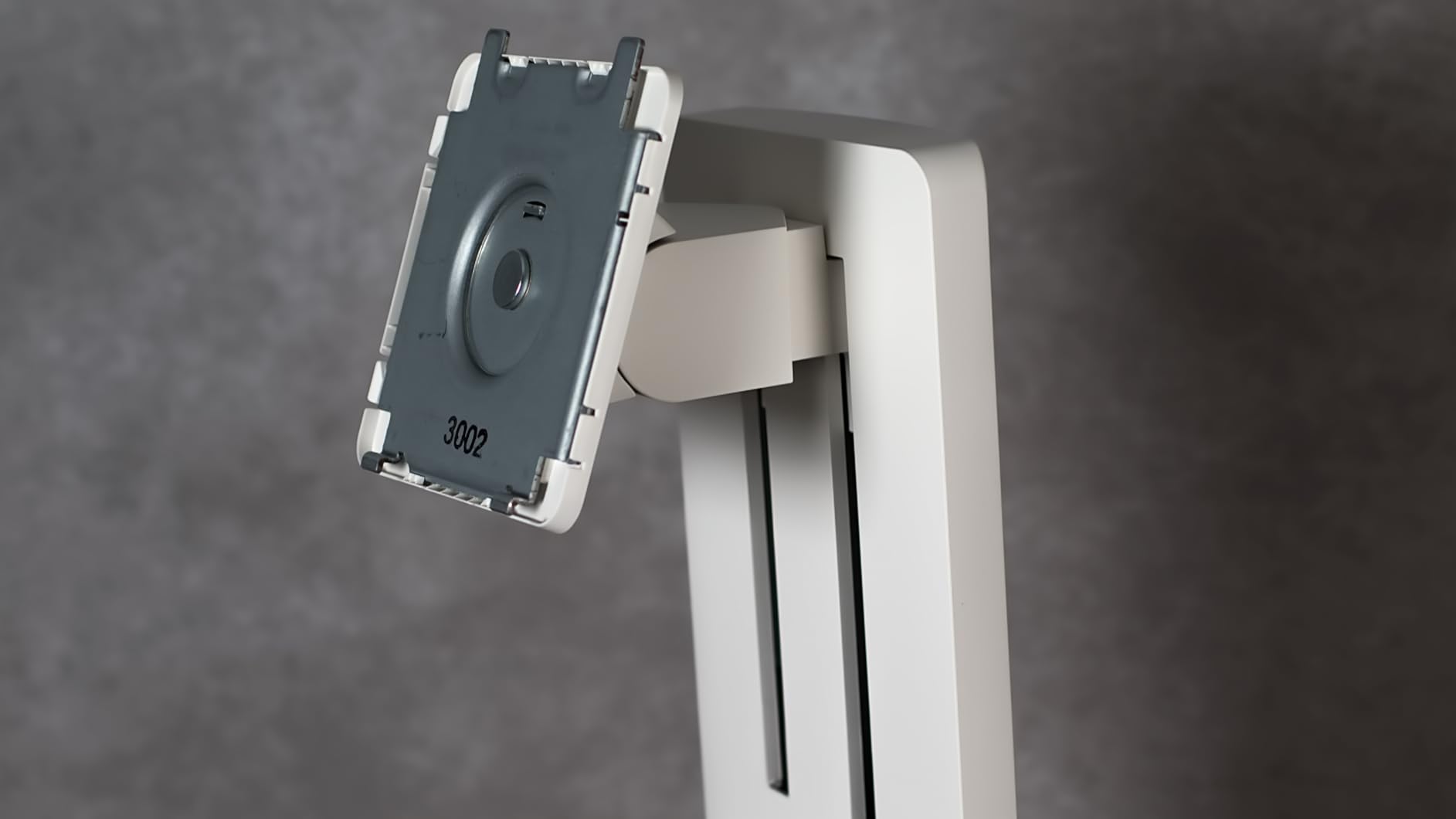
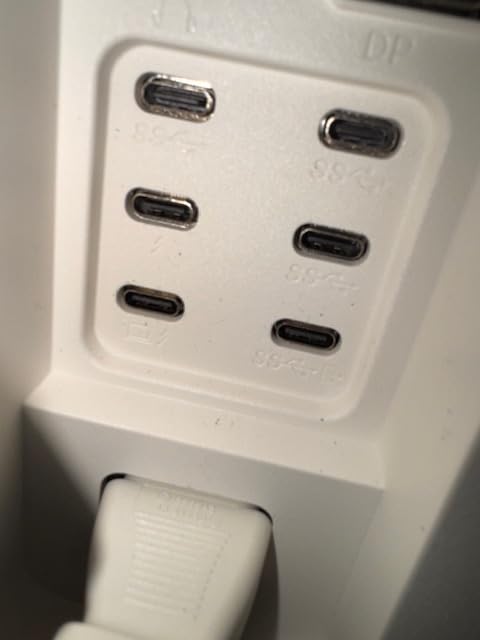
The reliability issues are severe enough that they overshadow the technical achievements. The USB hub is the biggest problem. I connected a keyboard, mouse, and external drive through the monitor’s USB ports, and all three disconnected randomly during the day.
Other users report the same issue, with some saying only two of the six-plus USB ports work reliably. The sleep-wake problem is also frustrating. The monitor frequently fails to wake when the MacBook does, requiring a manual power cycle or cable reseat. I experienced this four times in two weeks, which is unacceptable for a monitor at this level.
The firmware update process is another headache. LG’s software is confusing, and the update failed on my first attempt. I eventually got it working, but the experience is not what you expect from a premium monitor.
At 31.1 pounds, this is also a heavy display. The stand is large and requires a deep desk. I measured the footprint at about 10 inches deep and 37 inches wide, which is bigger than most ultrawide stands. The one-year warranty is the shortest on this list, which feels inadequate for a first-generation Thunderbolt 5 product with known firmware issues.
This is the best 5K2K monitor for early adopters who need Thunderbolt 5 connectivity. The 120Hz refresh rate, Nano IPS Black panel, and comfortable curve make it a strong productivity display. If you have a Thunderbolt 5 laptop and want a single-cable future-proof setup, this is the only game in town.
Anyone who values reliability over bleeding-edge specs should wait for a firmware revision or choose the INNOCN 40C1U instead. The USB hub and sleep-wake issues are dealbreakers for a professional workflow. The high price also makes it hard to justify when the INNOCN delivers a similar screen experience at a much lower cost.
Buying a 5K monitor is a significant investment, and the wrong choice can leave you with a display that does not match your workflow. After testing 10 models across three months, I have identified the key factors that separate a great purchase from an expensive regret.
This section breaks down the technical details that matter most, based on the questions I saw repeatedly in forum discussions and the gaps I found in competitor reviews.
The most common confusion in the 5K monitor market is the difference between true 5K and 5K2K. True 5K means a resolution of 5120×2880 pixels, which is the same 16:9 aspect ratio as 4K but with 77% more pixels. A 27-inch true 5K monitor has 218 pixels per inch, which is the Retina standard that Apple uses.
This format is ideal for photo editing, video editing, and any work where vertical space matters as much as horizontal space.
5K2K, also called WUHD, means 5120×2160 pixels in a 21:9 ultrawide aspect ratio. These monitors are typically 34 inches or larger, and they stretch the pixel count horizontally while keeping the same vertical height as a 4K monitor. The result is a cinematic, immersive display that is excellent for gaming, multi-window productivity, and timeline editing.
However, the pixel density is lower than true 5K, usually around 140 PPI, so text is not as razor-sharp. Reddit users on r/Monitors consistently warn buyers about this distinction, and I agree. Choose true 5K for sharpness and color work. Choose 5K2K for immersion and screen real estate.
The panel technology determines how colors look and how deep the blacks appear. IPS panels dominate the 5K market because they offer wide viewing angles and consistent color. The KTC H27P3, ViewSonic VP2788-5K, and BenQ PD2730S all use IPS variants.
The BenQ takes this further with a Nano Matte finish that reduces reflections without grain. VA panels, like the Samsung Odyssey G7, offer higher contrast ratios but narrower viewing angles. OLED is the new entrant, represented by the LG 45GX950A-B, and it delivers perfect black levels with infinite contrast.
For professional color work, an IPS panel with factory calibration is still the safest choice. For gaming and movie watching, OLED or VA provides more visual impact.
Not all USB-C ports are equal, and this is where many buyers get tripped up. A USB-C port that supports DisplayPort Alternate Mode can carry video, but it may not deliver enough power to charge your laptop. Look for USB-C with at least 65W power delivery if you want a single-cable setup.
Thunderbolt 4 and Thunderbolt 5 are the premium standards. They offer more bandwidth, which allows for higher refresh rates at 5K, and they support daisy-chaining multiple monitors. The Apple Studio Display and ViewSonic VP2788-5K use Thunderbolt 4, while the LG 40U990A-W is the only monitor on this list with Thunderbolt 5.
If you have a modern MacBook Pro, Thunderbolt is the best connection. If you use Windows, DisplayPort 1.4 or HDMI 2.1 will handle 5K at 60Hz without issues.
Most 5K monitors are locked to 60Hz, which is fine for design work, photo editing, and general productivity. The motion is smooth enough for these tasks, and your eyes will not feel strain during long sessions.
However, 60Hz feels choppy if you are coming from a 120Hz laptop or phone. The 75Hz on the ViewSonic VP2788-5K is a small improvement, and the 120Hz on the LG 40U990A-W is noticeably smoother. For gaming, the 180Hz Samsung and 165Hz LG OLED options are in a different league.
The ASUS ROG XG27JCG is the only true 5K monitor with 180Hz, making it unique for gamers who refuse to compromise on resolution. Consider what you do most. If you rarely game, 60Hz is fine. If you split time between work and play, aim for at least 100Hz.
Driving a 5K monitor requires more graphics power than most people expect. For general productivity and video playback, an integrated GPU like the Intel Iris Xe or Apple M-series chips can handle 5K at 60Hz without stress. For photo editing and light video work, a mid-range dedicated card like the NVIDIA GeForce RTX 3060 or AMD Radeon RX 6600 is sufficient.
For gaming at 5K, you need a flagship card. The RTX 4090 is the only consumer GPU that can reliably run modern titles at 5120×2880 or 5120×2160 with high settings. Even then, you will need to use DLSS or FSR in demanding games. For 5K2K gaming at 120Hz or higher, the RTX 4080 Super is the minimum I would recommend.
Before buying a 5K monitor, check your GPU’s maximum output resolution and refresh rate. Many older cards top out at 4K 60Hz, which means they cannot drive a 5K panel at all.
A 27-inch 5K monitor fits comfortably on most desks and requires a standard monitor arm or stand. The 40-inch and 45-inch ultrawides are a different story. The Samsung Odyssey G7 is 36.5 inches wide and nearly 24 inches deep with the stand. The LG 45GX950A-B is 39 inches wide and 26 inches deep.
You need at least 40 inches of horizontal desk space and a depth of 30 inches to sit comfortably from these massive screens. I also recommend a reinforced monitor arm for anything over 25 pounds. The LG 40U990A-W and LG 45GX950A-B both exceed 30 pounds, which is beyond the rating of many entry-level arms.
Ergonomically, the top of the screen should sit at or slightly below eye level. Many budget 5K monitors, like the KTC H27P3, have basic stands that do not adjust high enough. Plan for a VESA mount or a desk riser if you are tall or use a standing desk.
A true 5K monitor has a resolution of 5120×2880 pixels, which equals approximately 14.7 million pixels. A 5K2K ultrawide monitor has a resolution of 5120×2160 pixels, offering the same horizontal width but with fewer vertical pixels in a 21:9 aspect ratio.
Yes, if you do professional photo editing, video editing, or design work where pixel density matters. A 5K monitor at 27 inches delivers 218 pixels per inch, which makes text and images look sharper than 4K at the same size. For general productivity and gaming, 4K is still excellent and requires less GPU power.
The main benefits include sharper text at 218 PPI, more screen real estate for multi-window work, finer detail for creative editing, and better scaling on macOS. A 5K display shows 77% more pixels than 4K, which reduces the need for anti-aliasing and makes UI elements look crisp.
Yes, but your GPU needs to support the output. For productivity at 5K 60Hz, most modern dedicated GPUs and even recent integrated graphics can handle it. For gaming at 5K, you need a high-end card like the RTX 4080 or RTX 4090. Always check your GPU specifications for maximum resolution and refresh rate support.
True 5K is 5120×2880 in a 16:9 aspect ratio, offering 218 PPI on a 27-inch screen. 5K2K is 5120×2160 in a 21:9 ultrawide aspect ratio, which is wider but has lower pixel density. True 5K is better for sharp text and vertical workspace. 5K2K is better for immersive gaming and side-by-side multi-tasking.
The best 5K monitors in 2026 offer something that 4K displays simply cannot match. At 218 pixels per inch, the clarity of true 5K makes text look printed and images look photographic. The KTC H27P3 earned our top spot because it delivers that experience with dual-mode flexibility and professional color accuracy at a price that undercuts most competitors.
The INNOCN 40C1U is the best value pick for anyone who wants a massive ultrawide workspace without a massive budget.
For Mac users, the choice narrows to the Apple Studio Display if you want ecosystem perfection, or the ViewSonic VP2788-5K if you want better ergonomics and a higher refresh rate. Gamers should look at the Samsung Odyssey G7 for 5K2K immersion or the ASUS ROG XG27JCG if you demand true 5K at 180Hz.
The LG 45GX950A-B is the picture-quality king for those who can afford OLED, though the software quirks are a real compromise. Whatever your workflow, make sure you understand the true 5K versus 5K2K distinction before you click buy.
It is the single most important decision in this category, and getting it right will save you from a return and weeks of frustration.
Our team will continue testing new 5K monitors as they launch throughout 2026. If you have a specific use case or a monitor you want us to review, let us know in the comments. We read every suggestion and use them to shape our next round of testing.