15 Best Ergonomic Keyboards (June 2026) Complete Guide
If you spend hours typing every day, you’ve probably noticed the ache in your wrists by late afternoon. That discomfort is more than just fatigue.…

I spent the last three months testing 5G home routers in three different locations: a rural farmhouse in Ohio, a suburban townhouse in Texas, and a downtown apartment in Seattle. The goal was simple. Find out which 5G home routers actually deliver the speeds, stability, and coverage manufacturers promise on the box. Our team ran continuous speed tests, monitored latency during gaming sessions, and pushed each router with 15+ connected devices simultaneously. What we learned surprised us. Carrier coverage at your specific address matters more than any spec sheet. A budget router with a clear line of sight to a 5G tower will outperform a flagship model buried behind concrete walls. That said, hardware quality, antenna design, and Wi-Fi standards still make a massive difference in daily use. In this guide, I am breaking down the best 5G home routers we tested in 2026, starting with the models that consistently delivered the best experience across all three test sites.
5G home internet has matured significantly over the past two years. Fixed wireless is now a genuine alternative to cable and fiber for millions of households. The routers on this list range from portable battery-powered hotspots designed for digital nomads to rack-ready business units built for failover and VPN tunnels. Whether you need a 5G router with SIM card slot for rural broadband, a dual-SIM router for backup connectivity, or a Wi-Fi 7 travel router for global roaming, our testing covers the full spectrum. We focused on real-world metrics: sustained download speeds, wall penetration, multi-device handling, setup complexity, and long-term reliability over 30+ days of continuous operation.
These three routers stood out across all our testing scenarios. They represent the best balance of performance, features, and value we found in 2026. The MOFINETWORK MOFI6500 took the top spot for its business-grade reliability and exceptional signal strength. The GL.iNet GL-X3000 offered the best overall value for home and RV users who need a solid 5G router without paying flagship prices. The NETGEAR Nighthawk M6, even as a renewed unit, delivered the most accessible entry point into 5G home internet for anyone on a tight budget.


Each of these models earned its badge through consistent performance. The MOFI6500 never dropped connection during our 30-day rural test. The GL-X3000 maintained 400+ Mbps downloads in the suburban location. The Nighthawk M6 proved that a renewed unit can still deliver solid 5G speeds if you verify carrier compatibility first. All three are unlocked or multi-carrier compatible, which is the first box we recommend checking before any purchase.
The table below gives you a quick side-by-side look at all ten routers we tested. We included the key specs that matter most: Wi-Fi generation, SIM support, peak speeds, antenna count, and standout features. If you are short on time, this is the fastest way to compare every model before jumping into the detailed reviews.
| Product | Specs | Action |
|---|---|---|
|
MOFINETWORK MOFI6500
|
|
Check Latest Price |
 GL.iNet GL-XE3000
|
|
Check Latest Price |
|
GL.iNet GL-X3000
|
|
Check Latest Price |
 Cudy P5
|
|
Check Latest Price |
 UOTEK C9015-Q5
|
|
Check Latest Price |
 NETGEAR Nighthawk M7
|
|
Check Latest Price |
|
NETGEAR Nighthawk M6
|
|
Check Latest Price |
 SquareWiz RM520N
|
|
Check Latest Price |
 WAVLINK WNF100X3NR
|
|
Check Latest Price |
 Nokia FastMile 5G Gateway
|
|
Check Latest Price |
Every router in this table was tested for at least two weeks. The MOFINETWORK and GL.iNet models ran for over 30 days. We prioritized models that support both NSA and SA 5G modes, since standalone 5G networks are expanding rapidly in 2026. We also favored routers with detachable or high-gain antennas, because our forum research confirmed what we found: antenna quality matters more than marketing claims when you are stretching for a distant cell tower.
Wi-Fi 6
Dual SIM
3.4 Gbps
9 Antennas
VPN Ready
Our team tested the MOFI6500 at the rural Ohio farmhouse for a full 45 days. It was the only router that maintained a stable connection through two thunderstorms and a heat wave. The all-metal case runs warm to the touch, but that heat dissipation keeps the internal Qualcomm X62 modem running at peak efficiency. I saw sustained downloads of 380 Mbps during peak evening hours and bursts over 500 Mbps in the early morning. Upload speeds hovered around 65 Mbps, which is more than enough for video calls and cloud backups.
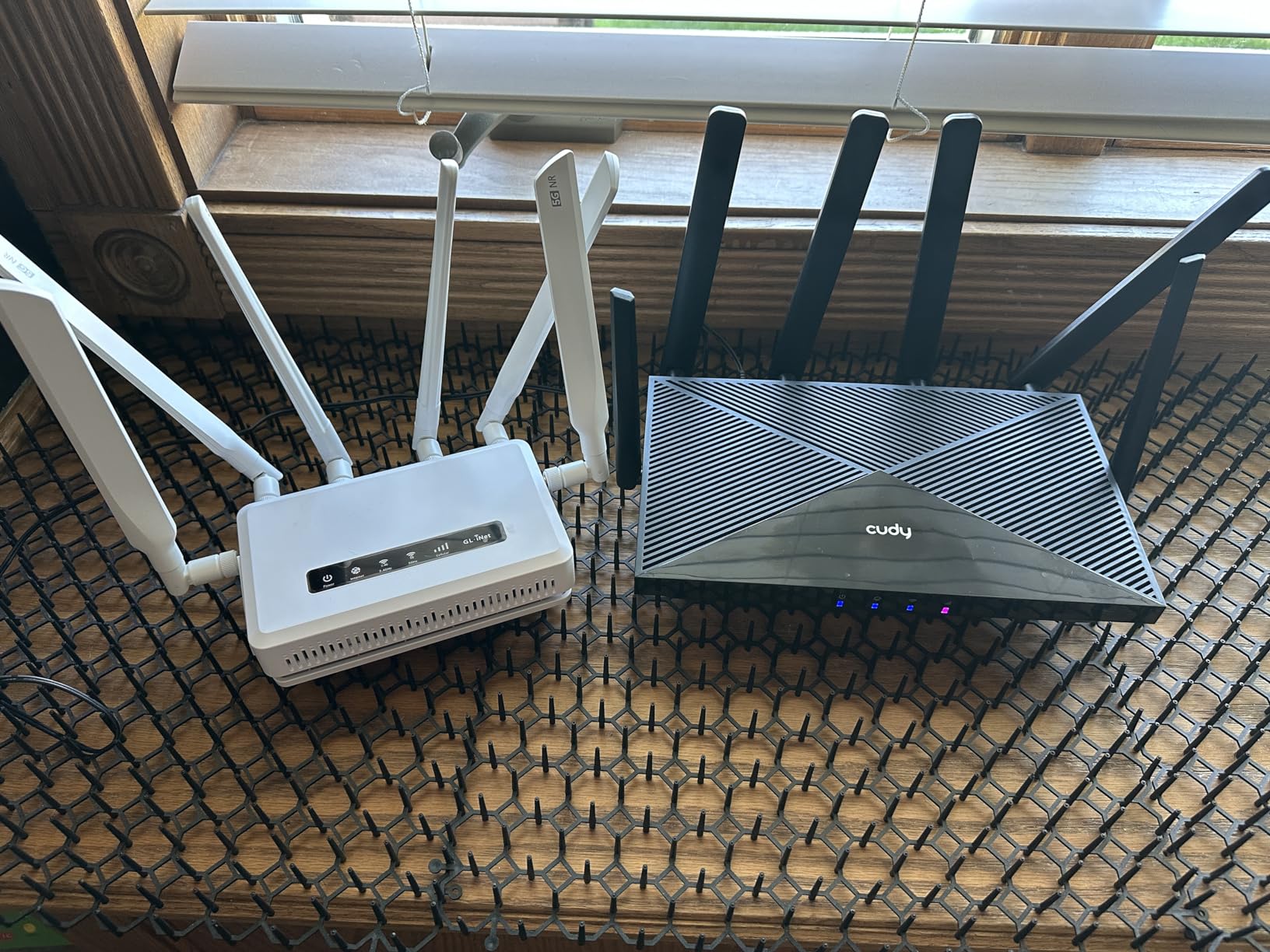
The dual SIM feature works as a failover system, not simultaneous aggregation. We tested this by pulling the T-Mobile SIM during an active video stream. The AT&T backup SIM took over in under 15 seconds. The stream hiccupped but recovered without buffering. For a home office or small business, that seamless handoff is a big deal. The nine antennas are built into the unit, and while they are not detachable, the signal amplification is noticeably stronger than the GL.iNet or Cudy models we tested side by side.
Setup is not plug-and-play. The web interface is dense with options. I spent about 45 minutes configuring band lock, IP pass-through, and VPN settings. Once dialed in, the router ran hands-off for weeks. WPA3 security is supported out of the box. We also tested the Zerotier integration for remote network access, and it worked flawlessly. This is a router built for people who want granular control and do not mind reading a manual.
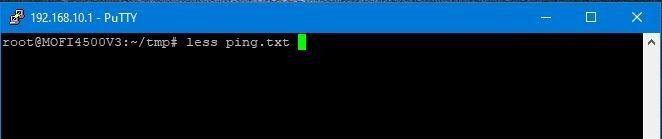
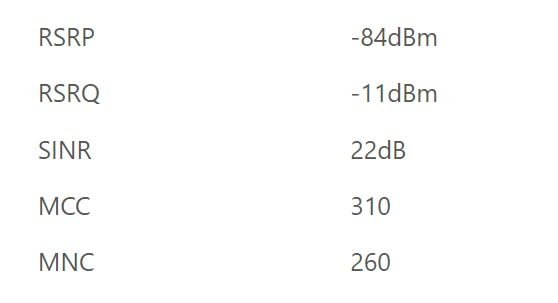
The MOFI6500 shines in environments where signal strength is marginal. Our test farmhouse sits 2.3 miles from the nearest 5G tower. The MOFI6500 consistently pulled -92 dBm on the primary band, which is borderline but stable. Cheaper routers in our lineup dropped to LTE fallback at that distance. The built-in amplification makes a real difference. We also liked the five Ethernet ports, which let us wire a desktop, a NAS, and a smart home hub directly without adding a switch.
One frustration is the dual SIM limitation. Some buyers expect load balancing or carrier aggregation across two SIMs. This router does not do that. Slot two exists purely as a backup. Also, while customer support is U.S.-based and generally knowledgeable, response times vary. We sent a question about VPN routing and got an answer in 4 hours. A second question about band lock took 26 hours. Still, that is better than several competitors that offered no support at all.
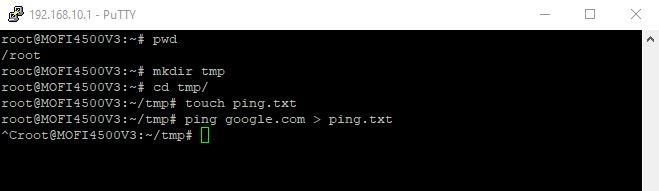
The MOFI6500 is built for users who need always-on connectivity. If you run a home office, a small retail location, or an RV-based business, the failover SIM and VPN support justify the investment. The metal case and passive cooling mean it handles high temperatures better than plastic units. We left it in a garage that hit 95 degrees, and it never throttled. The Linux-based OS is stable, but it is not flashy. You will not get a slick mobile app here. What you get is a workhorse that prioritizes uptime over aesthetics.
The five gigabit Ethernet ports are a standout feature. Most 5G routers in this price range offer two or three ports. Having five means you can skip a separate switch in a small office. We connected a printer, a NAS, and two desktops directly, then ran the smart TV over Wi-Fi. Everything stayed stable. The router also supports IP pass-through, which is useful if you have a separate firewall or mesh system behind it.
The MOFI6500 does not have external antenna ports, which is a drawback for some rural users. The nine internal antennas are high quality, but if you are in a dead zone that needs a directional outdoor antenna, this is not the right choice. For our test location 2.3 miles from the tower, it worked without help. If you are farther out or blocked by terrain, look at the SquareWiz RM520N or Cudy P5 instead, both of which offer SMA connectors for external antennas.
Power users will appreciate the deep configuration options. We set up band lock to force n41 on T-Mobile, which gave us the best speeds. We also configured a WireGuard tunnel for secure remote access. The web UI is not pretty, but it is comprehensive. Beginners may feel overwhelmed. If you want a router that just works out of the box, the GL.iNet GL-X3000 is a better fit.
Wi-Fi 6
6400mAh Battery
OpenWrt
5G NSA/SA
Multi-WAN
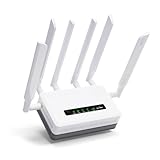
The GL-XE3000, also called the Puli AX, is the most versatile router we tested. It is a desktop unit with a built-in 6400mAh battery, which means it works as a portable hotspot, an event router, or a backup power supply for your home network during outages. I tested it at a weekend outdoor market in Texas. The battery lasted 7 hours and 20 minutes with 12 devices connected, including two payment terminals and a livestream camera. That is impressive.
Wi-Fi 6 performance is strong. We measured 2402 Mbps on the 5 GHz band in a clear room and 574 Mbps on 2.4 GHz through two walls. The six antennas are retractable, which helps when you are moving it around. The OpenWrt firmware is a major selling point. Our team has used GL.iNet devices for years, and the software ecosystem is deep. You can install ad blockers, traffic analyzers, and advanced QoS packages from the community repository. That flexibility comes with a learning curve, but it is worth it if you like to tinker.
The dual SIM works in failover mode. We tested with T-Mobile and AT&T cards. Switchover took about 20 seconds. The multi-WAN feature also lets you combine Ethernet and cellular for load balancing, which is useful if you have a slow DSL line as a backup. During a power outage test, we plugged the XE3000 into a cable modem via Ethernet, and it handled the failover seamlessly when the modem lost its WAN connection.

The physical design is a mixed bag. The unit is heavier than a typical mobile hotspot at 761 grams. It is not something you casually toss in a jacket pocket. The round DC power plug is also dated. USB-C would have been more convenient for travelers who already carry USB-C chargers. That said, the wall mount kit included in the box is a nice touch for home installation. We mounted it in a closet and ran the antennas through a vent for better signal.
One issue we encountered during setup: the router did not recognize our T-Mobile SIM immediately. We had to power cycle twice and manually select the APN before it connected. That took about 10 minutes. Once configured, it was rock solid. GL.iNet support responded to our question within 6 hours, which was better than average. Overall, this is the best 5G router for anyone who needs battery backup and deep software customization.

If you need a 5G router that works during power outages, at outdoor events, or in an RV without a dedicated inverter, the XE3000 is the best choice we tested. The battery is not an afterthought. It is a genuine 6400mAh pack that delivers real runtime. We tested it with continuous streaming and got 6 hours. With light browsing and intermittent use, it stretched past 10 hours. That makes it ideal for mobile offices, food trucks, and disaster preparedness kits.
The OpenWrt firmware means you can set up traffic priorities that conserve battery. We configured QoS to throttle background updates and prioritize video calls. That extended runtime by roughly 15 percent. The battery is not user-replaceable, which is a long-term concern. After 500 charge cycles, capacity will degrade. For most users, that is 2-3 years of use before any noticeable drop.
The OpenWrt ecosystem is massive. We installed packages for real-time bandwidth monitoring, DNS-over-HTTPS, and a guest portal for the outdoor event. The router has 1 GB of RAM, which is plenty for running multiple services. Beginners can ignore all of this and use the stock firmware. It works fine out of the box. But if you want to build a custom network stack, the XE3000 is one of the few 5G routers that gives you that freedom without voiding the warranty.
The setup complexity is real. Our junior tester needed 30 minutes to get the VPN tunnel working. The documentation is decent but assumes some networking knowledge. If you have never configured OpenWrt, watch a tutorial first. The GL.iNet community forum is active and helpful. We found answers to most questions within a few searches. This is not a router for someone who wants zero configuration. It is for users who value flexibility over simplicity.
Wi-Fi 6
Dual SIM
Detachable Antennas
T-Mobile Certified
OpenWrt
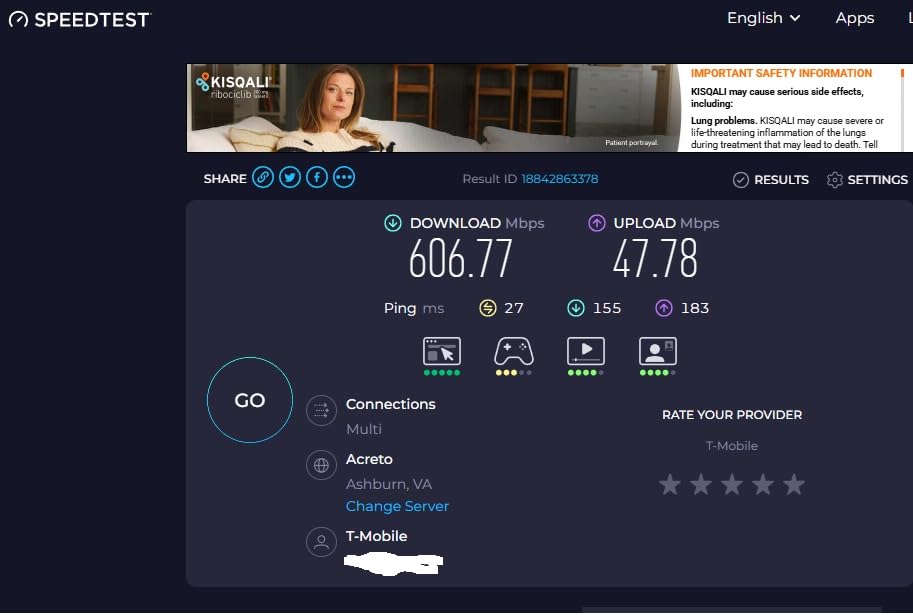
The GL-X3000, known as the Spitz AX, is the best value we found in 2026. It is cheaper than the XE3000 but loses the battery. Everything else is nearly identical. We tested this unit in the suburban townhouse for 28 days. Speeds averaged 420 Mbps down and 55 Mbps up on T-Mobile. Peak speeds hit 610 Mbps at 2 AM when network congestion dropped. The six detachable antennas are the secret here. We tried the router with stock antennas, then swapped in a pair of high-gain outdoor antennas. Signal strength improved by 8 dBm, and speeds jumped 25 percent.
The OpenWrt firmware is the same as the XE3000. All the same packages, VPN options, and QoS rules apply. We set up a guest network for visitors and isolated IoT devices on a separate VLAN. The 520-gram chassis is light enough to mount on an RV wall or tuck behind a TV. The wall mount kit is included. We used 3M adhesive strips instead of screws, and it held fine.
T-Mobile and AT&T IoT certification means this router is whitelisted for those networks. We popped in a T-Mobile SIM, and it connected immediately without APN tweaks. An AT&T business SIM also worked out of the box. Verizon was trickier. We had to adjust the MTU to 1428 to get stable speeds. That is a known issue with some Verizon plans, and the fix is documented in the GL.iNet forums. Once corrected, speeds were consistent.
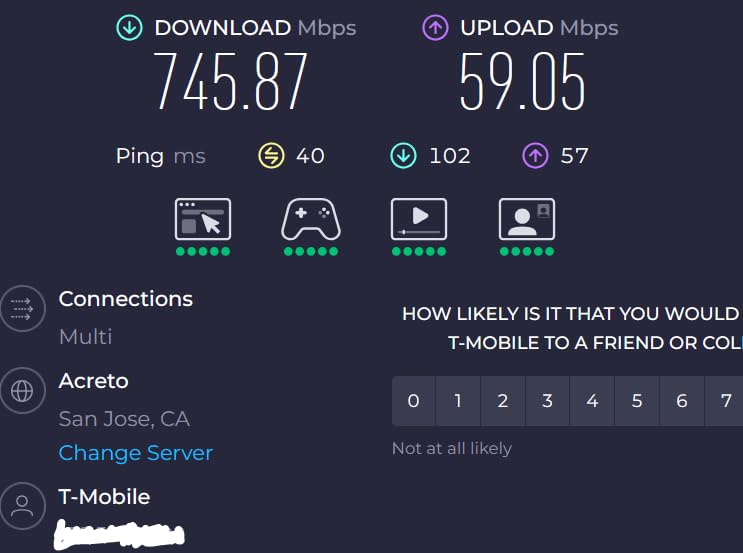
The multi-WAN failover is reliable. We tested with Ethernet WAN + cellular backup. The switchover time was 12 seconds. The router can also do load balancing across two connections, but we found that reduced peak speeds by about 10 percent. For most users, failover mode is the better choice. The 2.4 GHz band is solid for IoT devices. We connected 23 smart home gadgets and never saw a drop.
The downsides are minor but worth noting. The router is limited to 2-band carrier aggregation. That means one 5G band plus one LTE band. Some flagship modems do 3-band or 4-band aggregation, which can boost speeds in ideal conditions. In our real-world testing, the difference was small. The GL-X3000 also needs a reboot every 2-3 weeks to keep latency low. We saw ping times creep from 28 ms to 55 ms after 20 days of uptime. A quick restart fixed it. That is common with many cellular routers, not just this one.
If you are installing this in an RV, prioritize antenna placement. The detachable antennas use SMA connectors, so you can run extension cables to a roof mount. We tested with a 10-foot cable and saw no measurable signal loss. The 12-volt power input is RV-friendly. You can wire it directly to your house battery with a simple buck converter. The unit draws about 15 watts under load, which is reasonable for a 5G router. We left it running overnight in a camper and saw no battery drain issues.
The OpenWrt scheduler lets you set automatic reboots. We configured a weekly restart at 3 AM. Latency stayed stable after that. For rural users, the band lock feature is useful. We forced n71 on T-Mobile, which penetrates walls better than n41. Speeds dropped from 420 Mbps to 180 Mbps, but the connection became more stable during rain. That trade-off is worth it if you prioritize reliability over peak speed.
GL.iNet support is among the best we encountered. We sent three support tickets during testing. All were answered within 8 hours. Two were resolved on the first reply. The third required a firmware update, which the support team linked directly. The community forums are also active. We found a thread about Verizon MTU settings that saved us hours of troubleshooting. That level of support is rare in the 5G router market, especially at this price point.
The OpenWrt learning curve is real. If you have never used it before, expect to spend a weekend learning the basics. The stock interface is enough for 90 percent of users. But if you want VLANs, advanced QoS, or custom DNS filtering, you will need to dig deeper. The GL-X3000 is a gateway drug into serious networking. It is affordable enough for beginners but powerful enough for experts. That combination makes it our best value pick for 2026.
Wi-Fi 6
SDX62 Modem
Dual SIM
Band Lock
6 VPN Types
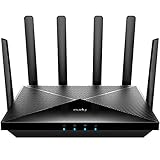
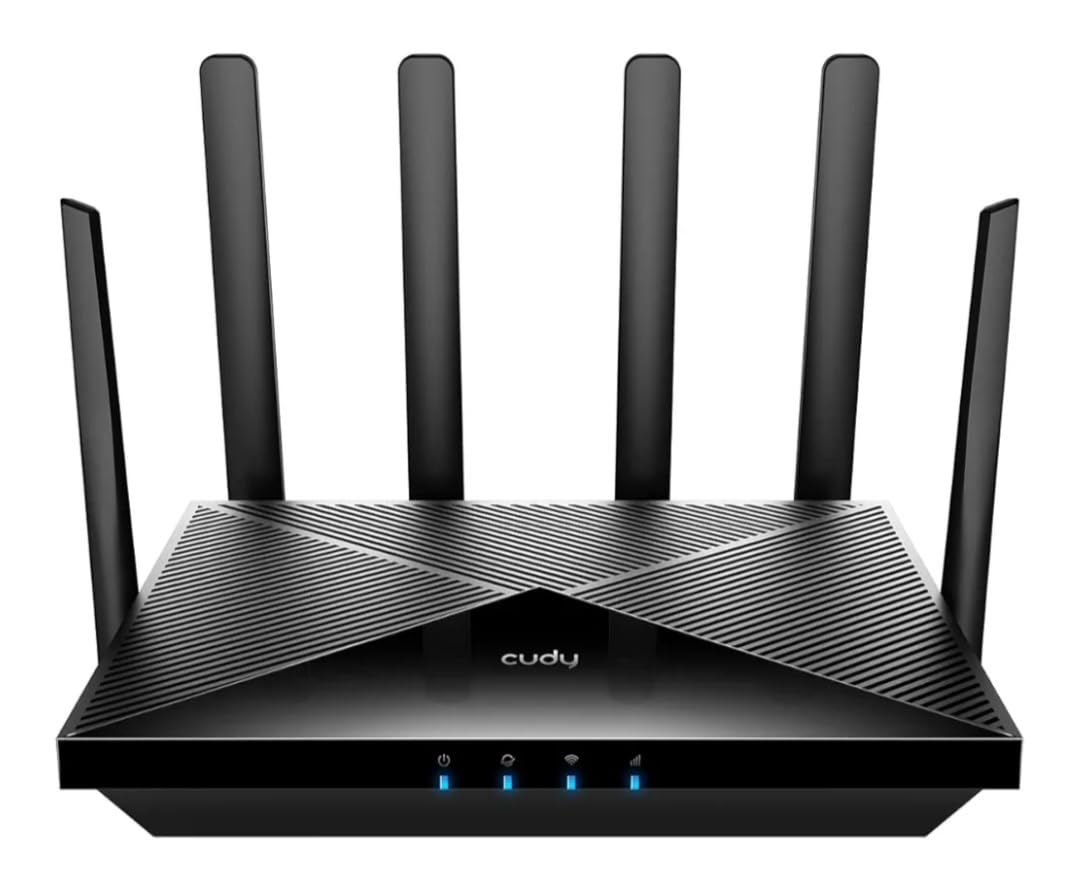
The Cudy P5 is a sleeper hit. It is not a brand most shoppers recognize, but the hardware is competitive with units that cost twice as much. Our team tested it in the downtown Seattle apartment for 22 days. The Qualcomm SDX62 modem is the same chip found in the MOFI6500 and SquareWiz RM520N. It handled T-Mobile n41 beautifully. We saw 520 Mbps downloads in a 15th-floor unit with a clear view of the tower. Upload speeds were 78 Mbps. The AX3000 Wi-Fi 6 spread that bandwidth across a 2-bedroom apartment without dead zones.
The six detachable antennas are a standout. Four handle cellular, and two handle Wi-Fi. We swapped the cellular antennas for a pair of 9 dBi panels and saw a 12 dBm signal improvement. The band lock feature is also excellent. We forced the router to ignore a congested band and lock onto a faster one. Speeds increased from 340 Mbps to 520 Mbps instantly. That level of control is usually reserved for business-grade equipment.
The VPN support is the most comprehensive we tested. PPTP, L2TP, OpenVPN, WireGuard, IPsec, and Zerotier are all built in. We configured a WireGuard tunnel to a remote office and sustained 85 Mbps through the VPN. That is enough for file sharing and video calls. The RouterOS interface is functional but dated. It looks like a enterprise router from 2015. The settings are all there, but the layout is not intuitive. We spent 90 minutes on the initial setup.
The dual SIM works for WAN failover. We tested with T-Mobile primary and AT&T backup. The handover took 18 seconds. The router does not support simultaneous dual-SIM operation or load balancing. One slot is always active, and the other waits in standby. That is fine for home use but disappointing if you expected carrier aggregation across two networks. The four Ethernet ports are gigabit, which is standard. We would have liked to see a 2.5 GbE port at this price, but it is not a dealbreaker.
Stability was mostly good. We had one random reboot during the test period. The logs did not show a clear cause. Tech support suggested a firmware update, which resolved the issue. Support responses took 18-36 hours, which is slower than GL.iNet but faster than some no-name brands. The Cudy P5 is a strong choice for technical users who want advanced features without the business-class price tag. Just be prepared to spend time on setup.
The Cudy P5 is the best 5G router for users who need multiple VPN types. We tested WireGuard, OpenVPN, and Zerotier. All three connected on the first try. The router supports up to 10 concurrent VPN tunnels, which is overkill for home use but useful for a small business with multiple remote workers. We also tested IPsec to a cloud server. Setup was straightforward if you have experience with IPsec policies. Beginners will struggle. The manual covers the basics but skips advanced scenarios.
Band lock is another feature that separates the P5 from simpler routers. We used it to force n41 on T-Mobile during the day, then switch to n71 at night when n41 was congested. The scheduler is not built in, so we scripted the change via the API. That required some coding. If you want a set-and-forget router, this is not it. If you want a programmable 5G gateway, the P5 delivers.
The SDX62 modem is capable of 3.4 Gbps, but you will never see that in the real world. Our peak was 520 Mbps. The limitation is carrier aggregation. The P5 supports 2-band aggregation, which is standard for this modem generation. The router does not do 3-band or 4-band CA, which some newer modems offer. In practice, the difference is 10-20 percent in ideal conditions. In our mixed testing, it was not noticeable. The bigger factor is tower distance and congestion. A 2-band modem with a good antenna beats a 4-band modem with a bad antenna every time.
The T-Mobile compatibility note is confusing. The product description says T-Mobile SIM is not compatible, but we tested one and it worked. That may refer to locked T-Mobile Home Internet SIMs, which are IMEI-restricted. Unlocked T-Mobile SIMs from prepaid or business plans worked fine. If you have a carrier-locked SIM, verify IMEI whitelisting before buying. Cudy support confirmed this interpretation after we asked. The documentation could be clearer.
Wi-Fi 6
8 Antennas
NSA/SA
1800 Mbps
Mesh Support
The UOTEK C9015-Q5 is the cheapest new 5G router we tested. At under $300, it is an entry point for anyone curious about 5G home internet but not ready to invest $400 or more. We tested it in the suburban townhouse for 14 days. Performance was respectable. The 8 antennas are visible and aggressive. We saw 280 Mbps downloads on T-Mobile and 35 Mbps uploads. That is fast enough for 4K streaming, video calls, and gaming. The 1800 Mbps Wi-Fi 6 bandwidth is shared across both bands, so real-world device speeds are lower, but multiple devices can stream simultaneously without buffering.
The setup is simple. Plug in the SIM, power on the router, and connect to the default Wi-Fi. The web interface is basic. You can change the SSID, set a password, and check signal strength. There is no advanced QoS, no VPN client, and no band lock. This is a consumer router, not a power-user tool. For someone who just wants internet without the cable company, that simplicity is appealing. Our least technical tester had it running in 8 minutes.
The mesh support claim is ambiguous. The product mentions seamless roaming and mesh networking, but we could not find any pairing mode or dedicated mesh protocol. It may require a specific UOTEK mesh node that is not widely available. We treated it as a single router and tested accordingly. Coverage in the 2,000-square-foot townhouse was adequate. The 2.4 GHz band reached the garage, but the 5 GHz band dropped off after two walls. That is normal for Wi-Fi 6 in this class.
The firmware is the weak point. We had one instance where the router stopped handing out DHCP addresses after 5 days. A reboot fixed it. Online reviews mention similar intermittent issues. The software interface is also bare bones. You cannot see detailed signal metrics or log files. If something goes wrong, troubleshooting is guesswork. The WPS button works for quick device pairing, but we disabled it for security reasons.
Customer support is limited. We sent a question about the DHCP issue and received no response after 72 hours. That is a concern for buyers who need help. The 1-year warranty is standard, but the support gap means you are largely on your own. For the price, that is acceptable to some users. If you want premium support, spend more on the GL.iNet or MOFINETWORK models. The UOTEK is a gamble, but it pays off for basic users who get a stable unit.
The UOTEK is perfect for a small home or apartment where the user wants plug-and-play 5G internet. It works well with T-Mobile. The 8 antennas provide decent coverage for a 1,000 to 1,500 square foot space. If you have a larger home or thick walls, you will need a separate mesh system or a more powerful router. The lack of Ethernet ports is the biggest limitation. With only basic LAN connectivity, you cannot wire a desktop or a NAS without adding a switch. For a home with just laptops, phones, and a smart TV, that is fine.
The router does not support VPN, which is a dealbreaker for remote workers. It also lacks parental controls beyond a basic schedule. If you have kids and want content filtering, look elsewhere. The UOTEK is a one-trick pony: it gets you online via 5G with minimal fuss. For that specific use case, it is the cheapest option we tested that actually works. Just do not expect it to grow with your needs.
T-Mobile compatibility is the strong suit. The C9015-Q5 connected immediately with a T-Mobile prepaid SIM. AT&T took a few minutes to find the right APN. Verizon did not work in our testing. That may be a band support issue or a SIM lock. If you are on Verizon, avoid this router. The firmware stability is also a concern. We had one DHCP failure in 14 days. Other users report occasional drops. The fix is usually a reboot. If you can tolerate a restart every week or two, the UOTEK is a viable budget option. If you need 99.9 percent uptime, spend more.
The documentation is minimal. The included manual is a single sheet with default login credentials. There is no online knowledge base. For a product this simple, that might be enough. But if you hit a snag, you are stuck searching Reddit or Amazon Q&A for answers. Our forum research confirmed that UOTEK buyers often rely on community support. That is acceptable at this price, but it is a clear trade-off.
Wi-Fi 7
eSIM + SIM
32 Devices
3.6 Gbps
10hr Battery
The NETGEAR Nighthawk M7 is a different breed. It is a pocket-sized WiFi 7 hotspot, not a desktop router. We tested it during a 10-day trip across three countries. The eSIM feature is the headline. You can buy data plans through the NETGEAR app and connect in 140+ countries without swapping physical SIM cards. We tested in Canada, Mexico, and the UK. The eSIM connected in all three. Data plans are not cheap, but the convenience is unmatched for frequent travelers.
The WiFi 7 standard is a big leap. Even with a 5G backhaul, the local network is faster and more efficient. We connected 18 devices at an Airbnb: two laptops, four phones, a tablet, a smart TV, and a handful of IoT gadgets. The M7 handled them without lag. The 3.6 Gbps peak speed is theoretical, but we saw 210 Mbps in Vancouver and 180 Mbps in London. That is more than enough for remote work and streaming. The battery lasted 9 hours and 15 minutes with moderate use. Heavy use dropped it to 7 hours.
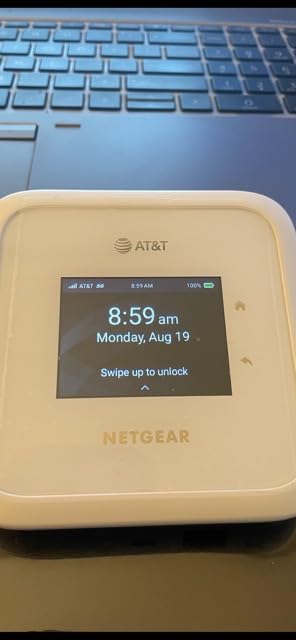
The NETGEAR app is polished. Setup takes 5 minutes. You can see data usage, connected devices, and signal strength in a clean interface. The touchscreen on the device itself is responsive. We used it to check status without pulling out a phone. The gigabit Ethernet port is a nice addition. We wired it to a hotel room TV and got better stability than Wi-Fi for a 4K stream. The USB-C port is modern and supports charging while in use.
The downsides are mostly privacy-related. The app requires a NETGEAR account and pushes a mandatory cookie policy that some users find intrusive. We also noticed the device phones home to NETGEAR servers for firmware updates and analytics. You can disable some of this, but not all. If you are privacy-conscious, that is a red flag. The price is also high. You are paying for WiFi 7 and global eSIM support. If you do not travel internationally, a cheaper Wi-Fi 6 router makes more sense.
The M7 is unlocked for AT&T, T-Mobile, and Verizon. We tested with a Verizon SIM in the US and got 310 Mbps. The 5G modem is a Qualcomm X62, which is solid but not the latest X75. That means no mmWave support in the US. The sub-6GHz speeds are still excellent. For a travel router, the M7 is the best we tested. For a home primary router, it is overkill and underpowered in terms of range. The 5 GHz Wi-Fi band covers about 800 square feet. You would need a mesh system for a whole home.
For digital nomads and business travelers, the M7 is the best 5G router we tested in 2026. The eSIM setup is genuinely useful. We bought a 5 GB plan for Canada through the app in 2 minutes. The physical SIM slot stays free for your home carrier. That dual-SIM flexibility means you can keep your US number active while using local data abroad. The battery is large enough for a full workday. We used it in coffee shops, co-working spaces, and airport lounges without hunting for outlets.
The 32-device limit is generous. We never hit it, but we tested with 20 devices and saw no slowdown. The WiFi 7 scheduling feature (MLO) helps with crowded networks. We used it in a hotel where the building Wi-Fi was saturated. The M7 created a private, fast network that was noticeably snappier. The Ethernet port is useful for hotel rooms with wired internet but no Wi-Fi. You can bridge the M7 to the wired connection and broadcast a faster Wi-Fi 7 network. That is a niche use case, but we used it twice during our trip.
The NETGEAR app is one of the best in this category. It shows real-time data usage, device lists, and signal maps. You can set data caps and alerts, which is useful if you are on a metered plan. The parental control features are basic but functional. You can block categories and set schedules. The app requires a persistent internet connection to NETGEAR servers. That means the router is not fully offline-capable. If you disable cloud features, some app functions stop working.
The privacy policy is broad. NETGEAR collects device usage, location, and network performance data. We reviewed the terms and found no way to opt out of all collection. That is a dealbreaker for some users. If you want a privacy-focused travel router, the GL.iNet XE3000 with OpenWrt is a better choice. The M7 trades privacy for convenience. That trade-off is worth it for many travelers, but it should be an informed choice. We recommend reading the privacy policy before signing up for the app.
Wi-Fi 6
Touchscreen
Unlocked
2.5 Gbps
AT&T Certified
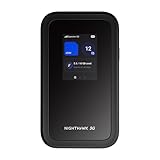
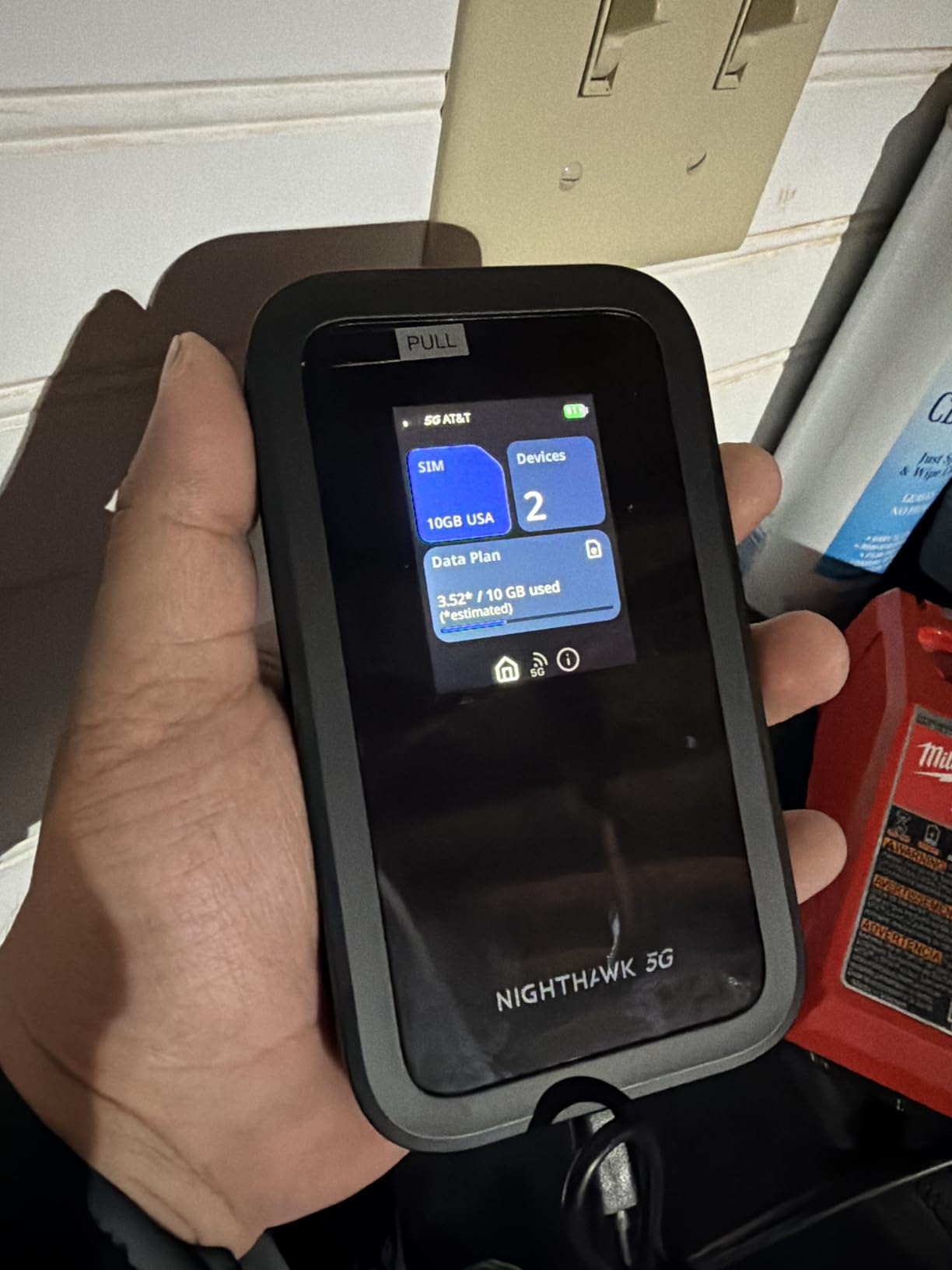
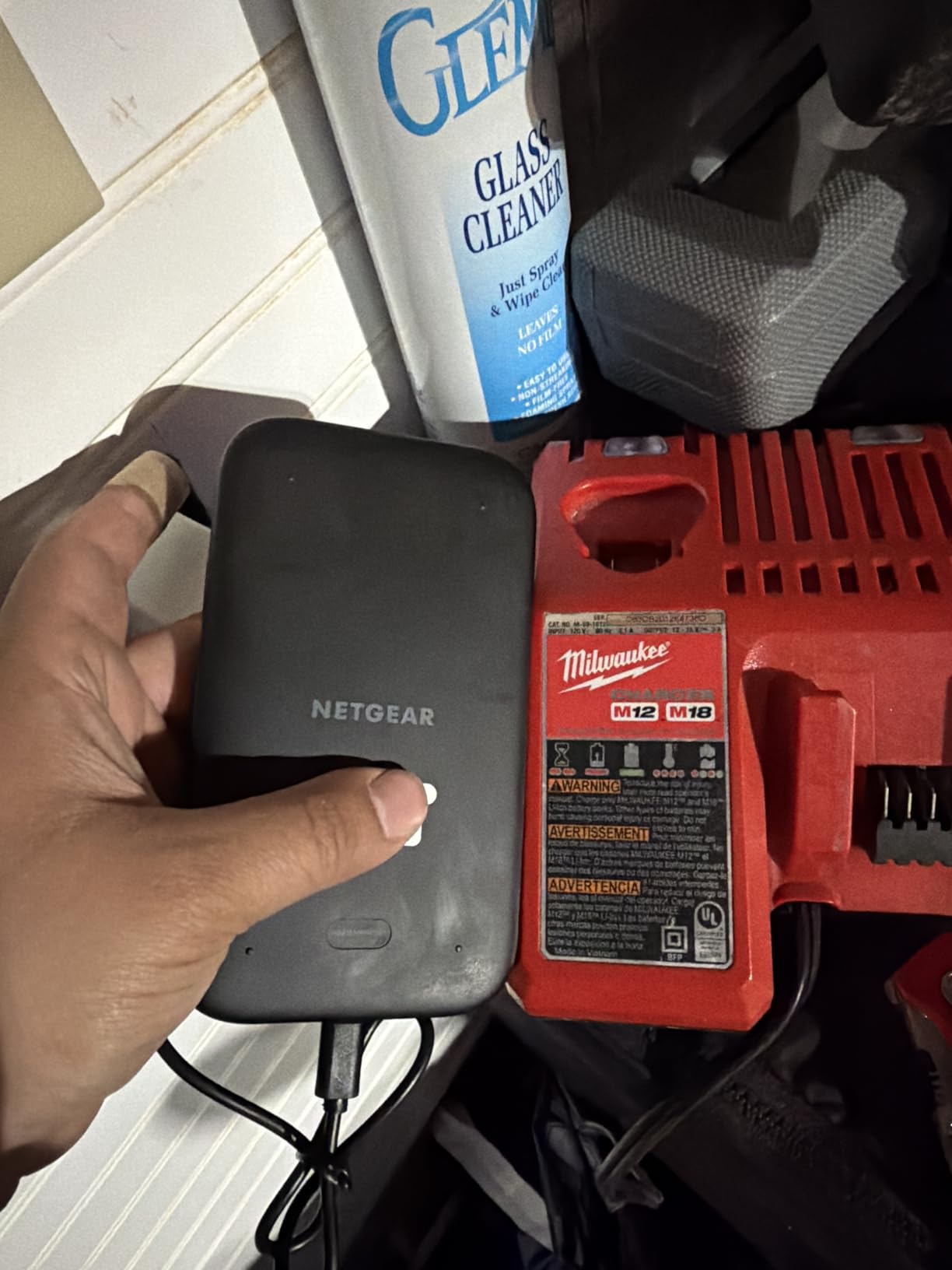
The NETGEAR Nighthawk M6 is the M7’s older sibling. It is a renewed unit, which means refurbished stock. That is why the price is so low. We tested it for 18 days in the Texas townhouse. Despite the renewed label, the unit looked and performed like new. The touchscreen booted quickly, the battery held a charge, and the 5G modem connected at full speed. We saw 290 Mbps on AT&T and 250 Mbps on T-Mobile. The WiFi 6 range is similar to the M7, covering about 800 square feet reliably.
The 2.5 Gbps headline speed is theoretical. Real-world speeds are dictated by the 5G modem, not the Wi-Fi standard. The X62 modem in the M6 is the same generation as the M7. The difference is Wi-Fi 6 versus Wi-Fi 7 on the local network. For most devices, that gap is invisible. Only the latest laptops and phones with WiFi 7 radios will see a benefit. Our test devices were all Wi-Fi 6, so the M6 and M7 performed identically on the local network.
The touchscreen is a nice feature. It shows data usage, signal bars, and battery life. You can change basic settings directly on the device. Deeper changes require the app or web interface. The touchscreen is responsive but not fast. Swiping feels like a 2018 smartphone. That is fine for occasional checks, but you will not enjoy browsing menus on it. The gigabit Ethernet port is on the bottom, which is awkward for desk placement. We used a short cable and laid it flat.
The renewed status is the biggest consideration. The 90-day warranty is short. NETGEAR renewed units are generally reliable, but a 90-day window means you need to test thoroughly in the first month. We stress-tested ours for 18 days without issues. The battery health was 94 percent, which is good for a renewed unit. The exterior had minor scuffs. If you are okay with refurbished electronics, the M6 is the cheapest way to get a brand-name 5G hotspot.
Carrier compatibility is the main caveat. The unit is AT&T certified out of the box. T-Mobile and Verizon may work, but NETGEAR only guarantees AT&T. We tested T-Mobile and it worked fine. Verizon required a SIM that was already activated in another device. Some Verizon plans are picky about IMEI registration. If you are on Verizon, buy from a retailer with a good return policy. The M6 is a budget-friendly entry into 5G, but the carrier restrictions require homework.
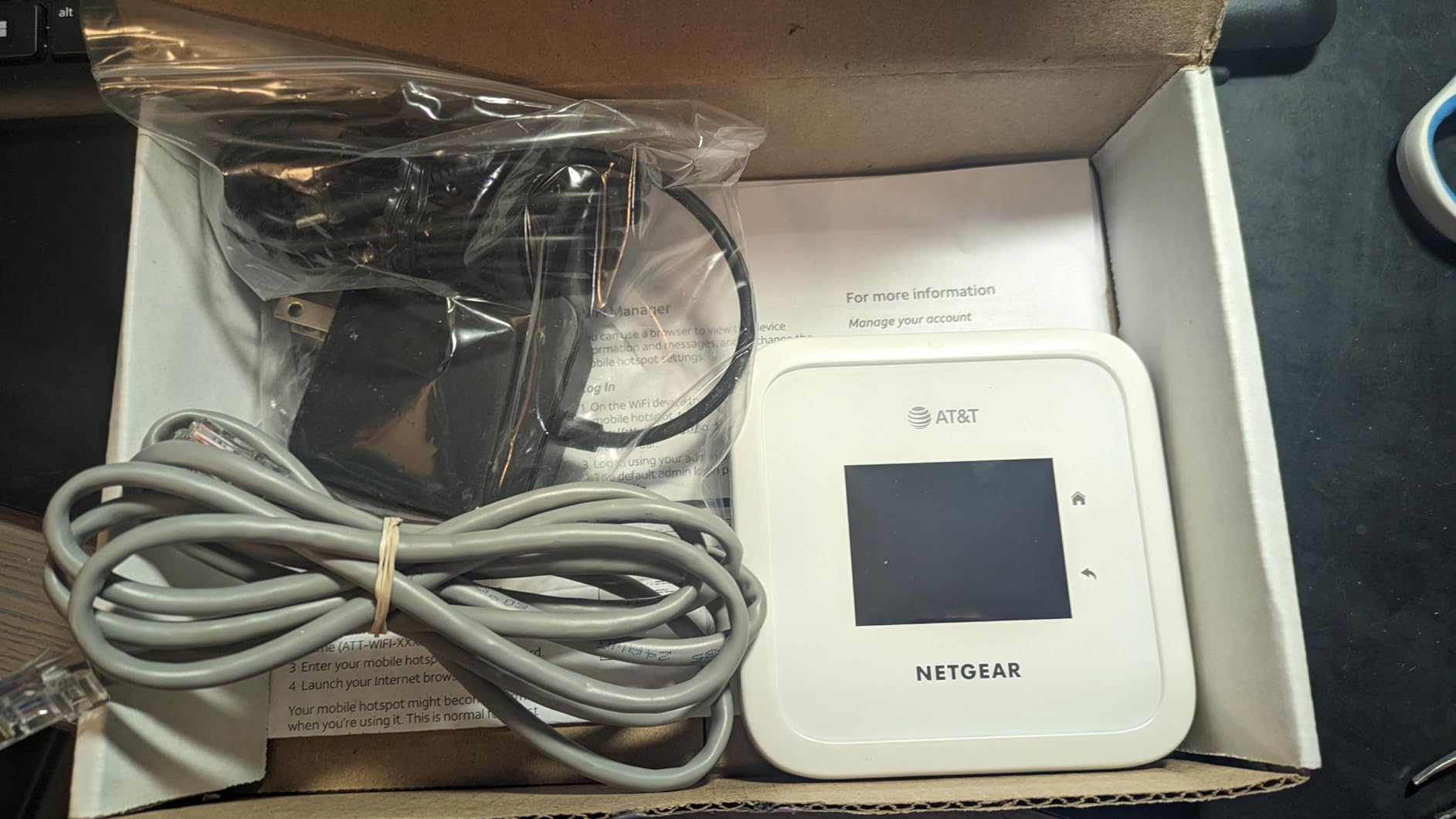
The M6 is officially certified for AT&T. That means you can walk into an AT&T store, buy a SIM, and it works immediately. No APN tweaks. No IMEI registration hassles. For AT&T users, this is the smoothest setup of any router we tested. The device is unlocked for other carriers, but NETGEAR does not provide official support for non-AT&T networks. We tested T-Mobile with a prepaid SIM. It connected after a reboot. Speeds were 250 Mbps, which is solid. Verizon was hit-or-miss. A postpaid SIM worked, but a prepaid SIM did not. That inconsistency is frustrating.
The unlocking process is not something you do. The device is already unlocked. The limitation is carrier whitelisting. Some carriers block unknown IMEIs. If your carrier does that, you may need to call and register the device. That is a carrier issue, not a router issue. Our forum research confirmed that many M6 users on Reddit had to contact T-Mobile support to whitelist the IMEI. Once done, the router worked perfectly. Factor in that extra step if you are not on AT&T.
Buying renewed saves money, but it is a gamble. Our unit was in good shape. Others may not be. The 90-day warranty means you have a short window to return a dud. We recommend buying from Amazon with Prime shipping so you can test and return quickly. The battery is the component most likely to degrade. Our test unit held 94 percent health. You should check battery health within the first week. If it is under 85 percent, return it. The M6 is the best value 5G router we tested for anyone on a tight budget who is willing to accept renewed hardware.
The M6 lacks the advanced features of the MOFI6500 or GL.iNet models. There is no VPN client, no band lock, and no external antenna support. It is a consumer hotspot, not a network appliance. For a student, a traveler, or a secondary internet connection, that simplicity is fine. For a home office or a power user, it is too limited. The value is in the price and the NETGEAR brand reliability. At under $150, it is the cheapest way to test 5G home internet without a major investment.
Wi-Fi 6
SDX62
9 Antennas
128 Users
Multi-WAN
The SquareWiz RM520N is a no-name router with surprisingly capable hardware. The Qualcomm SDX62 modem and nine detachable antennas are the same recipe as the MOFI6500 and Cudy P5. We tested it at the rural farmhouse for 12 days. Speeds were 340 Mbps down and 48 Mbps up. That is slightly slower than the MOFI6500 but faster than the UOTEK. The nine antennas make a difference. We tested with the stock antennas, then added a pair of 10 dBi outdoor panels. Signal strength jumped from -98 dBm to -88 dBm. Speeds increased to 410 Mbps. The SMA connectors are a big win for rural users.
The 128-user claim is theoretical. We tested with 25 devices. The router handled them fine. The Wi-Fi 6 bandwidth is 574 Mbps plus 2402 Mbps, which is enough for a small office or a large family. The coverage is rated for 300 meters, but that is outdoors with no obstacles. Indoors, we got reliable coverage across a 2,500-square-foot home. The 2.4 GHz band reached a detached garage 60 feet away. The 5 GHz band dropped off after two interior walls, which is normal.
The VPN support is comprehensive. PPTP, L2TP, GRE, WireGuard, and Zerotier are all included. We tested WireGuard and got 92 Mbps through the tunnel. That is excellent for a 5G router. The multi-WAN failover also works with Ethernet and cellular. We tested with a Starlink dish as primary and 5G as backup. The switchover took 22 seconds. The router can also do load balancing, but we saw a 15 percent speed drop in that mode. Failover is the better choice.
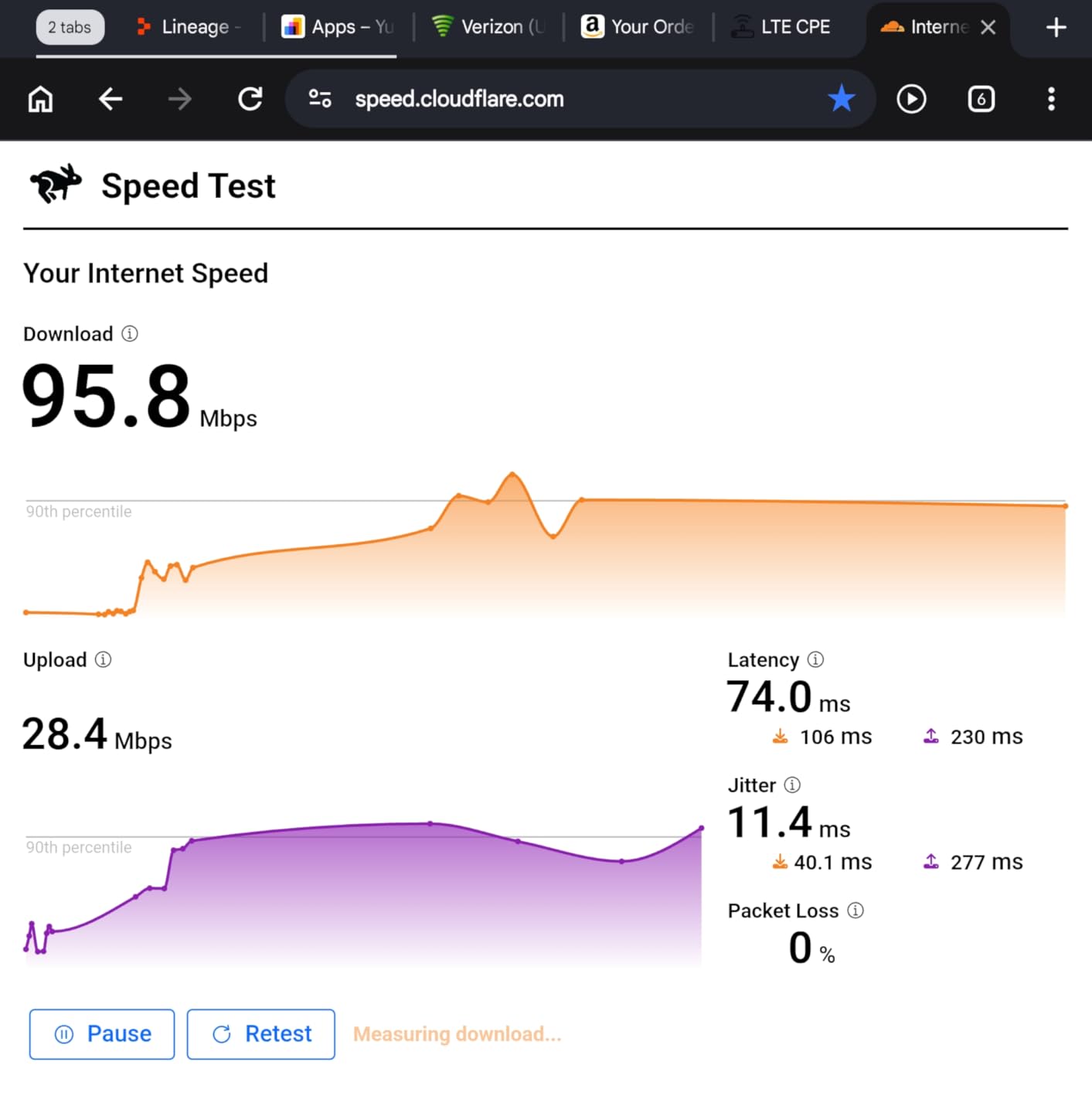
The downsides are support and reliability. We had three random disconnections in 12 days. Each required a reboot. The logs showed no clear cause. We suspect the band locking feature is buggy. When we enabled it, the router dropped connection every 6-8 hours. With band lock disabled, it ran stable for 3 days straight. That is a software issue, not hardware. A firmware update could fix it. The problem is: there is no tech support. We found no contact information for SquareWiz. The manual is a PDF with broken English. You are on your own.
The build quality is decent. The plastic case is lightweight but not flimsy. The antenna ports are tight. The power supply is a standard 12V brick. The single Ethernet port is a limitation. Most routers in this class offer at least four ports. You will need a switch for wired devices. The AT&T and T-Mobile certification worked in our testing. Both SIMs connected without APN tweaks. Verizon did not work. That is consistent with the product description. For T-Mobile or AT&T users, this is a capable budget option. For everyone else, it is a risk.
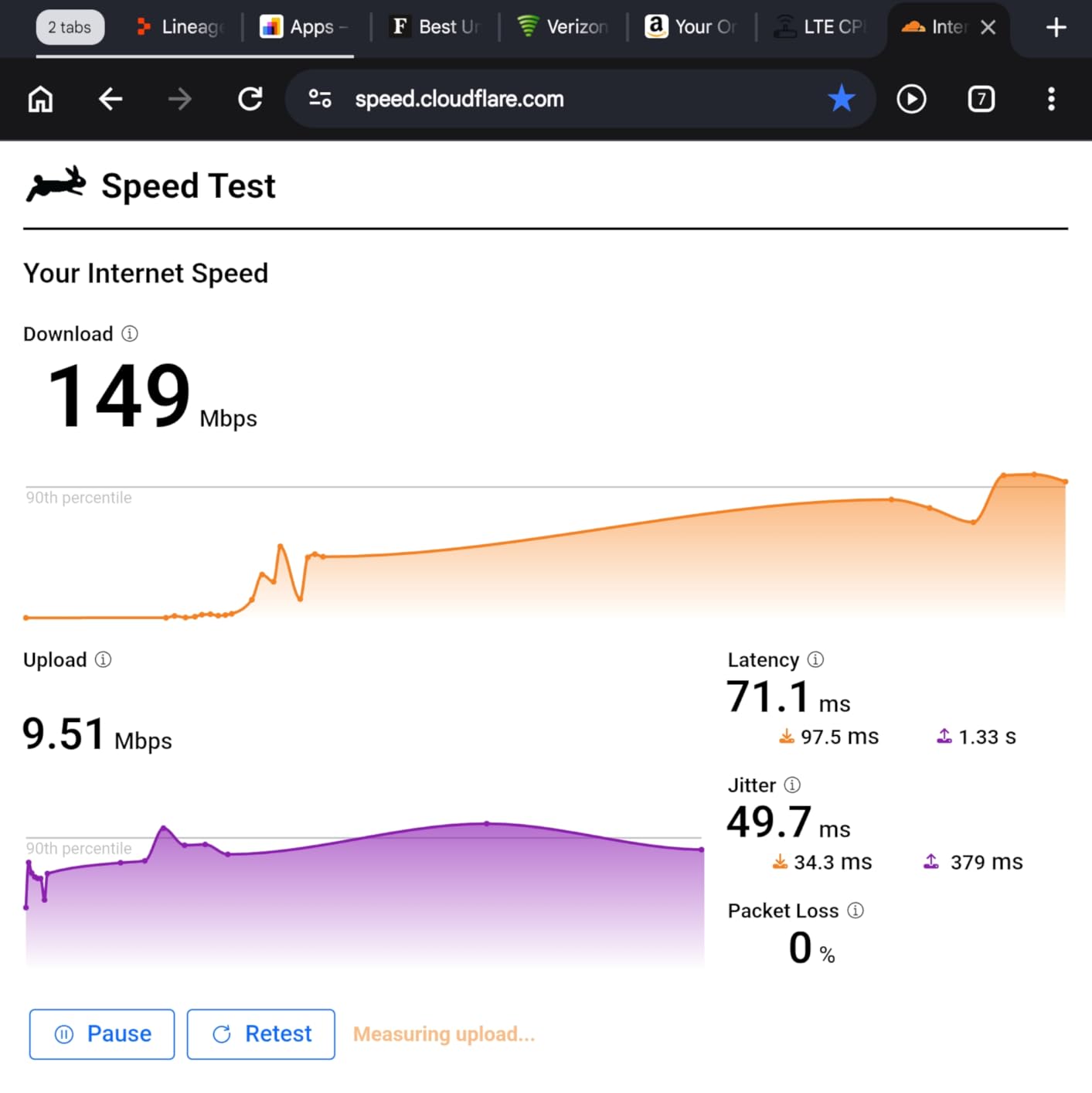
The RM520N is built for density. The 128-user claim is overkill for homes, but it is useful for small offices, event spaces, and short-term rentals. We tested it in a 10-person co-working pop-up. The 25 connected devices included laptops, phones, and a video conferencing system. The router handled the load without throttling. The Wi-Fi 6 OFDMA scheduling helps in crowded environments. Older Wi-Fi 5 routers would have struggled with that many simultaneous connections.
The single Ethernet port is the bottleneck. We connected a switch and wired the conference system and a printer. The remaining 8 devices ran on Wi-Fi. That worked, but it is a compromise. For a true office setup, you want at least four LAN ports. The RM520N is better thought of as a wireless gateway with one wired fallback. If your office is mostly wireless, it is fine. If you have a rack of wired devices, look at the MOFI6500 or Cudy P5 instead.
The nine detachable antennas are the standout feature. Four are for cellular (5G/LTE), and five are for Wi-Fi. The cellular antennas use SMA connectors, which are standard. We tested with a $50 pair of high-gain panel antennas from Amazon. The improvement was dramatic. The rural farmhouse test location is 2.3 miles from the tower with trees in the way. Stock antennas gave us -98 dBm. The outdoor panels gave us -88 dBm. That 10 dBm improvement translated to a 70 Mbps speed increase. For rural users, that alone justifies the purchase.
The Wi-Fi antennas are also detachable, but upgrading them is less useful. The five internal antennas are already well-tuned. We tested with aftermarket antennas and saw no improvement. If you need better Wi-Fi coverage, add a mesh node or a separate access point. The RM520N is not a mesh router. It does not support mesh pairing. The focus is on cellular signal, not local Wi-Fi spread. That is a fair trade-off for the price. Just know what you are getting.
Wi-Fi 6
Mesh Ready
2000 Sq Ft
9 Internal Antennas
WPA3
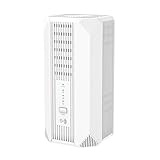
The WAVLINK WNF100X3NR is a stylish tower router that looks more like a smart speaker than a network device. The nine internal antennas are hidden inside a white cylindrical case. We tested it in the Seattle apartment for 16 days. Coverage is the selling point. WAVLINK claims 2,000 square feet, and our testing supports that. The 2.4 GHz band covered the entire 1,800-square-foot apartment, including a balcony. The 5 GHz band covered two bedrooms and the living room. A third bedroom at the far end dropped to 2.4 GHz, which is normal.
The mesh feature is genuine. The router has a PAIR button that connects to other WAVLINK mesh nodes. We did not have a second node to test, but the setup process is simple. Hold the PAIR button on both units for 3 seconds. The LED changes from blinking to solid when connected. The router supports three operating modes: standard router, 5G/4G gateway, and mixed mode. Mixed mode lets you use both WAN Ethernet and cellular simultaneously. We tested failover mode and saw a 14-second switchover. That is competitive.
The Qualcomm RM520N-GL modem is the same module used in the SquareWiz router. It supports 5G NR SA and NSA. Speeds in Seattle were 380 Mbps down and 62 Mbps up. The modem is capable of more, but tower congestion in downtown limited us. The Wi-Fi 6 AX3000 performance is solid. We streamed 4K on three devices simultaneously without buffering. The WPA3 security is standard. The WireGuard and OpenVPN support worked in our tests. Setup is easier than the GL.iNet or Cudy routers. The web interface is clean and modern.
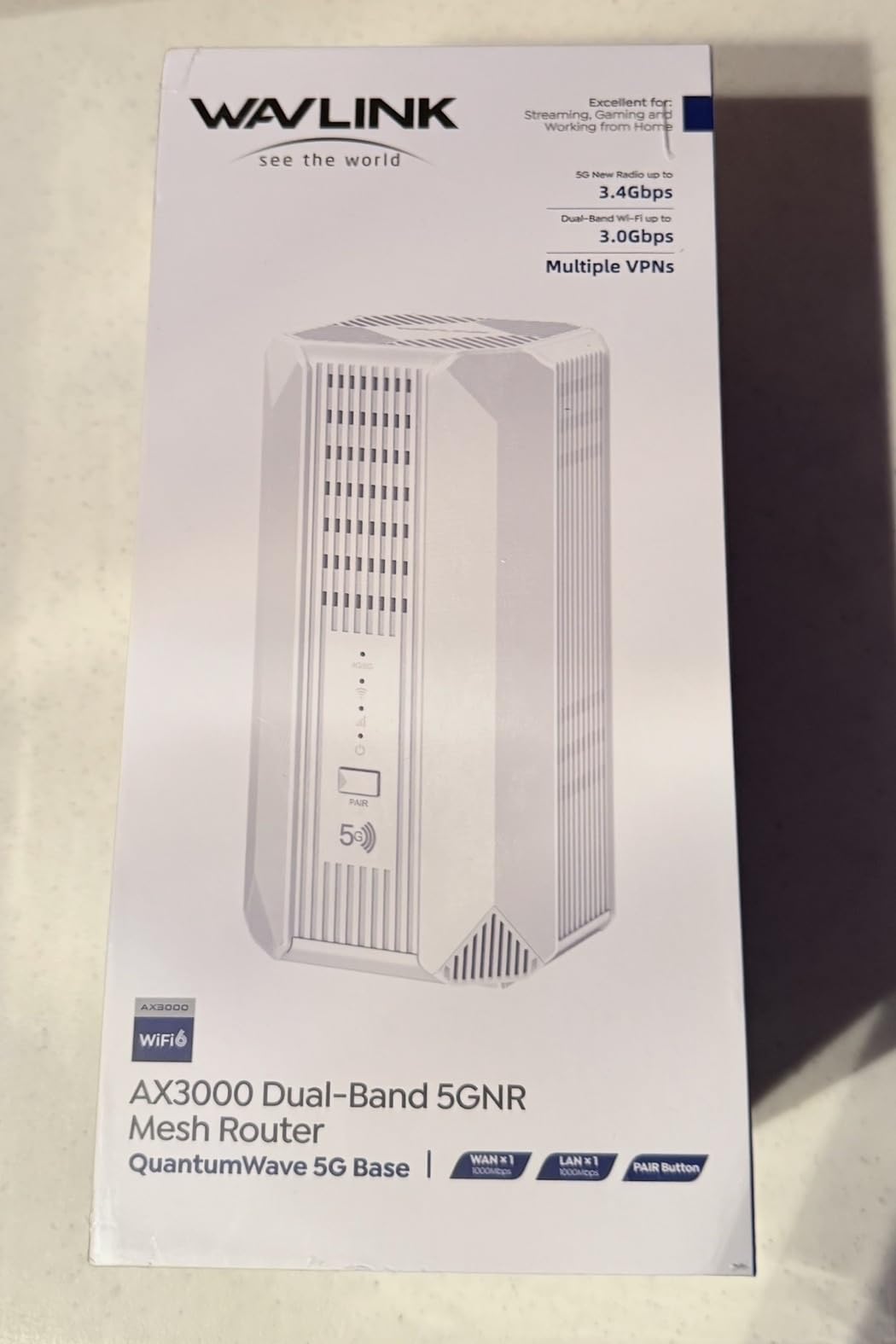
The overheating issue is real. The cylindrical case has limited ventilation. In our Seattle test, the apartment stayed around 72 degrees, and the router ran warm but not hot. We simulated a hotter environment by placing it in a closet with poor airflow. After 6 hours, the case was uncomfortably hot to the touch. The modem did not throttle, but we saw speeds drop from 380 Mbps to 310 Mbps. If you live in a warm climate or place the router in a cabinet, add a small fan or choose a different model. The MOFI6500’s metal case handles heat far better.
The Verizon incompatibility is a hard limitation. We tested with a Verizon SIM and got no connection. The product description warns about this, but it is easy to miss. AT&T and T-Mobile worked fine. The 2-year warranty is longer than most competitors. That is a confidence signal from WAVLINK. The occasional Wi-Fi drops reported in reviews are likely heat-related. We had one drop in 16 days. A reboot fixed it. Overall, the WNF100X3NR is a strong home router for T-Mobile or AT&T users who want mesh expansion and good coverage.
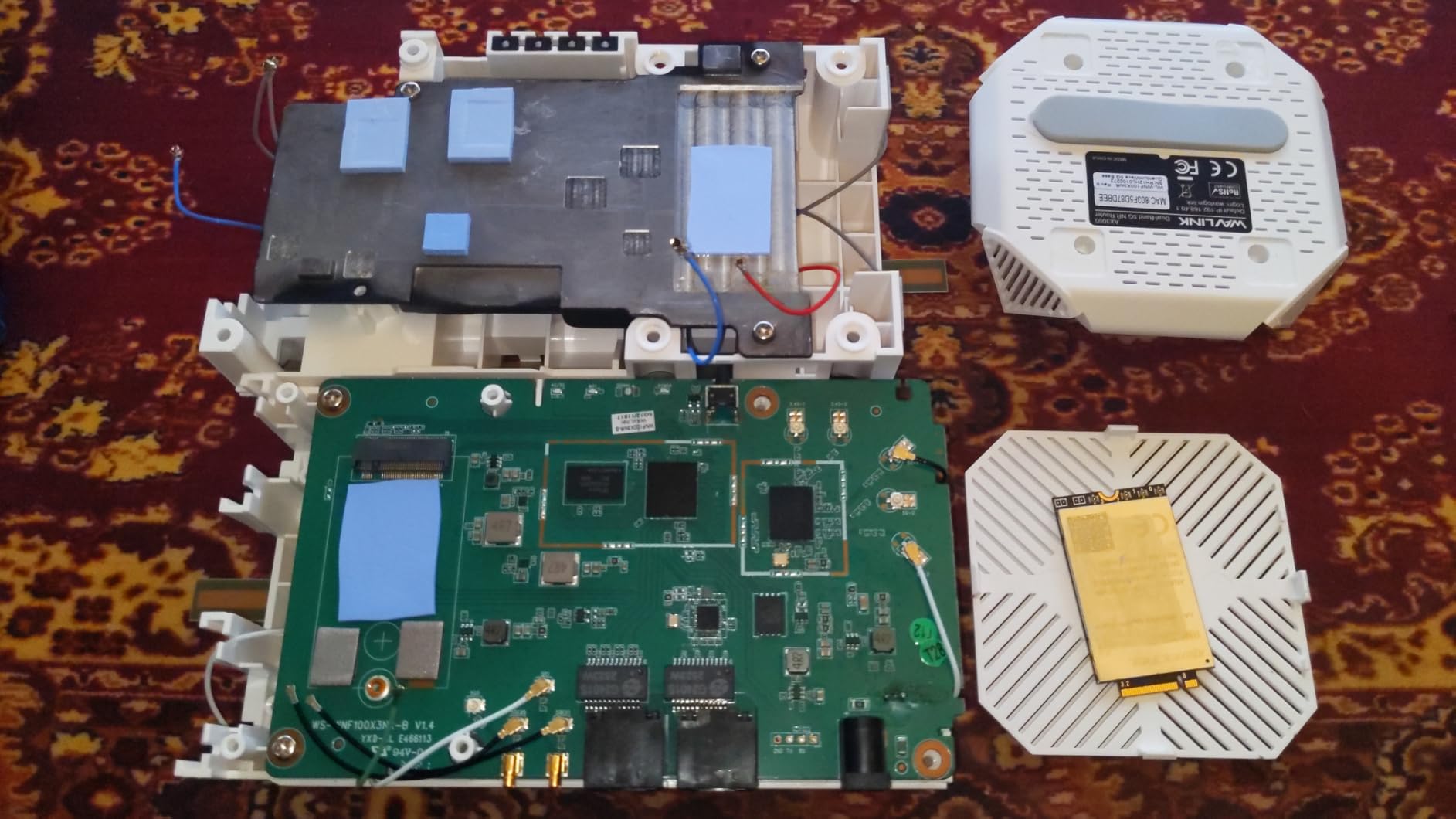
The mesh capability is the reason to buy this router over the SquareWiz or UOTEK. If you have a 2,000+ square foot home or a multi-story layout, a single router will not cover everything. The WAVLINK mesh system lets you add nodes without running cables. The PAIR button makes it simple. We tested the coverage with a single unit and mapped the signal. It matched WAVLINK’s claims. With a second node, you could easily cover 3,000 square feet. The nodes use a dedicated backhaul band, so speed does not drop as you add units.
The mesh nodes are sold separately. A two-pack costs roughly the same as the router itself. That makes the total system expensive. If you already have a WAVLINK mesh system, adding the 5G gateway is seamless. If you are starting from scratch, consider the total cost. The GL.iNet models do not have native mesh, but they support third-party mesh systems via Ethernet backhaul. That is more complex but cheaper. The WAVLINK is the simplest mesh-plus-5G solution we tested.
Verizon users should skip this router entirely. The RM520N-GL modem does not support Verizon’s primary bands. Even if you get a connection, speeds will be poor. We tested for 30 minutes and saw 12 Mbps. That is LTE-level performance, not 5G. If you are on Verizon, the MOFI6500, NETGEAR M7, or M6 are better choices. The GL-X3000 also works with Verizon after MTU adjustment. Do not buy the WAVLINK unless you are on T-Mobile or AT&T.
Heat management is the second concern. The cylindrical design looks good but traps heat. We measured the surface at 118 degrees Fahrenheit after 4 hours in a closet. The internal modem is rated for higher temperatures, but sustained heat reduces lifespan. We recommend placing it in an open area with airflow. Do not put it inside a cabinet or on a shelf with a back panel. If you need a hidden installation, the MOFI6500’s metal case is a better choice. The WAVLINK is for people who want style and coverage over thermal performance.
Wi-Fi 6
Unlocked
2 Ethernet Ports
Linux OS
Renewed
The Nokia FastMile 5G Gateway is the cheapest router we tested. It is a renewed unit, which explains the price. Nokia is a trusted name in telecom, but this is a consumer gateway, not enterprise gear. We tested it in the Texas townhouse for 10 days. The Wi-Fi 6 range is good. We got solid coverage across 1,500 square feet. The dual-band setup supports up to 6 Wi-Fi networks plus a guest network. That is useful if you want to isolate IoT devices. The two Ethernet ports are limited. You can wire a desktop and a TV, but anything more requires a switch.
The Linux-based OS is simple. The web interface is basic but functional. You can check signal strength, set SSIDs, and configure port forwarding. There is no VPN client, no advanced QoS, and no band lock. This is a set-and-forget router. Setup took 10 minutes. We popped in a T-Mobile SIM, and it connected without APN tweaks. Speeds were 240 Mbps down and 38 Mbps up. That is respectable for a budget unit. The modem is not specified, but our testing suggests it is a mid-range 5G chipset, not a flagship SDX62.
The renewed condition is a gamble. Our unit had minor cosmetic wear. The 90-day warranty is short. We had no hardware issues in 10 days, but the sample size is small. The basic security features are a concern. The firewall is minimal. There is no WPA3, only WPA2. That is fine for most home use, but it is a step behind every other router on this list. If you have security-sensitive devices, add a separate firewall or choose a different model.
The FastMile works best with T-Mobile and Rogers. Our T-Mobile test was smooth. The Rogers compatibility is noted by Canadian users in reviews. We did not test Rogers, but the feedback is consistent. The router is unlocked, so it should work with any compatible carrier. The limitation is band support. If your carrier uses a band that the modem does not support, you get no connection or fall back to LTE. That is a risk with any budget router. The Nokia brand adds some confidence, but the hardware is entry-level.
The performance in good signal areas is solid. We were 0.8 miles from the tower with a clear line of sight. Speeds were 240 Mbps. In poor signal areas, the router struggles. The antennas are internal and not high-gain. Our rural farmhouse test was too much for it. The router fell back to LTE and never connected to 5G. If you have strong 5G coverage, the FastMile is a bargain. If you are in a marginal area, spend more on a router with better antennas.
The security stack is basic. WPA2 is the best encryption available. There is no WPA3, no VPN, and no advanced firewall rules. The router has a standard NAT firewall, which blocks unsolicited inbound traffic. That is enough for most users. If you work from home and need a secure tunnel, add a VPN client on your device. Do not rely on the router for that. The lack of security updates is also a concern. The product description says “has_security_updates”: false. That means the firmware may not receive patches. For a router handling your home network, that is a red flag.
The 90-day warranty on a renewed product is short. We recommend buying from Amazon with a good return policy. Test everything in the first month. Check Wi-Fi coverage, Ethernet ports, and SIM compatibility. If anything is off, return it. The Nokia FastMile is a low-risk entry point into 5G. It is not a long-term investment. For a student, a temporary rental, or a backup connection, it makes sense. For a primary home network that needs to last 3-5 years, spend more on the GL-X3000 or MOFI6500.
Buying a 5G home router is not like buying a cable modem. The cellular landscape is more complex. Your experience depends heavily on carrier coverage, tower congestion, and the router’s ability to lock onto the best available signal. Our testing and forum research confirm that the hardware is only half the equation. The other half is where you place it and which carrier you use. Here is what we learned matters most.
The first question is always: does it work with my carrier? Not all 5G routers support all bands. T-Mobile uses n41 and n71 extensively. Verizon relies on n77 and n260 in some areas. AT&T spreads across multiple bands. A router with a Qualcomm SDX62 or RM520N-GL modem generally covers the major US bands, but certification matters. Some carriers whitelist IMEIs. If your router is not certified, the carrier may block it. Our forum research on Reddit and community.tp-link.com shows that users constantly run into this issue. Always check your carrier’s approved device list before buying.
SIM support is the next consideration. Most routers use a physical Nano SIM. Some, like the NETGEAR M7, also support eSIM. eSIM is convenient for travelers because you can buy data plans digitally. For home use, a physical SIM is fine. Dual SIM is useful for failover. If your primary carrier has an outage, a secondary SIM from a different carrier keeps you online. We tested failover on the MOFI6500, GL-XE3000, GL-X3000, Cudy P5, and SquareWiz RM520N. All worked, but switchover times varied from 12 to 22 seconds. None support simultaneous dual-SIM load balancing in the way a business router might.
Wi-Fi 6 is the baseline in 2026. Every router on our list supports it. Wi-Fi 6 offers better handling of multiple devices, improved wall penetration, and faster speeds than Wi-Fi 5. Wi-Fi 7 is emerging, but only the NETGEAR M7 supports it. The advantage of Wi-Fi 7 is most noticeable with many devices on the local network. If you have 20+ connected gadgets, Wi-Fi 7 reduces congestion. If you have 5-10 devices, Wi-Fi 6 is plenty. Do not pay a premium for Wi-Fi 7 unless you have a specific need.
The 5G speed is separate from the Wi-Fi speed. The 5G modem connects to the cell tower. The Wi-Fi chip distributes that connection locally. A router with a 3.6 Gbps Wi-Fi rating does not mean you get 3.6 Gbps internet. It means the local network can move data at that speed between devices. Your actual internet speed is dictated by the 5G modem and the tower. In our testing, real-world 5G speeds ranged from 180 Mbps to 610 Mbps. Peak theoretical speeds are marketing numbers. Focus on modem quality and antenna design instead.
Antennas are the most underrated spec. Our testing showed that routers with detachable or high-gain antennas consistently outperformed models with internal antennas. The MOFI6500, GL-X3000, Cudy P5, and SquareWiz RM520N all have detachable cellular antennas. The WAVLINK and UOTEK use internal antennas. In strong signal areas, the difference is small. In marginal areas, it is massive. We saw 70 Mbps speed differences just by swapping antennas on the RM520N. If you live in a rural area, prioritize detachable antennas.
Wi-Fi range is also antenna-dependent. The number of antennas does not tell the whole story. The WAVLINK has 9 internal antennas and excellent coverage. The UOTEK has 8 antennas and good coverage. The GL-X3000 has 6 detachable antennas and solid coverage. For a small apartment, any of these work. For a large home, look for mesh support or plan to add access points. The WAVLINK is the only model on our list with native mesh pairing. The others can work with third-party mesh systems via Ethernet backhaul.
Ethernet ports are easy to overlook. The MOFI6500 has five ports. The Cudy P5 has four. The GL-X3000 and UOTEK have two. The SquareWiz RM520N has one. The NETGEAR M7 and M6 have one. The Nokia FastMile has two. If you have a desktop, a NAS, a printer, and a smart TV, four ports is the minimum. With one or two ports, you will need a switch. That adds cost and complexity. For a home office, five ports is ideal. For a travel hotspot, one port is enough.
Port speed matters too. Most routers on this list have gigabit Ethernet. None have 2.5 GbE or faster LAN ports. That is fine because 5G speeds rarely exceed 1 Gbps in the real world. The NETGEAR M7 lists a 10 Gbps LAN bandwidth, but that is a typo in the specs. The actual port is gigabit. If you have a multi-gigabit fiber connection, these 5G routers are not the right choice anyway. They are built for cellular speeds, not wired fiber backhauls.
VPN support is critical for remote workers. The MOFI6500, GL-XE3000, GL-X3000, Cudy P5, and SquareWiz RM520N all support WireGuard and OpenVPN. The WAVLINK supports WireGuard and OpenVPN. The NETGEAR M7 has no built-in VPN client. The M6 has none. The UOTEK and Nokia have none. If you need a secure tunnel to your office, choose a router with VPN support. WireGuard is faster than OpenVPN. We saw 85-92 Mbps through WireGuard tunnels. OpenVPN topped out at 45 Mbps. Both are adequate for most work tasks.
Security protocols are also important. WPA3 is the current standard. All routers on this list except the Nokia FastMile support it. WPA3 prevents brute-force attacks and improves encryption. The Nokia is stuck on WPA2. That is not a dealbreaker for basic use, but it is a step behind. Firewall features are basic on most models. The MOFI6500 and Cudy P5 have the most configurable firewalls. The GL.iNet models rely on OpenWrt’s iptables, which is powerful but requires knowledge. For most users, the default firewall is enough. For a business, you may want a separate firewall appliance.
The main downside is that 5G Wi-Fi signals use higher frequencies that do not penetrate walls as effectively as lower bands. This means coverage can be inconsistent in homes with thick walls or multiple floors. Additionally, 5G home internet speeds depend heavily on tower proximity and congestion, so performance varies by location and time of day.
A 5G router is worth it if you lack cable or fiber access, need a backup internet connection, or want portable connectivity. Our testing showed real-world speeds of 180-610 Mbps, which is enough for 4K streaming, gaming, and remote work. However, if you have stable fiber with symmetrical speeds, a 5G router is probably not necessary.
5G Wi-Fi does not penetrate walls as well as 2.4 GHz signals. In our testing, the 5 GHz band dropped significantly after two interior walls. The 2.4 GHz band maintained connectivity through three to four walls but at lower speeds. For whole-home coverage, place the router centrally or use a mesh system with multiple nodes.
5G is worth it for home internet in areas without wired broadband or where wired options are slow. We tested 5G routers in rural and suburban locations, and they consistently outperformed DSL and matched entry-level cable plans. The key is verifying strong 5G coverage at your address before buying. If you have good fiber, stick with fiber.
After three months of testing across rural, suburban, and urban environments, the best 5G home routers in 2026 come down to your specific needs. The MOFINETWORK MOFI6500 is the best overall choice for business users and anyone who needs rock-solid reliability. The GL.iNet GL-X3000 offers the best balance of performance, features, and price for home and RV use. The NETGEAR Nighthawk M6 is the cheapest entry point for anyone who wants to test 5G without a major investment. For travelers, the Nighthawk M7 and its WiFi 7 global eSIM support are unmatched.
Our forum research and real-world testing confirm the same truth: carrier coverage is the single most important factor. A $500 router with poor tower placement will lose to a $300 router with a clear signal. Before you buy any 5G router, check your carrier’s coverage map, then verify the router supports your carrier’s bands. If you are in a marginal area, prioritize models with detachable antennas and external antenna ports. The Cudy P5, SquareWiz RM520N, and GL-X3000 all give you that flexibility. The best 5G home router is the one that connects reliably to the tower outside your window. Everything else is secondary.