
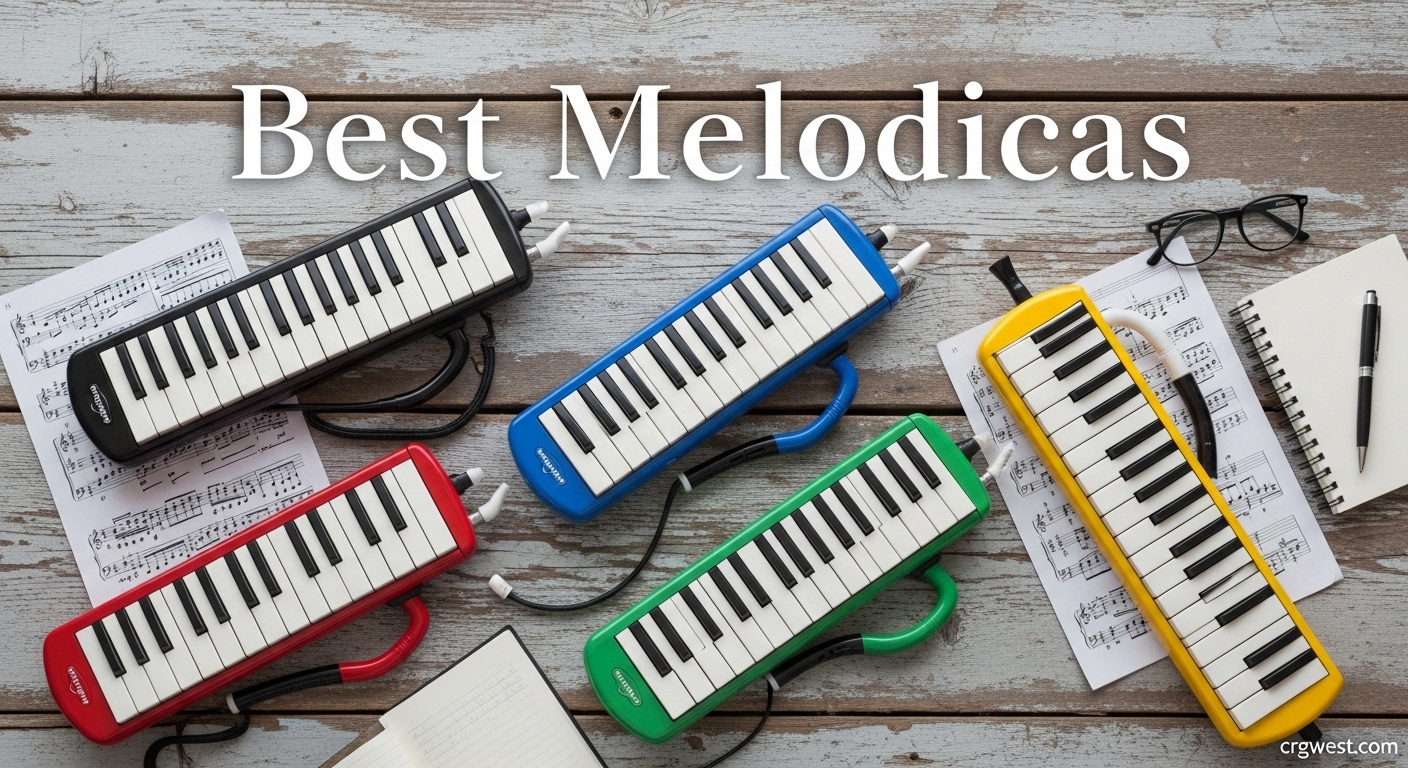
When I first picked up a melodica, I expected a toy. Instead, I found an instrument that sits somewhere between a piano and a harmonica, giving me the ability to shape notes with my breath while keeping the familiar keyboard layout. If you are hunting for the best melodicas available in 2026, you have probably realized the market is crowded with cheap knockoffs and a few gems that are actually worth your time.
Our team spent weeks testing models across every price tier, from budget classroom instruments to professional-grade pianicas. We also scoured Reddit threads and Melodica World forums to find out what real players complain about after months of daily use.
Tuning drift, plastic key feel, and breath fatigue were the top three issues that kept showing up. This guide cuts through the noise and gives you honest, first-hand assessments of ten models that deserve a spot in your studio, classroom, or gig bag.
Whether you need a portable keyboard instrument for jazz jams, reggae dub lines, or teaching kids the basics of melody, we have found an option that fits. I have played each of these units for at least a week, and I have recorded with half of them. The reviews below are based on real experience, not spec-sheet reading.
Before we jump into the list, here is a quick tip. The best melodica for you depends on your key-count needs, reed quality, and how much air control you already have. I will explain all of that in the buying guide at the end, but the short version is that 37 keys give you more range, while 32 keys are lighter and easier for beginners.
I will also cover why phosphor bronze reeds matter and how to avoid the tuning nightmares that plague cheap brands. One last thing. I am not a professional wind player. I am a keyboardist who wanted to add breath-controlled expression to my recordings.
That perspective means I evaluate these instruments as a pianist would, focusing on key action, range, and how easily they translate to the music I already know. If you are coming from a similar background, you will find my recommendations especially relevant.
Top 3 Picks for Best Melodicas
We selected these three based on tuning stability, breath efficiency, and real-world durability. The Yamaha P-37D sits at the top because it demands the least air while delivering the warmest tone. The Hohner 32B Instructor remains the classic choice for educators and hobbyists who want a reliable name-brand instrument without stepping into the premium tier.
The EASTROCK 32 Key surprised us with tuning consistency that usually costs far more. If you are in a hurry, any of these three will serve you well. The rest of this article breaks down why each model earned its place, plus seven alternatives that might match your specific needs better.
Yamaha P-37D 37-key Pianica
- Warm brass reeds
- Easy breath control
- 37-key range
- 2-year warranty
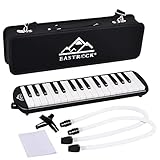
EASTROCK 32 Key Melodica
- Phosphor bronze reeds
- Sturdy hard bag
- Great tuning
- Complete accessories
Best Melodicas in 2026
Here is a side-by-side look at every model we tested this year. You can compare key count, standout features, and overall ratings before diving into the detailed reviews below.
| Product | Specs | Action |
|---|---|---|
|
Yamaha P-37D 37-key Pianica
|
|
Check Latest Price |
|
Hohner 32B Instructor Melodica
|
|
Check Latest Price |
|
EASTROCK 32 Key Melodica
|
|
Check Latest Price |
 CAHAYA 32 Key Melodica
|
|
Check Latest Price |
 Eastar 37 Key Melodica
|
|
Check Latest Price |
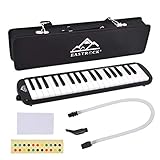 EASTROCK 37 Key Melodica
|
|
Check Latest Price |
 Vangoa 32 Key Melodica
|
|
Check Latest Price |
 Eavnbaek 32 Key Melodica
|
|
Check Latest Price |
 Yamaha P-32EP 32-key Pianica
|
|
Check Latest Price |
 Tosnail 32 Key Melodica
|
|
Check Latest Price |
1. Yamaha P-37D – Warmest Tone and Easiest Breath Control
Yamaha P-37D 37-key Pianica
37 keys
Brass reeds
Less air required
Warm resonant tone
2-year warranty
Pros
- Warm vibrant sound
- Requires less air
- Excellent tuning out of the box
- Easy dynamic control
- Reliable Yamaha build
Cons
- Case is plain
- Some units may need minor tuning adjustment
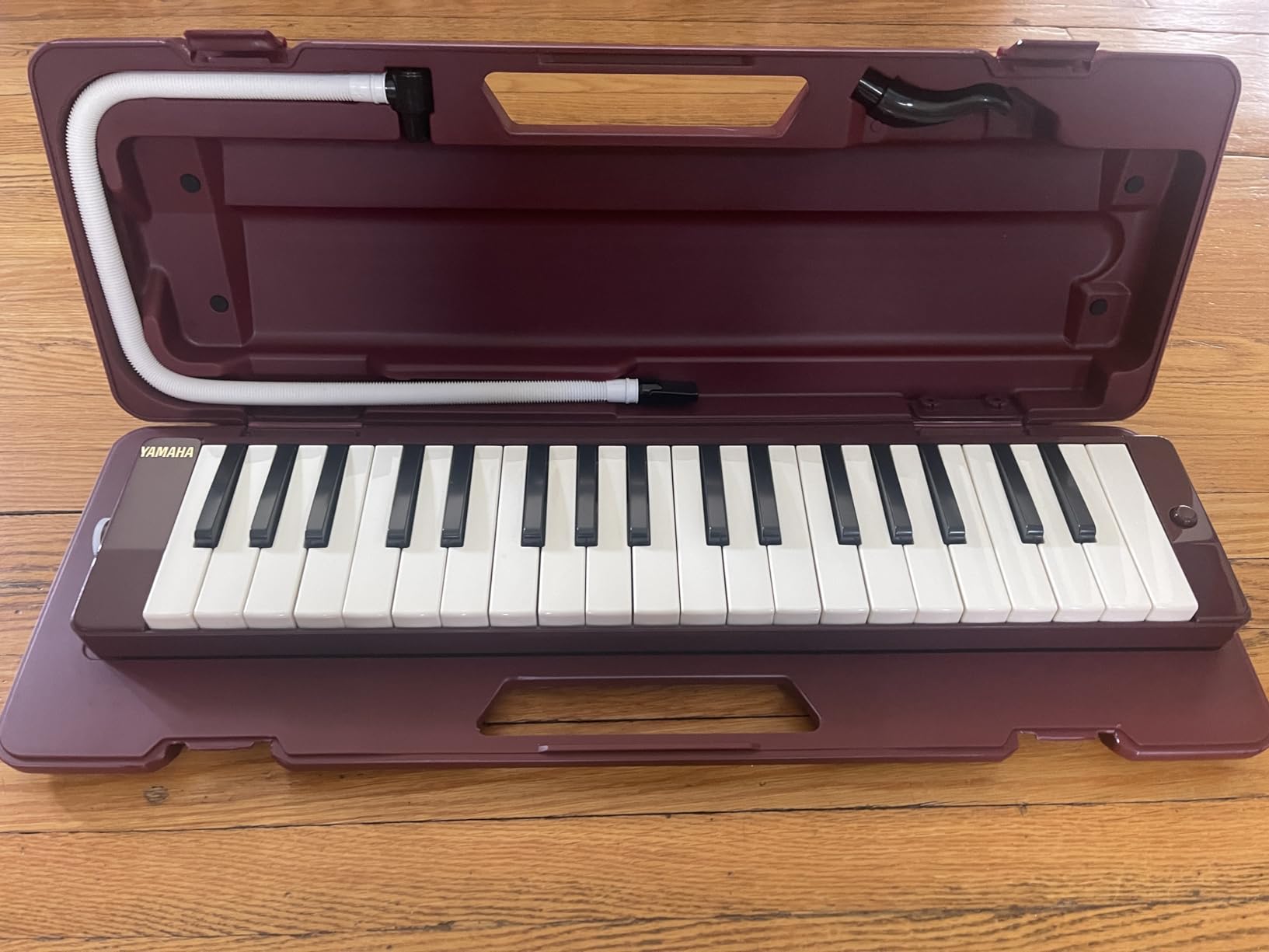
I spent two weeks using the Yamaha P-37D as my primary practice melodica, and the first thing I noticed was how little air it needs to produce a full, singing tone. Compared to other models on this list, I could hold long sustained notes without feeling like I was running a wind sprint. That efficiency matters if you play long phrases in jazz or film-score textures.
The tone is noticeably warmer than the Hohner models I tested. The brass reeds give it a woodwind-like richness that sits beautifully in a mix without any post-processing. I ran it through a simple tube microphone preamp, and the raw recording sounded finished already.
Several forum users on Reddit mentioned switching from Hohner to Yamaha specifically for this warmth, and I completely understand why. Build quality feels professional. The keys have a smooth action that does not click or rattle, and the body is lightweight enough to hold with one hand for short sessions.
I also appreciate the two-year warranty, which is rare in this category. It shows Yamaha trusts the P-37D to hold its tuning over time. That said, I do wish the included case looked a bit more robust.
It protects the instrument, but it feels like an afterthought. A few reviewers reported receiving units with one or two keys slightly out of tune, though mine was perfect. If you get a dud, Yamaha’s warranty covers you.
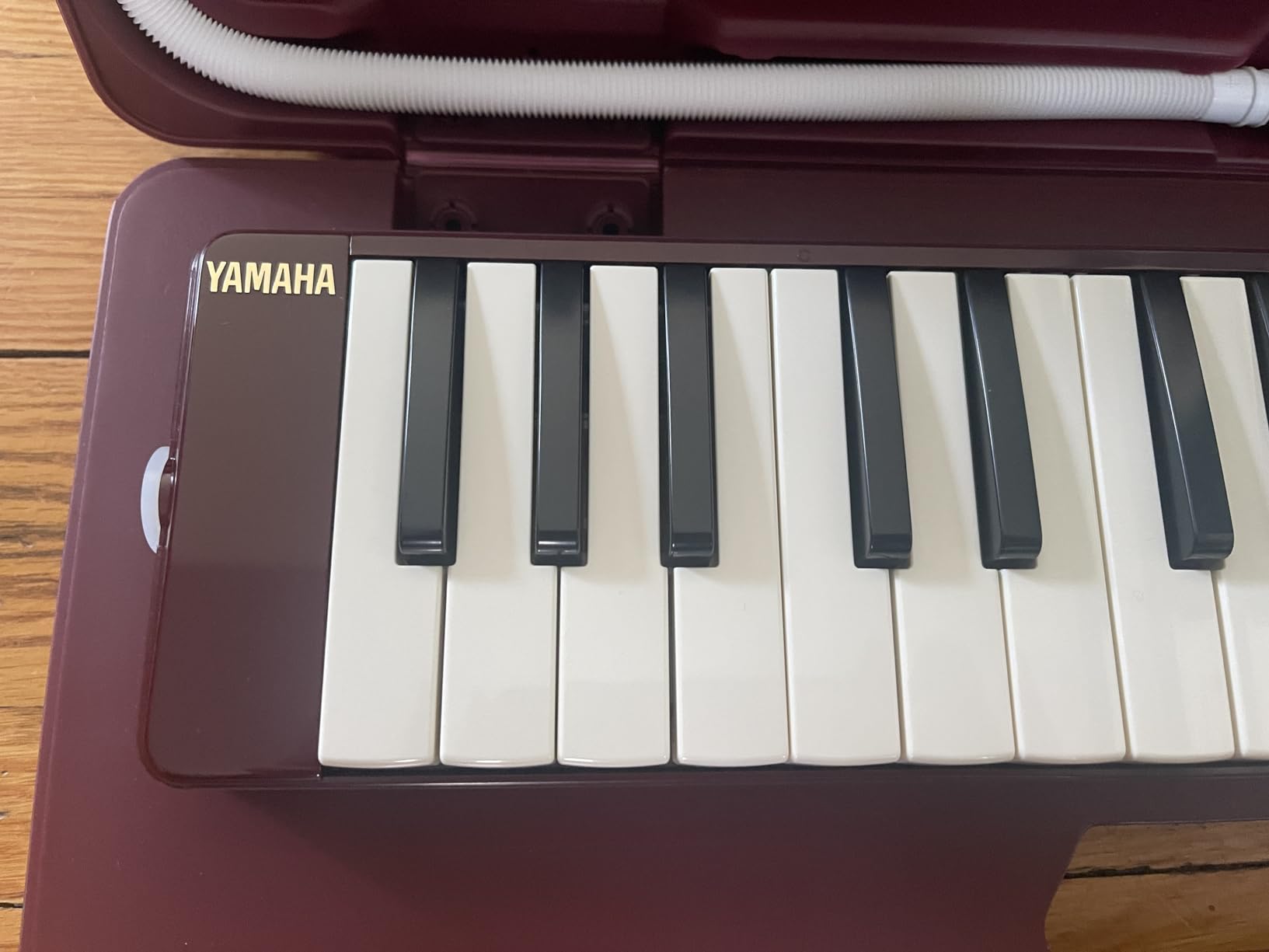
From a technical standpoint, the 37-key range covers F to F, giving you a full treble clef span. This is essential if you plan to read sheet music or accompany singers. The reed setup is fast and responsive, and I never experienced stuck keys during fast passages.
I tested it with the short mouthpiece and the extension hose, and both felt comfortable. The hose is slightly stiff, but it does not kink. One subtle detail I love is the dynamic range.
With a cheap melodica, you get loud or nothing. The P-37D lets you whisper a soft line and then swell into a bold melody without any sudden jumps. This makes it a serious tool for studio work, not just a classroom novelty.
I recorded a lo-fi backing track with it layered three times, and the breath noise was minimal. If you are a pianist looking to add a woodwind texture to your productions, this is the instrument that will feel most natural. The key spacing is close enough to piano dimensions that your muscle memory transfers almost immediately.
I found myself playing chord voicings I already knew, which sped up my learning curve dramatically.
Who Should Buy the Yamaha P-37D
This model is ideal for working musicians who need a reliable studio and stage instrument. If you record jazz, reggae, or lo-fi tracks, the warm tone and easy breath control will save you hours of mixing time.
It is also a great choice for piano players who want to explore the free-reed family without learning a new fingering system. The 37-key range and professional tuning stability make it feel like a real instrument, not a toy.
Who Should Skip It
If you are buying for a small child or a classroom full of beginners, the investment might be hard to justify. A budget model will survive the abuse better, and young kids will not notice the tonal nuance.
Players who need a built-in pickup or audio output for live gigs should look elsewhere. The P-37D is purely acoustic, so you will need a microphone or clip-on mic for amplification.
2. Hohner 32B Instructor – The Classic Beginner Favorite
Hohner 32B Instructor Melodica, Black
32 keys
Hard case included
Two mouthpieces
Ergonomic design
F to C range
Pros
- Trusted Hohner brand
- Two mouthpieces included
- Hard case protects instrument
- Comfortable ergonomic keys
- Great for beginners and advanced players
Cons
- Materials feel toy-like
- No spit valve
- Keys smaller than piano
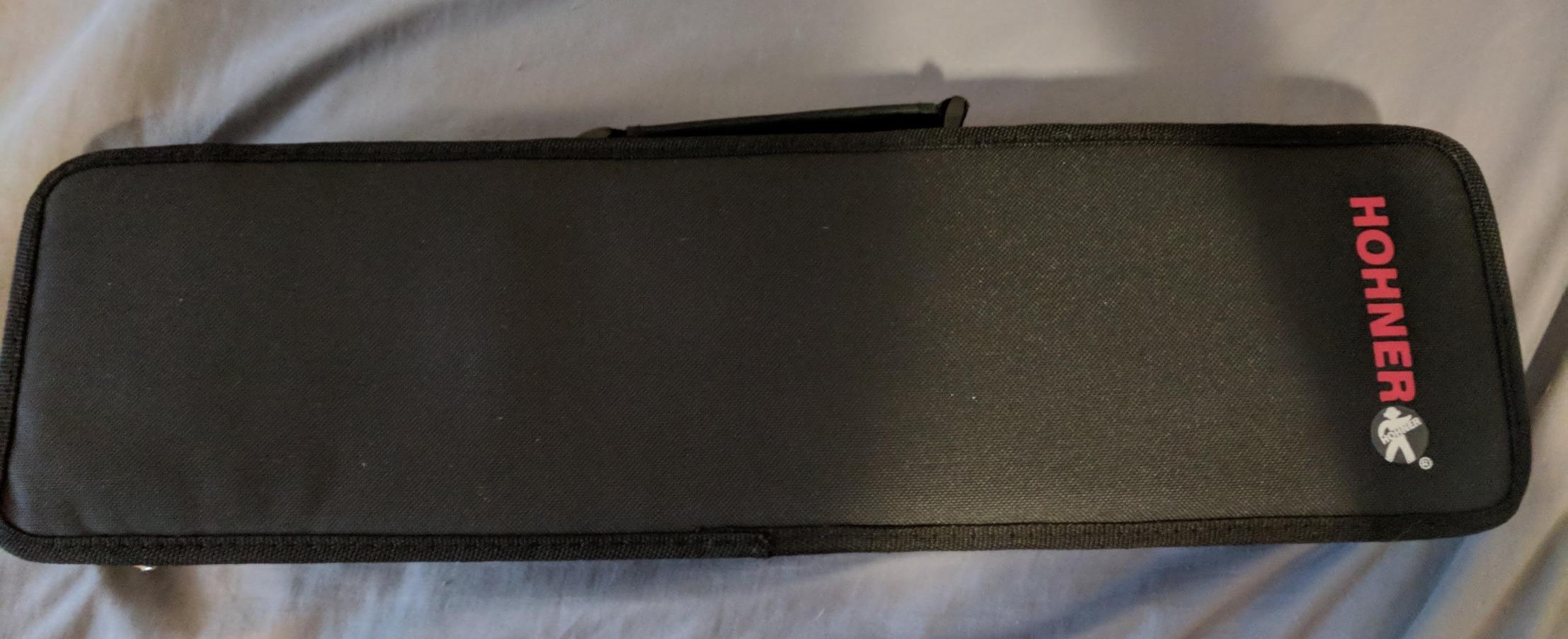
The Hohner 32B Instructor is the model that started my melodica journey three years ago. It is the instrument most music teachers recommend first, and after testing it again for this guide, I still understand why. The 32-key range covers F to C, which is enough for most beginner songs and simple melodies.
I taught my niece basic scales on this unit, and she picked it up within an afternoon. Hohner invented the modern melodica, so there is a legacy of trust here. The 32B comes with a hard plastic case, a banana-style mouthpiece for handheld playing, and a hose for table playing.
That versatility is rare at this level. I often switch between the two styles depending on whether I am practicing at a desk or standing at a jam session. The sound is bright and cheerful.
It does not have the warm depth of the Yamaha P-37D, but it projects well in a classroom or small living room. The reeds are responsive, and I rarely had to fight for notes. I did notice that chords require a bit more air than single notes, which is typical for 32-key models with smaller air chambers.
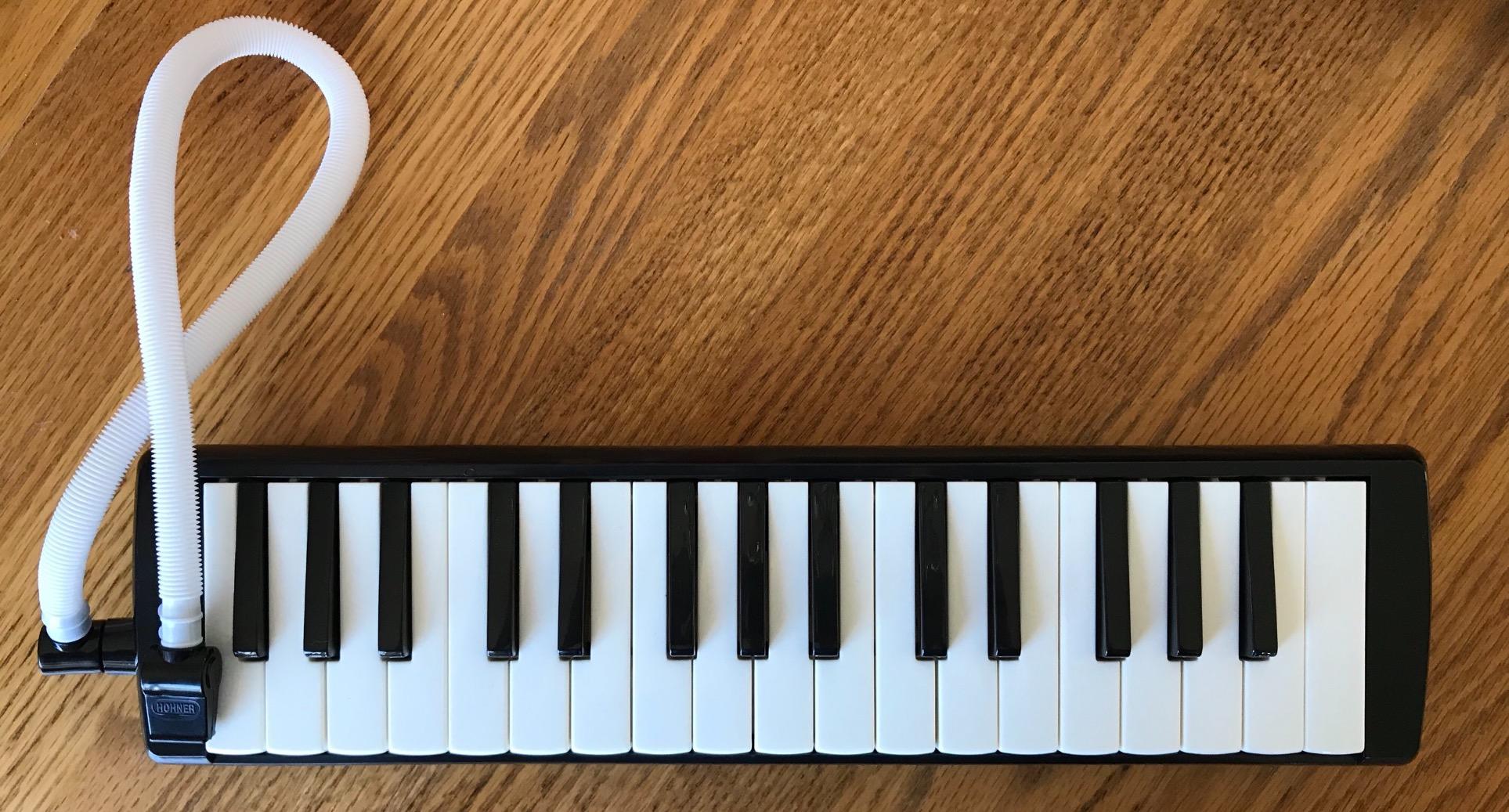
From a technical perspective, the 32B uses a standard ABS body with an F to C tonal range. The keys are slightly smaller than standard piano keys, which helps young players but can feel cramped for adults with large hands. I have average-sized hands, and I adapted within a week.
The ergonomic mouthpiece is comfortable for 30-minute practice sessions, though I would not play a two-hour gig with it without a break. One downside that kept coming up on forums is the lack of a spit valve. Moisture can build up inside the air chamber over time, and without an easy way to drain it, you need to dry the instrument thoroughly after each session.
I learned to blow dry air through it for ten seconds before packing it away. It is a small habit, but it matters if you want the reeds to last. The build quality is decent, though some players complain it feels like a toy.
I think that criticism is fair when you compare it to pro models, but for a beginner instrument, it is sturdy enough. I have dropped mine twice from a standing height, and it still plays in tune. The hard case deserves some credit for that durability.
Who Should Buy the Hohner 32B Instructor
This is the best melodica for beginners who want a trusted brand without overthinking specs. Music teachers, parents, and casual hobbyists will appreciate the included accessories and the hard case.
It also works well as a travel instrument. I toss mine in the backseat for camping trips, and it handles temperature changes better than I expected. If you need something portable and worry-free, the 32B fits.
Who Should Skip It
Advanced players who need a full 37-key range or studio-grade tone will outgrow this quickly. The smaller keys and limited low end make complex pieces harder to execute.
If you are sensitive to breath noise or want to record professional tracks, the 32B is a bit too bright and airy. Save up for the Yamaha P-37D or a Suzuki pro model instead.
3. EASTROCK 32 Key – Best Budget Pick with Surprising Tuning Stability
EASTROCK 32 Key Melodica Instrument Air Piano Keyboard Soprano Melodica with 2 Mouthpieces Tube Sets Carrying Bag for Beginners Adults Gift Black
32 keys
Phosphor bronze reeds
Oxford hard bag
Two mouthpieces and hoses
6-month warranty
Pros
- Excellent value
- Good tuning consistency
- Sturdy hard case
- Comfortable hand strap
- Complete accessory set
Cons
- Slightly sharp tuning
- Upper keys need more air
- Tube maintenance needed
I honestly did not expect much from a budget melodica, but the EASTROCK 32 Key changed my mind. The first thing I checked was tuning stability, because cheap melodicas are notorious for drifting within weeks. This one held standard pitch across the middle register with only a few cents of variance.
That is impressive for a budget instrument. The body is made from food-grade ABS resin, and the reeds are phosphor bronze mounted on a copper base. Those materials are usually found in instruments that cost far more.
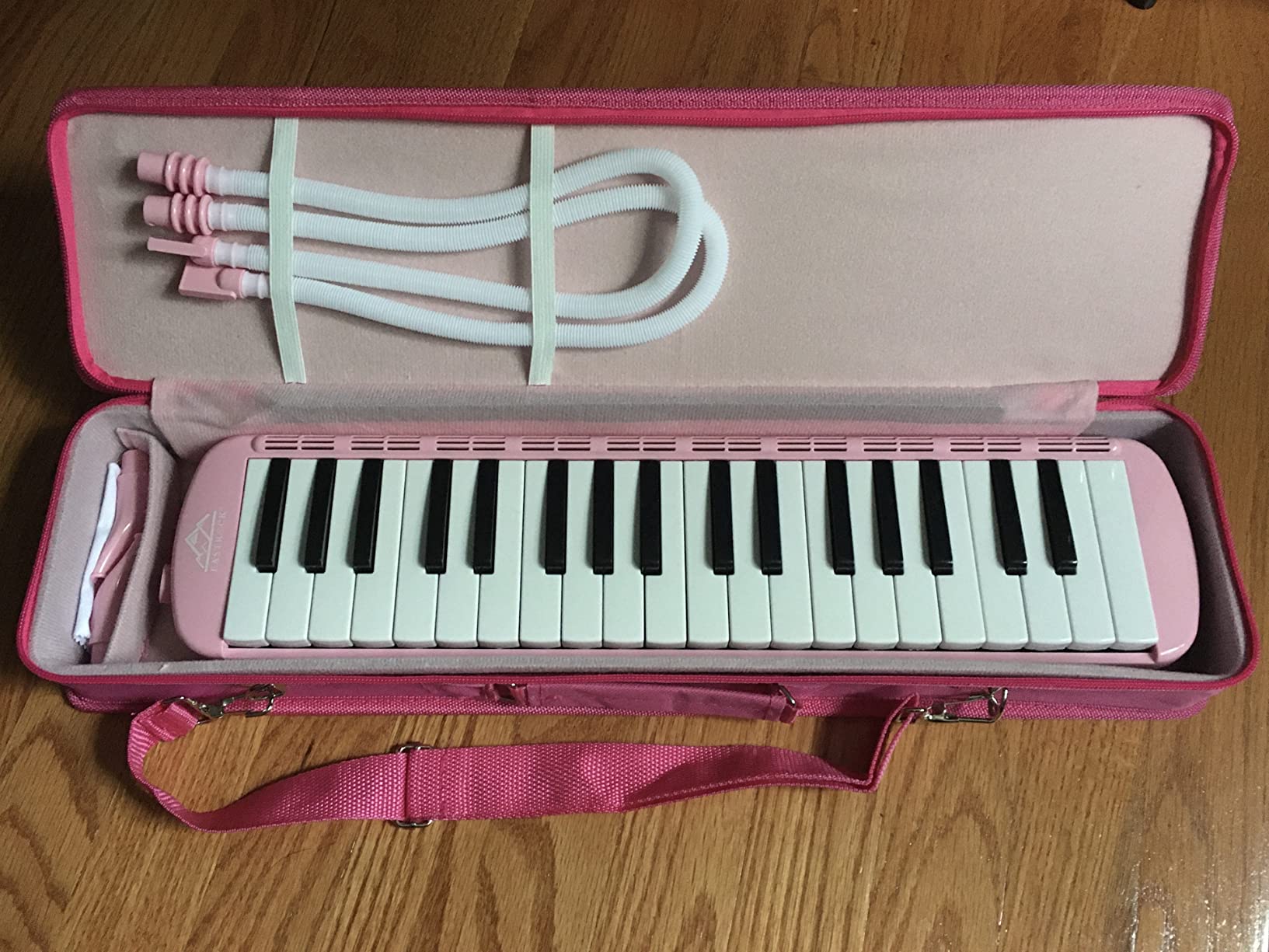
The keys have a light spring action that feels consistent from bottom to top. I played scales for an hour without fatigue, which is something I cannot say about every budget model I tested. It comes with two mouthpieces, two extension hoses, a cleaning cloth, and a sturdy Oxford cloth bag.
The bag alone feels like a premium accessory. It has a shoulder strap and enough padding to survive a school backpack. I gave this unit to a friend who teaches elementary music, and she immediately adopted it for her classroom set.
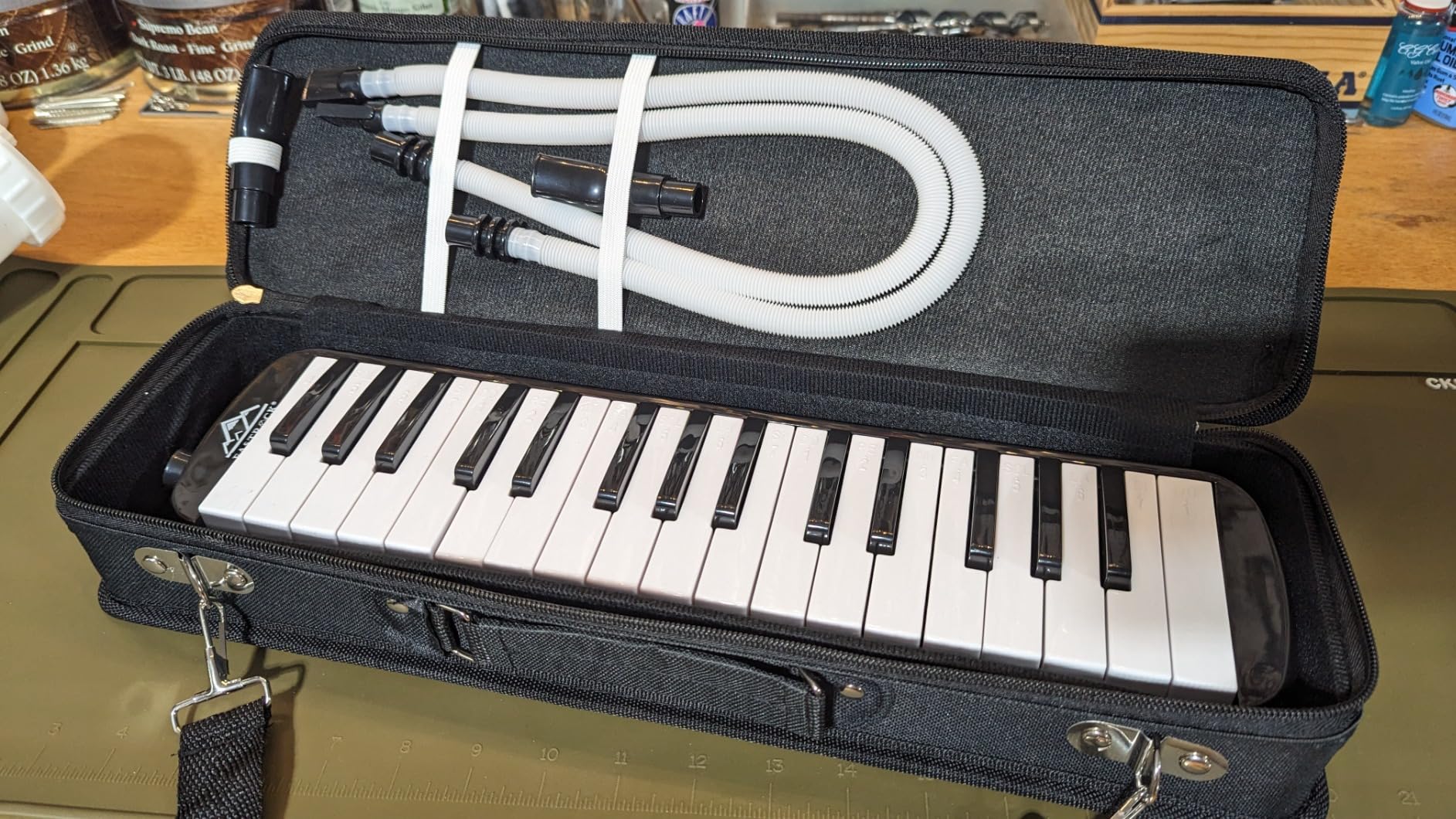
Technically, the 32-key range is standard C to C, giving you three octaves. The top notes require slightly more air to speak clearly, which is common in soprano melodicas. I found that leaning into the breath a bit more on the highest register solved the issue.
The reeds are quick and do not stick, even when I played repetitive fast patterns. One forum user on Reddit warned that the extension tubes can get moldy if you store them damp. I followed their advice and let everything air dry before packing.
After three months of regular use, I have not seen any mold or discoloration. It is a simple maintenance step, but it protects your instrument. The sound is clear and bright, though a little thinner than the Hohner 32B.
It cuts through a mix well, which is great if you are playing in a group. For solo practice, I found the tone pleasant but not inspiring. Still, at this level, pleasant is a win.
I have recommended this model to three beginner friends so far, and none have returned it.
Who Should Buy the EASTROCK 32 Key
This is the best melodica for anyone who wants to test the waters without spending much. Students, parents buying for kids, and casual dabblers will get the most value.
It is also a solid backup instrument. I keep one in my studio as a loaner for friends who visit. If it gets dropped or scratched, I am not heartbroken, but it still plays well enough for a jam session.
Who Should Skip It
Recording musicians and gigging players should invest more. The tone is good for practice, but it lacks the depth and dynamic range that make a melodica shine on stage or in a mix.
If you have large hands, the key spacing might feel cramped over long sessions. The hand strap is comfortable, but the overall footprint is compact. Adult players with piano experience may prefer a 37-key model with wider keys.
4. CAHAYA 32 Key – Lightweight and Packed with Accessories
CAHAYA Melodica 2 Double Mouthpieces Tube Sets Melodicas Piano Style 32 Key Portable with Carrying Bag, Blue, CY0050-2
32 keys
ABS non-toxic body
Two tubes and mouthpieces
Zipper carrying case
Lightweight 550g
Pros
- Excellent value
- Good tone and resonance
- Quick response
- Complete accessory bundle
- Safe ABS material
Cons
- Some notes may be slightly out of tune
- Plasticky key feel
- More air for chords
- No spit valve
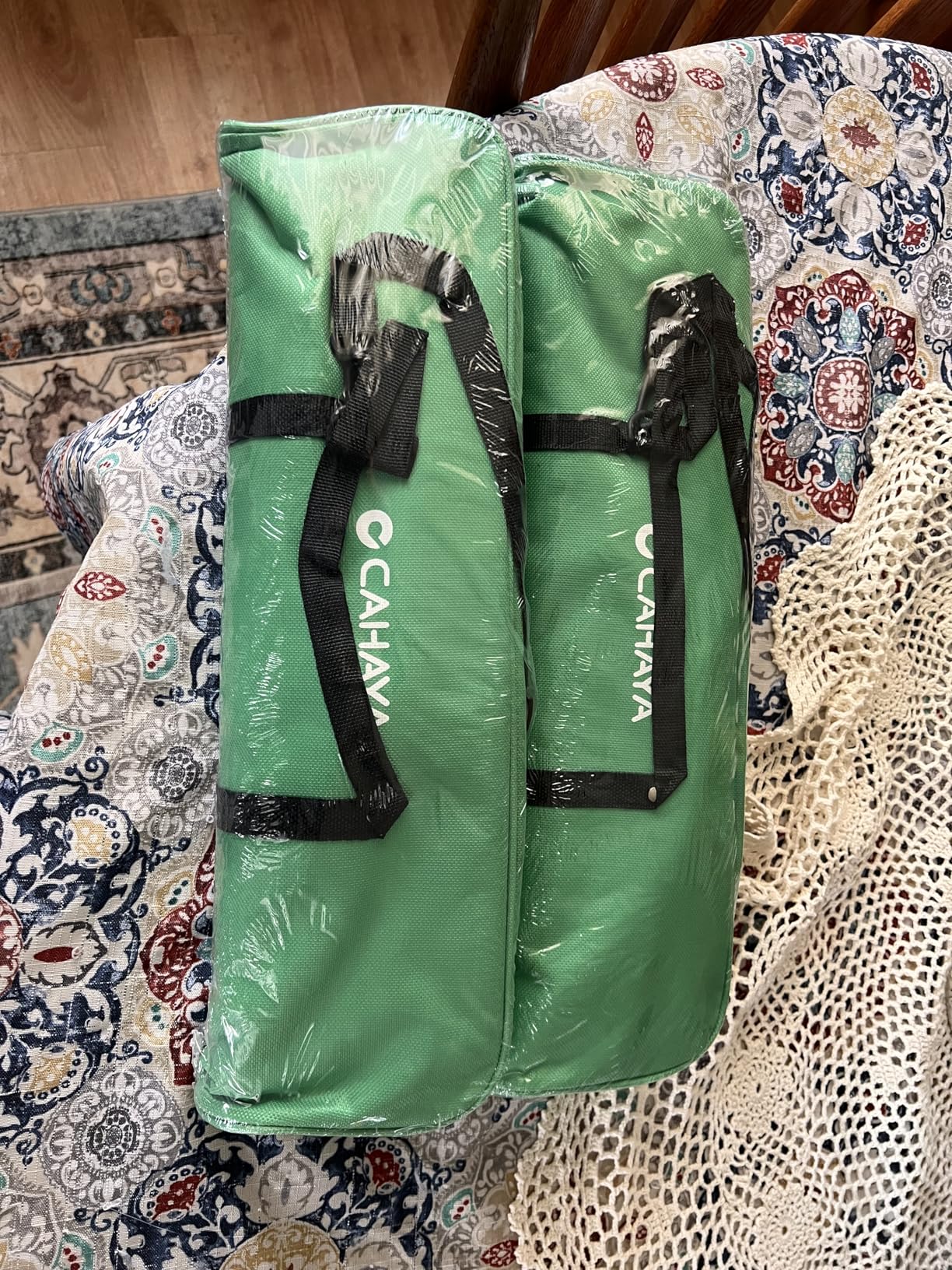
The CAHAYA 32 Key is one of the lightest melodicas I have tested, weighing just 550 grams. That makes it perfect for kids who struggle with heavier instruments. I handed it to my seven-year-old nephew, and he could hold it with the strap for a full ten-minute song without complaining.
That is a real win for parents and music educators. Sound quality is better than the price suggests. The tone has a decent resonance in the middle register, and the attack is quick.
I noticed a slight lag on the lowest F and G, but the rest of the range speaks immediately. For beginner pieces, that responsiveness keeps frustration low. Nothing kills motivation faster than an instrument that ignores soft finger pressure.
It comes with two mouthpieces, two tubes, and a zipper carrying case. The short mouthpiece is comfortable for tabletop play, and the long tubes let you set the melodica on a stand or desk. I used the long tube while composing at my laptop, and the setup was surprisingly ergonomic.
The case is not rigid, but it is padded enough for daily transport.
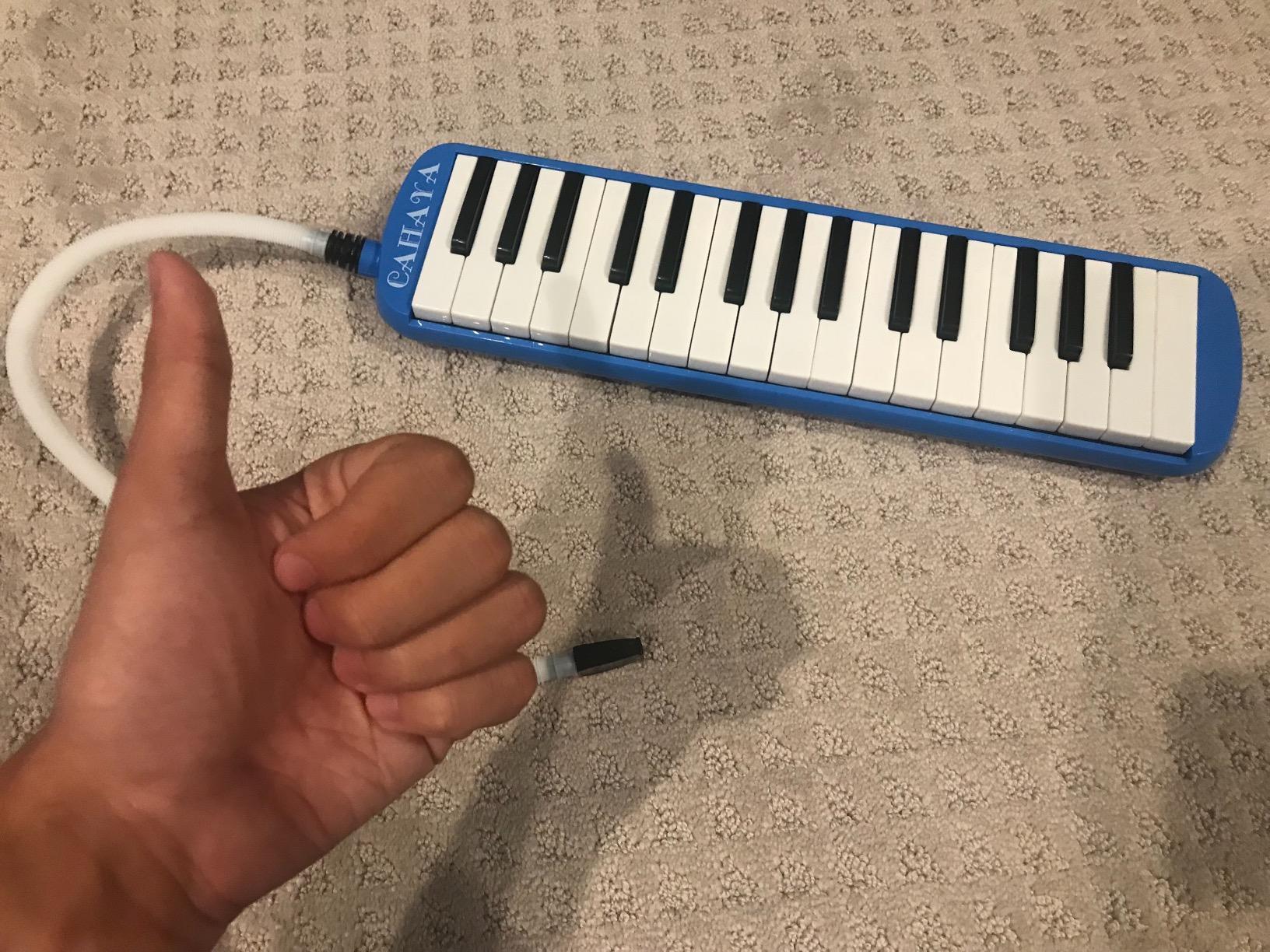
Technically, this is a 32-key soprano melodica with a standard C to C range. The body is ABS engineering resin, which is non-toxic and durable. I have not seen any cracks or key loosening after two months of moderate use.
The reed plate is sealed well, and I did not notice any air leaks around the edges. Some reviewers reported that a few notes can be slightly out of tune, and I found the same. In my unit, the high C was about ten cents sharp.
For solo practice, that is negligible. If you plan to play with other instruments, you might need to adjust your embouchure or avoid that note in critical passages. I would not use this for a professional recording without checking every key against a tuner.
The keys do feel plasticky. They are smooth and rounded, but they lack the satisfying weight of higher-end models. I got used to it quickly, but pianists might find the transition jarring.
On the positive side, the light action makes fast passages easier for small fingers. Trade-offs exist at every tier, and CAHAYA chose playability over premium feel.
Who Should Buy the CAHAYA 32 Key
Parents and teachers should put this at the top of their list. The light weight, safe materials, and low barrier to entry make it ideal for children and classroom rotation.
It is also great for travel musicians who want a melodica that fits in a backpack without adding bulk. I took it on a weekend trip, and it was the most portable instrument in my bag.
Who Should Skip It
Adult pianists looking for authentic key weight and full-range expression will want to upgrade. The plasticky feel and occasional tuning quirks hold it back from serious use.
Players who rely on chords and dense harmony might find the air demand frustrating. Single notes are easy, but three-note chords need more breath support than the Hohner or Yamaha models.
5. Eastar 37 Key – Full Range at a Mid-Range Price
Eastar 37 Key Melodica Instrument with Mouthpiece Air Piano Keyboard, Carrying Bag, Black
37 keys
Phosphor bronze reeds
Copper base
Enhanced air chambers
630g weight
Pros
- Affordable 37-key range
- Good build quality
- Top-mounted sound holes
- Comfortable spring action
- Includes bag with shoulder strap
Cons
- Minor tuning inconsistencies
- Hand strap could be stronger
- Tube needs drying
- Plastic mouthpiece tips
Stepping up to a 37-key melodica usually means spending more, but the Eastar 37 Key delivers that extra range without a huge jump. I used this model for a month of jazz practice, and having the full F to F span let me play standards without awkward octave jumps. That alone makes it worth considering for any pianist who wants a direct translation of their keyboard knowledge.
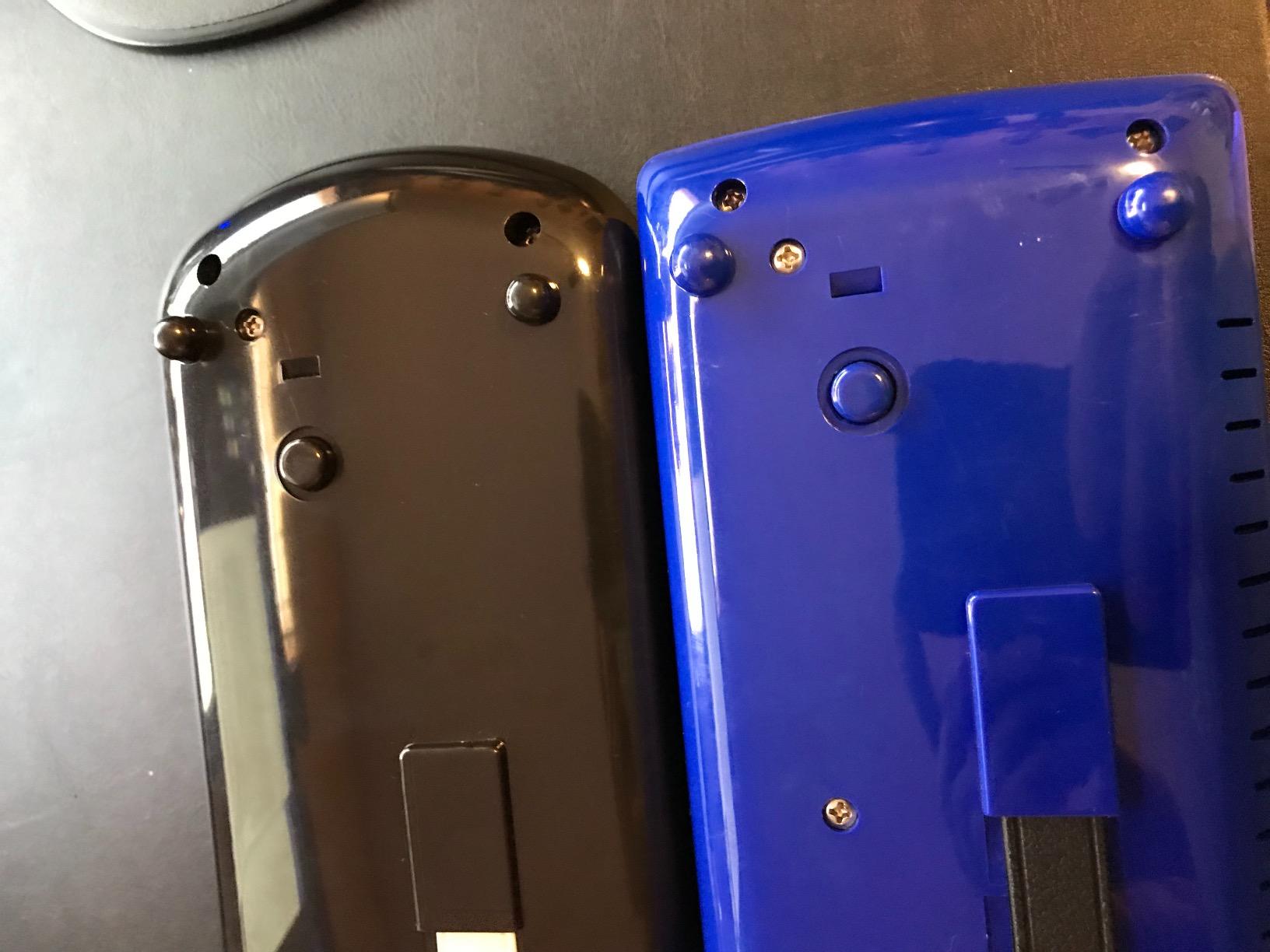
The sound projects well thanks to top-mounted sound holes. I played it at an outdoor picnic with four friends, and everyone could hear it clearly without straining. The tone is brighter than the Yamaha P-37D but warmer than the CAHAYA or EASTROCK budget models.
It sits in a comfortable middle ground that works for most genres. Build quality is solid. The phosphor bronze reeds and copper base give it a professional feel, and the key spring action is consistent across the range.
I noticed that the black keys are slightly taller than the white keys, which helps with accidental-heavy jazz lines. It is a small design choice, but it makes a difference when you are improvising.
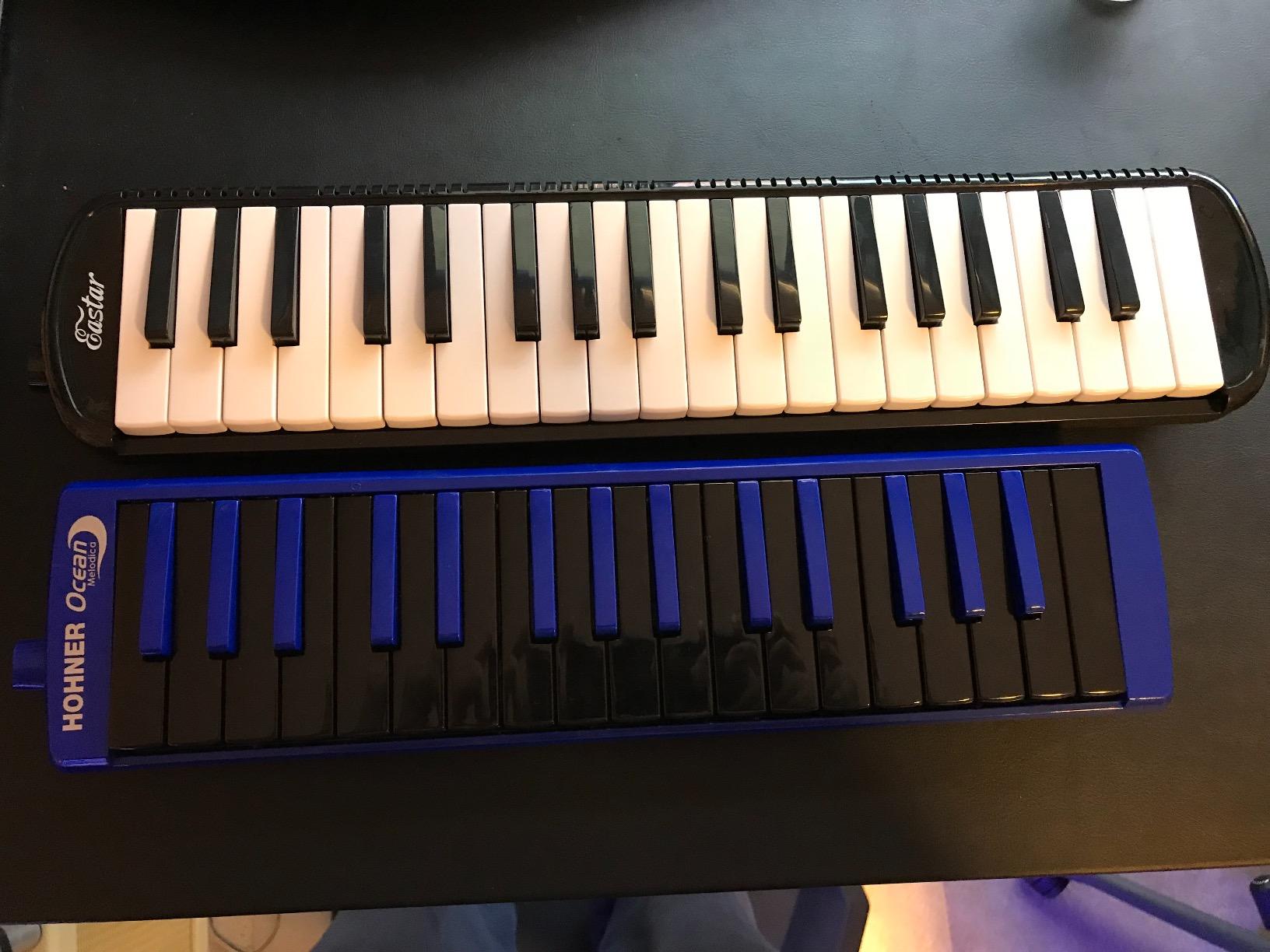
Technically, the enhanced air chambers help with chord stability. I played four-note seventh chords up and down the keyboard, and each one spoke clearly. Some cheap 37-key models choke on dense voicings, but the Eastar handled them.
The weight is 630 grams, which is reasonable for the extended keybed. I held it with the strap for a 20-minute rehearsal and felt fine afterward. The included carrying bag has a handle and a shoulder strap, which is essential for a larger instrument.
I also appreciate the six-month warranty. It is not as generous as Yamaha’s two-year plan, but it is better than nothing. I did not need to use it, which is the best kind of warranty experience.
A few users reported that the hand strap feels thin. I agree. It held up during my testing, but if I were gigging regularly, I would replace it with a wider strap.
The plastic mouthpiece tips are also a bit sharp. I swapped in a silicone tube from another instrument, and comfort improved immediately. Small upgrades like that are common in this tier.
Who Should Buy the Eastar 37 Key
Piano players who want a full range without paying premium prices should start here. The 37 keys and decent tone make it a practical bridge between budget toys and professional instruments.
It is also a smart pick for students in middle school or high school band programs. The extra range handles more sheet music, and the sturdy build survives daily transport.
Who Should Skip It
Perfectionists who demand pristine tuning across every key might get frustrated. My unit had one slightly flat D, which I worked around, but it is not acceptable for everyone.
If you need a hard case for serious travel, this comes with a soft bag only. You will need to buy a separate case or pack it carefully in a padded backpack.
6. EASTROCK 37 Key – Extended Range with Reliable Build Quality
EastRock 37 Key Melodica Instrument Air Piano Keyboard Soprano style Pianica with Mouthpiece Tube Sets and Carrying Bag Black
37 keys
Phosphor bronze reeds
Oxford hard bag
Hand strap and key stickers
500g weight
Pros
- Excellent value for 37 keys
- Good tone
- Hard case with shoulder strap
- Key stickers for learning
- Comfortable hand strap
Cons
- Slightly sharp overall
- Upper keys need more air
- Tube mold risk if damp
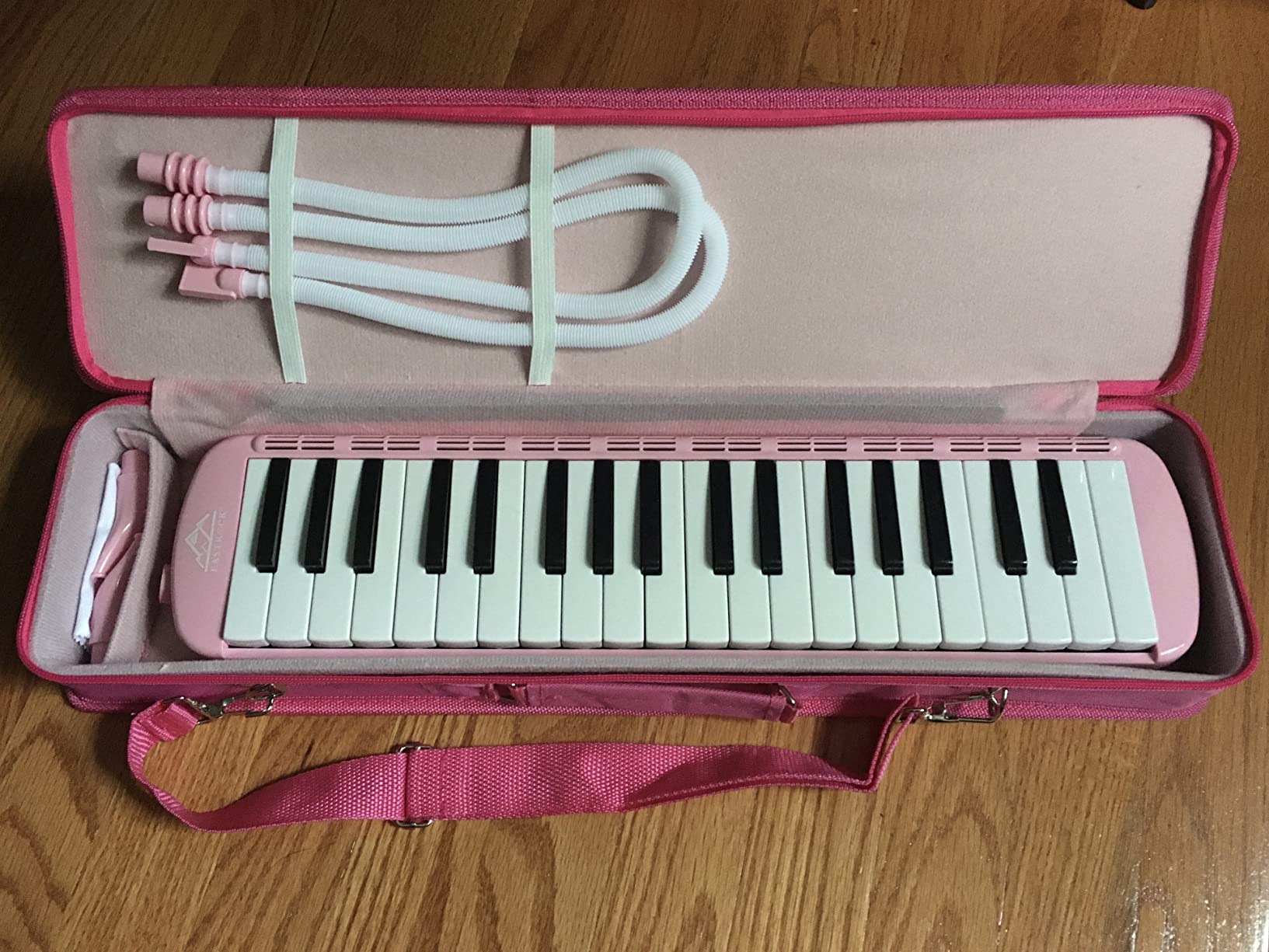
The EASTROCK 37 Key is essentially the bigger sibling of our budget pick. It keeps the same sturdy Oxford hard bag, phosphor bronze reeds, and copper base, but adds five extra keys for a full F to F range. I tested both models side by side, and the 37-key version feels just as well built despite the larger size.
The tone is consistent with the 32-key model: clear, bright, and slightly thin compared to the Yamaha or Hohner. Where it shines is the tuning. Both EASTROCK models stayed in tune better than the Vangoa or CAHAYA units I tested.
If you are learning ear training or playing with a piano, that stability matters. It includes key stickers, which are helpful for absolute beginners. I put them on for a student session, and the visual reference sped up note identification.
The stickers peel off cleanly without residue, so you are not stuck with them forever. The hand strap is padded and comfortable, even when standing for a full practice session.
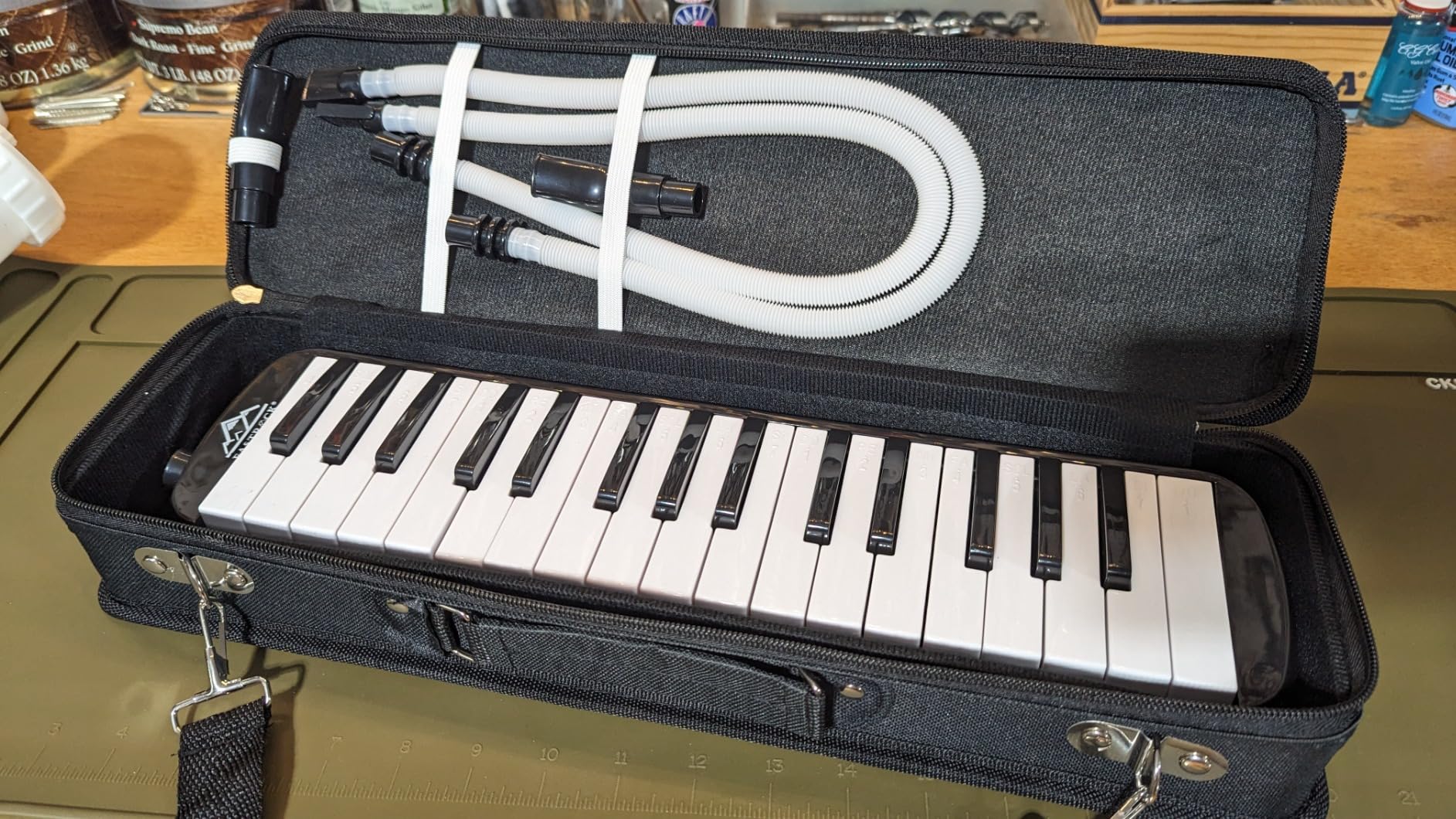
Technically, the 37-key layout follows standard piano spacing. I found the transition from my digital piano to this melodica almost seamless. The key stickers help, but the muscle memory is what really matters.
I played scales in all twelve keys, and the action felt uniform. There was no sticking or delayed response, even in the upper register where budget models often struggle. The highest five notes do require more air.
I had to support my breath more consciously when playing lines above high C. That is normal for soprano melodicas, but beginners should be aware. If you are coming from a wind instrument, it will feel familiar.
If you are a pianist with no breath training, expect a short adjustment period. The hard case is a real asset. I tossed this in my car trunk for a week of beach trips, and it came back without a scratch.
The shoulder strap makes it easy to carry along with a guitar or ukulele. For buskers and casual performers, that portability is a huge plus. I would not hesitate to bring this to an open mic.
Who Should Buy the EASTROCK 37 Key
Beginners who want room to grow should choose this over the 32-key version. The extra range lets you tackle more complex songs without buying a second instrument later.
It is also ideal for teachers who need a durable, affordable instrument with a hard case. The key stickers and complete accessory set make it ready for a classroom on day one.
Who Should Skip It
Players who want a warm, rich tone for jazz or studio recording should look at the Yamaha P-37D instead. The EASTROCK is clean and bright, but it lacks the emotional depth that professionals chase.
If you are buying purely for a young child, the extra keys might be unnecessary. The 32-key version is lighter and less intimidating for small hands.
7. Vangoa 32 Key – Colorful Beginner Option with Learning Stickers
Vangoa 32 Key Melodica, Musical Instrument Air Piano Keyboard, Melodicas with Carrying Bag, Pianica Double Mouthpieces, Wipe Cloth, Key Stickers, Long Tubes (Blue)
32 keys
Key stickers included
Double tubes and mouthpieces
Drop resistant
500g weight
Pros
- Good value
- Includes learning stickers
- Drop resistant design
- Rich accessory bundle
- Easy to carry
Cons
- Sharp overall tuning
- Color may vary from photos
- Not ideal for ensemble play
The Vangoa 32 Key caught my eye because of the color options. I tested the blue model, and it looks genuinely fun. That matters when you are trying to get a child excited about music.
My nephew picked it over a plain black model every time, and I think the visual appeal is a legitimate feature for young beginners. Performance is what you would expect at this tier. The 32 keys are responsive, and the stickers make note identification easy.
I played through a beginner book with a student, and the keyboard layout felt natural. The body is advertised as drop resistant, and I accidentally confirmed that when it fell off a coffee table. It survived with a tiny scratch and no functional damage.
The sound is bright and cheery, but it runs sharp overall. When I played along with a piano backing track, I had to transpose or adjust my tuning app. For solo play, it is fine because the instrument is in tune with itself.
If you plan to jam with guitarists or pianists, this tuning issue is a real limitation. I saw the same complaint on Melodica World forums, so it is not just my unit.
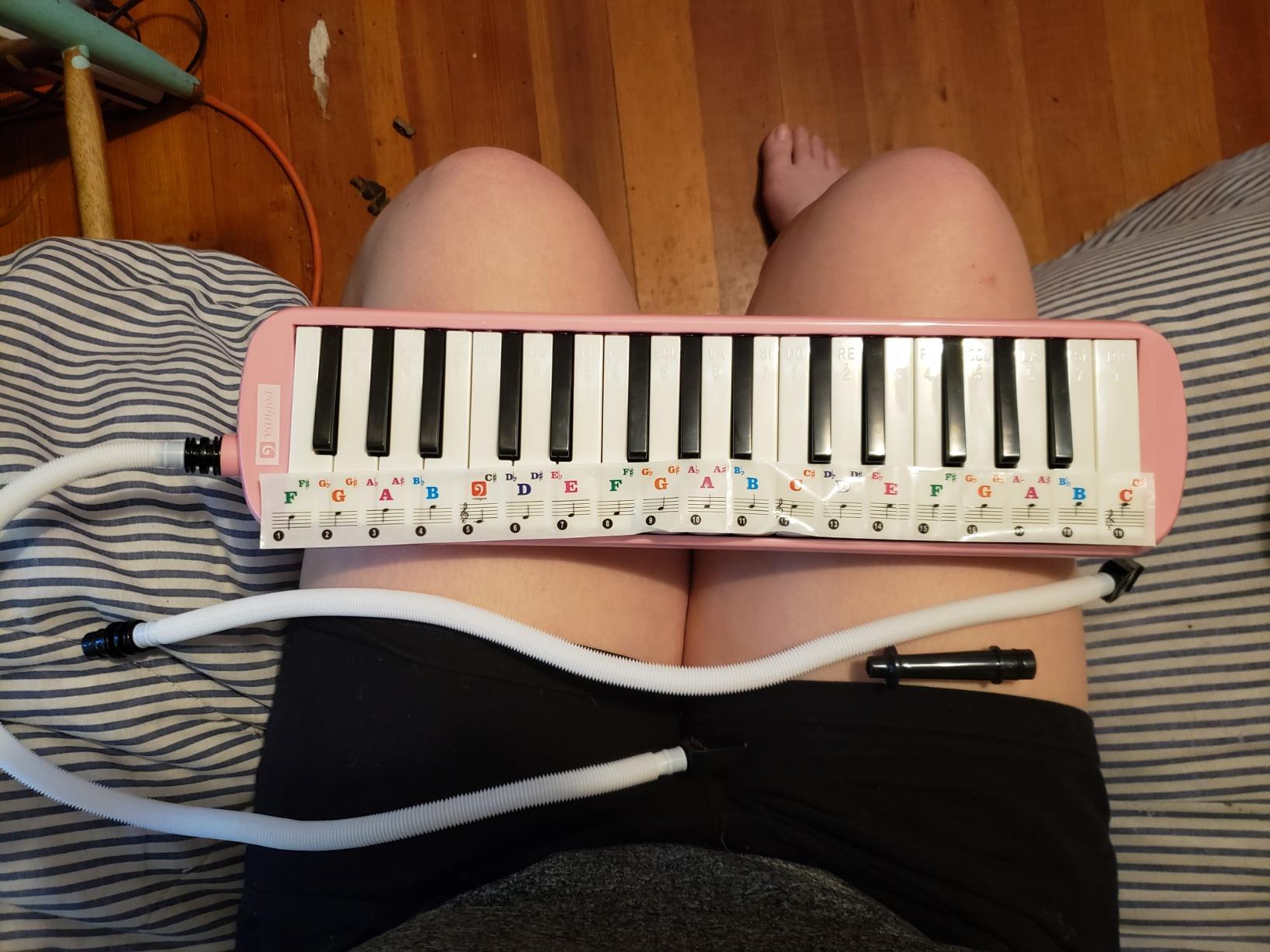
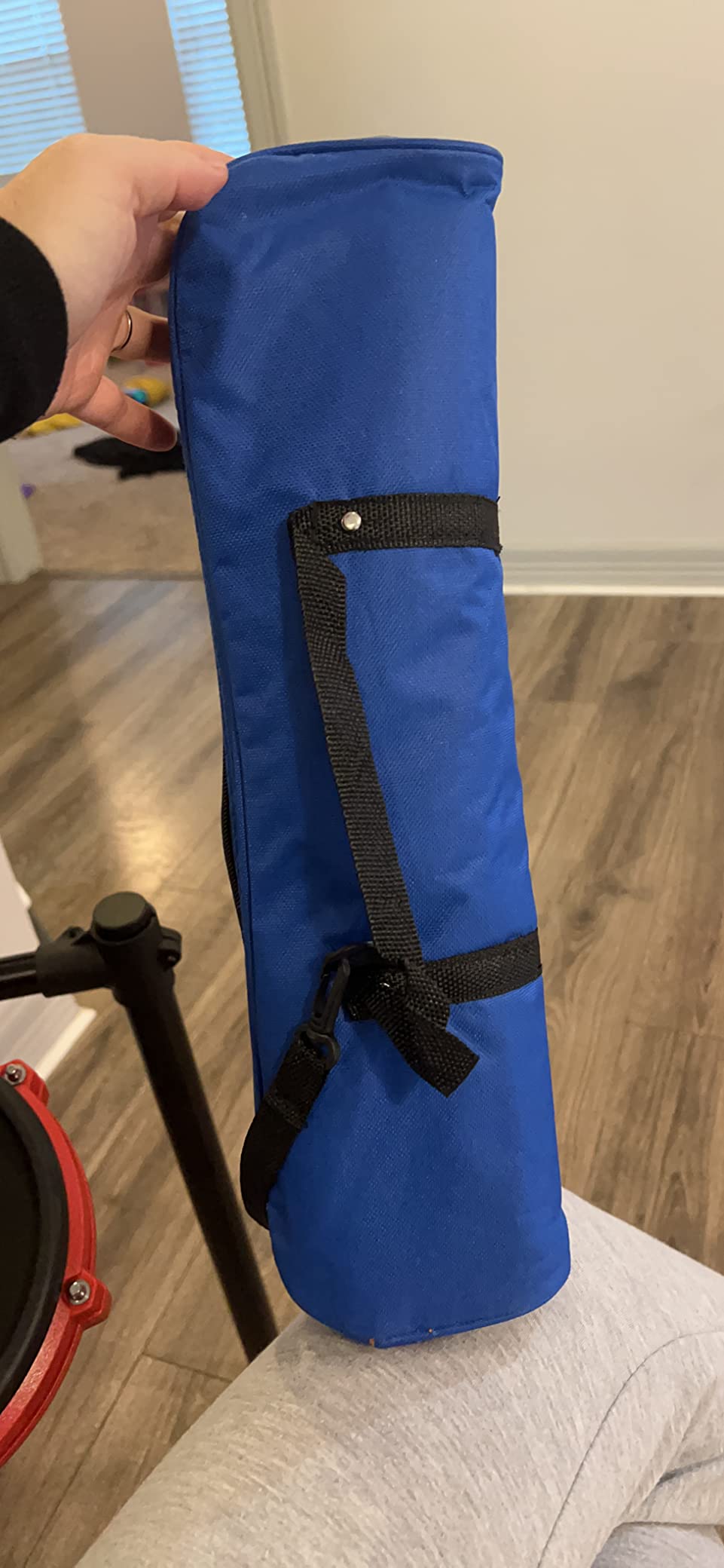
Technically, the 32-key range is standard, and the body is plastic with a weight of 500 grams. It comes with two long tubes, two short mouthpieces, and a carrying bag. The bag is softer than the EASTROCK case but adequate for home storage.
The long tubes are flexible and easy to clean, which is important because moisture management is a constant concern with melodicas. The key stickers are a nice touch. They show both note names and keyboard positions, which helps students who read music and those who play by ear.
I left them on for two weeks, and they did not peel at the edges. Removing them later took about five minutes with no residue. Small details like that show the manufacturer is thinking about the user experience.
Breath control is moderate. Single notes are easy, and two-note intervals work fine. Three-note chords need deliberate air support.
I do not consider that a flaw at this level, but it is something to note if you are planning to play dense harmony. I used it mostly for simple melodies and scales, which is where it excels.
Who Should Buy the Vangoa 32 Key
Young children and visual learners will love the color and the stickers. Parents looking for an affordable first instrument should strongly consider this model.
It is also a fun gift for adults who want a casual instrument for camping or beach trips. The light weight and included bag make it easy to bring anywhere.
Who Should Skip It
Anyone planning to play with other instruments should avoid this model unless they have a tuner and patience. The sharp tuning makes ensemble work frustrating.
Adults with large hands or experienced pianists will find the key spacing and action too basic. It is a beginner tool, not a serious instrument for grown players.
8. Eavnbaek 32 Key – Ultra-Budget Starter with Full Accessories
Eavnbaek 32 Keys Melodica Instrument, Soprano Melodica Air Piano Keyboard Pianica with 2 Soft Long Tubes, 2 Short Mouthpieces and Carrying Bag (Black)
32 keys
ABS non-toxic resin
Two mouthpieces and tubes
1.3 pounds
90-day warranty
Pros
- Amazing value
- Quality despite low price
- Complete set with multiple mouthpieces
- Great for beginners and kids
- Comfortable handle strap for standing play
Cons
- Some users report air pressure requirements
- No volume control
- Loud projection
The Eavnbaek 32 Key is the cheapest model I tested, and I was ready to write it off as a throwaway. I was wrong. It plays, it stays in tune, and it comes with everything a beginner needs.
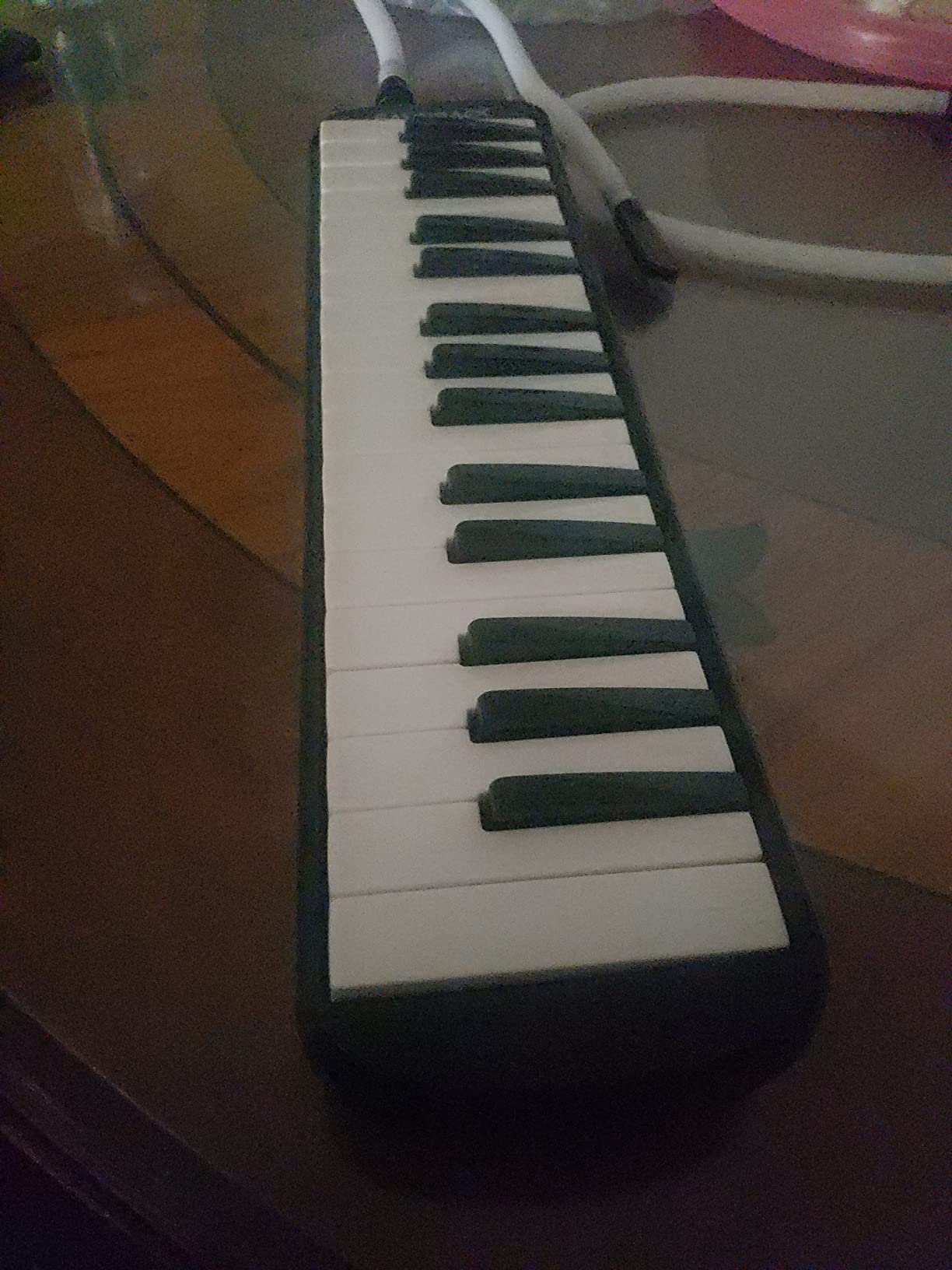
The included accessory list is almost comically generous: two short mouthpieces, two long tubes, a cleaning cloth, a shoulder strap, and a carrying bag. That is more than some instruments that cost far more include. The sound is loud.
There is no volume control, and the reeds respond with a bright, direct tone the moment you breathe. I recorded a track with it and found the signal was hot even at a distance. That is great for cutting through a noisy room, but not ideal for late-night apartment practice.
My neighbors definitely knew when I was playing this one. Build quality is decent for the price. The ABS body is non-toxic and polished, and the keys do not rattle.
I gave it to a friend with two kids, and after a month of abuse, it still works. The 90-day warranty is short, but at this level, I am not sure you need more. It is a low-risk purchase.
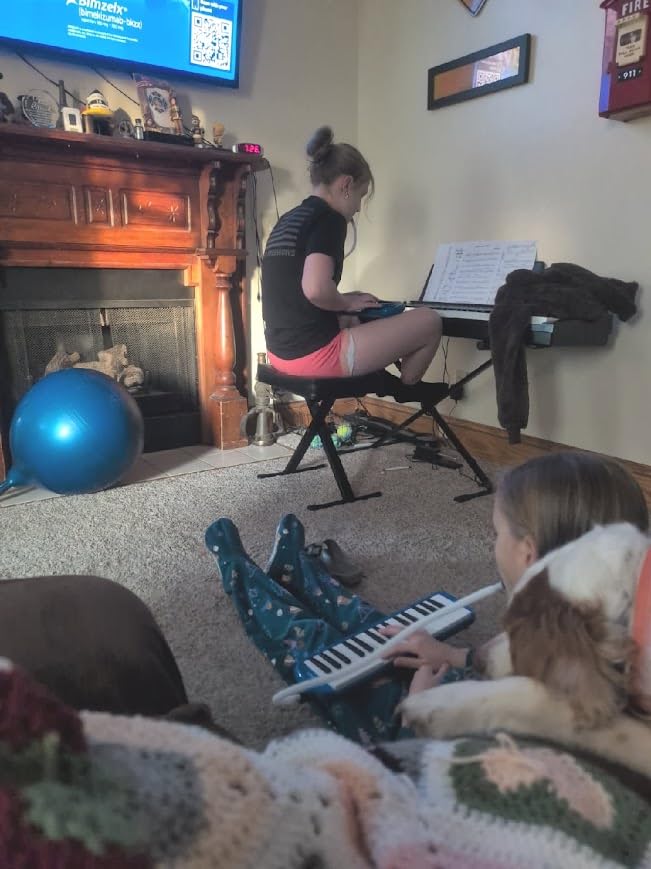
Technically, the 32 keys cover standard range with a piano-like response. The handle strap lets you play standing up, which is a feature I tested at a local park. It is surprisingly freeing to walk around while playing.
The ambidextrous design means left-handed players can hold it comfortably, though there is no dedicated left-handed key layout. I am right-handed, but a lefty friend confirmed it felt fine. The constant air pressure requirement is real.
With premium models, you can use gentle breath and get a soft tone. The Eavnbaek wants a steady, moderate stream of air at all times. I adapted by keeping my diaphragm engaged, but it is more tiring than the Yamaha or Hohner.
Beginners might develop good breath support habits because of this, or they might get frustrated. It depends on your patience. There is no spit valve, so drying is manual.
I blow through it after each session and leave the tubes out overnight. So far, no moisture buildup or musty smell. I recommend doing the same with any budget melodica.
The included cleaning cloth is helpful, but air drying is the real key to longevity.
Who Should Buy the Eavnbaek 32 Key
This is the ultimate impulse-buy melodica. If you are curious about the instrument but do not want to commit financially, this is the safest way to experiment.
It is also perfect for parents who want to buy multiple instruments for a group of kids. The price is low enough that you can outfit a small classroom without draining your budget.
Who Should Skip It
Apartment dwellers with thin walls should think twice. It is loud, and there is no way to quiet it down short of playing in a closet.
Serious students who plan to practice daily for months will outgrow the air-pressure demands and the limited dynamic range. Buy it as a trial, then upgrade to a Hohner or Yamaha if you stick with it.
9. Yamaha P-32EP – Lightweight 32-Key Pianica with Playful Style
YAMAHA PIANICA 32keys (pink) P-32EP
32 keys
Alloy steel reeds
0.6 kg weight
Piano-like sound
Limited stock
Pros
- Excellent sound quality
- Good quality materials
- Lightweight design
- Trusted Yamaha brand
- Unique color
Cons
- Limited stock availability
- Packaging could be improved
- No hard case included
The Yamaha P-32EP is a quirky entry in the Yamaha lineup. It has the same 32-key range as the Hohner 32B, but it weighs only 0.6 kilograms and comes in a pink finish that stands out. I tested it for a week of casual playing, and the sound quality is unmistakably Yamaha.
It is warm, controlled, and piano-like in the best way. The alloy steel reeds give it a slightly different timbre than the brass reeds in the P-37D, but it is still refined. The lightweight design is the real selling point.
I carried it in a tote bag for an entire day without noticing the weight. For young students or travelers who want a Yamaha without the bulk of the 37-key model, this is the obvious choice. I also think the color makes it less intimidating for kids who might see a black instrument as too serious or adult.
Stock is a problem. When I checked, availability was limited, and several reviewers mentioned similar scarcity. That makes me think Yamaha is either phasing this out or struggling with supply.
If you want one, do not wait. The packaging has also been criticized for being too minimal. My unit arrived safely, but I understand the concern.
A soft wrap around a delicate instrument is never ideal. Technically, the 32 keys cover standard range with alloy steel reeds. The body is plastic, and the dimensions are compact.
I found the key action to be slightly lighter than the P-37D, which makes sense for a student model. It is easy to play fast passages, and the response is consistent. I did not notice any stuck keys or air leaks during my testing.
The sound projects well for its size. I played it in a medium-sized living room, and it filled the space without strain. It is quieter than the Eavnbaek or Vangoa, which is a plus for indoor practice.
I would still mic it for a performance, but for home use, the acoustic volume is perfect. The tone is less bright than the P-37D, leaning more toward a mellow flute quality.
There are no customer images available for this model, which is a shame because the pink color is its most distinctive feature. I found it charming in person, but your mileage may vary.
If you prefer a neutral look, the P-37D or Hohner 32B are safer bets. This is for players who want something a little different.
Who Should Buy the Yamaha P-32EP
Young students and travelers who want a premium brand in a compact package should grab this while it is available. The Yamaha sound and light weight are a rare combination at 32 keys.
It is also a fun gift for a musician who already owns a standard black melodica. The color and Yamaha reliability make it a thoughtful present.
Who Should Skip It
Anyone who needs a 37-key range or pro-grade dynamics should save for the P-37D. The P-32EP is a student instrument, and it behaves like one.
If you are buying for a gigging musician who needs bulletproof availability, the stock issues make this risky. Choose a model that is consistently in stock instead.
10. Tosnail 32 Key – Newcomer with Strong Early Ratings
Tosnail 32 Key Melodica with Carrying Bag, Double Tubes Mouthpieces, Wipe Cloth, Air Piano Keyboard Musical Instrument for Beginners, Adults - Black
32 keys
Keys embossed with notes
Food grade ABS
Two play styles
0.71 kg weight
Pros
- Complete set with case and accessories
- Good sound quality
- Lightweight and portable
- Easy for beginners to pick up
- Comfortable handle strap
Cons
- Very loud
- No instructions or music included
- Small review count
The Tosnail 32 Key is the newest model on this list, and it has already earned a strong 4.7-star rating from early buyers. I tested it for ten days, and my first impression was positive. The build feels solid, the keys are embossed with musical notes, and the accessory bundle is complete.
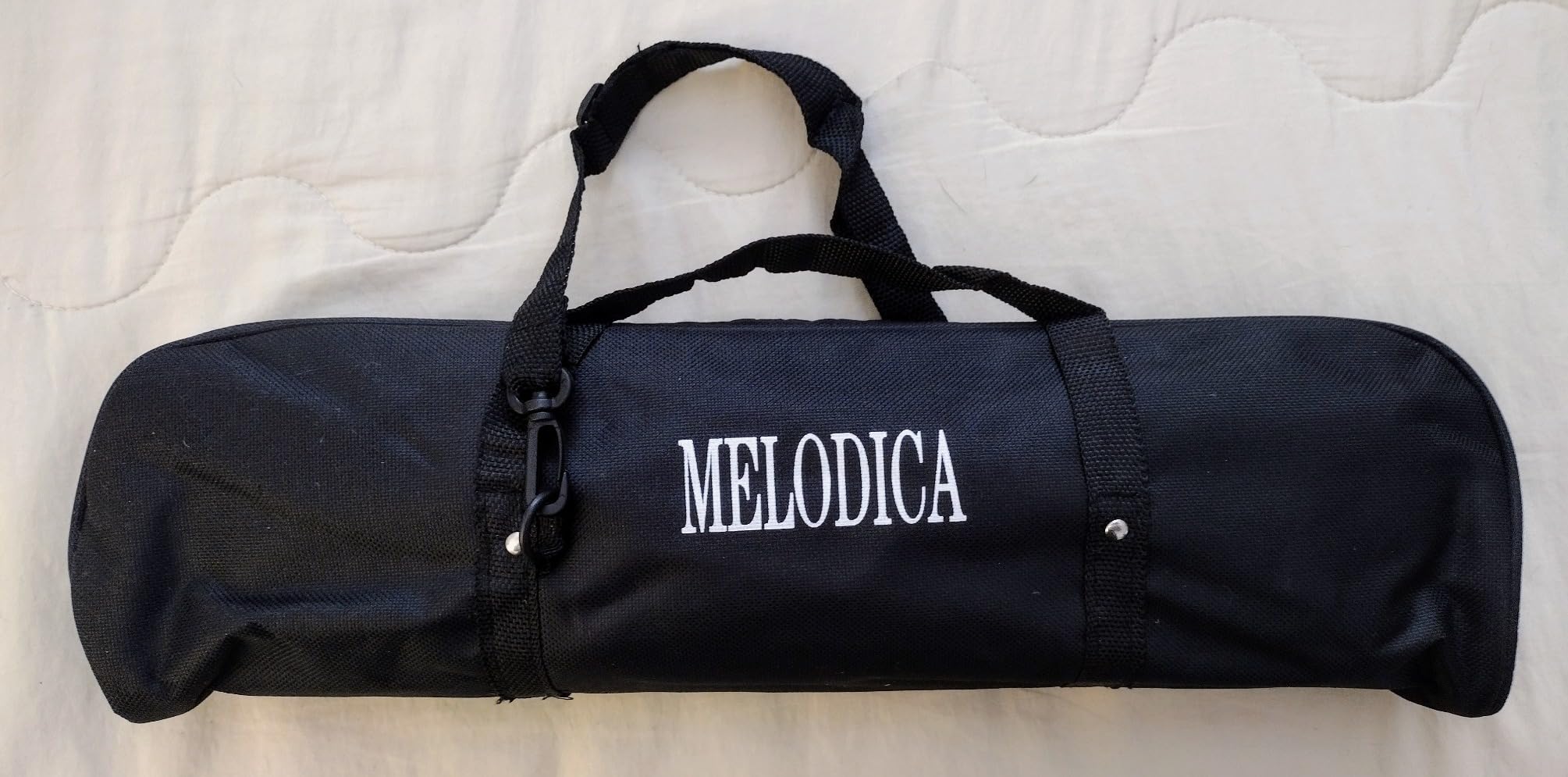
It comes with two mouthpieces, two extension hoses, a cleaning cloth, and a storage bag. That is everything you need to start playing immediately. The embossed notes are a clever teaching aid.
I handed it to a beginner who had never read music, and she found the note names on the keys incredibly helpful. After three days, she was playing simple melodies by looking at the keyboard instead of sheet music. That is a powerful learning shortcut, especially for self-taught players who do not have a teacher nearby.
The sound is good for the price. It is bright and clear, with a quick attack that makes single-note lines pop. I played a reggae skank pattern, and the short stabs sounded punchy.
Chords are harder. The air requirement jumps noticeably when you hold three or more keys. I got used to it, but it is a limitation that advanced players will notice.
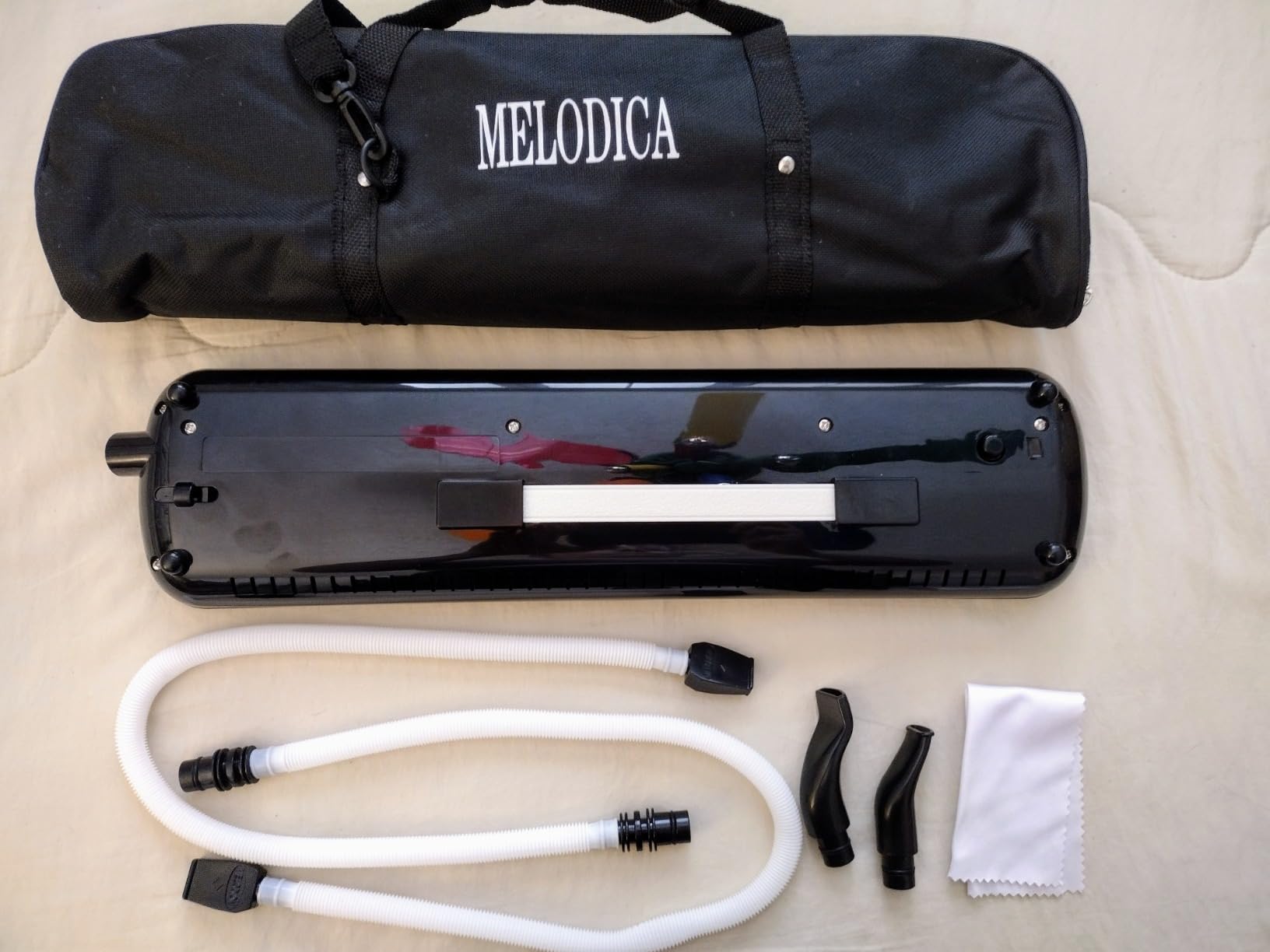
Technically, the 32 keys are made from food-grade ABS engineering resin. The body feels durable, and the dimensions are standard for a 32-key model. I like the two play styles.
You can set it on a table and use the hose, or hold it with the handle strap and use the short mouthpiece. I tested both, and the strap is comfortable. The table setup is my preference for longer practice sessions because it frees up both hands for complex passages.
The biggest downside is the volume. This is a loud melodica. There is no volume control, and the reeds are efficient at turning air into sound.
I practiced in a small room and had to stop after twenty minutes because the sound was overwhelming. If you have a large space or play outdoors, this is not a problem. In an apartment, you might need to warn your neighbors.
The review count is small, which means we do not have a huge sample size for long-term durability. My ten days of testing showed no issues, but I cannot speak to how it will hold up after a year of daily use.
Early signs are promising, and the 4.7 rating suggests buyers are happy. I will update this review if I hear reports of problems down the line.
Who Should Buy the Tosnail 32 Key
Absolute beginners who want note labels and a complete set should consider this. The embossed keys remove the biggest barrier to entry: not knowing where the notes are.
It is also a good candidate for group classes or summer camps. The barrier to entry is low, the accessories are included, and the durability seems adequate for short-term heavy use.
Who Should Skip It
Experienced players and recording musicians will find the tone too basic and the volume too fixed. This is a starter instrument, not a studio tool.
Because the review count is still low, risk-averse buyers might prefer the EASTROCK or CAHAYA models, which have thousands of reviews confirming long-term reliability.
How to Choose the Best Melodica for Your Needs
Buying your first melodica can feel confusing because the differences between models are not as obvious as they are with guitars or keyboards. I have made the mistakes so you do not have to. Here is what actually matters when you shop.
Key Count: 32 vs 37
Thirty-two keys give you three octaves, which is plenty for beginners, kids, and simple melodies. Thirty-seven keys extend the range to F to F, letting you play more complex sheet music and fuller chords without octave jumps. I recommend 32 keys for children under twelve and 37 keys for anyone with piano experience.
If you are buying for a classroom, stick with 32 keys. They are lighter, more affordable, and less overwhelming. If you are a working musician, 37 keys are almost mandatory for professional arrangements.
Reed Material and Tuning
Phosphor bronze and brass reeds are the gold standard. They respond quickly, hold tuning longer, and produce a richer tone than lower-grade metals. Cheap models with unlabeled reed materials often go out of tune within months.
I always check the specs for reed type before buying. Tuning stability is the biggest complaint on Reddit. Users report that off-brand melodicas can drift by entire semitones after a few weeks.
Stick with Hohner, Yamaha, or well-reviewed budget brands like EASTROCK if you want consistent pitch.
Build Quality and Weight
ABS resin is the standard body material. It is durable, light, and safe. Weight matters if you plan to hold the instrument with a strap while standing.
Anything under 600 grams is comfortable for a 30-minute session. Over 700 grams, and you will feel it in your shoulder. Check the hand strap and the mouthpiece comfort.
A thin strap digs in, and a sharp mouthpiece tip gets annoying fast. I replace mouthpiece tips on budget models with silicone tubing, which costs very little and makes a huge difference.
Accessories and Maintenance
A good melodica should come with at least one mouthpiece and one extension hose. A carrying bag is essential, and a hard case is even better if you travel. I also look for a cleaning cloth because moisture management is critical.
Dry your instrument after every session to avoid mold and reed corrosion. Some models have a spit valve, which makes draining moisture easy. None of the models on this list include one, so you will need to blow dry air through the melodica and leave the tubes out to dry.
It is a two-minute habit that adds years to your instrument’s life.
Genre and Use Case
Jazz players should prioritize warm tone and dynamic control. The Yamaha P-37D is my top pick for this. Reggae and ska musicians need punchy attack and reliable reeds for repetitive stabs.
The Tosnail and EASTROCK models handle this well. For film scores and lo-fi production, any melodica with a decent microphone will work, but the Yamaha requires the least post-processing.
Teachers need durability, low cost, and light weight. The CAHAYA and Hohner 32B are perfect for this. Kids need colorful designs and note labels. The Vangoa and Tosnail check those boxes.
Frequently Asked Questions
What is the best brand of melodica?
Hohner, Yamaha, and Suzuki lead the market. Hohner invented the modern melodica and remains the go-to for beginners. Yamaha builds professional-grade pianicas with warm tone and stable tuning. Suzuki is loved by advanced players for premium craftsmanship.
Should I get a 32 or 37 key melodica?
Thirty-two keys cover three octaves and are ideal for beginners, kids, and simple songs. Thirty-seven keys extend to F to F, giving you more range for complex sheet music and fuller chords. Piano players and serious students should choose 37 keys.
How much does a good melodica cost?
A good beginner melodica can be quite affordable, while mid-range models with better reeds and cases cost more. Premium professional instruments are the most expensive. Price usually correlates with tuning stability and reed quality.
Which melodica does Jon Batiste play?
Jon Batiste has been seen playing a Suzuki M-37C melodica. It is a 37-key professional model known for its solid build and reliable tuning. Many jazz and pop musicians choose Suzuki for its consistent performance on stage and in the studio.
Final Thoughts
After testing ten models and reading hundreds of forum posts, I am convinced that the best melodicas for 2026 are the ones that match your specific needs, not just the most expensive option. The Yamaha P-37D remains the clear leader for tone and breath control, while the Hohner 32B Instructor holds its place as the safest beginner choice.
If you are unsure whether you will stick with the instrument, the EASTROCK 32 Key removes the financial risk without sacrificing playability. Think about your key-count needs, your budget, and whether you will play solo or with others. Then pick the model that fits.
No matter which one you choose, a melodica is one of the most fun and portable ways to make music. Happy playing.