10 Best Key Lights for Streaming Setups (March 2026)
Good lighting makes or breaks a stream. I’ve seen countless streamers with expensive cameras who look amateur because of poor lighting, while others with budget…

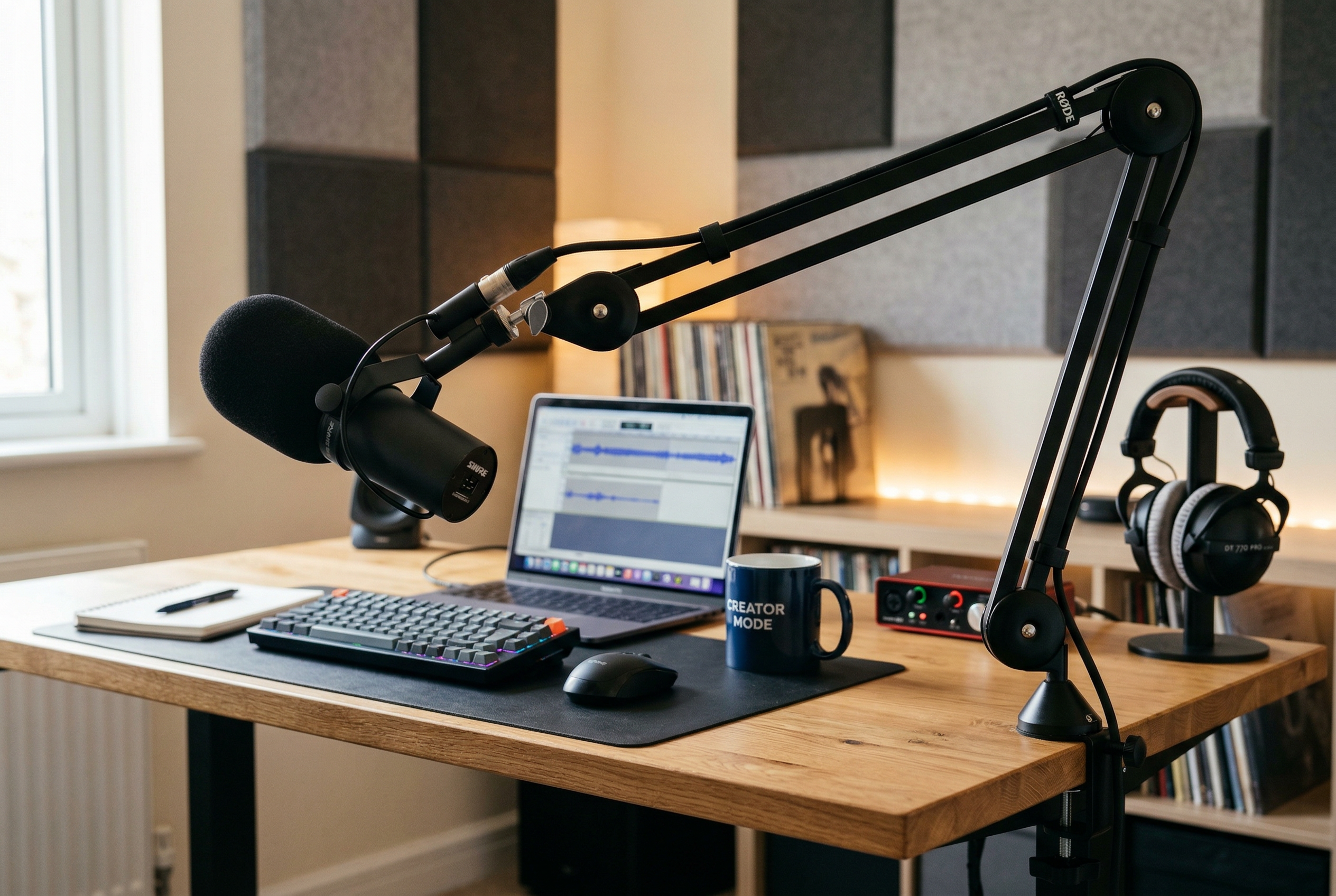
After spending countless hours streaming and testing different microphone setups, I can tell you that a quality boom arm transforms your entire recording experience. The right boom arm for streaming microphones eliminates desk vibrations, clears precious workspace, and keeps your mic positioned perfectly for hours of content creation without fatigue.
A boom arm is essentially an articulating microphone mount that clamps to your desk and lets you position your mic exactly where you need it. Instead of hunching over a desk stand or dealing with a floor stand that takes up room, you get precise placement with the flexibility to swing your microphone out of the way when not recording. For streamers especially, this means consistent audio quality and a cleaner camera shot.
Our team evaluated 8 of the most popular options currently available, testing everything from budget picks under $25 to professional-grade arms costing over $100. We paid attention to weight capacity, ease of movement, cable management, and most importantly for streaming: quiet operation. After weeks of real-world use, here are the boom arms that actually deliver on their promises.

| Product | Specs | Action |
|---|---|---|
|
Rode PSA1+ Professional Studio Arm
|
|
Check Latest Price |
 Elgato Wave Mic Arm LP
|
|
Check Latest Price |
 MAONO Microphone Boom Arm
|
|
Check Latest Price |
|
InnoGear Mic Boom Arm
|
|
Check Latest Price |
 FIFINE Microphone Boom Arm
|
|
Check Latest Price |
|
InnoGear Classic Boom Arm
|
|
Check Latest Price |
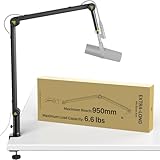 Never-Sag Mic Boom Arm
|
|
Check Latest Price |
 IXTECH Premium Boom Arm
|
|
Check Latest Price |
Weight: 3.35 lbs
Reach: 825mm
Capacity: 94g to 1.2kg
I have used the Rode PSA1+ for over two years of daily streaming, and it remains the quietest boom arm I have ever tested. The parallelogram spring design with full damping means you can adjust your microphone mid-stream without your audience hearing a single creak or spring noise. That silence matters enormously when you are live.
The integrated cable management runs both USB and XLR cables through the arm itself, keeping your setup looking clean on camera. I run my XLR cable through the channel and it completely disappears from view, which makes a real difference for the visual presentation of a streaming setup.
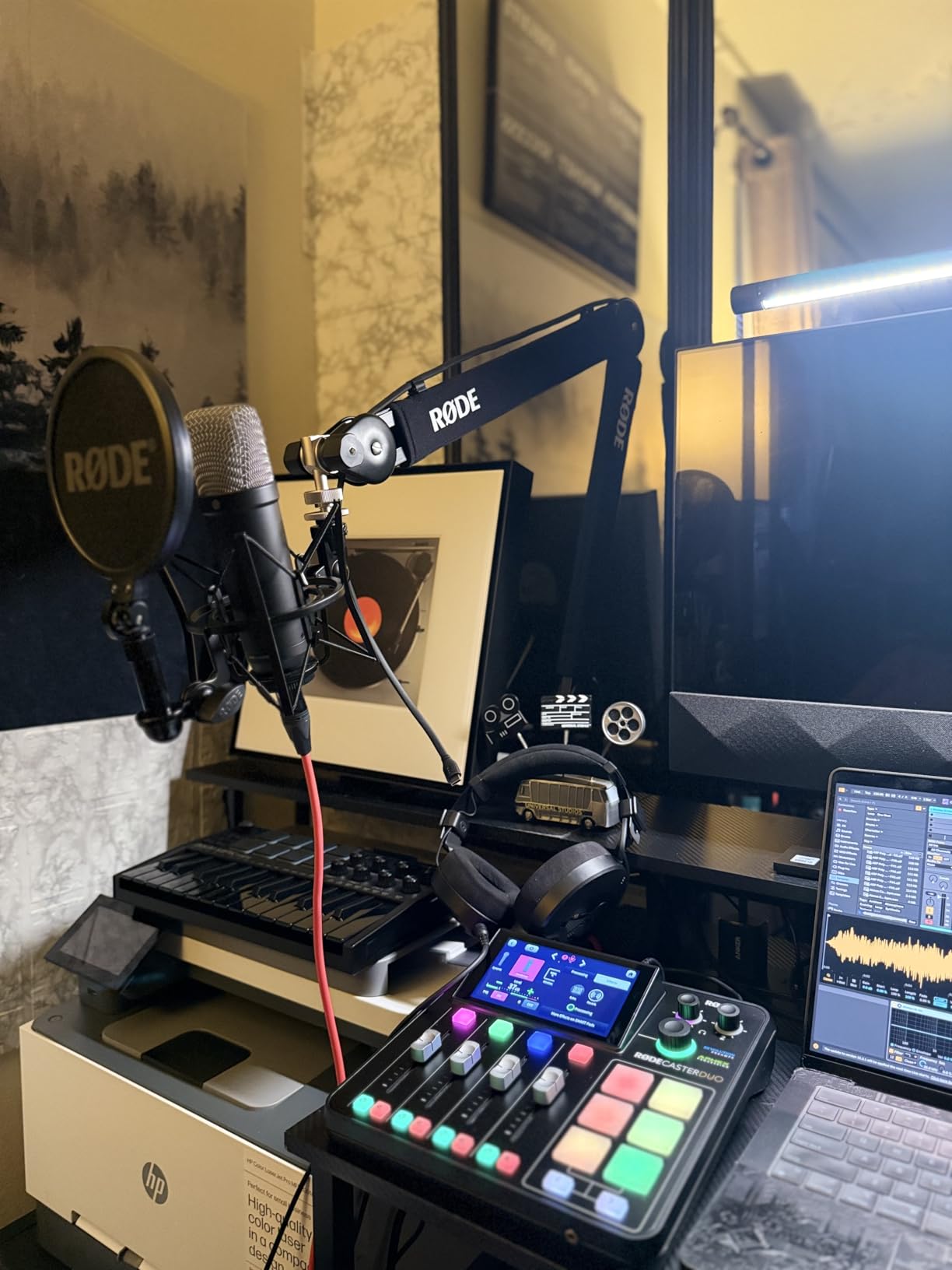
Weight capacity spans from 94 grams up to 1.2 kilograms, covering everything from lightweight USB mics to heavier broadcast microphones. My Shure SM7B with shock mount sits at around 800 grams total, and the PSA1+ holds it rock-steady without any drift over hours of use.
The build quality feels substantial in a way that cheaper arms simply cannot match. Every joint moves smoothly but stays where you put it. After thousands of adjustments over two years, mine shows zero signs of wear at the pivot points.
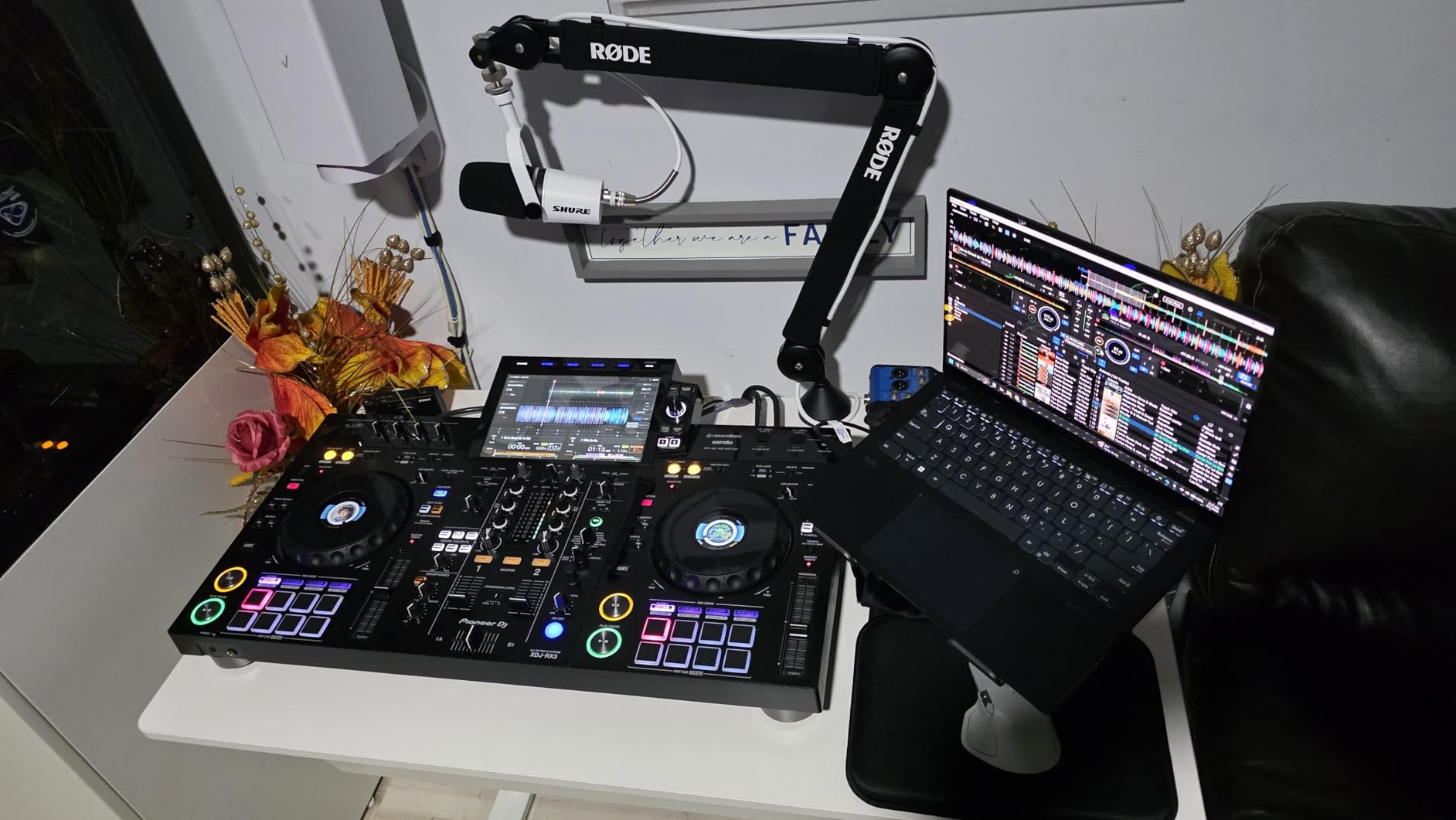
This arm shines for streamers who prioritize silent operation and professional build quality. If you adjust your microphone frequently during streams or podcasts, the damping system prevents any mechanical noise from reaching your audience. Content creators who want their setup to look as professional as it sounds will appreciate the hidden cable management.
The 825mm horizontal reach works well for most desk configurations, easily extending over single or dual monitor setups. I have used it with both standard 24-inch displays and ultrawide monitors without any positioning issues.
At this price point, the PSA1+ is an investment that only makes sense if you stream or record regularly. Casual users who fire up their microphone occasionally will find similar functionality in options costing half as much. Those on tight budgets should look at the InnoGear options further down this list.
Weight: 3.73 lbs
Reach: 740mm
Capacity: Up to 500g recommended
The Elgato Wave Mic Arm LP solved a problem I did not realize I had until I tried it. Traditional boom arms extend upward and then down, often blocking your face on camera. The low profile design keeps the entire arm below your shoulder line, creating a cleaner shot without the boom arm cluttering your frame.
For streamers using facecam, this design philosophy makes a real difference. I found my camera angles improved immediately because the arm never interferes with positioning. The magnetic cable covers snap on and off for quick cable routing, which is more convenient than the slide-through systems on some competitors.
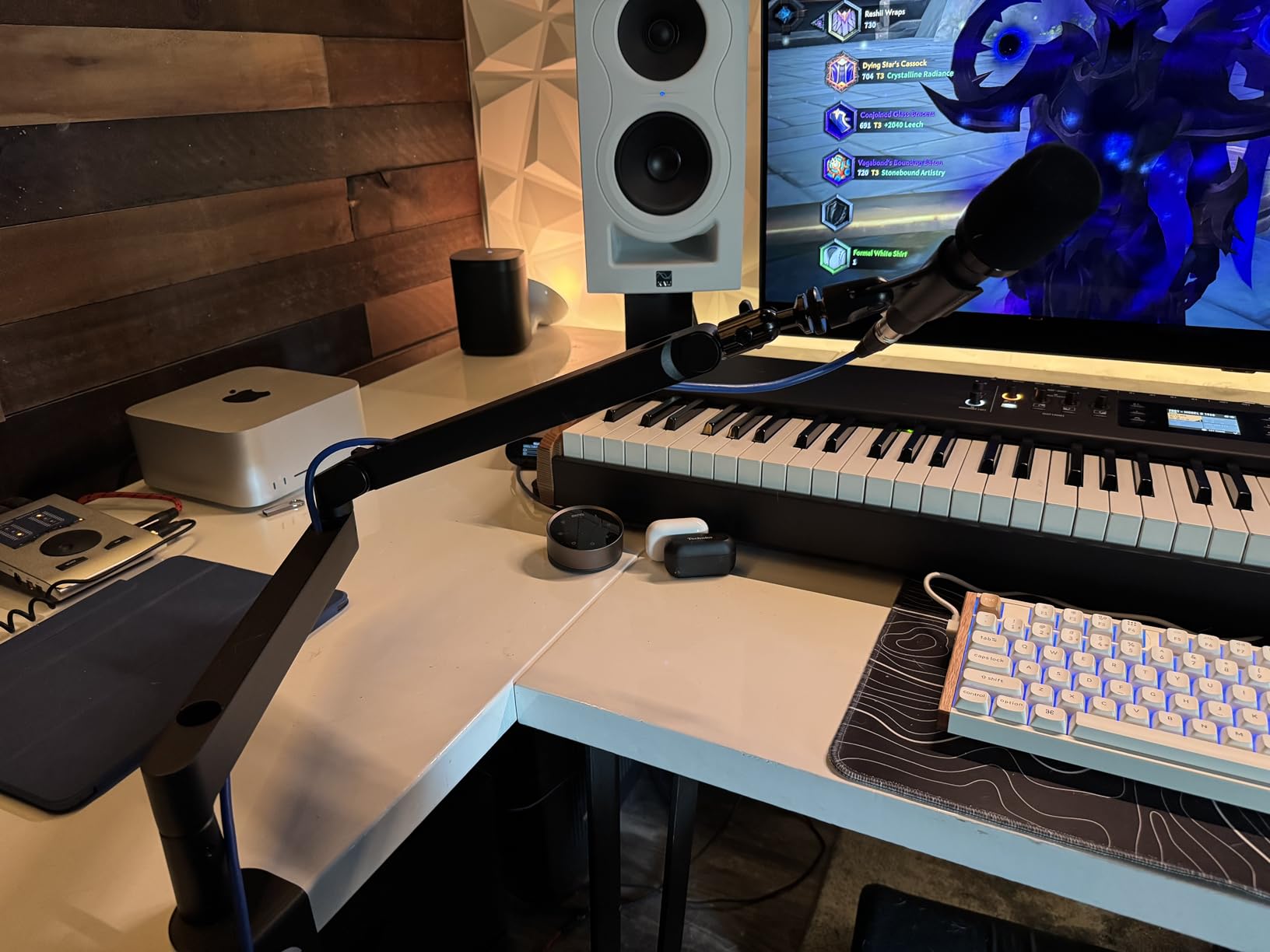
Construction is all-metal with an anti-torsion design that feels solid during adjustments. The arm moves smoothly through 360 degrees horizontally and 90 degrees vertically, giving plenty of flexibility for different recording positions. Elgato clearly designed this for the streaming aesthetic.
The 740mm reach covers most standard desk setups, though users with ultrawide monitors or deep desks might find it slightly limiting. I tested it with a 27-inch monitor and had no issues positioning my microphone exactly where I wanted it.
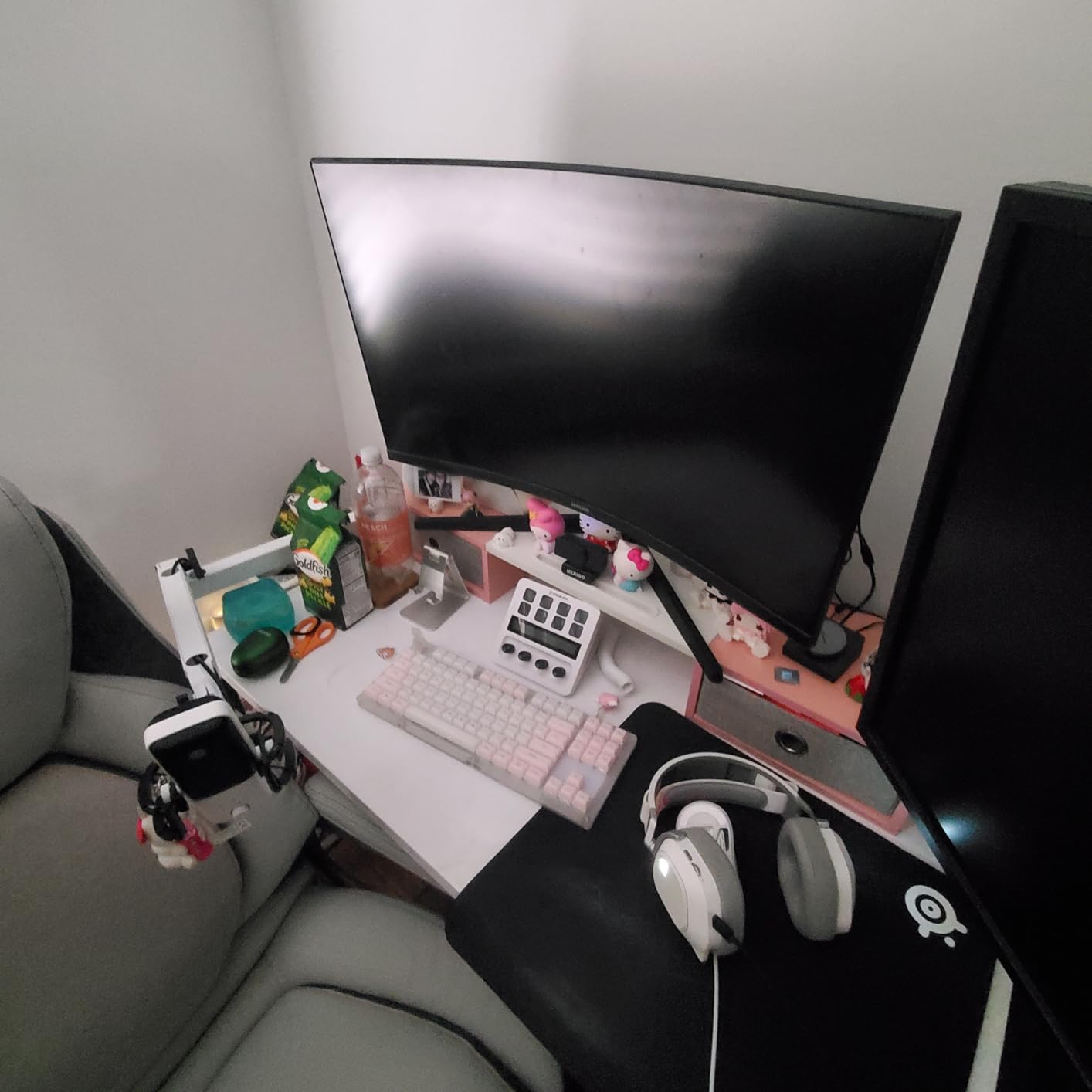
If you want your microphone setup to disappear from your camera frame, this is the arm for you. The low profile design means the arm itself never becomes a visual distraction. Streamers who care about their on-camera presentation will immediately understand the appeal of keeping equipment below the sightline.
The magnetic cable management is genuinely convenient for anyone who reconfigures their setup occasionally. Popping off the covers to reroute cables takes seconds, and they snap back into place securely.
Heavy microphone users should look elsewhere. The arm handles microphones up to about 500 grams well, but my Shure SM7B caused gradual clamp slippage over longer sessions. If you run a heavy broadcast mic, consider the Rode PSA1+ or the Never-Sag option instead. The extra weight creates frustration as the arm slowly drifts downward.
Weight: 3.72 lbs
Reach: 10 inches
Capacity: 4.4 lbs max
The MAONO BA92 takes a different approach with its pivot axis mounted directly at the desk level rather than extending upward first. This creates a unique motion pattern that some streamers prefer, especially those with limited vertical space above their monitors. The aerospace-grade aluminum construction feels surprisingly premium at this price point.
I found the cable management system particularly well-implemented. Channels run through the arm with removable covers, making cable installation straightforward once you figure out the routing. The 3-year warranty suggests MAONO stands behind their build quality.
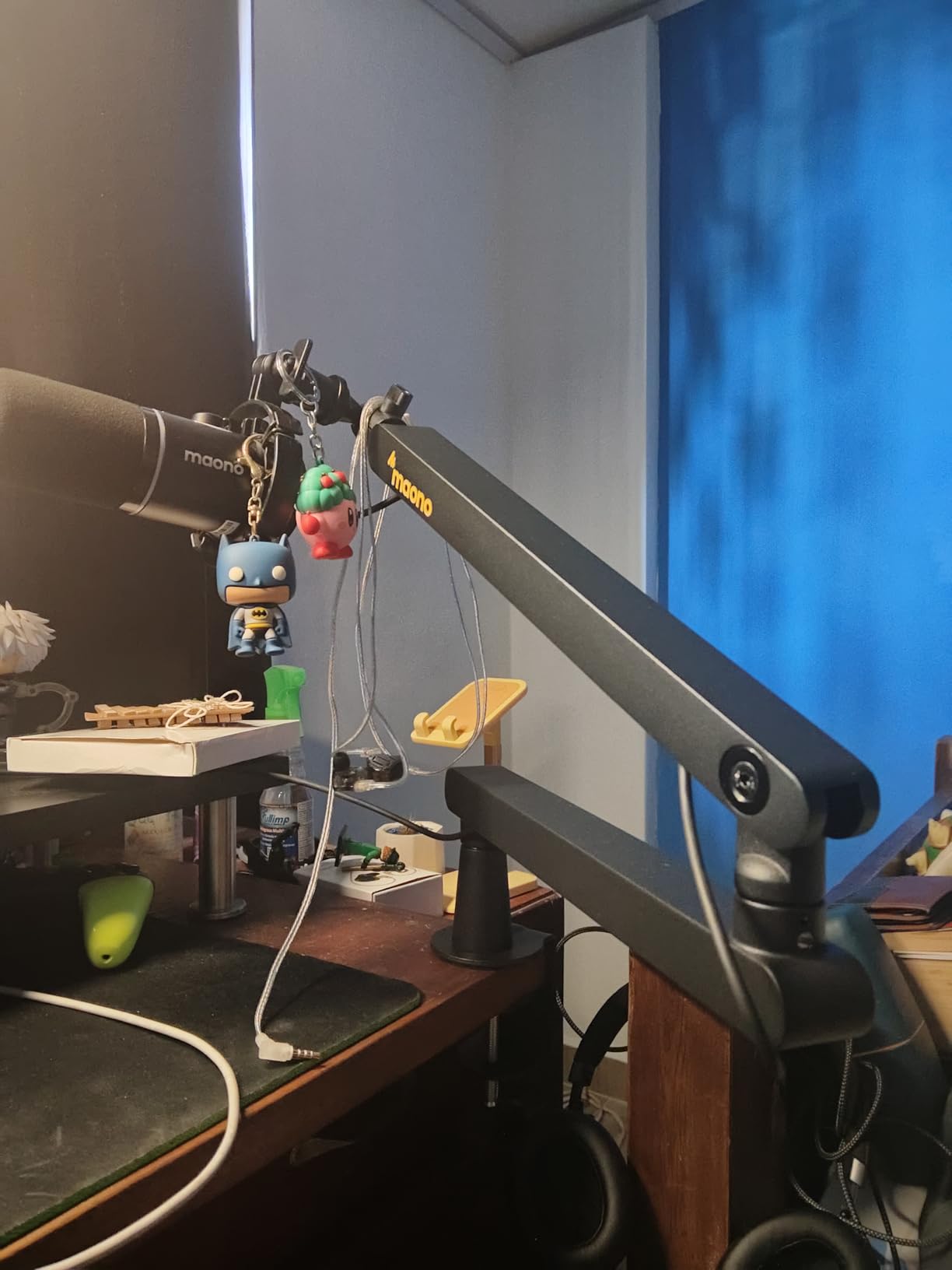
The low profile design sits naturally under monitors, similar to the Elgato LP but at a significantly lower price. At 4.4 pounds maximum capacity, it handles most USB microphones without issue, though very heavy broadcast mics will test its limits.
Installation offers both C-clamp and grommet mount options, giving flexibility for different desk configurations. The clamp includes rubber pads that protect desk surfaces while providing solid grip.
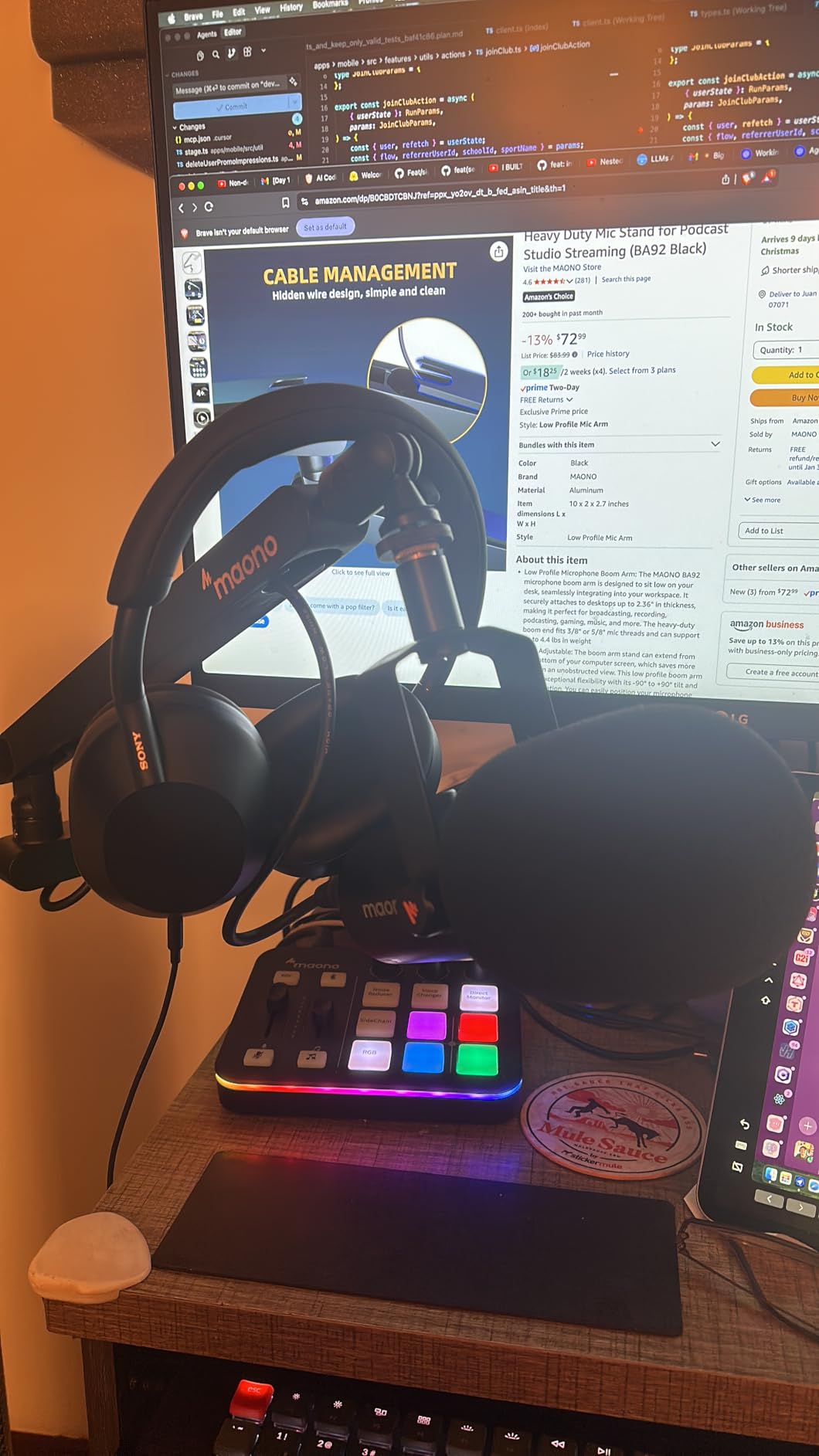
Streamers who prioritize visual presentation will appreciate how this arm disappears under the monitor. The unique pivot design keeps everything low and unobtrusive, creating a clean look for camera shots. If your streaming setup doubles as your everyday workspace, the low profile helps maintain a professional appearance.
The included 3/8 inch and 5/8 inch thread adapters ensure compatibility with virtually any microphone on the market. I tested it with both USB and XLR microphones without any mounting issues.
The relatively short reach compared to traditional boom arms might frustrate users with large desks or multiple monitor setups. If you need your microphone positioned far from the desk edge, the 10-inch extension may not suffice. Additionally, most standard pop filters will not work with this design due to the mounting configuration.
Weight: 3.52 lbs
Reach: 32.3 inches horizontal
Capacity: 3.5 lbs
The InnoGear upgraded boom arm delivers impressive performance for the price, especially when handling heavier microphones. The 3.5-pound weight capacity puts it ahead of many budget competitors, and the internal springs provide solid support without the sagging that plagues cheaper options.
I tested this arm with my Shure SM7B, which sits around 1.5 pounds with shock mount attached. The InnoGear held it steady without drift, something I cannot say about other budget arms I have tried. The extended 32.3-inch horizontal reach easily clears dual monitor setups.
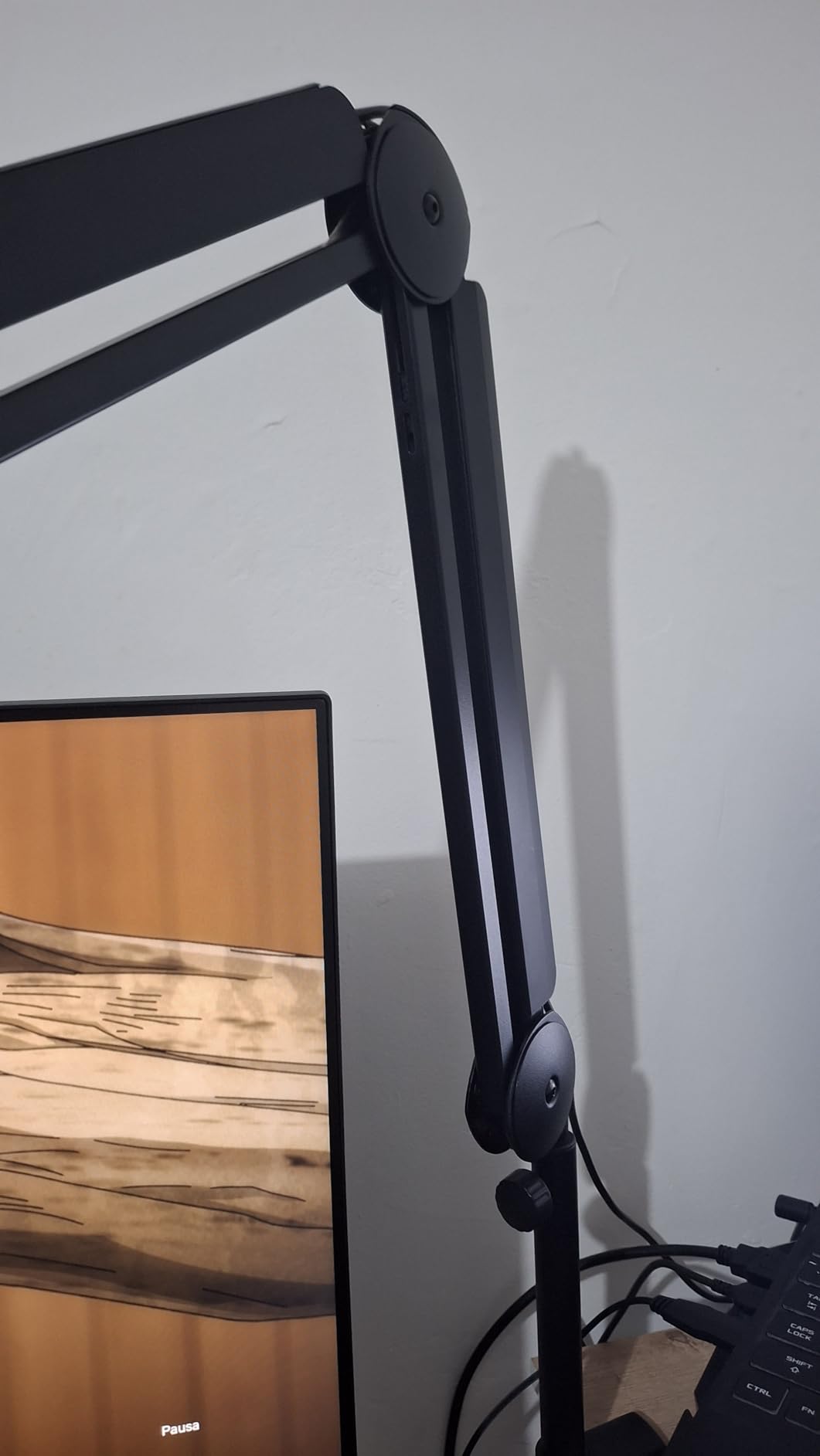
Built-in cable management channels with removable rubber covers keep wires organized and hidden. The system works well, though I did notice occasional rattling from the cable guide during enthusiastic adjustments. For streaming purposes, this rarely matters since most adjustments happen off-air.
The alloy steel construction feels substantial, and the 360-degree rotatable base provides excellent positioning flexibility. At this price point, the overall build quality exceeded my expectations based on previous experience with budget boom arms.
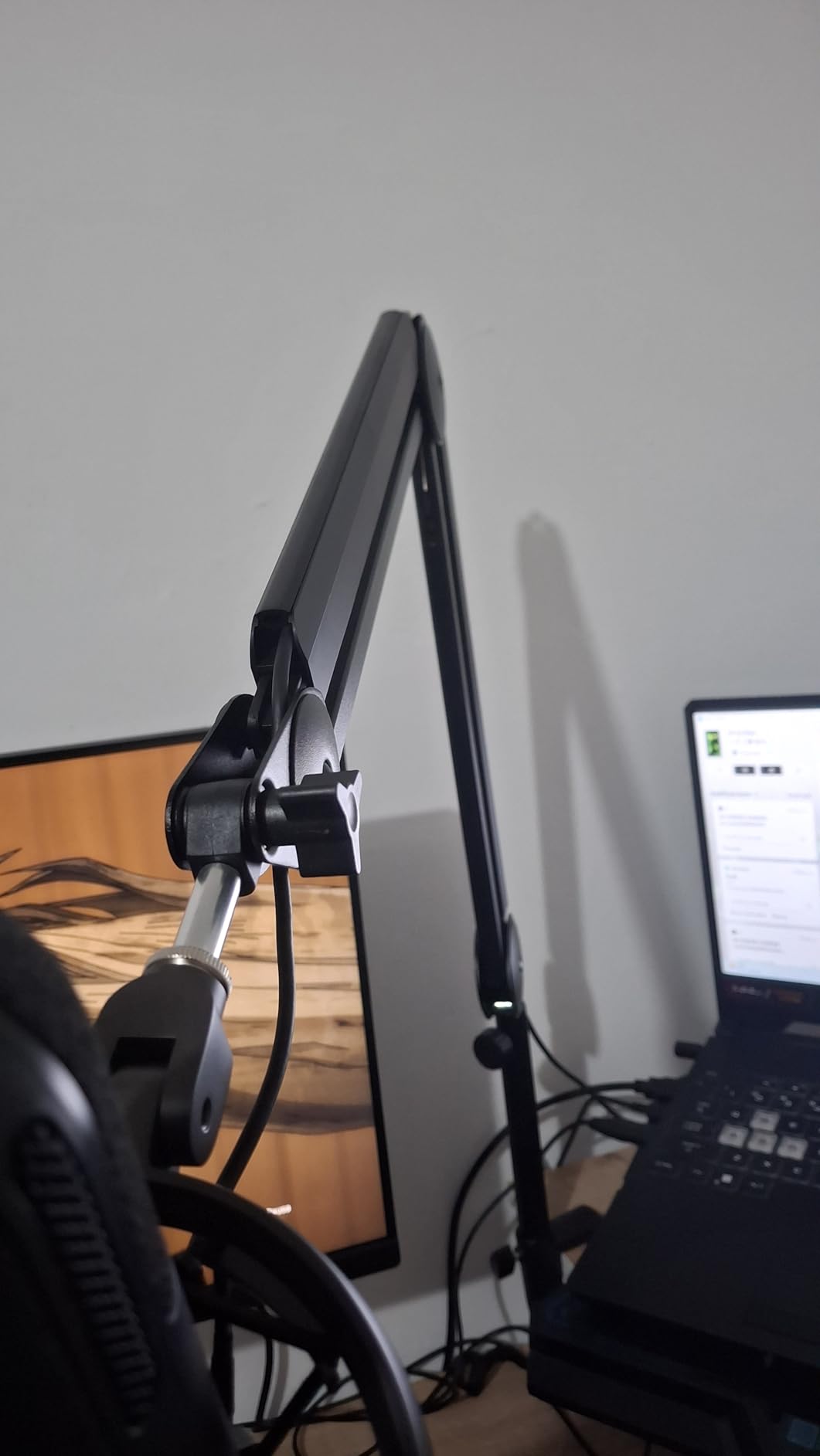
If you run a Shure SM7B, Blue Yeti, or similar heavier microphone but cannot justify the premium price of a Rode PSA1+, this InnoGear offers a compelling alternative. The strong internal springs genuinely hold weight that would cause other budget arms to sag or drift over time.
The extended reach works well for streamers with large desk setups or ultrawide monitors. I positioned it easily over a 34-inch ultrawide display without any extension issues.
Audiopholics who demand absolutely silent operation should look at premium options. While reasonably quiet, the internal springs do produce occasional subtle sounds during movement that sensitive microphones might pick up. Additionally, the plastic mic mount component feels like a cost-cutting measure in an otherwise solid package.
Weight: 2.87 lbs
Reach: 29 inches
Capacity: Up to 2.2 lbs practical
FIFINE has built a reputation for delivering solid audio gear at accessible prices, and the BM88 boom arm continues that tradition. This low-profile arm extends from beneath your monitor, keeping the boom out of your camera frame while providing the positioning flexibility streamers need.
The all-metal construction impressed me given the price point. No creaky plastic joints here, just solid metal throughout with smooth adjustments. The hidden cable management system keeps wires organized without the complexity of some premium competitors.
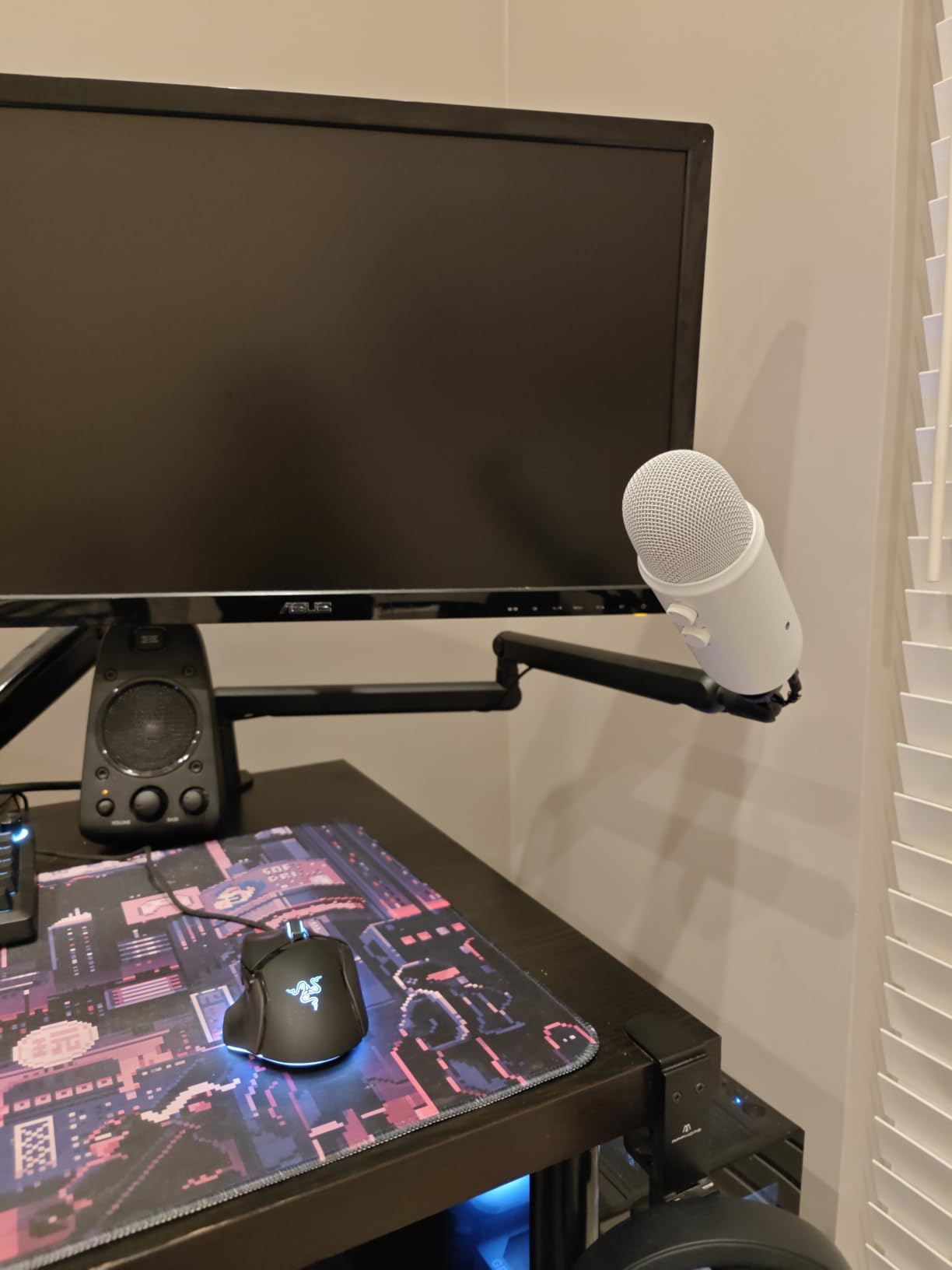
With 29 inches of extension and 220 degrees of vertical adjustment, positioning options cover most streaming setups. The 360-degree horizontal rotation adds further flexibility. I found the movement smooth enough for occasional adjustments during streams without introducing noise.
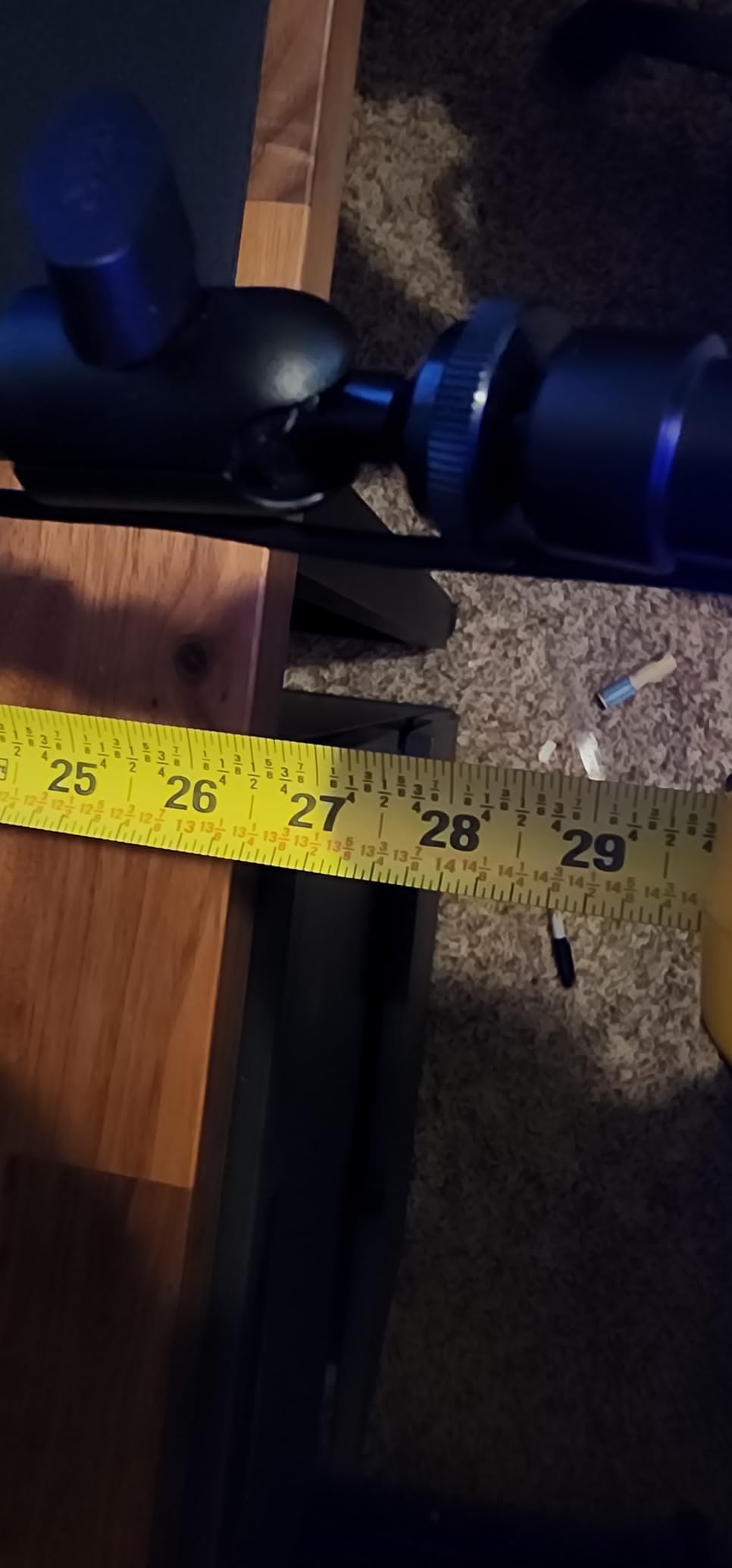
Included thread adapters cover 1/4 inch, 3/8 inch, and 5/8 inch sizes, ensuring compatibility with virtually any microphone. The C-clamp accommodates desks from 0.8 to 2.4 inches thick, which covers most standard configurations.
Streamers building their first serious setup will find tremendous value here. You get low-profile design, cable management, and solid build quality at a price that leaves budget for other gear. The clean aesthetic with minimal branding looks professional on camera.
The multiple thread adapters mean this arm will grow with you as you upgrade microphones. Whether you start with a basic USB mic and later move to an XLR setup, the BM88 handles both without requiring replacement.
Users with very heavy microphones approaching 2 pounds should consider the InnoGear or Never-Sag options instead. While the FIFINE handles moderate weights fine, very heavy loads may cause gradual drift. The ball joint also has somewhat limited range compared to premium alternatives, which might frustrate users needing extreme positioning angles.
Weight: 1.35 lbs
Reach: 15 inches
Capacity: 3.3 lbs
This is the boom arm that started countless streaming setups, and it remains the best-selling option on Amazon for good reason. At this price, you get a functional, reliable boom arm that handles most standard microphones without complaint. I have recommended this arm to dozens of new streamers, and the feedback has been consistently positive.
The classic scissor arm design offers 360-degree base rotation with 135-degree back-and-forth extension and 180-degree vertical movement. While not as refined as premium options, the adjustments get the job done for basic positioning needs.
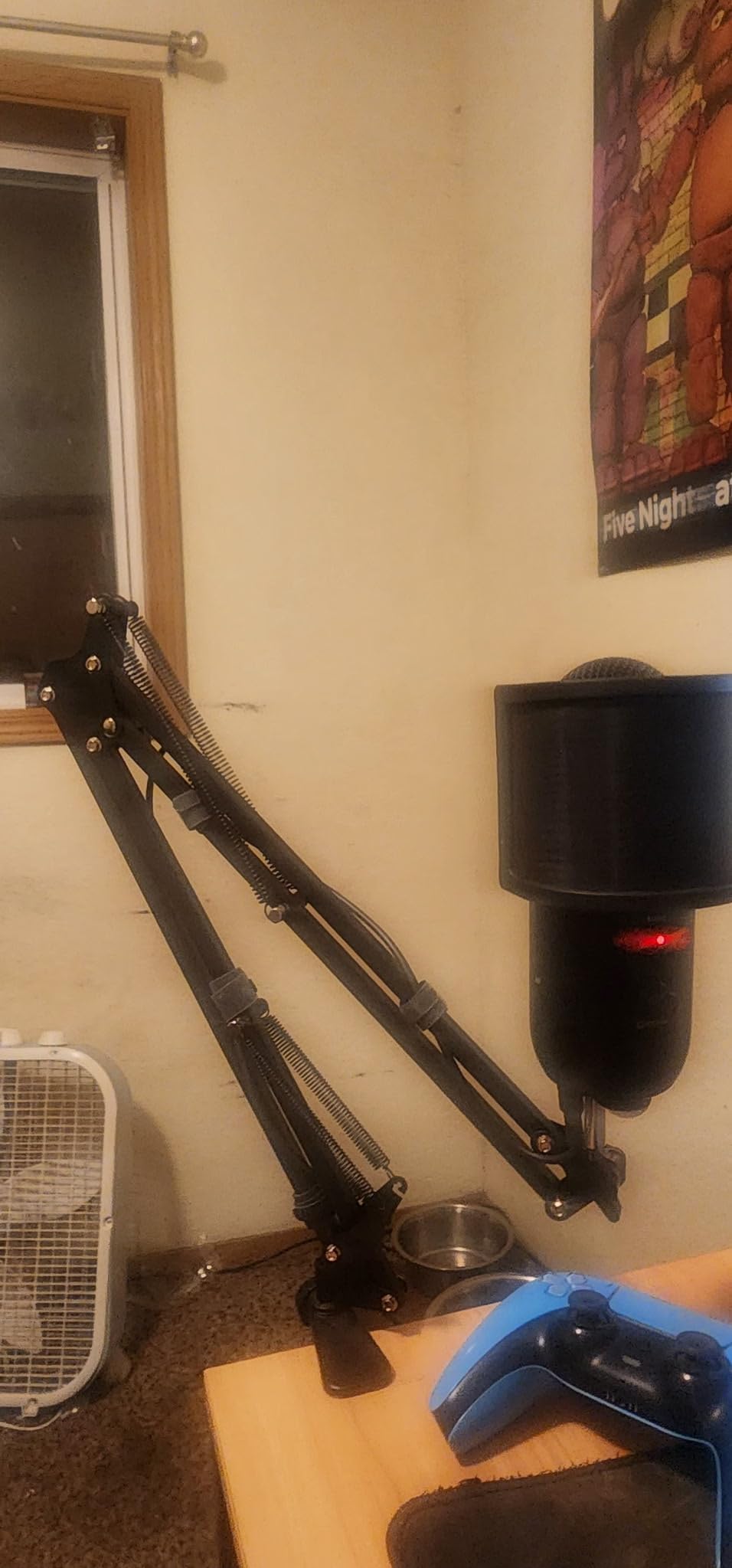
High-quality steel construction with strong springs provides the 3.3-pound capacity. This covers most USB microphones comfortably, including popular options like the Blue Yeti and HyperX QuadCast. The upgraded design addresses spring deformation issues that plagued earlier budget arms.
The included 5/8-inch to 3/8-inch adapter ensures compatibility with standard microphone threads. InnoGear also includes a basic mic clip, making this a complete package for users starting from scratch.
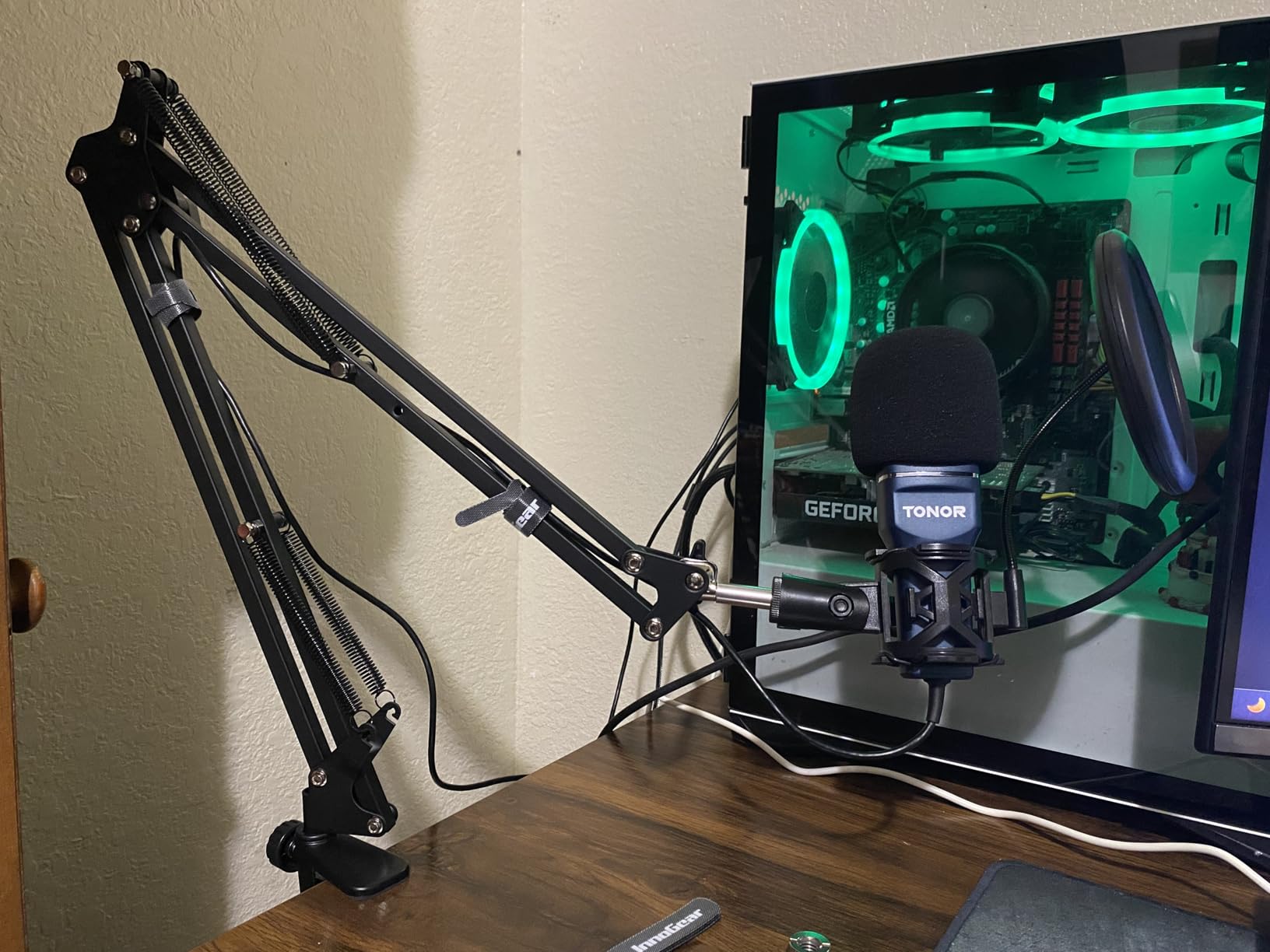
If you have never used a boom arm and want to experience the benefits without significant investment, this is your entry point. The low price lets you try the form factor and decide if you want to upgrade later. Many streamers start here and only upgrade when they develop specific needs the basic arm cannot meet.
Compatibility with popular microphones like the Blue Yeti, HyperX QuadCast, and Fifine AM8 means most USB mic owners can mount up immediately without purchasing additional adapters.
Users with curved or slanted desk edges should look elsewhere, as the clamp design requires flat, squared surfaces for secure mounting. Those planning to use heavy broadcast microphones approaching the 3.3-pound limit should also consider sturdier options. The lack of integrated cable management might also frustrate users who prioritize clean aesthetics.
Weight: 3.39 lbs
Reach: 950mm
Capacity: 6.6 lbs
The Never-Sag arm addresses the most common complaint about boom arms: gradual drooping under heavy microphone loads. Instead of springs that weaken over time, this arm uses a gear-lock system that mechanically holds position regardless of weight. For streamers running heavy setups like a Shure SM7B with shock mount and pop filter, this design philosophy makes a real difference.
With 6.6 pounds of capacity, this arm handles the heaviest broadcast microphones without breaking a sweat. The 950mm reach extends over large desks and ultrawide monitors, positioning your mic exactly where you need it even on deep workstations.
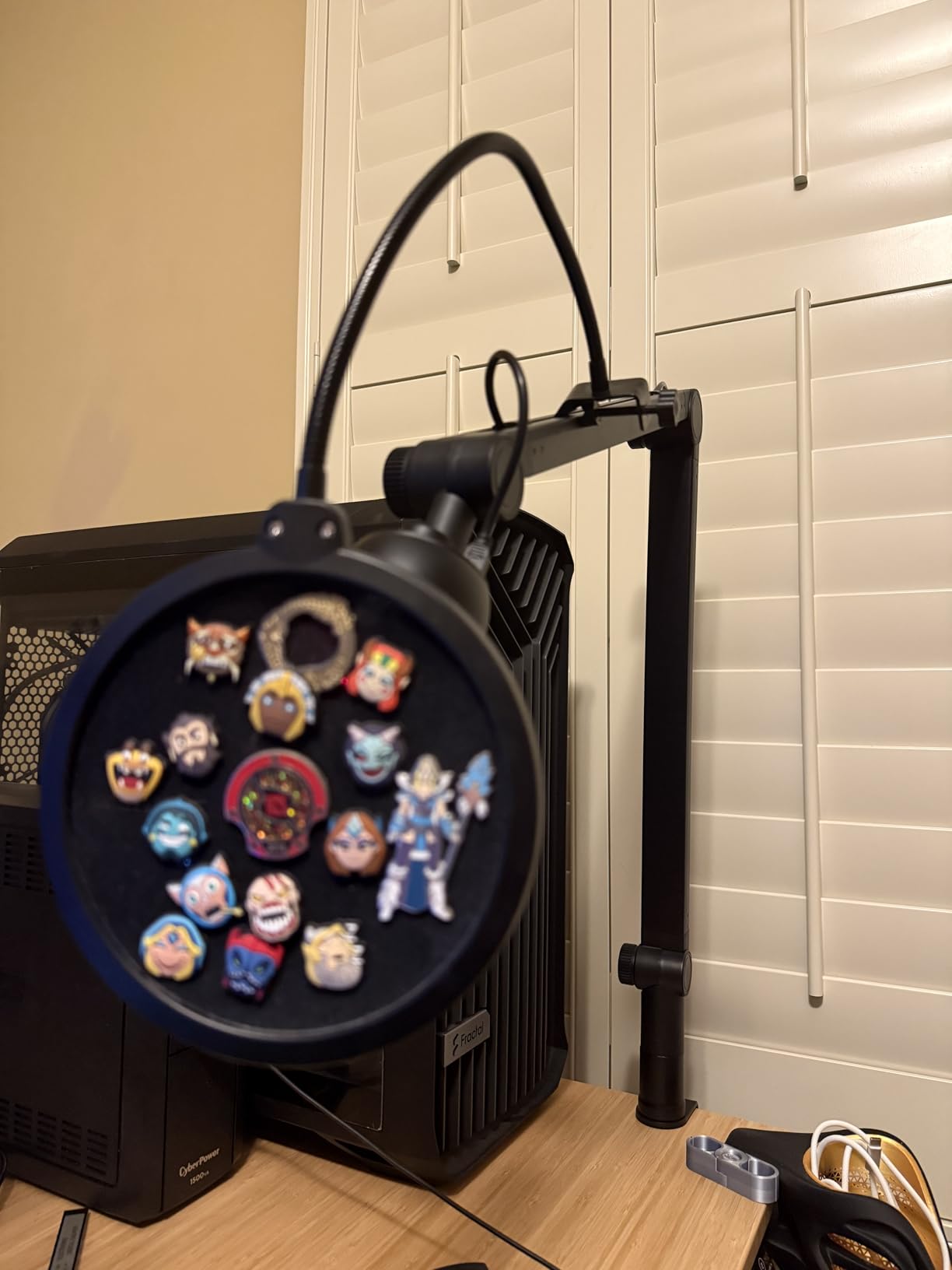
The heavy-duty aluminum alloy and glass-fiber nylon composite construction feels industrial-grade. The 40x25mm reinforced arms resist warping and cracking, addressing durability concerns that affect some budget options. Six snap-in cable management clips keep your wiring organized.
Operation differs from spring-loaded arms: you loosen knobs to adjust position, then tighten to lock in place. This makes the arm less suited for frequent on-the-fly adjustments but absolutely rock-solid once positioned.
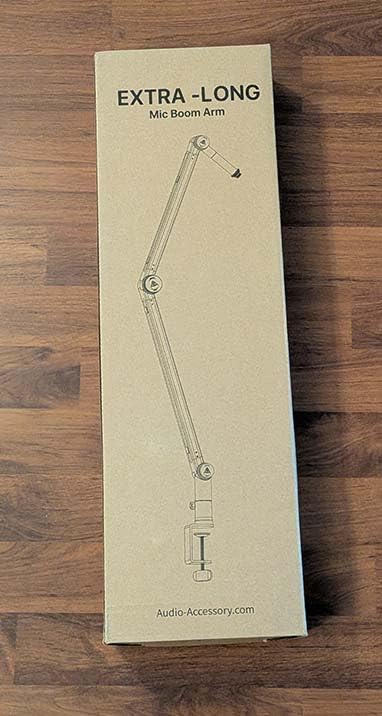
Streamers running Shure SM7B, SM7dB, MV7+, Blue Yeti with heavy shock mounts, or similar substantial setups will appreciate the no-compromise stability. The gear-lock system means your microphone stays exactly where you position it, day after day, without gradual drift.
The extra-long reach accommodates large desk setups where standard arms fall short. If you have an ultrawide monitor and need your microphone positioned well in front of your desk edge, the 950mm extension handles it easily.
Streamers who frequently adjust their microphone position during broadcasts should consider spring-loaded alternatives. The knob-based adjustment system works against rapid repositioning. The plastic joints can also produce creaking sounds when bumped, which might introduce unwanted noise into your recordings.
Weight: 4.31 lbs
Reach: 25.5 inches + 5.9 inch ext
Capacity: 2.2 lbs
The IXTECH Valiant model features what the company calls an intelligent stabilization system, which maintains microphone position during movement rather than requiring constant readjustment. In practice, this means the arm moves smoothly but stops precisely where you release it, without the bounce-back some spring-loaded arms exhibit.
The 5.9-inch extension tube adds extra height for users with tall monitors or those who prefer their microphone positioned higher. Combined with the 25.5-inch main arm, positioning flexibility covers most streaming configurations.
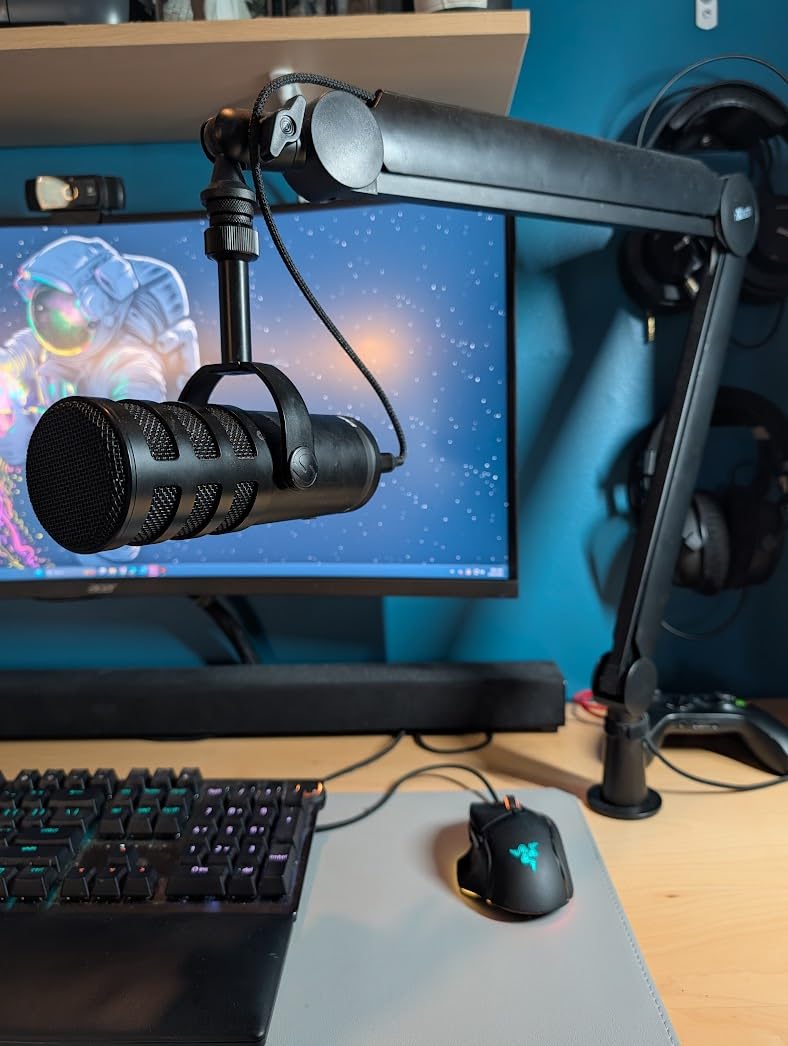
Dual suspension springs support up to 2.2 pounds, handling medium-weight microphones with ease. The 360-degree rotation allows positioning from any angle, and the arm folds flat for storage when not in use. Both C-clamp and grommet mounting options come in the box.
Universal 5/8-inch and 3/8-inch threading compatibility means virtually any microphone mounts without additional adapters. The clip-on cable management holder keeps wires organized, though the plastic covers feel somewhat fragile.
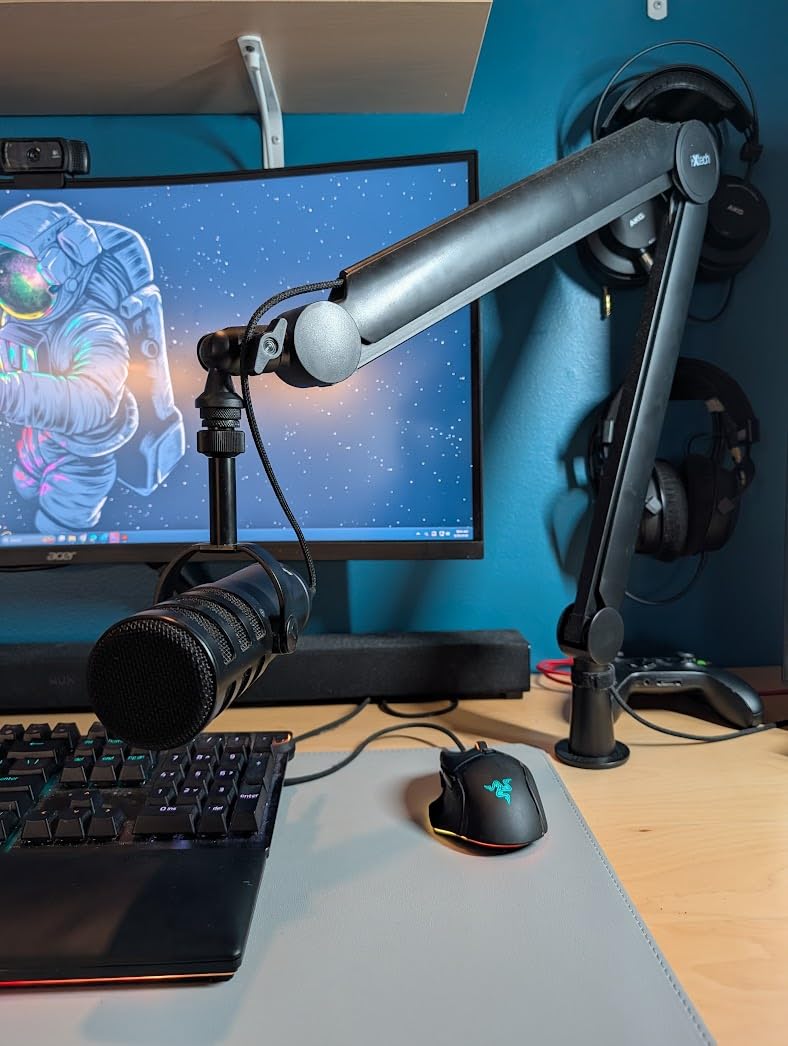
Streamers who want precise positioning without the premium price of broadcast-grade arms will find the IXTECH hits a sweet spot. The stabilization system genuinely works, holding position reliably through normal use. Users with taller monitor setups will especially appreciate the extension tube.
The folding design makes this arm practical for streamers with limited space who need to pack up their setup occasionally. When collapsed, it takes up minimal storage room.
Users with very thin desks may find the clamp does not grip securely enough, requiring shims or alternative mounting solutions. Those running microphones heavier than 2 pounds should look at the Never-Sag or InnoGear options with higher weight capacities. The plastic cable covers also feel like a weak point in an otherwise solid package.
Selecting the right boom arm comes down to matching specifications with your specific microphone and streaming setup. Here are the key factors to consider before making your decision.
The most critical specification is weight capacity, and you should always exceed your actual microphone weight by at least 20 percent. A Shure SM7B weighs approximately 1.7 pounds alone, but adding a shock mount and pop filter pushes the total toward 2.5 pounds. Arms rated at exactly your microphone weight will struggle and likely sag over time.
For heavy microphones like the SM7B, Blue Yeti, or Rode PodMic, look for arms with 3-pound minimum capacity. The Never-Sag arm with its 6.6-pound rating provides headroom for even the heaviest configurations.
Traditional boom arms extend upward before angling down to your microphone. Low profile arms like the Elgato Wave LP and FIFINE BM88 stay below your shoulder line, which keeps them out of your camera frame. If you use facecam while streaming, low profile designs create cleaner video.
Standard arms typically offer greater vertical reach and may work better for standing setups or unusual desk configurations. Consider your camera angles and whether the arm itself will become a visual distraction.
Integrated cable management channels hide your microphone cable inside the arm itself, creating a cleaner appearance on camera. Premium arms like the Rode PSA1+ and Elgato Wave LP feature sophisticated internal routing systems. Budget options may include external cable clips or no management at all.
For streaming setups where appearance matters, internal cable management significantly improves the professional look of your workspace.
Most boom arms use C-clamps that attach to the edge of your desk. Check the maximum desk thickness the clamp accommodates, typically ranging from 1.5 to 2.7 inches. Measure your desk edge before purchasing to ensure compatibility.
Important safety note for glass desk owners: standard C-clamps can crack tempered glass surfaces under pressure. If you have a glass desk, consider a freestanding microphone stand or look for arms specifically designed with padded, wide-distribution clamps. Some manufacturers explicitly warn against glass desk use.
Spring-loaded arms allow continuous adjustment without tools but may weaken over time with heavy loads. The Rode PSA1+ uses damped springs for silent operation, while budget options use exposed springs that can creak. Gear-lock systems like the Never-Sag arm use mechanical locking for rock-solid positioning but require knob adjustments for repositioning.
Choose spring systems for frequent adjustments and gear-lock for set-it-and-forget-it stability with heavy microphones.
Most microphones use either 5/8-inch or 3/8-inch threading. Many boom arms include adapters for both, but verify compatibility before purchasing. The InnoGear Classic and FIFINE BM88 include multiple adapters, ensuring broad microphone compatibility.
The Rode PSA1+ is widely considered the best overall boom arm for streaming due to its silent spring damping, professional build quality, and excellent cable management. For budget-conscious streamers, the InnoGear Classic at around $20 provides reliable performance for most USB microphones. The Elgato Wave Mic Arm LP offers an excellent middle-ground with its low profile design that keeps the arm out of your camera frame.
The Shure SM7B weighs approximately 1.7 pounds, requiring a boom arm with at least 2.5-pound capacity when you add a shock mount. The Rode PSA1+ handles up to 2.6 pounds and is the most popular choice among SM7B users. The Never-Sag Mic Boom Arm offers 6.6-pound capacity with gear-lock positioning that prevents the sagging common with heavy microphones. The InnoGear upgraded arm with 3.5-pound capacity also works well at a lower price point.
Budget boom arms under $25 like the InnoGear Classic are absolutely worth it for casual streamers and those just starting out. They handle standard USB microphones adequately and provide the basic benefits of boom arm positioning. However, cheap arms often lack cable management, may produce squeaking sounds during adjustment, and can struggle with heavier microphones. If you stream regularly or use a broadcast-grade microphone, investing in a mid-range or premium arm provides better long-term value.
Boom arm weight capacities range from about 2 pounds for budget options up to 6.6 pounds for heavy-duty models. Standard budget arms typically support 2 to 3.5 pounds, sufficient for most USB microphones. Mid-range arms like the InnoGear upgraded model handle 3.5 pounds. Premium broadcast arms like the Rode PSA1+ support up to 2.6 pounds (1.2kg). Heavy-duty options like the Never-Sag arm support up to 6.6 pounds for the heaviest studio microphones with accessories.
To stop boom arm squeaking, first identify the source. Apply a small amount of silicone-based lubricant or white lithium grease to pivot points and springs. Tighten any loose screws or bolts at the joints. For spring noise, wrapping springs with foam tape or heat-shrink tubing can dampen vibrations. If the squeaking comes from plastic components rubbing together, a tiny amount of petroleum jelly at contact points often resolves the issue. Premium arms with internal damped springs like the Rode PSA1+ virtually eliminate this problem.
Finding the best boom arms for streaming microphones comes down to matching your specific needs with the right combination of weight capacity, design, and budget. For professional streamers who demand silent operation and premium build quality, the Rode PSA1+ remains the gold standard. Those prioritizing clean camera shots should consider the Elgato Wave Mic Arm LP or FIFINE BM88 for their low profile designs.
Budget-conscious creators can start confidently with the InnoGear Classic, which delivers surprising value at its entry-level price. Heavy microphone users running Shure SM7B or similar broadcast gear should look at the Never-Sag arm or upgraded InnoGear for the weight support they need.
Whichever arm you choose, the improvement in microphone positioning and desk organization will immediately enhance your streaming experience. A quality boom arm is one of those upgrades that seems small until you try it, after which you wonder how you ever managed without one.