10 Best Key Lights for Streaming Setups (March 2026)
Good lighting makes or breaks a stream. I’ve seen countless streamers with expensive cameras who look amateur because of poor lighting, while others with budget…

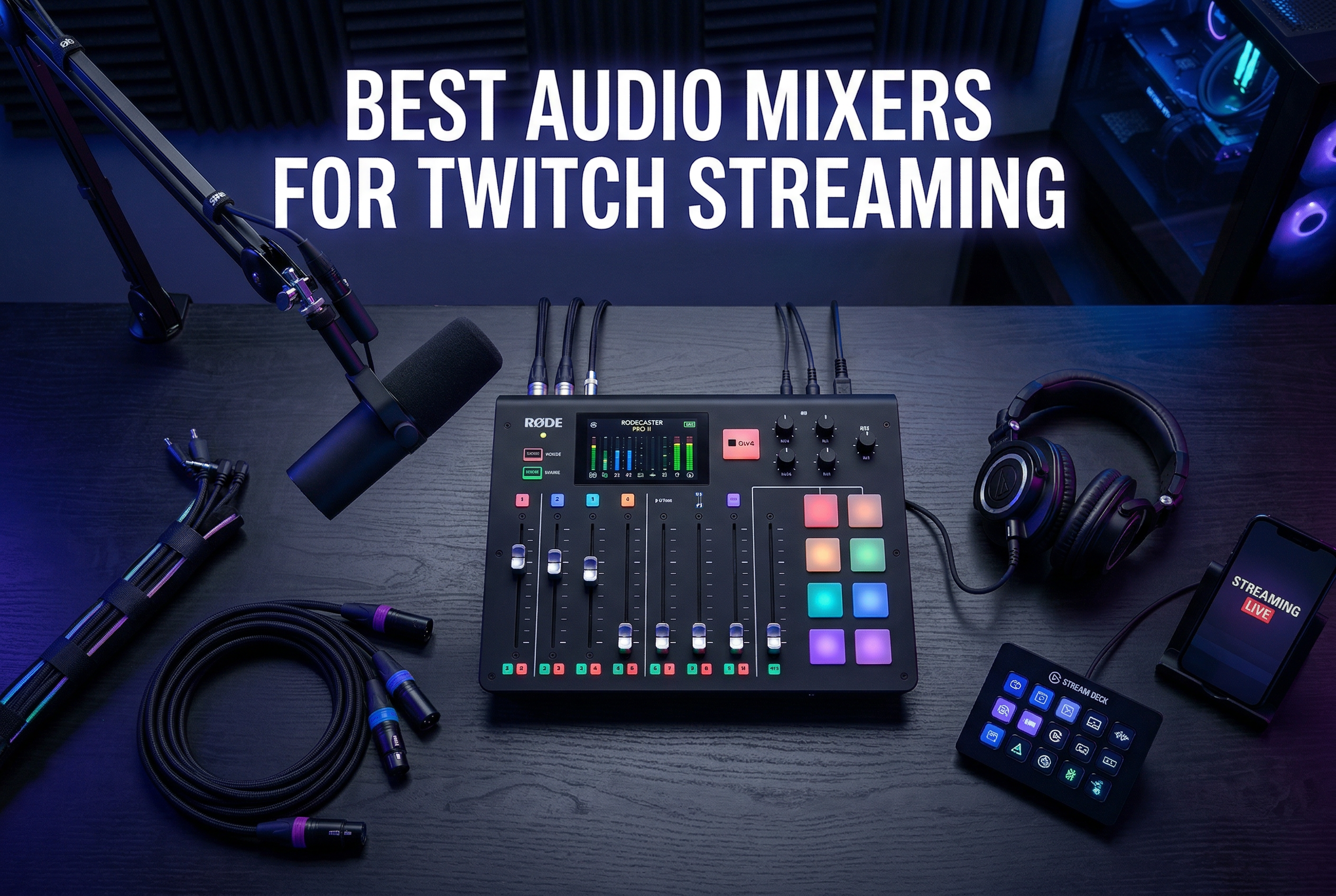
Nothing kills a Twitch stream faster than bad audio. I learned this the hard way after spending months wondering why viewers kept leaving within the first few minutes. My video quality was crisp, my gameplay solid, but my audio was a mess of distorted microphone levels, unbalanced game sounds, and no way to quickly mute myself when the doorbell rang. That is when I discovered audio mixers, and they completely transformed my streaming setup.
The best audio mixers for Twitch streaming give you real-time control over every sound source in your broadcast. Whether you are managing multiple microphones for co-hosts, balancing game audio with background music, or adding sound effects on the fly, a good mixer puts that power at your fingertips. After testing over a dozen options and researching what fellow streamers actually use, I have narrowed down the top 10 mixers that deliver professional results without requiring an engineering degree.
In this guide, I will walk you through everything from budget-friendly starter options under $50 to premium setups that rival professional broadcast studios. Each mixer on this list has been evaluated based on sound quality, ease of use, streaming-specific features, and real-world performance. Let me help you find the perfect audio mixer for your Twitch streaming needs.
These three mixers represent the best options across different budgets and use cases. The Elgato Stream Deck + combines powerful audio control with programmable buttons and touch dials, making it perfect for streamers who want complete control over their entire setup. The TC Helicon GoXLR MINI delivers studio-quality audio with its legendary MIDAS preamp and intuitive fader controls at a mid-range price. For those just starting out, the FIFINE AmpliGame SC3 offers surprising quality at an unbeatable price point.
| Product | Specs | Action |
|---|---|---|
 Elgato Stream Deck +
|
|
Check Latest Price |
 FIFINE AmpliGame SC3
|
|
Check Latest Price |
 Focusrite Scarlett 2i2 4th Gen
|
|
Check Latest Price |
 TC Helicon GoXLR MINI
|
|
Check Latest Price |
 FIFINE Gaming Bundle KS5
|
|
Check Latest Price |
 BEACN Mix Create
|
|
Check Latest Price |
 FIFINE AmpliGame SC8
|
|
Check Latest Price |
 MAONO MaonoCaster G1 NEO
|
|
Check Latest Price |
 MAONO MaonoCaster AME2
|
|
Check Latest Price |
 MAONO MaonoCaster E2 Gen2
|
|
Check Latest Price |
15 LCD Keys
8 Touch Dials
Audio Mixer
USB Interface
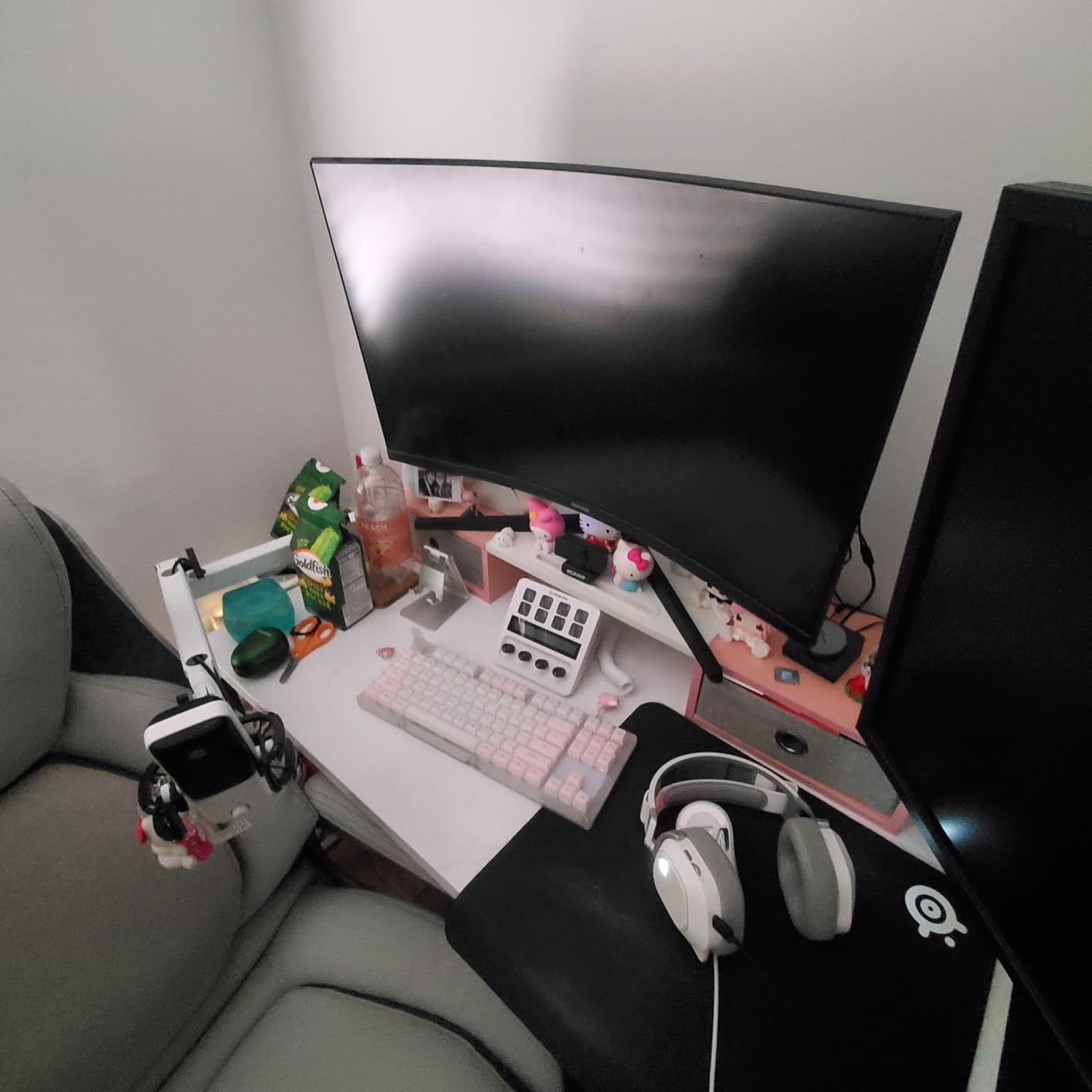
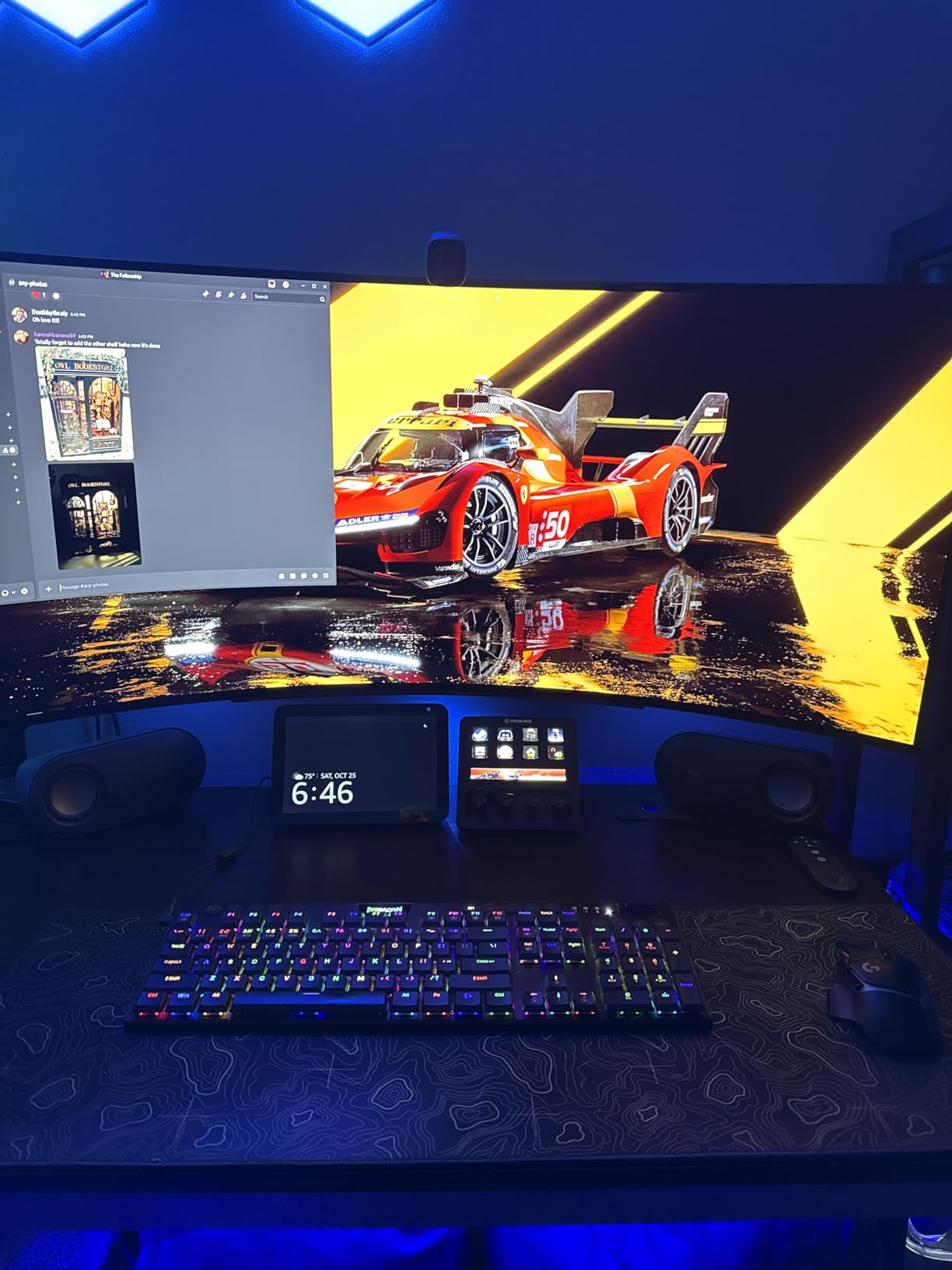
After using the Elgato Stream Deck + for three months of daily streaming, I can confidently say it has become the centerpiece of my entire setup. What sets this device apart from traditional audio mixers is its combination of visual feedback and tactile control. The 8 touch strip dials let me adjust microphone levels, game audio, music volume, and Discord chat with a simple swipe, while the LCD display shows me exactly what each dial controls at a glance.
The 15 programmable LCD keys take this beyond a simple audio mixer. I have programmed mine to trigger scene changes in OBS, launch sound effects, mute specific audio sources, and even control my smart lights. The Multi Actions feature lets me trigger multiple events with a single button press, which means I can go from talking to my chat to starting a game with one tap that adjusts all my audio levels simultaneously.
What impressed me most is how seamlessly it integrates with streaming software. The Stream Deck app connects directly to OBS, Twitch, YouTube, Discord, and Spotify without any complicated setup. I particularly love the Smart Profiles feature, which automatically switches button layouts when I change scenes in OBS. When I switch to my Just Chatting scene, my buttons change to show sound effects and chat commands. When I start a game, they switch to audio controls and gameplay shortcuts.
The build quality feels substantial at just over a pound, and the black aluminum finish looks professional on camera. The rotary dials have a satisfying resistance that makes precise adjustments easy. I did experience occasional software glitches where the app would lose connection, but a quick restart always fixed it. The plugin ecosystem is extensive, though some third-party plugins can be unstable.
This mixer is ideal for established streamers who want to consolidate multiple devices into one control center. If you currently have separate devices for audio control, scene switching, and sound effects, the Stream Deck + can replace all of them. It works especially well for streamers who use multiple audio sources and want quick access to level adjustments during live broadcasts.
If you are just starting your streaming journey and primarily use a single USB microphone, this might be overkill. The learning curve is steeper than traditional mixers, and you will not fully utilize its capabilities without multiple audio sources or complex scene setups. Consider starting with a simpler audio mixer and upgrading once you outgrow it.
XLR Input
48V Phantom
4 Channels
USB-C Powered
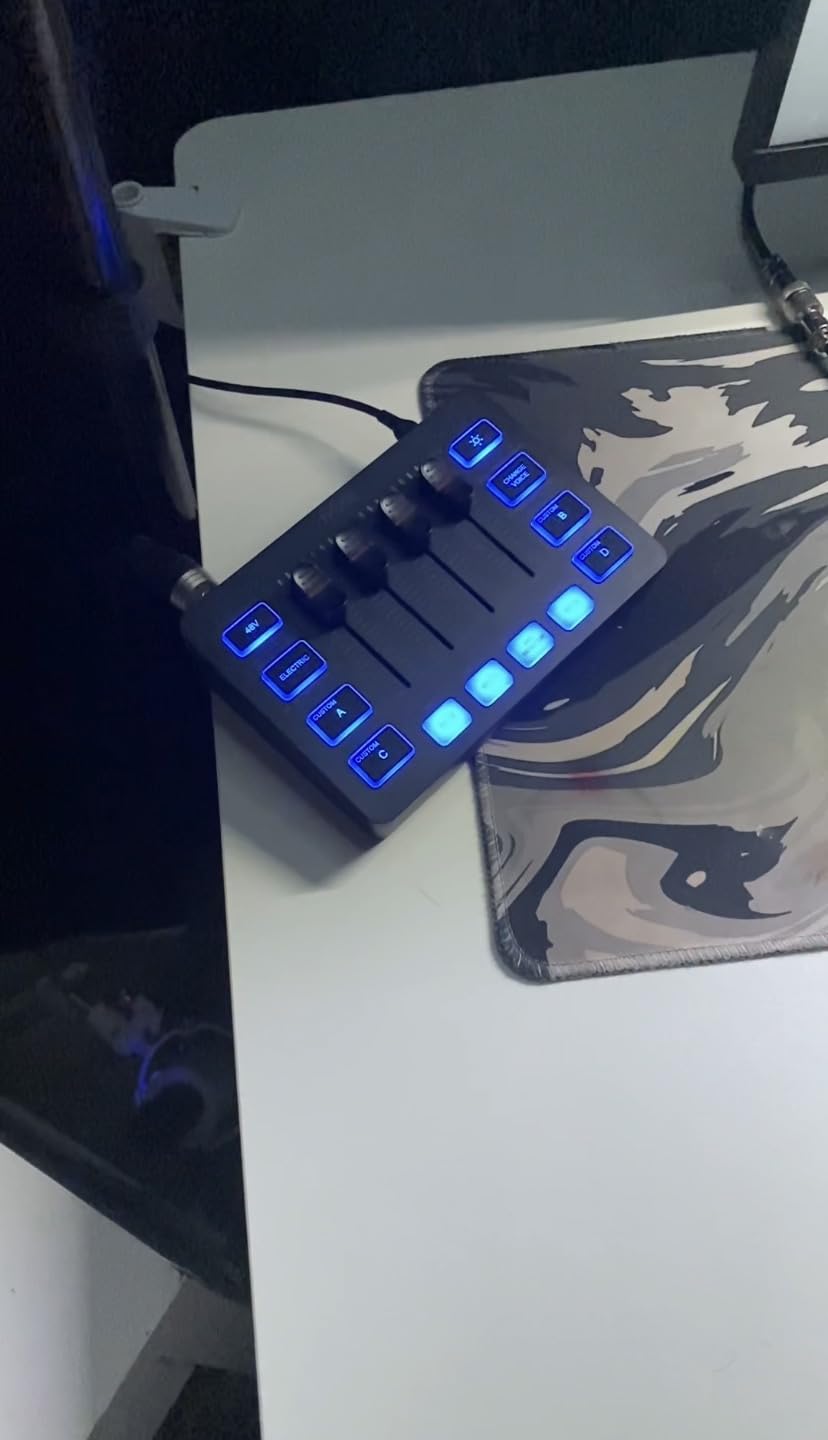
When I first unboxed the FIFINE AmpliGame SC3, I was skeptical about what a $50 mixer could actually deliver. After two weeks of testing, I was genuinely surprised by the quality. The built-in 48V phantom power works flawlessly with my condenser microphone, eliminating the need for a separate power supply. This feature alone typically costs extra on budget mixers, so getting it included at this price point is remarkable.
The four independent channel controls let me balance my microphone, game audio, chat, and music with precision. Each channel has its own volume fader, and the front-facing mute and monitor buttons are conveniently placed for quick access during streams. The 4 customizable sound effect buttons are fun for triggering alerts or sound bites, though the recording quality on these is noticeably lower than the main audio channels.
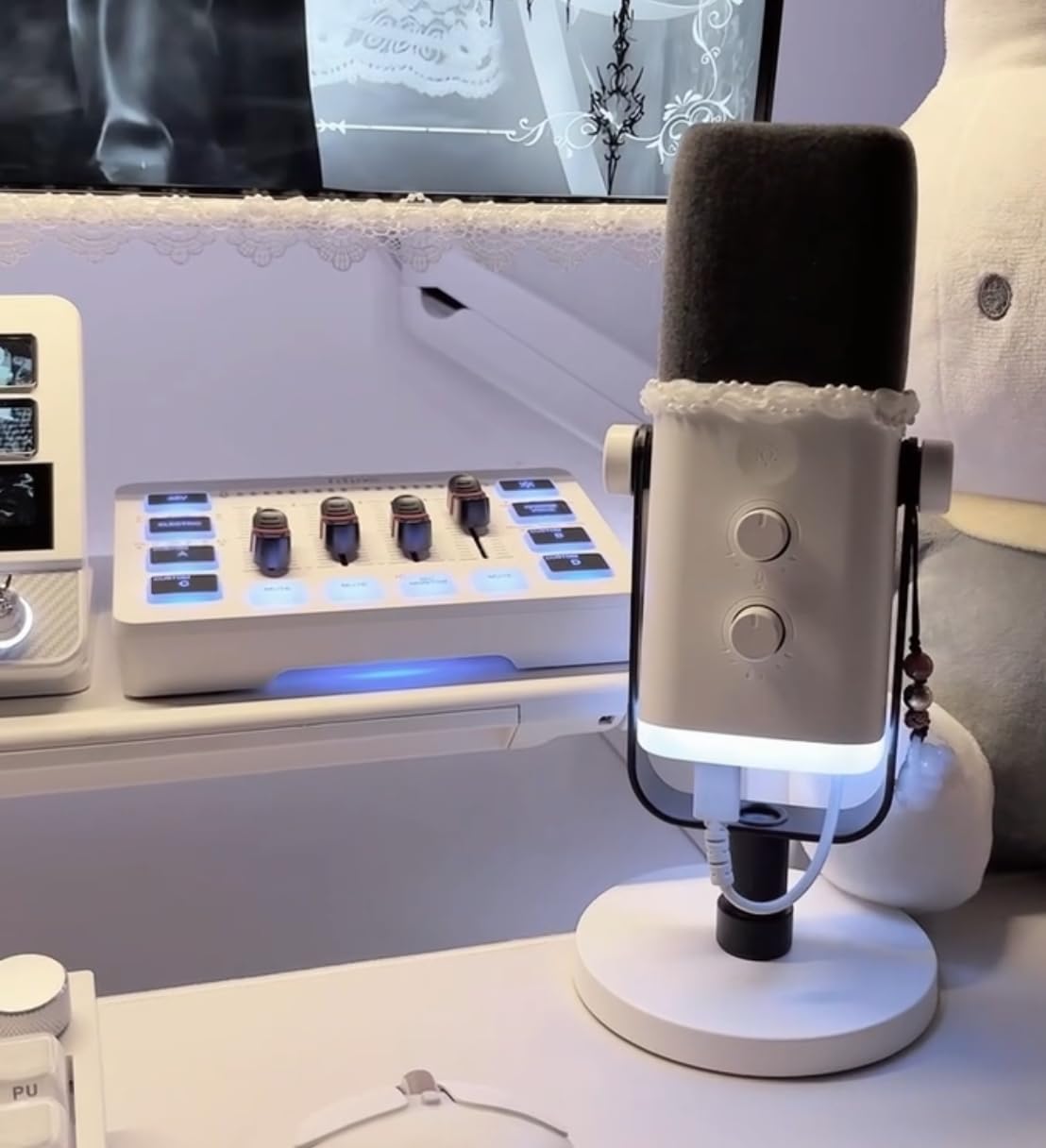
Setup was refreshingly simple. I plugged it into a USB 3.0 port, and Windows recognized it immediately without needing to install drivers. The RGB lighting adds a nice visual touch to my stream setup, though the customization options are limited to preset color rotations. I found the voice changing modes and auto-tune features to be more gimmicky than useful, but they might appeal to streamers looking to add variety to their content.
The build quality exceeded my expectations for the price. The plastic construction feels sturdy enough for daily use, and at just over a pound, it stays firmly in place on my desk. The compact dimensions make it perfect for smaller streaming setups where desk space is at a premium. One thing to note is that you will need to supply your own XLR cable, which is not included in the package.
This is the ideal starting point for anyone new to streaming who wants to upgrade from basic USB microphone setups. The combination of XLR input with phantom power, individual channel controls, and plug-and-play simplicity makes it accessible without overwhelming new users. If you are looking to experiment with audio mixing before committing to a more expensive setup, this is your best entry point.
If you are running a professional broadcast or need pristine audio quality for commercial content, the limitations will become apparent. The voice effects are more novelty than professional tools, and the sound pad quality is noticeably lower than the main channels. Streamers planning to upgrade their equipment significantly should consider a more expandable mixer.
120dB Dynamic Range
2 XLR Inputs
USB-C
Air Mode
The Focusrite Scarlett 2i2 4th Gen sits in a different category than most mixers on this list. It is technically an audio interface rather than a traditional mixer, but for many Twitch streamers, this distinction does not matter. What matters is the exceptional 120dB dynamic range that captures every nuance of my voice with stunning clarity. After using this interface for podcast recordings and streaming sessions, I understand why it has become the industry standard for home studios.
The 4th generation improvements are genuinely useful, not just marketing fluff. The Auto Gain feature has saved me countless times by automatically setting the perfect input level when I switch microphones or recording environments. Clip Safe monitors my audio in real-time and prevents distortion even when I get excited during intense gaming moments. These features work silently in the background, letting me focus on my content instead of constantly monitoring levels.
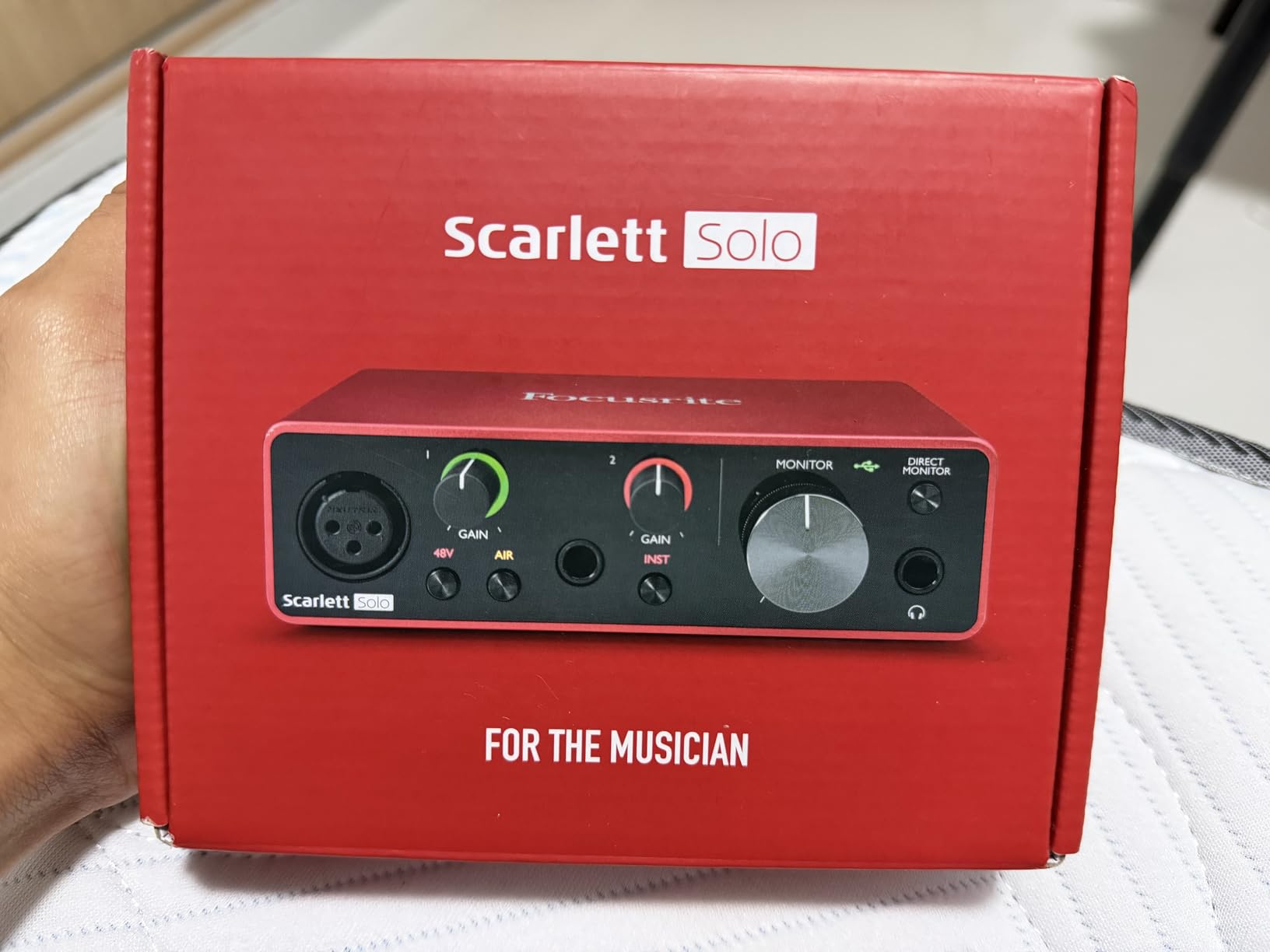
The Air mode is a game-changer for vocal clarity. With a single button press, it adds a bright, open quality to my voice that cuts through game audio and music. I have received multiple comments from viewers asking what microphone I upgraded to, when the only change was enabling Air mode on the Scarlett. The aluminum body feels premium and substantial, and the red finish has become iconic in the streaming and podcasting community.
The included software bundle is comprehensive and genuinely useful. Focusrite includes Ableton Live Lite, Pro Tools Artist, and a suite of plugins that would cost hundreds of dollars separately. While the packaging could use better shock protection and the manual is only available as a PDF, these are minor complaints for a device that delivers such consistent, professional results.
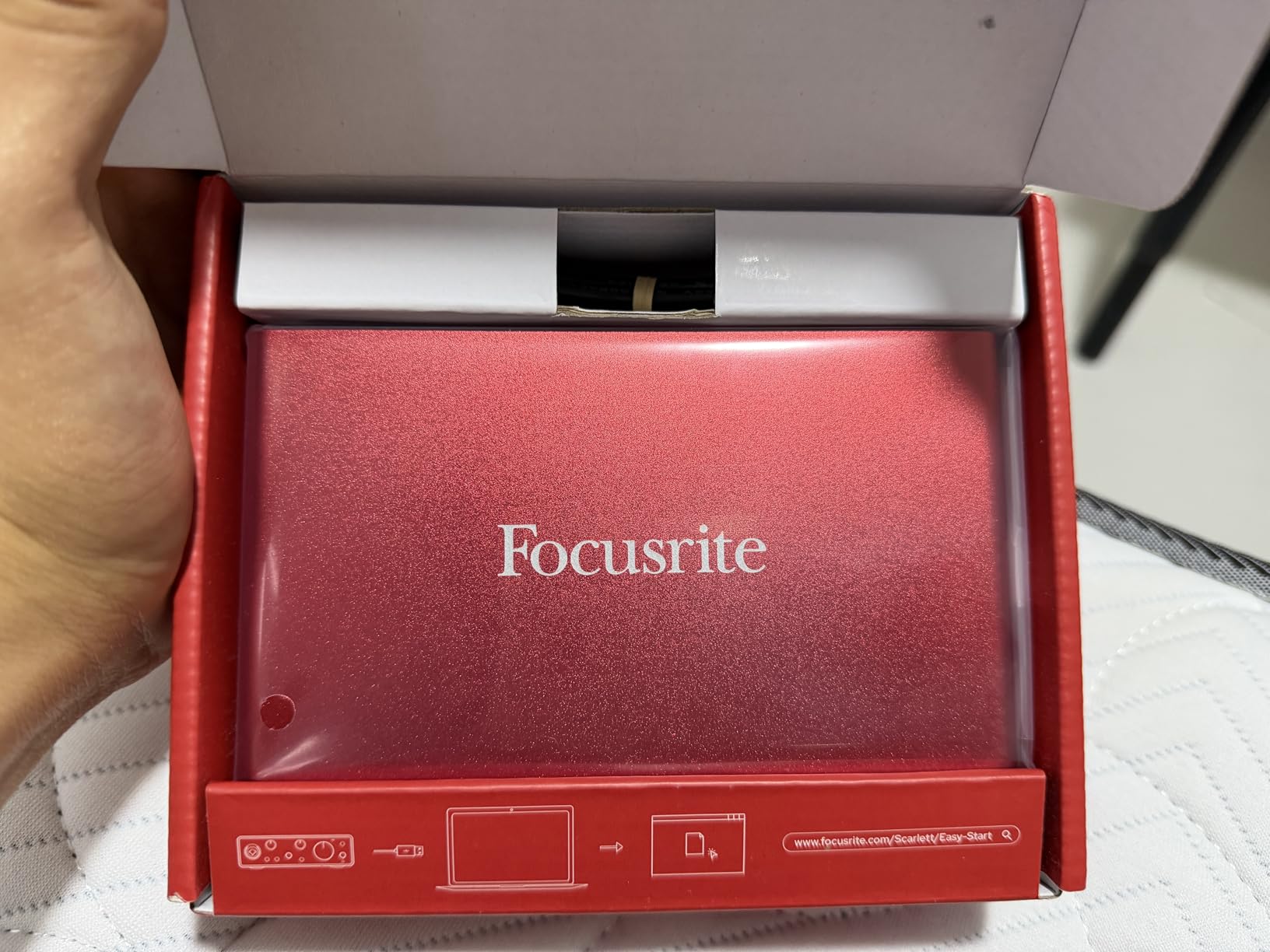
This interface is ideal for streamers who prioritize audio quality above all else. If you have invested in a quality XLR microphone and want to capture every detail of your voice, the Scarlett 2i2 4th Gen will not hold you back. It is also perfect for streamers who record podcasts or music on the side, as the same device handles all these use cases with professional results.
If you need to manage multiple audio sources simultaneously with real-time mixing, a traditional mixer might serve you better. The Scarlett excels at capturing clean audio but does not offer the hands-on control of multiple channels that dedicated streaming mixers provide. Streamers who frequently adjust levels between games, music, and chat during broadcasts may find the lack of physical faders limiting.
MIDAS Preamp
4 Faders
Built-in EQ
USB Interface
The TC Helicon GoXLR MINI has achieved almost legendary status in the streaming community, and after using it for six months, I understand why. The MIDAS preamp delivers studio-quality tone with 75dB of gain, which means even demanding dynamic microphones like the Shure SM7B work perfectly without needing an additional booster like a Cloudlifter. This alone saves money and simplifies your signal chain.
What makes the GoXLR MINI special for streamers is the thoughtful integration of hardware and software. The four physical faders give me instant control over my microphone, game audio, chat, and music. The built-in EQ, compression, and noise gate are processed onboard, which means my computer does not have to do the heavy lifting. This results in smoother performance and lower latency compared to software-only solutions.
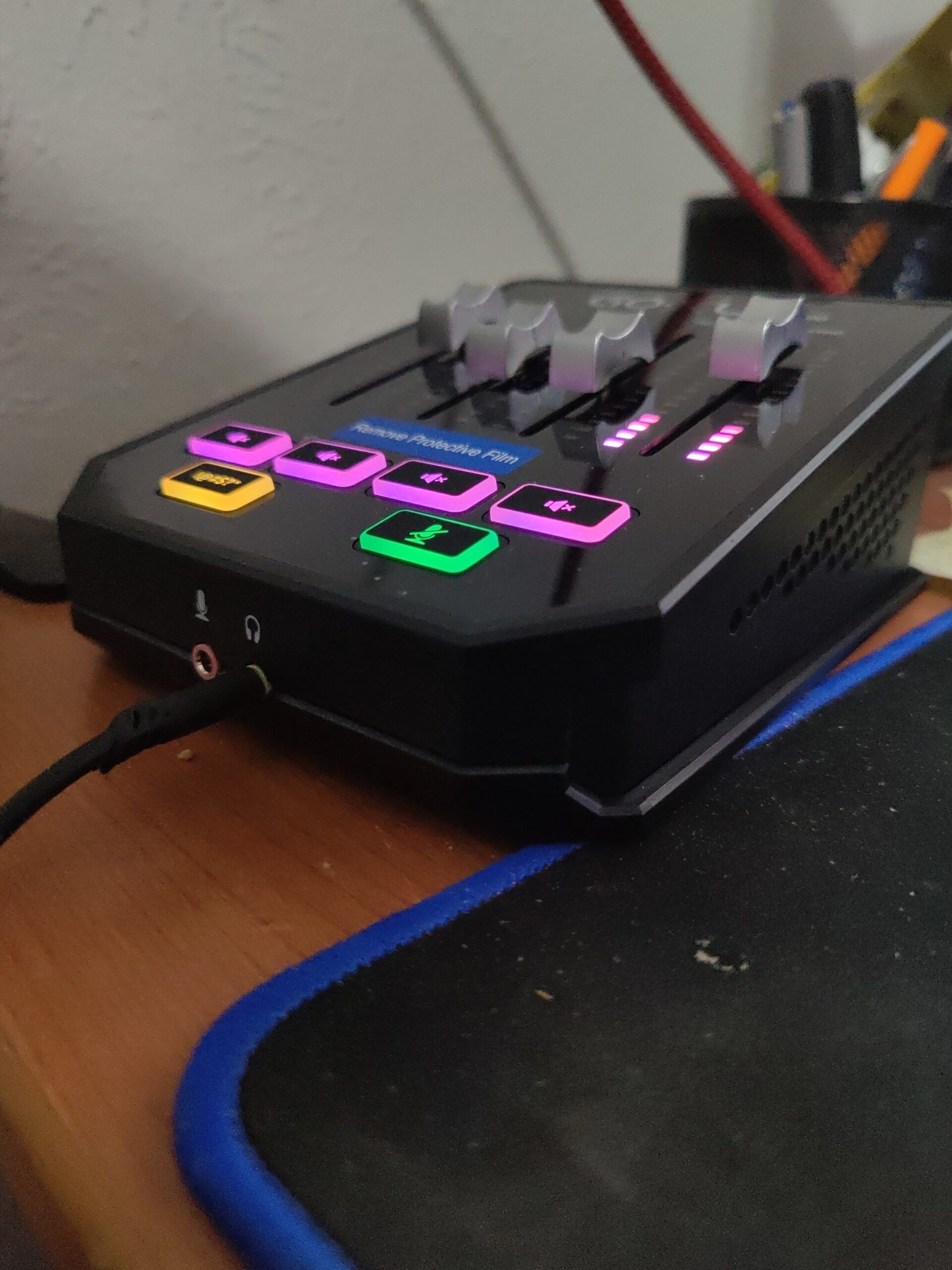
The GoXLR app for Windows provides deep customization options. I have created separate profiles for different games and streaming scenarios, each with tailored EQ settings and audio routing. The cough button (mute button) is positioned perfectly for quick access, and the customizable RGB lighting adds personality to my setup. The flexible audio routing lets me send different audio mixes to my stream, headphones, and speakers.
The build quality is exceptional. The stainless steel construction feels substantial and professional, and the faders move smoothly without feeling loose or cheap. My main frustration is the lack of macOS support. If you stream from a Mac, you are out of luck with this device. The single XLR input also limits you if you plan to have co-hosts or guests on your stream regularly.
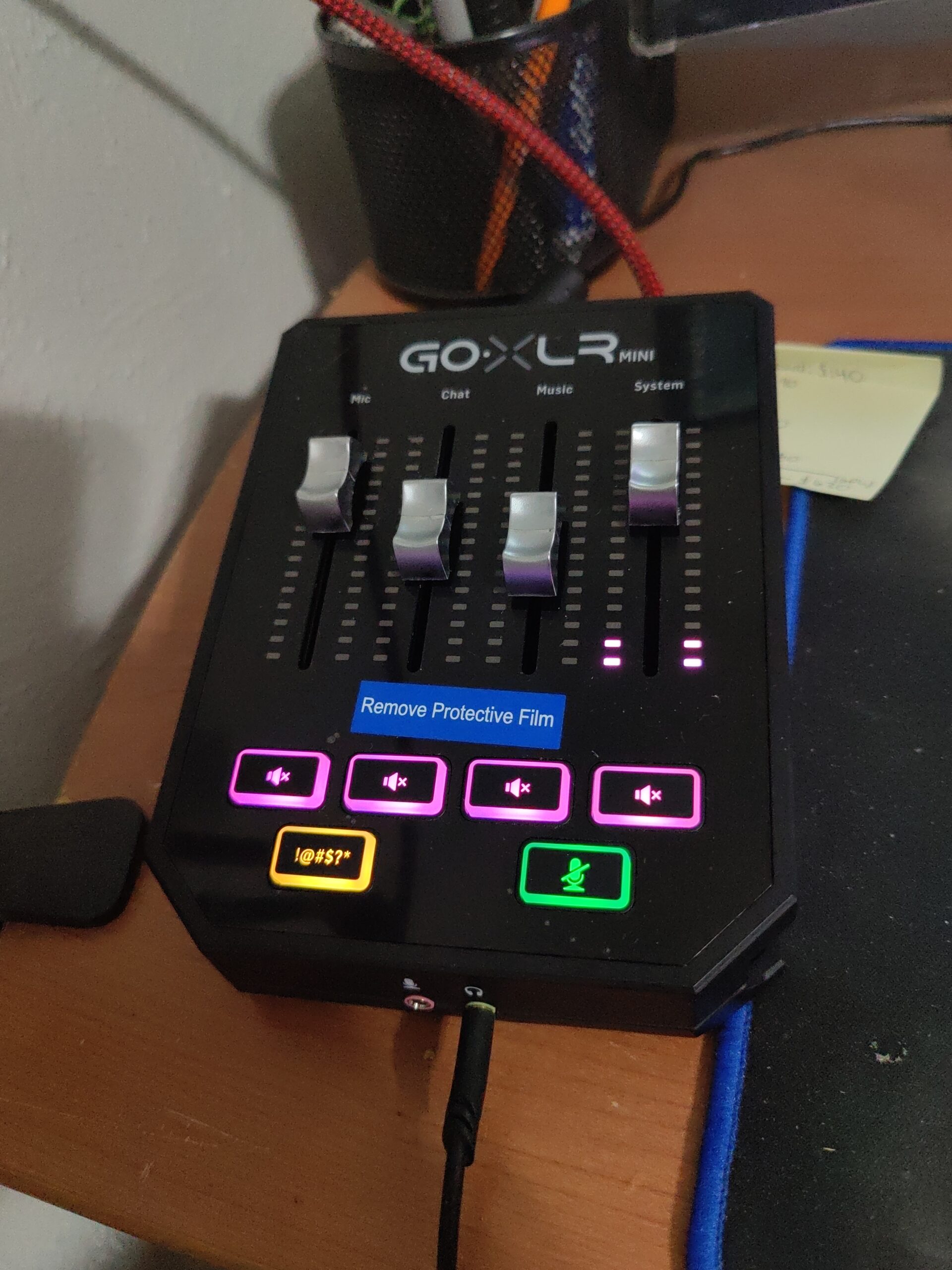
This is the ideal choice for Windows-based streamers who want professional audio without the complexity of traditional mixing boards. If you use a single XLR microphone and want built-in processing that sounds great out of the box, the GoXLR MINI delivers exceptional value. The combination of quality preamp, onboard effects, and intuitive controls makes it perfect for solo streamers who take their audio seriously.
If you stream from a Mac, you will need to look elsewhere as there is no official macOS support. The single XLR input also makes this unsuitable for streamers who regularly host co-hosts or interview guests. If you anticipate needing multiple microphone inputs in the future, consider a mixer with more channels from the start.
XLR/USB Mic
Mixer Included
Volume Fader
RGB Lighting
The FIFINE Gaming Equipment Bundle KS5 is perfect for streamers who want to upgrade from a basic headset microphone without piecing together components from different manufacturers. I tested this bundle for a week, and the convenience of having a matched microphone and mixer from the same company eliminates compatibility concerns. The dynamic XLR microphone delivers clear, professional sound that significantly improved my stream quality.
What impressed me most was the dual connectivity. The microphone works via both XLR and USB, which gives you flexibility for different setups. I used the USB connection for quick laptop streaming sessions and the XLR connection through the included mixer for my main desktop setup. The mixer provides convenient volume control and mute functionality right at my fingertips.
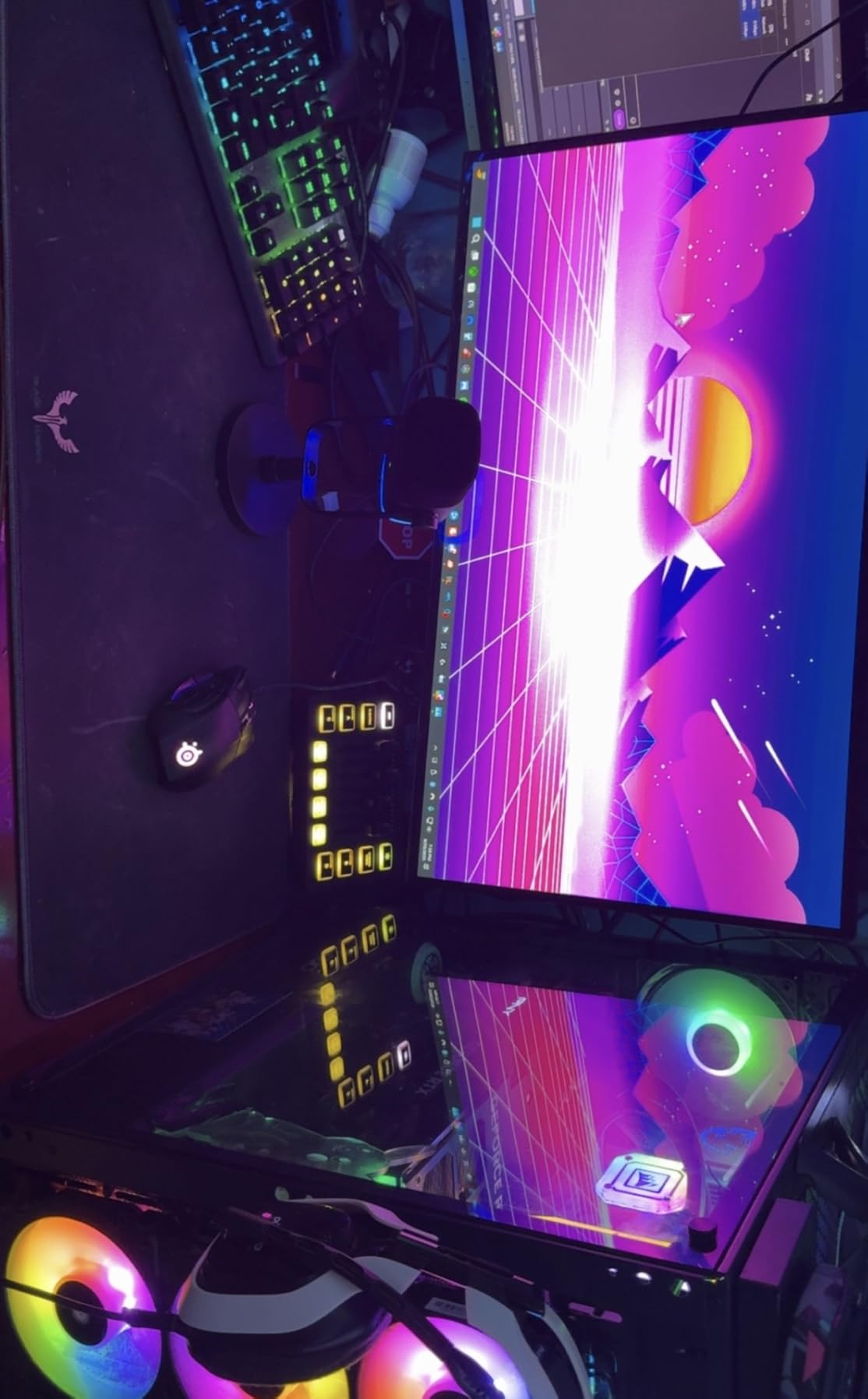
The microphone excels at background noise rejection. During testing, I had an air conditioner running in the background, and viewers commented that they could barely hear it. The cardioid pickup pattern focuses on my voice while rejecting sounds from the sides and rear. The included mixer adds RGB lighting that matches the microphone, creating a cohesive look for my streaming setup.
I did encounter one concerning issue during testing. The mixer sporadically shut off twice during longer streaming sessions. After researching, I found this is a known issue affecting some units. The plastic construction feels less premium than standalone mixers, and the function keys only work when connected via USB rather than XLR. Despite these concerns, the overall value of getting both a quality microphone and functional mixer at this price is hard to beat.
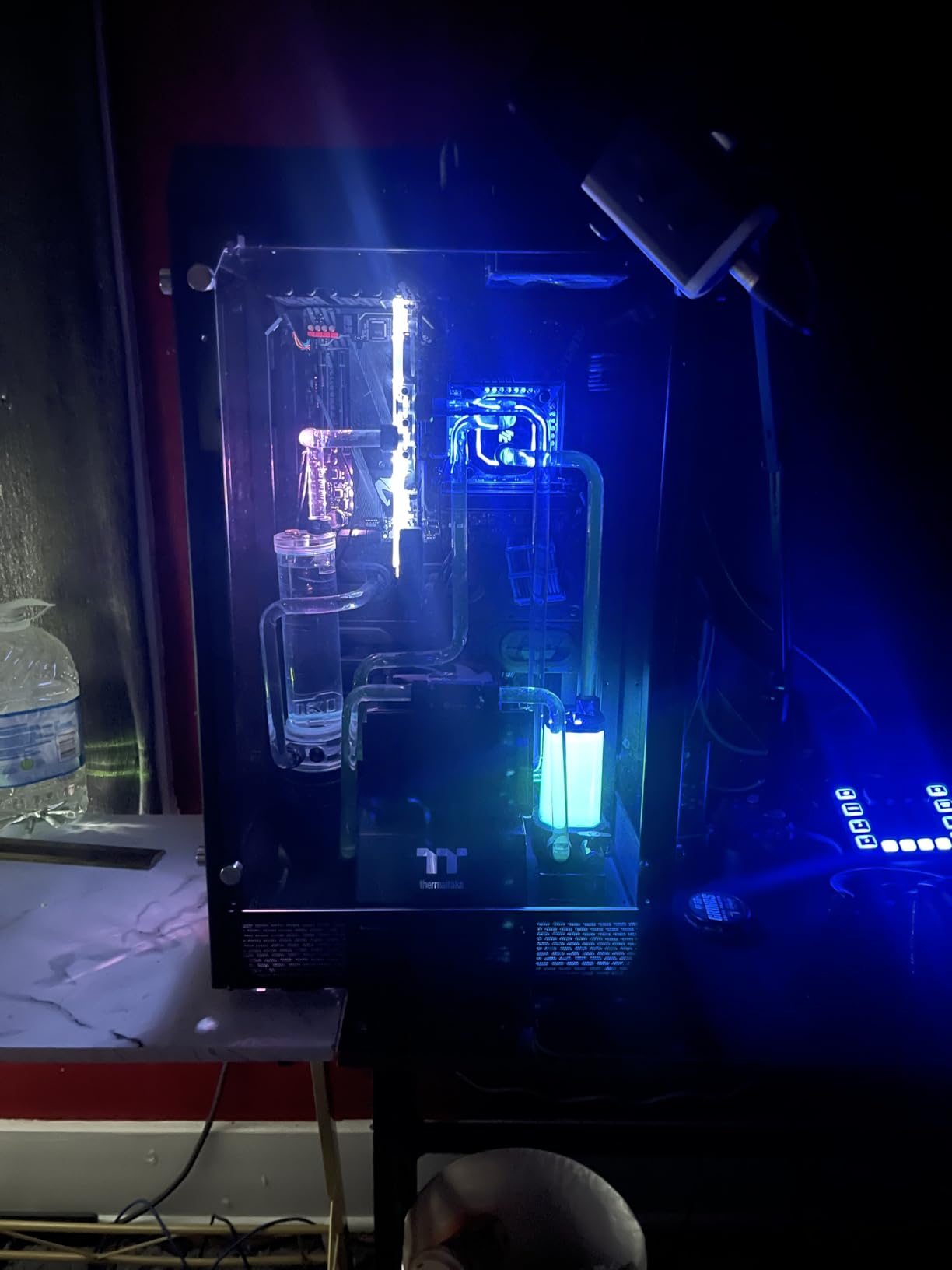
This bundle is ideal for streamers ready to move beyond headset microphones but intimidated by the prospect of choosing separate components. Everything works together out of the box, and the sound quality improvement over typical gaming headsets is immediately noticeable. If you want a simple upgrade path with minimal research required, this kit delivers.
If you are building a professional streaming setup or need rock-solid reliability for paid sponsorships, the occasional power issues and plastic construction may concern you. Streamers who plan to expand their setup significantly should consider buying components separately for more flexibility and upgrade options.
5 inch Display
Submixes
USB-C
PC and Mac
The BEACN Mix Create addresses a specific problem that many streamers face: managing audio across multiple applications with precision. The 5-inch full-color display shows me exactly what is happening with my audio at all times, and the knob paging feature lets me control an unlimited number of audio sources without running out of physical controls. For streamers running dual-PC setups, this mixer is a game-changer.
What sets the BEACN apart is its submix functionality. I can create separate audio mixes for my stream and my headphones, which means I can monitor my audio one way while my viewers hear something different. This is incredibly useful for hearing my game audio clearly while balancing it differently for the broadcast. The push-button encoders provide precise volume control with a satisfying click when muted.
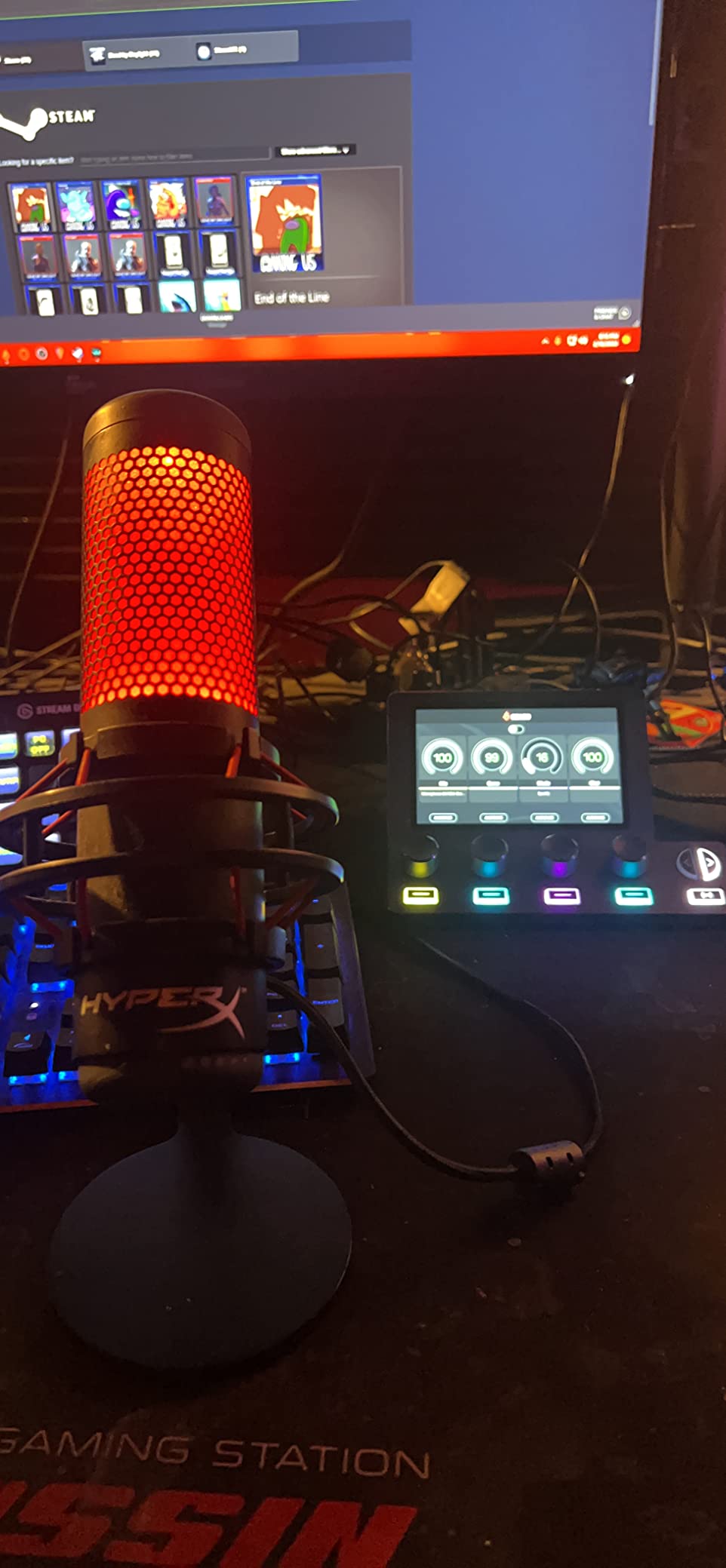
The audio routing table is where this mixer really shines for advanced users. I can route any audio source to any output with complete flexibility. Discord can go to my headphones but not the stream, game audio can go everywhere, and my microphone can be processed differently for different outputs. The software configuration is straightforward once you understand the routing concept.
My main concern is the dependency on the PC software. If the software crashes or is not running, the device becomes essentially useless. I experienced a couple of software crashes during my testing, though they were rare. Some users have reported issues with certain USB microphones not working well with the BEACN. The customer service from BEACN is exceptional, with responsive support that actually helps resolve issues.
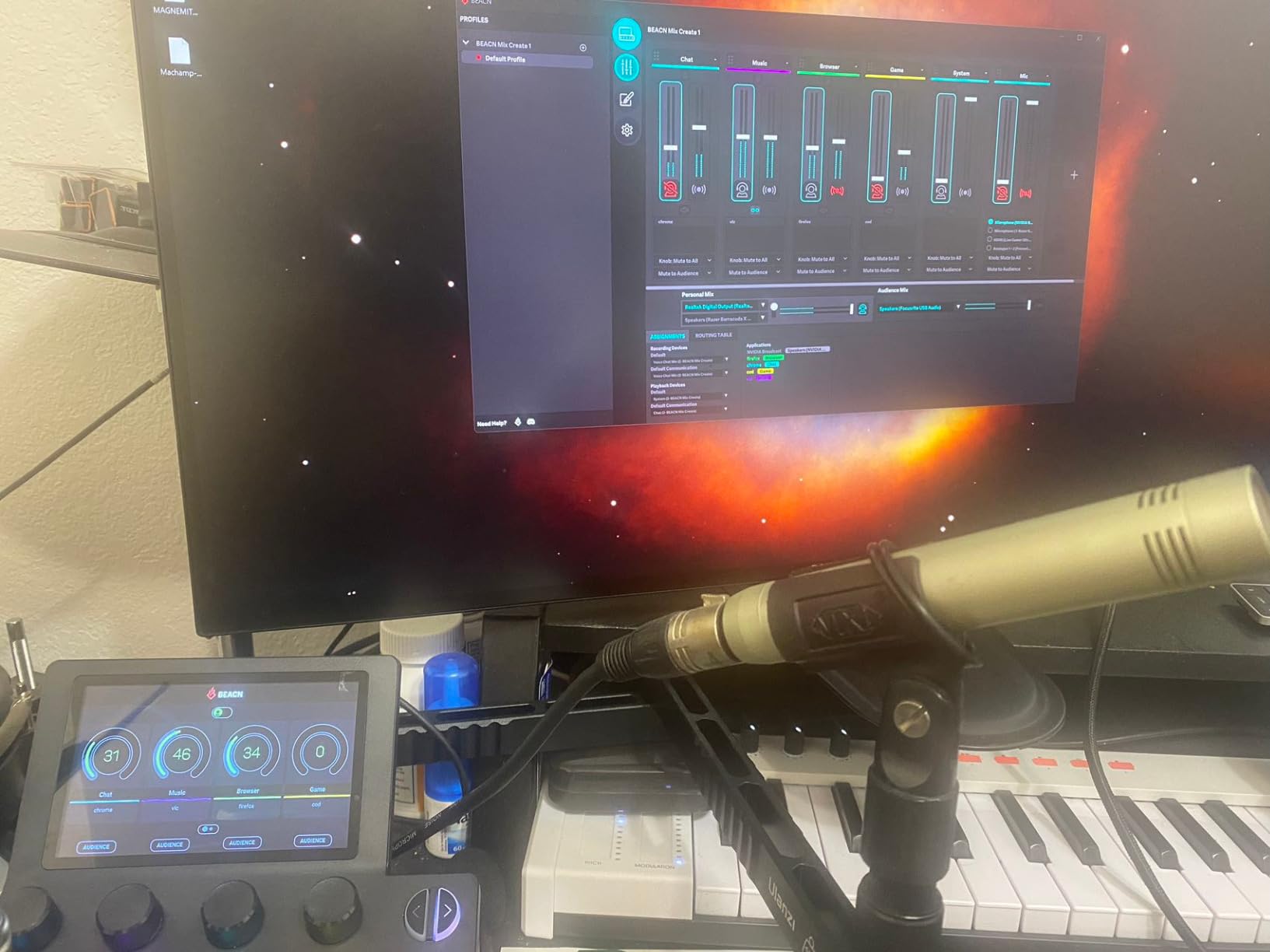
This mixer is specifically designed for streamers running two-PC setups where audio routing becomes complex. If you have a gaming PC and a streaming PC, the BEACN Mix Create simplifies the audio management significantly. The ability to create different submixes for monitoring versus broadcasting is invaluable for this use case.
If you are streaming from a single PC and just need basic audio control, this mixer offers more complexity than you need. The learning curve for the routing system is steep, and the software dependency can be frustrating for users who prefer standalone hardware. Consider a simpler mixer if your setup does not require advanced routing capabilities.
48V Phantom
7.1 Surround
Voice Changer
RGB Sync
The FIFINE AmpliGame SC8 sits in an interesting spot between the budget SC3 and more expensive options. After testing it extensively, I found it offers features typically found on mixers costing twice as much. The 48V phantom power works reliably with my condenser microphone, and the 60dB of gain handles gain-hungry dynamic microphones without needing a separate booster.
The 7.1 virtual surround sound is a welcome addition for gaming streams. When I tested it with FPS games, the spatial audio helped me identify enemy positions more accurately, and my viewers appreciated the immersive experience. The Game/Chat balance dial is perfectly positioned for quick adjustments during intense moments, letting me boost chat volume to hear teammates without pausing the action.
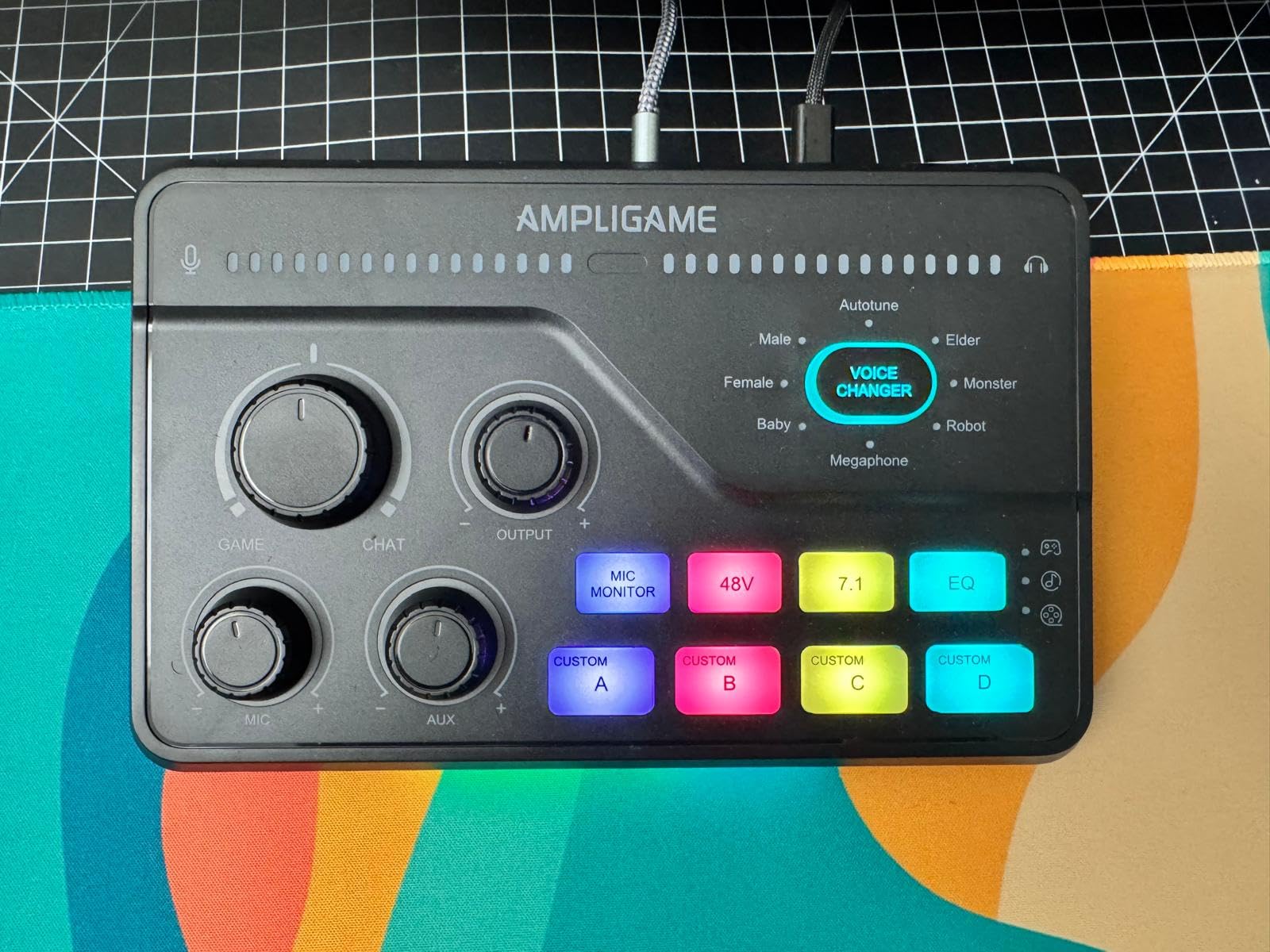
The 8 voice changer effects and 4 customizable sound buttons add entertainment value for streams. While I found some voice changer modes inconsistent in their operation, the robot and baby voice effects work well for comedic moments. The RGB lighting synchronizes with the audio, creating visual feedback that looks great on camera. The three EQ presets for Game, Music, and Movie modes provide quick tonal adjustments for different content types.
The build quality is where the budget price shows. The lightweight plastic construction does not feel as substantial as premium mixers, though it has held up fine during my testing. The most significant limitation is the lack of USB microphone compatibility. This mixer only works with XLR microphones, and you will need to supply your own XLR cable since none is included.
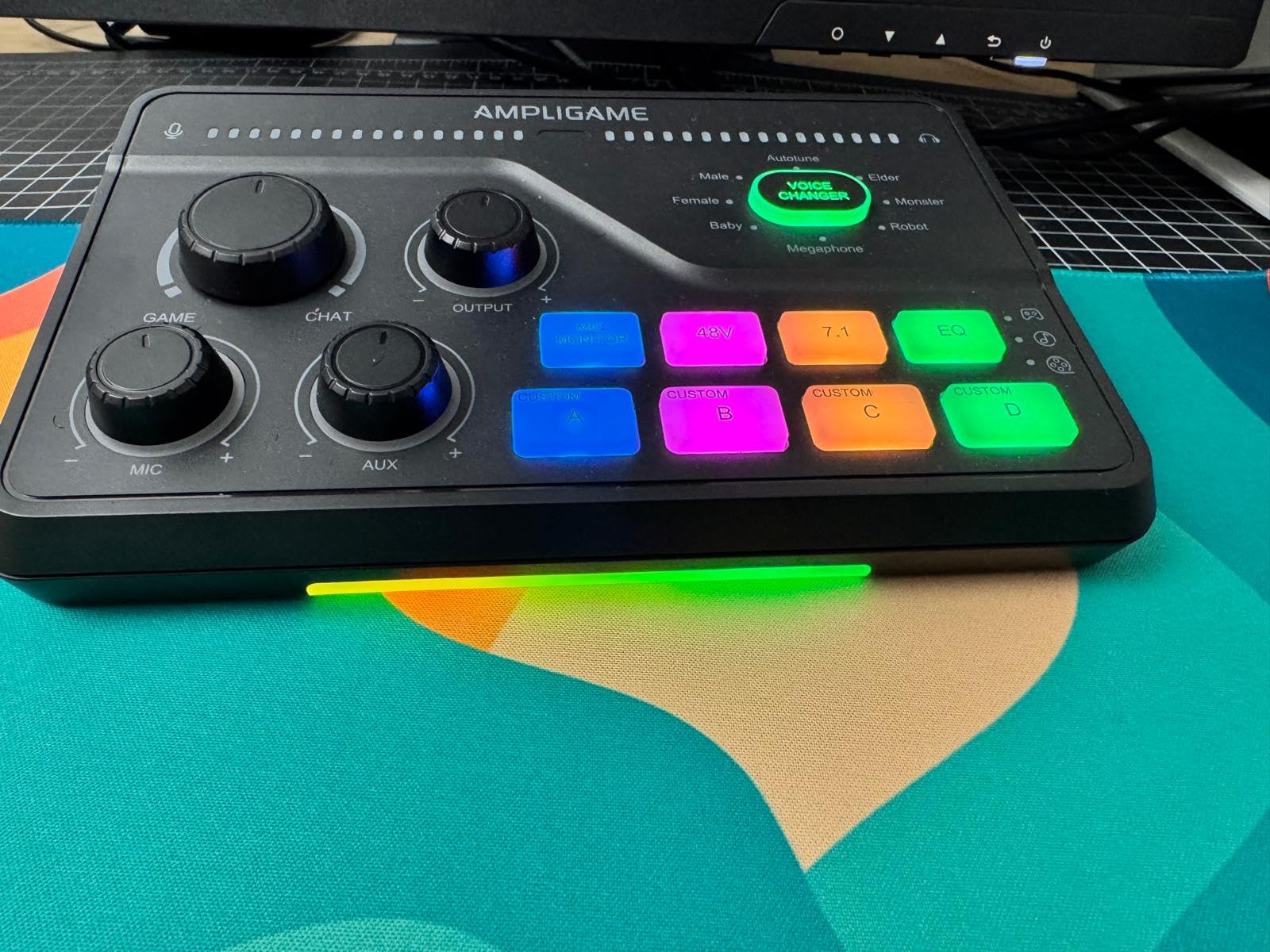
This mixer is ideal for streamers who already own an XLR microphone or plan to purchase one. The combination of phantom power, high gain, and gaming-focused features makes it perfect for gaming streams where you want immersive audio without spending a fortune. The 7.1 surround sound and game/chat balance features are genuinely useful for competitive gaming.
If you currently use a USB microphone and have no plans to switch to XLR, this mixer will not work for you. The XLR-only design limits its compatibility, and budget-conscious streamers who want to keep their USB microphone should look at other options. The inconsistent voice changer may also disappoint streamers who rely heavily on voice effects.
Pro-Preamp
Bluetooth
48V Phantom
12 RGB Modes
The MAONO MaonoCaster G1 NEO offers something rare at this price point: Bluetooth connectivity. During my testing, I was able to wirelessly connect my phone to play background music and take calls without disrupting my stream. The built-in pro-preamp provides enough power for condenser microphones, and the 48V phantom power works reliably. For under $50, this mixer packs an impressive feature set.
The voice changer offers four modes including female, male, baby, and robot voices. While these are primarily for entertainment, they work surprisingly well and add variety to streams. The 4 assignable sound pads let me trigger sound effects and intros during my broadcasts. The one-click noise reduction helps clean up audio from less-than-ideal recording environments.
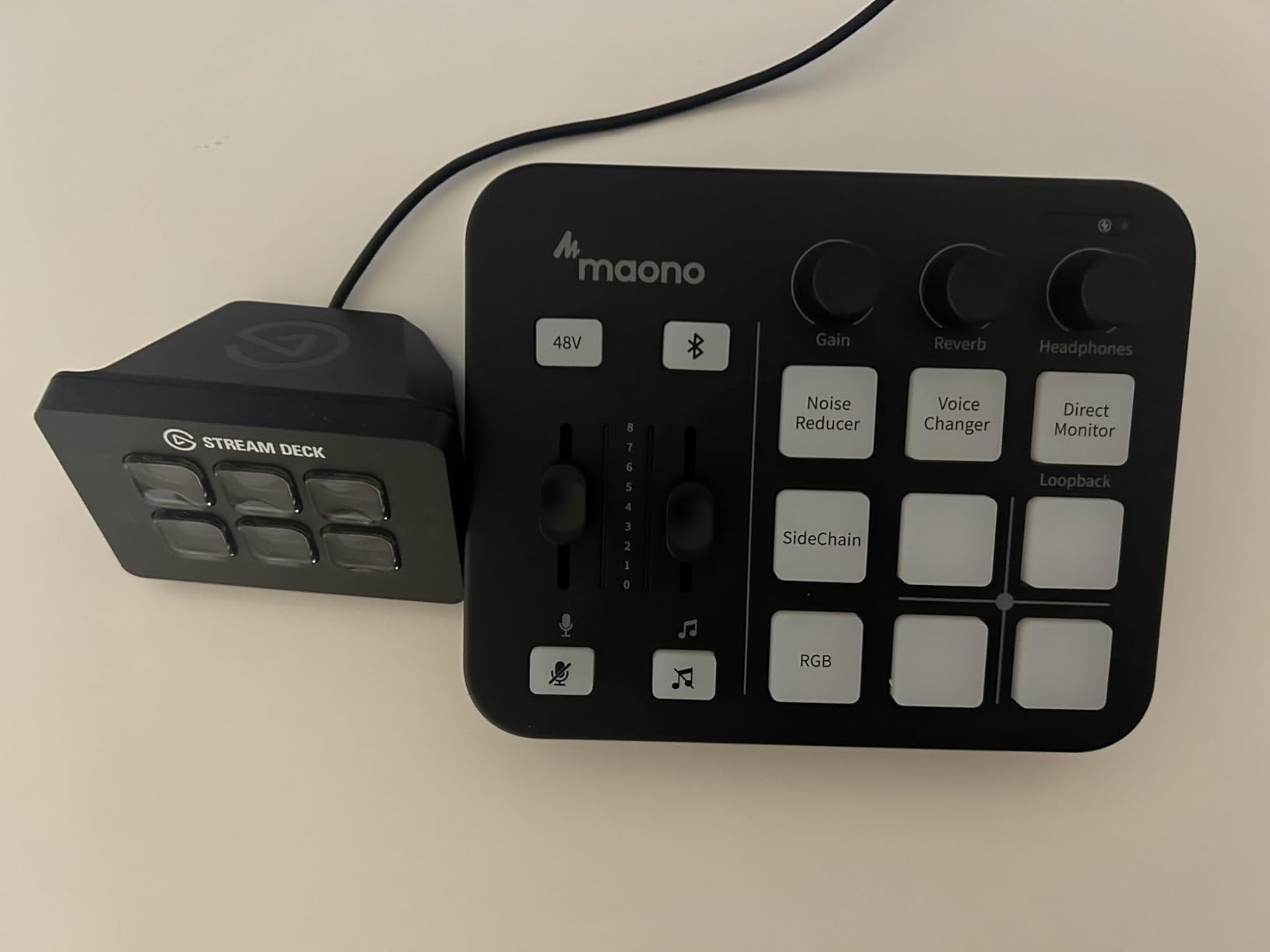
The 12 RGB color variations let you match the mixer to your streaming aesthetic. I appreciated the one-click mute and loopback functions, which are essential for live streaming. The direct monitor activation lets me hear exactly what my audience hears, which is crucial for catching audio issues before they reach my viewers.
The limitations become apparent with extended use. The faders do not fade smoothly below level 3, which makes subtle adjustments difficult. The bulky design takes up more desk space than similar mixers. Most importantly, this mixer is not compatible with USB microphones, so you will need an XLR microphone to use it. Some users have reported Bluetooth connectivity issues with certain headsets.
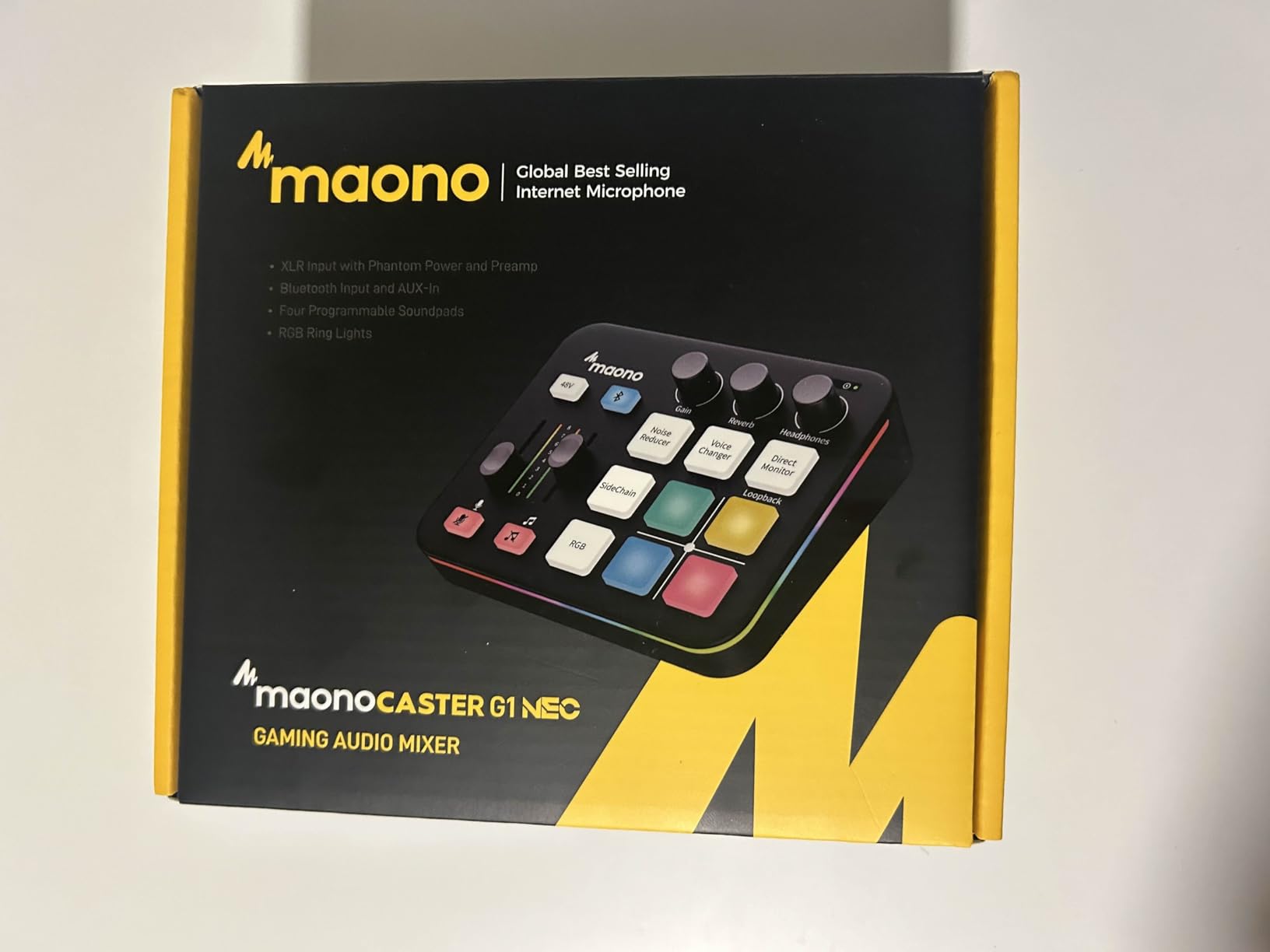
This mixer is ideal for streamers who want to incorporate wireless audio sources without spending a fortune. If you frequently play music from your phone or want the flexibility of Bluetooth connectivity, the G1 NEO delivers this feature at an unbeatable price. The voice effects and sound pads add entertainment value for casual streaming.
If you need precise control over your audio levels, the rough fader response below level 3 will frustrate you. The lack of desktop software limits customization options compared to more expensive mixers. Streamers who prioritize build quality and smooth controls should consider stepping up to a higher price tier.
10 Channels
11 Sound Pads
Instrument Input
60dB Gain
The MAONO MaonoCaster AME2 is the most feature-rich mixer in this price range. With 10 channels and 11 customizable sound pads, it handles complex audio setups that would overwhelm simpler mixers. I tested it with multiple microphones, a guitar input, and various audio sources simultaneously, and it managed everything without breaking a sweat. The 60dB preamp provides plenty of clean gain for demanding microphones.
The 6.35mm instrument input sets this mixer apart for musician streamers. I connected my electric guitar and was able to perform live on stream with studio-quality sound. The 6 reverb modes and 12-step auto-tune let me add professional polish to my audio without external software. The pitch changer knobs provide real-time voice modification for creative content.
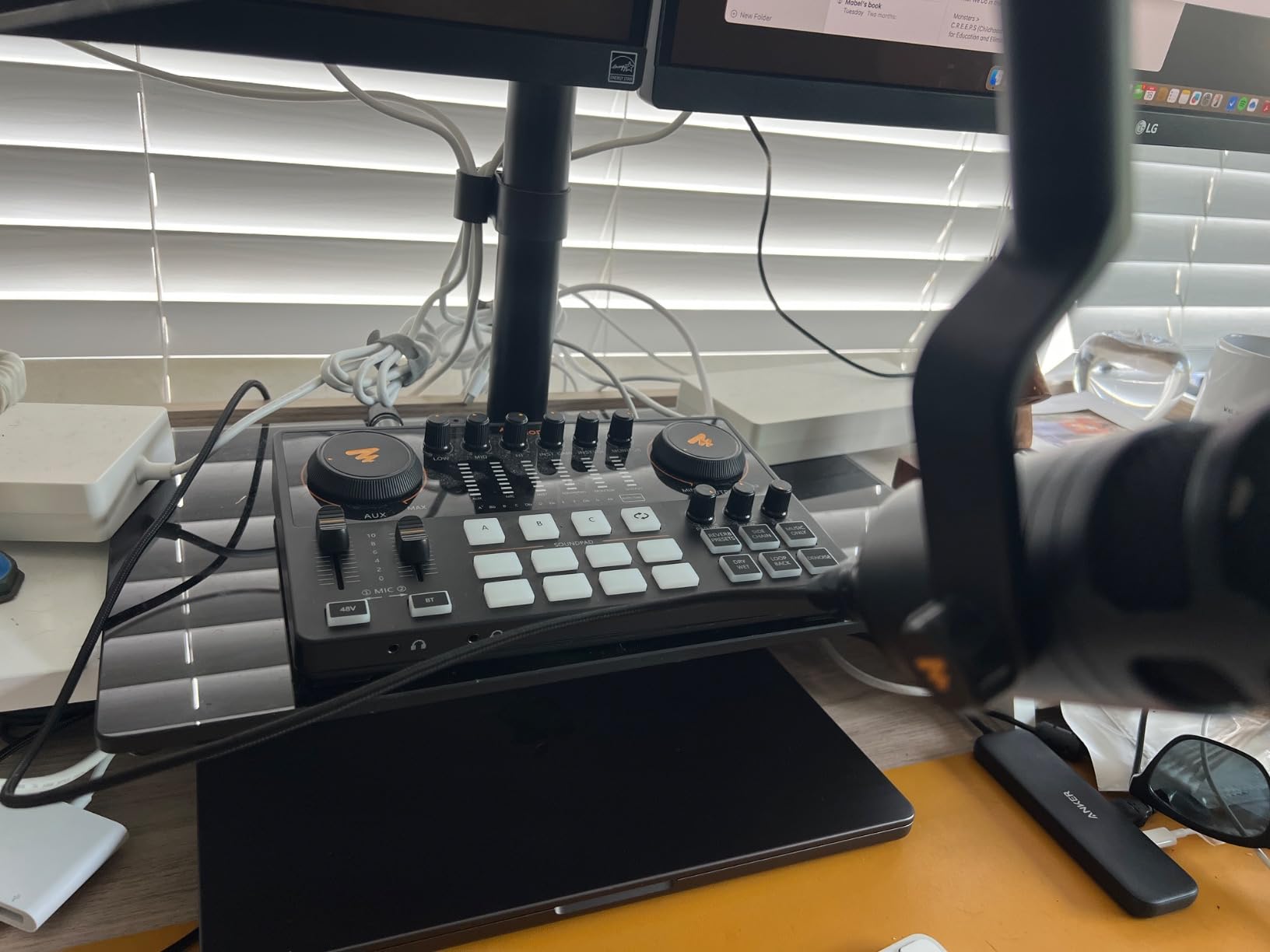
The 11 sound pads offer extensive creative possibilities. Three of the pads support up to 60 seconds of recording each, which is perfect for intros, outros, and longer sound clips. The remaining pads are ideal for shorter sound effects and transitions. The Bluetooth connectivity lets me incorporate wireless audio sources, and the DENOISE function helps clean up audio from less-than-perfect recording environments.
The build quality is generally good, but I noticed some quality control inconsistencies. The USB-C port feels less robust than I would like, and some users have reported durability concerns with extended use. The controls can be sensitive, with the 0-90 range responding dramatically to small adjustments. Some users report noise issues with certain power setups, so a clean power source is recommended.
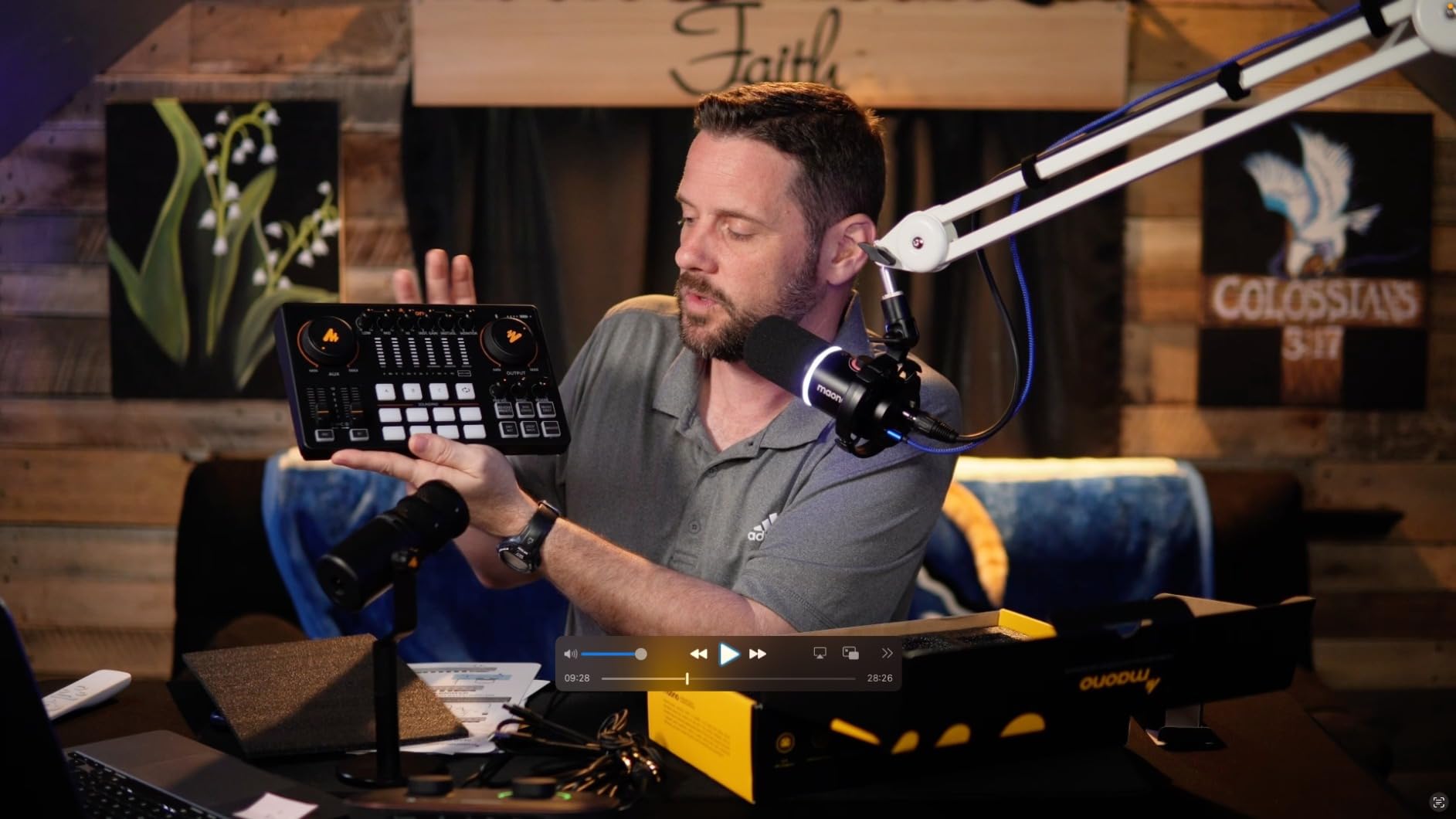
This mixer is ideal for streamers who want to incorporate live instruments into their broadcasts. The guitar input, combined with reverb effects and sound pads, makes it perfect for musician streamers who perform live. If you need multiple channels for complex audio setups with several microphones and instruments, the AME2 handles this gracefully.
Like many mixers in this category, the AME2 does not support USB microphones. If your current setup relies on USB connectivity, you will need to upgrade to an XLR microphone to use this mixer. Streamers concerned about long-term durability may want to consider more established brands with proven track records.
Dual XLR Inputs
60dB Gain
8 Sound Pads
Built-in Battery
The MAONO MaonoCaster E2 Gen2 solves a specific problem for streamers: supporting two XLR microphones at once without spending a fortune. I tested it with a co-host setup, and both microphones received clean, professional-quality amplification from the 60dB gain preamps. The built-in 1500mAh battery provides up to 8 hours of portable operation, which opens up streaming possibilities beyond the desk.
The loopback function is essential for single-computer streaming. It routes your computer audio back through the mixer, letting you manage game audio, Discord chat, and music alongside your microphones. The one-touch mute and monitoring buttons are conveniently positioned for quick access during live broadcasts. The 8 customizable sound effect buttons provide plenty of options for stream alerts and transitions.
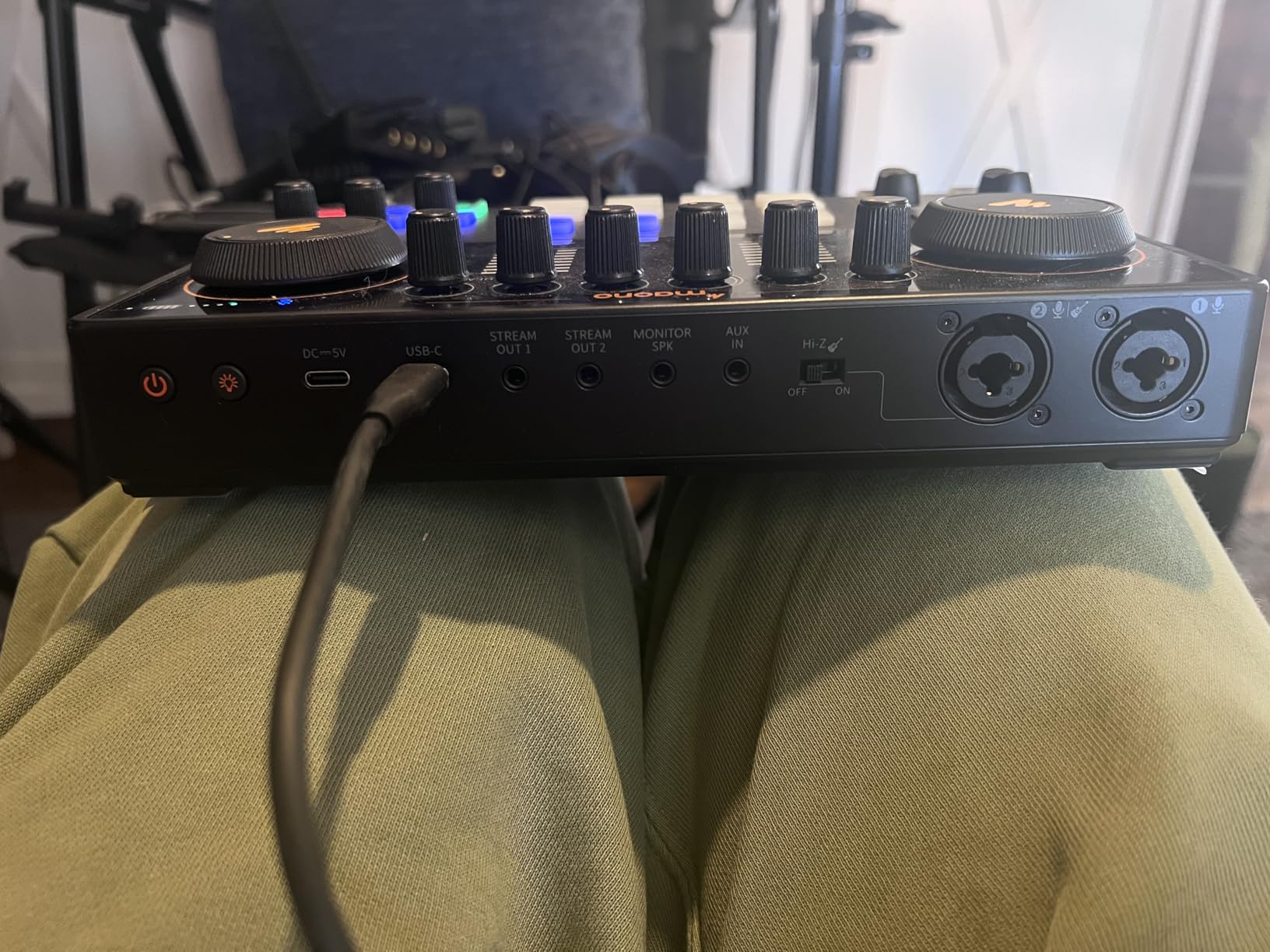
The pitch-changing effects and 6 preset reverbs add creative flexibility. I particularly liked the reverb presets for creating different atmospheric sounds for various stream segments. The noise reduction technology helps clean up audio, though the noise gate could be more refined in its operation. Bluetooth capability adds wireless audio source options for music or phone calls during streams.
The plastic body construction keeps the weight down for portability but does not feel as premium as metal-bodied alternatives. Some users have reported battery issues after extended use, and the mixer does not charge when connected to a PC, requiring a separate power adapter for charging. The sound pads arrive empty, so you will need to load your own audio files before use.
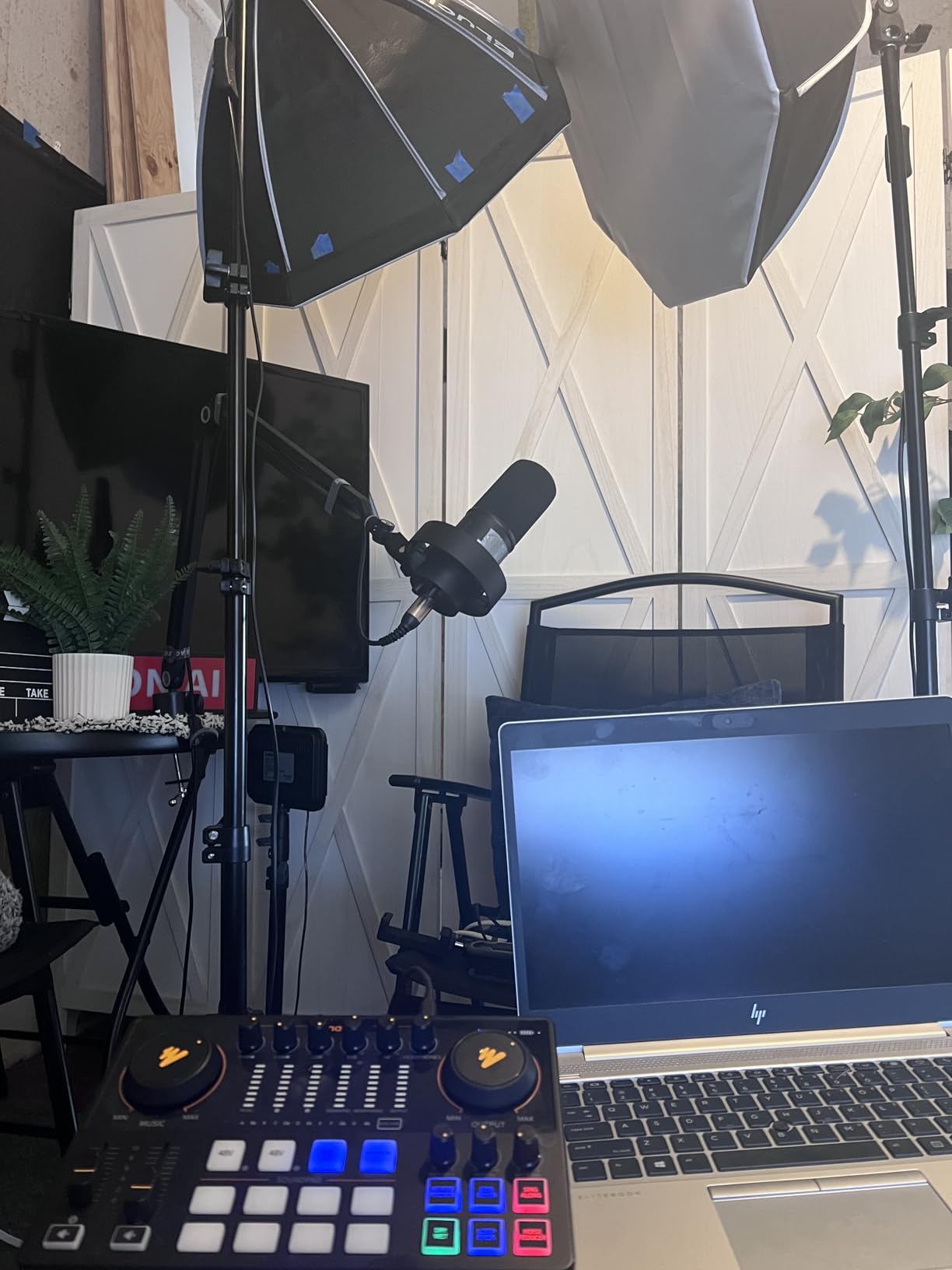
This mixer is ideal for streamers who regularly host guests or co-hosts. The dual XLR inputs let both participants use professional microphones with individual gain controls. The built-in battery makes it perfect for streaming from different locations or outdoor setups where power outlets are not available. If you need portable, multi-microphone capability, this is your best option.
If you need rugged, daily-use reliability in a professional environment, the plastic construction and reported battery issues may concern you. Streamers who want preloaded sound effects and immediate out-of-box functionality will need to spend time setting up the sound pads. Consider a more established brand if reliability is your top priority.
Selecting the right audio mixer for your Twitch setup involves understanding your specific needs and matching them to the available features. I have broken down the key considerations to help you make an informed decision.
Analog mixers process audio signals through physical circuits, providing immediate response with zero latency. They are typically simpler to use but offer fewer customization options. Digital mixers process audio through software, enabling advanced features like presets, effects, and complex routing. For most Twitch streamers, a hybrid approach works best. Devices like the GoXLR MINI combine the tactile feel of analog faders with digital processing for effects and routing. If you prefer hands-on control without software complexity, lean toward analog-style interfaces. If you want features like voice effects and complex audio routing, digital options serve you better.
Channels determine how many audio sources you can control independently. Solo streamers typically need 4 channels maximum: microphone, game audio, chat, and music. If you plan to host co-streams, interviews, or multiple guests, look for mixers with more channels. The MAONO AME2 offers 10 channels for complex setups, while budget options like the FIFINE SC3 provide 4 channels for basic needs. Consider not just your current setup but how you might expand in the future. Adding channels later means buying a new mixer, so plan for growth.
This is perhaps the most critical compatibility factor. Most dedicated audio mixers only work with XLR microphones, not USB microphones. If you currently use a USB microphone, you have two options: upgrade to an XLR microphone or choose a mixer specifically designed for USB compatibility. The FIFINE KS5 bundle includes both an XLR microphone and mixer, making the transition easy. If you are committed to your USB microphone, software solutions like Voicemeeter provide mixer functionality without requiring new hardware.
Condenser microphones require 48V phantom power to operate. If you use or plan to use a condenser microphone, ensure your mixer provides phantom power. Most mixers on this list include phantom power, but budget options sometimes omit it. The FIFINE SC3, SC8, and all MAONO options include phantom power. Without it, you would need a separate phantom power supply, adding cost and complexity to your setup. Dynamic microphones do not require phantom power, so this feature is optional if you exclusively use dynamic mics.
Audio mixers for Twitch streaming span a wide price range. Budget options under $100 like the FIFINE SC3 and MAONO G1 NEO offer surprising functionality for beginners. Mid-range options between $100 and $250, including the GoXLR MINI and BEACN Mix Create, provide professional features without breaking the bank. Premium options above $250 like the Focusrite Scarlett 2i2 deliver studio-quality audio for serious content creators. My recommendation for new streamers is to start with a quality budget mixer and upgrade once you understand your specific needs. Spending more initially often means paying for features you may never use.
OBS Studio is the most popular streaming software, and your mixer should work seamlessly with it. Most USB mixers appear as audio devices in OBS automatically, requiring minimal configuration. The GoXLR MINI and BEACN Mix Create offer dedicated software that integrates with OBS for enhanced control. The Elgato Stream Deck + takes this further with direct OBS plugin support for scene switching and source control. Before purchasing, verify that your chosen mixer is compatible with your operating system and streaming software. Some mixers, notably the GoXLR MINI, are Windows-only and will not work with macOS.
Streamers typically use dedicated streaming mixers like the TC Helicon GoXLR MINI, Elgato Stream Deck +, or traditional audio interfaces from Focusrite. The GoXLR series is particularly popular among Twitch streamers for its built-in effects and intuitive fader controls. Budget-conscious streamers often choose options from FIFINE or MAONO, which offer similar functionality at lower price points.
An audio mixer is not strictly necessary for streaming, but it significantly improves audio quality when using multiple sources. If you only use one USB microphone, you may not need a mixer initially. However, for managing multiple microphones, music, gameplay audio, and guest streams, a mixer provides essential real-time control and balance that software alone cannot match.
Streamers control audio using hardware mixers with physical faders, audio interfaces, or virtual mixer software like Voicemeeter. Hardware options like the GoXLR MINI provide tactile control with physical sliders and buttons. Software solutions offer cost-effective alternatives for managing multiple audio sources through your computer. Many streamers use a combination of both for maximum flexibility.
Yes, OBS Studio has a built-in Audio Mixer panel that allows you to adjust levels, add filters like noise suppression and compression, and monitor audio sources. While powerful, the OBS audio mixer works best when combined with a hardware audio interface or mixer for optimal quality. Hardware mixers provide physical controls that are easier to adjust during live broadcasts.
An audio interface converts analog audio signals to digital for your computer, typically offering minimal real-time control. A mixer combines multiple audio sources with physical controls for volume, effects, and routing. For streaming, mixers like the GoXLR MINI offer hands-on control, while interfaces like the Focusrite Scarlett prioritize pristine audio quality. Some devices, like the Elgato Stream Deck +, combine both functions.
Finding the best audio mixers for Twitch streaming comes down to matching features to your specific needs and budget. For most streamers, the Elgato Stream Deck + offers the most comprehensive control with its combination of audio mixing, programmable buttons, and display integration. Budget-conscious beginners should look at the FIFINE AmpliGame SC3 for exceptional value, while those prioritizing pure audio quality will love the Focusrite Scarlett 2i2 4th Gen.
Remember that audio quality often matters more than video quality for viewer retention. Investing in a good mixer pays dividends in viewer engagement and channel growth. Start with a mixer that fits your current needs, and upgrade as your streaming setup evolves. Your viewers will thank you for the professional audio experience.