8 Best Amazon Prime Day JBL Speaker Deals (July 2026) Top Offers
Amazon Prime Day is one of the best times of year to score a JBL Bluetooth speaker at a steep discount. Our team has tracked…

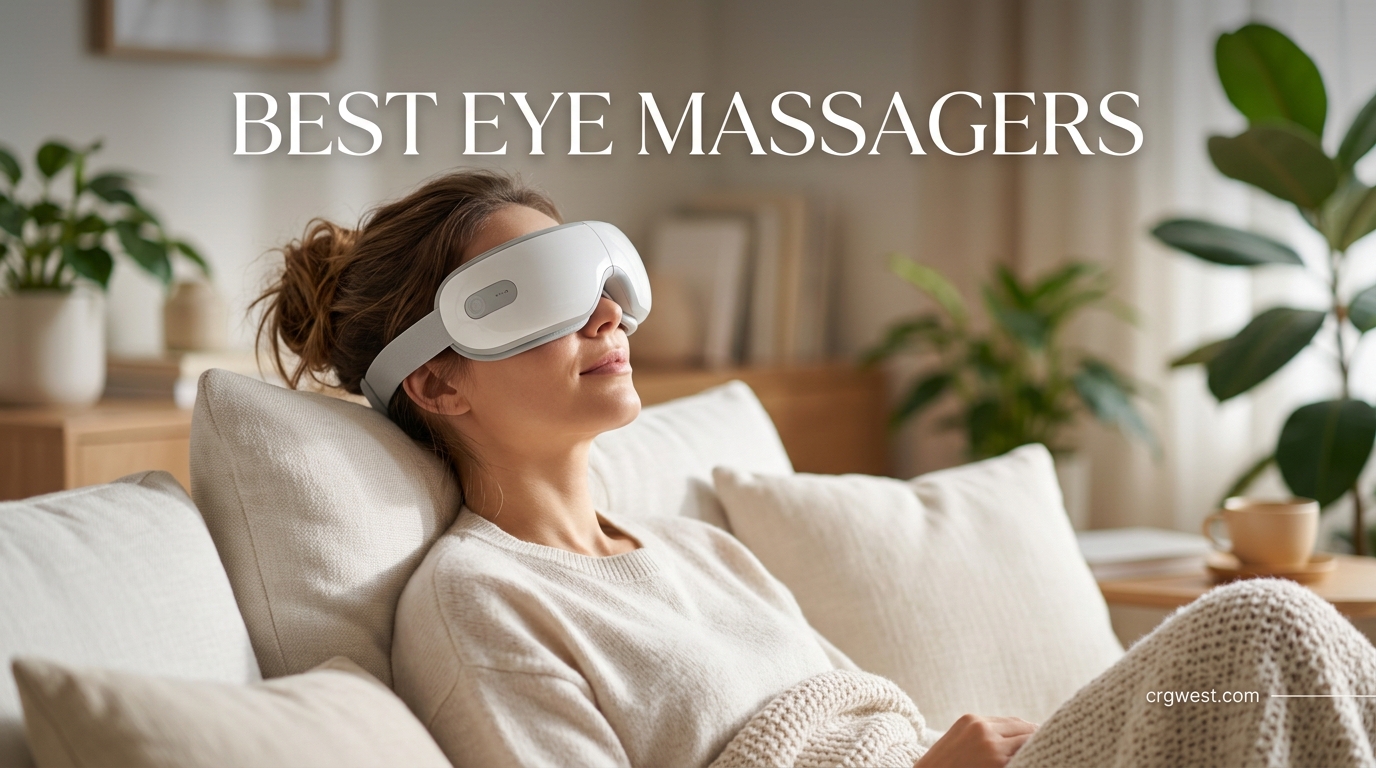
If you spend eight or more hours a day staring at screens, your eyes are paying the price. Burning, dryness, tension headaches, and that heavy feeling behind your sockets are all signs of digital eyestrain, and they are becoming the new normal for office workers, gamers, and late-night scrollers alike.
The best eye massagers offer a real, drug-free way to relieve that tension at home. These wearable devices combine gentle heat, air compression, vibration, and sometimes guided meditation to relax the muscles around your eyes, support tear film function, and quiet the kind of tension headaches that ruin an afternoon.
Our team tested seven of the top-rated eye massagers on the market for Best Eye Massagers in 2026, comparing them on heat range, noise level, comfort, customization, and how well they handled real complaints like migraines, dry eyes, and sinus pressure. Here is what we found after weeks of hands-on use.

| Product | Specs | Action |
|---|---|---|
|
RENPHO x Headspace Eyeris Zen
|
|
Check Latest Price |
 RENPHO Eyeris 3
|
|
Check Latest Price |
 Bob and Brad EyeOasis 2
|
|
Check Latest Price |
|
RENPHO Eyeris 1
|
|
Check Latest Price |
 Therabody SmartGoggles 2
|
|
Check Latest Price |
 LifePro Portable Eye Massager
|
|
Check Latest Price |
 SKG Eye Massager E3 Pro
|
|
Check Latest Price |
9 Headspace sessions
Ultra-quiet at 40dB
3 heat levels to 118F
9.7 oz lightweight
The Eyeris Zen is the eye massager I keep reaching for at the end of a long workday. RENPHO teamed up with Headspace to build nine guided meditation sessions directly into the device, and the combination of a calm voice in your ear while warm compression pulses around your eyes is something I had not experienced from any other model.
The ZenTech motor is genuinely quiet. At 40dB it is softer than most refrigerators, which matters more than you might think when you are trying to drift off. Other massagers I have used buzz and wheeze through a session; this one practically disappears once it gets going.
Three heat levels (107F, 113F, and 118F) give you room to tune the warmth to your mood. The 118F setting is on the warmer side of what I would want for daily use, but for sinus pressure it hits the spot. The 9.7 ounce weight is the lightest of any RENPHO model I have tested, and the foldable design slips into a backpack without protest.
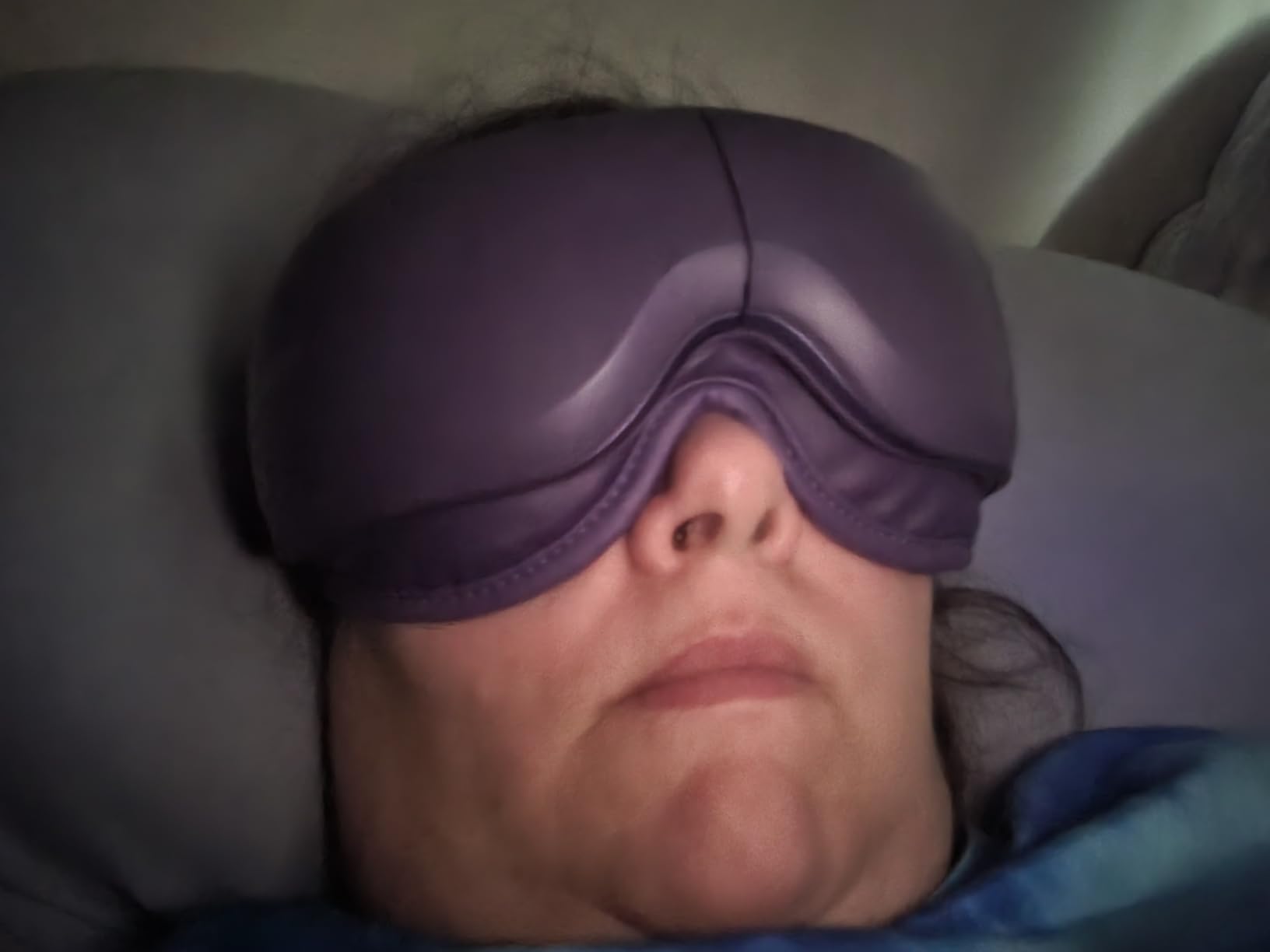
Battery life is solid thanks to the 1500mAh cell and USB-C fast charging. I averaged about a week of nightly 15-minute sessions before needing to top up. The adjustable headband fits a wide range of head sizes from 18.9 to 26.4 inches.
On the technical side, the Eyeris Zen uses air compression plus vibration across three modes meant for meditation, work breaks, and bedtime. The bedtime mode is noticeably gentler than the work break mode, which is a thoughtful touch. Bluetooth lets you stream your own audio if the built-in sessions are not your style.
This is the model I would hand to anyone whose main goal is winding down at night. The Headspace integration turns a 15-minute session into something closer to a real meditation practice than a gadget session.
It is also a strong pick for people who share a bedroom, since the quiet motor will not bother a sleeping partner. If anxiety, racing thoughts, or screen fatigue are what drive your eye tension, the Zen tackles both the physical and mental sides at once.
If you want firm, deep-tissue style compression for serious sinus pain or heavy migraine pressure, the Zen leans gentle. Some users report feeling too much direct pressure on the eyeballs at certain settings, which is worth noting if you are sensitive.
The price also reflects the premium positioning. You are paying for the Headspace partnership and the silent motor, not necessarily more raw massage power than cheaper RENPHO models.
Voice-activated operation
Heat and cooling compress
3 pressure levels
Memory function
The Eyeris 3 is where RENPHO started getting ambitious with features, and it shows. This is the first eye massager I am aware of that added voice control, and once you get the hang of the commands, going hands-free is genuinely useful when your eyes are closed and your hands are busy.
The standout feature for me is the cooling compress. RENPHO includes a removable gel mask that you chill in the fridge, then snap into the device for cold therapy. On mornings when my eyes are puffy from allergies or a rough night of sleep, the cooling mode brings swelling down faster than heat alone ever could.
Three heat levels (104F to 113F) cover the warm side, and three compression modes plus three pressure levels give you a lot of tuning room. The memory function is a small but appreciated touch. It remembers the last setting you used, so you do not have to click through modes every session.
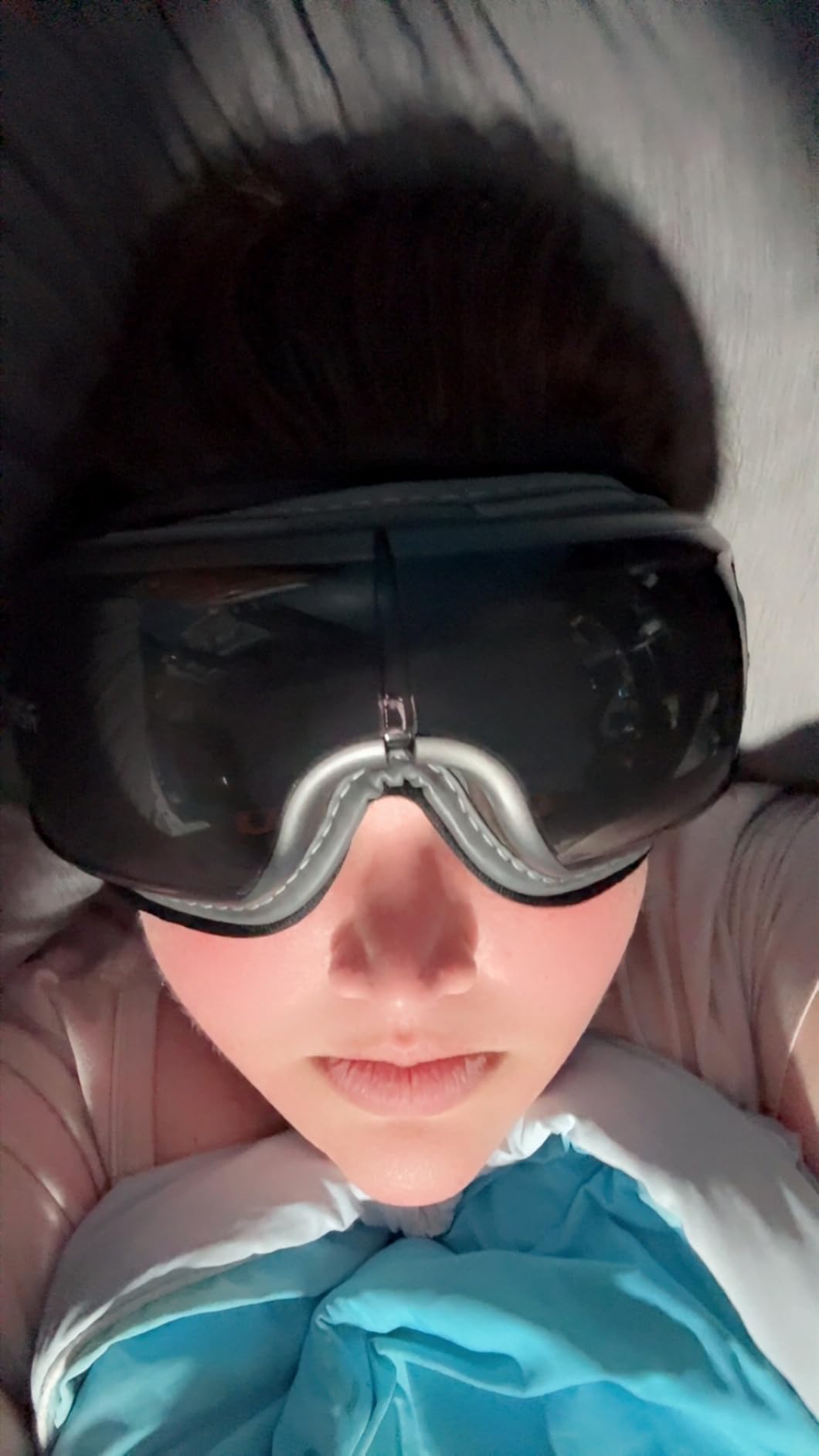
Voice commands take some practice. You need to use specific phrasing, and early on I found myself repeating commands before the device picked them up. After a few days it became second nature, but if you have zero patience for that kind of thing, the buttons still work.
The built-in white noise and Bluetooth options cover the audio side. The included tracks are fine for masking background noise, though you will probably want to stream your own music or podcasts through Bluetooth for longer sessions.
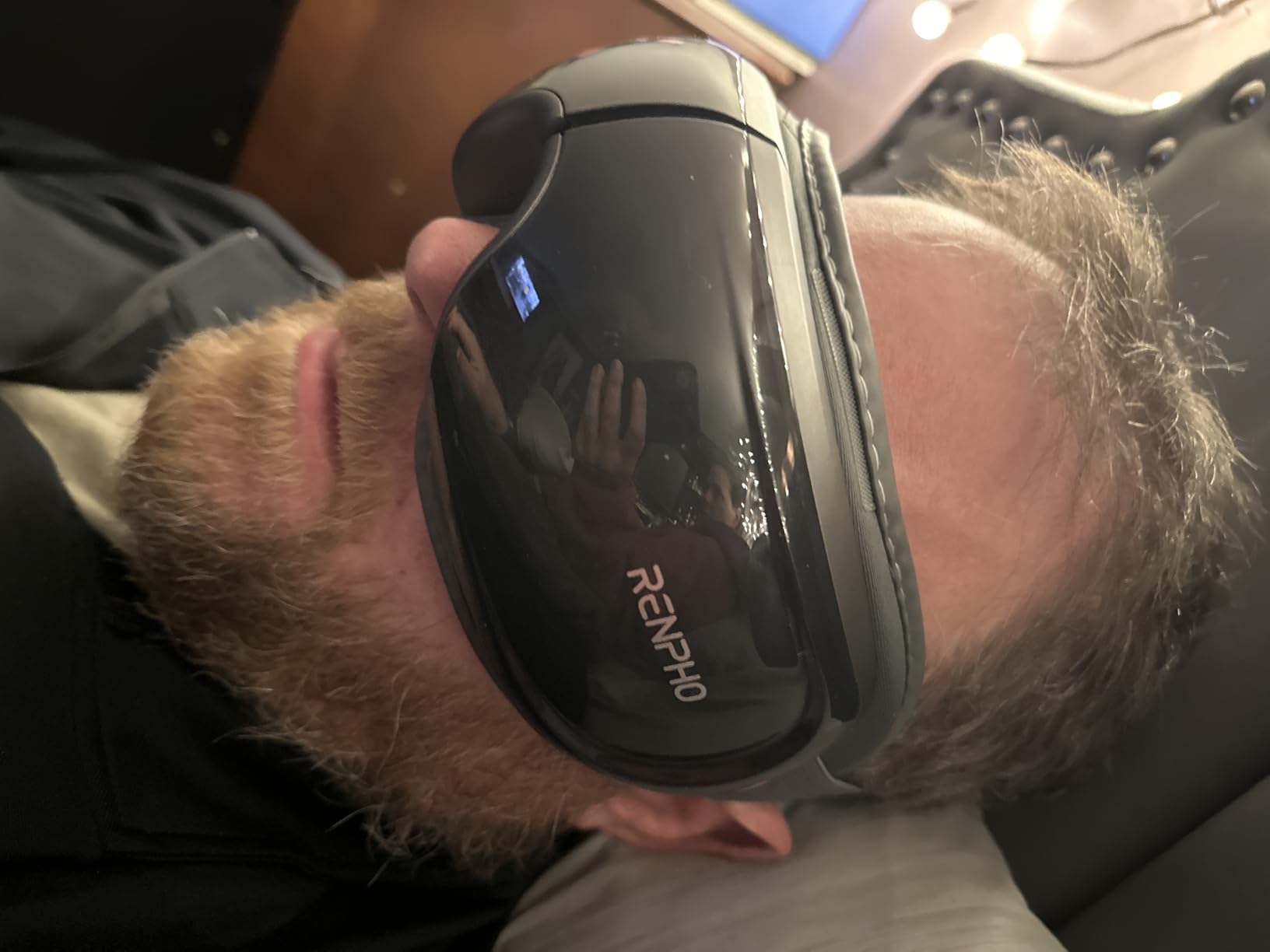
If your eye issues swing between tension headaches (which want heat) and morning puffiness or allergy swelling (which want cold), the Eyeris 3 handles both without making you buy a second device. That dual function alone justifies the price over the Eyeris 1 for many users.
It is also a smart pick if you want maximum customization. With three pressure levels, three compression modes, and heat plus cooling, you can dial in a very specific experience that cheaper models simply cannot match.
The fit is the most common complaint. Users with smaller faces report that the device does not seal properly around the eyes, which weakens both the compression effect and the heat retention. If you have a petite face, this is worth considering before you buy.
The voice control learning curve is also real. It works, but it is not as forgiving as Alexa or Siri. If voice commands frustrate you, you may end up using the buttons anyway.
PT-developed design
45dBA quiet motor
Double layer eye protection
USB-C fast charging
Bob and Brad are two of the most well-known physical therapists on YouTube, and they brought that clinical background into the EyeOasis 2. The double layer design is the feature that sold me. The inner layer keeps the compression pads off your actual eyeballs, which makes a real difference if direct pressure bothers you.
The 45dBA motor is among the quietest in this price range. It is not silent like the Eyeris Zen, but it is quiet enough that I could use it in bed without my partner noticing. The 15-minute auto-shutoff is a safety feature that also makes it easy to fall asleep with the device on.
Five massage modes and four intensity levels give you plenty of options, and the two heat levels (104F and 113F) hit the standard range. USB-C charging is a welcome modern touch, and the 2-3 hour charge time gets you multiple sessions per charge.
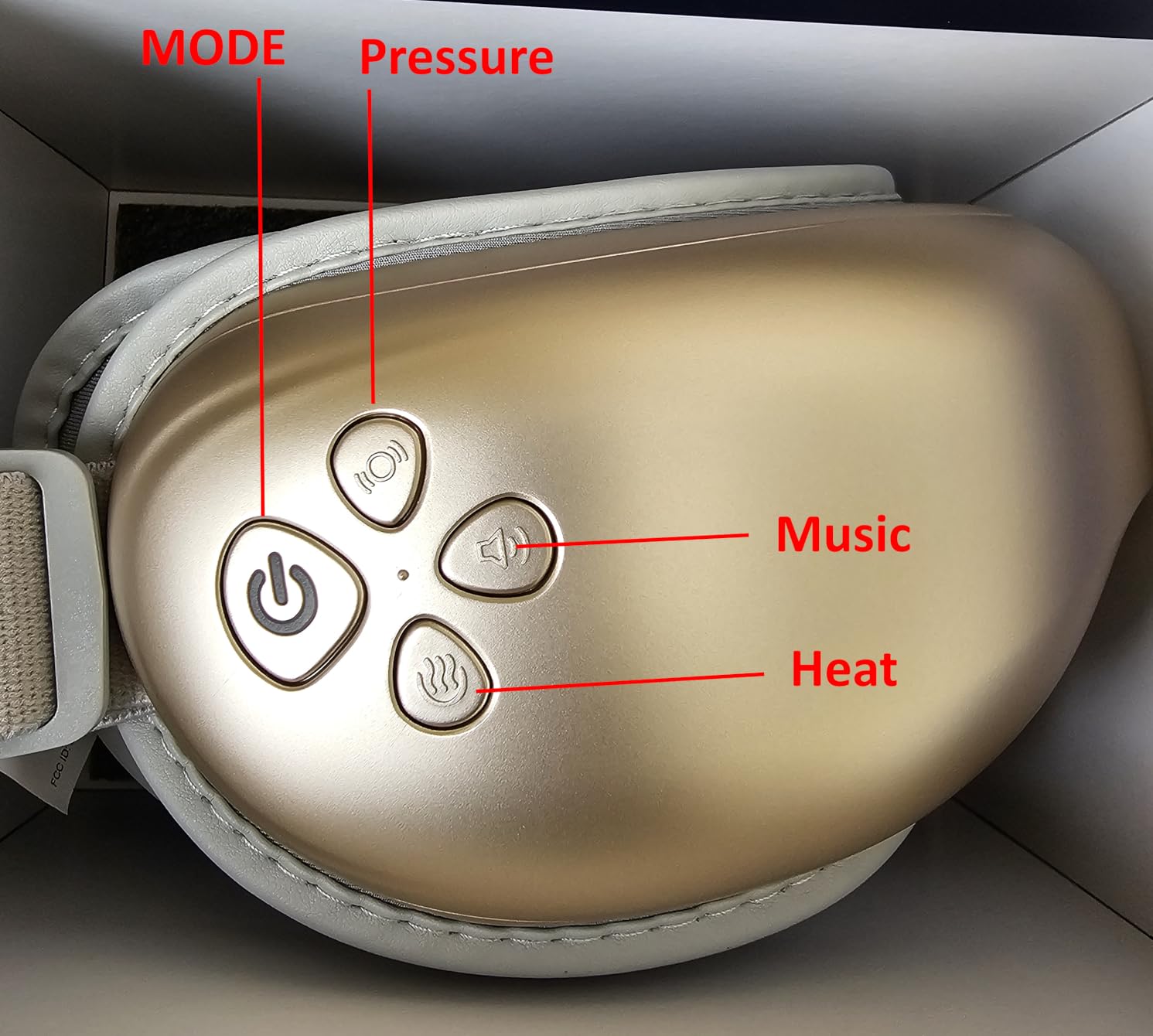
Reddit users in the migraine and dry eyes communities consistently praise the EyeOasis 2 for being quieter than competitors. That tracks with my experience. If you are sensitive to mechanical noise during relaxation, this is one of the better options under $60.
The 2-year warranty and 24/7 customer support are real value adds. Most eye massager brands in this price range offer a year or less, and customer service that actually picks up the phone is rarer than it should be.
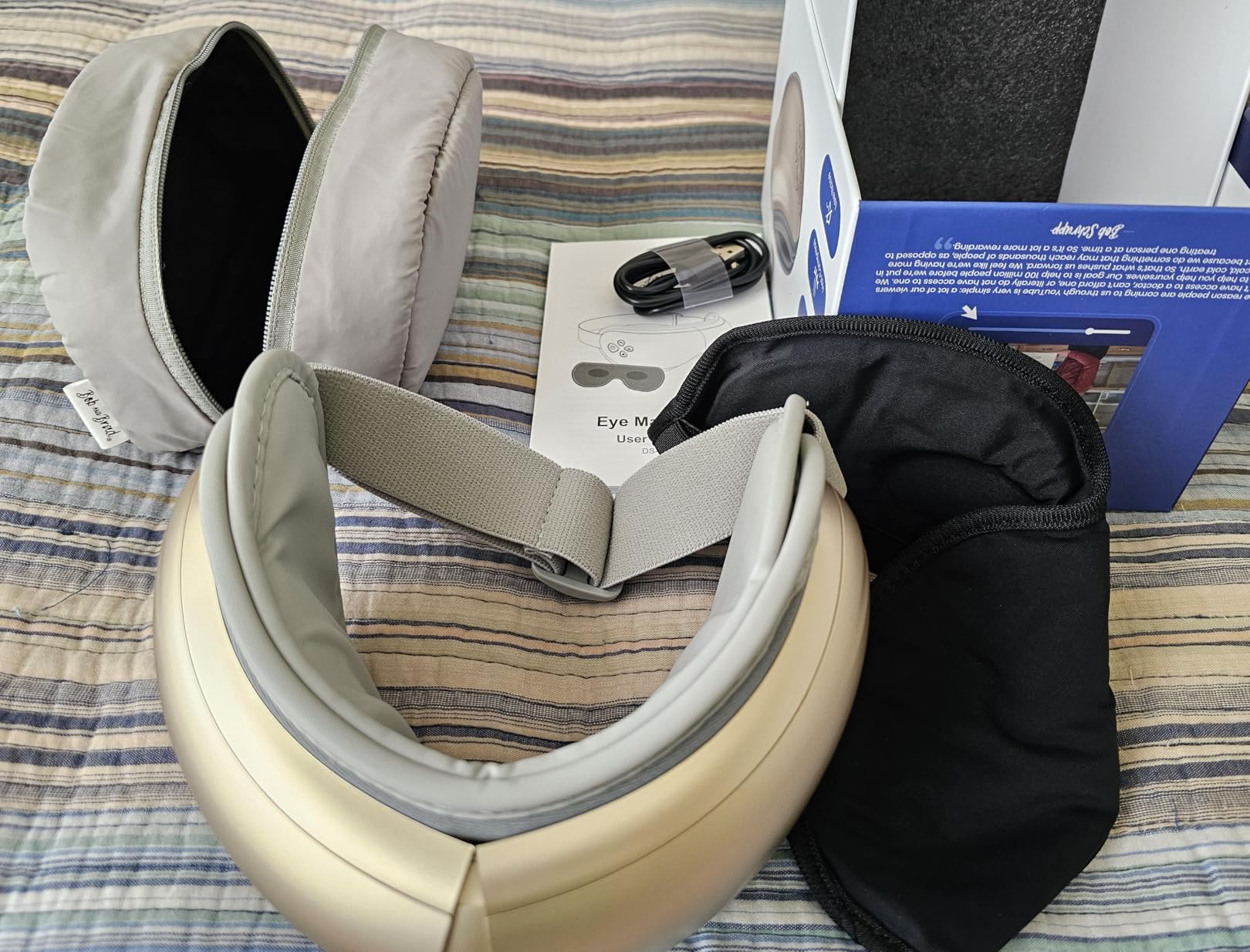
The quiet motor, gentle double-layer design, and auto-shutoff make the EyeOasis 2 a natural fit for bedtime use. You can put it on, set your mode, and drift off without the device keeping you awake with noise or running all night.
It is also a strong pick if you want something designed by actual healthcare professionals rather than a generic electronics brand. The physical therapy background shows in the eye protection details.
Even on the lowest setting, some users find the compression too aggressive. If you have very sensitive eyes or are recovering from any eye procedure, the EyeOasis 2 may be more intense than you want. Start with short sessions and the lowest intensity.
The voice prompts that announce mode changes can also break your relaxation flow. There is no easy way to disable them, which is a frustrating design choice on an otherwise thoughtful device.
Heat 104-113F
Bluetooth audio
180 foldable design
FSA HSA eligible
The Eyeris 1 is the original RENPHO eye massager, and at this point it has racked up over 27,000 reviews for a reason. It is the model I recommend to anyone who wants to try an eye massager without committing to premium pricing, because it covers the basics well.
Heat therapy runs from 104F to 113F, which is the sweet spot for soothing tired eyes and loosening tight muscles around the temples. The compression cycles through multiple modes, and the rhythmic vibration adds another layer of relief that pure heat masks cannot match.
The 180-degree foldable design is genuinely travel-friendly. I have packed this in carry-on luggage without issue, and the adjustable headband fits most adult head sizes comfortably. Bluetooth audio lets you play music or podcasts during a session.
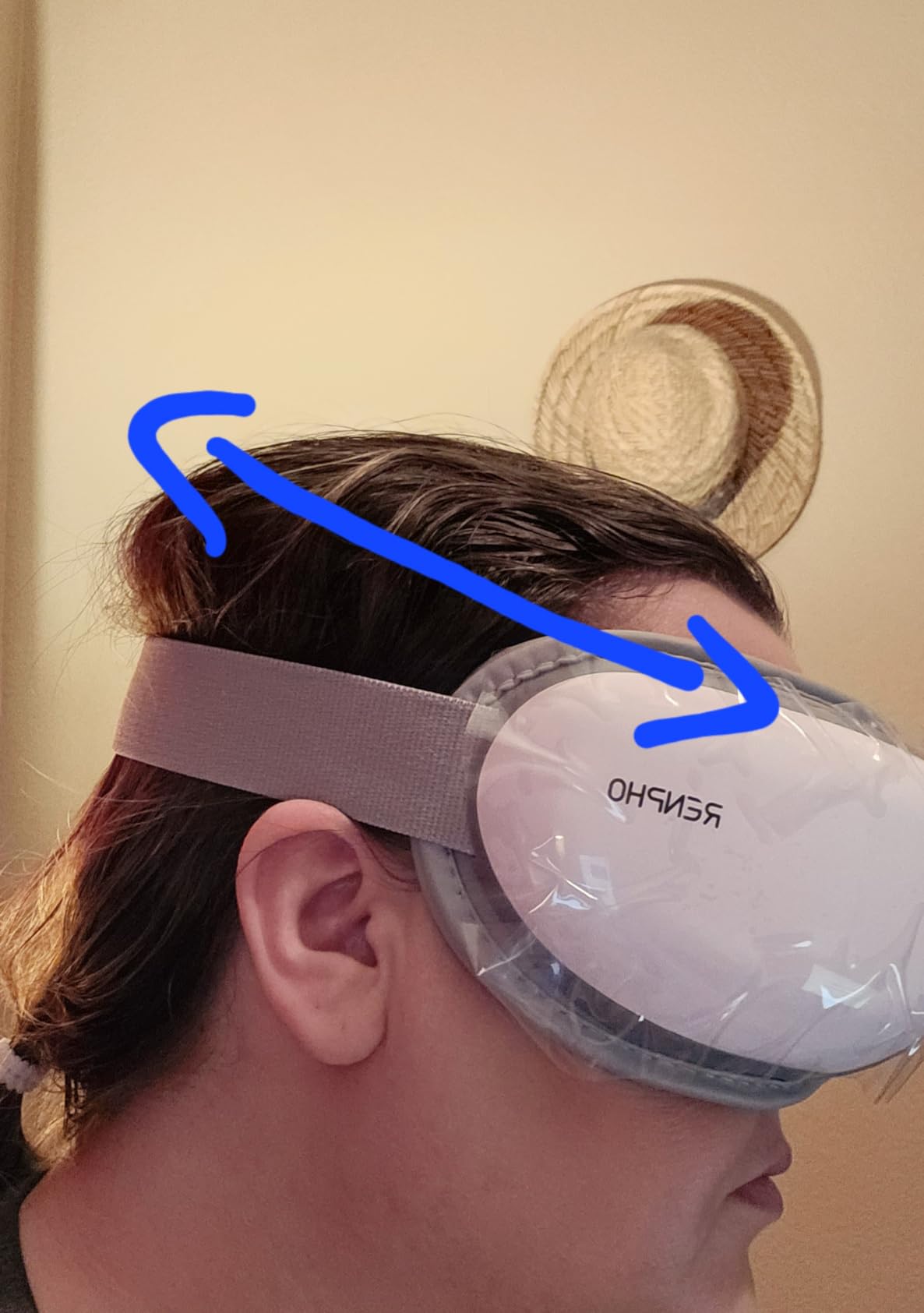
This is also the eye massager I see recommended most often by ophthalmologists for patients dealing with mild dry eye. The heat helps with meibomian gland function, which is the root cause of evaporative dry eye for many people. It is not a medical device, but it does provide the kind of consistent warm compress therapy eye doctors often suggest.
FSA and HSA eligibility is a nice bonus if you have flexible spending or health savings accounts. You can use pre-tax dollars to pay for it, which effectively lowers the real cost.
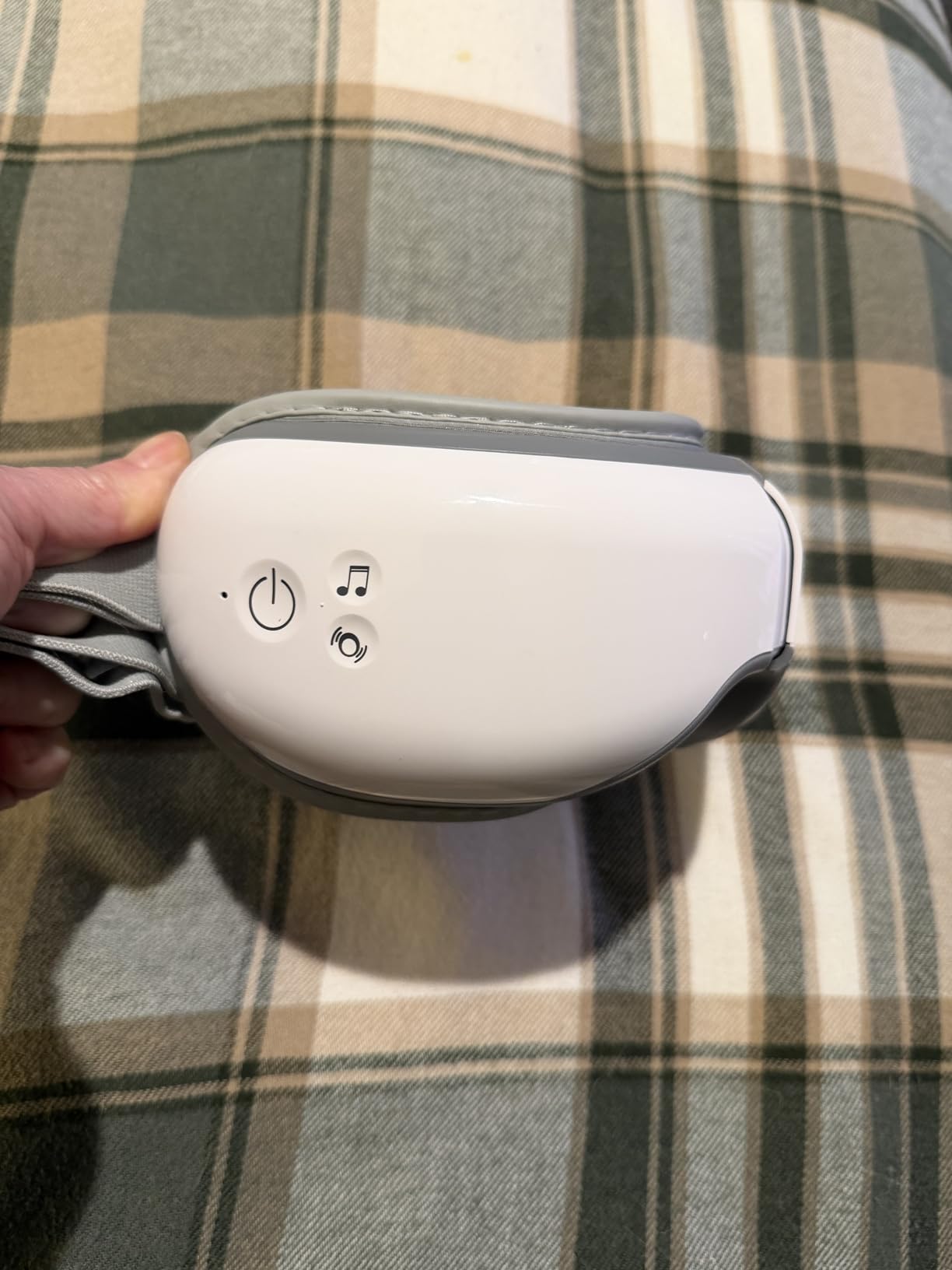
If you have never owned an eye massager and want to see whether the category works for you, the Eyeris 1 is the safest starting point. The feature set covers everything you actually need, and the massive review base means you are not gambling on an untested product.
It is also the right pick if you want FSA or HSA reimbursement. Not every eye massager qualifies, and this one is explicitly listed.
You do not get voice control, cooling therapy, or the ultra-quiet motor of the pricier RENPHO models. The compression on the highest setting is also too strong for some users, and there is no fine-grained pressure control like the Eyeris 3 offers.
If you already know you want features like cooling compress or meditation guidance, skip the Eyeris 1 and go straight to the Eyeris 3 or Zen.
Biometric SmartRelax sensor
100% blackout design
3 treatment modes
App connected
The Therabody SmartGoggles is the most tech-forward eye massager I tested. The built-in biometric sensor reads your heart rate and adjusts the SmartRelax treatment in real time, which is the kind of feature you either find genuinely useful or slightly gimmicky depending on your personality.
The 100% blackout design works better than any sleep mask I have used. The contoured cushioning seals against your face and blocks light completely, which makes it a strong option if you are using it for daytime naps or if your bedroom gets morning sun.
Three treatment modes target relaxation, headache relief, and sleep preparation. The headache relief mode focuses heat, compression, and vibration on the forehead, eyebrows, and temples, which is exactly where tension headaches tend to live.
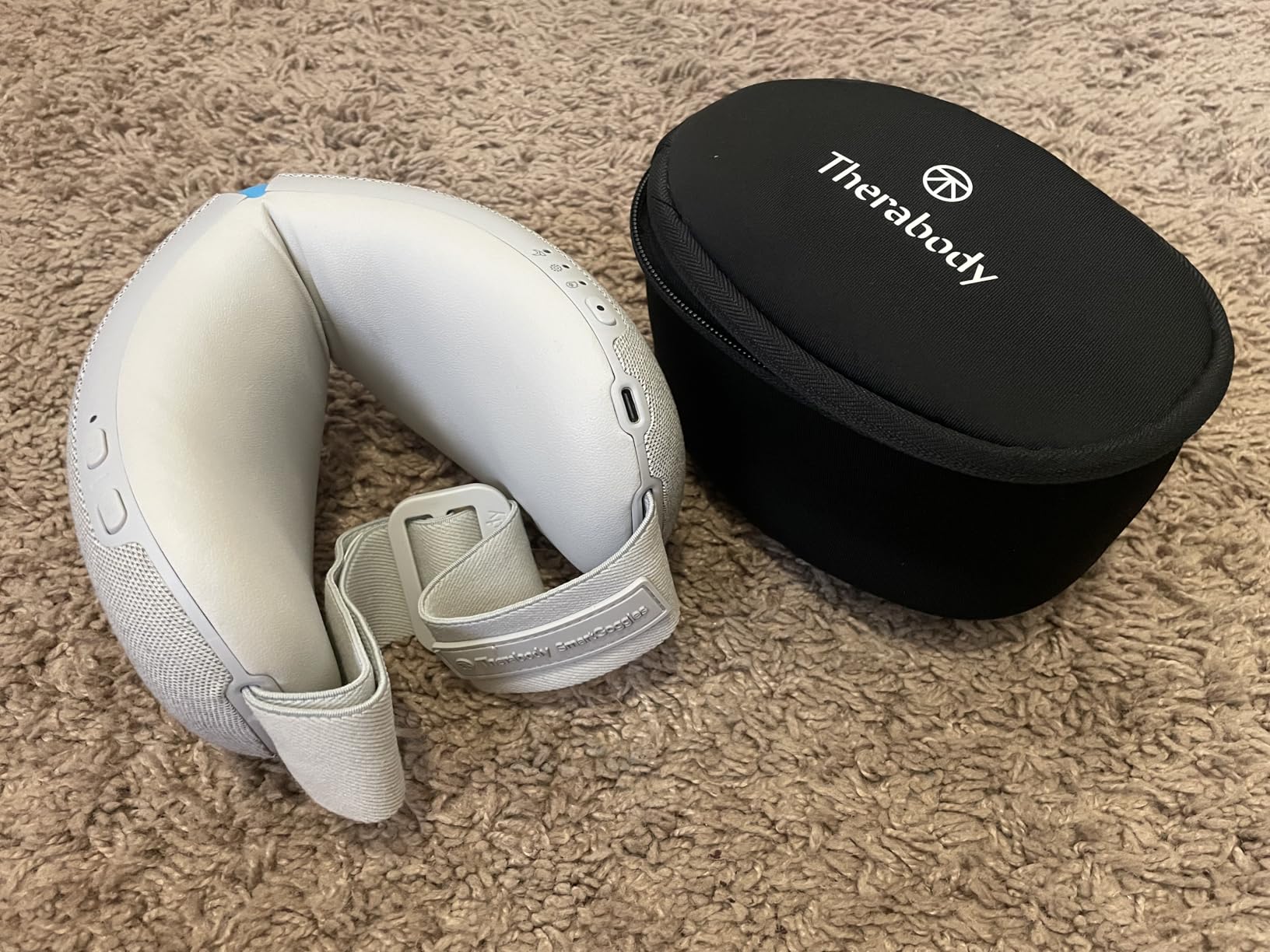
The Therabody app integration adds guided meditations and noise cancellation features. Whether that is worth the premium price depends on how much you value the ecosystem. If you already use a Theragun device, the app ties everything together nicely.
Build quality is genuinely premium. The materials feel more substantial than any RENPHO or Bob and Brad model, and the design language matches Therabody’s other wellness products. You are paying for that polish as much as the features.
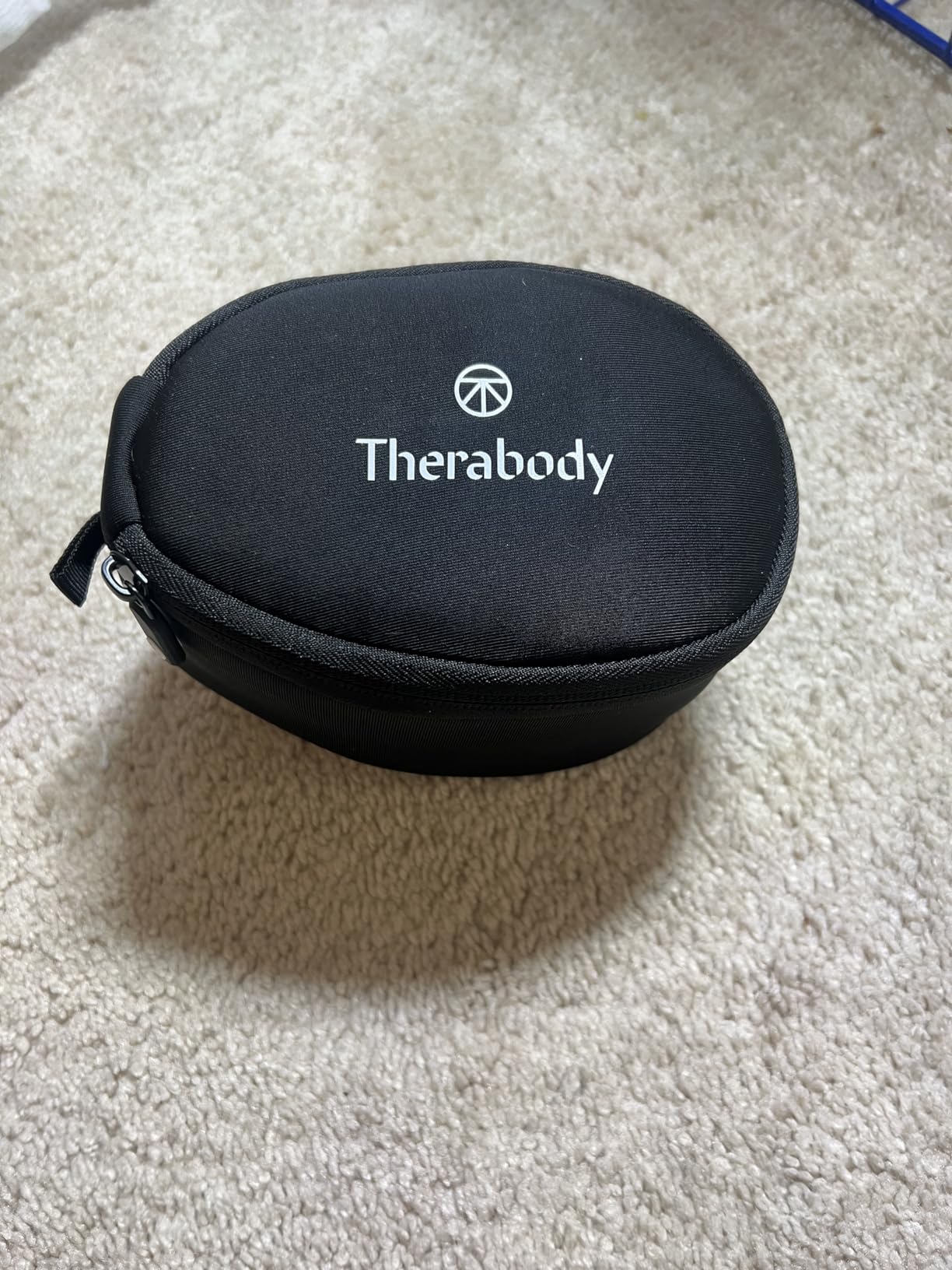
If you like data, apps, and smart features, the SmartGoggles is the most connected option on this list. The biometric sensor and app integration give you a level of feedback and control that no other eye massager matches.
The dedicated headache relief mode is also a real differentiator. For chronic tension headache sufferers who want targeted treatment rather than general relaxation, this is the model to look at first.
The price is the obvious barrier. At more than three times the cost of the Eyeris 1, you need to be confident you will use it regularly. The motor noise is also louder than I expected at this price point, and some users report light bleed despite the blackout claims.
The weight is another factor. At 13.7 ounces, it is heavier than the RENPHO models, and some users find it uncomfortable for sessions longer than 10 minutes.
Heat and vibration therapy
4 massage programs
Bluetooth music
Lifetime support warranty
The LifePro Portable Eye Massager is the model I reached for most often during an actual migraine. The heat function ramps up quickly, and the combination of warmth and vibration on the temples and around the eyes takes the edge off in a way that over-the-counter painkillers alone sometimes cannot.
The micro-suede material is more comfortable against the skin than the smoother finishes on RENPHO models. The adjustable elastic band accommodates a wider range of head sizes, which matters if other massagers have felt too tight or too loose.
Four massage programs and two program modes give you enough variety without being overwhelming. The 65% five-star review rating from over 2,200 users tells you this is a crowd-pleaser in its price range.
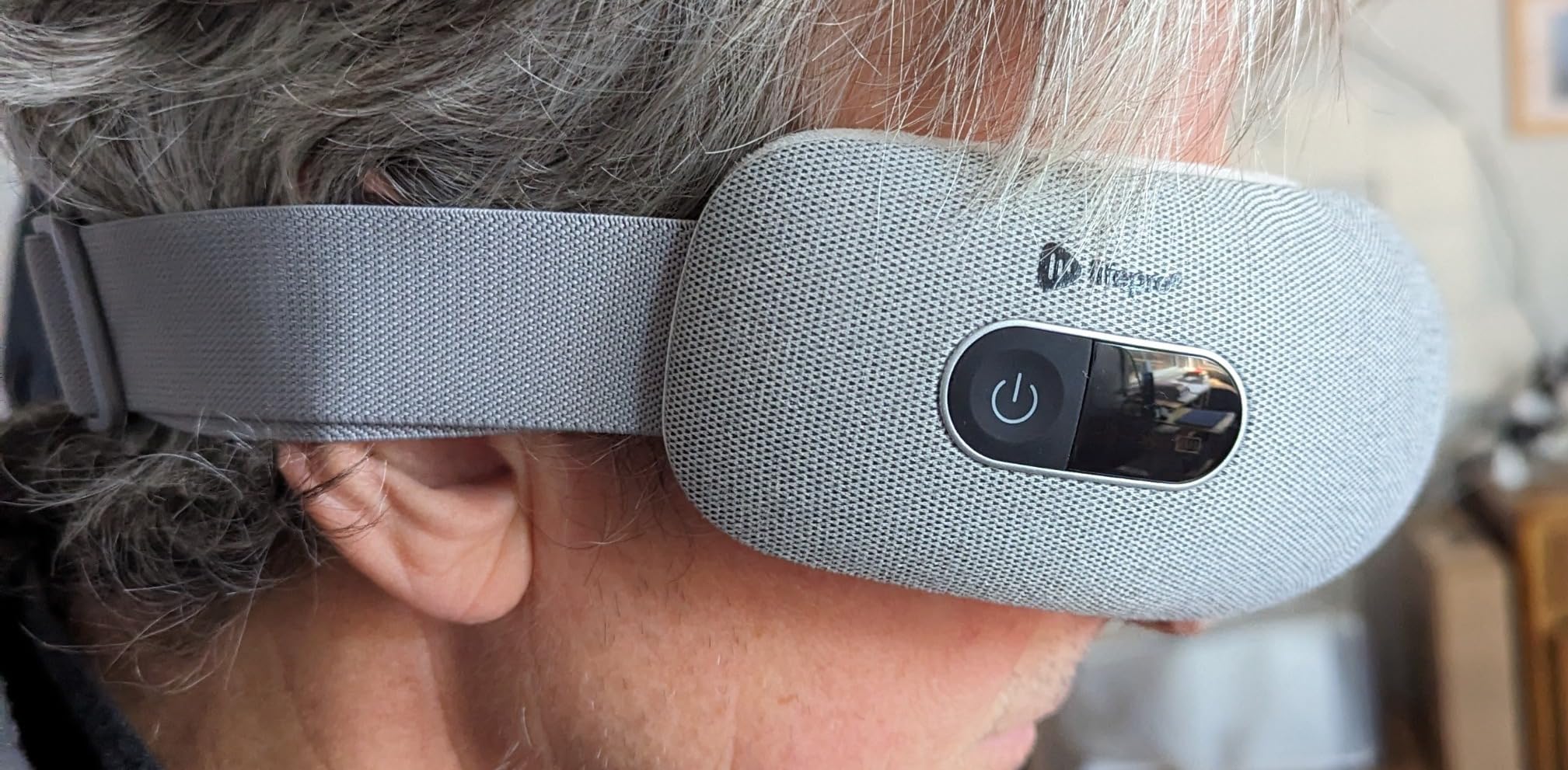
The included carrying bag is a nice touch that most competitors skip. It makes the LifePro genuinely portable for travel, and the slim foldable design does not take up much room in a bag.
The lifetime support warranty is unusual for this category. Most brands offer one or two years at most. LifePro’s lifetime support does not cover everything, but it does mean you can reach out for help well past the typical warranty window.
If migraines are your primary concern, the LifePro earns its spot on this list. The fast heat-up, focused vibration, and comfortable fit make it the most immediately soothing option when a headache is already in progress.
The carrying bag and foldable design also make it a good travel companion if your migraines tend to strike on the road or in hotels.
The motor noise is the main drawback. On some settings it is noticeably louder than the Bob and Brad or RENPHO Zen, which rules it out for shared bedrooms or quiet offices. The nature sounds that play by default also cannot be disabled unless you connect via Bluetooth, which is a frustrating limitation.
The hard plastic nose bridge is another common complaint. If you have a high nose bridge or a narrow face, it can dig in during longer sessions.
Vision mesh window
Heat 104-107F
Bluetooth music
One-button operation
The SKG E3 Pro is the only eye massager on this list with a built-in vision window, and that single feature changes how you use it. The mesh panel lets you see through the device while it works, which means you can watch TV, read, or keep an eye on kids during a session.
The heat function runs from 104F to 107F, which is on the gentler end of the spectrum. For users who find higher temperatures uncomfortable, this softer warmth is actually a plus. The CE and RF certifications offer peace of mind on safety standards.
One-button operation keeps things simple. You cycle through modes with a single press, which is more intuitive than the multi-button layouts on some competitors. Built-in soothing music plus Bluetooth covers the audio side.
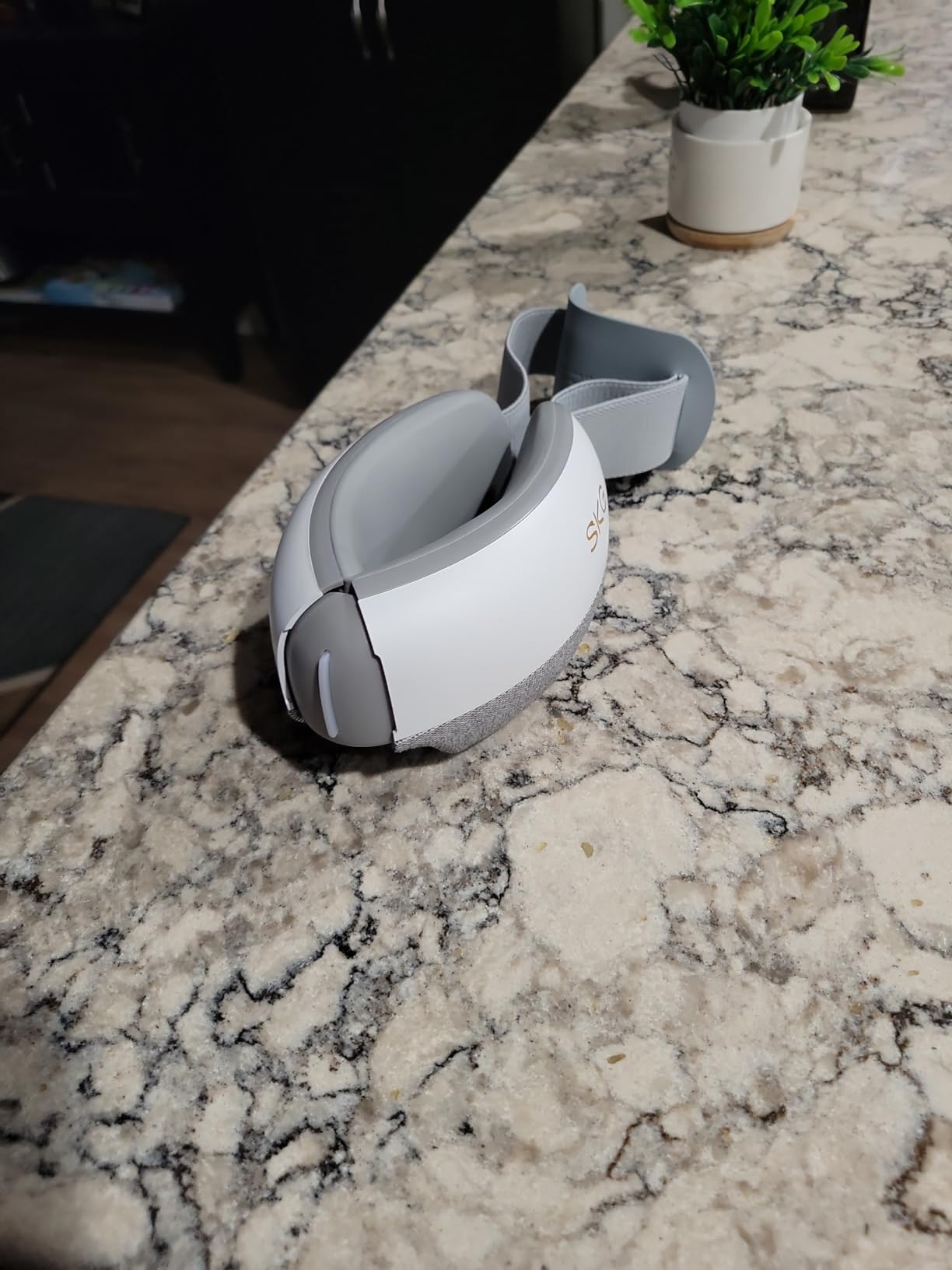
The foldable design and included storage make it easy to pack. At 10.88 ounces it is lightweight enough for extended sessions, and the price point makes it one of the most affordable options on this list.
Reviewers consistently mention the vision window as the deciding feature. If you cannot sit still with your eyes closed for 15 minutes, the ability to see through the mask is the difference between using the device regularly and abandoning it in a drawer.
If you get bored or anxious sitting still with your eyes closed, the SKG vision window solves that problem. You can use the massager while watching a show, checking email, or supervising kids without interrupting your session.
It is also a smart pick if you want something simple. The one-button operation and straightforward feature set make it accessible for less tech-savvy users who do not want to navigate apps or voice commands.
The heat maxes out at 107F, which is cooler than the RENPHO models that reach 113F or 118F. If you want deeper heat for sinus pressure or meibomian gland dysfunction, the SKG may feel underpowered. The fit is also inconsistent across face shapes, with some users reporting tightness at the temples and looseness at the nose bridge.
Customer service responsiveness is another concern. Several users report difficulty getting help when issues arise, which is worth weighing against the lower price.
Choosing between the best eye massagers comes down to what you are trying to treat, how sensitive your eyes are, and which features actually matter to your routine. Here is how I think about the decision.
Heat therapy is the foundation. Look for devices that reach at least 104F, with 107F to 113F being the most effective range for relaxing muscles and supporting tear film function. If you deal with morning puffiness or allergy swelling, a model with cooling compress like the RENPHO Eyeris 3 gives you both options.
Air compression is what creates that kneading sensation around your eyes. It mimics the feeling of fingers gently pressing and releasing on the temples and under-eye area. Vibration adds a secondary layer of stimulation that some users find relaxing and others find irritating, so look for devices that let you adjust intensity.
This is the most overlooked factor and the most common reason people return eye massagers. The device needs to seal comfortably around your eyes without pressing on the eyeballs directly. The Bob and Brad EyeOasis 2 solves this with its double-layer design, while smaller-faced users may struggle with the Eyeris 3.
Adjustable headbands matter. Look for models with a wide range of fit, and pay attention to user reviews from people with similar face shapes to yours.
USB-C charging is now standard on better models, and the foldable designs from RENPHO and LifePro make travel realistic. If you plan to use your massager daily, look for a battery that lasts at least a week of 15-minute sessions between charges. The carrying bag included with the LifePro is a thoughtful detail that makes travel use more practical.
If you use your massager for sleep or in shared spaces, motor noise is a real quality-of-life issue. The RENPHO Eyeris Zen at 40dB and the Bob and Brad EyeOasis 2 at 45dBA are the quietest options on this list. The LifePro is noticeably louder on certain settings, which some users find disruptive.
Eye massagers are generally safe for healthy adults, but there are important exceptions. Do not use an eye massager if you have recently had eye surgery, have glaucoma, or have any serious eye condition without clearing it with your ophthalmologist first. The compression and heat can worsen certain conditions.
Contact lens wearers should remove lenses before use. The heat and pressure can cause discomfort or even damage with lenses in place. If you have severe dry eye, talk to your eye doctor about whether heat therapy is appropriate, since the wrong temperature or duration can sometimes make symptoms worse.
Bluetooth audio is more useful than I expected. Streaming your own music or podcasts during a session makes the time pass faster, and guided meditation integration (like the Headspace partnership on the Eyeris Zen) turns the device into a stress-reduction tool rather than just a physical therapy device.
Voice control, app connectivity, and biometric sensors are premium features that some users love and others never touch. Decide whether you will actually use them before paying extra.
The RENPHO x Headspace Eyeris Zen is our top-rated eye massager for 2026, scoring 4.5 stars from over 800 reviews. It stands out for its ultra-quiet ZenTech motor, three heat levels up to 118F, and nine built-in Headspace guided meditation sessions that combine physical relief with mental relaxation.
Yes, eye massagers work by applying gentle heat, vibration, and air pressure around the eye area to relax muscles, improve blood circulation, and support tear film function. Users consistently report relief from digital eyestrain, tension headaches, dry eyes, and sinus pressure. They are not medical devices, but the heat therapy they provide is the same warm compress treatment many eye doctors recommend for conditions like meibomian gland dysfunction.
Many ophthalmologists recommend the warm compress therapy that eye massagers provide, particularly for patients with mild dry eye or meibomian gland dysfunction. However, eye doctors typically advise against using eye massagers if you have glaucoma, recent eye surgery, or serious eye conditions. Always check with your own eye doctor before starting use, especially if you have an existing eye condition.
Yes, eye massagers can help relieve tension headaches by applying heat and compression to the forehead, temples, and around the eyes where tension builds. Models like the Therabody SmartGoggles and LifePro Portable Eye Massager have dedicated headache relief modes. The combination of warmth and gentle pressure helps relax the muscles that cause tension headaches, though they are less effective for migraine headaches which have a different underlying cause.
For most healthy adults, daily use of 10 to 15 minutes per session is safe and well-tolerated. Most quality eye massagers include a 15-minute auto-shutoff feature for safety. Avoid using an eye massager if you have glaucoma, recent eye surgery, eye infections, or serious eye conditions without consulting a doctor first. Always remove contact lenses before use.
After weeks of testing, the RENPHO x Headspace Eyeris Zen stands out as the best overall eye massager for most people thanks to its quiet motor, meditation integration, and premium feel. The RENPHO Eyeris 3 is the smart pick if you want both heat and cooling therapy, while the RENPHO Eyeris 1 remains the best budget entry point with over 27,000 reviews backing it up.
Whichever model you choose from our list of the best eye massagers, the key is using it consistently. Fifteen minutes a day can make a real dent in screen-related eyestrain, tension headaches, and dry eye discomfort, and the right device turns that time into something you actually look forward to rather than another chore.