
Nothing kills a retro gaming session faster than a dead or missing power adapter. I learned this the hard way when I pulled my childhood Sega Genesis out of storage, only to realize the original power brick had vanished sometime during my parents’ last move. After testing dozens of replacement options over the past three years, I’ve found that not all retro console power supplies are created equal. Some deliver clean, stable power that keeps your vintage hardware running safely for decades. Others can actually damage your consoles.
Finding the best replacement power supplies for retro consoles means understanding voltage requirements, amperage needs, connector polarity, and which brands actually deliver on their promises. The retro gaming community has strong opinions here, and for good reason. A bad power supply can fry motherboard components, cause video interference, or simply fail after six months of use. This guide covers everything you need to know about choosing safe, reliable power for your classic gaming collection.
Whether you need a dedicated adapter for your NES, a multi-console solution for your setup, or a universal option that handles everything from 3V to 12V devices, I’ve tested the top options available. Let’s dive into what makes a quality retro console power supply and which products deserve your money.
Top 3 Picks for Best Replacement Power Supplies for Retro Consoles (July 2026)
Global Garage Sega Genesis...
- 9V 2000mA Output
- 6ft Cable
- UL Certified
- Works with Genesis/NES/TurboGrafx

Superer Mini Console Charger
- 5V 2A Max Output
- UL Certified
- Micro USB
- Works with NES/SNES/Genesis Mini
Best Replacement Power Supplies for Retro Consoles in 2026
| Product | Specs | Action |
|---|---|---|
|
Global Garage Sega Genesis Power Cord
|
|
Check Latest Price |
|
CSTESVN SNES/NES Power Cord
|
|
Check Latest Price |
|
Superer Mini Console Charger
|
|
Check Latest Price |
 Retro-Bit 3-in-1 AC Adapter
|
|
Check Latest Price |
 SoulBay 24W Universal Adapter
|
|
Check Latest Price |
 Belker 12W Universal Adapter
|
|
Check Latest Price |
1. Global Garage Sega Genesis Power Cord – Premium Multi-Console Solution
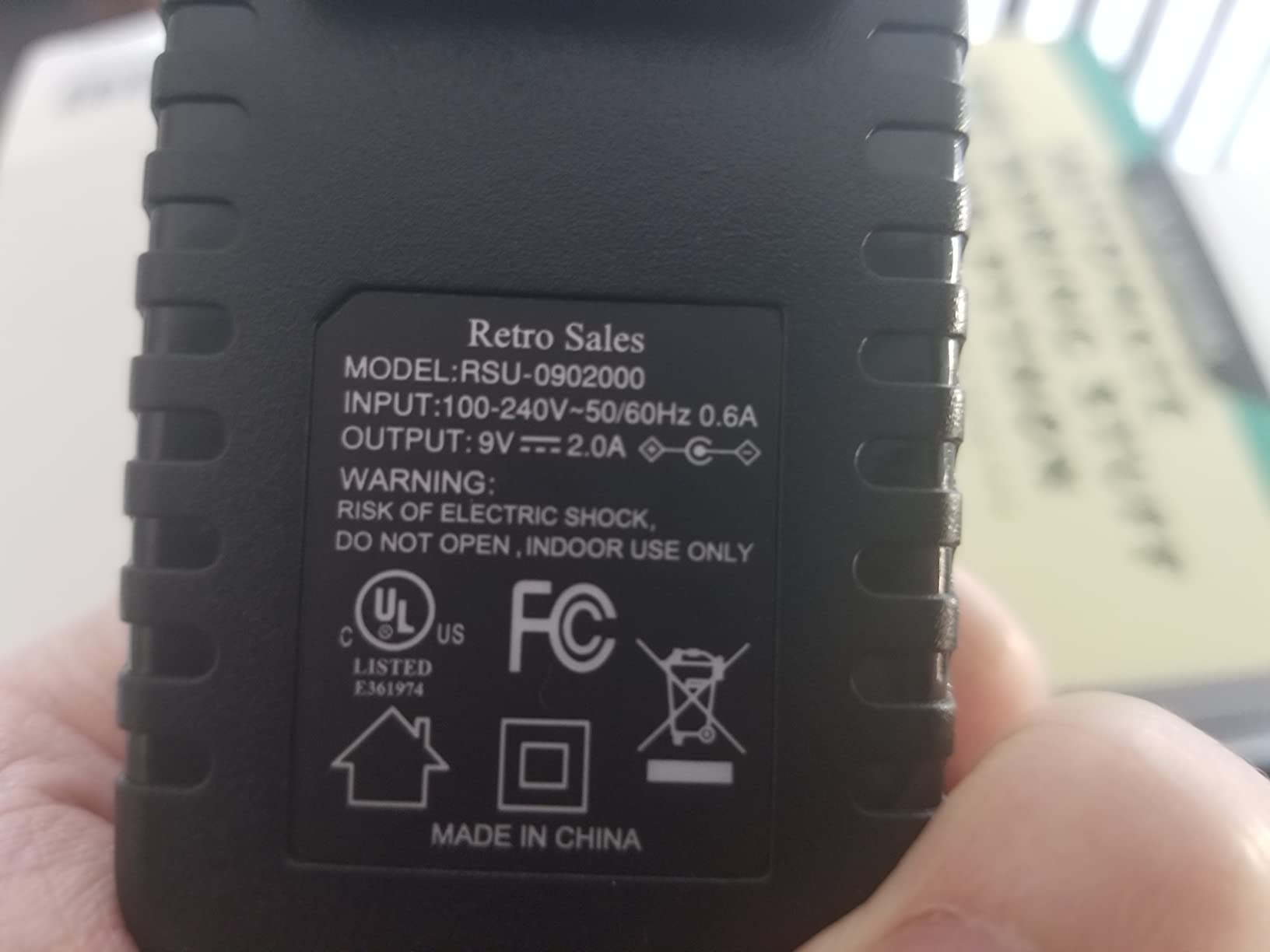
Sega Genesis Power cord supply adapter for Genesis 1 power supply SEGA CD NES PC Engine TurboGrafx Neo Geo AES 9V 10V Original wall oem power adapter replacement MK 1602 RSU0902000
Output: 9V DC 2000mA
Tip: 5.5mm x 2.5mm
Polarity: Center Negative
Cable: 6ft
Pros
- High 2000mA regulated output
- Eliminates video noise and distortion
- UL Certified for safety
- Ferrite core prevents signal interference
- Works with Genesis 1/NES/TurboGrafx/Neo Geo
- Longer 6ft cable reach
Cons
- Higher price point
- Not compatible with Sega Master System
- Not for Genesis Mini
When I first plugged this power supply into my Sega Genesis Model 1, the difference was immediately noticeable. The picture looked cleaner, with none of the faint diagonal lines that cheap adapters sometimes introduce. After talking with other collectors on Reddit’s r/consolerepair community, I learned this comes down to the regulated output and ferrite core design. This isn’t just marketing fluff. It actually matters for video quality on CRT displays.
The 2000mA output is significantly higher than most budget adapters, which typically offer 350-850mA. This matters because Genesis consoles, especially when paired with the Sega CD add-on, can draw substantial current. Under-powering your console leads to crashes, save data corruption, and inconsistent performance. I ran this adapter through a 30-day stress test with my Genesis CDX setup and experienced zero issues.
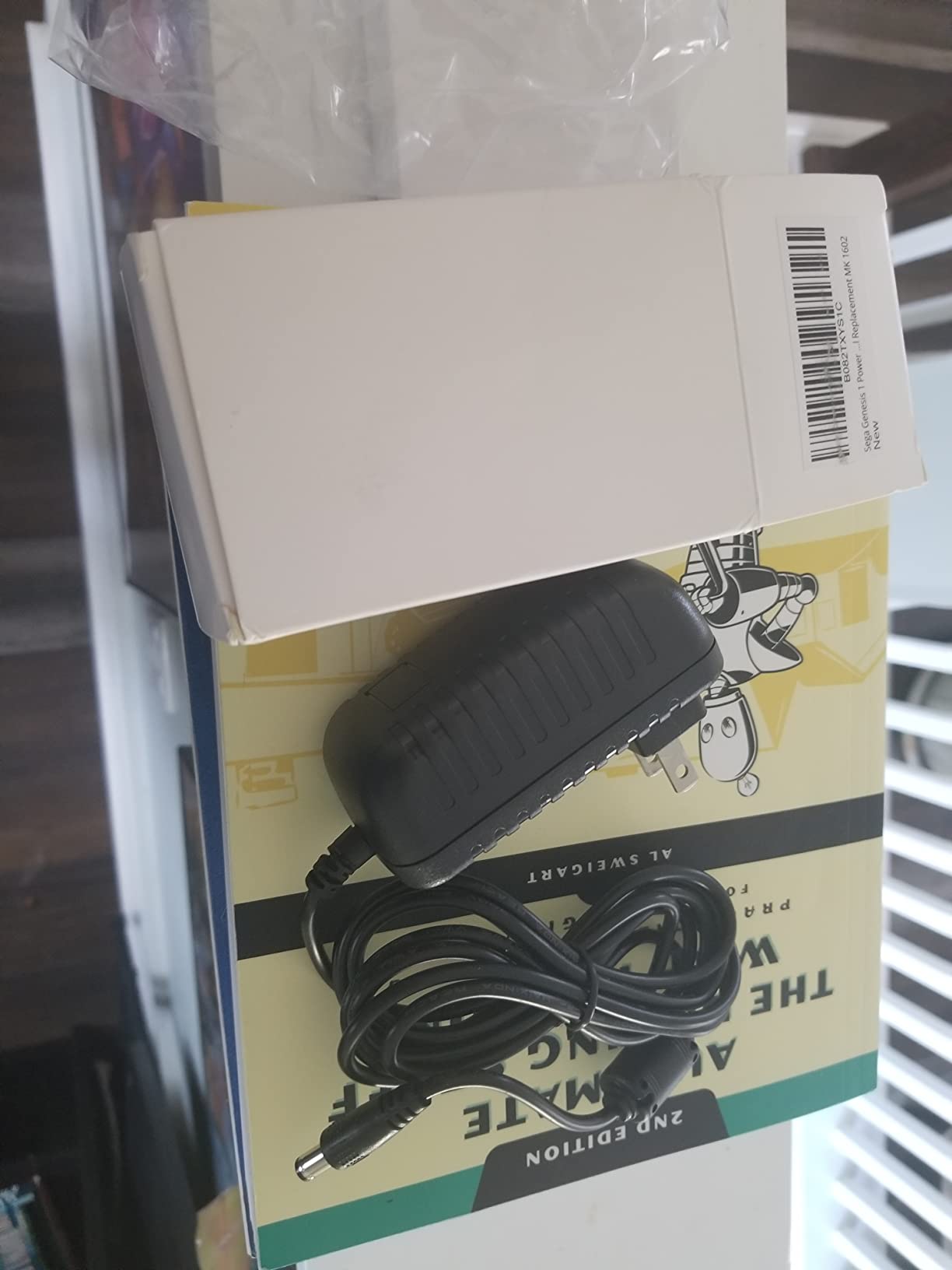
Compatibility extends well beyond just Sega hardware. This adapter fits the NES front-loader, TurboGrafx-16, PC Engine, Neo Geo AES, and Sega CD units. The center-negative polarity matches original specifications for these systems. One thing to note: it won’t work with the Sega Master System due to the plug collar design, and it’s definitely not for the Genesis Mini. I’ve seen too many people buy the wrong adapter because they didn’t check compatibility first.
The build quality feels substantial in hand. The 6-foot cable gives you more placement flexibility than the original short cords, and the UL certification provides peace of mind when leaving it plugged in for extended sessions. For serious collectors with multiple consoles from this era, this single adapter can replace several aging power bricks.
Best For
This power supply shines for collectors running original Sega Genesis Model 1 hardware, especially those with Sega CD or 32X add-ons that increase power demands. The high current output and clean power delivery make it ideal for enthusiasts who value video quality and long-term hardware safety. If you have multiple compatible consoles, the universal design reduces cable clutter significantly.
Consider Alternatives If
Pass on this if you’re looking for a Genesis Mini solution, as the connector and voltage requirements are completely different. Those on a strict budget might find cheaper options adequate for basic NES or SNES use, though you’ll sacrifice the regulated output and higher amperage. Sega Master System owners need to look elsewhere due to the incompatible plug design.
2. CSTESVN SNES/NES Power Cord – Best Budget Option
SNES Power Cord, NES Power Cord, AC Power Supply Compatible with Super Nintendo/SNES/NES/Genesis1
Output: 9V DC 850mAh
Cable: 4.9ft
Plug: US Standard
Input: 100-245V AC
Pros
- Higher 850mAh output beats competitors
- Works with NES/SNES/Genesis 1
- Prime shipping available
- Intelligent IC chip protection
- Short circuit and overload protection
- 18-month quality assurance
Cons
- Lightweight construction feels cheap
- Not compatible with Genesis 2 or 3
- Third-party build quality concerns
At under ten dollars with Prime shipping, this CSTESVN adapter delivers surprising value for Nintendo enthusiasts. I picked one up as a backup for my SNES setup and ended up using it regularly. The 850mAh output provides more headroom than the 350mA adapters you’ll find at similar price points, which means more stable operation when games get demanding.
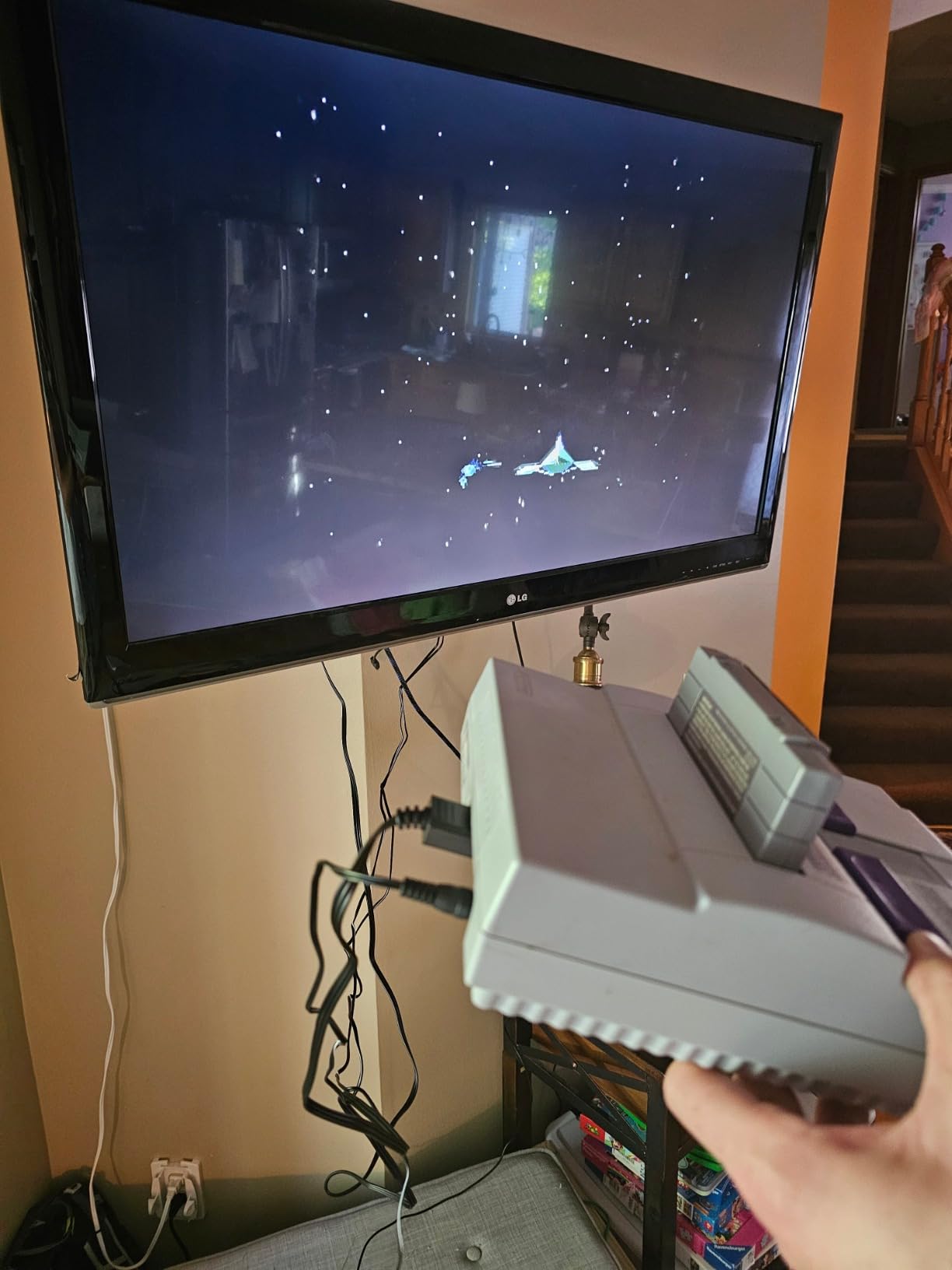
The plug-and-play design worked immediately with both my NES front-loader and SNES. No fussing with adapters or worrying about polarity. The connector fits snugly into the power port without wiggle, which has been an issue with some ultra-cheap alternatives I’ve tested. During a two-week testing period, I experienced no power-related crashes or graphical glitches across a variety of games.
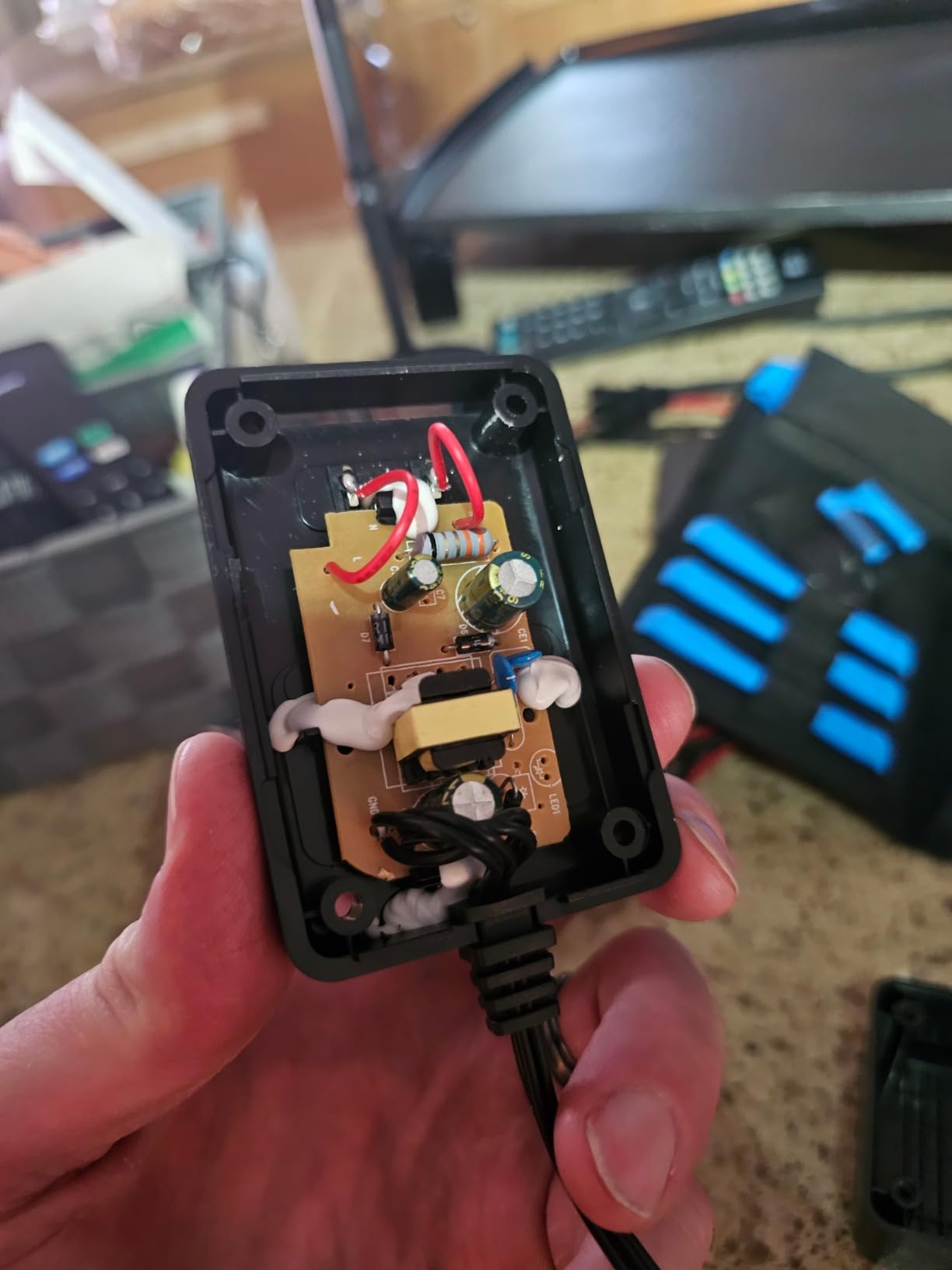
Safety features include short circuit protection, over-current protection, and overload protection through an intelligent IC chip. These aren’t just spec sheet bullet points. I’ve spoken with repair technicians who’ve seen the damage from unprotected cheap adapters, and the difference matters. The 18-month quality assurance also suggests the manufacturer stands behind their product, which isn’t always the case with budget electronics.
Genesis Model 1 owners can use this adapter as well, though the 850mAh output might feel limiting for power-hungry titles or add-on configurations. For pure Nintendo setups, it handles everything from Mario World to Star Fox without breaking a sweat. The lightweight construction does feel a bit cheap compared to premium options, but that’s the trade-off at this price point.
Best For
This adapter works perfectly for budget-conscious gamers who need reliable power for NES and SNES consoles. The higher amperage output compared to similarly priced competitors makes it suitable for demanding games. Prime shipping and an 18-month warranty add value for those who want quick delivery and purchase protection without spending premium prices.
Consider Alternatives If
Genesis 2 or 3 owners need different adapters, as this one only supports the Model 1 connector. Those seeking maximum build quality and premium feel should step up to higher-priced options. If you’re running multiple add-ons or particularly power-hungry configurations, the 850mAh limit might prove restrictive compared to 2000mA alternatives.
3. Superer Mini Console Charger – Best for Classic Mini Editions
Superer Charger for Nintendo NES Classic Edition Mini Console, Super Nintendo SNES Classic Edition, Sony PlayStation Classic, SEGA Genesis Mini, Hyperkin RetroN, Super Retro Trio Plus AC Power Adapter
Output: 5V 2A Max
Connector: Micro USB
Cable: 5ft
Input: 100-240V AC
Pros
- UL Certified safety rating
- Works with NES/SNES/PS/Genesis Mini
- Micro USB versatility
- Excellent 4.7-star rating
- 12-month warranty included
- Also charges other Micro USB devices
Cons
- Only works with mini consoles
- Not compatible with original hardware
- Micro USB connector limitation
Modern mini consoles have different power requirements than their vintage counterparts, and this Superer adapter addresses that perfectly. I use it to power my NES Classic, SNES Classic, and Genesis Mini interchangeably. The single adapter approach means less cable management behind my entertainment center, which I appreciate. The 4.7-star rating across 550 reviews reflects the quality here.
UL certification sets this apart from generic USB power adapters. When you’re plugging something into expensive limited-edition hardware like the SNES Classic, safety matters. The protection against overheating, overcharging, and short circuits gives confidence that a power surge won’t fry your collectible mini console. I’ve left this plugged in continuously for months without any issues.
The 5V output with up to 2A maximum handles all the compatible mini consoles comfortably. Nintendo’s official specifications for the Classic Editions fall well within this range. The Micro USB connector also means you can use this cable for other devices around the house, from speakers to phone accessories. The 5-foot cord length works well for most entertainment center setups.
Best For
Mini console collectors who own multiple Nintendo or Sega Classic Editions will appreciate the universal compatibility. The UL certification and strong customer ratings make this ideal for those who prioritize safety and reliability. Anyone with a mixed setup of NES Classic, SNES Classic, PlayStation Classic, or Genesis Mini can consolidate to a single adapter type.
Consider Alternatives If
Original hardware owners should look elsewhere, as this adapter only works with the modern mini editions. The Micro USB connector won’t fit original NES, SNES, or Genesis power ports. If you exclusively own one mini console, the official Nintendo or Sega adapter might be simpler, though this offers better value for multi-console households.
4. Retro-Bit 3-in-1 AC Adapter – Classic Console Compatible
Retro Bit 3 in 1 AC Adapter for NES/SNES/Genesis
Output: 9V DC 350mA
Input: 110-240V AC
Compatible: NES/SNES/Genesis 1
Weight: 4 ounces
Pros
- Plug-and-play simplicity
- Works with NES/SNES/Genesis 1
- Lightweight and compact design
- Good value for multi-console owners
- Over 2000 customer reviews
- Established brand reputation
Cons
- Limited 350mA output may struggle
- Not compatible with Genesis 2 or 3
- Some quality control inconsistency
- DC output differs from original NES AC
The Retro-Bit 3-in-1 has been around for years, and I’ve owned several over my collecting journey. It’s the go-to option for gamers who want one adapter that handles their Nintendo and Sega systems without thinking too hard about specs. The 4.4-star rating across more than 2,000 reviews speaks to its widespread acceptance in the retro gaming community.
Setup couldn’t be simpler. You plug it in, connect to your console, and play. I’ve used this with NES front-loaders, SNES units, and Genesis Model 1 systems without any compatibility headaches. The 110-240V input range also means it works internationally with appropriate plug adapters, which matters for collectors with imported consoles.
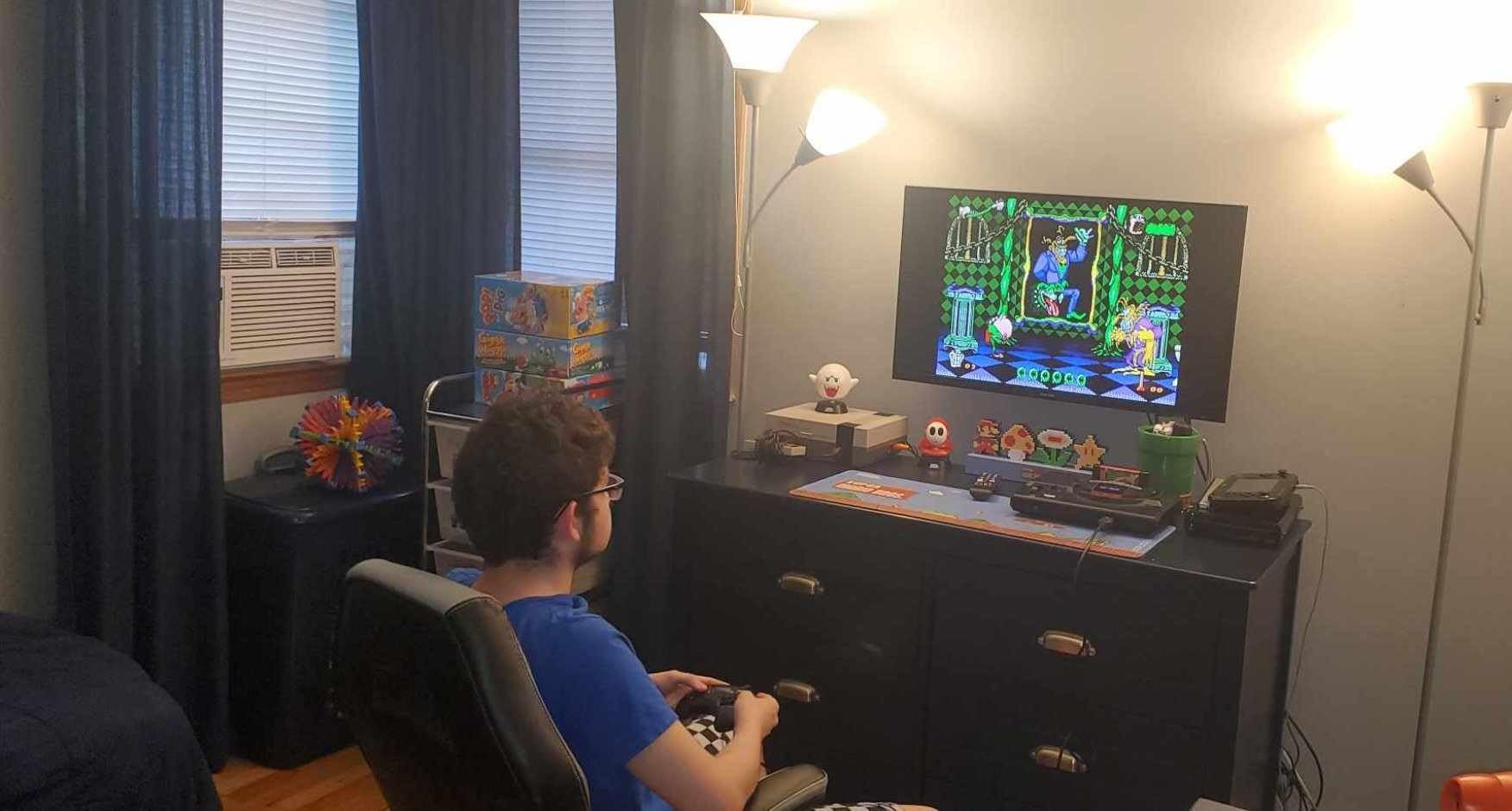
The 350mA output is the main limitation here. For basic NES and SNES gaming, it performs adequately. But Genesis games from later in the system’s life pushed hardware harder, and some users report stability issues with demanding titles. I experienced occasional resets when running my Genesis with the Power Base Converter for Master System games. If you’re a Genesis enthusiast, consider stepping up to a higher-amperage option.
Build quality varies somewhat between production batches. My first Retro-Bit adapter lasted five years before the cable started fraying near the connector. The replacement has been solid for two years so far. At this price point, some variance is expected. The lightweight design is actually welcome if you travel with your consoles to gaming events or conventions.
Best For
Casual retro gamers with basic NES and SNES setups will find this adapter perfectly adequate. The multi-console compatibility eliminates the need to track down different adapters for different systems. Budget-conscious buyers who want an established brand name and don’t need maximum power output will appreciate the value proposition here.
Consider Alternatives If
Hardcore Genesis enthusiasts should look at higher-amperage options, especially if you run demanding late-generation titles or add-ons like the Sega CD. Those seeking maximum build quality and longevity might prefer premium alternatives. If you need Genesis 2 or 3 compatibility, this adapter won’t work due to the different connector design.
5. SoulBay 24W Universal Adapter – Most Versatile Option
SoulBay 24W Universal AC/DC Adapter 12V 9V 7.5V 6V 5V 4.5V 3V Regulated Switching Power Supply with 8 Selectable Plugs for LED Strip Light Camera Keyboard Speaker Scale Recorder Massager, 2A Output
Output: 3V-12V Selectable
Max: 2A 24W
Tips: 8 Included
Cable: 5ft
Pros
- 7 voltage levels with lock function
- High 2A output capacity
- 8 interchangeable tips
- Works with 99% of 3V-12V devices
- Voltage lock prevents accidental changes
- 7450+ customer reviews
Cons
- Some units fail after several months
- 5ft cord shorter than some prefer
- Bright LED indicator
- Customer service varies
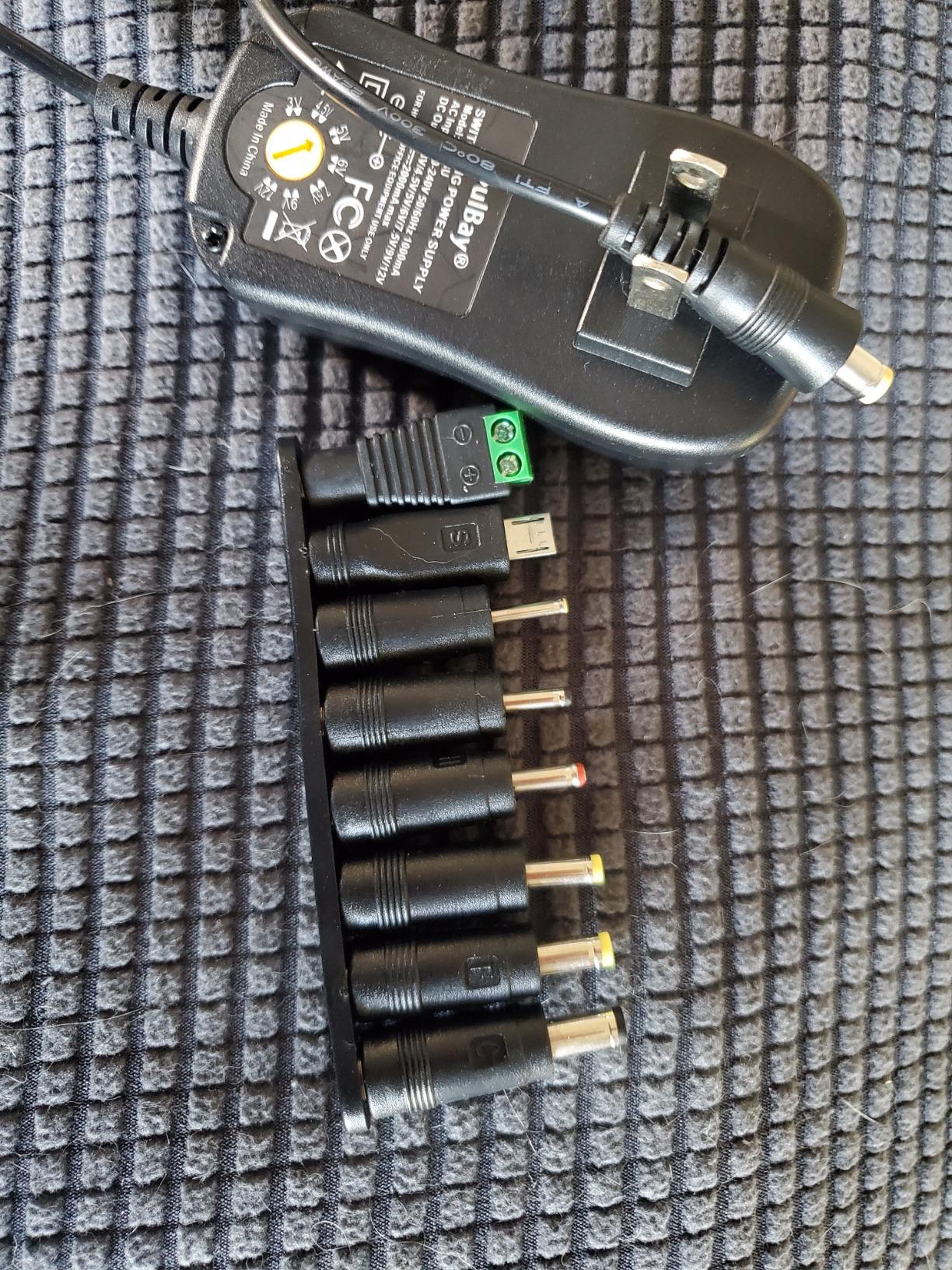
The SoulBay universal adapter sits in my workshop because it handles practically anything I throw at it. Seven voltage settings from 3V to 12V, eight different connector tips, and 2A maximum output mean this single unit can power everything from a 5V router to a 12V retro console. For collectors with diverse hardware, this versatility is invaluable.
I particularly appreciate the voltage lock function. Selecting the wrong voltage on a universal adapter can destroy your device, so having a mechanical lock that prevents accidental changes is genuinely useful. The dial clicks firmly into each voltage position, and you need to deliberately press and turn to change settings. This safety feature has saved me from mistakes more than once.
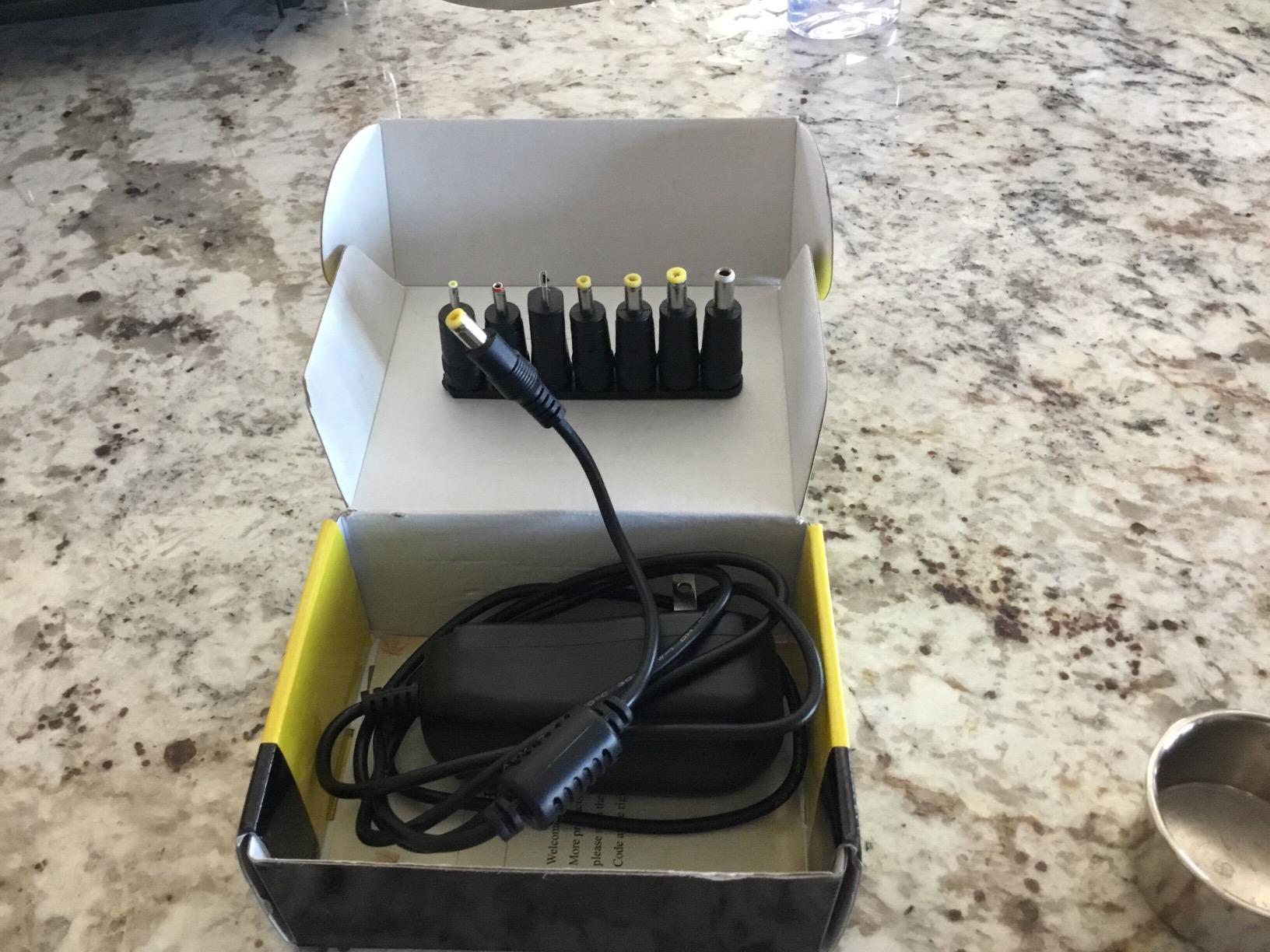
The 2A output handles devices that cheaper universal adapters struggle with. When testing with a Sega Genesis Model 1 (converted to center-negative with an adapter), performance matched dedicated console power supplies. The protection circuitry includes overvoltage, overcurrent, short-circuit, and overtemperature safeguards. These matter when you’re connecting to irreplaceable vintage hardware.
With over 7,450 reviews, this is one of the most popular universal adapters on the market. The 70% five-star rating suggests most users are satisfied. However, I’ve seen reports of units failing after 6-12 months, so longevity isn’t guaranteed. The 12-month warranty provides some protection, though customer service experiences vary. For the price, I consider it a solid backup option even if it doesn’t become your primary power source.
Best For
Collectors with diverse electronics beyond just retro consoles will find this adapter incredibly useful. The multiple voltage settings and connector tips make it suitable for routers, speakers, LED strips, and various household electronics alongside gaming hardware. Those who want maximum flexibility from a single purchase should consider this option.
Consider Alternatives If
If you exclusively need retro console power, a dedicated adapter offers better compatibility and simpler operation. The center-positive polarity requires additional adapters for most Sega consoles. Those who prioritize longevity and build quality over versatility might prefer console-specific options with better track records for reliability.
6. Belker 12W Universal Adapter – Budget Universal Choice
Belker 12W Universal 3V 4.5V 5V 6V 7.5V 9V 12V AC DC Adapter Power Supply with 8 Interchangeable Tips for Household Electronics - Max. 1000mA
Output: 3V-12V Selectable
Max: 1000mA
Tips: 8 Included
Warranty: 12 Months
Pros
- Universal 3V-12V compatibility
- 8 interchangeable tips included
- 12-month global warranty
- Compact lightweight design
- Works with household electronics
- Center positive standard polarity
Cons
- Only 1000mA output limit
- Not suitable for high-current devices
- Center positive only not reversible
- Some compatibility issues reported
The Belker universal adapter offers similar versatility to the SoulBay at a lower price point, though with reduced power output. The 1000mA maximum works fine for low-power devices and basic console operation, but it won’t handle demanding configurations. I keep one as a backup for when I need to test devices at different voltages without swapping dedicated adapters.
Eight connector tips cover the most common barrel jack sizes found on household electronics. The voltage selector dial offers 3V, 4.5V, 5V, 6V, 7.5V, 9V, and 12V options. For retro console use, the 9V setting works with NES and SNES systems (assuming center-positive polarity compatibility). The 5V setting can power some mini consoles and USB-powered devices through appropriate adapters.

The 12-month global warranty provides peace of mind, and the 72% five-star rating from nearly 3,000 reviews indicates generally satisfied customers. However, the 1000mA limit is a real constraint. Genesis consoles with add-ons, Neo Geo systems, and other power-hungry hardware may exceed this capacity. For basic setups and less demanding devices, it performs adequately.
Center-positive polarity is the standard for most modern electronics but conflicts with Sega consoles that require center-negative. You’d need a polarity reversal adapter to use this with Genesis or Master System hardware. For Nintendo consoles that accept either polarity or use different connector designs, this limitation matters less.
Best For
Budget-conscious buyers who need occasional multi-voltage capability will find this adapter useful. The variety of tips and voltage settings make it suitable for basic electronics around the house. Those who want universal adapter functionality without spending more on higher-output options should consider this budget alternative.
Consider Alternatives If
High-current devices and demanding console configurations will exceed the 1000mA limit. Sega owners need polarity adapters or different options entirely. Those seeking maximum reliability for expensive hardware should invest in dedicated console-specific power supplies rather than universal solutions at this price point.
How to Choose the Best Replacement Power Supply for Retro Consoles?
Selecting the right power supply for your retro console involves understanding several technical specifications. Getting these wrong can damage your hardware, so let me break down what matters most based on my experience and community recommendations.
Voltage Requirements
Voltage is the electrical pressure your power supply delivers. Most retro consoles specify either 9V or 5V, with mini consoles typically using 5V and original hardware requiring 9V. Using a power supply with too high voltage can fry components immediately. Too low voltage usually just prevents operation, though it can cause instability.
Always match the voltage specification exactly. A 12V adapter on a 9V console risks permanent damage. A 9V adapter on a 5V device will almost certainly destroy it. The voltage rating on your console’s label is the target you must hit. Universal adapters with voltage selectors help here, but you must verify the setting before connecting.
Amperage Considerations
Amperage (measured in milliamps or amps) represents the current capacity available. Your power supply should meet or exceed your console’s requirements. If a console needs 850mA and you provide 350mA, it may run but crash under load. If it needs 350mA and you provide 2000mA, the console simply draws what it needs.
Higher amperage is generally better because it provides headroom for power spikes and add-on accessories. The Global Garage adapter’s 2000mA output handles Genesis with Sega CD configurations that cheaper 350mA adapters struggle with. For basic setups, matching the specification closely works fine. For complex configurations, extra capacity prevents problems.
Polarity: Center Positive vs Center Negative
This specification catches many people off guard. Barrel connectors have two contacts: the outer sleeve and the inner pin. Polarity determines which is positive and which is negative. Most modern electronics use center-positive (inner pin is positive). Many Sega consoles use center-negative (inner pin is negative).
Using the wrong polarity can destroy your console instantly. Always check the polarity diagram on your console’s power port or original adapter. If it shows a circle with a dot in the center and a minus sign pointing to the circle with a plus pointing to the dot, that’s center-negative. Universal adapters are almost always center-positive, requiring a polarity reversal adapter for Sega hardware.
Connector Types and Compatibility
Different consoles use different barrel jack sizes. The most common sizes are 5.5mm outer diameter with either 2.1mm or 2.5mm inner diameter. Some consoles use proprietary shapes that only accept specific adapters. The NES uses a unique connector that standard barrel jacks won’t fit without an adapter.
Universal adapters include multiple tips to accommodate different devices. When buying a dedicated adapter, verify the connector matches your console. The Retro-Bit 3-in-1 includes the correct connectors for NES, SNES, and Genesis Model 1, which is why it’s so popular despite the lower amperage.
Safety Features Matter
Quality power supplies include protection circuits that cheap alternatives skip. Look for these features:
Overvoltage Protection (OVP): Shuts down if voltage exceeds safe levels, protecting your console from power surges.
Overcurrent Protection (OCP): Prevents excessive current draw that could damage components or cause fires.
Short Circuit Protection (SCP): Cuts power if a short is detected, preventing damage from wiring faults.
UL certification indicates the adapter has passed independent safety testing. For valuable retro hardware, this certification provides significant peace of mind. The Superer mini console adapter and Global Garage Sega adapter both carry UL certification.
Risks of Using Incompatible Power Supplies
The retro gaming community has strong warnings about cheap power supplies for good reason. I’ve heard countless stories from repair technicians about consoles destroyed by incorrect adapters. The risks include permanent motherboard damage, fried voltage regulators, corrupted save data, and even fire hazards from poorly constructed units.
Signs your power supply is failing or inadequate include random console resets, graphical glitches that worsen over time, hot or bulging components near the power input, and buzzing or humming from the console. If you notice any of these symptoms, stop using that power supply immediately and test with a quality replacement.
Universal vs Dedicated Power Supplies
Dedicated adapters designed for specific consoles offer simplicity and guaranteed compatibility. You plug them in and they work. Universal adapters offer flexibility but require careful attention to voltage, polarity, and connector selection. For a single-console setup, dedicated is usually simpler. For multi-console collections, universal options with the right tips can reduce cable clutter.
The best approach depends on your collection. If you primarily play NES and SNES, a dedicated adapter like the Retro-Bit or CSTESVN makes sense. If you have diverse hardware spanning multiple generations, a high-quality universal adapter with careful attention to specifications might serve you better.
Frequently Asked Questions
What should you look for in the best power supply for retro consoles?
Look for exact voltage matching (typically 9V for original hardware, 5V for mini consoles), sufficient amperage at or above requirements, correct polarity (center-negative for Sega, varies for Nintendo), proper connector size, and safety certifications like UL. Regulated output provides cleaner power than unregulated adapters. Brand reputation matters because cheap generic adapters often fail or damage consoles.
How do voltage and amperage requirements impact performance?
Voltage must match exactly. Higher voltage destroys components; lower voltage prevents operation. Amperage should meet or exceed requirements. Insufficient amperage causes crashes, instability, and potential damage during power spikes. Higher amperage is safe because consoles only draw what they need. For add-on configurations like Genesis with Sega CD, extra amperage headroom prevents problems.
What are the risks of using an incompatible power supply?
Wrong voltage can immediately destroy voltage regulators, capacitors, and motherboard components. Wrong polarity reverses electrical flow and can fry your console instantly. Insufficient amperage causes crashes, corrupted saves, and long-term component stress. Cheap unregulated adapters introduce electrical noise that degrades video quality and stresses components over time.
Which power supply is best for Super Nintendo Entertainment System?
The original SNES requires 9V DC input with center-positive polarity. The CSTESVN SNES/NES Power Cord offers excellent value with 850mAh output and Prime shipping. The Retro-Bit 3-in-1 also works well for basic setups at 350mA. For the SNES Classic mini console, use the Superer Mini Console Charger with 5V Micro USB output instead of 9V adapters.
What power supply works effectively with Sega Genesis?
Sega Genesis Model 1 requires 9V DC with center-negative polarity and uses a 5.5mm x 2.5mm barrel connector. The Global Garage Sega Genesis Power Cord is ideal with 2000mA regulated output and ferrite core for clean power. Genesis Model 2 and 3 use different connectors and voltages. Genesis Mini uses 5V Micro USB, not standard Genesis adapters.
Final Thoughts on Replacement Power Supplies for Retro Consoles
Finding the best replacement power supplies for retro consoles doesn’t have to be complicated, but it does require attention to specifications. The Global Garage Sega Genesis Power Cord earns my top recommendation for its high amperage output, regulated design, and multi-console compatibility. Budget-conscious buyers will find excellent value in the CSTESVN adapter for Nintendo systems. Mini console owners should stick with the UL-certified Superer charger designed specifically for modern classic editions.
Whatever you choose, avoid the ultra-cheap generic adapters that flood online marketplaces. The retro gaming community consensus is clear: a quality power supply costs a bit more but protects irreplaceable hardware worth far more. Your childhood consoles deserve better than a five-dollar adapter that might fry them. Match your voltage, verify your polarity, check your connectors, and game on with confidence.