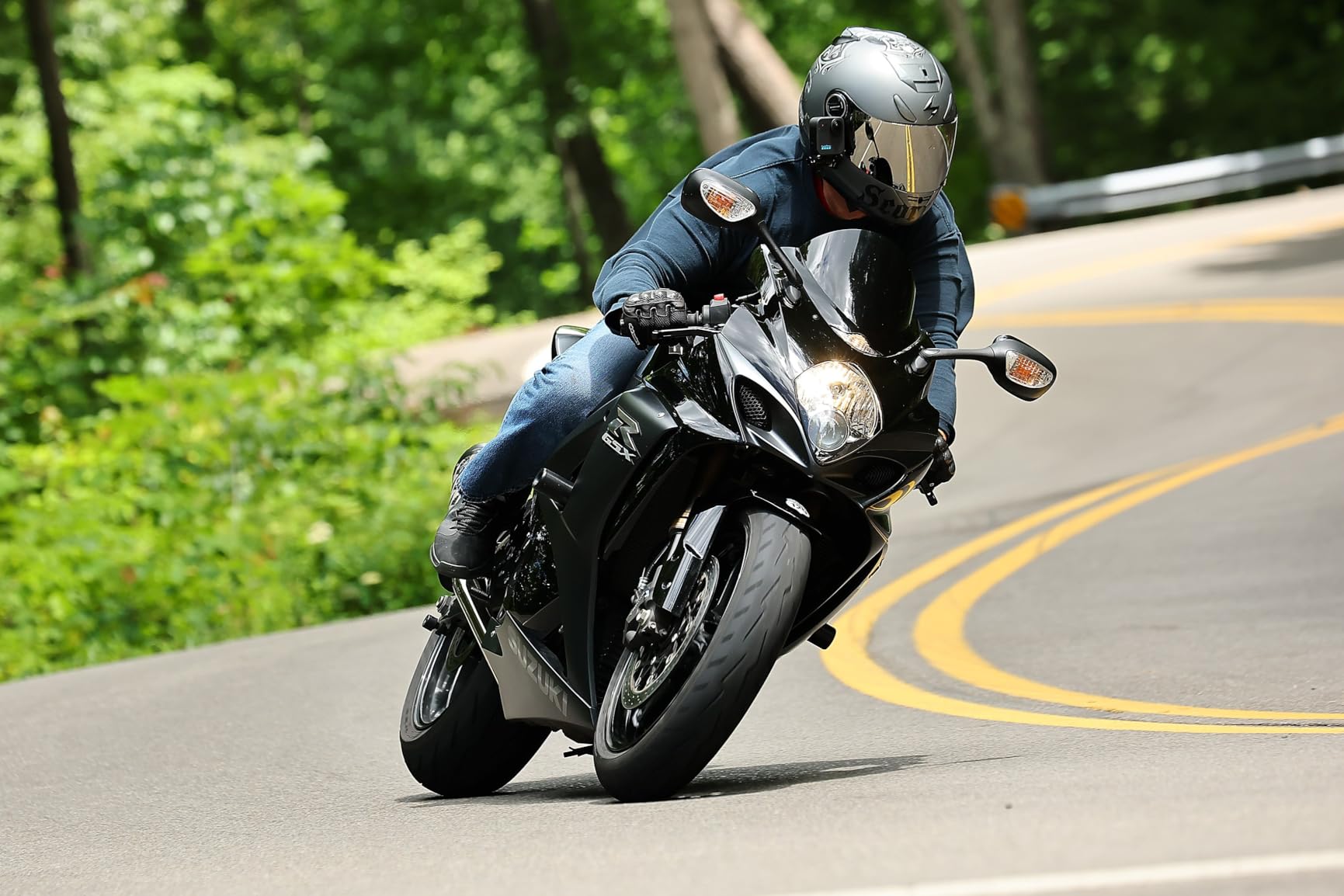
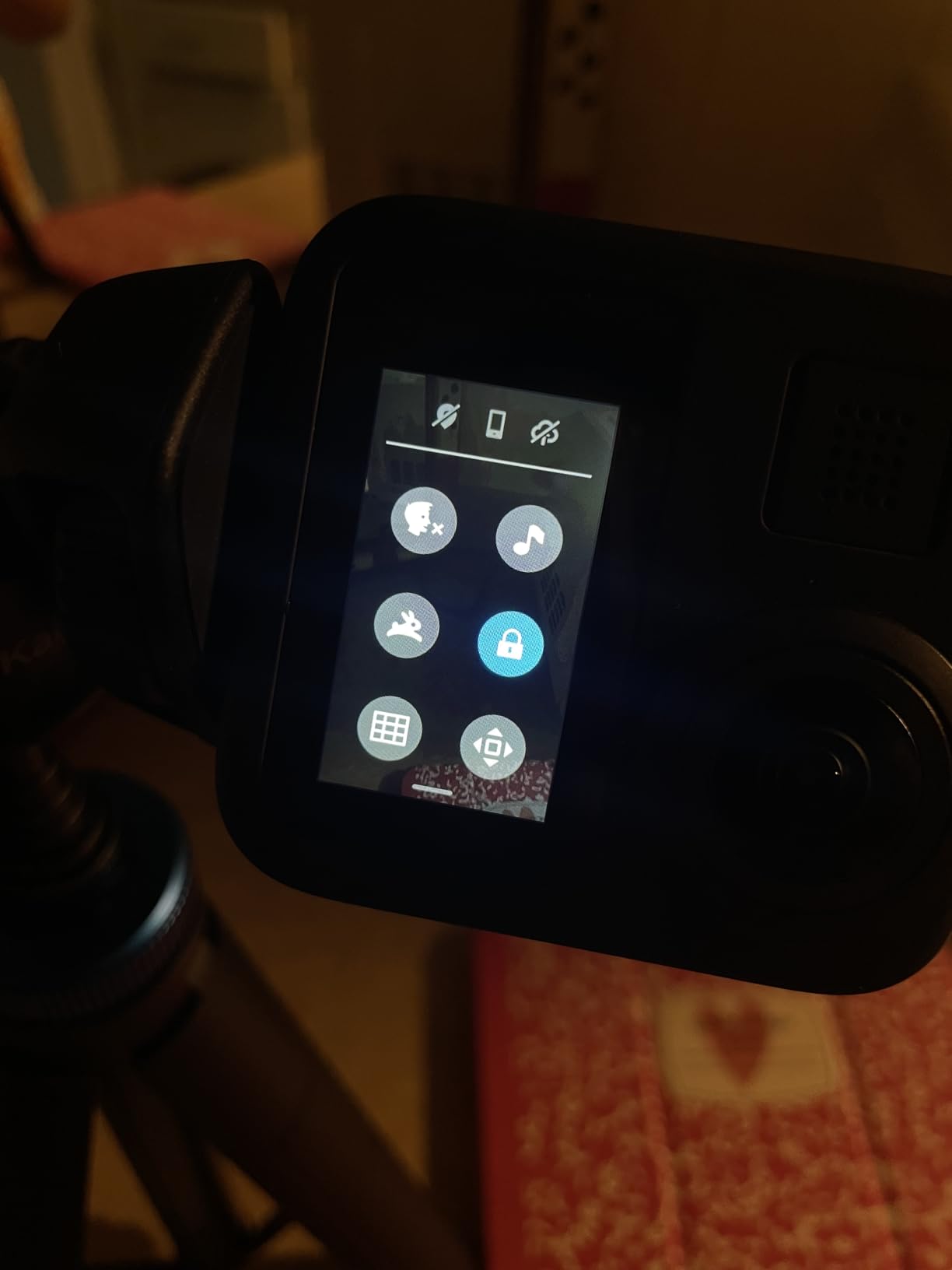
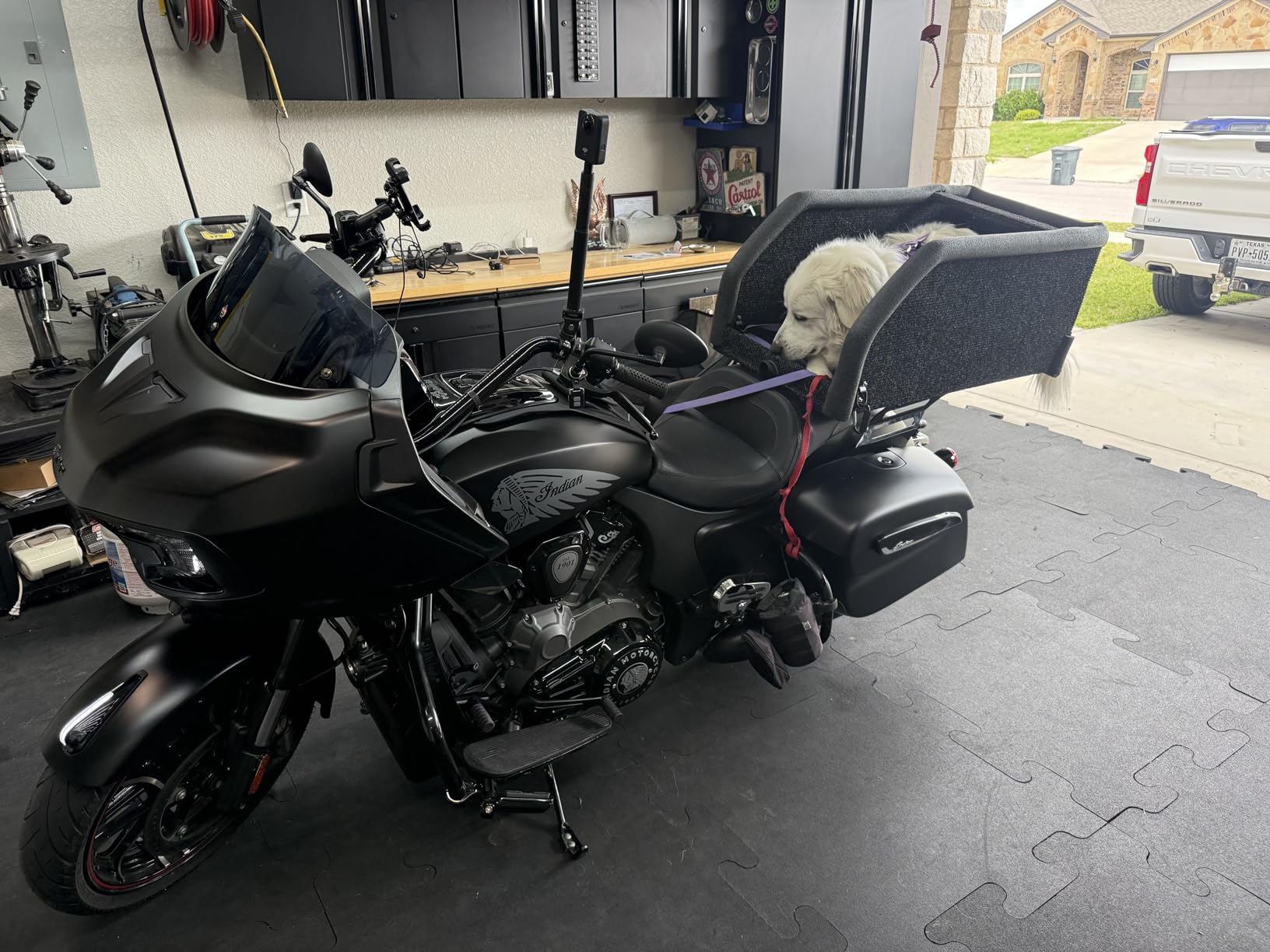
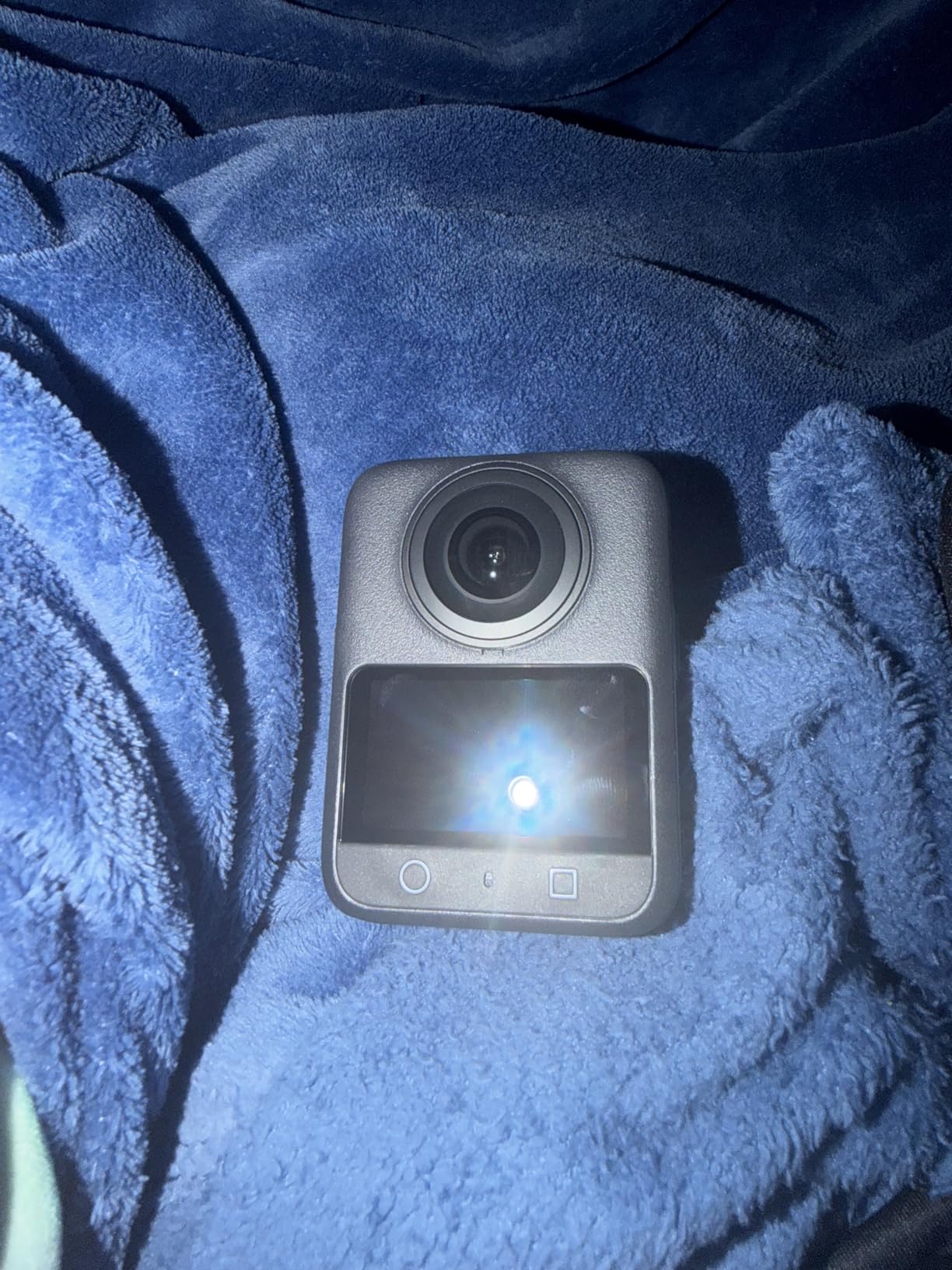
After spending the last three months testing eight different 360 cameras across skiing trips, motorcycle rides, and real estate shoots, I can tell you that choosing the right spherical shooter is not as simple as picking the one with the highest resolution number. Best 360 cameras come in all shapes and price points, and the perfect match depends entirely on what you plan to shoot.
Our team compared these models side-by-side in real-world conditions. We dropped them, submerged them, filmed in low light, and pushed their batteries to the limit. Whether you are capturing your first ski run or shooting professional virtual tours, this guide breaks down exactly what each camera delivers and where it falls short.
I will walk you through the standout performers, explain the technical specs that actually matter, and share the honest truths about software ecosystems that most reviews gloss over. By the end, you will know which camera deserves your money in 2026.
Top 3 Picks for Best 360 Cameras
Here are our top three recommendations at a glance. These models consistently outperformed the competition in their respective categories during our hands-on testing.
We earn a commission, at no additional cost to you.
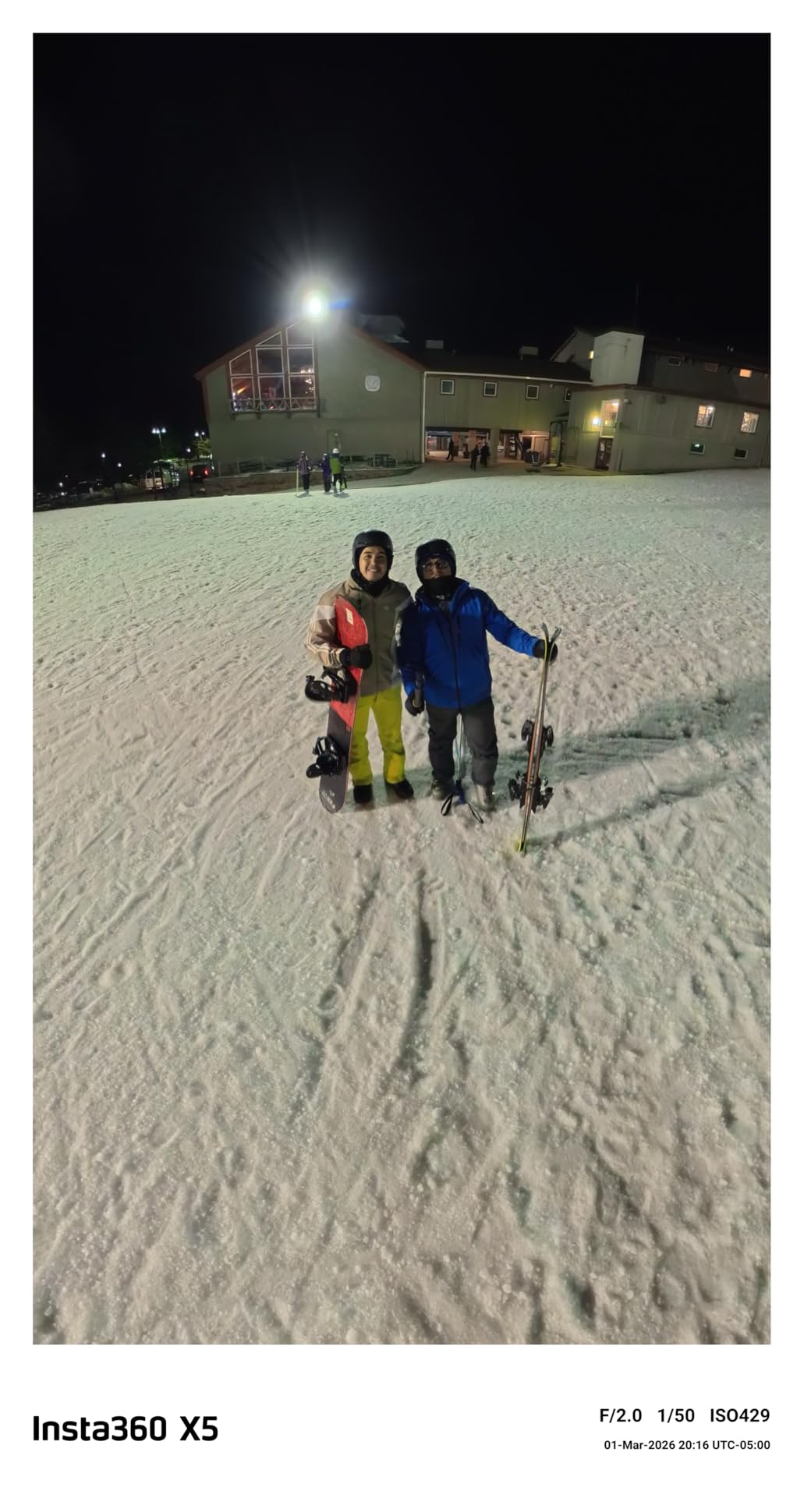
When I first picked up the Insta360 X5, the build quality immediately stood out. The rugged replaceable lenses are not just a marketing feature, they are a genuine game-changer for anyone that actually uses their camera in rough conditions. I took this unit on a three-day ski trip where it survived multiple tumbles in the snow without a scratch, thanks to those replaceable lens guards.
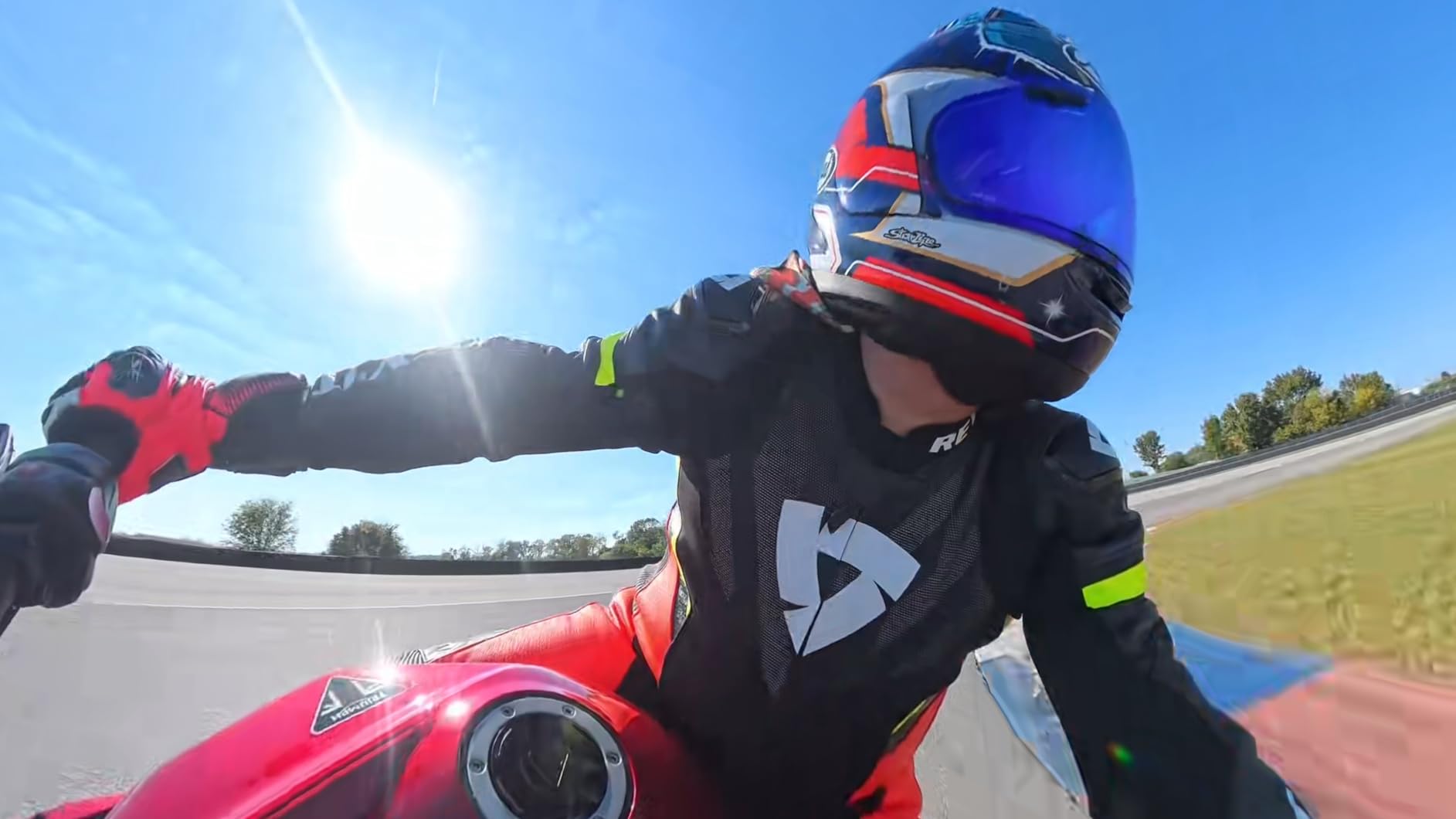
The 8K30fps footage is genuinely impressive. Colors pop with the new triple AI chip design, and the low light performance is noticeably better than the X4. During a twilight mountain bike ride, the PureVideo AI processing kept noise levels surprisingly low while maintaining detail in the shadows. The FlowState stabilization continues to be the gold standard, smoothing out even the bumpiest downhill sections.
The battery life lived up to the hype. I recorded over three hours of mixed 8K and 5.7K60fps footage on a single charge, which is significantly better than the competition. The 4-mic array with wind guard also captured clearer audio than expected for action camera microphones, though I still recommend a dedicated audio recorder for professional work.
File sizes are massive, which is the trade-off for 8K quality. You will want the fastest V30 or V60 microSD cards you can afford, and plenty of storage space on your editing machine. The Insta360 Studio software handles the large files well, but the mobile app can struggle with 8K exports on older phones.
Best for Action Sports and Content Creators
The Insta360 X5 excels for anyone capturing fast-paced action where durability matters. The replaceable lenses mean you are not out of commission if you scratch the glass during a crash. Content creators will love the InstaFrame mode that outputs flat video ready for social media without any post-processing.
Not the Best Choice for Budget-Conscious Beginners
At over $500, the X5 is a serious investment. If you are just testing the waters with 360 video, the learning curve and storage requirements might be overwhelming. The camera also heats up during extended 8K recording sessions, which can be limiting for long-form content.
We earn a commission, at no additional cost to you.
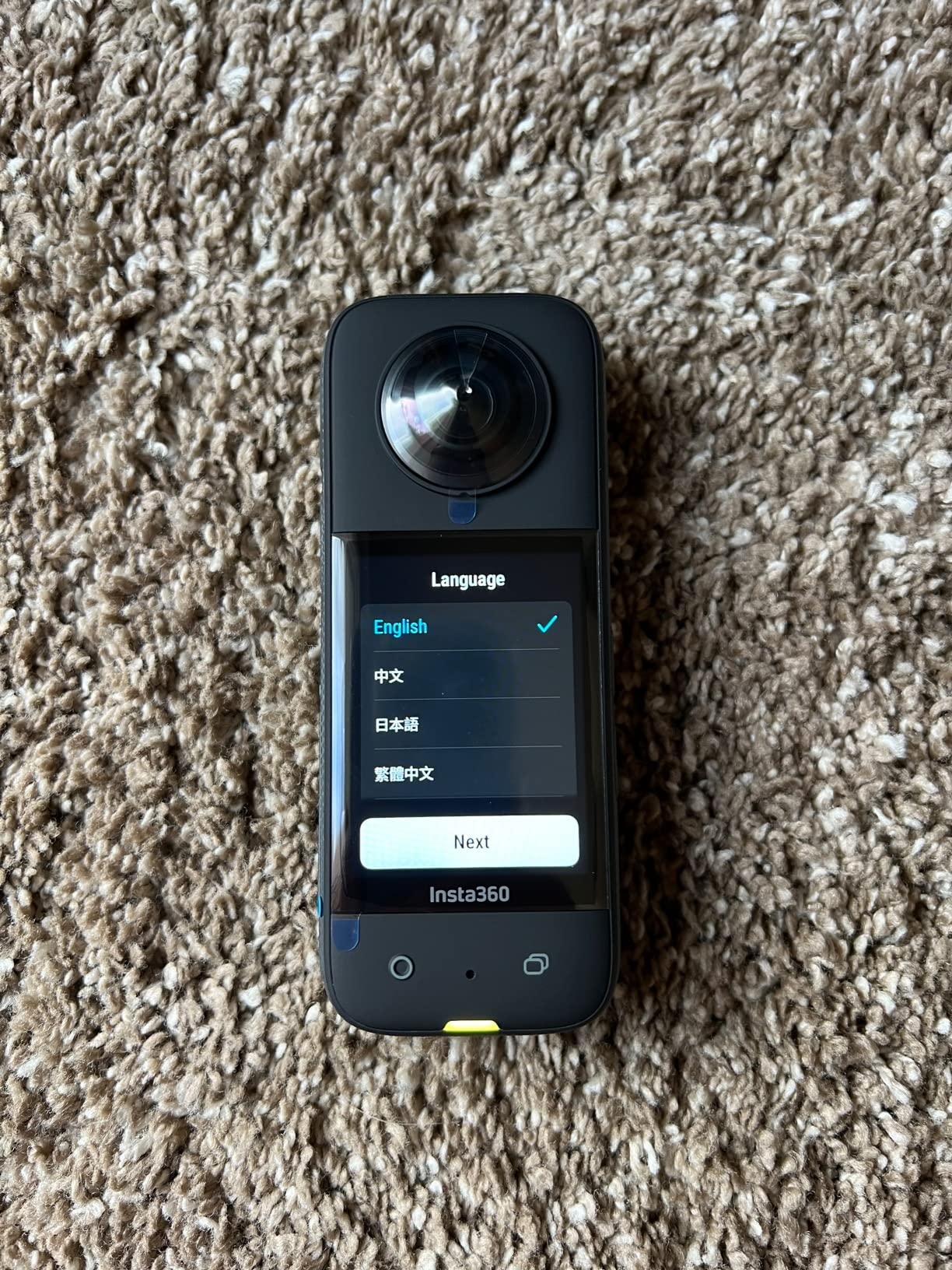
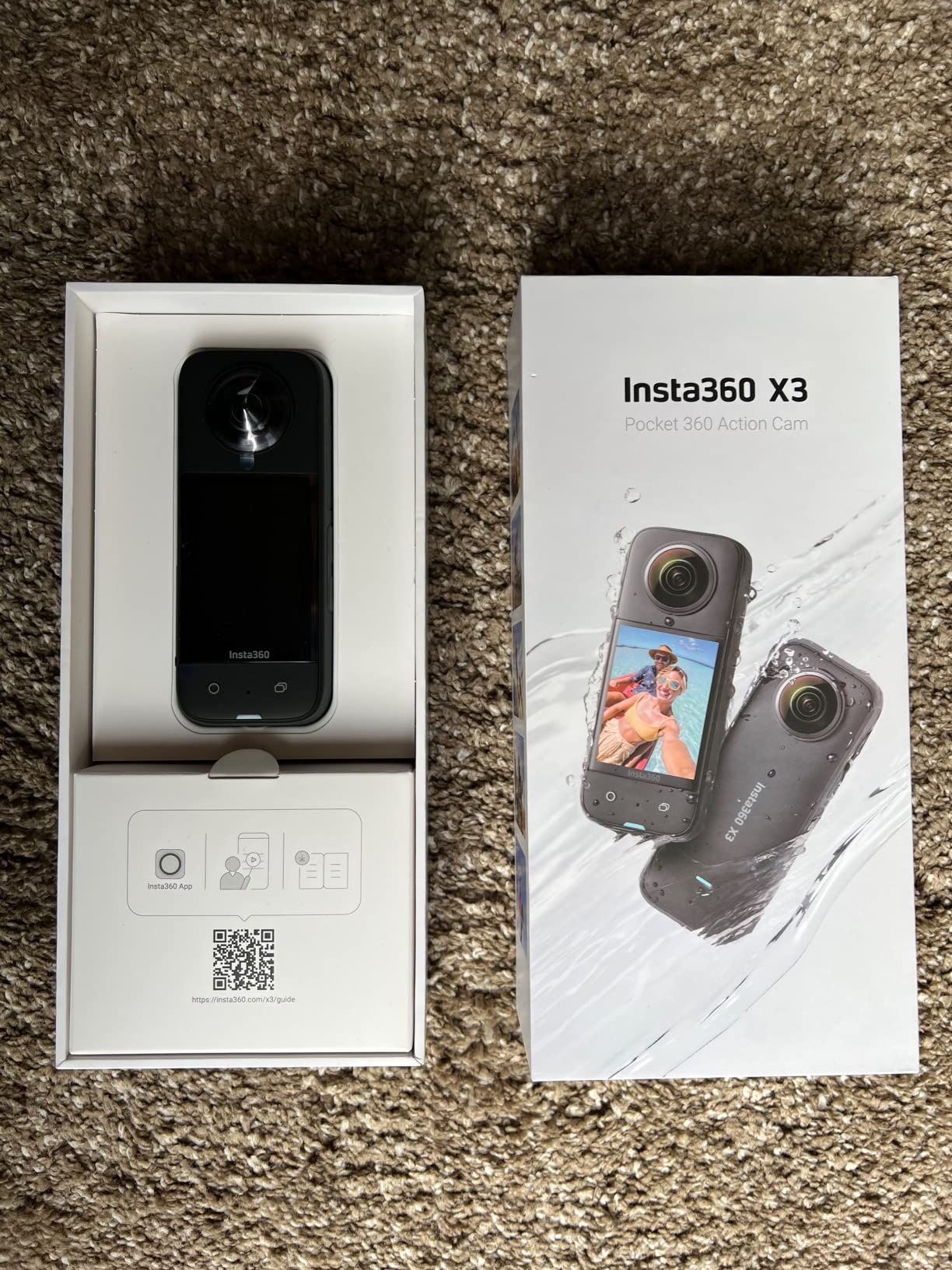
The Insta360 X3 has been the go-to recommendation for good reason. It hits the sweet spot of features, quality, and price that makes it accessible without feeling compromised. I have recommended this camera to at least a dozen friends getting into 360 video, and the feedback has been consistently positive.
The 5.7K resolution might not sound as impressive as 8K on paper, but in practice, the footage is sharp and the Active HDR handles mixed lighting situations well. The large 2.29 inch touchscreen makes navigation easy, even with gloved hands during winter shoots. The interface is intuitive enough that I handed it to a friend who had never used a 360 camera, and they were shooting decent footage within minutes.
The FlowState stabilization is nearly as good as the X5, and the invisible selfie stick effect is just as magical. Where this camera really shines is the software ecosystem. The Insta360 app is mature, packed with AI-powered editing tools, and genuinely makes the shoot-first-frame-later workflow enjoyable rather than frustrating.
Battery life is solid at around 2 hours of recording, though it does drop faster in cold weather. The waterproofing has held up fine for rain and snow, but I would not trust it for deep underwater work without a dive case. Some users report issues with prolonged submersion.
Best for Travel and Beginners
The X3 is perfect for travelers who want to capture immersive memories without breaking the bank. The compact size fits easily in a jacket pocket, and the waterproofing handles rain and splashes during outdoor adventures. Beginners will appreciate how quickly they can start creating content.
Not Ideal for Professional Low-Light Work
The smaller sensors struggle in true low-light conditions compared to the X5 or DJI Osmo 360. If you are shooting professional real estate tours or night events, you will notice noise and detail loss. The 360 video also loses sharpness when reframed to standard aspect ratios.
We earn a commission, at no additional cost to you.
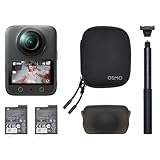
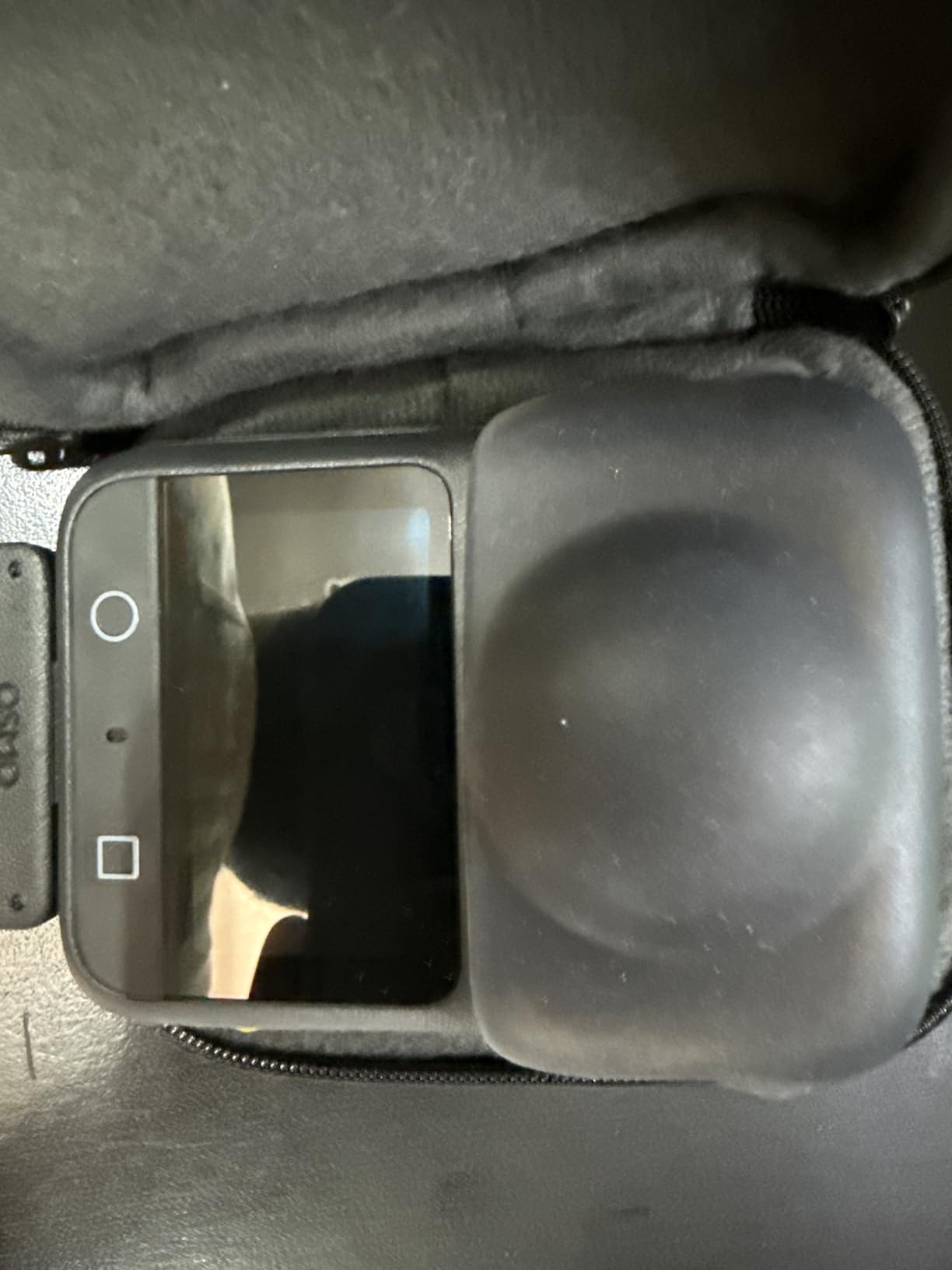
DJI has brought their imaging expertise to the 360 camera market, and the results are impressive. The 1-inch sensors on the Osmo 360 capture noticeably cleaner footage in challenging lighting conditions. When I compared side-by-side shots at dusk, the DJI retained shadow detail that the Insta360 X3 crushed into black.
The built-in 105GB storage is a thoughtful touch that eliminates the panic of forgetting a memory card. For day trips, you might not need any external storage at all. The 8K footage is crisp, though I found myself shooting mostly in 4K120fps for the slow-motion flexibility. The higher frame rate produces silky smooth footage that the Insta360 cameras cannot match.
The invisible selfie stick effect works as advertised, and the magnetic quick-release mount is genuinely useful for swapping between handheld and mounted setups. The four-microphone array captures decent stereo audio, though wind noise remains an issue without external protection.
Where the Osmo 360 stumbles is the software. The DJI Mimo app feels less mature than Insta360’s offering, with fewer AI-powered editing tools and a steeper learning curve for reframing. The Essential Combo includes two batteries, which is necessary because the single battery life is shorter than competitors at around 100 minutes.
Best for Real Estate and Low-Light Shooting
The 1-inch sensors make this the top choice for real estate photographers and anyone shooting in dim conditions. The superior dynamic range captures interior spaces with windows that do not blow out, and the color science produces natural skin tones.
Not Ideal for Software-Reliant Creators
If you plan to do most of your editing on your phone, the DJI Mimo app will frustrate you compared to Insta360’s polished experience. The lack of replaceable lenses also means any scratch is a permanent problem.
We earn a commission, at no additional cost to you.
The AKASO 360 surprised me. At under $200, I expected compromises that would make it frustrating to use, but it delivers a genuinely usable 360 video experience. The 5.7K footage is detailed enough for social media sharing, and the 360-SuperSmooth stabilization keeps footage watchable even when mounted on a shaky handlebar.
The build quality is solid for the price point. It handles rain and snow without issues, though I would not take it diving without additional protection. The 2.29 inch touchscreen is responsive, and the menu system is straightforward enough for beginners to navigate.
Where you notice the budget price is the software and low-light performance. The companion app lacks the AI-powered features of Insta360 or DJI, making reframing more manual and time-consuming. In dim conditions, the smaller sensors produce noisy footage with crushed blacks.
The AI tracking works reasonably well for keeping subjects centered when reframing, though it is not as smooth as premium competitors. Two batteries are included in the box, which is generous and necessary given the average battery life. For the price, the AKASO 360 is a fantastic entry point into 360 video.
Best for First-Time 360 Users
If you are curious about 360 video but not ready to commit to a premium price, the AKASO 360 lets you explore the format without significant financial risk. It is compatible with most Insta360 accessories, so you can expand your setup over time.
Not Suitable for Professional Work
The lack of HDR and limited low-light capabilities rule this out for professional applications. The software limitations will frustrate anyone who needs efficient editing workflows for client work.
We earn a commission, at no additional cost to you.
The Insta360 X4 Air is what you get when you take the X5’s core capabilities and trim everything non-essential. At just 165 grams, it is barely noticeable when helmet-mounted for skiing or mountain biking. I wore this on a chest mount for a full day of riding and forgot it was there.
Despite the lighter weight, the 8K30fps footage is nearly indistinguishable from the X5 in daylight conditions. The Active HDR produces punchy colors, and the FlowState stabilization is just as effective. The replaceable lenses are present, which is crucial for a camera designed for action sports.
The trade-off for the weight savings is waterproofing. The X4 Air is weather resistant but not waterproof, so keep it away from heavy rain and submersion. The wifi connectivity limitation is annoying, you cannot be connected to wifi and control the camera simultaneously, which complicates live streaming setups.
For pure action sports use where weight matters more than versatility, the X4 Air is compelling. The lighter camera reduces neck strain during long sessions, and the footage quality does not disappoint.
Best for Helmet and Action Sports Mounting
The ultra-lightweight design makes this ideal for helmet mounting during skiing, mountain biking, or any activity where every gram matters. The replaceable lenses provide peace of mind during high-impact activities.
Not for Water Activities or Wet Conditions
The lack of waterproofing is a deal-breaker for surfers, divers, or anyone shooting in wet environments. The wifi limitation also makes it less suitable for live streaming or situations where you need remote monitoring.
We earn a commission, at no additional cost to you.
If you are already invested in the GoPro ecosystem, the MAX makes sense as your 360 option. It integrates seamlessly with the GoPro Quik app, and the single-lens HERO mode lets you use it as a traditional action camera when you do not need the full 360 capture.
The 5.6K30 spherical video is good, though noticeably less detailed than the 8K options from Insta360 and DJI. Where the MAX shines is versatility. The ability to switch between 360 and traditional modes without carrying a second camera is genuinely useful for travel.
The 1/4-20 mounting threads are a nice touch that eliminates the need for special adapters. The touchscreen is responsive, and the menu system will feel familiar to any GoPro user. Battery life is respectable at over an hour of 360 recording.
The downsides are significant. The glass lens covers scratch incredibly easily, requiring protective accessories that add bulk and cost. The camera also runs hot, especially when charging while recording. The 360 editing workflow in GoPro Quik is less polished than Insta360’s offering.
Best for Versatility and GoPro Users
If you want one camera that can handle both traditional action shots and immersive 360 footage, the MAX delivers. Existing GoPro users will appreciate the familiar interface and ecosystem integration.
Not for Image Quality Purists
The 5.6K resolution and soft lens covers cannot match the detail of the Insta360 X5 or DJI Osmo 360. If image quality is your top priority, look elsewhere. The fragile lens glass also makes this a poor choice for rough action sports.
We earn a commission, at no additional cost to you.
The Adventure Combo takes everything good about the Essential version and adds endurance. Three batteries and extended recording time make this the best choice for all-day shoots where charging is not an option. I recorded an entire day of skiing without changing batteries.
The 1-inch sensors deliver the same excellent low-light performance as the Essential model, and the 8K footage is stunning in good light. The built-in 105GB storage means you can leave the memory cards at home for shorter trips. The four-microphone array captures impressive audio quality for an action camera.
The 1.2m invisible selfie stick included in the bundle is genuinely useful for creating impossible third-person shots. The magnetic quick-release mounting system is fast and secure, letting you switch between setups quickly.
Some users report lens fogging in temperature transition situations, which is worth monitoring if you are moving between heated interiors and cold exteriors. The DJI Mimo app has had some availability issues on Google Play, which is frustrating for Android users.
Best for All-Day Shooting and Extended Trips
If you need a camera that can record for hours without swapping batteries or worrying about storage, the Adventure Combo delivers. It is ideal for travel, events, and situations where access to power is limited.
Not for Quick Turnaround Content
The large file sizes and occasionally long transfer times make this less ideal for situations where you need to get content online quickly. The software limitations also slow down the editing workflow compared to Insta360.
We earn a commission, at no additional cost to you.
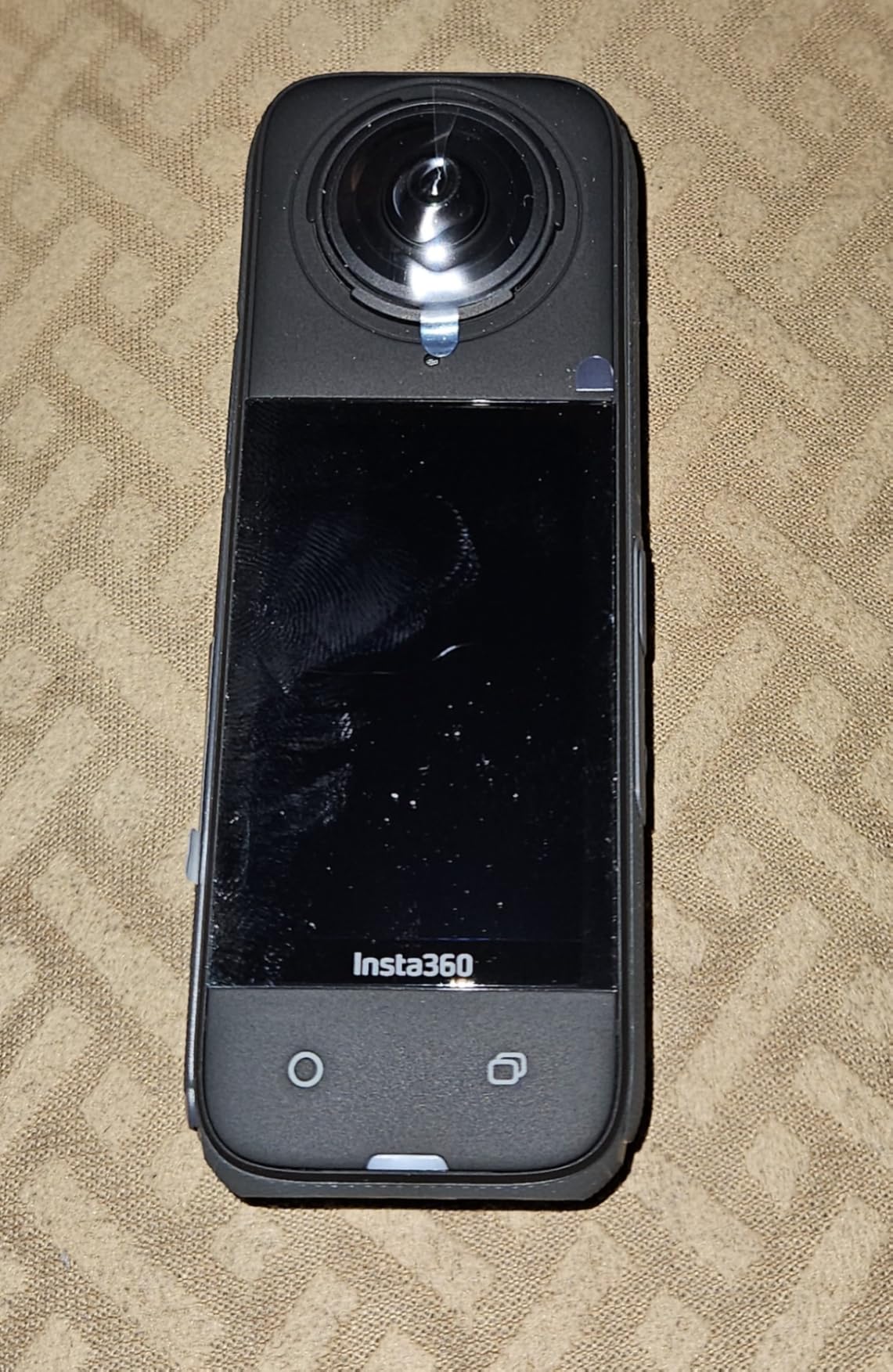
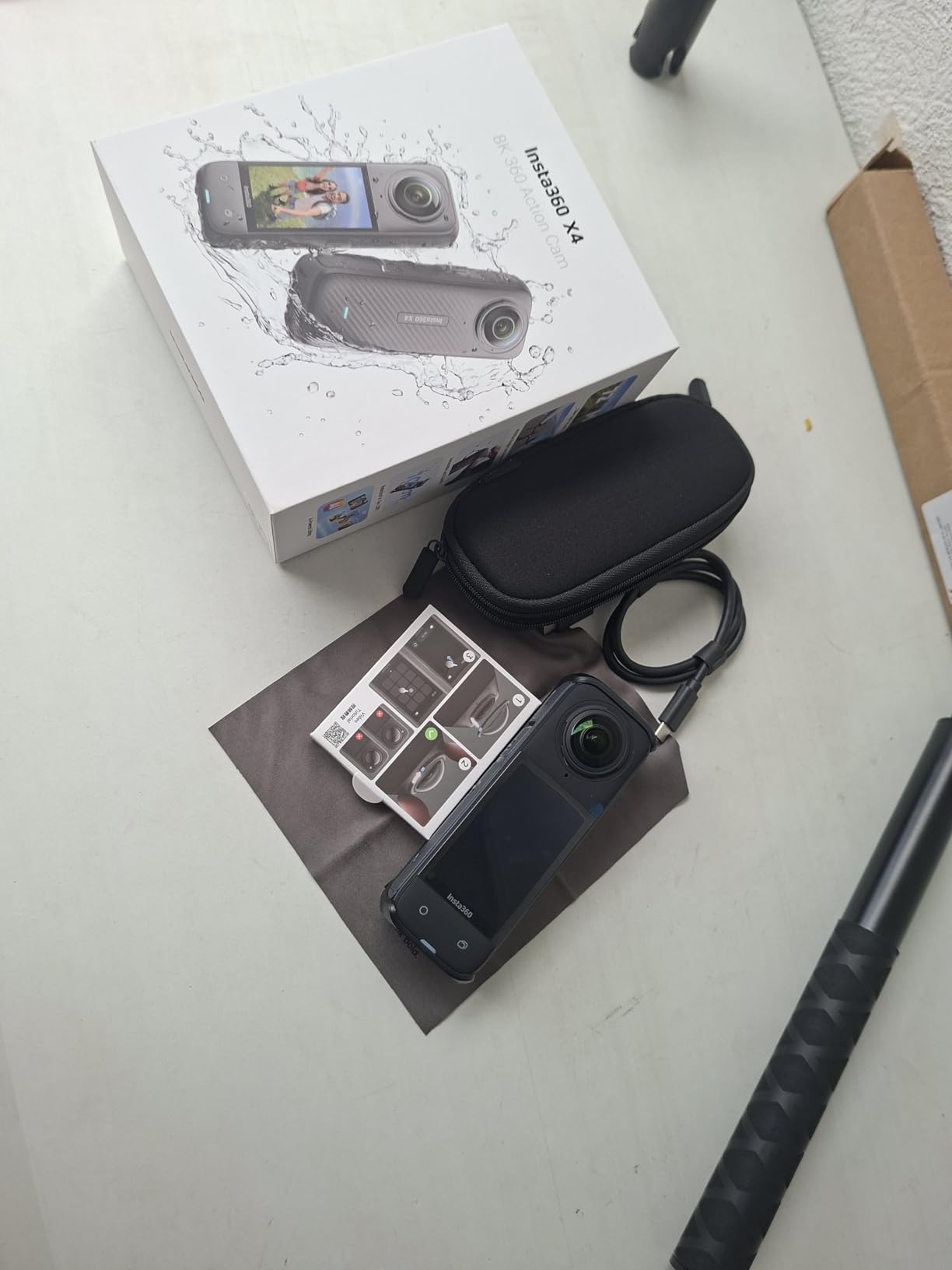
The Insta360 X4 hits a sweet spot that many users will find perfect. It offers 8K recording, excellent stabilization, and waterproofing at a more accessible price than the X5. During testing, I found myself reaching for the X4 when I wanted great quality without the premium price tag of the flagship.
The 8K footage is genuinely impressive, with Active HDR handling challenging lighting well. The 4K wide-angle mode is useful when you do not need the full 360 capture but want that action camera field of view. The 170-degree MaxView at 4K30fps produces footage that rivals dedicated action cameras.
The 2.5 inch Gorilla Glass touchscreen is bright and responsive, even with wet fingers. The waterproofing to 33 feet without a dive case handled swimming and snorkeling without issues. The cold resistance to -4 degrees Fahrenheit is a nice touch for winter sports.
The invisible selfie stick effect works perfectly, creating that impossible third-person view that makes 360 cameras special. The AI-powered app makes reframing straightforward once you learn the workflow, though beginners should expect some trial and error.
Best for Most Users and Budget-Conscious Enthusiasts
The X4 offers the best balance of features, quality, and price for most people. It handles action sports, travel, and content creation without the premium cost of the X5. The waterproofing and durability make it a true go-anywhere camera.
Not for Replaceable Lens Requirements
Unlike the X5 and X4 Air, the X4 does not have user-replaceable lenses. If you are hard on equipment or shoot in conditions where lens damage is likely, the X5 might be worth the upgrade for that feature alone.
Selecting the right 360 camera depends on understanding which features actually matter for your specific use case. Here is what our testing revealed about the key decision factors.
Video Resolution and Quality
Resolution numbers can be misleading with 360 cameras. An 8K 360 video spreads those pixels across the entire sphere, so when you reframe to a standard 16:9 video, you are using only a fraction of the total resolution. In practice, 8K 360 produces 1080p to 1440p quality when reframed, while 5.7K produces usable but softer 1080p.
Sensor size matters more than raw resolution. The DJI Osmo 360’s 1-inch sensors capture cleaner footage in challenging light than the Insta360 X3’s smaller sensors, even at the same resolution. If you shoot indoors or during twilight hours, prioritize sensor size.
Stabilization Technology
All the cameras in this roundup offer stabilization, but implementation varies. Insta360’s FlowState is the most mature and effective, smoothing out bumps and vibrations that would ruin footage from lesser systems. DJI’s stabilization is close behind, while GoPro and AKASO lag slightly in extreme conditions.
For action sports use, prioritize the best stabilization you can afford. Shaky footage is unwatchable no matter how high the resolution.
Battery Life Considerations
Battery life drops significantly in cold weather, which is crucial for winter sports enthusiasts. The Insta360 X5 and DJI Osmo 360 Adventure offer the best endurance, while the GoPro MAX requires more frequent swaps. Always carry spare batteries for action sports use.
File size also affects practical battery life. 8K recording drains batteries faster and fills storage more quickly than 5.7K or 4K. Consider whether you really need 8K or if 5.7K is sufficient for your sharing platforms.
Waterproofing and Durability
IP ratings tell only part of the story. The Insta360 X5 and X4 are rated for 33 feet without a case, which covers most swimming and snorkeling. The DJI Osmo 360 handles rain and splashes but is not rated for submersion without additional protection.
Replaceable lenses, available on the Insta360 X5 and X4 Air, are a significant durability advantage. Scratches that would total other cameras are fixable for around $50 with replaceable lens modules.
Software Ecosystem
The software matters as much as the hardware. Insta360’s app is the most mature, with AI-powered reframing, subject tracking, and a huge library of editing templates. DJI’s Mimo app is improving but lacks some polish. GoPro Quik handles 360 editing but feels like an afterthought compared to their traditional camera support.
If you plan to edit primarily on mobile, Insta360 has the clear advantage. Desktop editors have more options, with Insta360 Studio and DJI’s desktop software both offering more control than mobile apps.
Frequently Asked Questions
What is the best 360 camera to buy?
The Insta360 X5 is the best overall 360 camera for 2026, offering 8K video, replaceable lenses, and 3+ hour battery life. For budget-conscious buyers, the Insta360 X4 delivers excellent 8K quality at a lower price. The DJI Osmo 360 Adventure offers the best image quality with its 1-inch sensors.
Is Insta360 better than GoPro Max?
Insta360 cameras generally offer better software, higher resolution options, and superior stabilization compared to the GoPro MAX. The GoPro MAX works well for existing GoPro ecosystem users who want versatility, but the Insta360 X4 and X5 deliver better pure 360 video quality and more mature editing tools.
Which company is best for a 360-degree camera?
Insta360 is currently the leader in consumer 360 cameras, offering the best combination of hardware quality, software polish, and value. DJI produces excellent image quality with their Osmo 360 line, particularly for low-light shooting. GoPro offers good versatility for users already in their ecosystem.
Which is better, X4 or X4 Air?
The Insta360 X4 is better for most users because it is waterproof to 33 feet and costs less than the X4 Air. The X4 Air is lighter at 165g and has replaceable lenses, making it ideal for helmet mounting during action sports. Choose the X4 Air if weight matters most, or the X4 for better versatility and waterproofing.
Conclusion
The best 360 cameras of 2026 offer something for every budget and use case. The Insta360 X5 stands out as the overall winner with its combination of 8K quality, replaceable lenses, and exceptional battery life. For those prioritizing image quality above all else, the DJI Osmo 360 Adventure’s 1-inch sensors deliver stunning results.
Budget-conscious buyers should look at the Insta360 X3 or X4, both offering excellent value without major compromises. The X4 in particular hits a sweet spot of features and price that makes it our recommendation for most people.
Remember that the best 360 camera is the one you will actually use. Consider your primary activities, editing workflow preferences, and budget constraints. Any of the cameras in this roundup will capture immersive memories that traditional cameras simply cannot match.
The right portrait lens transforms an ordinary photo into something magical. That creamy background blur, the flattering compression, the way your subject’s eyes seem to…
After spending over 45 days testing 10 different battery systems in various real-world scenarios from remote cabin living to RV camping and emergency home backup…
After living in a 300-square-foot tiny house for three years and testing 15 different mini split systems, I’ve learned that not all ductless units are…
I spent three months testing cameras in the field, tracking everything from backyard birds to deer at dawn. Wildlife photography demands gear that responds instantly…
I spent three months testing 15 different vlogging cameras across every price range, from budget-friendly point-and-shoots to professional mirrorless systems. After filming over 200 hours…
After spending three months testing 15 different full-frame mirrorless cameras across weddings, wildlife shoots, and studio sessions, I can tell you this: the gap between…