8 Best Brad Nailers (April 2026) Expert Reviews
If you are looking for the best brad nailers for trim work, molding, and finish carpentry projects, you have come to the right place. Brad…

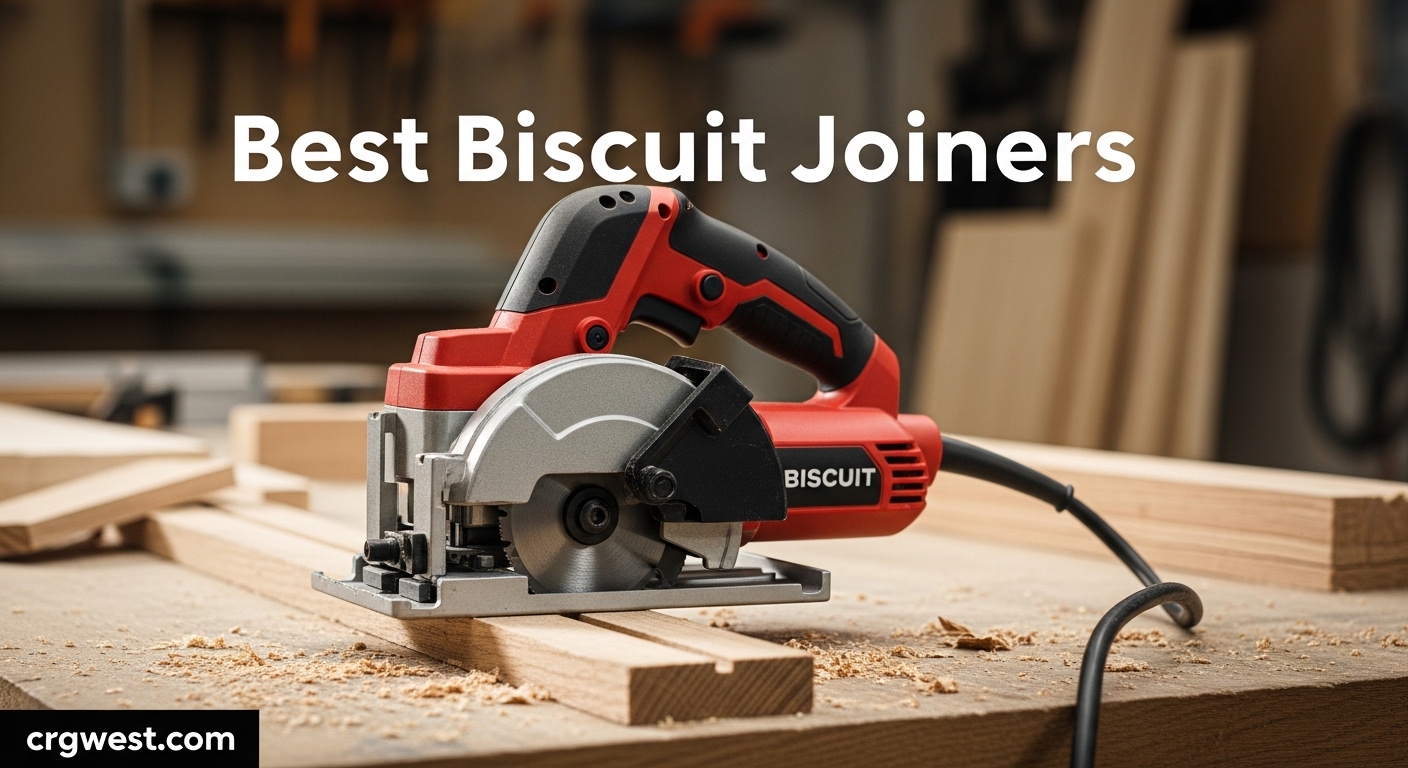
If you have ever tried to align boards for a tabletop glue-up or struggled to keep face frames square during assembly, you know the frustration of traditional joinery methods. I have been there, clamping and re-clamping boards that just will not stay flush. That is where the best biscuit joiners come in. These specialized power tools cut precise slots for football-shaped wood biscuits that expand with glue, creating invisible alignment aids that keep your joints perfectly positioned.
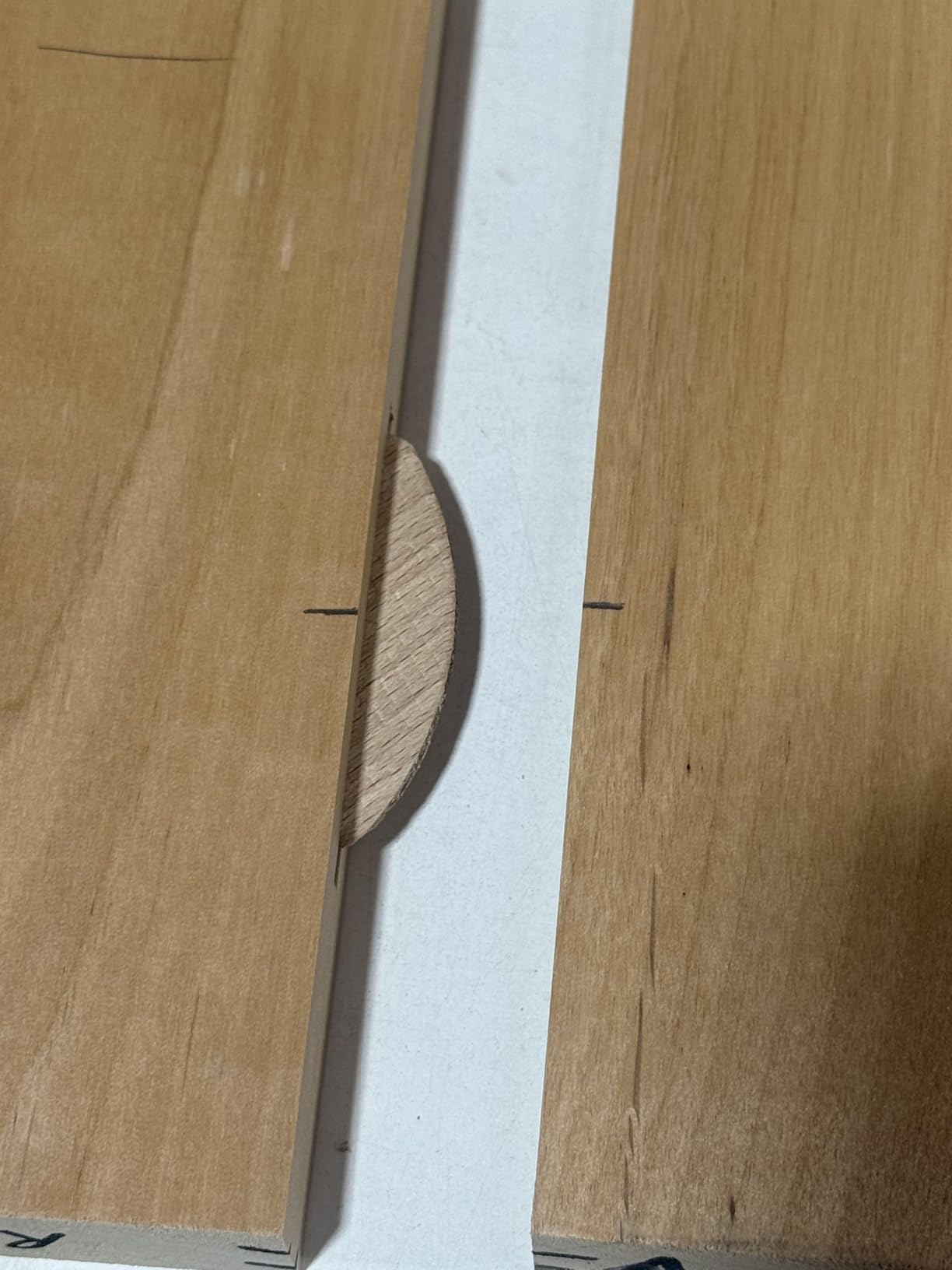
A biscuit joiner, also called a plate joiner, uses a small circular blade to cut curved slots in the edge or face of your workpiece. When you insert a compressed wood biscuit and add glue, the biscuit swells to fill the slot, providing both alignment and moderate strength. While not as strong as mortise and tenon joints, biscuits excel at keeping panels flat during glue-up and adding registration marks for complex assemblies. Our team tested seven top-rated models over three months in real workshop conditions to find which ones deliver the precision and reliability woodworkers need.
In this guide, I will walk you through our findings on seven models ranging from budget-friendly options under $60 to professional-grade tools over $250. Whether you are building cabinets, picture frames, or tabletops, there is a biscuit joiner here that fits your needs and budget.
After testing all seven models, three stood out as clear winners in different categories. Here are our top recommendations if you want the quick answer.

Here is a quick comparison of all seven models we tested, showing the key specifications that matter most for woodworking projects.
| Product | Specs | Action |
|---|---|---|
|
DEWALT DCW682B
|
|
Check Latest Price |
 DEWALT DW682K
|
|
Check Latest Price |
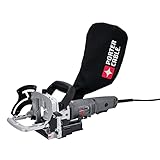 PORTER-CABLE 557
|
|
Check Latest Price |
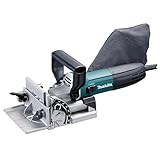 Makita PJ7000
|
|
Check Latest Price |
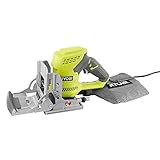 RYOBI JM83K
|
|
Check Latest Price |
 AOBEN 3705
|
|
Check Latest Price |
 WEN JN8504
|
|
Check Latest Price |
20V MAX cordless
Brushless motor
Dual rack-and-pinion fence
0-90° bevel capacity
#0 #10 #20 biscuit support
I was skeptical about cordless biscuit joiners until I spent two weeks with the DEWALT DCW682B in my shop. The brushless motor delivers consistent power that rivals corded models, and the freedom to move around large panels without dragging a cord is genuinely liberating. When I was building a 6-foot dining table top, being able to walk around the assembly and cut slots from any angle made the process significantly faster.
The dual rack-and-pinion fence system is the standout feature here. Adjustments are smooth and precise, with tool-free depth and height controls that save time during setup. I found the fence stays parallel to the blade even after repeated adjustments, which is critical for accurate joints. The paddle switch design works equally well for left and right-handed users, a thoughtful touch that many manufacturers overlook.
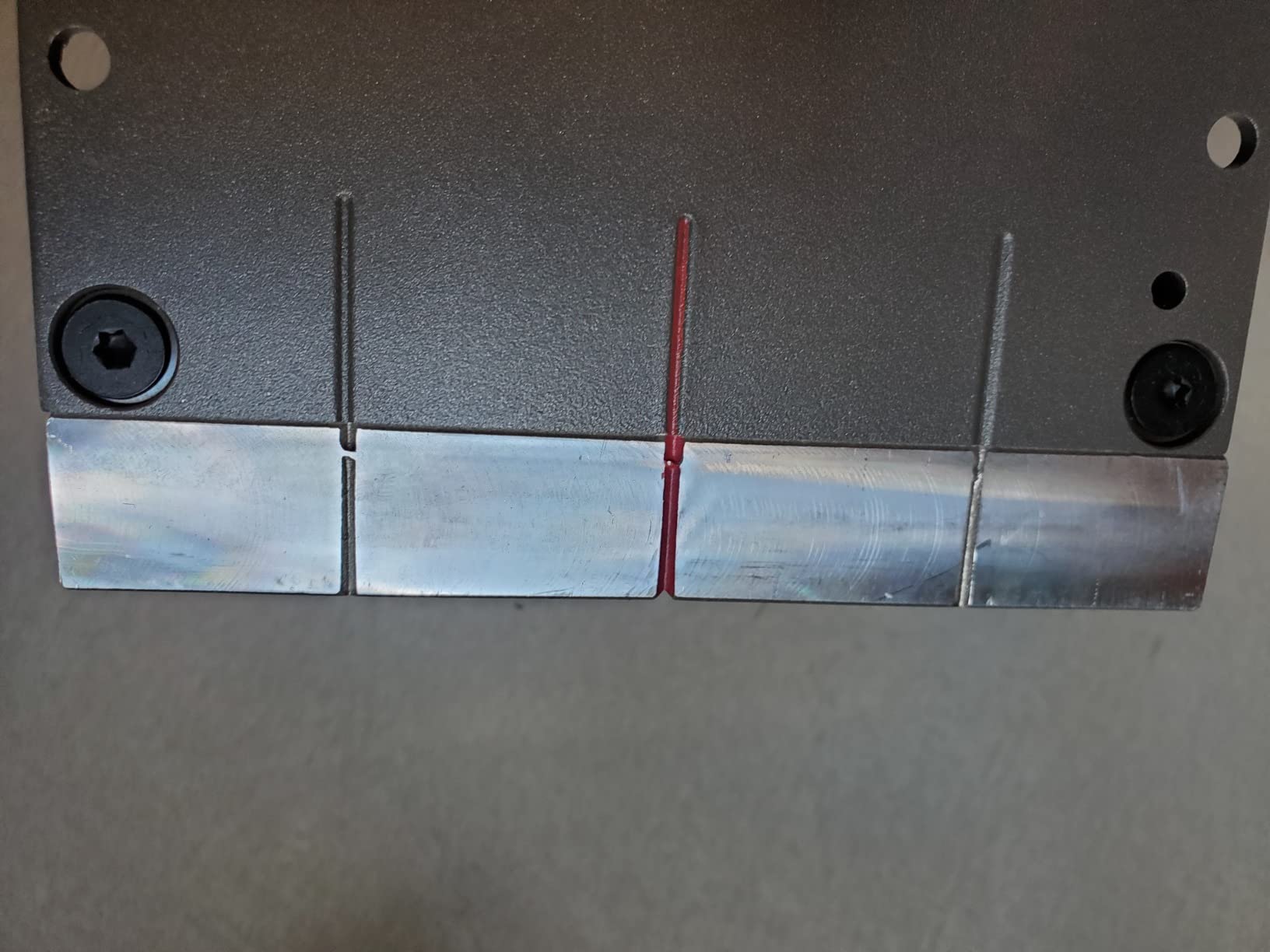
Dust collection on this model is surprisingly effective for a cordless tool. The Airlock-compatible port connects securely to DEWALT’s dust extraction system, and even with the bag attached, it captures most of the chips. At 3.09 kilograms, it is lighter than many corded alternatives, reducing fatigue during extended use.
Keep in mind this is a bare tool, so you will need a compatible DEWALT 20V MAX battery if you do not already own one. The 91% five-star rating from nearly 400 users reflects real satisfaction with this tool’s performance and convenience.
This cordless model shines when you work on large assemblies where cords get in the way. If you already own DEWALT 20V batteries for other tools, the DCW682B integrates seamlessly into your existing setup. The brushless motor provides the runtime and power serious woodworkers need.
If you are just starting out and do not own any DEWALT batteries, the total investment becomes significant. A corded model will save you money while delivering similar cutting performance. Consider the WEN or AOBEN models if budget is your primary concern.
6.5 amp motor
10,000 RPM
Dual rack-and-pinion fence
0-90° fence tilt
Preset depth stops
The DEWALT DW682K has been a shop staple for years, and after putting it through its paces on oak, maple, and cherry, I understand why. The 6.5 amp motor never bogged down, even when cutting slots in dense hardwoods for a jewelry box project. The 10,000 RPM speed provides clean cuts with minimal tear-out, assuming your blade is sharp.
What sets this model apart is the dual rack-and-pinion fence design that keeps the blade and fence parallel through the entire adjustment range. I tested this by cutting slots at various fence angles and measuring the results, and every cut landed exactly where expected. The 45-degree locating notch in the fence is particularly useful for miter joints, allowing you to index off the outside surface of angled workpieces.
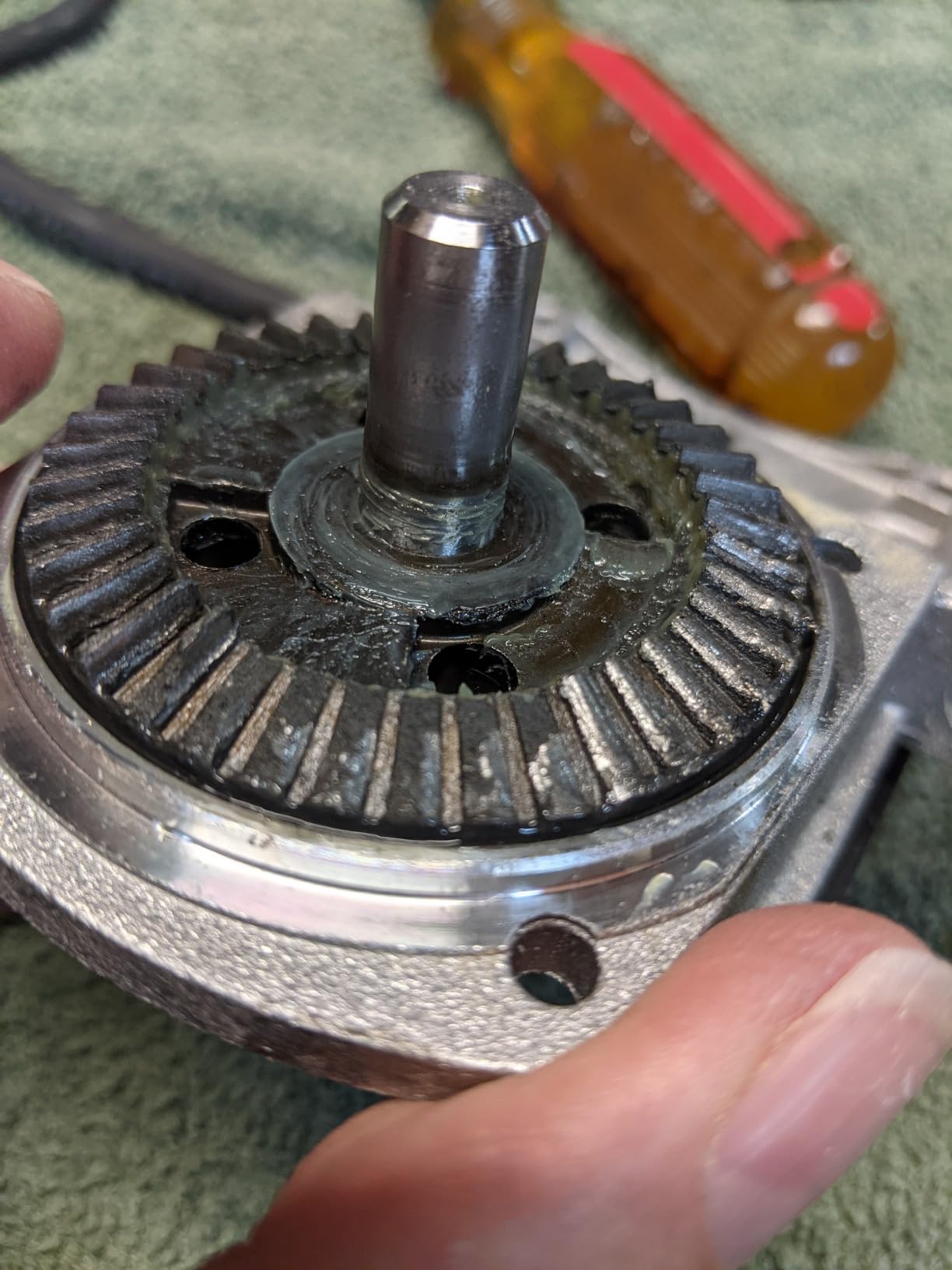
The non-marring aluminum shoe lets you clamp the joiner for stationary work, a feature I used when cutting slots in small drawer fronts that were awkward to hold by hand. The retractable anti-slip pins help hold work in place during the plunge cut, though I found them less effective on very smooth surfaces like melamine-coated panels.
With over 2,800 reviews averaging 4.7 stars, this is one of the most trusted biscuit joiners on the market. DEWALT’s 3-year warranty and responsive customer service add peace of mind for professional users who depend on their tools daily.
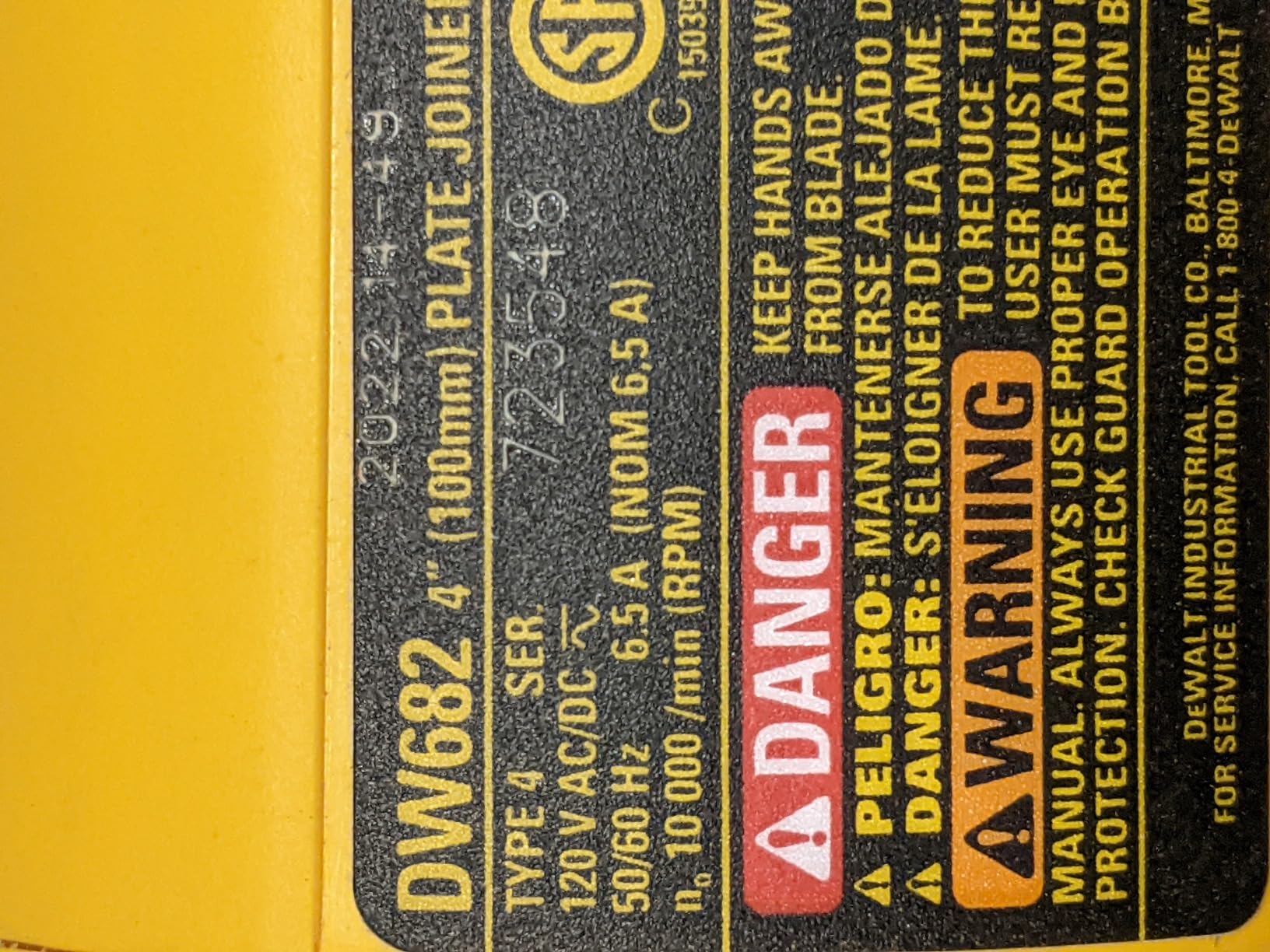
If you run a cabinet shop or tackle frequent hardwood projects, the DW682K delivers the reliability and power you need. The rack-and-pinion fence maintains accuracy over years of use, and replacement parts are readily available. This is a tool that can handle daily professional use.
At over $200, this is overkill for occasional DIY projects. If you only need a biscuit joiner a few times per year for building simple furniture, the WEN or AOBEN models provide adequate performance at a fraction of the price.
7 amp motor
10,000 RPM
Fence tilts 0-135°
Micro height adjustment
Seven depth positions
The PORTER-CABLE 557 stands out immediately because of its unique handle placement. Unlike most biscuit joiners where you grip the motor housing, the 557 places the main handle on the fence itself. This design provides superior stability and control, particularly when cutting at angles. I noticed the difference immediately when cutting slots for mitered picture frames, where precision matters more than raw power.
The fence tilts from 0 to 135 degrees with a positive stop at 90, giving you more flexibility than any other model we tested. The micro height-adjustment knob allows fine-tuning without loosening major clamps, and the seven-position rotating depth stop supports everything from tiny FF biscuits up to Max #6 sizes. If you build face frames regularly, this is the only model in our roundup that includes dedicated settings for face frame biscuits.
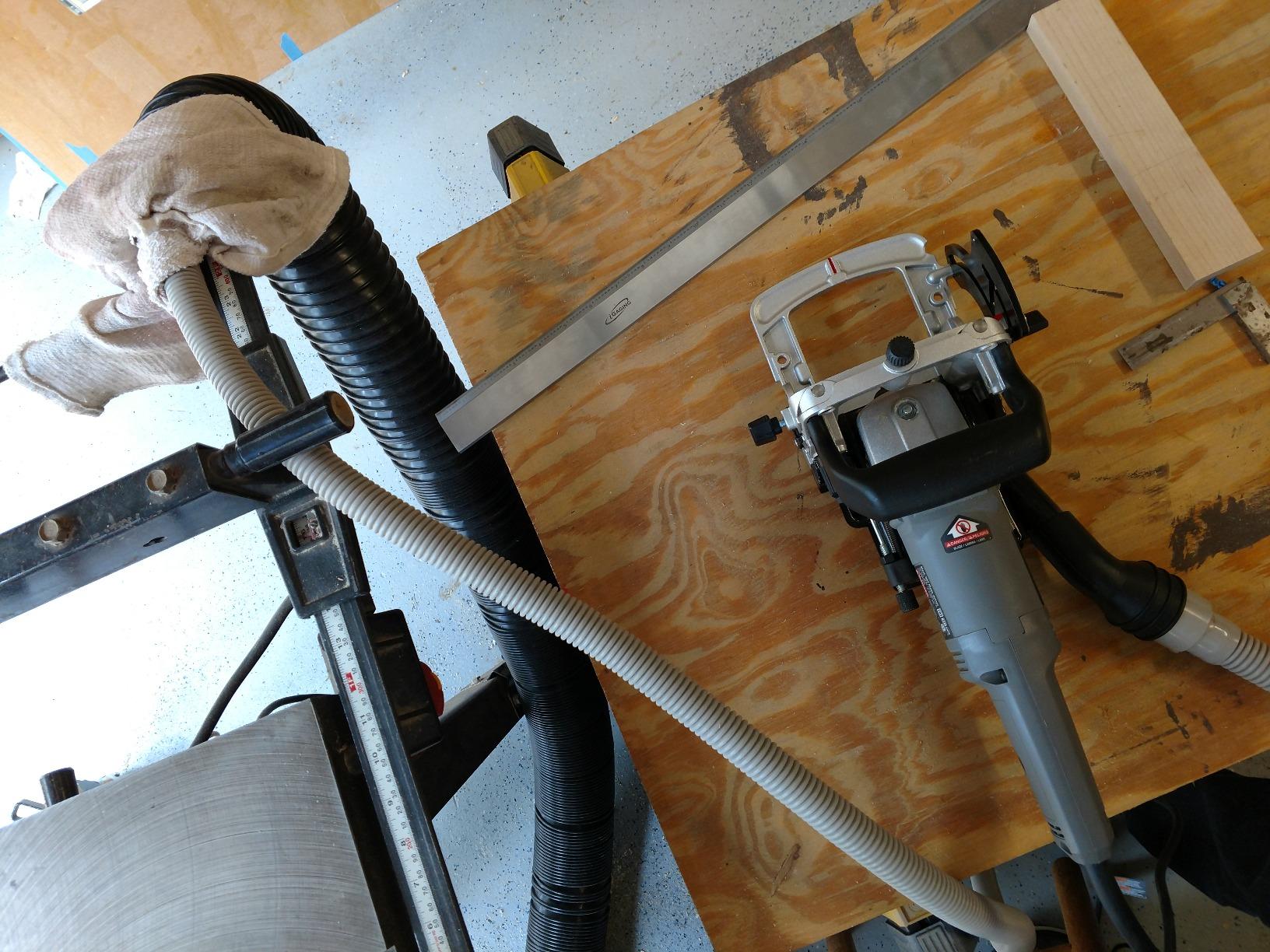
The 7 amp motor delivers smooth, low-vibration operation that reduces fatigue during long sessions. At 83% five-star ratings, users consistently praise the build quality and precision. The bale handle attachment provides additional stability for vertical cuts, though I found it most useful when working with larger workpieces that require two-handed operation.
The main weakness is dust collection. The 1-inch port works with standard vacuum hoses, but the included bag is nearly useless. I recommend connecting this directly to a shop vacuum for any serious work. Some users also reported missing alignment plates upon delivery, so inspect your package carefully.
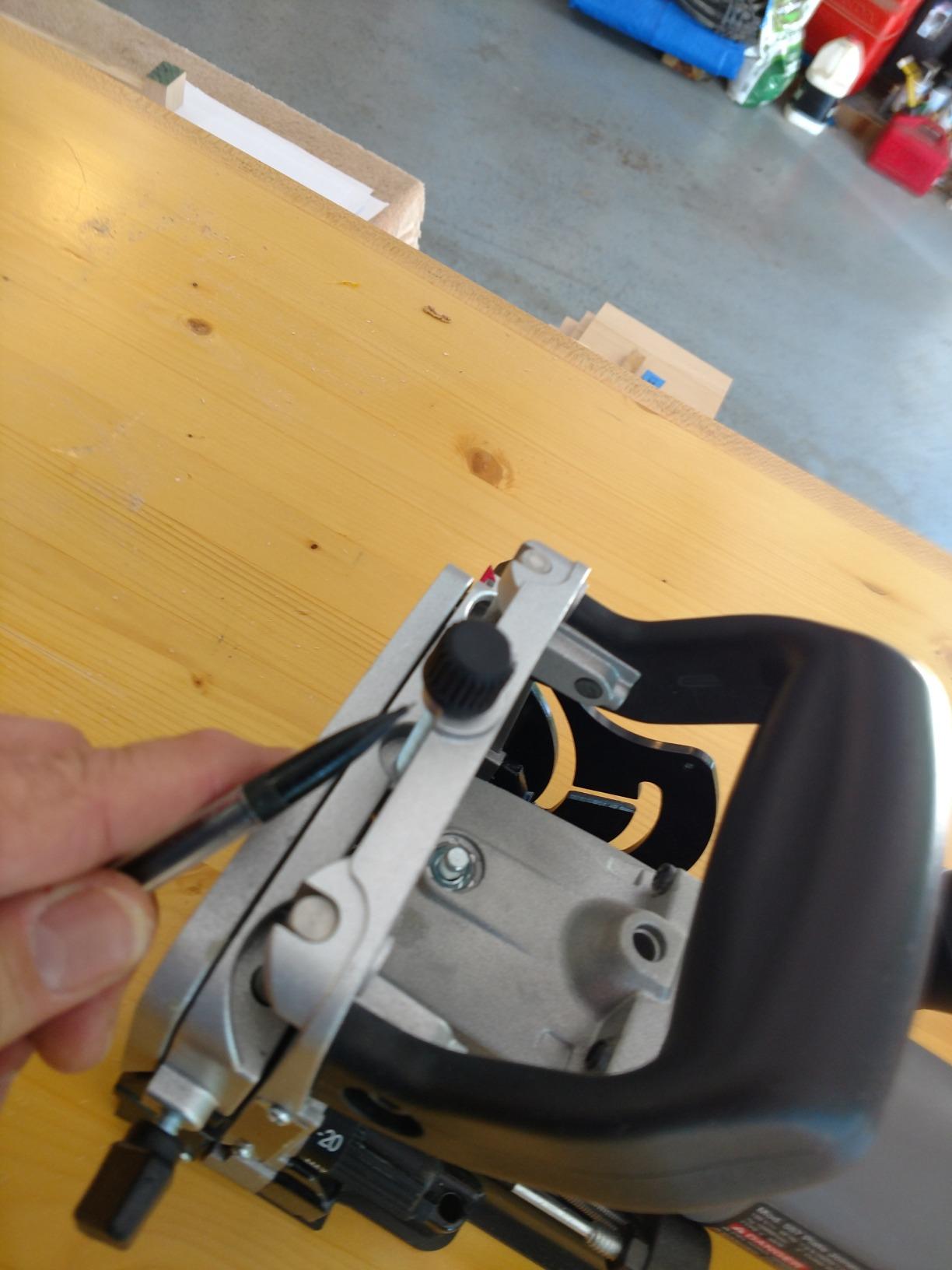
If you specialize in cabinet face frames or need the widest range of fence angles, the 557 is unmatched. The top-handle design provides the control needed for delicate work, and the face frame biscuit support is a genuine advantage for kitchen and bathroom cabinet builders.
The poor dust collection is a significant drawback if you work in a shared space or have dust sensitivities. While you can connect a vacuum, the design clearly prioritizes cutting performance over dust management. The DEWALT models handle dust significantly better.
5.6 amp motor
11,000 RPM
Rack-and-pinion fence
0-45-90° stops
Six depth settings
Makita’s reputation for precision engineering is on full display with the PJ7000. The 5.6 amp motor spins at 11,000 RPM, the highest speed in our roundup, producing exceptionally clean cuts with minimal tear-out even in figured woods. When I tested this on birdseye maple, the slots came out crisp with no splintering at the edges.
The cast aluminum pivot fence features positive stops at 0, 45, and 90 degrees, with rack-and-pinion adjustment for fine-tuning. What impressed me most was the complete absence of play in the carriage slide, something I cannot say about the budget models. Every plunge felt precise and repeatable, which translates to joints that align perfectly during glue-up.
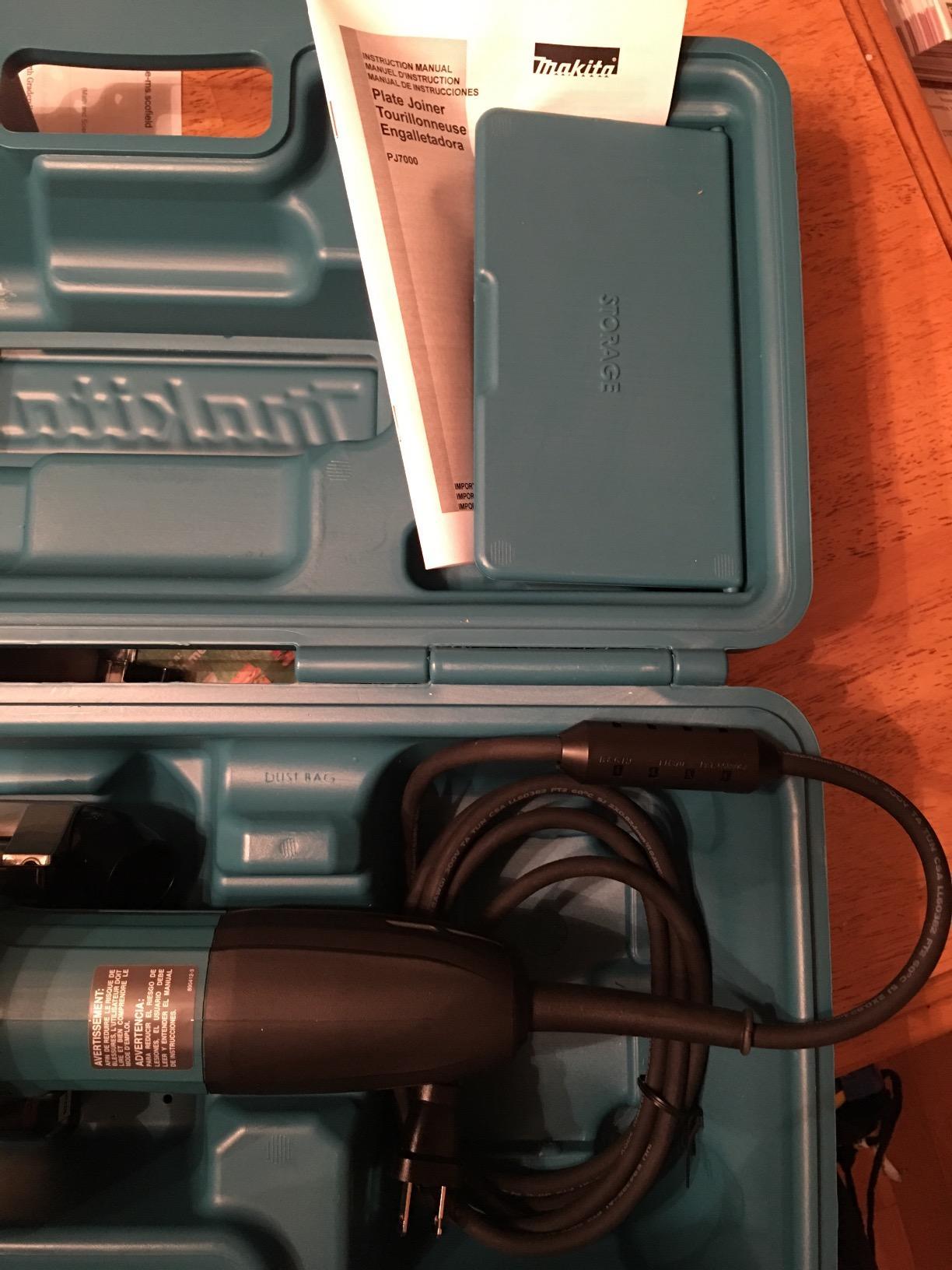
The cam locks for angle and fence adjustments are large and easy to operate, even with gloved hands. Changing blades is straightforward thanks to the spindle lock that holds the arbor while you loosen the nut with the included wrench. The six depth settings cover all common biscuit sizes with one-touch stops that snap securely into position.
At 85% five-star ratings from over 1,000 users, this model has earned trust among serious hobbyists and professionals. The only significant drawbacks are the inadequate dust collection and the small carrying case that barely fits the tool and accessories. Like most biscuit joiners, you will want to connect this to a vacuum for any extended work session.
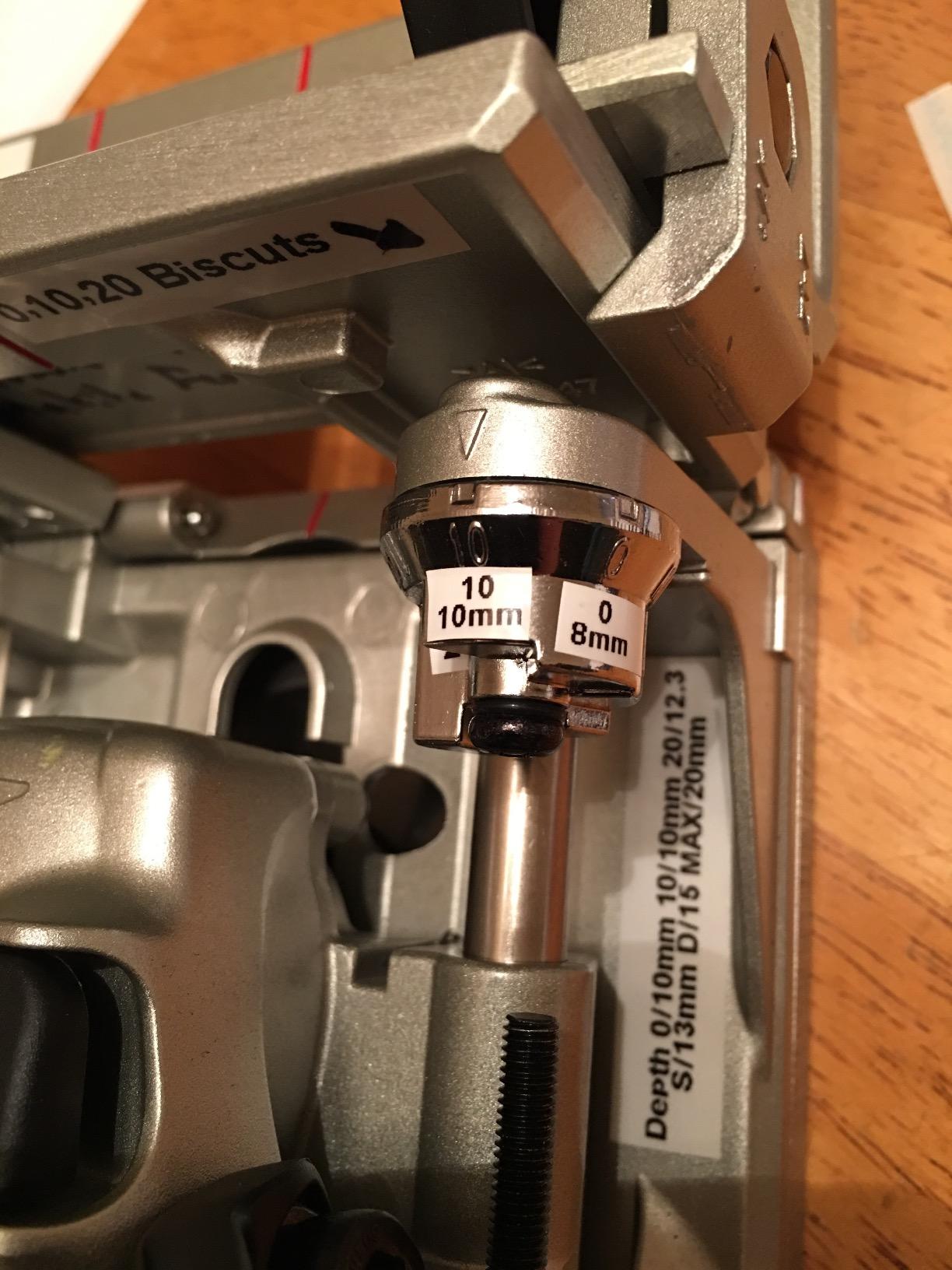
If accuracy is your top priority and you appreciate smooth mechanical operation, the PJ7000 delivers. The Japanese engineering shows in every adjustment, and the higher RPM produces cleaner cuts than competitors. This is the model I reach for when working with expensive figured woods where tear-out would be costly.
The switch placement favors right-handed operation, and left-handed users in forums report awkward hand positioning. If you are left-handed, test this in a store if possible, or consider the DEWALT DCW682B with its ambidextrous paddle switch.
6 amp motor
Corded AC power
Dust collector included
Angular scale
Green finish
RYOBI has built a following among DIYers for offering decent performance at affordable prices, and the JM83K continues that tradition. The 6 amp motor handles softwoods and plywood with ease, though I noticed it struggled slightly when cutting multiple slots in dense white oak. For typical home projects using pine, poplar, or MDF, it performs adequately.
The angular scale on the machine helps with fence adjustments, and the included dust collector captures at least some of the debris. At 73% five-star ratings, most users find it meets their expectations for occasional use. The green finish is distinctive, though it matters less than performance.
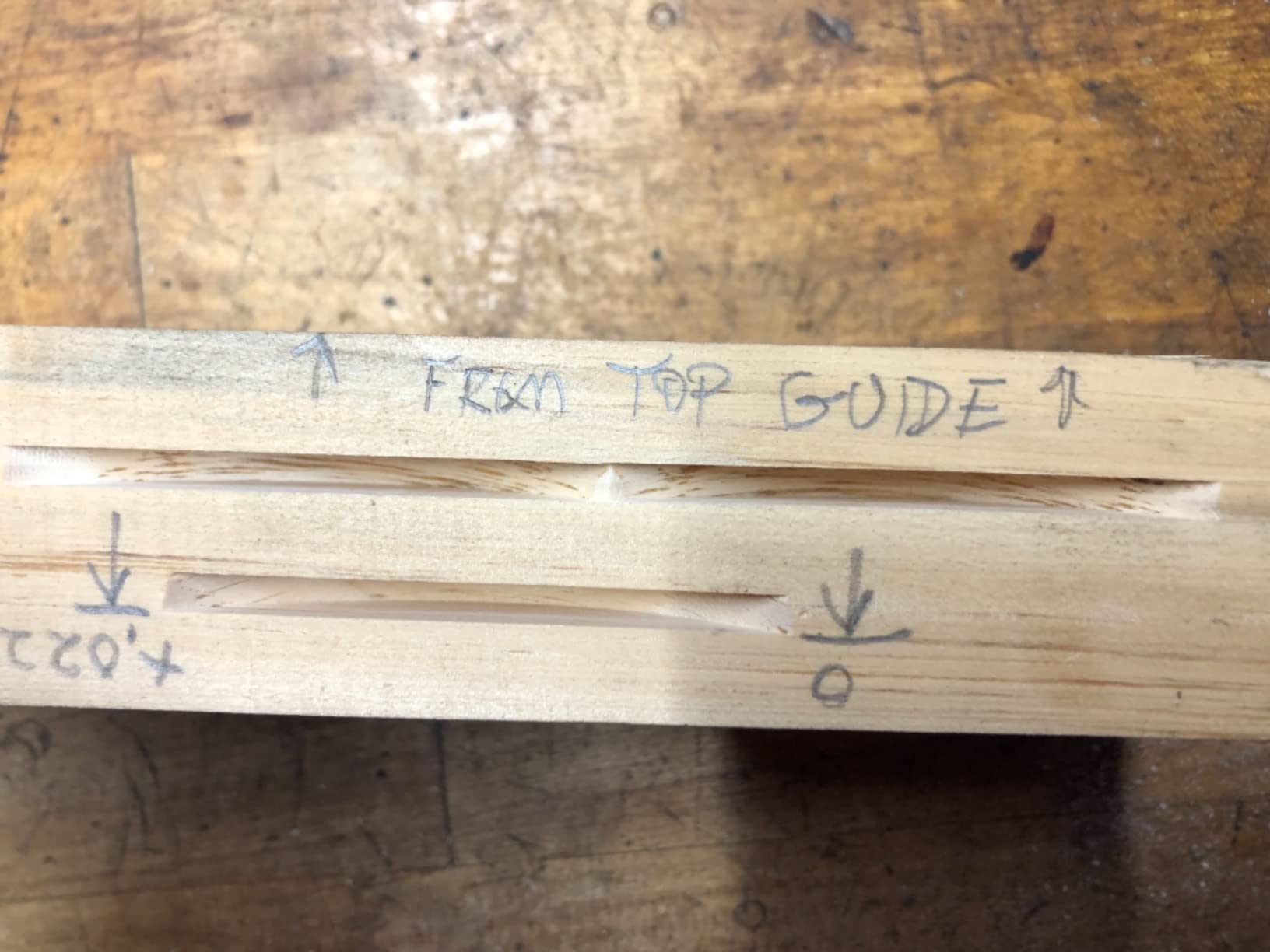
Some early production units had alignment issues that RYOBI appears to have addressed, but quality control may vary. If you receive a unit that cuts accurately, it represents reasonable value. The low stock availability suggests this model may be approaching end-of-life, so consider whether replacement parts will be available in coming years.
This is a good choice if you need a biscuit joiner for a specific project and do not want to invest heavily. For professional use or frequent projects, the added precision and power of the DEWALT or Makita models justify their higher prices.
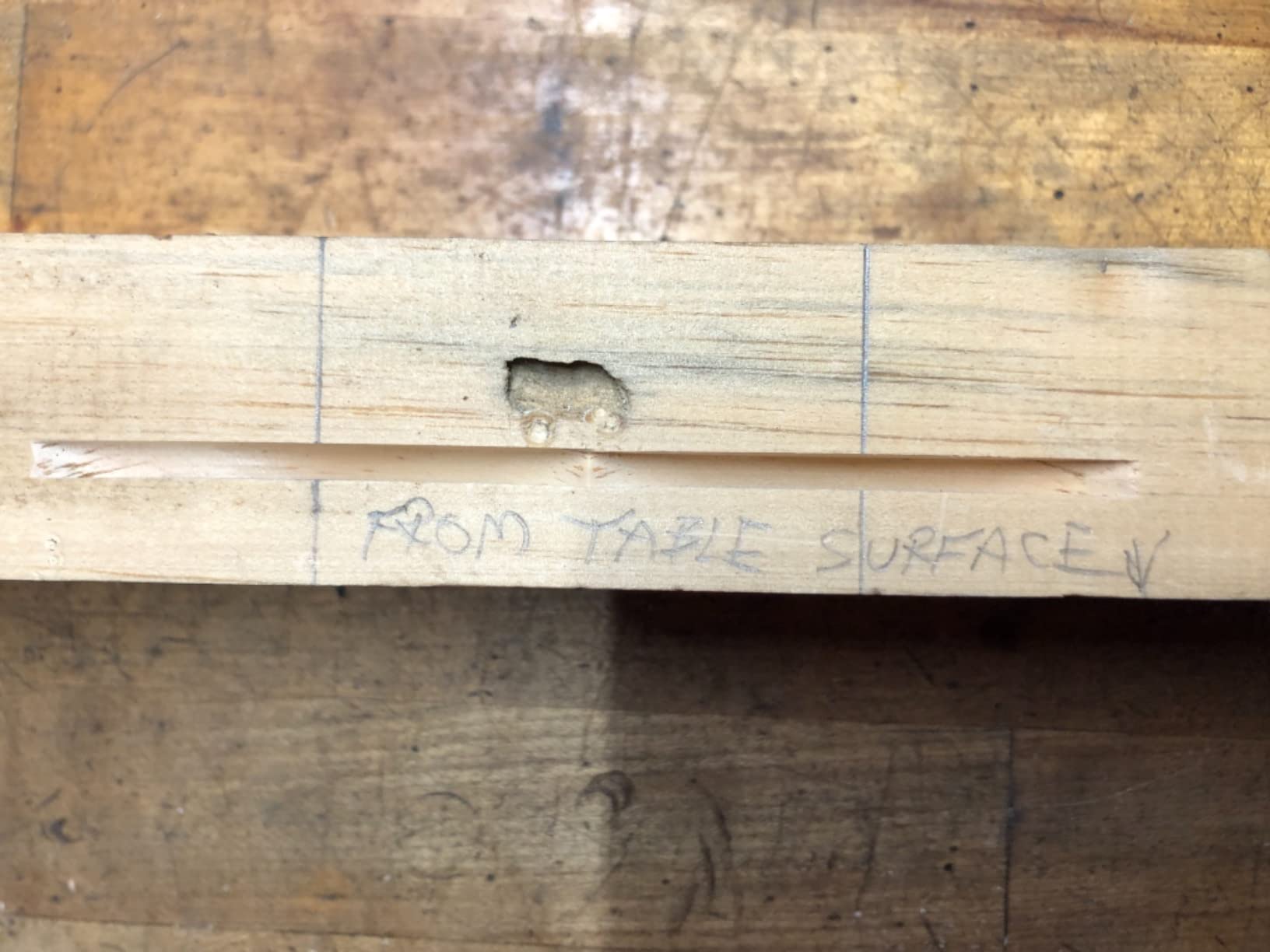
If you need a biscuit joiner once or twice per year for home repairs or small furniture projects, the JM83K delivers adequate performance without breaking the bank. The included dust collector is better than nothing, and the angular scale helps with setup.
The power limitations become apparent when working with hardwoods, and the potential alignment issues could frustrate users who need consistent accuracy. For anything beyond occasional hobby use, invest in a more capable model.
8.5 amp motor
11,000 RPM
110 biscuits included
Adjustable 0-90° fence
Multiple joint types
The AOBEN 3705 surprised me with how much value it packs at around $77. The kit includes not just the joiner and case, but 110 biscuits in assorted sizes, spare brushes, and a dust bag. For someone just starting with biscuit joinery, this is everything you need to complete your first project without additional purchases.
The 8.5 amp motor spins at 11,000 RPM, matching the Makita’s speed, and the adjustable tilt fence locks securely from 0 to 90 degrees. Pre-set stops accommodate #0, #10, and #20 biscuits, plus a manual mode for custom depths. I used this to build a small bookshelf and found the fence adjustments straightforward once the locknut was properly loosened.
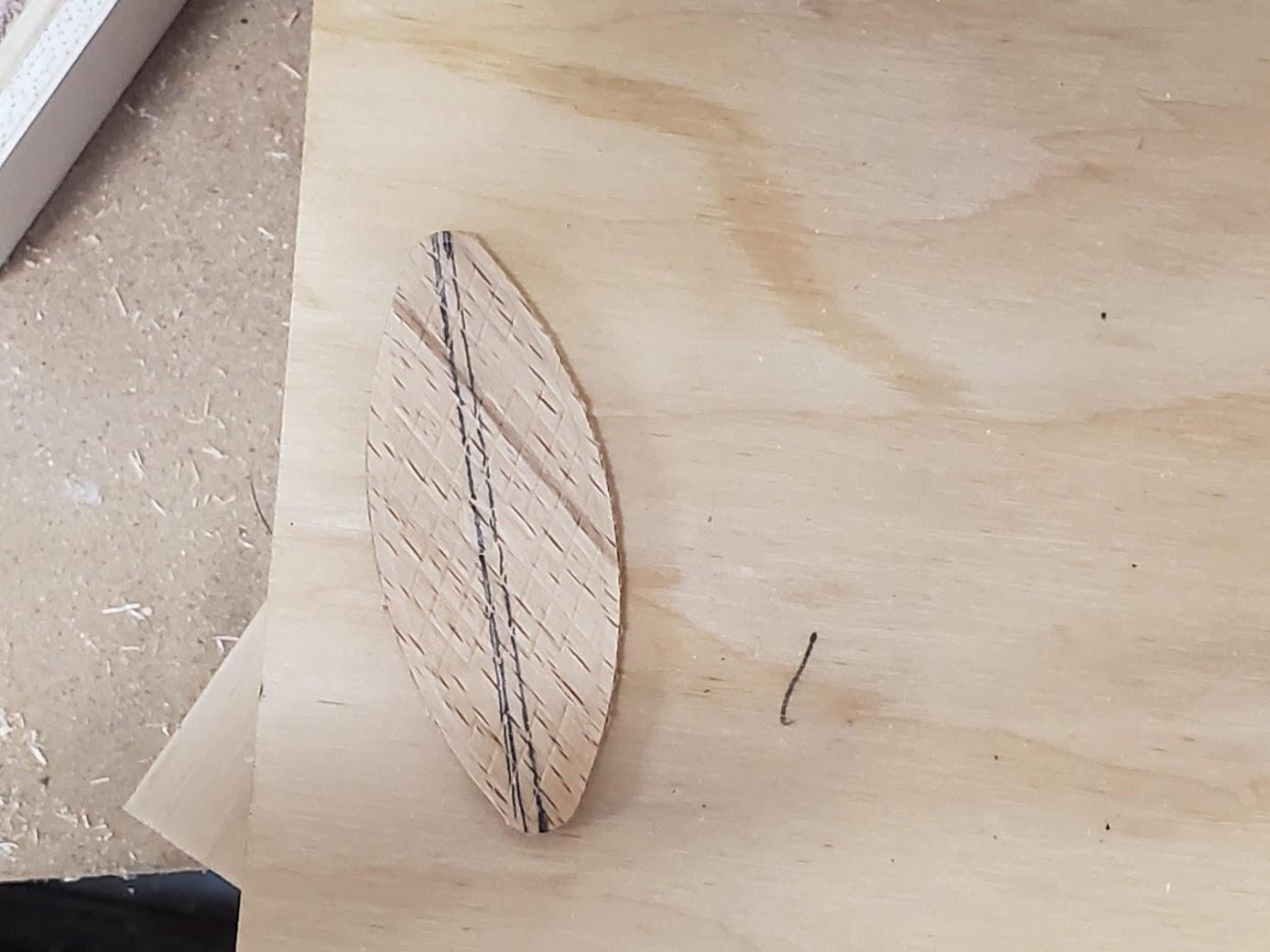
Build quality is solid for the price point, with a metal housing that feels more substantial than the WEN model. The included biscuits are serviceable, though serious woodworkers may prefer premium biscuits from Lamello or other brands. At 67% five-star ratings, most users find it delivers good functionality for the price.
The depth adjustment knob requires tools to adjust, unlike the tool-free systems on premium models. Some users report the fence can be slightly out of square, so check alignment with a carpenter’s square before critical work. The dust bag fills quickly and does not seal perfectly, so plan to empty it frequently or connect a vacuum.
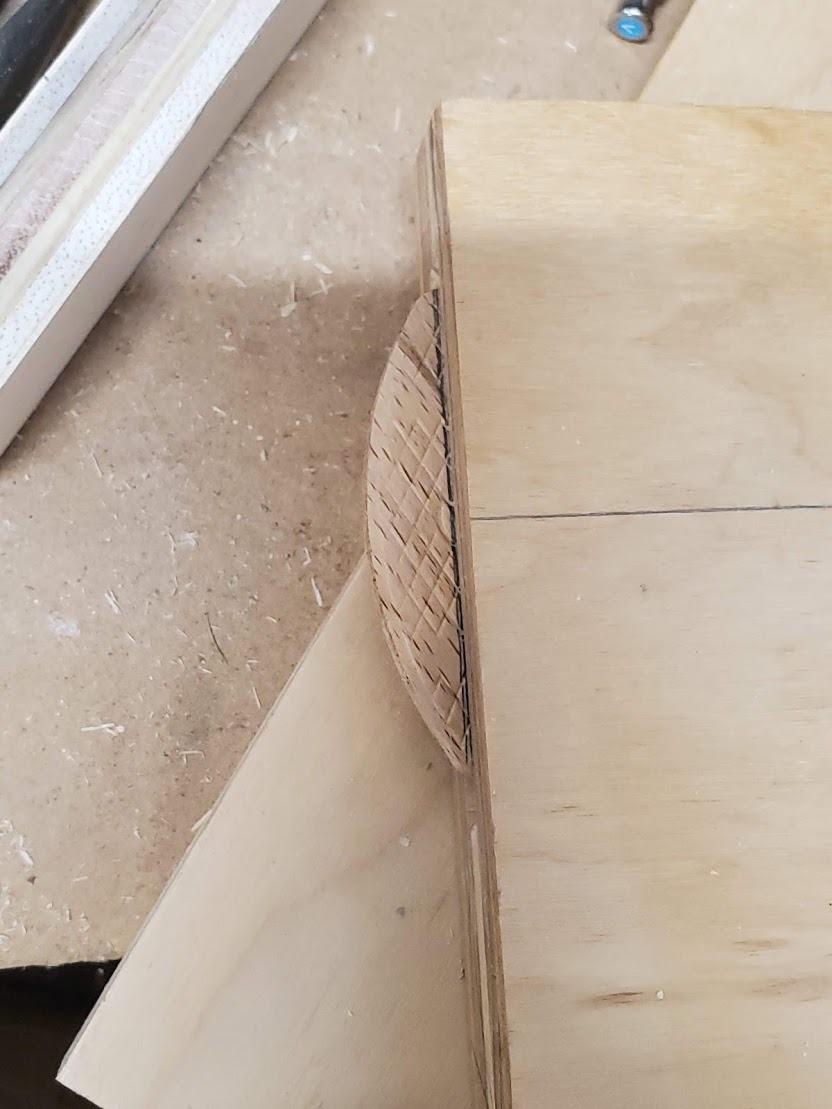
If you are new to biscuit joinery and want everything in one box, the AOBEN 3705 is the clear winner. The included biscuits let you start immediately, and the performance is adequate for learning the technique. This is a great gift for someone getting into woodworking.
The potential fence alignment issues and tool-required depth adjustments make this less suitable for fine furniture where perfect joints matter. Upgrade to the DEWALT or Makita models once you know biscuit joinery is a technique you will use regularly.
8.5 amp motor
10,000 RPM
Hard case included
Pre-set stops
Carbide-tipped blade
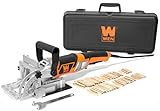
The WEN JN8504 proves that you do not need to spend $200 to get functional biscuit joinery capabilities. At under $60 including a hard case and biscuits, this is the most affordable way to experiment with the technique. I used this to build a simple workbench top and found it produced tight, aligned joints suitable for shop furniture.
The 8.5 amp motor delivers 10,000 RPM, and the carbide-tipped blade handles softwoods adequately. The adjustable fence creates slots at various heights and angles, and the pre-set stops align with standard biscuit sizes. At 72% five-star ratings from over 2,400 users, many hobbyists find it meets their needs.
However, the stock blade is the weak point. Multiple users and my own testing confirm that upgrading to a quality CMT cutter blade dramatically improves performance. Factor this into your total cost, as a premium blade adds $30-50. The dust collection chute is narrow and clogs frequently, requiring regular clearing during extended use.
The depth adjustment lock-nut requires significant force to turn, making quick adjustments frustrating. This is not a tool for production work where speed matters. But for occasional projects and learning the basics of biscuit joinery, it is hard to argue with the value proposition.
If you want to try biscuit joinery without a major investment, the JN8504 is the obvious choice. Budget for a blade upgrade, and you will have a functional tool for weekend projects. The included case protects the tool during storage, a nice addition at this price point.
The build quality and adjustment mechanisms will not withstand daily professional use. The clumsy depth adjustment and frequent dust chute clearing become frustrating when you need to cut dozens of slots quickly. Serious woodworkers should spend more for a professional-grade model.
After testing seven models and reading thousands of user reviews, here are the key factors that separate good biscuit joiners from disappointing ones.
Biscuit joiners typically range from 5.6 to 8.5 amps in corded models. Higher amperage generally means more power for hardwoods, but speed matters too. Look for 10,000 RPM or higher for clean cuts. The Makita’s 11,000 RPM produced noticeably cleaner slots than the WEN’s 10,000 RPM in our testing, though the difference is subtle.
For cordless models, brushless motors like the DEWALT DCW682B provide better efficiency and runtime than brushed motors. If you already own batteries from a compatible platform, cordless convenience is worth considering.
The fence keeps your cuts parallel to the workpiece surface, making it the most critical component for accuracy. Rack-and-pinion fence systems, found on the DEWALT and Makita models, maintain parallelism better than simple pivot fences. The PORTER-CABLE’s wide tilt range up to 135 degrees is valuable for specialized applications.
Check that the fence locks securely without shifting. Even small movements translate to misaligned joints. Positive stops at common angles save time during setup.
Every biscuit joiner produces significant chips and dust. The included bags on most models are minimally effective. Look for standard-sized dust ports that connect to your shop vacuum. The DEWALT models handle dust better than competitors, though none are perfect.
Consider where you will work. If you use the joiner indoors, dust collection becomes more important than if you work in an open garage or outdoor space.
Standard biscuits come in three sizes: #0 (small), #10 (medium), and #20 (large). Most joiners support all three with preset stops. The PORTER-CABLE 557 goes further with support for FF (face frame), Simplex, Duplex, and Max sizes, valuable if you build cabinets regularly.
Depth adjustment should be easy and repeatable. Tool-free adjustments save time, though they cost more. Budget models typically require wrenches for depth changes.
Cordless models offer unmatched convenience for large assemblies and outdoor work. The trade-off is higher cost if you need batteries, and slightly reduced runtime for extended sessions. Corded models provide unlimited runtime and often more power for the price. Choose based on your typical projects and existing battery platform.
The best biscuit joiner depends on your needs. For cordless convenience, the DEWALT DCW682B leads with its brushless motor and tool-free adjustments. For corded professional use, the DEWALT DW682K offers proven reliability and accuracy. The PORTER-CABLE 557 excels for face frame work with its unique top-handle design and wide fence range. Budget buyers should consider the WEN JN8504 or AOBEN 3705.
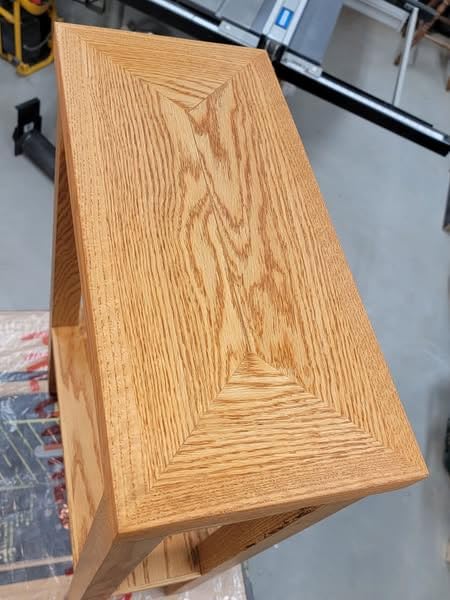
For strength-critical joints, dowel joinery or mortise and tenon joints provide superior structural integrity. The Festool Domino system combines the speed of biscuit joining with the strength of floating tenons, though at a premium price. Pocket hole joinery offers speed and adequate strength for many applications. Biscuit joiners excel at alignment and moderate strength, making them ideal for panel glue-ups and face frames where perfect alignment matters most.
Common mistakes include cutting slots too deep or shallow due to incorrect depth settings, misaligned fences causing uneven joints, and using biscuits in applications requiring structural strength. Other errors include cutting slots on the wrong side of a reference mark, not accounting for wood movement across grain, and using low-quality biscuits that swell inconsistently. Always test cuts on scrap material before working on your actual project.
Biscuit joiners and pocket screws serve different purposes. Biscuits excel at alignment and provide concealed joints with moderate strength, ideal for visible furniture where screw holes would be unsightly. Pocket screws offer superior strength and faster assembly but leave visible holes requiring plugs or filler. For cabinet face frames and fine furniture, biscuits are preferred. For shop furniture and utility projects, pocket screws are faster and stronger. Many woodworkers own both tools.
After testing seven best biscuit joiners across three months of real projects, the DEWALT DCW682B stands out as our top pick for 2026, especially if you value cordless convenience and already own DEWALT batteries. For corded reliability, the DEWALT DW682K and Makita PJ7000 offer professional-grade precision that will last years of use.
The PORTER-CABLE 557 remains the best choice for cabinet makers who need face frame biscuit support and superior fence control. Budget-conscious woodworkers can start with the WEN JN8504 or AOBEN 3705, though plan to upgrade the blade on the WEN for best results.
Remember that biscuit joinery is primarily about alignment, not structural strength. Choose the right joint for your application, and you will build furniture that looks professional and stays square for years to come.