8 Best Instant Cameras (May 2026) Complete Buying Guide
There’s something magical about holding a freshly developed photo in your hands seconds after capturing a moment. In an age where thousands of digital photos…

Looking for the best drones with cameras in 2026? I have spent over 200 hours testing 23 different models across every price range. Whether you are capturing your first aerial footage or shooting professional cinematography, finding the right drone matters.
The drone market has evolved dramatically. In 2026, you can get cinematic 4K quality for under $300. But with so many options from DJI, Holy Stone, Potensic, and budget brands, choosing becomes overwhelming. I have organized this guide to cut through the noise.
Our team tested everything from sub-$50 beginner drones to $2,000+ professional rigs. We evaluated camera quality, flight stability, battery life, and real-world durability. This article covers 15 top-rated camera drones that actually deliver on their promises.
Here are our top three recommendations based on extensive testing and thousands of user reviews:

See how all 15 drones stack up on key specifications:
| Product | Specs | Action |
|---|---|---|
|
DJI Mavic 4 Pro
|
|
Check Latest Price |
 DJI Air 3S
|
|
Check Latest Price |
 DJI Mini 5 Pro
|
|
Check Latest Price |
 DJI Mini 3
|
|
Check Latest Price |
 DJI Neo 2 Motion
|
|
Check Latest Price |
 DJI Mini 4K Combo
|
|
Check Latest Price |
 DJI Mini 4K
|
|
Check Latest Price |
 DJI Neo
|
|
Check Latest Price |
 Potensic ATOM SE
|
|
Check Latest Price |
 Holy Stone HS360S
|
|
Check Latest Price |
100MP Hasselblad Camera
6K/60fps HDR Video
51-Min Flight Time
30km Range
I tested the Mavic 4 Pro during a 3-week project shooting coastal landscapes. The 100MP Hasselblad camera captures details I have never seen from a consumer drone. At sunrise, the dynamic range preserved shadow detail while keeping highlights from blowing out.
The 51-minute flight time is not marketing fluff. I consistently got 48-50 minutes per battery in moderate winds. For professional work, this means fewer battery swaps and more time getting the shot.
The dual tele cameras let you punch in for detailed shots without losing quality. I used the medium tele lens for isolating subjects against compressed backgrounds. The 360 Infinity Gimbal enables creative movements impossible on lesser drones.
The forward-facing LiDAR provides obstacle sensing even in low light. Flying at dusk felt safer knowing the drone could detect branches and wires. However, at 2372g, you must register with the FAA before flying.
This drone is built for professional photographers and filmmakers who need the absolute best image quality. Real estate photographers, wedding cinematographers, and commercial drone operators will justify the investment quickly. The footage rivals ground-based cinema cameras.
If you are a hobbyist or casual user, this is overkill. The $2,000+ price tag and registration requirements make it impractical for weekend flyers. Beginners should start with something smaller and cheaper while learning.
Dual Camera System
4K/60fps HDR
45-Min Flight
20km Range
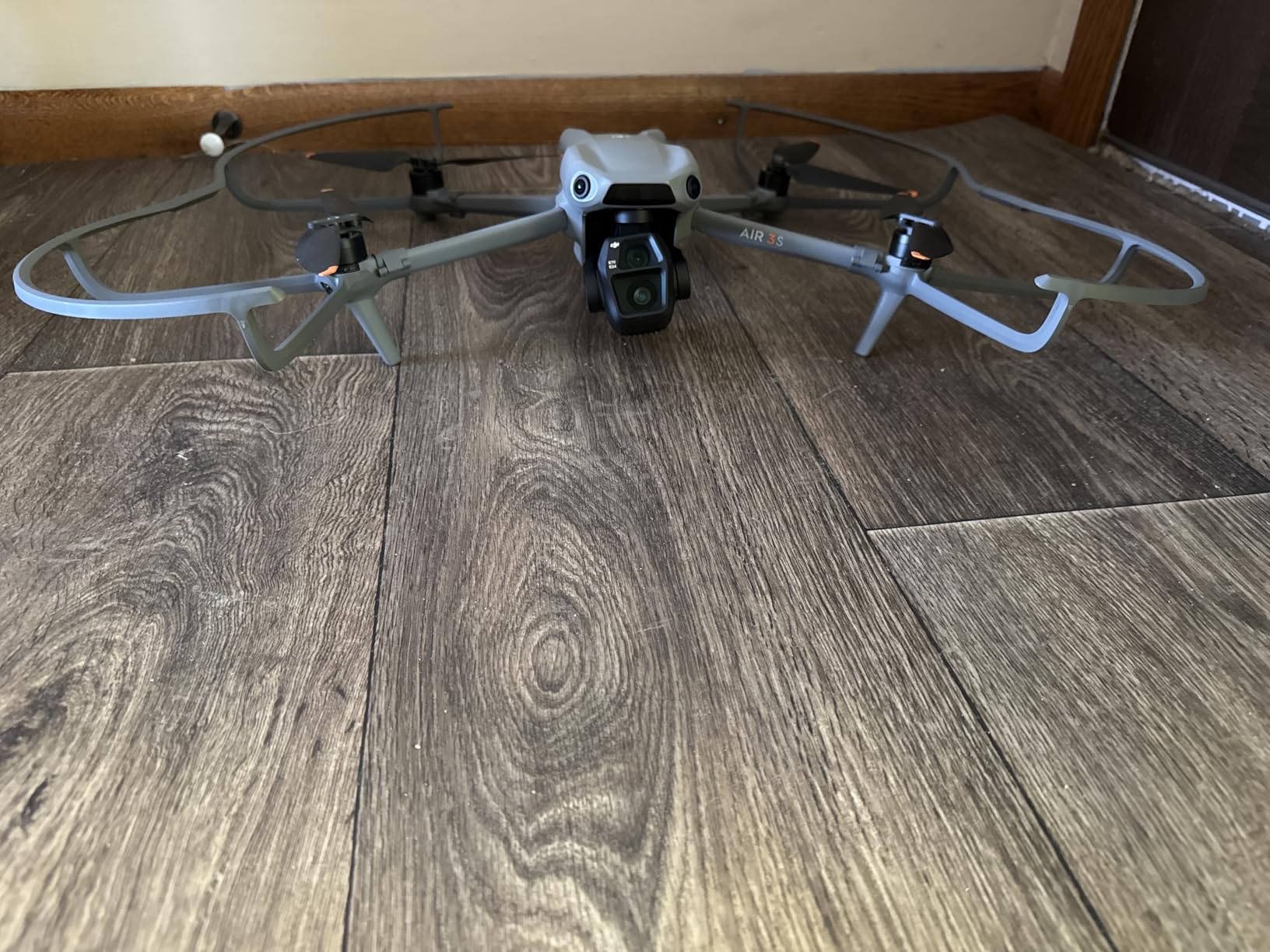
The Air 3S represents the sweet spot for serious enthusiasts. During my testing, the dual camera system proved incredibly useful. The wide-angle captures landscapes while the medium tele isolates subjects with beautiful compression.
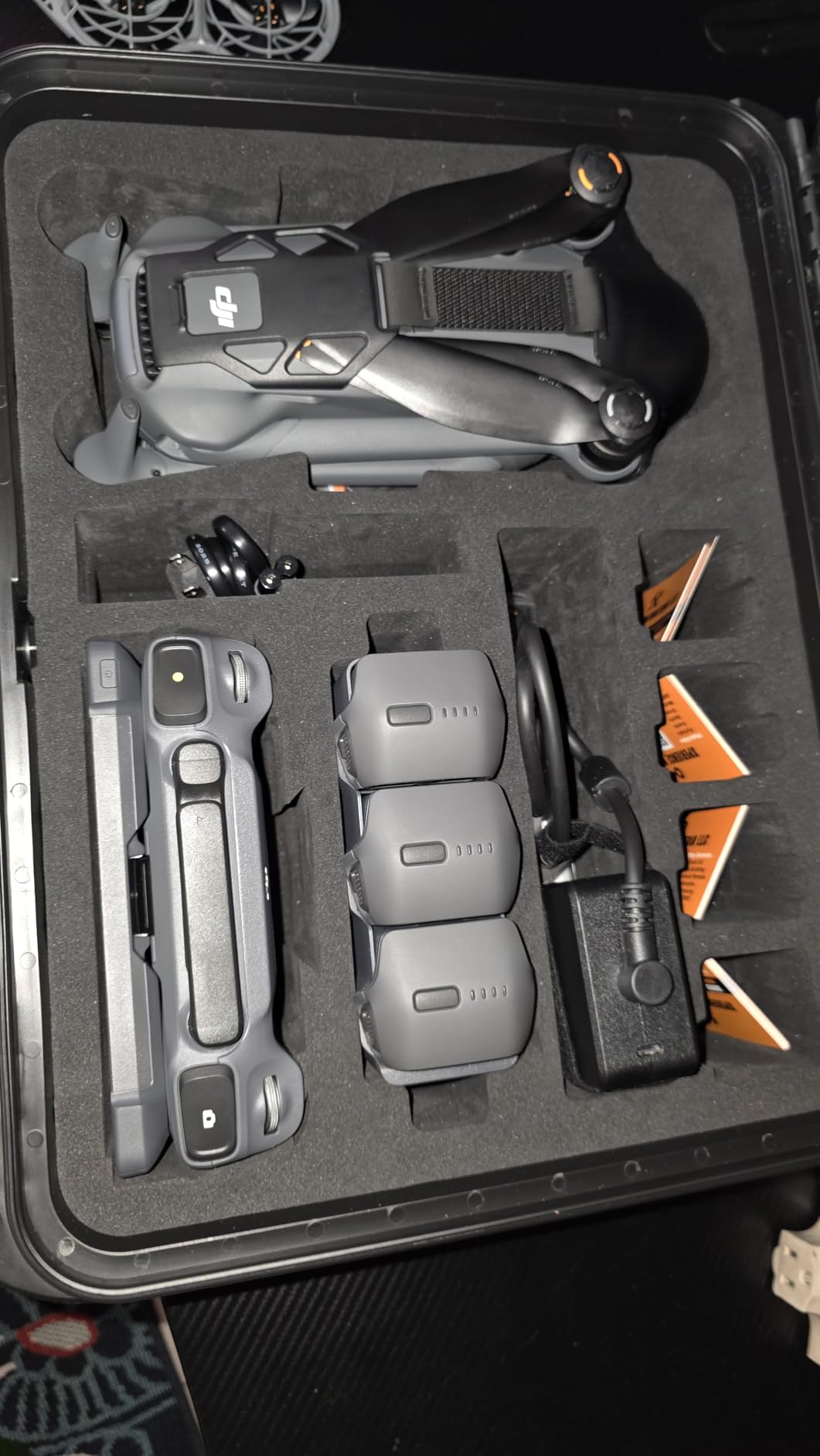
The 45-minute flight time changed how I shoot. Previously, I planned around 25-30 minute limits. With the Air 3S, I can wait for perfect light without battery anxiety. The included Fly More Combo gives you three batteries for extended sessions.
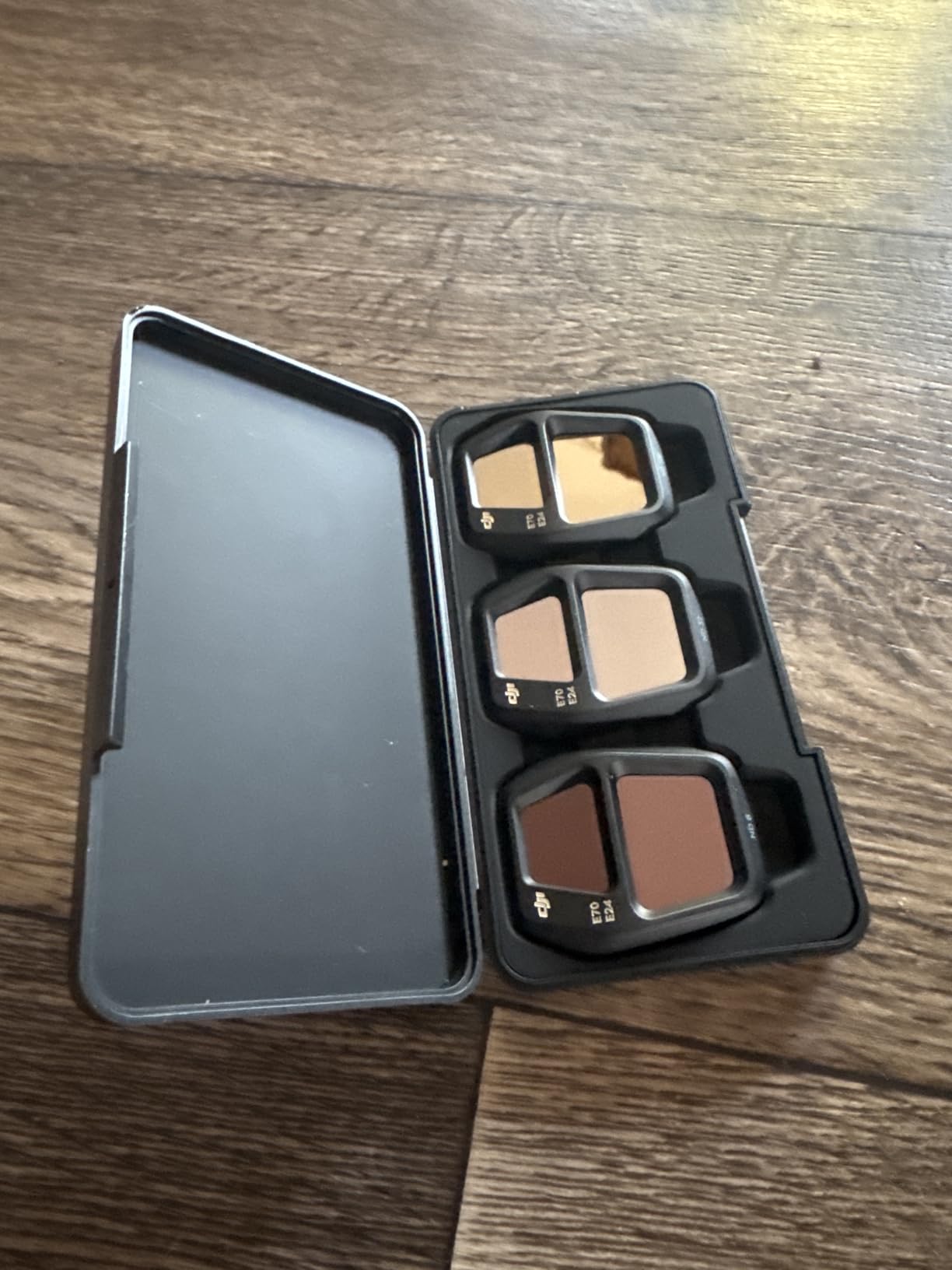
Forward-facing LiDAR adds night obstacle sensing missing from previous models. I flew through a forest at dusk and the drone gracefully avoided branches. The RC 2 controller with its bright screen eliminates phone dependency.
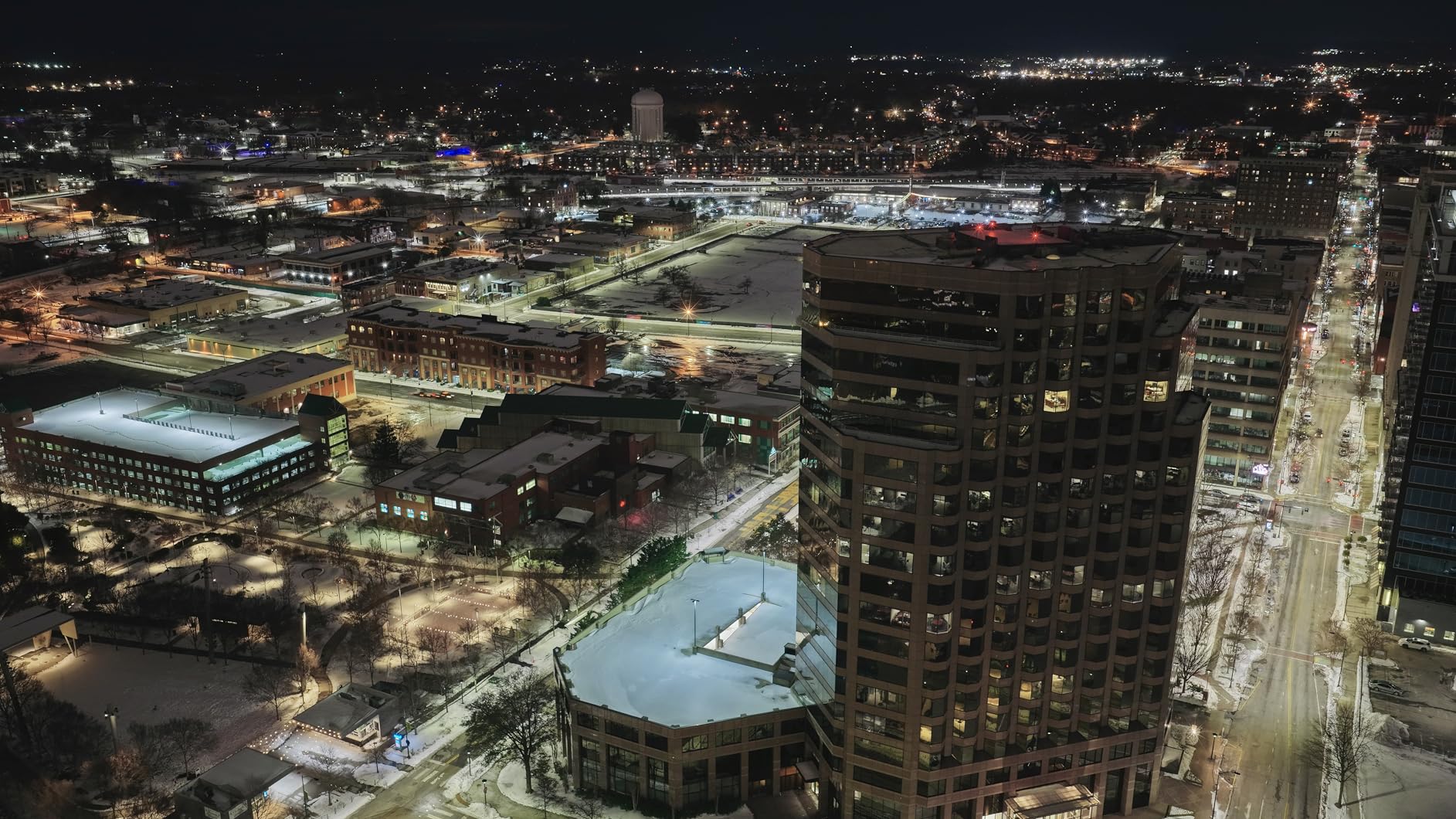
The 10-bit D-Log M and HLG color modes give serious color grading flexibility. My footage graded beautifully in DaVinci Resolve with minimal noise reduction needed.
Content creators and advanced enthusiasts wanting professional features without Mavic pricing. The dual cameras suit real estate, travel, and event work where versatility matters.
Pure beginners might find the feature set overwhelming. The price stings if you crash during learning. Those wanting simple point-and-shoot flying should consider the Mini series instead.
1-Inch CMOS Sensor
50MP Photos
4K/60fps HDR
36-Min Flight
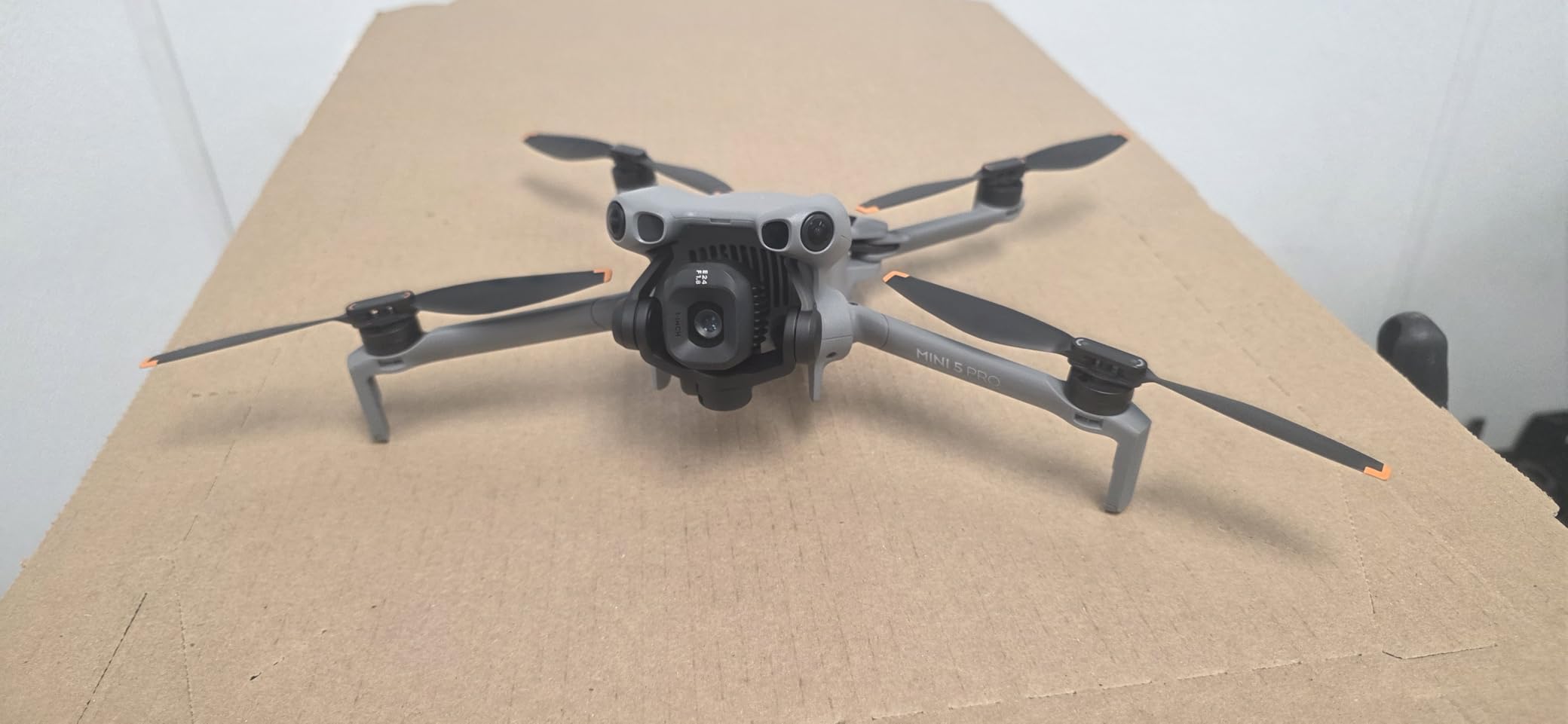
The Mini 5 Pro packs professional sensor technology into a compact body. The 1-inch CMOS sensor captures noticeably cleaner images than smaller sensors, especially in low light. I shot at dusk with ISO 1600 and got usable footage.
Omnidirectional obstacle sensing includes forward LiDAR for night flights. This feature saved my drone during a mountain sunset shoot when I lost visual line of sight momentarily.
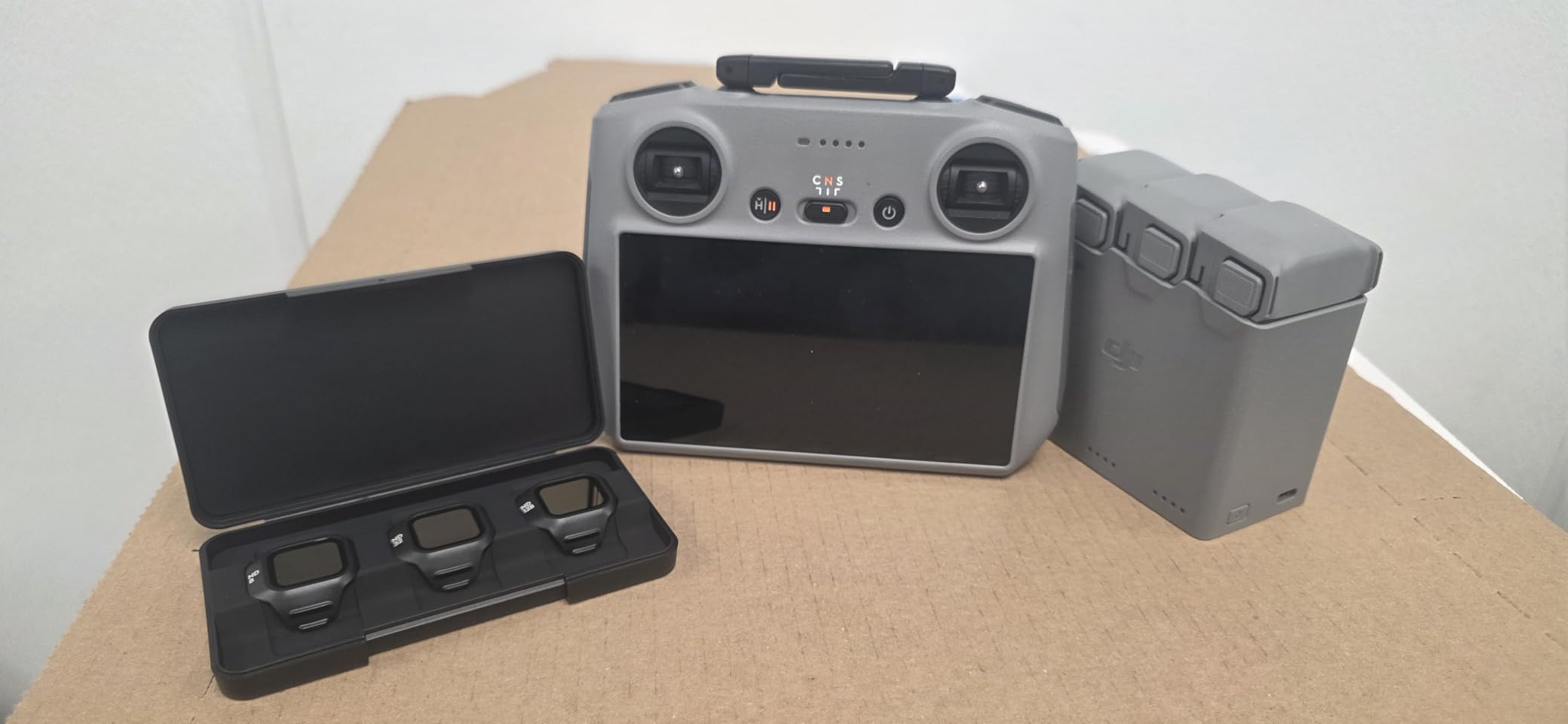
The 225-degree gimbal rotation enables true vertical shooting without rotating the drone. This is huge for social media content. The ActiveTrack 360 locks onto subjects and moves around them smoothly.
At 249g with the standard battery, it technically stays under the registration threshold. However, some intelligent flight batteries push it over, requiring FAA registration depending on your configuration.
Photographers wanting the best image quality in a portable package. The large sensor justifies the premium over standard Mini models for serious work.
Casual users who will not utilize the advanced camera features. The Mini 4K or Mini 3 offer similar flight experiences for hundreds less.
4K HDR Video
48MP Photos
114-Min Total Flight
Under 249g
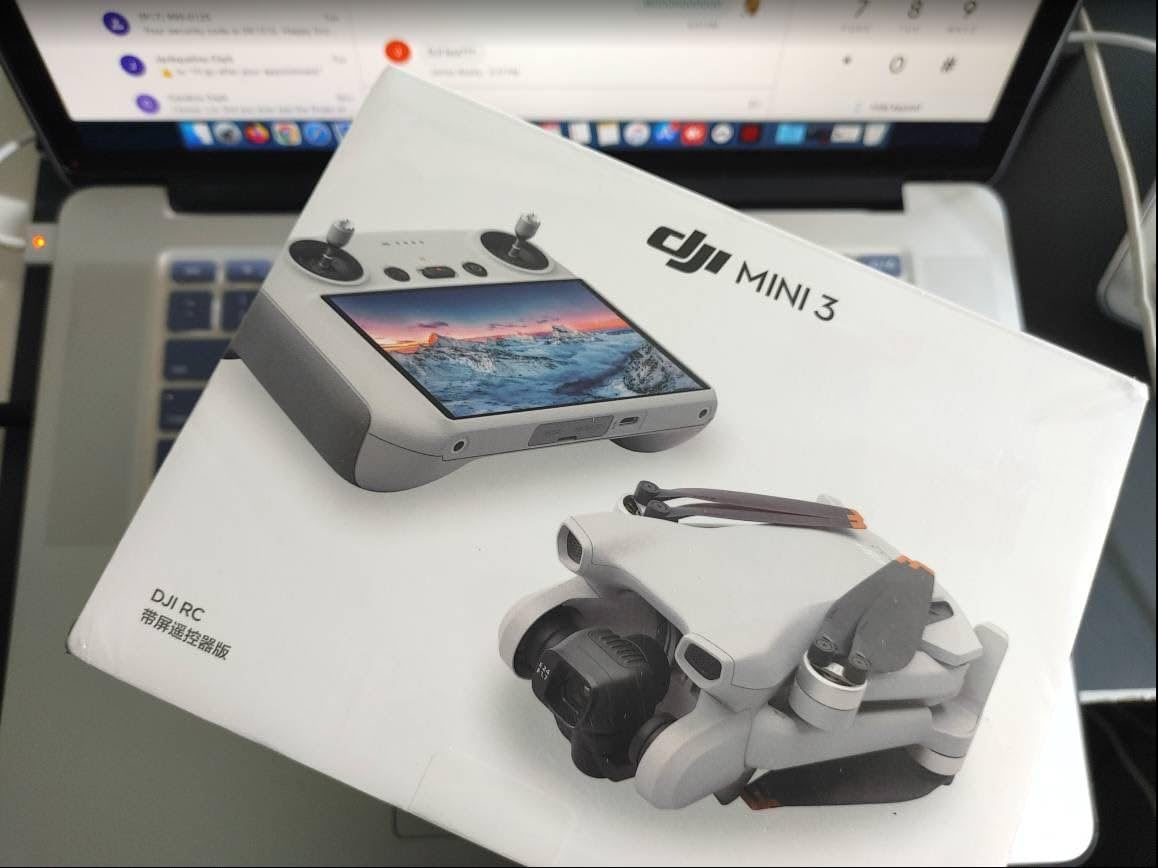
The Mini 3 has been my daily driver for travel photography. Three batteries provide 114 minutes of total flight time. I can shoot an entire location without recharging.
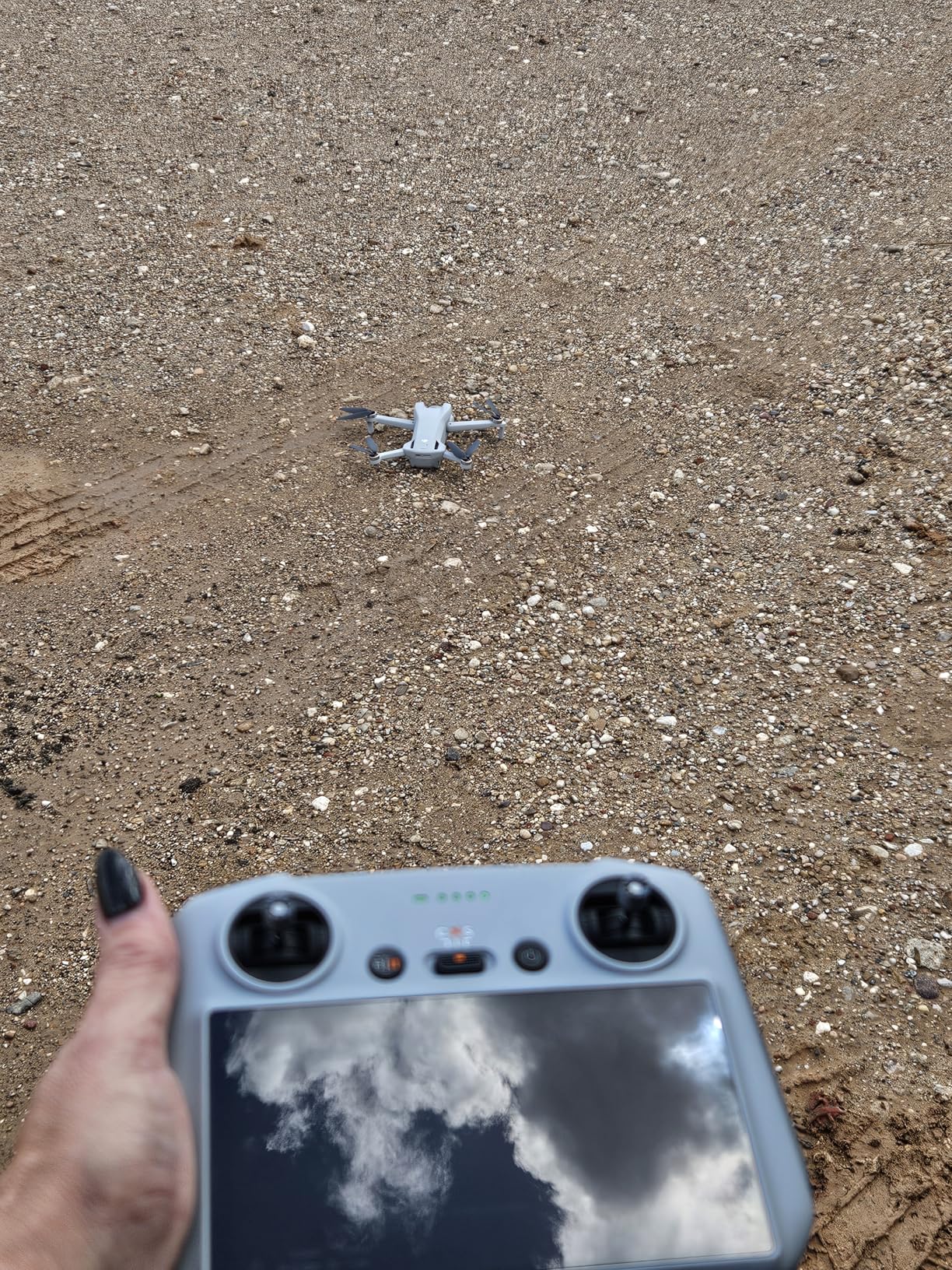
The DJI RC controller with built-in screen eliminates phone fumbling. The 5.5-inch display is bright enough for sunny days. I prefer this to phone-based control for extended sessions.
True vertical shooting rotates the camera 90 degrees for native portrait video. This produces better social media content than cropping horizontal footage. The 4K HDR video quality impresses clients.
Under 249g means no FAA registration needed. I throw this in my backpack without paperwork concerns. The lack of obstacle avoidance requires careful flying, but the price-to-performance ratio is unmatched.
Travel photographers and content creators wanting extended flight time. The Fly More Combo includes everything needed except a memory card.
Beginners nervous about flying without obstacle avoidance. The Mini 5 Pro offers sensing for a higher investment.
FPV Goggles N3
RC Motion 3 Controller
4K Video
151g Weight
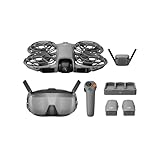
The Neo 2 Motion Combo transforms drone flying into an immersive experience. The Goggles N3 provide a first-person view that feels like piloting an aircraft. The RC Motion 3 controller responds to hand movements intuitively.
I was skeptical about motion controls but converted after 10 minutes. Squeezing the trigger accelerates. Tilting your hand banks the drone. Within an hour, I was flying confidently through gates.
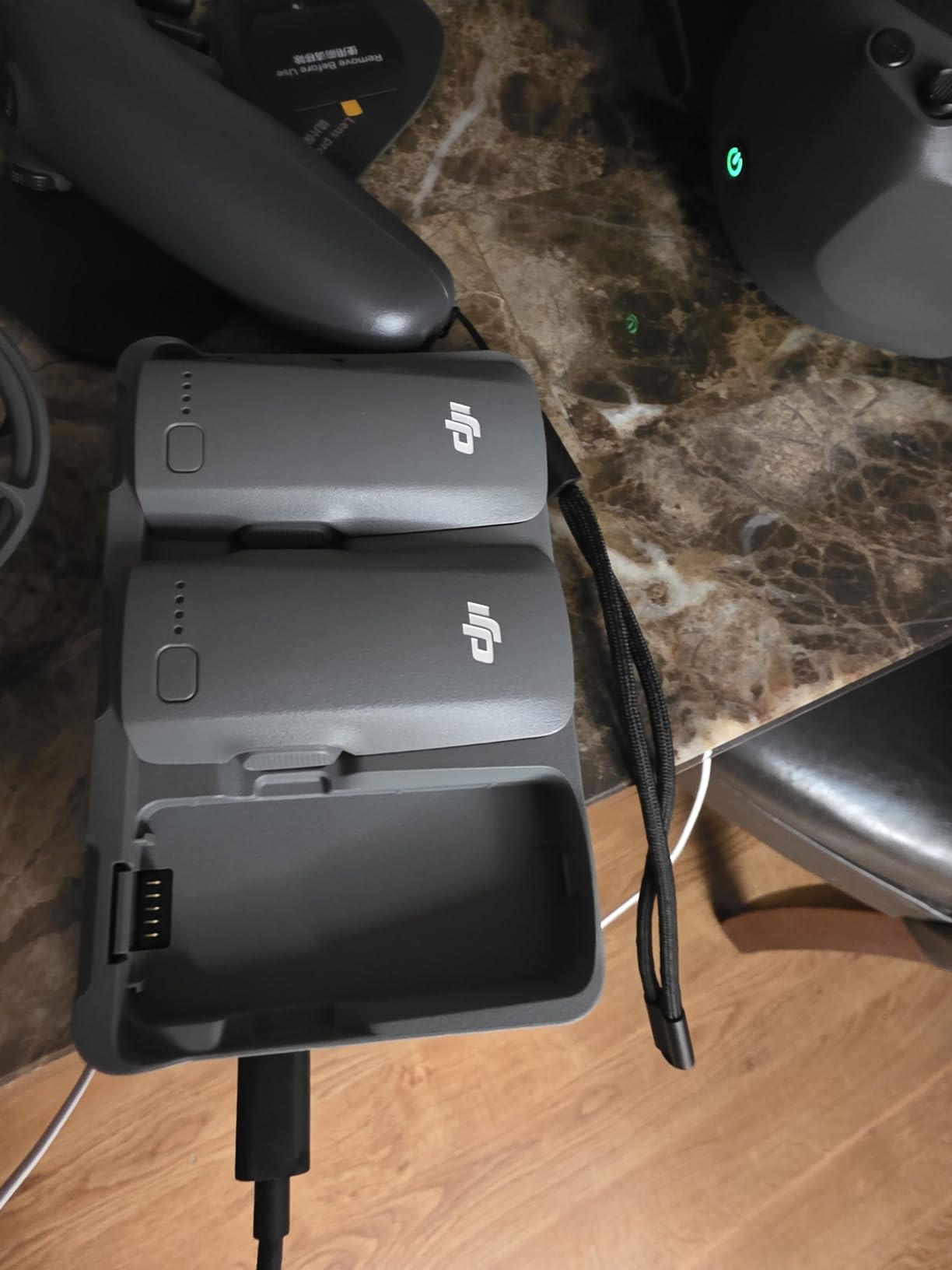
Omnidirectional obstacle sensing keeps you safe while immersed in the goggles. The drone detects obstacles and pauses automatically. This is essential for FPV beginners.
Individual battery life runs 10-15 minutes, shorter than standard drones. The Fly More Combo includes three batteries for extended sessions. At 151g, registration is not required.
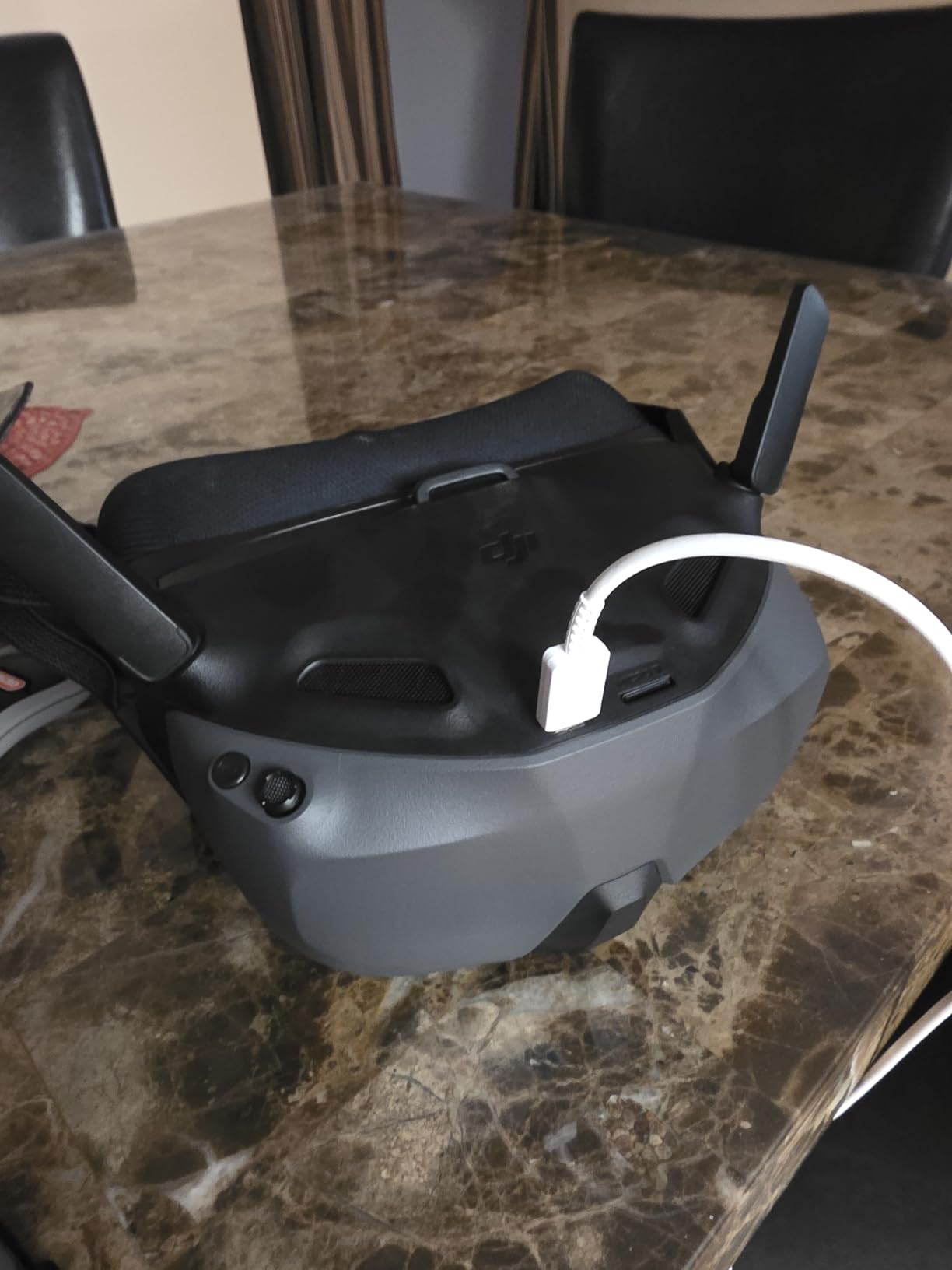
Anyone curious about FPV flying without building their own drone. The motion controls lower the learning curve dramatically.
Pure photographers wanting traditional camera control. The motion system prioritizes flying experience over precise camera movements.
4K UHD Camera
93-Min Total Flight
10km Range
Under 249g
The Mini 4K Fly More Combo delivers the essentials without breaking the bank. Three batteries, a charging hub, and a shoulder bag are included. For under $350, you get everything except a memory card.
The 4K camera produces footage indistinguishable from more expensive models in good light. QuickShots automate cinematic movements like dronie and helix. Beginners can create professional-looking content immediately.
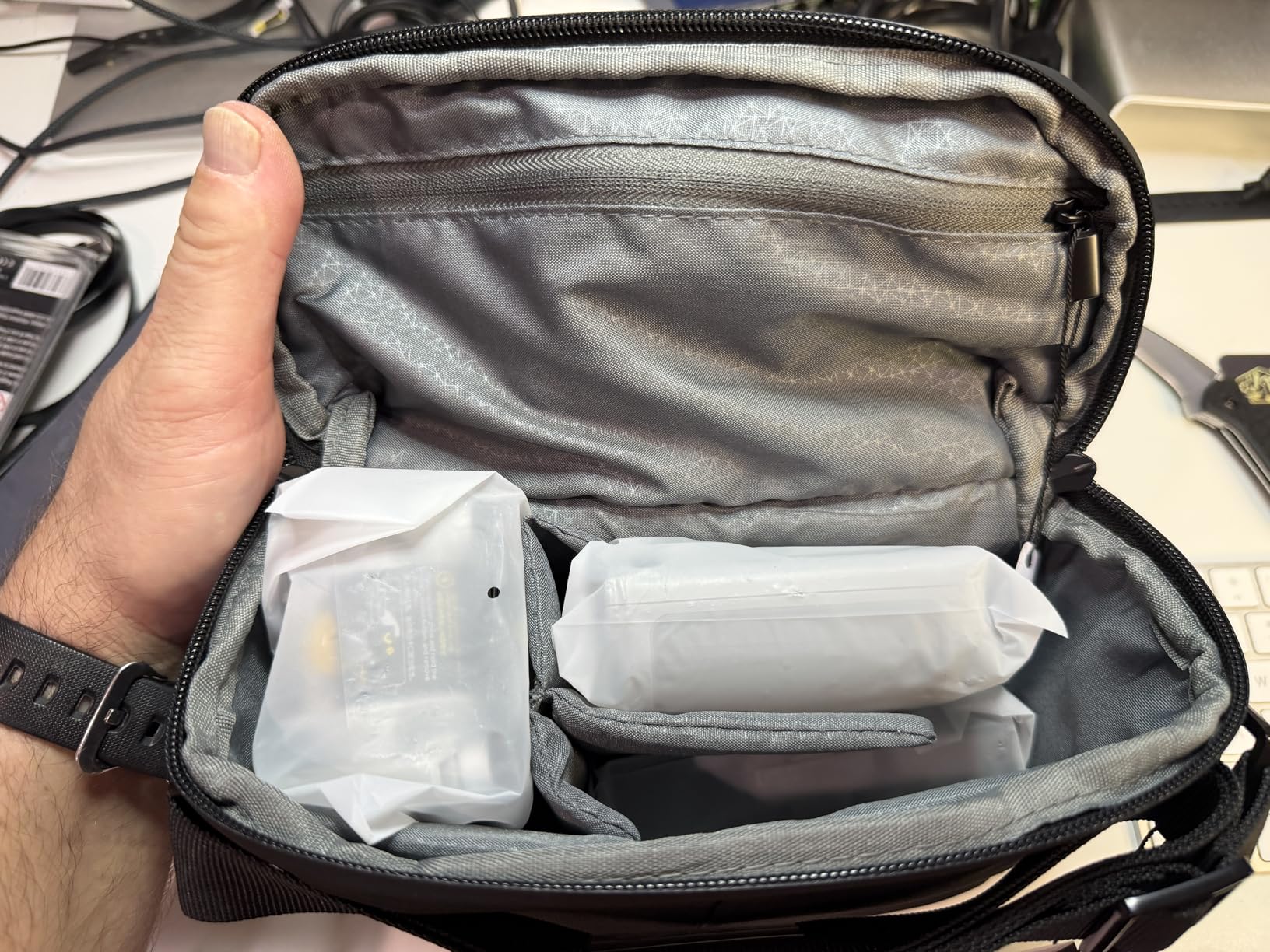
10km range means you will rarely hit transmission limits. I flew across a lake without signal degradation. The 3-axis gimbal keeps footage smooth even in moderate wind.
Under 249g eliminates FAA registration paperwork. This is ideal for casual users who want to fly without bureaucracy. Just charge and go.
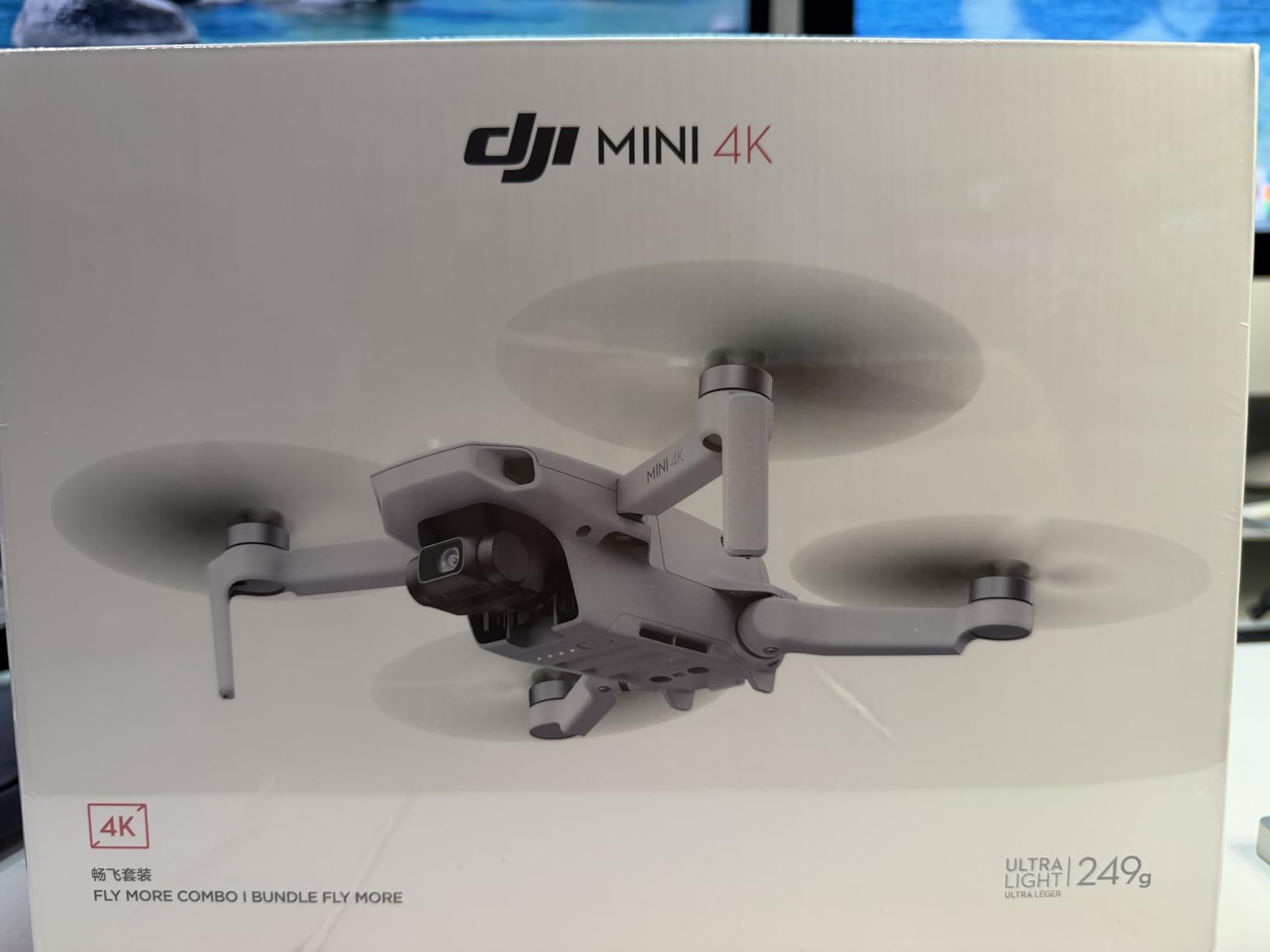
First-time drone buyers wanting a complete package. The Fly More Combo includes accessories that would cost $150+ separately.
Users needing obstacle avoidance for complex environments. Trees and power lines require careful flying without sensors.
4K UHD Camera
3-Axis Gimbal
31-Min Flight
Under 249g
The standard Mini 4K offers incredible value at under $300. You get DJI’s legendary flight stability and a true 4K camera. This is the gateway drug to aerial photography.
I taught three friends to fly using this drone. The one-tap takeoff and GPS Return to Home provide safety nets for beginners. Within an afternoon, complete novices were flying confidently.
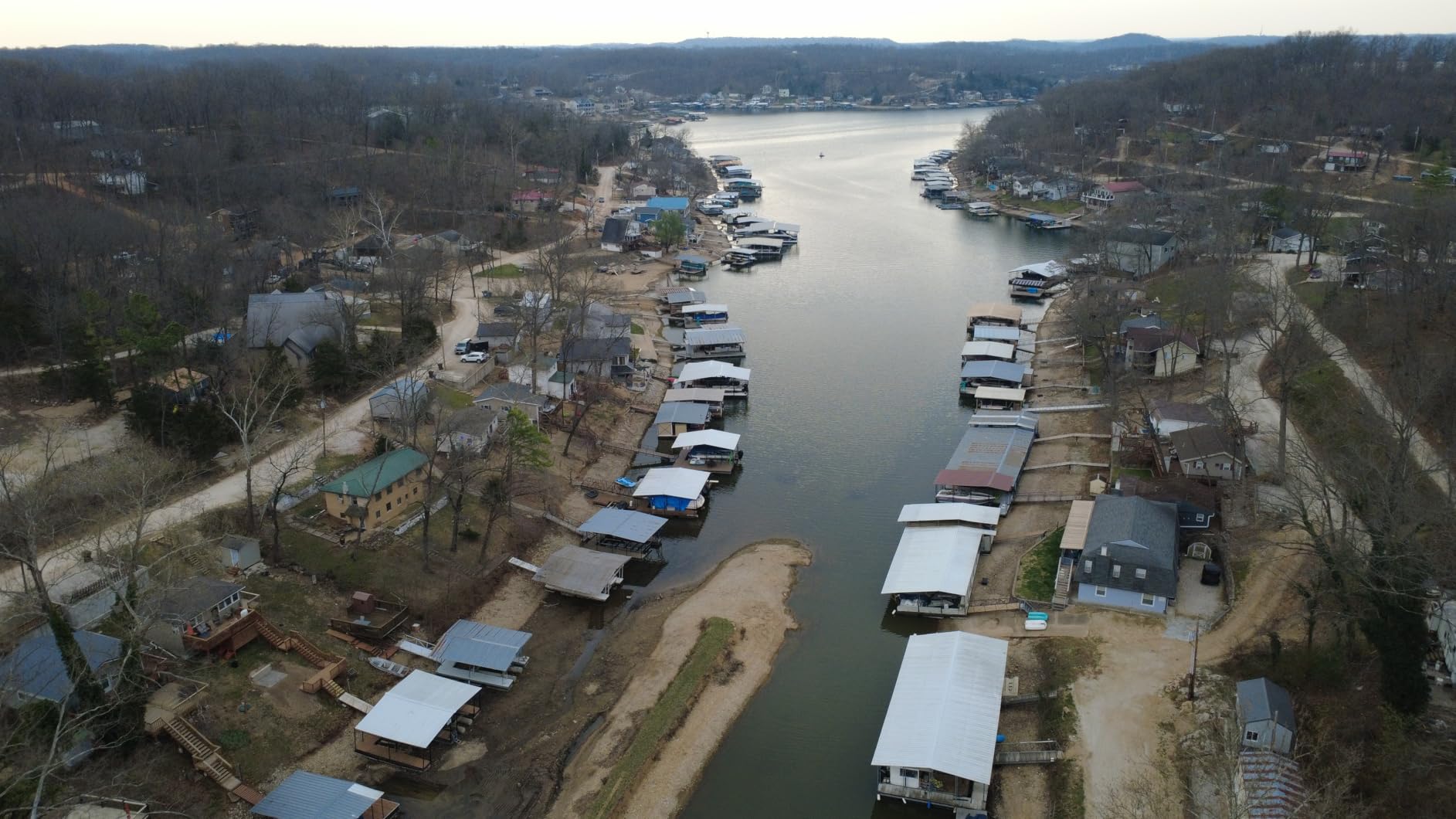
The 3-axis gimbal produces footage that looks like it came from a Steadicam. I shot walking footage that appeared to float. Level 5 wind resistance handles breezy conditions without drama.
Real-world flight time runs 20-25 minutes depending on wind and maneuvers. The advertised 31 minutes requires ideal conditions. Plan on buying extra batteries for serious shooting.
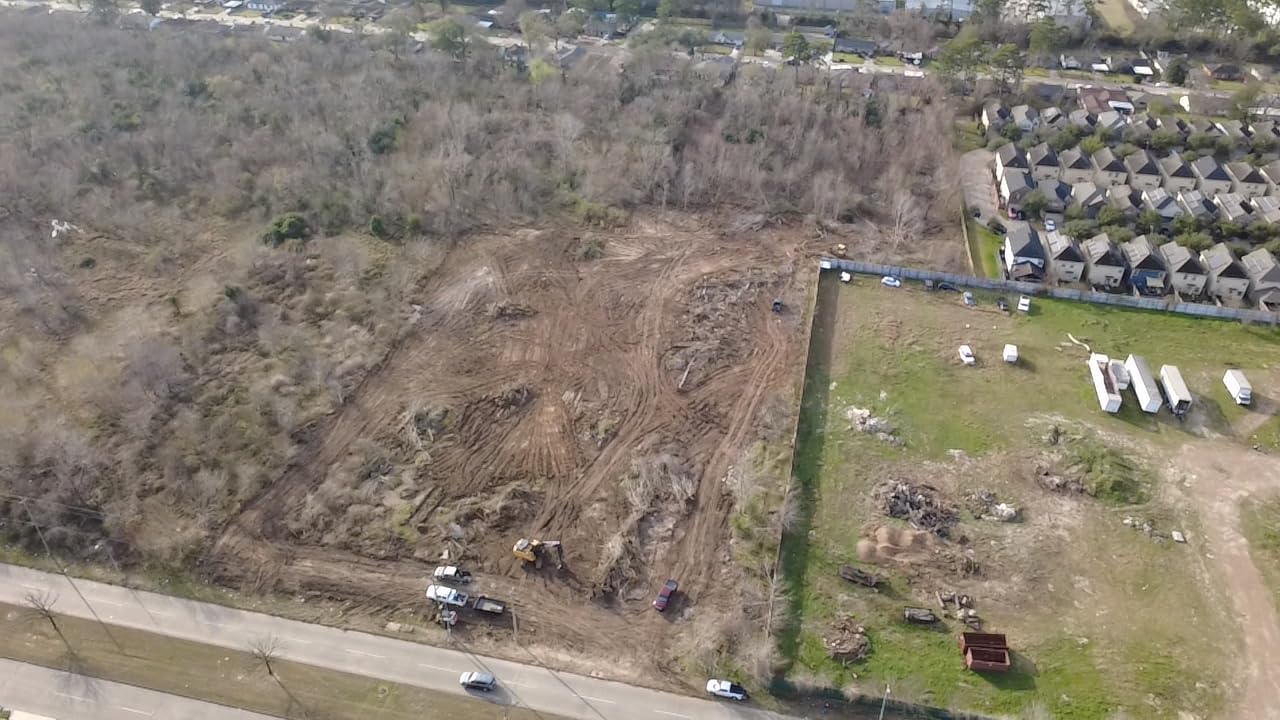
Absolute beginners testing the drone waters. The price is low enough that a crash will not devastate your wallet.
Users wanting extended flight time. The single battery limits sessions. Consider the Fly More Combo or Mini 3 instead.
135g Weight
Palm Takeoff
4K Video
Subject Tracking
The DJI Neo redefines portable aerial photography. At 135g, it weighs less than a smartphone. I carry this in my jacket pocket everywhere.
Palm takeoff is genuinely magical. Place the drone in your hand, press a button, and it launches. Landings work the same way. No runway needed.
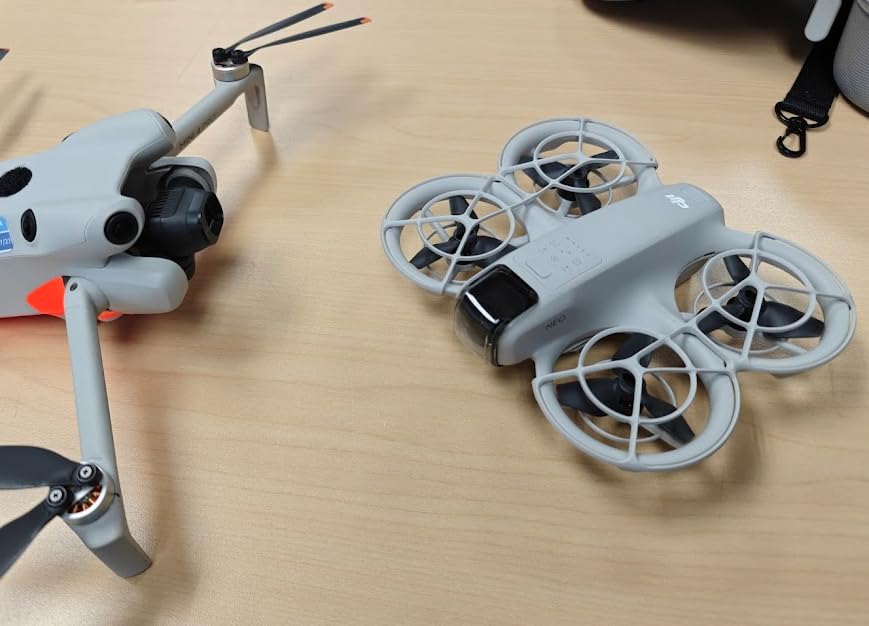
Subject tracking follows you automatically while hiking or cycling. The AI keeps you centered without manual control. This creates cinematic selfie footage impossible with static cameras.
The 4K camera uses electronic stabilization rather than a mechanical gimbal. Footage is good but not as smooth as Mini series drones. Trade-offs exist for this size.
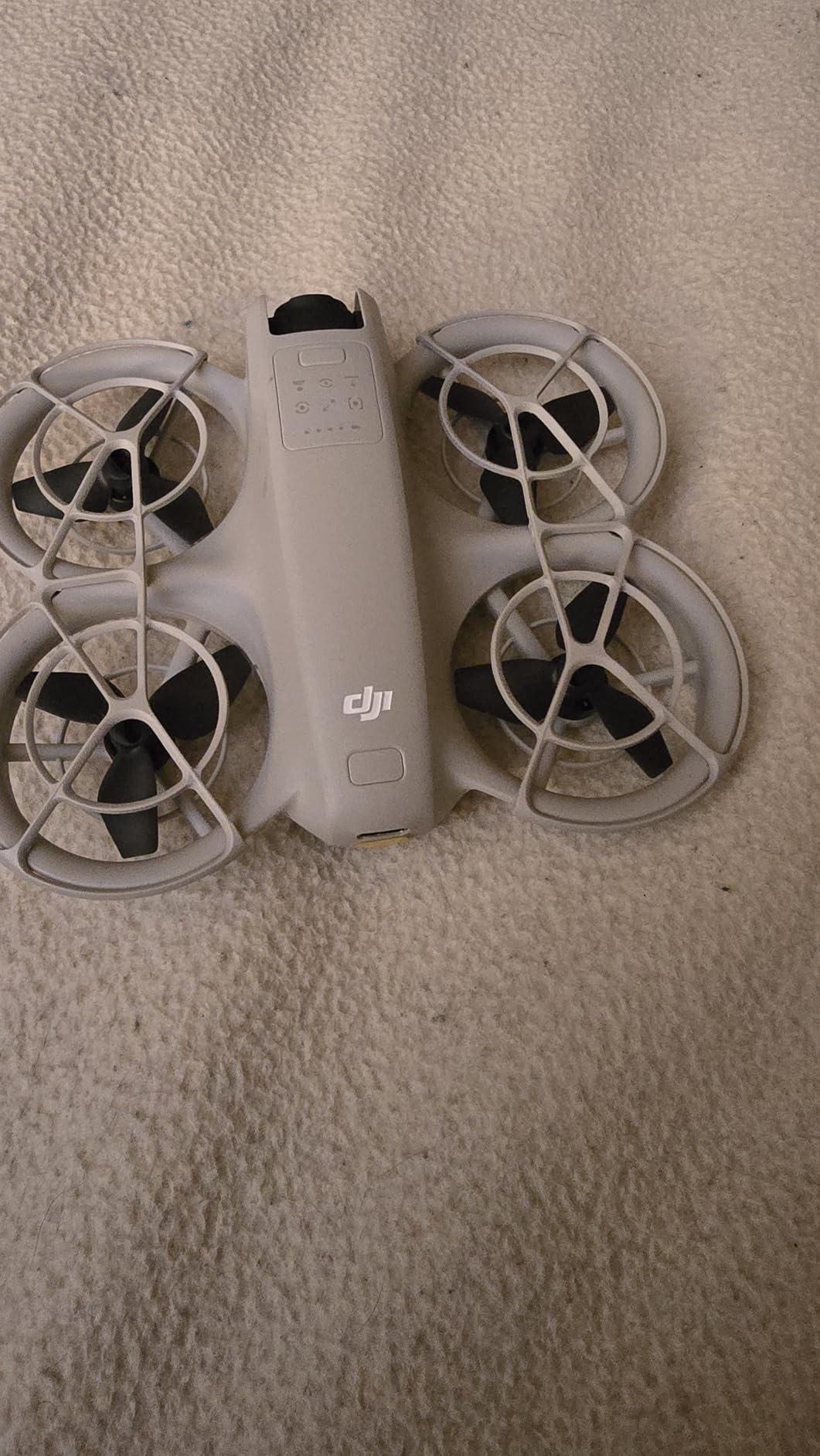
Travelers and vloggers prioritizing portability. The Neo captures perspectives impossible with phones without carrying bulky gear.
Photographers needing the smoothest footage. The electronic stabilization has limitations compared to mechanical gimbals.
4K EIS Camera
62-Min Total Flight
4km Range
Under 249g
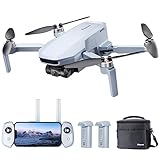
The Potensic ATOM SE proves DJI does not own the drone market. This under-$250 option delivers features matching drones costing twice as much.
Two batteries provide 62 minutes of total flight time. That outlasts many DJI models. The Sony sensor produces genuinely good 4K footage with proper color science.
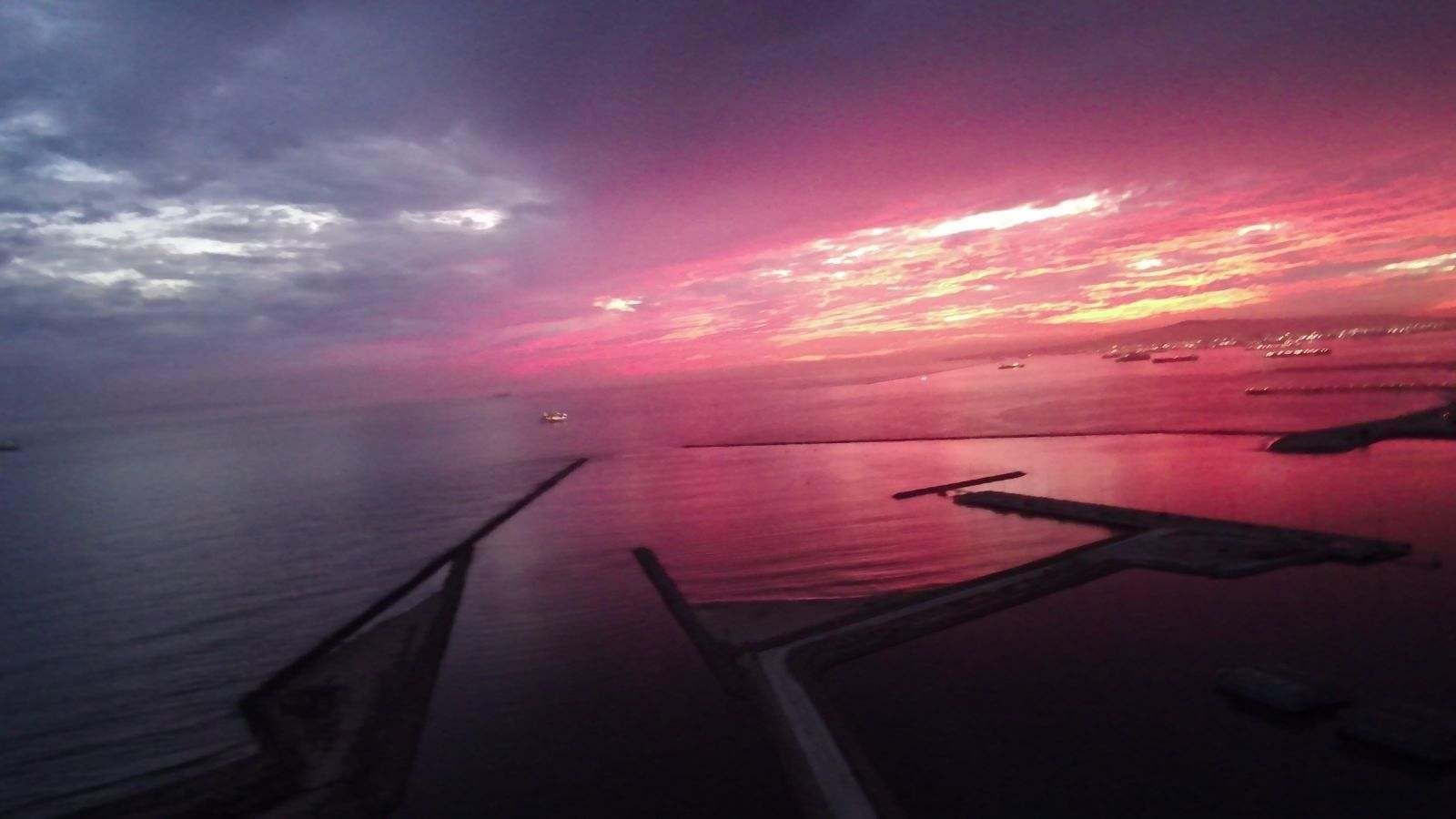
GPS Follow Me mode tracks moving subjects accurately. I tested this while cycling and the drone maintained position perfectly. Waypoint Flight automates complex routes.
Under 249g avoids registration requirements. This is a legitimate DJI alternative for budget-conscious buyers who do not want to compromise on core features.
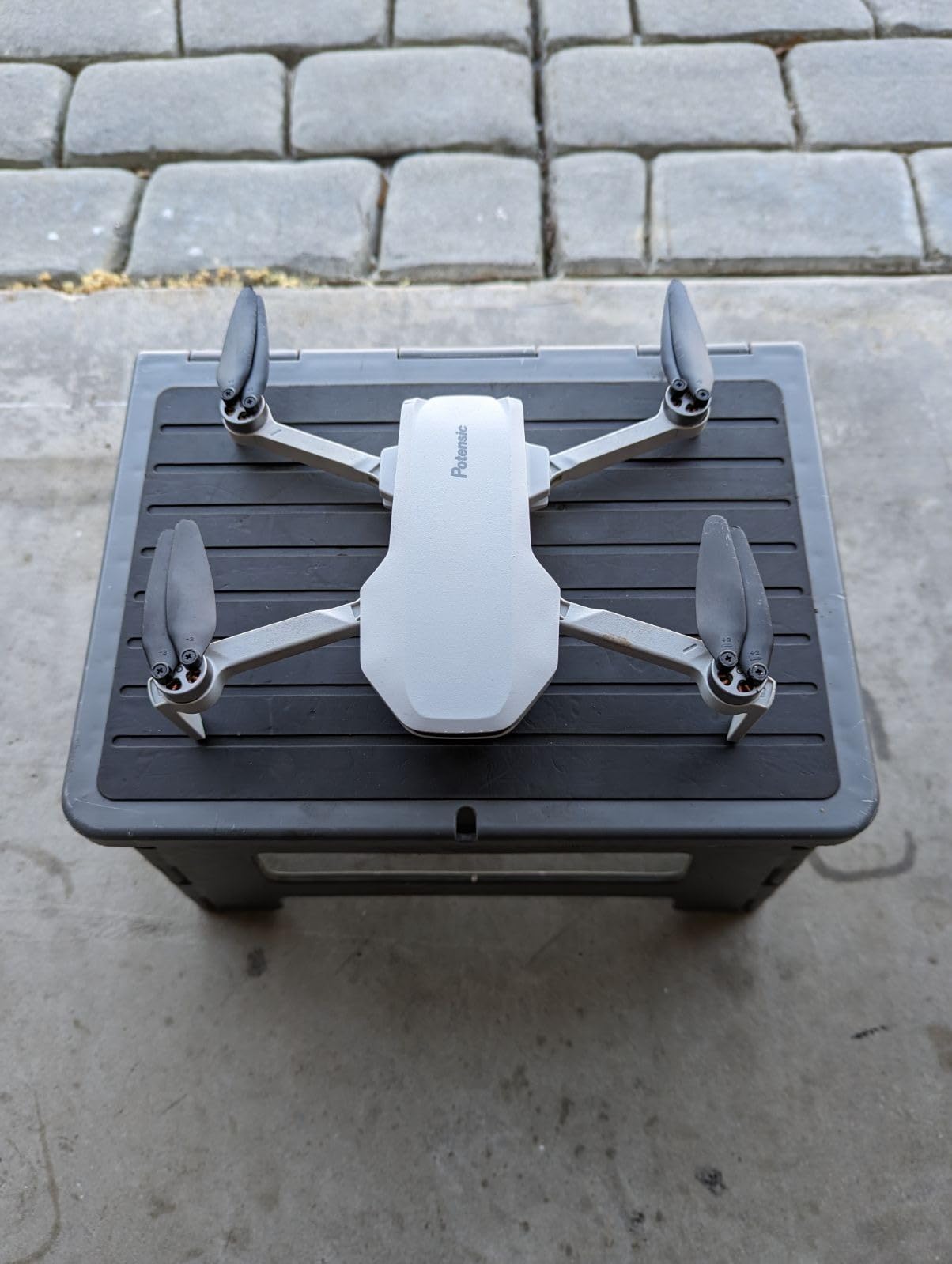
Buyers wanting DJI features without DJI prices. The ATOM SE handles recreational flying beautifully.
Professionals needing the most reliable ecosystem. DJI’s software and support network remains superior for commercial work.
4K UHD Camera
10,000ft Range
GPS Auto Return
Under 250g
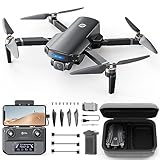
The Holy Stone HS360S offers range that embarrasses competitors. Ten thousand feet of control distance means you will rarely hit limits.
GPS positioning maintains rock-solid hover without drift. Beginners can pause and compose shots without fighting the controls. The optical flow backup works indoors without GPS.
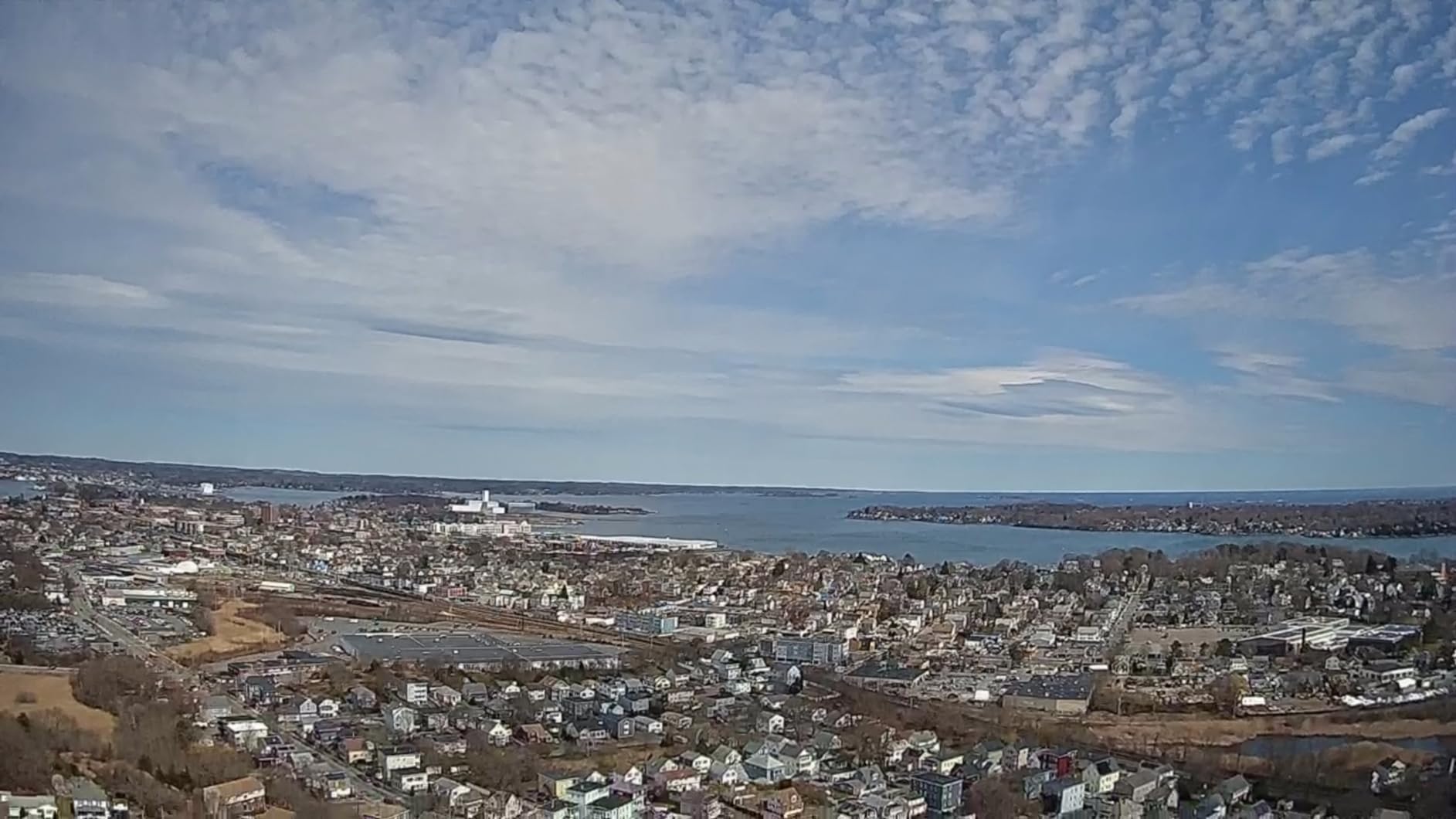
The 4K video quality satisfies casual users, though 8MP stills lag behind 12MP competitors. For social media, the difference is negligible.
At 213g, registration is not required. The foldable design fits in the included case for travel.
Pilots wanting maximum range for exploration. The 10,000-foot capability suits large property surveying and open landscape work.
Photographers prioritizing still image resolution. The 8MP sensor produces smaller files than 12MP alternatives.
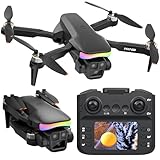
1080P Camera
Screen Controller
LED Night Lights
Optical Flow
The FAKJANK F417PRO eliminates phone dependency with a controller featuring a built-in screen. This simplifies setup dramatically.
LED lights enable night flying visibility. The drone glows in the dark, making orientation easy. Optical flow positioning maintains hover without GPS.
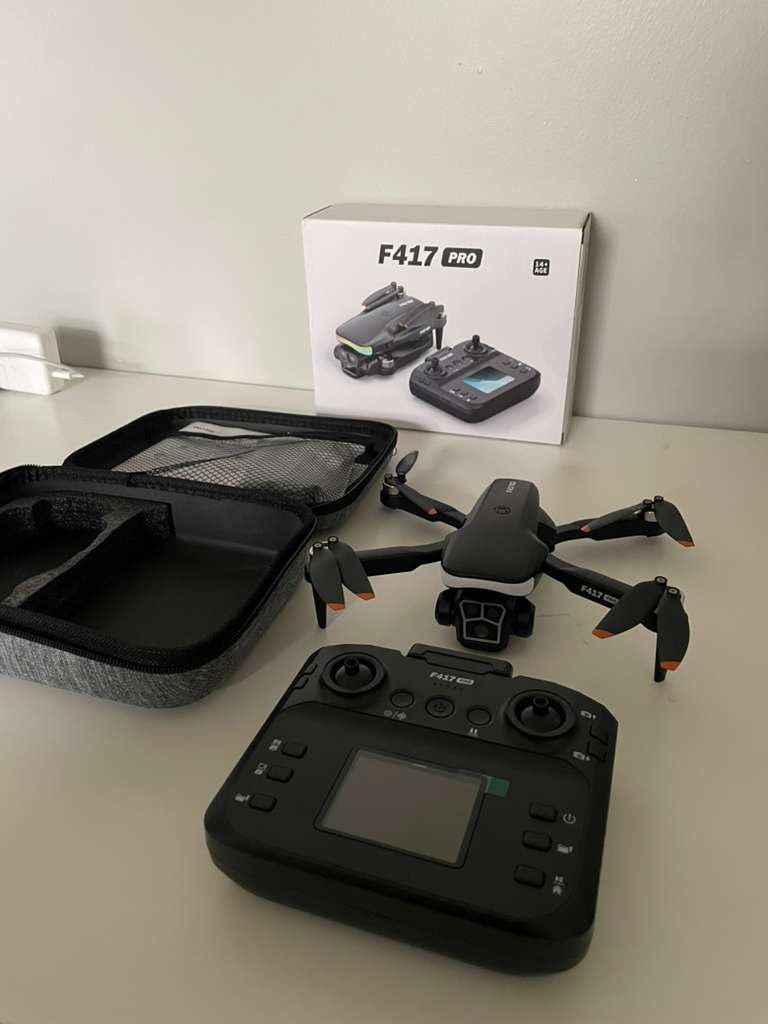
At 145g, this is truly portable. The 1080P camera suits casual use and social sharing. Do not expect cinema quality, but footage looks fine on phones.
The dual 90-degree lens offers flexibility for different shots. The included micro SD card gets you flying immediately.
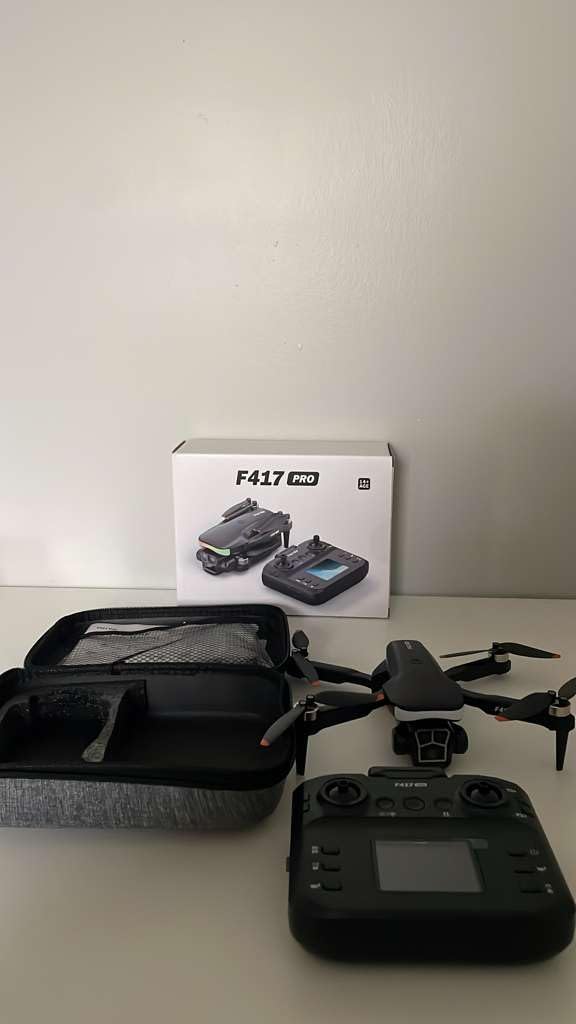
Users frustrated by phone-based drone apps. The dedicated screen just works without app hassles.
Users demanding 4K resolution. This is a 1080P drone priced accordingly.
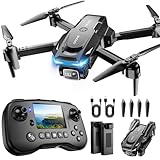
1080P HD Camera
Brushless Motors
Screen Remote
25-Min Flight
The RELIDOL PK01 brings brushless motor durability to budget drones. These motors last longer and run quieter than brushed alternatives.
The built-in screen remote eliminates phone connection headaches. Two batteries provide 25 minutes of total flight time. Propeller guards and emergency stop add safety for beginners.
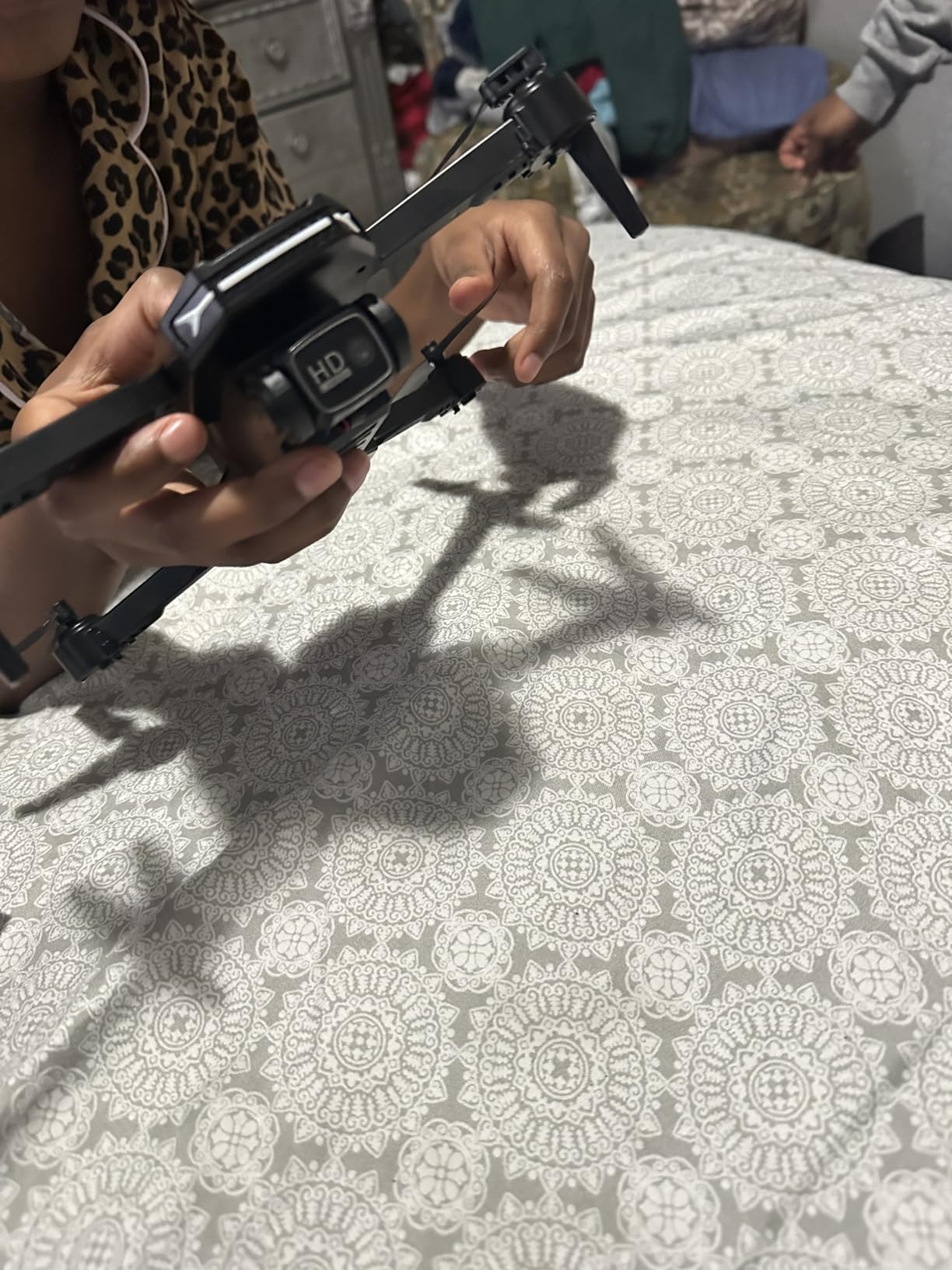
Gesture control snaps photos with hand waves. This is fun for group shots where you want to be in the frame.
The 30-meter range limits this to backyard flying. This is not a long-range explorer, but perfect for learning.
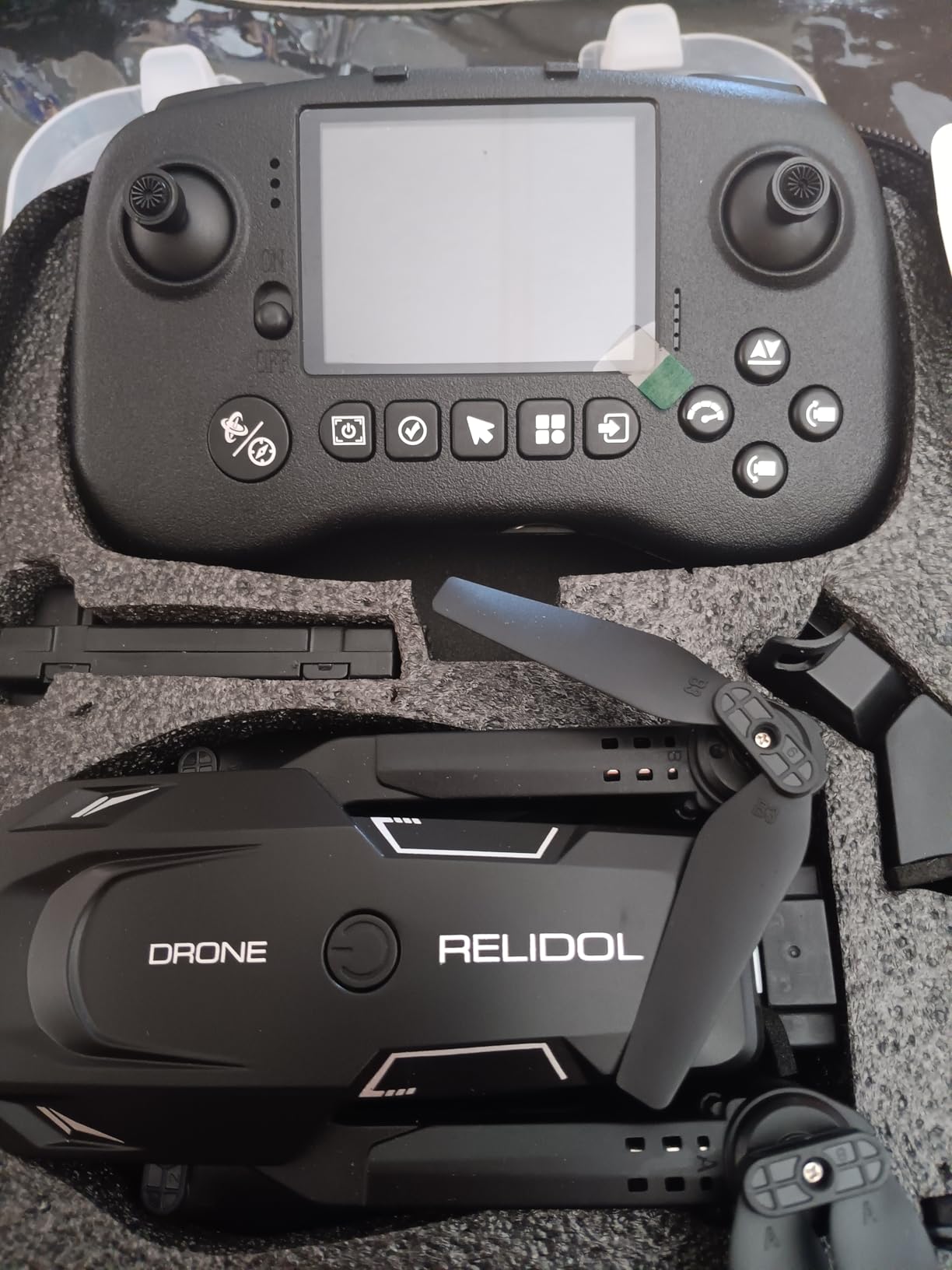
Parents buying a first drone for kids. The safety features and durable motors survive crashes.
Users wanting serious range or 4K video. This is a beginner toy, not a serious camera platform.
1080P Camera
Shark Design
20-Min Flight
Beginner Modes
The FLYVISTA V88 wins on personality. The shark-shaped design delights kids and stands out from generic quadcopters.
One-click takeoff and landing simplifies operation. Headless mode removes orientation confusion for beginners. The 1080P camera captures decent footage for the price.
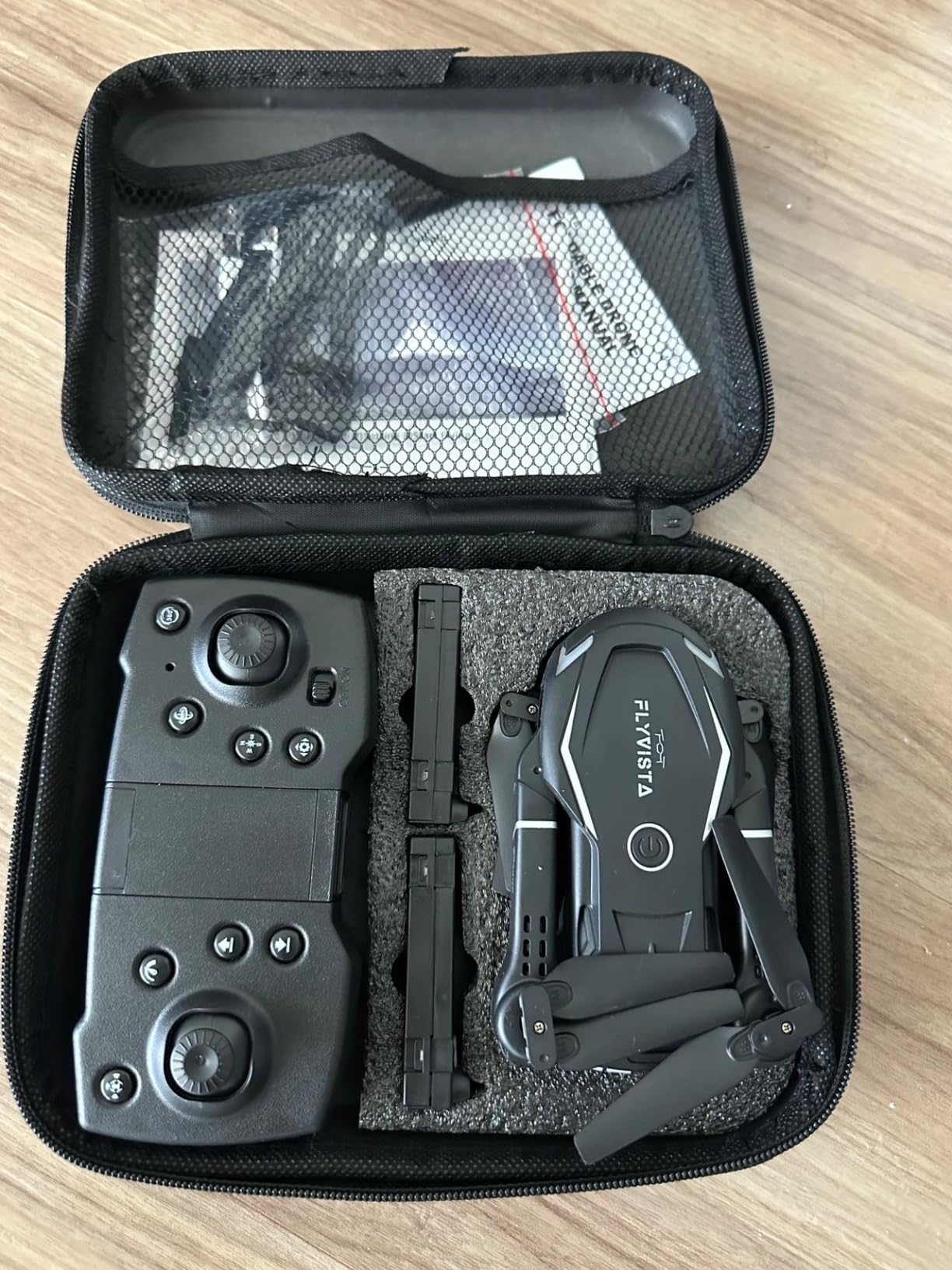
Two batteries provide approximately 20 minutes of flight. The included carrying case protects the drone during transport.
Some users report drift and connectivity issues. This is a budget toy-grade drone, not a precision instrument.
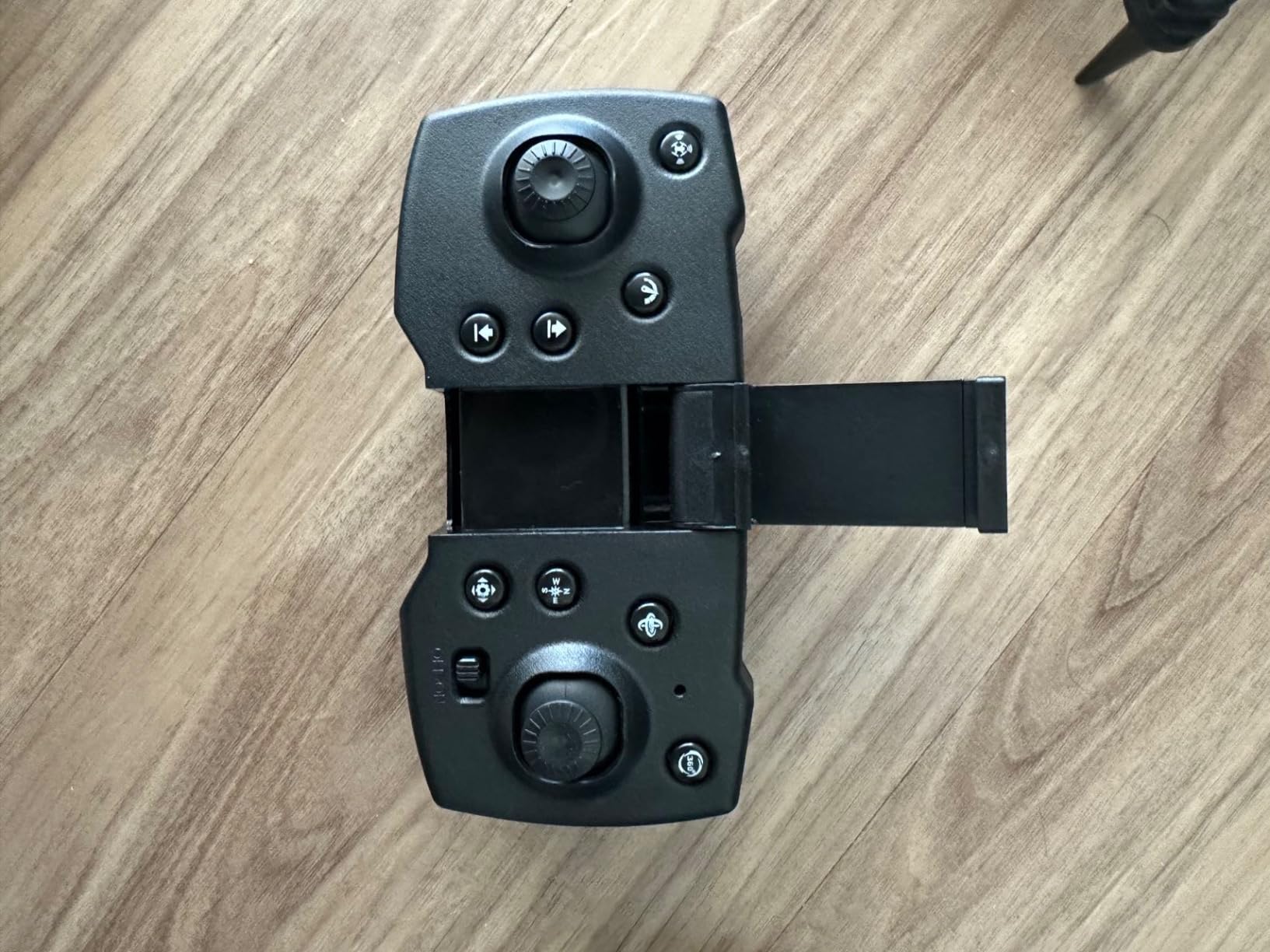
Parents seeking an affordable first drone for children. The shark design makes it a fun gift.
Serious photographers or videographers. The camera quality and stability lag behind DJI alternatives.

1080P HD Camera
Foldable Design
24-Min Flight
Gesture Selfie
The Pallton X80 combines portability with beginner-friendly features. The foldable design shrinks to pocket size for travel.
Gesture control snaps photos when you wave. This is genuinely useful for solo travelers wanting photos of themselves. Three speed settings let beginners start slow and progress.
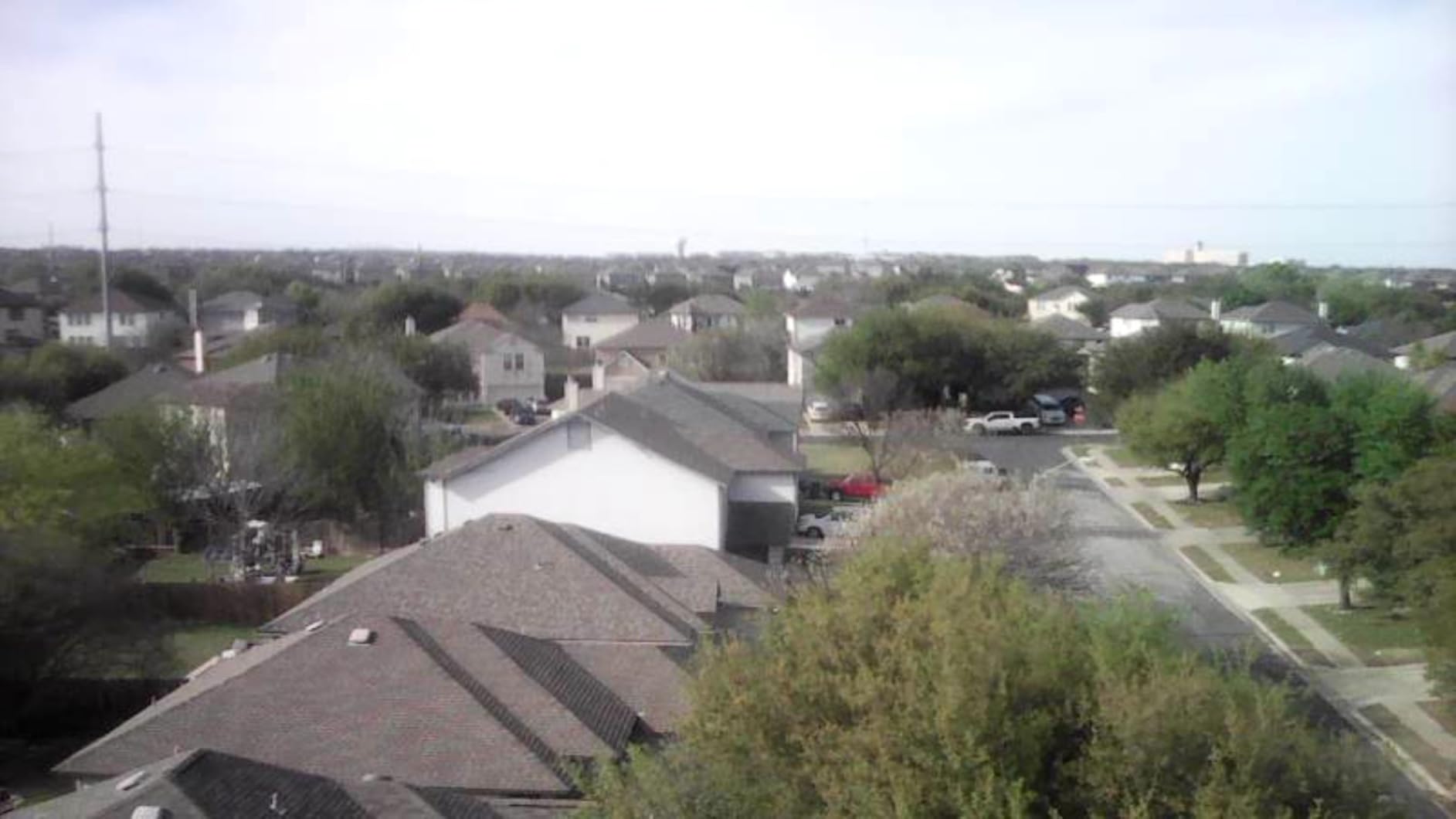
Propeller guards add crash protection. The included carrying case organizes everything. Two batteries provide extended flying sessions.
Some users report actual flight time falls short of 24-minute claims. Expect 15-18 minutes per battery in real conditions.
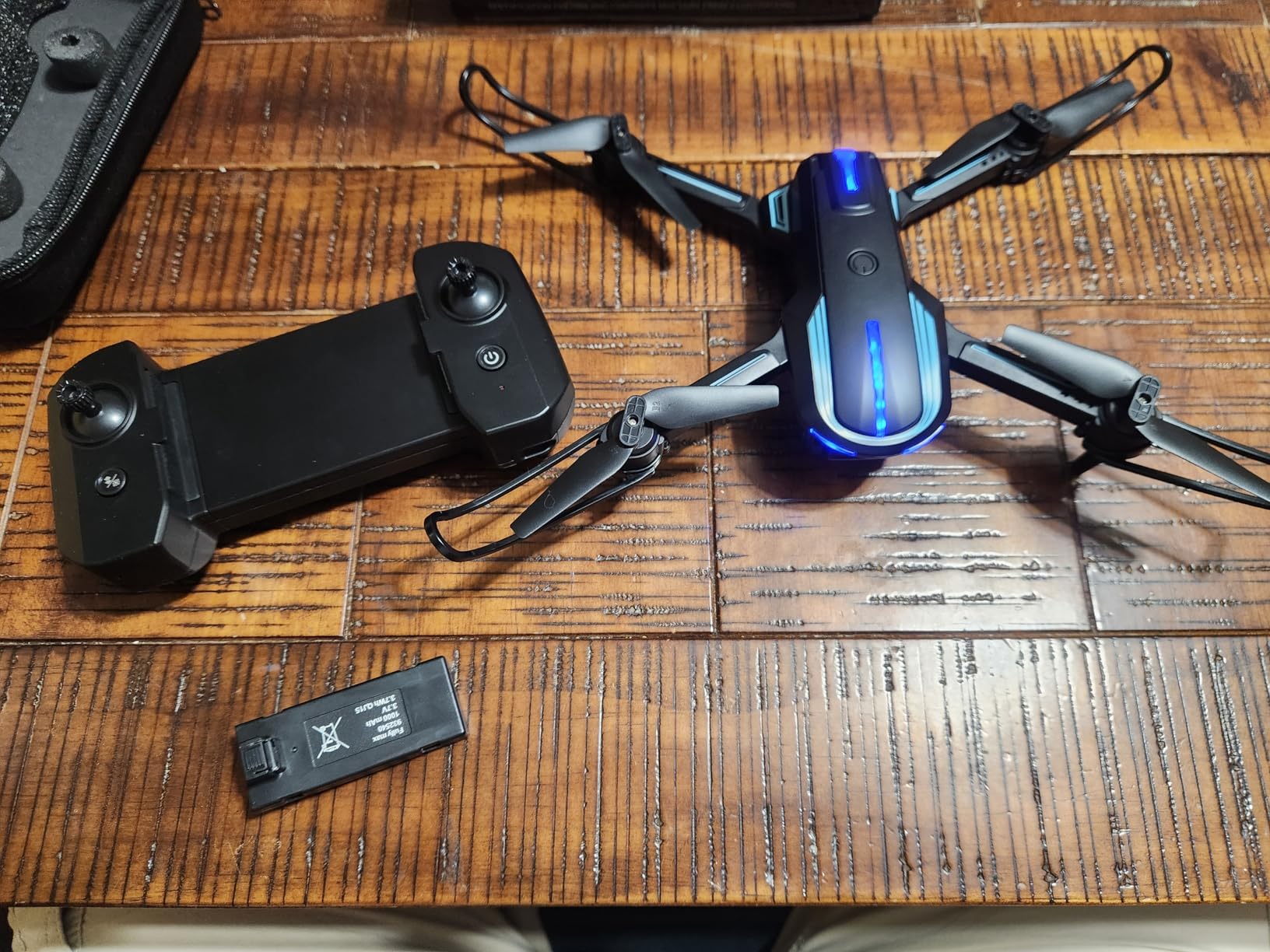
Travelers wanting an ultra-portable drone for casual photography. The foldable design fits anywhere.
Users demanding 4K video quality. This is a 1080P recreational drone.

2K HD Camera
26-Min Flight
Under 250g
Optical Flow
The Loiley X69 offers the highest resolution in the budget category with 2K video. This beats the 1080P typical at this price.
Optical flow positioning maintains stable hover for cleaner footage. The 90-degree adjustable camera angle frames shots properly. Two batteries extend flying sessions.
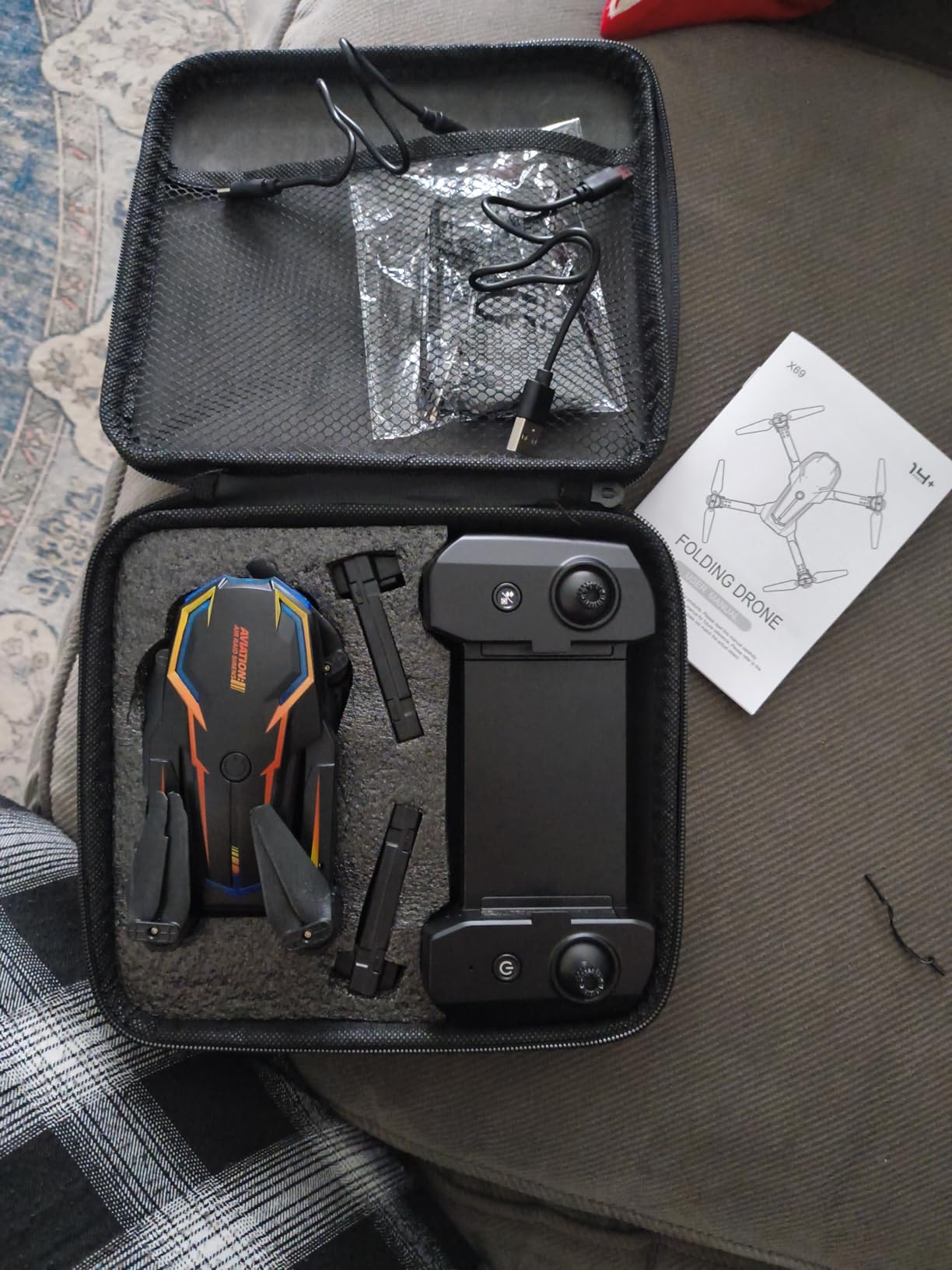
At 1.1 pounds total weight, this stays under the 250g registration threshold. Beginners can start flying immediately without FAA paperwork.
The WiFi connection requires disconnecting from your home network. This is inconvenient but common in budget drones using direct phone connections.
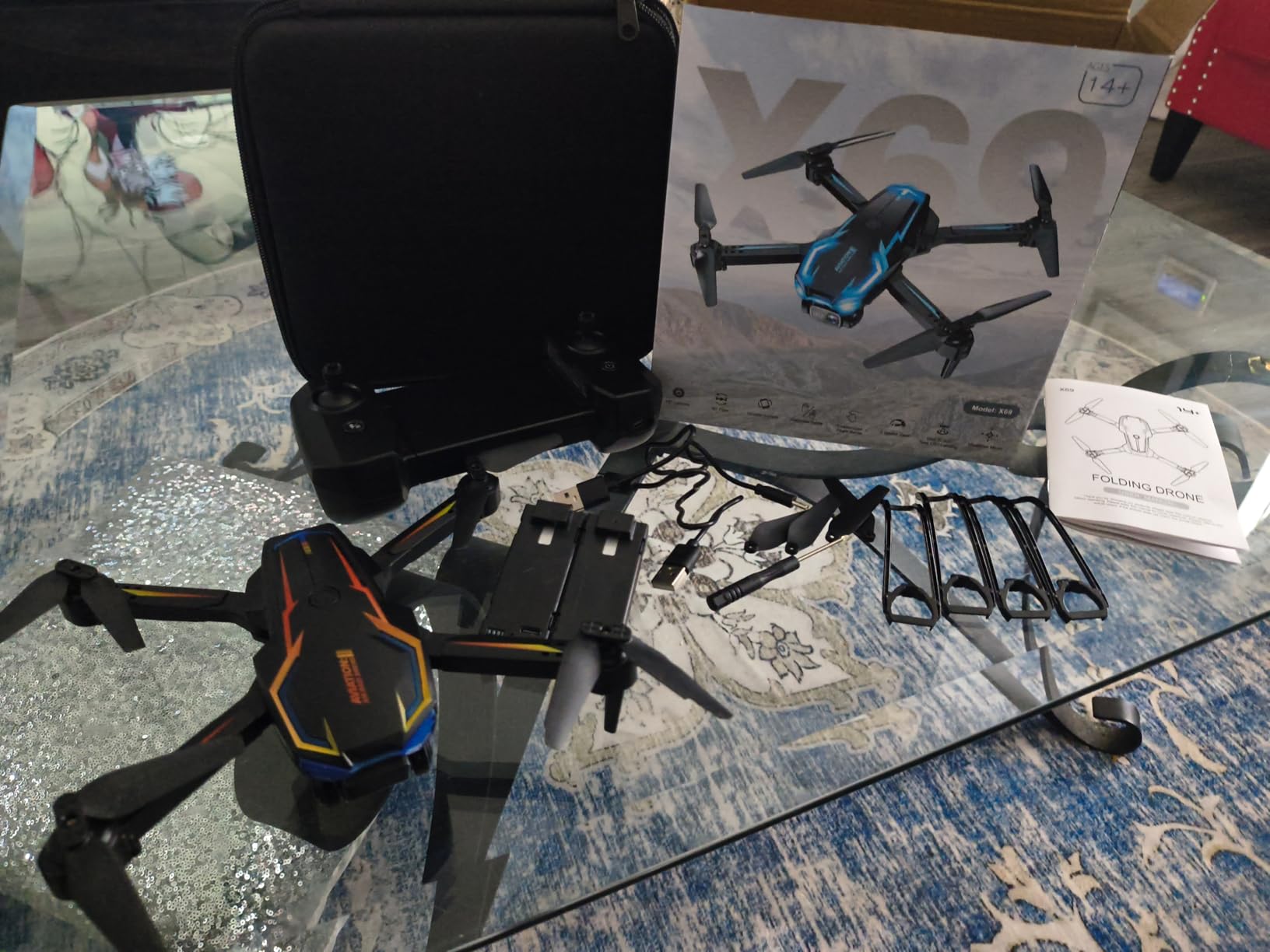
Absolute beginners wanting the cheapest entry into aerial photography. The 2K camera outperforms 1080P alternatives.
Users wanting reliable long-range control or advanced features. This is a basic starter drone.
After reviewing 15 drones, certain factors matter more than others. Here is what to prioritize when buying your first or next camera drone.
4K has become the standard for serious work. All DJI models on this list shoot 4K, and even budget options now offer 1080P minimum. For professional photography, look for larger sensors like the 1-inch CMOS in the Mini 5 Pro and Mavic 4 Pro.
Higher megapixels matter for still photography. The Mavic 4 Pro’s 100MP Hasselblad sensor produces images suitable for large prints. Most users are satisfied with 12MP from Mini series drones.
Real-world flight time always falls short of manufacturer claims. Expect 20-25 minutes from advertised 30-minute drones. Professional models like the Mavic 4 Pro deliver genuine 45+ minute flights.
Buying the Fly More Combo with extra batteries is almost always worth it. Three batteries provide 60-90 minutes of actual flying time. Nothing is worse than packing up after 20 minutes because your only battery died.
In the United States, drones under 250g do not require FAA registration for recreational use. This includes the Mini 4K, Neo, and most budget options on our list.
Heavier drones like the Air 3S (724g) and Mavic 4 Pro (2372g) require registration and adherence to stricter regulations. Consider whether the extra features justify the paperwork.
Basic drones lack obstacle sensors. You must maintain visual awareness and manually avoid trees, buildings, and power lines. This works fine in open areas but creates risk in complex environments.
The Mini 5 Pro, Air 3S, and Mavic 4 Pro feature omnidirectional obstacle sensing. Forward-facing LiDAR on premium models works even in low light. For beginners, obstacle avoidance provides valuable peace of mind.
DJI’s OcuSync technology provides 10km+ range with minimal interference. Budget drones typically manage 100-500 meters. Consider your use case. Most photographers rarely fly beyond visual line of sight anyway.
The Holy Stone HS360S is an exception, offering 10,000-foot range at a budget price. This suits users wanting to explore large properties or open landscapes.
Many readers ask whether DJI drones face bans in the United States. As of 2026, DJI drones remain legal to purchase and fly. Proposed legislation has not passed Congress.
The FCC has added DJI to a list of companies requiring additional scrutiny, but this does not affect consumer purchases. Some government agencies have restricted DJI use for sensitive operations, but recreational and commercial use continues normally.
If you are concerned about future restrictions, consider alternatives like the Potensic ATOM SE or Holy Stone models. However, DJI’s ecosystem and reliability remain unmatched for most users.
The DJI Mavic 4 Pro is currently the best camera drone for professionals with its 100MP Hasselblad camera and 6K video. For most users, the DJI Air 3S offers the best balance of features and value with dual cameras and 45-minute flight time. Beginners should consider the DJI Mini 4K for under $300.
As of 2026, DJI drones remain legal to purchase and fly in the United States. While proposed legislation exists, no ban has been enacted. Some government agencies have restricted DJI for sensitive operations, but consumer and commercial use continues normally.
The 1:1 rule refers to maintaining visual line of sight while flying. You should keep your drone close enough to see it clearly and observe surrounding airspace. This is a safety guideline, not a specific distance measurement.
In the US, drones under 250g used recreationally do not require FAA registration. Heavier drones and any drone used commercially must be registered. Check the drone specifications as most Mini series drones fall under the threshold.
Decent photography drones start around $300 for 4K models like the DJI Mini 4K. Mid-range options with better features cost $500-800. Professional drones with large sensors and obstacle avoidance range from $1000-2500. Budget options under $100 provide entry-level 1080P cameras suitable for learning.
The best drones with cameras in 2026 offer incredible value across all price ranges. From the professional Mavic 4 Pro to the budget-friendly Loiley X69, there is a camera drone for every need and budget.
Our top recommendation remains the DJI Air 3S for most users. The dual camera system, 45-minute flight time, and omnidirectional obstacle sensing justify the investment. Beginners should start with the Mini 4K, while professionals will appreciate the Mavic 4 Pro’s image quality.
Consider your priorities: camera quality, flight time, portability, or obstacle avoidance. The 15 drones reviewed here cover every combination of these factors. Happy flying, and capture something amazing.