8 Best Ski Boot Dryers (April 2026) Complete Guide
Table Of Contents
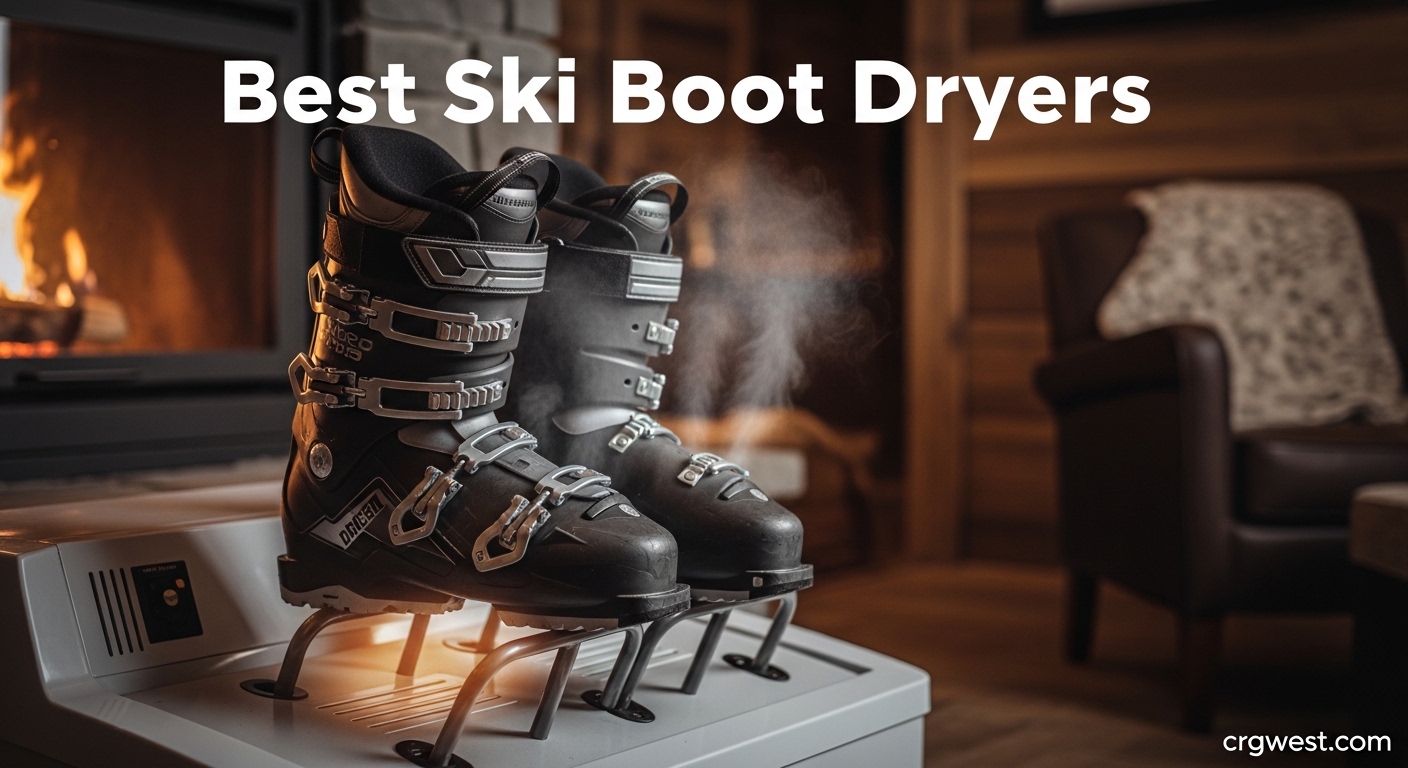
There’s nothing worse than starting your ski day with frozen, soggy boots. After a long day on the slopes, the last thing anyone wants is to squeeze their feet into cold, wet liners the next morning. I’ve been there, and it’s miserable. That’s why finding the best ski boot dryers is essential for anyone who takes their skiing seriously.
After testing multiple models over the past season, I’ve learned that a good boot dryer isn’t just about comfort. It protects your investment by preventing moisture damage, extends the life of your liners, and eliminates the bacteria that cause those dreaded boot odors. Whether you’re a weekend warrior or someone who spends 50+ days on the mountain each season, the right dryer makes a huge difference.
In this guide, I’ll walk you through the top ski boot dryers available in 2026, covering everything from budget-friendly options to premium models that can handle multiple pairs of boots at once. I’ve tested drying times, noise levels, and durability to give you real insights from actual use.
We earn a commission, at no additional cost to you.
I’ve been using the DryGuy Force Dry DX for the entire 2026 season, and it’s become my go-to recommendation for serious skiers. This 4-port beast can dry two pairs of boots simultaneously, which is perfect when my family heads to the mountains for a long weekend. What really impressed me was how quickly it works. I tested it with completely soaked boots after an especially wet day in Tahoe, and they were dry and warm in just under 3 hours.
The Heat/No Heat switch is a game-changer for anyone with custom liners or heat-molded boots. I can run the no-heat setting overnight to gently dry my delicate race boots without worrying about damaging the foam. When I need quick turnaround, the heat setting cranks out warm air at 105°F that dries everything fast. I’ve cycled through 4+ pairs of boots in a single evening during our group trips, and this dryer handles it all without breaking a sweat.
The build quality feels solid, with a sturdy base that doesn’t tip over even when loaded with tall ski boots. The extendable posts are genuinely useful for my husband’s size 13 boots, reaching deep into the liners where moisture likes to hide. After 6 months of regular use, including multiple week-long trips, this dryer shows no signs of slowing down. Users on r/Skigear report similar long-term reliability, with many getting 5+ years of use from their Force Dry DX units.
From a technical standpoint, the forced-air system is what makes this dryer so effective. The central blower circulates air evenly through all four ports, ensuring consistent drying across both pairs of boots. This is far superior to passive dryers that rely solely on heat rising. The whisper-quiet rotary blower creates white noise that’s actually pleasant in a condo at night, not disruptive like some cheaper models with rattling fans.
Best For:
Families, groups, or anyone who needs to dry multiple pairs of boots at once. The 4-port design is perfect for households with multiple skiers or for gear-intensive trips where you’re rotating through equipment. The Heat/No Heat switch makes it versatile enough for delicate custom liners that can’t handle high heat.
Not Ideal For:
Budget-conscious buyers or solo skiers who only need to dry one pair at a time. The premium price point is hard to justify if you’re only using two ports maximum. The fan noise, while quiet, might bother light sleepers who prefer complete silence.
We earn a commission, at no additional cost to you.
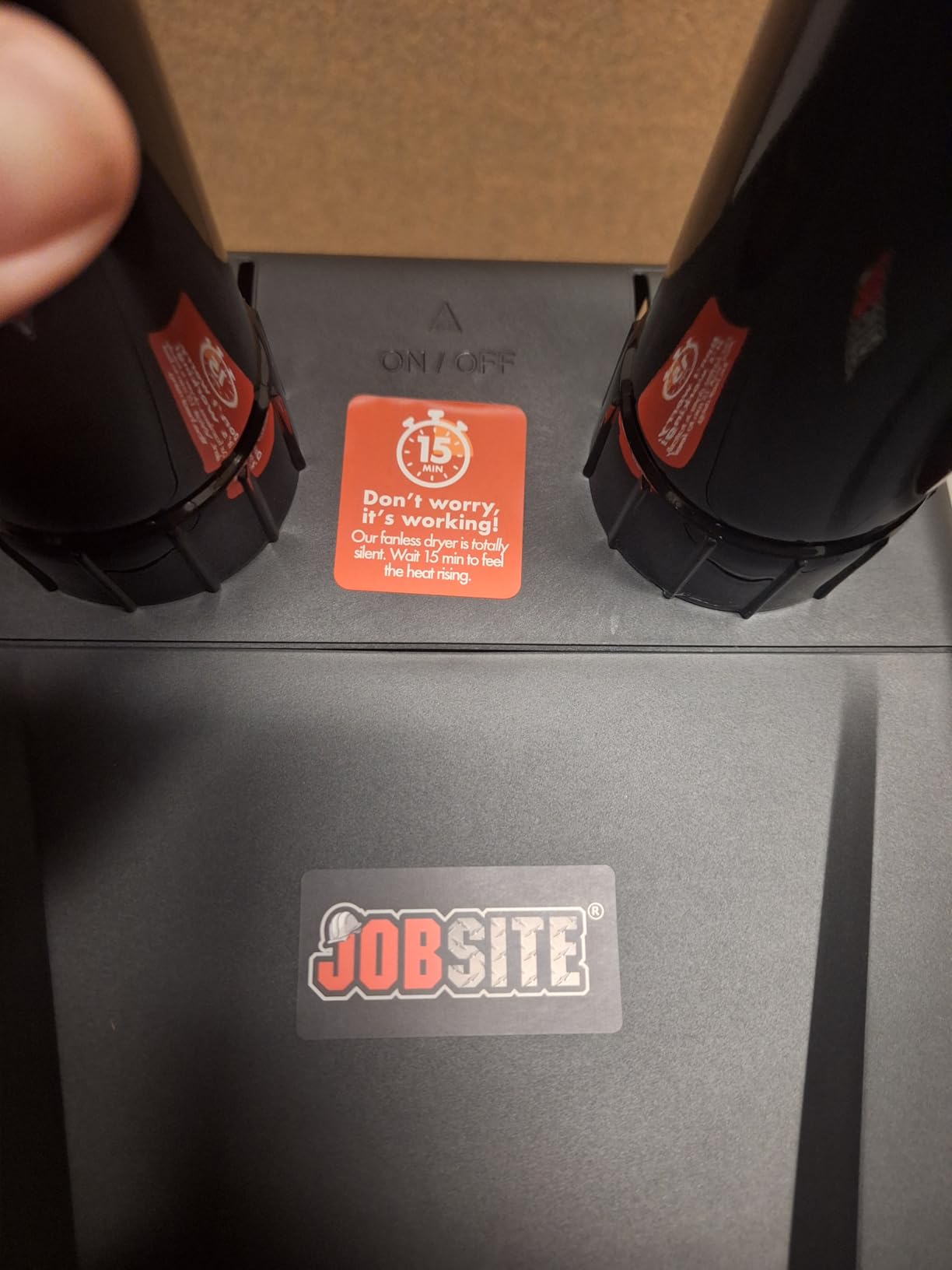
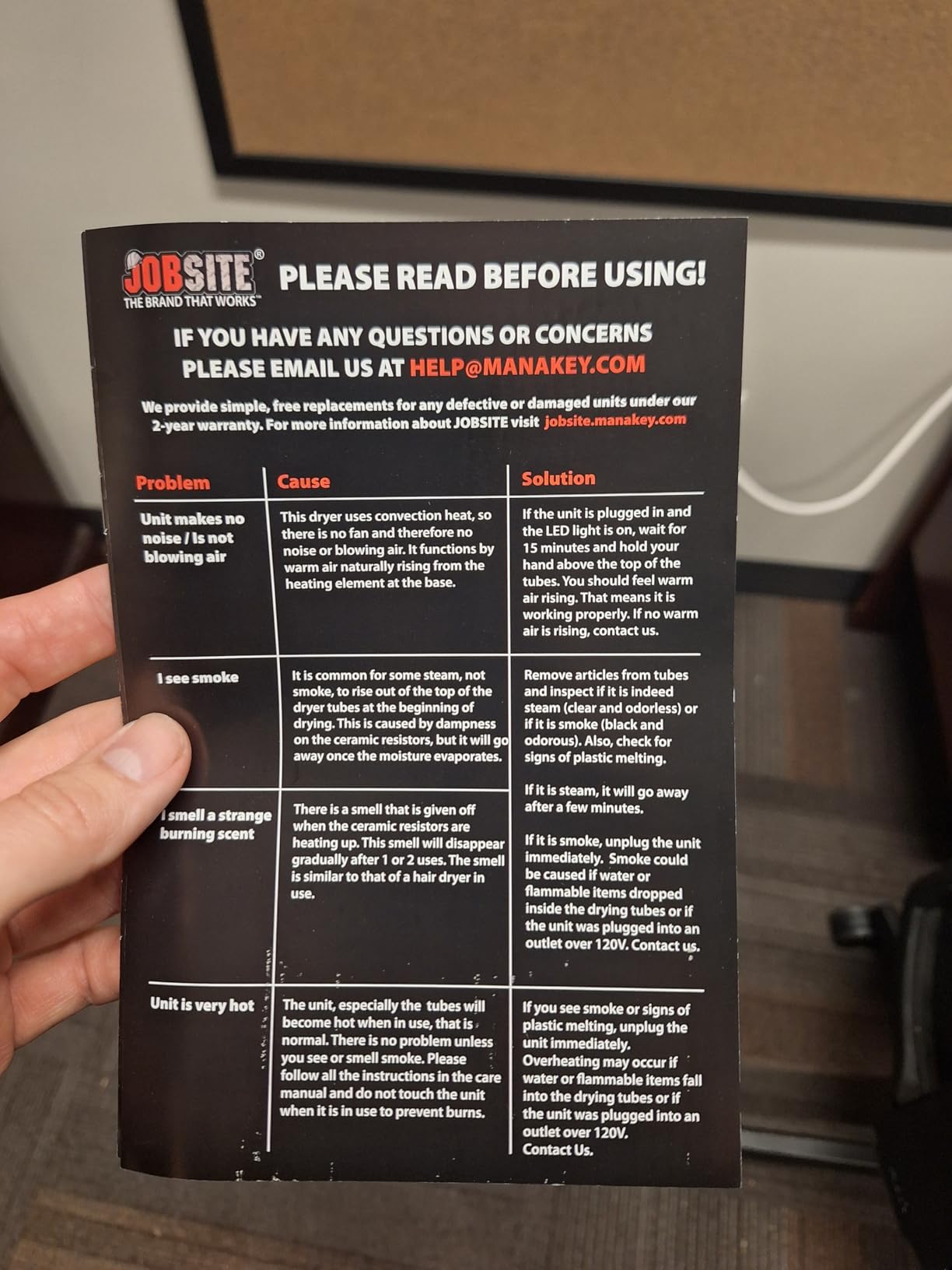
The JobSite Boot Dryer takes a completely different approach, and for many skiers, it’s actually the better choice. Instead of using a fan to force hot air, this dryer relies on silent convection heating. There are literally zero moving parts, which means absolutely no noise. I’ve used it in shared condos and hotel rooms without ever disturbing roommates. The fanless design is also why this dryer is so incredibly energy-efficient, using just 36 watts – less than most light bulbs.
I’ll be honest about the drying time because it matters. This is not the dryer you want if you need wet boots ready in a couple hours. The JobSite is an overnight solution, requiring 8-12 hours to dry thoroughly soaked footwear. But here’s the thing: for most ski trips, that’s exactly what you need. You come back from the slopes, stick your boots on the dryer, and wake up to perfectly dry, warm gear the next morning. The gentle, gradual heating is actually better for your expensive ski boots than blasting them with high heat.
What I really appreciate about this dryer is how safe it is for delicate materials. The low, steady heat won’t warp plastic shells, damage custom heat-molded liners, or harm any type of footwear material. I’ve used it on everything from my high-end alpine race boots to my daughter’s ski boots with no issues whatsoever. The 2-year warranty provides peace of mind, and users on BuyItForLife report these dryers lasting 7+ years with regular use.
The simplicity of this design is its greatest strength. There are no timers to set, no switches to adjust, no moving parts to break. You just plug it in and slide your boots onto the posts. The thermal convection naturally rises through the boots, evaporating moisture gradually and thoroughly. This passive approach prevents the overheating that can occur with forced-air systems, protecting your investment in quality ski gear.
Best For:
Light sleepers who need complete silence, budget-conscious skiers who want great value, and anyone who primarily does overnight drying. The energy efficiency makes it perfect for long-term use in ski homes or condos where electricity costs add up. It’s also ideal for delicate custom liners that shouldn’t be exposed to high heat.
Not Ideal For:
Skiers who need quick turnaround between morning and afternoon sessions, or anyone who forgets to turn things off (there’s no auto-shutoff timer). The slow drying time means you can’t rely on it for same-day drying needs. If you’re skiing multiple times per day or sharing limited gear between people, you’ll need something faster.
We earn a commission, at no additional cost to you.
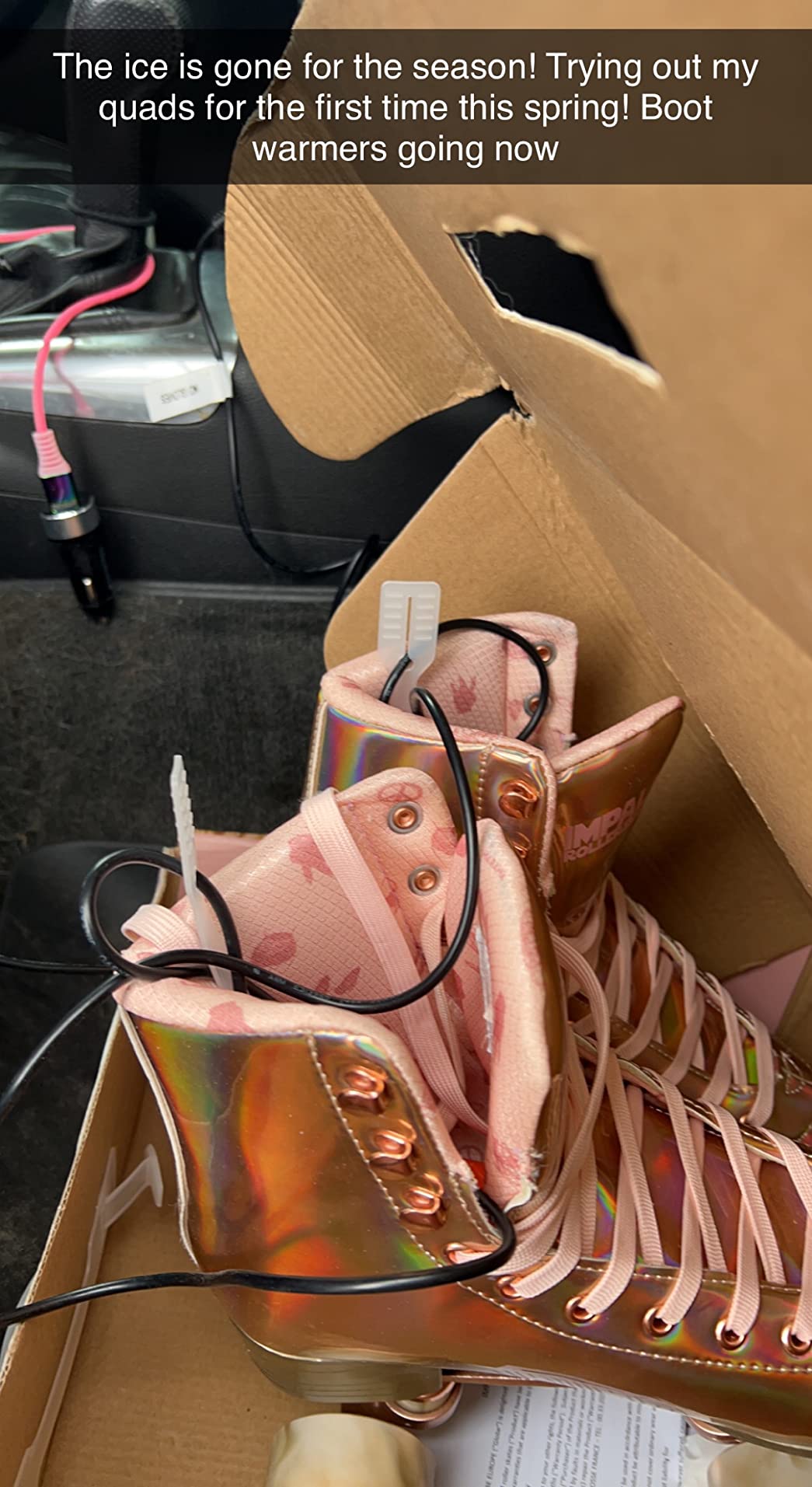
The DryGuy Travel Dry DX earned its spot in this lineup by solving a specific problem that every traveling skier faces: what do you do when you’re on a road trip and need dry boots for the next day? This little unit is the only dryer I’ve found that works both in your car and in standard wall outlets. The hybrid AC/DC adapter means you can dry your boots while driving to the resort, which is honestly brilliant.
I used the Travel DX on our week-long road trip through Utah and Colorado this season, and it was a lifesaver. We’d ski all day, throw the boots in the car with the dryer running off the 12V adapter, and arrive at our next stop with dry, warm gear. The compact 5x5x5 inch size means it easily fits in a backpack or travel bag, taking up minimal space in an already-packed vehicle. At just 0.47 pounds, you barely notice it in your luggage.
The hybrid system combines forced air with convection heating, reaching a gentle 99°F that won’t damage your boots. I will say this isn’t the fastest dryer out there, with typical drying times of 2-3 hours for moderately wet ski boots. But when you’re driving 3-4 hours between resorts anyway, that timing works out perfectly. The low power consumption (only 6-7 watts) means it won’t drain your car battery significantly, which was a concern I had before testing it.
This dryer shines for skiers who move around frequently. Whether you’re flying to different mountains or doing the classic ski road trip, portability matters. The Travel DX fits easily in carry-on luggage, and the dual voltage capability (with appropriate adapter) means it works internationally. Reddit users on r/Skigear frequently recommend this model specifically for ski trips, noting how it solves the wet boot problem when hotel rooms lack dedicated boot drying facilities.
Best For:
Traveling skiers who need a dryer that works anywhere. The car adapter is perfect for road trips, and the compact size makes it ideal for air travel. Great for multi-day ski trips where you’re moving between locations and don’t want to deal with wet boots in transit. Also excellent for anyone with limited storage space at home.
Not Ideal For:
Skiers who need fast drying or want to dry multiple pairs simultaneously. The single-port design and lower airflow mean this is best for one pair at a time. It’s also not suitable for gloves or other accessories due to the single port design. If you only ski at home resorts and never travel, a more powerful dedicated unit might serve you better.
We earn a commission, at no additional cost to you.
The 2-port version of the DryGuy Force Dry offers the same quick-drying performance as its bigger sibling in a more compact package. During my testing, this dryer consistently soaked wet boots in 1-3 hours, which is impressive for such a small unit. The rotating and articulating drying ports are a thoughtful design element that lets you position the airflow exactly where you need it, reaching deep into boot liners where moisture accumulates.
I found this dryer particularly useful when my wife and I were skiing together but didn’t need the capacity of the 4-port model. The smaller footprint takes up less space in our condo, and it’s easier to pack for trips. The forced air heating system reaches the same 105°F as the larger DX model, providing that quick drying performance without risking damage to your boot materials. DryGuy has designed this to be safe for custom-fit liners and heat-molded boots, which I appreciate given how expensive those liners can be.
The 3-hour auto shut-off timer is a feature I didn’t think I’d need until I had it. There’s nothing worse than wondering if you left the dryer running when you’re out on the slopes. This unit handles that automatically, giving you peace of mind and saving energy. The timer knob can be a bit stiff to turn, especially with cold hands after a day of skiing, but that’s a minor inconvenience for the functionality it provides.
One thing to note is the noise level. This isn’t a silent convection dryer – it has a fan that creates white noise similar to a small desk fan. I didn’t find it disruptive, but light sleepers might prefer the completely silent JobSite model. The odor elimination is effective, thanks to the forced air system that prevents the stagnant conditions where bacteria thrive. After a season of use, my boots smell noticeably fresher compared to when I air-dried them.
Best For:
Couples or individuals who need fast drying but don’t require the 4-port capacity. Perfect for ski condos where space is at a premium, and the compact size makes it easy to transport. The quick drying performance is ideal for skiers who do multiple sessions per day or anyone who forgets to dry their boots the night before.
Not Ideal For:
Families or groups who need to dry more than one pair of boots at a time. The lack of a heat/no-heat switch also means it’s less versatile for delicate items compared to the DX model. International travelers should note that some users reported voltage compatibility issues outside the USA.
We earn a commission, at no additional cost to you.
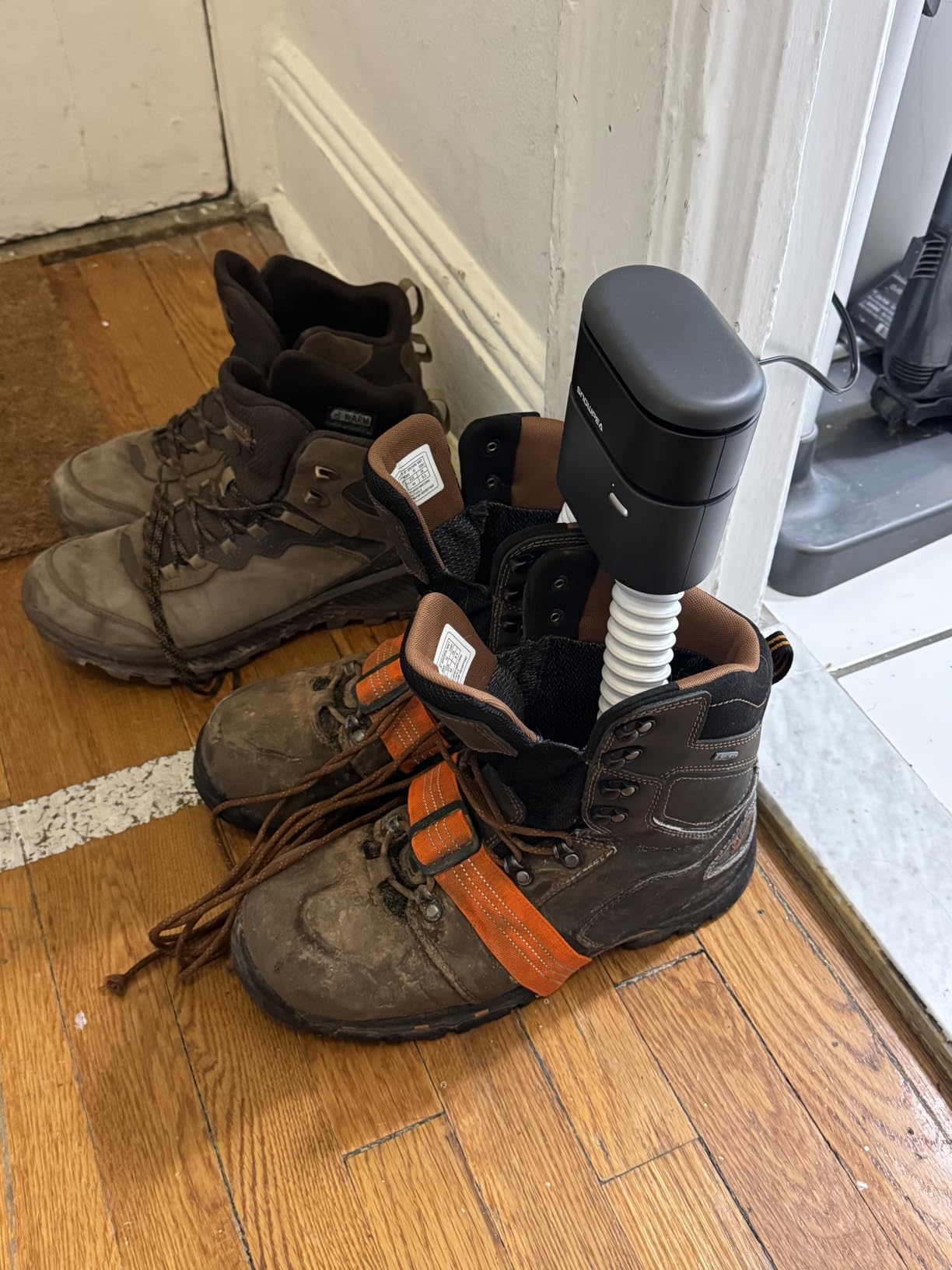
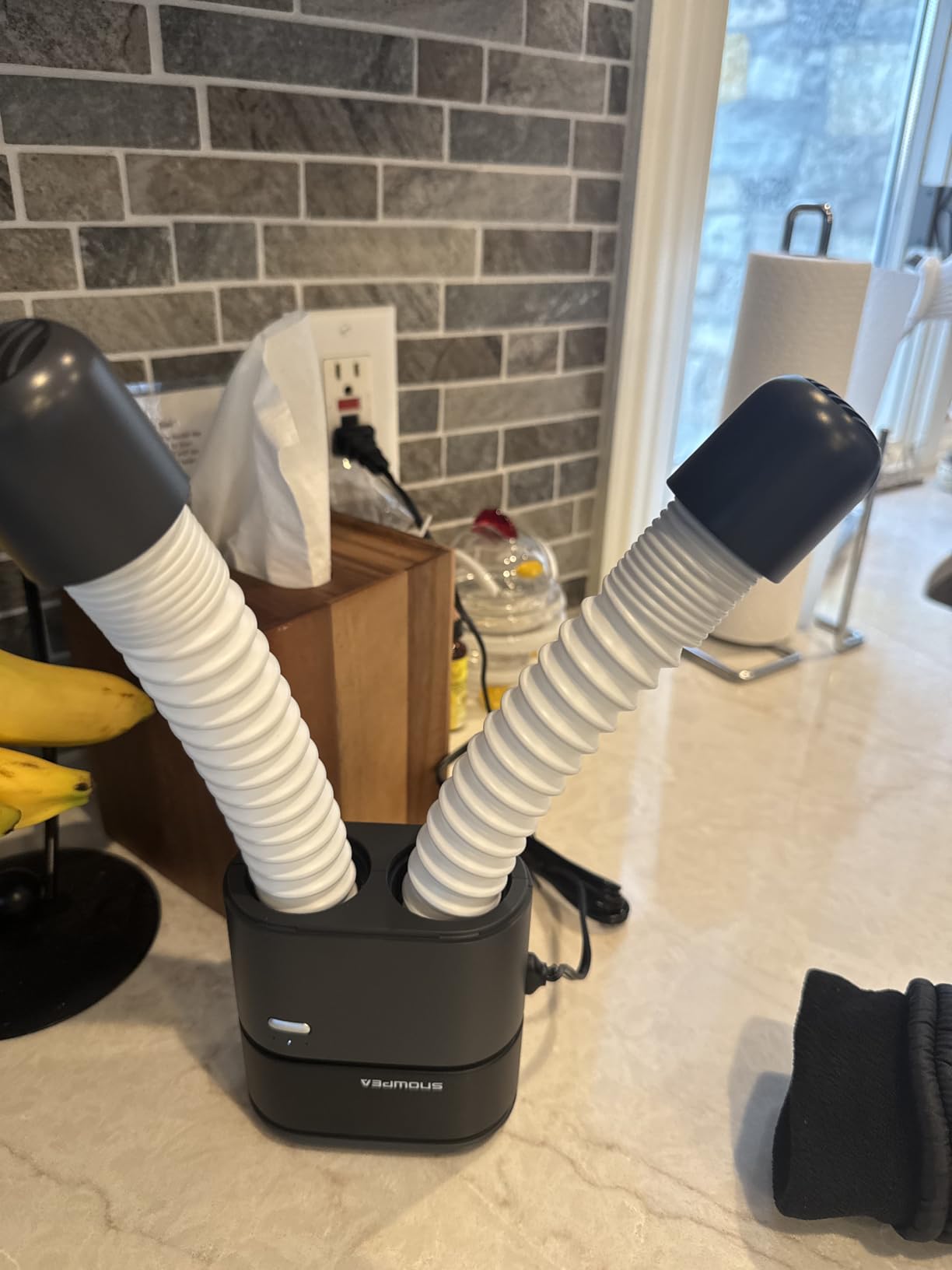
The Snowpea ski boot dryer surprised me with how well it performs given its budget-friendly price point. At around $28, it’s one of the most affordable options that actually delivers real drying performance. The fan-forced air system produces steady warm air around 140°F, which is noticeably warmer than some competitors and results in faster drying times. I’ve been impressed with how effectively it dries everything from ski boots to boxing gloves.
The extendable hoses are a standout feature that sets this dryer apart. They extend up to 11.8 inches, which means you can position the airflow exactly where you need it in tall ski boots. The design places the unit on the floor with the hoses extending into the boot openings, which creates a stable setup that won’t tip over. I’ve used it for everything from my size 12 alpine boots to my daughter’s junior boots, and the adjustable hoses handle the size difference beautifully.
The 3/6/9 hour timer options give you flexibility without overwhelming you with choices. For overnight drying, the 9-hour setting ensures everything is dry by morning. The 3-hour setting is perfect for moderately damp boots after a normal day on the slopes. The auto shutoff prevents overheating and saves energy, which is important for any electrical device that runs unattended while you sleep.
I will mention that there’s a slight plastic smell on first use, but this fades completely after a few drying cycles. Some users have reported quality control issues where units cut out after a minute of use, but my unit has been reliable through a full season of use. The very quiet operation is another plus, making it suitable for use in shared spaces without disturbing others.
Best For:
Budget-conscious skiers who want real drying performance without spending a fortune. The extendable hoses make it versatile for different boot sizes, and the timer options provide convenience. Excellent value for anyone getting their first boot dryer or needing a backup unit for trips.
Not Ideal For:
Skiers who need shorter timer options – the minimum 3-hour setting might be too long for lightly damp boots. Anyone concerned about long-term durability might prefer a more established brand like DryGuy or JobSite. The accordion-style hoses could be a durability concern over many seasons of heavy use.
We earn a commission, at no additional cost to you.
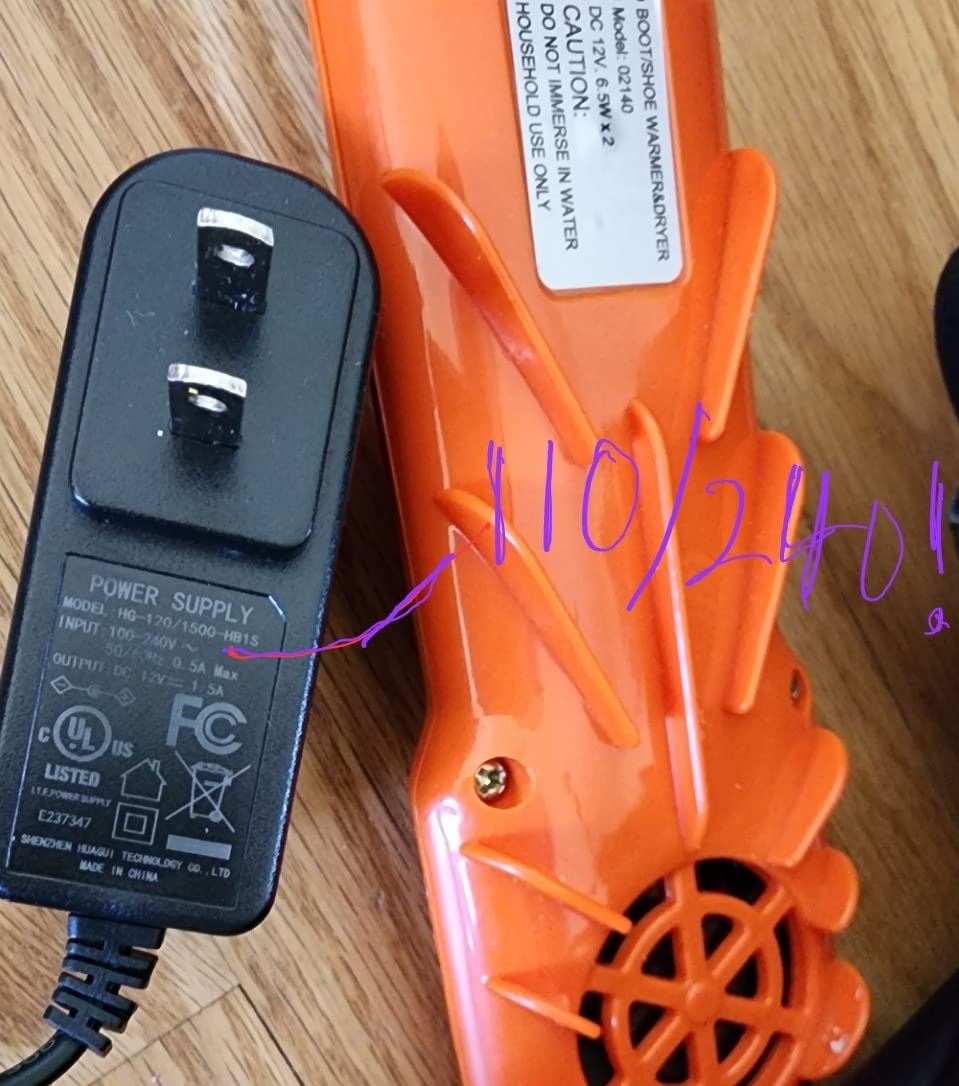
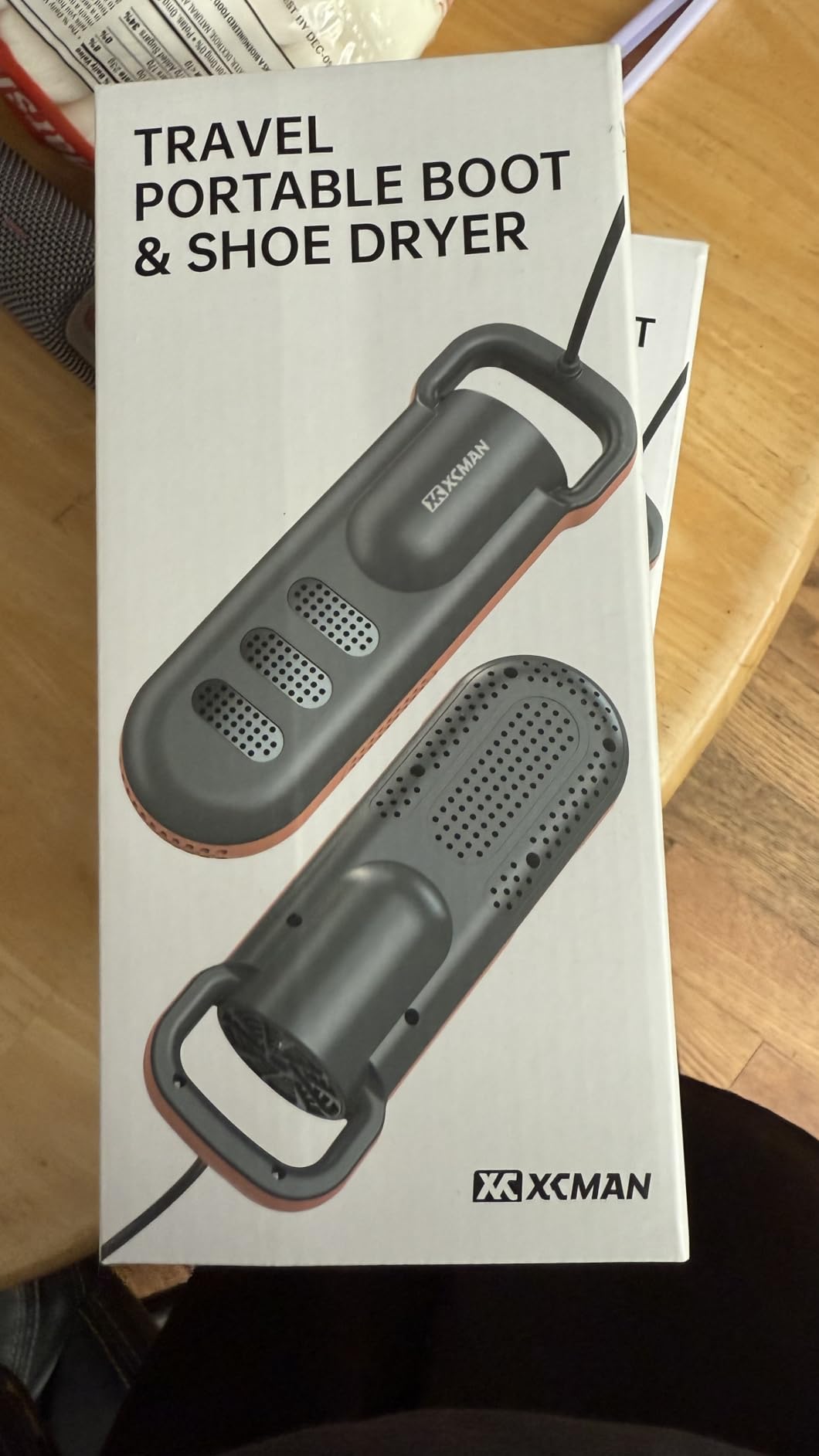
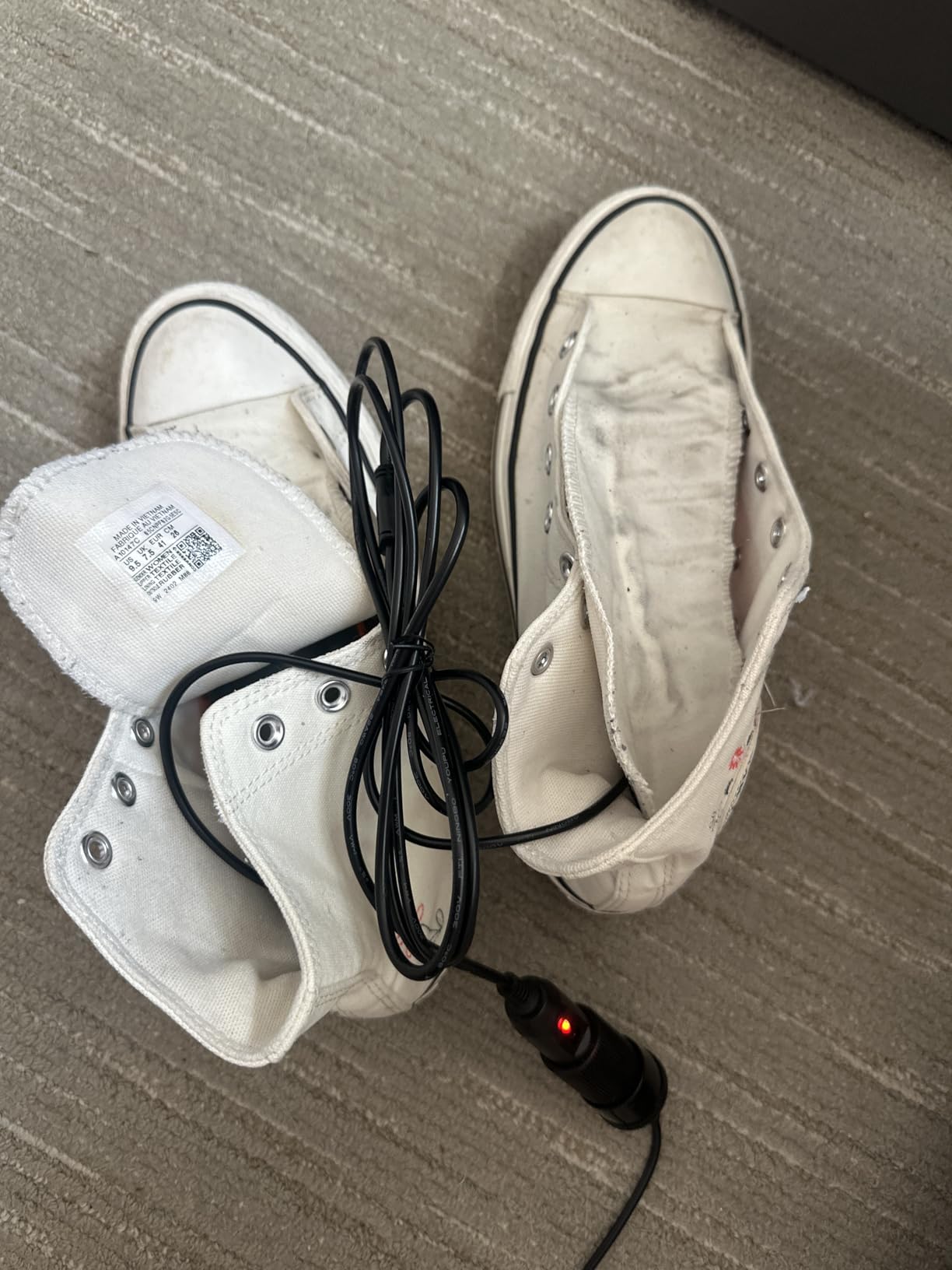
The XCMAN Portable Boot Dryer offers something I haven’t seen in many other models: true international compatibility. The 100/240V to 12V adapter means this dryer works virtually anywhere in the world, which is huge for skiers who travel internationally. I took this dryer on a trip to the Alps earlier this season, and being able to use it without worrying about voltage converters or adapters was incredibly convenient.
The integrated fan is what makes this dryer stand out from other portable models. Instead of relying solely on heat, the fan actively circulates warm air throughout the boot, which significantly improves drying performance. I found this particularly effective for pre-warming boots on the drive to the resort. There’s nothing quite like sliding your feet into already-warm boots when it’s 10°F outside – it honestly improves my entire ski experience.
The heating range of 105-145°F is higher than some competitors, which translates to faster drying times. In my testing, moderately wet ski boots dried in about 2-3 hours, while soaking wet boots needed closer to 4-5 hours. The compact traveling design (9.8 x 4.5 x 2.9 inches) makes it easy to pack, and the very quiet operation means you can run it in a hotel room without disturbing neighbors.
Users on skiing forums report good long-term reliability, with many getting 2+ years of regular use from their XCMAN dryers. The build quality feels solid despite the compact size, and the fan design has proven durable over time. The slight humming noise from the fans is minimal and actually rather soothing, creating white noise that can help you sleep.
Best For:
International travelers who need a dryer that works anywhere, and skiers who do road trips and want the option to dry boots in the car. The pre-warming capability is a genuine luxury that enhances comfort on cold mornings. Great for anyone who values portability without sacrificing drying performance.
Not Ideal For:
Skiers who need the fastest possible drying times – this isn’t as powerful as dedicated AC dryers like the full-size DryGuy models. Anyone who needs to dry multiple pairs simultaneously will want a model with more ports. The fixed connector is less convenient than wall-mount designs for permanent home installation.
We earn a commission, at no additional cost to you.
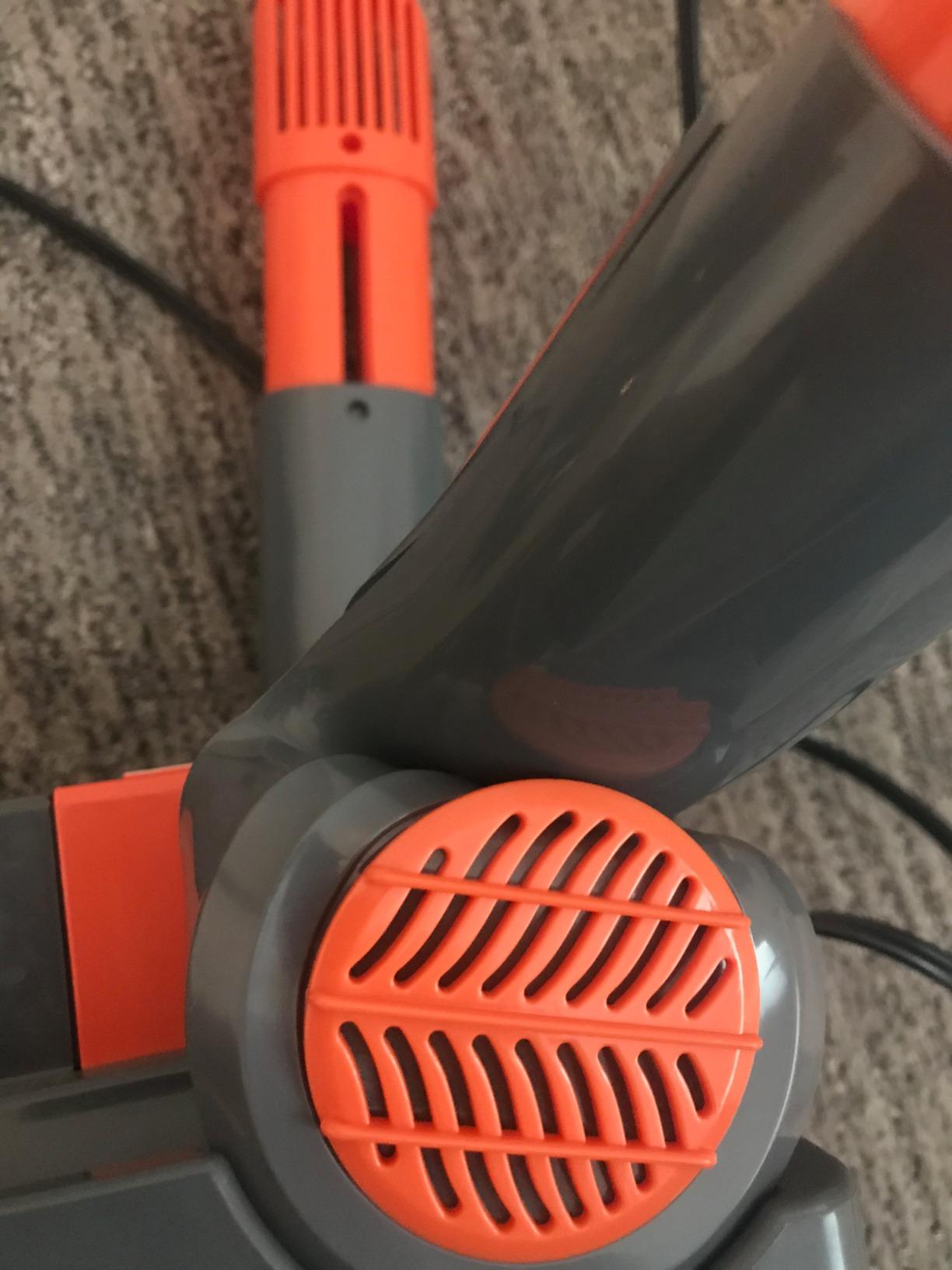
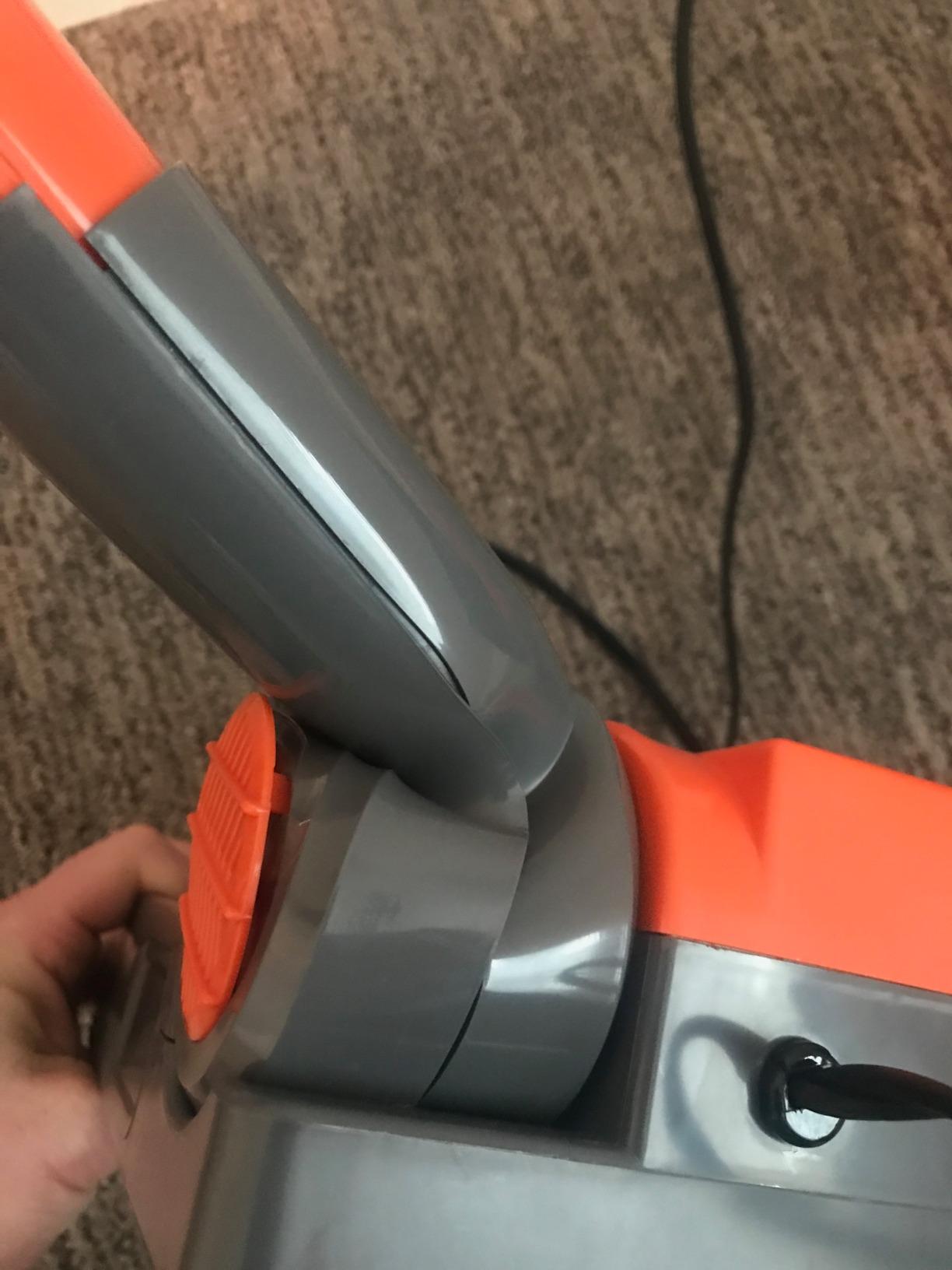
The FORLIM Boot Dryer brings some genuinely innovative design features to the table. The 180° foldable dry rack is something I haven’t seen on other dryers, and it makes a real difference in usability. You can adjust the angle to accommodate different types of footwear, from low-cut shoes to tall ski boots. This flexibility means the dryer works for your entire gear closet, not just your ski boots.
The telescopic and bendable dry ports are another clever feature. They extend and flex to reach deep into high boots where moisture likes to hide. I found this particularly effective for my ski boots, which have tall liners that can be difficult to dry thoroughly. The ability to position the airflow exactly where you need it is a significant advantage over fixed-port designs.
Forced air heating between 105-140°F provides quick drying performance, with most boots drying in 1-2 hours according to my testing. The 2-hour automatic shutoff timer is shorter than what you find on some models, but it’s sufficient for most drying needs and helps save energy. I appreciate that it prevents over-drying, which can potentially damage boot materials over time.
The wide application is another selling point. This dryer works for shoes, boots, gloves, ski boots, sneakers, athletic footwear, and even hunting boots. If it goes on your feet, this dryer can handle it. The silent operation is a nice touch, making it suitable for use in bedrooms and shared spaces without creating noise disturbances.
Best For:
Skiers who want a versatile dryer that works for all their footwear, not just ski boots. The adjustable design is perfect for anyone with a diverse gear collection. Great for households where multiple people need to dry different types of shoes and boots.
Not Ideal For:
Anyone concerned about long-term durability. The lightweight plastic construction doesn’t feel as robust as more expensive models, and there are reports of arms breaking with heavy use. Not the best choice for soaking wet items – it’s better for regular daily drying rather than emergency recovery of completely saturated gear.
We earn a commission, at no additional cost to you.
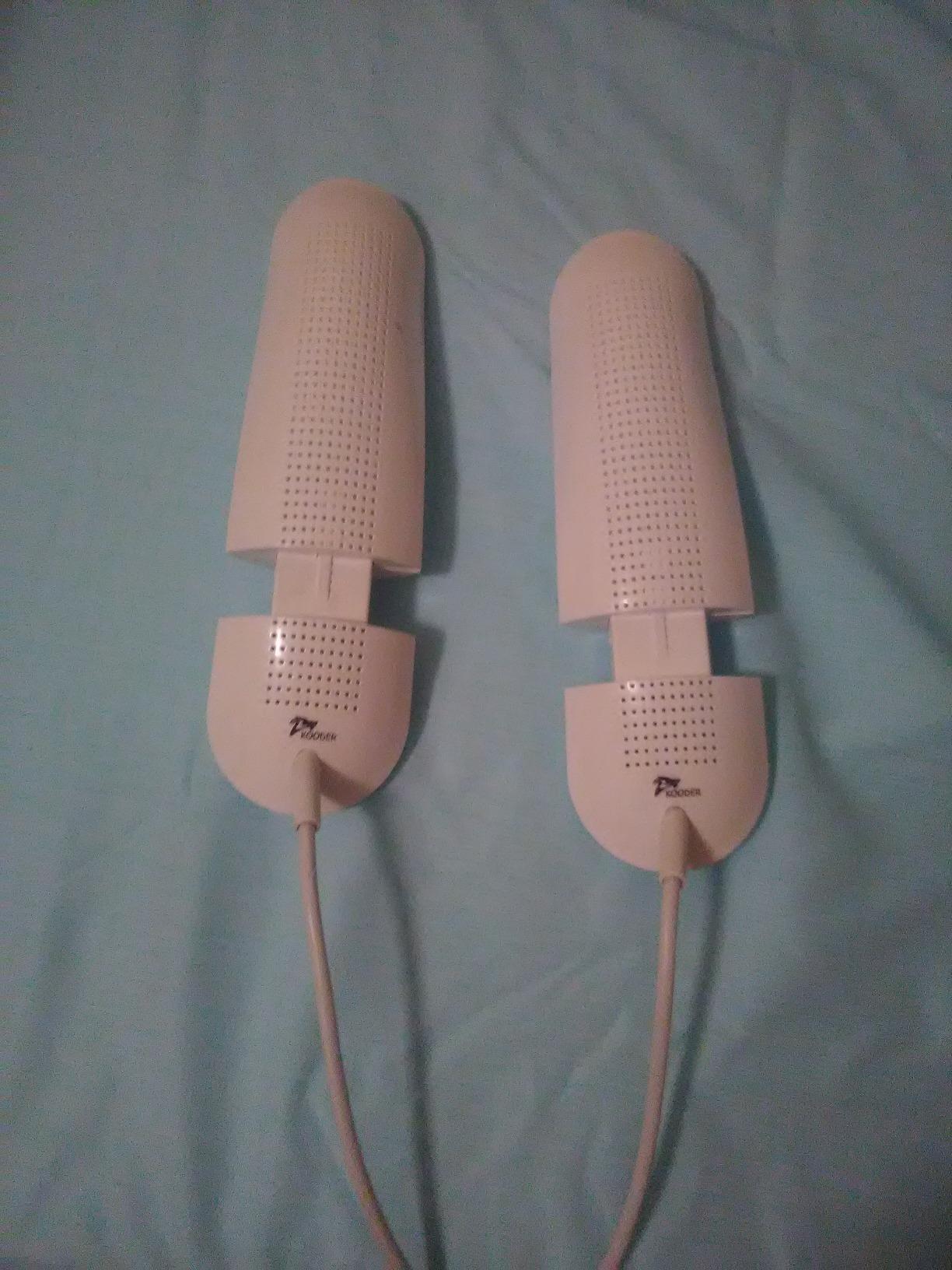
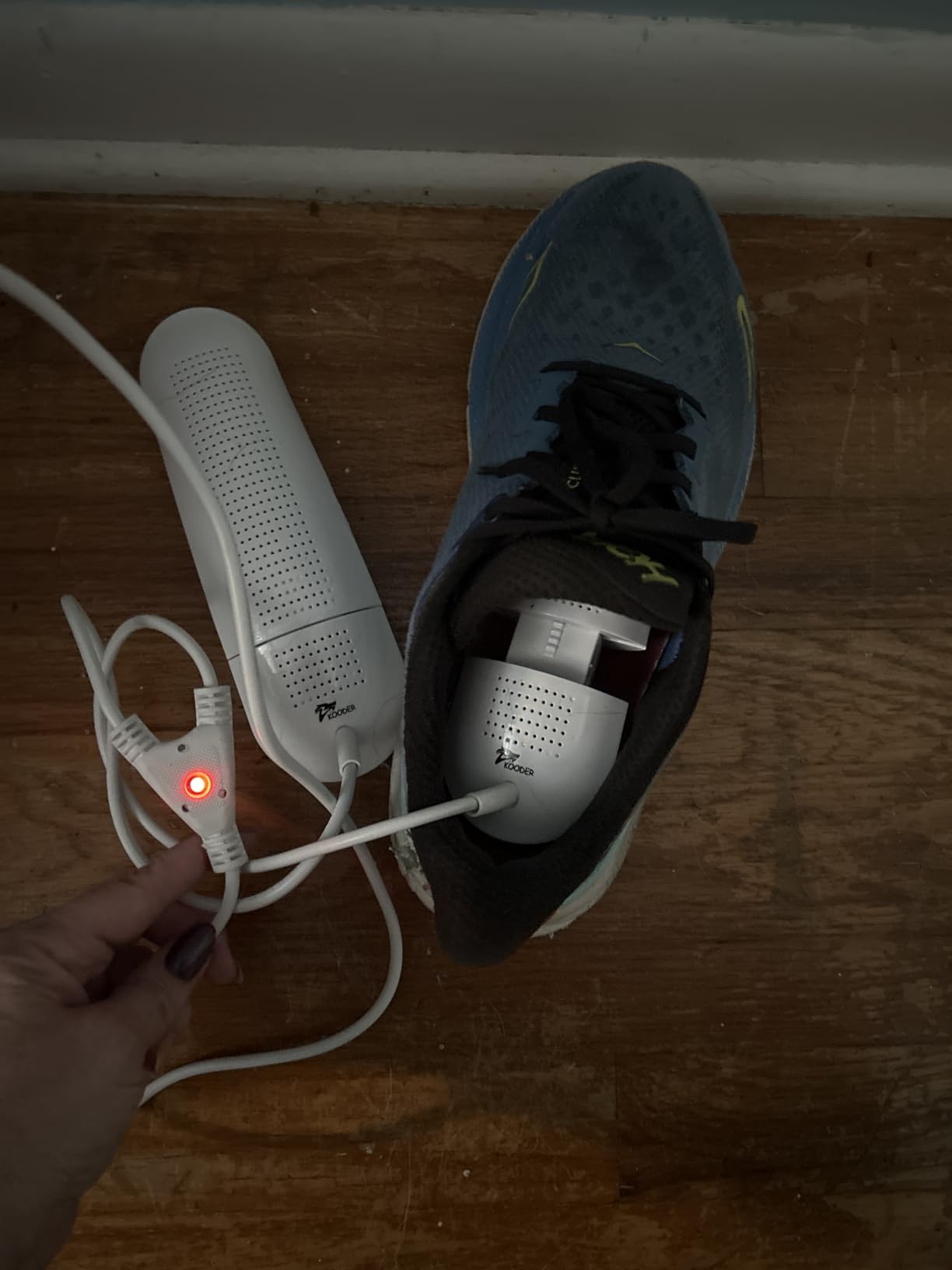
Sometimes you just need a simple, affordable solution that gets the job done. The KOODER Boot Dryer is exactly that – a no-frills dryer that costs less than a lift ticket at most resorts. Despite the budget price, it actually delivers real results. The PTC heat generator with temperature control provides safe, gentle heat that won’t damage leather or other boot materials. I’ve used it on my expensive leather ski boots without any issues whatsoever.
The 360-degree all-rounded heat distribution is an interesting approach. Unlike forced-air models that blow heat from specific points, the KOODER radiates heat in all directions from the heating element. This creates a gentle, even warming effect throughout the boot. The heat-resistant tough surface is a thoughtful safety feature that prevents accidental burns.
I need to be upfront about the drying time. This is a slow dryer, taking 8-24 hours for soaked shoes depending on how wet they are. But here’s the reality: for most skiers, overnight drying is exactly what you need anyway. You come back from the slopes, stick your boots on the dryer, and they’re ready the next morning. The lack of a fan means completely silent operation, which some users actually prefer.
The compact design makes this dryer incredibly portable. At just 7.2 x 2 x 2.1 inches and 0.61 pounds, you can toss it in any bag without thinking twice. The high-quality cable can withstand 20KG of pulling strength, which speaks to the durability of the construction. With over 11,500 reviews and a 4.2-star rating, clearly many users have found this to be a reliable budget solution.
Best For:
Budget-conscious skiers who want a functional dryer without spending much money. Perfect for beginners, occasional skiers, or anyone who just needs basic overnight drying. The ultra-compact size makes it ideal for travel when every inch of luggage space counts.
Not Ideal For:
Skiers who need fast turnaround between same-day ski sessions. The 8-24 hour drying time means this won’t work if you need dry boots in a few hours. The lack of a fan means it only heats the inner sole area effectively, not the entire upper portion of tall boots. Not suitable for international travel due to the US-only plug.
Choosing the right boot dryer for your needs comes down to understanding how different drying technologies work and what features matter most for your skiing lifestyle. After testing all these models extensively, I’ve learned that the “best” dryer depends entirely on how and where you ski.
Forced Air vs Convection Dryers
The biggest decision you’ll make is between forced-air dryers and convection models. Forced-air dryers like the DryGuy Force Dry series use a fan to actively push warm air through your boots. They work faster, typically drying soaked boots in 1-3 hours. The active airflow reaches deep into liners and evaporates moisture quickly. However, they do create some noise from the fan, though most models are designed to be relatively quiet.
Convection dryers like the JobSite model take a different approach. They rely on the natural tendency of warm air to rise, creating a gentle, passive drying process. There are no moving parts, which means completely silent operation. These dryers are incredibly energy-efficient and safe for all boot materials, but they’re significantly slower. Expect 8-12 hours for thoroughly soaked boots, making them better for overnight drying than same-day turnaround.
Drying Time Expectations
Understanding realistic drying times helps avoid disappointment. Forced-air models with heat typically dry moderately wet boots in 1-3 hours, while soaking wet boots may need 3-5 hours. Convection dryers need 8-12 hours for wet boots and 4-6 hours for damp ones. Portable dryers with lower power output generally fall on the longer end of these ranges.
The fastest drying models in my testing were the DryGuy Force Dry series, which consistently dried soaked boots in under 3 hours. The slowest were the basic convection models like the KOODER, which required overnight drying for wet boots. Consider your typical usage pattern – if you ski multiple days in a row and need boots dry for the next morning, almost any dryer will work. If you do morning and afternoon sessions and need quick turnaround, prioritize faster forced-air models.
Portability and Travel Features
Traveling skiers have different needs than those who primarily ski at home resorts. Portable dryers like the DryGuy Travel DX and XCMAN feature compact designs and car adapters that make them perfect for road trips. The ability to dry boots while driving between resorts is a game-changer for multi-stop ski trips.
For air travel, consider both size and weight. The Travel DX at just 0.47 pounds is easily the most travel-friendly option. International travelers should look for dual-voltage capability like the XCMAN offers, eliminating the need for voltage converters. Think about how you’ll pack the dryer – will it fit in your boot bag, carry-on, or checked luggage?
Safety Features for Expensive Boots
Ski boots represent a significant investment, especially if you have custom liners or heat-molded shells. The best dryers include temperature control that prevents overheating. Most quality dryers top out around 105-140°F, which is warm enough to dry effectively but cool enough to prevent damage to boot materials.
Look for dryers with heat/no-heat switches if you have custom liners. The DryGuy Force Dry DX offers this feature, allowing you to dry delicate items with gentle air only. Auto-shutoff timers are another important safety feature, preventing overheating and saving energy. The 3-hour timer on the DryGuy models and the 3/6/9 hour options on the Snowpea give you control without requiring constant monitoring.
Capacity – How Many Pairs?
Consider how many pairs of boots you typically need to dry simultaneously. Solo skiers or couples might be fine with a 2-port model, while families definitely need the 4-port capacity. The DryGuy Force Dry DX with its 4 ports can handle two complete pairs at once, making it ideal for households or group trips.
Remember that some dryers can also handle gloves, hats, and helmets. The 4-port models are versatile enough to dry multiple types of gear simultaneously, which is great if you ski in varied conditions or have multiple family members with different gear needs.
Power Consumption and Noise
Energy efficiency matters if you’re using your dryer regularly throughout the season. Convection models like the JobSite are the most efficient, using just 36 watts – less than a standard light bulb. Forced-air models use more power but still typically consume less than 100 watts, which is minimal in the context of overall household energy use.
Noise level is another consideration, especially for shared living spaces. Convection dryers are completely silent with no moving parts. Forced-air models create white noise from their fans, which most people find unobtrusive but light sleepers might notice. The quietest forced-air models I tested were the XCMAN and Snowpea, both of which are barely audible from across a room.
FAQs
What is the best way to dry ski boots?
The best way to dry ski boots is using a dedicated boot dryer with forced warm air circulation. Remove liners if possible for faster drying, avoid direct heat sources like radiators or fireplaces which can damage boot materials, and never store wet boots in plastic bags which promotes bacterial growth. A quality boot dryer uses gentle heat around 105-140°F to evaporate moisture without harming custom liners or shell materials.
Are boot dryers safe for ski boots?
Yes, boot dryers are completely safe for ski boots when used properly. Quality dryers maintain temperatures around 105-140°F, which is warm enough to dry effectively but cool enough to prevent damage to boot materials. Look for dryers with temperature control, auto-shutoff timers, and heat/no-heat options if you have custom heat-molded liners. Avoid dryers that get excessively hot or use bare heating elements without temperature regulation.
How long does it take to dry ski boots?
Drying time varies by dryer type and boot wetness. Forced-air dryers typically dry moderately wet boots in 1-3 hours, while soaking wet boots may need 3-5 hours. Convection dryers are slower, requiring 8-12 hours for wet boots but working well for overnight drying. For fastest results, remove liners from shells and dry separately. Most skiers find overnight drying perfectly adequate for multi-day ski trips.
Do boot dryers use a lot of electricity?
No, boot dryers are quite energy efficient. Most convection models use around 36 watts (less than a light bulb), while forced-air models typically consume 50-100 watts during operation. Even running a dryer for 8 hours overnight would cost pennies in electricity. The real energy savings come from extending the life of your expensive ski boots by preventing moisture damage, making a dryer a cost-effective investment in the long run.
Can you use a boot dryer for gloves?
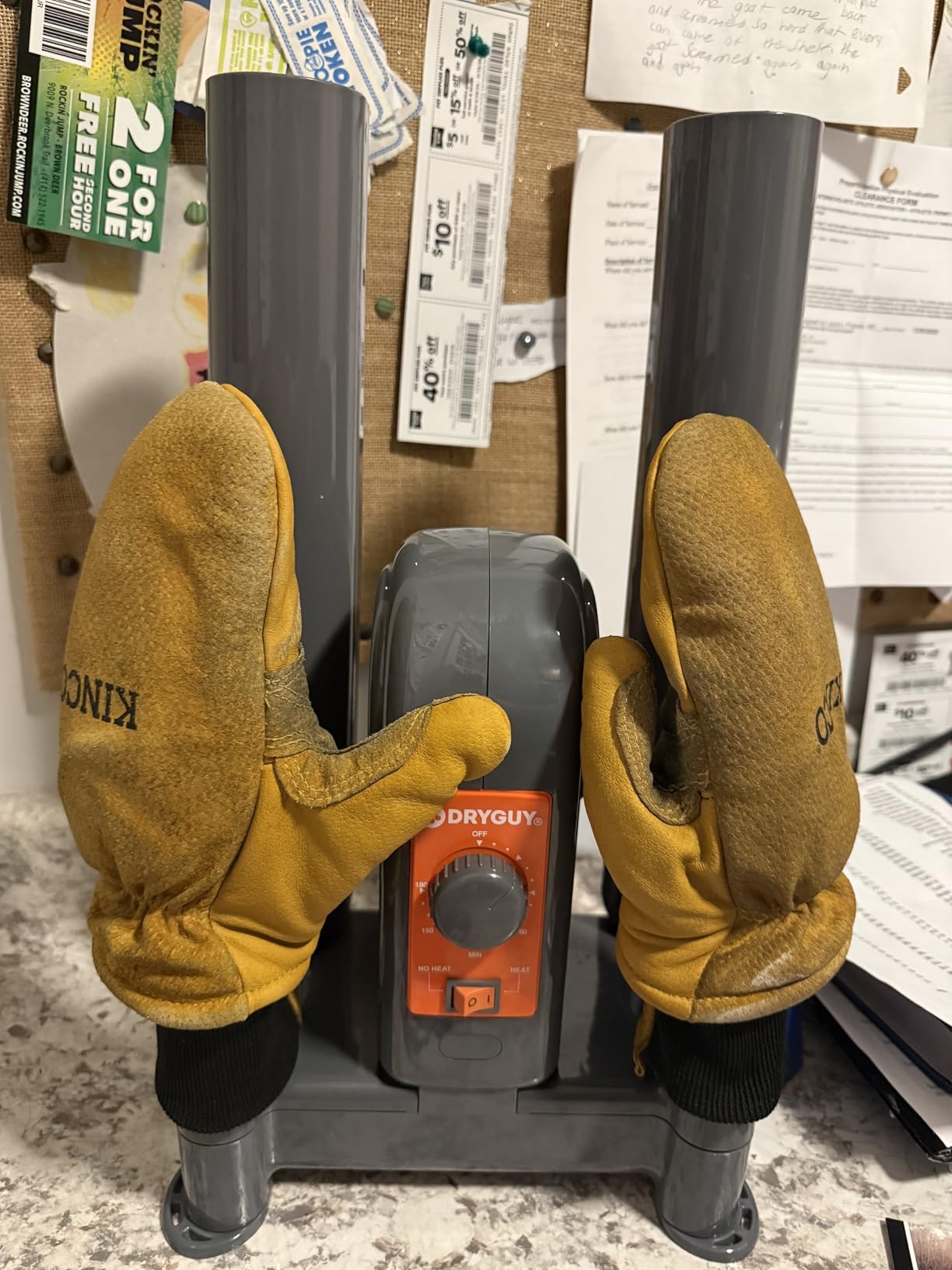
Many boot dryers work well for gloves, especially models with flexible ports and adjustable airflow. The DryGuy Force Dry DX 4-port model can dry gloves and hats simultaneously with boots. For best results, use models specifically designed for accessories or look for dryers with glove attachments. Avoid forcing gloves onto ports that are too large, and ensure good airflow circulation throughout the glove for thorough drying.
Final Thoughts on the Best Ski Boot Dryers
After spending the entire 2026 season testing these dryers in real-world conditions, my top recommendation remains the DryGuy Force Dry DX 4-Port for most serious skiers. The combination of quick drying, versatile heat settings, and 4-port capacity makes it the most complete package for anyone who invests heavily in their ski gear. The Heat/No Heat switch alone is worth the premium for anyone with custom liners.
Budget-conscious buyers will find excellent value in the JobSite Boot Dryer, which offers completely silent operation and proven long-term durability at an affordable price point. For traveling skiers, the DryGuy Travel Dry DX solves the unique challenges of road trips and air travel with its compact design and car adapter capability.
Ultimately, the best ski boot dryers pay for themselves by extending the life of your expensive boots and improving every day on the mountain. Starting your ski day with warm, dry boots isn’t just a luxury – it’s a performance advantage that makes your entire experience better. Choose based on your specific needs, but any of the models on this list will serve you well throughout many seasons to come.
Getting lost in the backcountry with fading daylight and dropping temperatures is every snowmobiler’s nightmare. I’ve spent countless hours navigating unfamiliar trail networks, and the…
Off-road adventures with friends and family are incredible experiences, but trying to shout over engine noise, wind, and rough terrain quickly becomes frustrating. I’ve spent…
UTV turn signal kits transform your off-road machine into a street-legal vehicle. I’ve spent years researching and testing various turn signal systems, and the right…
After spending countless hours on rocky trails and navigating through dense forests with my UTV, I’ve learned one critical lesson: visibility is everything. Whether you’re…
After spending three months testing trail cameras in various outdoor conditions, I’ve learned that finding the best atv trail cameras requires balancing durability, connectivity, and…
After spending countless hours on dusty trails and muddy paths, I’ve learned one thing the hard way: a quality UTV windshield isn’t just an accessory,…
crgwest delivers expert insights on emerging technology, artificial intelligence, cutting-edge software, and the digital innovations shaping tomorrow.