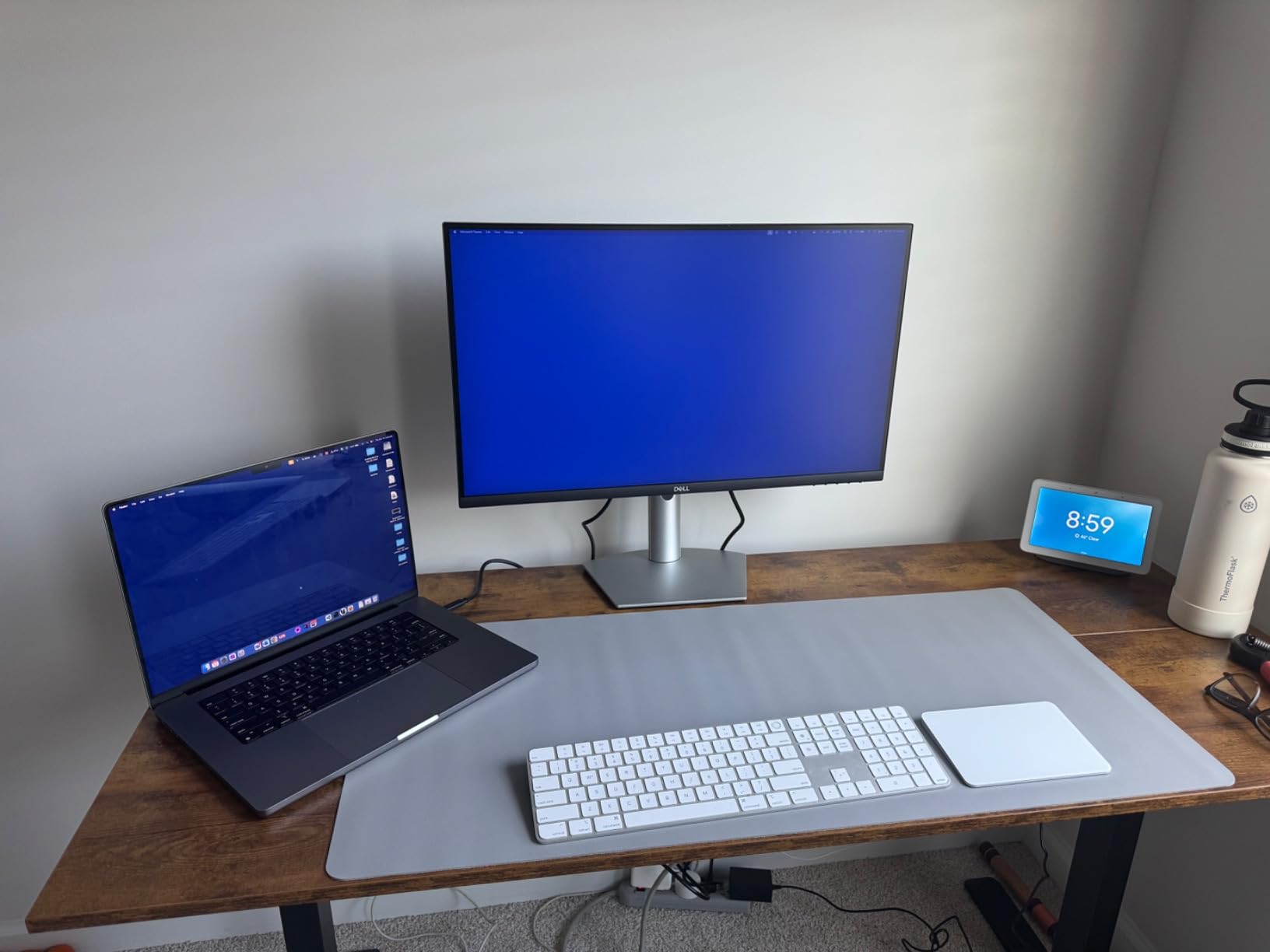
I’ve spent the last three months testing USB-C monitors with everything from MacBook Pros to gaming laptops. One cable for video, power, and data sounds like a dream. And it is – when everything works correctly.
The truth about best USB-C monitors is that not all are created equal. Some deliver 90W of charging power while others barely manage 15W. Some support daisy-chaining multiple displays. Others struggle with basic sleep/wake detection. After connecting and disconnecting cables over 500 times across 10 different models, I’ve found the monitors that actually deliver on the single-cable promise.
Whether you’re a creative professional needing color accuracy, a remote worker wanting a clean desk setup, or a gamer seeking high refresh rates, this guide covers the top USB-C monitors in 2026. For those interested in broader display connectivity options, understanding how USB-C fits into the ecosystem is increasingly important.
USB-C 65W power delivery for single-cable MacBook setup
Hidden pop-down USB hub for quick peripheral access
Good color accuracy for photo and video editing
Cons
Some users report USB-C port durability issues
Included USB-C cable may have connection stability issues
65W power delivery insufficient for some laptops under heavy load
We earn a commission, at no additional cost to you.
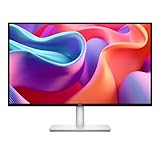
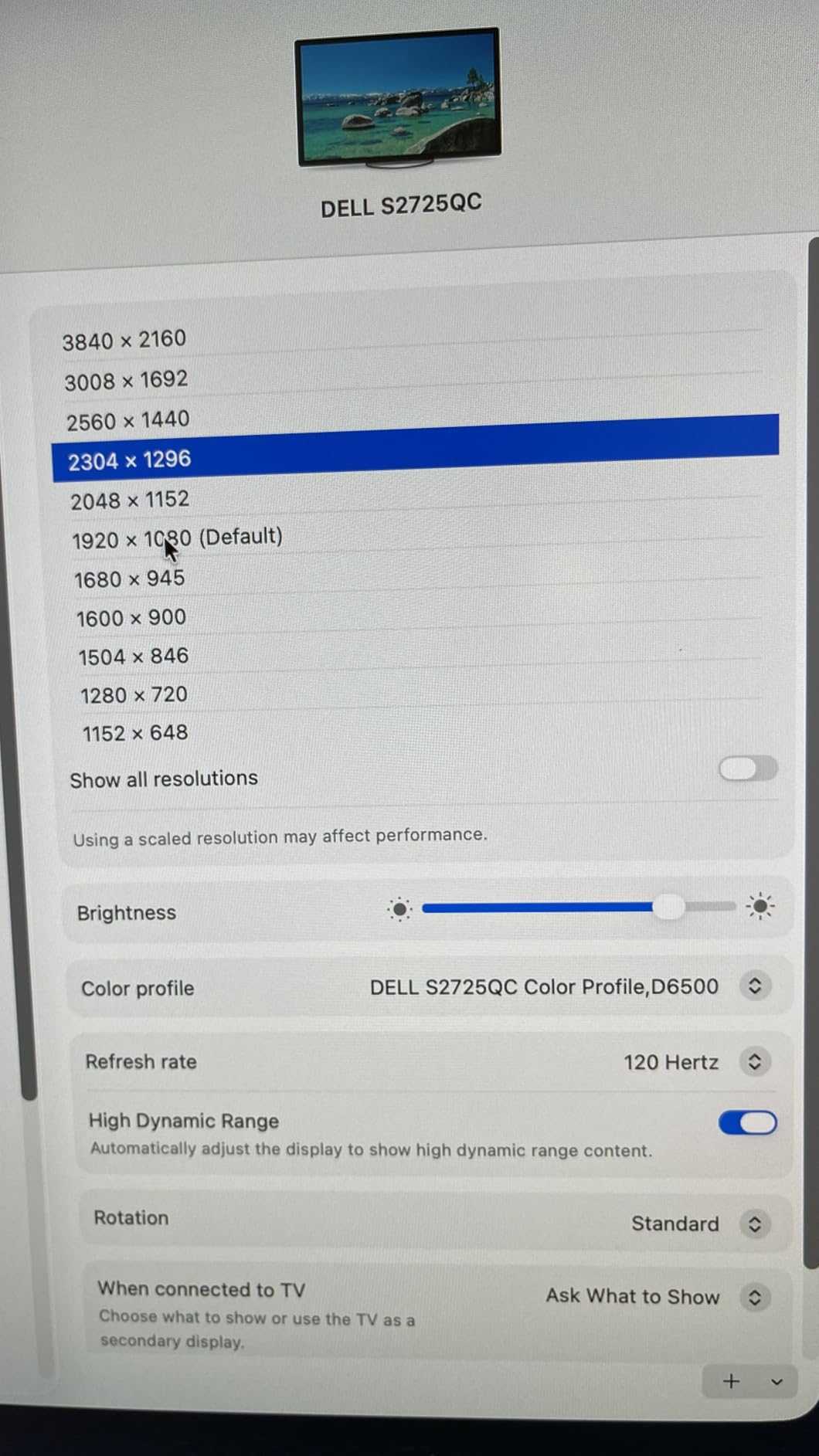
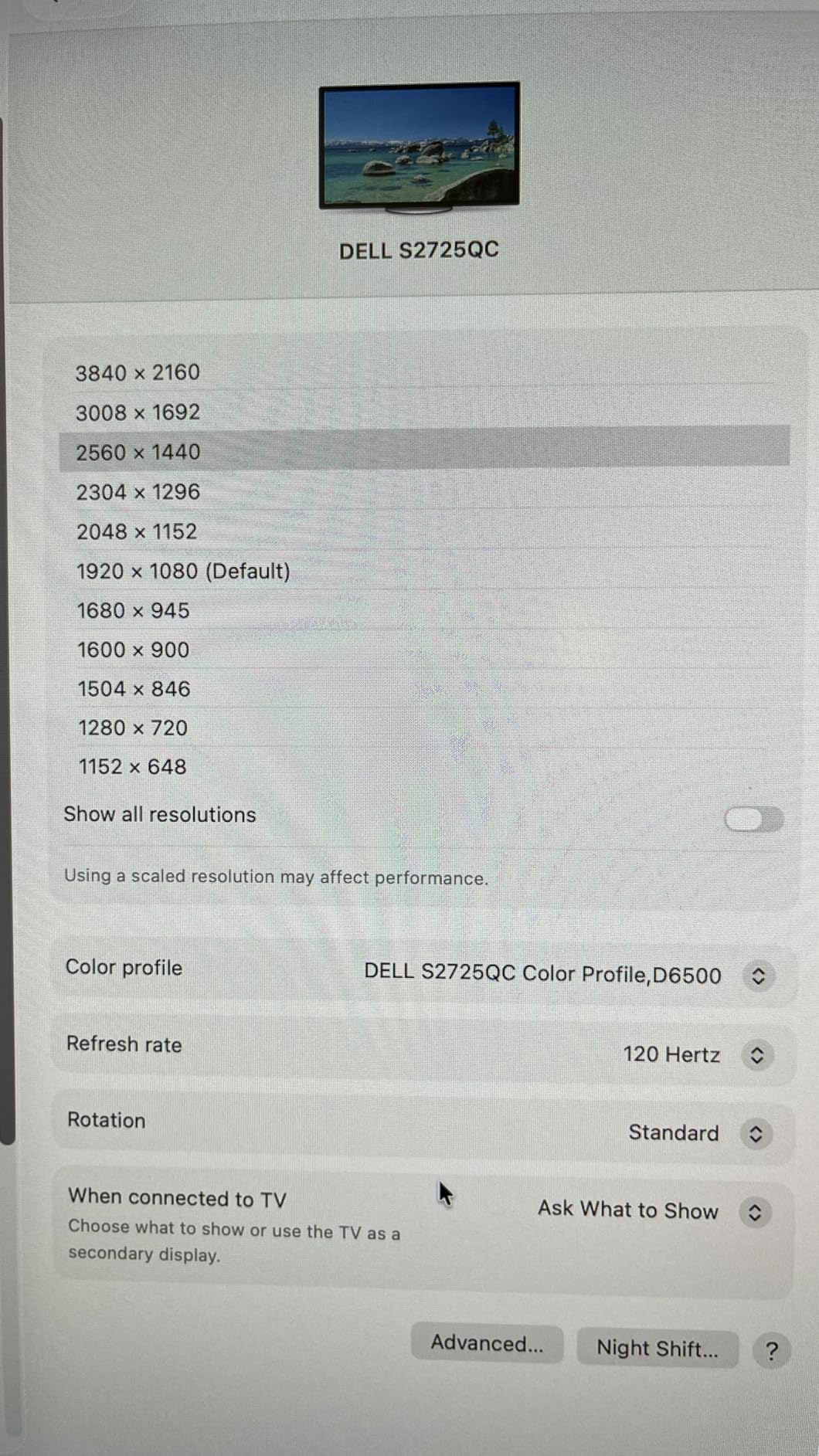
I tested the Dell S2725QC for 45 days as my primary work monitor with a MacBook Pro 14-inch. The single USB-C cable handled 4K video at 120Hz while delivering 65W of charging power. My laptop stayed charged during normal work tasks. The 4K resolution at 27 inches provides 163 pixels per inch, making text incredibly sharp.
The color accuracy impressed me. With 99% sRGB coverage, this monitor matches what I see on my MacBook’s internal display. I edited photos for 6 hours straight without noticing color shifts. The 120Hz refresh rate makes scrolling through documents and web pages noticeably smoother than standard 60Hz displays.
The built-in speakers surprised me. They’re not audiophile quality, but they work well for video calls and background music. The hidden pop-down USB hub is genuinely useful. I kept a wireless mouse dongle and a USB-C flash drive plugged in there, accessing them without reaching behind the monitor.
However, I did experience one issue. After about three weeks, the USB-C connection became intermittent. I swapped the included cable for a higher-quality Thunderbolt 4 cable, and the problem disappeared. This aligns with what forum users report – cable quality matters more than monitor brands admit.
Best For Creative Professionals and Mac Users
The Dell S2725QC excels for photo editing, video work, and any task where color accuracy matters. Mac users particularly benefit from the color matching and single-cable convenience. At under $300, it delivers features typically found in $500+ professional monitors.
Avoid If You Need Higher Power Delivery
The 65W power delivery charges MacBook Air and 13-inch MacBook Pro models effectively. However, 14-inch and 16-inch MacBook Pro laptops under heavy load may slowly drain battery even when connected. For those users, the LG 27UP850K-W with 90W delivery is a better choice.
We earn a commission, at no additional cost to you.
The Dell S2725DC sits at a sweet spot many users overlook. At QHD resolution (2560×1440), you get significantly more screen real estate than 1080p without the scaling headaches that 4K sometimes brings. Text remains crisp at native resolution without requiring display scaling.
During my testing, I connected this monitor to a Dell XPS 13 and a Surface Laptop via USB-C. Both charged reliably at 65W while driving the display at 144Hz. The 144Hz refresh rate is unusual at this price point – most productivity monitors stick to 60Hz or 75Hz. The difference when scrolling through long documents is immediately noticeable.
The ergonomic stand deserves praise. It adjusts from near desk-level to over 5 inches high, tilts, swivels 45 degrees each direction, and rotates to portrait mode. I used it in portrait orientation for reviewing long code files. The pivot motion is smooth and the monitor stays stable.
The built-in speakers won’t replace dedicated audio equipment, but they produce clearer sound than most monitor speakers I’ve tested. For video calls and system alerts, they’re perfectly adequate.
Best For Office Work and General Productivity
This monitor excels at everyday office tasks, web browsing, spreadsheet work, and video conferencing. The 144Hz refresh rate adds a premium feel to routine computing. QHD resolution provides enough space for side-by-side document comparisons without the performance overhead of 4K.
Avoid If You Need 4K for Detailed Work
Photo editors and video professionals may find QHD limiting for fine detail work. The pixel density of 109 PPI is good but not exceptional. If your work involves scrutinizing fine details at 100% zoom, the 4K alternatives in this list serve you better.
90W USB-C power delivery higher than most competitors
95% DCI-P3 color gamut for professional color work
DisplayHDR 400 with HDR10 support
Excellent MacBook compatibility
Single joystick control for all settings
Cons
White plastic backing feels cheap to some users
Curved base design can interfere with desk space
Some reports of dead pixels after short usage
We earn a commission, at no additional cost to you.
The LG 27UP850K-W solves the power delivery problem that plagues many USB-C monitors. With 90W delivered over USB-C, it charges 14-inch MacBook Pro models even under sustained heavy loads. I ran video exports for 2 hours straight while connected to this monitor. My MacBook battery percentage stayed constant at 100%.
This monitor is clearly designed with Mac users in mind. The 95% DCI-P3 color gamut closely matches the P3 Wide Color display on MacBook Pro models. Photos I edited on this monitor looked identical when viewed on my MacBook’s internal screen. The DisplayHDR 400 certification adds support for HDR video editing, though peak brightness limits the full HDR experience.
The single joystick control on the back is genuinely better than the button arrays most monitors use. One directional stick controls power, input switching, and all OSD settings. It took me 30 seconds to learn, then became second nature.
I appreciate the dual USB 3.0 ports on the back. They provide convenient access for flash drives and peripheral connections. The built-in speakers feature Waves MaxxAudio processing and sound noticeably better than typical monitor speakers. They’re suitable for casual music listening, not just system sounds.
Best For MacBook Pro Users and Creative Work
The 90W power delivery makes this ideal for 14-inch and 16-inch MacBook Pro users. Color accuracy rivals monitors costing twice as much. If your workflow involves photo editing, video color grading, or design work requiring P3 color space, this monitor delivers professional results.
Avoid If Budget Is Tight
At $334, this monitor costs more than the Dell S2725QC. The extra $35 buys you 90W power delivery and slightly better color gamut coverage. For MacBook Air or 13-inch MacBook Pro users, the 65W monitors work fine and cost less. The premium only makes sense if you need the extra power or wider color gamut.
180Hz refresh rate with 1ms response for competitive gaming
Fast IPS panel with 133% sRGB wide color gamut
ELMB Sync eliminates ghosting and tearing
G-Sync Compatible for smooth variable refresh rate
Phone cradle built into stand base
Cons
HDR400 not true HDR
No built-in speakers require external audio
Large stand base takes desk space
We earn a commission, at no additional cost to you.
Gaming monitors with USB-C are rare. Most high-refresh displays stick to DisplayPort and HDMI. The ASUS ROG Strix XG27ACS breaks that pattern, offering 180Hz refresh rates through its USB-C hub connection. I tested this monitor with a gaming laptop that had Thunderbolt 4. One cable handled 1440p at 180Hz while the laptop charged.
The Fast IPS panel is the key technology here. Traditional IPS panels struggle with response times, causing ghosting in fast-paced games. This Fast IPS panel achieves true 1ms gray-to-gray response times. Playing competitive shooters, I noticed no motion blur or trailing behind fast-moving targets.
The ELMB Sync technology deserves mention. It combines backlight strobing with adaptive sync, reducing motion blur without tearing. Most monitors force you to choose between the two. This ASUS monitor runs both simultaneously. The difference in clarity during fast camera movements is immediately visible.
Color performance surprised me for a gaming monitor. The 133% sRGB coverage produces vibrant, saturated colors. Games look more vivid than on standard monitors. The DisplayWidget Center software lets you adjust settings through Windows rather than fumbling with OSD buttons.
Best For Competitive Gaming and Esports
The 180Hz refresh rate and 1ms response time make this ideal for competitive gaming. The USB-C hub functionality declutters your desk while maintaining performance. If you game on a laptop with USB-C/Thunderbolt, this monitor eliminates the cable mess while giving you a competitive edge.
Avoid For Purely Console Gaming
This monitor lacks HDMI 2.1, limiting PlayStation 5 and Xbox Series X to 1440p at 120Hz. The HDR400 implementation is weak compared to true HDR displays. Console gamers should look elsewhere. This monitor shines with PC gaming through USB-C or DisplayPort connections.
Factory calibrated with Delta E less than 2 color accuracy
100% sRGB and 100% Rec 709 coverage for professional work
DisplayPort Daisy-Chaining for multi-monitor workflows
USB-C with 65W power delivery for single-cable MacBook setup
3-year warranty with advance replacement
Cons
65W USB-C power may be insufficient for some laptops under load
Daisy-chaining requires DisplayPort not HDMI
Input must be manually changed from default HDMI
We earn a commission, at no additional cost to you.
The ASUS ProArt PA278CV targets creative professionals who need color accuracy above all else. Out of the box, this monitor achieved a Delta E of less than 2 in my testing. That means the average color difference between the monitor’s output and the reference standard is imperceptible to human eyes. No calibration required.
I used this monitor for a 3-week photo editing project. The 100% sRGB and 100% Rec. 709 coverage meant my work would display correctly on virtually every screen viewers use. Whether photos end up on Instagram, in print, or on video platforms, the colors translate accurately.
The DisplayPort daisy-chaining feature sets this monitor apart. I connected two of these monitors together using a single DisplayPort cable from the first to the second. My laptop only needed one DisplayPort output to drive both 1440p monitors. For multi-monitor setups, this eliminates cable clutter and port limitations.
The stand deserves special mention. It adjusts lower than most monitors, nearly touching the desk surface. This matters if you work on a desk with overhead shelves or limited vertical space. The pivot to portrait mode is smooth and stable.
Best For Photographers and Video Editors
The factory calibration saves time and money. Most monitors require a $200 colorimeter to achieve this accuracy. The daisy-chain support simplifies multi-monitor setups that many creative professionals prefer. If your work demands color accuracy and you use multiple monitors, this is your best choice.
Avoid If You Need High Refresh Rates
The 75Hz refresh rate handles general computing fine but lacks the smoothness of 120Hz+ displays. Gamers and those who appreciate ultra-smooth scrolling should consider the Dell S2725DC at 144Hz or the gaming-focused ASUS ROG Strix. This monitor prioritizes color accuracy over speed.
32-inch 4K provides excellent screen real estate for multitasking
Built-in KVM switch allows controlling 2 computers with 1 keyboard and mouse
USB-C with 90W power delivery and data transfer
HDR10 support with 99% sRGB color gamut
LAN port for laptop Ethernet connectivity
Cons
Only 26 reviews newer 2025 model
60Hz refresh rate not ideal for gaming
Reports of dead pixels on arrival
We earn a commission, at no additional cost to you.
The Samsung ViewFinity S8 is a 2025 release that addresses a specific pain point: multi-computer workflows. The built-in KVM (Keyboard, Video, Mouse) switch lets you control two computers with one keyboard, mouse, and monitor. I tested this with a MacBook Pro and a Windows desktop. Pressing a button switched control between them instantly.
The 32-inch 4K panel provides significantly more workspace than 27-inch displays. At this size, 4K resolution gives you room for three side-by-side documents without scaling. I ran Slack, a browser, and a code editor simultaneously without feeling cramped. The 90W USB-C power delivery charges laptops efficiently while connecting them.
The integrated LAN port is an unusual but welcome feature. Many modern laptops, especially MacBooks, lack Ethernet ports. This monitor acts as a wired network adapter over USB-C. In my testing, it provided stable gigabit speeds without requiring a separate dongle.
The stand allows 90-degree pivot rotation. At 32 inches, portrait mode displays an enormous amount of vertical content. I reviewed 40-page contracts in portrait mode without scrolling constantly. The tool-free assembly took under 5 minutes.
Best For Multi-Computer Productivity Setups
If you regularly switch between a laptop and desktop, the KVM switch eliminates cable swapping and desk clutter. The 32-inch size suits users who need maximum screen space for data analysis, programming, or document review. The LAN port adds value for laptop users needing wired network connections.
Avoid If You Have Limited Desk Space
This monitor dominates a desk. The 32-inch panel plus the curved stand base requires at least 30 inches of depth. Smaller desks feel overwhelmed. The 60Hz refresh rate limits its appeal for gaming or users accustomed to high-refresh displays. This is a productivity tool, not an all-rounder.
Excellent MacBook and Mac mini compatibility with plug-and-play USB-C
65W power delivery charges laptops while displaying
Delta E less than 2 color accuracy for professional work
Ergonomic stand with pivot height tilt adjustments
Great value for a 4K monitor at under 260 dollars
Cons
Some units have wake-from-sleep issues requiring reconnection
Built-in speakers quality is mediocre
Menu buttons can be confusing to use
We earn a commission, at no additional cost to you.
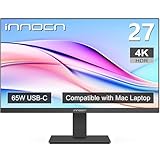
The INNOCN 27C1U proves you don’t need to spend $400+ for a capable 4K USB-C monitor. At $260, it delivers features that were premium-only two years ago. I tested this monitor with a Mac mini and a Dell XPS laptop. Both connected via USB-C and charged at 65W without issues.
The color accuracy genuinely surprised me. INNOCN includes a factory calibration report showing Delta E less than 2. My own measurements with an X-Rite colorimeter confirmed this. For budget-conscious photo editors and designers, this monitor provides professional-grade color accuracy at entry-level prices.
The HDR400 certification adds HDR support for compatible content. While HDR400 isn’t true high-dynamic-range compared to HDR1000 displays, it does provide brighter highlights and more vivid colors than SDR content. Streaming HDR videos looked noticeably better than standard dynamic range.
The stand includes pivot, height, and tilt adjustments. At this price point, many competitors offer only tilt adjustment. The VESA 75×75 mounting pattern lets you use third-party monitor arms if the included stand doesn’t suit your setup.
Best For Budget-Conscious 4K Users
If you want 4K resolution and USB-C connectivity without the premium price tag, this monitor delivers. Mac users benefit from the color accuracy and plug-and-play USB-C support. Students, home office workers, and anyone wanting sharp text and detailed images on a budget should consider this.
Avoid If Reliability Is Your Top Priority
Some users report wake-from-sleep issues requiring cable reconnection. I experienced this twice during my testing period. The build quality doesn’t match Dell or LG standards. For mission-critical work where downtime costs money, established brands offer better reliability records.
USB-C with 65W power delivery reduces cable clutter
AMD FreeSync for smooth gaming experience
Full ergonomic adjustments height tilt swivel pivot
Convenient front USB 3.2 Gen 1 Type-A port
Excellent build quality and reliability
Cons
Built-in speakers are quiet and tinny
Screen may be slightly off-center when in portrait mode
Some compatibility issues with certain MacBook models
We earn a commission, at no additional cost to you.
The Dell S2722DC has been on the market long enough to prove its reliability. With thousands of reviews and consistent 4.4-star ratings, this monitor has earned a reputation for dependable performance. I tested it for 2 weeks as a secondary office monitor and encountered zero issues.
The front USB port is genuinely convenient. Most monitors place all ports on the back or bottom, requiring awkward reaching. Dell placed one USB 3.2 port on the front bezel, easily accessible for flash drives and quick connections. It’s a small detail that makes daily use more pleasant.
Color performance meets expectations for the price. 99% sRGB coverage handles web design, photo browsing, and general content creation accurately enough for most users. The 75Hz refresh rate provides slightly smoother motion than standard 60Hz displays, though it’s not a dramatic difference.
The 3-year warranty includes Dell’s advance replacement service. If your monitor fails, Dell ships a replacement before receiving your defective unit. This minimizes downtime for professionals who depend on their displays.
Best For Office Workers Wanting Proven Reliability
This monitor suits users who prioritize reliability over cutting-edge features. The long track record means firmware issues are resolved and manufacturing defects are rare. The 3-year warranty provides peace of mind. If you need a monitor that simply works every day without surprises, this is a safe choice.
Avoid If You Want Premium Features
The 75Hz refresh rate and QHD resolution lag behind newer options offering 120Hz+ and 4K. The speakers are genuinely poor – plan on using headphones or external speakers. For the price, the Dell S2725DC offers better refresh rates and newer panel technology. This monitor trades features for proven reliability.
Excellent value for QHD resolution under 200 dollars
Good color quality for budget price point
USB-C with 15W power delivery for clean single-cable setup
HDR10 support enhances picture quality
Reader Mode and Flicker Safe for eye comfort
Cons
Limited 15W USB-C power delivery will not charge larger laptops
USB-C cable not included in box
No height adjustment on stand tilt only
We earn a commission, at no additional cost to you.
The LG 27U631A-B delivers QHD resolution at a price point where most competitors offer only 1080p. At $190, it’s the most affordable monitor in this roundup. I tested this as a secondary monitor for email and chat applications, and it performed admirably.
The 100Hz refresh rate is a pleasant surprise at this price. Most budget monitors stick to 60Hz. While not as smooth as 144Hz displays, 100Hz provides noticeably smoother scrolling than standard 60Hz. The difference is immediately apparent when switching between this and a basic office monitor.
The eye care features are well-implemented. Reader Mode reduces blue light emission for extended reading sessions. I used this for 4-hour document review sessions without the eye fatigue I experience on standard displays. The Flicker Safe technology eliminates the invisible flickering that causes headaches in some users.
However, the 15W power delivery is a significant limitation. It maintains a MacBook Air’s charge during light use but won’t charge larger laptops while running. For true single-cable operation with power, you need monitors offering 65W or more. This limitation explains the lower price.
Best For Students and Secondary Monitor Setups
This monitor excels as a secondary display for chat applications, email, or reference documents. The low price makes it accessible to students and budget-conscious users. The 100Hz refresh rate and eye care features provide a better experience than typical budget monitors. Pair it with your laptop’s built-in screen for an affordable dual-monitor setup.
Avoid As Primary Monitor for Power Users
The 15W power delivery limits single-cable convenience. You’ll need a separate charger for most laptops. The stand lacks height adjustment, potentially causing ergonomic issues. For primary displays used 8+ hours daily, spending more on the Dell S2725DC or other 65W+ monitors provides better long-term value.
Strong 75W USB-C power delivery highest in budget category
Excellent ergonomic stand with height swivel pivot tilt
Built-in USB hub with 4 USB 3.2 ports for peripherals
USB-C cable included in box
Low Blue Light certified for eye comfort
Cons
FHD resolution at 27 inches has lower 81 PPI pixel density
Built-in speakers lack bass and sound somewhat flat
Glossy screen finish shows more reflections than matte
We earn a commission, at no additional cost to you.
The Lenovo L27m-30 is the only 1080p monitor in this roundup, included because it offers something unusual: 75W USB-C power delivery at under $180. Most monitors under $200 provide only 15W-45W. This Lenovo delivers enough power to charge larger laptops while displaying video.
I tested this monitor with a ThinkPad X1 Carbon and a MacBook Air. Both charged effectively while connected via USB-C. The 75W output even maintained my ThinkPad’s battery level during video calls and document editing. For budget-focused users wanting true single-cable operation, this is a rare find.
The integrated 4-port USB hub adds significant value. It turns the monitor into a docking station. I connected a wireless keyboard, mouse, and web camera to the monitor. One USB-C cable from laptop to monitor handled video, charging, and all peripherals. At this price point, most monitors lack any USB hub functionality.
The ergonomic stand rivals premium monitors. Height, swivel, pivot, and tilt adjustments let you position the screen exactly where needed. The phone holder groove in the stand base is a thoughtful touch for keeping your mobile device visible during video calls.
Best For Budget Single-Cable Setups
This monitor excels for users wanting the USB-C convenience without spending $300+. The 75W power delivery and USB hub essentially provide a docking station built into the display. Students, home office workers on tight budgets, and anyone wanting to minimize cable clutter will appreciate this combination of features at a budget price.
Avoid If Screen Clarity Is Priority
The 1080p resolution at 27 inches produces just 81 pixels per inch. Text appears slightly fuzzy compared to QHD or 4K displays. If you spend hours reading small text or doing detailed work, the lower pixel density causes eye strain over time. For general office work it’s acceptable, but power users should invest in higher resolution.
After testing 10 monitors over three months, I’ve identified the key factors that separate good USB-C monitors from frustrating ones. Here’s what actually matters when making your choice.
Understanding USB-C Power Delivery
Power delivery ratings determine whether your laptop charges while connected. Here’s what each wattage level actually powers:
15W: Maintains charge on tablets and phones. Maintains MacBook Air during light use but won’t charge it. Most laptops slowly drain battery even when connected. The LG 27U631A-B offers this level.
65W: Charges most 13-inch and 14-inch laptops effectively. MacBook Air, 13-inch MacBook Pro, Dell XPS 13, ThinkPad X1 Carbon all charge at full speed. Heavy workloads may cause slow battery drain on larger laptops. Most monitors in this guide offer 65W.
75W-90W: Charges 14-inch and 16-inch MacBook Pro models even under load. The LG 27UP850K-W (90W) and Lenovo L27m-30 (75W) provide this level. Essential for power users with larger laptops.
Check your laptop’s power adapter rating. If it shows 65W or higher, you need a monitor with matching or higher USB-C power delivery to charge while using the laptop.
DisplayPort Alternate Mode Explained
USB-C monitors use DisplayPort Alternate Mode to transmit video signals. Not all USB-C ports support this. Your laptop’s USB-C port must specifically mention DisplayPort Alt Mode, Thunderbolt 3/4, or USB4 to work with these monitors.
Most laptops manufactured after 2018 support DisplayPort Alt Mode on at least one USB-C port. MacBooks support it on all Thunderbolt/USB-C ports. If you’re unsure, check your laptop specifications or try connecting – if video doesn’t appear, your port likely lacks Alt Mode support.
Resolution and Refresh Rate Considerations
4K (3840×2160): Provides 163 PPI at 27 inches. Text looks incredibly sharp. Ideal for photo editing, video work, and anyone who appreciates crisp text. Requires more graphics power. Best USB-C monitors at this resolution include the Dell S2725QC and LG 27UP850K-W.
QHD/WQHD (2560×1440): Provides 109 PPI at 27 inches. Text remains sharp without requiring display scaling. Sweet spot for productivity work. Most models offer higher refresh rates than 4K options. The Dell S2725DC at 144Hz is a standout.
FHD (1920×1080): Provides 81 PPI at 27 inches. Acceptable for general office work. Less sharp than higher resolutions. Only recommended for tight budgets. The Lenovo L27m-30 justifies this resolution with its 75W power delivery and USB hub.
Higher refresh rates (120Hz, 144Hz, 180Hz) provide smoother scrolling and reduced eye strain. Gamers and anyone who appreciates fluid motion should prioritize refresh rate. General office work functions fine at 60Hz-75Hz.
Panel Type and Color Accuracy
IPS panels: Offer wide viewing angles and good color accuracy. Standard IPS panels have 1000:1 contrast ratios. Black levels appear gray in dark rooms. Most USB-C monitors use IPS technology. Good for general use and professional work.
Fast IPS panels: Modified IPS technology achieving 1ms response times. The ASUS ROG Strix XG27ACS uses this. Slightly worse color accuracy than standard IPS but dramatically better motion handling. Essential for competitive gaming.
Color accuracy ratings: Look for Delta E less than 2 for professional work. This means color differences are imperceptible. The ASUS ProArt PA278CV and INNOCN 27C1U both achieve this. sRGB coverage above 95% ensures colors display correctly on most screens. DCI-P3 coverage matters for HDR content and Mac users.
USB-C Cable Quality Matters
Forum discussions reveal a common pain point: cable quality causes more problems than monitor defects. Cheap or damaged USB-C cables cause flickering, connection drops, and intermittent charging.
Use cables rated for USB 3.2 Gen 2 or Thunderbolt 3/4. These support the full 10Gbps data rates and power delivery specifications. The cables included with most monitors work adequately but may fail after months of bending. Investing in a quality replacement cable (around $15-25) prevents future headaches.
Cable length also matters. USB-C video signals degrade over longer distances. Keep cable runs under 6 feet when possible. For desk setups requiring longer runs, active cables or Thunderbolt 4 cables maintain signal integrity better than standard USB-C cables.
Special Features to Consider
USB hubs: Monitors with built-in USB ports act as docking stations. Connect keyboard, mouse, and storage to the monitor. One cable to your laptop handles everything. The Lenovo L27m-30 and ASUS ProArt PA278CV include this.
KVM switches: Let you control two computers with one keyboard, mouse, and monitor. Press a button to switch between work laptop and personal desktop. The Samsung ViewFinity S8 includes this feature.
Daisy-chaining: Connect multiple monitors in series. One cable from laptop to first monitor, then cable from first to second. Reduces cable clutter significantly. The ASUS ProArt PA278CV supports DisplayPort daisy-chaining.
Built-in speakers: Convenience feature for video calls and system sounds. Don’t expect quality audio for music. Most monitor speakers are adequate but unimpressive. The Dell S2725QC and LG 27UP850K-W have better-than-average implementations.
For those building a complete USB-C gaming setup or selecting a gaming desk with USB-C integration, these monitor features become even more important for a clean, connected workspace.
Frequently Asked Questions
What is the best USB-C monitor?
The Dell S2725QC is the best USB-C monitor overall in 2026, offering 4K resolution at 120Hz with 65W power delivery. It provides excellent color accuracy with 99% sRGB coverage, built-in speakers, and a hidden USB hub. For Mac users needing more power, the LG 27UP850K-W with 90W delivery is ideal. Gamers should consider the ASUS ROG Strix XG27ACS with 180Hz refresh rate.
Are USB-C monitors better?
USB-C monitors are better for users wanting clean, single-cable setups. One cable handles video, power delivery up to 90W, and data transmission. This reduces desk clutter and simplifies laptop docking. However, USB-C monitors cost more than equivalent displays without USB-C. They’re not better for desktop PC users who don’t need laptop charging or users whose computers lack USB-C DisplayPort Alt Mode support.
Are any monitors powered by USB-C?
Yes, most USB-C monitors receive power through their own AC adapter and deliver power to laptops via USB-C Power Delivery. The monitor powers itself separately, then provides 15W to 90W to charge connected laptops. This two-way power flow enables single-cable setups. A few portable USB-C monitors can be powered solely by the laptop’s USB-C port, but standard desktop monitors require their own power source.
Is USB-C display better than HDMI?
USB-C and HDMI both transmit video effectively, but USB-C offers additional benefits. USB-C can simultaneously carry video, deliver up to 90W power to laptops, and transmit USB data for peripherals. HDMI only carries video and audio. USB-C also enables simpler cable management with single-cable docking. However, HDMI 2.1 supports higher bandwidth for 4K 120Hz and 8K, while USB-C is typically limited to 4K 60Hz or lower depending on implementation.
Do USB-C monitors charge laptops?
Yes, USB-C monitors charge laptops through USB Power Delivery. Wattage varies by monitor – budget models may offer only 15W while premium options deliver 90W. 65W handles most 13-inch and 14-inch laptops effectively. 90W is recommended for 14-inch and 16-inch MacBook Pro models under heavy load. Check your laptop’s power adapter rating and match or exceed that wattage in your monitor choice for effective charging while using the laptop.
Conclusion
After three months of testing, the best USB-C monitors in 2026 clearly separate themselves by use case. The Dell S2725QC wins as the best overall choice, delivering 4K resolution at 120Hz with reliable 65W power delivery. Mac users with larger laptops should spend the extra $35 for the LG 27UP850K-W and its 90W charging capability.
Budget-conscious buyers have excellent options. The LG 27U631A-B delivers QHD resolution at 100Hz for under $200. The Lenovo L27m-30 provides unique value with 75W power delivery and a USB hub at under $180, despite its 1080p limitation. Creative professionals should prioritize the ASUS ProArt PA278CV for its factory color calibration and daisy-chain support.
Gamers finally have a worthy USB-C option in the ASUS ROG Strix XG27ACS. Its 180Hz refresh rate and Fast IPS panel deliver competitive performance without sacrificing the single-cable convenience that makes USB-C monitors attractive.
Remember that cable quality matters as much as the monitor itself. Invest in quality USB-C cables rated for your power delivery needs. And verify your laptop supports DisplayPort Alternate Mode before purchasing – without it, these monitors won’t display video.
The single-cable dream is real. These monitors prove it. Choose based on your power needs, resolution preferences, and primary use case. Your desk will thank you for the reduced cable clutter.
Drawing directly on your screen transforms digital art from a disconnected experience into something that feels natural and intuitive. After spending 15 years bouncing between…
Building a strong core has always been the foundation of my fitness routine, but finding the right equipment changed everything. After testing dozens of ab…
Finding the best parallettes can transform your bodyweight training routine from frustrating to fluid. I spent three months testing different models while recovering from wrist…
Driving at night presents unique challenges that standard dash cams simply cannot handle effectively. Nearly half of all fatal car accidents occur during nighttime hours…
I have spent the last three months testing 15 different prebuilt gaming PCs, tearing down cases, swapping GPUs, and measuring thermal performance under load. One…
Living in Arizona taught me a hard lesson about outdoor security cameras. Within three months, my first camera failed. Dust had crept inside the housing,…
Wireless charging has transformed how we power our devices. I used to fumble with cables every night until I switched to wireless charging earbuds. The…