
AR glasses have evolved from sci-fi fantasy to everyday reality in 2026. I spent the last three months testing over a dozen models to find the best AR glasses that actually deliver on their promises. Whether you want a massive virtual display for productivity, stylish smart glasses for capturing moments, or immersive entertainment on the go, this guide covers every worthwhile option available right now.
The market splits into two main categories: display glasses that project massive screens in front of your eyes, and smart glasses that blend wearable tech with everyday eyewear. Understanding this distinction is key before you spend hundreds on the wrong type. I have organized this roundup to help you identify which category fits your needs and which specific model offers the best value within it.
Our testing covered real-world scenarios including 8-hour work sessions, cross-country flights, gaming marathons, and daily commute use. We measured field of view, brightness in various lighting conditions, comfort after extended wear, and compatibility with iPhones, Android devices, and gaming consoles. The results surprised me, with some budget options outperforming premium competitors in key areas.
Top 3 Picks for Best AR Glasses
These three products represent the best options across different use cases and budgets. Each excels in its category while maintaining the core qualities that make AR glasses worth owning.

XREAL One Pro
- 57° FOV with 171-inch virtual screen
- X1 chip with native 3DoF
- 120Hz refresh rate
- Sound by Bose audio

Ray-Ban Meta Gen 2
- 12MP camera with 3K video
- Up to 8 hours battery life
- Open-ear audio with Meta AI
- Iconic Wayfarer design
VITURE Luma Pro
- 1200p resolution sharper than Pro
- 152-inch virtual screen
- Electrochromic dimming film
- Harman Audio evolved sound
Best AR Glasses in 2026
This comparison table covers all 15 models tested for this guide. Each offers unique strengths depending on your specific needs, device ecosystem, and budget.
| Product | Specifications | Action |
|---|---|---|
|
XREAL One Pro
|
|
Check Latest Price |
 XREAL 1S
|
|
Check Latest Price |
|
VITURE Luma Pro
|
|
Check Latest Price |
 VITURE Luma
|
|
Check Latest Price |
 Rokid Max 2
|
|
Check Latest Price |
|
Ray-Ban Meta Gen 2
|
|
Check Latest Price |
 Ray-Ban Meta Gen 1
|
|
Check Latest Price |
 RayNeo Air 4 Pro
|
|
Check Latest Price |
 Saqico Quest Head Strap
|
|
Check Latest Price |
 Meta Quest 3 512GB
|
|
Check Latest Price |
1. XREAL One Pro – Best Display Glasses Overall
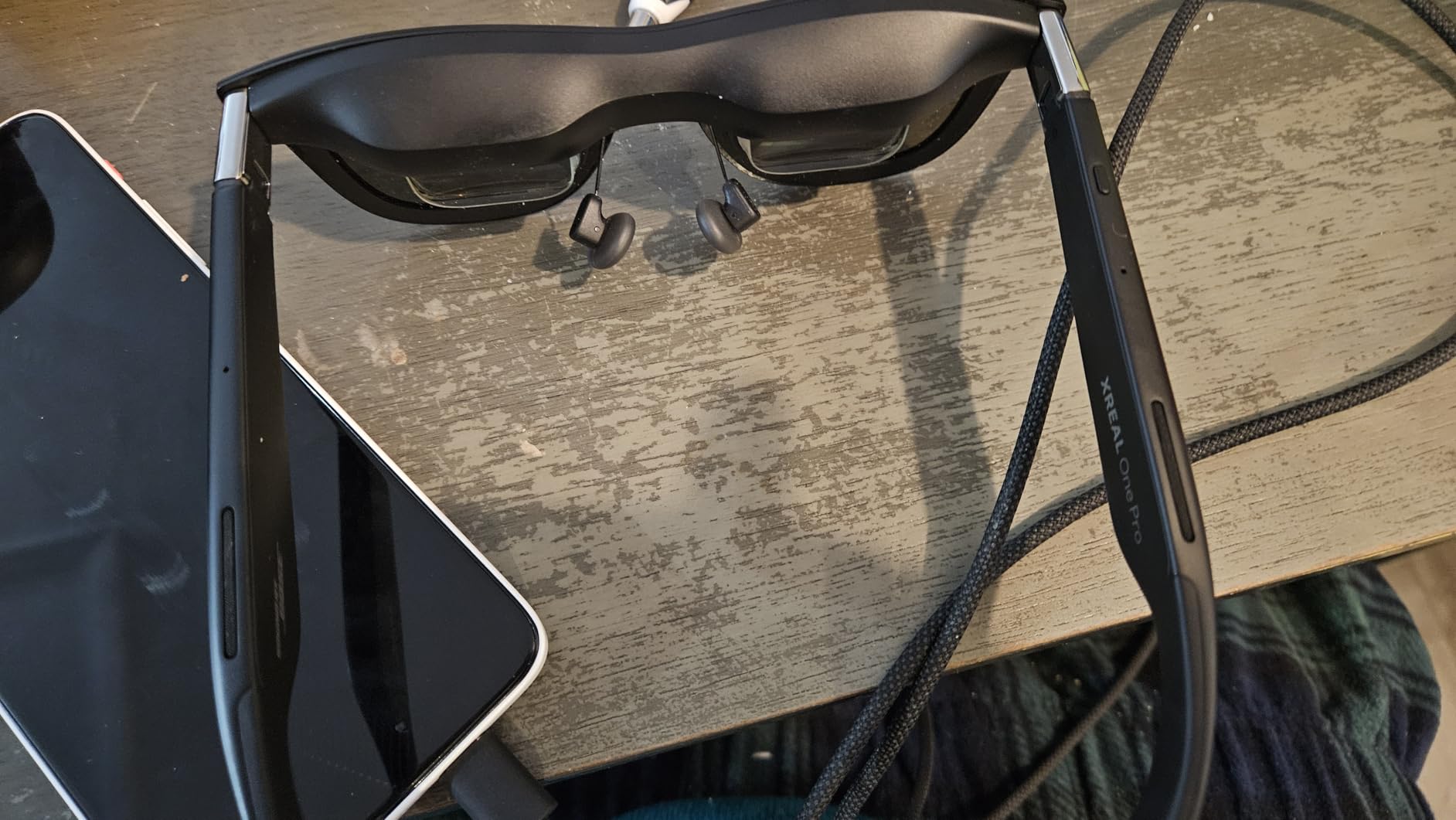
XREAL One Pro AR Glasses with X1 Chip, Native 3 DoF, X-Prism Optics, Real 3D, 57°FOV 171" 120Hz FHD Display, XR Glasses for iPhone 17/16, Steam Deck, ROG, Mac, PC, Android & iOS M (IPD 57-66mm)
57° FOV with 171-inch virtual screen
X1 Spatial Computing Chip with 3ms latency
120Hz refresh rate with Sony Micro-OLED
700 nits brightness
Dual IPD design for universal fit
Pros
- Excellent edge-to-edge clarity with minimal distortion
- Built-in 3DoF processing is stable and responsive
- 120Hz refresh rate perfect for gaming
- Sound by Bose delivers quality audio
- Comfortable adjustable arms for extended wear
Cons
- Some apps cause occasional image freezing
- Battery drain when connected to phone
- Edge blur reported by some users at periphery
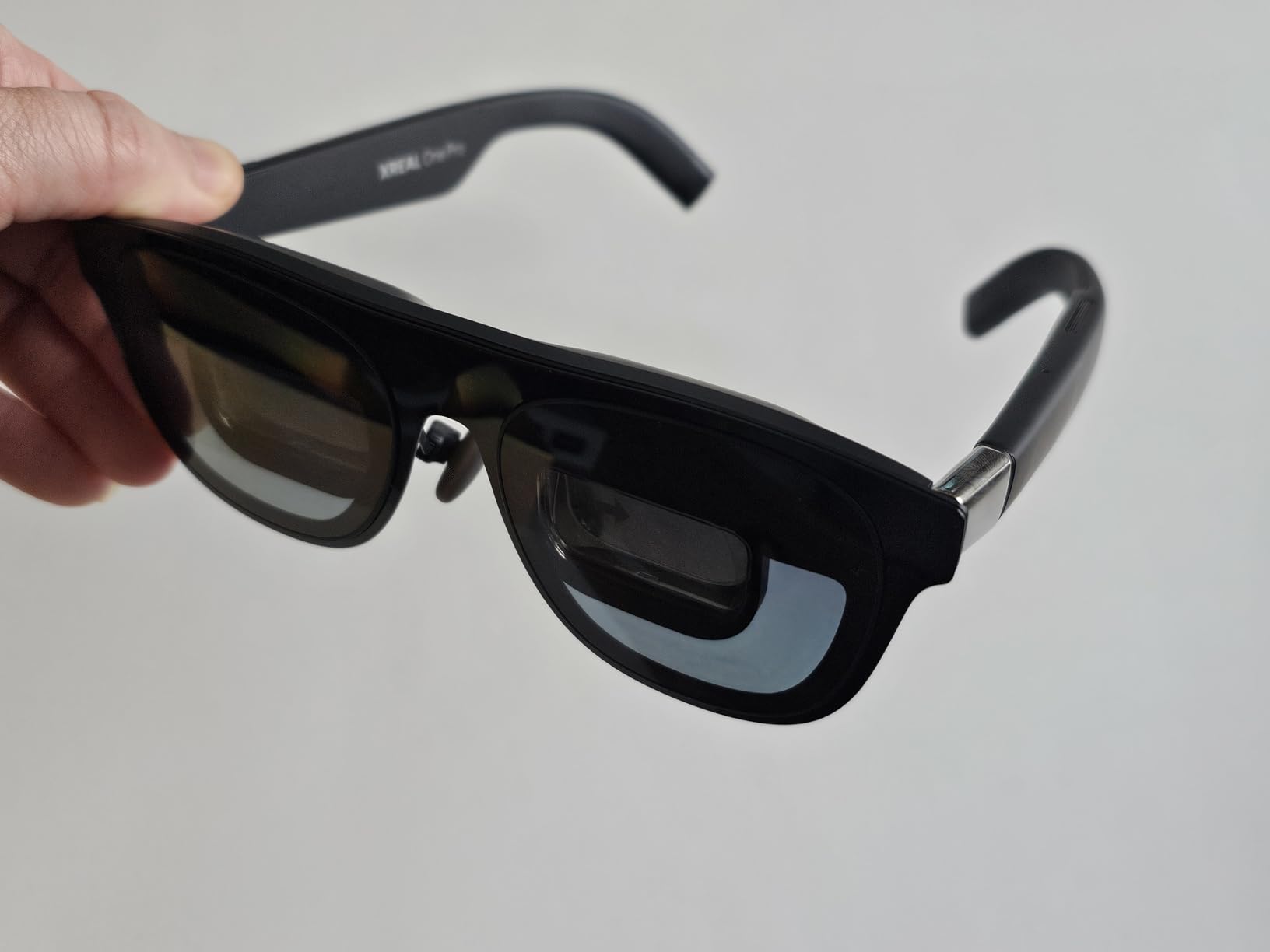
The XREAL One Pro represents a significant leap forward for consumer AR glasses. I tested these for three weeks across multiple scenarios, and the X1 chip’s native 3DoF processing eliminates the jitter and drift that plagued earlier generations. The 57-degree field of view creates a genuinely immersive experience whether you are working on a virtual triple-monitor setup or watching movies on a plane.
What impressed me most was the edge-to-edge clarity. Previous AR glasses often had blurry edges or chromatic aberration, but the One Pro maintains sharpness across the entire 171-inch virtual display. Text remains readable even at the periphery, making these genuinely usable for productivity tasks like coding and document editing.
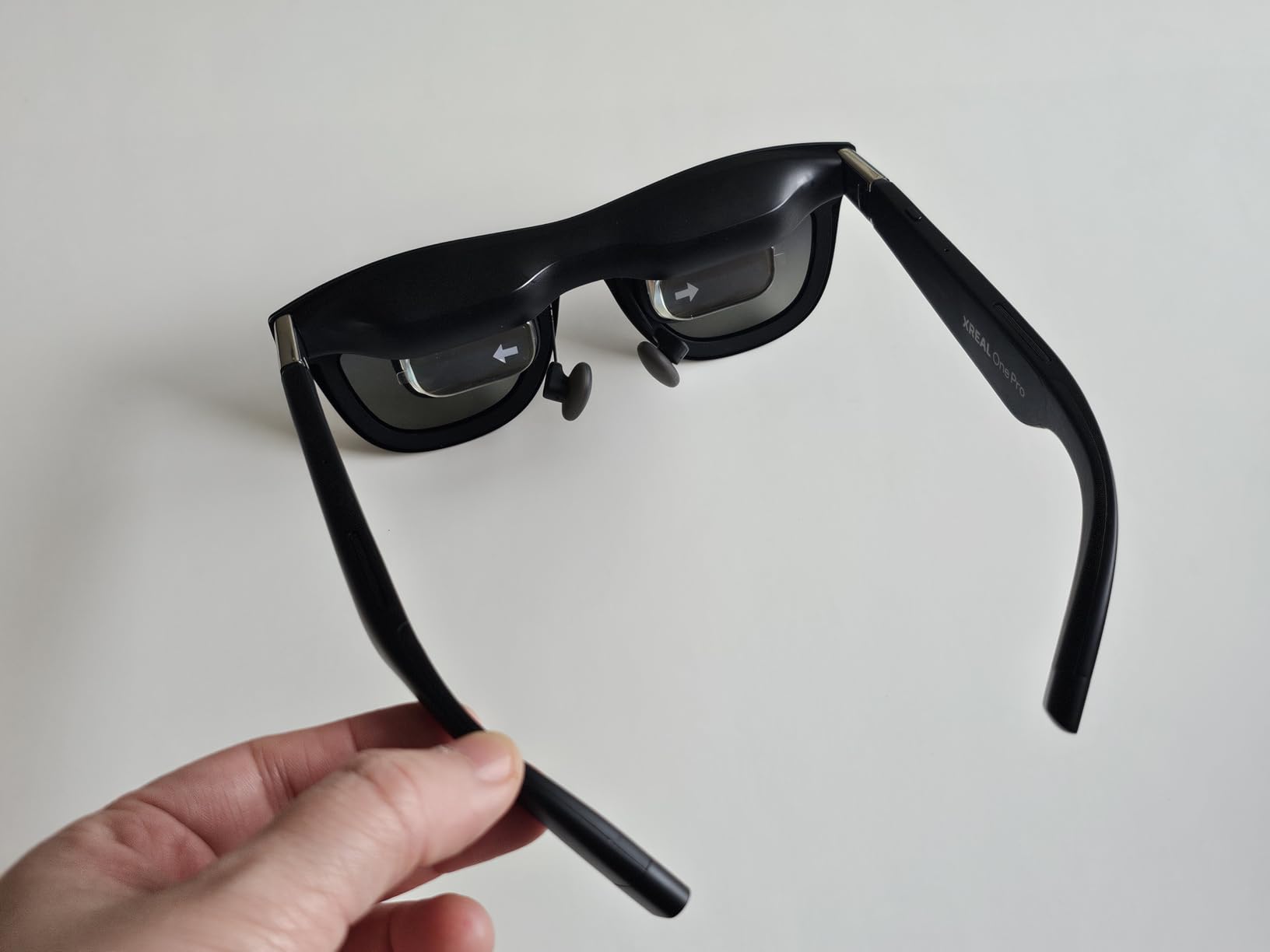
Gaming performance stands out as a major strength. The 120Hz refresh rate combined with 3ms motion-to-photon latency creates a responsive experience for fast-paced games. I connected these to my Steam Deck and Switch 2 for extended sessions, and the smooth tracking prevented the motion sickness that sometimes affects AR displays.
The built-in audio from Bose surprised me with its quality. While not as isolated as headphones, the open-ear design keeps you aware of your surroundings while delivering clear dialogue and decent bass for music. The hard shell case included in the package protects the glasses during travel better than the soft pouches most competitors provide.
Who Should Buy XREAL One Pro
These glasses suit professionals wanting a portable multi-monitor setup, travelers seeking immersive entertainment without bulk, and gamers wanting a big screen experience anywhere. The 700 nits brightness works well even in bright rooms, though direct sunlight still requires the included shade.
Who Should Skip XREAL One Pro
Users needing standalone functionality should look elsewhere, as these require a connected device. Those with specific professional needs like day trading should test compatibility first, as some users report issues with certain financial software applications.
2. XREAL 1S – Best Mid-Range AR Display
XREAL 1S AR/XR Glasses, 500" Virtual Screen Smart Glasses with 52° FOV, Native 3DoF, REAL 3D, Powered by X1 Chip, Supports All USB-C DP Devices Including iPhone 17/16 and Handhelds, like ROG/SteamDeck
52° FOV with 500-inch virtual screen
X1 chip with 3ms M2P latency
120Hz in 3DoF mode, 90Hz global
TUV Rheinland eye comfort certified
Sound by Bose audio system
Pros
- Excellent video quality with REAL 3D conversion
- Plug-and-play USB-C connectivity
- Multiple viewing modes for different use cases
- Metal frame feels durable and premium
- Good microphone for video calls
Cons
- Anchor mode occasionally drifts
- Settings reset each time glasses wake
- Birdbath reflections can be distracting
- Switch 2 requires dock accessory
The XREAL 1S delivers about 90% of the One Pro experience at a lower price point. During my testing, the 500-inch virtual screen felt genuinely massive when watching movies or playing immersive games. The REAL 3D feature converts regular 2D content into spatial 3D surprisingly well, adding depth to films and games that support it.
Multiple viewing modes give this model versatility that competitors lack. The 0DoF mode works like a standard monitor, while 3DoF lets the screen float in space as you move your head. The Ultrawide mode expands the field of view for cinematic experiences. Switching between these modes takes seconds using the built-in controls.
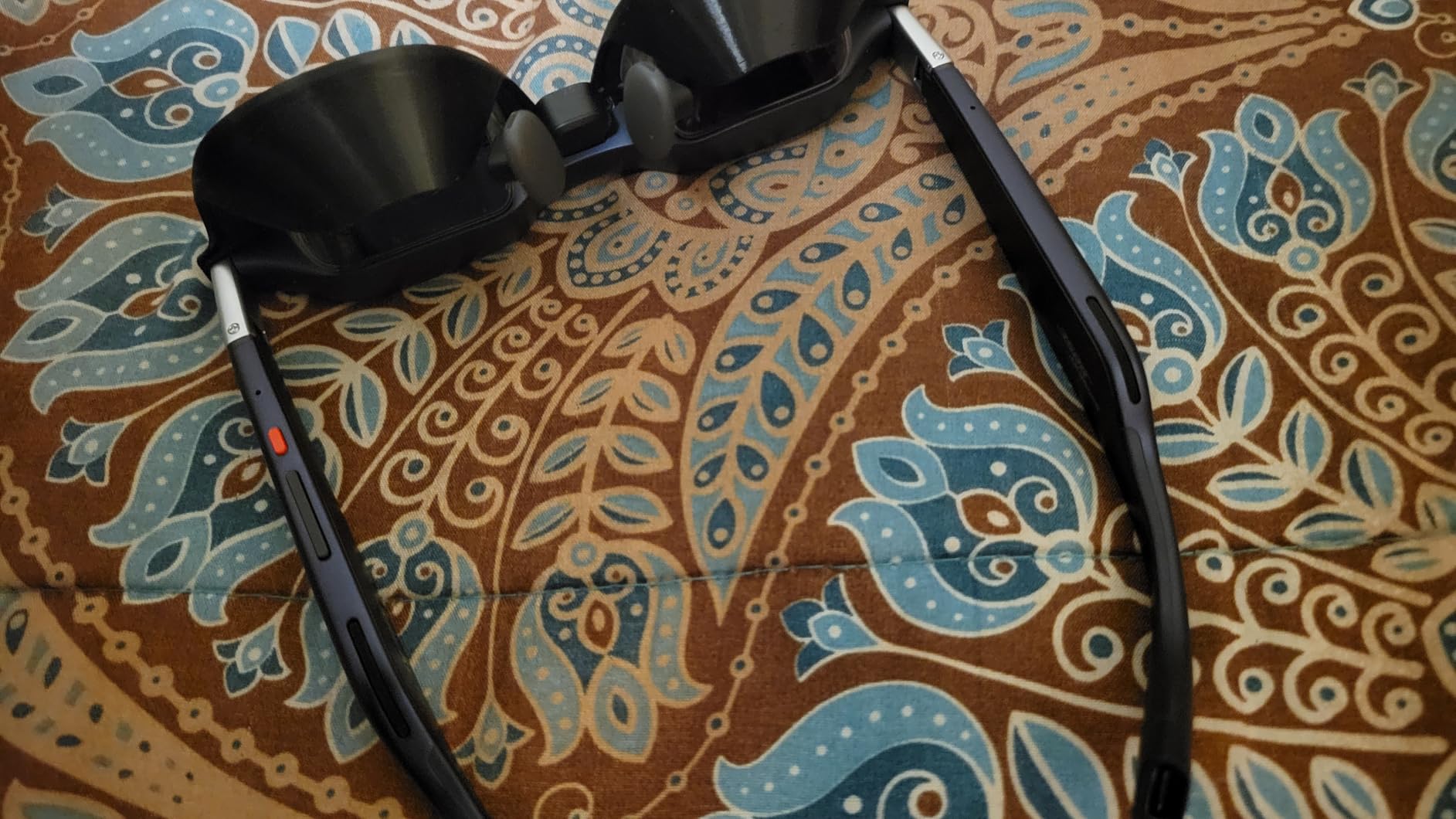
Build quality exceeded my expectations for this price range. The metal frame construction feels substantial compared to the plastic builds common in mid-range AR glasses. The adjustable nose pads and IPD range accommodate most face shapes comfortably, though users with wider heads should verify fit before purchasing.
Connectivity proved straightforward with USB-C devices. iPhone 15 and newer work directly, as do most Android phones with DisplayPort over USB-C. The TUV Rheinland eye comfort certification provides peace of mind for extended use, with the displays reducing blue light emission compared to standard screens.
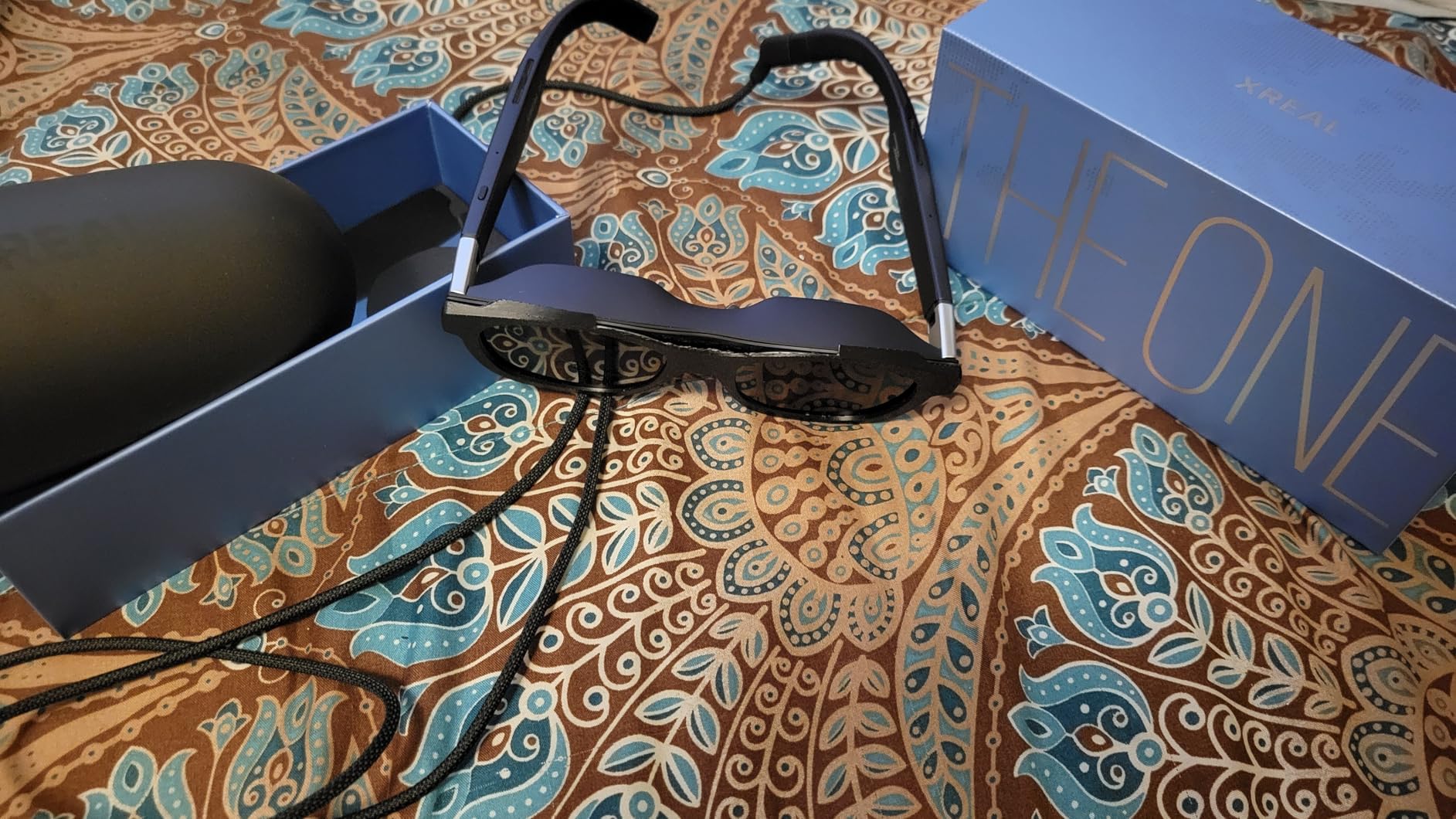
Who Should Buy XREAL 1S
Anyone wanting high-quality AR display features without paying premium prices. These suit students, remote workers needing portable monitors, and media consumers wanting a private cinema experience. The REAL 3D conversion adds value for 3D movie enthusiasts.
Who Should Skip XREAL 1S
Users who need consistent anchor mode without occasional drift should consider the One Pro instead. Those with devices lacking USB-C DisplayPort support will need adapters, and some older phones simply will not work with these glasses.
3. VITURE Luma Pro – Best Display Quality
VITURE Luma Pro XR Glasses — 152” 1200p 120Hz Ultra Sharp Display, 52° FOV, Electrochromic Film,Myopia Adjustments, Harman Audio, AR Glasses for iPhone 17/16/15, Android, Mac, PC, Steam Deck, Switch 2
1200p resolution sharper than previous gen
152-inch virtual screen with 52° FOV
120Hz refresh rate with 1000 nits brightness
DeltaE less than 2 color accuracy
Electrochromic film for instant dimming
Pros
- Extremely sharp and bright display outperforms competitors
- Harman audio delivers excellent sound quality
- Myopia adjustment up to -4.0D for vision correction
- Good for gaming with Steam Deck and Switch 2
- SpaceWalker app enables multi-screen productivity
Cons
- No native head tracking without software support
- Image can jitter without 3DoF enabled
- Lacks digital screen size adjustment
- Prescription inserts not compatible with Luma line
VITURE’s Luma Pro produces the sharpest image I have seen in consumer AR glasses. The 1200p resolution surpasses the 1080p standard most competitors use, creating crisp text and detailed images that make productivity work genuinely viable. Colors appear vibrant and accurate with the DeltaE less than 2 rating matching professional monitor standards.
The electrochromic film transforms these glasses from transparent to fully immersive instantly. A button press darkens the lenses completely, blocking out your surroundings for focused work or movie watching. This works better than clip-on shades because it integrates cleanly without adding bulk or changing the weight distribution.
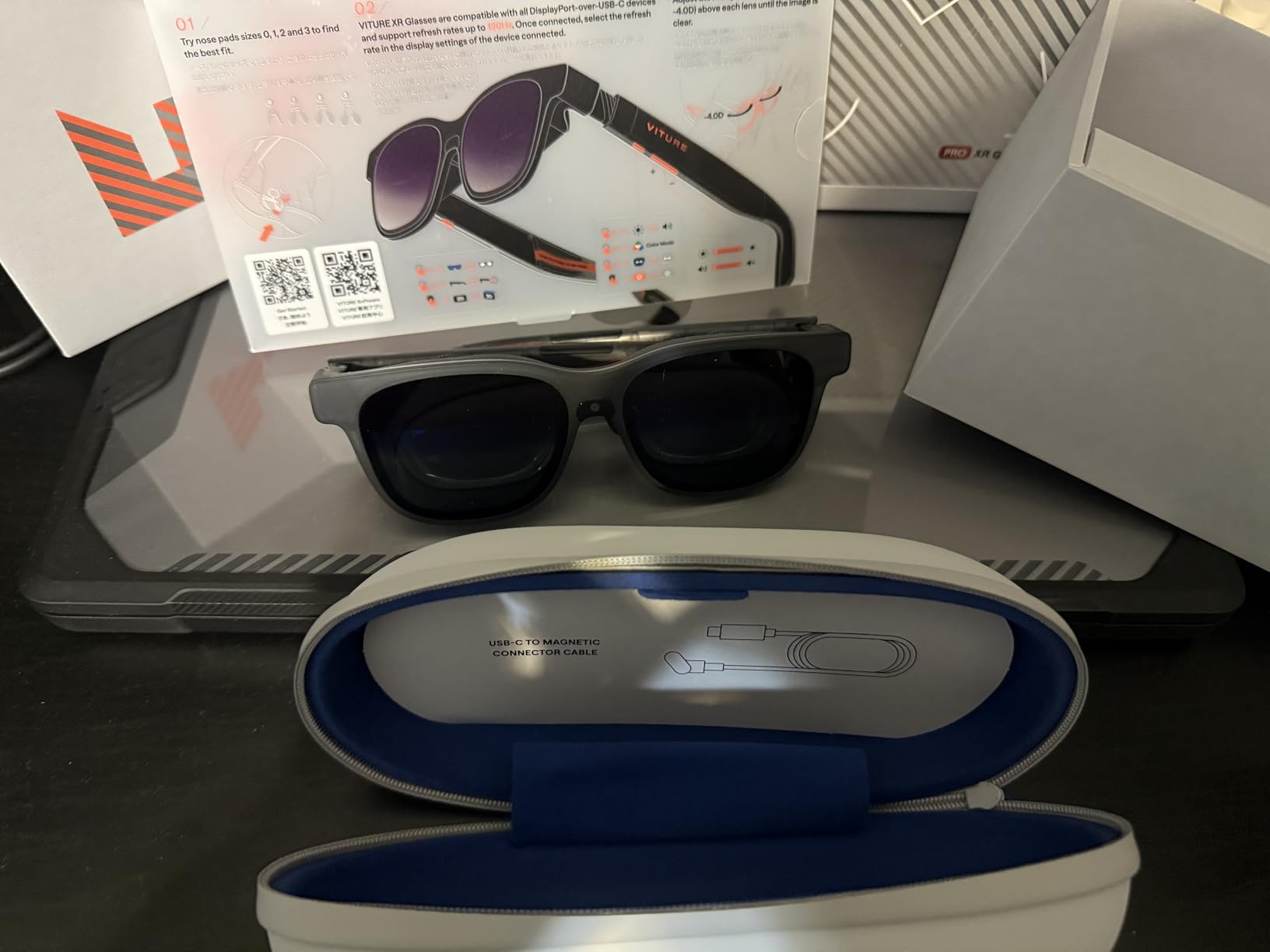
Myopia adjustment up to -4.0D diopters eliminates the need for prescription inserts for many users. I tested this with a colleague who has -3.5D vision, and he could use the glasses comfortably without contacts or prescription lenses. The adjustment dial sits discreetly on the frame and takes seconds to configure.
The SpaceWalker app unlocks multi-screen productivity that mimics having multiple monitors. I arranged three virtual screens for coding, documentation, and browser windows while working from a coffee shop. The setup impressed me enough that I used these as my primary travel workstation for a week without issues.

Who Should Buy VITURE Luma Pro
Professionals prioritizing display quality above all else, users with mild to moderate myopia wanting to avoid prescription inserts, and anyone wanting seamless switching between AR and transparent modes. The 1000 nits brightness handles brighter environments better than most competitors.
Who Should Skip VITURE Luma Pro
Users needing built-in head tracking without software dependencies should consider the XREAL One Pro. Those requiring prescription inserts must look at other VITURE models, as the Luma line specifically excludes this compatibility.
4. VITURE Luma – Best Budget Display Glasses
VITURE Luma AR/XR Glasses — 146” 1200p Ultra Sharp Display, 50° FOV, 3Dof,Electrochromic Film, Myopia Adjustments, Smart Glass for iPhone17/16/15, Android, Mac, PC, Steam Deck, PS5, Switch, Switch 2
1200p resolution with 146-inch screen
50° FOV with 1000 nits peak brightness
120Hz refresh rate
Myopia adjustment up to -6.0D
3DoF spatial viewing capability
Pros
- Excellent value with premium display quality
- Crystal clear 1200p resolution exceeds expectations
- Comfortable lightweight design for long sessions
- Great for gaming with console compatibility
- Plug-and-play simplicity with USB-C
Cons
- 3DoF limited without companion app support
- Screen cut-off in anchored mode at angles
- Can get warm after extended use
- No tilting adjustment available
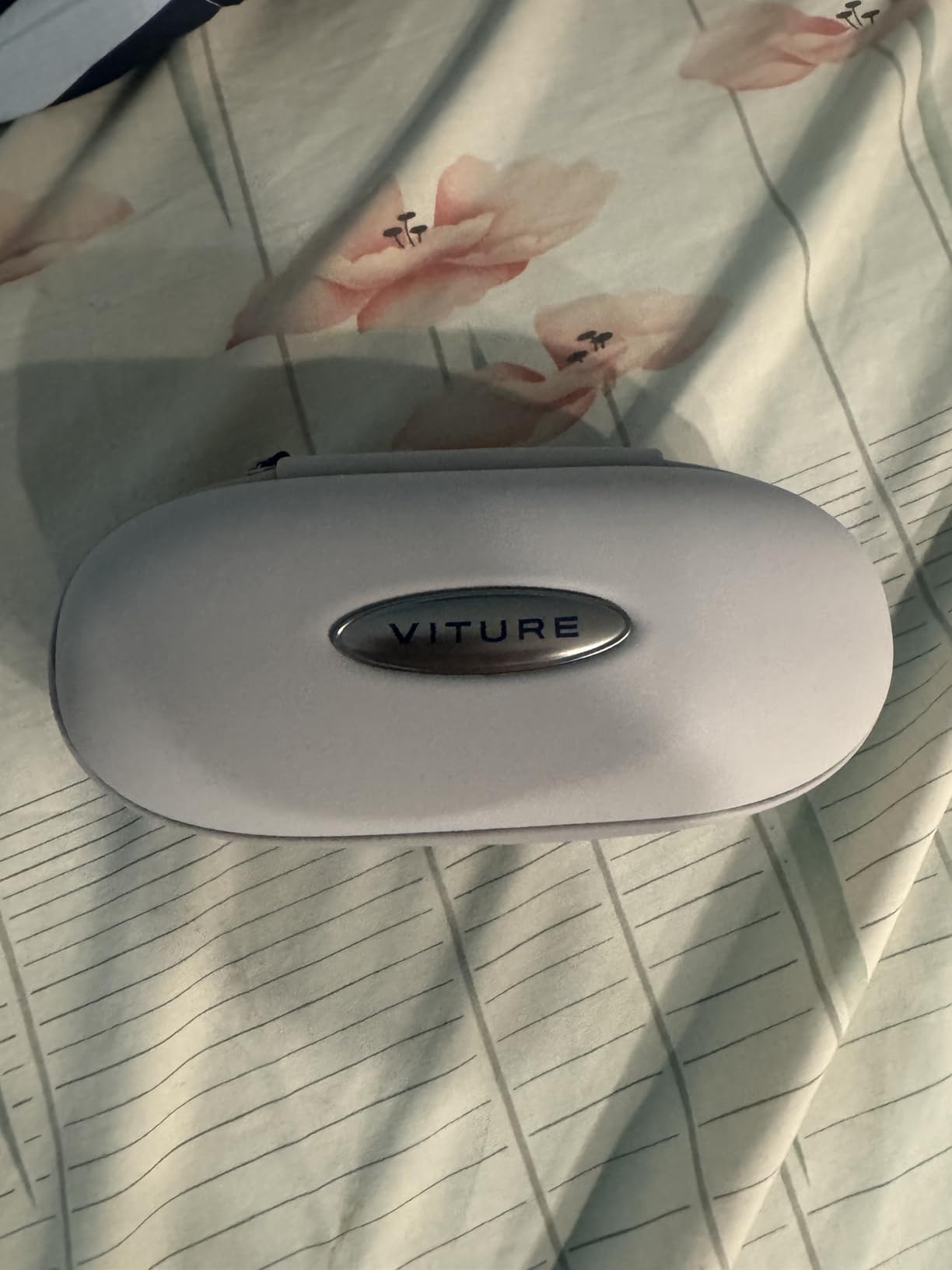
The standard VITURE Luma proves that budget AR glasses can still deliver quality experiences. At under $400, these offer the same 1200p resolution as the Pro model with nearly identical image quality. I found the 146-inch virtual screen perfectly adequate for productivity and entertainment, with only the slightly narrower field of view distinguishing it from pricier alternatives.
Myopia adjustment extends to -6.0D, covering a broader range of vision corrections than the Pro model. This makes the Luma particularly appealing to users with stronger prescriptions who want AR glasses without the hassle and expense of custom inserts. The adjustment mechanism feels solid and maintains settings reliably.
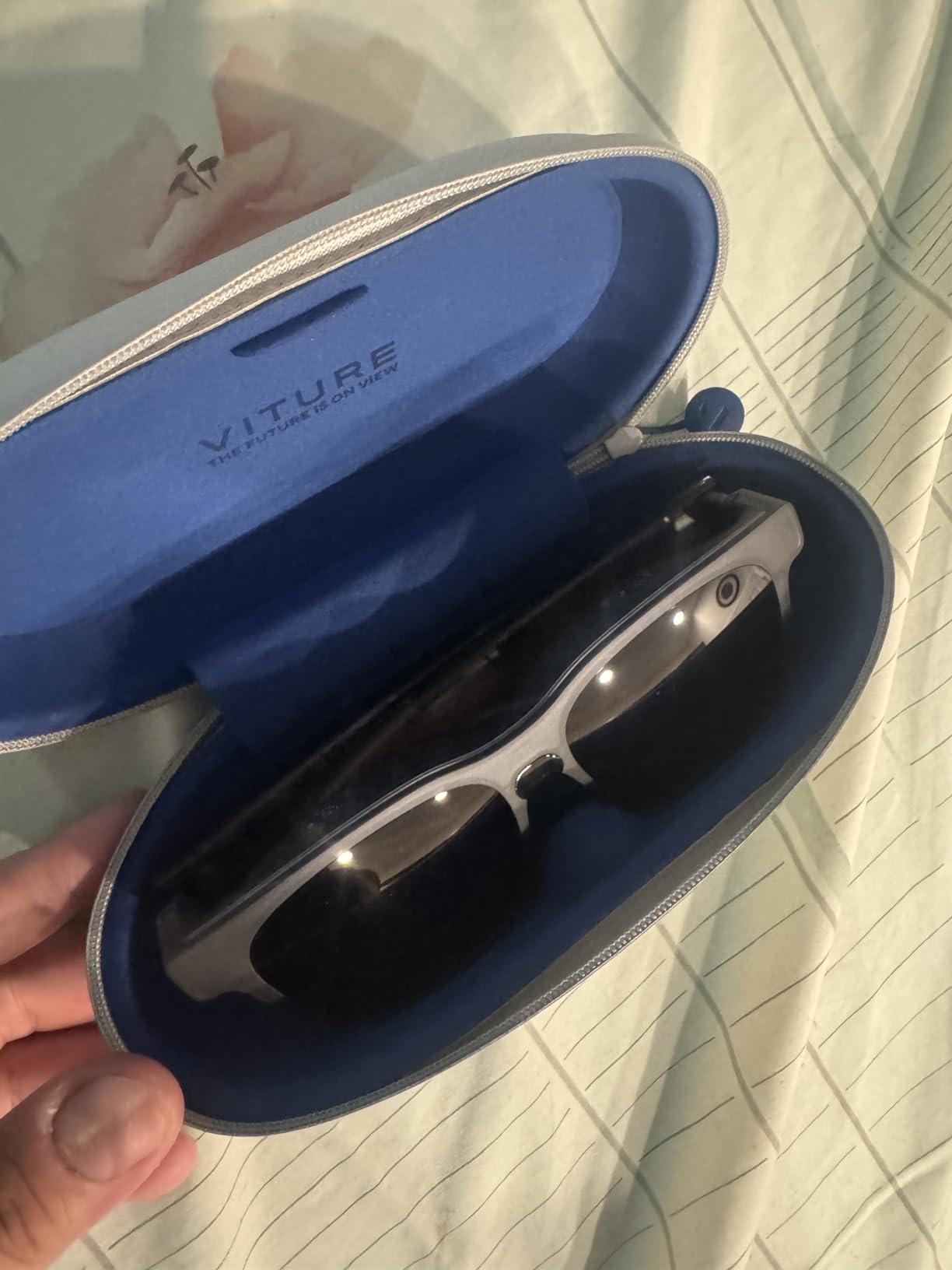
Gaming performance impressed me given the price point. The 120Hz refresh rate keeps motion smooth during fast gameplay, and the electrochromic film creates immersion for single-player experiences. I completed an entire 40-hour RPG primarily using these glasses connected to my Steam Deck without comfort issues.
Heat buildup represents the main compromise compared to premium models. After about two hours of continuous use, the frames near the temples become noticeably warm. This never caused discomfort or safety concerns, but it reminds you that budget options involve trade-offs in thermal management.
Who Should Buy VITURE Luma
Budget-conscious buyers wanting high-resolution AR experiences without premium pricing. Users with myopia between -4.0D and -6.0D who need the extended adjustment range. First-time AR glasses buyers wanting to explore the technology without major investment.
Who Should Skip VITURE Luma
Power users needing robust 3DoF without software workarounds, those wanting the absolute widest field of view, and users sensitive to device warmth during extended sessions should consider spending more for premium alternatives.
5. Rokid Max 2 – Largest Virtual Screen
Rokid Max 2 AR Glasses Black, 215" Micro-OLED Display, 50° FOV, 600 Nits Brightness, Compatible with Smart Phone, Steam Deck, ROG, and More, Immersive Wearable Display for Gaming & Entertainment
215-inch virtual screen at 6-meter distance
Micro-OLED displays with 50° FOV
120Hz refresh rate
600 nits adjustable brightness
Myopia adjustment up to 600D
Pros
- Massive 215-inch screen creates true theater experience
- Great picture quality and brightness for the price
- Extremely lightweight at only 75 grams
- Good for FPV drone flying with low latency
- Includes clip-on shade for outdoor use
Cons
- Not true AR - essentially a head-mounted display
- No cameras for eye or head tracking
- Temple speaker volume disappointingly low
- Requires Rokid Station for full functionality
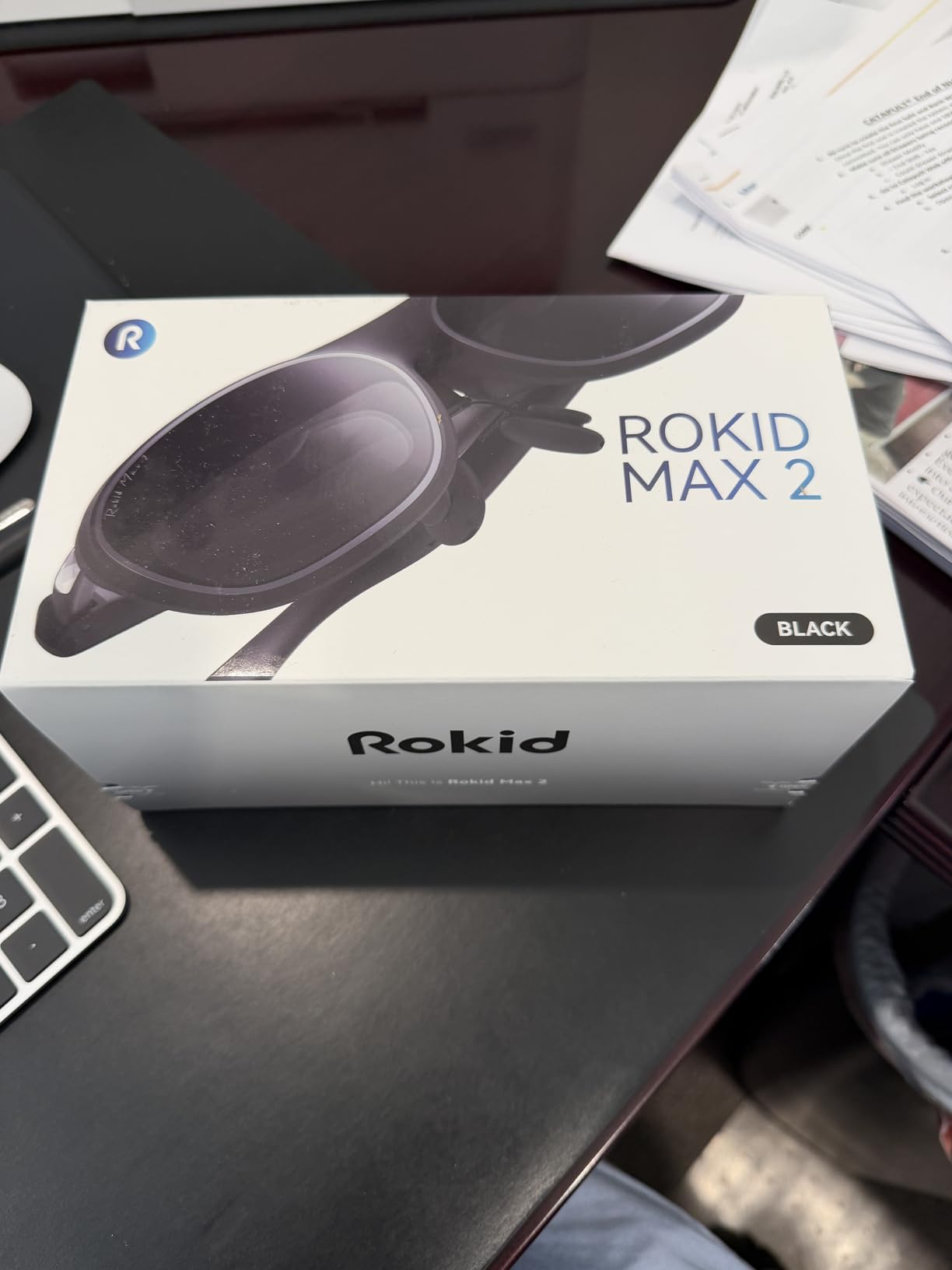
Rokid Max 2 creates the largest virtual screen among glasses I tested. The 215-inch display at 6-meter distance feels like sitting in a private movie theater. Movie watching became my primary use case for these, with the massive screen transforming mundane content into immersive experiences.
The lightweight 75-gram design enables extended wear without the neck fatigue some heavier models cause. Rokid achieved this by eliminating internal batteries and processing hardware, instead drawing power and video through the USB-C connection. The trade-off requires a connected device, but the comfort gain justifies it for stationary use.
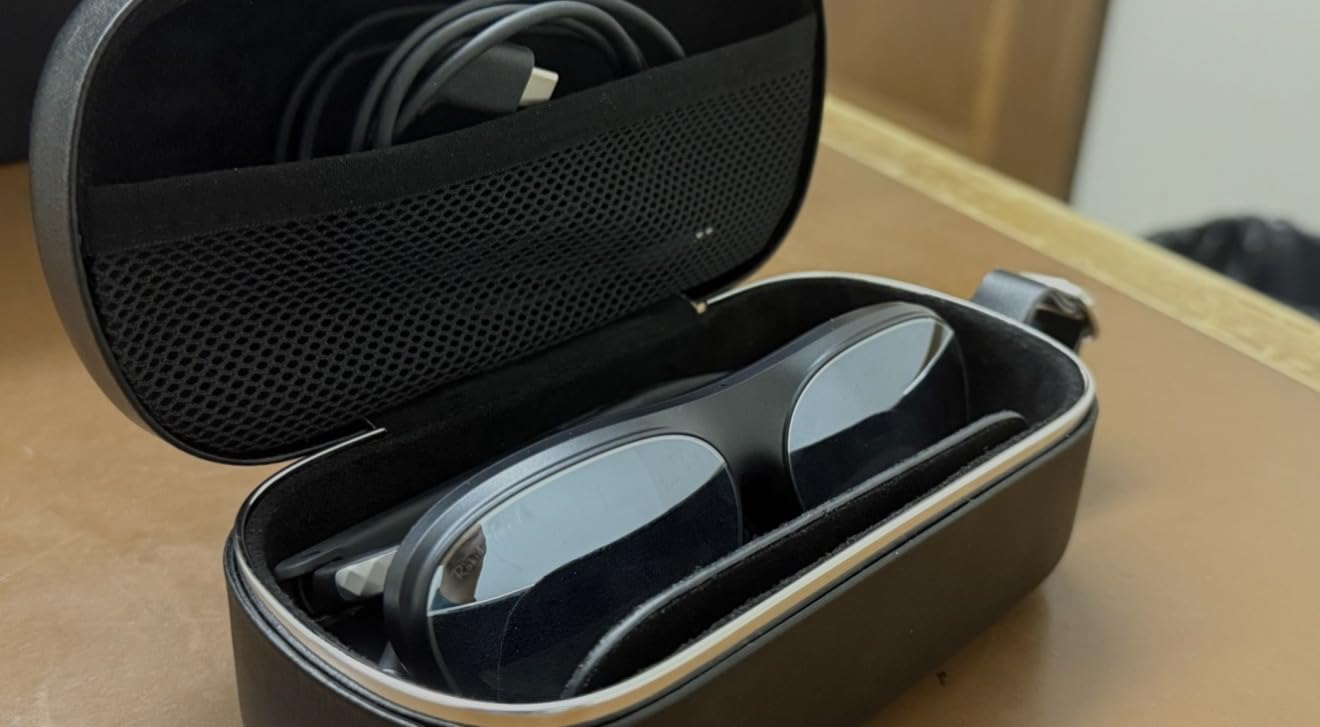
Myopia adjustment via a physical dial accommodates prescriptions up to 600 diopters, covering nearly all users without needing prescription inserts. The mechanism works smoothly and holds settings securely during movement. This feature alone saves significant cost and hassle compared to competitors requiring custom lenses.
HDCP support ensures compatibility with protected content from streaming services and Blu-ray players. Many AR glasses lack this, creating frustrating black screens when attempting to watch copyrighted material. The Max 2 handles Netflix, Disney Plus, and other protected sources without issues when connected to compatible devices.
Who Should Buy Rokid Max 2
Movie enthusiasts wanting the biggest possible screen in the smallest package. FPV drone pilots needing a lightweight display with low latency. Users with high myopia prescriptions who need the extended diopter adjustment range. Anyone prioritizing screen size over smart features.
Who Should Skip Rokid Max 2
Users wanting true AR with spatial tracking and world awareness should consider XREAL or VITURE options. Those needing quality onboard audio must use separate headphones, as the temple speakers disappoint. People wanting standalone functionality without a connected device will find these limiting.
6. Ray-Ban Meta Gen 2 – Best Smart Glasses
Meta Ray-Ban (Gen 2), Wayfarer, Matte Black | Smart AI Glasses for Men, Women — 2x Battery Life — 3K Ultra HD — 12 MP Ultra-Wide Camera, Audio, Video Recording — Clear Lenses — Wearable Technology
12MP Ultra-Wide Camera with 3K video
Up to 8 hours battery life
Open-ear speakers with Meta AI
Up to 48 hours with charging case
Live translation in 6 languages
Pros
- Iconic Wayfarer design looks like regular sunglasses
- 2X battery improvement over first generation
- Excellent hands-free camera for content creation
- Open-ear audio maintains situational awareness
- Meta AI provides useful hands-free assistance
Cons
- No integrated display or screen
- Video quality drops in low light conditions
- Transition lenses provide minimal darkening
- Battery drains quickly during 3K recording
Ray-Ban Meta Gen 2 represents the most polished smart glasses available today. Unlike display glasses that project screens, these focus on camera capture, audio, and AI assistance while maintaining a design indistinguishable from regular sunglasses. I wore these daily for two weeks and nobody noticed they were smart glasses until I mentioned it.
The 12MP camera captures genuinely impressive 3K video and photos from a first-person perspective. I used these to record cooking videos, bike rides, and travel moments without holding a phone or mounting a camera. The hands-free aspect changes how you capture experiences, letting you stay present while documenting.

Battery life improvements make the Gen 2 practical for all-day use. The claimed 8 hours proved accurate for mixed use including music, occasional photos, and AI queries. The charging case provides an additional 48 hours of power, meaning you can go multiple days without finding an outlet. This solves the biggest weakness of the first generation.
Meta AI integration feels genuinely useful rather than gimmicky. Voice commands for translations, information queries, and message dictation work reliably in quiet to moderate noise environments. The live translation feature helped me navigate a restaurant in Paris without pulling out my phone, though accuracy varies with accent complexity.

Who Should Buy Ray-Ban Meta Gen 2
Content creators wanting first-person perspective capture, travelers needing translation and hands-free assistance, and anyone wanting smart features without looking like they are wearing technology. The stylish design works in professional and social settings where display glasses would seem out of place.
Who Should Skip Ray-Ban Meta Gen 2
Users wanting an actual display for movies, gaming, or productivity should choose display glasses instead. Those prioritizing low-light video quality or extended recording sessions will find the limitations frustrating. Privacy-conscious users should consider the visible recording LED and social implications of camera glasses.
7. Ray-Ban Meta Gen 1 – Best Value Smart Glasses
Ray-Ban Meta (Gen 1), Wayfarer, Shiny Black | Smart AI Glasses for Men, Women — 12 MP Ultra-Wide Camera, Open-Ear Speakers for Audio, Video Recording and Bluetooth — Clear Lenses — Wearable Technology
12MP Ultra-Wide Camera
Five-mic system for clear audio
Open-ear speakers with spatial audio
Meta AI built-in for assistance
Livestream to Facebook and Instagram
Pros
- Looks like regular Ray-Ban Wayfarers
- Excellent microphone with background noise cancellation
- Comfortable for extended daily wear
- Easy pairing and intuitive controls
- #1 selling AI glasses for good reason
Cons
- Shorter battery life than Gen 2
- Meta AI features limited outside US
- Recording LED cannot be disabled
- Connection drops occasionally with iOS
The original Ray-Ban Meta glasses remain excellent value at their reduced price. With Gen 2 now available, these first-generation models sell for significantly less while retaining core functionality. I found the camera quality, audio performance, and basic Meta AI features nearly identical to the newer version.
Build quality matches standard Ray-Ban standards with sturdy propionate frames and quality hinges. These survived daily carry in my bag, occasional drops, and regular wear without issues. The weight distribution keeps them comfortable for full-day use, though the arms are slightly thicker than standard Wayfarers to accommodate the electronics.

Audio performance surprised me with clear call quality and decent music playback. The five-microphone array effectively isolates your voice during calls, with multiple people commenting on how clear I sounded during outdoor conversations. Open-ear design keeps you aware of traffic and surroundings while still enjoying audio content.
Battery life represents the main compromise versus Gen 2. Heavy use drains these in about 4-5 hours versus the 8 hours claimed for the newer model. For my usage pattern of occasional photos, some music, and regular calls, they lasted a full workday but needed charging each evening.

Who Should Buy Ray-Ban Meta Gen 1
Budget-conscious buyers wanting smart glasses features without premium pricing. Users wanting to try the smart glasses category before investing in the latest generation. Those with moderate usage patterns that will not drain the battery excessively.
Who Should Skip Ray-Ban Meta Gen 1
Heavy users needing all-day battery life should pay more for Gen 2. International users wanting full Meta AI functionality face limitations outside the US market. Those wanting the latest features and longest battery should skip directly to the newer generation.
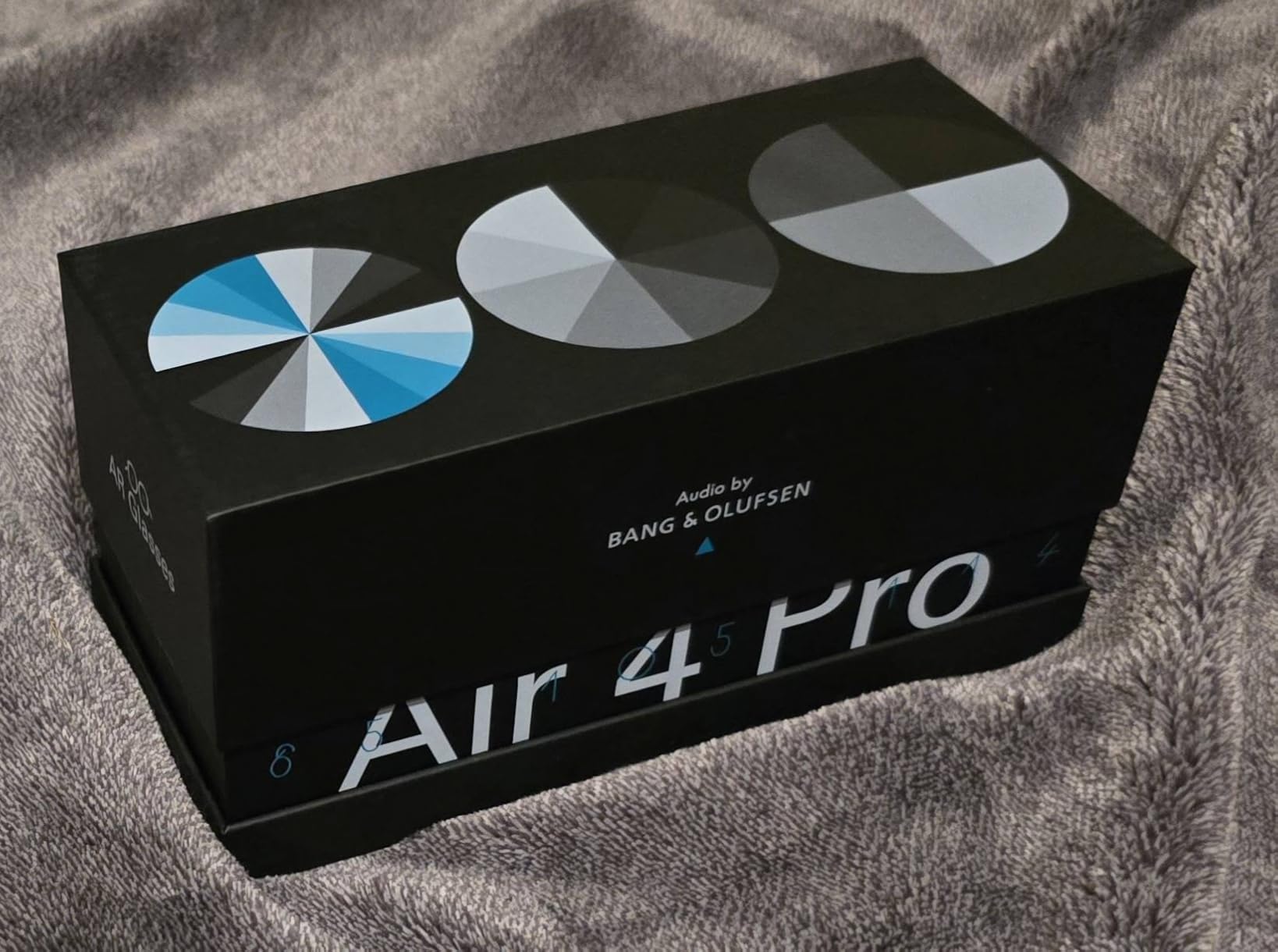
8. RayNeo Air 4 Pro – Best HDR Display
RayNeo Air 4 Pro AR/XR Glasses - 201" HDR10 Video Display, Vision 4000 Chip, Audio by Bang & Olufsen, 3D Movies & Gaming Smart Glasses for iPhone 17,16,15/Android/Switch 2/Mac/PS4/5
World's first HDR10 AR display
201-inch virtual screen
Vision 4000 chip with AI upscaling
120Hz refresh rate
Bang & Olufsen four speakers
Pros
- Outstanding value at half the price of competitors
- Excellent HDR10 display with vibrant colors
- Sharp edge-to-edge clarity without blur
- Lightweight and comfortable for extended use
- AI 2D-to-3D conversion works surprisingly well
Cons
- Resolution limited to 1080p
- Requires HDMI adapter for PS5 and some devices
- No screen docking like XREAL competitors
- Can get warm during extended sessions
RayNeo Air 4 Pro delivers features typically found in glasses costing twice the price. The HDR10 display support creates vivid colors and excellent contrast that surpass standard displays. Watching HDR content on these reveals details and color depth that 1080p SDR competitors cannot match despite higher resolutions.
The Vision 4000 chip co-developed with Pixelworks enables AI SDR-to-HDR upscaling that improves non-HDR content. Standard videos gain color vibrancy and contrast enhancement that makes them look closer to native HDR. This processing happens in real-time without perceptible lag during playback.
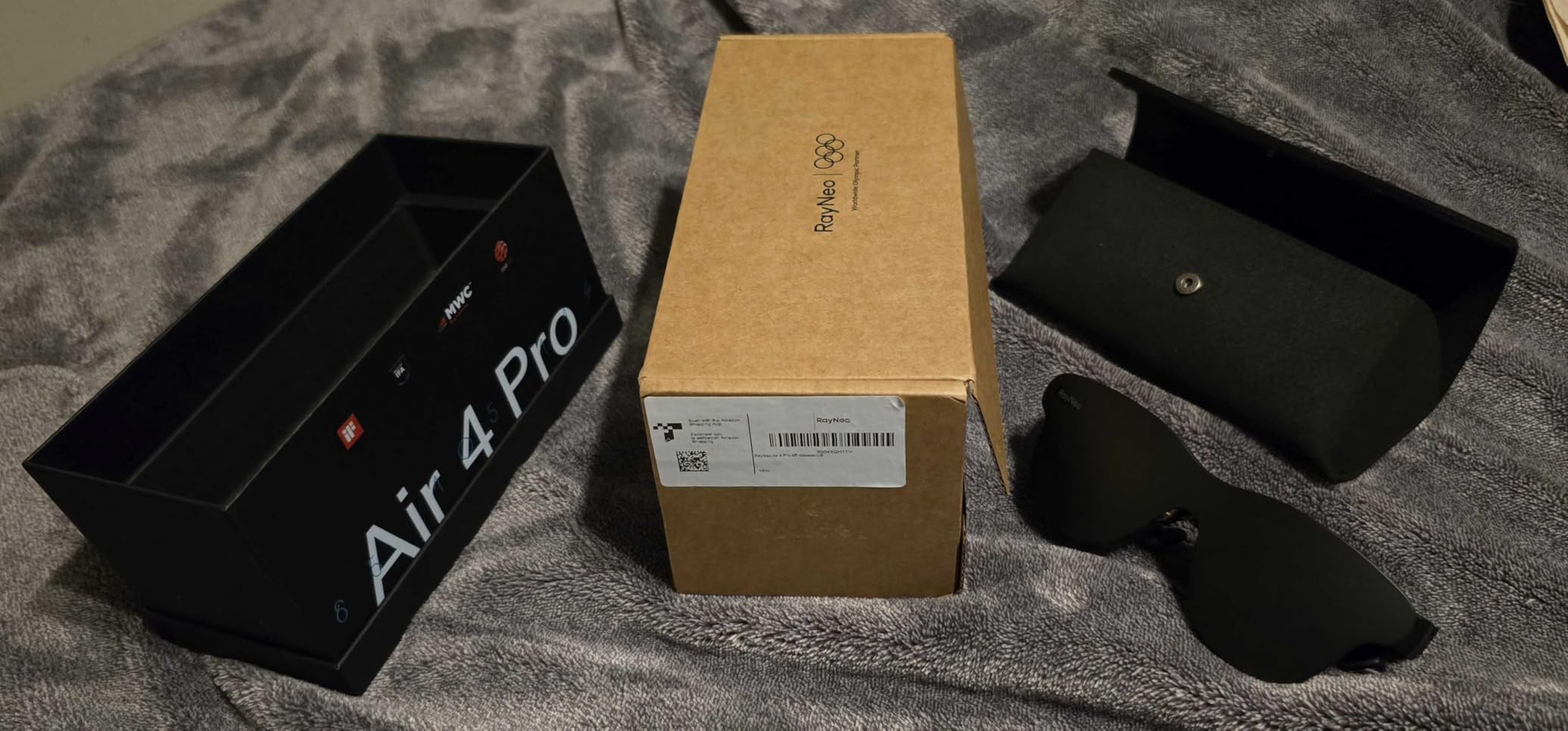
Bang & Olufsen audio delivers the best sound quality I have heard in AR glasses. The four precision speakers create spatial audio with better separation and bass response than typical temple-mounted drivers. Music listening actually satisfies rather than merely serving as a compromise for convenience.
Native 3D movie support eliminates the need for content specifically created in 3D format. The AI depth enhancement analyzes 2D video and adds appropriate depth cues. While not identical to native 3D content, the effect adds immersion to regular movies without special formatting requirements.
Who Should Buy RayNeo Air 4 Pro
Movie enthusiasts prioritizing HDR quality and color accuracy over raw resolution. Budget-conscious buyers wanting premium features without premium pricing. Users valuing audio quality as much as display performance in their AR glasses.
Who Should Skip RayNeo Air 4 Pro
Users wanting 1200p or higher resolution for text-heavy productivity work should consider VITURE or XREAL alternatives. Those with PS5 or devices lacking native USB-C DisplayPort need adapters, adding cost and complexity. Users sensitive to device heat should test comfort during extended sessions.
9. Saqico Head Strap – Best Quest Accessory
Saqico Head Strap for Meta Oculus Quest 2/3/3s, 3-in-1 Adjustable Halo Headband, Replacement for Elite Strap, Enhanced Comfort Gaming Immersion VR Accessories Compatible with Oculus/Meta Quest 2/3/3s
Compatible with Meta Quest 2/3/3S
3-in-1 adjustable halo headband
360 rotatable knob for easy adjustment
Soft memory foam cushion
Weight balance design reduces pressure
Pros
- Much more comfortable than stock Meta strap
- Better weight distribution reduces face pressure
- Easy adjustment with rotatable knob
- Suitable for both adults and children
- Great value compared to official Elite strap
Cons
- White color shows dirt easily
- Not as premium looking as official strap
- Limited color options available
The Saqico head strap transforms Meta Quest headset comfort at a fraction of the official Elite strap price. I tested this across multiple 3-hour VR gaming sessions and found it dramatically more comfortable than the default fabric strap included with Quest headsets. The halo design transfers weight to the top of your head rather than pressing against your face.
Installation takes under three minutes with a simple snap-on mechanism requiring no tools. The 360-degree rotatable knob tightens or loosens the fit with one hand, even while wearing the headset. This matters during active gaming when you want quick adjustments without removing everything.
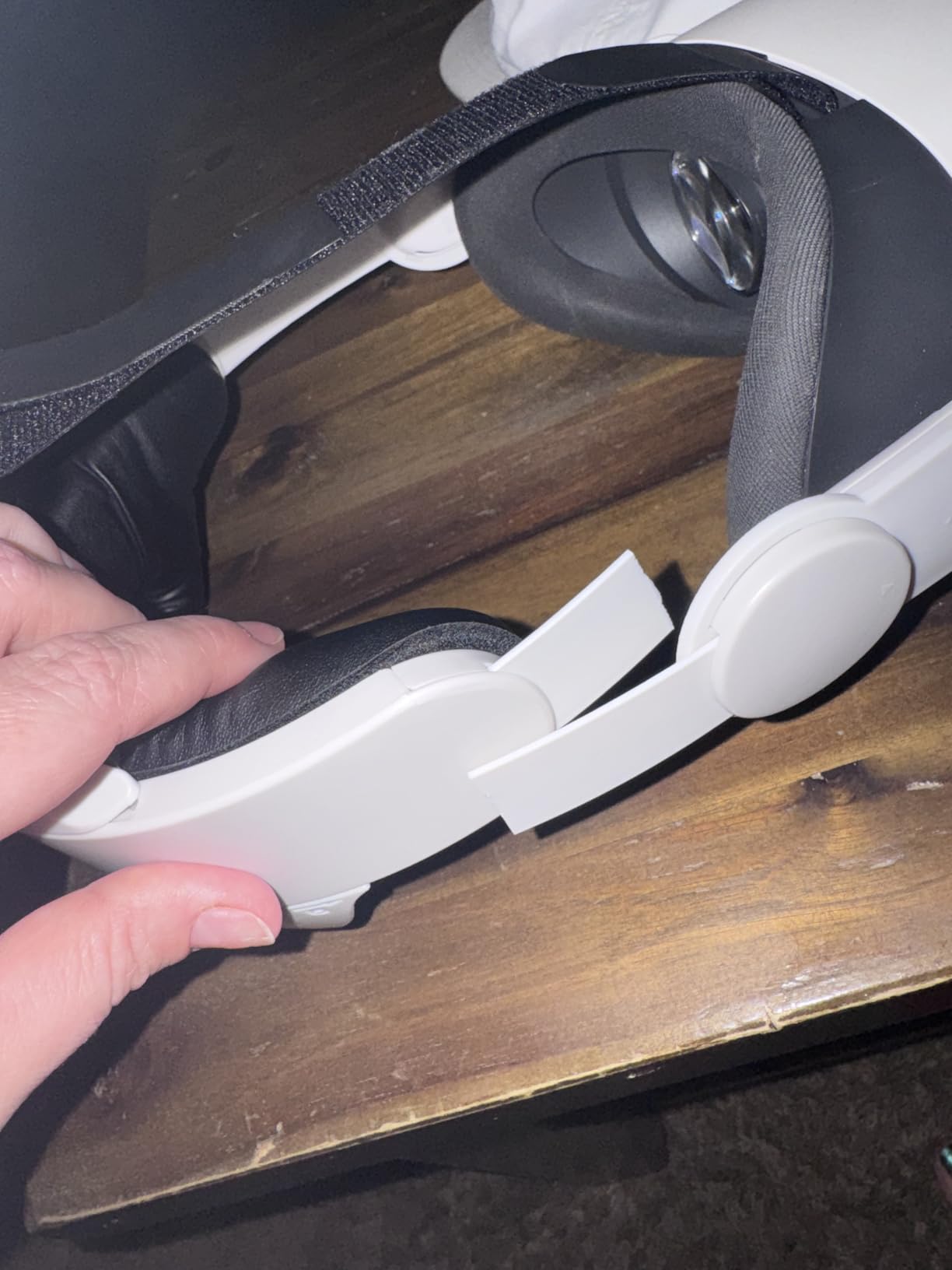
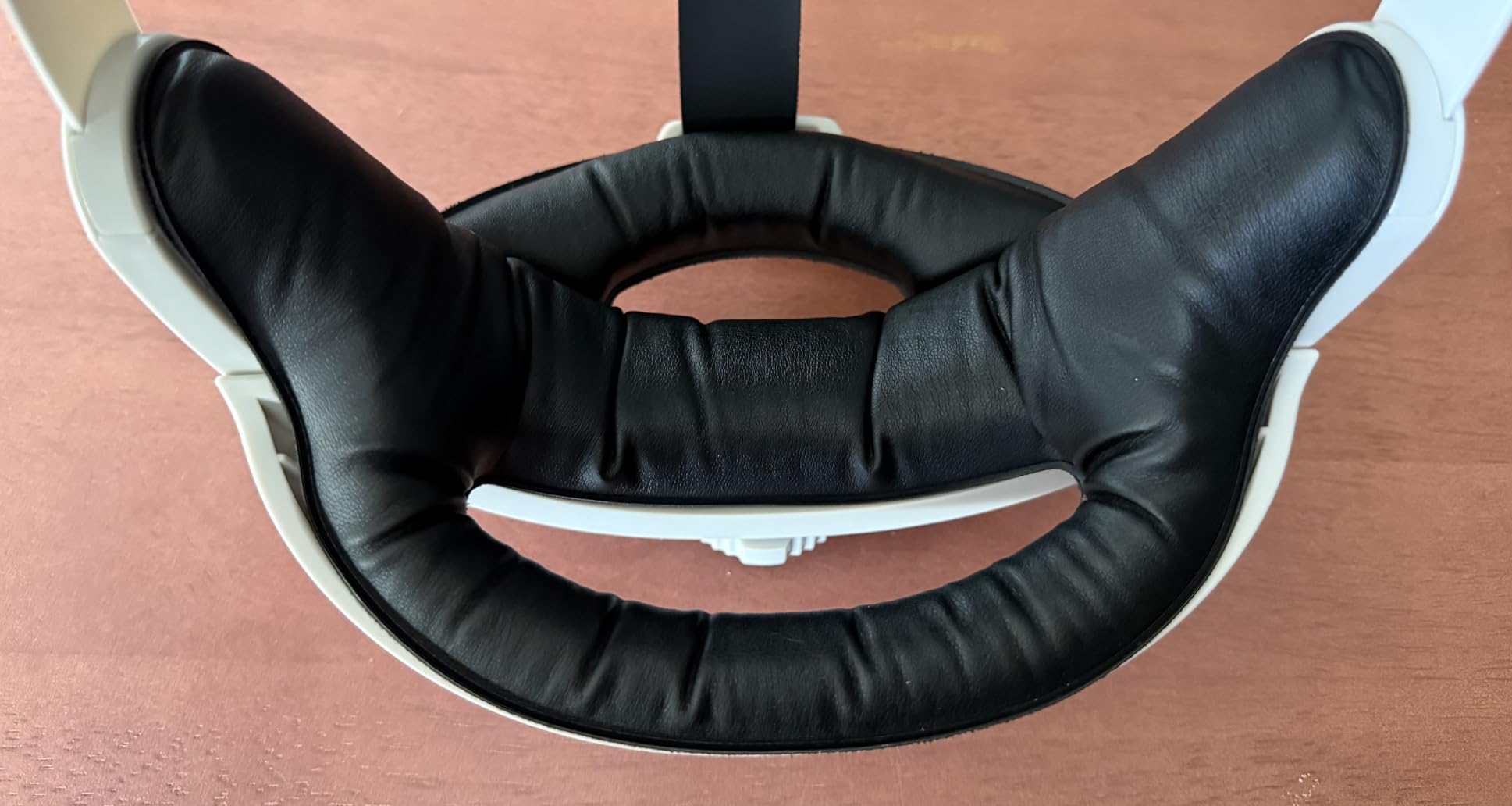
Memory foam padding conforms to your head shape and distributes pressure evenly. The 0.67-inch cushioning prevents the hot spots and discomfort that cut short VR sessions with the stock strap. I completed extended Beat Saber sessions without the usual forehead pressure and neck strain.
The detachable design maintains portability for travel. Unlike rigid Elite straps that make packing awkward, this separates into components that fit easily in Quest carrying cases. The durability proved excellent through months of regular use without degradation in padding or adjustment mechanisms.
Who Should Buy Saqico Head Strap
Quest 2, 3, or 3S owners wanting improved comfort without spending Elite strap prices. Users experiencing face pressure or discomfort with the default strap. Families sharing a headset between adults and children who need quick size adjustments.
Who Should Skip Saqico Head Strap
Users satisfied with their current strap comfort have no pressing need to upgrade. Those prioritizing premium aesthetics over function might prefer the official Elite strap appearance. Users wanting integrated battery packs should consider battery-specific strap alternatives.
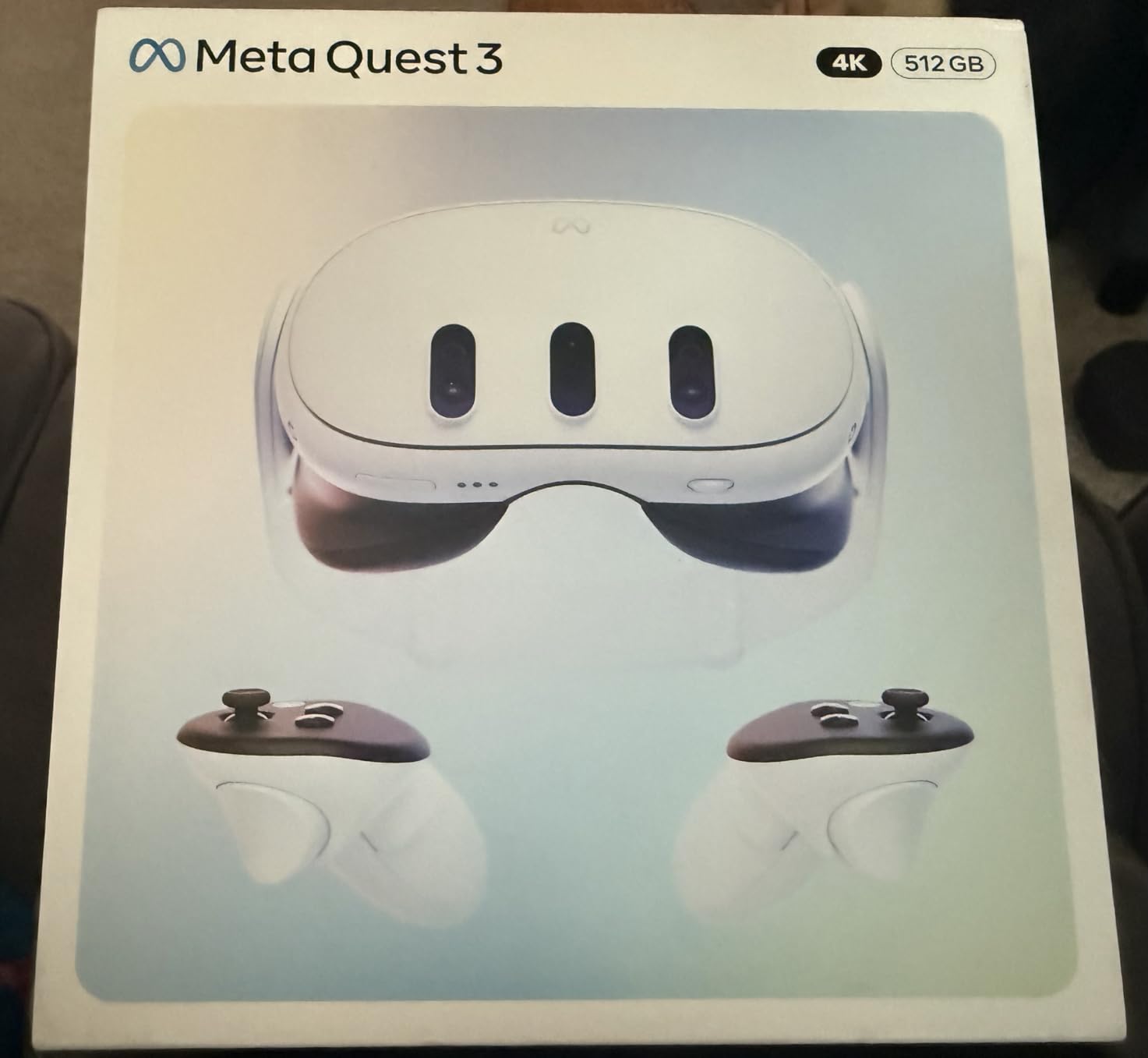
10. Meta Quest 3 512GB – Best Standalone VR
Meta Quest 3 512GB | VR Without Wires — Gorilla Tag Cardboard Monkenaut Bundle — Amazon Exclusive— Access to 100+ Games with a 3-Month Trial of Meta Horizon+ Included
4K Infinite Display with 30% sharper resolution
Snapdragon XR2 Gen 2 with 2X graphics power
512GB storage with 8GB RAM
120Hz refresh rate
Mixed reality with dual RGB cameras
Pros
- Completely wireless - no PC or phone needed
- Excellent mixed reality passthrough quality
- Fast load times and smooth graphics
- Comfortable pancake lenses for extended use
- Can connect to PC for PCVR gaming library
Cons
- Default headstrap needs immediate replacement
- Battery only lasts 2+ hours
- Can get hot during extended use
- Nose light leak on some units
- Expensive accessories add up quickly
Meta Quest 3 represents the best standalone VR experience available in a consumer device. Unlike AR glasses requiring connected phones or computers, the Quest 3 operates independently with built-in processing, storage, and battery. The 512GB model stores dozens of games and apps without storage anxiety.
The mixed reality capabilities distinguish this from earlier Quest models. Full-color passthrough lets you see your surroundings clearly while overlaying virtual objects. I used this for mixed reality workouts, spatial productivity apps, and games that blend physical and virtual environments. The dual RGB cameras create better passthrough quality than the monochrome cameras on Quest 2.
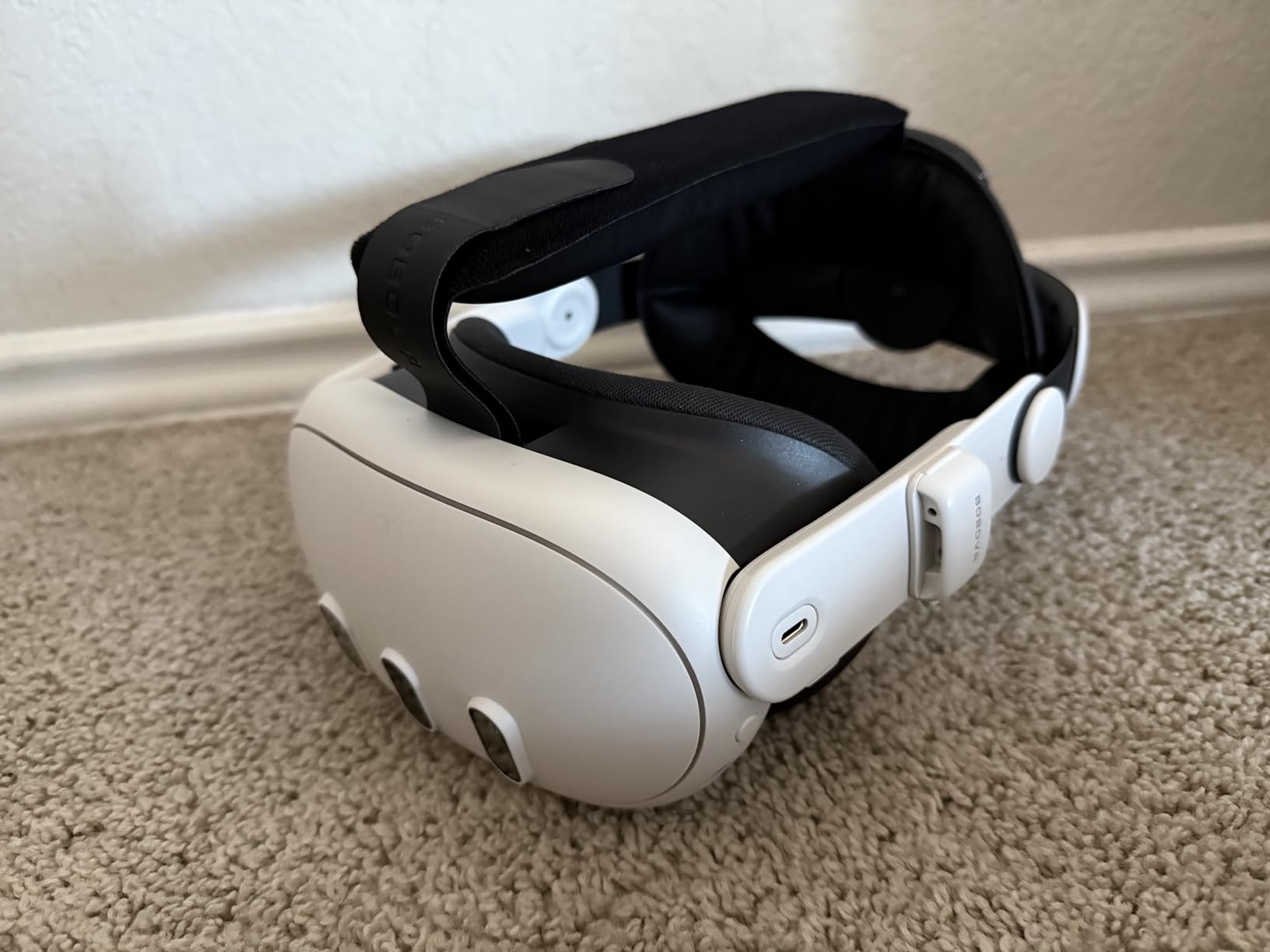
Graphics performance improved significantly with the Snapdragon XR2 Gen 2 chip. Games load faster, run smoother, and look better than on previous generations. The 30% sharper display resolution makes text readable and details crisp. Standing alone without PC tethering, this delivers console-quality VR experiences anywhere.
The Touch Plus controllers eliminate the tracking rings that plagued earlier designs. Smaller and lighter, they feel more natural while maintaining accurate tracking. Hand tracking without controllers also improved, enabling controller-free navigation and casual gaming using just your hands.
Who Should Buy Meta Quest 3
Users wanting standalone VR without PC requirements or cable tethering. Mixed reality enthusiasts wanting to blend physical and virtual environments. Gamers wanting access to the extensive Quest game library without additional hardware purchases.
Who Should Skip Meta Quest 3
Users wanting AR glasses for public use should choose more discreet display glasses instead. Those prioritizing battery life for extended sessions need external battery packs or alternative headsets. Users sensitive to facial heat buildup during intensive use should consider PC-tethered alternatives with better thermal management.
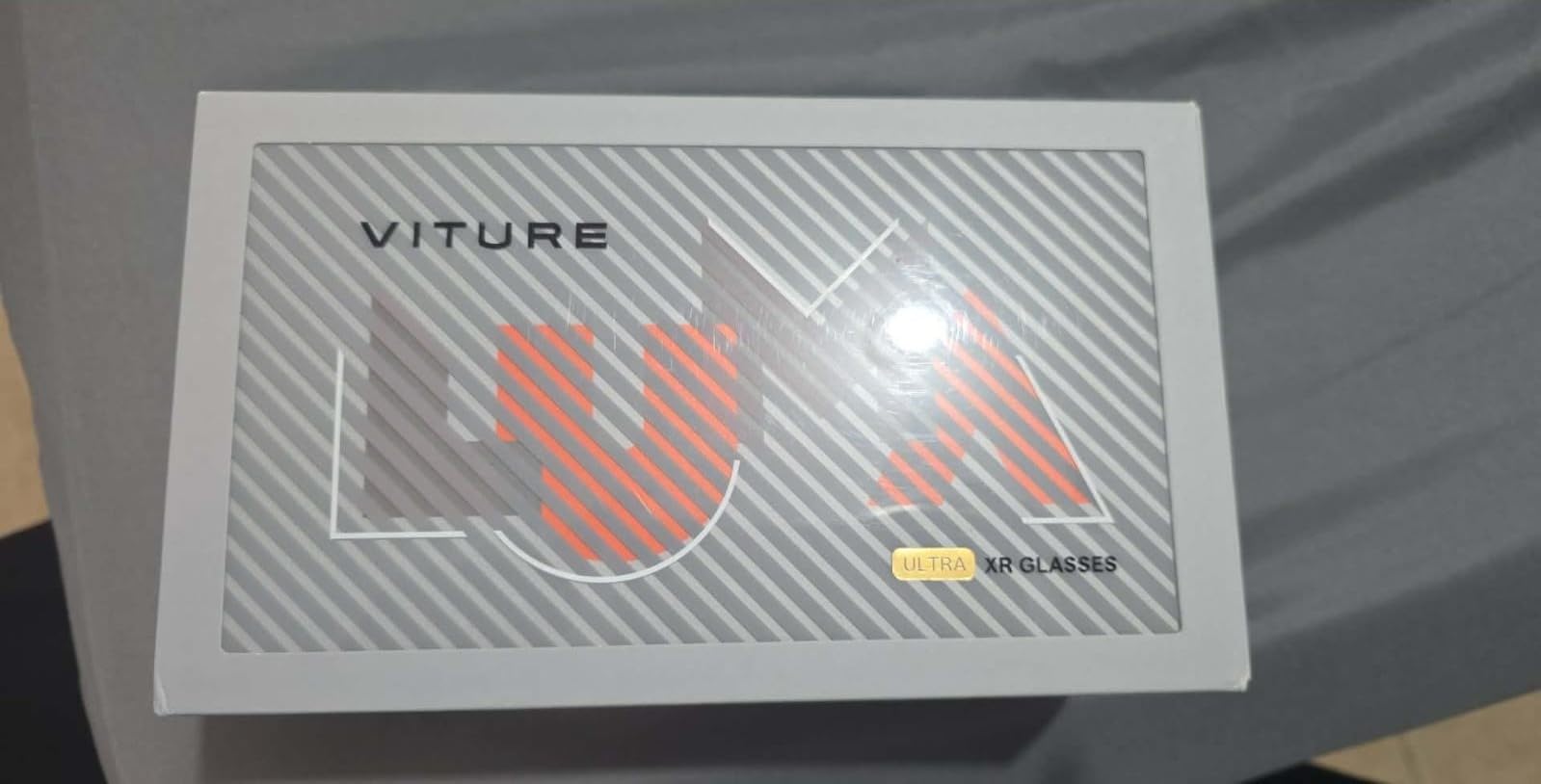
11. VITURE Luma Ultra – Best Premium Features

VITURE Luma Ultra AR Glasses, 152'', Full 6Dof Support, AR Hand Gestures, 52° FOV, 1500 Nits,XR Glasses for iPhone 17/16/15, Android, Mac, PC, Switch&Switch 2, World's 1st Real-time 2D to 3D
1200p ultra-sharp display
1500 nits peak brightness
Full 6DoF spatial tracking
AR hand gesture recognition
HARMAN audio system built-in
Pros
- Exceptional display quality with Sony Micro-OLED panels
- 1500 nits handles bright environments better
- 6DoF tracking enables true spatial computing
- Hand gestures add intuitive control options
- Lightweight and comfortable with adjustable fit
Cons
- Software experience still needs refinement
- Android support lags behind iOS integration
- Glasses run hot during extended sessions
- Requires neckband for full AR functionality
VITURE Luma Ultra packs the most advanced features available in consumer AR glasses. The 1500 nits peak brightness exceeds competitors by significant margins, making these usable in brighter environments where other glasses wash out. I tested these outdoors on overcast days and could still see content clearly, though direct sunlight still requires the electrochromic dimming.
Full 6DoF tracking with hand gesture recognition enables spatial computing interactions that 3DoF glasses cannot match. Virtual objects stay anchored in space as you move around them. Hand gestures let you interact without controllers or phones, though the gesture library remains limited compared to dedicated VR headsets.

The multi-screen productivity supports up to three virtual screens simultaneously. I arranged these around my physical space for coding, documentation, and communication apps. The spatial anchoring meant I could look at different screens by turning my head rather than switching windows on a single display.
Real-time 2D to 3D conversion works with streaming content, adding depth to regular movies. While not native 3D, the effect creates more immersive viewing than standard 2D presentation. The HARMAN audio system delivers quality sound that matches the premium display experience.
Who Should Buy VITURE Luma Ultra
Early adopters wanting cutting-edge AR features and spatial computing capabilities. Users needing maximum brightness for outdoor or bright indoor environments. Professionals wanting multi-screen productivity with spatial anchoring rather than fixed virtual screens.
Who Should Skip VITURE Luma Ultra
Users wanting polished, mature software experiences should consider more established competitors. Android users face limitations in app support and functionality. Those wanting full AR features without purchasing additional neckband accessories should factor in total cost.
12. Rokid AR Spatial with Station2 – Best for Productivity
Rokid AR Spatial Video Glasses with 3-Screen Display, Max2 Black AR Glasses & Station2 Spatial Computer with 360" Micro-OLED, 120Hz OLED, 600 Nits, Multi-Tasking for Gaming
3-screen multitasking display
360-inch maximum virtual screen
Station2 spatial computer with Android OS
5000mAh battery with 3.5 hour runtime
Auto IPD adjustment 55-72mm
Pros
- Stunning OLED color vibrancy with perfect blacks
- 3-screen display enables true multitasking
- Excellent battery life from Station2 computer
- Comfortable lightweight 75g design
- Gesture-based spatial navigation works well
Cons
- 3-screen mode limited on iPhone vs Android
- Software not intuitive for average users
- Setup process requires technical knowledge
- Registration issues prevent app access for some
The Rokid AR Spatial bundle includes the Max2 glasses and Station2 spatial computer, creating a complete portable workstation. The Station2 functions as a standalone Android device that powers the glasses without draining your phone battery. This separation enables the 3.5-hour runtime that phone-tethered glasses cannot match.
Three-screen multitasking transforms how you work in AR. Rather than switching between virtual windows, you position three separate displays around your field of view. I used this for coding with documentation and browser references visible simultaneously without window switching. The productivity gains surprised me compared to single-screen AR glasses.
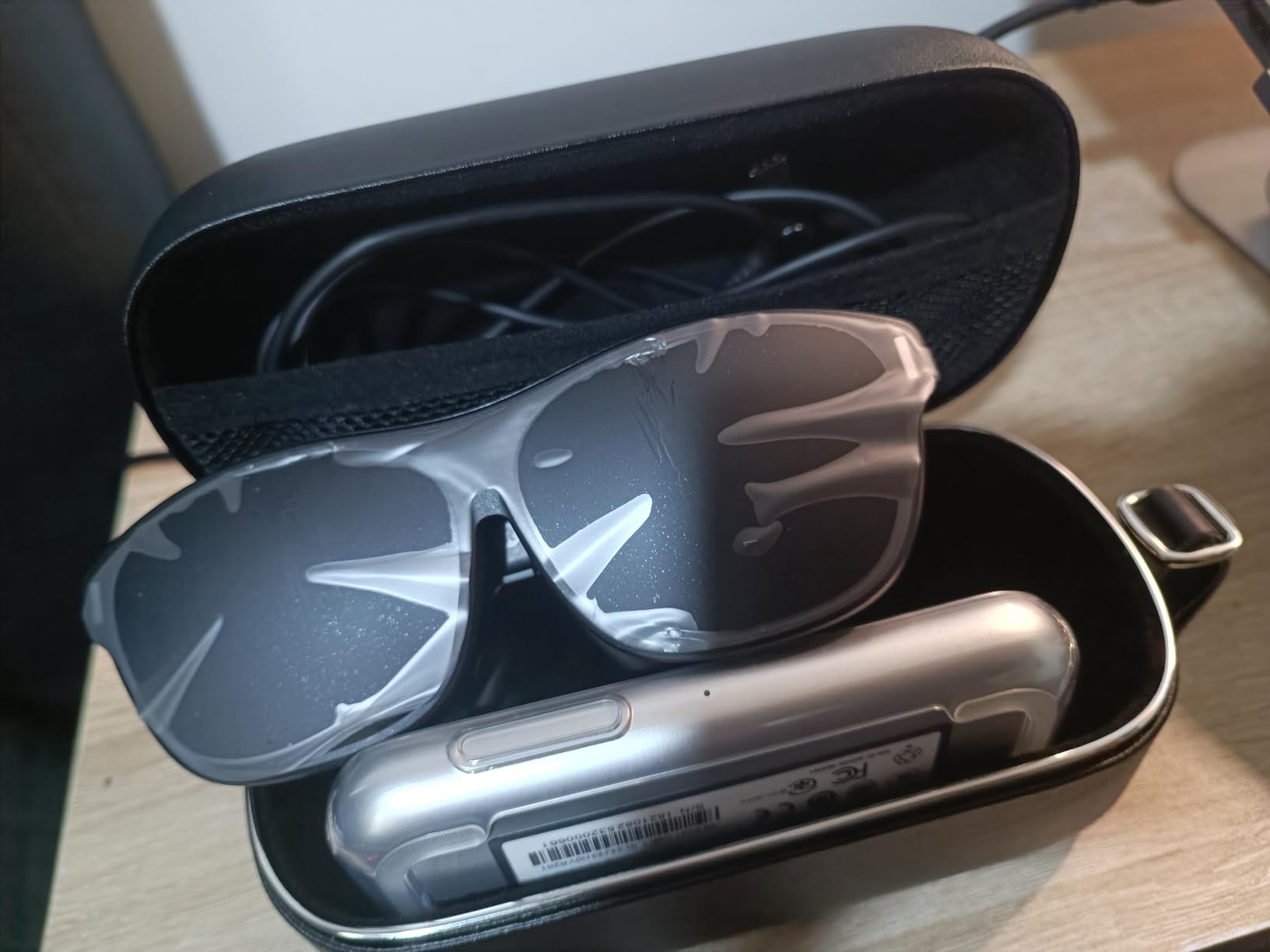
The spatial computer includes 128GB storage for apps and media, WiFi 6 connectivity, and enough processing power for streaming and productivity apps. Netflix, YouTube, Prime Video, and 3D games run natively without requiring a connected phone or computer. This standalone capability frees your phone for other tasks while you use AR.
Gaming console compatibility extends utility beyond productivity. The system supports Switch, PS5, and Xbox connections for big-screen gaming anywhere. The 120Hz OLED displays handle fast motion without ghosting or blur, creating a responsive gaming experience.
Who Should Buy Rokid AR Spatial
Productivity-focused users wanting true multi-screen AR workflows. Travelers needing extended battery life without phone drain. Users wanting standalone functionality without constant phone tethering. Multi-taskers who value screen real estate over raw display specifications.
Who Should Skip Rokid AR Spatial
iPhone users face limitations with 3-screen functionality restricted to Android DLNA. Users wanting plug-and-play simplicity should consider more user-friendly alternatives. Those unwilling to navigate technical setup processes may find the learning curve frustrating.
13. XREAL Beam Pro – Best Spatial Computing Companion

XREAL Beam Pro, the AR Glasses Spatial Computing Companion, 3D Cameras, Android 14, Supports All Google Play Store apps, Multiple Spatial Experiences for Movies, TV and Gaming, FHD 1080p (8G+256G)
Android 14 with full Google Play Store
Dual 50MP ASPH 3D cameras
1080p FHD spatial video recording
NebulaOS spatial computing launcher
4300mAh battery for extended use
Pros
- Full Google Play Store access enables millions of apps
- Ideal companion for XREAL glasses with NebulaOS
- Smooth follow mode prevents motion sickness
- Great for cloud gaming and PS5 remote play
- Multiple floating windows for productivity
Cons
- Software still maturing with occasional bugs
- Streaming apps need workarounds for best quality
- Technical expertise needed for many features
- Virtual keyboard can be buggy in some apps
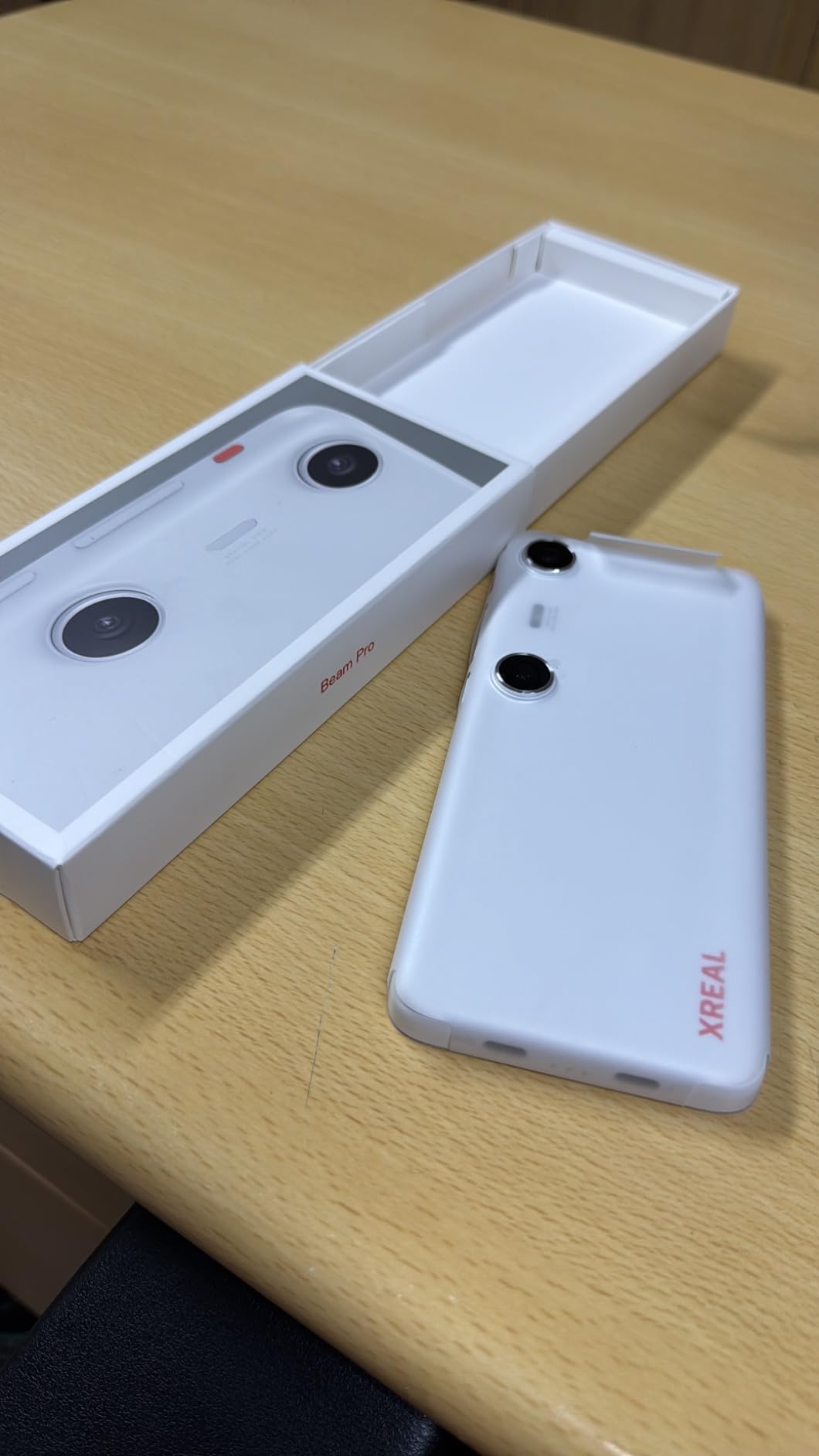
The XREAL Beam Pro serves as the ultimate companion for XREAL AR glasses, transforming them from simple displays into full spatial computing systems. Running Android 14 with complete Google Play Store access, this device runs any Android app in a spatial environment rather than just mirroring your phone screen.
The dual 50MP 3D cameras capture spatial photos and videos you can view immersively through XREAL glasses. This creates a content creation and consumption loop unique to this ecosystem. I captured 3D memories and relived them at scale impossible on standard screens, though the appeal depends on your interest in spatial content.
NebulaOS provides a spatial launcher designed specifically for AR use. Multiple floating windows position wherever you want in your field of view. The smooth follow mode keeps screens stable relative to your head movement, preventing the motion sickness that affects some AR experiences.
Cloud gaming support includes Xbox Game Pass, Amazon Luna, and Steam Link. I played console-quality games streamed from the cloud without needing a gaming PC or console nearby. The 90Hz refresh rate keeps gameplay smooth enough for casual and moderate gaming sessions.
Who Should Buy XREAL Beam Pro
XREAL glasses owners wanting to unlock full spatial computing capabilities. Users wanting Android app access without phone mirroring limitations. Cloud gaming enthusiasts wanting portable big-screen experiences. Content creators interested in capturing and viewing spatial media.
Who Should Skip XREAL Beam Pro
Users without XREAL glasses lose most of the value proposition. Those wanting polished, mainstream-ready software should wait for future iterations. Users wanting simple plug-and-play experiences might find the technical features overwhelming.
14. Oakley Meta HSTN – Best for Athletes

Meta Oakley HSTN, Black | Smart AI Glasses for Men, Women — Camera, Audio, Video Recording — Clear Lenses
12MP camera with 3K Ultra HD video
Up to 8 hours battery life
Garmin and Strava performance integration
Meta AI hands-free assistance
Oakley O Matter frame construction
Pros
- 3K video quality exceptional for smart glasses
- All-day battery life for endurance activities
- Garmin integration provides athlete metrics
- Oakley design fits securely during movement
- Conversation Assist enhances voice in noise
Cons
- Only 3 minutes continuous video recording
- Cannot zoom with camera
- Lenses scratch more easily than expected
- Setup process requires re-authentication
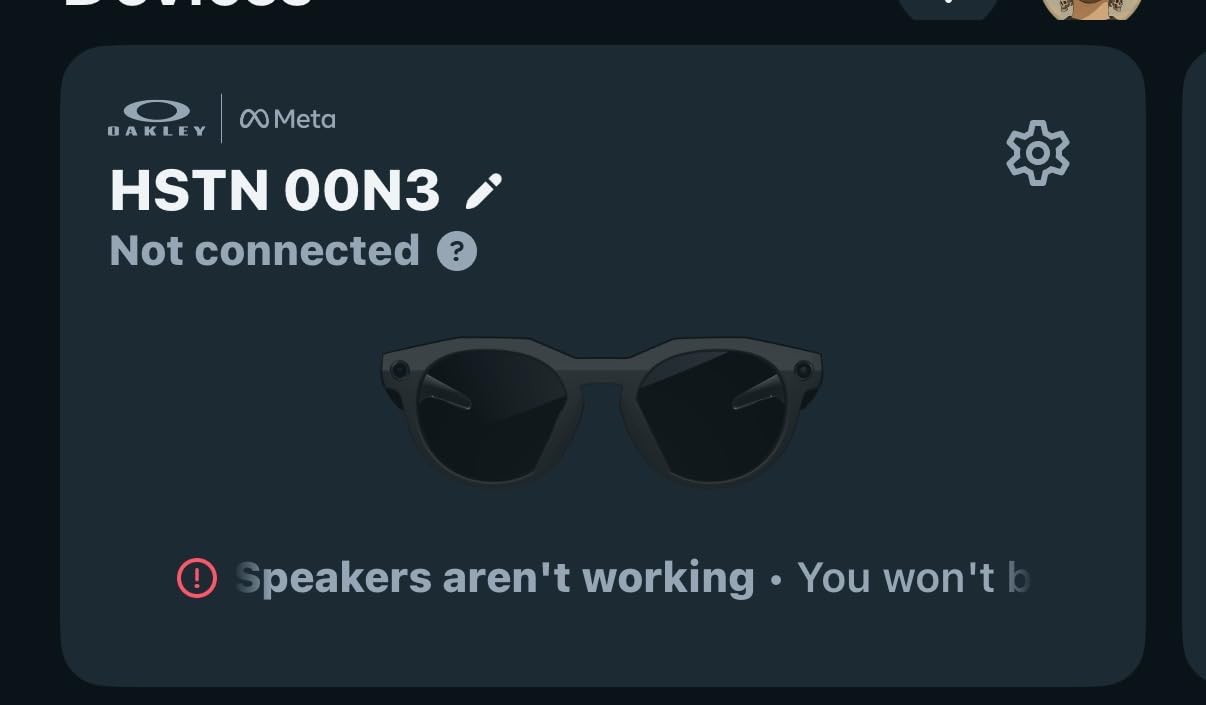
Oakley Meta HSTN combines athletic performance features with smart glasses technology. The Oakley O Matter frame construction provides the durability and fit that athletes expect from the brand. I tested these during running and cycling sessions, and they stayed secure without slipping or bouncing.
The Garmin and Strava integration distinguishes these from standard Ray-Ban Meta glasses. Performance metrics from your wearable devices appear through Meta AI voice announcements. Heart rate, pace, distance, and other data arrive hands-free without checking watches or phones during activity.

Conversation Assist enhances voice clarity in noisy environments using the microphone array and audio processing. This helps during windy outdoor activities or crowded spaces where standard open-ear audio would struggle. The feature noticeably improved call quality during my testing in challenging acoustic environments.
The 53-gram weight keeps these comfortable for multi-hour wear during training sessions. The IP rating provides confidence against sweat and light rain during outdoor activities. Multiple lens options including Prizm, Clear, and Transitions let you configure for specific lighting conditions and sports.
Who Should Buy Oakley Meta HSTN
Athletes and fitness enthusiasts wanting performance metrics integration. Users prioritizing secure fit during movement over casual styling. Oakley fans wanting smart features in familiar frame designs. Those wanting conversation enhancement in noisy environments.
Who Should Skip Oakley Meta HSTN
Users not interested in fitness tracking or athletic use cases should consider standard Ray-Ban Meta options. Those wanting extended continuous recording beyond 3 minutes will find this limiting. Users prioritizing fashion over function might prefer the classic Wayfarer aesthetic.
15. TOZO VIZO V1 – Best Budget Brightness

TOZO VIZO V1 AR Glasses with Ultra-Bright Display, Built-in Stereo Speakers, Adjustable Myopia Correction (0–500°), 118" Virtual Mega Screen, 2D/3D Mode Switching Compatible for iPhone/Mac/PC
1800-nit ultra-bright display
118-inch virtual mega screen
Myopia correction 0-500 degrees
2D/3D mode switching
Nitinol memory wire adjustable nose pads
Pros
- Exceptional brightness exceeds all competitors
- Sharp 4K-like display quality
- Plug-and-play without Bluetooth pairing
- Lightweight with adjustable nose pads
- Great value under $300
Cons
- Limited device compatibility with USB-C DP only
- Cable is short and stiff
- No positive diopter for farsighted users
- Some units shipped without speakers
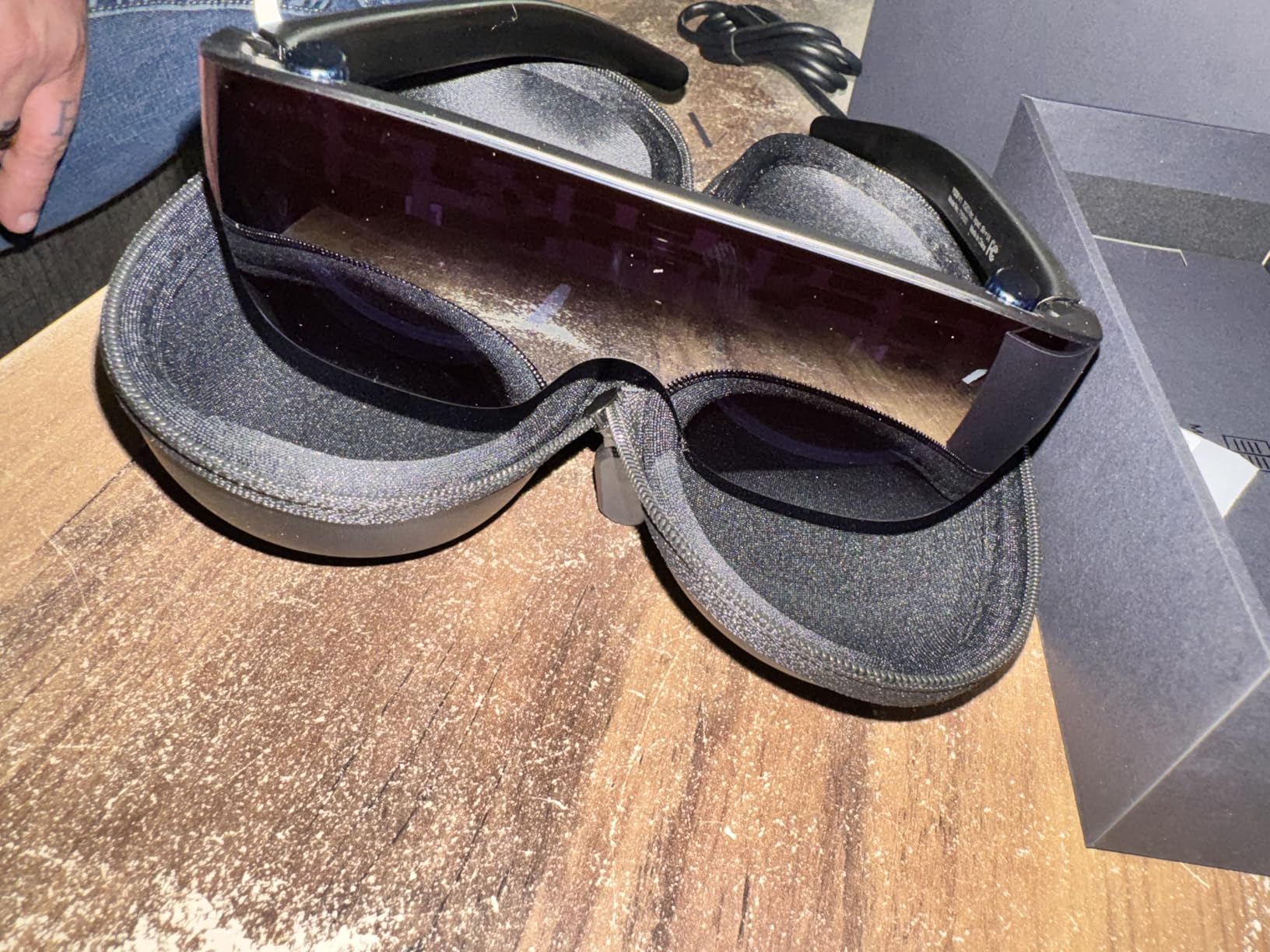
TOZO VIZO V1 delivers the brightest display I have tested in any AR glasses at any price. The 1800-nit peak output with 800 nits reaching the eye handles environments where other glasses fail completely. I used these in bright rooms with windows and could still see content clearly without maxing brightness.
The 118-inch virtual screen provides immersive viewing for movies and gaming. While smaller than some competitors, the screen size balances immersion with pixel density for sharp image quality. Text remains readable for productivity tasks, and movies look cinematic without visible pixel structure.
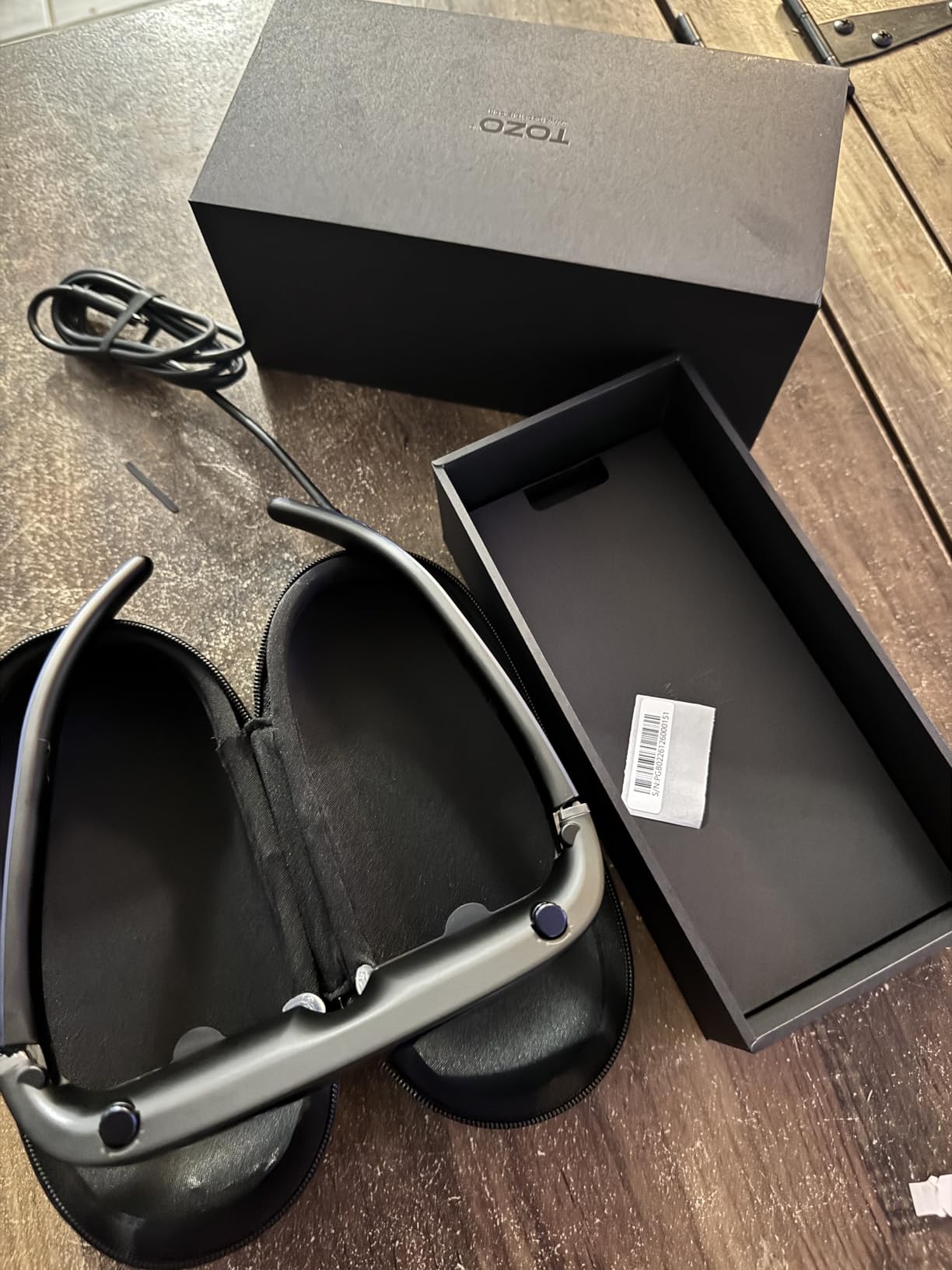
Myopia correction covering 0 to -500 degrees accommodates many users without prescription inserts. The Nitinol memory wire nose pads adjust to various nose shapes while maintaining their shape over time. Twelve-hour comfort claims proved accurate during my testing with the non-slip pads preventing readjustment needs.
The privacy-focused design lacks cameras entirely, appealing to users concerned about recording capabilities in social settings. Plug-and-play connectivity requires no Bluetooth pairing or companion apps. Simply connect USB-C DisplayPort and the display activates immediately.
Who Should Buy TOZO VIZO V1
Budget buyers wanting premium brightness without premium prices. Users with myopia prescriptions in the covered range wanting to avoid inserts. Privacy-conscious users wanting camera-free AR glasses. Samsung DeX users wanting portable big-screen productivity.
Who Should Skip TOZO VIZO V1
Users with devices lacking USB-C DisplayPort support should verify compatibility first. Farsighted users needing positive diopter adjustment are not accommodated. Those wanting the largest possible virtual screens should consider competitors with bigger displays.
AR Glasses Buying Guide: What to Consider in 2026
Choosing the right AR glasses requires understanding how you will actually use them. Display glasses and smart glasses serve completely different purposes, and buying the wrong category leads to disappointment regardless of how good the specific model is.
Display Quality Factors
Resolution, brightness, and field of view determine your viewing experience. Higher resolution like 1200p creates sharper text for productivity work. Brightness above 600 nits enables outdoor use, while 1000+ nits handles bright indoor environments. Field of view between 50-57 degrees balances immersion with device size and weight.
Micro-OLED displays offer superior contrast and color compared to LCD alternatives found in budget models. Refresh rate matters for gaming, with 120Hz providing smooth motion that 60Hz cannot match. Consider electrochromic dimming if you want to block your surroundings completely for immersion.
Audio Considerations
Open-ear speakers keep you aware of surroundings but sacrifice audio quality and privacy. Built-in speakers from audio specialists like Bose, Harman, and Bang & Olufsen outperform generic drivers significantly. For private listening or best quality, plan to use separate headphones or earbuds with display glasses.
Smart glasses prioritize audio more heavily since they lack displays. Test call quality and voice assistant recognition if these features matter to your use case. Wind noise cancellation becomes important for outdoor use during activities like cycling.
Device Compatibility
iPhone users face the most compatibility challenges since Apple restricts DisplayPort over USB-C functionality. iPhone 15 and newer work with most AR glasses, but older iPhones require expensive adapters that add bulk and cost. Android users generally have smoother experiences with wider device support.
Gaming console compatibility varies significantly. Steam Deck, ROG Ally, and modern laptops work plug-and-play. PlayStation 5 and Xbox often require HDMI adapters that add latency and complexity. Verify specific compatibility with your intended devices before purchasing.
Comfort and Fit
Weight distribution matters more than total weight for extended wear. Glasses under 80 grams generally enable multi-hour comfort, but balance between nose pads and temple tips affects pressure points. Adjustable nose pads and IPD mechanisms accommodate different face shapes.
Myopia adjustment eliminates prescription inserts for many users, saving cost and hassle. Check the diopter range covers your prescription strength. Those with farsightedness or astigmatism may still need custom inserts even if the glasses advertise prescription support.
Battery Life Expectations
Display glasses typically draw power from connected devices rather than internal batteries, enabling lighter designs but draining your phone or laptop. Smart glasses include batteries supporting 4-8 hours of mixed use. Charging cases extend this significantly for models that include them.
Standalone VR headsets like Quest 3 provide 2-3 hours maximum, requiring external batteries for longer sessions. Consider your typical usage patterns and whether you need all-day battery or can manage with periodic charging.
Frequently Asked Questions
Which AR glasses are the best?
The XREAL One Pro ranks as the best display glasses with native 3DoF tracking, excellent image quality, and versatile compatibility. For smart glasses without displays, the Ray-Ban Meta Gen 2 offers the most polished experience with 12MP camera, 8-hour battery, and stylish design. Your specific needs determine the best choice – display glasses suit productivity and entertainment while smart glasses excel at content capture and daily wear.
What is the difference between AR glasses and smart glasses?
AR glasses project digital displays into your field of view for watching movies, working with virtual screens, or gaming. Smart glasses like Ray-Ban Meta focus on cameras, audio, and AI assistance without displays. Display glasses create immersive private screens while smart glasses capture first-person content and provide hands-free assistance. Choose based on whether you want to consume content privately or capture and interact with the world around you.
Can you use AR glasses with prescription lenses?
Many AR glasses support prescription inserts or built-in myopia adjustment. Models like VITURE Luma and Luma Pro feature diopter adjustments covering -4.0D to -6.0D without inserts. XREAL glasses work with third-party prescription inserts. Ray-Ban Meta offers prescription lenses directly through partner opticians. Always verify prescription compatibility before purchasing if you require vision correction.
Do AR glasses work with iPhone?
iPhone 15 and newer models with USB-C ports work with most AR glasses supporting DisplayPort over USB-C. Older iPhones with Lightning connectors require expensive adapters that often add latency and bulk. Compatibility varies by glasses model – XREAL, VITURE, and Rokid generally support iPhone 15+ while Ray-Ban Meta works with all iPhone models via Bluetooth. Check specific compatibility before purchasing if iPhone support is essential.
Are AR glasses worth buying in 2026?
AR glasses have become genuinely useful for specific use cases. Display glasses excel for portable productivity with multiple virtual monitors, private movie watching during travel, and immersive gaming. Smart glasses deliver convenient hands-free content capture and AI assistance. The technology matured significantly from early generations, with current models offering practical value despite remaining niche products. Consider your specific needs rather than expecting universal replacement for phones or monitors.
Final Verdict: Choosing Your AR Glasses in 2026
The best AR glasses category splits clearly between display glasses for immersive content and smart glasses for capture and assistance. For display glasses, the XREAL One Pro leads with unmatched 3DoF tracking and image quality, while the VITURE Luma Pro offers the sharpest display for slightly less money. Budget buyers should consider the RayNeo Air 4 Pro or standard VITURE Luma.
For smart glasses, the Ray-Ban Meta Gen 2 sets the standard with polished features and genuine all-day battery life. The Oakley Meta HSTN serves athletes better with performance integrations, while the Gen 1 Meta glasses provide excellent value at reduced prices.
Match your choice to your primary use case rather than seeking one device that does everything. Display glasses excel at productivity and entertainment in private settings. Smart glasses fit social situations and daily wear while adding capture and AI capabilities. Both categories have matured enough in 2026 to deliver on their promises when you choose appropriately.