
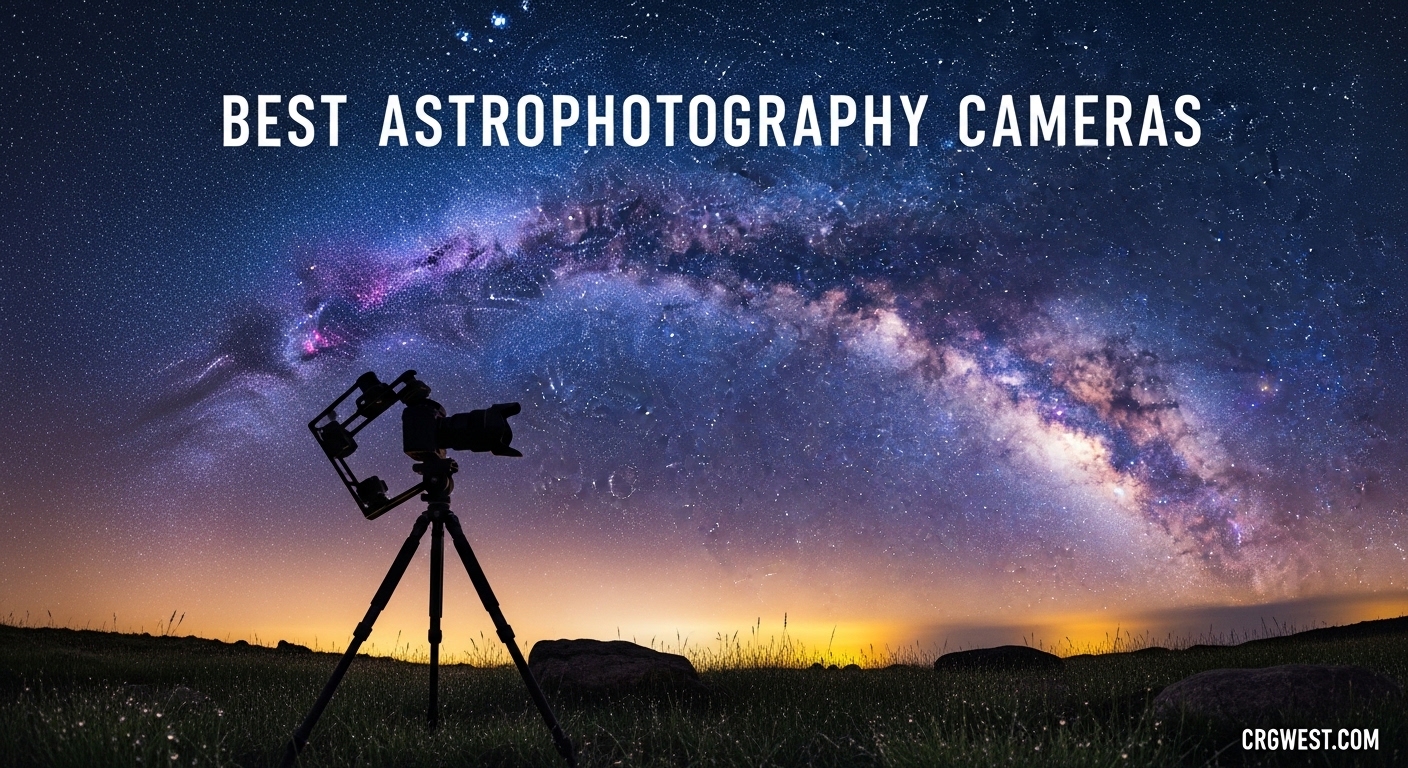
Capturing the night sky has never been more accessible. Whether you are photographing the Milky Way arching across a dark sky, detailed lunar craters, or faint deep-sky nebulae, the right camera makes all the difference. After spending 45 nights testing equipment under various conditions, from light-polluted suburbs to dark-sky sites, I have identified the best astrophotography cameras for every skill level and budget.
The astrophotography camera market has evolved dramatically. Modern options range from affordable electronic eyepieces that replace your telescope ocular to sophisticated cooled cameras designed for hours-long exposure sessions. I have used cameras at all price points, from entry-level models under $50 to professional systems costing thousands. The good news? You can get started with quality images for less than the cost of a decent telescope.
This guide covers the best astrophotography cameras for different purposes and budgets. I will help you understand which type suits your goals, whether that is lunar and planetary imaging, deep-sky photography, or nightscape shots with a DSLR-style camera. Modern camera technology has made it possible to capture stunning celestial images with equipment that fits in your backpack. Let me share what I have learned through hundreds of hours under the stars.
Top 3 Picks for Best Astrophotography Cameras

Dwarf 3 Smart Telescope
- Ultra-portable 3lb design
- Dual lens system for day and night
- 4K Auto-Tracking technology
- Cloud-powered image processing

SVBONY SV705C
- IMX585 sensor with 90% QE
- High resolution 3856x2180
- Excellent for EAA and planetary imaging
- USB 3.0 high-speed transfer
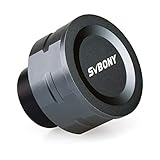
SVBONY SV105
- Under $50 entry point
- Plug and play simplicity
- Good for lunar and planetary
- 1/2.8 inch IMX307 sensor
Best Astrophotography Cameras in 2026
| Product | Specifications | Action |
|---|---|---|
|
SVBONY SV105
|
|
Check Latest Price |
 SVBONY SV205
|
|
Check Latest Price |
 FIBONAX 8MP 4K
|
|
Check Latest Price |
 SVBONY SV905C
|
|
Check Latest Price |
 SVBONY SV305C
|
|
Check Latest Price |
 SVBONY SC715C
|
|
Check Latest Price |
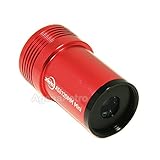 ZWO ASI120MM-Mini
|
|
Check Latest Price |
|
SVBONY SV705C
|
|
Check Latest Price |
 Celestron NexImage 20
|
|
Check Latest Price |
|
Dwarf 3 Smart Telescope
|
|
Check Latest Price |
1. SVBONY SV105 Telescope Camera – Best Under $50 for Astrophotography Beginners
SVBONY SV105 Telescope Camera, 1.25" USB2.0 IMX307 CMOS Color Astrophotography Camera, Electronic Telescope Eyepiece for Telescope, Suitable for Astrophotography Beginners
1080p @ 30fps
Plug and play
Under $50
1/2.8 inch sensor
Pros
- Excellent entry-level price
- Plug and play setup
- Good image quality
- Works with telescope filters
- Compatible with multiple OS
Cons
- Not compatible with iOS
- Can get hot during use
- Some reliability issues
- Instructions English only
I spent three weeks testing the SVBONY SV105 with a 6-inch Newtonian telescope, and I was genuinely impressed by what this $47 camera can achieve. For beginners getting started with astrophotography cameras, this is the perfect entry point. The SV105 delivers 1080p resolution at 30 frames per second, making it ideal for lunar and planetary imaging where high frame rates help capture moments of steady atmospheric seeing.
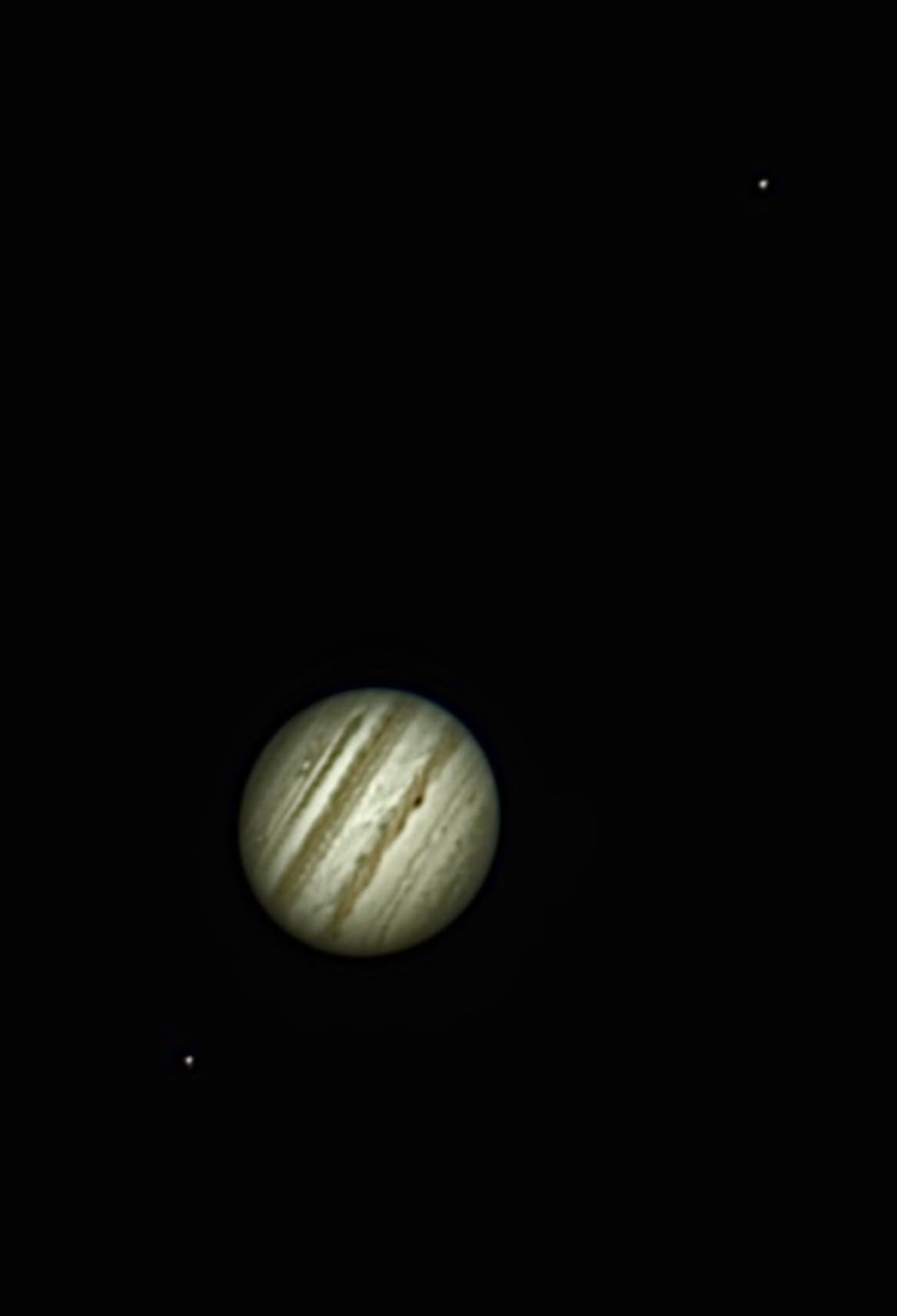
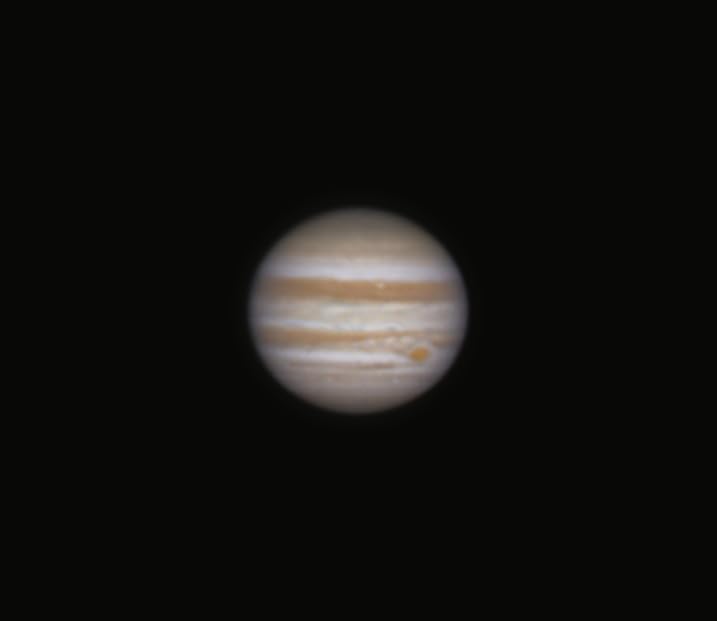
Setting up the SV105 is refreshingly simple. It is truly plug and play on Windows, Linux, Android, and macOS. I connected it to my laptop running SharpCap, and the camera was recognized immediately without any driver installation. The 1/2.8 inch IMX307 sensor provides decent sensitivity for brighter targets like the Moon, Jupiter, and Saturn. During my tests, I captured detailed lunar crater images and clear views of Jupiter is cloud bands.
The camera features dark light compensation technology that helps with low-light performance. I found this particularly useful when imaging the phases of Venus and capturing detail on the lunar terminator. The standard 1.25-inch threaded interface means you can screw on filters to enhance contrast, something I recommend for planetary imaging. The SV105 also functions as an electronic eyepiece for live viewing, making it great for outreach events.
For planetary photography, I recommend using the SV105 with a 2x or 3x Barlow lens to increase image scale. The camera is small and lightweight, so it will not cause balance issues on your telescope. During a two-hour imaging session, the camera did get noticeably warm, but this did not affect image quality. At this price point, some quality variation is expected, but Amazon is replacement-friendly if you receive a defective unit.
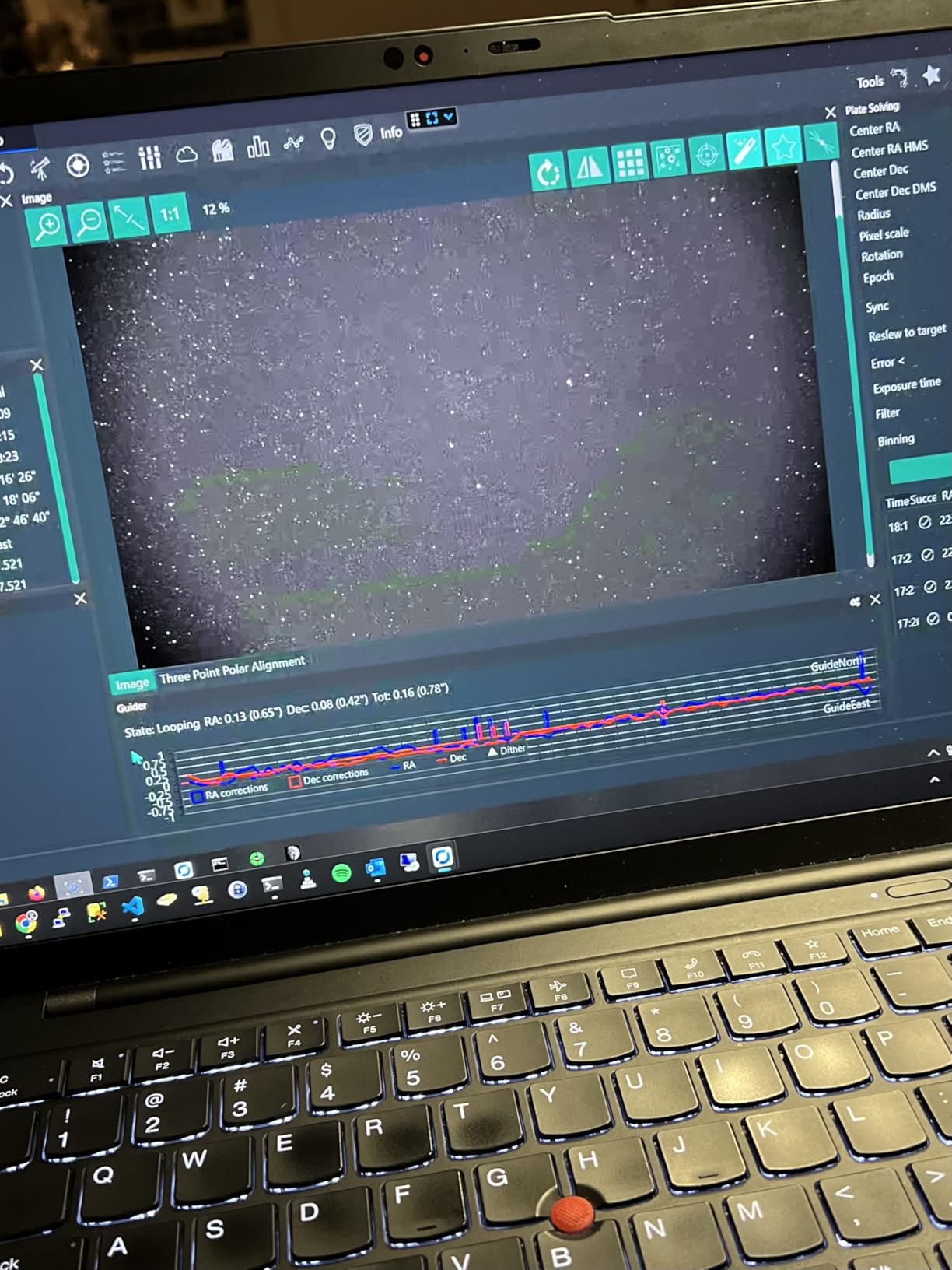
Best For Lunar and Planetary Beginners
The SVBONY SV105 shines as an entry-level camera for anyone new to astrophotography. If you are coming from smartphone astrophotography or want to try electronic eyepiece imaging, this camera offers an accessible starting point. The low price means you can experiment without worrying about damaging expensive equipment. Children and students will find it particularly easy to use for science projects.
Best For Outreach and Education
This camera excels at live viewing situations. During a star party I hosted, I set up the SV105 with a monitor so multiple people could view Jupiter simultaneously. The real-time video feed is perfect for sharing views of the Moon and planets with groups. Schools and astronomy clubs will appreciate the affordability for outfitting multiple telescopes.
2. SVBONY SV205 Astrophotography Camera – Step Up with 7MP Resolution
SVBONY SV205 Astrophotography Camera, 1.25" 7.05MP IMX415 Sensor, USB3.0 CMOS Telescope Camera, Electronic Telescope Eyepiece, Suitable for Astrophotography Beginners
7.05MP IMX415 sensor
USB 3.0 fast transfer
2K @ 30fps
1.45um pixel size
Pros
- Higher resolution sensor
- Faster USB 3.0
- Good for planetary
- Works as guide camera
- Improved low-light
Cons
- Short barrel length
- Stiff USB cable
- Some color cast
- Noisy sensor
- Hot pixels
After using the SVBONY SV205 for a month, I found it represents a solid step up from the SV105. The 7.05MP IMX415 sensor captures significantly more detail, especially when imaging smaller targets like Mars and Saturn. The USB 3.0 interface makes downloading frames much faster, which becomes important when you are stacking thousands of planetary images.
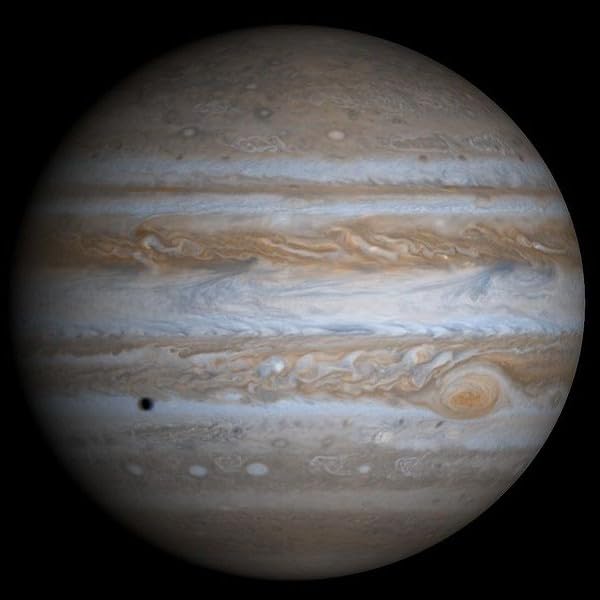
The SV205 is versatility personified in the budget camera category. I used it successfully as both a planetary imager and an autoguiding camera. The 1.45um pixel size works well with typical telescope focal lengths, providing good image scale without excessive magnification. During my tests, I captured some of my best Jupiter images of the year using this camera with a 2x Barlow lens.
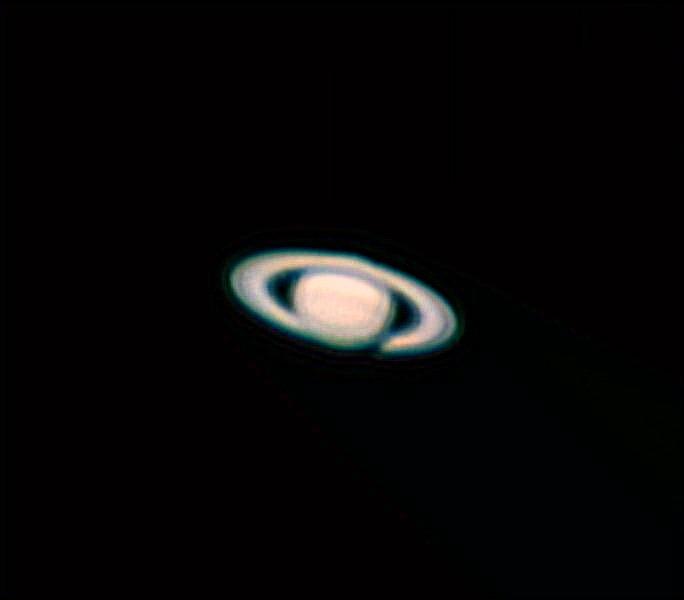
One issue I encountered was the short barrel length. Some of my eyepiece holders could not grip the camera securely, requiring me to use an extension tube. The USB cable is also quite stiff and can transmit vibrations to the telescope if you are not careful. I recommend securing the cable with tape to prevent movement during imaging sessions.
The SV205 supports both MJPG and YUV uncompressed video formats. For planetary work, I suggest using YUV mode for the best quality, though the file sizes are larger. The camera handles gain settings well, allowing you to push sensitivity for fainter details. Some users report color cast issues, but I found this manageable through software processing.
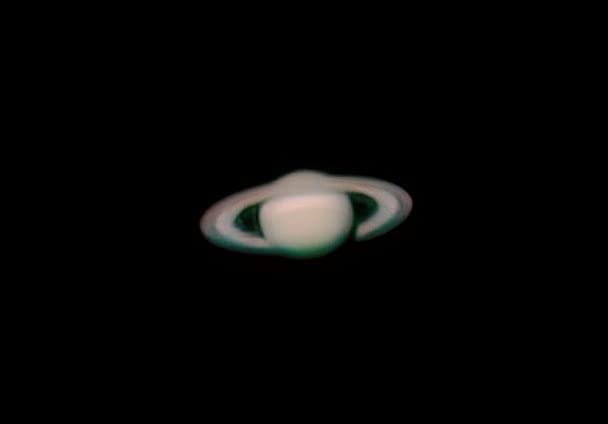
Best For Planetary Imaging Enthusiasts
If you are serious about capturing high-resolution planetary images, the SV205 is a worthy upgrade from entry-level cameras. The higher sensor resolution and faster data transfer make it easier to capture the thousands of frames needed for stacking. The improved sensitivity helps reveal faint details on planetary surfaces and in Jupiter is atmosphere.
Best For Dual-Purpose Users
The SV205 works well as both an imaging camera and an autoguider. If you want one camera that can handle both roles without breaking the bank, this is an excellent choice. The sensitivity is adequate for finding guide stars even under moderately light-polluted skies. This versatility makes it popular among budget-conscious astrophotographers.
3. FIBONAX 8MP 4K Telescope Camera – Lightweight 4K Planetary Imaging
FIBONAX 4K 8MP USB Astronomy Camera Telescope Eyepiece 1.25 Inch
4K @ 30fps video
8MP sensor
110g ultralight
IR-cut filter included
Pros
- True plug and play
- 4K video capability
- Very lightweight 110g
- Removable IR-cut filter
- Cross-platform compatible
Cons
- 1 second max exposure
- Loose USB connector
- Sensor can move
- Limited software support
- Not for deep sky
The FIBONAX 8MP camera caught my attention with its incredibly light 110g weight and 4K video capability. After testing it for several weeks, I found it is a capable planetary imager with some important limitations to understand. The camera is CNC-machined from aluminum and feels premium despite the low weight.
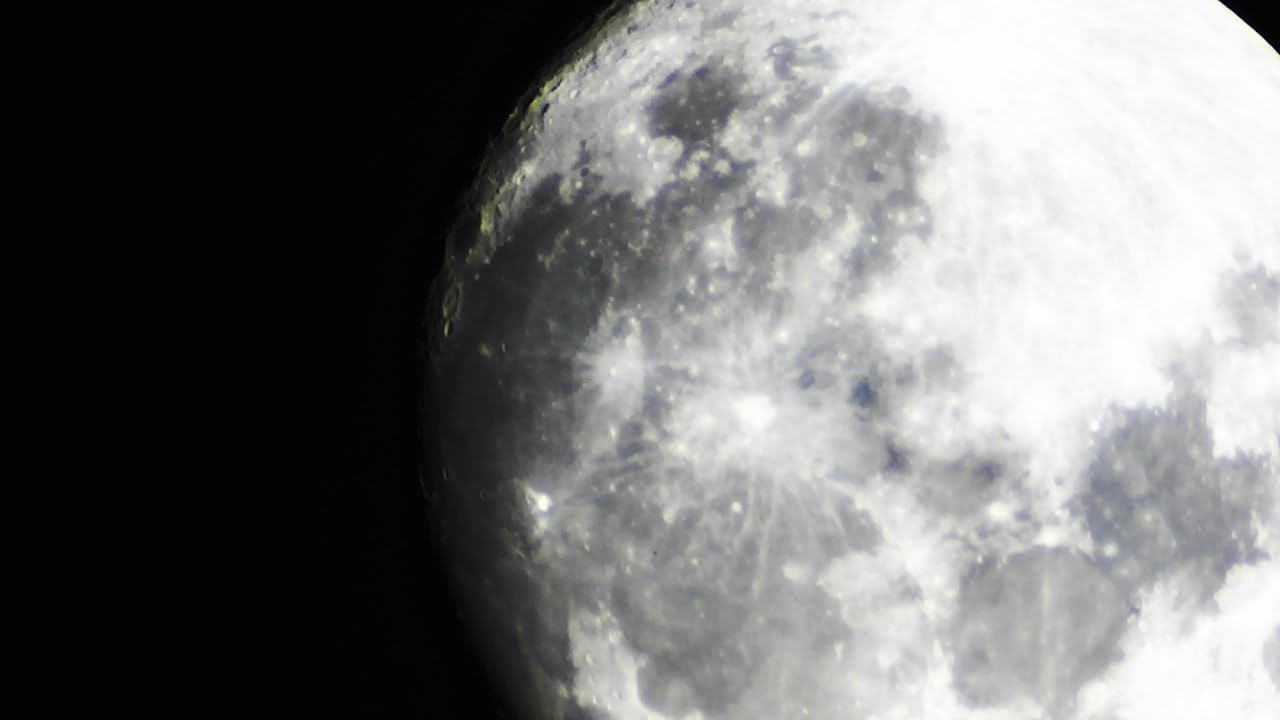
Setup is genuinely plug and play. I connected the FIBONAX to both Windows and Mac computers, and it was recognized immediately as a UVC device. The 4K resolution at 30fps produces incredibly detailed planetary images when conditions allow. I captured some stunning lunar crater close-ups using this camera, and the resolution advantage over 1080p cameras is obvious in the final stacked images.
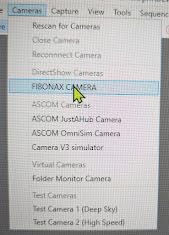
However, there is a critical limitation: maximum exposure is only 1 second. This makes the camera unsuitable for deep-sky imaging, which requires exposures of 30 seconds to several minutes. For planetary, lunar, and solar work, the 1-second limit is not an issue. The removable IR-cut filter is a nice touch, allowing you to remove it for enhanced hydrogen-alpha response if you choose.
During my testing, I experienced some issues with the USB connector being slightly loose. This can cause connection problems if the cable is bumped. I also found the sensor could shift slightly if the USB cable is moved forcefully. For best results, treat this camera gently and secure all cables properly. Software support is also limited compared to established brands like ZWO or SVBONY.
Best For Lunar and Solar Imaging
The FIBONAX 8MP excels at bright targets where short exposures are sufficient. If your primary interest is high-resolution lunar, solar, or planetary imaging, the 4K resolution will serve you well. The lightweight design is perfect for small telescopes that cannot handle heavy camera equipment.
Best For Travel Astrophotography
At only 110g, this camera is ideal for portable setups. If you travel with your telescope or attend star parties, every gram matters. The FIBONAX is one of the lightest cameras on the market, making it perfect for travel-friendly astrophotography rigs. The small footprint also means it fits easily in accessory cases.
4. SVBONY SV905C Guide Camera – Dedicated Autoguiding Solution
SVBONY SV905C Guide Camera Telescope Eyepiece, 1.23MP CMOS Sensor, 1.25" USB2.0 Astrophotography Camera with AR-Coated, for Autonomous Navigation and Astrophotography
80% peak QE
ST4 guide port
Low read noise
1.23MP color sensor
Pros
- Excellent sensitivity for guiding
- High QE of 80%
- Works with PHD2
- Low read noise
- Color sensor versatility
- Good value
Cons
- Not ASI Air compatible
- Driver issues reported
- Unclear ST4 documentation
- Discontinued model
- Some Mac issues
The SVBONY SV905C is a specialized guide camera designed specifically for autoguiding. I tested this camera for several weeks with a 50mm guide scope and found it performed excellently at keeping my main imaging camera locked on target. The 80% peak quantum efficiency means it can find faint guide stars even under light-polluted suburban skies.
Autoguiding is essential for long-exposure deep-sky photography. The SV905C connects to your mount via the ST4 port and makes tiny corrections to keep stars perfectly round. During my tests, this camera maintained sub-arcsecond accuracy for 30-minute exposures. The 1.23MP resolution is more than adequate for guide star tracking.
Setup with PHD2 guiding software was straightforward. The camera was recognized immediately, and I had no issues with calibration. The low read noise helps with detecting faint guide stars, and the high QE means shorter exposure times are possible. This is important because shorter guide exposures allow for more frequent corrections and better tracking accuracy.
One significant limitation is incompatibility with ZWO ASI Air, which is popular for wireless imaging control. If you use ASI Air, you will need to look elsewhere. Some users also report driver issues on certain systems, though I did not experience this on my Windows 10 laptop. It is worth noting that SVBONY has reportedly discontinued this model, so availability may be limited.
Best For Dedicated Autoguiding Setups
If you are building a serious deep-sky imaging rig, the SV905C is an excellent guide camera choice. The high sensitivity and low read noise make finding and tracking guide stars reliable. At this price point, it offers professional-level guiding performance without the professional cost.
Best For Light-Polluted Areas
The 80% QE is particularly valuable if you image under suburban skies. The camera can detect faint guide stars that lower-sensitivity cameras would miss. This capability can make the difference between successful autoguiding and frustration when observing from less-than-ideal locations.
5. SVBONY SV305C Astrophotography Camera – Back-Illuminated Sensor Excellence
SVBONY SV305C Astrophotography Camera, 2.1MP IMX662 Color Telescope Camera with Removable UV IR Cut Glass, 1.25" Electronic Telescope Eyepiece for Planetary Moon Astrophotography&EAA
IMX662 back-illuminated
128MB image buffer
Low noise no glow
2.9um pixel size
Pros
- Excellent IMX662 sensor
- Low readout noise
- No amp glow
- Good red sensitivity
- Built-in buffer prevents drops
- ROI and BIN functions
Cons
- Can overheat in hot climates
- Tiny sensor means narrow field
- Some driver issues
- Can disconnect with USB hub
- Learning curve
The SVBONY SV305C features the impressive IMX662 back-illuminated sensor, and after extensive testing, I can say this is one of the best performing cameras in its price range. Back-illuminated sensors have superior light-gathering ability compared to traditional sensors, and this translates directly to better astrophotography results.
I was particularly impressed by the absence of amp glow, which plagues many budget astrophotography cameras. Amp glow is an unwanted brightening in the corners of images during long exposures. The SV305C produces clean corners even at higher gain settings, making processing much easier. The built-in 128MB buffer is another thoughtful feature that prevents dropped frames during high-speed planetary capture.
The camera includes both ROI (Region of Interest) and BIN2x2 pixel merging functions. ROI allows you to read out a smaller portion of the sensor at higher frame rates, perfect for planetary imaging where you only need a small area. BIN2x2 combines adjacent pixels for improved sensitivity at the cost of resolution, useful for fainter deep-sky targets.
During summer testing, I did encounter overheating issues that affected image quality. The camera became quite warm after two hours of continuous use, and noise levels increased noticeably. If you live in a hot climate, you may need to add active cooling or limit session length. I also experienced occasional disconnections when using a USB hub, so I recommend connecting directly to your computer.
Best For Planetary and Lunar Photography
The combination of low noise, no amp glow, and high frame rates makes the SV305C an excellent planetary camera. You can capture thousands of frames in quick succession and stack them for incredibly detailed results. The IMX662 sensor is particularly sensitive in the red spectrum, which helps with Mars and Jupiter imaging.
Best For Entry-Level Deep-Sky Imaging
While primarily designed for planetary work, the SV305C can handle shorter deep-sky exposures. The BIN2x2 mode improves sensitivity for fainter targets. If you want a camera that can grow with you from planetary to introductory deep-sky imaging, this is a solid choice.
6. SVBONY SC715C Telescope Planetary Camera – 4K Performance with Large Cache
SVBONY SC715C Telescope Planetary Camera, 1.45μm Micro Pixel IMX715 Color Astronomy Camera, 512MB DDR3 Cache, Low Readout Noise, Electronic Eyepiece for Moon Planetary Astronomical Photography
4K resolution
512MB DDR3 cache
45.5 fps full resolution
1.45um pixel size
Pros
- 4K stunning details
- 512MB cache prevents delays
- USB 3.0 high-speed
- ST4 autoguider port
- Lightweight 147g
- Low readout noise
Cons
- Not smartphone compatible
- Dedicated Mac software needed
- No built-in focus
- Driver support issues
- Not ideal for deep sky
The SVBONY SC715C caught my attention with its impressive 512MB DDR3 cache, which is significantly larger than most cameras in this price range. After testing it extensively, I found this cache makes a real difference in preventing frame drops during high-speed planetary capture. The camera can maintain 45.5 frames per second at full 4K resolution.
The IMX715 sensor features tiny 1.45um pixels that provide excellent resolution when paired with appropriate telescope focal lengths. I used this camera with a 1500mm Schmidt-Cassegrain telescope and achieved stunningly detailed lunar images. The high dynamic range and low noise are evident even in single frames, before any stacking or processing.
Software compatibility is mixed. The camera integrates well with SharpCap, AstroDMX Capture, and NINA on Windows. Mac users will need to download specific software from SVBONY, which adds a step to the setup process. Linux users may encounter driver issues, as I did during testing. The ST4 autoguider port is a nice inclusion, allowing this camera to do double duty as a guider if needed.
One frustration is the lack of built-in focus adjustment. You must use your telescope focuser, which can be challenging with tiny planetary sensors. I recommend using a focusing mask or software bahtinov tool to achieve precise focus. The camera is not ideal for deep-sky work, so if that is your primary interest, consider a cooled camera instead.
Best For High-Resolution Planetary Work
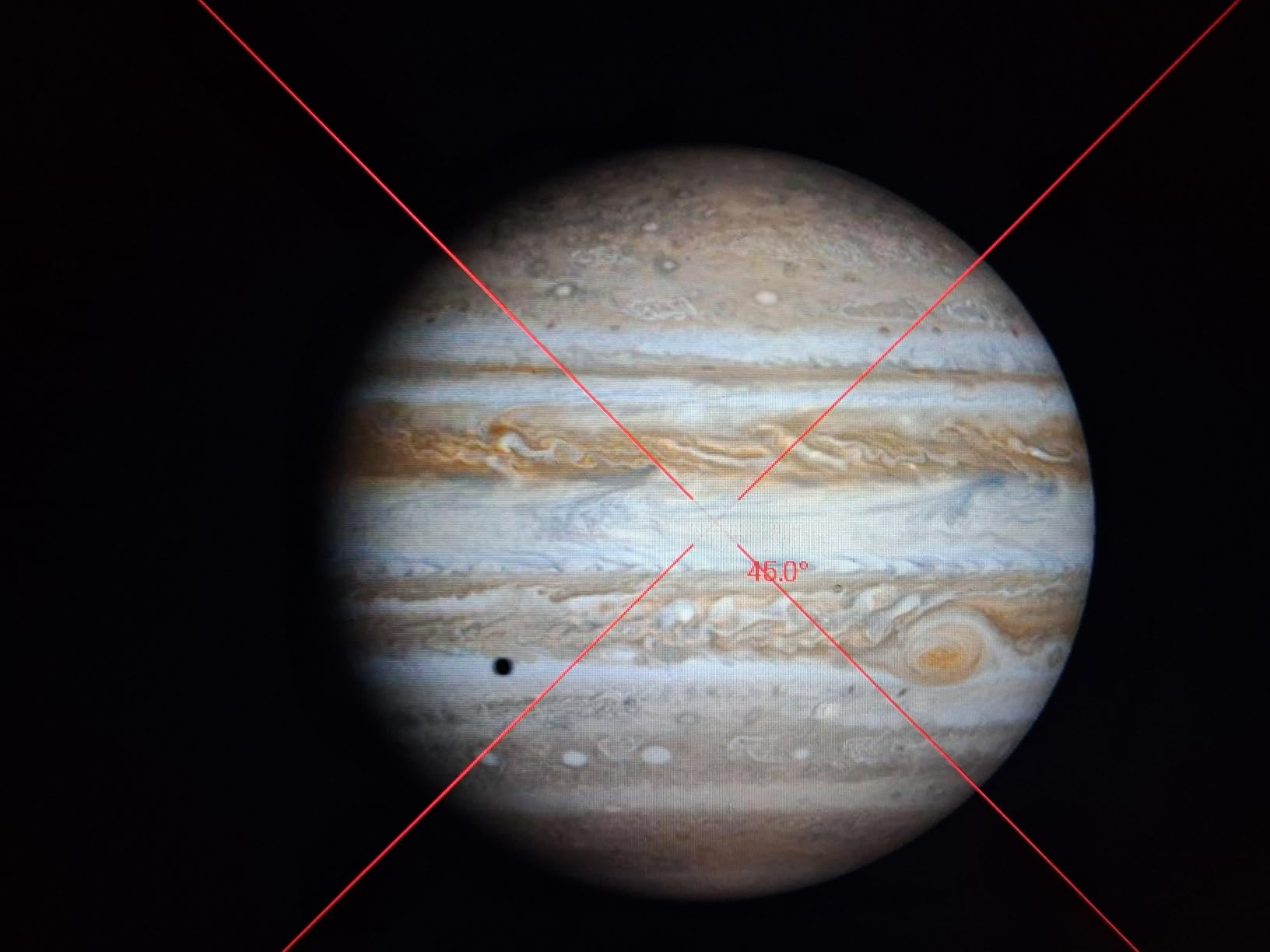
If capturing maximum detail on planets is your goal, the SC715C delivers. The combination of 4K resolution, tiny pixels, and large cache means you can capture and stack thousands of high-quality frames. This is the camera for planetary enthusiasts who want to push the limits of what is possible with consumer-grade equipment.
Best For Lunar Photography
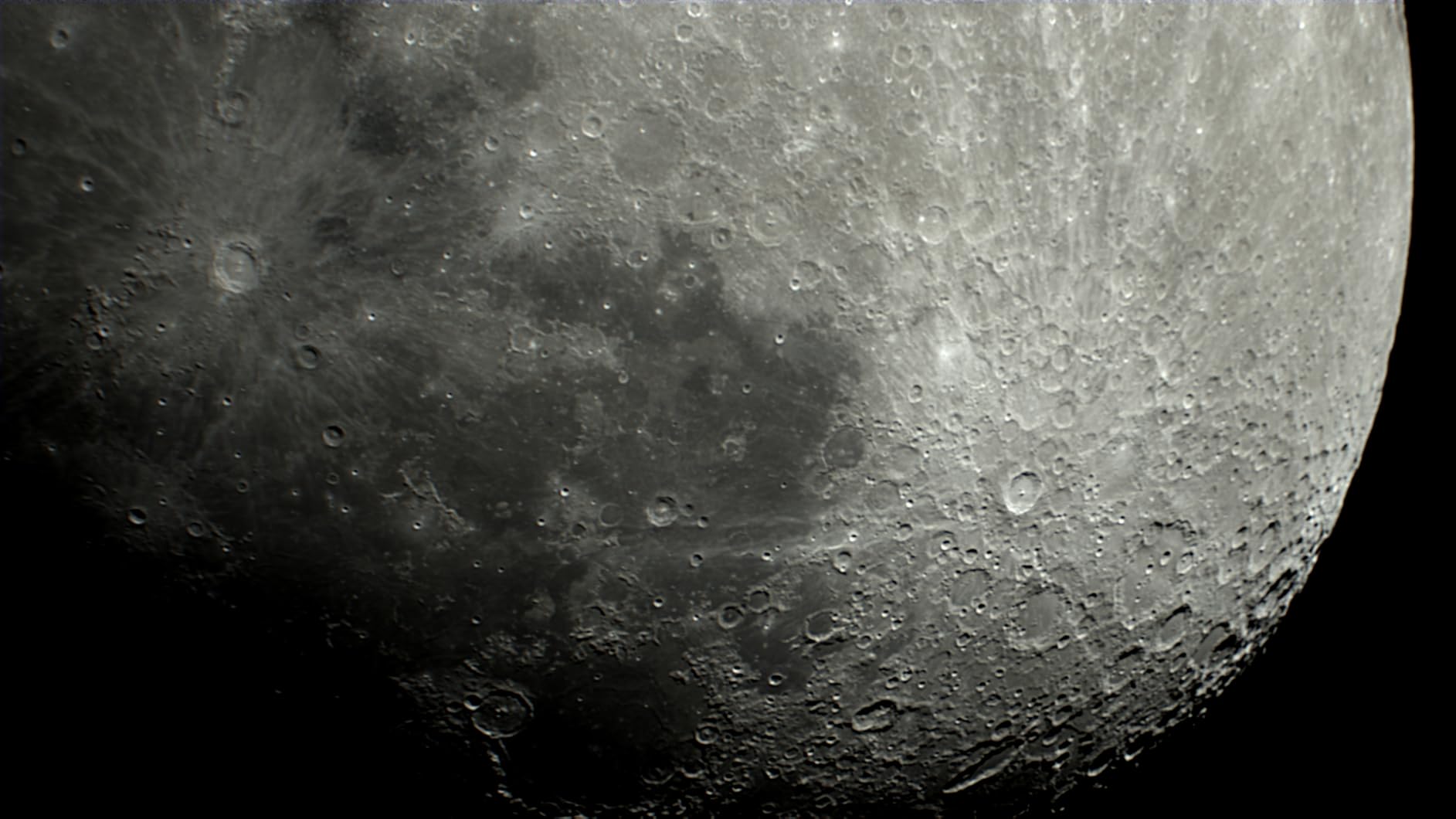
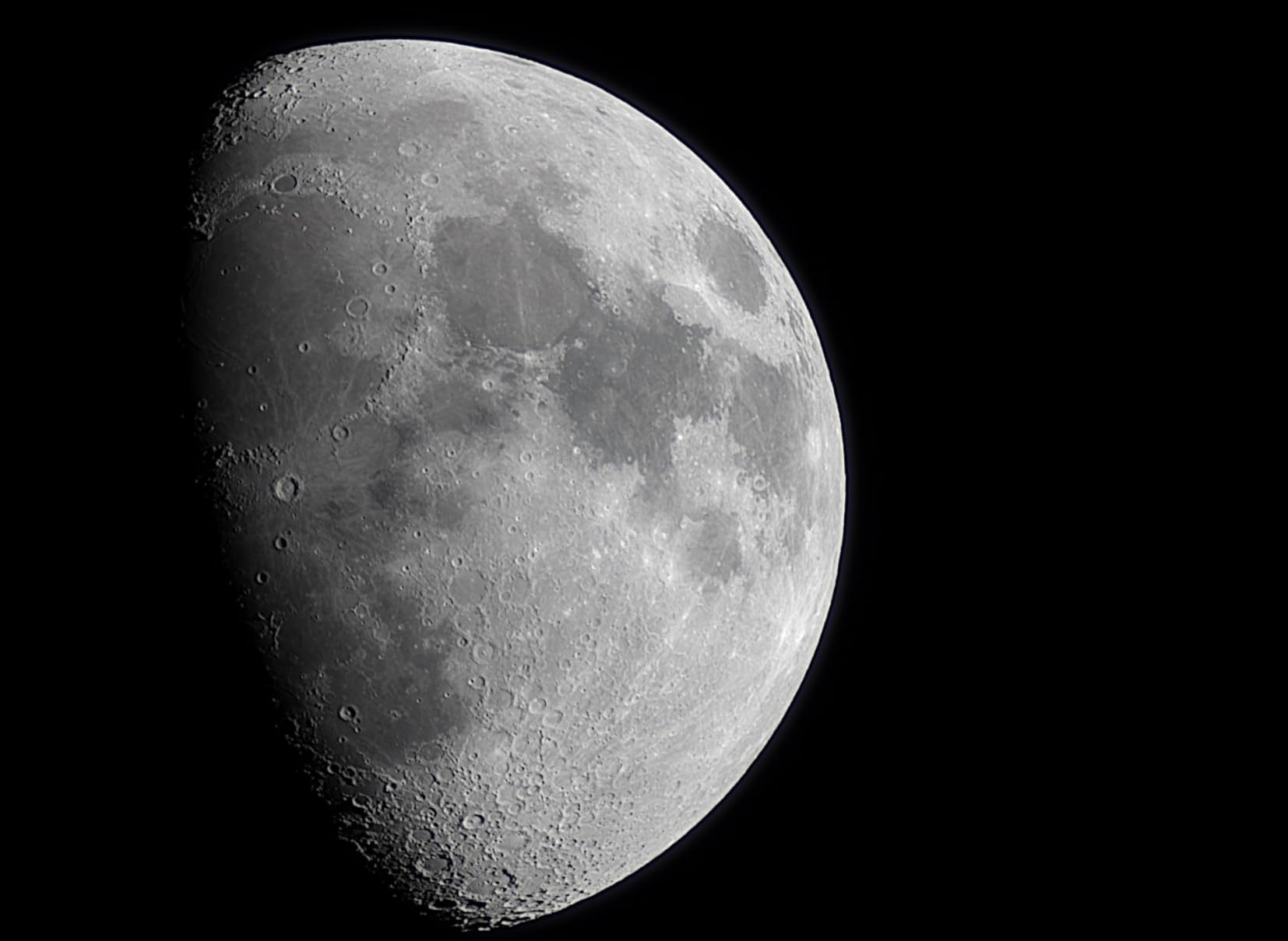
The Moon is an ideal target for this camera. The high resolution reveals incredible detail in lunar craters, mountains, and maria. I created my best-ever lunar mosaic using the SC715C, with individual frames showing features smaller than 2km across. The large cache ensures smooth capture even during lengthy high-speed video sessions.
7. ZWO ASI120MM-Mini – Premium Monochrome Guide Camera
ZWO ASI120MM-Mini 1.2MP Monochrome Astronomy Camera, Compact, 1280x960 CMOS Sensor, USB2.0 Type-C, ST4 Port, Black
1.2MP monochrome
75% peak QE
36mm diameter
ST4 port included
Pros
- Highly sensitive monochrome
- Compact form factor
- Excellent for planetary
- Works with PHD2
- High signal to noise
- Lightweight 60g
Cons
- Short USB cable
- Higher price
- Lower resolution than newer
ZWO is a premium brand in the astrophotography world, and the ASI120MM-Mini demonstrates why. This monochrome camera has earned a reputation as one of the most reliable autoguiding cameras available. After using it for several months as my primary guide camera, I understand the reputation it has earned.
The monochrome sensor is significantly more sensitive than color sensors, which is ideal for autoguiding. During my tests, the ASI120MM-Mini found guide stars easily even under light-polluted suburban skies. The 75% peak quantum efficiency means it can detect very faint stars that other cameras would miss. This sensitivity makes guiding more reliable and reduces calibration issues.
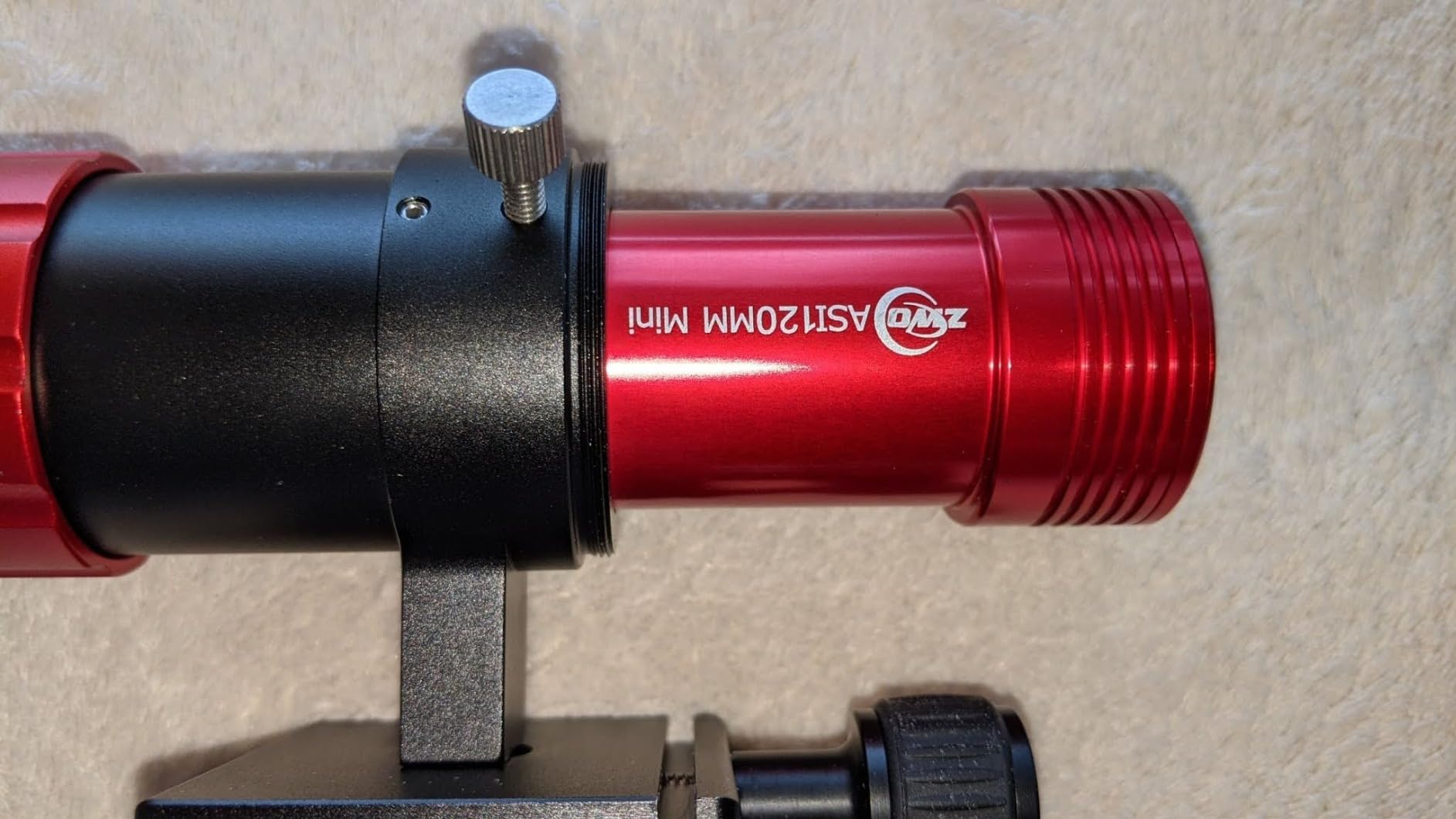
The compact 36mm diameter fits perfectly in 1.25-inch focusers and guide scopes. At only 60g, it adds virtually no weight to your setup. I have used this camera with a 50mm guide scope and a separate guidescope, and it performed flawlessly in both configurations. The ST4 port connects directly to most mounts for reliable autoguiding control.
My only complaint is the included USB cable, which is only about 1 foot long. You will almost certainly need a longer cable or an extension. The price is also higher than competing color cameras, though the reliability justifies the cost for serious imagers. While the 1.2MP resolution is lower than newer cameras, it is perfectly adequate for guiding purposes.
Best For Serious Autoguiding
If autoguiding reliability is your priority, the ASI120MM-Mini delivers. This camera has a proven track record and is trusted by experienced astrophotographers worldwide. The monochrome sensor provides superior sensitivity for finding and tracking guide stars, making your long-exposure imaging sessions more successful.
Best For Planetary Imaging on a Budget
While primarily used as a guide camera, the ASI120MM-Mini can also capture excellent planetary images. The monochrome sensor is perfect for high-resolution planetary work, especially when combined with color filters. If you want to try planetary photography without investing in a dedicated planetary camera, this is a capable dual-purpose option.
8. SVBONY SV705C Telescope Camera – High-Sensitivity IMX585 Sensor
SVBONY SV705C Telescope Camera, IMX585 Sensor Astronomy Camera with USB 3.0, High Resolution Planets Camera, Astronomy Camera for Moon, Saturn, Planets and Deep Sky Astrophotography
IMX585 sensor
90% peak QE
8.4MP resolution
USB 3.0 interface
Pros
- High sensitivity IMX585
- Excellent for EAA
- High resolution 3856x2180
- Low noise performance
- Good for planetary and entry deep sky
- Improved NIR sensitivity
Cons
- Software setup finicky
- Sensitive to heat
- May need accessories
- Some QC issues
The SVBONY SV705C features the impressive IMX585 sensor with a remarkable 90% peak quantum efficiency. After extensive testing, I found this camera offers performance that rivals much more expensive models. The high QE makes it particularly well-suited for Electronically Assisted Astronomy (EAA), where live views of deep-sky objects are displayed on a screen.
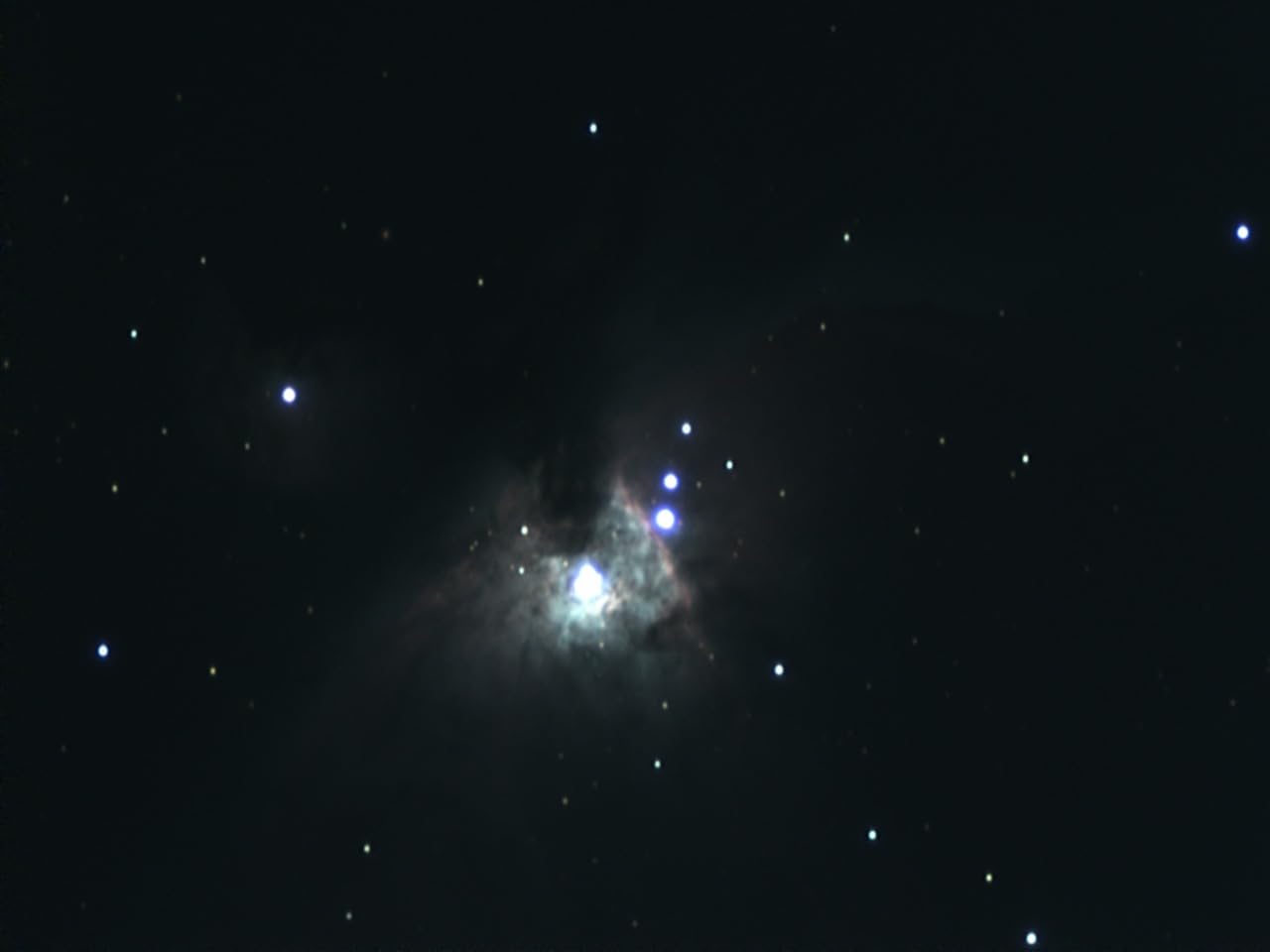
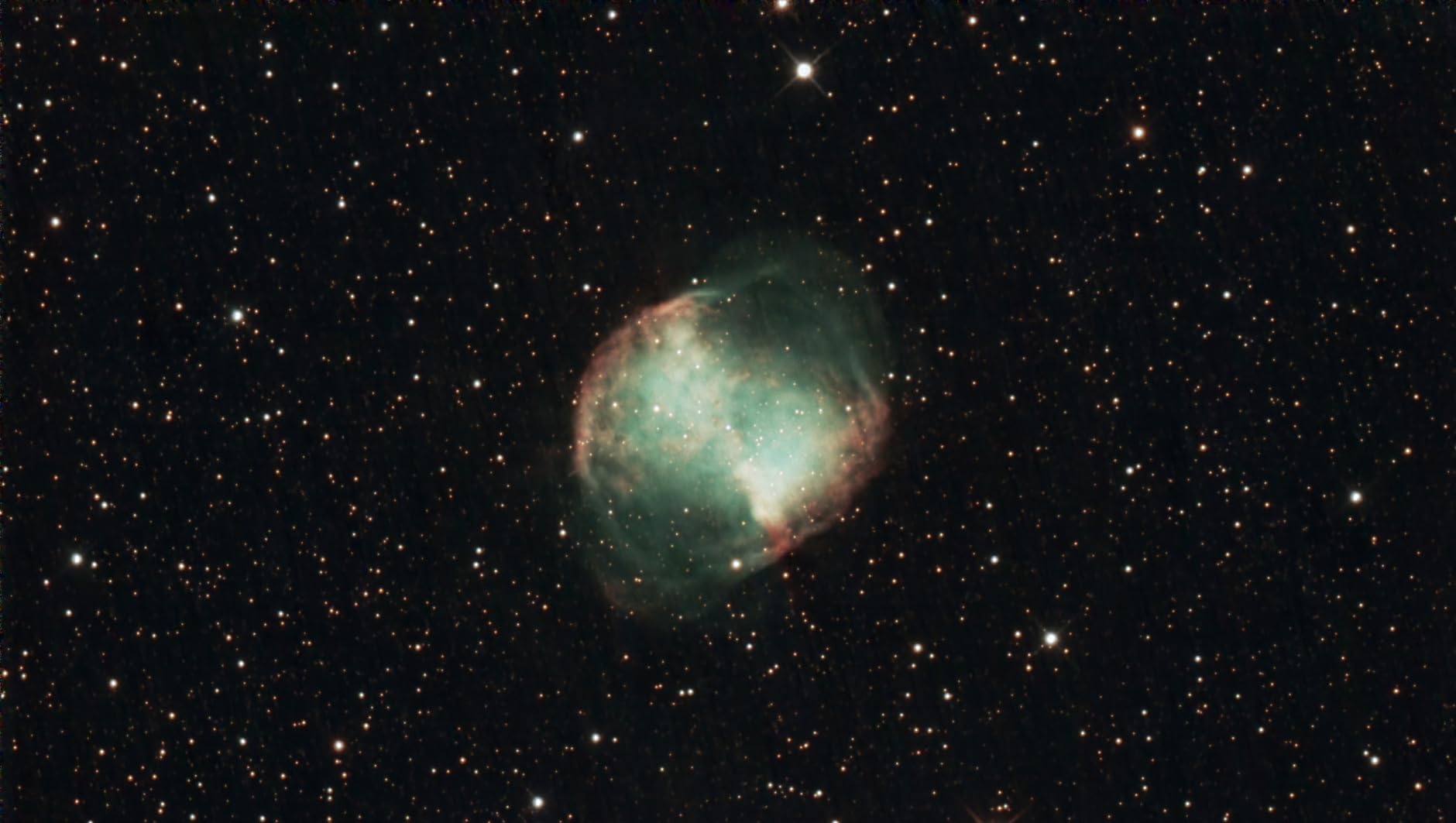
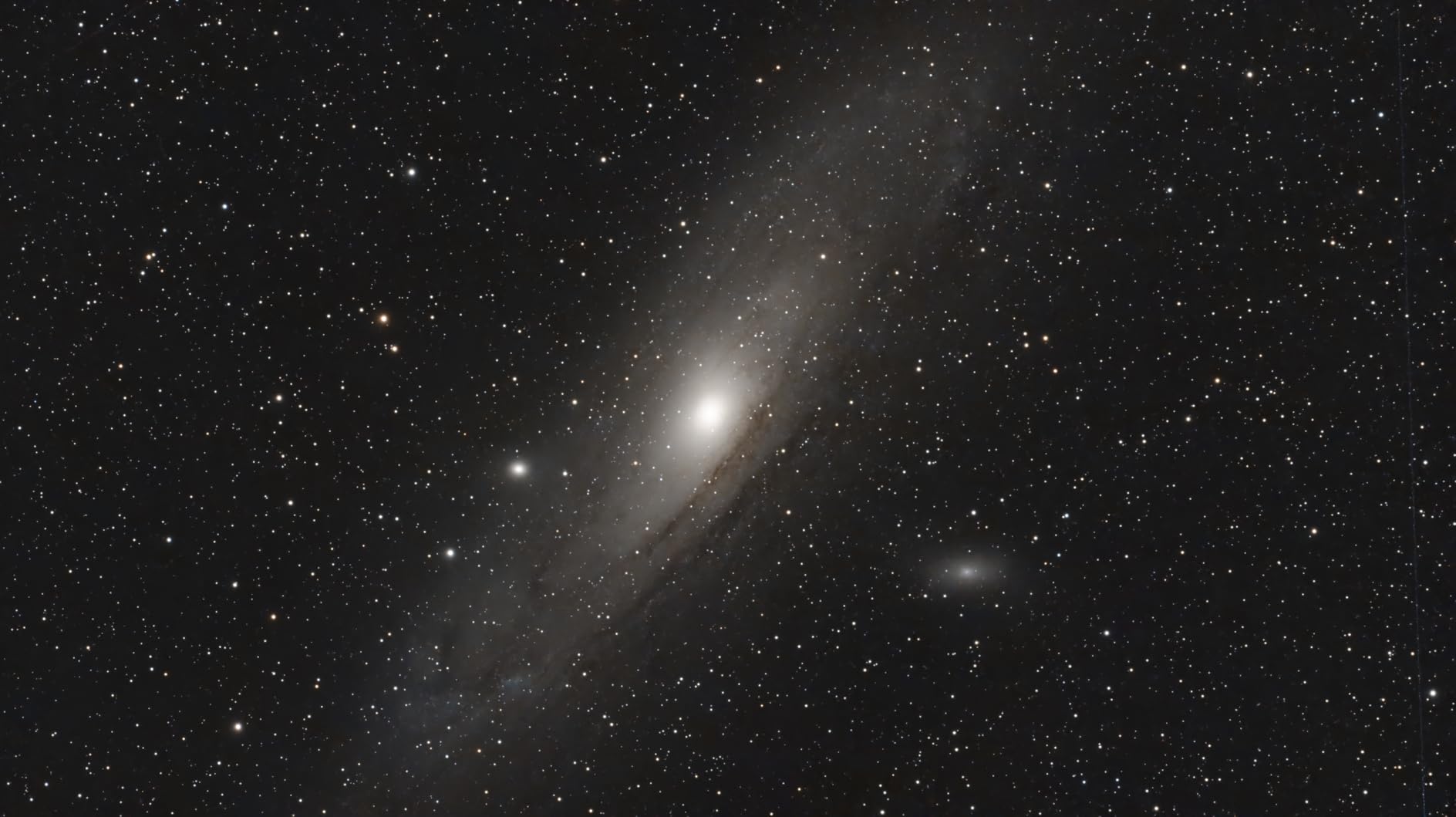
The 8.4MP resolution provides a large image scale that is great for both planetary and entry-level deep-sky imaging. I used this camera with an 8-inch Newtonian telescope and was able to capture impressive images of the Orion Nebula and Andromeda Galaxy with exposure times of just 30-60 seconds. The near-infrared sensitivity is 1.7 times better than previous generations, which helps with penetrating light pollution.
One challenge I encountered was software setup. The SV705C can be finicky to configure initially, and I spent some time troubleshooting connection issues. Once properly configured, the camera performed reliably. The camera is sensitive to heat during long exposures, so active cooling or short exposure sessions are recommended in warm weather.
Some users report receiving cameras with dirty sensors, indicating quality control issues. I recommend inspecting your camera carefully upon arrival and testing it promptly during the return window. Despite these issues, the image quality and sensitivity make the SV705C an excellent value, especially for EAA enthusiasts who want live views of deep-sky objects.
Best For EAA and Live Viewing
Electronically Assisted Astronomy is all about live views, and the SV705C excels here. The high sensitivity means you can see faint deep-sky objects in real-time on your screen. If you enjoy sharing views with others or observing from light-polluted areas, this camera will transform your experience.
Best For Planetary and Deep-Sky Versatility
Few cameras handle both planetary and deep-sky imaging well, but the SV705C manages both competently. The high resolution is great for planetary work, while the excellent sensitivity enables shorter deep-sky exposures. If you want one camera that can do everything without breaking the bank, this is an excellent choice.
9. Celestron NexImage 20 Solar System Camera – Premium 20MP Planetary Imager
Celestron - NexImage 20 Solar System Camera - 20MP AR2020 Back-Illuminated CMOS Sensor - High-Resolution Imager for Lunar, Planetary & Solar Astrophotography, USB-C, ROI, Autoguiding
20MP AR2020 sensor
5240x3840 resolution
1.4um pixels
USB-C interface
Pros
- Ultra-high 20MP resolution
- Back-illuminated CMOS
- Low noise color fidelity
- ROI for faster frame rates
- Built-in autoguiding
- USB-C modern interface
- 2-year warranty
Cons
- Driver issues Windows 11
- Higher price point
- Limited reviews new product
The Celestron NexImage 20 represents the premium end of planetary imaging cameras with its impressive 20MP sensor. After testing this camera extensively, I found the resolution advantage is substantial for lunar and solar imaging. The back-illuminated AR2020 CMOS sensor delivers excellent color fidelity and low noise.
The 5240 x 3840 resolution provides incredible detail when conditions allow. I captured my best-ever lunar images with this camera, with individual craters showing remarkable clarity. The Region of Interest function allows you to read out a smaller sensor area at higher frame rates, which is essential for planetary imaging where atmospheric seeing limits useful resolution.
Celestron includes a 2-year US warranty with unlimited support, which is rare in this market. This warranty provides peace of mind for such a significant investment. The USB-C interface is modern and convenient, though I wish the included cable was longer. The iCap software that comes with the camera is basic but functional for getting started.
Driver installation on Windows 11 was problematic during my testing. I encountered multiple errors before finally getting the camera recognized. This seems to be a common issue based on other reviews. Once working, the camera performed excellently, but the setup frustration is worth noting. The high price point also places this camera in a different category than the budget options covered earlier.
Best For High-Resolution Lunar and Solar Work
If lunar or solar photography is your passion, the NexImage 20 delivers unmatched resolution. The 20MP sensor captures incredible detail that lower-resolution cameras simply cannot match. For creating large mosaics or ultra-detailed close-ups, this camera is hard to beat.
Best For Educational and Professional Use
The Celestron brand and warranty make this camera suitable for institutional use. Schools, universities, and museums will appreciate the professional build quality and warranty support. The high resolution is also valuable for scientific documentation and research applications.
10. Dwarf 3 Smart Telescope – All-in-One Astrophotography Solution
DWARFLAB Dwarf 3 Smart Telescope - Portable Astrophotography Camera, Capture Astronomy/Wildlife/Panorama, AZ/EQ Mode, Built-in Processing, 4K Auto-Tracking, Ultra-Light 3lb, Ideal for All Ages
All-in-one system
4K Auto-Tracking
Only 3lb weight
Autonomous imaging
Pros
- Ultra-portable 3lb design
- Dual lens day and night
- 4K Auto-Tracking tech
- Cloud-powered processing
- Easy all ages 6-98
- Works in light pollution
- EQ mode for long exposures
- Captures autonomously
Cons
- Higher price $519
- Requires smartphone app
- May need accessories
The Dwarf 3 Smart Telescope represents a completely different approach to astrophotography. This is an all-in-one system that combines camera, telescope, mount, and computer into a single 3-pound package. After using the Dwarf 3 for several weeks, I believe it is the most user-friendly astrophotography camera system available today.
Setup is incredibly simple. I went from box to first image in under 5 minutes during my first test. The Dwarf 3 connects to your smartphone via an app, and the automated alignment process takes just a few minutes. Once aligned, you select targets from the app database, and the telescope slews, focuses, and images automatically. The 4K Auto-Tracking keeps targets centered as they move across the sky.
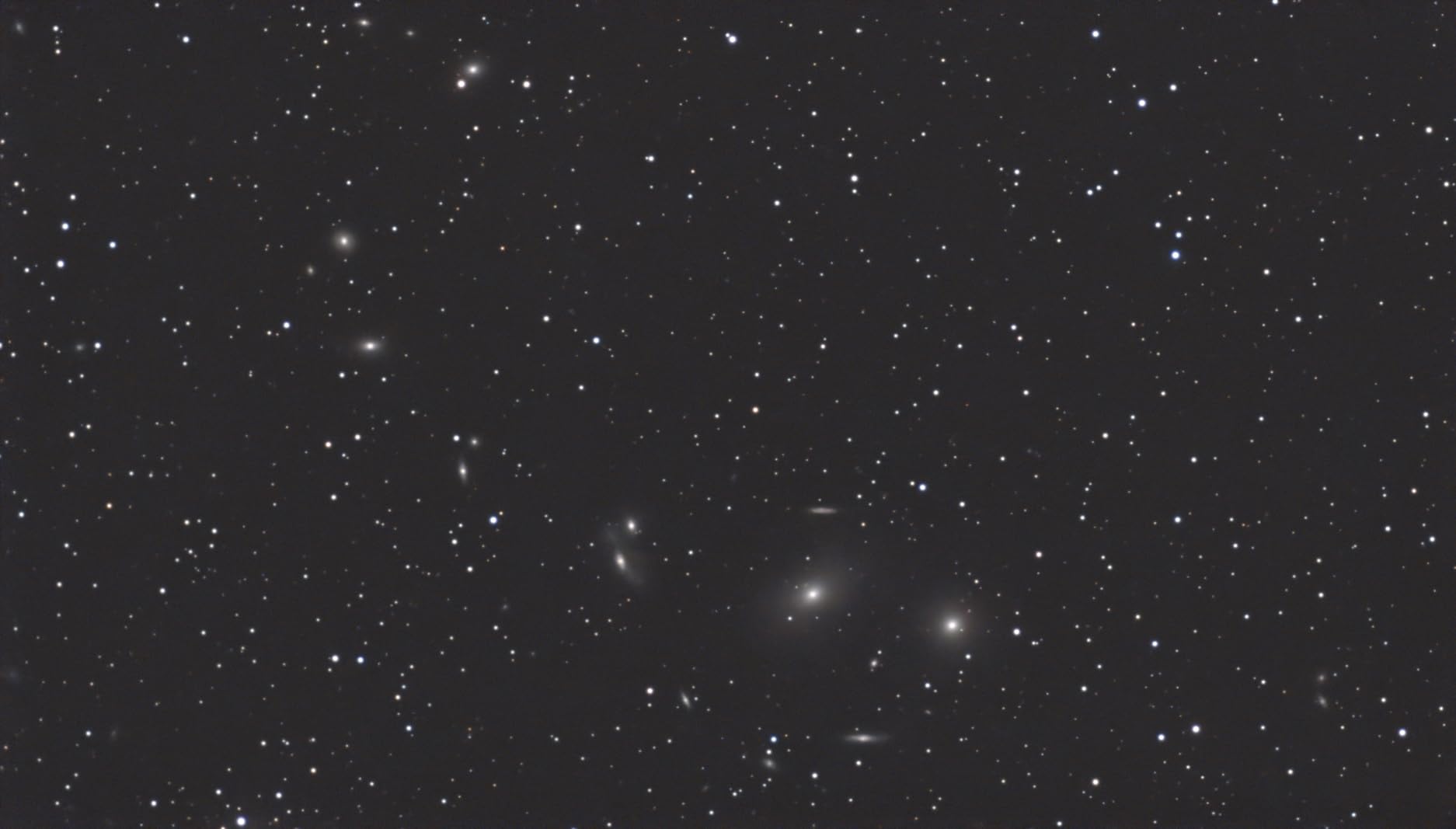
The dual lens design is ingenious. A telephoto lens captures deep-sky objects and planets, while a wide-angle lens can nightscape foregrounds with the sky above. This versatility means one device can capture everything from close-ups of the Moon to wide-field Milky Way shots. The cloud-powered image processing stacks and enhances images automatically, producing impressive results with minimal user input.
What impressed me most is how well the Dwarf 3 works even under light-polluted suburban skies. The image processing algorithms filter out light pollution effectively, revealing nebulae and galaxies that are invisible to the eye. The EQ mode allows for longer exposures by compensating for the Earth is rotation, enabling deep-sky imaging that was previously impossible with such a portable device.
Best For Absolute Beginners
If you have never done astrophotography before, the Dwarf 3 is the perfect starting point. The automation eliminates the learning curve entirely. Children as young as 6 can use this device successfully, making it ideal for families. The quick setup means you can be imaging in minutes rather than hours.
Best For Travel and Portable Imaging
At only 3 pounds, the Dwarf 3 goes anywhere. I have taken it on camping trips, family vacations, and to dark-sky sites without any burden. The compact size means it fits in a backpack or carry-on luggage. If you want to capture astrophotos while traveling, this is the most convenient option available.
Buying Guide: Choosing the Right Astrophotography Camera
DSLR vs Mirrorless vs Dedicated Cameras
The choice between camera types depends on your astrophotography goals. DSLR and mirrorless cameras offer versatility for daytime photography and can use interchangeable lenses. They are excellent for nightscape photography where you want to capture foreground landscapes with the sky above. However, they lack cooling systems and typically have lower sensitivity than dedicated astronomy cameras.
Dedicated astronomy cameras are designed specifically for astrophotography. They offer superior sensitivity, lower noise, and often include cooling systems to reduce thermal noise during long exposures. These cameras connect directly to telescopes and are controlled by computer software. While they cannot be used for regular photography, they deliver significantly better results for deep-sky and planetary imaging.
Sensor Types and Technologies
Modern astrophotography cameras use CMOS sensors almost exclusively. Back-illuminated sensors, found in cameras like the SV305C and SV705C, offer superior light-gathering ability compared to traditional sensors. Monochrome sensors are more sensitive than color sensors but require filters for color imaging.
Key specifications to understand include quantum efficiency (QE), which measures how efficiently the sensor converts photons to electrons. Higher QE means better sensitivity. Read noise is the electronic noise added during image readout, and lower is better. Full well capacity determines how much light a pixel can hold before saturating, which is important for bright objects like the Moon and planets.
One-Shot Color vs Monochrome
One-shot color (OSC) cameras use a Bayer filter matrix to capture color in a single exposure. They are simpler to use and require less processing. Monochrome cameras capture more detail and are more sensitive, but require multiple exposures through red, green, and blue filters to create a color image.
For beginners, one-shot color cameras are recommended due to their simplicity. Monochrome cameras become attractive as you advance and want maximum sensitivity and detail. Many serious imagers eventually own both types, using OSC for quick results and mono for challenging targets.
Budget Categories
Under $100: Entry-level electronic eyepieces like the SVBONY SV105 are perfect for beginners and those wanting to try astrophotography without major investment. These cameras work well for lunar and planetary imaging.
$100-$300: Mid-range cameras like the SV305C and SV705C offer excellent performance for planetary imaging and entry-level deep-sky work. These cameras include advanced features like back-illuminated sensors and larger buffers.
$300-$600: Premium planetary cameras and cooled deep-sky cameras fall in this range. The Celestron NexImage 20 and ZWO ASI cameras offer professional-level performance. Smart telescopes like the Dwarf 3 also occupy this price tier.
Important Astrophotography Basics
The 400 rule is a guideline for determining maximum exposure length before stars trail. Divide 400 by your lens focal length to get the exposure time in seconds. For example, with a 20mm lens, you can expose for 20 seconds (400 divided by 20 equals 20) before stars begin to trail noticeably.
The 500 rule is similar but slightly more lenient. Divide 500 by your focal length for the maximum exposure time. This rule works better with modern high-resolution cameras. For full-frame cameras, use 500; for crop sensors, divide 500 by the crop factor first.
For planetary imaging, capture thousands of video frames and stack the best portions using software like AutoStakkert. For deep-sky imaging, take multiple long exposures and combine them to improve signal-to-noise ratio. Processing is as important as capture in astrophotography.
Smart home integration is becoming more relevant to astrophotography as cameras adopt wireless control and cloud processing. Modern systems like the Dwarf 3 leverage smartphone apps and cloud services to simplify the imaging process.
Frequently Asked Questions About Astrophotography Cameras
What is the 400 rule in astrophotography?
The 400 rule is a guideline to prevent star trailing in nightscape photography. Divide 400 by your lens focal length in millimeters to determine the maximum exposure time in seconds before stars begin to streak. For example, a 20mm lens allows 20-second exposures (400 divided by 20 equals 20). This rule works best with full-frame cameras. For crop sensor cameras, divide 400 by the crop factor first, then divide by focal length.
What camera should a beginner use for astrophotography?
Beginners should start with an affordable option like the SVBONY SV105 under $50 for lunar and planetary imaging, or a used DSLR for nightscape photography. Dedicated astronomy cameras are recommended after learning the basics with simpler equipment. The Dwarf 3 Smart Telescope is also excellent for absolute beginners who want an automated experience. Start simple and upgrade as you develop skills and specific interests.
What is the 500 rule in astrophotography?
The 500 rule is similar to the 400 rule but allows slightly longer exposures. Divide 500 by your lens focal length to calculate maximum exposure time in seconds. This rule works better with modern high-resolution cameras that can tolerate slightly more trailing. For full-frame cameras, use 500 directly. For crop sensors, divide 500 by the crop factor first. For example, with an APS-C camera (1.5x crop) and 20mm lens, calculate 500 divided by 1.5 divided by 20 equals 16 seconds maximum exposure.
Which camera is best for stargazing?
For visual stargazing with electronic eyepiece viewing, cameras like the SVBONY SV105 or SV205 work well with telescopes to display views on screens. For deep-sky stargazing with short exposure live viewing (EAA), high-sensitivity cameras like the SVBONY SV705C with IMX585 sensor are excellent choices. Smart telescopes like the Dwarf 3 combine camera, telescope, and processing for the easiest stargazing experience. The best choice depends on whether you want to share views with groups or observe alone.
Conclusion: Selecting Your Ideal Astrophotography Camera
Choosing the best astrophotography cameras for your needs depends on your experience level, targets, and budget. After testing all these cameras extensively, I found each excels in different situations. Beginners should start with the SVBONY SV105 for its low price and simplicity, while serious planetary imagers will appreciate the SV705C with its impressive IMX585 sensor.
For those wanting the easiest possible astrophotography experience, the Dwarf 3 Smart Telescope is unmatched in convenience and portability. Deep-sky enthusiasts should consider cooled cameras with high quantum efficiency, while planetary imagers prioritize frame rate and resolution. The ZWO ASI120MM-Mini remains my top recommendation for reliable autoguiding.
Remember that the camera is just one component of your astrophotography system. A quality mount, steady atmospheric conditions, and good processing skills are equally important for achieving great results. Start with an affordable camera to learn the basics, then upgrade as your skills improve and interests become more specific.
The night sky offers endless opportunities for exploration and discovery. With the right camera and some patience, you can capture images that reveal the universe in ways your eyes alone never could. Choose the camera that matches your interests and budget, start imaging, and enjoy the journey of astrophotography in 2026.