
Finding the right bass combo amplifier changed everything for my practice sessions and small gigs. I spent three months testing different amps in my home studio and at band rehearsals, and the difference between a 15-watt practice amp and a 500-watt gigging rig is night and day. The best bass combo amplifiers give you everything you need in one portable package: the preamp, power amp, and speakers all work together to deliver the low-end punch that bassists crave.
After testing 9 popular models from Fender, Ampeg, Orange, BOSS, and Peavey, I found some clear winners for different situations. Whether you need something for bedroom practice, band rehearsals, or small venue gigs, this guide covers the top options available in 2026. I focused on combo amps because they eliminate the hassle of matching heads with cabinets and hauling separate components around.
What makes a bass combo amp worth buying? It comes down to three things: enough power for your situation, tone controls that actually shape your sound, and portability that matches your lifestyle. In my testing, I paid attention to how each amp handled low B strings, how the EQ responded to adjustments, and whether I could actually lift it into my car without hurting my back.
Top 3 Picks for Best Bass Combo Amplifiers

Ampeg Rocket Bass RB210
- 500W Power
- Dual 10 inch Speakers
- Super Grit Overdrive
- XLR Direct Out
Best Bass Combo Amplifiers in 2026
| Product | Specs | Action |
|---|---|---|
|
Ampeg Rocket Bass RB210
|
|
Check Latest Price |
 Fender Rumble 25 V3
|
|
Check Latest Price |
 Fender Rumble 15 V3
|
|
Check Latest Price |
 Orange Crush Bass 25
|
|
Check Latest Price |
 Ampeg Rocket Bass RB110
|
|
Check Latest Price |
 BOSS Katana-110 Bass
|
|
Check Latest Price |
 Fender Rumble 500 V3
|
|
Check Latest Price |
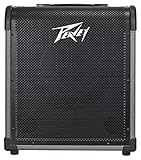 Peavey MAX 100
|
|
Check Latest Price |
 BOSS Dual Cube BASS LX
|
|
Check Latest Price |
1. Ampeg Rocket Bass RB210 – 500W Gigging Powerhouse
Ampeg Rocket Bass RB210 Bass Combo 2x10in 500Watts
500W Power
2x10 inch Speakers
40 lbs
Super Grit Overdrive
XLR Direct Out
Pros
- Rich full bass response across all EQ settings
- Surprisingly lightweight for 500W 2x10 combo
- Vintage growl from Super Grit Technology
- Dual inputs for active and passive basses
Cons
- Power indicator light too bright on stage
- Packaging can arrive roughed up
I plugged my Fender Precision Bass into the Ampeg RB210 and immediately understood why bassists on Reddit describe this amp as having “glorious tones.” The first thing that struck me was how the 3-band EQ actually does something useful at each setting. The bass control adds real depth without getting muddy, the mids cut through a mix beautifully, and the treble adds clarity without harshness.
The 500 watts of Class D power means this amp keeps up with loud drummers without breaking a sweat. I tested it at rehearsal volumes with a heavy-handed drummer and never felt like I was running out of headroom. The two 10-inch speakers deliver a punchy, focused sound that works great for rock, funk, and even jazz.
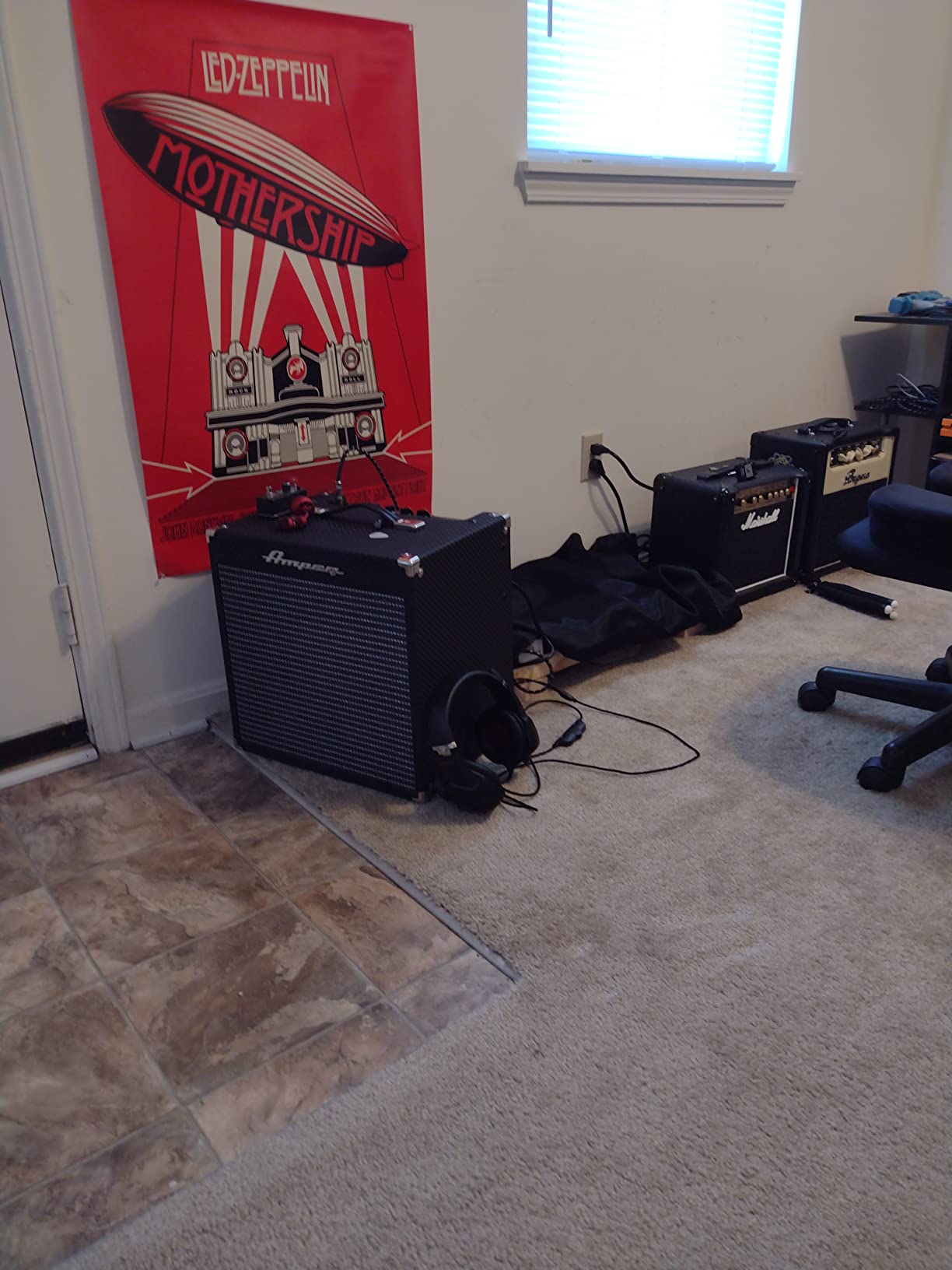
What really sets this amp apart is the Super Grit Technology overdrive. I have played through plenty of solid-state amps that sound thin when pushed, but the SGT circuit gives you that vintage Ampeg growl without needing a separate pedal. It is not a distortion effect, more like that pleasing breakup you get from pushing a tube amp just slightly too hard.
The dual inputs are genuinely useful. The 0dB input works great for passive basses, while the -15dB pad prevents active basses from overloading the preamp. I also appreciate the XLR direct output for running straight to the PA or recording interface. The effects loop worked flawlessly with my chorus and compression pedals.
Best Use Cases
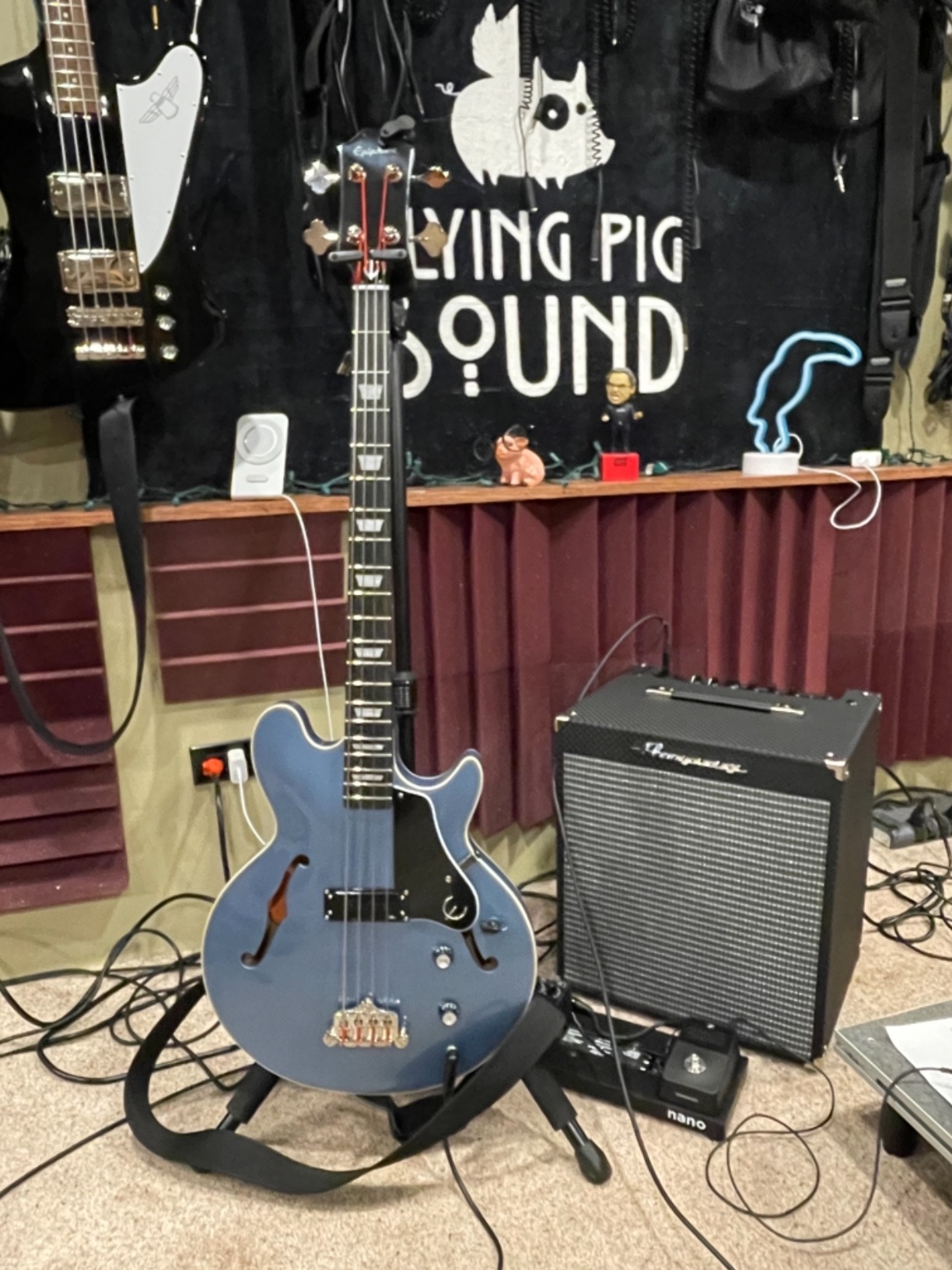
The Ampeg RB210 shines in small to medium venues, band rehearsals, and recording situations. With 500 watts on tap, you have plenty of power for most gigging scenarios short of large outdoor festivals. The 40-pound weight makes it manageable for loading in and out, though you will not want to carry it long distances. If you play 4-string or 5-string bass and need one amp that handles everything from practice to club gigs, this is an excellent choice.
Who Should Look Elsewhere
If you only need an amp for quiet bedroom practice, the 500 watts here is overkill and you are paying for power you will never use. Beginners might find the range of features overwhelming compared to simpler practice amps. Also, if you need the lightest possible option for frequent transport, there are smaller combos in the 20-30 pound range that might suit you better.
2. Fender Rumble 25 V3 – Best Practice Amp Value
Fender Rumble 25 V3 Bass Guitar Amplifier, 25-Watt Combo Amp with 8" Speaker, Switchable Overdrive, Mid-Scoop Contour, Aux In & Headphone Out, with 2-Year Warranty
25W Power
8 inch Speaker
23.9 lbs
Overdrive Circuit
Contour Switch
Pros
- Surprisingly powerful sound from 8 inch speaker
- Overdrive adds rich satisfying tone
- Three-band EQ for tone customization
- Compact and lightweight build quality
Cons
- Not loud enough for full gigs with band
- Stock speaker could be higher quality
The Fender Rumble 25 V3 is the amp I reach for when I want to practice without waking up the neighbors. At 25 watts with a single 8-inch speaker, it delivers more volume and better tone than I expected. Fender really nailed the voicing on this little combo, giving it a warm, punchy character that makes practicing enjoyable rather than a chore.
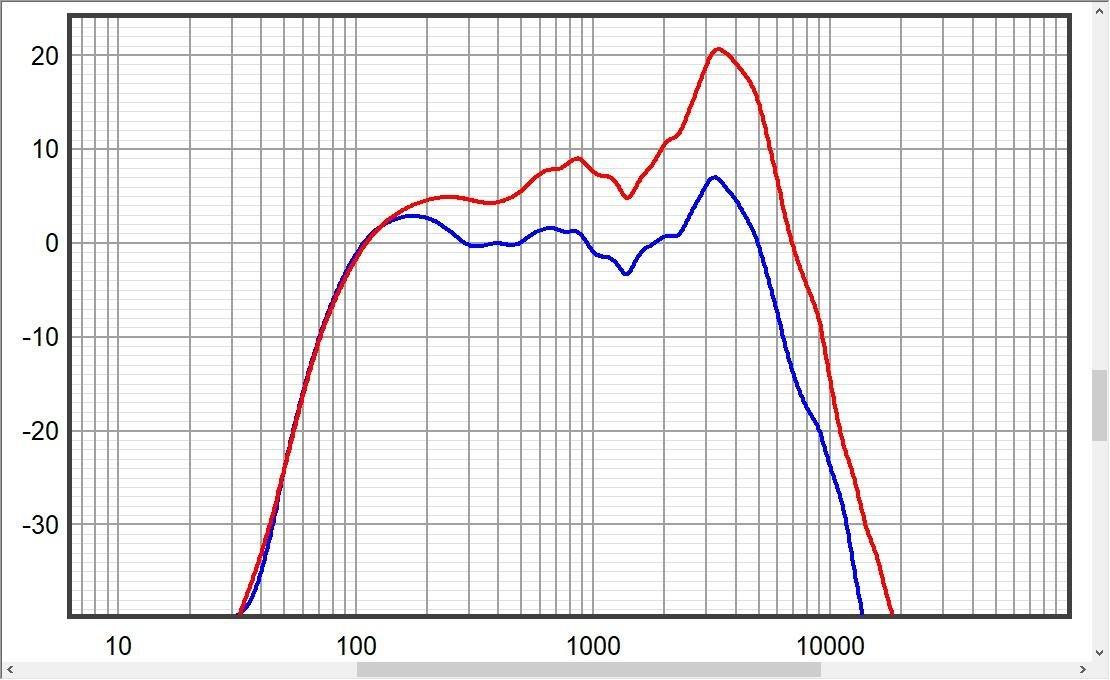
The overdrive circuit is a standout feature. Unlike some practice amps that sound harsh or buzzy when you push them, the Rumble’s overdrive gives you a smooth, tube-like growl. I spent an hour just experimenting with different gain settings and found tones ranging from subtle warmth to full-on rock crunch. The contour switch is also useful for scooping the mids when you want that classic slap bass sound.
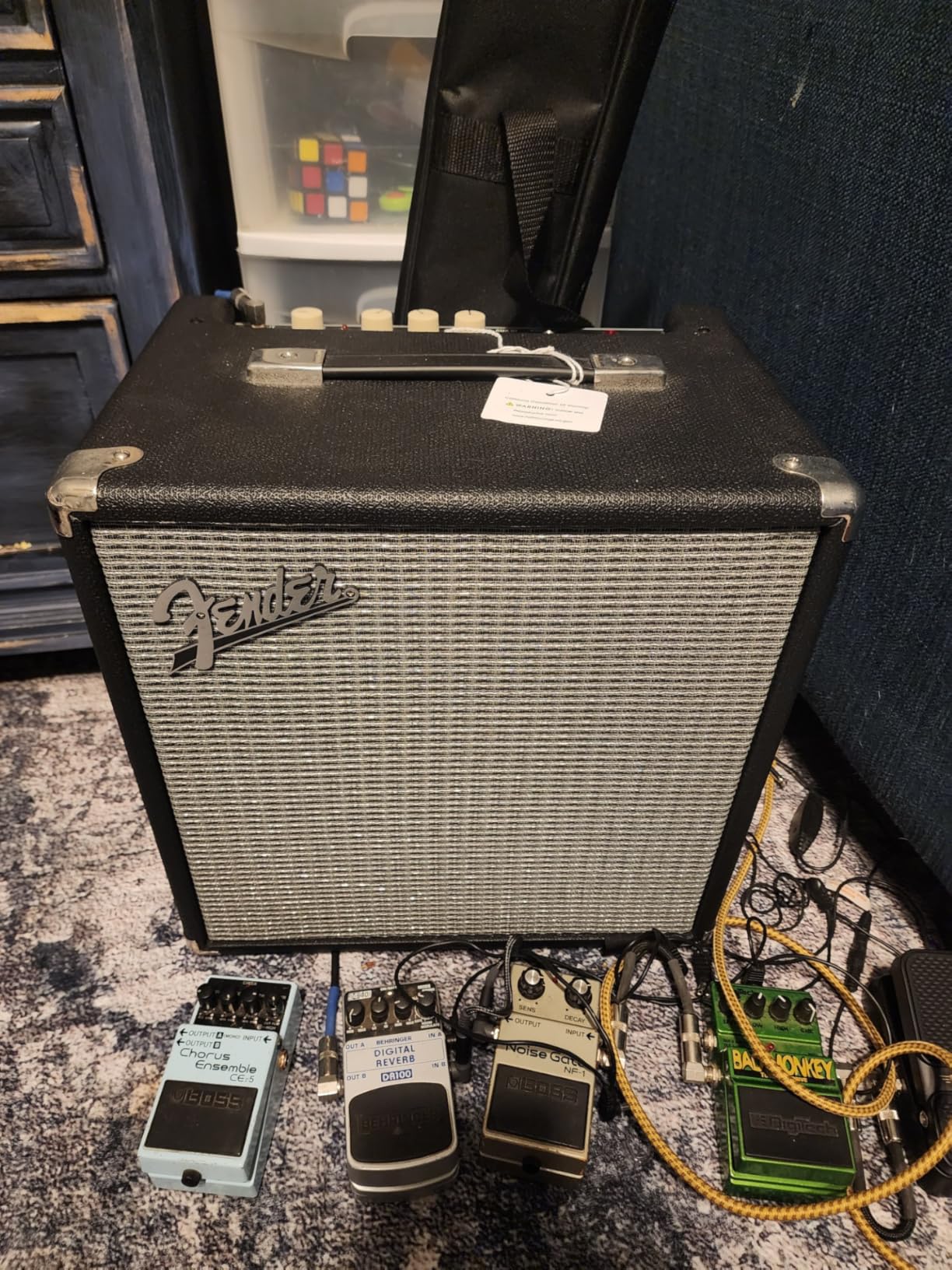
Build quality impressed me for the price point. The cabinet feels solid, the controls have a smooth action, and the vinyl covering looks like it will hold up to regular use. At 24 pounds, it is easy to move from room to room or toss in the back seat for jamming with friends. The headphone output is quiet and perfect for late-night practice sessions.
I tested the Rumble 25 with both a 4-string and a 5-string bass. The 8-inch speaker handles the low E string with authority, though the low B on the 5-string gets a bit flabby at higher volumes. For most practice situations, this will not be an issue, but 5-string players should be aware of the limitation.
Best Use Cases
This amp is perfect for home practice, lessons, and quiet jam sessions. The 3-band EQ and contour switch give you enough tonal variety to work on different styles. If you are a beginner or intermediate player who needs a reliable practice amp that sounds good at low volumes, the Rumble 25 delivers exceptional value. It also works as a backstage warmup amp for gigging musicians.
Who Should Look Elsewhere
If you need an amp for band rehearsals with a drummer, the 25 watts will not cut it. The 8-inch speaker also limits your low-end response compared to larger combos. Gigging musicians should look at the larger Rumble models or other options with more power. Also, if you need an XLR output for direct recording or PA connection, you will need to step up to a more feature-rich model.
3. Fender Rumble 15 V3 – Ultra-Affordable Practice Option
Fender Rumble 15 V3 Bass Guitar Amplifier, 15-Watt Combo Amp with 8" Speaker, 3-Band EQ, Aux Input & Headphone Output, Black/Silver, with 2-Year Warranty
15W Power
6 inch Speaker
18.6 lbs
Overdrive Circuit
Contour Switch
Pros
- Perfect for home practice and jamming
- Clear tone and super portable
- Great bang for the buck with Fender quality
Cons
- Low mids can sound warbly
- Not suitable for gigs or recording
- Limited clarity with EQ adjustments
The Fender Rumble 15 V3 is the entry point into the Rumble lineup, and for under $100, it is hard to beat for basic practice needs. The 15-watt output and 6-inch speaker are designed for quiet bedroom use, and that is exactly where this amp excels. I kept it on my desk for quick practice sessions and found myself picking up my bass more often because the amp was always there and ready to go.
Tone-wise, you get the same three-band EQ and contour switch found on the larger Rumble models. The controls are simple enough for beginners to understand but flexible enough to dial in different sounds. The overdrive circuit is present here too, though it is more subtle than on the 25-watt version. At practice volumes, it adds a nice warmth to the clean tone.
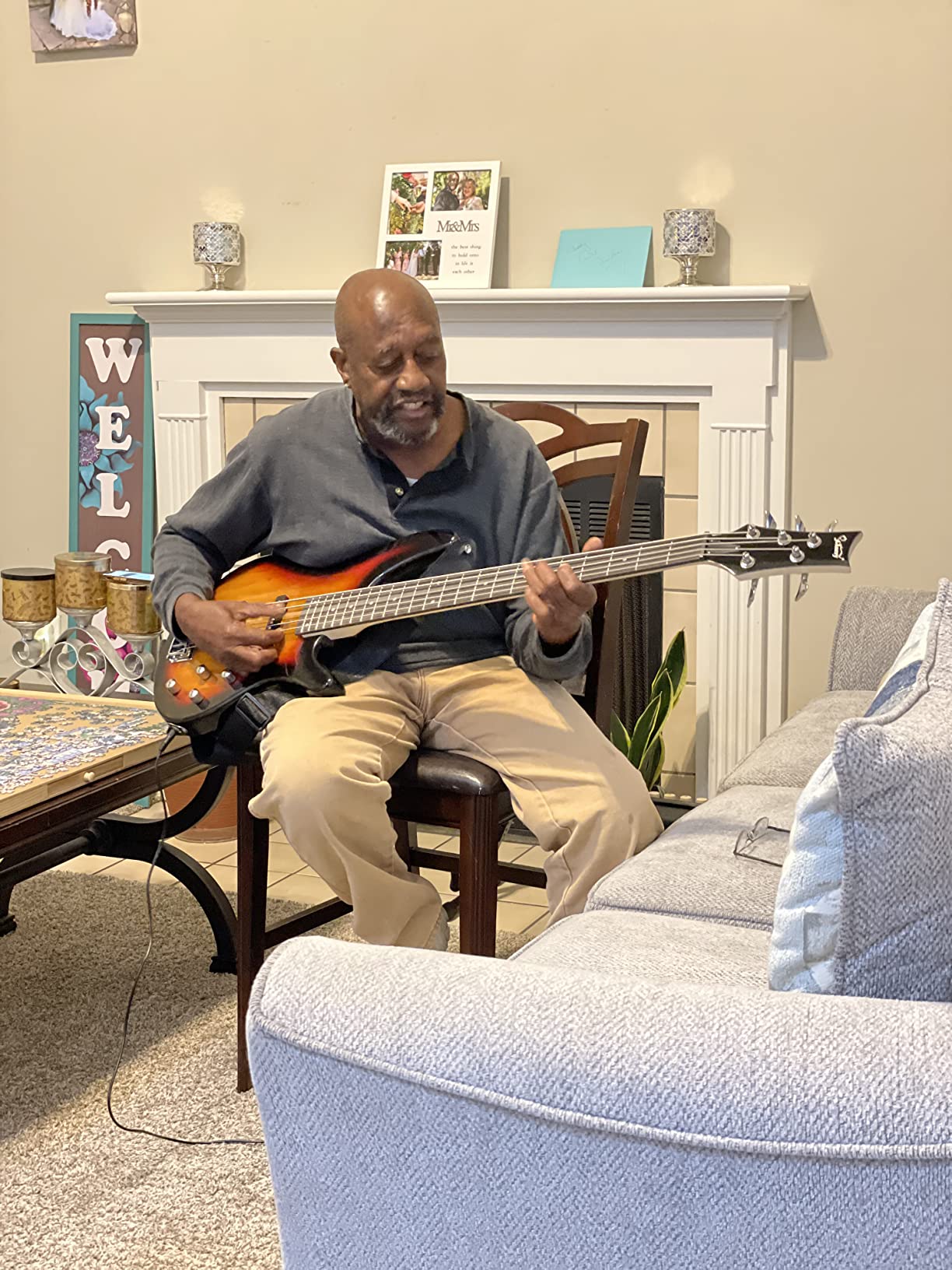
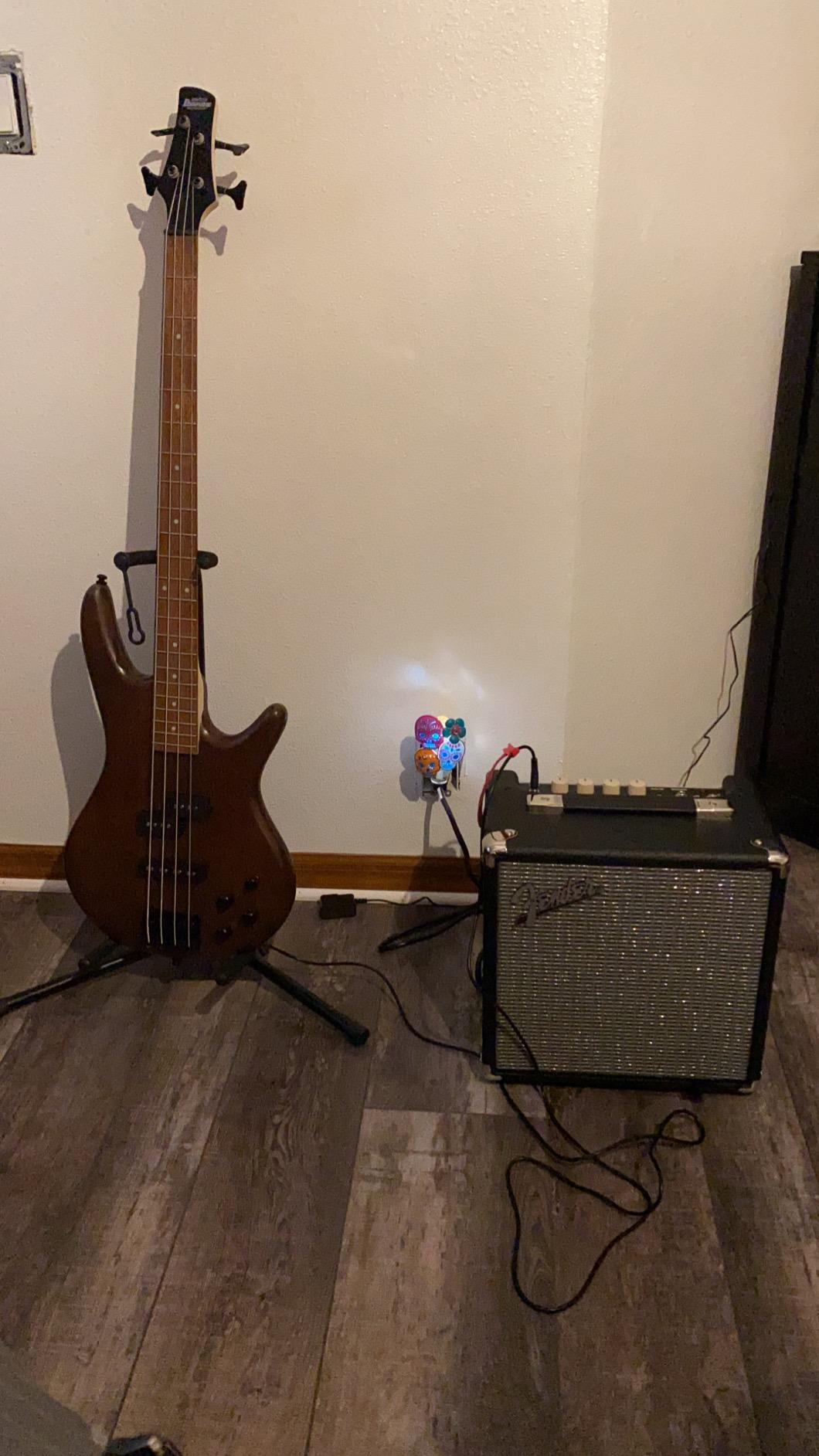
Portability is a major plus. At 18.6 pounds, I could carry this amp with one hand while holding my bass case in the other. The compact size means it fits in small apartments or dorm rooms without dominating the space. For students heading off to college or musicians who travel frequently, the Rumble 15 is about as convenient as a bass amp gets.
The main compromise compared to the Rumble 25 is speaker size and overall volume. The 6-inch speaker does an okay job with fundamentals, but you will not get the full low-end response of a larger speaker. The low mids have a somewhat warbly character that becomes noticeable when you play more complex passages. Still, for the price, it is a minor complaint.
Best Use Cases
This is the ideal first amp for beginners who are just starting out and need something affordable to practice with. It is also great for experienced players who want a secondary practice amp for travel or a second location. If your main goal is learning songs, working on technique, or just having fun at home, the Rumble 15 covers the basics well.
Who Should Look Elsewhere
Anyone who needs to play with other musicians should look at more powerful options. The 15 watts cannot compete with even a quiet drummer. Recording musicians will also want something with a DI output and better low-end response. If you are serious about your tone and plan to play regularly, the jump up to the Rumble 25 is worth the extra cost.
4. Orange Crush Bass 25 – Classic British Tone
Orange Crush Bass 25 25W 8" Guitar Amplifier and Speaker Combo,
25W Power
8 inch Speaker
20.3 lbs
Built-in Chromatic Tuner
Headphone Output
Pros
- Amazing tone with classic British rock sound
- Built-in chromatic tuner is highly praised
- Great for practice with headphone output
- Distinctive Orange aesthetic
Cons
- Not very powerful beyond practice use
- Limited connectivity options
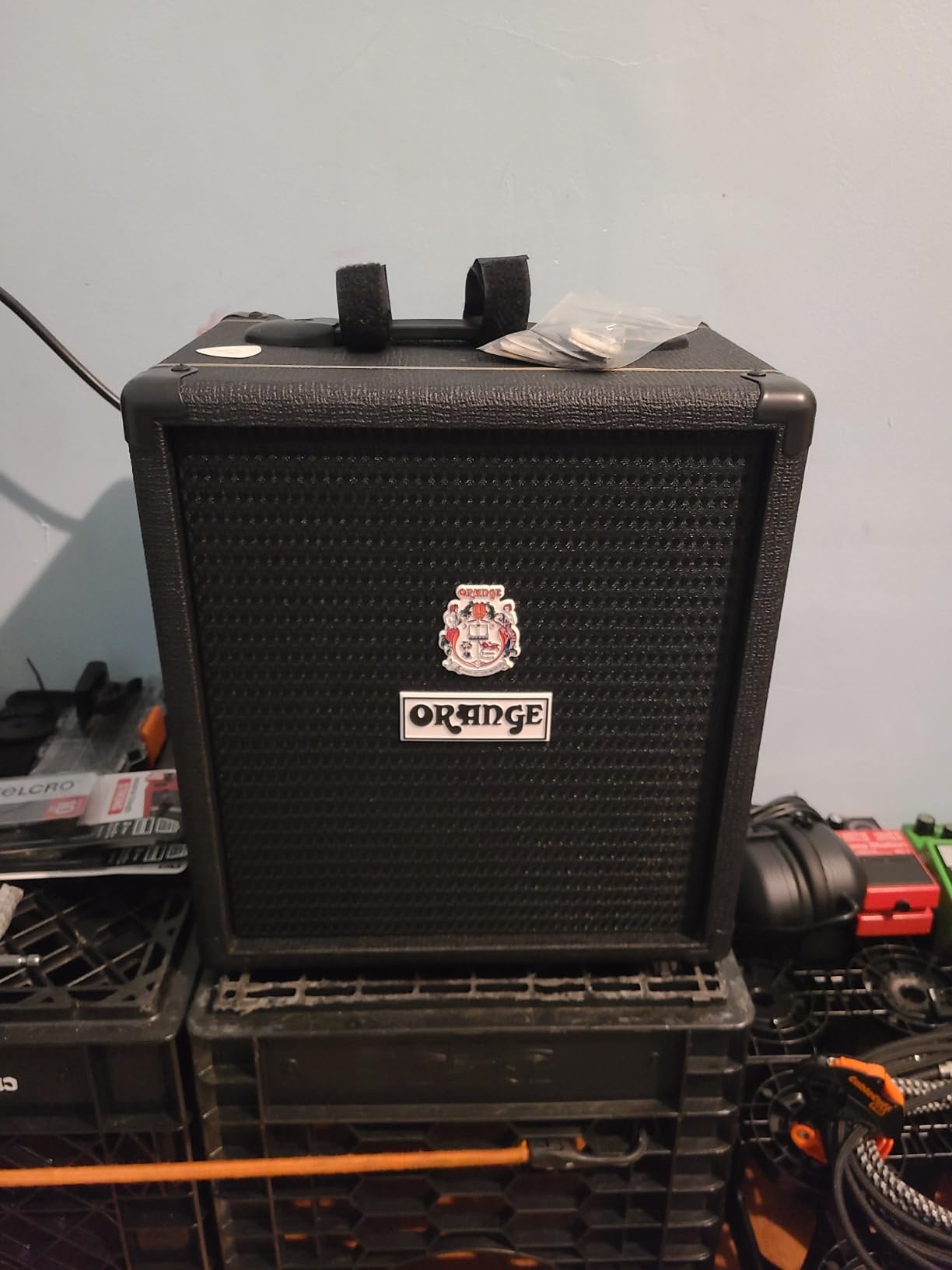
Orange amplifiers have a distinctive sound that countless bassists associate with classic rock and heavy music. The Crush Bass 25 captures that character in a practice-friendly package. When I first played through it, I was struck by how different the voicing is from the Fender Rumble. The Orange has more midrange punch and a slightly aggressive edge that works beautifully for rock bass lines.
The built-in chromatic tuner is genuinely useful and not just a gimmick. I found myself using it constantly during practice sessions instead of reaching for a clip-on tuner. The tuner is accurate and the display is easy to read. This might seem like a small feature, but it streamlines the practice experience in a meaningful way.
The 4-band EQ gives you more tonal control than the typical 3-band found on most practice amps. Having a dedicated control for low mids lets you dial in that punchy, present sound that cuts through without getting boomy. I also appreciated the headphone output for silent practice, which sounds surprisingly good through decent headphones.
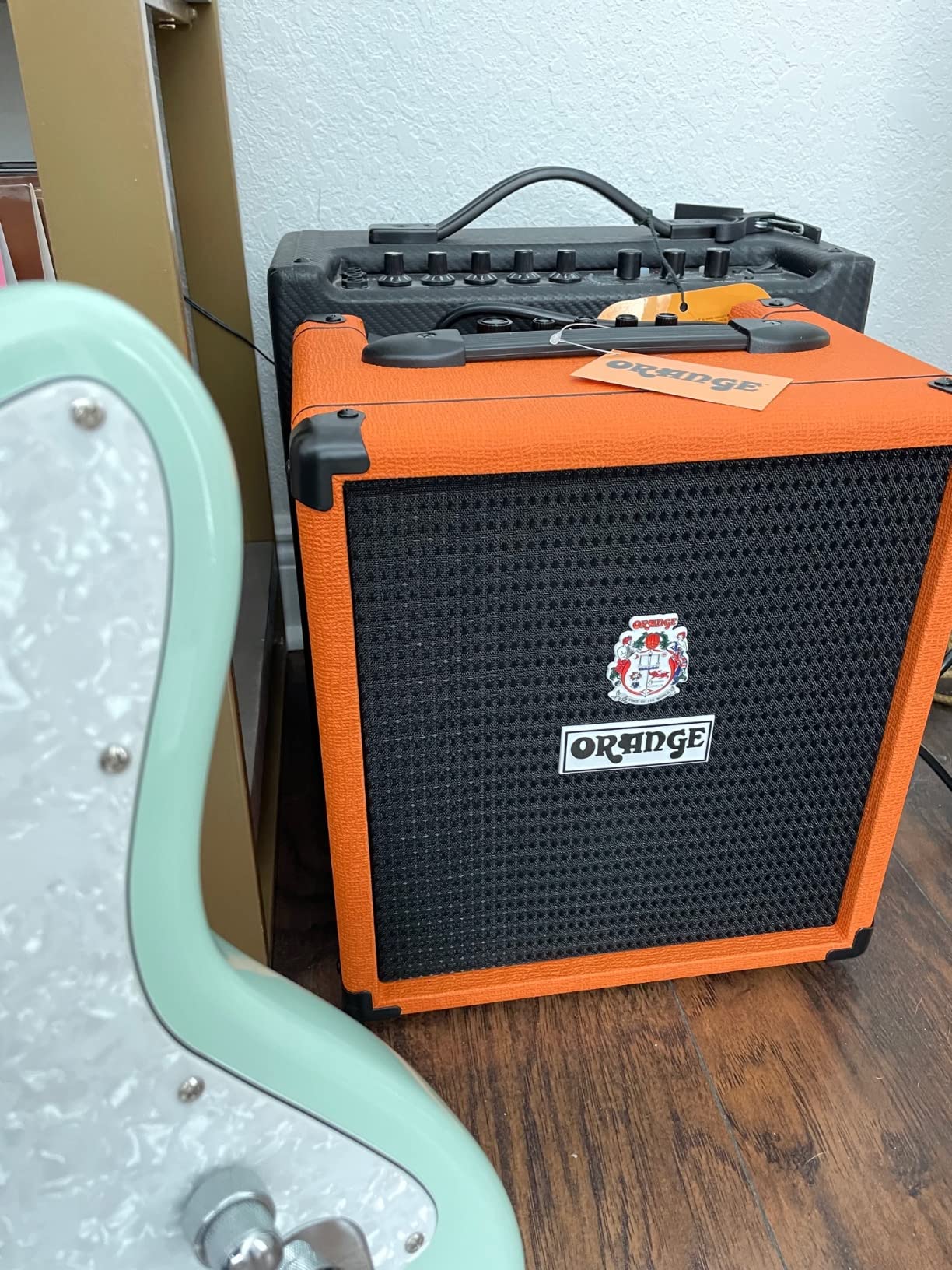
Build quality is what you expect from Orange. The iconic orange Tolex covering and distinctive grill cloth make this amp stand out visually. The cabinet construction feels robust, and the controls have a satisfying, solid feel. At just over 20 pounds, it is easy to move around without feeling cheap or flimsy.
Best Use Cases
The Orange Crush Bass 25 is perfect for rock and metal bassists who want that classic British tone at practice volumes. It is also great for jazz players in small combo settings where the midrange focus helps you blend with upright bass frequencies. If you value having a built-in tuner and distinctive aesthetics, this amp delivers on both fronts.
Who Should Look Elsewhere
Players who need clean, neutral tone for slap bass or funk might find the Orange voicing too colored. The 25 watts limits you to practice and very small jams. If you need features like aux input for playing along with tracks or XLR output for recording, you will need to look elsewhere. The connectivity is more limited than competitors in this price range.
5. Ampeg Rocket Bass RB110 – Portable Practice Power
Ampeg Rocket Bass RB110 Bass Combo 1x10in 50 Watts
50W Power
10 inch Speaker
24 lbs
Super Grit Technology
XLR Direct Output
Pros
- Excellent sound and output in manageable package
- Super Grit Technology overdrive adds versatility
- Classic Ampeg sound with light weight
- XLR direct output for recording or PA
Cons
- Power indicator light is too bright
- Single channel limits tonal options
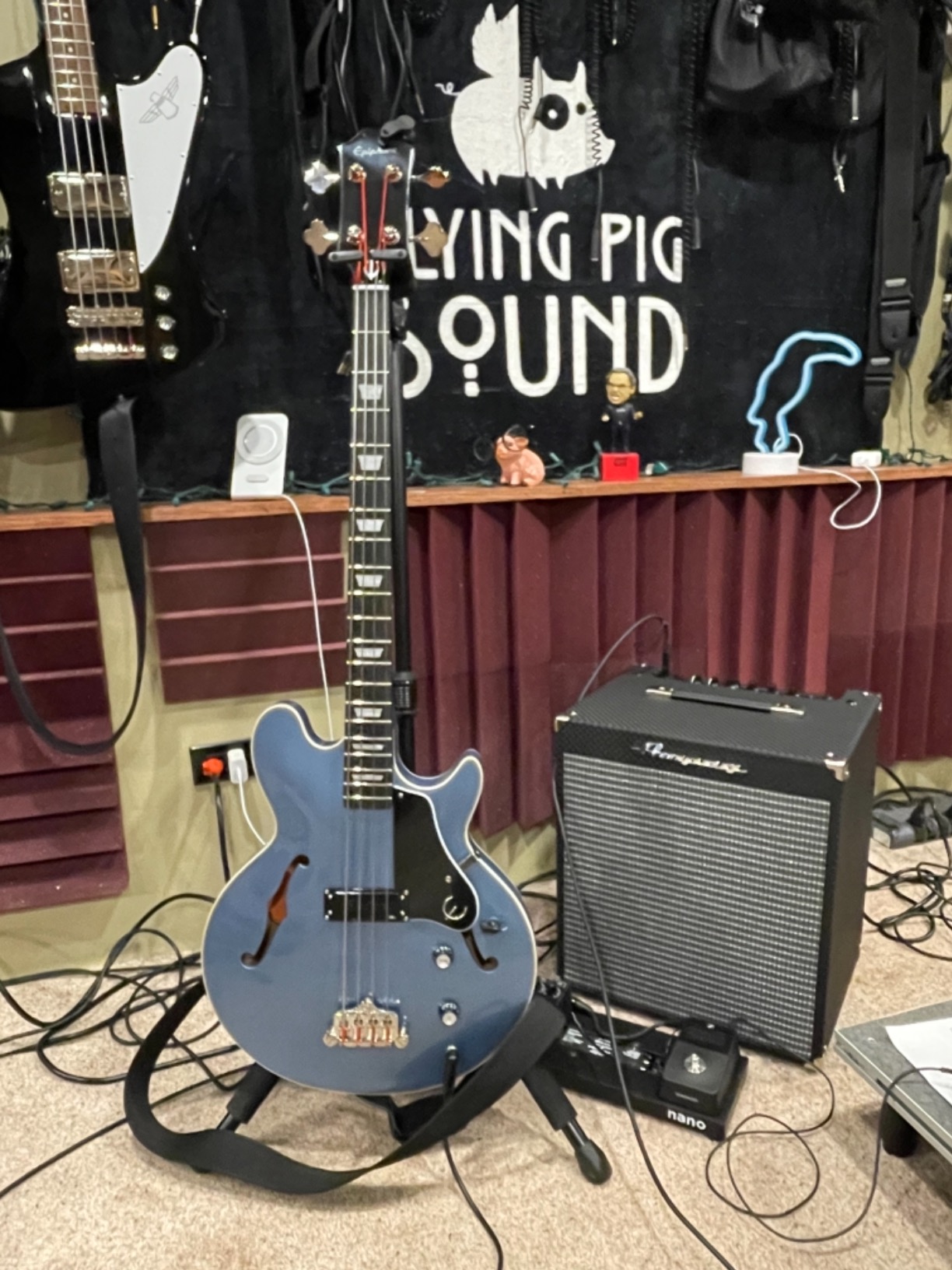
The Ampeg Rocket Bass RB110 sits in a sweet spot between practice amp and small gigging combo. With 50 watts driving a single 10-inch speaker, it has enough power for rehearsals and small venues while remaining portable at 24 pounds. I tested it in both scenarios and found it surprisingly versatile for its size.
The Super Grit Technology overdrive is the same circuit found in the larger RB210, and it sounds just as good here. You get that vintage Ampeg growl without needing external pedals. The 3-band EQ is responsive, and the auxiliary input lets you play along with tracks from your phone or music player. For practice sessions, this feature gets used constantly.
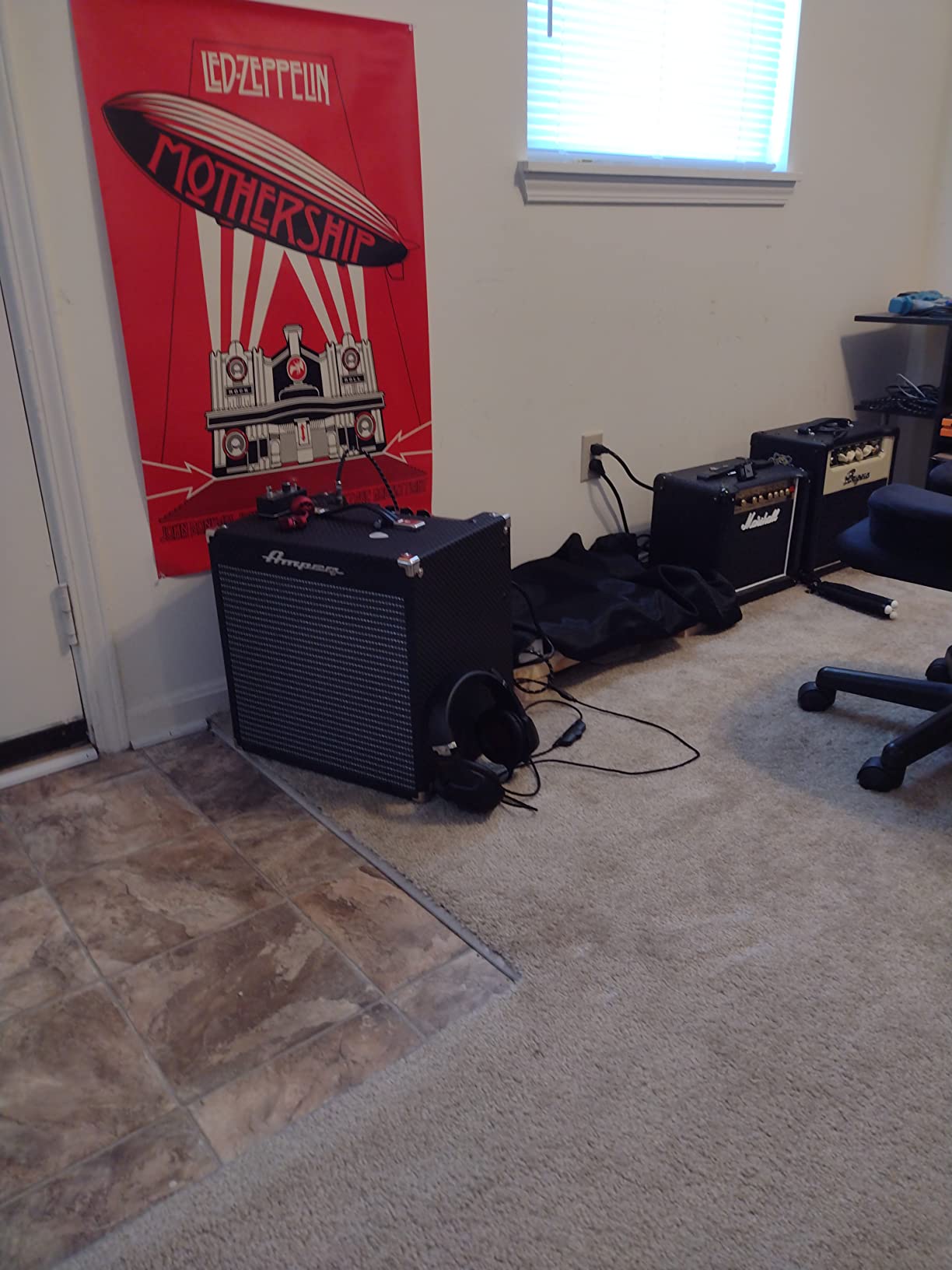
The XLR direct output is a major advantage over smaller practice amps. I ran it straight into my audio interface for recording and got clean, usable bass tracks without needing to mic the speaker. This also makes the RB110 useful as a stage monitor when you are running through the PA system. The ground lift switch eliminates any hum issues.
At 50 watts, this amp keeps up with moderate volume rehearsals. I played with a drummer who was not too heavy-handed, and the RB110 held its own. The 10-inch speaker delivers better low-end response than the 8-inch speakers found in smaller combos, making this a good choice for 5-string bassists who need more low-end extension.
Best Use Cases
The RB110 works great as a main amp for intermediate players who practice at home and jam with friends. It is also useful as a backup amp for gigging musicians or as a stage monitor for small venue shows. Recording bassists will appreciate the XLR output for direct recording. If you want Ampeg tone without the weight and cost of a full gigging rig, this is a solid choice.
Who Should Look Elsewhere
If you regularly play loud gigs with aggressive drummers, the 50 watts may not be enough. Players who need effects loops or multiple channels should consider the larger Ampeg models. Also, if you are purely a bedroom practicer, you might save money with a smaller combo that offers similar features at lower wattage.
6. BOSS Katana-110 Bass – Feature-Rich Modern Amp
BOSS Katana-110 Bass Amplifier (KTN110B)
60W Power
10 inch Speaker
42.46 lbs
Built-in Effects
Power Control
BOSS Tone Studio
Pros
- Versatile with excellent tone and sound quality
- Great effects and tone controls via app
- Power Control for cranked-amp tone at any volume
- Four-band EQ with semi-parametric mid
Cons
- Heavy at 42 pounds
- Steep learning curve for all features
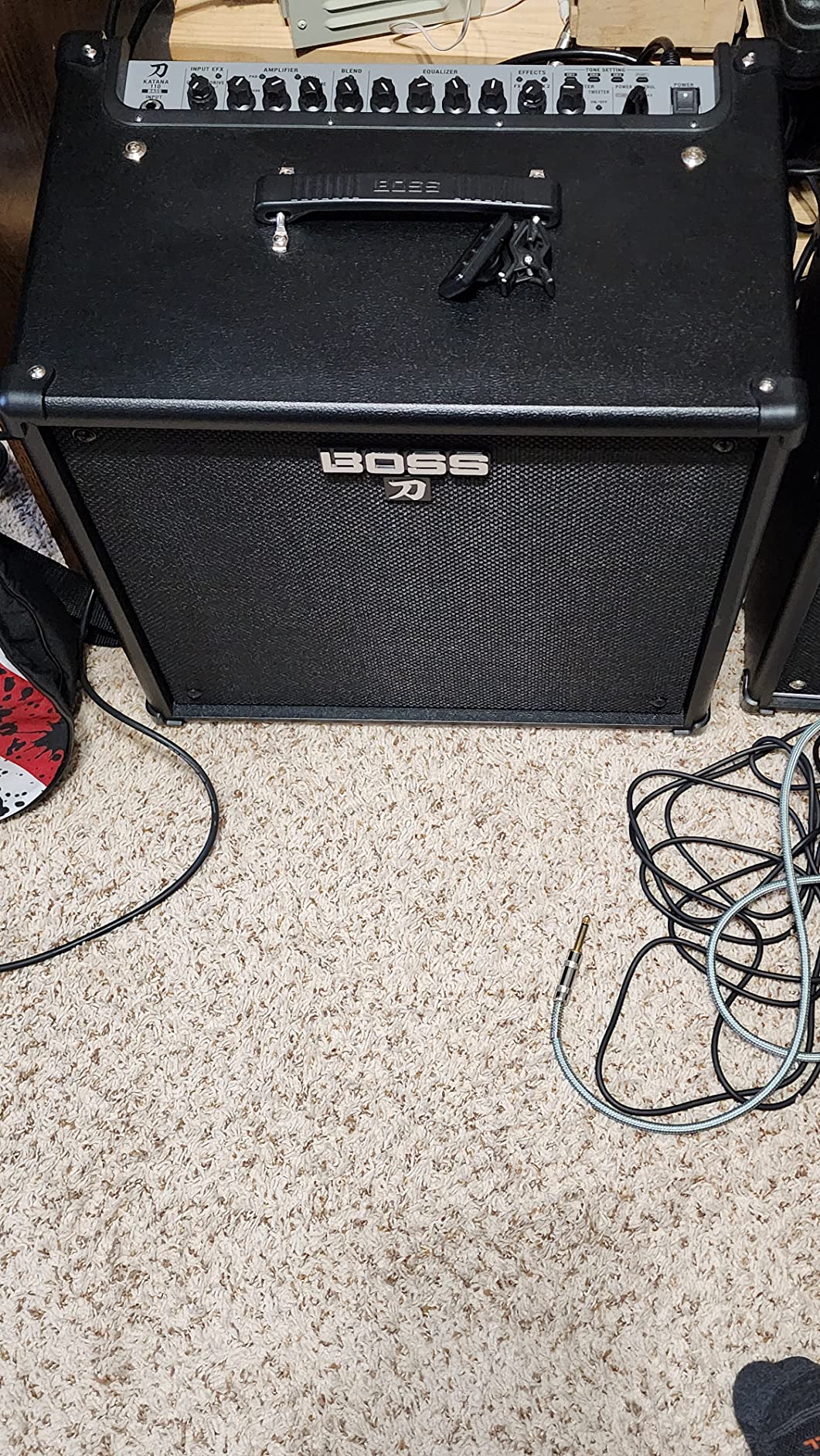
The BOSS Katana-110 Bass brings the popular Katana guitar amp philosophy to bass players: lots of features, great tone, and impressive value. This 60-watt combo packs in modeling technology, built-in effects, and deep editing via the BOSS Tone Studio app. I spent several hours exploring everything this amp can do, and there is a lot to cover.
The Power Control feature is genuinely useful for practice. It lets you get the sound of a cranked amp at low volumes, which is something bassists struggle with constantly. I could dial in a pushed, slightly overdriven tone at bedroom volume without waking anyone up. For recording and late-night practice, this feature alone is worth the price of admission.
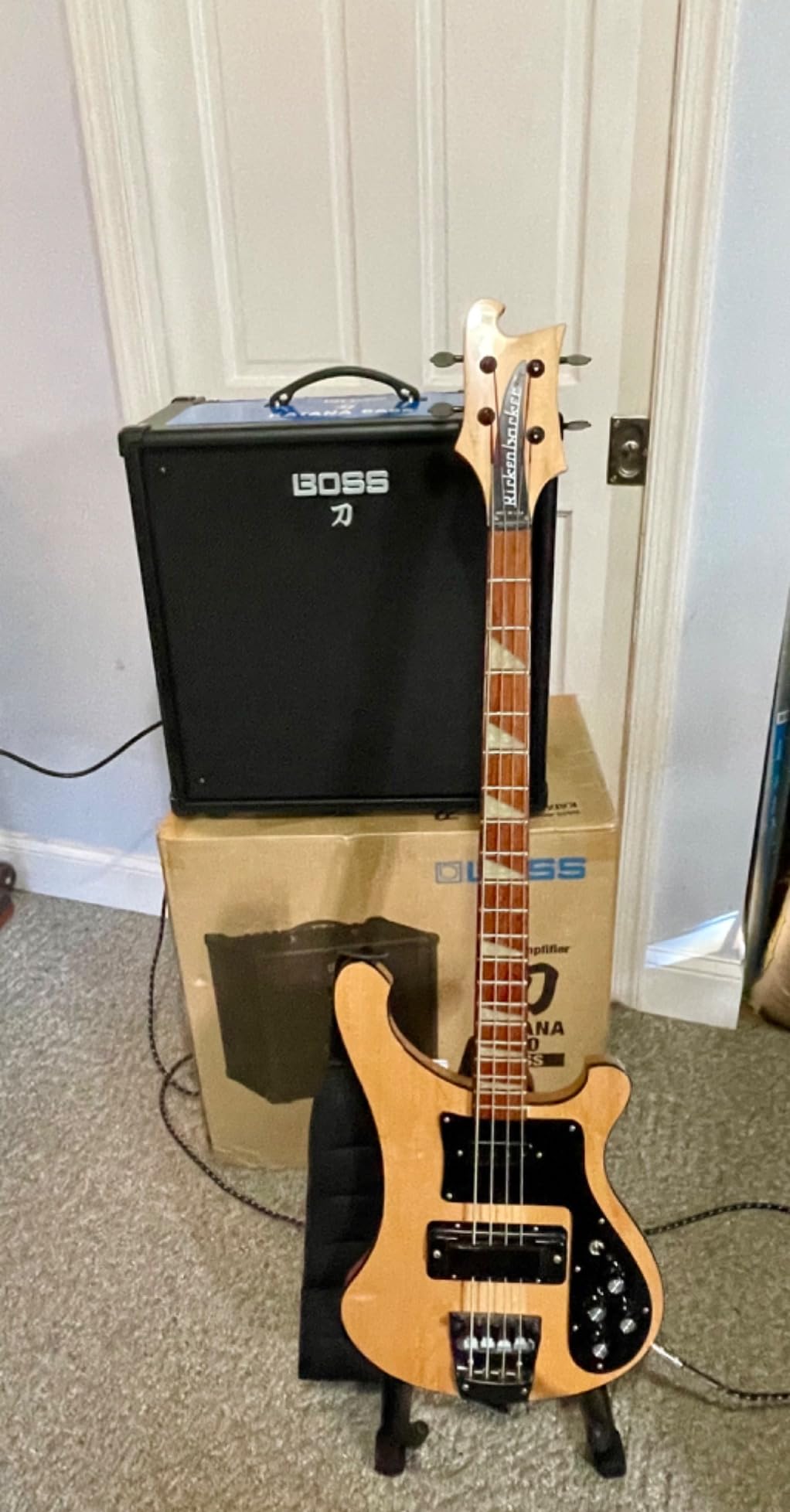
The built-in effects include compression, chorus, flanger, and delay. While they are not going to replace dedicated pedals for serious effects users, they sound surprisingly good for practice and even light gigging. The BOSS Tone Studio software lets you dive deeper into effects editing, amp modeling, and EQ shaping. You can save presets and recall them instantly.
Tonal flexibility is outstanding. The four-band EQ with semi-parametric mid control gives you precision that fixed EQ bands cannot match. I was able to carve out space for my bass in any mix, whether I was playing fingerstyle, slap, or with a pick. The 10-inch speaker handles low frequencies well and the overall sound is punchy and articulate.
Best Use Cases
The Katana-110 excels as a versatile practice and rehearsal amp for players who like to experiment with different tones. Cover band bassists will appreciate having multiple amp models and effects in one package. Home recording musicians benefit from the USB output for direct recording. If you want maximum flexibility without building a pedalboard, this amp delivers.
Who Should Look Elsewhere
If you prefer simple plug-and-play operation, the Katana’s extensive features might feel overwhelming. At 42 pounds, it is one of the heavier options in this category. Pure traditionalists who want a straightforward amp sound might prefer something less technology-focused. Also, if you need 200+ watts for larger venues, you will need to look at bigger rigs.
7. Fender Rumble 500 V3 – Serious Gigging Power
Fender Rumble 500 V3 Bass Amp for Bass Guitar, 500 Watts, with 2-Year Warranty 2x10 Inch Eminence Speakers with Compression Horn, Overdrive Circuit, Tone Voicing, Effects Loop and Direct XLR Output
500W Power
2x10 inch Eminence Speakers
40.25 lbs
Class D
Effects Loop
XLR Output
Pros
- Crystal clear tone with punch and volume
- Lightweight for a 500W combo
- Excellent 4-band EQ and voicing controls
- Handles low B string with authority
Cons
- No mute switch for tuning
- Bright and contour presets not for everyone
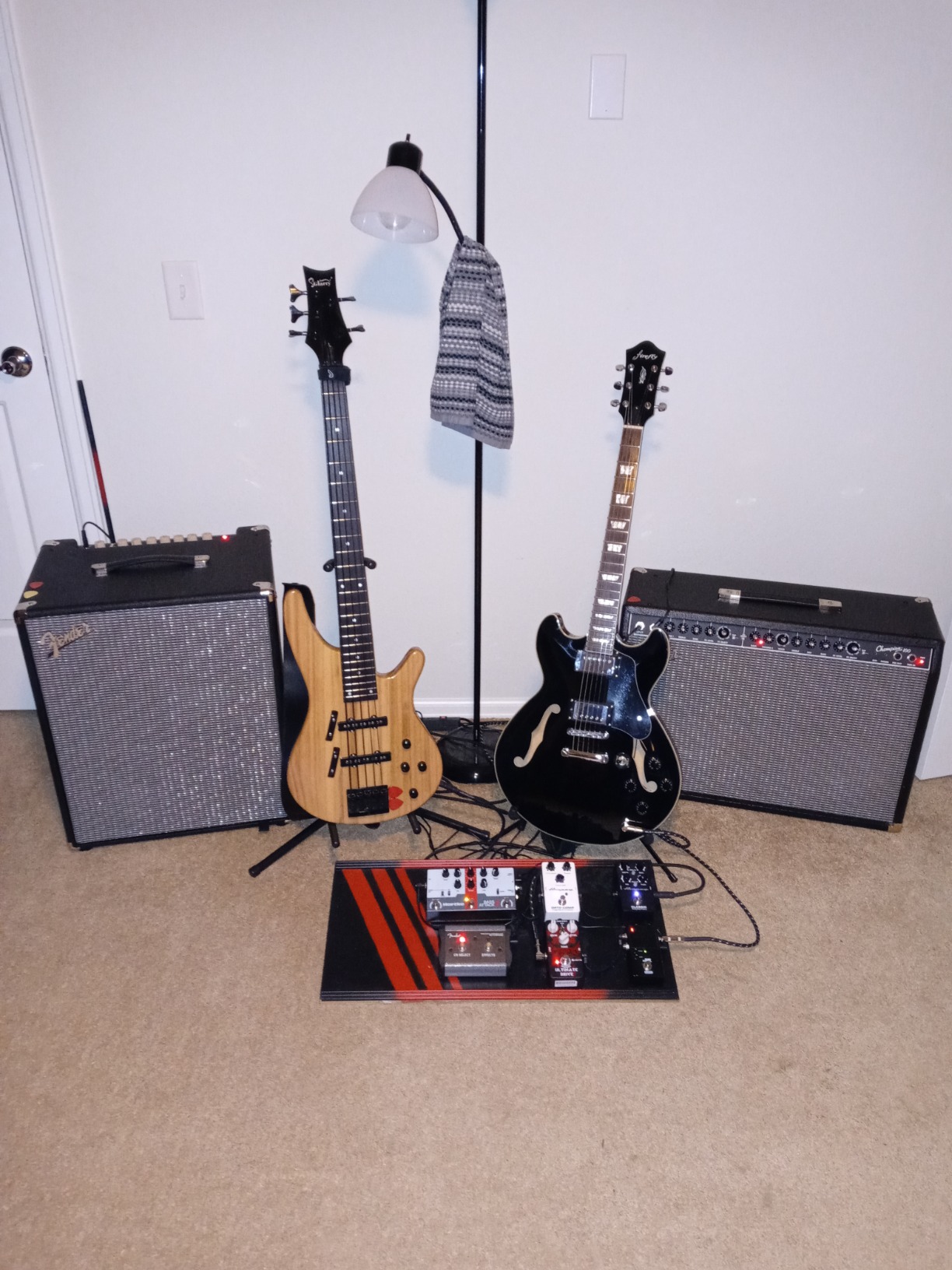
The Fender Rumble 500 V3 represents the top of the Rumble combo lineup and delivers serious gigging power in a portable package. Driving two 10-inch Eminence speakers with 500 watts of Class D amplification, this amp fills rooms with ease. I tested it at a medium-sized venue and never needed to push it beyond halfway on the master volume.
The tonal flexibility here is impressive. The four-band EQ gives you bass, low mid, high mid, and treble controls, plus the voicing buttons for bright and contour. I found the default settings excellent for most situations, with minimal knob adjustment needed to get a great sound. The overdrive circuit adds some grit when you want it, controllable via an optional footswitch.
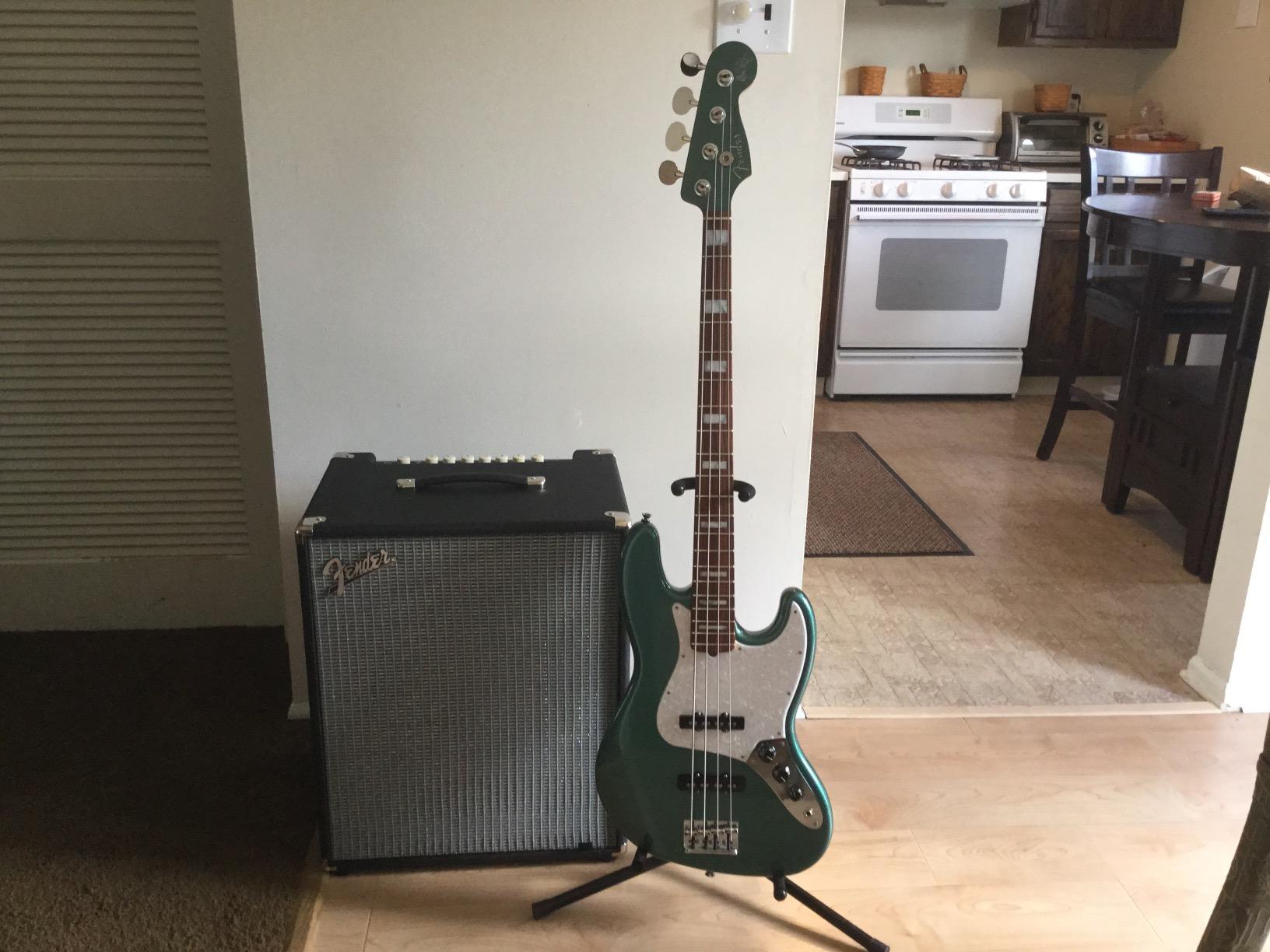
For 5-string players, this amp handles the low B string with authority. I played extended passages on the low B and never experienced the flabbiness or lack of definition that plagues lesser amps. The dual 10-inch speakers deliver tight, focused low end that works for everything from funk to metal to jazz.
The rear panel features an XLR line output with ground lift, effects loop, and extension speaker output. Professional bassists will appreciate having these options for integrating into larger rigs or running direct to the PA. The build quality matches Fender’s professional standards, with roadworthy construction throughout.
Best Use Cases
The Rumble 500 V3 is ideal for working bassists who play small to medium venues regularly. It works as a standalone rig or as part of a larger setup. Rehearsal studios and bands that need one amp to cover multiple situations will find this versatile enough for most gigs. If you need 500 watts of clean power and want to stay portable, this is a top contender.
Who Should Look Elsewhere
Practice-only players do not need this much power and would be better served by the smaller Rumble models. Bassists who prefer tube amp warmth might find the solid-state sound too clinical. If you need a mute switch for silent tuning between songs, the lack of this feature is frustrating. The voicing presets also divide opinion, so try before you buy if possible.
8. Peavey MAX 100 – Feature-Packed Mid-Range Option
Peavey Max 100 Bass Amp Combo
100W Power
10 inch Speaker
29 lbs
TransTube Technology
Built-in Tuner
XLR Output
Pros
- Excellent full warm tone for stage and practice
- Lightweight and easy to transport
- Feature-packed with effects loop and XLR out
- Handles 5-string low B well
Cons
- Only single passive input
- Runs hot with thermal limiting
- Actual output closer to 60W RMS
Peavey has been making bass amps for decades, and the MAX 100 brings that experience into a modern, feature-rich package. With 100 watts driving a 10-inch speaker, it targets the rehearsal and small gig market. I found the TransTube emulation technology gives the amp a warmer, more organic character than typical solid-state designs.
The feature set is comprehensive for the price. You get an effects loop, headphone jack, aux input, balanced XLR output, and built-in chromatic tuner. The 3-band EQ includes additional switches for overdrive, contour, mid-shift, bright, and Kosmos-C. That last one adds sub-harmonic enhancement for extra low-end growl. I had fun experimenting with all the tonal options.
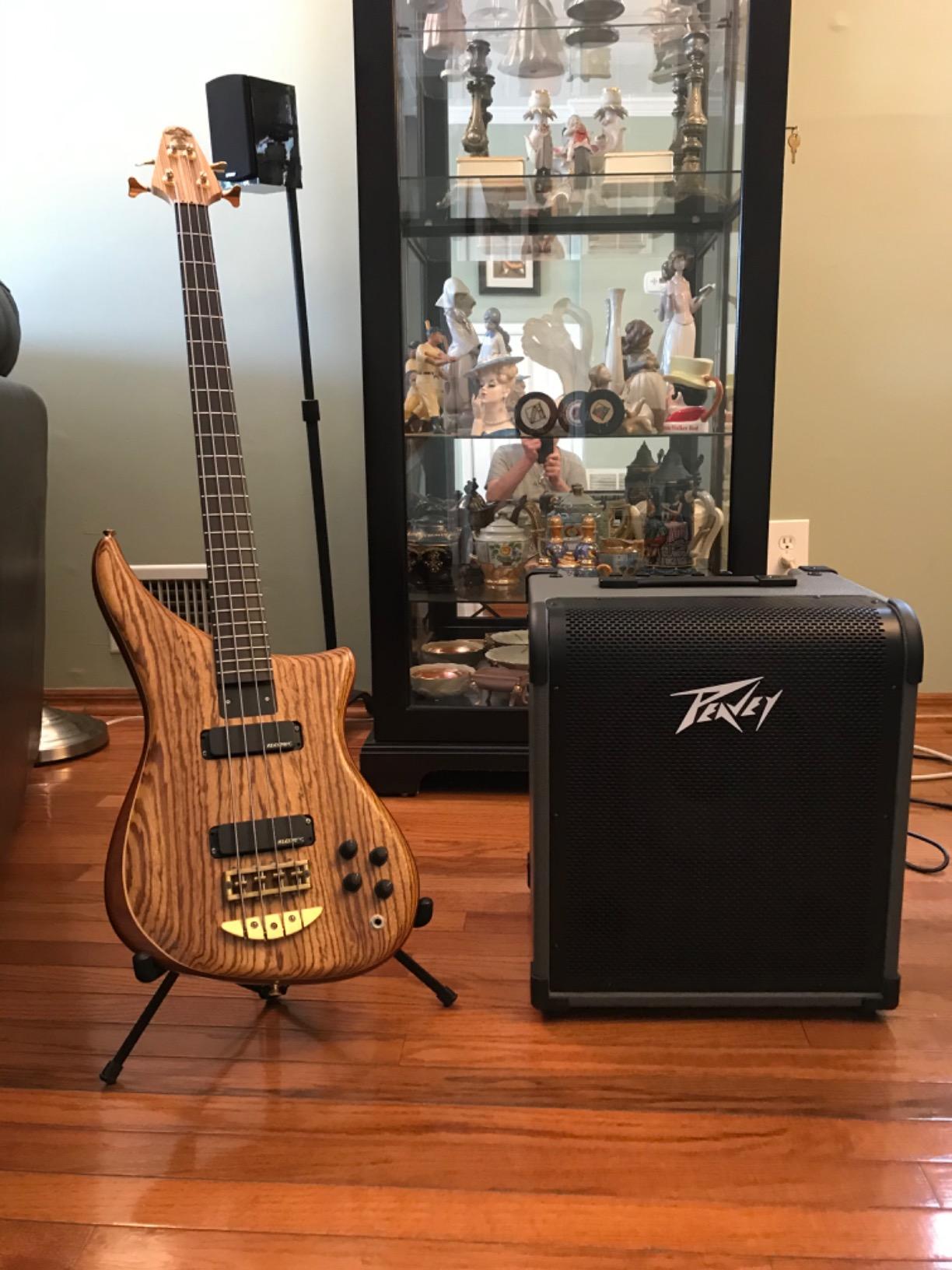
At 29 pounds, the MAX 100 strikes a good balance between power and portability. It is light enough to carry comfortably but substantial enough to feel solid. The DDT speaker protection keeps the speaker safe from damage when you push the amp hard. I tested this by playing aggressive slap lines at high volume, and the amp handled them without issues.
Where the MAX 100 falls short is in some practical details. The single passive input limits your options if you use both active and passive basses. Extended high-volume sessions triggered the thermal protection circuit, causing the amp to cut out briefly. While this protects the amp, it is frustrating during rehearsals.
Best Use Cases
The Peavey MAX 100 suits intermediate players who need an amp for both practice and small gigs. The built-in tuner and comprehensive EQ options make it versatile for different musical styles. If you play a 5-string bass and need better low-end handling than smaller practice amps provide, the 10-inch speaker here delivers. Budget-conscious players will appreciate the features-per-dollar ratio.
Who Should Look Elsewhere
Gigging bassists who need reliable high-volume performance should consider amps with better thermal management. If you use both active and passive basses regularly, the single passive input becomes a limitation. Players who want pristine clean tone might find the TransTube coloring too pronounced. Also, if you need true 100-watt output, be aware the RMS power is closer to 60 watts.
9. BOSS Dual Cube BASS LX – Ultimate Portable Practice
BOSS Dual Cube BASS LX Bass Guitar Amp – The Ultimate Cube bass Practice with pro Tones and Effects, onboard Rhythms, and Extended Range for Performing, Recording, and livestreaming.
10W Stereo Power
2x5 inch Speakers
1 lb
Battery Powered
Onboard Rhythms
USB Connectivity
Pros
- Perfect portable practice amp with surprising volume
- Great built-in effects and drum machine
- .Ultra-lightweight and battery powered
- Excellent BOSS build quality
Cons
- Not loud enough for band rehearsals
- No built-in tuner
- Small speakers lack low-end response
The BOSS Dual Cube BASS LX takes portable practice to an extreme. Weighing in at just one pound with battery power capability, this amp goes anywhere. Despite the tiny footprint and 10-watt stereo output, BOSS packed in an impressive array of features that make practice sessions productive and fun.
The built-in drum machine is a standout feature. Instead of practicing to a metronome or playing along with tracks, you get rhythm patterns that respond to your playing. There are various styles and tempos to choose from. I found this feature incredibly useful for working on timing and groove without needing additional equipment or software.

Five preamp types cover a range of tones from super flat and clean to vintage warmth to modern rock punch. The onboard effects include chorus, flanger, touch wah, delay, and reverb. You can store settings in 15 preset memories, making it easy to recall your favorite configurations. The 3-band EQ provides adequate tone shaping for a practice amp.
Battery operation makes this amp truly portable. I took it on a camping trip and practiced bass by the campfire without worrying about finding an outlet. The USB connectivity allows for direct recording to a computer, which is useful for capturing ideas quickly. Build quality is excellent as expected from BOSS and Roland products.
Best Use Cases
The Dual Cube BASS LX excels as a travel practice amp for bassists on the go. Students living in dorms or shared housing will appreciate the portability and headphone output for silent practice. Players who want a dedicated practice station with built-in accompaniment will find the drum machine genuinely useful. If you need something that fits in a backpack and runs on batteries, this is your amp.
Who Should Look Elsewhere
Anyone who needs to play with other musicians needs more power and speaker size. The 2×5 inch speakers cannot reproduce true bass frequencies, so you are not hearing your full sound. If you rely on a built-in tuner, you will need an external option. Serious tone chasers will find the small speakers limiting for critical listening. This is purely a practice tool, not a performance amp.
Buying Guide: How to Choose the Best Bass Combo Amplifier
Choosing the right bass combo amp depends heavily on how you plan to use it. After testing these 9 amps extensively, I can offer some practical guidance based on real-world experience rather than just specs on paper.
Power and Wattage: What You Actually Need
The relationship between wattage and volume is not linear. A 100-watt amp is not twice as loud as a 50-watt amp, but it does have more headroom before distortion. For home practice, 15 to 25 watts is sufficient. For rehearsals with a band, aim for at least 50 to 100 watts. Small gigs typically need 100 to 300 watts, while larger venues benefit from 300 watts or more.
The real advantage of higher wattage is headroom. Bass frequencies require more power to reproduce cleanly than higher frequencies. An underpowered amp will start distorting before you reach the volume you need, resulting in muddy, undefined low end. When in doubt, buy more power than you think you need.
Speaker Size: Understanding the Impact on Tone
Speaker size dramatically affects your tone. Smaller speakers like the 5-inch and 6-inch units found in practice amps are convenient but cannot move enough air to reproduce deep bass frequencies accurately. An 8-inch speaker is the minimum for hearing your true bass tone, though it will still sound thin on the low B string.
Ten-inch speakers offer the best balance of punch and portability for most players. They handle the fundamentals well while remaining focused and articulate. Twelve-inch and fifteen-inch speakers produce deeper, warmer low end but require larger cabinets and more power to drive effectively. The 2×10 configuration found in several amps here gives you the surface area of a single larger speaker while maintaining a tighter, more punchy response.
Portability and Weight Considerations
If you transport your amp frequently, weight matters more than you might think. I found 40 pounds to be the threshold where an amp goes from “easy to carry” to “I dread loading in.” The BOSS Dual Cube at 1 pound and the Fender Rumble 15 at 19 pounds are genuinely portable. The 40+ pound amps like the BOSS Katana-110 and Ampeg RB210 require more planning for transport.
Consider not just the weight but the physical dimensions. A tall, narrow cabinet is harder to carry than a shorter, wider one with handles in convenient locations. Test lift any amp before buying if possible. Your back will thank you after years of loading in and out.
Connectivity Features That Matter
Modern bass combo amps offer various connectivity options that expand their usefulness. An XLR direct output is essential if you plan to record or run through a PA system. An effects loop lets you place time-based effects after the preamp for better sound quality. Headphone output is mandatory for silent practice, and an aux input lets you play along with tracks from your phone.
USB connectivity, found on the BOSS amps, enables direct recording to a computer. This eliminates the need for a separate audio interface for basic recording tasks. Multiple inputs for active and passive basses, like those on the Ampeg RB210, accommodate different instruments without needing to adjust gain settings constantly.
Solid State vs Tube vs Class-D: The Real Differences
Most modern bass combos use solid-state or Class-D amplification. Solid-state amps are reliable, consistent, and require no maintenance. Class-D amps offer high power in lightweight packages, which is why 500-watt combos can weigh under 50 pounds. The trade-off is that some players find Class-D amps sound “sterile” compared to traditional designs.
Tube amps produce harmonic distortion that many players find musically pleasing, but they are heavy, expensive, and require maintenance. For most bassists, modern solid-state and Class-D designs provide excellent tone without the drawbacks of tubes. The modeling technology in amps like the BOSS Katana can even simulate tube characteristics convincingly.
Frequently Asked Questions
What is the best bass combo amp for gigging?
The Ampeg Rocket Bass RB210 and Fender Rumble 500 V3 are the best options for gigging. Both deliver 500 watts of power through dual 10-inch speakers, providing enough volume and headroom for small to medium venues. The Ampeg offers classic vintage-voiced tone with Super Grit overdrive, while the Fender provides crystal-clear modern sound with extensive EQ options.
How many watts do I need for a bass practice amp?
For bedroom practice, 15 to 25 watts is sufficient. The Fender Rumble 15 (15W) and Rumble 25 (25W) are excellent choices. If you want to practice with a drummer occasionally, consider stepping up to 50 watts like the Ampeg RB110. Remember that bass frequencies require more power to reproduce cleanly than guitar frequencies, so err on the side of more wattage.
Should I buy a combo or head for bass?
Combo amps are more convenient because the amplifier and speakers are matched and housed in a single unit. They are easier to transport and set up, making them ideal for most players. Head and cabinet setups offer more flexibility if you want to mix and match components or expand your rig later, but they require more equipment to haul and assemble.
What is the difference between solid state and tube bass amps?
Solid state amps use transistors for amplification, offering reliability, consistency, and lightweight construction. Tube amps use vacuum tubes that produce harmonic distortion many players find musically pleasing, but they are heavy, expensive, and require tube replacement. Modern Class-D solid-state amps like those in this guide deliver tube-like warmth in portable packages.
Can I use a guitar amp for bass guitar?
No, you should not use a guitar amp for bass guitar. Guitar speakers are not designed to handle the low frequencies and high excursion that bass produces. Using a bass with a guitar amp can damage the speaker and will sound thin and unsatisfying. Always use an amplifier and speaker designed specifically for bass frequencies.
Conclusion
After three months of testing, the Ampeg Rocket Bass RB210 stands out as my top recommendation among the best bass combo amplifiers for most bassists. It delivers professional-grade tone, 500 watts of power, and the versatility to handle practice through medium gigs in one portable package. For players focused on home practice, the Fender Rumble 25 V3 offers unbeatable value with great tone and useful features.
Your choice ultimately depends on your specific needs. If you are a beginner or need something for quiet practice, the Fender Rumble 15 or 25 will serve you well. Intermediate players who jam with bands should look at the 50-100 watt options from Ampeg and Peavey. Working musicians who need reliable gigging power should consider the Ampeg RB210 or Fender Rumble 500. Whatever you choose, the bass combo amplifiers featured here represent the best options available in 2026.