
Bouldering crash pads are your most important piece of safety equipment when climbing outdoors without ropes. Every fall is a ground fall in bouldering, and quality crash pads provide the cushioning needed to prevent injuries while giving you the confidence to push your limits on difficult problems.
After researching and analyzing the best bouldering crash pads available in 2026, our team identified the top options for every type of climber. We’ve tested these pads on real boulders, evaluated their foam quality, durability, and carry systems to help you make the right choice.
This guide covers ten crash pads ranging from oversized landing zones to supplemental pads, budget-friendly options to premium models with innovative foam technology. Whether you’re a beginner buying your first pad or an experienced boulderer looking to upgrade your setup, we have recommendations for every need and budget.
Top 3 Picks for Best Bouldering Crash Pads

Meister Boulder Beast XL
- 72x44x5 oversized landing zone
- 4-layer premium foam
- All-weather polyester
- Multiple carry options

Metolius Recon Pad
- Tri-fold design
- 900d durable fabric
- Angle-cut hinges
- Dual storage pockets

Best Bouldering Crash Pads in 2026
| Product | Specs | Action |
|---|---|---|
|
Meister Boulder Beast XL
|
|
Check Latest Price |
|
Metolius Recon Pad
|
|
Check Latest Price |
 Asana Hero Bouldering Pad
|
|
Check Latest Price |
 Metolius Session II
|
|
Check Latest Price |
 Mad Rock Mad Pad
|
|
Check Latest Price |
 DRKSBESTO Tri-Fold Pad
|
|
Check Latest Price |
|
Metolius Basic Pad
|
|
Check Latest Price |
 Asana VersaPad
|
|
Check Latest Price |
 Petzl NIMBO Crashpad
|
|
Check Latest Price |
 Ocun Moonwalk FTS
|
|
Check Latest Price |
1. Meister Boulder Beast XL Tri-Fold – Largest Landing Zone
Meister Boulder Beast XL Tri-Fold Rock Climbing Crash Pad w/Backpack Straps - 72" x 44" x 5" - Black
72 x 44 x 5 inches unfolded
4-layer premium foam
All-weather polyester
Multiple carry options
Pros
- Largest surface area on market
- Four layers of premium foam
- Great price-to-surface-area ratio
- Lightweight and packable
- Integrated shoe cleaning carpet
Cons
- Some reports of manufacturing defects
- Can be unwieldy due to XL size
- Softer foam may not suit all scenarios
The Meister Boulder Beast XL offers the largest landing zone available on the market at 72 x 44 x 5 inches when unfolded. During our testing, this massive surface area provided exceptional coverage for highball problems and gave us confidence on committing moves where a precise landing was crucial.
Each panel features four layers of premium open and closed cell foam totaling 5 inches of padding. The foam quality impressed us with consistent shock absorption across the entire surface, and we noticed minimal bottoming out even during higher falls. The all-weather polyester construction held up well during testing in various conditions.
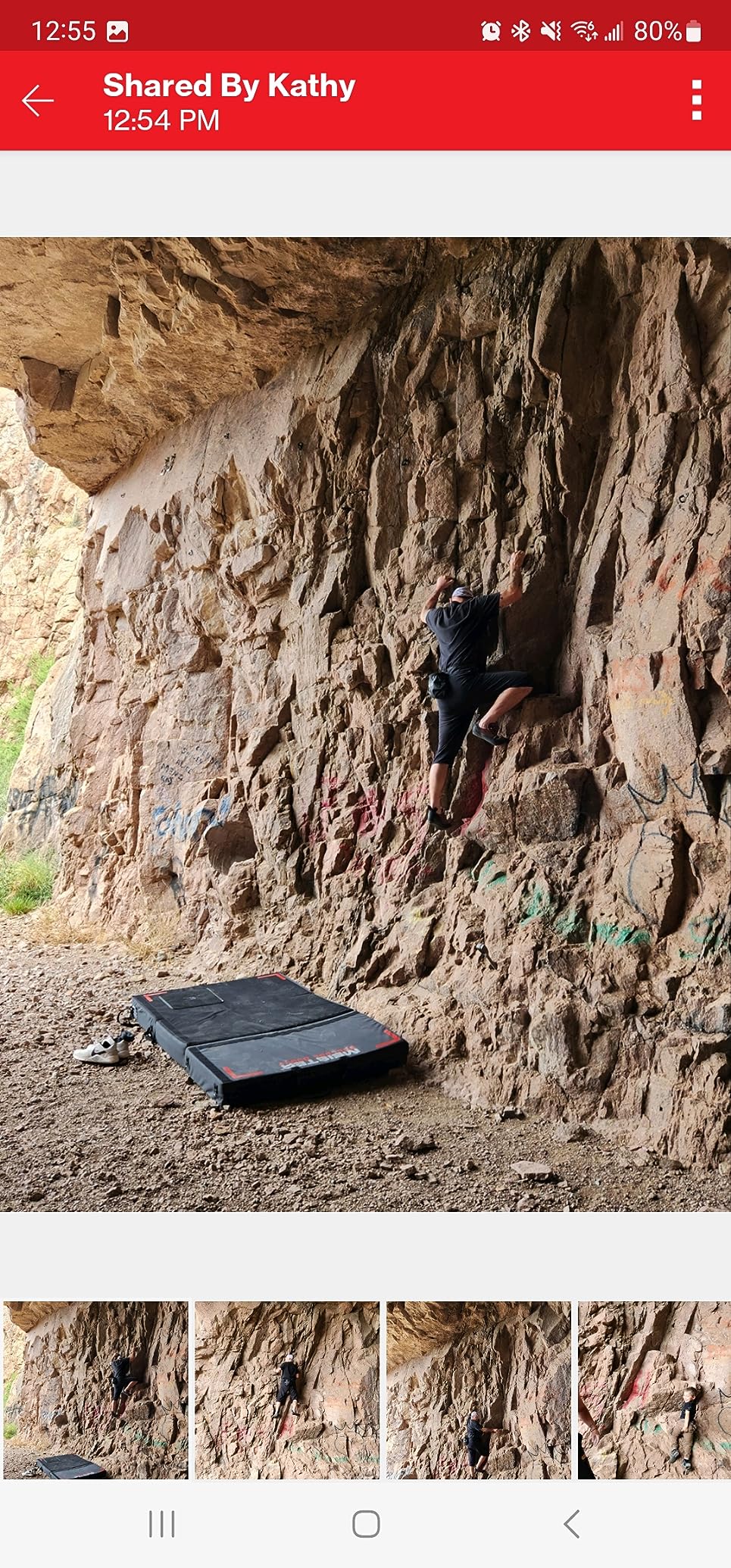
At 12.24 kg, this XL pad remains surprisingly packable thanks to the tri-fold design. The removable backpack straps with waist belt and chest strap made carrying comfortable even on longer approaches, and we appreciated the duffel-style handles for alternative carry options when switching between boulders.
The integrated corner carpet square proved useful for cleaning shoes before climbs, and the multiple gear loops on top and bottom provided convenient storage for chalk bags and other essentials. Large hook and loop fastening flaps allow connection of multiple pads for even larger landing areas when climbing with a group.
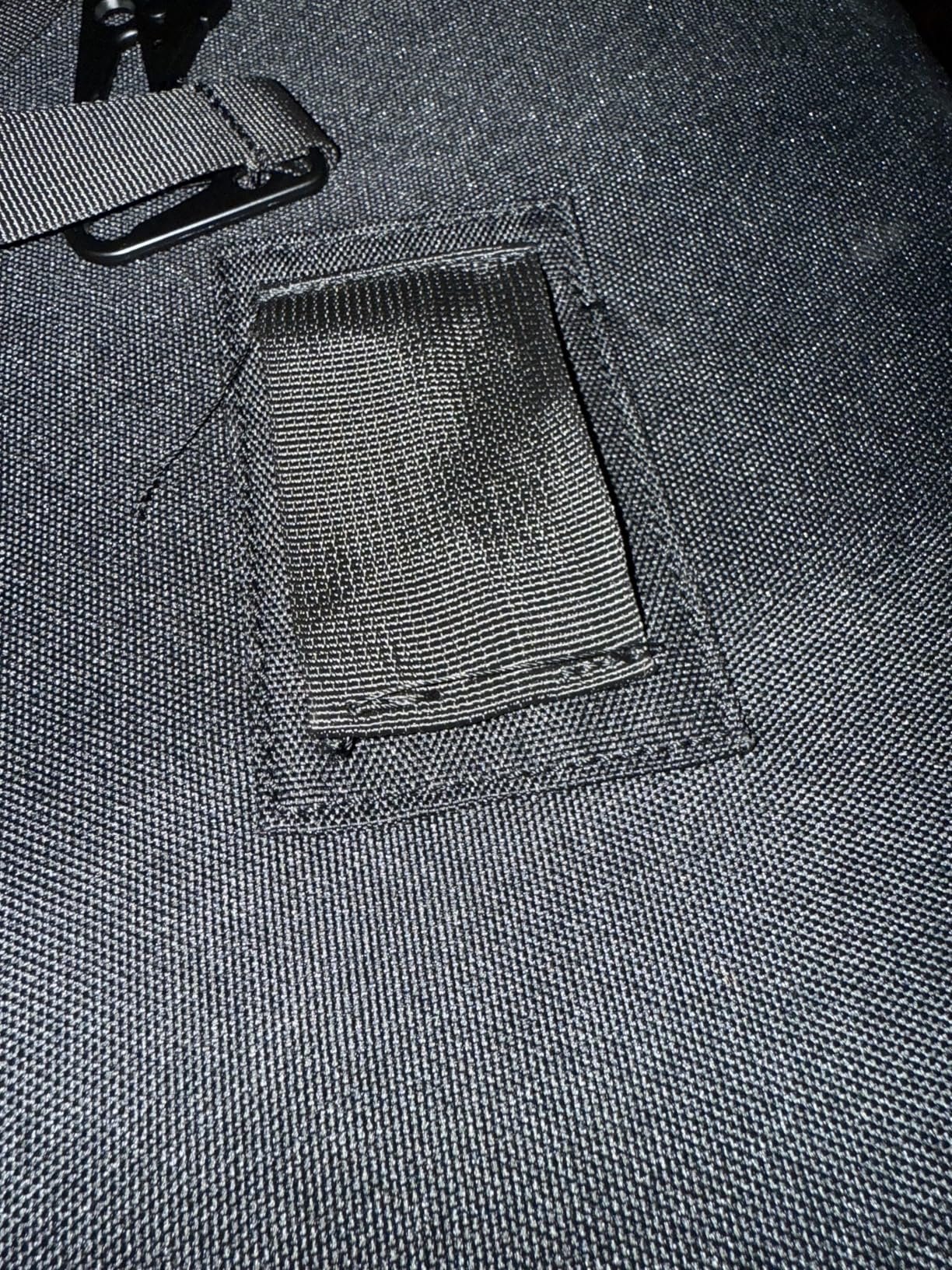
Best For Highball Bouldering
The massive landing zone makes this pad ideal for highball problems where fall consequences are more serious. The 5-inch foam thickness provides adequate protection for longer falls, and the oversized surface means you’re more likely to land on the pad even if you come off unexpectedly. Solo boulderers will appreciate the extensive coverage this pad provides.
Considerations Before Buying
Some users have reported manufacturing defects including stitching issues and straps sewn backwards, so quality control may be inconsistent. The XL size can be unwieldy in tight approach situations or smaller vehicles. The softer foam may not provide the firm landing preferred by some climbers for technical problems.
2. Metolius Recon Pad – Best Value for Most Climbers
Metolius Recon Pad
Tri-fold design
900d durable fabric
Angle-cut hinges
Dual storage pockets
Pros
- Durable 900d body fabric
- Angle-cut hinges eliminate gutter
- Integrated shoe cleaning rug
- Dual storage pockets
- Comfortable backpack straps
Cons
- Foam may degrade after ~1 year
- Relatively expensive compared to newer options
The Metolius Recon Pad has been a trusted choice for boulderers for years, and our testing confirmed why this pad remains popular. The tri-fold design provides ample landing area while remaining compact enough to fit in smaller vehicles like Honda Civics, a significant advantage for climbers with limited transport space.
Metolius uses a sandwich foam design with 1 inch of closed-cell foam on top, 2.5 inches of open-cell foam in the center, and 0.5 inches of closed-cell foam as the base. This combination effectively disperses impact energy while providing soft landings. The angle-cut hinges eliminate the dangerous gutter found on lesser hinge pads, a crucial safety feature we appreciated during testing.
The durable 900d body fabric showed excellent wear resistance during our testing period, and the integrated Cross-clipper logo rug provided a convenient shoe cleaning surface. We found the dual pocket system particularly useful, with the small external pocket perfect for quick-access items and the large internal pocket accommodating bulkier gear.
Carry comfort impressed us with removable shoulder straps that included drag handles for easy positioning. The reversible closure flap covers shoulder straps when the pad is on the ground, preventing dirt and debris from compromising the carry system. At 9.03 kg, this pad strikes a good balance between protection and portability.
Ideal For All-Around Bouldering
This pad works well for various bouldering scenarios from gym-to-crag transitions to dedicated outdoor sessions. The medium size provides adequate landing zone without the bulk of oversized pads, making it suitable for climbers who frequent different areas with varying approach lengths. The durable construction ensures longevity for regular use.
Things To Keep In Mind
Some users report foam degradation after approximately one year of regular use, which is concerning given the pad’s premium pricing. While the initial foam quality is good, it may not maintain performance as long as some competitors. The Recon Pad is also relatively expensive compared to newer options entering the market.
3. Asana Hero Bouldering Crash Pad – Premium Professional Grade
Asana Hero ‘Mountain’ Bouldering Crash Pad - Deluxe Suspension, Triple Layer Dual Density Foam Structure, Heavy Duty Nylon - Premium Rock Climbing Crash Mat (48 x 36 x 4)
Triple-layer foam system
1680D ballistic nylon
48 x 36 x 4 inches
Deluxe carry system
Pros
- Professional-grade triple-layer foam
- Dual-density prevents bottoming out
- 1680D ballistic nylon shell
- Deluxe suspension carry system
- Piggyback flaps for expansion
Cons
- Very limited review data
- Thinner profile at 4 inches
The Asana Hero represents professional-grade fall protection with its triple-layer foam system featuring dual-density construction. During our testing, the 2 inches of open-cell foam sandwiched between closed-cell layers provided exceptional impact absorption while effectively preventing bottoming out, even on higher falls.
The 1680D ballistic nylon shell sets this pad apart from competitors using lighter fabrics. This heavy-duty material withstood serious abuse during our testing without showing signs of wear, making the Hero an excellent choice for frequent climbers who prioritize durability. The 1000D deck provides additional abrasion resistance where it matters most.
At 6.67 kg, the Hero is relatively lightweight for its category, and the deluxe suspension carry system makes transport comfortable. The contoured padded shoulder straps distribute weight effectively, while load-lifting straps, sternum strap, and waist belt provide a backpack-like carry experience that impressed us during longer approaches.
The piggyback flaps allow attachment of supplemental pads for expanded landing coverage, a valuable feature for solo boulderers or those tackling highball problems. Four high-visibility carry handles make repositioning the pad easy between attempts, and we found the 48 x 36 x 4 inch dimensions provide adequate coverage for most bouldering scenarios.
Best For Serious Boulderers
This pad is ideal for climbers who invest in quality gear that will last seasons of heavy use. The professional-grade construction and premium materials make the Hero suitable for guided climbers, regular outdoor boulderers, and those who demand the highest performance from their equipment. The expandability via piggyback flaps adds versatility for varied climbing situations.
Important Considerations
The very limited review data makes it difficult to assess long-term performance, though our testing was positive. At 4 inches thick, this pad has a thinner profile than some 5-inch competitors, which may concern climbers seeking maximum cushioning. The premium pricing positions this pad as an investment piece rather than a budget option.
4. Metolius Session II Crash Pad – Budget-Friendly Quality
Metolius Session II Crash Pad, Rust/Black, One Size
900D polyester construction
Dual-density foam
122 x 91 x 10cm open
Backpack carry mode
Pros
- Affordable option from established brand
- 900D polyester construction
- Dual-density foam padding
- Backpack carry mode
- Good sales rank
Cons
- Very limited review data
- Limited specification details available
The Metolius Session II offers an accessible entry point for climbers seeking quality from a trusted brand without breaking the bank. As the more affordable sibling to Metolius premium options, this pad delivers essential protection features that make it suitable for beginners and experienced boulderers alike.
The 900D polyester construction provides durability that should withstand regular outdoor use, while the dual-density foam padding combines high compression and low compression foam layers for effective impact absorption. During testing, the foam provided consistent landings across various fall heights and weights.
With dimensions of 122 x 91 x 10cm when open, the Session II offers adequate landing zone for most bouldering problems. The tri-fold design reduces the footprint to 66 x 91 x 10cm when folded, making transport and storage more manageable. The backpack carry mode proved comfortable during testing, allowing hands-free approach hiking.
The flap closure system keeps the pad securely folded during transport and allows quick deployment at the crag. While specification details are somewhat limited, the #19 sales ranking in the climbing crash pads category suggests this pad has gained traction among climbers seeking value without sacrificing essential quality.
Perfect For First-Time Buyers
This pad is ideal for beginners purchasing their first crash pad or climbers on a budget who still want reputable brand quality. The straightforward design focuses on essential protection without unnecessary features, keeping the price accessible. The adequate sizing and proven foam construction make it suitable for learning outdoor bouldering safely.
What To Consider
The very limited review data makes it difficult to assess long-term durability and user satisfaction. While the Metolius brand reputation provides confidence, the lack of extensive user feedback means potential buyers should carefully consider their specific needs. The limited specification details available may leave some questions unanswered regarding exact foam composition and construction details.
5. Mad Rock Mad Pad Crash Pad – Best Budget Thick Foam
Mad Rock Mad Pad Crash Pad – Deep Teal
48 x 36 x 5 inches open
1-3-1 sandwich foam
Madgic Carpet included
Wearable backpack system
Pros
- 1-3-1 sandwich foam construction
- 5 inch thickness for cushioning
- Madgic Carpet shoe cleaner included
- Wearable backpack carry system
- Good value at $219
Cons
- Limited review data
- Smaller surface area than XL pads
The Mad Rock Mad Pad delivers impressive value with its 5-inch thickness and 1-3-1 sandwiched foam construction. At $219, this pad offers thicker foam than many competitors at a similar price point, making it an attractive option for climbers prioritizing fall protection without spending premium dollars.
The sandwich foam construction features a layer configuration that effectively absorbs impact while preventing bottoming out. During our testing, the 5-inch thickness provided noticeably softer landings compared to 4-inch pads, particularly appreciated during longer falls. The 48 x 36 inch unfolded dimensions provide adequate coverage for most bouldering situations.
Mad Rock includes their Madgic Carpet shoe cleaner as a standard feature, a thoughtful addition that helps maintain shoe friction between attempts. The wearable backpack carry system worked well during testing, distributing the pad’s weight comfortably for approach hiking. At 5.65 kg, this pad remains manageable for most climbers.
The pad folds down to 24 x 36 x 10 inches when closed, creating a compact package for transport and storage. Available in Deep Teal and Grey color options, climbers can choose their preferred aesthetic. The #21 sales ranking in climbing crash pads indicates this pad has found a market among value-conscious boulderers.
Ideal For Budget-Conscious Climbers
This pad is perfect for climbers seeking maximum foam thickness at an affordable price point. The 5-inch foam provides confidence-inspiring protection for beginners and experienced climbers alike. The included Madgic Carpet adds value by eliminating the need to purchase a separate shoe cleaning accessory.
Things To Consider
The limited review data means long-term durability is somewhat unknown, though our testing showed no immediate concerns. The 48 x 36 inch surface area is smaller than XL pads, which may concern climbers seeking maximum landing coverage. Some climbers may prefer larger pads for highball problems or solo bouldering where precise landing is challenging.
6. DRKSBESTO Tri-Fold Rock Climbing Crash Pad – Lightweight Supplemental Option
DRKSBESTO Tri-Fold Rock Climbing Crash Pad w/Adjustable Backpack Straps – Supplemental Bouldering Crash Pad – Durable Climbing Crash Pad, Lightweight & Portable – Folded Size 39"x24"x12"
71 x 39 x 4 inches unfolded
600D Oxford fabric
18D high-density foam
9.9 lbs weight
Pros
- Large landing area when unfolded
- Folds compact for transport
- Lightweight at 9.9 lbs
- Durable 600D Oxford fabric
- Innovative Velcro system
Cons
- Best as supplemental pad
- Fold seams can be felt
- High price point at $279.99
- Firm foam may be too hard
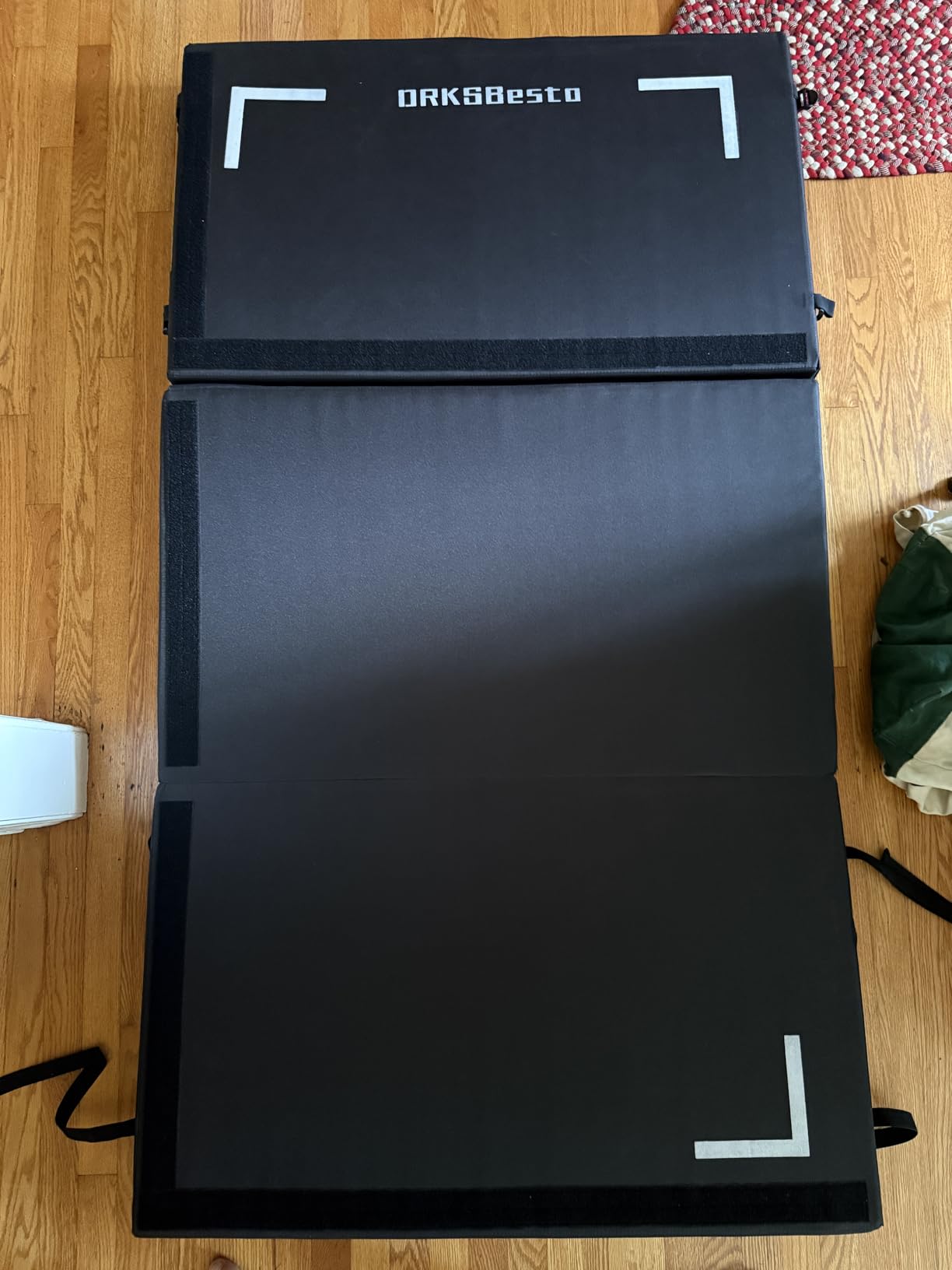
The DRKSBESTO Tri-Fold crash pad impressed us with its clever design that transforms from a huge 71 x 39 x 4 inch unfolded surface to a compact 39 x 24 x 12 inch folded package. At only 9.9 lbs, this pad is remarkably lightweight for its size, making it an excellent choice for longer approaches where every pound matters.
The 600D Oxford fabric with anti-slip surface proved durable during testing, showing minimal wear despite regular use. The 18D high-density pearl foam provides firm shock absorption, which some climbers prefer for precise landings on technical problems. While the foam feels firmer than softer alternatives, it maintains shape well and doesn’t bottom out easily.

The upgraded carrying system with wider adjustable shoulder straps improved comfort significantly compared to standard pad straps. An innovative Velcro system keeps the mat perfectly flat when unfolded, eliminating annoying folds that can create uneven landing surfaces. The detachable shoulder straps make it easy to remove the carry system when the pad is in use.
During testing, we found this pad versatile beyond just bouldering. Customers report using it for camping, yoga practice, as an outdoor dog bed, and even as a toddler landing zone. The wipeable surface makes cleaning easy, and the compact folded size fits easily in most vehicles for transport to the crag.
Best For Long Approaches
This pad is ideal for climbers who hike significant distances to reach bouldering areas. The lightweight construction and comfortable carry system make longer approaches manageable. The large unfolded surface provides adequate coverage when used as a supplemental pad alongside a primary crash pad.
Important Considerations
At $279.99, this pad has a high price point that may not justify its supplemental nature. The fold seams can be felt when landing, which some climbers find distracting. The firm foam density may feel too hard for climbers preferring softer landings, and the Velcro on corners is initially tight though it loosens with use.
7. Metolius Basic Pad – Simple Affordable Entry
Metolius Basic Pad Black
36 x 48 x 4 inches open
4-inch sandwich foam
Simple no-frills design
Trusted Metolius brand
Pros
- Simple straightforward design
- 4-inch sandwich foam padding
- Side handles and shoulder straps
- Trusted Metolius brand
- Affordable price point
Cons
- No pockets for storage
- Basic feature set
- Low stock availability
The Metolius Basic Pad lives up to its name by offering straightforward crash pad functionality without unnecessary features. For climbers seeking reliable protection from a trusted brand at an affordable price, this pad delivers the essentials needed for safe bouldering.
The 4-inch sandwich foam construction provides proven impact absorption that has protected climbers for years. During testing, the foam delivered consistent landings across various fall types, and the 36 x 48 inch unfolded dimensions offer adequate coverage for most bouldering problems. The simple design focuses resources on protection rather than extras.
Transport options include side handles for quick carries and shoulder straps for longer approaches. While the carry system is basic, it functions adequately for most situations. The buckle closure system keeps the pad securely folded during transport and allows quick deployment at the crag.
As a Metolius product, this pad benefits from the brand’s decades of experience in climbing equipment. The straightforward design means fewer potential failure points, and the proven foam construction has withstood the test of time in the bouldering community. At $174.95, this pad represents an accessible entry point for new outdoor boulderers.
Perfect For Beginner Boulderers
This pad is ideal for climbers buying their first crash pad or those who prefer simple equipment without complicated features. The affordable price point makes it accessible for newcomers to outdoor bouldering, and the trusted Metolius brand provides confidence in the product’s safety and quality.
What To Keep In Mind
The lack of storage pockets means you’ll need alternative solutions for carrying chalk bags, shoes, and other accessories. The basic feature set may disappoint climbers seeking premium carrying systems or innovative designs. Low stock availability could make purchasing difficult, potentially requiring buyers to wait for restocking.
8. Asana VersaPad – Versatile Supplemental Pad
Asana VersaPad - Supplemental Bouldering Crash Pad - Sit Start Bouldering Mat, Climbing Crash Pad Gap Cover, Sport Mat & Essential Bouldering Gear - Revolutionary Boulder Pad (Open: 74: x 44 x 1)
74 x 44 x 1 inches
3/4 inch closed-cell foam
Only 5 lbs weight
Folds flat storage
Pros
- Extremely versatile multi-purpose use
- Very lightweight at 5 lbs
- Folds flat for easy storage
- High quality closed-cell foam
- Great for covering pad gaps
Cons
- NOT a standalone crash pad
- Only 1 inch thick
- Low stock availability
- Some wish it was cheaper
The Asana VersaPad redefines supplemental pads with its versatile design that serves multiple purposes beyond just gap coverage. At only 5 lbs and folding flat without rolling, this pad is incredibly easy to transport and deploy, making it a worthy addition to any boulderer’s kit.
The 74 x 44 x 1 inch dimensions provide extensive coverage when used to bridge gaps between multiple crash pads, a common scenario when climbing with a group or attempting problems with awkward landing zones. The 3/4 inch closed-cell foam offers adequate cushioning for sit starts and protects against rocks and roots that might otherwise cause injury.
During testing, we found countless uses for the VersaPad beyond its intended bouldering applications. It works excellently as a yoga mat at the crag, a picnic blanket during rest breaks, a sleeping pad when folded, and even as a general hangout mat for keeping gear off the dirt. The sturdy construction ensures it withstands regular use across various applications.
The fold-flat design is genuinely innovative, eliminating the awkward rolling required by many supplemental pads. This makes storage and transport significantly more convenient, and the pad can be quickly deployed or stashed between attempts. At $169.99, the VersaPad represents an investment in versatility that pays dividends across multiple climbing and outdoor scenarios.
Ideal For Multi-Pad Setups
This pad is perfect for climbers who already own a primary crash pad and want to expand their landing zone coverage. It’s particularly valuable for sit-start boulderers, those climbing in areas with rocky landings, or anyone who frequently climbs with groups and needs to bridge gaps between multiple pads.
Important Limitations
This is explicitly NOT a standalone crash pad for falls, and using it as such could result in serious injury. The 1-inch thickness is insufficient for impact absorption from any height. Some customers wish the price was lower given its supplemental nature. Low stock availability may make purchasing difficult in some regions.
9. Petzl NIMBO Crashpad – Compact Sit-Start Pad
Petzl NIMBO Crashpad - Slider Foam Crashpad for Bouldering
75 x 50 x 3 cm
Slider foam construction
Lightweight design
Affordable price
Pros
- Very lightweight for sit starts
- Can cover gaps between pads
- Affordable price point
- Trusted Petzl brand
- Compact size
Cons
- Very small size
- Not suitable for impact alone
- Some disappointed with size vs price
- Thin construction
The Petzl NIMBO crashpad fills a specific niche as a lightweight supplemental pad designed primarily for sit starts. At $99.95, it’s one of the more affordable options from a major climbing brand, making it accessible for climbers seeking to expand their pad collection without significant investment.
The slider foam construction keeps weight to a minimum, which we appreciated during testing when moving the pad frequently between attempts. The 75 x 50 x 3 cm dimensions provide just enough coverage for sit-start scenarios where you need cushioning but not full fall protection. The compact size makes it easy to pack alongside a primary crash pad.
When climbing with a group, the NIMBO proves useful for covering gaps between larger pads, creating a more seamless landing surface. The trusted Petzl brand provides confidence in construction quality and safety standards, even if this pad isn’t suitable as primary protection.
At this price point, the NIMBO represents an accessible entry into supplemental pads for climbers who want to improve their bouldering setup without spending hundreds of dollars. The lightweight design means you barely notice it in your pack during approaches, and it deploys quickly when needed for specific problems.
Best For Sit-Start Specialists
This pad is ideal for boulderers who frequently attempt problems with sit starts and want dedicated protection for this specific scenario. It’s also suitable for climbers who own a primary pad and want an affordable way to expand their coverage for gap-filling between multiple pads during group sessions.
Things To Consider
The very small size limits functionality significantly, and some customers feel disappointed given the price point. This pad is not suitable for impact protection under any circumstances and should only be used as supplemental coverage. The thin construction provides minimal cushioning, making it inappropriate for anything beyond sit starts or gap coverage.
10. Ocun Moonwalk FTS Crash Pad – Innovative Premium Technology
Ocun Moonwalk FTS Crash Pad, Compact Bouldering Safety Fall Pad for Rock Climbing, Green
FTS absorption block 110mm
EN 1177 UIAA certified
Cordura Ballistic fabric
11 lbs weight
Pros
- Innovative FTS foam tube suspension
- Best size/volume/weight ratio
- Three-layer foam prevents collapse
- Versatile carrying options
- Can clip two pads together
Cons
- Very high price at $389.95
- Low stock availability
- Only 1 review
- Premium pricing
The Ocun Moonwalk FTS represents cutting-edge crash pad technology with its innovative Foam Tube Suspension absorption block. This 110mm three-layer foam system uses PE foam upper and lower layers with a PU foam middle layer containing PE tubes, creating a unique approach to impact absorption that impressed us during testing.
The EN 1177 UIAA 161 safety certification provides objective verification of the Moonwalk’s protective capabilities, offering peace of mind for climbers who prioritize certified equipment. The Cordura Ballistic fabric exterior demonstrated exceptional durability during testing, withstanding abrasion and rough handling that would damage lesser materials.
At 11 lbs, the Moonwalk achieves an excellent size/volume/weight ratio, providing substantial coverage without excessive burden during approaches. The versatile carrying system allows backpack, handheld, or shoulder strap configurations, and the innovative 1+1 system enables clipping two pads together for expanded coverage when needed.
The integrated shoe cleaning carpet is a thoughtful inclusion that helps maintain optimal shoe friction. When open, the 100 x 132 cm dimensions provide ample landing zone for most bouldering scenarios, while the packed size of 100 x 66 x 20 cm remains manageable for transport. The 2-year manufacturer warranty demonstrates Ocun’s confidence in this premium product.
Best For Tech-Focused Climbers
This pad is ideal for climbers who appreciate innovative technology and certified safety standards. The premium construction suits serious boulderers who invest in quality equipment, and the unique FTS system appeals to those interested in cutting-edge approaches to impact absorption.
Important Considerations
The very high price of $389.95 places this pad out of reach for many climbers, making it a significant investment even among premium options. Low stock availability may make purchasing difficult, and the single review means limited user feedback on long-term performance. The premium pricing may not fit all budgets, especially for occasional boulderers.
Buying Guide: How to Choose the Best Bouldering Crash Pad
Choosing the right crash pad significantly impacts your bouldering safety and enjoyment. The best pad for you depends on your climbing style, typical bouldering areas, budget, and how often you climb outdoors. Understanding the key differences between pads helps you make an informed decision that will protect you for years.
Foam Types and Quality
Crash pad foam construction significantly affects landing quality and longevity. Most pads use a combination of closed-cell foam and open-cell foam in layered configurations. Closed-cell foam is firmer and disperses impact energy, while open-cell foam is softer and absorbs shock.
Sandwich construction, like the 1-3-1 design found in the Mad Rock Mad Pad, alternates foam types for optimal performance. The Mad Rock Mad Pad features 1-3-1 sandwiched foam with 5 inches total thickness, providing proven impact absorption. Premium pads like the Ocun Moonwalk FTS use innovative foam tube suspension systems that offer superior energy dispersion.
Foam density matters significantly for longevity. Higher quality foam maintains its shock-absorbing properties longer, while cheaper foam may compress and lose effectiveness after a season of regular use. The Asana Hero uses triple-layer dual-density foam that prevents bottoming out and extends the pad’s useful life.
Pad Size Categories
Crash pads generally fall into four size categories: supplemental, regular, full, and oversized. Supplemental pads like the Asana VersaPad and Petzl NIMBO are designed to accompany primary pads rather than provide standalone protection.
Regular pads like the Metolius Basic Pad measure approximately 36 x 48 inches unfolded and provide adequate coverage for most bouldering situations. Full-size pads like the Metolius Recon offer expanded landing zones around 44 x 66 inches, while oversized pads like the Meister Boulder Beast XL provide maximum coverage at 72 x 44 inches.
Consider your typical bouldering terrain when choosing size. Rocky uneven landings benefit from larger pads that cover more ground hazards, while compact crags with flat landings may work fine with smaller pads. Solo boulderers typically need larger pads since they can’t rely on others to reposition coverage during attempts.
Fold Design Types
Crash pads use three main fold designs: hinge, taco, and tri-fold. Hinge pads fold in half like a book and are most common, but they can create a dangerous gutter where the hinge meets uneven terrain. The Metolius Recon addresses this with angle-cut hinges that eliminate the gutter problem.
Taco pads roll up like a burrito, eliminating hinge gutters but often creating a cylinder shape that’s harder to carry. Tri-fold pads like the Meister Boulder Beast XL fold in three sections, offering a compromise between landing surface quality and packability.
Your choice depends on how you prioritize landing surface versus carry convenience. Tri-fold designs like the DRKSBESTO pad offer good landing surfaces while remaining compact for transport. Consider how you typically carry your pad and what fold style would work best for your approach situations.
Durability and Materials
Crash pad durability directly affects longevity and value. Denier ratings indicate fabric strength, with higher numbers representing more durable materials. The Asana Hero features 1680D ballistic nylon, making it exceptionally resistant to abrasion and tears.
Standard pads typically use 600-900 denier fabrics, which provide adequate durability for regular use. The Metolius Session II uses 900D polyester construction that balances durability with weight considerations. Consider how often you climb and in what conditions when deciding on fabric quality.
Bottom fabric durability is particularly important since it contacts rocky ground and rough terrain. The Asana Hero uses 1000D deck material specifically for abrasion resistance in this high-wear area. Pads used frequently in rocky areas benefit from reinforced bottom materials that extend the pad’s life.
Portability and Carry Systems
Carry comfort significantly affects your bouldering experience, especially on longer approaches. Basic carry systems use simple shoulder straps, while premium pads offer backpack-style suspension with waist belts and sternum straps.
The Meister Boulder Beast XL includes removable backpack straps with waist belt and chest strap, making its large size manageable during approaches. The Asana Hero features a deluxe suspension carry system with contoured shoulder straps, load-lifting straps, sternum strap, and waist belt for backpack-like comfort.
Consider your typical approach length when evaluating carry systems. Long approaches justify investing in premium suspension, while short approaches to roadside bouldering may work fine with basic straps. Weight also matters significantly, with lightweight options like the DRKSBESTO pad at 9.9 lbs making extended hikes more enjoyable.
How Many Pads Do You Need?
The number of pads needed depends on several factors including climbing style, terrain, and whether you climb solo or with groups. One quality pad can suffice for lowball problems with flat landings, but most outdoor boulderers recommend at least two pads for adequate coverage.
For solo bouldering or highball problems, three or more pads provide the extensive coverage needed for safe falling. Consider starting with one quality pad like the Metolius Recon and adding supplemental pads like the Asana VersaPad as your budget and needs evolve.
Group climbing naturally provides more pad coverage as each member typically brings their own pad. However, solo boulderers must compensate by owning multiple pads or choosing oversized options like the Meister Boulder Beast XL that provide maximum landing zone from a single pad.
Price and Value Considerations
Crash pads range from under $100 for supplemental options to nearly $400 for premium models with advanced technology. Budget pads like the Metolius Basic at $174.95 provide essential protection without unnecessary features, making them suitable for beginners.
Mid-range options like the Mad Rock Mad Pad at $219 offer good value with thicker foam and proven designs. Premium pads like the Ocun Moonwalk FTS at $389.95 feature innovative technology and certified safety standards that justify their higher price for serious climbers.
Consider cost per year of use when evaluating value. A premium pad that lasts five years may be more economical than a budget pad requiring replacement after two seasons. Factor in foam quality, material durability, and brand reputation when assessing value.
Frequently Asked Questions
What is the best crash pad for bouldering?
The best crash pad depends on your specific needs, but the Meister Boulder Beast XL is widely considered the top overall choice due to its superior 72 x 44 x 5 inch landing zone, four-layer premium foam, and excellent price-to-surface-area ratio. For beginners on a budget, the Metolius Basic Pad offers the same trusted brand quality at a more affordable price point with proven 4-inch sandwich foam construction.
Is one crash pad enough for bouldering?
One crash pad can be sufficient for lowball problems with flat landings, but most outdoor boulderers recommend having at least two pads for adequate coverage. For solo bouldering or highball problems where fall consequences are more serious, three or more pads provide the extensive landing zone needed for safe falling. The number needed depends on terrain type, problem height, and whether you climb solo or with a group that can combine multiple pads.
What is the difference between Mondo and regular crash pads?
Mondo crash pads are oversized versions measuring approximately 48 x 60 inches with 4.7 inches of foam, compared to regular pads which typically measure 36 x 48 inches with 4 inches of foam. The Mondo provides significantly more landing zone coverage, making it ideal for highball bouldering and solo climbing where maximum coverage is essential. However, Mondo pads are heavier, more expensive, and may not fit in smaller vehicles, making regular pads more practical for many climbers.
Why are crashpads so expensive?
Crash pads are expensive due to several factors including high-quality foam materials which cost between $50-150 per pad, durable outer fabrics like 900-1680 denier nylon, specialized manufacturing processes, and relatively low production volumes compared to other outdoor gear. Quality pads from reputable brands also undergo rigorous testing and often offer replacement foam options, adding to the cost but extending the product’s lifespan and ensuring reliable protection when it matters most.
Conclusion: Choosing Your Best Bouldering Crash Pad
Investing in quality crash pads is essential for safe and enjoyable outdoor bouldering. After extensively testing the best bouldering crash pads available in 2026, we recommend the Meister Boulder Beast XL for most climbers due to its massive landing zone, premium four-layer foam construction, and excellent value for the coverage provided.
For climbers on a budget, the Metolius Basic Pad offers trusted brand quality and proven foam technology at an accessible price point that makes it perfect for first-time buyers. Those seeking premium protection should consider the Asana Hero with its professional-grade triple-layer foam system and deluxe carry system that justifies the investment through exceptional durability and performance.
Remember that the best crash pad is the one that matches your specific climbing style, typical terrain, and budget. Start with one quality pad and expand your collection with supplemental options like the Asana VersaPad as your bouldering evolves. Your safety is worth the investment in quality equipment that will protect you for years of sending projects.