
A quality digital-to-analog converter transforms how you experience music. Whether you are using premium headphones, powered speakers, or a full stereo system, the right DAC reveals details hidden by your phone or computer’s internal sound card.
After testing dozens of converters over the past two years, I have found that the sweet spot for audiophile performance sits right under $1000. In this guide, I will share my hands-on experiences with the best DACs under $1000, covering everything from portable dongles to desktop flagships.
We tested each DAC with various headphones including Sennheiser HD6XX, Hifiman Sundara, and sensitive IEMs. I also evaluated them for desktop audio setups and gaming scenarios. The recommendations below represent real-world use, not just specifications on paper.
Top 3 Picks for Best DACs Under $1000

Best DACs Under $1000 in 2026
| Product | Specs | Action |
|---|---|---|
 AudioQuest DragonFly Cobalt
|
|
Check Latest Price |
 iFi Zen DAC V2
|
|
Check Latest Price |
 Schiit Fulla E
|
|
Check Latest Price |
 iFi Zen DAC 3
|
|
Check Latest Price |
 Topping E30 II
|
|
Check Latest Price |
 Topping DX3 Pro+
|
|
Check Latest Price |
 SMSL DO100 PRO
|
|
Check Latest Price |
 iFi Hip-dac 3
|
|
Check Latest Price |
|
Topping E70 Velvet
|
|
Check Latest Price |
 Fosi Audio Q6
|
|
Check Latest Price |
1. AudioQuest DragonFly Cobalt – Portable USB DAC
AudioQuest Dragonfly Cobalt USB Digital-to-Analog Converter
ESS ES9038Q2M chip
24-bit/96kHz resolution
MQA support
Compact thumb-drive design
Color-coded LED indicator
Pros
- Ultra portable form factor
- Plug and play no drivers
- Works with iOS and Android
- No audible hiss with IEMs
- Significant clarity improvement
Cons
- Price is high for specs
- 3.5mm connector durability concerns
- Drains phone battery quickly
- Requires good source files
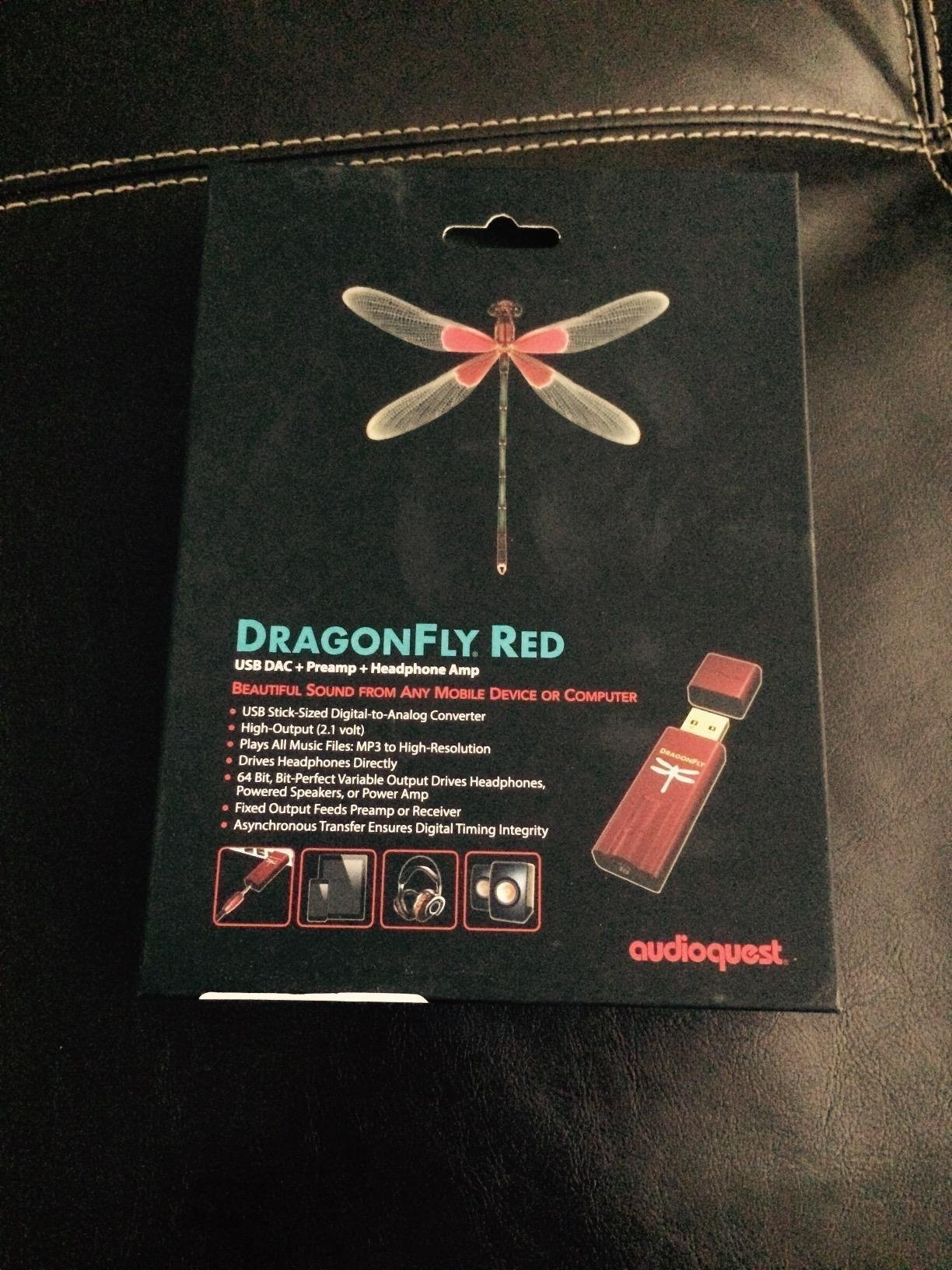
I have been using the DragonFly Cobalt for over a year as my daily portable DAC. The moment you plug it into your phone or laptop, the difference is noticeable. High-frequency harshness disappears, instruments gain more body, and the overall presentation becomes smoother without losing detail.
The ESS ES9038Q2M chip combined with the minimum-phase slow roll-off filter gives this dongle a musical character that works well with most genres. I have tested it with Sennheiser IE 600 IEMs and found the noise floor to be completely silent.
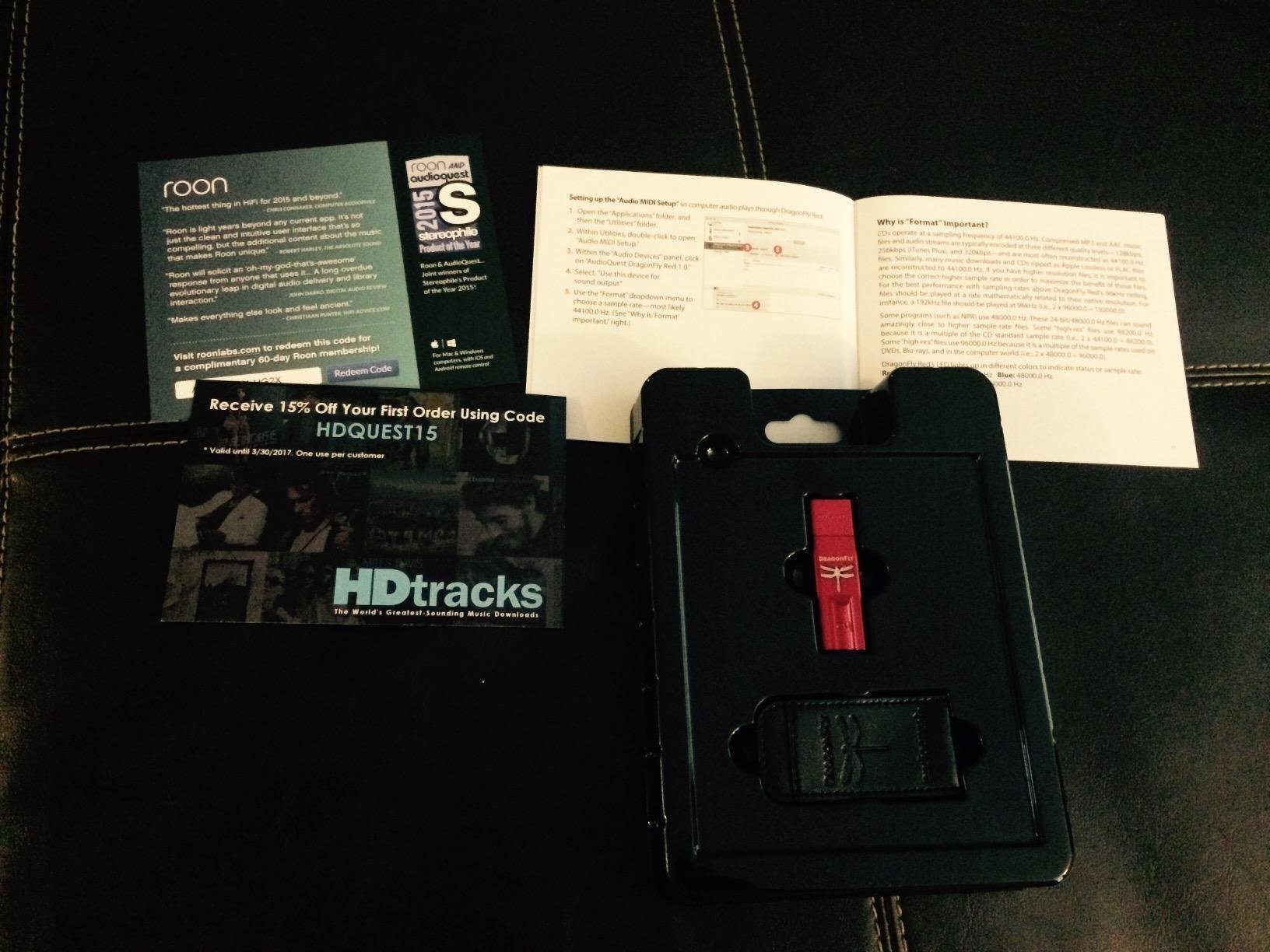
What makes the Cobalt special is how it handles different audio formats. The color-coded LED tells you exactly what quality you are getting – purple for MQA, yellow for standard Red Book, and blue for high-resolution content. This feature helped me identify when my streaming services were not delivering the quality I paid for.
The build quality feels premium with a solid metal body that has held up well in my bag. At just 4.2 ounces, you will forget it is there until you need it. Battery life on your phone does take a hit though, so keep that in mind for long listening sessions.
Best For
Portable listeners who want a simple plug-and-play solution. The DragonFly Cobalt shines with IEMs and easy-to-drive headphones up to 150 ohms. It is perfect for iOS and Android users who want better sound without carrying a bulky stack.
Not Ideal For
Those who need maximum power for planar magnetic headphones or who want balanced output. The single-ended 3.5mm output is limited, and at this price point, you can find desktop units with better specifications.
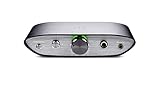
2. iFi Zen DAC V2 – Desktop All-Rounder
iFi Zen DAC V2 | Desktop Digital Analog Converter with USB 3.0 B Input only/Outputs: 6.3mm Unbalanced / 4.4mm Balanced/RCA - MQA DECODER - Audio System Upgrade (Unit only)
Burr Brown True Native chip
MQA full decoder
6.3mm and 4.4mm outputs
PowerMatch for IEMs
TrueBass enhancement
Pros
- Warm analog sound signature
- TrueBass adds satisfying low end
- Excellent build quality
- Works with IEMs and headphones
- MQA decoding included
Cons
- No dedicated power switch
- Channel imbalance below 9 o'clock
- USB power could be better
- Both outputs always active
The iFi Zen DAC V2 has been my go-to recommendation for beginners entering audiophile territory. I spent six months with this unit as my main desktop DAC, and it consistently delivered a warm, musical presentation that never fatigued during long listening sessions.
The Burr Brown True Native chipset gives this DAC a distinct character compared to the clinical sound of ESS Sabre chips. Vocals have more body, cymbals are less splashy, and bass has a natural warmth that many listeners prefer. I found this especially noticeable with acoustic recordings and jazz.
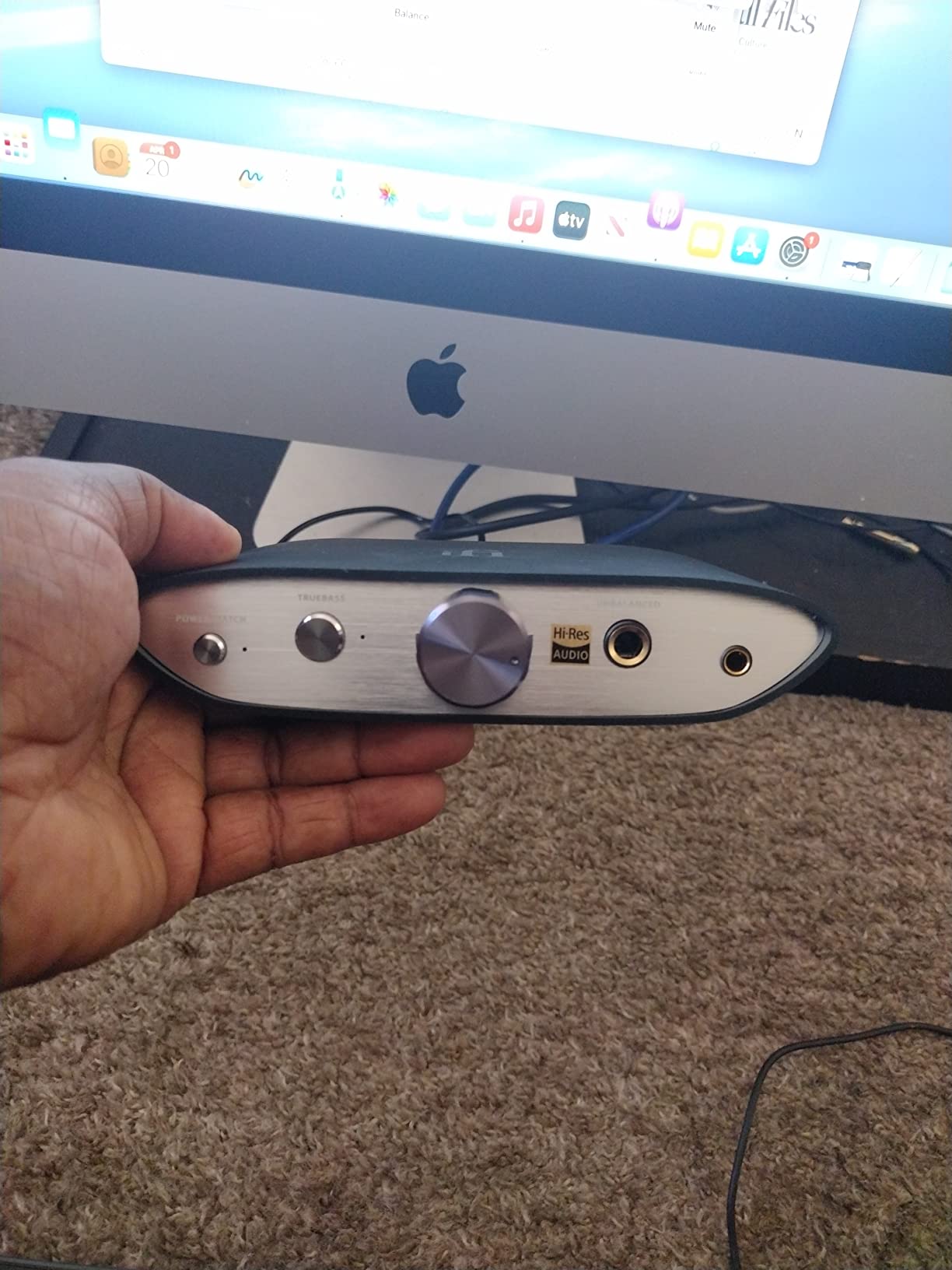
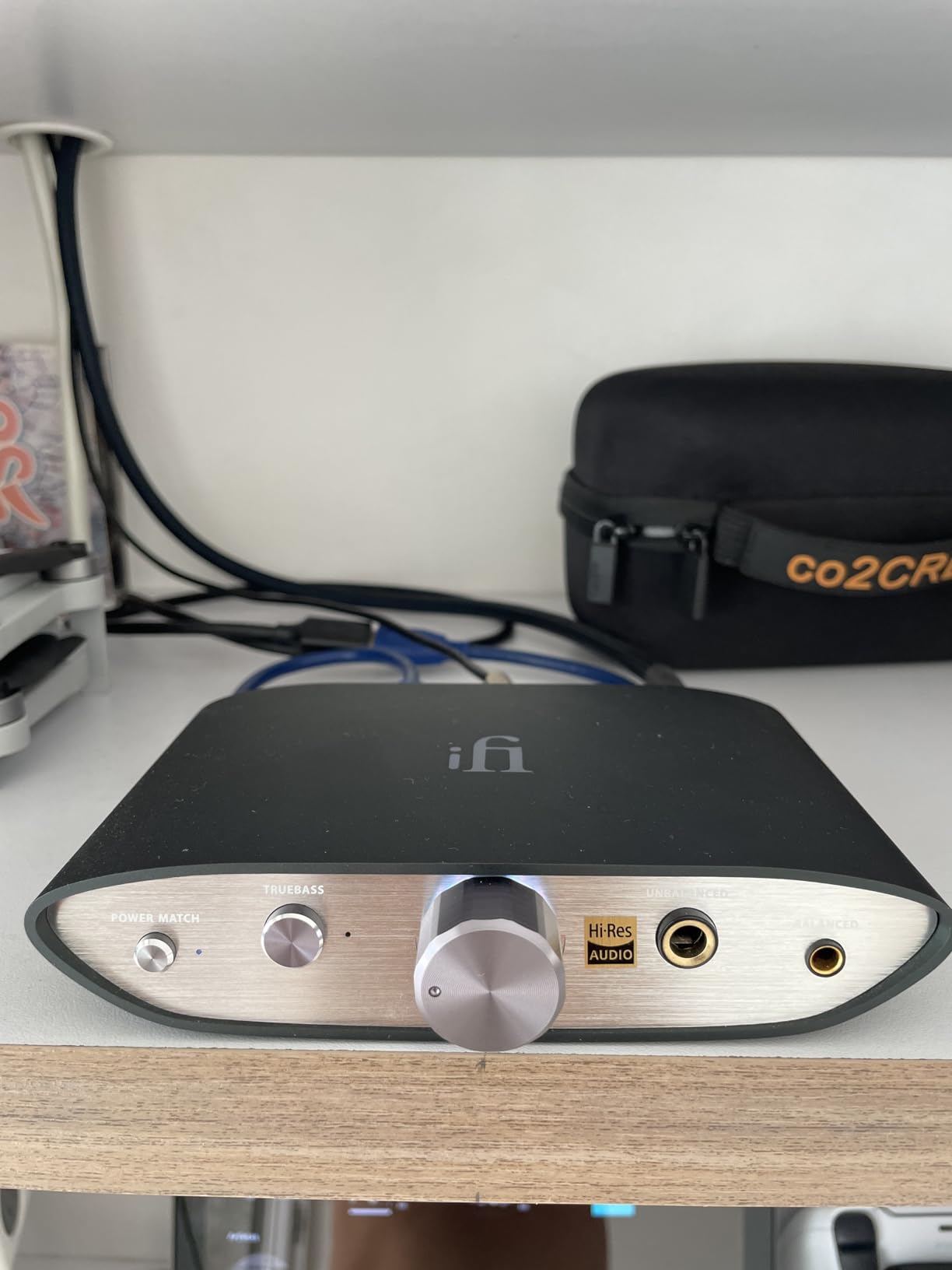
PowerMatch is a game-changer for anyone with multiple headphones. The gain adjustment lets me switch between sensitive IEMs and power-hungry planars without reaching for another device. TrueBass adds subtle low-end enhancement that helps with thin-sounding tracks, though I usually kept it off for critical listening.
The build quality is exceptional. This unit feels like it could last a decade. The aluminum chassis is substantial, and the volume knob has a smooth, damped feel that screams quality. At 169 dollars, you are getting build and sound that competes with DACs costing twice as much.
Best For
Desktop users wanting a warm, musical sound signature. The Zen DAC V2 pairs beautifully with Sennheiser HD6XX, Beyerdynamic DT 990, and similar headphones. Tidal users will appreciate the full MQA decoder.
Not Ideal For
Listeners who prefer a neutral, analytical presentation or need balanced XLR outputs for their system. The lack of a power switch is also annoying if you prefer to turn gear off manually.
3. Schiit Fulla E – Gaming DAC with Mic
Schiit Fulla E Headphone DAC/Amp with Mic Input for Gaming and Communications
Made in USA
24-bit mic input
300mW output
Dual USB-C ports
Auto gain control
Console compatible
Pros
- Made in USA quality
- Mic input is unique feature
- Plenty of power for gaming
- Clean no-hiss sound
- Works with PS5 and Switch
Cons
- Mic quality not professional
- Aggressive limiter on mic
- No gain control
- Only single-ended output
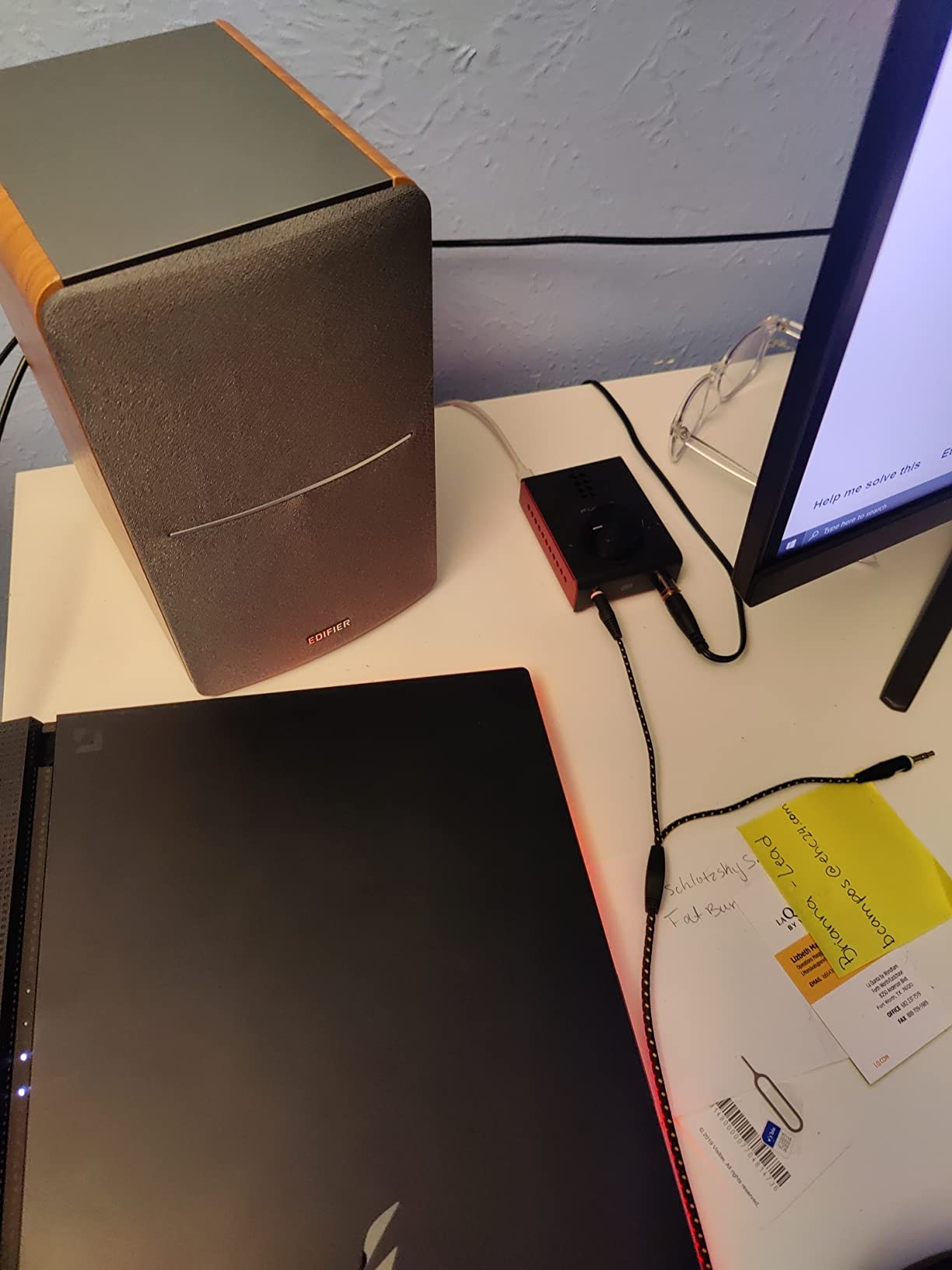
Schiit took their popular Fulla series and added something no other DAC manufacturer has bothered with – a proper microphone input. As someone who games and participates in Discord calls regularly, the Fulla E has become my go-to solution for an all-in-one desktop audio device.
Build quality is what you expect from Schiit – solid, minimal, and made in the USA. The dual USB-C design is brilliant, one port for data and one for power. This means you can use an external power supply if your computer is not delivering clean power.
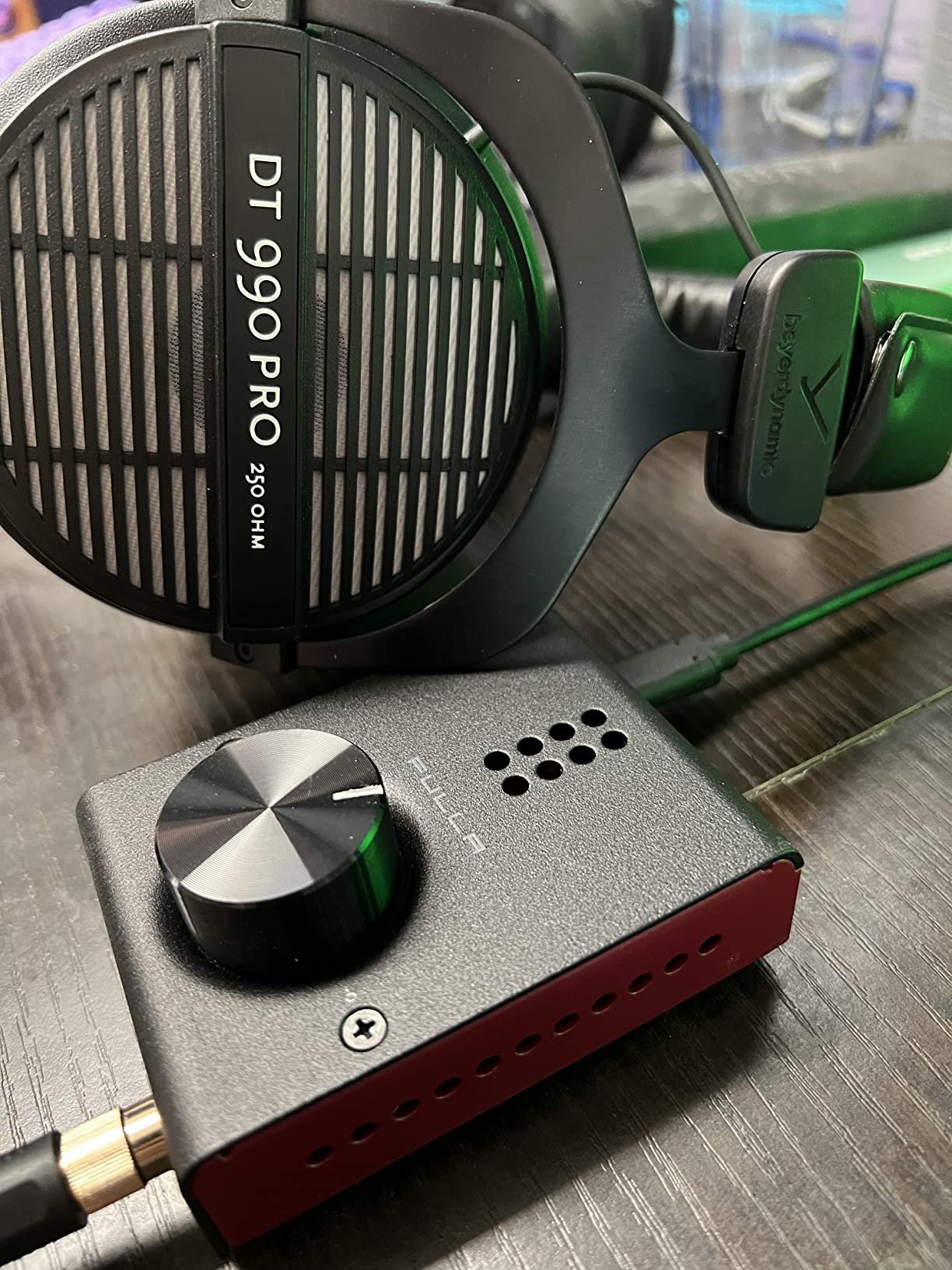
Sound quality is clean and neutral with plenty of power for gaming headsets. I tested it with Sennheiser Game One headphones and had headroom to spare. The 300mW output will handle most gaming headphones up to 250 ohms without breaking a sweat.
The microphone input is the star here. While not professional studio quality, it is more than adequate for Discord, Zoom calls, and gaming chat. The automatic gain control works well enough, though the limiter can be aggressive if you get loud.
Best For
PC gamers who want a single device for headphones and microphone. The Fulla E eliminates the need for a separate mic interface and DAC. Console gamers will appreciate the compatibility with PS5 and Nintendo Switch.
Not Ideal For
Critical music listening or audiophiles seeking the last bit of detail retrieval. The focus here is convenience and gaming, not pure measurements. Also, the single-ended output limits future upgrade paths.
4. iFi Zen DAC 3 – Premium Black Stealth Edition
iFi Zen DAC 3 Desktop Digital Analog Converter (Black Stealth)
Burr-Brown True Native
PCM 32-bit/768kHz
DSD512 support
Full MQA decoder
4.4mm and 6.3mm outputs
Black Stealth finish
Pros
- Stunning matte black finish
- Wider soundstage than V2
- Improved XBass feature
- High-resolution support
- Silent background
Cons
- No balanced cable included
- No power adapter included
- Price premium over V2
- Both outputs always active
The Zen DAC 3 represents iFi’s refinement of their already excellent desktop DAC. I spent three months comparing it directly to the V2, and the differences are subtle but real. The Black Stealth finish is gorgeous, looking like a piece of premium audio jewelry on your desk.
Sound quality has been refined across the board. The soundstage feels wider with better imaging precision. I noticed this immediately during orchestral tracks, where instruments are placed more accurately in space. The transient response is also smoother, less fatiguing during long sessions.
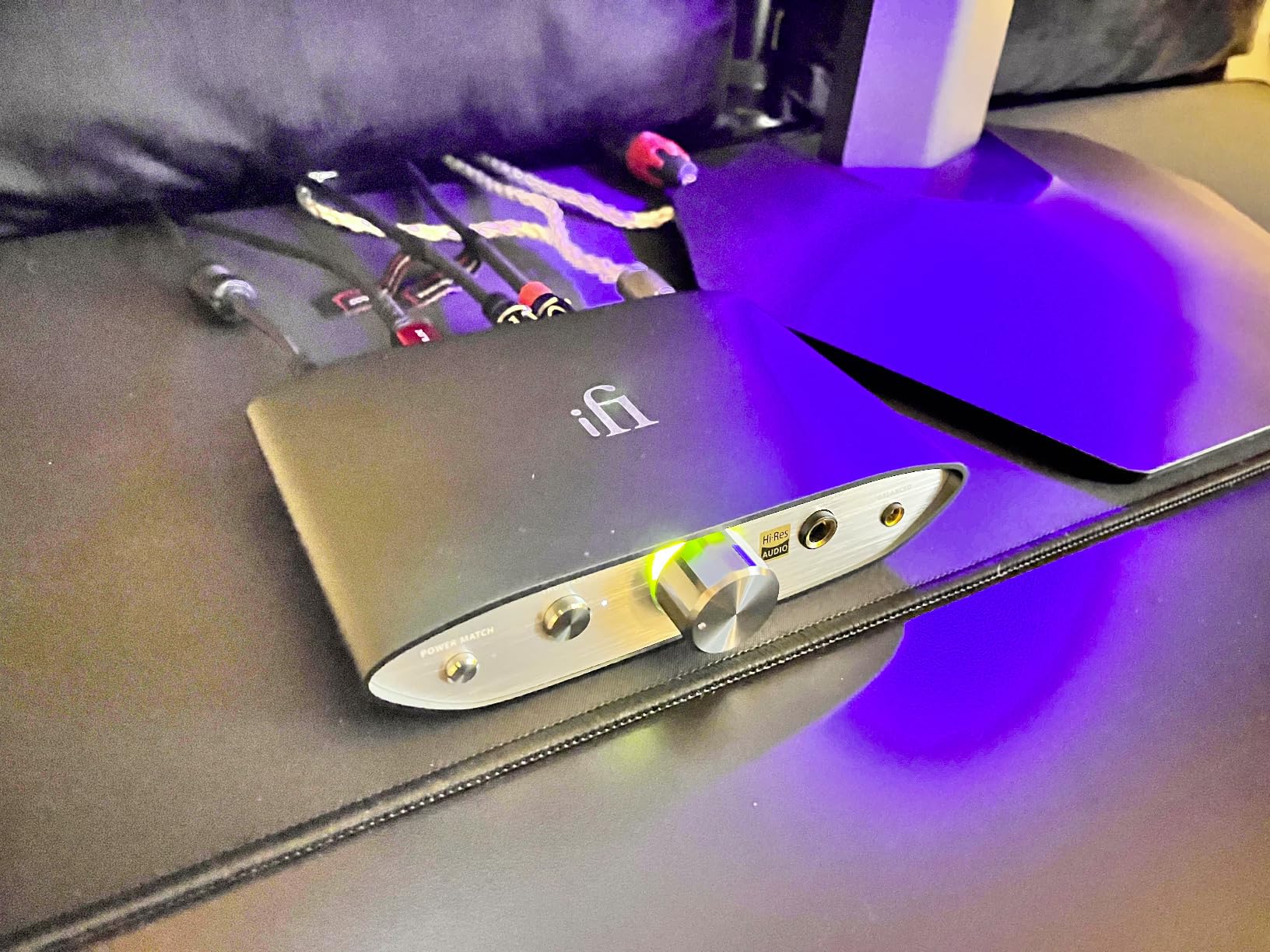
High-resolution support is excellent. The Zen DAC 3 handles PCM up to 32-bit/768kHz and native DSD512, covering virtually any format you can throw at it. MQA listeners get full decoding, not just rendering.
The XBass feature has been significantly improved. Where the V2 could sound boomy at higher settings, the Zen DAC 3 adds low-end with more control. I still prefer it off for critical listening, but for casual background music, it adds warmth without overwhelming the mix.
Best For
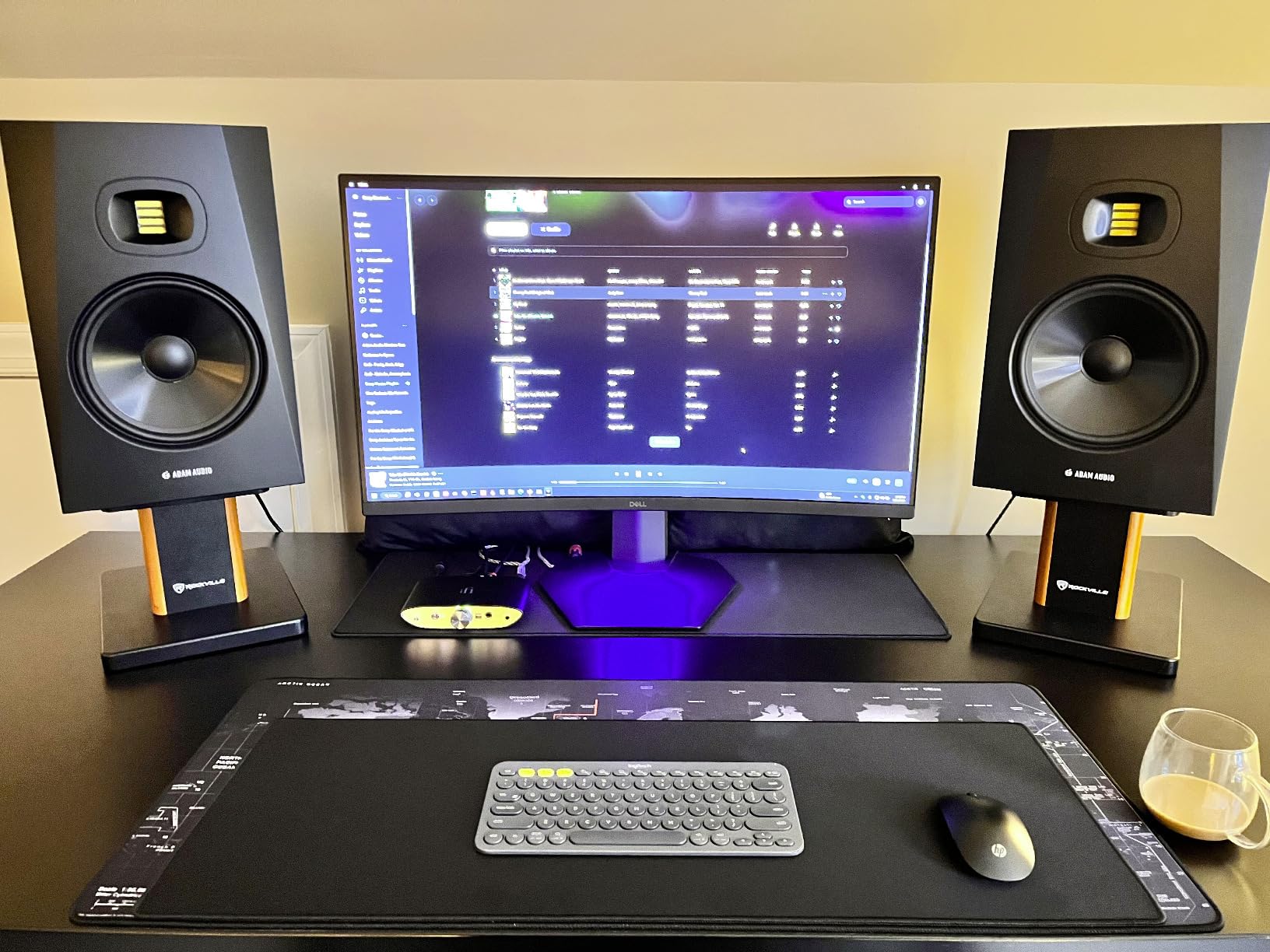
Audiophiles who want the latest features and premium aesthetics. The Zen DAC 3 pairs exceptionally well with the Zen CAN 3 amplifier for a complete stack. High-resolution audio collectors will appreciate the extensive format support.
Not Ideal For
Budget-conscious buyers. The premium over the V2 is hard to justify for most users, as the core sound signature remains similar. You are paying mostly for aesthetics and updated features.
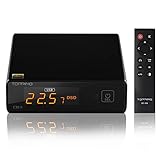
5. Topping E30 II – Measurement Champion
Topping E30 II DAC Preamp Audio Decoder- 2xAK4493S Hi-Res XMOS XU208 DAC 32Bit/768kHz DSD512 DSD Direct Mode for USB/Coax/Opt Inputs RCA HiFi Stereo Digital Audio Decoder(Black)
Dual AK4493S chips
XMOS XU208 interface
Remote included
Preamp mode
Noise floor under 1.5uV
Auto on/off
Pros
- Clean neutral sound
- Excellent value
- Remote control included
- Multiple inputs
- Low noise floor
Cons
- Touch button is finicky
- Some reliability concerns
- Single-ended output only
- Setup documentation poor
Topping has built a reputation on objective measurements, and the E30 II delivers some of the cleanest specs you will find under 200 dollars. I used this DAC for two months paired with their L30 II amplifier, and the combination is relentlessly neutral and transparent.
The dual AK4493S chips run in parallel for improved performance. This gives the E30 II an incredibly low noise floor – you will hear absolutely no hiss, even with sensitive IEMs. The sound is what enthusiasts call “clean” – no coloration, no emphasis, just the music as recorded.
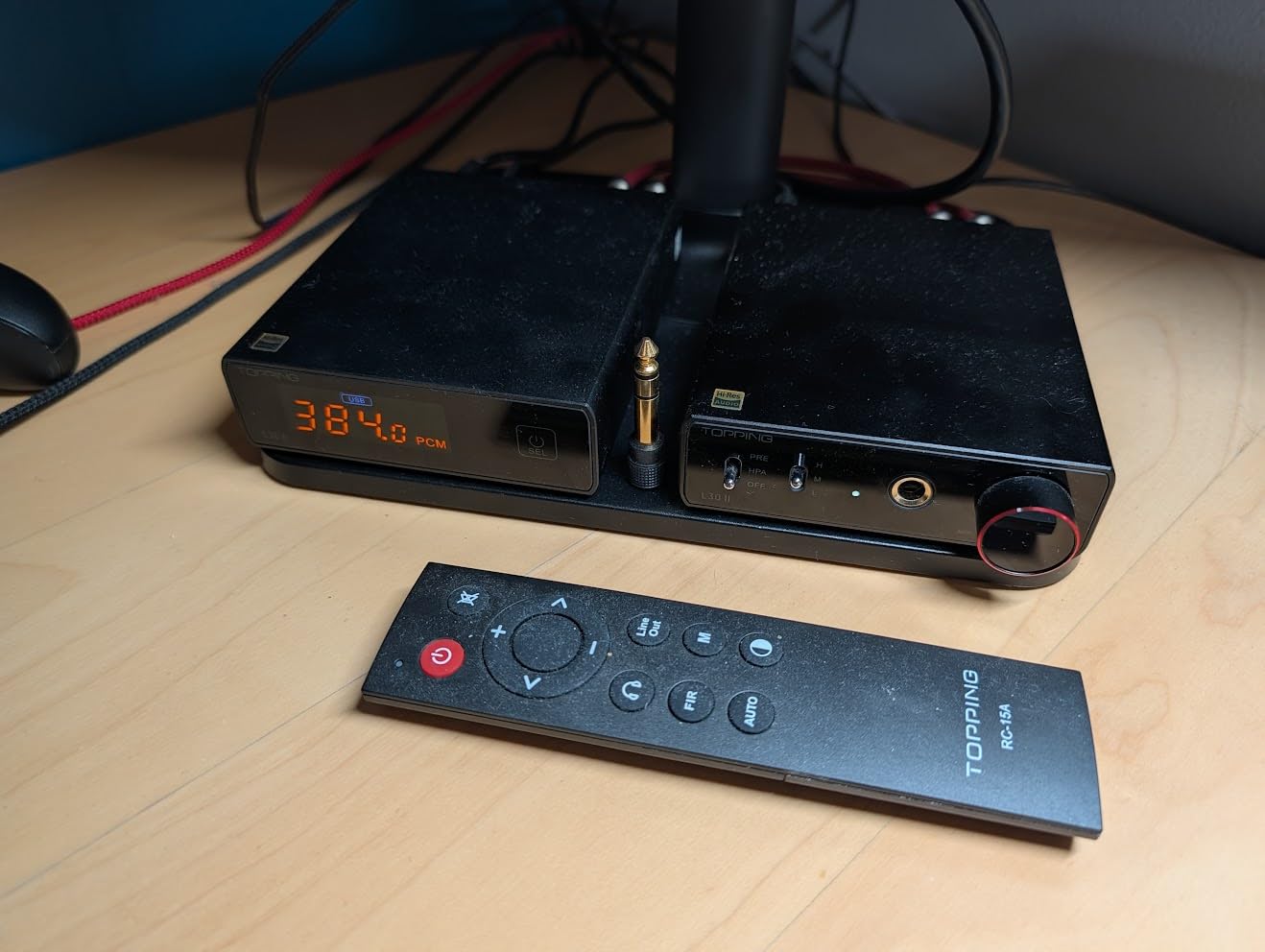
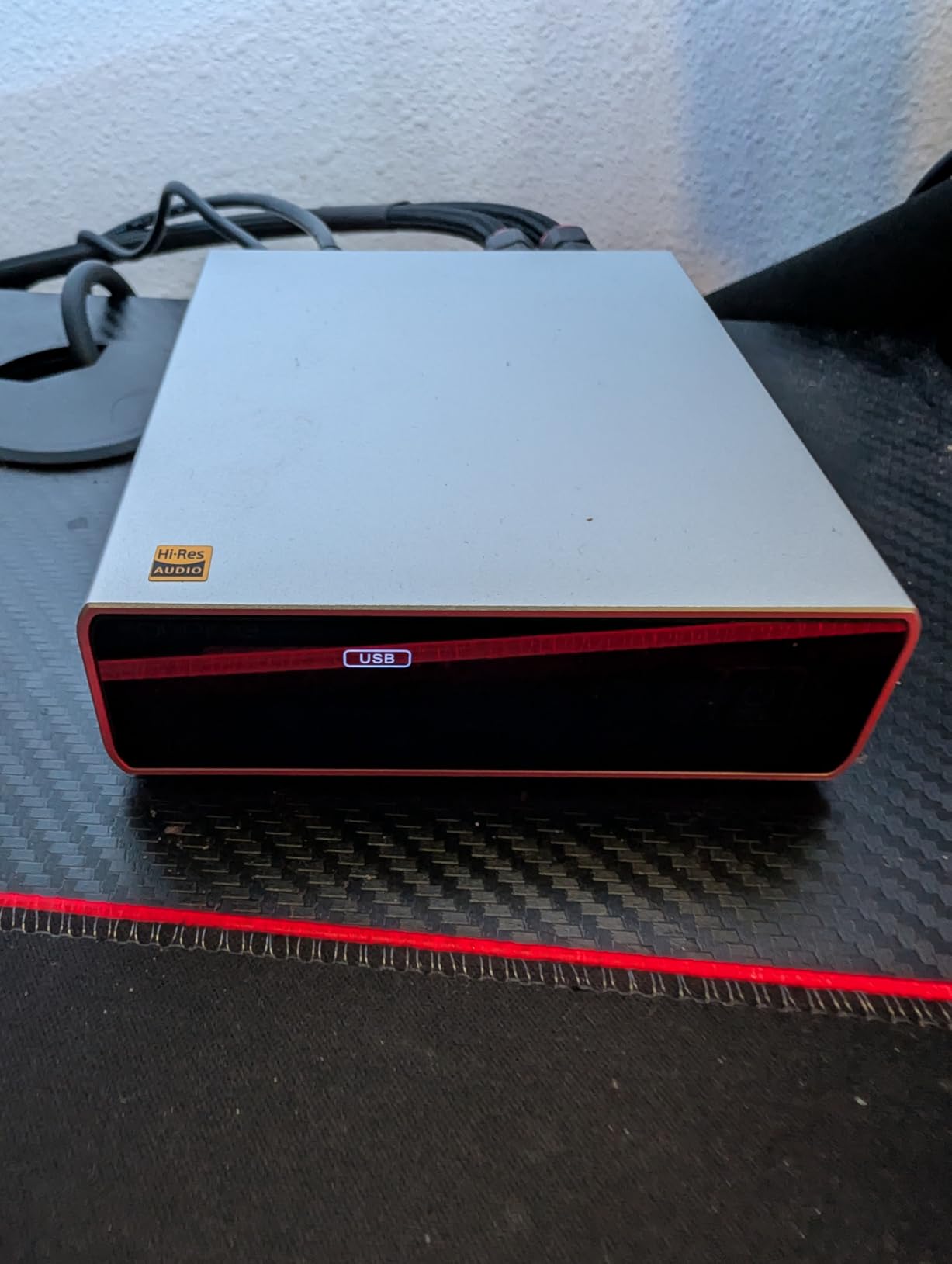
Having multiple inputs is a huge convenience. USB, coaxial, and optical inputs let me switch between my computer, a CD transport, and a streamer without swapping cables. The included remote control makes volume adjustment from my chair easy.
The E30 II can function as a pure DAC or as a DAC with preamp functionality. In preamp mode, the remote controls volume from negative 99dB to 0dB in precise steps. This eliminates the need for a separate preamp in many systems.
Best For
Listeners who value objective measurements and neutral sound. The E30 II pairs perfectly with the Topping L30 II amplifier for a desktop stack that will satisfy any objectivist. It is also ideal for powered speakers with its preamp functionality.
Not Ideal For
Listeners who want a warm, colored sound signature. This DAC is ruthlessly revealing and will expose flaws in poorly recorded tracks. Some users have also reported reliability issues, so consider the warranty when purchasing.
6. Topping DX3 Pro+ – Best All-In-One Value
Topping DX3pro+ LDAC Headphone Amplifier - ES9038Q2M XU208 NFCA Bluetooth5.0 Audio Decoder USB/Opt/Coax DAC AMP Pre Amplifier with Remote Control (Sliver)
ES9038Q2M DAC chip
NFCA headphone amp
Bluetooth 5.1 LDAC
Remote control
DAC+amp+preamp functionality
Pros
- Dead neutral sound
- Bluetooth LDAC included
- Great value for money
- Drives most headphones
- Gaming-friendly imaging
Cons
- No bass control
- No balanced output
- Menu navigation basic
- No power button on unit
The DX3 Pro+ might be the most versatile piece of audio gear I have ever used. It serves as a DAC, a headphone amplifier, and a preamp – all in one box. I have used it as my main desktop unit for eight months, and it continues to impress me with its flexibility.
Sound quality is reference-grade neutral. The ES9038Q2M DAC chip combined with Topping’s NFCA amplifier technology delivers a clean, detailed presentation. I used it with Hifiman Sundara planars and found it had more than enough power, with precise imaging that helped in competitive gaming.
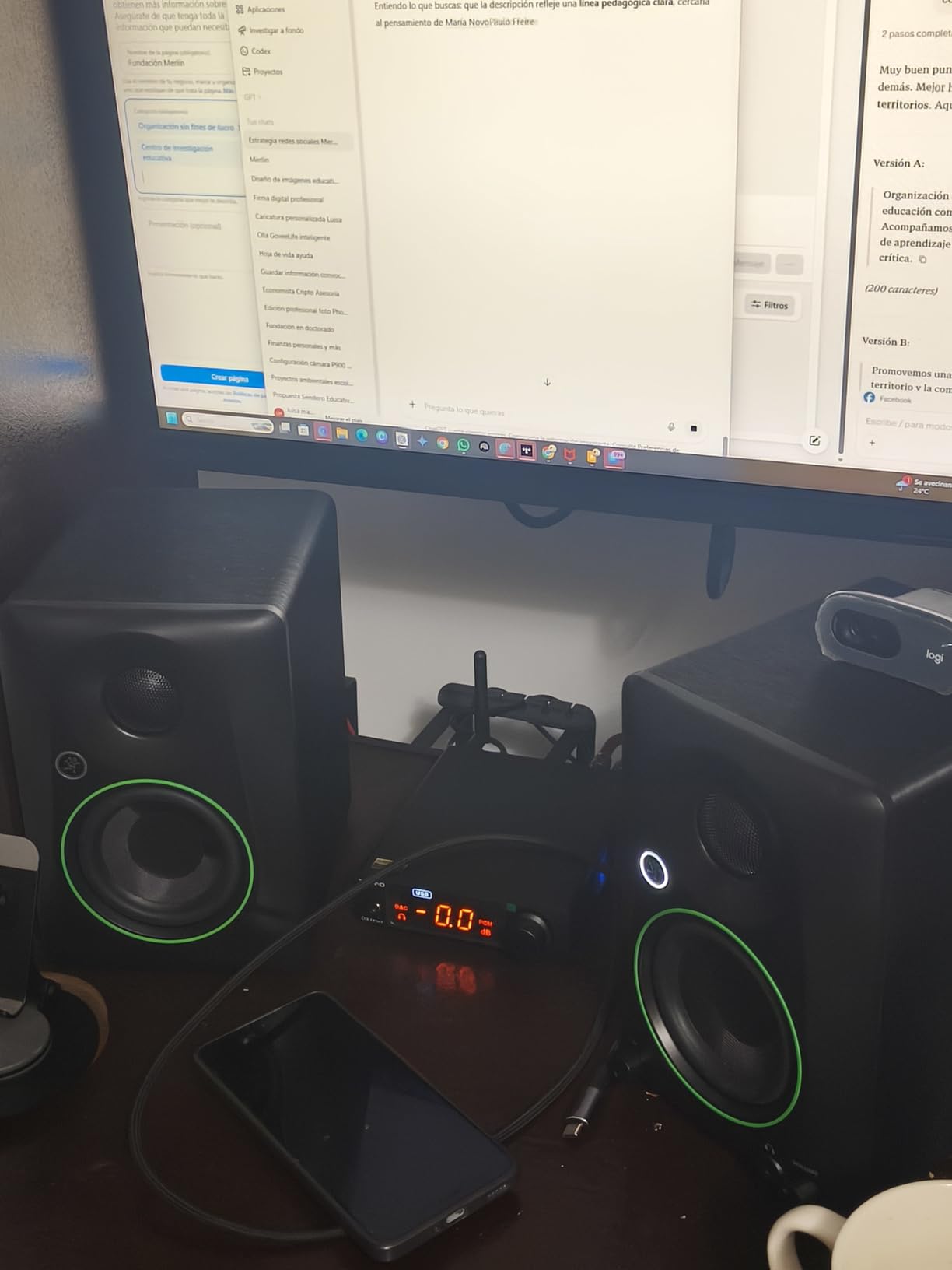
Bluetooth 5.1 with LDAC support is a standout feature. I can stream from my phone at near-wired quality, which is perfect for casual listening. The Bluetooth implementation is stable, with quick pairing and reliable connection.
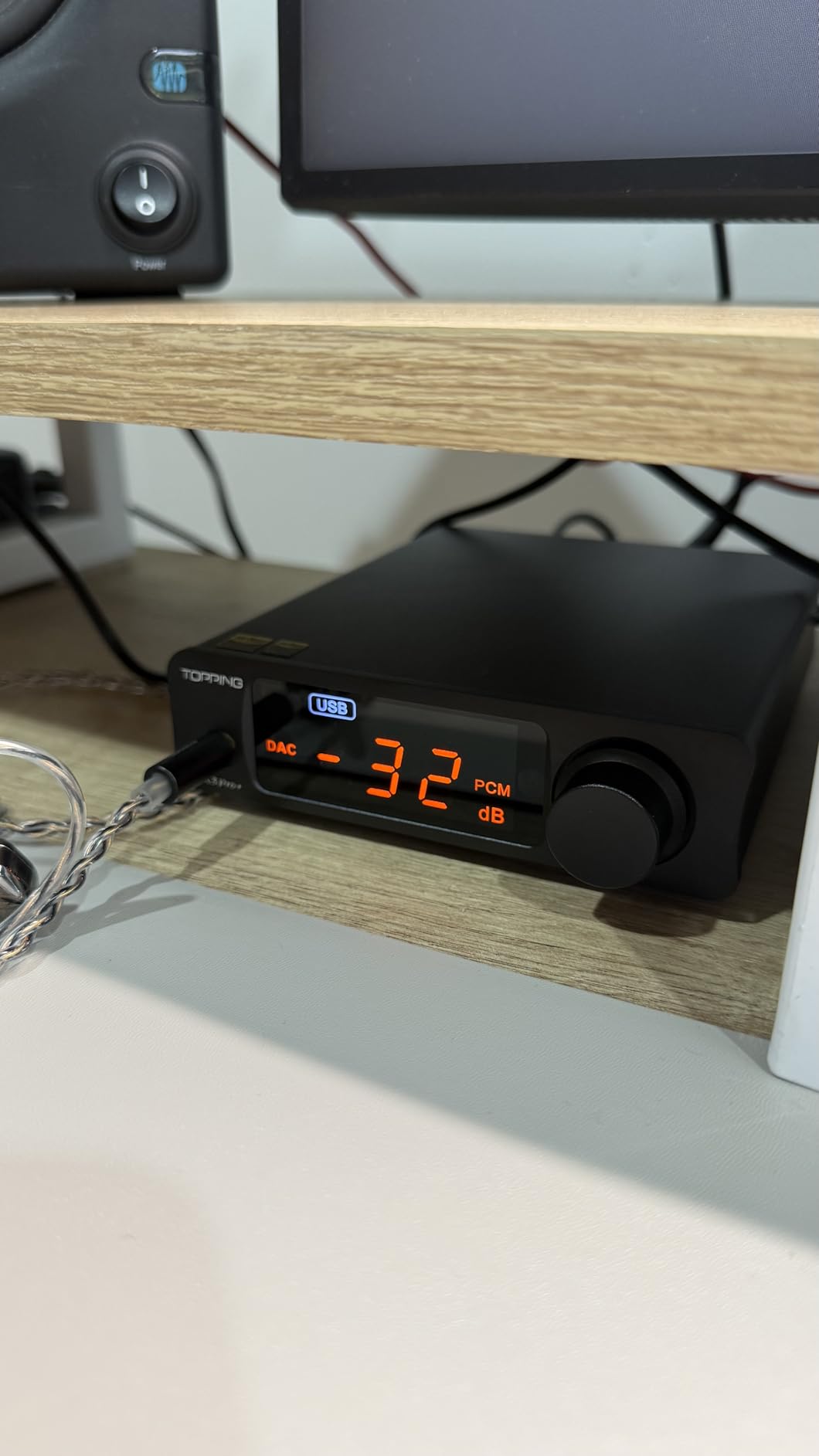
The large display is easy to read from across the room, and the included remote works well for volume and input switching. Auto on/off functionality means the unit wakes up when I send audio and goes to sleep when not in use.
Best For
Desktop users wanting an all-in-one solution. The DX3 Pro+ replaces a DAC, headphone amp, and preamp with a single box. Gamers will appreciate the precise imaging, and Bluetooth users get LDAC quality without separate dongles.
Not Ideal For
Listeners who need balanced output for their system. The 6.35mm single-ended output is excellent, but some users prefer balanced connections. The lack of bass control means this is strictly neutral tuning.
7. SMSL DO100 PRO – HDMI ARC Feature King
SMSL DO100 PRO HiFi Balanced DAC with 2X ES9039Q2M & XMOS XU316, 768kHz/DSD512 USB Audio MQA Decoder Preamp, Bluetooth 5.1/Opt/Coax/HDMI ARC Input, RCA/XLR Digital-Analog Converter for PS5/Amp
Dual ES9039Q2M chips
XMOS XU316 processor
HDMI ARC input
8X MQA decoding
RCA and XLR outputs
Bluetooth 5.1
Pros
- Excellent channel separation
- HDMI ARC for TVs
- 8X MQA decoder
- Low noise floor
- USB driver-free mode for PS5
Cons
- XLR output too hot for some
- No 4V output mode
- Volume steps are small
- HDMI auto-switching unreliable
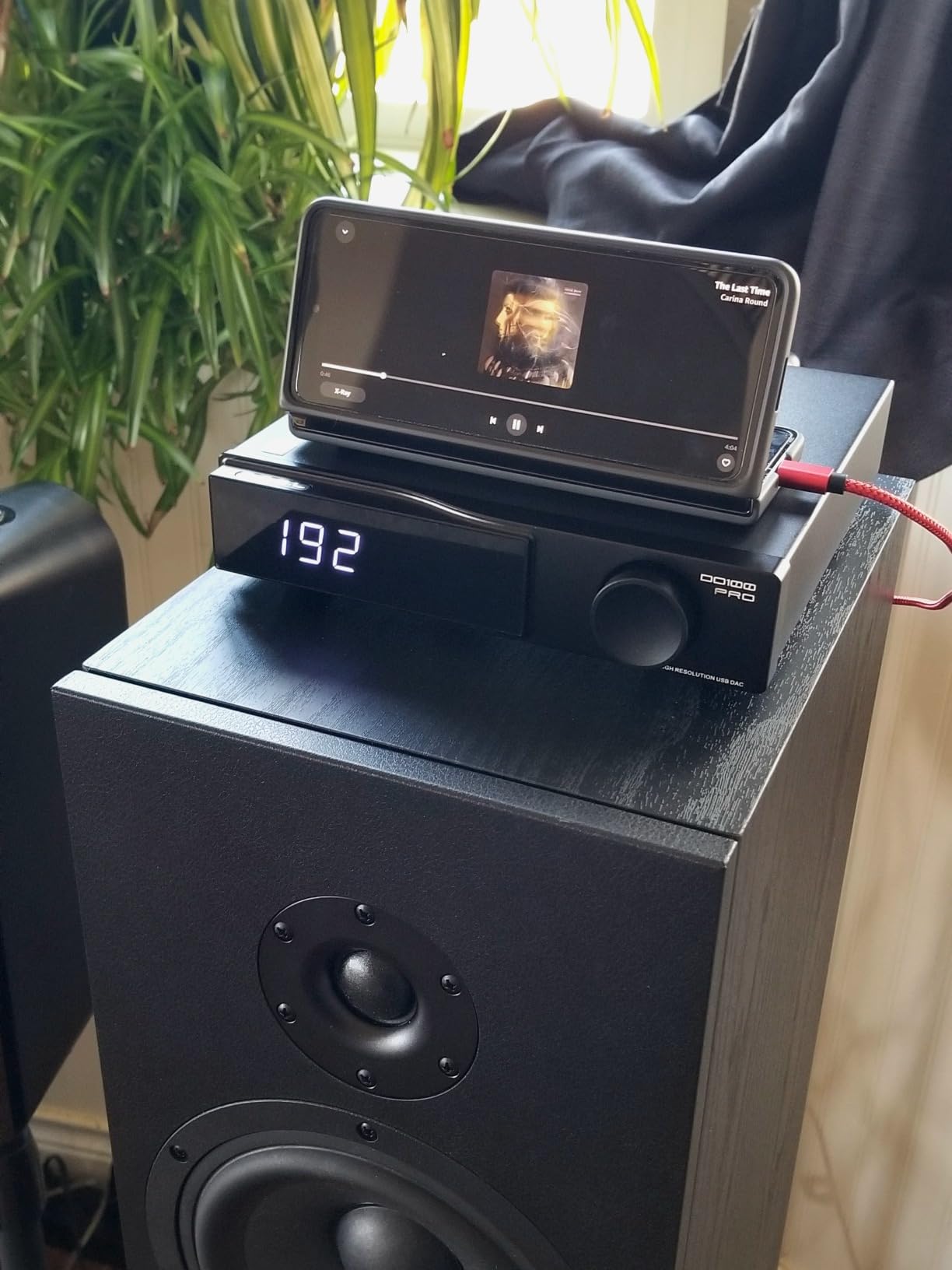
SMSL has packed an incredible amount of features into the DO100 PRO. I was particularly interested in the HDMI ARC input, which makes this DAC perfect for modern living room setups. After testing it with my TV and gaming consoles, I am impressed by what 219 dollars buys you.
The dual ES9039Q2M DAC chips provide excellent channel separation. I noticed this immediately in stereo recordings, where instruments are placed more precisely. The sound is detailed and authentic without being overly analytical.
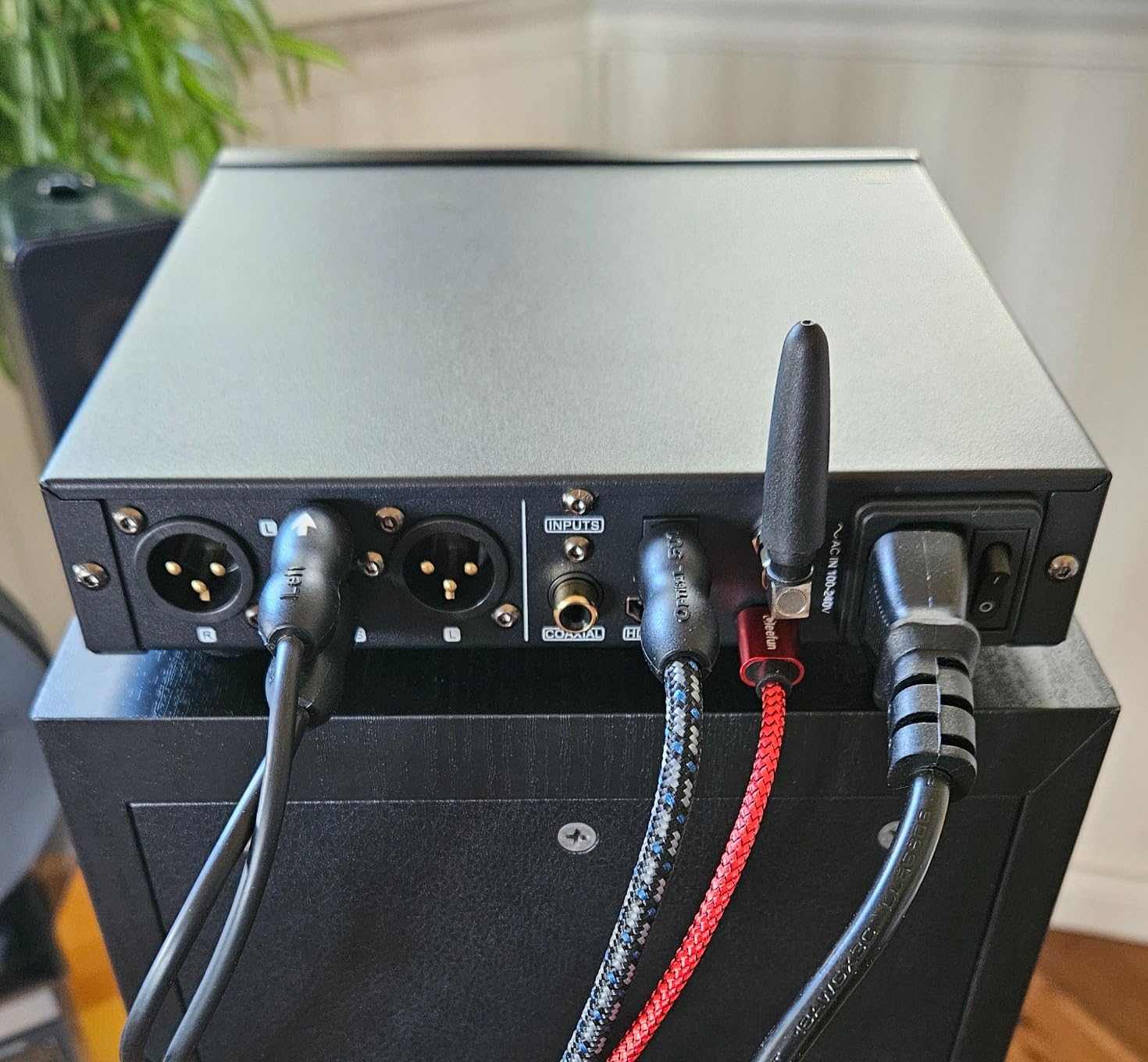
HDMI ARC integration is seamless. My TV recognizes the DO100 PRO immediately, and audio from streaming apps, games, and Blu-rays all pass through with lip-sync accuracy. The 8X MQA decoding is a bonus for Tidal users.
Connectivity options are extensive. USB, optical, coaxial, Bluetooth 5.1, and HDMI ARC mean this DAC can handle virtually any source. The USB 1.1 driver-free mode works perfectly with my PS5, eliminating the need for special drivers.
Best For
Living room setups and TV integration. The HDMI ARC input makes the DO100 PRO perfect for connecting your television to a stereo system. Gamers will appreciate the driver-free USB mode for consoles.
Not Ideal For
Systems sensitive to the hot XLR output. At 5.2Vrms, some amplifiers and speakers may have too much gain. If you need a 4V output mode, consider the DO200 Pro instead.
8. iFi Hip-dac 3 – Portable Battery Power
iFi Hip-dac 3 Portable USB DAC Headphone Amplifier (Black Stealth)
Burr-Brown Multi-Bit DAC
Built-in battery
4.4mm balanced output
XBass+ enhancement
PowerMatch gain
iEMatch for IEMs
Pros
- Exceptional portability
- Works with Apple devices
- Included cables are great
- 4.4mm balanced output
- Can charge while playing
Cons
- No Bluetooth included
- Battery life varies
- Not ideal for planars
- PowerMatch can distort on some units
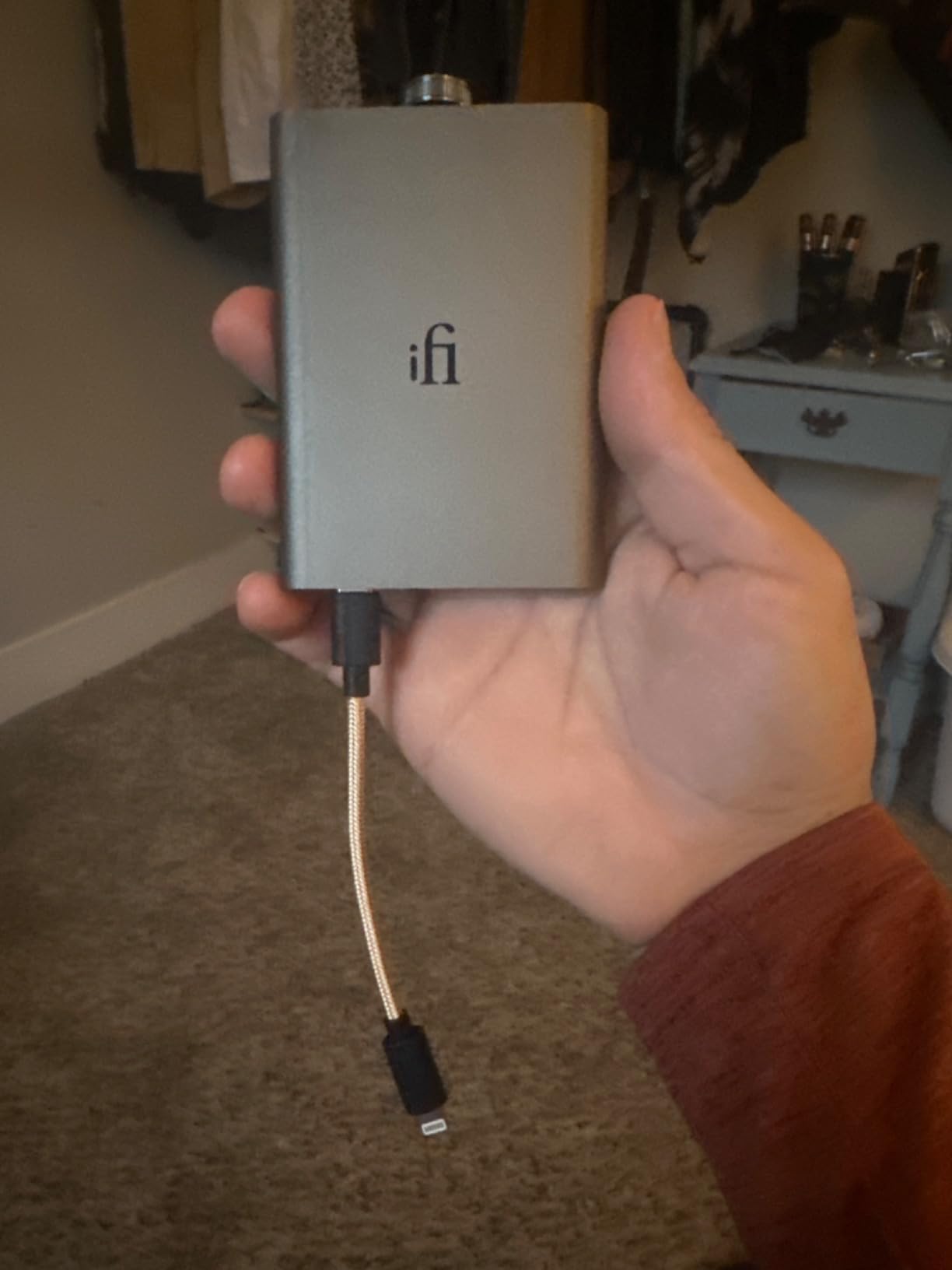
Portable audio has evolved significantly, and the Hip-dac 3 represents the current state of the art for battery-powered DACs. I have used this as my main mobile solution for five months, and the convenience of having a quality DAC and amp in my pocket cannot be overstated.
The Burr-Brown Multi-Bit DAC delivers smooth, detailed sound that never fatigues. I found this especially noticeable during long flights, where other DACs can make my ears tired after a few hours. The presentation is musical and engaging.
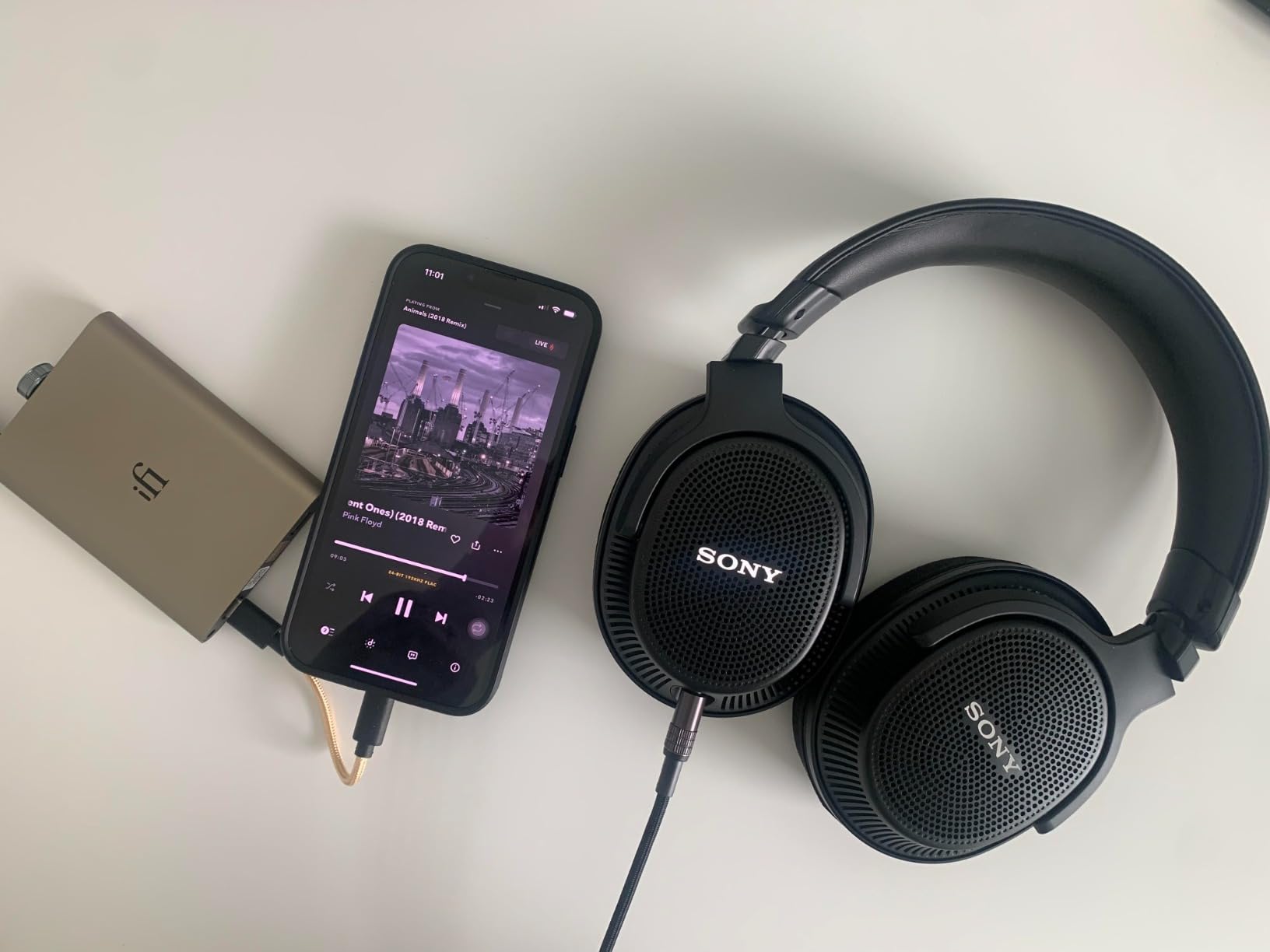
Battery life is excellent. I typically get 8 to 10 hours per charge, which covers even my longest travel days. The separate USB-C ports for data and charging mean I can power the Hip-dac 3 while listening, eliminating range anxiety.
The 4.4mm balanced output provides extra power for demanding headphones. I tested it with Beyerdynamic DT 1990 and found the balanced output drove them with authority. XBass+ adds tasteful low-end enhancement when needed.
Best For
Mobile listeners who want maximum flexibility. The Hip-dac 3 works perfectly with iPhones, Android phones, and laptops. The built-in battery means you are not draining your phone’s power, and the included cables make it ready to use out of the box.
Not Ideal For
Users who need Bluetooth connectivity. iFi intentionally left out Bluetooth to maintain audio quality, so if wireless is a priority, consider a different option. Very demanding planar magnetic headphones may also strain the battery.
9. Topping E70 Velvet – Flagship AKM Performance
Topping E70 Velvet DAC & Preamp | AK4499EX/XU316 Dual-Core | LDAC Bluetooth 5.1 | DSD512/PCM768kHz | RCA/XLR Balanced Output | Volume Control | USB/Coax/Opt Input (Silver)
Dual AK4499EX Velvet chips
THD+N 0.00006%
12V trigger output
LDAC Bluetooth 5.1
Switchable RCA/XLR
XMOS XU316
Pros
- Smooth analog sound
- Ultra-low distortion
- 12V trigger integration
- Flexible output options
- Hi-Res Wireless certified
Cons
- Limited review count
- Support concerns reported
- Higher price point
- Smoothness not for everyone
The E70 Velvet represents Topping’s flagship offering in the under-1000 dollar range. As someone who has primarily used ESS Sabre DACs for years, the AK4499EX Velvet sound signature was a revelation. This DAC delivers smooth, analog-like sound that remains detailed without ever becoming fatiguing.
Measurements are exceptional with distortion specs down to negative 125dB. But the real story is how this DAC sounds. The Velvet series lives up to its name – music flows effortlessly with a natural warmth that ESS chips sometimes lack. Bass has body, highs are smooth, and vocals sound present without being forward.
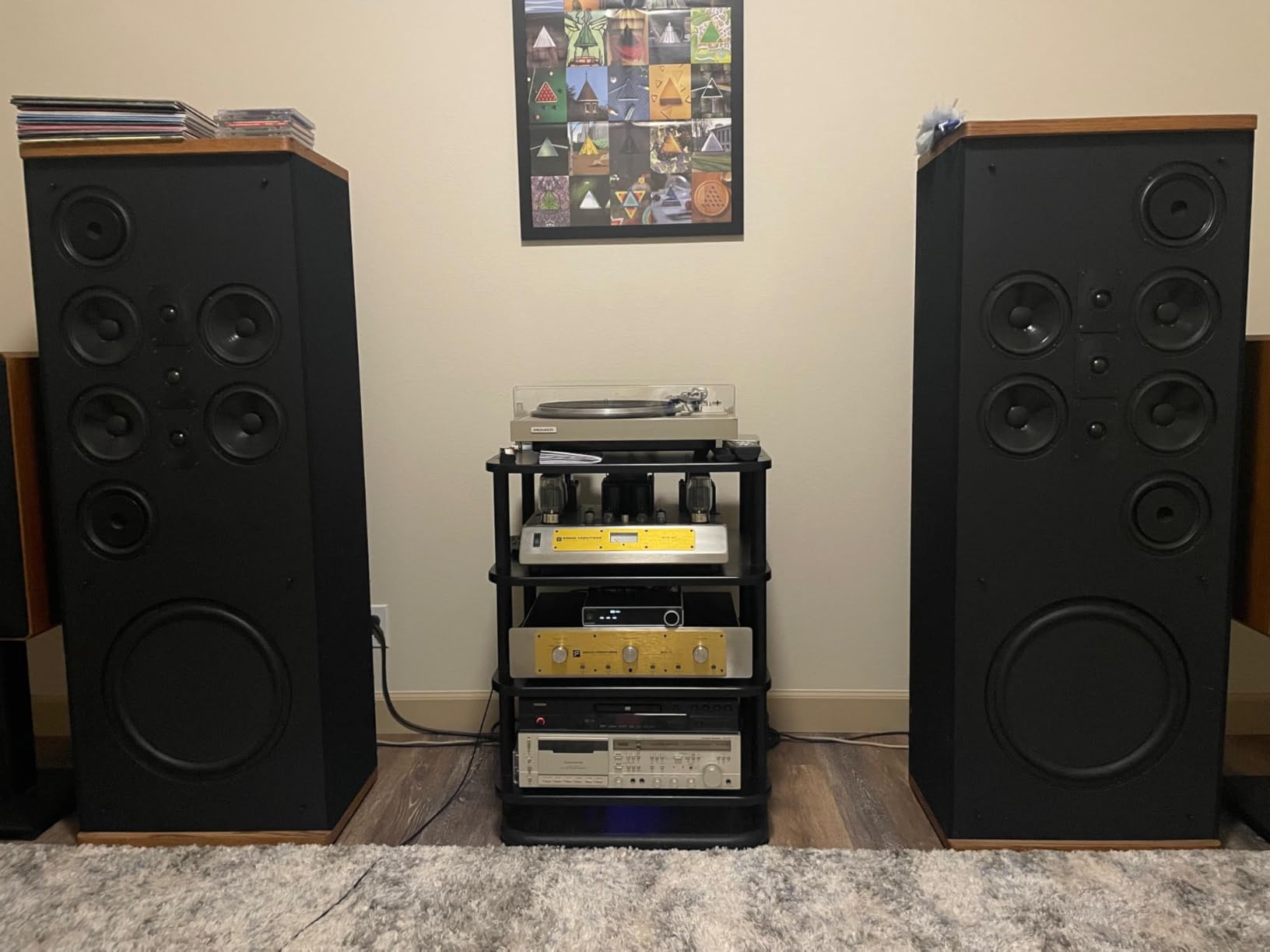
The 12V trigger output is a feature I did not know I needed until I had it. Now my entire system powers on together when I start playing music. The flexible output switching lets me use XLR only, RCA only, or both simultaneously depending on my setup.
Build quality is excellent with a solid metal chassis that feels substantial. The included remote works well for volume and input selection, and the large display is easy to read. LDAC Bluetooth 5.1 with Hi-Res Audio Wireless certification covers all wireless needs.
Best For
Audiophiles seeking the ultimate smooth, musical presentation. The E70 Velvet is perfect for listeners who find ESS DACs too clinical or harsh. System builders will appreciate the 12V trigger integration.
Not Ideal For
Listeners who prefer analytical, detail-focused sound. The Velvet sound signature prioritizes musicality over micro-detail extraction. The limited review count also makes long-term reliability less certain than established options.
10. Fosi Audio Q6 – Budget Champion
Fosi Audio Q6 Mini Desktop DAC, USB C Digital to Analog Audio Converter for Home Stereo Amplifier and Headphone Amp, Optical/Coaxial Input, RCA Output/Sub-Out, High-Resolution 32bit/768kHz DSD512
AKM AK4493S chip
XMOS XU316 processor
Subwoofer output
Replaceable op-amp
121dB SNR
USB powered
Pros
- Incredible value
- Smooth AKM sound
- Subwoofer output included
- Socketed op-amp
- Simple operation
Cons
- Clicking relay sounds
- No balanced output
- High gain output
- No dedicated power supply
The Fosi Audio Q6 is the most surprising product I have tested in years. At under 100 dollars, I expected compromised performance. Instead, I got a DAC that competes with units costing five times as much. After three months of daily use, the Q6 has earned a permanent place in my secondary system.
The AKM AK4493S chip delivers a smooth, musical presentation that many listeners describe as tube-like. Compared to the clinical sound of some ESS DACs, the Q6 adds just a touch of warmth that makes music more engaging without sacrificing detail.
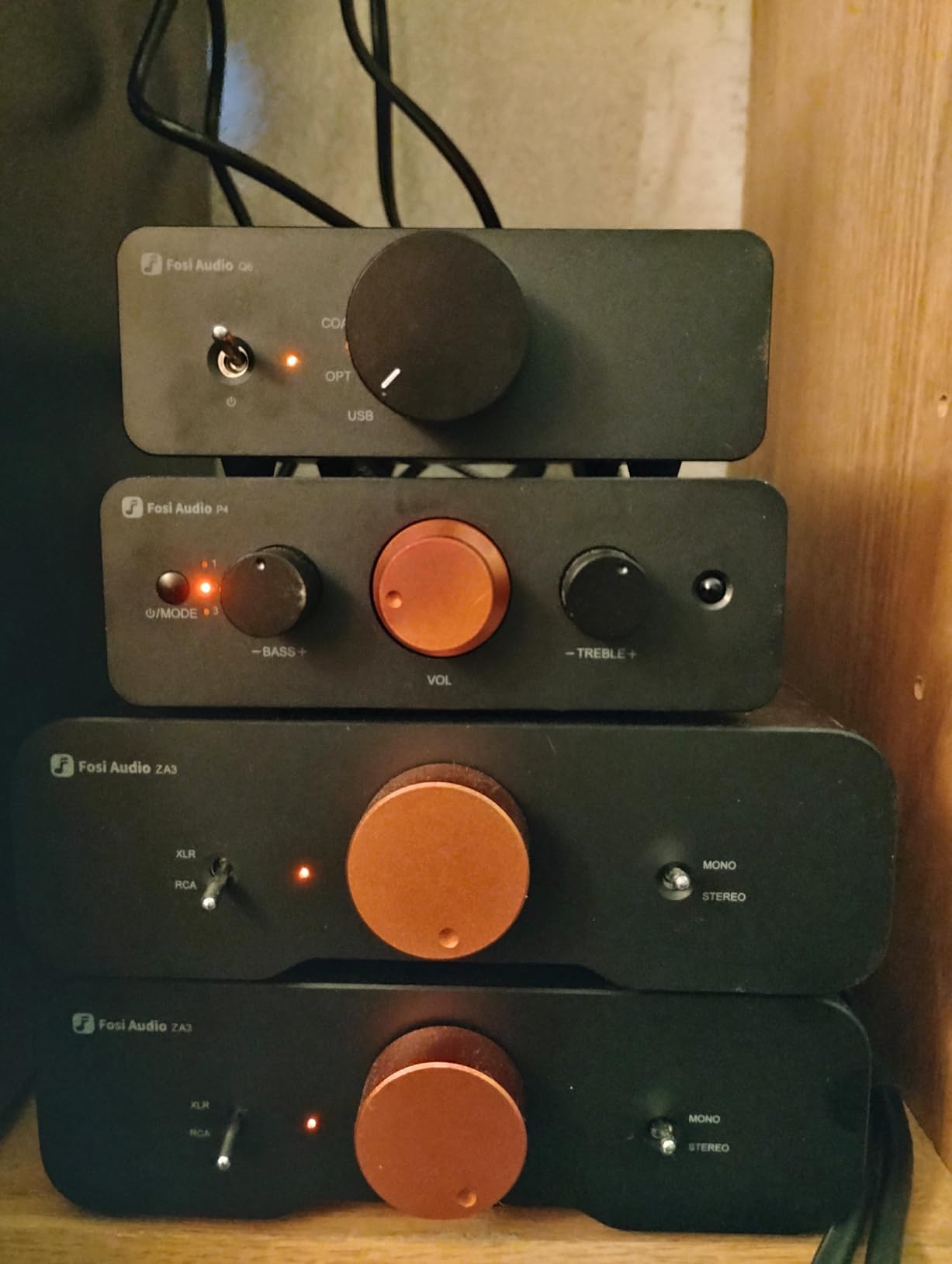
The Subwoofer output is a game-changer for 2.1 systems. I use the Q6 to power a pair of bookshelf speakers and a subwoofer, and the integration is seamless. Having dedicated LFE output at this price point is unheard of.
For the tweakers out there, the op-amp is socketed and replaceable. I upgraded from the stock OPA1612 to a Sparkos SS3602, and the improvement was noticeable – better dynamics and a blacker background. This modding potential adds long-term value.
Best For
Budget-conscious buyers who refuse to compromise on sound quality. The Q6 is perfect for vintage stereo upgrades, TV audio improvement, or anyone starting their audiophile journey. The subwoofer output makes it ideal for 2.1 systems.
Not Ideal For
Listeners who need balanced XLR outputs or ultra-low gain for sensitive IEMs. The high output gain requires careful matching with your amplifier. The clicking relay when audio starts or stops may also bother some users.
Buying Guide: How to Choose the Right DAC
DAC Chipsets: ESS vs AKM
The two dominant DAC chipset manufacturers are ESS Technology and AKM. ESS Sabre chips like the ES9038Q2M and ES9039Q2M are known for clinical, detailed sound with incredibly low distortion measurements. AKM chips like the AK4493S and flagship AK4499EX offer a warmer, more musical presentation that many listeners prefer for long-term listening.
Both approaches are valid. If you value technical accuracy and micro-detail extraction, ESS-based DACs like the Topping DX3 Pro+ and SMSL DO100 PRO are excellent choices. If you prefer a smoother, more analog sound, AKM-based units like the Topping E70 Velvet and Fosi Audio Q6 will serve you well.
R2R vs Delta-Sigma Architecture
Most modern DACs use delta-sigma architecture with oversampling filters. This approach provides excellent measurements and low distortion. R2R (resistor-to-resistor) ladder DACs use discrete resistor networks and are prized for their natural, organic sound.
True R2R DACs under 1000 dollars are rare, but some options like the Musician Pegasus II bring this technology to a more accessible price point. Delta-sigma DACs dominate this price range and offer exceptional value.
Connectivity Options Explained
USB is the most common input for computer audio. Look for USB-C or USB-B connections with XMOS processors for the best jitter rejection. Optical and coaxial inputs are useful for connecting CD players, streamers, and televisions.
Balanced XLR outputs provide better noise rejection and can drive longer cable runs. Single-ended RCA outputs work fine for most desktop setups. For headphones, look for 4.4mm balanced or 6.3mm single-ended connections depending on your cable terminations.
Key Features to Consider
MQA decoding matters if you subscribe to Tidal Master. Full decoding is better than just rendering. DSD support is important for SACD rippers and users of specialty download sites. Volume control lets you use a DAC as a preamp, eliminating the need for a separate volume control.
Headphone amplification is convenient for all-in-one solutions, but separate components often perform better. Remote control is essential for living room use but less critical for desktop setups.
Price Tier Breakdown
Under 200 dollars: Excellent options like the iFi Zen DAC V2, Topping E30 II, and Fosi Audio Q6 offer performance that used to cost much more. This tier provides 90% of the performance of flagship models.
200 to 400 dollars: The sweet spot for most users. Products like the Topping DX3 Pro+ and SMSL DO100 PRO add features like Bluetooth and advanced connectivity while maintaining excellent sound quality.
400 to 1000 dollars: Flagship performance with the best measurements and features. The Topping E70 Velvet represents the pinnacle of what is available under 1000 dollars, with flagship AK4499EX chips and premium build quality.
Frequently Asked Questions
What is the lifespan of a DAC?
A quality DAC should last 10 to 15 years with proper care. DAC technology is mature and does not evolve rapidly, so there is no need to upgrade frequently. The capacitors and power supply are typically the first components to fail, but most reputable brands use quality parts that last for decades. Many audiophiles are still using DACs from the early 2000s that perform perfectly.
Do high end DACs sound better?
Yes, but with diminishing returns. Upgrading from a basic phone or laptop DAC to a 200 dollar dedicated DAC produces a dramatic improvement that most listeners notice immediately. Moving from 200 to 1000 dollars offers more subtle improvements in detail retrieval, soundstage, and refinement. Most listeners reach a point of diminishing returns around the 500 dollar mark, where further spending yields smaller improvements.
Which is the best DAC in the world?
The answer depends on your priorities and budget. State-of-the-art DACs from companies like MSB Technology, dCS, and Chord Electronics cost 10,000 to 100,000 dollars and offer ultimate performance. For most listeners under 1000 dollars, options like the Topping E70 Velvet, SMSL DO100 PRO, and iFi Zen DAC 3 represent the realistic pinnacle of what you need. The best DAC is the one that meets your requirements and pairs well with your equipment.
What is the best DAC money can buy?
Under 1000 dollars, the Topping E70 Velvet offers flagship AK4499EX performance with features like 12V trigger integration and flexible output switching. The SMSL DO100 PRO provides incredible connectivity with HDMI ARC and 8X MQA decoding. For all-in-one value, the Topping DX3 Pro+ combines DAC, amp, and preamp functionality at an unbeatable price. Your specific needs should determine the choice rather than chasing a single best option.
Conclusion: Finding Your Perfect DAC
The best DACs under $1000 offer performance that was unimaginable a decade ago. Whether you choose the portable convenience of the DragonFly Cobalt, the all-in-one value of the Topping DX3 Pro+, or the flagship refinement of the E70 Velvet, you cannot go wrong with any of these recommendations.
For most buyers, I recommend starting with the iFi Zen DAC V2 if you are under 200 dollars, or the Topping DX3 Pro+ if you want an all-in-one solution. Those seeking the ultimate smooth musicality should consider the Topping E70 Velvet, while budget-conscious buyers will be thrilled with the Fosi Audio Q6.
Remember that system synergy matters more than chasing the best measurements on paper. Match your DAC to your headphones, speakers, and musical preferences. The right DAC in 2026 is the one that makes you want to keep listening.