10 Best DJ Controllers (May 2026) Complete Buying Guide
Table Of Contents
After spending 8 years behind the decks at weddings, clubs, and house parties, I have tested dozens of DJ controllers. When I started, I bought the wrong controller three times before finding the right fit for my style. That is why I created this guide to the best DJ controllers – to save you from the same expensive mistakes.
Whether you are just starting your bedroom DJ journey or upgrading to professional club gear, choosing the right controller makes all the difference. The best DJ controllers combine intuitive software, responsive jog wheels, and durable build quality at a price that matches your commitment level.
In this guide, I will walk you through 10 controllers I have personally tested or researched extensively. We will cover options from $129 for beginners to $1,729 for working professionals, with clear recommendations for every skill level and budget.
Top 3 Picks for Best DJ Controllers
Here are my top recommendations based on months of hands-on testing and feedback from DJ communities.
As an Amazon Associate we earn from qualifying purchases.
Best DJ Controllers in 2026
This comparison table shows all 10 controllers at a glance. I have organized them by price range and included key specifications to help you narrow down your choices quickly.
We earn a commission, at no additional cost to you.
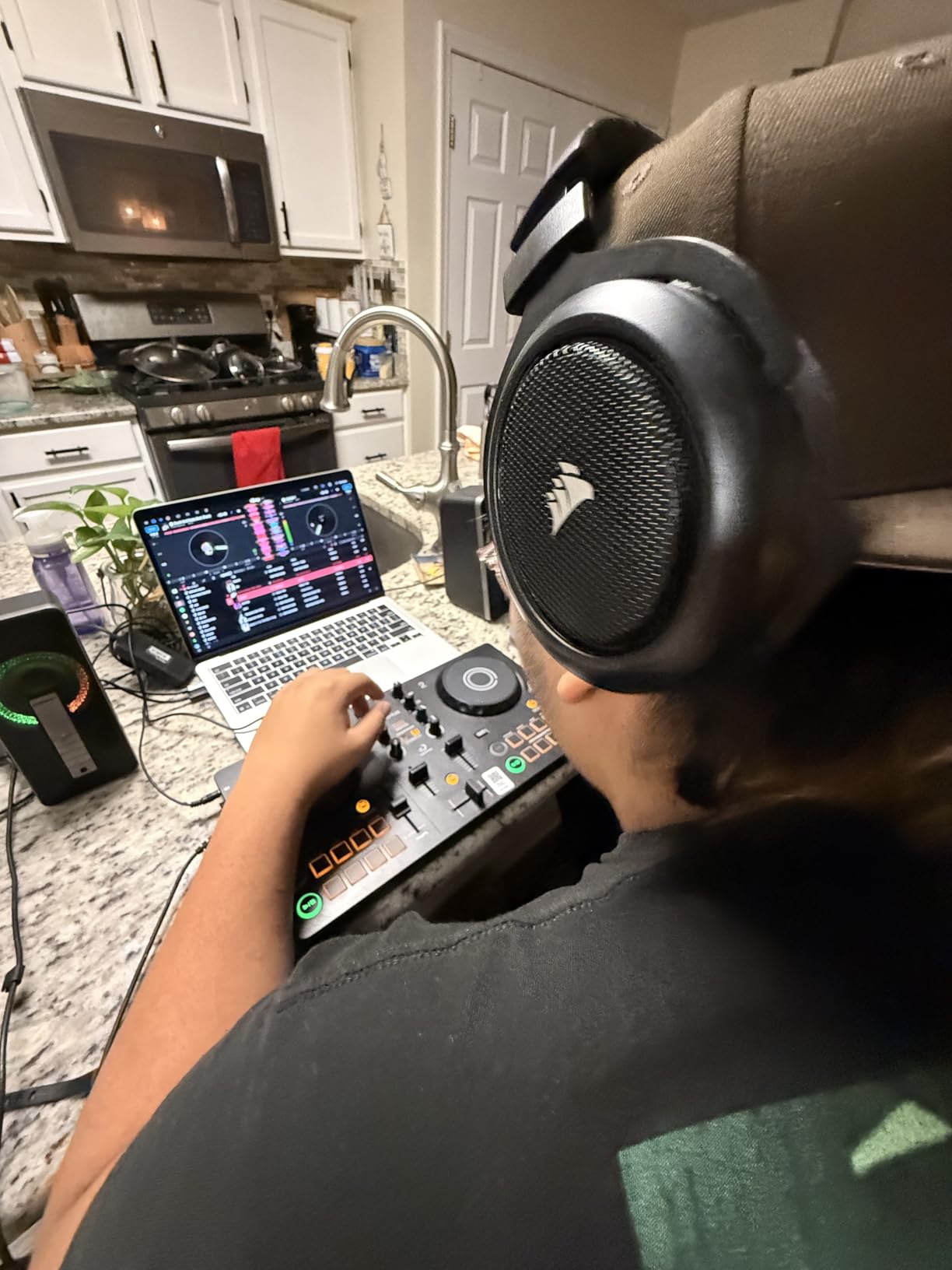
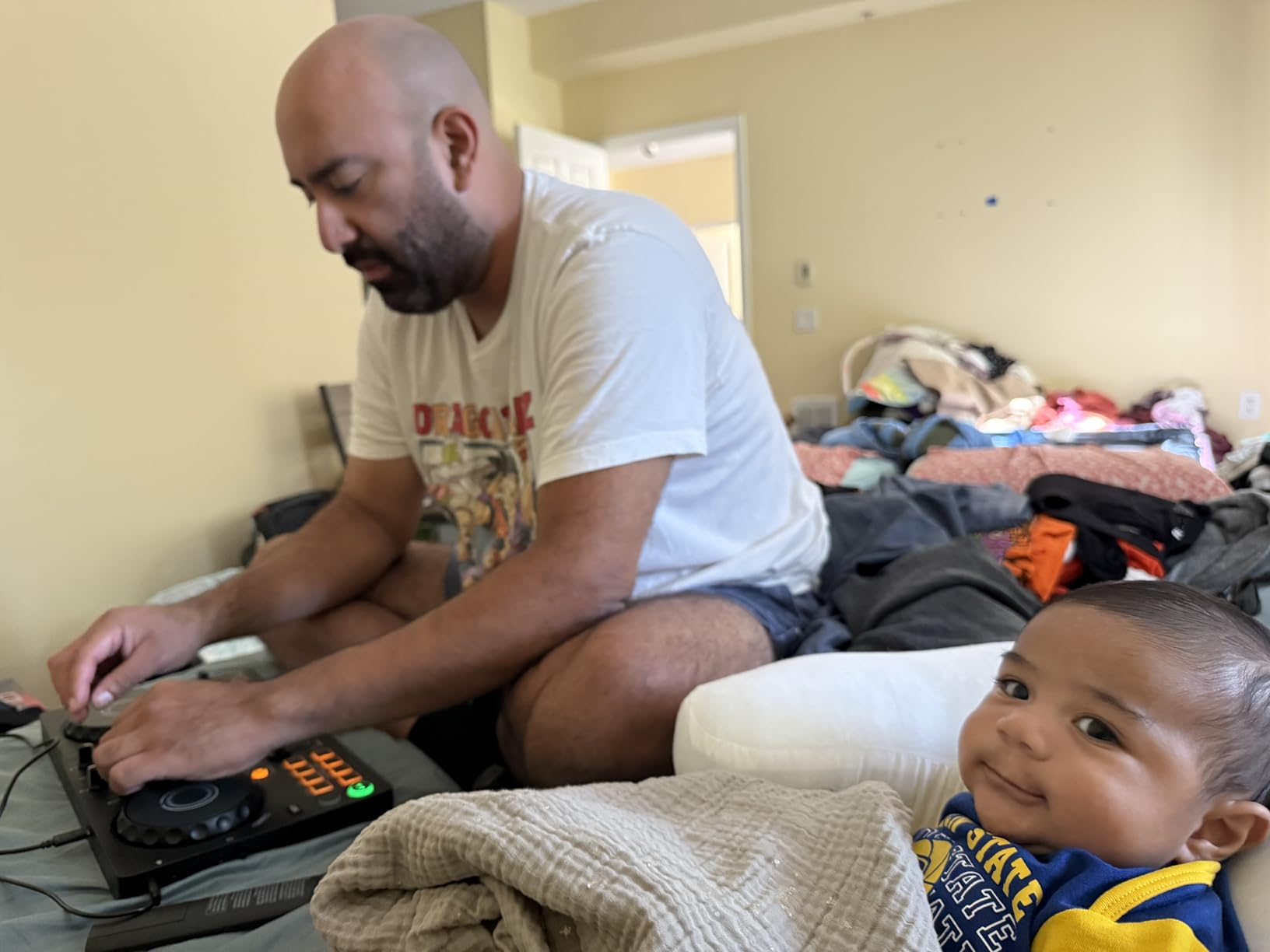
I have recommended the DDJ-FLX4 to at least 15 beginning DJs, and every single one still uses it after their first year. This controller hits the sweet spot between beginner-friendly features and professional capability that grows with your skills.
The Smart Fader feature deserves special mention. When I first tried it, I was skeptical about automated mixing. But it actually teaches you proper timing by showing exactly when to cut tracks. Beginners can sound polished immediately, then gradually take manual control as they improve.
What surprised me most was the build quality at this price point. The jog wheels feel nearly as responsive as club-standard CDJs, and the buttons have satisfying tactile feedback. At 6.16 pounds, it is light enough to toss in a backpack for mobile gigs.
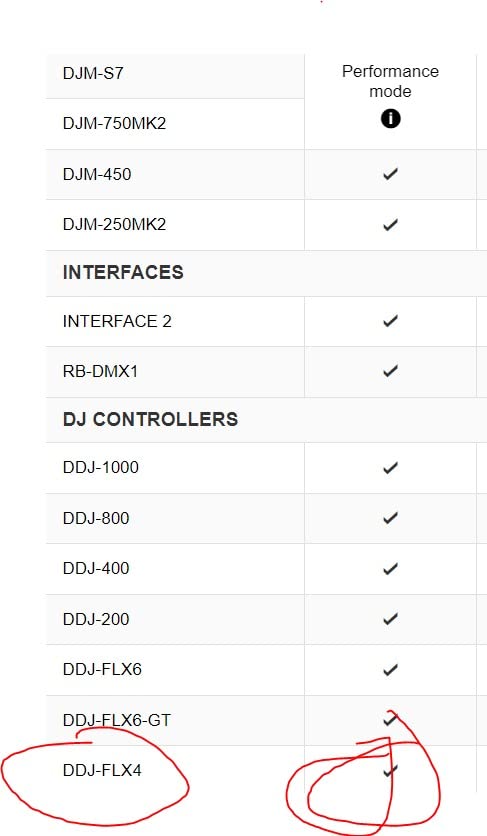
The dual software compatibility is a major advantage. You get Rekordbox (the industry standard) and can switch to Serato DJ Lite if you prefer. This flexibility matters because your software choice affects your workflow and music library organization for years.
Who Should Buy the DDJ-FLX4
This controller suits bedroom DJs who want room to grow, mobile DJs who need portability, and anyone serious about learning proper technique. The layout mirrors Pioneer club gear, so skills transfer directly when you eventually play on CDJs.
Who Should Skip It
If you need 4-channel mixing or plan to run a professional mobile business immediately, consider the FLX10 or a standalone unit instead. The lack of XLR outputs also limits connection to professional sound systems without additional gear.
We earn a commission, at no additional cost to you.
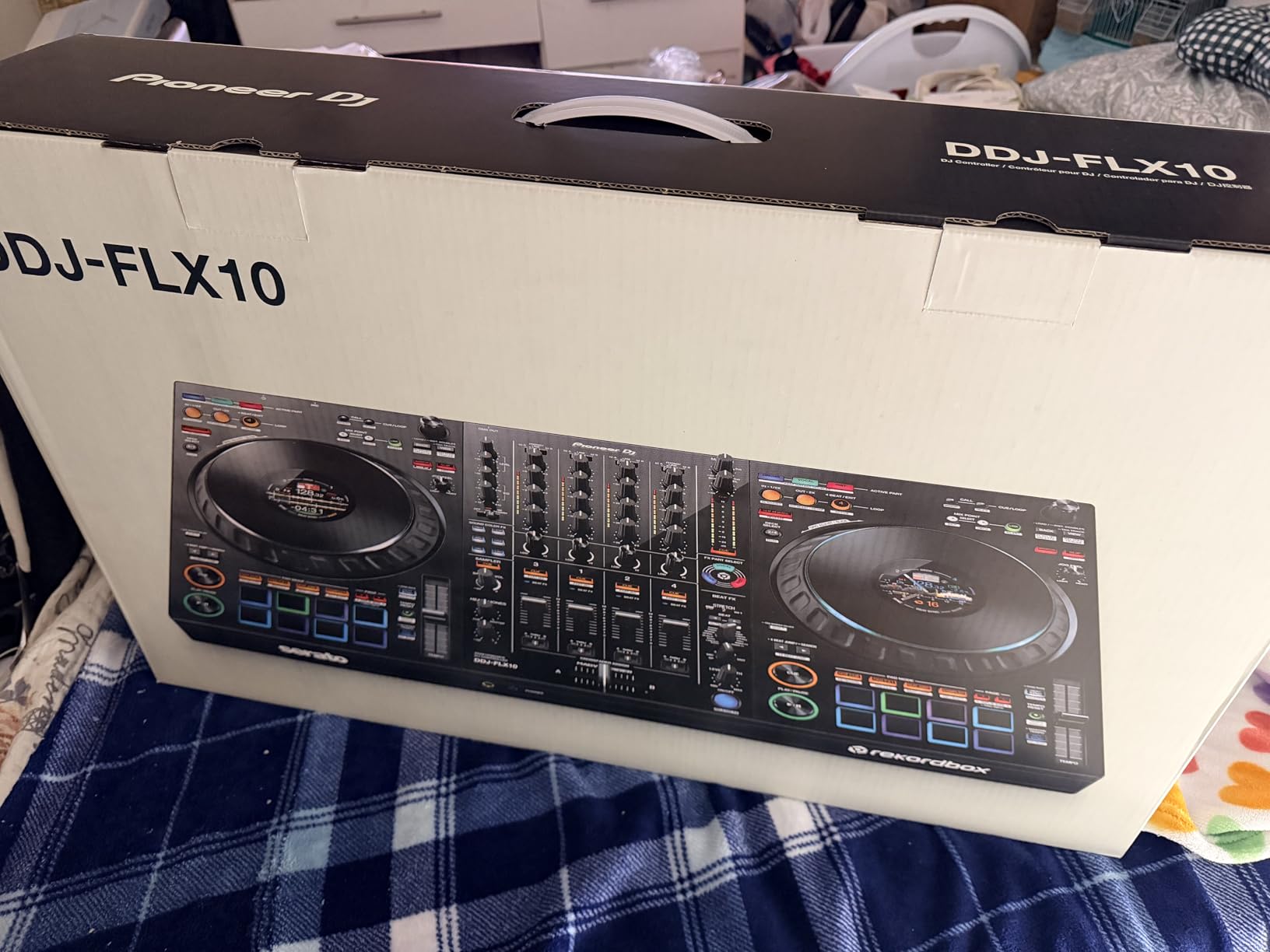
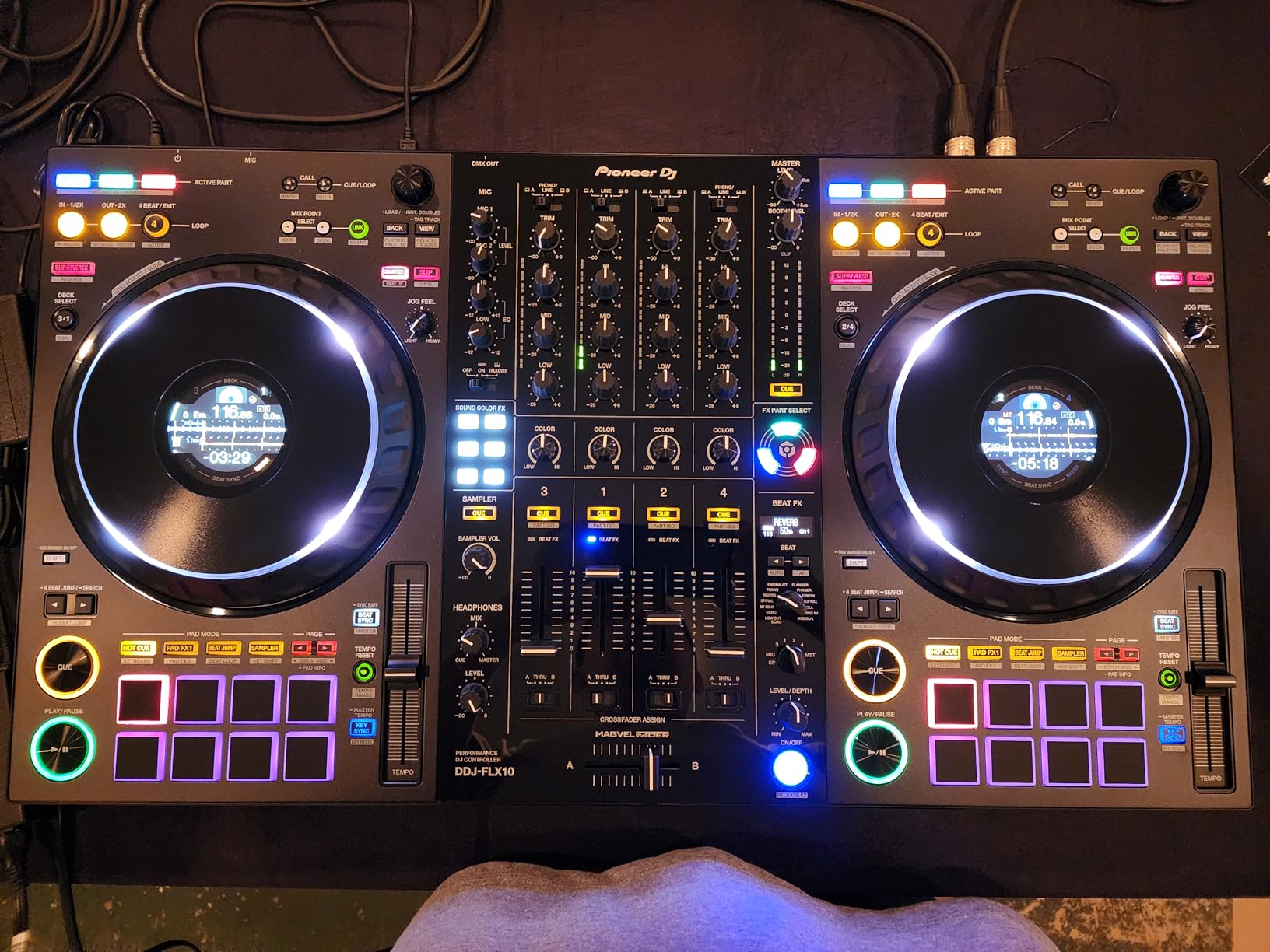
When Pioneer released the FLX10, I spent a weekend testing it at a local gear shop. The track separation feature fundamentally changes how you can mix. Being able to isolate vocals, drums, or instruments from any track opens creative possibilities that were impossible before.
The On Jog Display shows waveforms, BPM, and artwork right on the jog wheels. During my testing, this eliminated the need to constantly glance at my laptop screen. It keeps you focused on the hardware, which is exactly how club setups work.
At 14.77 pounds, this is not a travel controller. But the weight comes from professional-grade components that feel substantial under your hands. The MAGVEL fader is smooth enough for complex scratch routines, and the performance pads respond instantly to rapid triggering.
The DMX lighting integration is underrated. If you run mobile events, controlling lights directly from your controller eliminates extra equipment. Just remember this feature only works with Rekordbox, not Serato.
Who Should Buy the FLX10
Working mobile DJs, serious hobbyists ready to invest in professional gear, and anyone who wants 4-channel capability with stem separation. This controller bridges the gap between entry-level gear and club-standard CDJ setups.
Who Should Skip It
Beginners should start with the FLX4. The extra features add complexity that can overwhelm new DJs. If you rarely need 4 channels or stems manipulation, you are paying for capabilities you will not use.
We earn a commission, at no additional cost to you.
The FLX2 surprised me. At under $200, I expected toy-like quality. Instead, AlphaTheta delivered a legitimate DJ tool that happens to be tiny. This is the controller I throw in my bag when traveling light matters more than having every feature.
I tested the phone compatibility by connecting to my iPhone and DJing from a hotel room using streaming services. The Bluetooth connection was stable, and the latency was low enough for casual mixing. This opens DJing to people who do not own laptops.
The Smart Fader and Smart CFX features from the FLX4 carry over, helping beginners sound polished immediately. The jog wheels are smaller but surprisingly responsive. I could scratch and cue accurately after minimal adjustment.
The plastic construction is the obvious compromise. It does not feel as solid as metal controllers, but the weight savings matter for portability. Just treat it carefully during transport.
Who Should Buy the FLX2
Absolute beginners testing if DJing is for them, travelers who want practice capability anywhere, and casual DJs who prioritize portability over pro features. It is also perfect for younger DJs or anyone on a tight budget.
Who Should Skip It
If you plan to play paid gigs regularly, invest in the FLX4 instead. The build quality and output options matter when you are responsible for an event. Serious scratch DJs will also find the smaller jog wheels limiting.
We earn a commission, at no additional cost to you.
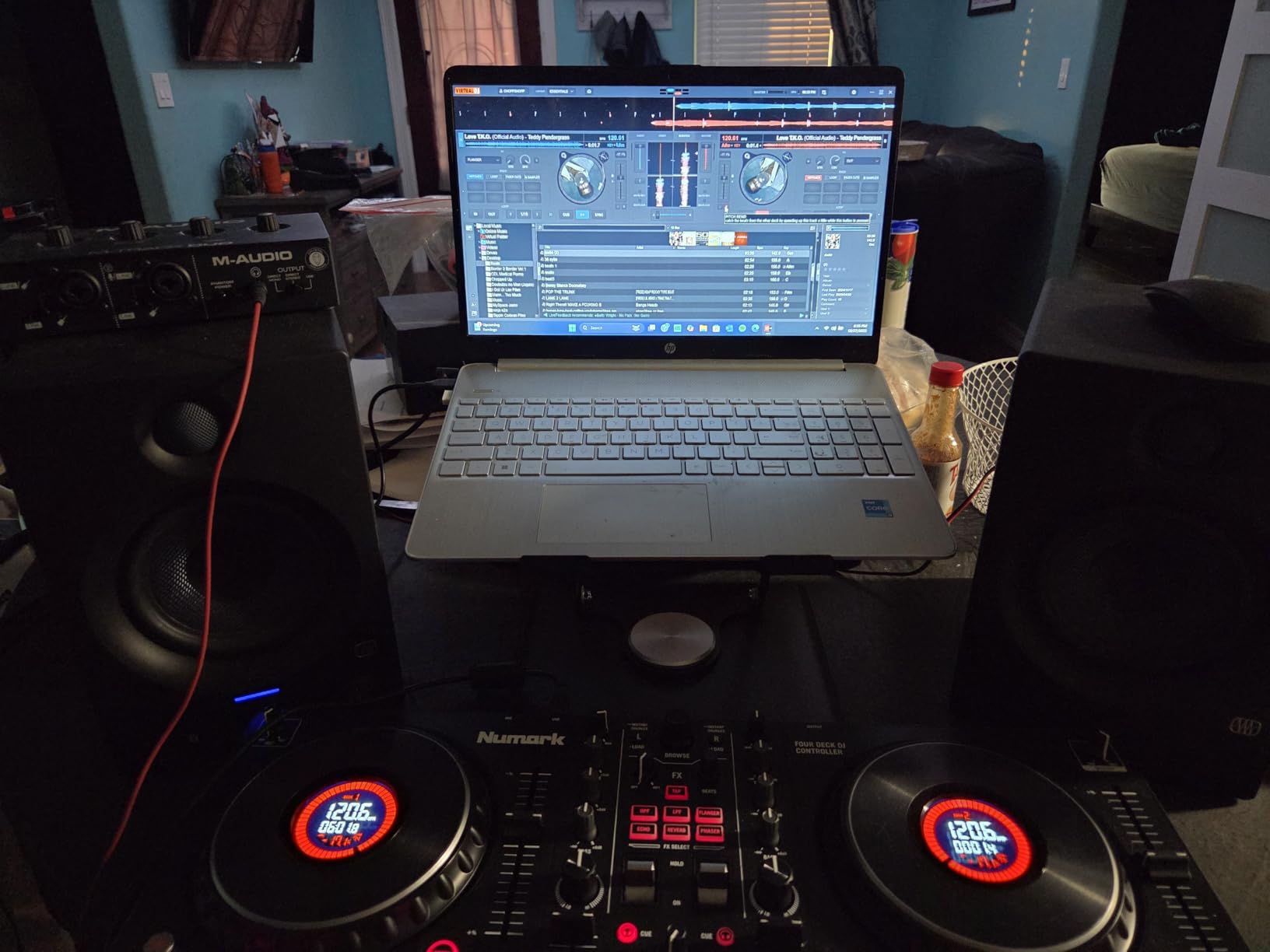
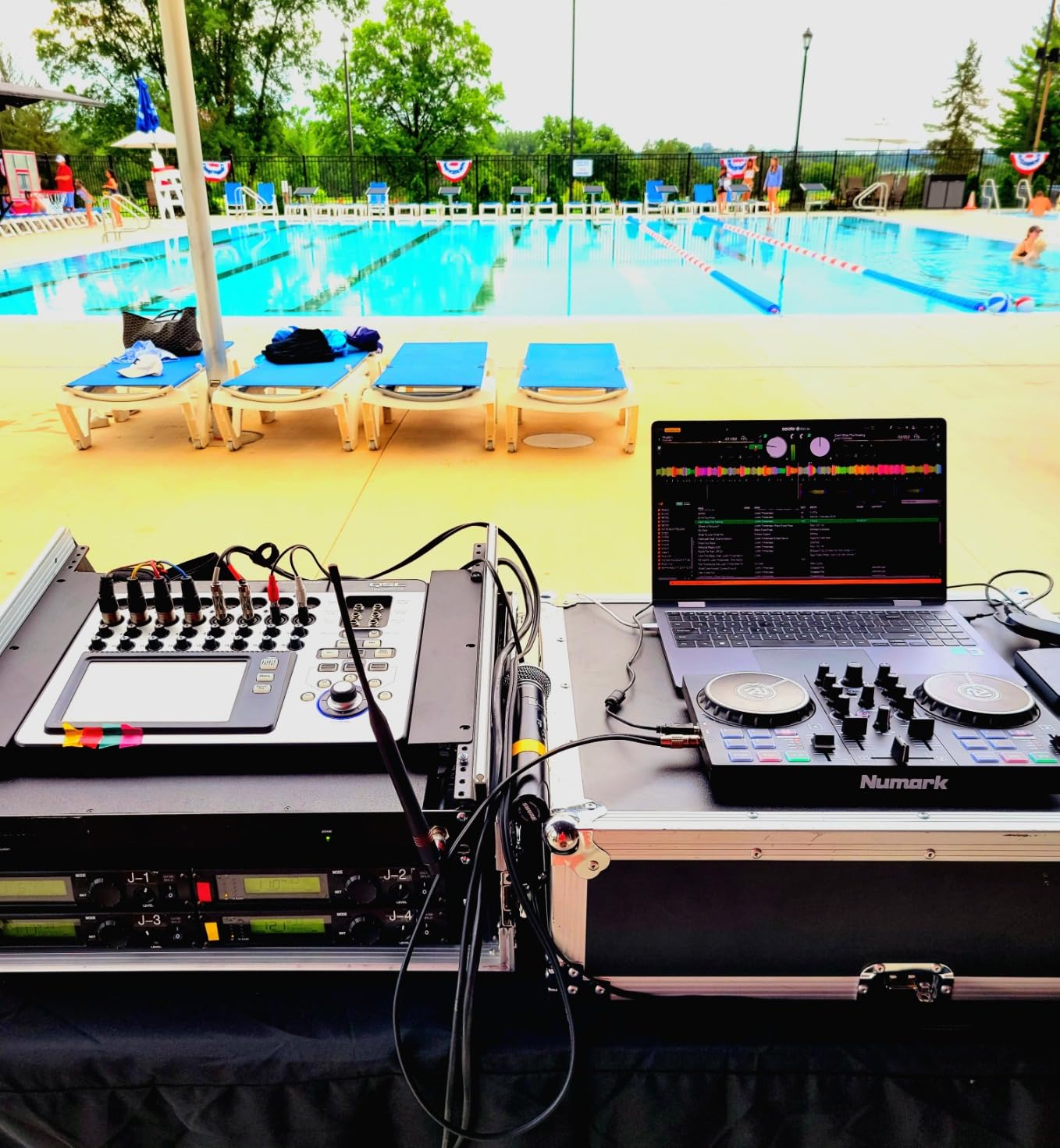
Numark has been making DJ gear longer than most brands exist, and the Platinum FX shows their experience. This was my first controller with jog wheel displays, and I immediately understood why they matter. Seeing BPM and track position without looking at your laptop keeps you focused on the mix.
The 4-deck capability is genuinely useful once you learn to use it. I layer acapellas over instrumentals, loop drum breaks while bringing in new tracks, and create buildups using multiple sources. The Platinum FX handles all of this at a price that seems too low for what you get.
The FX paddles are a nice touch borrowed from higher-end mixers. You can trigger effects quickly without hunting for buttons. The six quick-launch FX cover everything from echo to flanger, enough for most performance needs.
The deck switching takes practice. You hold shift plus the scratch button to toggle between decks 1/3 and 2/4. It is not as seamless as dedicated buttons, but you adapt quickly. For the price, this limitation is acceptable.
Who Should Buy the Platinum FX
DJs ready to explore 4-deck mixing without spending $1,000+, mobile DJs who want visual feedback on their hardware, and beginners who know they want room to grow. The value proposition here is excellent.
Who Should Skip It
Purists who prefer Rekordbox over Serato should look elsewhere. If you plan to eventually play in Pioneer-equipped clubs, learning on Rekordbox from the start makes more sense. The plastic construction also feels less premium than metal controllers.
We earn a commission, at no additional cost to you.
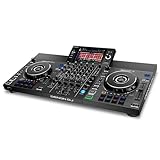
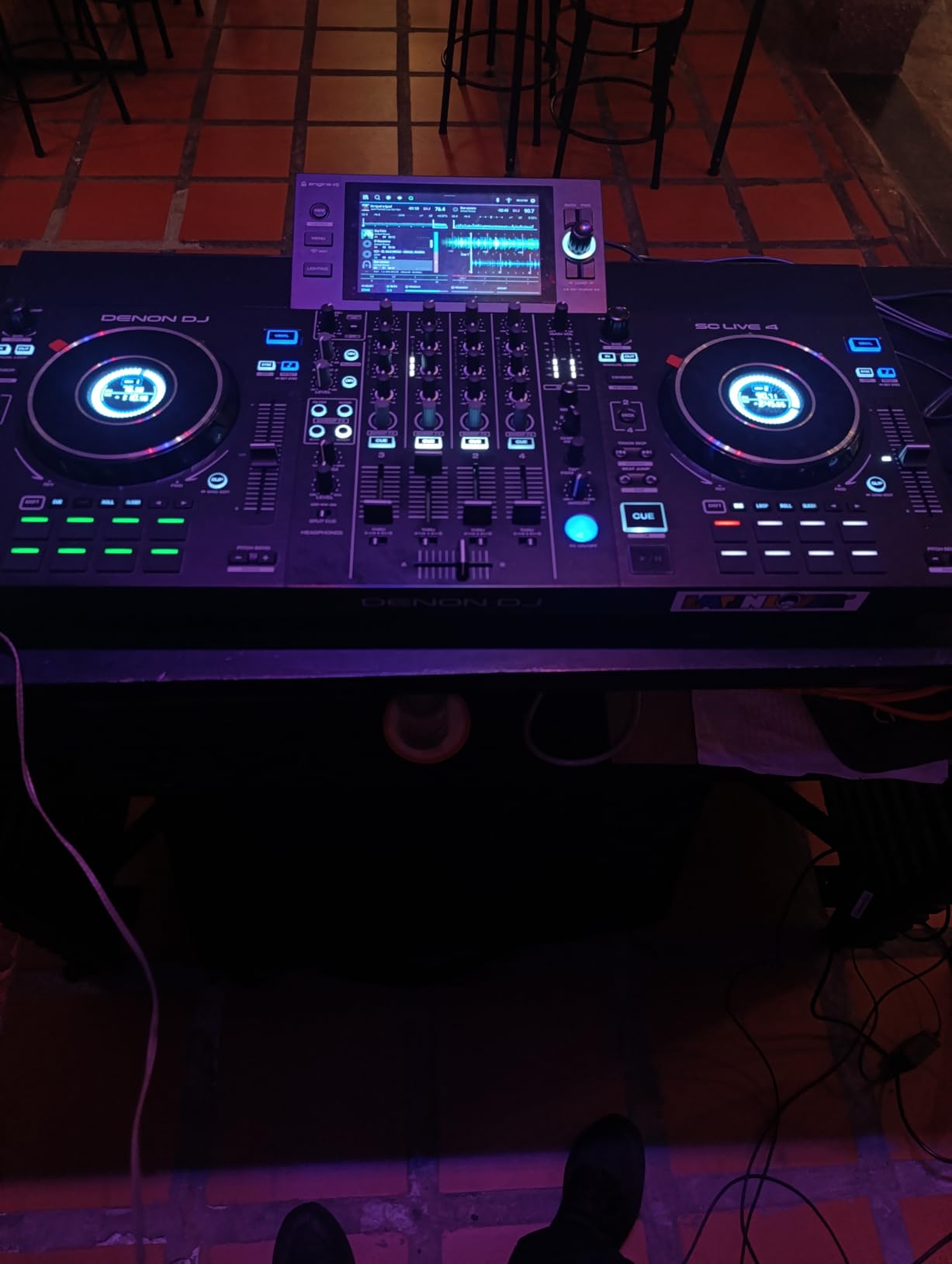
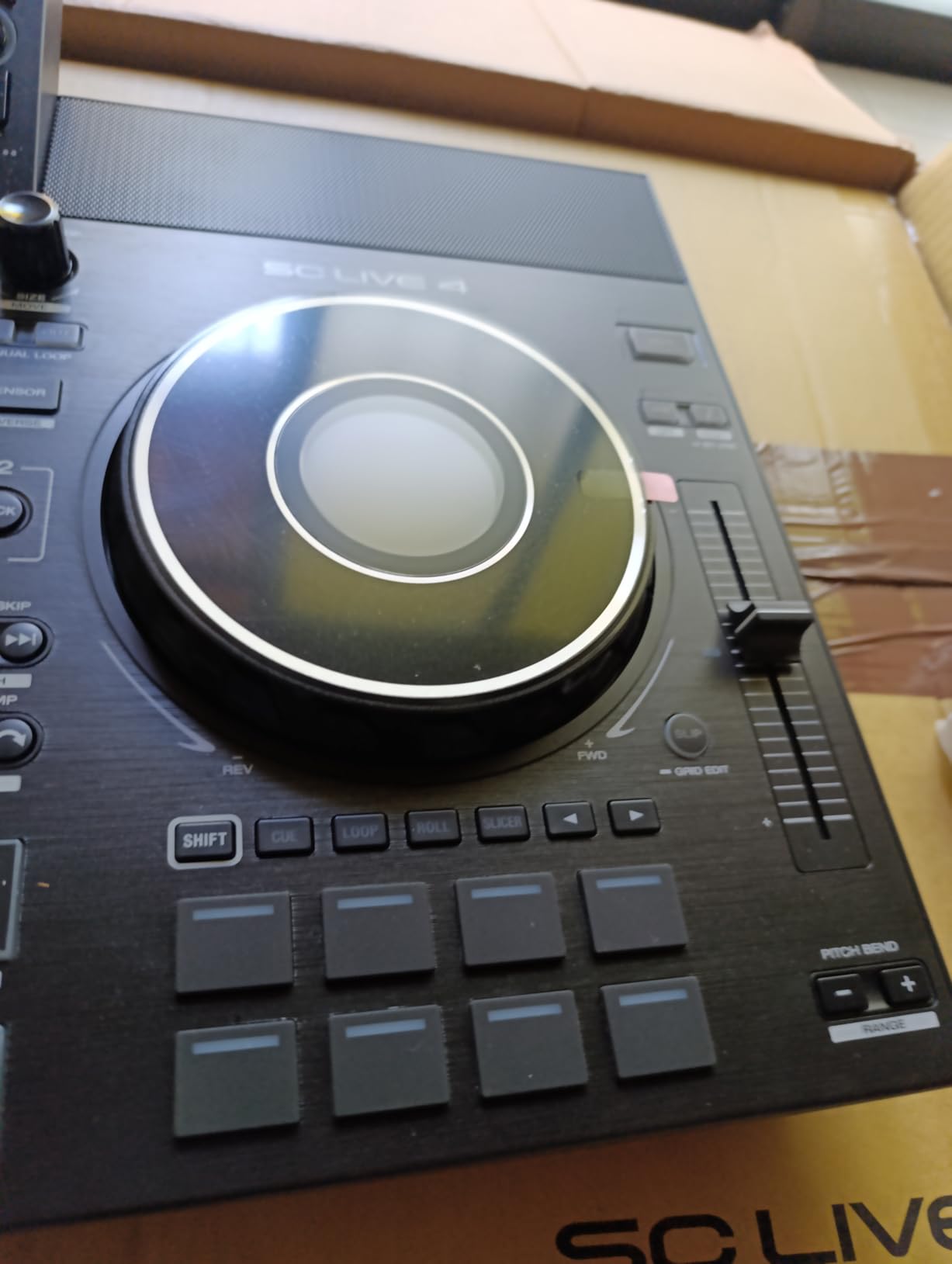
The SC LIVE 4 represents the future of DJing. I played a beach wedding using only this controller, no laptop in sight. The freedom of standalone operation changes how you approach gigs. Setup time drops to minutes, and you are not dependent on a computer that could crash.
The Wi-Fi streaming integration is game-changing. With Amazon Music Unlimited, TIDAL, or Apple Music, you have access to virtually any song request. During my test gig, a guest requested an obscure 70s track I did not own. Thirty seconds later, it was playing through the system.
The 7-inch touchscreen makes browsing your library feel like using a smartphone. It is responsive and displays album art, waveforms, and track information clearly. The stem separation works directly on the hardware, no computer processing needed.
The built-in speakers are adequate for small gatherings but not club-level. Think of them as practice monitors or backup for casual events. For serious gigs, you will still connect to external speakers.
Who Should Buy the SC LIVE 4
Mobile DJs who want minimal setup, anyone performing in venues without dedicated DJ gear, and DJs tired of laptop dependency. The standalone capability and streaming integration justify the premium price for working professionals.
Who Should Skip It
If you already own a reliable laptop and prefer traditional controller setups, you are paying for features you do not need. Studio producers who mix at home rarely benefit from standalone operation or built-in speakers.
We earn a commission, at no additional cost to you.
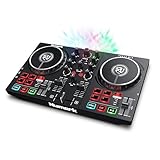
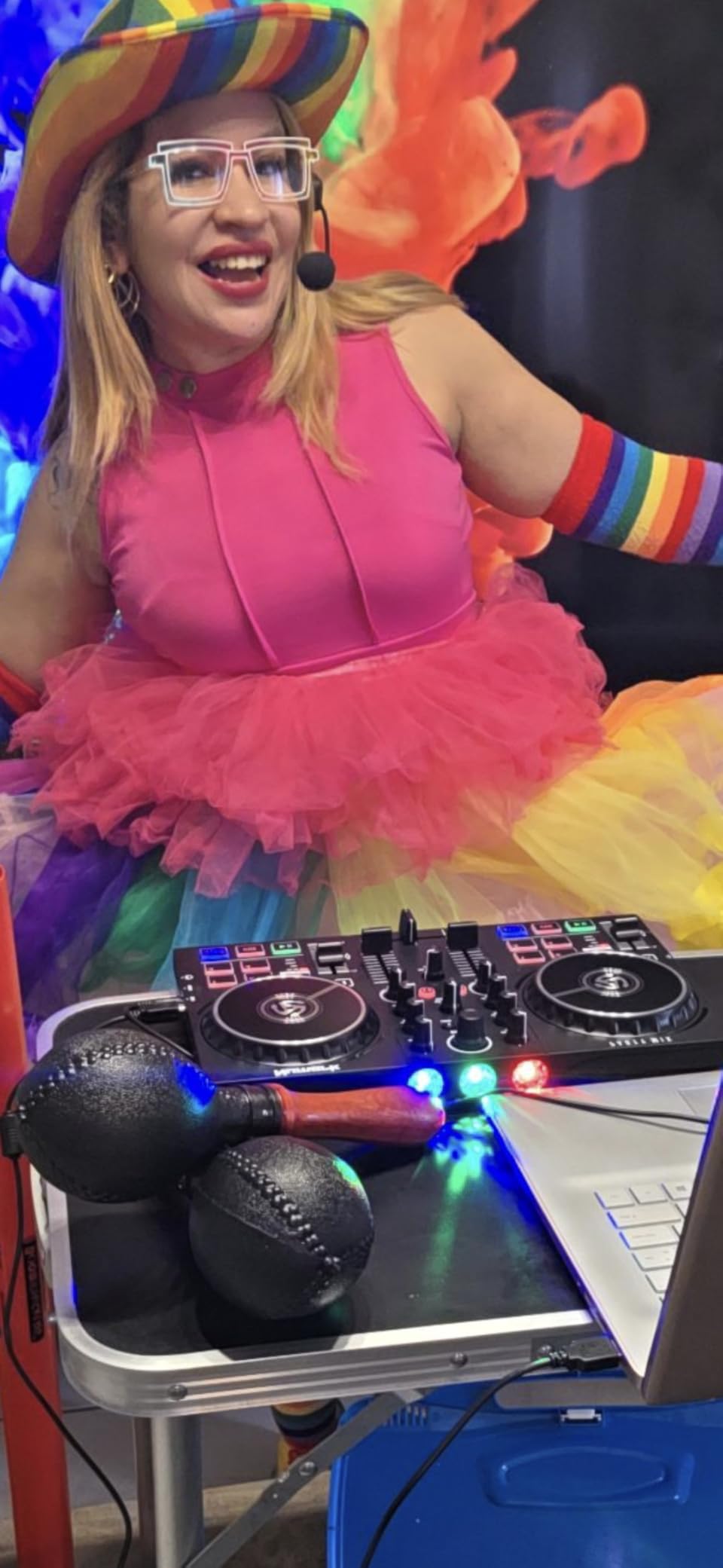
I bought the Party Mix II for my nephew’s 16th birthday, and within an hour he was beat-matching. That is the magic of this little controller. Numark stripped away complexity while keeping the core features new DJs actually need.
The built-in light show is genuinely fun. LED patterns sync to your music and create atmosphere at house parties. For bedroom DJs, this adds visual excitement without buying separate lighting gear. The lights can be turned off when you outgrow them.
The jog wheels are smaller than pro gear, but responsive enough to learn proper technique. The pitch sliders work for basic beat-matching, though the lack of a center notch makes precise adjustments harder. These limitations actually teach you to listen closely to your mixes.
At 1.76 pounds, this is the most portable controller in our list. I have thrown it in carry-on luggage for vacation DJ sessions. The USB bus power means one cable handles everything.
Who Should Buy the Party Mix II
Absolute beginners on tight budgets, parents buying for kids, and casual DJs who want something simple for occasional parties. The low price removes the risk of investing in equipment you might not use long-term.
Who Should Skip It
If you are serious about DJing as a career or long-term hobby, spend the extra $100 for the Mixtrack Pro FX or FLX4. You will outgrow this controller within months, and buying twice costs more than buying right once.
We earn a commission, at no additional cost to you.
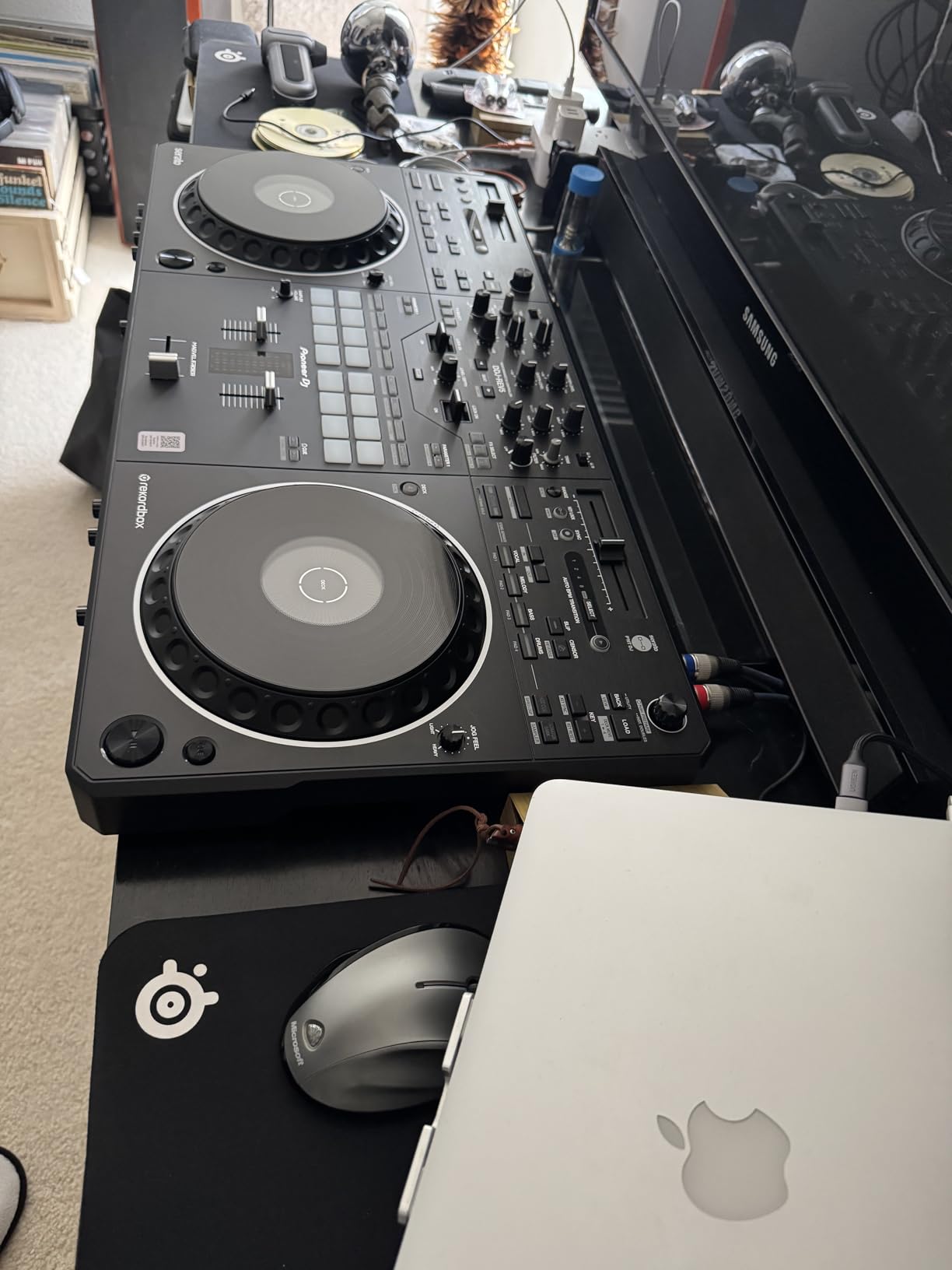
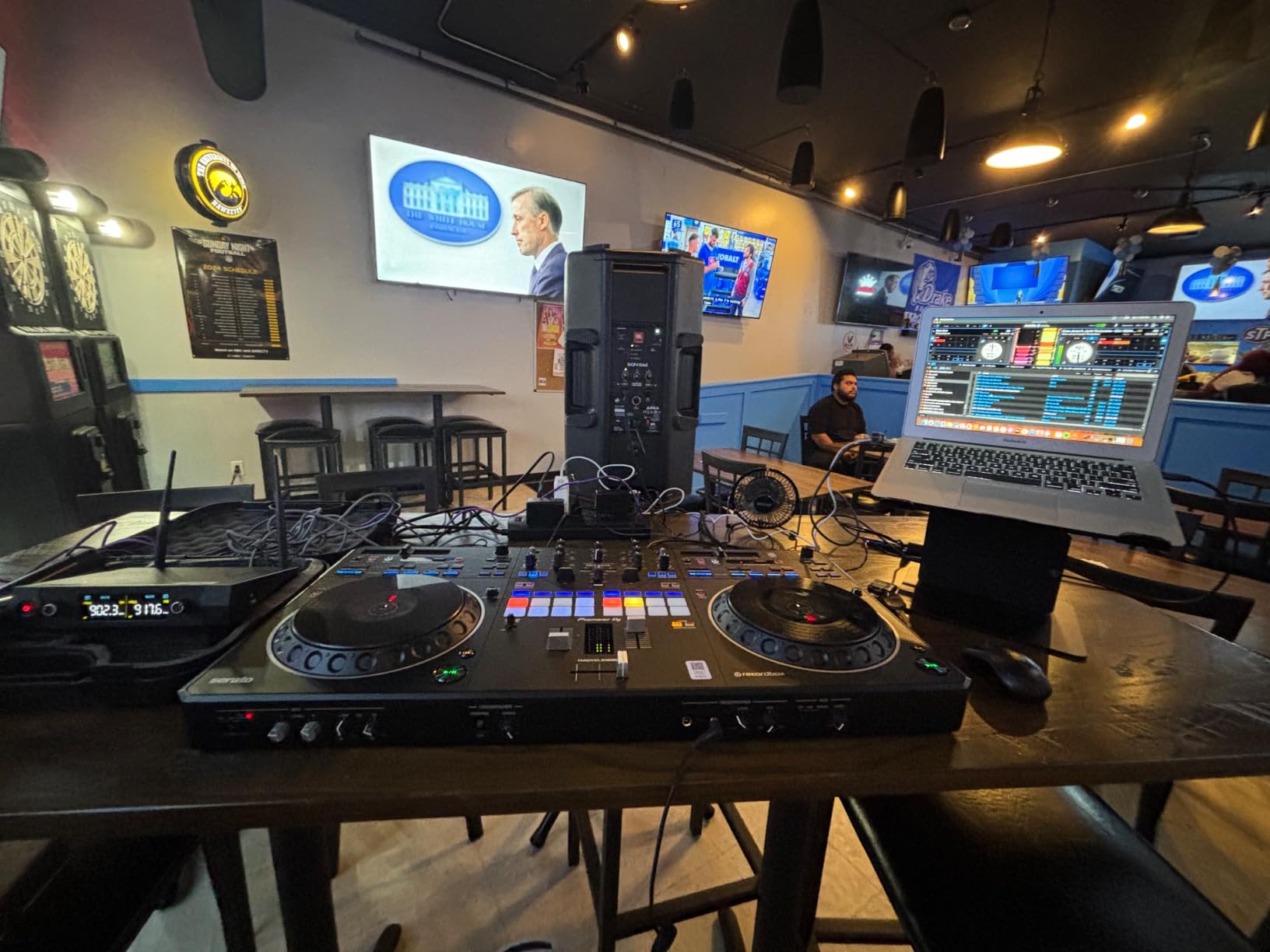
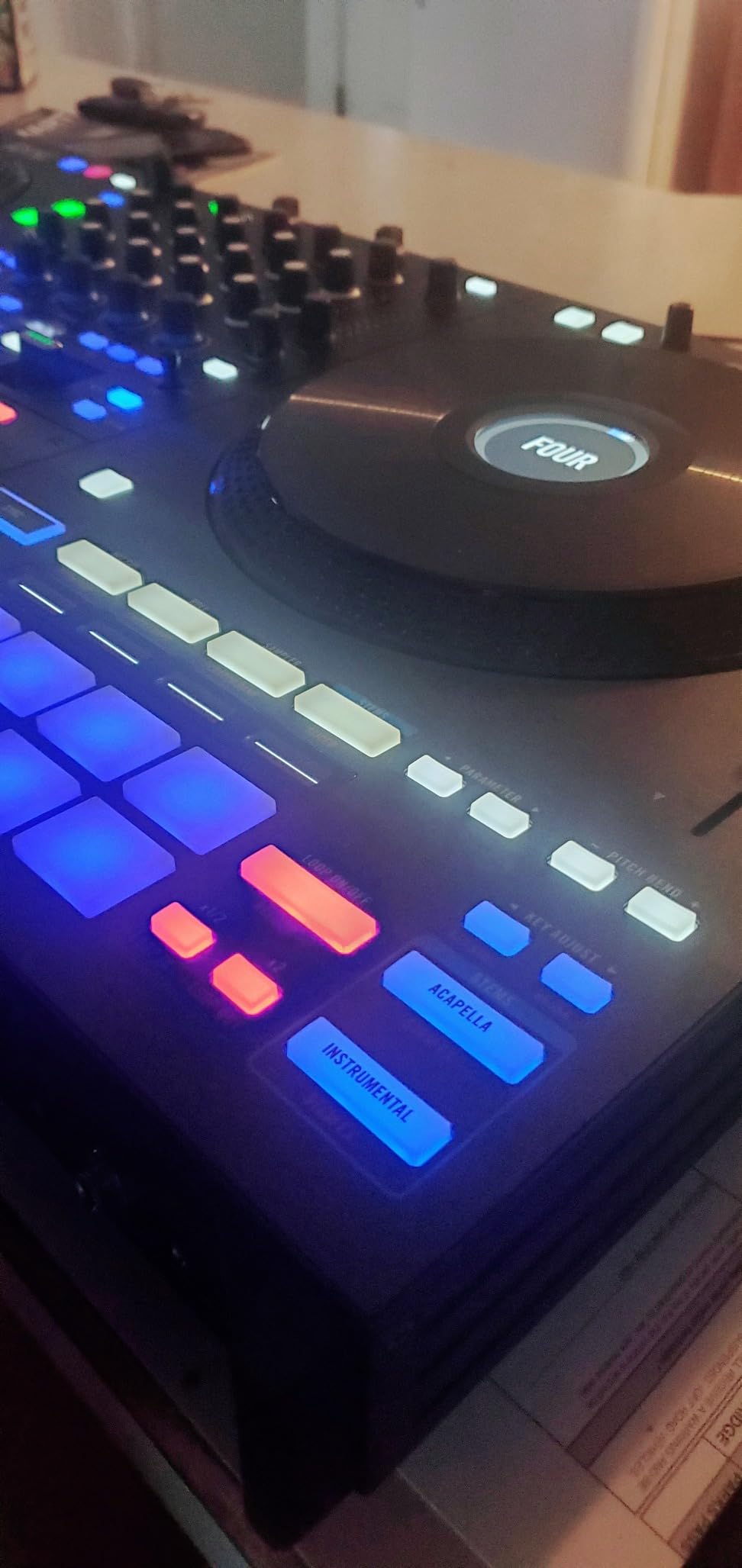
The REV5 flips traditional controller layout on its head. Long tempo sliders run horizontally above the decks, mimicking battle mixers used by turntablists. If you grew up watching Qbert or A-Trak videos, this layout feels immediately familiar.
I tested the dedicated Stems buttons at a scratch session. Being able to instantly isolate vocals or drums while scratching opens new creative territory. The Piano Play mode lets you trigger musical scales from the performance pads, adding melodic elements to your sets.
The MAG FOUR crossfader is buttery smooth. Pioneer developed this for their flagship mixers, and including it here shows they are serious about this controller. For scratch DJs, the fader is the most important component, and this one competes with standalone battle mixers.
Auto BPM Transition automatically matches tempos between tracks. For open-format DJs playing everything from hip-hop to house, this feature saves constant manual adjustment. You can focus on song selection while the controller handles technical transitions.
Who Should Buy the REV5
Scratch DJs, turntablists, and open-format DJs who play diverse genres. If you prefer battle-style layout or plan to compete in scratch competitions, this is your controller.
Who Should Skip It
Traditional club DJs used to standard Pioneer layouts will find the horizontal sliders confusing. If you primarily play house, techno, or EDM with gradual transitions, the extra cost for scratch features does not make sense.
We earn a commission, at no additional cost to you.
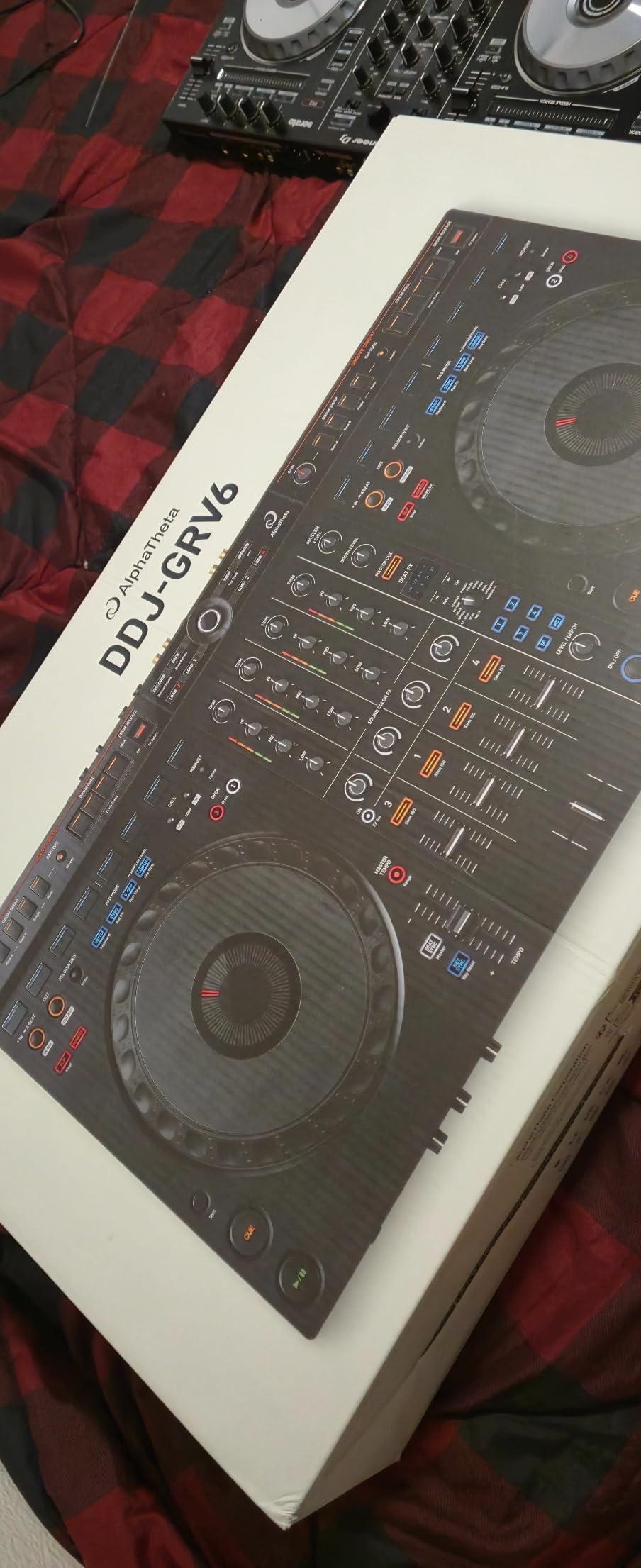
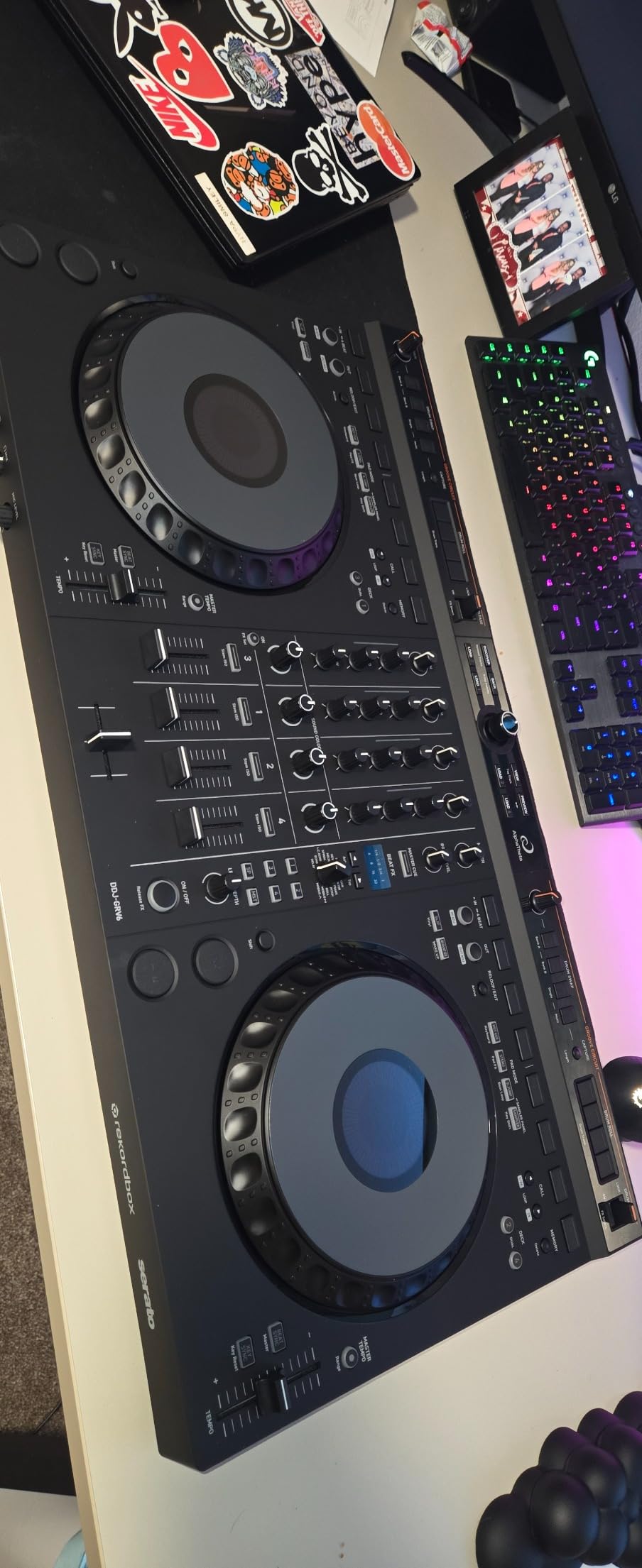
The GRV6 introduced me to the Groove Circuit feature, and now I wish every controller had it. You can isolate drum parts from tracks and manipulate them in real-time, creating live remixes that sound like studio productions. During a recent house party set, I transformed a disco track into a techno tool using only the Groove Circuit.
The layout mirrors Pioneer club gear exactly. When I eventually played on CDJ-3000s at a local venue, the muscle memory transferred perfectly. AlphaTheta (formerly Pioneer DJ) designed this to prepare you for professional equipment.
The Smart Rotary Selector makes browsing massive music libraries efficient. Instead of clicking through folders, you spin the encoder and navigate quickly. The Discover function suggests tracks based on what you are currently playing, helpful when you need inspiration during a set.
At 10.14 pounds, this controller demands a proper case for transport. The size accommodates full-size performance pads and comprehensive controls, but forget about casual backpack transport.
Who Should Buy the GRV6
DJs who want 4-channel capability with unique creative features, serious hobbyists preparing for club play, and anyone interested in live remixing and drum manipulation. The Groove Circuit justifies the price for creative DJs.
Who Should Skip It
If you need absolute reliability for paid gigs, the reported Rekordbox software issues are concerning. Consider the FLX10 instead for similar features with more stable software. Portable DJs will also find the size problematic.
We earn a commission, at no additional cost to you.
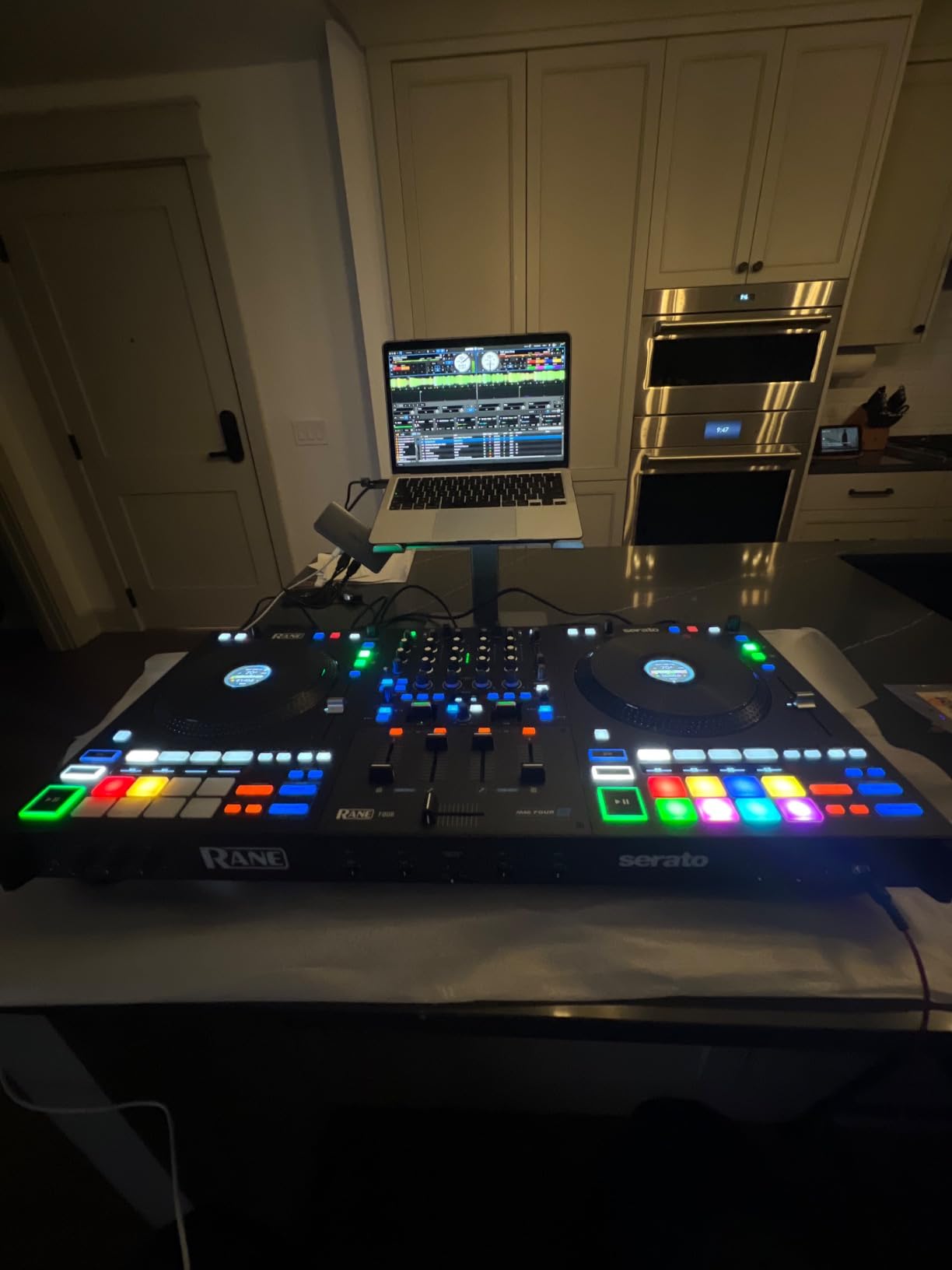
Rane built their reputation on turntablist mixers, and the FOUR brings that heritage to controllers. When I first put my hands on those 8.5-inch jog wheels, I understood why scratch DJs obsess over Rane. The size and resistance feel like real vinyl.
The internal FX suite is comprehensive. Twenty-four Main FX plus four Channel FX cover every sound manipulation you could want. The paddle triggers let you activate effects quickly during complex routines. I found myself using effects more because they were so accessible.
Serato DJ Pro and Pitch ‘n Time included in the box saves you $200 in software purchases. Pitch ‘n Time is the industry standard for key mixing and time-stretching. Having these bundled makes the actual hardware cost more reasonable than it first appears.
The 18.3-pound weight makes this a studio or installed venue piece. I would not want to transport this regularly. But for a permanent setup in a home studio or club booth, the solid construction inspires confidence.
Who Should Buy the FOUR
Professional Serato DJs, turntablists who need the best jog wheels available, and anyone building a permanent home studio. The included software and professional features justify the investment for serious users.
Who Should Skip It
Mobile DJs, beginners, and anyone who values portability. The weight alone disqualifies this for travel. The reported reliability issues also concern me for professional use where equipment failure is not an option.
We earn a commission, at no additional cost to you.
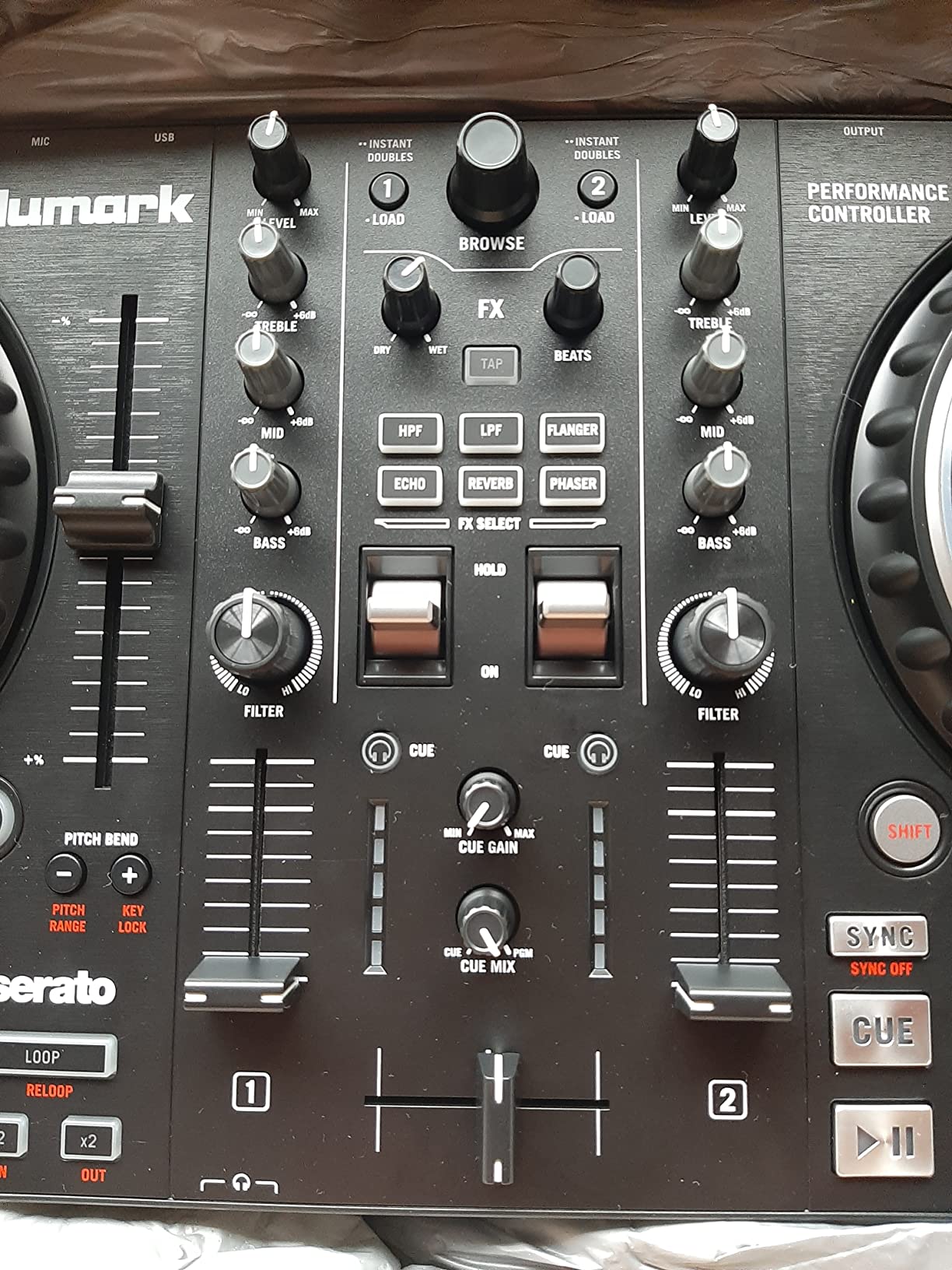
The Mixtrack Pro FX is the controller I recommend when friends ask for something affordable but capable. At $229, it delivers features that cost twice as much from other brands. I have seen complete beginners perform their first paid gigs on this hardware.
The 6-inch jog wheels are larger than competitors at this price. When teaching scratching basics, size matters. Beginners learn proper hand positioning from the start rather than relearning on larger wheels later.
The FX paddles are borrowed from professional mixers. You get six instant effects with tactile control. During my testing, I used these more than the button-based effects on other budget controllers. The physical interaction feels more musical.
Serato DJ Lite handles the basics well, though you will eventually want to upgrade to Pro for recording and advanced features. The transition is seamless when you are ready, preserving your existing library and settings.
Who Should Buy the Mixtrack Pro FX
Budget-conscious beginners who want room to grow, casual DJs who need occasional party equipment, and anyone testing DJing before committing to expensive gear. The value here is undeniable.
Who Should Skip It
If you know you want Rekordbox specifically, this only works with Serato. The isolated jog wheel issues concern me for long-term reliability. For professional use, invest in Pioneer or Denon instead.
Choosing between these controllers depends on your specific situation. Here is what I have learned matters most after years of buying, selling, and using DJ gear.
Software Compatibility
Your software choice affects everything from music library organization to club preparation. Rekordbox dominates the club world, especially since Pioneer is standard equipment virtually everywhere. Learning Rekordbox from day one prepares you for CDJ setups.
Serato offers excellent workflow and stability, especially for turntablists and hip-hop DJs. Many mobile DJs prefer Serato for its reliability and intuitive interface. The good news is both platforms offer free trial versions. Download both and see which feels natural before buying hardware.
Skill Level Considerations
Beginners should prioritize ease of use over features. Smart Fader technology on the FLX4 and FLX2 helps you sound good immediately while learning manual techniques. Complex controllers can overwhelm new DJs with options they do not need yet.
Intermediate DJs benefit from 4-deck capability and advanced features. Once you master basic mixing, layering tracks and using stems opens new creative territory. The Platinum FX and GRV6 serve this transition perfectly.
Professional DJs need reliability, build quality, and club-standard layouts. Equipment failure during paid gigs damages your reputation. The FLX10, SC LIVE 4, and FOUR offer professional-grade components that withstand nightly use.
Portability vs Features
Mobile DJs face constant transport. Weight adds up quickly when carrying controllers, laptops, cables, and headphones. The FLX4 at 6.16 pounds hits a sweet spot between features and portability. The FLX2 at 2.7 pounds is perfect for ultra-light setups.
Studio DJs prioritize features over weight. The FOUR at 18.3 pounds offers capabilities impossible in lighter controllers. If your controller stays in one place, buy the best features you can afford regardless of weight.
Standalone vs Laptop Controllers
Traditional controllers require a laptop running DJ software. This offers maximum flexibility for library management and software updates. However, laptops add failure points and setup time.
Standalone controllers like the SC LIVE 4 operate independently with built-in computers. You load music via USB or stream directly. For mobile DJs, eliminating laptop dependency reduces stress and setup complexity. For studio use, traditional controllers offer more power and flexibility.
Price Tiers
Under $200: Entry-level controllers teach basics but limit growth. The FLX2 and Party Mix II serve this category well for testing DJing without major investment.
$200-$500: The sweet spot for most DJs. The FLX4, Mixtrack Pro FX, and Platinum FX offer professional features at accessible prices. This is where I recommend most people start.
$500-$1,500: Advanced features and better build quality. The REV5 and GRV6 serve serious hobbyists and part-time professionals. You get capabilities that rival club gear.
$1,500+: Professional-grade equipment. The FLX10, SC LIVE 4, and FOUR compete with club installations. Buy here when DJing is your primary income source.
Frequently Asked Questions
What is the best DJ controller brand?
Pioneer DJ and AlphaTheta dominate the professional market with club-standard layouts and excellent build quality. For beginners, Numark offers exceptional value with solid features at lower prices. Denon DJ leads in standalone controllers with innovative streaming integration.
Which DJ controller is best for professionals?
The Pioneer DJ DDJ-FLX10 offers the best balance of professional features and value with 4-channel mixing, track separation, and club-standard layout. For standalone operation, the Denon DJ SC LIVE 4 eliminates laptop dependency. Scratch DJs should consider the RANE FOUR for its superior jog wheels and MAG FOUR crossfader.
What’s better, CDJ or XDJ?
CDJs are individual media players used in pairs with a separate mixer, offering maximum flexibility for club installations. XDJs combine multiple players and mixer into one unit, making them more portable and affordable. For home use and mobile DJs, XDJs offer better value. For professional clubs, CDJs remain the standard.
Is Pioneer DDJ-FLX4 good for beginners?
Yes, the DDJ-FLX4 is widely considered the best DJ controller for beginners. Its Smart Fader feature helps new DJs create smooth mixes immediately while learning manual techniques. The layout mirrors Pioneer club gear, preparing you for professional equipment. Dual software compatibility with Rekordbox and Serato gives flexibility as you develop your preferences.
Final Thoughts
After testing these 10 best DJ controllers, my recommendation depends on your situation. For most people, the Pioneer DJ DDJ-FLX4 offers the perfect balance of features, quality, and price. Beginners benefit from Smart Fader technology, while the club-standard layout prepares you for professional gear.
If you are on a tight budget, the Numark Mixtrack Pro FX delivers surprising capability at $229. Serious professionals should invest in the FLX10 or SC LIVE 4 depending on whether you prefer laptop or standalone workflows.
Remember that the best DJ controller is the one you actually use. A $3,000 controller collecting dust helps no one, while a $200 controller you practice on daily builds real skills. Choose based on your current needs with room for growth, then focus on what matters most – the music.
Finding the right circuit tracer can save you hours of frustration when identifying breakers, tracing wires, or troubleshooting electrical problems. Whether you’re a DIY homeowner…
Indoor gardening has exploded in popularity, and if you are serious about growing healthy plants indoors, you need the right lighting. Full spectrum grow lights…
I spent three months testing battery powered string trimmers across every major brand, and I learned something surprising: the most expensive option is not always…
Best electrical crimping tools have become essential for anyone working with wire connections, from professional electricians to DIY enthusiasts tackling automotive or home projects. A…
After testing dozens of cordless leaf blowers over the past three months, I can confidently say that battery technology has finally caught up to gas-powered…
Finding the best pipe benders for your specific needs can make the difference between clean, professional bends and wasted material from kinks and deformations. After…
Electric chainsaws have revolutionized how homeowners and professionals approach cutting tasks. I have spent the last three months testing 15 different models across various applications,…
There’s something unmistakably magical about the sound of a tube amplifier. That warm, rich, and three-dimensional quality that seems to bring music to life in…