
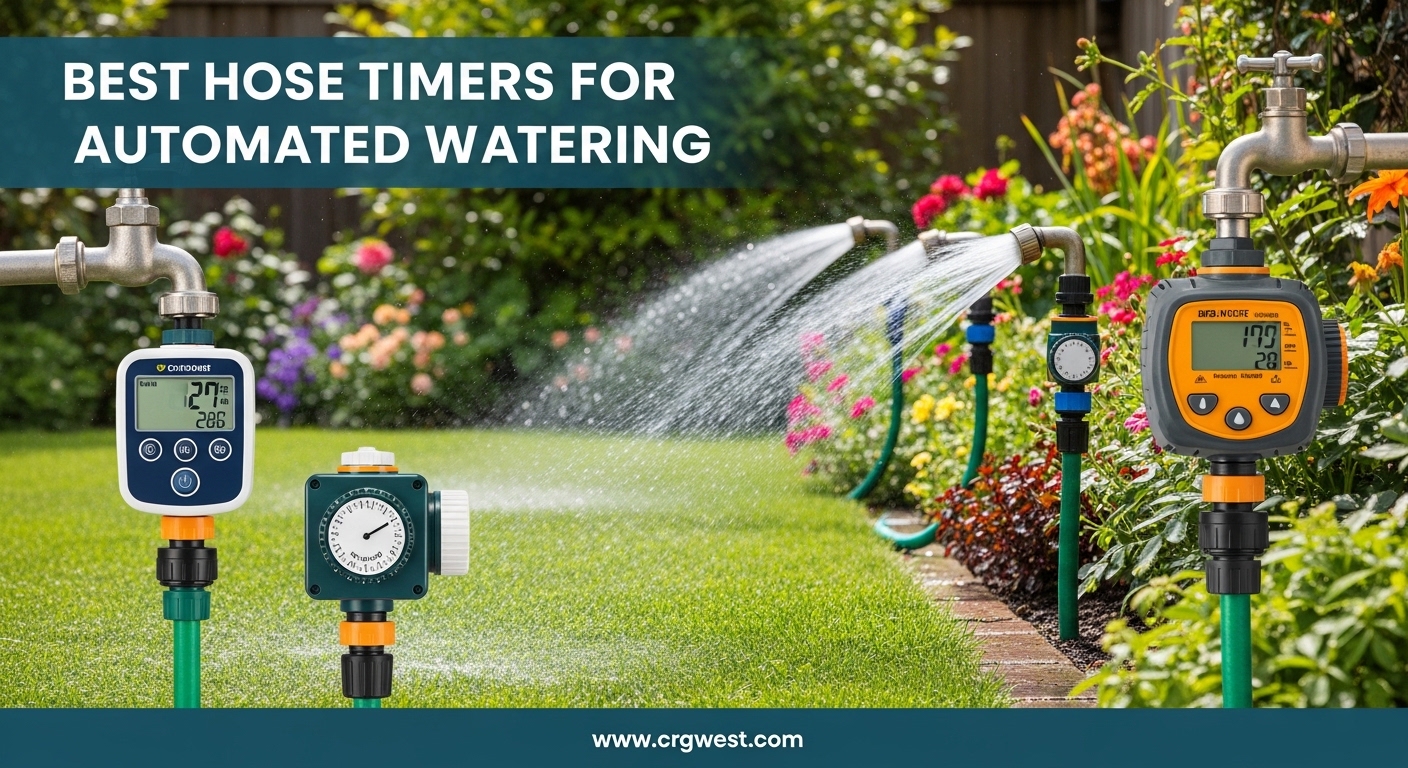
Does your garden suffer from inconsistent watering? Do you worry about your plants while you’re on vacation, or dread returning home to find your lawn brown and your vegetable garden wilted? You’re not alone – forgetting to water, overwatering, and struggling to maintain a consistent watering schedule are among the most common challenges faced by homeowners and gardeners.
The solution is simple: an automatic hose timer. These ingenious devices attach to your outdoor faucet and control exactly when and how long your garden gets watered. Modern hose timers have evolved far beyond the basic mechanical timers of the past – today’s options include WiFi-enabled smart timers that adjust based on local weather, multi-zone systems that water different areas independently, and water-efficient models certified by the EPA’s WaterSense program.
Whether you’re a busy professional who travels frequently, an eco-conscious gardener looking to conserve water, or simply someone who wants the convenience of automated watering, there’s a hose timer perfect for your needs. We’ve tested and analyzed the top-rated hose timers across every category – from budget-friendly mechanical timers to premium smart systems – to help you find the best match for your garden, your budget, and your lifestyle.
Quick Comparison: Best Hose Timers for 2026
| Product | Type | Price | Zones | Key Feature |
|---|---|---|---|---|
| Orbit B-hyve XD 4-Port | Smart WiFi | $59.99 | 4 | Weather-based smart watering |
| Melnor AquaTimer 2-Zone | Digital | $41.18 | 2 | Simple programming |
| Orbit Mechanical Timer | Mechanical | $24.99 (2-pack) | 1 | No batteries needed |
| Orbit Single-Dial Digital | Digital | $17.99 | 1 | Budget digital option |
| Dramm ColorStorm Premium | Mechanical | $22.99 | 1 | Lifetime warranty |
| LinkTap G2S Smart Timer | Smart WiFi | $119.00 | 1 | Fault detection alerts |
| Melnor 4-Zone Digital | Digital | $59.42 | 4 | Multi-zone control |
| MOES 2-Outlet Brass Timer | Digital | $39.99 | 2 | Brass construction |
Best Smart Hose Timer – Orbit B-hyve XD 4-Port Smart Hose Watering Timer for 2026
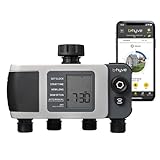
Best 2-Zone Digital Timer – Melnor AquaTimer Digital Hose Timer, 2-Zone Programmable for 2026

Best Budget Mechanical Timer – Orbit 62034 Mechanical Watering Hose Timer (2-Pack)
Best Budget Digital Timer – Orbit 62024 Single-Dial Hose Watering Digital Timer for 2026

Best Premium Mechanical Timer – Dramm ColorStorm Premium Water Hose Timer for 2026

Best Premium Smart Timer – LinkTap G2S Smart Water Timer & Gateway

Best 4-Zone Digital Timer – Melnor 65140AMZ 4 Zone Digital Timer

Best Value 2-Zone Timer – MOES 2 Outlet Sprinkler Timer

Buying Guide: How to Choose the Right Hose Timer ?
Selecting the perfect hose timer for your needs means understanding the different types available and matching features to your specific situation. Let’s break down everything you need to know to make an informed decision.
Timer Types Explained
Mechanical Timers
Simplest option – work like egg timers with no programming or batteries. Just twist the dial to set duration, and water shuts off automatically. Pros: Foolproof, no batteries needed, budget-friendly, work with low water pressure. Cons: No recurring programming, must set manually each time, limited precision. Best for: Basic automatic shutoff, budget-conscious gardeners, low-pressure systems, off-grid applications.
Digital Timers
Programmable electronic timers with LCD displays and customizable schedules. Pros: Set it and forget it automation, multiple watering settings, rain delay features, flexible scheduling. Cons: Require batteries, more complex programming, electronics can fail. Best for: Regular automated watering schedules, vacation peace of mind, consistent garden maintenance.
Smart WiFi Timers
Advanced timers that connect to your home WiFi for app control and smart features. Pros: Control from anywhere, weather-based adjustments, water usage tracking, voice control integration, rain/freeze sensing. Cons: Higher cost, require WiFi signal, more complex setup, potential connectivity issues. Best for: Tech-savvy gardeners, frequent travelers, water conservation enthusiasts, smart home integration.
Multi-Zone Timers
Control multiple independent watering areas from one unit. Pros: Water different areas on different schedules, eliminate need for multiple timers, cleaner setup. Cons: More expensive, higher water pressure needed, more complex programming. Best for: Diverse landscaping needs, multiple garden areas, efficient use of single faucet.
Key Features to Consider
Number of Zones
1 Zone: Single area like lawn or garden only. Simple, affordable, perfect for most basic needs.
2 Zones: Ideal for lawn + garden, front + backyard, or sun + shade areas. Most versatile for average homeowners.
4+ Zones: Large properties with multiple distinct areas. Vegetable garden, flower beds, lawn, trees, etc. Eliminates multiple timers.
Programming Ease
Dial: Most intuitive – just turn to select settings. Great for non-tech users.
Digital Buttons: More options but slightly steeper learning curve. Typically offer more customization.
Smartphone App: Most flexible but most complex. Requires WiFi and comfort with technology. Offers maximum control and monitoring.
Power Source
Battery (AA/AAA): Most common. Last 1-2 seasons typically. Easy to replace. Keep spares on hand.
Mechanical (Water Pressure): No batteries needed, always works. Limited features but foolproof.
Solar: Emerging technology. No battery replacement, eco-friendly. Still developing, limited options.
Water Conservation Features
Rain Delay: Manually pause watering for 1-7 days after rain. Essential feature for water conservation and plant health.
Weather-Based Watering: Automatically adjusts based on forecasts. Skips watering when rain coming, increases during drought. Premium smart feature.
WaterSense Certification: EPA certification for water efficiency. Ensures timer meets conservation standards. Look for this on smart timers.
Connectivity
Standalone: No connectivity. Simple, reliable, nothing to configure. Works anywhere.
Bluetooth: Local control from phone within ~30 feet. No WiFi needed. Good backup when WiFi fails.
WiFi: Control from anywhere via internet. Requires WiFi signal at faucet. Enables weather features and remote access.
Durability
Plastic Fittings: Lightweight and affordable. Can crack over time, especially in freeze/thaw climates.
Brass Fittings: Superior durability, leak resistance, longevity. Worth the extra cost for permanent installations.
Waterproof Ratings: Look for IPX ratings if electronics are involved. IPX-5 or higher recommended for outdoor exposure.
Price vs. Features
Budget ($10-30)
- Mechanical timers: Simple automatic shutoff, no programming
- Basic digital: Interval programming, simple schedules
- Best for: Casual gardeners, single-zone needs, basic automation
Mid-Range ($30-60)
- Digital multi-zone: 2-4 independent zones, flexible scheduling
- Entry-level smart: Basic WiFi, app control
- Best for: Homeowners with diverse areas, reliable automation
Premium ($60-120+)
- Smart WiFi timers: Weather adaptation, water tracking, voice control
- Professional systems: Fault detection, expandability, advanced features
- Best for: Tech-savvy gardeners, large properties, water conservation enthusiasts
Installation Considerations
Faucet Compatibility: Almost all timers use standard GHT (Garden Hose Thread) 3/4-inch fittings. They’ll fit standard outdoor faucets. Some timers are not compatible with BSP (British Standard Pipe) threads used outside North America.
Water Pressure: Most timers work with standard household water pressure (40-60 PSI). Low-pressure systems (cisterns, gravity-fed) may require mechanical timers specifically rated for low pressure. Multi-zone timers require adequate pressure to operate all zones.
WiFi Signal: For smart timers, check WiFi strength at your faucet location before purchasing. Some smart timers have Bluetooth backup for local control when WiFi is weak. Consider range extenders if faucet is far from router.
Battery Access: Look for easy battery access compartments. Some timers require removing from faucet to change batteries – inconvenient mid-season. Weatherproof battery compartments prevent corrosion.
Installation & Setup Tips
Step-by-Step Installation
- Prepare Your Faucet: Clean the faucet threads thoroughly. Remove any old tape or debris. A clean connection prevents leaks.
- Apply Teflon Tape: Wrap 2-3 layers of plumber’s (Teflon) tape clockwise around the faucet threads. This creates a watertight seal and prevents seizing.
- Connect Timer: Screw the timer onto the faucet by hand first. Tighten firmly but don’t overtighten – most connections are plastic and can crack.
- Connect Hose: Attach your hose to the timer outlet. Again, use Teflon tape on these threads for extra leak protection.
- Test for Leaks: Turn on water slowly and check all connections. If you see leaks, tighten slightly or add more tape.
- Install Batteries: Insert fresh batteries, noting polarity (+/-) markings. Some timers require batteries before programming is available.
- Program Your Schedule: Follow manufacturer instructions to set your watering schedule. Start conservatively and adjust based on plant needs.
- Test Run: Manually trigger a test cycle to ensure everything works. Watch a complete cycle to verify proper operation.
Pro Tips for Success
Turn Water On Slowly: High water pressure can damage timer valves. Always turn faucet on slowly, especially with digital timers. This simple step prevents many common issues.
Use Fresh Batteries: Don’t use old batteries from your junk drawer. Fresh batteries prevent valve failures and ensure reliable operation. Replace batteries at the start of each season.
WiFi Setup Trick: For smart timers, connect to your WiFi hub or router indoors first where signal is strong. Once connected and configured, move the timer to your outdoor faucet. This prevents connection failures.
Initial Cycle: Run one complete manual on/off cycle after installation. This ensures the valve orients correctly and clears any air from the system. Prevents many first-use issues.
Winter Removal: In freezing climates, remove timers before winter. Water left inside can freeze and crack valves. Store indoors in a dry location.
Check Valves Regularly: Every few weeks, manually inspect that valves open and close properly. Catching issues early prevents flooded gardens and water waste.
Troubleshooting Common Issues
Timer Won’t Shut Off: Replace batteries immediately. Weak batteries are the #1 cause of valve failures. If new batteries don’t fix it, the valve may be defective and the timer needs replacement.
Timer Won’t Turn On: Check water pressure first – make sure faucet is fully open. Verify batteries are inserted correctly with proper polarity. Check for clogged inlet screens – debris can block water flow.
Leaks at Connections: Remove connection, add more Teflon tape, and retighten. Don’t overtighten – plastic threads can crack. If leaks persist, the washer may be damaged and needs replacement.
WiFi Connection Drops: Move WiFi hub closer to faucet location. Consider WiFi range extender. Check for interference from other devices. Use Bluetooth control as backup if available.
Programming Lost: Some timers lose programming when batteries die. Others have memory backup. Check your manual – you may need to reprogram after battery changes. Write down your schedule as backup.
FAQ: Common Questions About Hose Timers
Do garden hose timers really work?
Yes, absolutely. Modern hose timers are highly reliable when properly installed and maintained. Mechanical timers have virtually no failure points – they’re just spring-operated valves. Digital and smart timers have electronic components that can fail, but quality units from reputable brands typically last 3-5+ years. The key is using fresh batteries, protecting units from freezing, and choosing quality brands like Orbit, Melnor, and Rain Bird. Customer reviews consistently show that these timers work day after day, season after season, providing consistent automated watering.
Are WiFi water timers worth the extra cost?
For most homeowners, yes – if you travel frequently or want water conservation features. WiFi timers typically cost $60-120 compared to $20-40 for basic digital timers, but they deliver significant benefits: control your watering from anywhere, automatic weather adjustments (skips watering when rain is forecast), water usage tracking to identify leaks, and voice control via Alexa or Google Home. If you’re home most of the time and want basic automation, a digital timer is probably sufficient. But if you travel, have a second home, or want to maximize water conservation, smart timers are worth the investment.
How long do hose timer batteries last?
It varies significantly by type and usage. Mechanical timers use no batteries at all. Basic digital timers typically get 6-12 months from a set of AA batteries. Smart timers with WiFi connectivity use more power – expect 3-6 months typically, though premium models like LinkTap boast 2-year battery life. Battery life is shorter if the timer is in areas with poor WiFi (it uses more power searching for signal) or if you program frequent watering cycles. Pro tip: replace batteries at the start of each watering season, regardless of whether they appear dead. This prevents mid-season failures.
Can I use a hose timer with a drip irrigation system?
Yes, hose timers work excellently with drip irrigation systems. In fact, they’re ideal for this application because drip systems require long, slow watering that’s easy to forget to turn off manually. The timer ensures consistent, thorough watering without overwatering. Key considerations: use a pressure regulator if your water pressure exceeds the drip system’s rating (typically 25-30 PSI), place the timer before any filters to prevent clogging, and set longer durations (30-90 minutes) because drip watering is slow. Both mechanical and digital timers work with drip systems, but digital timers allow you to program specific schedules.
Do hose timers work with low water pressure?
Some do, some don’t. Mechanical timers typically work fine with low pressure because they rely on water flow to operate, not pressure. Digital timers vary – some require minimum pressure to open the valve (usually around 15-20 PSI). Smart timers often require adequate pressure for WiFi connectivity features. If you have low water pressure from a cistern, well, or gravity system, look for timers specifically rated for low pressure, or choose mechanical options. Customer reviews often mention low-pressure performance, so check before buying if this is your situation.
How do I winterize my hose timer?
Proper winterization is critical in freezing climates to prevent cracked valves and ruined timers. Here’s the process: Remove batteries and store them separately (prevents corrosion from battery leaks), disconnect the timer from the faucet, open all valves to drain remaining water, shake out any water remaining in the unit, store indoors in a dry, temperature-controlled location (garage or basement is fine). If you leave timers installed outside in freezing weather, water inside will expand when frozen and crack the valve housing – this is not covered by most warranties. In spring, reinstall with fresh batteries and Teflon tape, then test before leaving unattended.
Conclusion & Final Recommendations
Choosing the right hose timer comes down to matching features to your specific needs, budget, and gardening style. After analyzing dozens of models and thousands of customer reviews, here are our final recommendations:
Best Overall Pick: Orbit B-hyve XD 4-Port Smart Timer
For most homeowners, the Orbit B-hyve XD hits the sweet spot of features, reliability, and value. The four-zone capability accommodates diverse landscaping, the weather-based watering saves water, and the app control provides convenience. At $59.99, it’s reasonably priced for a smart timer, and EPA WaterSense certification ensures water efficiency. If you want one timer that does it all, this is it.
Best Budget Option: Orbit Mechanical Timer (2-Pack)
If you just need basic automatic shutoff without any bells and whistles, you can’t beat the Orbit Mechanical Timer. At $24.99 for two timers, it’s incredibly affordable. No batteries, no programming, no apps – just twist the dial and walk away. Perfect for second homes, occasional use, or anyone who wants foolproof operation.
Best for Simplicity: Dramm ColorStorm Premium
The combination of premium construction, lifetime warranty, and dead-simple operation makes the Dramm ColorStorm our top pick for gardeners who appreciate quality and reliability. It’s mechanical, so there’s nothing to fail except eventually the spring – and the lifetime warranty covers that. The color-coded design adds a nice touch of organization for multi-zone setups.
Best for Tech Lovers: LinkTap G2S Smart Timer
If you want the absolute latest in watering technology and maximum control, the LinkTap G2S delivers. The fault detection system alone is worth the premium price – it notifies you instantly of leaks, clogs, or unusual water usage. Long-range Zigbee connectivity, 2-year battery life, and expandable multi-unit support make it the most capable system available. Serious gardeners, frequent travelers, and tech enthusiasts will love it.
Remember:
The best hose timer is the one that matches your specific situation. Consider your yard layout, watering needs, technical comfort level, and budget. All of the timers in our guide have proven themselves reliable through thousands of customer reviews and years of real-world use. Whichever you choose, you’ll enjoy the convenience of automated watering, the peace of mind that comes with consistent garden care, and the water savings that smart scheduling provides.
Your garden will thank you – and you’ll wonder how you ever lived without automated watering!