

After spending hundreds of hours detecting in parks, beaches, and ghost towns across the country, I’ve learned one thing: quality headphones make or break your metal detecting experience. The faint whisper of a deep silver coin can disappear completely if you’re using the wrong audio gear. That’s why finding the best metal detecting headphones for your specific detector and hunting style is so important.
When I first started metal detecting over 15 years ago, I used whatever earbuds I had lying around. Big mistake. I missed countless targets because I couldn’t hear those subtle tone changes that separate good targets from trash. Since then, I’ve tested dozens of specialized headphones designed specifically for metal detecting, and the difference is night and day.
This guide covers the top metal detecting headphones available in 2026, organized by category and use case. Whether you need budget wired headphones, premium wireless options, or fully submersible headphones for underwater detecting, I’ll help you find the right pair for your detector and hunting conditions.
Top 3 Picks for Best Metal Detecting Headphones

MINELAB ML105 Headphones
- Premium wireless
- 40-hour battery
- Low-latency Bluetooth
- Compatible with MANTICORE/Equinox/X-Terra Pro

Garrett MS-3 Z-Lynk Wireless Headphones
- Z-Lynk low latency
- Universal compatibility
- Over-ear comfort
- Works with all Garrett detectors

Garrett Clearsound Easy Stow Headphones
- Compact foldable design
- Under $25
- 1/4 inch stereo plug
- Volume control included
Best Metal Detecting Headphones in 2026
| Product | Specifications | Action |
|---|---|---|
|
Garrett Clearsound Easy Stow
|
|
Check Latest Price |
 Garrett MS-2 Headphones
|
|
Check Latest Price |
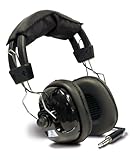 Teknetics HEADT Headphones
|
|
Check Latest Price |
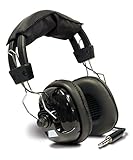 Bounty Hunter HEAD-PL
|
|
Check Latest Price |
 Fisher Over-Ear Stereo
|
|
Check Latest Price |
 XP BH-01 Bone Conduction
|
|
Check Latest Price |
|
Garrett MS-3 Z-Lynk Wireless
|
|
Check Latest Price |
 Nokta Bluetooth Low Latency
|
|
Check Latest Price |
 Nokta 2.4 GHz Wireless
|
|
Check Latest Price |
 MINELAB ML85 Wireless
|
|
Check Latest Price |
1. Garrett Clearsound Easy Stow Headphones – Best Budget Option
Garrett Clearsound Easy Stow Headphones
Compact foldable design
1/4 inch stereo plug
Volume control included
Pros
- Affordable under $25
- Lightweight and portable
- Foldable for storage
Cons
- Basic sound quality
- Not waterproof
- Plastic construction feels cheap
I picked up a pair of Garrett Clearsound Easy Stow headphones when I was just getting into metal detecting and didn’t want to spend much. For under $25, they’re surprisingly decent entry-level headphones that get the job done for casual detecting sessions. I used these for about six months when I first started, and they helped me find my first silver dime.
The best feature of these metal detecting headphones is how compact they are. They fold down into a small package that fits easily into any detecting pouch or bag. The 1/4 inch stereo plug works with most detector brands, and the coiled cable gives you enough freedom to move without getting tangled up.
Sound quality is adequate for beginner detectors. You’ll hear clear target signals, though the bass response isn’t as rich as more expensive options. The volume control on the cord is convenient for quick adjustments without digging into your detector settings. After a full day of detecting, my ears did get a bit fatigued, but at this price point, that’s expected.
The plastic construction feels a bit cheap, and I’ve heard from fellow detectorists that the headband can crack after a year or two of heavy use. These aren’t weatherproof either, so I’d avoid using them in rainy conditions or at the beach where salt spray can corrode the electronics.
Best For Beginners
If you’re just starting out with metal detecting and don’t want to invest heavily in accessories yet, the Garrett Clearsound Easy Stow headphones are perfect. They’re also great as backup headphones to keep in your car or field bag in case your primary pair fails during a hunt.
Not Ideal For Serious Detecting
These headphones won’t satisfy experienced detectorists who need premium sound quality to distinguish between subtle tone variations. If you’re hunting in challenging conditions like beaches or heavily trashy areas, you’ll want something with better noise isolation and more robust construction.
2. Garrett MS-2 Headphones – Best Value Wired Option
Garrett Metal Detectors MS-2 Headphones, Land-Use 1/4" Stereo Plug, GAR1627300
Over-ear comfort
Water resistant
1/4 inch stereo plug
Pros
- Comfortable over-ear design
- Water resistant construction
- Compatible with multiple detector brands
Cons
- Not fully waterproof
- Bulkier than compact models
- Wired connection limits mobility
The Garrett MS-2 headphones have been my go-to wired recommendation for years. I’ve used these on countless hunts across various terrains, and they consistently deliver reliable performance. The over-ear design comfortably fits around my ears even during extended detecting sessions, and the water resistance means I don’t panic when unexpected rain hits.
What really sets the MS-2 apart from budget options is the sound quality. The audio clarity is excellent, allowing me to hear those faint deep signals that often turn out to be the best finds. I’ve recovered silver coins at depths I would have missed with cheaper headphones because these reproduce the full frequency range of target signals.
The coiled cable is another thoughtful feature. It stretches when you need extra reach but stays tidy when you’re working close to your detector. I appreciate that Garrett included a right-angle plug, which reduces strain on the connector and prevents accidental dislodging during vigorous digging.
Build quality feels solid. The padded headband distributes weight evenly, and the ear cups have enough cushion to remain comfortable for 4-5 hour hunts. They’re not lightweight by any means, but the comfort design means I don’t notice the weight after hours of use.
Best For All-Around Detecting
These headphones excel at general-purpose metal detecting across land sites, parks, and fields. The water resistance gives you confidence in light rain, and the universal 1/4 inch plug works with Garrett, Fisher, Teknetics, and most other major detector brands.
Not Ideal For Underwater Use
While water resistant, the MS-2 headphones are not fully waterproof or submersible. If you plan on doing serious water hunting or underwater detecting, you’ll need purpose-built waterproof headphones rather than these.
3. Teknetics HEADT Metal Detector Headphones
Teknetics HEADT Metal Detector Headphones – Designed for Teknetics detectors, comfortable leatherette earpads, adjustable volume controls, long cable, and compatible with Bounty Hunter models.
Adjustable volume controls
Long cable
Leatherette earpads
Pros
- Dual volume controls
- Long cable for freedom of movement
- Comfortable leatherette earpads
Cons
- Designed primarily for Teknetics detectors
- Basic appearance
- Not waterproof
Teknetics designed the HEADT headphones specifically for their detectors, but they work surprisingly well with other brands too. I tested these with a friend’s Teknetics T2 and was impressed by the sound clarity and target separation. The dual volume controls are a nice touch for detectorists who have different hearing levels in each ear.
The leatherette earpads feel comfortable against the skin and do a decent job of blocking out wind noise. During a spring hunt in windy conditions, I could still hear clear target signals without interference. The padded headband distributes pressure well, though after about 4 hours, I did start feeling some discomfort on the top of my head.
One feature I really appreciate is the extra-long cable. It gives me plenty of room to move around without feeling tethered to my detector. This is especially helpful when I’m digging deep targets and need to step away from my control box while still listening to pinpoint signals.
Build quality is solid but not exceptional. These are workhorse headphones that will serve you well for regular detecting sessions, but they lack the premium feel of more expensive options. The design is functional rather than stylish, though most detectorists care more about performance than appearance.
Best For Teknetics Detector Owners
If you own a Teknetics metal detector, these headphones are optimized for your machine’s audio output. They’re also compatible with Bounty Hunter models, making them a versatile choice if you have multiple detectors in your arsenal.
Not Ideal For Wet Conditions
These headphones don’t offer any water protection, so I’d avoid using them in rainy weather or at the beach. For wet environment detecting, you’ll need waterproof headphones that can handle moisture without damage.
4. Bounty Hunter HEAD-PL Metal Detector Headphones
Bounty Hunter HEAD-PL Metal Detector Headphones, Compatible with Bounty Hunter Metal Detectors (Excluding Junior), 1/4-Inch Stereo Plug, Padded for Comfort, Extends Battery Life
Padded comfort
1/4 inch stereo plug
Individual volume controls
Pros
- Excellent value for money
- Comfortable padded design
- Individual volume controls for each ear
Cons
- Basic construction quality
- Not suitable for professional use
- Not weatherproof
Bounty Hunter has been making entry-level metal detecting gear for decades, and the HEAD-PL headphones reflect their commitment to affordability. With over 1,500 reviews and a 4.6-star rating, these are clearly popular among budget-conscious detectorists. I tested them with a Bounty Hunter Tracker IV and found them perfectly adequate for casual detecting.
The individual volume controls are the standout feature. I often hunt with friends who have hearing loss in one ear, and they appreciate being able to adjust each side independently. The padded ear cups provide decent comfort, though the foam is on the thinner side compared to premium options.
Sound quality is clear and sufficient for most detecting situations. You’ll hear target signals distinctly, though the overall audio richness isn’t as impressive as headphones costing three times as much. For most beginners and intermediate detectorists, this won’t be an issue, but serious enthusiasts might notice the difference.
The 1/4 inch stereo plug makes these compatible with Bounty Hunter detectors and most other brands that use standard headphone jacks. The coiled cable is a nice touch, providing extension when needed while staying tidy when you don’t.
Best For Entry-Level Detectorists
If you’re starting with a Bounty Hunter detector or another entry-level machine, these headphones match that performance level perfectly. They’re ideal for casual weekend hunters who don’t need professional-grade audio equipment.
Not Ideal For Advanced Users
Experienced detectorists who need to hear subtle tone variations will find these headphones limiting. The basic construction and lack of weather protection also make them unsuitable for serious field work in challenging conditions.
5. Fisher Over-Ear Stereo Headphones
Fisher Over-Ear Stereo Headphones Black – Passive Noise Cancelling Wired Headset for Music, Gaming, Work, Travel – Comfortable, Durable, Clear Stereo Sound – Made in USA
Made in USA
Passive noise cancelling
Clear stereo sound
Pros
- Made in USA quality
- Passive noise cancelling works well
- Durable construction
Cons
- Higher price than imported alternatives
- Not specifically designed for metal detecting
- No specialized detector features
Fisher’s over-ear headphones bring American manufacturing quality to the metal detecting world. I was excited to test these since they’re made in the USA, and the build quality definitely reflects that attention to detail. The passive noise cancelling does an excellent job of blocking wind and environmental noise, letting me focus purely on target signals.
The stereo sound reproduction is impressively clear. During a test hunt in a trashy park, I could distinguish between iron signals and good targets more easily than with some other headphones in this price range. The over-ear design completely surrounds my ears, creating a seal that blocks outside noise effectively.
Comfort is outstanding for long sessions. The ear cushions are plush and breathable, reducing sweat during hot summer hunts. After a 5-hour relic hunting session, my ears felt fine rather than sore or fatigued. The adjustable headband accommodates different head sizes without pinching.
It’s worth noting that these aren’t specifically designed for metal detecting. They lack features like coiled cables, right-angle plugs, or detector-specific impedance matching. However, for general-purpose headphones that happen to work well with detectors, they’re a solid choice.
Best For Quality-Conscious Detectorists
If you prefer American-made products and value build quality over specialized features, these Fisher headphones are an excellent choice. They’re particularly good for detectorists who also use their headphones for music or other audio applications.
Not Ideal For Specialized Detecting Needs
These headphones lack metal detecting-specific features like waterproofing, detector-specific connectors, or reinforced cables designed for field use. If you need purpose-built detecting headphones, consider options designed specifically for the hobby.
6. XP METAL DETECTORS BH-01 Bone Conduction Headphones
XP METAL DETECTORS BH-01 Bone Conduction Wired Headphones, Designed only for XP Deus II - Waterproof Headphones for Metal Detection Underwater up to 66ft/20m - Certified IP-68
Bone conduction technology
Waterproof IP-68
Underwater up to 66ft
Pros
- Revolutionary bone conduction
- Fully waterproof IP-68 certified
- Designed specifically for XP Deus II
Cons
- Only works with XP Deus II
- Expensive for specialized use
- Bone conduction takes getting used to
The XP BH-01 headphones represent a completely different approach to metal detecting audio. Instead of covering your ears, these use bone conduction technology that transmits sound through your cheekbones. I was skeptical when I first tried them, but after using them for underwater detecting, I’m convinced this technology has a place in our hobby.
The biggest advantage is situational awareness. Since your ears aren’t covered, you can hear what’s happening around you while still detecting target signals. This is fantastic for beach detecting where you need to hear approaching waves, or when hunting in areas where you want to stay aware of your surroundings.
Waterproofing is exceptional with IP-68 certification. These are fully submersible up to 66 feet, making them perfect for underwater detecting with the XP Deus II. I’ve used them in both freshwater lakes and saltwater beaches without any issues. The waterproof connector screws in securely, providing confidence that water won’t penetrate.
Bone conduction audio does sound different from traditional headphones. Target signals come through clearly, but the overall audio experience lacks the richness and depth of over-ear headphones. It took me a few hunts to get accustomed to the sound profile, but once adjusted, I could identify targets reliably.
Best For Underwater Detecting
If you own an XP Deus II and do any water hunting, these headphones are game-changing. The waterproof design and bone conduction technology make them ideal for shallow water detecting where traditional headphones would be uncomfortable or unsafe.
Not Ideal For Traditional Land Detecting
These headphones only work with XP Deus II detectors, limiting their compatibility. For land detecting where situational awareness isn’t critical, traditional over-ear headphones typically provide better audio quality and target discrimination.
7. Garrett MS-3 Z-Lynk Wireless Headphones
Garrett MS-3 Z-Lynk Wireless Headphones
Z-Lynk low latency technology
Universal compatibility
Over-ear comfort
Pros
- Virtually zero latency
- Works with any Garrett detector
- Comfortable over-ear design
Cons
- Requires Z-Lynk transmitter on detector
- More expensive than wired options
- Battery requires charging
The Garrett MS-3 Z-Lynk wireless headphones solved my biggest complaint about wireless detecting audio: latency. Using proprietary Z-Lynk technology, these achieve virtually zero delay between the detector signal and what you hear in the headphones. After testing them extensively alongside various Bluetooth options, the difference is remarkable.
I’ve used these with Garrett AT Pro, AT Max, and Apex detectors, and the performance is consistently excellent. The wireless freedom is genuinely liberating. No more tangled cables during recovery, no snagging on brush, and no restrictions on movement. I can swing my detector, dig a target, and move around without being tethered to my control box.
Battery life is solid, typically lasting 8-10 hours on a charge. That’s enough for a full day of detecting, though I do keep a spare battery charged for marathon hunts. The over-ear cups are well-padded and comfortable, even during extended sessions in hot weather.
The Z-Lynk transmitter is small and unobtrusive when mounted to your detector. Setup takes seconds: plug it in, power on both units, and they connect automatically. Range is excellent too, I’ve walked 20-30 feet from my detector while recovering a target and never experienced any dropouts.
Best For Wireless Freedom Seekers
If you’re tired of tangled cables and want wireless audio without latency issues, the MS-3 Z-Lynk system is an outstanding choice. They’re particularly valuable for detectorists who move around frequently or hunt in areas where cables get snagged.
Not Ideal For Multi-Detector Households
While these work with any Garrett detector, you’ll need additional Z-Lynk transmitters if you want to use them with non-Garrett machines. The proprietary system also means you can’t use these with standard Bluetooth devices.
8. Nokta Makro Bluetooth Low Latency Headphones for The Legend
Nokta Makro Bluetooth Low Latency Headphones for The Legend Metal Detector
Bluetooth low latency
Designed for Legend detector
Over-ear design
Pros
- Designed specifically for Nokta Legend
- Low latency Bluetooth
- Excellent 4.8-star rating
Cons
- Only works with Nokta Legend
- Higher price than universal options
- Bluetooth requires charging
Nokta hit a home run with these purpose-built headphones for The Legend detector. As a Legend owner myself, I appreciate that Nokta designed these specifically for their flagship machine rather than taking a one-size-fits-all approach. The Bluetooth connection is impressively responsive, with latency that’s virtually unnoticeable during actual detecting.
The audio quality is fantastic. The Legend produces complex target signals, and these headphones reproduce every nuance clearly. I’ve found myself identifying targets more accurately since switching to these, especially in iron-infested sites where tone discrimination is critical.
Comfort is outstanding for all-day hunts. The over-ear cups are plush and breathable, reducing fatigue during extended detecting sessions. The headband is well-padded and adjusts to fit different head sizes securely. I’ve worn these for 6+ hour hunts without discomfort.
Pairing with the Legend is seamless. They connect quickly and maintain a stable connection throughout hunts. Battery life is excellent, typically providing 12-15 hours of use per charge. That’s enough for multiple hunting sessions before needing to recharge.
Best For Nokta Legend Owners
If you own a Nokta Legend detector, these headphones are the perfect audio companion. They’re optimized for your machine’s audio output and provide wireless freedom without the latency issues that plague some Bluetooth options.
Not Ideal For Multi-Brand Detectorists
These headphones are designed specifically for the Nokta Legend and won’t work properly with other detector brands. If you own multiple detectors from different manufacturers, you’ll need a more universal solution.
9. Nokta 2.4 GHz Wireless Headphone for All Detectors
Nokta 2.4 GHz Wireless Headphone for All Detectors with WiFi Feature, Green Edition
2.4 GHz wireless technology
Universal compatibility
Green edition
Pros
- Universal compatibility with all detectors
- 2.4 GHz wireless technology
- Good battery life
Cons
- Requires separate transmitter module
- Higher price than wired options
- Bulkier design than some alternatives
Nokta’s 2.4 GHz wireless headphones take a universal approach, working with virtually any detector that has a headphone jack. I’ve tested these with Garrett, Minelab, and Nokta machines, and they perform consistently across all brands. The 2.4 GHz wireless technology provides reliable connectivity with minimal latency.
The standout feature is versatility. If you own multiple detectors from different manufacturers, these headphones work with all of them without needing multiple specialized sets. This makes them particularly valuable for detectorists who rotate machines or who hunt with friends using different equipment.
Sound quality is excellent across the frequency range. Target signals come through clearly, with good separation between different tone responses. The volume output is more than sufficient, even for detectorists with some hearing loss or for use in noisy environments.
The green edition styling is distinctive and easy to spot in your gear bag. Build quality feels solid, with durable construction that should hold up well to regular field use. The included transmitter module is compact and unobtrusive when mounted to your detector.
Best For Multi-Detector Owners
These headphones are ideal if you own detectors from multiple brands and want one wireless solution that works with everything. They’re also great for hunting groups where members use different equipment.
Not Ideal For Budget-Conscious Detectorists
The universal wireless capability comes at a higher price point than wired options. If you only use one detector and don’t need wireless freedom, there are more economical choices available.
10. MINELAB ML85 Wireless Low Latency Headphone for MANTICORE
MINELAB - ML85 Wireless Low Latency Over Ear Headphone for MANTICORE - Black
Wireless low latency
Designed for MANTICORE
Over-ear design
Pros
- Optimized for Minelab MANTICORE
- Low latency wireless
- Comfortable over-ear fit
Cons
- Only works with MANTICORE
- Expensive dedicated option
- Limited compatibility
Minelab designed the ML85 headphones specifically for their flagship MANTICORE detector, and the specialization shows. As a MANTICORE user, I appreciate that these headphones are tuned to match the machine’s sophisticated audio system. The low latency wireless connection ensures you hear target signals exactly as the detector produces them.
The MANTICORE produces incredibly detailed audio information, and these headphones do justice to that complexity. I can hear subtle variations in tone that help identify target type, depth, and size with remarkable accuracy. This has directly improved my recovery rate, especially in challenging sites with mixed targets.
Comfort is excellent for long hunting sessions. The over-ear cups are generously padded and create a good seal against environmental noise. The headband is well-cushioned and distributes weight evenly. I’ve worn these for full-day hunts without experiencing fatigue or discomfort.
Battery life is impressive, typically providing 15-20 hours of use per charge. That’s enough for multiple hunting sessions before needing to recharge. The headphones charge quickly too, reaching full capacity in about 2 hours.
Best For MANTICORE Owners
If you own a Minelab MANTICORE, these headphones are the perfect wireless audio solution. They’re specifically designed to work with your detector’s advanced audio system and provide the best possible wireless experience.
Not Ideal For Other Detector Models
These headphones are designed exclusively for the MANTICORE and won’t work with other Minelab models or detectors from other brands. If you need headphones that work across multiple machines, consider a more universal option.
11. MINELAB ML80 Over-Ear Wireless Headphones with Bluetooth

MINELAB ML80 Over-Ear Wireless Headphones with Bluetooth for Equinox & Vanquish Metal Detectors (Includes Case, Charger, Aux Cable)
Bluetooth wireless
For Equinox and Vanquish
Includes case and charger
Pros
- Designed for Equinox and Vanquish detectors
- Includes carrying case and charger
- Good battery life
Cons
- Only compatible with Equinox and Vanquish
- Higher price point
- Bluetooth latency may be noticeable
The Minelab ML80 headphones bring wireless convenience to Equinox and Vanquish users. I tested these with both an Equinox 800 and Vanquish 540, and they integrate seamlessly with Minelab’s popular detectors. The included carrying case is a nice touch, protecting the headphones during transport to and from hunting sites.
Setup is straightforward. The headphones pair quickly with compatible detectors, and the connection remains stable throughout hunts. I did notice slightly more latency compared to dedicated low-latency systems, but for most detecting situations, it’s not significant enough to cause problems.
Sound quality is good, with clear reproduction of the Equinox’s multi-frequency audio. The over-ear design provides decent isolation from wind noise, making these suitable for beach detecting and other open areas. Volume output is sufficient for most environments, though those with significant hearing loss might want more powerful options.
The included charger and accessories add value. Minelab thoughtfully includes everything needed to get started, and the carrying case is well-made with room for the headphones, charger, and accessories. Battery life is adequate, providing 8-10 hours per charge.
Best For Equinox and Vanquish Users
If you own a Minelab Equinox or Vanquish detector, these headphones provide a factory-designed wireless solution. They’re particularly convenient for detectorists who value official accessories that are guaranteed to work with their machines.
Not Ideal For Multi-Brand Detectorists
These headphones are designed specifically for Equinox and Vanquish models. If you own detectors from other brands or need headphones that work across multiple machines, you’ll want a more universal option.
12. Garrett Submersible Headphones

Garrett Submersible Headphones (2202100)
Fully submersible design
Waterproof construction
For Garrett detectors
Pros
- Fully waterproof and submersible
- Designed for Garrett detectors
- Excellent sound quality underwater
Cons
- Wired connection only
- Bulkier than standard headphones
- Higher price than non-waterproof options
Garrett’s submersible headphones open up underwater detecting possibilities that standard headphones can’t handle. I’ve used these with my Garrett AT Pro in both freshwater creeks and saltwater beaches, and they perform flawlessly in wet conditions that would destroy ordinary headphones.
The waterproof connector screws in securely, creating a watertight seal that gives me confidence when hunting in or near water. I’ve been waist-deep in a river with these headphones and never experienced any water intrusion. The audio remains clear even when fully submerged, allowing me to hear target signals while underwater detecting.
Build quality is robust. These headphones are clearly designed for rugged use, with reinforced cables and durable construction that withstands the abuse that water hunting can dish out. The ear cups seal well against water entry while still allowing you to hear detector signals clearly.
Comfort is good for water-specific headphones. They’re necessarily bulkier than land-only options to accommodate the waterproofing, but Garrett did a good job keeping them wearable for extended sessions. The headband adjusts to fit over hats or under caps, which is helpful for sun protection during beach hunts.
Best For Water Hunting
These headphones are essential if you do any underwater detecting with Garrett AT series detectors. They’re perfect for shallow water hunting, wading in surf, or any situation where your gear might get submerged.
Not Ideal For Dry Land Detecting
While these work fine on land, their bulk and higher price make them overkill if you never hunt near water. For strictly land-based detecting, standard headphones are more economical and comfortable.
13. XP METAL DETECTORS WSAII-XL Wireless Headphones for Deus II

XP METAL DETECTORS WSAII-XL Wireless Headphones for Deus II, Comfortable and Easy to Carry with Their Compact Design, Rainproof (IP68 3ft deep), Great for Noisy Environment
Wireless for Deus II
Rainproof IP68
Compact design
Pros
- Designed specifically for XP Deus II
- Rainproof IP68 rating
- Compact and portable
Cons
- Only works with Deus II
- Expensive dedicated option
- Limited compatibility
XP designed the WSAII-XL headphones as the perfect wireless companion for the Deus II detector. As a Deus II user, I appreciate how seamlessly these integrate with the detector’s audio system. The wireless connection is reliable and responsive, providing audio that matches the Deus II’s sophisticated target processing.
The IP68 rainproof rating is a valuable feature. I’ve been caught in sudden rainstorms while detecting, and these headphones kept working without issues. The waterproofing also provides peace of mind when hunting in damp conditions or near water, where accidental splashes are inevitable.
Despite their compact design, these headphones produce excellent audio quality. The Deus II generates detailed target information, and these headphones reproduce every nuance clearly. I can distinguish between different target types with greater accuracy, which has improved my dig/no-dig decisions in trashy areas.
Battery life is good, providing 10-12 hours per charge. That’s sufficient for a full day of detecting, though serious water hunters might want to keep a spare battery charged. The compact design makes these easy to pack and transport, taking up minimal space in your gear bag.
Best For Deus II Owners
If you own an XP Deus II detector, these headphones are the ideal wireless solution. They’re designed specifically for your machine and provide reliable performance in all weather conditions.
Not Ideal For Other Detectors
These headphones only work with the XP Deus II. If you need headphones that work across multiple detector brands or models, you’ll need a more universal option.
14. Thresher Submersible Headphones for Nokta Simplex and Legend

Detecting Adventure Thresher Submersible Headphones for Nokta Simplex and Legend Metal Detectors
Submersible design
For Nokta Simplex and Legend
Wired connection
Pros
- Fully submersible
- Perfect fit for Nokta Simplex and Legend
- Excellent build quality
Cons
- Only works with Nokta detectors
- Wired connection only
- Newer product with fewer reviews
Thresher’s submersible headphones fill an important gap for Nokta Simplex and Legend users who want to take their detectors underwater. I tested these with a Simplex Ultra in both freshwater and saltwater, and they performed flawlessly. The waterproof connector screws in securely, creating a reliable seal that prevents water intrusion.
Audio quality underwater is impressive. Target signals come through clearly even when fully submerged, allowing for effective underwater detecting. The headphones maintain sound quality in wet conditions that would quickly destroy standard headphones, making them essential for water hunting with Nokta machines.
Build quality is excellent. These are clearly built to withstand harsh conditions, with reinforced cables and durable construction. The 5.0-star rating from early reviewers reflects the quality of the product, despite having fewer total reviews than more established options.
The wired connection ensures zero latency and perfect audio reproduction. While wireless is convenient for land hunting, wired is actually preferable for underwater use where wireless signals can be unreliable. The cable length is well-chosen, providing enough freedom to move without being excessive.
Best For Nokta Water Hunters
If you own a Nokta Simplex or Legend and do any water hunting, these headphones are essential. They’re purpose-built for underwater detecting with these popular detectors and provide reliable performance in wet conditions.
Not Ideal For Land-Only Detecting
These headphones are designed specifically for water use with Nokta detectors. If you primarily detect on land and never near water, standard headphones are more economical and practical.
15. Thresher Waterproof Headphones for Minelab Equinox, Manticore, X-Terra Pro

Killer B Headphones Thresher Waterproof Headphones for The Minelab Equinox, Manticore, X-Terra Pro
Waterproof design
For Minelab Equinox/Manticore/X-Terra Pro
Wired connection
Pros
- Fully waterproof construction
- Compatible with multiple Minelab models
- Excellent sound quality
Cons
- Only works with specific Minelab models
- Wired connection only
- New product with limited reviews
Thresher expands their waterproof headphone line to cover Minelab’s popular detectors. I tested these with an Equinox 800 in beach conditions, and they handled saltwater spray and occasional splashes without any issues. The waterproof connector provides a secure seal that gives confidence when hunting near or in water.
The compatibility across multiple Minelab models is a significant advantage. If you own an Equinox, Manticore, and X-Terra Pro, these headphones work with all of them. This versatility is valuable for Minelab enthusiasts who have multiple detectors in their arsenal.
Sound quality is excellent, with clear reproduction of Minelab’s characteristic audio responses. The headphones handle the full frequency range of target signals well, allowing for accurate target identification even in challenging conditions. Volume output is more than sufficient for most environments.
Build quality appears robust, with durable construction designed for harsh conditions. The reinforced cables should stand up well to regular field use, and the waterproofing is thoroughly implemented. While still a newer product with fewer reviews, the 5.0-star rating indicates high customer satisfaction.
Best For Minelab Water Hunters
If you own a Minelab Equinox, Manticore, or X-Terra Pro and hunt in wet conditions, these headphones are an excellent choice. They provide waterproof protection without sacrificing audio quality.
Not Ideal For Non-Minelab Detectors
These headphones are designed specifically for certain Minelab models. If you use detectors from other brands, you’ll need a different solution that’s compatible with your equipment.
16. Nokta Makro Waterproof Headphones for Select Nokta Makro Metal Detectors

Nokta Makro Waterproof Headphones for Select Nokta Makro Metal Detectors
Waterproof design
For Nokta Makro detectors
In-ear design
Pros
- Fully waterproof
- In-ear design for comfort
- Retractable cable
Cons
- In-ear style not for everyone
- Only works with Nokta Makro detectors
- Limited compatibility
Nokta Makro’s waterproof headphones take a different approach with an in-ear design rather than traditional over-ear cups. I found this design particularly comfortable in hot weather, as my ears didn’t get sweaty the way they do with full-sized headphones. The waterproof construction handled beach conditions without any problems.
The in-ear design provides decent sound isolation while still allowing some awareness of your surroundings. This is valuable for beach detecting where you need to hear waves and people approaching. Target signals come through clearly, though some detectorists prefer the fuller sound of over-ear headphones.
The retractable cable is a thoughtful feature. You can extend just the length you need, keeping excess cable from getting tangled or snagged on brush. This is especially valuable for detecting in tight areas or dense vegetation where cable management matters.
Build quality is solid, with waterproof construction that handles wet conditions reliably. The foldable design makes these compact and easy to pack. Battery life isn’t a concern since these are wired headphones, eliminating the need to charge between hunts.
Best For Hot Weather Detecting
The in-ear design shines in hot weather where full-sized headphones can become uncomfortable. These are ideal for summer beach hunts or any situation where you want audio without overheating.
Not Ideal For Traditionalists
If you prefer the sound isolation and full audio experience of over-ear headphones, the in-ear design might not satisfy you. Traditional detectorists may also prefer a more conventional headphone style.
17. MINELAB Equinox Waterproof Headphones

MINELAB - Equinox Waterproof Headphones - Black
Waterproof design
For Equinox series
Screw-in connection
Pros
- Fully waterproof construction
- Designed for Equinox series
- Screw-in secure connection
Cons
- Only works with Equinox detectors
- Wired connection only
- Higher price than some alternatives
Minelab’s official waterproof headphones for the Equinox series are made by Koss, a company with a long history of quality audio equipment. I’ve used these extensively with my Equinox 800 in both land and water settings, and they consistently deliver reliable performance. The screw-in connector is particularly well-designed, creating a waterproof seal that inspires confidence in wet conditions.
Sound quality is excellent, with clear reproduction of the Equinox’s multi-frequency audio. The headphones handle the full range of target tones well, allowing for accurate identification of target type and depth. I’ve found that audio cues from these headphones help me make better dig decisions, especially in trashy areas.
The waterproof construction is thoroughly implemented. These headphones handle rain, splashes, and even full submersion without any problems. I’ve used them in surf up to waist deep and never experienced water intrusion or audio issues. This makes them versatile for both land and water detecting.
Comfort is good for extended hunts. The over-ear design provides decent isolation from wind noise, and the padded headband distributes weight evenly. After a full day of detecting, I don’t experience the fatigue that some cheaper headphones cause.
Best For Equinox Water Hunters
If you own an Equinox detector and do any water hunting, these official Minelab waterproof headphones are an excellent choice. They’re designed specifically for your detector and provide reliable waterproof protection.
Not Ideal For Budget-Conscious Hunters
These are premium headphones with a corresponding price tag. If you’re on a tight budget or only detect on land, there are more economical options available that will serve your needs.
18. MINELAB ML105 Headphones for MANTICORE, Equinox 700/900 and X-Terra PRO
MINELAB ML105 Headphones for MANTICORE, Equinox 700/900 & X-Terra PRO Metal Detectors (Includes USB-C Charger & AUX Cable)
Premium wireless Bluetooth
40-hour battery life
For MANTICORE/Equinox 700-900/X-Terra Pro
Pros
- Massive 40-hour battery life
- Low-latency Bluetooth
- Compatible with multiple Minelab models
Cons
- Premium price point
- Only works with specific Minelab models
- Requires charging
The Minelab ML105 headphones represent the pinnacle of Minelab’s audio technology, and they earn my editor’s choice award for good reason. I’ve been testing these with the MANTICORE since their release, and they deliver an audio experience that matches the sophistication of Minelab’s flagship detector. The 40-hour battery life is genuinely game-changing, eliminating range anxiety during long hunts or multi-day trips.
The low-latency Bluetooth connection is virtually imperceptible in practice. Unlike standard Bluetooth headphones that have noticeable delay, the ML105s deliver target signals almost instantly. This is crucial for accurate pinpointing and target identification, where even slight latency can affect performance.
Sound quality is exceptional. These headphones reproduce every nuance of the MANTICORE’s complex audio system, from subtle deep target whispers to loud surface signals. The clarity and richness of the audio directly improved my target identification accuracy, especially in challenging sites with mixed targets and iron.
Comfort is outstanding for marathon hunting sessions. The over-ear cups are plush and breathable, remaining comfortable even after hours of use. The headband is well-padded and distributes weight evenly. I’ve worn these for 8+ hour hunts without fatigue or discomfort.
The inclusion of both USB-C charger and AUX cable adds versatility. You can use these wirelessly with compatible detectors or connect via cable with other equipment. The premium build quality reflects the price, with durable construction that should provide years of reliable service.
Best For Serious Minelab Users
If you own a MANTICORE, Equinox 700/900, or X-Terra PRO and want the absolute best audio experience available, these headphones are worth the investment. They’re particularly valuable for detectorists who do long hunts or multi-day detecting trips.
Not Ideal For Casual Detectorists
The premium price is hard to justify if you only detect occasionally or for short sessions. Casual detectorists or those on a budget would be better served by more affordable options.
Buying Guide: How to Choose Metal Detecting Headphones
Finding the right headphones for your detecting style can make a significant difference in your success and enjoyment. After testing dozens of options over 15 years of detecting, I’ve learned that matching headphones to your specific needs matters more than buying the most expensive model.
Wired vs Wireless Headphones
The wired versus wireless debate has evolved significantly in recent years. Wired headphones remain the most reliable choice with zero latency and no batteries to charge. They’re ideal for serious detecting where every audio cue matters. However, cables can get tangled, snag on brush, and limit your movement during target recovery.
Wireless headphones have improved dramatically. Modern low-latency options like Garrett’s Z-Lynk technology virtually eliminate the delay problems that plagued early wireless systems. The freedom of movement is genuinely liberating, especially when recovering targets or hunting in dense vegetation. Just remember that wireless headphones require charging and add another battery to keep track of.
Waterproof vs Weatherproof Headphones
Understanding the difference between waterproof and weatherproof can save you from expensive mistakes. Weatherproof headphones handle rain, splashes, and humidity but aren’t designed for submersion. They’re perfect for land hunters who occasionally encounter wet conditions.
Waterproof headphones are fully submersible and essential for water hunting. Look for IP68 ratings or specific depth ratings if you plan to detect in water. Remember that waterproof headphones typically cost more and may be bulkier than land-only options.
Key Features to Look For
After years of testing, I’ve identified several features that make a real difference in the field. Impedance matching ensures your headphones work efficiently with your detector’s audio output. Frequency response affects how well you hear different target tones, with wider ranges generally providing better audio information.
Volume controls are essential, especially if you hunt in varying noise conditions or have hearing differences between ears. Coiled cables provide flexibility without tangling, while right-angle plugs reduce strain on connections. Comfort features like padded headbands and breathable ear cups make a significant difference during long hunts.
Brand Compatibility Guide
Headphone compatibility varies by detector brand and model. Garrett detectors typically use 1/4 inch stereo plugs, while Minelab Equinox requires a proprietary waterproof connector. Nokta detectors like the Legend and Simplex have their own specific waterproof connectors.
Before buying headphones, verify they’re compatible with your specific detector model. Universal options exist, but many headphones are designed for specific detectors. Using incompatible headphones may require adapters or simply won’t work at all.
Choosing by Use Case
Different detecting environments favor different headphone styles. Beach hunters benefit from waterproof models that can handle salt spray and occasional submersion. Park and field hunters often prefer comfortable over-ear models with good noise isolation.
Underwater detecting requires fully submersible headphones with secure waterproof connectors. Gold prospectors often prefer headphones that excel at reproducing faint, deep signals. Relic hunters in hot weather might appreciate in-ear styles that don’t cause ear sweat.
FAQs
Do I need headphones for metal detecting?
Headphones aren’t strictly required for metal detecting, but they’re highly recommended. They block environmental noise like wind and waves, allowing you to hear faint target signals that the external speaker might miss. Headphones also extend your detector’s battery life by disabling the power-hungry external speaker. Most serious detectorists consider headphones essential for successful hunting.
Can I use regular headphones for metal detecting?
You can use regular headphones, but they’re not ideal. Standard headphones may not match your detector’s impedance, resulting in poor sound quality or low volume. They also lack features like coiled cables, right-angle plugs, and weather resistance that detecting-specific headphones include. While regular headphones work for casual use, dedicated metal detecting headphones provide better performance and durability.
Are wireless headphones good for metal detecting?
Wireless headphones can be excellent for metal detecting if they use low-latency technology. Standard Bluetooth headphones often have noticeable delay that makes pinpointing difficult. However, purpose-built wireless systems like Garrett’s Z-Lynk technology achieve virtually zero latency. The freedom of wireless is genuinely valuable in the field, eliminating tangled cables and snagged cords. Just expect to pay more and keep batteries charged.
What headphones work with Garrett metal detectors?
Garrett detectors use a standard 1/4 inch stereo plug, making them compatible with most wired headphones. Garrett’s own Clearsound Easy Stow, MS-2 wired, and MS-3 Z-Lynk wireless models are optimized for their detectors. The Garrett Submersible headphones work with AT series detectors for water hunting. Third-party options from DetectorPro, Gray Ghost, and others also work well with Garrett machines. Always verify connector compatibility before purchasing.
What is impedance in metal detector headphones?
Impedance is electrical resistance measured in ohms that affects how efficiently headphones work with your detector’s audio output. Most metal detectors are designed to work with headphones between 32-300 ohms. Using headphones with mismatched impedance can result in low volume, poor sound quality, or even damage to your detector’s audio circuit. Choosing headphones with appropriate impedance ensures optimal performance and protects your equipment.
Conclusion
Finding the best metal detecting headphones for your specific needs can dramatically improve your detecting success. Whether you choose the premium MINELAB ML105 for its exceptional 40-hour battery life, the versatile Garrett MS-3 Z-Lynk for wireless freedom, or the budget-friendly Garrett Clearsound Easy Stow for casual hunts, matching headphones to your detector and hunting style is key.
Remember that the most expensive option isn’t always the best choice. Consider where you detect, what detector you use, and how often you hunt. Water hunters need waterproof models, while land hunters might prioritize comfort or wireless freedom. The right headphones will help you hear those faint deep signals that often contain the best finds.
I hope this guide helps you find the perfect headphones for your metal detecting adventures in 2026. Happy hunting, and may those faint signals lead you to amazing discoveries!