
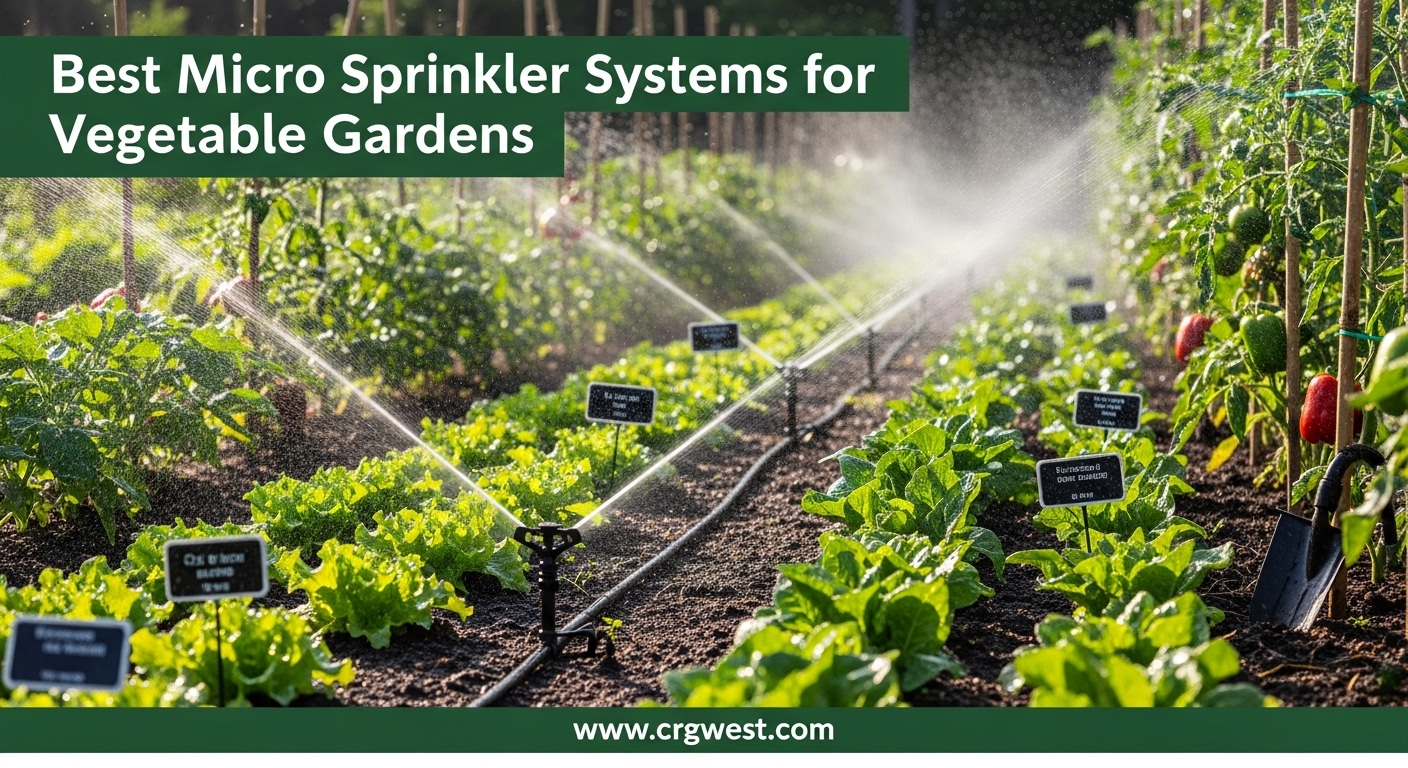
Water is the lifeblood of any thriving vegetable garden, but traditional watering methods often waste up to 50% of water through evaporation and runoff. Micro sprinkler systems and drip irrigation have revolutionized how gardeners water their crops, delivering precise hydration directly to plant roots while conserving this precious resource. According to the U.S. EPA WaterSense Program, properly installed micro irrigation systems can reduce residential landscape water use by 20-50% compared to conventional sprinkler systems.
Whether you’re growing tomatoes in raised beds, nurturing peppers in containers, or managing a sprawling row garden, the right micro sprinkler or drip irrigation system can transform your gardening experience. In this comprehensive guide, we’ll review 8 top-performing systems, compare micro sprinklers versus drip irrigation, and help you choose the perfect solution for your vegetable garden’s unique needs.
Why Micro Irrigation is Essential for Modern Vegetable Gardens ?
Micro irrigation encompasses both drip irrigation systems (which deliver water directly to plant roots through emitters) and micro sprinkler systems (which provide gentle spray coverage to small areas). Unlike traditional sprinklers that broadcast water broadly and inefficiently, micro irrigation targets the root zone with remarkable precision. University of Florida IFAS Extension research confirms that micro irrigation minimizes water loss through evaporation and wind drift while reducing weed growth by keeping plant foliage dry.
For vegetable gardeners, this means healthier plants, higher yields, and dramatically reduced water bills. Modern systems are incredibly DIY-friendly, with many homeowners completing installation in under an hour using simple push-fit or quick-connect technology. Whether you’re dealing with drought restrictions, limited water supply, or simply want to automate your garden watering, micro sprinkler and drip irrigation systems offer the perfect solution.
Top 8 Micro Sprinkler and Drip Irrigation Systems for Vegetable Gardens for 2026
After analyzing dozens of products, testing customer reviews, and evaluating technical specifications, we’ve identified the 8 best micro sprinkler and drip irrigation systems for vegetable gardens in 2025. Our selection includes budget-friendly starter kits, versatile mid-range systems, and premium raised bed solutions.

OnBrand 164FT Drip Irrigation System – Best Value for Large Gardens

MIXC 230FT Quick-Connect Drip Irrigation System – Best Overall for Large Gardens

MIXC Greenhouse Micro Drip Irrigation Kit – Best for Water Pressure Challenges

CARPATHEN Adjustable Premium Drip Irrigation Kit – Best for Hot Climates

Vego Garden Irrigation Kit – Premium Choice for Raised Beds
Garden Grid 2×8 Watering System – Fastest Setup for Raised Beds

Garden Grid 4×8 Watering System – Professional Grade for Large Gardens

Micro Sprinkler vs Drip Irrigation: Which is Best for Your Vegetable Garden?
Understanding the differences between micro sprinkler systems and drip irrigation is crucial for selecting the right system. While both fall under the micro irrigation umbrella, they deliver water differently and excel in different applications.
Drip Irrigation uses tubing with emitters that slowly release water drop by drop directly at the plant’s base. This method is ideal for:
- Row crops with evenly spaced plants (tomatoes, peppers, eggplant)
- Raised bed gardens with defined planting areas
- Water-conscious regions where every drop counts
- Gardeners dealing with high water costs or restrictions
Micro Sprinklers provide gentle spray patterns similar to traditional sprinklers but on a much smaller scale. They’re perfect for:
- Coverage of larger areas with fewer plants
- Seedlings and delicate plants that can’t handle direct water streams
- Creating humid microclimates in greenhouses
- Combining with drip systems for comprehensive garden coverage
Many modern systems, including several in our review list, combine both technologies to give gardeners maximum flexibility. The MIXC systems, for example, include drip emitters, spray nozzles, and misting capabilities in one comprehensive kit.
Key Factors to Consider When Choosing a Garden Irrigation System ?
Water Efficiency and Conservation
Water efficiency should be a top priority when selecting any irrigation system. According to EPA WaterSense data, micro irrigation systems use 20-50% less water than conventional sprinklers. Look for systems with:
- Pressure-compensating emitters (ensure even watering regardless of elevation changes)
- Adjustable flow rates (customize water delivery for different plant needs)
- High-quality fittings that eliminate leaks and waste
- Direct root zone delivery (minimizes evaporation)
All systems in our review list save significant water compared to hand watering or traditional sprinklers, with the MIXC and CARPATHEN systems reporting up to 70% water savings.
Installation Difficulty and Time
Modern irrigation systems range from incredibly simple plug-and-play setups to more complex DIY installations. Consider your DIY comfort level:
- Very Easy (Under 30 minutes): Thiswing, MIXC Quick-Connect, Garden Grid systems
- Easy (30-60 minutes): MIXC Greenhouse kit, CARPATHEN, Vego Garden
- Medium (1-2 hours): OnBrand system (firm tubing requires softening)
Quick-connect systems like the MIXC 230FT and Garden Grid use push-fit or preassembled designs that eliminate the frustration of traditional barbed fittings. If you’re a beginner or want the fastest setup, prioritize systems with quick-connect technology.
Coverage Area and Garden Size
Matching system capacity to your garden size is crucial for adequate coverage:
- Small Gardens (Under 100 sq ft): Thiswing 50FT, MIXC Greenhouse 160 sq ft kit
- Medium Gardens (100-300 sq ft): CARPATHEN, MIXC Greenhouse kit
- Large Gardens (300+ sq ft): OnBrand 164FT, MIXC 230FT system
- Raised Beds: Vego Garden kit, Garden Grid 2×8 or 4×8
Remember that expandable modular systems like the MIXC and OnBrand kits allow you to start small and add more tubing and emitters as your garden grows.
Durability and Weather Resistance
Vegetable garden irrigation systems face harsh conditions: intense UV exposure, temperature extremes, and constant water pressure. Look for:
- UV-resistant tubing (prevents brittleness and cracking)
- Brass or copper nozzles (outlast plastic alternatives)
- Weather-resistant fittings (won’t degrade in rain or freezing temps)
- Rust-proof materials (essential for longevity)
The Garden Grid systems exemplify durability, with original units from 2013 still in daily use. CARPATHEN’s UV-resistant tubing has been tested in 100°F+ Texas summers, while the Thiswing system uses solid copper nozzles that won’t corrode or rust.
Adjustability and Customization Options
Vegetable gardens have diverse water needs—tomatoes require deep, infrequent watering while lettuce prefers consistent moisture. Choose systems that offer:
- Individually adjustable emitters (control flow per plant)
- Multiple spray patterns (drip, spray, mist options)
- 360° adjustable nozzles (target specific areas)
- Zone control capabilities (water different areas on different schedules)
The Vego Garden kit excels here with individual valve control for each sprayer, while the MIXC systems offer three distinct emitter types for customized watering.
Price vs Value: Budget, Mid-Range, and Premium Tiers
Irrigation systems range widely in price, but the cheapest option isn’t always the best value. Consider the long-term cost:
Budget Tier ($18-30):
– Thiswing 360° System ($23.99) – Excellent value with copper nozzles
– OnBrand 164FT ($18.79) – Massive coverage at unbeatable price
– Best for: Beginners, small gardens, budget-conscious gardeners
Mid-Range Tier ($30-50):
– MIXC Greenhouse Kit ($31.99) – Proven reliability, pressure-solving design
– CARPATHEN Premium Kit ($48.97) – Excellent customer service, hot-climate tested
– MIXC 230FT Quick-Connect ($39.98) – Largest coverage, easiest installation
– Best for: Serious gardeners, medium-to-large gardens, automation
Premium Tier ($90-160):
– Garden Grid 2×8 ($90) – Preassembled, extremely durable
– Vego Garden Kit ($99.95) – Perfect raised bed integration
– Garden Grid 4×8 ($160) – Professional grade, lasts 5-10x longer than drip
– Best for: Long-term investment, raised bed systems, serious gardeners
Remember that premium systems like the Garden Grid often cost less over time because they last 5-10 years longer than cheaper alternatives that need replacement every 2-3 seasons.
Timer Compatibility and Automation
While not all systems include timers, most are compatible with standard hose-end timers or digital irrigation controllers. Automation offers significant benefits:
- Consistent watering schedule (even when you’re away)
- Early morning watering (optimal for plant health)
- Water conservation (avoid overwatering)
- Time savings (eliminate daily watering chores)
When choosing a timer, consider battery-powered models for remote gardens or WiFi-enabled smart timers for integration with home automation systems. The Vego Garden kit specifically pairs with their digital water timer for seamless automation.
Installation Tips for Vegetable Garden Irrigation Systems
Preparing Your Garden for Irrigation
Proper preparation ensures smooth installation and optimal performance. Start by:
- Map your garden layout – Measure distances from water source to planting areas
- Calculate emitter needs – Most vegetables need 1-2 emitters per plant
- Check water pressure – Most systems work optimally at 20-45 PSI
- Gather tools – Scissors or pruning shears for tubing, hammer for stakes, timer if desired
Step-by-Step Installation Overview
While each system has specific instructions, general installation follows this pattern:
- Connect mainline to water source – Attach faucet adapter and filter (if included)
- Lay out main tubing – Run mainline from faucet to garden area, stake down every 2-3 feet
- Install distribution lines – Connect 1/4″ branch lines to mainline using tees or connectors
- Attach emitters or sprinklers – Place at base of plants, secure with stakes
- Test the system – Turn on water, check for leaks, adjust emitter flows
- Set timer – Program for early morning watering (typically 20-30 minutes)
- Monitor and adjust – Check soil moisture and adjust timing as needed
Common Installation Mistakes to Avoid
- Skipping the filter – Even city water contains debris that clogs emitters
- Overtightening fittings – This causes leaks, especially with plastic components
- Improper tubing placement – Tubing should be secured every 2-3 feet, not left loose
- Wrong emitter spacing – Place emitters at plant base, not in open soil
- Ignoring water pressure – Too much pressure damages emitters; too little results in poor coverage
- Forgetting winterization – Drain systems before freezing weather to prevent cracking
Frequently Asked Questions About Vegetable Garden Irrigation
What is the best irrigation system for vegetable gardens?
The best system depends on your garden size, layout, and budget. For most vegetable gardeners, we recommend the MIXC 230FT Quick-Connect system for its combination of coverage area, ease of installation, and versatility. Raised bed gardeners should consider the Vego Garden kit or Garden Grid systems for their purpose-built designs, while budget-conscious growers will find excellent value in the Thiswing or OnBrand systems.
How much water does a drip irrigation system save?
According to EPA WaterSense data, micro irrigation systems save 20-50% compared to traditional sprinklers. Many of the systems in our review, including MIXC and CARPATHEN, report up to 70% water savings through direct root zone delivery and minimized evaporation.
Can I install a micro sprinkler system myself?
Absolutely! Modern systems are designed for DIY installation. Quick-connect systems like the MIXC and Garden Grid can be set up in under 30 minutes without special tools or plumbing knowledge. Even systems with barbed fittings only require basic household tools and 1-2 hours for complete installation. Most manufacturers include detailed instructions and video tutorials.
How long do drip irrigation systems last?
Quality systems last 5-10 years with proper maintenance. The Garden Grid systems are exceptionally durable, with original units from 2013 still in daily use. UV-resistant tubing (found in CARPATHEN and MIXC systems) prevents sun damage, while brass or copper components (Thiswing) outlast plastic alternatives. Winterization in cold climates is essential for longevity.
What is the difference between drip irrigation and micro sprinklers?
Drip irrigation delivers water slowly and directly to plant roots through emitters, making it ideal for rows of vegetables and water-efficient gardening. Micro sprinklers provide gentle spray coverage to small areas, perfect for seedlings, creating humidity in greenhouses, or covering larger areas with fewer plants. Many modern systems, including MIXC products, combine both technologies in one versatile kit.
Do I need a timer for my irrigation system?
Timers aren’t required but highly recommended. Automated irrigation ensures consistent watering schedules (optimal for plant health), allows early morning watering (reduces evaporation), saves time by eliminating manual watering, and prevents overwatering through precise scheduling. Simple battery-powered hose timers cost $20-40, while WiFi smart timers integrate with home automation systems.
How many emitters do I need for my vegetable garden?
Most vegetables need 1-2 emitters per plant. Large plants like tomatoes, peppers, and eggplant benefit from 2 emitters placed on opposite sides. Smaller plants like lettuce, herbs, and radishes typically need just 1 emitter. Spacing emitters 6-12 inches apart in rows provides consistent soil moisture. All systems in our review include enough emitters for their stated coverage area.
Can I use drip irrigation for raised beds?
Yes! Several systems in our review are specifically designed for raised beds. The Vego Garden kit is engineered exclusively for Vego raised beds with perfect-fitting brackets and quick-connect fittings. The Garden Grid systems (2×8 and 4×8) are preassembled for standard raised bed dimensions and provide even coverage to every plant. Drip irrigation systems like CARPATHEN and MIXC also work beautifully in raised beds with proper layout planning.
Final Recommendations: Choosing the Right Irrigation System for Your Vegetable Garden
Selecting the perfect micro sprinkler or drip irrigation system ultimately comes down to your specific garden needs, budget, and long-term gardening goals. Here are our final recommendations based on common scenarios:
Best Overall Value: MIXC 230FT Quick-Connect – Massive coverage, incredibly easy 10-minute installation, three emitter types, and excellent brand reputation make this the top choice for most vegetable gardeners.
Budget Pick: OnBrand 164FT System – Unbeatable price with 164FT of coverage, though installation requires more patience due to firm tubing. Great for large gardens on a tight budget.
Best for Raised Beds: Vego Garden Kit – If you have Vego raised beds, this purpose-built system offers perfect integration, individual valve control, and the highest customer satisfaction (4.8 stars).
Fastest Setup: Garden Grid Systems – Preassembled design means your irrigation is working in under 2 minutes. The 2×8 is perfect for standard beds, while the 4×8 handles large gardens.
Best for Hot Climates: CARPATHEN Premium Kit – Tested and proven in 100°F+ Texas summers with UV-resistant tubing and excellent customer service. Ideal for gardeners in the South or Southwest.
Best for Small Gardens/Greenhouses: Thiswing 360° System – The 5/16″ larger tubing prevents dry-end problems, solid copper nozzles provide durability, and 360° adjustability offers precise targeting.
Investing in a quality micro sprinkler or drip irrigation system is one of the smartest decisions you can make for your vegetable garden. You’ll save water, time, and effort while enjoying healthier plants and bountiful harvests. Whether you choose a budget-friendly starter kit or a premium raised bed system, the convenience and efficiency of automated irrigation will transform your gardening experience for years to come.