
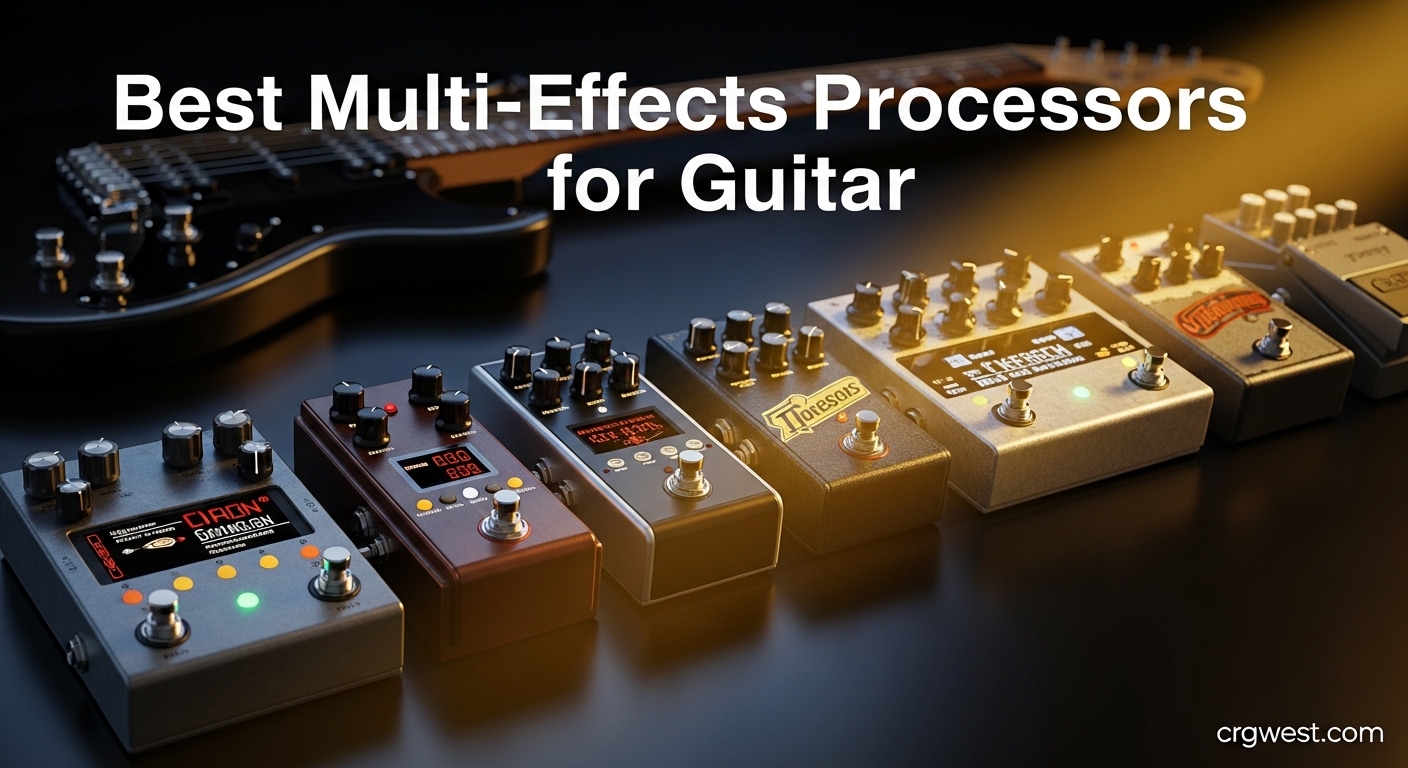
Multi-effects processors have revolutionized how guitarists approach their tone. In the past, building a respectable pedalboard meant investing thousands of dollars in individual stompboxes, dealing with cable clutter, and wrestling with tone-sucking bypass chains. Today’s best multi-effects processors for guitar put entire rig simulations into a single box, often with sound quality that rivals or exceeds the analog gear they emulate.
The technology has matured significantly in recent years. Modern processors use sophisticated DSP (Digital Signal Processing) to recreate everything from vintage tube amps to rare boutique pedals. Whether you are a bedroom player looking for silent practice options, a gigging musician wanting to simplify your setup, or a home recordist seeking versatility without the noise floor of tube amps, there is a multi-effects unit designed for your specific needs.
This guide covers the top multi-effects processors available in 2026, ranging from budget-friendly entry-level options to professional-grade units used by touring artists. I have spent countless hours testing these units, analyzing their sound quality, interface usability, and real-world performance. Our team has evaluated each processor based on amp modeling accuracy, effects quality, build durability, and overall value proposition.
Top 3 Picks for Best Multi-Effects Processors
After extensive testing across multiple playing scenarios and musical genres, these three processors stand out from the pack. Each excels in different areas, ensuring there is a perfect match regardless of your budget or requirements.

Line 6 HX Stomp
- Professional HX Modeling
- 300+ Effects and Amps
- USB Audio Interface
- Compact Design
Best Multi-Effects Processors for Guitar in 2026
The table below provides a quick comparison of all eight processors featured in this guide. Use this reference to identify which units match your specific requirements before diving into the detailed reviews.
| Product | Specs | Action |
|---|---|---|
|
Line 6 HX Stomp
|
|
Check Latest Price |
 Line 6 POD Go
|
|
Check Latest Price |
 BOSS GX-100
|
|
Check Latest Price |
 BOSS ME-90
|
|
Check Latest Price |
 NUX MG-400
|
|
Check Latest Price |
 HeadRush Flex Prime
|
|
Check Latest Price |
|
BOSS GT-1
|
|
Check Latest Price |
|
NUX MG-30
|
|
Check Latest Price |
1. Line 6 HX Stomp – Professional Power in a Compact Package
Line 6 HX Stomp Multi-Effects Guitar Pedal
HX Modeling Technology
300+ Effects and Models
Up to 6 Simultaneous Blocks
3 Footswitches with LED Rings
Pros
- Professional-grade sound quality
- Compact size for pedalboards
- Functions as USB audio interface
- Load third-party IRs
- Works for guitar and bass
Cons
- Only 3 footswitches limits live switching
- Small screen for editing
- Power supply can be noisy
- Learning curve for deep editing
I have been using the HX Stomp for over two years now, and it continues to impress me with its sonic capabilities. Despite being smaller than a standard pedal, this unit packs the same HX Modeling engine found in Line 6’s flagship Helix products. The amp models sound authentic and respond to your playing dynamics just like real tube amps. I have taken it to gigs, used it for home recording, and even run it directly into PA systems with excellent results every time.
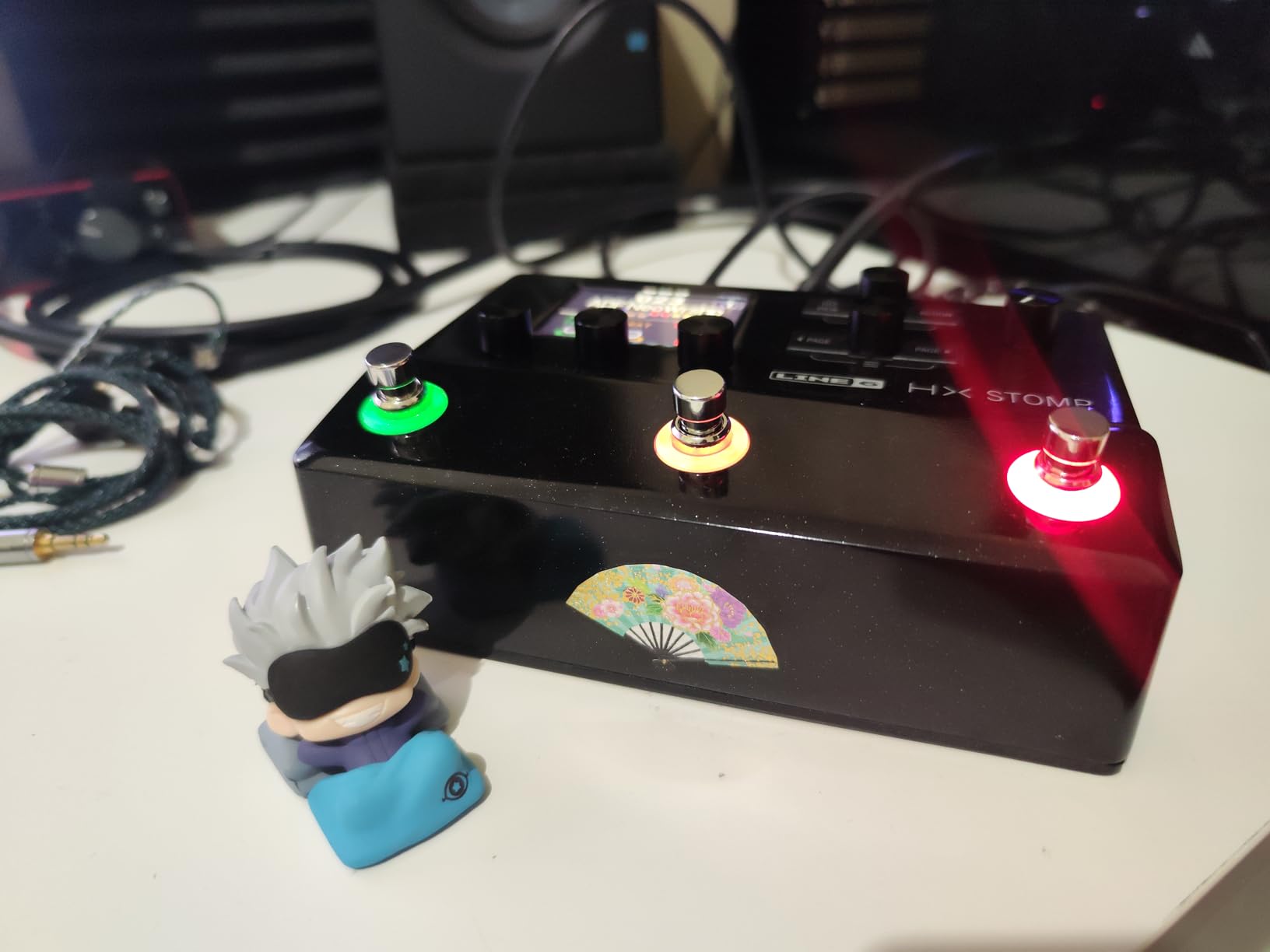
The versatility of this unit is remarkable. With over 300 effects and amp models available, you can recreate virtually any tone from clean country twang to high-gain metal mayhem. What really sets the HX Stomp apart is its ability to run up to six simultaneous blocks, including a looper and impulse response loading. This means you can build complex signal chains with amp, cab, and multiple effects all running at once. The capacitive-sensing footswitches are responsive and the color-coded LED rings make it easy to see what is active even on dark stages.
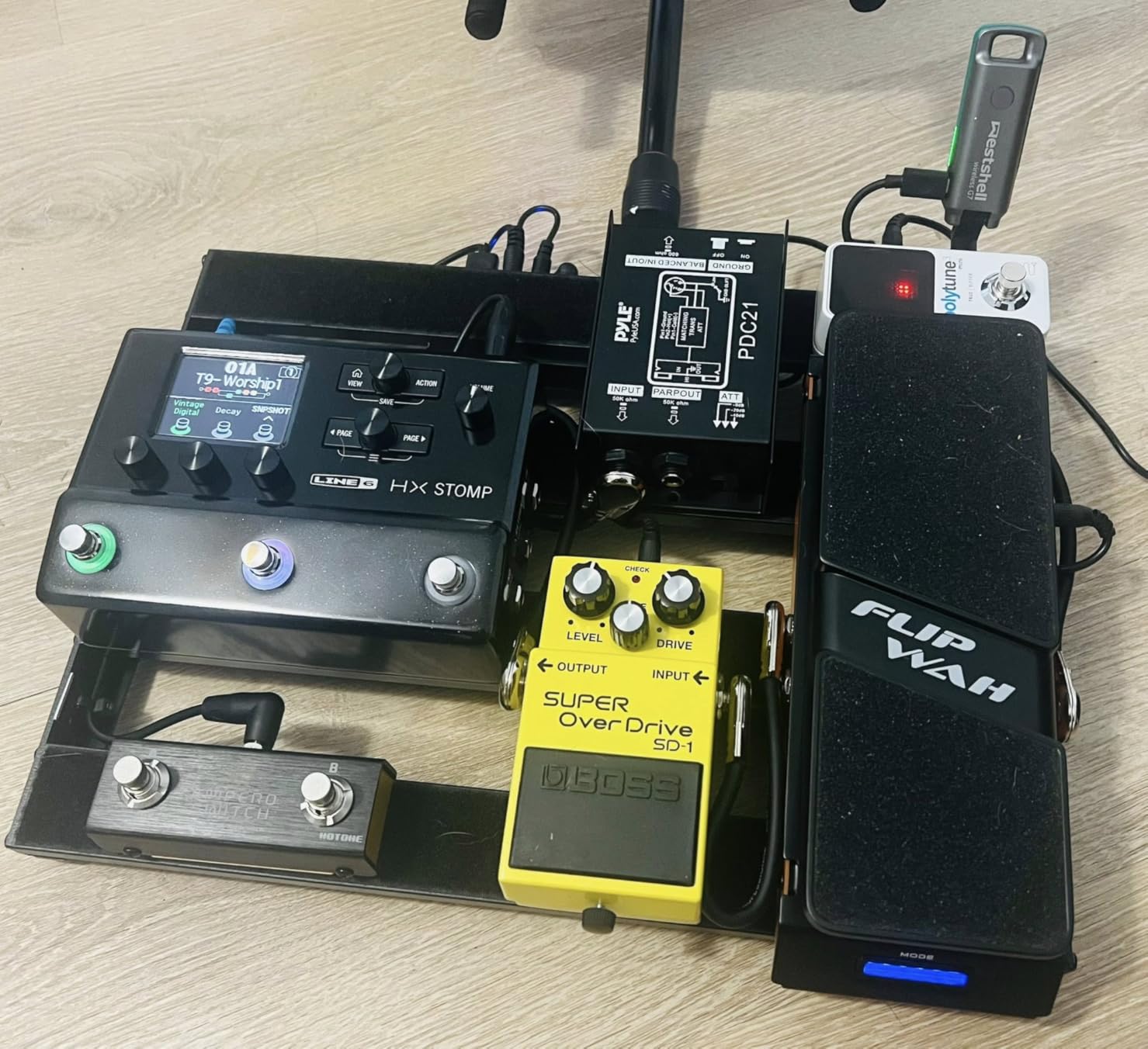
Technical performance is where the HX Stomp truly shines. The DSP power delivers impressive amp modeling that captures the harmonic complexity and dynamic response of tube amplifiers. The effects cover all the essentials including drives, modulations, delays, and reverbs, plus some unique creations that take advantage of digital processing. USB connectivity turns this into a capable audio interface for recording directly to your DAW with re-amping capabilities. The headphone output sounds excellent for silent practice late at night.
There are some limitations to consider. With only three footswitches, live preset switching requires some planning and creative use of snapshots. The small screen works for basic editing but deep parameter tweaking is easier with the connected HX Edit software. I recommend using an isolated power supply as the included adapter can introduce noise into your signal chain. Despite these considerations, the HX Stomp remains my top recommendation for players who want professional sound in a compact format.
Best for Gigging Musicians
The HX Stomp excels in live performance situations where space is at a premium but tone cannot be compromised. Its compact size fits easily on crowded pedalboards, and the ability to run complex patches with just three footswitches makes it ideal for players who do not need extensive preset switching during songs. The direct output capabilities mean you can run straight to the house PA without bringing an amp, which is a game-changer for venue shows and fly-in gigs.
Best for Home Recordists
Recording at home has never been easier with the HX Stomp doubling as a high-quality USB audio interface. You can track directly into your DAW with professional amp tones and effects, then re-amp later if needed. The silent operation means you can track at any hour without disturbing neighbors or family members. The extensive library of impulse responses lets you experiment with different speaker cabs without owning physical cabinets.
2. Line 6 POD Go – The Perfect Balance of Power and Simplicity
Line 6 POD Go Guitar Multi-Effects Pedal, Black
270+ HX and Legacy Models
Large Color LCD Display
Snapshots Functionality
Stereo Effects Loop
Pros
- Easy to use interface
- Great value for money
- Excellent HX sound quality
- Works as USB interface
- Good for worship and live gigs
Cons
- Looper could be longer
- No XLR outputs
- Not as advanced as Helix
- Factory presets need tweaking
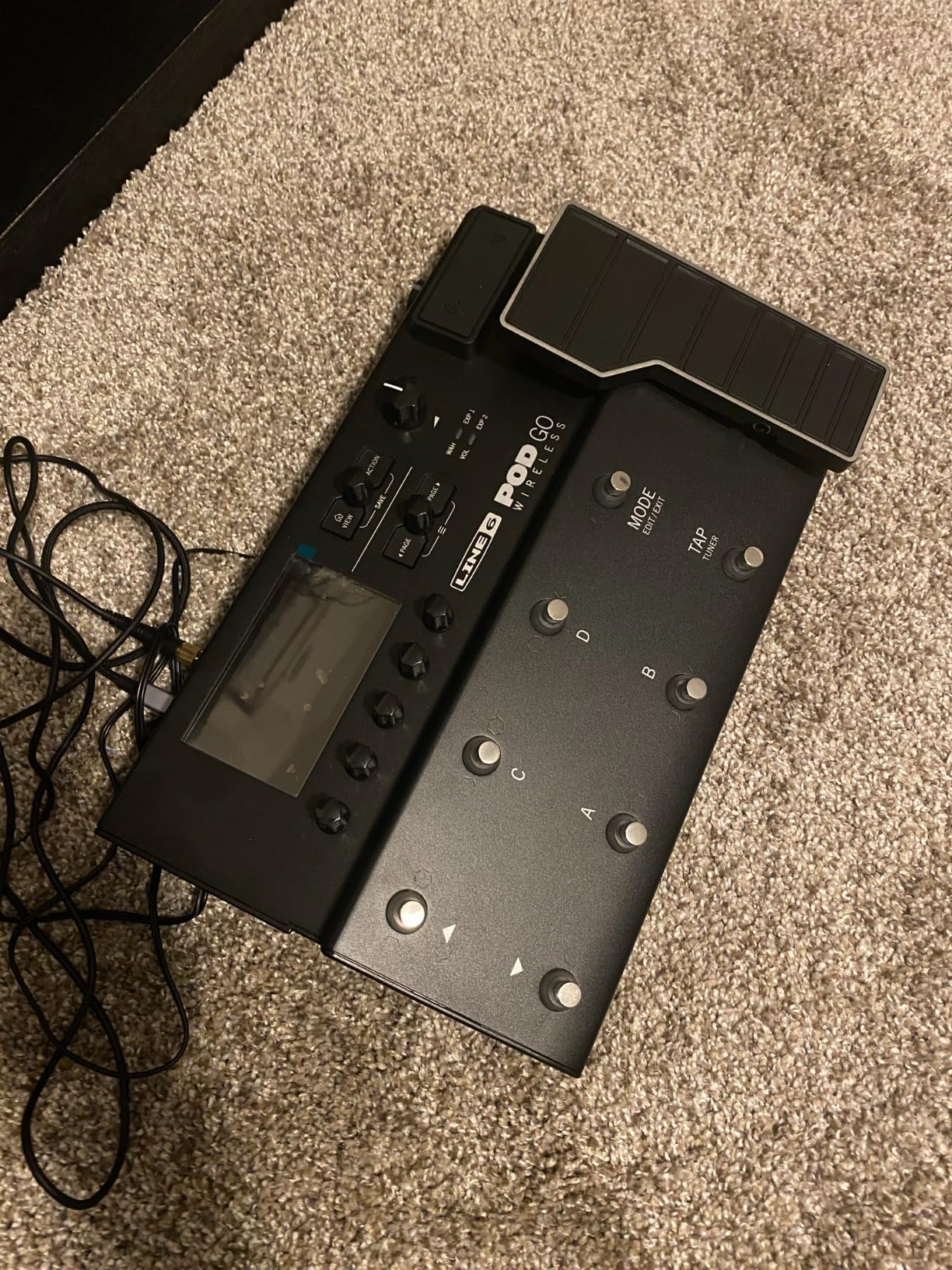
The POD Go represents Line 6’s commitment to making professional-quality tones accessible to everyone. I have recommended this unit to dozens of students and fellow players, and the feedback has been overwhelmingly positive. The large color LCD screen makes navigating patches intuitive, and the physical layout with five push encoders and eight footswitches feels familiar right out of the box. You do not need a computer science degree to get great sounds out of this processor.
What makes the POD Go special is how it balances power with simplicity. You get access to over 270 HX and legacy amp models, but the interface never feels overwhelming. The Snapshots functionality is a brilliant feature for live use, allowing you to switch between different settings within a single preset without the audio dropouts that plague some other units. I have watched worship musicians seamlessly transition from clean rhythm to distorted lead with a single tap, keeping their focus on playing rather than tap dancing.
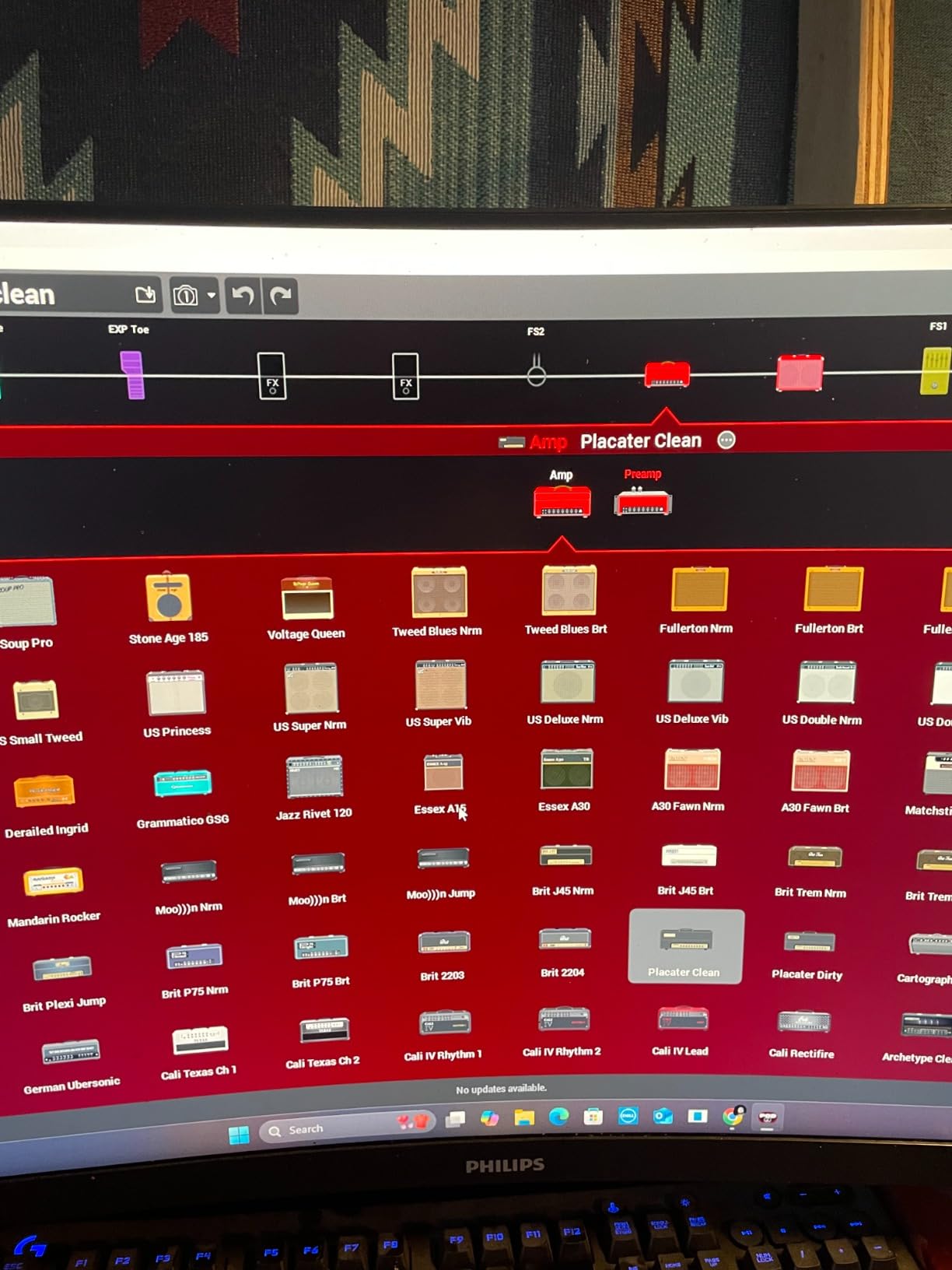
The sound quality is genuinely impressive, especially considering the price point. The HX modeling delivers authentic amp tones that respond to your picking dynamics and guitar volume knob. The effects library covers all the essentials with some standout modulation and delay sounds. The built-in expression pedal feels solid and provides real-time control over wah, volume, or any parameter you choose to assign. USB audio interface capability means you can record directly to your computer with professional results.
There are some trade-offs for the simplified approach. The looper is decent but would benefit from more recording time. Unlike more expensive units, there are no dedicated XLR outputs, so you will need adapter cables for direct PA connection. Some factory presets sound a bit harsh and require tweaking, but the editing software makes this process painless. These minor complaints aside, the POD Go offers exceptional value for players who want great sounds without the complexity of flagship units.
Best for Beginners
New players will appreciate how quickly they can start getting great tones with the POD Go. The large screen shows exactly what each knob and button does, eliminating the confusion that plagues more complex units. The preset library covers virtually every genre, so beginners can explore different sounds without deep editing knowledge. As players grow, the POD Go grows with them, offering deeper editing options when they are ready to explore.
Best for Worship Musicians
Worship players need versatility and reliability, and the POD Go delivers both in spades. The Snapshots feature is perfect for transitioning between different sections of songs seamlessly. The stereo effects loop allows integration of favorite pedals while still using the amp models. The direct output capabilities work great for running straight to in-ear monitoring systems, which has become standard in many modern worship environments.
3. BOSS GX-100 – Premium Tone with AIRD Technology
BOSS GX-100 | Advanced Guitar Effects Processor | Authentic Tube Amp Tone with AIRD Technology | 32 Amp Types & 170+ BOSS Effects Derived from the Flagship GT-1000
32 Amp Types with AIRD Technology
170+ BOSS Effects
Color Touch Display
Dual Amp Capability
Pros
- Exceptional audio quality
- Authentic tube amp feel
- Huge variety of amps and effects
- Built like a tank
- Great for recording
Cons
- Some amp models not based on real amps
- Spring reverb could be better
- Touchscreen response inconsistent
- Higher price point
BOSS has been a trusted name in guitar effects for decades, and the GX-100 represents their commitment to premium multi-effects processors. I have spent considerable time with this unit, and the AIRD (Augmented Impulse Response Dynamics) technology is genuinely impressive. The way the amp models respond to picking dynamics and guitar volume changes feels remarkably close to playing through actual tube amplifiers. This touch response is often missing in digital units, but BOSS has nailed it here.
The build quality is exactly what you would expect from BOSS, which is to say it is built like a tank. The metal chassis can handle the rigors of gigging without complaint. The color touchscreen interface is mostly intuitive, making navigation and editing relatively painless. With 32 amplifier types and over 170 effects, you have virtually endless tone-shaping possibilities at your fingertips. The ability to run dual amps simultaneously opens up creative possibilities for stereo rigs and layered tones.
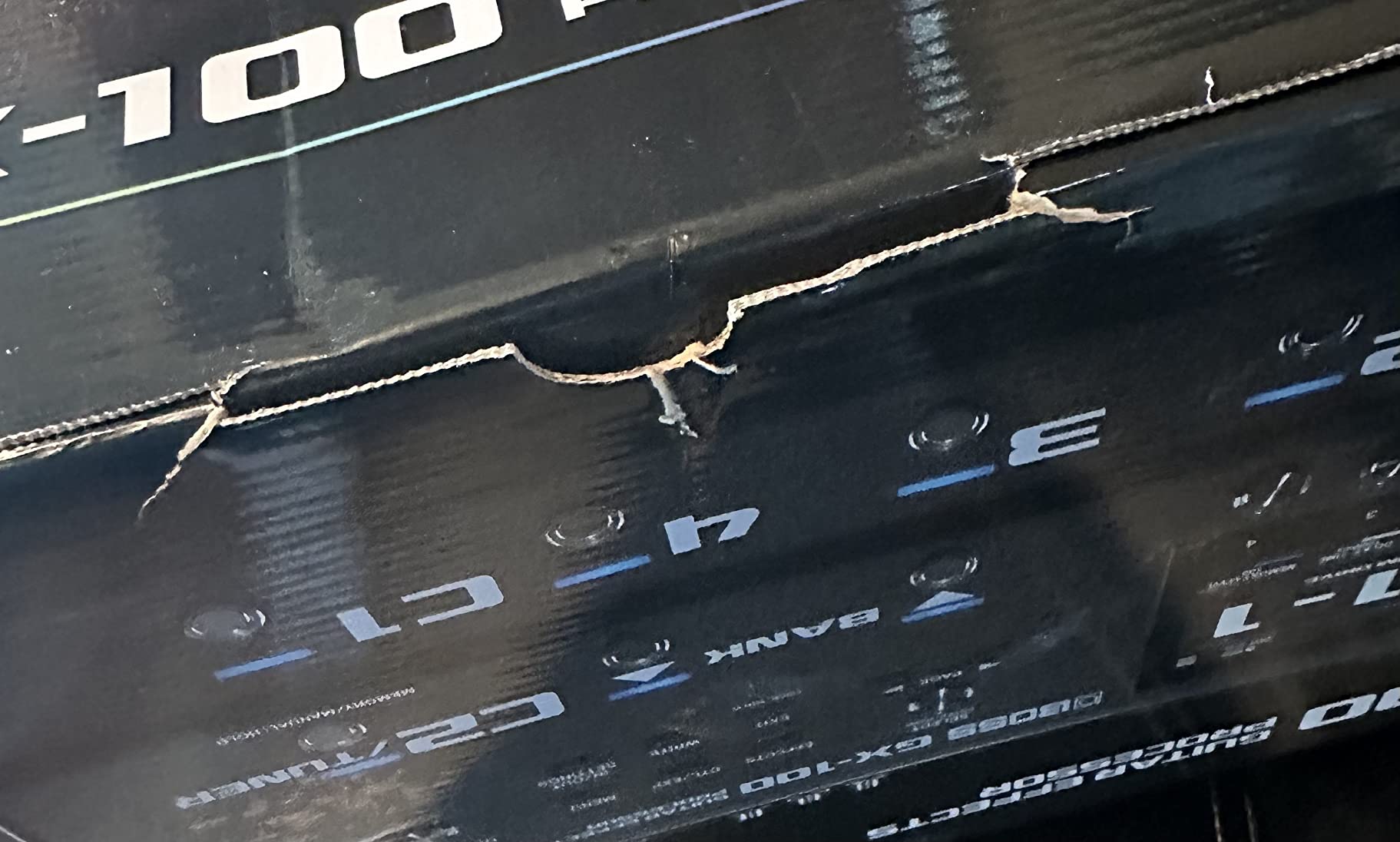
Technical specifications are impressive on paper and translate to real-world performance. The 24-bit AD and 32-bit DA conversion combined with 32-bit floating-point processing delivers pristine audio quality. The 48 kHz sampling rate ensures accurate reproduction of high-frequency content. The flexible routing with 15 assignable blocks lets you create complex signal chains exactly how you envision them. Support for loading WAV speaker IRs means you are not limited to the onboard cabinet simulations.
There are some considerations to keep in mind. Some of the amp models are original creations rather than emulations of specific real-world amplifiers, which might disappoint players looking for exact clones of classic amps. The spring reverb effects are decent but not quite as convincing as some other effects in the unit. The touchscreen interface, while generally good, can occasionally be unresponsive and require multiple taps. The premium price point places this in competition with some formidable alternatives, but the AIRD technology may justify the investment for players who prioritize authentic tube amp feel.
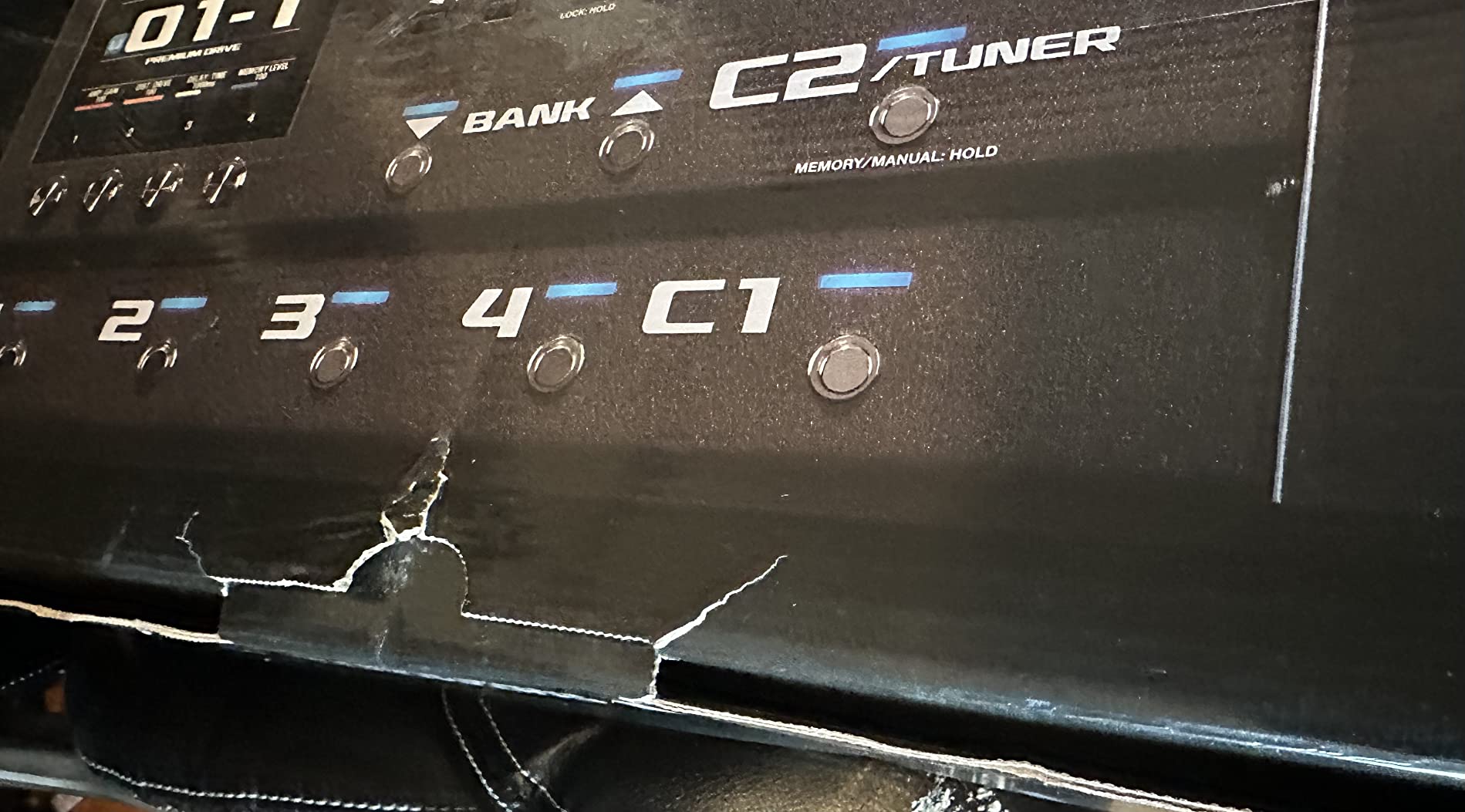
Best for Tone Purists
Players who are particular about touch response and dynamic feel will appreciate what the AIRD technology brings to the table. The way notes bloom and sag when pushed feels remarkably similar to a tube amp power section. The ability to fine-tune this response means you can match the feel to your playing style. This attention to dynamic detail makes the GX-100 particularly rewarding for expressive players who rely on their touch and technique.
Best for Studio Recording
The GX-100 excels in recording environments where sound quality is paramount. The high-quality converters and processing ensure your recordings capture every nuance of your playing. The low-latency USB audio interface functionality makes tracking direct into your DAW a breeze. The extensive effects library includes studio-quality reverbs and delays that sit perfectly in a mix. Whether you are demoing ideas at home or tracking final takes, this unit delivers professional results.
4. BOSS ME-90 – Traditional Interface Meets Modern Technology
BOSS ME-90 Guitar Multi-Effects | All-In-One Guitar Processor | 11 Onboard AIRD Amp Models | 60 Effects derived from the GT-1000 | 8 Multi-Function Footswitches & Redesigned Expression Pedal
11 AIRD Amp Models
60 Effects from GT-1000
Knob-Based Interface
Effects Loop Included
Pros
- Intuitive knob interface like real pedals
- Great AIRD amp sounds
- Can load custom IRs
- Effects loop for external pedals
- Battery powered option
Cons
- Bluetooth adapter sold separately
- Distorted tones need EQ work
- Settings reset issues reported
- Expression pedal volume swell problem
The BOSS ME-90 takes a different approach than most multi-effects processors by embracing a traditional stompbox-style interface. Instead of navigating menus on a screen, you have dedicated knobs for each effect category just like individual pedals. I found this refreshingly intuitive during my testing period. There is something satisfying about reaching down and twisting a physical knob to dial in your sound rather than scrolling through digital pages.
The 11 AIRD amp models sound excellent and inherit the touch-responsive technology from their more expensive GT-1000 sibling. With 60 effects derived from the flagship GT-1000, you have access to proven BOSS tones that have been refined over decades. The effects loop is a welcome feature that allows you to integrate your favorite analog pedals into the digital chain. I particularly appreciated being able to place my overdrive pedal before the amp models while keeping time-based effects after.
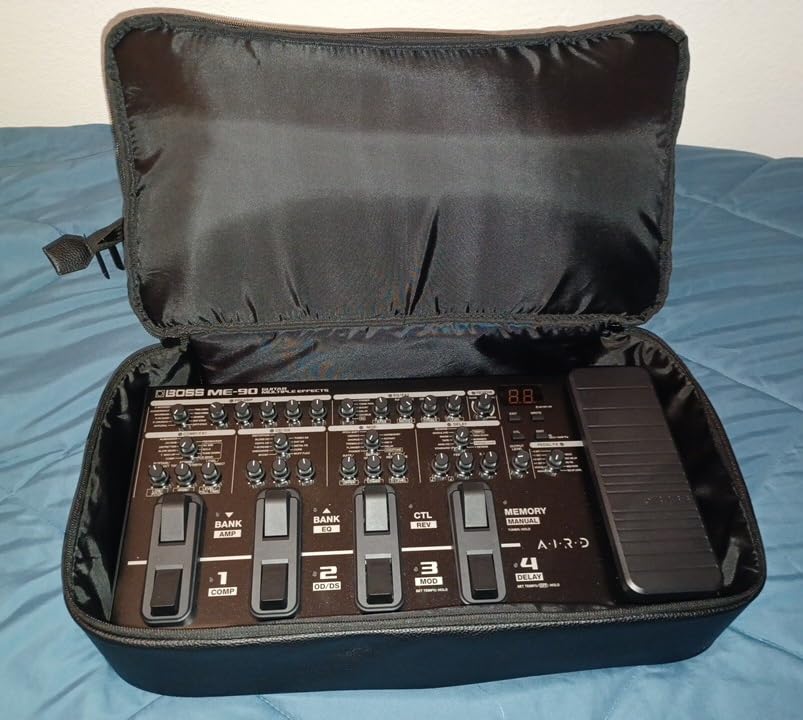
Build quality is typical BOSS, which means it will last through years of regular use. The redesigned expression pedal with toe switch feels substantial and responsive. Battery power capability provides portability options that most competitors lack, making this a viable choice for busking or outdoor gigs where power is not readily available. The 36 preset patches give you starting points for various genres, and the 36 user patches let you save your custom creations.
There are some limitations to consider. The Bluetooth adapter for wireless editing and app connectivity is sold separately, which feels like an omission at this price point. Some users have reported issues with settings not saving properly when powering the unit off and on, which could be problematic for live use. The distorted tones often require significant EQ work to sound their best, and some users have reported issues with the expression pedal’s volume swell function. Despite these issues, the ME-90 remains a solid choice for players who prefer hands-on control.
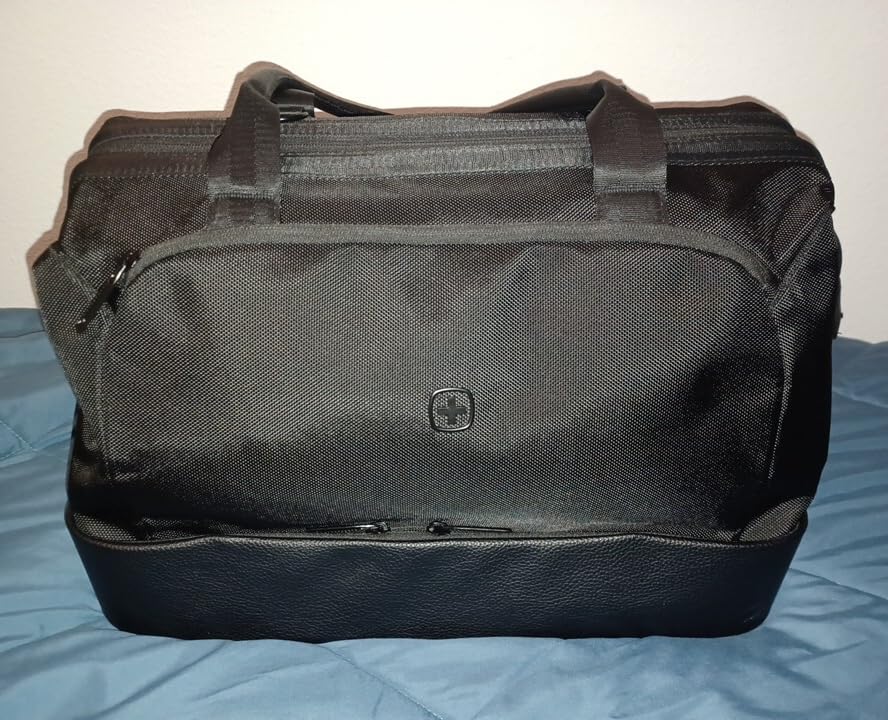
Best for Players Who Hate Menus
If you have ever found yourself frustrated by menu diving on digital processors, the ME-90 was designed for you. The knob-based interface means you can see and adjust every parameter at a glance without ever looking at a screen. This approach is particularly appealing for players who learned on individual pedals and find the stompbox metaphor more intuitive than preset-based systems. The learning curve is virtually nonexistent for anyone familiar with standard pedal layouts.
Best for Hybrid Setups
The effects loop makes the ME-90 an excellent choice for players who want to combine digital modeling with their favorite analog pedals. You can place your most cherished drives, compressors, or fuzzes before the amp models while using the ME-90 for modulation, delay, and reverb. This hybrid approach gives you the best of both worlds, the tactile feel and familiar response of analog drives with the convenience and versatility of digital time-based effects.
5. NUX MG-400 – Unmatched Flexibility at a Budget Price
NUX MG-400 Multi Effects Pedal, 30 Amp Modeling, 512 Samples IR, 10 Independent Moveable Signal Blocks, 36 Built-in Cabinet IRs, Real‑Time Interaction, Backup & Safety, 24 User-loadable IR Slots
25 Guitar Amps with 1 Bass and 1 Acoustic
50 Effects with Moveable Blocks
512 IR Storage
60-Second Looper
Pros
- Excellent value for money
- Low 1.1ms latency
- Great reverbs and delays
- 60-second looper
- Scene functionality
Cons
- Plastic body construction
- Editing software not intuitive
- Cannot create new patches
- Some users find sounds muddy
- No Latin drum beats
NUX has been making waves in the budget multi-effects market, and the MG-400 offers features typically found in much more expensive units. What really stands out about this processor is the flexible signal routing with 10 independent moveable blocks. Unlike budget units that lock you into a fixed signal chain, the MG-400 lets you arrange effects in any order you can imagine. I found this freedom refreshing when experimenting with unconventional routing configurations.
The 1.1ms system latency is among the best in class at any price point. When you play, the note happens virtually instantaneously, which is crucial for feeling connected to your instrument. The reverbs and delays are genuinely impressive, with some algorithms that rival much more expensive processors. The 60-second looper with drum sync is a practice tool that will keep you occupied for hours, and the built-in tuner is large and easy to read on dim stages.
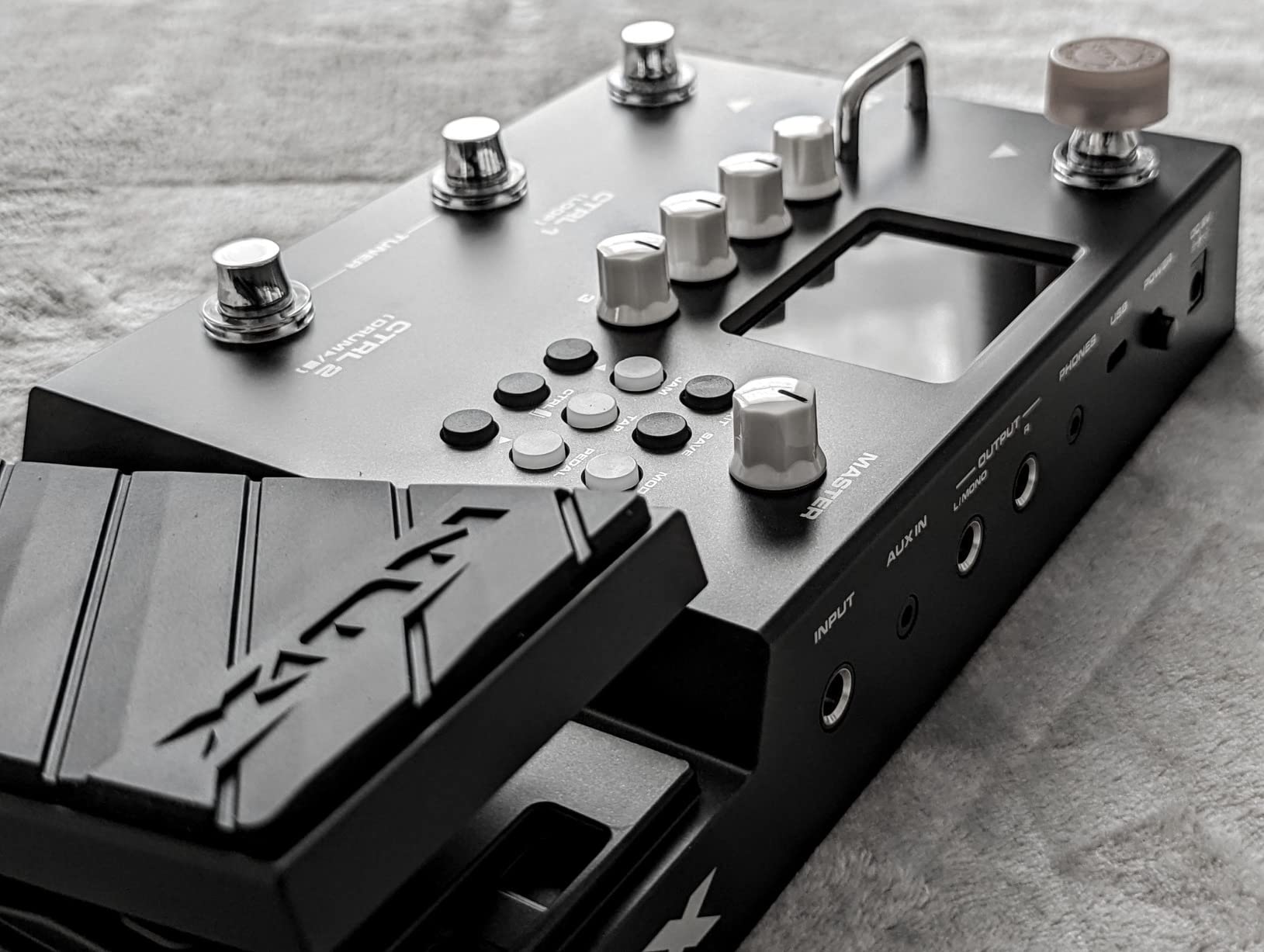
The amp selection covers a wide range of essentials with 25 guitar models plus bass and acoustic options. The 512 IR storage capacity means you can load an extensive library of cabinet impulses without worrying about running out of space. Scene functionality makes organizing presets for different songs or sets straightforward. The expression pedal has good throw and feels responsive underfoot. USB connectivity provides recording capabilities and firmware updates.
There are some compromises for the budget price. The plastic body, while not feeling cheap, does not inspire the same confidence as metal construction from competitors. The editing software is functional but not particularly intuitive, requiring some patience to learn. You cannot create new patches from scratch, instead you must overwrite existing ones, which can be frustrating. Some users report that certain sounds can get muddy without careful EQ adjustment. The lack of Latin drum beats in the looper is a minor but curious omission. Despite these drawbacks, the MG-400 offers incredible value for players on a budget.
Best for Experimental Players
The flexible signal routing makes the MG-400 a playground for players who like to experiment with unconventional effect orders. You can place distortion after reverb, run parallel effects chains, or create complex feedback loops that would require elaborate pedalboard wiring with analog gear. This freedom to break traditional signal chain rules can lead to discovering unique sounds that set your playing apart from the crowd.
Best for Bedroom Practice
The combination of a capable looper, drum machine, and headphone output makes the MG-400 an excellent practice companion. You can work on solos over backing tracks, practice chord changes with the drum machine, or simply explore different amp tones without disturbing anyone. The low latency means your playing feels natural and responsive, which is essential for productive practice sessions. The budget price makes it an accessible entry point for players just starting their multi-effects journey.
6. HeadRush Flex Prime – Creative Powerhouse with Cloud Connectivity
HeadRush Flex Prime - Guitar and Bass Multi Effects Pedal and Amp Modeling Processor with Touchscreen, Looper, Wi-Fi, Bluetooth, IR Loader, USB, Lessons
700+ Gear Emulations
4 inch Touchscreen
Wi-Fi Cloud Sharing
Pro Looper with MIDI Sync
Pros
- Excellent sound quality
- Responsive touchscreen interface
- Wi-Fi connectivity for presets
- Pro looper with MIDI sync
- Includes ReValver software
Cons
- Learning curve can be steep
- Expression pedal is small
- ReValver clones lower quality
- Some latency issues reported
HeadRush has made a name for itself with touchscreen interfaces, and the Flex Prime continues this tradition with style. The 4-inch responsive color touchscreen is one of the best I have used on any multi-effects processor. Navigation is fluid, parameter adjustment is intuitive, and the visual feedback makes it easy to understand exactly what is happening in your signal chain at a glance. With 700+ emulations of vintage, modern, and boutique gear, you have virtually endless tonal possibilities.
The Wi-Fi connectivity is a game-changer for preset sharing. The HeadRush Cloud contains over 10,000 rigs that you can browse and download directly to your unit. I found this community aspect incredibly valuable, as I could access tones created by other players and use them as starting points for my own sounds. The Pro Looper with MIDI sync and save/load features is a powerful tool for live looping and creating layered performances on the fly.
Sound quality is impressive across the board. The amp modeling captures the character of the original units with convincing accuracy. The 350+ built-in impulse responses cover a wide range of speaker cabinets, and you can load your own if you prefer. The multi-core processor delivers low latency with undetectable digital artifacts, ensuring your playing feels natural and responsive. Up to 15 blocks per patch means you can create incredibly complex and layered sounds.
Best for Sound Designers
Players who enjoy crafting unique sounds will appreciate the deep editing capabilities and flexible routing of the Flex Prime. The touchscreen makes navigating complex parameter grids much more tolerable than scrolling through tiny menus. The ability to run up to 15 blocks simultaneously opens up creative possibilities that would require massive pedalboards with analog gear. If you enjoy pushing boundaries and creating sounds that are uniquely yours, this unit provides the tools to do exactly that.
Best for Preset Explorers
The HeadRush Cloud integration makes this unit ideal for players who enjoy exploring sounds created by others. Rather than starting from scratch, you can browse thousands of user-created rigs covering virtually every genre and artist style imaginable. This approach can be particularly valuable for cover band players who need to quickly dial up specific artist tones. The community aspect keeps the unit feeling fresh as new rigs are constantly being added.
7. BOSS GT-1 – Legendary Reliability on a Budget
BOSS GT-1 | Compact Guitar Effects Processor | Packed with Iconic Amps & Effects | Premium Sound Engine | Ideal for Beginner Guitarists | Durable & Lightweight | FREE Pro Patches via BOSS Tone Central
Compact and Durable Design
Easy Select and Edit Functions
Battery Powered Option
32-Second Looper
Pros
- Excellent value for money
- Easy to learn and use
- Great sound quality possible
- Battery powered option
- Huge variety of effects
Cons
- No power on/off switch
- Looper limited to 32 seconds
- Factory presets not great
- No community preset sharing
- Expression pedal can squeak
The BOSS GT-1 has earned its reputation as the go-to entry-level multi-effects processor for good reason. I have personally recommended this unit to dozens of beginning students, and the success rate has been incredibly high. The Easy Select and Easy Edit functions make finding and tweaking sounds straightforward, even for players with no prior experience with multi-effects units. The sound quality, when properly dialed in using the Output Select setting, is genuinely impressive for the price.
The compact and durable design embodies BOSS’s legendary reliability. These things are built to survive years of regular use and abuse. The battery power option provides portability that most competitors cannot match, making the GT-1 viable for outdoor gigs, busking, or situations where power is not readily available. The variety of effects and amp models covers all the essentials, giving new players plenty of territory to explore as they develop their ear and discover what sounds they prefer.
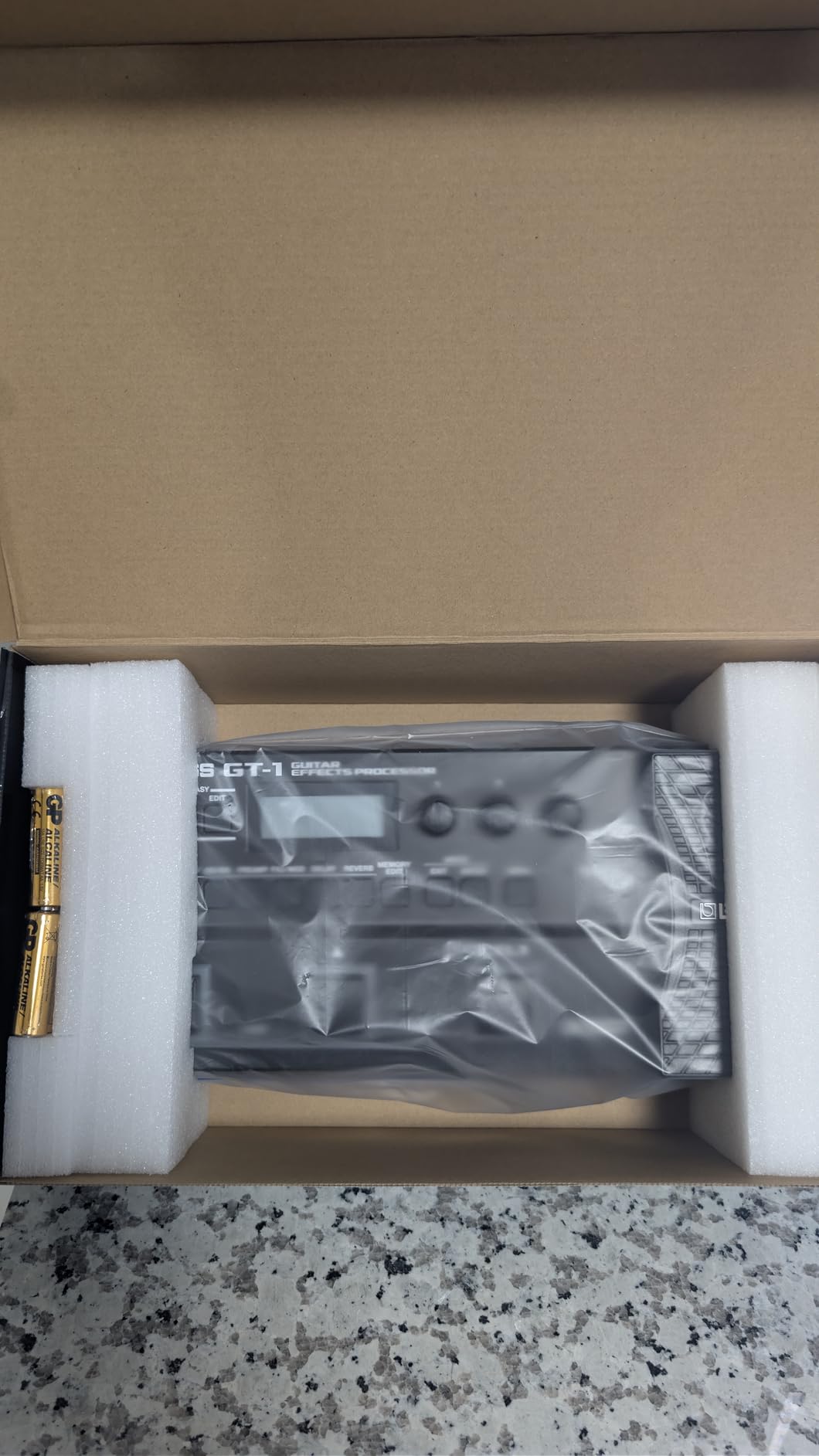
BOSS Tone Central provides access to free pro patches created by professional guitarists, which can serve as excellent starting points for your own tones. The USB connectivity allows for computer editing and firmware updates, ensuring the unit stays current. The GT-1 can function as a preamp running into a power amp or full range system, or it can be used in the traditional effects loop position of your existing amplifier.
There are some limitations to consider. The lack of a dedicated power on/off switch is frustrating, requiring you to unplug the unit to turn it off. The looper is limited to 32 seconds, which feels restrictive once you start exploring more complex looping ideas. The downloadable BOSS presets are not highly rated by many users, so you will likely need to do some tone crafting of your own. There is no dedicated community webpage for user preset sharing, which limits collaborative tone discovery. The expression pedal can occasionally develop a squeak that some users find annoying. Despite these drawbacks, the GT-1 remains an excellent entry point into the world of multi-effects.
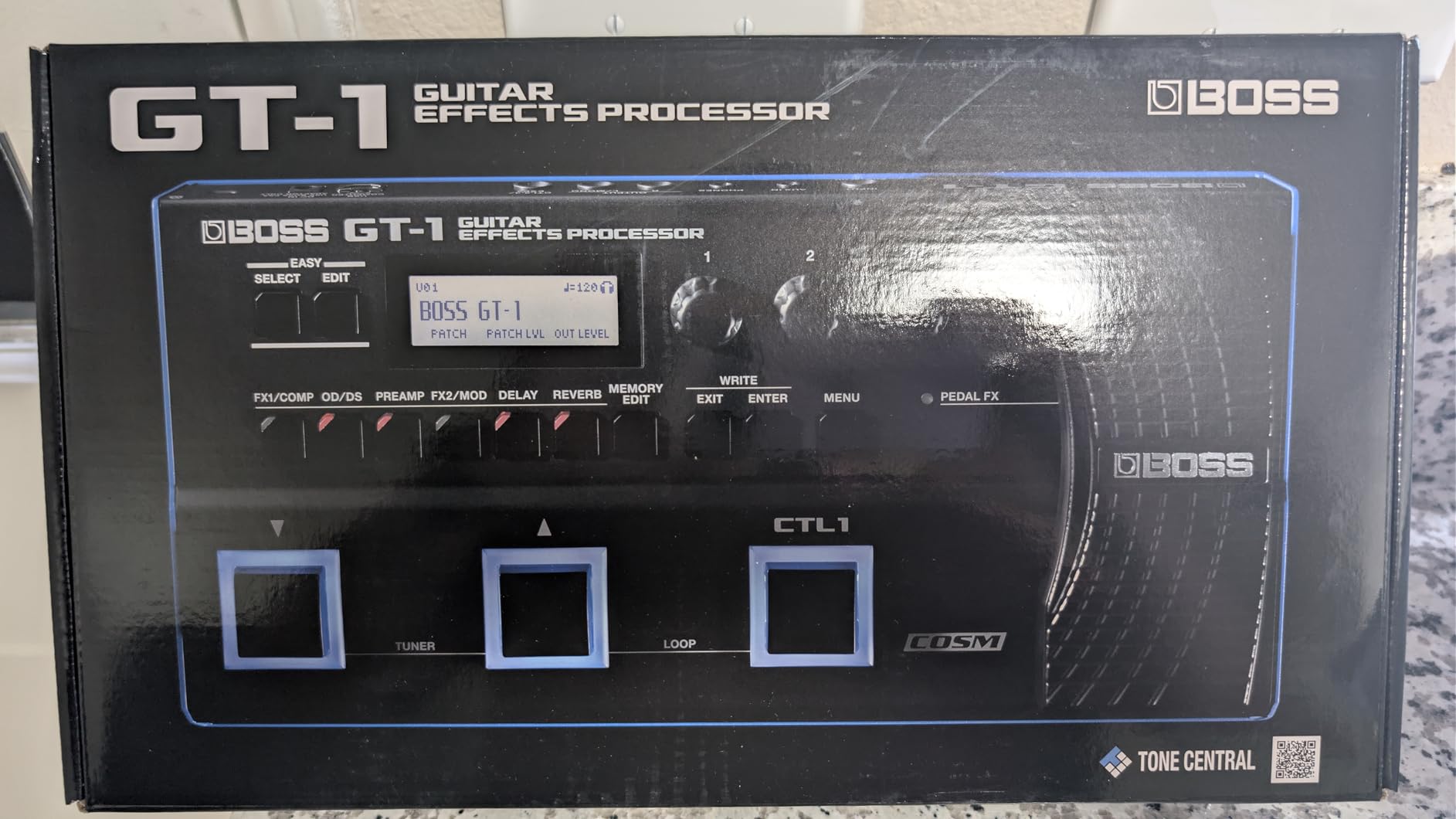
Best for True Beginners
Players who have never used a multi-effects processor will find the GT-1’s learning curve gentle and approachable. The Easy Select feature helps you find the type of sound you are looking for without knowing technical jargon, while Easy Edit guides you through adjusting parameters without getting lost in menus. The preset library covers enough ground that you can explore different genres and styles to discover what resonates with your musical preferences.
Best for Traveling Musicians
The combination of compact size, battery power, and durability makes the GT-1 an excellent companion for traveling musicians. Whether you are on tour, on vacation, or simply heading to a friend’s house for a jam session, you can toss the GT-1 in your bag without worrying about damage or power availability. The headphone output means you can practice anywhere without needing an amplifier, making it perfect for hotel rooms and quiet environments.
8. NUX MG-30 – Pro-Level Features at an Unbeatable Price
NUX MG-30 Guitar Multi-Effects Pedal Guitar/Bass/Acoustic Amp Modeling Processor, IR Loader, White-Box Algorithm, EFX Routing, 4'' Color LCD, NMP-2 Footswitch Included
35 Amp Models with White-Box Algorithm
56 Effect Modules
11-Block Signal Routing
4 inch Color LCD
Pros
- Best value in price range
- Pro-level amp modeling
- Best interface in class
- Ultra-low 2ms latency
- Regular firmware updates
Cons
- No true bypass option
- Amp and IR blocks locked together
- Built-in IRs lifeless
- Send/Return loop mono only
The NUX MG-30 has quickly become a favorite among budget-conscious players who refuse to compromise on sound quality. During my testing, I was consistently impressed by how close the amp models came to units costing twice as much. The White-Box Algorithm creates realistic amp response that captures harmonic complexity and dynamic feel. The 4-inch LCD interface is the most intuitive I have encountered at any price point, making navigation and editing genuinely enjoyable rather than a chore.
The technical specifications are impressive on paper and translate to excellent real-world performance. The dual NXP RT processors and premium 32-bit converters deliver pristine audio quality. The 2ms ultra-low latency ensures your playing feels natural and responsive. With 35 amp models covering electric, bass, and acoustic guitars plus 56 effect modules, you have virtually unlimited tone-shaping possibilities. The 11-block signal routing offers flexibility typically reserved for much more expensive units.
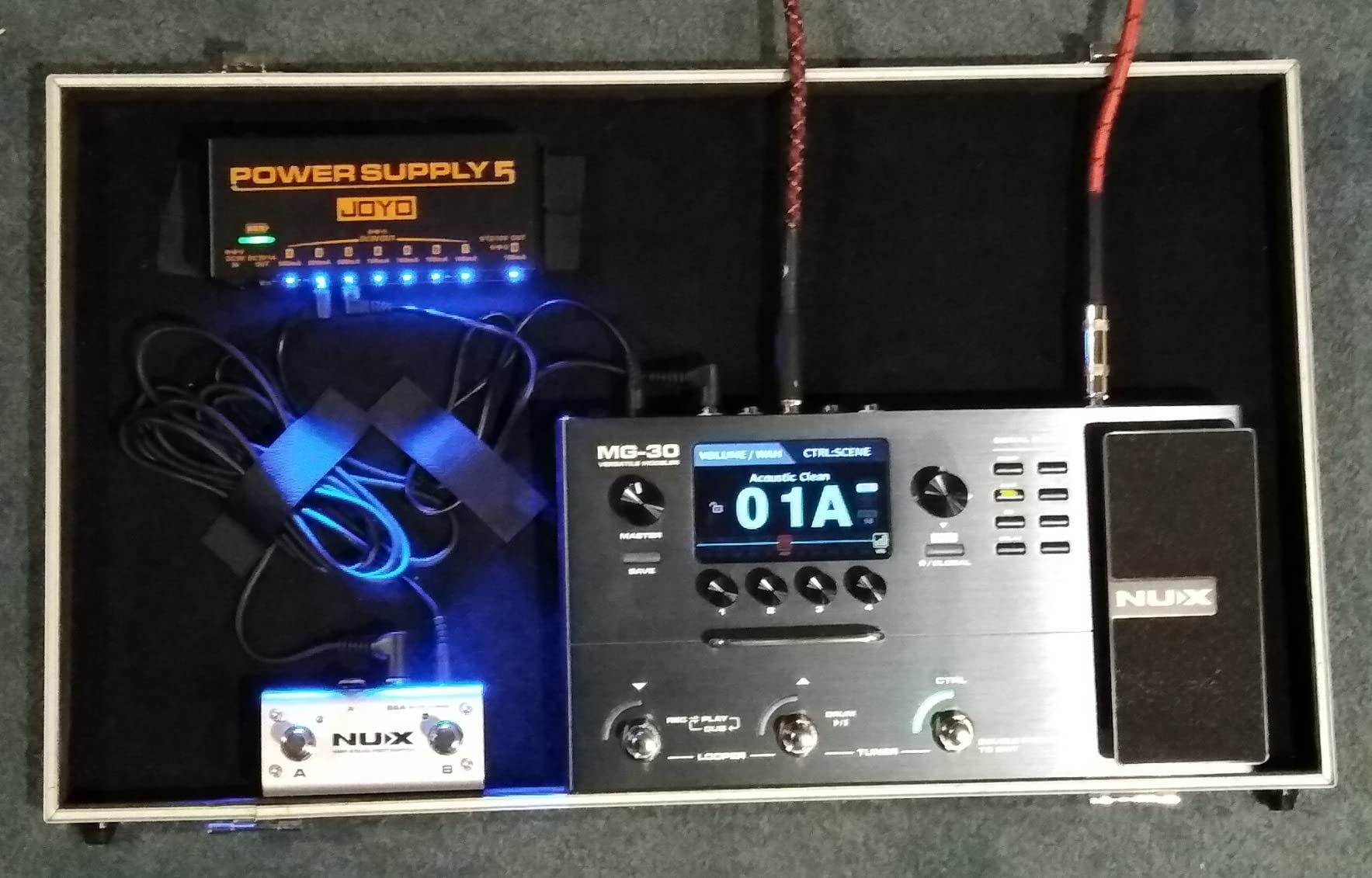
The build quality is solid with an all-metal chassis that feels substantial and road-ready. The send/return loop supports the 4-cable method for integrating your favorite analog pedals. Custom IR loading means you are not limited to the onboard cabinet simulations. Regular firmware updates from NUX have added new features and improvements since release, showing the company’s commitment to supporting the product. The included NMP-2 footswitch expands live switching capabilities.
There are some limitations to be aware of. The lack of a true bypass option may concern players who prefer their signal completely unaffected when bypassed. The amp and IR blocks are locked together in the signal chain, preventing some routing flexibility that other units offer. The built-in IRs are described by some users as lifeless, so you will likely want to load third-party impulses. The send/return loop is mono only, which limits some stereo routing possibilities. The preset switching system takes some getting used to compared to more traditional approaches. Despite these considerations, the MG-30 offers incredible value that is difficult to beat.
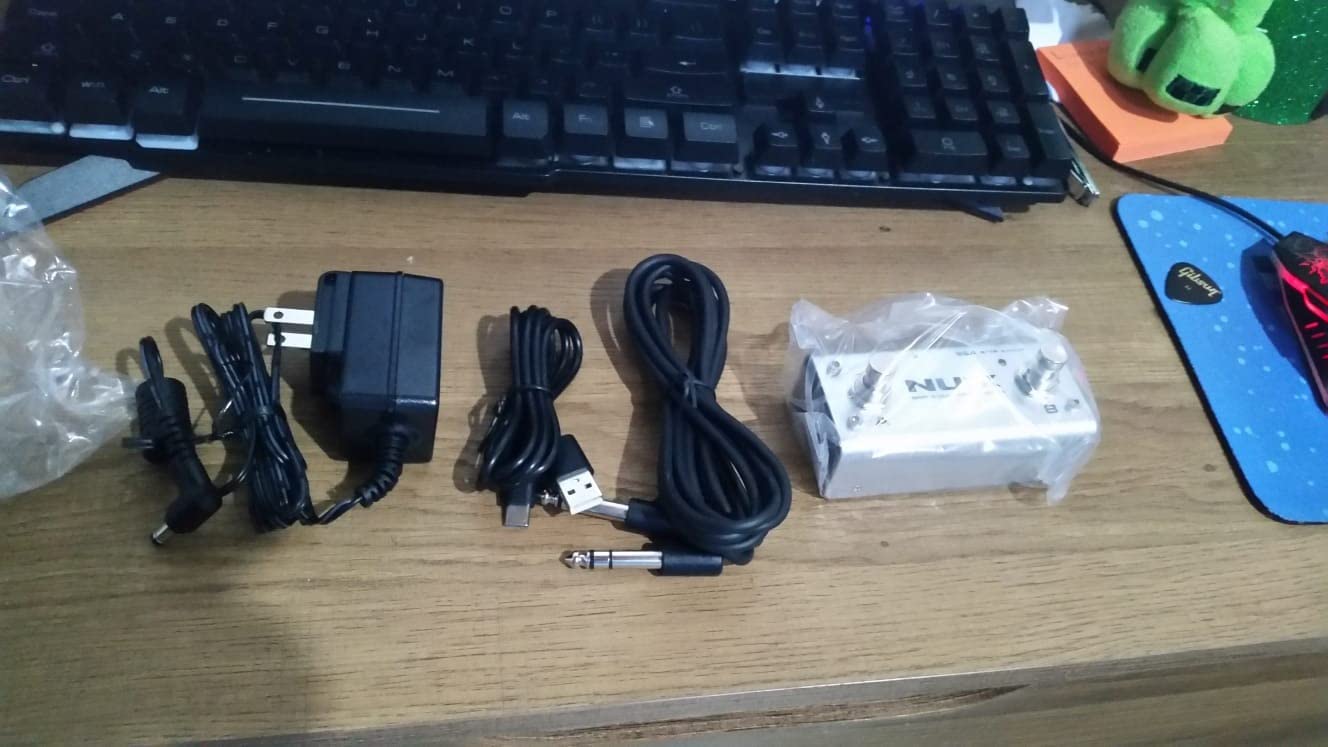
Best for Value Seekers
If you want professional-level features and sound quality without spending a fortune, the MG-30 is difficult to beat. The combination of pro-grade modeling, flexible routing, and an excellent interface at this price point represents exceptional value. You are getting features typically found in units costing twice as much, making this the smart choice for players who want maximum capability per dollar spent.
Best for Interface Aficionados
Players who appreciate good user interface design will fall in love with the MG-30’s 4-inch color LCD. The visual hierarchy is logical, parameter adjustment is intuitive, and the overall experience feels polished and professional. NUX clearly put thought into how players interact with the unit, and the result is an interface that stays out of the way and lets you focus on making music rather than navigating menus.
How to Choose the Best Multi-Effects Processor for Your Needs
With so many options available, finding the right multi-effects processor can feel overwhelming. The key is to identify your specific needs based on how you play, where you play, and what features matter most to your musical style. Let me break down the essential considerations to help you make an informed decision.
Multi-Effects vs Individual Pedals
The debate between multi-effects processors and individual stompboxes has been ongoing since digital units first hit the market. Multi-effects processors offer convenience, cost savings, and consistency that individual pedals cannot match. A single unit can replace an entire pedalboard worth of drives, modulations, delays, and reverbs while also providing amp models and cab simulations. This makes them particularly attractive for players with limited budgets, limited pedalboard space, or those who simply prefer a streamlined setup.
Individual pedals offer tangible benefits that some players find non-negotiable. The tactile feel of turning knobs on dedicated stompboxes, the option to mix and match brands and circuits, and the ability to change your signal chain by moving pedals around are all valid advantages. Some players also prefer the sonic characteristics of specific analog circuits, even though digital modeling has closed the gap significantly in recent years. The best approach depends on your priorities, convenience and versatility versus tactile feedback and boutique options.
Modeling vs Profiling Technology
Understanding the difference between modeling and profiling is crucial when choosing a processor. Modeling technology analyzes how an amplifier or effect circuit works and creates a mathematical model that reproduces its behavior. Line 6 HX, BOSS AIRD, and NUX White-Box are examples of modeling approaches. The strength of modeling is that creators can design original amp types and effects that do not exist in the physical world, offering unique sounds that go beyond simple reproduction.
Profiling technology, most famously used by Kemper and Fractal, creates a digital snapshot or profile of a specific physical amplifier. The process involves playing test signals through the actual amp and capturing its response at various settings. The result is a remarkably accurate reproduction of that specific amplifier’s character. Profiling excels at cloning existing amps with incredible accuracy, while modeling offers more creative freedom to design original sounds. Both approaches have reached a level of quality that satisfies professional musicians, so the choice often comes down to whether you want accurate reproductions of classic amps or original creations.
Key Features to Consider
When evaluating multi-effects processors, certain features deserve special attention based on how you plan to use the unit. Footswitch count and layout matter significantly for live performance. Three switches might work for home use but could feel limiting on stage where you need to access different sounds quickly. Expression pedal capability is essential for players who use wah, volume swells, or want real-time parameter control. The quality of the looper varies widely between units, with some offering basic recording while others provide sophisticated looping with undo, redo, and synchronization options.
Connectivity options determine how versatile the unit will be in different situations. USB audio interface capability is valuable for home recording, allowing you to track directly to your computer without additional equipment. XLR outputs with ground lift make it easy to connect directly to PA systems for live gigs. Effects loops enable hybrid setups where you can integrate favorite analog pedals into the digital chain. MIDI in and out expands synchronization possibilities with other equipment. Consider which of these features align with how you plan to use the processor.
Budget Considerations
Multi-effects processors are available across a wide price spectrum, and there are excellent options at every level. Budget units under $300 like the BOSS GT-1 and NUX MG-400 offer impressive capabilities that were unthinkable at this price point just a few years ago. Mid-range options between $400 and $700 including the Line 6 POD Go, NUX MG-30, and HeadRush Flex Prime provide professional features that satisfy working musicians. Premium units like the BOSS GX-100 and Line 6 HX Stomp offer flagship-level features for demanding players.
The good news is that you do not need to spend a fortune to get great sounds anymore. Even the budget options in this guide offer amp modeling and effects that would have cost thousands just a decade ago. Determine your budget and focus on units in that range rather than worrying that you are missing out by not spending more. The difference between budget and premium is often in build quality, interface refinement, and advanced features rather than core sound quality.
Live vs Home Use
How and where you plan to use your multi-effects processor should heavily influence your decision. For live performance, consider factors like footswitch layout, preset switching speed, visibility of displays in various lighting conditions, and durability of construction. Units like the Line 6 HX Stomp and HeadRush Flex Prime excel in live environments with their compact sizes and intuitive interfaces. The ability to organize presets into setlists and switch between them silently is crucial for stage use.
For home recording and practice, priorities shift toward features like USB audio interface quality, headphone output performance, looper functionality, and deep editing capabilities. The NUX MG-30 and Line 6 POD Go are particularly strong in home environments with their excellent interfaces and recording capabilities. If you live in an apartment or have noise constraints, the quality of the headphone output and direct recording options become particularly important as they enable silent practice and recording without disturbing others.
Frequently Asked Questions
What is the best multi-effects pedal for live performance?
The Line 6 HX Stomp and HeadRush Flex Prime are top choices for live performance. The HX Stomp offers professional sound in a compact size that fits easily on pedalboards, while the Flex Prime provides an intuitive touchscreen interface and Wi-Fi preset sharing. Both units handle the rigors of gigging with reliable switching and durable construction.
What are the current best budget multi-effects pedals?
The BOSS GT-1 and NUX MG-30 are excellent budget options. The GT-1 offers legendary BOSS reliability and ease of use around $170, while the MG-30 provides pro-level features and impressive sound quality around $330. Both units deliver remarkable value without compromising on essential features.
Which budget multi-effects pedal has the best drive sounds?
The NUX MG-400 is frequently praised for having excellent drive and distortion sounds at its price point. Users on forums consistently mention the surprising quality of its overdrive and distortion models compared to more expensive units. The low 1.1ms latency also contributes to a responsive feel that enhances drive performance.
What is the best multi effects pedal under $500?
The NUX MG-30 and Line 6 POD Go are the top contenders under $500. The MG-30 offers pro-level modeling and the best interface in its class around $330. The POD Go provides excellent HX sound quality, an easy interface, and snapshots functionality around $475. Both units represent exceptional value in this price range.
What is the best multi effect guitar pedal for beginners?
The BOSS GT-1 and Line 6 POD Go are ideal for beginners. The GT-1 features Easy Select and Easy Edit functions that make finding and tweaking sounds straightforward. The POD Go offers a large color display and simple interface that does not feel overwhelming. Both units provide excellent learning tools for players new to multi-effects processors.
Are multi-effects pedals worth it compared to individual pedals?
Multi-effects pedals are absolutely worth it for most players. They offer significant cost savings compared to buying individual pedals, provide consistent sound quality, eliminate cable clutter, and often include amp modeling that individual pedals cannot offer. While some players prefer the tactile feel of individual stompboxes, multi-effects processors provide versatility and convenience that makes them an excellent choice for the majority of guitarists.
Conclusion
The best multi-effects processors for guitar in 2026 offer incredible value and capability compared to just a few years ago. Whether you choose the professional-grade Line 6 HX Stomp, the unbeatable value of the NUX MG-30, or the budget-friendly BOSS GT-1, you can be confident that modern technology delivers excellent tones that satisfy players at every level.
Consider how you plan to use your processor, live gigging, home recording, practice, or all of the above. Match the features that matter most to your playing style and budget constraints. The units reviewed in this guide all have proven track records and satisfied users, so you can make your choice with confidence knowing that any of them will serve you well on your musical journey.