



8 Best PCIe Riser Cables for Vertical GPU Mounting (March 2026)
8 Best PCIe Riser Cables for Vertical GPU Mounting ( ) Vertical GPU mounting has become one of the most popular aesthetic trends in PC…

Transforming your patio into an outdoor entertainment space requires one essential component: a weatherproof TV designed to withstand the elements while delivering stunning picture quality. Unlike regular indoor televisions, outdoor TVs are engineered with enhanced brightness, weather-resistant casings, and temperature tolerance systems that allow them to perform reliably in rain, extreme heat, and direct sunlight. Whether you’re hosting game day watch parties, enjoying movies under the stars, or keeping up with your favorite shows while lounging by the pool, investing in a purpose-built outdoor television ensures you’ll have a crystal-clear viewing experience regardless of weather conditions.
The outdoor TV market has evolved significantly, with options ranging from premium full-sun models boasting 2000 nits of brightness to budget-friendly partial-sun televisions perfect for covered patios. When choosing the best outdoor TV for your space, you’ll need to consider several critical factors: sun exposure levels (full sun, partial sun, or full shade), screen size appropriate for your viewing distance, weather protection ratings (IP55 or higher), and smart features that integrate with your existing streaming services. This comprehensive guide covers the top 8 outdoor TVs across all price points and use cases, helping you make an informed decision that balances performance, durability, and value.
| Product | Screen Size | Brightness | Sun Exposure | Price | Best For |
|---|---|---|---|---|---|
| Samsung The Terrace Full Sun | 65″ | Neo QLED (HDR+) | Full Sun | $6,348 | Premium full-sun setups |
| Sylvox 55″ Pool Pro 2.0 | 55″ | 2000 nits | Full Sun | $2,352 | Budget full-sun value |
| Sylvox 65″ Pool Pro 2.0 | 65″ | 2000 nits | Full Sun | $3,127 | Large full-sun viewing |
| Samsung 75″ Terrace Partial Sun | 75″ | Quantum HDR 32x | Partial Sun | $3,518 | Large covered patios |
| Sylvox 55″ Deck Pro 2.0 | 55″ | 1000 nits | Partial Sun | $1,499 | Mid-range partial sun |
| Sylvox 50″ Patio Series | 50″ | 700 nits | Partial Sun | $1,199 | Value partial sun |
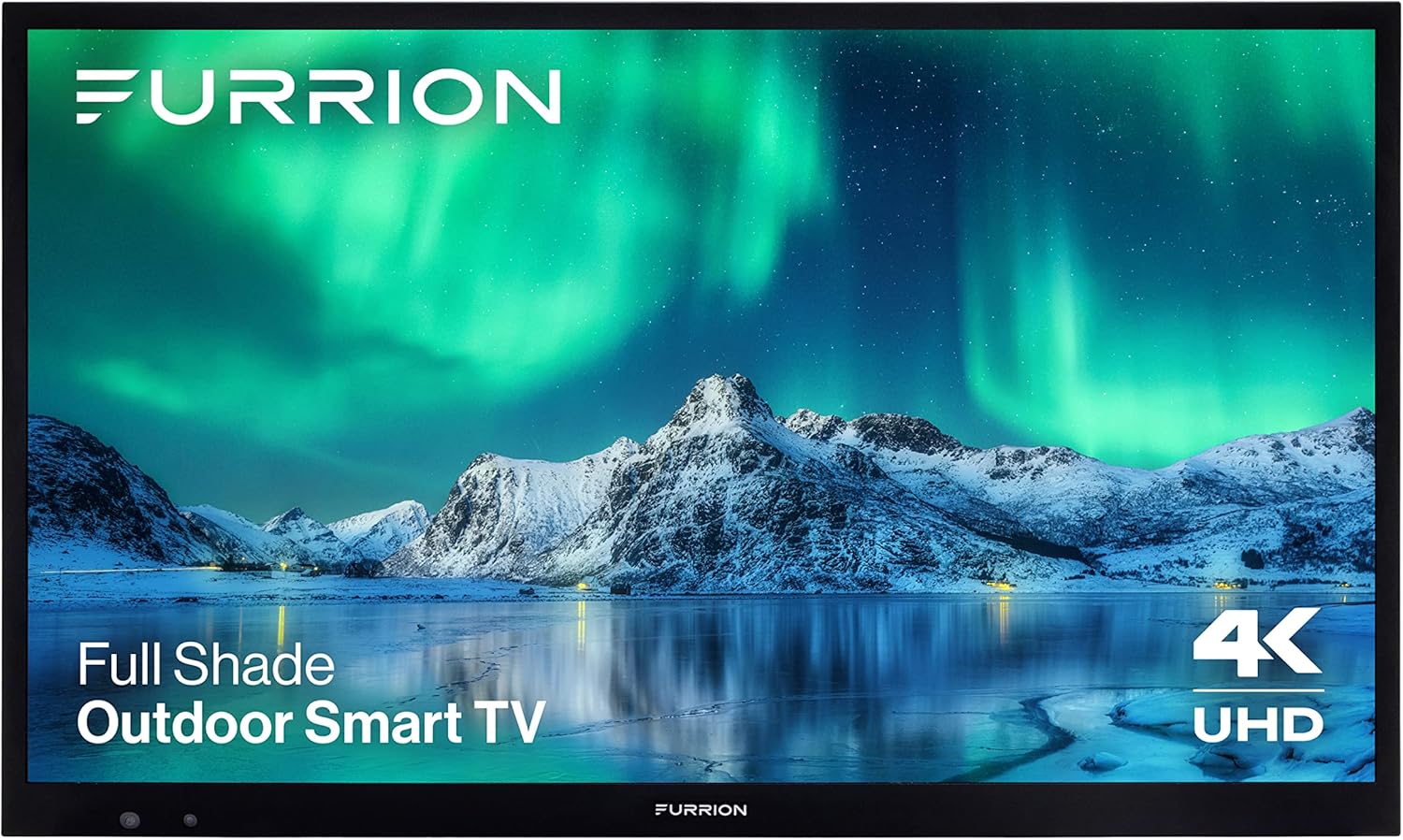
| Furrion Aurora 43″ Full Shade | 43″ | 400 nits | Full Shade | $1,200 | Budget shade setups |
| SunBrite Veranda 55″ 3 Series | 55″ | 1000 nits | Full Shade | Contact for pricing | Shade picture quality |
The most critical factor in selecting an outdoor TV is accurately assessing the sun exposure conditions of your installation location. Full sun areas receive direct sunlight for most of the day and require TVs with 1500-2000+ nits of brightness to overcome washout effects. Models like the Samsung Terrace Full Sun or Sylvox Pool Pro 2.0 with 2000 nits are specifically engineered for these challenging conditions. Partial sun locations receive some direct sunlight but have significant shade throughout the day; these areas need 700-1000 nits of brightness found in models like the Sylvox Deck Pro 2.0 or Samsung Terrace Partial Sun. Full shade installations never receive direct sunlight, allowing for lower brightness levels (400-1000 nits) like the Furrion Aurora or SunBrite Veranda series. Misjudging your sun exposure is the most common mistake homeowners make – always err on the side of more brightness if uncertain.
Ingress Protection (IP) ratings indicate how well an outdoor TV resists dust and water intrusion. IP55 is the minimum recommended rating for outdoor TVs, providing protection against water jets and dust accumulation. Most quality outdoor TVs, including Sylvox and SunBrite models, carry IP55 certification. IP65 offers higher protection against water jets and is ideal for rainy climates or installations near pools. IP54 (found on the Furrion Aurora) provides basic weatherproofing but may not withstand heavy rain or extreme conditions. Always choose IP55 or higher for year-round outdoor installations, and consider additional protective covers for extreme climates or coastal areas with salt air exposure.
Outdoor TVs must operate in temperature extremes that would damage indoor electronics. Quality models typically specify operating ranges from -22°F to 122°F (-30°C to 50°C), ensuring functionality in freezing winters and scorching summers. The Sylvox Pool Pro 2.0 and Deck Pro 2.0 both feature this wide temperature tolerance, making them suitable for extreme climates. If you live in an area with temperature extremes, look for models with internal cooling fans (like Sylvox) or heating elements that prevent cold-weather damage. Consider removing the TV or using a protective cover during winter months in northern climates, even if the TV is rated for cold temperatures – this significantly extends lifespan.
Modern outdoor TVs include smart TV platforms similar to indoor models, eliminating the need for external streaming devices. Google TV (found on Sylvox models) provides access to the Google Play Store with extensive app selection, Chromecast built-in, and Google Assistant voice control. Tizen OS (Samsung Terrace) offers a polished interface with Alexa integration and excellent app support. Android TV (SunBrite Veranda) provides a familiar interface with Chromecast and Google Assistant. Consider which streaming services you use most and verify they’re available on the TV’s platform. Also, check for voice control preferences (Alexa vs Google Assistant) and connectivity options like Bluetooth for wireless audio streaming to external speakers.
Proper installation is critical for outdoor TV longevity and performance. Mounting: Most outdoor TVs weigh 45-80 lbs, requiring heavy-duty weatherproof mounting brackets rated for the TV’s weight plus additional safety margin. Sylvox models at 48-78 lbs require substantial mounting hardware. Power: Outdoor TVs typically use external power supplies that must be protected from weather – install weatherproof electrical boxes with GFCI protection. Cable Management: Use weatherproof HDMI cables and conduit to protect connections from UV damage and moisture. Positioning: Mount the TV at a comfortable viewing height (typically center of screen at eye level when seated) and consider sun glare angles throughout the day. Professional installation is highly recommended for TVs 65″ and larger due to weight and weatherproofing requirements.
While outdoor TVs include built-in speakers, outdoor environments challenge audio performance due to open space and ambient noise. Built-in audio: SunBrite Veranda includes 20W speakers with Dolby Atmos – the best built-in audio in the outdoor TV category. Sylvox models feature dual waterproof speakers that provide adequate sound for small spaces. Samsung Terrace includes Dolby Atmos for immersive audio. Soundbar recommendations: Most homeowners add a weatherproof soundbar for fuller sound. Consider models like the Sonos Arc (with weatherproof cover), Bose SoundLink Flex (portable, weather-resistant), or dedicated outdoor soundbars from SunBrite and Furrion. Position speakers below or beside the TV, angled toward seating areas for optimal coverage.
Outdoor TV pricing spans from $1,200 to over $6,000, with significant performance differences across price ranges. Budget ($1,200-$1,500): Models like Furrion Aurora ($1,200) and Sylvox Patio Series ($1,199) offer basic functionality for shaded areas but compromise on brightness and reliability. Mid-Range ($1,500-$3,000): Sylvox Deck Pro 2.0 ($1,499) and Sylvox 50″ Patio Series ($1,199) provide excellent value with proven performance and good warranty support. Premium ($3,000-$4,000): Samsung Terrace Partial Sun ($3,518) and Sylvox 65″ Pool Pro 2.0 ($3,127) deliver larger screens, better brightness, and premium features. Luxury ($6,000+): Samsung Terrace Full Sun ($6,348) represents the ultimate in outdoor TV performance for uncompromising buyers. Remember that outdoor TVs are investments – spending more upfront for better weather protection and brightness typically results in longer lifespan and better satisfaction.
Maximize your outdoor TV’s lifespan with proper maintenance: Clean regularly using a soft cloth and mild soap solution to remove dust, pollen, and environmental contaminants. Avoid harsh chemicals or pressure washers that can damage weatherproof seals. Use protective covers when the TV isn’t in use for extended periods, especially in harsh climates. Inspect seals and gaskets annually for wear or damage that could compromise weather protection. Check connections periodically for corrosion, especially in coastal areas with salt air. Update firmware regularly to ensure security patches and feature improvements. Consider professional servicing every 2-3 years to clean internal components and verify weatherproofing. With proper care, quality outdoor TVs can last 5-7+ years, making them worthwhile investments for serious outdoor entertainment enthusiasts.
Using a regular indoor TV outside is strongly discouraged and will almost certainly result in damage and failure. Indoor TVs are not designed to handle moisture, temperature extremes, UV exposure, or dust – all common outdoor conditions. Even under covered patios, humidity and temperature fluctuations can cause condensation inside the TV, leading to electrical shorts and component failure. Direct sunlight will wash out the screen due to insufficient brightness (typically 200-400 nits vs 1000-2000+ nits for outdoor TVs). While some homeowners attempt to use regular TVs temporarily with protective covers, this voids warranties and typically results in failure within months. Outdoor TVs are engineered with weatherproof casings, enhanced brightness, temperature regulation systems, and weather-resistant internal components – features completely absent from indoor models. The upfront cost savings of using an indoor TV outdoors are quickly negated when it fails and must be replaced.
The minimum IP rating recommended for outdoor TVs is IP55, which provides protection against water jets (rain) and dust ingress. IP55-rated TVs like the Sylnox Deck Pro 2.0 and SunBrite Veranza are suitable for most covered patio installations in typical climates. IP65 offers higher protection against powerful water jets and is ideal for rainy climates, coastal areas, or installations near pools where water exposure is more likely. IP54 (found on the Furrion Aurora) provides basic weatherproofing but may not withstand heavy rain or extreme conditions – this rating is generally insufficient for year-round outdoor installations. Always choose IP55 or higher for permanent outdoor installations, especially in areas with frequent rain or high humidity. Remember that IP ratings only cover water and dust protection – they don’t address temperature tolerance, UV resistance, or salt air corrosion, which are separate concerns.
Brightness requirements depend entirely on your installation’s sun exposure: Full Sun (direct sunlight most of the day): 1500-2000+ nits essential. Models like the Samsung Terrace Full Sun and Sylvox Pool Pro 2.0 with 2000 nits are designed for these conditions. Partial Sun (some direct sunlight, mixed shade): 700-1000 nits recommended. The Sylvox Deck Pro 2.0 (1000 nits) and Samsung Terrace Partial Sun are ideal for these environments. Full Shade (no direct sunlight): 400-700 nits sufficient. The Furrion Aurora (400 nits) and SunBrite Veranza (1000 nits) work well in completely shaded areas. Always err on the side of more brightness if uncertain – a brighter TV in a shady location is still viewable, but a TV with insufficient brightness in a sunny location becomes unwatchable during daytime hours. Also consider that screen brightness may decrease over years of use, so starting with higher nits provides longer-lasting performance.
Outdoor TV pricing spans a wide range based on size, brightness, and features: Budget Category ($1,000-$1,500): 43-50″ models like Furrion Aurora ($1,200) and Sylvox Patio Series ($1,199) offer basic functionality for shaded areas. Mid-Range ($1,500-$2,500): 55″ models with 1000 nits like Sylvox Deck Pro 2.0 ($1,499) provide excellent value for partial sun. Premium ($2,500-$4,000): 65″ full sun models like Sylvox 65″ Pool Pro 2.0 ($3,127) and Samsung Terrace Partial Sun 75″ ($3,518) deliver top-tier performance. Luxury ($6,000+): The Samsung Terrace Full Sun 65″ ($6,348) represents the ultimate in outdoor TV technology. Additional costs include professional installation ($300-$800 depending on complexity), mounting hardware ($100-$300), weatherproof cables ($50-$150), optional soundbar ($300-$1,000), and protective covers ($50-$150). Budget-conscious homeowners might spend $1,500-$2,000 total, while premium installations can exceed $7,000 with all accessories and professional installation.
The primary difference lies in brightness capability and anti-glare technology. Full Sun TVs (1500-2000+ nits) feature ultra-bright panels designed to overcome direct sunlight that would wash out standard displays. They typically include advanced anti-reflection coatings and enhanced contrast to maintain picture quality in challenging lighting. Models like the Samsung Terrace Full Sun (Neo QLED with anti-reflection) and Sylvox Pool Pro 2.0 (2000 nits) are engineered specifically for direct sunlight conditions. Partial Sun TVs (700-1000 nits) offer moderate brightness suitable for areas with dappled sunlight or periods of shade. The Samsung Terrace Partial Sun (Quantum HDR 32x) and Sylvox Deck Pro 2.0 (1000 nits) excel in these mixed conditions but would struggle in constant direct sunlight. Full Shade TVs (400-700 nits) like the Furrion Aurora are designed for covered areas with no direct sunlight and would be virtually unwatchable in sunlit conditions. Choosing the wrong brightness category is the most common mistake – always assess your sun exposure throughout the entire day, not just at one moment.
Outdoor TVs are water-resistant, not fully waterproof, which is an important distinction. IP55-rated TVs (the minimum for outdoor use) can withstand rain, water jets, and moisture but shouldn’t be submerged or exposed to direct water spray for extended periods. The weatherproof casing prevents water ingress during normal rainfall and humidity, but direct hose spraying or pressure washing would likely breach the seals. IP65 models offer higher water protection and can withstand more intense water exposure, making them suitable for rainy climates or poolside installations where splashing is likely. Even with weatherproof ratings, all outdoor TVs should be installed under some form of cover (patio roof, pergola, awning) to maximize lifespan. Direct exposure to rain, snow, or irrigation systems will eventually compromise even the best weatherproofing. Always use additional protective covers when the TV isn’t in use for extended periods, especially in harsh climates or during winter months.
While outdoor TVs include built-in speakers, adding a soundbar significantly enhances the outdoor viewing experience. Built-in audio quality varies considerably: SunBrite Veranza includes 20W speakers with Dolby Atmos – the best built-in audio in the category. Sylvox models feature dual waterproof speakers that provide adequate sound for small patios. Samsung Terrace includes Dolby Atmos but still benefits from additional speakers. Why add a soundbar? Outdoor environments challenge audio due to open space, ambient noise (wind, traffic, neighbors), and lack of sound-reflecting walls. A soundbar provides fuller sound, better dialogue clarity, and more immersive experience for movies and sports. Weatherproof options include Sonos Arc with weatherproof cover, Bose SoundLink Flex (portable, weather-resistant), or dedicated outdoor soundbars from SunBrite and Furrion. Budget $300-$1,000 for a quality outdoor soundbar, and position it below or beside the TV angled toward seating areas. For large patios or multiple seating zones, consider adding wireless satellite speakers for surround sound coverage.
With proper installation and maintenance, quality outdoor TVs typically last 5-7 years, though some may fail earlier due to manufacturing defects or extreme conditions. Factors affecting lifespan: Climate extremes (very hot or very cold regions reduce lifespan), sun exposure (UV degrades weatherproofing over time), installation quality (poor mounting or weatherproofing accelerates failure), maintenance (regular cleaning and cover usage extends life), and brand quality (premium brands like Samsung typically outlast budget options). Common failure points: Weatherproof seals degrade after 3-5 years allowing moisture ingress, internal capacitors fail due to temperature cycling, screen brightness decreases over time, and electronics corrode in coastal salt air. Maximizing lifespan: Use protective covers when not in use, install under maximum cover/roof overhang, choose higher IP ratings for harsh climates, clean regularly to prevent environmental buildup, consider removing TV during winter in extreme cold regions, and choose premium brands with better weatherproofing. While 5-7 years is typical, some outdoor TVs last 10+ years with ideal conditions and diligent maintenance, while others fail within 2 years in harsh environments or due to manufacturing defects.
Most quality outdoor TVs are designed to operate in temperatures ranging from -22°F to 122°F (-30°C to 50°C), theoretically allowing year-round outdoor use. However, practical considerations suggest removing or covering outdoor TVs during winter in cold climates. While the TV may function at -22°F, extreme cold stresses internal components, potentially shortening lifespan. Repeated temperature cycling (freezing night to sunny day) causes condensation inside the unit, leading to corrosion and electrical issues. Snow and ice accumulation can damage weatherproof seals and ports. Recommendations: In mild climates (temperatures rarely below freezing), year-round outdoor installation with protective cover is acceptable. In cold climates (regular freezing temperatures), consider removing the TV and storing indoors for winter, or use a heavy-duty insulated cover and minimize usage during extreme cold. If leaving installed, ensure the TV is rated for your minimum temperature and use a high-quality cover. Never operate the TV while covered or frozen – allow it to warm gradually before use. Spring installation and fall removal is ideal practice in northern climates to maximize longevity.