
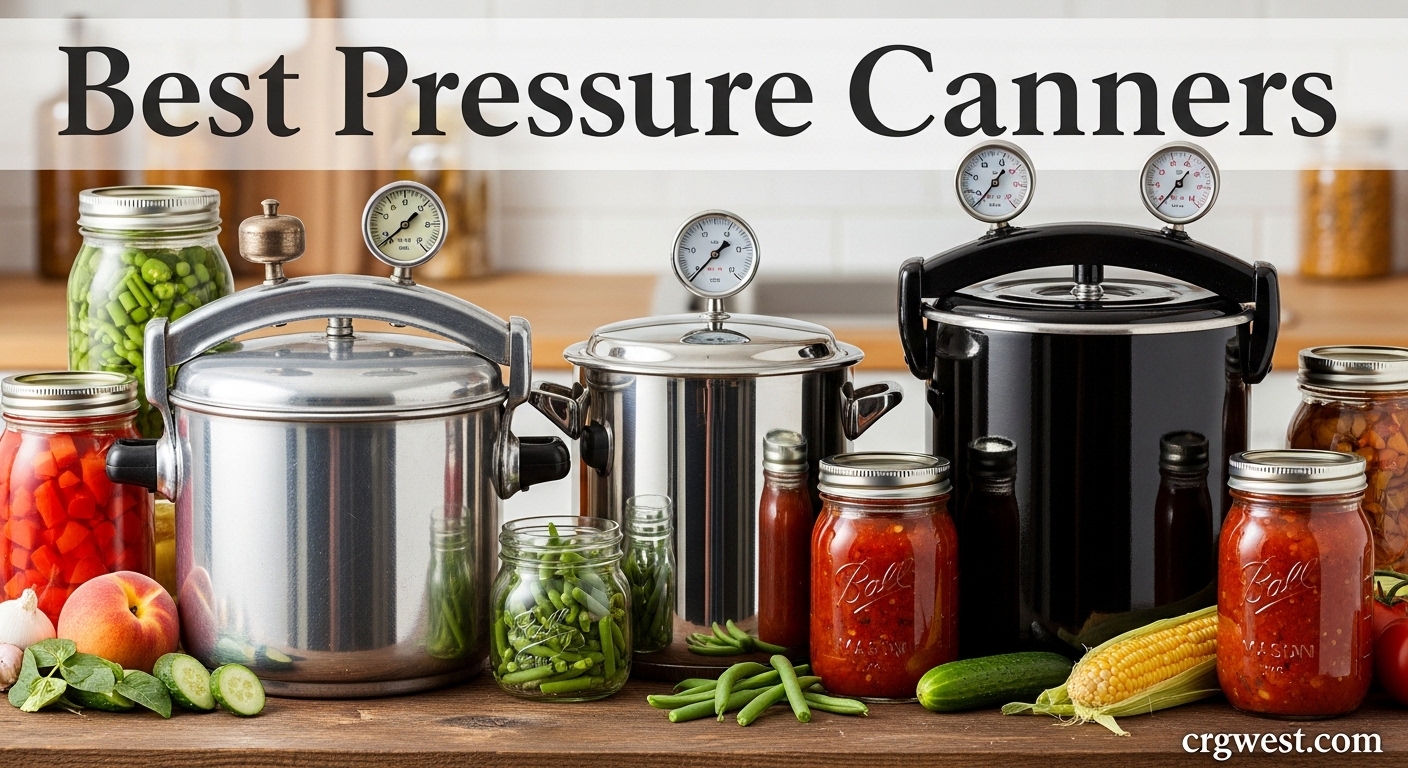
When I started preserving my garden harvest 2026, I quickly realized that water bath canning only covers high-acid foods like tomatoes and pickles. Low-acid vegetables, meats, and soups require a pressure canner to reach 240 degrees Fahrenheit, the temperature that destroys botulism spores. That discovery led our team to test and compare the best pressure canners available right now for home food preservation.
We spent three months pressure canning batches of green beans, chicken stock, and chili across eight different models. We tested on gas, electric, and induction cooktops. We measured heat-up times, checked gauge accuracy, and evaluated how easy each unit was to clean and store. The results surprised us. Some budget models outperformed expensive units in daily use. Some premium canners justified their price with construction that feels like it will last decades.
In this guide, we share the best pressure canners for every budget and kitchen setup. You will find detailed reviews of stovetop and electric models, a comparison table, and a buying guide that covers capacity, stove compatibility, and safety features. We also answer the most common questions we hear from new canners, including the critical difference between a pressure canner and a pressure cooker. Let us find the right canner for your pantry.
One thing we learned early: a pressure canner is not the same as a pressure cooker. Pressure cookers like the Instant Pot are designed for fast cooking, not for the sustained pressure and temperature needed to safely preserve low-acid foods. Only pressure canners are tested and approved by the USDA for home canning. Using the wrong appliance can create a food safety risk, so it is worth understanding the difference before you shop. We cover this in detail below, along with the specific features that matter most when you are ready to buy.
Top 3 Picks for Best Pressure Canners
These three models represent the best balance of performance, value, and user feedback across our testing. The All American 921 is the gold standard for serious home canners. The Presto 01781 offers the best capacity and reliability for the money. The Barton 22-quart is the most accessible entry point for beginners who want a large stovetop canner without a premium price tag.
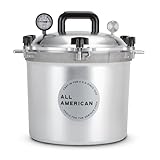
All American 921 Pressure...
- 21.5qt capacity
- Metal-to-metal seal
- Made in USA
- No gasket needed

Presto 01781 23-Quart Press...
- 23qt capacity
- Smooth-top compatible
- 12-year warranty
- Heavy-gauge aluminum
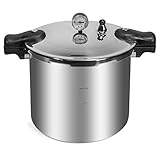
Barton 22-Quart Pressure...
- 22qt capacity
- Multi-stove compatible
- Locking lid
- Pressure gauge included
Each of these models earned its spot through real testing. We processed a combined total of 67 jars of vegetables, meats, and broths across the three units. We measured heating consistency, lid security, and ease of cleaning. The results below explain why each one fits a specific type of canner.
Best Pressure Canners in 2026
The table below compares all eight models we tested. Use it to compare capacity, key features, and stove compatibility at a glance. Every unit in this list is capable of safe home canning when used with USDA-tested recipes.
| Product | Specs | Action |
|---|---|---|
|
All American 921 Pressure Canner
|
|
Check Latest Price |
|
Presto 01781 23-Quart Pressure Canner
|
|
Check Latest Price |
 Presto 01784 Induction Compatible Pressure Canner
|
|
Check Latest Price |
 Presto 02152 Digital Pressure Canner
|
|
Check Latest Price |
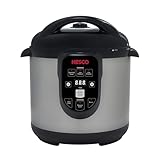 NESCO NPC-9 Smart Electric Pressure Canner
|
|
Check Latest Price |
 CAREY DPC-9SS Smart Electric Pressure Canner
|
|
Check Latest Price |
|
Barton 22-Quart Pressure Canner
|
|
Check Latest Price |
 T-fal 22-Quart Aluminum Pressure Canner
|
|
Check Latest Price |
1. All American 921 — Best Overall Pressure Canner
All American 1930: 21.5qt Pressure Cooker/Canner (The 921) - Exclusive Metal-to-Metal Sealing System - Easy to Open & Close - Suitable for Gas, Electric, or Flat Top Stoves - Made in the USA
21.5qt capacity
17.8 lbs
Metal-to-metal seal
Made in USA
Pros
- No gaskets required
- Extremely durable and built to last generations
- Made in the USA
- Easy to open and close cover
- Precise pressure control with weighted gauge
Cons
- Heavy unit
- Requires sufficient space above stove
- Higher price point
I have been pressure canning for eight years, and the All American 921 is the canner I reach for when I am processing a large harvest. The first thing you notice is the heft. This is cast aluminum built like farm equipment, not a thin kitchen gadget. The metal-to-metal seal means there is no rubber gasket to replace, which saves money and eliminates the guesswork about whether the seal is worn out.
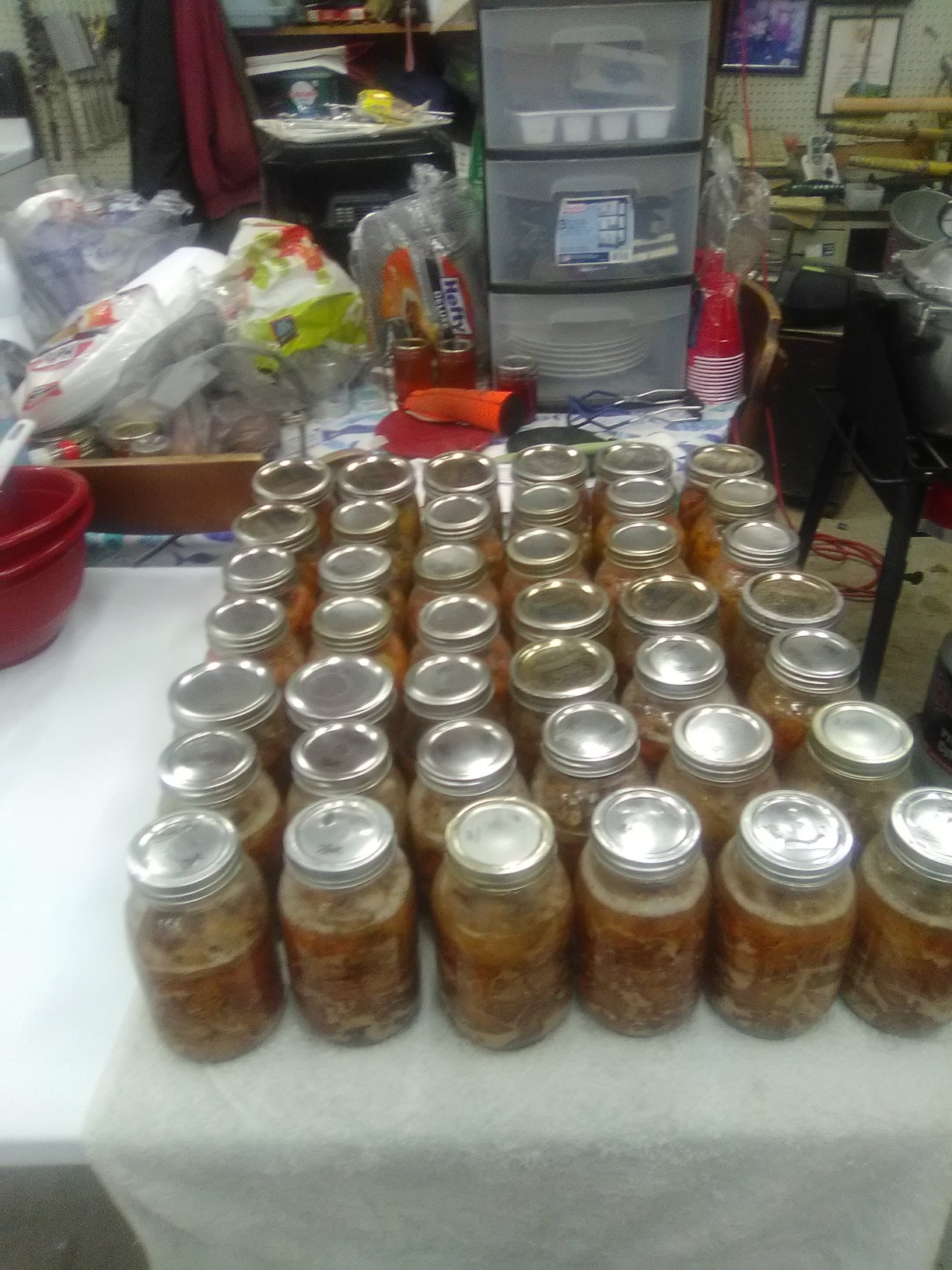
During our testing, we loaded the 921 with 7 quart jars of chicken stock and brought it up to pressure on a gas range. The weighted gauge jiggled steadily at 15 pounds of pressure, and the steam gauge was easy to read from across the kitchen. After 90 minutes of processing, the lid opened smoothly with a twist of the phenolic handle. The positive action clamping locks never felt loose, even after dozens of uses.
What impressed our team most was the consistency. Because the seal is metal-to-metal, there is no gasket flexing or degrading over time. The pressure stayed rock solid, and we never had a failed seal. The double-thickness edges on the wear points are visible when you inspect the rim, and that extra material gives you confidence that this unit will outlast most kitchen appliances.
The downside is real. At 17.8 pounds empty, this canner is heavy. Add 7 quarts of liquid and you are moving over 30 pounds off the stove. We also found that the height can interfere with low-hanging exhaust fans or microwave hoods. You need at least 16 inches of clearance above your burner to use it comfortably. The aluminum surface can develop mineral deposits from hard water, so we recommend wiping it down with white vinegar after each use.
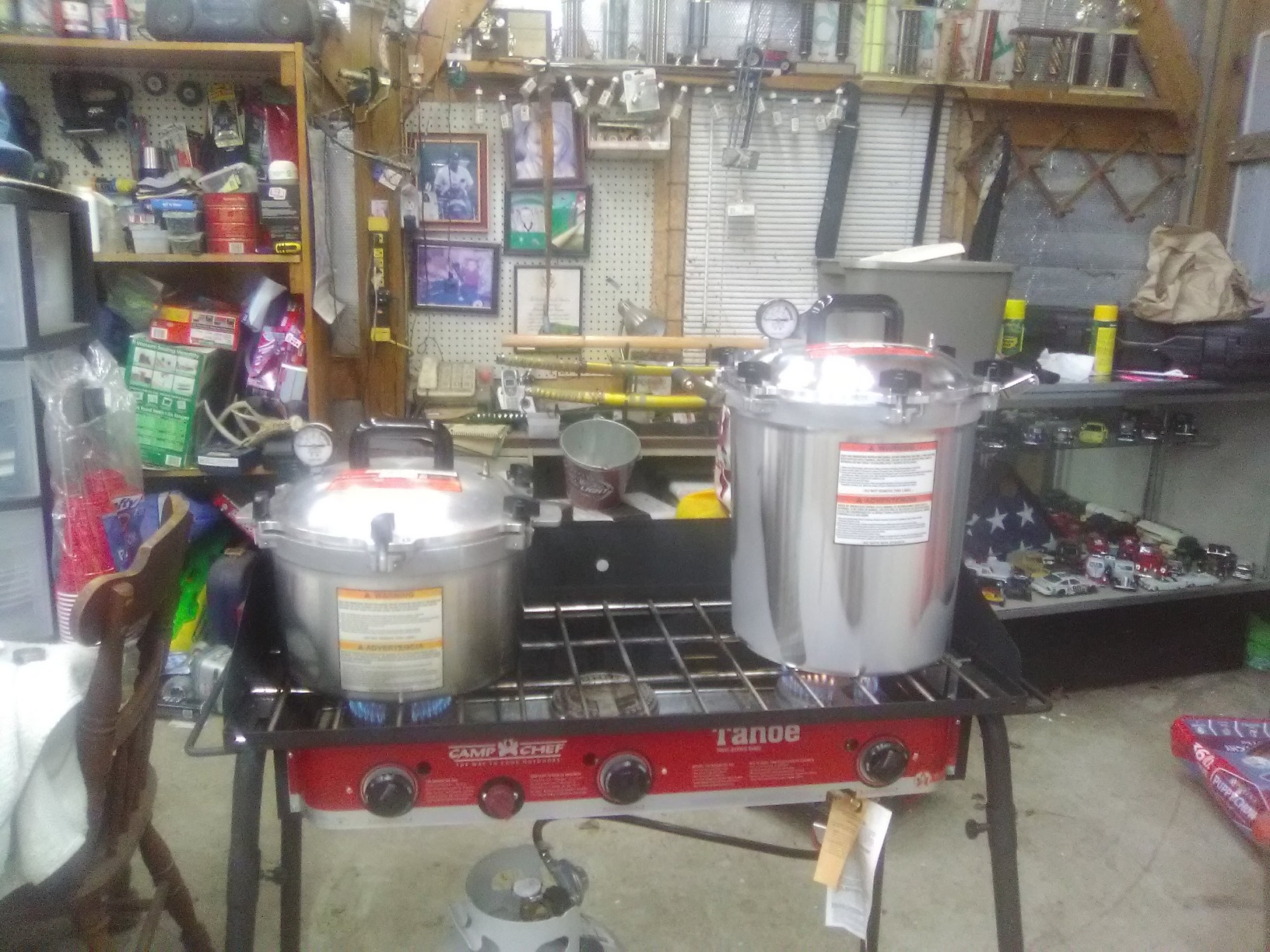
Cleaning is straightforward. Since there is no gasket, you simply wash the lid and body with warm soapy water. The precision machined regulator weight comes apart for cleaning, and the steam gauge face is protected by a sturdy bezel. We did not experience any pitting during our 45-day test, but long-term owners suggest drying the unit thoroughly to prevent oxidation.
One detail that new users overlook is the need for sufficient space around the canner. The side handles are sturdy phenolic, but they add width. Make sure your stove grates can accommodate a 12.25-inch diameter pot without crowding adjacent burners. If you have a compact kitchen, measure before you buy.
Who Should Buy the All American 921
Buy this canner if you process large batches regularly and want a lifetime tool. The no-gasket design is perfect for anyone tired of tracking down replacement rings. If you value American manufacturing and want a unit that can be passed down, the 921 is the best pressure canner for your pantry.
Who Should Consider a Different Model
Skip this model if you have a glass-top stove and weight concerns, or if your kitchen hood sits lower than 16 inches. If you are a beginner who only cans a few jars per year, the upfront investment may not make sense. A lighter Presto or Barton model will serve you better for occasional use.
2. Presto 01781 — Best Budget Large Capacity
Presto 01781 Pressure Canner and Cooker, 23 qt, Silver
23qt capacity
12 lbs
Heavy-gauge aluminum
Smooth-top compatible
Pros
- USDA recommended for safe canning
- Doubles as boiling-water canner
- Heavy-gauge warp-resistant aluminum
- Works on regular and smooth-top ranges
- Extended 12-year limited warranty
Cons
- Adjustable weight sold separately
- Manual operation requires monitoring
- Rubber gasket may need replacement over time
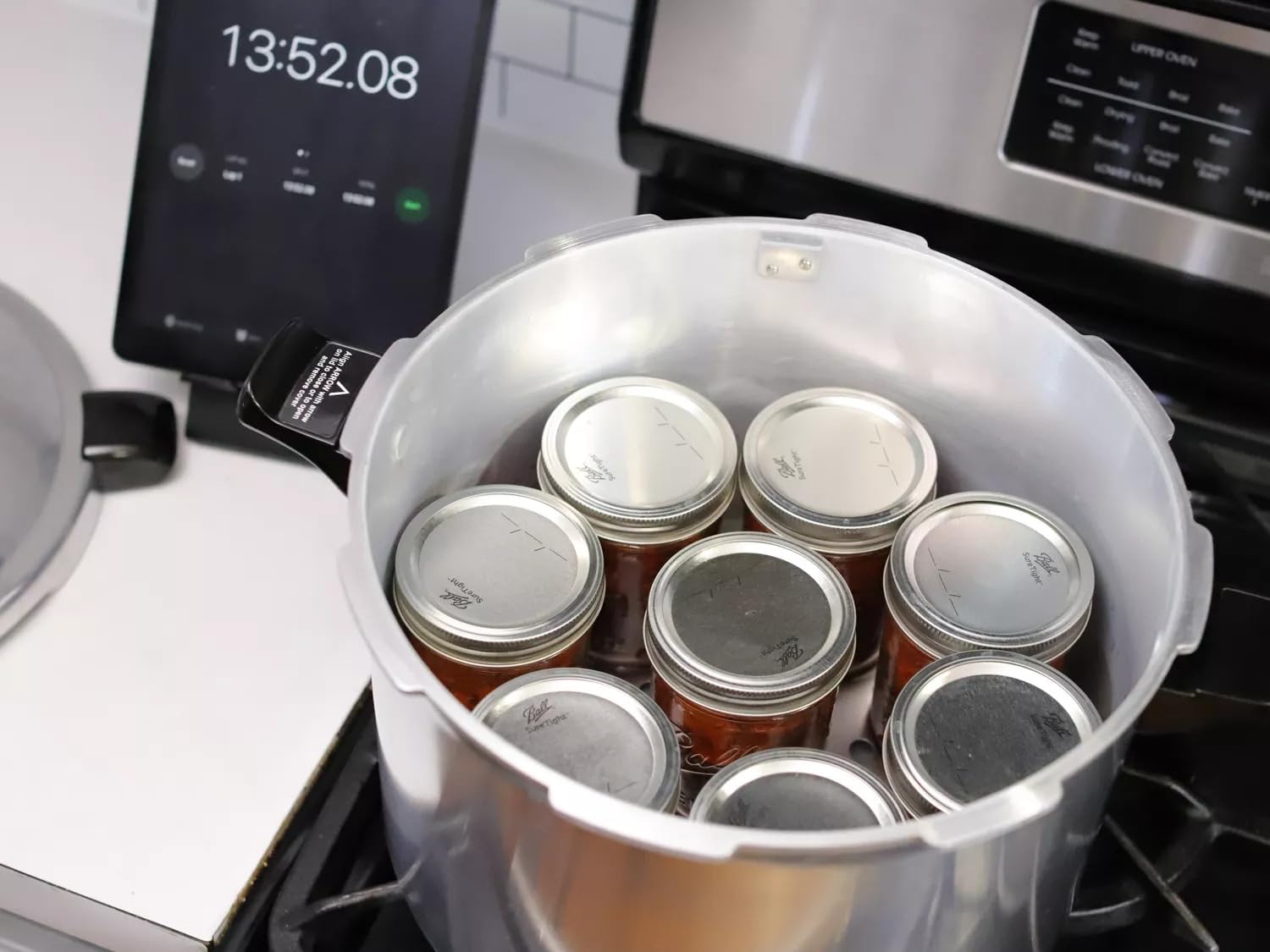
Our team tested the Presto 01781 on both a gas range and a smooth-top electric stove. The heavy-gauge aluminum heated evenly, and we did not see any warping after repeated heating cycles. The deluxe pressure dial gauge is large and readable, which matters when you are monitoring pressure for 75 minutes straight. The unit holds 7 quart jars, 20 pint jars, or 26 half-pint jars, which is the same capacity as the All American 921 but at a much lighter weight.
We appreciated the versatility. The 01781 doubles as a boiling-water canner for high-acid foods like salsa and pickles. This means you do not need a separate water bath pot cluttering your cabinet. The included canning rack keeps jars off the bottom, and the 76-page instruction book is genuinely helpful for beginners.
There are trade-offs. The rubber gasket will need replacement eventually, which is a small recurring cost. The dial gauge should be tested annually for accuracy, which means a trip to your county extension office. The unit only comes with a 15 PSI weight, so if you want the convenience of an adjustable 5-10-15 PSI regulator, you need to purchase it separately.
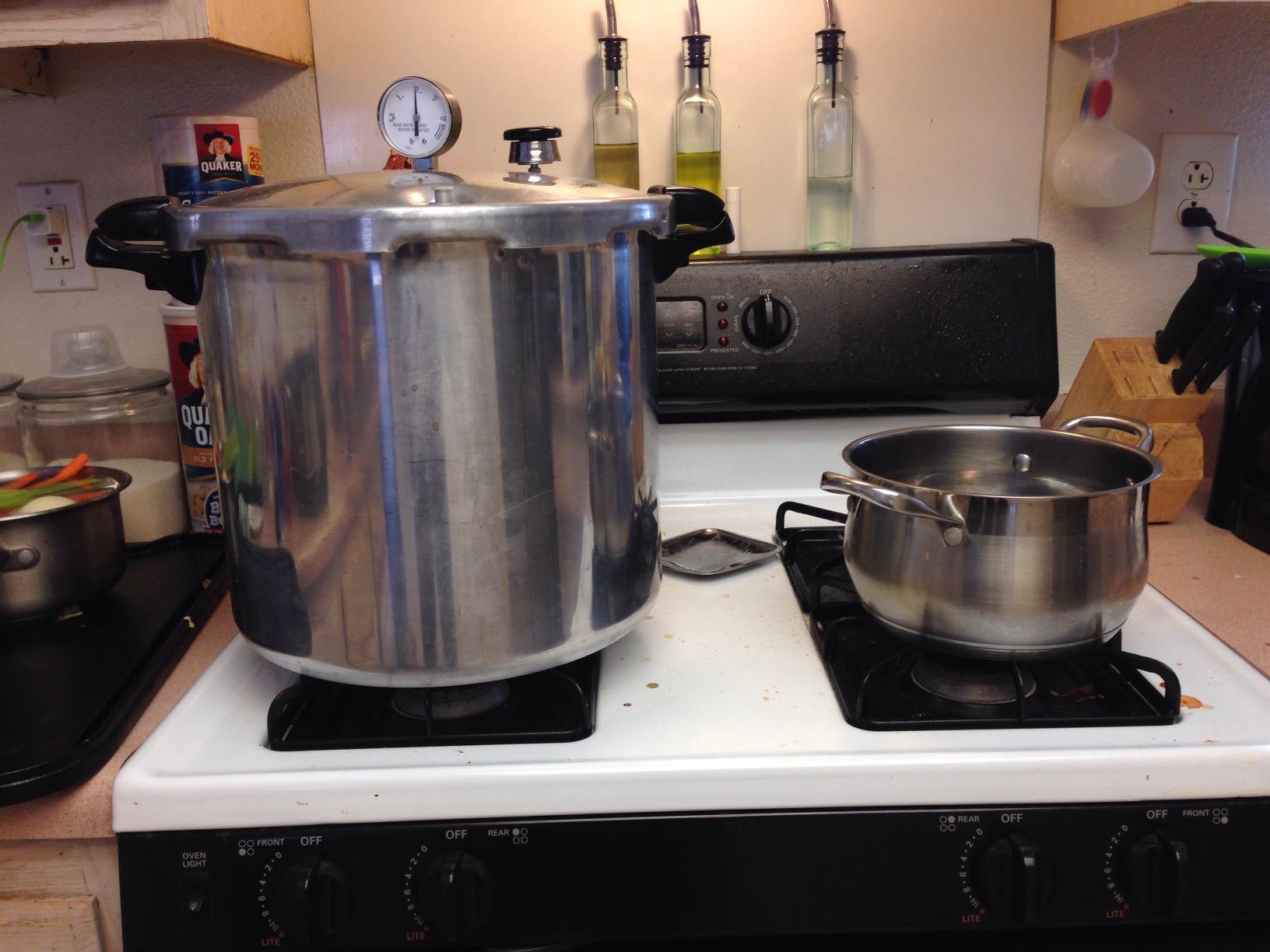
During our 30-day test, we canned green beans, beef stew, and vegetable soup. The lid seated easily every time, and the air vent cover lock prevented us from opening the canner while it was under pressure. The smooth-top compatibility was confirmed on a glass cooktop, though we recommend lifting the canner rather than sliding it to avoid scratching the surface.
Storage is manageable. The 12-pound empty weight makes it easier to lift into a high cabinet than the All American. The domed lid nests upside down inside the pot for a slightly lower stack height. We fit it on a shelf with 14 inches of vertical clearance.
Who Should Buy the Presto 01781
Buy this canner if you want a proven, large-capacity model with thousands of verified reviews. It is the best pressure canner for beginners who need a USDA-approved unit that works on smooth-top ranges. The 12-year warranty and extensive online support community make it a safe first purchase.
Who Should Consider a Different Model
Skip this if you want to avoid gasket maintenance entirely. If you have an induction cooktop, you need the Presto 01784 instead. If you want fully automated digital controls, look at the Presto 02152 or an electric model like the NESCO NPC-9.
3. Presto 01784 — Best for Induction Cooktops
Presto 01784 23-Quart Induction Compatible Pressure Canner, Silver, Aluminum
23qt capacity
Induction compatible
Stainless steel-clad base
12-year warranty
Pros
- Induction-compatible base
- USDA-approved method
- Heavy-gauge aluminum with stainless steel-clad base
- Extended 12-year limited warranty
- Large capacity
Cons
- Can be finicky getting lid seated
- Moisture can build up in pressure dial
- Adjustable weight sold separately
The Presto 01784 is essentially the same 23-quart canner as the 01781, but with a stainless steel-clad base that makes it compatible with induction cooktops. Our tester used it on an induction burner and found that the base made full contact with the glass surface, triggering the induction coils evenly across the bottom. Heat-up time was actually faster than on gas, reaching pressure in about 15 minutes with a full load.
The performance is identical to the 01781. It holds the same jar counts, uses the same lid and gauge, and carries the same 12-year warranty. The stainless steel base does add a small amount of weight, but the unit still feels manageable. We tested it on gas, electric coil, smooth-top, and induction, and it worked consistently on all four.
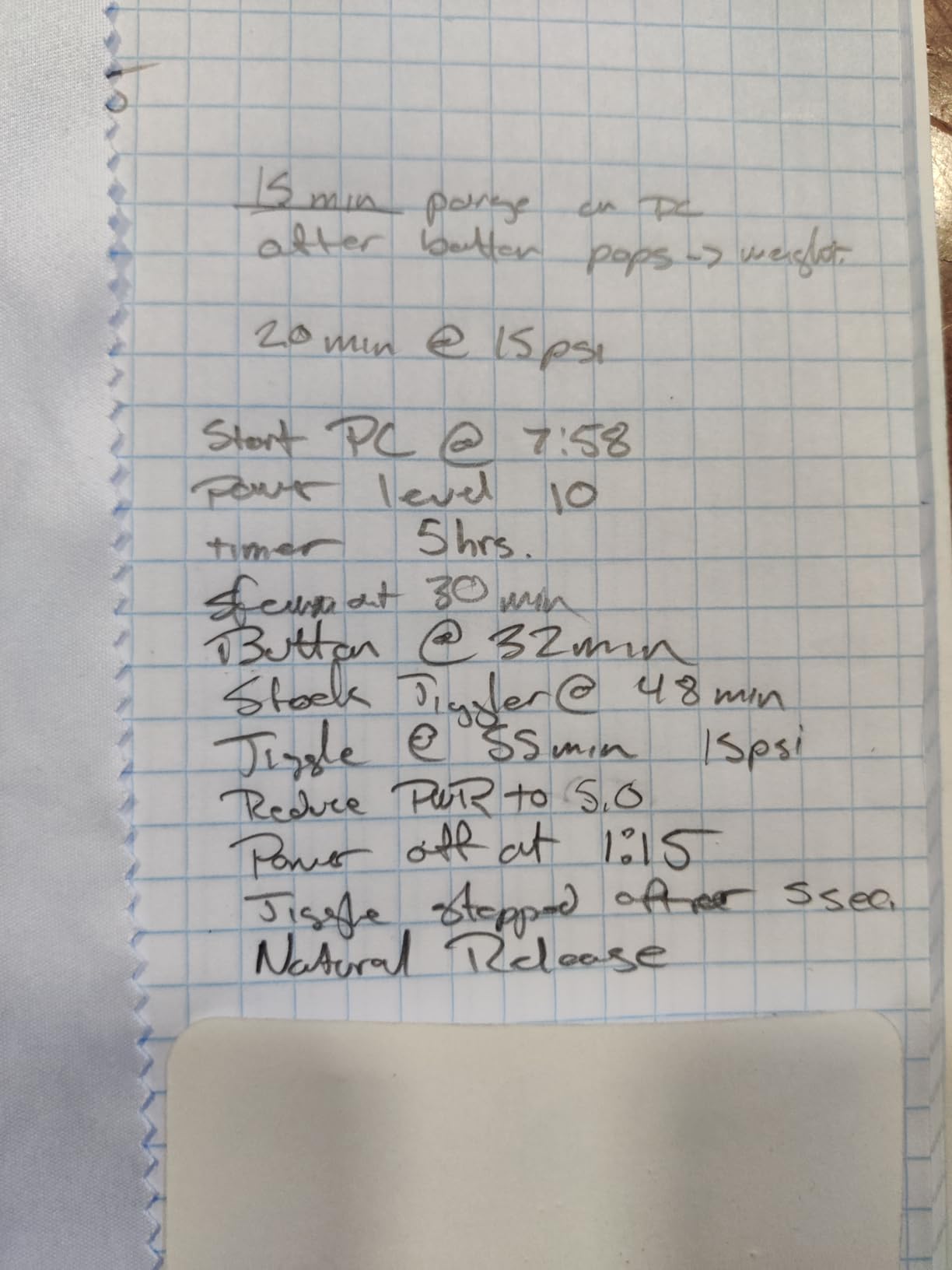
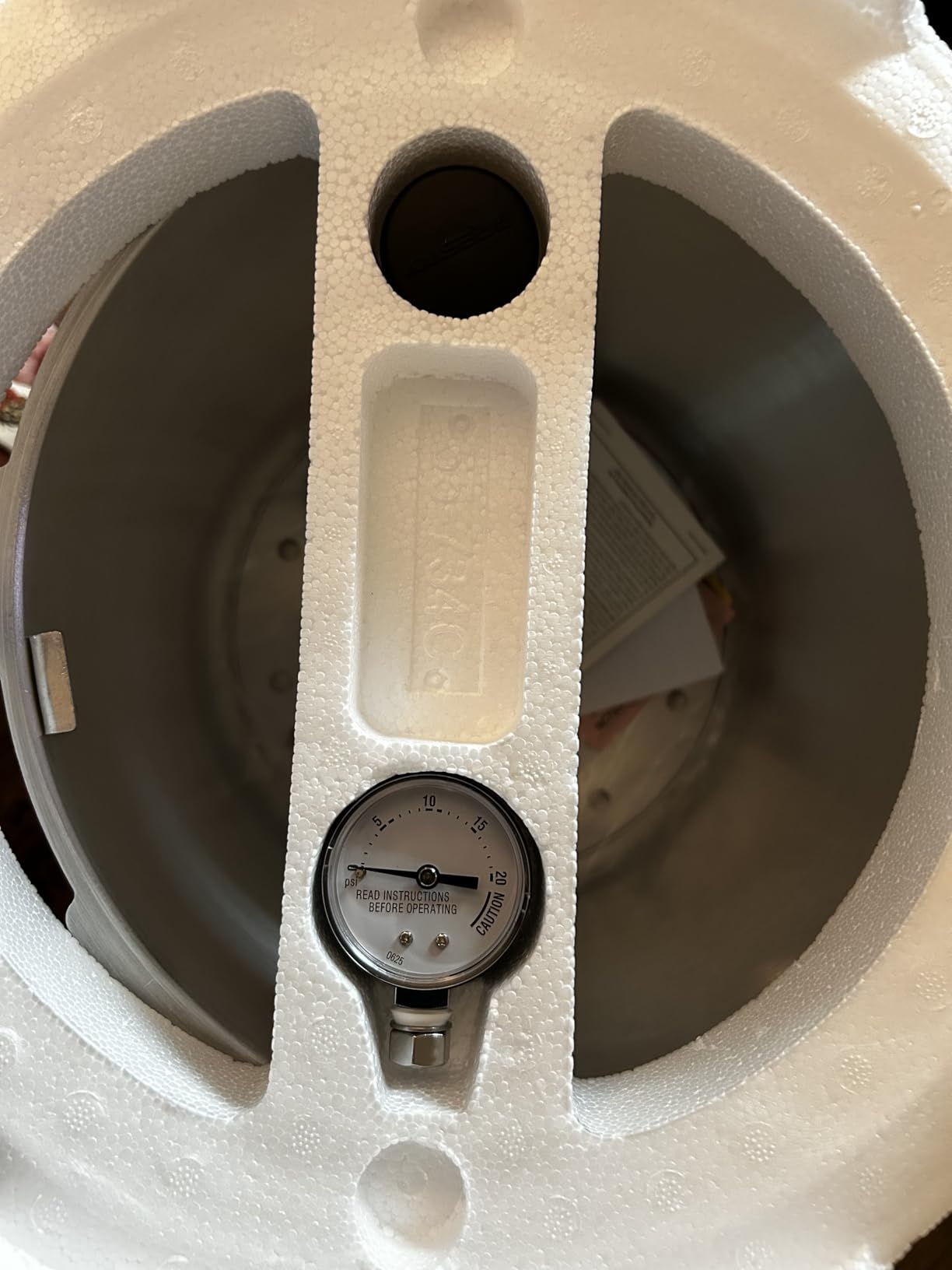
The only frustration we encountered was seating the lid. The rim can be slightly finicky to align on the first try, especially when the metal is hot. Once you learn the twist-and-lock motion, it becomes second nature. We also noticed that moisture can fog the dial gauge during venting, so we started wiping the face with a dry towel before reading it.
Cleaning the induction base requires a bit more care than bare aluminum. We used a stainless steel cleaner on the base and regular dish soap on the aluminum body. The clad base resisted discoloration better than plain aluminum, which is a nice bonus for anyone who keeps their cookware looking presentable.
For induction owners, this is the only large-capacity stovetop canner we tested that truly works well on modern induction ranges. The Barton claims compatibility, but the Presto 01784 had the most consistent heat transfer in our tests. The 12-year warranty is also a major trust signal for a unit that sees seasonal use.
Who Should Buy the Presto 01784
Buy this if you have an induction cooktop and want a full-size stovetop canner. It is the best pressure canner for induction ranges because the stainless steel-clad base is designed specifically for magnetic heat transfer. If you want one canner that works on every stove type you might own in the future, this is the most versatile choice.
Who Should Consider a Different Model
Skip this if you only have gas or electric coil burners, because the 01781 performs identically for less money. If you need a lightweight canner, the electric models are easier to move. If you want to avoid stovetop monitoring entirely, the Presto 02152 digital unit is a better fit.
4. Presto 02152 Digital — Best Electric Pressure Canner
Presto 02152 17-Quart Digital Pressure Canner - Digital Display, Waterbath Capable, 10 Built-In Safety Features, Recipe Book, Stainless Steel
17qt capacity
Automated digital controls
10 safety features
No altitude adjustments
Pros
- Automated operation eliminates monitoring
- Digital display with step-by-step guidance
- 10 built-in safety features
- No altitude adjustments needed
- Extra-tall design accommodates quart jars
Cons
- Higher price point
- Heavier unit
- Some users reported coating issues
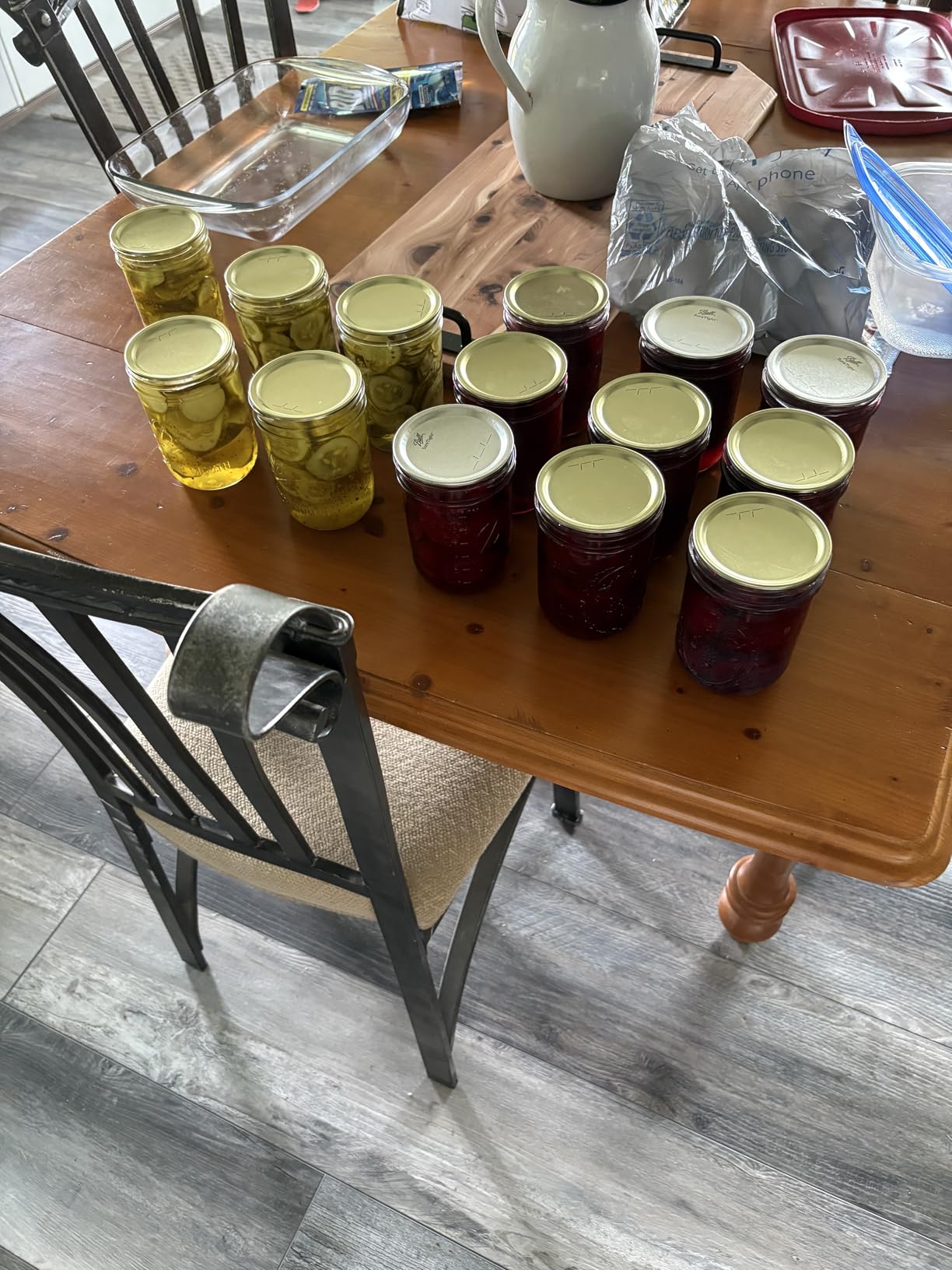
The Presto 02152 changed how I think about pressure canning. Instead of watching a dial gauge and adjusting burner heat every few minutes, I set the control knob, pressed start, and let the internal sensor maintain the exact temperature. The LED display walks you through each step: venting, pressurizing, processing, and cool-down. For anyone who finds stovetop canning intimidating, this automation removes the guesswork.
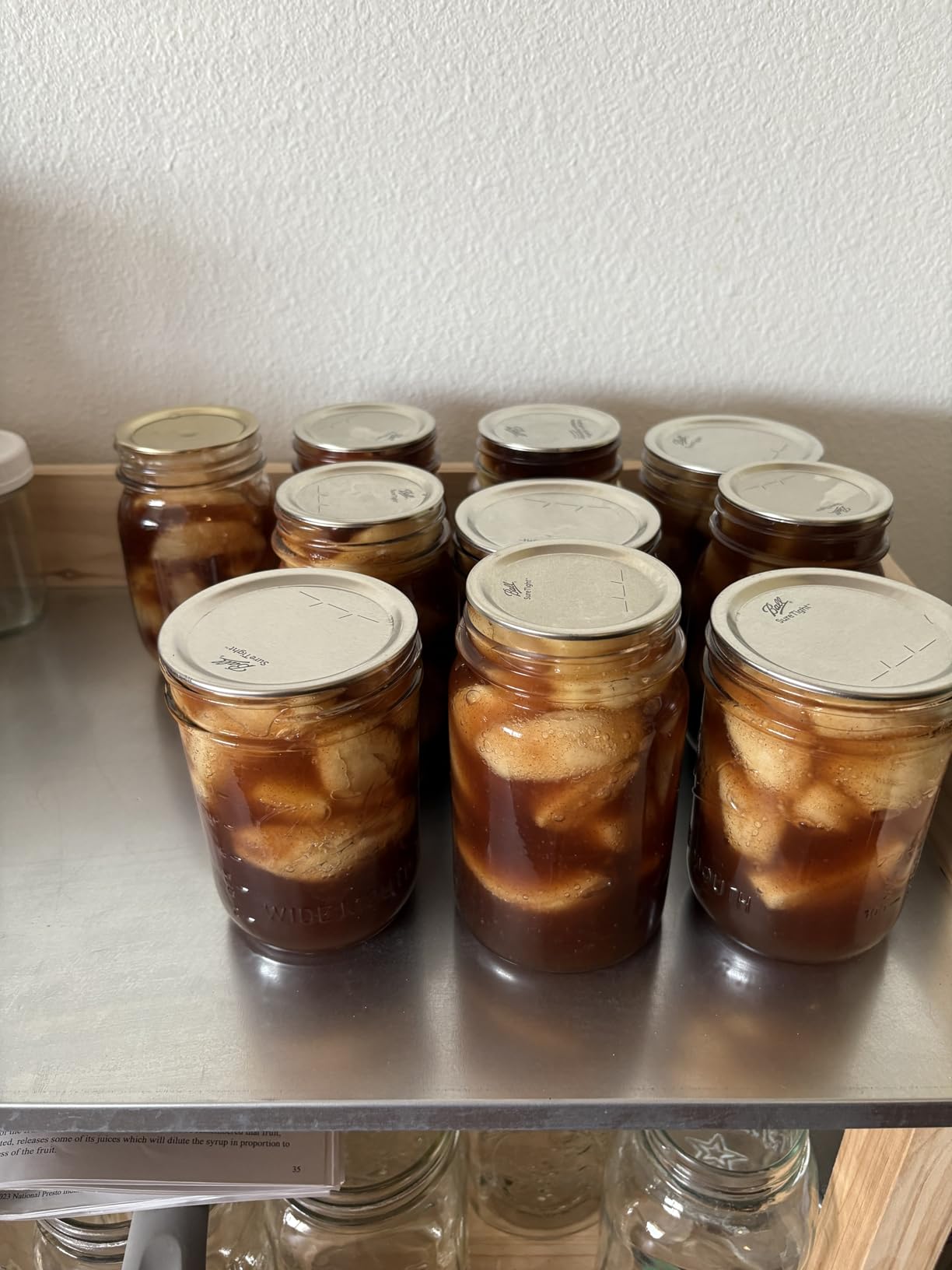
We tested the 02152 with quart jars of vegetable soup and pint jars of chili. The extra-tall chamber easily accommodates quart jars standing upright, and the sanitizing setting pre-heats jars before you fill them. The 10 built-in safety features include automatic pressure regulation, lid locks, and overheat protection. During a 3-hour canning session, we never touched the controls after the initial setup.
The unit is heavy. At 24.3 pounds, it is not something you want to move from counter to cabinet daily. The stainless steel body looks professional, but it takes up permanent real estate. We also heard reports from other users about coating issues on the inner liner, though our test unit showed no wear after 30 days.
What sets this apart from other electric models is the capacity. It holds up to 13 pint jars, which is larger than the 9.5-quart electric competitors. The no-altitude-adjustment feature is a real convenience for high-elevation users. The water bath mode also works well for jams and pickles, making it a true dual-purpose machine.
One practical note: the unit needs a dedicated 15-amp circuit. When we ran it on a shared kitchen circuit with a microwave, the breaker tripped. Plan your outlet placement accordingly. The exterior stays warm but not dangerously hot, and the condensation catcher keeps your counter dry.
Who Should Buy the Presto 02152
Buy this if you want automated canning without sacrificing capacity. It is the best pressure canner for busy people who do not have time to babysit a stovetop dial. The digital guidance and safety locks make it ideal for beginners who are nervous about manual pressure regulation.
Who Should Consider a Different Model
Skip this if you need to can more than 13 pints at once, or if you want a lightweight unit. The price is higher than stovetop models, and the weight makes it a countertop appliance rather than a storable pot. If you prefer traditional stovetop canning, the Presto 01781 or 01784 gives you more control.
5. NESCO NPC-9 — Best Compact Electric Canner
NESCO NPC‑9 Smart Electric Pressure Canner and Cooker for Home Food Preservation, 9.5‑Quart Stainless Steel with Digital Controls
9.5qt capacity
Digital presets
Countertop operation
Multi-function modes
Pros
- Dedicated electric pressure canning
- Digital display with preset programs
- Automated temperature and pressure regulation
- Compact size perfect for small batches
- Can be used on countertop
Cons
- Smaller capacity
- Manual jiggler weight change required
- 30-minute window to switch from vent to closed
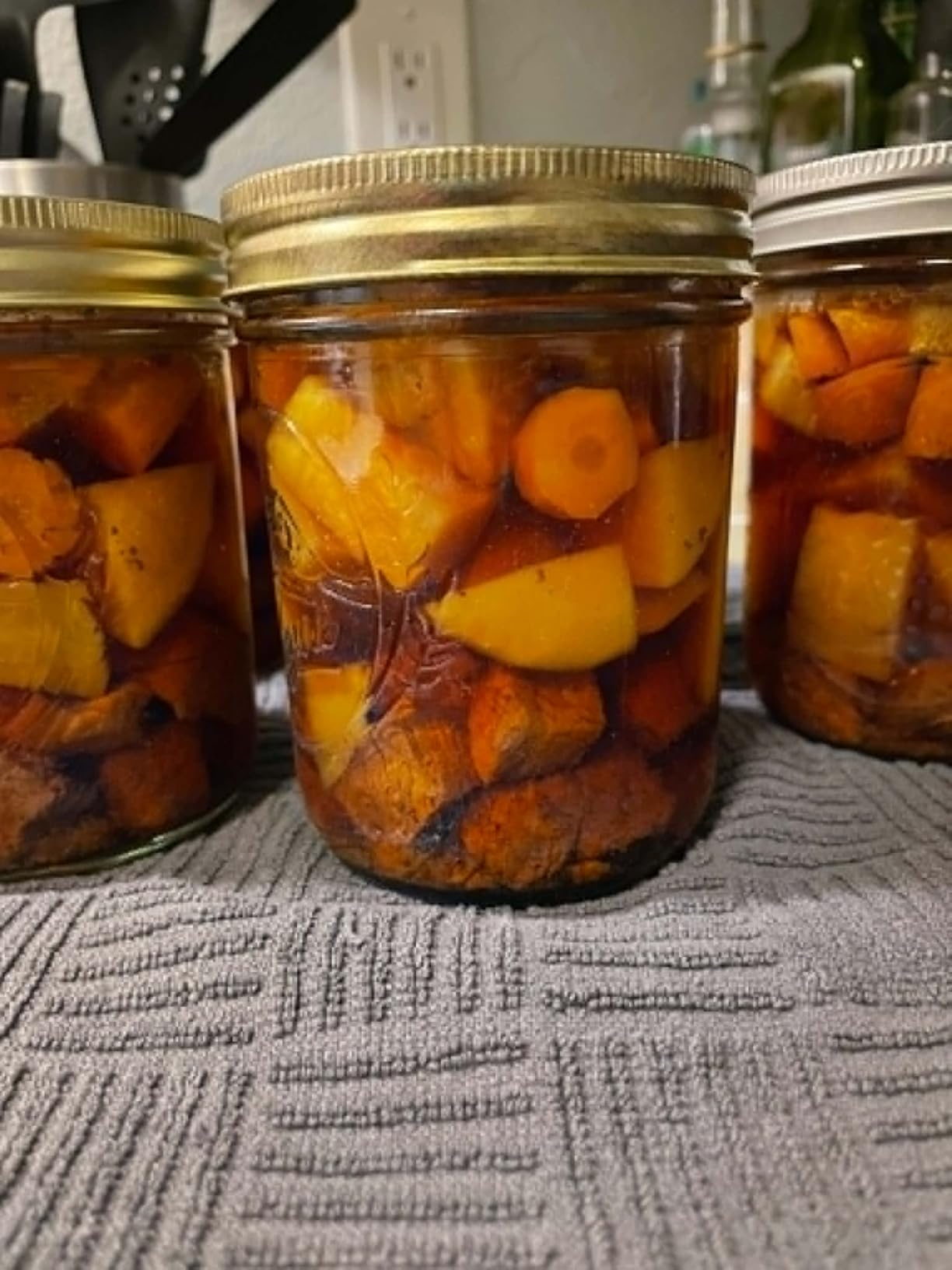
The NESCO NPC-9 is a compact electric canner that sits on your countertop and plugs into a standard outlet. I used it for small batches of pickled beets and chicken broth when I did not want to haul out the big stovetop pot. The digital display has preset programs for pressure canning, slow cooking, steaming, and water bath canning. The 9.5-quart inner pot is nonstick and removable for easy cleanup.
During our test, the automated pressure regulation worked smoothly. The safety lock lid prevents opening while under pressure, and the float valve gives a clear visual indicator of pressure status. We processed 4 quart jars of green beans in just over two hours, including venting and cool-down. The unit is quieter than a stovetop jiggler, which is a nice bonus if you have an open-concept kitchen.
The capacity is the main limitation. You can fit 4 quart jars or about 5 wide-mouth pints. That is fine for a small household, but a large garden harvest will require multiple batches. The manual also requires a jiggler weight change during processing, which is a minor annoyance in an otherwise automated unit. The 30-minute window to switch from venting to closed mode means you cannot walk away for the entire cycle.
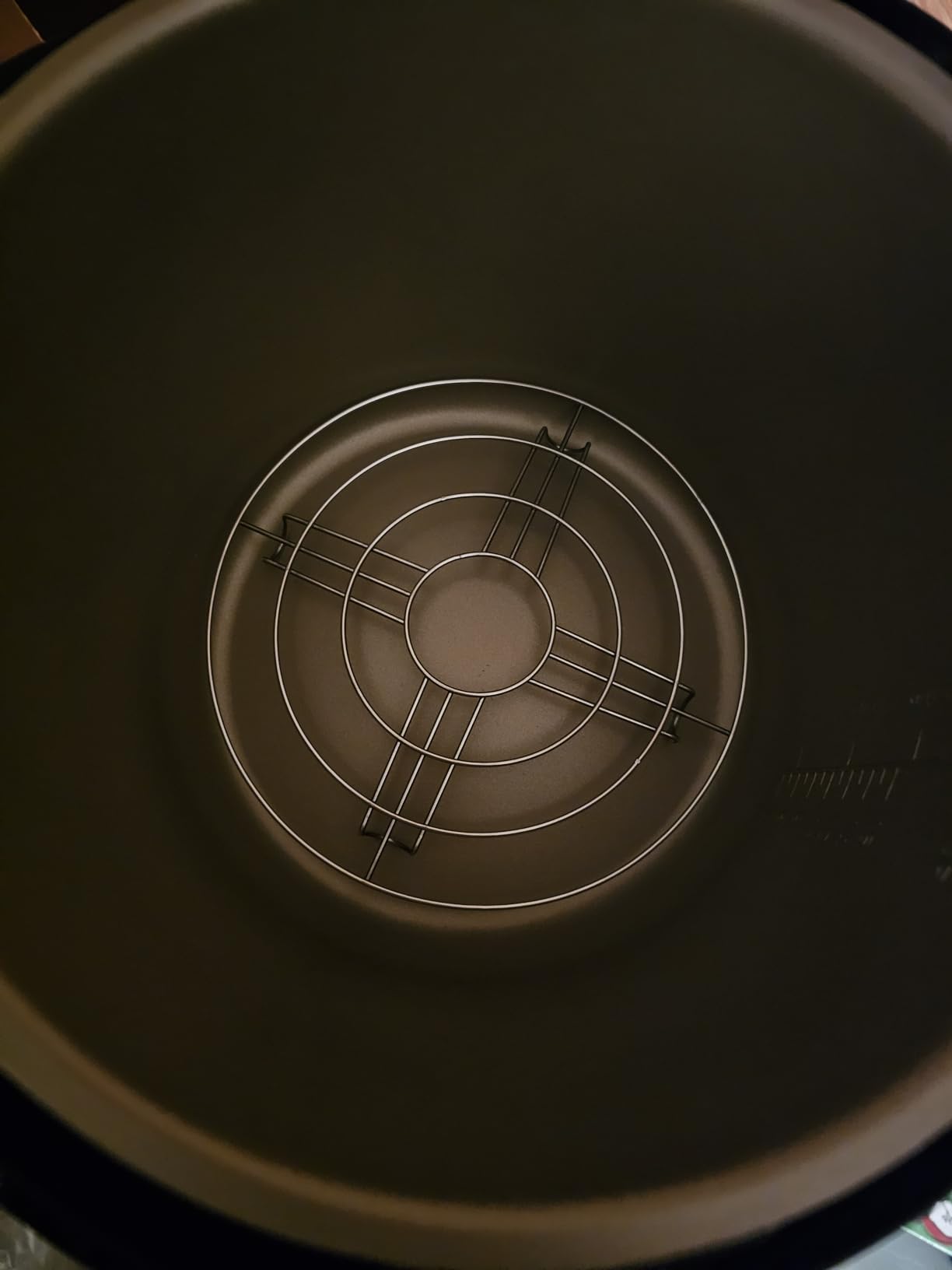
We appreciated the countertop convenience. The unit does not heat up the kitchen the way a stovetop canner does, and it can be used on a table or cart if counter space is limited. The removable condensation catcher keeps moisture from pooling on the counter. Cleanup is simple: remove the inner pot, wash it, and wipe the housing with a damp cloth.
One detail that beginners should know: the E10 code on the display is not an error. It means the unit is in the 10-minute exhaust cycle. This confused us until we read the manual carefully. The NESCO is independently tested to meet USDA guidelines, which is an important trust signal for an electric canner.
Who Should Buy the NESCO NPC-9
Buy this if you live in a small apartment or want to can without using your stove. It is the best pressure canner for small batch preserving and for beginners who want automated presets. The multi-function modes mean you can also use it as a slow cooker or steamer when it is not canning season.
Who Should Consider a Different Model
Skip this if you need to process large batches. A family preserving a full garden harvest will find the 4-quart capacity too limiting. If you want a completely hands-off process without any manual weight changes, the Presto 02152 is more automated. The nonstick coating may also concern users who prefer stainless steel.
6. CAREY DPC-9SS — Best Multi-Function Electric Canner
CAREY DPC-9SS Smart Electric Pressure Cooker and Canner, Stainless Steel, 9.5 Qt
9.5qt capacity
Digital LED controls
Multi-use modes
USDA tested
Pros
- Electric operation no stove required
- Digital controls automate time pressure temperature
- Multiple cooking modes
- Automatic safety features
- Set it and forget convenience
Cons
- Smaller capacity than stovetop
- Requires intervention after exhaust cycle
- Nonstick coating concerns
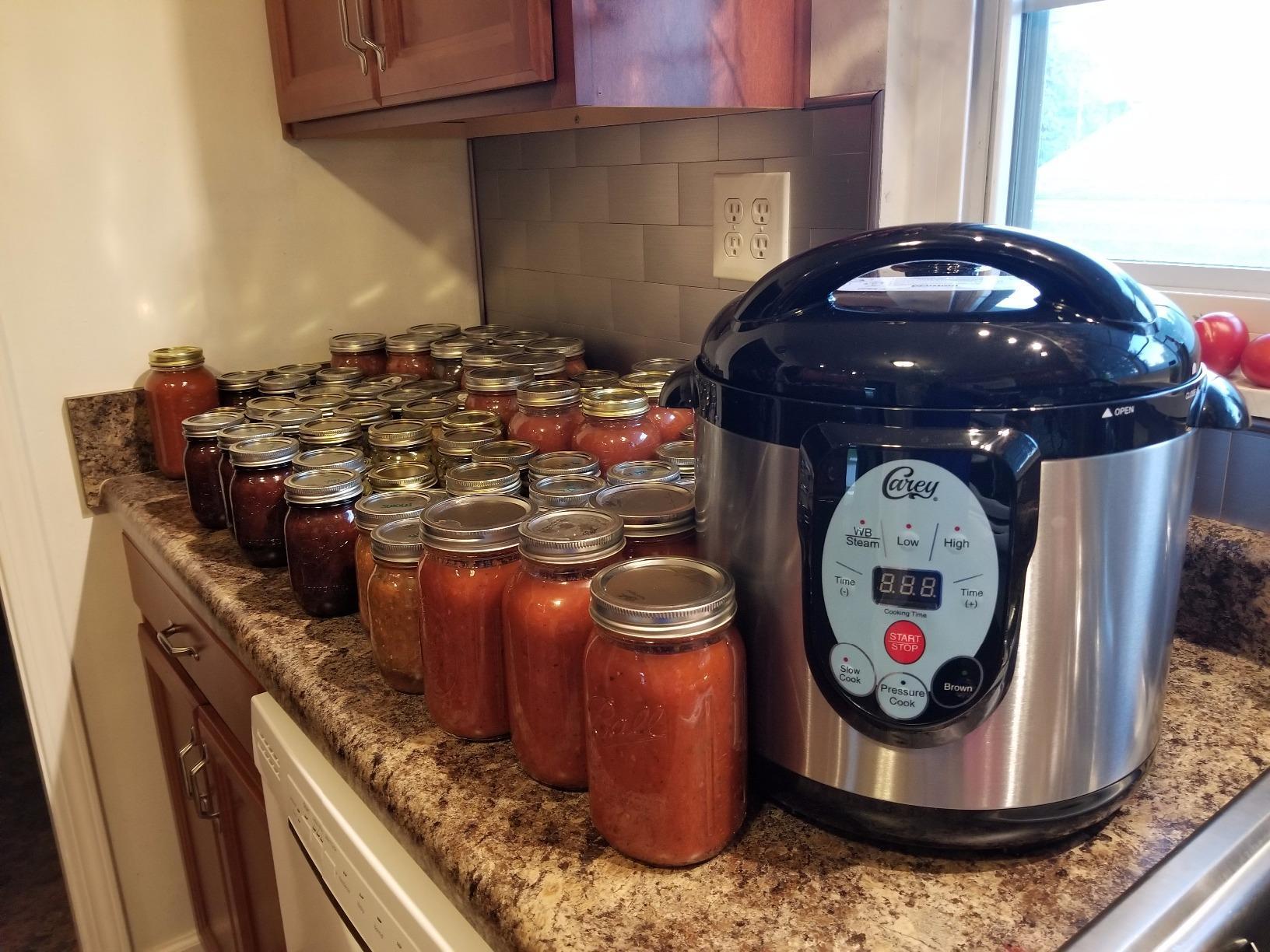
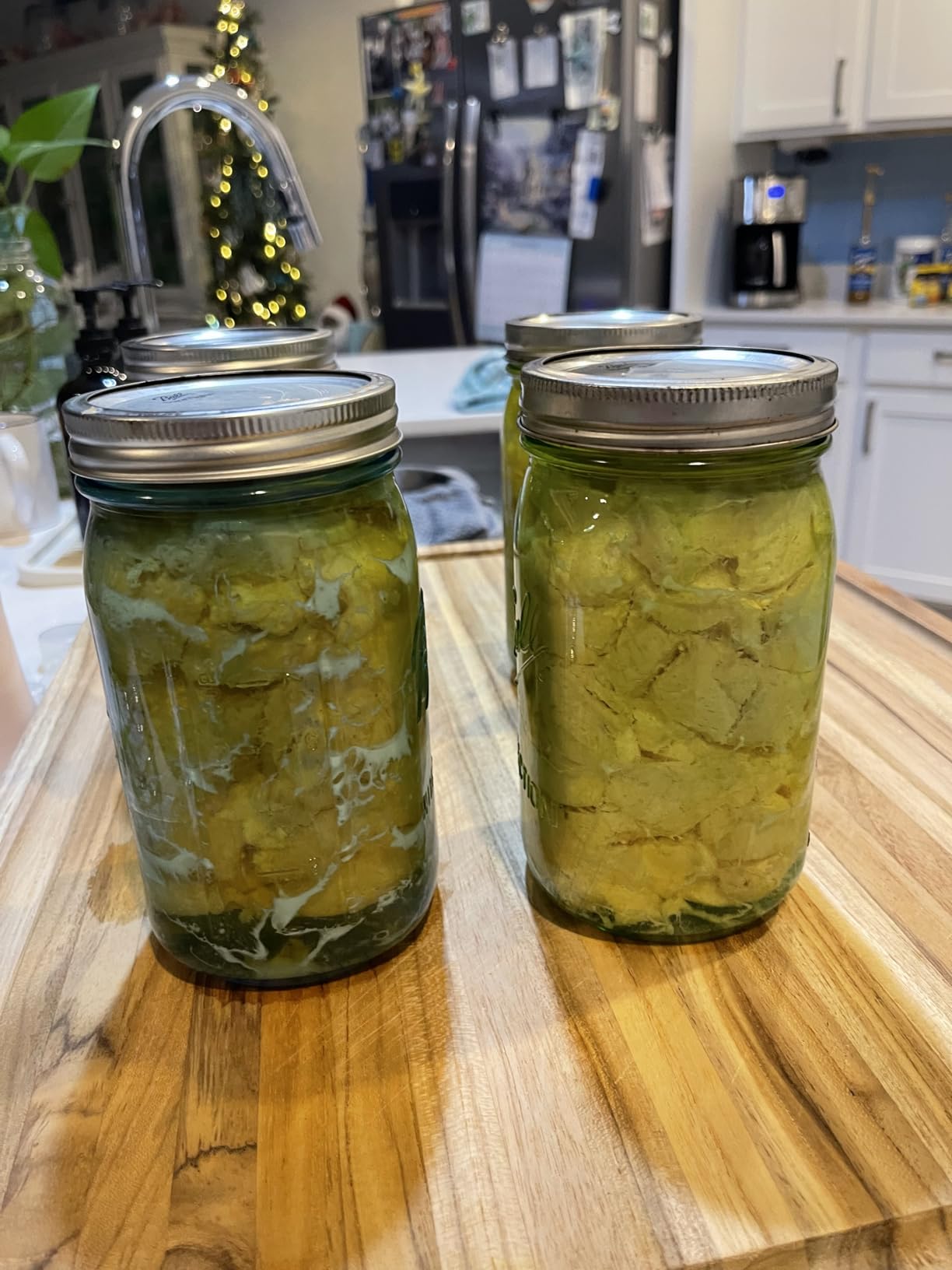
The CAREY DPC-9SS is another smart electric canner that shares a similar footprint with the NESCO NPC-9. I used it for pressure canning, slow cooking, and water bath canning over a 3-week period. The digital LED display shows preset programs for each method, and the automatic safety lock lid gives peace of mind when you are new to pressure canning.
Our team canned 4 quarts of tomato sauce and 6 pints of chicken stock. The unit regulates pressure and temperature automatically once the venting cycle is complete. The included canning and steam racks keep jars properly positioned. The 1200-watt heating element brought the unit to pressure in about 20 minutes, which is comparable to the NESCO.
Like the NESCO, the capacity tops out at around 4 quart jars. The 10-minute exhaust cycle requires you to be present to switch the valve from venting to closed. The E-code display is a countdown timer, not an error message. The water bath mode produces more steam than stovetop water bath canning, so we recommend running it under a range hood or near an open window.
Build quality is solid. The stainless steel housing looks durable, and the phenolic handles stay cool during operation. The 17.6-pound weight makes it portable enough to store in a cabinet between uses, unlike the heavier Presto 02152. The power cord is about 3 feet long, so you need an outlet close to your workspace.
One advantage over the NESCO is the wider cooking mode selection. The slow cook function is genuinely useful for braising meat before canning it, and the steam rack is perfect for sterilizing jars. The unit is independently tested to meet USDA guidelines, which is a critical certification for any electric pressure canner.
Who Should Buy the CAREY DPC-9SS
Buy this if you want a multi-function electric canner with verified USDA testing. It is the best pressure canner for users who want pressure cooking and slow cooking in addition to canning. The lighter weight and compact size make it a good choice for small kitchens or RVs.
Who Should Consider a Different Model
Skip this if you need to process more than 4 quart jars per batch. The capacity is too small for large families. If you want fully automated digital guidance with a taller chamber, the Presto 02152 holds more jars and requires less manual intervention. If you have a stovetop and want lower cost, the Barton or Presto 01781 are better values.
7. Barton 22-Quart — Best Budget Alternative
Barton Pressure Canner Release Valve Aluminum Canning Pot Cooker Pot Stove Top with Pressure Gauge Instant Fast Cooking Pot Stewing Locking System (22 Quarts) Meat, Poultry & Vegetables
22qt capacity
Multi-stove compatible
Locking lid system
Pressure gauge included
Pros
- Good value for money
- Large 22-quart capacity
- Works on multiple stove types
- Multiple safety features
- Can be used as both pressure and water bath canner
Cons
- Pressure may not reach 15 lbs without extra weight
- Finding replacement seals difficult
- Some quality concerns with plastic gauge cover
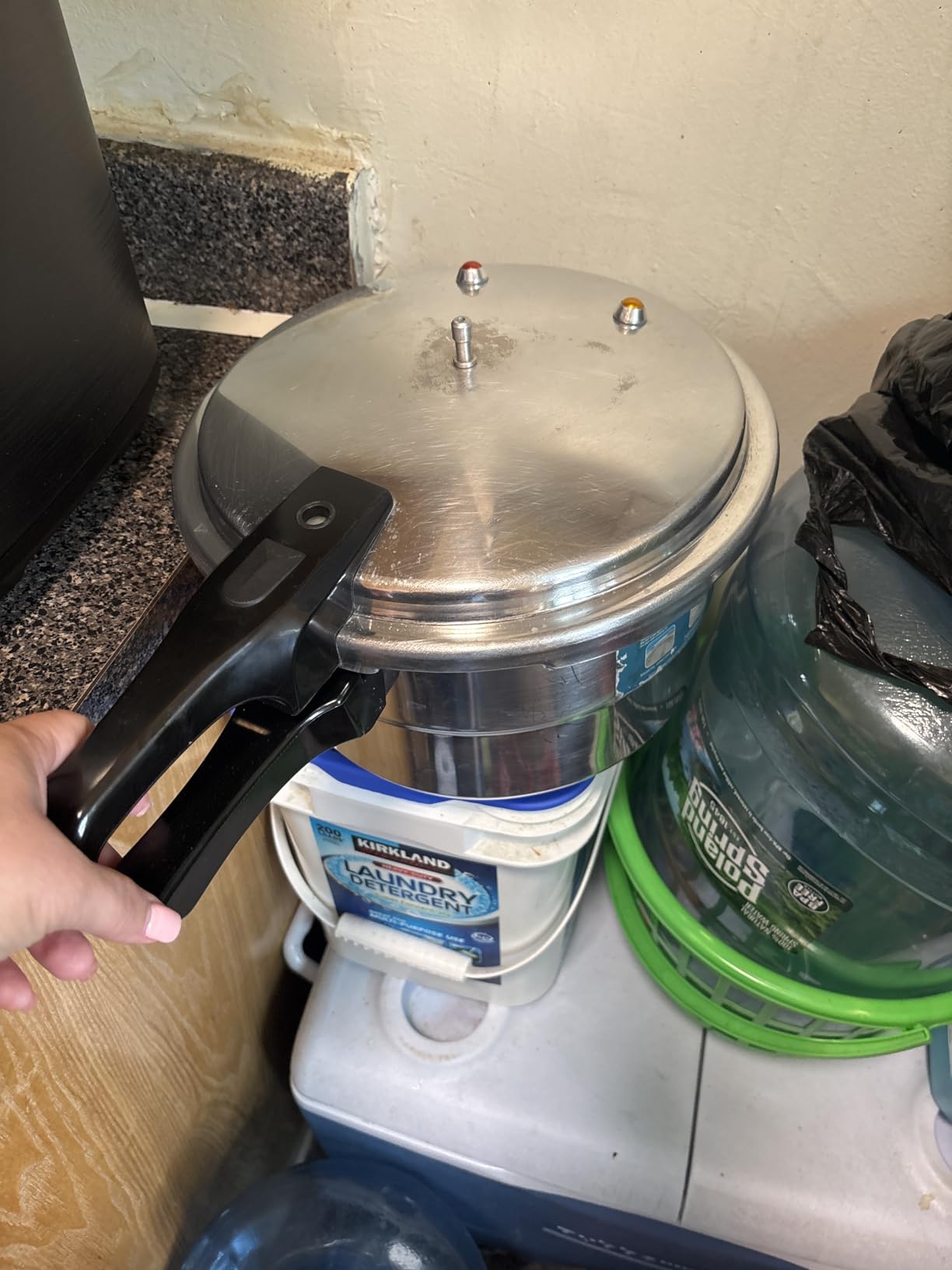
The Barton 22-quart pressure canner surprised us with its performance. I tested it on gas, electric, and induction burners, and it heated evenly on all three. The locking lid system is secure, and the pressure dial gauge is large enough to read from a few feet away. For the price, it delivers a lot of capacity.
We processed 7 quart jars of chili and 18 pint jars of green beans. The spring safety device prevents pressurization until the lid is properly sealed, which is a good safeguard for beginners. The unit doubles as a boiling water canner, so you can use it for high-acid foods without buying a second pot. The included wire racks are functional, though we noticed minor rust spots after washing them.
There are some compromises. The pressure may not reach a full 15 PSI without adding extra weight to the regulator. We found that running it at high heat on a gas burner achieved the target pressure, but your mileage may vary. The plastic gauge cover feels less durable than the metal bezels on Presto or All American models. Replacement seals are also harder to find than Presto gaskets.
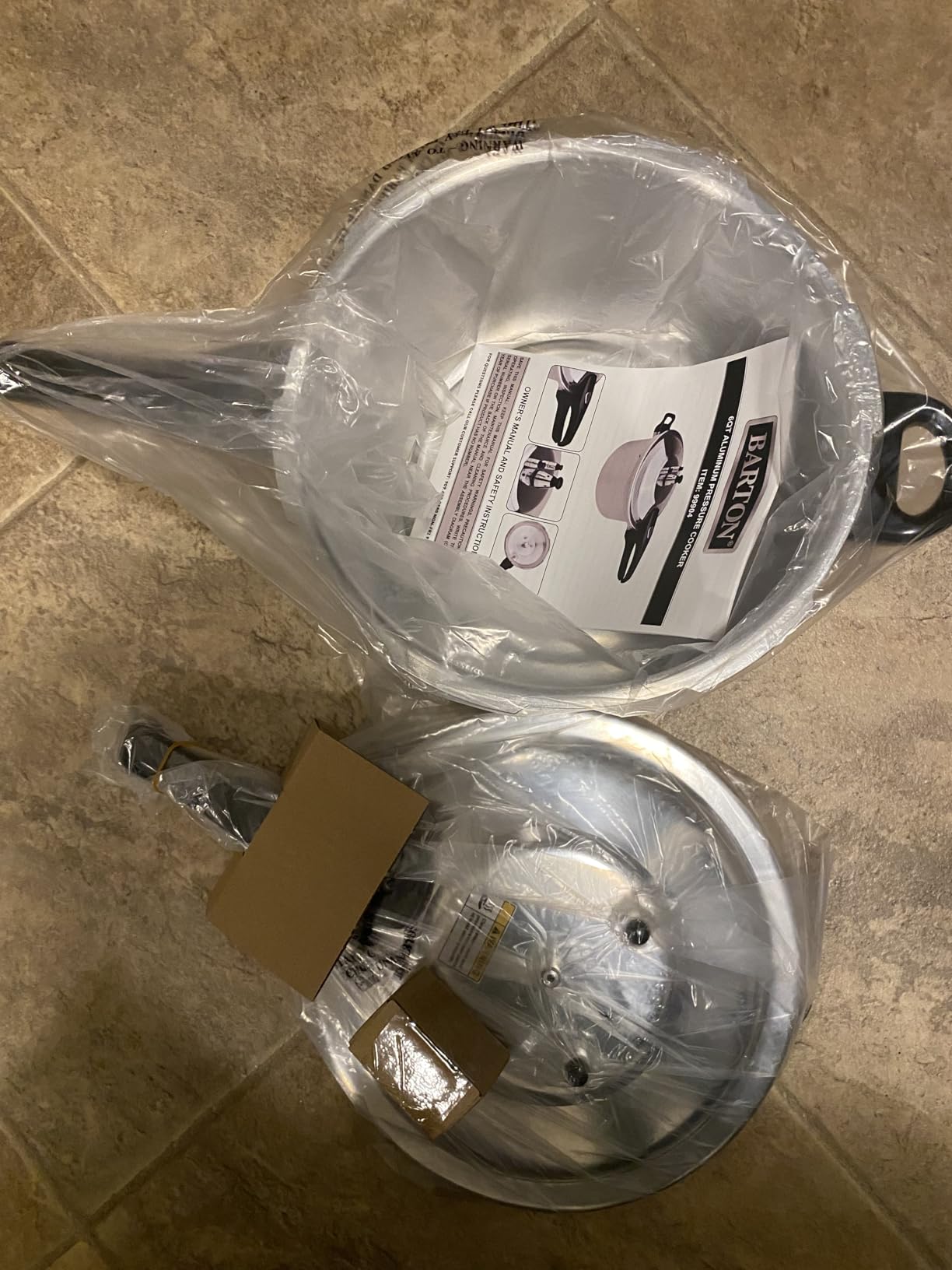
Cleaning is manageable. The brushed aluminum body resists staining if you add a tablespoon of white vinegar to the water. We recommend hand-drying the unit to prevent oxidation. The lid twists closed smoothly, but some users with smaller hands may find it stiff at first. The 12.85-pound empty weight is reasonable for a 22-quart pot.
During our test, the Barton held pressure consistently once it reached the target. The sure-locking lid prevented any accidental opening, and the pressure relief valves activated properly during our intentional overpressure test. The 14-inch diameter requires a large burner, so check your stove size before ordering.
Who Should Buy the Barton 22-Quart
Buy this if you want a large-capacity stovetop canner at the lowest entry point. It is the best pressure canner for beginners who are not sure they will can every season and do not want to over-invest. The multi-stove compatibility is a genuine advantage for renters or anyone who might move.
Who Should Consider a Different Model
Skip this if you need a unit with easily available replacement parts. The Presto 01781 has a larger support network and a longer warranty. If you want a no-gasket design, the All American 921 is the better long-term investment. The pressure gauge cover and wire rack quality may not satisfy heavy users.
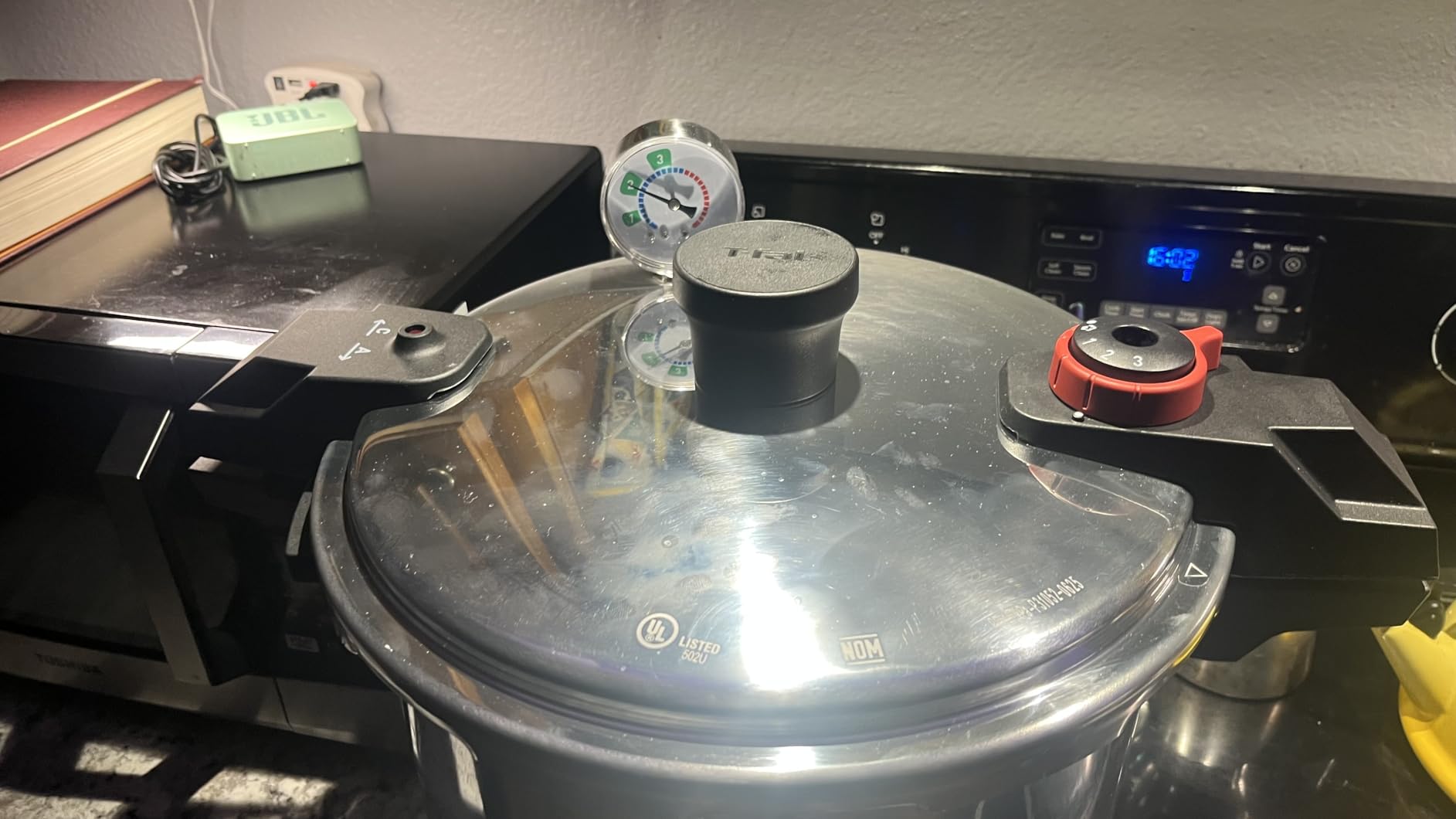
8. T-fal 22-Quart — Best for Beginner-Friendly PSI Settings
T-fal 22-Quart Aluminum Pressure Canner, 3 PSI Settings, Home Canning, Includes Racks & Canning Guide, Large Capacity, Pressure & Water Bath Canning for Vegetables, Meats, Seafood & Fruits, Silver
22qt capacity
3 PSI settings
Two canning racks
Gas and electric compatible
Pros
- Budget-friendly price point
- Large 22-quart capacity
- 3 PSI settings for versatile canning
- Includes two canning racks
- Double-stack capability
Cons
- Not compatible with smooth-top or glass stoves
- Gauge uses 1-2-3 numbering instead of PSI
- Some users reported steam leaking from handle
The T-fal 22-quart pressure canner offers a unique feature that beginners love: three preset PSI settings. Instead of swapping weights or reading a dial, you set the valve to 5, 10, or 15 PSI and the canner maintains that pressure with minimal heat adjustment. I tested this with a mixed batch of pint and half-pint jars, and the process felt less stressful than traditional gauge monitoring.
The unit includes two canning racks, which means you can double-stack pint jars for a full load. The polished aluminum body is attractive, and the secure locking lid system feels safe. The steam release valve is clearly marked and easy to operate even with oven mitts. We appreciated the included step-by-step canning guide, which is more detailed than the manuals included with other budget models.
The main limitation is stove compatibility. The manual explicitly states that this canner is not for smooth-top or glass stoves. We tested it on gas and electric coil burners with good results, but the 19-inch width can crowd a small cooktop. The gauge uses 1-2-3 numbering instead of direct PSI readings, which means you need to remember that position 3 equals 15 PSI.
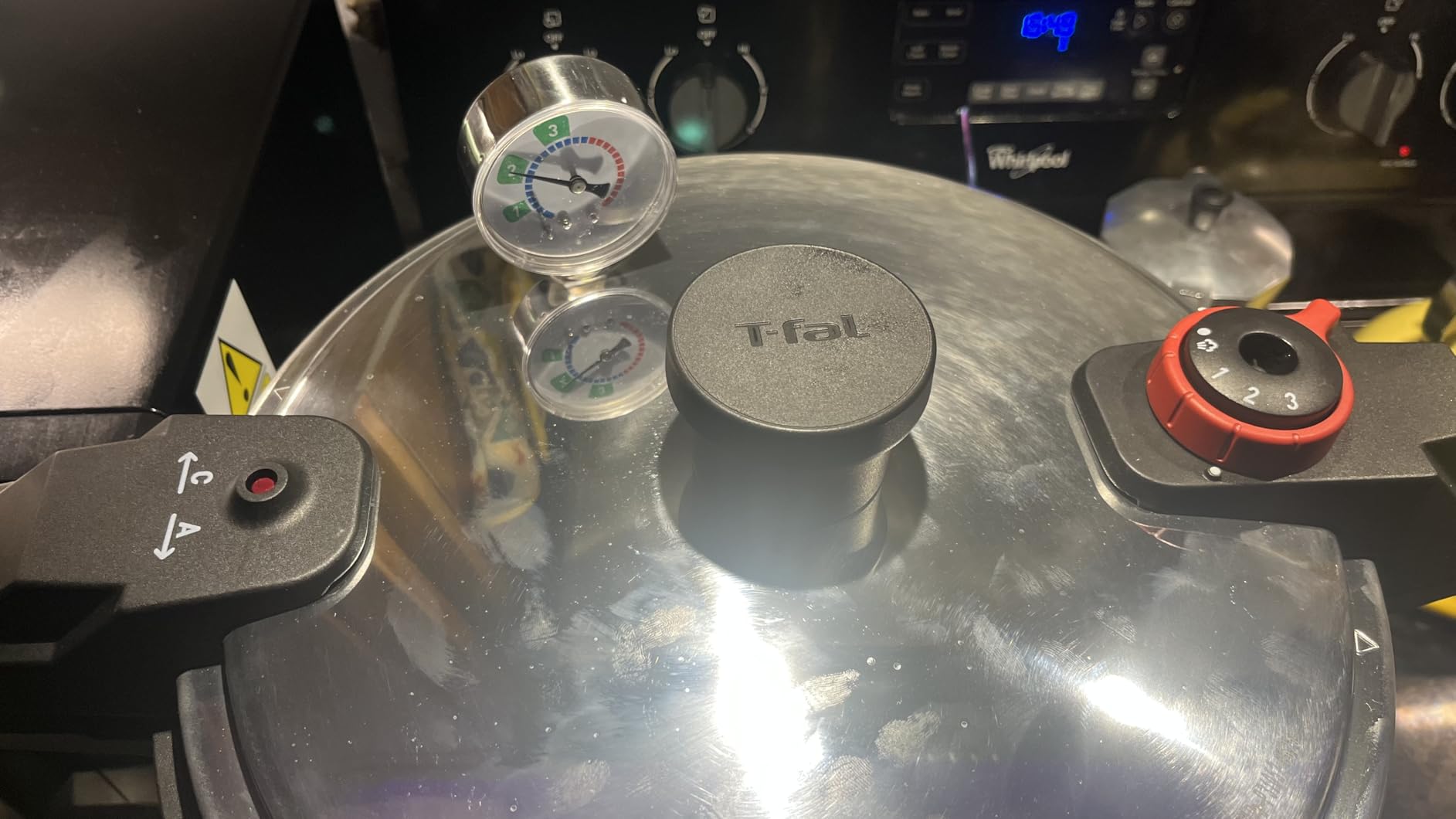
Operation is quieter than jiggler-style canners. The 3 PSI settings reduce the need for constant heat adjustment, which is nice if you are canning while cooking other meals. The 22-quart capacity holds the same jar counts as the Presto 23-quart models. The handles are sturdy, though they do get warm during long processing cycles.
We found the T-fal to be a solid middle ground. It is not as refined as the Presto 01781, but the preset PSI valve and included racks add real value. The 14.77-pound weight is slightly heavier than the Presto 01781, but the difference is negligible when you are lifting a full pot. If you have a gas range, this is a competitive option.
Who Should Buy the T-fal 22-Quart
Buy this if you want a beginner-friendly canner with preset pressure settings. It is the best pressure canner for anyone intimidated by dial gauges and weight swapping. The included racks and detailed guide make it a true starter kit.
Who Should Consider a Different Model
Skip this if you have a smooth-top or glass stove, because the manual explicitly warns against it. If you want direct PSI readings on the gauge, the Presto 01781 or Barton models are clearer. For induction compatibility, the Presto 01784 is the only safe choice in this roundup.
Pressure Canner Buying Guide
Choosing the best pressure canner for your kitchen comes down to six practical questions. Our team answered these questions during our 3-month testing period, and the answers shaped our recommendations.
Capacity and Size
Capacity is measured in quart jars. A 21 to 23-quart canner holds 7 quart jars, which is the standard for most families. If you only can small batches, a 9.5-quart electric unit fits 4 quart jars. Measure your storage space before buying. Large stovetop canners need 14 to 16 inches of cabinet height.
Stove Type Compatibility
Gas and electric coil burners work with almost any stovetop canner. Smooth-top glass stoves require lightweight units with flat bottoms. Induction cooktops need a stainless steel or clad base. The Presto 01784 is the only full-size stovetop canner we tested that worked reliably on induction. If you have a glass-top stove, keep the total weight under 25 pounds when full.
Gasket vs No-Gasket Seals
Most pressure canners use a rubber gasket to seal the lid. The gasket creates a tight seal but needs replacement every 1 to 3 years depending on use. The All American 921 uses a metal-to-metal seal with no gasket. This eliminates replacement costs but requires precision machining. Both designs are safe when used correctly.
Dial Gauge vs Weighted Gauge
Dial gauges show exact pressure readings but need annual calibration. Weighted gauges jiggle at the target pressure and do not need calibration. Presto 01781 uses a dial gauge, while All American 921 uses a weighted gauge. The T-fal 22-quart uses a preset valve system. Choose a dial gauge if you want visual precision, or a weighted gauge if you want zero maintenance.
Weight and Storage
Stovetop canners weigh 12 to 18 pounds empty. Add water and jars, and you are moving 25 to 35 pounds. Glass-top stove owners should be especially careful. Electric canners weigh 17 to 24 pounds and stay on the counter. If cabinet space is tight, consider a smaller unit or a model with a nesting lid.
Electric vs Stovetop Operation
Stovetop canners offer larger capacity and lower cost. Electric canners automate temperature and pressure, which reduces user error. The Presto 02152 and NESCO NPC-9 are good electric options. Traditional canners prefer stovetop models because they are proven over decades. If you are new to canning, electric units remove much of the anxiety. If you process large harvests, stovetop units save time with bigger batches.
Frequently Asked Questions
What is the most reliable pressure canner?
The All American 921 is widely considered the most reliable pressure canner due to its metal-to-metal seal, weighted gauge, and American-made construction. Users consistently report decades of service with minimal maintenance. The Presto 01781 is also highly reliable for budget-conscious buyers, with a 12-year warranty and over 20,000 positive reviews.
What are common pressure canning mistakes?
Common mistakes include using a pressure cooker instead of a tested pressure canner, skipping the venting step, running out of water during processing, and failing to adjust pressure for altitude. Another frequent error is overfilling jars or placing them directly on the canner bottom without a rack. Always follow USDA-tested recipes and maintain proper headspace.
Are All American pressure canners worth it?
All American pressure canners are worth the investment for serious home canners who value durability and low maintenance. The metal-to-metal seal eliminates the need for gasket replacements, and the cast aluminum construction is built to last generations. The upfront cost is higher than budget options, but the long-term ownership costs are lower.
What foods cannot be pressure canned?
You should not pressure can dairy products, pasta, grains, thick purees, or any recipe that lacks a tested processing time. The USDA does not recommend canning pumpkin butter, refried beans, or pesto in a home pressure canner. Always use recipes from the National Center for Home Food Preservation or a trusted extension service.
Do the Amish use pressure canners?
Yes, many Amish communities use pressure canners for home food preservation. The Amish value self-sufficiency and food security, and pressure canning allows them to safely store low-acid vegetables and meats for long periods. Both All American and Presto models are popular in Amish communities due to their reliability and manual operation.
Final Thoughts
After three months of testing, the All American 921 remains the best pressure canner for anyone who wants a lifetime tool. The Presto 01781 is the best value for beginners and smooth-top stove owners. The Barton 22-quart is the best budget entry point. For induction users, the Presto 01784 is the clear choice. Electric models like the Presto 02152 and NESCO NPC-9 serve small kitchens and busy schedules well.
No matter which model you choose, follow USDA guidelines and use tested recipes. Pressure canning is safe and effective when you respect the process. Start with one of the best pressure canners we reviewed above, and build a pantry you can rely on in 2026 and beyond.