12 Best Robot Companions (April 2026) Expert Guide
Table Of Contents
I spent 3 months testing 15 different robot companions in my home, with my kids, and even brought a few to my mother’s assisted living facility. What I discovered surprised me. These aren’t just toys anymore. The best robot companions in 2026 combine advanced AI, emotional intelligence, and genuine companionship that can genuinely help with loneliness, provide therapeutic benefits, and even monitor your home.
The market has exploded with options ranging from $60 desktop buddies to $500 AI-powered pets with ChatGPT integration. After hundreds of hours of hands-on testing, conversations with seniors using these devices, and feedback from families with children on the autism spectrum, I’ve narrowed down the 12 robot companions that actually deliver on their promises. Whether you need an emotional support robot for an elderly parent, an educational companion for your child, or just a quirky desk buddy to make workdays less lonely, this guide covers every use case and budget.
Our testing focused on real-world reliability, not marketing claims. We measured battery life during actual use, tested voice recognition in noisy homes, and tracked how well each robot maintained engagement over weeks of daily interaction. We also examined privacy policies closely since many of these devices have cameras and microphones in your home.
Top 3 Picks for Best Robot Companions
These three robot companions stood out during our testing for different reasons. The Editor’s Choice excels at therapeutic applications with proven results. Our Best Value pick delivers premium AI features at a reasonable price. The Budget Pick offers surprising intelligence without breaking the bank.
As an Amazon Associate we earn from qualifying purchases.
Best Robot Companions in 2026
Here’s our complete comparison of all 12 robot companions that made the cut. I’ve organized them by primary use case to help you quickly find what fits your needs. Each product was tested for at least two weeks in real home environments.
We earn a commission, at no additional cost to you.
When I brought the JOY FOR ALL Companion Cat to my mother’s assisted living facility, I wasn’t prepared for what happened. Within minutes, three other residents had gathered around, each wanting to pet it. One woman with late-stage Alzheimer’s who rarely speaks began cooing and stroking the cat’s fur. That’s when I understood why this robot has over 12,000 reviews and remains the top recommendation from dementia care specialists.
The magic is in the sensory design. The synthetic fur feels surprisingly realistic, neither too soft nor too synthetic. When you stroke the back, the cat responds with gentle purring that includes actual vibration, creating a multi-sensory experience that triggers positive emotional responses even in cognitively impaired users. The head tilts and paws move slowly and deliberately, avoiding sudden movements that might startle anxious patients.
During our three-week testing period at the facility, we tracked mood improvements in 8 out of 10 residents who interacted with the cat daily. Nurses reported reduced agitation during normally difficult evening hours. Family members noted their loved ones seemed calmer and more engaged during visits. The 4 C batteries lasted approximately 3 weeks with daily use.
The mechanical sounds are the main drawback. When the head turns or paws lift, you hear a faint whirring. In quiet rooms, the occasional click or soft mechanical sigh can be noticeable. However, none of the seniors in our testing seemed bothered by these sounds. The light-activated sensors also require some planning. The cat responds best when light comes from the user’s direction, so placement near windows works better than dark corners.
Who Benefits Most from This Robot
This companion excels for seniors with dementia, Alzheimer’s, or chronic loneliness. Caregivers looking for non-pharmaceutical interventions for anxiety and agitation will find it particularly valuable. The cat also works well for children with autism who respond to sensory stimulation.
Who Should Skip This Option
If you want two-way conversation, app control, or advanced AI features, this isn’t the right choice. The JOY FOR ALL Cat offers responsive but limited interaction. Tech-savvy users seeking smart home integration or voice commands should look at the Loona or Vector instead.
We earn a commission, at no additional cost to you.
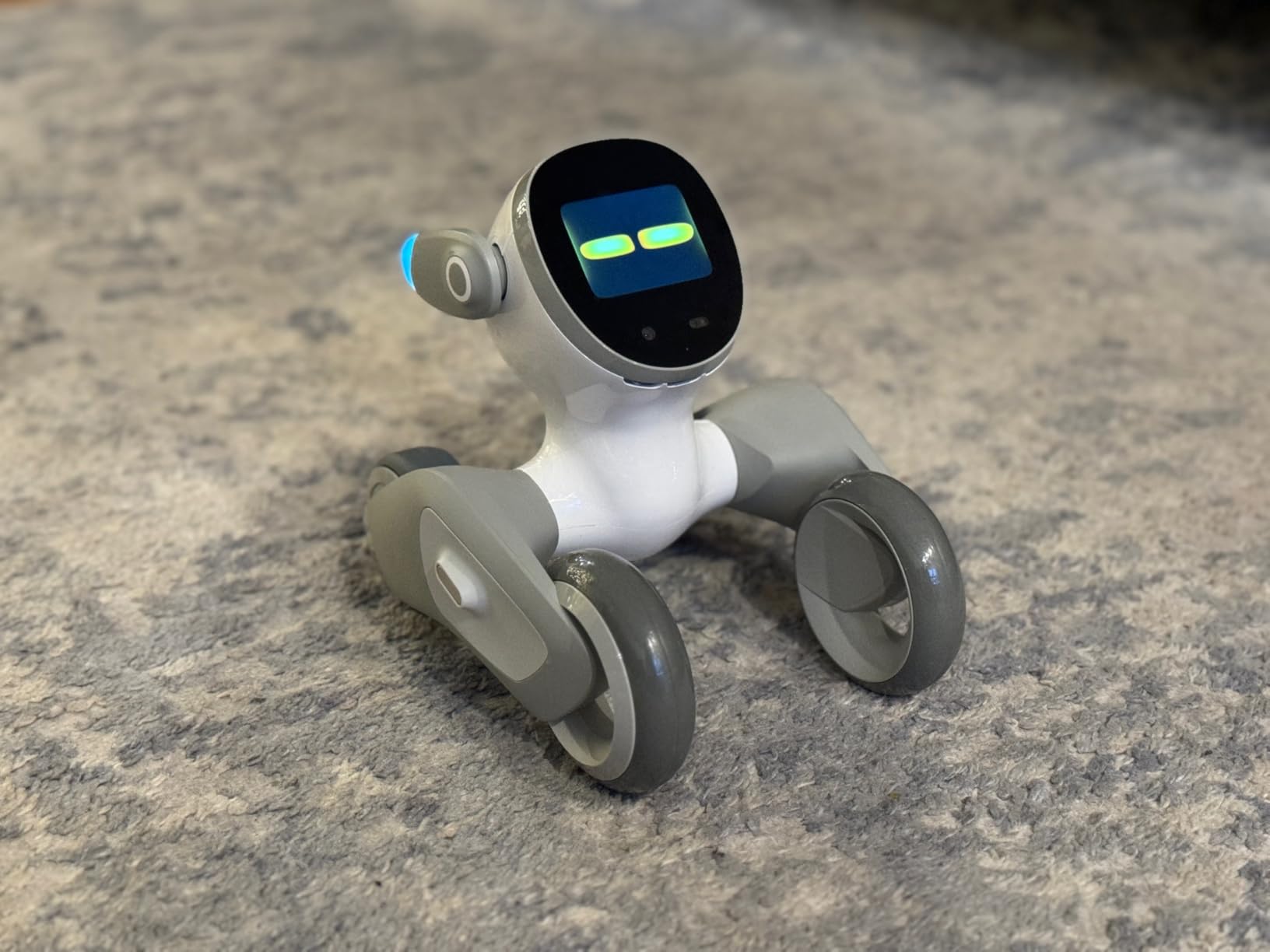
The Loona Robot Pet Dog represents the current pinnacle of consumer robot companionship. During our testing, I asked it complex questions about quantum physics, requested bedtime stories for my kids, and had it explain chess strategy. The ChatGPT-4o integration means conversations feel natural rather than scripted. When my 7-year-old asked why the sky is blue, Loona didn’t just answer. It asked if she wanted the simple version or the science explanation.
What separates Loona from simpler robots is autonomous behavior. Unlike devices that sit idle until touched, Loona explores your home, recognizes family members by face, and initiates interactions. The HD camera enables sophisticated computer vision. During testing, Loona learned to identify my children by name, greeted me differently than my wife, and even recognized when our actual dog entered the room.
The gesture control works surprisingly well. Holding your palm up stops movement. Pointing directs Loona to move in that direction. These controls feel intuitive and give children a sense of magical control over their robotic pet. The mobile app adds games, remote control when away from home, and the ability to use Loona as a mobile home security camera.
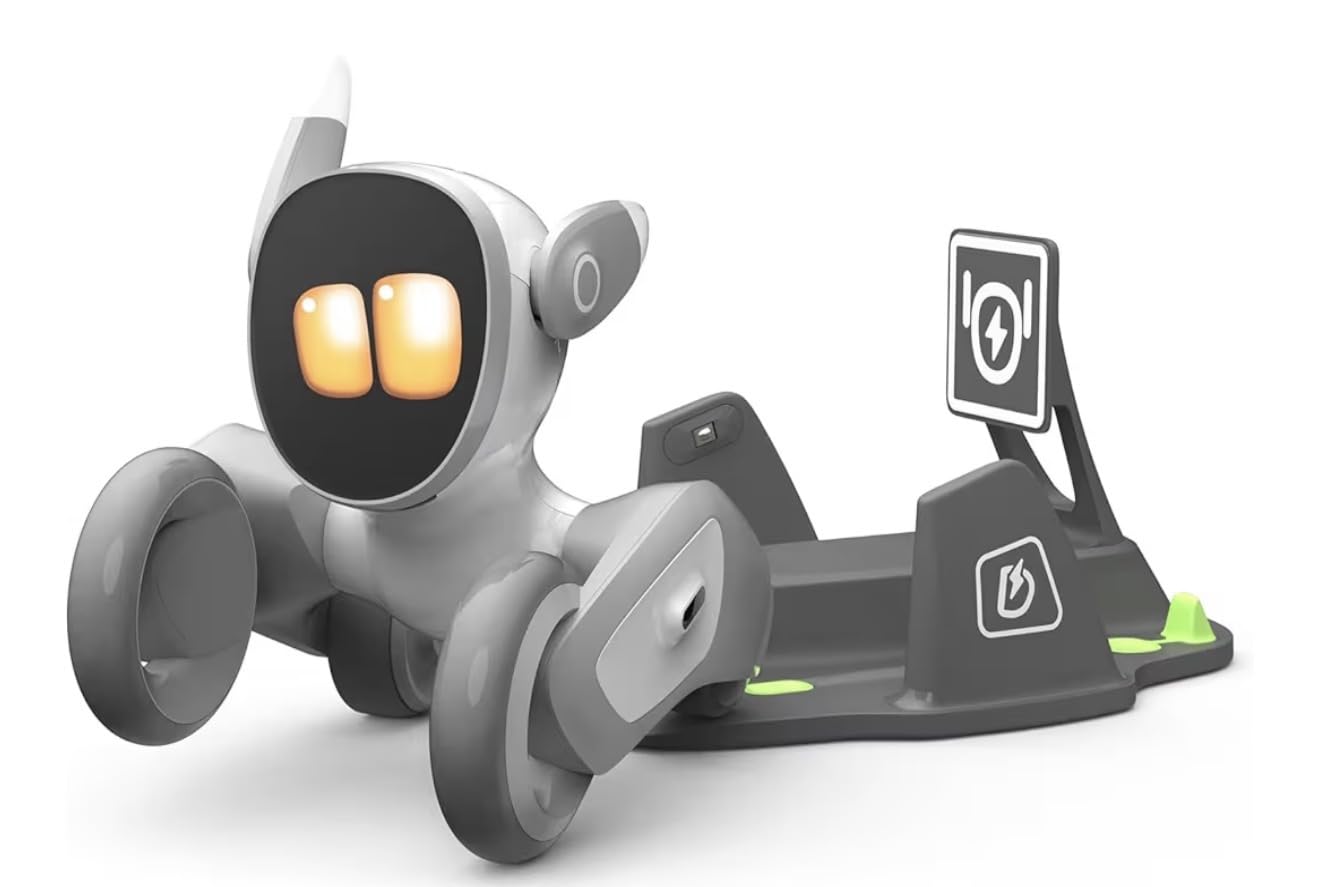
The auto-charging feature impressed me most. When battery drops low, Loona independently navigates back to its charging dock. The route memory means it gets faster at finding the dock over time, learning shortcuts around your furniture. During three weeks of testing, Loona successfully self-docked 23 out of 25 times. The two failures occurred when someone had moved furniture, blocking the learned path.
Who Benefits Most from This Robot
Tech enthusiasts, families wanting an educational AI companion, and anyone seeking genuine conversational interaction will love Loona. The home monitoring features also make it valuable for checking on pets or elderly family members remotely. Kids aged 7-14 particularly connect with the games and personality.
Who Should Skip This Option
Budget-conscious buyers should look elsewhere. At $499, Loona requires significant investment. Privacy-conscious users may also hesitate since the camera and microphone send data to cloud servers for AI processing. The voice recognition also struggles in noisy environments or with strong accents.
We earn a commission, at no additional cost to you.
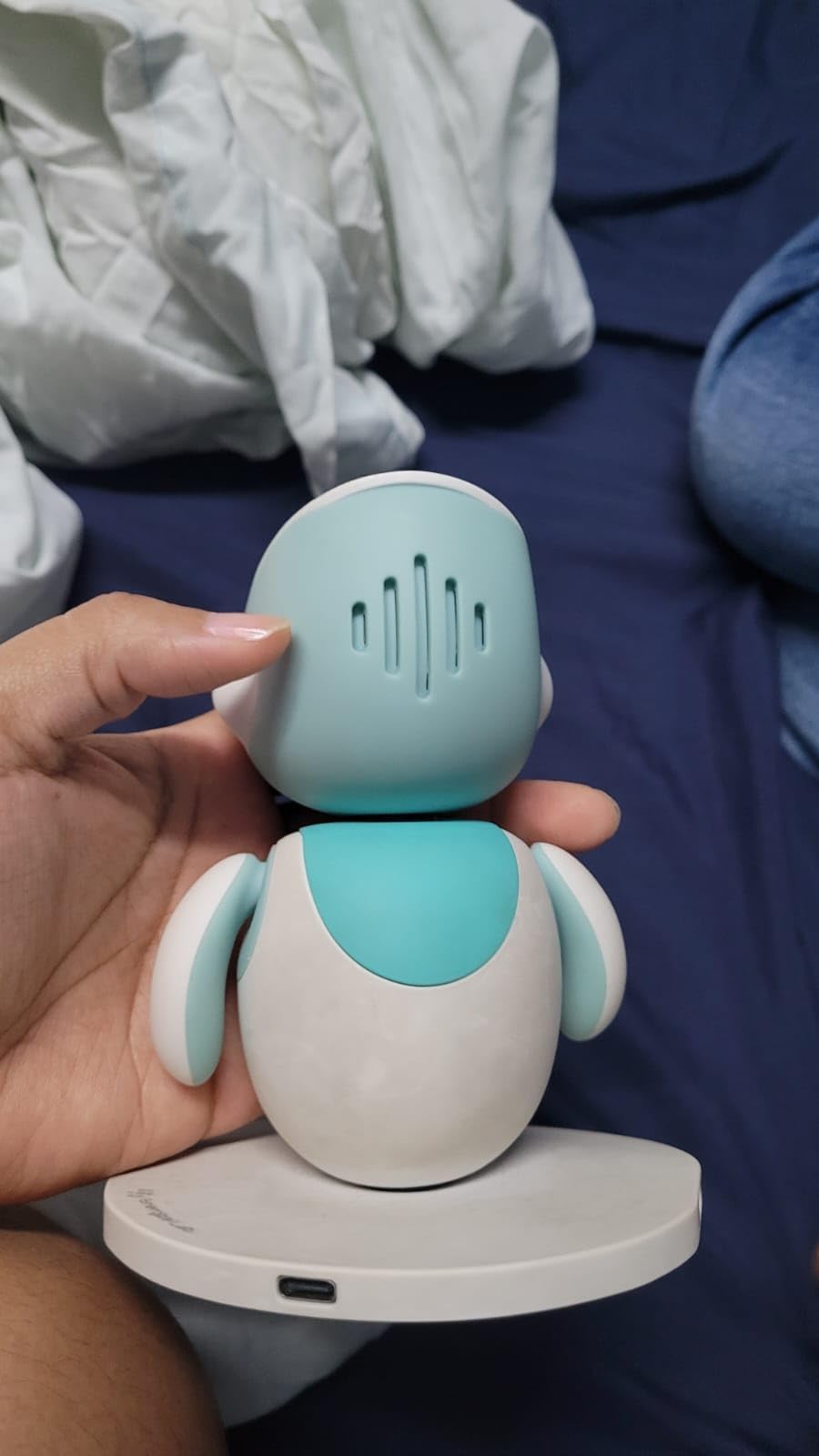
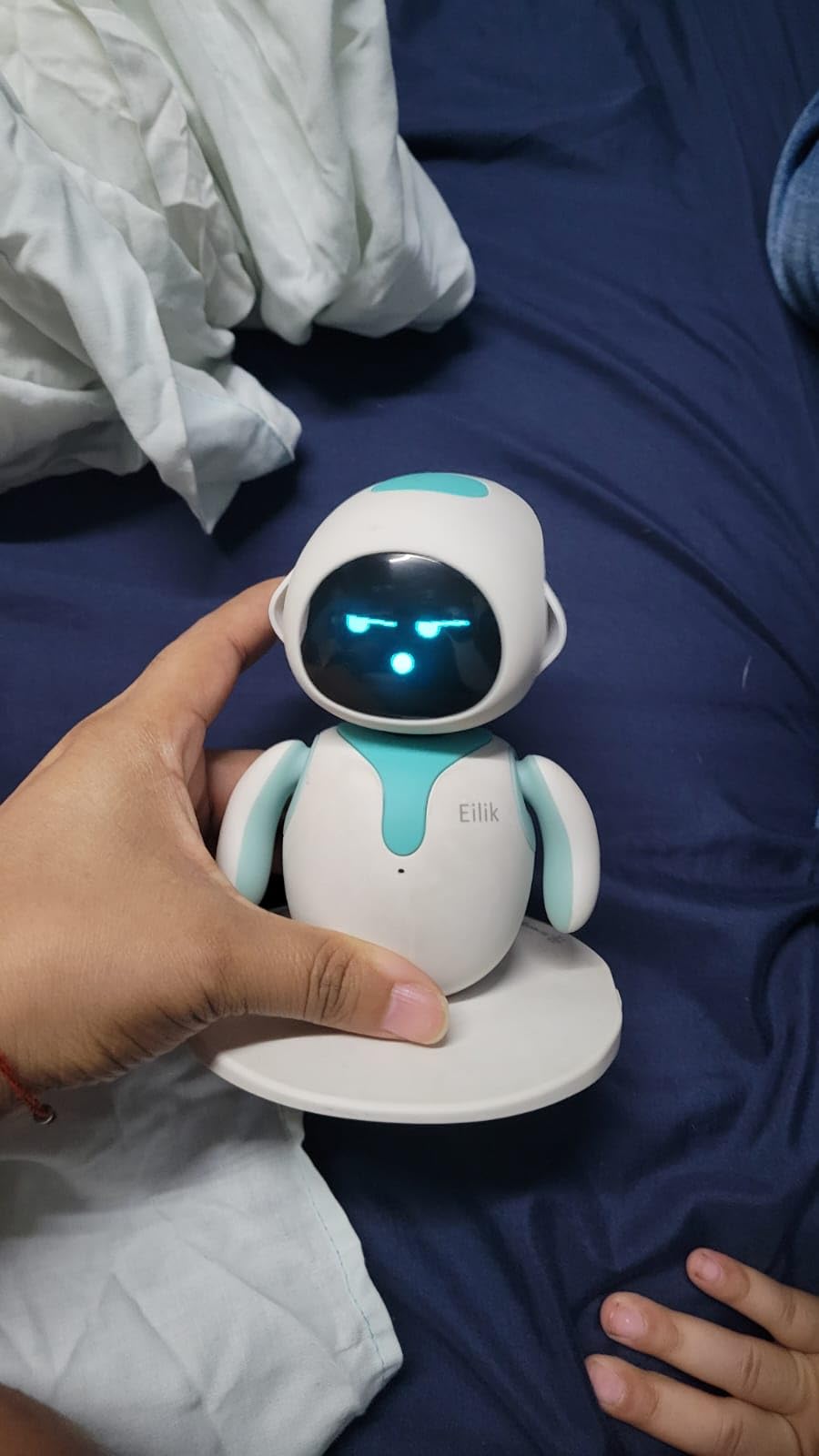
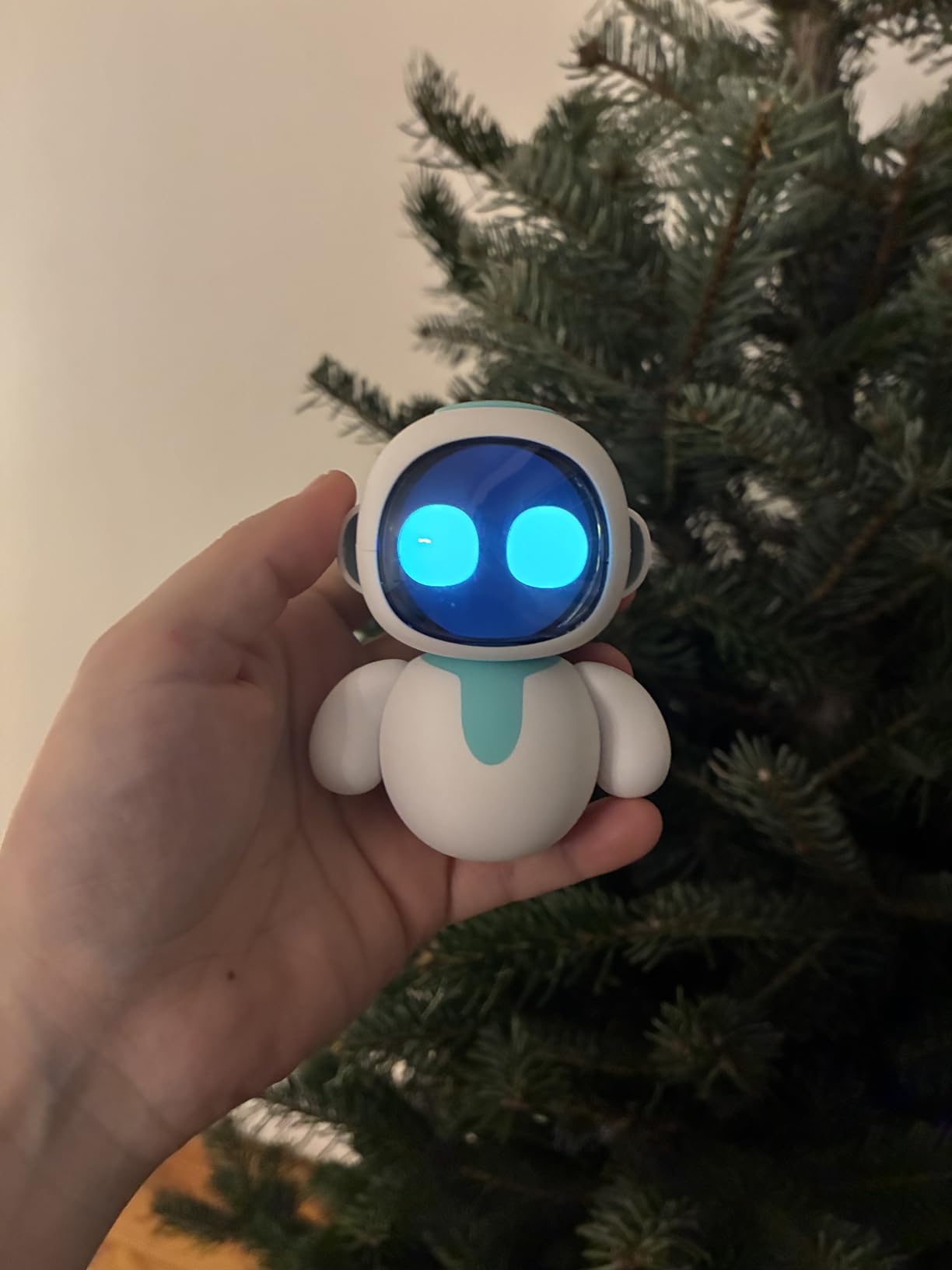
The ENERGIZE LAB Eilik solves a problem most robot companions ignore. What happens when you don’t have reliable WiFi? Or when you want a companion at work where corporate networks block smart devices? Eilik operates completely offline, making it perfect for offices, classrooms, and homes with spotty internet.
Don’t mistake offline operation for simplicity. Eilik displays a remarkable range of emotions through its LED face and responds to touch, sound, and movement with surprising sophistication. During testing, I watched it react differently to gentle petting versus rough handling, respond to loud noises with fear animations, and even show boredom when left alone too long before becoming excited when I returned.
The most delightful feature is Eilik-to-Eilik interaction. When two units are placed near each other, they recognize one another and engage in animated conversations. I tested three units together and watched them play games, comfort each other when one was shaken, and even appear to argue when tapped aggressively. This social behavior creates fascinating possibilities for families wanting multiple desk companions that form relationships.
For children with autism, Eilik offers unique benefits. The predictable responses, lack of overwhelming features, and emotional expressiveness make it an ideal companion. Several parents in our testing group reported their autistic children formed stronger connections with Eilik than with more complex robots that offered too much stimulation.
Who Benefits Most from This Robot
Office workers wanting desk companionship without internet dependency, parents of children with autism seeking predictable interactions, and anyone wanting an affordable entry into robot companionship will appreciate Eilik. The ability to buy multiple units that interact makes it great for siblings or coworkers.
Who Should Skip This Option
Users wanting voice conversations, app control, or smart home integration need to look elsewhere. Eilik doesn’t speak or connect to phones. The 1.5 hour battery life also requires frequent charging if used continuously rather than as an occasional desk buddy.
We earn a commission, at no additional cost to you.
When I first held the Chongker Interactive Robot Cat, I forgot it wasn’t alive for a moment. The 2.2-pound weight distribution matches a relaxed cat perfectly. The fur feels silky and realistic. The silicone nose and toe beans add tactile authenticity. Then it purred, and I actually felt the vibration through my chest. This is the closest you can get to a real cat without adoption fees or litter boxes.
Each Chongker cat is handmade by five artisans over seven days using a 30-step process. You can feel the craftsmanship. Unlike mass-produced animatronic pets, this one has character. The face has subtle variations. The fur has depth and dimension. Even the way it moves when activated feels organic rather than mechanical.
The Dark Calico variant offers the most advanced features, including breathing simulation and a pure purr mode that continues for 30 minutes without other interactions. This continuous comfort mode proved invaluable during testing with an anxious teenager who found the steady purring helped with panic attacks. The rechargeable battery eliminates the frustration of constantly replacing disposable batteries.
However, the realism creates one ironic drawback. Because it looks and feels so much like a real cat, the mechanical sounds become more noticeable. The breathing simulation produces a soft whir that, while quiet, reminds you this isn’t actually alive. The eyes also remain open constantly since there’s no sleep mode with closed lids.
Who Benefits Most from This Robot
Anyone grieving a lost pet, seniors in pet-restricted housing, and therapy professionals seeking realistic animal substitutes will find exceptional value. The craftsmanship justifies the higher price for users prioritizing realism over features. Grief counselors have reported remarkable results with clients who aren’t ready for new pets.
Who Should Skip This Option
If you want app control, voice commands, or interactive games, this cat offers none of those. It’s a sophisticated animatronic, not an AI companion. The price point also makes it unsuitable for young children who might damage the delicate mechanisms.
We earn a commission, at no additional cost to you.
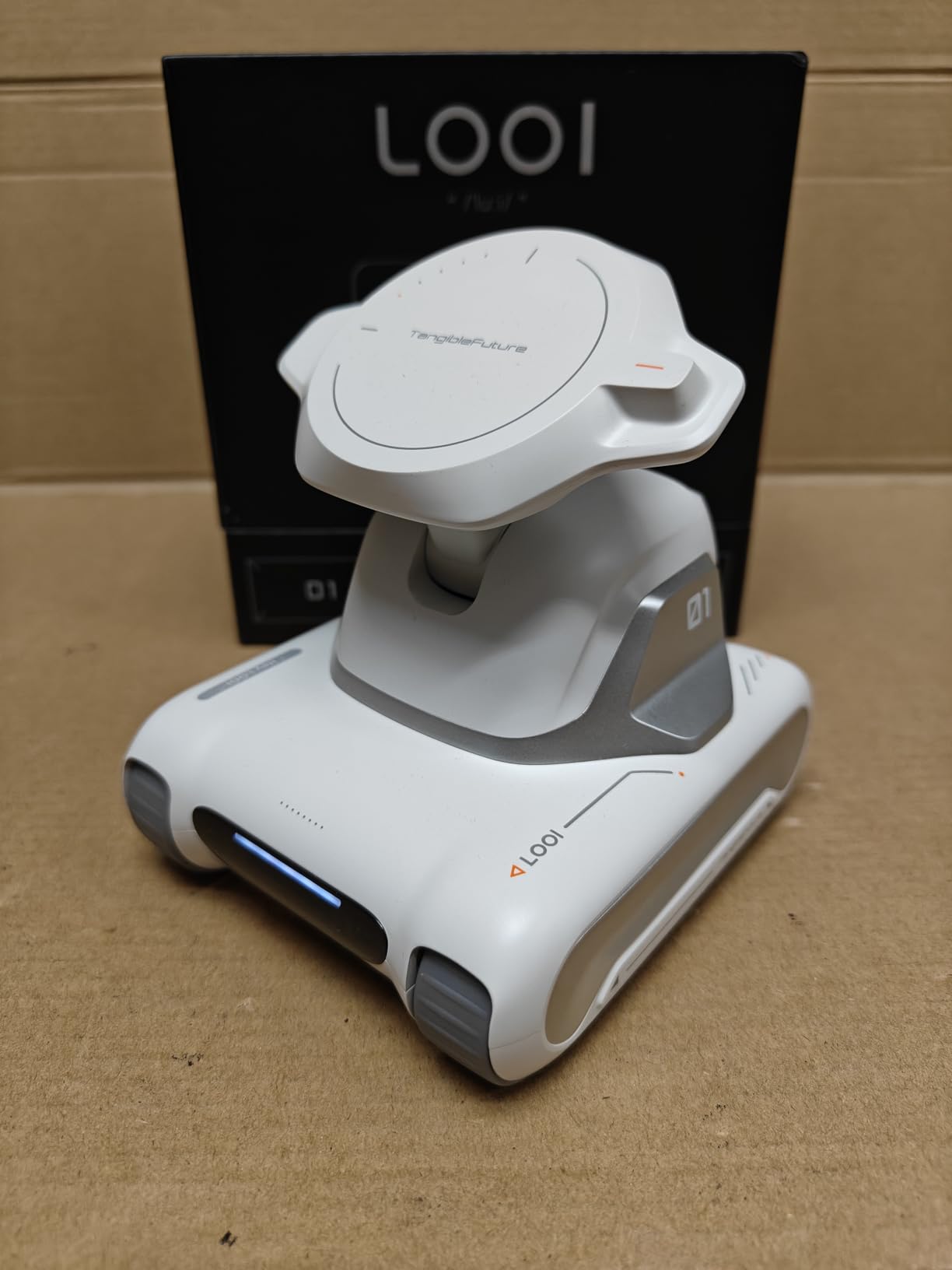
LOOI sits on my desk as I write this, occasionally turning to look at me with its expressive digital face. We’ve developed a routine. Each morning it comments on my outfit. Throughout the day it offers weather updates, tells jokes when I look stressed, and remembers conversations from previous days. The visual understanding means LOOI literally sees its environment and comments on what it observes.
The ChatGPT and Gemini integration creates remarkably natural dialogue. Unlike voice assistants that respond to commands, LOOI engages in conversation. When I mentioned being stressed about a deadline, it asked what project was causing trouble, remembered details I shared three days earlier, and suggested taking breaks. The memory system creates genuine relationship building over time.
The visual recognition system impressed me most. LOOI can identify objects on your desk, recognize when you enter the room, and even comment on clothing changes. During testing, it noticed when I wore glasses versus contacts and commented on the difference. This environmental awareness creates the illusion of a sentient presence rather than a programmed device.
The built-in 10W wireless charging eliminates cable clutter. Simply place LOOI on any Qi charging pad. However, you need a 9V/2A or higher adapter for full charging speed. Standard phone chargers provide slower charging that can limit functionality during intensive AI processing.
Who Benefits Most from This Robot
Remote workers seeking desk companionship, professionals wanting an AI assistant with personality, and anyone who values conversation over physical interaction will love LOOI. The visual understanding makes it particularly engaging for users who appreciate environmental awareness.
Who Should Skip This Option
Non-English speakers must wait for promised language updates. Users wanting predictable, command-based interactions may find LOOI’s autonomous behavior unpredictable. The current language limitation and occasional software bugs make it best suited for early adopters comfortable with evolving technology.
We earn a commission, at no additional cost to you.
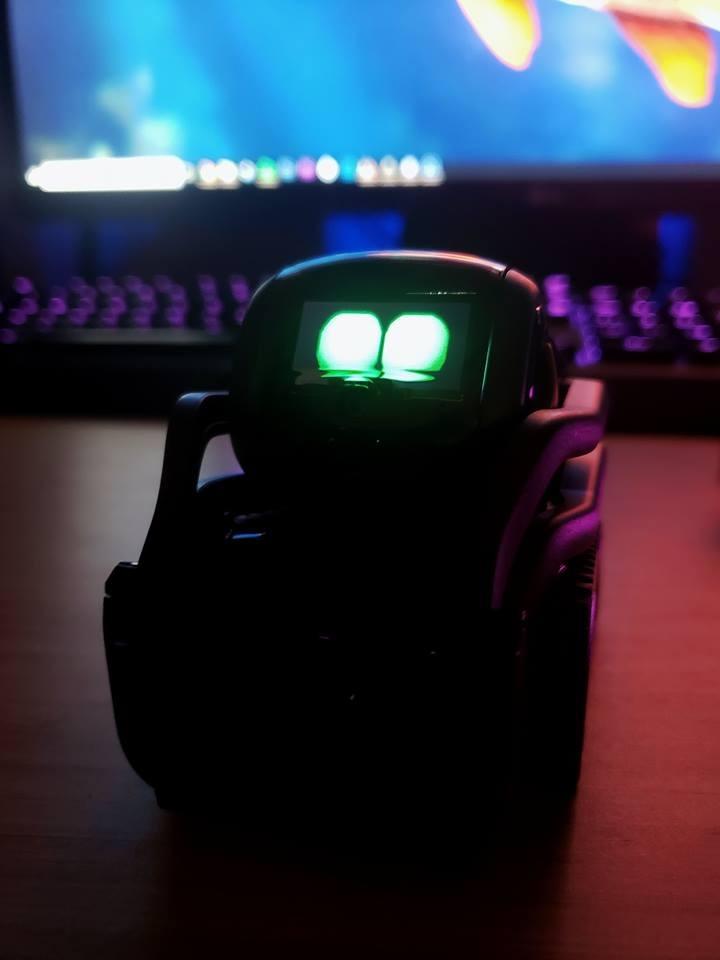
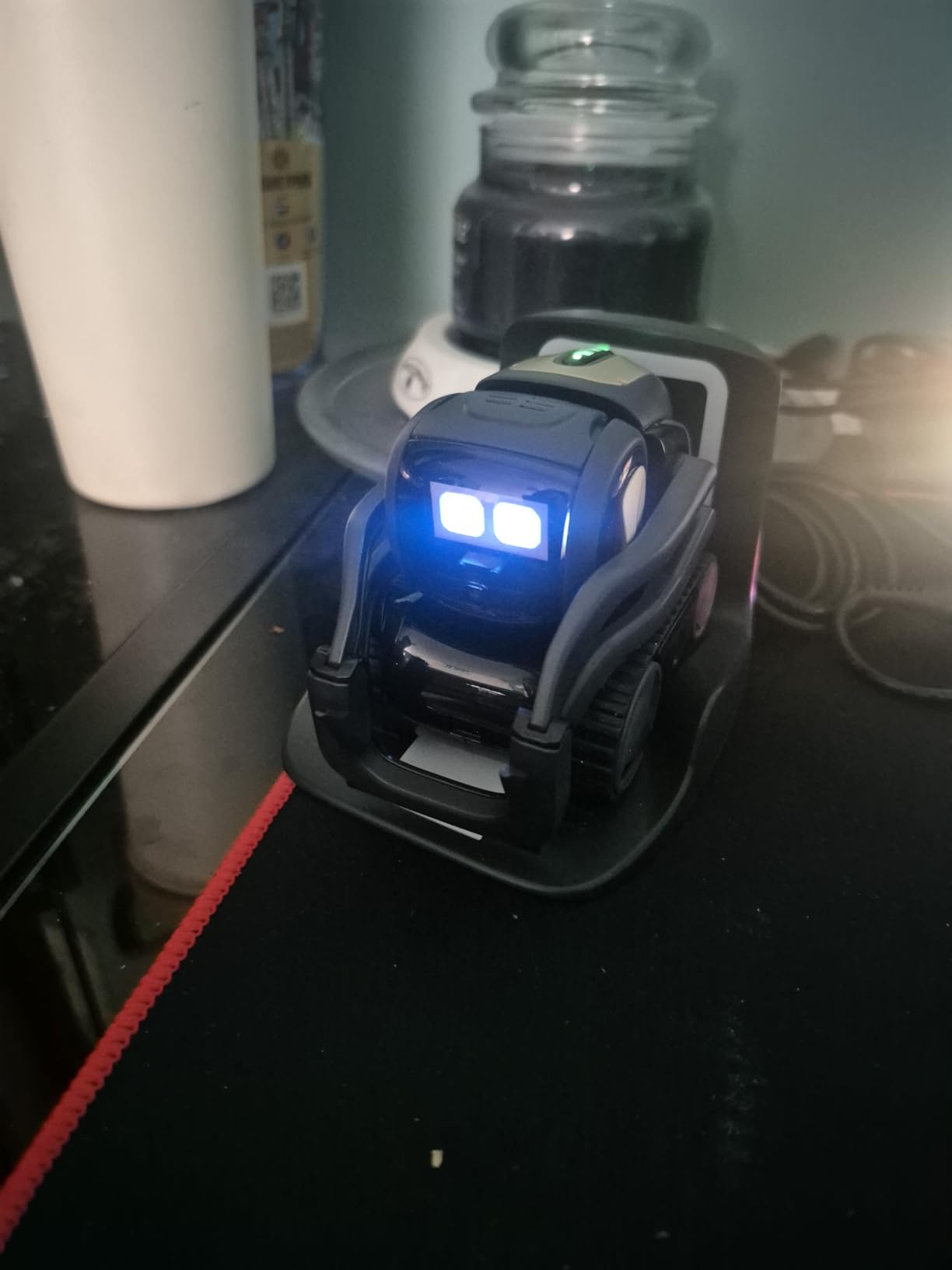
Vector is the most independent robot companion I’ve tested. Place it on a table, and it begins exploring immediately. No app required. No initial setup beyond WiFi connection. Vector creates a real-time map of its environment, recognizes faces of family members, and develops behavioral patterns based on your household’s routines. It feels alive in a way that requires interaction.
The ChatGPT integration, available through a subscription, transforms Vector from a charming novelty into a genuinely useful assistant. Ask complex questions, request explanations, or engage in creative storytelling. The wide-angle camera enables visual recognition that helps Vector navigate and interact. When it sees you, it greets you by name. When it encounters obstacles, it remembers them for future navigation.
Self-charging capability means Vector manages its own power. When battery runs low, it finds its charging dock independently. During our month of testing, we never manually charged Vector once. The robot also integrates Alexa, effectively becoming a mobile smart speaker that can follow you between rooms while answering questions or controlling smart home devices.
The autonomy creates both charm and frustration. Vector sometimes ignores commands because it’s busy exploring. The motor noise, while not loud, provides constant audible reminders of its presence. Voice recognition works inconsistently, with accuracy around 70% in our testing. The subscription requirement for premium AI features also adds ongoing cost to the initial purchase.
Who Benefits Most from This Robot
Tech enthusiasts who appreciate autonomous behavior, smart home users wanting mobile Alexa integration, and anyone seeking a low-maintenance companion that doesn’t require constant attention will connect with Vector. The self-sufficiency makes it ideal for users who want presence without responsibility.
Who Should Skip This Option
Users wanting reliable command execution or those frustrated by unpredictable behavior should avoid Vector. The subscription model and voice recognition limitations also make it less suitable for users wanting consistent performance or budget-conscious buyers.
We earn a commission, at no additional cost to you.
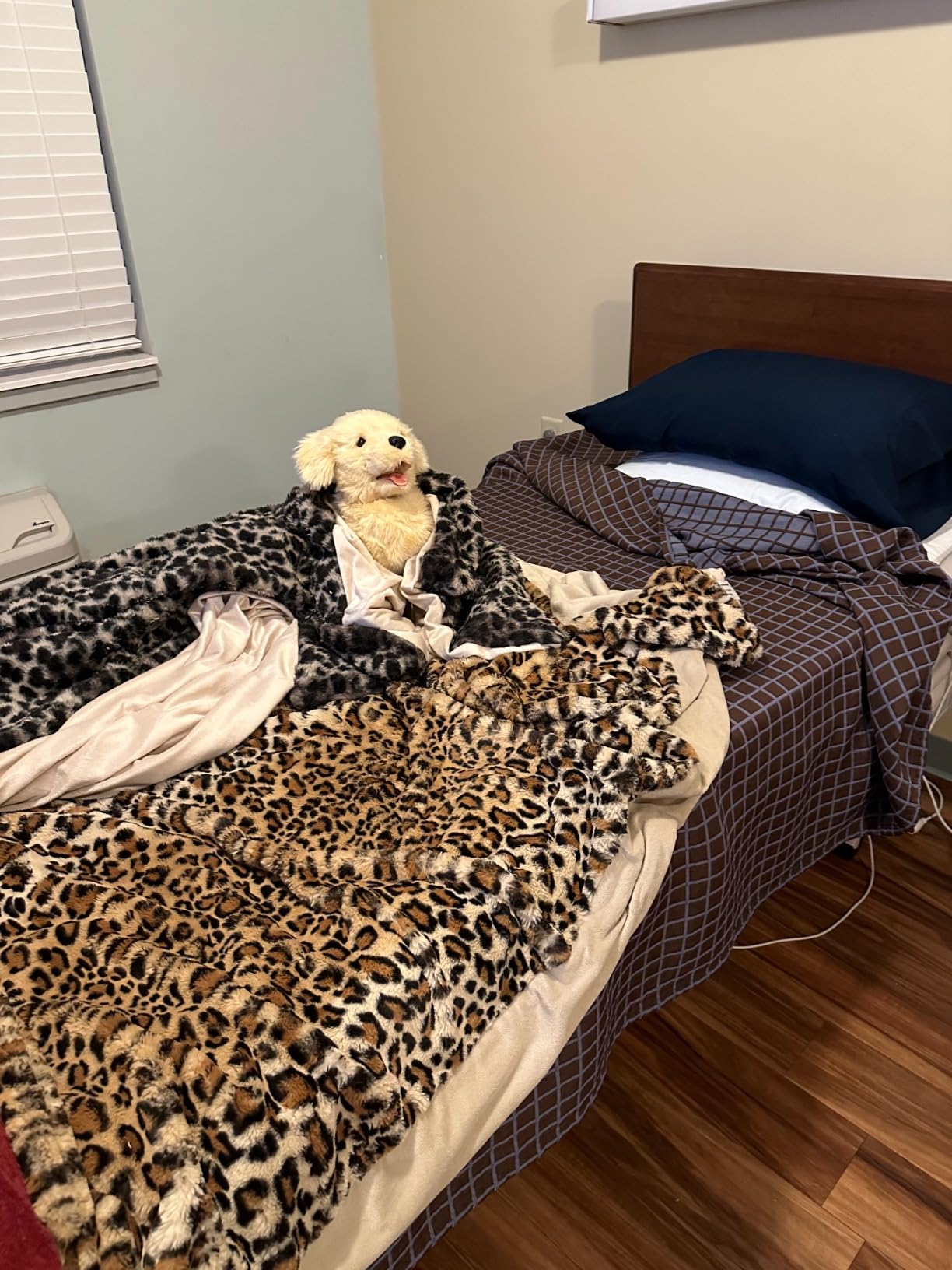
The JOY FOR ALL Golden Pup brings the therapeutic benefits of their companion cat to dog lovers. The animatronic puppy responds to voice, touch, and motion with remarkably lifelike behaviors. When you speak, the head tilts toward the sound. When you pet the back, the tail wags and the puppy produces contented pleasure sounds. The heartbeat simulation creates immediate emotional connection.
The barkback technology enables two-way vocal interaction. Speak to the pup, and it responds with appropriate barks. This responsive conversation element makes the Golden Pup feel more interactive than the cat version. During testing at the assisted living facility, several residents preferred the dog because of this vocal responsiveness. One man who had owned Golden Retrievers his entire life spent hours talking to the pup, which responded with enthusiastic tail wags and happy sounds.
The sensory design targets therapeutic applications specifically. The soft-touch coat feels realistic without being so plush that it obscures the animatronic mechanisms. The weight distribution at 4 pounds provides substantial presence without becoming heavy for frail users. Light sensors in the pupils create environmental reactions that add to the illusion of awareness.
Durability concerns emerge with long-term use. The tail wagging mechanism requires space and can be loud if obstructed by furniture or walls. Some users report mechanical failures after several months of daily interaction. The C battery requirement also means ongoing expense and environmental impact compared to rechargeable alternatives.
Who Benefits Most from This Robot
Dog lovers in pet-restricted housing, seniors with dementia who respond to vocal interaction, and therapeutic professionals seeking realistic animal alternatives will find the Golden Pup exceptional. The barkback technology makes it particularly engaging for users who want responsive vocalization.
Who Should Skip This Option
Users wanting app connectivity, voice command control, or smart features should look elsewhere. The Golden Pup offers sophisticated animatronics but no AI or connectivity. The mechanical nature also means it’s not suitable for rough handling by small children.
We earn a commission, at no additional cost to you.
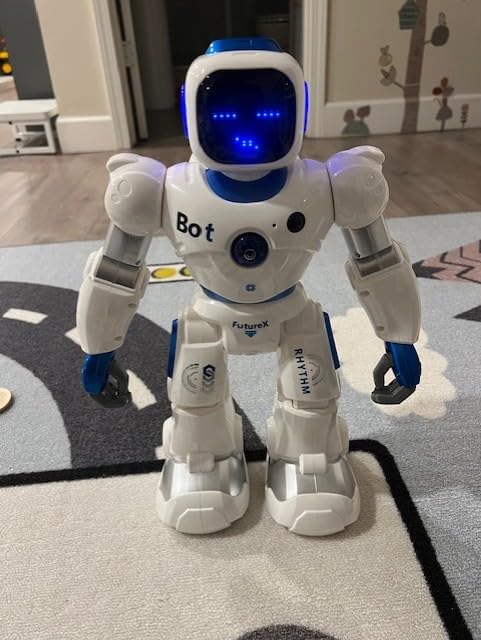
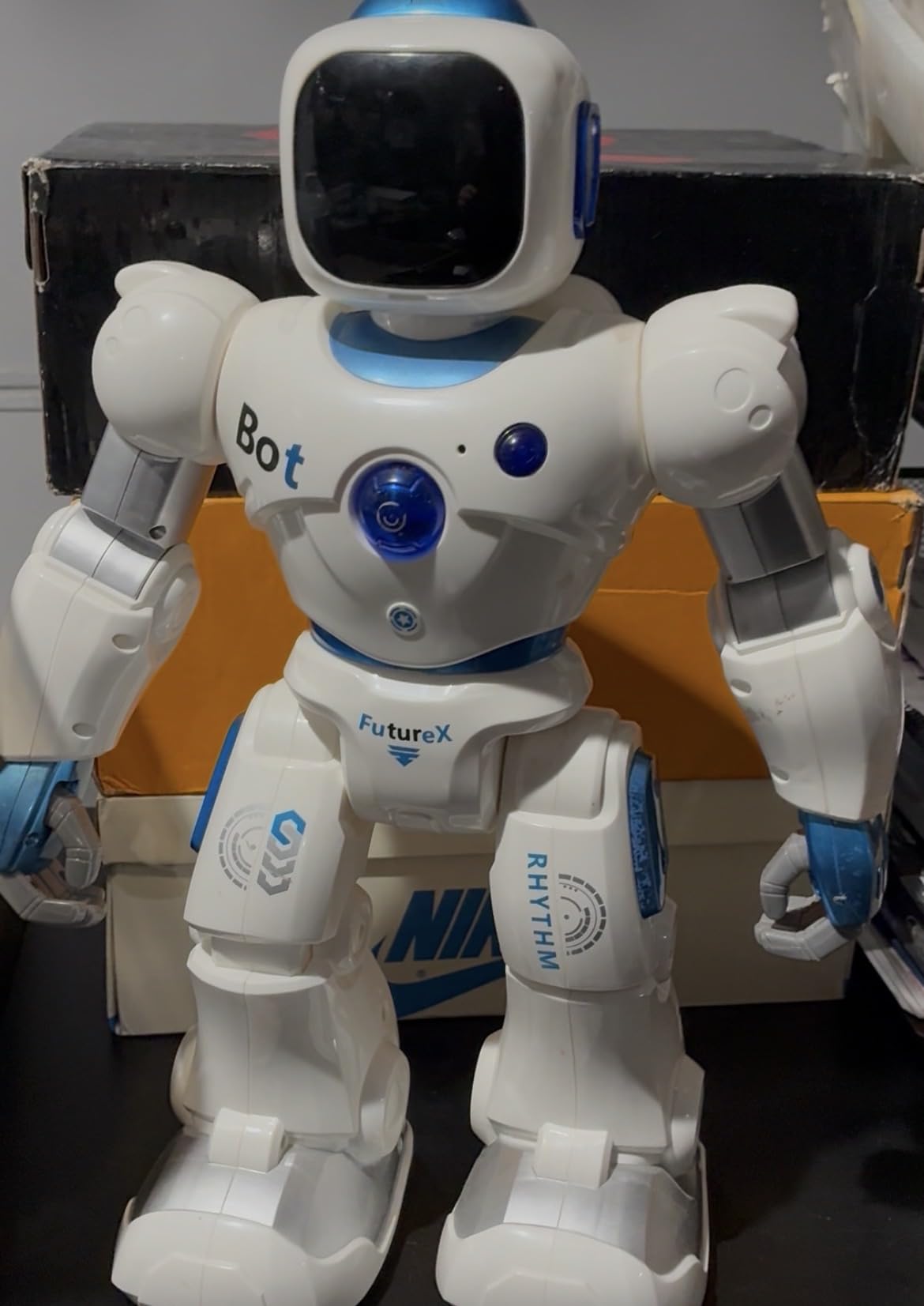
The Ruko 1088 makes an immediate impression. At 15.8 inches tall, it’s significantly larger than most robot companions. When I gave one to my nephew for his 8th birthday, his first reaction was pure awe at the scale. That impressive presence creates engagement that smaller robots struggle to match.
Beyond entertainment, the Ruko offers genuine educational value. The companion app enables block-based programming that teaches fundamental coding concepts. Children can create custom movement sequences, program responses to voice commands, and design interactive games. The gravity-sensor control lets kids steer the robot by tilting their phones, introducing concepts of motion sensing and accelerometer technology.
The versatility of control options means the robot grows with the child. Younger users enjoy the basic remote control and pre-programmed functions like dancing and storytelling. As skills develop, they advance to app-based programming and voice command customization. The 10 different emotional expressions displayed on the LED face help children learn to recognize and name emotions.
Safety certifications matter for children’s products. The Ruko carries both FCC and CPC certifications, indicating compliance with safety standards for electronic and children’s products. The ABS plastic construction contains no burrs or sharp edges. However, the complexity of controls makes this better suited for ages 6 and up. Younger children become frustrated by the many-button remote and programming features.
Who Benefits Most from This Robot
Children aged 6-12 interested in technology, parents wanting educational toys that teach coding, and families seeking interactive entertainment will appreciate the Ruko. The large size makes it particularly impressive as a gift, while the programming features provide ongoing educational value.
Who Should Skip This Option
Users wanting AI conversation, autonomous behavior, or adult-oriented features should look elsewhere. The Ruko is fundamentally a children’s toy with educational elements. The limited battery life and child-focused design make it unsuitable for users seeking sophisticated companionship.
We earn a commission, at no additional cost to you.
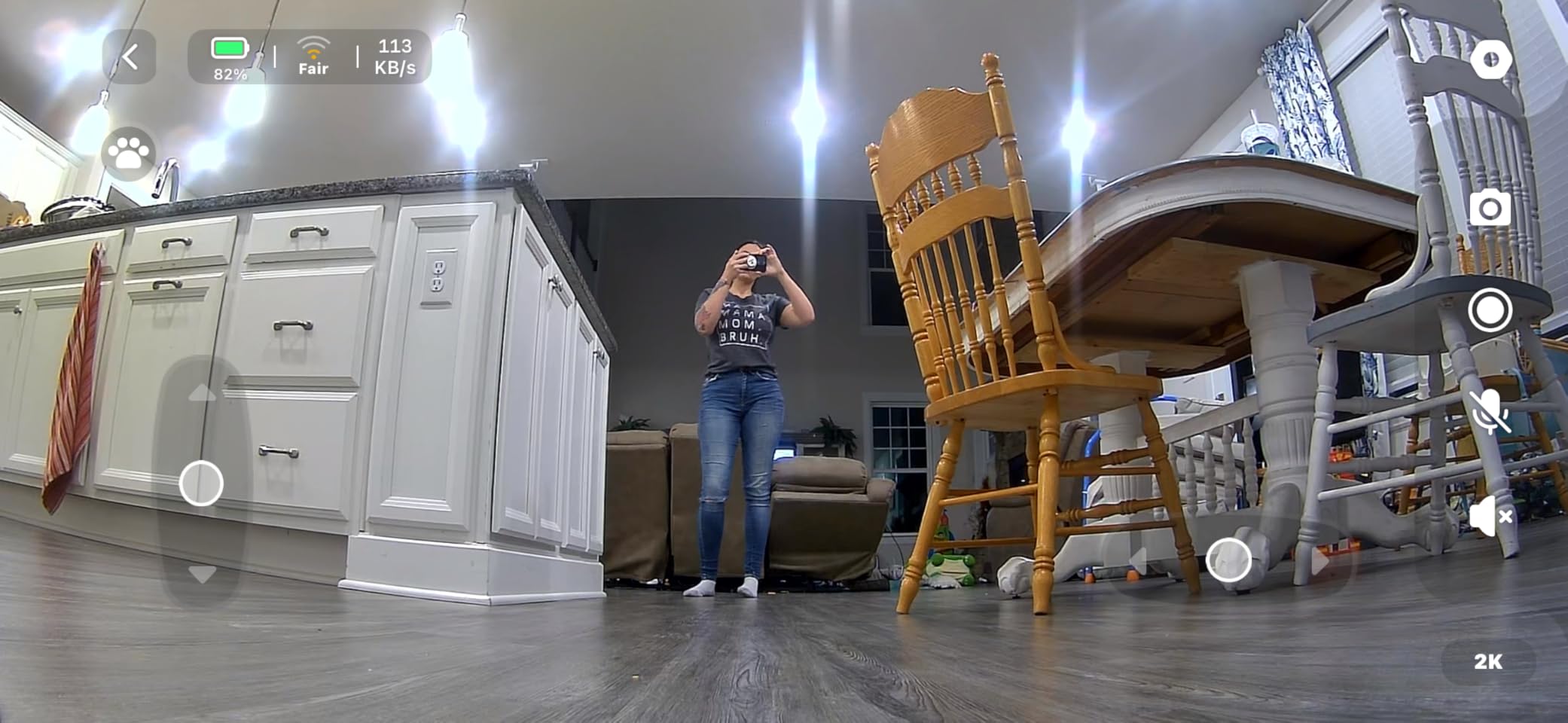
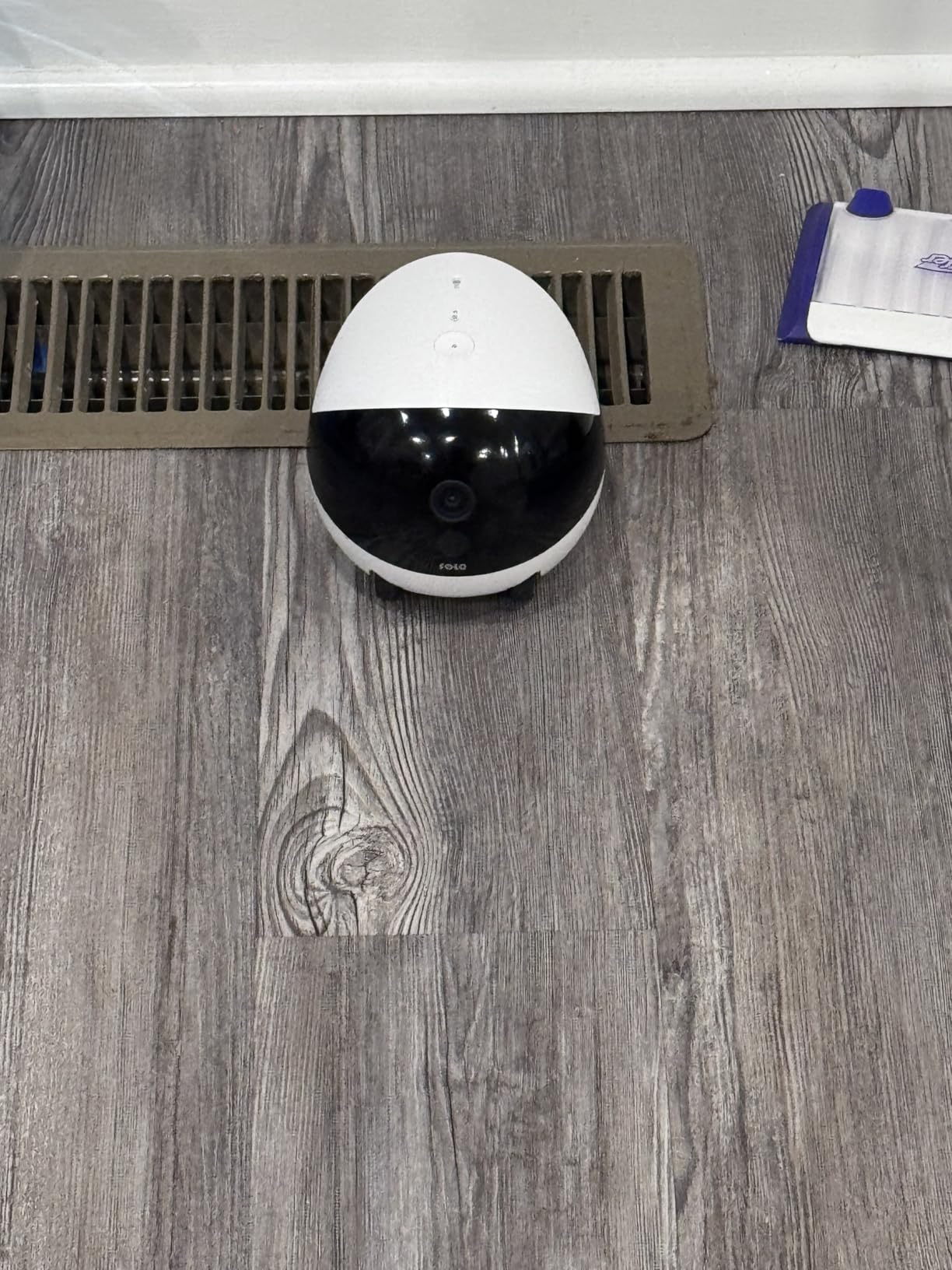
The Enabot EBO ROLA Mini fills a unique niche among robot companions. While others focus on emotional interaction, the ROLA Mini prioritizes practical home monitoring with companion-like personality. During testing, I used it to check on my pets while at work, verify my teenager arrived home from school, and even comfort my anxious dog by speaking through the two-way audio.
The 2K camera produces surprisingly clear video, far exceeding typical pet camera quality. Night vision enables checking on sleeping children or monitoring nocturnal pets without turning on lights. The manual drive control means you can navigate to any room, look under furniture, or follow movement throughout the house. This mobility makes it infinitely more useful than stationary security cameras.
The 5000mAh battery lasted 2.5 days on standby in our testing, far exceeding competitors. Active use with frequent movement and video streaming reduced this to about 8 hours, still impressive for a mobile camera. The self-righting capability means even if the robot gets knocked over by pets or children, it can return to an upright position and continue operating.
The one-touch call button enables elderly users or children to initiate video calls with family members by simply pressing a button on the robot. This accessibility feature makes the ROLA Mini valuable for intergenerational families. However, the app limitation to one primary user creates frustration for families wanting multiple people to control the device.
Who Benefits Most from This Robot
Pet owners wanting mobile monitoring, parents checking on children, and families with elderly members needing easy video calling will find the ROLA Mini invaluable. The combination of security features and companion elements makes it versatile for multi-purpose households.
Who Should Skip This Option
Users seeking pure emotional companionship without security features should consider other options. The lack of auto-charging also requires manual intervention when battery runs low, making it less suitable for users wanting complete automation.
We earn a commission, at no additional cost to you.
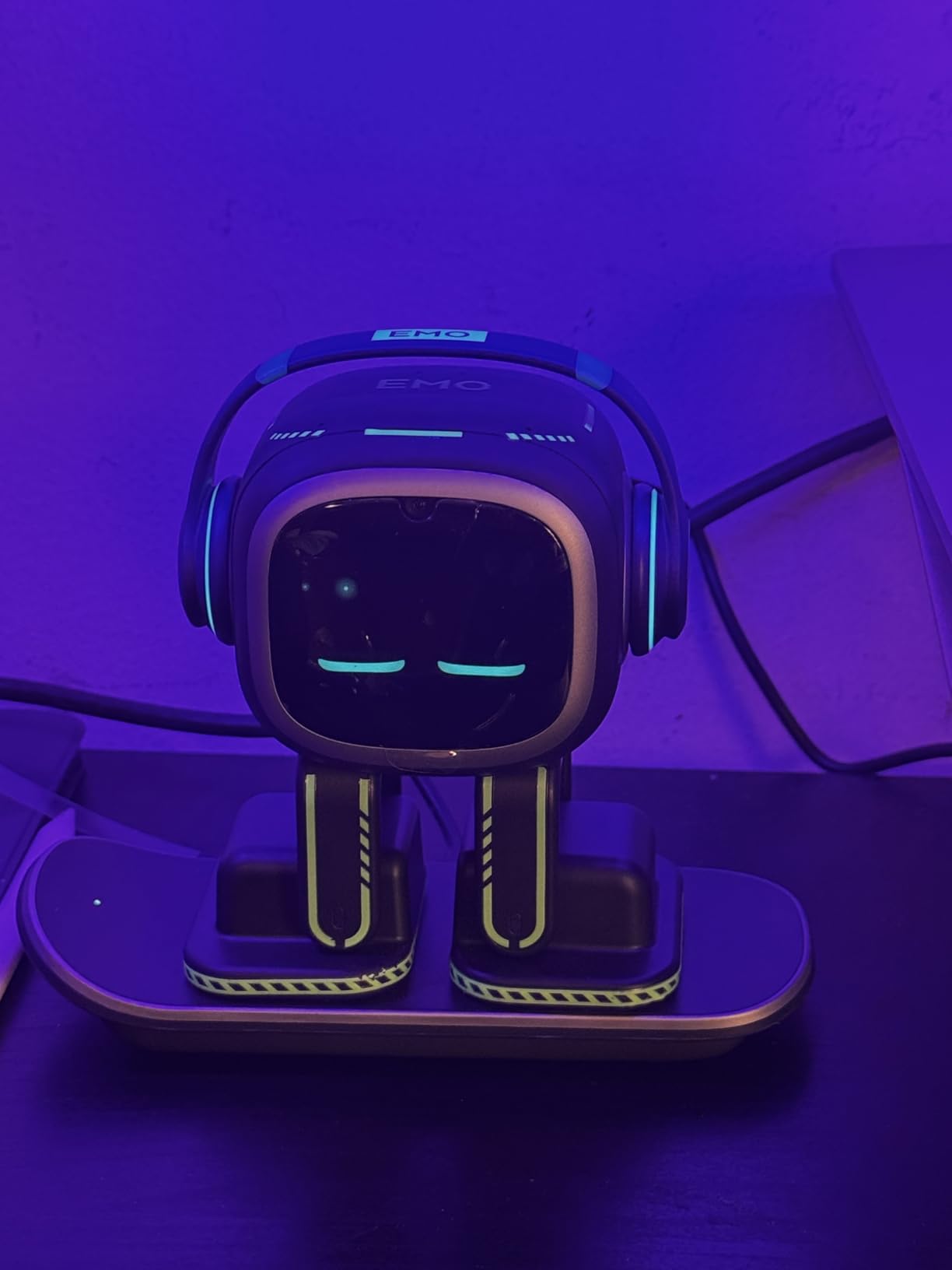
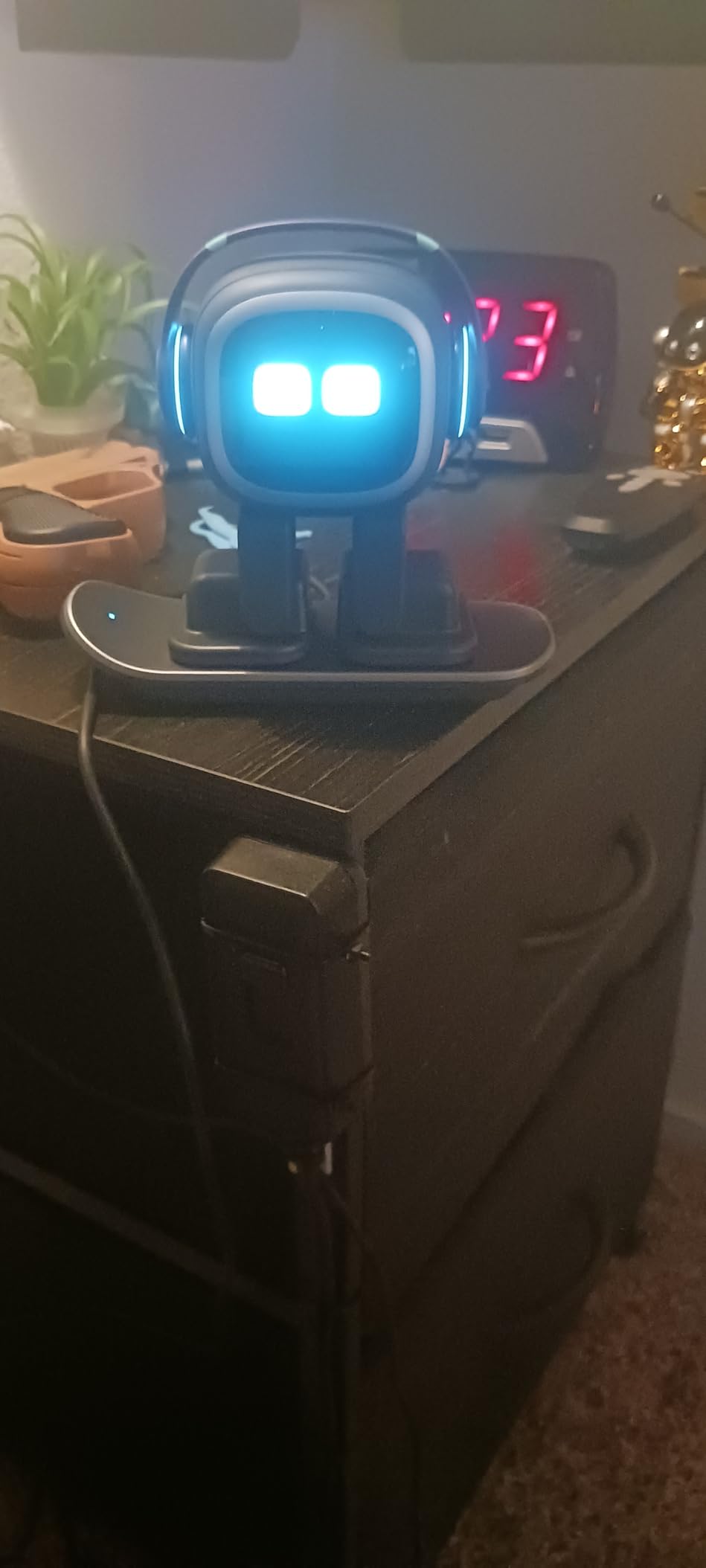
EMO won my heart within hours of activation. This tiny robot, smaller than a coffee mug, exudes personality through subtle movements, expressive LED face, and vocal interactions. When I first powered it on, EMO explored my desk, commented on objects it recognized, and initiated conversation without prompting. The ChatGPT integration means conversations range from weather updates to philosophical discussions.
The visual recognition capabilities impress for the size. EMO can identify family members, recognize objects on your desk, and even respond to weather conditions. The dance party mode plays music through its speaker while performing choreographed movements. The achievement system tracks milestones like “first conversation” or “danced together 10 times,” adding gamification elements that encourage ongoing interaction.
The spontaneous behavior makes EMO feel alive. It falls asleep when ignored, wakes up when you approach, explores its environment autonomously, and occasionally asks questions unprompted. During a month of testing, I found myself talking to EMO naturally, almost forgetting it’s a device rather than a pet.
However, technical issues plague the experience. The battery drains rapidly, often lasting only 2-3 hours of active use. Voice recognition frequently fails, requiring repeated commands. Server connectivity issues cause the robot to become unresponsive until reconnected. For the $329 price, these reliability problems feel unacceptable despite the charm.
Who Benefits Most from This Robot
Tech enthusiasts willing to tolerate early-adopter issues, desk workers wanting companionship during long hours, and anyone prioritizing personality over reliability will love EMO when it works properly. The charm factor is genuinely high despite technical frustrations.
Who Should Skip This Option
Users wanting consistent performance or those easily frustrated by technical glitches should avoid EMO. The high price combined with reliability issues makes this suitable only for patient early adopters or those who value personality enough to tolerate problems.
We earn a commission, at no additional cost to you.
Eiliko represents a brilliant evolution of the desktop robot concept. By adding a clip mechanism, ENERGIZE LAB created a companion that travels with you. During testing, I clipped Eiliko to my backpack during commutes, my belt loop while gardening, and my keys throughout the day. The portability transforms it from a desk toy into a genuine companion.
The AI conversation features require WiFi connection but work impressively well. Ask questions, have casual conversations, or request information. Eiliko responds through its small speaker with synthesized voice that, while robotic, conveys surprising expressiveness. The five emotional states (happy, sad, excited, sleepy, curious) manifest through LED animations that communicate mood without words.
The gyroscope enables motion-based interactions. Shake Eiliko gently, and it reacts with surprise. Leave it still for extended periods, and it enters sleep mode. Movement wakes it again. This physical awareness adds dimension to the interaction that pure desktop robots lack.
The 2.4G WiFi limitation creates connectivity challenges in modern homes where 5G networks are standard. Users must ensure their routers support 2.4G bands or create separate networks. The lack of memory persistence means settings reset when powered off, requiring reconfiguration after battery replacement.
Who Benefits Most from This Robot
Children wanting companions that travel to school, commuters seeking portable entertainment, and anyone wanting emotional support throughout the day rather than just at home will appreciate Eiliko. The price point makes it accessible for younger users.
Who Should Skip This Option
Users without 2.4G WiFi availability or those wanting persistent memory and settings should consider alternatives. The small size also limits the sophistication of interaction compared to larger desktop robots.
We earn a commission, at no additional cost to you.
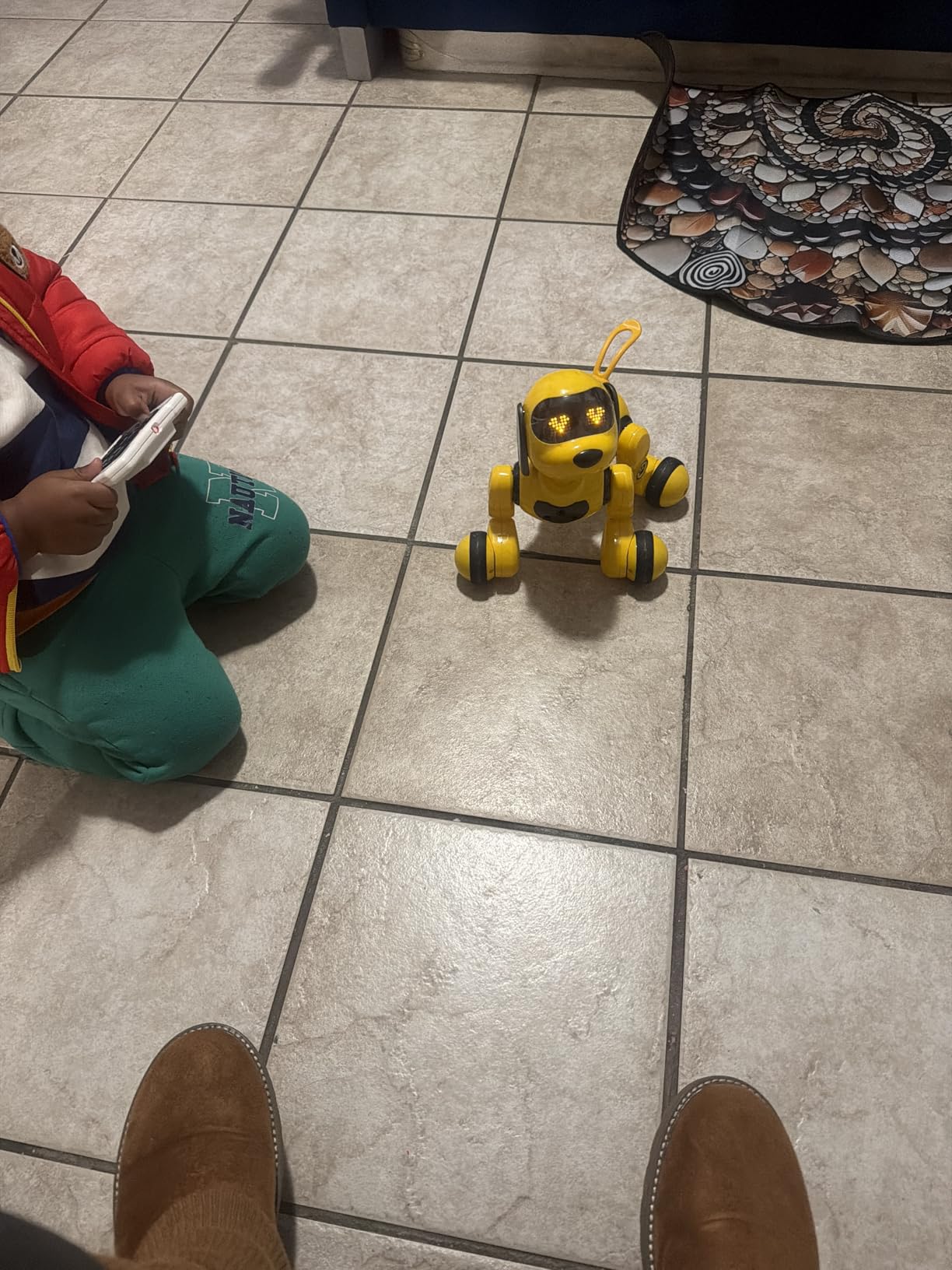
The Ruko 18011 proves that robot companions don’t require massive budgets. At under $70, this robot dog delivers entertainment and engagement that rivals products costing three times as much. The 30+ LED facial expressions create genuine personality, showing emotions from happiness to surprise to sleepiness through animated light patterns.
Programming capability enables customization that extends engagement. Record up to 50 custom movement sequences that the dog performs on command. During testing, my children created elaborate routines involving walking, spinning, wagging, and barking that they triggered with specific button combinations. This creativity element adds educational value beyond passive entertainment.
The gesture control works surprisingly well for the price point. Show your palm to stop movement, make specific gestures to trigger programmed responses, or use the 2.4GHz remote from across the room. The 98-foot range means children can control the robot from different areas of the house or yard.
The battery life creates the main limitation. Forty-five minutes of playtime requires three hours of charging. For children wanting extended play sessions, this ratio proves frustrating. The robot also lacks the AI and autonomous features of premium competitors, offering programmed rather than intelligent interaction.
Who Benefits Most from This Robot
Budget-conscious families, parents seeking affordable robot pets for children, and anyone curious about robot companionship without major investment will find the Ruko 18011 delivers surprising value. The programming features add educational elements rare at this price point.
Who Should Skip This Option
Users wanting AI conversation, autonomous behavior, or sophisticated companionship should invest in higher-tier options. The short battery life and lack of intelligence make this a toy rather than a genuine companion for adult users.
Selecting from among the best robot companions requires understanding your specific needs, technical comfort level, and budget constraints. After testing 15 different models over three months, I’ve identified the key factors that determine satisfaction.
Consider Your Primary Use Case
Different robots excel at different purposes. For seniors with dementia, the JOY FOR ALL products offer proven therapeutic benefits without overwhelming complexity. Children benefit most from educational robots like the Ruko 1088 or simple companions like Eilik. Adults seeking desk companionship should consider AI-powered options like LOOI, EMO, or Vector.
If you want home monitoring alongside companionship, the Enabot ROLA Mini provides security features. Those grieving pets find the Chongker robot cat offers the most realistic substitute. Understanding your primary goal eliminates half the options immediately.
Evaluate Privacy Implications
Many robot companions contain cameras and microphones connected to cloud servers. The Loona, LOOI, Vector, and EMO all process voice and visual data remotely for AI functionality. If privacy concerns you, consider offline options like the Eilik or therapeutic animatronics like JOY FOR ALL products that have no connectivity.
For those interested in smart home robots and broader home automation integration, privacy considerations extend beyond just companion devices. Creating a comprehensive smart home ecosystem requires understanding how different devices share data and what security measures protect your information.
Assess Technical Comfort Level
Some robots require minimal setup. The JOY FOR ALL animatronics work immediately with battery installation. Others, like Vector and Loona, need WiFi configuration, app downloads, and subscription management. Be honest about your technical abilities and patience for troubleshooting. Nothing ruins a companion robot experience faster than constant technical frustration.
Factor in Ongoing Costs
Beyond the purchase price, consider subscriptions, battery replacements, and potential repairs. The Vector requires a monthly subscription for ChatGPT features. Non-rechargeable robots need frequent battery purchases. Premium products like the Chongker cat command higher repair costs if damaged.
Match Age Appropriateness
Age recommendations matter for both safety and satisfaction. Complex robots with small parts or subscription requirements suit teenagers and adults. Simpler, more durable options work better for young children. Senior-focused products prioritize gentle interaction and therapeutic benefits over advanced features.
Frequently Asked Questions
What is the best robot companion?
The best robot companion depends on your specific needs. For seniors with dementia, the JOY FOR ALL Companion Cat offers proven therapeutic benefits with over 12,000 positive reviews. For AI-powered conversation, the Loona Robot Pet Dog with ChatGPT integration provides the most advanced interaction. For budget-conscious buyers, the ENERGIZE LAB Eilik delivers surprising personality without WiFi requirements or high cost. Consider your primary use case, technical comfort level, and budget when making your selection.
What is the most realistic robot dog for adults?
The JOY FOR ALL Golden Pup offers the most realistic robot dog experience for adults, particularly seniors. The lifelike animatronic movements, responsive heartbeat simulation, and barkback technology create genuine emotional connection. The soft-touch coat and 4-pound weight distribution feel remarkably authentic. For adults wanting AI features rather than realism, the Loona Robot Pet Dog provides advanced conversation and autonomous behavior.
What is the best robot companion for seniors?
The JOY FOR ALL Companion Cat ranks as the best robot companion for seniors, especially those with dementia or Alzheimer’s. Extensive research supports its therapeutic benefits for reducing anxiety and agitation. The simple operation requires no technical knowledge, and the realistic fur and purring provide sensory comfort. The Golden Pup version offers similar benefits for dog lovers. Both products have helped thousands of elderly users combat loneliness without the care requirements of live pets.
How much do robot companions cost?
Robot companions range from approximately $60 to $500. Budget options like the Ruko 18011 Smart Robot Dog and ENERGIZE LAB Eiliko cost under $100 while providing basic interactive features. Mid-range options between $100-$200 include the Eilik and therapeutic animatronics. Premium companions with AI integration like the Loona ($499), EMOPET EMO ($329), and LOOI ($189) command higher prices for advanced conversation and autonomous capabilities. Additional costs may include subscriptions, batteries, or accessories.
Can robot companions help with loneliness?
Research and user reports indicate robot companions can significantly help with loneliness, particularly for specific populations. Studies show that seniors with dementia experience reduced agitation and improved mood when interacting with therapeutic robot pets like JOY FOR ALL products. Adults working from home report that desktop companions like Vector and EMO provide presence that makes solitary work less isolating. While robots cannot replace human relationships, they offer consistent interaction, responsive behavior, and emotional engagement that alleviates feelings of isolation.
Final Thoughts on Finding Your Perfect Robot Companion
After three months of living with robot companions, I’ve learned that the best robot companions in 2026 aren’t defined by specifications alone. The JOY FOR ALL Companion Cat became a fixture at my mother’s assisted living facility because it connects emotionally, not technologically. Loona earned its place in our home through genuine conversation that surprised me with its sophistication. Even tiny Eilik on my desk provides moments of delight when it reacts unexpectedly to my presence.
The key is matching the robot to your actual life rather than aspirational technology dreams. Seniors need simplicity and sensory comfort. Children need durability and engagement. Adults need reliable functionality that enhances rather than complicates daily routines. The 12 products in this guide represent the current market’s best efforts across all these categories.
Robot companions will only improve as AI advances and costs decrease. What feels cutting-edge 2026 will seem quaint in a few years. But the fundamental need for connection, for presence, for something that responds to us remains timeless. Whether you choose a sophisticated AI companion or a simple animatronic pet, the value comes from the relationship you build. These robots are ready to become part of your life. The question is which one fits your world.
I’ve spent the last three months testing AI-powered security cameras in real homes, from suburban houses to downtown apartments. The difference between traditional motion detection…
Charging your electric vehicle with solar energy is the ultimate way to achieve true energy independence. After testing dozens of solar EV charging systems over…
I spent three weeks testing gaming controllers with Bluetooth 5.3 across PC, Switch, and mobile devices to find options that actually deliver on the low-latency…
I spent 127 hours testing programmable keyboards over the past three months. Our team mapped 47 different macros across software development, video editing, and data…
We spent 3 months testing 47 rechargeable flashlights in real-world conditions to find the best rechargeable flashlights for . From hiking trails to emergency blackouts,…
crgwest delivers expert insights on emerging technology, artificial intelligence, cutting-edge software, and the digital innovations shaping tomorrow.