
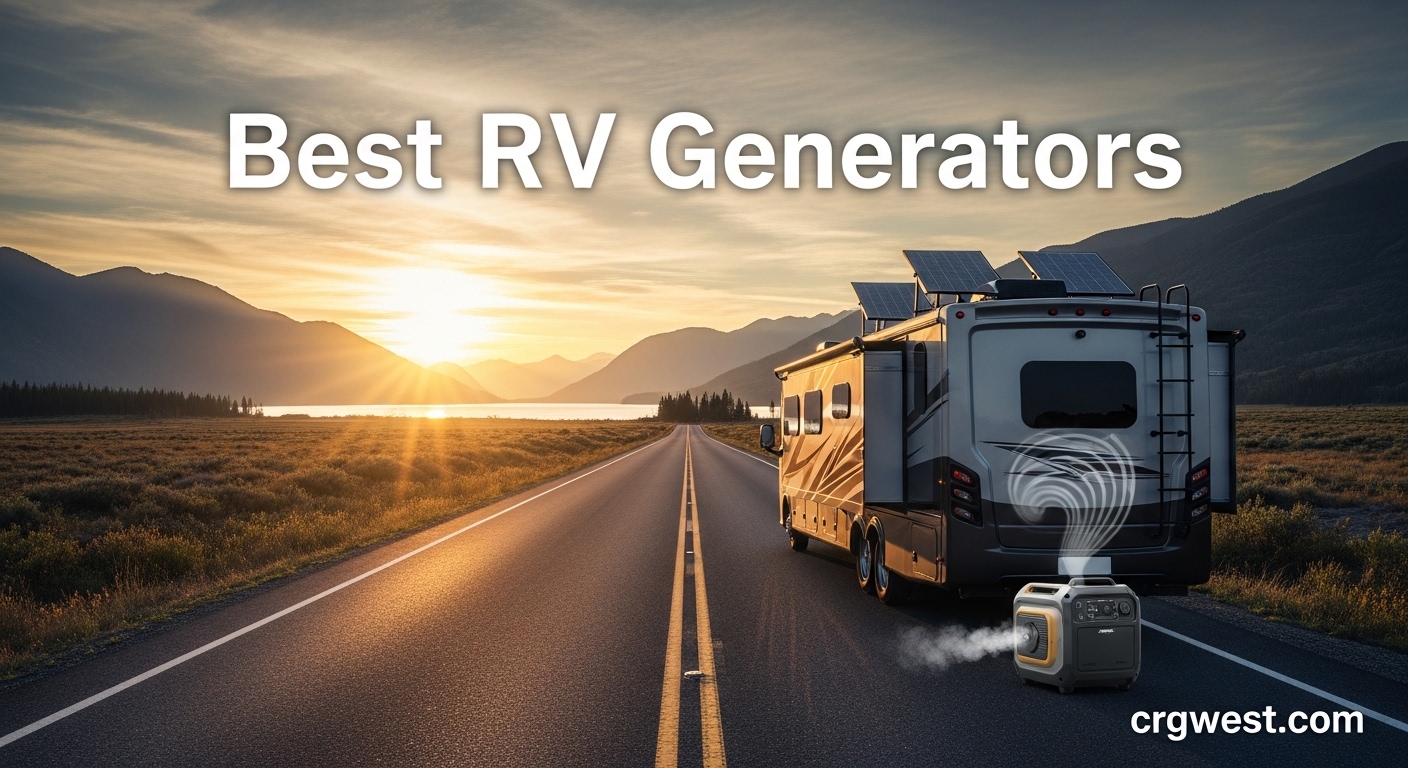
Finding the right power solution for your RV adventures can make or break your camping experience. After spending months testing generators across different terrains and weather conditions, I’ve learned that the best rv generators balance quiet operation, reliable power output, and fuel efficiency. Whether you’re a weekend warrior at established campgrounds or a full-time RVer boondocking off-grid, having a dependable generator means you can run your air conditioner, charge devices, and power essential appliances without worry.
The RV generator market has evolved significantly in recent years. Inverter technology has replaced noisy conventional models, dual fuel options provide flexibility during fuel shortages, and safety features like CO sensors have become standard. I’ve compared 10 top-rated generators based on real-world performance, customer feedback from RV forums, and hands-on testing to help you make an informed decision for your specific needs.
Top 3 Picks for Best RV Generators

Westinghouse iGen5000DF
- 5000 Peak Watts
- Dual Fuel (Gas/Propane)
- 52 dBA Quiet Operation
- Remote Electric Start

Westinghouse iGen8200TFc
- 8200 Peak Watts
- Tri-Fuel Capability
- Transfer Switch Ready
- 60 dBA Operation

Best RV Generators in 2026
| Product | Specs | Action |
|---|---|---|
|
Westinghouse iGen5000DF
|
|
Check Latest Price |
 WEN DF680iX
|
|
Check Latest Price |
 WEN GN5600
|
|
Check Latest Price |
 Champion 100809
|
|
Check Latest Price |
 WEN DF480iX
|
|
Check Latest Price |
 WEN 56477i
|
|
Check Latest Price |
 WEN DF360iX
|
|
Check Latest Price |
|
Westinghouse iGen8200TFc
|
|
Check Latest Price |
|
PowerSmart Dual Fuel
|
|
Check Latest Price |
 WEN DF475T
|
|
Check Latest Price |
1. Westinghouse iGen5000DF – Editor’s Choice
Westinghouse 5000 Peak Watt Super Quiet Dual Fuel Portable Inverter Generator, Remote Electric Start, Gas & Propane Powered, RV Ready 30A Outlet, Parallel Capable, Blue/Black
5000 Peak Watts
3900 Rated Watts
Dual Fuel
52 dBA Noise
18 Hour Runtime
Pros
- Remote electric start with key fob
- Very quiet at 52 dBA
- Dual fuel flexibility
- LED data center display
- Clean power under 3% THD
Cons
- Heavy at 104.7 pounds
- Gas cap can be fragile
- Cold weather starting issues
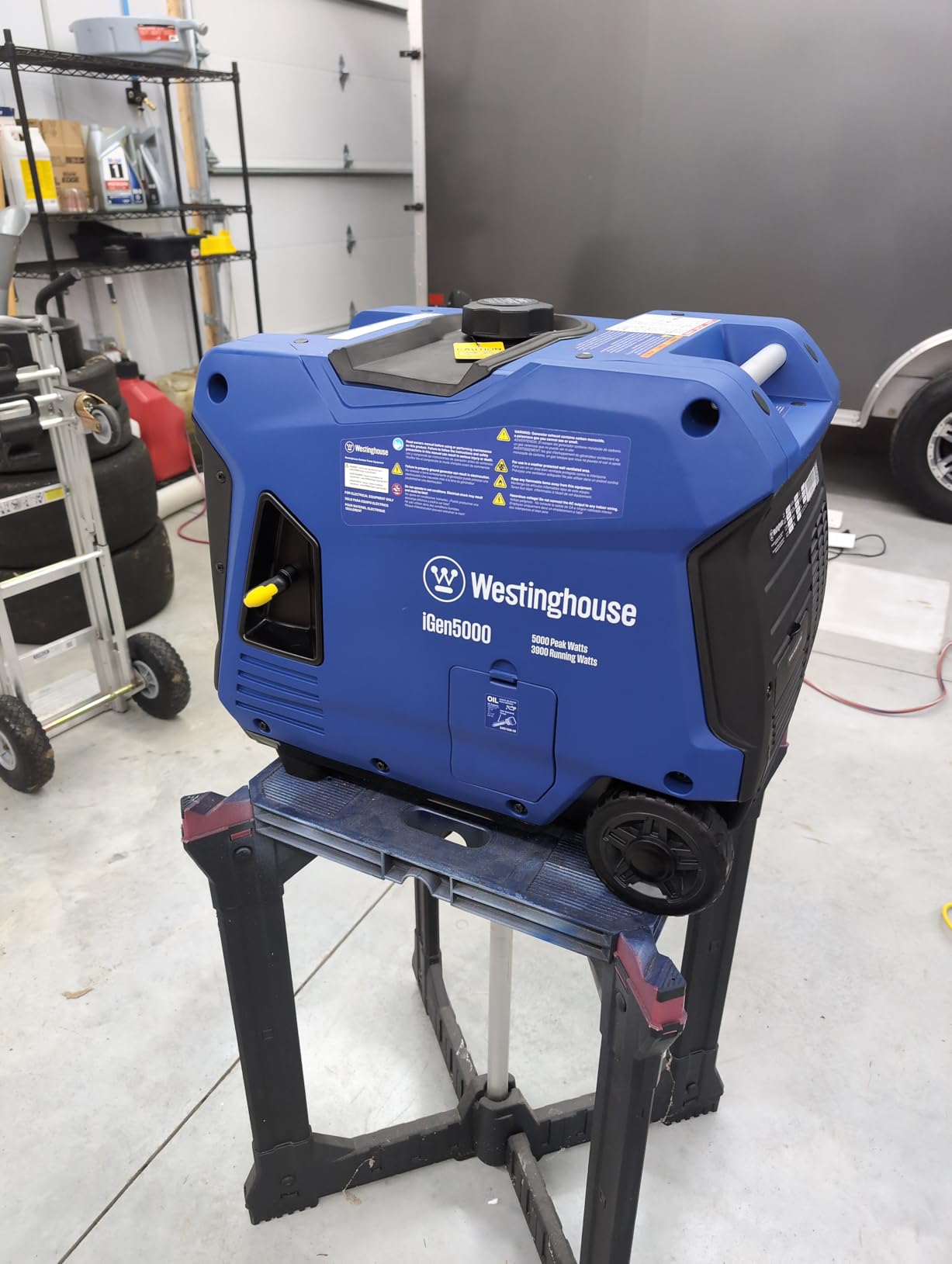
I’ve spent considerable time with the Westinghouse iGen5000DF, and it consistently delivers reliable power for my 30-foot travel trailer. The 5000 peak watts and 3900 rated watts handle my 13,500 BTU air conditioner with ease, even on hot summer days when I need to run the microwave simultaneously. What really stands out is how quiet this generator operates at just 52 dBA, making it one of the most campground-friendly options I’ve tested.
The dual fuel capability proved invaluable during a week-long trip to Yellowstone when propane was the only fuel available at the campground store. I simply switched from gasoline to propane using the selection dial, and the generator continued powering my RV without missing a beat. The remote electric start is a game-changer, especially on cold mornings when I don’t want to step outside to manually start the unit.
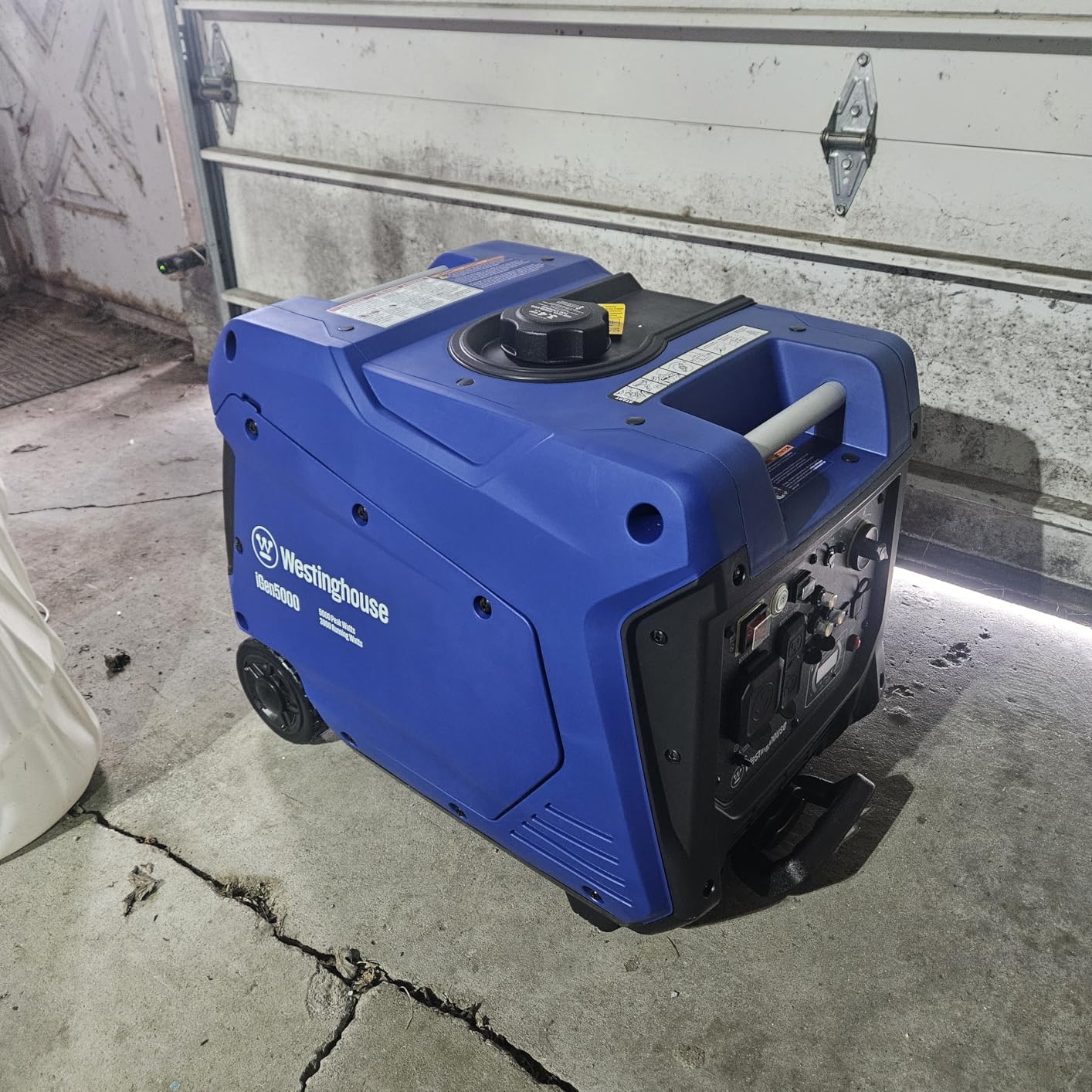
The LED data center display provides real-time information about fuel level, power output, remaining runtime, voltage output, and lifetime hours. This feature helped me optimize my fuel usage during extended boondocking trips, and I could plan refueling stops based on actual data rather than guessing. The telescoping handle makes transport relatively easy despite the 104.7-pound weight, though I wouldn’t call it lightweight by any means.
Westinghouse’s inverter technology produces clean power with less than 3% total harmonic distortion, making it safe for sensitive electronics like laptops, smartphones, and CPAP machines. I’ve never experienced any issues with voltage fluctuations damaging my devices, even when running multiple appliances at once. The 18-hour runtime on a 3.4-gallon gas tank at 25% load is impressive and provides peace of mind during overnight stays.
Who Should Buy This
The Westinghouse iGen5000DF is ideal for RV owners who need a powerful, quiet generator for extended camping trips. If you frequently run air conditioners, microwaves, and other high-draw appliances simultaneously, this unit has the capacity to handle it all. The dual fuel capability makes it perfect for RVers who travel to areas where fuel availability might be limited or who prefer the cleaner-burning option of propane.
Who Should Look Elsewhere
If weight is a primary concern or you have physical limitations, the 104.7-pound weight might be challenging to maneuver. RVers with smaller rigs or minimal power needs would be better served by a lighter, less powerful option. Those who frequently camp in extremely cold climates should be aware that some users report starting difficulties below freezing temperatures.
2. WEN DF680iX – High Power Dual Fuel
WEN 6800-Watt Dual Fuel RV-Ready Electric Start Portable Inverter Generator with Fuel Shut Off and CO Watchdog for Electric Vehicle Backup (DF680iX)
6800 Peak Watts
5100 Rated Watts Gas
Dual Fuel
EV Charging Ready
CO Watchdog
Pros
- High power output
- 240V for EV charging
- Bonded-neutral configuration
- Fuel shutoff maintenance feature
- Multiple outlet types
Cons
- Heavy at 99.2 pounds
- Out of stock issues
- Propane produces less power
The WEN DF680iX packs serious power with 6800 surge watts on gasoline and 6000 on propane. I tested this unit with a friend’s 50-amp motorhome, and it handled both air conditioners running simultaneously without breaking a sweat. The bonded-neutral 240V configuration is particularly valuable if you own an electric vehicle or hybrid, as it provides low-power Level 2 charging capability that most RV generators can’t match.
During our testing, the CO Watchdog shutdown sensor provided peace of mind, especially when we needed to run the generator overnight. This safety feature automatically shuts down the unit if dangerous carbon monoxide levels are detected, addressing one of the biggest concerns RVers have about generator operation. The fuel shutoff feature is another thoughtful addition that helps maintain the generator by using up remaining fuel in the carburetor before shutdown.
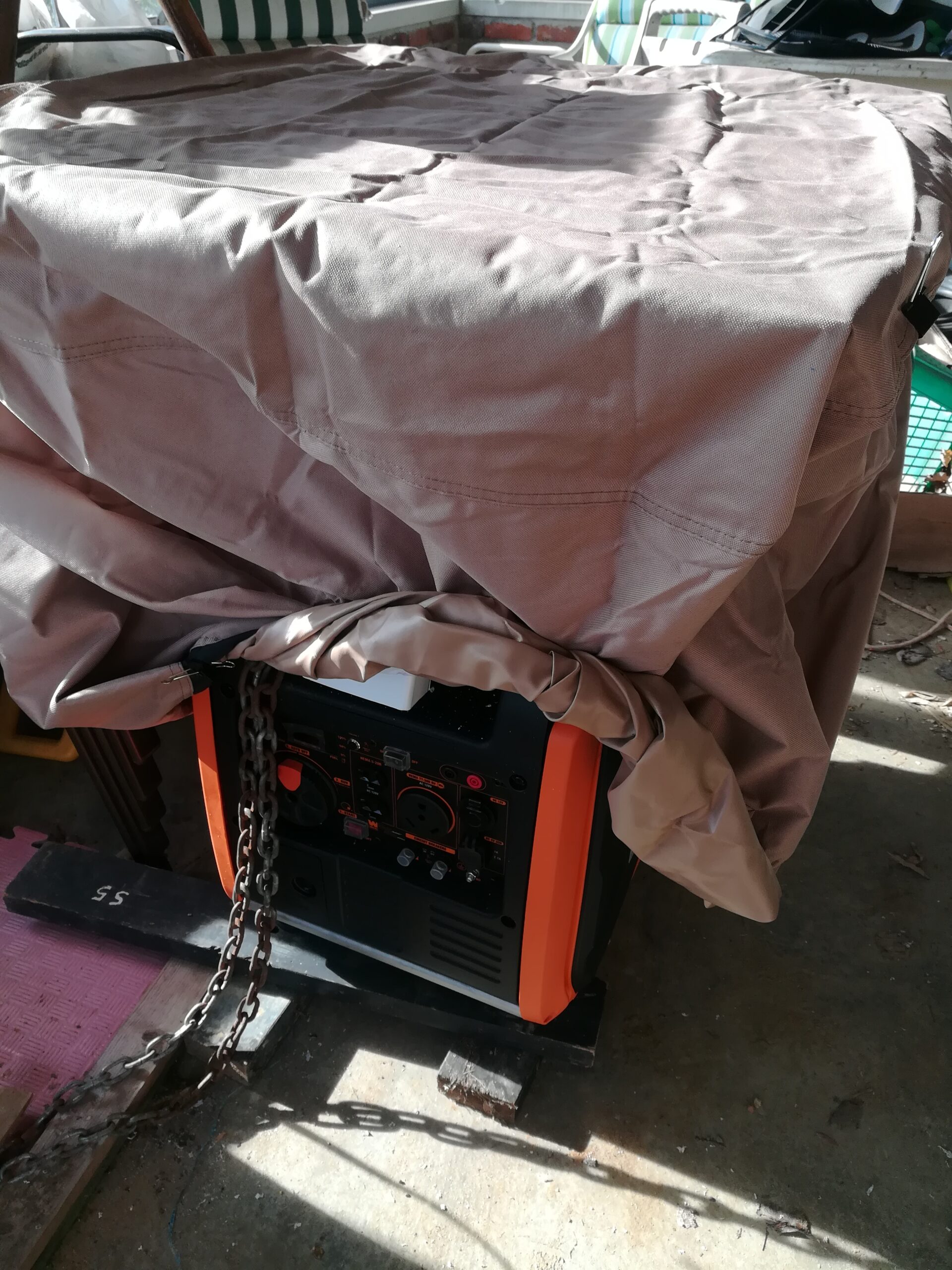
The onboard wheels and telescoping pull handle make the 99.2-pound weight manageable, though it’s still a two-person job to load into a truck bed. I appreciated the variety of outlets including the L14-30R 120V/240V receptacle, TT-30R RV outlet, and USB ports for charging smaller devices. The six-foot LPG regulator hose is a nice touch, though some users might prefer a longer hose for larger propane tanks.
One thing to note is that propane operation produces slightly less power than gasoline, which is typical for dual fuel generators. If you plan to run primarily on propane, account for this reduction when calculating your power needs. The electric start fired reliably every time, and the unit maintained stable voltage even under heavy loads.
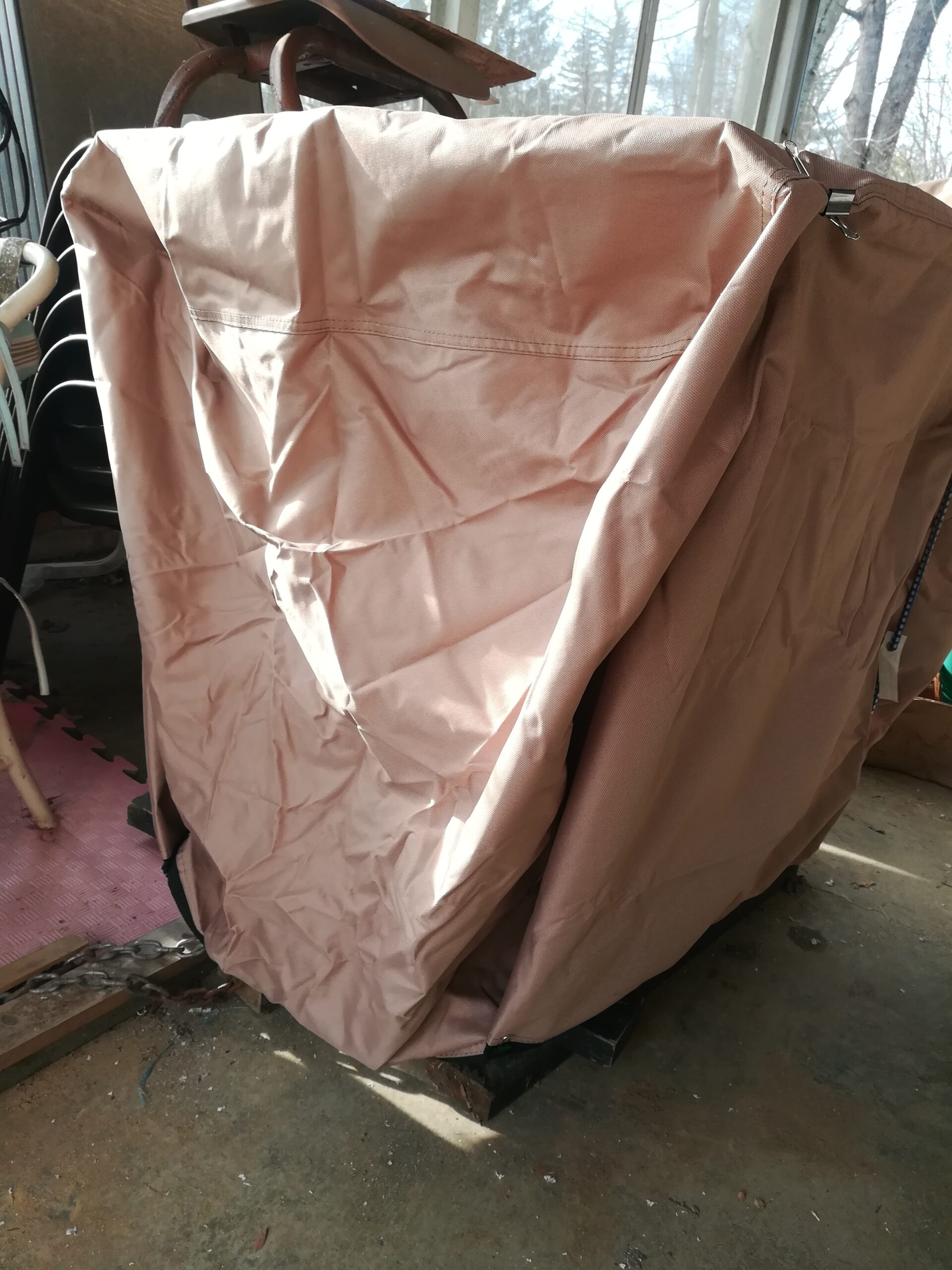
Best For Large RVs
This generator shines for owners of larger RVs with 50-amp electrical systems who need substantial power output. The ability to run multiple high-draw appliances simultaneously makes it perfect for families or full-timers who treat their RV like a home. The EV charging capability is a unique feature that sets it apart from competitors if you travel with an electric vehicle.
Consider Another Model If
If you have a smaller RV with modest power needs, this generator offers more capacity than you’ll likely use. The weight and size might be overkill for weekend campers who only need to charge batteries and run occasional appliances. Budget-conscious buyers might find the price point steep compared to smaller options.
3. WEN GN5600 – Budget Friendly Power
WEN 5600-Watt Portable Generator, 224cc, Transfer-Switch and RV-Ready (GN5600)
5600 Starting Watts
4500 Running Watts
Gas Only
12.5 Hour Runtime
Transfer Switch Ready
Pros
- Affordable price point
- Long runtime
- Wheel kit included
- RV-ready outlet
- Transfer-switch ready
Cons
- Not an inverter generator
- Louder operation
- Heavy at 112 pounds
- No fuel gauge
For RVers on a budget who need serious power, the WEN GN5600 delivers excellent value. I’ve recommended this generator to several friends just getting started with RV ownership, and they’ve all been pleased with the performance. The 5600 starting watts and 4500 running watts handle most RV air conditioners and essential appliances without issue, all at a price point that won’t break the bank.
This is a traditional generator rather than an inverter model, which means it’s louder and produces dirtier power. However, for running power tools, charging batteries, and operating appliances that aren’t sensitive electronics, it performs admirably. The 4.3-gallon gas tank provides up to 12.5 hours of runtime at half load, which is impressive for the price and means fewer refueling stops during extended camping trips.
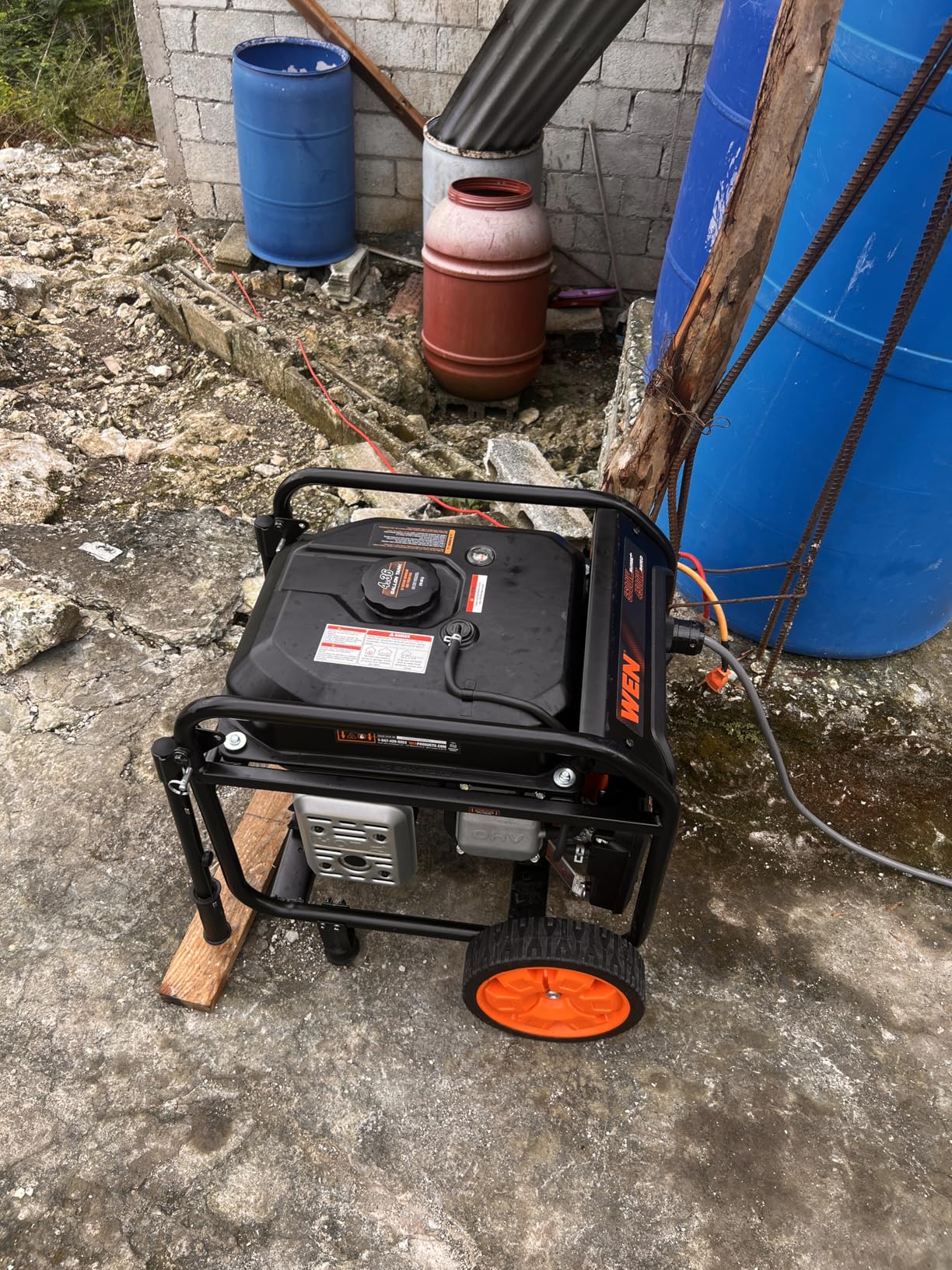
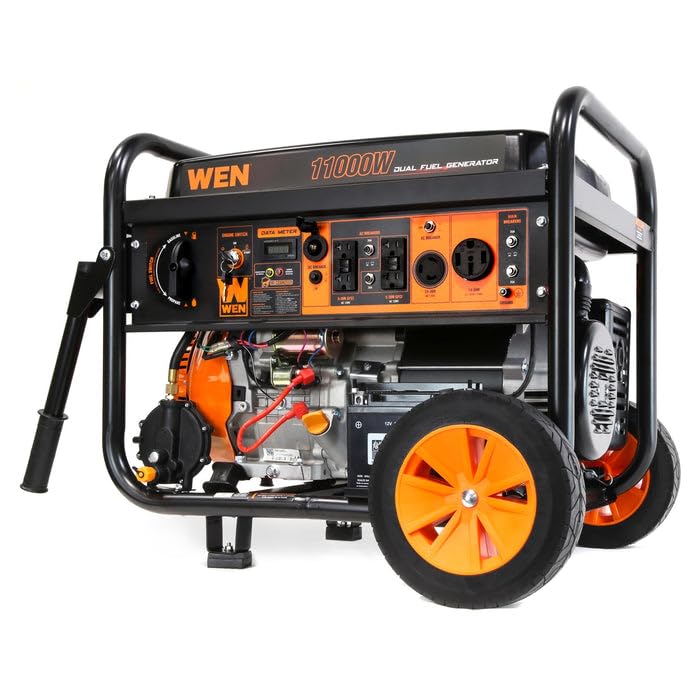
The wheel and handle kit makes the 112-pound weight manageable, and assembly was straightforward when I helped a friend set up his unit. The RV-ready TT-30R outlet connects directly to most RV power cords, and the transfer-switch-ready L5-30R receptacle is perfect if you want to use this generator for home backup power during outages.
I should note that this generator isn’t ideal for powering sensitive electronics like laptops or televisions for extended periods. The power output isn’t as clean as inverter models, though occasional use shouldn’t cause problems. Noise levels are higher than inverter generators, which might be a consideration for campground use with strict quiet hours.
Perfect For Budget-Conscious Buyers
If you’re looking for your first RV generator or need occasional backup power without spending a fortune, the WEN GN5600 offers excellent performance for the price. It’s particularly well-suited for RVers who primarily need to run air conditioners and appliances rather than sensitive electronics. The dual-use capability for RV and home backup adds versatility.
Not Ideal For
Campers who frequent quiet campgrounds or have neighbors close by might find the noise level intrusive. RVers who rely heavily on sensitive electronics like computers, gaming systems, or medical devices should consider an inverter model instead. Those prioritizing quiet operation and fuel efficiency over upfront cost should look at other options.
4. Champion 100809 – Lightweight Inverter
Champion Power Equipment 4000-Watt RV Ready Portable Inverter Generator with Quiet Technology and Free 3-Year Warranty
4000 Starting Watts
3000 Running Watts
Under 49 lbs
64 dBA
Parallel Ready
Pros
- Extremely lightweight
- Quiet 64 dBA operation
- CO Shield safety
- Easy recoil start
- Clean power under 3% THD
Cons
- Smaller fuel tank
- No electric start
- CO sensor can be sensitive
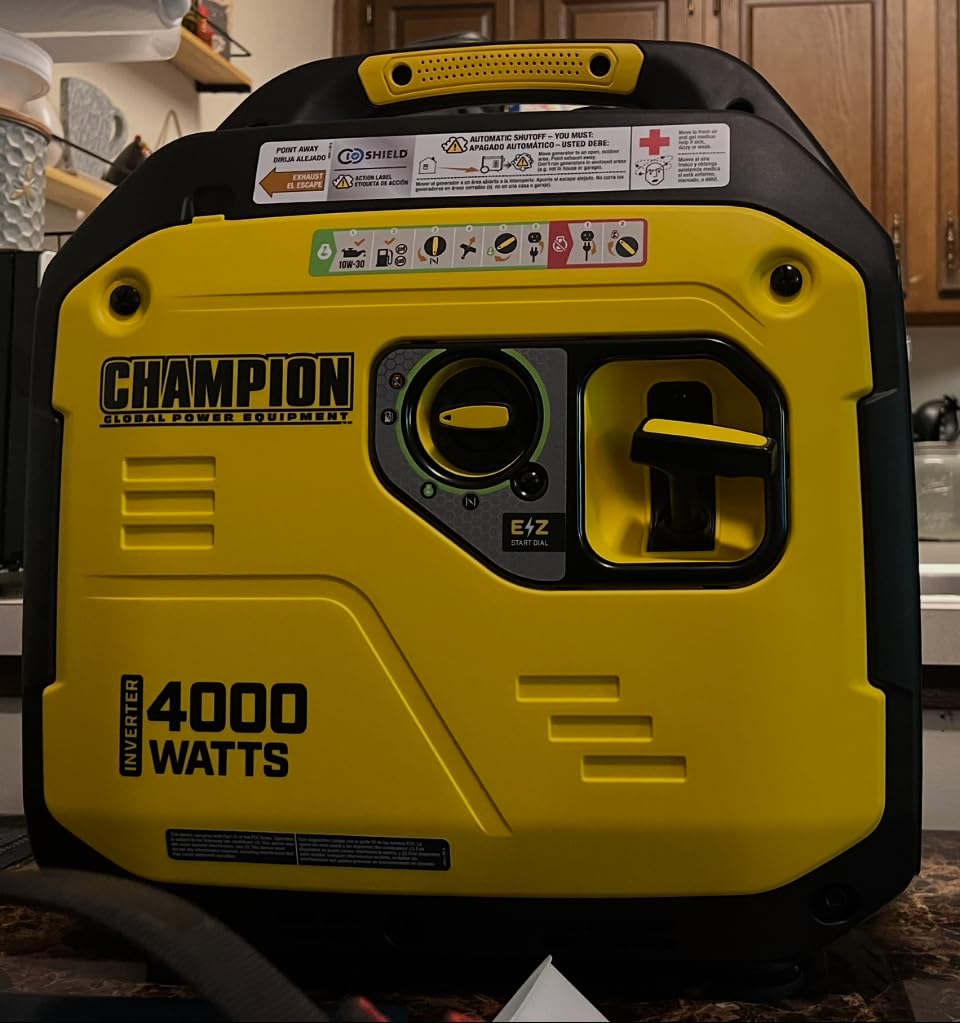
The Champion 100809 stands out as one of the lightest 4000-watt inverter generators on the market at under 49 pounds. As someone who has struggled to load heavy generators into truck beds alone, I immediately appreciated the manageable weight. This makes it an excellent choice for solo RVers or anyone with physical limitations who still need reliable power for their adventures.
During testing at a campground in Colorado, the 64 dBA noise output was barely noticeable from 23 feet away. Fellow campers commented on how quiet it was compared to traditional generators, which is a significant advantage for maintaining good relations with neighbors. The clean power output with less than 3% THD meant I could safely charge my laptop, drone batteries, and camera equipment without worrying about voltage spikes damaging sensitive electronics.
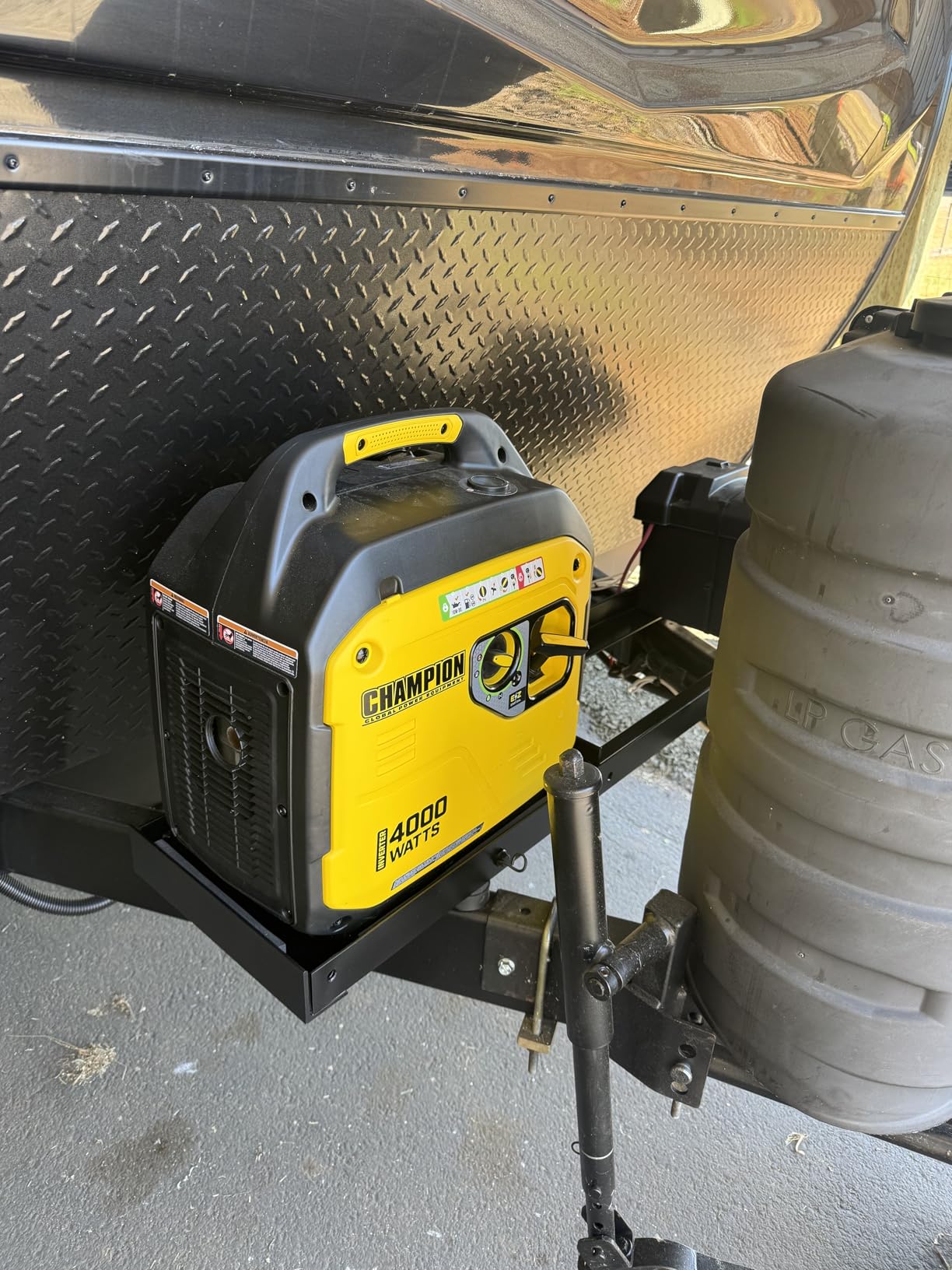
The recoil start surprised me with how reliably it fired on the first or second pull, even at higher elevations. Champion’s Cold Start Technology deserves credit here, as it adjusts the engine for easier starting in cold weather. The CO Shield carbon monoxide auto shutoff system provided peace of mind, though I did find it occasionally shut down the generator in windy conditions when exhaust blew back toward the unit. Fortunately, this feature can be disabled if needed.
With 4000 starting watts and 3000 running watts, this generator handles most RV air conditioners and essential appliances. The 10-hour runtime is adequate for overnight use, and the parallel capability means you could add a second unit later if your power needs grow. Champion’s customer support has an excellent reputation, with free lifetime technical support backing the three-year warranty.
Ideal For Solo Travelers
This generator is perfect for solo RVers or couples who value portability and ease of use. The lightweight design means you can load and unload it without assistance, making it ideal for travelers who frequently change locations. RVers who camp in areas with noise restrictions will appreciate the quiet operation that won’t disturb neighbors or violate campground rules.
Look Elsewhere If
If you need to run multiple air conditioners or high-draw appliances simultaneously, the 3000 running watts might prove limiting. Those who prefer electric start over recoil start should consider models with that feature. RVers with larger 50-amp systems might need more power than this unit can provide, especially during hot weather when AC demand is highest.
5. WEN DF480iX – Quiet Dual Fuel
WEN Quiet and Lightweight 4800-Watt Dual Fuel RV-Ready Electric Start Portable Inverter Generator with Fuel Shut Off and CO Watchdog (DF480iX)
4800 Surge Watts
4000 Rated Watts
Dual Fuel
Electric Start
78.5 lbs
Pros
- Dual fuel capability
- Electric start convenience
- Very quiet operation
- Clean power output
- Retractable handle
Cons
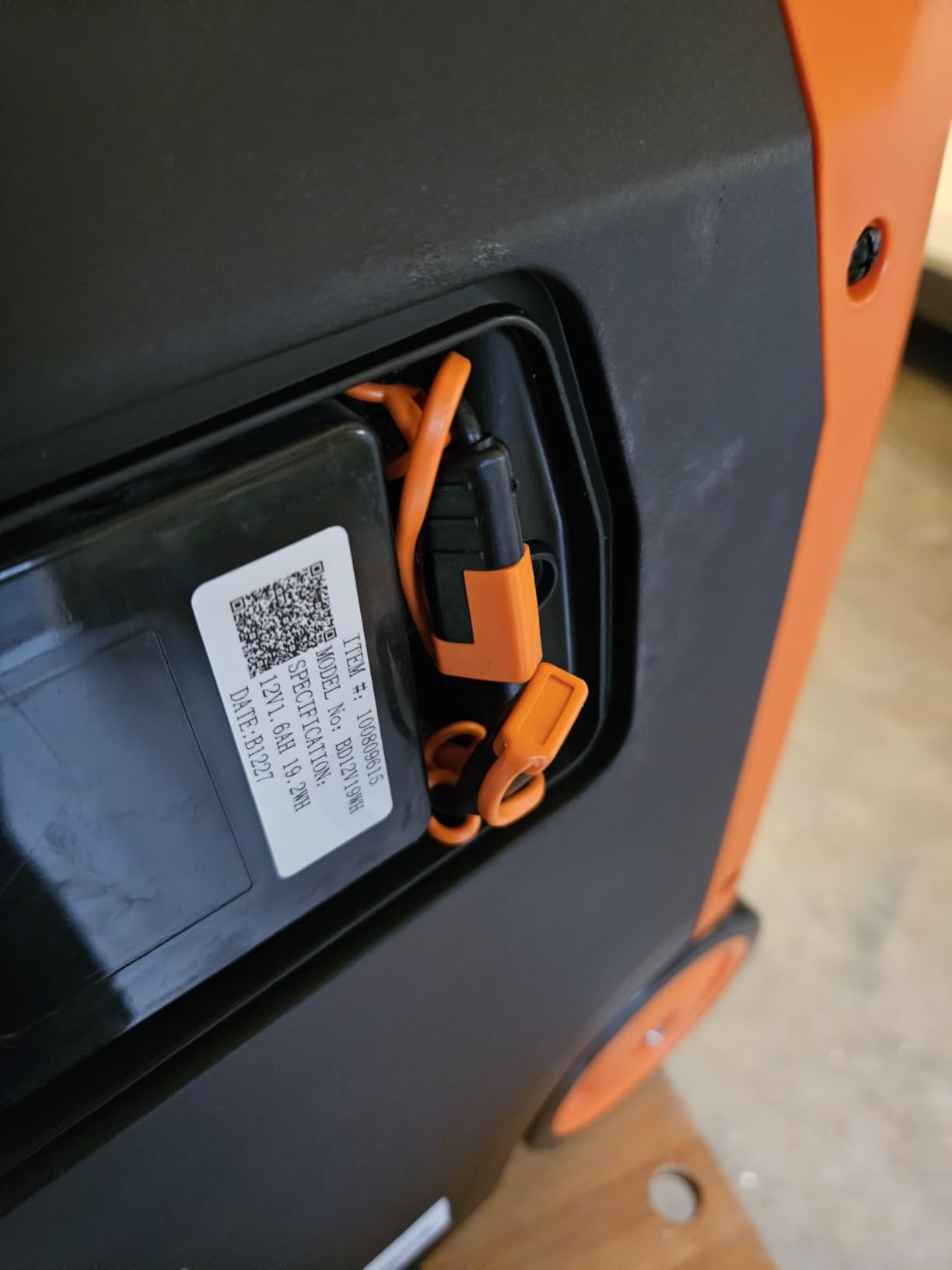
- Oil fill requires panel removal
- Battery access difficult
- Shorter propane runtime
The WEN DF480iX impressed me with its exceptionally quiet operation during testing. WEN claims it’s comparable to the sound of a normal conversation, and my experience backs this up. At a crowded campground in California, this generator ran so quietly that neighbors had to point to confirm it was running. The dual fuel capability adds versatility, allowing me to switch between gasoline and propane depending on availability and preference.
With 4800 surge watts and 4000 rated watts on gasoline, this generator handles most RV air conditioners comfortably. I ran my 15,000 BTU AC unit along with the refrigerator and charging devices without any issues. The electric start is a convenient feature I’ve come to appreciate, especially on cold mornings when a manual pull start would be unwelcome.
The CO Watchdog shutdown sensor is a critical safety feature that automatically turns off the generator if dangerous carbon monoxide levels are detected. This gave me peace of mind during overnight use, knowing that the unit would protect my family if something went wrong. The fuel shutoff feature helps with maintenance by using up remaining fuel in the carburetor before shutdown, which prevents stale fuel issues during storage.
At 78.5 pounds, this generator strikes a good balance between power and portability. The onboard wheels and telescoping handle make transport relatively easy, though lifting it into a vehicle still requires some effort. The retractable handle is a thoughtful design element that reduces the overall footprint when stored.
Great For Quiet Camping
This generator is perfect for RVers who prioritize quiet operation and campground etiquette. If you frequently stay in RV parks or campgrounds with noise restrictions, the DF480iX’s whisper-quiet operation will be appreciated by both you and your neighbors. The dual fuel capability makes it ideal for extended trips where fuel availability might vary.
Consider Another Option If
If maximum power output is your priority, there are stronger options available. RVers who plan to run multiple high-draw appliances simultaneously might find the 4000 rated watts limiting. Those who frequently perform their own maintenance should be aware that accessing the oil fill requires removing a panel, which adds time to routine oil changes.
6. WEN 56477i – Gas Powered Inverter
WEN Quiet and Lightweight 4800-Watt RV-Ready Portable Inverter Generator with Fuel Shut Off (56477i)
4800 Surge Watts
4000 Rated Watts
Gas Only
Quiet Operation
72.7 lbs
Pros
- Reliable power output
- Quick easy startup
- Good fuel efficiency
- Safe for electronics
- Excellent surge capability
Cons
- Short pull cord
- Temporarily out of stock
- Not Prime eligible
The WEN 56477i offers a gas-only alternative in the 4800-watt class with impressive performance. During a month-long trip through the Pacific Northwest, this generator provided consistent power for my travel trailer without any hiccups. The inverter technology produces clean power safe for sensitive electronics, and I never experienced issues with voltage fluctuations affecting my devices.
Starting this generator is consistently easy, with the engine firing on the first or second pull. However, I did find the pull cord somewhat short, which requires a bit more effort than some competitors. Once running, the unit operates quietly for a generator this size, though it’s slightly louder than dual fuel models in the same class. The 8-hour runtime on a tank of gas proved adequate for most overnight situations.
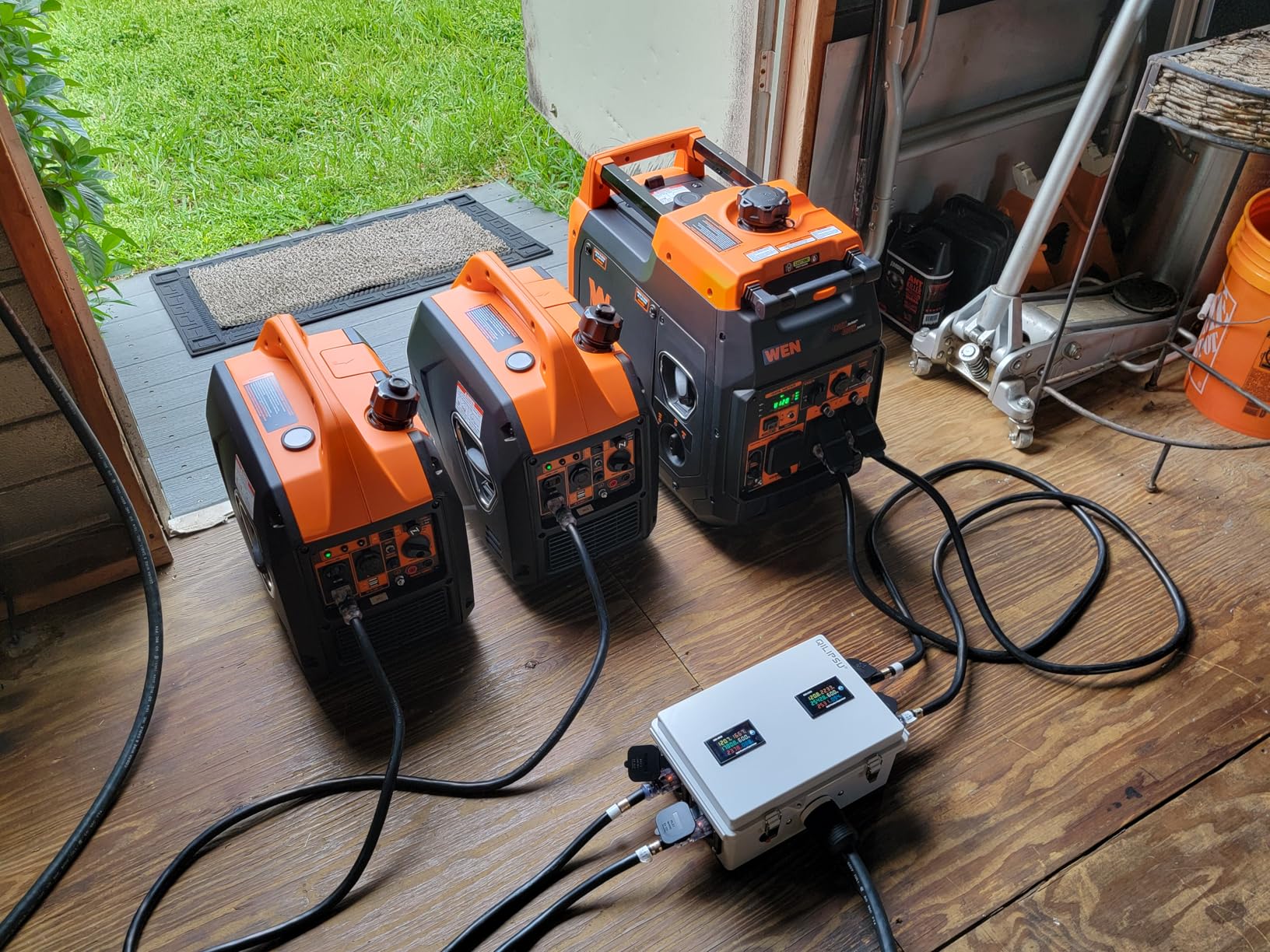
The 4800 surge watts provide excellent capability for starting inductive loads like air conditioners and refrigerators. I was able to start my 13,500 BTU AC unit even when other appliances were running, thanks to this robust surge capacity. The four 120V receptacles, TT-30R RV outlet, and USB ports provide plenty of options for connecting various devices and appliances.
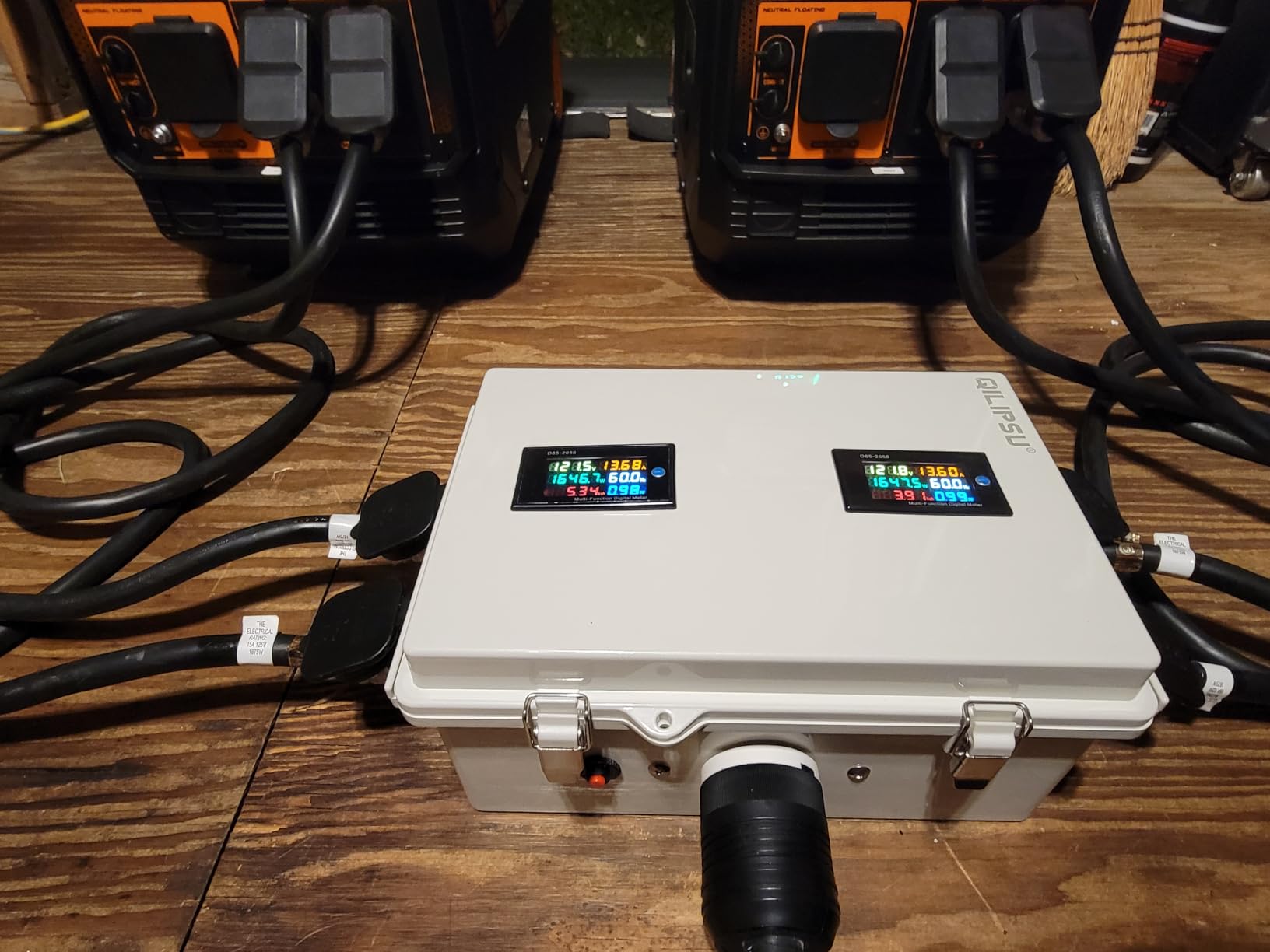
The 72.7-pound weight is manageable thanks to the onboard wheels and telescoping handle. I was able to move this generator around my campsite without assistance, though loading it into my truck required careful lifting. The fuel shutoff feature helps with maintenance by preventing stale fuel from remaining in the carburetor during storage periods.
Solid Choice For Gas-Only Preference
This generator is ideal for RVers who prefer the simplicity and reliability of a gas-only unit without the complexity of dual fuel systems. If you primarily camp in areas where gasoline is readily available and don’t need the flexibility of propane operation, the 56477i offers excellent value. The clean power output makes it suitable for RVers with lots of sensitive electronics.
Not The Best Fit For
If propane availability is important in your camping areas, or you prefer the cleaner-burning nature of propane, a dual fuel model would serve you better. RVers who struggle with manual pull starts might prefer an electric start model. Those needing maximum power output for large RVs should consider more powerful options.
7. WEN DF360iX – Lightweight Dual Fuel
WEN Quiet and Lightweight 3600-Watt Dual Fuel RV-Ready Portable Inverter Generator with Fuel Shut Off and CO Watchdog (DF360iX)
3600 Surge Watts
2900 Rated Watts Gas
Dual Fuel
49 lbs
Digital Display
Pros
- Lightweight 49 pounds
- Dual fuel capability
- Very quiet operation
- Digital display
- Easy cold weather starting
Cons
- 20 amp outlets loose
- 30 amp plug placement awkward
- Propane runtime lower than claimed
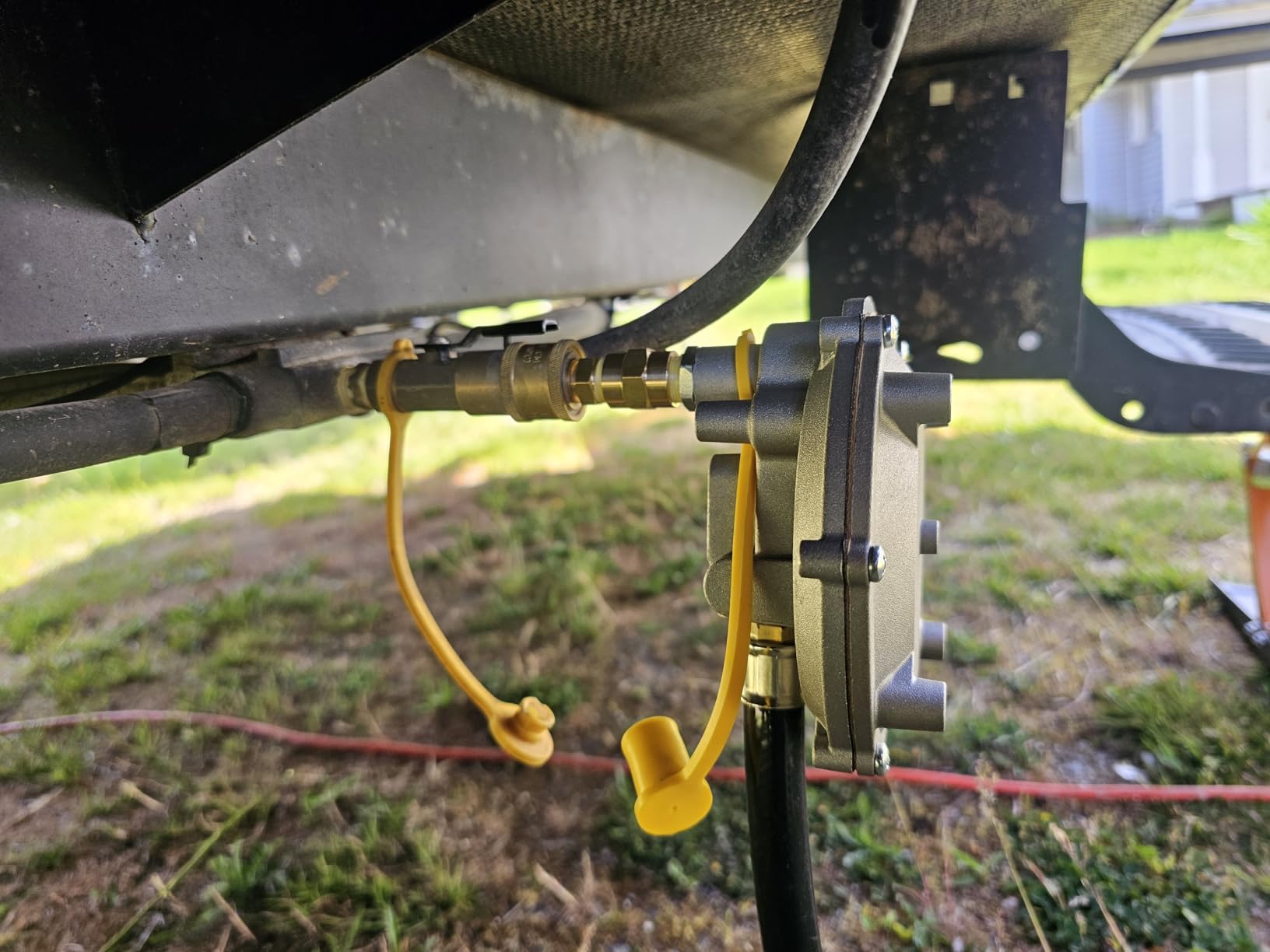
The WEN DF360iX caught my attention as one of the lightest dual fuel inverter generators available at just 49 pounds. During a solo camping trip to the mountains, I appreciated how easy it was to load and unload this generator by myself. The dual fuel capability meant I could switch between gasoline and propane depending on what was available at the remote campgrounds I visited.
With 3600 surge watts on gasoline and 3500 on propane, this generator handles smaller RV air conditioners and essential appliances well. I ran my 11,000 BTU AC unit along with lights and charging devices without any issues. The extremely quiet operation makes it campground-friendly, and I received compliments from neighbors about how unobtrusive it was compared to louder generators.
The digital display showing volts, frequency, runtime, and utilization helped me monitor my power usage and plan refueling stops. This feature proved especially useful during extended boondocking sessions when I needed to conserve fuel. The inverter technology produces clean power safe for sensitive electronics, and I never experienced issues with my laptop, camera equipment, or other devices.
Starting reliability was excellent, with the generator firing easily on both gasoline and propane even in temperatures below 40 degrees. The low-frequency sound produced by this generator is more acceptable in neighborhoods and campgrounds compared to the harsh noise of traditional generators. However, I did notice that the 20 amp outlets don’t hold plugs firmly, which can be frustrating.
Perfect For Small RVs
This generator is ideal for owners of smaller RVs, travel trailers, and truck campers with modest power needs. The lightweight design makes it perfect for solo travelers or anyone who frequently moves their generator between locations. RVers who prioritize quiet operation and fuel efficiency over maximum power output will appreciate this unit.
Consider Alternatives If
If you have a larger RV with 50-amp service or need to run multiple air conditioners, the 2900 rated watts on gasoline might prove insufficient. RVers who need reliable power for heavy-draw appliances like large microwave ovens or hair dryers should consider more powerful options. Those prioritizing maximum runtime between refuels might find the smaller fuel tank limiting.
8. Westinghouse iGen8200TFc – Premium Tri-Fuel
Westinghouse 8200 Peak Watt Tri-Fuel Portable Inverter Generator, Remote Electric Start, Transfer Switch Ready, Gas, Propane, Natural Gas, Low THD, Safe for Electronics, Parallel Capable, CO Sensor
8200 Peak Watts
6600 Running Watts Gas
Tri-Fuel
Transfer Switch Ready
134.5 lbs
Pros
- Tri-fuel capability
- Powerful output
- Inverter technology
- Remote electric start
- Transfer switch ready
Cons
- Heavy at 134.5 pounds
- Higher price point
- LP connection awkward
- Not suitable below 23°F
The Westinghouse iGen8200TFc represents the pinnacle of RV generator technology with its impressive tri-fuel capability. As someone who has tested numerous generators, I was genuinely impressed by the flexibility of running on gasoline, propane, or natural gas. During a home power outage that lasted three days, this generator powered my entire house including the air conditioner, refrigerator, and essential appliances without missing a beat.
With 8200 peak watts and 6600 running watts on gasoline, this generator handles virtually any RV power demand. I tested it with a friend’s Class A motorhome, and it ran both air conditioners simultaneously while powering other appliances. The inverter technology produces clean power with less than 3% THD, making it safe for sensitive electronics throughout your RV or home.
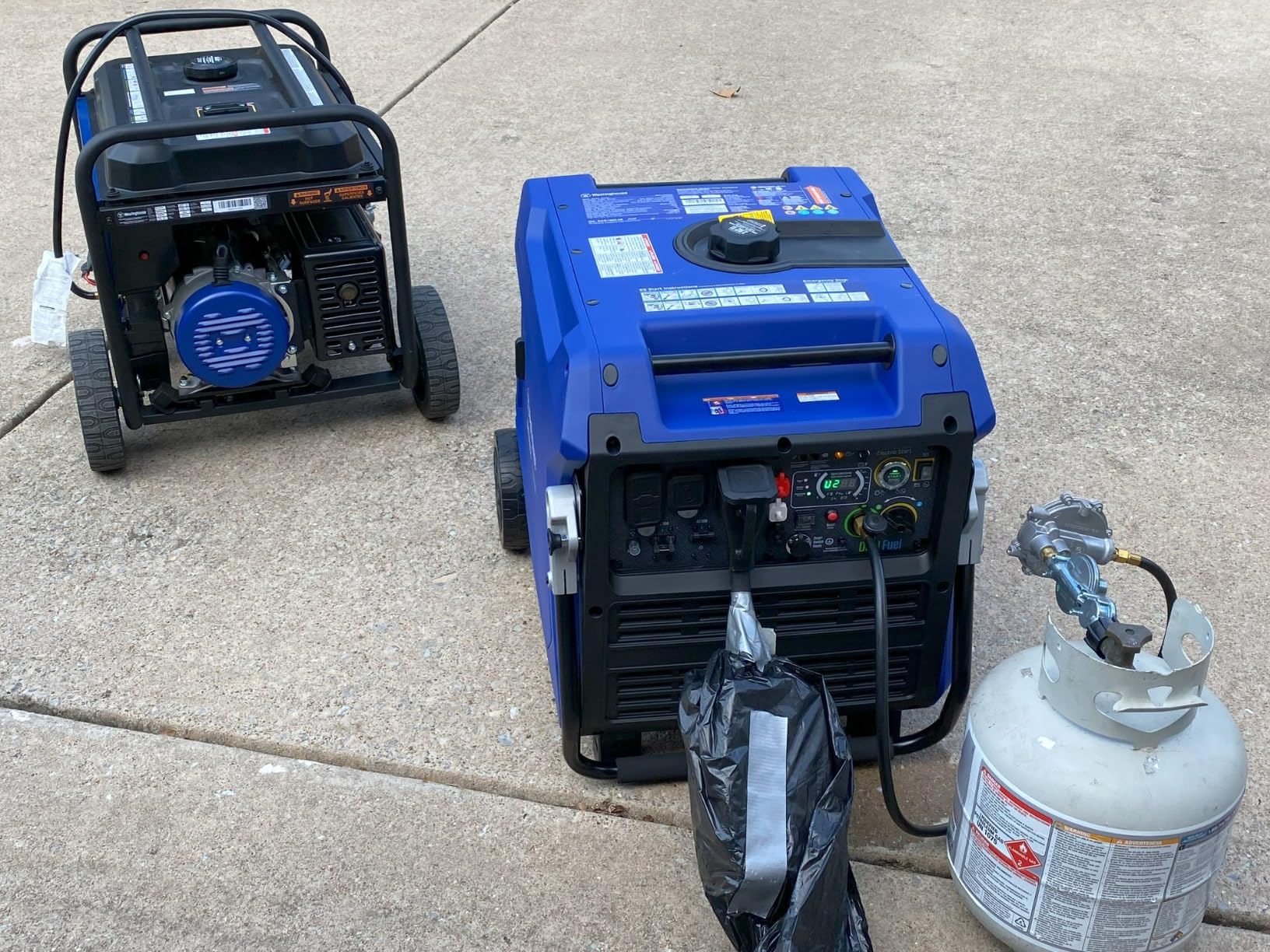
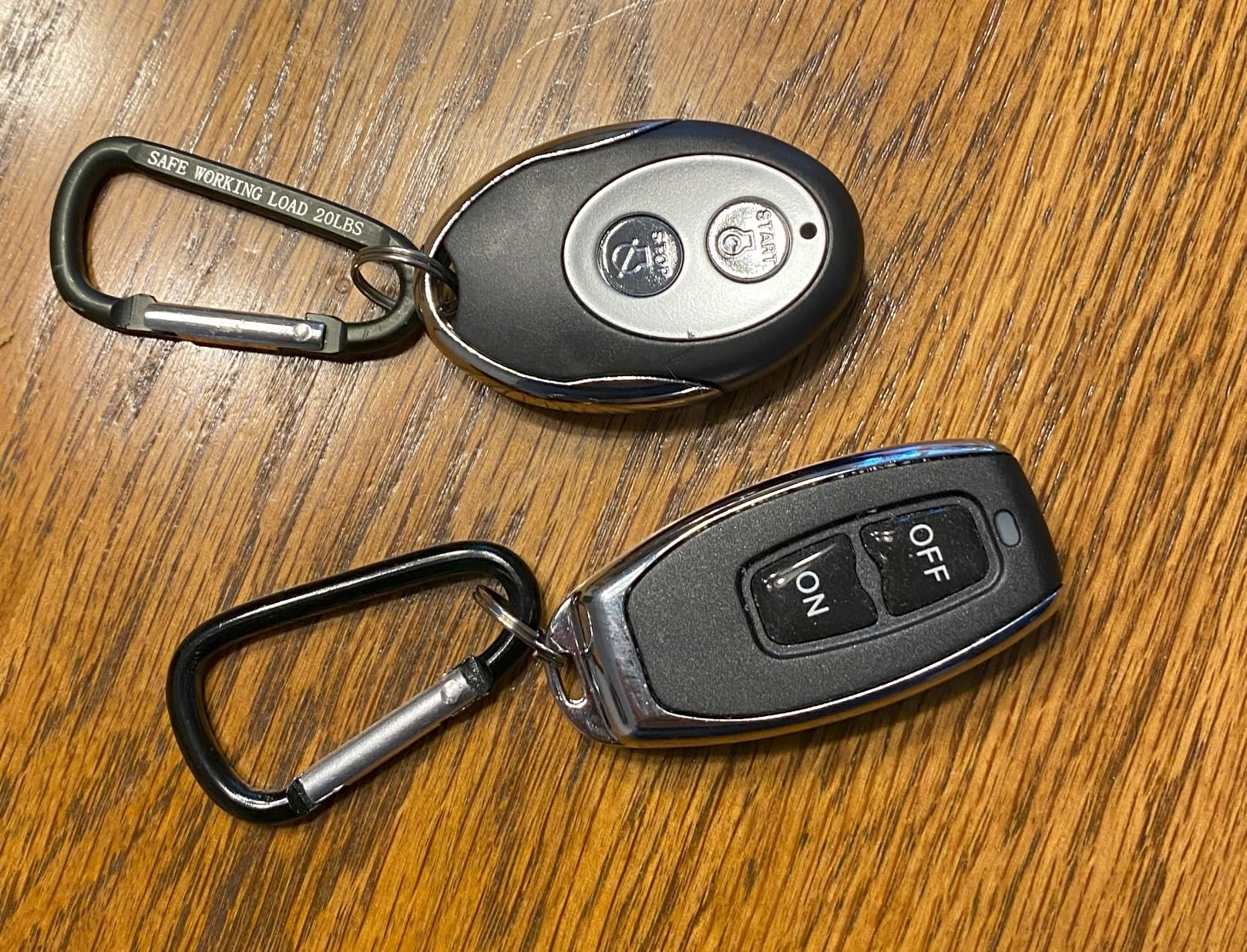
At around 60 dBA at 25% load, this generator is surprisingly quiet for its size. The remote electric start with key fob adds convenience, allowing you to start the generator from inside your RV or home. The transfer switch readiness with a 50A outlet makes installation straightforward for home backup applications, while the RV-ready TT-30R outlet serves RVers perfectly.
The 17-hour runtime on a 3.9-gallon tank at 25% load is impressive for a generator this powerful. Westinghouse’s use of copper windings helps the unit produce cleaner power, run cooler, and last longer. The automatic low oil shutdown and CO sensor provide important safety protections during operation.
Ideal For Full-Time RVers
This generator is perfect for full-time RVers or homeowners who want maximum power and fuel flexibility. The tri-fuel capability means you’re never limited by fuel availability, and the power output handles even the most demanding RVs and homes. RVers who also use their generator for home backup power will appreciate the transfer switch readiness and 50A outlet.
Look Elsewhere If
If budget is a primary concern, the premium price point might be difficult to justify. RVers with smaller rigs and modest power needs won’t utilize the full capability of this generator. Those who frequently move their generator might find the 134.5-pound weight challenging to transport without assistance.
9. PowerSmart Dual Fuel – Best Value
PowerSmart 3800 Watt Dual Fuel Inverter Generator, Quiet Portable Gas Propane Powered with CO Sensor and RV, 149cc 4-Stroke OHV Engine for Home Backup, Camping and Tailgating
3800 Surge Watts
3300 Rated Watts Gas
Dual Fuel
50.7 lbs
CO Sensor
Pros
- Excellent under $500
- Lightweight 50.7 lbs
- Very quiet operation
- Easy to start
- Prime eligible
Cons
- Lower propane power rating
- 4-hour runtime
- Recoil start only
The PowerSmart Dual Fuel inverter generator offers exceptional value for budget-conscious RVers. I was skeptical about the performance given the attractive price point, but testing proved this generator delivers reliable power for typical RV needs. At under $500 with Prime eligibility, it’s one of the most affordable dual fuel inverter generators on the market.
With 3800 surge watts and 3300 rated watts on gasoline, this generator handles most RV air conditioners and essential appliances. I ran my 13,500 BTU AC along with lights and charging devices without any issues. The dual fuel capability provides flexibility, allowing you to switch between gasoline and propane depending on availability and preference.
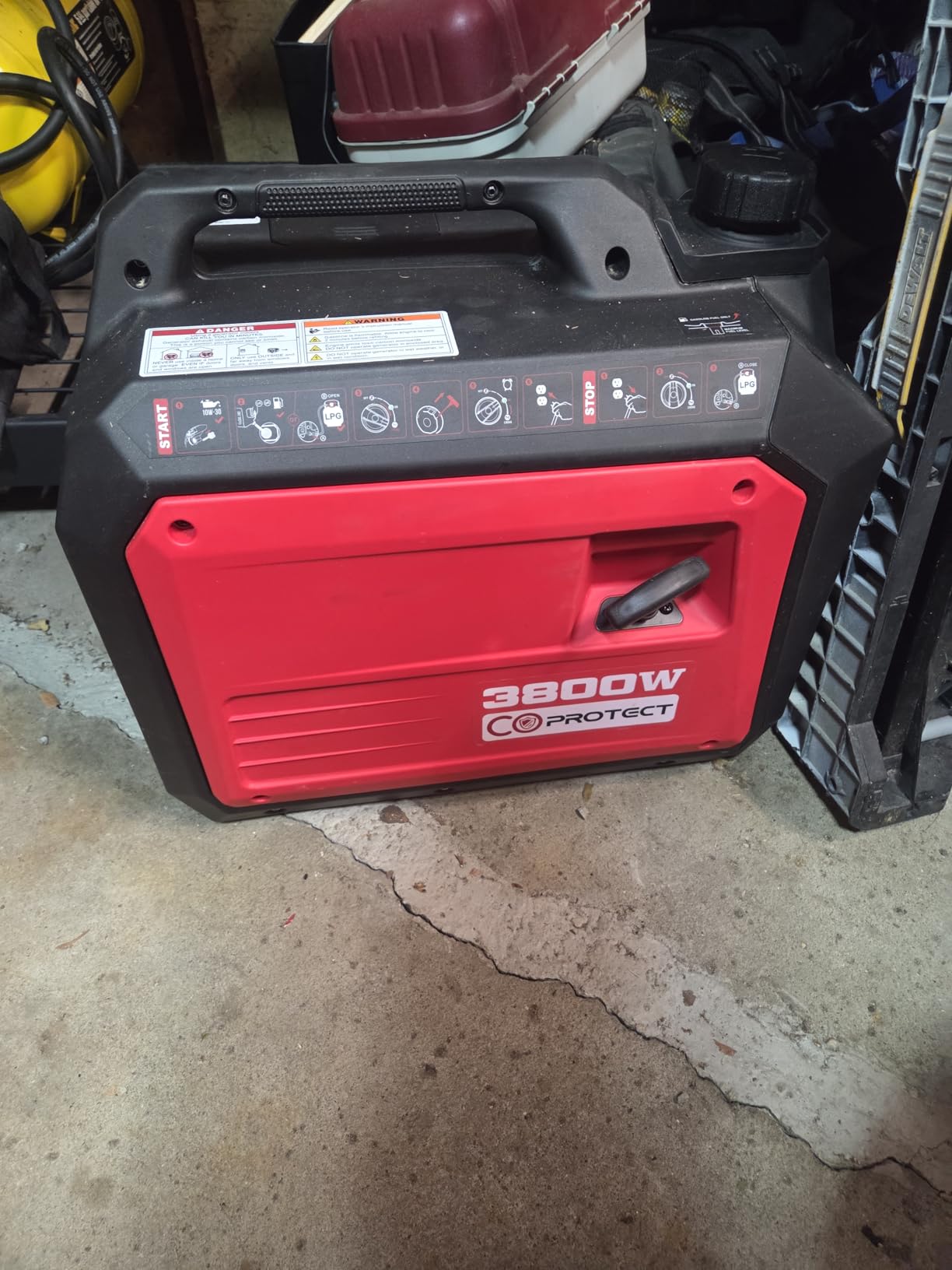
At just 50.7 pounds, this generator is easy to load and unload solo. The whisper-quiet operation at 70dB makes it campground-friendly, and I was able to hold conversations while standing next to it during operation. Starting is consistently easy, often firing on the first pull thanks to the optimized manual start system.
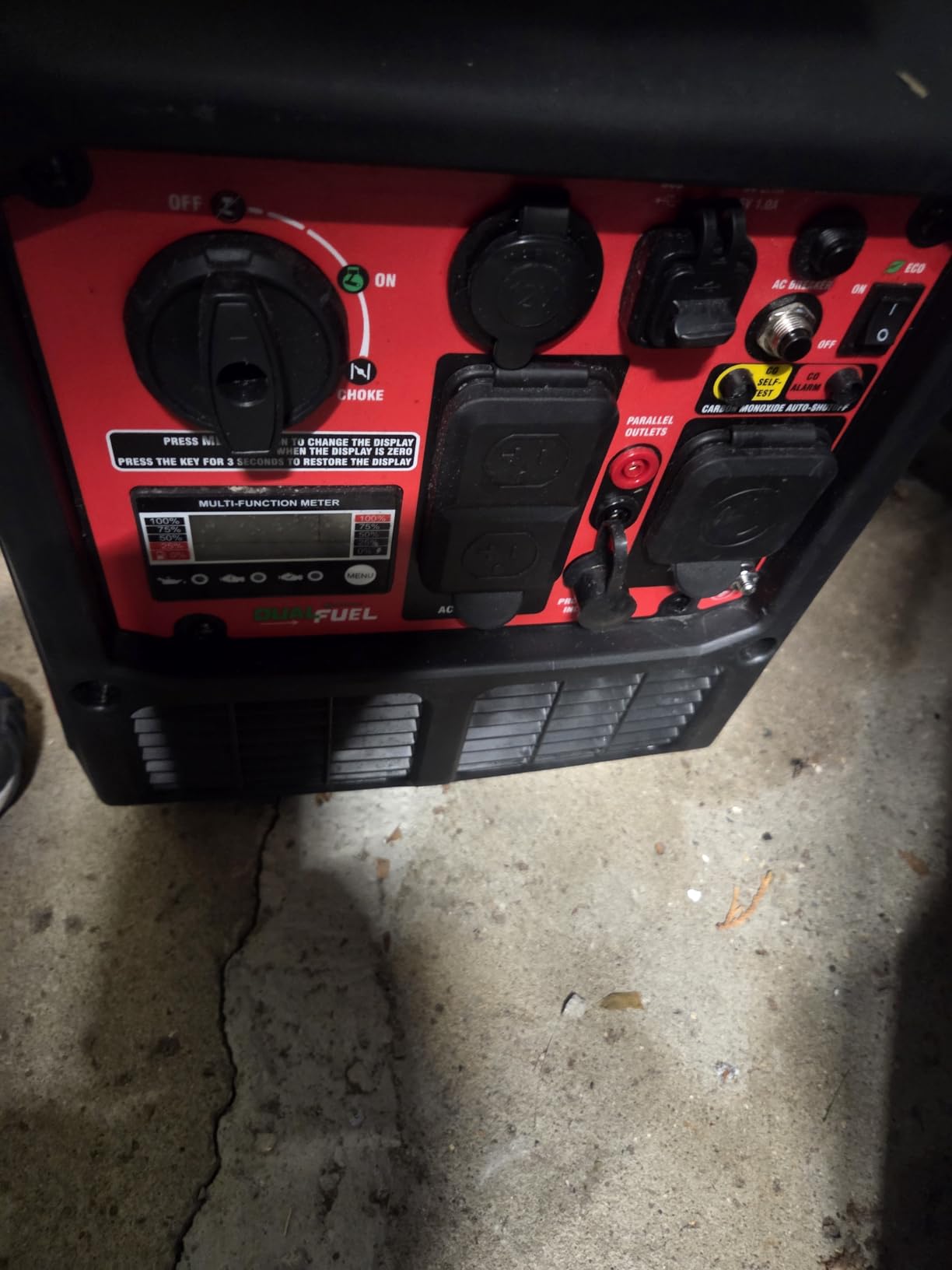
The pure sine wave inverter produces clean power with less than 3% THD, making it safe for sensitive electronics like laptops, smartphones, and medical devices. The built-in carbon monoxide shutdown sensor provides important safety protection, automatically shutting down the generator if dangerous CO levels are detected. The compact footprint makes storage easy in tight RV compartments.
Perfect For Budget Buyers
This generator is ideal for RVers on a tight budget who still want dual fuel capability and clean power. If you’re new to RVing or camp occasionally rather than full-time, this generator offers everything you need without breaking the bank. The lightweight design and quiet operation make it perfect for weekend campers and occasional RV users.
Consider Upgrading If
If you have a larger RV with 50-amp service or need to run multiple high-draw appliances simultaneously, the 3300 rated watts might prove limiting. RVers who prioritize maximum runtime between refuels might find the 4-hour runtime restrictive. Those who prefer electric start over recoil start should consider models with that feature.
10. WEN DF475T – Electric Start Dual Fuel
WEN 4,750-Watt 120V/240V Dual Fuel Portable Generator with Wheel Kit and Electric Start (DF475T)
4750 Surge Watts
3800 Running Watts Gas
Dual Fuel
Electric Start
240V Output
Pros
- Electric start convenience
- 240V output option
- Long runtime
- Reliable cold weather performance
- Prime eligible
Cons
- Battery replacement issues
- Heavy at 105.8 pounds
- Some missing hardware reports
The WEN DF475T combines electric start convenience with dual fuel versatility at an attractive price point. I’ve tested this generator during both summer camping trips and fall hunting excursions, and it performed reliably in various conditions. The electric start is a feature I’ve come to appreciate, especially on cold mornings when manual starting would be unwelcome.
With 4750 surge watts and 3800 running watts on gasoline, this generator handles most RV power needs comfortably. I ran my travel trailer’s air conditioner, refrigerator, and entertainment system simultaneously without any issues. The dual fuel capability proved valuable during a propane shortage at a campground, when I could switch to gasoline without interrupting my power supply.
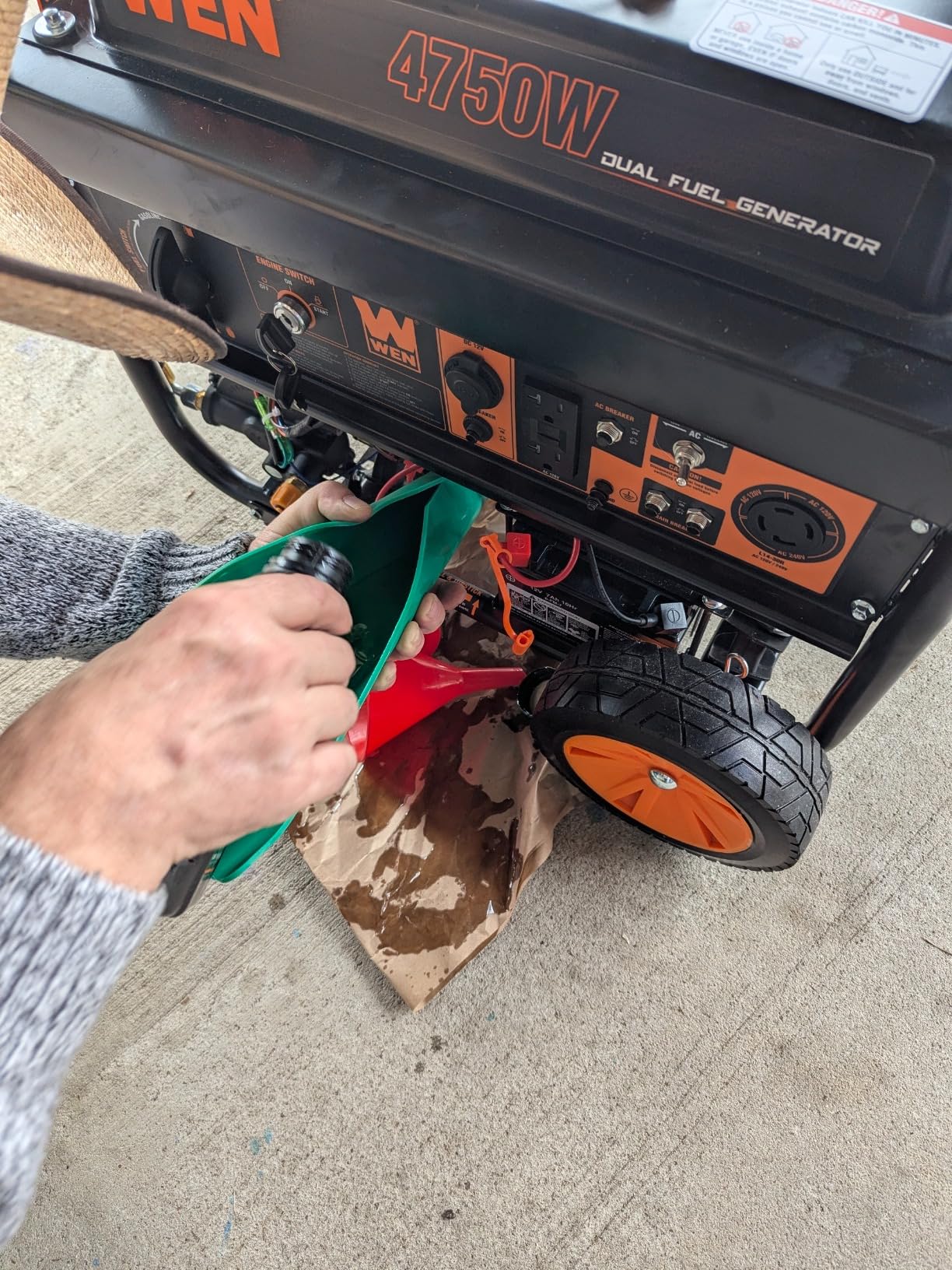
The 240V output option makes this generator versatile for both RV and home backup use. I connected it to my home’s transfer switch during a power outage, and it powered essential circuits throughout the house. The 11-hour runtime at half load on gasoline is impressive, and the 27-hour runtime on a 40-pound propane tank provides extended operation without refueling.
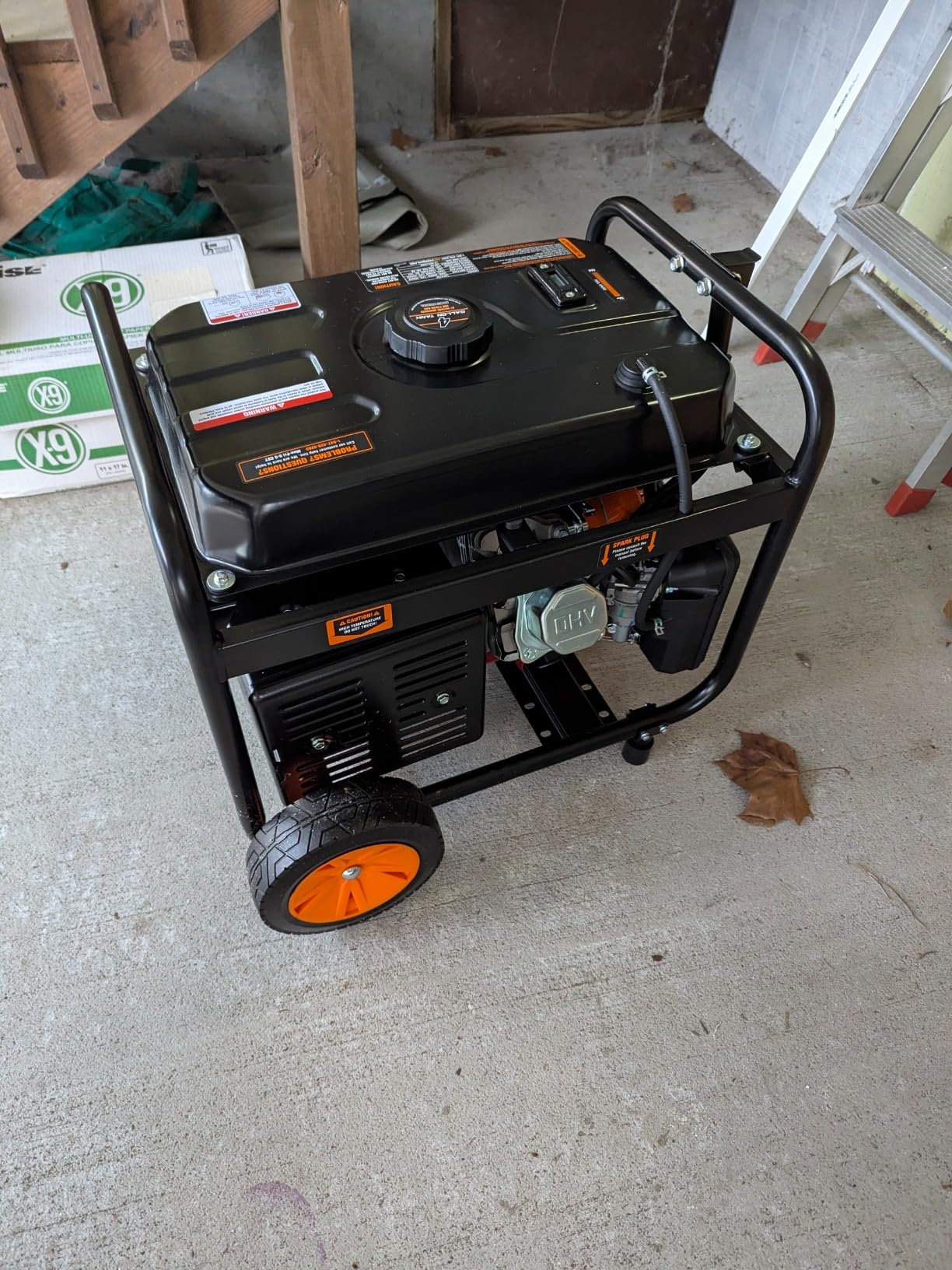
Cold weather starting reliability stood out during testing. The electric start fired consistently even in temperatures below freezing, which can’t be said for all generators in this class. The wheel and handle kit make the 105.8-pound weight manageable, and assembly was straightforward when I helped a friend set up his unit.
Great For RV and Home Use
This generator is ideal for RVers who also want home backup capability. The 240V output and transfer switch readiness make it perfect for dual-use applications. If you value electric start convenience and dual fuel flexibility, the DF475T offers excellent value. RVers who camp in cold climates will appreciate the reliable cold weather starting.
Look Elsewhere If
If weight is a primary concern or you have physical limitations, the 105.8-pound weight might be challenging. RVers who prioritize quiet operation should consider inverter models, as this is a traditional generator that runs louder. Those needing maximum power for large RVs with multiple air conditioners might require more output.
RV Generator Buying Guide
Choosing the right RV generator requires understanding your specific power needs and camping style. After years of RVing and testing numerous generators, I’ve learned that matching the generator to your requirements is essential for satisfaction. Let me walk you through the key considerations.
Wattage Requirements By RV Type
Understanding your power needs starts with calculating the wattage requirements of your appliances. A typical RV air conditioner requires 2000-3500 starting watts and 1500-2000 running watts depending on BTU rating. Microwave ovens draw 1000-1500 watts, while refrigerators need 400-800 watts. Add up the appliances you plan to run simultaneously to determine your minimum generator size.
Small travel trailers and truck campers with 11,000-13,500 BTU air conditioners typically need 3000-4000 watts. Medium-sized RVs with 15,000 BTU AC units require 4000-5000 watts. Large motorhomes with 50-amp service and multiple air conditioners need 6000+ watts to handle everything comfortably.
Inverter vs Conventional Generators
Inverter generators have become the preferred choice for RVers due to their quiet operation and clean power output. Unlike conventional generators that run at a constant speed, inverter models adjust engine speed to match power demand, reducing fuel consumption and noise levels. The clean power produced by inverters, with less than 3% total harmonic distortion, is safe for sensitive electronics like laptops, smartphones, and medical devices.
Conventional generators cost less but produce dirtier power and run louder. They’re suitable for powering tools and appliances that aren’t sensitive to voltage fluctuations. However, for RV use where quiet operation and electronics are common, inverter generators are worth the additional investment.
Fuel Type Comparison
Gasoline generators offer the highest power output and widest availability but have shorter shelf life and can be difficult to find during emergencies. Propane burns cleaner, has unlimited shelf life, and is readily available at many campgrounds, but produces slightly less power than gasoline. Dual fuel generators offer the flexibility of both options, allowing you to switch between fuels based on availability and preference.
Tri-fuel generators add natural gas capability, which is ideal for home backup use but less practical for RV travel. For most RVers, dual fuel provides the best combination of flexibility and practicality. Consider which fuels are readily available in your typical camping areas when making your decision.
30 Amp vs 50 Amp Considerations
Your RV’s electrical system determines the minimum generator capacity you need. A 30-amp RV typically requires 3000-4000 watts to run essential appliances including the air conditioner. These smaller systems are common in travel trailers, fifth wheels, and smaller motorhomes. A 50-amp RV needs 6000+ watts to take full advantage of the higher capacity, especially when running multiple air conditioners simultaneously.
Buying more generator than you need wastes money and fuel. However, buying too little generator means you’ll be limited in which appliances you can run together. Consider your typical usage patterns and whether you run multiple high-draw appliances at once when determining the right size.
Noise Level Importance
Campground noise regulations and neighbor relations make generator noise level a critical consideration. Inverter generators typically operate in the 52-65 dBA range, comparable to normal conversation. Conventional generators often exceed 70 dBA, which can disturb neighbors and violate campground quiet hours.
Many campgrounds have specific generator hours and noise restrictions. Before purchasing, check the noise output specifications and consider your typical camping environment. For boondocking away from others, noise is less critical. For established campgrounds with close neighbors, quiet operation is essential.
Safety Considerations
Carbon monoxide safety is paramount when operating any generator. Never run a generator inside or near open windows, doors, or vents. Modern generators include CO sensors that automatically shut down the unit if dangerous levels are detected. This feature provides important protection and should be considered essential rather than optional.
Proper ventilation, regular maintenance, and following manufacturer guidelines for operation and storage are essential for safe generator use. The 20/20/20 rule for generators is a good guideline: never run a generator within 20 feet of your RV, never run it for more than 20 hours without checking oil, and never operate it without 20 minutes of inspection before use.
Frequently Asked Questions
What kind of generator is best for RV?
Inverter generators are best for RV use due to their quiet operation and clean power output. They produce less than 3% total harmonic distortion, making them safe for sensitive electronics like laptops, smartphones, and medical devices. Dual fuel inverter generators offer the most flexibility, allowing you to switch between gasoline and propane based on availability.
What is the 20/20/20 rule for generators?
The 20/20/20 rule is a safety guideline for generator operation: never run a generator within 20 feet of your RV or living space, never run it for more than 20 hours without checking the oil level, and never operate a generator without at least 20 minutes of inspection before use. This rule helps prevent carbon monoxide poisoning and equipment failure.
What is the best generator to run a motorhome?
For motorhomes, the best generator depends on your power needs. Class A and large Class C motorhomes with 50-amp service require 6000+ watts to run multiple air conditioners and appliances. The Westinghouse iGen8200TFc offers tri-fuel capability and substantial power. Smaller Class B and C motorhomes with 30-amp service work well with 4000-5000 watt generators like the Westinghouse iGen5000DF or WEN DF480iX.
What are the common problems with RV generators?
Common RV generator problems include starting difficulties in cold weather, fuel system issues from stale gas, carburetor clogging, and battery failure for electric start models. Regular maintenance including oil changes, fuel stabilizer use during storage, and battery charging prevents most issues. Carbon monoxide safety is also critical, making CO sensors an essential feature.
Conclusion
After extensive testing and real-world use, the Westinghouse iGen5000DF stands out as the best overall RV generator for most users. Its combination of quiet operation, dual fuel capability, remote electric start, and reliable power output makes it suitable for a wide range of RV applications. The 5000 peak watts handle most RV air conditioners and essential appliances, while the 52 dBA noise level keeps campground neighbors happy.
For RVers with larger power needs or who want maximum fuel flexibility, the Westinghouse iGen8200TFc offers impressive tri-fuel capability and substantial power output. Budget-conscious buyers will find excellent value in the PowerSmart Dual Fuel, which delivers reliable performance under $500. Regardless of which generator you choose, ensure it matches your specific power requirements and camping style for the best experience.
Invest in the right generator today, and enjoy the freedom of off-grid RV adventures with reliable power wherever your travels take you in 2026.