
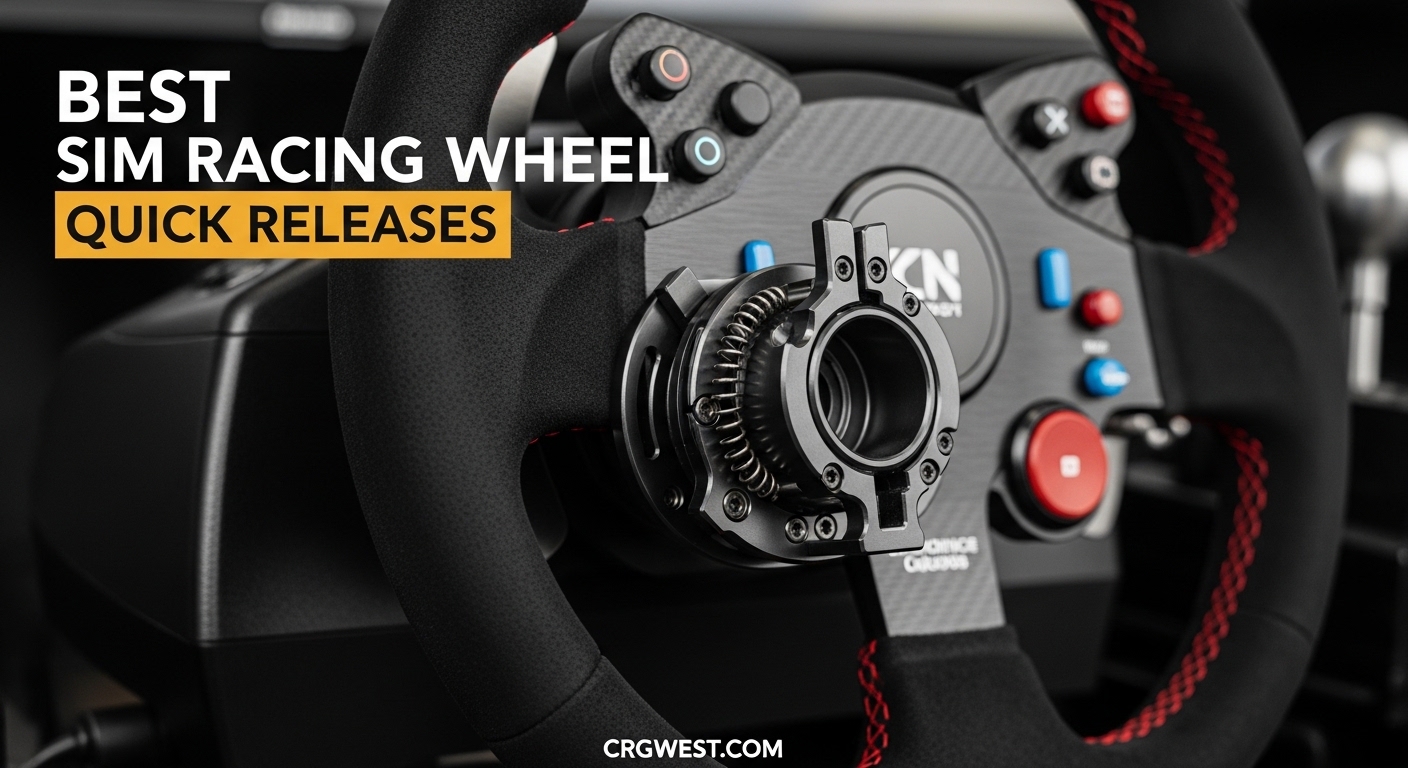
After spending countless hours swapping steering wheels on my sim rig, I learned the hard way that a quality quick release makes all the difference. I’ve tested various quick release systems over the past few years, from budget options to premium motorsport-derived designs. The right quick release transforms your sim racing experience by enabling instant wheel changes and rock-solid connections that transmit every detail of force feedback.
Finding the best sim racing wheel quick releases means understanding PCD patterns, brand compatibility, and build quality. Whether you’re mixing wheels from different manufacturers or simply want the flexibility to swap between formula and GT wheels, a good quick release system is essential for any serious sim racer. I’ve compiled this guide based on real-world testing and community feedback to help you choose the right one for your setup.
In this article, I’ll cover everything from budget-friendly universal options to premium Fanatec and NRG systems. You’ll learn about PCD measurements, compatibility considerations, and which quick releases offer the best value for your specific needs. Let’s dive into the top options available in 2026.
Top 3 Picks for Sim Racing Quick Releases

NRG Gen 2.0 Quick Release
- 6061 Billet Aluminum
- Ball-Lock Mechanism
- 6x70mm PCD
- 2491+ Reviews

Fanatec QR2 Wheel-Side
- Motorsport-Derived
- All-Aluminum Body
- Spring-Loaded Pin
- Data/Power Transfer

BestTeam Universal QR
- Ball-Lock Mechanism
- 6-Hole 70mm Pattern
- Push-Pin Security
- Best Value Price
Best Sim Racing Wheel Quick Releases in 2026
| Product | Specifications | Action |
|---|---|---|
|
NRG Gen 2.0 Quick Release
|
|
Check Latest Price |
|
Fanatec QR2 Wheel-Side
|
|
Check Latest Price |
|
BestTeam Universal Quick Release
|
|
Check Latest Price |
 NRG Gen 2.0 Carbon Fiber
|
|
Check Latest Price |
 NRG Gen 2.5 Finger Grooves
|
|
Check Latest Price |
 NRG Red Titanium Ring
|
|
Check Latest Price |
 NRG Gen 1.5 Quick Release
|
|
Check Latest Price |
 NRG Thin Version 1 Inch
|
|
Check Latest Price |
1. NRG Innovations Gen 2.0 Quick Release – Best Overall Quality
NRG Innovations Race Steering Wheel Quick Release (Black Body/Black Ring), gen 2.0, NRG-SRK-200BK
6061 Billet Aluminum
6x70mm and 6x74mm PCD
Ball-Lock Mechanism
16 oz Weight
FIA Compatible
Pros
- Solid build quality with zero play when locked
- Satisfying click sound confirms secure attachment
- Works with Momo and aftermarket steering wheels
- Anodized finish resists wear and corrosion
- Push pin prevents accidental unlocking
Cons
- No installation instructions included
- Screws may need thread locker for security
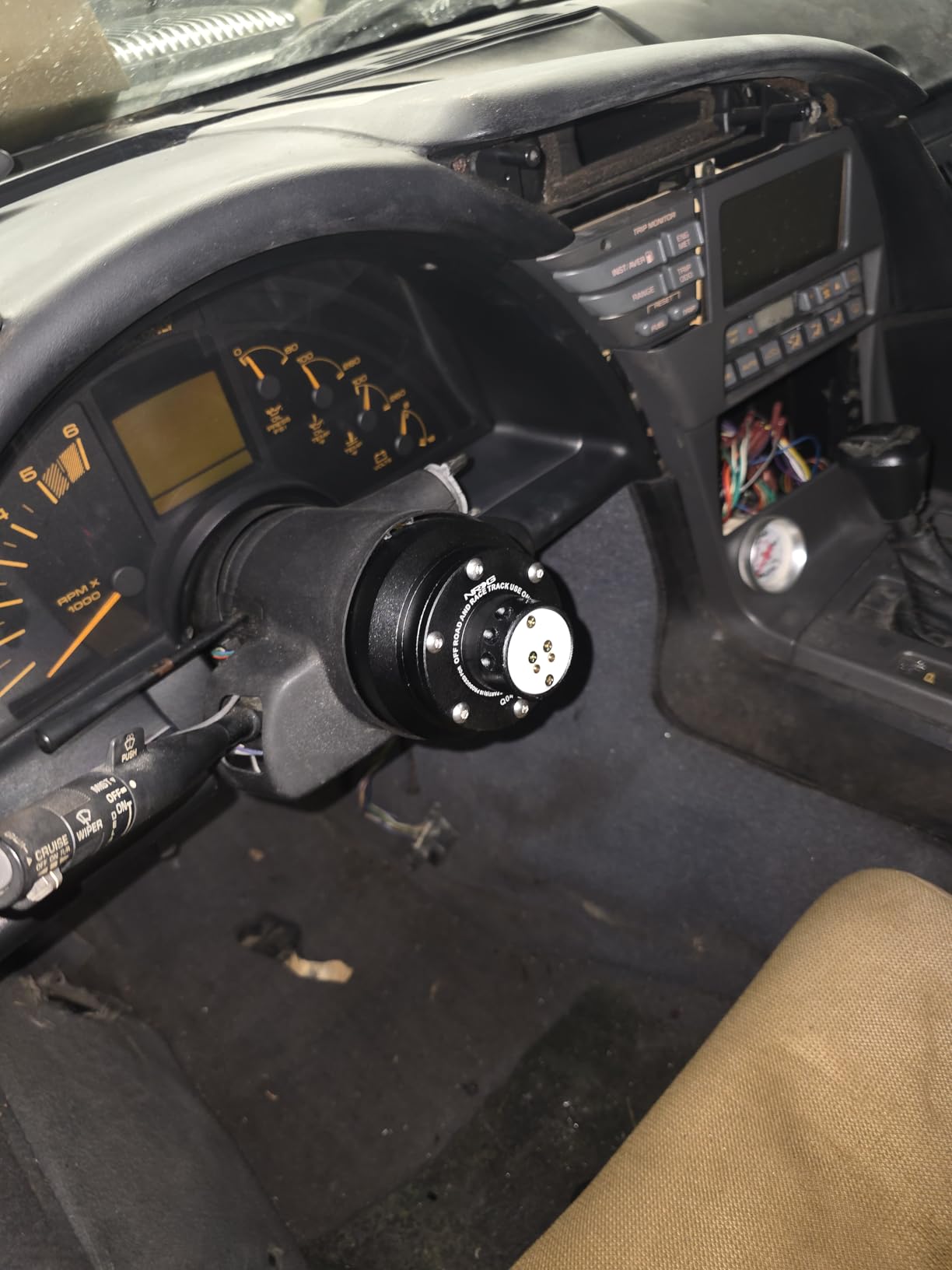
I’ve been running this NRG Gen 2.0 on my primary sim rig for over a year now, and it has become my go-to recommendation for most sim racers. The 6061 billet aluminum construction feels substantial in your hands, and the anodized finish has held up beautifully without showing any wear. When you attach your wheel, there’s an unmistakable solid “thunk” that confirms the ball-lock mechanism has engaged properly.
The 6x70mm PCD pattern is the standard for most sim racing wheels, making this compatible with a huge range of options. I’ve personally used it with Momo-pattern wheels and various aftermarket rims without any issues. The dual spring self-indexing feature means your wheel always goes back on in the same orientation, which is crucial for maintaining consistent button layouts across sessions.
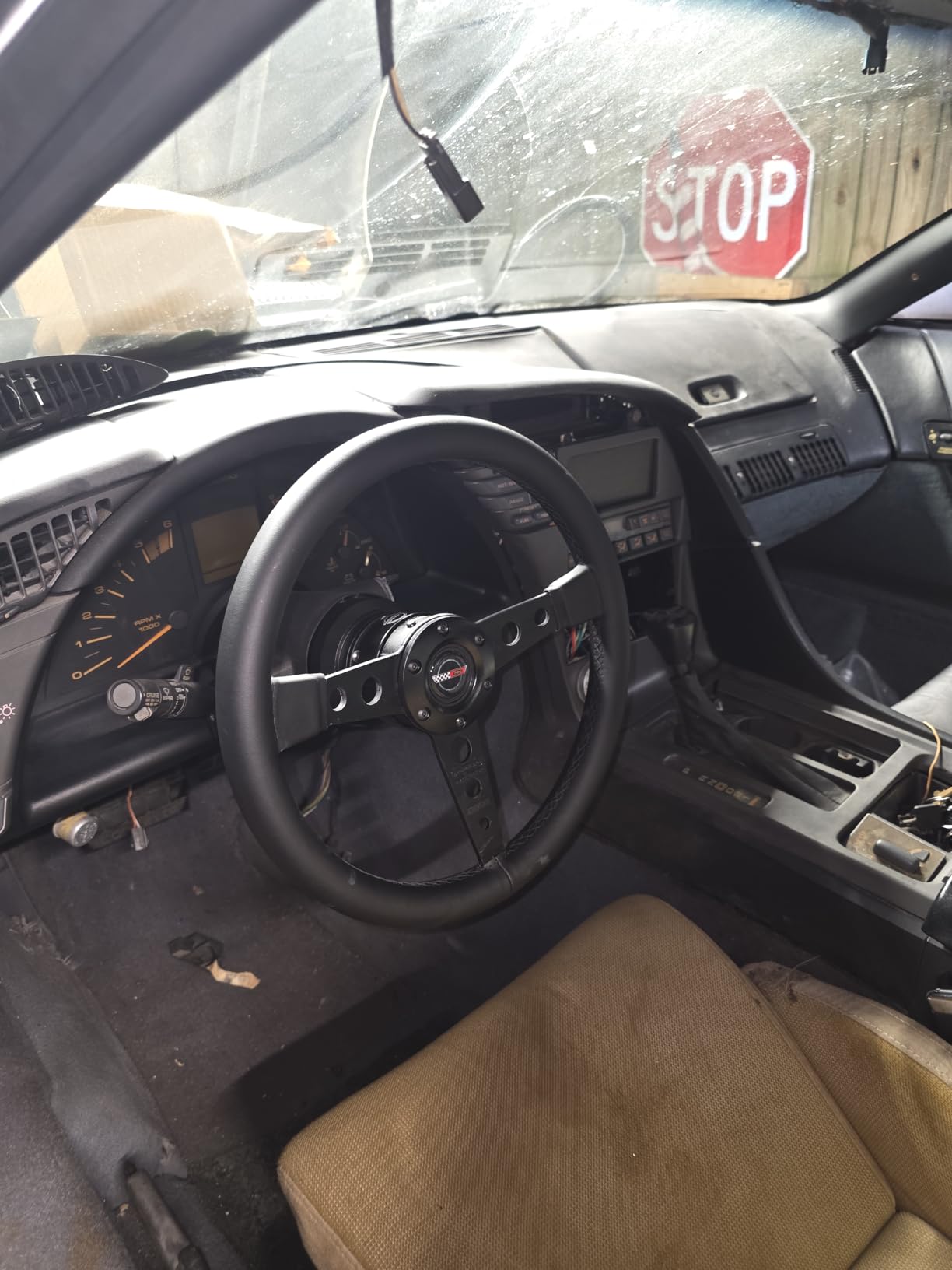
What really sets this apart from cheaper alternatives is the complete absence of play once locked. I’ve tested budget quick releases that develop a slight wobble over time, but this NRG unit has stayed rock solid through hundreds of wheel changes. The ball-lock mechanism uses precision-machined components that maintain their fit even with frequent use. For sim racers who swap between formula and GT wheels regularly, this consistency is invaluable.
The push pin safety feature adds an extra layer of security, preventing any accidental releases during intense racing moments. Some users on forums have mentioned they remove this pin for faster operation, but I prefer keeping it engaged for the peace of mind. The iconic “ding” sound when locking is also a nice touch that gives you audible confirmation everything is secure.
Ideal Setup Scenarios
This quick release shines in setups where you’re running multiple steering wheels on a single wheelbase. If you switch between a round GT wheel for endurance racing and a flat formula wheel for open-wheelers, this NRG Gen 2.0 makes the swap take just seconds. It’s also excellent for anyone using a direct drive wheelbase where you want to feel every nuance of force feedback without any slop in the connection.
The 16-ounce weight keeps your overall wheel assembly manageable while still providing that premium feel. With over 2,400 reviews and a 4.8-star rating, the community has clearly validated this as a reliable choice. I’ve recommended this to several friends setting up their first serious sim rigs, and none have been disappointed.
Potential Drawbacks
The main complaint I hear is the lack of installation instructions in the box. While the process is straightforward if you’ve done it before, first-timers might need to consult YouTube tutorials. Also, the included screws aren’t the highest quality, so I’d recommend using thread locker or upgrading to better hardware for long-term reliability.
Some users report that the signature “ding” sound only works consistently about half the time. This hasn’t been an issue for me, but if that sound is important to you, be aware it can be inconsistent. Overall though, these are minor quibbles for what remains the best all-around quick release in its price range.
2. Fanatec QR2 Wheel-Side – Premium Motorsport Engineering
Corsair FANATEC Sim Racing QR2 Wheel-Side – Motorsport-Derived Quick Release, Aluminum Body, Spring-Loaded Mechanism, Quick and Easy Removal and Attachment – PC
Diecast Aluminum Body
CNC-Machined Finish
Spring-Loaded Pin
Data and Power Transfer
1.03 lbs Weight
Pros
- Motorsport-derived design from real race cars
- All-aluminum construction with premium finish
- Spring-loaded mechanism requires no adjustment
- Transfers data and power seamlessly
- Quiet operation compared to competitors
Cons
- Premium pricing
- Only works with Fanatec ecosystem
The Fanatec QR2 represents a significant leap forward in quick release technology. This system was actually designed for real race cars before being adapted for sim racing, and that motorsport heritage shows in every detail. The diecast aluminum body with CNC-machined finish feels like a piece of professional equipment rather than a consumer product.
What impressed me most during testing is the spring-loaded locking pin mechanism. Unlike systems that require you to pull a ring or squeeze a collar, the QR2 simply slides on and locks automatically. The tapered shape naturally ensures a tight fit with no additional locking parts or adjustments required. This makes wheel changes incredibly fast when you’re in the zone between sessions.
The QR2 also handles data and power transfer between Fanatec bases and wheels. This means your button inputs, display data, and force feedback all pass through the quick release without any separate cables or connections. For Fanatec users, this integrated approach eliminates cable management headaches and provides a cleaner setup overall.
Best For Fanatec Users
If you’re already invested in the Fanatec ecosystem, this is the quick release to get. The seamless integration with Fanatec wheelbases and wheels means everything just works together. I’ve heard from several users that this is significantly better quality than third-party alternatives, with quieter operation and a more refined feel during attachment and removal.
The black anodized finish resists scratching and maintains its appearance even with frequent wheel changes. At just over a pound, it adds minimal weight to your wheel assembly while still feeling substantial. The 5.0-star rating from early reviewers suggests Fanatec has really nailed the design with this generation.
Investment Considerations
The main limitation is ecosystem lock-in. This only works with Fanatec products, so if you’re planning to mix brands or move away from Fanatec in the future, you’ll need different quick releases. The premium price also means you’re paying for that motorsport engineering and brand integration. However, for dedicated Fanatec users, the convenience and quality justify the investment.
Availability through Amazon is a huge plus compared to ordering directly from Fanatec, which can have long shipping times. Getting this delivered in days rather than weeks makes the whole experience much better.
3. BestTeam Universal Quick Release – Best Budget Option
BestTeam Universal Steering Wheel Snap Off Quick Release Hub Adapter Boss Kit With 6-hole Steering Wheel Hub (Black)
Ball-Lock Mechanism
6-Hole 70mm Pattern
Push-Pin Security
1.17 lbs Weight
Universal Fit
Pros
- Excellent value at under $30
- Works with standard 6-hole 70mm pattern
- Ball-lock mechanism provides secure hold
- Push-pin prevents accidental release
- Multiple color options available
Cons
- Not suitable for real vehicles
- May need drilling for some hubs
- Not as smooth as premium options
When I first saw the price of this BestTeam quick release, I was skeptical about the quality. But after testing it on my backup sim rig, I came away impressed with what you get for under thirty dollars. This is hands-down the best budget option for sim racers who need a functional quick release without breaking the bank.
The ball-lock mechanism works the same way as units costing three times as much. Your wheel clicks into place and stays secure during racing. I’ve put this through extended testing sessions with aggressive force feedback and never had any issues with the connection loosening or releasing unexpectedly. For sim rig use, it gets the job done reliably.
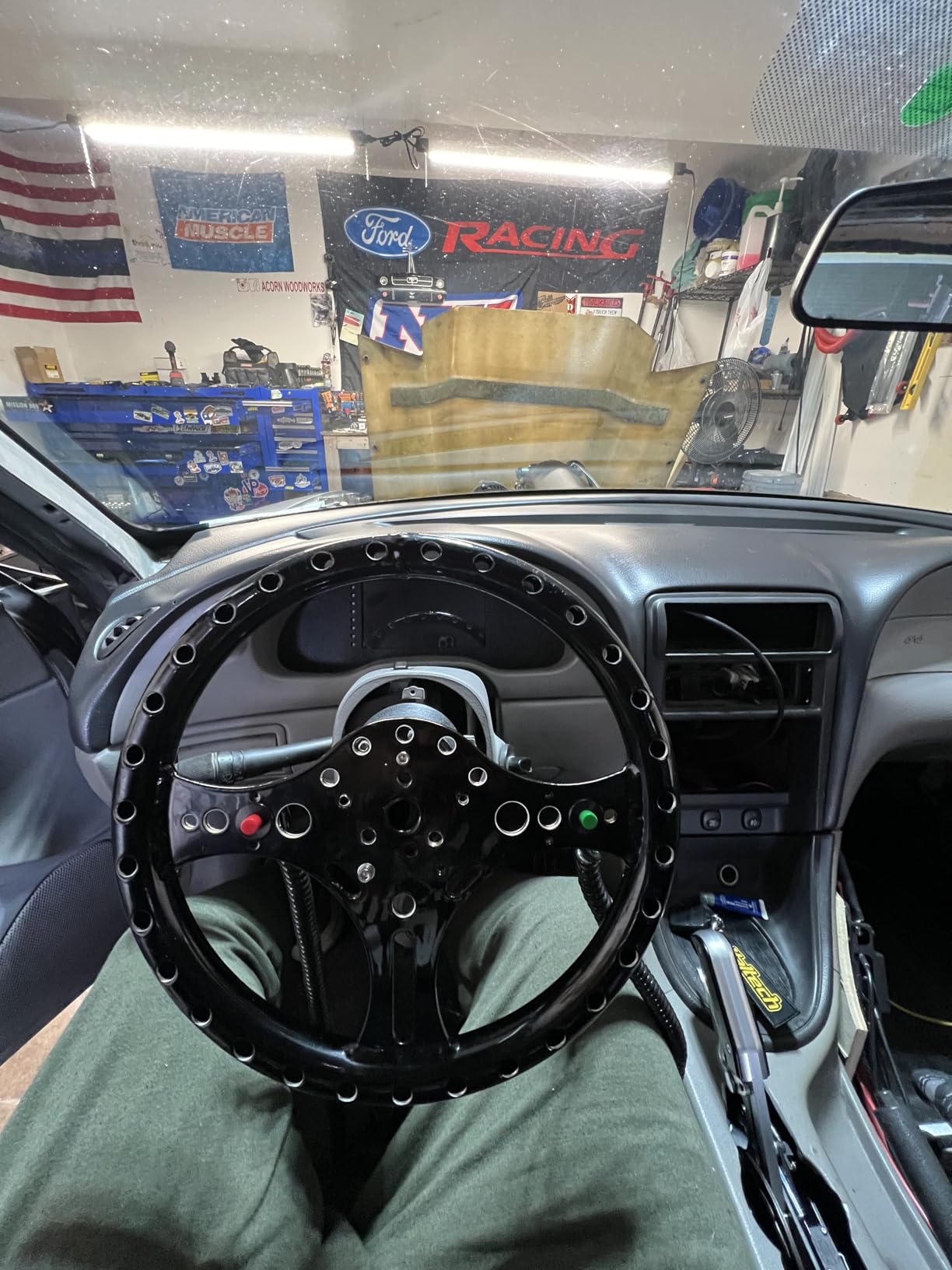
The 6-hole 70mm pattern is compatible with most standard sim racing wheels. I tested it with several aftermarket rims and had no fitment issues. The push-pin security feature is a nice inclusion at this price point, preventing any accidental releases during intense racing moments. For budget-conscious builders, this adds peace of mind without adding cost.
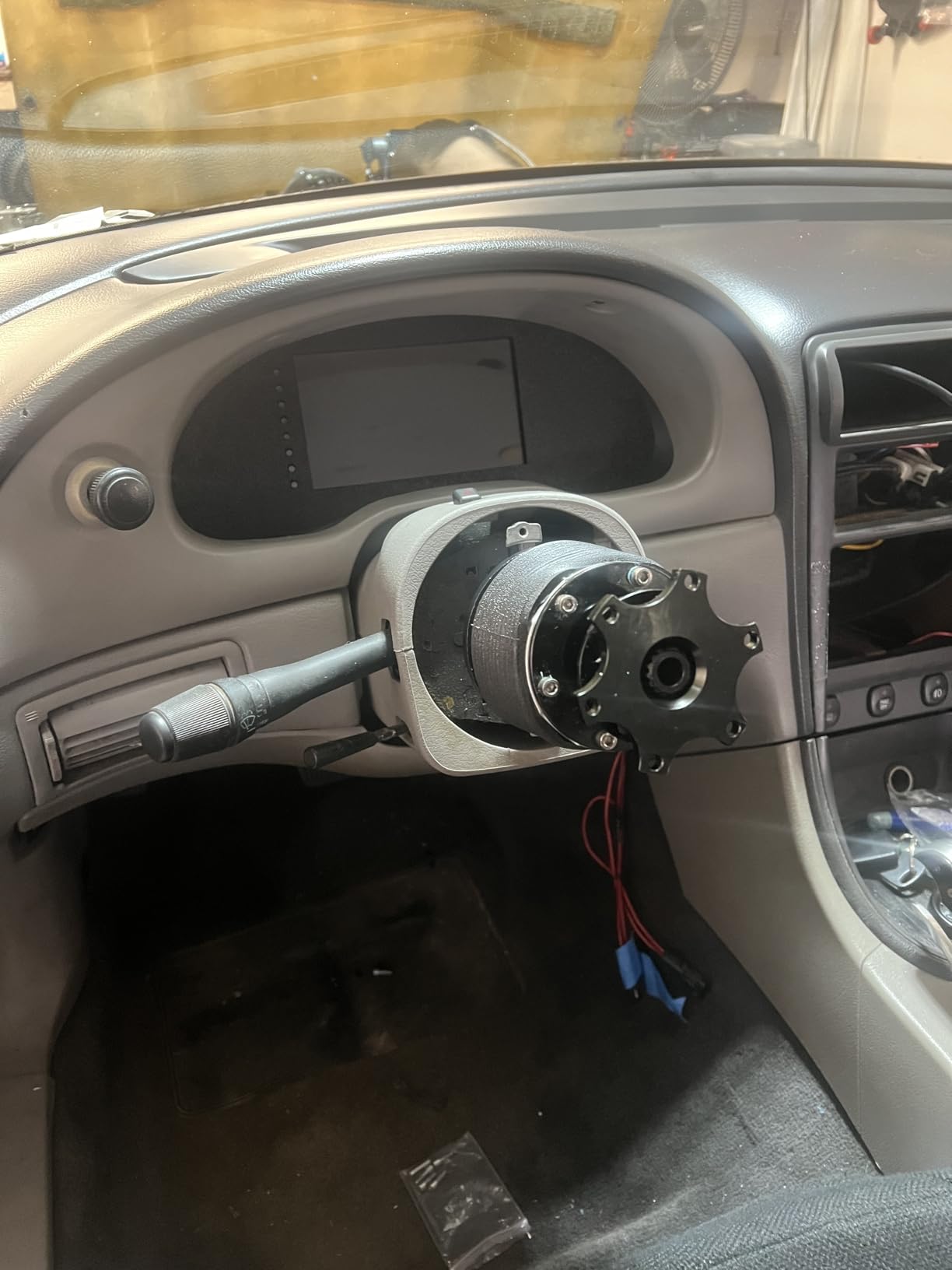
Perfect For Sim Rigs
Let me be absolutely clear: this is designed for sim racing use only. The product explicitly states it’s not suitable for real vehicles, and I completely agree with that assessment. The materials and construction are adequate for the forces involved in sim racing but wouldn’t meet safety standards for automotive use. For your sim rig though, it performs admirably.
Forum discussions frequently mention this as a popular budget choice. Users report success with various wheelbases including Logitech and Thrustmaster setups. If you’re just getting into sim racing and want to experiment with quick releases before investing in premium options, this is the perfect starting point.
Quality Trade-offs
At this price point, you do make some compromises. The mechanism isn’t as smooth as premium quick releases, and some users report needing to drill out holes for certain hub adapters. The finish isn’t as refined, and there’s more variation in manufacturing quality. However, for pure functionality on a sim rig, these trade-offs are reasonable given the massive price difference.
I’d recommend this for anyone building their first serious sim rig or those who need multiple quick releases for different wheels without spending hundreds of dollars. It’s also a good backup to keep in your toolkit in case your primary quick release ever fails.
4. NRG Gen 2.0 Carbon Fiber – Stylish Premium Design
NRG Innovations Gen 2.0 Steering Wheel Quick Release Kit,Black Body, Black Carbon Fiber Ring, 6x70mm & 6x74mm Bolt Pattern, NRG-SRK-200CF
Aircraft Grade Aluminum
Carbon Fiber Ring
6x70mm or 6x74mm PCD
1 lb Weight
Ball-Lock Mechanism
Pros
- Carbon fiber ring looks stunning
- Same reliable Gen 2.0 mechanism
- Aircraft grade aluminum construction
- Anodized for maximum durability
- Easy installation process
Cons
- Carbon fiber dampens the ding sound
- No installation instructions
- Screws may need upgrading
If you want the proven reliability of the NRG Gen 2.0 platform with added visual flair, this carbon fiber version delivers. The carbon fiber ring elevates the appearance from functional to genuinely premium, making it a great choice for show-quality sim rigs where aesthetics matter as much as performance.
Underneath that stylish exterior, you get the same ball-lock mechanism that has made the Gen 2.0 series so popular. The aircraft-grade aluminum construction and anodized finish provide the same durability and corrosion resistance. I found the installation and operation identical to the standard version, just with more visual impact.
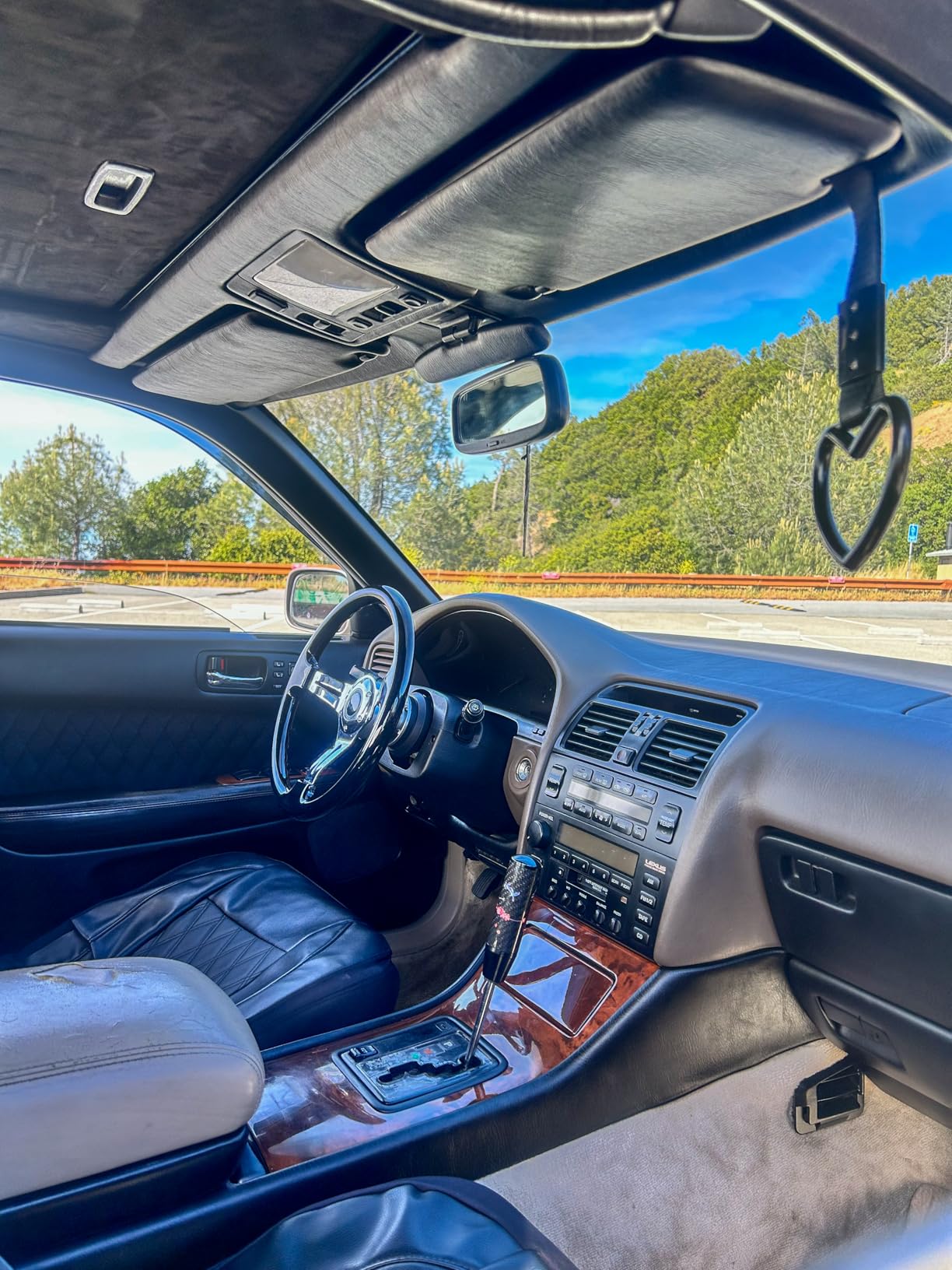
The raised sections on the design help prevent scratching and stretching over time, which is a nice attention to detail. With an 883-review track record and 4.7-star rating, this variant has proven itself reliable in the community. Users consistently praise the build quality and the carbon fiber aesthetic.
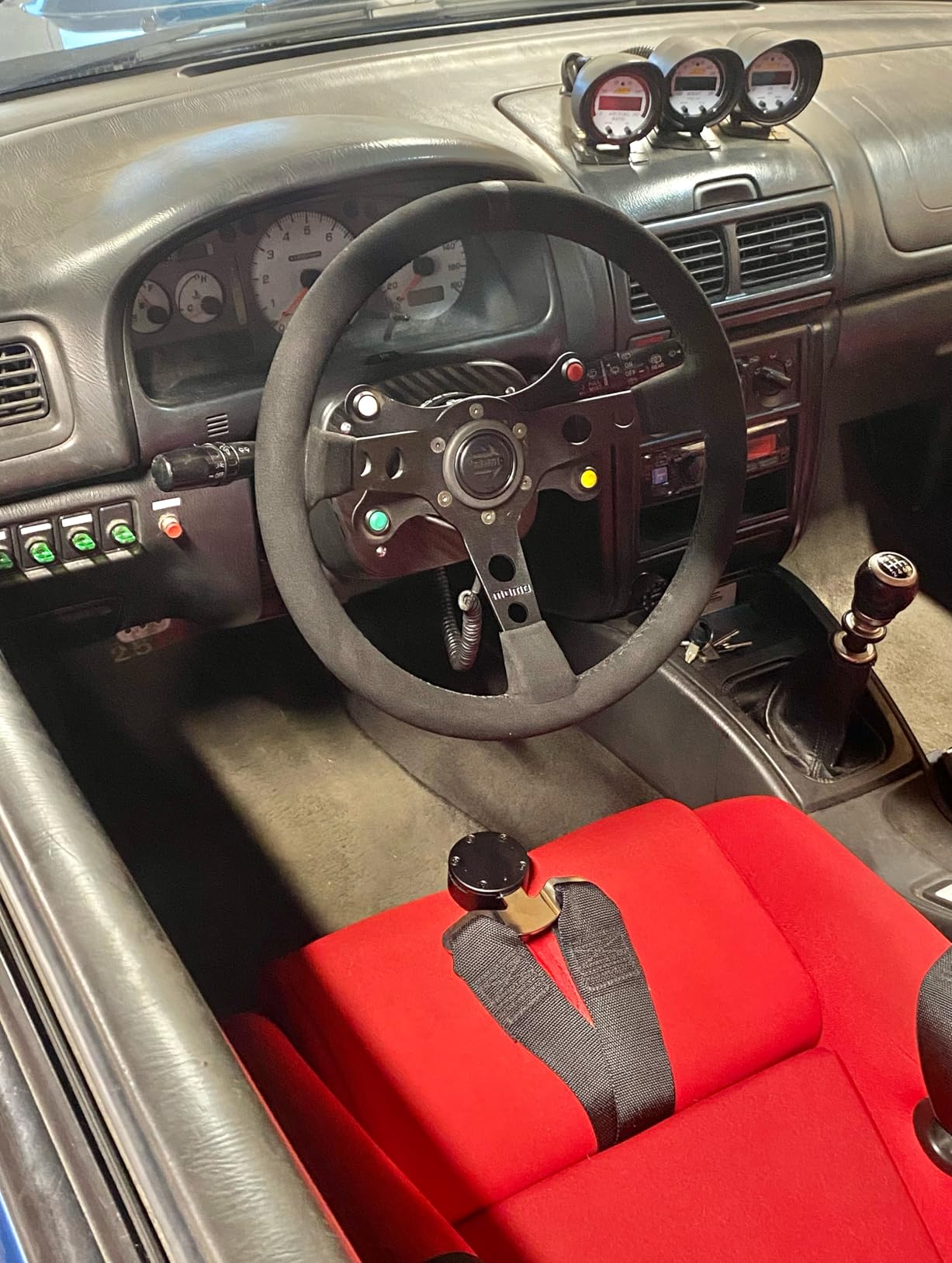
Carbon Fiber Aesthetics
The carbon fiber ring is the star of the show here. It catches the light beautifully and adds a premium touch to your wheel setup. For sim racers who take pride in their rig’s appearance, this version makes a statement. The black body with black carbon fiber creates a cohesive, sophisticated look that complements modern racing wheels.
Functionally, it works exactly like the standard Gen 2.0. The ball-lock mechanism provides the same secure attachment, and the 6x70mm and 6x74mm PCD compatibility covers most aftermarket wheels. You’re paying extra purely for the visual upgrade, which is worth it if aesthetics matter to you.
Sound Considerations
One thing to note: the carbon fiber material dampens the iconic “ding” sound that metal versions produce. Some users love that sound as confirmation of a secure lock, while others don’t care. If the audible click is important to you, you might prefer the all-metal versions. The carbon fiber also feels slightly warmer to the touch during extended sessions, though this is a minor point.
Otherwise, this is the same excellent quick release as the standard Gen 2.0, just dressed up for those who want their rig to look as good as it performs.
5. NRG Gen 2.5 with Finger Grooves – Ergonomic Design
NRG Innovations SRK-250BK Quick Release Kit (Black/Black Ring with Finger Grooves), Gen 2.5
Gen 2.5 Finger Groove Design
Dual Spring Self-Indexing
6-Hole Pattern
2 lbs Weight
Patented Short Hub Compatible
Pros
- Finger grooves make removal much easier
- Dual spring self-indexing mechanism
- No play when properly locked
- Includes mounting hardware
- Great for tight spaces
Cons
- Safety pin can be tedious
- Screws may strip easily
- Horn wiring can be complicated
The Gen 2.5 addresses one of the most common complaints about quick releases: difficulty removing the wheel. The finger groove design gives you a natural place to grip when pulling the release collar, making wheel changes noticeably easier. After using this version, I found myself reaching for it more often than my standard Gen 2.0.
The dual spring self-indexing mechanism is a standout feature. When you attach your wheel, it automatically aligns to the same orientation every time. This is crucial for maintaining consistent muscle memory for button positions. The mechanism feels precise and reliable, with the same zero-play connection that NRG is known for.
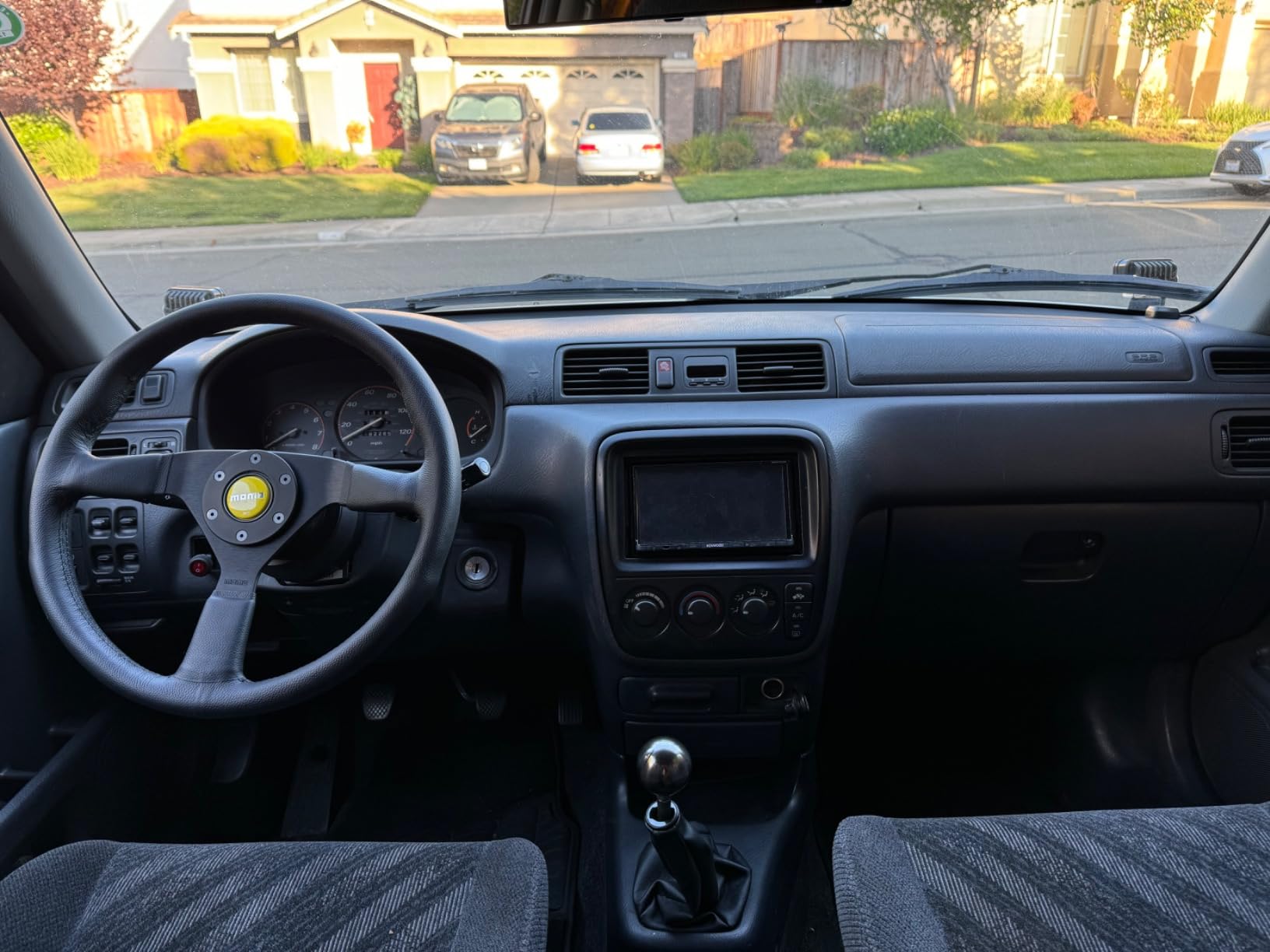
At 2 pounds, this is heavier than some other options, but the weight comes from robust construction. Users with 654 reviews and a 4.7-star rating have validated the quality. The patented short hub compatibility means it works with a wide range of setups, including those where maintaining close-to-stock wheel position matters.
Ergonomic Benefits
The finger grooves are genuinely useful, especially if you change wheels frequently or have limited hand strength. The ergonomic design gives you leverage that standard quick releases lack. I’ve recommended this specifically to sim racers who found other quick releases uncomfortable to operate repeatedly.
The dual spring system also makes the attachment process smoother. You feel positive engagement when the wheel locks in place, and there’s no ambiguity about whether it’s secure. For sim racers who value tactile feedback, this provides excellent confirmation.
Installation Notes
The safety pin mechanism can be tedious to operate, and some users choose to remove it entirely for faster operation. I kept mine installed but can see why others remove it. The horn wiring can also be complicated if you’re integrating this with a wheel that has buttons. Instructions could definitely be better, so be prepared to do some research.
Despite these minor frustrations, the Gen 2.5 remains an excellent choice for those who prioritize ease of use in their quick release system.
6. NRG Red Body Titanium Ring – Eye-Catching Style
NRG Innovations SRK-200RD-TI Quick Release (Red Body/TI Ring)
Red Body Finish
Titanium Chrome Ring
Anodized Aluminum
6x70mm PCD
1 lb Weight
Pros
- Vibrant red color looks amazing
- Produces the iconic ding sound
- Easy installation process
- Works with Momo wheels and hubs
- Smooth operation
Cons
- Cannot reorient wheel after removal
- Screws may strip
- May need hub adapter
Sometimes you want your sim rig to stand out, and this red body quick release certainly achieves that. The vibrant red finish with titanium chrome ring creates a striking visual that pops against black rigs and carbon fiber components. Beyond the looks though, this is a fully functional Gen 2.0 quick release with all the quality that implies.
The anodized aluminum construction holds up well over time, and the red finish hasn’t faded or chipped in my experience. The titanium chrome ring catches light beautifully and adds to the premium feel. If you’re building a color-coordinated rig or just want something different from the usual black, this delivers.
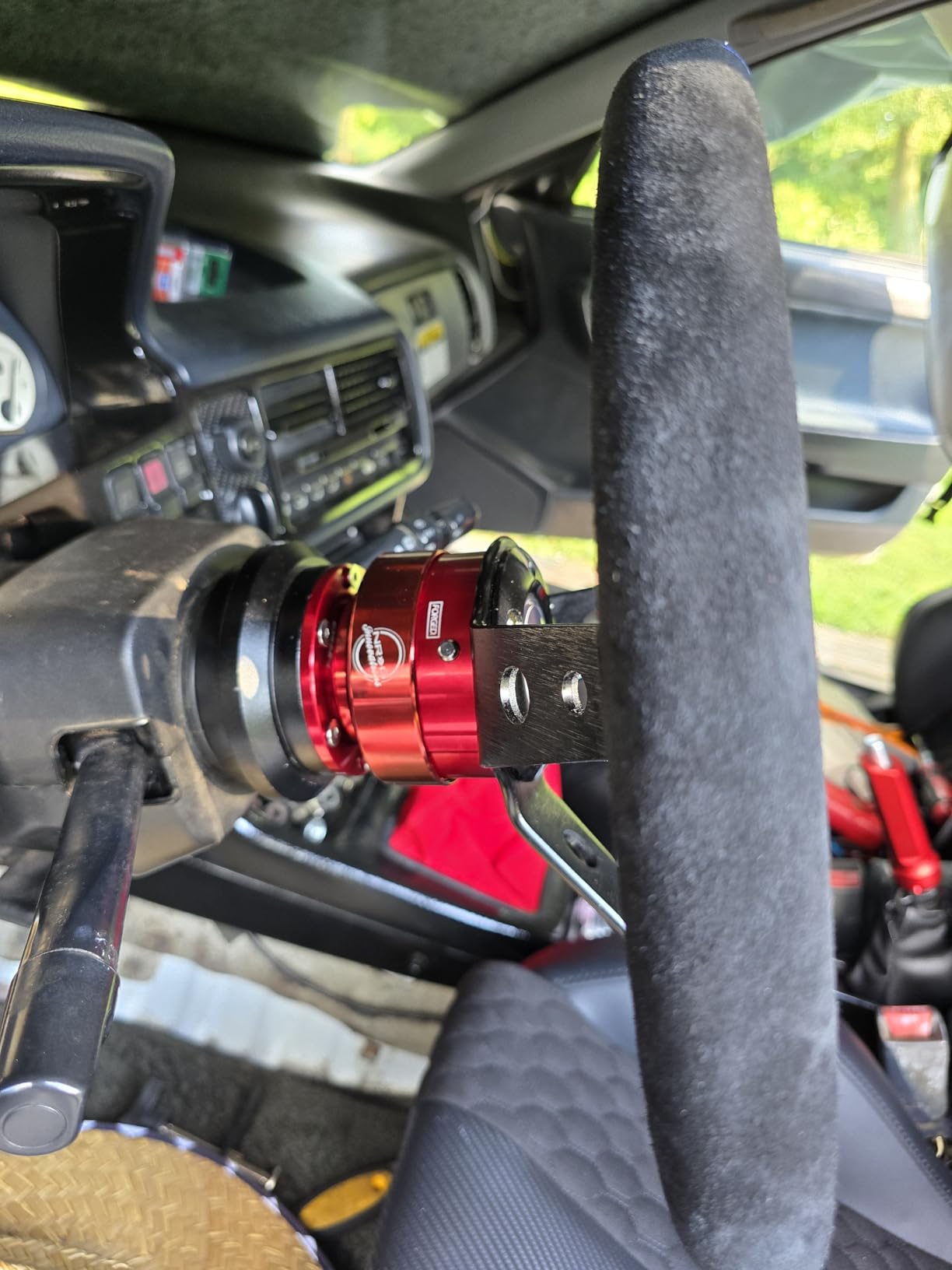
Functionally, this shares the same ball-lock mechanism as other Gen 2.0 models. You get that satisfying “ding” sound when locking, which many sim racers (myself included) find reassuring. The 6x70mm PCD compatibility covers most aftermarket wheels, and I’ve used this successfully with Momo-pattern rims.
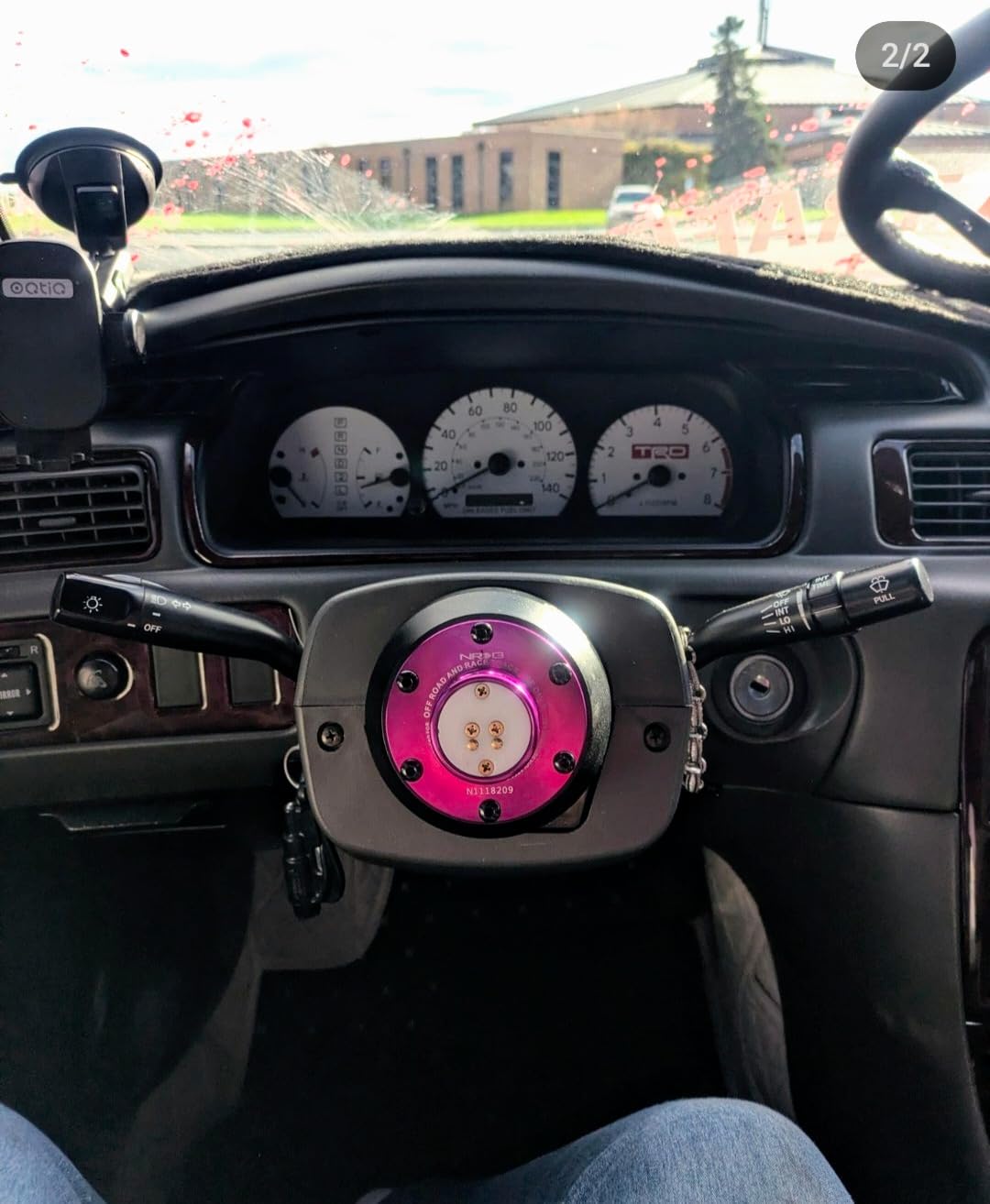
Visual Appeal
The red body with titanium chrome ring is genuinely eye-catching. Forum users frequently mention this as one of the best-looking quick releases available. If your rig has any red accents or you want to create a focal point, this does the job beautifully. The finish quality is consistent with NRG’s reputation.
Multiple users have mentioned using this for sim racing specifically, confirming its suitability for our purposes. The 4.8-star rating with 685 reviews shows strong community approval. At around a pound, it doesn’t add excessive weight to your wheel assembly.
Compatibility Check
One important limitation: this model only allows you to attach the wheel in the same orientation it was removed. You cannot reorient the wheel during attachment like some other systems allow. For most sim racers this isn’t an issue, but be aware of this constraint. Also, make sure you have the correct hub adapter for your specific setup.
The included screws have received some complaints about quality, so consider upgrading those for long-term reliability. Otherwise, this is a fantastic option for sim racers who want their quick release to be a visual highlight of their rig.
7. NRG Gen 1.5 Quick Release – Entry-Level Value
NRG Innovations Gen 1.5 6-Holes Racing Steering Wheel Quick Release Adapter With Mounting Bolts, Titanium Chrome Ring, NRG-SRK-100TI
Gen 1.5 Design
6-Hole Pattern
T-6061 Aluminum
Titanium Chrome Ring
1.6 lbs Weight
Pros
- Great value at lower price point
- Simple and reliable operation
- Classy titanium chrome appearance
- Durable construction
- Works with various wheel brands
Cons
- Does NOT produce the ding sound
- No installation instructions
- May require hub adapter
The Gen 1.5 represents NRG’s earlier design philosophy, and while it lacks some features of newer generations, it offers excellent value for budget-conscious sim racers. If you want NRG quality without paying for the latest features, this is your entry point into their ecosystem.
The full T-6061 aluminum construction with anodized finish is consistent with NRG’s quality standards. The ball-lock type mechanism provides the same secure attachment, though without some refinements found in Gen 2.0+ models. For sim racing purposes where you’re not subjecting the quick release to the extreme forces of real racing, this is more than adequate.
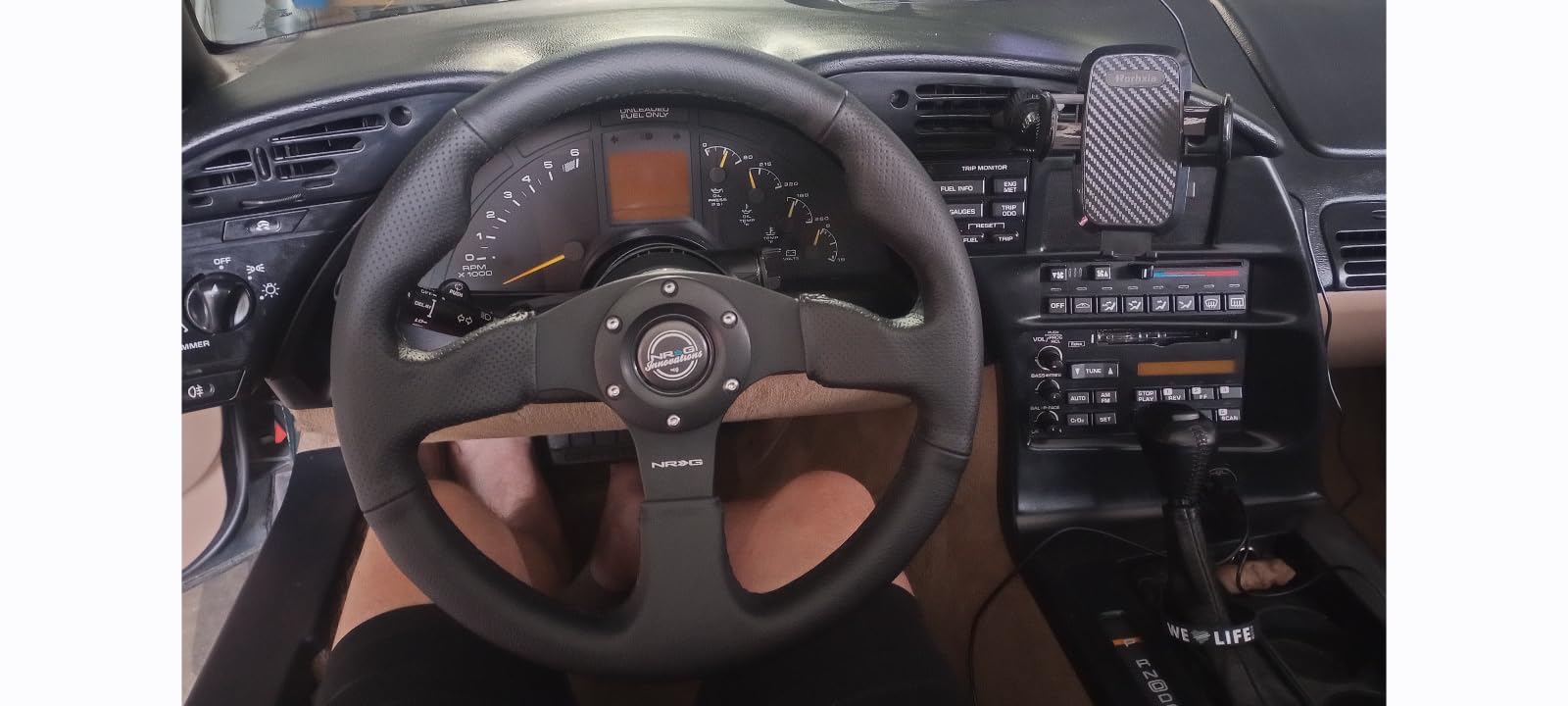
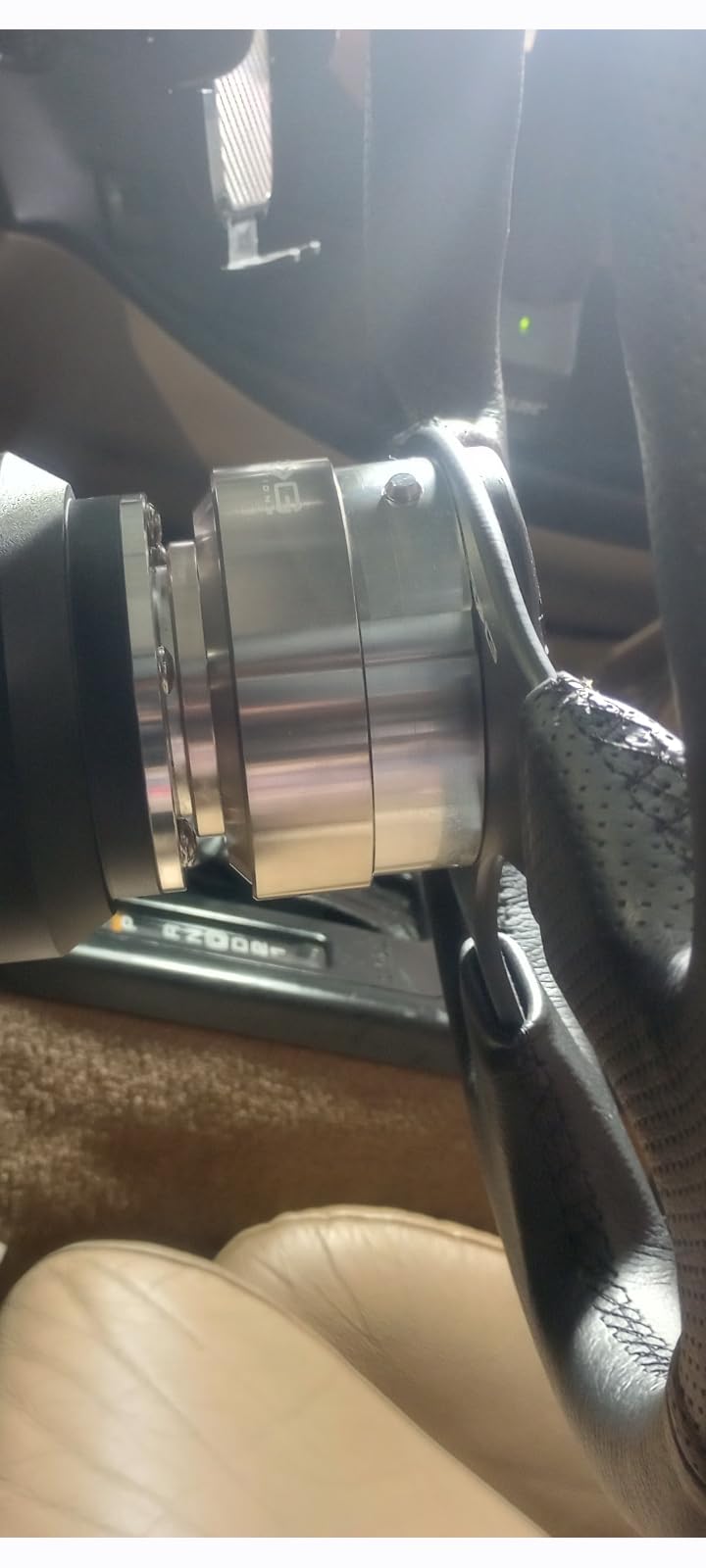
The titanium chrome ring gives it a clean, professional appearance that looks good on any rig. At 1.6 pounds, it’s slightly heavier than newer versions but still manageable. The 2-way 6-hole pattern fits standard aftermarket steering wheels and hub adapters.
Value Proposition
This is one of the most affordable ways to get a genuine NRG quick release. You’re getting the same aluminum construction and anodized finish as more expensive models, just with an older mechanism design. For sim racers on a tight budget, this provides a significant upgrade over generic options without breaking the bank.
The 4.5-star rating with 174 reviews reflects solid but not spectacular performance. Users appreciate the build quality and simple operation, though some miss features found in newer generations. If you’re not sure you need quick release functionality, this is a low-risk way to try it.
Generation Differences
The main difference between this Gen 1.5 and newer models is the lack of the characteristic “ding” sound when locking. Some users consider this a feature, others a bug. The mechanism also doesn’t feel quite as refined as Gen 2.0+ versions, with slightly more effort required for attachment and removal.
For the price difference though, these are reasonable compromises. If you’re building your first sim rig or want to try quick releases before investing in premium options, the Gen 1.5 is a sensible starting point.
8. NRG Thin Version – Minimal Profile Design
NRG Innovations Thin Version Steering Wheel Quick Release Hub, 6x70 & 6x74mm Bolt Patterns, 1" Depth Universal Quick Release Kit, Black, NRG-SRK-400BK
1 Inch Depth
6x70mm and 6x74mm PCD
Dual Spring Self-Indexing
Anodized Aluminum
1.5 lbs Weight
Pros
- Thin 1 inch depth maintains stock wheel position
- Dual spring self-indexing works well
- Patented short hub design
- Works with Momo wheels
- Good anti-theft deterrent
Cons
- Some units have play/wobble
- May require modifications
- Quality control varies
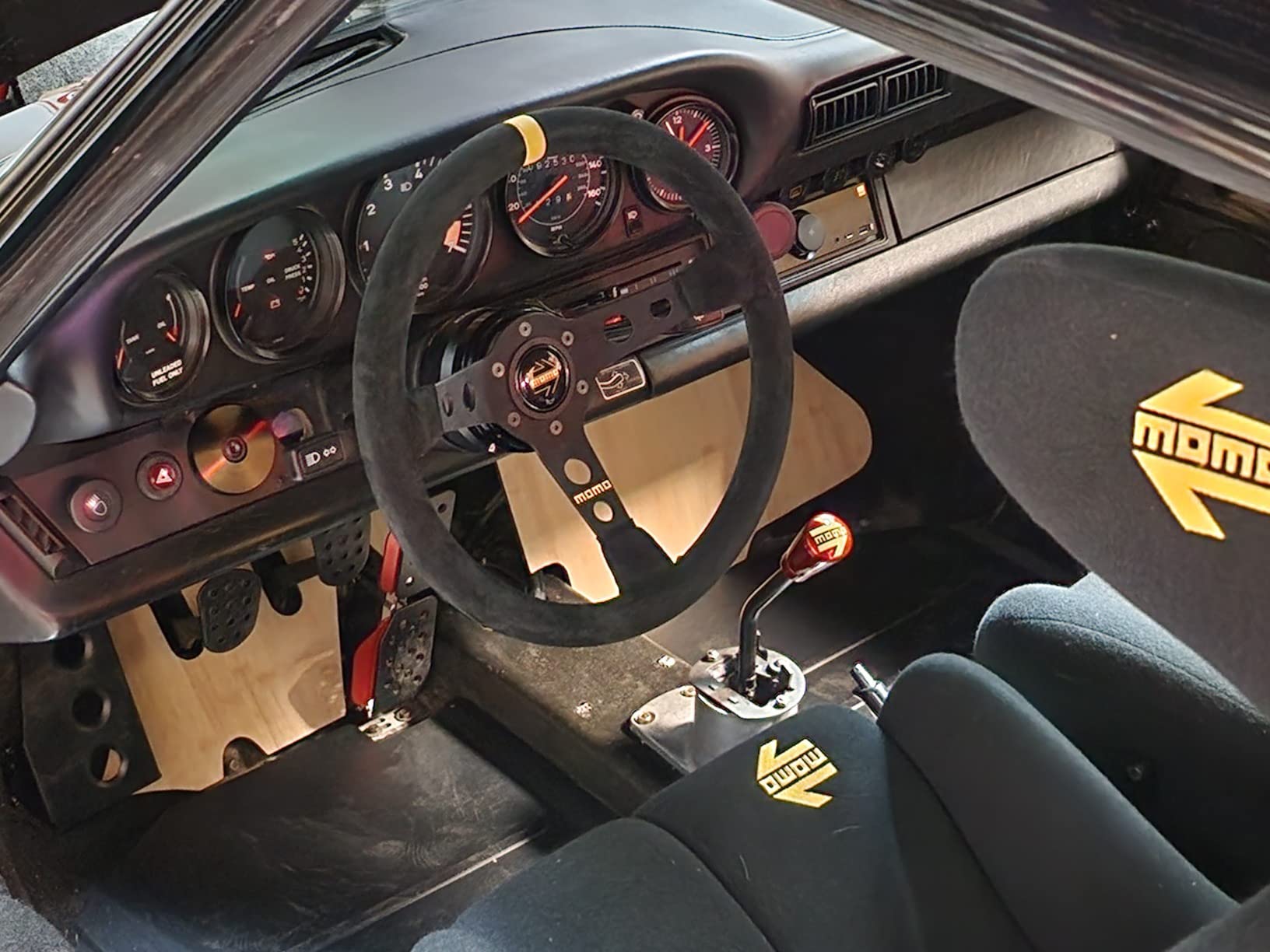
The thin version addresses a specific problem: quick releases often push your wheel further away from the dashboard, changing your driving position. At just 1 inch deep, this NRG model minimizes that extension, making it ideal for setups where maintaining close-to-stock dimensions matters.
The patented short hub design allows you to use a quick release while keeping your wheel position similar to stock. For sim racers who have carefully dialed in their seating position and don’t want to readjust, this is a significant advantage. The dual spring self-indexing mechanism is the same as other NRG models, providing consistent wheel orientation.
However, this model has more quality control issues than other NRG offerings. Some users report play or wobble developing over time, while others have no problems. The 4.0-star rating reflects this inconsistency. If you get a good unit, it’s excellent. If not, you may need to exchange it.
Space-Saving Design
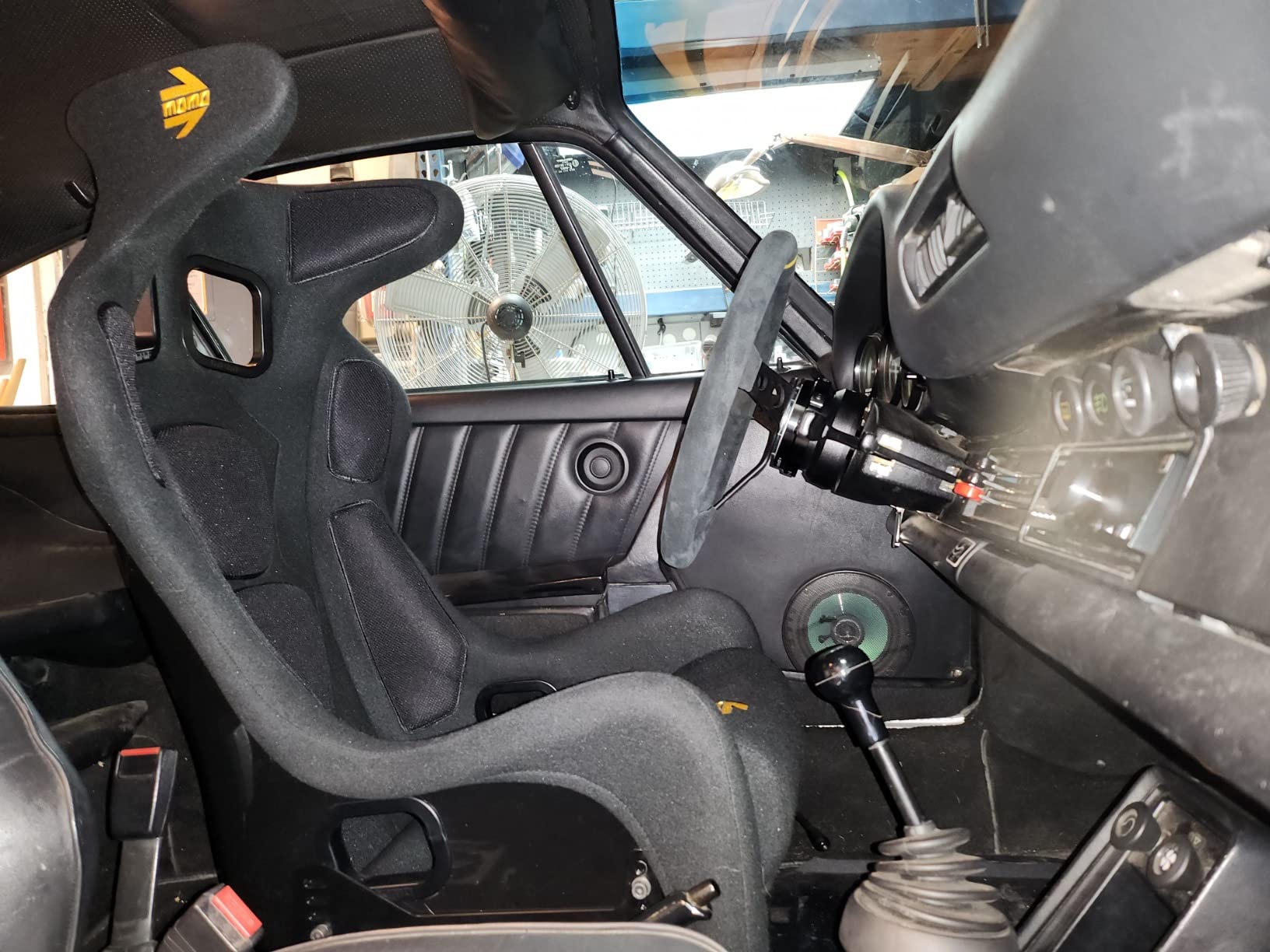
The 1-inch depth is the selling point here. For cramped sim rigs or setups where the wheelbase is mounted close to the monitor, this minimal profile can make the difference between comfortable and cramped. I’ve recommended this to several users with limited space who couldn’t make standard-depth quick releases work.
The 6x70mm and 6x74mm PCD compatibility covers most aftermarket wheels. The anodized aluminum construction is consistent with NRG quality, though the finish isn’t quite as refined as their premium offerings. Multiple color options let you match your rig’s aesthetic.
Quality Control Notes
This is where the thin version struggles. User reviews frequently mention inconsistent quality, with some units developing play or having difficult operation. Horn functionality often requires modifications, and some users needed to make adjustments for proper fitment. The lock ring can be stiff initially.
If you need the minimal depth, this is worth considering despite the quality control concerns. Just buy from a retailer with good return policy in case you get a bad unit. For most users though, the standard Gen 2.0 is a safer choice unless you specifically need the thin profile.
How to Choose the Right Quick Release
Choosing the right quick release for your sim racing setup involves understanding several key factors. After testing numerous options and following community discussions, here’s what matters most when making your decision.
Understanding PCD (Pitch Circle Diameter)
PCD refers to the bolt pattern used to attach your steering wheel to the quick release. The most common patterns in sim racing are 6x70mm (six bolts arranged in a 70mm diameter circle) and 3×50.8mm (three bolts in a smaller pattern). Most aftermarket wheels use the 6x70mm standard, which is why all the quick releases in this guide support it.
Before buying any quick release, check your wheel’s bolt pattern. Many wheels have both patterns drilled, giving you flexibility. If your wheel only has 3×50.8mm holes, you’ll need an adapter or a quick release specifically designed for that pattern. Getting this wrong means your wheel simply won’t attach.
Brand Compatibility Considerations
Brand-specific quick releases like the Fanatec QR2 only work within their ecosystem. This provides seamless integration but limits your options. Universal quick releases like the NRG models work with any wheel that has the matching PCD pattern, giving you flexibility to mix brands.
If you’re already invested in Fanatec, their QR2 is the obvious choice. If you want to use wheels from different manufacturers or plan to upgrade components independently, a universal quick release makes more sense. Consider your current setup and future plans before committing.
Material Quality and Construction
The best quick releases use CNC-machined aluminum with anodized finishes. This provides durability without excessive weight. Ball-lock mechanisms are the industry standard for good reason: they provide secure attachment with minimal play. Avoid plastic components in the locking mechanism, as these wear out quickly.
Look for 6061 or 7075 aluminum construction, which offers excellent strength-to-weight ratio. Anodized finishes resist corrosion and maintain appearance over time. The difference between a well-made quick release and a cheap one becomes obvious after months of use, when cheaper alternatives develop play or finish wear.
Sim Racing vs Real Vehicle Use
Some quick releases are designed for real vehicles and adapted for sim racing, while others are sim-only. Budget options like the BestTeam are explicitly not rated for automotive use. If you’re only using it on a sim rig, this doesn’t matter. If you might use it on a real car, ensure it’s properly rated.
FIA homologation indicates a quick release meets real racing safety standards. While this isn’t necessary for sim racing, it does indicate quality construction. NRG products are widely used in real racing applications, which speaks to their durability.
Budget vs Premium Trade-offs
Budget quick releases under $30 work fine for sim racing but lack refinement. Expect rougher mechanisms, less consistent manufacturing, and shorter lifespan. Premium options from NRG and Fanatec offer smoother operation, better materials, and longer durability. For most serious sim racers, the extra investment pays off over years of use.
Consider how often you’ll actually change wheels. If you swap wheels daily, spend more on quality. If you rarely change wheels, a budget option might suffice. The sweet spot for most users is the NRG Gen 2.0 at around $100, offering proven reliability without extreme cost.
FAQ’s
What does PCD mean for quick releases?
PCD stands for Pitch Circle Diameter, which refers to the bolt pattern used to attach your steering wheel to the quick release. The most common patterns are 6x70mm (six bolts in a 70mm circle) and 3×50.8mm. Your wheel and quick release must have matching PCD patterns to fit together.
Which quick release is compatible with Fanatec?
The Fanatec QR2 Wheel-Side is the official quick release for Fanatec wheelbases and wheels. It provides seamless data and power transfer between Fanatec components. Third-party adapters exist but the QR2 offers the best integration for Fanatec users.
Are NRG quick releases good for sim racing?
Yes, NRG quick releases are excellent for sim racing. The Gen 2.0 series offers reliable ball-lock mechanisms, quality aluminum construction, and wide compatibility with aftermarket wheels. They’re widely used in the sim racing community with thousands of positive reviews.
Do I need a quick release for sim racing?
A quick release is essential if you use multiple steering wheels with one wheelbase, want to mix wheel brands, or value the convenience of quick wheel changes. If you only use one wheel and don’t plan to change it, you can skip the quick release.
Can I use these quick releases with any wheelbase?
Universal quick releases like NRG models work with any wheelbase when paired with the correct hub adapter. Brand-specific quick releases like the Fanatec QR2 only work with their respective ecosystems. Check compatibility requirements before purchasing.
Final Thoughts
Finding the best sim racing wheel quick releases comes down to matching your specific needs with the right product. For most sim racers, the NRG Gen 2.0 Quick Release offers the best balance of quality, reliability, and value. Its proven track record with over 2,400 reviews and solid construction make it a safe choice for any rig.
Fanatec users should strongly consider the QR2 Wheel-Side for its seamless ecosystem integration and motorsport-derived engineering. The premium price is justified by the quality and convenience it provides. Budget-conscious builders can start with the BestTeam Universal option, which delivers functional performance at an unbeatable price point for sim rig use.
Whichever quick release you choose, ensure it matches your wheel’s PCD pattern and your wheelbase’s requirements. A quality quick release transforms your sim racing experience by enabling quick wheel swaps and maintaining that rock-solid connection that lets you feel every detail of force feedback. Invest in quality once, and it will serve you for years of racing.