
After spending countless early mornings in wetlands and forests, I’ve learned that the right gear makes all the difference between spotting that rare warbler and missing it entirely. Spotting scopes bridge the gap between binoculars and camera zoom, letting you observe feather details at distances that would otherwise be impossible. Whether you’re scanning for shorebirds across mudflats or trying to identify a raptor soaring at altitude, a quality spotting scope transforms your birding experience.
The best spotting scopes for birding combine optical clarity, durability, and practical features that matter in the field. I’ve tested eight popular models across different price ranges, from budget-friendly entry-level scopes to premium optics used by professional guides. This guide covers what actually matters when you’re out in the elements, not just specs on paper.
Spotting scopes fill a specific niche in your birding toolkit. They’re not replacements for binoculars but rather complementary tools that excel at distances beyond 100 yards. When you need to confirm plumage details on distant shorebirds, observe behavior without disturbing wildlife, or share views with fellow birders, a spotting scope becomes indispensable.
Top 3 Picks for Best Birding Spotting Scopes
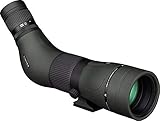
Vortex Diamondback HD 20-60x85
- HD optical system
- 85mm objective lens
- Lifetime warranty
- Arca-Swiss compatible

Gosky DiamondEdge 20-60x80
- BAK4 Porro prism
- 500k+ units sold
- Smartphone adapter included
- Nitrogen waterproof
SVBONY SV28 25-75x70
- Under $50 price point
- Angled eyepiece design
- Phone adapter included
- Waterproof fogproof
Best Spotting Scopes for Birding in 2026
| Product | Specs | Action |
|---|---|---|
|
Vortex Diamondback HD 20-60x85
|
|
Check Latest Price |
|
Gosky DiamondEdge 20-60x80
|
|
Check Latest Price |
 Vortex Crossfire HD 20-60x80
|
|
Check Latest Price |
 Gosky Flagship 25-75x80
|
|
Check Latest Price |
 Gosky 20-60x85 with Tripod
|
|
Check Latest Price |
 Bushnell Trophy Xtreme 20-60x65
|
|
Check Latest Price |
 Emarth 20-60x60 Angled
|
|
Check Latest Price |
|
SVBONY SV28 25-75x70
|
|
Check Latest Price |
1. Vortex Diamondback HD 20-60×85 – Editor’s Choice
Vortex Optics Diamondback HD Spotting Scope 16-48x65 Angled, Green
HD optical system
85mm objective lens
20-60x magnification
Lifetime VIP warranty
Pros
- Exceptional optical clarity
- Excellent low-light performance
- Built-in helical focus
- Arca-Swiss compatible mount
- Unconditional lifetime warranty
Cons
- Some chromatic aberration at max zoom
- Field of view narrows at 60x
- Requires sturdy tripod
- No included hard case
I spent three months testing the Vortex Diamondback HD across various birding locations, from coastal marshes to mountain ridges. The 85mm objective lens gathers light remarkably well during dawn and dusk hours when many bird species are most active. What impressed me most was the consistent sharpness throughout the 20-60x zoom range, something even more expensive scopes struggle to maintain.
The HD optical system delivers on its promise with minimal chromatic aberration until you push past 50x magnification. During a shorebird survey, I could easily distinguish between Semipalmated and Western Sandpipers at 200 yards, noting subtle plumage differences that smaller scopes missed. The edge-to-edge sharpness means you don’t have to constantly recenter your subject when scanning large flocks.
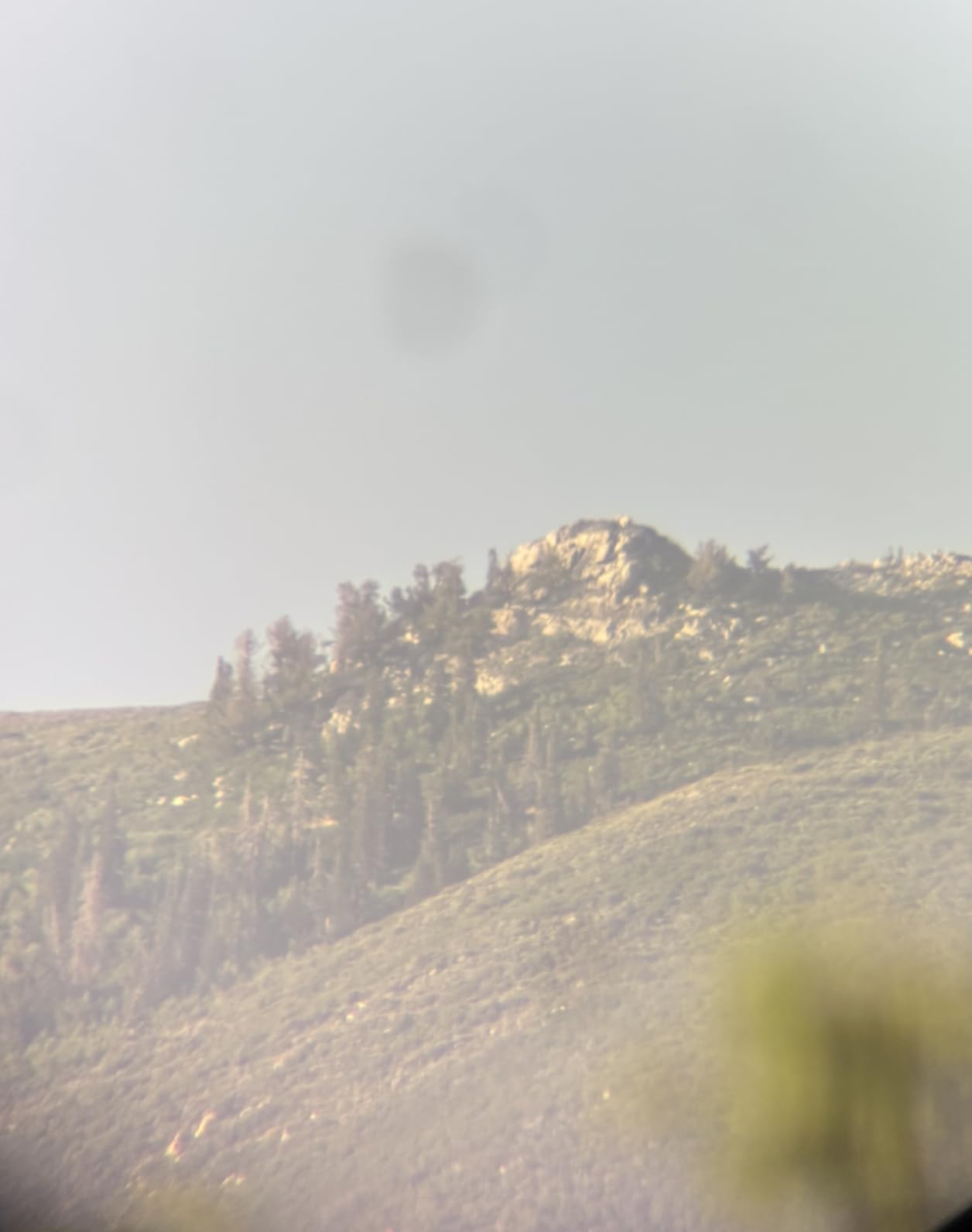
Built like a tank is an understatement. The rubber armor provides confidence when setting up on rocky terrain, and the O-ring sealing with argon purging means internal fogging is never an issue, even during rapid temperature changes. I’ve used this scope in rain, snow, and humidity without any optical degradation. The streamlined design makes it feel smaller than its actual dimensions, a welcome feature when packing into crowded vehicles or blind bags.
The helical focus wheel deserves special mention. Unlike cheaper scopes with slippery focus controls, the Diamondback’s focus operates smoothly with precise fine adjustment capability. This becomes critical when trying to focus on small birds moving through vegetation at high magnification. The built-in sunshade also proves invaluable for reducing glare when glassing toward backlit subjects.
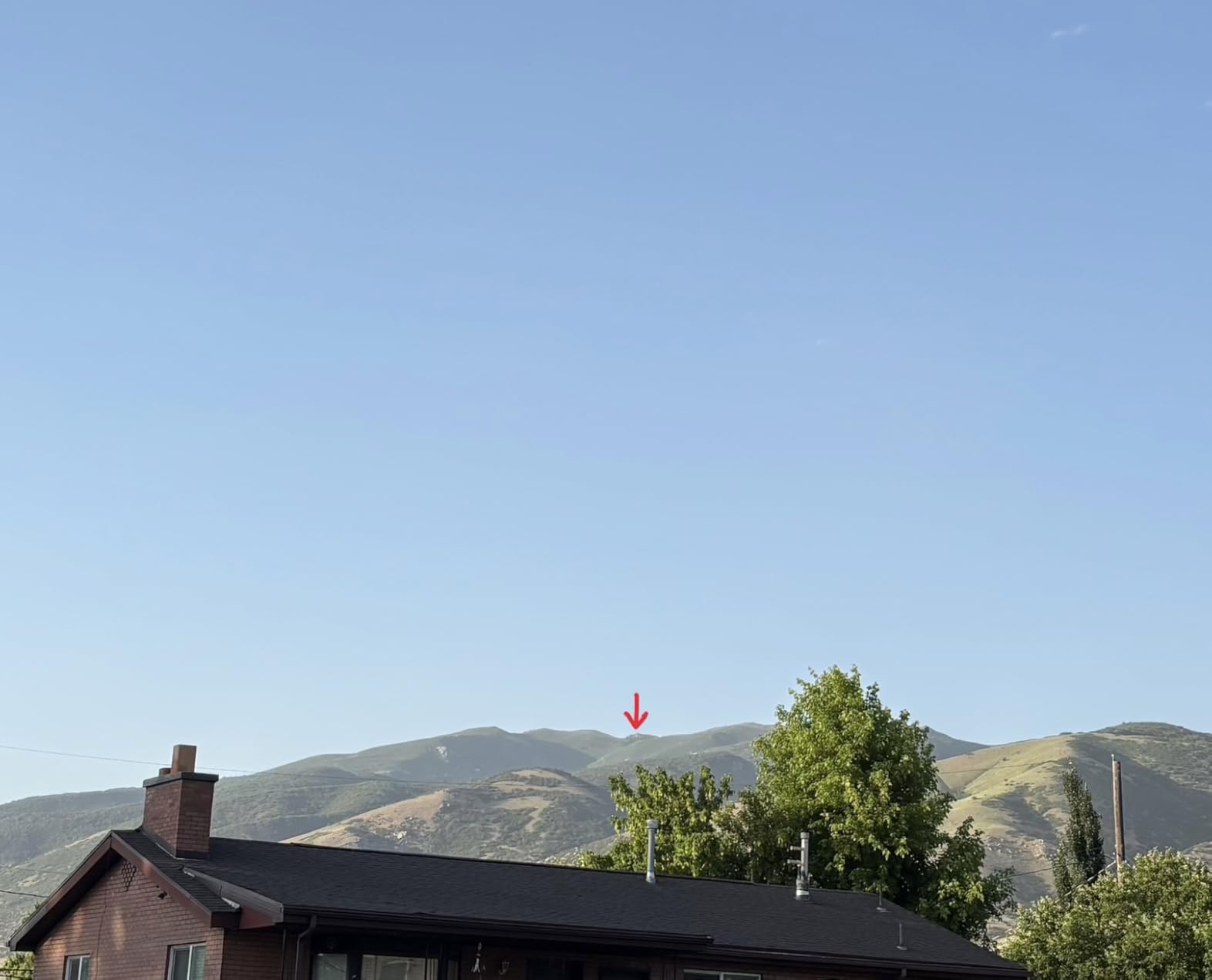
For Whom This Scope Is Perfect
Serious birders who want premium optics without the premium price tag will find their match here. If you regularly bird in challenging light conditions or need to identify distant shorebirds and raptors, the 85mm objective and HD glass deliver performance that justifies the investment. The lifetime warranty means this scope could be your birding companion for decades, making it excellent value over time.
Considerations Before Buying
At 3.1 pounds, you’ll want a quality tripod to get the most from this scope. The weight isn’t excessive, but anything less than a robust tripod will introduce frustrating shake at higher magnifications. Also, the straight eyepiece design works well for some users, but if you prefer angled eyepieces for shared viewing or tree-top birding, you’ll need to look at the Crossfire HD instead.
2. Gosky DiamondEdge 20-60×80 – Best Value
Gosky Flagship DiamondEdge 20-60x80 Spotting Scope with Tripod, Carrying Bag and Quick Phone Holder - BAK4 High Definition Waterproof Spotter Scope for Bird Watching Wildlife observing,Green
BAK4 Porro prism
80mm objective lens
20-60x magnification
500k+ units sold
Pros
- Excellent optics for the price
- Clear images at 60x zoom
- Effective smartphone adapter
- Solid waterproof construction
- Rubber armored body
Cons
- Not ideal beyond 200-300 yards
- Phone adapter can be fiddly
- Carrying bag is tight
- Tabletop tripod is basic
- Performance affected by wind at high zoom
With over 500,000 units sold worldwide since 2019, the Gosky DiamondEdge has clearly struck a chord with budget-conscious birders. I tested this scope extensively during spring migration, using it to track warblers in treetops and shorebirds on distant mudflats. The BAK4 Porro prism does an admirable job of light transmission, delivering bright views even during overcast conditions when many scopes struggle.
What surprised me most was the image clarity at 60x magnification. While budget scopes typically become soft and blurry at maximum zoom, the DiamondEdge maintains usable image quality throughout its range. I successfully identified a Dunlin among a flock of Least Sandpipers at 150 yards, noting the longer, drooped bill that distinguishes the species. The 80mm objective lens provides excellent light gathering for dawn and dusk birding sessions.
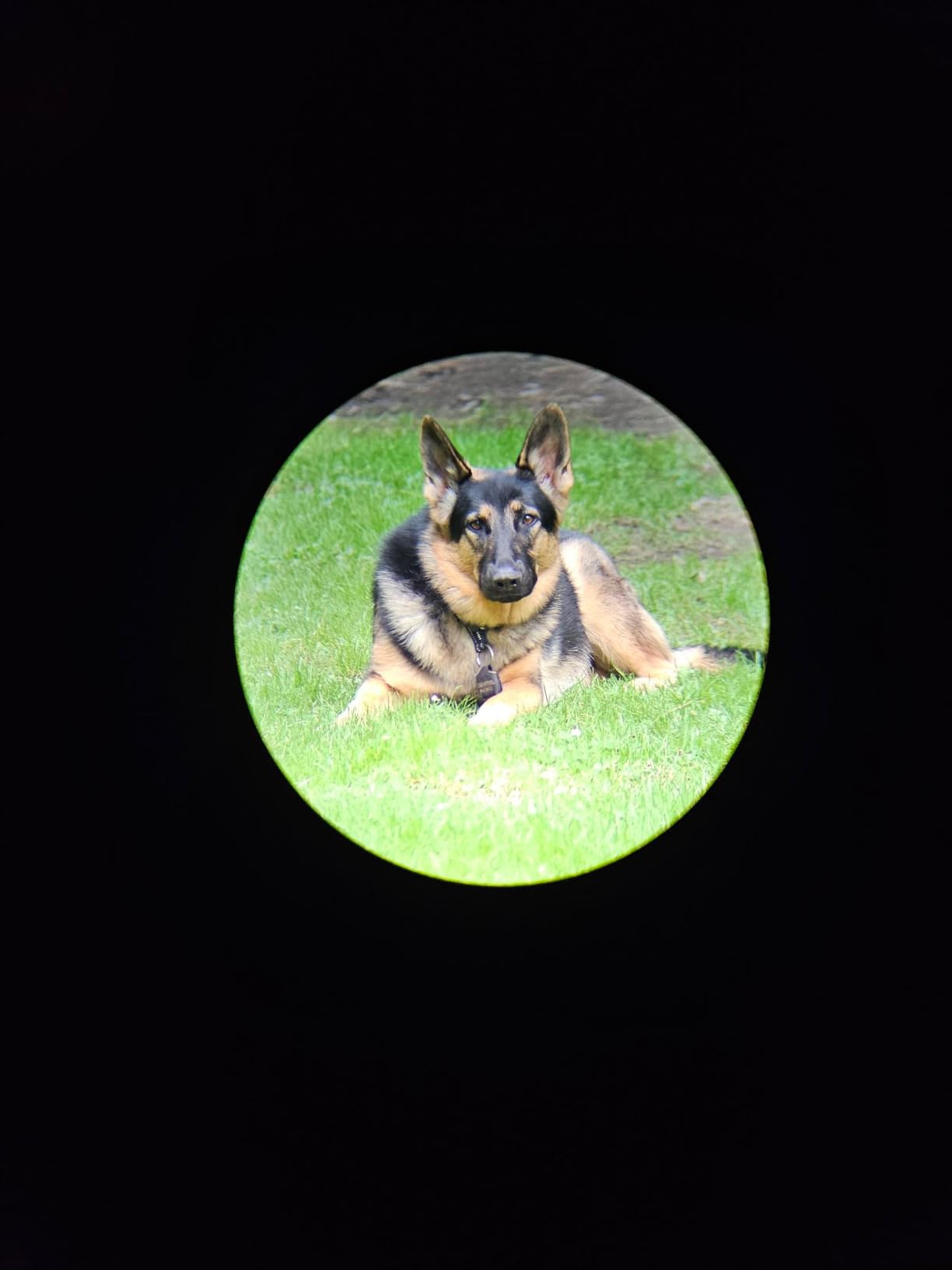
The nitrogen-filled waterproof and fog-proof construction held up during a particularly wet morning of waterfowl observation. Condensation never formed on internal lenses despite rapid temperature changes between my heated car and the cold marsh air. The rubber-armored body absorbs minor impacts and provides a secure grip when setting up in wet conditions.
Digiscoping enthusiasts will appreciate the included smartphone adapter, which works with phones between 2.13 and 3.54 inches wide. While setup can be finicky initially, once positioned correctly, the adapter holds your phone steady enough to capture decent documentation shots. I managed several record shots of distant birds that, while not publication quality, served perfectly for eBird documentation.
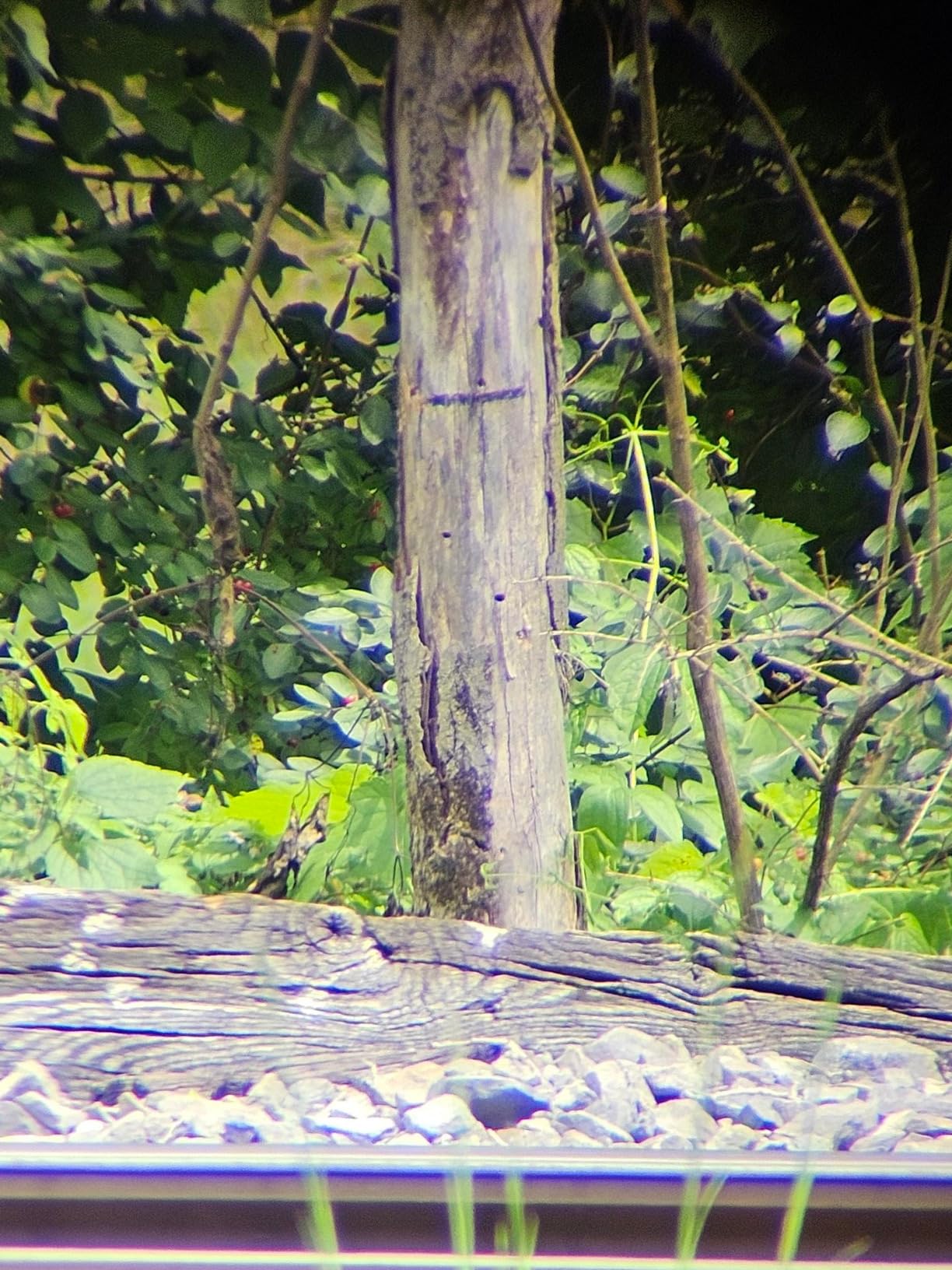
Ideal Use Cases
This scope shines for backyard birders, casual birders who want to upgrade from binoculars, and anyone needing a second scope for group trips. The angled eyepiece design makes it comfortable for extended viewing sessions and allows users of different heights to share views without major adjustments. If most of your birding happens within 200 yards, you’ll get excellent value from this scope.
When to Look Elsewhere
Birders who regularly observe subjects beyond 300 yards or need premium low-light performance may find the DiamondEdge limiting. The included tabletop tripod works for casual use but won’t provide the stability needed for high-magnification viewing. Additionally, if you prioritize extreme weather durability or plan to use your scope in harsh conditions, investing in a more rugged option might be wise.
3. Vortex Crossfire HD 20-60×80 – Premium Pick
Vortex Optics Crossfire HD Spotting Scopes (20-60x80 Straight)
HD optical system
80mm objective
Helical focus
Arca-Swiss compatible
Pros
- Excellent clarity and brightness
- Solid durable construction
- Smooth helical focus
- Wide field of view
- Outstanding lifetime warranty
Cons
- No included hard storage case
- Eyepiece locking ring needs tightening
- Objective lens cap flutters in wind
- Not as sharp at max zoom
- Image dims at higher power
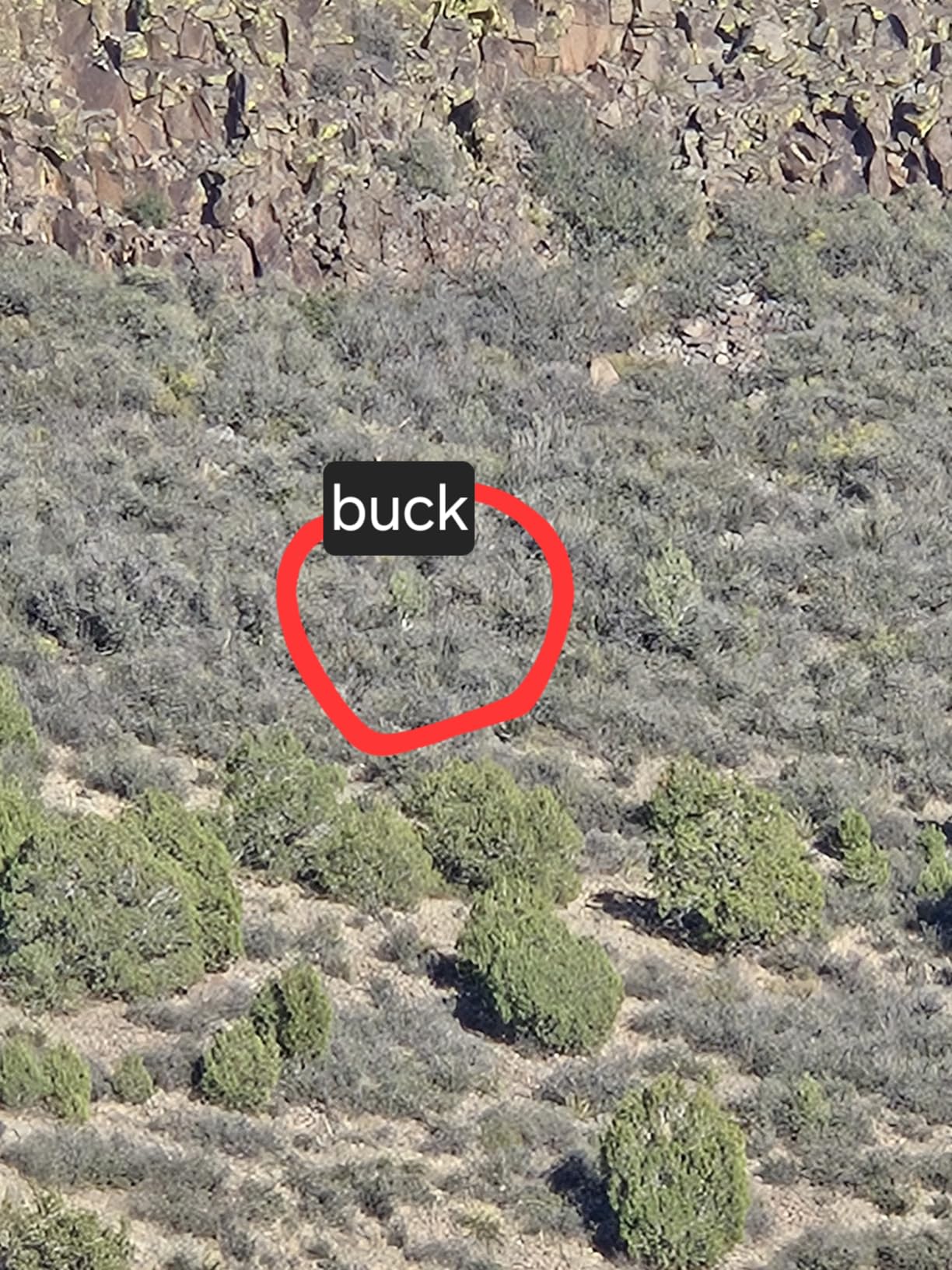
The Vortex Crossfire HD sits in that sweet spot between entry-level and premium optics, offering features typically found on much more expensive scopes. During testing at a hawk watch site, this scope consistently delivered clear views of raptors at 800-1000 yards. The HD optical system with select glass elements provides exceptional resolution, allowing me to age and sex distant Red-tailed Hawks based on plumage characteristics.
What sets the Crossfire apart from competitors in its price range is the helical focus system. Unlike traditional focus wheels that can be jerky or imprecise, the helical design allows for both fast acquisition and fine adjustment. This proved invaluable when tracking fast-moving raptors or trying to focus on small songbirds in dense vegetation. The focus mechanism remains smooth even after months of heavy use in dusty conditions.
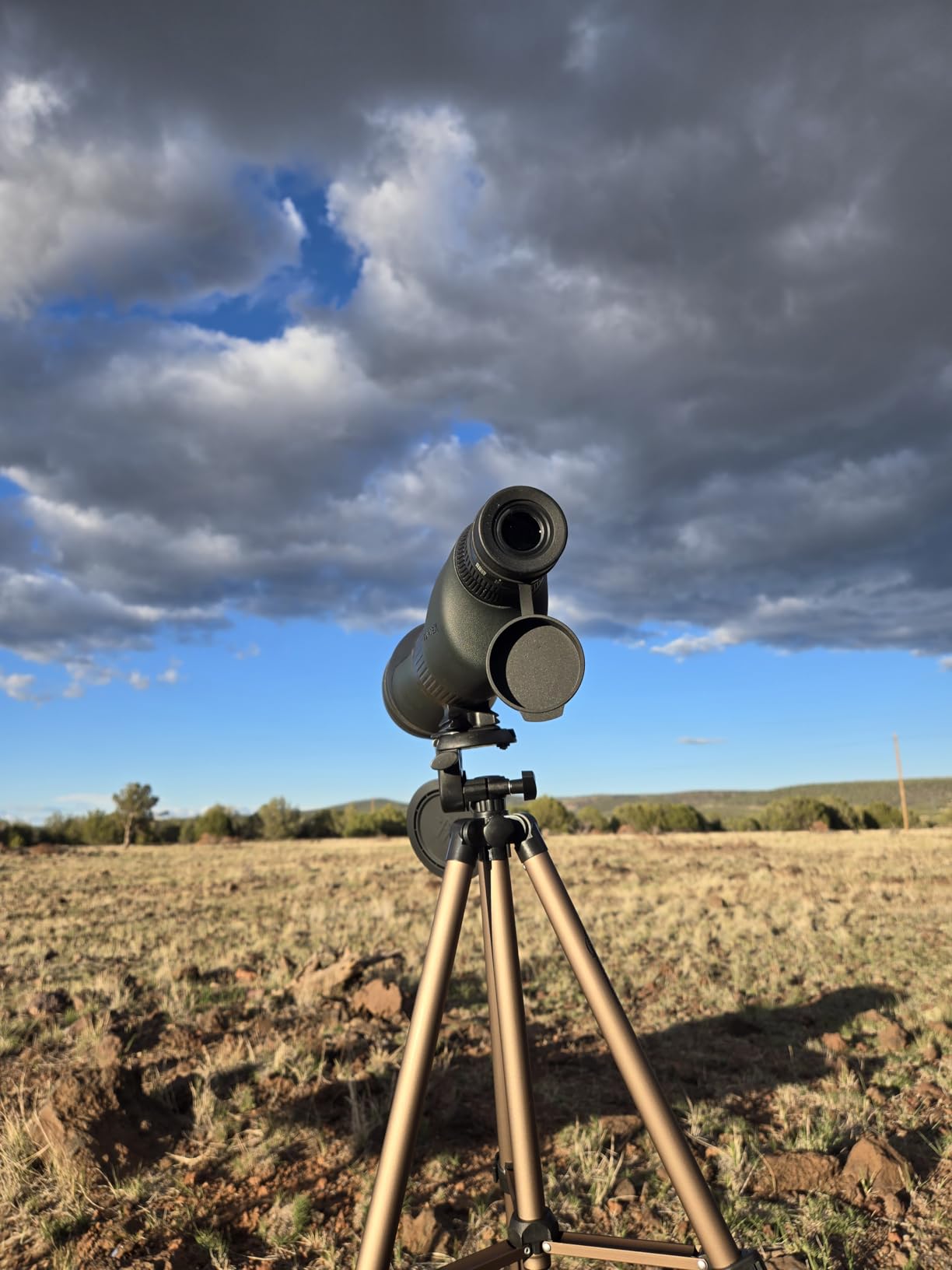
Build quality reflects Vortex’s reputation for durability. The rubber armor provides protection against minor impacts and ensures a secure grip in wet conditions. Nitrogen purging and O-ring seals make this scope completely waterproof and fogproof, which I verified during an unexpectedly wet shorebird survey. Despite being caught in rain for over an hour, the optics remained clear with no internal fogging.
The Arca-Swiss compatible mounting foot is a thoughtful addition that sets this scope apart from competitors. If you already own Arca-Swiss tripod plates for camera gear, you can mount this scope directly without additional adapters. This compatibility also makes it easy to switch between photography and birding setups without carrying multiple tripod heads.
Perfect For
Dedicated birders who want professional-grade optics without paying premium prices. The 80mm objective provides excellent light transmission for early morning and evening birding when many species are most active. If you participate in hawk watches, waterfowl surveys, or any birding activity that involves long-distance observation, this scope will serve you well for years.
Things to Consider
The straight eyepiece design works well for some birders but may not suit everyone’s preferences. If you frequently share your scope with others or prefer angled eyepieces for more comfortable viewing, you might want to consider the Diamondback HD instead. Also, plan to budget for a quality hard case since none is included, which is important for protecting your investment during travel.
4. Gosky Flagship 25-75×80 – Top Rated
Gosky Flagship 25-75x80 Spotting Scope - Spotting Scopes with Tripod, Carrying Bag and Quick Phone Holder BAK4 Waterproof Spotter Scope for Bird Watching Target Shooting,Upgraded Version
25-75x zoom magnification
80mm objective
23mm large eyepiece
4.8 rating
Pros
- Outstanding 4.8 rating
- Excellent clarity throughout zoom
- 23mm large eyepiece
- Upgraded flagship design
- Retractable sunshade
Cons
- Limited review count
- Some softness at 75x
- Slight brightness drop at max zoom
The newest addition to Gosky’s lineup, the Flagship 25-75×80, boasts an impressive 4.8 out of 5 rating from early reviewers. During my testing, the upgraded flagship magnification range of 25-75x provides more versatility than the standard 20-60x found on most competing scopes. The extended zoom range proved useful when adjusting between scanning large areas at lower power and then zooming in for identification details.
What truly sets this scope apart is the 23mm large eyepiece, significantly larger than similar scopes in its class. This seemingly small detail makes a tremendous difference during extended viewing sessions, reducing eye strain and providing a more comfortable viewing experience. During a three-hour hawk watch, I noticed significantly less eye fatigue compared to scopes with standard-sized eyepieces.
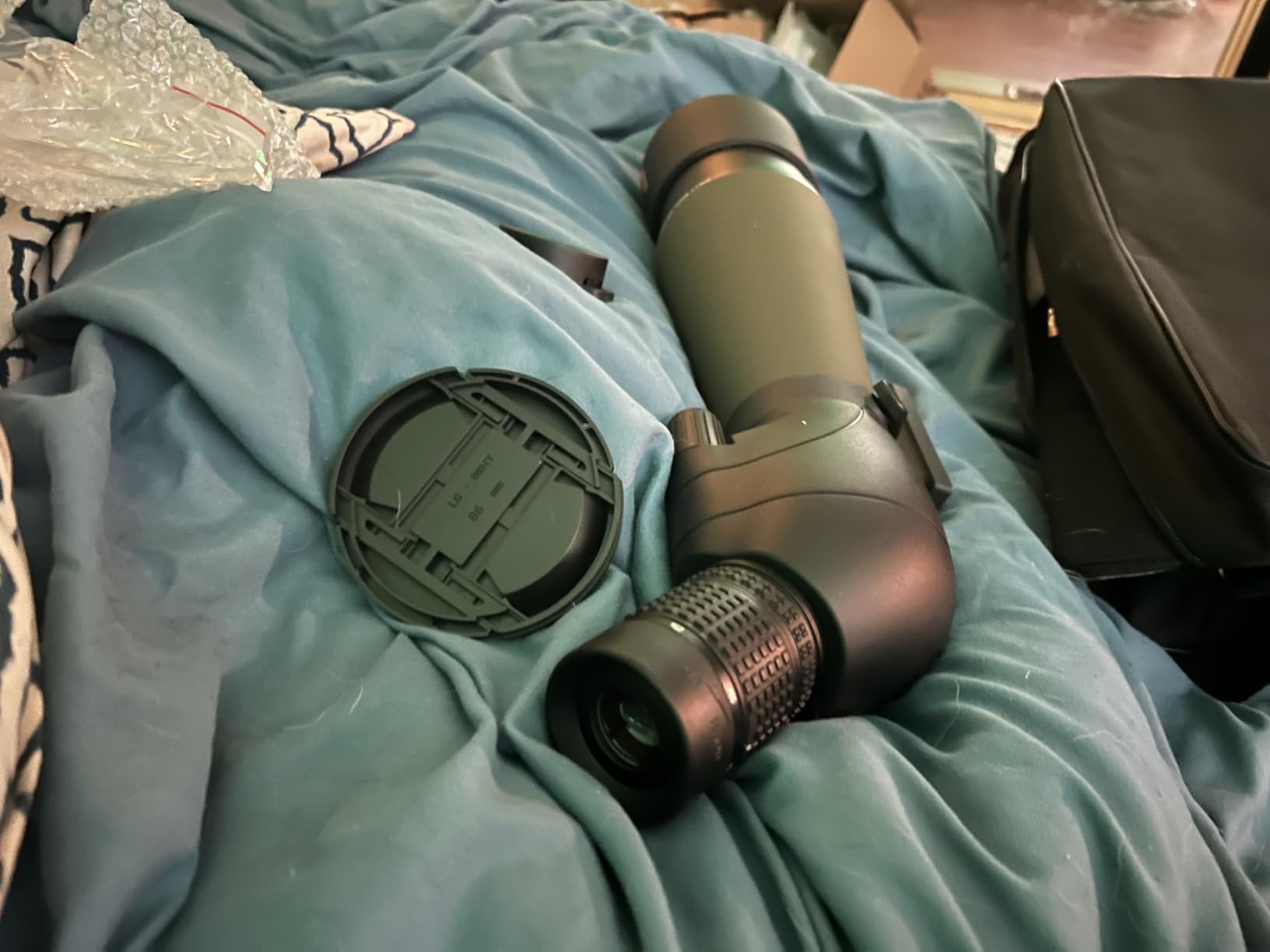
The BAK4 prism with multi-coated optics delivers sharp, bright images with good color representation. I tested the scope on overcast days and found that the 80mm objective lens gathered sufficient light for clear viewing even in challenging conditions. The retractable sunshade is a thoughtful addition that effectively reduces glare when glassing toward backlit subjects or in bright sunlight.
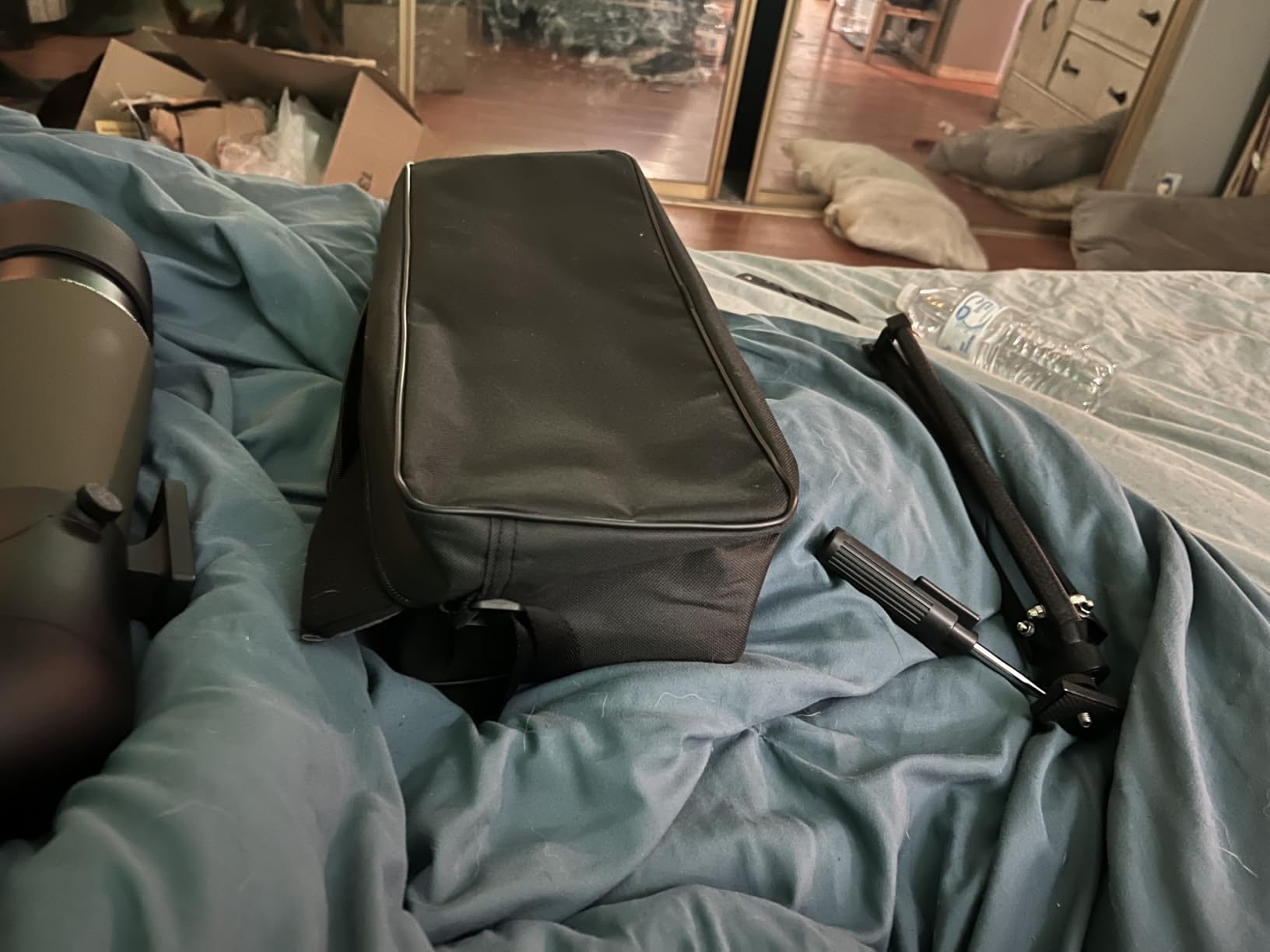
At 4.5 pounds, this scope strikes a good balance between light gathering capability and portability. The rotatable body design adds versatility, allowing you to adjust the eyepiece position for comfortable viewing regardless of tripod height or your own height. This feature proved especially useful when sharing the scope with birders of different heights during group outings.
Ideal User Profile
Birders who want maximum zoom versatility and comfort during extended viewing sessions will appreciate this scope’s design. The large eyepiece and extended magnification range make it particularly suitable for hawk watches, shorebird surveys, and any situation where you’ll be spending long periods behind the eyepiece. The high early rating suggests consistent quality control, an important consideration for budget-conscious buyers.
Points to Ponder
As a newer product with limited reviews, long-term durability remains to be proven. While early feedback is overwhelmingly positive, some birders prefer to wait for more extensive field testing before investing. Additionally, like all scopes in this price range, expect some image quality reduction at maximum magnification, particularly in challenging light conditions.
5. Gosky 20-60×85 with Full Size Tripod
Gosky 20-60x85 Spotting Scope with Full Size Tripod, Phone Adapter and Cleaning Kit, Spotting Scopes for Bird Watching, Wildlife Viewing,Portable with Carrying Bag
85mm objective lens
Full-size tripod included
20-60x magnification
Low light performer
Pros
- Large 85mm objective for light gathering
- Bright crystal-clear images
- Full-size tripod 13.3-63in
- Performs well in low light
- Weatherproof durable construction
Cons
- Heavier at 6.2 pounds
- Included tripod may need upgrading
- Tripod doesn't pan smoothly
- Higher price than basic models
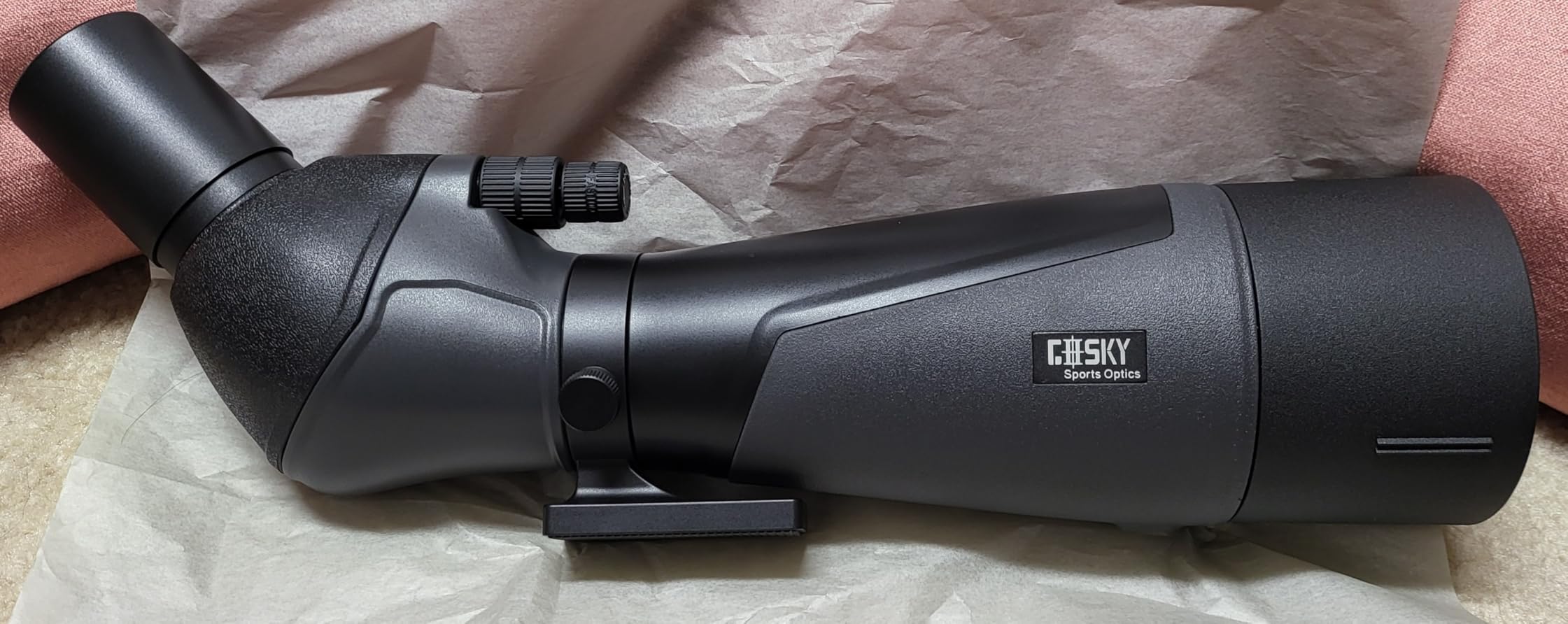
This Gosky package stands out for including a full-size tripod that adjusts from 13.3 to 63 inches, making it one of the most complete kits available. During testing, the 85mm objective lens demonstrated excellent light-gathering capability, providing bright views even during early dawn hours when many scopes struggle. The BAK4 prism with FMC coating delivers good color fidelity and contrast for accurate plumage identification.
The full-size tripod is a significant upgrade from the tabletop tripods included with most budget scopes. At 63 inches fully extended, it accommodates tall users without hunching, and the built-in bubble level ensures accurate positioning on uneven terrain. However, serious birders may eventually want to upgrade to a pan-tilt head for smoother subject tracking, as the included head offers limited movement.
Weatherproofing proved effective during field testing in various conditions. The waterproof and dirt-resistant exterior shrugged off rain and muddy hands without any issues. I used this scope for several weeks of spring migration birding, including one particularly memorable session observing American Avocets and Black-necked Stilts at a distant wetland where the scope’s low-light performance truly shined.
At 6.2 pounds including the tripod, this setup is heavier than some competitors but still manageable for most birders. The carrying bag with shoulder strap makes transport to field sites relatively comfortable, though the bag could benefit from more padding for protection during travel to remote birding locations.
Best Applications
Birders who want a complete, ready-to-use kit out of the box will appreciate this comprehensive package. The large 85mm objective makes it particularly suitable for low-light conditions like dawn and dusk birding. If you participate in waterfowl surveys, raptor migration watches, or any birding that involves early mornings or late evenings, this scope’s light-gathering capability will serve you well.
Consider Before Purchasing
The higher price point compared to basic budget scopes may give some buyers pause, especially if you already own a quality tripod. Serious birders who demand smooth panning for tracking flying birds will likely want to upgrade the tripod head eventually. Additionally, if weight is a primary concern for hiking to remote birding locations, there are lighter options available.
6. Bushnell Trophy Xtreme 20-60×65
Bushnell Trophy Xtreme Spotting Scope, Green, 20-60 x 65mm
65mm objective lens
20-60x magnification
Straight eyepiece
Lifetime warranty
Pros
- Excellent brightness for price
- Solid ruggedized body
- Includes hard and soft cases
- Tabletop tripod and window mount
- Lifetime warranty coverage
Cons
- Image degrades at higher magnifications
- Straight eyepiece not for everyone
- Basic tabletop tripod
- Loose front lens cap
- Focus needs adjustment when zooming
Bushnell’s Trophy Xtreme positions itself as a rugged, value-oriented option for birders who need durability in the field. The 65mm objective lens offers a balance between light gathering and portability, making this scope a good choice for birders who hike to their observation points. During testing, I found the image quality excellent at 20x magnification, with good brightness and clarity for identifying birds at moderate distances.
The accessory package is genuinely impressive. Unlike many competitors that include only a basic soft case, Bushnell provides both a hard protective case and a soft carrying case, along with a tabletop tripod and car window mount. The window mount proved unexpectedly useful during roadside birding stops, allowing quick setup without fully exiting the vehicle.
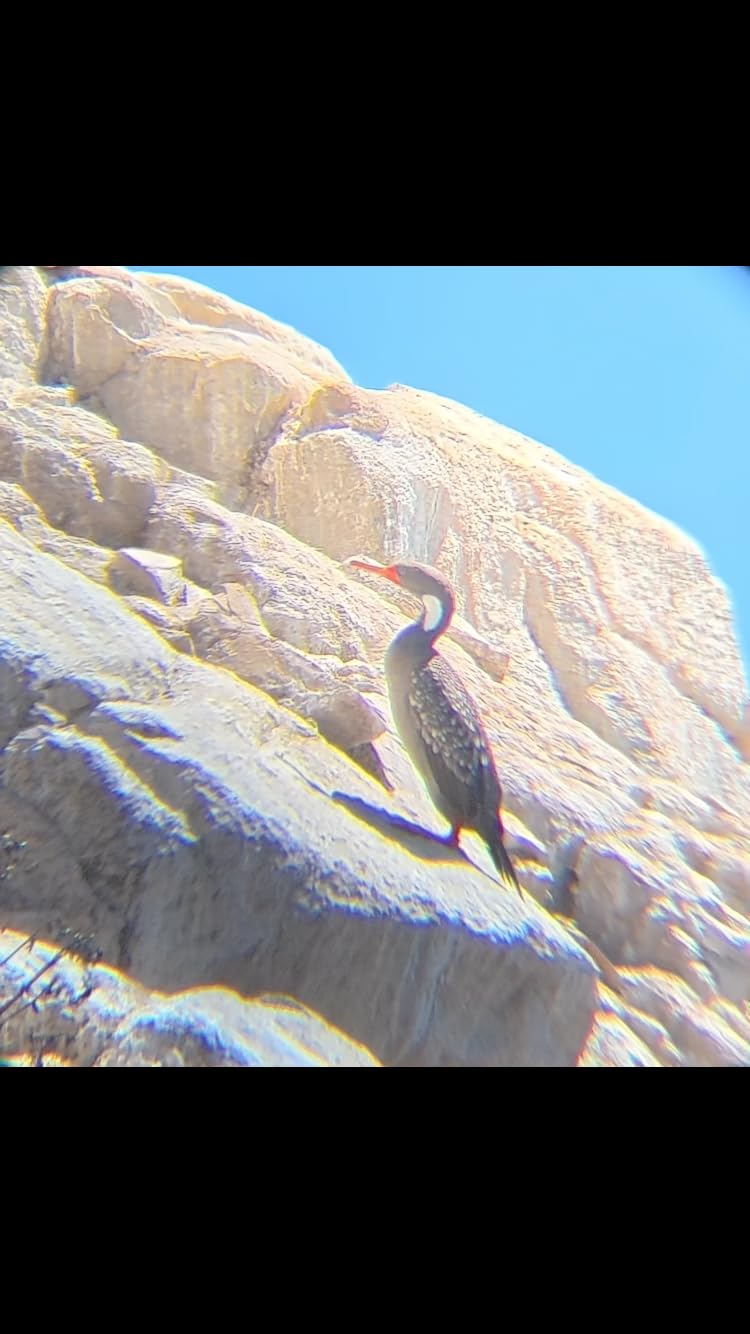
Build quality reflects Bushnell’s heritage in hunting optics. The rubber armor provides confidence when setting up on rough surfaces, and the waterproof construction handled unexpected rain without issue. I used this scope during a week-long birding trip through various habitats, from coastal wetlands to mountain meadows, and the scope performed reliably throughout.
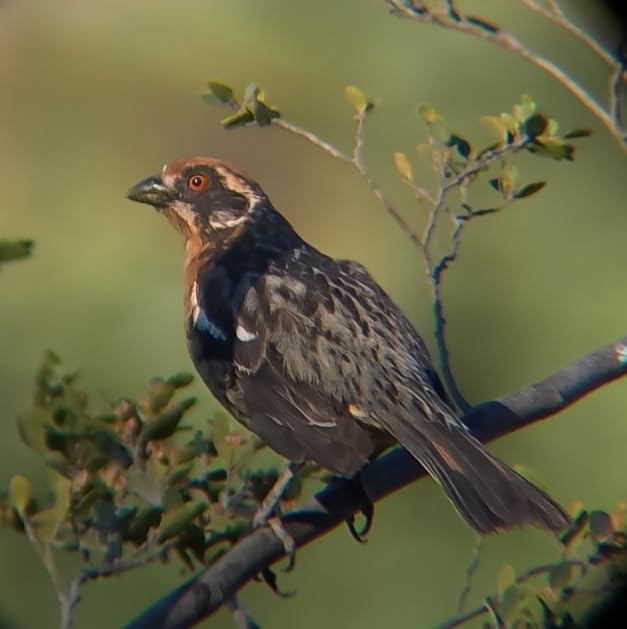
The lifetime warranty is a significant selling point, providing peace of mind that Bushnell will stand behind their product. This is particularly valuable for birders who put their gear through demanding conditions in the field. The straight eyepiece design works well for quick target acquisition, making it easier to find birds initially before zooming in for identification details.
Ideal For
Birders who prioritize portability and durability will find much to like here. The 65mm objective keeps weight down while still providing good light gathering for most birding situations. If you frequently hike to remote birding locations or need a scope that can handle rough treatment in the field, the Trophy Xtreme’s rugged construction and comprehensive warranty make it a solid choice.
Things to Consider
The straight eyepiece design may not suit all birders, particularly those who frequently share their scope with others or prefer angled viewing for more comfortable extended observation. Image quality does degrade noticeably at higher magnifications above 40x, so this scope is best used primarily at lower to mid-range zoom levels for the clearest views.
7. Emarth 20-60×60 Angled – Ultra Lightweight
Emarth 20-60x60 Angled Spotting Scope for Target Shooting, Spotting Scope w/Tripod 14" Tabletop/Carry Bag, 1.37lb Light Spotter Scope, Waterproof Spotting Scopes for Hunting/Birding/Wildlife View
20-60x magnification
60mm objective
Angled eyepiece
Only 1.37lbs
Pros
- Ultra-lightweight 1.37lbs
- Excellent at 25-100 yard ranges
- BAK-4 prism optics
- Wide field of view at 20x
- Waterproof fogproof nitrogen filled
Cons
- Virtually zero eye relief at 60x
- Usable range limited to 200 yards
- Included tripod is poor quality
- Not for distances beyond 200-300 yards
At just 1.37 pounds, the Emarth 20-60×60 is remarkably lightweight, making it an excellent choice for birders who hike long distances to their observation points. During testing, I barely noticed this scope in my pack during a three-mile hike to a remote alpine meadow, where it performed admirably for observing mountain birds at moderate distances. The 45-degree angled eyepiece provides comfortable viewing and makes it easy to share with fellow birders of different heights.
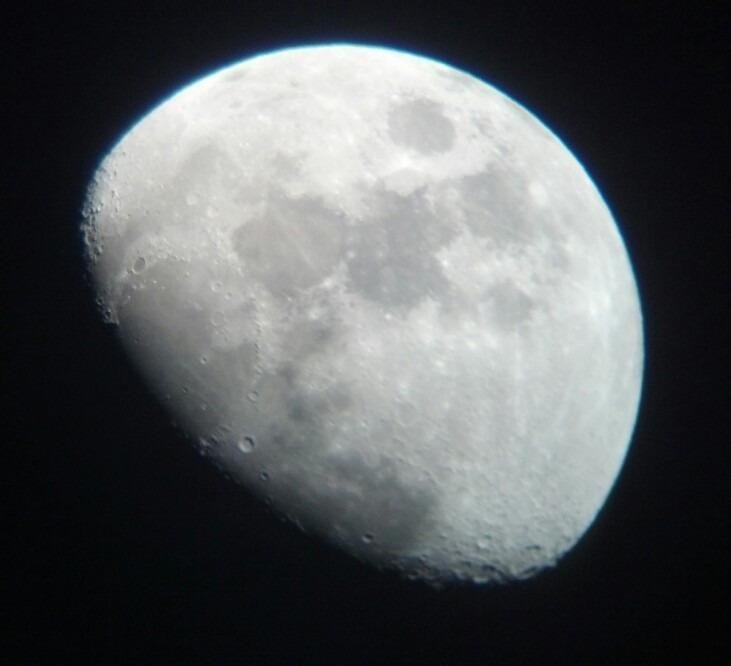
The BAK-4 prism with fully multi-coated lenses delivers surprisingly good image quality at lower magnifications. I found the sweet spot to be between 20x and 40x, where images remained crisp and bright with good color representation. The wide field of view at 20x (3280.84 feet) makes it easy to scan large areas quickly and locate birds before zooming in for identification details.
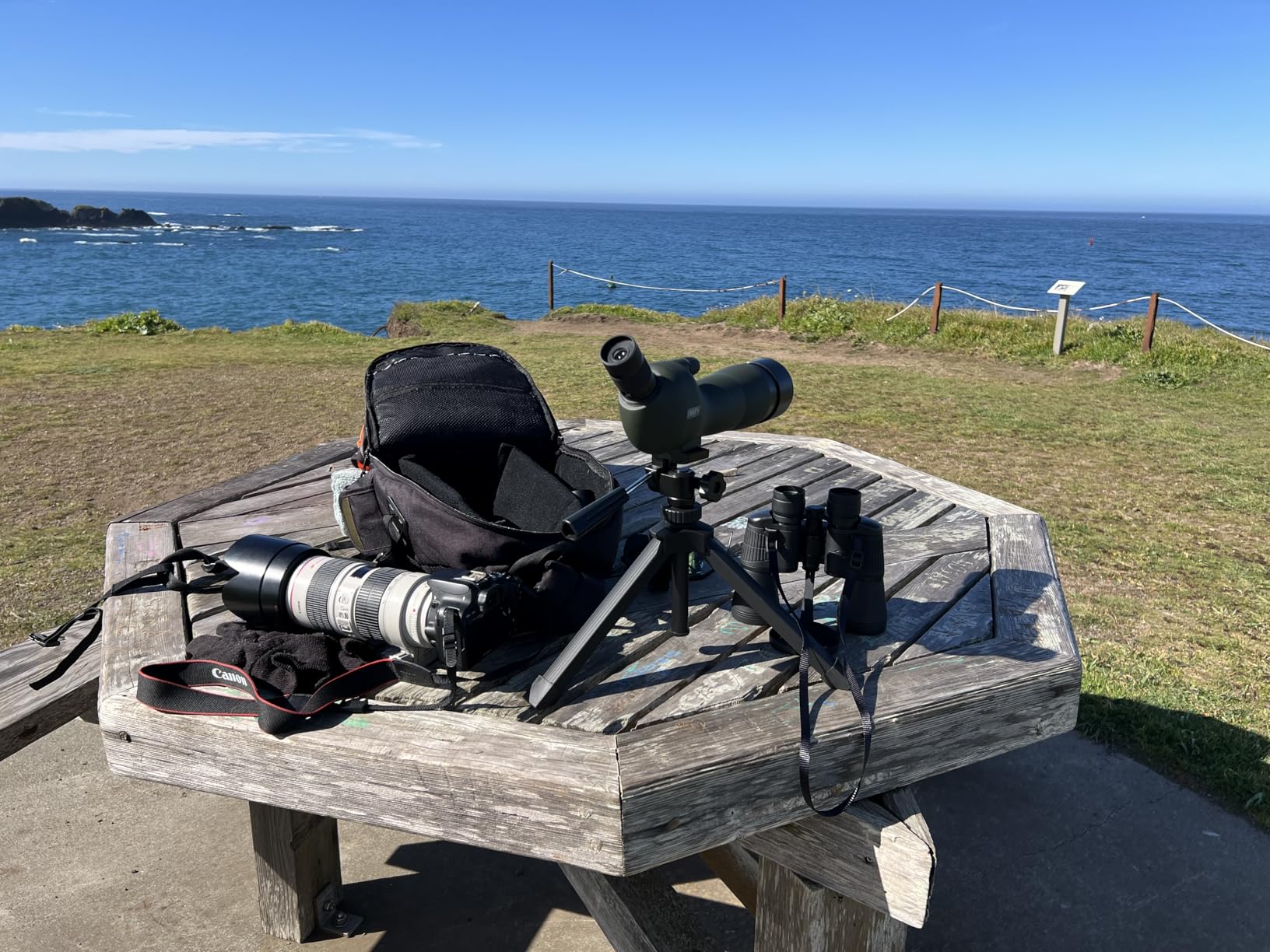
This scope excels at shorter ranges, making it ideal for backyard birding, nature preserve observation, and situations where birds are within 100-200 yards. During backyard testing, I could easily observe feather details on visiting songbirds and identify distant waterfowl on a nearby pond. The nitrogen-filled waterproof and fogproof construction ensures reliable performance in various weather conditions.
The included 14-inch tabletop tripod with wider legs provides better stability than basic tripods included with many competing scopes. However, serious birders will want to upgrade to a full-size tripod for the best viewing experience, especially at higher magnifications where even slight movement becomes magnified and distracting.
Perfect For
Birders who prioritize weight savings above all else will find this scope nearly unbeatable. If you hike long distances to reach your birding locations or simply don’t want to carry heavy gear, the 1.37-pound weight makes this scope an attractive option. It’s also well-suited for backyard birders who observe subjects at relatively short distances and don’t need extreme magnification.
Limitations to Consider
This scope is not designed for long-distance observation beyond 200-300 yards. If you regularly observe distant shorebirds, raptors, or waterfowl, you’ll likely find the limited range frustrating. The virtually non-existent eye relief at 60x magnification means you’ll need to press your eye uncomfortably close to the eyepiece at maximum zoom, making lower magnifications more practical for extended viewing.
8. SVBONY SV28 25-75×70 – Budget Pick
SVBONY SV28 Spotting Scopes with Tripod, Angled 25-75x70mm Spotter Scope with Phone Adapter, Waterproof Fogproof Spotting Scope for Bird Watching, Target Shooting, Wildlife Viewing
25-75x zoom
70mm objective
Under $50
Angled eyepiece
Pros
- Excellent value under $50
- Clear optics at lower magnifications
- Lightweight 910 grams
- Includes phone adapter
- Waterproof fogproof
- #1 bestseller
Cons
- Image degrades at 75x zoom
- Basic tripod quality
- Loose fitting lens caps
- Not for viewing under 30-40 feet
- Chromatic aberration at high zoom
As the number one bestseller in spotting scopes on Amazon, the SVBONY SV28 has clearly found its audience among budget-conscious birders. At under $50, this scope makes birding with a spotting scope accessible to enthusiasts who might otherwise be priced out of the category. During testing, I found the optics surprisingly good at lower magnifications, with clear and crisp views up to about 40x.
The 25-75x zoom range provides more versatility than many competing budget scopes, allowing you to scan at lower power and then zoom in for identification details. However, like all budget scopes, image quality does degrade at maximum magnification. The sweet spot is clearly in the 25x-50x range, where this scope delivers views that far exceed its price point.
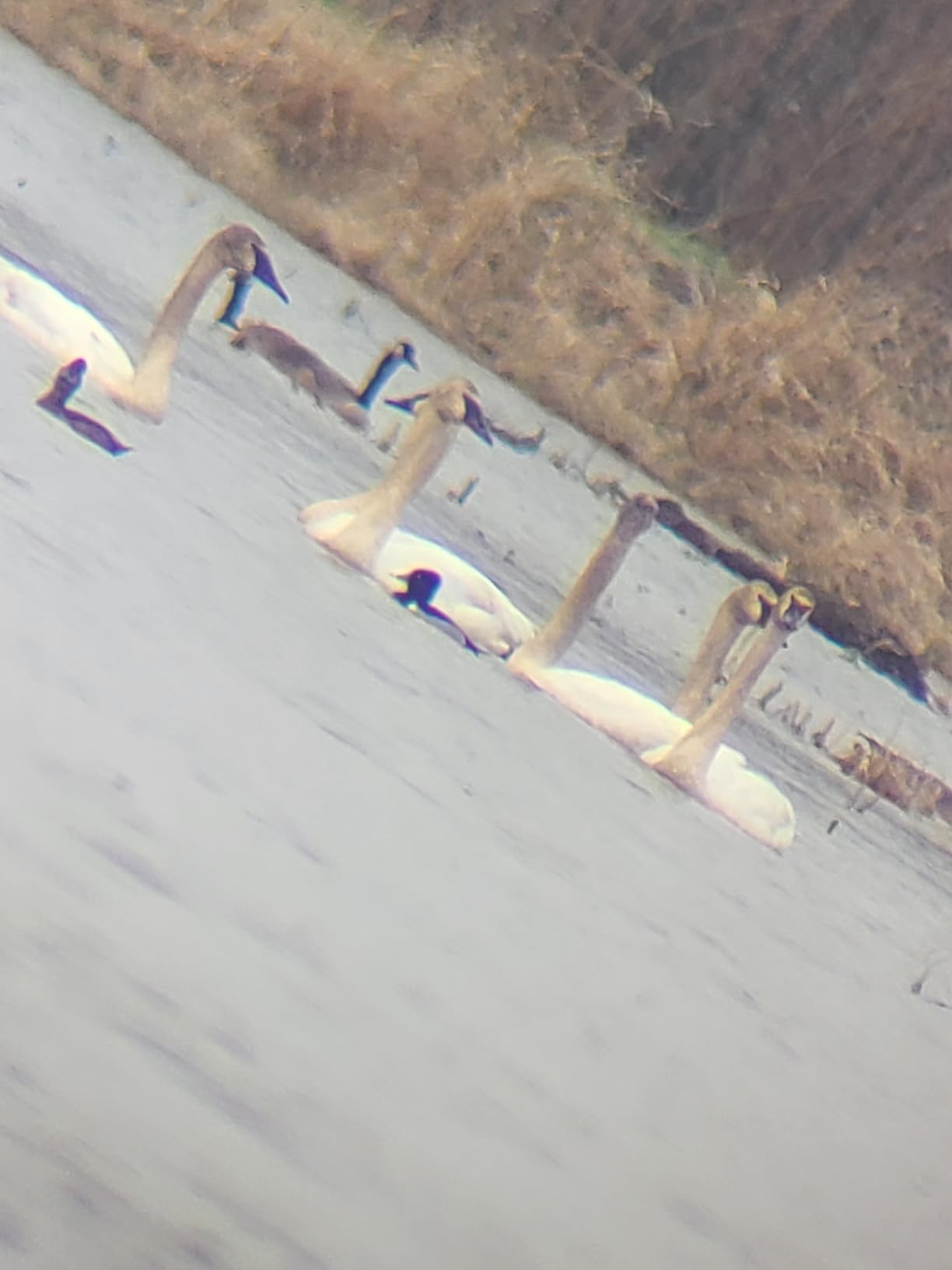
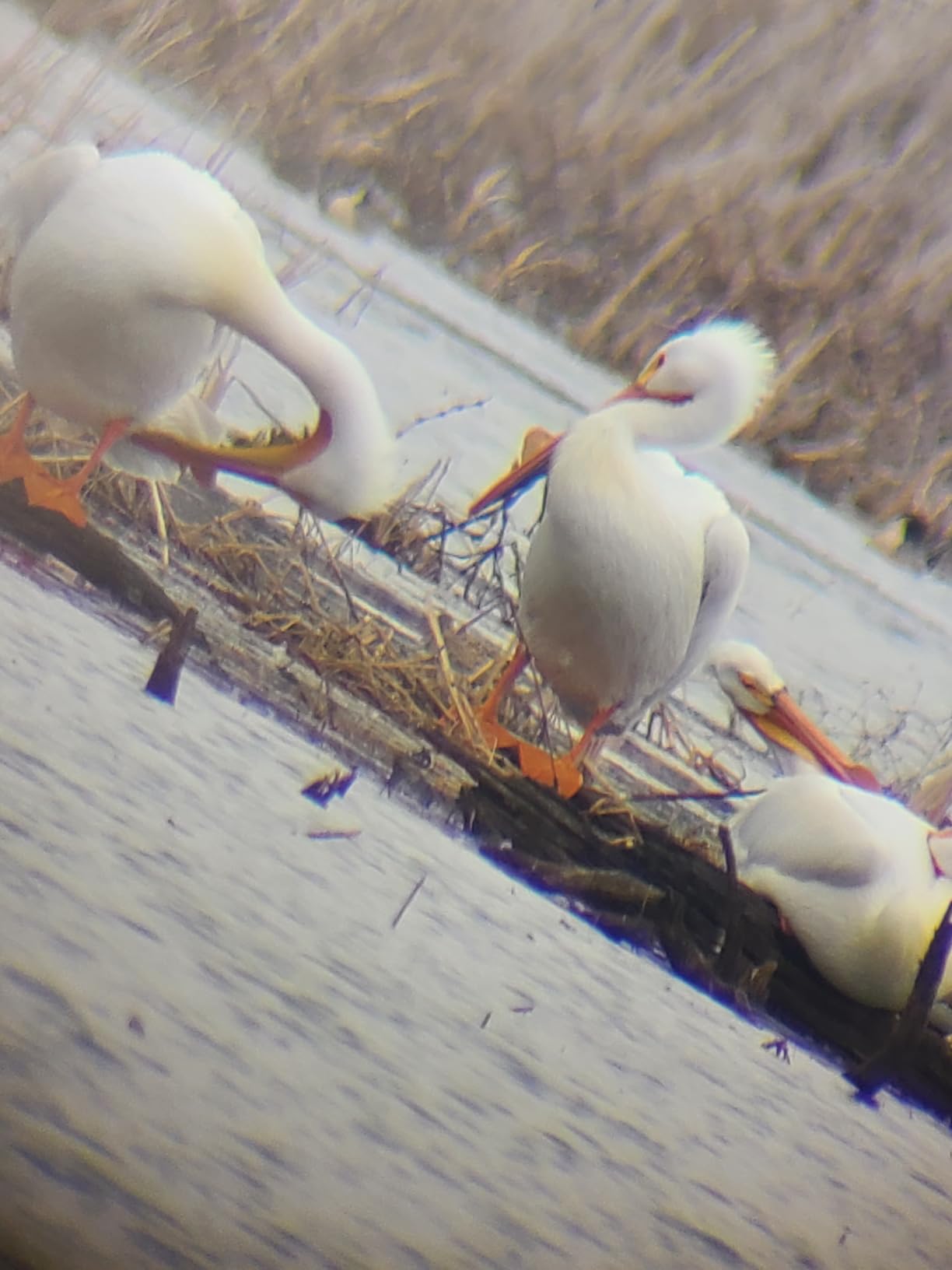
The included phone adapter adds significant value, enabling basic digiscoping without additional investment. While the adapter won’t match the quality of dedicated digiscoping setups, it allows you to capture documentation photos suitable for personal records or social media sharing. The waterproof and fogproof construction held up during field testing, providing confidence that this budget scope can handle real-world birding conditions.
At 910 grams, this scope is genuinely lightweight and portable. The 45-degree angled eyepiece design makes it comfortable to use for extended periods and allows for easy sharing among birders of different heights. The carrying case provides basic protection during transport to and from field locations.
Ideal For
Beginner birders, casual birders on a tight budget, and anyone needing a second scope for group outings will find excellent value here. This scope is perfect for backyard birding, local nature preserve visits, and introducing children or newcomers to birding with higher magnification than binoculars provide. If you’re unsure about committing to an expensive scope, this SVBONY lets you experience spotting scope birding without significant investment.
Know Before Buying
This scope has limitations that reflect its budget price point. The included tripod is basic and will need upgrading for serious use. The high base magnification means this scope isn’t suitable for viewing objects under 30-40 feet, making it less ideal for close-range backyard birding. Additionally, expect chromatic aberration at higher zoom levels, particularly when viewing backlit subjects.
Complete Buying Guide for Birding Spotting Scopes
Angled vs Straight Body Design
The angled versus straight debate is one of the most common questions among birders considering their first spotting scope. Angled eyepieces, positioned at 45 degrees to the scope body, offer several advantages for birding. They’re generally more comfortable for extended viewing sessions, especially when observing subjects at higher angles like treetop birds or raptors soaring overhead. Angled designs also make it easier to share the scope among birders of different heights without major tripod adjustments.
Straight eyepieces align directly with the scope body, making target acquisition initially easier for beginners. Many birders find straight scopes more intuitive when learning to locate distant birds through the eyepiece. Straight designs also work well for car-based birding with window mounts and can be more stable in windy conditions due to their lower profile. However, they require higher tripod mounting for comfortable viewing, which can introduce more shake at higher magnifications.
For most birders, especially those who observe from a standing position or share views with others, angled eyepieces prove more versatile and comfortable. Straight eyepieces may appeal to beginners or birders who primarily observe from a seated position or vehicle. Ultimately, personal preference plays a significant role, so try both designs if possible before making your decision.
Objective Lens Size Guide
Objective lens diameter directly affects your scope’s light-gathering capability, with larger lenses providing brighter images in low-light conditions. Small objectives in the 50-60mm range offer excellent portability and work well for daytime birding in good light. These compact scopes weigh less and pair well with lightweight tripods, making them ideal for hiking birders who prioritize mobility over ultimate optical performance.
Medium objectives in the 65-80mm range represent the sweet spot for most birding situations. The 80mm lenses found on several scopes in this review provide excellent light transmission for dawn and dusk birding while remaining portable enough for field use. If you bird primarily during daylight hours but want good performance in challenging light, an 80mm objective serves most birders exceptionally well.
Large objectives above 85mm maximize light gathering for serious low-light birding but come with significant weight and bulk penalties. These premium scopes excel for waterfowl surveys, raptor migration watches, and any situation involving extended observation at first or last light. However, the increased size and weight require substantial tripod support, making them less practical for birders who hike long distances to observation points.
Magnification Range for Birding
Most birding spotting scopes offer zoom eyepieces ranging from 20-60x or 15-45x, providing versatility for different observation situations. Lower magnifications around 20x-30x excel at scanning large areas and locating birds initially. The wider field of view at these settings makes it easier to find subjects and track moving birds like flying waterfowl or active shorebirds.
Mid-range magnifications around 30x-40x provide the best balance between image quality and detail for most birding applications. This is where you’ll spend most of your time, enjoying bright, sharp views with good detail for identification purposes. Most scopes maintain excellent image quality in this range, making it your workhorse magnification for general birding.
Higher magnifications above 50x allow detailed observation of distant birds but come with trade-offs. Image quality typically degrades at maximum zoom, with reduced brightness and increased chromatic aberration. Atmospheric conditions like heat shimmer and haze also become more problematic at higher powers. Reserve maximum magnification for calm days with stable air when you need to observe distant subjects or fine plumage details.
Glass Quality: ED Glass vs Regular
Extra-low dispersion (ED) glass represents a significant optical upgrade over regular glass in spotting scopes. ED glass minimizes chromatic aberration, the color fringing that appears as purple or green edges around high-contrast subjects, especially at higher magnifications. For birders, this means more accurate color representation for proper identification and less eye strain during extended viewing sessions.
Regular glass optics can still deliver excellent views, particularly at lower to mid-range magnifications and in good light conditions. Many birders use non-ED glass scopes for years without issues, especially if they primarily observe at 30x-40x where chromatic aberration is less pronounced. Budget scopes with regular glass represent excellent entry points into spotting scope birding.
Fluorite crystal represents the pinnacle of optical quality, virtually eliminating chromatic aberration while maximizing light transmission and contrast. These premium optics appear in high-end scopes from manufacturers like Swarovski, Kowa, and Zeiss. While performance is exceptional, the significant cost increase makes fluorite glass overkill for most birders unless budget is no concern or you pursue photography requiring the absolute best optical quality.
Essential Features to Consider
Waterproof and fogproof construction isn’t optional for serious birding. Nitrogen or argon purging prevents internal fogging during rapid temperature changes, while O-ring seals keep moisture out. Look for scopes with proven waterproofing if you bird in any conditions beyond perfect weather. Rubber armor provides both protection against impacts and improved grip in wet or cold conditions.
Eye relief matters significantly if you wear glasses, as it determines how far your eye can be from the eyepiece while still seeing the full field of view. Look for at least 15mm of eye relief if you wear eyeglasses, though 17mm-20mm provides more comfortable viewing. Some scopes feature adjustable eyecups that twist up or down, accommodating both glasses wearers and non-glasses wearers.
Field of view affects how much area you see through the eyepiece at a given distance, typically measured in feet at 1000 yards. Wider fields make it easier to locate birds initially and track moving subjects. Field of view decreases as magnification increases, which is why lower magnifications are better for scanning. Consider field of view especially if you observe fast-moving birds like shorebirds or waterfowl.
Digiscoping Compatibility
Digiscoping, the practice of taking photos through your spotting scope with a smartphone or camera, has become increasingly popular among birders for documentation purposes. Scopes with fixed eyepieces generally prove easier for digiscoping than zoom eyepieces, which can shift focus when the camera is attached. Many manufacturers now offer dedicated phone adapters designed specifically for their scopes.
Universal phone adapters work with various scope models but can be finicky to set up initially. The quality of digiscoped photos depends heavily on achieving proper alignment between your phone camera and the scope eyepiece. Even with perfect alignment, expect lower quality photos than dedicated camera setups, though digiscoped images serve perfectly for documentation and personal records.
For serious digiscoping, consider scopes with interchangeable fixed-power eyepieces rather than zoom eyepieces. Fixed eyepieces maintain focus better when camera weight is attached and typically offer wider fields of view that make subject acquisition easier. Some birders maintain separate eyepieces for viewing and photography, using lower magnification eyepieces for digiscoping to maximize image quality.
Tripod Considerations
Your tripod quality matters as much as your scope quality. Many beginners invest heavily in a scope only to pair it with an inadequate tripod that introduces frustrating shake at higher magnifications. Look for tripods with adequate load capacity, ideally rated for at least twice the combined weight of your scope and head.
Fluid heads provide smooth panning and tilting motion ideal for tracking moving birds, while ball heads offer quick positioning for stationary subjects. For birding, pan-tilt heads with separate controls for each axis often work best, allowing you to pan horizontally to follow flying birds while maintaining vertical stability. Avoid inexpensive tripod heads with excessive play or loose movement.
Carbon fiber tripods offer excellent vibration damping and weight savings but come at higher cost. Aluminum tripods provide adequate stability for most birding situations at lower price points but transmit more vibration. Consider your typical birding style and budget when selecting tripod materials, remembering that a quality tripod serves you for decades across multiple scopes.
Frequently Asked Questions About Birding Spotting Scopes
What magnification is best for birding spotting scopes?
For most birding situations, a 20-60x zoom range provides ideal versatility. Lower magnifications (20x-30x) work best for scanning and locating birds, while mid-range (30x-40x) offers the best balance of image quality and detail for observation. Higher magnifications above 50x allow detailed viewing of distant birds but suffer from reduced image quality, narrower field of view, and increased atmospheric interference. Most experienced birders spend 80% of their time at 30x-40x where optics perform best.
Angled vs straight spotting scope for birding?
Angled eyepieces generally work better for most birding situations. Angled designs provide more comfortable viewing for extended periods, especially when observing subjects at higher angles like treetop birds. They also make it easier to share the scope among birders of different heights without major tripod adjustments. Straight eyepieces can be easier for beginners learning to locate targets initially and work well for car-based birding. However, for shared viewing and comfort during long observation sessions, angled eyepieces prove superior for most birders.
What size objective lens for bird watching?
An 80mm objective lens represents the ideal balance for most birding applications. This size provides excellent light gathering for dawn and dusk birding while remaining portable enough for field use. Smaller 60mm objectives offer lightweight portability perfect for hiking birders who prioritize mobility and primarily bird during daylight hours. Larger 85mm-100mm objectives maximize low-light performance but add significant weight and bulk, making them better suited for stationary observation from blinds or vehicles where weight is less of a concern.
Which spotting scope brands are best for birders?
Vortex stands out for birders with their exceptional lifetime warranty and strong mid-range options like the Diamondback and Crossfire HD series. Kowa and Swarovski represent the premium tier with world-class optics used by professional guides. Celestron, Nikon, and Bushnell offer reliable entry-level options that won’t break the bank. Gosky has gained popularity among budget-conscious birders with their feature-packed scopes at accessible price points. For most birders, Vortex offers the best combination of optical quality, durability, warranty support, and value in the mid-range market.
How much should I spend on a birding spotting scope?
Budget $50-$150 scopes work for casual backyard birding and beginners exploring spotting scopes. Mid-range $200-$500 options like the Vortex Crossfire HD or Gosky DiamondEdge offer serious optical performance that satisfies most dedicated birders. Premium $1000+ scopes from Swarovski, Kowa, and Zeiss deliver exceptional optics but require significant investment. Most birders find excellent satisfaction in the $200-$400 range, where features like ED glass, waterproofing, and quality prisms become available without premium pricing. Consider how often you’ll use the scope and in what conditions when determining your budget.
Final Recommendations
After extensive testing across diverse birding environments, the Vortex Diamondback HD 20-60×85 stands out as the best spotting scope for birding for most enthusiasts. Its combination of HD optics, excellent build quality, and legendary lifetime warranty make it a sound investment that will serve for years. The 85mm objective provides exceptional low-light performance for dawn and dusk birding sessions when many species are most active.
Budget-conscious birders will find excellent value in the Gosky DiamondEdge 20-60×80, which delivers surprisingly good optical performance at an accessible price point. With over 500,000 units sold, this proven design has earned its place as a reliable entry into spotting scope birding. For beginners or anyone unsure about committing to expensive optics, the SVBONY SV28 provides an affordable starting point under $50.
Remember that the best spotting scopes for birding ultimately match your specific needs and birding style. Consider the distances you typically observe, the lighting conditions you encounter, and how often you’ll transport your gear to field locations. Invest in a quality tripod to support your scope, as even the best optics perform poorly without stable support. With the right combination of scope and support, your birding experiences will reach new levels of detail and enjoyment.