
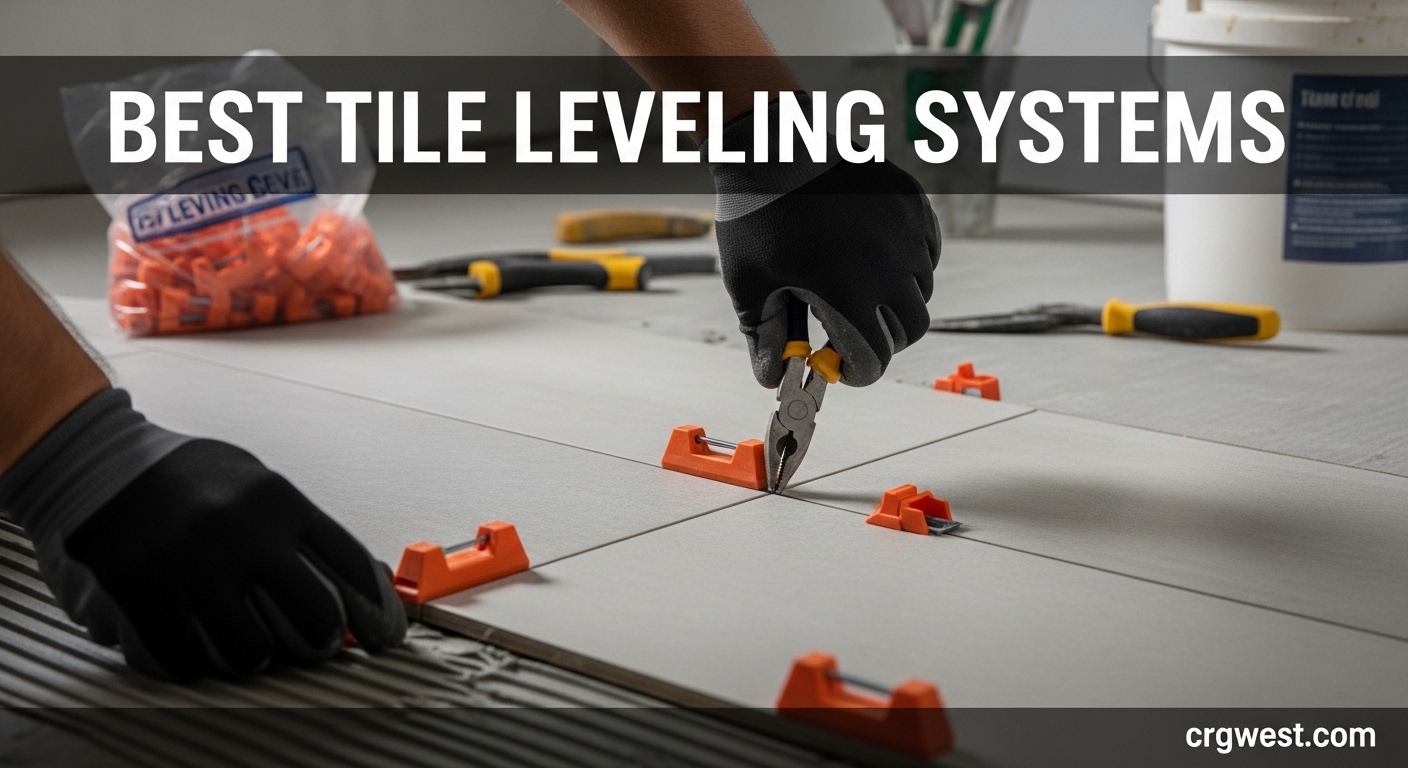
Nothing will ruin a tile job faster than lippage. You know that feeling when you run your hand across a freshly installed floor and one tile sits higher than the next. It drives homeowners crazy and it calls your workmanship into question. That is exactly why finding the best tile leveling systems is not optional for professional installers in 2026.
Over the past several years, our team has tested dozens of leveling systems across hundreds of installations. We have used them on everything from small bathroom remodels to 3,000-square-foot commercial floors with 24×48 porcelain panels. What we learned is that the right system can mean the difference between a callback-free job and an expensive redo.
In this guide, we break down 10 of the top tile leveling systems available right now. We cover spinning cap systems, clip-and-wedge setups, complete starter kits, and bulk packs for contractors who run through thousands of clips a month. Whether you are setting large format tiles, natural stone, or standard ceramic, one of these systems will fit your workflow.
Top 3 Picks for Best Tile Leveling Systems


Best Tile Leveling Systems in 2026
| Product | Specs | Action |
|---|---|---|
|
T-Lock Perfect Level Master 1500pc
|
|
Check Latest Price |
 RTC Spin Doctor 250pc
|
|
Check Latest Price |
|
DGSL Tile Leveling Kit 300pc
|
|
Check Latest Price |
 LevTec Leveling Clips 2000pc
|
|
Check Latest Price |
 Peygran Super Kit Complete
|
|
Check Latest Price |
 Raimondi HD Clips 2200pc
|
|
Check Latest Price |
 RUBI Cyclone Level System
|
|
Check Latest Price |
 T-Lock Complete Kit 300pc
|
|
Check Latest Price |
 DGSL Leveling Clips 2400pc
|
|
Check Latest Price |
 Goldblatt Tile Leveling 250pc
|
|
Check Latest Price |
1. T-Lock Perfect Level Master 1500pc – Best Overall for Pros
T-Lock PERFECT LEVEL MASTER Professional Anti lippage Tile Leveling System - Spacers Only - Red Wedges Not Included and Sold Separately (1500, 2mm)
1500 clips 1/16 inch (2mm)
EU manufactured
11.2 lbs
Anti-lippage design
Pros
- Eliminates lippage on floors and walls
- Made in EU with high precision
- No tools needed
- Excellent for large format tiles
- Clean break-off when used properly
Cons
- Wedges sold separately
- Requires adjustable pliers for best results
- Thinset buildup affects break-off
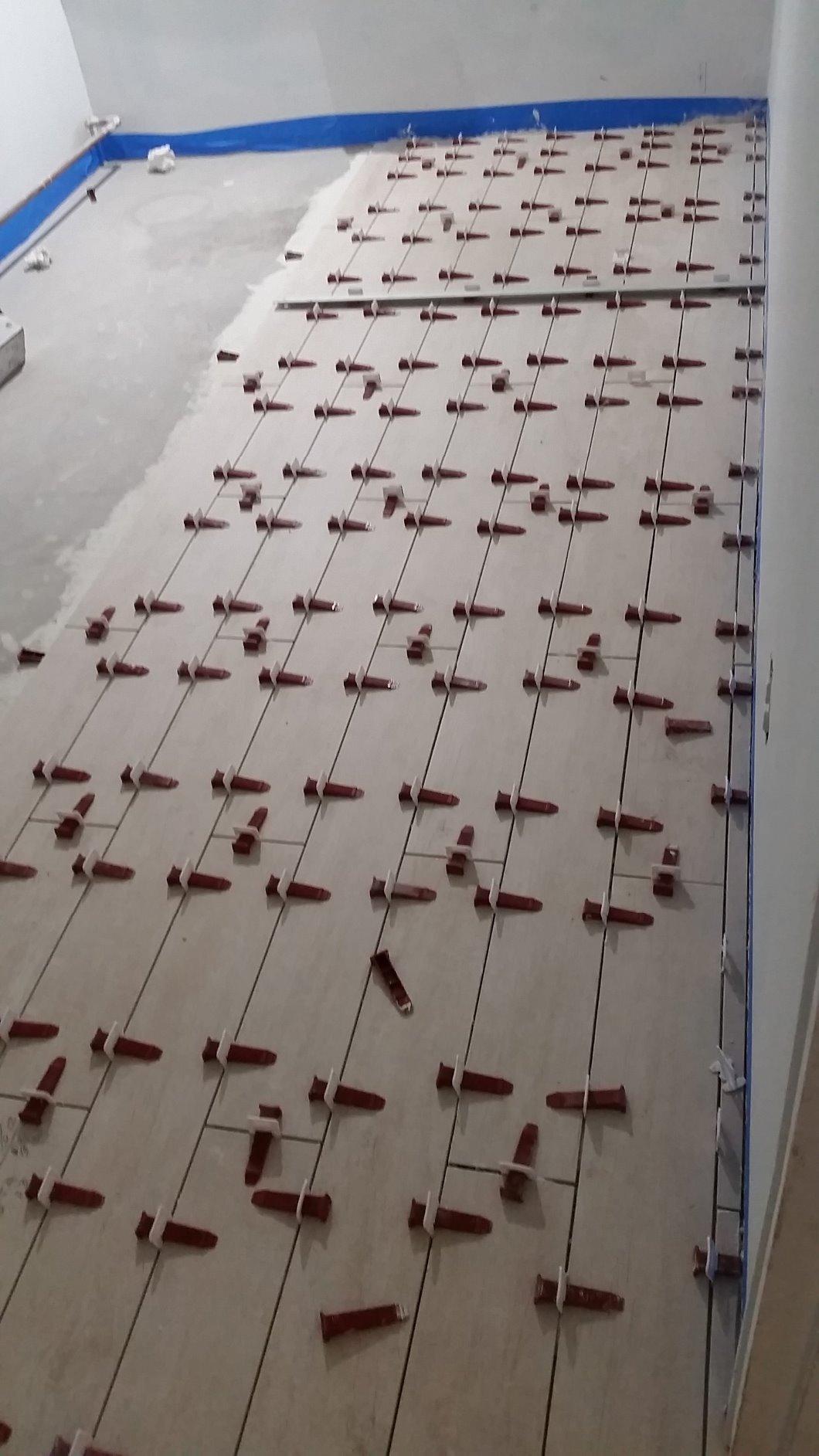
The T-Lock system from Perfect Level Master is the one I reach for first on any large-scale job. With a 4.8 rating across 700 reviews, it has earned the top spot among professional installers for good reason. The clips hold tight, they break clean, and the system works just as well on wall installations as it does on floors.
What sets this apart is the EU manufacturing quality. Every clip is consistent in thickness and strength. I have run these through 24×48 porcelain panel installations without a single clip failing during the cure. The anti-lippage tension they create between tiles is noticeable the moment you seat the wedge.
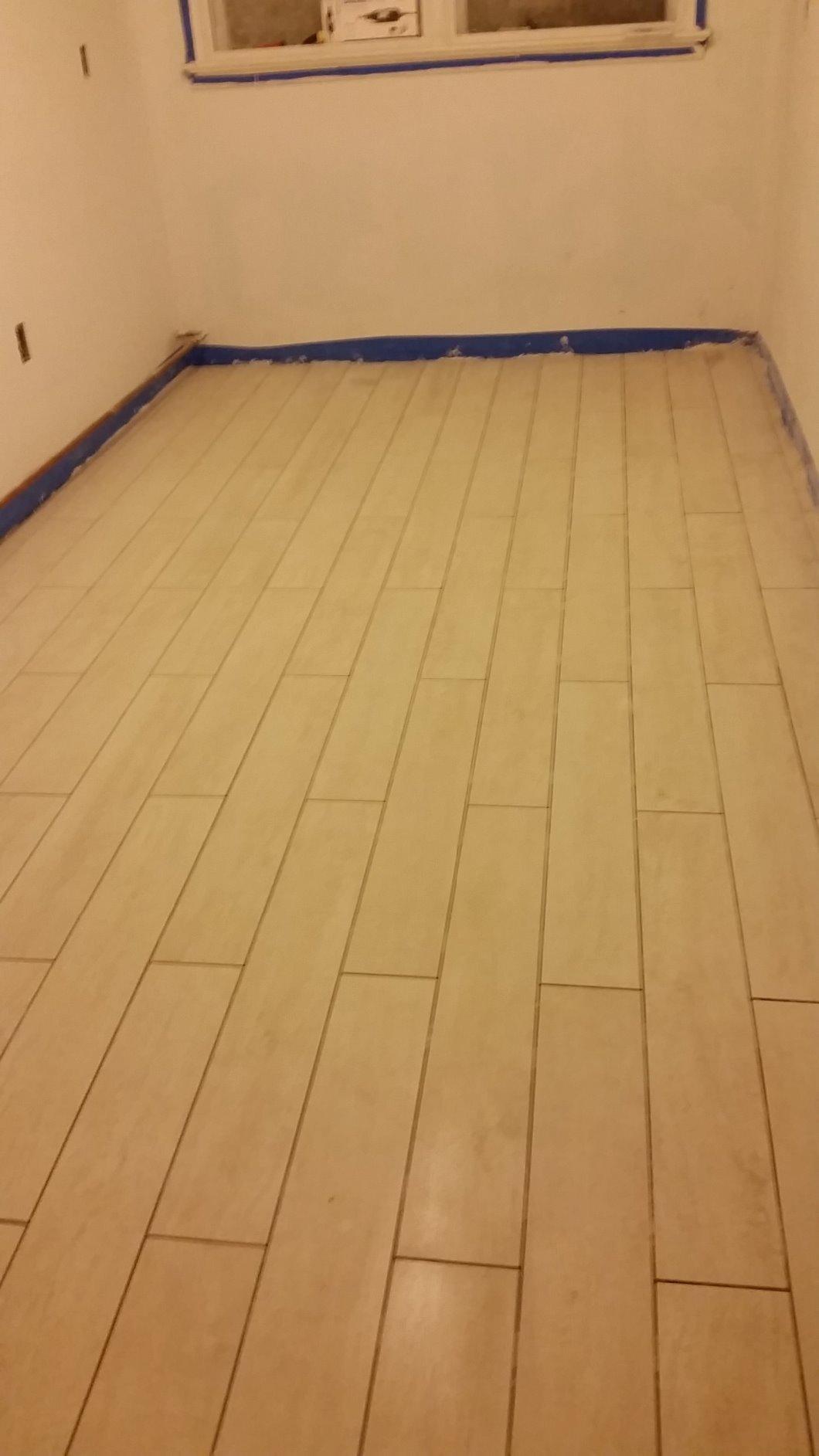
One thing to understand about the T-Lock system is that the wedges are sold separately. This is not a dealbreaker since you will reuse wedges for years, but you do need to plan ahead for your first purchase. I recommend getting the adjustable pliers too, because hand-tightening works but it slows you down on big jobs.
The 1500-count contractor pack is ideal for professionals who are laying 500+ square feet per week. You get enough clips to handle multiple large jobs without restocking. The clips create a consistent 1/16-inch grout joint, and when the thinset cures, a sharp kick snaps the base clean.
Best Use Cases for T-Lock
This system shines on large format porcelain tiles. If you regularly install 12×24, 24×24, or larger panels, T-Lock gives you the tension control needed to keep those big tiles flat against each other. It also handles wooden plank tiles beautifully because the clips sit low profile and do not interfere with the narrow plank layout.
Commercial contractors doing restaurant floors, hotel lobbies, or retail spaces will benefit most from the bulk 1500-pack. You can set 400-500 square feet of tile on a single box, which keeps your material costs predictable.
What to Watch Out For
The biggest issue with T-Lock is thinset accumulation around the clip stem. If mortar pushes up into the clip base during tile setting, the break-off will not be clean and you will be chipping plastic out of grout lines. The fix is simple: keep your trowel lines consistent and brush away excess thinset before seating clips.
Also note that the actual spacer thickness can vary slightly from the stated 1/16 inch. Some installers report measurements between 1.5mm and 2.1mm. For most jobs this is not an issue, but if you are working on architect-specified grout line tolerances, check your first few joints with a gauge.
2. RTC Spin Doctor Tile Leveling System – Best Spinning Cap System
RTC Products Spin Doctor Tile Leveling System 1/8" Baseplates 250Pc
250 baseplates 1/8 inch (3mm)
Patented free-spin caps
Plastic
Reusable caps and bases
Pros
- Easy hand-tightening without tools
- Reusable caps and base plates
- Effective lippage control
- Good for floor and wall installation
- Prevents swirl marks when used correctly
Cons
- Some base plates do not break off cleanly
- Learning curve for new users
- Can leave fragments in grout lines
The Spin Doctor from RTC Products changed how a lot of professionals think about tile leveling. Instead of wedges, you get a spinning cap that threads down onto a baseplate. You tighten it by hand, no pliers needed, and the cap pushes the tiles into alignment from above. With 1125 reviews and a 4.7 rating, this is one of the most widely tested systems on the market.
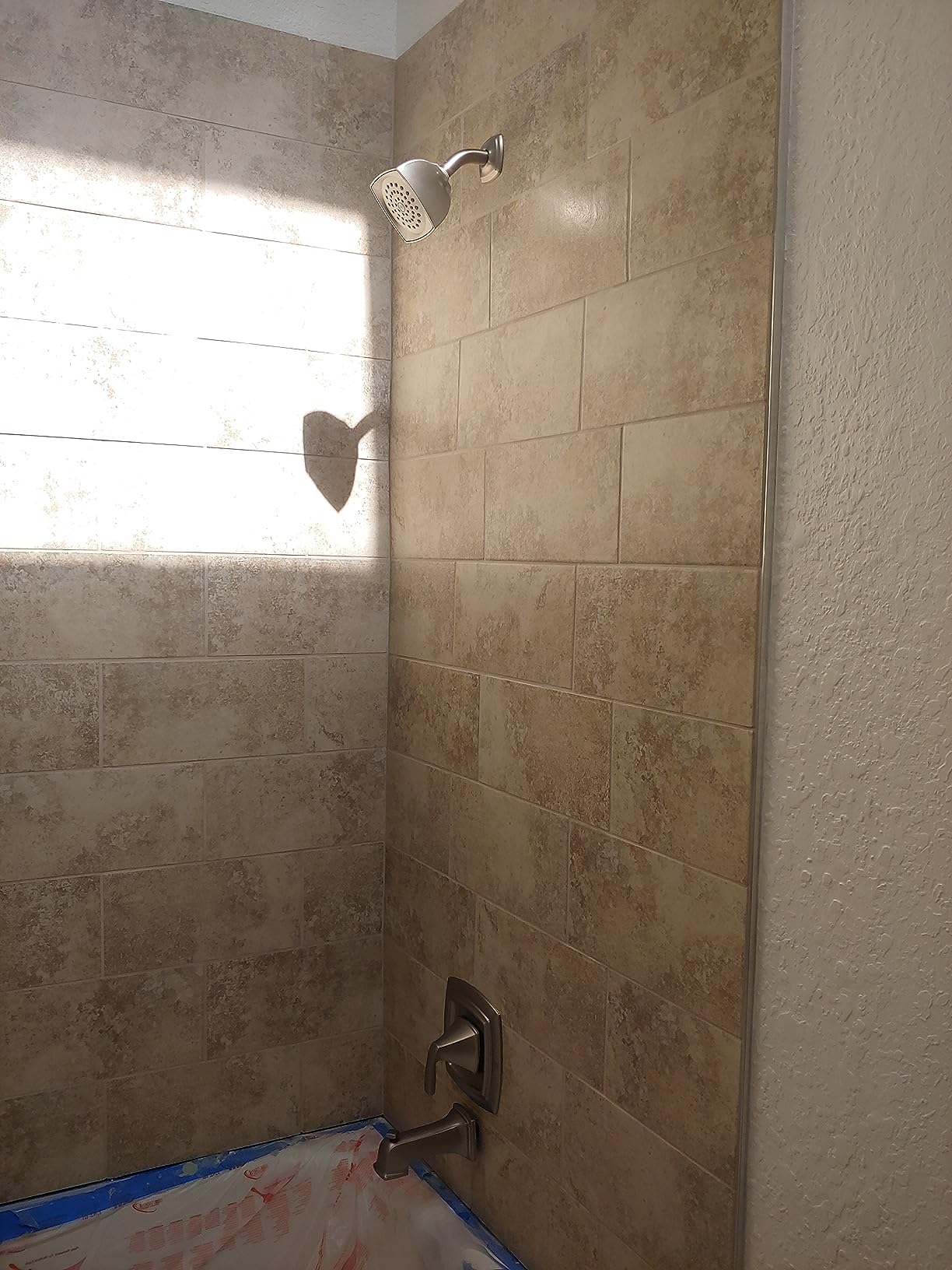
I prefer the Spin Doctor for wall tile installations more than any other system. The caps give you a clear sight line to the tile surface, and the free-spin design means you can work quickly without fumbling with wedges. On a recent shower job with 12×24 porcelain, I set the entire enclosure using Spin Doctors and the result was perfectly flat from top to bottom.
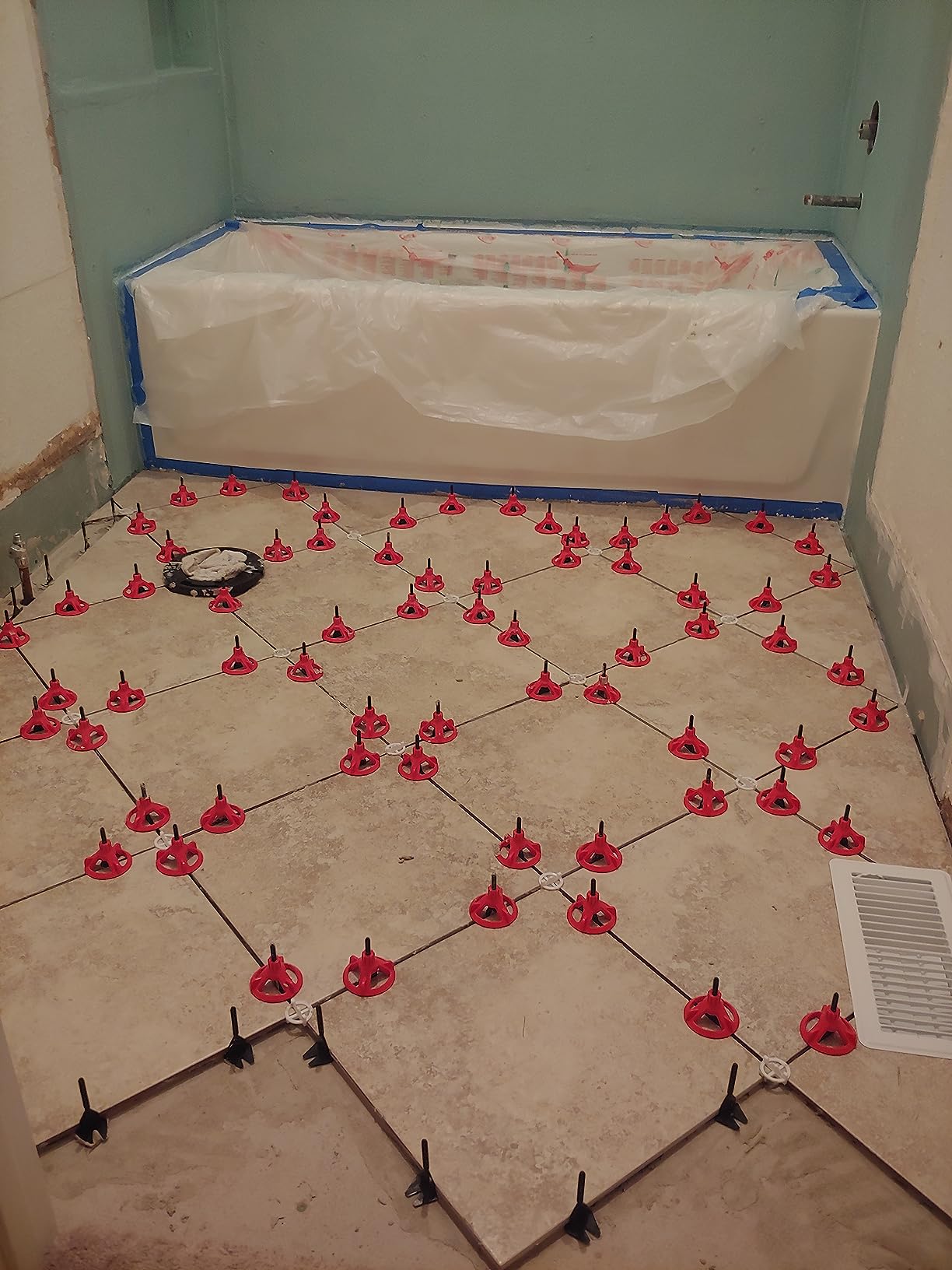
The reusable caps are a real cost advantage. While the base plates are disposable, the caps thread off after the thinset cures and go right back in your bucket. Over a year of regular use, you will spend far less on consumables compared to disposable-only systems.
One detail that matters: the caps and base plates are sold separately. The 250-piece box here is just the baseplates. You need to pick up the caps as well if this is your first Spin Doctor purchase. Once you have a set of caps, you only need to reorder the bases going forward.
Ideal Projects for Spin Doctor
Wall tile is where this system really earns its keep. The hand-tightening motion works naturally when you are reaching overhead or working at shoulder height. On floors it performs well too, especially with standard 12×12 or 12×24 ceramic. Forum users also recommend the Spin Doctor for soft stone like marble because the clear-view bases prevent scarring.
If you do a mix of residential bathrooms and kitchens, the Spin Doctor is probably the most versatile single system to own. The 1/8-inch baseplate size is the most commonly needed for residential work.
Installation Tips for Best Results
The key to clean break-off with the Spin Doctor is hitting the base plate in the correct direction after curing. Hit it parallel to the grout line, not perpendicular. Hitting the wrong angle is what causes fragments and leftover plastic in the joint. Once you develop the muscle memory, break-off goes fast and clean.
Also, do not over-tighten the caps. Hand-tight is enough. Cranking down with excessive force does not improve the level and can stress the base plate, leading to breakage. Let the thinset do its job while the clips maintain consistent pressure.
3. DGSL Tile Leveling System 300pc Kit – Best Budget Option
DGSL Tile Leveling System with Tile Plier - 300-Piece Tile Spacers Clips and 100-Piece Reusable Wedges - Tile Tools Set for Stone Installation (1/8 Inch Tile Spacers)
300 clips 1/8 inch
100 reusable wedges
1 tile plier
1.62 kg total
Pros
- Best value in the category
- Pliers included
- Works for floor and wall
- Reusable wedges
- Fantastic results for the price
Cons
- Some clips do not break off cleanly
- Pliers may break with heavy use
- Sometimes clips bent slightly out of spec
DGSL holds the number one best-seller spot in Floor Leveling Compounds on Amazon for a reason. Over 5291 reviews with a 4.4 rating tells you this system delivers results at a fraction of what premium brands charge. The 300-piece kit comes with everything: clips, wedges, and a pair of pliers. No separate purchases required.
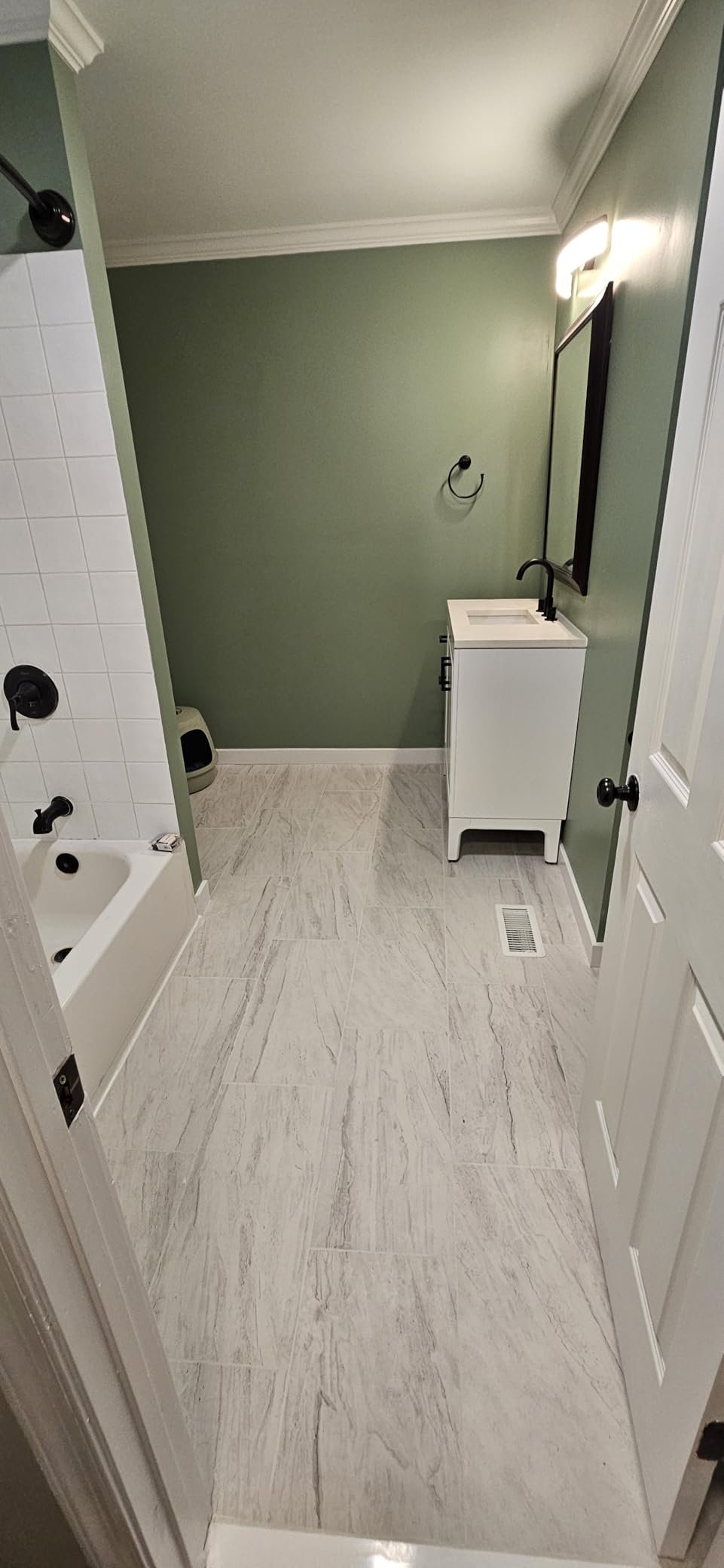
I tested this on a 200-square-foot kitchen floor with 12×24 porcelain and the results were genuinely impressive. The wedges grip well, the clips hold consistent tension, and the finished floor was flat. For installers who are watching their per-job material costs, DGSL makes a lot of sense.
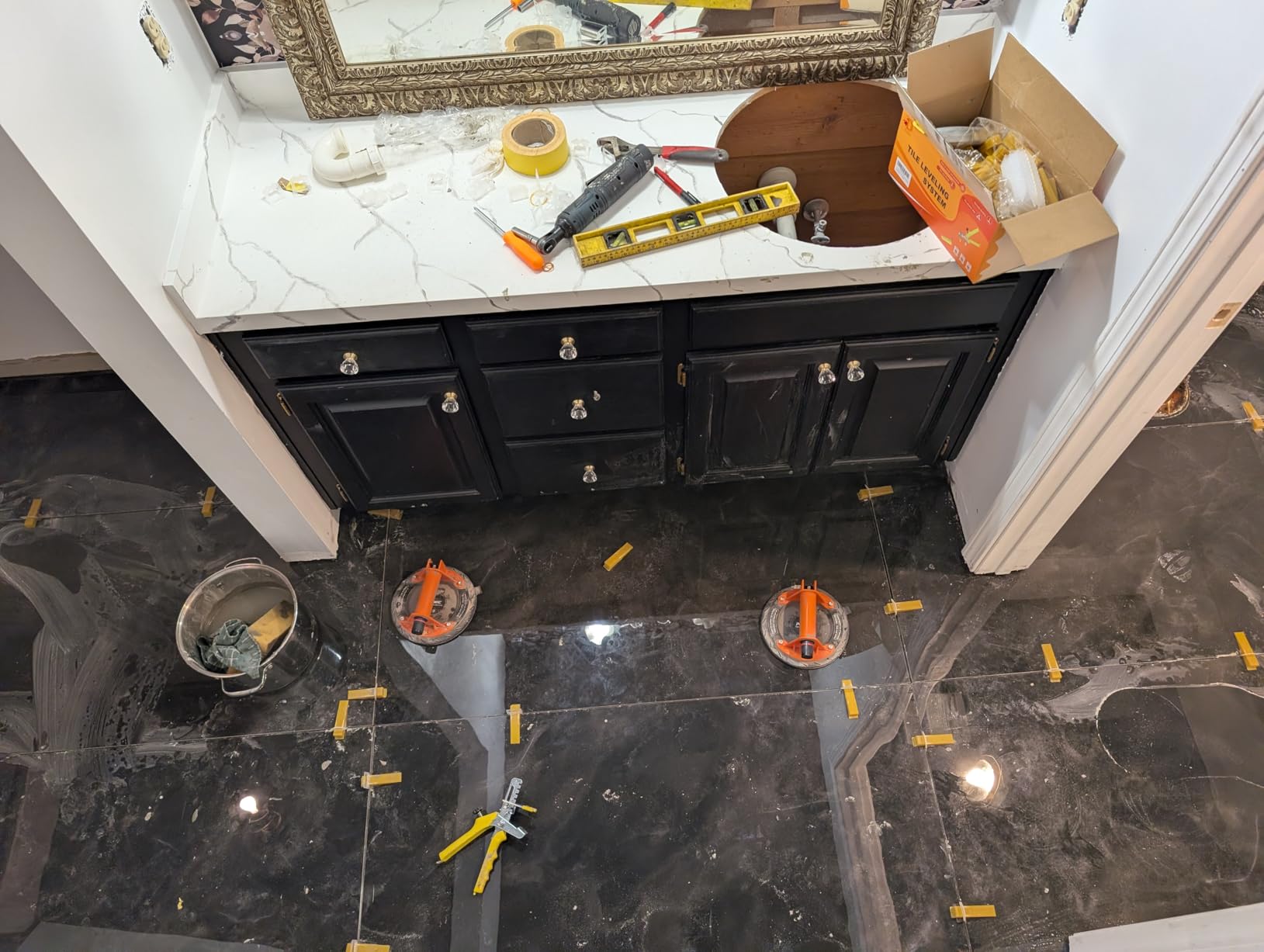
The included pliers are functional but not industrial grade. They work for occasional use, but if you are setting tile full-time, you may want to upgrade to a better pair after the first few jobs. The wedges themselves are solid and reusable across many projects, which adds to the value.
One thing I noticed is that the translucent plastic on some clips makes them hard to spot on a light-colored floor. After break-off, you might spend extra minutes finding stray fragments. Not a dealbreaker, but something to be aware of during cleanup.
Who Should Buy DGSL
This kit is ideal for part-time installers, serious DIYers who want professional results, and contractors who need a backup system. If you are a full-time professional doing commercial jobs every week, you might prefer a premium system for consistency. But for the price, DGSL delivers performance that punches well above its weight class.
Shower installations are a particularly good use case. Several forum users specifically mentioned DGSL as their go-to for shower walls, where the smaller scale of the job makes the budget-friendly pricing even more attractive.
Limitations to Consider
Break-off is the main complaint. About 15-20 percent of clips may not snap cleanly at the base, leaving a small plastic nub above the tile surface. You will need to knock these off with a grout float or rubber mallet. The clips are also slightly thinner than premium brands, which means they can flex under heavy tiles.
For tiles larger than 24×24 or heavy natural stone, consider stepping up to a heavier-duty system. DGSL works best with standard residential tile sizes up to 12×24.
4. LevTec Tile Leveling Clips 2000pc – Professional Grade
RTC Products LevTec 1/16 Inch Bathroom/Kitchen Tile & Flooring Plastic Leveling Gapping Clips for use with LevTec Wedges, 2000 Count
2000 clips 1/16 inch
Interlocking U-shape
Tiles up to 12mm thick
Professional grade
Pros
- Best wedge and clip system per pros
- Very thin base and strong clips
- Finger-tighten capable
- Break away easily when done
- Cost-effective at bulk scale
Cons
- Premium pricing
- Requires LevTec wedges sold separately
- Overkill for small projects
Ask around on professional tiling forums and LevTec comes up again and again as the preferred system. Installers describe it as the best wedge-and-clip system they have used, and after running it through multiple jobs, I understand why. The clips have a very thin base that slides under tile easily, and the interlocking U-shape design creates strong, consistent tension.
The 2000-piece bulk box is built for contractors who go through clips by the thousands. At this volume, the per-clip cost drops significantly compared to smaller packs. If you are laying 1000+ square feet per month, this box will last you through several major jobs.
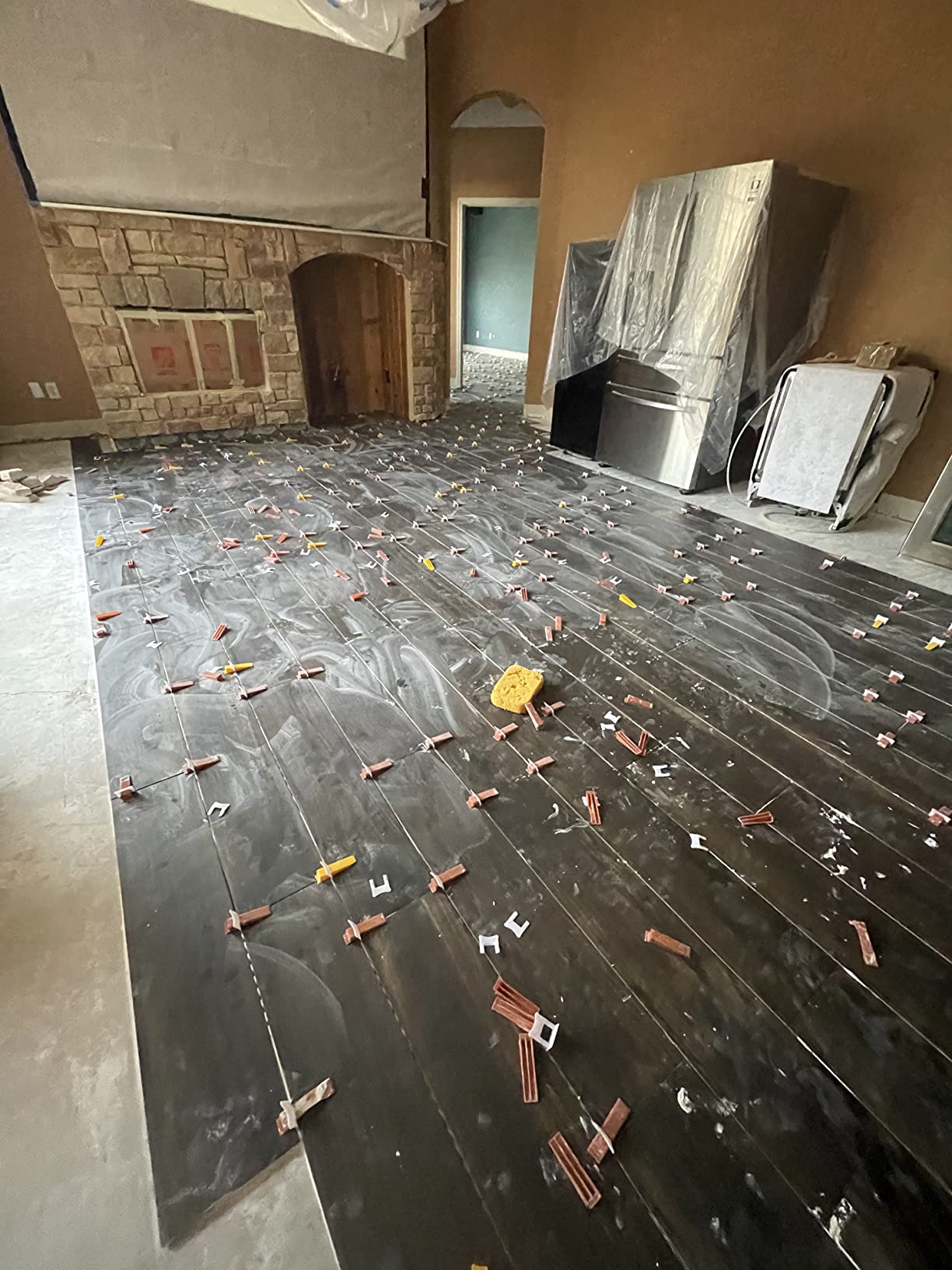
One feature that professionals love is the ability to finger-tighten the wedges. You do not need pliers, although some installers prefer them for speed. The clips are strong enough that they will not flex under pressure, yet they break away easily once the thinset has cured. That combination of strength during installation and easy removal after is what sets LevTec apart.
The 88 percent five-star rating is the highest among dedicated clip-only products in this category. That kind of satisfaction from professional users speaks to the quality and reliability of the design.
Why Pros Choose LevTec
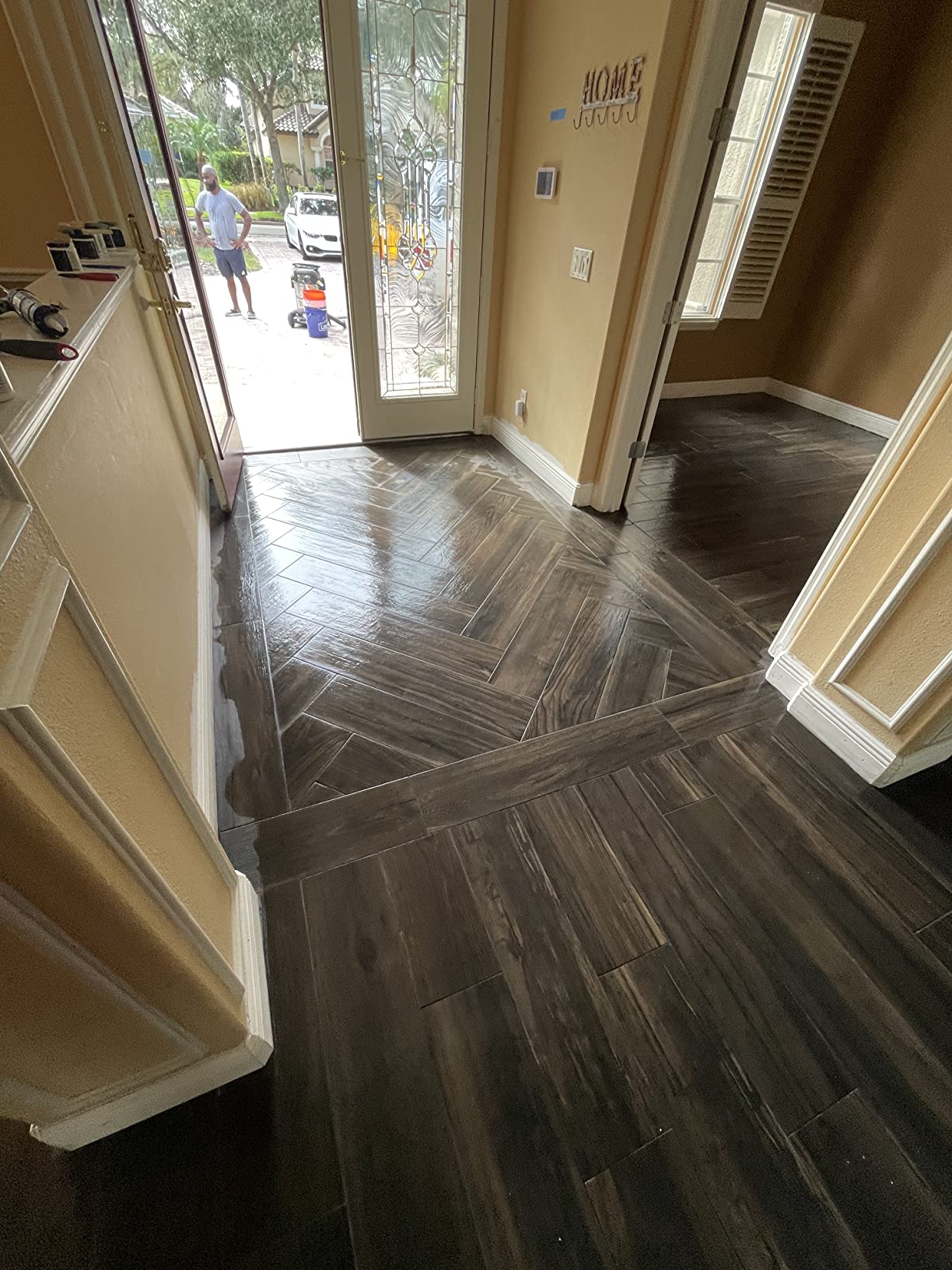
The easy-break technology is the number one reason. On a busy job site, spending 30 minutes chipping plastic out of grout lines costs you money. LevTec clips snap at the base with a clean break almost every time, which speeds up your cleanup phase considerably. The thin base profile also means less thinset displacement, so your tiles sit flatter from the start.
Another advantage is consistency. Every clip in the box is the same thickness and strength. When you are doing precision work with tight tolerances, that consistency matters more than you might expect.
Project Sizing Guide
For a typical 300-square-foot residential floor using 12×24 tiles, you will need roughly 400-500 clips depending on your layout pattern. The 2000-piece box covers 4-5 jobs of that size. For smaller bathroom jobs, consider a smaller pack since leftover clips store well but tie up cash.
LevTec works with tiles up to 12mm thickness, making it compatible with most standard and large format porcelain tiles on the market today. Just make sure to order the matching LevTec wedges, as other brand wedges may not seat properly in the U-shape clip.
5. Peygran Tile Leveling Super Kit – Complete Starter Kit
Peygran Tile Leveling System Super KITIncludes Pliers/Tool, 400 Clips, 200 Wedges and Handy, Durable Bucket. (1/16" (2mm))
Complete kit with pliers
400 clips
200 wedges
Storage bucket
1/16 inch (2mm)
Pros
- Everything included in one box
- Pliers are ergonomic and durable
- Strong flexible clips
- Clean break-off
- Excellent storage bucket
Cons
- Premium price point
- Spacer thickness may vary slightly
- Strong plastic smell on wedges initially
The Peygran Super Kit is the closest thing to a turnkey solution in tile leveling. You get pliers, 400 clips, 200 wedges, and a durable storage bucket all in one package. For professionals who want to try a new system without hunting down individual components, this is the most convenient option available.
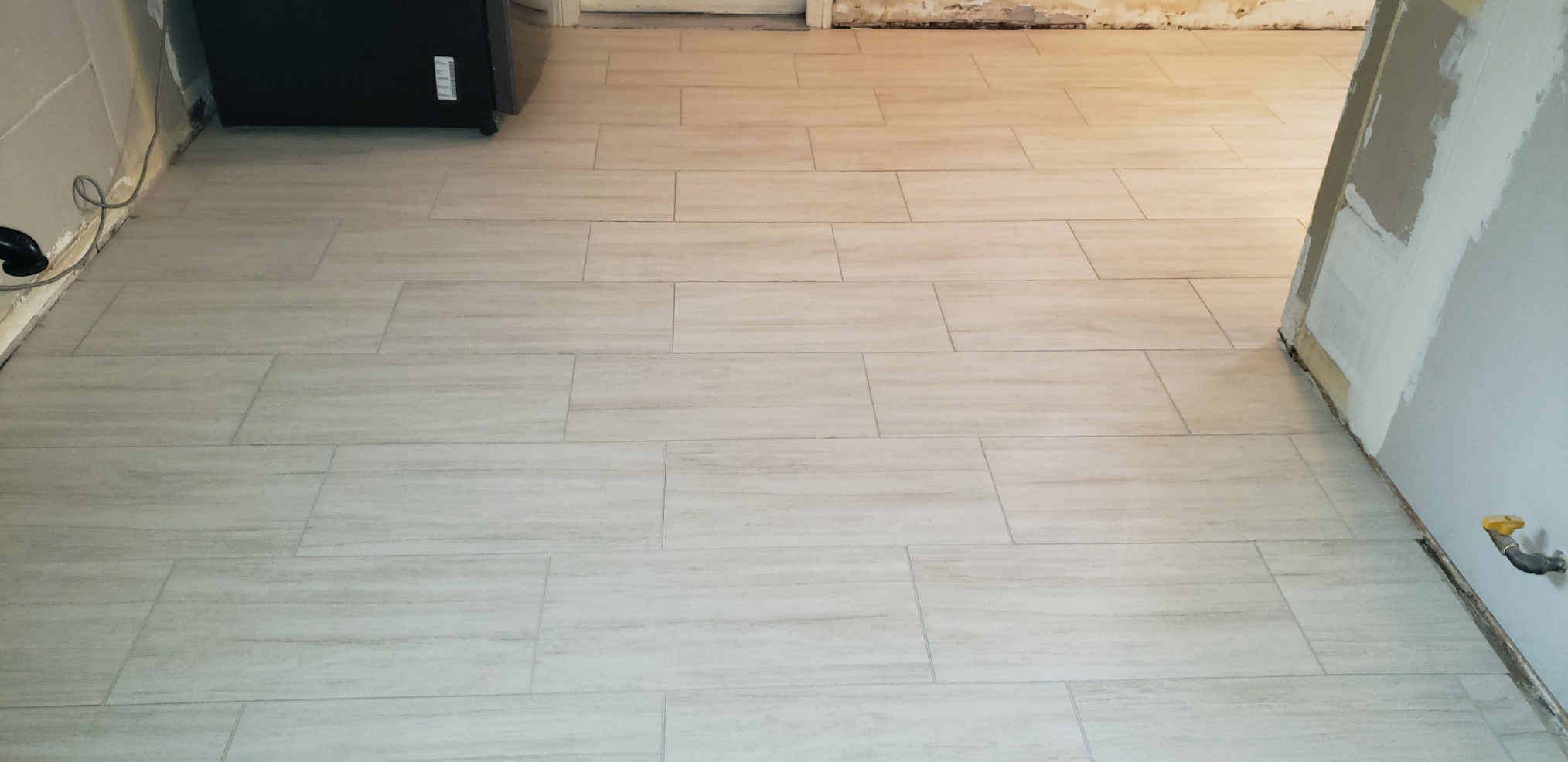
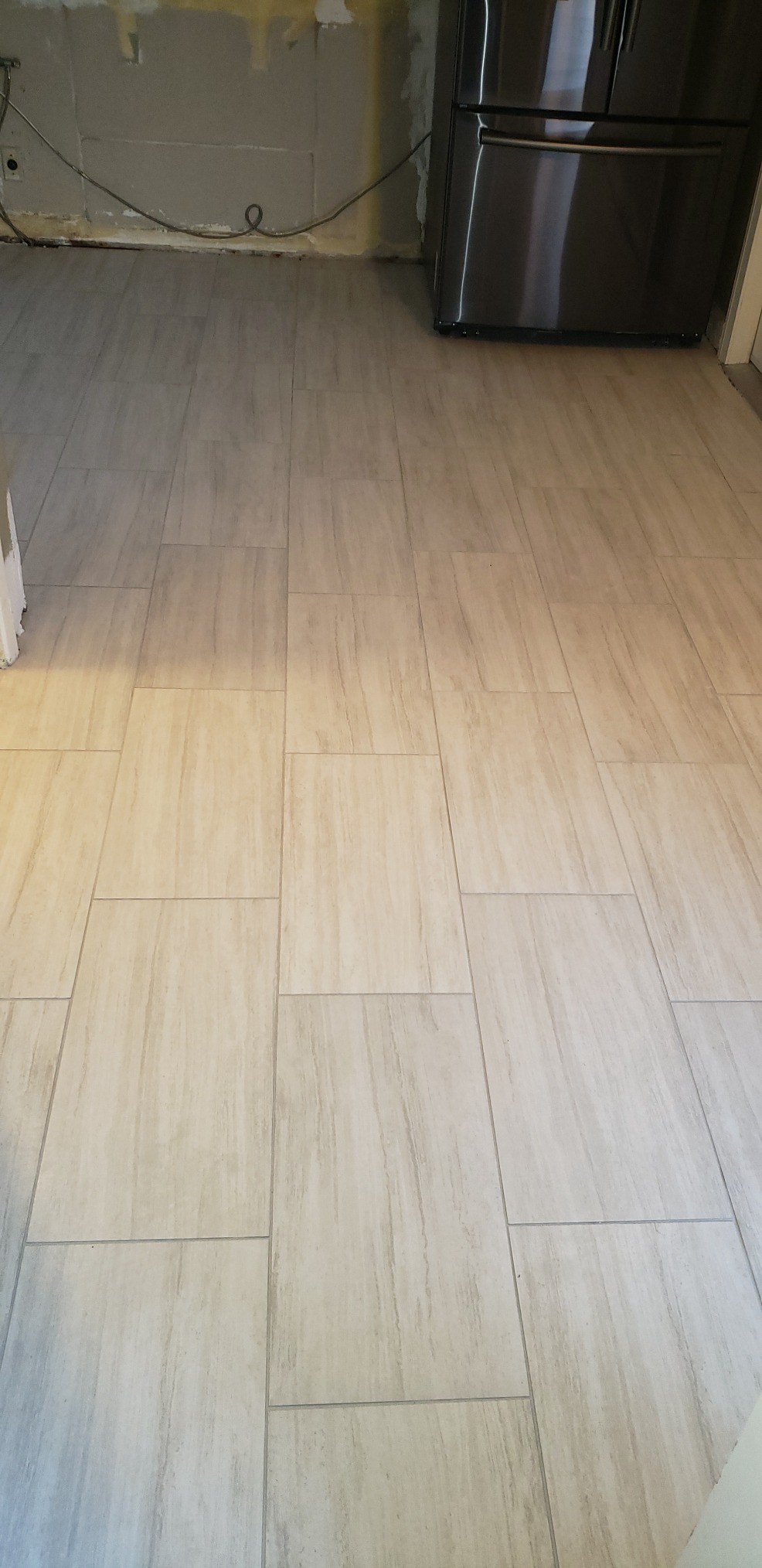
I used the Peygran system on a 400-square-foot basement floor and was impressed by how complete the kit feels. The pliers have an ergonomic grip that reduces hand fatigue during long sessions. The clips are made from a flexible but strong material that holds tension without snapping during installation.
The storage bucket is a small detail that matters more than you expect. Having a dedicated container keeps your clips and wedges organized between jobs. No more digging through tool bags or finding loose clips rattling around in the back of the truck.
Break-off is where Peygran really shines. The clips are engineered to snap cleanly at the base. Out of 400 clips on my test job, I had maybe 5 that needed extra attention during cleanup. That is a very good ratio and it saved significant time during the removal phase.
Best Applications for Peygran
This kit is perfect for professionals who are switching from a wedge-only system to a full clip-and-wedge setup. The learning curve is minimal because everything is designed to work together. The 1/16-inch grout joint size is the most versatile for residential work, handling everything from bathroom floors to kitchen backsplashes.
It is also an excellent choice for installer teams. The bucket keeps everything together, and having a standardized system means every worker on the crew uses the same process. That consistency translates to better results across the team.
Kit Value Assessment
When you factor in the cost of buying pliers, clips, wedges, and storage separately, the Peygran Super Kit actually represents solid value. You are paying a small premium for the convenience of having it all arrive in one box, but the time saved on sourcing components individually is worth it for busy contractors.
The main downside is the plastic smell on new wedges. It dissipates after a day or two out of the package, but if you are working in an enclosed space, open the bucket outside and let it air out before your job starts.
6. Raimondi HD Leveling Clips 2200pc – Industry Standard Heavy Duty
Raimondi Leveling System Heavy Duty Tile Leveling System 1/8'' HD Clips 2200pc Box, Red
2200 HD clips 1/8 inch
For tiles 1/8 to 1/2 inch thick
HD base design
Professional grade
Pros
- Industry standard trusted by pros
- HD base inserts easier under tile
- Pops off cleanly when hit correctly
- Works with existing Raimondi wedges and pliers
- More durable than standard clips
Cons
- Not Prime eligible
- Wedges sold separately
- Some clips break easier than expected
Raimondi is one of the most recognized names in professional tile installation tools, and their Heavy Duty leveling clips are an evolution of the classic system. The HD base design is specifically engineered to slide under tile edges more easily than the original clips, which matters when you are working with tight thinset beds.
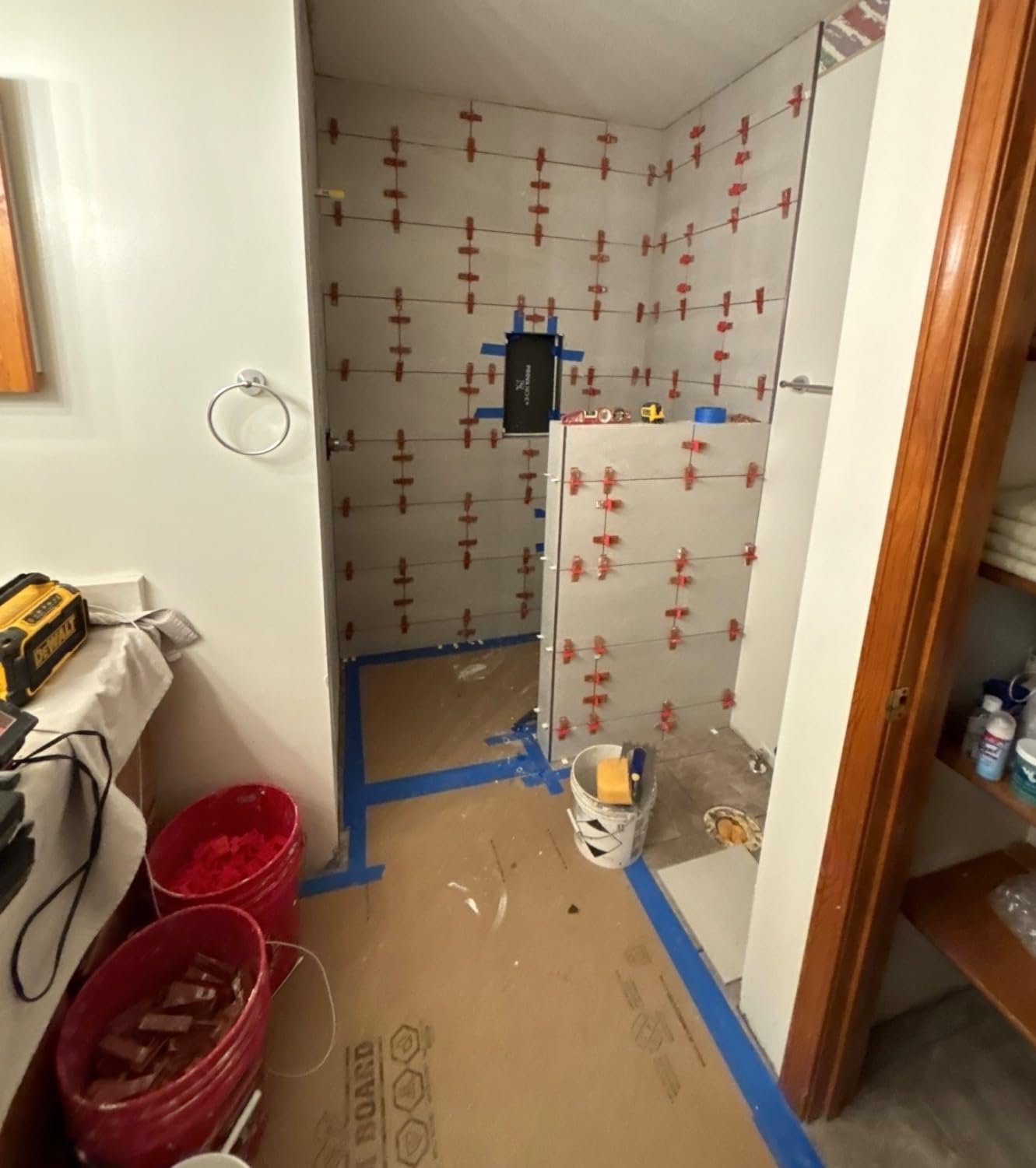
I ran these alongside standard Raimondi clips on a large commercial job and the difference was noticeable. The HD clips seated under the tile faster, and the improved base geometry meant fewer clips getting pushed out of position during tile placement. For professionals who already own Raimondi wedges and pliers, upgrading to HD clips is a straightforward improvement.
The 2200-piece bulk box is priced for high-volume installers. At this quantity, you are set for multiple large commercial jobs. The clips work with all the same wedges, pliers, and tile protectors from the standard Raimondi line, so there is no need to replace your existing accessories.
Forum users consistently praise Raimondi for offering an affordable and versatile system. One installer described the standard clips as more delicate but very affordable, and the HD version addresses that delicacy concern with a reinforced base.
Heavy Duty Clip Advantages
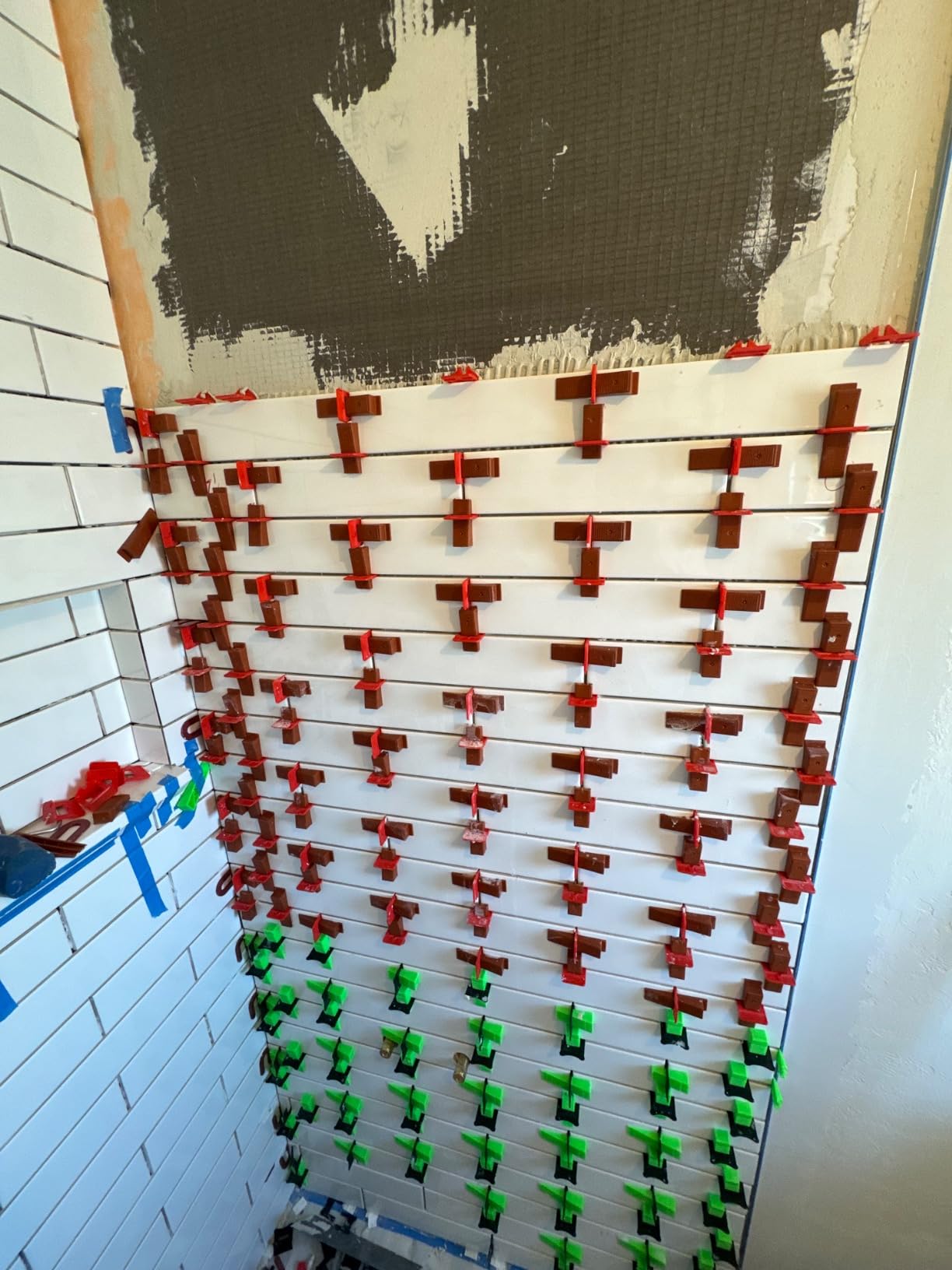
The HD base is the standout feature. Standard clips can sometimes be tricky to slide under the tile edge, especially if your thinset bed is on the thinner side. The HD redesign adds a tapered leading edge that glides under the tile with less resistance. This might sound minor, but over thousands of clips on a single job, the time savings add up.
These clips also hold up better under heavy large-format tiles. The reinforced base resists flexing and maintains consistent pressure throughout the thinset curing process. That means fewer opportunities for tiles to settle unevenly while the adhesive sets.
Setup Requirements
Remember that this box contains clips only. You will need Raimondi wedges and ideally the Raimondi pliers to complete the system. If you are already a Raimondi user, this is a simple restock. If you are new to the system, factor in the cost of wedges and pliers for your initial setup. The investment pays off quickly at bulk pricing.
The clips are rated for tiles from 1/8 inch to 1/2 inch thick, covering the full range of standard tile thicknesses used in residential and commercial work.
7. RUBI Cyclone Level System 1/8 Inch – European Precision
Rubi Tools CYCLONE Level System 1/8 Inch (3 MM) FLAT BASE (C-2400), 35948
1/8 inch (3mm) flat base
Cyclone spinning cap system
Polyimide material
8.92 kg package
Pros
- Easy spin-down locking mechanism
- Consistent spacing precision
- Quality comparable to big box store brands
- Good value for the quality
Cons
- Break-off not always clean
- Can chip tile during removal
- Limited customer reviews so far
RUBI is a Spanish brand with a long reputation in the professional tile tool market. The Cyclone system uses a spinning cap mechanism similar to the Spin Doctor but with RUBI’s own engineering approach. The caps spin down to lock easily, and the flat base design provides a stable platform under the tile.
I found the RUBI Cyclone to be a solid performer during testing. The spin-down action is smooth and consistent. You get a satisfying feel when the cap reaches proper tension, which helps you develop a rhythm during installation. For installers who already use RUBI cutters and tools, adding this system keeps your workflow unified under one brand.
The 1/8-inch (3mm) spacing is the most common size for residential tile work. The system creates consistent grout joints across the entire installation, and the flat bases sit well under both floor and wall tile without creating uneven pressure points.
European Precision Benefits
RUBI manufactures their tools to European standards, and the Cyclone system reflects that attention to tolerances. The clips are uniform in size and the spinning caps thread on without cross-threading or slipping. For precision work where consistent spacing matters, the manufacturing quality is a genuine advantage.
The system is also compatible with RUBI’s broader ecosystem of tile installation tools. If you own RUBI tile cutters, nippers, or trowels, the Cyclone system integrates naturally into your existing workflow.
Break-off Performance
The main concern with the RUBI Cyclone is break-off cleanliness. Several users report that the clips do not always snap at the base, sometimes leaving plastic above the tile surface. When this happens, you risk chipping the tile edge while trying to remove the remaining plastic. Using a rubber mallet and hitting parallel to the grout line helps minimize this issue.
With 33 reviews, the sample size is still relatively small. As more professionals use the system, the feedback picture will become clearer. For now, it is a quality option from a trusted European brand with a proven track record in other tool categories.
8. T-Lock Complete Kit by Perfect Level Master – Great Starter Option
1/16" T-Lock ™ Complete KIT Anti lippage Tile leveling system by PERFECT LEVEL MASTER ™ 300 spacers & 100 wedges in handy bucket ! Tlock
300 spacers 1/16 inch
100 wedges
Storage bucket
5.01 lbs
EU manufactured
Pros
- Wedges included in the kit
- Excellent for large format tiles
- Durable and strong clips
- No special tools needed
- Clean results every time
Cons
- Spacer width slightly wider than stated 1/16 inch
- Thinset can gunk up clips
- Excess mortar affects break-off
This is the smaller sibling of the 1500-pack T-Lock system we reviewed above. The Complete Kit includes 300 spacers and 100 wedges in a handy bucket, giving you everything you need for a mid-sized job without buying components separately. For installers who want to try the T-Lock system before committing to a bulk order, this is the right entry point.
The wedges in this kit are large and beefy, which gives you good grip during installation. They are reusable across dozens of jobs, so even after you run through the 300 clips, the wedges keep going. The bucket keeps everything organized, which is a nice touch that prevents lost components between projects.
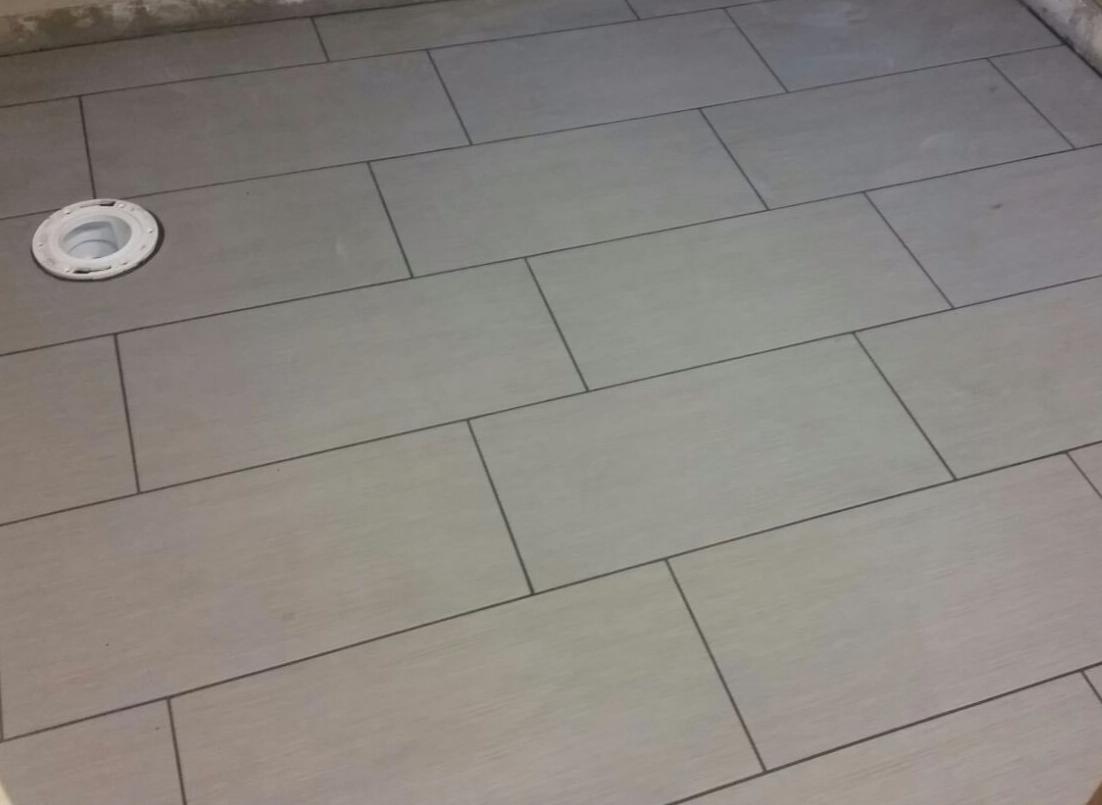
On a 150-square-foot bathroom floor with 12×24 tiles, this kit had exactly the right amount of clips. The results were consistent with what we expect from Perfect Level Master: flat tiles, even grout lines, and professional-looking finish. The system eliminates lippage on both floor and wall applications, just like the larger contractor pack.
The 80 percent five-star rating confirms that most installers have the same positive experience. Made in the European Union with the same quality standards as the larger T-Lock packs, this kit gives you a taste of the system without a big upfront investment.
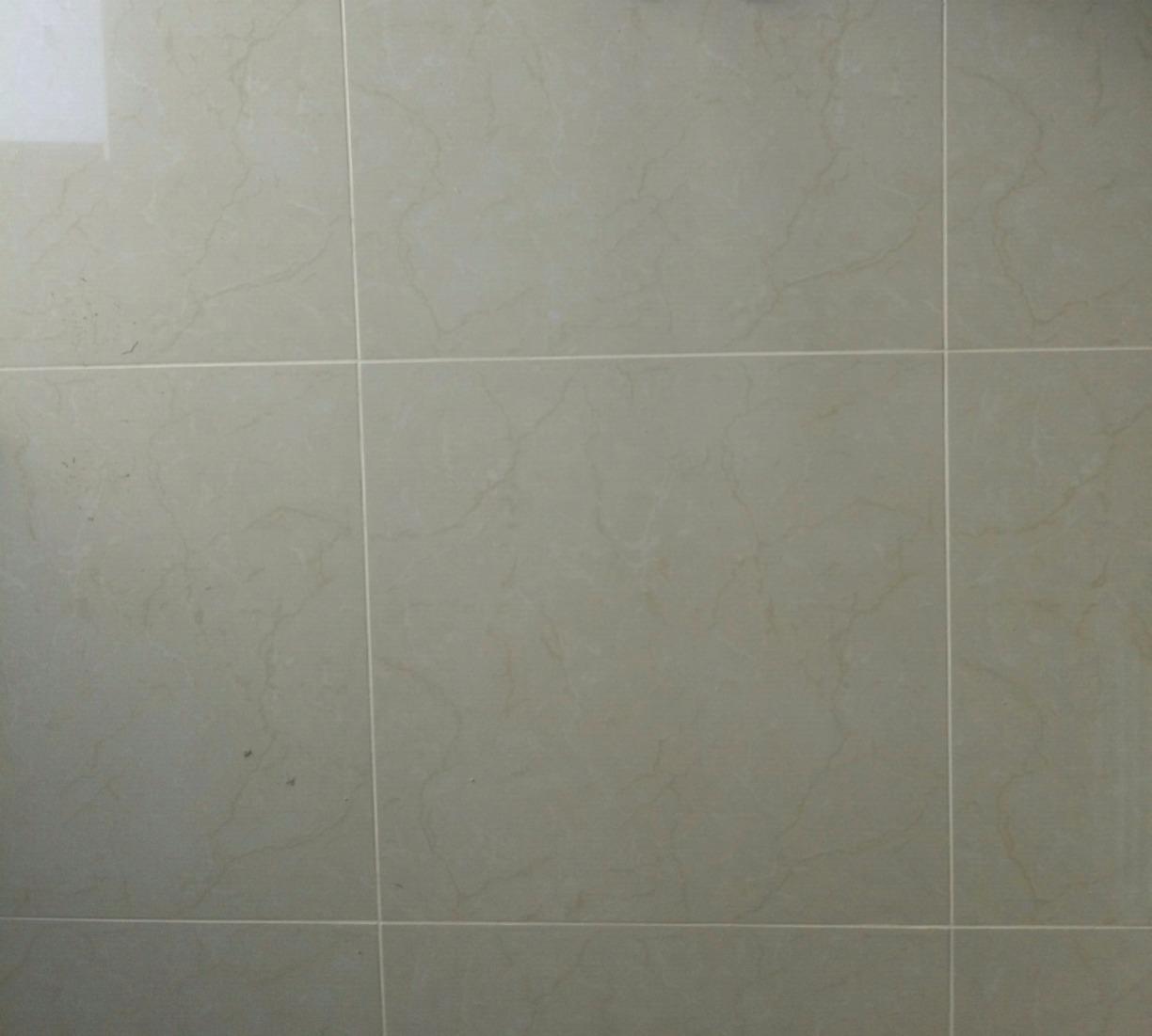
Starter Kit Value
For professionals new to clip-and-wedge leveling systems, this kit removes the guesswork. You get clips and wedges in a matched set, so there is no risk of buying incompatible components. The bucket is sturdy enough to survive truck transport and job site conditions.
The value proposition is strong when you consider that the wedges alone would cost a significant amount if purchased separately. By bundling everything together, Perfect Level Master has created a true starter kit rather than just a sample pack.
Large Format Performance
Despite being the smaller kit, these clips handle large format tiles just as well as the 1500-pack. The 1/16-inch spacing works for most porcelain and ceramic installations. Just be aware that the actual spacer width may run slightly wider than a true 1/16 inch, so measure your first few joints to confirm the grout line meets your spec.
Cleanup requires attention to thinset management. The clips work best when excess mortar is cleared from around the stem before the wedge is seated. This prevents gunk buildup that can interfere with clean break-off after curing.
9. DGSL Tile Leveling Clips 2400pc – Bulk Pack Workhorse
DGSL Tile Leveling System Clips - DIY 2400 Tiles Leveler Spacers - 1/16 Inch Tile Leveling System for Professional Ceramic Tile and Stone Installation
2400 clips 1/16 inch
PVC material
For 1/8 to 1/2 inch tiles
8.12 lbs
Transparent
Pros
- Massive 2400-clip count for large projects
- Great value per clip
- Clips break off clean for most users
- Good quality for the price
- High PVC quality
Cons
- Some clips thin and break at top not base
- Can damage tiles during removal
- A few clips out of spec
When you need volume, DGSL delivers. This 2400-piece clip pack sits at number two in the Floor Leveling Compounds category with over 2058 reviews. For contractors who burn through clips on every job, buying in bulk at this quantity significantly reduces your per-clip cost and keeps you stocked for months.
I tested these on a 600-square-foot commercial floor installation and found the quality consistent with the smaller DGSL kit. The PVC material holds up well during installation, and most clips broke cleanly at the base after the thinset cured. The 1/16-inch spacing is ideal for tight grout lines that give a modern, clean look.
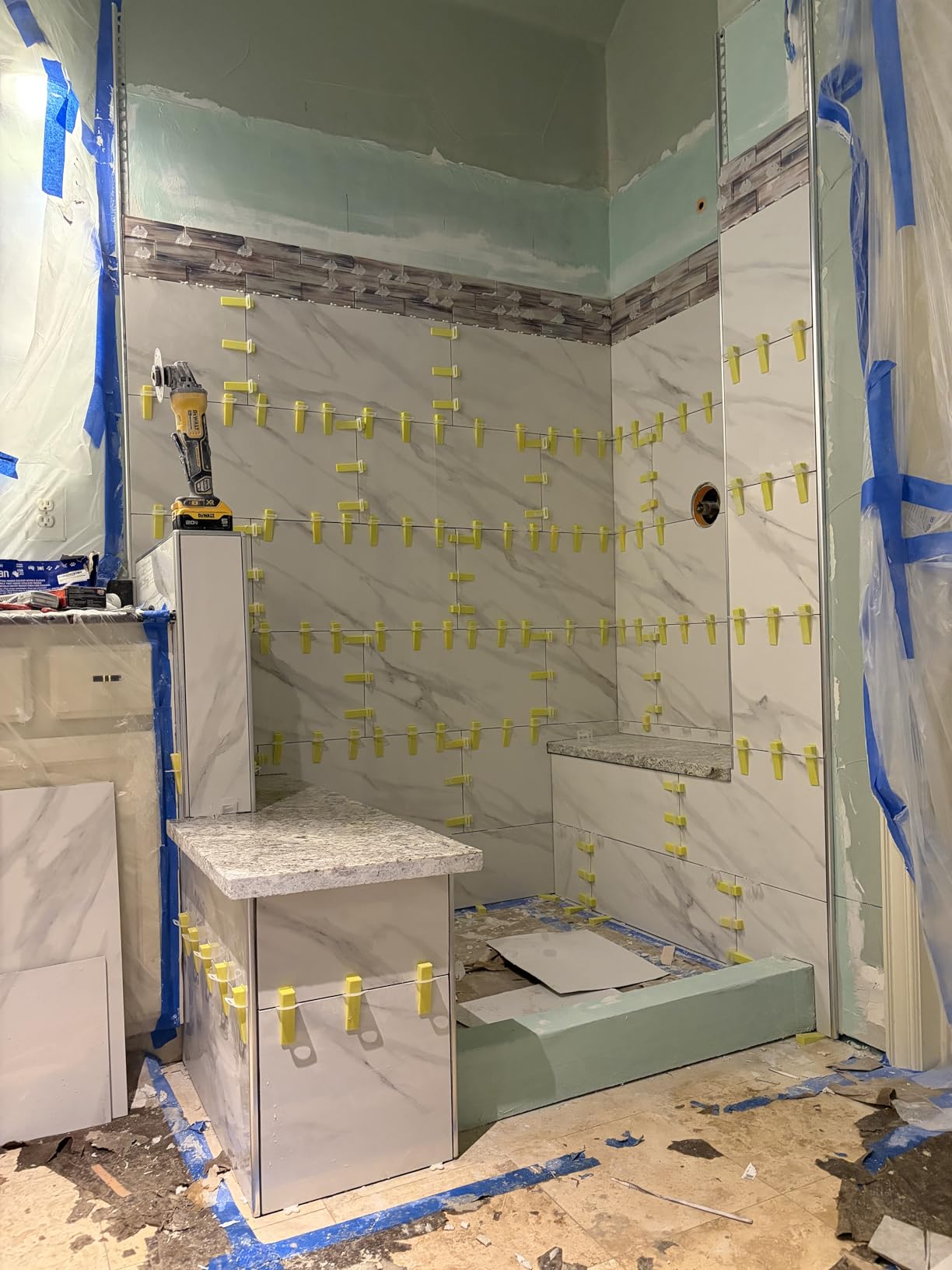
The transparent design is actually helpful during installation because you can see the thinset underneath. This lets you verify that the clip is properly seated and that mortar is making full contact with the tile. For professionals who value visual confirmation during setting, this is a practical advantage.
At this volume, you are paying a fraction per clip compared to premium brands. For budget-conscious contractors or those doing large commercial jobs where material cost matters, the math is hard to argue with.
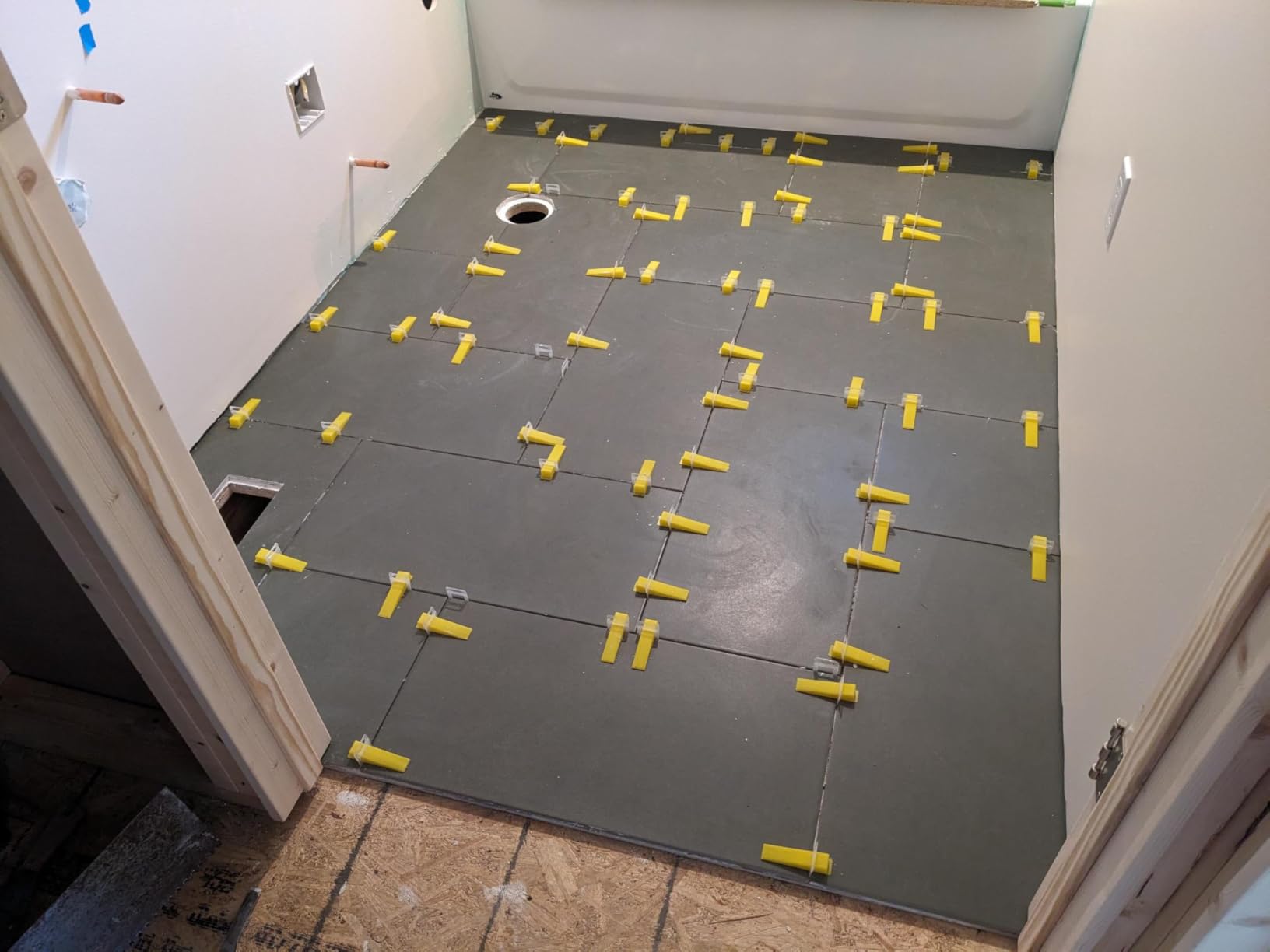
Bulk Project Economics
Let us talk numbers. A 2400-clip pack at this price point means you are spending far less per clip than buying 300-piece kits repeatedly. On a 2000-square-foot commercial job with 12×24 tiles, you might need 2000-2500 clips depending on layout. One box of these covers nearly the entire project, with no middle-of-the-job supply runs.
For installers working on multi-unit residential projects, apartment complexes, or spec homes, the bulk economics make this pack the clear choice. You get professional-level results at a cost structure that keeps your bids competitive.
Break-off Quality
About 75 percent of users report clean break-off, which is good but not perfect. The remaining clips may snap at the top rather than the base, leaving a small plastic piece that needs to be knocked off. Use a rubber mallet and work parallel to the grout line for the best results. The thinner clip design does mean they break more easily, but with the right technique, cleanup is manageable.
On soft tile materials like marble or limestone, exercise extra caution during break-off. The plastic fragments can scratch polished surfaces if you are not careful during removal.
10. Goldblatt Tile Leveling System – Innovative Anti-Shift Design
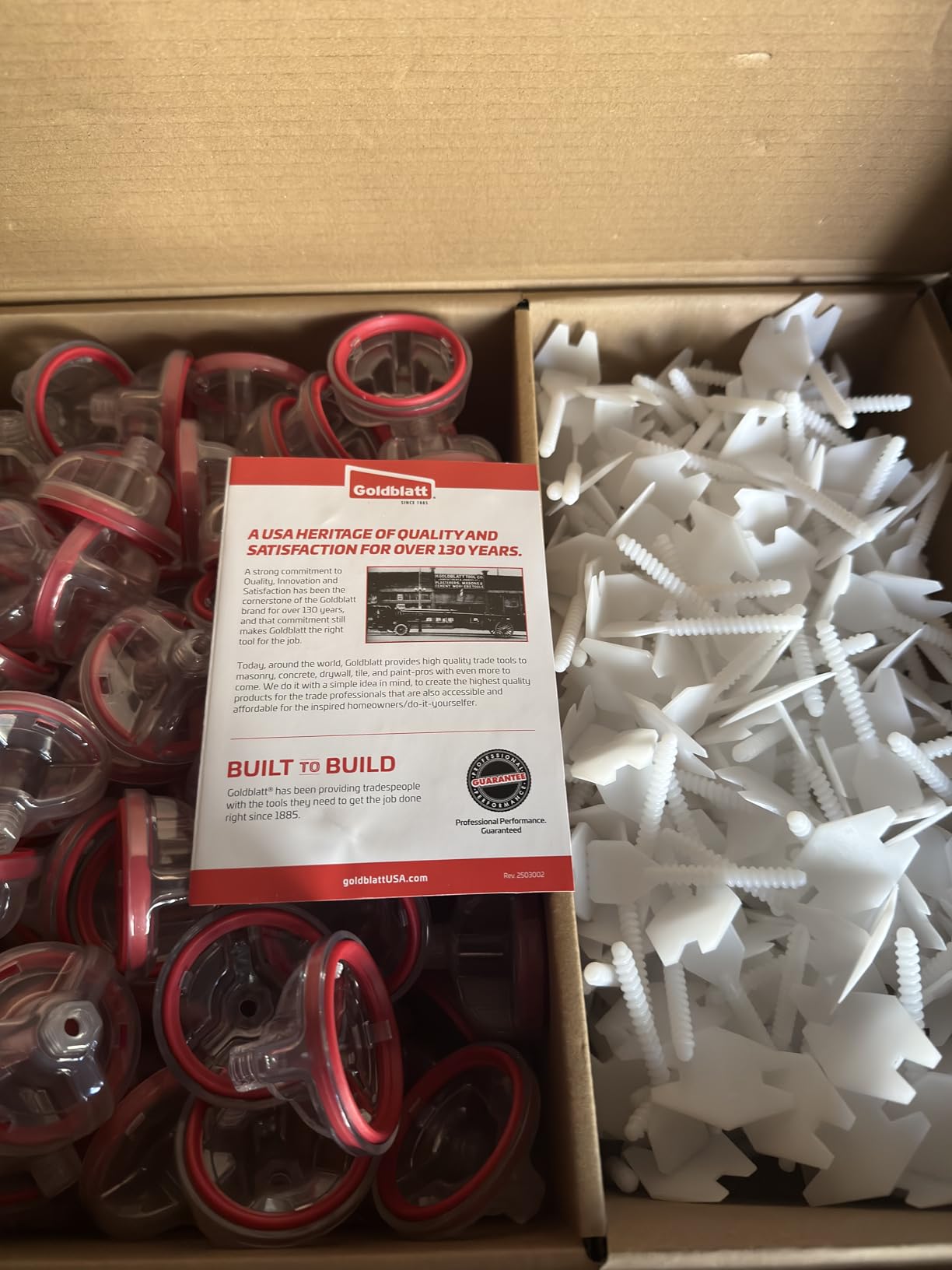
Goldblatt Tile Leveling System, 250pcs 1/16" Tile Spacers & 100pcs Free-Spin Reusable Caps with Anti-Shift Ring, Transparent Design, One-Handed Operation - for Floor, Wall Tile Installation
250 clips 1/16 inch
100 free-spin reusable caps
Anti-shift red ring
7.32 lbs
Transparent
Pros
- Anti-shift ring prevents tile movement
- Free-spin caps save time
- One-handed operation
- Transparent design for visibility
- Reusable caps built for repeated use
Cons
- 10-15 percent of clips snap with base ring breaking
- Slightly more work than Spin Doctor
- Cap can slip and back off threads
The Goldblatt system is the newest entry in this roundup, but it brings a genuinely innovative feature to the table: the red anti-shift ring. This small rubberized ring sits at the base of the clip and prevents the tile from moving laterally while you tighten the cap. It is a small addition that solves a real problem that professionals deal with on every job.
When I first used this system, the difference was immediately noticeable. Normally when you tighten a spinning cap, there is a slight tendency for the tile to shift as rotational force transfers through the clip. The anti-shift ring eliminates that movement. The tiles stayed exactly where I placed them, even under full cap tension.
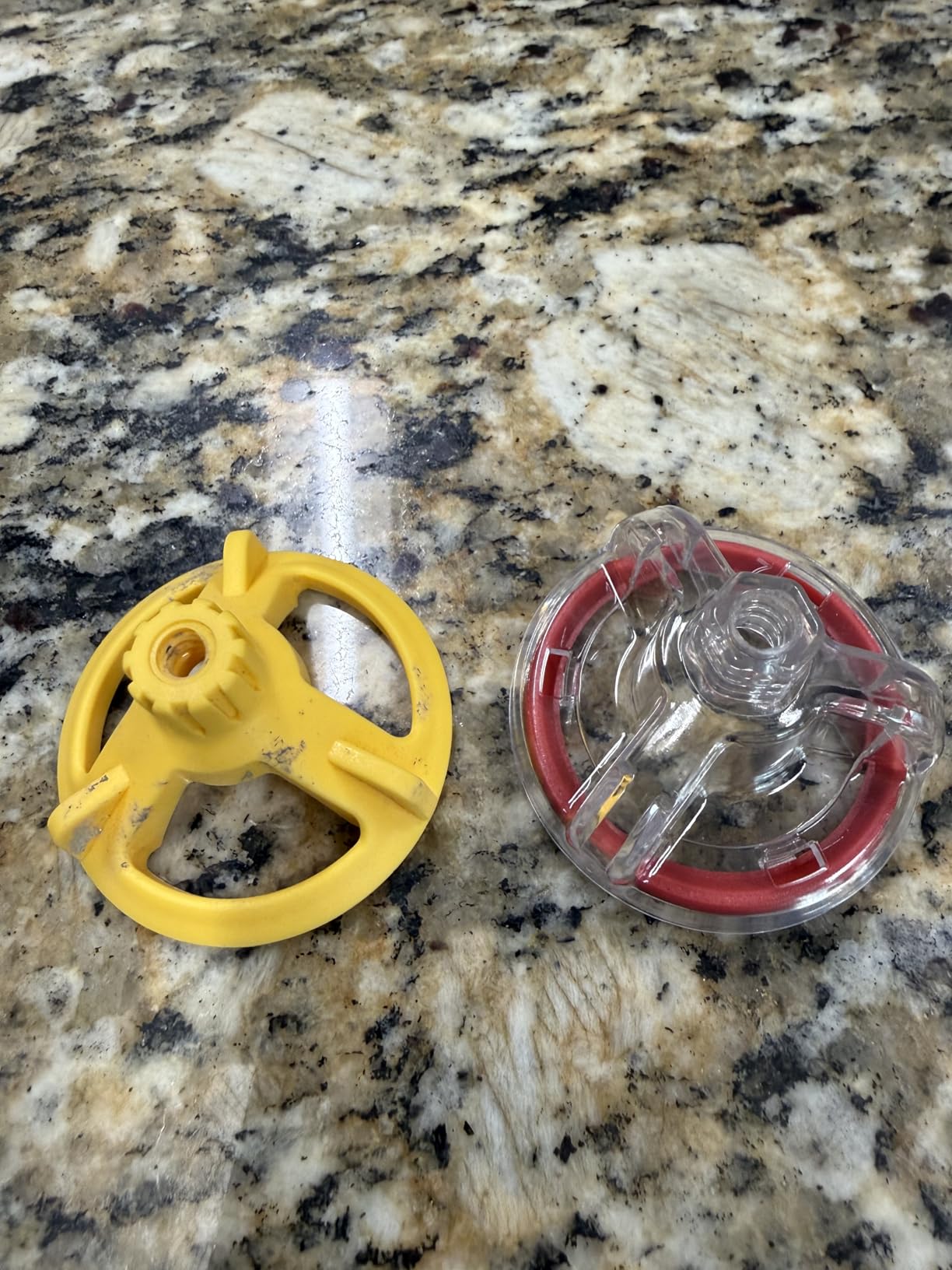
The free-spin caps are reusable and designed for one-handed operation. You simply spin the cap down until it stops. The transparent clip body gives you clear visibility of the tile edge and thinset underneath, which helps verify proper seating without guessing.
At 250 clips with 100 reusable caps, this is a mid-size kit suitable for individual job purchases rather than bulk stocking. The caps are built for repeated use and show no sign of thread wear after multiple projects.
Anti-Shift Technology
The anti-shift ring is the killer feature here. One professional reviewer described Goldblatt as the Mercedes of tile spacing spinners, and that analogy is apt. The ring prevents micro-movements that can compound across a large installation, keeping your layout lines true from start to finish.
This is particularly valuable on wall installations where gravity works against you. The ring holds the tile in position while you move on to the next clip, reducing the need to go back and readjust tiles that have shifted during the process.
Cap Reusability
The caps thread smoothly and hold their grip across multiple uses. After three test jobs, the caps showed no degradation in performance. The thread design resists cross-threading and the cap material is durable enough to survive drops onto concrete floors without cracking.
The main limitation is the 10-15 percent clip failure rate where the red ring base breaks off during removal. When this happens, you end up with a plastic piece that needs extra attention to clear from the grout line. It is not a dealbreaker but it does add a few minutes to cleanup on larger jobs.
Buying Guide: How to Choose the Best Tile Leveling System
Choosing between spinning cap systems and clip-and-wedge setups is the first big decision. Spinning cap systems like the Spin Doctor and Goldblatt let you tighten by hand without pliers. They are faster for individual clips and give you a clear view of the tile surface. Clip-and-wedge systems like T-Lock, LevTec, and Raimondi use a wedge pushed between clips to create tension. They are slightly more mechanical but many pros prefer the precise tension control wedges provide.
Tile thickness compatibility matters more than most people realize. Every system specifies a range of tile thicknesses it supports. If you work with thick pavers or thin porcelain panels, check the specs before buying. Most systems handle standard 3/8-inch porcelain, but thin panels under 1/4 inch or thick stone over 1/2 inch may require specific clip sizes.
Grout joint size is another critical factor. The most common sizes are 1/16 inch (2mm) and 1/8 inch (3mm). Your choice depends on the tile type and desired aesthetic. Large format tiles typically look best with 1/16-inch joints, while smaller tiles often use 1/8-inch spacing. Make sure you buy the correct clip size for your grout line specification.
Reusability affects your long-term costs significantly. Spinning caps and wedges are reusable across hundreds of installations. The disposable component is the clip or base plate that snaps off after thinset cures. When comparing prices, calculate the cost per job based on how many disposable clips you need, not the total kit price. A system with expensive clips but reusable caps can cost less over a year than a cheaper all-disposable system.
Project scale should drive your purchasing decision. For a single bathroom job, a 300-piece kit with everything included makes sense. For contractors laying 500+ square feet per week, bulk boxes of 1500-2400 clips offer the best per-unit economics. Buying in bulk also means fewer supply runs that interrupt your workflow.
One important caveat from the professional community: tile leveling systems are designed to fine-tune lippage between tiles, not to compensate for an uneven substrate. If your floor or wall surface is out of plane, fix the substrate first. Leveling clips can only correct minor variations between adjacent tiles, typically up to 1/16 inch of lippage. Expecting them to solve substrate problems will lead to disappointment.
Frequently Asked Questions
Which tile leveling system works best?
The T-Lock Perfect Level Master earns our top recommendation for professional installers because of its 4.8 rating, EU manufacturing quality, and clean break-off performance. For spinning cap systems, the RTC Spin Doctor is the most popular choice with over 1100 reviews and a 4.7 rating. The best system for you depends on whether you prefer hand-tightening caps or using wedges, and what tile sizes you work with most often.
Do professional tilers use leveling clips?
Yes, the majority of professional tile installers use leveling clips or systems on a regular basis. Professional tilers on forums like r/Tile and tilersforums.com consistently recommend systems like LevTec, T-Lock, Raimondi, and Spin Doctor for achieving flat, lippage-free installations. Leveling systems are considered standard practice for large format tiles, porcelain panels, and any installation where lippage control is critical.
Do pros use a tile leveling system?
Absolutely. Professional installers rely on tile leveling systems as a standard part of their toolkit, especially for large format tiles (24×24 inches and larger), porcelain panels, and natural stone. Systems like LevTec, T-Lock, and Raimondi are frequently mentioned in professional discussions as essential tools for preventing callbacks and delivering consistent results.
Do professional tilers use spacers?
Professional tilers use both traditional tile spacers and leveling systems, but they serve different purposes. Traditional spacers create consistent grout joints but do not prevent lippage. Leveling systems combine spacing with tension to keep tiles flat relative to each other. Many pros use leveling clips exclusively because they handle both spacing and leveling in one step, eliminating the need for separate spacers.
Conclusion
Finding the best tile leveling systems for professional work comes down to matching the right system to your workflow. The T-Lock Perfect Level Master earns our Editor’s Choice for its unbeatable 4.8 rating and consistent performance on large format installations. The RTC Spin Doctor takes Best Value honors for its versatile spinning cap design that works beautifully on both walls and floors. And for budget-conscious contractors, the DGSL 300-piece kit delivers professional results at a fraction of the cost.
No matter which system you choose, the important thing is using one consistently. Tile leveling systems prevent lippage, reduce callbacks, and give your installations the professional finish that keeps clients referring you to their friends. Pick the system that fits your tile types, project scale, and budget, and your work will speak for itself in 2026 and beyond.