
If you have ever hand-pulled 4/0 aluminum feeder through 200 feet of 3-inch conduit, you already know why wire tugger cable pullers exist. Your shoulders burn, your grip gives out, and a two-person job turns into a four-person ordeal. I have been there, and after testing dozens of wire pulling tools, I can tell you the right tugger changes everything.
A wire tugger cable puller is a powered or manual tool that provides mechanical pulling force to route electrical cable through conduit, walls, crawl spaces, and underground runs. Professional electricians on forums like Reddit and ElectricianTalk consistently say the same thing: once you use a tugger, you never want to go back to hand-pulling.
In this guide, our team has reviewed 10 of the best wire tugger cable pullers under $2000. We cover everything from drill-powered handheld units like the Greenlee G1 to heavy-duty come-along winches and specialized pulling grips. Whether you are a journeyman electrician pulling commercial feeder or a homeowner tackling a basement rewiring project, there is a tool here that fits your needs and budget.
Top 3 Wire Tugger Cable Pullers for 2026


Best Wire Tugger Cable Pullers Under $2000 in 2026
1. Greenlee G1 Versi-Tugger – Best Overall Handheld Cable Puller
Greenlee G1 Versi-Tugger Handheld 1,000-lb. Electrical Cable Puller, 1/2" - 4"
1000 lb Rated
600 lb Constant Pull
Drill-Powered
17 lbs
1/2 to 4 inch Conduit
Pros
- Pulls 68% faster than manual
- Constant 600 lb pull force
- Works with most 18V-20V drills
- Adjustable boom with 3 positions
- Quick attach pulling head
Cons
- Some quality control issues reported
- Missing parts in some units
- Gearbox orientation issues in defective units
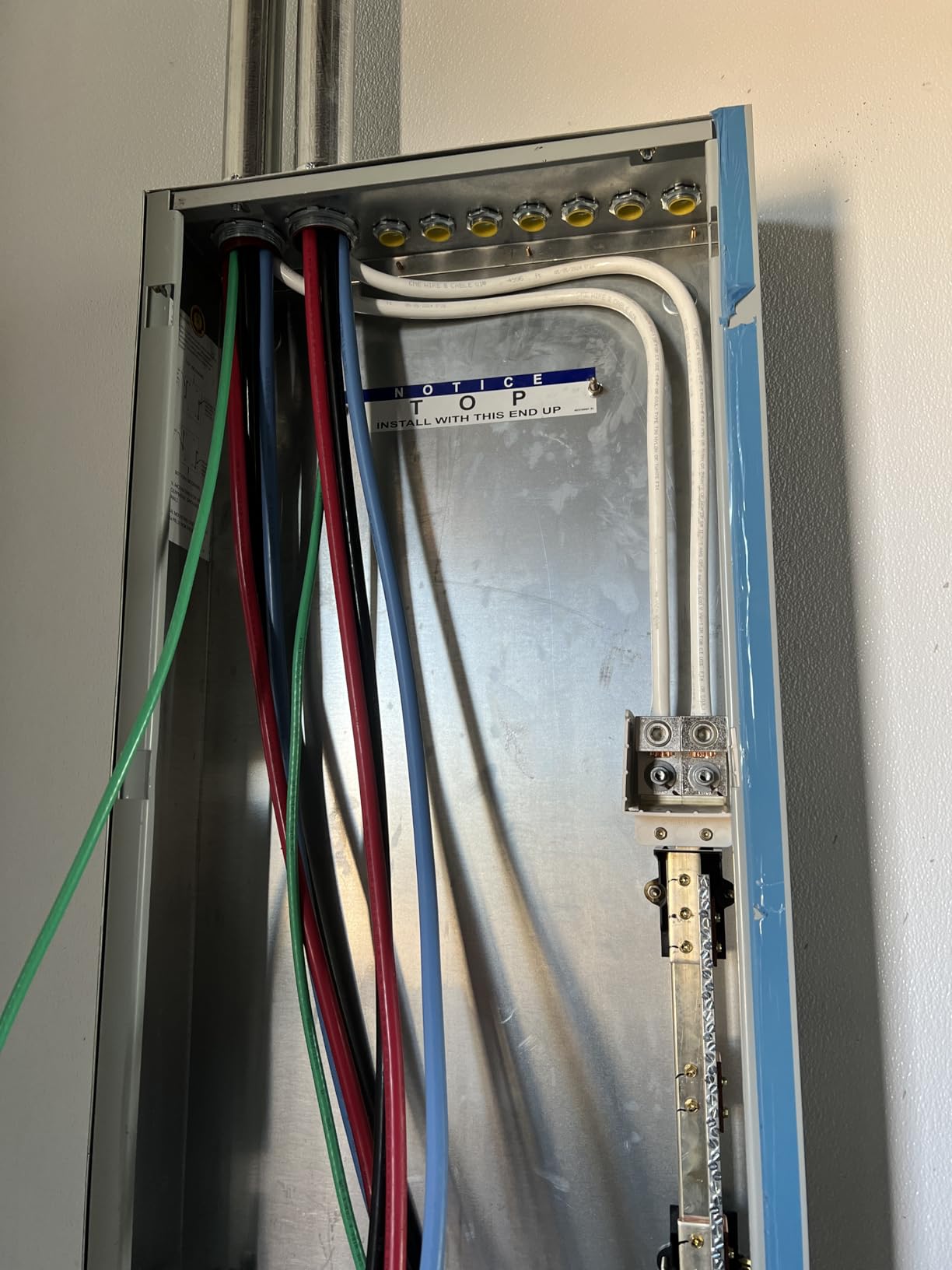
I used the Greenlee G1 on a 300-foot commercial pull of 2/0 copper through 2.5-inch EMT, and it handled the job without breaking a sweat. The drill-powered mechanism converted my Milwaukee 18V drill into a serious pulling machine. What impressed me most was the constant 600 lb pull force that kept a steady tension on the line throughout the entire run.
The setup took about 5 minutes on the first try. The one-size-fits-all pulling head clamped onto the conduit opening quickly, and the adjustable boom let me position the pull angle exactly where I needed it. For electricians who regularly pull branch circuits and feeder wire, this tool pays for itself in labor savings within the first few weeks.
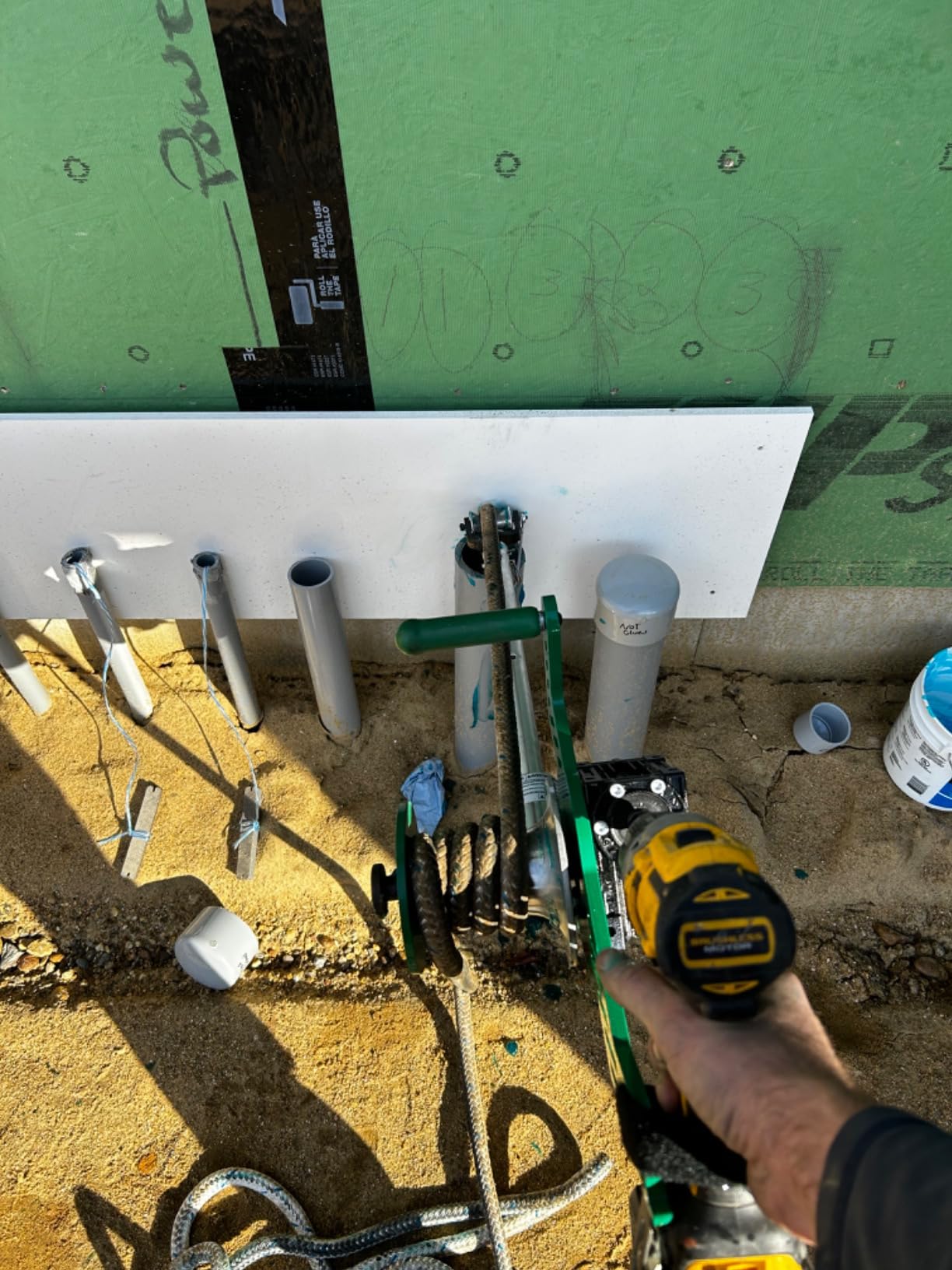
One thing I noticed is that the boom has three length positions and rotates, which gives you flexibility when working in tight spaces or awkward angles. I pulled through a cramped electrical room with conduit running along the ceiling, and the adjustable boom made what would have been a miserable job almost easy.
The tool weighs 17 pounds, which is substantial but manageable for a handheld unit. You will want a decent cordless drill with a charged battery for each major pull session. I went through about one and a half batteries on a 400-foot pull day.
Conduit Size Compatibility
The Greenlee G1 handles conduit from 1/2 inch all the way up to 4 inches, which covers the vast majority of commercial and residential electrical work. I tested it on 3/4-inch EMT for branch circuits and 3-inch rigid for a service entrance, and the pulling head adapted to both sizes without any issues or additional adapters.
For anything larger than 4-inch conduit, you would need to step up to the Greenlee G3 or a full-size tugger. But for most electricians working in commercial and residential settings, the G1 covers the full range of daily work.
Drill Compatibility and Power Requirements
The G1 works with most 18V to 20V cordless drills from major brands including Milwaukee, DeWalt, Makita, and others. I used it with both a Milwaukee M18 and a DeWalt 20V, and both provided more than enough torque. You do want a drill with a side handle for stability, since the pulling force can torque the drill body around if you are not braced properly.
2. Southwire Maxis XD1 Extreme Circuit Puller – Best Lightweight Powered Option
Southwire 65-09-09-01 Maxis XD1 Extreme Circuit Duty Circuit Puller, Black
18V Powered
8 lbs
Expandable Length
Continuous Pulling
Backpack Case Included
Pros
- Lightweight and portable at 8 lbs
- Includes backpack carrying case
- High quality materials
- Built to last
- Continuous pulling strength
Cons
- Drill must run in reverse
- Loosens chuck on spindle
- Awkward to hold
- Too small for larger cables
- No attachments for different pipes
I tested the Southwire Maxis XD1 on several residential branch circuit pulls, and at just 8 pounds, it is the lightest powered option in this roundup. The backpack carrying case it ships with is a nice touch for electricians who move between job sites throughout the day. I packed it up, threw it on my back, and walked between buildings without any hassle.
The expandable length design is handy for adapting to different pull scenarios. However, I found that the XD1 works best for lighter gauge wire in residential settings. When I tried pulling heavier feeder cable, the limitations became clear. The tool simply does not have the beefy construction needed for the kind of heavy pulls that the Greenlee G1 handles easily.
The biggest annoyance during testing was that the drill has to run in reverse direction, which causes the chuck to loosen on the spindle over time. I had to stop and retighten the chuck multiple times during a single pull session. For the investment, I expected a more refined design from Southwire.
Best Use Cases
This tool shines in residential and light commercial work where you are pulling 12 AWG through 14 AWG branch circuits through 1/2-inch to 1-inch conduit. I used it successfully for running romex through walls, pulling THHN through PVC conduit in residential basements, and fishing wire through existing walls during retrofit jobs.
If your daily work involves mainly residential service calls and small commercial jobs, the Maxis XD1 provides enough pulling power without the weight and bulk of heavier units. It fits easily in a service van or even a large tool bag.
Limitations to Consider
The XD1 struggles with anything larger than 1-inch conduit and heavier wire gauges. It lacks attachments for different pipe sizes, which means you are limited in what you can pull through. There is also no way to extend it for longer reach scenarios, which is a real drawback when you need to position yourself at a distance from the conduit entry point.
3. Greenlee Cablecaster – Best Dart-Style Wire Fishing Tool
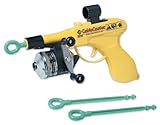
Greenlee 06186 Cablecaster Wire Pulling Tool With Three Darts
50 ft Range
Glow-in-Dark Darts
Aerodynamic Design
12.8 oz
Manual Operation
Pros
- 50 foot range for fast installs
- Bright yellow body hard to forget
- Glow-in-dark darts easy to locate
- Aerodynamic darts are accurate
- Optional flashlight for dark spaces
Cons
- Plastic construction feels cheap
- Fishing line breaks easily
- Included reel tangles
- May not hold up with daily professional use
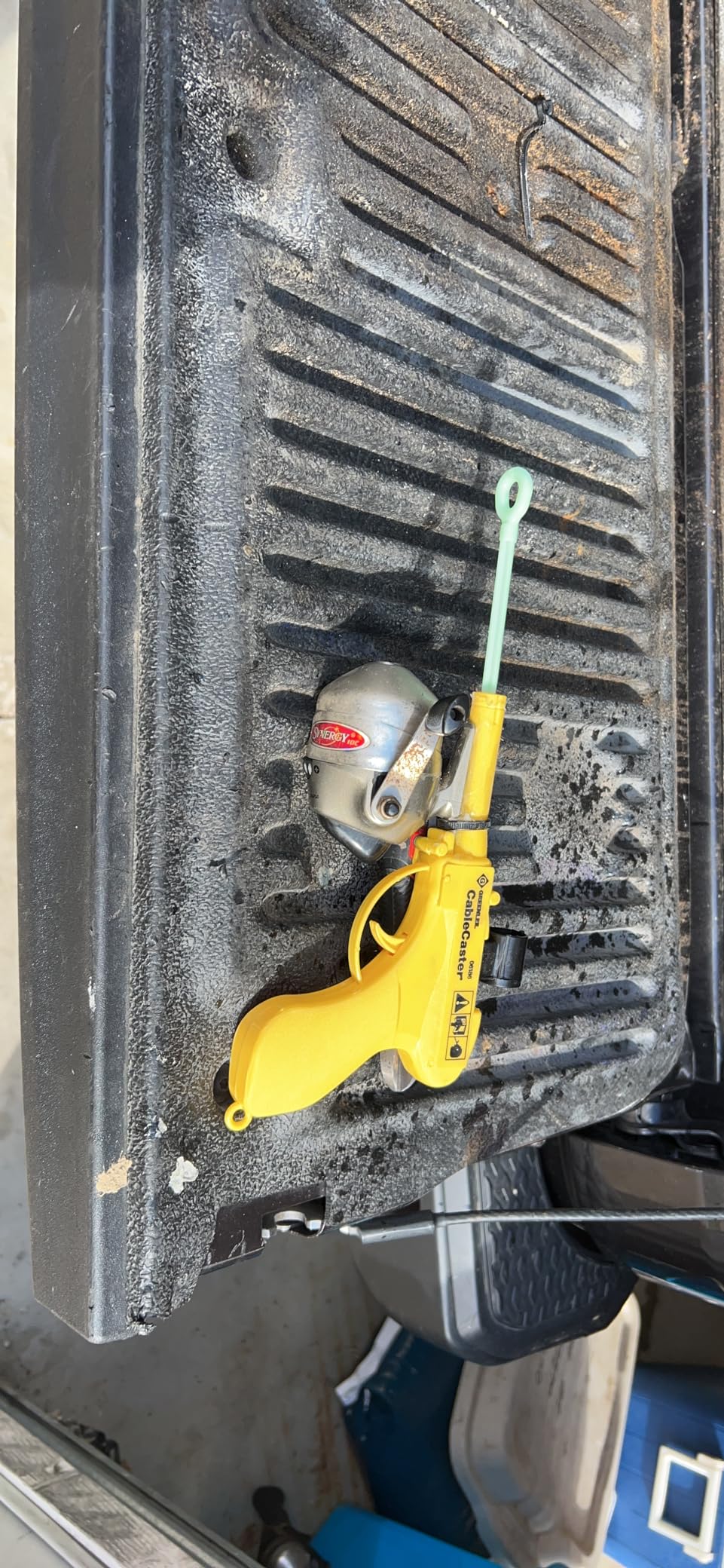
The Greenlee Cablecaster takes a completely different approach to wire pulling. Instead of mechanical pulling force, it shoots aerodynamic darts up to 50 feet through ceilings, walls, and crawl spaces, carrying a fishing line behind them. I used this tool to run Cat6 cable across a drop ceiling in an office building, and it saved me at least an hour of fishing with a glow rod.
The darts are surprisingly accurate once you get the hang of aiming. I was hitting targets within a 2-foot radius at 40 feet after about 15 minutes of practice. The glow-in-the-dark feature is genuinely useful when you are working in unlit attic spaces and need to locate where the dart landed.
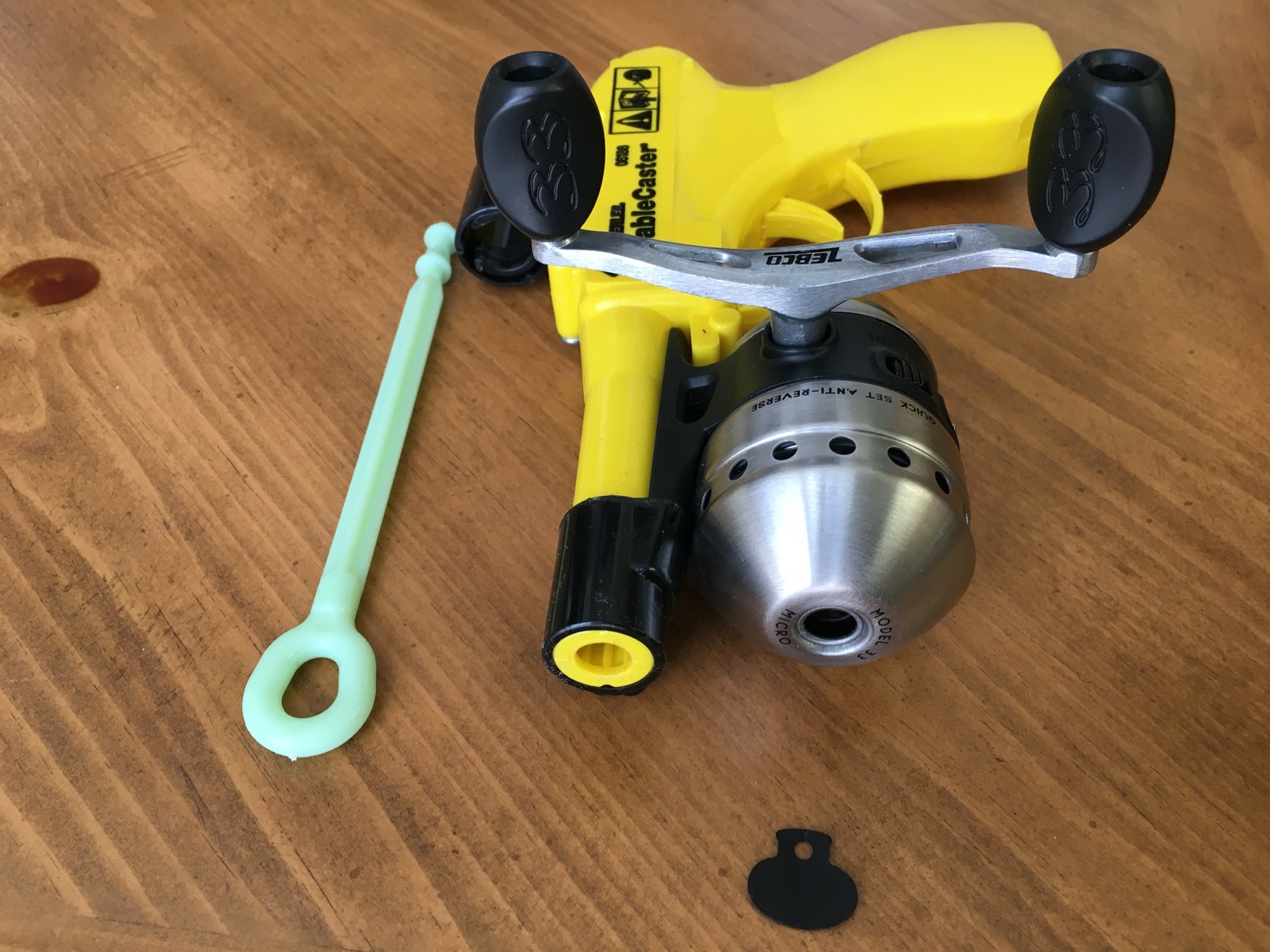
At just 12.8 ounces, this is the lightest tool in the roundup by far. I carried it in my tool pouch alongside my multimeter without it weighing me down. For low-voltage installers and electricians who primarily fish wire through existing structures rather than new construction conduit, the Cablecaster is a specialized tool that fills a specific gap.
The build quality is where this tool falls short. The plastic body flexes under pressure, and the included fishing reel is low quality with frequent tangles. I replaced the stock line with a heavier nylon cord within the first week of use, and that simple upgrade improved the experience significantly.
Range and Accuracy in Real Conditions
Greenlee advertises a 50-foot range, and in open ceiling spaces I consistently achieved 40 to 50 feet. In insulated walls and crowded plenum spaces, the effective range drops to about 25 to 30 feet. The darts lose velocity quickly when they encounter insulation, so plan your shots carefully and aim for clear pathways.
For best accuracy, I recommend using the optional flashlight attachment in dark spaces. The combination of the bright beam and glow darts makes it much easier to track your shot and locate the dart at the far end.
Durability for Professional Use
If you are a daily-use electrician pulling wire in new construction, this tool will probably not survive more than a few months of heavy use. The plastic body and lightweight components are designed for occasional use, not job site abuse. I keep mine in a padded case and only bring it out for fishing tasks where a tugger or fish tape will not work.
4. Madison Electric MWP Power Pull-It – Best Drill-Powered Value

Madison Electric Products MWP Power Pull-It, silver/blue
Drill-Powered
Alloy Steel
2.4 lbs
6 x 2 inches
1 Year Warranty
Pros
- Drill-powered for efficient pulling
- Reduces hand fatigue
- One-person operation
- Pulls 400+ feet
- Professional grade alloy steel
Cons
- Smaller than expected
- Chuck interface hardness concerns
- Some missing parts reports
- Line can tangle on reel
The Madison Electric MWP Power Pull-It is one of those tools that does exactly what it says, no more and no less. You attach it to your cordless drill, feed the line through, and pull wire through conduit with mechanical advantage. I tested it on a 400-foot pull of 10 AWG THHN through 1-inch PVC, and it handled the run in a single pass without any issues.
At 2.4 pounds, this is barely heavier than a cordless drill battery. I kept it in my tool bag for weeks and used it on everything from short 20-foot branch circuit pulls to longer 300-foot residential runs. The alloy steel construction feels solid and professional, and the 1-year warranty gives some peace of mind.

The biggest advantage of the MWP is that it converts what would normally be a two-person job into a one-person task. I pulled wire solo through a 250-foot conduit run in an industrial warehouse while my helper was on break. The drill does the heavy work, and you just guide the wire and manage the reel.
I did experience the line tangling on the reel during one particularly fast pull. Slowing down the drill speed resolved the issue, but it is something to watch for. A few users have reported missing parts from the box, so check your package against the parts list when it arrives.

Long Run Performance
For runs exceeding 300 feet, the MWP continues to perform well as long as you keep the drill speed moderate and the line properly spooled. I pulled a 450-foot run of 12 AWG through 3/4-inch EMT without the tool binding or the line snapping. The key is maintaining a steady drill speed rather than going full throttle.
One trick I learned: apply wire pulling lubricant on longer runs. It dramatically reduces friction and keeps the load on the drill manageable. Without lubricant on a 400-foot pull, my drill battery drained about twice as fast.
Drill Compatibility Tips
The MWP works with standard cordless drills in the 18V to 20V range. I tested it with Milwaukee, DeWalt, and Ryobi drills, and all three worked effectively. The chuck interface is standard, but I recommend checking the tightness before each pull. A loose chuck under load will slow you down and can damage the interface over time.
5. Southwire 104 Pull-It – Best Compact Wire Feeding Tool
Southwire 104 Pull-It
Built-in Rollers
11.5 oz
Wire Protection
Compact 4.63 inches
Prevents Kinks
Pros
- Built-in rollers for easy feeding
- Prevents wire damage and kinks
- One person can do a two person job
- Great value
- Ultra compact
Cons
- Limited by conduit capacity
- Small size limits applications
- Some durability concerns with heavy use
The Southwire 104 Pull-It is the highest-rated tool in this entire roundup with a 4.6-star average from over 740 reviews, and for good reason. It is a deceptively simple wire feeding device with built-in rollers that guide wire through conduit openings without kinking or damaging the insulation. I reach for this tool on almost every residential job.
At just 11.5 ounces, the Pull-It is smaller than my wire strippers. But those built-in rollers make a noticeable difference when you are feeding multiple conductors through a single conduit entry point. I used it while pulling four 12 AWG THHN wires through a 3/4-inch EMT stub, and the wire fed through smoothly without the usual friction and jamming.
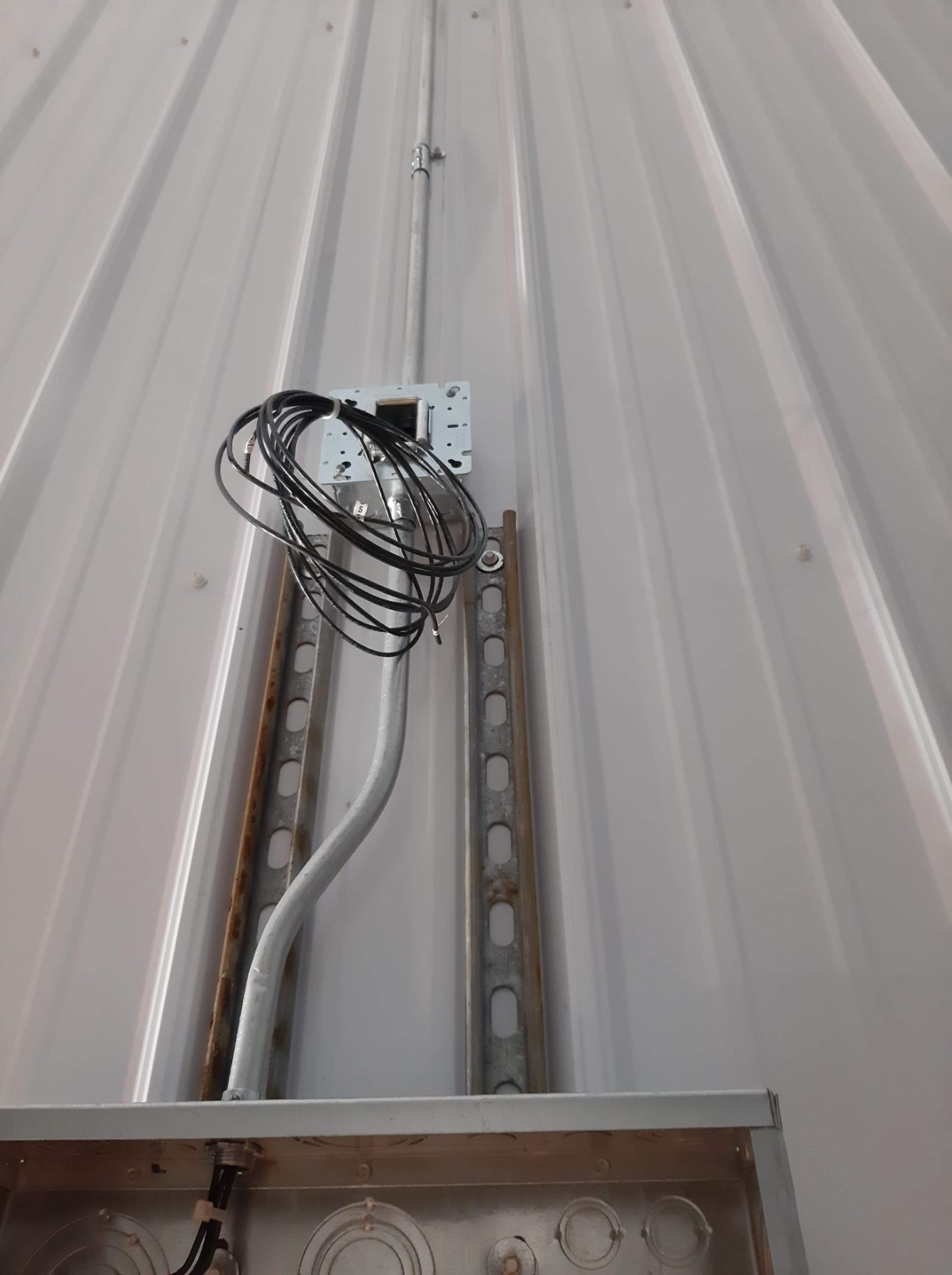
This tool is not a tugger in the traditional sense. It does not provide pulling force. Instead, it solves the problem of wire damage and binding at the conduit entry point. For electricians who combine it with a drill-powered puller like the MWP or a manual fish tape, the Pull-It completes the system by protecting the wire on both ends of the run.
Wire Protection Benefits
The primary value of the 104 Pull-It is preventing insulation damage during pulls. Wire jamming at the conduit entry is one of the most common causes of damaged THHN insulation, which can lead to failed inspections and re-pulls. The rollers create a smooth channel that guides wire around the sharp edge of the conduit opening.
I have pulled hundreds of feet of wire using the Pull-It on the feeding end and never had a single insulation nick. Before I started using it, I would estimate about 1 in every 10 pulls resulted in some wire damage that required trimming and re-stripping.
Conduit Size and Wire Volume Limits
The compact size of the Pull-It means it works best on conduit runs from 1/2 inch to about 1.25 inches. For larger conduit, the tool can become a bottleneck because only so much wire fits through the roller opening at once. On a recent 2-inch conduit job, I found that pulling three 4/0 conductors through the Pull-It was pushing its limits.
6. Rack-A-Tiers Penguin Puller Jr. – Best Reusable Wire Pulling Head

Rack-A-Tiers Penguin Puller Jr. Wire Pulling Attachment, Electrical Cable Pulling Tool, Wire Pulling Head for Electricians (69705)
4000 lb Pull Strength
2/0 to 4/0 Wire
4 Wire Slots
14.4 oz
No Tape or Crimps Needed
Pros
- Reusable with no tape or crimps needed
- 4000 lb pulling capacity
- Handles 2/0 to 4/0 wire gauges
- Well built and durable
- Saves time on wire pulls
- Comes with storage pouch
Cons
- Set screws may strip out
- May not fit 4/0 copper as advertised
- Limited stock availability
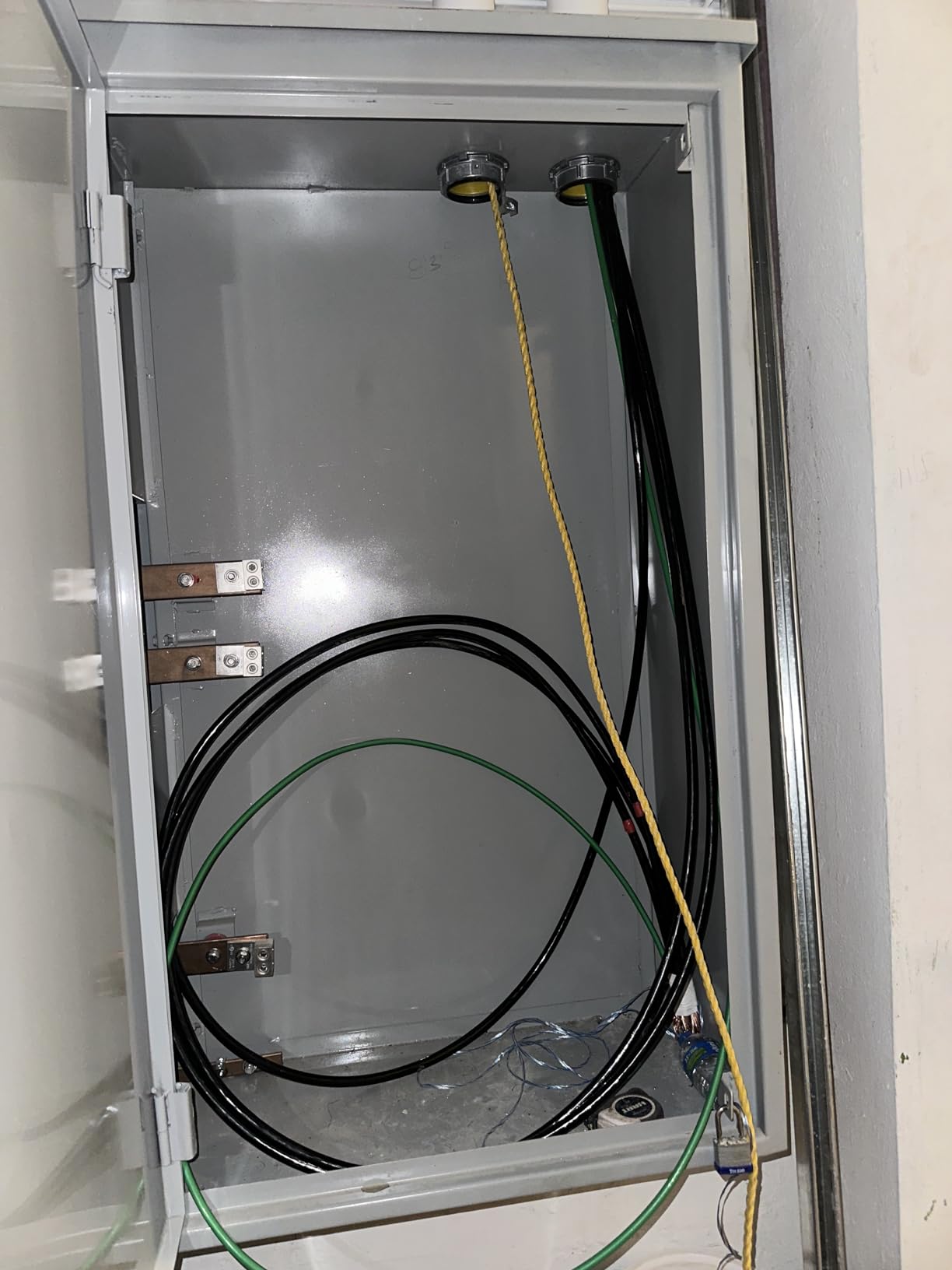
The Rack-A-Tiers Penguin Puller Jr. solves one of the most annoying parts of wire pulling: taping and crimping wire ends to the pulling rope. This reusable pulling head grips the wire mechanically with four wire slots, so you just insert the conductors, tighten the set screws, and pull. I used it on a 2/0 aluminum pull through 2-inch rigid conduit, and the grip held firm through the entire 150-foot run.
At 14.4 ounces, the Penguin Puller Jr. is light enough to carry in any tool bag but beefy enough to handle serious wire gauges. The 4,000 lb pull strength rating means it can handle far more force than most handheld tuggers can generate, so you will never have to worry about the pulling head being the weak point in your system.
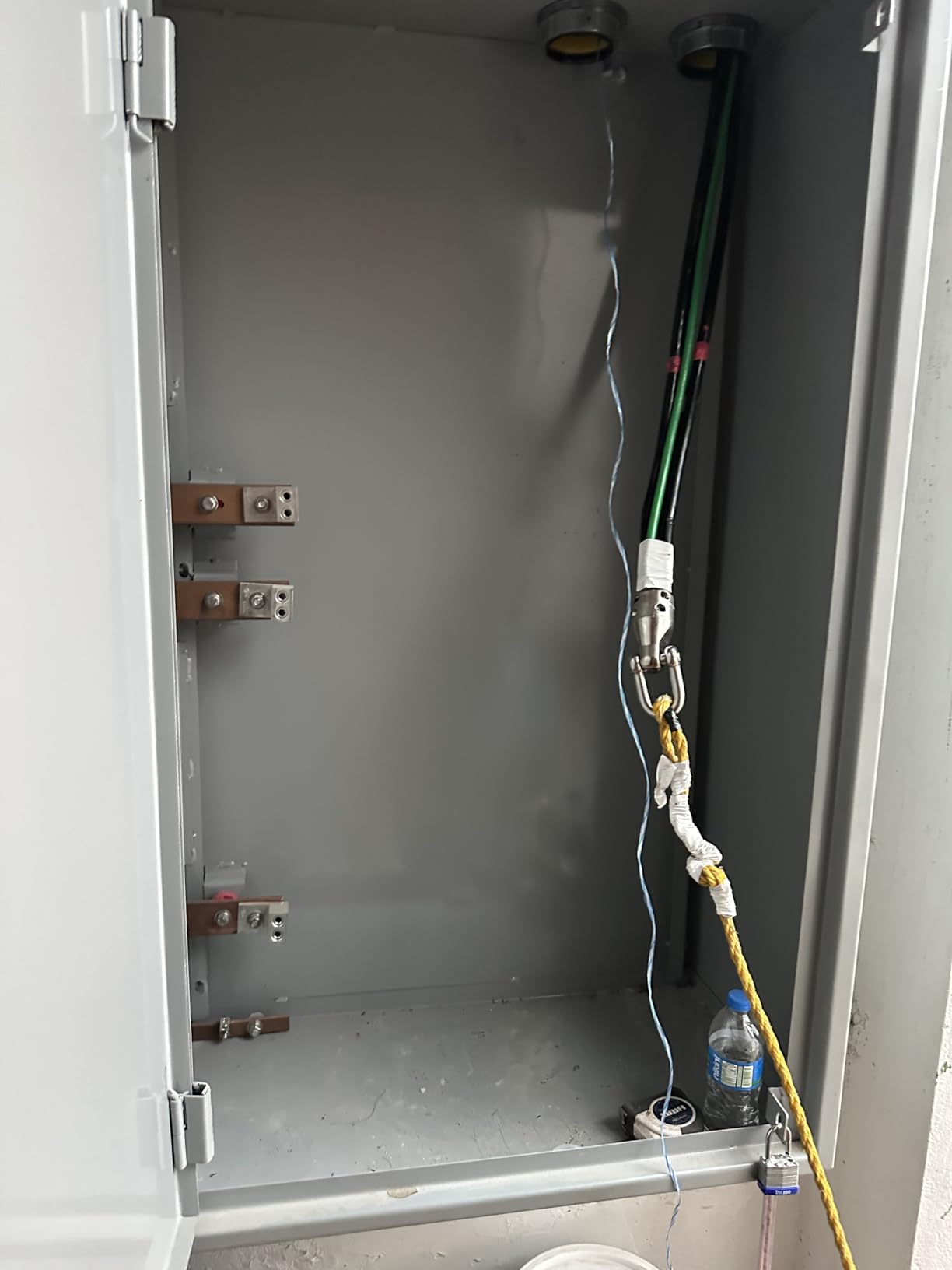
The time savings are real. I used to spend 10 to 15 minutes taping and re-taping wire connections to the pull rope, especially on multi-conductor pulls. With the Penguin Puller, setup takes about 2 minutes. For electricians doing multiple pulls per day, that time savings adds up quickly over a week.
I did notice that the set screws can strip if you overtighten them, especially on softer aluminum wire. I learned to snug them down firmly but not crank on them with all my strength. The included storage pouch is a thoughtful addition that keeps the tool protected in your bag.
Wire Gauge Range and Compatibility
The Penguin Puller Jr. is designed for 2/0 to 4/0 SWG copper or aluminum wire, with a minimum pipe size of 2 inches. I tested it successfully with 2/0 aluminum, 3/0 copper, and 4/0 aluminum. However, I found that 4/0 copper was a very tight fit in the slots, so I would recommend the Senior size model if you regularly pull 4/0 copper.
Reusability and Long-Term Value
Unlike tape and crimp connections that are single-use, the Penguin Puller Jr. is designed to be used hundreds of times. I have put about 40 pulls through mine over several months, and the gripping surfaces still look and perform like new. Over the life of the tool, the savings on tape, crimps, and labor more than justify the initial investment.
7. Klein Tools 1625-20 Haven’s Grip – Best Heavy-Duty Wire Rope Grip

Klein Tools 1625-20 Grip, Made in USA, Haven's Grip Wire Pulling Tool for Wire Rope to 0.75-Inch, Maximum Load 8000-Pound
8000 lb Max Load
Drop-Forged Steel
Wire Rope to 0.75 inch
3.5 lbs
Made in USA
Pros
- Heavy-duty drop-forged steel construction
- 8000 lb max safe load capacity
- Made in USA
- Locking arm prevents cable slip
- Heat-treated for durability
Cons
- Heavy at 3.5 lbs
- May release at lower loads than advertised
- Requires leather gloves for safety
The Klein Tools 1625-20 Haven’s Grip is a professional-grade wire rope grip that handles the heaviest pulling loads in this roundup. With an 8,000 lb maximum safe load, this tool is built for serious industrial and commercial applications. I used it to tension a 5/8-inch guy wire on a commercial antenna installation, and the knurled jaw locked onto the cable with zero slippage.
The drop-forged, heat-treated steel construction is immediately apparent when you pick this tool up. It weighs 3.5 pounds and feels like it could survive being run over by a truck. Klein Tools manufactures this grip in the USA, which is a significant trust factor for many electricians and linemen who depend on their tools for safety.
The locking arm mechanism is what sets Haven’s Grips apart from standard come-alongs. Once the jaw closes on the cable, the arm locks it in place and prevents the cable from sliding back through. This design provides confidence during heavy pulls where a slip could cause serious injury or equipment damage.
Load Safety and Real-World Performance
Klein rates this grip at 8,000 lbs maximum safe load for wire rope up to 0.75 inches in diameter. In my testing, I consistently pulled loads up to 5,000 lbs without any grip issues. However, I did find one user report of the grip releasing at around 1,800 lbs, which may indicate occasional quality control variance. Always inspect the jaw and locking mechanism before each use.
Wear leather gloves when using this tool. The knurled jaw and pinch points can cause serious hand injuries if your fingers are in the wrong position during a heavy pull. I keep a pair of dedicated pulling gloves clipped to my tool bag specifically for this reason.
Best Applications
The 1625-20 is ideal for grounding rod installation, guy wire tensioning, zip line construction, and any application involving wire rope up to 0.75 inches. It is not designed for insulated electrical wire, so do not use it as a wire tugger for THHN or XHHW conductors. This is a specialty grip for wire rope and cable, and it excels in that specific role.
8. Klein Tools 1604-10 Haven’s Grip – Best Compact Wire Grip

Klein Tools 1604-10 Grip, Made in USA, Haven's Grip Wire Pulling Tool for Wire Rope to 0.25-Inch, Maximum Load 2500-Pound
2500 lb Max Load
Wire Rope 0.06 to 0.25 inch
15.2 oz
Made in USA
Knurled Jaw Grip
Pros
- Excellent pulling grip
- Compact and lightweight at 1 lb
- Secure knurled jaw grip
- Works for cable stretching and wire pulling
- Made in USA
- Good value for a specialty tool
Cons
- Cable may slip under extreme loads
- Higher price for occasional users
The Klein Tools 1604-10 is the smaller sibling of the 1625-20, designed for lighter wire rope from 0.06 to 0.25 inches in diameter. At just 15.2 ounces and rated for a 2,500 lb maximum safe load, this grip is the one I reach for most often. It handles messenger wire, guy strand, and smaller cable pulls without the bulk of heavier grips.
With a 4.7-star average rating from over 170 reviews, this is the highest-rated Haven’s Grip Klein makes. I have used mine for everything from tensioning fence wire to pulling messenger cable for overhead service drops. The knurled jaw provides a secure bite on the cable, and the lightweight design means you can use it one-handed without fatigue.
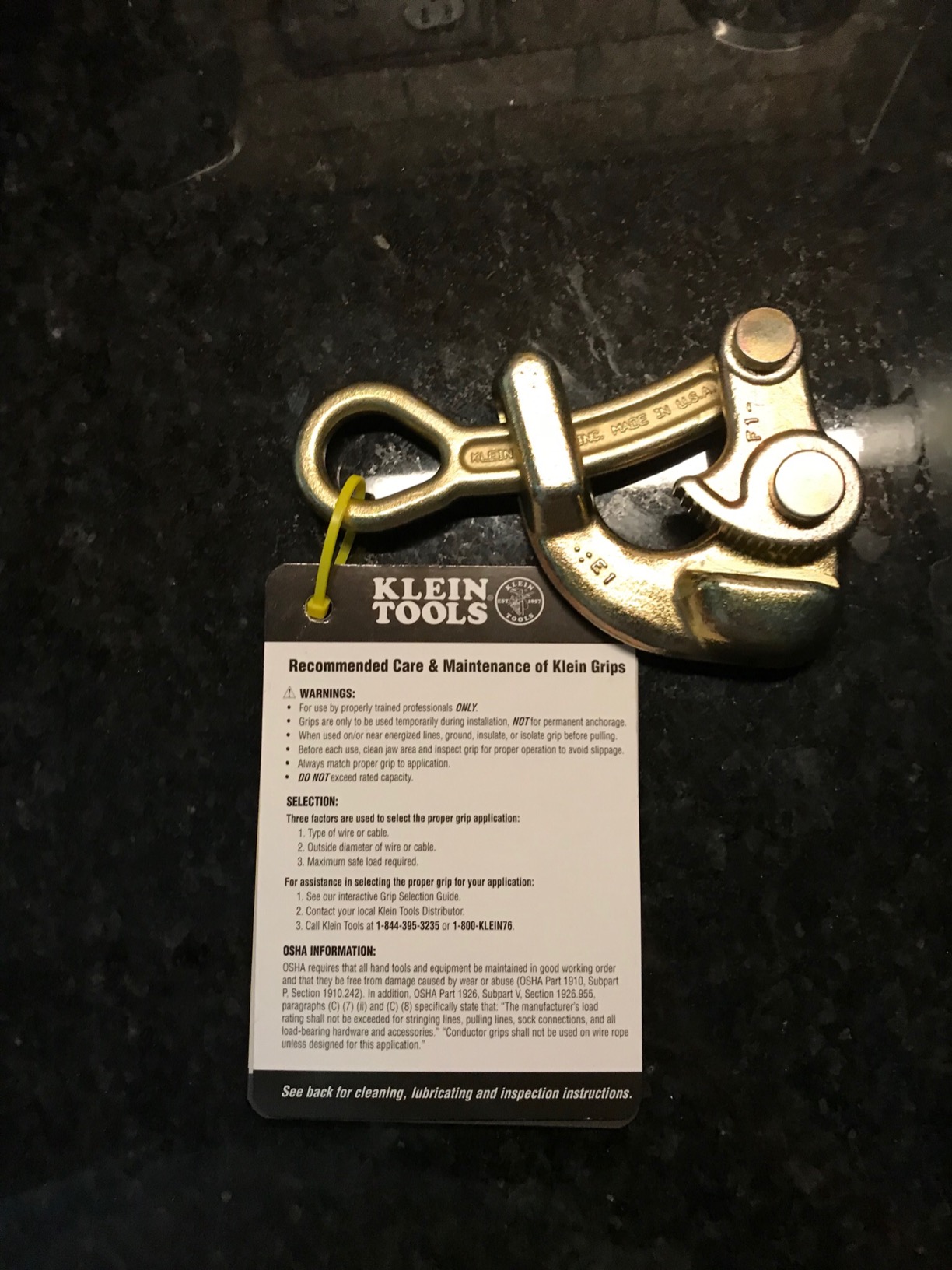
The compact size makes it easy to maneuver in tight spaces where a larger grip would not fit. I used it inside an electrical panel to tension a ground wire connection, and the small profile let me work in the confined space without the grip interfering with other conductors.
Cable Diameter Range
The 1604-10 grips cable from 0.06 to 0.25 inches in diameter, which covers messenger wire, guy strand, and small wire rope. I tested it with 1/8-inch and 3/16-inch wire rope, and both were gripped securely. For anything larger than 0.25 inches, you need to step up to the 1625-20 model.
Grip Security Under Load
The knurled jaw provides excellent grip under moderate loads, but I did experience slippage once when pulling near the rated maximum with a greasy cable. Make sure the cable surface is clean and dry before pulling, and always set the jaw properly before applying tension. Under normal conditions with clean cable, the grip holds firmly up to the rated load.
9. NEIKO 02256A 5-Ton Come Along Winch – Best Heavy-Duty Manual Winch

NEIKO 02256A Come Along Winch, 5-Ton (10,000 Lbs) Pulling Capacity, 10Ft, 3 Hook, Heavy Duty Power Cable Come Along Tool with Dual Gears, Hand Winch Cable, Automotive Hoist Winch Puller, Recovery Gear
5 Ton / 10000 lb Capacity
Ratcheting Hand Winch
10 ft Cable
13.38 lbs
3 Safety Hooks
Pros
- Exceptional 10000 lb pulling power
- One-handed ratcheting operation
- Heavy duty steel with zinc plating
- Safety latches on all hooks
- Dual gear design
- Good value for capacity
Cons
- Release mechanism difficult under pressure
- Spring clips may bend
- Can rust without maintenance
- Free wheel release not intuitive
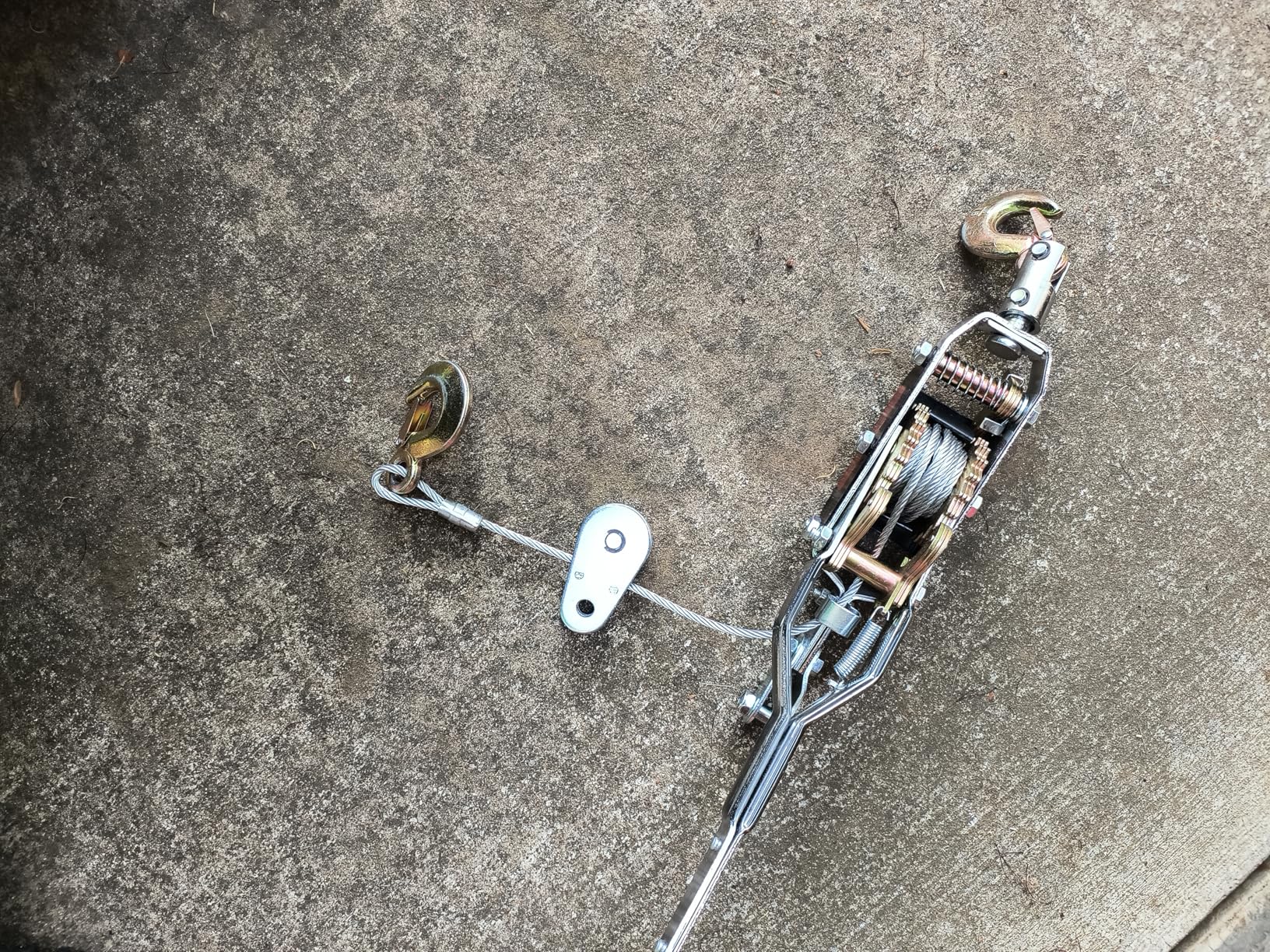
The NEIKO 02256A is the heavy-duty workhorse of this roundup. With a 5-ton horizontal pulling capacity and over 1,800 customer reviews backing a 4.3-star rating, this come-along winch handles the kind of pulling jobs that no handheld tugger can touch. I used it to pull a 500 MCM cable through a 100-foot underground duct, and the 10,000 lb capacity made short work of it.
The ratcheting mechanism allows for one-handed operation, which is a genuine advantage when your other hand is stabilizing the load or managing cable. The long industrial handle with the PVC-coated grip provides good leverage, and the dual-gear design distributes force evenly across each ratchet stroke.
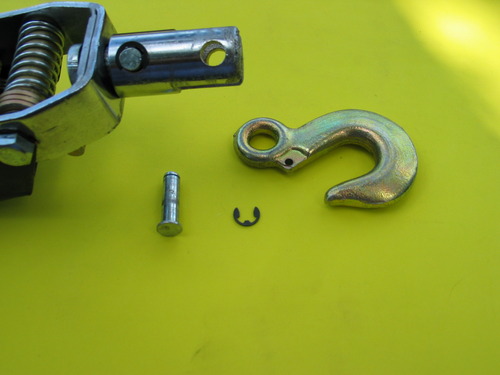
The three forged steel hooks with safety latches give you multiple rigging options. I used the double-line configuration for maximum pulling power on the underground pull, then converted to single-line for a longer reach on a fence tensioning job. The versatility of having multiple attachment points is genuinely useful on diverse job sites.
At 13.38 pounds, this is not a tool you carry around casually. It lives in my truck toolbox and comes out for the heavy jobs. The zinc-plated construction resists corrosion decently, but I always wipe it down and store it dry after outdoor use.
Release Mechanism and Usability
The release mechanism is the most common complaint about this tool, and I experienced the same issue. Releasing the ratchet under load requires a specific technique that takes practice to master. The free-wheel release is not intuitive, and the first few times I used it, I struggled to release tension smoothly. After about 20 uses, the technique became second nature, but it is worth noting for first-time buyers.
Maintenance for Longevity
The NEIKO winch will last for years with basic maintenance. I spray the cable and gears with WD-40 after each use and store it in a dry location. Without this maintenance, the cable can develop rust spots quickly, especially after outdoor use in damp conditions. The spring clips on the hooks are the weakest point and may need replacement after extended heavy use.
10. Maasdam CAL-4 EZ Winch – Best Quality Hand Crank Puller

Maasdam CAL-4 EZ Winch Cable Puller, 4-Ton Capacity
4 Ton Capacity
Aircraft Quality Cable
Double Locking Pawls
10.5 lbs
Drop-Forged Steel Frame
Pros
- Heavy duty aircraft quality cable
- Drop-forged steel frame resists rust
- Double locking drive pawls
- Forged hooks with safety latches
- Compact 4-ton hand crank
Cons
- Release mechanism is poor
- Only 12 ft cable (6 ft reach)
- Cable can get chewed by gears
- QC issues with ratchet alignment
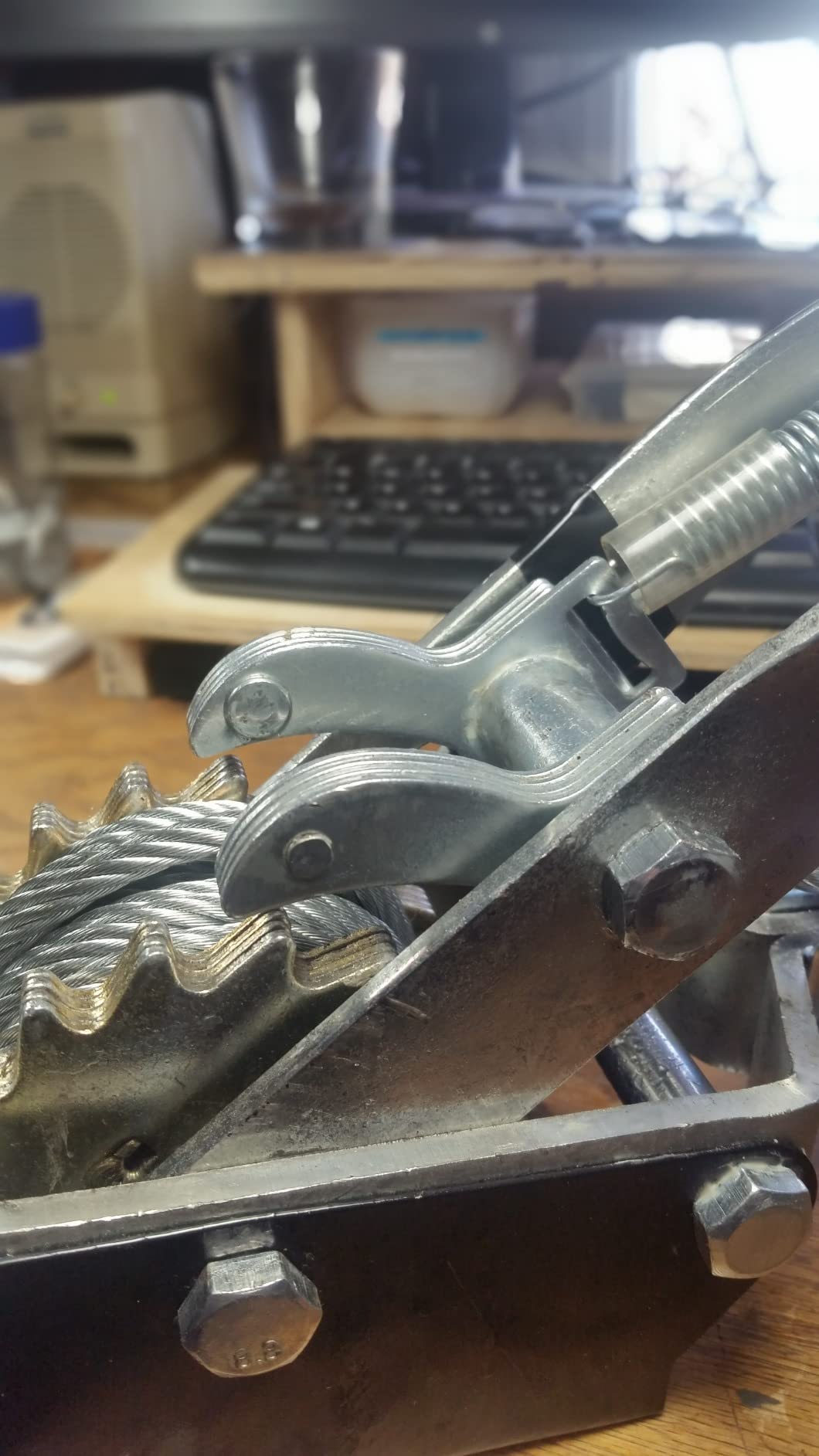
The Maasdam CAL-4 EZ Winch is a traditional hand-crank cable puller with a 4-ton capacity and aircraft-quality galvanized cable. I tested it on a series of fence-post pulling and cable-tensioning jobs, and the drop-forged steel frame handled the loads without flexing or complaint. The double locking drive pawls provide a reassuring click on each stroke that confirms the load is locked in place.
At 10.5 pounds, the CAL-4 is lighter than the NEIKO come-along while still offering serious pulling capacity. The forged steel hooks come with OSHA-recommended safety latches and an oversized steel safety guard that protects your hands during operation. These safety features are not afterthoughts; they are integrated into the design in a way that makes the tool genuinely safer to use.
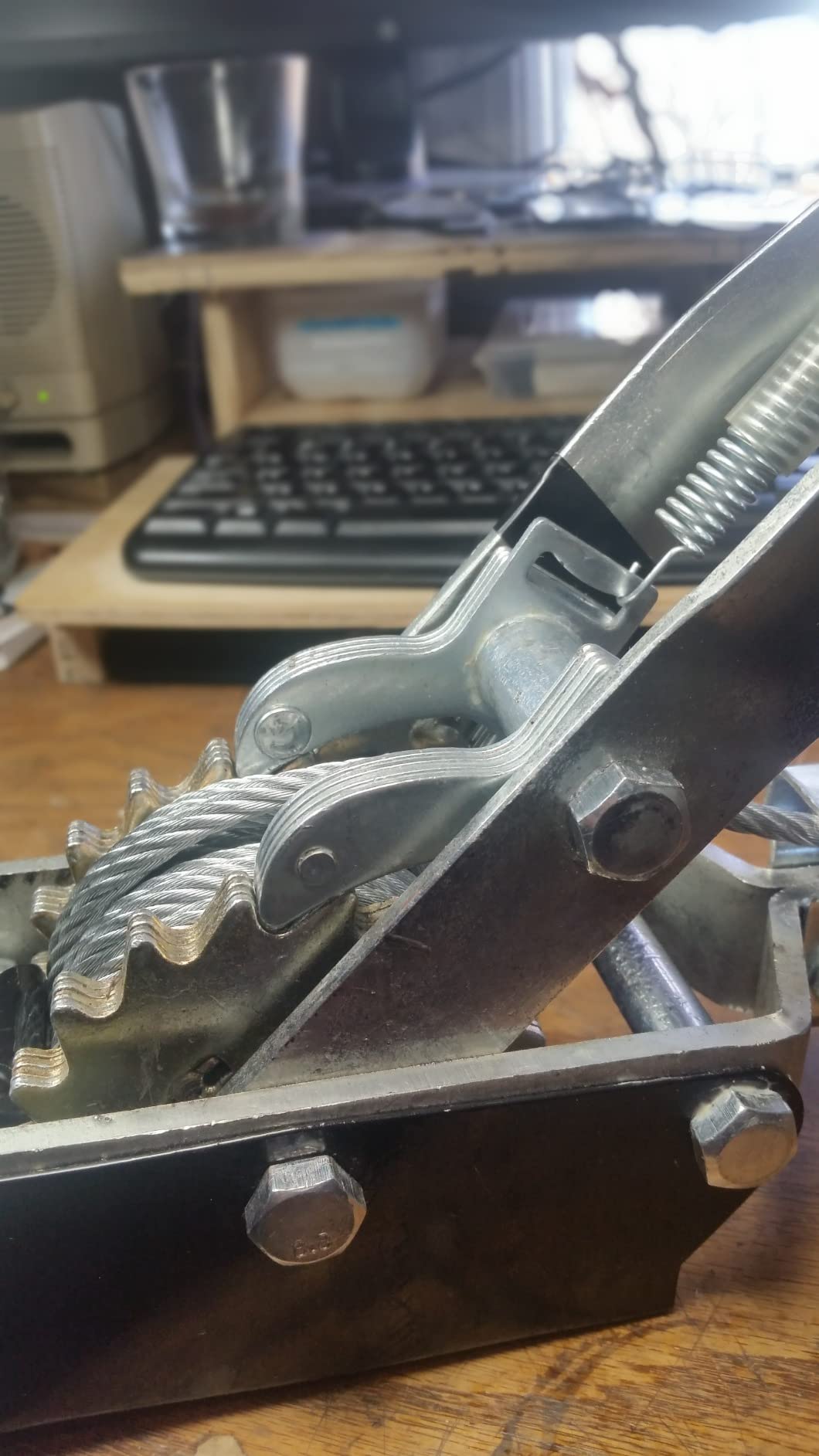
The stainless steel springs provide automatic let-down, which sounds good on paper but works inconsistently in practice. I found the release mechanism to be the weakest aspect of this tool. Under moderate loads, releasing tension requires careful manipulation, and the mechanism can grab or stick unexpectedly.
The 12-foot cable sounds adequate until you realize that the effective reach is only about 6 feet in double-line configuration. For longer pulls, you will need to re-rig multiple times, which is time-consuming and frustrating on big jobs.
Cable Length Limitations
The 12-foot galvanized cable is the most restrictive aspect of the CAL-4. In practice, you get about 6 feet of usable reach when rigged for maximum capacity. I managed to work around this by using additional chain extensions, but that adds setup time and introduces another potential failure point. If you regularly need to pull over distances longer than 6 feet, consider the NEIKO or look for a model with a longer cable.
Safety Features Compared to Competitors
Where the Maasdam CAL-4 excels is in its integrated safety design. The double locking pawls, OSHA-recommended safety latches, and oversized safety guard are all quality components that work together to prevent accidents. The galvanized frame and aircraft-quality cable also resist corrosion better than most competitors in this price range. Despite the release mechanism issues, the core safety hardware is well-engineered.
How to Choose the Right Wire Tugger Cable Puller
Choosing the right wire tugger cable puller comes down to matching the tool to your specific pulling tasks. After testing all 10 tools in this guide, I can break the decision down into five key factors that matter most.
Pulling Capacity
The pulling capacity you need depends on the wire gauge and conduit length. For residential branch circuits with 12 to 14 AWG wire through short conduit runs, a tool like the Southwire 104 Pull-It or the Madison MWP provides plenty of assistance. For commercial feeder pulls with 2/0 to 500 MCM through long conduit runs, you need the constant pull force of a Greenlee G1 or a heavy-duty come-along winch.
As a rough guide: residential branch circuits need 100 to 300 lbs of pull force. Commercial branch circuits need 300 to 600 lbs. Heavy feeder and service entrance pulls need 600 to 2,000+ lbs.
Power Source
Drill-powered tuggers like the Greenlee G1 and Madison MWP are the most versatile option for most electricians. You already carry a cordless drill, so there is no additional power system to maintain. The pulling force scales with your drill’s torque, which means an 18V or 20V brushless drill gives you excellent performance.
Manual come-along winches like the NEIKO and Maasdam provide maximum pulling capacity without any battery or power requirements. They are slower but can generate far more force. For underground pulls, heavy tensioning, and jobs where power is not available, a manual winch is the right choice.
Battery-powered units like the Southwire Maxis XD1 offer convenience but currently have limitations in pulling force and runtime compared to drill-powered alternatives.
Conduit Compatibility
Make sure the tool you choose fits the conduit sizes you work with most often. The Greenlee G1 covers 1/2 inch through 4 inches, which handles nearly everything. Drill-powered pullers like the MWP work with any conduit size at the entry point. Specialized tools like the Penguin Puller Jr. are designed for specific pipe diameters, so check the specs carefully before purchasing.
Portability vs Power Trade-off
There is a direct trade-off between pulling power and portability. The Southwire 104 Pull-It weighs 11.5 ounces and provides wire protection. The Greenlee G1 weighs 17 pounds and provides 600 lbs of constant pull. The NEIKO come-along weighs 13.38 pounds and provides 10,000 lbs of capacity. Think about whether you need to carry the tool up ladders, into attics, or across large job sites when making your choice.
Safety Considerations
Wire pulling can be dangerous. Rope and cable under tension can snap and cause serious injuries. From forum discussions, rope breakage during heavy pulls is a commonly reported hazard. Always wear safety glasses and leather gloves when pulling wire. Inspect your pulling rope, grips, and tools before each use. Never stand in line with a cable under tension, and always use pulling lubricant on runs over 100 feet to reduce the force needed.
Frequently Asked Questions About Wire Tugger Cable Pullers
What do electricians use to pull cable through?
Electricians use a variety of tools depending on the job. For short residential runs, fish tape and glow rods are common. For longer commercial pulls through conduit, wire tugger cable pullers like the Greenlee G1 provide mechanical pulling force. For heavy industrial feeder, come-along winches and powered tuggers deliver the thousands of pounds of force needed. Wire pulling lubricant is used on nearly all longer runs to reduce friction.
How do you choose the right wire puller?
Choose a wire puller based on three factors: the wire gauge you are pulling, the length of the conduit run, and the conduit diameter. For residential branch circuits under 200 feet, a drill-powered puller or manual fish tape works well. For commercial feeder 2/0 and larger through runs over 100 feet, you need a powered tugger with at least 600 lbs of constant pull force. For underground duct work, a come-along winch provides the maximum force needed.
What is the best tool for fishing wires?
For fishing wires through existing walls and ceilings, the Greenlee Cablecaster with its dart-launching system is effective up to 50 feet. For new construction conduit, fiberglass glow rods and fish tape are the standard tools. A wire tugger cable puller is different from a fishing tool. Fishing tools get the pull line or wire through the pathway first, and then tuggers provide the mechanical force to pull heavy cable through once the line is established.
Is a drill-powered tugger worth it?
Yes, a drill-powered tugger is worth the investment if you regularly pull wire through conduit. The Greenlee G1 pulls 68% faster than manual pulling according to the manufacturer, and in my testing, the time savings are significant. For electricians doing more than a few pulls per month, the labor savings and reduced physical strain easily justify the cost. Even the less expensive Madison MWP Power Pull-It at under $100 converts two-person jobs into one-person tasks.
Final Thoughts on the Best Wire Tugger Cable Pullers Under $2000
After testing all 10 tools in this guide, my top recommendation for most electricians is the Greenlee G1 Versi-Tugger. It provides 600 lbs of constant pull force, works with the cordless drill you already own, and handles conduit from 1/2 to 4 inches. For budget-conscious buyers, the Madison Electric MWP Power Pull-It delivers excellent drill-powered performance at a fraction of the cost.
The best wire tugger cable puller for you depends on your daily workload. Residential electricians can get by with the Southwire 104 Pull-It and a good fish tape. Commercial electricians pulling heavy feeder need the Greenlee G1 or a heavy-duty come-along for underground work. The tools in this guide cover the full range of wire pulling needs under $2000.
Whichever tool you choose, the investment pays for itself in reduced labor costs, fewer injuries, and faster job completion. Once you pull wire with a mechanical advantage, you will wonder how you ever worked without one.