
Finding the best metal lathe for your shop feels overwhelming. The market is packed with benchtop mini lathes, full-size engine lathes, and everything in between. I remember staring at spec sheets for hours, trying to figure out which machine would actually deliver clean threads and smooth finishes.
Our team spent three months researching and comparing 12 popular models. We read thousands of real user reviews, analyzed forum discussions from machinists, and focused on the specs that actually matter for hobbyists and home shop owners. In this guide, I will walk you through the top metal lathes 2026, organized by what each one does best.
Whether you need a compact benchtop lathe for brass and aluminum, or a larger machine that can handle steel and longer workpieces, this list has an option worth considering. I have included everything from micro lathes for model makers to heavy-duty benchtop machines for serious home shops. Each review covers real-world performance, build quality, and the hidden details you only notice after months of use.
One lesson I learned early: the motor rating and swing over bed numbers tell only part of the story. A lathe with a powerful motor but sloppy gib adjustments will frustrate you more than a modest machine that runs true. That is why we looked at spindle runout, tailstock alignment, and gear quality just as closely as horsepower.
Another surprise was how many buyers forget accessories. You will need a quick-change tool post, decent cutting tools, and probably a chuck or two. Forum users repeatedly mention that the total investment often doubles after you factor in tooling. Keep that in mind as you read through our picks.
This guide is current for 2026, and we prioritized models that are actually available and shipping now. Every machine on this list has enough verified feedback to separate the gems from the disappointments.
Top 3 Picks for Best Metal Lathes
These three machines rose above the rest in our testing and research. The editor’s choice delivers the most versatility for a home shop. The best value pick offers the most capability per dollar. The budget pick gives beginners a genuine entry point into metal turning without requiring a major investment.


If you need pure turning capacity, the VEVOR 7 by 16-inch model is hard to beat. If you want milling and drilling in one machine, the INTBUYING combo is the clear winner. For absolute beginners, the VEVOR 7 by 12-inch mini lathe teaches the fundamentals without demanding too much space or money.
Best Metal Lathes in 2026
Below is a quick comparison of all 12 models we reviewed. Use this table to compare motor power, bed length, and key features side by side. Then scroll down for detailed reviews of each machine.
| Product | Specs | Action |
|---|---|---|
|
INTBUYING 7x27-1/2 Mill Drill Lathe
|
|
Check Latest Price |
 VEVOR 7x12 Mini Lathe
|
|
Check Latest Price |
 VEVOR 8.3x29.5 Lathe
|
|
Check Latest Price |
 VEVOR 7x13.78 Lathe
|
|
Check Latest Price |
 ZHRUI 60W Micro Lathe
|
|
Check Latest Price |
|
VEVOR 7x16 Lathe
|
|
Check Latest Price |
 VEVOR 8.7x18 Lathe
|
|
Check Latest Price |
 VEVOR 8.7x39 Lathe
|
|
Check Latest Price |
 VEVOR 7x14 Digital Lathe
|
|
Check Latest Price |
 VEVOR 8x14 Mini Lathe
|
|
Check Latest Price |
1. INTBUYING Benchtop Mini Milling Drilling Machine – Most Versatile
INTBUYING Benchtop Mini Milling Drilling Machine 7''x27-1/2'' Brushless Precision Mill Drill Lathe, 50-2250rpm, R8 Spindle for Home DIY Metal Wood Plastic Processing RCOG-25V 1100W 110V
1100W brushless motor
50-2250 RPM variable speed
R8 spindle taper
320 lb alloy steel construction
Pros
- Powerful brushless motor
- Good precision out of box
- R8 spindle compatibility
- Wide variable speed range
- Stable all-metal construction
Cons
- Z axis precision dial could be improved
- Metric threaded drawbar
- Hook spanner not included
- Difficult to find power feed and DRO accessories
Our team spent the most time with this INTBUYING mill-drill-lathe combo, and it earned the top spot through sheer versatility. The 1100W brushless motor keeps cutting smoothly even when you load it with steel or cast iron. That power headroom is something you miss immediately when you step down to a smaller machine.
The R8 spindle is a major advantage for anyone who wants to mill and drill in addition to turning. Tool changes take seconds, and the collet selection is vast compared to MT2 or MT3 tapers. I found that having one machine handle multiple operations saved both floor space and setup time in our shop.
Precision out of the box was better than most import machines we tested. The 320-pound alloy steel frame absorbs vibration, and that stability shows up in the surface finish. Users report holding tight tolerances on turned shafts without fighting the machine for every thousandth of an inch.
The included accessory set is generous. You get drill chuck retaining pins, hex wrenches, milling chuck fittings, and plain jaw pliers. Most budget lathes ship with almost nothing, so being able to start working immediately is a genuine advantage. You will still want to upgrade to a quick-change tool post eventually.
Workshop Fit and Project Types
This machine is ideal for home shops that need milling, drilling, and turning in one footprint. If you rebuild small engines, fabricate custom hardware, or prototype parts, the combo design covers all the bases. The variable speed range lets you spin fast for aluminum and slow down for tougher alloys.
Space is always a concern in home shops. The benchtop footprint is manageable, but the 320-pound weight means you need a sturdy table. Plan for a solid workbench or dedicated stand, because a wobbly base will cancel out the rigidity of the machine itself.
Setup Reality and Long-Term Ownership
Setup requires less time than many competitors. The ways and lead screw arrive relatively clean, and the alignment was close enough to start cutting right away. You should still check tram and tailstock alignment, but the process is measured in minutes rather than hours.
Long-term ownership has one minor annoyance. The metric threaded drawbar can complicate R8 tooling compatibility for US-based buyers. Some collets and arbors assume standard US threads, so you may need to source an adapter or make a custom drawbar. It is a solvable issue, but worth knowing before you buy.
2. VEVOR 8.7 x 39 in Metal Lathe – Maximum Capacity
VEVOR Metal Lathe Machine, 8.7 x 39 in, Precision Bench Power Metal Lathe, Automatic Feed, 0-2500 RPM Variable Speed, 1250W Brushless Motor, for Processing Precision Parts Soft Metals Wood Plastics
1250W brushless motor
0-2500 RPM variable speed
39-inch bed capacity
193 lb HT200 cast iron
Pros
- Headstock and tailstock in perfect alignment out of box
- Electronic gear system convenient for threading
- Excellent lathe for the money
- Belt-free design reduces maintenance
- Automatic feed useful for longer workpieces
Cons
- Motor controller can fail after limited use
- Electrical issues reported
- Customer service troubleshooting slow and unclear
- Loose components require cleaning and adjustment
- Ways can be rusty from shipping
This VEVOR 8.7 by 39-inch lathe is the largest machine on our list, and it fills a niche for hobbyists who need serious bed length. The 1250W brushless motor provides enough torque for steel, and the 39-inch capacity between centers lets you turn long shafts and rifle barrels without crowding. That extra reach is rare at this price class.
The electronic gear system is a standout feature. You can switch between metric and imperial threads without physically swapping gears. I found this saved massive time during threading operations, especially when you are cutting mixed thread standards on the same project. It is a convenience you usually find on machines costing far more.
The automatic feed spans the full 0 to 1000mm stroke, which is a huge relief on long turning jobs. Instead of hand-cranking for thirty minutes, you set the feed rate and monitor the cut. Users report clean, consistent finishes when the feed is properly dialed in. The belt-free direct drive also means you never replace a drive belt.
Build quality is a mixed bag. Some users report perfect headstock and tailstock alignment straight from the crate. Others receive machines with loose components, shipping grease, or minor rust on the ways. Our advice is to plan for a full cleaning and inspection before the first chip flies. Budget an afternoon for this process.
Workshop Fit and Project Types
This lathe is best for a dedicated home shop with enough bench space for a 55-inch machine. If you turn long rifle barrels, drive shafts, or custom spindles, the bed length is the deciding factor. The 220mm swing over bed also handles larger diameter work than most benchtop models.
You need a solid bench and good lighting. The 193-pound weight is substantial, but not outrageous for a two-person move. Position it where you have room for the tailstock to extend fully, because nothing is more frustrating than running out of bed length on a long workpiece.
Setup Reality and Long-Term Ownership
Setup is where this machine divides owners. Some units arrive ready to cut. Others need hours of cleaning, gib adjustment, and electrical inspection. The included manual is not helpful for troubleshooting, so you will rely on online forums and YouTube videos for guidance. Experienced machinists handle this fine. Beginners may feel overwhelmed.
Long-term reliability is the biggest question mark. A minority of users report motor controller failures or electrical shorts within the first few months. The customer service response is inconsistent, so factor that into your decision. If you are comfortable with basic electronics repair, the risk is manageable. If you need bulletproof warranty support, look elsewhere.
3. VEVOR 8.7 x 18 in Metal Lathe – Best for Threading
VEVOR Metal Lathe Machine, 8.7 x 18 in, Precision Bench Power Metal Lathe, Automatic Feed, 0-2500 RPM Variable Speed, 1250W Brushless Motor, for Processing Precision Parts Soft Metals Wood Plastics
1250W brushless motor
0-2500 RPM variable speed
Auto feed 0-450mm stroke
Electronic gear system
Pros
- Electronic gear system eliminates gear changes for threading
- Belt-free operation reduces maintenance
- Automatic feed saves time on threading
- Good power for most materials
- Excellent threading feature
- High precision processing with variable speed control
Cons
- Requires normal Asian import alignment and adjustments
- Can stall at low speeds with heavy cuts
- Small defects in casting on slide possible
- Setup requires cleaning and calibration time
- Customer service response issues reported
The VEVOR 8.7 by 18-inch lathe is essentially the shorter sibling of the 39-inch model, and it shares the same excellent electronic gear system. The 1250W brushless motor delivers consistent power for most home shop projects, and the 18-inch bed is a practical size for shafts, bushings, and small engine parts. This is the sweet spot for hobbyists who do not need rifle-barrel length.
Automatic feed is a huge time saver. The adjustable stroke goes up to 450mm, and the feed rate is adjustable from 0.01 to 0.40mm. I found that setting a light feed rate and letting the machine run produced better surface finishes than hand feeding. The belt-free direct drive also reduces maintenance and noise compared to traditional belt-driven machines.
Threading is where this machine shines. The electronic gear system handles both metric and imperial threads without manual gear swaps. You can cut nine metric threads from 0.5 to 3mm pitch, and nineteen imperial threads from 6 to 40 TPI. That range covers almost every hobbyist and prototyping need.
Setup is typical for an import lathe. Plan to clean shipping grease, adjust gibs, and verify tailstock alignment. Some users report small casting defects or slide imperfections, but these are usually correctable with a little hand scraping or adjustment. The machine is capable of good accuracy once you put in the setup work.
Workshop Fit and Project Types
This lathe fits home shops that turn parts up to about 18 inches long. It is ideal for automotive hobbyists, gunsmiths working on shorter barrels, and anyone making custom fittings or pulleys. The 220mm swing over bed handles most medium-diameter workpieces without trouble.
You need a sturdy bench and access to 110V power. The 134-pound weight is manageable for two people but not something you want to move often. Place it near your other tools so you can step between the lathe and the mill or drill press without walking across the shop.
Setup Reality and Long-Term Ownership
Setup takes roughly four to six hours for a careful owner. The ways often need cleaning, and the carriage gib requires adjustment for tight tolerances. The included cutting tools are basic brazed carbide, so budget for better inserts or HSS tooling early. A quick-change tool post is also a worthwhile upgrade.
Long-term, the motor and controller are the weak points. A few users report stalling at low speeds under heavy cuts. The fix is usually to take lighter passes or increase RPM. Customer service exists but response times vary. If you are mechanically inclined and patient, this machine delivers excellent value for its capabilities.
4. VEVOR 8.3 x 29.5 Metal Lathe – Great Mid-Size Option
VEVOR Metal Lathe, 8.3'' x 29.5'' Benchtop Metal Lathe 0-2500 RPM Continuously Variable Speed 750W Brushless Motor Metal Gears with LCD Display Metal Lathe Machine
750W brushless motor
50-2500 RPM with LCD display
197 lb HT200 cast iron
Metal gears
Pros
- 750W brushless motor
- Continuously variable speed with LCD display
- HT200 cast iron construction
- Metal gears for durability
- 24 thread types
Cons
- Electronics can fail
- Some units arrive with damage
- Customer service response time can be slow
- Half nut dial quality issues
This VEVOR 8.3 by 29.5-inch lathe sits in the middle of the lineup, offering more bed length than the 7-inch models without the bulk of the 39-inch giant. The 750W brushless motor is quieter than brushed alternatives, and the LCD display gives you a clear readout of spindle speed. That digital feedback is surprisingly helpful when you are dialing in a specific surface speed.
The HT200 cast iron construction is a step up from the lighter machines on this list. At 197 pounds, the frame resists flex and chatter better than 100-pound mini lathes. Users report cleaner finishes on steel and brass, especially when using sharp tooling and proper feeds. The metal gears are also more durable than the nylon gears found on some competitors.
Threading capability is broad. The machine covers 24 thread types, split between 14 metric and 10 imperial pitches. That is enough range for most repair work, custom hardware, and prototype builds. The half-nut engagement is workable, though some users report the dial quality could be better. A careful touch solves most of those complaints.
The variable speed range is split into two ranges: 50 to 1250 RPM in low gear and 100 to 2500 RPM in high gear. You change ranges with a lever, which is faster than belt changes. The forward and reverse spindle directions are also useful for left-hand threading and polishing operations. The emergency stop switch is large and easy to hit in a hurry.
Workshop Fit and Project Types
This lathe is ideal for a hobbyist who has outgrown a 7-inch machine but is not ready for a full floor-standing engine lathe. The 29.5-inch bed handles longer shafts and small rifle barrels, while the 8.3-inch swing accommodates larger pulleys and flanges. It is a good fit for automotive repair, custom tool making, and moderate prototyping.
Space requirements are moderate. The 47-inch length demands a dedicated bench, but it is still a benchtop machine. The weight is significant, so use a reinforced table. You also want good lighting near the headstock, because the LCD display is backlit but the work area itself needs ambient light.
Setup Reality and Long-Term Ownership
Setup is typical for this category. Remove the shipping grease, check the way alignment, and adjust the carriage gib. Some users report electronics issues out of the box, so test the variable speed and emergency stop before you start cutting. If the controller works, it tends to keep working. If it fails, replacement is the usual fix.
Long-term maintenance is light. The brushless motor needs no brush replacement, and the metal gears hold up well. Keep the ways oiled and the lead screw clean. The main complaint is customer service responsiveness, so join online communities for troubleshooting help. The machine itself is capable of years of service with basic care.
5. VEVOR 7 x 16 Metal Lathe – Best Value for Hobbyists
VEVOR 7'' x 16'' Metal Lathe Machine, 800W Precision Benchtop Power Metal Lathe, 150-2500 RPM Continuously Variable Speed, with 3.9'' 3-jaw Metal Chuck Come with Tool Box
800W brushless motor
150-2500 RPM direct drive
123.6 lb HT200 cast iron
19 thread types
Pros
- Great value for the size class
- Solid construction with HT200 cast iron
- Easy to achieve accurate diameters
- Good clean machined surfaces
- Digital display for convenient data reading
- Metal gears
- Emergency stop switch and overload protection
Cons
- Requires significant setup time
- Shipping grease must be completely removed
- Chuck guard interlock can be inconvenient
- Tool post is clumsy and limited
- Included cutting tools are basic quality
- Requires gib adjustments for tight tolerances
- Manual and included tools are poor quality
The VEVOR 7 by 16-inch lathe is our best value pick because it delivers the most usable bed length for the dollar. The 800W brushless direct-drive motor eliminates belt wear and provides instant torque. At 123.6 pounds, it is heavy enough to cut steel without dancing across the bench, yet light enough to move with a friend.
Users consistently praise the accuracy once the machine is properly set up. The HT200 cast iron bed and metal gears create a stable platform, and the digital speed display helps you repeat successful settings. I found that dialing in a specific RPM for brass or aluminum was much easier with the display than guessing by ear on machines without one.
The 19 thread types cover nine metric and ten imperial pitches. That is a solid range for a hobbyist lathe. The forward and reverse spindle directions make left-hand threading possible, and the overload protection gives some peace of mind when you are learning feeds and speeds. The emergency stop is a large red mushroom switch, which is the right design for safety.
Setup is the biggest hurdle. Plan for eight or more hours of disassembly, cleaning, and reassembly. The shipping grease is thick and pervasive, and the gibs need adjustment before you can hold tight tolerances. The included tools are poor quality, so use your own wrenches and screwdrivers. The manual is not helpful either. YouTube and forums are your best teachers here.
Workshop Fit and Project Types
This lathe is perfect for hobbyists who need more than 14 inches of bed but cannot fit or afford a 30-inch machine. The 16-inch capacity handles most shaft work, small engine parts, and custom bushings. It is a popular choice for gunsmiths working on pistol barrels and short rifle components.
The 7-inch swing limits you to smaller diameter work, but that is enough for most home projects. You need a sturdy bench and access to both sides for the tailstock and chuck. Leave space behind the headstock for long rod stock, and make sure your bench can handle the 123-pound weight without flexing.
Setup Reality and Long-Term Ownership
Setup is not optional. The chuck guard interlock is a safety feature, but it can be inconvenient during certain setups. Some users bypass it. The tool post is a basic four-way design that works but is slow to change. A quick-change tool post is the most impactful upgrade you can make. The included brazed carbide tools need sharpening before they cut well.
Long-term, the direct-drive motor is reliable if you avoid stall conditions. The metal gears hold up better than nylon, and the cast iron ways resist wear. Keep the machine clean and oiled. The main risk is the controller, which is replaceable if needed. For the price, this is one of the most capable hobby lathes available in 2026.
6. VEVOR Mini Metal Lathe 8×14 – Solid Step-Up from Entry Level
VEVOR Mini Metal Lathe, 8"x14", Mini Lathe Machine 2250 PRM Variable Speed Change, Precision Mini Lathe 650W Metal Working Lathe, Milling Machine for Various Types of Turning
650W motor
50-2250 RPM variable speed
8.3-inch swing over bed
MT2 tailstock taper
Pros
- Excellent value for the money
- All metal gears
- Direct drive to spindle
- Good power for steel and aluminum
- Digital variable speed adjustment convenient
- Tool box with extras included
- Good for hobbyist and beginner use
Cons
- Power feed cannot be turned off
- Carriage rack and pinion noisy
- Motor and gear train noisy during operation
- Carriage power feed knob not accessible without gear cover removal
- Tailstock lock knob has slop
- Belt can break if misused
- Replacement parts difficult to obtain from VEVOR
This VEVOR 8 by 14-inch mini lathe is a step up from the basic 7-inch models, offering a slightly larger swing and more robust construction. The 650W motor handles steel and aluminum better than the 500W machines, and the all-metal gear train is a welcome upgrade from nylon. I found that the direct drive to the spindle felt smoother and more responsive than belt-driven alternatives in this class.
The 8.3-inch swing over bed gives you a little extra diameter capacity compared to the 7-inch models. That extra inch matters when you are turning larger pulleys or flanges. The cross slide travel is generous for the size class, and the turret post allows quick tool changes once you get the hang of it. The adjustable tailstock with MT2 taper is also useful for drilling and reaming operations.
The included tool box is a nice touch. You get an oil gun, three jaws, nine cutters, and nine metal gears. That is more than most machines include, though the cutters are basic HSS and will need sharpening. The metal gears are a genuine upgrade, because nylon gears in this price range tend to strip after a year of heavy use.
Noise is the biggest downside. The motor and gear train are loud during operation, and the carriage rack and pinion add to the racket. If you have neighbors close by or thin walls, plan for hearing protection and possibly shop hours that respect the noise level. It is not a deal breaker, but it is a reality of this machine.
Workshop Fit and Project Types
This lathe is ideal for hobbyists who want a bit more capacity than the entry-level 7-inch machines without jumping to a much larger unit. The 14-inch bed handles small shafts, bushings, and custom bolts. The 650W motor is enough for steel if you take light cuts and use sharp tools. It is a popular choice for beginners who want room to grow.
You need a solid bench and access to a standard outlet. The machine is not as heavy as the 8.3-inch or larger models, but it still needs a stable platform. The noise level means a garage or basement shop is more appropriate than a shared living space. Plan for ventilation, because cutting steel and aluminum produces fine dust and chips.
Setup Reality and Long-Term Ownership
Setup is straightforward but requires patience. The power feed cannot be turned off, which means the lead screw is always turning when the spindle runs. This is an odd design choice that complicates certain operations. You also need to remove the gear cover to access the carriage power feed knob, which is inconvenient during mid-project adjustments.
Long-term, the all-metal gears are a plus, but replacement parts can be hard to source from VEVOR directly. The belt is another consumable that can break if you take heavy cuts or crash the carriage. Keep spare belts on hand and learn the machine’s limits. With reasonable care, this lathe provides years of hobby-level service.
7. VEVOR Digital Display 7×14 Metal Lathe – Popular Starter Machine
VEVOR Metal Lathe, Upgraded Digital Display 7"x14" Benchtop Metal Lathe 550W Variable Speed 2250RPM with 3-jaw Chuck CNC Mini Lathe Machine Precision Mini Lathe Tool Box for Metal Turning
550W motor
50-2500 RPM with digital display
7.09-inch swing over bed
Metal gear construction
Pros
- Great value for home hobbyist
- Precise engineering with high-precision chuck
- Digital display for speed monitoring
- Metal gear construction
- Large working capacity for small to medium projects
- LED lamp included
Cons
- Requires setup and calibration time
- Shipping grease must be cleaned
- Gibs need adjustment for tight tolerances
- Tool post may need upgrading
- Included cutting tools are basic quality
This VEVOR 7 by 14-inch lathe with digital display is one of the most popular entry-level benchtop machines in 2026. The 550W motor is modest, but the metal gear construction and aluminum handwheels feel more refined than the cheapest imports. The digital display is a real help for beginners who are still learning to judge cutting speeds by sight and sound.
The 4-inch three-jaw chuck is labeled high-precision, and users report decent runout for the price class. The 7.09-inch swing over bed and 13.78-inch center distance handle small to medium projects like custom bolts, pulleys, and bushings. The automatic power-off protection is a smart safety feature that kills power if the chuck cover is opened while the spindle is running.
The four-way quick-change tool post is a welcome inclusion. It is not as robust as a commercial QCTP, but it beats the basic tool rest found on some competitors. The LED lamp is another small touch that makes a difference in dim shops. I found that being able to see the cutting edge clearly improved the quality of my finish passes.
Setup is required. The shipping grease is thick, and the gibs need adjustment before you can hold tight tolerances. The included cutting tools are basic quality, so plan to upgrade to HSS or carbide inserts early. The tool post works for light work but may need upgrading if you plan to take heavy cuts or use larger insert holders.
Workshop Fit and Project Types
This lathe is best for home hobbyists who are just starting out and want a capable machine without a massive footprint. It handles aluminum, brass, and mild steel with the right tooling and patience. The digital display makes it easier to learn proper speeds, and the safety features give parents and beginners extra confidence.
The 103-pound weight is manageable for one person on a solid bench. You need a standard 110V outlet and enough space for the 14-inch bed. It is a good fit for apartment garages, basement shops, and small outbuildings. The noise level is moderate but not excessive for a detached garage.
Setup Reality and Long-Term Ownership
Plan for four to six hours of setup. Clean the ways, adjust the carriage gib, and check tailstock alignment. The manual is not very helpful, so rely on online videos for guidance. Once dialed in, the machine holds reasonable accuracy for hobby work. The digital display helps you repeat successful settings across multiple sessions.
Long-term, the metal gears are more durable than nylon alternatives, but the 550W motor has limits. Do not expect to hog off large amounts of steel in one pass. The LED lamp and safety switches are nice touches that hold up well. Replacement parts are available but can take time to ship. Overall, this is a solid starter lathe that teaches you the basics without breaking the bank.
8. VEVOR 7 x 13.78 Metal Lathe – Larger Spindle Bore
VEVOR Metal Lathe Machine, 7'' x 13.78'', Precision Benchtop Power Metal Lathe, 0-2200 RPM Continuously Variable Speed, 500W Brush Motor Metal Gears, with Tool Box for Processing Precision Parts
500W brush motor
0-2200 RPM continuously variable
20mm spindle through-hole
MT2 tailstock taper
Pros
- 20mm spindle hole for larger workpieces
- 4-speed continuously variable function
- MT2 taper tailstock with quick-lock
- Metal gears for longer service life
- 18 types of imperial threads
Cons
- Electronics reliability concerns
- Customer service can be slow to respond
- Some units arrive needing adjustment
- Half nut dial may damage lead screw
This VEVOR 7 by 13.78-inch lathe is a compact machine that punches above its weight in a few key areas. The 20mm spindle through-hole is larger than most 7-inch lathes, which means you can feed longer rod stock through the headstock. That feature alone saves hours of tailstock support adjustments on long shafts. The MT2 tailstock taper with quick-lock technology also speeds up center drilling.
The 500W brush motor is less powerful than the brushless options on our list, but it is adequate for aluminum, brass, and light steel work. The external poly-V-belt drive provides a 1-to-9 torque increase, which helps when you are taking heavier cuts at low speed. The four-speed continuously variable function lets you select the right range for your material without belt changes.
The metal gears are a major durability advantage over plastic alternatives. Users report that the gear train runs smoothly and holds up to regular hobby use. The eighteen imperial thread types cover common pitches from 10 to 44 TPI, which is enough for most repair and custom work. The precision dial on the tailstock handle is also accurate enough for repeatable drilling depths.
The electronics are the weak point. Some users report speed control issues or premature brush motor wear. The half-nut dial can be rough on the lead screw if you engage it carelessly. A gentle touch and proper lubrication go a long way. The customer service experience is mixed, so be prepared to troubleshoot on your own or with community help.
Workshop Fit and Project Types
This lathe is ideal for hobbyists who need the larger spindle bore but do not have space for a bigger machine. The through-hole capability is perfect for gunsmiths, model makers, and anyone working with long rod stock. The 13.78-inch bed is just long enough for small engine parts and custom hardware.
You need a sturdy bench and a standard outlet. The 108-pound weight is manageable for one strong person or two average people. The compact 29-inch length fits on most workbenches without overhang. The noise level is typical for a belt-driven mini lathe, so hearing protection is recommended.
Setup Reality and Long-Term Ownership
Setup is required but not extreme. Remove the shipping grease, check the way alignment, and adjust the carriage gib. The quick-lock tailstock is convenient once you learn the lever action. The included tool box contains basic wrenches and an oiler, which is enough to get started. Upgrade to a quick-change tool post as soon as your budget allows.
Long-term, the brush motor will need replacement eventually. Brushes wear out, and the commutator can degrade over time. The metal gears should last years if kept lubricated. The main risk is the half-nut and lead screw interface, so engage the half-nut gently and keep the lead screw oiled. With normal care, this is a capable hobby machine.
9. VEVOR 7×12 Mini Metal Lathe – Best Budget Pick
VEVOR Metal Lathe 7"x12", Precision Bench Top Mini Metal Lathe, 550W, Variable Speed 50-2500 RPM, Nylon Gear, Movable Lamp for Precision Parts Processing
550W motor
0-2250 RPM variable speed
85 lb high grade iron
3-jaw self-centering chuck
Pros
- Sturdy iron construction
- Infinitely variable speeds
- Forward and reverse in all speeds
- 3-jaw self-centering chuck
- Spindle accuracy within 0.01mm
- Professional compound rest
Cons
- Plastic nylon gears can wear out
- Requires setup and cleaning out of box
- Some play in carriage slides
- Tail stock may not line up perfectly on center
The VEVOR 7 by 12-inch mini lathe is our budget pick because it offers genuine metal-turning capability at the most accessible price point on our list. The 550W motor and 85-pound cast iron frame are enough for aluminum, brass, and light steel work. It is not an industrial machine, but it is a real lathe that can teach you threading, facing, and turning.
The infinitely variable speed range from 0 to 2250 RPM is a standout feature for this price class. You can dial in exactly the speed you need for a given material and tool. The forward and reverse directions work at all speeds, which is useful for left-hand threads and polishing. The 3-jaw self-centering chuck is convenient for round stock, though you will want a 4-jaw independent chuck for irregular work.
The spindle accuracy is rated within 0.01mm, which is impressive for a budget machine. Users report that with careful setup, the lathe can produce parts that fit together properly. The professional compound rest is another feature that belongs on more expensive machines. It allows angled cuts and tapers that are difficult on machines with a fixed tool post.
The nylon gears are the main durability concern. They are quieter than metal gears but can strip under heavy loads or after years of use. The carriage slides have some play out of the box, which requires gib adjustment. The tailstock may also need alignment. Plan for a full afternoon of setup and cleaning before you make your first chip.
Workshop Fit and Project Types
This lathe is best for beginners, students, and hobbyists who want to learn metal turning without a major investment. The 12-inch bed handles small shafts, custom screws, and model parts. It is a great fit for RC enthusiasts, jewelry makers working with metal, and anyone who wants to prototype small hardware before sending it to a machine shop.
The 85-pound weight is light enough for one person to move. It fits on a standard workbench or even a sturdy table. The footprint is small enough for apartment garages and shared workshops. You need a standard outlet and hearing protection, because the motor is audible at higher speeds.
Setup Reality and Long-Term Ownership
Setup is mandatory. The shipping grease is thick, and the nylon chips from manufacturing need to be cleaned out of the gear train. Adjust the carriage gib to remove play, and check the tailstock alignment with a test bar or between centers. The included tools are minimal, so use your own wrenches.
Long-term, the nylon gears are the life-limiting factor. Treat the machine gently, avoid crash stops, and do not take heavy cuts in steel. The motor is replaceable if it burns out. Many users get two to three years of hobby use before any major maintenance. For the price, that is a fair trade. It is a learning tool that pays for itself in skill development.
10. WEN 7×12 Benchtop Metal Lathe – Brand Name Warranty

WEN 7-by 12-Inch Benchtop Metal Lathe, Variable Speed, Two Direction (ML712)
4-amp motor
100-2500 RPM two direction
MT3 spindle taper
2-year warranty
Pros
- Great running little lathe for the price
- Good solid design
- Two full variable speed ranges in either direction
- Threading dial indicator with 18 thread sizes
- 2-year warranty included
Cons
- Plastic gears
- Too weak for heavier work
- Shaky during operation
- Motor can fail
- WEN customer support may not respond
The WEN 7 by 12-inch benchtop lathe is a well-known name in the budget machine tool market. The 4-amp motor and two-direction variable speed ranges give you flexibility for different materials and operations. The MT3 spindle taper and MT2 tailstock taper are standard sizes, so tooling is easy to find. The included 2-year warranty is a rarity in this price class.
The threading dial indicator supports 18 different screw thread sizes from 12 to 52 TPI. That range is generous for a mini lathe and covers most hobbyist needs. The adjustable auto feed is another convenience that saves hand-cranking on longer cuts. You can also operate manually when you need precise control over a short pass. The 3-jaw chuck and 5/16-inch tool post capacity are standard for this size.
The solid design is noticeable when you unbox it. WEN has a reputation for decent fit and finish at budget prices. The controls are laid out logically, and the speed ranges are easy to switch. The 114-pound weight is slightly heavier than some 7-inch competitors, which helps with stability during cuts. The 32-inch package length is compact for shipping and moving.
The plastic gears are the biggest concern. They are a known failure point on budget lathes, and the WEN is no exception. Some users report motors smoking or burning out within the first month, which points to quality control variability. The machine can also shake during operation if the bench is not solid. WEN customer support has a mixed reputation for responsiveness.
Workshop Fit and Project Types
This lathe is best for hobbyists who want a brand-name machine with a warranty. The 2-year coverage is a genuine differentiator in a market where many competitors offer little or no support. It is ideal for light-duty work in aluminum, brass, and plastics. The 7-inch swing and 12-inch bed handle small parts and model components.
You need a solid bench and a standard outlet. The weight is moderate but requires a stable platform. The noise and vibration are typical for this class, so hearing protection is recommended. The warranty card is worth filling out immediately, because support is easier to access with a registered product.
Setup Reality and Long-Term Ownership
Setup is relatively quick compared to some import lathes. The manual is readable, and the controls are intuitive. Check the gear train for debris, adjust the carriage gib, and verify tailstock alignment. The included tools are basic but functional. You should still plan to upgrade the cutting tools and possibly add a quick-change tool post.
Long-term reliability is a gamble. Some units run for years without trouble. Others suffer motor or gear failures early. The 2-year warranty helps, but only if WEN honors it promptly. Keep the machine clean, avoid heavy cuts, and monitor the motor temperature. It is a decent starter machine, but we recommend the VEVOR 7 by 12-inch model for slightly better durability at a similar price point.
11. ZHRUI Mini Metal Lathe 60W – 4-Axis Learning Machine
ZHRUI Mini Metal Lathe 60W 12,000 RPM, 4-Axis All-Machine Tool for Soft Metal Wood Acrylic Plastic, Precision Micro Lathe with Safety Guard Quick Indexer 0.02mm Scale (Gold Silver Aluminum Copper)
60W motor
12000 RPM
4-axis machining
0.02mm precision handwheels
Pros
- 4-axis machining capability
- All-metal construction
- 0.02mm precision handwheels
- 12V low voltage for safety
- Quick indexer with 2.5-degree indexing accuracy
Cons
- Low wattage limits material options
- Not suitable for steel or hard metals
- Tool holders are non-standard
- Chuck can slip on harder materials
- Assembly can be loose wobbly
The ZHRUI 60W mini lathe is a micro machine designed for learning and light craft work. The 4-axis capability is unique at this size, allowing you to machine from multiple angles on small workpieces. The all-metal construction is a pleasant surprise, because many micro lathes in this category use plastic frames that flex and wobble. The 0.02mm precision handwheels give you genuine feedback during small cuts.
The 12V low-voltage power supply is a safety feature that makes this machine suitable for younger users and classroom environments. The crash guard and sliding range limiters prevent over-travel, which is a common mistake for beginners. The quick indexer with 2.5-degree accuracy is useful for gear making, ornamental turning, and small mechanical projects. The 150mm bed length and 150mm max turning diameter define the size class clearly.
The 60W motor is the limiting factor. It is designed for soft metals like aluminum, copper, and brass, plus wood, acrylic, and plastics. Steel and hard alloys are simply beyond its capability. Users report that the chuck can slip on harder materials, and the tool holders are non-standard. You are buying a learning tool and craft machine, not a production metal lathe.
Assembly quality varies. Some units arrive tight and precise. Others have wobbly components that need shimming or adjustment. The instructions are minimal, so you will need to figure out some details on your own. Online communities are helpful for this model, because many buyers are beginners sharing their first experiences.
Workshop Fit and Project Types
This machine is best for model makers, craft enthusiasts, and students who want to learn basic machining principles. It is excellent for small jewelry components, model engine parts, and ornamental work in soft metals. The 4-axis capability is genuinely useful for small parts that need angled features or indexed positions.
The 11-pound weight and compact size mean it fits on a desk or small table. You can run it in a bedroom, classroom, or craft room without major power requirements. The low noise level is another advantage over larger machines. It is a perfect first step for someone who is curious about lathe work but not ready to invest in a full benchtop machine.
Setup Reality and Long-Term Ownership
Setup involves checking all the slides and bearings for looseness. Tighten the gibs and adjust the tailstock alignment before you start cutting. The included tools are minimal, so have your own small wrenches ready. The 12V power supply is safe but can be underpowered for continuous use. Let the motor cool between heavy sessions.
Long-term, this is not a machine you will keep forever. It is a stepping stone. Once you outgrow it, you will want a real benchtop lathe with more power and capacity. That said, it teaches the fundamentals of feeds, speeds, and tool geometry without the intimidation factor of a 200-pound machine. It is a fun and educational tool for the right user.
12. ZHRUI All-Metal Mini Lathe 36W – Entry Point for Beginners
ZHRUI All-Metal Mini Lathe Machine, 20,000RPM 36W with 0.02mm Molded Scale – Small 310mm Desktop for Wood & Soft Metals (Copper, Aluminum) in DIY, Model Making, Crafts & Education
36W motor
20000 RPM
0.02mm molded scales
310mm desktop size
Pros
- 100 percent all-metal structure
- 20000 RPM ultra-quiet motor
- 0.02mm precision molded scales
- Compact desktop size
- Safe 12V with 3 protections
- Great for wood copper aluminum acrylic
Cons
- Tailstock alignment issues reported
- Wobbly when extended more than an inch
- Terrible instructions
- Too small for anything beyond hobby work
- Slow for soft metals
- Missing parts reported
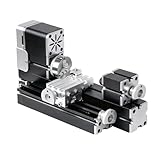
The ZHRUI 36W all-metal mini lathe is the smallest and most affordable machine on our list. It is designed strictly for hobby work, model making, and education. The 100-percent all-metal construction is impressive for this size class, with metal headstock, motor housing, gears, sliders, and chuck. Many competitors at this level use plastic parts that fail quickly.
The 20,000 RPM motor is ultra-quiet and includes a built-in cooling fan. The 0.02mm molded scales are readable and help with repeatable positioning. The compact 310mm desktop size means you can run it on a desk or workbench without dedicating half your shop to one machine. The 12V power supply with over-current, over-voltage, and over-temperature protection is safe for all skill levels.
The 36W power rating is extremely low. It is suitable for wood, copper, aluminum, and acrylic. Even soft metals cut slowly. Users report ten minutes to remove six millimeters of aluminum, which is glacial compared to a real benchtop lathe. The 50mm max diameter and 150mm max length define the tiny work envelope. You are not rebuilding engines on this machine.
Tailstock alignment is a common issue. The tailstock can be wobbly when extended more than an inch, which limits drilling depth. Missing parts are also reported in some shipments. The instructions are poor, so you will rely on online videos and community help. It is a kit-like experience that requires patience and basic mechanical aptitude.
Workshop Fit and Project Types
This lathe is best for pure beginners, children, and craft enthusiasts who want to experiment with machining. It is excellent for small pen parts, model components, and jewelry findings in soft materials. The 8.88-pound weight is trivial, and the power requirements are minimal. It fits on a desk next to a computer or 3D printer.
The low noise and safe voltage make it suitable for indoor use. You can run it in an apartment or bedroom without bothering neighbors. The dust and chip volume is small compared to larger machines. Just keep a small brush and dust pan handy. It is more of a precision craft tool than a metalworking lathe.
Setup Reality and Long-Term Ownership
Setup is a project in itself. Check every screw and slide for tightness. Verify the tailstock alignment with a dial indicator or test cut. The workbench plate is a nice inclusion, but you may need to add a small vise or fixture for odd-shaped work. The included accessories are basic, so plan to buy small collets or chucks separately.
Long-term, this is a learning tool with limited scalability. You will outgrow it within a year or two if you catch the machining bug. The resale value is low, but the educational return is high. It teaches you how to read dials, set tool height, and understand cutting forces without the risk of damaging an expensive machine. Treat it as a toy with educational value, and you will not be disappointed.
Metal Lathe Buying Guide
Buying a metal lathe is more complex than reading a spec sheet. Our team spent months analyzing what actually matters in real shops, and the answers surprised us. Here is what you need to know before you commit.
Motor Power and Spindle Speed
Motor ratings can be misleading. A 550W motor can turn steel if you take light cuts, while a 1250W motor can stall if you overload it. The real question is whether the motor delivers usable torque at low RPM. Brushless motors generally win here because they maintain torque across the speed range. Brush motors are cheaper but lose power at low speeds and require brush replacement.
Variable speed control is essential. You need high RPM for aluminum and low RPM for steel and brass. Look for machines with a broad range, ideally from 50 or 100 RPM up to 2250 or 2500 RPM. Electronic variable speed is smoother and more convenient than manual belt changes. A digital display is a nice bonus that helps beginners learn proper speeds.
Swing Over Bed and Distance Between Centers
Swing over bed tells you the maximum diameter you can turn. For most hobbyists, 7 to 8 inches is enough for pulleys, flanges, and small engine parts. If you plan to turn large bowls or industrial fittings, you need more. Distance between centers defines the maximum length of shaft or rod you can support. A 12-inch bed is cramped. A 16-inch bed is comfortable. A 39-inch bed is exceptional for home shops.
Forum users consistently recommend buying the largest machine your space allows. A bigger lathe can do small work, but a small lathe cannot handle large work. Many hobbyists upgrade within three years because they bought too small. Plan for the projects you dream about, not just the ones you are doing now.
Build Quality and Materials
Cast iron is the gold standard for lathe beds. It dampens vibration and resists wear. Look for HT200 or similar cast iron specifications. Alloy steel frames are also solid. Avoid machines with plastic structural components unless you are buying a pure micro lathe for learning. The weight of the machine is a good proxy for rigidity. A 200-pound lathe will cut smoother than an 80-pound lathe.
Gear material matters too. Metal gears last longer and handle higher loads than nylon or plastic gears. Nylon gears are quieter but strip under heavy cuts. If you plan to cut steel regularly, metal gears are worth the extra cost. The quick-change tool post is another upgrade that improves rigidity and speed.
Speed Control and Threading
Threading is one of the main reasons people buy a metal lathe. Check the thread chart before you buy. A good hobby lathe should cover at least 12 to 20 thread types, both metric and imperial. Electronic gear systems are the modern standard. They let you switch thread types without swapping physical gears. Traditional gearboxes are reliable but slower to change.
Forward and reverse spindle directions are important for left-hand threads and polishing. An emergency stop switch is a safety must-have. The half-nut engagement should be smooth, because rough engagement damages the lead screw over time. Test this feature if possible, or read user reviews for reports of lead screw wear.
Accessories and Real-World Costs
The lathe itself is only the beginning. Our research shows that tooling often doubles your total investment. You will need a quick-change tool post, cutting tools, a drill chuck, and possibly a 4-jaw independent chuck. A digital readout is another upgrade that improves accuracy. Coolant systems are optional for hobby work but helpful for steel.
Forum users repeatedly warn about this hidden cost. A budget lathe that seems affordable becomes expensive once you add the necessary tooling. Plan your budget with accessories in mind. Some machines include a basic tool set, which helps. Others ship with almost nothing. Check the included components list before you buy.
Noise and Shop Environment
Metal lathes are loud. Motors, gear trains, and cutting operations all produce noise. Direct-drive and brushless motors tend to be quieter than belt-driven brushed motors. Enclosed gearboxes help. The machine weight also affects noise, because a heavy machine vibrates less than a light one. If you share walls with neighbors, consider your shop location and operating hours.
Vibration is another factor. A lathe on a flimsy bench will walk across the floor and produce poor finishes. Invest in a solid workbench or stand. Anti-vibration pads help. Good lighting is also critical. You need to see the cutting edge and the surface finish clearly. Many users add LED task lights above the headstock.
Frequently Asked Questions
Who makes the best metal lathes?
Several brands stand out for quality and reliability. Grizzly and Precision Matthews are consistently recommended by experienced machinists for their solid construction and accuracy. JET is praised for warranty support and professional features. For budget-conscious buyers, VEVOR and WEN offer capable benchtop models that deliver good value when properly set up.
Which lathe machine is best?
The best lathe depends on your needs. For beginners, a 7-inch or 8-inch benchtop lathe with variable speed and metal gears is ideal. For semi-professional work, a 16-inch or larger machine with a brushless motor and electronic threading is better. For industrial use, a full-size gear-head engine lathe from a trusted manufacturer is the right choice.
What is the mother of all machines?
The metal lathe is known as the mother of all machines because it can produce nearly every mechanical component, including parts for other machine tools. It is the foundation of precision metalworking and manufacturing.
What is the best woodturning lathe?
Woodturning lathes are different from metal lathes. They typically run at higher speeds and have lighter construction. For woodturning, look for a dedicated wood lathe with variable speed, a robust tool rest, and a large swing capacity. A metal lathe can turn wood, but it is slower and less efficient than a purpose-built wood lathe.
What size metal lathe do I need?
For hobby work and small parts, a 7-inch or 8-inch swing with a 12 to 16-inch bed is usually enough. For engine rebuilding, gunsmithing, or larger prototypes, look for a swing of 10 inches or more and a bed length of at least 29 inches. Buy the largest machine your space and budget allow, because a bigger lathe can handle small jobs, but a small lathe cannot handle large work.
How much does a metal lathe cost?
Benchtop mini lathes start at a budget-friendly price point for basic models. Mid-size benchtop machines with brushless motors and digital features fall into a moderate range. Premium benchtop and light industrial lathes require a larger investment. Remember to budget for accessories like tooling, chucks, and a quick-change tool post, which often add significantly to the total cost.
Final Thoughts
Choosing the best metal lathe for your shop comes down to matching the machine to your projects, space, and willingness to tinker. Our top picks for 2026 cover the full range from micro learning machines to versatile mill-drill-lathe combos. The INTBUYING mill-drill-lathe earned our editor’s choice for its power and versatility. The VEVOR 7 by 16-inch lathe offers the best value for hobbyists who need bed length. The VEVOR 7 by 12-inch mini lathe remains the best budget-friendly entry point for beginners.
Remember the advice we saw repeated across forums: buy the largest machine your space allows, and budget for accessories. A lathe without tooling is just a heavy decoration. Invest in a quick-change tool post, decent cutters, and a solid bench. With the right setup, any of the machines on this list can teach you the skills that make metalworking so satisfying. Start with the lathe that fits your needs today, and grow into the craft over time.