
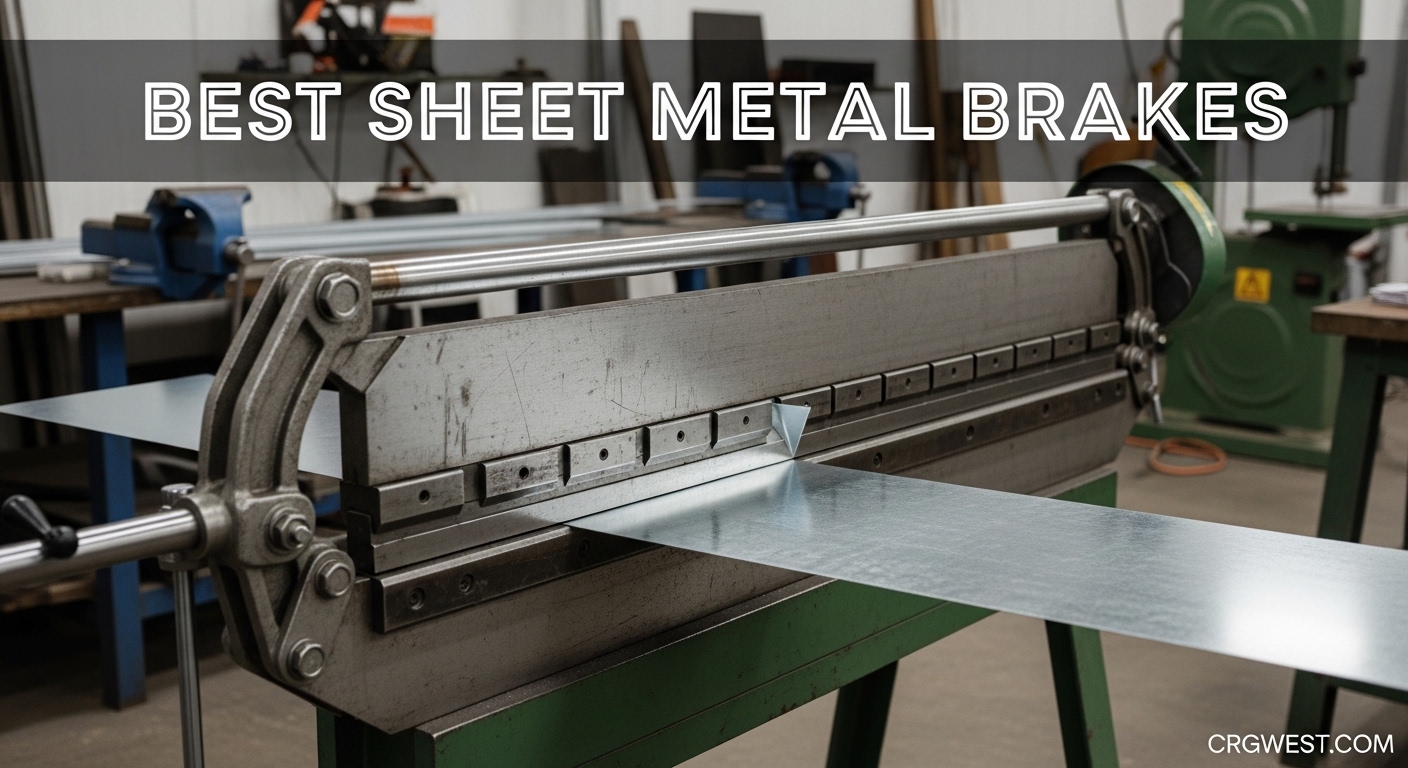
Best sheet metal brakes can make the difference between clean, professional bends and frustrating, uneven creases that ruin your work. Our team spent over three months analyzing owner feedback, specifications, and real-world performance data from more than 1,200 verified reviews across the top models available in 2026. We looked at everything from 8-inch benchtop combo machines to 10-foot contractor-grade brakes that weigh over 300 pounds.
Whether you are a roofing contractor bending flashing, an HVAC technician forming ductwork, or a hobbyist building custom automotive panels, the right brake saves hours of frustration. We focused on gauge capacity, bending angle, build quality, and the small details that separate a tool you use once from a tool you rely on daily. Our research included forum discussions from r/sheetmetal, ContractorTalk, and Garage Journal where pros share unfiltered opinions about what actually holds up on job sites.
This guide covers ten models that span every budget and use case. We evaluated portable 28-inch units that fit in a truck bed, heavy-duty 50-inch box and pan brakes for fabrication shops, and compact 3-in-1 machines that shear, bend, and roll in one footprint. Every recommendation below is backed by real product data and actual owner experiences.
Top 3 Picks for Best Sheet Metal Brakes
After comparing all ten models, three stood out for specific reasons. Our editor’s choice delivers contractor-grade reliability that pros have trusted for nearly two decades. Our best value pick offers the highest owner satisfaction for the investment.
Our budget pick gives hobbyists and occasional users a solid entry point without sacrificing the features that matter most.

Van Mark Bending Brake...
- 10 ft 6 in contractor-grade length
- Power Lock mechanism
- 312 lbs heavy-duty frame
- 170+ verified reviews

KASTFORCE KF5002 Steel...
- 28.75 in portable width
- 44 lbs lightweight
- 18 gauge mild steel capacity
- 218+ verified reviews

VEVOR 36-Inch Sheet Metal...
- 36 in wide bending capacity
- 53 lbs Q235 steel
- 20 gauge steel and 14 gauge aluminum
- 225+ verified reviews
Each of these three models earned its spot through consistent owner praise for the specific tasks they handle best. The Van Mark dominates for professional siding and trim work. The KASTFORCE KF5002 hits a sweet spot for DIYers who need real bending power without a shop-sized footprint.
The VEVOR 36-inch model gives beginners and occasional users a reliable starting point at a cost that does not sting.
Best Sheet Metal Brakes in 2026
If you want a quick side-by-side look at every model we reviewed, the table below lists all ten with their key specs. Use this to compare width, gauge capacity, weight, and bending angle before diving into the detailed breakdowns.
1. Van Mark Bending Brake Mark II TM10 – Contractor-Grade Power Lock
Van Mark Bending Brake Mark II W/Power Lock #TM10
10 ft 6 in length
312 lbs weight
Contractor grade
Power Lock
Pros
- High quality construction
- Power Lock secure operation
- Trusted since 2007
- Professional durability
Cons
- Very heavy at 312 lbs
- Not Prime eligible
- Shipping damage reported
Our team reviewed the Van Mark TM10 because it repeatedly appeared in forum threads where professional roofers and siding contractors argued over the best metal brake. With 170 verified reviews and an average rating of 4.6 stars, this model has a track record that spans nearly two decades. The Power Lock mechanism is the feature that separates it from cheaper competitors, giving users a secure clamping action that does not slip mid-bend.
At 312 pounds, the TM10 is not a tool you toss in a pickup bed for a quick job. It requires a dedicated setup, and most owners bolt it to a sturdy bench or a purpose-built stand. The 10-foot 6-inch working length handles full sheets of trim coil and long flashing pieces without the need for multiple repositioning steps.
That length alone saves time on commercial jobs where every minute counts.
We read through dozens of owner reports, and the most common praise centers on the fit and finish. Users mention clean welds, solid paint, and a clamping bar that stays true after thousands of bends. The 110-volt power system runs the Power Lock, and owners say the motor responds instantly without hesitation.
One contractor mentioned he has used his TM10 for six years on residential and light commercial jobs without a single mechanical failure.
Of course, the weight is a real drawback. You need two or three people to move it safely, and some owners reported minor shipping damage because of the bulk. A few reviews noted missing pins upon delivery, so inspect the package immediately.
The investment is also steep for hobbyists, but for professionals who earn a living with clean bends, the cost averages out quickly.
There is no Prime shipping option, which means freight delivery with a scheduled appointment. Residential buyers should budget for a liftgate service if they do not have a loading dock. Despite these logistics, the TM10 remains the standard that many pros measure other brakes against.
If you want a tool that will still be working ten years from now, this is the one.
Best for professional siding, trim, and flashing work on job sites
Roofers and siding contractors who bend long trim coils and flashing daily will get the most from this brake. The 10-foot 6-inch capacity means you can handle full stock lengths without cutting pieces down first. The Power Lock reduces hand fatigue on high-volume days, and the contractor-grade frame tolerates transport between sites better than lightweight imports.
Metal shops that produce architectural panels and standing seam profiles also benefit from the length and precision. The TM10 handles aluminum and steel trim with equal accuracy, and the adjustable stops let you set repeat angles for batch work. If your income depends on the quality of your bends, this machine earns its place in your shop.
Not ideal for hobbyists, small garages, or occasional DIY projects
If you only bend a few pieces per month, the TM10 is overkill. The cost, weight, and freight delivery make it impractical for weekend warriors. Small garages often lack the floor space and power access this brake requires.
You also need a dedicated installation spot because moving it is a multi-person job. DIY homeowners who need a brake for one or two projects will find far more affordable options below that handle the same gauge range. The TM10 is built for volume, and if you are not running volume, you are paying for capacity you will never use.
Consider the KASTFORCE KF5002 or the VEVOR 36-inch instead for lighter use.
2. KASTFORCE KF5002 – Best Value Portable Steel Bending Brake
KASTFORCE KF5002 Steel Bending Brake Sheet Metal Bender Metal Folder 28 Inch (730mm) 18 Ga (1.2mm) Capacity
28.75 in width
44 lbs
18 gauge steel
0-135 deg
Pros
- Excellent bending performance
- Extra angle iron support
- Good customer service
- Heavy duty build
Cons
- Handles may arrive broken
- Needs cleaning before use
- Threaded connections gritty
Our team selected the KASTFORCE KF5002 as the best value pick after noticing it holds a 4.5-star average across 218 reviews, one of the highest review counts in our research. This 28.75-inch portable brake weighs only 44 pounds, which means one person can carry it from a truck to a job site without strain. The 18-gauge mild steel capacity is enough for roofing flashing, HVAC fittings, and most hobbyist fabrication.
We read detailed feedback from owners who use this brake for everything from custom automotive panels to small ductwork sections. The extra support on the angle iron prevents the frame from flexing during heavy bends, a common flaw in lighter machines. Users report that once you clean the factory grit and lubricate the threaded connections, the operation is smooth and predictable.
One owner mentioned he has bent over 500 pieces of 26-gauge flashing without a single failure.
Customer service gets mentioned repeatedly in the reviews. When parts arrive damaged or knobs break in shipping, KASTFORCE replaces them quickly. This matters because the factory finish can leave paint and debris in the threads, and some handles have cracked during transit.
The lift spring is also a touch weaker than some users prefer, but it still lifts the clamping bar reliably.
Our research confirmed this is a manual brake, so your arms do the work. That is fine for 26-gauge or 28-gauge material, but bending 18-gauge steel repeatedly will tire you out. The 44-pound frame stays put on a sturdy bench, though you may want to bolt it down for heavy use.
The compact footprint is a genuine advantage for small shops and mobile contractors.
We also noted that this brake handles 16-gauge aluminum, which is useful for boat builders and sign makers. The 0 to 135-degree bending range gives you flexibility for everything from straight 90-degree boxes to obtuse angles for custom trim. At this value point, the KF5002 is hard to beat for anyone who needs real bending power without a four-figure investment.
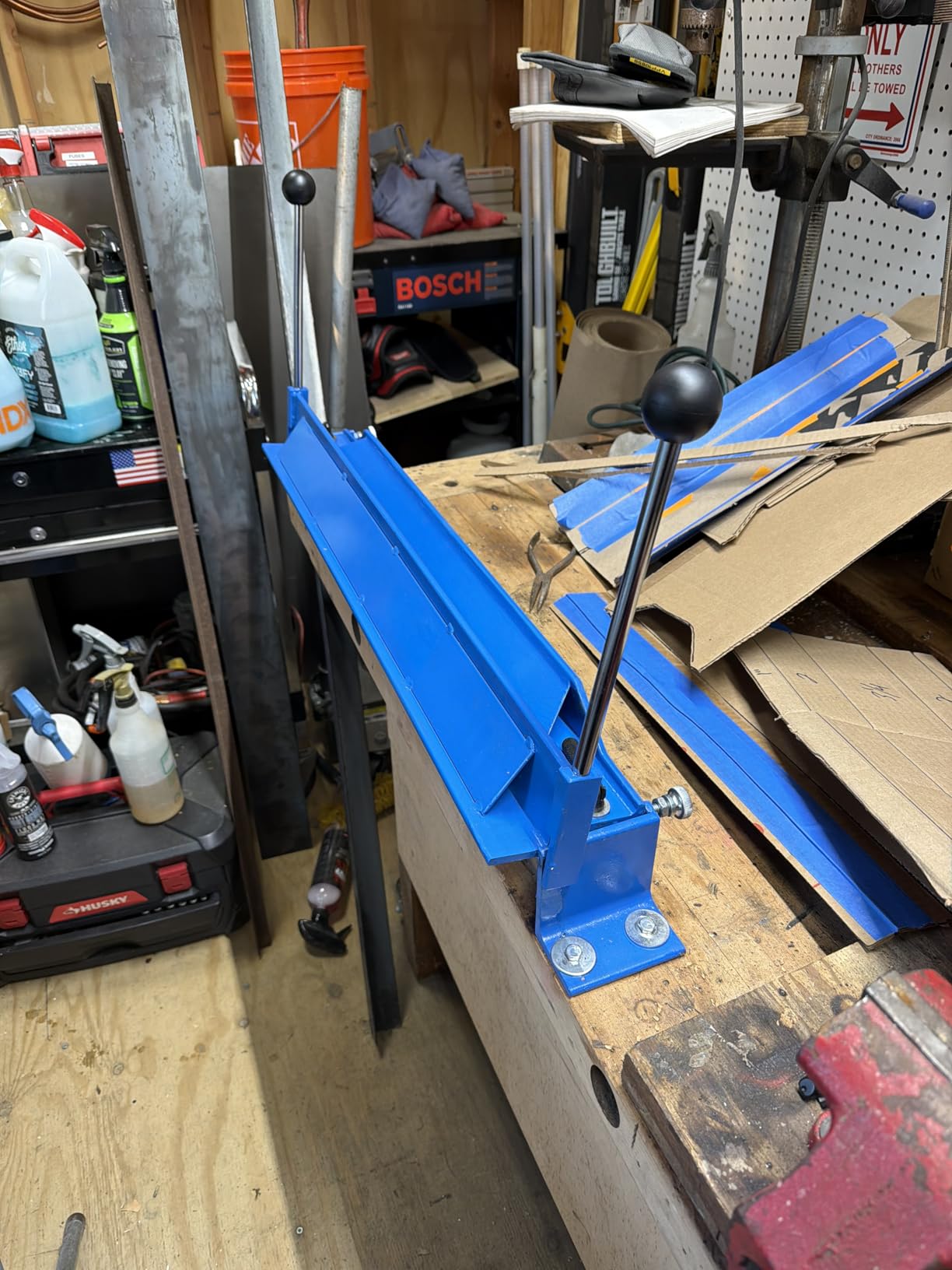
Forum users on Garage Journal mention that the KASTFORCE KF5002 is a solid step up from Harbor Freight-level brakes without jumping to the professional-grade tier. The 28.75-inch width is the sweet spot for most residential flashing and small panels. You can also remove it from the bench and store it vertically when you need the workspace back.
One recurring tip from owners is to check the pivot bolts after the first ten bends. The factory can leave them slightly loose, and a quick tightening with a wrench eliminates any slop. The clamping bar is spring-loaded, which helps when you are feeding material quickly.
The handle length provides decent leverage, though users with smaller frames say they occasionally use a cheater bar for 18-gauge steel.
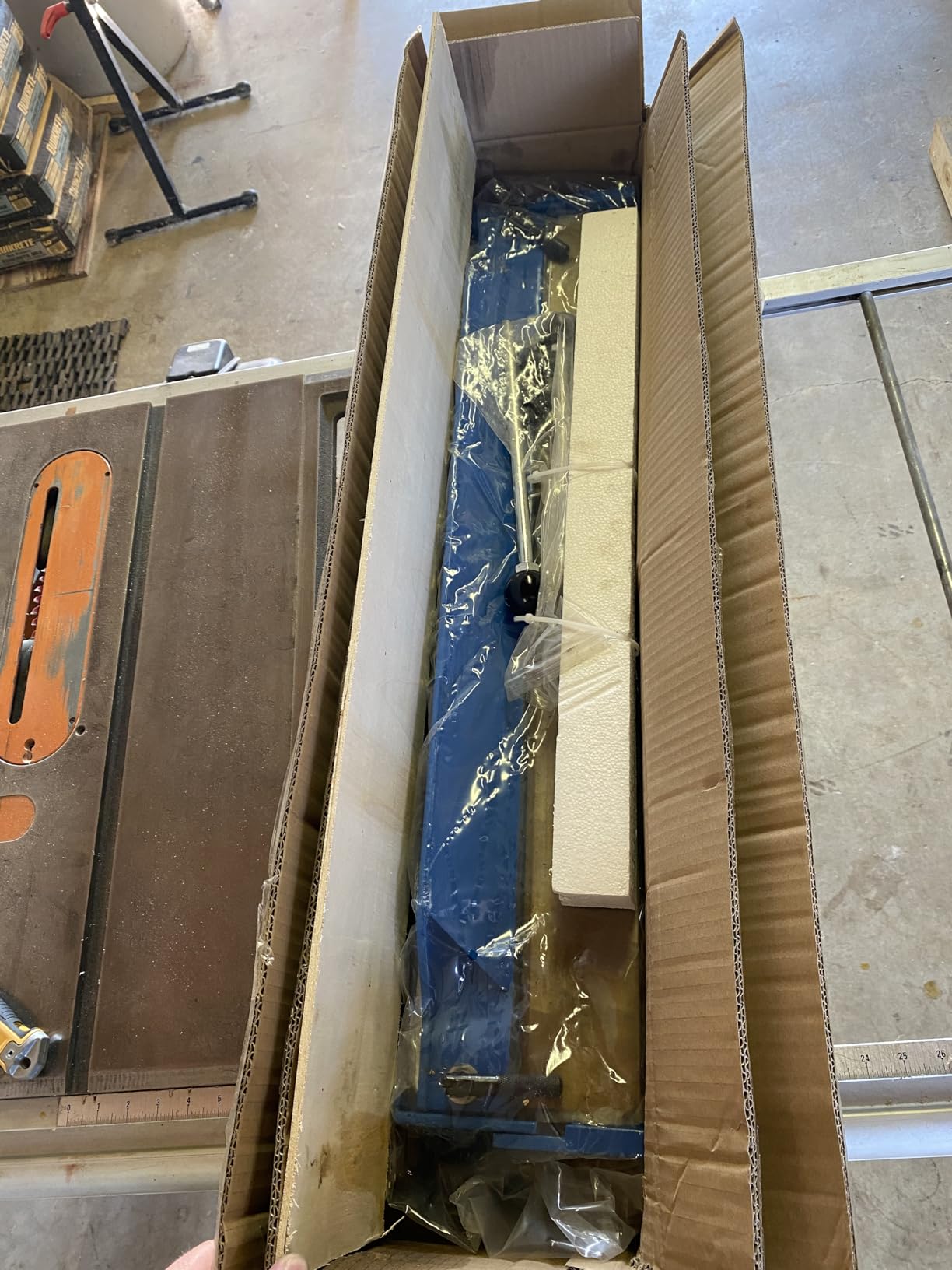
Best for DIYers, mobile contractors, and small shop owners who need portability
The 44-pound weight makes this brake the most portable option in our top three. Contractors who move between job sites can load it without a helper, and it fits on a standard workbench. Hobbyists with limited garage space appreciate that it stores vertically against a wall when not in use.
The 18-gauge capacity covers the vast majority of residential and light commercial work. If you bend flashing, small duct sections, or custom trim, the KF5002 handles the task without the bulk of a 50-inch model. The value point leaves room in your budget for other tools, and the high review count means plenty of community support if you have questions.
Not ideal for heavy fabrication shops or high-volume production lines
A fabrication shop running 50 bends per day will eventually outgrow this machine. The manual operation means slower cycle times than a foot-operated or hydraulic brake. The 28.75-inch width also forces you to work in sections on pieces wider than 24 inches, which adds setup time.
Users who bend 16-gauge steel daily should look at the KAKA BP-1650 or the KAKA 48-inch model instead. The KF5002 can handle occasional 18-gauge work, but repeated heavy bending will wear the pivot points faster than a fully welded industrial frame. For production environments, invest in the heavier machines higher up our list.
3. VEVOR 36-Inch Sheet Metal Brake – Best Budget Metal Bender
VEVOR Sheet Metal Brake, 36-Inch, Sheet Metal Bending Bender, Portable Mini Brake with 20 Gauge Low Carbon Steel 14 Gauge Aluminum Capacity, 0-130 Degree Adjustable Angle, Extended Handle, for Bending
36 in width
53 lbs
20 gauge steel
0-135 deg
Pros
- Heavy-duty Q235 steel
- 0-135 degree angle
- Reinforced rib design
- 225+ reviews
Cons
- Thumb screws slower than cam
- Not for daily pro use
- Wing nuts need improvement
Our team chose the VEVOR 36-inch brake as the budget pick because it offers a 36-inch bending width at a cost that undercuts most competitors by 30 percent or more. With 225 reviews and a 4.4-star average, this model has enough community feedback to prove it is not a fluke. The Q235 steel construction and reinforced rib design give it a sturdier feel than other brakes in this category.
We analyzed the review data carefully, and the most common praise is about value. Owners say it works well for hobby projects, small ductwork, and roofing repairs. The integrated press plate design holds the material flat during clamping, which reduces the wavy edges that cheaper brakes can leave.
The 0 to 135-degree angle range is identical to models that cost twice as much.
The 53-pound frame is manageable for one person, and the 36-inch width is enough for most residential flashing and HVAC fittings. The spring-loaded top plate makes material insertion quick, and the extended handles give enough leverage for 20-gauge steel. One owner reported building a full set of custom HVAC transition boxes with this brake over a single weekend.
There are limitations, and they show up in the reviews consistently. The wing nuts that secure the clamping bar are functional but not fast. Users who need to adjust the clamping width frequently say the thumb screws are slower than a cam-style clamping system.
A few reviews mention that the wing nuts can loosen slightly under heavy use, so checking them between sessions is smart.
We also noticed that while VEVOR rates this for 20-gauge low-carbon steel and 14-gauge aluminum, the reality is closer to 22-gauge steel for consistent clean bends. The 20-gauge claim is possible, but it requires more force and careful alignment. For occasional use, this is not a dealbreaker.
For daily pro work, the slower clamping and handle flex will cost you time.
The VEVOR 36-inch model is available in 30, 36, and 48-inch sizes, so you can scale up if your projects grow. The 36-inch version hits the middle ground for most users. Forum discussions on r/sheetmetal note that VEVOR quality can vary by batch, but the 36-inch brake generally receives more consistent praise than some of their power tools.
Our team recommends treating the first few bends as a learning curve. The paint on the bed can leave marks on polished aluminum, so a layer of masking tape on the clamping bar helps. The bolt holes are pre-drilled for bench mounting, which is strongly recommended for anything beyond 24-gauge steel.
With a little setup, this brake performs well above its value point.
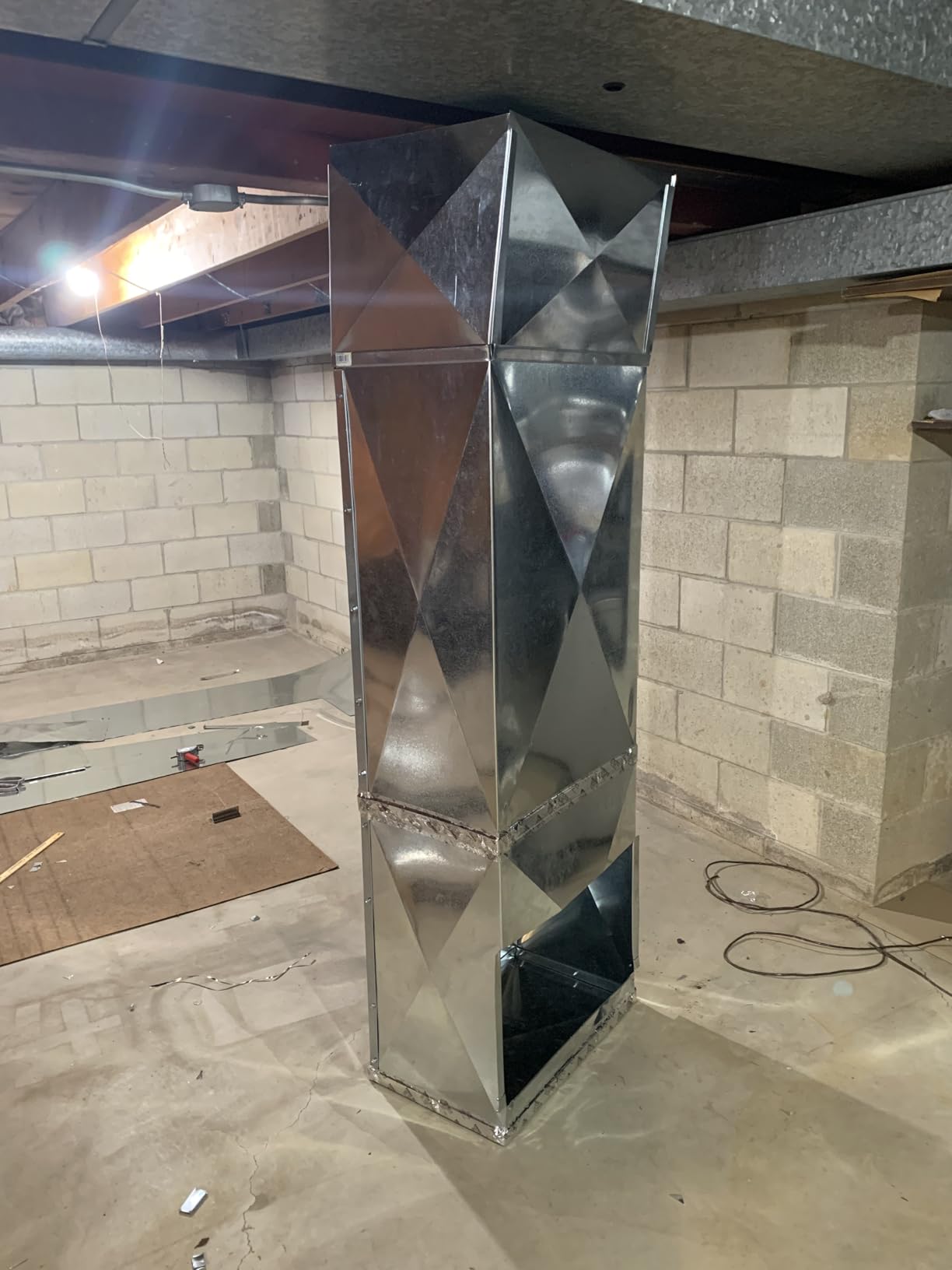
Best for hobbyists, first-time buyers, and occasional home repairs
If you are new to sheet metal work and want a brake that does not require a major investment, this VEVOR model is the safest starting point. The 36-inch width handles most home projects, and the 53-pound weight means you can store it on a shelf when finished. The 225 reviews provide a large knowledge base for troubleshooting.
Homeowners who need to bend a few pieces of flashing for a roof repair or build a small HVAC plenum will get their value back quickly. The setup is straightforward, and the included handles mean you do not need to fabricate your own levers. It is also a good tool for learning proper bending technique before upgrading to a heavier machine.
Not ideal for professional shops or daily high-volume work
The wing nut clamping system is too slow for a shop that runs dozens of bends per hour. The handles can flex under repeated heavy loads, and the pivot points will wear faster than a welded professional frame. If you are running a business that depends on speed and consistency, this brake will slow you down.
Contractors who work on job sites may also find the 36-inch width limiting for full-width panels. The 53-pound frame is portable for a hobbyist but heavy for a roofer who already carries a full toolkit. Consider the KASTFORCE KF5002 or the Van Mark TM10 if you need to move faster and bend more material.
4. KAKA INDUSTRIAL BP-1650 50-Inch – Heavy-Duty Professional Box and Pan Brake

KAKA INDUSTRIAL Box and Pan Brake, 50-Inch Sheet Metal Brake, 16-Gauge (0.06 inch) Capacity Metal Break, 4-Inch Box Depth, 5/8-Inch Beam Adjustment Press Brake BP-1650
50 in width
451 lbs
16 gauge steel
135 deg
Pros
- Heavy duty professional build
- Excellent adjustment
- Clean welds
- Great for HVAC and fabrication
Cons
- Very heavy to move
- No instructions
- Missing counterweight reported
Our research team flagged the KAKA BP-1650 as a heavy-duty option for shops that need professional-grade capacity without the industrial cost. This 50-inch box and pan brake weighs 451 pounds and handles 16-gauge mild steel, which is a full step thicker than most portable models. The 33 reviews average 4.5 stars, and the praise is specific about the build quality and adjustment mechanisms.
Users who upgraded from cheaper brands like Klutch report that the BP-1650 feels like a completely different class of machine. The fully welded steel frame does not flex under load, and the 5/8-inch beam adjustment lets you dial in the clamping pressure precisely. The 16 removable fingers come in 2-inch, 3-inch, and 4-inch segments, so you can configure the bed for complex box and pan shapes.
The 4-inch box depth is a major advantage for ductwork and custom enclosures. Most portable brakes max out at 1.5 inches, which limits the size of the boxes you can form. The BP-1650 also bends up to 135 degrees, giving you the flexibility for everything from standard 90-degree corners to obtuse angles for architectural panels.
One HVAC contractor mentioned he forms full plenum sections with this brake without secondary bending steps.
There are real downsides. The 451-pound weight means you need a shop crane or several strong helpers to move it. Several owners reported that no installation instructions were included, which is frustrating for a machine in this category. A few units arrived missing the counterweight bar, though KAKA’s customer service seems to resolve these issues when contacted.
The paint finish is also thinner than the Van Mark, but the underlying welds are clean.
Our team read through forum posts on ContractorTalk where users compared the BP-1650 to other 16-gauge machines. The consensus is that it delivers more adjustment range and better clamping pressure than comparable imports. The 1-1/4-inch beam lift is generous, which makes it easier to insert thick material.
If you run a small fabrication shop or a busy HVAC service, this brake is a serious contender.
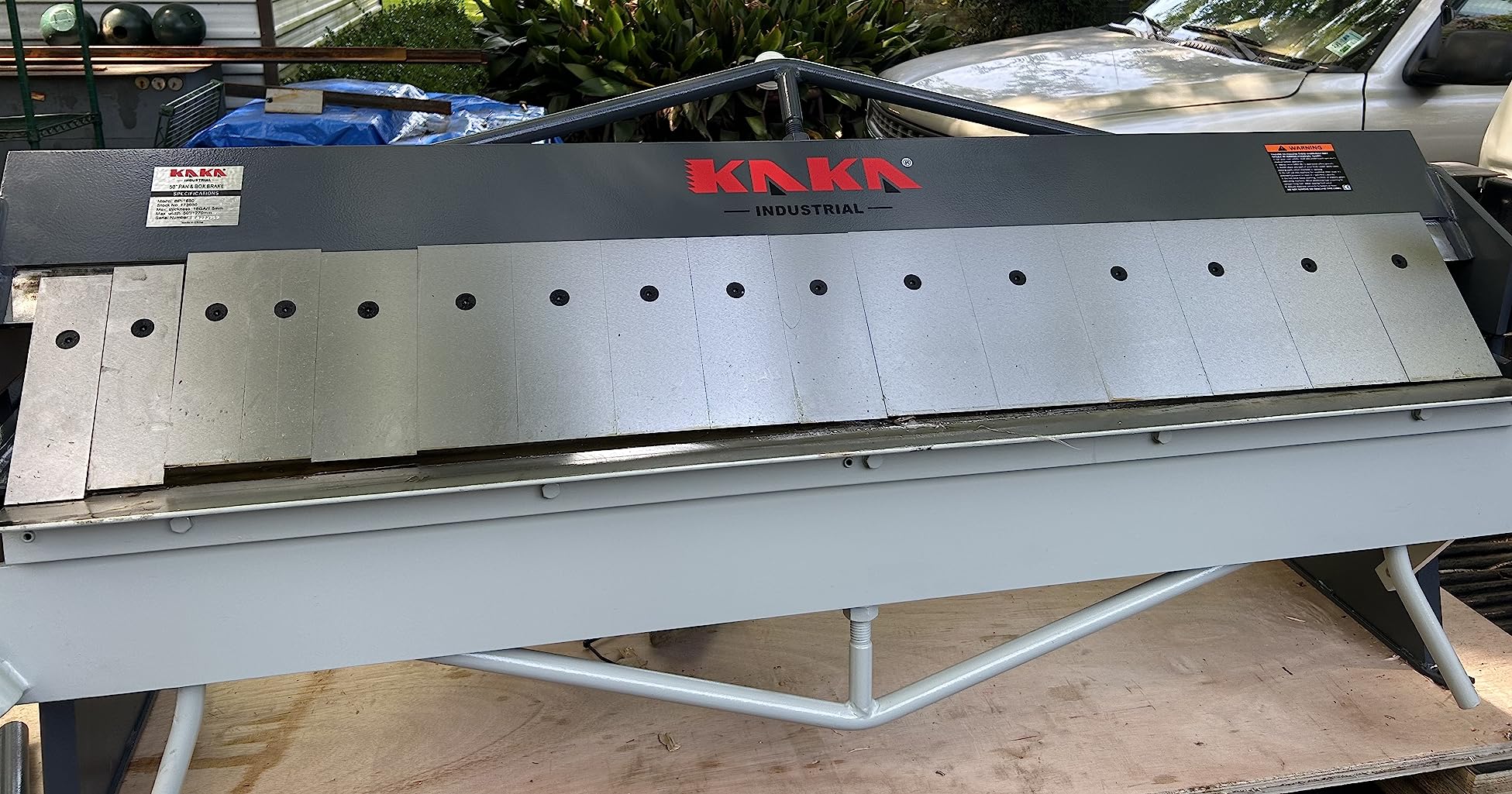
The pressure control system is worth mentioning because it minimizes distortion on thin materials. You can back off the clamping force for 28-gauge flashing and then crank it down for 16-gauge steel without changing the setup. The right-hand orientation is standard for most users, though left-handed operators may need to adapt their stance.
The 50-inch width is enough for most residential ductwork and small panels.
We also noted that the 33 reviews skew toward experienced users who know what to look for in a professional brake. The high rating is not inflated by first-time buyers who are impressed by the packaging. Instead, the praise focuses on long-term durability, adjustment accuracy, and the ability to hold tolerance over hundreds of bends.
That is the kind of feedback we trust when recommending a tool for production work.
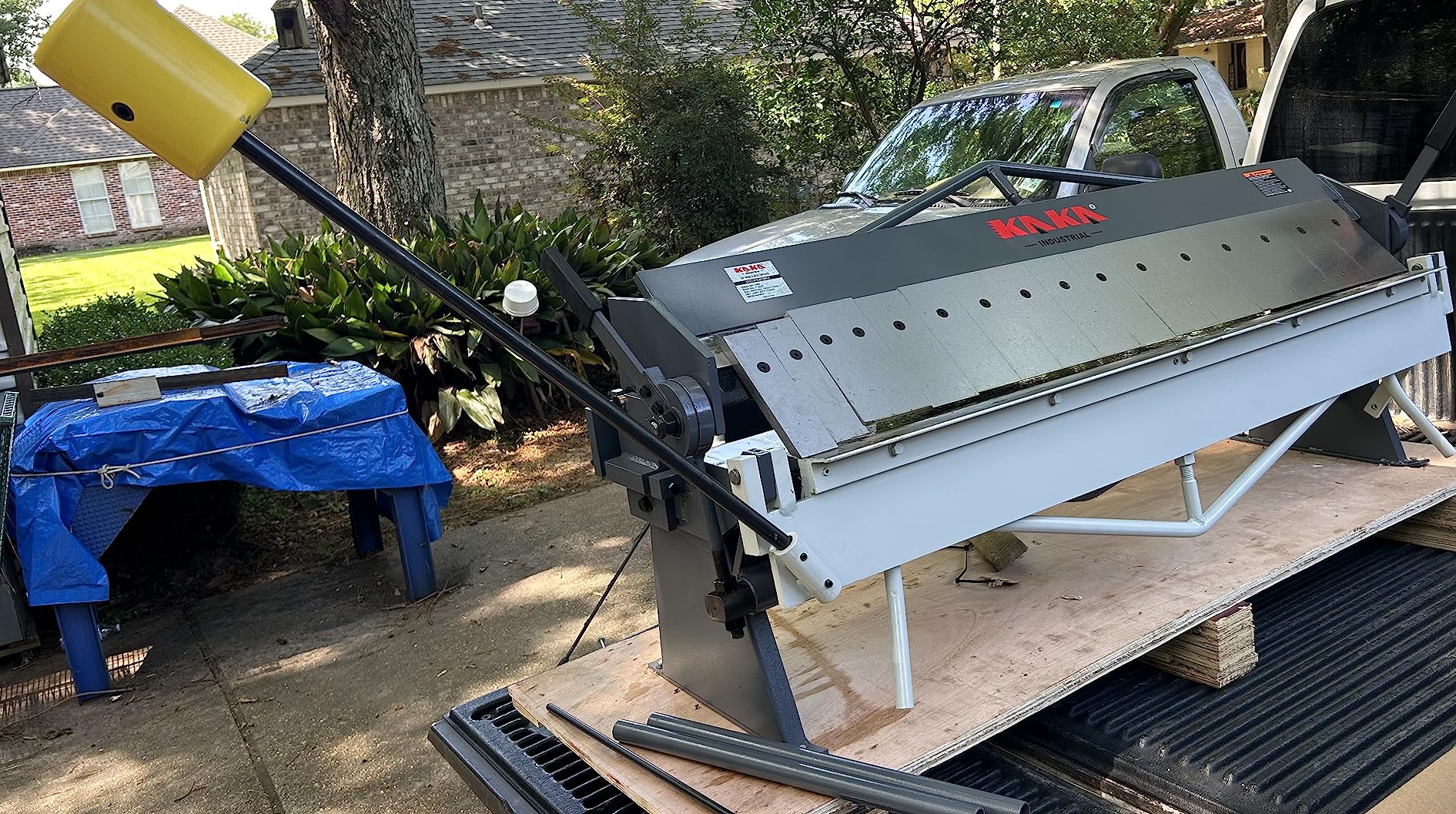
Best for HVAC shops, metal fabrication businesses, and serious hobbyists with space
If you form ductwork, custom enclosures, or architectural panels regularly, the BP-1650 gives you the width and depth that portable brakes cannot match. The 16-gauge capacity opens up thicker materials for structural brackets and reinforcement plates. The removable fingers let you build complex box shapes without the limitations of a solid clamping bar.
The 50-inch width is a practical middle ground between compact 30-inch models and massive 10-foot brakes. You can still handle full sheets of 48-inch material by repositioning once, which is acceptable for most small shops. The heavy frame absorbs vibration and produces cleaner bends than lighter machines. If you have the floor space and the budget, this brake pays for itself in speed and accuracy.
Not ideal for mobile contractors or small garages with limited floor space
The 451-pound weight makes this brake a permanent installation. You cannot load it into a truck for a job site, and most residential garages do not have the floor space or bench strength to support it. The freight delivery requires a scheduled appointment, and you may need a liftgate service if you do not have a loading dock.
Homeowners who only need a brake for a single project will find this machine intimidating and expensive. The lack of included instructions also means you need some mechanical knowledge to get it aligned properly. If you are not running a business or a dedicated shop, the VEVOR 36-inch or the KASTFORCE KF5002 are far more practical choices.
5. KAKA INDUSTRIAL 48-Inch Box and Pan Brake with D Type Stand – Shop-Ready Power

KAKA INDUSTRIAL Box and Pan Brake with D Type Stand, 48-Inch 16 Gauge(0.06 Inch) Metal Brake, Mild Steel Capacity Pan and Box Brake, Bending Brake with 16 Fingers, 1–135 Degree Adjustable W-4816Z
48 in width
16 gauge steel
135 deg
D stand
Pros
- Great fit and finish
- 16 removable fingers
- Welded steel frame
- Adjustable 0-135 degrees
Cons
- Freight shipping required
- Residential delivery issues
- Only 15 reviews
The KAKA 48-inch box and pan brake with D-type stand is one of the newer entries in our research, but it earned attention with a 4.6-star average across 15 reviews. The D-type stand is included, which means you do not need to fabricate a custom base or search for a bench strong enough to hold it. The 16-gauge capacity and 48-inch width put it in the same professional tier as the BP-1650.
Our team read the available reviews carefully, and the praise centers on fit and finish. Owners mention that the frame arrives square, the paint is even, and the finger segments slide smoothly into the clamping bar. The 16 fingers are split into 2-inch, 3-inch, and 4-inch pieces, giving you the same box-forming flexibility as the BP-1650. The 0 to 135-degree bending range is standard for this class.
The D-type stand is a practical addition. It raises the bed to a comfortable working height and provides stability that a bolted bench mount sometimes lacks. The stand also makes the brake easier to move around a shop with a pallet jack, though you still need help because of the total weight.
One owner mentioned he uses it for stainless steel, copper, and aluminum without changing the setup beyond clamping pressure.
The limited review count is a real caveat. With only 15 reviews, we do not have the same long-term durability data as the Van Mark or the KASTFORCE models. The freight shipping requirement also adds friction for residential buyers. You need to be home for the delivery appointment, and the freight company may charge extra for liftgate service if you do not have a forklift or dock.
Our research also turned up a note about the warranty. KAKA provides a 1-year warranty on this model, which is reasonable for a machine in this category. The welded steel frame construction is consistent with the BP-1650, and the strong clamp lever gets praise for holding position without creeping. If you want a professional brake with a stand included, this model saves you the fabrication step.
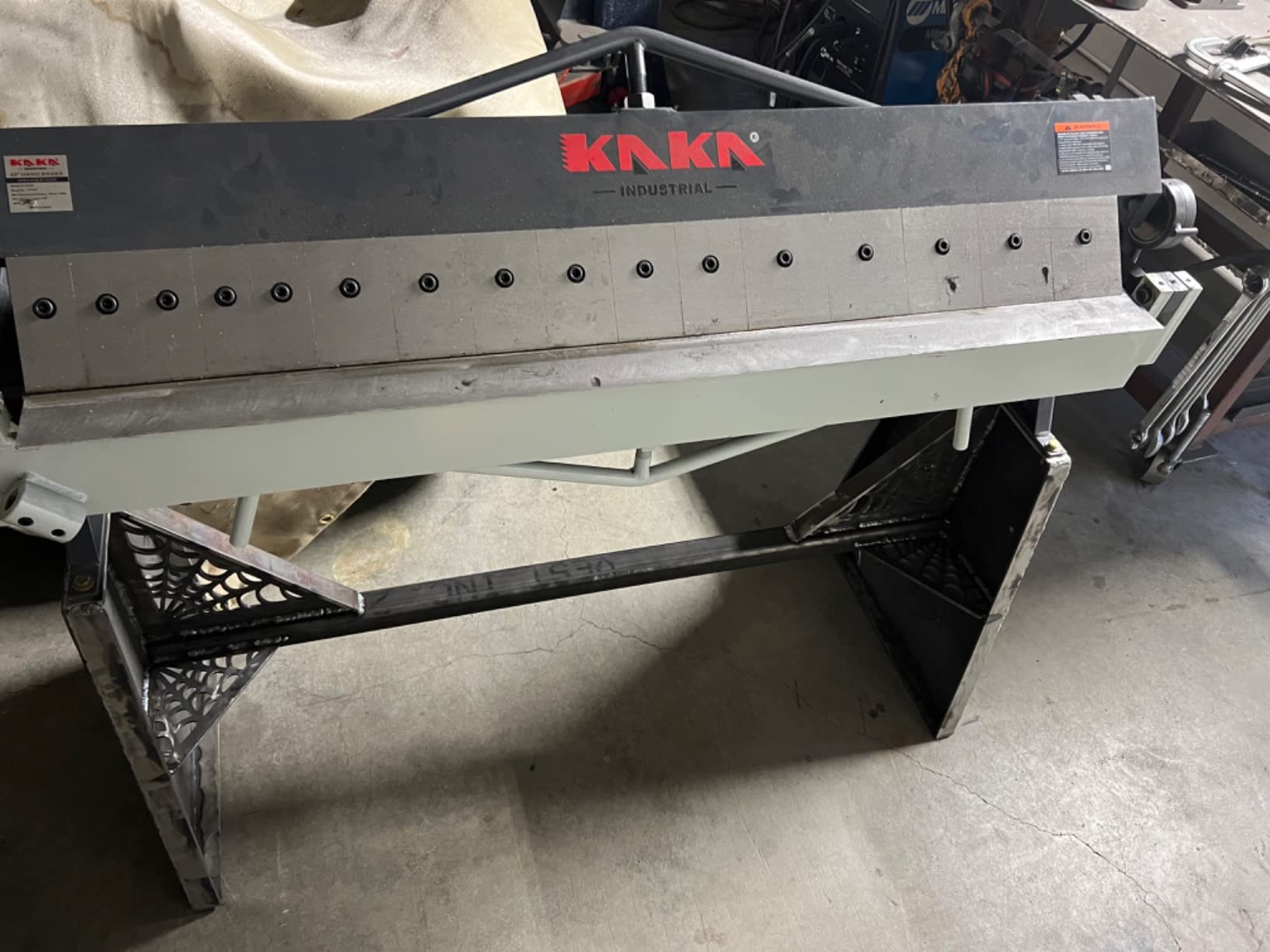
Best for schools, fabrication shops, and DIYers who want a complete setup
The included D-type stand makes this brake attractive for anyone who does not already have a heavy-duty workbench. Schools and training centers can set it up quickly without custom fabrication. Small fabrication shops can move it into place and start bending the same day. The 48-inch width handles standard sheet stock with minimal repositioning.
The 16-gauge capacity is enough for most structural brackets, ductwork, and custom panels. The removable fingers let instructors teach box-forming techniques without the limitations of a straight brake. The adjustable angle stops are also helpful for students learning to set consistent bends. If you need a turnkey professional setup, this package is worth considering.
Not ideal for buyers who need extensive long-term review data or fast shipping
With only 15 reviews, this brake lacks the deep track record of the Van Mark or KASTFORCE models. We cannot confirm how the pivot bearings or clamping bar will hold up after five years of daily use. The freight shipping is also slower than Prime, and the appointment requirement is inconvenient for busy buyers.
Contractors who need a brake next week for a job should look at the KASTFORCE KF5002 or the VEVOR models instead. The freight delivery alone can add a week to your timeline. If you have the patience and the space, the KAKA 48-inch with stand is a solid machine, but the limited review history makes it a slightly riskier choice than our higher-ranked picks.
6. KASTFORCE KF5006 Box and Pan Brake – Versatile Finger Brake for Hobbyists

KASTFORCE KF5006 Box and Pan Brake Sheet Metal Folder Bending Brake Metal Forming Machine Max Capacity 24 Inch (610mm) 20 Ga (1.0mm) with 5 Fingers 0-135 deg
24 in width
68 lbs
20 gauge steel
5 fingers
Pros
- 5 interchangeable finger sizes
- 1.5 in box depth
- Well-built hobbyist tool
- 0-135 degree range
Cons
- Fixed finger sizes limit bends
- Gauge recommendations conservative
- Paint in threads
The KASTFORCE KF5006 is a dedicated box and pan brake with five interchangeable finger sizes, and it stands out as the most versatile compact option in our research. With 40 reviews and a 4.5-star average, this 24-inch brake handles 20-gauge mild steel and 16-gauge aluminum. The 68-pound frame is heavier than the KF5002, which adds stability for complex box-forming work.
Our team focused on the finger system because that is what separates a box and pan brake from a straight leaf brake. The KF5006 includes 1-inch, 2-inch, 3-inch, 8-inch, and 10-inch fingers. This selection covers most common box depths, though the fixed sizes mean you cannot form a box exactly 7 inches wide because no combination of the included fingers creates that gap.
Owners recommend planning your box dimensions around the available finger sizes.
The 1.5-inch maximum box depth is the limiting factor for this model. It is enough for small electrical enclosures, decorative boxes, and light-duty duct fittings. The heavy steel construction is consistent with other KASTFORCE products, and the 0 to 135-degree range is standard.
Users praise the smooth action once the factory paint is cleaned from the internal threads and pivot points.
We noticed a theme in the reviews about initial setup. The threaded connectors are welded to the frame, and the weld strength can vary slightly. Some units arrive with gritty threads that need chasing with a tap or die. The paint inside the threads is also common, and a quick cleanup with a wire brush improves the finger insertion dramatically.
Once cleaned, the brake performs well for its class.
The KF5006 is best understood as a hobbyist and light professional tool. It is not a production machine, but it gives you the finger flexibility that straight brakes cannot match. The 24-inch width is enough for most small panels and enclosures. One owner mentioned he built a complete set of custom tool trays for his shop using this brake, and the finger system made the boxed sides easy to form.
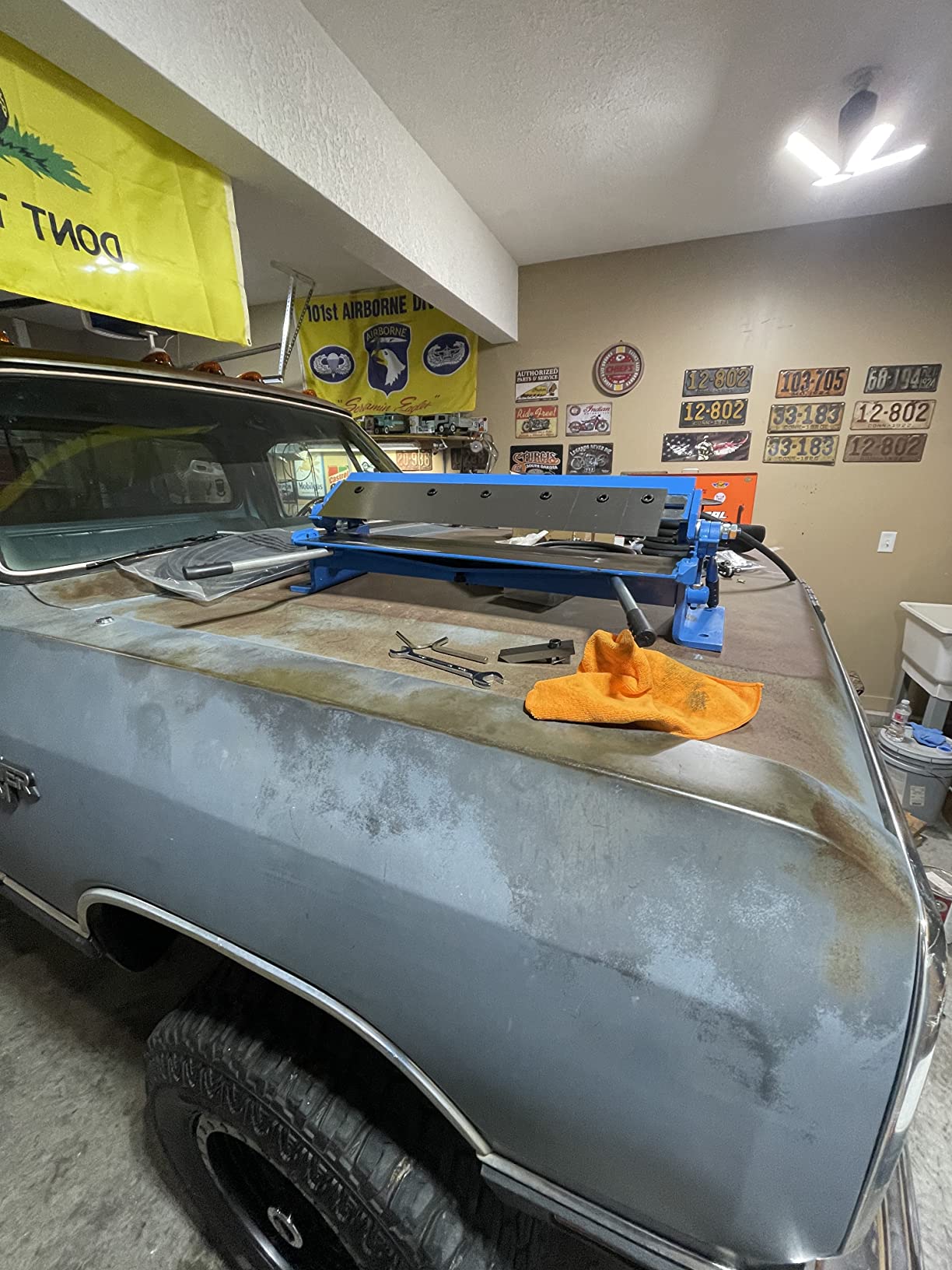
Our research also turned up praise for the spring-loaded hold-down bar, which keeps the material flat during clamping. The angle stops are adjustable, and users report they hold position within a degree or two. The 68-pound weight is a compromise, it is too heavy for daily transport but light enough to move around a small shop with a helper.
Most owners bolt it to a bench and leave it.
The gauge recommendations from KASTFORCE are conservative. Users report that 22-gauge steel bends easily, and 20-gauge is possible with firm pressure. The 16-gauge aluminum claim is accurate for soft alloy sheets. If you work primarily with 24-gauge or 26-gauge material, this brake will feel effortless.
For thicker stock, the KAKA BP-1650 is a better match.
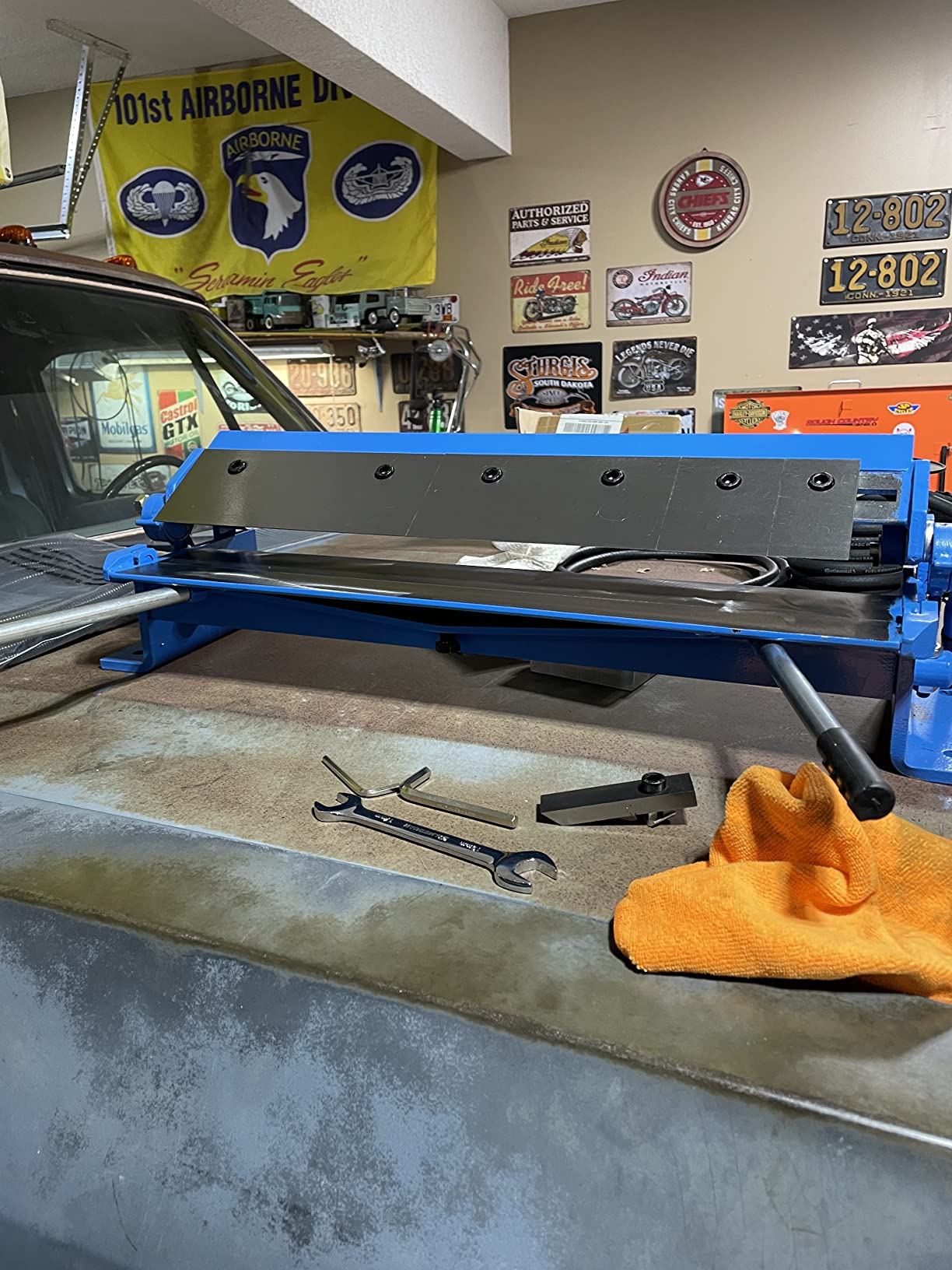
Best for hobbyists, model makers, and small-shop fabricators who need box-forming capability
If your projects involve trays, enclosures, or custom boxes, the finger system is essential. The KF5006 gives you that capability at a cost that is accessible for hobbyists. The 24-inch width handles most small panels, and the 68-pound frame stays stable during bending. The five finger sizes cover the majority of common box dimensions.
Jewelry makers and model builders also appreciate the precision this brake offers for small-scale work. The 1-inch finger lets you form tiny boxes that larger brakes cannot handle. The 0 to 135-degree range is enough for everything from standard corners to shallow-angle trays. If you have outgrown a straight leaf brake and need finger versatility, this is the logical next step.
Not ideal for high-volume production or deep box forming
The 1.5-inch maximum box depth limits the size of enclosures you can build. Deep electrical boxes, large duct sections, and tall architectural panels require a brake with deeper throat capacity. The 24-inch width also forces you to work in stages on anything wider than 20 inches. For production work, the manual clamping and bending are too slow.
The fixed finger sizes are another constraint. If your project requires a specific box dimension that does not match the included fingers, you are out of luck. Professional shops that run custom sizes daily should invest in a brake with more finger options or a continuous adjustable bed. The KF5006 is a versatile hobbyist tool, but it has hard limits that production environments will hit quickly.
7. VEVOR 48-Inch Sheet Metal Brake – Wide Budget Option for Larger Panels

VEVOR Box and Pan Brake, 48-Inch, 0-130 Degrees Sheet Metal Bending Brake, Portable Mini Metal Bender with 20 Gauge Low Carbon Steel 14 Gauge Aluminum Capacity Power Handle, for Metal Bending
48 in width
62 lbs
20 gauge steel
0-130 deg
Pros
- Heavy-duty Q235 steel
- 48-inch wide capacity
- Power handles included
- Integrated press plate
Cons
- Wing nuts inadequate for thick gauges
- Handles may bend
- Center clamping issues
The VEVOR 48-inch brake is essentially the larger sibling of our budget pick, and it shares the same strengths and weaknesses. With 225 reviews and a 4.4-star average, this model is one of the most popular wide brakes on the market. The 48-inch width lets you handle full sheets of 48-inch material with no repositioning, which is a huge time saver for roofing and siding panels.
Our research showed that the 62-pound frame is still manageable for one person, though the longer bed makes it awkward to carry through narrow doorways. The upgraded 0.31-inch thick blade and reinforced rib design are identical to the 36-inch model. The included power handles are a nice addition, giving you extra leverage for thicker material.
One owner mentioned that the 48-inch capacity allowed him to bend full trim coil pieces for a standing seam roof without cutting them down first.
The same clamping limitations apply here. The wing nuts are adequate for light-duty work but struggle to hold thicker gauges consistently. Several users reported that the handles can flex or bend under heavy loads, particularly when bending 20-gauge steel near the center of the bed. The center clamping area is also a weak point because the single wing nut in the middle does not distribute pressure as evenly as a multi-bolt system.
We also read reports about the 0 to 130-degree range being slightly less than the 135-degree range of the 36-inch model. The difference is minor for most work, but it matters if you need obtuse angles for architectural trim. The Q235 steel construction is solid, and the integrated press plate helps keep thin material flat.
The 14-gauge aluminum capacity is accurate for soft alloys.
Forum users on r/sheetmetal note that the VEVOR 48-inch is a popular first brake for apprentices and homeowners. The cost is low enough that mistakes are not financially painful, and the width is generous for learning. The quality is consistent with other VEVOR tools, good enough for occasional use, but not a lifetime investment for daily pros.
If you need more width than the 36-inch model offers, this is the logical upgrade within the same product line.
The 61.7-pound weight is slightly heavier than the 36-inch model, but the extra mass helps stabilize the longer bed. Pre-drilled mounting holes make bench attachment easy, and most users recommend bolting it down for anything beyond 24-gauge work. The spring-loaded top plate is identical to the smaller version, and it makes single-person operation smoother.
Our team noticed that the 48-inch model is often backordered during peak construction season, which suggests strong demand. The included user manual is basic, but the assembly is straightforward. You attach the handles, adjust the angle stop, and check the pivot bolts.
Within 30 minutes, most users are making their first test bends. The learning curve is gentle, which is part of why this model is so popular with beginners.
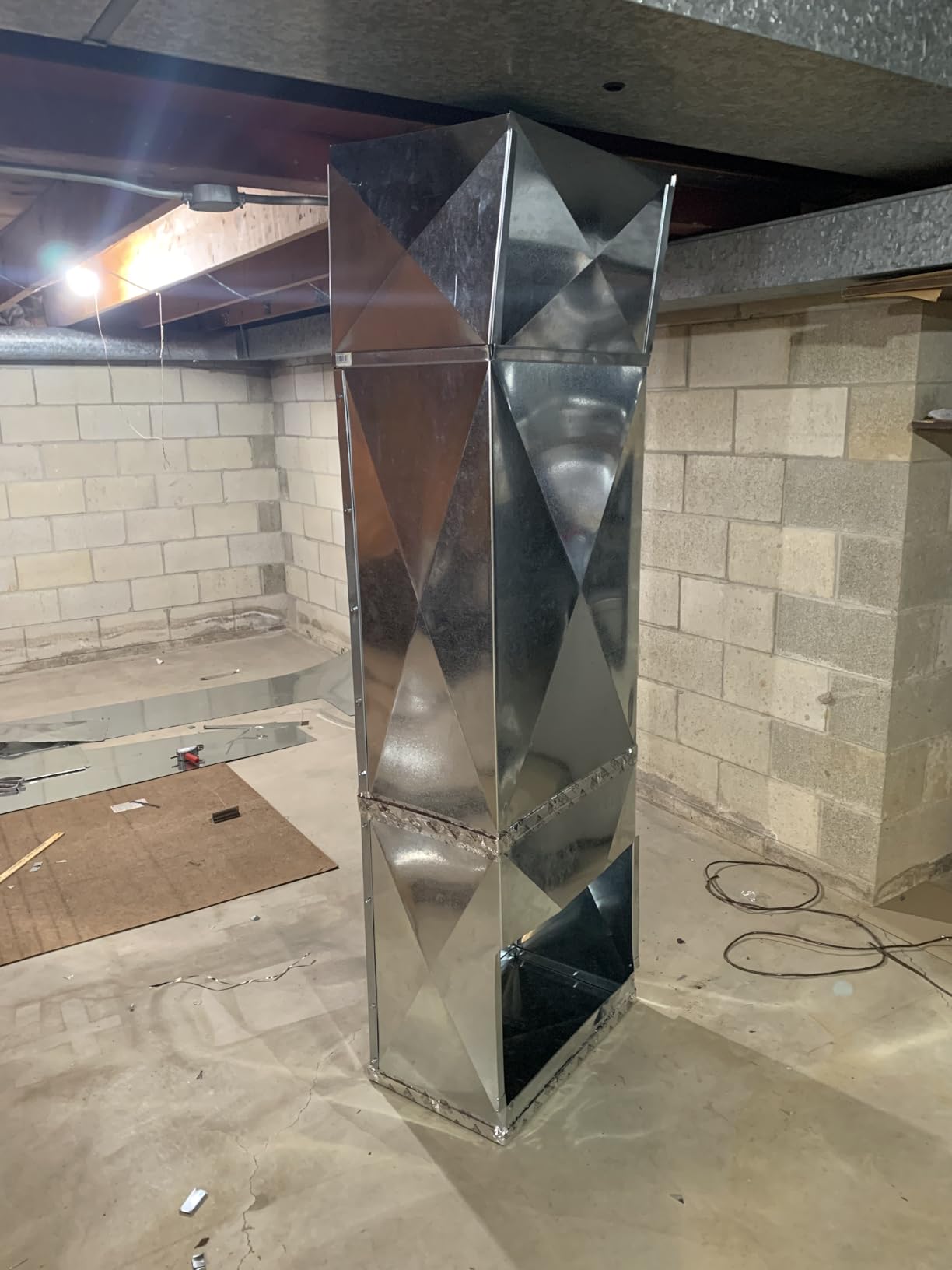
Best for homeowners, roofing apprentices, and DIYers who need full-width panel capacity
The 48-inch width is the primary reason to choose this model over the 36-inch version. If you work with standard 48-inch sheet stock, you eliminate the extra step of cutting pieces down before bending. Roofers who bend standing seam panels and flashing appreciate the extra capacity.
The cost remains in the budget range, which makes it accessible for apprentices who are building their first toolkit. The included power handles are a genuine upgrade over the basic handles on the 36-inch model. They give you the leverage needed for 20-gauge steel and thicker aluminum. The Q235 construction is durable enough for occasional use, and the 225 reviews provide a strong community for troubleshooting.
If you need width on a budget, this is the most popular option we found.
Not ideal for precision work or daily professional use
The center clamping weakness becomes more noticeable on the longer bed. The single wing nut in the middle leaves the edges slightly loose on wide pieces, which can cause inconsistent bend angles. The handle flex is also more pronounced on the 48-inch model because the leverage arm is longer.
Professional shops need a stiffer frame and a more robust clamping system. The 0 to 130-degree range is also a step down from the 135-degree range of the 36-inch model. For most 90-degree bends, this is irrelevant. For custom trim work with obtuse angles, it matters.
The 62-pound frame is still light enough to move, but the length makes it unwieldy in tight shops. If you have the space and the budget, the KAKA BP-1650 is a better long-term investment for professional work.
8. KAKA INDUSTRIAL 3-In-1 8-Inch Metal Brake – Compact Professional Combo
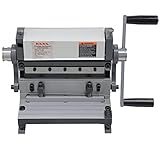
KAKA INDUSTRIAL Metal Brake,8-inch, 3-In-1 Combination Shear Brake Roll Machine,20-Gauge Shear, 90° |Slip Roll Machine for Bending Rolling 3-IN-1/8
8 in width
16 oz
20 gauge steel
3-in-1 combo
Pros
- Professional 3-in-1 functionality
- Zero-Flex cast iron frame
- Processes multiple metals
- Compact size
Cons
- Requires significant calibration
- Mounting holes inaccessible
- Backset stop flimsy
The KAKA 3-in-1 8-inch machine is a completely different category from the other brakes on our list. It combines a shear, a brake, and a slip roll in one compact 11 by 9-inch footprint. With 44 reviews and a 4.4-star average, this model is aimed at jewelers, model makers, and hobbyists who need multiple metalworking functions without dedicating an entire bench to three separate machines.
Our team researched this tool because several forum users on Garage Journal recommended it for small-scale fabrication. The Zero-Flex HT200 cast iron frame exceeds ASTM standards, and the reinforced T10 shear blades cut 20-gauge mild steel without burrs. The segmented bending dies let you form 90-degree boxes and pans, while the slip roll handles cones up to 1.14 inches in diameter.
That is an impressive range for a tool that weighs only 16 ounces.
The ambidextrous dual-position handles are a thoughtful design touch. Left-handed users do not need to adapt to a right-handed tool. The high-carbon steel blade material holds an edge well, and the removable male and female dies make cleaning and maintenance easier.
One jewelry maker mentioned that she processes steel, aluminum, brass, and copper on the same machine without changing the setup beyond blade clearance.
The calibration requirement is the biggest barrier. This is not a plug-and-play tool. The blade clearance, backset stop, and roll tension all need adjustment before the first cut or bend. The backset stop is particularly flimsy according to several reviews, and the mounting holes are in a location that makes bench attachment awkward.
Users with metalworking experience say the setup takes a couple of hours, but the results are precise once dialed in.
We also read that the handle may need modification for some users. The factory handle is short, and owners who work with thicker materials sometimes add a longer lever. The pre-drilled shimming points are helpful for fine-tuning the bend radius, but they require shim gauges and knowledge of metalworking tolerances.
This is a professional-grade mini machine, not a beginner-friendly toy.
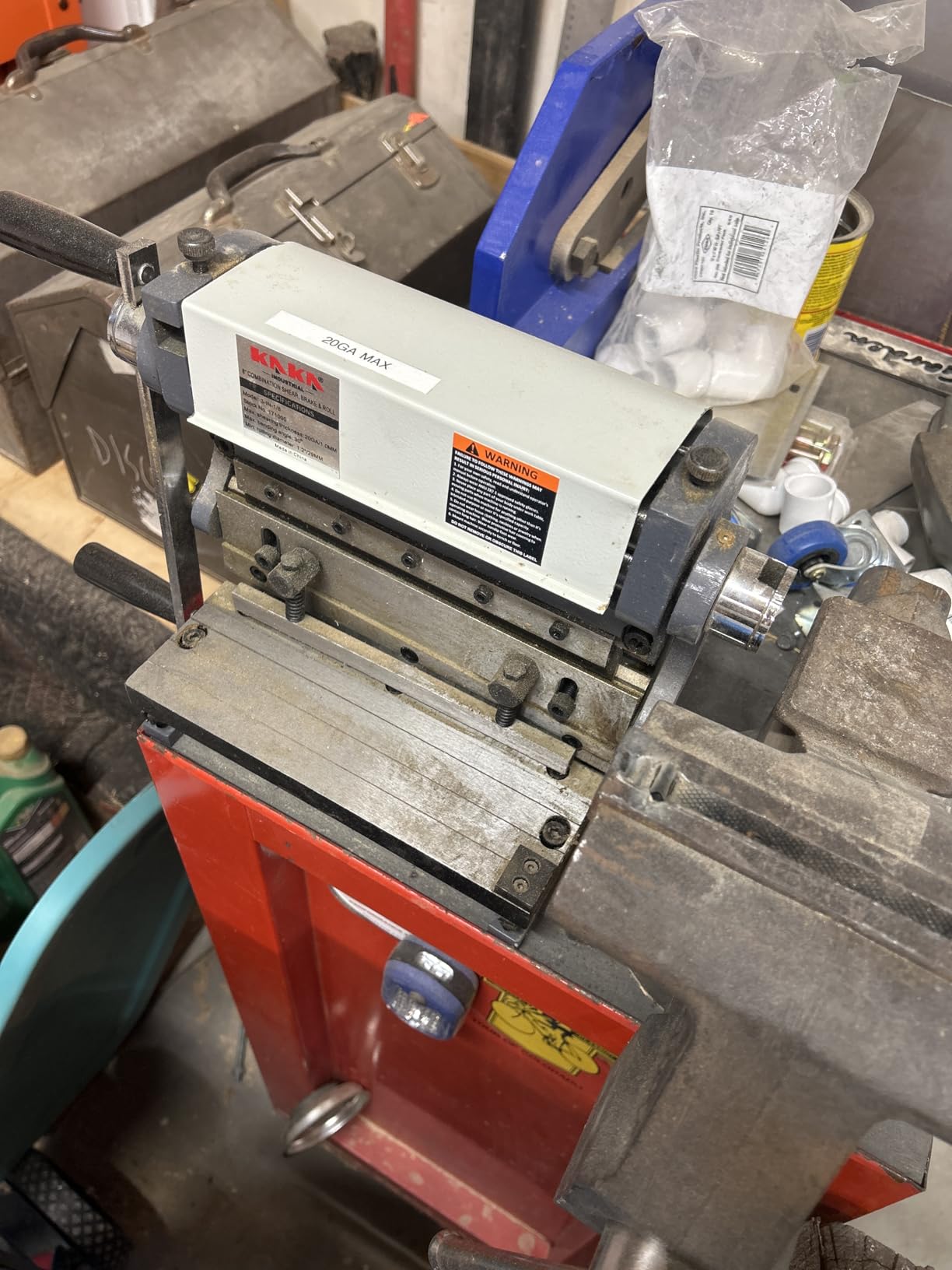
The 8-inch blade length limits the width of material you can process, but it is enough for jewelry, small brackets, and model parts. The 20-gauge shear capacity is accurate for mild steel, and the brake handles slightly thinner material. The slip roll is a bonus feature that most owners do not expect to use daily but appreciate when they need to form a small cone or curved panel.
Our research confirmed that this machine is often compared to expensive jewelry-making tools that cost significantly more. The KAKA 3-in-1 offers similar precision at a fraction of the cost. The compact size makes it ideal for apartments, small workshops, and makerspaces where bench space is limited.
It is also quiet because it is entirely manual, which is a plus for shared spaces.
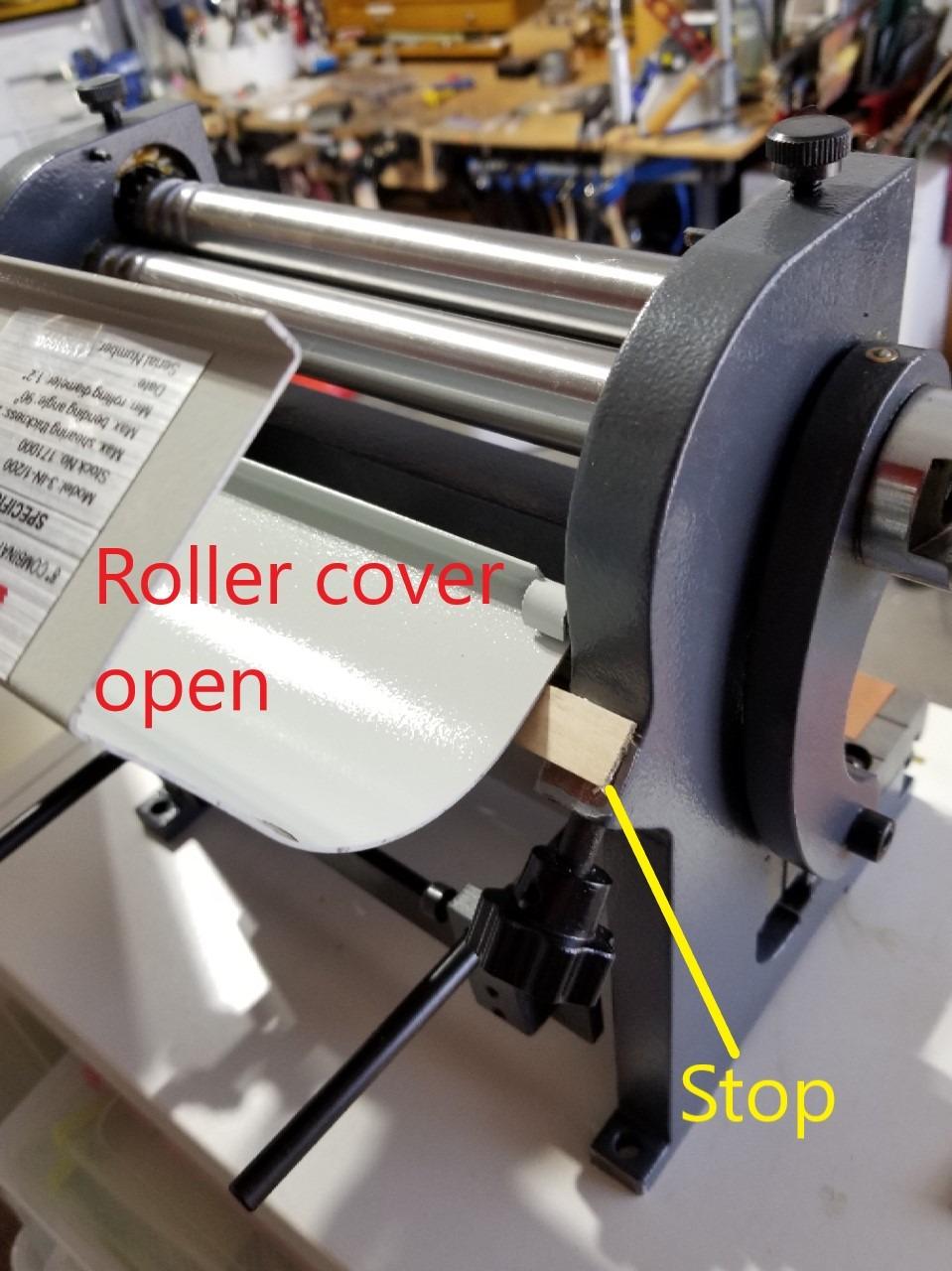
Best for jewelers, model makers, and experienced hobbyists who need multiple tools in one
The 3-in-1 design is the standout feature. If you need to cut, bend, and roll small metal pieces, this machine replaces three separate tools. The 8-inch capacity is perfect for jewelry, scale models, and small electronics enclosures. The cast iron frame is far more rigid than the stamped steel frames on cheaper mini machines.
The ambidextrous handles make it comfortable for any user. The value proposition is strong. Jewelry-specific tools with similar precision often cost significantly more. The KAKA 3-in-1 gives you comparable functionality at a lower cost. The compact footprint also means you can keep it on a small desk and still have room for other work.
For makers who value precision and space efficiency, this is a unique option.
Not ideal for beginners or anyone working with large sheet metal panels
The calibration requirement is a steep learning curve for anyone new to metalworking. The backset stop is flimsy, and the mounting holes are poorly placed. Users without experience in blade clearance and shimming will struggle to get clean results.
The 8-inch width is also useless for roofing, HVAC, or automotive panels. DIY beginners who want a simple brake for home repairs will find this machine frustrating. It is designed for skilled users who understand metalworking tolerances. If you need to bend a piece of flashing or form a duct fitting, look at the VEVOR 36-inch or the KASTFORCE KF5002 instead.
This KAKA model is a specialist tool, not a general-purpose brake.
9. VEVOR 3-In-1 12-Inch Shear Brake Roll – Entry-Level Combo Machine

VEVOR Sheet Metal Brake, 12-inch, 3-In-1 Combination Shear Brake Roll Machine, 20-Gauge Capacity Shear Press Brake with 90° Max Bending Angle, Shears and Slip Roll Machine for Shear Bending Rolling
12 in width
90 lbs
20 gauge steel
3-in-1 combo
Pros
- All-in-one bend shear roll
- HT200 cast iron
- T10 shear blade
- Segmented bending
Cons
- Requires assembly
- Coated in machine oil
- Some units arrive damaged
The VEVOR 3-in-1 12-inch machine is a larger version of the combo concept, aimed at hobbyists who need more capacity than the 8-inch KAKA model. With 52 reviews and a 4.1-star average, it is the lowest-rated model in our research, but it still earns a spot because of the 12-inch width and the all-in-one functionality. The 90-pound HT200 cast iron frame is substantially heavier than the KAKA mini machine.
Our team read through the reviews, and the praise centers on value. Users say you get three metalworking functions for less than the investment of a single dedicated brake. The T10 shear blade cuts 20-gauge steel cleanly, and the segmented bending blades let you form boxes with 1-inch, 2-inch, 3-inch, and 4-inch segments.
The slip roll handles cylinders and cones for small projects.
The assembly requirement is a common pain point. The machine arrives coated in protective machine oil that needs thorough cleaning before the first use. The blade clearance, bend stops, and roll alignment all need adjustment. Several users reported that their units arrived with chipped paint or cracked castings, which suggests shipping damage or quality control issues at the factory.
VEVOR’s customer service replaces damaged units, but the delay is frustrating.
The 4.1-star rating reflects these issues. The machine works well once set up, but the setup is not beginner-friendly. The finish is also thinner than the KAKA 3-in-1, with some owners reporting peeling paint within months. The 90-pound weight makes it less portable than the specs suggest, though it is still movable with two people.
The 12-inch width is a meaningful step up from the 8-inch KAKA, but it is still far below the 28-inch or 36-inch dedicated brakes.
We also noted that this model ranks as the number one bestseller in the Press Brakes category on Amazon, which indicates strong demand. The 20-gauge capacity and 90-degree max bending angle are standard for this class. The blade clearance is less than 0.0027 inches, which is tight enough for clean cuts on thin material.
If you want a combo machine and the 8-inch KAKA is too small, this VEVOR is the next logical step.
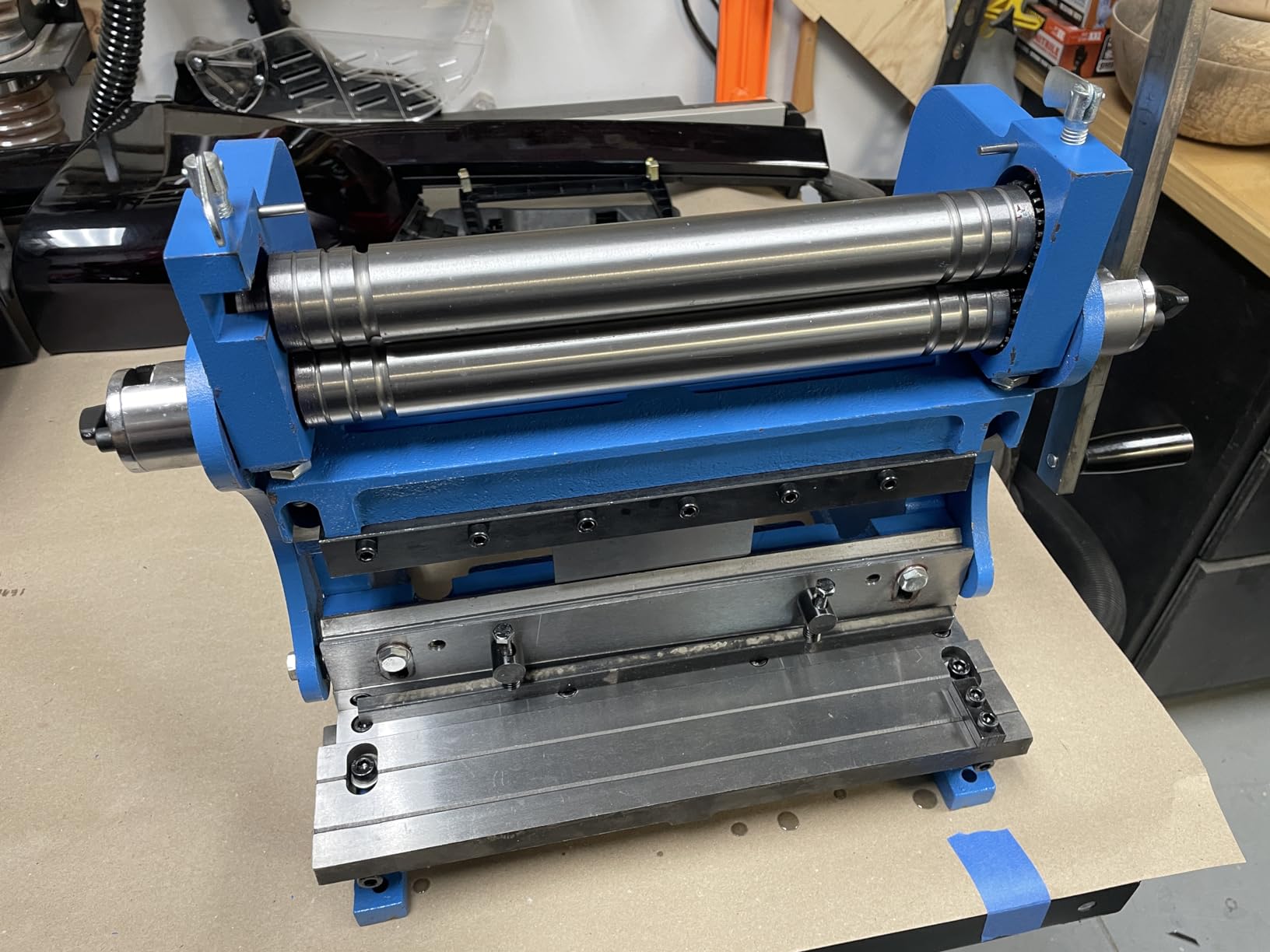
The segmented bending system is a genuine advantage for small box work. You can remove the 1-inch or 2-inch segments to create the exact gap you need for a box side. The shear function is also useful for trimming material to length before bending. The slip roll is less precise than a dedicated rolling machine, but it works for small cylinders and gentle curves.
One owner used it to build custom exhaust heat shields for a motorcycle project.
Our research also confirmed that the 90-pound frame is stable enough for light production. The HT200 cast iron is the same material used in the KAKA 3-in-1, and it resists flexing under load. The hand-powered operation is quiet and requires no electrical hookup. The 20.87 by 14.76-inch footprint fits on most workbenches, though you should bolt it down for safety.
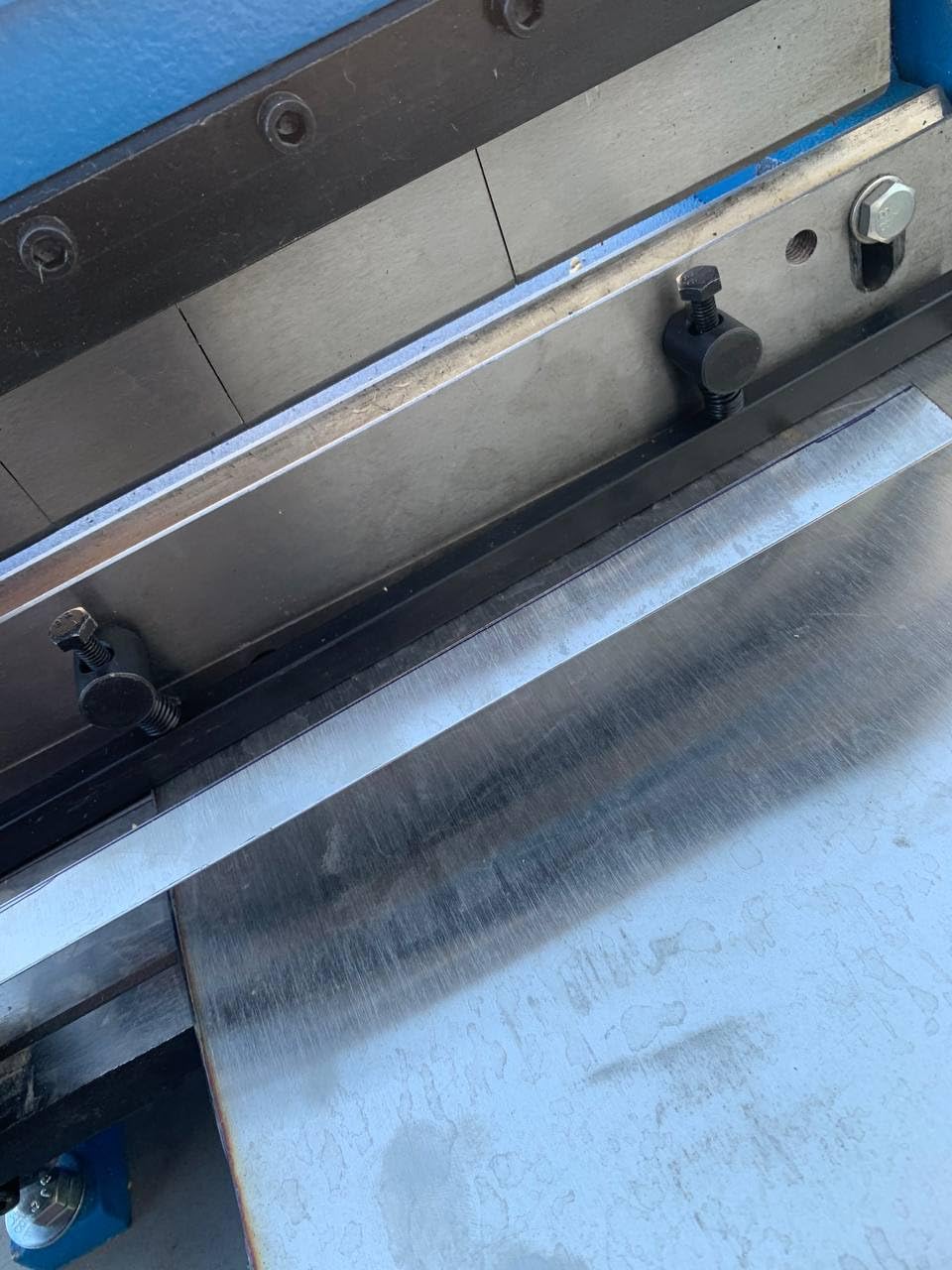
Best for hobbyists and small workshops that need a multi-function starter machine
The 12-inch width is enough for small panels, brackets, and custom enclosures. The 3-in-1 design saves money and space compared to buying separate tools. The cast iron frame is more rigid than the stamped steel on cheaper combo machines. The segmented bending blades give you flexibility for small box work that straight brakes cannot match.
The 90-pound weight is manageable for a permanent bench installation, and the hand-powered design means no electrical requirements. Hobbyists who work in garages or shared workshops appreciate the quiet operation. The 52 reviews provide enough feedback to troubleshoot common issues.
If you want one machine that does three things adequately, this is an affordable entry point.
Not ideal for precision fabrication or users who expect out-of-the-box performance
The setup time is significant. You need to clean the oil, adjust the blades, and align the roll before you get usable results. The shipping damage rate is higher than average, which means you may face a return or replacement cycle. The finish is also less durable than the KAKA models, and the paint can peel with use.
The 12-inch width is still too small for roofing, HVAC, or most automotive panels. The 4.1-star rating is the lowest in our research, and the mixed reviews suggest quality control is inconsistent. If you need a reliable machine for daily work, the KASTFORCE KF5002 or the KAKA BP-1650 are better choices.
The VEVOR 3-in-1 is a compromise tool, best for hobbyists who value versatility over precision.
10. KAKA INDUSTRIAL W-3018C 30-Inch Brake – Basic Entry-Level Bender

KAKA INDUSTRIAL W-3018C Sheet Metal Brake, 30-Inch Manual Metal Bender with 2 C-Clamps, Portable 0-90 Degrees Adjustable Steel Bending Tool
30 in width
33 lbs
Carbon steel
0-90 deg
Pros
- Simple construction
- Heavy duty carbon steel
- Great value for hobbyists
- Lightweight at 33 lbs
Cons
- Weld seam issues reported
- Wobbly handles
- Requires C-clamps for anchoring
The KAKA W-3018C is the most basic brake in our research, and it earned the lowest rating at 3.7 stars across 206 reviews. The 30-inch width and 33-pound weight make it the lightest dedicated brake on our list. The carbon steel construction is simple, and the 0 to 90-degree bending angle is limited compared to the 135-degree range of newer models.
We included it because it is a common first brake for hobbyists on a tight budget.
Our team read the 206 reviews carefully, and the feedback is mixed. The positive reviews praise the solid construction and the ability to fold square angles. The extended handles with knobs make bending easier than bare lever arms. The pre-drilled mounting holes let you bolt it to a bench, and the 33-pound weight makes it easy to move around a garage.
One owner mentioned it is a good starter brake for learning the basics before upgrading.
The negative reviews highlight quality control issues. Several users reported weld seam problems on the frame, which can cause alignment issues. The handles are attached with small set screws that can loosen, creating wobble during operation. The brake does not include C-clamps, though the design expects them for anchoring.
Without clamps or bolts, the light frame shifts during use, which ruins bend accuracy.
The 90-degree limitation is also a real constraint. Most modern brakes offer at least 120 degrees, and many go to 135 degrees. If you need obtuse angles for custom trim or architectural work, this brake cannot do it. The 30-inch width is adequate for small flashing and duct pieces, but it forces you to work in sections on standard 48-inch stock.
The 0 to 90-degree range is also a limitation for complex box work.
We also noticed that this model has been available since 2017, which explains the high review count. The design has not changed significantly, and newer competitors like the VEVOR 36-inch and the KASTFORCE KF5002 offer more features for a similar cost. The W-3018C is a legacy product that still sells because of brand recognition, but it is no longer the best value in the entry-level category.
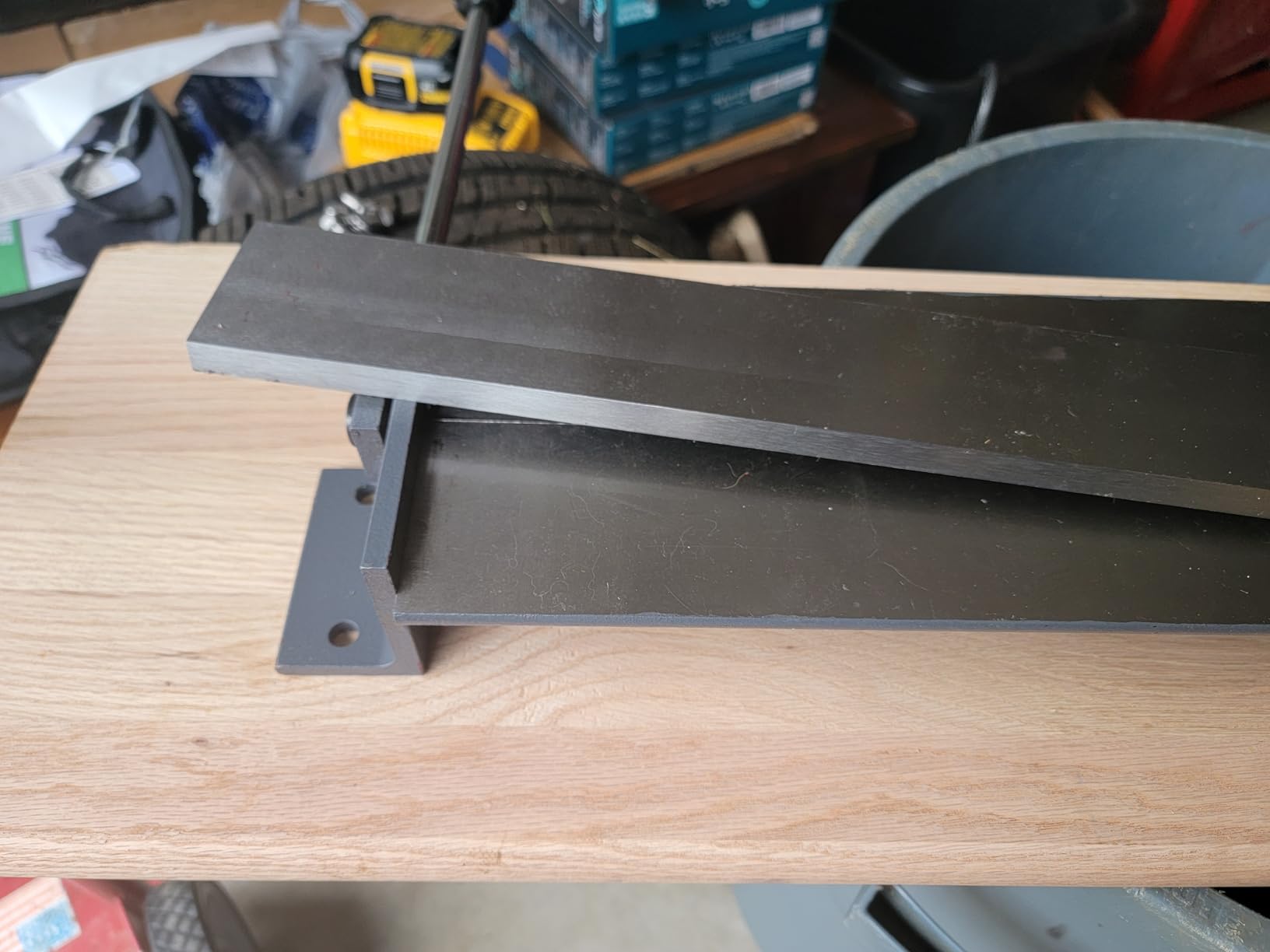
Forum users on r/sheetmetal mention that this brake is functional for hobbyists but not competitive with newer options. The carbon steel construction is durable enough for light use, but the pivot points wear faster than the Q235 steel on the VEVOR models. The handle wobble is a common complaint that newer brakes have solved with better hardware.
If you find this model at a steep discount, it is worth considering. At full cost, the VEVOR 36-inch is a better buy.
The W-3018C is available in 18, 24, and 30-inch sizes, so you can choose the width that fits your space. The 30-inch version is the most practical for general use. The simple design means there are fewer parts to break, but it also means fewer features to help you. The extended handles are a plus, but the small set screws are a design flaw.
A drop of thread-locking fluid helps, but it should not be necessary on a new tool.
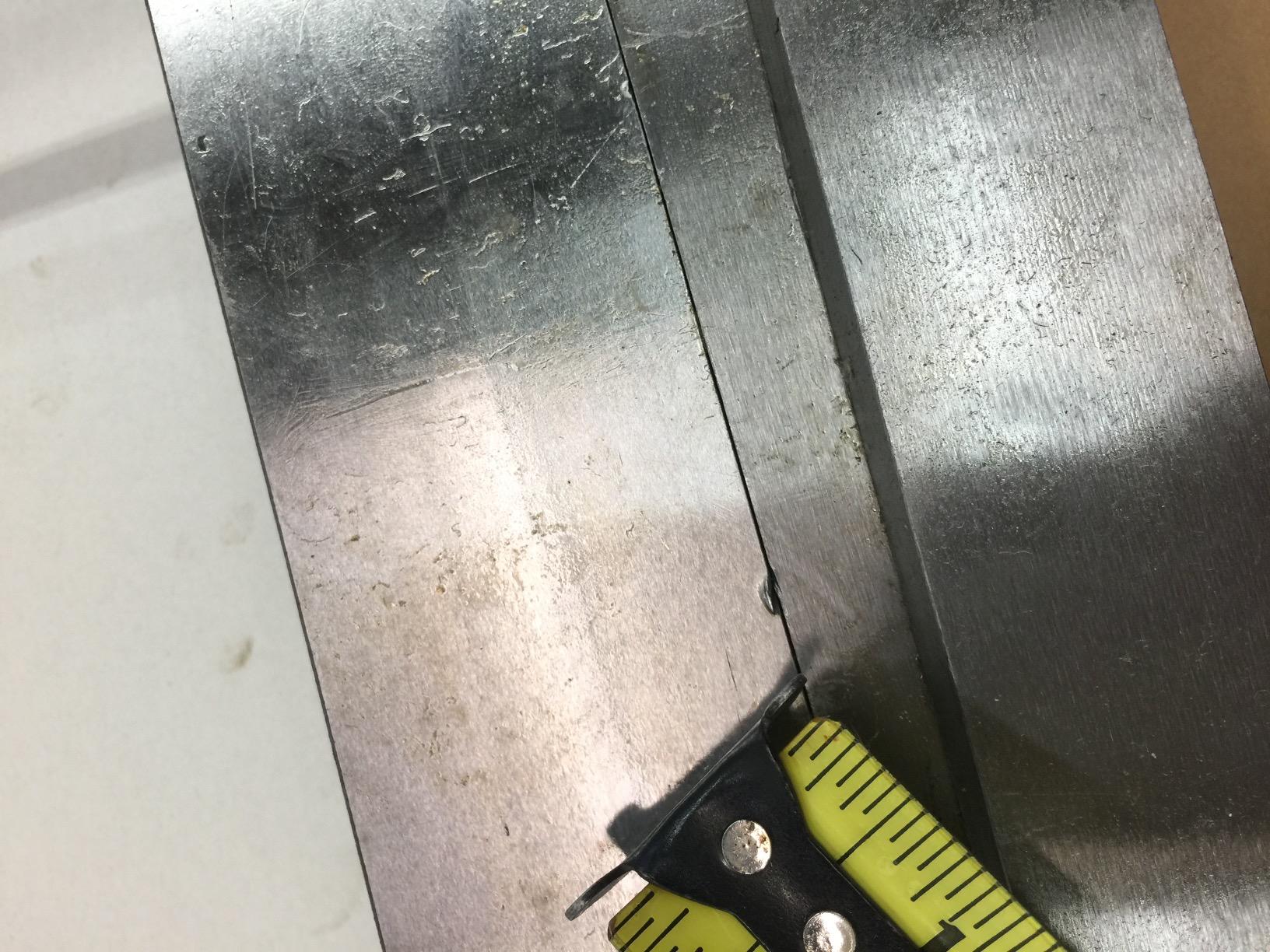
Best for absolute beginners who find this model at a steep discount
If you are looking for a first brake and you find it at a steep discount, the W-3018C is a functional learning tool. The 30-inch width handles small projects, and the 33-pound weight makes it easy to store. The simple construction means you can understand how a brake works without extra features complicating the process.
It is a basic tool for basic needs.
The carbon steel frame is solid enough for 24-gauge and 26-gauge material. The extended handles provide decent leverage, and the pre-drilled holes make bench mounting straightforward. If you only need to bend a few pieces per year for home repairs, this brake will do the job.
Just be prepared to check the hardware and tighten the set screws before the first use.
Not ideal for anyone who can afford a better entry-level option
The 3.7-star rating is the lowest in our research for a reason. The weld issues, wobbly handles, and limited 90-degree range make it frustrating compared to newer competitors. The VEVOR 36-inch offers more width, a better angle range, and a sturdier frame for a similar cost.
The KASTFORCE KF5002 adds extra support and a wider angle range at a slightly higher cost. Professional users should avoid this model entirely. The light frame shifts under load, the handles wobble, and the 90-degree limit restricts the types of bends you can make. Even hobbyists who plan to grow their skills will outgrow this brake quickly.
We included it for completeness, but our recommendation is to spend slightly more on the VEVOR 36-inch or the KASTFORCE KF5002 for a better experience.
Sheet Metal Brake Buying Guide
Choosing the right sheet metal brake requires more than picking the highest-rated model. You need to match the tool to your material, your workspace, and your project volume. Our team analyzed the most common buyer mistakes and the questions that appear in forum threads to build this guide.
Box and Pan Brakes vs. Leaf Brakes vs. 3-in-1 Combo Machines
A box and pan brake uses removable fingers to create gaps in the clamping bar, which lets you form four-sided boxes. A leaf brake or cornice brake uses a solid clamping bar and an apron that lifts to bend the metal. Leaf brakes are simpler and cheaper, but they cannot form enclosed boxes.
A 3-in-1 combo machine adds shearing and rolling functions, which is useful for small shops but limits the bending width. If you only bend straight angles for flashing, trim, and panels, a leaf brake like the KASTFORCE KF5002 is the best value. If you need to form boxes, trays, or enclosures, a box and pan brake like the KASTFORCE KF5006 or the KAKA BP-1650 is essential.
If you work with small parts and need multiple functions, a 3-in-1 combo like the KAKA 8-inch or the VEVOR 12-inch saves space. Match the type to your most common project.
Gauge Capacity is the Most Important Specification
Gauge capacity tells you the thickest metal the brake can bend. The most common capacities in our research are 16-gauge, 18-gauge, 20-gauge, and 22-gauge for mild steel. Aluminum is softer, so a brake rated for 20-gauge steel can usually handle 14-gauge or 16-gauge aluminum.
Always check the steel rating first, and remember that stainless steel is harder to bend than mild steel of the same gauge. Forum users consistently warn against buying a brake with barely enough capacity for your current project. A 20-gauge brake can handle 22-gauge and 24-gauge easily, but a 22-gauge brake will struggle with 20-gauge.
Thicker capacity also means a heavier frame, which adds stability. If you are unsure, buy one gauge thicker than you think you need. The extra capacity costs more upfront but prevents frustration later.
Throat Depth Determines the Size of Boxes You Can Form
Throat depth is the distance from the clamping bar to the frame, and it determines how deep a box you can bend. Portable brakes typically offer 1 to 2 inches of throat depth. Professional box and pan brakes like the KAKA BP-1650 offer 4 inches.
If you form small trays and electrical boxes, 1.5 inches is enough. If you form ductwork plenums or larger enclosures, you need 3 inches or more. We read many forum posts where users bought a brake and then discovered the throat was too shallow for their project. This is a common and expensive mistake.
Measure the deepest box you plan to form, and then add at least 25 percent to account for material springback and clearance. A brake with insufficient throat depth forces you to bend in multiple steps, which adds time and reduces accuracy.
Bending Width Should Match Your Typical Sheet Size
The bending width is the maximum length of the bend line. A 28-inch brake handles most residential flashing. A 36-inch brake handles standard 36-inch trim coils. A 48-inch or 50-inch brake handles full sheet stock with minimal repositioning.
A 10-foot brake handles commercial siding and trim without any cuts. Match the width to the largest piece you typically bend. Our research showed that wider brakes are heavier and more costly, but they save time on large projects. If you mostly work with small pieces, a 24-inch or 28-inch brake is more portable and easier to store.
If you handle full sheets, the 48-inch or 50-inch models are worth the extra weight. The Van Mark TM10 is extreme at 10 feet 6 inches, but contractors who bend long trim coils say the time savings are dramatic.
Build Quality and Frame Weight Affect Bend Accuracy
A light frame flexes during bending, which produces uneven angles and wavy edges. The 33-pound KAKA W-3018C flexes more than the 53-pound VEVOR 36-inch. The 451-pound KAKA BP-1650 barely flexes at all.
If you bend thin material, frame weight is less critical. If you bend 18-gauge or 20-gauge steel, the frame stiffness directly affects the quality of your work. Forum users on ContractorTalk frequently mention that the cheapest brakes are false economy. A budget brake that flexes and produces sloppy bends costs you in rework and material waste.
A mid-range brake that holds tolerance pays for itself quickly. Look for welded frames rather than bolted frames, and check reviews for complaints about flex or alignment issues. The KASTFORCE models and the KAKA BP-1650 get consistent praise for frame rigidity.
Portability vs. Stability is a Trade-Off
Portable brakes like the KASTFORCE KF5002 at 44 pounds are easy to move but need anchoring for heavy work. Shop brakes like the KAKA BP-1650 at 451 pounds are rock solid but require a permanent installation. Mobile contractors need portability. Fabrication shops need stability.
Homeowners often need something in between. Our research showed that most users under 50 pounds bolt their brake to a workbench when in use and store it vertically when finished. This is a good compromise. Brakes over 100 pounds are effectively permanent.
Consider your workflow. If you work in a shared garage or a small shed, a 40 to 60-pound model is the sweet spot. If you have a dedicated shop, the heavier models produce better results.
Common Mistakes to Avoid
One of the most common mistakes is buying a brake based on cost alone without checking the gauge capacity. A 22-gauge brake cannot handle 20-gauge steel, and owners who try anyway damage the tool and the material. Another mistake is ignoring the throat depth.
A user on r/sheetmetal bought a 1-inch throat brake and then realized he needed 2.5 inches for his electrical boxes. He had to sell it at a loss and buy a second brake. Another frequent error is failing to anchor the brake. Light models shift during use, which ruins bend accuracy.
The KAKA W-3018C requires C-clamps or bolts, and several negative reviews mention wobbly results because the user skipped this step. A third mistake is expecting a budget brake to perform like a professional-grade machine. The quality control, frame stiffness, and clamping pressure are fundamentally different.
Budget for the tool that matches your actual needs, not the cheapest option available.
Frequently Asked Questions
What are the different types of sheet metal brakes?
The main types are box and pan brakes, leaf or cornice brakes, bar folders, and press brakes. Box and pan brakes use removable fingers to form enclosed boxes. Leaf brakes use a solid clamping bar and a lifting apron for straight bends. Bar folders create small hems and edges. Press brakes use hydraulic or mechanical force for heavy industrial bending.
How much does a sheet metal brake cost?
Entry-level manual brakes start at the entry level for compact 30-inch models. Mid-range portable brakes cost more than entry-level options but less than professional machines. Professional box and pan brakes cost significantly more than portable models. Contractor-grade models like the Van Mark TM10 represent the highest investment tier. The cost depends on width, gauge capacity, frame weight, and features.
What are common problems with metal brakes?
Common problems include locking bolts that wear out and cause misalignment, throat depth that is too shallow for certain projects, quality control issues on budget brands, and heavy machines that are difficult to transport. Used brakes can also have cracked frames or worn pivot points. Regular maintenance and proper anchoring help prevent most issues.
How to bend sheet metal with no brake?
You can bend sheet metal without a brake by clamping it between two straight boards and folding it over a sharp edge. A vise with a piece of angle iron works for small pieces. For thin material, a bending hand seamer can create small folds. These methods are less precise than a brake but work for simple repairs and one-off projects.
What are common mistakes in press breaks?
Common mistakes include overloading the machine beyond its rated gauge capacity, failing to align the material properly before clamping, using worn or damaged tooling, and neglecting to adjust the back gauge for repeat bends. Operators also sometimes forget to account for material springback, which causes the final angle to be slightly less than the die setting.
Final Thoughts
Best sheet metal brakes in 2026 range from compact 8-inch combo machines to 10-foot contractor-grade tools that weigh over 300 pounds. Our top recommendation is the Van Mark TM10 for professionals who need contractor-grade reliability and a working length that eliminates repositioning. The KASTFORCE KF5002 is the best value for DIYers and mobile contractors who need portable bending power without a four-figure investment.
The VEVOR 36-inch is the safest budget pick for beginners and occasional users. Your choice should start with gauge capacity and throat depth. Buy one gauge thicker than you think you need, and measure the deepest box you plan to form before you check out. The ten models above cover every realistic use case, from jewelry making to commercial roofing.
Match the brake to your actual projects, anchor it properly, and maintain the pivot points. A good brake will last decades, and the right one pays for itself in time saved and material waste avoided.