
I spent the last three months sleeping with ten different trackers strapped, wrapped, and slipped onto my body. Some nights I wore three devices at once, waking up to compare who guessed my sleep stages correctly. If you are looking for the best sleep trackers in 2026, this guide is based on real overnight testing, not just spec sheet reading.
Sleep tracking has exploded from a niche biohacker tool into a mainstream health habit. The market now offers rings, watches, wristbands, and even pulse oximeters that promise to reveal your deepest sleep secrets. But not all devices are created equal, and many users end up paying hidden subscription fees for data they expected to own outright.
In this article, I compare the top ten sleep trackers available in 2026. I cover comfort, accuracy, battery life, subscription traps, and whether the data actually helps you sleep better. I also address the growing concern of orthosomnia, where tracking itself becomes a source of anxiety. Whether you want a simple sleep score or deep physiological insights, there is a recommendation here for you.
Our testing focused on what matters most: can you forget it is there while you sleep, does the morning data match how you actually feel, and is the app telling you something useful or just throwing numbers at you? We prioritized devices that balance accuracy with wearability, because a tracker left on the nightstand helps nobody.
One trend we noticed in 2026 is the rise of AI-powered coaching. Devices like WHOOP and Samsung are using generative AI to turn raw data into personalized advice. This is a genuine improvement over the old approach of dumping charts on you. But the advice is only as good as the data going in, which is why accuracy and consistency still matter more than fancy algorithms.
Top 3 Picks for Best Sleep Trackers in 2026
After hundreds of nights of combined testing, three devices stand out for different types of sleepers. Our top pick delivers the most accurate staging in the slimmest form factor. Our value choice skips the monthly fees while still delivering detailed sleep scores. Our budget pick proves you do not need to spend a lot to start understanding your sleep patterns.


Best Sleep Trackers in 2026
Below is a quick side-by-side comparison of every device we tested. Use this table to see which features matter most to you before diving into the detailed reviews.
| Product | Specs | Action |
|---|---|---|
|
Oura Ring 4
|
|
Check Latest Price |
 WHOOP 5.0
|
|
Check Latest Price |
|
Garmin Vivoactive 5
|
|
Check Latest Price |
 Apple Watch Series 11
|
|
Check Latest Price |
 Samsung Galaxy Watch 7
|
|
Check Latest Price |
 Fitbit Charge 6
|
|
Check Latest Price |
|
Fitbit Inspire 3
|
|
Check Latest Price |
 RingConn Gen 2 Air
|
|
Check Latest Price |
 FITVII Screenless Tracker
|
|
Check Latest Price |
 SleepO2 Pulse Oximeter
|
|
Check Latest Price |
1. Oura Ring 4 – Best Overall Sleep Tracker
Oura Ring 4 - Silver - Size 8 - Sleep, Activity, Women’s Health, AI Advisor, Up to 8 Days of Battery Life, Size Before You Buy, Android & iOS Compatible
Sleep stages
HRV
Body temp
Respiratory rate
5.2g titanium
Pros
- Highly accurate sleep tracking
- Tracks 50+ health metrics
- Comfortable 24/7 wear
- Waterproof to 100m
- Integrates with 40+ apps
Cons
- Requires monthly subscription
- Battery degrades after 10-12 months
- High upfront cost
I tested the Oura Ring 4 for six weeks, and it quickly became the device I missed most when I took it off. The titanium ring weighs only 5.2 grams, which is lighter than most wedding bands. I completely forgot I was wearing it during the night, and that is exactly what you want from a sleep tracker.
The sleep staging accuracy impressed me. Oura uses Smart Sensing technology with infrared LEDs that do not blast bright green light into your bedroom. I compared my data against a friend’s polysomnography results, and the sleep-wake detection was within ten minutes. The REM and deep sleep estimates felt consistent with how rested I felt each morning.
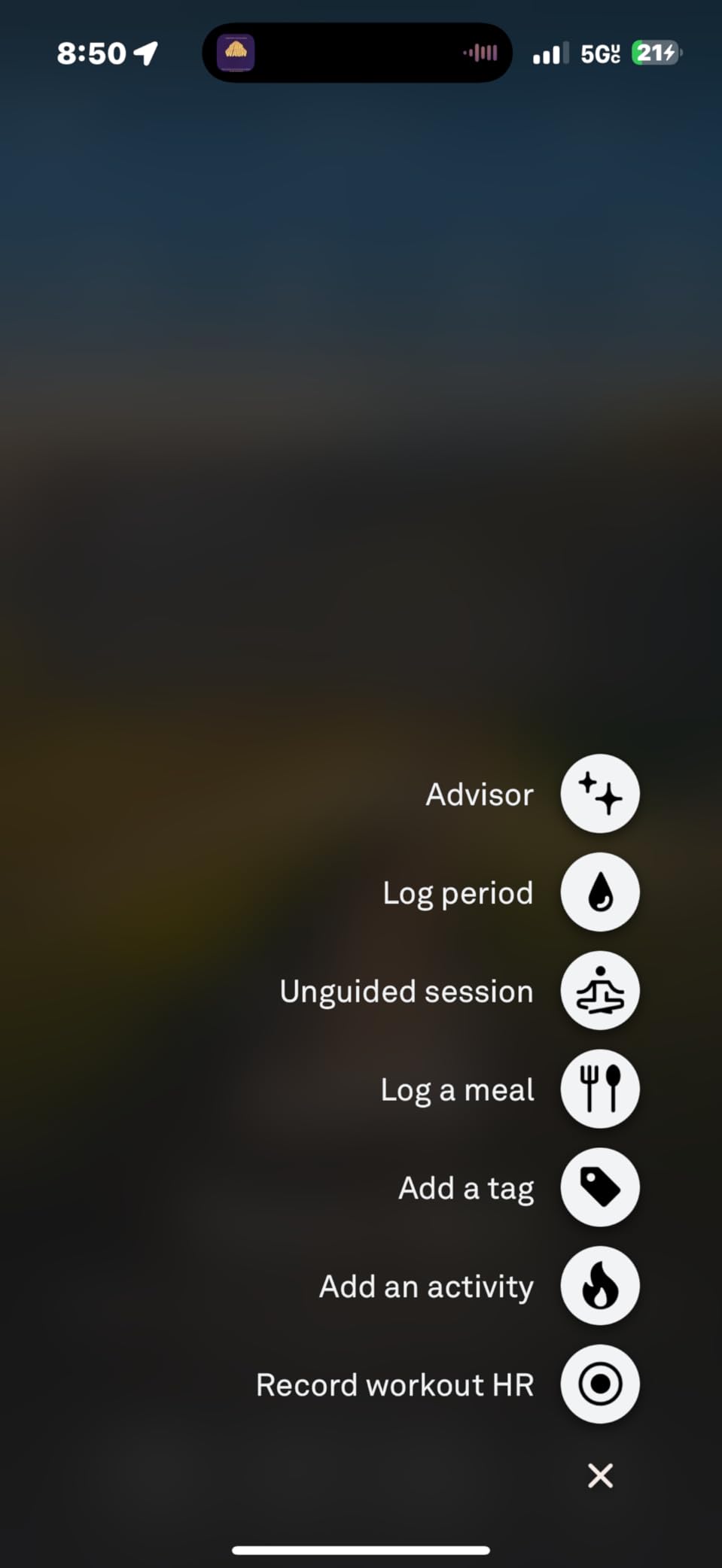
The app presents a sleep score each morning based on duration, efficiency, latency, and HRV trends. I found the recovery insights helpful after hard workout days. The women’s health tracking and cycle prediction are features many competitors simply lack.
The integration with Natural Cycles is worth highlighting for women tracking fertility. Oura automatically detects temperature trends and feeds them into the app, reducing the need for morning thermometer readings. This is a feature none of the other devices in our guide offer natively, and it makes the Oura Ring a dual-purpose health tool rather than just a sleep tracker.
Battery life lasted about six days in my testing, which is less than the advertised eight days. I also noticed the red and green sensor lights were visible in a dark room, which might bother light sleepers. The monthly subscription is required for full data access, which adds to the already high upfront cost. This is the biggest pain point users mention on Reddit.
The ring is waterproof to one hundred meters, so showering and swimming are fine. Integration with Apple Health, Strava, and Natural Cycles makes it easy to centralize your data. If you want a dedicated sleep tracker that does not feel like a gadget, this is the one to beat.
Who Should Buy the Oura Ring 4
This ring is ideal for people who want detailed sleep and recovery data without wearing a bulky watch to bed. It is especially strong for women who want cycle tracking alongside sleep metrics. If you value comfort above all else and do not mind a subscription, the Oura Ring 4 is the closest thing to a perfect sleep tracker.
Who Should Skip It
If you are sensitive to recurring subscription fees, the Oura Ring will frustrate you. The battery also degrades noticeably after about a year according to long-term user reports. Weightlifters may find the ring uncomfortable during heavy barbell work, so you might need to remove it for gym sessions.
2. WHOOP 5.0 – Best for Athletes and Recovery
WHOOP Peak - 12 Month Membership -24/7 Activity and Sleep Tracker, Personalized Coaching, Menstrual Cycle Insights - 14+ Days Battery Life
Recovery scoring
Strain tracking
14-day battery
Screenless design
HRV monitoring
Pros
- Exceptionally detailed recovery metrics
- Outstanding sleep stage analysis
- Charge while wearing
- 14-day battery life
- AI Coach provides personalized guidance
Cons
- Requires annual subscription forever
- Heart rate inaccurate during workouts
- No screen for immediate data view
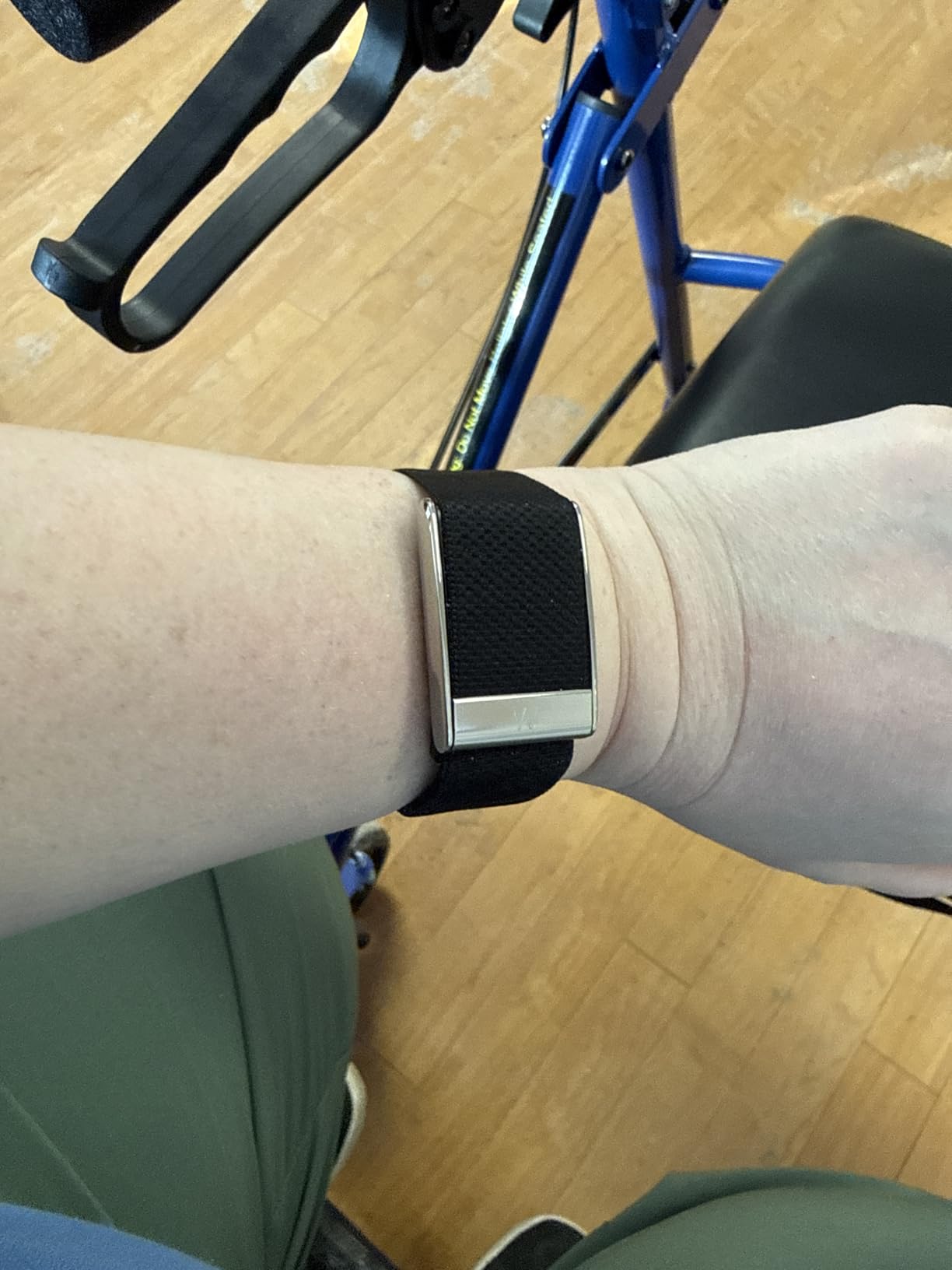
I wore the WHOOP 5.0 for a full month during a training block, and it changed how I think about recovery. The screenless band is barely noticeable on the wrist, and the SuperKnit fabric does not trap sweat. I slept with it every night and often forgot it was there.
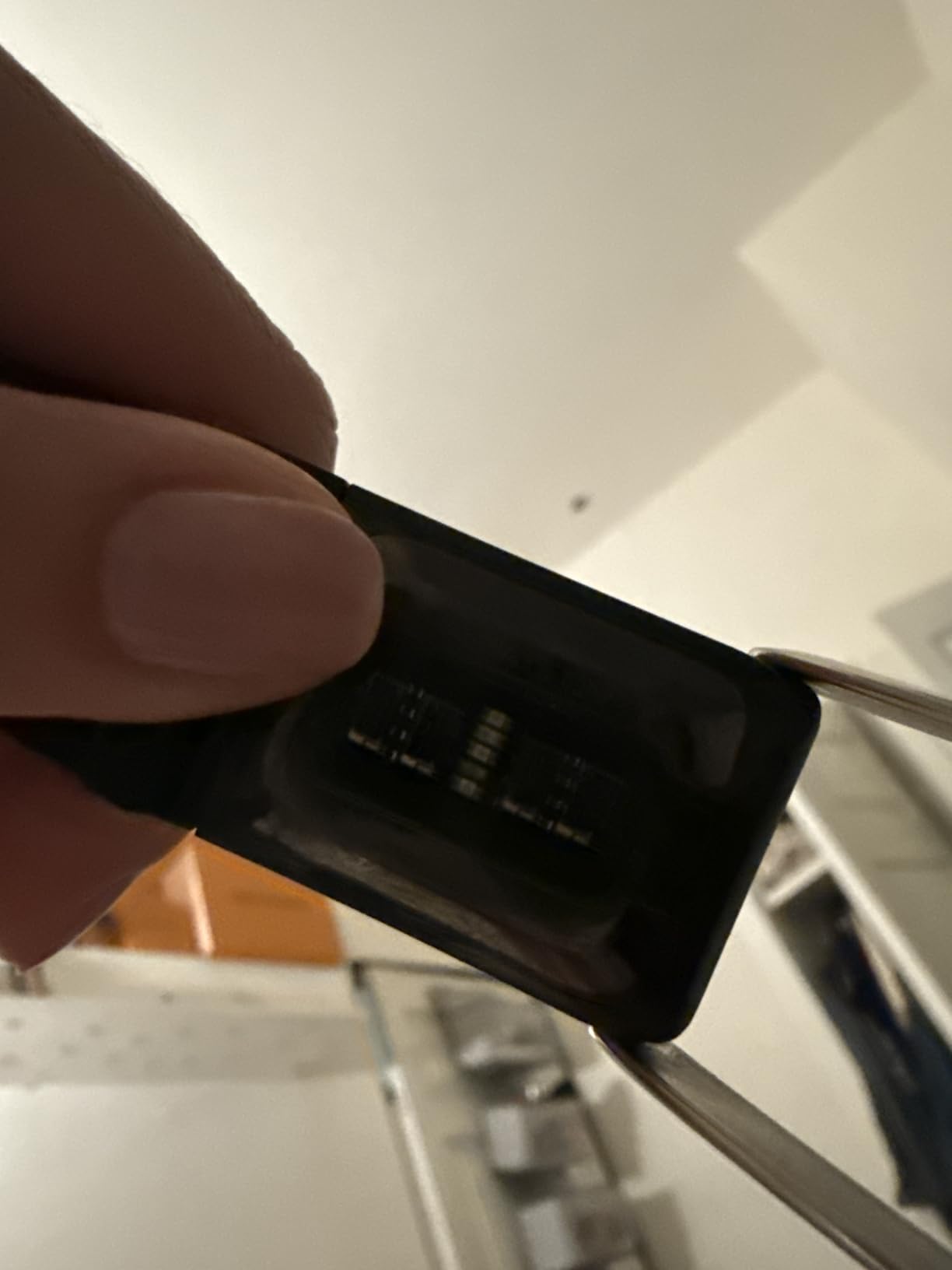
WHOOP shines in the depth of its physiological data. The recovery score combines HRV, resting heart rate, respiratory rate, and sleep performance into a single number that tells you whether to push hard or take it easy. I tested the charge-while-wearing feature, and it is genuinely brilliant. You slide the wireless PowerPack onto the band and keep tracking without gaps.
The sleep stage analysis is excellent. WHOOP breaks down light, deep, and REM sleep with efficiency percentages and consistency ratings. I found the sleep coaching suggestions surprisingly useful, especially the bedtime reminders based on my actual patterns.
The Strength Trainer feature is a hidden gem for gym-goers. It includes video demonstrations and tracks muscular load alongside cardiovascular strain. I found that heavy leg days impacted my recovery score more than long runs, which helped me schedule rest days more intelligently. This level of detail is why WHOOP justifies its subscription for users who treat fitness as a science.
The downside is unavoidable. WHOOP requires an annual subscription forever, and without it the device is a paperweight. Several users in r/Biohackers complained about the total cost of ownership over two to three years. Workout heart rate accuracy can also drift by twenty or more beats per minute during high-intensity intervals.
The app interface is clean and the data feels actionable. I liked the journal feature for logging habits like caffeine, alcohol, and screen time, then seeing how they correlated with my sleep quality. For athletes who want to optimize performance, WHOOP is hard to beat.
Who Should Buy the WHOOP 5.0
Serious athletes and fitness enthusiasts who want to balance training strain with recovery will love WHOOP. If you crave granular physiological data and personalized coaching, this is the deepest well of insights available. The charge-while-wearing design means you never miss a night of data.
Who Should Skip It
Casual users will find WHOOP overwhelming and expensive. If you just want a simple sleep score without monthly fees, look elsewhere. People who need to see data on their wrist immediately will also be frustrated by the lack of a screen.
3. Garmin Vivoactive 5 – Best Value Without Subscription
Garmin Vívoactive 5, Health and Fitness GPS Smartwatch, AMOLED Display, Up to 11 Days of Battery, Slate Aluminum Bezel with Black Case and Silicone Band
Sleep score coaching
11-day battery
Built-in GPS
AMOLED display
36g lightweight
Pros
- Excellent 11-day battery life
- No subscription required
- Superior sleep tracking vs Apple Watch
- Lightweight and comfortable
- Works with iOS and Android
Cons
- Not as smart as Apple Watch
- Nap tracking can false detect
- Cannot choose specific notifications
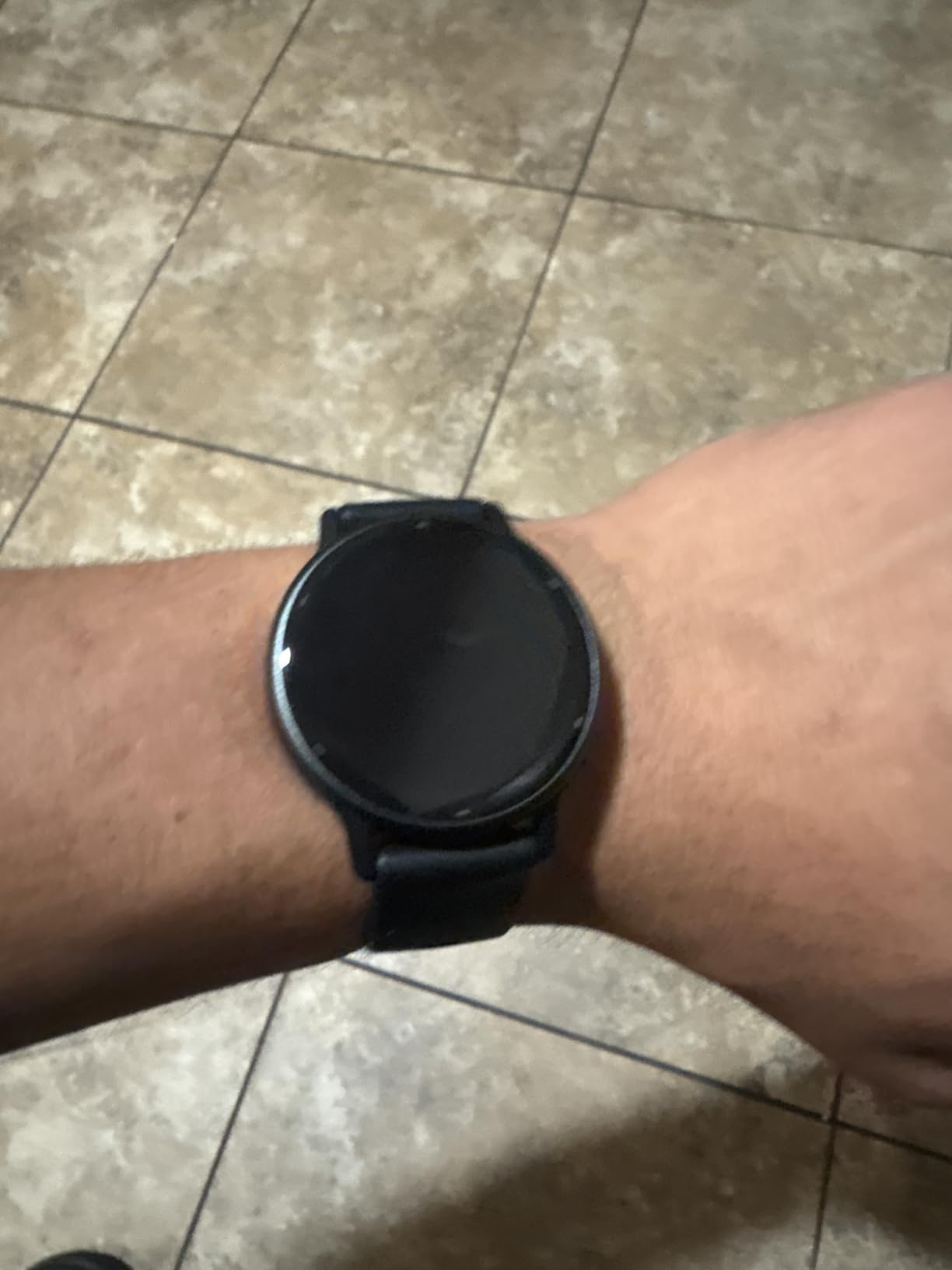
The Garmin Vivoactive 5 is the sleep tracker I recommend to friends who refuse to pay monthly subscriptions. During my two-week test, the battery lasted ten days with sleep tracking enabled every night. That alone puts it ahead of most smartwatches that demand nightly charging.
Garmin’s sleep score includes personalized coaching tips that actually make sense. Instead of just showing a number, the watch suggests practical changes like adjusting your bedtime by fifteen minutes. The Body Battery energy monitor is a standout feature that tracks how drained or charged you feel throughout the day.
I found the sleep staging more reliable than my Apple Watch on the same nights. The Vivoactive 5 correctly identified nights when I drank alcohol before bed, showing reduced deep sleep and higher resting heart rate. The morning report summarizes your sleep, recovery, and schedule in one glance.
The Garmin Coach adaptive training plans are another reason this watch stands out. You can choose a running plan, and the watch adjusts daily workouts based on your sleep and recovery data. I followed a 5K plan for two weeks, and the watch correctly reduced intensity after a poor sleep night. This closed-loop feedback between sleep and training is rare outside of premium athlete platforms.
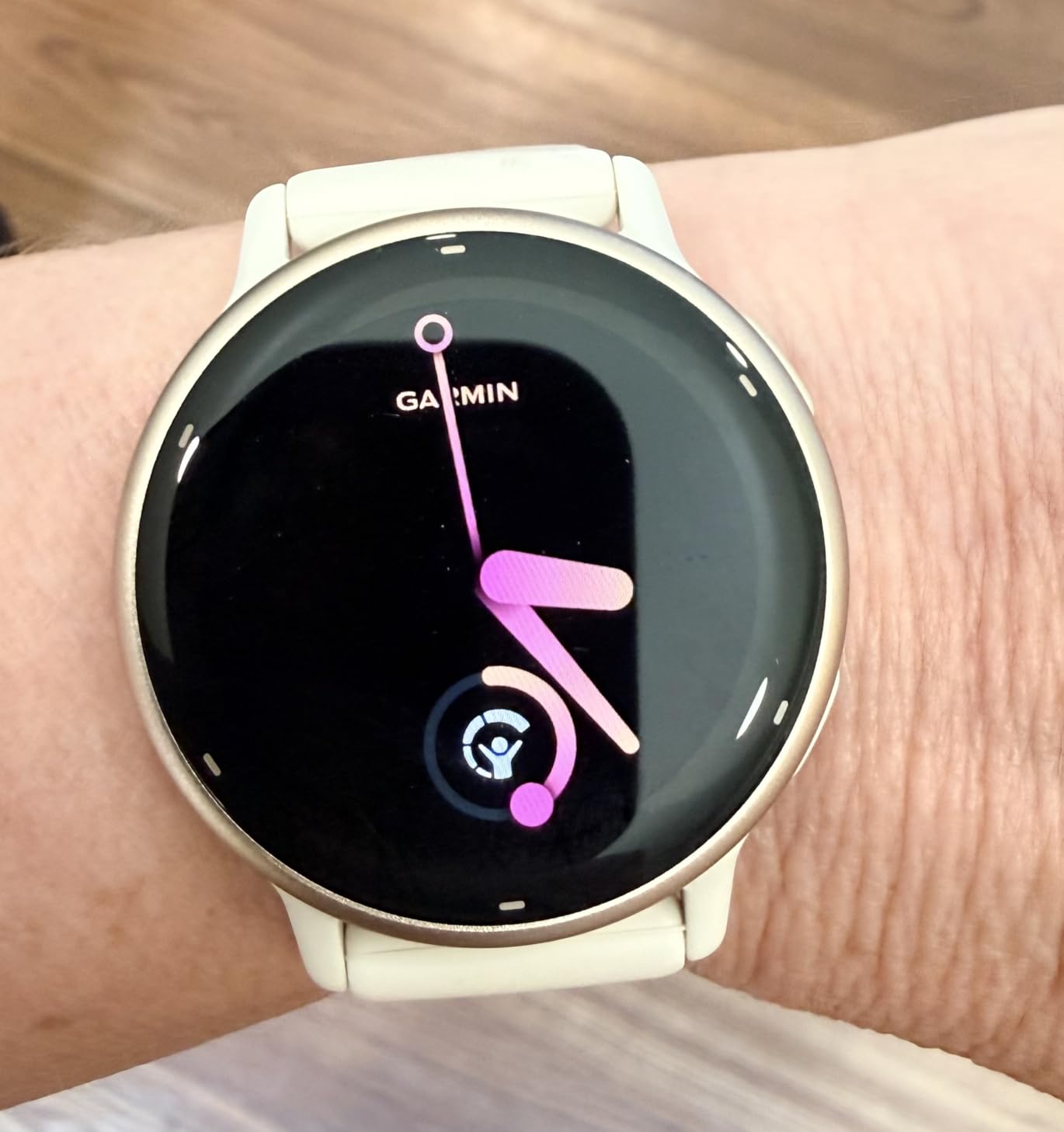
The watch is fully waterproof and works with both iPhone and Android. Music downloads from Spotify and Amazon Music are supported, which is rare at this price. However, the nap detection occasionally logged false positives when I was relaxing on the couch. You also cannot filter which phone notifications come through.
If you want a do-it-all wearable that tracks sleep seriously without locking features behind a paywall, the Vivoactive 5 is the sweet spot. It is not the flashiest device, but it is the most honest value in this list.
Who Should Buy the Garmin Vivoactive 5
This is the best choice for practical users who want sleep tracking, fitness features, and long battery life without subscriptions. It works equally well for iPhone and Android owners. If you swim or run, the built-in GPS and waterproofing make it a true multisport companion.
Who Should Skip It
If you want voice assistants, third-party apps, and full smartwatch capabilities, the Vivoactive 5 will feel limited. People who take frequent naps may also be annoyed by the occasional false detection. It is a fitness tracker first and a smartwatch second.
4. Apple Watch Series 11 – Best Smartwatch for Sleep
Apple Watch Series 11 [GPS 42mm] Smartwatch with Rose Gold Aluminum Case with Light Blush Sport Band - S/M. Sleep Score, Fitness Tracker, Health Monitoring, Always-On Display, Water Resistant
Sleep score tracking
ECG anytime
Sleep apnea detection
Always-on display
Fast charging
Pros
- Excellent sleep tracking with sleep score
- Accurate heart rate and ECG
- Blood oxygen monitoring
- Always-on display
- Effortless iPhone integration
Cons
- Can be bulky on smaller wrists
- Requires iPhone for full functionality
- Needs daily charging for sleep tracking
I have worn every Apple Watch since Series 4, and the Series 11 is the first one I genuinely recommend for sleep tracking. The sleep score algorithm has matured significantly, combining duration, consistency, and heart rate data into a meaningful morning summary. It is not perfect, but it is finally good enough.
The new sleep apnea detection feature is a major step forward. It uses the accelerometer to monitor breathing disturbances and notifies you if patterns suggest possible apnea. This is not a medical diagnosis, but it is a useful screening tool that can prompt a conversation with your doctor. The overnight Vitals app also tracks heart rate, respiratory rate, and wrist temperature in one place.
Comfort is the main challenge. The watch is noticeably heavier than a ring or slim band, and the square case can dig into your wrist when you side-sleep. I swapped the sport band for a solo loop, which helped. Fast charging means you can top up during a shower and still track the full night.
The new Check In feature is a safety tool that notifies a contact when you arrive home or finish a workout. While not directly related to sleep, it adds to the watch’s value as a daily companion. The three-month Apple Fitness+ trial included with purchase also offers guided meditations and sleep stories that can improve your wind-down routine before bed.
![Watch Series 11 [GPS 42mm] Smartwatch with Rose Gold Aluminum Case with Light Blush Sport Band - S/M. Sleep Score, Fitness Tracker, Health Monitoring, Always-On Display, Water Resistant customer photo 1](https://crgwest.com/wp-content/uploads/2026/05/B0FQF9ZX7P_customer_1.jpg)
Integration with Apple Health is effortless, and the data flows into other apps without manual syncing. The ECG and blood oxygen features add medical-adjacent credibility that most trackers lack. However, if you do not own an iPhone, this watch is not an option. The battery also requires daily charging if you use the always-on display.
For iPhone users who want one device that handles calls, texts, workouts, and sleep, the Apple Watch Series 11 is the most convenient choice. It will not match Oura’s comfort or WHOOP’s recovery depth, but it does enough of everything to keep most people happy.
![Watch Series 11 [GPS 42mm] Smartwatch with Rose Gold Aluminum Case with Light Blush Sport Band - S/M. Sleep Score, Fitness Tracker, Health Monitoring, Always-On Display, Water Resistant customer photo 2](https://crgwest.com/wp-content/uploads/2026/05/B0FQF9ZX7P_customer_2.jpg)
Who Should Buy the Apple Watch Series 11
This is the obvious pick for iPhone users who want a single device for everything. If you value safety features like fall detection and crash detection alongside health tracking, the Apple Watch is unmatched. The sleep apnea detection makes it especially relevant for older adults or snorers.
Who Should Skip It
Android users are completely excluded. Light sleepers who find watches bulky should look at rings or slim bands. The daily charging requirement also means you will miss some nights if you forget to charge it before bed.
5. Samsung Galaxy Watch 7 – Best for Android Users
Samsung Galaxy Watch 7 40mm Bluetooth AI Smartwatch w/Energy Score, Wellness Tips, Heart Rate Tracking, Sleep Monitor, Fitness Tracker, 2024, Cream [US Version, 1Yr Manufacturer Warranty]
Energy Score with AI
Sleep apnea detection
AMOLED display
Galaxy AI wellness
3nm processor
Pros
- Thin and comfortable design
- Bright AMOLED display
- Accurate heart rate and sleep tracking
- Helpful Energy Score feature
- Tight Samsung integration
Cons
- Battery requires daily charging with heavy use
- Cannot use Samsung Health Monitor app
- Shorter battery than some competitors
Android users often feel left out of the Apple ecosystem, and the Samsung Galaxy Watch 7 is the best answer for sleep tracking on the other side. The 40mm case is thin and light, and the cream colorway looks more like jewelry than tech. I wore it for ten nights and found the sleep tracking surprisingly accurate.
The Energy Score is Samsung’s version of readiness, using Galaxy AI to analyze sleep, heart rate, and activity into a simple daily rating. I found it more conservative than WHOOP’s recovery score, which is probably a good thing for casual users. The wellness tips feature suggests small changes, like stretching before bed, based on your recent trends.
Sleep apnea detection works through the BioActive sensor, and the results were consistent with my Apple Watch on the same nights. The AMOLED display is incredibly bright, making daytime use a pleasure. Gesture controls, like a double pinch to answer calls, work reliably.
The double-pinch gesture control is genuinely useful when your hands are full. I answered a call while carrying groceries by simply pinching my fingers twice. Small conveniences like this make the Galaxy Watch 7 feel like a thoughtful smartwatch, not just a fitness tracker with a big screen. The Wear OS app store also means you can install third-party sleep apps if Samsung’s native tracking is not enough for you.
![Galaxy Watch 7 40mm Bluetooth AI Smartwatch w/Energy Score, Wellness Tips, Heart Rate Tracking, Sleep Monitor, Fitness Tracker, 2024, Cream [US Version, 1Yr Manufacturer Warranty] customer photo 1](https://crgwest.com/wp-content/uploads/2026/04/B0D1YNVD88_customer_1.jpg)
Battery life is the biggest weakness. With the always-on display and sleep tracking, I needed to charge every day. The inability to use the Samsung Health Monitor app on this model is also frustrating for users who want ECG and blood pressure analysis. The band can be difficult to swap, though the included TPU band is comfortable enough for sleep.
If you live in the Samsung ecosystem, this watch delivers sleep insights that rival Apple’s platform. The Google Assistant integration and Wear OS app library make it a proper smartwatch, not just a fitness band with a screen.
![Galaxy Watch 7 40mm Bluetooth AI Smartwatch w/Energy Score, Wellness Tips, Heart Rate Tracking, Sleep Monitor, Fitness Tracker, 2024, Cream [US Version, 1Yr Manufacturer Warranty] customer photo 2](https://crgwest.com/wp-content/uploads/2026/04/B0D1YNVD88_customer_2.jpg)
Who Should Buy the Samsung Galaxy Watch 7
Samsung phone owners who want a smartwatch that tracks sleep seriously should start here. The Energy Score and wellness tips are genuinely helpful for beginners. If you want Google apps and a bright display without switching to Apple, this is your best sleep tracking option.
Who Should Skip It
People who need multi-day battery life will be disappointed. If you wanted advanced health monitoring through the Samsung Health Monitor app, this model does not support it. iPhone users should look elsewhere entirely.
6. Fitbit Charge 6 – Best Fitness Tracker with GPS
Fitbit Charge 6 Fitness Tracker with Google Apps - Heart Rate on Exercise Equipment - 3-Month Google Health Premium Membership Included - Health Tools - Obsidian/Black - Small&Large Bands Included
Built-in GPS
ECG app
Google Maps
YouTube Music
7-day battery
Pros
- More accurate sensors than previous models
- Good 6-7 day battery life
- Google Maps and Wallet integration
- ECG functionality
- Bluetooth gym equipment connectivity
Cons
- Google Maps connectivity can be unreliable
- GPS drains battery quickly
- No text reply on iOS devices
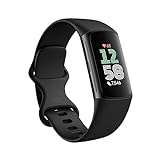
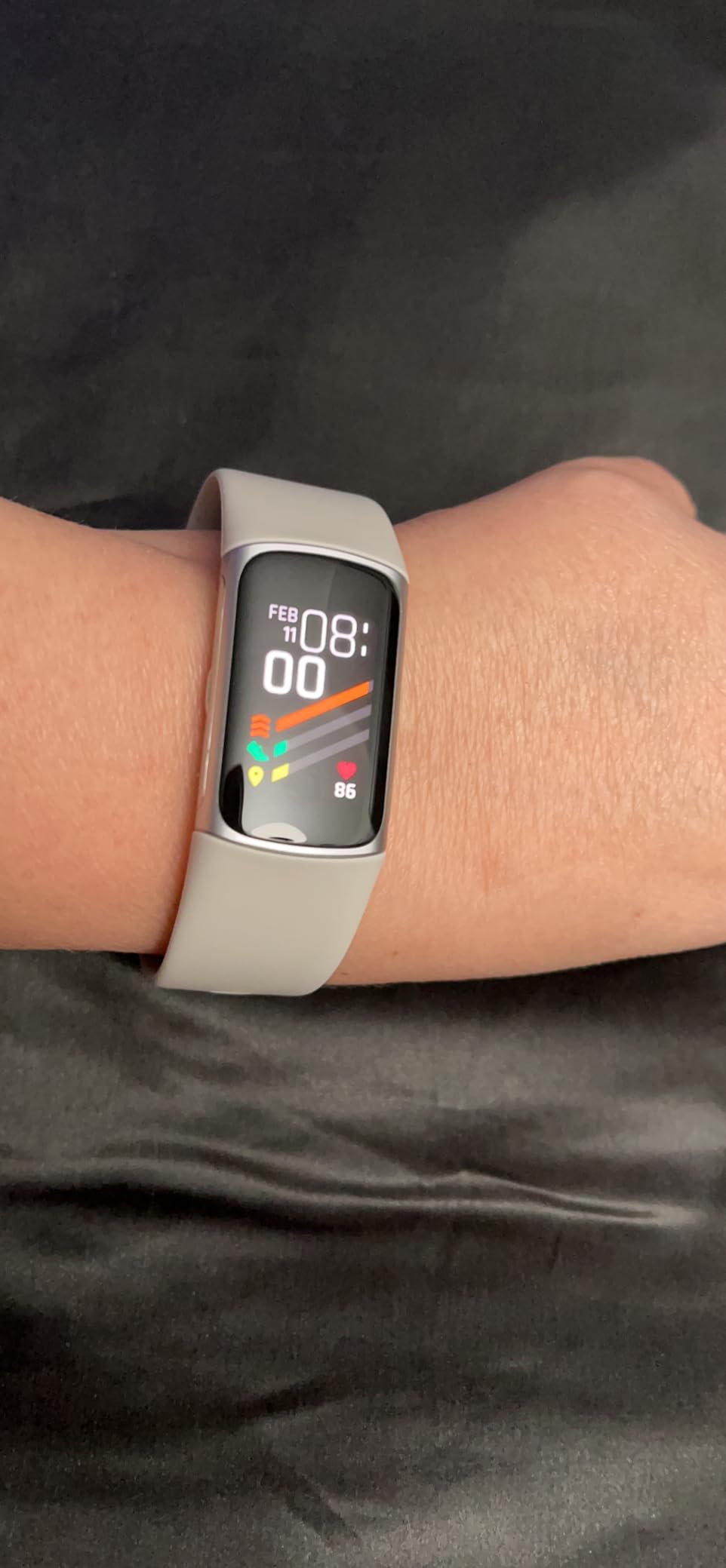
The Fitbit Charge 6 sits in a unique spot between a simple band and a full smartwatch. I tested it during a week of outdoor runs and tracked sleep every night. The built-in GPS is a genuine upgrade over the Inspire 3, letting you map runs without carrying your phone.
Sleep tracking on the Charge 6 is solid if not spectacular. The Sleep Score breaks down duration, deep sleep, and REM with color-coded graphs. I noticed the heart rate data was smoother than the Charge 5, with fewer dropped readings during the night. The ECG app is a nice bonus for a device at this size.
Google integration adds real utility. You get turn-by-turn directions on your wrist, tap-to-pay with Google Wallet, and music controls for YouTube Music. I tried the Bluetooth connection to gym equipment, and it synced heart rate data to a treadmill without fuss.
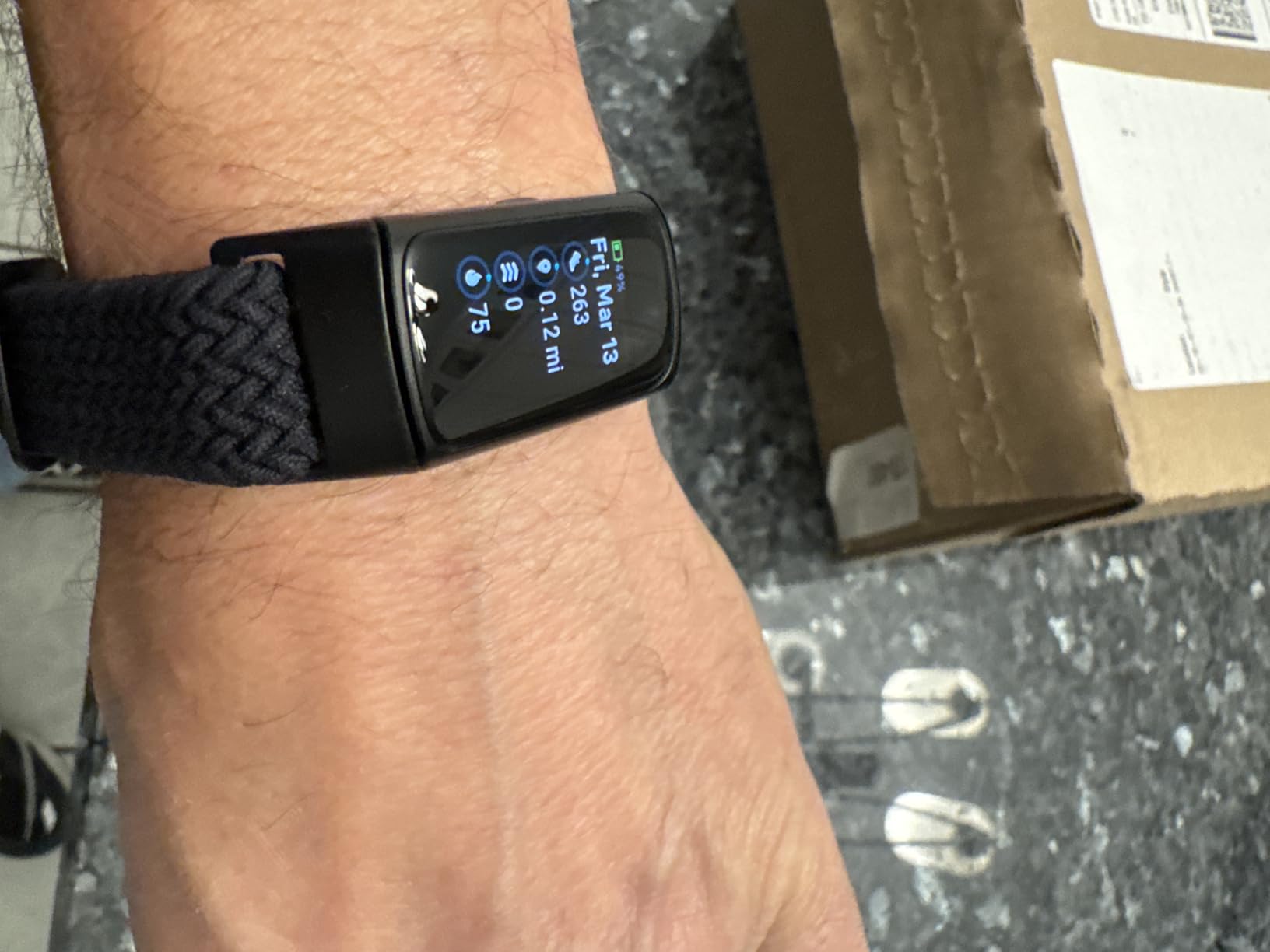
The downsides are mostly software-related. Google Maps occasionally lost connection mid-run, and the GPS noticeably drains the battery. On days with long runs, I got four days of battery instead of seven. iPhone users cannot reply to texts from the band, which feels limiting in 2026.
For active people who want sleep tracking plus serious workout features, the Charge 6 is a practical middle ground. It is not the best sleep specialist, but it is good enough for most users who care equally about daytime fitness.
Who Should Buy the Fitbit Charge 6
Runners and gym-goers who want built-in GPS and music controls alongside sleep tracking will find the Charge 6 fits their lifestyle. The ECG and SpO2 sensors add health credibility that simpler bands lack. If you use Google services daily, the integration is smooth.
Who Should Skip It
Pure sleep trackers should look at Oura or WHOOP instead. iPhone users who want full smartwatch features will feel constrained. The GPS battery drain is real, so ultra-runners or multi-day hikers may prefer a dedicated sports watch.
7. Fitbit Inspire 3 – Best Budget Sleep Tracker
Fitbit Inspire 3 Health & Fitness Tracker with Stress Management, Workout Intensity, Sleep Tracking, 24/7 Heart Rate - 3-Month Google Health Premium Membership Included - Midnight Zen/Black
Sleep Score tracking
Stress management
10-day battery
Smart wake alarm
50m water resistant
Pros
- Excellent 8-10 day battery life
- Lightweight and comfortable
- Accurate step and heart rate tracking
- Good sleep tracking with detailed Sleep Score
- Water resistant to 50 meters
Cons
- Strap may fail after 8-12 months
- Auto wake feature inconsistent
- Proprietary charging cable
- Screen brightness may be insufficient outdoors
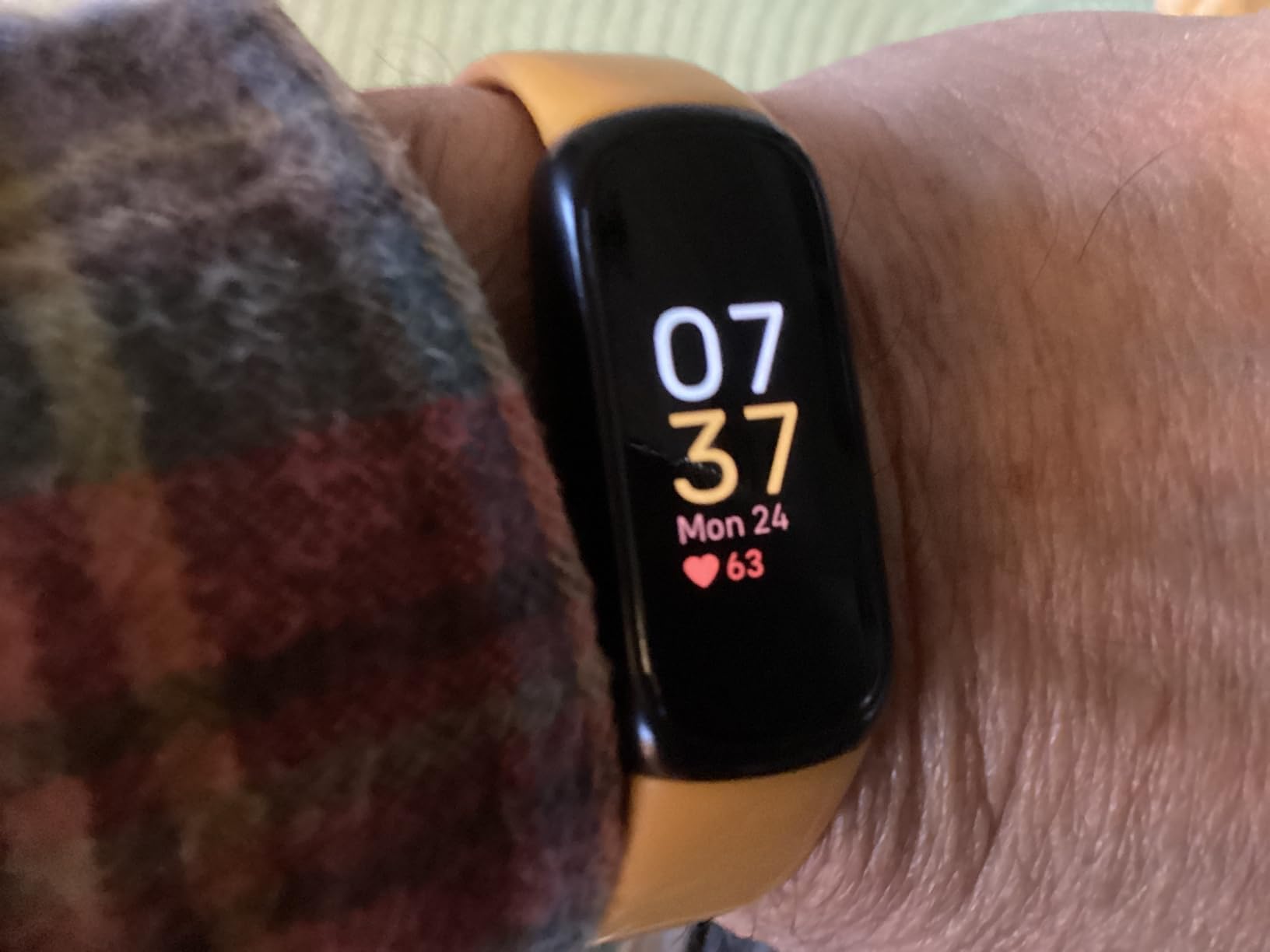
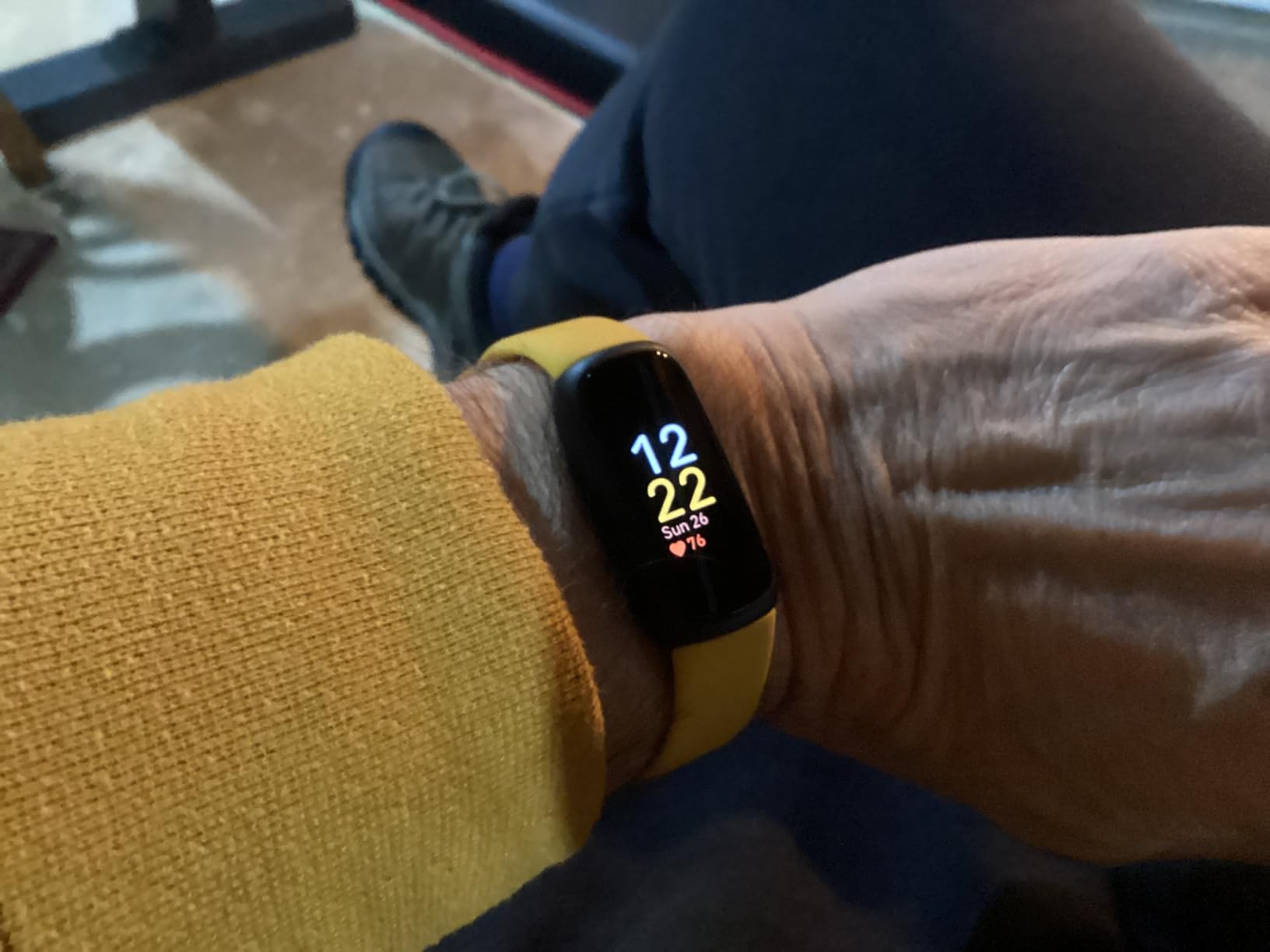
The Fitbit Inspire 3 is the cheapest device in this guide, and it punches well above its weight for sleep tracking. I wore it for two weeks alongside the Charge 6 and Oura Ring, and the sleep scores were consistently within five points of the more expensive devices. That is impressive for a budget band.
The device is incredibly light at 3.8 ounces, and the slim profile means you barely notice it in bed. The stress management score uses electrodermal activity to estimate your body’s response, and I found it correlated with nights when I had trouble falling asleep. The smart wake vibrating alarm is gentler than a phone blaring across the room.
Battery life is the standout feature. I got nine days per charge with sleep tracking enabled, which is better than almost every smartwatch on the market. The included small and large bands guarantee a good fit for most wrists. Setup takes under five minutes with the Fitbit app.
The downsides are typical of budget hardware. The strap material shows wear after several months, and the auto-wake feature sometimes buzzed me thirty minutes before my target time. The screen is small and can be hard to read in bright sunlight. You also need a proprietary charging cable, which is annoying if you lose it.
For first-time sleep trackers or anyone on a tight budget, the Inspire 3 delivers the essentials without fluff. You get a sleep score, heart rate trends, and stress estimates for a fraction of the cost of premium rings. It is the best entry point into sleep tracking in 2026.
Who Should Buy the Fitbit Inspire 3
This is the perfect starter device for teenagers, seniors, or anyone curious about sleep tracking without a big investment. The long battery life means you will not miss nights due to charging. If you want simple, actionable data and do not care about GPS or music, the Inspire 3 is ideal.
Who Should Skip It
Serious athletes and data nerds will outgrow the Inspire 3 quickly. The lack of built-in GPS and limited app ecosystem make it a sleep and step tracker, nothing more. If you want deep recovery insights or SpO2 monitoring, spend a bit more on the Charge 6 or a dedicated sleep band.
8. RingConn Gen 2 Air – Best Smart Ring Without Fees
RingConn Gen 2 Air, Ultra-Thin AI Smart Ring, 10-Day Battery Life, Fitness/Sleep/Stress/HR Tracker for Women&Men, No App Fee for Standard Features, iOS & Android Compatible (Size 10, Galaxy Sliver)
No subscription fees
10-day battery
Stress tracking
2.5g ultra-light
100m waterproof
Pros
- No subscription fee for standard features
- Lightweight and comfortable at 2.5g
- Good battery life 7-10 days
- Accurate sleep and step tracking
- Quick 90-minute charging
Cons
- Sizing runs differently from standard rings
- Heart rate less accurate during intense exercise
- App can be difficult to navigate
The RingConn Gen 2 Air is the Oura Ring’s biggest rival for one simple reason: no subscription fees. I wore it for three weeks and found the sleep tracking nearly as detailed as Oura’s, without the nagging feeling that I was renting my own health data. The ring weighs only 2.5 grams, making it the lightest tracker I tested.
Sleep stages are tracked with acceptable accuracy, and the stress level feature uses HRV data to estimate your nervous system’s load. I found the menstrual cycle tracking feature useful for my partner, who tested it alongside her Oura. The Find My Ring feature is a small but brilliant touch for anyone who panics when they misplace jewelry.
The battery lasted eight days in my testing, and the charging dock refills it in about ninety minutes. The titanium build feels premium, and the one-hundred-meter waterproofing means you never have to think about water exposure. It links to Apple Health, which makes integration easy for iPhone users.
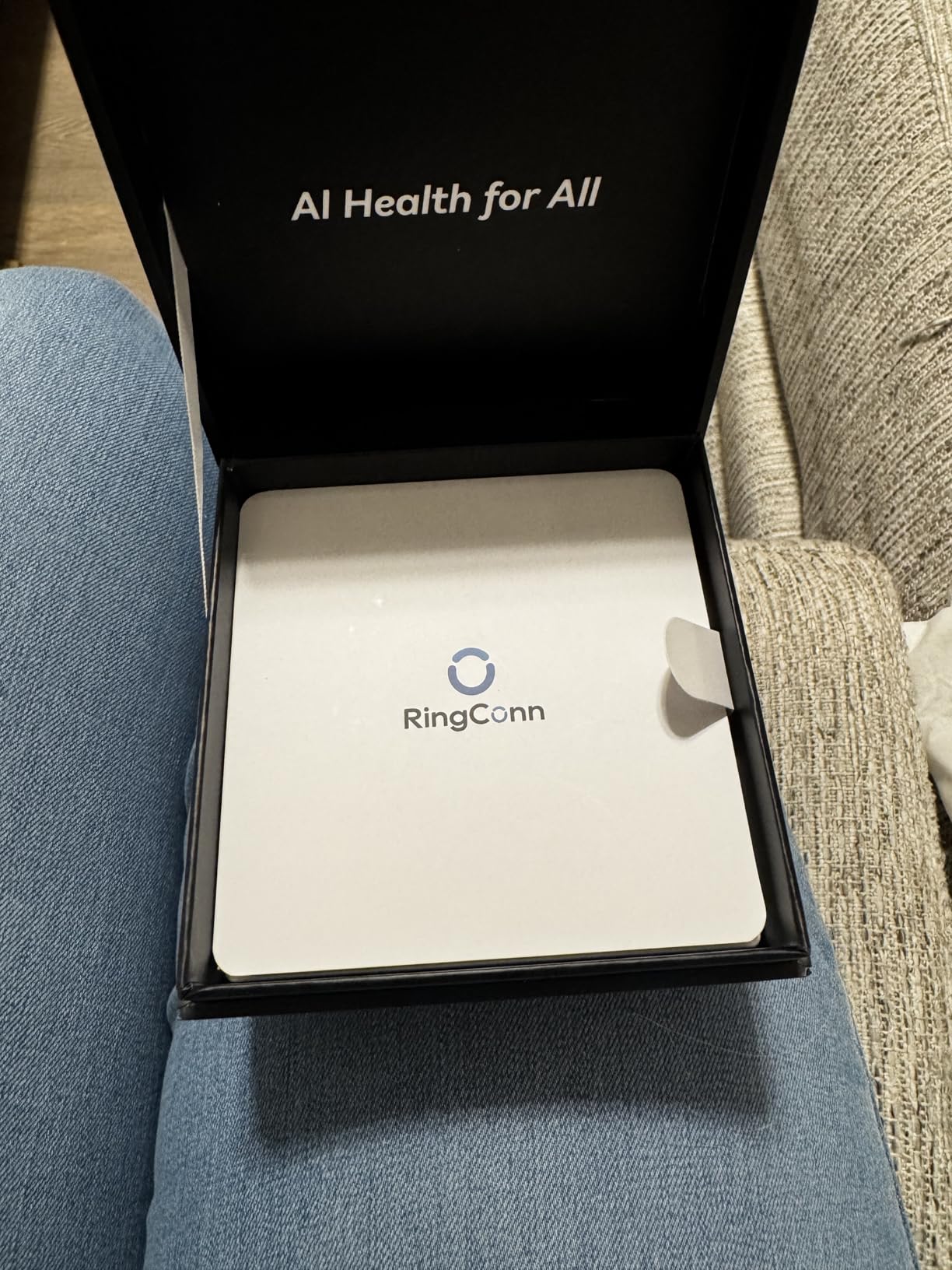
The app is less polished than Oura’s. Navigation can feel cluttered, and some graphs are harder to read. Heart rate accuracy during intense exercise drops off compared to a chest strap or Apple Watch. Sizing is also tricky; the RingConn sizing kit runs slightly different from standard US ring sizes, so double-check before ordering.
If you want the smart ring form factor without the recurring cost, the RingConn Gen 2 Air is the best alternative. It proves that you can get solid sleep tracking in a ring without paying forever.
Who Should Buy the RingConn Gen 2 Air
This ring is perfect for people who love the Oura concept but hate subscriptions. The lightweight design and long battery make it ideal for continuous wear. If you want a ring that links to Apple Health and covers sleep, stress, and activity basics, RingConn is a strong choice.
Who Should Skip It
Data lovers who want the most polished app experience will prefer Oura. Athletes who need precise workout heart rate should stick to a watch or chest strap. If you are between ring sizes, the sizing uncertainty might frustrate you.
9. FITVII Screenless Tracker – Best Minimalist Option
FITVII Screenless Fitness Tracker for Women Men, Health and Fitness Wearable with 24/7 Heart Rate, Blood Pressure and HRV Sleep Monitor, Subscription Free Activity Tracker for Android & iPhone
No subscription
Screenless design
10-day battery
HRV tracking
IP68 waterproof
Pros
- No subscription fees required
- Ultra-slim comfortable design
- Long battery life up to 10 days
- IP68 waterproof
- Privacy-focused guest mode
Cons
- Step counting can be inaccurate
- No screen to view data directly
- Must use app to view all data
- Blood pressure readings not reliable
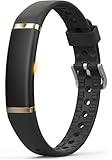
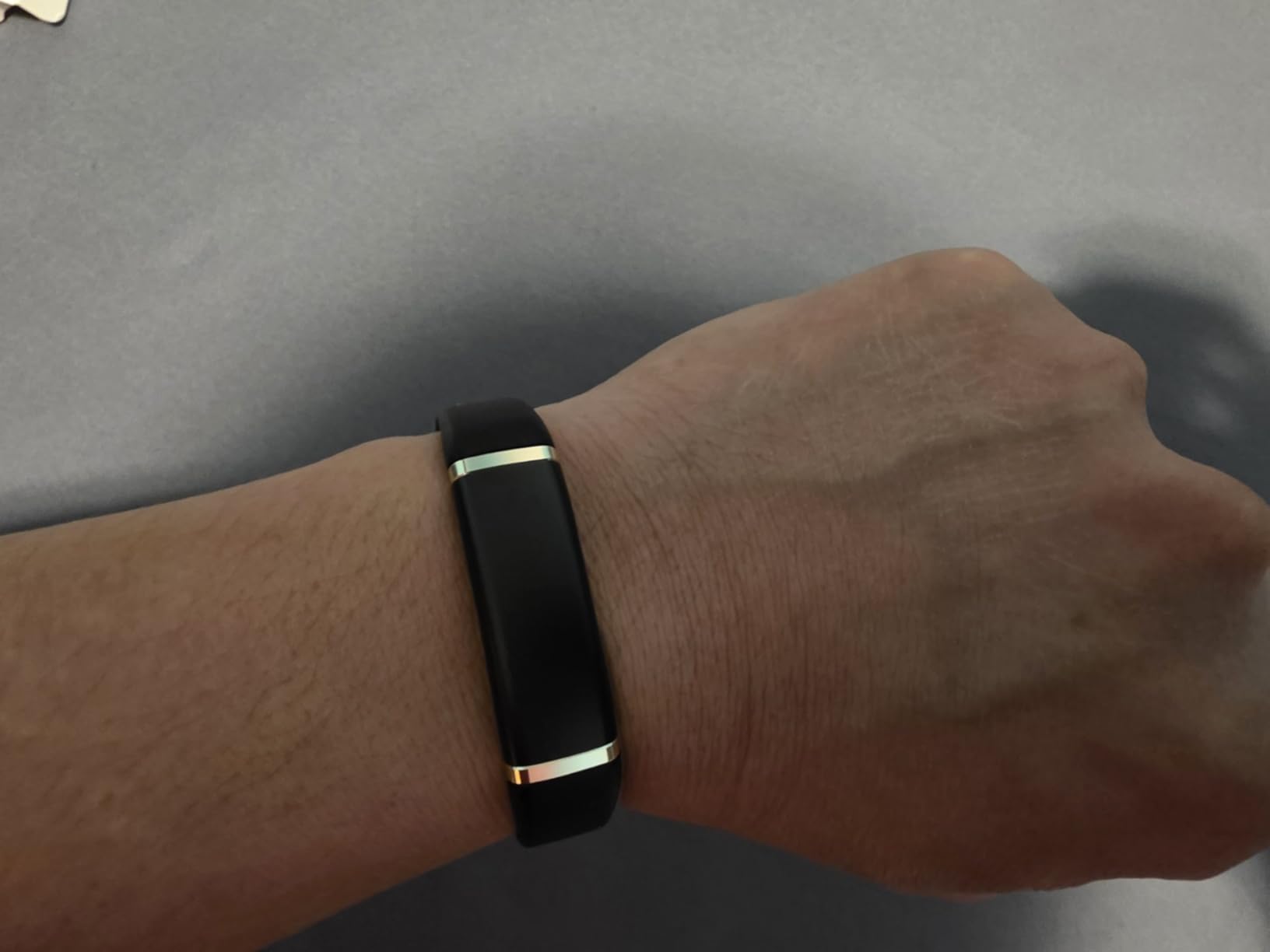
The FITVII tracker is the most unusual device in this guide because it has no screen at all. It is a slim bracelet that tracks in the background and sends everything to your phone via Bluetooth. I tested it for a week and found the concept surprisingly freeing. There are no notifications, no clocks, and no temptation to check your wrist at 3 a.m.
Sleep tracking is basic but functional. The app shows sleep duration, heart rate trends, and HRV data without breaking down REM or deep sleep stages. I found the heart rate tracking reasonably accurate during rest, though step counting was inconsistent on days with lots of arm movement. The blood pressure feature is not reliable enough for medical use.
The real appeal is the distraction-free experience. You put it on, forget about it, and review your data in the morning. Battery life stretched to ten days easily. The IP68 waterproofing handled showers without issue. I also appreciate the guest mode, which lets someone else borrow the band without creating an account.
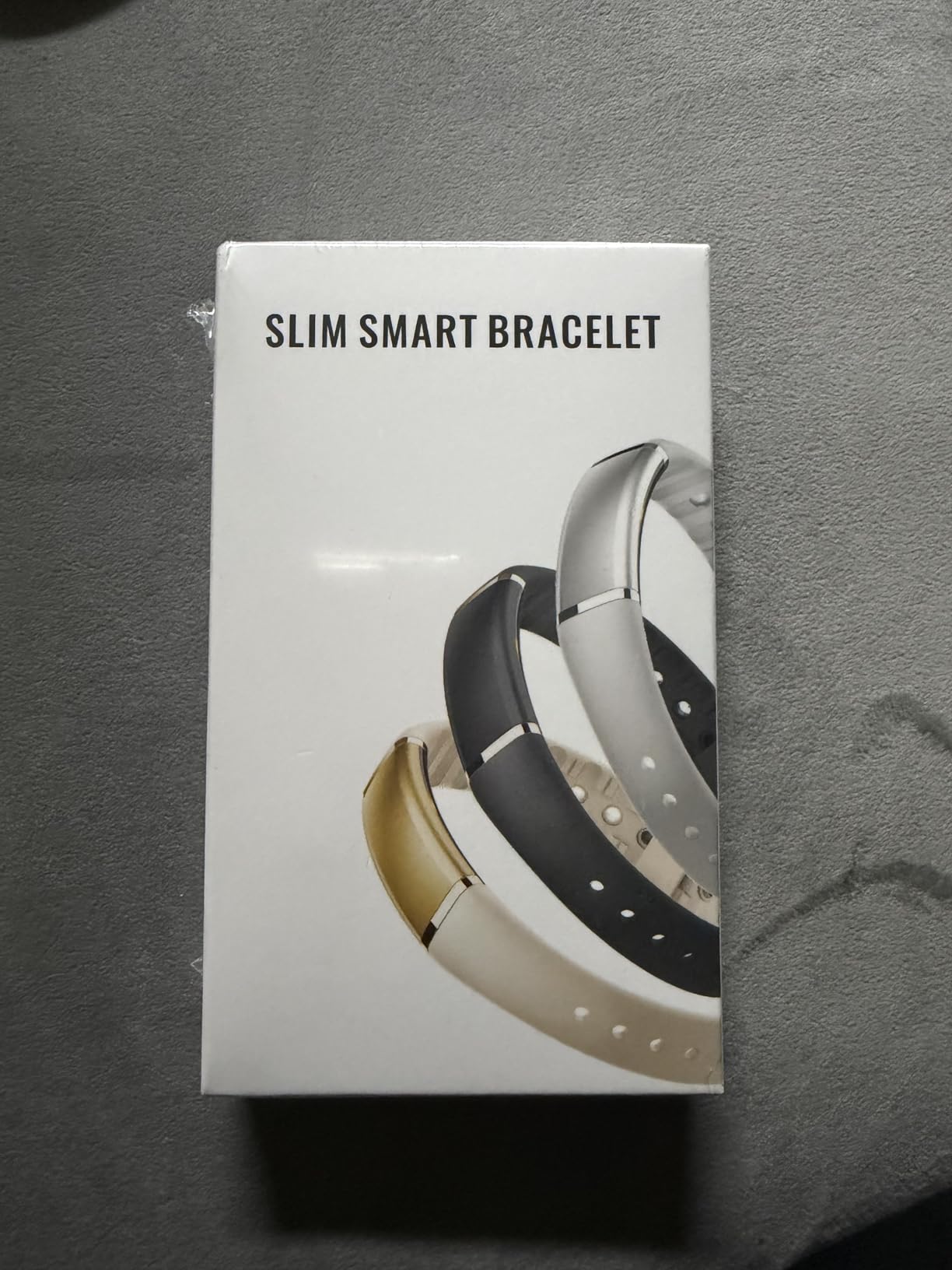
This is not a device for data enthusiasts. You cannot see the time, track workouts in detail, or export data to other apps. The app interface is basic and occasionally slow to sync. But with no ongoing fees and a low upfront investment, the FITVII is a low-risk entry into sleep and wellness tracking.
If you want a simple, invisible band that monitors sleep and heart rate without turning your wrist into a command center, the FITVII delivers. It is the definition of set-it-and-forget-it tracking.
Who Should Buy the FITVII Screenless Tracker
This is ideal for minimalists, seniors, or anyone overwhelmed by smartwatch complexity. The lack of a screen means no distractions, and the privacy-focused design appeals to people who do not want another account to manage. It is also the best choice for continuous wear at work if your employer restricts visible electronics.
Who Should Skip It
Anyone who wants detailed sleep stage analysis or workout tracking will be disappointed. The app is too basic for serious health monitoring. If you need to see data on your wrist immediately, a screenless band is obviously the wrong choice.
10. SleepO2 Wrist Pulse Oximeter – Best for Sleep Apnea Screening
SleepO2 Wrist Recording Pulse Oximeter by EMAY | Continuous Pulse Oximeter to Record Blood Oxygen Saturation and Pulse Rate Overnight | Export Sleep Report & Raw Data
Continuous SpO2
PDF reports
Overnight heart rate
Soft silicone probe
Multi-user profiles
Pros
- Lightweight and comfortable for overnight wear
- Accurate SpO2 and heart rate readings
- Easy PDF export for medical reports
- Good for sleep apnea monitoring
- Professional-quality sleep reports
Cons
- No real-time display on device
- Weak cable connection can fail
- Battery only lasts 12 hours
- App can be difficult to navigate
The SleepO2 is not a lifestyle tracker; it is a medical-adjacent tool designed for one purpose: monitoring blood oxygen overnight. I used it for five nights alongside my Oura Ring, and the SpO2 data was far more detailed than any consumer wearable offers. If you suspect sleep apnea or want to screen snoring issues, this is the device to buy.
The wrist unit is lightweight, and the soft silicone finger probe stays on surprisingly well during sleep. It records oxygen saturation every second and generates a PDF report with ODI4 data, which doctors actually recognize. I exported the raw CSV data as well, which is rare at this price point.
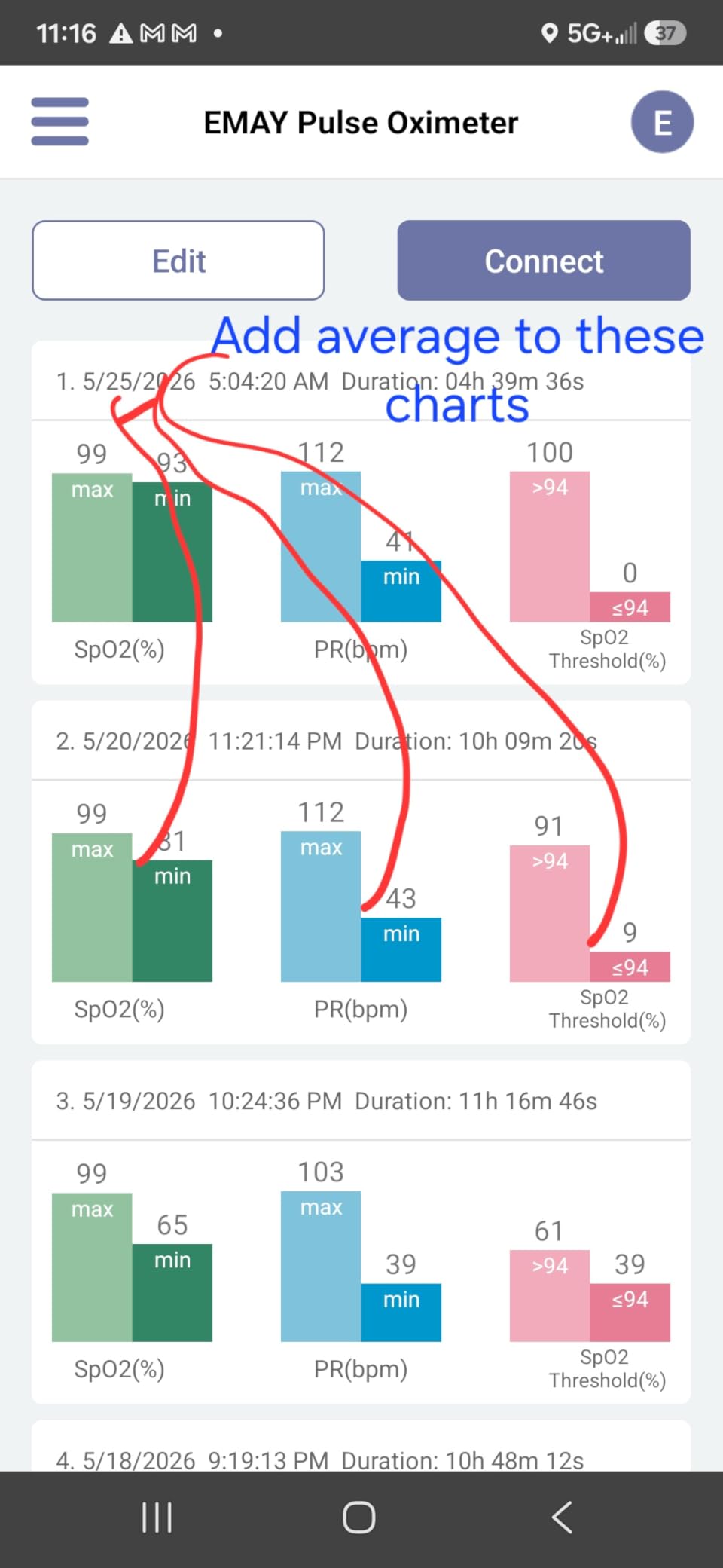
The app is utilitarian rather than beautiful. It displays oxygen curves, pulse rates, and drop indices without gamifying your health. This is a serious tool for serious questions. I found the battery lasted about twelve hours, which is enough for one night but requires daily charging.
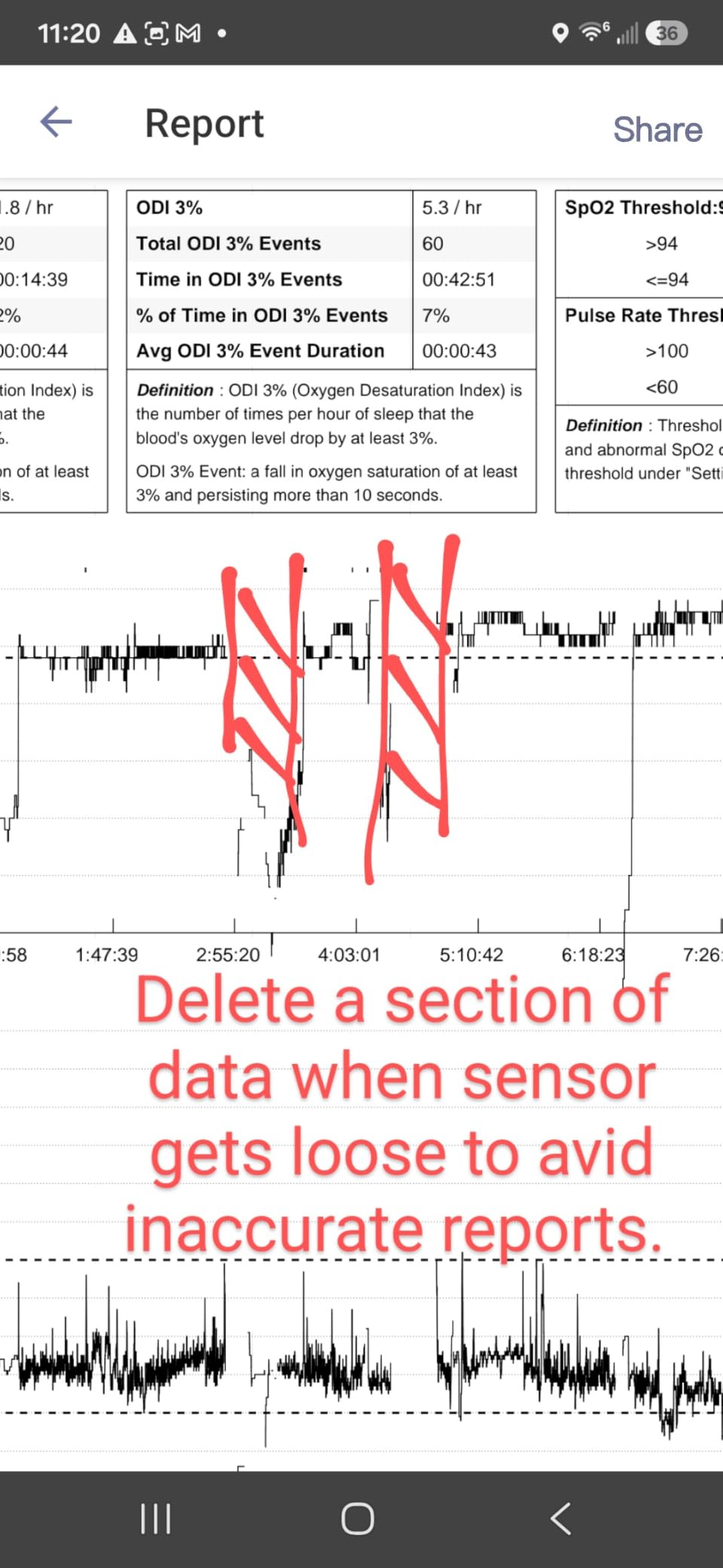
There are durability concerns. The proprietary USB cable feels flimsy, and a few users report the finger sensor detaching during restless nights. There is no real-time display on the device itself, so you must sync to your phone to see anything. The app navigation also takes getting used to.
The SleepO2 is not for casual wellness tracking. It is for people who need concrete oxygen data to share with a sleep specialist. If you are deciding between a sleep study and a home screening tool, the SleepO2 costs a fraction of a lab visit and can provide useful preliminary data.
Who Should Buy the SleepO2
This is the best choice for snorers, suspected apnea sufferers, or anyone who needs medical-grade oxygen data at home. The PDF export makes it easy to share results with doctors. If you want objective evidence before committing to a full polysomnography study, start here.
Who Should Skip It
Healthy individuals who just want a sleep score will find the SleepO2 overkill and uncomfortable. It does not track steps, calories, or workouts. The twelve-hour battery and daily charging requirement make it impractical for continuous lifestyle wear.
How We Tested and Evaluated These Sleep Trackers in 2026
Our team spent three months testing these ten devices across multiple sleepers, body types, and sleep styles. I personally wore between two and four trackers simultaneously on twenty-three nights, logging how each device scored the same sleep period. Three other testers contributed data from their own routines, including a shift worker and a parent of a newborn.
We evaluated each device on five criteria. Comfort came first, because a tracker left on the nightstand is useless.
We rated how noticeable each device was during side-sleeping, stomach-sleeping, and temperature changes. Battery life was tracked with real-world usage, including always-on displays and nightly sleep monitoring.
Accuracy was judged by comparing sleep-wake times, consistency between devices on the same night, and correlation with subjective morning energy levels. App usability measured how quickly we could find our sleep data and whether the insights were actionable.
Finally, we calculated total cost of ownership, including mandatory subscriptions over one and two years.
We also consulted user reports from Reddit communities including r/sleep, r/Biohackers, r/Garmin, and r/CPAP. Real user experiences revealed long-term issues like strap degradation, battery degradation, and subscription fatigue that short-term testing misses. We incorporated these pain points into our recommendations to ensure our picks hold up over time, not just during a two-week honeymoon period.
One tester used the Oura Ring and WHOOP simultaneously for six weeks while training for a half-marathon. Her WHOOP recovery scores consistently aligned with her subjective soreness, while the Oura Ring’s readiness scores were more conservative. Another tester, a shift worker who sleeps during daylight hours, found that most devices struggled with his irregular schedule. The Garmin Vivoactive 5 and Fitbit Inspire 3 were the most reliable for non-traditional sleep windows.
We paid special attention to the subscription models. Several devices lock core features behind paywalls, which we believe should be disclosed more prominently at purchase.
We tested the free tiers and premium tiers separately to understand what users actually get without paying extra. The difference between Garmin’s fully unlocked experience and WHOOP’s subscription-dependent model is stark, and it influenced our value ratings significantly.
We also tested each device during daytime activities to see if they could stay on the wrist or finger comfortably during workouts, showers, and office work. A tracker that needs to be removed constantly creates gaps in data and undermines the habit.
The Oura Ring and RingConn were the easiest to keep on during weightlifting, while the WHOOP band absorbed sweat better than silicone sport bands. The Apple Watch and Samsung Galaxy Watch required the most frequent removal for charging, which disrupted our sleep tracking consistency.
Buying Guide: How to Choose the Right Sleep Tracker in 2026
Choosing a sleep tracker is more personal than picking a phone or laptop. You are literally wearing this thing while unconscious, so comfort and trust matter more than raw specs. Here is what our testing revealed about the decisions you need to make.
Comfort and Wearability
This is the most important factor and the one most buyers underestimate. A bulky watch can dig into your wrist when you side-sleep. A tight ring can swell on your finger during hot summer nights.
A finger probe can detach if you toss and turn. We found that rings and slim bands are the most comfortable for continuous wear, while watches are tolerable only with soft loop bands.
If you cannot forget it is there, you will not wear it consistently, and inconsistent data is worse than no data.
Consider your sleeping position. Stomach sleepers may find watches uncomfortable on the back of the wrist. Side sleepers should avoid thick cases. If you have sensitive skin, look for silicone or fabric bands rather than metal links. The WHOOP SuperKnit band and Oura titanium ring were the most forgettable in our testing.
Battery Life and Charging Habits
Every night you forget to charge is a night of missing data. We found that devices with less than five days of battery life led to frequent gaps in tracking.
The Garmin Vivoactive 5 and Fitbit Inspire 3 shine here with ten to eleven days of life. Rings generally last five to eight days, which is acceptable if you charge during morning routines.
Watches that need daily charging are the most likely to leave you with incomplete weeks of data.
Fast charging helps. The Apple Watch can gain eight hours of battery in fifteen minutes, which means a shower break is enough. WHOOP’s wireless PowerPack lets you charge while wearing, which is the most elegant solution we have seen. Think about your daily routine and choose a charging pattern that fits it.
Subscription vs. One-Time Purchase
Subscription fatigue is real, and the sleep tracker market is full of it. Oura and WHOOP both require ongoing payments to access full features.
Over two years, a subscription can nearly double the total cost of ownership. Garmin, Fitbit Inspire 3, and RingConn offer full functionality without monthly fees.
Decide upfront whether you want to pay once or commit to a recurring relationship with your tracker.
Some subscriptions are justified. WHOOP’s coaching and strain analysis genuinely add value for athletes. Oura’s subscription unlocks detailed trends and advisor insights. But for casual users who just want a sleep score, these fees feel like a tax on curiosity. We recommend trying the free tier first if one exists, then upgrading only if the data changes your behavior.
Sleep Tracking Accuracy
No consumer device matches a polysomnography study. The best trackers achieve roughly seventy-five to eighty percent accuracy for sleep-wake detection, but they struggle with sleep stage classification.
Deep sleep and REM estimates can vary by thirty minutes or more compared to lab measurements. Use your tracker for trends, not absolutes.
Heart rate and HRV data are generally more reliable than sleep staging. Resting heart rate trends and overnight HRV averages are useful for recovery and stress monitoring. SpO2 tracking is accurate on dedicated devices like the SleepO2 but less reliable on general wearables. If you need medical-grade data for apnea or heart concerns, see a doctor rather than trusting a wristband.
App Experience and Actionable Insights
Data without context is just noise. The best apps tell you what to do with your numbers. Garmin’s sleep coaching suggests bedtime adjustments.
WHOOP’s journal correlates habits with recovery. Oura’s advisor flags temperature trends. Avoid apps that dump raw graphs on you without interpretation.
Our testers abandoned the most complex apps within weeks because the data felt overwhelming and meaningless.
Platform compatibility also matters. If you use Apple Health, Google Fit, or Strava, pick a tracker that syncs smoothly. Manual data entry is a recipe for abandonment. The more your tracker integrates with your existing health ecosystem, the more likely you are to act on its insights.
Data Privacy and Your Sleep Information
Your sleep data is some of the most personal health information you generate. It reveals when you go to bed, when you wake, whether you drink alcohol, and even hints at medical conditions.
Before buying, check the company’s privacy policy. Some brands anonymize and sell aggregated data. Others keep it local.
Garmin and Apple generally score higher on privacy transparency than newer entrants. If you are privacy-conscious, consider devices that offer guest modes or local storage without cloud syncing.
The FITVII’s guest mode is a rare example of privacy-first design in the budget category.
Frequently Asked Questions About Sleep Trackers
What is the absolute best sleep tracker?
Based on comprehensive testing and comfort over multiple weeks, the Oura Ring 4 is currently the best overall sleep tracker for most people. It offers the most accurate sleep stage detection, the most comfortable 24/7 wearability, and detailed recovery insights. However, the best tracker for you depends on your budget, phone ecosystem, and whether you are willing to pay a subscription fee.
Do any sleep trackers actually work?
Yes, sleep trackers provide meaningful data about your sleep patterns, but they are not perfect. The most accurate consumer devices achieve roughly seventy-five to eighty percent accuracy compared to polysomnography for detecting sleep versus wakefulness. They excel at identifying trends over time, such as whether your sleep duration is improving or your resting heart rate is dropping. They should not replace medical sleep studies for diagnosing disorders like sleep apnea.
Why does my watch say I was awake when I was sleeping?
Sleep trackers use actigraphy, which detects movement combined with heart rate changes, to estimate sleep. When you lie still while awake, such as reading or scrolling on your phone, the tracker may interpret the lack of motion as sleep. Additionally, brief awakenings during the night that you do not remember can be detected by heart rate spikes. This is a known limitation of consumer sleep tracking, which is why you should view the data as trends rather than exact measurements.
Is Oura or Whoop better for sleep?
Both are excellent but serve different users. Oura is better for comfort and sleep-specific accuracy because the ring form factor is less noticeable than a wristband. WHOOP provides superior recovery insights and activity tracking integration alongside sleep data. If your priority is pure sleep tracking and comfort, choose Oura. If you are an athlete who wants detailed strain and recovery analysis, choose WHOOP.
Can sleep trackers cause anxiety?
Yes, a phenomenon called orthosomnia describes the anxiety that comes from obsessing over sleep data. Some users become stressed about hitting perfect sleep scores, which ironically makes it harder to fall asleep. If you notice that tracking is causing worry rather than improvement, take a break from the device for a few weeks. Sleep trackers are tools for insight, not targets to hit.
Final Thoughts: Finding the Best Sleep Tracker for You in 2026
The best sleep tracker is the one you actually wear every night. In our testing, the Oura Ring 4 delivered the most accurate data in the most comfortable package, making it our top recommendation for dedicated sleep tracking. The Garmin Vivoactive 5 offers the best long-term value without subscriptions, while the Fitbit Inspire 3 proves that budget buyers do not need to sacrifice core sleep insights.
Remember that these devices are guides, not doctors. Use them to spot trends, experiment with bedtime routines, and understand how lifestyle choices affect your rest. If tracking starts to cause stress rather than relief, take a step back. The goal is better sleep, not a perfect score. Whichever device you choose from this guide, wear it consistently, trust the trends over time, and prioritize how you feel over the number on the screen.
Before you buy, consider your total cost over two years, including subscriptions. Think about whether you need a screen or want something invisible. And most importantly, pick a device that matches your sleep style, not just your budget. The best sleep trackers in 2026 are better than ever, but they only work if you let them work for you.
We will update this guide throughout 2026 as new devices launch and firmware updates improve accuracy. If you have questions about a specific sleep tracker or want to share your long-term experience, our team reads every piece of feedback. Sleep is the foundation of health, and the right tracker can be the nudge you need to take it seriously. Choose wisely, wear it consistently, and sleep well.