
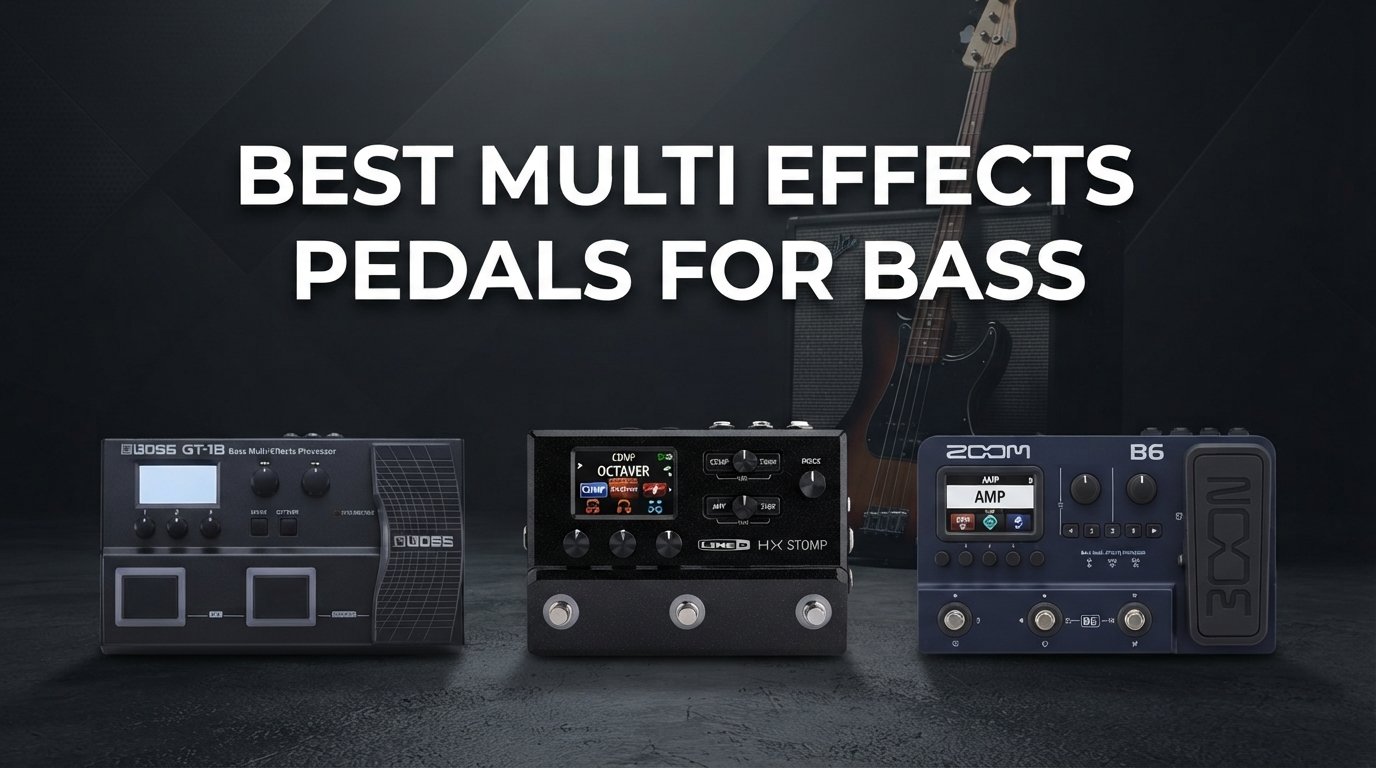
Finding the best multi effects pedals for bass used to mean sifting through guitar-focused units and hoping they handled low frequencies without turning your tone to mud. That landscape has changed dramatically. Bass-specific multi-FX pedals now offer dedicated amp models, sub-frequency response, and effects chains tuned for four-string and five-string basses alike.
Our team spent weeks comparing 10 of the most popular bass multi-effects processors on the market. We looked at everything from the budget-friendly Zoom B1X FOUR to the flagship Zoom B6, examining amp modelling quality, DI output options, preset management, and real-world gigging reliability. We also dug through TalkBass and BassChat forum threads to see what working bassists actually use night after night.
What we found is that the bass multi-FX market has something for everyone. Beginners can get a feature-packed processor for under $120. Gigging cover band bassists have purpose-built units with XLR outputs and preset banks for entire setlists. Studio players can access impulse response loading and USB audio interfaces in a single floorboard. The challenge is matching the right pedal to your specific needs.
This guide breaks down all 10 units with hands-on impressions, technical analysis, and honest assessments of where each one shines and where it falls short. Whether you need an all-in-one bass pedalboard replacement, a compact practice tool, or a professional rig-replacing modeler, you will find your match here.
Top 3 Bass Multi-FX Picks for 2026

Zoom B6 Bass Multi-Effects Processor
- 4 DI models at 88.2kHz
- Touchscreen signal chain editor
- A/B input switcher
- 2-hour SD card looper
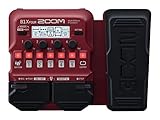
Zoom B1X FOUR Bass Multi-FX
- 70+ effects
- 9 amp models
- Expression pedal
- Looper and drum machine
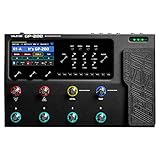
Valeton GP-200 Multi-Effects Pedal
- 240+ effects
- 140 amp and cab sims
- Gorilla Glass display
- FX loop and MIDI
These three represent the sweet spots in the bass multi-effects world. The Zoom B6 delivers professional-grade sound quality with audiophile conversion. The B1X FOUR remains unbeatable for budget-conscious players. The Valeton GP-200 splits the difference with a massive effect library and rugged build.
Best Multi Effects Pedals for Bass in 2026
| Product | Specifications | Action |
|---|---|---|
|
Zoom B6 Bass Multi-Effects Processor
|
|
Check Latest Price |
|
Zoom B1X FOUR Bass Multi-FX
|
|
Check Latest Price |
 Zoom MS-60B+ MultiStomp Bass
|
|
Check Latest Price |
|
Valeton GP-200 Multi-Effects Pedal
|
|
Check Latest Price |
 BOSS GX-10 Effects Processor
|
|
Check Latest Price |
 HeadRush Flex Prime Multi-FX
|
|
Check Latest Price |
 Zoom B2 Four Bass Multi-FX
|
|
Check Latest Price |
 BOSS GX-1B Bass Effects Processor
|
|
Check Latest Price |
 Line 6 POD Express Bass
|
|
Check Latest Price |
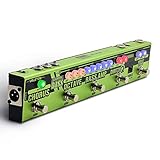 Valeton Dapper Bass DI Preamp
|
|
Check Latest Price |
1. Zoom B1X FOUR — Best Budget Bass Multi-FX Pedal
Zoom B1X FOUR Bass Multi-Effects Processor with Expression Pedal, 70+ Built-in Effects, Amp Modeling, Looper, Rhythm Section, Tuner, Battery Powered
70+ effects
9 amp models
Expression pedal
Looper
1.84 lbs
Pros
- Outstanding value with 70+ effects and 9 bass amp models
- Built-in expression pedal for wah volume and pitch control
- 68 rhythm patterns and looper for practice
- Easy to use with logical knob-based interface
- Powered by batteries or USB for total portability
Cons
- Plastic construction feels less durable than metal pedals
- Some presets are unusable and need tweaking
- Looper does not retain loops after power down
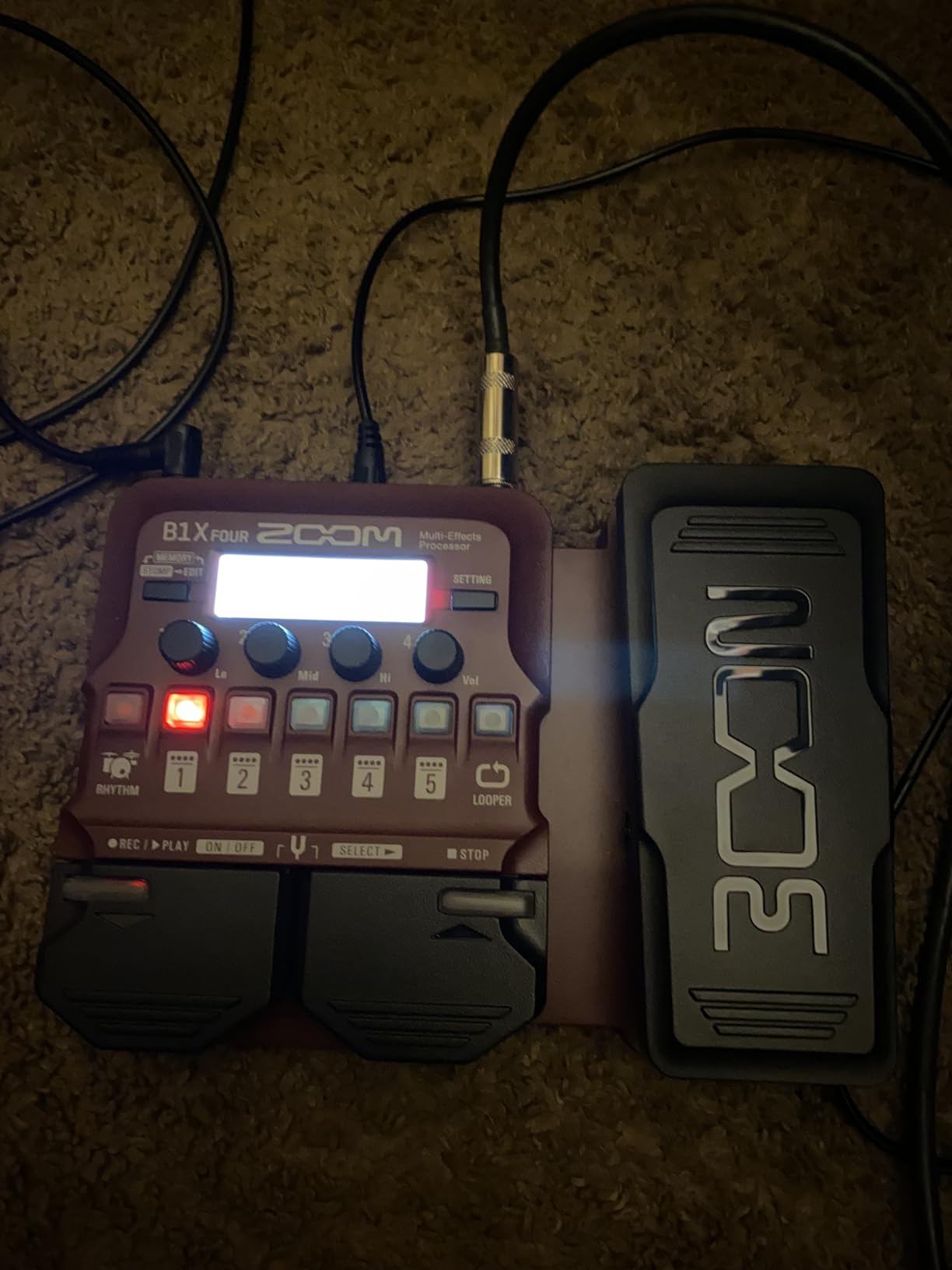
The Zoom B1X FOUR is the pedal I always recommend first when someone asks about getting into bass multi-effects without spending a fortune. At under $120, you get 70+ effects, 9 bass amp models, a built-in expression pedal, a looper, 68 rhythm patterns, and a chromatic tuner. That is a staggering amount of functionality packed into a 1.84-pound plastic chassis.
I plugged my Fender Jazz Bass into the B1X FOUR and was immediately impressed by the range of tones on tap. The compression patches clean up nicely for funk lines. The fuzz and synth effects hold up surprisingly well for aggressive rock and experimental stuff. The expression pedal feels a bit light underfoot but it tracks accurately for wah and volume swells.
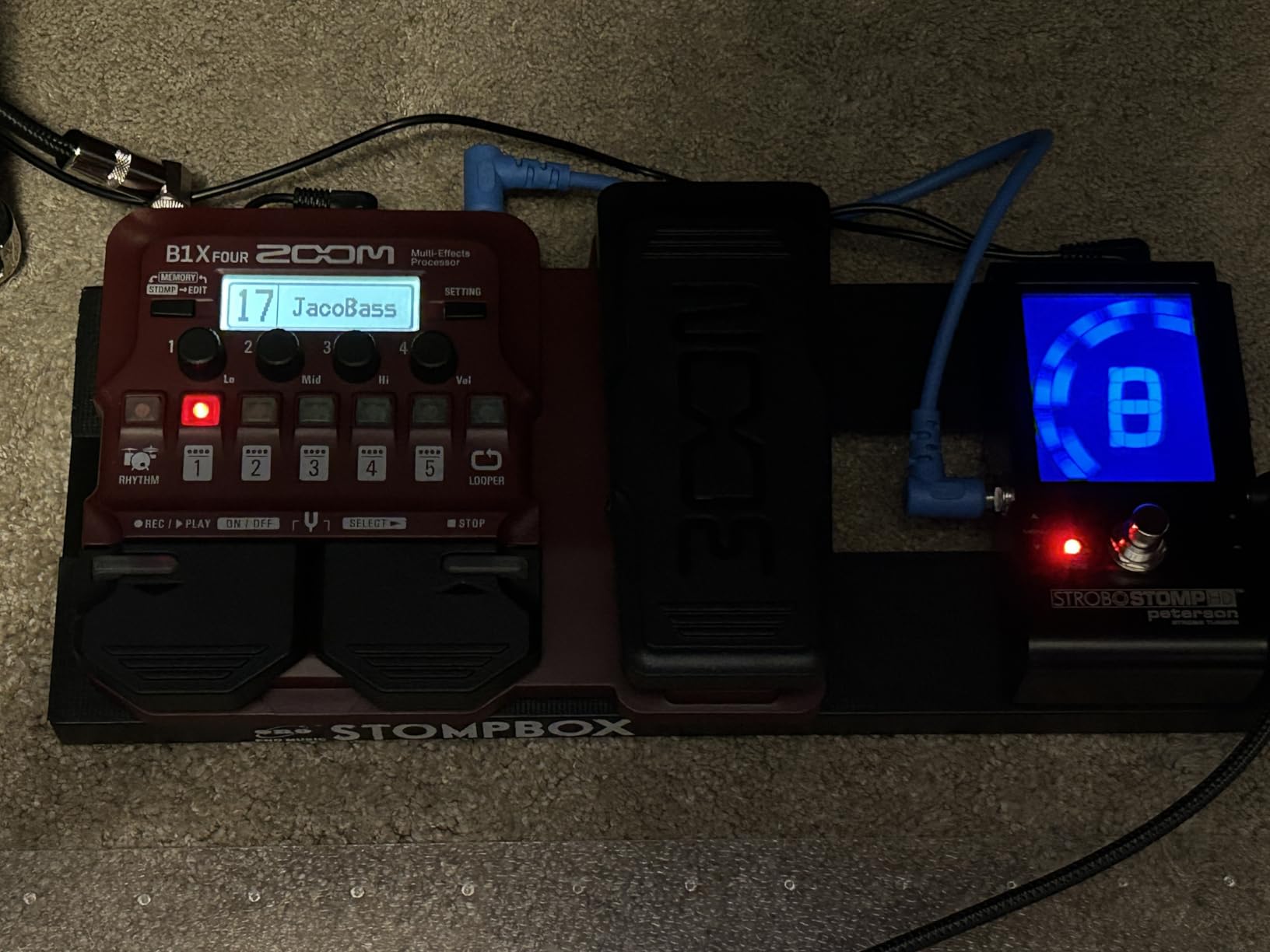
Where the B1X FOUR really wins is its interface. Zoom kept things simple with dedicated knobs for effect selection and parameter editing. You do not need to menu-dive for 20 minutes just to change a delay time. The Guitar Lab app on PC or Mac lets you deep-edit presets when you want more control, and the AUX input means you can jam along with backing tracks during practice sessions.
One TalkBass user described the B1X FOUR as the core pedal at the heart of my pedalboard for several years, and that tracks with what I experienced. It is not going to replace a Helix or a Kemper in a professional touring rig, but for practice, small gigs, and exploring what effects work for your playing style, it is genuinely hard to beat.
Best Use Cases for the B1X FOUR
This pedal shines brightest for beginners and intermediate bassists who want to explore the entire effects universe without committing to individual pedals. If you are not sure whether you like chorus, octave, or envelope filter, the B1X FOUR lets you try all of them for the price of a single boutique stompbox.
It is also a capable gigging tool for cover bands on a budget. The stompbox mode lets you toggle individual effects on and off within a patch, which means you can build a clean verse tone and kick on drive and modulation for the chorus. Battery power means you can run it anywhere.
Limitations to Keep in Mind
The plastic housing is the biggest concern for heavy gigging. Several users noted that it can survive regular use, but you should not toss it into a van without protection. Some presets are quirky and need editing before they sound good in a band mix.
The looper loses everything when you power down, so it is strictly a practice tool rather than something you can build setlist loops on. Radio interference at high gain settings has been reported by a few users, so keep it away from wireless systems when possible.
2. Zoom MS-60B+ MultiStomp — Best Compact Bass Multi-FX
Zoom MS-60B+ MultiStomp Bass Effects Pedal with 95+ Effects, Amp Models & Preamps, Stereo Output, Built-In Tuner, Effect Chaining, Battery Powered
95+ effects
11 amp models
6 simultaneous effects
Stereo output
15.68 oz
Pros
- Incredible amp models including Ampeg SVT and Acoustic 370
- Mix up to 6 effects simultaneously for complex chains
- Stereo split output for running PA and amp together
- Next-gen analog circuitry for refined low-end
- Ultra-compact stompbox form factor
Cons
- Smaller form factor limits physical controls
- Newer product with fewer community resources
- Battery life limited with 28V power requirements
- Gain staging requires care for PA use
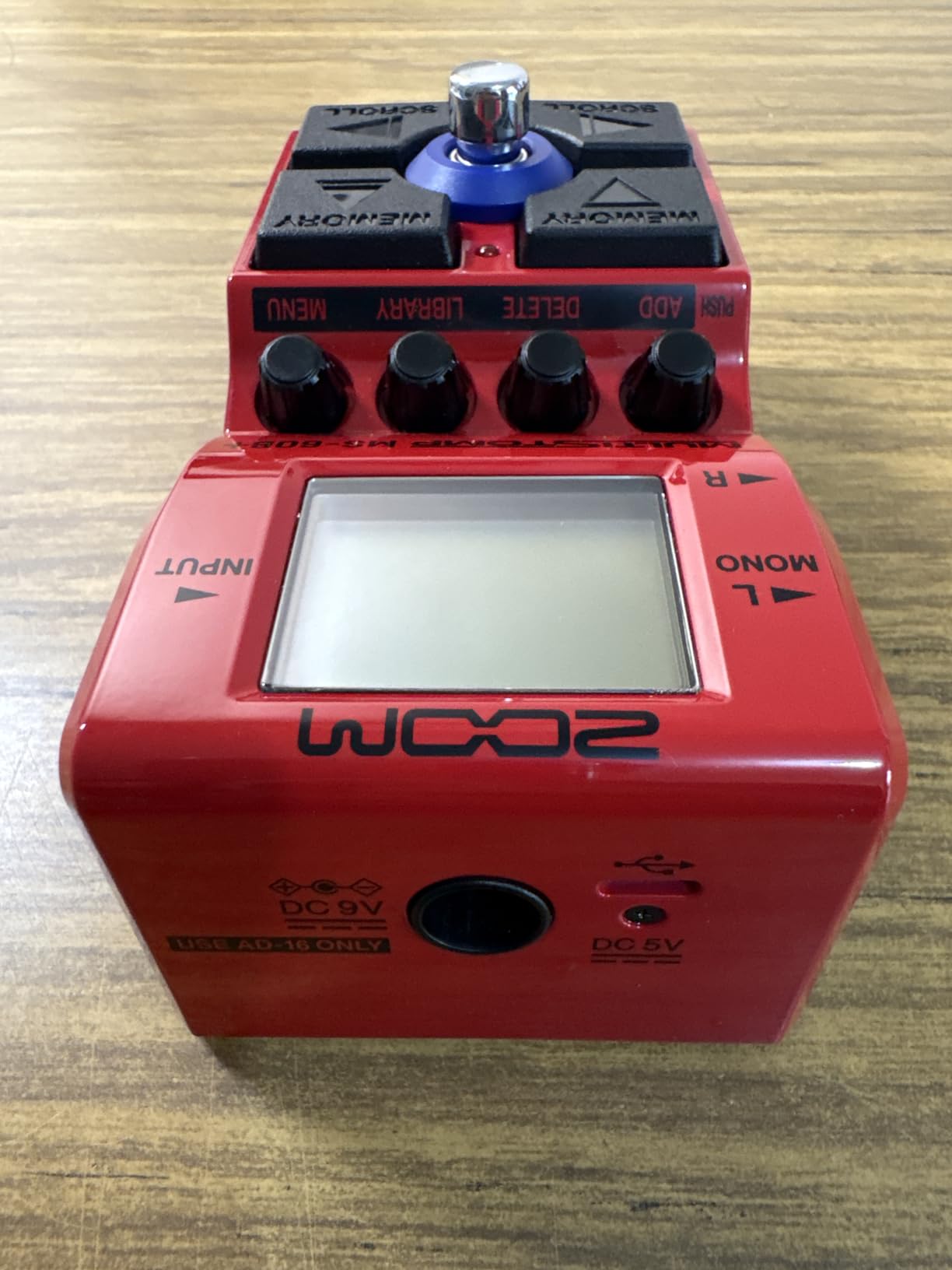
The Zoom MS-60B+ is the upgraded MultiStomp that bassists have been waiting for. It takes the beloved compact stompbox format and packs in 95+ effects, 11 legendary bass amp models, and the ability to chain up to 6 effects simultaneously. All of this lives in a unit that weighs under a pound and fits in your gig bag pocket.
What sets the MS-60B+ apart from other compact options is the amp model quality. The Ampeg SVT model is genuinely convincing, and the Acoustic 370 model nails that vintage fat-bottom tone. I ran the stereo split output into a PA and a real bass amp simultaneously, and the parallel signal routing gave me a clean DI feed for front-of-house while I monitored through my rig.
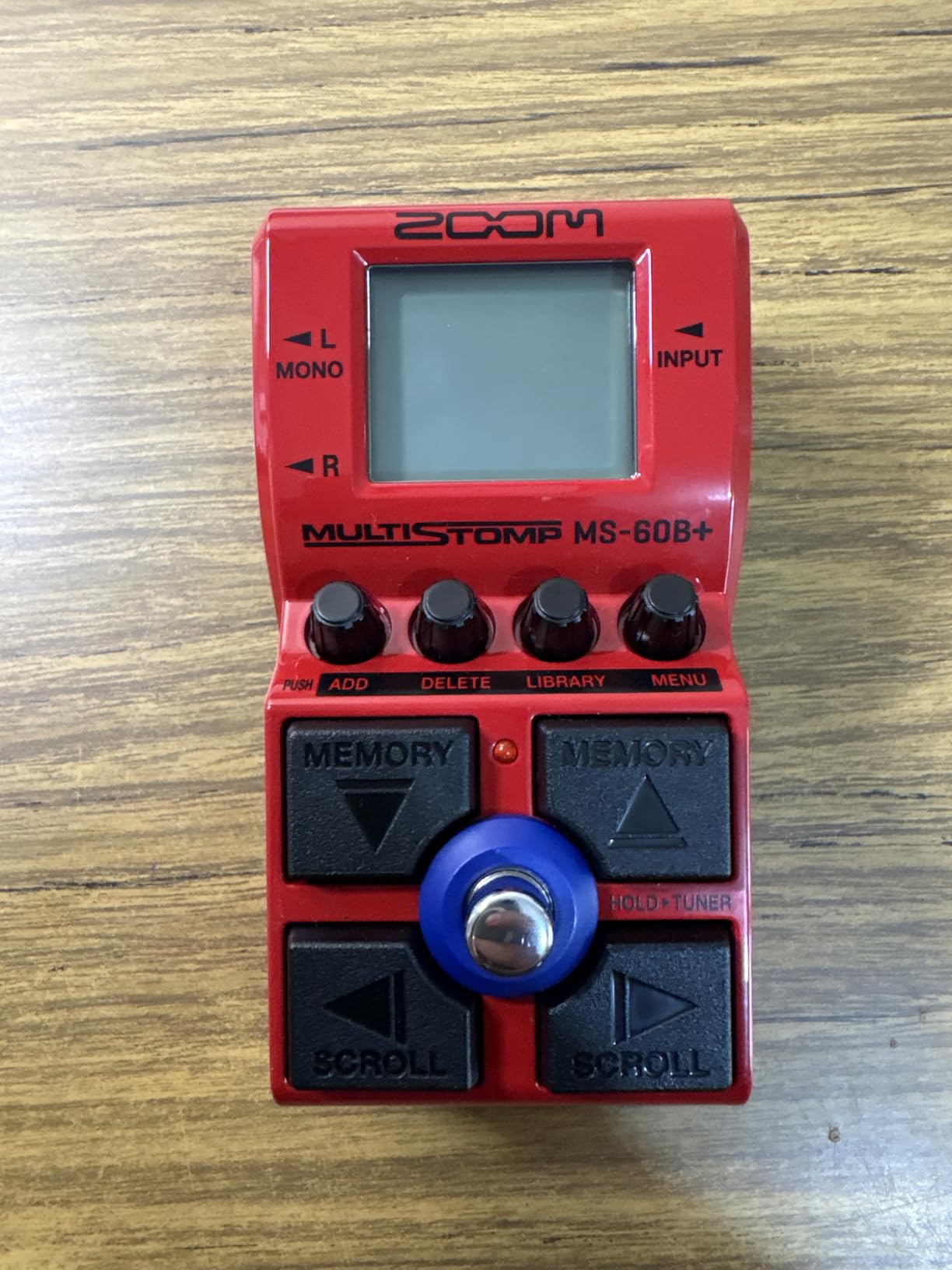
The color LCD screen is a welcome upgrade over the original MS-60B. Navigating through 6 effect blocks and adjusting parameters is straightforward thanks to the encoder knobs and cross-key footswitches. The 85 presets inspired by famous bass tones give you solid starting points, though most players will want to tweak them for their specific bass and rig.
For bassists who already have a pedalboard but want to add massive tonal flexibility in a single stompbox slot, the MS-60B+ is the best multi effects pedal for bass that I can recommend in this price range. It is the modern equivalent of having a drawer full of boutique bass pedals condensed into one enclosure.
Where the MS-60B+ Shines
This pedal is perfect for bassists who want maximum flexibility in a single stompbox slot. If your pedalboard is getting crowded and you need to consolidate, the MS-60B+ can replace several individual effects while taking up the space of one pedal. The 6 simultaneous effect blocks mean you can build a signal chain with compression, drive, octave, modulation, delay, and reverb.
It also works beautifully as a practice tool. Plug in headphones, dial up the SVT model with a touch of compression, and play along with backing tracks through the AUX input. The built-in tuner means you do not need a separate pedal for that either.
What Holds It Back
The small footprint means you are limited to footswitch-based control. If you need real-time parameter changes during a performance, you will miss having an expression pedal or multiple footswitches. The 28V power requirement can also be tricky for pedalboard integration if your power supply does not support it.
As a newer product, the MS-60B+ has fewer community resources, custom patches, and troubleshooting guides compared to the more established B1X FOUR. You will be doing more of the preset building yourself.
3. Valeton Dapper Bass — Best Analog Bass Preamp and DI
VALETON Dapper Bass DI Preamp Stage Session Gigging Gear Multi-Effects Pedal
Analog DI preamp
3-band EQ
Compressor
Envelope filter
FX loop
Pros
- Analog preamp delivers warm dynamic clean to dirty tones
- Built-in compressor and boost for dynamic control
- FX loop and dry thru output for flexible routing
- Compact and lightweight for gigging
- Power adapter included
Cons
- Fewer effects types than digital multi-FX
- No amp modeling or cabinet simulation
- Limited to analog-style effects only
- Some durability concerns at gig level
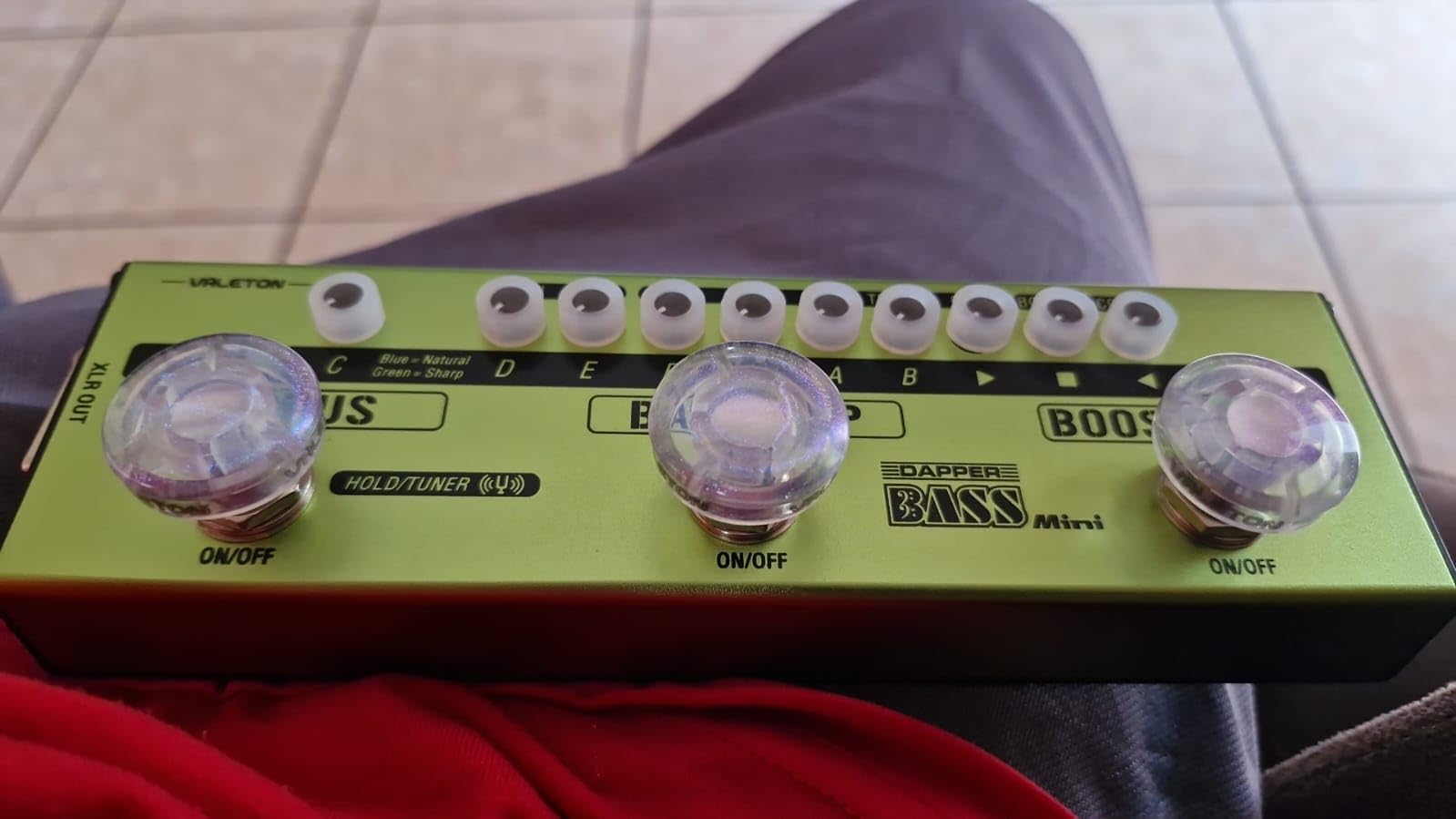
The Valeton Dapper Bass takes a different approach from the digital multi-effects units on this list. It is an all-analog DI and preamp pedal that focuses on the core bass tones most players actually use: compression, EQ, envelope filter, octave, and chorus. No amp modelling, no cab simulation, no 200 preset banks to sort through.
I found this approach refreshing. The analog signal path has a warmth and responsiveness that digital units sometimes struggle to replicate. The 3-band EQ is musical and effective. The compressor tames peaks without squashing your dynamics. The envelope filter tracks well for funk lines, and the octave adds sub-harmonic depth that you can actually feel through a good amp.
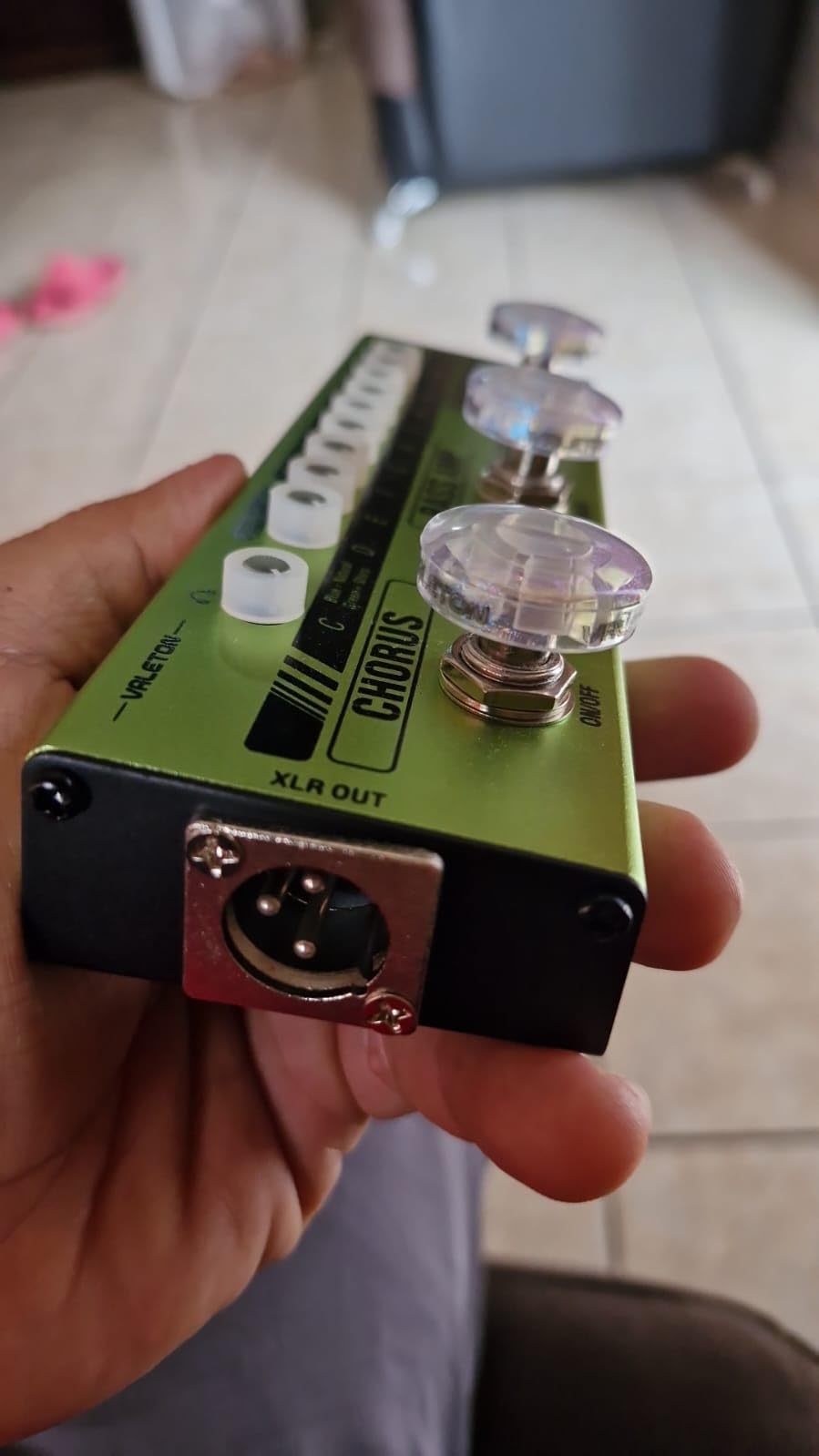
The FX loop is what makes the Dapper Bass special for pedalboard builders. You can insert your favorite drive or fuzz pedal into the chain between the preamp and the modulation effects. The dry signal thru output lets you send an untouched signal to a second amp or a separate effects chain for parallel processing.
This is the kind of pedal that does a few things extremely well rather than trying to do everything. If you play through a real bass amp and want a high-quality signal foundation with essential effects built in, the Dapper Bass is one of the best multi effects pedals for bass in the analog category.
Who Gets the Most From the Dapper Bass
Gigging bassists who play through real amplifiers will appreciate the analog preamp tone and the DI output for front-of-house feeds. The all-in-one layout means less cable clutter and fewer points of failure on stage. It is also ideal for players who prefer the feel and response of analog over digital processing.
Studio bassists can use the Dapper Bass as a front-end for recording, sending the DI output straight into an audio interface while monitoring through the effects. The analog warmth translates well to recordings, especially for rock, soul, and R&B tones.
Drawbacks to Consider
If you want amp modelling, cabinet simulation, or a wide variety of modulation and time-based effects, the Dapper Bass will leave you wanting. It does not attempt to replace your entire rig the way a Zoom B6 or Valeton GP-200 does. You are limited to the five built-in effect blocks.
Some users reported durability concerns after extended gigging. The housing is compact and lightweight, which is great for transport but may not survive the same abuse as a BOSS metal chassis.
4. Line 6 POD Express Bass — Best Portable Bass Modeler
Line 6 POD Express Bass
7 amp models
7 cab models
17 effects
USB-C
0.35 kg
Pros
- HX-quality amp models deliver premium sound
- Extremely portable fits in a gig bag pocket
- Dual power with AA batteries or 9V adapter
- USB-C audio interface for direct recording
- Simple knob interface is intuitive
Cons
- Fewer effects and amp models than competitors
- No expression pedal input
- Limited effect library compared to Zoom equivalents
- No customer review images yet
The Line 6 POD Express Bass brings the company’s acclaimed HX modeling engine into a device small enough to fit in your jacket pocket. With 7 amp models, 7 cabinet models, and 17 effects, it trades quantity for quality. Every model here sounds like it belongs on a professional recording.
I was skeptical about the small effect count until I actually played through it. Line 6’s HX models are the same ones used in their Helix line, which costs several times more. The amp models respond to your playing dynamics in a way that budget multi-FX units simply cannot match. Pick lightly and you get a clean, rounded tone. Dig in and the amp model compresses and breaks up naturally.
The dual power system is a standout feature. Three AA batteries give you hours of playing time, which means you can practice anywhere without hunting for a wall outlet. Switch to a 9V adapter for longer sessions. The USB-C port doubles as an audio interface, so you can record directly into your DAW with no additional hardware.
Best Scenarios for the POD Express
Traveling bassists will love this pedal. It weighs just 0.35 kilograms and runs on batteries, making it the ultimate hotel-room practice tool. You can plug in headphones, dial up an SVT model with a touch of compression, and practice quietly without disturbing anyone.
Home recording bassists benefit from the USB-C audio interface. The HX-quality amp models sound professional enough for release-ready tracks. If you record bass for YouTube covers, demos, or client work, the POD Express gives you studio-grade tones without needing an amp in the room.
Trade-offs to Know About
Seventeen effects and 7 amp models is genuinely limited compared to the Zoom units with 70 to 100+ effects. If you like having a massive palette of tones to explore, the POD Express will feel constraining. There is no expression pedal input, which means no real-time wah or volume control.
The lack of a looper and drum machine also limits its usefulness as a standalone practice tool. You get premium sound quality, but the feature set is lean compared to similarly priced competitors like the Valeton GP-200 territory.
5. BOSS GX-1B — Best Premium Compact Bass Processor
BOSS GX-1B | Ultra-Portable Bass Effects Processor | Packed with Iconic Amps & Effects | Premium AIRD Sound Engine | Ideal for Beginner Bassists | Bluetooth Connectivity | Flexible Power Options
AIRD sound engine
99 presets
Bluetooth
IR loading
2 lbs
Pros
- BOSS AIRD technology delivers authentic tube amp tone
- Triple power options including AA batteries and USB
- Bluetooth connectivity for wireless app control
- 24-bit 32-bit premium audio quality
- IR loading for custom cabinet sounds
Cons
- Very new product with limited reviews
- Only 3 units typically in stock
- Higher price for compact form factor
- No looper mentioned in key features
The BOSS GX-1B is the newest entry in this guide and it brings some genuinely innovative features to the bass multi-FX conversation. BOSS built this unit around their AIRD sound engine, which is the same technology powering their flagship GT-1000 series. You get 24-bit analog-to-digital conversion and 32-bit floating-point processing at 48kHz in a pedal that weighs just 2 pounds.
The triple power system caught my attention immediately. You can run the GX-1B from an AC adapter, 4 AA batteries, or USB bus power. That means you can use it wirelessly on stage, in a studio with no outlet nearby, or plugged into your laptop for recording. No other bass multi-FX in this price range offers that level of power flexibility.
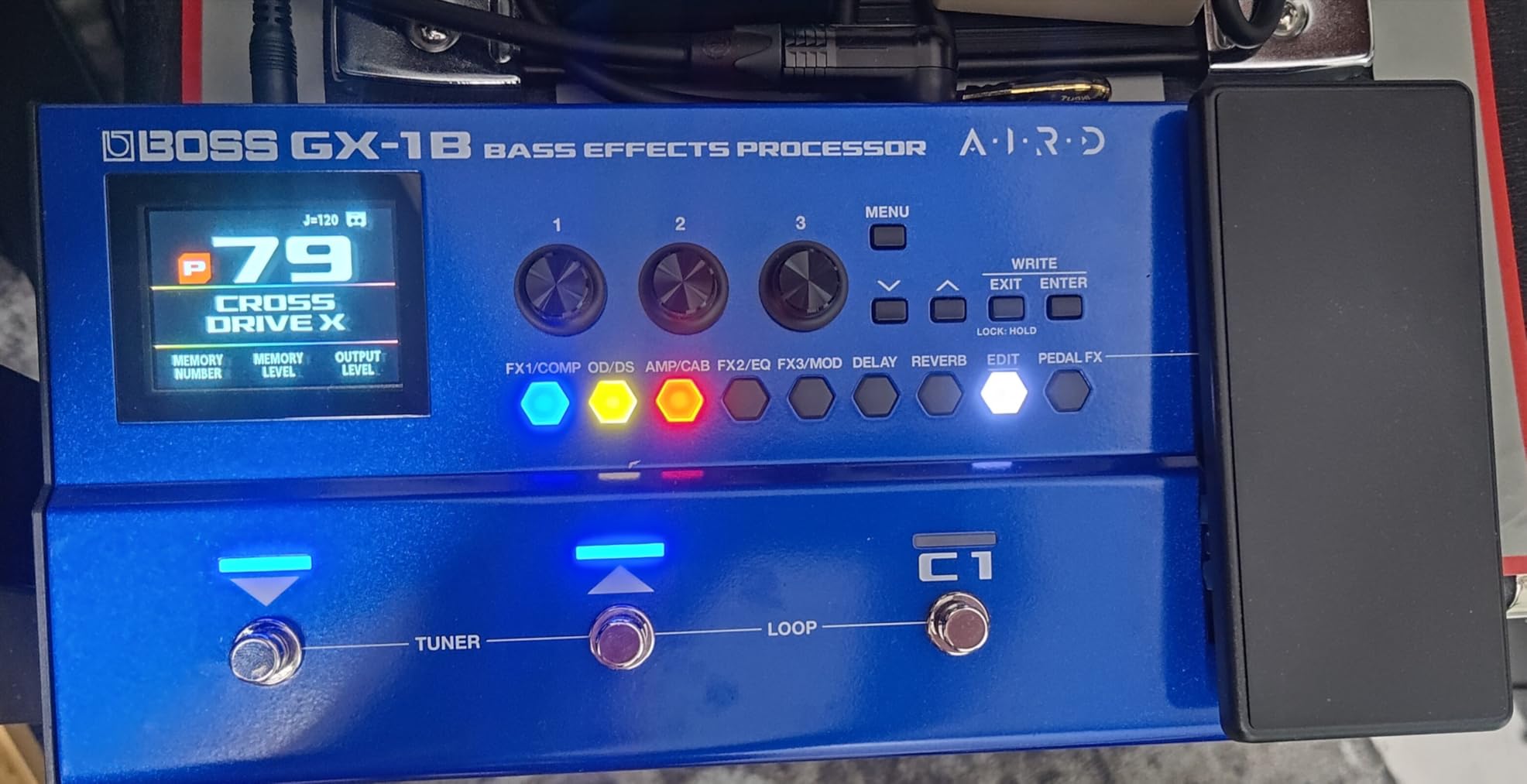
Bluetooth connectivity is another modern touch that makes a real difference in practice. Pair the GX-1B with the BOSS Tone Studio app on your phone or tablet and you can edit presets wirelessly. No more hunching over the pedal on the floor trying to read a tiny screen while adjusting parameters. The app gives you a full visual editor on your device.
The WAV IR loading support means you can load custom cabinet impulse responses for precise tone shaping. With 99 factory presets and 99 user memory slots, you have room to build an entire setlist worth of tones. The expansion jack supports 2 external footswitches or an expression pedal for real-time control during performances.
Who Should Pick Up the GX-1B
Bassists who value BOSS’s legendary build quality and tone authenticity will feel right at home with this pedal. The AIRD engine responds like a real tube amp, and the metal construction can handle years of gigging. If you have owned BOSS products before, the interface will feel familiar immediately.
The Bluetooth editing workflow makes this ideal for players who like to tweak their sound between sets. You can sit at the merch table with your phone and fine-tune a preset while the opening band plays.
Things to Watch Out For
This is a brand-new product with only 21 reviews at the time of writing. That means fewer community resources, custom patches, and real-world gigging reports compared to more established units. Availability is also limited, with typically only a few units in stock at any given time.
The feature set is impressive but not as deep as the Valeton GP-200 or HeadRush Flex Prime. You get quality over quantity, which is the BOSS philosophy, but if you need 700+ emulations you should look elsewhere on this list.
6. Zoom B2 Four — Best Mid-Range Bass Multi-FX with DI
Zoom B2 Four Bass Multi-Effects Processor with 100+ Effects, 6 DI Models, Multi-Layer IRs, Amp Modeling, Built-In Looper & USB Audio Interface
100+ effects
6 DI models
Multi-Layer IRs
XLR output
USB interface
Pros
- 6 DI models provide excellent direct output options
- Multi-Layer IR technology delivers realistic cabinet simulation
- Analog input circuit preserves low-end response
- XLR out enables direct PA connection
- USB audio interface for recording
Cons
- User interface is clunky compared to B1X FOUR
- No desktop editor software iOS only
- Limited simultaneous effects with amp and cab sims
- No master volume control
- Signal routing options limited
The Zoom B2 Four sits in an interesting middle ground between the budget B1X FOUR and the flagship B6. It offers 100+ effects, 6 DI models, 11 amp and cabinet models with Multi-Layer IR technology, and 11 preamp models including 3 Zoom originals. The standout feature for gigging bassists is the XLR output for direct PA connection.
The 6 DI models are what make this pedal special. You get 3 tube DI models and 3 solid-state DI models, each with its own character. I found the tube DI models add a pleasing warmth and harmonic richness that works beautifully for recording. The solid-state models are cleaner and more transparent, which is perfect for live situations where you want the front-of-house engineer to have maximum control.
The Multi-Layer IR technology is a step up from basic cabinet simulation. Instead of a single impulse response per cabinet, the B2 Four uses multiple layers to capture how a cabinet responds at different volume levels and frequencies. The result is a more realistic and dynamic cabinet sound that responds to your playing in a way that basic IRs cannot match.
Best Applications for the B2 Four
Direct-to-PA gigging is where this pedal earns its keep. The XLR output means you can run a balanced signal straight to the mixing desk without needing a separate DI box. Combined with the cabinet simulation, you can leave your bass amp at home and monitor through in-ears or stage wedges.
Home studio recording is the other sweet spot. The USB audio interface lets you record processed or unprocessed bass directly into your DAW. The 100+ effects and amp models give you plenty of tonal options for different songs and genres.
Limitations Worth Noting
The user interface is the biggest complaint from users. Compared to the knob-based simplicity of the B1X FOUR, the B2 Four requires more menu navigation to access and adjust effects. The iOS-only editing app means Mac and PC users are left out, which is a significant oversight in this price range.
Some users reported that the number of simultaneous effects is limited when you are using amp and cabinet simulations. The DSP has to allocate processing power carefully, which means you may not be able to run as many effects as you want alongside complex amp models.
7. Valeton GP-200 — Best Value Multi-Effects Pedal
VALETON GP-200 Multi-Effects Guitar/Bass Pedal with Expression, FX Loop, MIDI, Amp Modeling, IR Cab Simulation, Stereo, USB Interface
240+ effects
140 amp sims
11 effect blocks
FX loop
Metal chassis
Pros
- 81 percent 5-star rating shows exceptional user satisfaction
- Dual guitar and bass support in one unit
- All-metal construction with Gorilla Glass display
- 240+ effects and 140 amp sims rival units twice the price
- FX loop and MIDI support for professional integration
- Free desktop editing software
Cons
- Learning curve for advanced signal routing
- No mobile app only desktop software
- Footswitch modes not easily switchable during performance
- Some firmware bugs reported with signal dropout
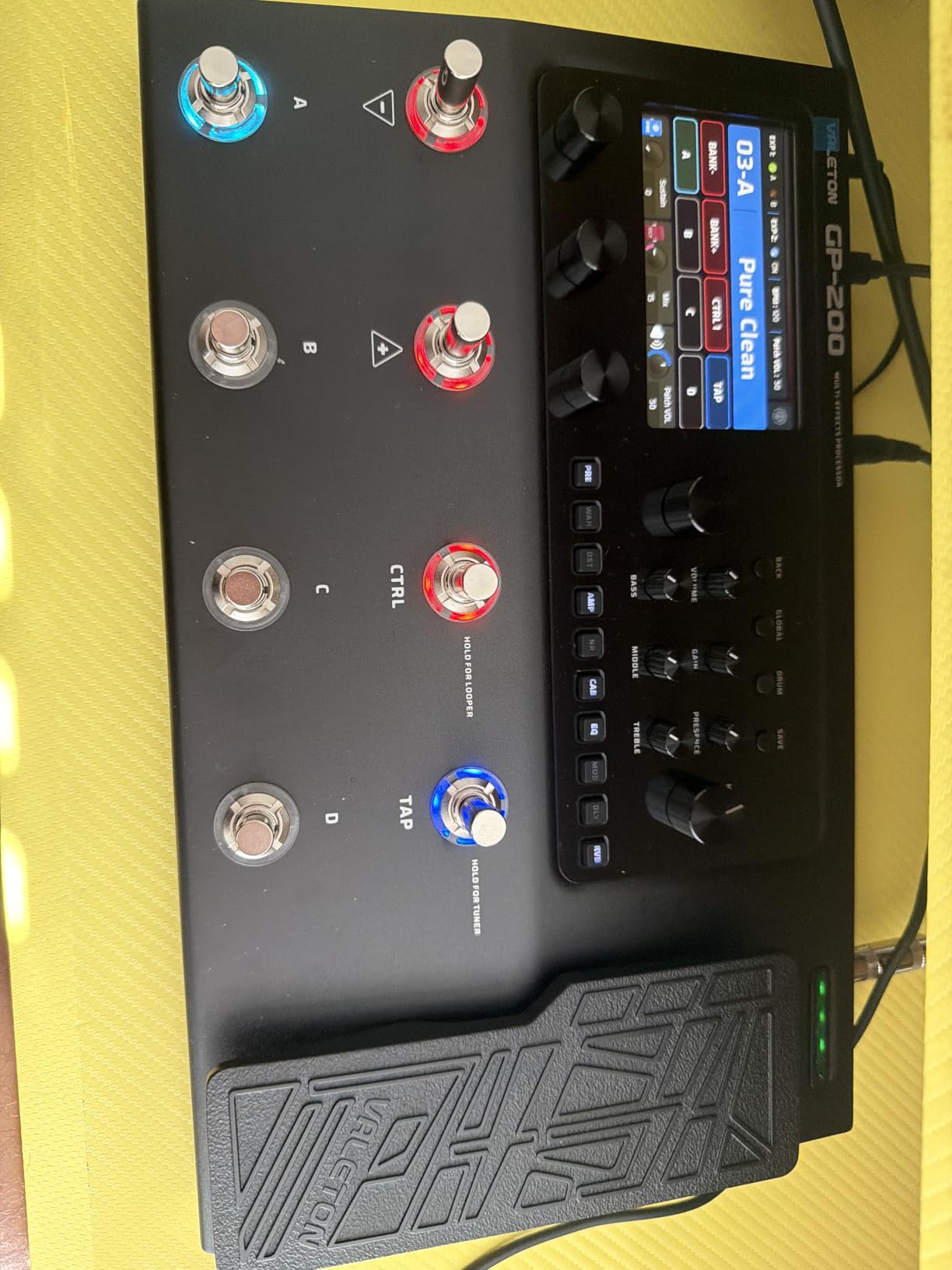
The Valeton GP-200 is the pedal that made me reconsider everything I thought I knew about value in the multi-effects market. For under $330, you get 240+ effects, 140 legendary amp and cabinet simulations, 100 stompbox models, 20 third-party IR storage slots, 11 simultaneous effect blocks, an FX loop, MIDI support, a 4.3-inch TFT color LCD, a 180-second looper, and 100 drum rhythms. That spec sheet reads like a pedal costing twice as much.
The build quality matches the spec sheet. The all-metal chassis with Gorilla Glass display feels like it was designed for professional touring. At 7 pounds, it has enough mass to stay planted on stage but is still manageable for transport. The 8 customizable LED footswitches can be assigned to whatever functions you need, from preset switching to individual effect toggling.
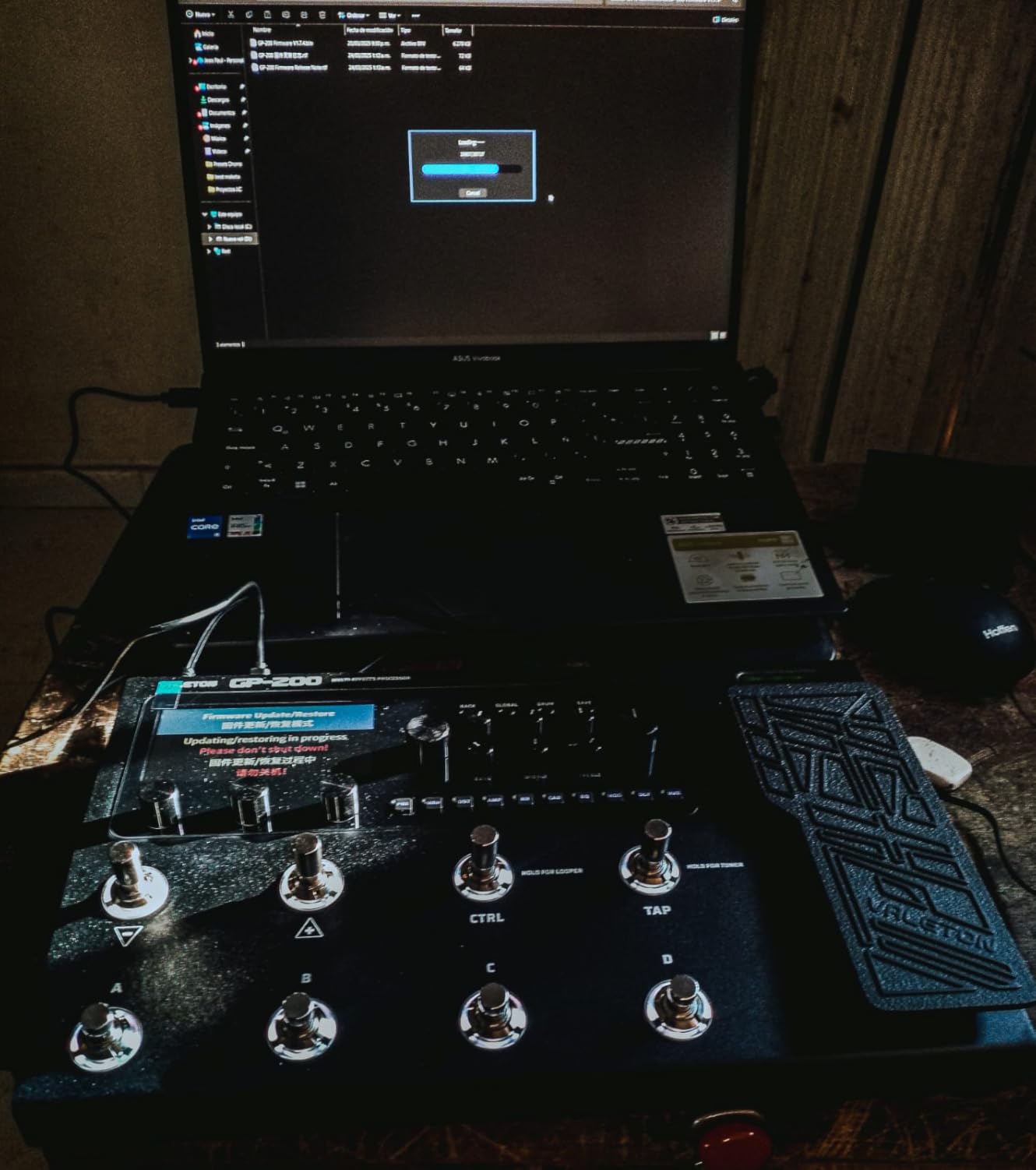
I was skeptical about the sound quality at this price point, but the GP-200 genuinely delivers. Multiple reviewers describe the amp models as indistinguishable from real amps, and I found that characterization accurate for the bass amp models. The factory presets are usable right out of the box, which is rare for a multi-FX in any price range. No weird filler patches that exist solely to pad the preset count.
The 11 simultaneous effect blocks give you enough DSP headroom to build complex signal chains. You can run compression, drive, octave, two modulation effects, delay, reverb, and still have blocks left for a noise gate and an EQ. The signal chain is fully customizable via drag-and-drop in the desktop editing software.
Where the GP-200 Excels
Bassists who also play guitar will love the dual-instrument support. You can build separate preset banks for bass and guitar, making this a true all-in-one solution for multi-instrumentalists. The FX loop lets you integrate your favorite analog pedals into the digital signal chain for hybrid setups.
The MIDI input opens up advanced control possibilities. You can connect a MIDI controller for preset switching, or integrate the GP-200 into a larger digital rig with other MIDI-equipped gear. For the price, the professional connectivity options are unmatched.
Potential Frustrations
The learning curve is real. With 240+ effects, 140 amp sims, 11 effect blocks, and advanced signal routing, there is a lot to wrap your head around. Beginners may feel overwhelmed. The lack of a mobile app means you need a computer for deep editing, which is less convenient than Bluetooth-based editors.
Some users reported firmware bugs including occasional signal dropouts. Valeton has been responsive with updates, but check for the latest firmware before gigging with it. Documentation is also limited compared to the extensive resources available for BOSS and Line 6 products.
8. BOSS GX-10 — Best Premium Compact Bass Modeler
BOSS GX-10 | Compact Guitar & Bass Effects Processor | GX-100 Sound Engine | Colour Touch Display | 32 Amp Types & 170 BOSS Effects | Multi-mode Footswitches & Expression Pedal | AIRD Technology
32 amp types
170 effects
AIRD engine
Color touch display
Metal chassis
Pros
- Same flagship GX-100 sound engine in a compact unit
- AIRD technology provides authentic tube amp response
- Color touch display is intuitive
- 32 amp types and 170 effects offer vast palette
- 2-year BOSS warranty best in class
- Rugged metal construction built for the road
Cons
- Learning curve for advanced features
- White noise sensitivity in certain environments
- No built-in looper explicitly mentioned
- Higher price point for compact unit
- Bluetooth module sold separately
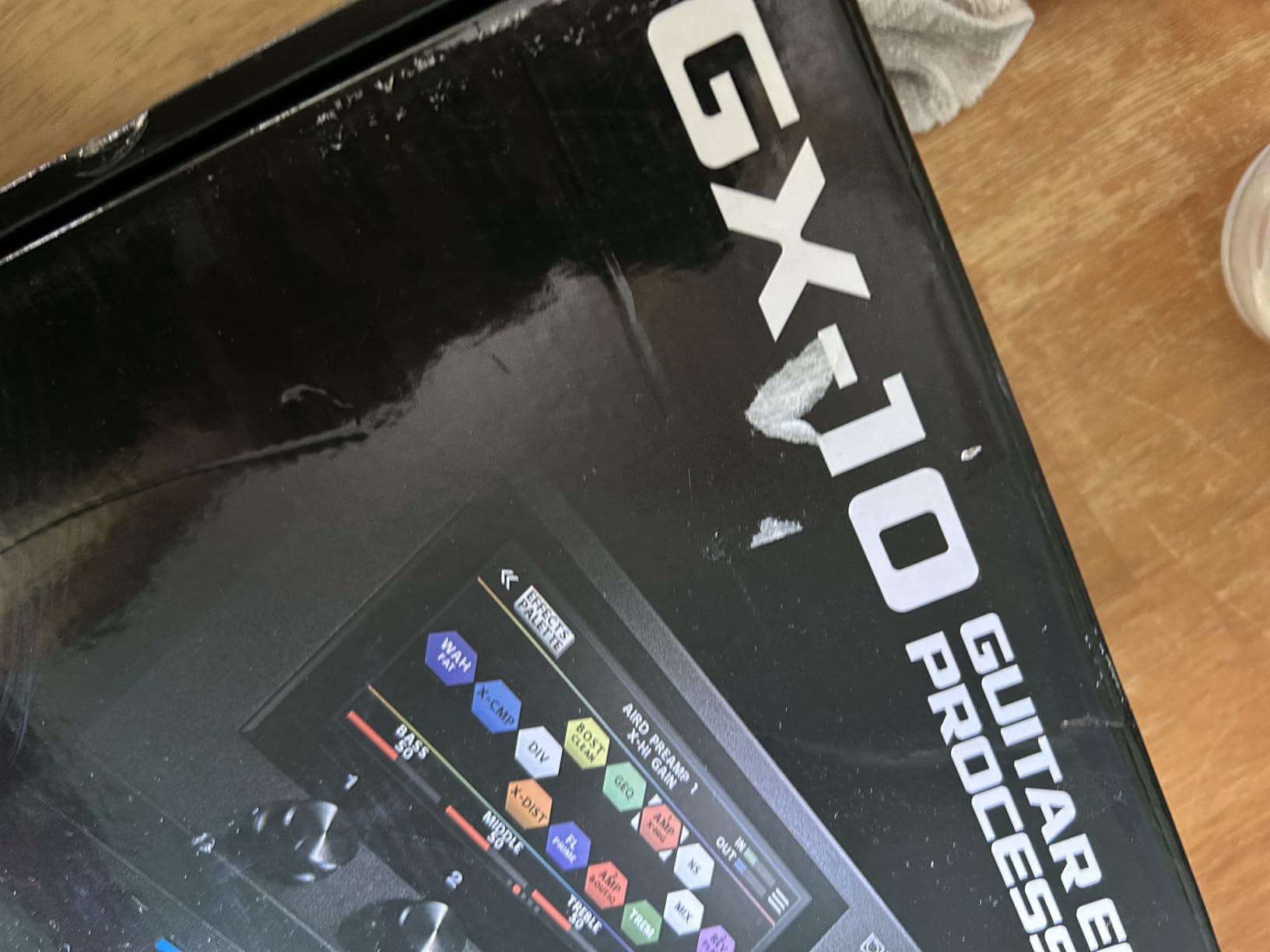
The BOSS GX-10 takes the flagship GX-100 sound engine and packages it into a more compact, gig-friendly format. You get 32 amplifier types, 170 BOSS effects, 15 assignable effect blocks, AIRD technology, and a color touch display. The 2-year manufacturer warranty is the best coverage in this guide.
The AIRD technology is what separates BOSS from the competition. Instead of simply modeling the frequency response of an amp, AIRD replicates how a tube amplifier interacts with a speaker cabinet in real time. The result is a playing experience that feels remarkably like plugging into a real amp. Your playing dynamics translate naturally into the model’s response.
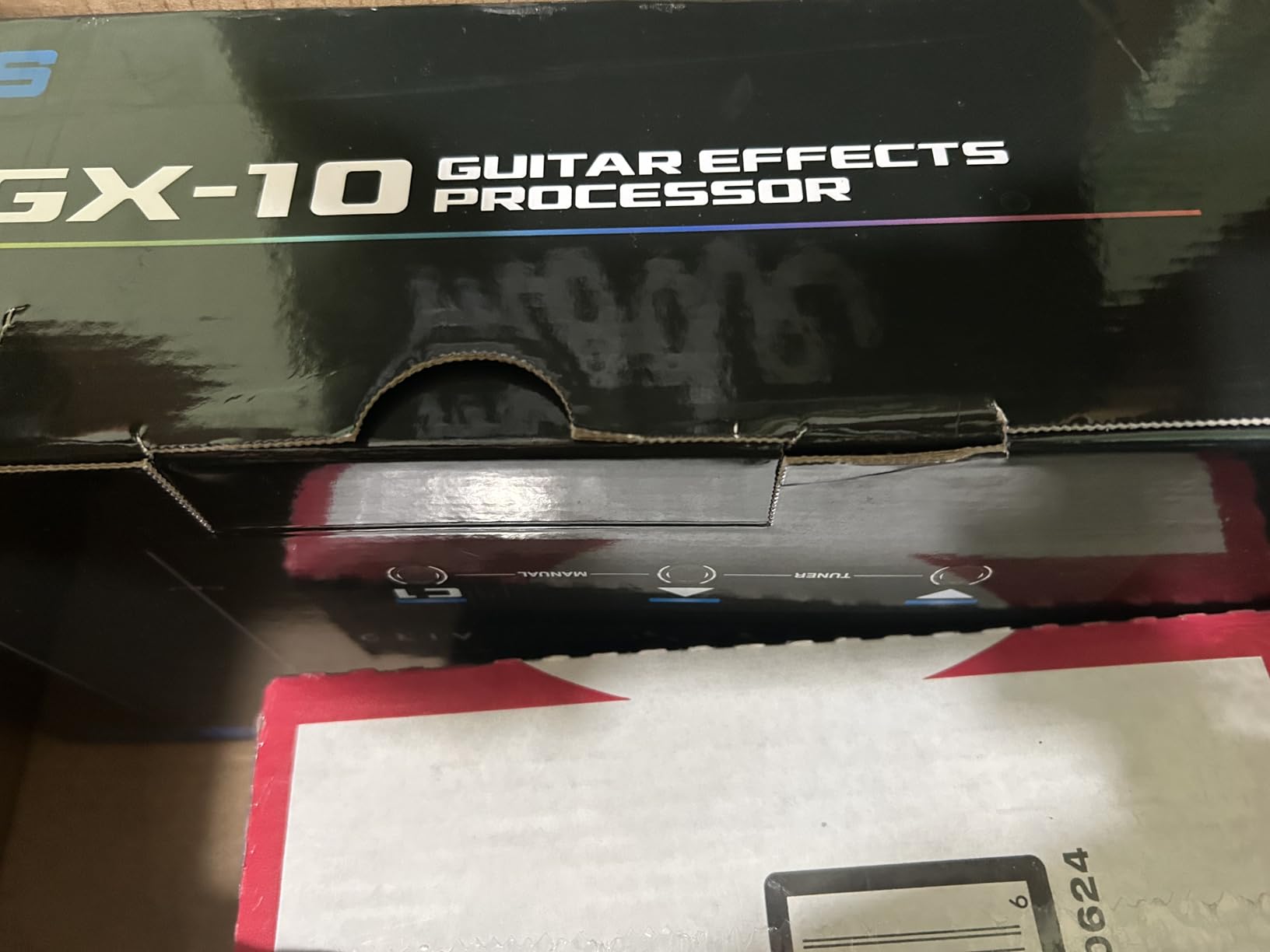
The color touch display is a genuine workflow improvement. Instead of navigating through menus with buttons, you tap what you want to adjust. Drag effects into your signal chain, tap an amp model to select it, and twist the knob to change parameters. It is the kind of interface that makes you wonder why every multi-FX does not have one.
I was particularly impressed by the 15 assignable effect blocks. That is enough DSP flexibility to build signal chains that rival what you can do on a Fractal or Helix unit. The WAV IR loading support means you can load custom cabinet captures for tones that go beyond the built-in models.
Who Benefits Most From the GX-10
Bassists who want professional-grade amp modeling in a compact format will find their match here. The GX-10 delivers tones that BOSS fans have praised as comparable to Fractal-level processors, but in a unit that fits on a pedalboard alongside your other gear. The 2-year warranty provides peace of mind that few competitors offer.
The touch display makes this ideal for players who want quick, intuitive editing without menu diving. If you have ever been frustrated by the deep menu structures on other multi-FX units, the GX-10 eliminates that friction entirely.
Watch-Outs Before Buying
The GX-10 sits at a higher price point than the GP-200 and Zoom B2 Four, and you get fewer effects models (170) compared to the GP-200’s 240+. Some users reported white noise sensitivity in certain electrical environments, so test it in your rehearsal space before committing to it for live use.
The Bluetooth module is sold separately, which adds to the total cost if you want wireless editing. No built-in looper is explicitly mentioned in the feature set, which could be a dealbreaker for bassists who use looping in their performances.
9. HeadRush Flex Prime — Best Touchscreen Bass Multi-FX
HeadRush Flex Prime - Guitar and Bass Multi Effects Pedal and Amp Modeling Processor with Touchscreen, Looper, Wi-Fi, Bluetooth, IR Loader, USB, Lessons
700+ emulations
4-inch touchscreen
Wi-Fi cloud
Looper
350+ IRs
Pros
- 700+ premium emulations rival Fractal-level quality
- 4-inch responsive touchscreen is remarkably intuitive
- Wi-Fi cloud sharing with 10000+ community rigs
- Clone and SuperClone technology for capturing real amps
- Pro looper with MIDI sync and built-in drum machine
- USB audio interface and stereo FX loop
Cons
- Only 3 footswitches may limit live use
- Learning curve can be steep for new users
- Expression pedal described as small
- No battery power option
- ReValver clone app quality criticized
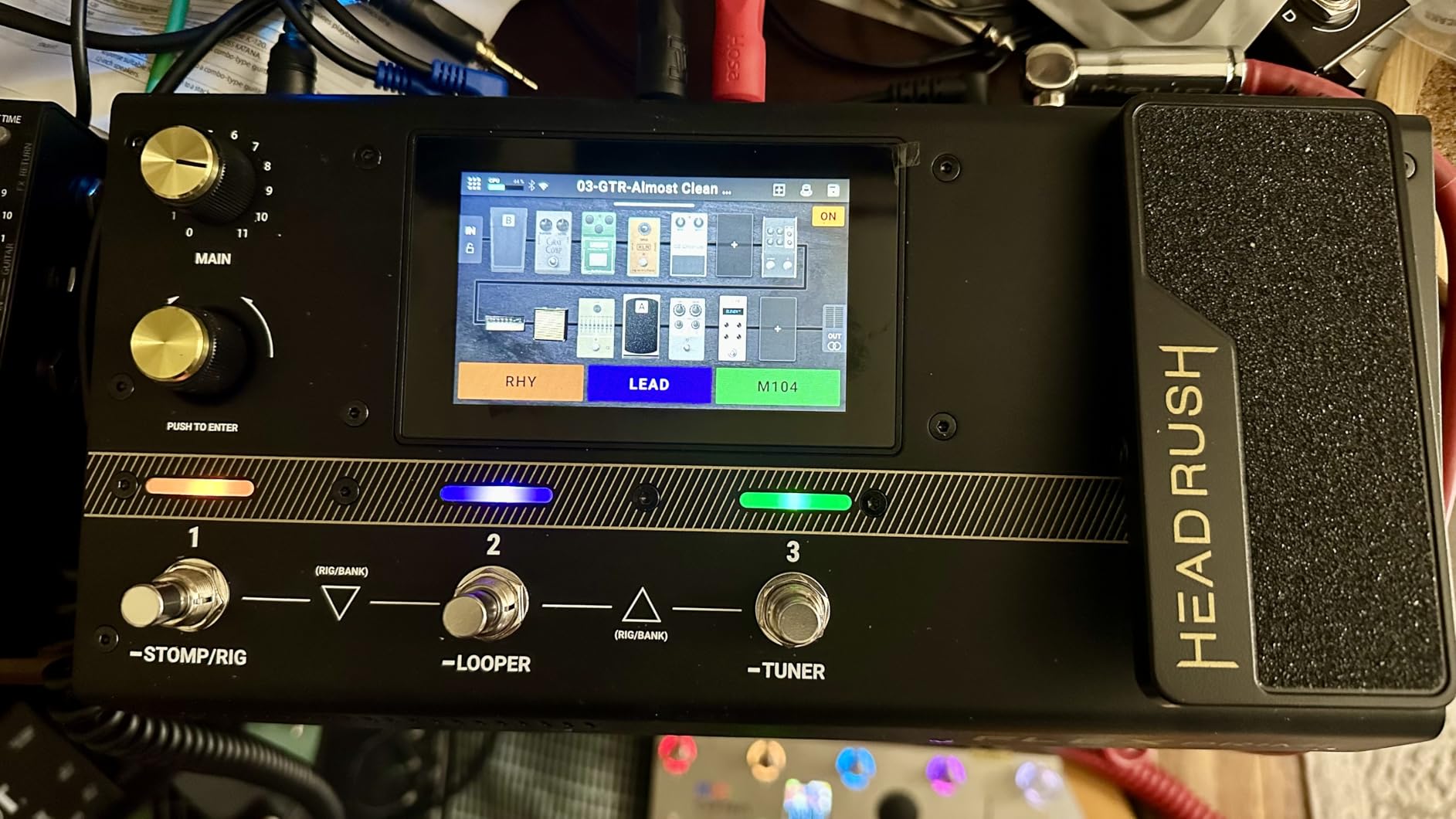
The HeadRush Flex Prime is the most feature-dense multi-effects pedal in this guide. With 700+ premium gear emulations, a 4-inch responsive touchscreen, 350+ built-in IRs, Wi-Fi connectivity, and a pro looper with MIDI sync, it reads like a wishlist of everything a modern bassist could want in a floorboard.
The touchscreen interface is the star of the show. At 4 inches, it is large enough to see your entire signal chain at a glance and responsive enough that dragging effects around feels natural. I found the editing workflow faster and more intuitive than any knob-based or app-based system I have used. You build your tone by touching the screen, plain and simple.
The Wi-Fi integration with HeadRush Cloud is where this pedal becomes genuinely powerful for bassists who want community-driven content. Over 10,000 user-created rigs are available for download. You can find bass presets for specific songs, amp tones, and effect chains that other players have already dialed in. This saves hours of preset-building time.
The Clone and SuperClone technology lets you capture the sound of a real amp by playing through it and letting the Flex Prime analyze the tone. This is similar to what Neural DSP and Kemper offer, but at a lower price point. For bassists who have access to great amps they want to replicate digitally, this feature alone could justify the purchase.
Where Flex Prime Dominates
Bassists who want the deepest feature set available under $500 should look no further. The 700+ emulations cover every conceivable amp, cabinet, and effect you might want. The ReValver 5 software included with the pedal adds another layer of customization for players who want to go deep into tone design.
The pro looper with MIDI sync makes this a capable tool for solo performers and experimental bassists. You can build layered loops synced to a drum pattern, all from the same unit. The 90-day Guitareo membership is a nice bonus for players looking to improve their skills.
Things That Might Bug You
Three footswitches is limiting for live performance. If your set requires switching between multiple tones within a single song, you will need to use preset switching rather than individual effect toggling. Some users described the built-in expression pedal as small, which could be an issue for players with larger feet.
The ReValver clone app has received mixed feedback for its accuracy compared to Neural DSP’s neural capture technology. The learning curve is also steep, especially for bassists who are new to multi-FX pedals. There is no battery power option, so you are tethered to a wall outlet.
10. Zoom B6 — Best Overall Bass Multi-Effects Pedal
Zoom B6 Bass Multi-Effects Processor with 100+ Effects, Amp Modeling & IRs, 4 DI Models, 2 Inputs with A/B Switcher, Looper, Touchscreen, USB Audio Interface
100+ effects
4 DI models at 88.2kHz
Touchscreen
A/B switcher
2-hour looper
Pros
- Highest rated pedal in this guide at 4.7 out of 5 stars
- 4 DI models at 88.2kHz deliver audiophile-grade conversion
- A/B input switcher enables seamless live bass changes
- 2-hour SD card looper is the longest in any bass multi-FX
- Touchscreen drag-and-drop signal editing
- Adjustable input impedance for various bass types
Cons
- Plastic construction concerns for heavy gigging
- Touchscreen on floor pedal can be awkward during performance
- Screen lag reported by some users
- Limited simultaneous effects when using IRs
- Micro USB port is fragile
The Zoom B6 is the highest-rated bass multi-effects pedal in this guide with a 4.7-star rating and an 82 percent 5-star distribution. It is also the most purpose-built bass unit on this list, designed from the ground up specifically for bass guitar rather than adapted from a guitar-focused platform.
The 4 DI models running at 88.2kHz are the technical highlight. This is audiophile-grade digital conversion that captures every nuance of your bass tone. Two tube DI models provide warmth and harmonic complexity, while two solid-state models offer pristine clarity. I compared the B6’s DI output to a high-end standalone DI box and the Zoom held its own convincingly.
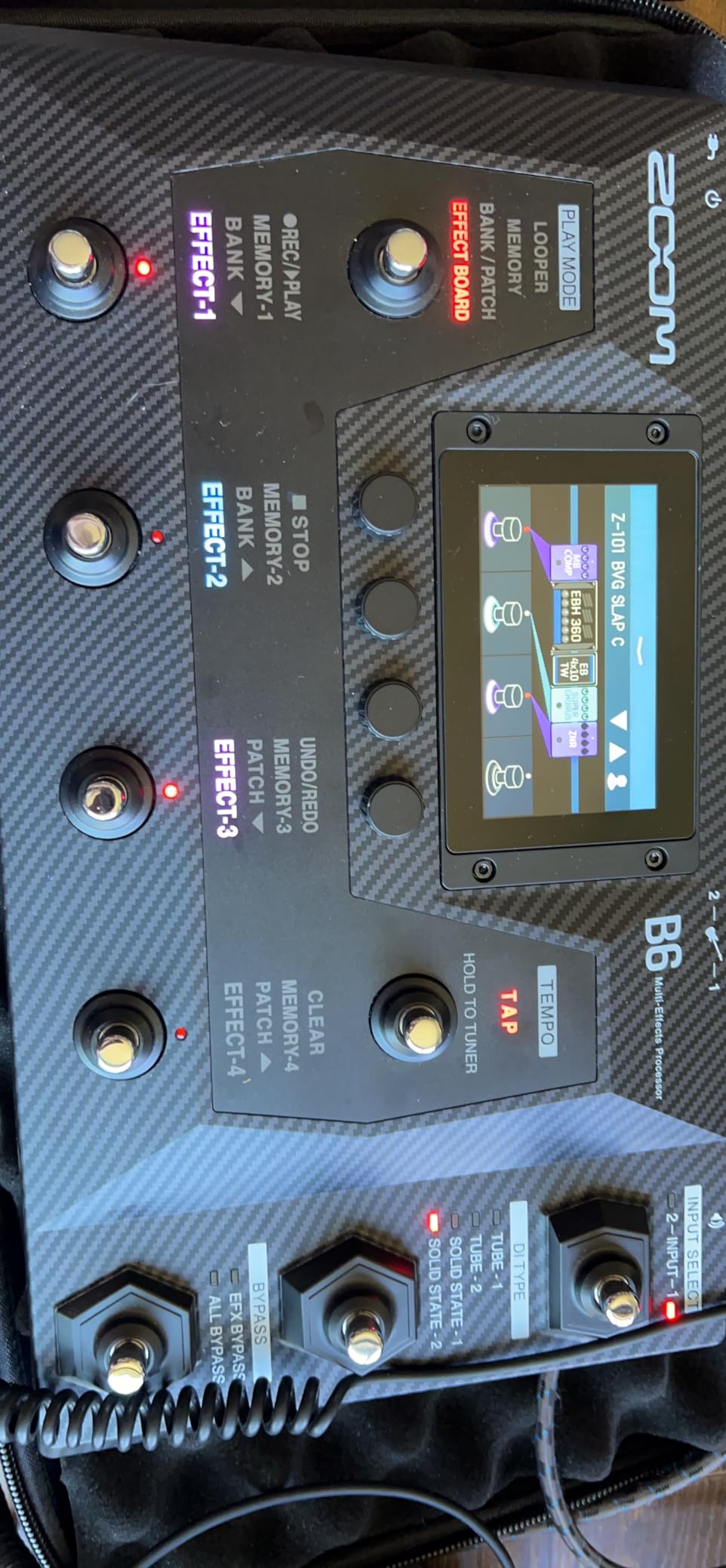
The A/B input switcher is a feature that touring bassists will immediately understand the value of. If you play a four-string for most of the set but switch to a five-string for specific songs, the B6 lets you set independent input gains and impedance values for each bass. No more re-EQing when you swap instruments on stage.
The touchscreen interface with drag-and-drop signal chain editing is genuinely revolutionary for bass multi-FX. You see your entire effects chain visually on the screen and rearrange blocks by dragging them. Want your compressor before your drive instead of after? Drag it. This is the kind of editing that makes deep tone shaping accessible rather than intimidating.
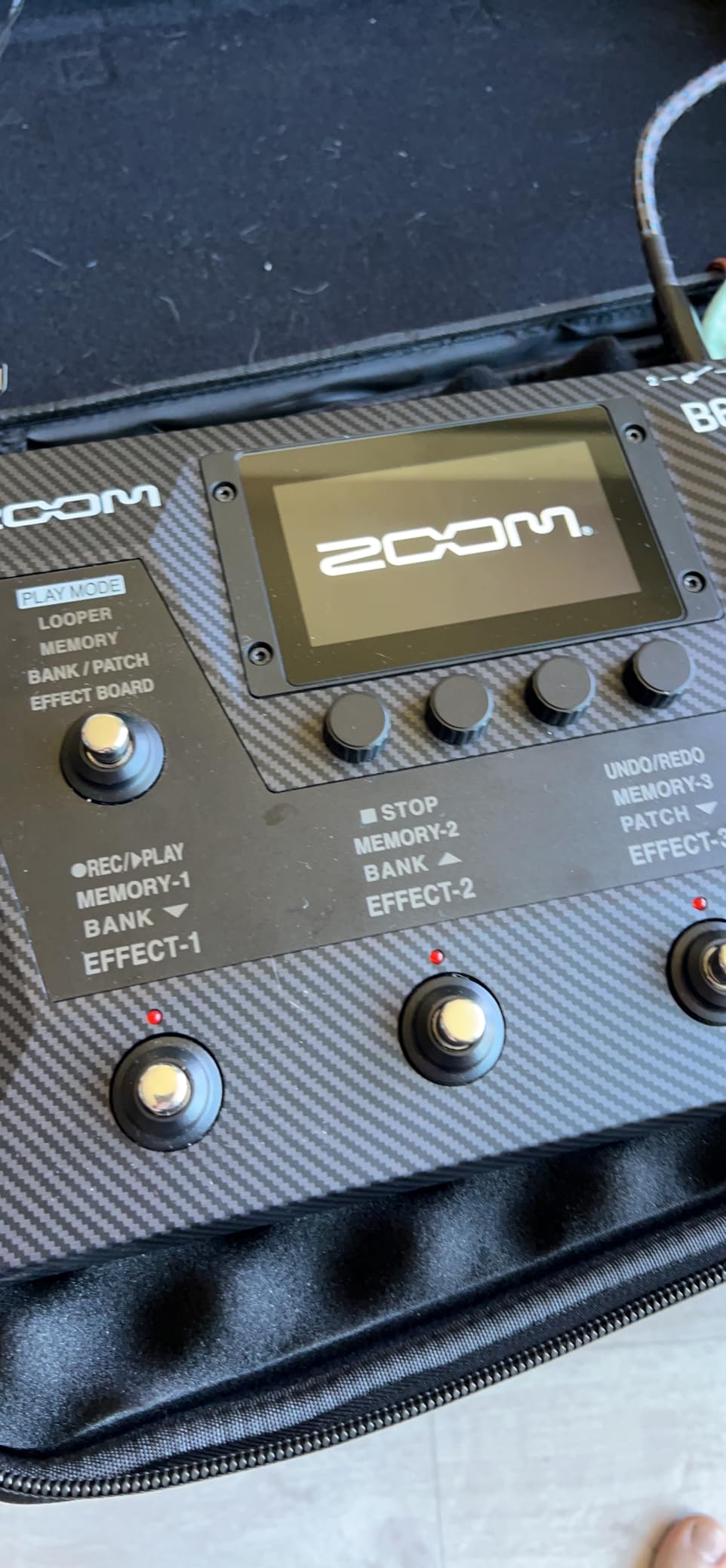
The 2-hour SD card looper is the longest looping time available in any bass multi-FX pedal on this market. Combined with 68 rhythm patterns, it is a complete practice and performance tool. The 256 preset locations give you room to store entire setlists worth of tones.
Who the B6 Was Built For
Professional and semi-professional bassists who need a complete rig in one box are the target audience. The B6 can replace your entire signal chain, from preamp and compression through effects and cabinet simulation, all the way to a DI output for front-of-house. Multiple users report using it with the David Sanborn band and other professional contexts.
Five-string and six-string bassists will appreciate the adjustable input impedance. Different bass types respond differently to effects, and being able to match the impedance to your specific instrument makes a real difference in how the effects track and respond.
Things to Consider Before Committing
The plastic construction is the most common criticism. At this price point, many users expected a metal chassis. Zoom apparently prioritized weight savings and touchscreen accessibility over ruggedness. For careful players who transport their gear in cases, this is fine. For bassists who toss pedals into a van, it is a legitimate concern.
The touchscreen on a floor pedal can be awkward to use during performance. You either need to bend down to touch it or use the footswitches for navigation. Some users reported screen lag, which can be frustrating during fast preset changes. The micro USB port is also fragile compared to USB-C.
How to Choose the Best Bass Multi-Effects Pedal
Choosing the right bass multi-FX pedal comes down to understanding your needs and matching them to the right feature set. After testing all 10 pedals in this guide, I can break the decision into a few key factors that matter most for bass players.
Bass-Specific Design Matters More Than You Think
The most important factor is whether the pedal was designed for bass or adapted from a guitar unit. Bass-specific pedals like the Zoom B6, Zoom B1X FOUR, and Zoom B2 Four have input circuits optimized for low frequencies. Their amp models are based on actual bass amps like the Ampeg SVT and Acoustic 370. Their effects parameters are tuned for the frequency range of bass guitar.
Guitar-oriented multi-FX pedals can work for bass, but you will often find that the low end gets thin or muddy. Sub frequencies below 80Hz may be compromised. Effects like octave and envelope filter may not track as accurately. If bass tone is your priority, choose a bass-specific unit.
Sound Quality and Amp Modelling
The quality of amp modelling varies enormously between price points. Budget units like the Zoom B1X FOUR offer amp models that are functional but lack the dynamic response of a real amp. Mid-range units like the Valeton GP-200 and Zoom B2 Four deliver models that many listeners cannot distinguish from the real thing. Premium units like the BOSS GX-10 with AIRD technology replicate the interaction between amp and speaker in real time.
Listen for how the amp model responds to your playing dynamics. A good model should clean up when you play lightly and break up naturally when you dig in. If every note sounds the same regardless of how hard you play, the modelling is not sophisticated enough for professional use.
DI Output and Connectivity
For gigging bassists, a DI output is non-negotiable. The Zoom B2 Four’s XLR output lets you connect directly to a mixing desk without a separate DI box. The Zoom B6’s 4 DI models at 88.2kHz deliver studio-quality direct sound. The Valeton Dapper Bass provides an analog DI with ground lift for hum elimination.
USB connectivity matters for recording bassists. Most pedals in this guide offer USB audio interface functionality, but check the specs. USB-C is preferable to micro USB for durability and speed. Stereo output is valuable if you want to run parallel signal chains to a PA and an amplifier simultaneously.
Portability and Build Quality
If you gig frequently, weight and durability become major factors. The Zoom B1X FOUR at 1.84 pounds and the Line 6 POD Express Bass at 0.35 kilograms are featherweights that disappear into a gig bag. The Valeton GP-200 at 7 pounds with its metal chassis and Gorilla Glass display is built for years of road abuse.
Plastic construction is not necessarily a dealbreaker, but it requires more careful transport. Metal chassis units like the BOSS GX-10 and Valeton GP-200 can survive being dropped. Plastic units like the Zoom B6 and B1X FOUR need case protection. Consider your typical transport situation when weighing build quality.
Effects Count Versus Effects Quality
More effects is not always better. The Line 6 POD Express Bass has only 17 effects, but each one is an HX-quality model that sounds professional. The Valeton GP-200 has 240+ effects, but some are variations of the same basic effect. The HeadRush Flex Prime offers 700+ emulations, which is staggering but potentially overwhelming.
Think about which effects you actually use. Most bassists need compression, drive or fuzz, octave, envelope filter, chorus, and maybe delay and reverb for experimental work. A pedal with 50 high-quality versions of those effects will serve you better than one with 500 mediocre ones.
Budget Tiers and What to Expect
Under $200, you are looking at the Zoom B1X FOUR, Zoom MS-60B+, Valeton Dapper Bass, and Line 6 POD Express Bass. These pedals offer excellent value but make compromises in build quality, effect count, or connectivity. They are ideal for beginners, practice, and small gigs.
In the $200 to $400 range, the BOSS GX-1B, Zoom B2 Four, Valeton GP-200, and BOSS GX-10 deliver professional features like XLR outputs, IR loading, touchscreen interfaces, and metal construction. This is the sweet spot for serious gigging and recording bassists.
Above $400, the HeadRush Flex Prime and Zoom B6 offer flagship-level features like Wi-Fi cloud sharing, amp cloning, audiophile conversion, and massive effect libraries. These units are designed to replace your entire rig.
Multi-FX Versus Individual Pedals
This debate comes up constantly on TalkBass and BassChat. The truth is that multi-FX pedals win on convenience, cost, and flexibility. Individual pedals win on sound quality for specific effects and the tactile satisfaction of a dedicated knob per function.
A multi-FX pedal gives you 70 to 700+ effects for the price of 2 or 3 individual pedals. It simplifies your pedalboard, reduces cable count, and offers preset management that individual pedals cannot match. The trade-off is that if the unit fails, you lose everything at once. Many bassists hedge by using a multi-FX for most effects and keeping one or two favorite analog pedals on the board.
Frequently Asked Questions
What pedals do most bassists use?
The most popular bass multi-effects pedals among working bassists include the Zoom B6 and Zoom B1X FOUR for their bass-specific design, the BOSS GX-10 for its AIRD amp modelling, the Valeton GP-200 for its value and 240-plus effect library, and the HeadRush Flex Prime for its touchscreen workflow. Many bassists also use dedicated preamp and DI pedals like the Valeton Dapper Bass alongside their multi-FX units.
Can you use a multi-FX pedal for bass?
Yes, absolutely. Bass-specific multi-FX pedals like the Zoom B6, Zoom B1X FOUR, and Zoom B2 Four are designed specifically to handle low frequencies. They feature dedicated bass amp models, enhanced EQ controls for low-end shaping, and effects like octavers and envelope filters tuned for bass. Guitar multi-FX pedals can work for bass but often lack the sub-frequency response and bass-appropriate effect parameters.
What are the best pedals for bass?
The best multi effects pedals for bass include the Zoom B6 for professional use, the Zoom B1X FOUR for budget-conscious players, the Valeton GP-200 for best overall value, the BOSS GX-10 for premium amp modelling, the HeadRush Flex Prime for maximum features, the Zoom MS-60B+ for compact flexibility, the Zoom B2 Four for DI connectivity, the BOSS GX-1B for portable Bluetooth editing, the Line 6 POD Express Bass for travel, and the Valeton Dapper Bass for analog tone.
How to get a punchy bass sound?
To get a punchy bass sound through a multi-FX pedal, start with a bass-specific unit that has dedicated low-end EQ. Set your amp or PA with a slight mid-range boost around 800Hz to 1.2kHz. Use subtle compression to even out note dynamics. Keep sub-frequencies below 40Hz minimal to avoid muddiness. Apply a noise gate to eliminate string noise between notes. Consider a dedicated bass preamp model like the Ampeg SVT as your tonal foundation.
Final Thoughts on Bass Multi-Effects Pedals
The best multi effects pedals for bass have evolved to the point where no bassist needs to settle for guitar-focused units that compromise low-end response. From the unbeatable value of the Zoom B1X FOUR to the audiophile conversion of the Zoom B6, there is a bass-specific multi-FX pedal for every budget and playing situation.
For my money, the Zoom B6 remains the top choice for serious bassists who want a complete rig in one box. The Valeton GP-200 offers the best value in the mid-range. And the Zoom B1X FOUR continues to be the pedal I recommend to every bassist starting their effects journey. Whatever your needs, one of these 10 pedals will transform your bass tone in 2026 and beyond.