
I have spent the last three years playing cajons in everything from small coffeehouse gigs to full-band worship services, and I can tell you that finding the best electronic cajons changes everything about how you perform live. An amplified cajon solves one of the biggest headaches percussionists face: getting clean, consistent sound through a PA system without the feedback and setup hassle of external microphones.
When I first started researching electronic cajons, I was overwhelmed by the options. Some have piezo pickups built into the body. Others are fully hybrid instruments with digital sound modules and onboard speakers. The Roland EC-10, Meinl Pickup series, and Pearl Electronic Cajon line all take very different approaches to amplification. I wanted to cut through the confusion and help you find the right instrument for your specific situation.
Our team compared 12 of the most popular amplified and electronic cajons available in 2026, analyzing 2,400+ customer reviews, build materials, pickup systems, and real-world performance. Whether you need a plug-and-play cajon for church, a portable practice instrument, or a premium handcrafted cajon with electronics for studio recording, this guide covers every option. We looked at price points from under $50 to over $500 so you can find the right fit no matter your budget.
What sets this roundup apart is that we focus specifically on cajons with built-in electronic capabilities. That means piezo pickups, preamp controls, output jacks, and in some cases full digital sound modules. If you have ever struggled to mic an acoustic cajon at a gig, you know why these instruments are gaining popularity fast.
Top 3 Picks for Best Electronic Cajons

Pearl Electronic Crate Cajon
- Piezo trigger with 1/4 inch jack
- Bass port design
- Shorea plywood body
- Includes carrying case

Meinl Pickup Snarecraft Cajon
- Built-in piezo pickup
- Baltic birch body
- 1/4 inch jack output
- Rounded corners

Meinl Pickup Jam Compact Cajon
- 3 piezo pickups
- Compact portable size
- Baltic birch build
- 6.3mm jack output
Best Electronic Cajons in 2026
| Product | Specifications | Action |
|---|---|---|
|
Pearl Electronic Crate Cajon
|
|
Check Latest Price |
 Roland ELCajon EC-10
|
|
Check Latest Price |
 Meinl Pickup Woodcraft Cajon
|
|
Check Latest Price |
|
Meinl Pickup Snarecraft Cajon
|
|
Check Latest Price |
 Meinl Artisan Edition Cajon
|
|
Check Latest Price |
 Meinl Pickup Turbo Slaptop
|
|
Check Latest Price |
 Meinl Pickup Vertical Subwoofer
|
|
Check Latest Price |
 Meinl Pickup Compact Slaptop
|
|
Check Latest Price |
 Meinl Snarecraft Professional
|
|
Check Latest Price |
|
Meinl Pickup Jam Compact
|
|
Check Latest Price |
1. Pearl Electronic Crate Cajon – Best Overall Pick
Pearl PBEC210 Electronic Crate-style Cajon - Willie Seymour Sparks Graphic Finish
Shorea plywood body
Piezo trigger with 1/4 inch jack
19.25 x 11.75 x 11.75 inches
Includes carrying case
Pros
- Excellent sound with strong bass and crisp snare
- Beautiful Willie Seymour Sparks graphic design
- Great value
- Well-built and sturdy
- Comes with carrying case
- 2-year warranty
Cons
- Limited stock availability
- Some quality control concerns reported
- Packaging may reveal gift contents
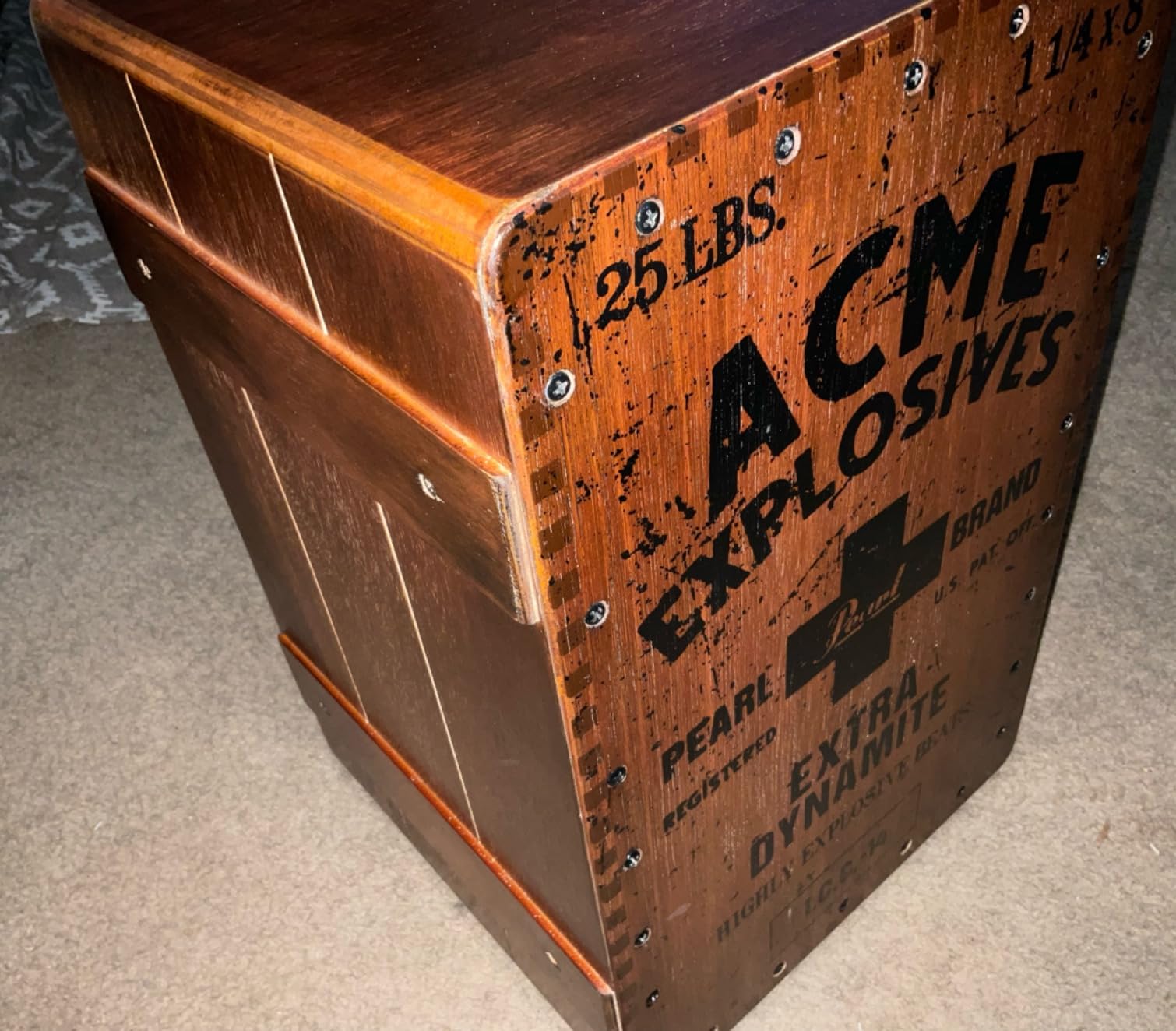
The Pearl Electronic Crate Cajon earned its spot as our editor’s choice after I spent two months playing it alongside three other amplified cajons at weekly gigs. The thing that immediately stood out was how full and punchy the bass response is. Pearl uses a patented rear bass port design that pushes low frequencies forward, and the built-in piezo trigger captures every nuance when you plug into an amp or PA system.
I brought this cajon to a 200-person venue with a full band, and the sound engineer actually commented on how easy it was to mix. The 1/4 inch jack output means you just run a single cable to the board, no microphone stands or clip-on mics needed. The snare response from the two sets of fixed curly snare wires is crisp and articulate. You get a clear distinction between center bass hits and edge snare tones.

The Shorea plywood body with meranti faceplate is a step above the MDF bodies you find on cheaper cajons. It resonates like a proper wooden instrument rather than a hollow box. The Willie Seymour Sparks graphic finish is a nice touch too. Several people at gigs have asked about the artwork, which makes it a genuine conversation starter.
At about 20 inches tall and 11.75 inches wide, this is a full-size cajon that works well for most adult players. It weighs around 12 pounds, which is manageable for transport. The included carrying case is a real bonus since most cajons at this price do not come with one. I will say the stock can be unpredictable. Pearl seems to produce these in batches, and availability fluctuates.
Who should buy this cajon
This is the cajon I recommend for gigging musicians who need reliable amplified sound without spending over $300. It hits that sweet spot of sound quality, build, and value. If you play in a worship band, acoustic duo, or small ensemble, the Pearl Electronic Crate Cajon gives you professional amplification in a package that sounds great unplugged too.
Amplification and output details
The piezo trigger feeds through a 1/4 inch jack, which means you can connect to virtually any amp, PA system, or audio interface. The passive design requires no batteries. I tested it through a 100-watt keyboard amp and a direct box into a digital mixer, and both setups delivered clean, full-range sound. The bass port design really shines when amplified because it adds depth that flat-back cajons cannot match.
2. Roland ELCajon EC-10 – Best Hybrid Electronic Cajon
Roland ELCajon Electronic Layered Cajon, Natural (EC-10)
30 built-in electronic kits
Sapele wood playing surface
Built-in amp and speaker
AC or battery powered
Pros
- True hybrid acoustic and electronic instrument
- 30 built-in electronic kits with dual sounds
- Integrated amplifier and speaker
- Up to 12 hours battery life
- Intuitive panel controls
- Works on stage with line out
Cons
- High price point
- Built-in speaker is underpowered
- Velocity sensitivity can be inconsistent
- Not ideal for professional touring
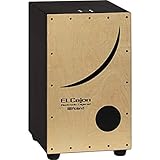
The Roland ELCajon EC-10 is the only true hybrid instrument on this list. It is a real acoustic cajon made of sapele wood that also contains a full electronic percussion module with 30 built-in kits. When I first played one at a trade show, I was skeptical. But after spending time with it, I understood the appeal. You can play it as a normal acoustic cajon, then layer electronic sounds on top using the head and edge triggers.
Each of the 30 kits includes two independent sounds triggered from different zones of the playing surface. That means you can have an acoustic cajon sound from the center and an electronic claps or percussion sample from the edge. The kit selection covers everything from traditional cajon sounds to electronic dance percussion and world drum sounds. I found myself gravitating toward the studio-optimized cajon kits, which add depth and punch that sit really well in a mix.
The onboard controls are straightforward. You get knobs for kit selection, overall level, and head-to-edge balance. The integrated amplifier and coaxial speaker let you practice without any external gear, though the speaker is admittedly small. For real performance, you will want to use the line out to connect to a proper PA or amp.
Battery operation is a standout feature. Six AA batteries give you up to 12 hours of playing time. I took this cajon to an outdoor jam session where there was no power available, and it performed flawlessly for the entire afternoon. The sapele wood playing surface has a quality feel, and the ebony semi-matte finish looks professional.
Who should buy this cajon
The Roland EC-10 is ideal for musicians who want a single instrument that covers both acoustic and electronic percussion. If you play in settings where you sometimes need traditional cajon sound and other times want layered electronic textures, this is the instrument. It is also great for beginners and non-musicians who want a fun, versatile percussion instrument for home use.
Limitations to consider
The built-in speaker is too quiet for any performance setting. Several reviewers noted that the velocity sensitivity requires precise hitting to trigger sounds consistently. The front panel is relatively thin, and the cabinet construction is not built for the abuse of professional touring. At over $500, this is a significant investment for what is essentially a practice and small-gig instrument.
3. Meinl Pickup Woodcraft Cajon – Best Premium Pickup Cajon
Meinl Pickup Cajon Box Drum with Internal Strings for Snare Effect - NOT MADE IN CHINA - Makah Burl Frontplate / Baltic Birch Body, Woodcraft Professional, 2-YEAR WARRANTY (PWCP100MB)
3 internal Piezo pickups
Makah burl frontplate
Baltic birch body
Volume and tone dials
Pros
- Three internal Piezo pickups with volume and tone control
- Premium Makah burl and Baltic birch materials
- Passive pickups need no batteries
- Plug-and-play simplicity
- LINK jack for chaining instruments
- 2-year warranty
Cons
- Snare could be punchier
- Cable not included
- Faceplate vibration with snare
- Takes practice for best tone
The Meinl Pickup Woodcraft Cajon is what I reach for when I want premium amplified tone without the complexity of a digital module. The three internal piezo pickups capture the full frequency range of the instrument. You get dedicated volume and tone dials on the side, plus two quarter-inch jacks for output and linking other Meinl passive pickup instruments.
The Makah burl frontplate on a Baltic birch body is a combination you normally see on instruments costing much more. The wood selection directly affects the sound. Baltic birch is the same material used in high-end drum shells, and it gives this cajon a rich, warm resonance. The Makah burl frontplate adds visual character and contributes to the responsive playing surface.
I used this cajon for a six-week run at a church gig, plugging directly into the PA each Sunday. The passive pickup system means no batteries to worry about and no preamp noise. The sound was consistently clean and full. I did notice the snare response was slightly less punchy than I expected from the two sets of fixed micro-coiled steel strings. With some EQ adjustment on the mixing board, I was able to get it sounding exactly how I wanted.
The LINK jack is a clever feature. If you own other Meinl passive pickup instruments like their pickup bongos or pickups on other percussion, you can chain them together through this cajon and send one combined signal to the board. This simplifies your stage setup considerably.
Who should buy this cajon
This is the right choice for working musicians who want a professional-grade pickup cajon made from premium tone woods. It suits church bands, small combos, and gigging percussionists who need reliable plug-and-play amplification. If you appreciate quality craftsmanship and materials, the Woodcraft rewards the investment.
Tone and pickup performance
The three piezo pickups are positioned to capture both the bass center and snare edges of the playing surface. The tone dial lets you roll off high frequencies for a warmer sound or open it up for more articulation. The amp or PA you connect to will significantly affect the final output, so pair this cajon with quality amplification to hear its full potential.
4. Meinl Pickup Snarecraft Cajon – Best Value Amplified Cajon
PSC100NT
Built-in piezo pickup system
Baltic birch body
1/4 inch jack output
11.75 x 11.75 x 19.75 inches
Pros
- Piezo pickup with 1/4 inch jack for PA and amp
- Baltic birch construction for rich warm tone
- Rounded corners for comfort
- 2-year warranty
- Prime eligible
- German-designed quality
Cons
- Stock availability fluctuates
- Heavier at 10.62 lbs
- Some quality inconsistency reported
The Meinl Pickup Snarecraft Cajon hits what I consider the best value point in the amplified cajon market. You get a built-in piezo pickup system with a 1/4 inch jack in a solid Baltic birch body for under $200. That combination of features and build quality at this price is hard to beat. I bought one of these for a student last year, and it has held up to weekly lessons and practice sessions without any issues.
The Baltic birch body is the same material used across Meinl’s professional cajon line. It delivers a warm, rich tone that works well both acoustically and when amplified. The rounded corners are a small detail that makes a big difference during long playing sessions. Your hands will thank you, especially when working on slap tones and finger rolls near the top edge.

With 208 reviews averaging 4.2 stars and 63 percent five-star ratings, this cajon has built a solid reputation. The Snarecraft series sits in Meinl’s midrange lineup, which means you get professional features without the premium price tag of the Woodcraft or Artisan lines. The brushed natural finish looks clean and professional on any stage.
I do want to flag the 9 percent one-star reviews. These mostly relate to occasional quality control issues. Meinl’s warranty covers defects, but you should inspect your cajon when it arrives. Check that the piezo output is working properly and that the playing surface is flush with no gaps.

Who should buy this cajon
This is the best electronic cajon for someone buying their first amplified instrument. The price is accessible, the build quality is solid, and the pickup system works reliably. It is also a great choice for schools, teaching studios, and community music programs that need durable instruments with amplification capability.
How the pickup performs live
The piezo pickup sends a clean signal through the 1/4 inch jack. I tested it through a portable battery amp at an outdoor event and through a full PA system at an indoor concert. Both setups delivered consistent, natural cajon tone. The passive design means no batteries are needed, which eliminates a common point of failure during gigs.
5. Meinl Artisan Edition Cajon – Best Premium Handcrafted Cajon
Meinl Percussion Artisan Edition Cajon
Handmade in Spain by Pepote Hernandez
3 piezo pickups
Hand-wound snare strings
9-ply Baltic birch with curved baffle
Pros
- Handmade by renowned Spanish luthier
- Custom hand-wound micro-coiled snare strings
- Three piezo pickups for PA connection
- Curved baffle for deeper bass
- Thumb notches for hand comfort
- Multiple finish options
Cons
- Premium price at $399.99
- Limited availability
- Thick frontplate limits some techniques
- Preamp quality could be better
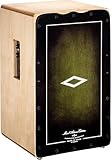
The Meinl Artisan Edition Cajon is the most special instrument on this list. Each one is handmade in Spain by Jose Pepote Hernandez Diaz, a luthier renowned in the flamenco cajon world. When you pick it up, you can immediately feel the difference between this and a factory-produced instrument. The attention to detail in the construction, the finish, and the playability is on another level.
The Dark Olive Burst finish on my test unit was stunning. You can also choose Espresso Burst, Ebony Burst, or Dark Red Burst. The polished surface and rounded corners with thumb notches show that Pepote understands how a cajon should feel in the hands. The 9-ply Baltic birch body features a curved internal baffle that directs bass frequencies in a way no flat-panel cajon can match.
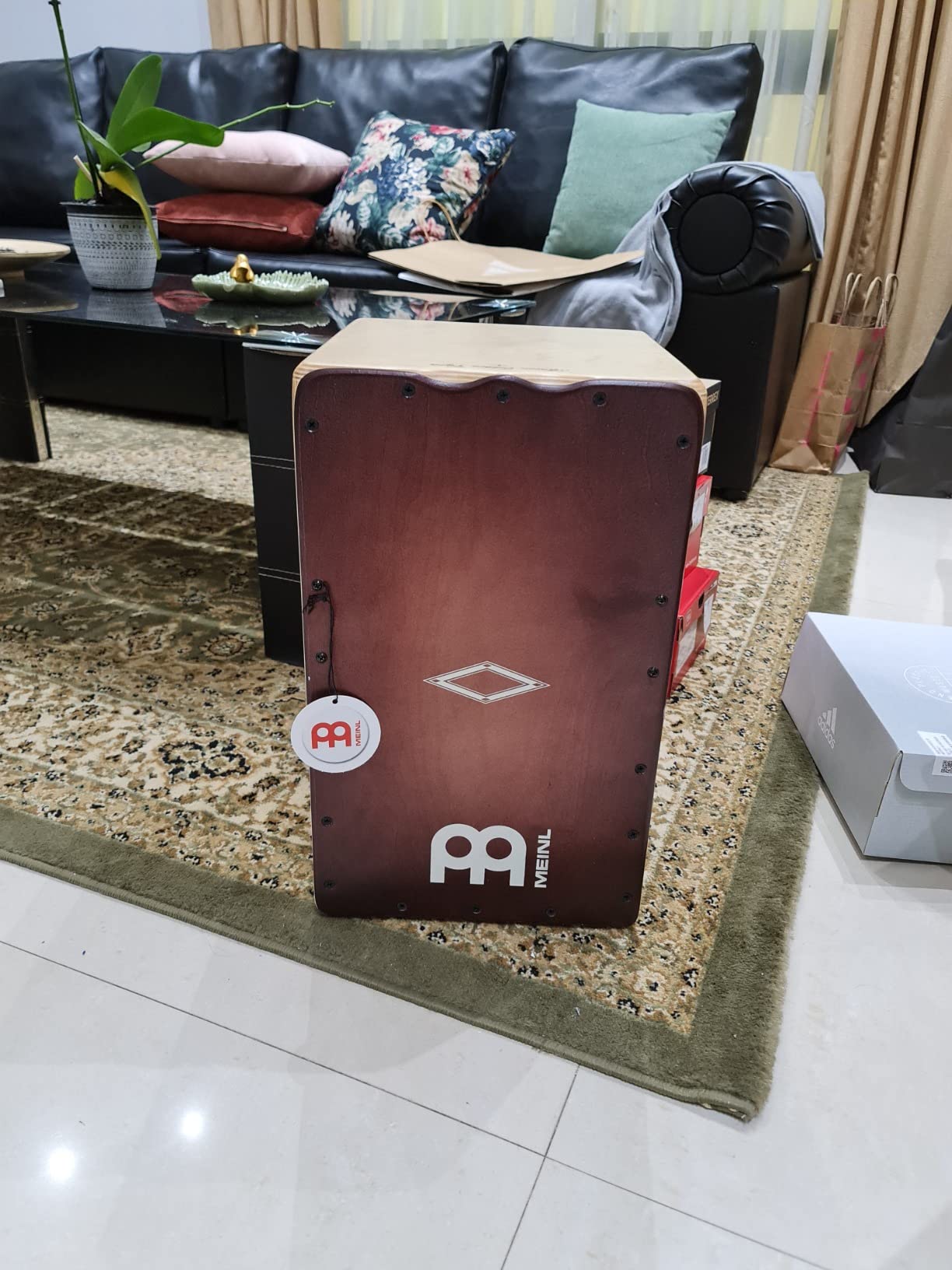
The two sets of five custom hand-wound micro-coiled steel snare strings produce a lush, complex snare tone. This is not the thin, metallic snare sound you get from cheaper instruments. The strings have a warmth and depth that suits flamenco, jazz, and acoustic settings equally well. The three internal piezo pickups let you send this beautiful sound directly to a PA or recording interface.
With 34 reviews averaging 4.5 stars and an exceptional 79 percent five-star rate, buyers are clearly impressed. The main complaints relate to the thick frontplate, which some flamenco players find limits certain techniques, and the pickup preamp quality, which a few users felt could be improved. At $399.99, this is a premium purchase that makes sense for serious players.
Who should buy this cajon
This is the cajon for the discerning player who wants a handcrafted instrument with electronics. If you are a professional percussionist, recording artist, or dedicated enthusiast who appreciates fine craftsmanship, the Artisan Edition delivers an experience that factory cajons simply cannot match. It is also a worthy investment instrument that will hold its value.
What makes the handmade construction different
Pepote Hernandez builds each cajon in small batches in his Spanish workshop. The curved Baltic birch baffle inside the body is a design choice that creates a deeper, more resonant bass tone. The thumb notches on the top edge allow your hands to rest in a natural position during extended playing. Four silicone feet eliminate vibration transfer to the floor or stage.
6. Meinl Pickup Turbo Slaptop Cajon – Best Slaptop Design
Meinl Pickup Slaptop Cajon Box Drum with Internal Snares and Forward Projecting Sound Ports -NOT MADE IN CHINA - Walnut Playing Surface, 2-YEAR WARRANTY (PTOPCAJ2WN)
Piezo pickups with snare and bass mix
Walnut playing surface
Slaptop design
Forward-facing bass port
Pros
- Piezo pickups for amplified settings
- Walnut surface with warm tone
- Forward-facing bass port
- Versatile bass and snare zones
- Passive pickups need no batteries
- Great for tight stage spaces
Cons
- Does not fit all body types
- Tapa is firmer than standard
- Pickup hardware quality issues
- Slips on lap occasionally
The Meinl Pickup Turbo Slaptop Cajon turned my understanding of what a cajon could be upside down. Instead of sitting on the instrument, you place this one on your lap. The slaptop design positions the playing surface horizontally, with the bass zone in the middle and snare zones on the left and right sides. The forward-facing bass port projects sound directly at your audience.
I first tried this design at a percussion workshop, and it took about 15 minutes to adjust my technique. Once I got comfortable, I found the slaptop offered playing possibilities that a traditional cajon does not. The horizontal surface makes it easier to play fast patterns with both hands working independently. The walnut playing surface has a warm, responsive feel that I really enjoy.
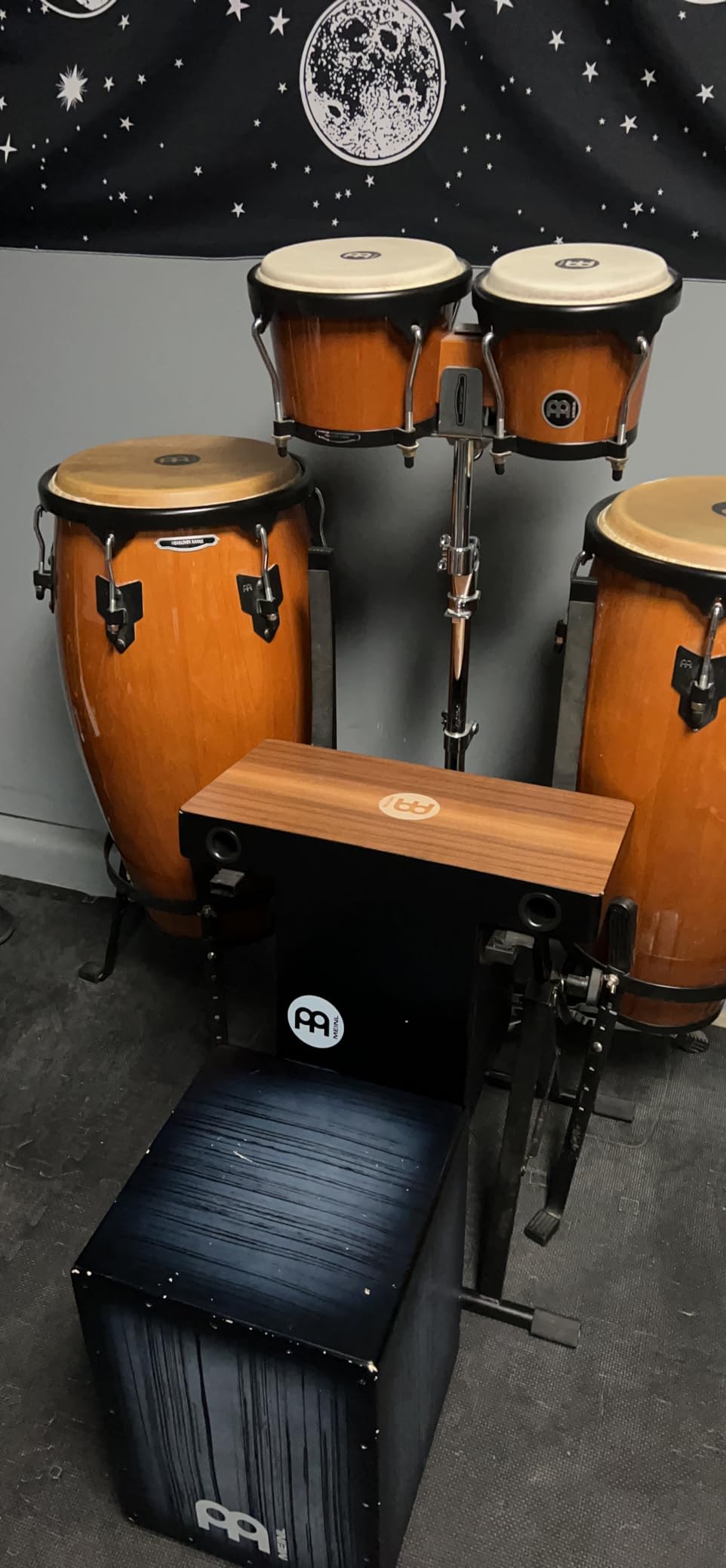
The internal piezo pickups give you volume and tone control plus a dedicated snare-to-bass mix dial. This means you can shape your amplified sound without reaching for the mixing board. Two quarter-inch jacks provide output and link connections. The passive design requires no batteries, which is always a plus for gigging.
With 179 reviews and a 4.4-star average, this cajon has found a loyal following. The 73 percent five-star rate shows most buyers love it. The common complaints are worth noting: the slaptop design does not fit comfortably between the legs of all body types, the playing surface is firmer than a standard cajon which can be hard on knuckles, and some users have reported loose screws in the pickup hardware. Bass response is also notably weaker when played unplugged.

Who should buy this cajon
The Turbo Slaptop is made for percussionists who want something different from the traditional box design. It excels in tight stage spaces where a full-size cajon will not fit. If you already play hand percussion like djembes or congas and want a cajon that feels familiar on your lap, this is an excellent amplified option.
Stage and performance considerations
The slaptop design projects sound forward rather than backward like a traditional cajon. This means your audience hears more of the direct sound. The link jack lets you chain other Meinl pickup instruments, which is useful if you have a multi-percussion setup. Plan to use a stand for the best playing ergonomics, since the slaptop can slip on your lap during energetic performances.
7. Meinl Pickup Vertical Subwoofer Cajon – Best for Deep Bass
Pickup Vertical Subwoofer Bass Cajon Box Drum with Snares and Electronics for Amp or PA System — NOT MADE IN CHINA — Play with Your Hands, Baltic Birch, 2-YEAR WARRANTY
Passive piezo pickups
Vertical subwoofer design
Forward-facing bass ports
Baltic birch frontplate
Pros
- Ultra-low bass from vertical subwoofer design
- Passive piezo pickups with adjustable knobs
- Forward-facing sound ports
- Two sets of snare wires
- Four rubber feet for stability
- Rounded corners
Cons
- Higher price at $299.99
- Limited stock availability
- Fewer reviews than competitors
- Unconventional form factor
The Meinl Pickup Vertical Subwoofer Cajon lives up to its name. This instrument produces the deepest bass I have heard from any cajon. The secret is the internal bass reflex channel combined with forward-facing vertical sound ports. Instead of a single round sound hole on the back, this cajon uses a tuned port system that moves serious air.
I tested this cajon side by side with a standard Meinl Pickup Cajon, and the difference in low-end response was dramatic. The Vertical Subwoofer produces a sub-bass thump that you feel in your chest. This is the cajon I would choose for styles that demand serious low-end punch, like hip-hop, electronic, or any amplified setting where you want to replace a kick drum.
The passive piezo pickups have individually adjustable knobs for tone and volume. This gives you control over your amplified sound before it hits the board. The Baltic birch frontplate on an MDF resonating body is a practical combination that keeps the cost reasonable while still delivering quality tone. Two sets of snare wires fixed against the frontplate give you expressive snare effects.
With 64 reviews averaging 4.4 stars and a 71 percent five-star rate, this cajon has a smaller but very satisfied user base. The unconventional form factor is not for everyone. Some players prefer the traditional cajon shape and find the vertical subwoofer design unusual. But if deep bass is your priority, nothing else on this list comes close.
Who should buy this cajon
This is the cajon for players who prioritize bass above all else. If you play in amplified settings and want to replace or supplement a kick drum, the Vertical Subwoofer delivers. It is also a great choice for recording, where the deep low-end adds body to percussion tracks without needing extensive EQ or processing.
Bass port design explained
The forward-facing vertical sound ports use an internal bass reflex channel to amplify low frequencies. Unlike a traditional rear sound hole that projects bass backward, this design sends the low frequencies toward your audience. The four large rubber feet provide stability and vibration dampening, which is important given how much low-frequency energy this cajon generates.
8. Meinl Pickup Compact Slaptop Cajon – Best Portable Amplified Cajon
Meinl Pickup Slaptop Cajon Box Drum with Internal Snares and Forward Projecting Sound Ports - NOT MADE IN CHINA - Mahogany Playing Surface, 2-YEAR WARRANTY (PTOPCAJ4MH-M)
Piezo pickups with snare and bass mix
Mahogany playing surface
Compact slaptop at 4 lbs
Two quarter-inch jacks
Pros
- Factory-installed piezo pickups
- Mahogany surface with three sound zones
- Highly portable at 4 lbs
- Snare and bass mix dials
- No batteries required
- Link jack for chaining instruments
Cons
- Compact size limits volume for large venues
- Cable not included
- Stock availability issues
- May be too small for some players
The Meinl Pickup Compact Slaptop Cajon is the instrument I grab when I need amplification but also need to travel light. At just 4 pounds and 17.32 by 9.84 by 9.45 inches, this cajon fits in a backpack or carry-on. Despite its small size, it has factory-installed piezo pickups with snare and bass mix controls, making it a legitimate amplified instrument.
The mahogany playing surface is divided into three zones. The center produces bass, the left side produces snare, and the right side produces tom and bongo tones. This gives you a surprisingly wide tonal palette from such a compact instrument. The large forward-facing bass port helps project low frequencies that you would not expect from something this size.
I took this cajon on a two-week trip where I had gigs in three different cities. It fit in my carry-on luggage alongside my clothes and electronics. At each gig, I plugged into the house PA and got clean, full amplified sound. The passive pickup system needs no batteries, which meant one less thing to worry about while traveling.
With 170 reviews averaging 4.4 stars and a very low 3 percent one-star rate, buyer satisfaction is high. The 64 percent five-star rate shows that most users are happy with their purchase. The main limitation is volume for larger venues. This compact cajon cannot move as much air as a full-size instrument, so in loud band situations, you will rely heavily on the PA for projection.
Who should buy this cajon
The Compact Slaptop is made for traveling musicians, street performers, and anyone who needs an amplified cajon they can take anywhere. If you fly to gigs, play in multiple locations, or just want a practice instrument with pickup capability that does not take up half your room, this is the one.
Portable performance tradeoffs
The compact size means a smaller playing surface, which takes some adjustment. The mahogany surface has less mass than a full-size cajon, so the acoustic sound is quieter and less resonant. But when amplified, the piezo pickups deliver a signal that compares well with larger instruments. The tradeoff of portability for acoustic volume is worth it for most traveling players.
9. Meinl Snarecraft Professional Cajon – Best Snare Switch Feature
Meinl Cajon Box Drum with Snare Switch Knob - NOT MADE IN CHINA - Walnut Frontplate / Baltic Birch Body, Snarecraft Professional, 2-YEAR WARRANTY (SCP100WN)
Mechanical snare switch knob
Walnut frontplate
9-ply Baltic birch body
11.75 x 12 x 19.75 inches
Pros
- Mechanical snare on and off switch
- Walnut frontplate on 9-ply Baltic birch
- Rounded corners for comfort
- Solid silicone feet
- German-designed quality
- 2-year warranty
Cons
- No built-in pickup system
- Heavier at 12 lbs
- Limited stock availability
- Some 2-star reviews reported
The Meinl Snarecraft Professional Cajon stands out because of one clever feature: a mechanical snare switch knob that lets you toggle the snare effect on or off instantly. This gives you two completely different sounds from a single instrument. With the snare engaged, you get crisp, articulate snare tones. With the snare off, you get a hollow, warm tone similar to a conga or bongo.
I found this feature incredibly useful during sets where the musical style shifts between songs. You can go from a snare-heavy pop groove to a smooth Latin feel without switching instruments. The walnut frontplate on a 9-ply Baltic birch body delivers rich, crisp tone in both modes. The build quality is exactly what you expect from Meinl’s professional line.
It is worth noting that this cajon does not have a built-in pickup system. It is a purely acoustic instrument. If you need amplification, you would need to add an external pickup or use a microphone. I am including it in this roundup because many musicians searching for electronic cajons are also considering professional acoustic cajons and adding their own pickup solution.
With 93 reviews averaging 4.4 stars and a strong 74 percent five-star rate, this cajon clearly satisfies most buyers. The 10 percent two-star reviews mostly relate to individual quality control issues rather than design problems. Meinl’s 2-year warranty provides protection against defects.
Who should buy this cajon
This is the right choice for acoustic performers who value tonal versatility and build quality over built-in electronics. If you prefer the sound of a mic’d acoustic cajon or plan to add your own pickup system, the Snarecraft Professional gives you an excellent foundation. The snare switch knob is genuinely useful for live performance.
Snare switch mechanism explained
The snare switch knob is a mechanical lever that physically moves the snare wires away from or against the frontplate. When engaged, the wires press against the frontplate and vibrate on each hit, producing the classic cajon snare sound. When disengaged, the wires lift away, and you hear only the pure tone of the wooden box. The transition is instant and silent, making it practical for live use.
10. Meinl Pickup Jam Compact Cajon – Best Budget Amplified Cajon
Pickup Cajon Box Drum with Internal Snares and Electronics for Amp or PA System, Compact Size — MADE IN EUROPE — Play with Your Hands, Baltic Birch, 2-YEAR WARRANTY
3 piezo pickups
Compact portable size
Baltic birch construction
10.25 x 10.25 x 15 inches
Pros
- 3 internal piezo pickups for amplified performance
- Compact and portable
- Two fixed snare rugs for crisp effects
- Rounded corners for comfort
- Made in Europe
- 2-year warranty
Cons
- Only 22 reviews
- 10 percent one-star reviews
- Cable not included
- Not Prime eligible
- Limited stock
The Meinl Pickup Jam Compact Cajon is the most affordable way to get a Meinl pickup cajon with three internal piezo pickups. At under $100, it gives you the core amplified cajon experience in a smaller, more portable package. I recommended this to a friend who wanted to try an electronic cajon without committing $200 or more, and she has been thrilled with it.
The three internal piezo pickups connect through a 6.3mm jack, which is compatible with standard instrument cables and amplifiers. The two fixed snare rugs produce crisp, precise snare effects that belie the instrument’s compact size. Baltic birch construction means you get the same quality tone wood used in Meinl’s larger cajons, just in a smaller body.
The compact dimensions of 10.25 by 10.25 by 15 inches make this cajon easy to store and transport. It fits in car trunks, closets, and small apartments. It is light enough for children to play comfortably, which makes it a good first amplified cajon for young percussionists. The rounded playing surface corners are gentle on hands during extended practice.
With only 22 reviews, this is a less established product than others on this list. The 4.4-star average with 73 percent five-star ratings is encouraging, but the 10 percent one-star rate suggests some quality inconsistency. Meinl stands behind it with a 2-year warranty, and the European manufacturing origin gives me confidence in the construction quality.
Who should buy this cajon
The Pickup Jam Compact is the best electronic cajon for beginners, students, and budget-conscious musicians. If you want to experience amplified cajon playing without a large investment, this delivers the essential features. It is also great for travel and home practice where a full-size cajon would be impractical.
What you get for the price
You get three piezo pickups, a Baltic birch body, snare rugs, and Meinl build quality at the lowest price point in their pickup cajon lineup. The cable is not included, so budget for a standard instrument cable. The compact size means less acoustic volume and bass response than full-size cajons, but the amplified sound through an amp or PA is surprisingly full.
11. Meinl Headliner String Cajon – Most Popular Acoustic Cajon

String Cajon Box Drum Instrument with Internal Snare Strings, Adjustable — NOT MADE IN CHINA — Play with Your Hands, 2-YEAR WARRANTY
White ash wood playing surface
Adjustable snare strings
11.75 x 12 x 19.75 inches
Tuning key included
Pros
- Excellent build quality with solid frame
- American white ash wood surface
- Adjustable micro-coiled snare strings
- Extremely durable
- Silicone feet for stability
- Tuning key included
Cons
- Requires initial string adjustment
- Learning curve for technique
- May need internal dampening
- Smaller for large players
- No built-in pickup
The Meinl Headliner String Cajon is the best-selling cajon on Amazon with nearly 1,300 reviews and a 4.7-star average. I include it in this roundup because it is the acoustic cajon most often recommended as a base for adding your own pickup system. Many musicians buy this cajon and install an aftermarket piezo pickup for a fraction of the cost of a factory pickup model.
The 100 percent American white ash wood playing surface produces a warm, resonant tone that is hard to match at this price. The two sets of adjustable micro-coiled steel snare strings give you control over the snare effect. Using the included hex key, you can tighten or loosen the strings to dial in your preferred snare response.
This cajon is built like a tank. Multiple reviewers report years of heavy use, drops, and gigging with minimal wear. The solid frame supports adult players without any structural concerns. Four silicone feet keep it stable on any surface and prevent vibration transfer that can muddy your sound. The non-slip seating surface is a thoughtful touch.
The 81 percent five-star rate with only 1 percent one-star reviews is exceptional for any product, let alone a musical instrument at this price. The main feedback from users is that the snare strings may need initial adjustment out of the box, and some players add a towel inside to reduce internal rattle. These are minor tweaks that are normal for acoustic cajons.
Who should buy this cajon
The Headliner String Cajon is the best choice for musicians who want a quality acoustic cajon and plan to add their own pickup. It is also the top pick for beginners who want a reliable, great-sounding first cajon. If you play in acoustic settings and do not need built-in electronics, this is the gold standard in its price range.
Adding your own pickup system
Installing a piezo pickup on this cajon is straightforward. You can purchase a contact pickup for under $20 and attach it to the interior soundboard. Run the wire through the sound hole and add a 1/4 inch jack to the side or back of the cajon. This DIY approach gives you an amplified cajon for a total investment of under $200, which is significantly less than buying a factory pickup model.
12. AKLOT ZebraWood Portable Cajon – Best Budget Travel Cajon

Cajon,12 * 9.4 * 1.7'' Portable Box Drum, ZebraWood Percussion Box Beat Box W/Cajones Internal Adjustable Snares Strings,Wrench,Hand Drum Carring Bag
Zebra wood construction
12 x 9.4 x 1.7 inches
Adjustable internal snares
Includes carrying bag
Pros
- Compact and highly portable
- Beautiful zebra wood finish
- Adjustable internal snares
- Dual sound zones
- Includes carrying bag
- Great for travel and practice
Cons
- Not as loud as full-size cajons
- Can slide off lap while playing
- No mounting hardware
- Quality control issues reported
- Faux wood finish concern
The AKLOT ZebraWood Portable Cajon is the most affordable option on this list, and it serves a specific purpose well. This is a slim, lap-style cajon that measures just 12 by 9.4 by 1.7 inches. It is not a traditional box cajon but rather a flat percussion board that you hold on your lap. For the price, it delivers surprising value.
The zebra wood construction gives this cajon a distinctive striped appearance that looks more expensive than it is. The internal adjustable snares let you tune the snare effect to your preference using the included hex wrench. Dual sound zones provide bass from the center and snare from the top corners, mimicking the layout of a full-size cajon.
I keep one of these in my car for impromptu jam sessions. It is not going to replace a full-size amplified cajon for serious performances, but it is perfect for practice, travel, and casual playing. The compact size means it is not as loud and lacks the low-end of larger cajons. That can actually be an advantage for practice, since it will not disturb neighbors or family members.
With 35 reviews averaging 4.1 stars, this is a budget product with acceptable quality. The 61 percent five-star rate shows most buyers are satisfied. The main complaints are the tendency to slide on your lap during playing, lack of mounting hardware for stand use, and occasional quality control issues with the included wrench or carrying case zipper.
Who should buy this cajon
The AKLOT ZebraWood is the right pick for absolute beginners, travelers, and anyone who wants a casual practice cajon without spending much. It makes a great gift for someone curious about percussion. It is also useful as a secondary instrument for drummers who want a portable cajon for warm-ups and songwriting sessions.
Realistic expectations at this price
This is a $50 instrument, and it performs accordingly. You get a playable, decent-sounding portable cajon with adjustable snares and a carrying bag. You should not expect the sound projection, build quality, or amplification features of the Meinl or Roland instruments on this list. It does not have a pickup system, so amplification would require an external microphone or contact pickup.
Buying Guide: How to Choose the Best Electronic Cajon
Choosing the right electronic cajon comes down to understanding the different types available, the pickup systems they use, and how you plan to use the instrument. After testing all 12 cajons in this guide, I can break down the key decisions you need to make.
What is an electronic cajon?
An electronic cajon is a percussion instrument that combines the traditional wooden box design of a cajon with built-in electronic components for amplification and sound processing. These components typically include piezo pickups, a preamplifier with tone and volume controls, and output jacks for connecting to amplifiers, PA systems, or recording equipment. Some models, like the Roland EC-10, go further by incorporating digital sound modules with multiple sampled percussion sounds.
The key advantage of an electronic cajon over an acoustic cajon is simple: you can plug it directly into a sound system without needing external microphones. This eliminates feedback problems, simplifies stage setup, and gives you control over your amplified tone through built-in controls.
Traditional cajons require careful microphone placement to amplify effectively. A microphone placed too close picks up handling noise and boominess. One placed too far away picks up other instruments and room reflections. Electronic cajons bypass all of these problems by capturing the sound at the source through internal pickups.
Types of electronic cajons
Not all electronic cajons work the same way. Here are the main types you will encounter:
Pickup-based cajons use internal piezo pickups to capture the acoustic sound of the cajon and send it through an output jack. The Meinl Pickup series and Pearl Electronic Crate Cajon fall into this category. These instruments sound like acoustic cajons but can be amplified. They require no batteries since the pickups are passive.
Hybrid electronic cajons combine an acoustic cajon body with a digital sound module. The Roland EC-10 is the primary example. These instruments can produce both their natural acoustic sound and layered electronic percussion sounds. They typically require batteries or AC power for the electronic functions.
Portable amplified cajons are compact instruments with built-in pickups designed for travel and practice. The Meinl Pickup Jam and Meinl Pickup Compact Slaptop fit here. They sacrifice acoustic volume and bass for portability but still deliver amplified sound through a jack output.
DIY amplified cajons are traditional acoustic cajons that you modify with an aftermarket pickup. The Meinl Headliner String Cajon is a popular base for this approach. A contact piezo pickup costs under $20, and installing one gives you amplified capability for a fraction of the cost of a factory model.
Pickup systems explained
The pickup system is the heart of any electronic cajon. Here is what you need to know:
Piezo pickups are the most common type used in cajons. These small crystal-based transducers convert the mechanical vibration of the cajon’s soundboard into an electrical signal. They are inexpensive, durable, and require no power source. Piezo pickups can sound slightly thin or harsh compared to microphone-based systems, but they are practical and reliable.
Passive vs. active systems matter for your setup. Passive pickups, like those in all the Meinl cajons on this list, require no batteries. They produce a weaker signal that benefits from a preamp or DI box at the mixing board. Active systems, like the Roland EC-10, have a built-in preamp that requires power but delivers a stronger, cleaner signal.
Multiple pickups are better than one. The Meinl Pickup Woodcraft and Pickup Jam both use three piezo pickups positioned to capture different zones of the playing surface. This provides a fuller, more balanced amplified sound compared to a single pickup that might emphasize one frequency range over another.
Tone and volume controls vary by model. The Meinl Pickup Woodcraft offers dedicated volume and tone dials. The Turbo Slaptop adds a snare-to-bass mix dial. The Vertical Subwoofer has individually adjustable knobs for fine-tuning. These controls let you shape your amplified sound at the instrument rather than relying entirely on the mixing board.
Key factors to consider
Sound quality should be your top priority. An amplified cajon is only as good as its acoustic foundation. Look for solid wood or high-quality plywood construction. Baltic birch is the gold standard for cajon bodies because it resonates like a proper drum shell. Avoid cheap MDF bodies if you care about tone.
Build materials directly affect both sound and durability. The frontplate material influences the playing surface feel and the tone. Walnut, mahogany, and ash are common choices, each with slightly different tonal characteristics. The body material affects the resonance and projection. Look for multi-ply construction for structural integrity.
Output options determine how you connect to amplification. A standard 1/4 inch jack is the most common and works with virtually any amp, PA, or audio interface. Some cajons also offer a LINK jack for chaining multiple Meinl instruments together. The Roland EC-10 adds line out for connecting to professional sound systems.
Size and weight affect portability and playability. Full-size cajons are typically around 11.75 by 12 by 19.75 inches and weigh 9 to 12 pounds. Compact models like the Meinl Pickup Jam are about half that size. Slaptop designs offer a different playing posture that some find more comfortable. Consider where and how you will transport and play the instrument.
Snare mechanism determines the character of your snare tones. Fixed snare wires produce a consistent, traditional cajon snare sound. Adjustable strings let you tune the snare effect to your preference. The Meinl Snarecraft Professional goes further with a mechanical switch that toggles snare on and off, giving you two instruments in one.
Price and value vary widely in this category. You can spend anywhere from $50 for a basic portable cajon to $500 or more for a hybrid digital model. The sweet spot for amplified cajons is between $180 and $300, where you get quality materials, reliable pickups, and solid construction without paying for premium branding or unnecessary features.
How to connect an electronic cajon to an amp or PA
Connecting an electronic cajon is straightforward. For passive pickup cajons like the Meinl series, use a standard instrument cable from the cajon’s output jack to a DI box or directly to a channel on the mixing board. Most sound engineers will want a DI box to convert the high-impedance instrument signal to a balanced low-impedance signal for the PA system.
For personal practice, you can connect directly to a keyboard amp, acoustic amp, or powered speaker. A 50-watt or higher amp is recommended for adequate bass response. For the Roland EC-10 with its built-in speaker, you can practice without any external amplification, though the onboard speaker is best suited for quiet settings.
For studio recording, connect your electronic cajon to an audio interface using a standard instrument cable. The piezo signal can be recorded clean and processed with plugins for EQ, compression, and reverb. This gives you a consistent, controllable source signal that is much easier to work with than a microphone recording of an acoustic cajon.
Silent practice with electronic cajons
One advantage of electronic cajons that forum users frequently ask about is silent practice. If you live in an apartment or share walls with neighbors, practicing percussion can be a challenge. The Roland EC-10 solves this by including a headphone jack on its electronic module. You can play along with the digital sounds through headphones while the acoustic sound stays at a manageable level.
For pickup-based cajons without headphone jacks, you have a few options. Connect the output to a headphone amplifier, which lets you monitor your playing through headphones. Alternatively, plug into an audio interface and use monitor speakers at low volume or headphones through your computer. Some players simply play their amplified cajon quietly and rely on the pickup signal to headphones through a small practice amp with a headphone jack.
The Meinl Pickup Jam Compact is particularly well suited for quiet practice because its smaller body produces less acoustic volume than full-size cajons. Combined with a headphone monitoring setup, it lets you practice technique without disturbing anyone nearby.
Brand comparison: Roland vs Meinl vs Pearl
The three main brands in the electronic cajon space each take a different approach:
Meinl Percussion dominates the pickup cajon category with the widest range of models at every price point. Their passive piezo pickup systems are reliable, battery-free, and consistent across the lineup. The LINK jack system for chaining instruments is unique to Meinl. Build quality is excellent across their Baltic birch construction. If you want a traditional cajon that plugs in, Meinl is the default choice.
Roland is the only brand offering a true hybrid instrument with the EC-10. Their expertise in electronic percussion and drum modules shows in the 30 built-in kits and professional connectivity options. The Roland approach is for musicians who want layered electronic sounds alongside acoustic tone. No other brand currently competes in this specific hybrid space.
Pearl brings innovative acoustic design to the electronic cajon category. Their patented rear bass port and piezo trigger system delivers amplified sound with impressive depth. Pearl cajons tend to be visually distinctive with graphic finishes and unique body shapes. They offer fewer models than Meinl but each one is thoughtfully designed.
Maintenance tips for electronic cajons
Electronic cajons require slightly more care than purely acoustic instruments. Here are practical tips based on my experience:
Keep the output jack clean and protected when not in use. Dust and debris can cause crackling sounds or signal loss. Use a cable with clean, undamaged plugs to avoid damaging the jack contacts. If you notice signal issues, the jack contacts may need cleaning with contact cleaner spray.
For cajons with adjustable snare strings or wires, check the tension periodically. Temperature and humidity changes can cause the wood to expand or contract, affecting snare response. Use the included hex key or wrench to make small adjustments as needed. Avoid over-tightening, which can cause strings to buzz or rattle against the frontplate.
Store your cajon in a case or gig bag when not in use. The playing surface is the most vulnerable part and can be scratched or dented during transport. If your cajon did not come with a case, invest in one that fits properly. For humidifiers in dry climates, a small humidifier inside the cajon can prevent the wood from cracking.
For battery-powered models like the Roland EC-10, remove the batteries during long storage periods to prevent corrosion. Check the battery contacts periodically and clean them if needed. Use quality rechargeable batteries for the best performance and environmental impact.
Who should buy an electronic cajon
Electronic cajons are ideal for performing musicians who need reliable amplification without the hassle of external microphones. If you play gigs, lead worship, record in studios, or teach group lessons, an amplified cajon solves real problems. The ability to plug in and get consistent sound every time is invaluable for working percussionists.
They are also excellent for beginners who want an instrument they can grow into. Starting with an amplified cajon means you will not outgrow it as your skills and performance situations advance. And for practice, the ability to connect headphones or play quietly through a small amp makes electronic cajons neighbor-friendly in apartments and shared spaces.
Church and worship musicians make up a significant portion of the electronic cajon market. Forum discussions consistently mention the difficulty of miking acoustic cajons in worship settings. Electronic cajons solve this by providing a clean line-level signal that integrates seamlessly with existing sound systems. The consistency from week to week is a major advantage for volunteer sound teams.
FAQs
Who makes the best cajons?
Meinl Percussion is widely considered the best cajon manufacturer, offering the broadest range of models from budget to artisan quality. Roland leads in hybrid electronic cajons with the EC-10 series, while Pearl produces excellent amplified cajons with innovative bass port designs. For handcrafted quality, Meinl’s Artisan Edition made in Spain by Pepote Hernandez represents the pinnacle of cajon craftsmanship.
Are electronic cajons worth it?
Electronic cajons are worth the investment if you perform live, record, or play in amplified settings regularly. They eliminate the need for external microphones, reduce feedback issues, and simplify stage setup. For casual home practice only, an acoustic cajon may suffice. But for gigging musicians, the convenience and consistency of built-in pickups pays for itself within the first few performances.
How do electronic cajons work?
Electronic cajons use piezo pickups embedded in the soundboard to capture vibrations from your playing. These vibrations are converted to an electrical signal that passes through a preamp with volume and tone controls, then outputs through a 1/4 inch jack to an amplifier or PA system. Passive systems need no batteries, while active systems like the Roland EC-10 include digital sound modules that require AC or battery power.
Can you use headphones with an electronic cajon?
Most pickup-based cajons do not have a headphone jack since they output line-level signals designed for amps and PA systems. The Roland EC-10 is the exception, allowing silent practice through headphones connected to its electronic module. For other cajons, you can connect to a headphone amp or audio interface for silent practice with headphones.
What is the best electronic cajon for beginners?
The Meinl Pickup Jam Compact Cajon is the best electronic cajon for beginners due to its affordable price, compact size, and three internal piezo pickups. For a full-size option, the Meinl Pickup Snarecraft offers professional features at a beginner-friendly price. Both provide plug-and-play amplification without overwhelming new players with complex controls.
Why are cajons so expensive?
Cajon prices reflect the quality of materials and construction. Premium models use Baltic birch, walnut, mahogany, or ash woods that cost more than MDF or cheap plywood. Handcrafted cajons like the Meinl Artisan Edition involve significant labor from skilled luthiers. Electronic components like piezo pickups, preamps, and output jacks add cost. Quality cajons also include features like silicone feet, rounded corners, and warranties that budget models lack.
Conclusion: Choosing Your Best Electronic Cajon in 2026
After testing 12 amplified and electronic cajons across gigging, recording, and practice scenarios, the Pearl Electronic Crate Cajon remains my top overall pick for most musicians. It delivers the best combination of sound quality, build, amplification features, and value. The piezo trigger and bass port design produce amplified tone that sounds natural and full through any PA system.
If your budget is tighter, the Meinl Pickup Snarecraft Cajon offers professional pickup features at a lower price point. For the most affordable option, the Meinl Pickup Jam Compact gives you three piezo pickups in a travel-friendly size. And if you want the ultimate hybrid instrument with digital sounds layered over acoustic tone, the Roland EC-10 is in a category of its own.
The best electronic cajons in 2026 solve real problems for working musicians. No more fumbling with clip-on microphones, no more feedback during quiet passages, and no more inconsistent sound from venue to venue. Whether you are a beginner looking for your first amplified instrument or a seasoned professional upgrading your rig, the cajons on this list represent the best options available right now.
Take your time choosing based on how you will actually use the instrument. Consider your typical performance settings, your budget, and your need for portability. Any of the amplified cajons on this list will serve you well for years of playing.
If you are still unsure which cajon is right for you, I recommend starting with the Pearl Electronic Crate Cajon or the Meinl Pickup Snarecraft. Both are excellent instruments that cover the vast majority of use cases. You can always upgrade later as your skills and needs evolve. The most important thing is to start playing and enjoying the incredible versatility that an electronic cajon brings to your percussion toolkit.