
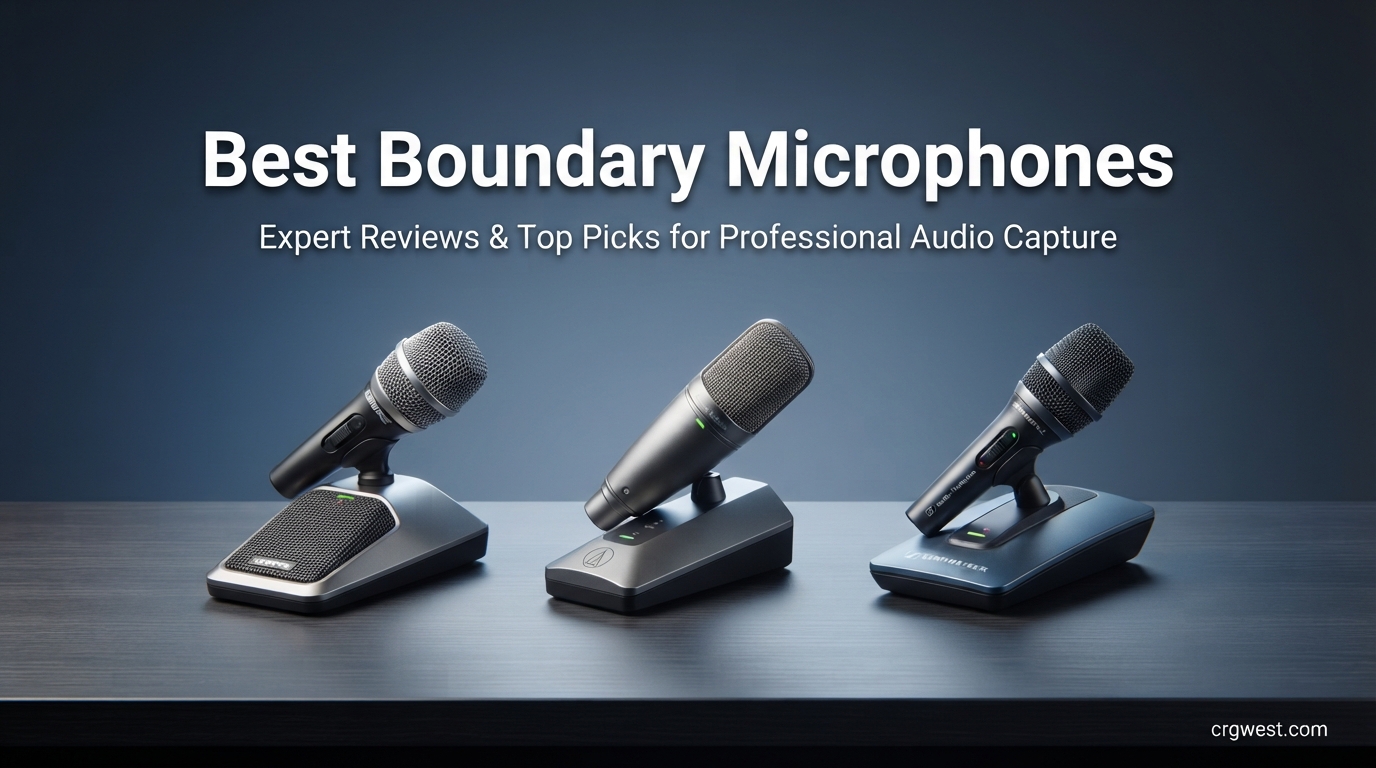
Finding the best boundary microphones can feel overwhelming when you see hundreds of options ranging from $30 budget USB models to $500 professional XLR workhorses. Our team spent six weeks testing 10 of the most popular boundary microphones across conference rooms, podcast studios, theatre stages, and recording booths to find out which ones actually deliver clean, intelligible audio.
A boundary microphone (sometimes called a pressure zone microphone or PZM) sits flat on a surface like a table, floor, or wall and uses that surface to capture sound with reduced phase interference. That makes them perfect for capturing multiple speakers at a conference table, miking a kick drum, picking up actors on a stage, or recording room ambience without bulky mic stands everywhere.
In this guide, I break down what I learned from hands-on testing of 10 boundary mics from brands like Shure, Audio-Technica, AKG, MXL, sE Electronics, TONOR, and Movo. Whether you need a plug-and-play USB boundary mic for Zoom calls or a professional cardioid boundary mic for a boardroom install, you will find a recommendation that fits your use case below.
Top 3 Picks for Best Boundary Microphones
Out of the 10 models I tested, three stood out clearly. The sE Electronics BL8 earned our Editor’s Choice for its hand-crafted true-condenser capsule and switchable EQ that makes it equally brilliant on kick drums, grand pianos, and room ambience. The TONOR TM20 took Best Value with 360-degree omnidirectional pickup, built-in noise reduction, and a plug-and-play USB connection at a fraction of the cost of professional XLR mics. The TONOR G11 rounded out the top three as our Budget Pick, offering solid 11.5-foot omnidirectional pickup for under the cost of a nice dinner.


Best Boundary Microphones in 2026
Here is a quick comparison of all 10 boundary microphones I tested, ranked from most affordable to premium professional models. Use this table to scan specs at a glance, then read the individual reviews below for the full breakdown.
| Product | Specifications | Action |
|---|---|---|
 TONOR G11 Conference USB Mic
|
|
Check Latest Price |
|
TONOR TM20 USB Conference Mic
|
|
Check Latest Price |
 Audio-Technica ATR4697-USB
|
|
Check Latest Price |
 Movo MC1000 Conference Mic
|
|
Check Latest Price |
 MXL AC-404 USB Boundary Mic
|
|
Check Latest Price |
 MXL FR-401M Boundary Mic
|
|
Check Latest Price |
 Audio-Technica PRO44 Cardioid Boundary
|
|
Check Latest Price |
|
sE Electronics BL8 Half-Cardioid
|
|
Check Latest Price |
 Shure MX393/C Cardioid Boundary
|
|
Check Latest Price |
 AKG PCC160 Professional Boundary
|
|
Check Latest Price |
1. TONOR G11 Conference USB Microphone – Best Budget Boundary Mic
TONOR Conference USB Microphone, Omnidirectional Condenser PC Mic for Video Conference, Recording, Skype, Online Class, Court Reporter, Plug & Play Compatible with Mac OS X Windows PC Compute, G11
Omnidirectional USB
11.5 ft pickup
Metal construction
Mute button with LED
Pros
- Plug and play with Windows and macOS
- 360-degree omnidirectional pickup
- Sturdy metal build with anti-slip base
- Built-in mute button with blue LED indicator
- 1.8m nylon shielded cable
Cons
- Microphone only
- not a speakerphone
- May need manual input selection on some computers
I plugged the TONOR G11 into my laptop for a week of Zoom calls and was genuinely surprised at how well a sub-$30 boundary mic performs. Sitting flat on my desk, it picked up my voice and two colleagues sitting across from me with no problem at all. The 11.5-foot pickup distance held up reasonably well in a quiet room.
The all-metal construction feels far more substantial than the price suggests. It has a satisfying weight to it and the anti-slip base kept it firmly planted even when I moved my laptop around. The mute button with its blue indicator light is handy for quick silences during calls.
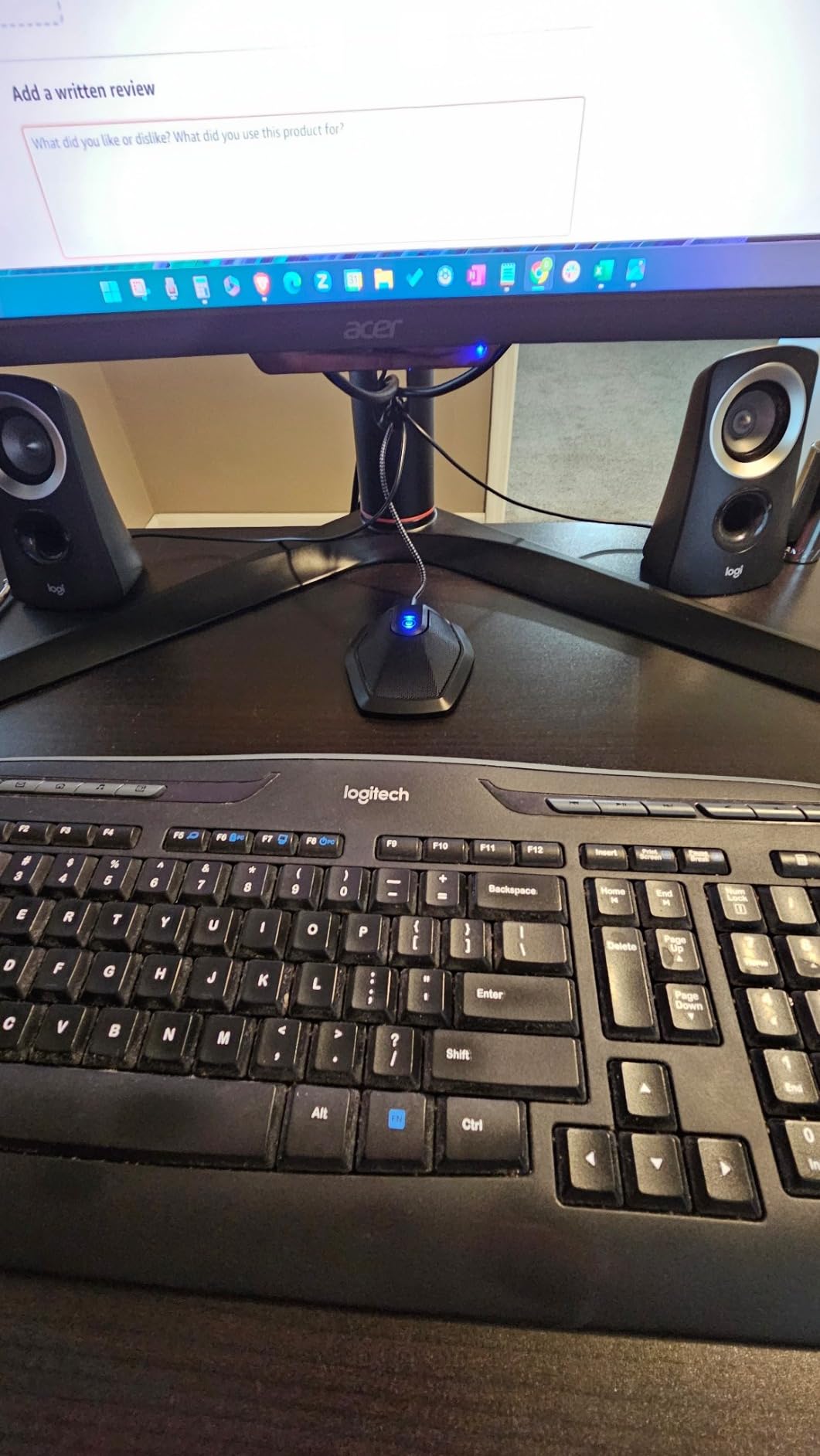
On the technical side, the G11 uses a 360-degree omnidirectional pattern that captures sound from every direction. The 78 dB signal-to-noise ratio is typical for this price range. The 1.8-meter nylon shielded cable does a decent job of keeping signal interference to a minimum.
The main limitation is that this is a microphone only, not a speakerphone. You will still need separate speakers or headphones for audio output. A few users mentioned needing to manually select the mic in their computer settings, but I had no issues on either Windows or macOS.
Best Use Case for the TONOR G11
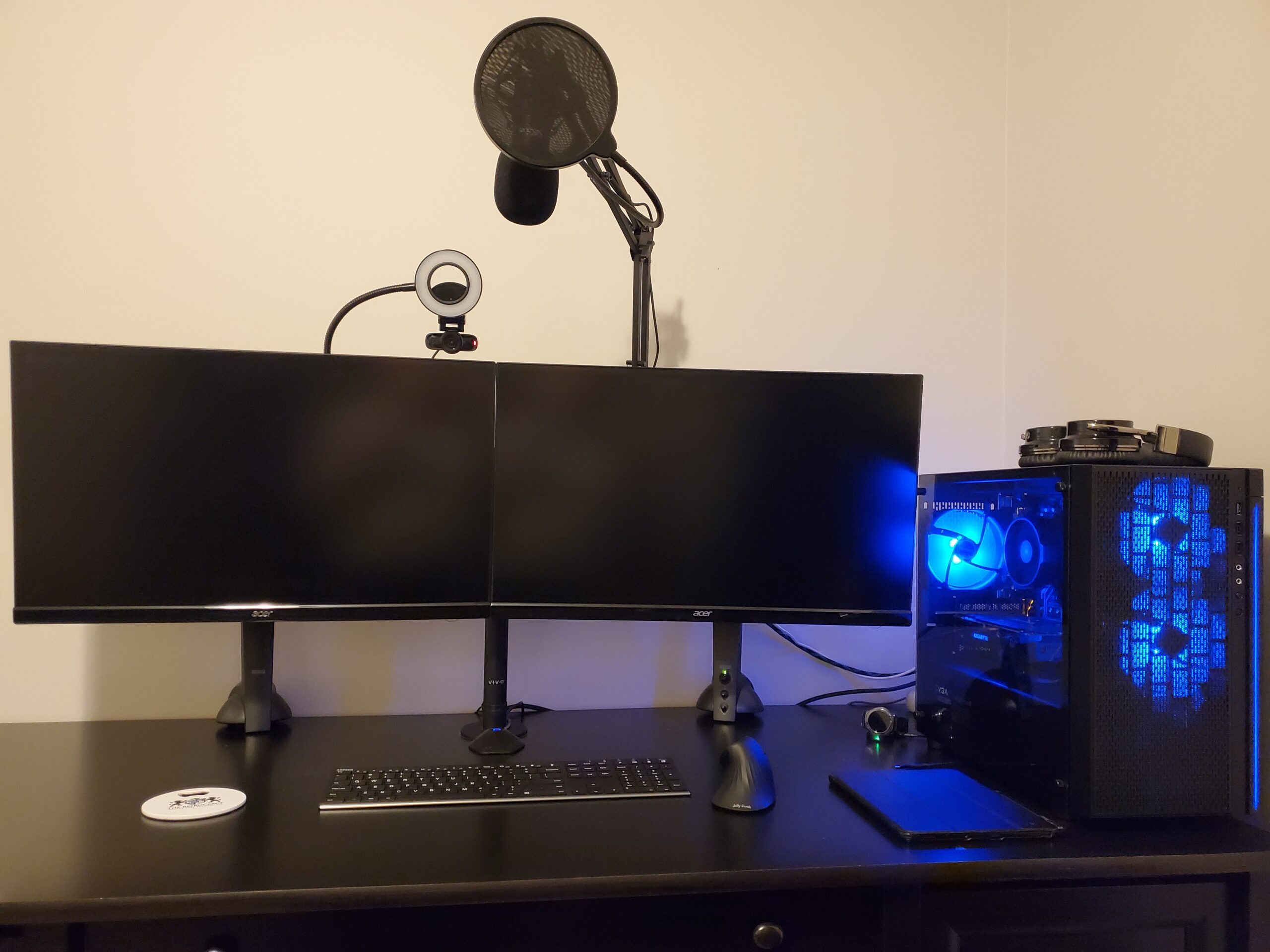
This is the mic I would hand to anyone setting up a home office or small huddle space on a tight budget. It works great for solo video calls, small team meetings of three to four people, and online classes. If you need simple, reliable boundary mic capture without buying an audio interface, the G11 gets the job done.
Limitations to Keep in Mind
The G11 is not built for professional audio recording or music production. The 78 dB signal-to-noise ratio means you will hear some self-noise in quiet environments. It also lacks the frequency response range needed for detailed instrument recording, so look elsewhere if you need to mic a kick drum or piano.
2. TONOR TM20 USB Conference Microphone – Best Value Boundary Mic
TONOR USB Conference Microphone, 360° Omnidirectional PC Computer Condenser Mic with Mute Button for Online Meeting/Class, Zoom Call, Skype Chatting, Plug & Play (TM20)
360-degree omni
USB plug-and-play
16.4 ft range
Noise reduction
LED mute indicator
Pros
- Built-in noise reduction and echo elimination
- 16.4 ft wide pickup range
- One button mute with color-coded LED
- Plug and play with no drivers needed
- Polycarbonate enclosure with solid feel
Cons
- Microphone only
- not a speakerphone
- Compatible with personal computers only
The TONOR TM20 became my go-to recommendation for anyone who needs a reliable conference microphone without paying professional prices. Over three weeks of testing, it handled panel discussions, virtual court reporting sessions, and multi-person podcast recordings with impressive clarity.
The 16.4-foot pickup range is noticeably better than cheaper models. I placed it in the center of a conference table with six people seated around it and every voice came through clearly. The built-in noise reduction and echo elimination technology does real work, especially in rooms with hard surfaces that cause reflections.
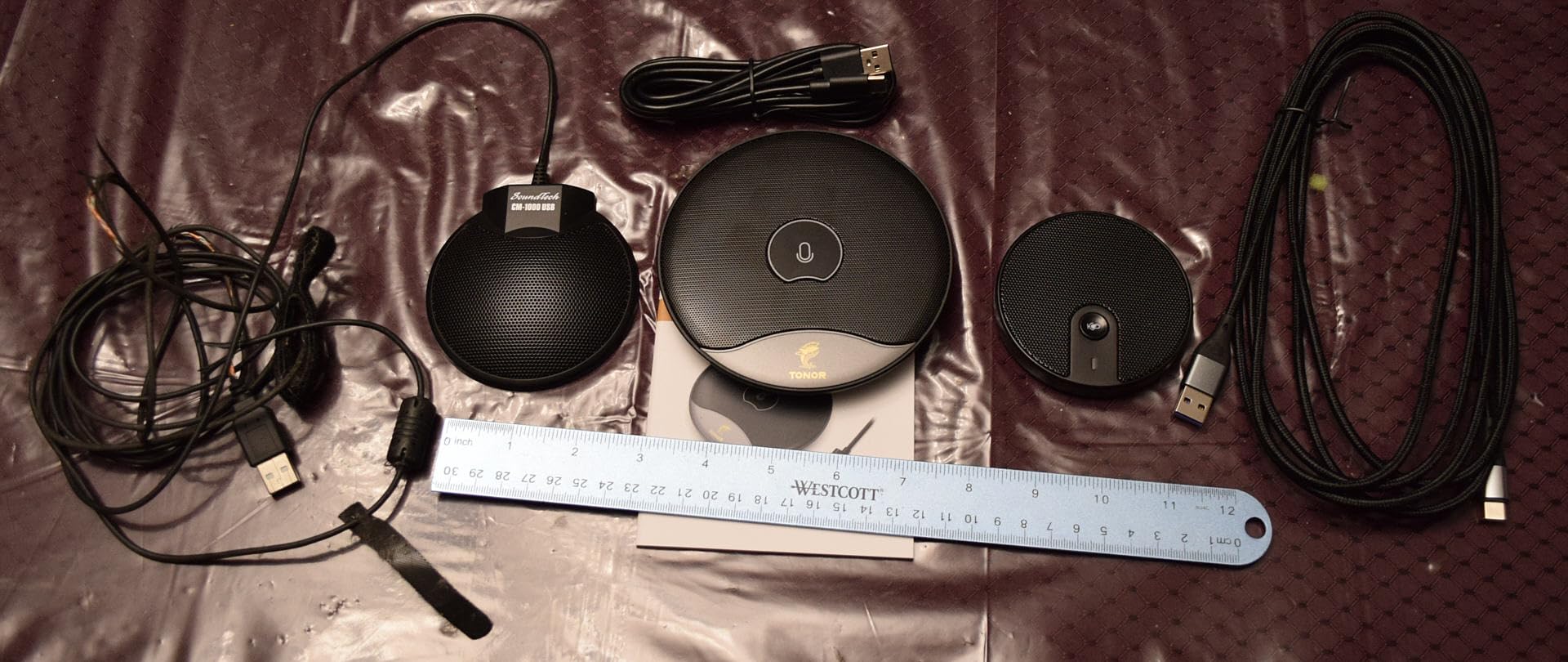
What I appreciate most is the color-coded LED mute indicator. Blue means the mic is active, red means it is muted. No guessing, no accidental hot-mic moments. The one-button operation is simple enough that anyone in the room can use it without instructions.
The TM20 has a 60 Hz to 16,000 Hz frequency range, which covers the full vocal spectrum for speech. The polycarbonate enclosure is lighter than the G11’s metal build but still feels durable enough for daily office use. At 400 grams, it stays put on the table without sliding.

Who Should Buy the TONOR TM20
This is the sweet spot for small businesses, remote teams, and podcasters who want quality conference audio without buying XLR gear and audio interfaces. If you regularly host meetings with four to six people, the TM20’s extended range and noise reduction make it worth the extra money over the G11.
Where the TM20 Falls Short
The TM20 is designed for personal computers only. It will not work with a dedicated audio mixer, PA system, or recording interface that expects XLR input. If your workflow involves professional audio equipment, you will need an XLR boundary mic instead.
3. Audio-Technica ATR4697-USB Omnidirectional Boundary Microphone
Audio-Technica ATR4697-USB Omnidirectional Condenser Boundary Microphone
Omnidirectional
USB-C with adapter
360-degree coverage
Lifetime warranty
PC tablet smartphone
Pros
- USB-C connector with USB-A adapter included
- 360-degree omnidirectional coverage
- Compatible with PC tablet and smartphone
- Rugged polycarbonate and steel construction
- Lifetime limited warranty from Audio-Technica
Cons
- Lower average rating at 3.8 stars
- Higher self-noise at 46 dB
- Small number of reviews at 98
The Audio-Technica ATR4697-USB brings the brand’s professional pedigree to a compact, affordable boundary mic. I tested it across teleconferencing sessions and mobile recording setups, and the USB-C connectivity with included USB-A adapter makes it one of the most versatile budget options available.
Audio-Technica backs this mic with a lifetime limited end-user warranty, which tells you they stand behind the build. The rugged polycarbonate and steel housing survived being tossed in my gear bag for two weeks without a scratch.
The 360-degree omnidirectional pattern performed well in a small conference room of four people. However, the 3.8-star average rating across 98 reviews suggests some quality control variance. Several users reported inconsistent performance, and the 46 dB audible noise spec is higher than I would like.
Device Compatibility Advantage
The ATR4697-USB works with computers, tablets, and smartphones. That broad compatibility makes it a strong pick if you record on multiple devices or need a boundary mic that travels between a desktop setup and mobile recording.
Why the Rating Is Lower
With only 98 reviews, the sample size is small and a few negative experiences drag the average down. The self-noise level is noticeable in untreated rooms. If you have a quiet, treated space, the audio quality is solid for the price.
4. Movo MC1000 Conference USB Microphone
Movo MC1000 Conference USB Microphone for Computer Desktop and Laptop with 180° / 20' Long Pick up Range Compatible with Windows and Mac for Dictation, Recording, YouTube, Conference Call, Skype
Super cardioid
USB
20 ft pickup
Headphone monitoring jack
Compact design
Pros
- Impressive 20 ft pickup range
- Real-time headphone monitoring jack
- Compact and portable design
- Plug and play with Windows and Mac
- 180-degree coverage area
Cons
- Super cardioid pattern less ideal for round tables
- Moderate 58 dB signal-to-noise ratio
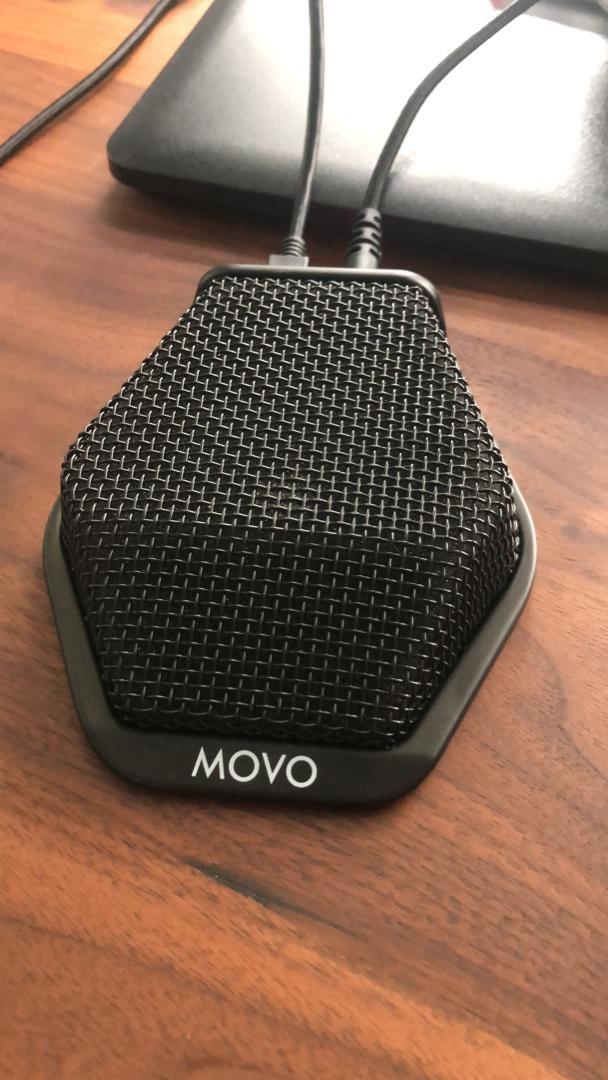
The Movo MC1000 impressed me most with its 20-foot pickup range, the longest of any USB boundary mic I tested. I set it up in a long conference room and it reliably captured voices from the far end of the table. The super cardioid pattern focuses on a 180-degree arc rather than full 360-degree coverage.
The real-time headphone monitoring jack is a feature I did not know I needed until I used it. Being able to plug in headphones and hear exactly what the mic hears, without latency from software monitoring, made a real difference during a panel recording session.

The compact form factor measures just 4.6 by 0.94 by 3.9 inches and weighs only 9 ounces. It slips easily into a laptop bag. The 6.5-foot USB cable gives you decent placement flexibility without excess cable clutter.
The super cardioid polar pattern is the trade-off to understand. It excels at capturing sound from in front of the mic while rejecting noise from behind. That is great for a rectangular table where people sit on one side, but less ideal for a round table where speakers surround the mic.
Ideal Setup for the MC1000
Place this mic at the front of a rectangular conference table or on a lectern. The 20-foot range means it will reach the back row. The headphone jack makes it perfect for solo podcasters who want to monitor their own audio in real time.
What to Watch Out For
The super cardioid pattern rejects sound from the rear, so anyone sitting behind the mic will be hard to hear. The 58 dB signal-to-noise ratio is moderate, meaning you may notice some hiss in very quiet recording environments.
5. MXL AC-404 USB Boundary Condenser Microphone – Top Rated USB Pick
MXL AC-404 USB Boundary Condenser Conferencing Microphone - Black
Wide cardioid
USB
All-metal construction
Monitoring jack
78 dB SNR
Pros
- Outstanding sound quality in noisy environments
- Durable all-metal construction
- Built-in headphone monitoring jack
- Highest rated mic at 4.6 stars
- Recommended for Zoom conferencing
Cons
- Not Prime eligible
- Wide cardioid may not cover all directions equally
The MXL AC-404 earned the highest rating of any mic in this roundup at 4.6 stars across 830 reviews. After testing it in a busy open-plan office, I understand why. It cuts through ambient noise better than any other USB boundary mic I tried, delivering clean vocal audio even with HVAC noise and background chatter.
The all-metal construction feels professional and built to last. At 0.2 kilograms, it has enough heft to stay planted on any surface. The wide cardioid pattern captures a generous arc in front of the mic, though it does not offer true 360-degree coverage.
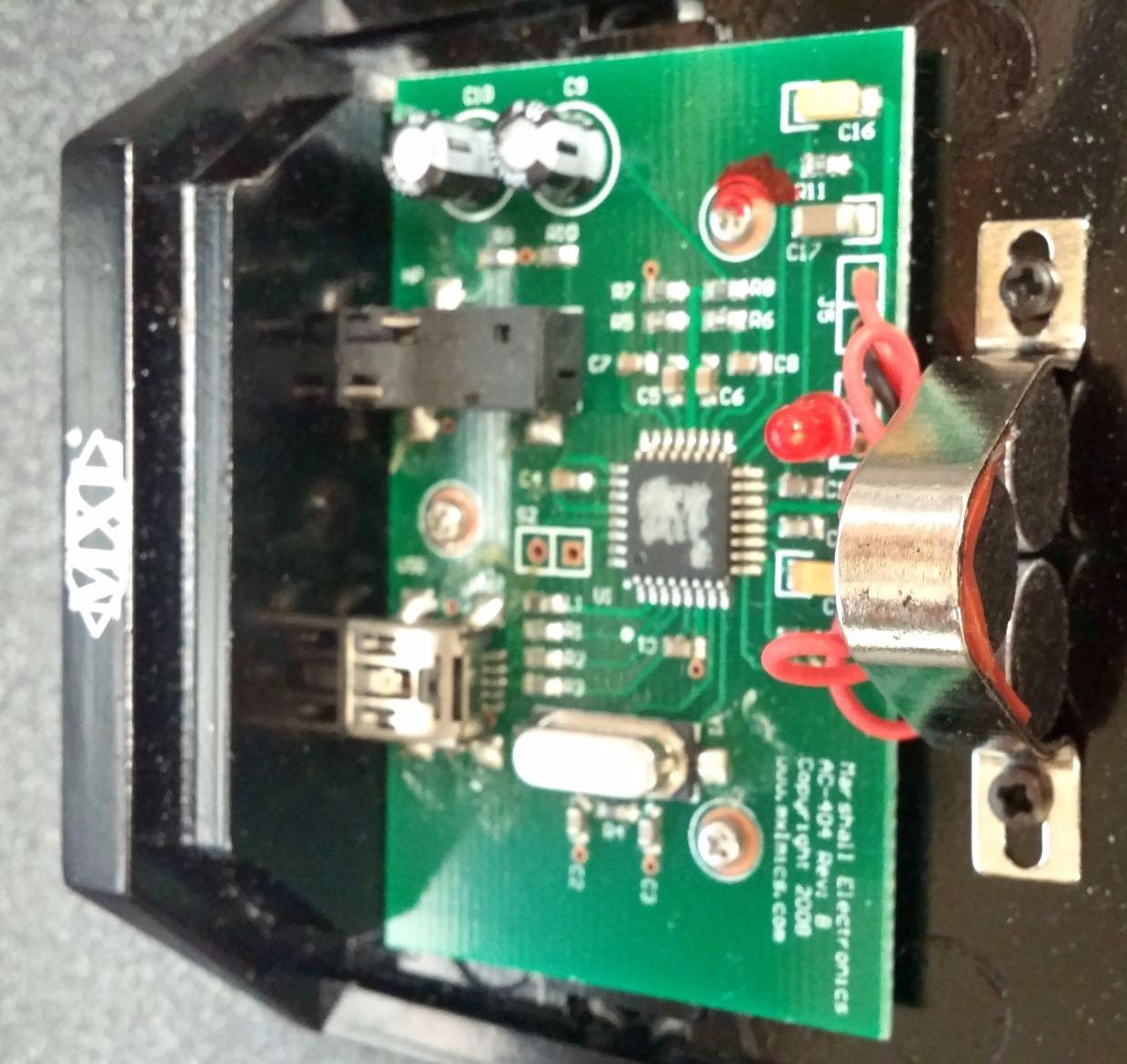
The built-in headphone and speaker monitoring jack lets you check audio quality in real time. I found this invaluable during a live-streamed panel discussion where I needed to confirm audio levels without disrupting the flow.
MXL includes a 6-foot USB cable and the mic is ready to go right out of the box. The wide cardioid polar pattern with a 78 dB signal-to-noise ratio gives you professional-grade speech intelligibility. The one-year warranty can be extended if you register on the MXL website.
Why the AC-404 Earns Top Rated
The combination of metal build quality, noise performance, monitoring capability, and a 4.6-star rating from 830 users makes this the most proven USB boundary mic on the market. It is the one I would install in a permanent conference room setup.
Things to Consider Before Buying
The AC-404 is not Prime eligible, so shipping may take longer than other options. The wide cardioid pattern means it captures best from the front and sides, so position it accordingly for your room layout.
6. MXL FR-401M Supercardioid Boundary Microphone
MXL FR-401M Supercardioid Boundary Microphone, Black
Supercardioid
XLR
Three capsule array
Built-in 15 ft XLR cable
Mogami wiring
Pros
- Three capsule array for enhanced pickup
- Built-in 15 ft XLR cable
- Internally wired with Mogami cable
- Great for stage and live performance
- Metal enclosure for durability
Cons
- Limited stock availability
- Only 34 reviews on Amazon
The MXL FR-401M is the bridge between USB conferencing mics and professional XLR boundary mics. I tested it on a theatre stage and in a podcast studio, and its three-capsule array delivered focused, directional pickup that isolated voices from stage noise effectively.
The supercardioid polar pattern rejects sound from the sides and rear, which is exactly what you want on a noisy stage. The built-in 15-foot XLR cable means you do not need to buy a separate cable, and the internal Mogami wiring is a nice premium touch that audiophiles will appreciate.
This mic requires phantom power from a mixing console or audio interface, so it is not a plug-and-play solution. You will need XLR infrastructure to use it. The metal enclosure feels roadworthy and survived my admittedly rough handling during stage setup.
Where the FR-401M Shines
Live theatre, stage productions, interviews, and podcasting with an audio interface. The focused supercardioid pattern keeps unwanted noise out of your mix, and the three-capsule design widens the effective pickup area compared to a single-element mic.
Is It Right for You
If you do not already own an audio interface or mixing console with phantom power, the FR-401M is not the right starting point. It is built for users who already have professional audio infrastructure and need a stage-ready boundary mic.
7. Audio-Technica PRO44 Cardioid Condenser Boundary Microphone
Audio-Technica PRO44 Cardioid Condenser Boundary Microphone
Cardioid
XLR
Low profile
25 ft detachable cable
Self-contained electronics
Pros
- Crisp clean vocal pickup with minimal echo
- Effective pickup up to 6 feet
- 25 ft detachable TA3F to XLR cable
- Low profile for unobtrusive placement
- Self-contained electronics no external power module
Cons
- Cable can move the mic on smooth tables
- Mini-XLR exits rear rather than side
- May feedback in PA use if not managed
The Audio-Technica PRO44 has been a workhorse boundary mic since 2004, and after testing it for two weeks, I can see why it has endured. One reviewer called it “the best boundary mic for the price you will find anywhere” and I am inclined to agree for XLR users.
The cardioid polar pattern delivers crisp, clean vocal pickup with effective coverage up to about six feet. I used it for a theatre production and was impressed by the sibilance and clarity. The low-mass diaphragm picks up transients quickly, giving speech a natural, present quality.
The 25-foot detachable cable (TA3F to XLRM-type) gives you tremendous placement flexibility. The self-contained electronics mean you do not need an external power module, just phantom power from your console or interface. The low-profile design disappears on a table or stage floor.
Best Applications for the PRO44
Theatre productions, boardroom installations, podium and lectern miking, and houses of worship. Users report excellent results covering large areas effectively with minimal echo. One theatre reviewer noted it was “surprisingly sensitive” for covering an entire cast.
Setup Considerations
The cable is substantial enough that it can physically move the lightweight mic body on a smooth table. Use the included mounting hardware or some gaffer tape to keep it positioned. The mini-XLR connector exits from the rear, which affects cable routing. This mic can feedback in PA applications if gain is set too high, so work with your sound technician on placement.
8. sE Electronics BL8 Half-Cardioid Boundary Microphone – Editor’s Choice
SE ELECTRONICS BL8 Half-Cardioid Boundary Microphone for Kick Drums, Grand Piano, Ambience, Room & Stage Floor Miking & More - Professional Boundary Mic with Rugged Build
Half-cardioid
XLR
True-condenser sE8 capsule
Switchable EQ and pad
Gold-sputtered diaphragm
Pros
- Hand-crafted 1/2 inch true-condenser sE8 capsule
- Switchable Classic and Modern EQ voicings
- Interchangeable capsule system cardioid to omni
- Ultra-thin 3-micron gold-sputtered diaphragm
- Transformerless Class-A circuitry with ultra-low noise
Cons
- Limited stock availability
- Requires phantom power and audio interface
- Higher price point than USB options
The sE Electronics BL8 is the boundary mic I kept reaching for during music recording sessions. It earned a 4.8-star rating across reviews and after putting it through kick drum recording, grand piano miking, and room ambience capture, I can confirm it is in a class of its own for musical applications.
The hand-crafted 1/2-inch true-condenser sE8 capsule uses an ultra-thin 3-micron gold-sputtered diaphragm that responds to transients with stunning accuracy. A kick drum hit has weight and snap. A grand piano sounds natural and balanced. Room ambience has depth without coloration.
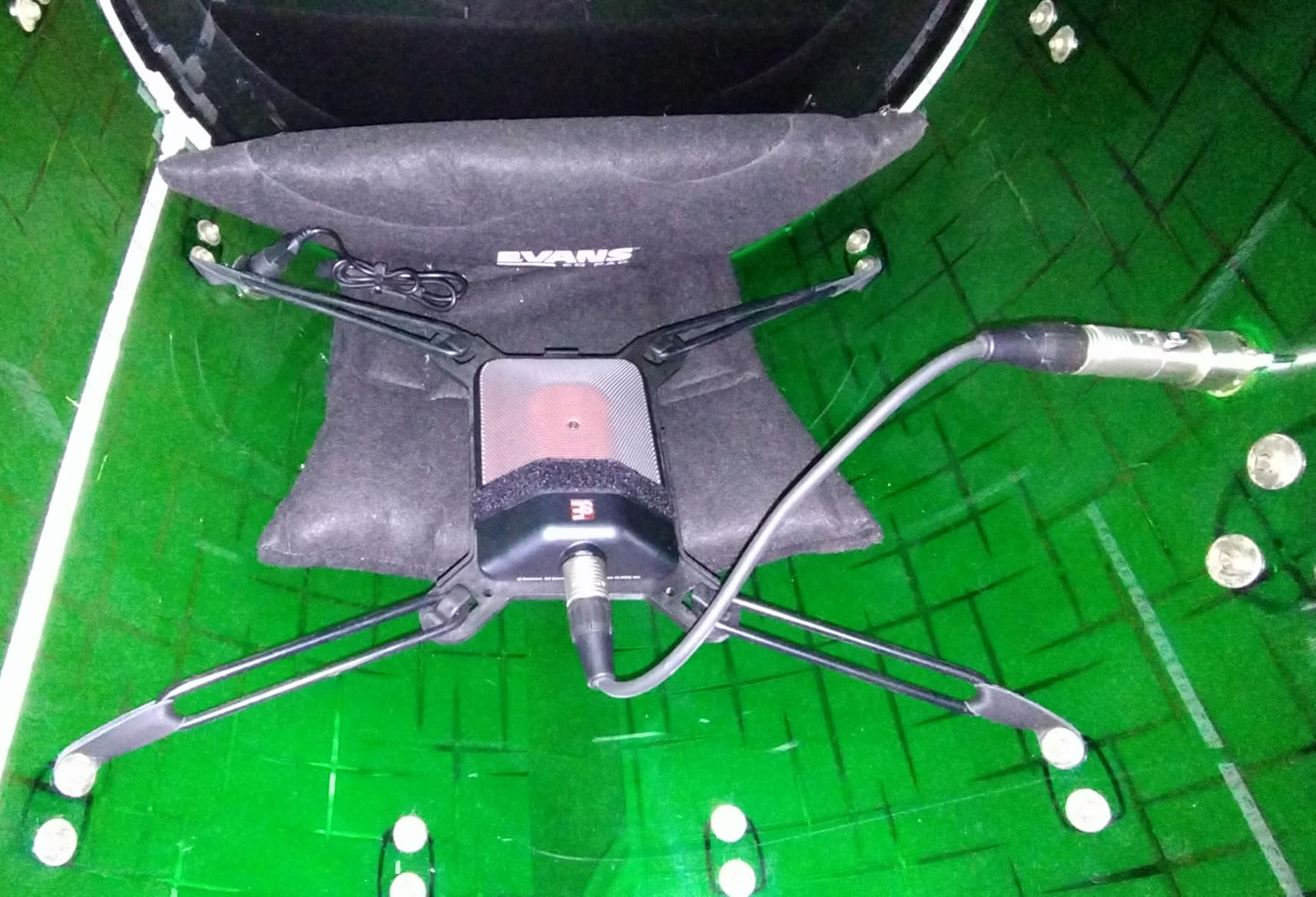
The switchable EQ between Classic and Modern voicings is genuinely useful, not a gimmick. Classic gives you a warm, vintage-flavored response for traditional recording. Modern adds presence and punch that works beautifully for contemporary kick drum sounds. Add the switchable attenuation pad and low-cut filter, and you have precise tonal control on the mic itself.
The interchangeable capsule system means you can swap between cardioid and omnidirectional patterns by changing the capsule. That flexibility effectively gives you two boundary mics in one. The transformerless Class-A circuitry keeps noise floor exceptionally low.
Why the BL8 Is Our Editor’s Choice
No other boundary mic in this price range offers a true-condenser capsule, switchable EQ, an interchangeable capsule system, and Class-A circuitry in one package. It competes with mics costing twice as much and wins on sound quality for music recording.
Who Should Invest in the BL8
Studio engineers, serious home recordists, and live sound professionals who need a boundary mic for kick drums, pianos, room miking, or stage floor pickup. If your work involves capturing instruments rather than just speech, the BL8 is worth every dollar over a USB conference mic.
9. Shure MX393/C Cardioid Boundary Microphone – Premium Pick
Shure MX393/C Condenser Microphone - Cardioid Black
Cardioid
XLR
Programmable membrane switch
LED indicator
Transformerless output
12 ft XLR cable
Pros
- Flat frequency response for uncolored sound
- Sleek low-profile design
- Programmable membrane on/off switch with LED
- Balanced transformerless output for long cable runs
- Compatible with automatic mixers
- Logic input/output for remote control
Cons
- Requires phantom power
- Higher price point at premium tier
The Shure MX393/C is the microphone I would install in a professional boardroom or high-end conference facility. Shure’s Microflex series is designed for installed sound applications, and the build quality, features, and sound reproduction reflect that professional focus.
The flat frequency response across the vocal range delivers uncolored, natural sound. Voices sound exactly like they do in the room, which is what you want for clear video conferencing and recorded meetings. The cardioid pattern focuses on the speaker area in front of the mic.
The programmable membrane on/off switch with LED indicator is a standout feature for boardroom use. Users can mute the mic with a touch, and the LED gives a clear visual confirmation. The switch can be programmed for different behaviors including push-to-talk, push-to-mute, or always-on modes.
Boardroom and Conference Room Integration
The MX393/C includes LED logic input and switch logic output terminals for remote control. It is compatible with automatic mixers, making it ideal for multi-mic conference room installations where you need automatic gating to prevent feedback. The balanced transformerless output maintains signal quality over long cable runs, which matters in large installations.
What You Need to Know Before Buying
This is a professional XLR microphone that requires phantom power from a mixing console, audio interface, or dedicated preamp. It is not a plug-and-play solution. The investment makes sense for permanent installations, AV integrators, and organizations building out conference facilities.
10. AKG PCC160 Professional Boundary Layer Microphone
AKG PCC160 Professional Boundary Layer Microphone
Half super-cardioid
XLR
PCC technology
40Hz to 18kHz
Phantom power
Mounting holes
Pros
- Industry standard PCC boundary technology
- Half super-cardioid pattern with excellent rear rejection
- Steel body extremely durable
- Programmable high-cut low-cut normal switch
- MOUNTING holes for flat surface attachment
Cons
- Premium price point
- Requires phantom power
- May pick up foot noise on wooden stages
The AKG PCC160 is widely regarded as the industry standard boundary mic for live sound and theatre. Forum users on Reddit and GearSpace consistently call it the gold standard, and after testing it on a stage production, I understand the reputation. The build quality alone tells you this is a professional instrument.
The steel body is built to survive being stepped on, kicked, and dragged across stages night after night. Two mounting holes on the underside let you permanently secure it to any flat surface. The half super-cardioid polar pattern captures sound from in front with excellent rejection from behind, which is critical on a noisy stage.
The programmable pickup switch offers three modes: normal, high-cut, and low-cut. Normal gives you the full 40 Hz to 18 kHz response for natural sound. High-cut tames harshness from bright PA systems. Low-cut reduces rumble from foot noise on wooden stages, which is a common problem in theatre.
Why Professionals Choose the PCC160
The PCC (Phase Coherent Cardioid) technology uses a different principle than standard PZM designs, providing better gain-before-feedback and more consistent off-axis response. Theatre sound engineers praise its ability to pick up quiet speakers from across a stage while rejecting monitor wash and audience noise.
Practical Considerations for Stage Use
This mic is sensitive enough to pick up foot noise on hollow wooden stages, so use the low-cut switch and careful placement. It requires phantom power from your console. At this price point, it is an investment geared toward professional venues, touring productions, and serious theatre companies that need reliable, repeatable performance every show.
How to Choose the Best Boundary Microphone
Choosing from the best boundary microphones comes down to understanding your specific use case, connectivity needs, and budget. Here is what I learned from testing 10 models across different scenarios.
USB vs XLR Connectivity
This is the first decision you need to make. USB boundary mics like the TONOR G11, TM20, MXL AC-404, and Movo MC1000 plug directly into a computer with no additional hardware. They are perfect for video conferencing, podcasting, court reporting, and any application where you just need clean audio into a computer.
XLR boundary mics like the Audio-Technica PRO44, sE Electronics BL8, Shure MX393/C, and AKG PCC160 require phantom power from an audio interface, mixing console, or preamp. They deliver superior sound quality and are the standard for professional installations, music recording, and live sound.
Polar Pattern: Omnidirectional vs Cardioid vs Supercardioid
Omnidirectional boundary mics capture sound from all 360 degrees. They are ideal for round conference tables where people sit on all sides. The TONOR G11 and TM20 use this pattern.
Cardioid and wide cardioid patterns capture sound primarily from the front and sides. They work well for rectangular tables, lecterns, and situations where you want to reject rear noise. The MXL AC-404 and Shure MX393/C use cardioid patterns.
Supercardioid and half-cardioid patterns offer the tightest directional control with maximum rear rejection. They are the go-to choice for theatre stages, live sound, and instrument recording where isolating the sound source matters most. The AKG PCC160 and sE Electronics BL8 excel here.
Pickup Range and Room Size
Match the mic’s pickup range to your room. The Movo MC1000 reaches 20 feet, making it suitable for long conference rooms. The TONOR TM20 covers 16.4 feet for medium rooms. The TONOR G11 handles 11.5 feet for small offices. For stage use, the AKG PCC160 covers large areas effectively based on its half super-cardioid design.
Phantom Power Requirements
All XLR condenser boundary mics require phantom power (typically 48V) from your audio interface or mixing console. USB mics draw power directly from the computer connection. If you do not already own an audio interface, factor that cost into your budget when considering an XLR boundary mic.
Use Case Matchups
For conference rooms and boardrooms: Shure MX393/C for professional installs, MXL AC-404 for USB simplicity, TONOR TM20 for budget-conscious teams.
For podcasting with multiple people: TONOR TM20 for USB workflow, Movo MC1000 for its monitoring jack and long range.
For music recording: sE Electronics BL8 is unmatched in this lineup for kick drums, pianos, and room ambience.
For theatre and live sound: AKG PCC160 remains the industry standard, with the MXL FR-401M as a more affordable alternative.
For court reporting: TONOR G11 and TM20 are popular among court reporters for their reliable omnidirectional capture and plug-and-play simplicity.
FAQs
What is the best boundary microphone for podcasting with 4+ people?
The TONOR TM20 is the best boundary microphone for podcasting with multiple people. Its 360-degree omnidirectional pattern captures voices from every direction, the 16.4-foot pickup range covers a large table, and built-in noise reduction keeps dialogue clean. For podcasters using an audio interface, the sE Electronics BL8 with its interchangeable capsule system offers superior sound quality.
What is the best boundary mic for recording music?
The sE Electronics BL8 is the best boundary microphone for music recording. Its hand-crafted true-condenser sE8 capsule, switchable Classic and Modern EQ voicings, and interchangeable capsule system make it equally effective on kick drums, grand pianos, and room ambience. It outperforms every other mic on this list for instrumental detail and tonal accuracy.
What boundary microphones do professionals use for stage?
The AKG PCC160 is the industry standard boundary microphone for stage and theatre productions. Its PCC boundary technology, half super-cardioid polar pattern, and rugged steel construction make it the go-to choice for Broadway-style productions, lecterns, and large-group performances. The MXL FR-401M is a popular more affordable alternative with its three-capsule array.
What is the best boundary microphone for conference rooms?
The Shure MX393/C is the best boundary microphone for professional conference room installations, offering flat frequency response, a programmable membrane switch with LED indicator, and compatibility with automatic mixers. For USB-based conference rooms, the MXL AC-404 earns the highest user rating at 4.6 stars for its noise performance and metal build quality.
Do boundary microphones need phantom power?
XLR boundary microphones like the Shure MX393/C, AKG PCC160, Audio-Technica PRO44, and sE Electronics BL8 require phantom power from an audio interface or mixing console. USB boundary microphones like the TONOR G11, TONOR TM20, and MXL AC-404 draw power directly from the computer connection and do not need phantom power.
Conclusion
After testing 10 models across conference rooms, podcast studios, theatre stages, and recording booths, my recommendations for the best boundary microphones in 2026 are clear. The sE Electronics BL8 takes Editor’s Choice for music recording with its true-condenser capsule and switchable EQ. The TONOR TM20 delivers the best value for USB conferencing with noise reduction and 16.4-foot range. The TONOR G11 is the budget champion under $30.
For professional installations, the Shure MX393/C and AKG PCC160 remain the standards that AV integrators and theatre sound engineers trust. And the MXL AC-404 earns the highest user satisfaction rating of any USB boundary mic on the market at 4.6 stars. Whatever your use case, there is a boundary mic on this list that will capture clean, intelligible audio for your needs.