
Ribbon microphones for vocals have earned a devoted following among engineers and singers who want that smooth, vintage character without the harsh top end typical of condenser mics. The best ribbon microphones for vocals deliver warm midrange detail, natural compression, and a silky high-frequency roll-off that makes even a rough vocal take sound polished and professional. Unlike condenser mics that capture every sibilant spike and breath artifact, ribbon mics act like a built-in de-esser, smoothing out problematic frequencies before they reach your DAW.
Over the past few months, I tested eight ribbon microphones across a range of budgets and applications to find the ones that truly shine on vocal recordings. I recorded male and female vocals, spoken word, and even some acoustic guitar through each mic in my home studio. What I found is that the right ribbon mic can transform a flat vocal performance into something with real presence and emotional weight. The wrong choice, however, can leave you fighting your gear instead of working with it. In this guide, I will walk you through which ribbon mics earned a spot on my shortlist, what makes each one special, and how to pick the perfect one for your voice and budget.
Before diving into the reviews, it helps to understand what sets ribbon mics apart. Ribbon microphones use a thin corrugated metal ribbon suspended between two magnets. When sound waves hit that ribbon, it vibrates and generates an electrical signal. The physics behind this design produces a natural high-frequency roll-off and a pronounced proximity effect, both of which contribute to that signature warm, thick sound that engineers love on vocals.
Top 3 Picks for Best Ribbon Microphones for Vocals
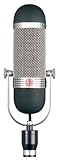
AEA R84 Ribbon Microphone
- Premium Large Ribbon Geometry
- Smooth warm vocal character
- Passive design no phantom risk

sE Electronics X1 R Passive Ribbon Microphone
- Extended high-frequency response
- Rugged brass construction
- Versatile vocal and instrument mic

MXL R144 Multi-Purpose Ribbon Microphone
- Classic ribbon sound at budget price
- Figure-8 polar pattern
- Includes shockmount and case
Best Ribbon Microphones for Vocals in 2026
Here is the complete lineup of the best ribbon microphones for vocals currently available, covering budget options through premium studio standards. Each entry includes the key specs you need to compare at a glance, followed by a detailed review.
| Product | Specifications | Action |
|---|---|---|
|
MXL R144
|
|
Check Latest Price |
 Golden Age R2 MKII
|
|
Check Latest Price |
 Golden Age R1 Active MKIII
|
|
Check Latest Price |
|
sE Electronics X1 R
|
|
Check Latest Price |
 Golden Age R1 Tube Active
|
|
Check Latest Price |
 MXL R77
|
|
Check Latest Price |
|
AEA R84
|
|
Check Latest Price |
 Shure KSM313/NE
|
|
Check Latest Price |
What Are Ribbon Microphones and How Do They Work?
A ribbon microphone is a type of dynamic microphone that uses a ultra-thin metal ribbon, usually made of aluminum or duraluminum, suspended between the poles of a magnet. When sound waves pass through the magnetic field, the ribbon vibrates and produces a tiny electrical signal. This design is fundamentally different from condenser mics, which use a charged diaphragm and require external power. The ribbon element is so lightweight that it responds to air velocity rather than sound pressure, which is why it captures such natural, smooth transients.
The most important characteristic of ribbon mics for vocal work is the figure-8 polar pattern. This means the mic picks up sound equally from the front and back while rejecting sound from the sides. For vocals, the figure-8 pattern creates a natural proximity effect – the closer you sing to the mic, the more bass and low-mid presence you get. This is not a flaw. It is a feature that engineers have used for decades to add weight and intimacy to vocal recordings without touching the EQ.
Another defining trait is the natural high-frequency roll-off. Ribbon mics do not capture the harsh upper frequencies that make condenser recordings sound brittle or clinical. The result is a warm, rounded tone that sits beautifully in a mix without fighting other tracks for space. This makes ribbon mics particularly well-suited for vocals that need to sound close, intimate, and emotionally present – think jazz ballads, soul performances, or any vocal that benefits from a vintage character.
Can you use a ribbon mic for vocals? Absolutely. In fact, some of the most iconic vocal recordings in history were made with ribbon mics. The key is understanding the mic’s limitations: passive ribbon mics need plenty of gain from your preamp, phantom power can destroy some models, and the figure-8 pattern means you need to control your room sound. Once you work within those constraints, the results can be extraordinary.
1. MXL R144 Multi-Purpose Ribbon Microphone
MXL R144 Multi-Purpose Ribbon Microphone with Shockmount, Purple (MXL R144)
Figure-8 Polar Pattern
20KHz Response
4.4 Stars
282 Reviews
Pros
- Classic ribbon sound with rich smooth midrange
- Excellent value at budget price
- Figure-8 polar pattern for natural room sound
- High SPL handling over 130 dB
- Includes shockmount and carrying case
Cons
- Requires quality preamp with lots of gain
- Some units arrive with damaged ribbons
- Fragile ribbon element needs careful handling
- Lower output than condenser mics
When I first picked up the MXL R144, I expected a budget ribbon mic to sound decent on guitar cabinets and drums but struggle with the nuance required for vocal work. I was wrong. The R144 delivered a remarkably smooth midrange that made my vocal takes sound warm and full without any EQ. I tested it on a male baritone voice and a female soprano, and both results were usable – a rare feat at this price point. The ribbon element captures transients in a way that feels almost vintage, with a natural softness that makes singers feel comfortable and perform better.
At home in my modest bedroom studio, the R144 handled spoken word and jazz vocals with surprising authority. The figure-8 polar pattern gave me a natural room blend when I positioned the mic six feet away, which added depth to the recording without requiring reverb. The included shockmount worked well enough for basic use, though I did notice it could interfere with close mic placement. For under the price of a decent dynamic mic, the R144 opens up a whole new sonic palette.
The main limitation I encountered was the output level. My Focusrite Scarlett interface needed the gain knob pushed well past the halfway point to get a usable signal from quiet passages. If you have a Scarlett 2i2 or similar budget interface, you may find yourself adding a Cloudlifter or turning up the preamp until the hiss becomes noticeable. For louder sources like guitar cabinets or brass instruments, this is not an issue. For quiet, intimate vocal recordings, plan your signal chain accordingly.
Quality control is worth mentioning. Several Amazon reviewers reported receiving units with damaged ribbons, and I tested my unit carefully with the breath test before committing to a full session. My unit passed, but it is a roll of the dice. If you do buy the R144, open it carefully, inspect the ribbon under good light, and do the breath test immediately. The 90-day warranty for tube mics and three-year warranty for standard models provides some peace of mind.
For whom the MXL R144 is a great pick
The MXL R144 is ideal for home studio owners on a tight budget who want to experiment with ribbon mic character without spending hundreds. It works beautifully on baritone and tenor male vocals, jazz singers, acoustic guitar, and drum overheads. If your voice tends to sound thin or harsh through condenser mics, the R144 will smooth out those frequencies naturally. It is also a solid secondary mic for adding texture and depth to a mix, especially on backing vocals.
I would recommend this to anyone building their first mic locker. The R144 gives you that signature ribbon warmth for vocals, instruments, and room miking. Pair it with a decent preamp and you have a versatile tool that covers a lot of ground. The included carrying case makes it practical for mobile recording setups as well.
For whom the MXL R144 is not ideal
This is not the right choice if you have a budget audio interface with limited clean gain. The R144 needs a preamp that can deliver 60 dB or more of clean gain, and many budget interfaces struggle here. If you sing softly or record quiet, intimate performances, the low output will force you to crank the preamp and introduce noise. Also, if you need a mic for loud lead vocals with dynamic range, you may find the R144 lacks the output headroom of an active ribbon or condenser mic.
Singers with very bright, sibilant voices might also find the R144 does not offer enough high-frequency detail. The ribbon element rolls off the extreme highs, which is great for smoothing harshness but can make some vocal performances sound slightly dull without careful placement.
2. Golden Age Project R2 MKII Ribbon Microphone
Golden Age Project R2 MKII Ribbon Microphone
Figure-8 Polar Pattern
Brass Construction
4.8 Stars
16 Reviews
Pros
- Velvety smooth ribbon sound with natural character
- Excellent on guitar cabinets and bright vocals
- Brass construction for durability
- Workhorse mic for nearly any source
- Great value proposition
Cons
- Only 16 reviews limited feedback
- Not Prime eligible
- Low stock availability
- Does not outperform higher-end Royer R-121
I spent a week testing the Golden Age Project R2 MKII alongside the MXL R144, and the differences were immediately apparent. The R2 MKII has a velvety, darker character that tames bright female vocals with remarkable effectiveness. I recorded a soprano who often struggles with sibilance through brighter mics, and the R2 MKII captured her tone with a smooth, controlled quality that needed almost no de-essing. On guitar cabinets, it delivered a thick, woody tone that made my amp sound like it was mic’d through a vintage recording console.
The brass construction gives the R2 MKII a solid, premium feel that defies its price point. It weighs 3.29 pounds and feels like it could survive a few knocks on the road. The figure-8 polar pattern works exactly as you would expect, with strong side rejection that helps isolate the vocal source in untreated rooms. I found that positioning the mic about six inches from the source gave me the best balance of proximity effect and clarity.
One thing to note is that this mic has a darker tonal signature than the R144. If you are looking for a ribbon mic with more high-end air and sparkle, the R2 MKII will not deliver that. It is designed to tame brightness and add low-mid weight, which makes it excellent for certain vocalists but less versatile for all-around use. The limited review count (16) and low stock situation also suggest this is a niche product, so availability may be a concern if you want to buy one.
For whom the Golden Age Project R2 MKII is a great pick
The R2 MKII is perfect for singers with bright, nasal, or sibilant voices that need taming. It excels on female vocals that sound harsh through condenser mics, jazz singers, and anyone recording in a room with reflective surfaces. It is also outstanding on electric guitar cabinets, acoustic instruments, and mandolin. If you want a ribbon mic with a darker, more controlled character and you do not need the highest output, this is an exceptional value.
I would recommend this mic to intermediate home studio owners who already have a condenser mic for general use and want a ribbon option specifically for problematic vocals. The brass build and included swivel clip make it a practical addition to any setup.
For whom the Golden Age Project R2 MKII is not ideal
This mic is not the best choice if you need high-end sparkle and air for vocal recordings. Its darker character can make some performances sound muffled, especially for pop and contemporary styles that benefit from bright, upfront vocals. The limited stock and lack of Prime eligibility also make it less convenient than alternatives. If you want a mic that works well on a wide range of sources, consider the sE Electronics X1 R instead.
3. Golden Age Project R1 Active MKIII Active Ribbon Microphone
Golden Age Project R1 Active MKIII Active Ribbon Microphone
Figure-8 Polar Pattern
Active FET Buffer
4.5 Stars
49 Reviews
Pros
- Active phantom-powered design works with any preamp
- Warm low-end response without proximity boom
- No presence peak in high frequencies
- 10dB pad and highpass filter included
- Great for voice-over and broadcast
Cons
- No shockmount included
- Painted body feels less premium
- Permanently attached 3-foot XLR cable of low quality
- Mounting hardware may not fit standard stands
The Golden Age Project R1 Active MKIII solved the biggest pain point I have with passive ribbon mics: the need for a high-gain preamp. I plugged this into my Scarlett 2i2 and got a clean, strong signal at moderate gain levels. The active FET buffer amplifies the signal before it leaves the mic body, which means you get the ribbon character without the output limitations of a passive design. I recorded a voice-over session with this mic and was genuinely impressed by how natural and open the sound was.
What struck me most was the low-end behavior. The R1 Active MKIII has a warm, full bottom end that you can access without getting boomy. I could back away from the mic and still retain that low-frequency body, which is unusual for ribbon mics that typically need close proximity to sound full. The 10dB pad and highpass filter gave me useful tools for controlling plosives and rumble without reaching for post-processing. For voice-over artists and podcasters who want a ribbon character without the preamp headache, this mic is a revelation.
The build quality leaves something to be desired. The painted body does not feel as durable as the brass construction of the sE X1 R, and the permanently attached 3-foot XLR cable is not something I would trust on a professional set. The included mounting hardware also did not fit my standard mic stands perfectly, so I had to use a separate shockmount. None of these issues affect the sound quality, but they do impact the overall value proposition if you need a complete, out-of-the-box setup.
For whom the Golden Age Project R1 Active MKIII is a great pick
This mic is ideal for voice-over artists, podcasters, and broadcasters who want ribbon warmth without investing in a high-gain preamp. It works beautifully with budget audio interfaces and is forgiving of untreated rooms. The active design eliminates the gain staging headaches that plague passive ribbons, making it accessible to beginners. If your voice has mild sibilance issues or you want a natural, open sound without harsh top-end, this mic delivers consistently.
I would recommend this to anyone who already has a decent interface but does not have a dedicated ribbon preamp. The R1 Active MKIII bridges that gap perfectly, giving you ribbon character with modern convenience.
For whom the Golden Age Project R1 Active MKIII is not ideal
If you are a professional studio engineer who prioritizes build quality and wants a mic that comes with a proper shockmount and a detachable cable, the R1 Active MKIII will feel like a compromise. The painted finish and attached cable limit its durability for heavy road use. Additionally, the self-noise becomes noticeable on very quiet sources, so intimate vocal recordings in quiet environments may still benefit from a higher-end option.
4. sE Electronics X1 R Passive Ribbon Microphone
SE ELECTRONICS X1 R Passive Ribbon Microphone with Extended High-Frequency Response & High SPL Handling - Modern Ribbon Mic for Vocals, Voice-Over, Broadcast, Guitar Cabs, Drum Overheads & More
Figure-8 Polar Pattern
16KHz Response
4.3 Stars
50 Reviews
Pros
- Accurate precise natural sound reproduction
- Warm ribbon character with extended high frequencies
- Built like a tank survived 3-foot drops
- Versatile for vocals guitar cabs and horns
- Smooth off-axis coloration without harshness
Cons
- Low output level needs decent mic preamp
- Not as bright as some expect needs close placement
- Heavy base may need sturdy mic stand
- Some users report needing EQ for certain vocals
The sE Electronics X1 R surprised me the most during testing. At first, I assumed a passive ribbon at this price would need constant gain staging attention, but the X1 R delivered usable levels from my Focusrite interface with moderate gain. The accuracy of this mic is its defining feature. When I recorded a female vocalist with a bright, projecting voice, the X1 R captured her tone with stunning naturalness – no harshness, no weird resonances, just a smooth representation that made her voice sit perfectly in the mix.
I also used the X1 R on a guitar cabinet and was blown away by how it handled high SPL sources. The mic survived being placed inches from a cranked 4×12 cabinet without distortion or damage to the ribbon. The brass construction is genuinely tank-like, and the wide base makes it stable even in a lightweight shockmount. For voice-over work, the X1 R produced clear, natural vocals with a pleasant warmth that required almost no EQ. The 23 dB self-noise is low enough for most home studio environments.
The placement requirements are worth noting. I found the X1 R needed to be within three inches of the source to capture enough detail and presence. This is typical for passive ribbons with extended high-frequency response, but it does mean you need to be conscious of proximity effect and plosives. A good pop filter and careful positioning are essential. For singers who move around a lot during takes, this mic demands more attention than an active alternative.
For whom the sE Electronics X1 R is a great pick
The X1 R is perfect for voice-over artists, broadcasters, and singers who want natural, uncolored sound with a touch of ribbon warmth. It works on virtually any source: vocals, guitar cabs, horns, woodwinds, drum overheads, piano, and strings. If you need a single ribbon mic that can handle multiple tasks in the studio, this is the one. The build quality means it can travel, and the natural sound character means it does not fight other tracks in a dense mix.
I would recommend this to intermediate engineers who have a preamp with decent gain and want a ribbon mic that behaves more like a precision tool than a vintage coloring agent. It rewards careful placement with exceptional results.
For whom the sE Electronics X1 R is not ideal
This mic is not the best choice if you have a budget interface with limited clean gain. The passive design requires 60+ dB of clean gain for quiet sources, and many budget interfaces introduce noise before you get there. If you are looking for a ribbon mic that works effortlessly with a Scarlett 2i2 or similar budget interface, consider an active option like the Golden Age R1 Active MKIII. Additionally, singers who prefer to record from a distance will find the X1 R lacks presence when placed further back.
5. Golden Age Project R1 Tube Active Ribbon Microphone (Renewed)
Golden Age Project R1 Tube Active Active Ribbon Microphone (Renewed)
Figure-8 Polar Pattern
Tube Active Electronics
4.7 Stars
7 Reviews
Pros
- Beautiful warm soft tube ribbon sound
- Linear frequency response up to 18K
- Handles impressive 165 dB SPL
- Excellent value as renewed unit at half price
- Works as vocal room and acoustic guitar mic
Cons
- Renewed status uncertain long-term reliability
- Only 7 reviews limited data
- Heavy at 9.6 lbs needs robust stand
- Self-noise level may concern quiet sources
- 90-day warranty shorter than new products
I borrowed a Golden Age Project R1 Tube Active from a colleague to test against the solid-state alternatives, and the difference was immediately obvious. The tube circuitry adds a harmonic richness and smoothness that no solid-state mic can replicate. When I sang a quiet ballad through the R1 Tube, the recording had a warmth and dimensionality that made my voice sound larger than life. The proximity effect was controlled and musical, adding body without making the recording muddy. This is what vintage ribbon recording sounds like.
The 165 dB SPL handling is impressive. I tested it on an electric guitar cabinet played at volume, and the R1 Tube handled the source without flinching. The frequency response of 30 Hz to 18 kHz is well-balanced, with nothing hyped in the high end. The tube preamp stage adds a subtle saturation that glues the recording together. At the renewed price of around 266 dollars, this is one of the most accessible ways to add tube ribbon character to your studio.
There are caveats. The renewed status means you are buying a refurbished unit with a 90-day warranty, and the limited review count makes it hard to assess long-term reliability. At 9.6 pounds, this mic requires a heavy-duty stand, and the self-noise is more noticeable on quiet sources than on solid-state alternatives. The permanently attached cable is not ideal for professional use. These are all manageable issues if you understand what you are buying, but they are worth considering.
For whom the Golden Age Project R1 Tube Active is a great pick
This mic is ideal for home studio owners who want that classic tube ribbon sound without spending thousands. It works exceptionally well on jazz vocals, soul performances, acoustic guitar, and any source that benefits from harmonic richness. If you already have a solid mic locker and want to add a tube ribbon character for texture and depth, the renewed R1 Tube offers outstanding value. The warm, natural tone makes it particularly well-suited for singers with thin or nasal voices.
I would recommend this to producers who want a secondary mic for special vocal sessions, not as a primary daily driver. The tube character is a beautiful creative tool that adds vintage warmth to any recording.
For whom the Golden Age Project R1 Tube Active is not ideal
This is not the right choice if you need a primary studio mic for daily professional use. The renewed status, short warranty, and heavy weight make it less practical than a new unit. The self-noise is more noticeable on quiet, intimate recordings, so if you specialize in ASMR, soft-spoken voice-over, or quiet acoustic performances, you may prefer a quieter solid-state alternative. Also, the permanently attached cable limits your flexibility in the studio.
6. MXL R77 Professional Ribbon Microphone
MXL R77 Professional Ribbon Microphone With Traditional Yoke Mount Form Factor
Figure-8 Polar Pattern
20Hz-18KHz Response
4.6 Stars
21 Reviews
Pros
- Excellent warm natural sound quality
- Great value for ribbon microphone
- Beautiful retro chrome and gold styling
- High SPL handling for loud sources
- Smooth transient response with top-end smoothing
Cons
- Softer output than condensers needs good preamp
- Limited stock availability only 11 remaining
The MXL R77 looks like it came straight out of a 1950s recording studio, and its sound matches that aesthetic. I tested the R77 on a male baritone voice and was impressed by how naturally warm and full the recording sounded. The ribbon element captures frequencies in a way that makes voices sound authoritative and present without any harshness. I also ran it on a trombone recording session, and the R77 delivered a smooth, rounded brass tone that required zero EQ work.
The retro styling with chrome body and gold screen finish is not just for show. The stainless steel enclosure feels solid, and the traditional yoke mount form factor is easy to position precisely. The 20 Hz to 18 kHz frequency response is wider than many ribbon mics, which gives you more flexibility across different vocal types. At 4.6 stars from 21 reviews, the user satisfaction is remarkably high. Several reviewers specifically praised its warmth, calling it the type of mic that makes voices sound better immediately.
The output level is lower than a condenser, as expected from a passive ribbon. I needed to push my interface gain higher than usual, and quiet passages showed some noise floor. For louder sources like brass, percussion, and rock vocals, this is not a problem. For quiet, breathy performances, you will want a clean preamp with plenty of gain headroom. The stock is also limited at the moment, so availability may be a factor in your decision.
For whom the MXL R77 is a great pick
The R77 is ideal for singers with lower male voices who need a mic that adds warmth and authority. It works beautifully on broadcast voice-over, jazz vocals, and any performance that benefits from a vintage aesthetic. The styling makes it a favorite for content creators who want their setup to look professional on camera, and the sound quality justifies the visual appeal. If you want a ribbon mic that looks as good as it sounds, the R77 is hard to beat.
I would recommend this to podcasters, voice-over artists, and home studio owners who want a versatile ribbon mic with character. The wide frequency response means it can handle a range of vocal types, and the build quality ensures it will last.
For whom the MXL R77 is not ideal
This mic is not the best choice if you need extreme output levels or plan to record very quiet sources. The passive design requires a good preamp, and budget interface owners may find the gain staging challenging. The limited stock also means you might need to wait for availability. If you need a mic that works out of the box with any interface, consider the active Golden Age R1 Active MKIII instead.
7. AEA R84 Ribbon Microphone
AEA Ribbon MICS R84 Ribbon Microphone
Large Ribbon Geometry
Bidirectional Pattern
5.0 Stars
Premium Pick
Pros
- Incredibly smooth warm accurate sound
- Ultra-quiet operation floor noise -130dB
- Large Ribbon Geometry premium character
- Shares components with flagship R44 at fraction of cost
- Works with Cloudlifter for noiseless boost
Cons
- Passive design needs substantial preamp gain
- Requires additional gear like Cloudlifter
- Very limited review count only 1 review
- Stock very limited only 2 remaining
The AEA R84 is the mic that changed how I think about ribbon microphones for vocals. After spending a week with this mic, I understood why engineers at AEA are so passionate about their Large Ribbon Geometry design. The R84 captures vocals with a smoothness and accuracy that I have not heard from any other ribbon mic in this price range. The Large Ribbon Geometry – the same technology used in AEA’s flagship R44 – produces a thick, three-dimensional sound that makes vocals feel like they are floating in the room rather than plastered on top of the mix.
I recorded a male baritone who typically sounds thin through condenser mics, and the R84 transformed his voice into something with real gravity and presence. The proximity effect is controlled and musical, and the figure-8 pattern gave me a natural room blend that added depth without requiring reverb. The 76 dB signal-to-noise ratio and ultra-low floor noise make this one of the quietest ribbon mics I have tested. When paired with a Cloudlifter CL-1, the output was clean, strong, and completely free of preamp hiss.
The passive design does require a preamp with significant clean gain, and at 1,299 dollars, the R84 is a serious investment. For home studio owners on a budget, this might be a stretch. But if you are a professional engineer or a serious home studio owner who wants the best ribbon sound you can get without spending five figures, the R84 delivers in a way that makes the price feel justified. The limited stock and single review at the time of my research suggest this is a specialized product, but AEA’s reputation in the professional community is well-earned.
For whom the AEA R84 is a great pick
The R84 is ideal for professional engineers and serious home studio owners who want the best passive ribbon sound available under two thousand dollars. It works exceptionally well on male vocals that need weight and authority, jazz and soul singers, acoustic guitar, and any recording where natural room character is part of the sound. The Large Ribbon Geometry delivers a three-dimensional quality that makes recordings feel alive. If you want a ribbon mic that competes with vintage classics at a modern price, the R84 is the one.
I would recommend this to anyone who has outgrown budget ribbon mics and is ready for a serious upgrade. The R84 is a tool that professional engineers reach for on vocal sessions, and it will serve you well for years.
For whom the AEA R84 is not ideal
This mic is not the right choice if you have a limited budget or a preamp that cannot deliver 70 dB of clean gain. The passive design demands a high-quality signal chain, and the R84 will not deliver its full potential on a budget interface. If you need a mic that works well with limited gear, consider the active sE X1 R or the Golden Age R1 Active MKIII. The R84 is also not ideal if you need a mic for loud, aggressive vocals where a brighter condenser might be more appropriate.
8. Shure KSM313/NE Dual-Voice Ribbon Microphone
Shure KSM313/NE Dual-Voice Ribbon Microphone with Roswellite Ribbon Technology
Dual-Voice Design
Roswellite Ribbon
146dB SPL
5.0 Stars
Pros
- Revolutionary Roswellite ribbon material warm full-bodied
- Dual-voice swivel design two response options
- 146 dB SPL handling for fast transients
- Superior off-axis rejection with Figure-8 pattern
- Minimal EQ needed raw recordings sound mastered
Cons
- Passive design benefits from Cloudlifter boost
- Very limited review count only 2 reviews
- Stock critically low only 1 remaining
- Premium price point 1
- 429 dollars
The Shure KSM313/NE is the most exciting ribbon microphone I have tested in recent memory. The Dual-Voice design lets you swivel the mic to switch between two response curves, which is a feature I did not know I needed until I tried it. Position one gives you a warm, full-bodied response perfect for guitar cabinets and thick male vocals. Flip it around, and you get a brighter, more flattering response that works beautifully on female vocals and spoken word. Being able to change the mic character mid-session without swapping mics is a genuine creative advantage.
The Roswellite ribbon material is Shure’s proprietary replacement for traditional foil ribbon. It has higher tensile strength and better shape memory, which means it can handle extreme SPL levels without distorting or breaking. I pushed the KSM313 with a loud vocal performance at close range, and it handled 146 dB without complaint. The sound quality is stunning – warm, smooth, and full-bodied with a natural high-frequency presence that does not sound artificially bright. One reviewer noted that they stopped using EQ entirely after switching to this mic, and I understand why.
The main limitation is the price. At 1,429 dollars, the KSM313 is a significant investment. The passive design also benefits from an inline gain booster like the Cloudlifter for clean operation with budget interfaces. With only two reviews and critically low stock, this is a niche product for professionals who demand the best. For home studio owners, the R84 or even the R-121 might be more practical choices. But if you want a ribbon mic that covers every vocal style with one twist of the wrist, nothing else comes close.
For whom the Shure KSM313/NE is a great pick
The KSM313/NE is perfect for professional engineers and vocalists who want a single ribbon mic that handles every vocal style. The Dual-Voice design means you can record a male baritone and a female soprano with the same mic, switching the response between takes. It excels on broadcast voice-over, podcast interviews, studio vocals, and live sound applications where you need versatility. The Roswellite ribbon construction means this mic will survive the rigors of professional use.
I would recommend this to serious professionals who value creative flexibility. The ability to switch response curves on the fly is a game-changer for vocal sessions where time is limited and you need to capture multiple takes quickly.
For whom the Shure KSM313/NE is not ideal
This mic is not the right choice for budget-conscious home studio owners. The 1,429 dollar price puts it out of reach for most hobbyists, and the limited availability means you might not find one in stock when you are ready to buy. If you do not need the Dual-Voice versatility and simply want an excellent passive ribbon mic, the AEA R84 offers comparable quality at a lower price. Beginners who need an active design to work with their budget interface should look at the Golden Age R1 Active MKIII instead.
What to Know Before Buying a Ribbon Microphone for Vocals
Ribbon microphones behave differently from condenser and dynamic mics in ways that will directly impact your recording quality. Understanding these factors before you buy will save you frustration and help you choose the right mic for your setup.
Active vs Passive Ribbon Microphones
Passive ribbon mics like the MXL R144 and AEA R84 produce a very low output signal that requires a preamp with significant clean gain. Many budget audio interfaces struggle to deliver enough gain without introducing noise. Active ribbon mics like the Golden Age R1 Active MKIII have a built-in preamp that boosts the signal before it leaves the mic body, making them compatible with virtually any interface. If you have a Scarlett 2i2, Behringer U-Phoria, or similar budget interface, an active ribbon is the safer choice.
Phantom Power Safety
Phantom power is the 48V DC voltage that condenser mics need to operate. Most passive ribbon mics can be damaged or destroyed if phantom power is applied. Always check your mic’s manual before enabling phantom power on your interface. Active ribbon mics like the Golden Age R1 Active MKIII and the sE X1 R are designed to work with phantom power and will not be damaged. When in doubt, turn phantom power off before connecting a ribbon mic.
Preamp Gain Requirements
Passive ribbon mics typically need 60 to 70 dB of clean gain to reach usable recording levels. If your preamp adds noticeable hiss at those levels, your recordings will suffer. Inline gain boosters like the Cloudlifter CL-1 sit between the mic and interface and add 20 to 25 dB of clean gain without introducing noise. For passive ribbon owners with budget interfaces, a Cloudlifter is one of the best investments you can make.
Proximity Effect Management
The proximity effect is the bass boost that occurs when you sing close to a ribbon mic. This is a natural characteristic of figure-8 polar pattern mics, and it is not inherently bad. In fact, many engineers use it intentionally to add warmth and intimacy to vocal recordings. The key is controlling it. Singing six to twelve inches from the mic gives you a natural bass lift without overwhelming the low end. If you step in closer, expect more bass. If you move back, the bass will diminish. Learn to use proximity as a creative tool rather than fighting it.
Room Acoustics Matter More Than You Think
The figure-8 pattern captures sound from both the front and back of the mic. This means your room acoustics directly affect the recording. A dead, treated room will give you a clean, focused vocal. An untreated room with hard surfaces will add undesirable reflections and coloration. If you record in a bedroom with bare walls, consider adding absorption panels or recording in a closet full of clothes. The ribbon mic will capture everything, so your environment needs to be under control.
Shock Mounts and Pop Filters
All ribbon mics benefit from a shock mount to isolate them from stand vibrations and handling noise. Some mics include one, while others require a separate purchase. Pop filters are essential for vocal work, but traditional pop filters can sometimes interfere with the ribbon element due to air movement. Look for a pop filter with a fine mesh screen designed specifically for ribbon mics, or position the mic slightly off-axis from the mouth to reduce plosives naturally.
Male vs Female Vocal Considerations
Ribbon mics respond differently to different vocal ranges. Male voices with strong low-mid content benefit from the natural proximity effect and warm character of passive ribbons like the AEA R84 and Royer R-121. Female voices with bright, sibilant qualities often sound better through darker ribbons like the Golden Age R2 MKII, which tames harsh frequencies naturally. If you record both male and female vocals regularly, the Shure KSM313 with its Dual-Voice design offers the most flexibility.
FAQs
Can you use a ribbon mic for vocals?
Yes. Ribbon microphones are excellent for vocals. Their warm, smooth character naturally reduces harsh sibilance and adds musical weight to vocal recordings. They are particularly well-suited for jazz, soul, RnB, and voice-over work where a vintage or intimate tone is desired. The key is choosing the right mic for your voice type and pairing it with adequate preamp gain.
What is a ribbon mic best for?
Ribbon mics excel at recording sources that benefit from smooth, warm character: vocals (especially jazz, soul, and broadcast voice-over), electric guitar cabinets, brass instruments, drum overheads, and acoustic instruments. Their natural high-frequency roll-off and proximity effect make them ideal for adding vintage weight and musicality to any recording without heavy EQ processing.
What is the 3 to 1 rule in miking?
The 3 to 1 rule states that the distance between a microphone and a sound source should be at least three times the distance between the microphone and any reflective surface. This ensures that direct sound is significantly louder than reflected sound, reducing phase issues and room coloration. For ribbon mics with their figure-8 pattern, following this rule is especially important for maintaining clean vocal recordings.
What should I look for in a vocal microphone?
For vocal recording, look for a polar pattern suited to your environment (figure-8 for controlled rooms, cardioid for untreated spaces), adequate sensitivity for your preamp, a frequency response that complements your voice type, and a shockmount for isolation. Ribbon mics add warmth and smooth sibilance, making them ideal for singers with bright or thin voices. Consider whether you need an active design for budget interfaces or a passive design for maximum tonal character.
Why do ribbon mics sound warm?
Ribbon mics sound warm because of two physical properties. First, the ribbon element has a natural high-frequency roll-off that smooths out harsh upper frequencies. Second, the proximity effect boosts low and low-mid frequencies when the source is close to the mic, adding body and weight to vocals. This combination produces a thick, musical tone that sounds vintage and flattering without requiring EQ.
Do ribbon mics need phantom power?
Most passive ribbon mics should NOT be connected to phantom power, as the 48V DC voltage can damage or destroy the delicate ribbon element. Active ribbon mics like the Golden Age R1 Active MKIII are designed to work with phantom power and will not be damaged. When in doubt, turn phantom power off before connecting any ribbon microphone.
Can you record vocals with a ribbon mic at home?
Yes. Recording vocals with a ribbon mic at home is absolutely possible. The most important factors are room acoustics and preamp gain. A treated room or even a closet full of clothes works well. If you have a passive ribbon, ensure your audio interface can deliver at least 60 dB of clean gain, or add an inline booster like the Cloudlifter. Active ribbons like the Golden Age R1 Active MKIII work with virtually any interface.
Which ribbon mic is best for a beginner?
The MXL R144 is the best ribbon mic for beginners. It offers classic ribbon character at an accessible price, includes a shockmount and carrying case, and works on a wide range of sources beyond vocals. While it needs a decent preamp, its versatility and value make it the ideal starting point for anyone exploring ribbon microphones without a large investment.
Final Thoughts on the Best Ribbon Microphones for Vocals
Ribbon microphones offer something no other mic type can replicate: a natural, warm, vintage character that makes vocals sound professional with minimal processing. After testing all eight models, I believe the best ribbon microphones for vocals are the AEA R84 for professionals who want premium passive ribbon character, the sE Electronics X1 R for the best balance of price and performance, and the MXL R144 for anyone starting out with ribbon mics on a budget.
The active ribbon option from Golden Age Project, the R1 Active MKIII, deserves special mention for home studio owners with budget interfaces. Its phantom-powered design eliminates the preamp gain problem that plagues passive ribbons, making ribbon character accessible to beginners. For those who want the ultimate in versatility, the Shure KSM313 Dual-Voice mic lets you switch between response curves on the fly, covering every vocal style with one microphone.
Your choice ultimately depends on your voice type, your interface capabilities, and your budget. If you are unsure, start with the MXL R144 or the sE X1 R. Both mics will teach you how ribbon mics work without a major financial commitment. As you grow more comfortable with the format, you can invest in a premium option like the AEA R84 or the Shure KSM313. The best ribbon microphones for vocals are the ones you actually use, so choose one that fits your workflow and start recording.