
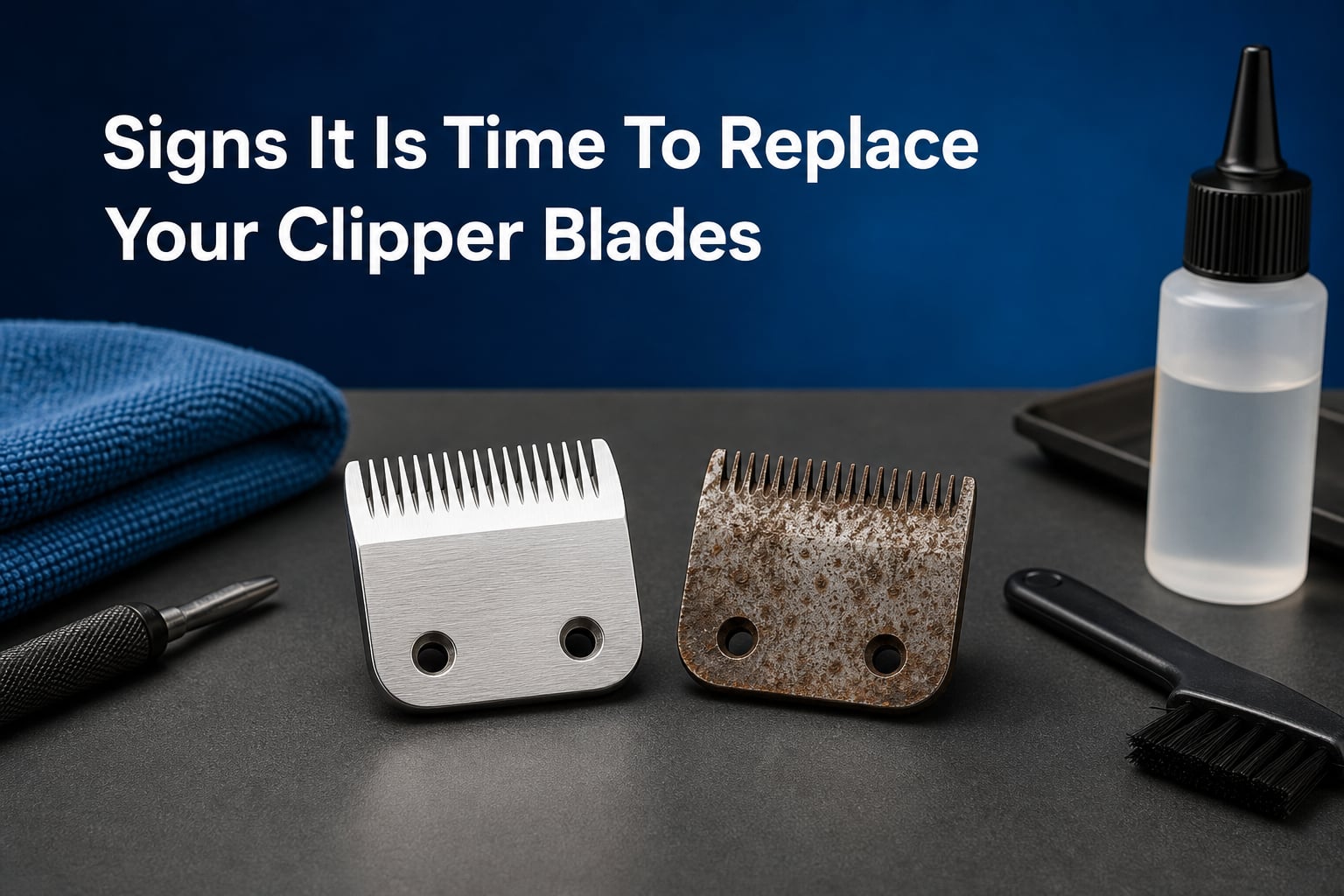
Sharp clipper blades are the difference between a clean, comfortable cut and a frustrating session full of pulling, overheating, and uneven results. Whether you are a barber, a pet groomer, or someone who trims at home, dull blades quietly get worse over time. Most people do not realize how bad their blades have become until they finally swap in a fresh set.
The signs it is time to replace your clipper blades are actually easy to spot once you know what to look for. Pulling hair, overheating, track marks, strange sounds, and visible rust are the five biggest warnings. The trouble is that blade wear happens so gradually that your hand and eye adapt to the declining performance.
In this guide, I will walk you through each warning sign in detail. I will also cover how blades actually wear out, how long they should last, whether you should sharpen or replace, and how to extend blade life with a simple maintenance routine. By the end, you will know exactly when to swap blades and when a quick cleaning is enough.
How Clipper Blades Actually Wear Out
Clipper blades do not fail all at once. They wear down through a slow combination of friction, heat, debris, and microscopic damage to the cutting edges. Two metal surfaces rub against each other thousands of times per minute, so even the best high-carbon steel or ceramic blades eventually lose their factory edge.
The Cutting Edge Degrades First
The sharpened edge of each tooth is the first thing to go. As that edge rounds over, the blade stops slicing cleanly and starts bending or crushing the hair instead. That is why pulling is usually the first sensation people notice, long before any visible damage appears.
Friction and Heat Build Up
As the edge dulls, the blade has to work harder to get through the same amount of hair. More effort means more friction, and more friction means more heat. A blade that used to stay cool for 20 minutes may suddenly feel uncomfortably warm after 5 minutes. That heat cycle also accelerates wear, creating a downward spiral.
Debris and Lack of Lubrication Speed Things Up
Hair fragments, dust, skin oils, and coat products act like sandpaper between the blade surfaces. Without regular oiling and cleaning, that debris grinds away at the metal far faster than normal cutting ever would. Dirty or greasy coats are one of the biggest accelerators of blade wear in pet grooming.
Contact Surfaces Wear Unevenly
The top blade and bottom blade rub together on their contact rails. Over time, those rails wear unevenly, which changes the blade geometry. Once the geometry shifts, the blade can leave track marks, cut unevenly, or fail to cut at all in certain spots.
The 5 Warning Signs It Is Time To Replace Your Clipper Blades
Here is a quick numbered summary of the five clearest warning signs:
Pulling hair instead of cutting it. Hair gets tugged, snagged, or yanked instead of sliced cleanly.
Overheating faster than usual. The blade gets uncomfortably hot in a fraction of the time it used to take.
Uneven finish or track marks. Lines, stripes, or patchy areas appear in the coat or haircut.
Changed sound or vibration. The clipper sounds labored, rattly, or noticeably different.
Visible physical damage or rust. You can see nicks, rust spots, missing teeth, or a dull gray edge.
Any one of these signs is enough to warrant a closer inspection. Two or more at the same time usually means replacement is overdue. Let us look at each sign in detail.
Sign 1: Your Clipper Pulls Hair Instead of Cutting It
Pulling is the single most common sign that your clipper blades need replacing. When the cutting edge is sharp, the blade slices through hair with almost no resistance. When that edge dulls, the blade tries to grab the hair but cannot cut it cleanly, so it pulls instead.
Many barbers and groomers describe the feeling as a tugging sensation. You may feel resistance as you move the clipper through the hair, or you may see the hair bend before it finally gives way. In pet grooming, a dog that suddenly flinches, winces, or tries to pull away during a normally calm session may be reacting to a dull blade that is pulling coat hair.
One experienced barber on Reddit put it simply: pulling is usually the first sign users notice. They describe hair getting yanked instead of cut, especially when working through thicker or denser sections. If you feel that tug, your blade is telling you it has lost its edge.
Before you throw the blade away, check a couple of things. Make sure the blade is clean and properly oiled, because a gummed-up blade can mimic dullness. Also check that the blade is seated correctly and that the tension is not too loose. If cleaning and oiling do not fix the pulling, the edge is gone and it is time to replace or sharpen.
A good test is to try a fresh blade on the same hair or coat and compare the difference. Many people are shocked at how much smoother a new blade feels. That before-and-after contrast is often the moment people realize how dull their old blade had become.
Sign 2: The Blade Overheats Faster Than Usual
Clipper blades generate heat during normal use, but a blade that overheats quickly is a red flag. A sharp blade cuts efficiently and produces relatively little friction. A dull blade has to work harder, and that extra effort converts directly into heat.
If your blade used to stay comfortable for 15 or 20 minutes and now feels too hot to touch after 5 minutes, something has changed. The most likely cause is a worn cutting edge that is creating excess friction. You may also notice the clipper motor sounding more strained as it fights against the dull blade.
Overheating is not just uncomfortable for you. It is uncomfortable and potentially harmful for the person or animal being clipped. Hot blades can burn sensitive skin, and pets in particular may start reacting negatively to grooming sessions without any obvious explanation.
Blade coolant sprays can help manage heat temporarily, but they do not fix the underlying problem. If you find yourself reaching for coolant more and more often, treat that as a warning sign in itself. The blade is telling you it has worn past the point where lubrication alone can save it.
Also make sure you are oiling the blade properly, because a dry blade heats up much faster than an oiled one. If you oil regularly, clean thoroughly, and the blade still overheats quickly, replacement is the next logical step.
Sign 3: You See Uneven Results or Track Marks
Uneven cutting and track marks are visual proof that something is wrong with your blade. Track marks are those visible lines or stripes left in the hair or coat after a pass with the clippers. They happen when the blade is not cutting evenly across its full width.
There are several reasons track marks appear. The cutting edge may have worn unevenly, leaving some teeth sharper than others. The contact rails between the top and bottom blade may have worn down at different rates, changing the blade geometry. Or the blade may have accumulated debris in specific spots that blocks clean cutting.
In barbering, track marks often show up during fades, where precision matters most. A blade that used to blend seamlessly may start leaving visible lines that require extra passes to clean up. If you are making more passes than usual to get a smooth result, your blade is likely worn.
In pet grooming, track marks show up as uneven patches or stripes in the coat. Curly or wiry coats are especially prone to showing every imperfection in the blade. If a coat that normally clips down smoothly suddenly looks ragged, the blade is a prime suspect.
Cleaning and re-tensioning the blade can sometimes fix minor unevenness. But if track marks persist after a thorough cleaning, the blade geometry has likely shifted enough that sharpening or replacement is necessary. Track marks are not just cosmetic. They mean the blade is no longer doing its job across the full cutting surface.
Sign 4: The Sound or Vibration Has Changed
Your clipper has a baseline sound and feel that you get used to over time. When that sound or vibration changes, it is often an early warning that something has shifted. A dull or damaged blade puts different stresses on the motor and blade drive, and you can often hear and feel that difference.
A blade that sounds labored, strained, or slower than usual may be working too hard against a dull edge. A rattling or buzzing sound that was not there before can indicate a loose blade, a worn blade drive, or damaged teeth vibrating against the comb. Increased vibration in your hand can mean the blade is out of balance or not seated properly.
This is where diagnosing blade versus motor issues gets tricky. A change in sound could come from the motor, the blade drive, or the blade itself. The quickest way to isolate the problem is to swap in a known good blade. If the sound returns to normal with a fresh blade, the old blade was the culprit. If the strange sound persists with a new blade, the problem is likely in the clipper body or blade drive.
Many experienced groomers keep a spare sharpened blade on hand specifically for this kind of troubleshooting. It saves time and prevents you from blaming the blade when the real issue is a worn drive lever or linkage. Always test with a fresh blade before replacing or servicing the clipper itself.
Do not ignore sound changes. A clipper that sounds different is a clipper that is working differently, and that almost always means a change in cutting quality as well.
Sign 5: You Can See Physical Damage or Rust
Visible damage is the most obvious sign that a blade needs replacing, yet many people try to work around it. Take a minute to inspect your blades under good light on a regular basis. You are looking for nicks, chips, rust spots, missing or bent teeth, and a generally dull gray appearance on the cutting edge.
Nicks and Chips in the Teeth
Small nicks along the teeth can happen when the blade contacts a comb, scissors, or a hard surface. Even tiny chips create uneven cutting surfaces that pull hair and leave marks. A chipped tooth cannot be restored by sharpening, so replacement is the only real fix.
Rust and Corrosion
Rust is a serious problem for high-carbon steel blades. Even a small rust spot changes the surface texture and creates friction where there should be smooth sliding motion. Rust also spreads if left untreated, so a blade with visible corrosion should be replaced rather than risk contaminating your other equipment.
Bent or Missing Teeth
A bent tooth can scratch or cut skin, which is especially dangerous in pet grooming where the animal may move suddenly. A missing tooth leaves a gap that causes uneven cutting and can snag hair. Neither problem is repairable, so the blade must be replaced immediately.
The Dull Gray Edge Test
A sharp blade edge catches light differently than a dull one. If the cutting edge looks flat and gray rather than fine and bright, the edge has likely rounded over. Run a fingernail gently across the edge at a safe angle. A sharp blade will catch slightly, while a dull one will feel smooth and polished. That smoothness is the edge that used to be there.
Physical damage is non-negotiable. If you see rust, nicks, bent teeth, or missing teeth, stop using the blade and replace it. No amount of sharpening fixes structural damage.
Behavior Clues From Dogs and Clients You Should Not Ignore
Sometimes the first sign of a worn blade is not something you see on the blade. It is something you read in the behavior of the person or animal you are clipping. Dogs in particular are excellent early warning systems because they cannot tell you in words that something feels wrong.
A dog that normally stands still for grooming may start fidgeting, sitting down, or trying to move away. Some dogs start licking their lips, yawning, or showing other stress signals when the clipper touches them. These behaviors can mean the blade is pulling, pinching, or running too hot against their skin.
In human barbering, clients may not say anything directly, but you may notice them flinching or shifting when the clippers pass over certain areas. If a client who usually relaxes in the chair starts tensing up, pay attention. That reaction can happen before the pulling is obvious enough for you to feel it yourself.
The practical takeaway is simple. If an animal or client suddenly starts reacting differently during a clip, check the blade first. Clean it, oil it, and test it. If the behavior continues, swap in a fresh blade and see if the reaction stops. Often it does, and you will have caught the problem early.
Replace or Sharpen? A Simple Decision Framework
One of the most common questions is whether a tired blade needs sharpening or full replacement. The answer depends on the type of wear, the age of the blade, and how many sharpening cycles it has already been through. Here is a simple framework I use.
When Sharpening Makes Sense
Sharpening is a good option when the blade is clean, has no physical damage, and has only been in use for a moderate period. If the edge has simply dulled through normal use and the blade geometry is still intact, a professional sharpening can restore the cutting performance at a lower cost than buying new.
Quality high-carbon steel blades can typically be sharpened several times before the metal becomes too thin or the geometry shifts too far. Ceramic blades are a different story and are generally replaced rather than sharpened, since ceramic is brittle and difficult to regrind safely.
When Replacement Is the Better Choice
Replacement is the right call when you see physical damage like nicks, chips, rust, bent teeth, or missing teeth. It is also the better choice when a blade has already been sharpened multiple times and is still not performing well, because the underlying geometry has likely degraded past the point of recovery.
If a freshly sharpened blade still pulls, overheats, or leaves track marks within a short time, the contact surfaces have probably worn unevenly. At that point, continued sharpening is throwing money at a blade that will never cut like new again.
Quick Reference Decision Checklist
Sharpen if: Blade is clean, undamaged, geometry is intact, and it has not been sharpened too many times already.
Replace if: You see rust, nicks, bent teeth, missing teeth, or a blade that still underperforms after sharpening.
Replace immediately if: The blade has caused any skin irritation, scratching, or burning, especially on an animal or client.
Always test: After sharpening, compare performance against a known good blade before committing to the sharpened one long-term.
A practical note from experienced barbers: keep a rotation of blades so you always have a sharp set ready. This lets you send dull blades out for sharpening without downtime, and it makes it much easier to notice when a blade has crossed the line from dull-but-serviceable to truly worn out.
How Long Should Clipper Blades Last?
There is no single answer to blade lifespan because it depends heavily on usage volume, coat or hair type, maintenance habits, and environmental conditions. But experienced users have developed useful rules of thumb that can help you set expectations.
High-Volume Professional Use
Barbers cutting 30 to 40 or more clients per week typically replace blades every 3 to 6 months. At that volume, blades are running constantly and wear accelerates quickly. Many pros rotate between several blade sets to spread the wear and extend overall lifespan.
Pet groomers working through multiple dogs per day often see similar timelines, especially when dealing with dirty, matted, or oily coats that dull blades faster. Some high-volume groomers replace their most-used blade sizes every 2 to 4 months.
Moderate Home or Hobby Use
If you are cutting your own hair or trimming a family pet occasionally, blades can last a year or longer with good maintenance. The key word is good maintenance, because infrequent use without cleaning and oiling can actually cause more problems than daily professional use with proper care.
Factors That Shorten Blade Life
Several factors accelerate wear regardless of your usage level. Dirty or greasy coats grind down the edge faster than clean hair. High blade tension settings increase friction and heat. Humid storage conditions promote rust on steel blades. Dropping the blade or contacting combs and hard objects creates nicks that cannot be undone.
The best approach is to track your own usage and results. Note when you install a new blade, and watch for the warning signs described above. Over time, you will develop a feel for how long blades last in your specific situation.
Maintenance Tips to Extend Blade Life
Good maintenance can significantly extend the useful life of your clipper blades. The goal is to reduce friction, remove debris, prevent rust, and protect the cutting edge between uses. Here is a practical routine that works for both barbers and pet groomers.
Daily Maintenance Checklist
Brush hair fragments out of the blade after every use with a cleaning brush.
Apply clipper oil to the teeth and contact rails after each session, then run the clipper briefly to distribute it.
Wipe the blade with a clean, dry cloth to remove excess oil and debris.
Check the blade temperature periodically during long sessions and let it cool if it gets too warm.
Inspect the blade visually for hair buildup, early rust spots, or any nicks before putting it away.
Weekly Maintenance Checklist
Remove the blade and clean the contact surfaces thoroughly with blade wash or a recommended cleaner.
Dry the blade completely before reoiling to prevent moisture-related rust.
Check the blade drive and linkage for wear, since a worn drive can mimic blade problems.
Test the blade on a small area and compare the cut quality to your baseline.
Store blades in a dry case or blade rack, away from humidity and dust.
Oiling Is the Single Most Important Habit
If you do nothing else, oil your blades. A properly oiled blade runs cooler, cuts smoother, and resists wear far longer than a dry one. Use dedicated clipper oil rather than household oils, which can gum up or attract debris. A few drops on the teeth and rails after every session takes seconds and adds months to blade life.
Storage and Environmental Tips
Store blades in a dry environment to prevent rust on steel components. If you live in a humid climate, consider using a moisture absorber in your blade storage area. Never store blades loose in a drawer where they can contact other metal tools and get nicked or scratched. Blade guards or individual slots protect the teeth from accidental damage.
Coat preparation matters too, especially in pet grooming. Brushing out dirt, mats, and debris before clipping reduces the abrasive load on the blade. A clean coat is far easier on your blades than a dirty one, and you will notice the difference in both cutting quality and blade longevity.
Rotate Your Blades
If you are a professional, keep at least two or three sets of your most-used blade sizes. Rotating between sets gives each blade time to cool, get cleaned, and be inspected properly. It also means you are never forced to use a tired blade because your only good one is dirty or cooling down. Rotation is one of the cheapest ways to extend total blade life across your kit.
FAQs
How do you know when to replace clipper blades?
You know it is time to replace clipper blades when they pull hair instead of cutting, overheat faster than usual, leave uneven results or track marks, sound or feel different during use, or show visible damage like rust, nicks, or bent teeth. Any one of these signs warrants inspection, and two or more usually mean replacement is overdue.
How long should a clipper blade last?
High-volume professionals cutting 30 to 40 or more clients per week typically replace blades every 3 to 6 months. Moderate home users with good maintenance can get a year or more from a blade. Lifespan depends on usage volume, hair or coat type, maintenance habits, and storage conditions.
What are the signs of a worn trimmer blade?
The main signs are pulling or snagging hair, rapid overheating, uneven cutting or track marks, changed sound or vibration, and visible physical damage such as rust, chips, bent teeth, or missing teeth. A dull gray cutting edge that no longer catches light sharply is also a sign of wear.
How to tell if your clipper blades are dull?
You can tell clipper blades are dull by the sensation of tugging or pulling during a cut, by comparing performance against a fresh blade, and by visually inspecting the edge. A sharp edge looks fine and bright and catches a fingernail slightly, while a dull edge looks flat and gray and feels smooth.
Is it better to sharpen or replace clipper blades?
Sharpening is better when the blade is clean, undamaged, and has intact geometry with only a moderate number of prior sharpenings. Replacement is better when you see rust, nicks, bent or missing teeth, or when a freshly sharpened blade still underperforms. Ceramic blades are generally replaced rather than sharpened.
Why are my clipper blades pulling hair?
Clipper blades pull hair when the cutting edge has dulled and can no longer slice cleanly. The blade grabs the hair but cannot cut it, so it tugs instead. Debris buildup, low blade tension, or a dry unlubricated blade can also cause pulling, so clean and oil the blade before deciding it needs replacement.
How do I prevent clipper blade rust?
Prevent clipper blade rust by oiling blades after every use, drying them completely before storage, keeping them in a dry case or rack away from humidity, and avoiding damp environments. In humid climates, use a moisture absorber in your storage area and inspect steel blades regularly for early corrosion spots.
Can dull clipper blades hurt my dog or client?
Yes. Dull blades can pull hair painfully, pinch skin, overheat and burn sensitive areas, and leave an uneven uncomfortable finish. Dogs may show stress signals like flinching or trying to pull away. Replace or sharpen blades at the first sign of pulling or overheating to keep grooming safe and comfortable.
Conclusion
The signs it is time to replace your clipper blades are clear once you stop and pay attention. Pulling hair, overheating, track marks, sound changes, and visible damage are your blade’s way of asking for help. The sooner you act on those signals, the better your cuts will be and the more comfortable your clients and animals will stay.
Remember that blade wear is gradual, which makes it easy to normalize declining performance. The best habit is to keep a fresh blade on hand for comparison. If your old blade suddenly feels dramatically worse than the new one, you waited too long but now you know for next time. Replace early, maintain consistently, and your blades will serve you well through every cut in 2026.