
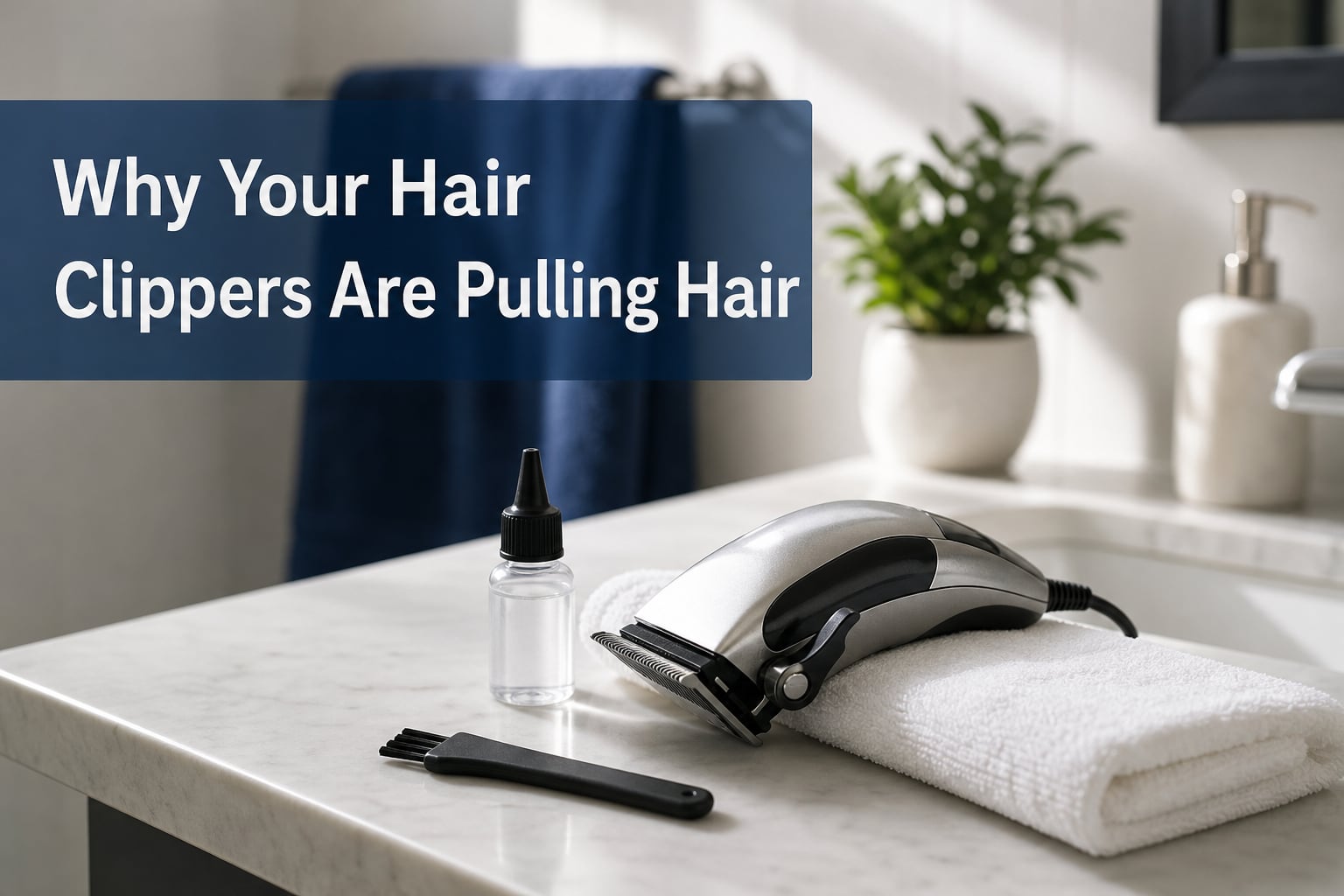
Hair clippers pull hair when the blades cannot slice cleanly and instead grip or snag strands before cutting. In most cases, the cause is one of seven things: dull blades, lack of oil, misaligned blades, hair buildup, a weak motor, a worn spring, or the wrong clipper for your hair texture. I have fixed dozens of clippers over the years, and the good news is that most pulling problems are cheap and fast to solve once you know what to look for.
This guide covers each cause, how to diagnose it, and the exact steps I use to get clippers cutting smoothly again. You will also learn when to sharpen, when to replace, and how to maintain your clippers so the problem does not come back.
Why Your Hair Clippers Are Pulling Hair: 7 Common Causes
Before you start taking anything apart, it helps to know what is most likely causing the tugging sensation. The seven causes below are the ones I see again and again, both in home grooming and in professional barber settings.
Dull Blades Are the Most Common Cause
Dull clipper blades do not cut hair cleanly. Instead of slicing, they push or tear the hair, which feels like pulling or snagging. Carbon steel blades dull faster than ceramic blades, especially if you cut thick or coarse hair regularly. I usually notice dullness first around the corners of the blade, where the cutting action is highest.
Signs that your blades are dull include visible nicks, rust spots, hair bending before it cuts, and a rough sound during use. If you have to run the clipper over the same spot more than twice, the edge is probably gone. Dull blades also generate more heat because of extra friction, which can irritate the scalp.
Lack of Lubrication Creates Friction
Clipper blades move against each other thousands of times per minute. Without clipper oil, metal blades heat up and drag, which causes a tugging sensation even if the blades are still sharp. I have seen brand-new clippers start pulling simply because they were never oiled after the first few cuts.
Manufacturers like Wahl recommend applying two to three drops of clipper oil to the blade teeth before each use and again after cleaning. Hair trimmers with smaller blades need the same treatment. Using household oils such as vegetable or motor oil is a bad idea because they gum up the blade and collect dust.
Blade Misalignment Changes the Cutting Action
The top cutting blade should sit slightly to the right or left of the bottom fixed blade, with the teeth overlapping just enough to slice hair without touching skin. If the blades shift out of position, they can pinch or pull hair instead of cutting it. This is especially common after dropping a clipper or overtightening the screws.
To check alignment, hold the clipper at eye level and look at the blade tips. The cutting blade should extend just past the guide blade by about the thickness of a credit card edge. If one side is farther out than the other, loosen the screws, center the blade, and retighten evenly.
Hair and Debris Buildup Slows Blade Movement
Cut hair, skin flakes, and product residue collect quickly between the blades and under the guard. This buildup physically blocks the blade from moving at full speed, which makes the motor work harder and causes pulling. I clean my clippers after every haircut because even a small amount of debris changes cutting performance.
A small brush removes most loose hair. For deeper cleaning, remove the blade and use a soft cloth or cotton swab dipped in clipper cleaner or isopropyl alcohol. Let everything dry completely before adding oil and reassembling.
A Weak or Dying Motor Loses Cutting Power
Motor power matters more than many people realize. A motor running below its rated RPM cannot drive the blades fast enough to cut cleanly, so hair gets caught and pulled. This happens with older clippers, corded models on long extension cords, and cordless clippers with weak batteries.
Forum users often report that their clippers start pulling near the end of a cut. That pattern usually points to a battery losing charge or a motor overheating. If your cordless clipper pulls more when the battery indicator drops, the battery is likely the problem.
Worn or Broken Blade Springs Reduce Tension
The blade tension spring holds the two blades together with the right amount of pressure. If the spring weakens or breaks, the blades separate slightly during cutting. That gap lets hair slip between them instead of being sliced, which creates the pulling feeling. Springs wear out faster on clippers used daily in barbershops.
You can test tension by pressing the blade tips together with light pressure. They should spring back immediately and stay close with a soft humming sound when the clipper runs. If the blades rattle or feel loose, replace the spring or the whole blade assembly.
The Wrong Clipper Type for Your Hair Texture
Not every clipper handles every hair type well. Thick, coarse, or curly hair needs a motor with enough torque and blades designed to feed hair smoothly. A trimmer meant for light touch-ups will pull if you use it for a full head of thick hair. Guards can also snag long or curly hair if they are too short or poorly designed.
If you only notice pulling on certain areas, such as the crown or around the ears, the tool may be fine but the technique or guard choice may be wrong. Using the right guard length and cutting against the grain in small sections reduces strain on the motor and blades.
How to Fix Clippers That Pull Hair: Step-by-Step Guide
Now that you know the causes, here is the exact troubleshooting order I follow. Start with the quickest fixes and work toward the ones that take more time.
Step 1: Clean the Blades and Housing
Turn the clipper off and unplug it or remove the battery if possible. Brush away all loose hair from the blade teeth and the gap between the blades. Remove the blade according to the manufacturer’s instructions and clean underneath with isopropyl alcohol or clipper cleaner.
Step 2: Oil the Blades Properly
Apply two to three drops of clipper oil across the blade teeth while the clipper is running. Hold it blade-down so the oil works through the moving parts. Wipe away any excess with a clean cloth. Test on a small section of hair. In about 30 percent of cases, this single step fixes pulling completely.
Step 3: Check and Adjust Blade Alignment
Look at the blade from the front and top. The cutting blade should extend slightly past the guide blade and be even on both sides. Loosen the two screws, reposition the blade, and tighten in an X pattern so the blade stays centered. Run the clipper and listen for a smooth, steady hum.
Step 4: Inspect the Blade for Damage
Hold the blade up to a light and look for nicks, chips, rust, or bent teeth. Damaged blades almost always pull hair and should be replaced. Minor dullness can sometimes be fixed with sharpening, but only if the blade has no physical damage.
Step 5: Test Motor Power and Battery Health
Run the clipper without a guard and listen to the sound. A healthy motor produces a strong, consistent buzz. If the pitch drops when you press the blade against hair, the motor or battery is struggling. For cordless clippers, test on a full charge. If pulling disappears at full charge but returns as the battery drains, replace the battery or consider a new clipper.
Step 6: Replace Worn Springs or Blades
If the blades feel loose or the spring looks flattened, install a replacement spring. Many blade assemblies come with the spring already attached, which makes replacement simple. After installing new blades, oil them and run the clipper for a minute to break them in before using on hair.
When to Replace vs. Sharpen Your Blades
One of the most common questions I get is whether to sharpen dull clipper blades or buy new ones. The answer depends on blade condition, cost, and how often you use the clipper.
Sharpening makes sense for high-quality carbon steel blades that are simply dull but have no chips, rust, or bent teeth. Professional sharpening services usually charge between $5 and $15 per blade set, which is worth it for expensive blades. However, ceramic blades cannot be sharpened at home and usually must be replaced.
Replace blades if you see visible damage, if the teeth are bent, or if sharpening has already been done two or three times. Each sharpening removes metal and eventually changes the blade geometry. When replacement blades cost less than $20 and sharpening costs nearly as much, replacement is often the smarter choice for home users.
Prevention and Maintenance Tips to Stop Pulling
Regular maintenance takes less than five minutes and prevents most pulling issues before they start. Here is the schedule I recommend based on how often you cut hair.
Oiling Frequency Chart
Apply clipper oil before every haircut for professional use, and before every one to two haircuts for home use. After cleaning, always add one to two drops and run the clipper for ten seconds to distribute the oil. If the blades look dry or sound louder than usual, oil them even if it is ahead of schedule.
Cleaning Schedule
Brush hair out of the blades after every use. Deep clean with cleaner or alcohol once a week for professional clippers and once a month for home clippers. Let the parts dry fully before reassembling to avoid rust and electrical issues.
Storage and Battery Care
Store clippers in a dry place, preferably with a blade guard attached. For cordless models, avoid leaving the clipper on the charger indefinitely, since that can shorten battery life. If you use the clipper only occasionally, charge it every few months to keep the battery healthy.
Frequently Asked Questions
How to get clippers to stop pulling hair?
Clean the blades, apply two to three drops of clipper oil, check blade alignment, inspect for damage, and test motor power. In most cases, cleaning and oiling fix the problem immediately.
How to use clippers without pulling hair?
Start with clean, dry hair. Use the right guard length, cut in small sections, oil the blades before use, and do not rush. Let the clipper do the work instead of pressing hard against the scalp.
How to prevent pulling while using a trimmer?
Keep the trimmer clean and oiled, use light pressure, and move against the grain in short strokes. If the trimmer has a weak motor, use it only for light detailing, not full haircuts.
Why are my new clippers pulling hair?
New clippers may have misaligned blades from shipping, dry factory blades, or a defective blade set. Check alignment first, then oil the blades. If pulling continues, contact the manufacturer for a replacement under warranty.
Conclusion
Why your hair clippers are pulling hair usually comes down to a small set of fixable problems. Dull blades, dry blades, misalignment, buildup, motor weakness, worn springs, and wrong tool choice are the main culprits. In most cases, cleaning and oiling solves the issue in under five minutes. If that does not work, check alignment and inspect the blades for damage.
Regular blade maintenance keeps your clippers cutting smoothly and extends their life by years. If you have tried these steps and the clipper still pulls, the motor or blade assembly may need professional repair or replacement. A smooth haircut starts with sharp, clean, well-oiled blades.